Slideshow · Money
15 Huge Reasons Elon Musk Is Exploring A Tesla And SpaceX Merger
With special independent director committees formed to explore a historic multi-trillion-dollar business combination, Elon Musk is looking to unite his two biggest empires. From unified AI models to Mars logistics, here are 15 reasons behind the proposed Tesla and SpaceX merger.
By Most Viral Today
21 Oct 2026

Swipe To See The 15 Massive Synergies Driving Musk's Mega Merger Plan. 
15. Shared Custom Microchip Design 
14. Direct-To-Cell Starlink Telemetry 
13. Unified Super-Intelligence AI - AdvertisementSwipe or tap ▶ to continue countdown

12. Ultra-Hard Stainless Steel Alloys 
11. Giant Industrial Megapack Batteries 
10. Ending Inter-Company Legal Friction 
9. Humanoid Optimus Mars Laborers - AdvertisementSwipe or tap ▶ to continue countdown

8. Cross-Pollinated Engineering Teams 
7. Massive Capital Scale And Liquidity 
6. Gigafactory High-Volume Manufacturing 
5. Off-Grid Global Energy Networks - AdvertisementSwipe or tap ▶ to continue countdown

4. Seamless Executive Leadership 
3. Defense And Civilian Dual Hegemony 
2. Creating A Five-Trillion-Dollar Titan 
1. Financing The Mars Colonization Engine - Advertisement🔥 UP NEXT IN THIS SERIES◫ 21 Slides

20 U.S. Cities Projected to Attract More Retirees by 2035
Retirees are abandoning classic havens for these rising 2035 dream cities
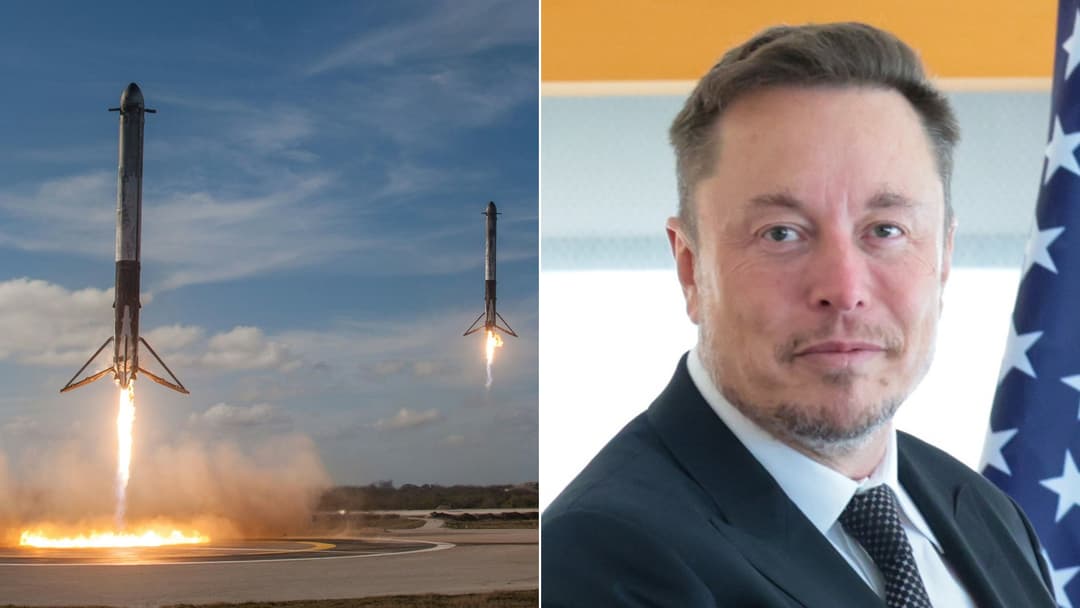
Elon Musk confirmed that Tesla and SpaceX are officially exploring a merger that could create a $3.5 trillion technological colossus. While negotiations face steep shareholder and regulatory hurdles, the industrial synergies between electric vehicles, rocketry, and artificial intelligence run deep.
Swipe or tap ▶ to begin the countdown
©Unsplash / SpaceX & Wikimedia / Prime Minister's Office
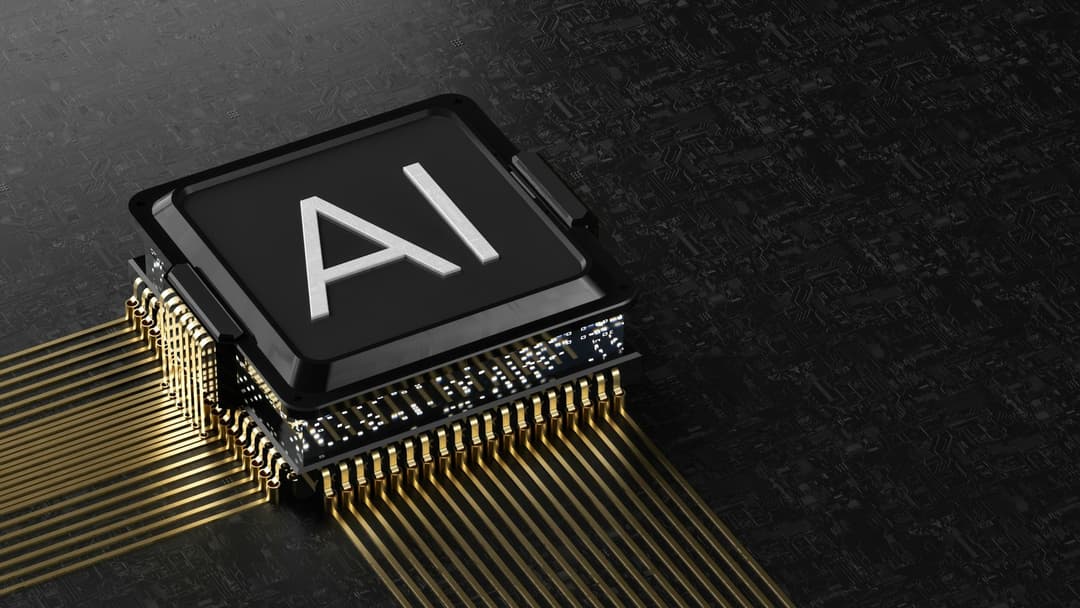
15. Shared Custom Microchip Design
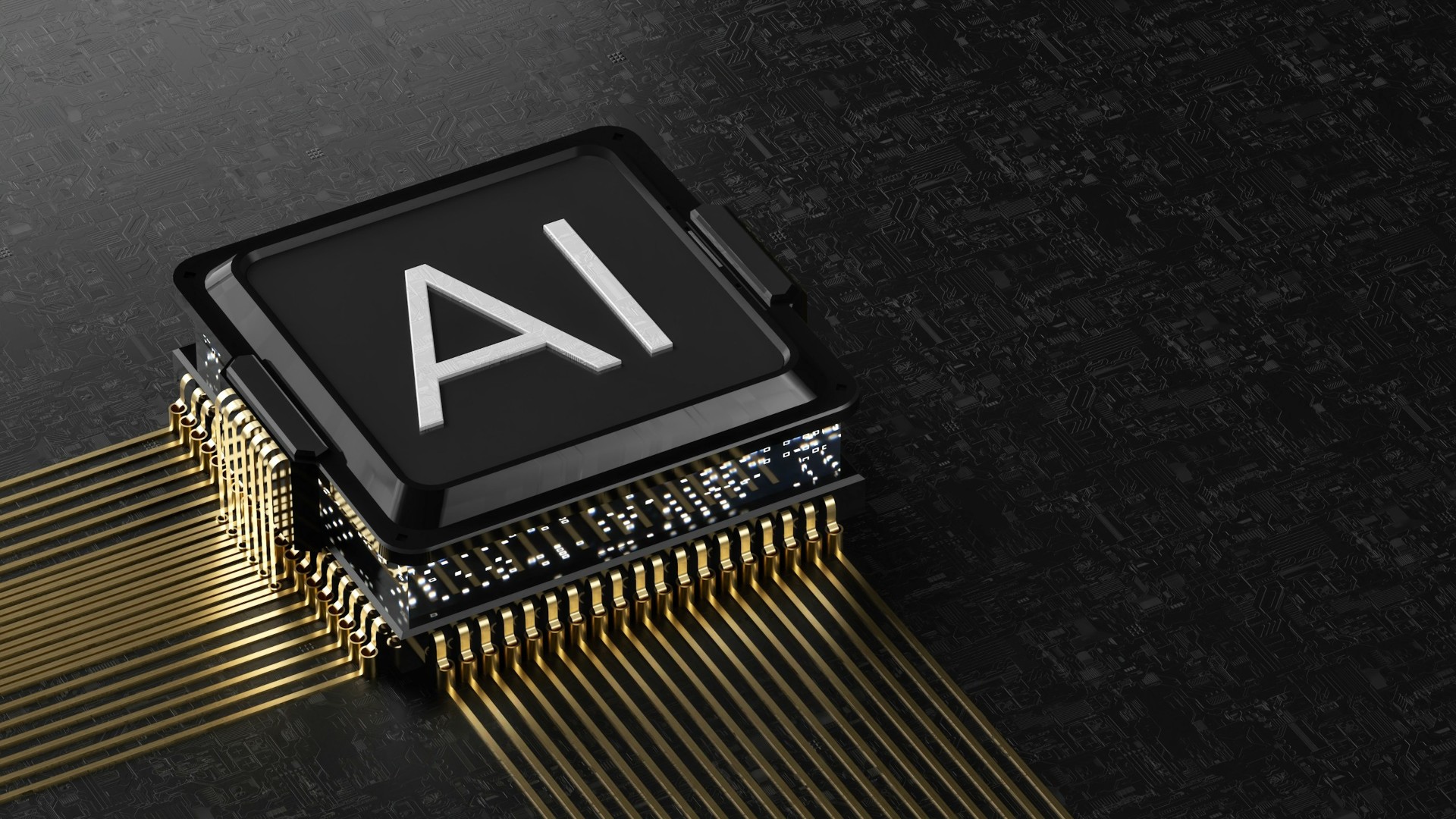
Both Tesla and SpaceX rely heavily on bespoke silicon, from autonomous Full Self-Driving computers to Starlink phased-array transceiver chips. Merging R&D under Musk's Terafab initiative allows both giants to pool semiconductor design talent and secure massive foundry volume.
© Photo by Igor Omilaev on Unsplash
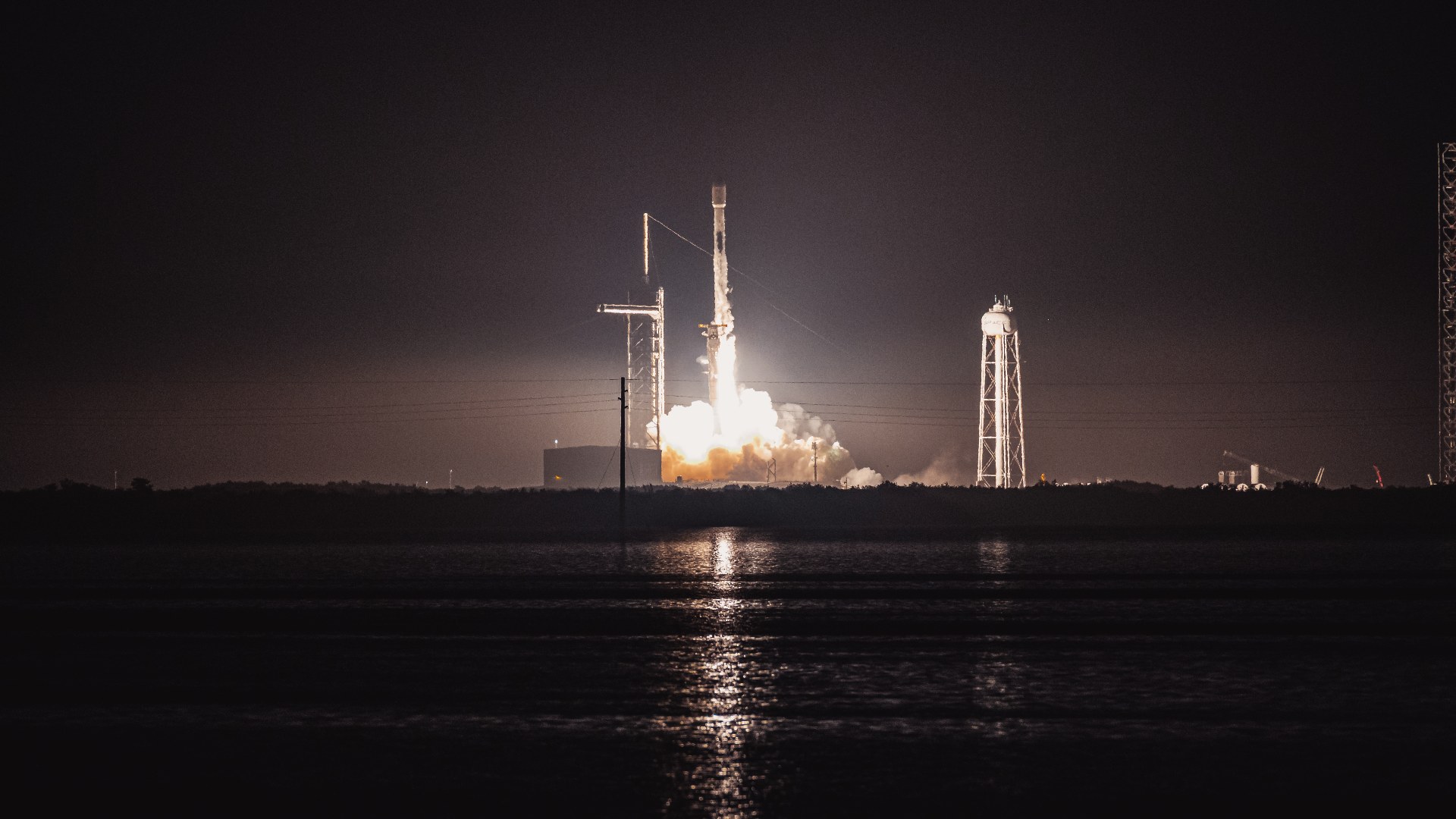
14. Direct-To-Cell Starlink Telemetry
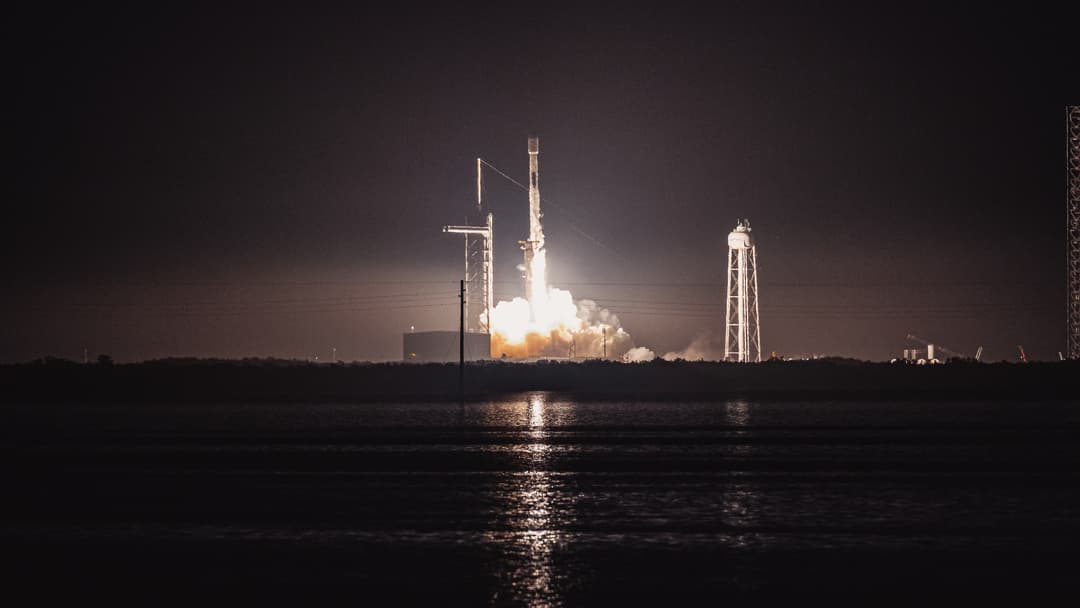
A global fleet of robotaxis requires continuous, low-latency communication that terrestrial cellular networks cannot guarantee in remote corridors. Deep Starlink hardware integration ensures every Tesla vehicle maintains off-grid navigation and real-time safety telemetry anywhere on Earth.
©Wikimedia / SpaceX
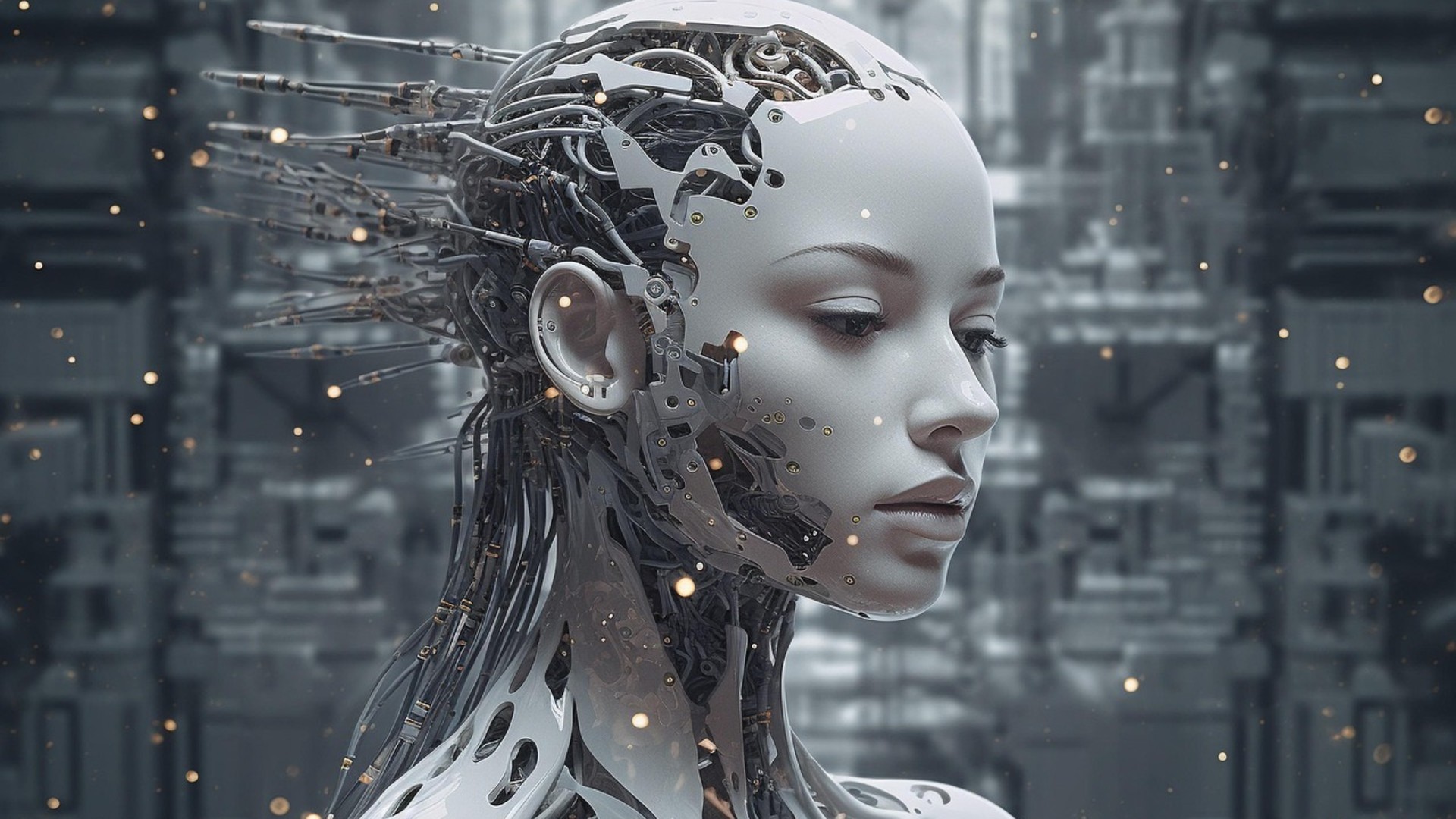
13. Unified Super-Intelligence AI
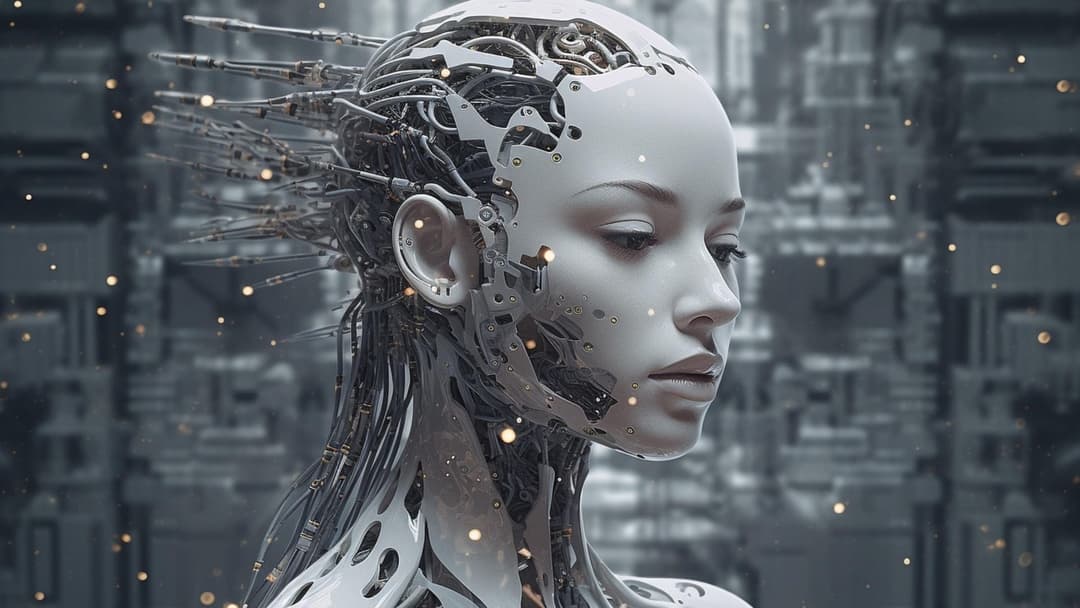
Tesla's vision-based neural networks process billions of real-world driving miles, while xAI builds frontier reasoning models and SpaceX gathers global orbital data. Uniting these data streams accelerates generalized physical artificial intelligence across both platforms.
©Pixabay / Alexandra_Koch
Advertisement
Swipe or tap ▶ to resume the countdown.
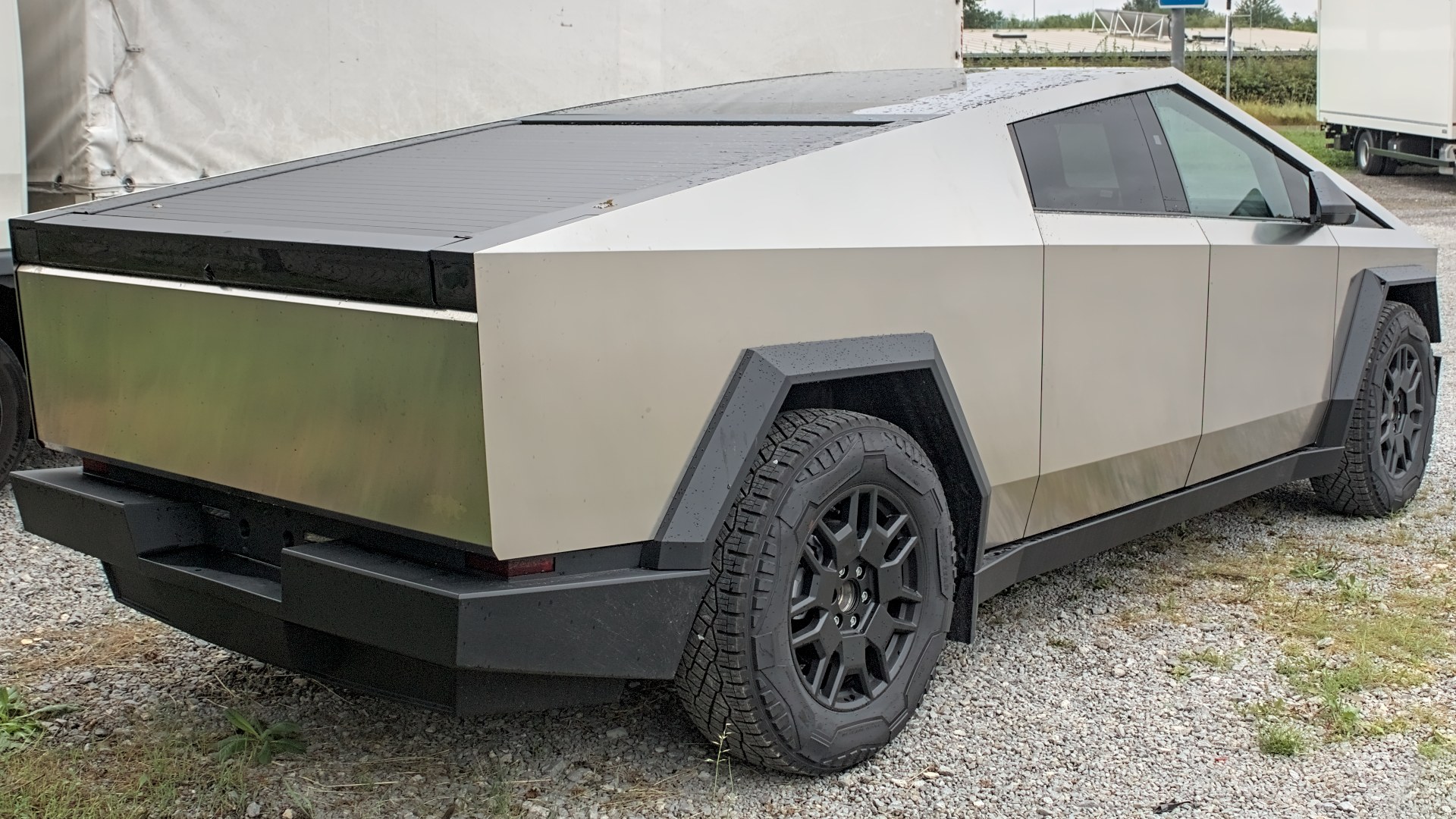
12. Ultra-Hard Stainless Steel Alloys
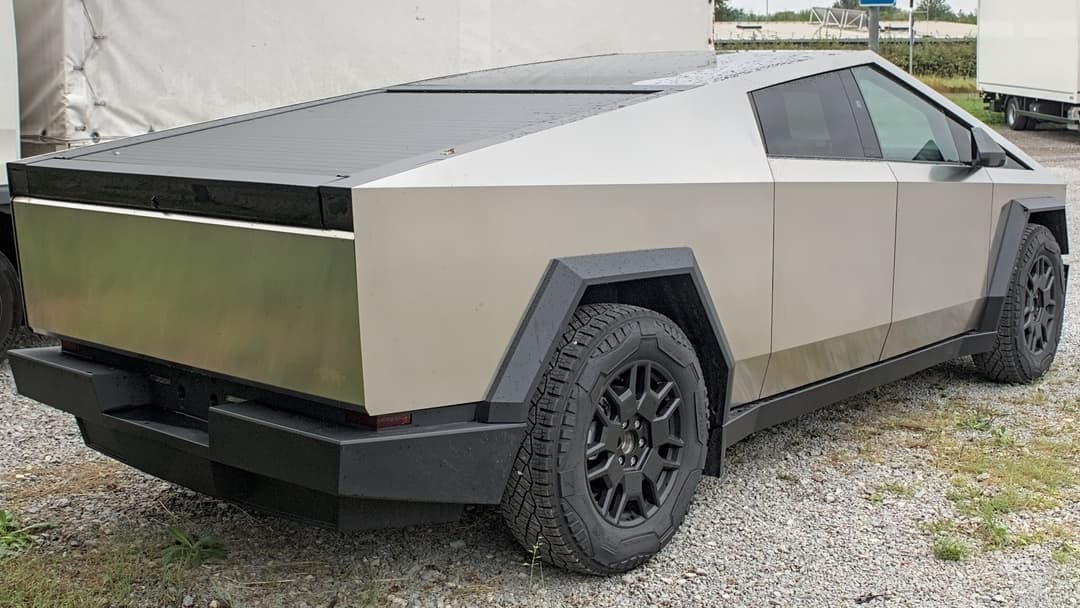
Both SpaceX's Starship and Tesla's Cybertruck utilize a proprietary 30X cold-rolled stainless steel exoskeleton engineered by shared metallurgy specialists. Merging the corporate structures directly streamlines raw alloy procurement, stamping presses, and thermal stress testing.
©Wikimedia / Alexander-93
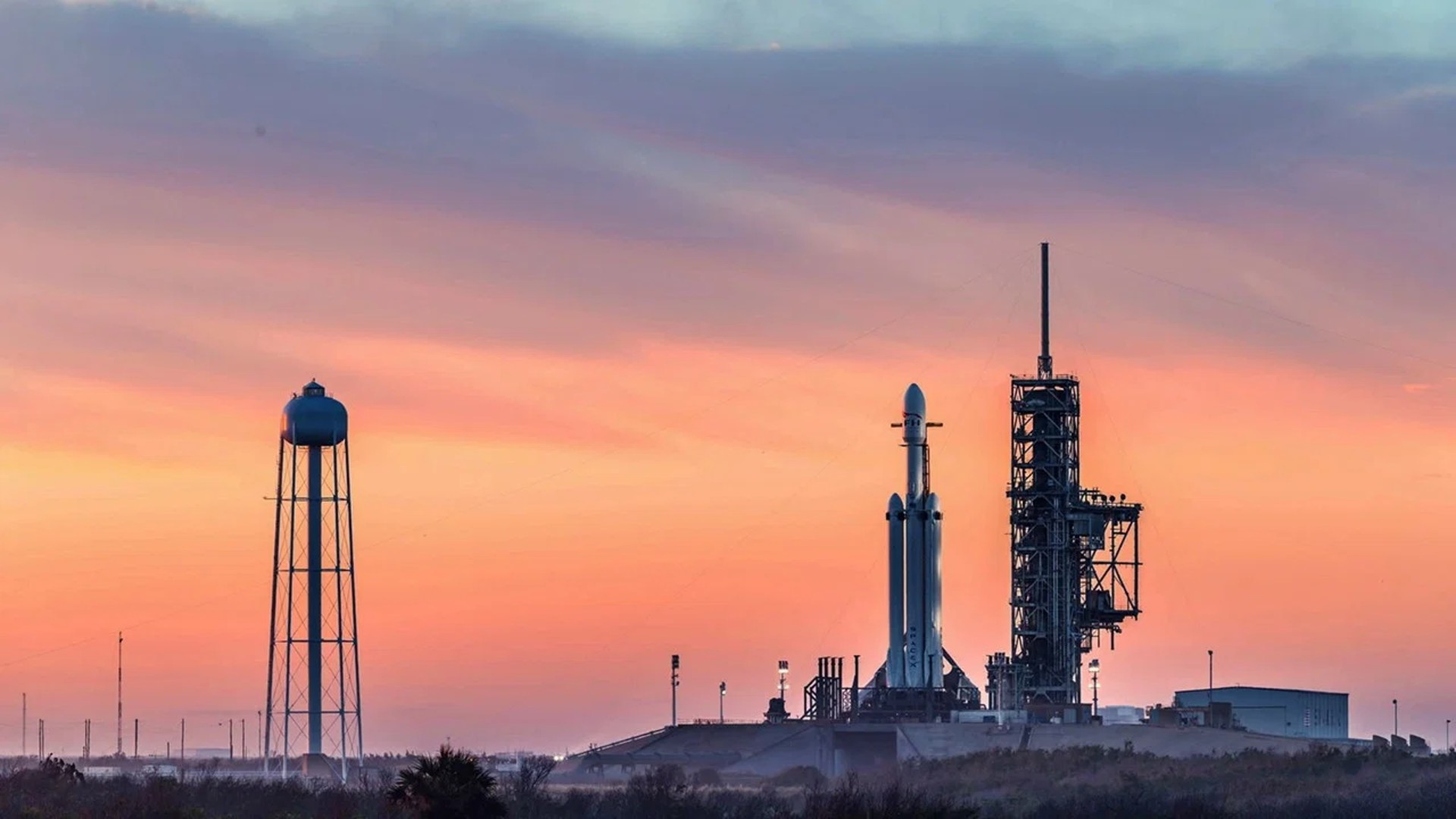
11. Giant Industrial Megapack Batteries
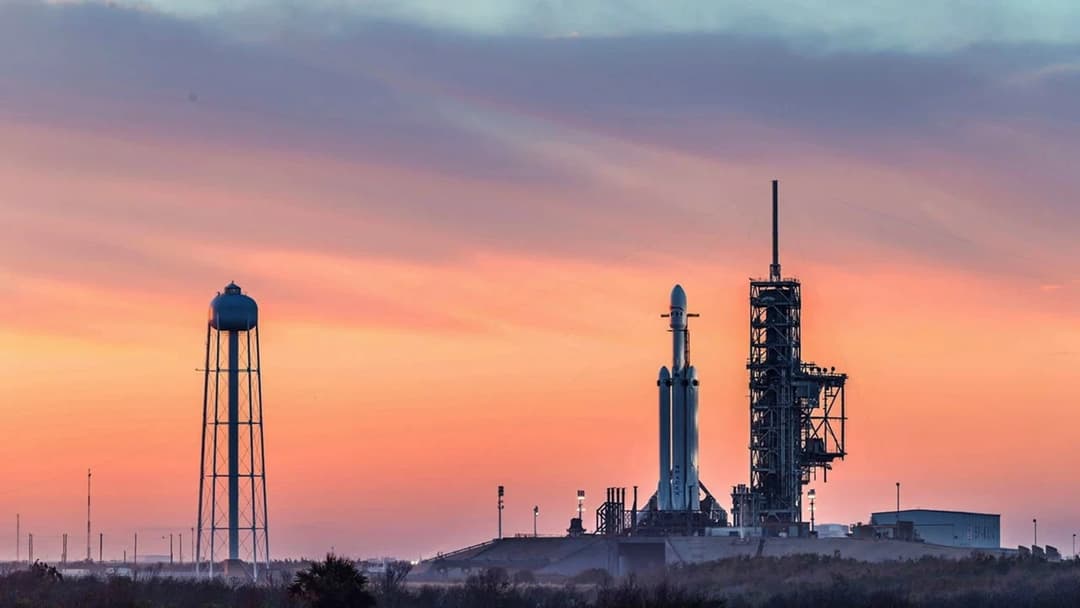
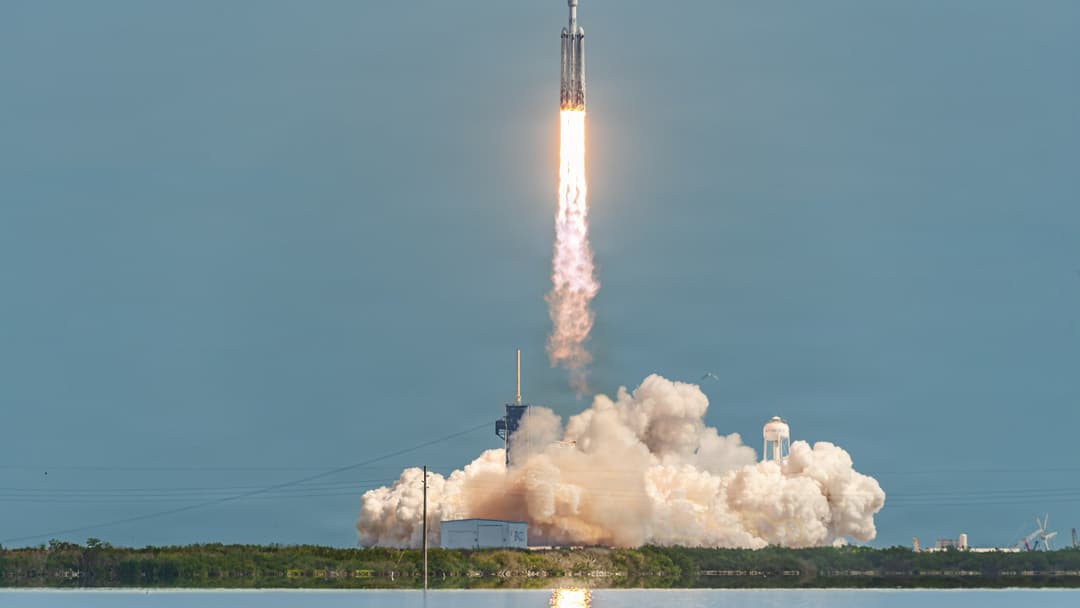
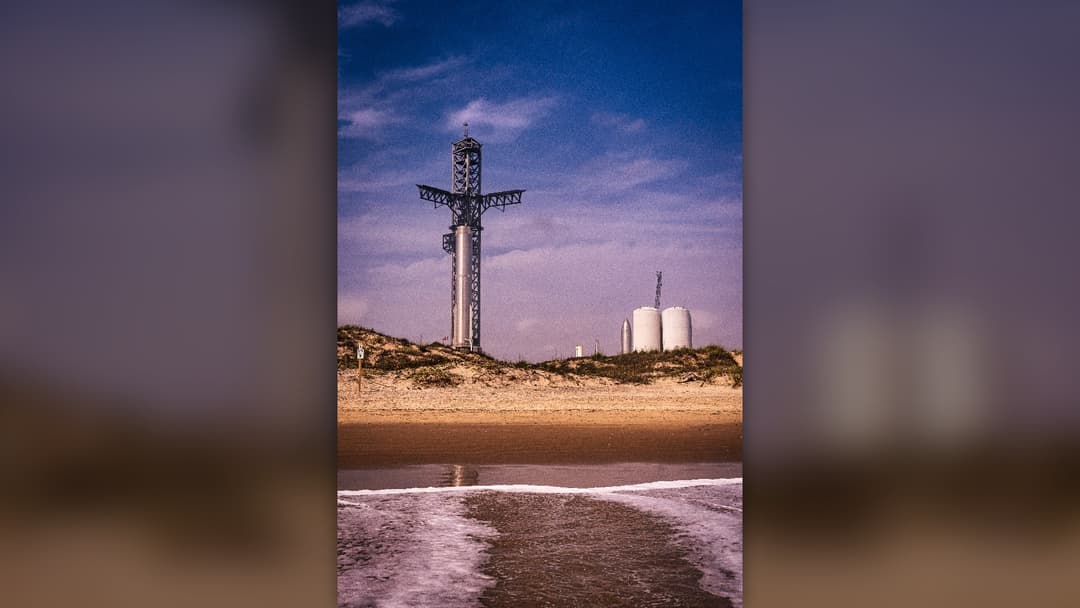
SpaceX's orbital launch sites at Starbase, Texas, and Cape Canaveral demand massive, reliable electrical loads during fueling and countdown operations. Tesla Megapack installations supply the high-density grid buffering required to keep launch complexes fully energized off-grid.
©TMDb / MARS: Inside SpaceX
10. Ending Inter-Company Legal Friction
Elon Musk has navigated multiple shareholder lawsuits regarding the movement of senior engineers, AI compute, and commercial contracts between his private and public entities. A single consolidated parent company dissolves related-party conflicts and simplifies governance under one board.
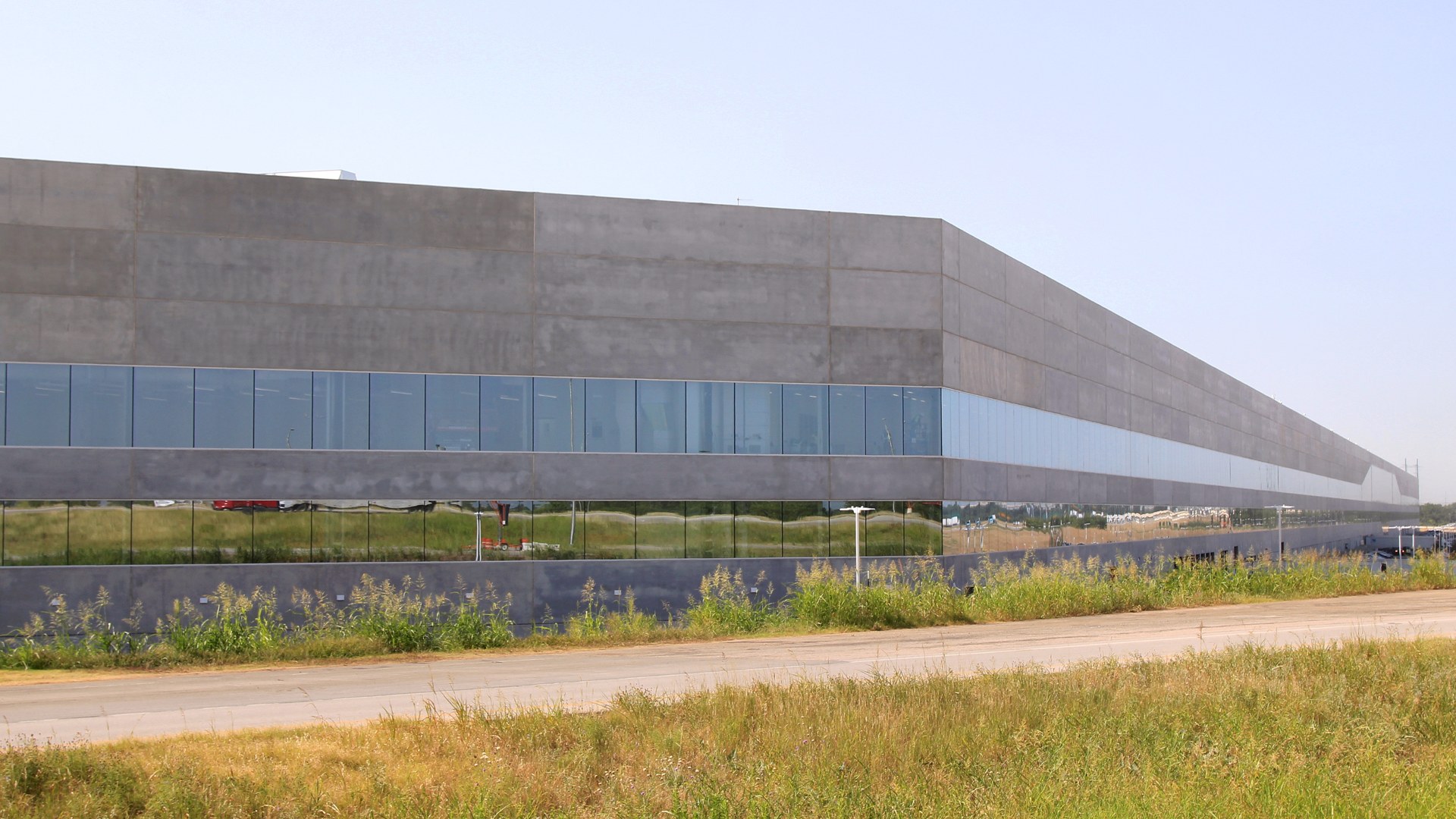
©Wikimedia / Brandon Furey
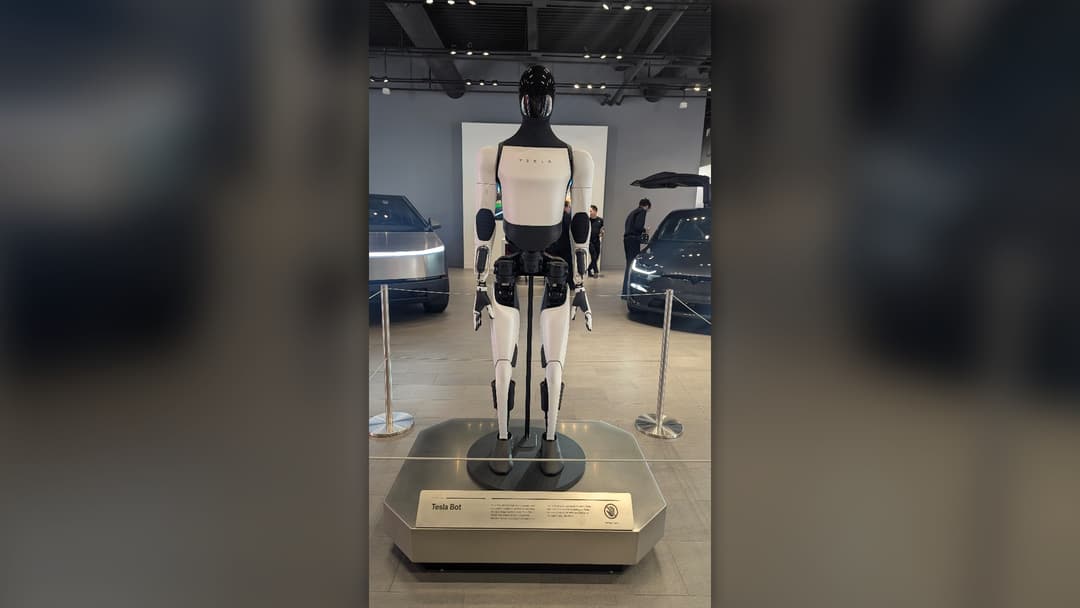
9. Humanoid Optimus Mars Laborers
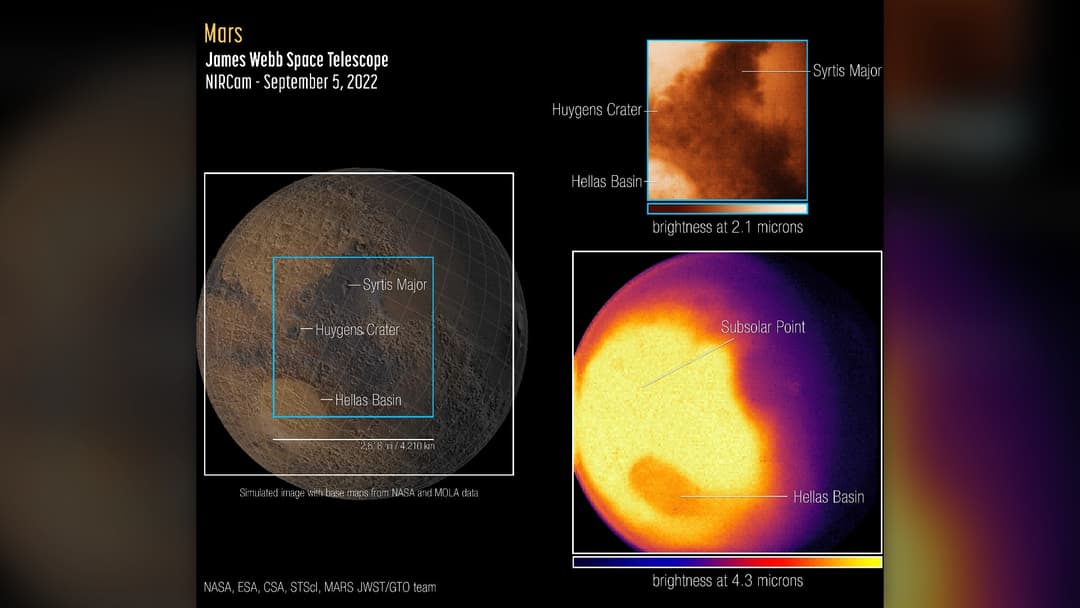
Musk's vision of a self-sustaining Martian civilization requires millions of tons of heavy cargo and labor before human astronauts arrive. Tesla's Optimus humanoid robot is being developed to handle hazardous, repetitive physical construction tasks in harsh extraterrestrial environments.
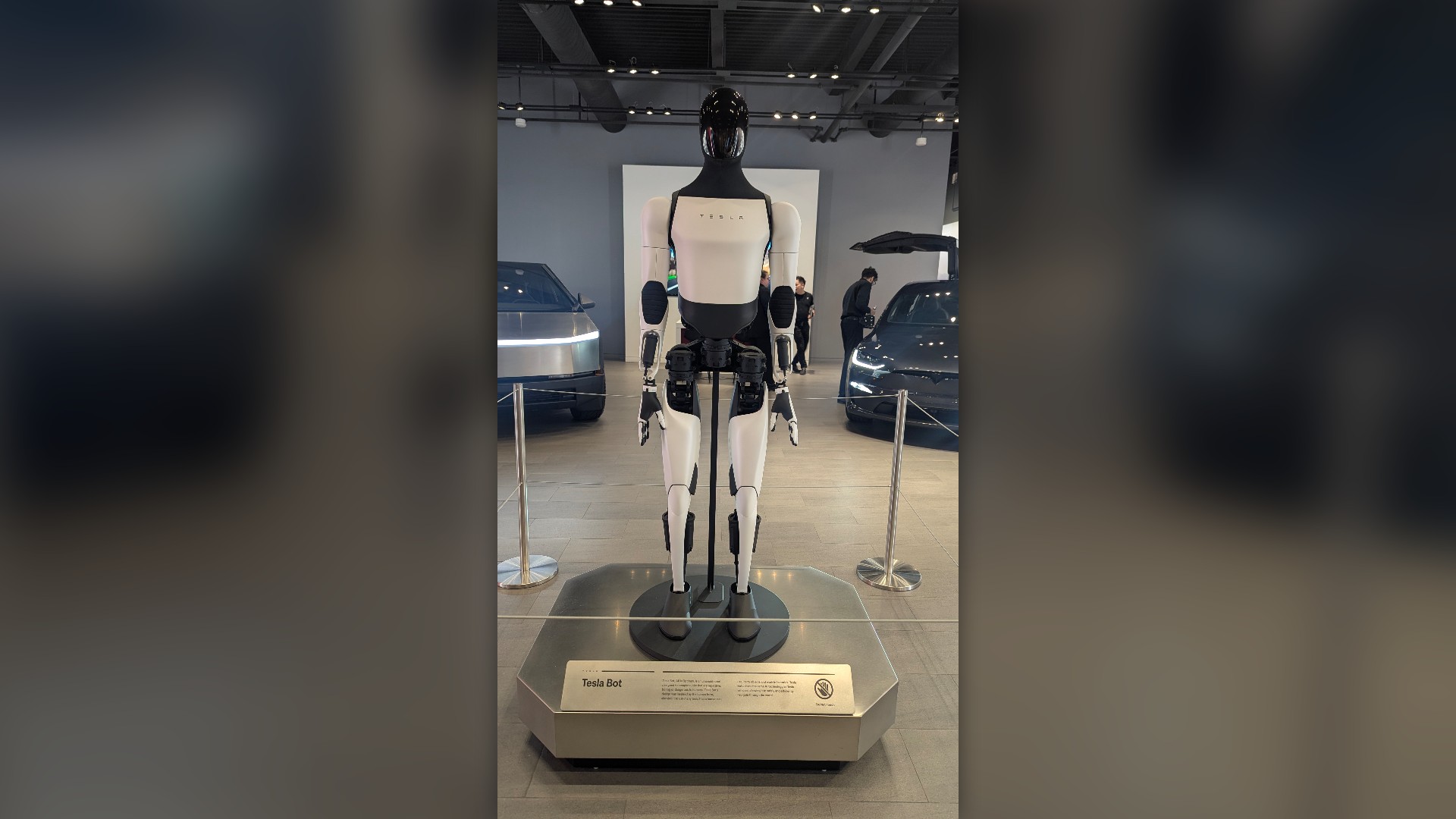
©Wikimedia / Sikander
Advertisement
Swipe or tap ▶ to resume the countdown.
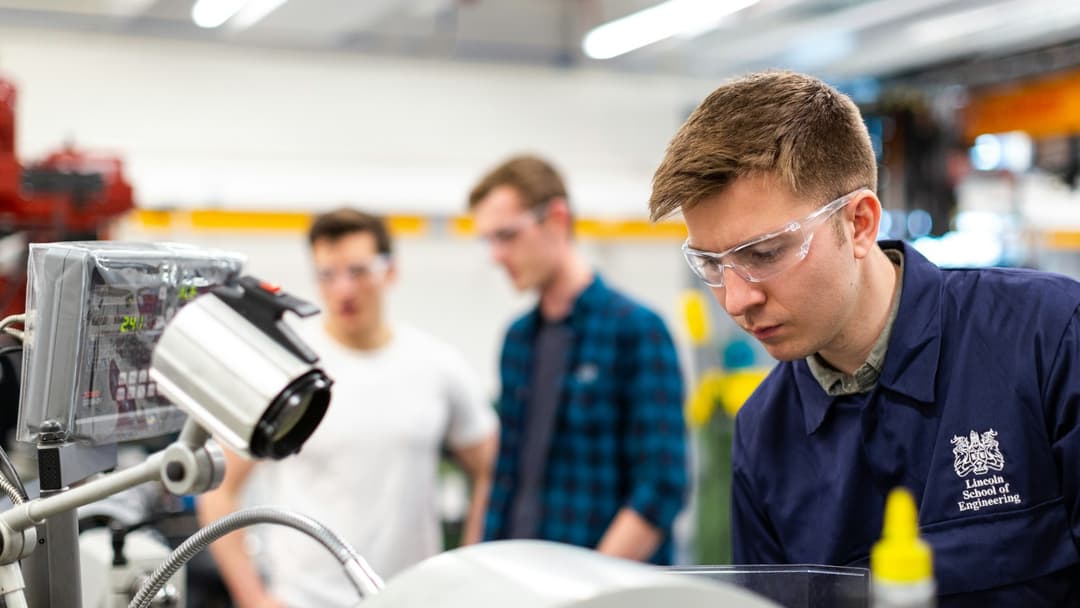
8. Cross-Pollinated Engineering Teams
Some of the world's most talented aerospace, software, and mechanical engineers work across Tesla and SpaceX. Merging the companies allows top technical minds to seamlessly transfer between rocket propulsion, autonomous driving algorithms, and vehicle thermodynamics without dual-employment restrictions.
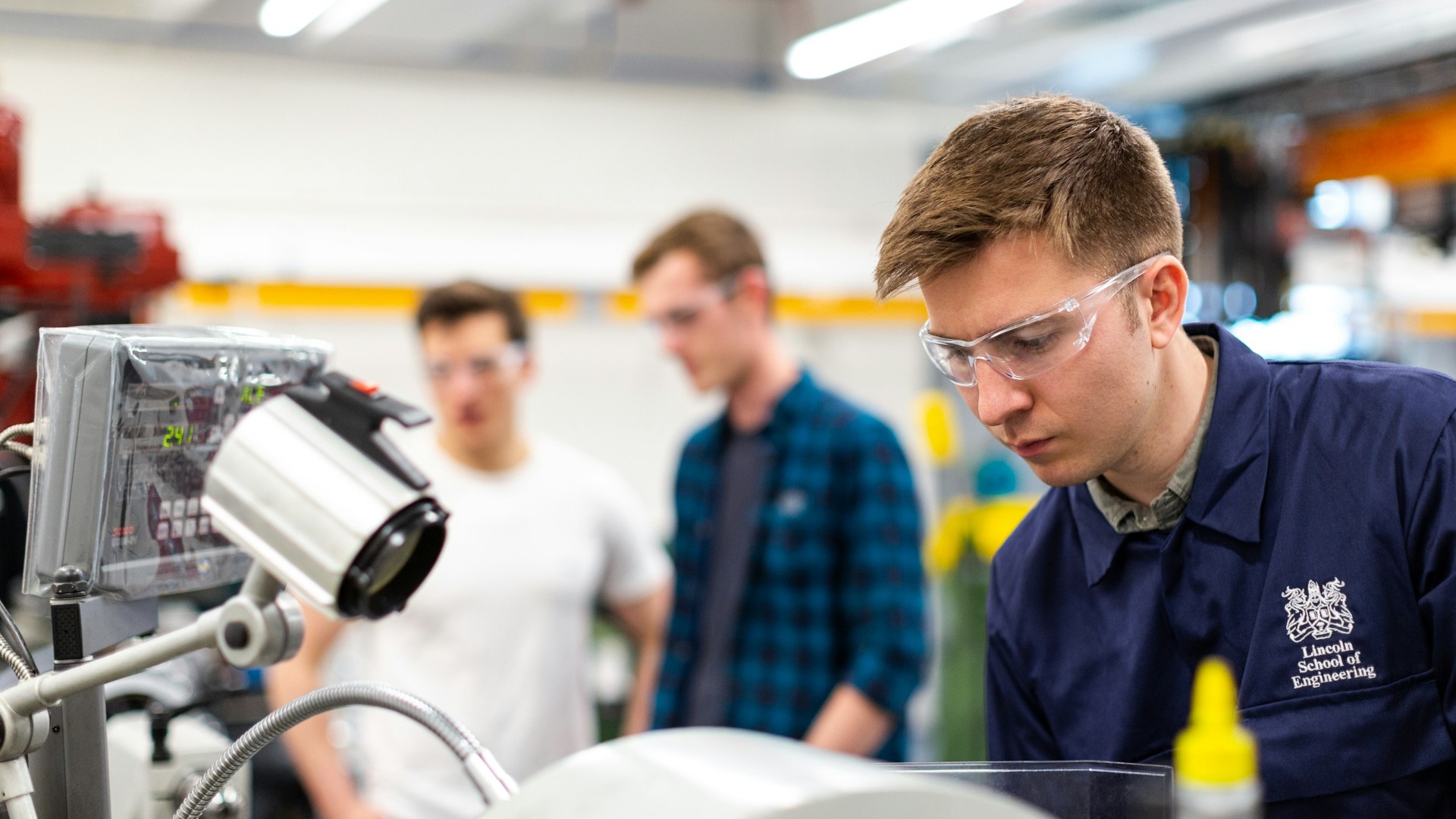
© Photo by ThisisEngineering on Unsplash
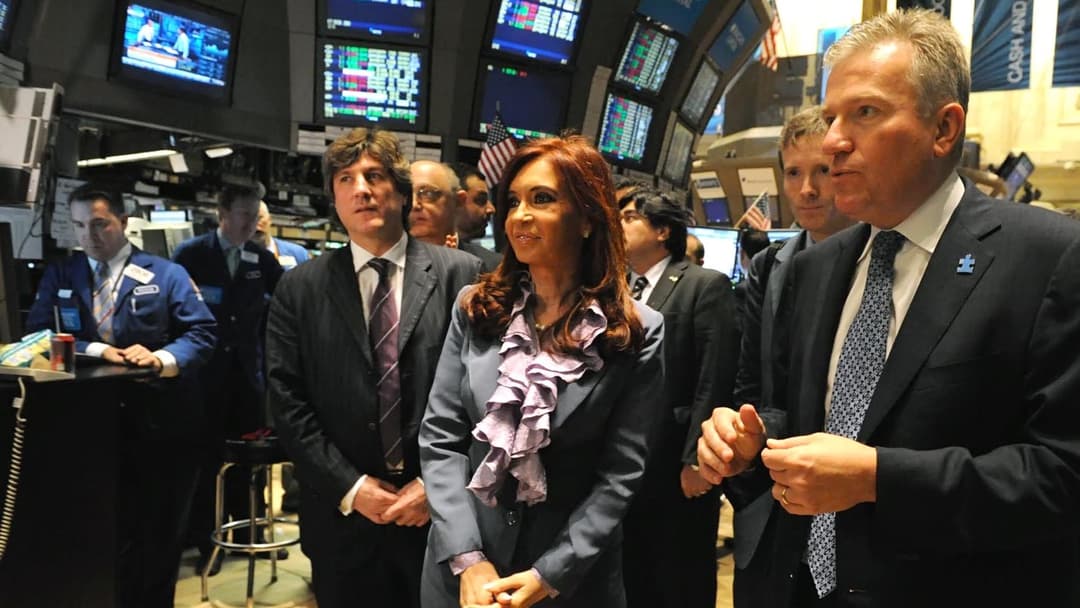
7. Massive Capital Scale And Liquidity
While SpaceX generates substantial, high-margin revenue through commercial launch monopolies and Starlink subscriptions, developing interplanetary infrastructure requires trillions in long-term capital. Tesla's massive public market liquidity provides a powerful, enduring financing engine.
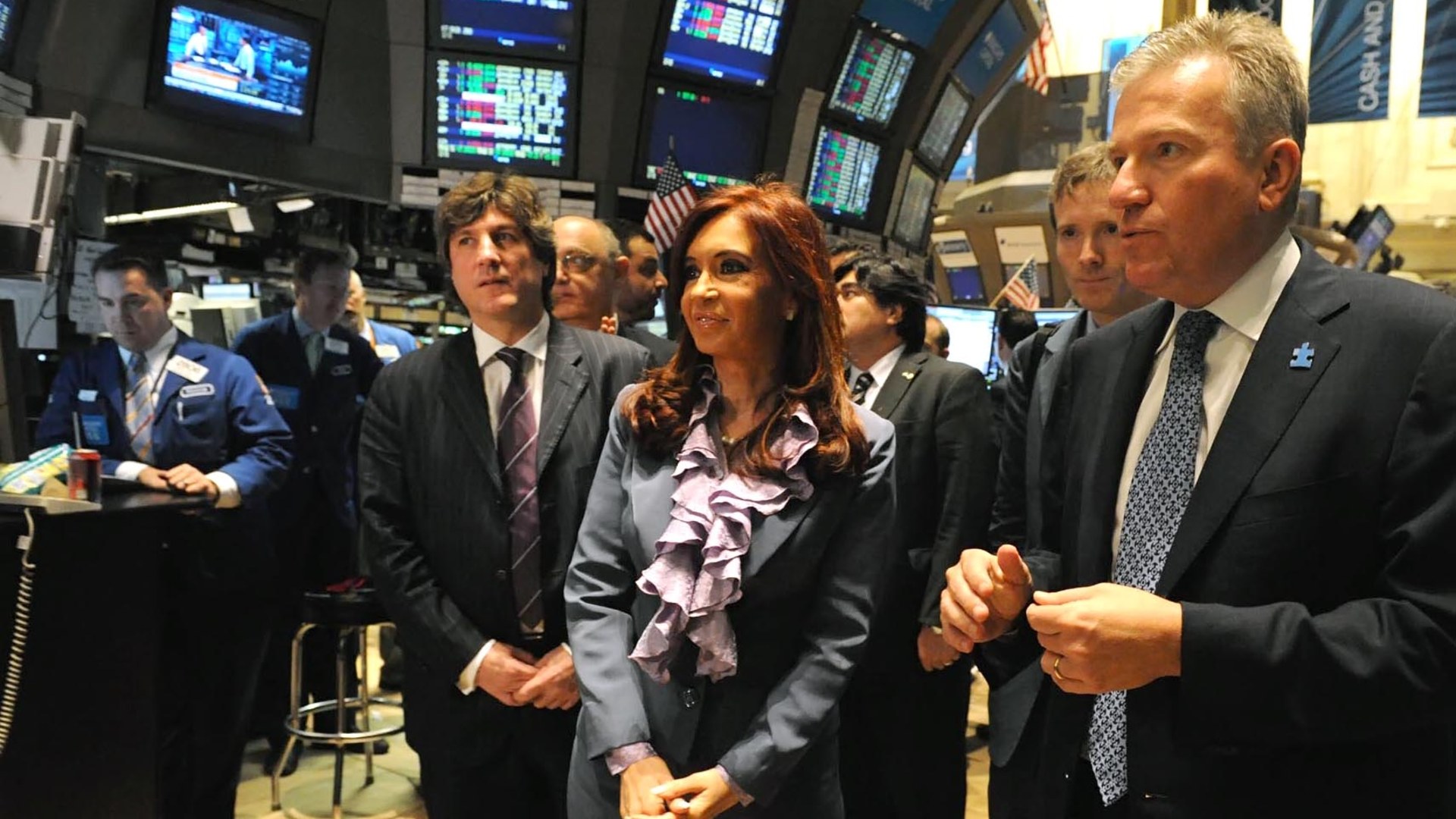
©Wikimedia / Presidencia de la Nacion
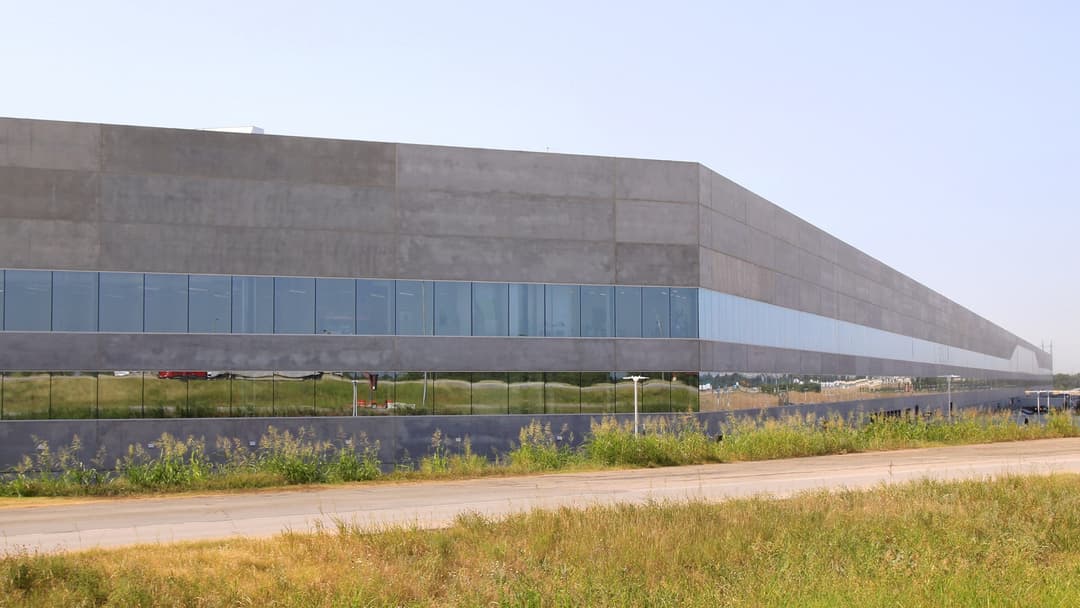
6. Gigafactory High-Volume Manufacturing
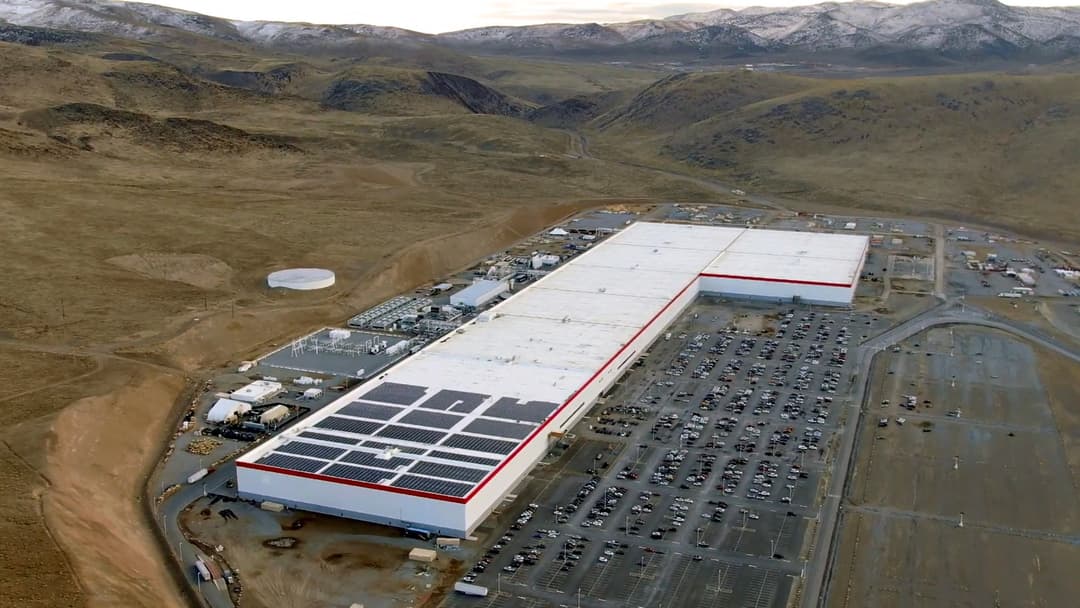
Tesla revolutionized automotive manufacturing through giant giga-casting presses, automated sub-assemblies, and relentless vertical integration. Transferring these high-cadence factory methodologies to SpaceX will be essential for building hundreds of Starships each year at commercial scale.
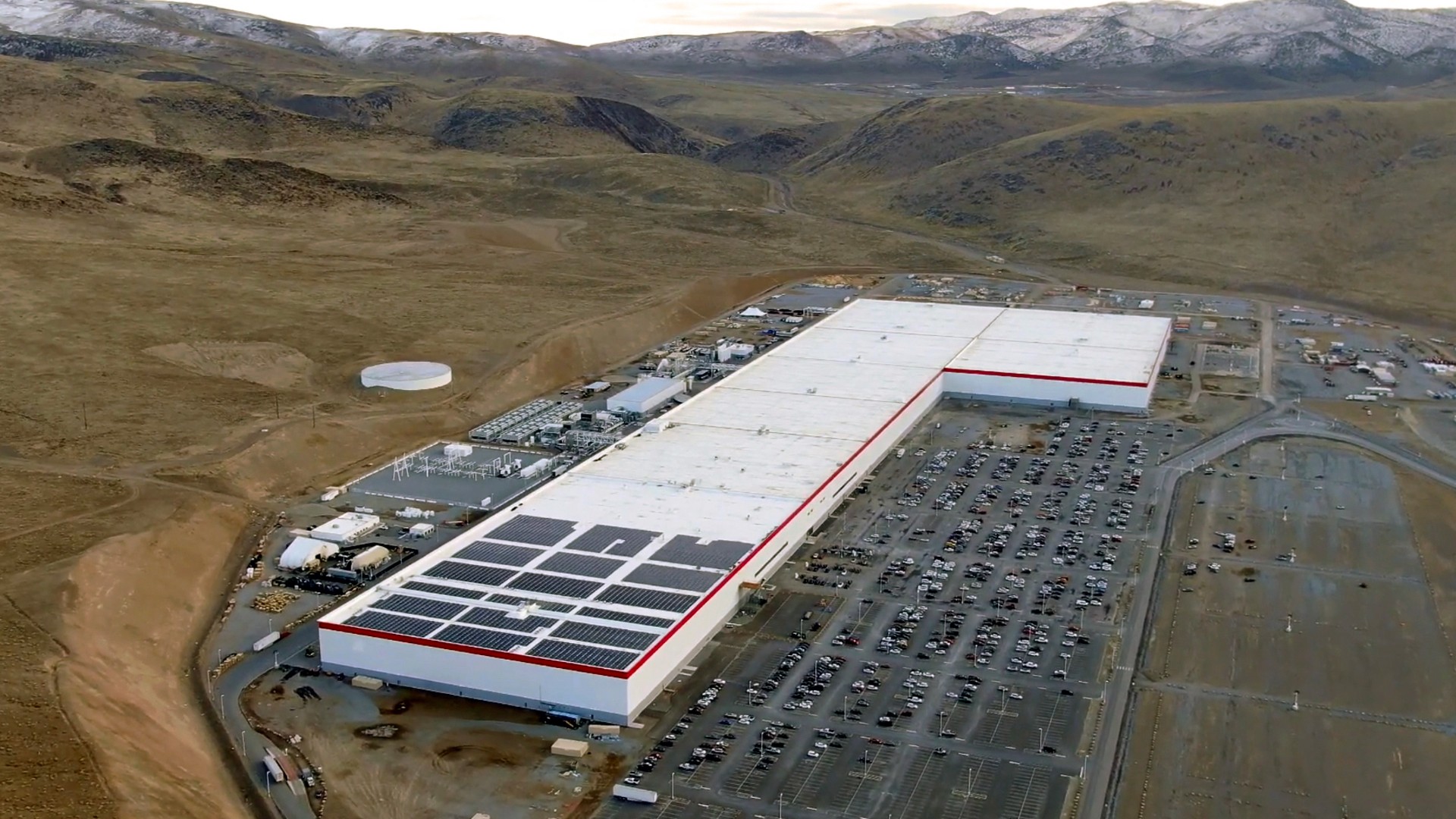
©Wikimedia / Smnt
5. Off-Grid Global Energy Networks
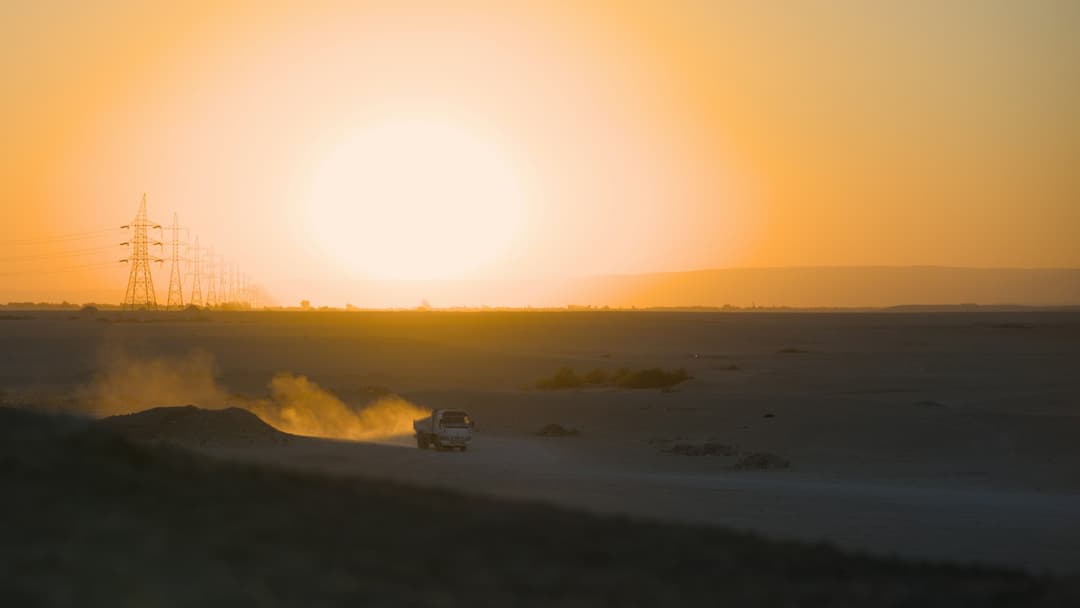
SpaceX's global Starlink gateway stations and remote launch facilities require self-sustaining, continuous power sources. Combining Tesla Solar Roofs and commercial battery systems creates turnkey, zero-emission operational hubs capable of functioning entirely independent of traditional energy grids.
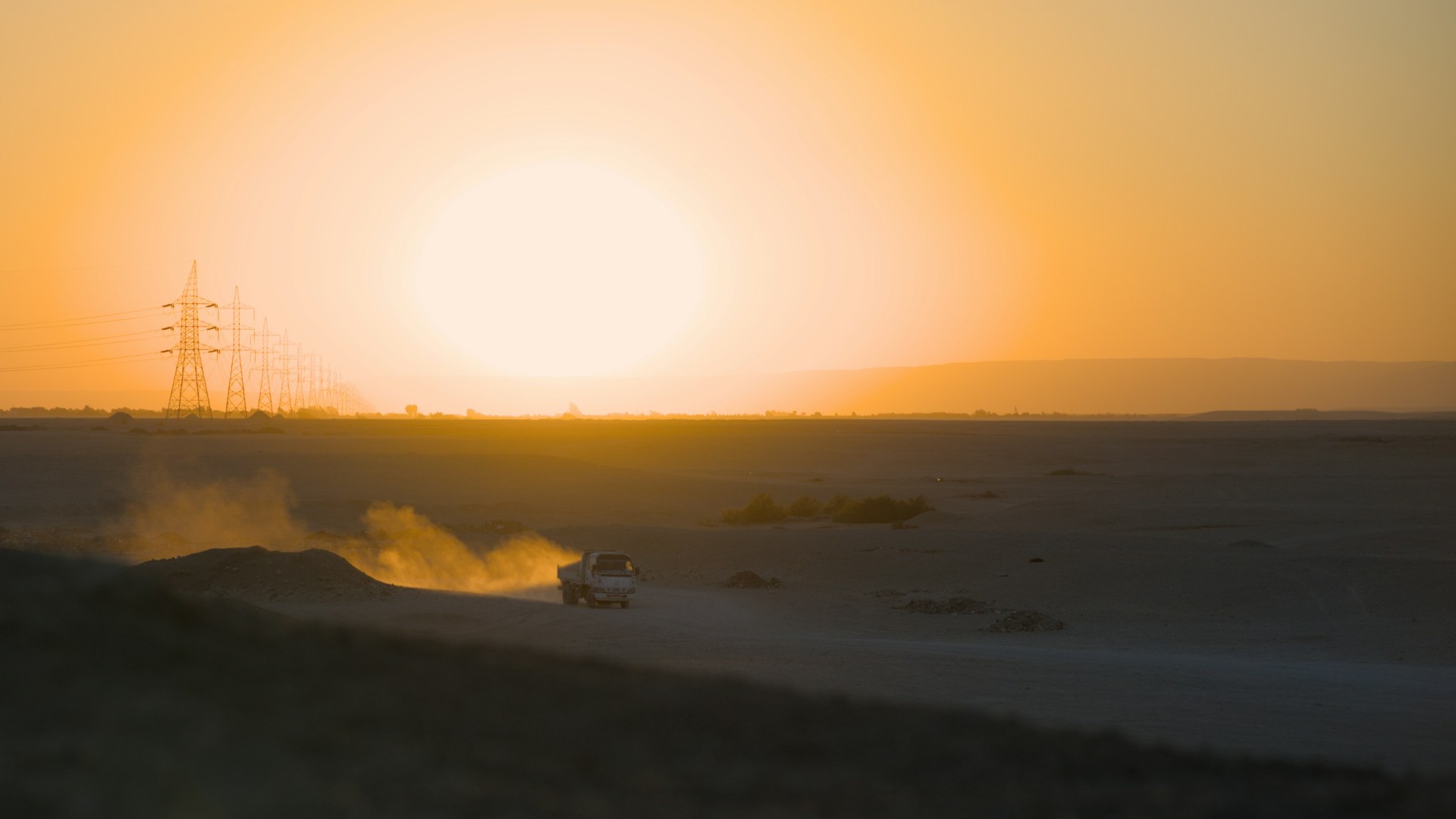
© Photo by Valentin Karisch on Unsplash
Advertisement
Swipe or tap ▶ to resume the countdown.
4. Seamless Executive Leadership
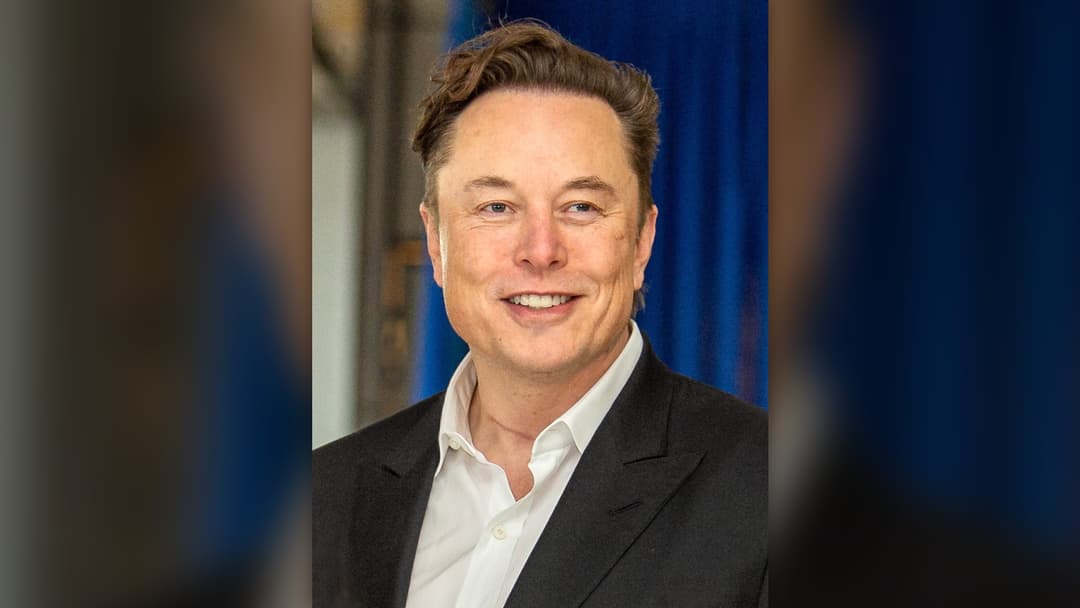
Balancing CEO duties across multiple multibillion-dollar companies demands grueling weekly travel and divided attention. Merging Tesla and SpaceX under a single corporate umbrella allows Musk and his executive team to coordinate strategic operational priorities without institutional friction.
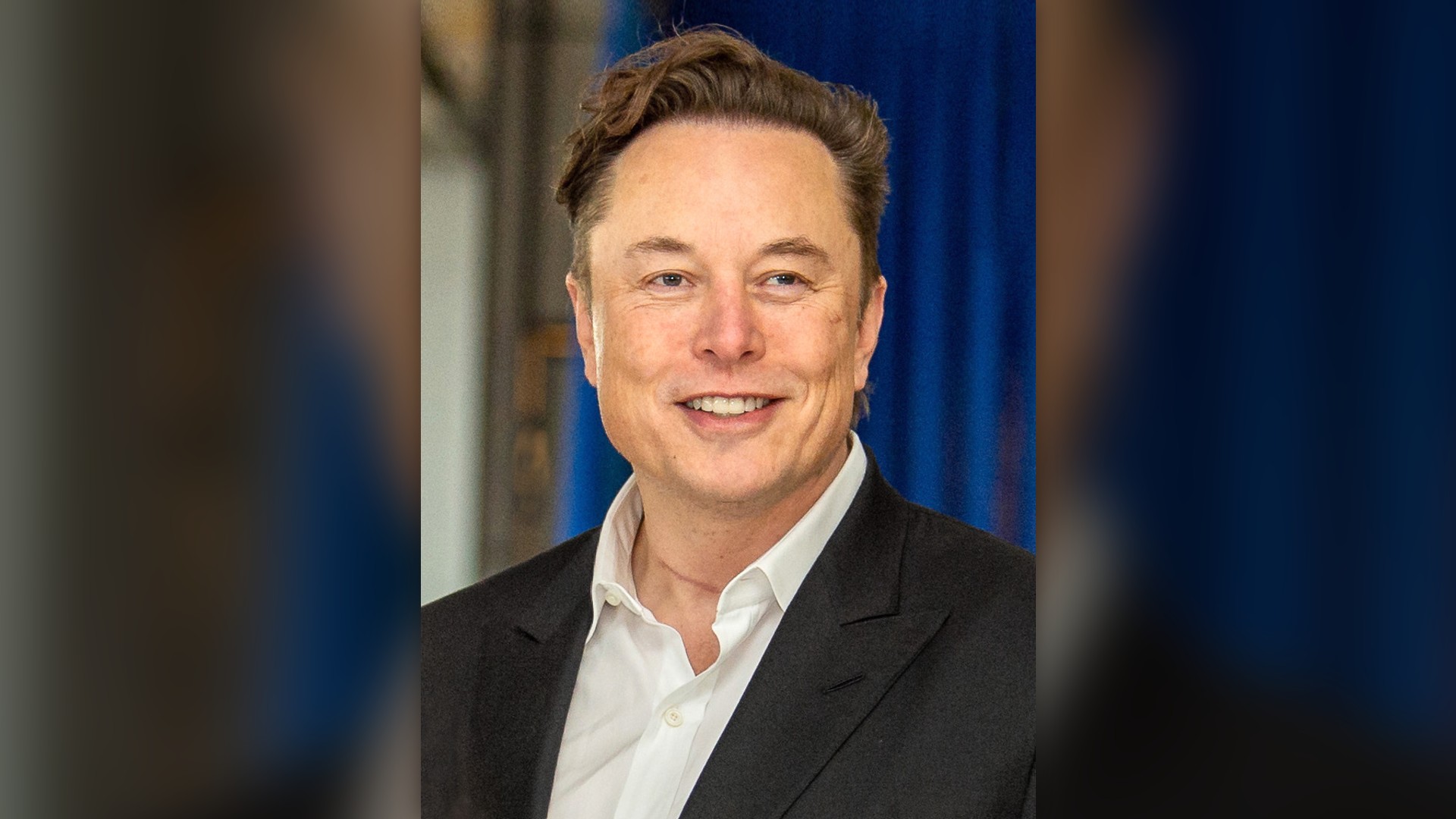
©Wikimedia / Justin Pacheco
3. Defense And Civilian Dual Hegemony
SpaceX holds essential national security launch contracts with the U.S. Space Force and NASA, while Tesla commands global consumer electric vehicle and energy markets. Combining both shields the enterprise from cyclical downturns in either civilian auto sales or government defense budgets.
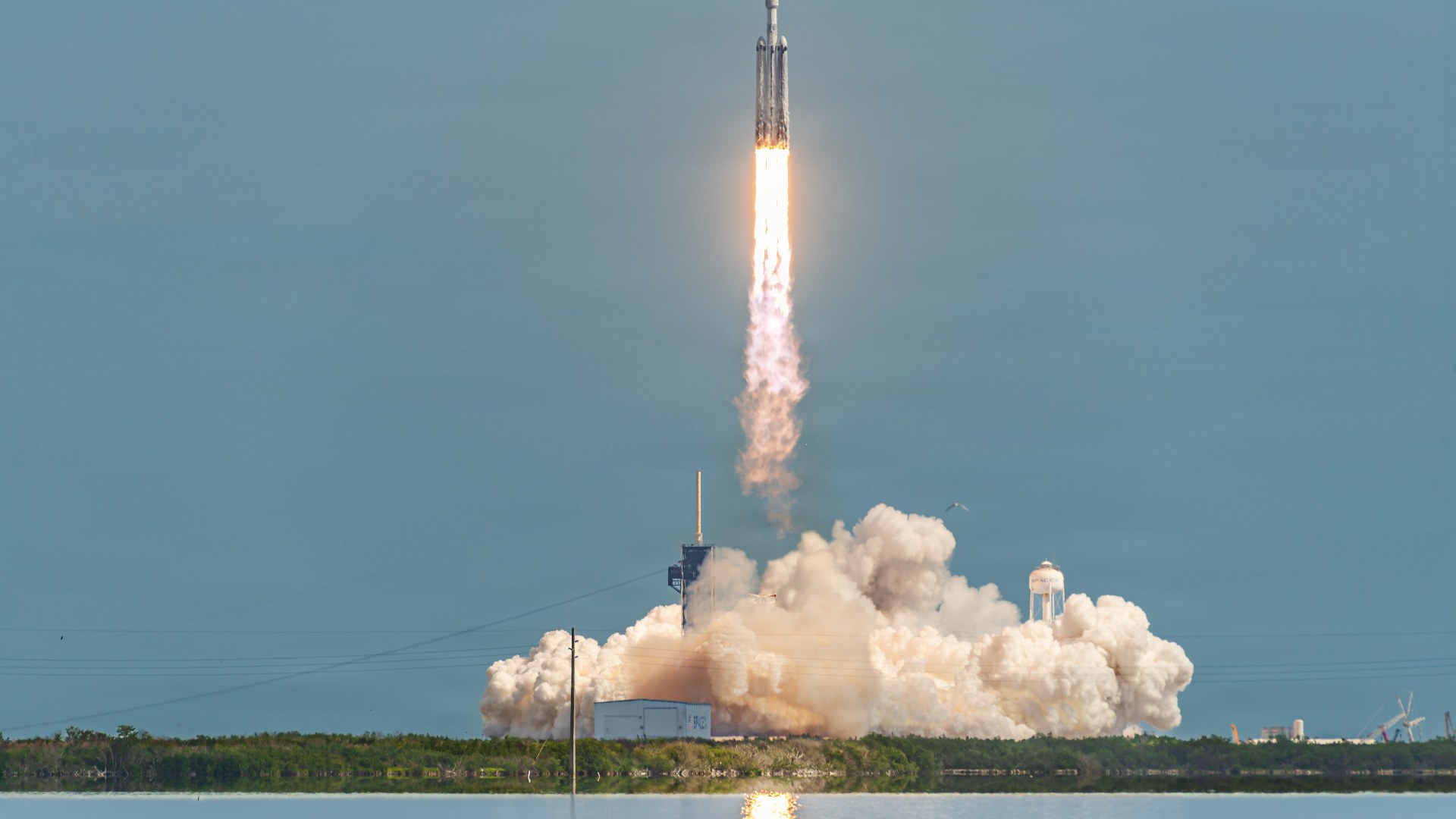
©Wikimedia / SpaceX
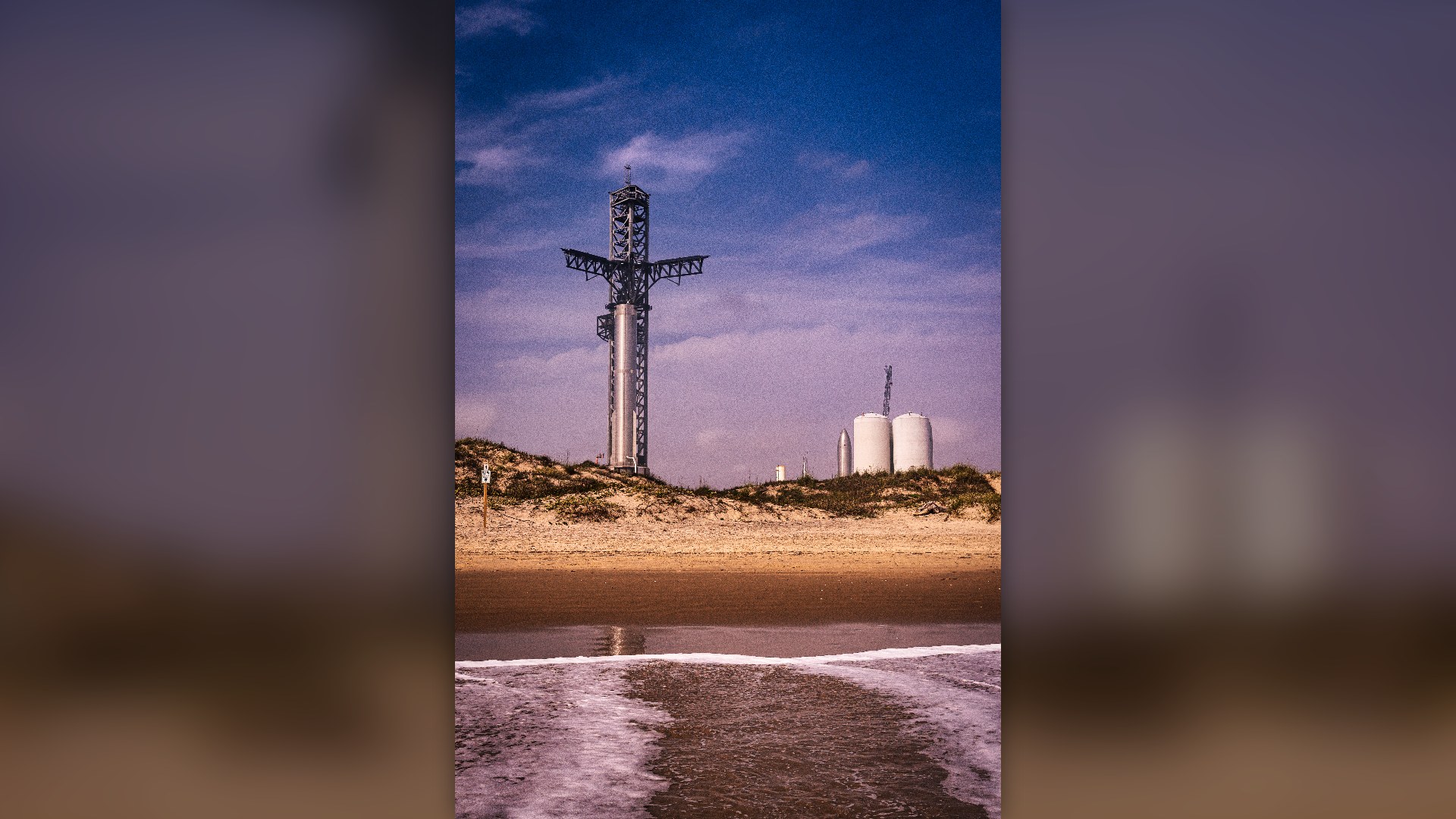
2. Creating A Five-Trillion-Dollar Titan
With SpaceX valued near $2 trillion and Tesla hovering around $1.5 trillion, a successful tie-up creates an unprecedented multi-trillion-dollar powerhouse. The combined market capitalization would grant the company unmatched geopolitical leverage, supplier dominance, and borrowing power.
©Wikimedia / Mobilus In Mobili
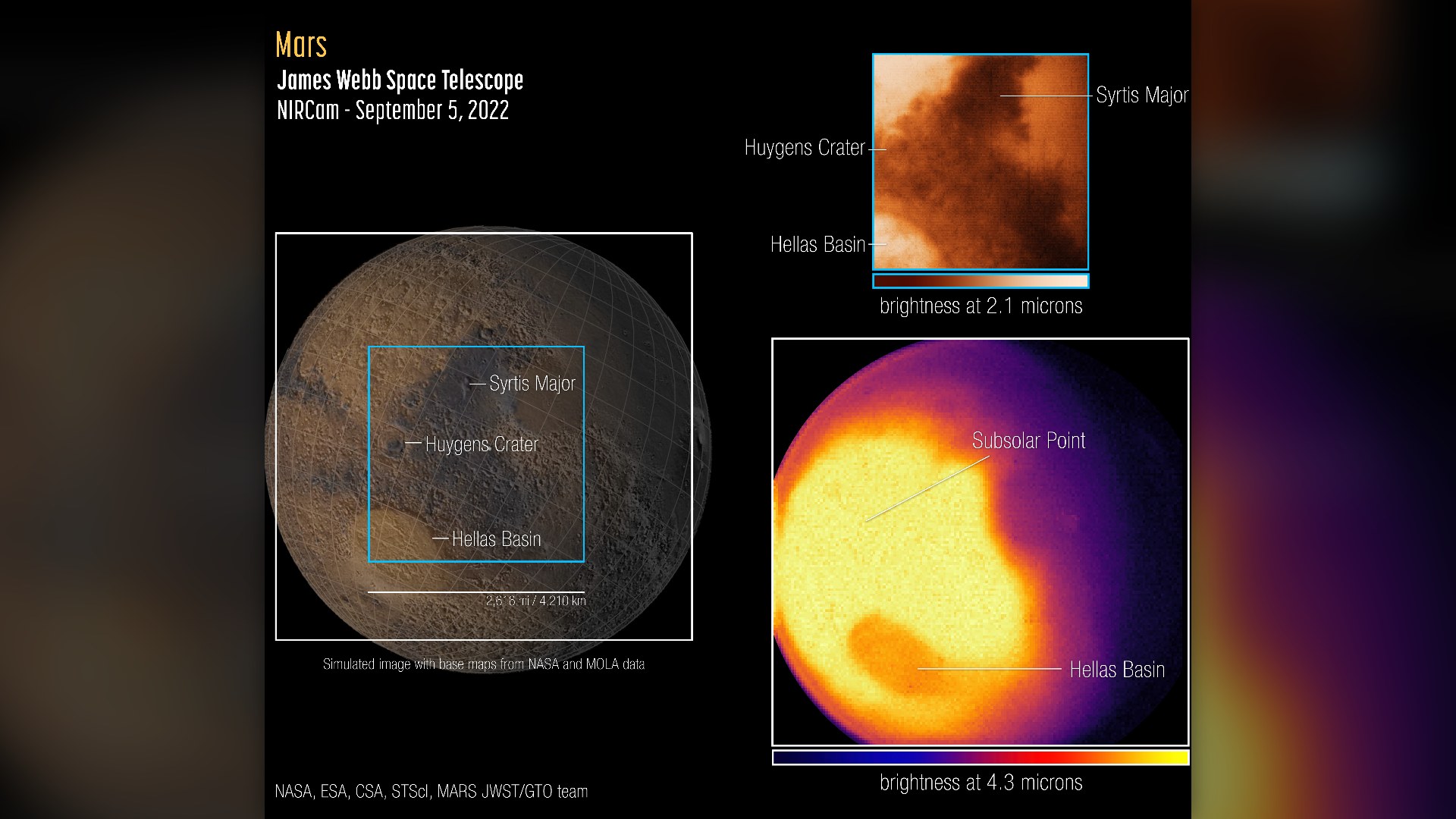
1. Financing The Mars Colonization Engine
Every venture in Musk's orbit is ultimately designed to advance human multi-planetary survival. By channeling the immense free cash flows from Tesla's robotaxis, energy networks, and Starlink global broadband into Starship, the merger provides the permanent balance sheet needed to colonize Mars.
©Wikimedia / SpaceX
Advertisement
You've reached the end of the story. Thanks for reading!

20 U.S. Cities Projected to Attract More Retirees by 2035
Retirees are abandoning classic havens for these rising 2035 dream cities
All 15 Entries in this Story
15. Shared Custom Microchip Design
Both Tesla and SpaceX rely heavily on bespoke silicon, from autonomous Full Self-Driving computers to Starlink phased-array transceiver chips. Merging R&D under Musk's Terafab initiative allows both giants to pool semiconductor design talent and secure massive foundry volume.

14. Direct-To-Cell Starlink Telemetry
A global fleet of robotaxis requires continuous, low-latency communication that terrestrial cellular networks cannot guarantee in remote corridors. Deep Starlink hardware integration ensures every Tesla vehicle maintains off-grid navigation and real-time safety telemetry anywhere on Earth.

13. Unified Super-Intelligence AI
Tesla's vision-based neural networks process billions of real-world driving miles, while xAI builds frontier reasoning models and SpaceX gathers global orbital data. Uniting these data streams accelerates generalized physical artificial intelligence across both platforms.

12. Ultra-Hard Stainless Steel Alloys
Both SpaceX's Starship and Tesla's Cybertruck utilize a proprietary 30X cold-rolled stainless steel exoskeleton engineered by shared metallurgy specialists. Merging the corporate structures directly streamlines raw alloy procurement, stamping presses, and thermal stress testing.

11. Giant Industrial Megapack Batteries
SpaceX's orbital launch sites at Starbase, Texas, and Cape Canaveral demand massive, reliable electrical loads during fueling and countdown operations. Tesla Megapack installations supply the high-density grid buffering required to keep launch complexes fully energized off-grid.

10. Ending Inter-Company Legal Friction
Elon Musk has navigated multiple shareholder lawsuits regarding the movement of senior engineers, AI compute, and commercial contracts between his private and public entities. A single consolidated parent company dissolves related-party conflicts and simplifies governance under one board.

9. Humanoid Optimus Mars Laborers
Musk's vision of a self-sustaining Martian civilization requires millions of tons of heavy cargo and labor before human astronauts arrive. Tesla's Optimus humanoid robot is being developed to handle hazardous, repetitive physical construction tasks in harsh extraterrestrial environments.

8. Cross-Pollinated Engineering Teams
Some of the world's most talented aerospace, software, and mechanical engineers work across Tesla and SpaceX. Merging the companies allows top technical minds to seamlessly transfer between rocket propulsion, autonomous driving algorithms, and vehicle thermodynamics without dual-employment restrictions.

7. Massive Capital Scale And Liquidity
While SpaceX generates substantial, high-margin revenue through commercial launch monopolies and Starlink subscriptions, developing interplanetary infrastructure requires trillions in long-term capital. Tesla's massive public market liquidity provides a powerful, enduring financing engine.

6. Gigafactory High-Volume Manufacturing
Tesla revolutionized automotive manufacturing through giant giga-casting presses, automated sub-assemblies, and relentless vertical integration. Transferring these high-cadence factory methodologies to SpaceX will be essential for building hundreds of Starships each year at commercial scale.

5. Off-Grid Global Energy Networks
SpaceX's global Starlink gateway stations and remote launch facilities require self-sustaining, continuous power sources. Combining Tesla Solar Roofs and commercial battery systems creates turnkey, zero-emission operational hubs capable of functioning entirely independent of traditional energy grids.

4. Seamless Executive Leadership
Balancing CEO duties across multiple multibillion-dollar companies demands grueling weekly travel and divided attention. Merging Tesla and SpaceX under a single corporate umbrella allows Musk and his executive team to coordinate strategic operational priorities without institutional friction.

3. Defense And Civilian Dual Hegemony
SpaceX holds essential national security launch contracts with the U.S. Space Force and NASA, while Tesla commands global consumer electric vehicle and energy markets. Combining both shields the enterprise from cyclical downturns in either civilian auto sales or government defense budgets.

2. Creating A Five-Trillion-Dollar Titan
With SpaceX valued near $2 trillion and Tesla hovering around $1.5 trillion, a successful tie-up creates an unprecedented multi-trillion-dollar powerhouse. The combined market capitalization would grant the company unmatched geopolitical leverage, supplier dominance, and borrowing power.

1. Financing The Mars Colonization Engine
Every venture in Musk's orbit is ultimately designed to advance human multi-planetary survival. By channeling the immense free cash flows from Tesla's robotaxis, energy networks, and Starlink global broadband into Starship, the merger provides the permanent balance sheet needed to colonize Mars.