Slideshow · News
30 Facts That Reveal How US Midterm Elections Really Work
Every two years, American voters reshape the balance of power in Washington without electing a president. From historic seat loss trends and constitutional quirks to redistricting maps and subpoena powers, here is how US midterms actually work.



All 30 Entries in this Story
30. The November Tuesday Mandate
Congress passed a federal law in 1845 designating the Tuesday following the first Monday in November as national election day. The statute originally gave rural farmers time to travel by horse to county seats without conflicting with Sunday church services.
29. Off-Year Election Confusion
Voters frequently confuse off-year elections with midterms. Off-year contests occur in odd-numbered years like 2025, featuring gubernatorial races in Virginia and New Jersey alongside municipal contests, while midterms strictly happen in even-numbered non-presidential years.
28. Primary Season Begins In March
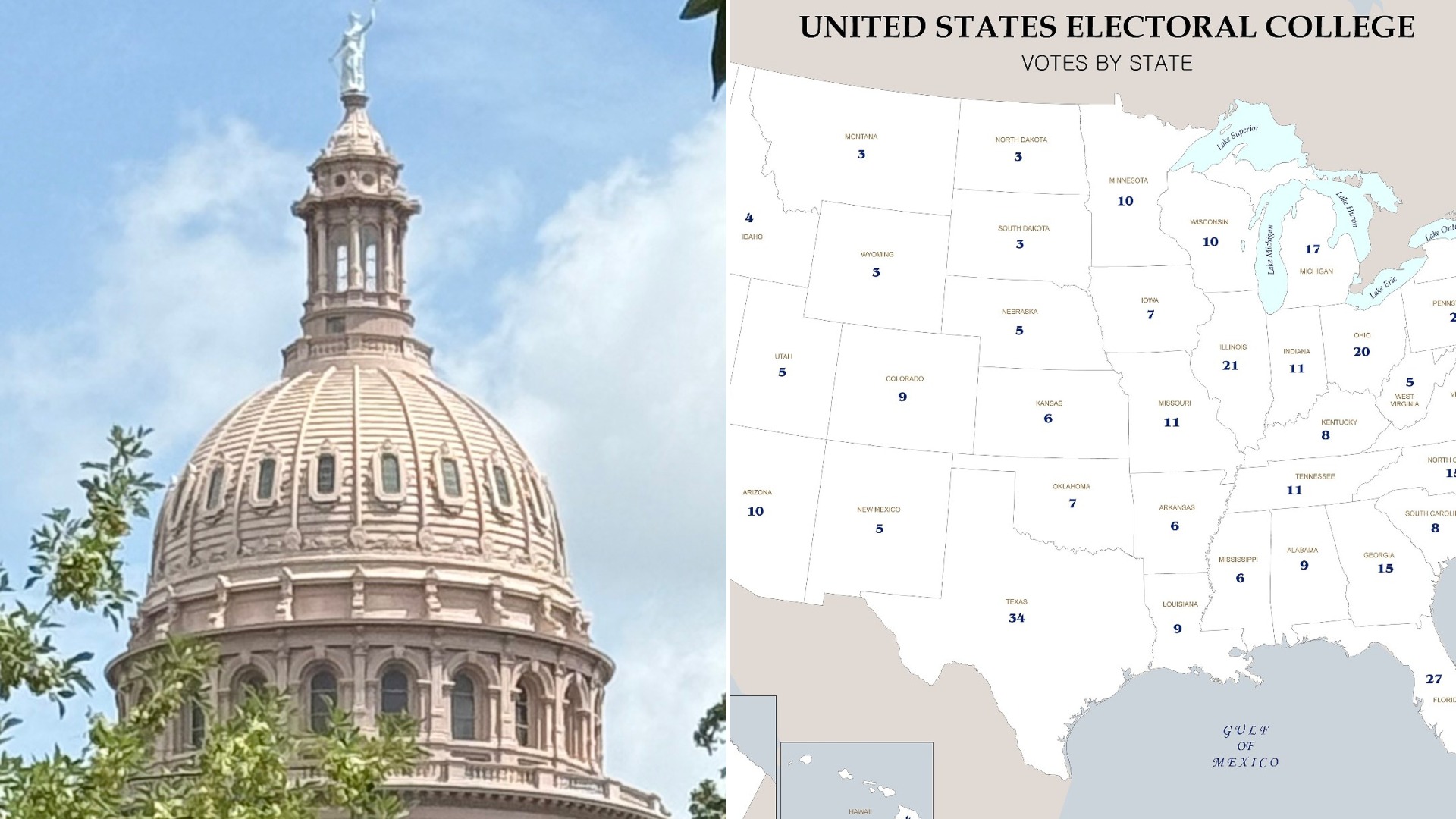
Congressional midterm campaigns start long before autumn. States like Texas hold primary elections as early as March, forcing incumbents and challengers to survive fierce intra-party battles before the general election slate takes shape.
27. Youth Turnout Swings Tight Margins
Turnout among voters aged 18 to 29 typically lags behind older demographics during midterm years. When youth participation spikes in competitive university towns and suburban districts, it frequently flips razor-thin congressional contests.
26. Ballot Measures Create Instant Law
Midterm ballots carry dozens of citizen-led ballot propositions and constitutional amendments. Voters directly enact statutory policy on abortion access, minimum wage increases, marijuana legalization, and voting access without relying on state politicians.
25. Thirty-Six Governors On The Line
Thirty-six of the nation's fifty governorships are contested during midterm years. These state executives command national guard units, manage multibillion-dollar budgets, and wield critical veto power over election administration laws.
24. Down-Ballot Election Guardians
Voters elect secretaries of state and attorneys general in dozens of states during midterms. These key officials oversee voting equipment, enforce campaign finance rules, and sign off on official election certifications.
23. State Legislative Chambers Shift
Thousands of state senate and house seats are contested in midterm cycles. Controlling state legislative chambers allows parties to advance sweeping state laws, approve judicial nominees, and reshape state court systems.
22. Decennial Redistricting Battles
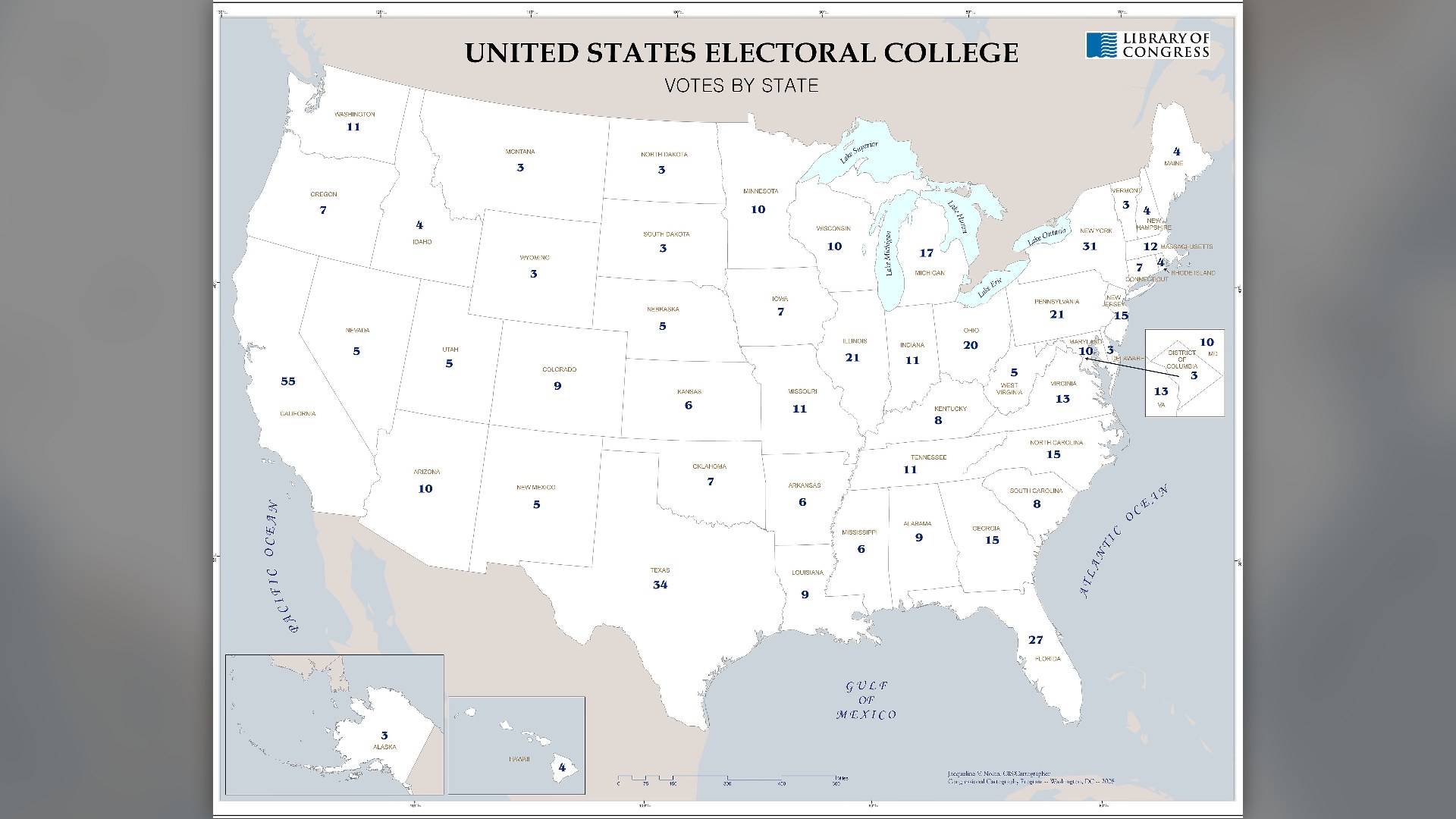
Every ten years, the federal census triggers nationwide congressional reapportionment. The first midterm cycle following redistricting creates brand-new district boundaries, forcing several veteran lawmakers to run in unfamiliar territory.
21. The Dwindling Battleground Districts
Out of 435 voting seats in the House of Representatives, fewer than 45 are genuine toss-ups in any given cycle. The vast majority of congressional districts lean heavily toward one party, concentrating intense campaign spending in small geographic pockets.
20. Gerrymandered District Fortresses
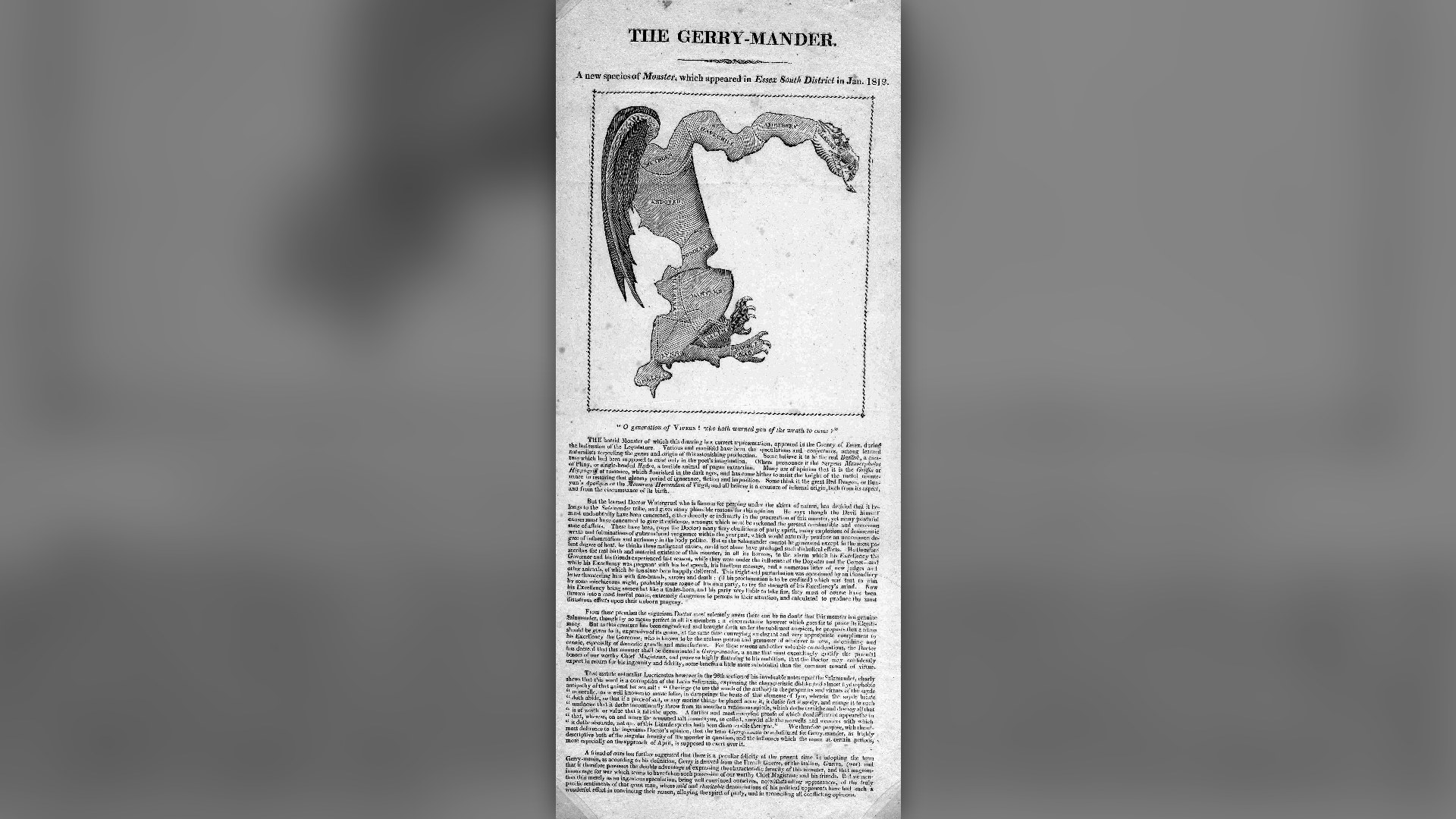
Partisan redistricting enables politicians to draw oddly shaped districts that pack opposing voters into single districts or dilute their strength across several. This practice insulates party majorities and makes flipping districts exceptionally difficult.
19. Automatic Recount Thresholds
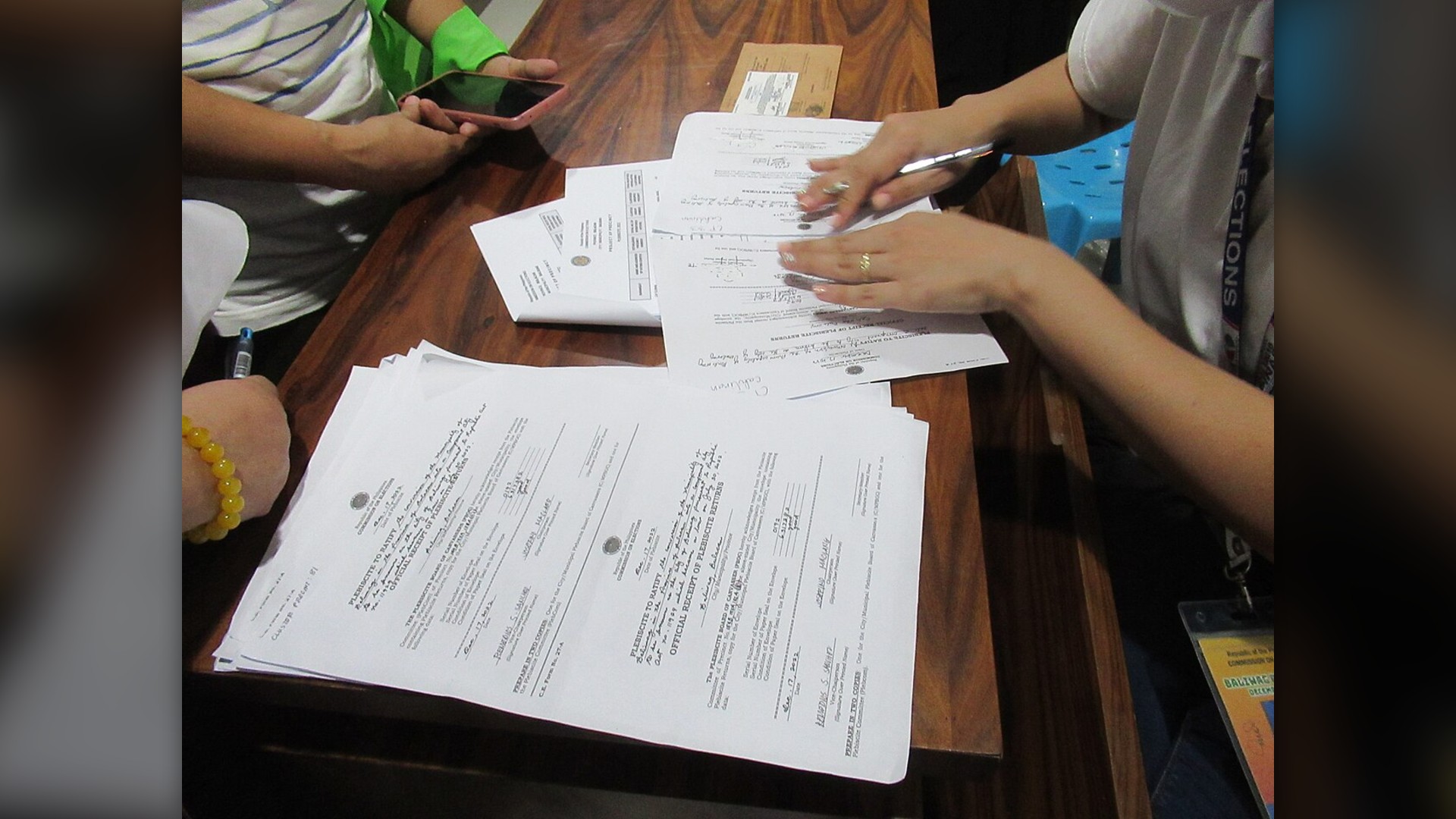
Most states maintain mandatory recount statutes when the victory margin falls below half of one percent. Bipartisan election boards conduct careful paper ballot retallies, occasionally flipping outcomes separated by only dozens of votes.
18. Runoff Laws Delay Final Results
States like Georgia and Louisiana require candidates to secure an outright majority above fifty percent to win. If third-party candidates split the field, the top two finishers advance to a high-stakes runoff that can delay control into December.
17. Early Voting Replaces Election Day
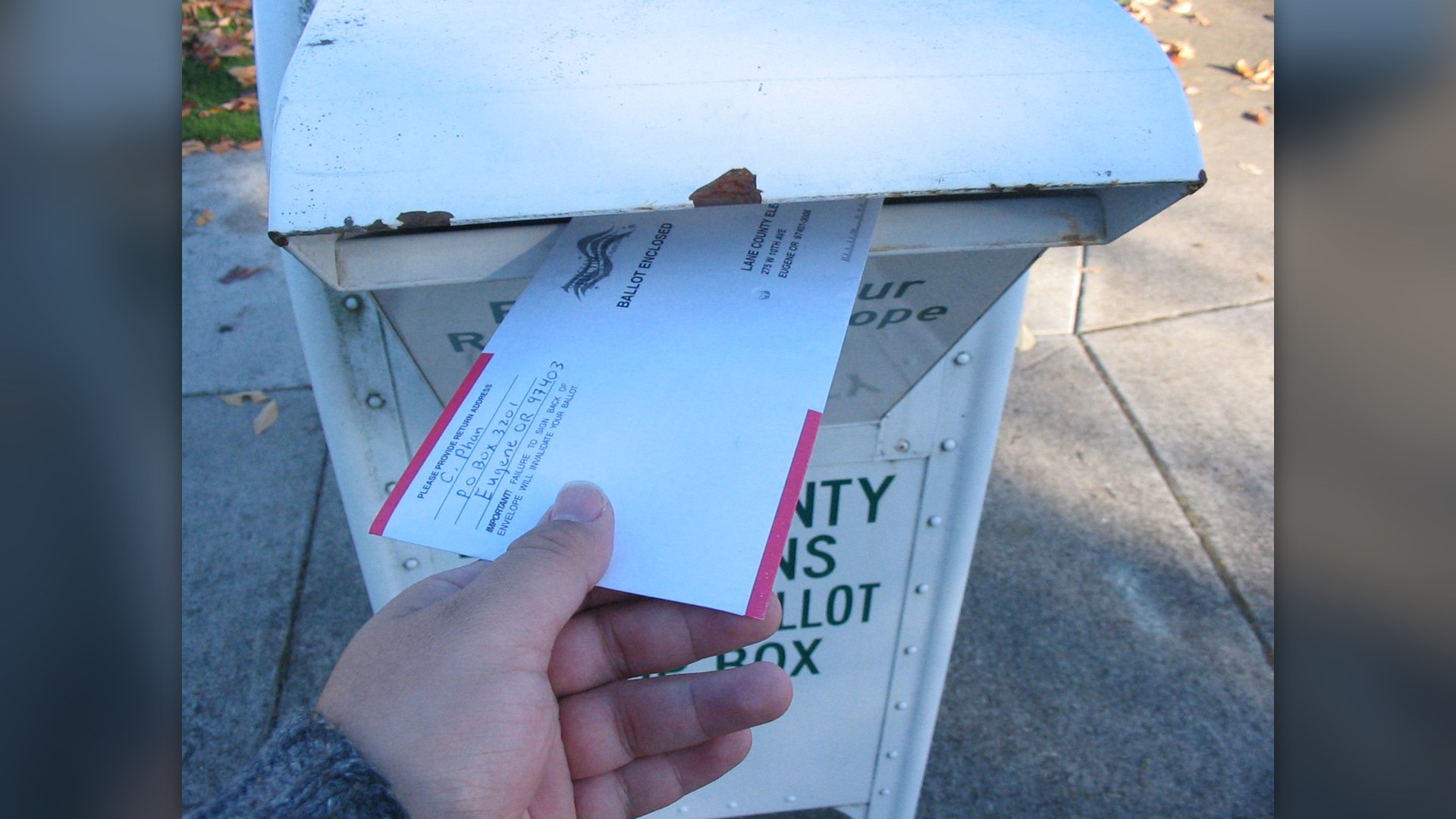
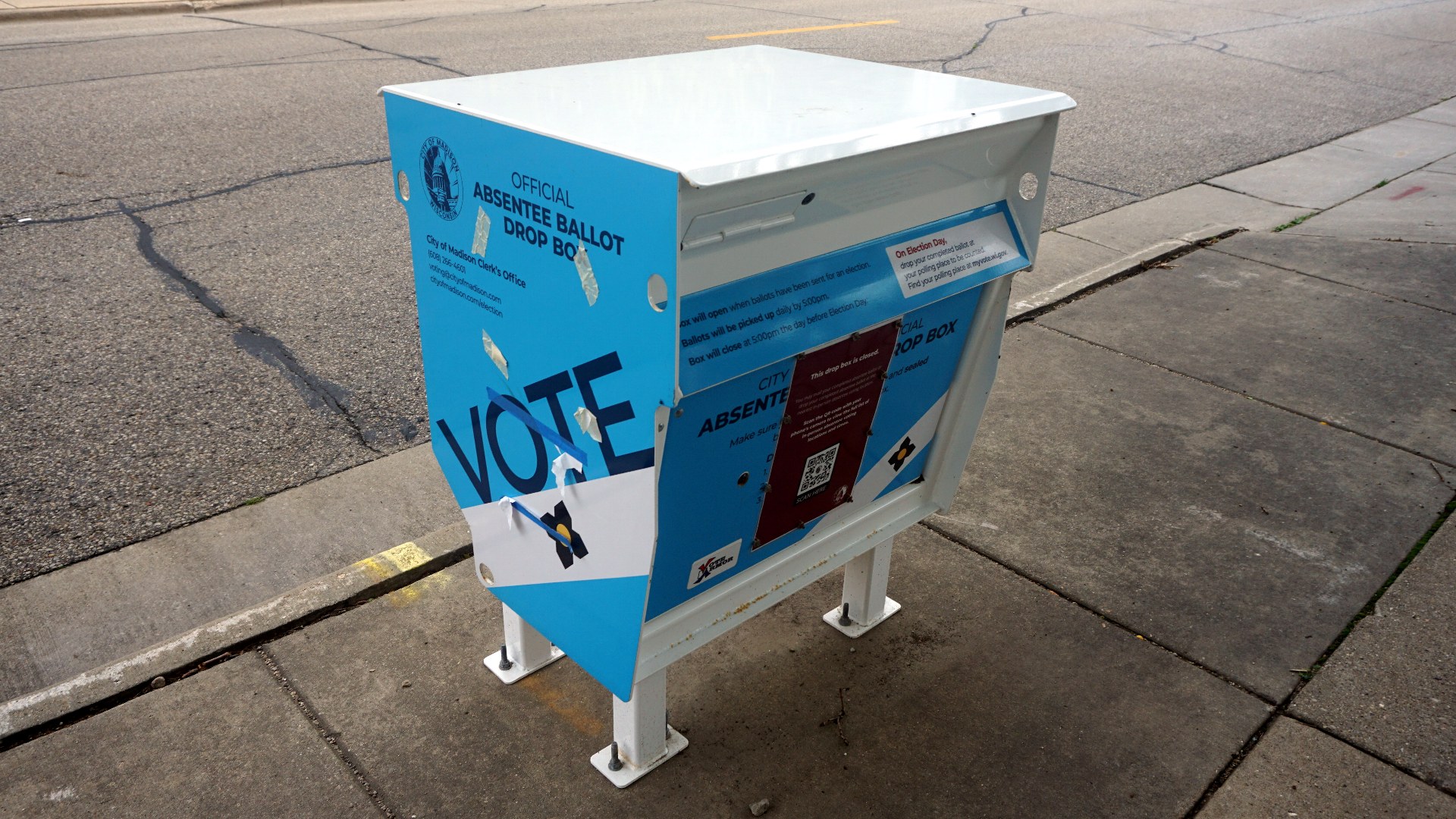
Election day is no longer a single twenty-four-hour event. Nearly half of all midterm voters now cast their ballots weeks early through secure drop boxes or in-person early voting sites, shifting campaign advertising earlier into September.
16. Split-Ticket Voting Disappears
Decades ago, voters regularly backed a senator from one party and a governor from another on the same ballot. Increasing political polarization has virtually eliminated ticket splitting, with over ninety percent of voters now backing straight-party slates.
15. Independent Voters Decide Outcomes
Independent voters represent the fastest-growing registration bloc in America. In midterm elections, self-described independents consistently break against the party occupying the White House, serving as the decisive tipping point in swing districts.
14. Campaign Cash Surges Past Billions
Midterm campaign finance regularly shatters historical records. Following landmark federal court rulings, independent Super PACs and dark money committees pour billions of dollars into battleground states, overwhelming local airwaves with negative advertisements.
13. Pocketbook Economic Sentiments
Midterm voters consistently cite pocketbook concerns as their primary motivation. Historical models show that elevated consumer prices, climbing mortgage rates, and falling real wages punish the incumbent party severely on election day.
12. Wave Elections Topple Incumbents
When public dissatisfaction reaches a boiling point, national political waves wash over individual districts. Seasoned incumbents who normally win by wide margins can suddenly find themselves defeated by first-time challengers on wave nights.
11. Special Elections As Early Canaries
Special congressional elections held in the months leading up to a midterm offer clear glimpses into voter enthusiasm. Outsized swings in turnout and vote margins during special elections reliably foreshadow broader national trends.
10. Turnout Plummets By Millions
Midterm voter turnout typically falls by fifteen to twenty percentage points compared to presidential cycles. Without the intense drama of a White House race, mobilizing reliable base voters becomes the single biggest challenge for party organizers.
9. The Six-Year Itch Penalty
When a president reaches their sixth year in office, voter fatigue sets in deeply. Known as the six-year itch, historical cycles from Dwight Eisenhower to Barack Obama saw the incumbent party lose dozens of House and Senate seats during their second midterm.
8. Staggered Senate Math
Unlike the House, only about thirty-three or thirty-four Senate seats are contested every two years because senators serve staggered six-year terms. This constitutional design prevents sweeping nationwide sentiment from replacing the entire upper chamber at once.
7. Judicial Appointments At Stake
The United States Senate holds exclusive constitutional power to confirm federal judges, cabinet secretaries, and Supreme Court justices. Winning the Senate majority during a midterm gives the opposing party the power to block presidential appointments outright.
6. Committee Gavel Subpoena Power
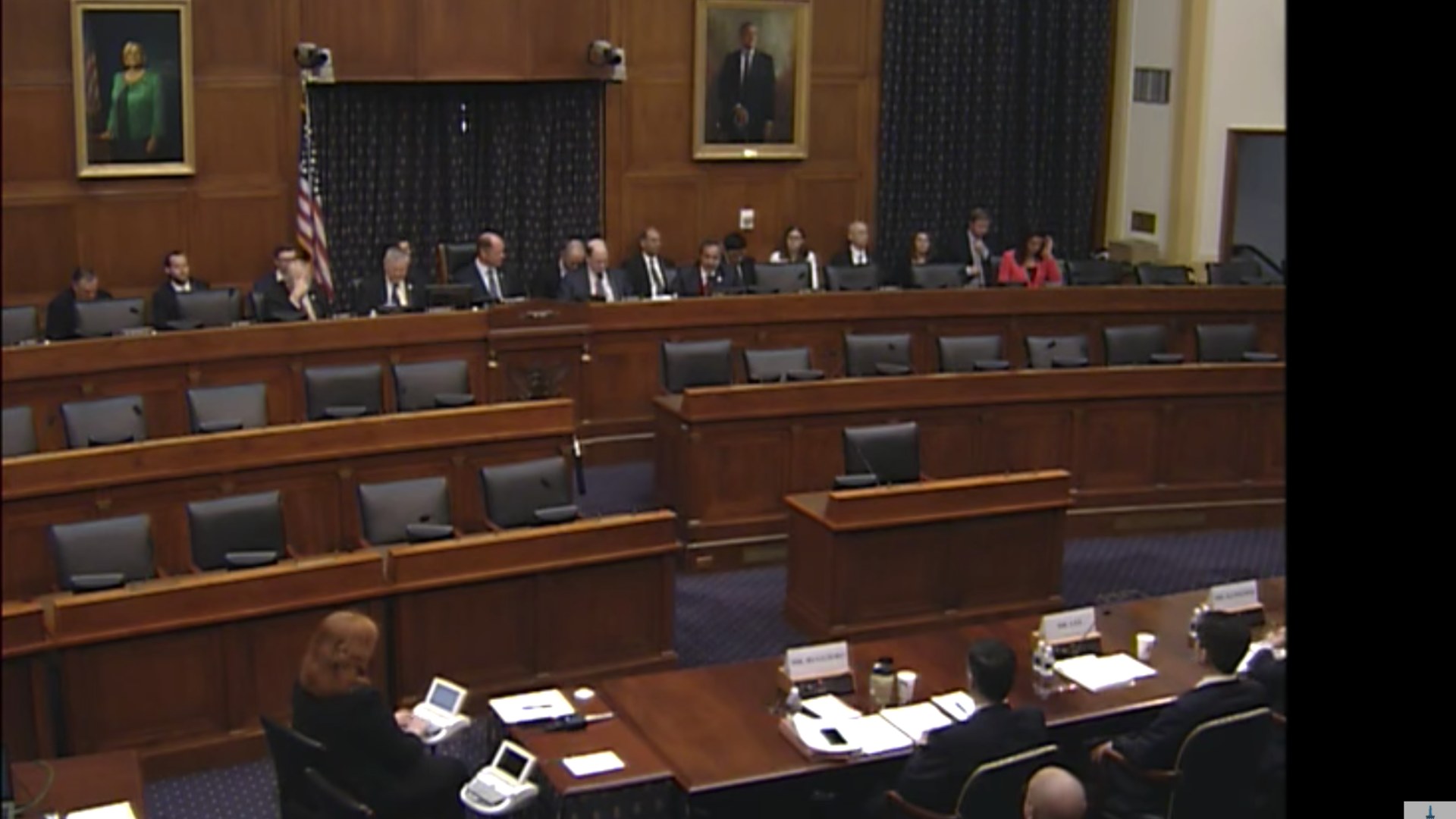
Taking control of the House or Senate hands the majority party every committee chairmanship. Committee leaders wield unilateral subpoena power, enabling them to launch aggressive oversight hearings, inspect executive agencies, and hold cabinet officials accountable.
5. Divided Government Freezes Agendas
When midterms flip either the House or Senate to the opposing party, divided government takes hold. Major presidential domestic legislative packages stall, forcing the administration to rely on executive orders and negotiated compromise budgets.
4. Testing Future Presidential Hopefuls
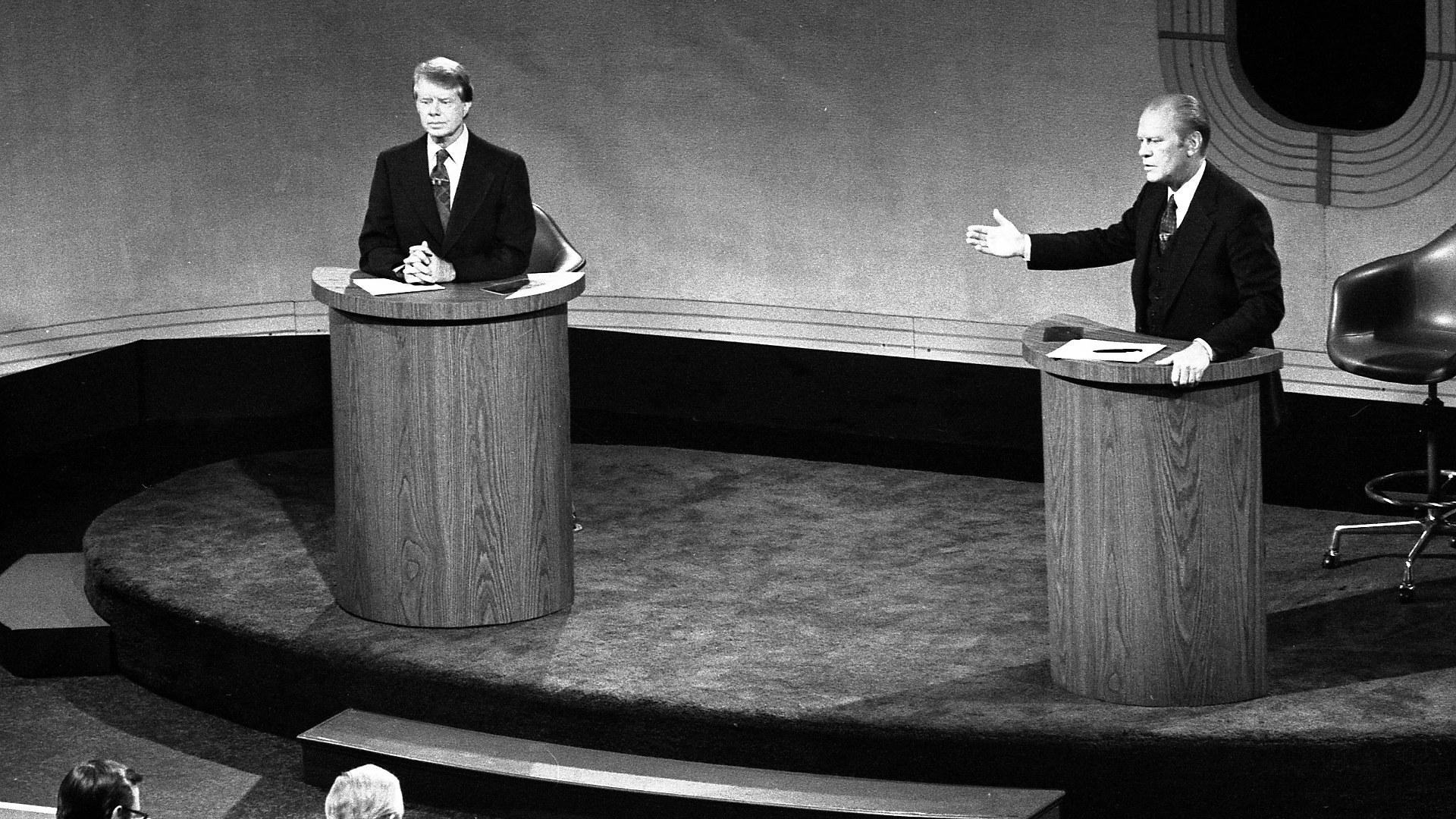
Midterm cycles serve as the ultimate proving ground for future presidential candidates. Governors who win commanding re-election victories and breakout congressional stars instantly emerge as leading contenders for the upcoming presidential cycle.
3. All 435 House Seats Face Voters
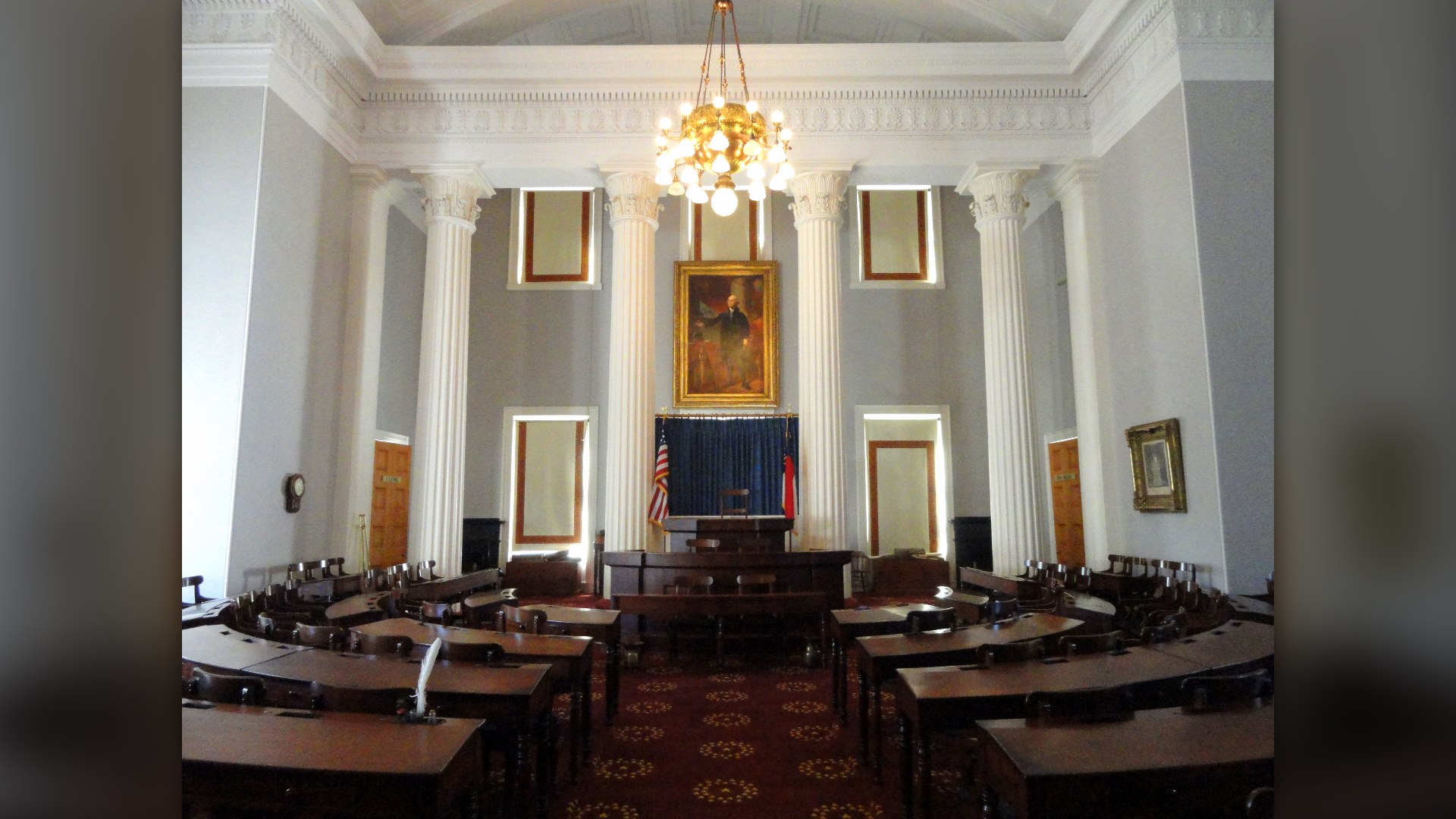
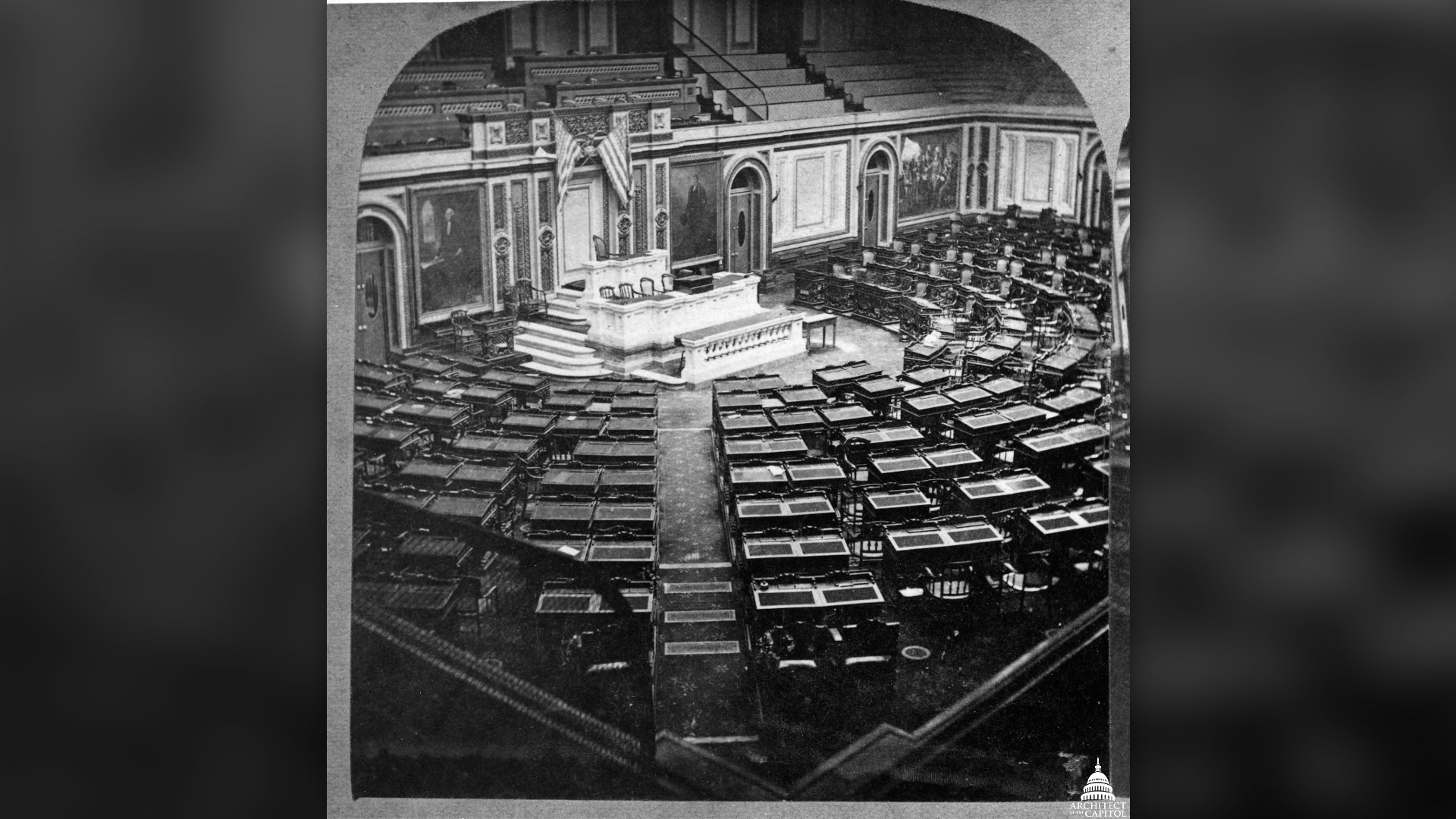
The United States Constitution mandates that all 435 voting members of the House of Representatives face voters every single even-numbered year. This rapid two-year cycle keeps representatives directly accountable to shifting public sentiment in their districts.
2. The President's Party Almost Always Loses
In thirty-six of the last forty midterm elections dating back to the Civil War, the party holding the White House lost seats in the House of Representatives. Only rare wartime rallies or economic booms have managed to break this historic midterm curse.
1. The Ultimate National Referendum
Above all constitutional and electoral mechanics, midterm elections operate as a nationwide referendum on the sitting president. Voters reward or penalize the administration's record, delivering a clear verdict on the direction of the country.