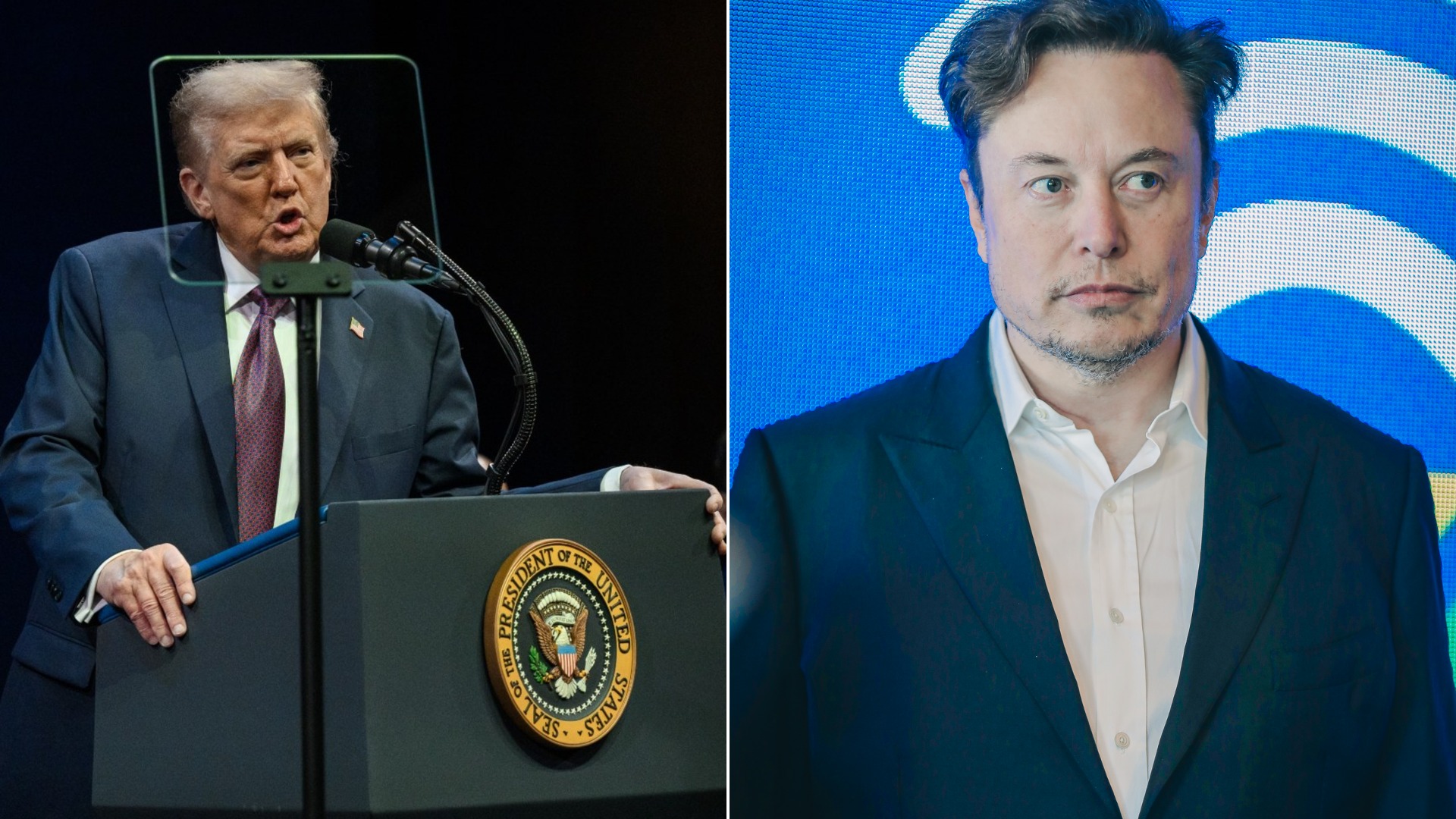
Slideshow · News
Who is in Loss After the 2026 Midterms, Ranked
From $474M Super-PAC Losses to Flipped Senate Seats, Ranked by Impact
By Most Viral Today
6 Nov 2026

From $474M Super-PAC Losses To Flipped Senate Seats, Ranked By Impact 
15. Political Pollsters And Prediction Markets 
14. Mike Rogers 
13. Bruce Blakeman - AdvertisementSwipe or tap ▶ to continue countdown

12. Samuel Alito And Clarence Thomas 
11. Big Tech And AI-Linked Stocks 
10. Conservative Judicial Activists 
9. Republican Congressional Leaders - AdvertisementSwipe or tap ▶ to continue countdown

8. J.D. Vance 
7. Vivek Ramaswamy 
6. Susan Collins 
5. Darline Graham - AdvertisementSwipe or tap ▶ to continue countdown

4. Greg Abbott 
3. Ken Paxton 
2. Elon Musk 
1. Donald J. Trump - Advertisement🔥 UP NEXT IN THIS SERIES◫ 21 Slides

20 Famous Cars With Pop-Up Headlights That Shaped Car Design
From hand-cranked 1930s teardrops to wedge supercars of the 1980s, hidden headlights let stylists chase sleek aerodynamics until 2004 pedestrian rules closed the curtain. Here are 20 standout production cars that turned retractable lamps into an enduring automotive design feature across seven full decades.
The 2026 midterm elections reshaped the balance of power in Washington and state capitals across the nation, leaving prominent officeholders, mega-donors, and congressional leaders facing major political setbacks.
Swipe or tap ▶ to begin the countdown
©Wikimedia / Molly Riley & Ministério Das Comunicações
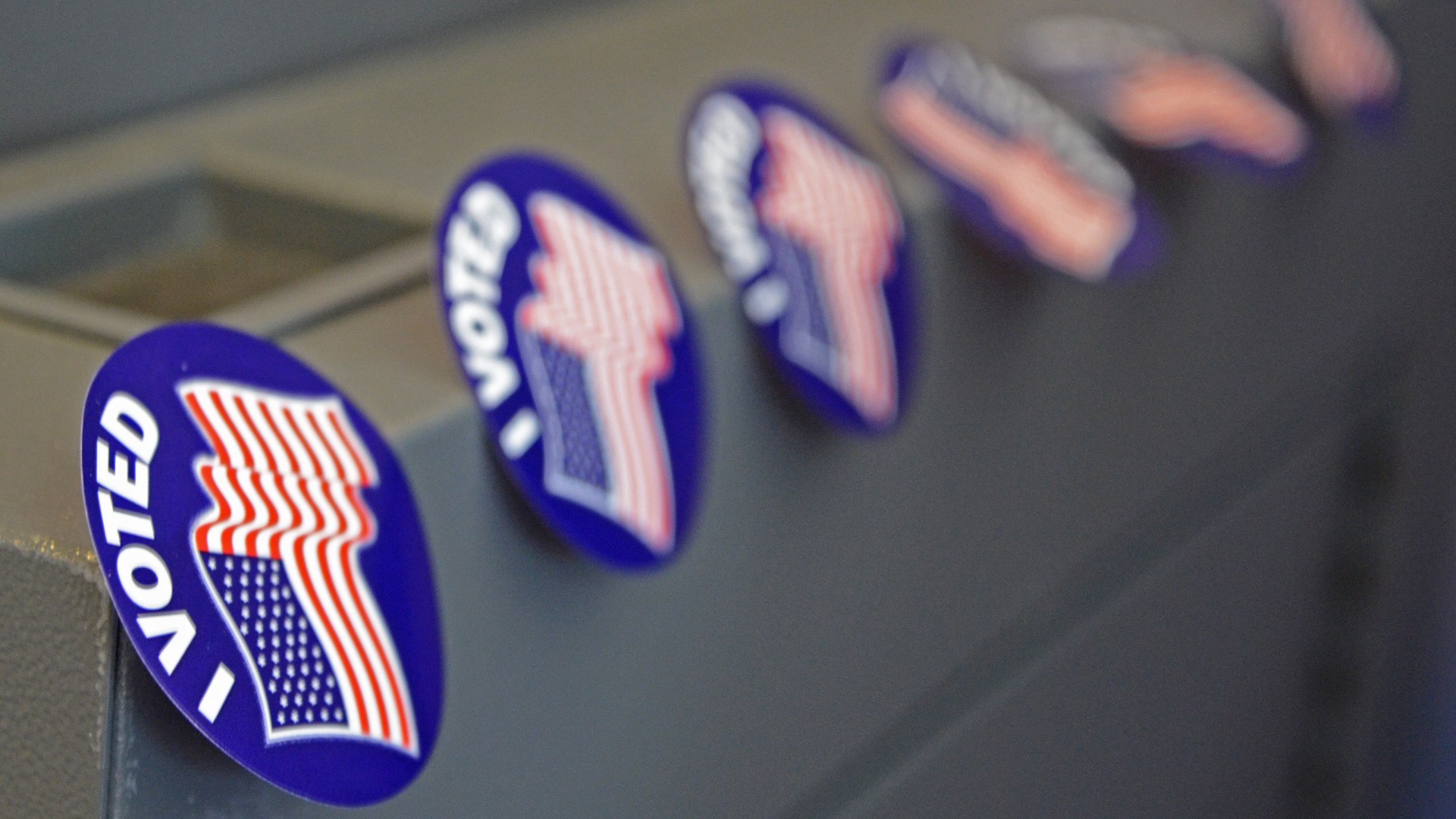
15. Political Pollsters And Prediction Markets
Political data aggregators and prediction markets heavily miscalculated voter turnout across competitive battleground districts in 2026. Platforms like Polymarket faced intense scrutiny after multiple long-shot challengers overcame 95 percent negative betting odds on election night.
©Wikimedia / KOMUnews
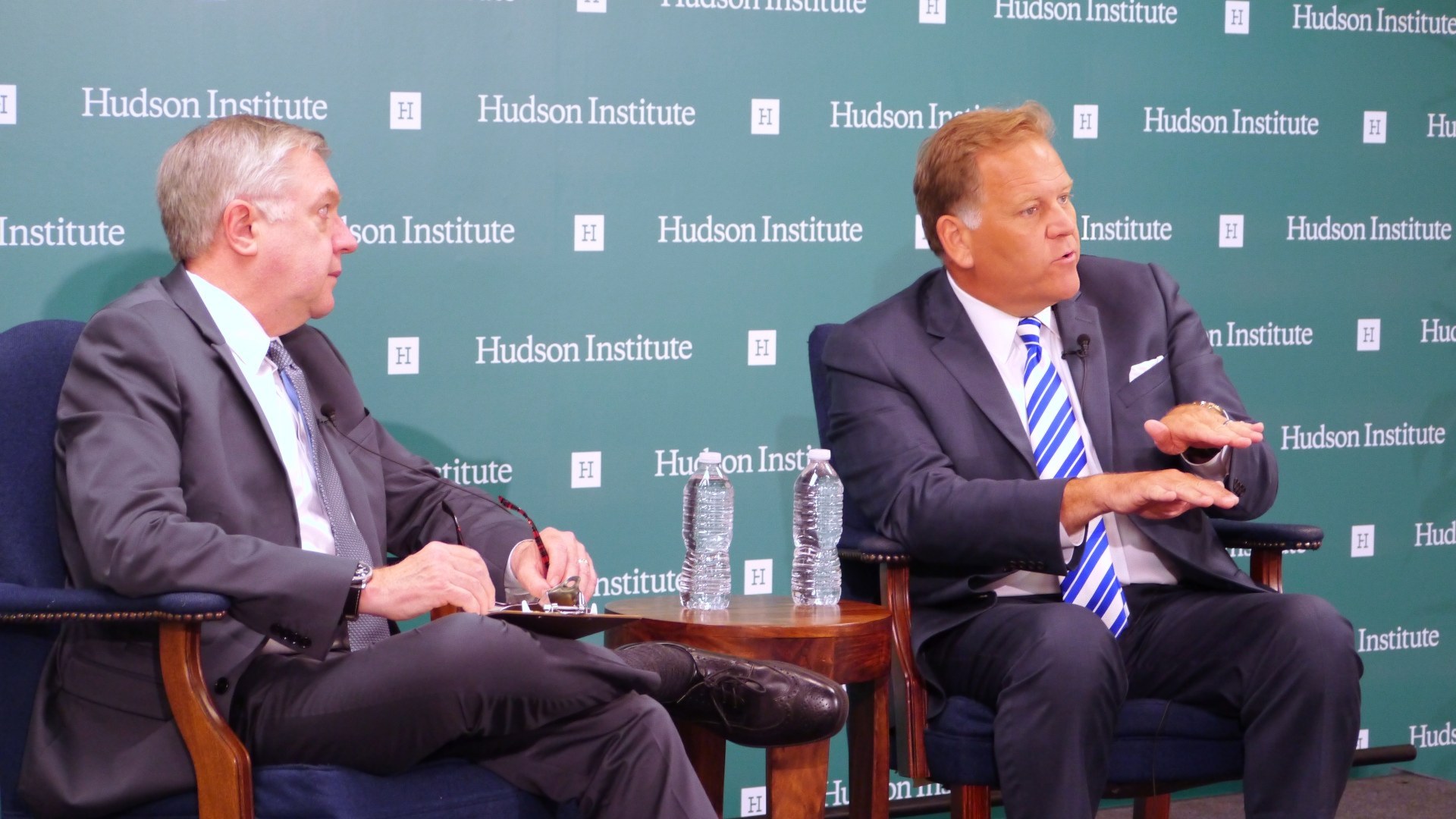
14. Mike Rogers
Former Congressman Mike Rogers fell short in one of the Midwest's most competitive Senate battles of the 2026 cycle. Despite national party backing in Michigan, the Republican nominee lost the open seat to progressive Democratic challenger Abdul El-Sayed.
©Wikimedia / Hudson Institute
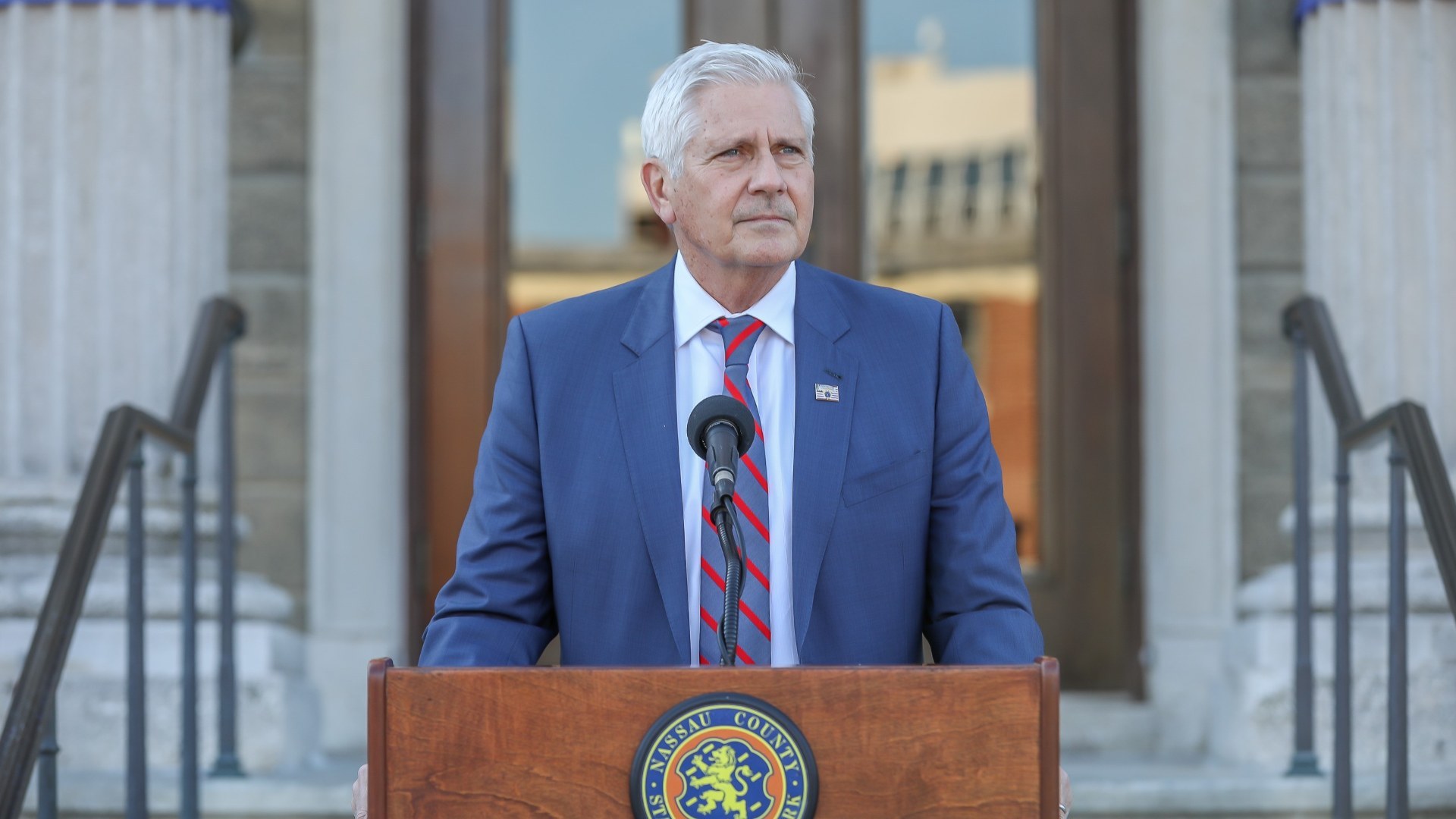
13. Bruce Blakeman
Nassau County Executive Bruce Blakeman struggled to expand his suburban Long Island coalition statewide during the 2026 New York gubernatorial race. Incumbent Democrat Kathy Hochul secured reelection by a decisive 60 percent to 39.8 percent margin across the state.
©Wikimedia / Arthur Raslich
Advertisement
Swipe or tap ▶ to resume the countdown.
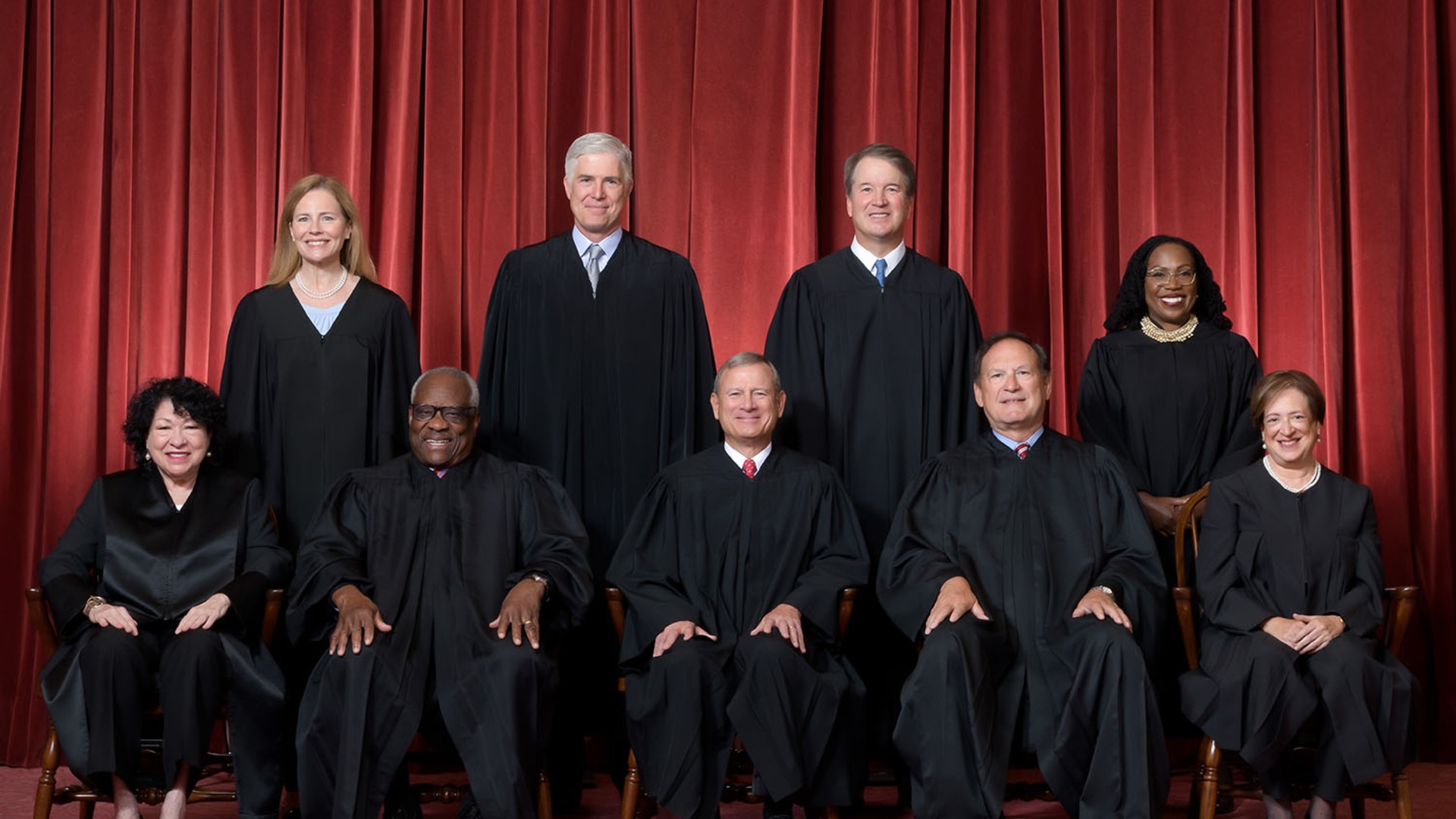
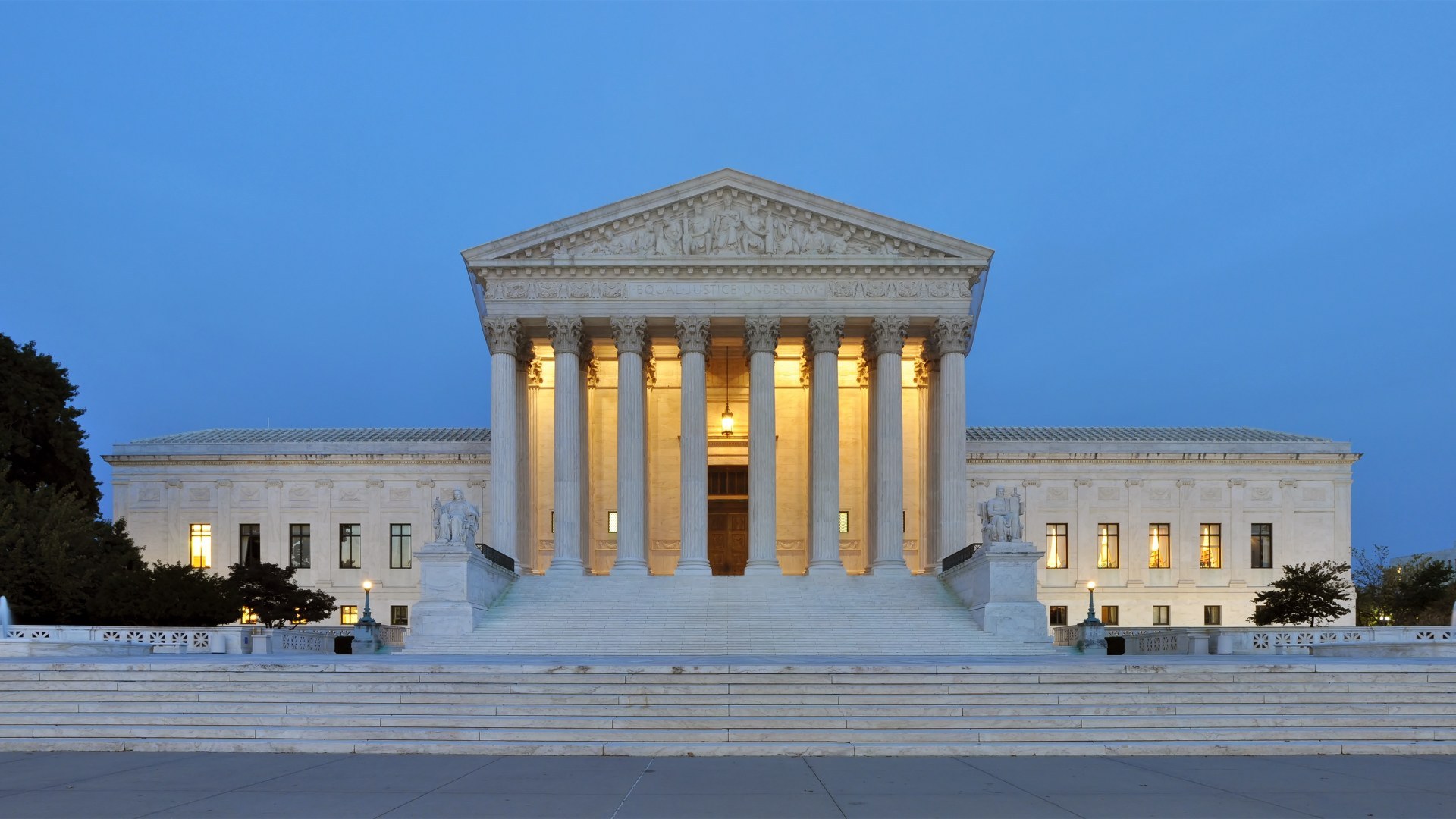
12. Samuel Alito And Clarence Thomas
By resisting calls from party strategists to step down ahead of the 2026 election, Supreme Court Justices Samuel Alito and Clarence Thomas missed their window under a Republican Senate. Any future vacancy during the current term now requires confirmation by a Democratic majority.
©Wikimedia / Fred Schilling
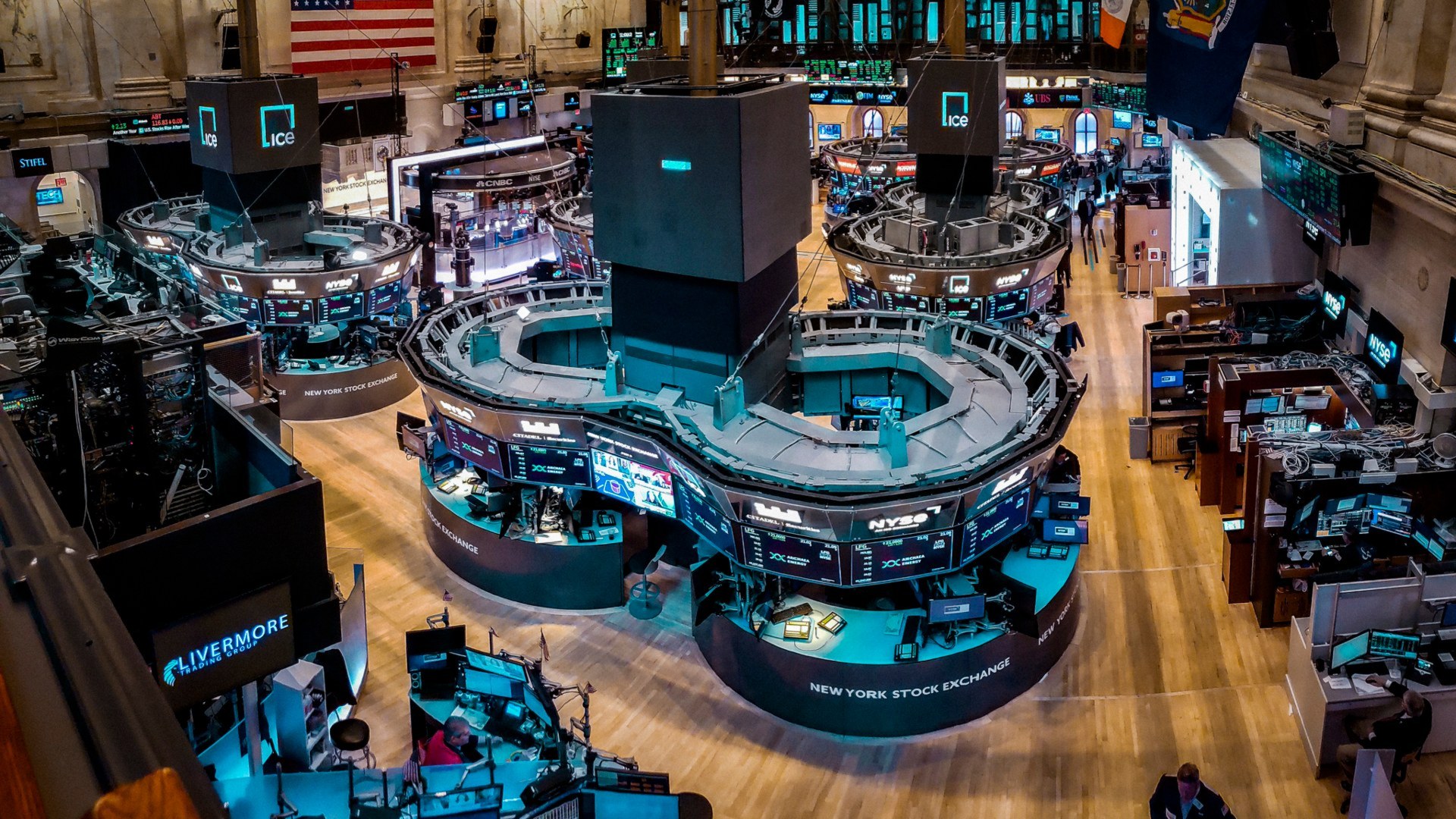
11. Big Tech And AI-Linked Stocks
Wall Street technology indices experienced a sharp pre-market decline following the Democratic congressional sweep. Institutional investors quickly repriced major artificial intelligence equities in anticipation of stricter federal oversight, data center power regulations, and antitrust enforcement.
©Wikimedia / Tobias Deml
10. Conservative Judicial Activists
Outside legal organizations focused on reshaping the federal bench saw their confirmation pipeline stall overnight when Republicans lost control of the Senate. Without a majority on the Senate Judiciary Committee, prospective federal district and circuit nominees face bipartisan negotiation.
©Wikimedia / Joe Ravi
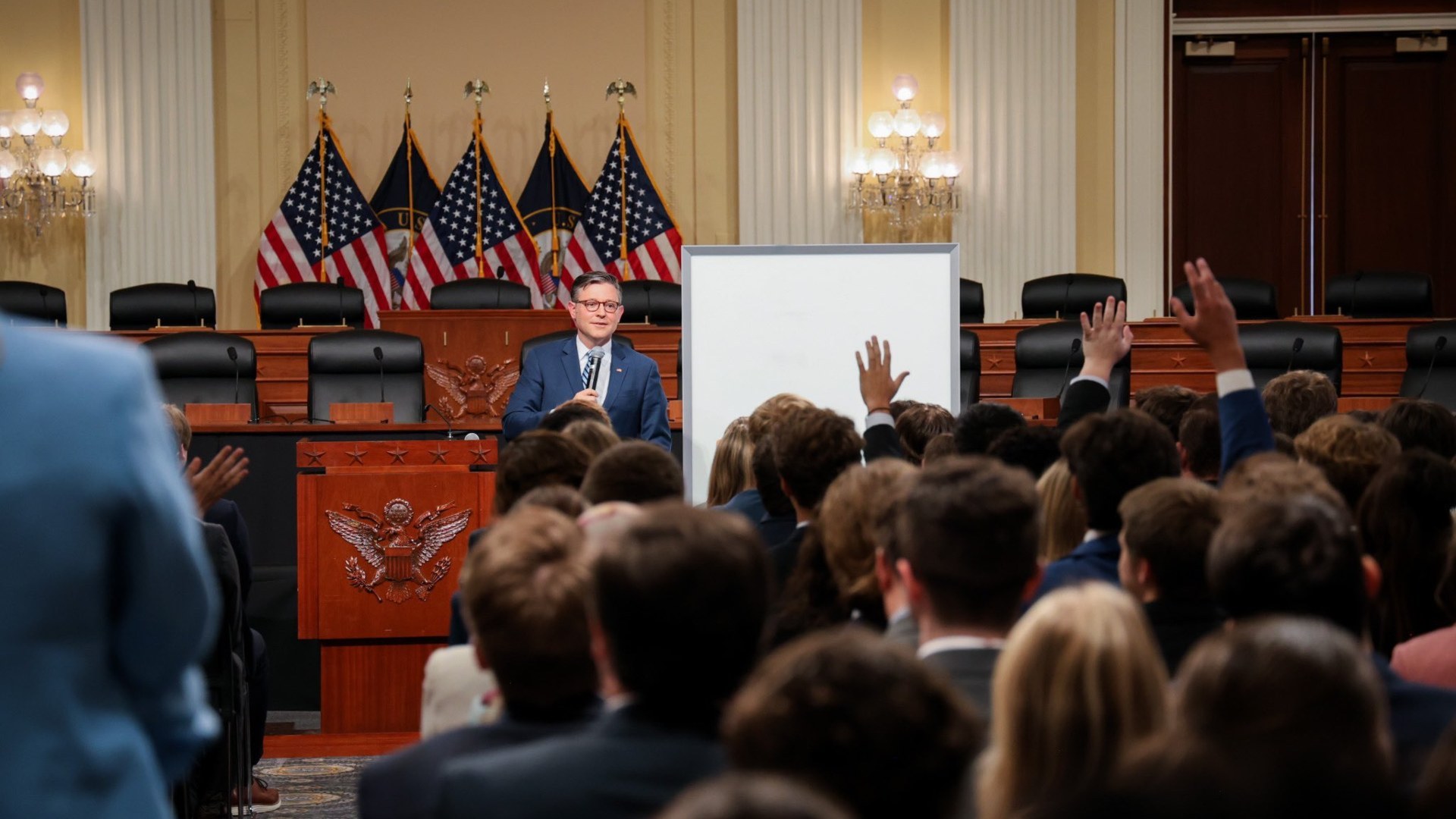
9. Republican Congressional Leaders
House Speaker Mike Johnson and Senate Republican Leader John Thune both lost their chamber majorities by substantial margins in the 2026 midterms. Handing the gavels to Democratic leaders ends Republican control over committee subpoena power and the federal legislative calendar.
©Wikimedia / Mike Johnson
Advertisement
Swipe or tap ▶ to resume the countdown.
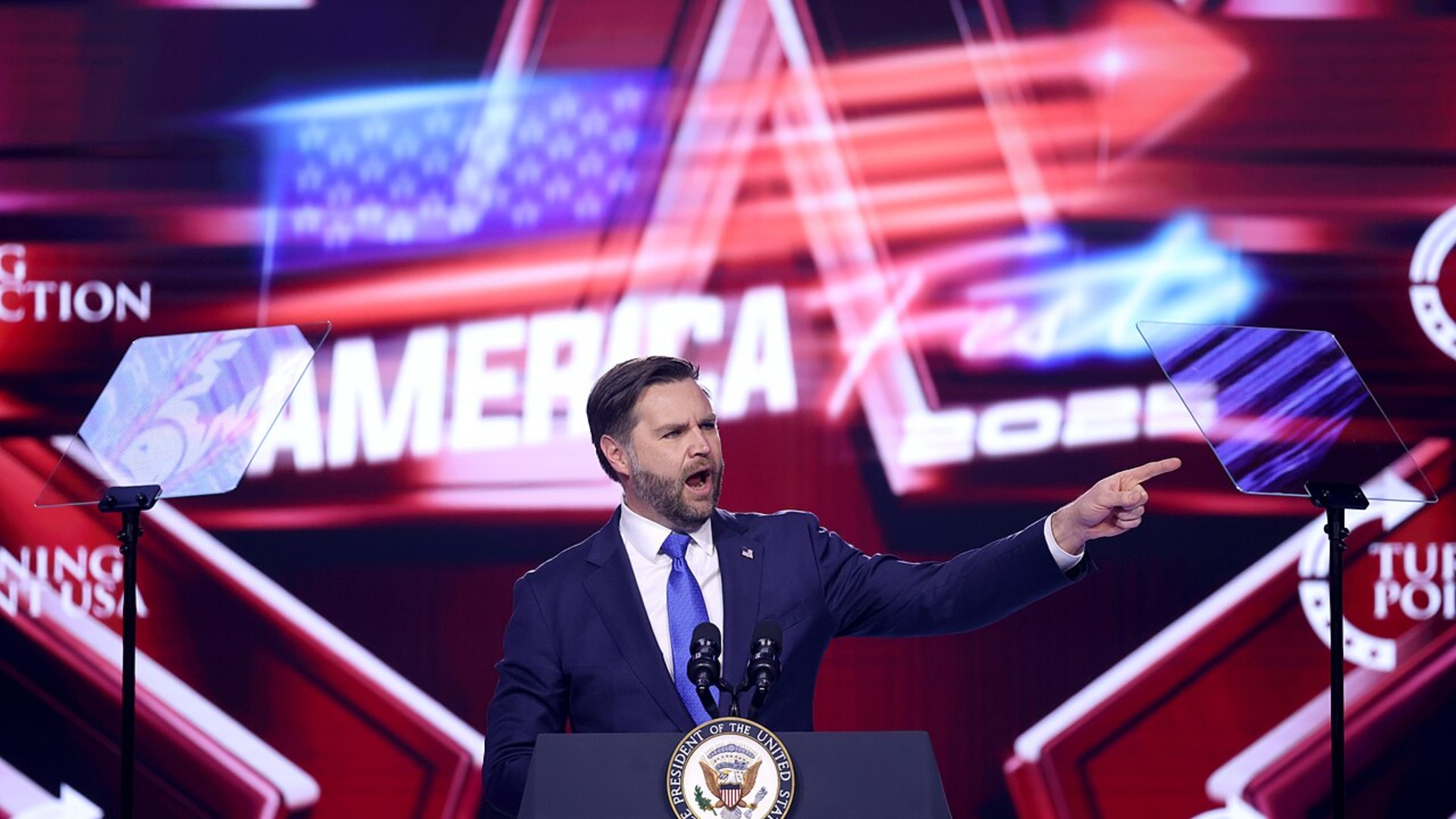
8. J.D. Vance
As Vice President, J.D. Vance saw his political leverage ahead of future national campaigns diminished by wide midterm defeats across industrial swing states. Following election night, Vance publicly attributed the party's setbacks to voter pushback over fuel and grocery costs.
©Wikimedia / Gage Skidmore from Surprise, AZ, United
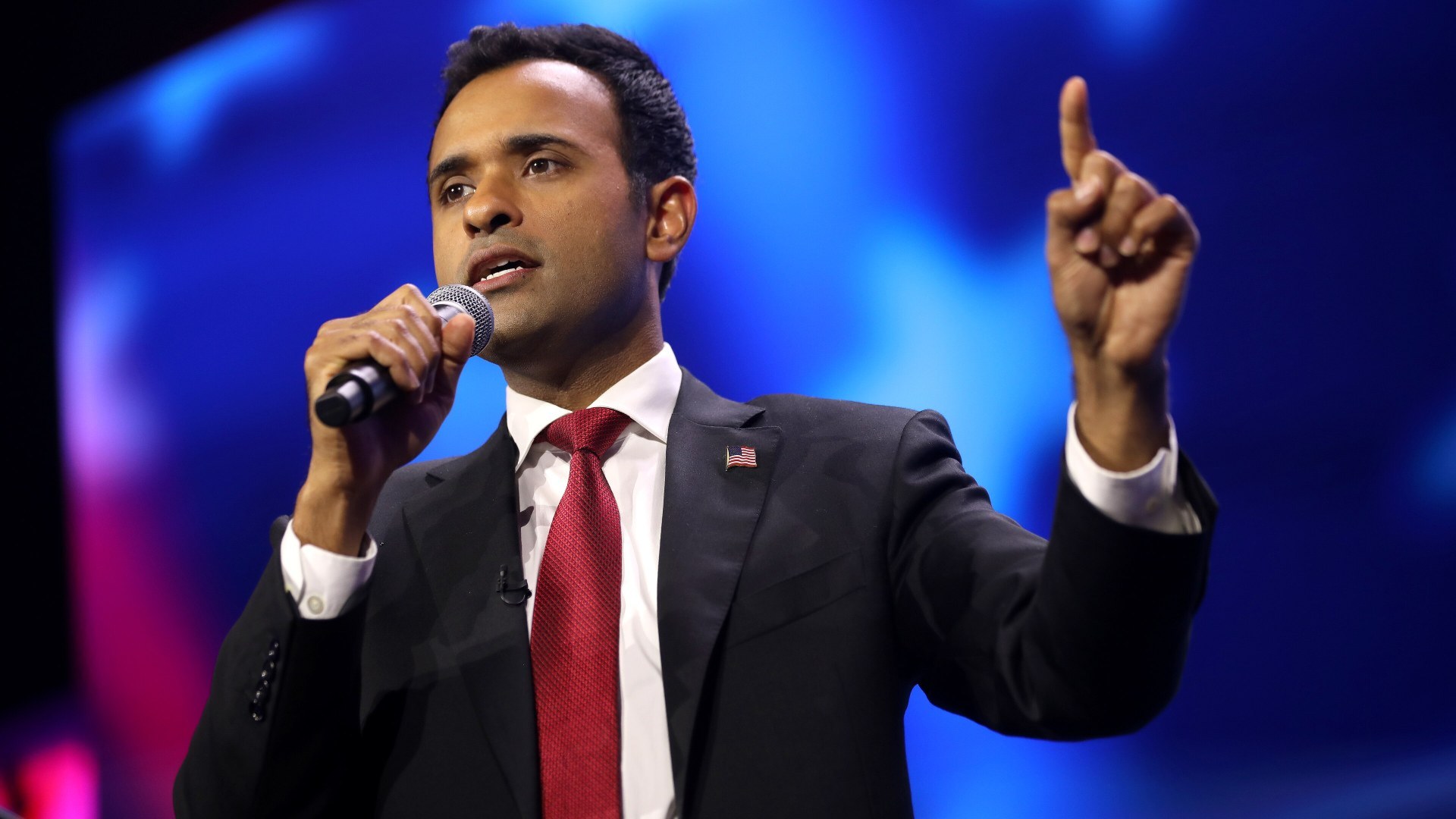
7. Vivek Ramaswamy
Biotech entrepreneur Vivek Ramaswamy entered the Ohio gubernatorial contest with high name recognition and a substantial war chest. However, a late-campaign messaging pivot alienated moderate suburban voters, allowing Democrat Amy Acton to capture the governor's office in Columbus.
©Wikimedia / Gage Skidmore
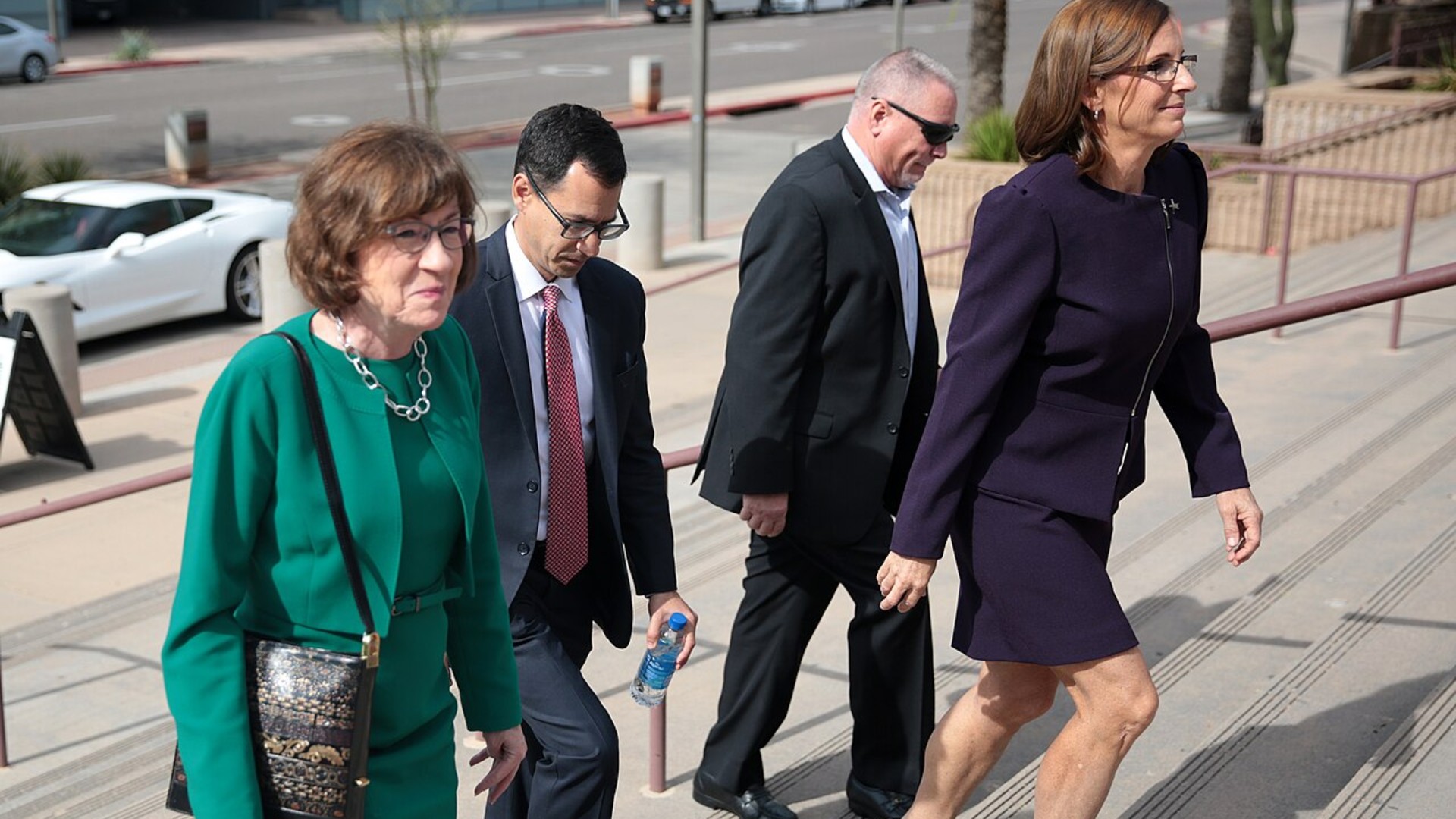
6. Susan Collins
Five-term incumbent Republican Senator Susan Collins saw her long streak of Maine ticket-splitting victories come to an end in 2026. Democratic challenger Troy Jackson unseated the veteran lawmaker in one of the most consequential individual Senate upsets of the election cycle.
©Wikimedia / Gage Skidmore from Peoria, AZ, United
5. Darline Graham
In a historic Southern realignment, Trump-backed Republican Darline Graham lost the South Carolina Senate race to Democratic challenger Annie Andrews. The upset marked the first time voters in South Carolina elected a Democrat to the United States Senate since 1998.
©Wikimedia / Darline Graham
Advertisement
Swipe or tap ▶ to resume the countdown.
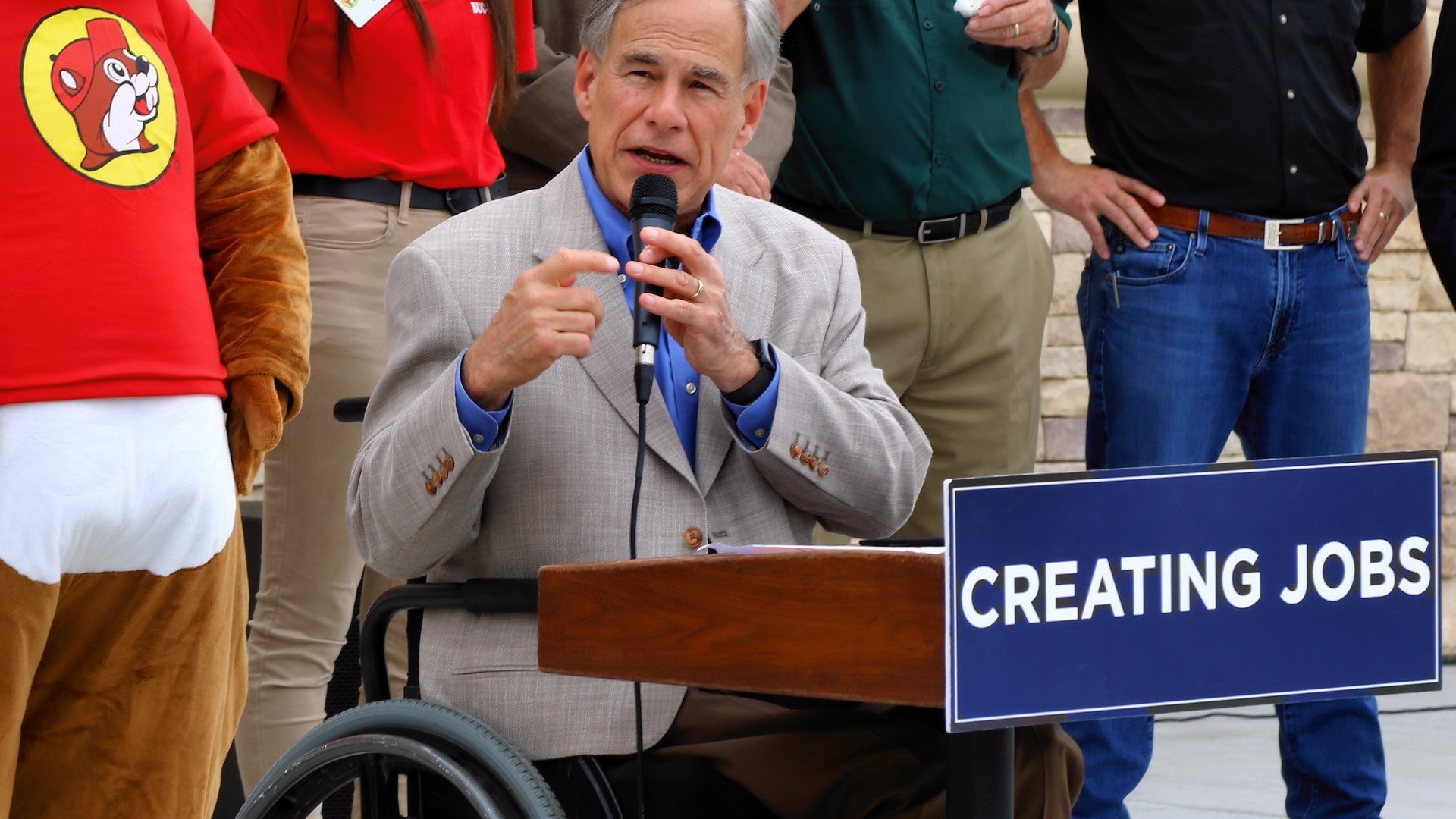
4. Greg Abbott
Incumbent Republican Governor Greg Abbott suffered a stunning defeat in his bid for another term in Austin. Democratic State Representative Gina Hinojosa flipped the governor's mansion, marking an unprecedented generational shift in Texas statewide executive leadership.
©Wikimedia / Larry D. Moore
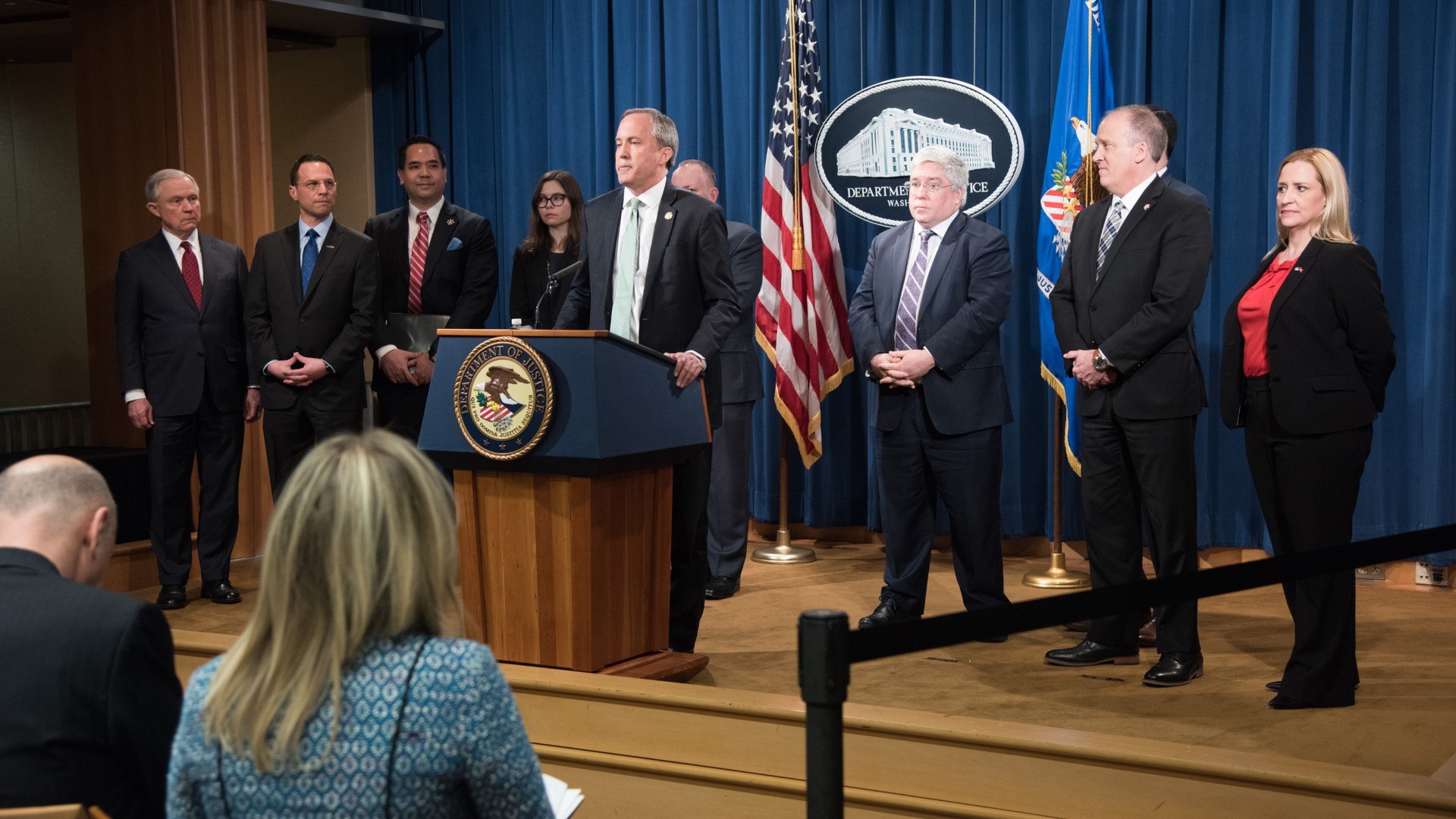
3. Ken Paxton
Republican candidate Ken Paxton lost the marquee Texas Senate race to Democratic lawmaker James Talarico despite an unprecedented wave of outside spending. Political groups aligned with Elon Musk poured roughly 212 million dollars into the contest without securing a victory.
©Wikimedia / Department of Justice
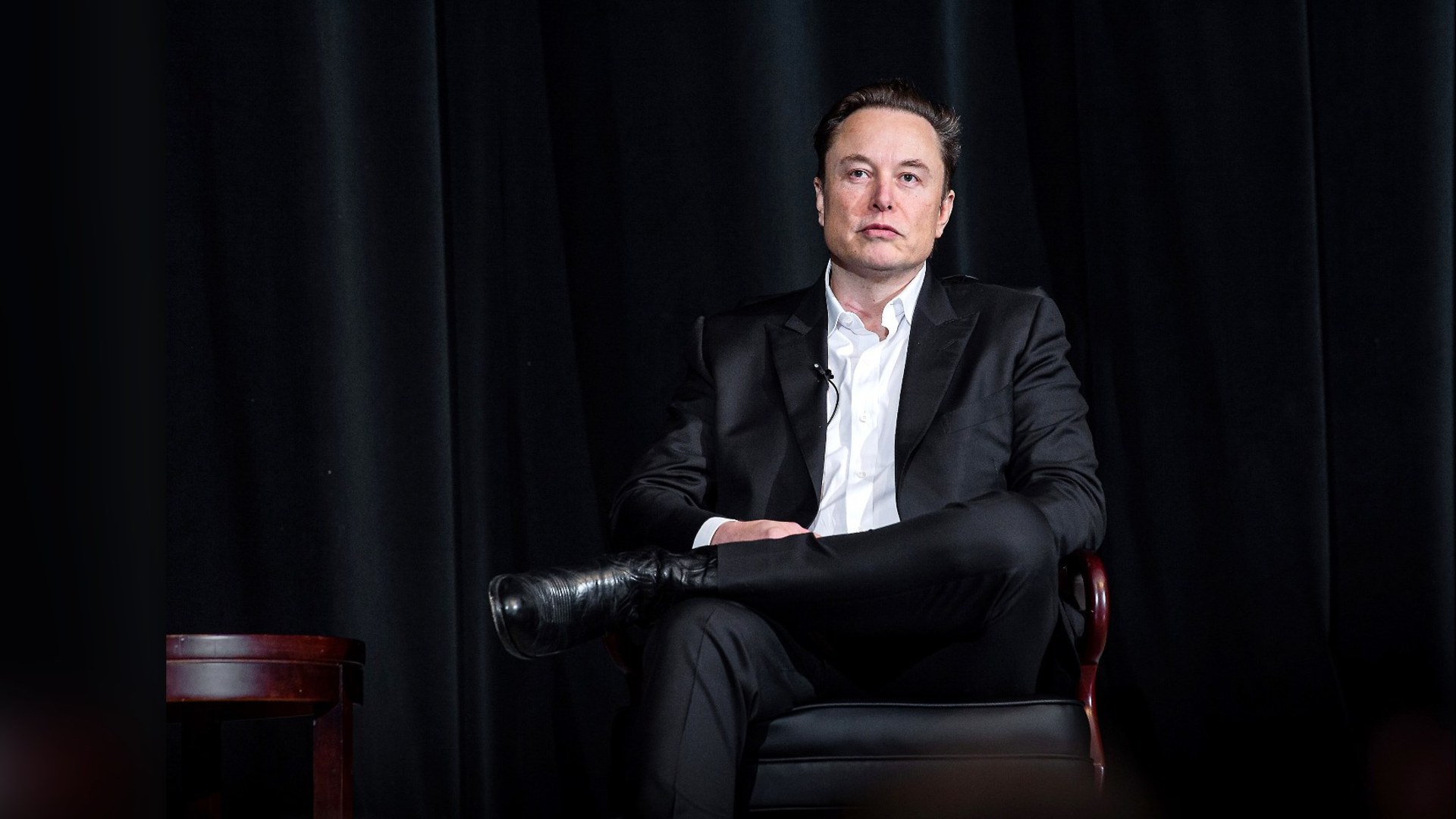
2. Elon Musk
Ranked as the cycle's largest individual financial loser, billionaire Elon Musk committed roughly 474 million dollars of his personal fortune to Republican super-PACs and field operations. His heavily funded push in Texas and battleground Senate races yielded almost zero return.
©Wikimedia / Trevor Cokley
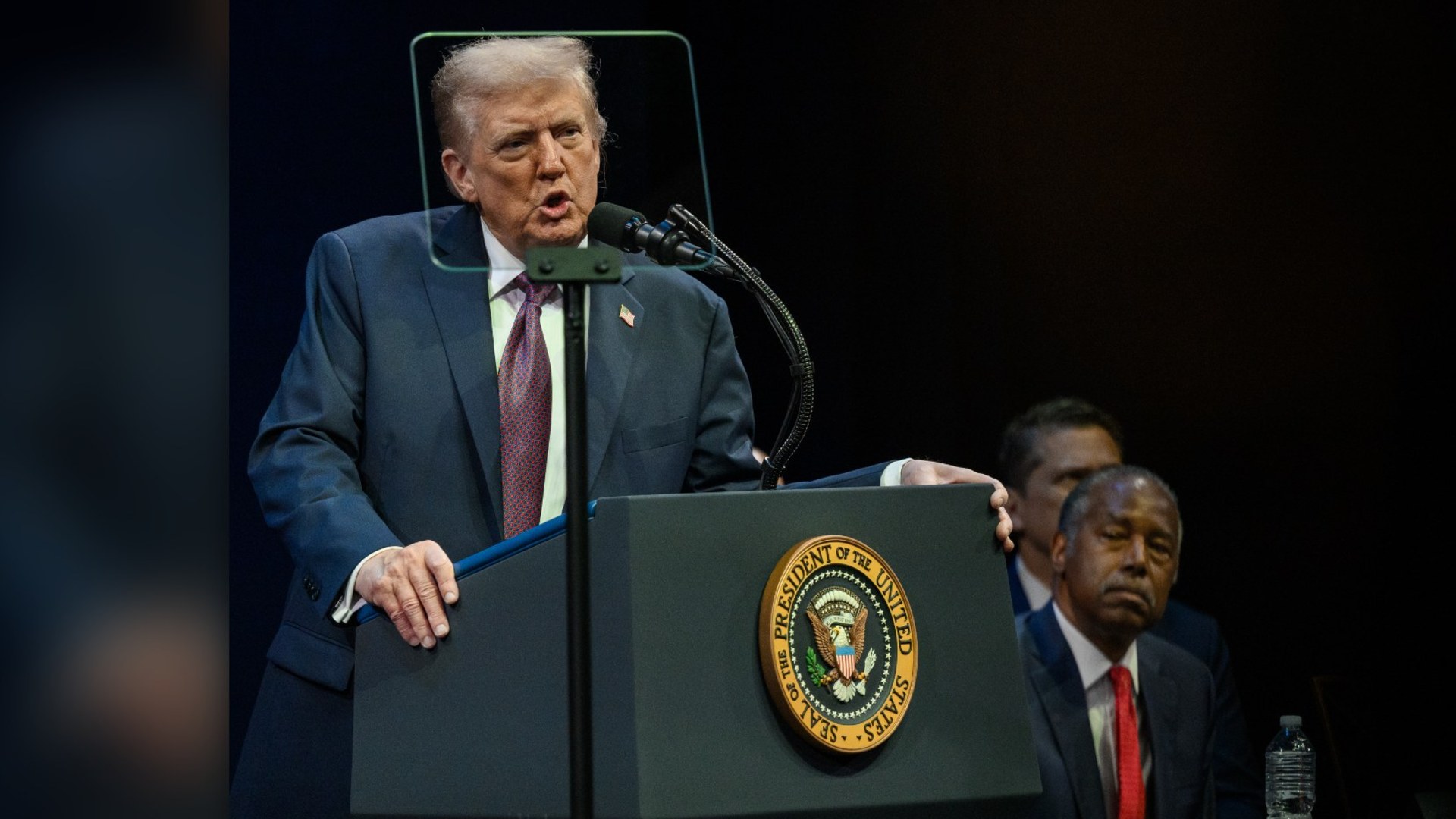
1. Donald J. Trump
Although his name was not on the ballot, President Donald J. Trump repeatedly urged voters to treat the 2026 midterms as a direct referendum on his administration. Losing Republican majorities in both the House and Senate severely constrains his legislative agenda and judicial nominations.

©Wikimedia / Molly Riley
Advertisement
You've reached the end of the story. Thanks for reading!

20 Famous Cars With Pop-Up Headlights That Shaped Car Design
From hand-cranked 1930s teardrops to wedge supercars of the 1980s, hidden headlights let stylists chase sleek aerodynamics until 2004 pedestrian rules closed the curtain. Here are 20 standout production cars that turned retractable lamps into an enduring automotive design feature across seven full decades.
All 15 Entries in this Story
15. Political Pollsters And Prediction Markets
Political data aggregators and prediction markets heavily miscalculated voter turnout across competitive battleground districts in 2026. Platforms like Polymarket faced intense scrutiny after multiple long-shot challengers overcame 95 percent negative betting odds on election night.

14. Mike Rogers
Former Congressman Mike Rogers fell short in one of the Midwest's most competitive Senate battles of the 2026 cycle. Despite national party backing in Michigan, the Republican nominee lost the open seat to progressive Democratic challenger Abdul El-Sayed.

13. Bruce Blakeman
Nassau County Executive Bruce Blakeman struggled to expand his suburban Long Island coalition statewide during the 2026 New York gubernatorial race. Incumbent Democrat Kathy Hochul secured reelection by a decisive 60 percent to 39.8 percent margin across the state.

12. Samuel Alito And Clarence Thomas
By resisting calls from party strategists to step down ahead of the 2026 election, Supreme Court Justices Samuel Alito and Clarence Thomas missed their window under a Republican Senate. Any future vacancy during the current term now requires confirmation by a Democratic majority.

11. Big Tech And AI-Linked Stocks
Wall Street technology indices experienced a sharp pre-market decline following the Democratic congressional sweep. Institutional investors quickly repriced major artificial intelligence equities in anticipation of stricter federal oversight, data center power regulations, and antitrust enforcement.

10. Conservative Judicial Activists
Outside legal organizations focused on reshaping the federal bench saw their confirmation pipeline stall overnight when Republicans lost control of the Senate. Without a majority on the Senate Judiciary Committee, prospective federal district and circuit nominees face bipartisan negotiation.

9. Republican Congressional Leaders
House Speaker Mike Johnson and Senate Republican Leader John Thune both lost their chamber majorities by substantial margins in the 2026 midterms. Handing the gavels to Democratic leaders ends Republican control over committee subpoena power and the federal legislative calendar.

8. J.D. Vance
As Vice President, J.D. Vance saw his political leverage ahead of future national campaigns diminished by wide midterm defeats across industrial swing states. Following election night, Vance publicly attributed the party's setbacks to voter pushback over fuel and grocery costs.

7. Vivek Ramaswamy
Biotech entrepreneur Vivek Ramaswamy entered the Ohio gubernatorial contest with high name recognition and a substantial war chest. However, a late-campaign messaging pivot alienated moderate suburban voters, allowing Democrat Amy Acton to capture the governor's office in Columbus.

6. Susan Collins
Five-term incumbent Republican Senator Susan Collins saw her long streak of Maine ticket-splitting victories come to an end in 2026. Democratic challenger Troy Jackson unseated the veteran lawmaker in one of the most consequential individual Senate upsets of the election cycle.

5. Darline Graham
In a historic Southern realignment, Trump-backed Republican Darline Graham lost the South Carolina Senate race to Democratic challenger Annie Andrews. The upset marked the first time voters in South Carolina elected a Democrat to the United States Senate since 1998.

4. Greg Abbott
Incumbent Republican Governor Greg Abbott suffered a stunning defeat in his bid for another term in Austin. Democratic State Representative Gina Hinojosa flipped the governor's mansion, marking an unprecedented generational shift in Texas statewide executive leadership.

3. Ken Paxton
Republican candidate Ken Paxton lost the marquee Texas Senate race to Democratic lawmaker James Talarico despite an unprecedented wave of outside spending. Political groups aligned with Elon Musk poured roughly 212 million dollars into the contest without securing a victory.

2. Elon Musk
Ranked as the cycle's largest individual financial loser, billionaire Elon Musk committed roughly 474 million dollars of his personal fortune to Republican super-PACs and field operations. His heavily funded push in Texas and battleground Senate races yielded almost zero return.

1. Donald J. Trump
Although his name was not on the ballot, President Donald J. Trump repeatedly urged voters to treat the 2026 midterms as a direct referendum on his administration. Losing Republican majorities in both the House and Senate severely constrains his legislative agenda and judicial nominations.