Slideshow · Entertainment
The 15 Most Influential First Ladies in US History, Ranked
The role of First Lady is nowhere in the U.S. Constitution, yet presidential spouses have shaped American diplomacy, civil rights, legislation, and White House protocol for over two centuries. Here ar
By Most Viral Today
30 Oct 2026

How America's Most Powerful Presidential Spouses Reshaped The White House 
15. Eleanor Roosevelt (1933 To 1945) 
14. Abigail Adams (1797 To 1801) 
13. Dolley Madison (1809 To 1817) - AdvertisementSwipe or tap ▶ to continue countdown

12. Jacqueline Kennedy Onassis (1961 To 1963) 
11. Hillary Rodham Clinton (1993 To 2001) 
10. Betty Ford (1974 To 1977) 
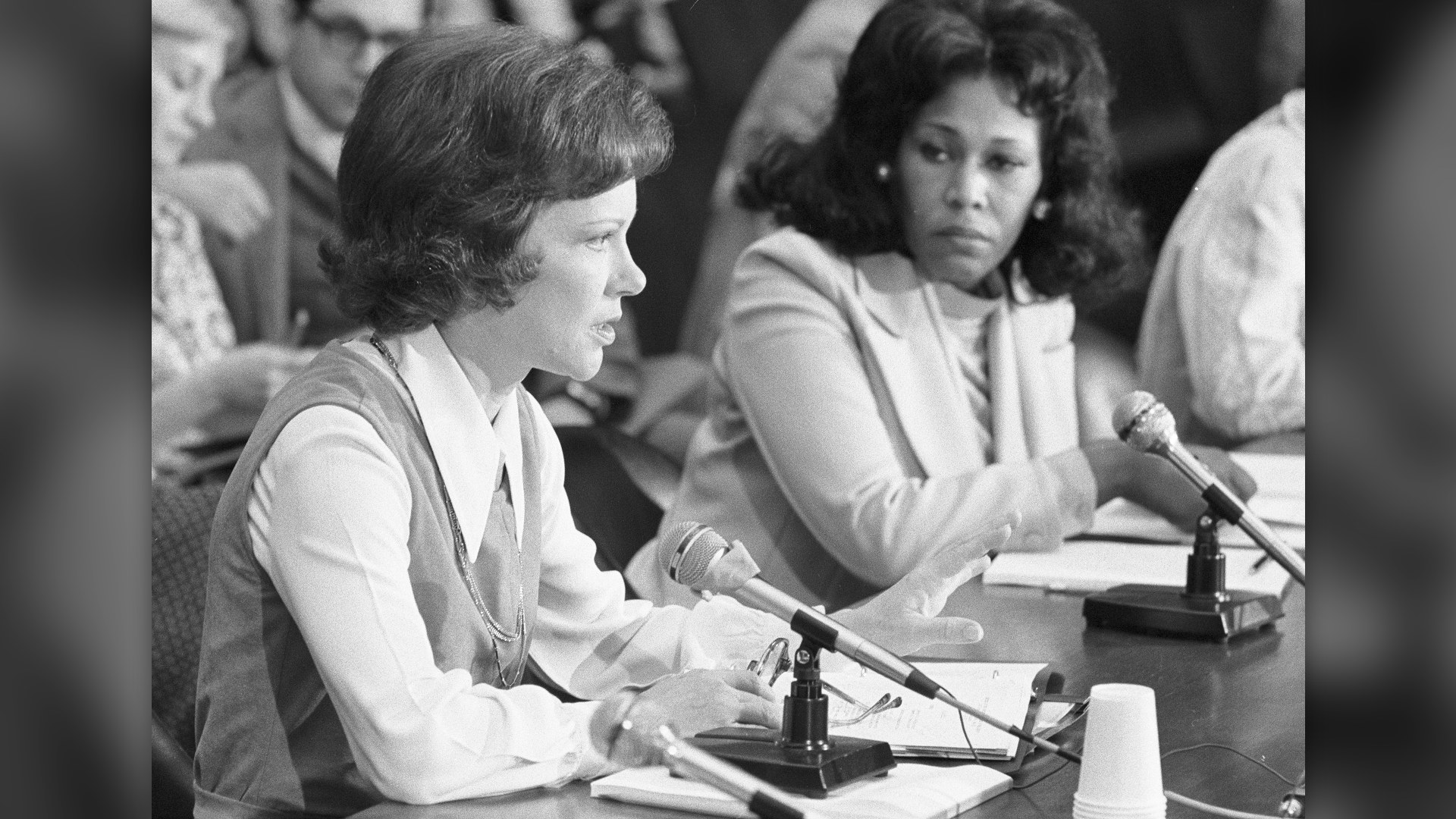
9. Rosalynn Carter (1977 To 1981) - AdvertisementSwipe or tap ▶ to continue countdown

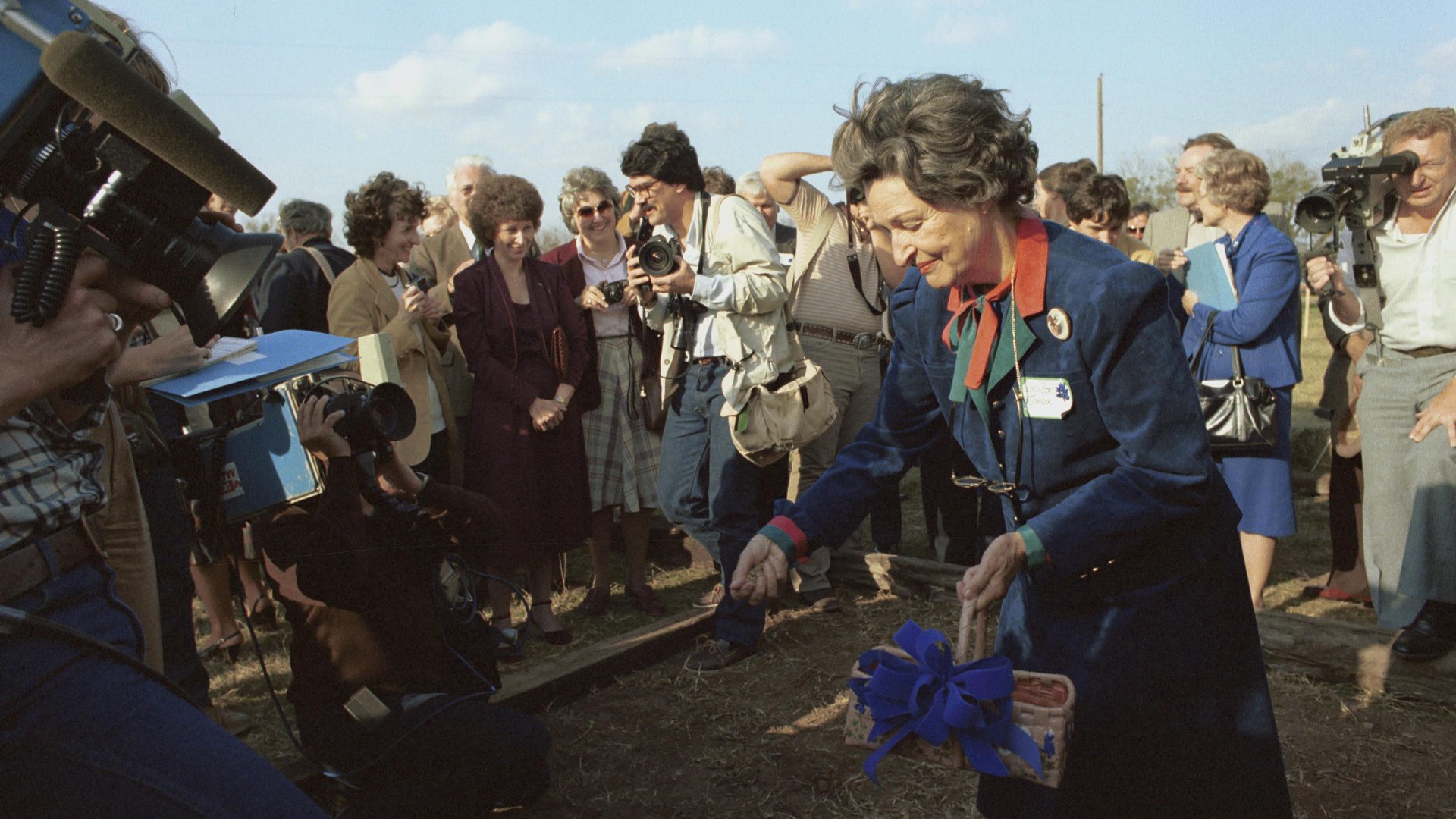
8. Lady Bird Johnson (1963 To 1969) 
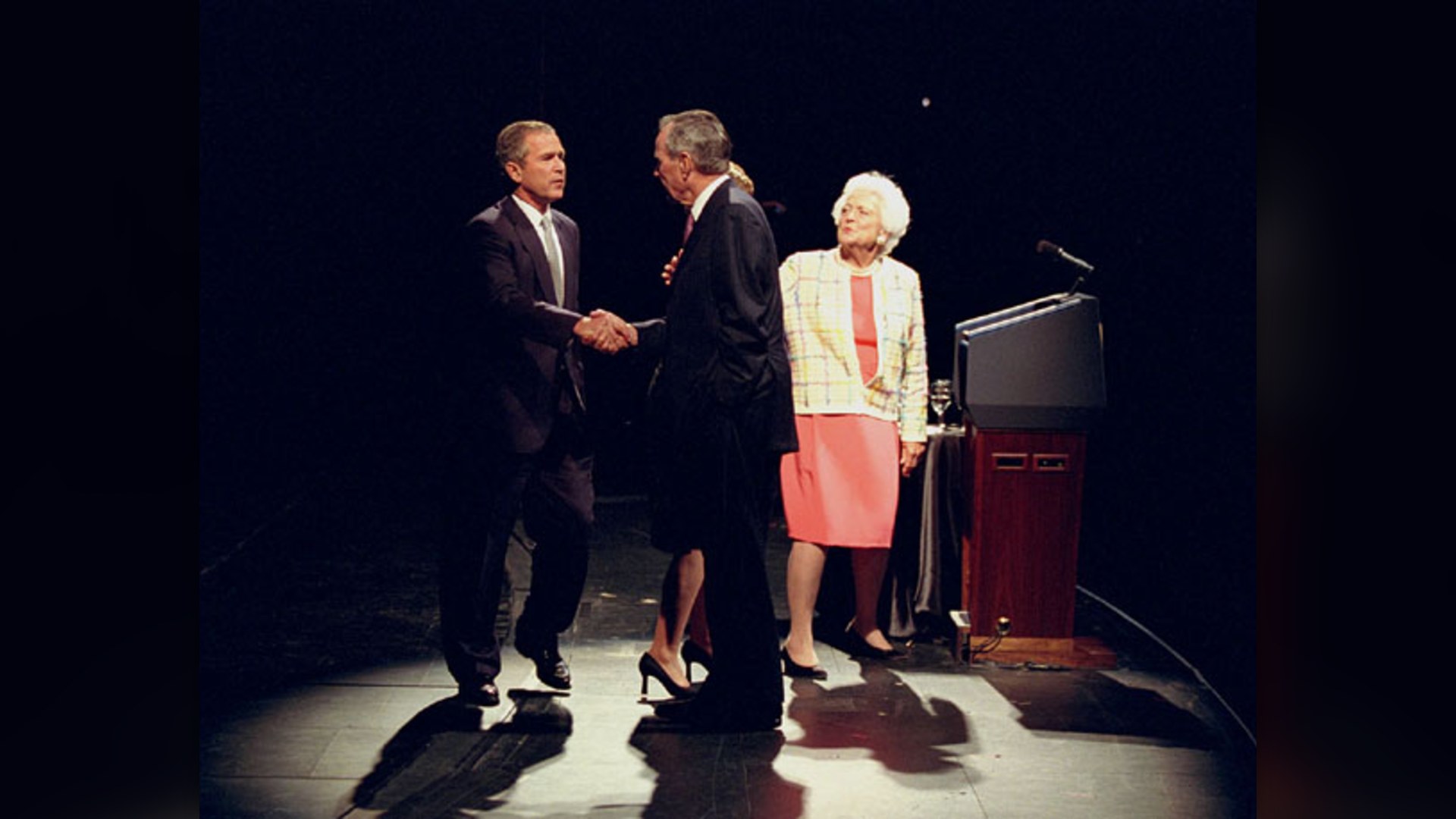
7. Barbara Bush (1989 To 1993) 
6. Edith Wilson (1915 To 1921) 
5. Michelle Obama (2009 To 2017) - AdvertisementSwipe or tap ▶ to continue countdown

4. Sarah Polk (1845 To 1849) 
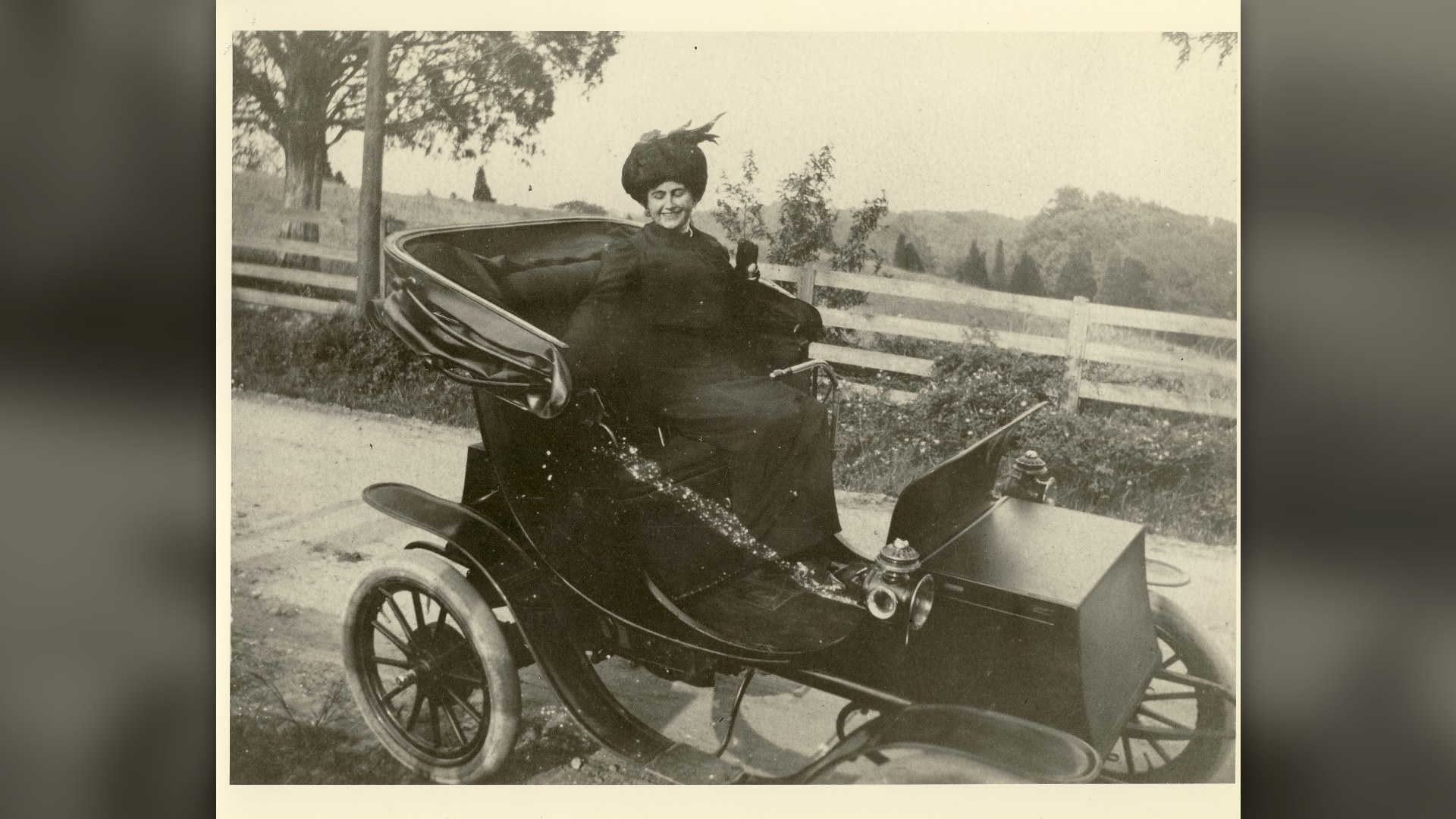
3. Edith Roosevelt (1901 To 1909) 
2. Martha Washington (1789 To 1797) 
1. Lou Henry Hoover (1929 To 1933) - Advertisement🔥 UP NEXT IN THIS SERIES◫ 26 Slides

25 Most Photographed Figures in Human History Ranked
Which iconic faces have been captured on camera more than anyone else?
The role of First Lady is nowhere in the U.S. Constitution, yet presidential spouses have shaped American diplomacy, civil rights, and legislation for over two centuries. From Abigail Adams to Jacqueline Kennedy and Eleanor Roosevelt, here are the 15 most influential First Ladies, ranked.
Swipe or tap ▶ to begin the countdown
©Wikimedia / United Nations | White House
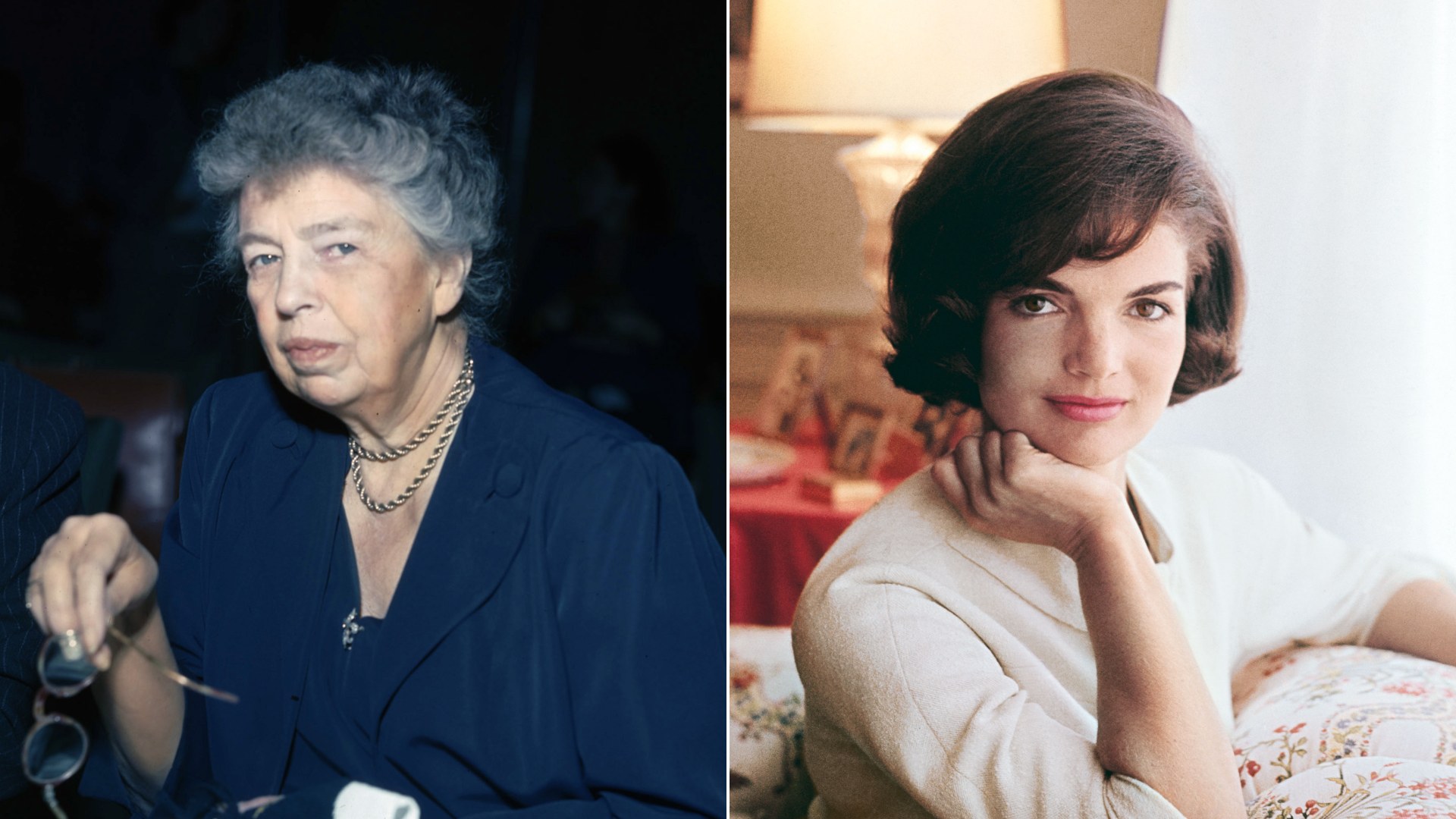
15. Eleanor Roosevelt (1933 To 1945)
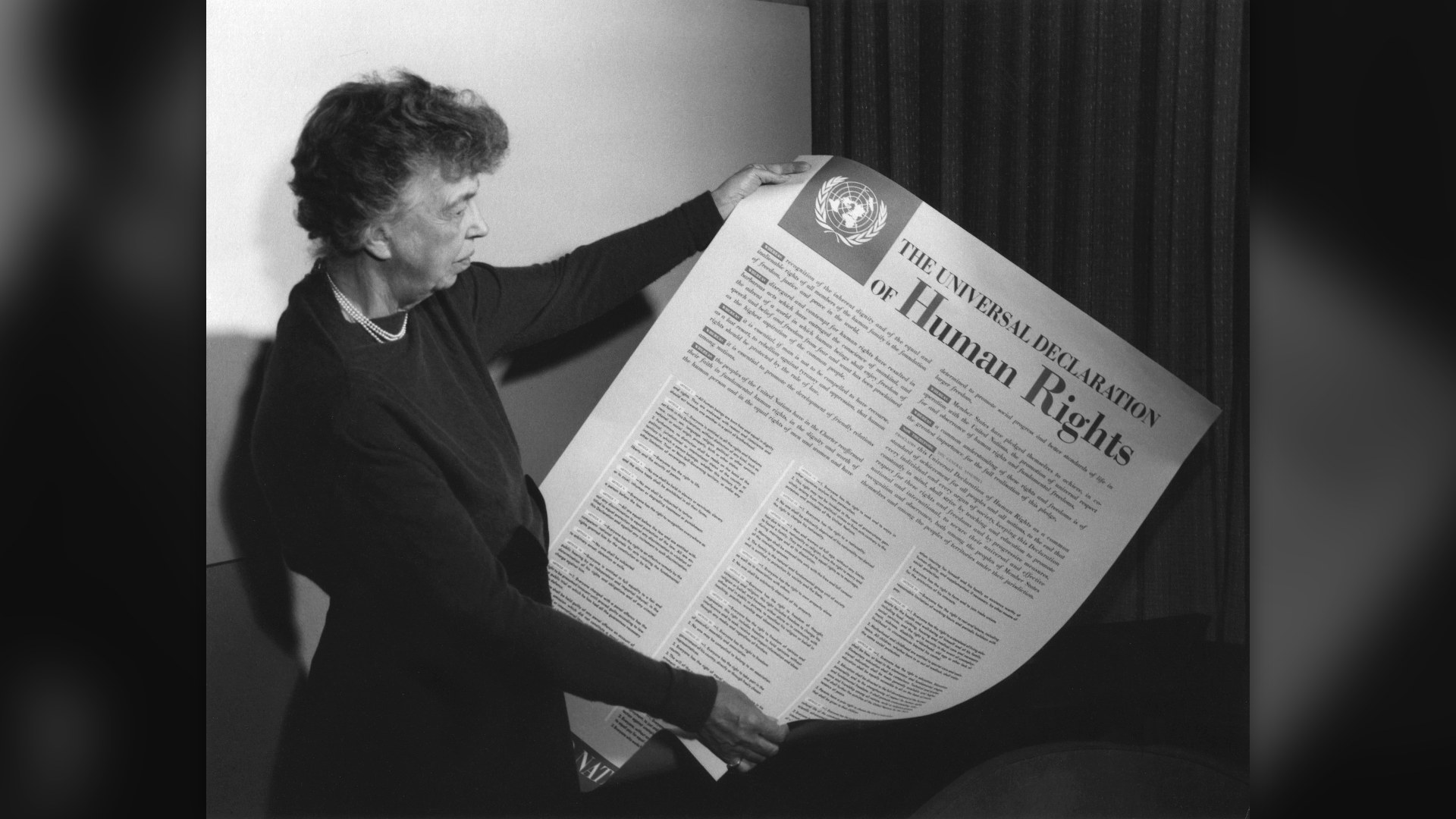
Widely considered the gold standard of First Ladies, Eleanor Roosevelt redefined the role over 12 years in the White House. She held 348 women-only press conferences, wrote the daily column "My Day," championed civil rights, and later helped draft the UN Universal Declaration of Human Rights.
©Wikimedia / FDR Presidential Library & Museum
14. Abigail Adams (1797 To 1801)
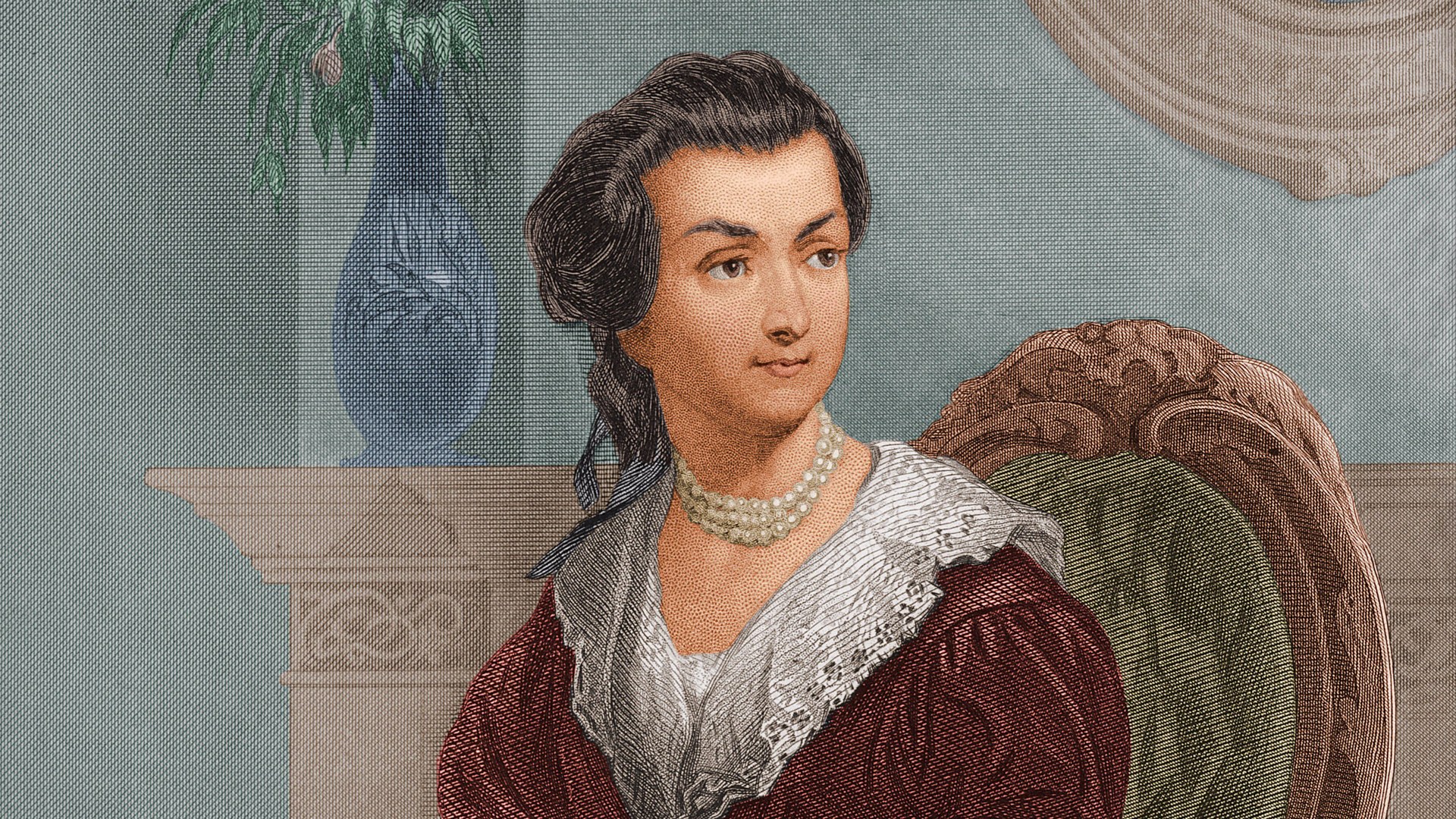
An intellectual partner to President John Adams, Abigail Adams famously urged him in 1776 to "remember the ladies" when drafting the new republic's code of laws. As the first First Lady to reside in the White House, she managed family estates, supervised staff, and advised her husband on diplomatic matters.
©Wikimedia / Christian Schussele
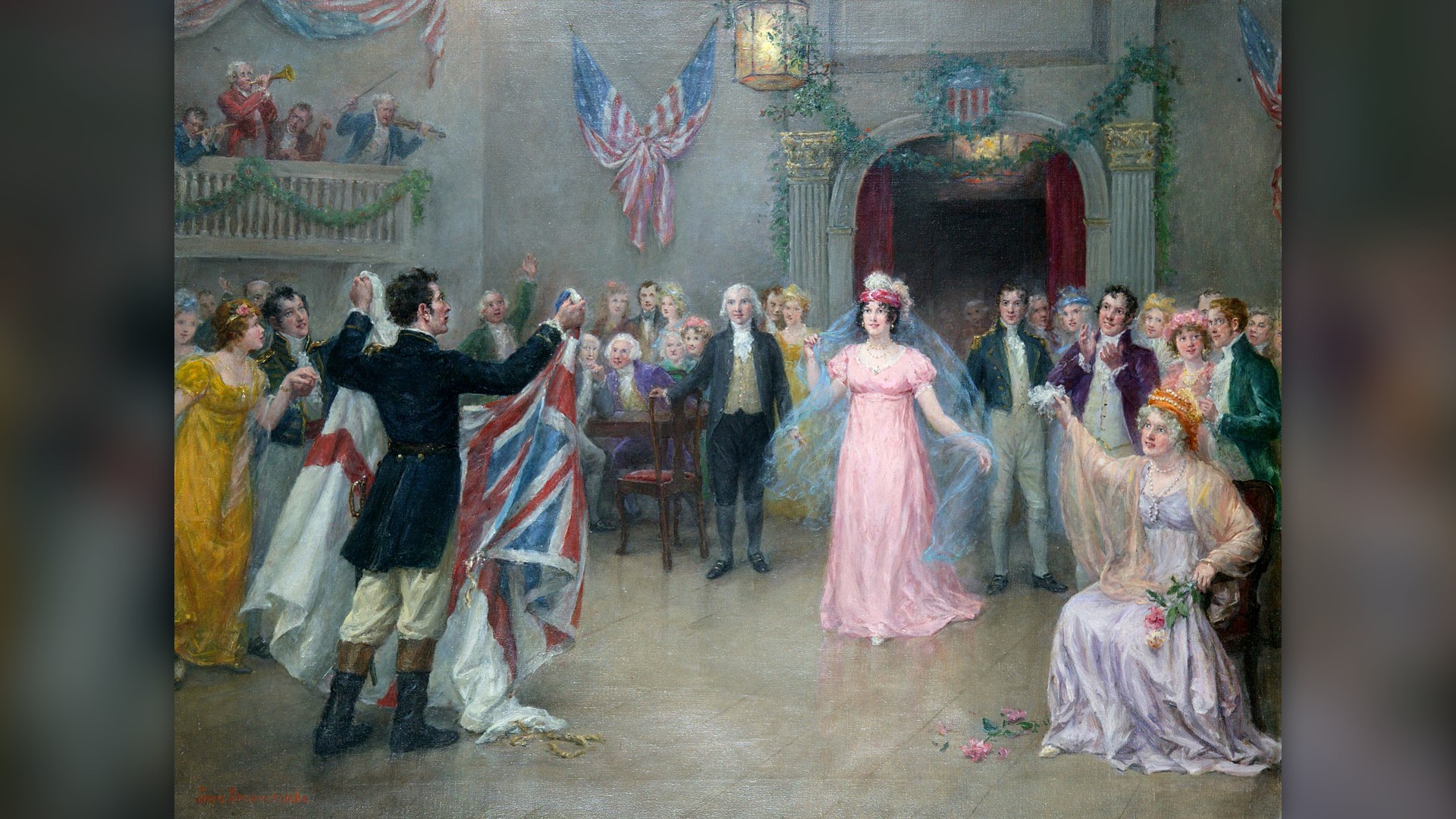
13. Dolley Madison (1809 To 1817)
Dolley Madison pioneered the social and political power of the role by hosting Wednesday night drawing rooms that united rival lawmakers across party lines. During the War of 1812, she famously refused to evacuate the White House until Gilbert Stuart's portrait of George Washington was saved from British troops.
©Wikimedia / Jennie Augusta Brownscombe
Advertisement
Swipe or tap ▶ to resume the countdown.
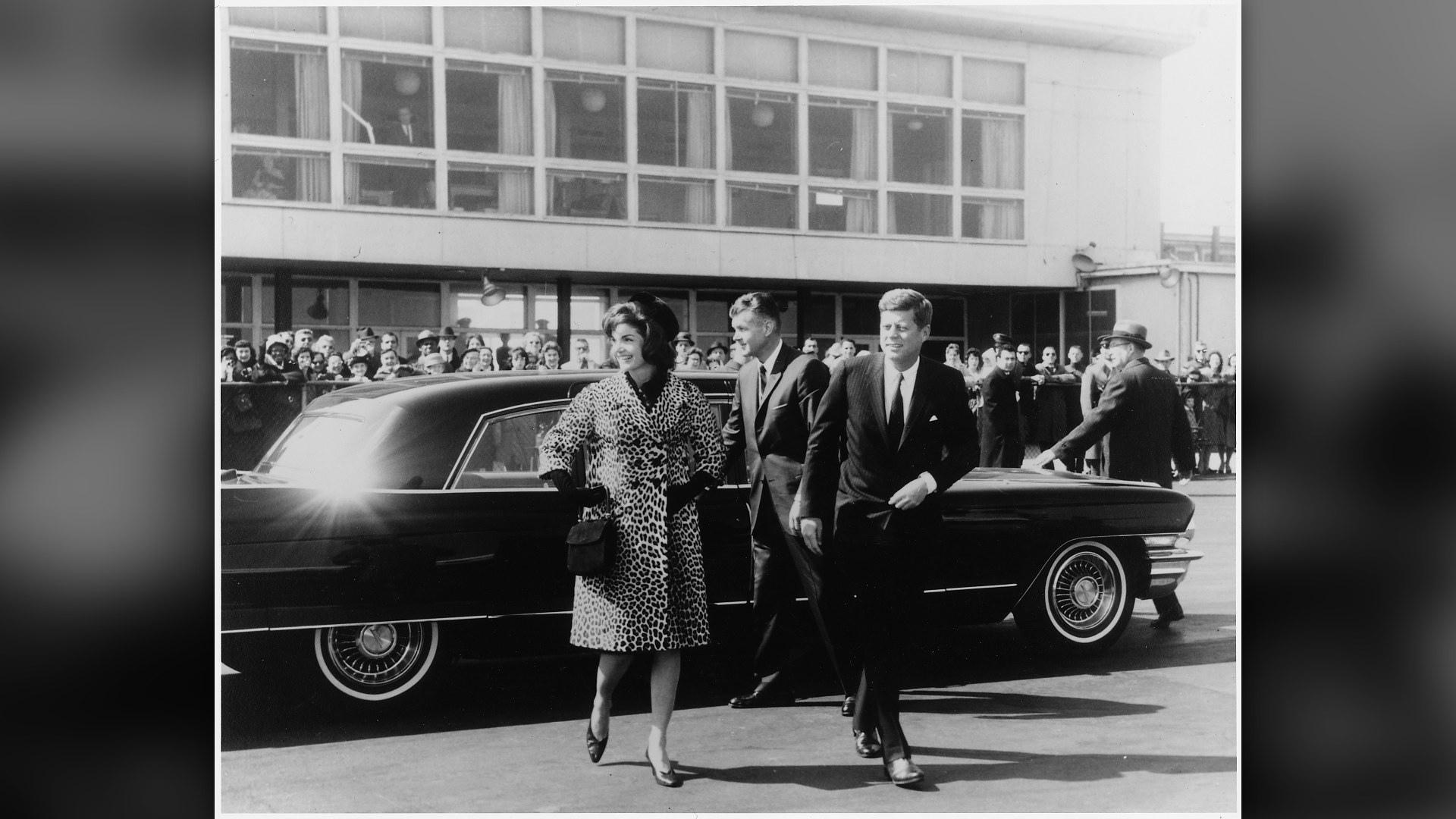
12. Jacqueline Kennedy Onassis (1961 To 1963)
Jacqueline Kennedy elevated the cultural prestige of the presidency by founding the White House Historical Association and leading a restoration of the executive mansion. Over 56 million viewers watched her 1962 televised tour, and her grace after President Kennedy's assassination steadied the nation.
©Wikimedia / Abbie Rowe / NARA
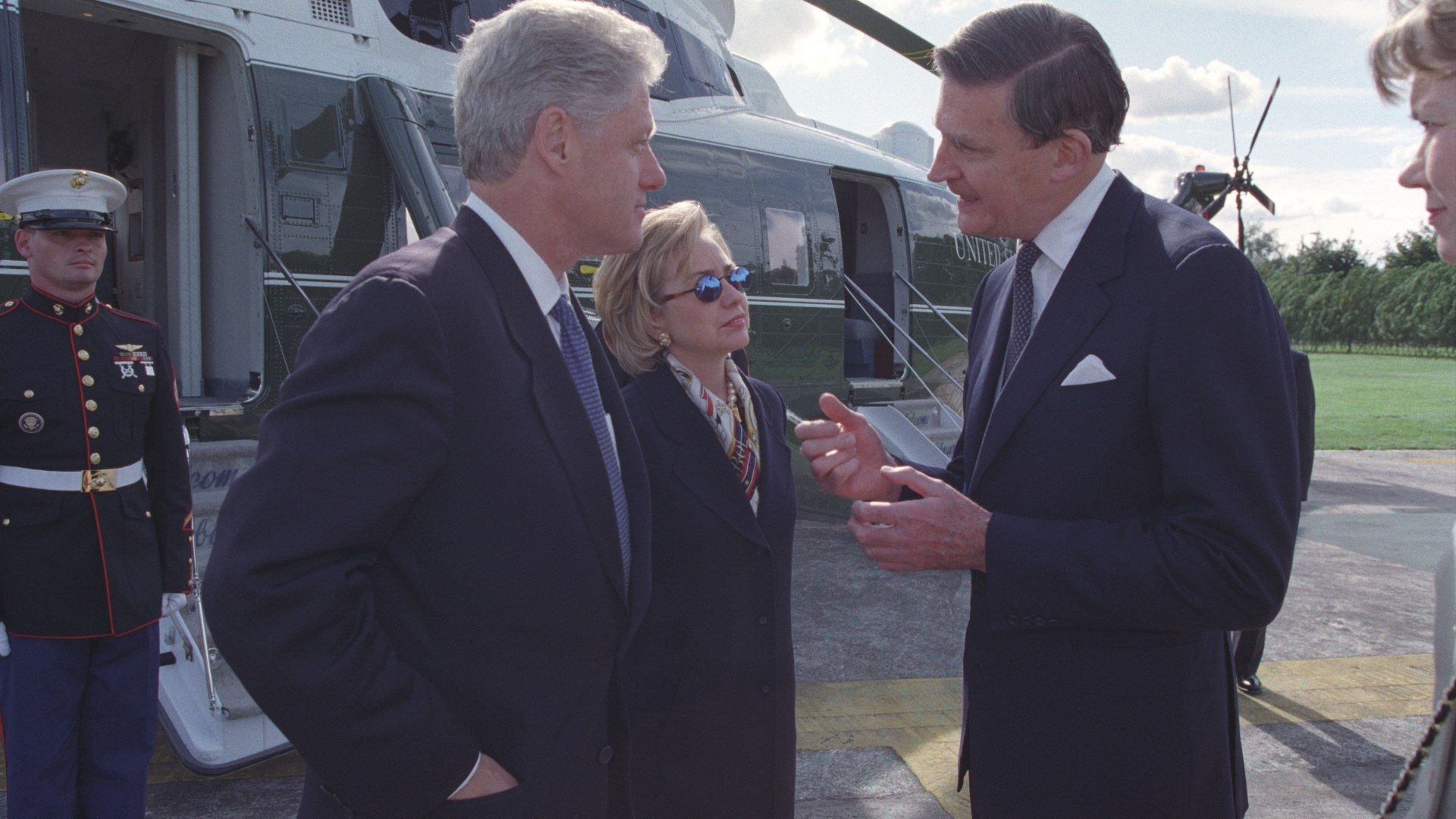
11. Hillary Rodham Clinton (1993 To 2001)
Hillary Rodham Clinton broke tradition by setting up a West Wing office and leading the 1993 Task Force on National Health Care Reform. She later helped create the Children's Health Insurance Program and built an independent career as U.S. Senator, Secretary of State, and the 2016 Democratic presidential nominee.
©Wikimedia / White House / Ralph Alswang
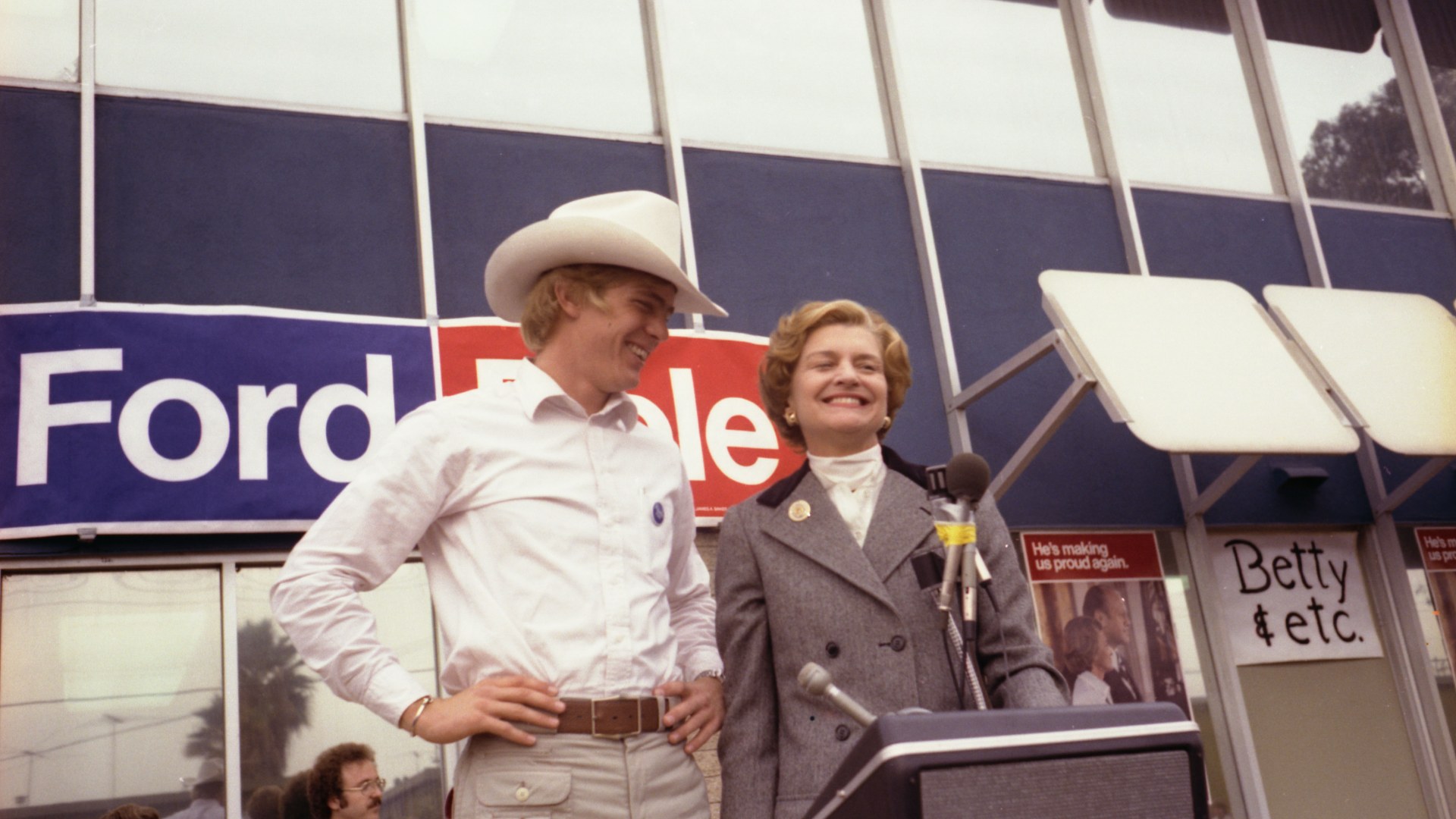
10. Betty Ford (1974 To 1977)
Celebrated for her candor during a three-year tenure, Betty Ford went public with her 1974 breast cancer diagnosis and mastectomy, prompting millions of women to get screened. She actively lobbied state legislatures for the Equal Rights Amendment and later co-founded the Betty Ford Center in 1982.
©Wikimedia / Karl Schumacher / NARA
9. Rosalynn Carter (1977 To 1981)
Rosalynn Carter established the Office of the First Lady in the East Wing, sat in on Cabinet meetings to stay briefed on policy, and represented President Jimmy Carter on diplomatic missions to Latin America. As chair of the President's Commission on Mental Health, she testified before Congress in 1979.
©Wikimedia / Jimmy Carter Library
Advertisement
Swipe or tap ▶ to resume the countdown.
8. Lady Bird Johnson (1963 To 1969)
Believing that natural beauty was a public policy issue, Lady Bird Johnson lobbied Congress directly to pass the Highway Beautification Act of 1965, which restricted roadside billboards and junkyards while funding native wildflower plantings. She was also the first First Lady to hire her own press secretary.
©Wikimedia / Frank Wolfe / LBJ Library
7. Barbara Bush (1989 To 1993)
Making universal literacy her signature cause, Barbara Bush founded the Barbara Bush Foundation for Family Literacy in 1989 and backed the National Literacy Act of 1991. She also helped reduce public stigma during the HIV/AIDS crisis by hugging children and adults living with the virus.
©Wikimedia / White House / Paul Morse
6. Edith Wilson (1915 To 1921)
After President Woodrow Wilson suffered a debilitating stroke in October 1919, Edith Wilson instituted what she called a "stewardship" of the presidency. She screened all state papers and Cabinet requests before deciding which matters were urgent enough to bring to her husband's bedside.
©Wikimedia / Woodrow Wilson Presidential Library Archives
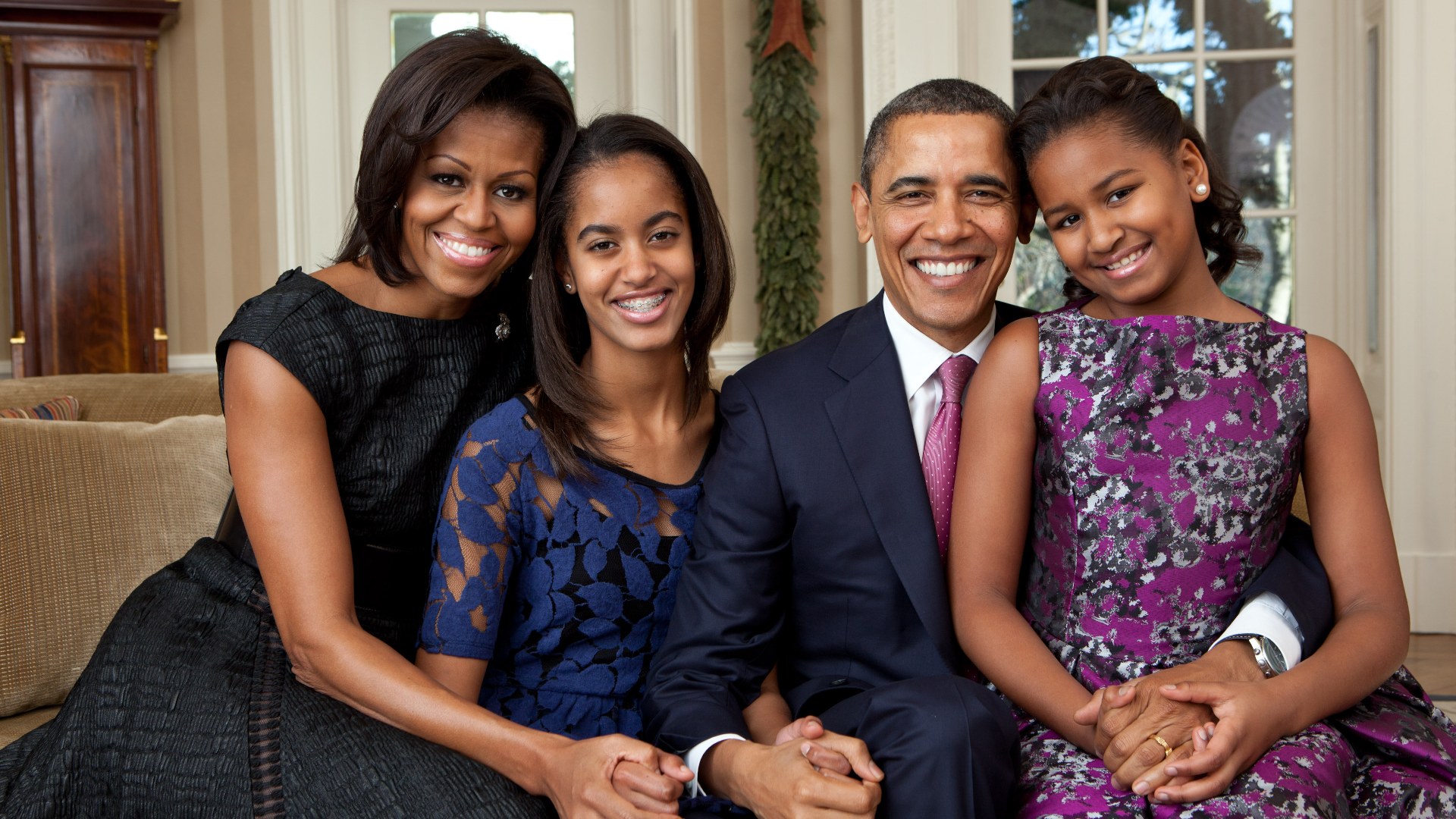
5. Michelle Obama (2009 To 2017)
As the first African American First Lady, Michelle Obama used her platform to champion four major initiatives: "Let's Move!" to combat childhood obesity, "Joining Forces" with Jill Biden to support military families, "Reach Higher" for college readiness, and "Let Girls Learn" for global education.
©Wikimedia / White House / Pete Souza
Advertisement
Swipe or tap ▶ to resume the countdown.
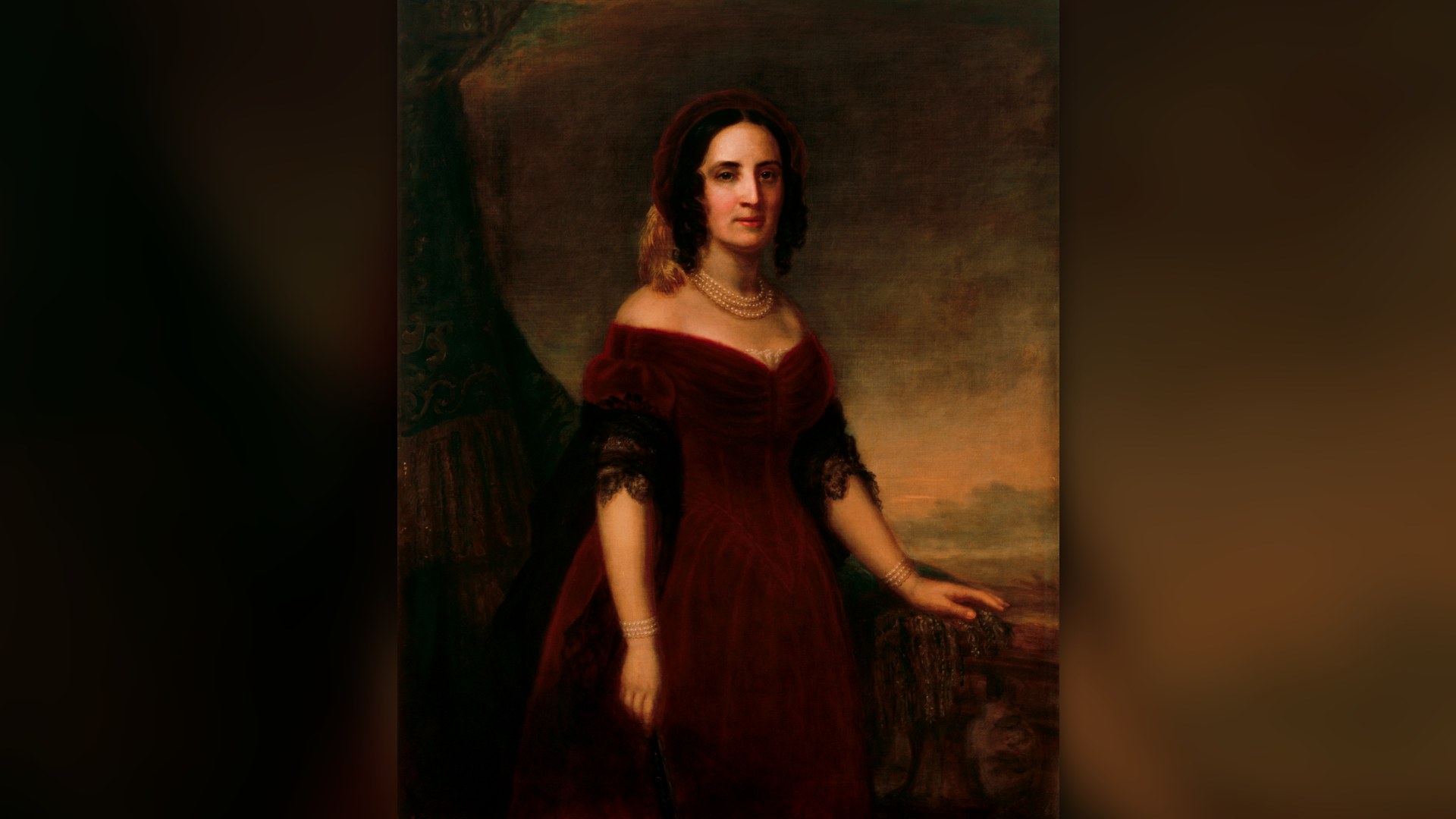
4. Sarah Polk (1845 To 1849)
Educated at the Moravian Female Academy in North Carolina, Sarah Childress Polk acted as President James K. Polk's confidential secretary during the Mexican-American War era. She read competing newspapers daily to clip key political dispatches for her husband and managed his correspondence.
©Wikimedia / George Dury / After George Peter Alexander Healy
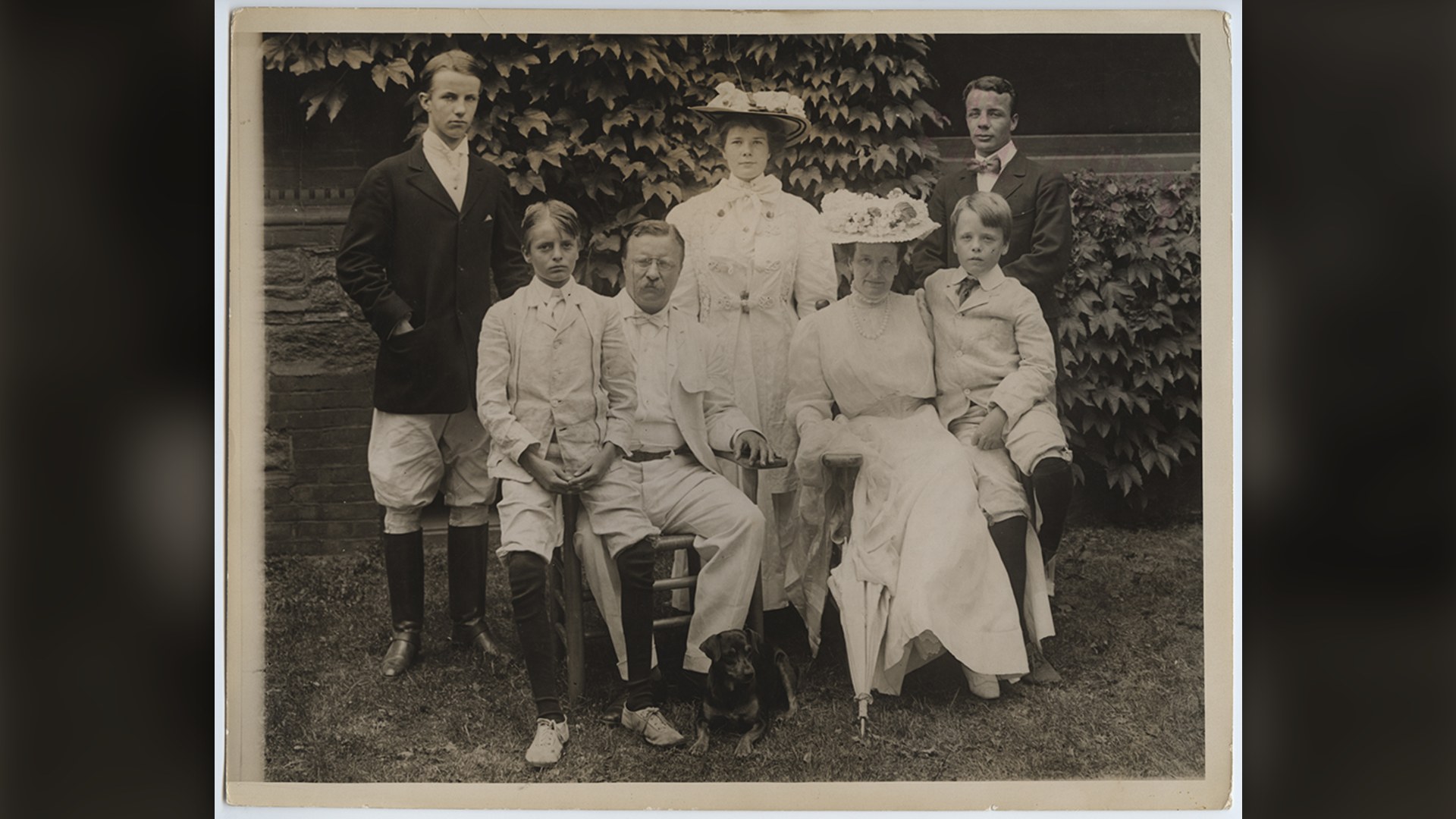
3. Edith Roosevelt (1901 To 1909)
Edith Roosevelt institutionalized the modern administration of the Executive Mansion by hiring Belle Hagner as the first official White House social secretary. During the 1902 renovation, she separated the family living quarters from the new West Wing offices and created the First Ladies gallery.
©Wikimedia / Underwood & Underwood Studios
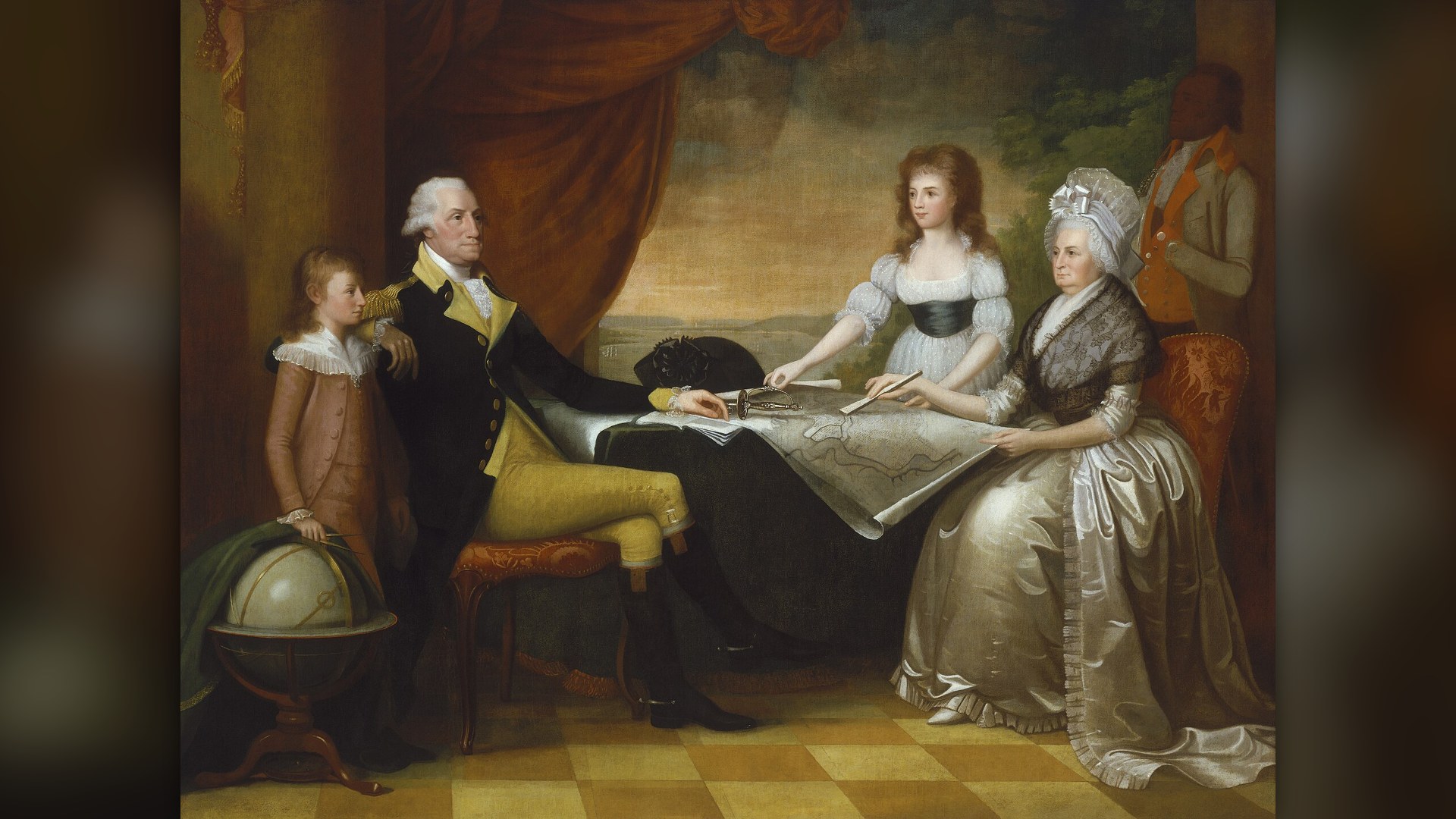
2. Martha Washington (1789 To 1797)
As the inaugural First Lady in New York and Philadelphia, Martha Washington had to invent the role from scratch. After spending Revolutionary War winters with troops at Valley Forge, she hosted weekly Friday evening levees that balanced diplomatic formality with republican hospitality.
©Wikimedia / Edward Savage / National Gallery of Art
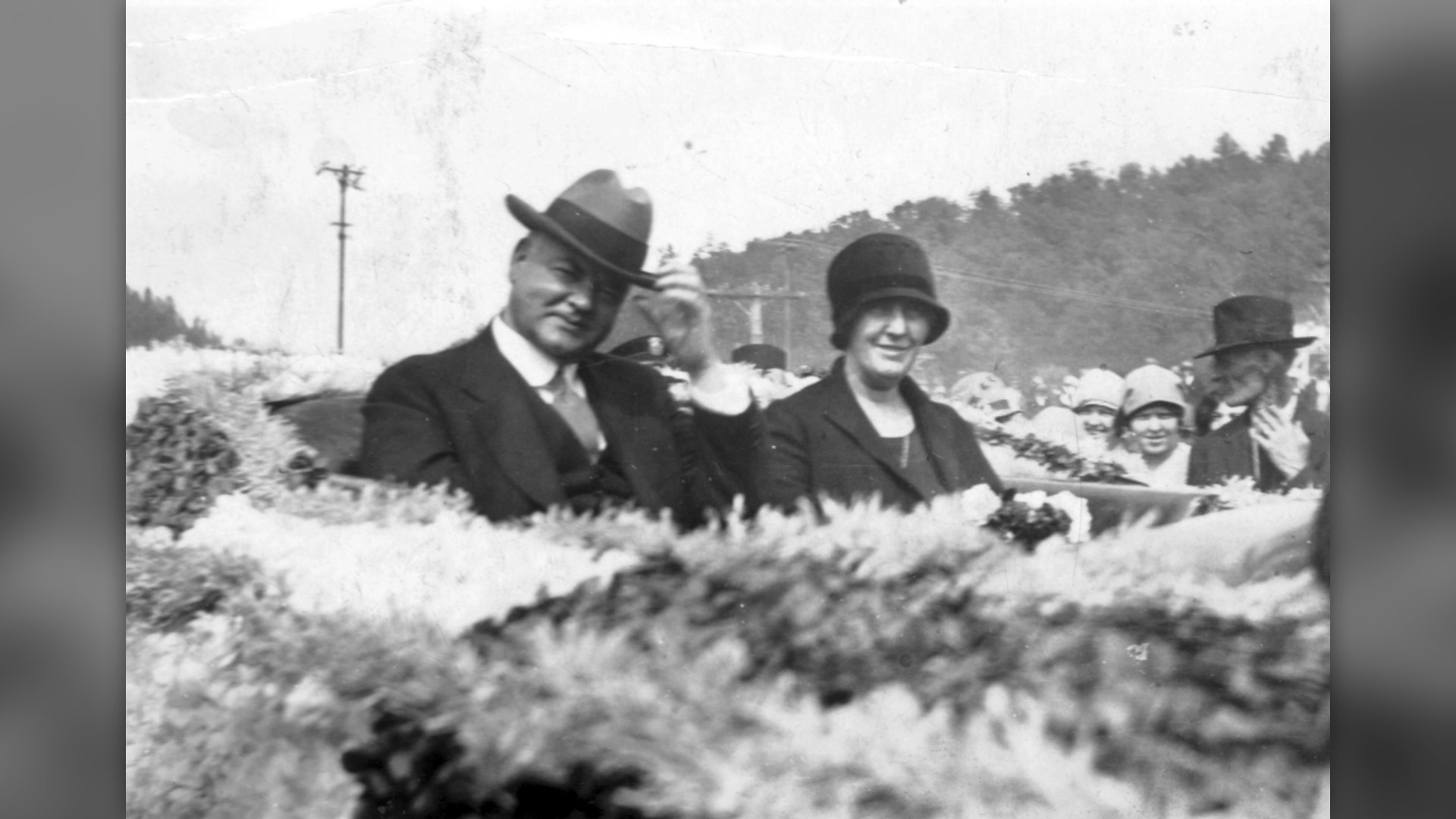
1. Lou Henry Hoover (1929 To 1933)
A Stanford-educated geologist and linguist who co-translated a 16th-century Latin mining treatise with her husband, Lou Henry Hoover was the first First Lady to make regular nationwide radio broadcasts. She also served twice as national president of the Girl Scouts of the USA.
©Wikimedia / National Archives and Records Administration
Advertisement
You've reached the end of the story. Thanks for reading!

25 Most Photographed Figures in Human History Ranked
Which iconic faces have been captured on camera more than anyone else?
All 15 Entries in this Story
1. Eleanor Roosevelt (1933 To 1945)
Widely considered the gold standard of First Ladies, Eleanor Roosevelt redefined the role over 12 years in the White House. She held 348 women-only press conferences, wrote the daily column "My Day," championed civil rights, and later helped draft the UN Universal Declaration of Human Rights.

2. Abigail Adams (1797 To 1801)
An intellectual partner to President John Adams, Abigail Adams famously urged him in 1776 to "remember the ladies" when drafting the new republic's code of laws. As the first First Lady to reside in the White House, she managed family estates, supervised staff, and advised her husband on diplomatic matters.

3. Dolley Madison (1809 To 1817)
Dolley Madison pioneered the social and political power of the role by hosting Wednesday night drawing rooms that united rival lawmakers across party lines. During the War of 1812, she famously refused to evacuate the White House until Gilbert Stuart's portrait of George Washington was saved from British troops.

4. Jacqueline Kennedy Onassis (1961 To 1963)
Jacqueline Kennedy elevated the cultural prestige of the presidency by founding the White House Historical Association and leading a restoration of the executive mansion. Over 56 million viewers watched her 1962 televised tour, and her grace after President Kennedy's assassination steadied the nation.

5. Hillary Rodham Clinton (1993 To 2001)
Hillary Rodham Clinton broke tradition by setting up a West Wing office and leading the 1993 Task Force on National Health Care Reform. She later helped create the Children's Health Insurance Program and built an independent career as U.S. Senator, Secretary of State, and the 2016 Democratic presidential nominee.

6. Betty Ford (1974 To 1977)
Celebrated for her candor during a three-year tenure, Betty Ford went public with her 1974 breast cancer diagnosis and mastectomy, prompting millions of women to get screened. She actively lobbied state legislatures for the Equal Rights Amendment and later co-founded the Betty Ford Center in 1982.

7. Rosalynn Carter (1977 To 1981)
Rosalynn Carter established the Office of the First Lady in the East Wing, sat in on Cabinet meetings to stay briefed on policy, and represented President Jimmy Carter on diplomatic missions to Latin America. As chair of the President's Commission on Mental Health, she testified before Congress in 1979.

8. Lady Bird Johnson (1963 To 1969)
Believing that natural beauty was a public policy issue, Lady Bird Johnson lobbied Congress directly to pass the Highway Beautification Act of 1965, which restricted roadside billboards and junkyards while funding native wildflower plantings. She was also the first First Lady to hire her own press secretary.

9. Barbara Bush (1989 To 1993)
Making universal literacy her signature cause, Barbara Bush founded the Barbara Bush Foundation for Family Literacy in 1989 and backed the National Literacy Act of 1991. She also helped reduce public stigma during the HIV/AIDS crisis by hugging children and adults living with the virus.

10. Edith Wilson (1915 To 1921)
After President Woodrow Wilson suffered a debilitating stroke in October 1919, Edith Wilson instituted what she called a "stewardship" of the presidency. She screened all state papers and Cabinet requests before deciding which matters were urgent enough to bring to her husband's bedside.

11. Michelle Obama (2009 To 2017)
As the first African American First Lady, Michelle Obama used her platform to champion four major initiatives: "Let's Move!" to combat childhood obesity, "Joining Forces" with Jill Biden to support military families, "Reach Higher" for college readiness, and "Let Girls Learn" for global education.

12. Sarah Polk (1845 To 1849)
Educated at the Moravian Female Academy in North Carolina, Sarah Childress Polk acted as President James K. Polk's confidential secretary during the Mexican-American War era. She read competing newspapers daily to clip key political dispatches for her husband and managed his correspondence.

13. Edith Roosevelt (1901 To 1909)
Edith Roosevelt institutionalized the modern administration of the Executive Mansion by hiring Belle Hagner as the first official White House social secretary. During the 1902 renovation, she separated the family living quarters from the new West Wing offices and created the First Ladies gallery.

14. Martha Washington (1789 To 1797)
As the inaugural First Lady in New York and Philadelphia, Martha Washington had to invent the role from scratch. After spending Revolutionary War winters with troops at Valley Forge, she hosted weekly Friday evening levees that balanced diplomatic formality with republican hospitality.

15. Lou Henry Hoover (1929 To 1933)
A Stanford-educated geologist and linguist who co-translated a 16th-century Latin mining treatise with her husband, Lou Henry Hoover was the first First Lady to make regular nationwide radio broadcasts. She also served twice as national president of the Girl Scouts of the USA.