Slideshow · Animals
The 15 Most Misunderstood Animals on Earth, Ranked
From terrifying predators that save ecosystems to bizarre creatures branded as pests, discover why these fascinating species deserve our respect.
By Most Viral Today
43 min ago

Monsters or Marvels: Truth Behind Earth's Most Maligned Animals 
15. Virginia Opossums 
14. Striped Skunks 
13. Turkey Vultures - AdvertisementSwipe or tap ▶ to continue countdown

12. Aye-Ayes 
11. Naked Mole-Rats 
10. Feral Pigeons 
9. Tarantulas - AdvertisementSwipe or tap ▶ to continue countdown

8. Fruit Bats 
7. Spotted Hyenas 
6. Pitbulls 
5. Gray Wolves - AdvertisementSwipe or tap ▶ to continue countdown

4. Paper Wasps 
3. Norway Rats 
2. Garter Snakes 
1. Great White Sharks - Advertisement🔥 UP NEXT IN THIS SERIES◫ 25 Slides

24 Birds That Can Mimic Human Speech Surprisingly Well
These feathered mimics copy human words and phrases with eerie clarity.
Many animals are feared, reviled, or branded as pests due to scary looks or ancient superstitions. In reality, these remarkable creatures keep ecosystems alive, protect human health, and exhibit surprising intelligence. Here are the 15 most misunderstood animals on Earth.
Swipe or tap ▶ to begin the countdown
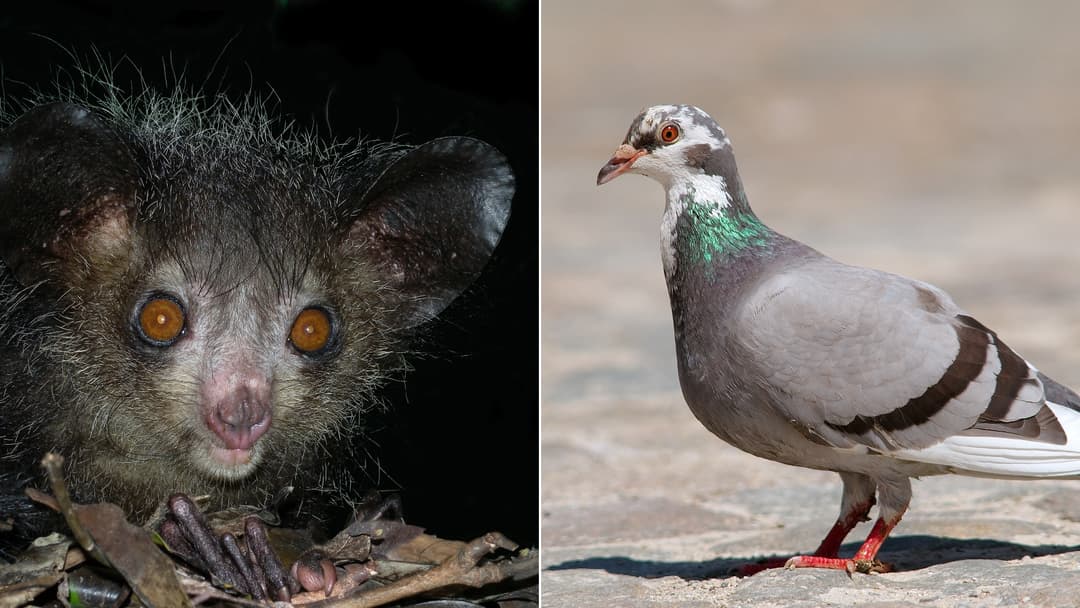
©Wikimedia / Frank Vassen & Wikimedia / Luc Viatour
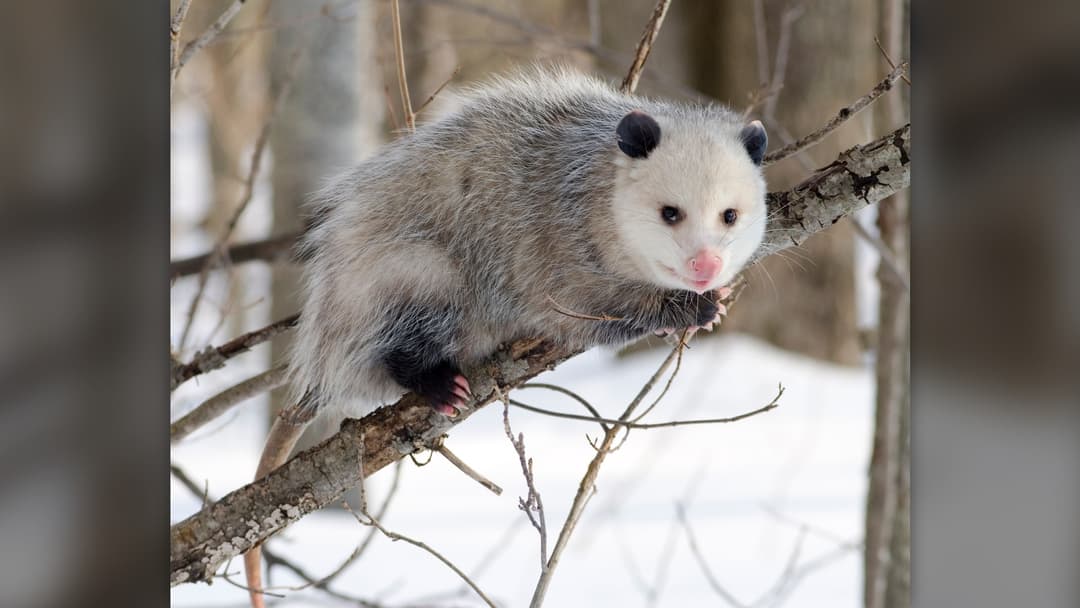
15. Virginia Opossums
North America's only marsupial has a fierce hiss and scary teeth, but it is gentle and remarkably beneficial. A single opossum can vacuum up thousands of disease-carrying ticks every season, while cleaning up rotting carrion and fallen fruit without spreading illness.
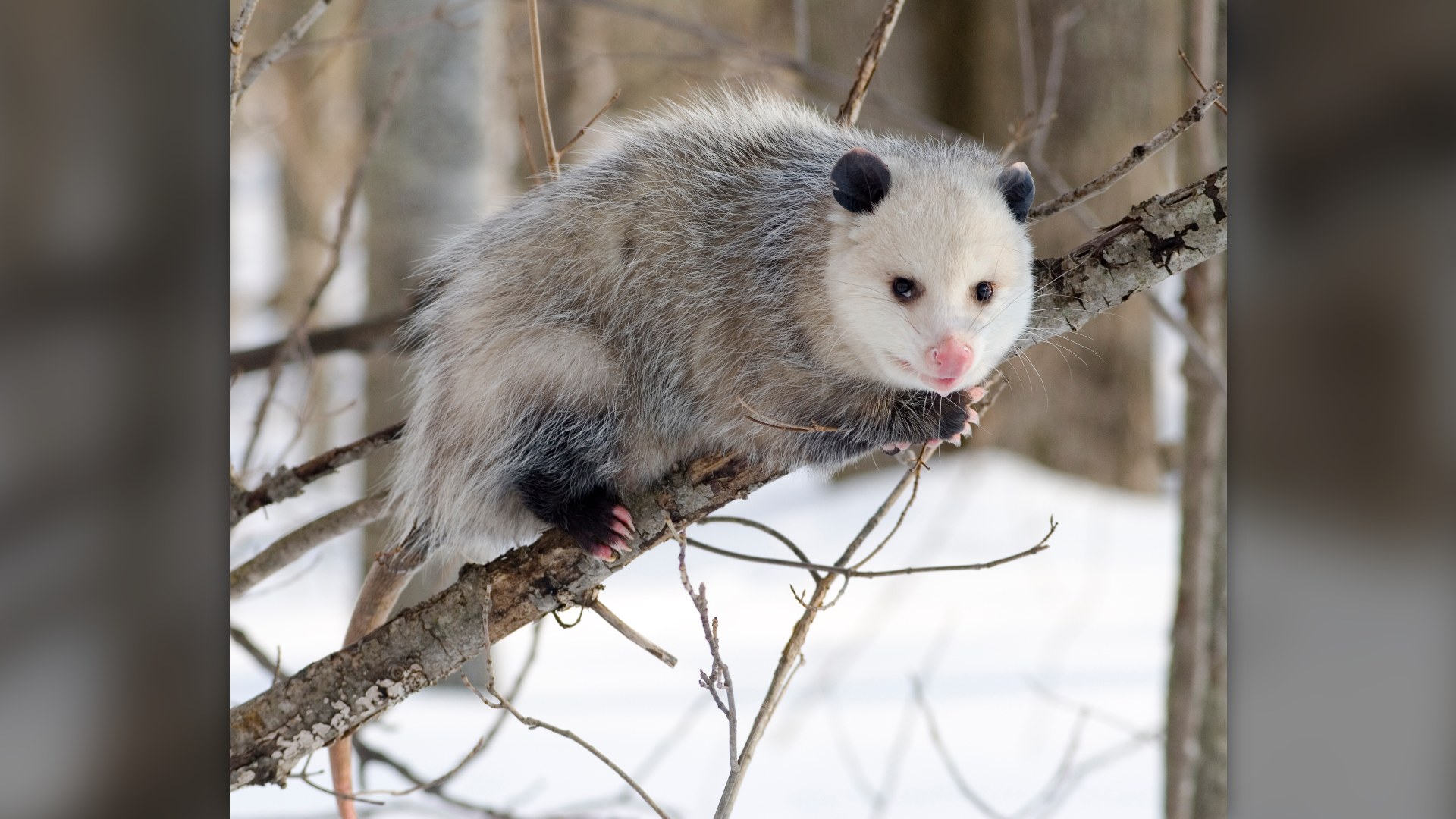
©Wikimedia / Cody Pope
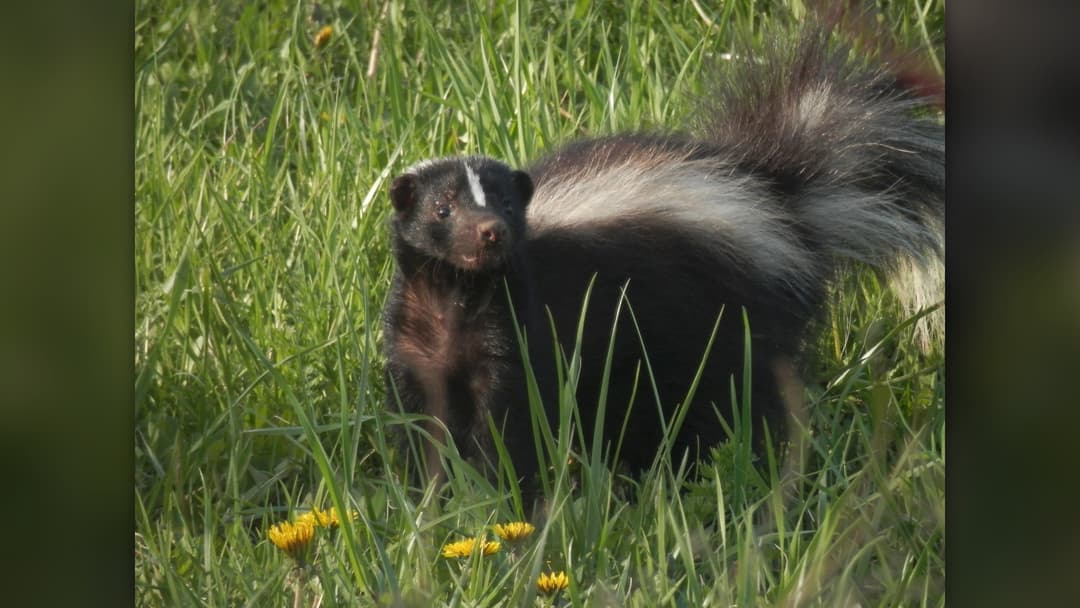
14. Striped Skunks
Because replacing their defensive musk takes over a week, skunks give numerous warnings before spraying, including foot-stomping and mock charges. They are shy insectivores that keep gardens healthy by consuming grubs, beetles, and wasp nests.
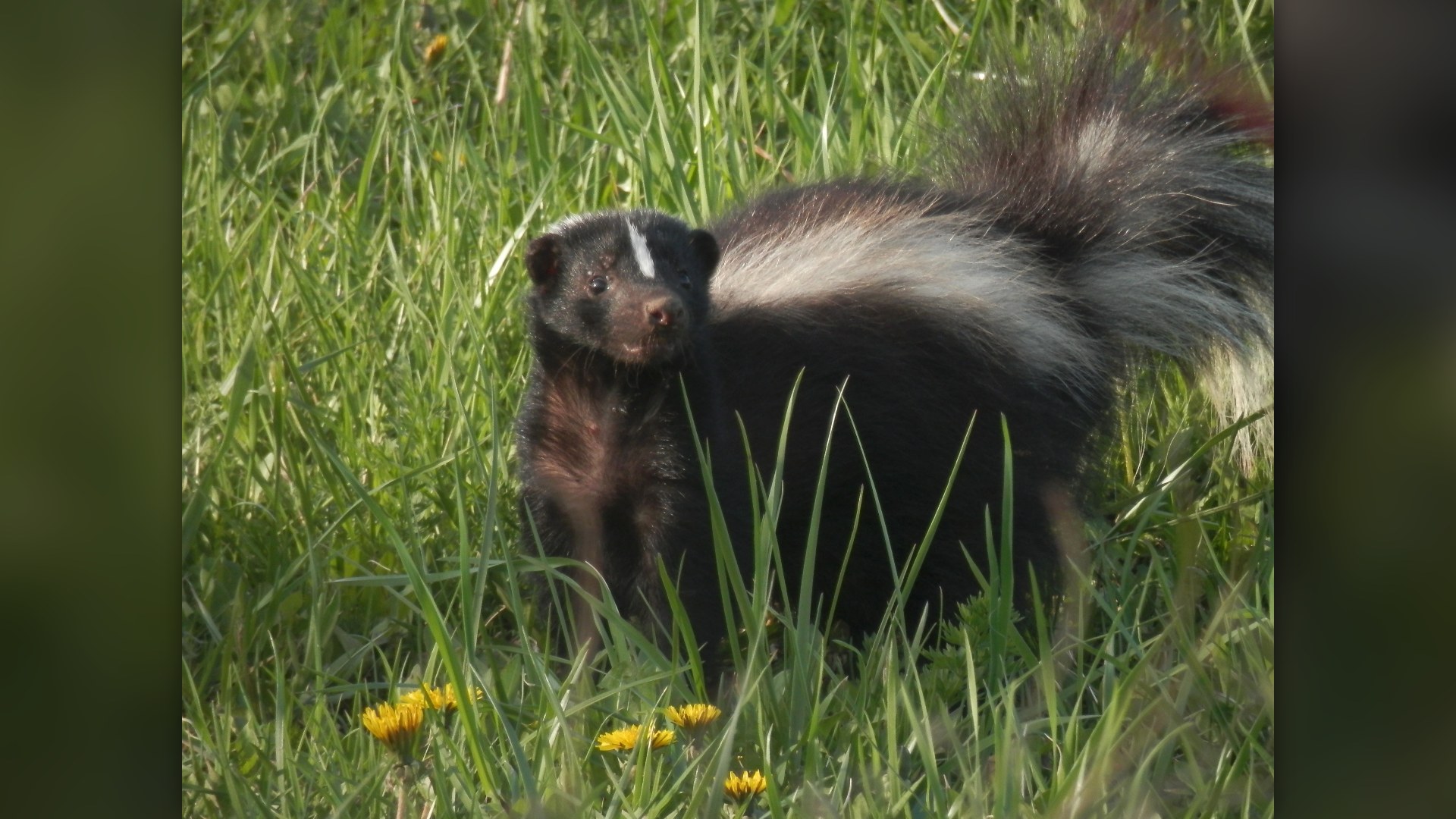
©Wikimedia / Ryan Hodnett
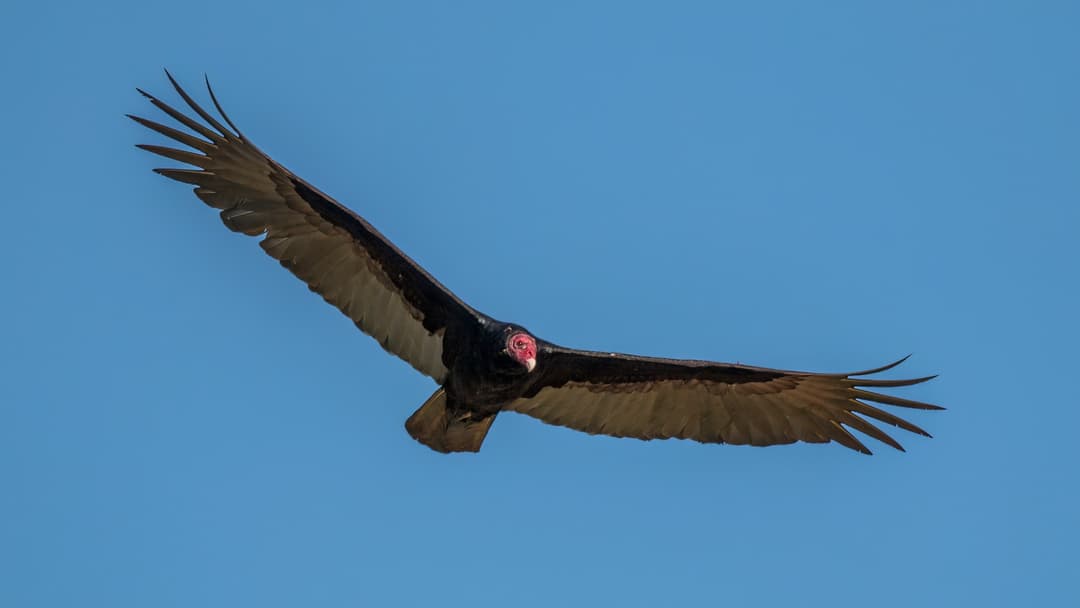
13. Turkey Vultures
Rather than being grim harbingers of doom, vultures are nature's sanitary crew. Their digestive juices are corrosive enough to neutralize botulism, cholera, and anthrax, preventing dangerous contagion from poisoning soil, groundwater, and other wildlife.
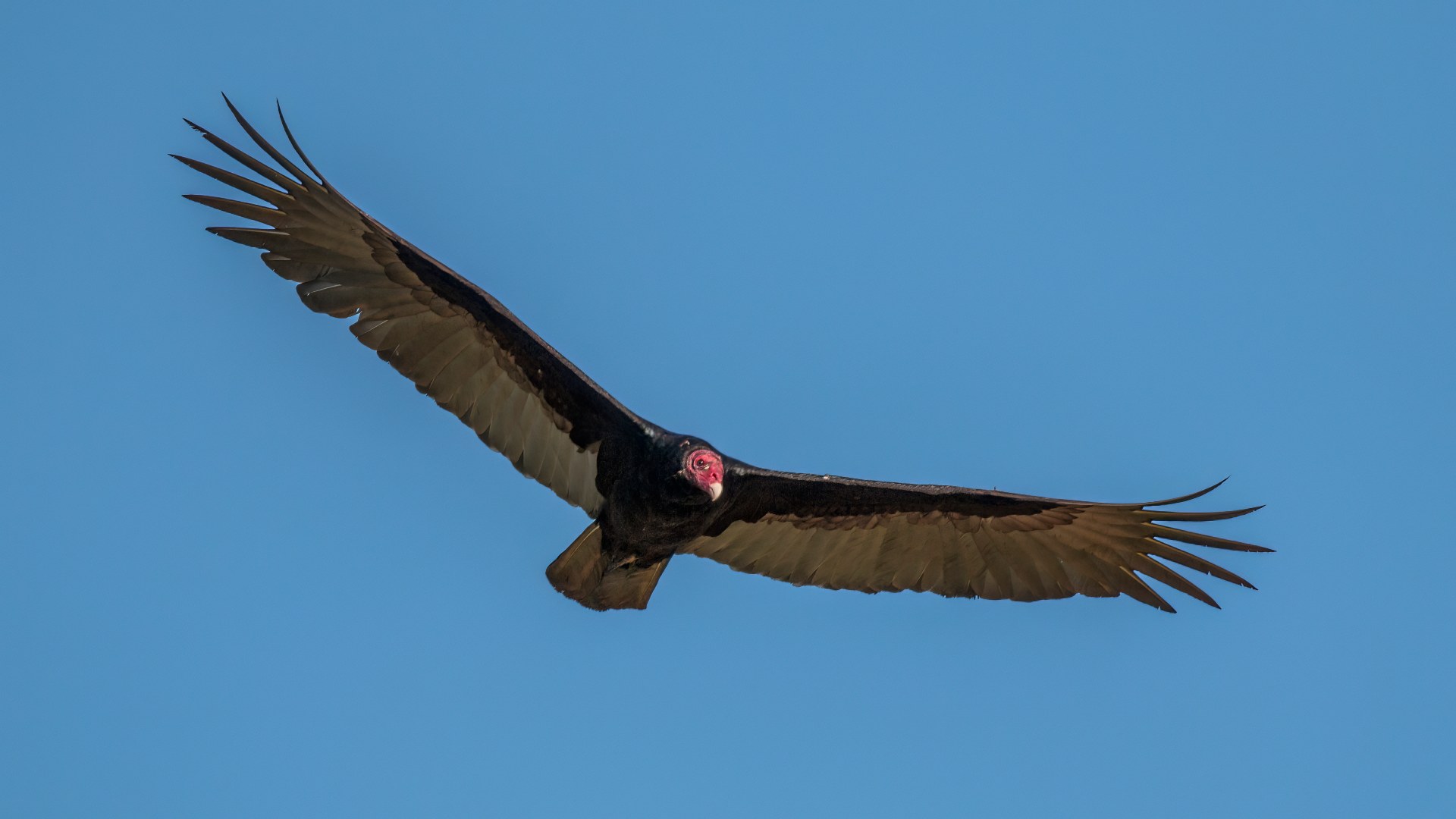
©Wikimedia / Charles J. Sharp
Advertisement
Swipe or tap ▶ to resume the countdown.
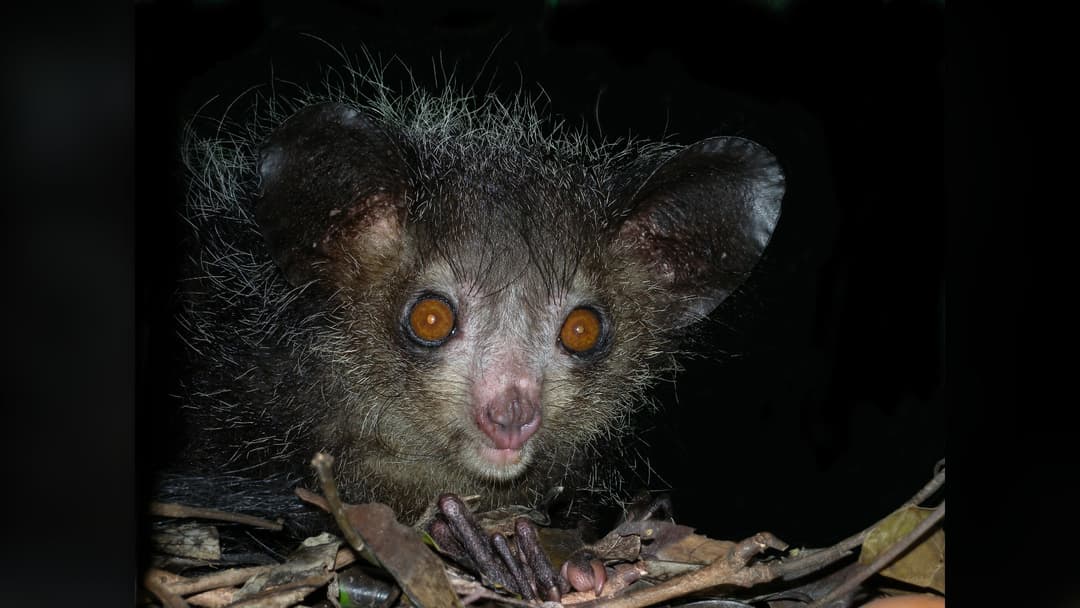
12. Aye-Ayes
Madagascar folklore often brands the aye-aye as an omen of tragedy, leading to widespread killing. In truth, this gentle nocturnal lemur uses its specialized elongated middle finger like a biological drumstick to locate wood-boring beetle larvae, filling the ecological niche of woodpeckers.
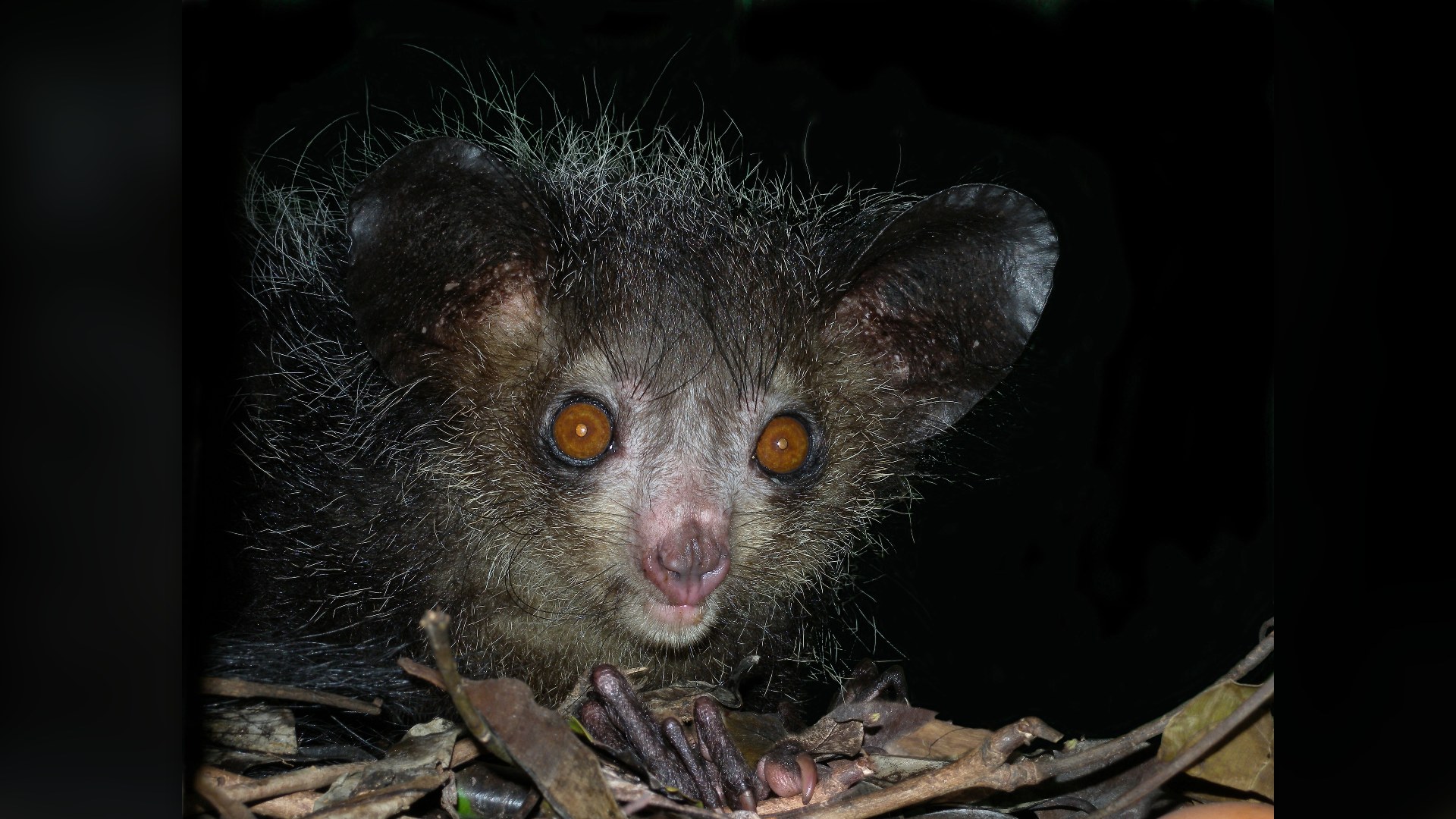
©Wikimedia / Frank Vassen
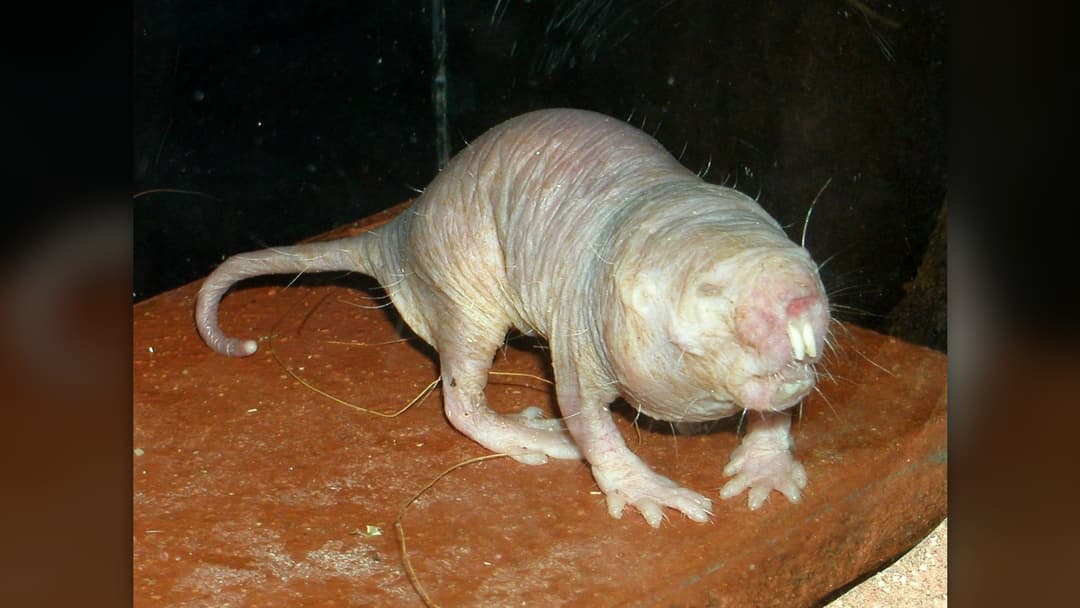
11. Naked Mole-Rats
These subterranean rodents live in cooperative colonies like honeybees. They show almost zero cardiovascular decline with age, resist cancer completely due to unique high-molecular-weight hyaluronan, and can survive eighteen minutes without oxygen without brain damage.
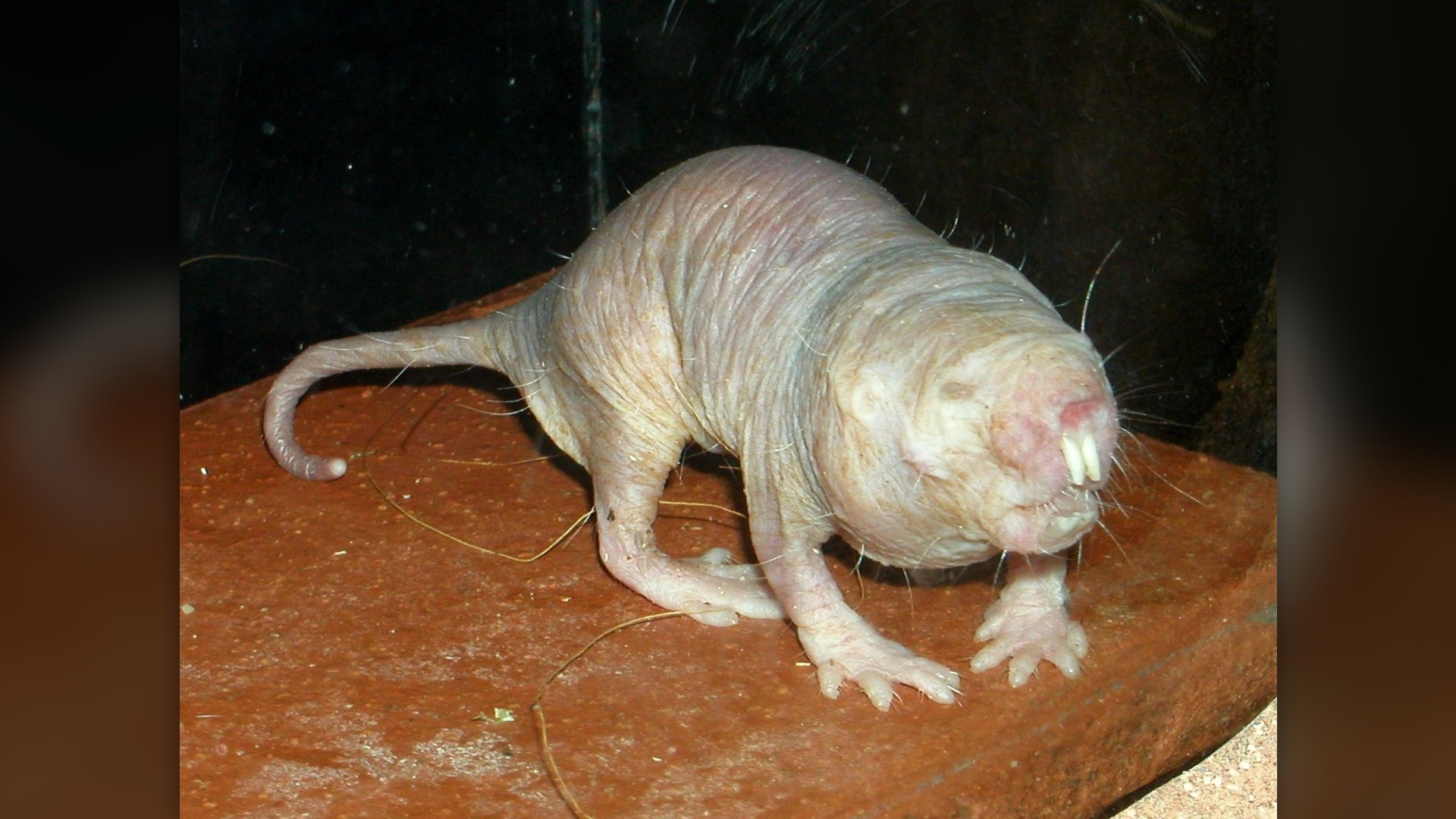
©Wikimedia / Roman Klementschitz , Wien
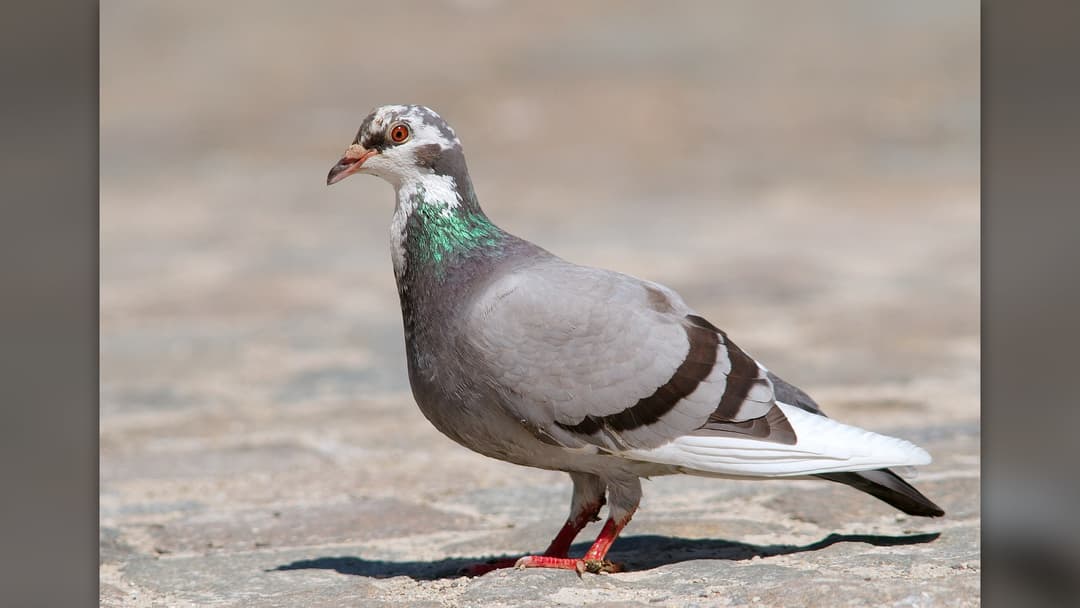
10. Feral Pigeons
Before being abandoned to city streets, rock doves were domesticated companions and decorated wartime messengers that saved thousands of human lives. Science reveals pigeons can recognize human faces, understand basic counting, and maintain strict lifelong monogamy.
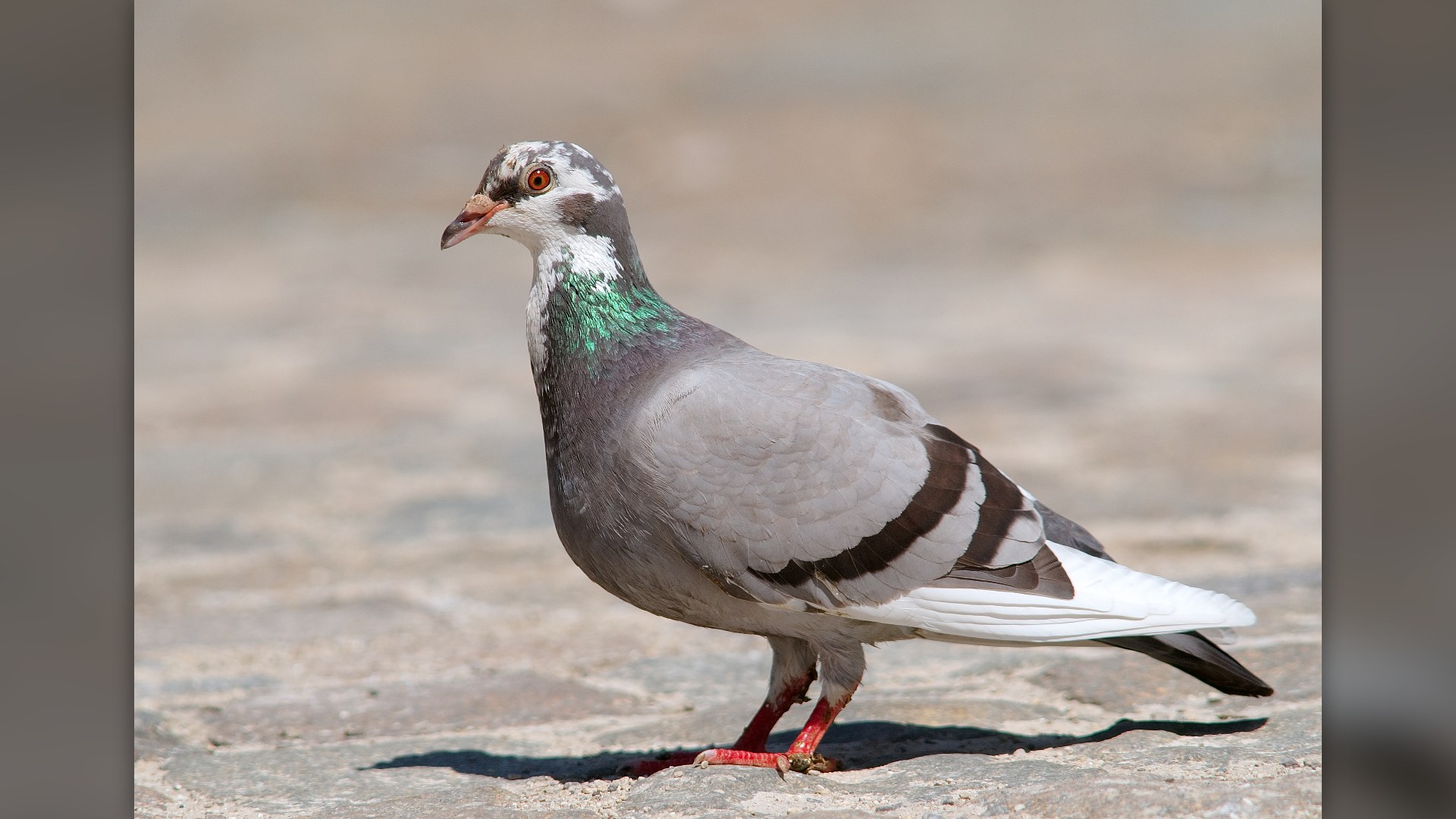
©Wikimedia / Luc Viatour
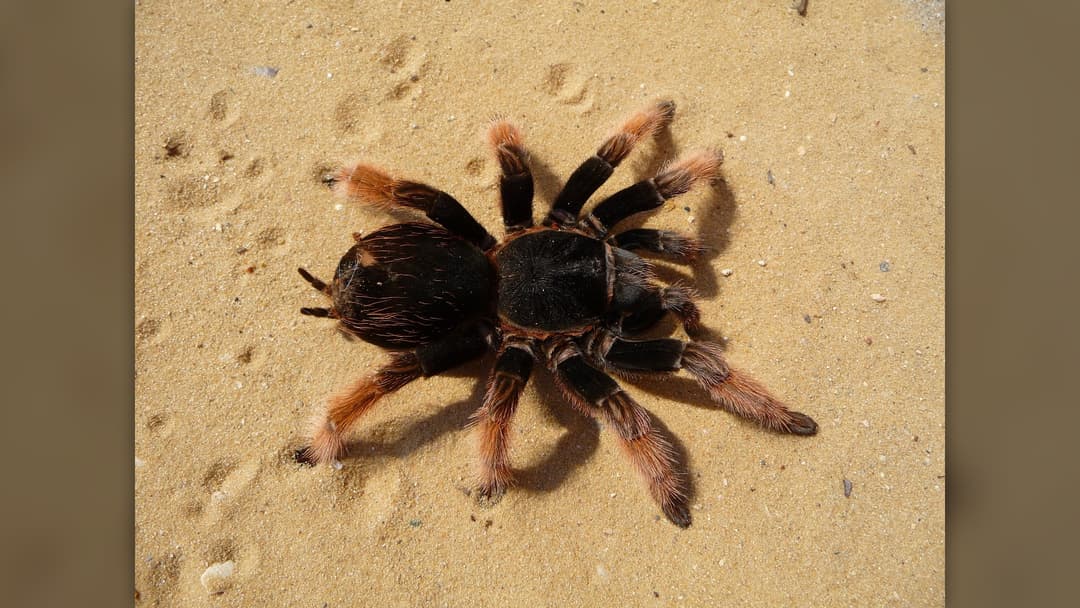
9. Tarantulas
Hollywood cast tarantulas as lethal crawling assassins, but bites are rare and typically harmless to humans. These solitary arachnids are fragile, docile, and provide natural insect control by preying on beetles, grasshoppers, and destructive caterpillars.
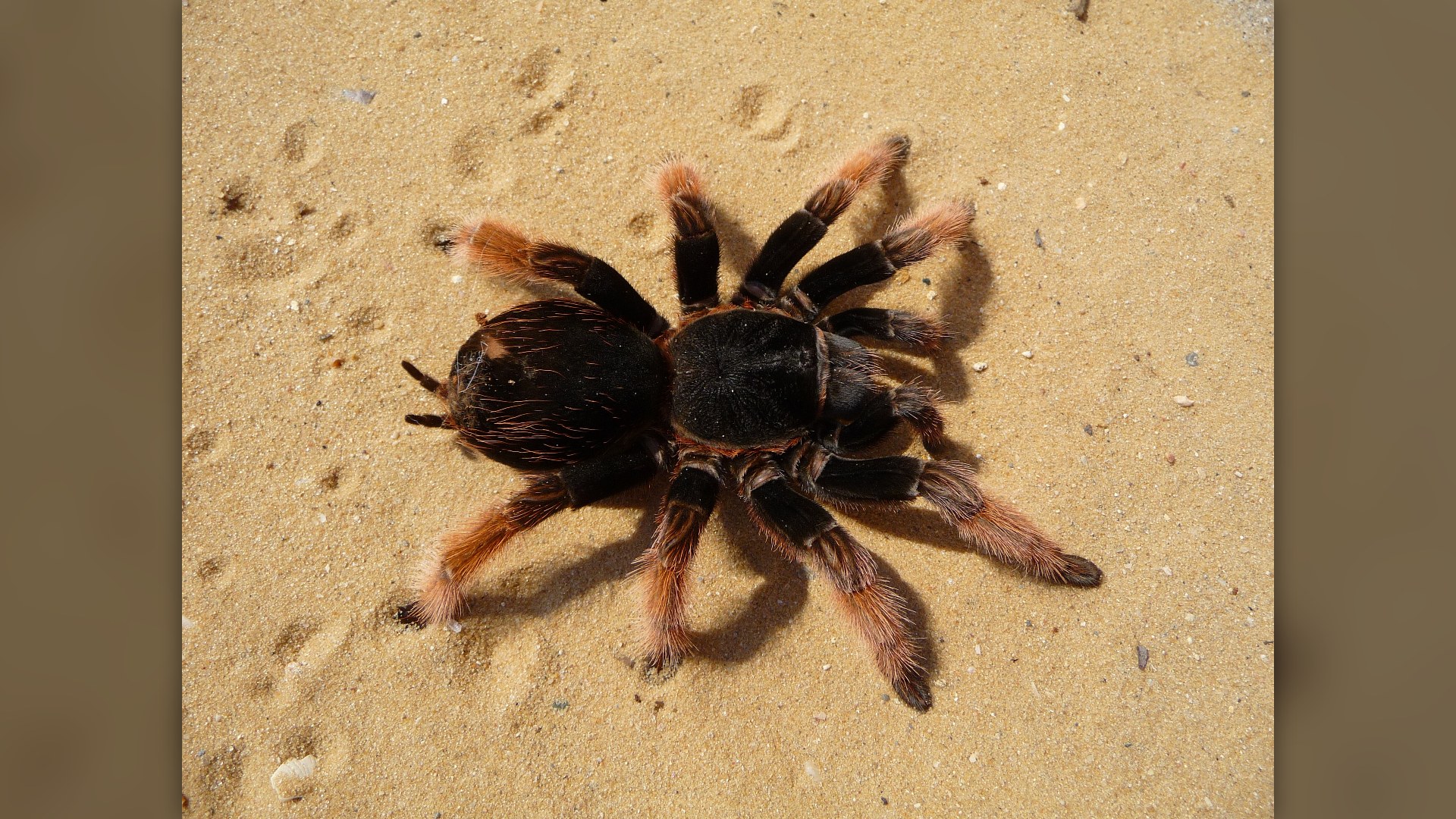
©Wikimedia / George Chernilevsky
Advertisement
Swipe or tap ▶ to resume the countdown.
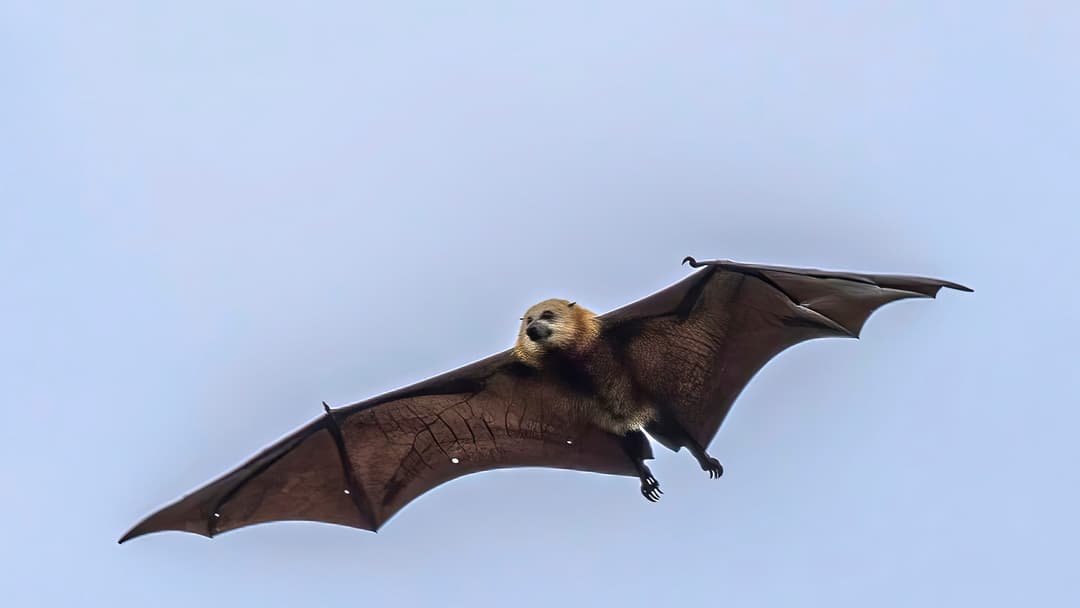
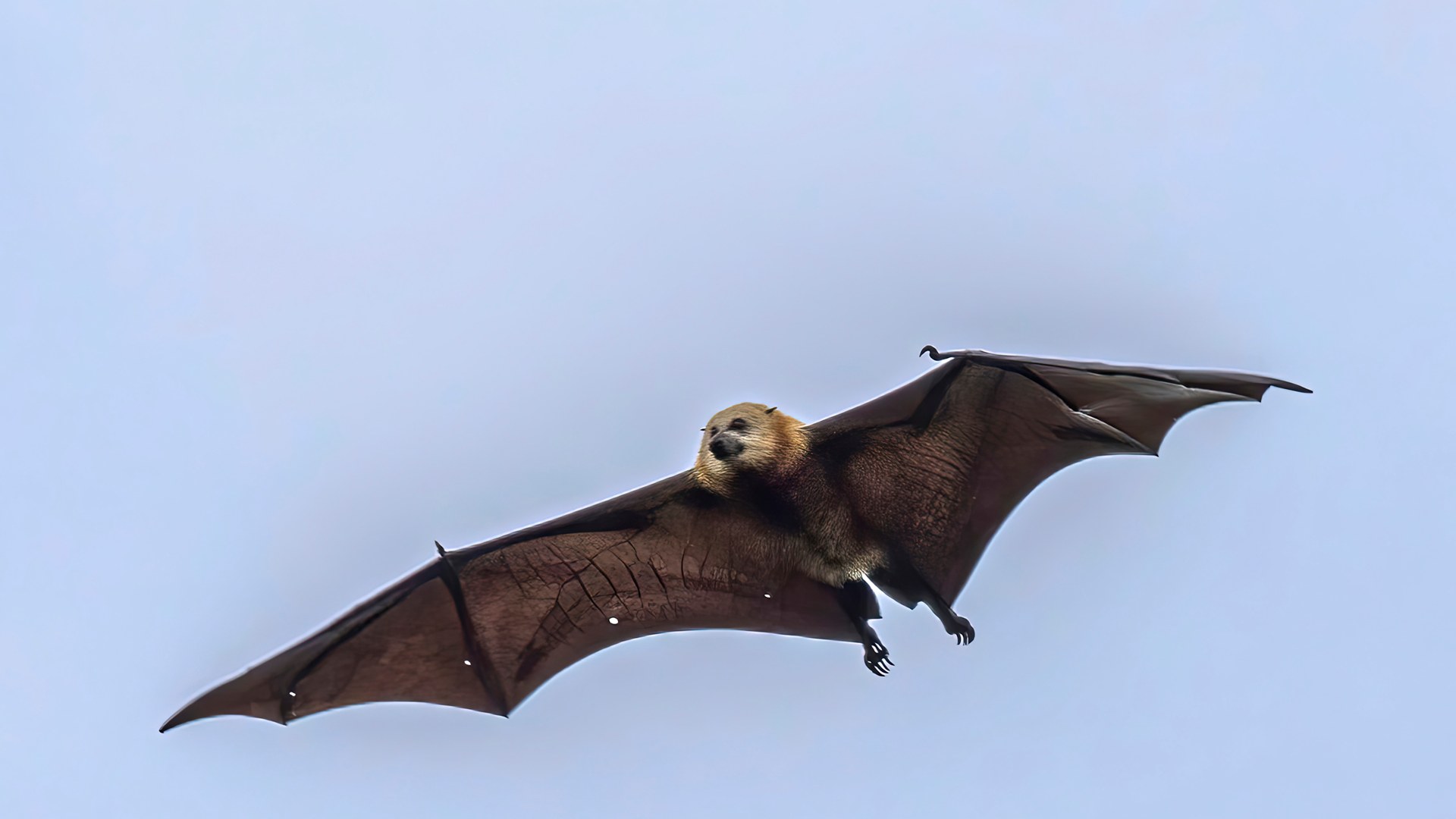
8. Fruit Bats
Only three of over 1,400 bat species drink blood. The vast majority feast on night-flying mosquitoes or act as keystone forest architects. Fruit bats pollinate commercial crops like bananas, agave, and mangoes while dispersing seeds across devastated landscapes.
©Wikimedia / Charles J. Sharp
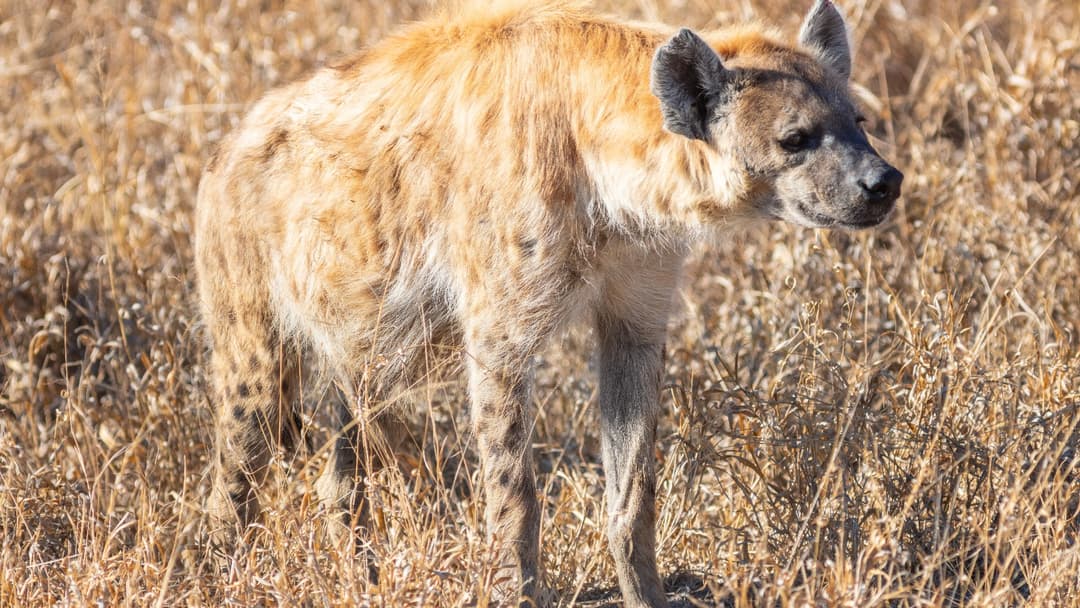
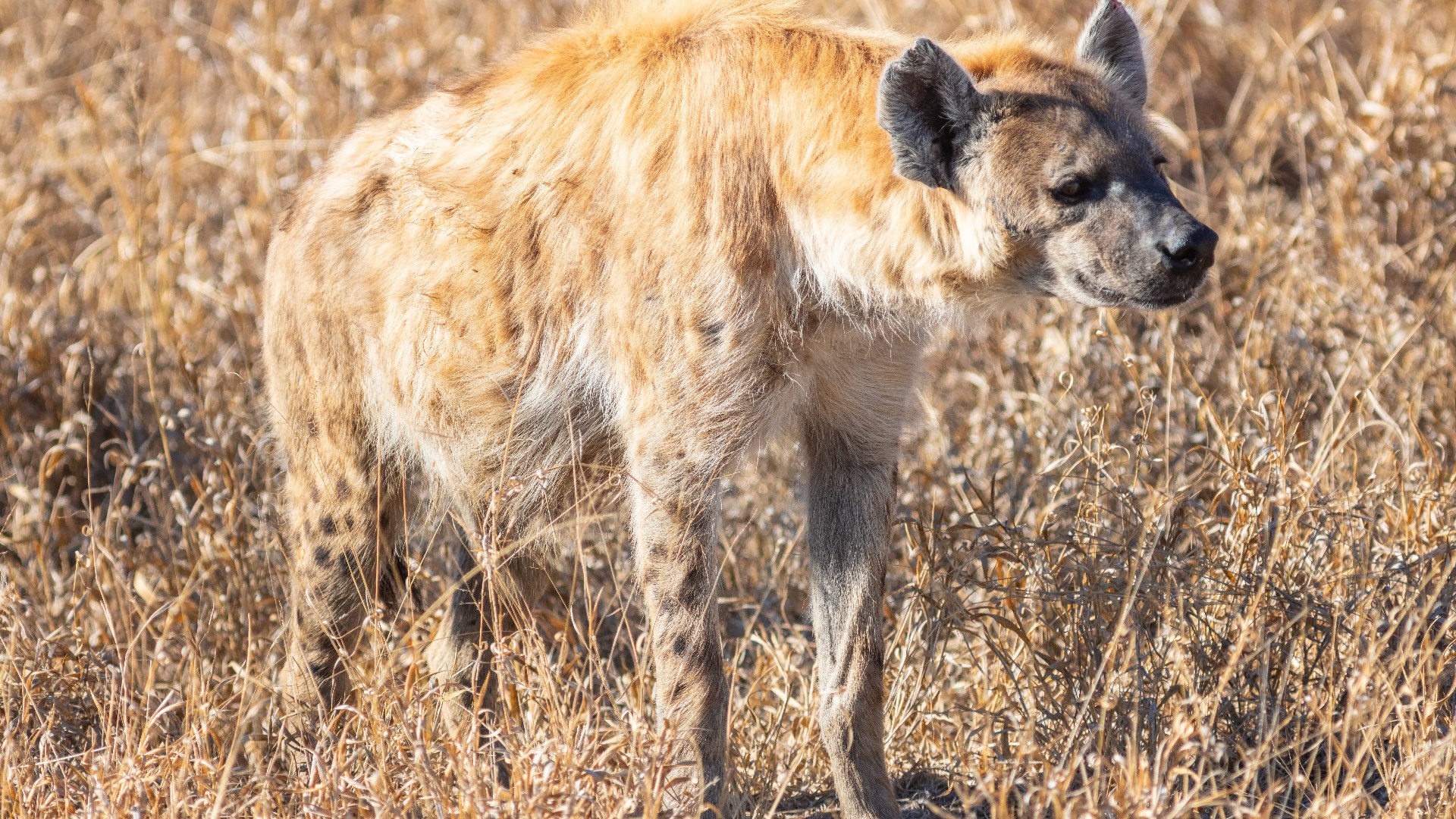
7. Spotted Hyenas
Pop culture portrays hyenas as cackling cowards that steal lion leftovers, but research shows spotted hyenas hunt up to 95 percent of their meals. Their intricate matriarchal clans possess problem-solving smarts and social cooperation rivaling higher primates.
©Wikimedia / Diego Delso
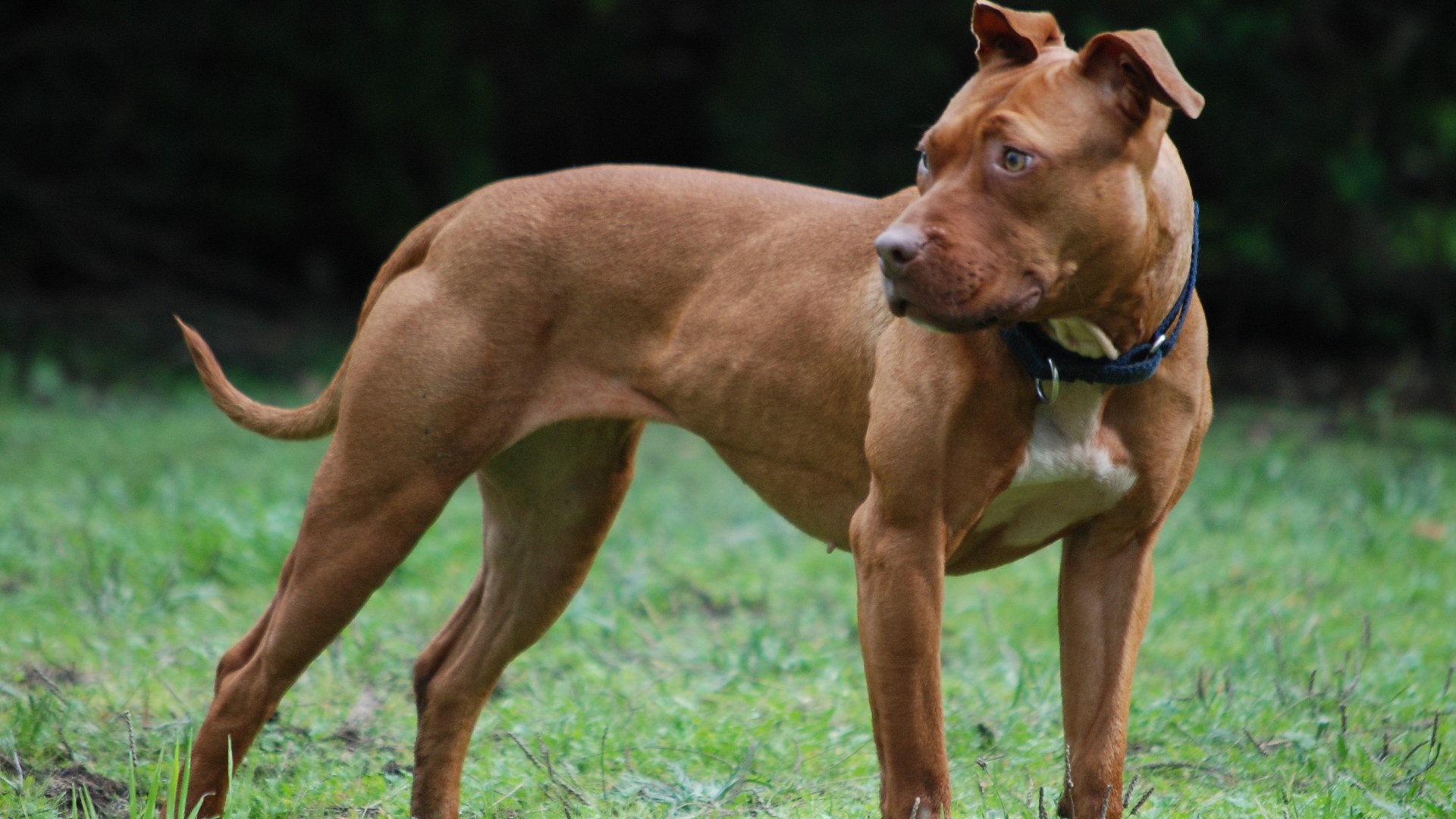
6. Pitbulls
Once celebrated in America as loyal nanny dogs and mascot companions, pitbull breeds were later stigmatized by negative media sensationalism. The American Temperament Test Society ranks pitbulls at over 85 percent passing, on par with golden retrievers.
©Wikimedia / Stacy (geoggirl)
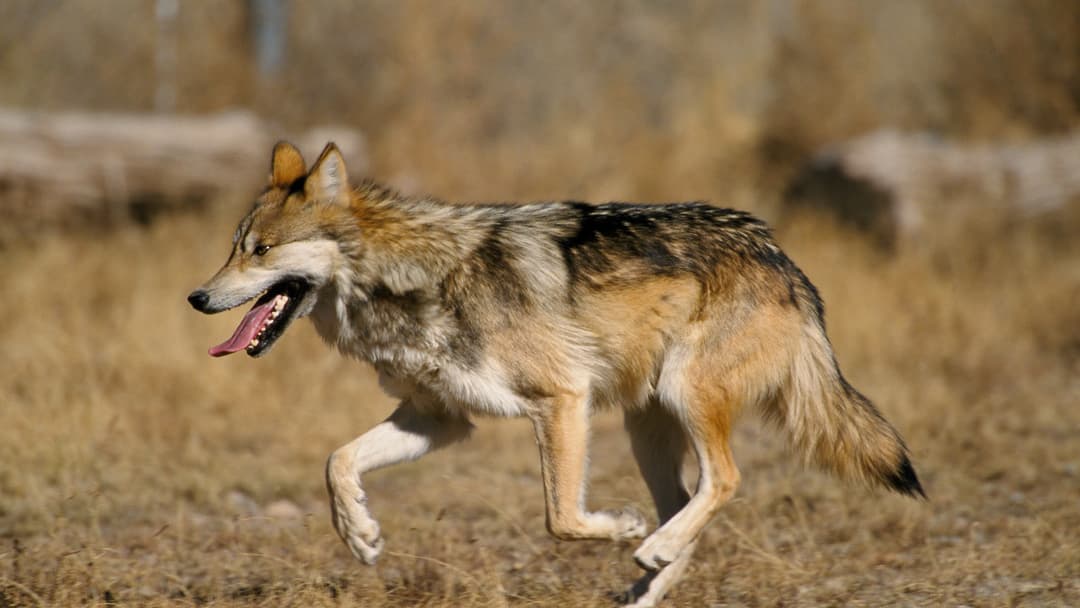
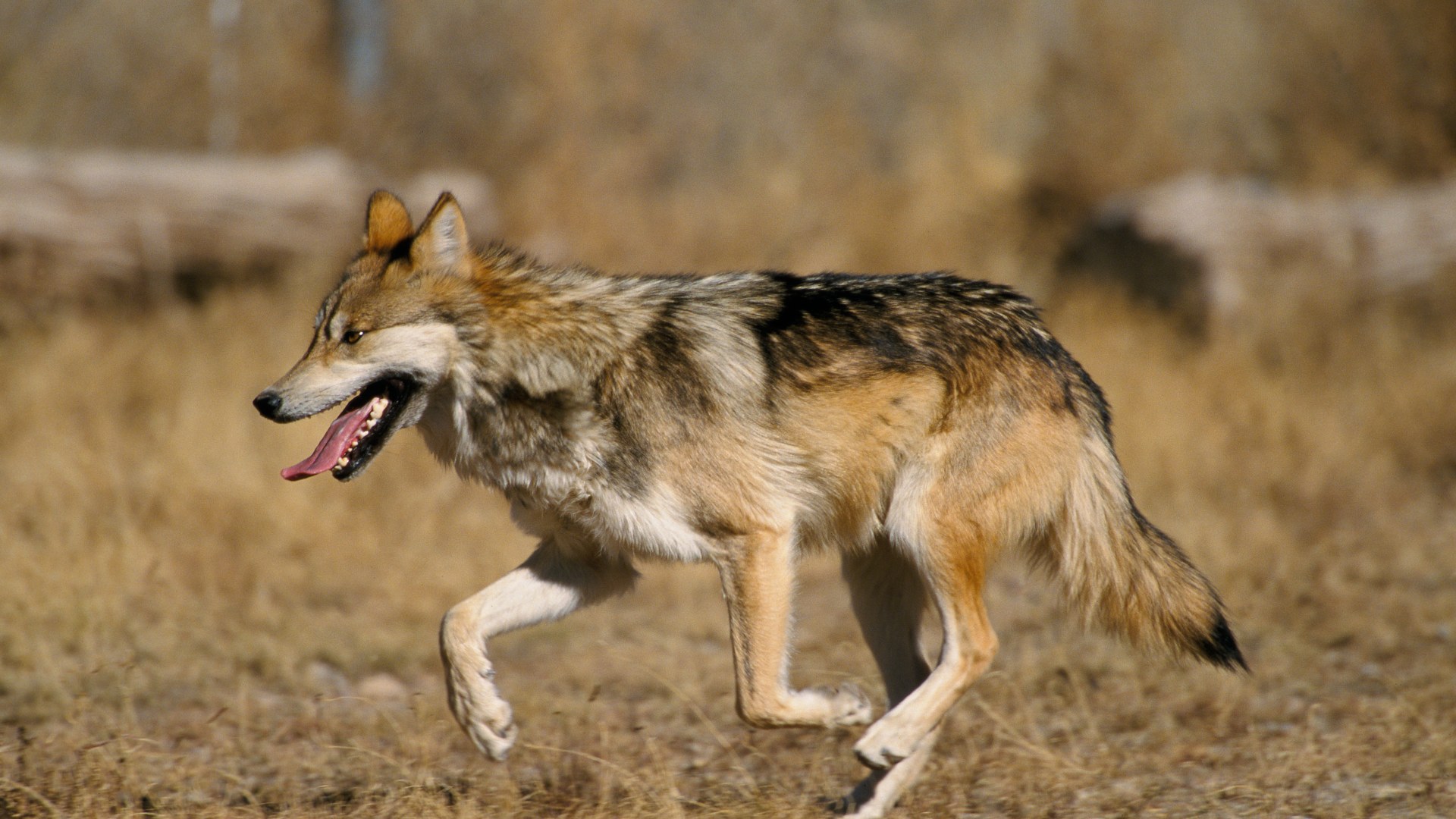
5. Gray Wolves
Fables painted the wolf as a ruthless stalker of humans, yet healthy wild wolves avoid people whenever possible. When wolves returned to Yellowstone, they balanced elk populations, revitalized rivers, and allowed willows, songbirds, and beavers to rebound.
©Wikimedia / Jim Clark
Advertisement
Swipe or tap ▶ to resume the countdown.
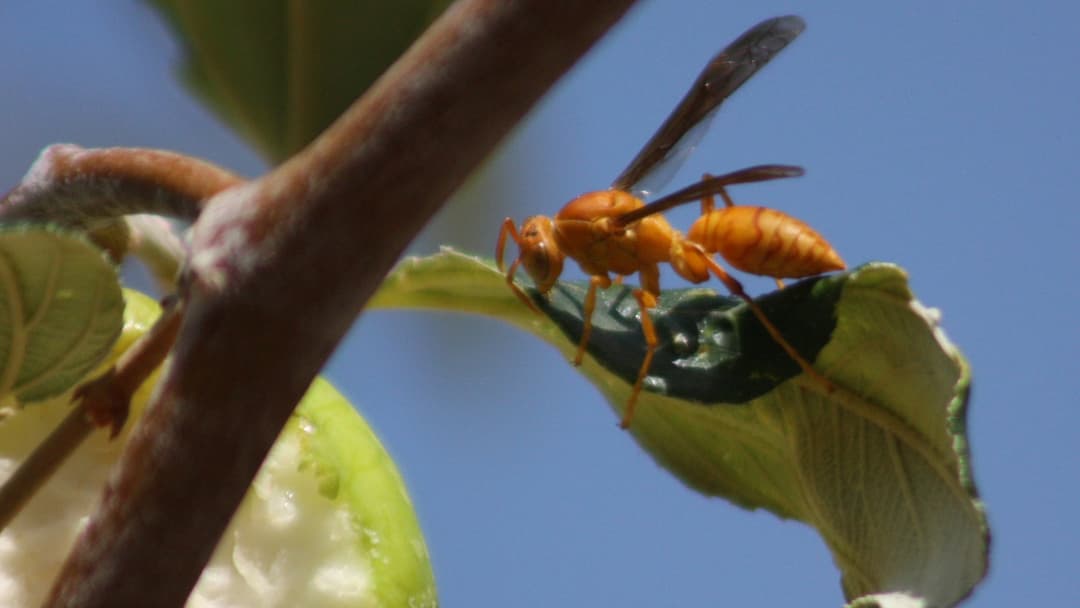
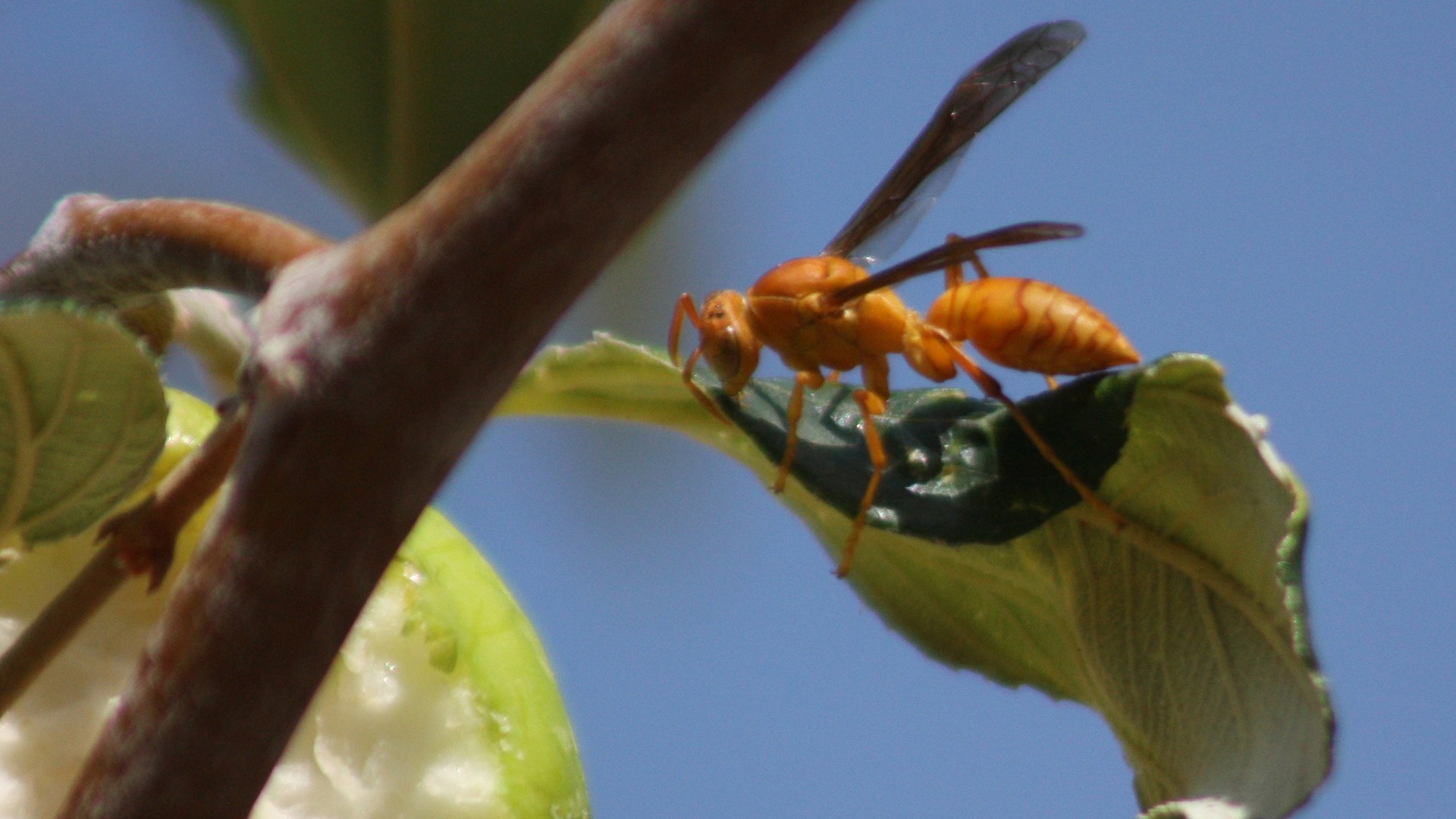
4. Paper Wasps
While humans dread their painful stings, wasps rarely attack unless defending active nests. Wasps pollinate countless wildflowers and act as vital natural biocontrol agents, devouring aphids, armyworms, and flies that would otherwise destroy crops and gardens.
©Wikimedia / Charles J. Sharp
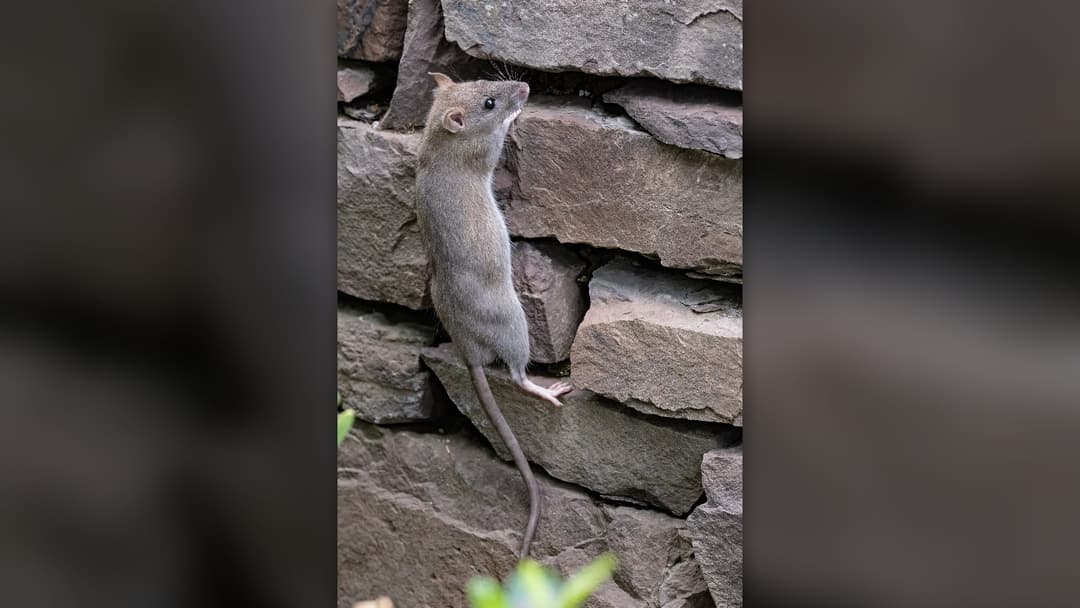
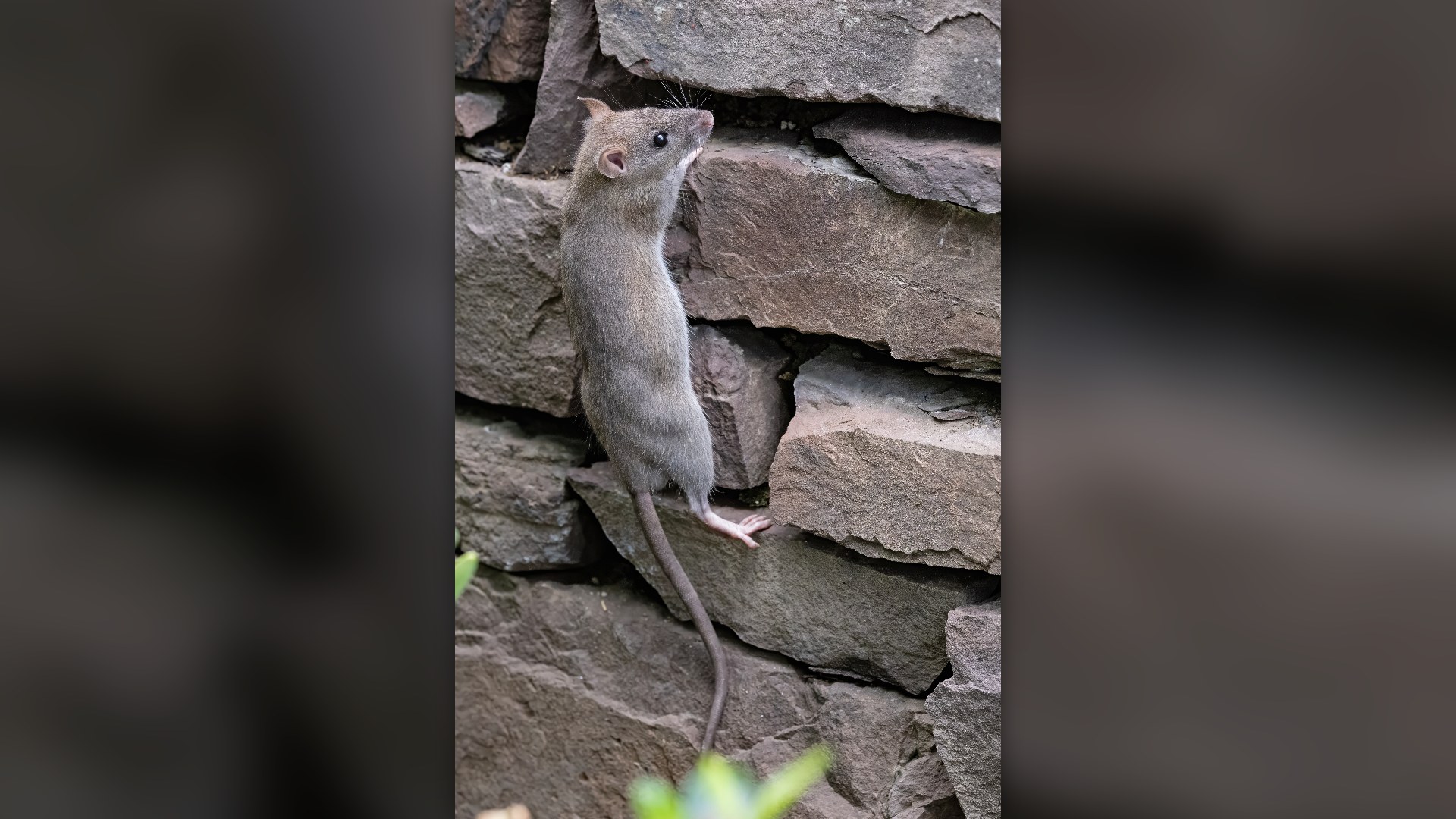
3. Norway Rats
Recent historical research shows human fleas and body lice drove the Black Death, not brown rats. In scientific experiments, rats demonstrate profound empathy by willingly rescuing trapped companions and sharing treats, while spending hours grooming daily.
©Wikimedia / Chuck Homler
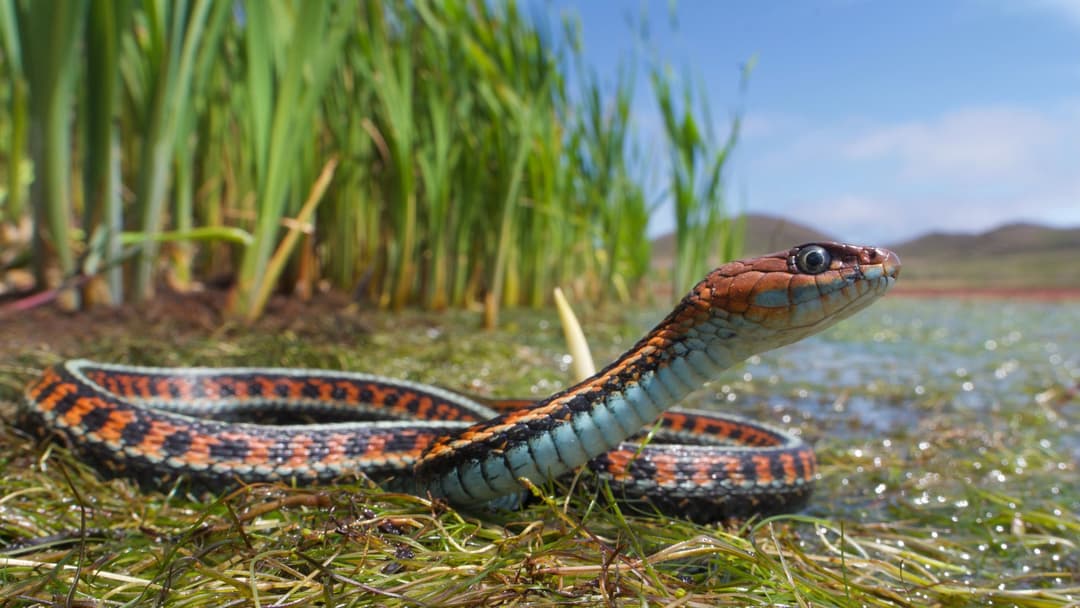
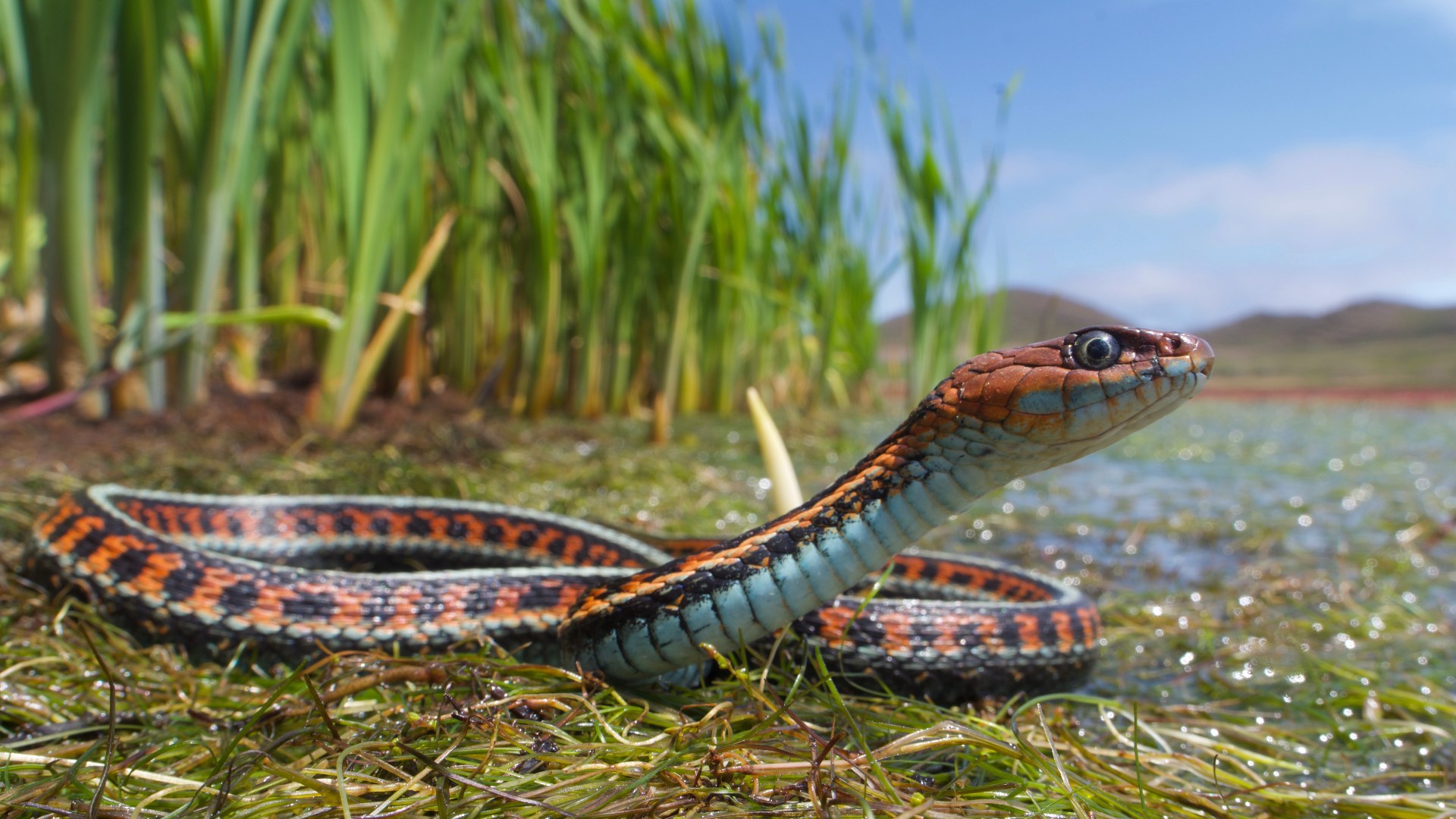
2. Garter Snakes
Ophidiophobia makes millions flee at the sight of any slithering reptile, yet over 85 percent of snake species are completely non-venomous. Common garter snakes are harmless to humans, rarely bite, and provide essential lawn defense by eating slugs and rodents.
©Wikimedia / Jaden Clark
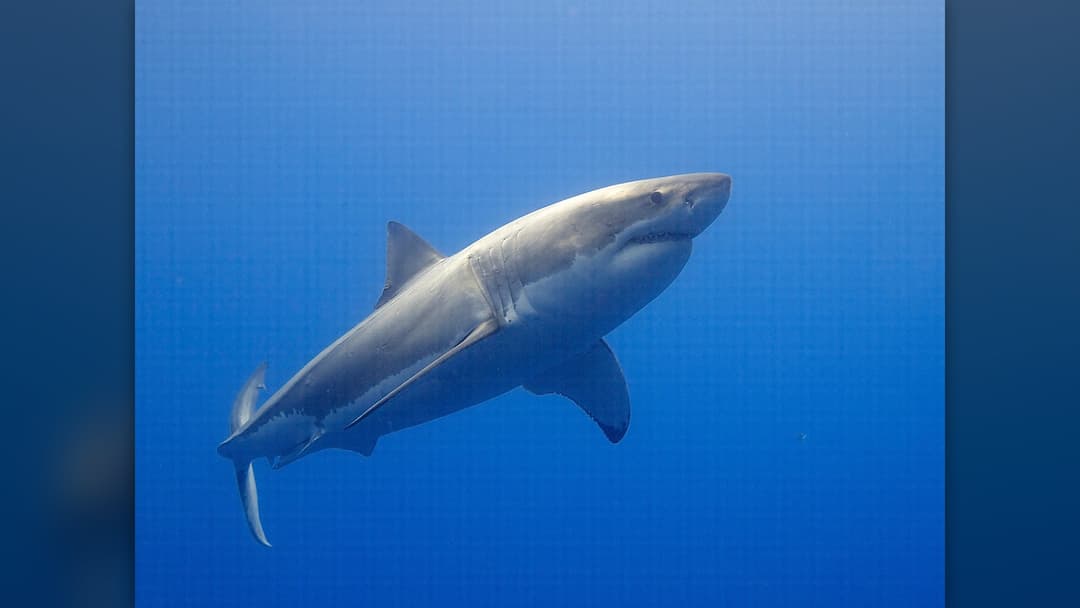
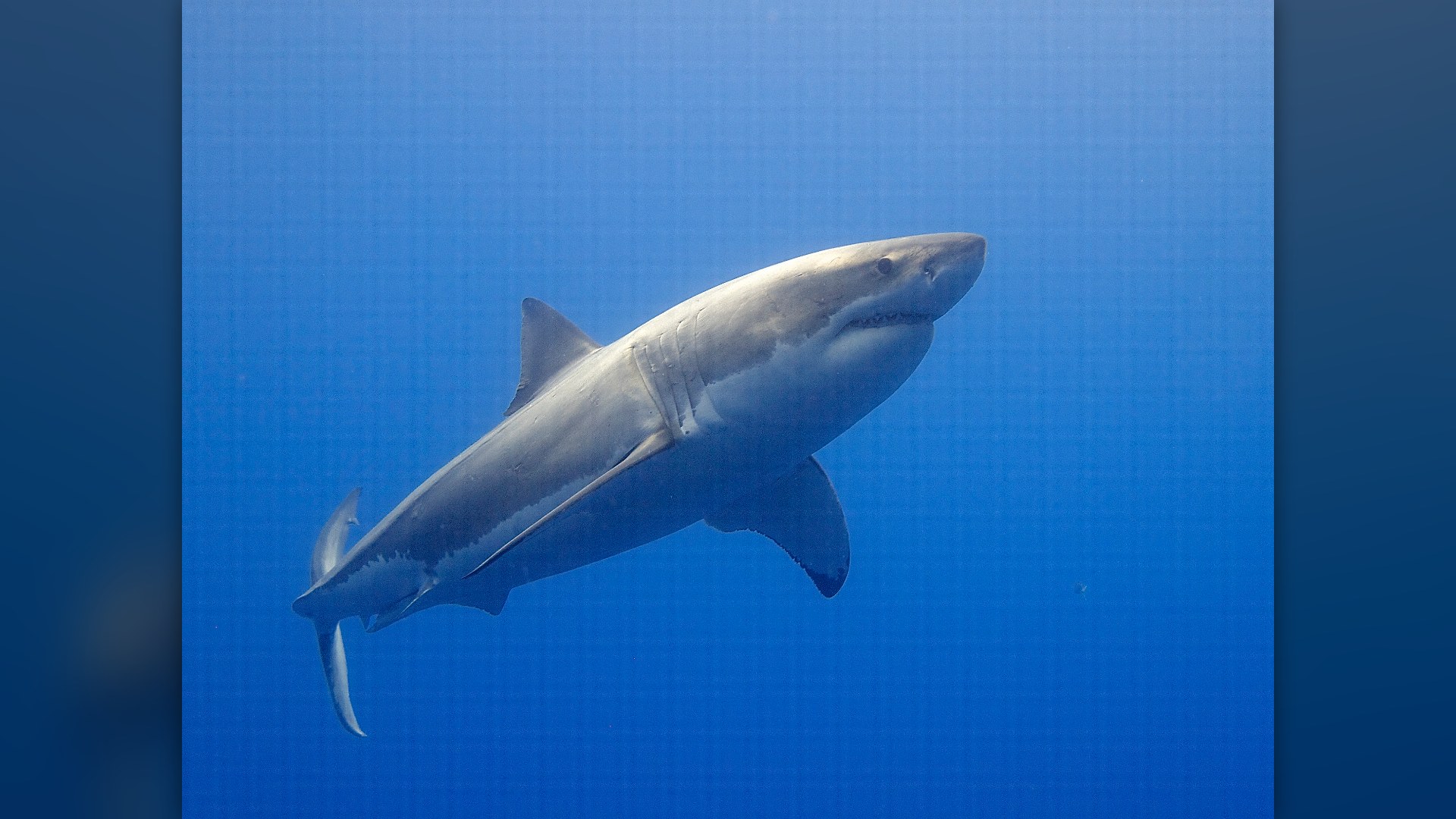
1. Great White Sharks
Ever since Jaws hit cinemas in 1975, great white sharks have been branded as vengeful ocean stalkers. In reality, fatal bites are astonishingly rare, usually mistaken curiosity bites. Sharks regulate marine ecosystems, while commercial fishing kills 100 million sharks every year.
©Wikimedia / Elias Levy
Advertisement
You've reached the end of the story. Thanks for reading!

24 Birds That Can Mimic Human Speech Surprisingly Well
These feathered mimics copy human words and phrases with eerie clarity.
All 15 Entries in this Story
15. Virginia Opossums
North America's only marsupial has a fierce hiss and scary teeth, but it is gentle and remarkably beneficial. A single opossum can vacuum up thousands of disease-carrying ticks every season, while cleaning up rotting carrion and fallen fruit without spreading illness.

14. Striped Skunks
Because replacing their defensive musk takes over a week, skunks give numerous warnings before spraying, including foot-stomping and mock charges. They are shy insectivores that keep gardens healthy by consuming grubs, beetles, and wasp nests.

13. Turkey Vultures
Rather than being grim harbingers of doom, vultures are nature's sanitary crew. Their digestive juices are corrosive enough to neutralize botulism, cholera, and anthrax, preventing dangerous contagion from poisoning soil, groundwater, and other wildlife.

12. Aye-Ayes
Madagascar folklore often brands the aye-aye as an omen of tragedy, leading to widespread killing. In truth, this gentle nocturnal lemur uses its specialized elongated middle finger like a biological drumstick to locate wood-boring beetle larvae, filling the ecological niche of woodpeckers.

10. Naked Mole-Rats
These subterranean rodents live in cooperative colonies like honeybees. They show almost zero cardiovascular decline with age, resist cancer completely due to unique high-molecular-weight hyaluronan, and can survive eighteen minutes without oxygen without brain damage.

11. Feral Pigeons
Before being abandoned to city streets, rock doves were domesticated companions and decorated wartime messengers that saved thousands of human lives. Science reveals pigeons can recognize human faces, understand basic counting, and maintain strict lifelong monogamy.

9. Tarantulas
Hollywood cast tarantulas as lethal crawling assassins, but bites are rare and typically harmless to humans. These solitary arachnids are fragile, docile, and provide natural insect control by preying on beetles, grasshoppers, and destructive caterpillars.

8. Fruit Bats
Only three of over 1,400 bat species drink blood. The vast majority feast on night-flying mosquitoes or act as keystone forest architects. Fruit bats pollinate commercial crops like bananas, agave, and mangoes while dispersing seeds across devastated landscapes.

7. Spotted Hyenas
Pop culture portrays hyenas as cackling cowards that steal lion leftovers, but research shows spotted hyenas hunt up to 95 percent of their meals. Their intricate matriarchal clans possess problem-solving smarts and social cooperation rivaling higher primates.

6. Pitbulls
Once celebrated in America as loyal nanny dogs and mascot companions, pitbull breeds were later stigmatized by negative media sensationalism. The American Temperament Test Society ranks pitbulls at over 85 percent passing, on par with golden retrievers.

5. Gray Wolves
Fables painted the wolf as a ruthless stalker of humans, yet healthy wild wolves avoid people whenever possible. When wolves returned to Yellowstone, they balanced elk populations, revitalized rivers, and allowed willows, songbirds, and beavers to rebound.

4. Paper Wasps
While humans dread their painful stings, wasps rarely attack unless defending active nests. Wasps pollinate countless wildflowers and act as vital natural biocontrol agents, devouring aphids, armyworms, and flies that would otherwise destroy crops and gardens.

3. Norway Rats
Recent historical research shows human fleas and body lice drove the Black Death, not brown rats. In scientific experiments, rats demonstrate profound empathy by willingly rescuing trapped companions and sharing treats, while spending hours grooming daily.

2. Garter Snakes
Ophidiophobia makes millions flee at the sight of any slithering reptile, yet over 85 percent of snake species are completely non-venomous. Common garter snakes are harmless to humans, rarely bite, and provide essential lawn defense by eating slugs and rodents.

1. Great White Sharks
Ever since Jaws hit cinemas in 1975, great white sharks have been branded as vengeful ocean stalkers. In reality, fatal bites are astonishingly rare, usually mistaken curiosity bites. Sharks regulate marine ecosystems, while commercial fishing kills 100 million sharks every year.