Slideshow · Animals
20 Animals Smarter Than Dogs, Ranked
Dogs may be man's best friend, but cognitive science shows these 20 remarkable creatures possess problem-solving brains that outshine canine intellect.
By Most Viral Today
1 hour ago

The 20 Animals Smarter Than Dogs, Ranked 
20. Sea Otter 
19. Horse 
18. Pigeon - AdvertisementSwipe or tap ▶ to continue countdown

17. Eurasian Magpie 
16. Squirrel 
15. Rat 
14. Portia Spider - AdvertisementSwipe or tap ▶ to continue countdown

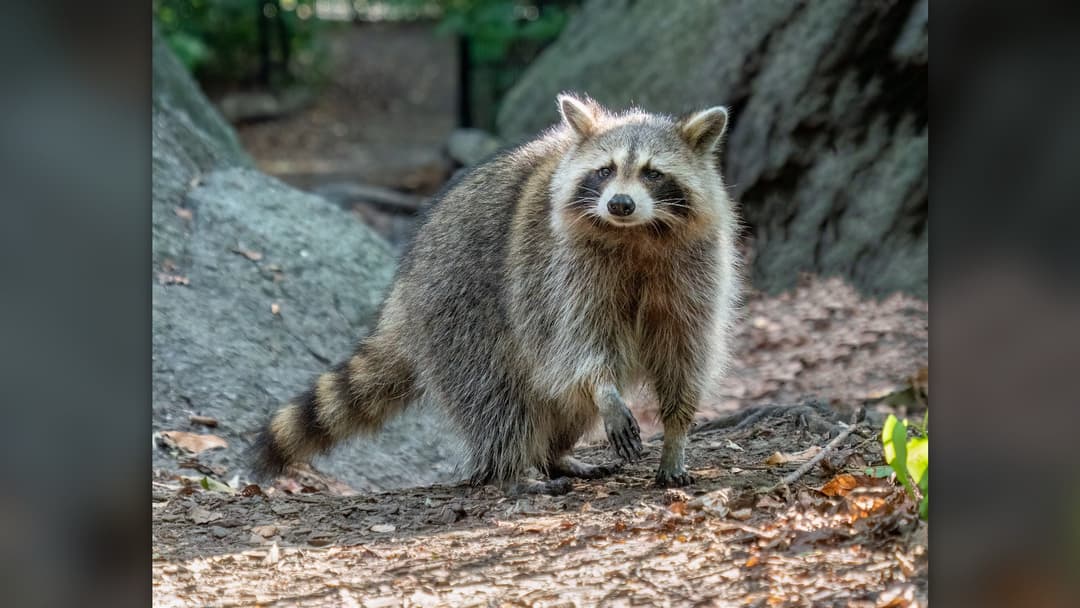
13. Raccoon 
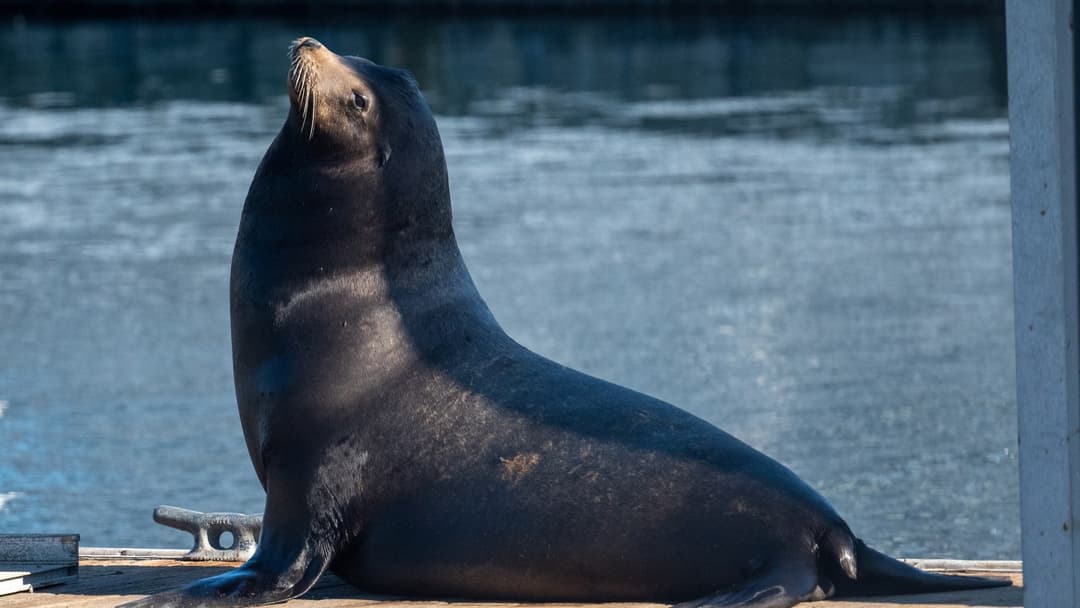
12. California Sea Lion 
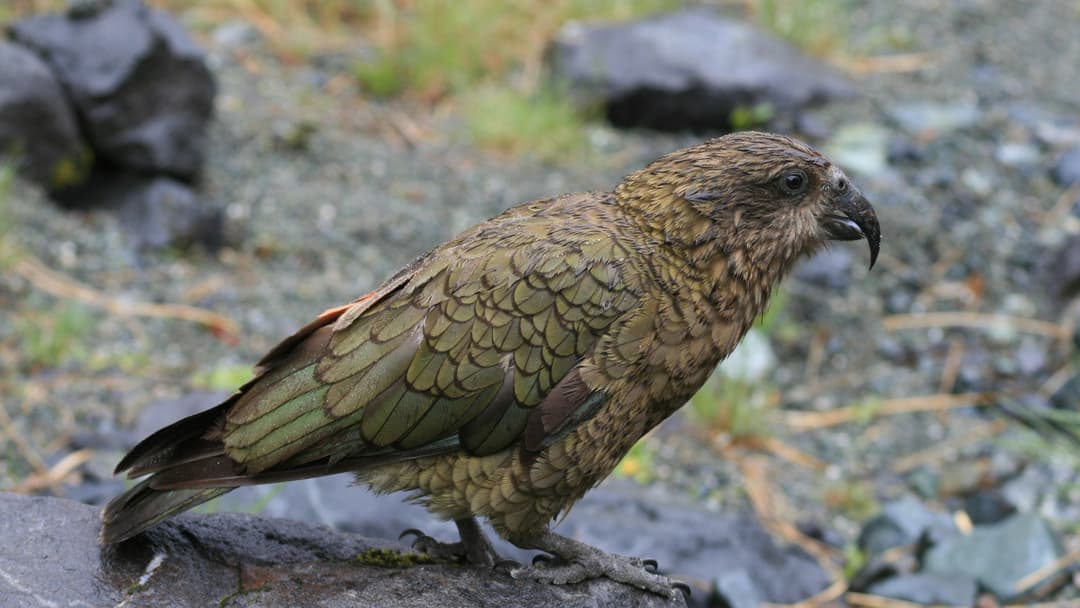
11. Kea Parrot 
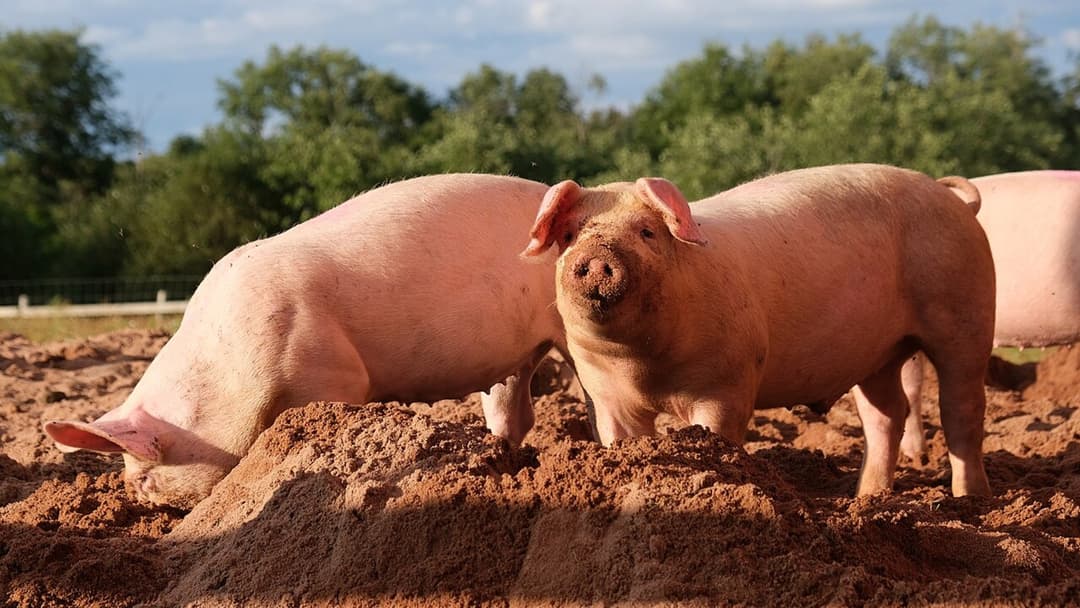
10. Pig - AdvertisementSwipe or tap ▶ to continue countdown

9. African Grey Parrot 
8. New Caledonian Crow 
7. Common Raven 
6. Common Octopus - AdvertisementSwipe or tap ▶ to continue countdown

5. African Elephant 
4. Gorilla 
3. Orangutan 
2. Bottlenose Dolphin - AdvertisementSwipe or tap ▶ to continue countdown

1. Chimpanzee - Advertisement🔥 UP NEXT IN THIS SERIES◫ 25 Slides

24 Birds That Can Mimic Human Speech Surprisingly Well
These feathered mimics copy human words and phrases with eerie clarity.
While dogs master human social cues, these 20 incredible species demonstrate abstract reasoning and tool mastery that surpass canine intellect.
Swipe or tap ▶ to begin the countdown
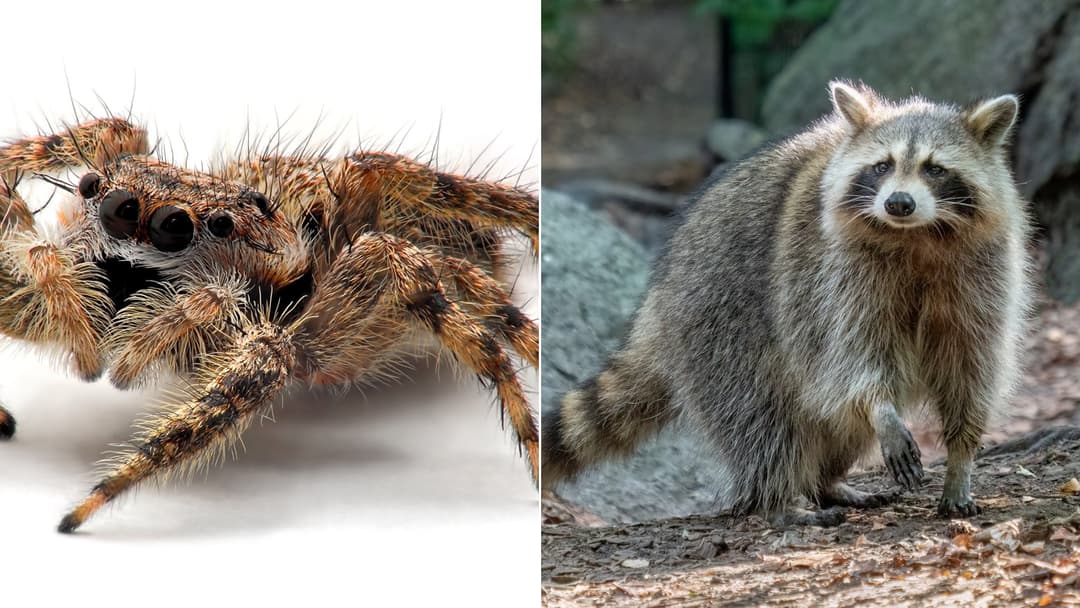
©Wikimedia / Jumping spider & Wikimedia / Raccoon
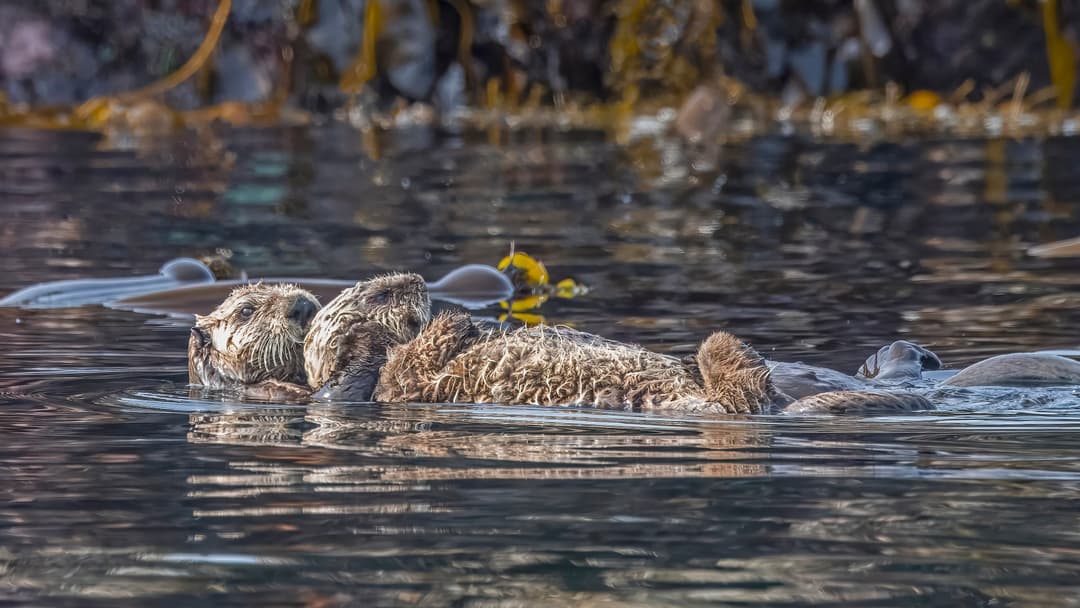
20. Sea Otter
Sea otters are among the very few non-primate mammals that use tools daily. Floating on their backs, they balance flat stones on their chests as anvils to smash open hard-shelled clams and abalone. Mothers actively instruct their pups on stone selection and cracking techniques.
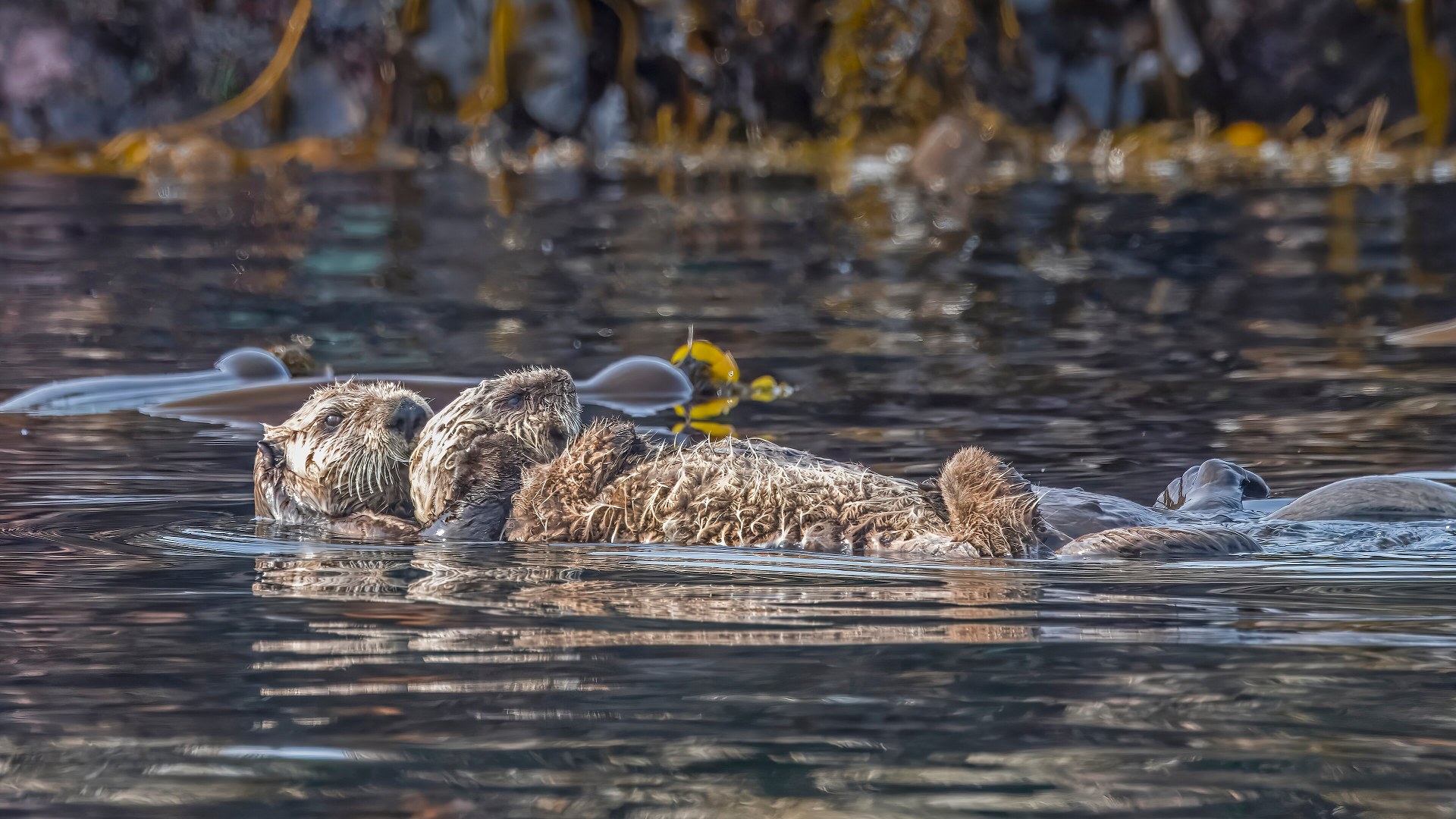
©Wikimedia / Charles J. Sharp
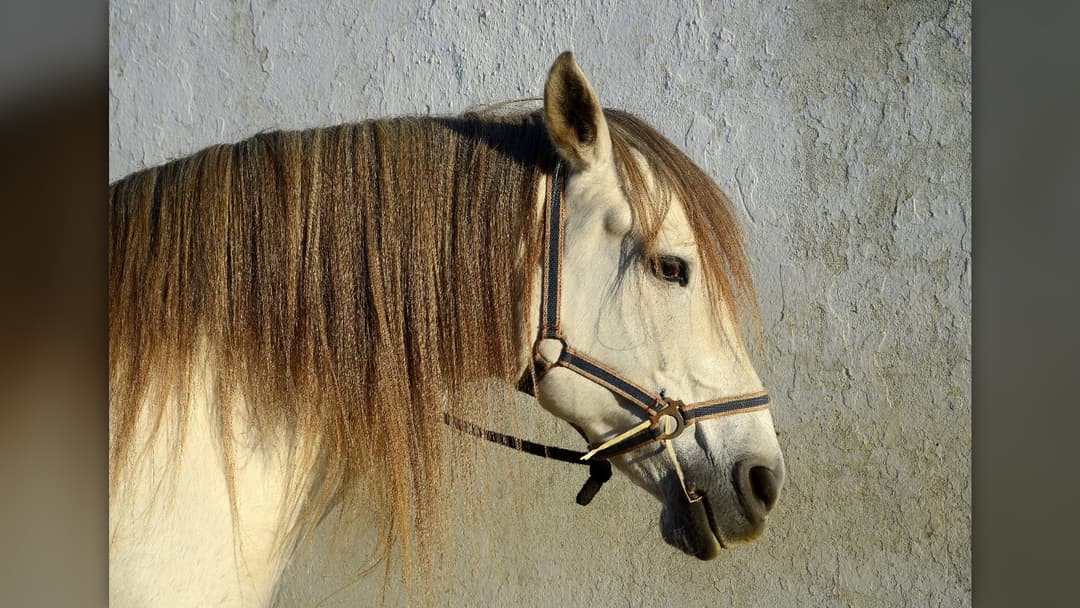
19. Horse
Cognitive research shows horses can learn abstract symbols on boards to ask handlers whether they want a blanket on or off based on ambient weather. They possess acute long-term memory for human faces and recall problem-solving strategies years after learning them.
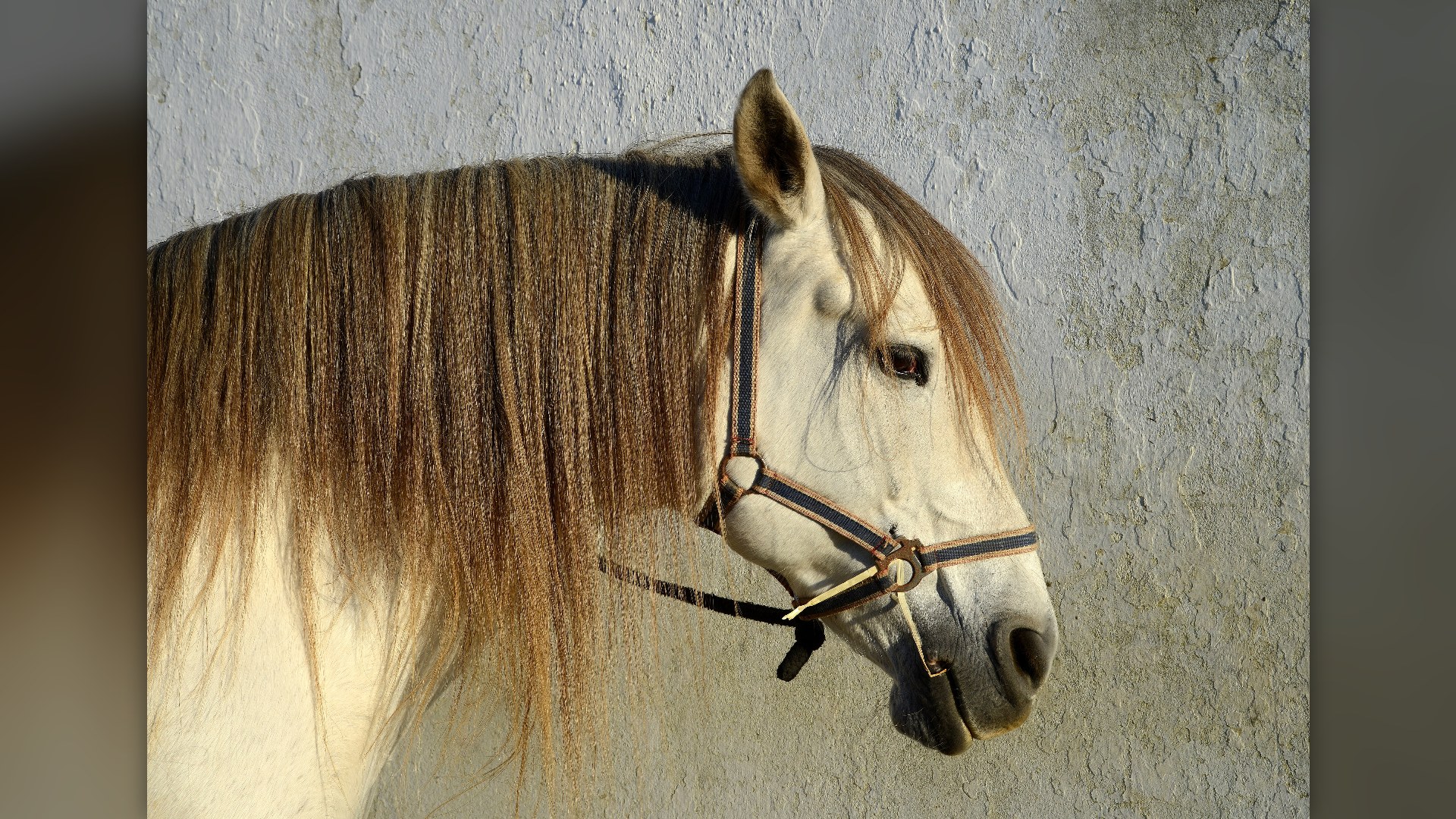
©Wikimedia / Alvesgaspar
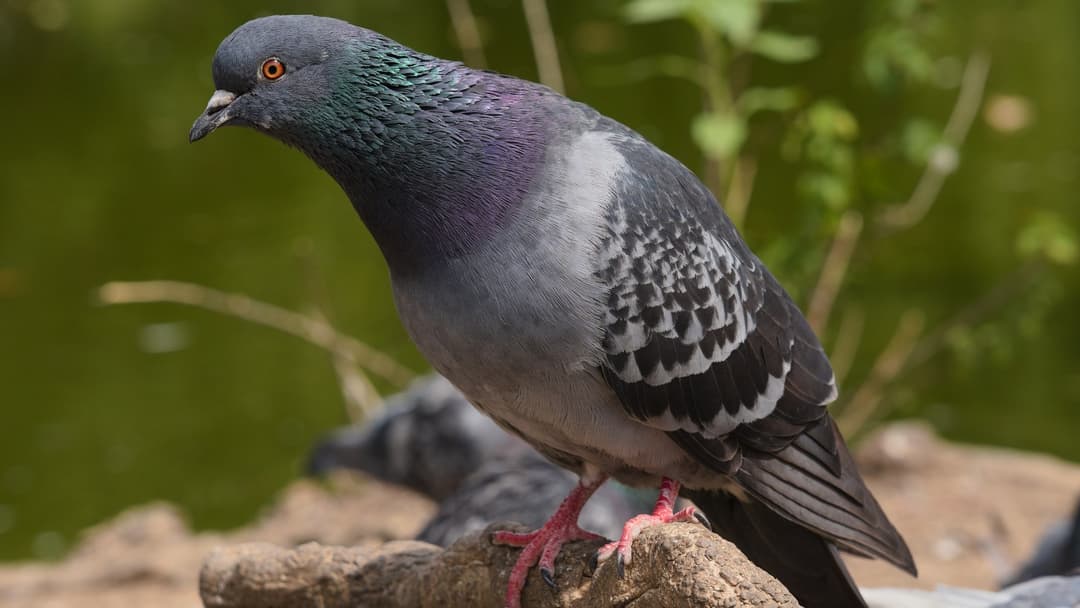
18. Pigeon
Often dismissed as simple urban birds, pigeons display astonishing visual classification brains. In lab experiments, pigeons learned to tell Monet paintings from Picasso pieces, grasped basic numerical rules, and distinguished real English words from random letter strings.
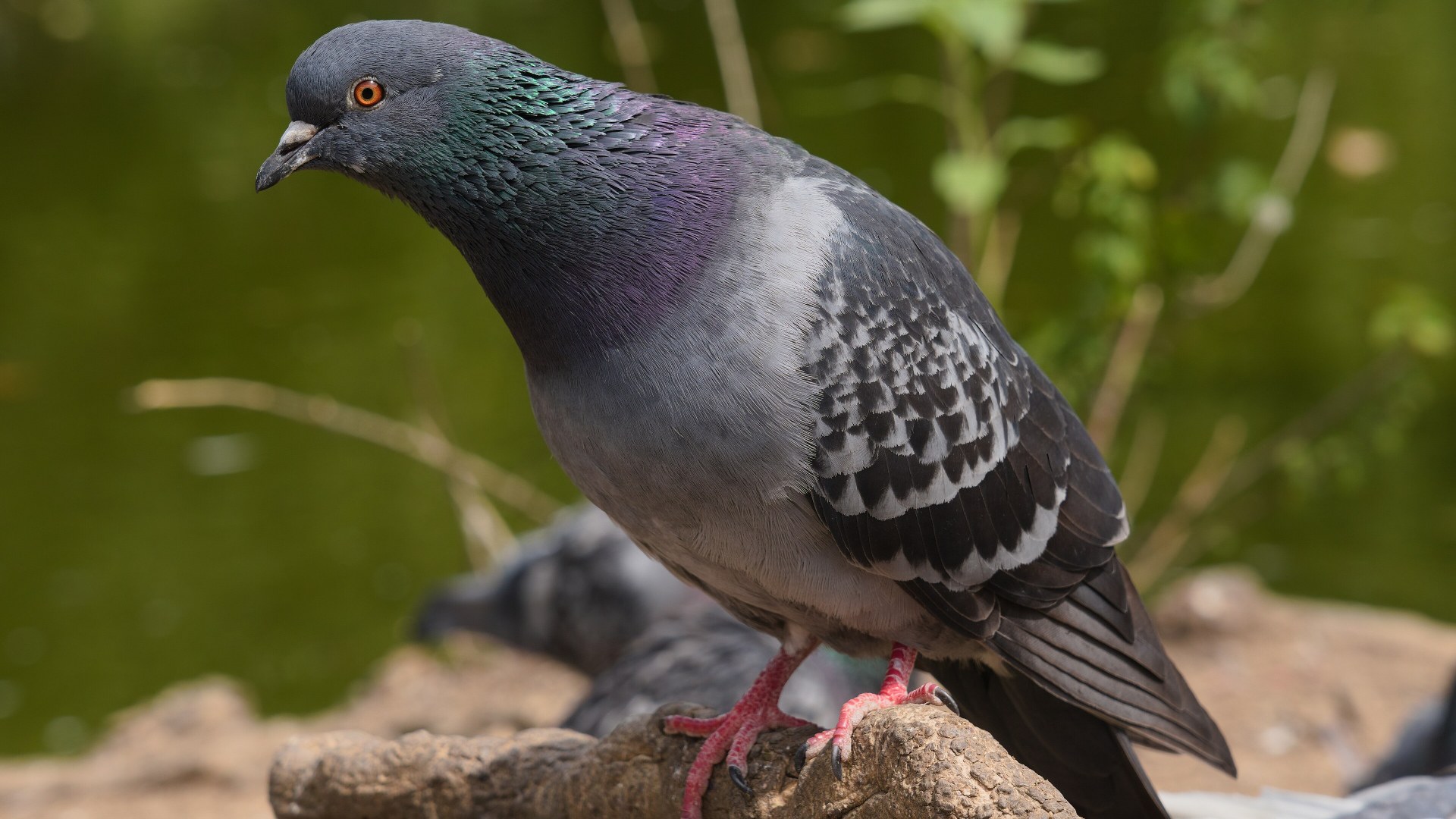
©Wikimedia / Satdeep Gill
Advertisement
Swipe or tap ▶ to resume the countdown.
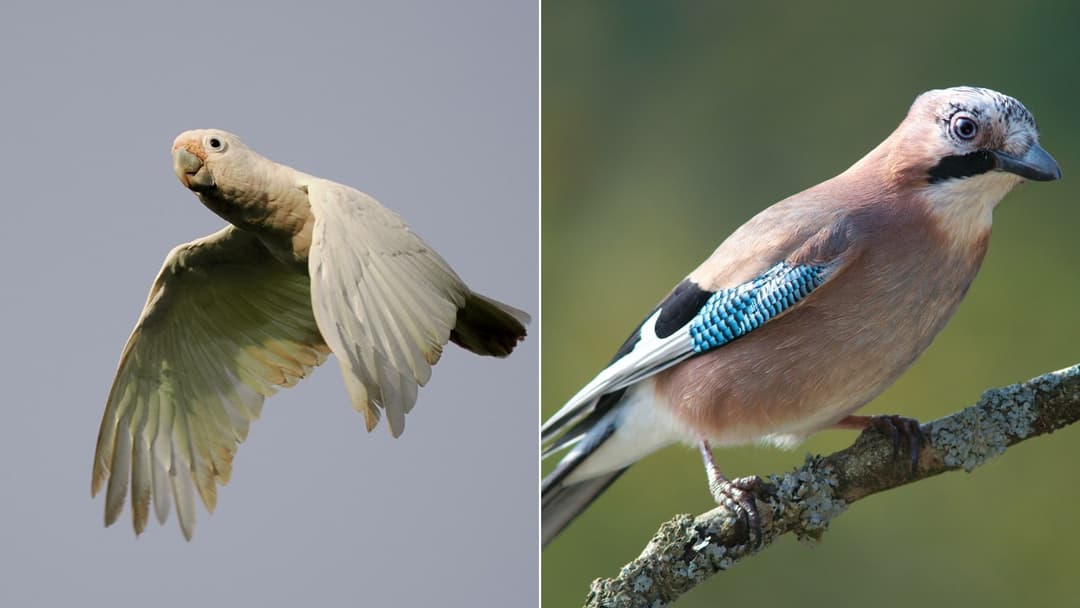
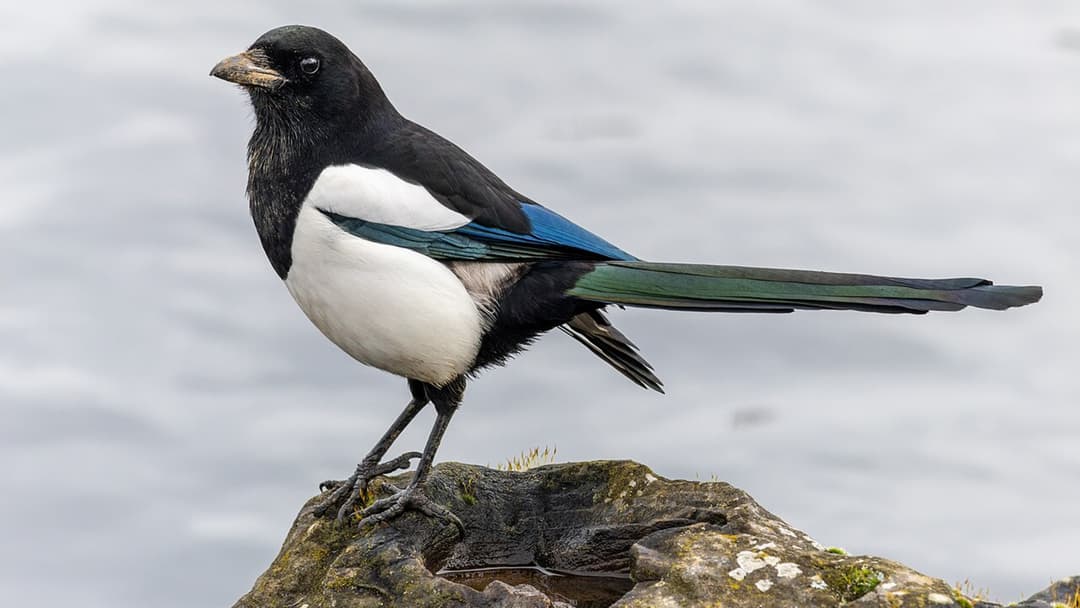
17. Eurasian Magpie
When researchers placed colored stickers on magpie throats where they could only be seen in a mirror, the birds repeatedly scratched at their own bodies rather than the reflection. This milestone proved magpies possess self-awareness, a cognitive feat domestic dogs fail.
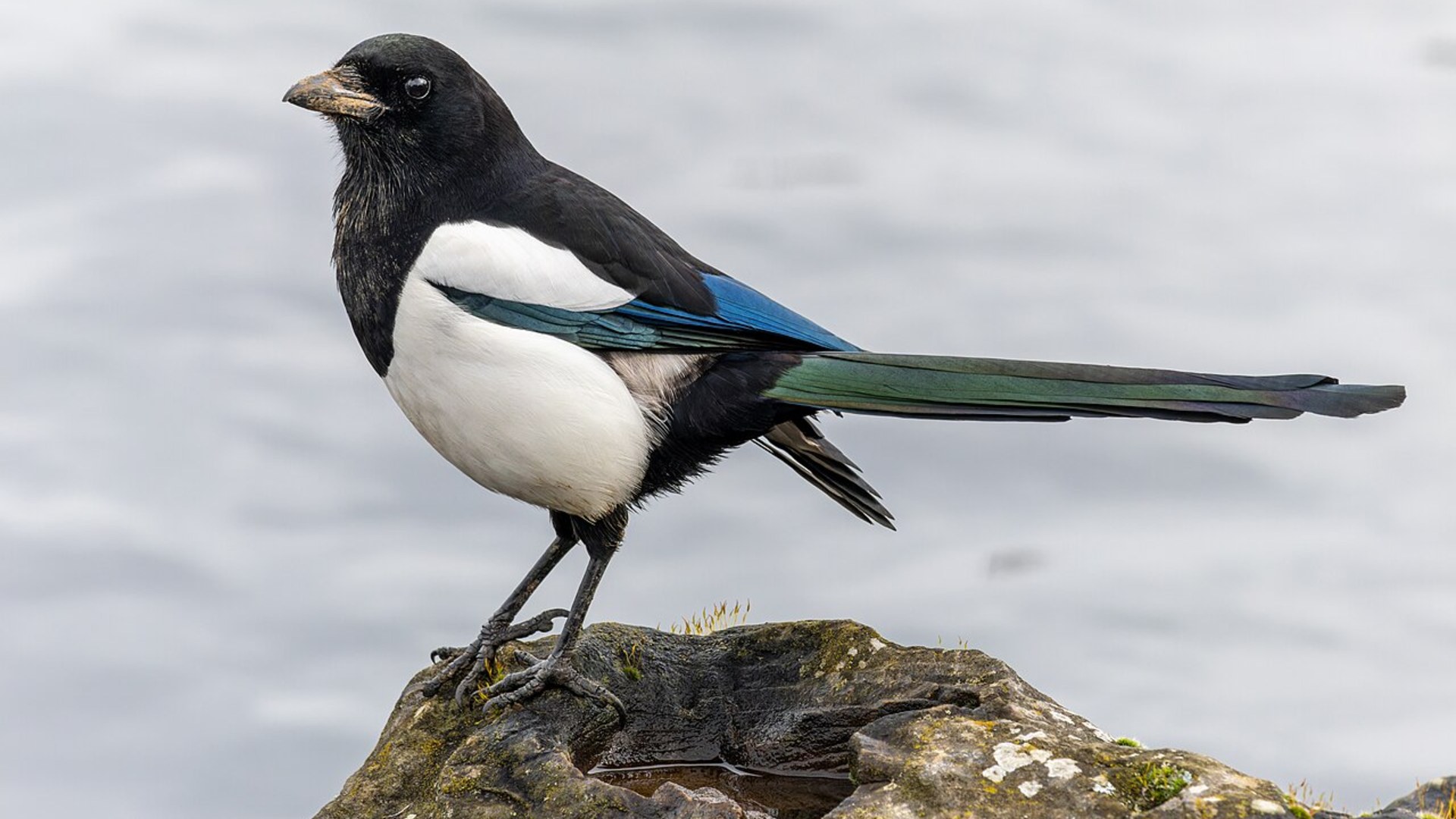
©Wikimedia / Eurasian magpie
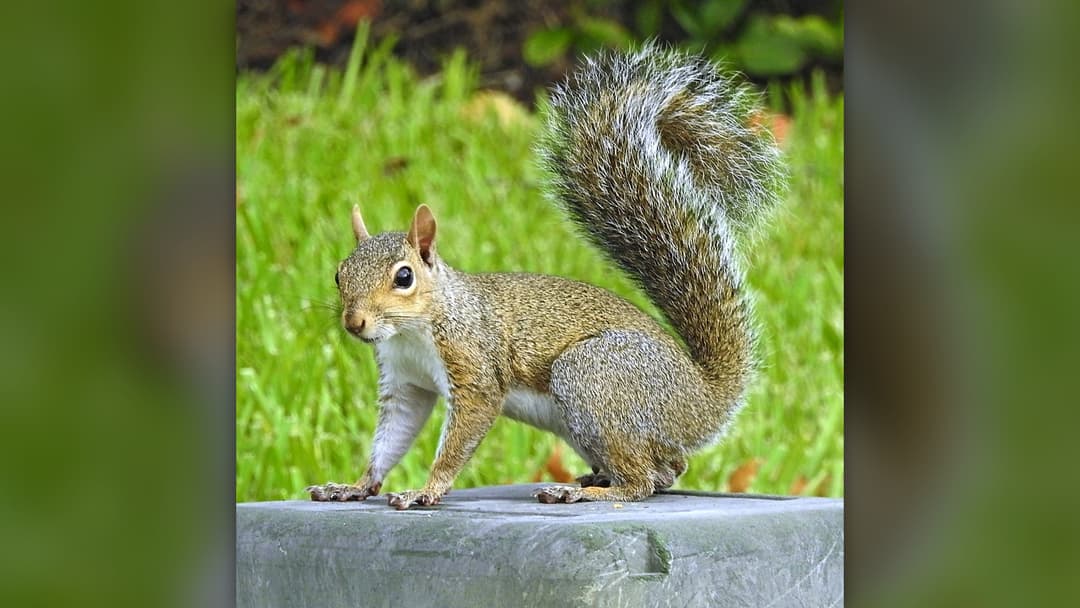
16. Squirrel
Grey squirrels organize food caches through spatial chunking, categorizing nuts by size and nutritional value. If they suspect another squirrel is watching, they will dig fake holes, pretend to bury an acorn, and cover it with dirt to deceive onlookers while hiding the real prize elsewhere.
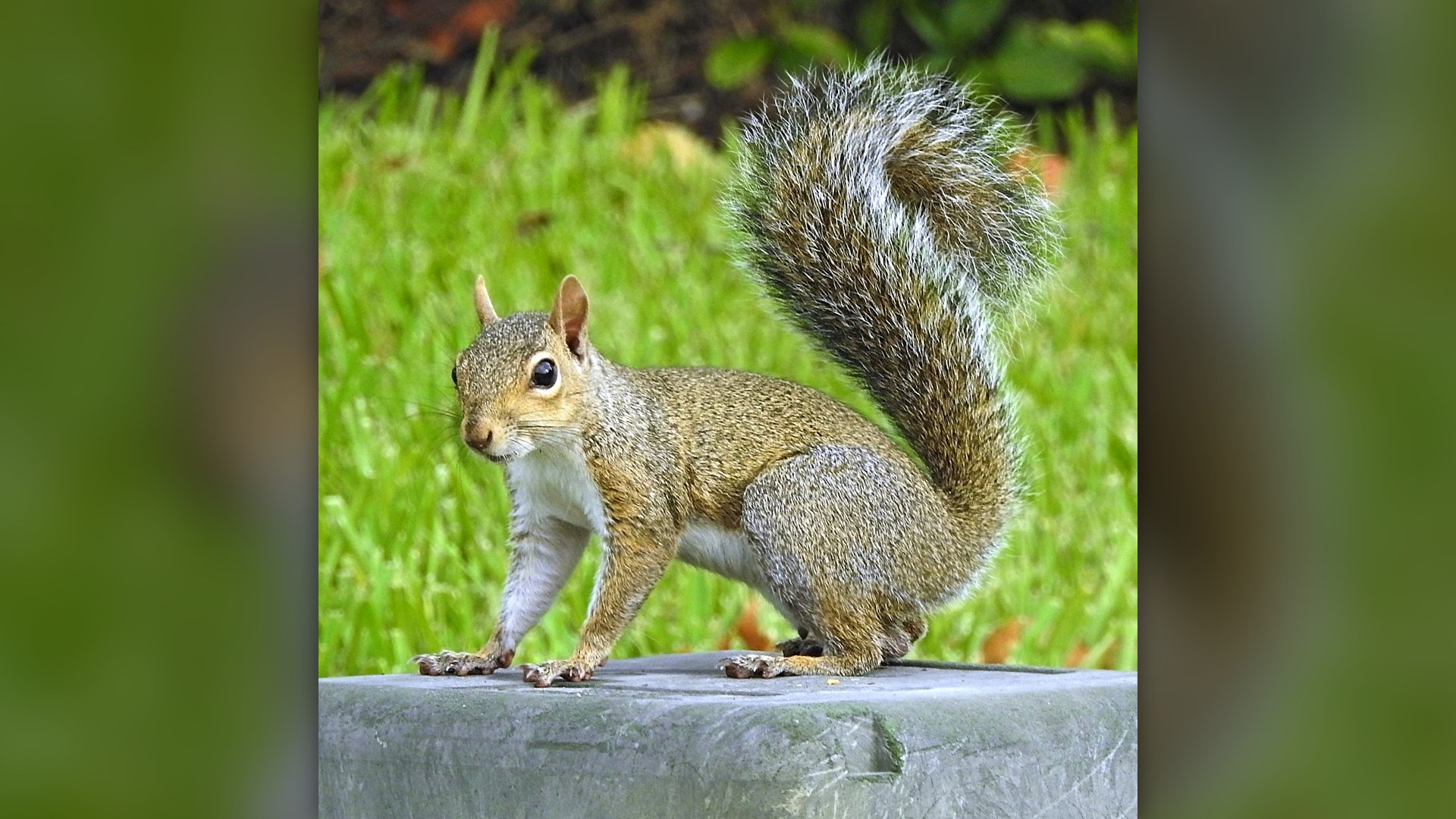
©Wikimedia / Eastern gray squirrel
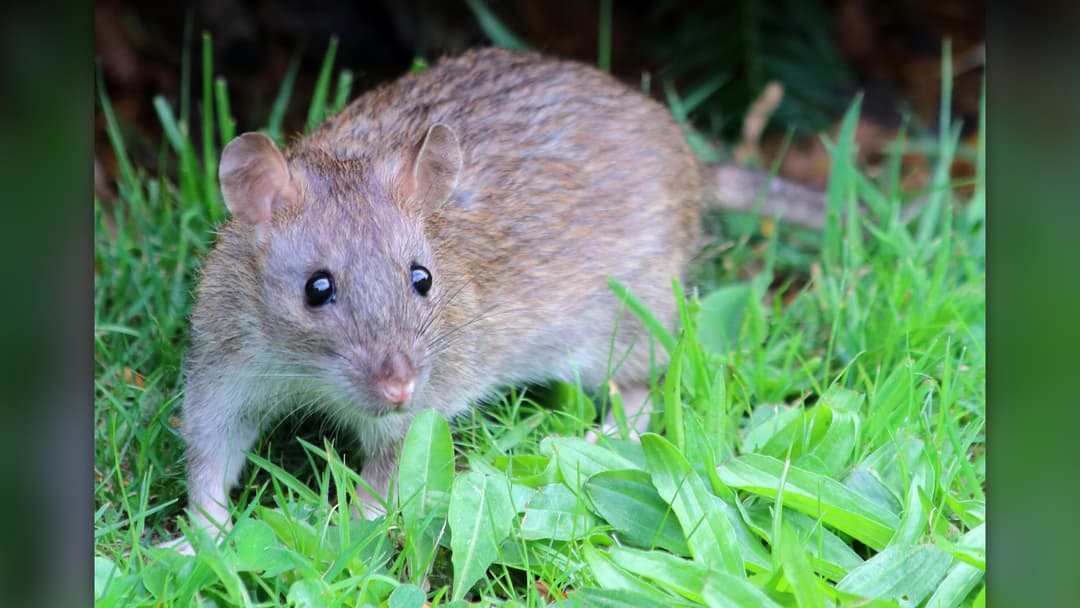
15. Rat
Rats possess metacognition, the ability to assess their own knowledge and opt out of difficult memory tests when uncertain. They also show genuine empathy, consistently working to free trapped cage-mates even when delicious chocolate treats are offered as a tempting distraction.
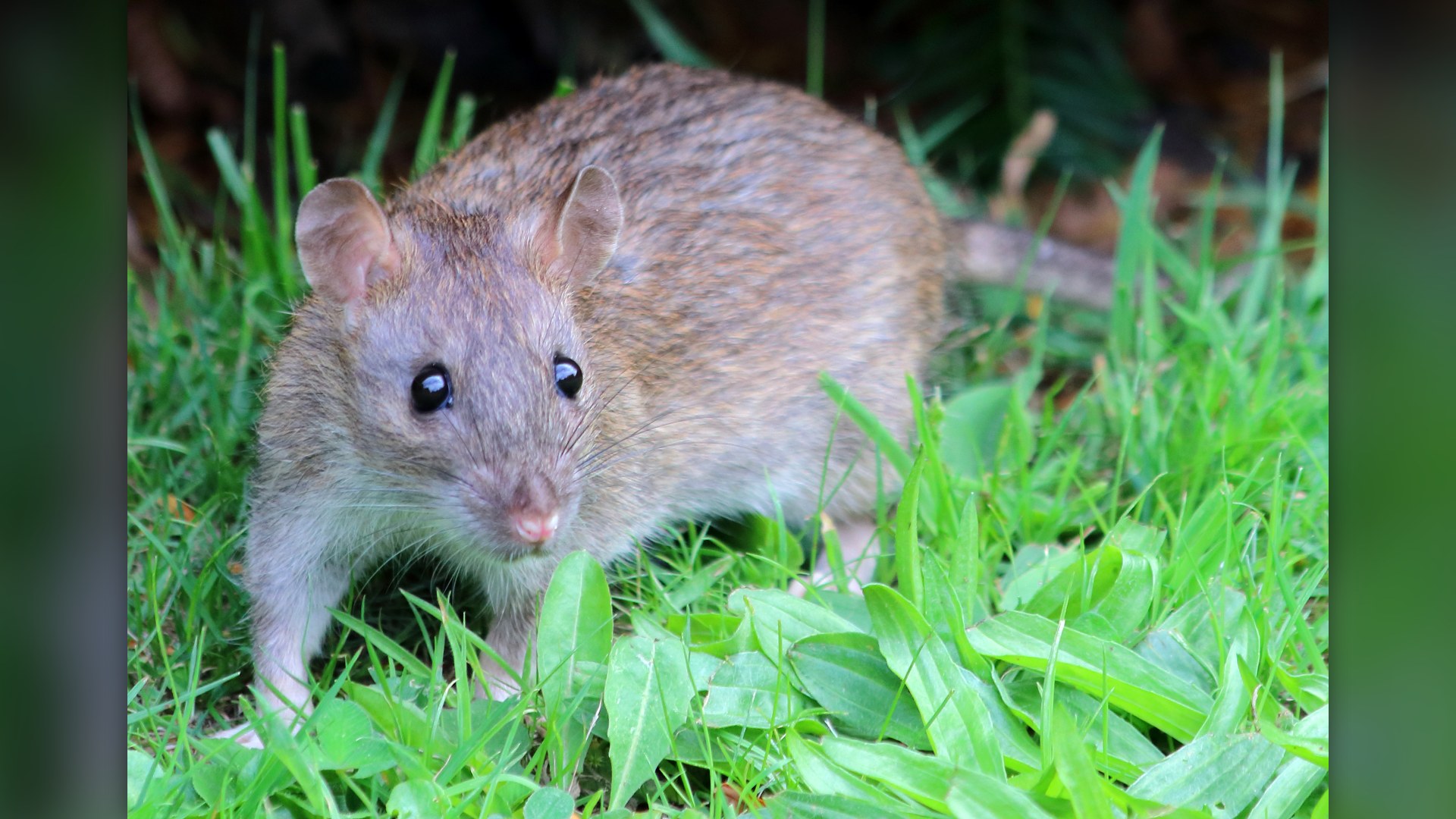
©Wikimedia / Brown rat
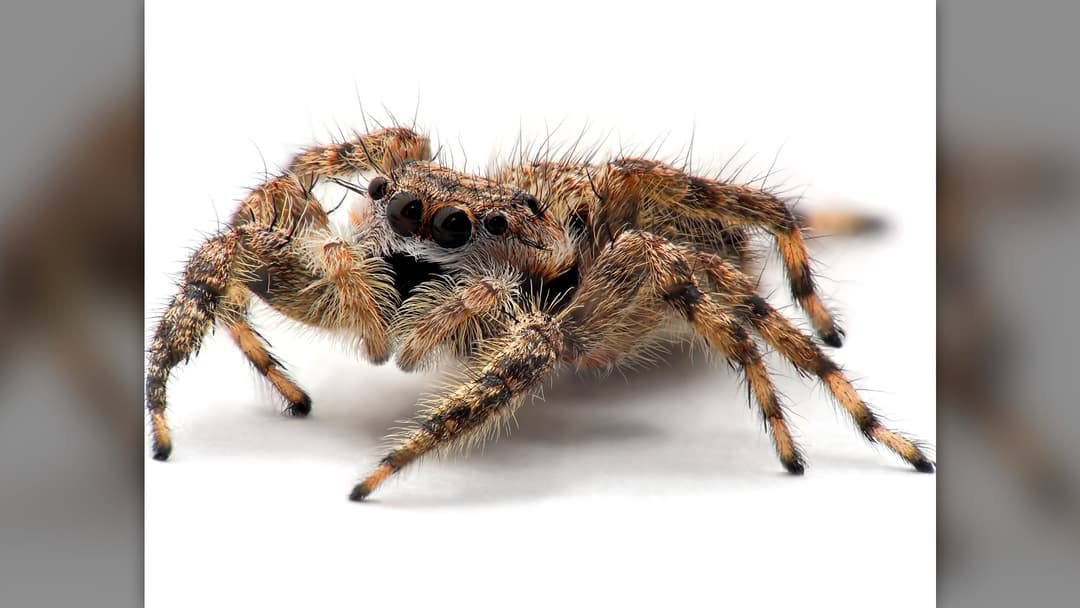
14. Portia Spider
Despite having a brain the size of a poppy seed, the Portia jumping spider displays calculated problem solving. It maps out three-dimensional detour routes around obstacles, losing sight of prey temporarily while navigating overhead branches to launch a surprise attack.
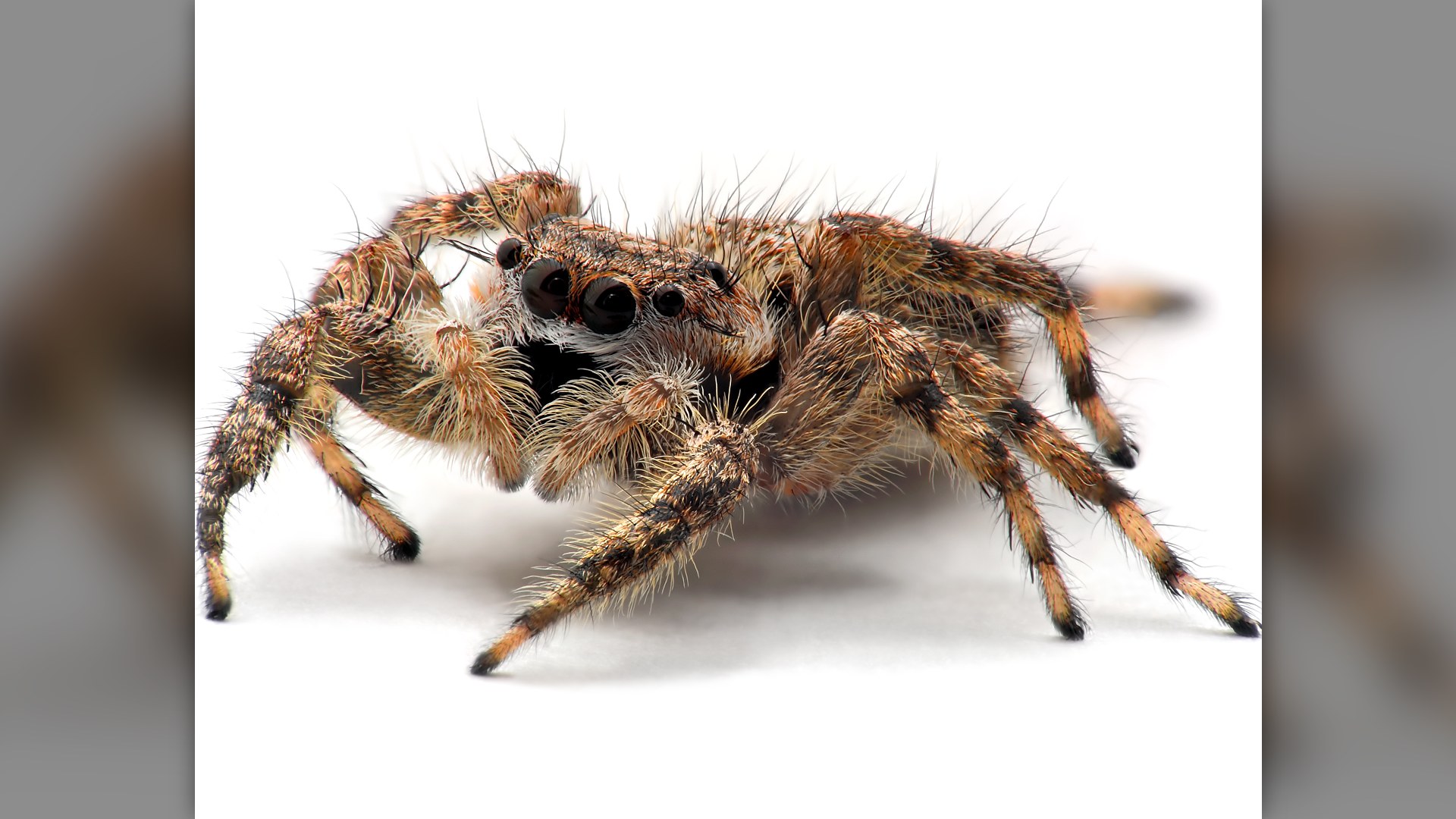
©Wikimedia / Jumping spider
Advertisement
Swipe or tap ▶ to resume the countdown.
13. Raccoon
Ethologist H.B. Davis tested raccoons in the early 1900s, discovering they could open complex multi-lock puzzle boxes requiring bolts, levers, and hooks in sequence. When re-tested three years later without practice, the raccoons cracked the locks immediately.
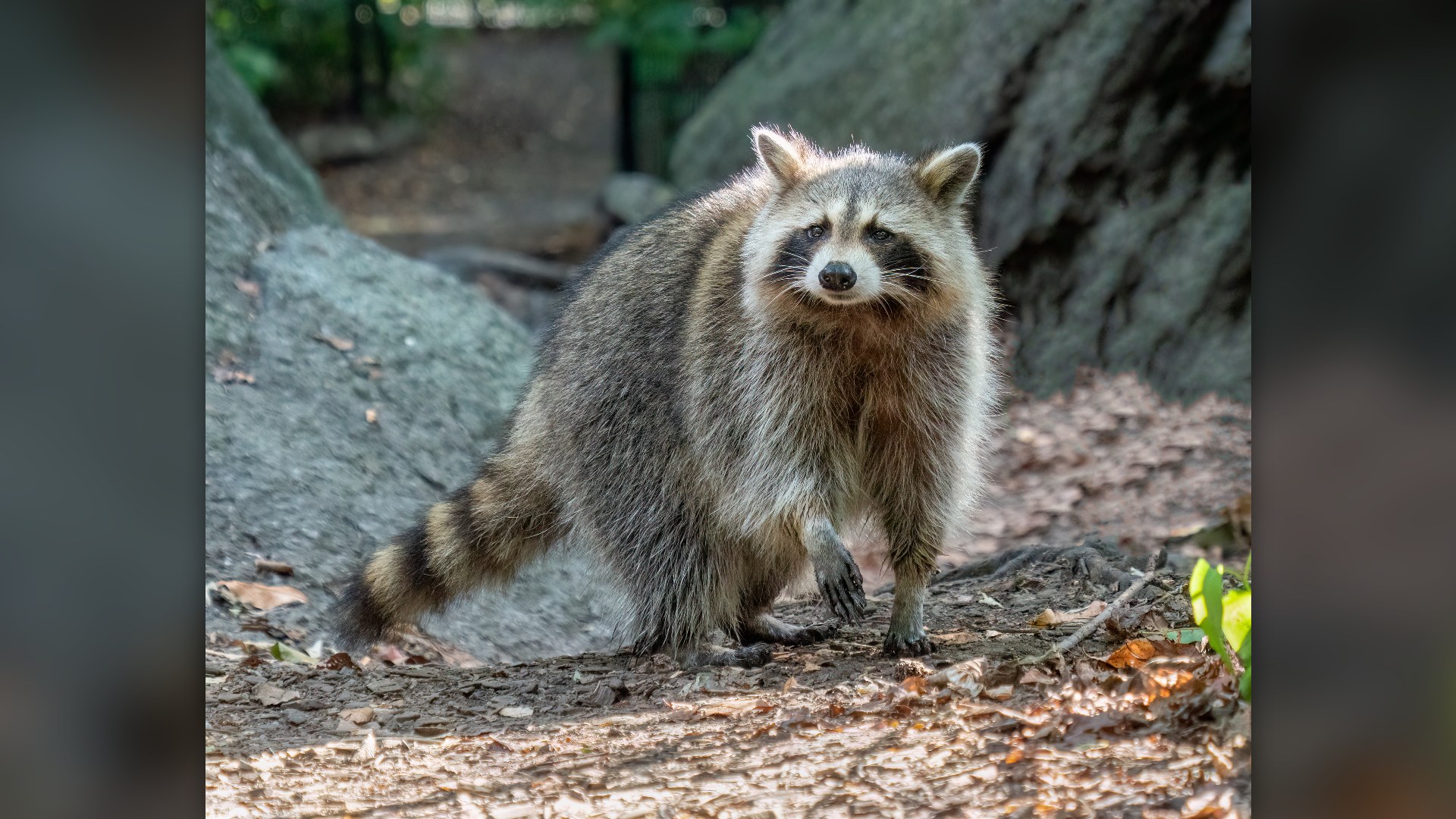
©Wikimedia / Raccoon
12. California Sea Lion
At the Long Marine Laboratory, a famous sea lion named Rio demonstrated the ability to understand transitive inference. If Rio learned that symbol A equaled B, and B equaled C, she deduced on her own that A equaled C without direct training, an abstract reasoning skill dogs do not possess.
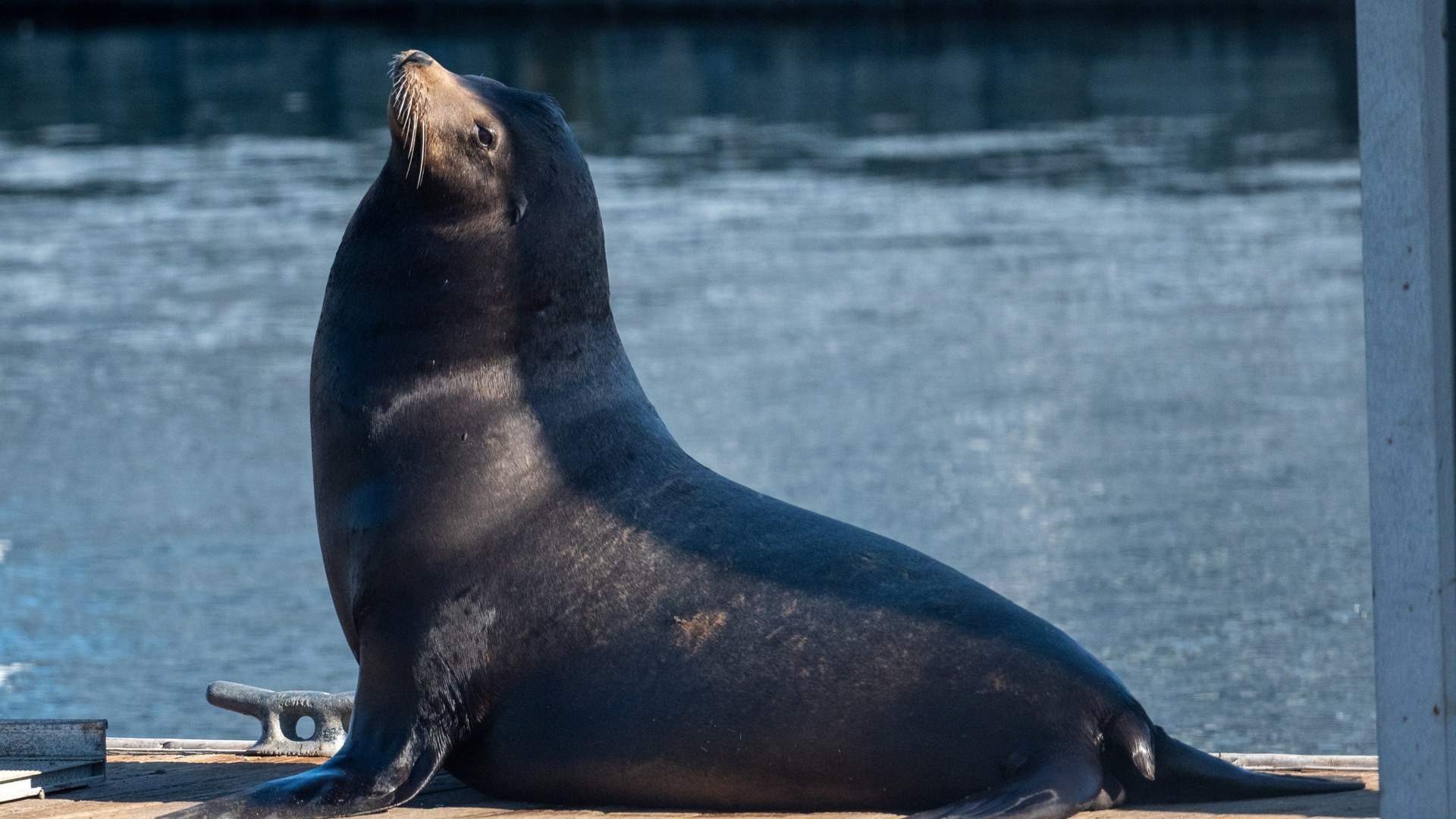
©Wikimedia / California sea lion
11. Kea Parrot
Native to the Southern Alps of New Zealand, the kea is famous for dissecting car antennas and windshield wipers out of pure curiosity. In lab tests, keas calculated probability based on colored token ratios and collaborated in pairs to pull weighted ropes in perfect unison.
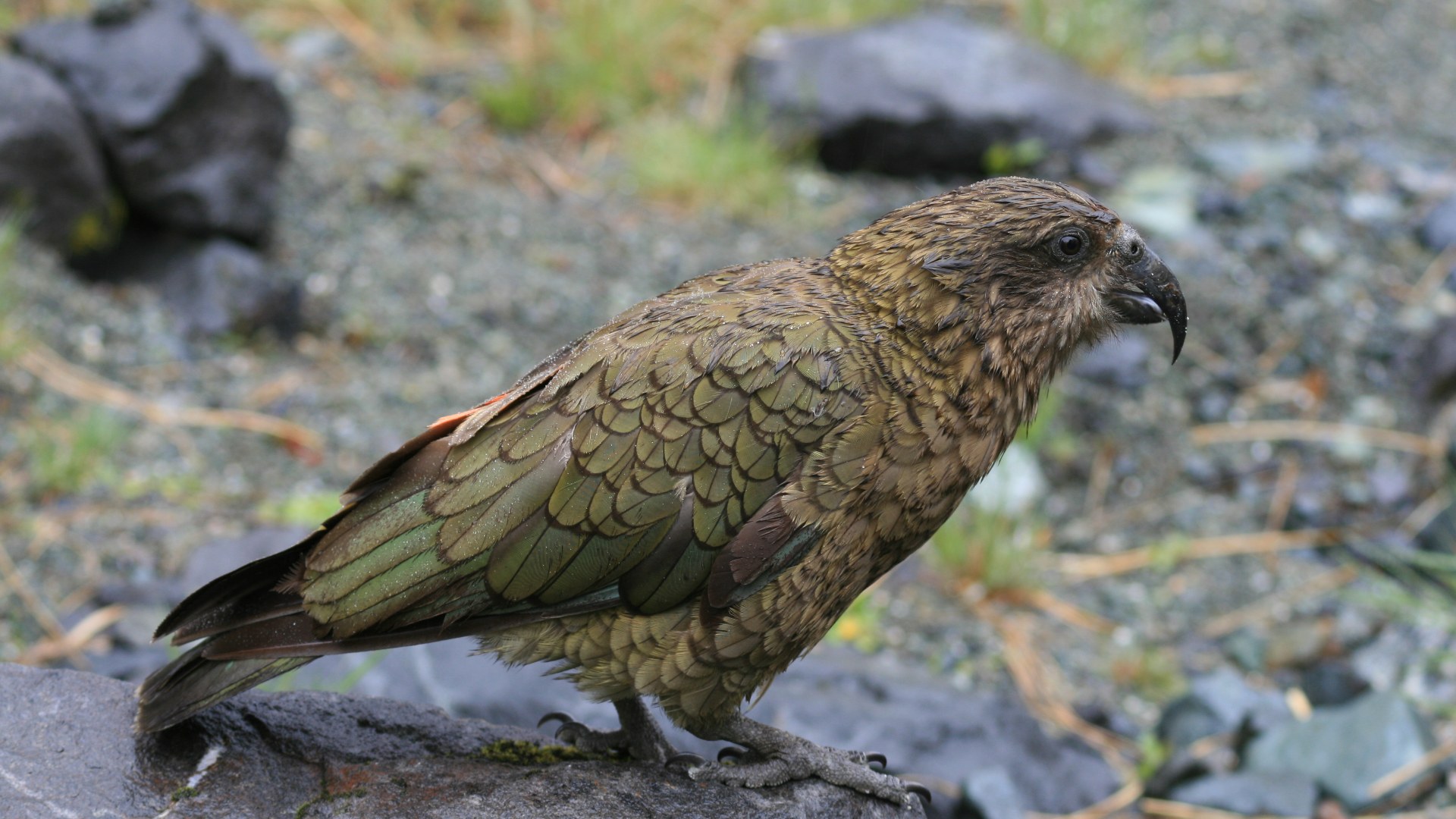
©Wikimedia / Kea
10. Pig
Studies show pigs comprehend mirror perspectives within hours, using reflections to locate food bowls hidden behind barriers. In landmark experiments, pigs learned to steer computer joysticks with their snouts to hit moving targets on screen, outperforming dogs on abstract screen tests.
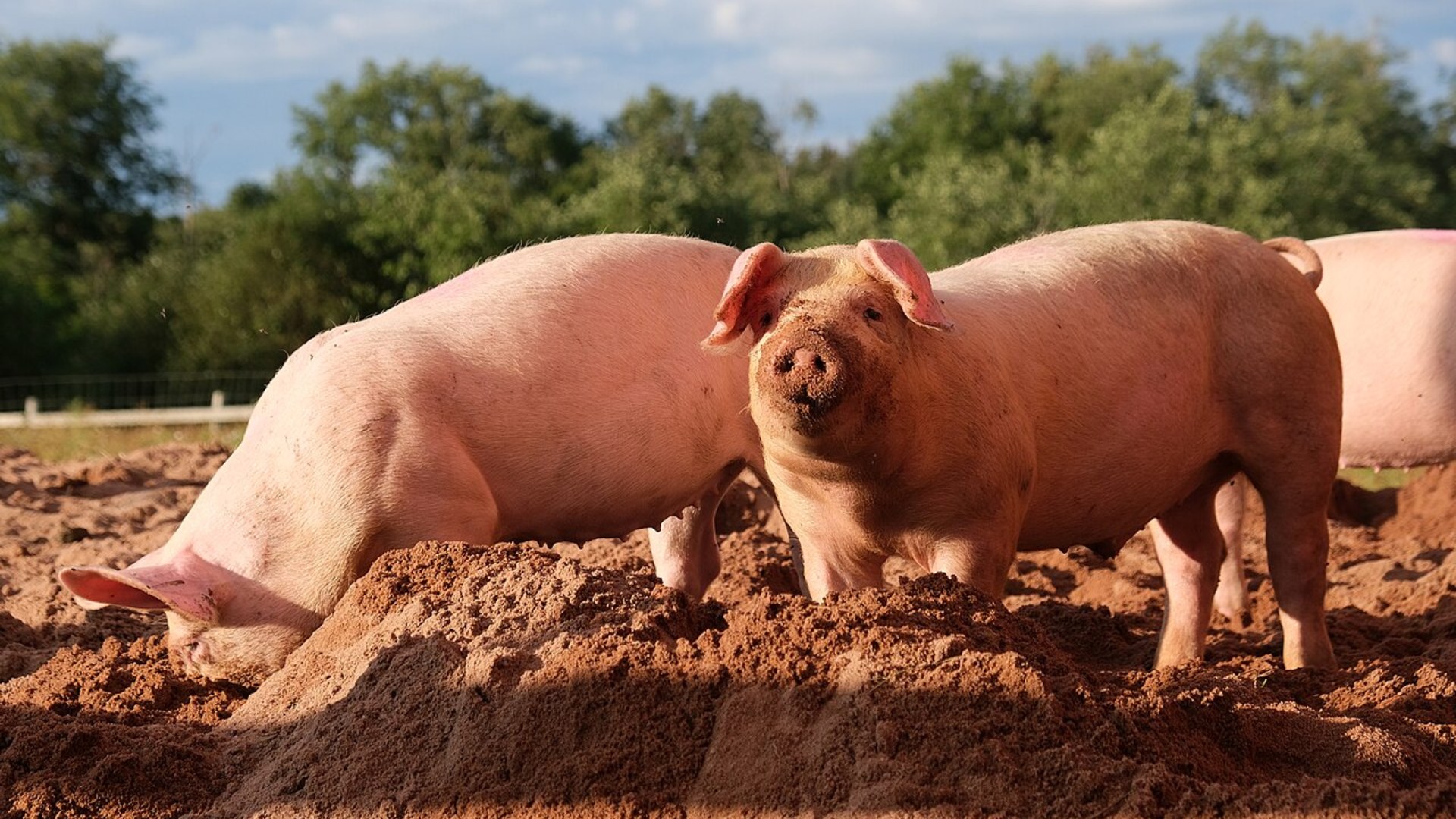
©Wikimedia / Pig
Advertisement
Swipe or tap ▶ to resume the countdown.
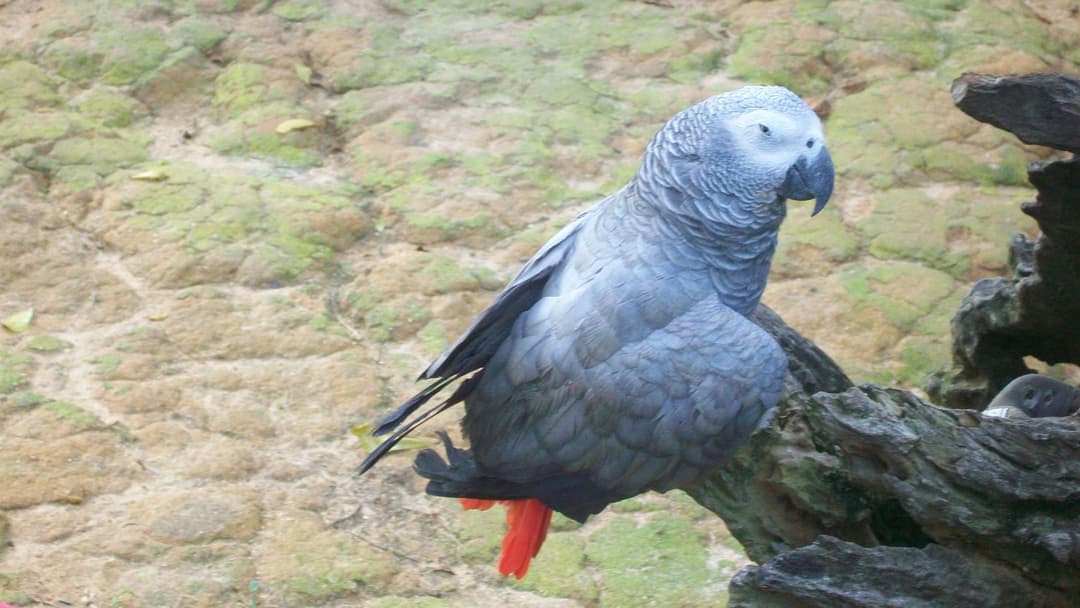
9. African Grey Parrot
Dr. Irene Pepperberg's research with Alex the African grey parrot revolutionized animal psychology. Alex learned over 100 spoken English words, identified shapes, counted up to six objects, understood the abstract concept of none or zero, and answered questions about what mattered.
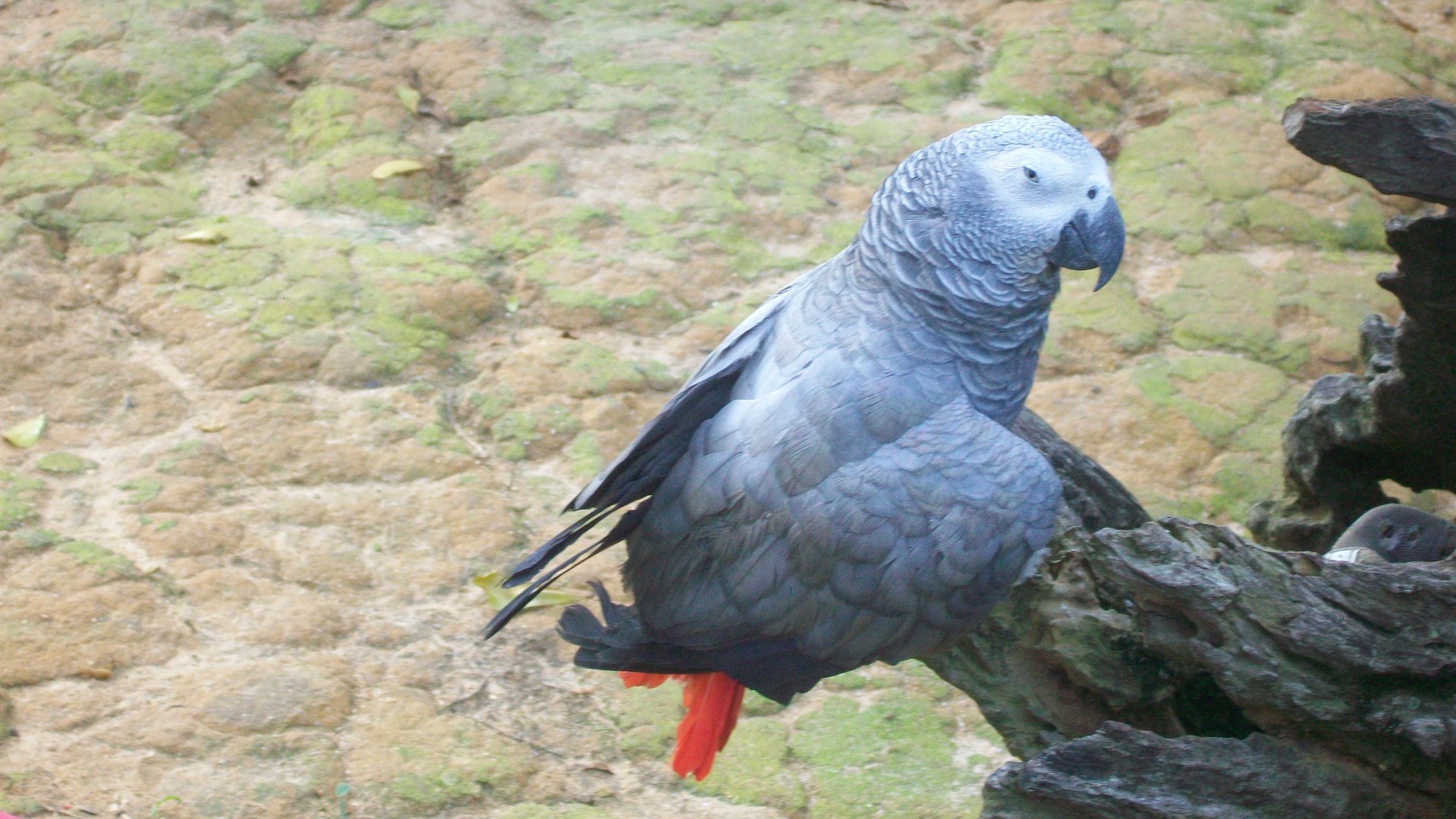
©Wikimedia / Grey parrot
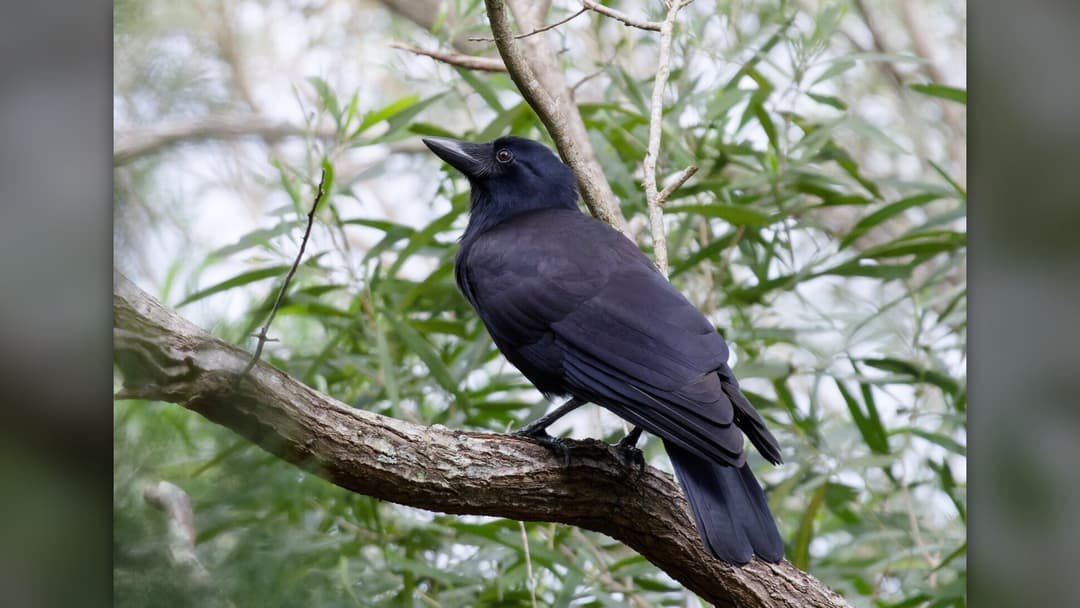
8. New Caledonian Crow
These Pacific island crows manufacture specialized hooks from pandanus leaves and bend pliable wires to retrieve hidden food morsels. In lab tests, they effortlessly solved eight-stage puzzle boxes that required using short sticks to unlock longer sticks to reach food.
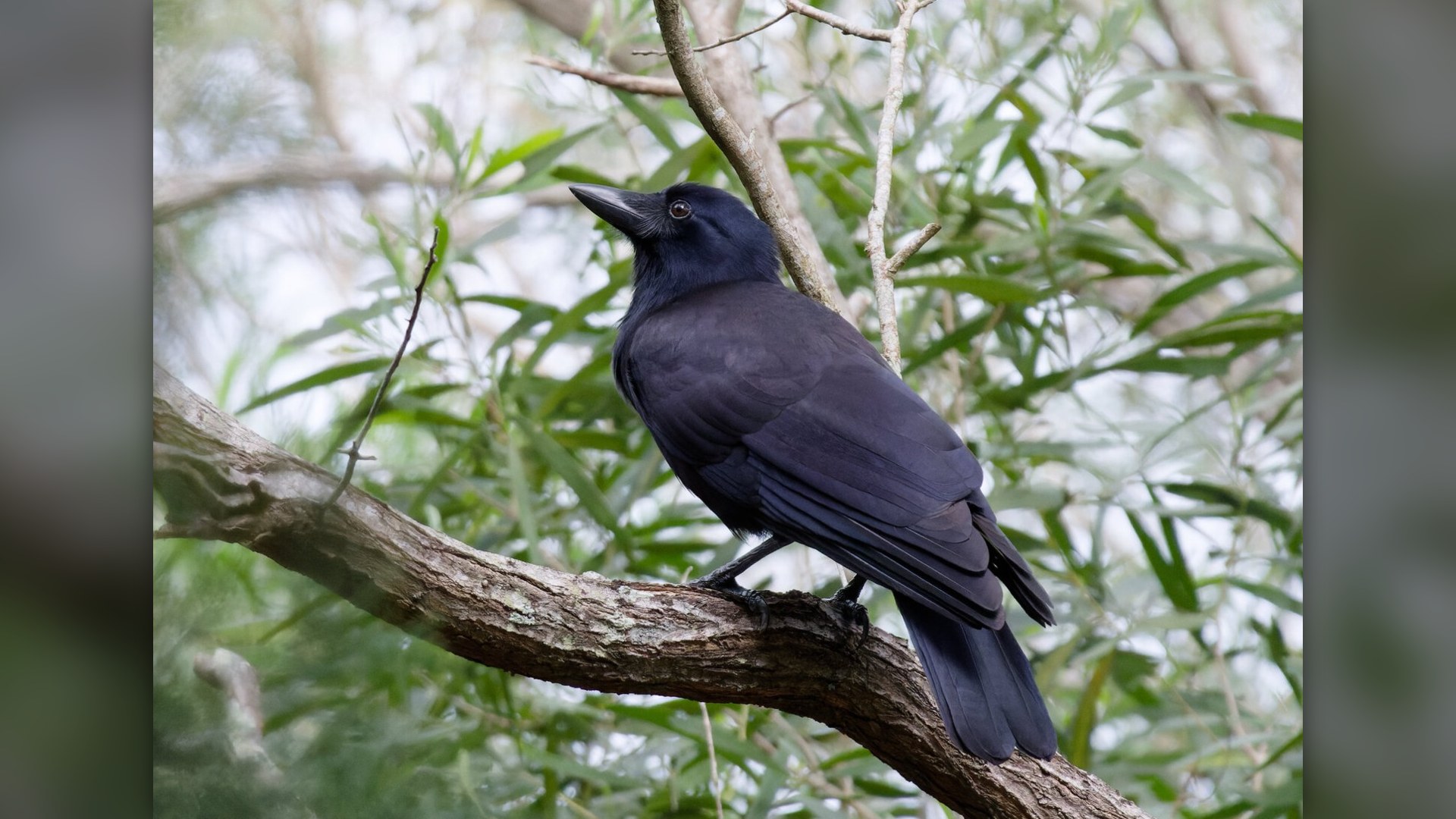
©Wikimedia / New Caledonian crow
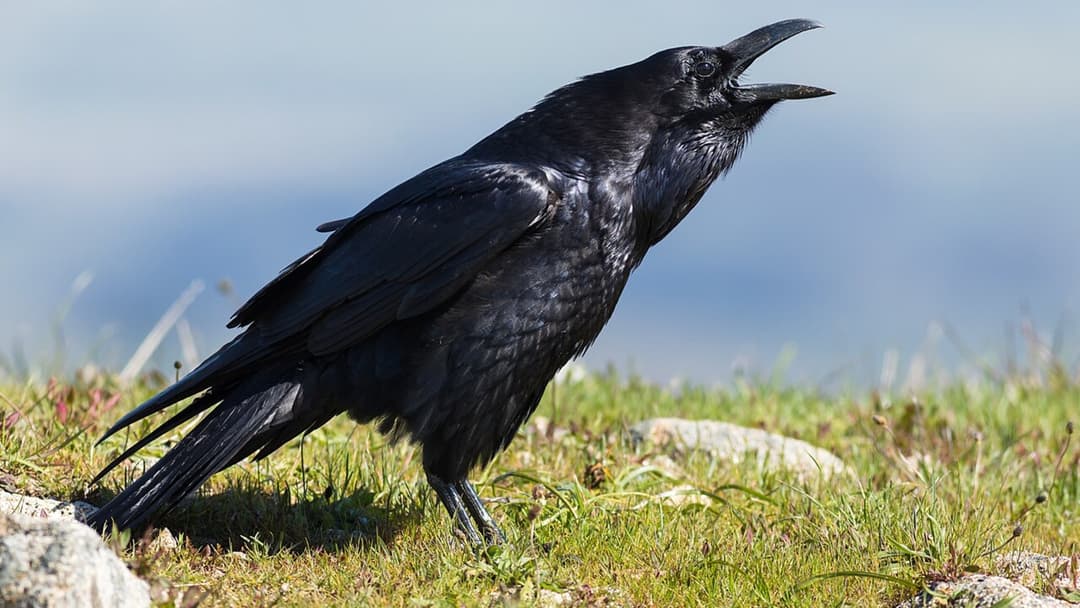
7. Common Raven
Ravens possess forward planning capabilities once thought unique to humans and great apes. In experiments, ravens selected specific barter tokens and saved them for hours to trade for high-value food, completely refusing to do business with experimenters who had cheated them previously.
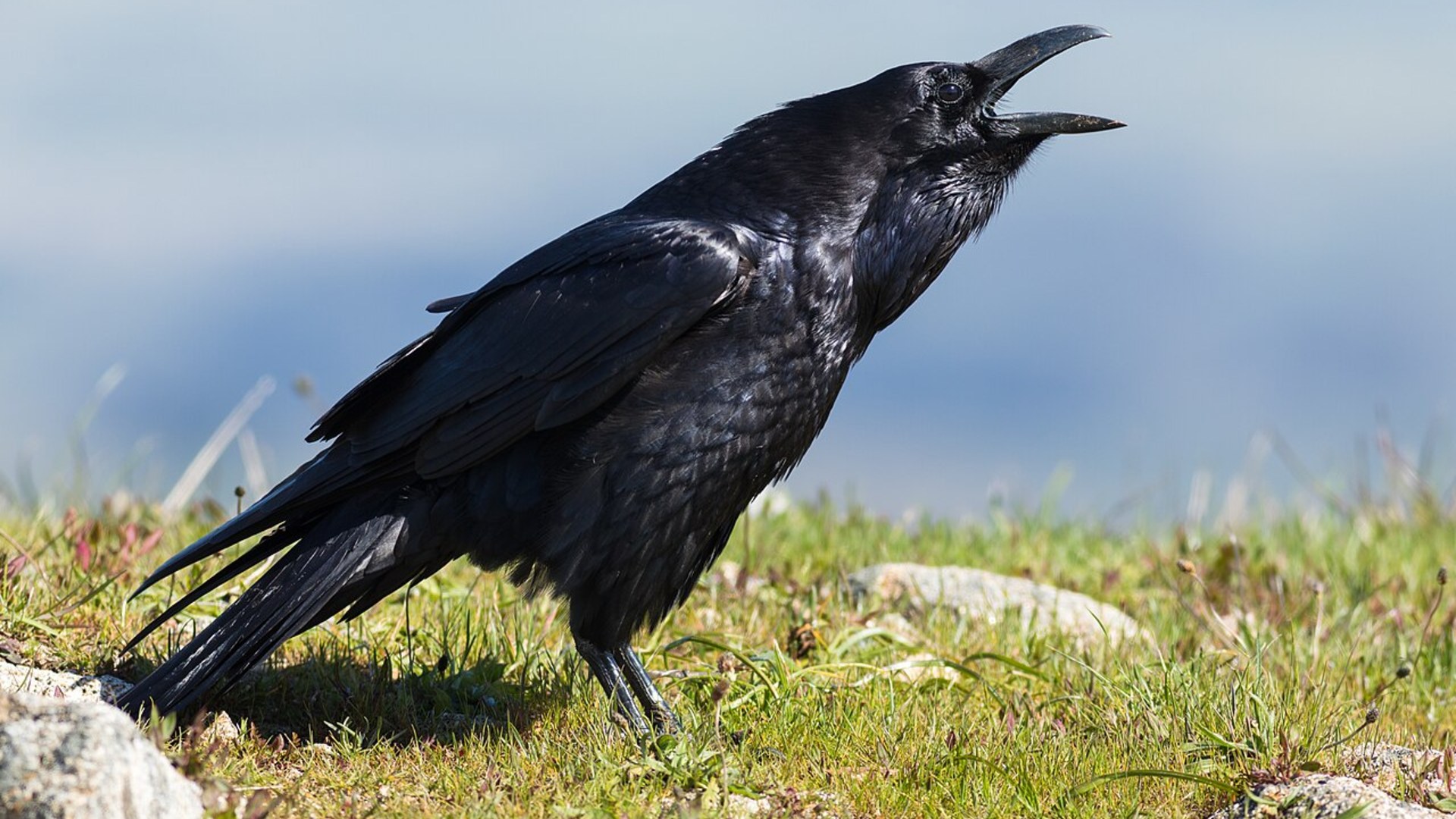
©Wikimedia / Common raven
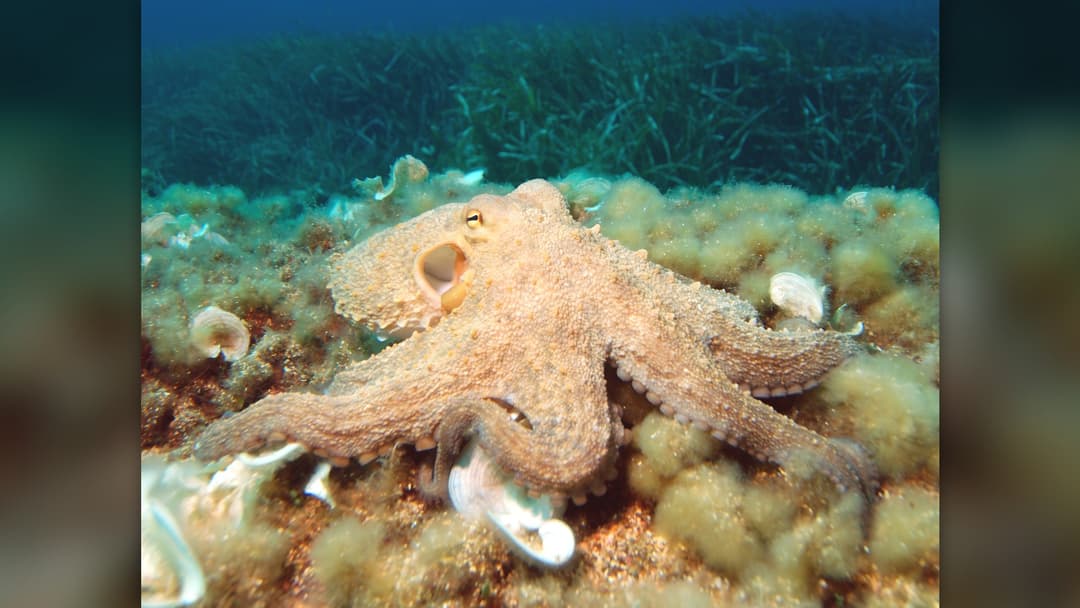
6. Common Octopus
Octopuses represent an entirely separate branch of intelligence on Earth. They carry coconut shells across the sea floor to assemble protective shields, solve intricate childproof latch boxes, and distinguish individual human caretakers in aquariums.
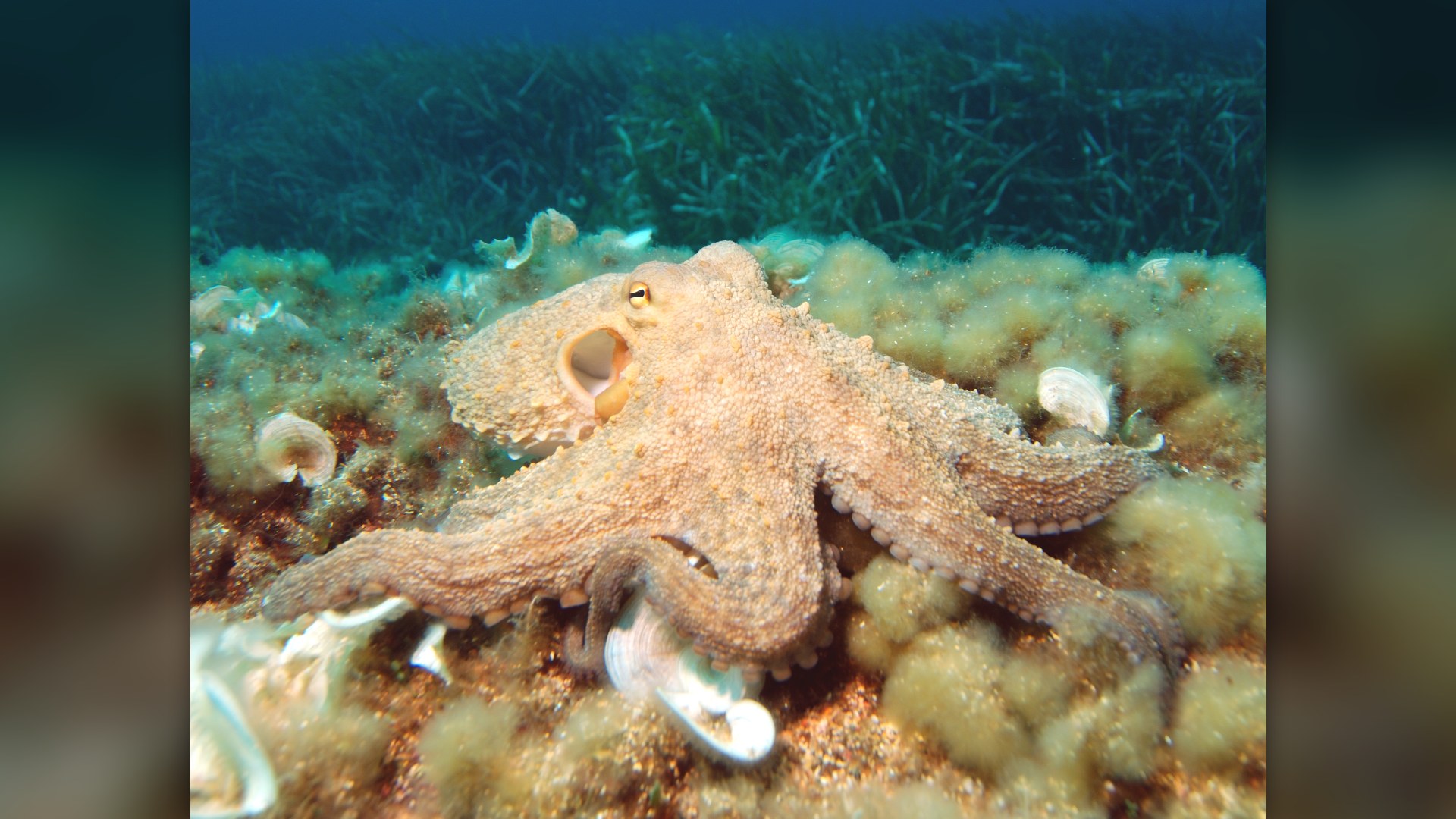
©Wikimedia / Common octopus
Advertisement
Swipe or tap ▶ to resume the countdown.
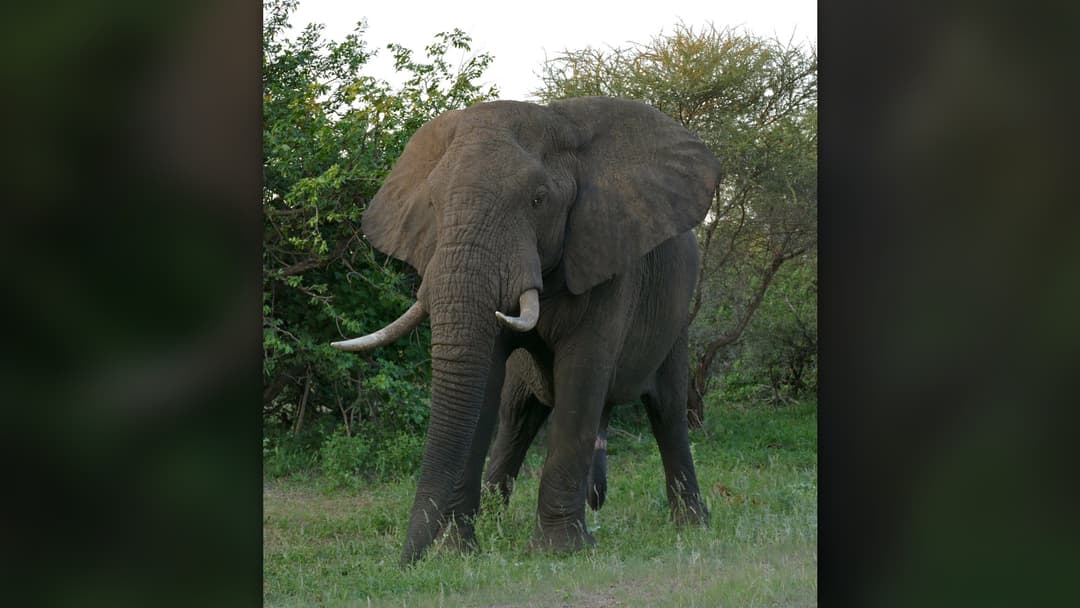
5. African Elephant
With 250 billion neurons, elephants boast unmatched emotional depth and spatial memory. They recognize their own reflections in giant mirrors, understand human pointing gestures without training, and mourn their dead by caressing the bones of deceased family members.
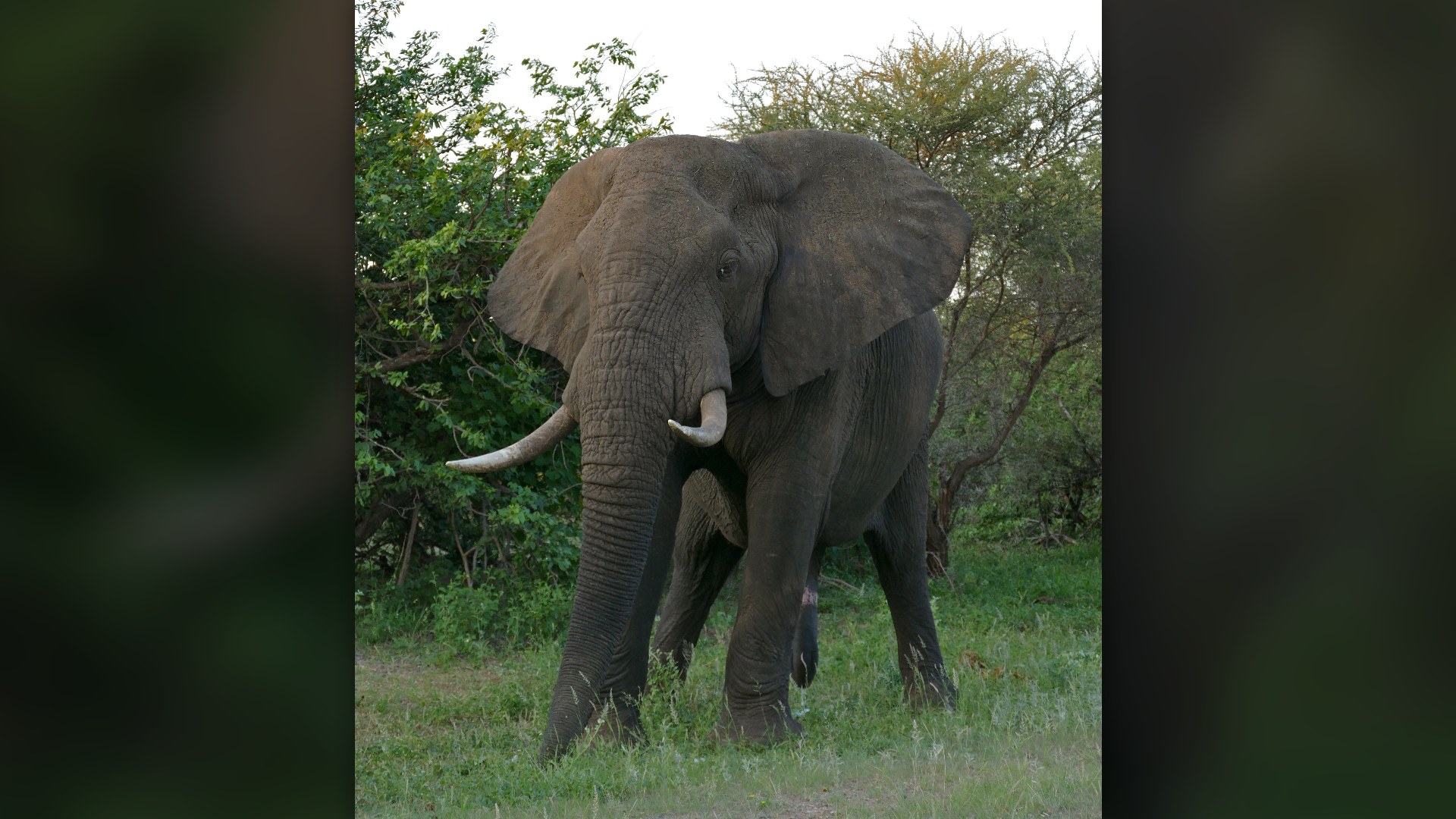
©Wikimedia / African elephant
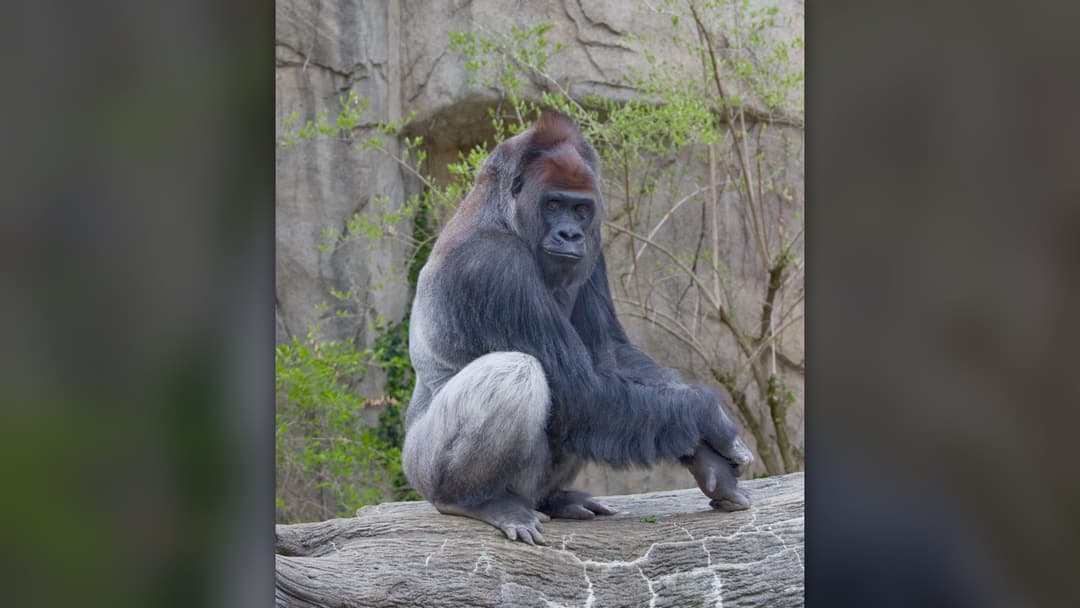
4. Gorilla
Gorillas like Koko demonstrated a working vocabulary of over 1,000 sign language gestures, expressing grief, humor, and complex thoughts. In the wild, gorillas have been documented using fallen branches as walking sticks to gauge river depths before wading across.
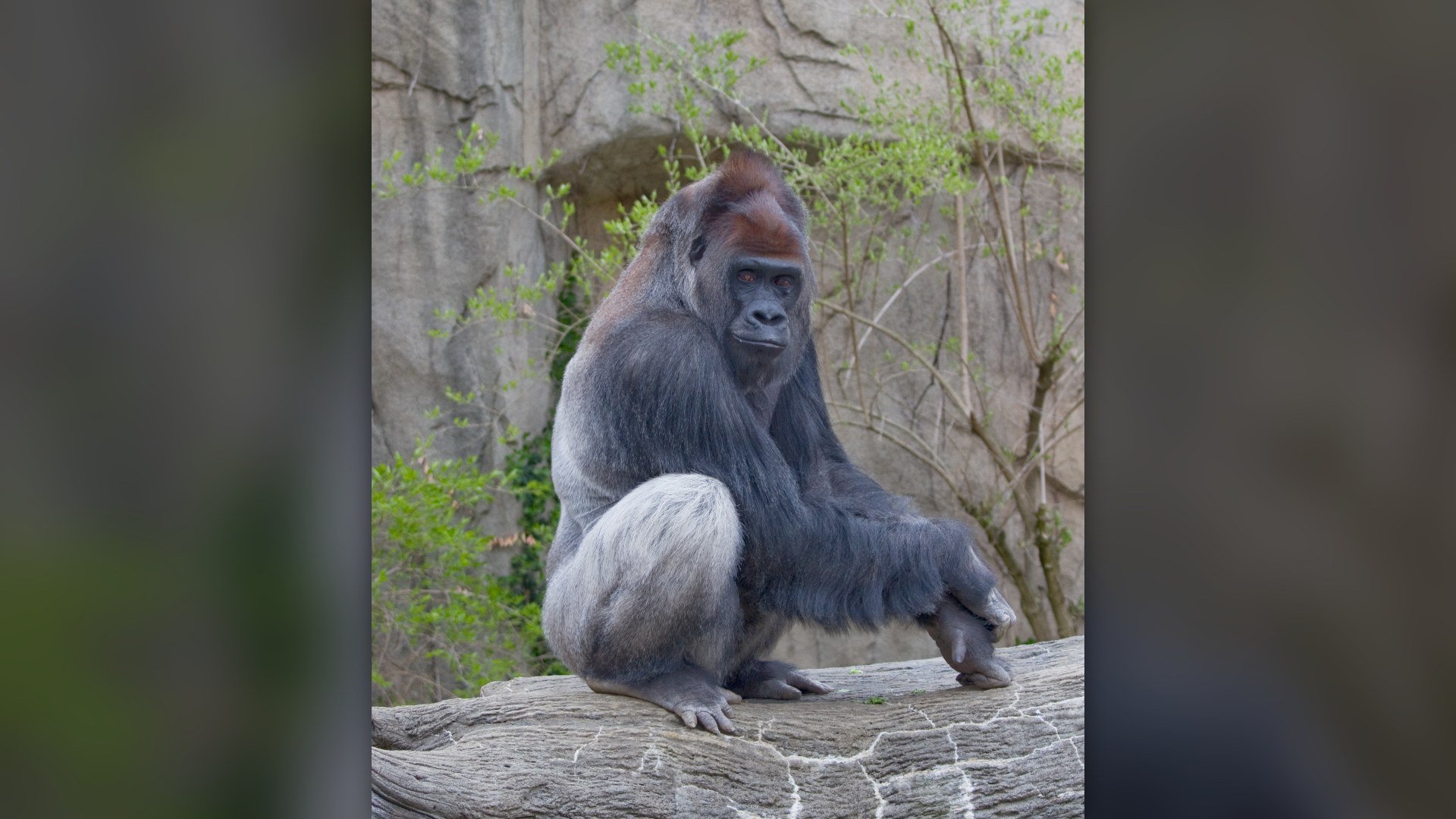
©Wikimedia / Western lowland gorilla
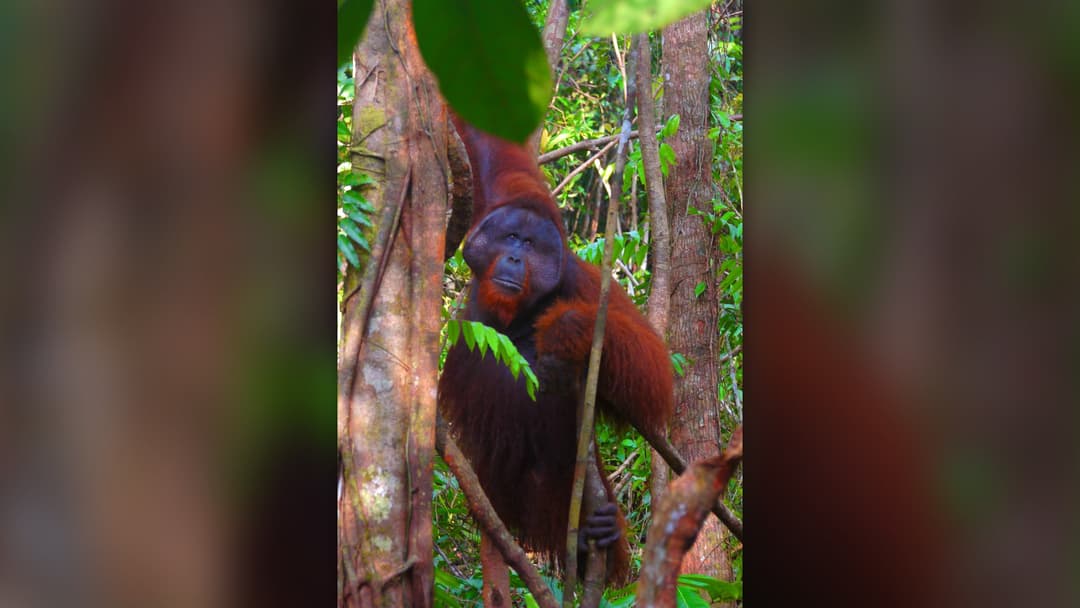
3. Orangutan
Zookeepers consider orangutans the ultimate escape artists because they hide wires inside their cheeks to pick cage padlocks. In rainforest canopies, wild orangutans construct leafy umbrellas during downpours and teach distinct tool traditions that vary by population.
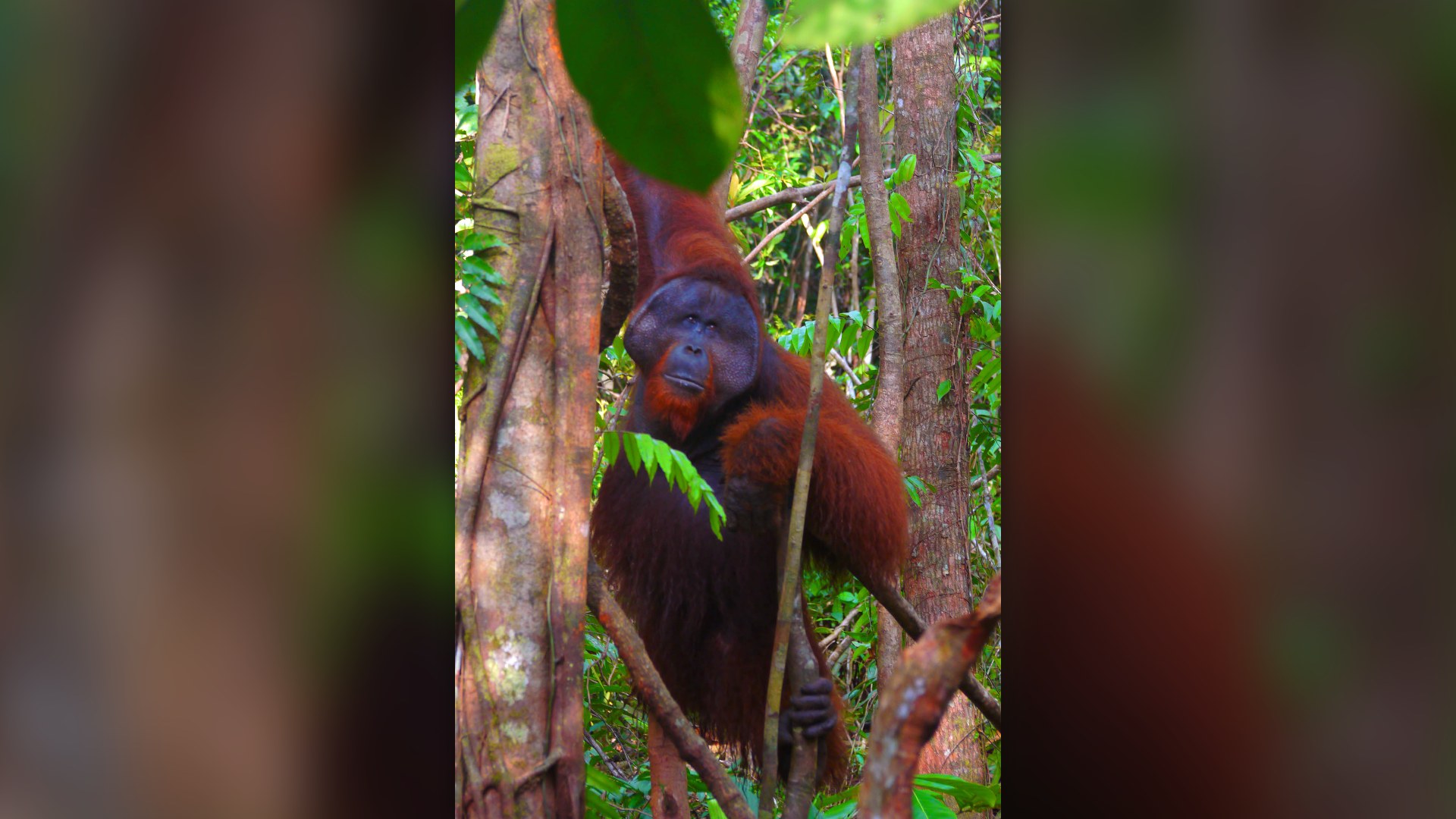
©Wikimedia / Bornean orangutan
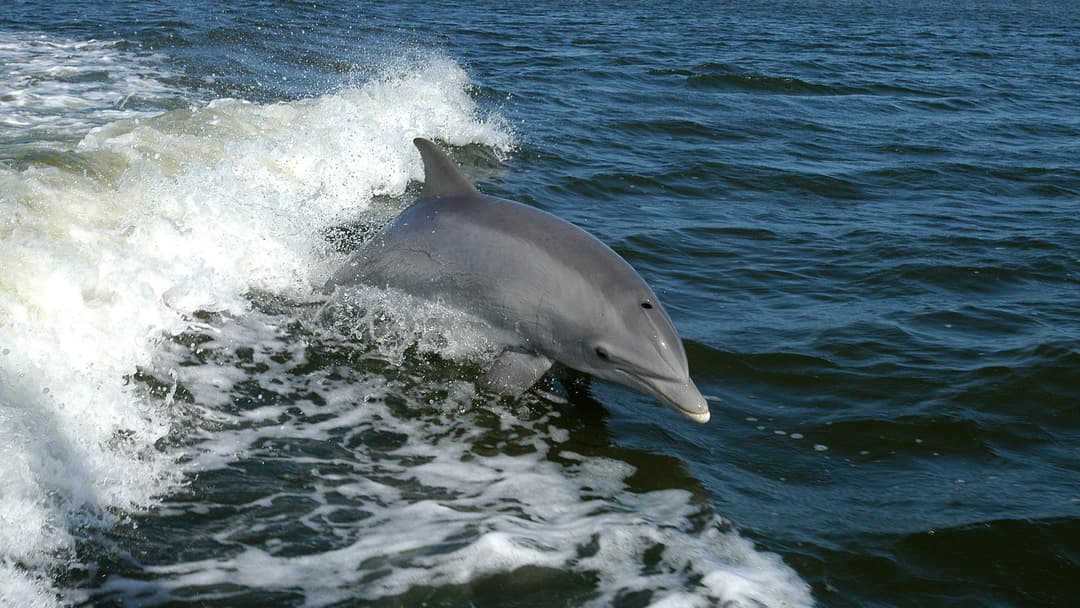
2. Bottlenose Dolphin
Dolphins possess an exceptionally high brain-to-body mass ratio with deeply folded cerebral cortices. They recognize themselves in mirrors, learn complex syntax from human hand signals, and carry marine sponges on their beaks to protect against jagged seafloor rocks while hunting.
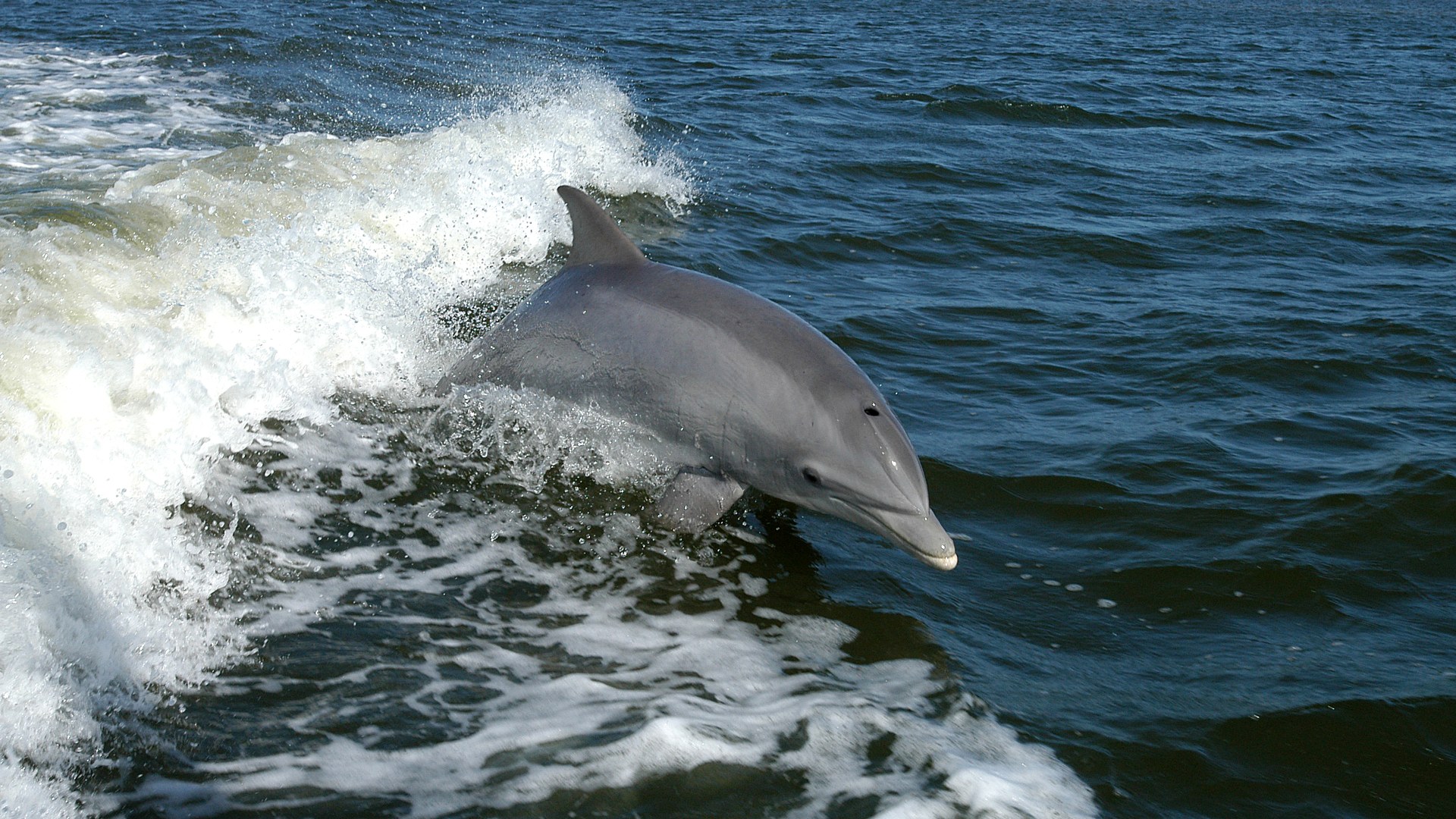
©Wikimedia / Bottlenose dolphin
Advertisement
Swipe or tap ▶ to resume the countdown.
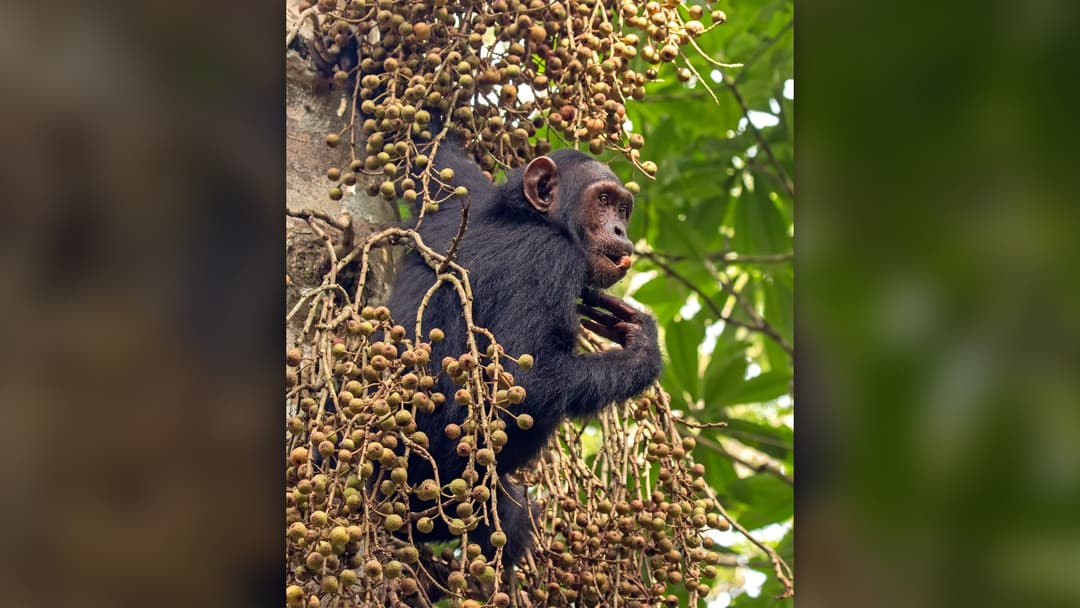
1. Chimpanzee
In famous numerical recall tests at Kyoto University, young chimpanzees like Ayumu memorized nine random numbers flashed for a fraction of a second far faster and more accurately than adult humans. In the wild, they sharpen wooden spears for hunting and teach tool skills across generations.
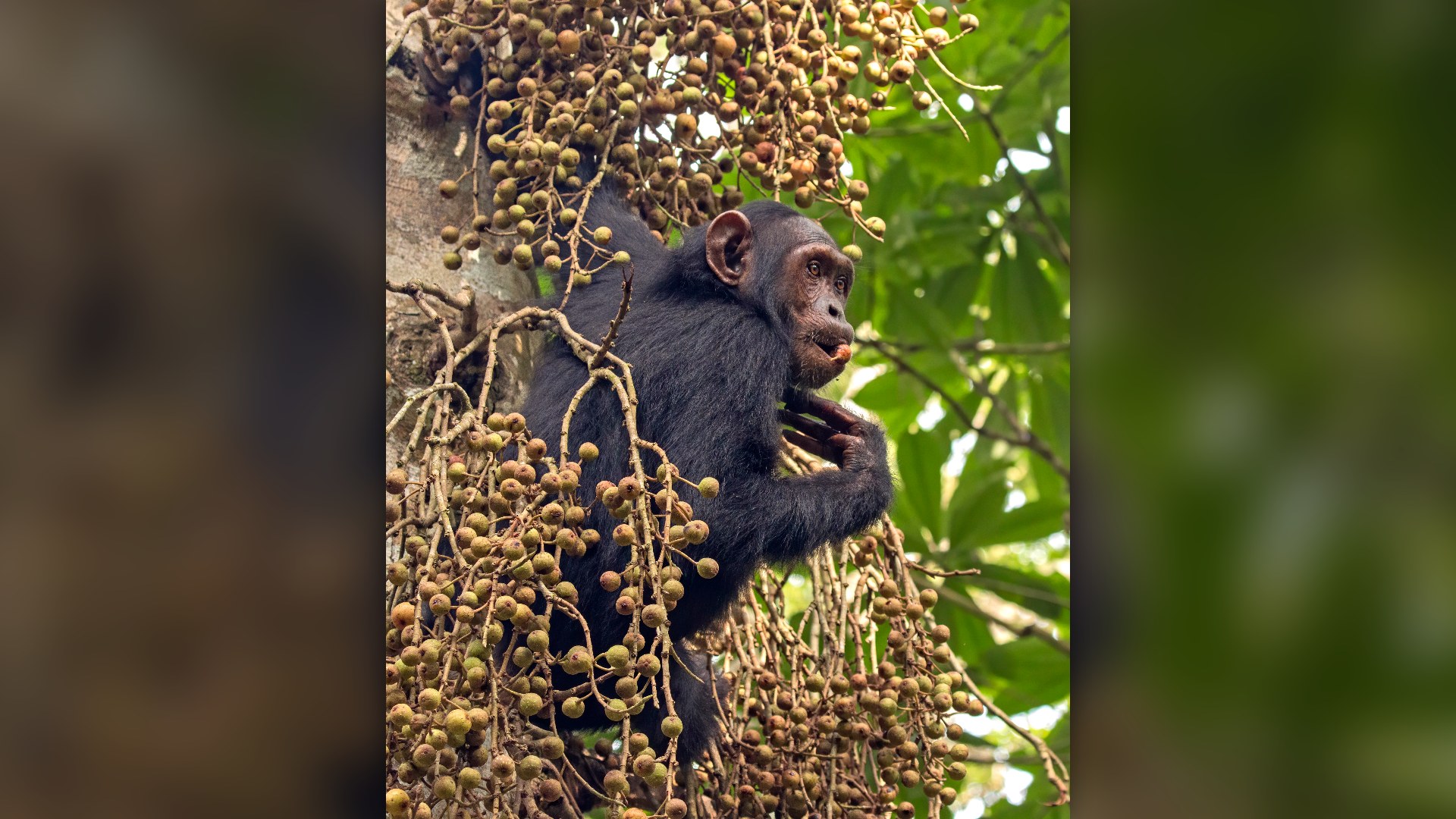
©Wikimedia / Charles J. Sharp
Advertisement
You've reached the end of the story. Thanks for reading!

24 Birds That Can Mimic Human Speech Surprisingly Well
These feathered mimics copy human words and phrases with eerie clarity.
All 20 Entries in this Story
20. Sea Otter
Sea otters are among the very few non-primate mammals that use tools daily. Floating on their backs, they balance flat stones on their chests as anvils to smash open hard-shelled clams and abalone. Mothers actively instruct their pups on stone selection and cracking techniques.

19. Horse
Cognitive research shows horses can learn abstract symbols on boards to ask handlers whether they want a blanket on or off based on ambient weather. They possess acute long-term memory for human faces and recall problem-solving strategies years after learning them.

18. Pigeon
Often dismissed as simple urban birds, pigeons display astonishing visual classification brains. In lab experiments, pigeons learned to tell Monet paintings from Picasso pieces, grasped basic numerical rules, and distinguished real English words from random letter strings.

17. Eurasian Magpie
When researchers placed colored stickers on magpie throats where they could only be seen in a mirror, the birds repeatedly scratched at their own bodies rather than the reflection. This milestone proved magpies possess self-awareness, a cognitive feat domestic dogs fail.

16. Squirrel
Grey squirrels organize food caches through spatial chunking, categorizing nuts by size and nutritional value. If they suspect another squirrel is watching, they will dig fake holes, pretend to bury an acorn, and cover it with dirt to deceive onlookers while hiding the real prize elsewhere.

15. Rat
Rats possess metacognition, the ability to assess their own knowledge and opt out of difficult memory tests when uncertain. They also show genuine empathy, consistently working to free trapped cage-mates even when delicious chocolate treats are offered as a tempting distraction.

14. Portia Spider
Despite having a brain the size of a poppy seed, the Portia jumping spider displays calculated problem solving. It maps out three-dimensional detour routes around obstacles, losing sight of prey temporarily while navigating overhead branches to launch a surprise attack.

13. Raccoon
Ethologist H.B. Davis tested raccoons in the early 1900s, discovering they could open complex multi-lock puzzle boxes requiring bolts, levers, and hooks in sequence. When re-tested three years later without practice, the raccoons cracked the locks immediately.

12. California Sea Lion
At the Long Marine Laboratory, a famous sea lion named Rio demonstrated the ability to understand transitive inference. If Rio learned that symbol A equaled B, and B equaled C, she deduced on her own that A equaled C without direct training, an abstract reasoning skill dogs do not possess.

11. Kea Parrot
Native to the Southern Alps of New Zealand, the kea is famous for dissecting car antennas and windshield wipers out of pure curiosity. In lab tests, keas calculated probability based on colored token ratios and collaborated in pairs to pull weighted ropes in perfect unison.

10. Pig
Studies show pigs comprehend mirror perspectives within hours, using reflections to locate food bowls hidden behind barriers. In landmark experiments, pigs learned to steer computer joysticks with their snouts to hit moving targets on screen, outperforming dogs on abstract screen tests.

9. African Grey Parrot
Dr. Irene Pepperberg's research with Alex the African grey parrot revolutionized animal psychology. Alex learned over 100 spoken English words, identified shapes, counted up to six objects, understood the abstract concept of none or zero, and answered questions about what mattered.

8. New Caledonian Crow
These Pacific island crows manufacture specialized hooks from pandanus leaves and bend pliable wires to retrieve hidden food morsels. In lab tests, they effortlessly solved eight-stage puzzle boxes that required using short sticks to unlock longer sticks to reach food.

7. Common Raven
Ravens possess forward planning capabilities once thought unique to humans and great apes. In experiments, ravens selected specific barter tokens and saved them for hours to trade for high-value food, completely refusing to do business with experimenters who had cheated them previously.

6. Common Octopus
Octopuses represent an entirely separate branch of intelligence on Earth. They carry coconut shells across the sea floor to assemble protective shields, solve intricate childproof latch boxes, and distinguish individual human caretakers in aquariums.

5. African Elephant
With 250 billion neurons, elephants boast unmatched emotional depth and spatial memory. They recognize their own reflections in giant mirrors, understand human pointing gestures without training, and mourn their dead by caressing the bones of deceased family members.

4. Gorilla
Gorillas like Koko demonstrated a working vocabulary of over 1,000 sign language gestures, expressing grief, humor, and complex thoughts. In the wild, gorillas have been documented using fallen branches as walking sticks to gauge river depths before wading across.

3. Orangutan
Zookeepers consider orangutans the ultimate escape artists because they hide wires inside their cheeks to pick cage padlocks. In rainforest canopies, wild orangutans construct leafy umbrellas during downpours and teach distinct tool traditions that vary by population.

2. Bottlenose Dolphin
Dolphins possess an exceptionally high brain-to-body mass ratio with deeply folded cerebral cortices. They recognize themselves in mirrors, learn complex syntax from human hand signals, and carry marine sponges on their beaks to protect against jagged seafloor rocks while hunting.

1. Chimpanzee
In famous numerical recall tests at Kyoto University, young chimpanzees like Ayumu memorized nine random numbers flashed for a fraction of a second far faster and more accurately than adult humans. In the wild, they sharpen wooden spears for hunting and teach tool skills across generations.