Slideshow · Sports
The 20 Biggest Soccer Stadiums in Europe, Ranked
Across Europe, soccer stadiums stand as modern cathedrals where more than 60,000 supporters gather every weekend. Ranked strictly by official seating capacity, here are the 20 biggest soccer stadiums
By Most Viral Today
28 Oct 2026

From Anfield and San Siro to Camp Nou, Europe's 20 Largest Soccer Arenas 
20. Veltins-Arena, Gelsenkirchen 
19. Tottenham Hotspur Stadium, London 
18. Estadio Da Luz, Lisbon - AdvertisementSwipe or tap ▶ to continue countdown

17. Puskas Arena, Budapest 
16. Stade Velodrome, Marseille 
15. Olympic Stadium, Athens 
14. NSC Olimpiyskiy, Kyiv - AdvertisementSwipe or tap ▶ to continue countdown

13. Estadio Metropolitano, Madrid 
12. Stadio Olimpico, Rome 
11. Old Trafford, Manchester 
10. Olympiastadion, Berlin - AdvertisementSwipe or tap ▶ to continue countdown

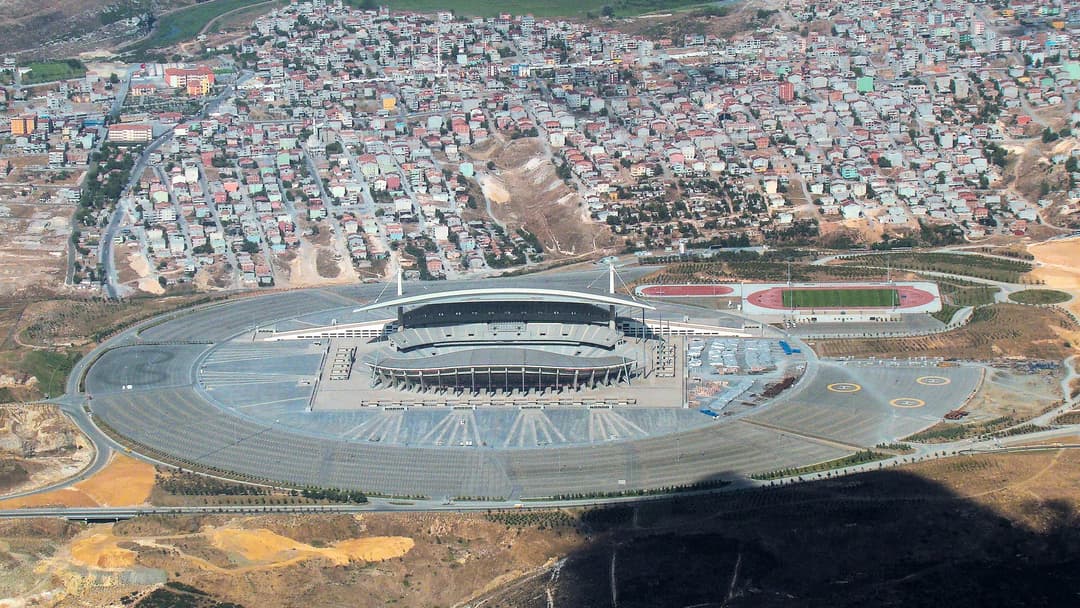
9. Ataturk Olympic Stadium, Istanbul 
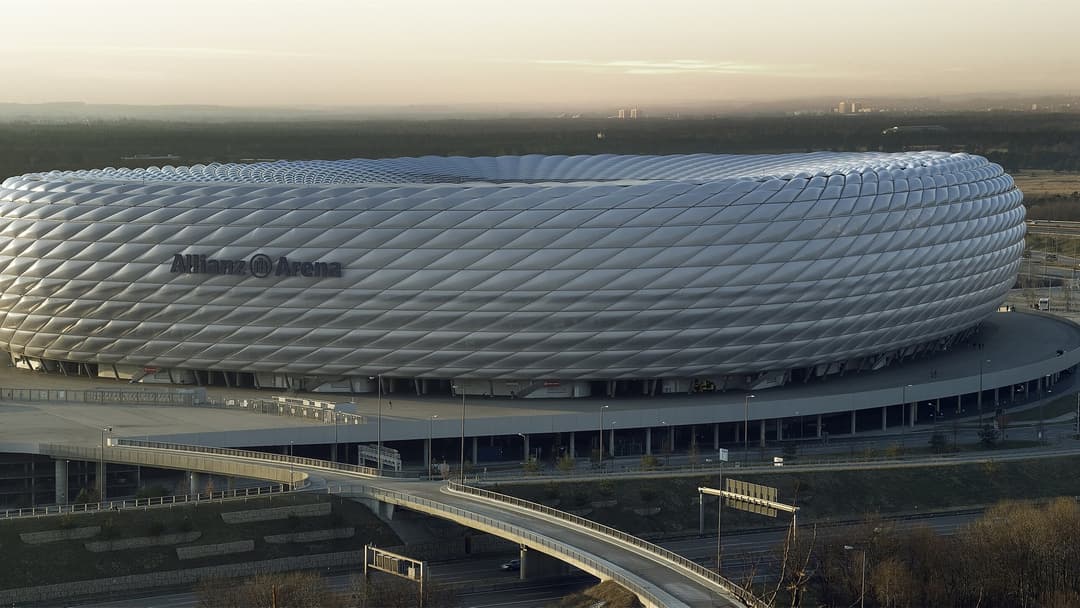
8. Allianz Arena, Munich 
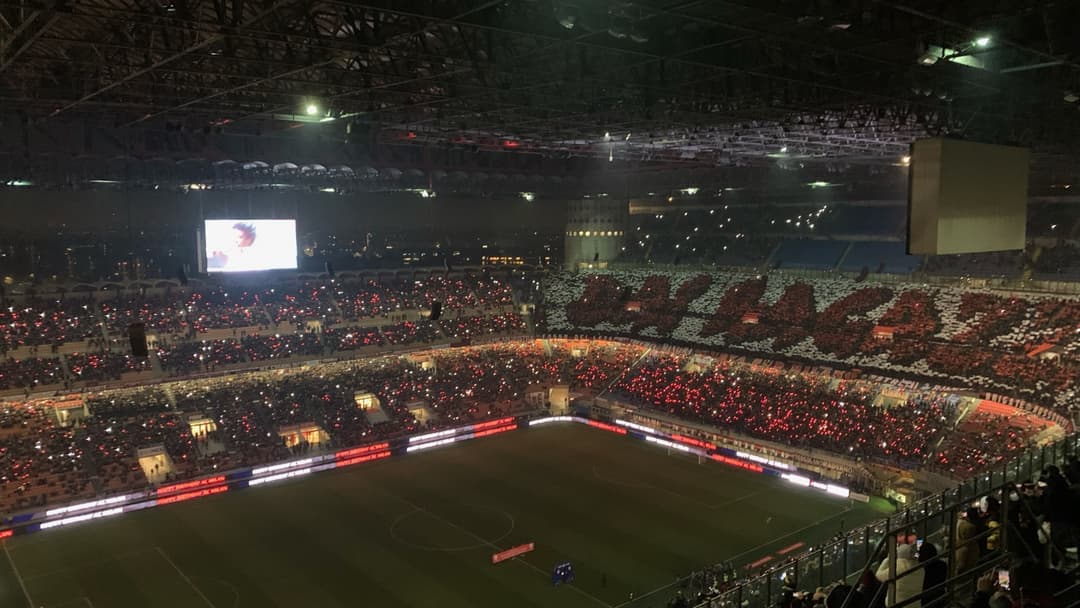
7. San Siro, Milan 
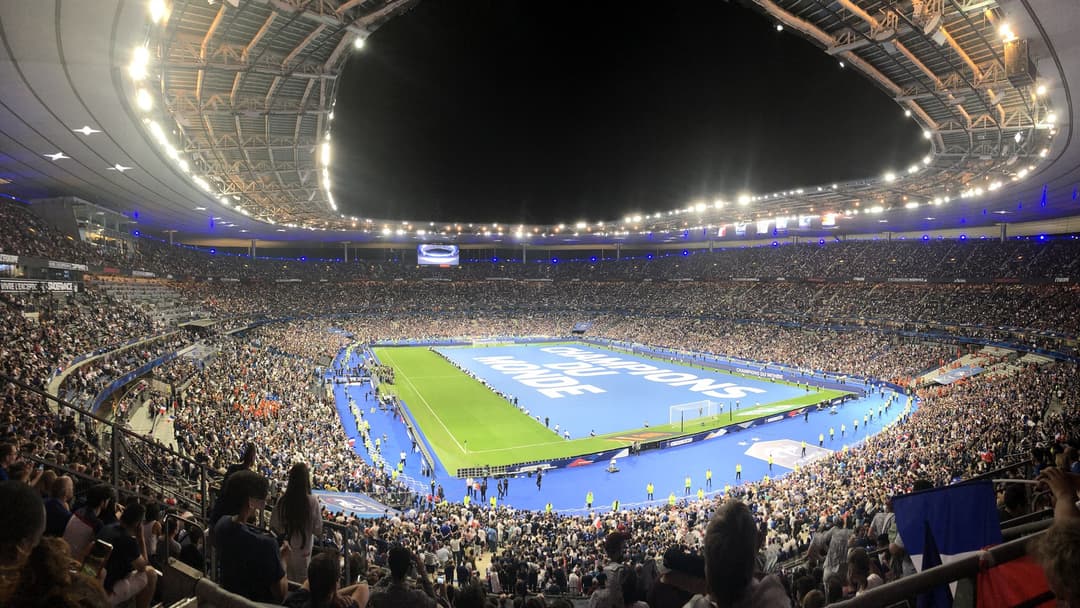
6. Stade De France, Saint-Denis - AdvertisementSwipe or tap ▶ to continue countdown

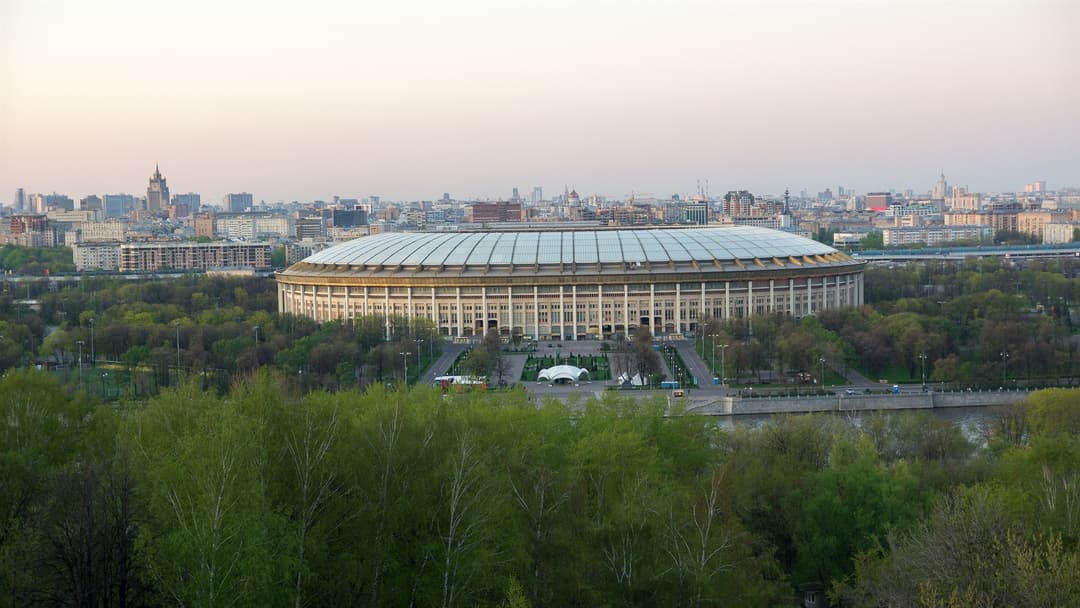
5. Luzhniki Stadium, Moscow 
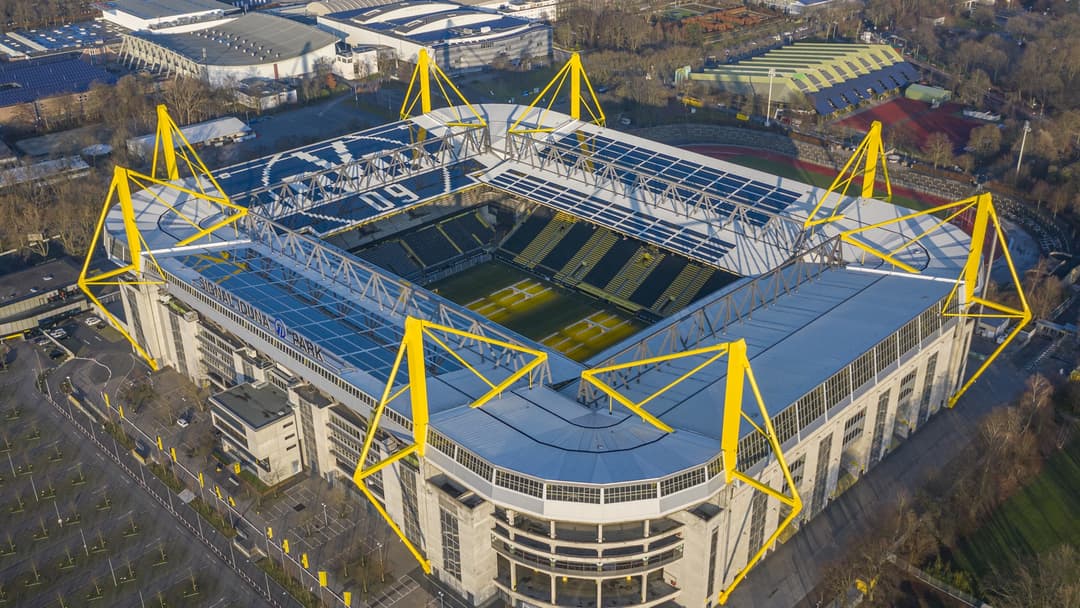
4. Signal Iduna Park, Dortmund 
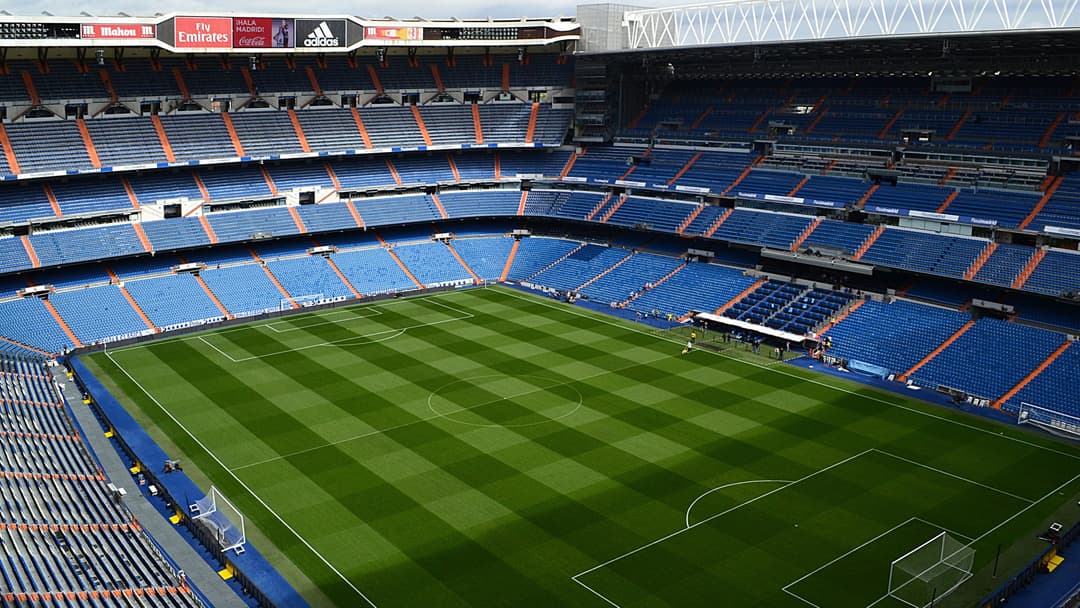
3. Santiago Bernabeu, Madrid 
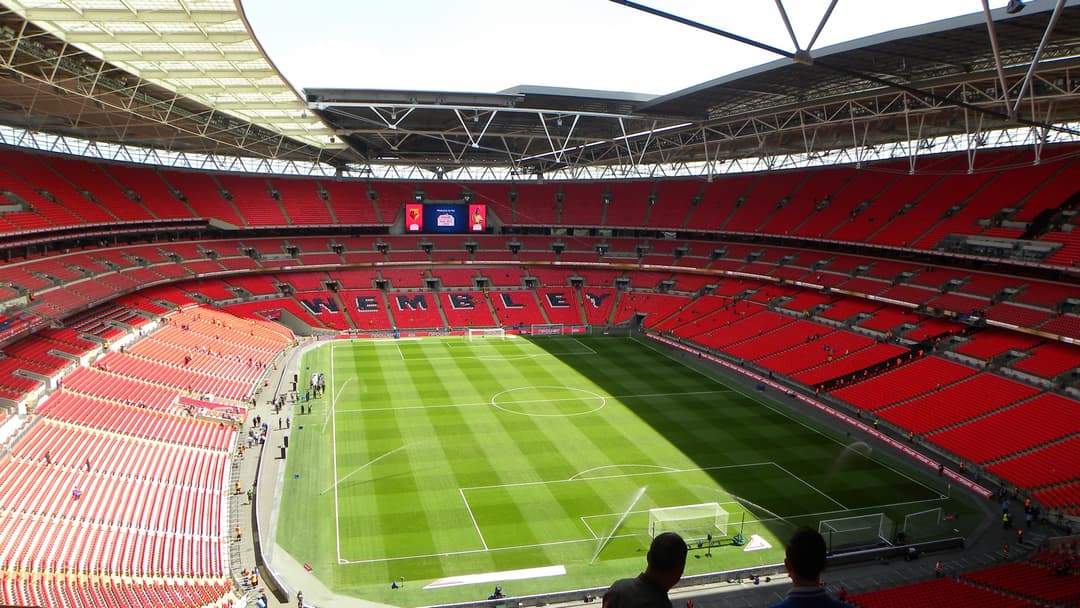
2. Wembley Stadium, London - AdvertisementSwipe or tap ▶ to continue countdown

1. Camp Nou, Barcelona - Advertisement🔥 UP NEXT IN THIS SERIES◫ 26 Slides

25 Athletes Who Won Championships After Severe Injuries
Champions Who Overcame Brutal Injuries to Win It All
European soccer is defined by its monumental arenas, from steep single-tier stands in Germany to historic multi-tiered bowls in Spain, Italy, and England. Ranked strictly by official seating capacity, this countdown explores the 20 biggest soccer stadiums in Europe and the clubs that call them home.
Swipe or tap ▶ to begin the countdown
©Wikimedia / Arne Müseler
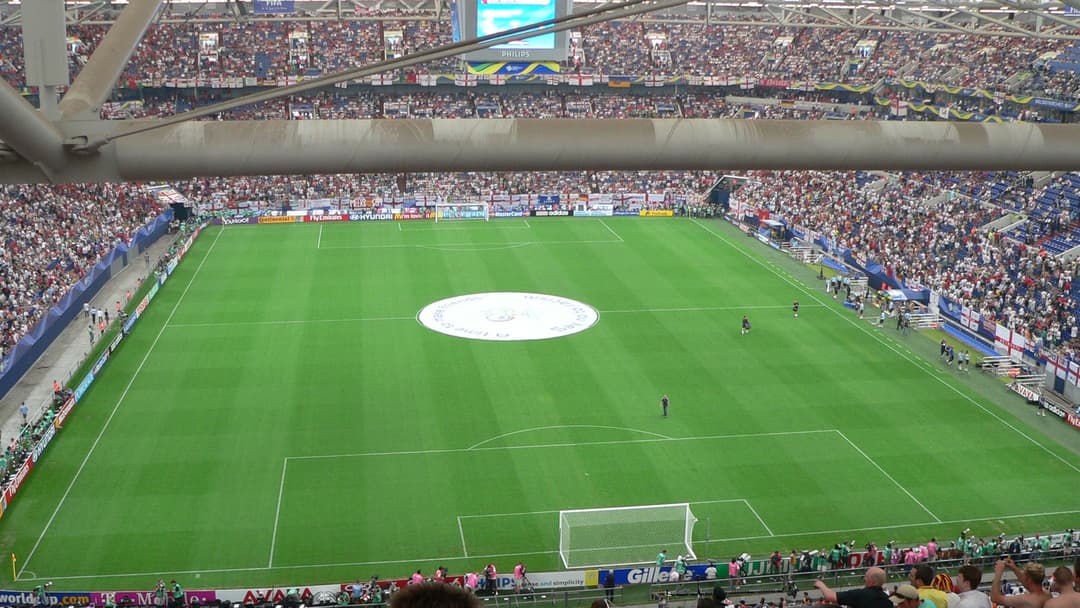
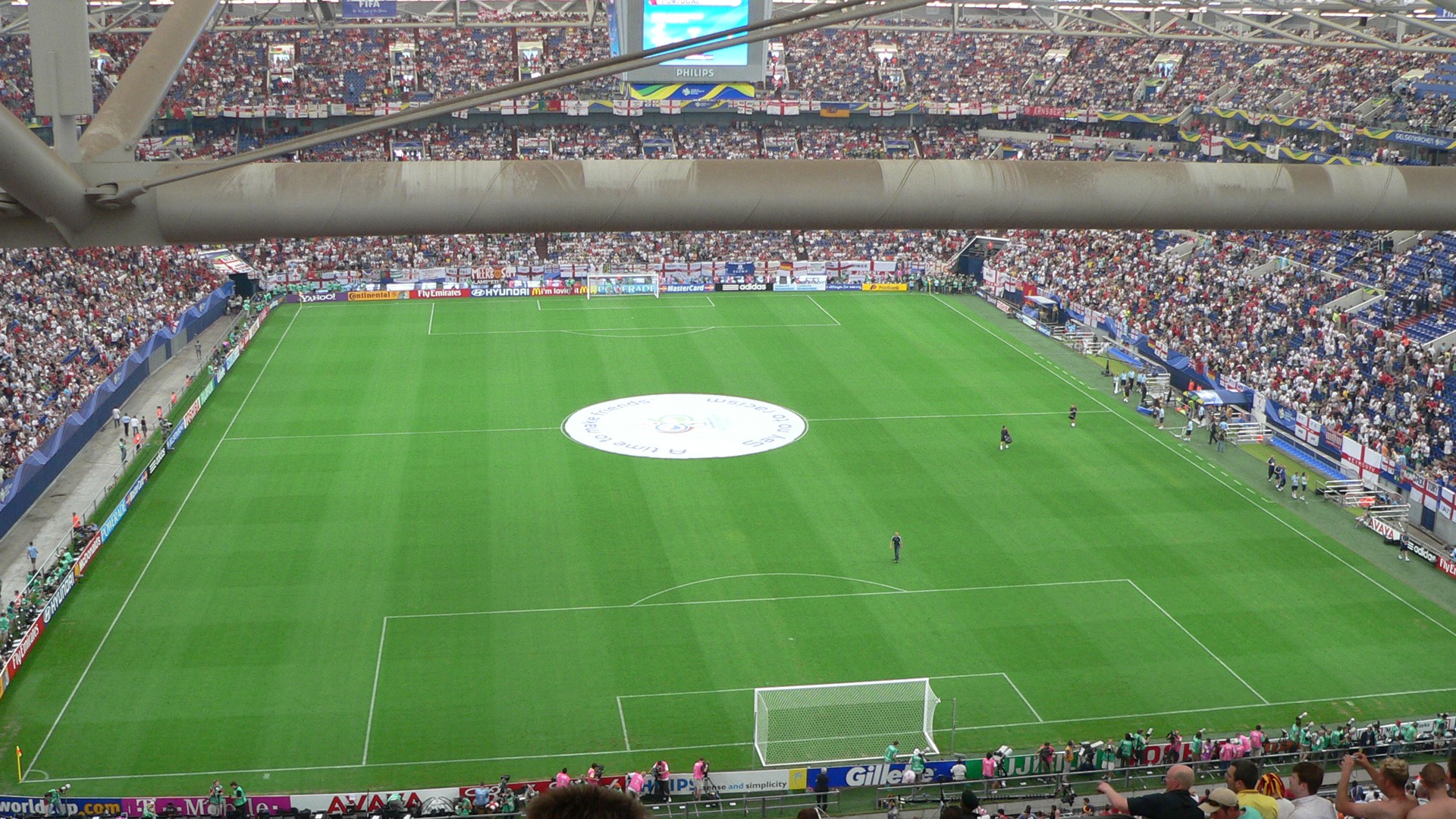
20. Veltins-Arena, Gelsenkirchen
Opened in 2001 as the home of FC Schalke 04, the Veltins-Arena seats 62,271 spectators for Bundesliga matches. Designed with both a retractable roof and a 11,000-ton slide-out turf tray that moves outdoors for sunlight, it hosted the 2004 UEFA Champions League Final between Porto and Monaco.
©Wikimedia / Rjh1962
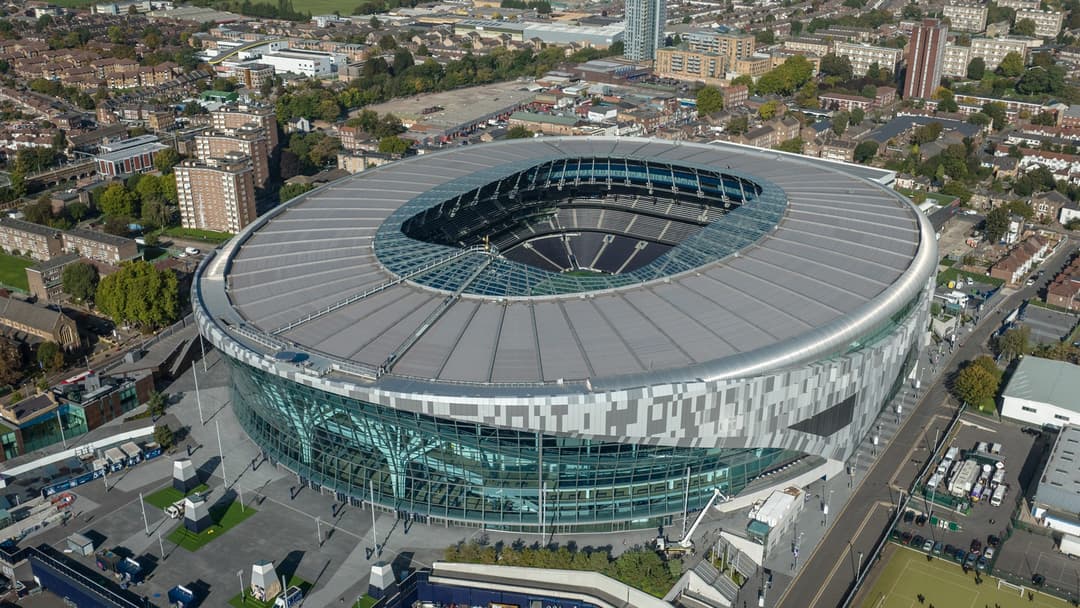
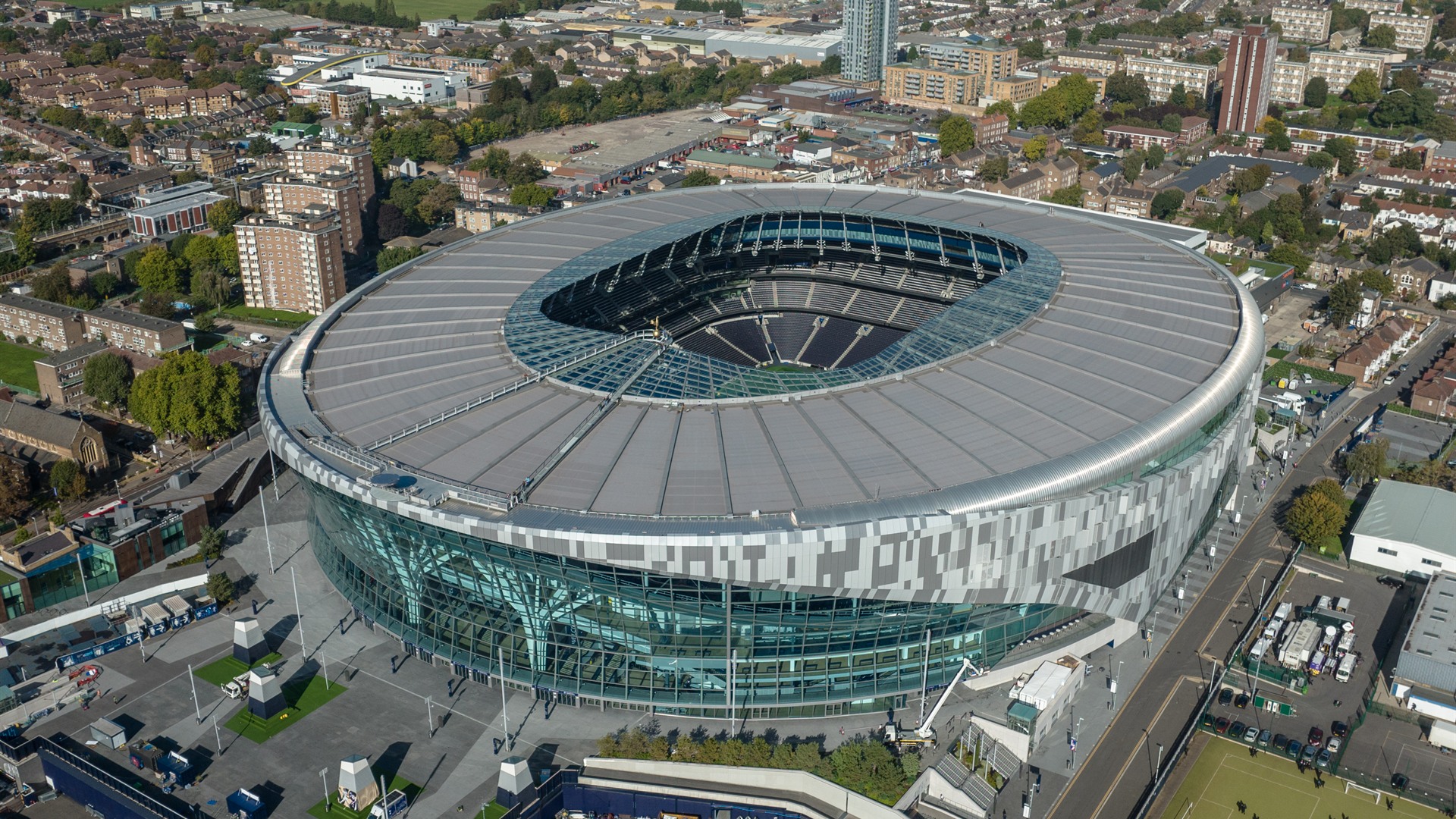
19. Tottenham Hotspur Stadium, London
Completed in April 2019 on the exact site of White Hart Lane, Tottenham Hotspur Stadium holds 62,850 fans and is the largest club-owned ground in London. Its steep 17,500-seat South Stand was engineered for acoustic projection, while its three-part grass pitch retracts over a synthetic NFL field.
©Wikimedia / Arne Müseler
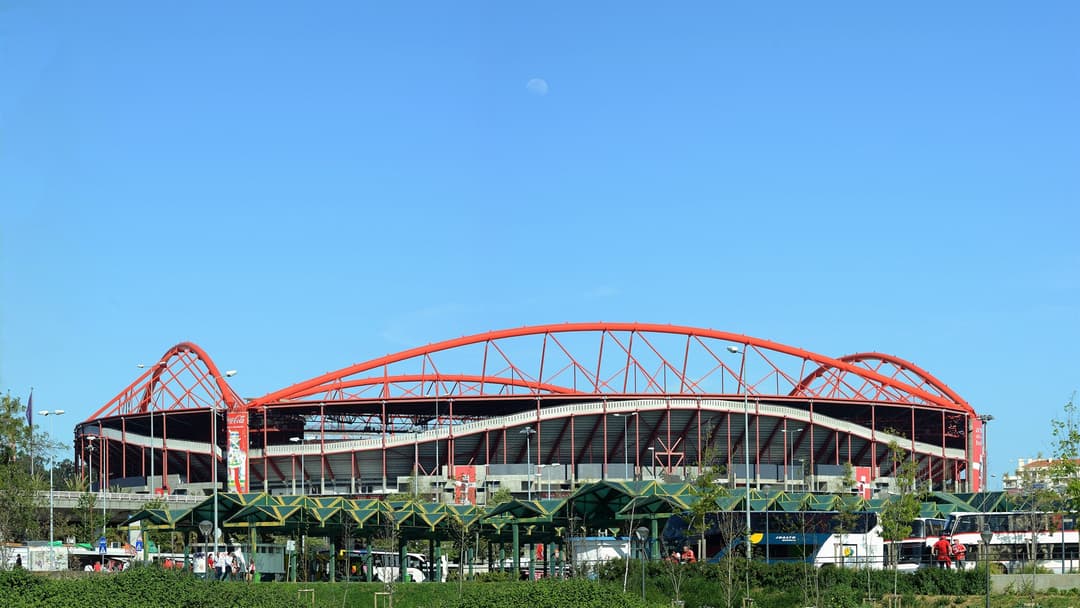
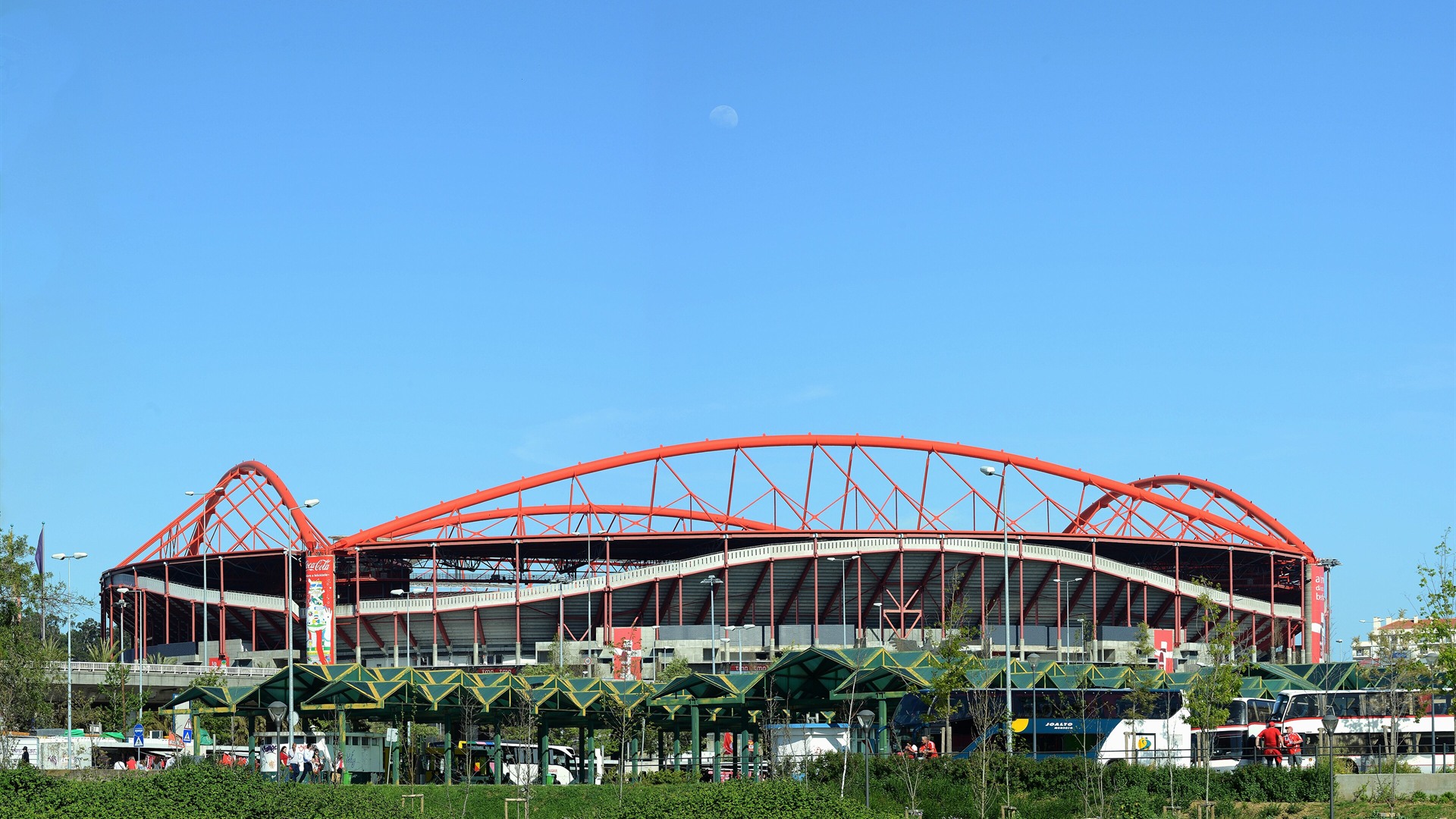
18. Estadio Da Luz, Lisbon
Nicknamed A Catedral by SL Benfica supporters, Lisbon's Estadio da Luz was rebuilt by Populous ahead of UEFA Euro 2004 and seats 64,642 fans. Four monumental red steel arches rise 43 meters above the bowl, which has hosted the Euro 2004 Final as well as the 2014 and 2020 Champions League Finals.
©Wikimedia / Alvesgaspar
Advertisement
Swipe or tap ▶ to resume the countdown.
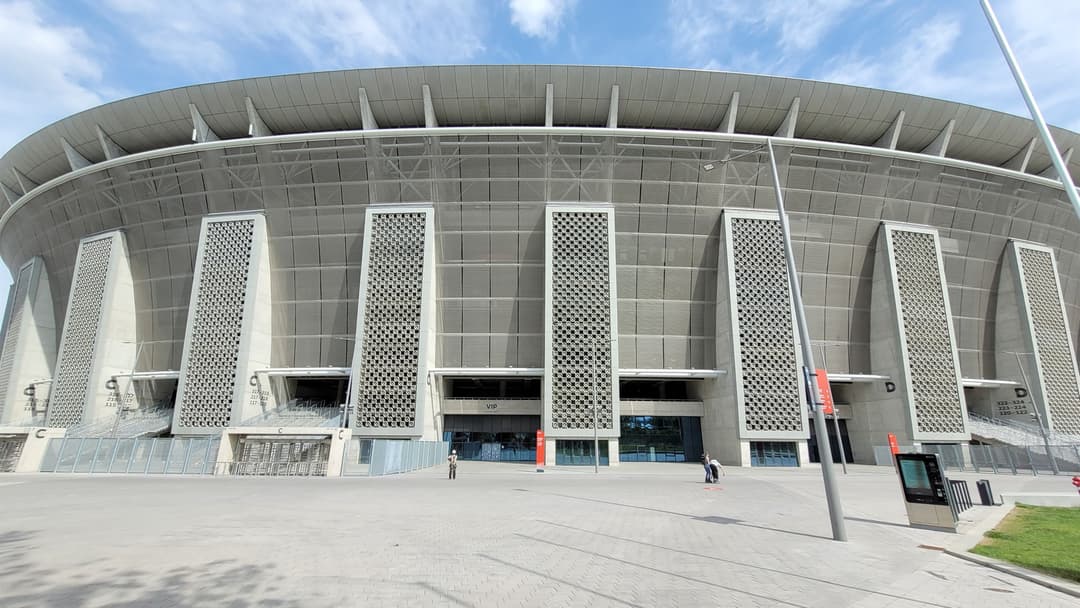
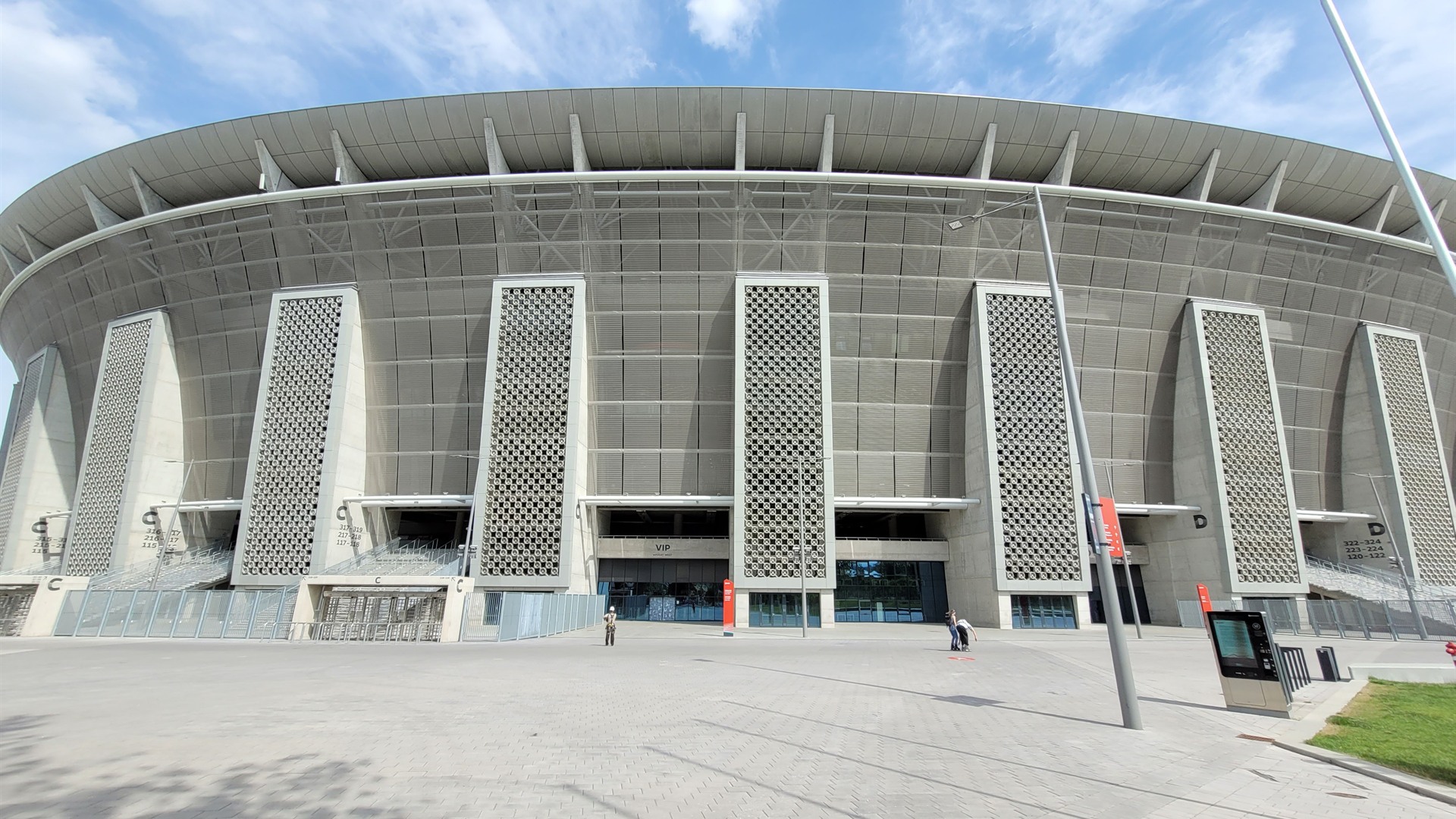
17. Puskas Arena, Budapest
Named after Hungarian soccer legend Ferenc Puskas, Budapest's 67,215-seat national stadium opened in November 2019 on the footprint of the 1953 Nepstadion. Architect Gyorgy Skardelli preserved the original concrete latticework pylons along the exterior facade, blending mid-century heritage with a three-tier bowl.
©Wikimedia / Laslovarga
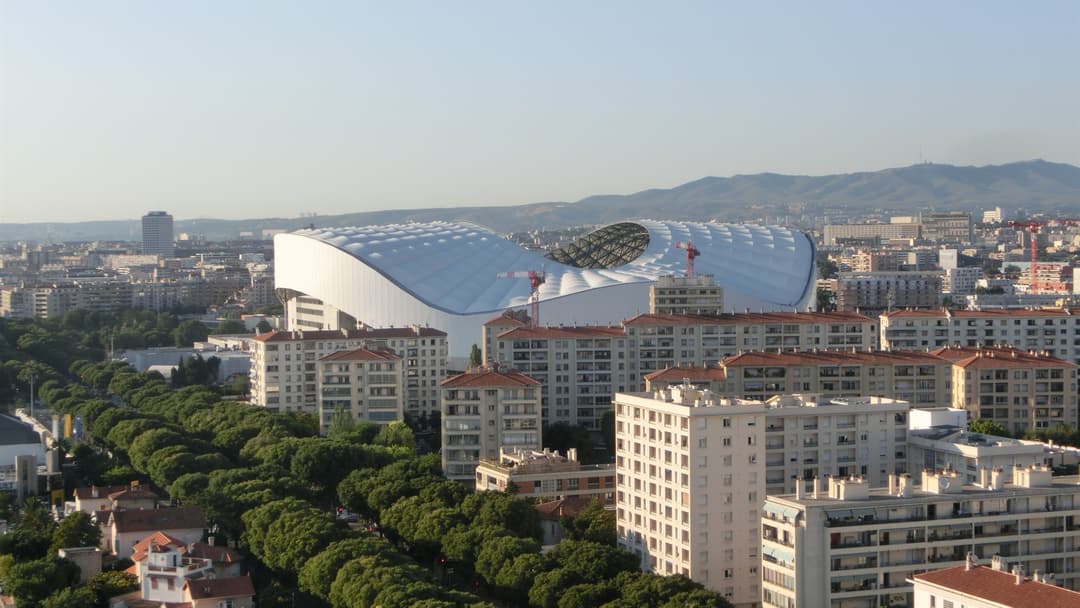
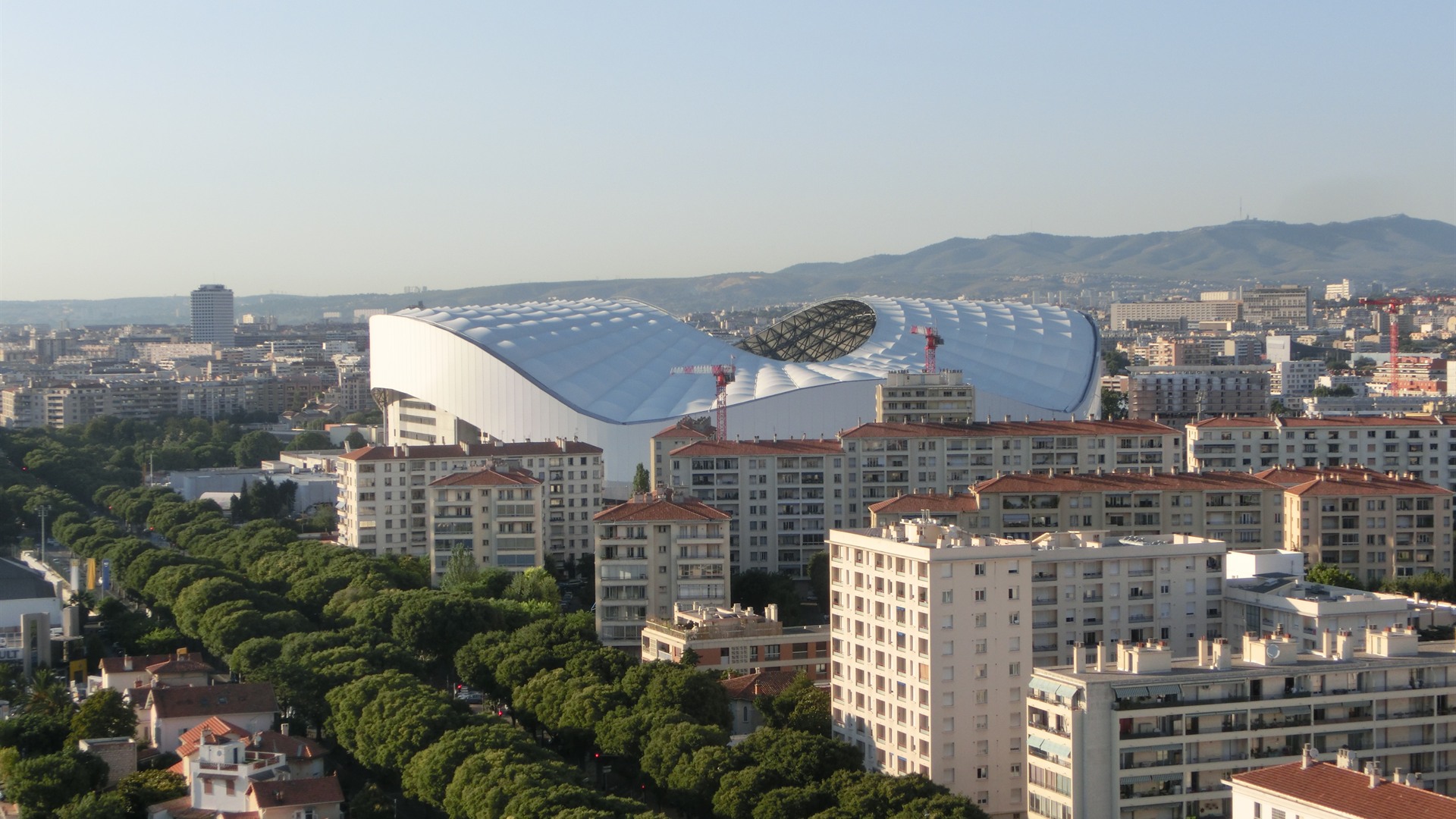
16. Stade Velodrome, Marseille
Opened in 1937 and transformed ahead of Euro 2016, Marseille's Stade Velodrome seats 67,394 spectators and is the largest club stadium in France. The addition of a 65-meter-tall wave-shaped white fiberglass membrane roof trapped crowd noise inside the Virage Nord and Virage Sud, creating deafening acoustics.
©Wikimedia / Taiyo Europe
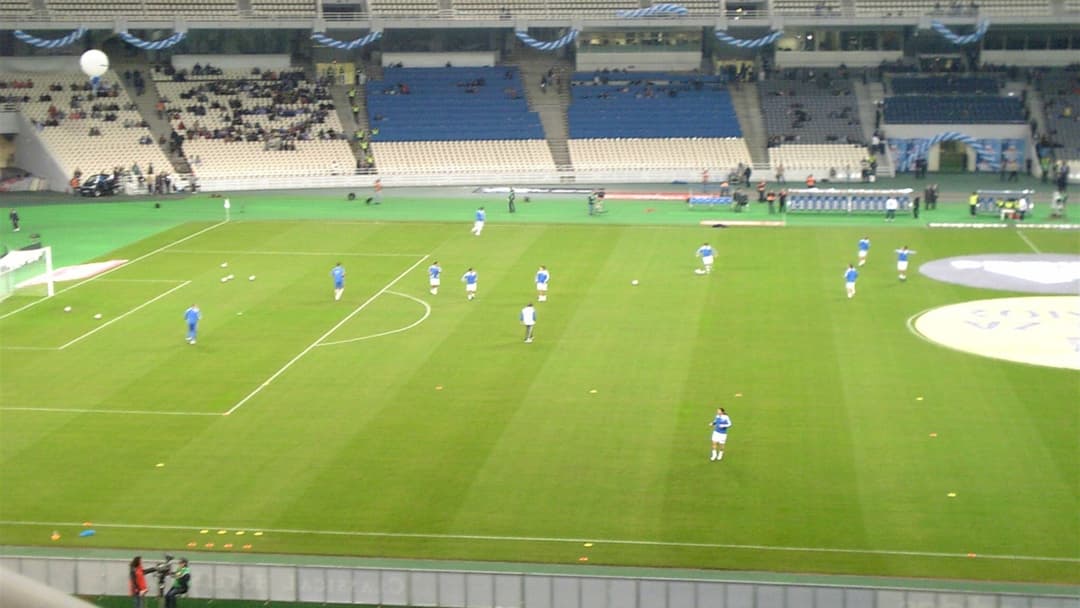
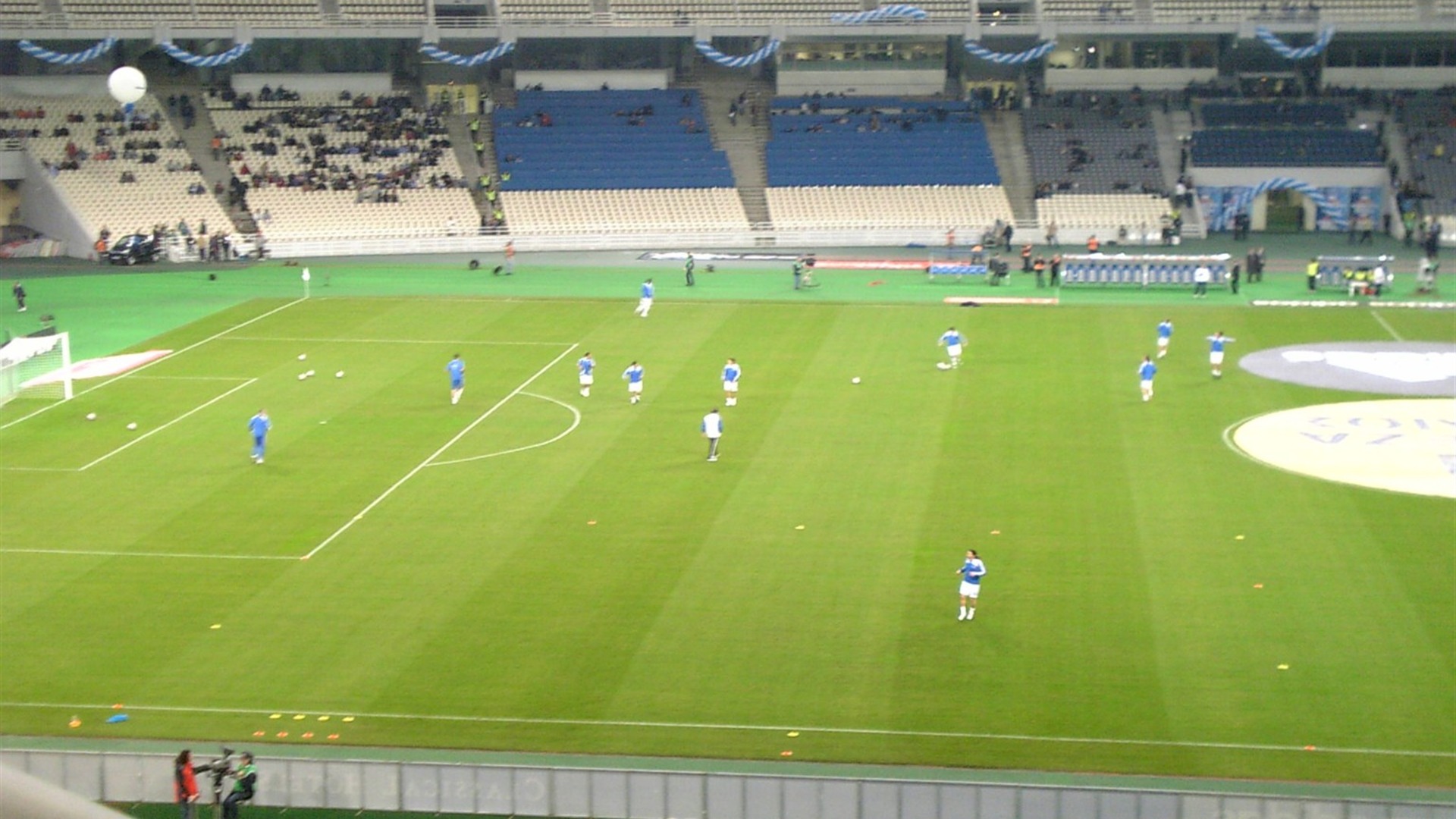
15. Olympic Stadium, Athens
Known locally as OAKA Spyros Louis after the 1896 Olympic marathon champion, the Athens Olympic Stadium holds 69,618 spectators. Renovated by Spanish architect Santiago Calatrava for the 2004 Summer Olympics, the venue has staged three European Cup and Champions League Finals in 1983, 1994, and 2007.
©Wikimedia / Georgios Pazios
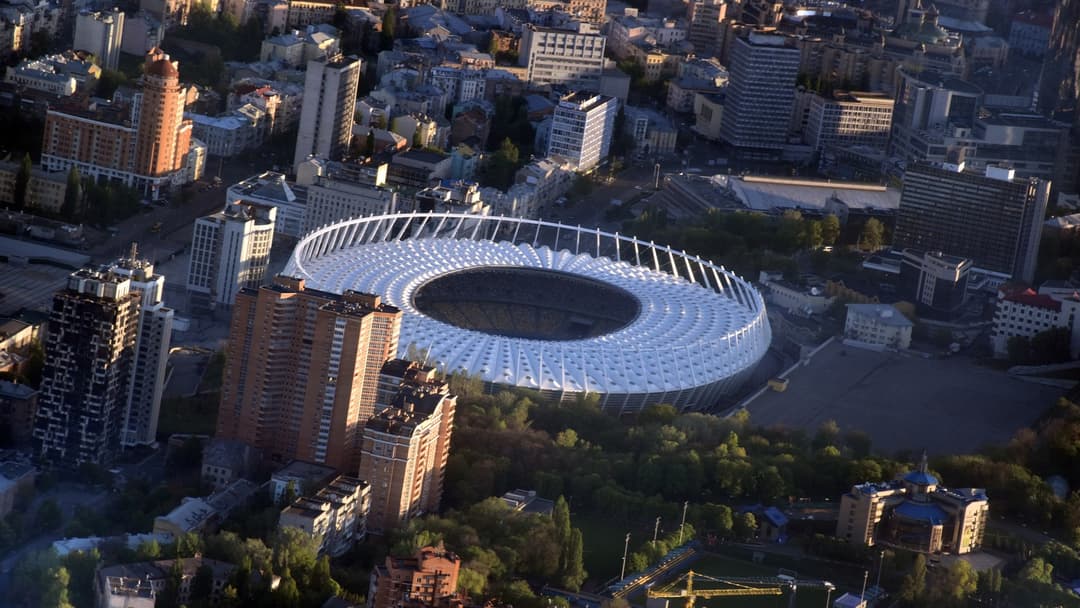
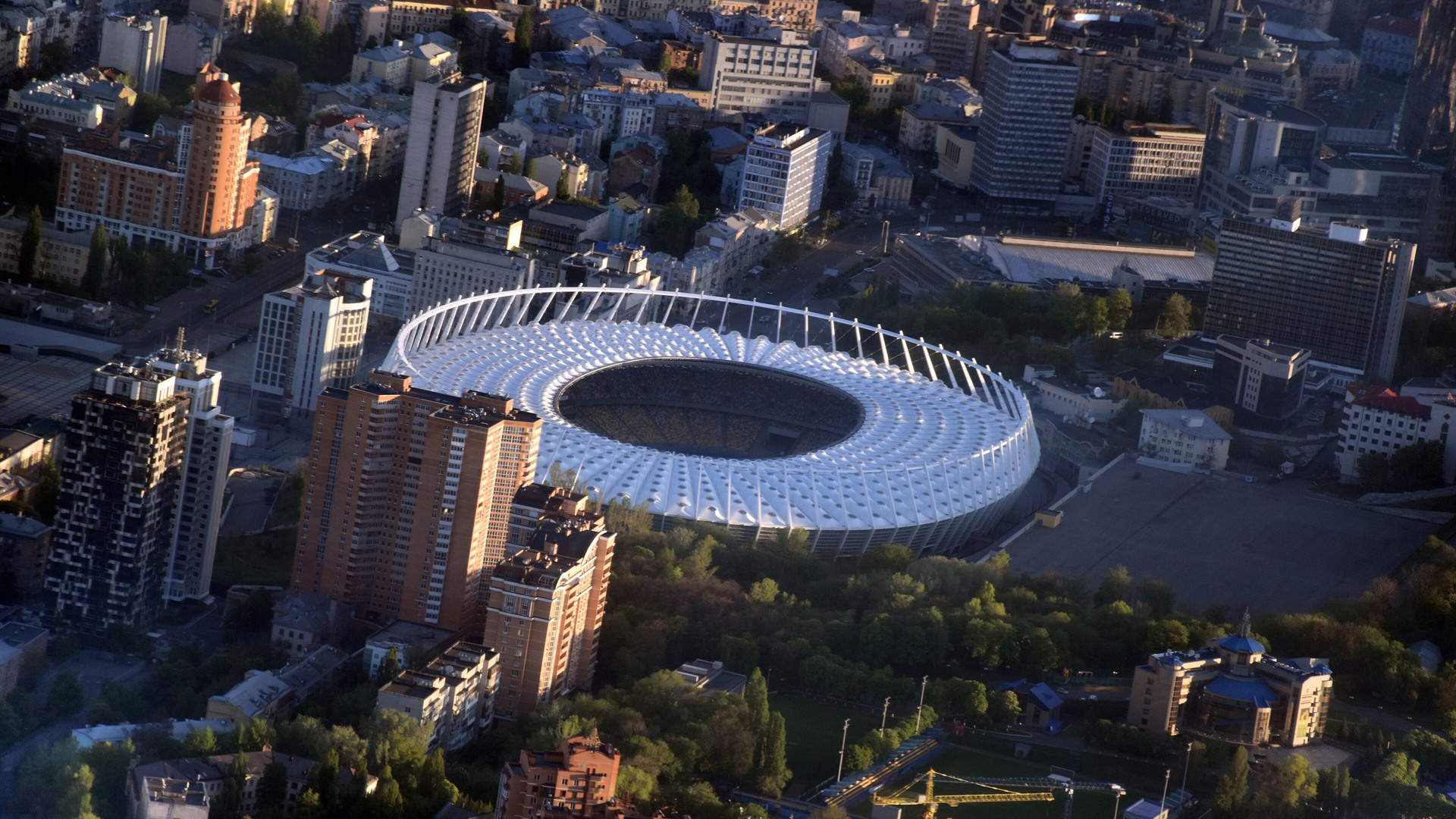
14. NSC Olimpiyskiy, Kyiv
First inaugurated in 1923 at the foot of Kyiv's Cherepanov Hill, the Olimpiyskiy National Sports Complex seats 70,050 fans after its complete reconstruction by GMP Architekten for UEFA Euro 2012. Its cable-stayed roof spans 48,000 square meters and hosted both the Euro 2012 Final and the 2018 Champions League Final.
©Wikimedia / Vasyatka1
Advertisement
Swipe or tap ▶ to resume the countdown.
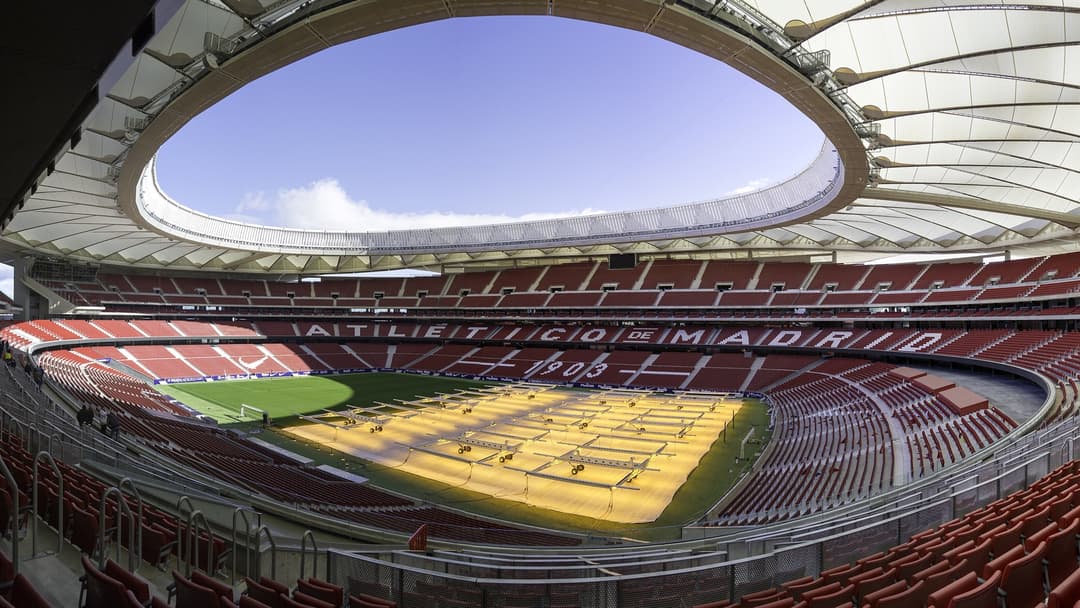
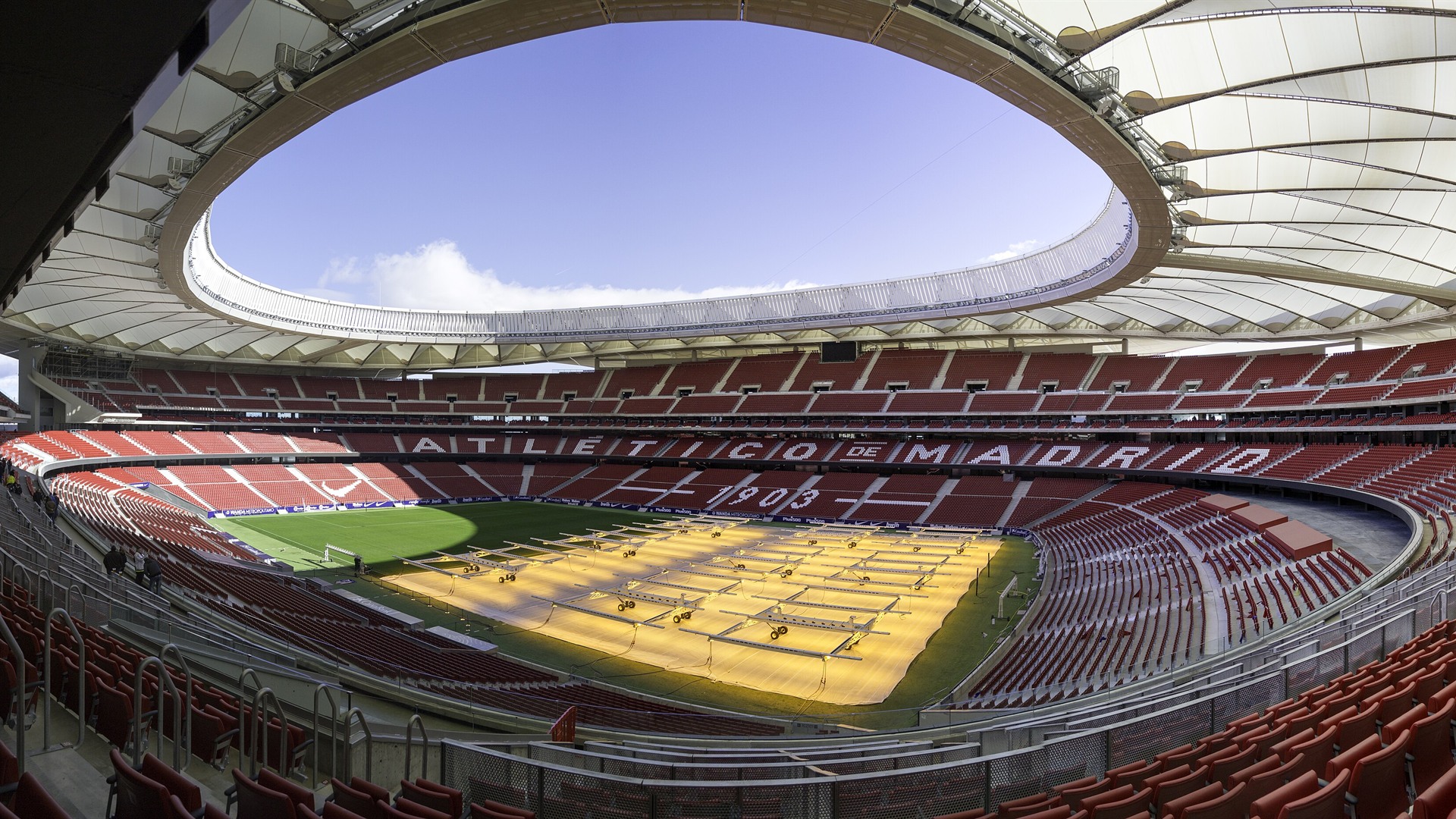
13. Estadio Metropolitano, Madrid
Inaugurated in September 2017 as the home of Atletico Madrid, the Estadio Metropolitano was expanded to 70,460 seats in 2023. Designed by architects Cruz y Ortiz, its dramatic pleated fiberglass roof resembles a bicycle wheel of tensioned steel cables and hosted the 2019 UEFA Champions League Final.
©Wikimedia / Fernandopascullo
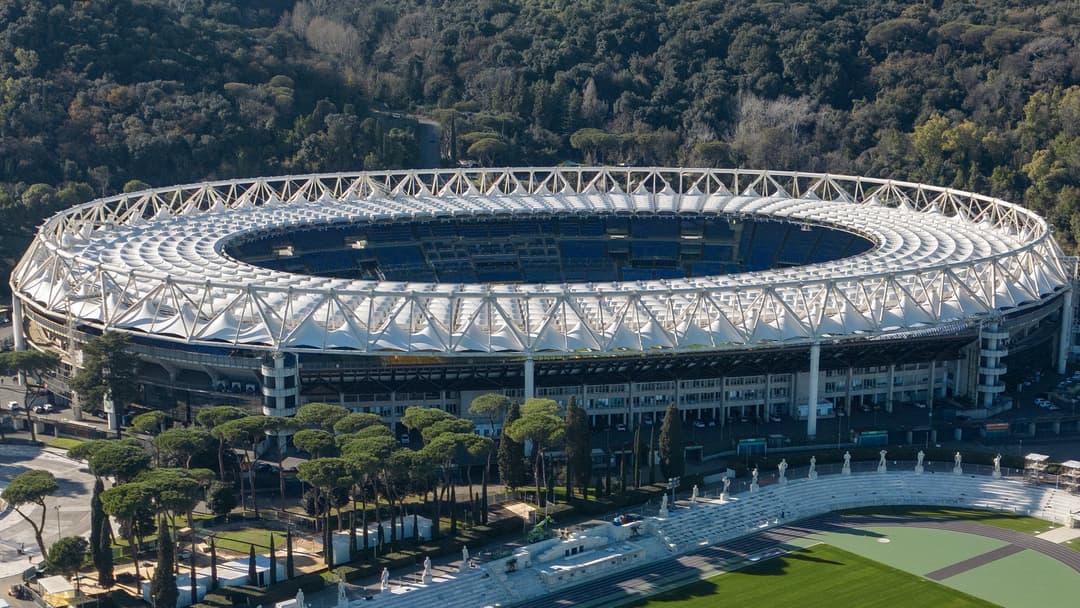
12. Stadio Olimpico, Rome
Located within Rome's Foro Italico complex at the foot of Monte Mario, the Stadio Olimpico seats 70,634 spectators and is shared by bitter rivals AS Roma and SS Lazio. Completely covered with a tensile roof for the 1990 FIFA World Cup, it has hosted four European Cup and Champions League Finals.
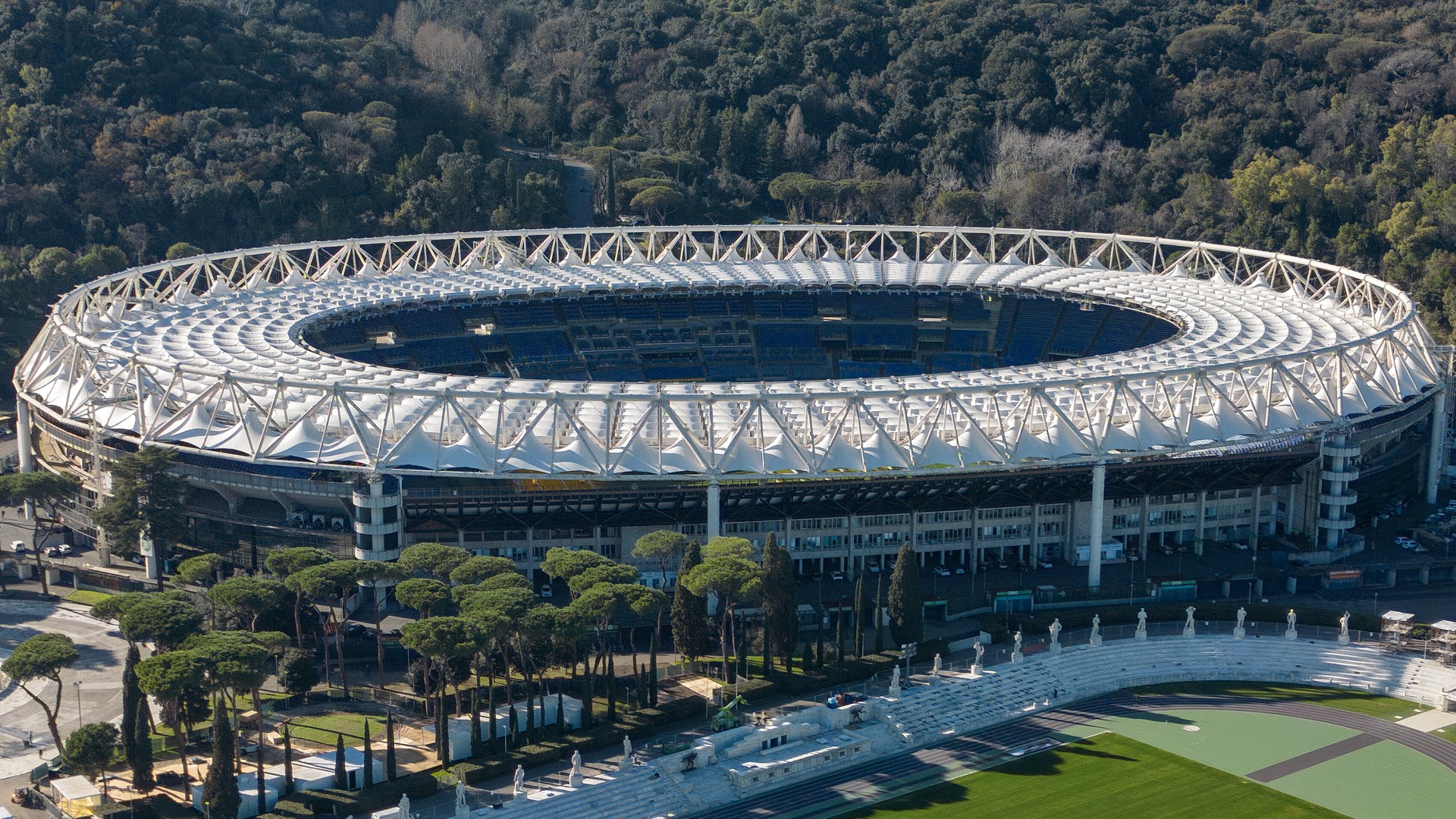
©Wikimedia / Messapi
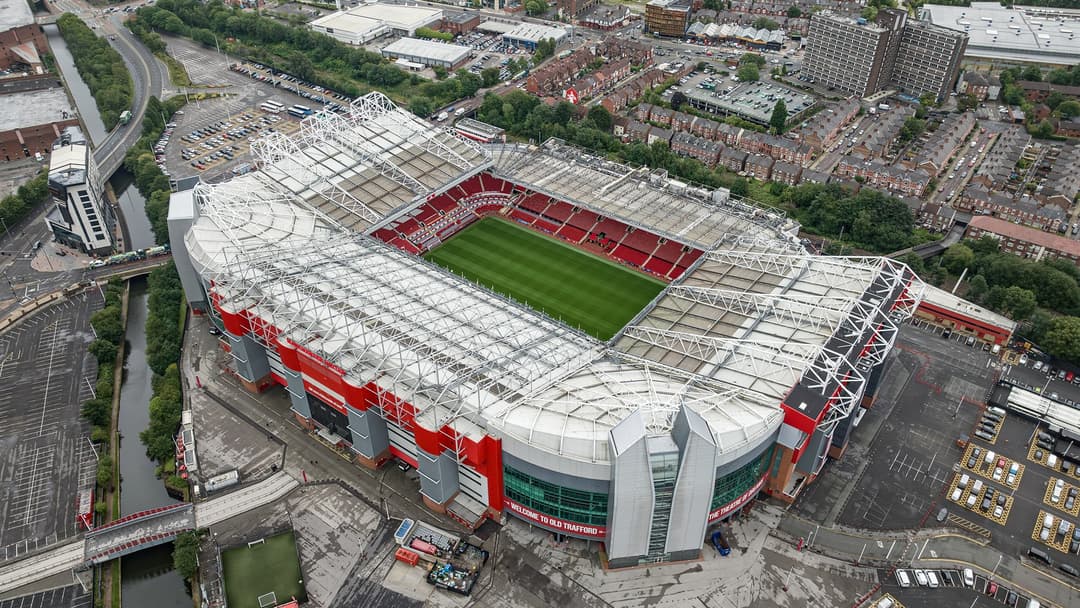
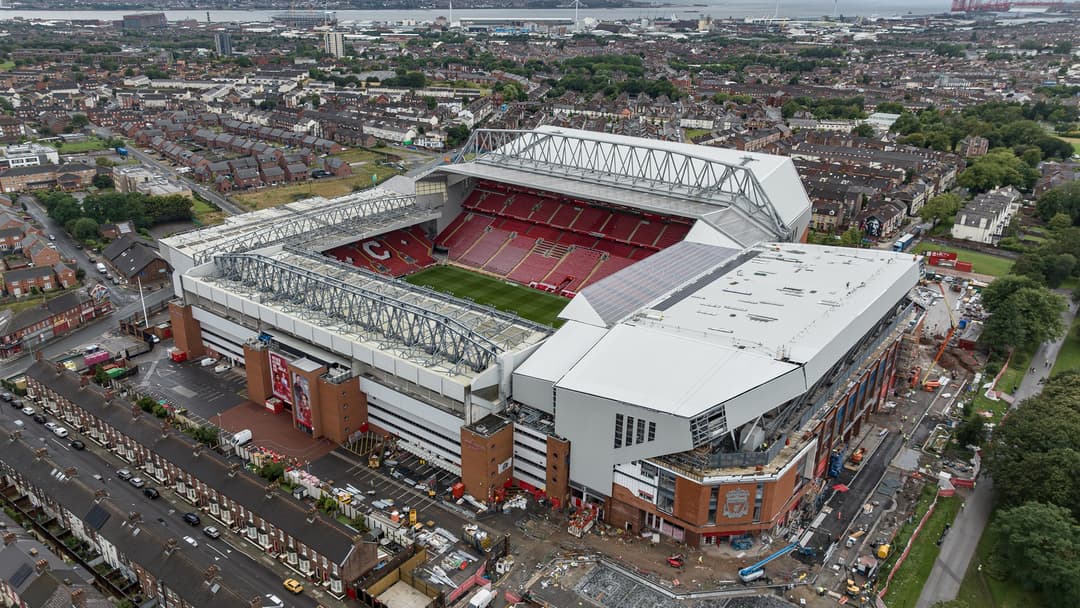
11. Old Trafford, Manchester
Home to Manchester United since February 1910, Old Trafford is the largest club soccer stadium in the United Kingdom with a capacity of 74,310. Originally designed by Scottish stadium architect Archibald Leitch and christened the Theatre of Dreams by Sir Bobby Charlton, it hosted the 2003 Champions League Final.
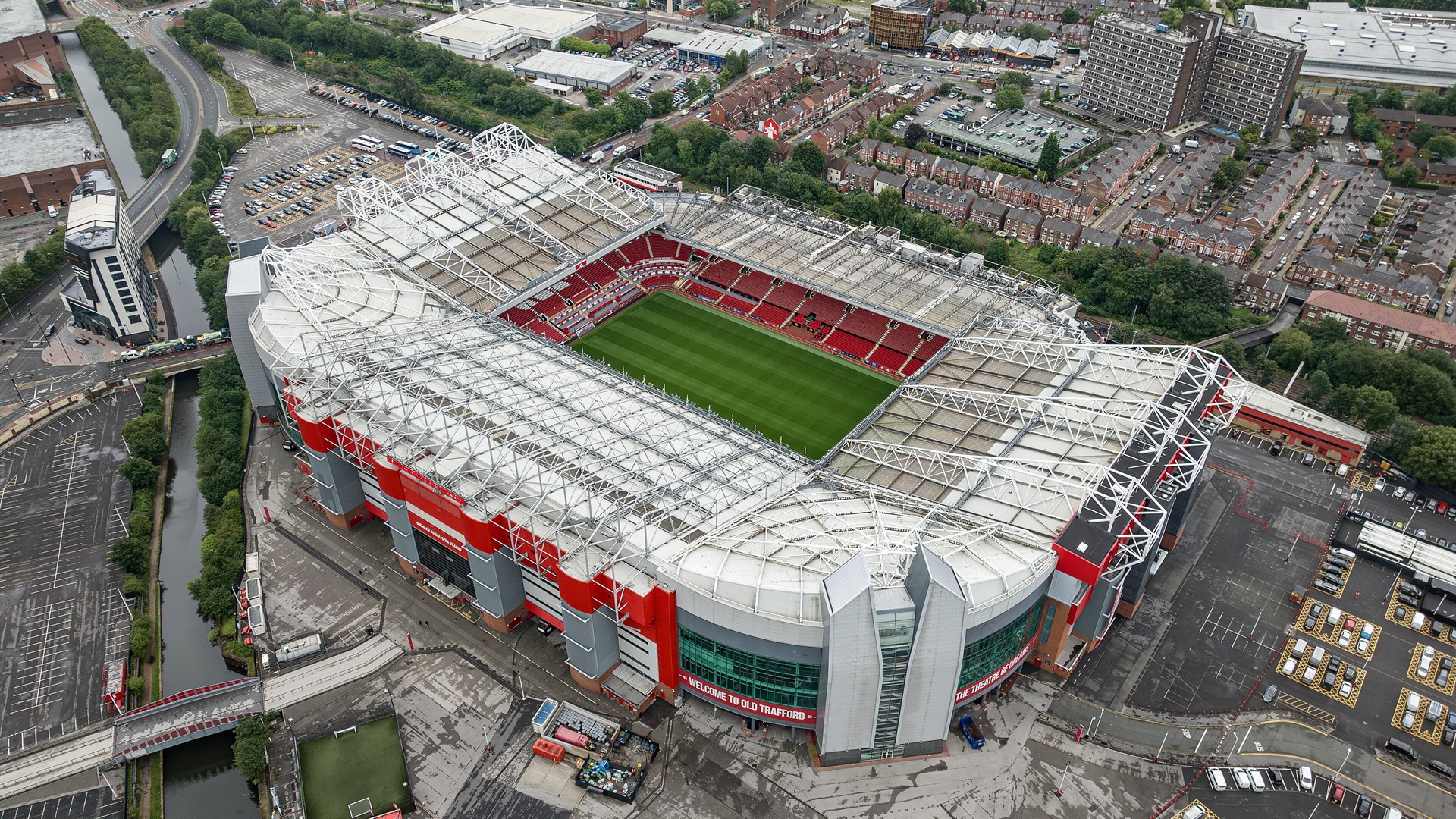
©Wikimedia / Arne Müseler
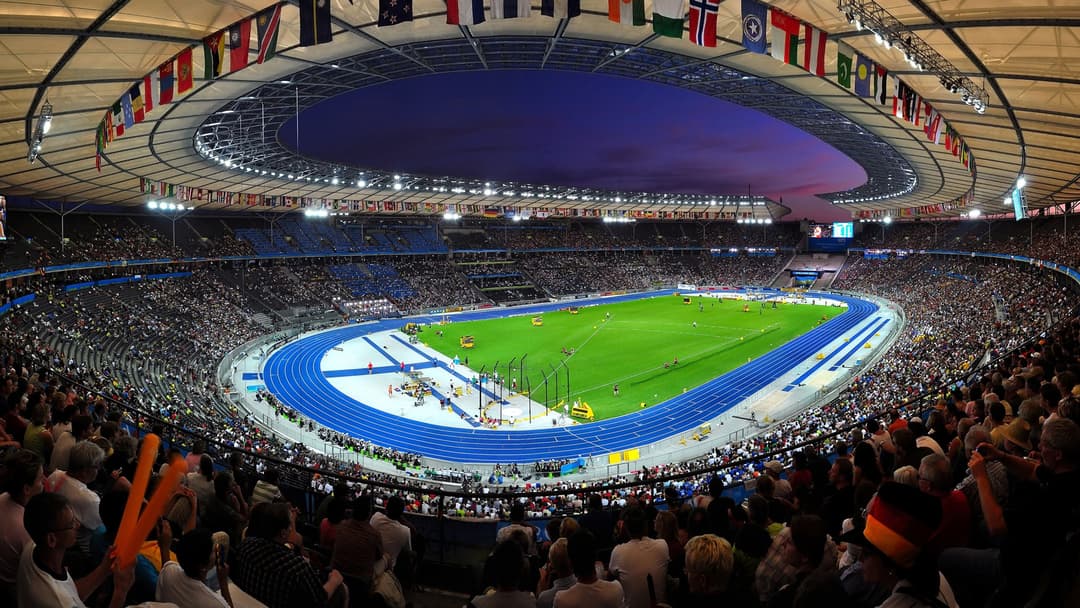
10. Olympiastadion, Berlin
Built by architect Werner March for the 1936 Summer Games and modernized for the 2006 FIFA World Cup, Berlin's Olympiastadion holds 74,475 spectators. Home to Hertha BSC, the limestone colosseum staged the 2006 World Cup Final, the 2015 Champions League Final, and the Euro 2024 Final.
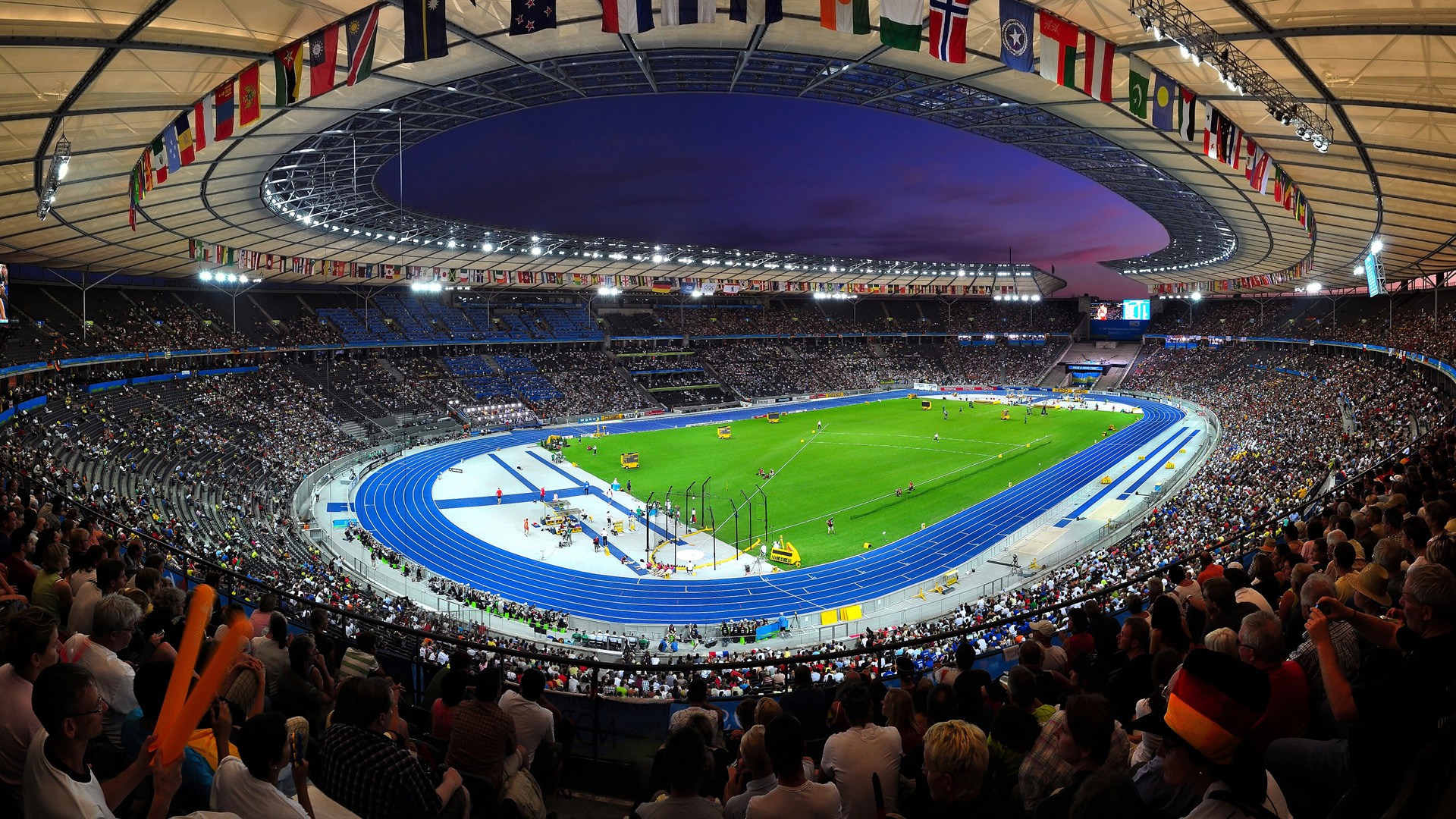
©Wikimedia / Tobi 87
Advertisement
Swipe or tap ▶ to resume the countdown.
9. Ataturk Olympic Stadium, Istanbul
Opened in 2002 on the western outskirts of Istanbul and designed by Michel Macary and Aymeric Zublena, Ataturk Olympic Stadium seats 74,753 fans beneath its crescent-shaped western roof. It hosted Liverpool's 2005 Champions League comeback over AC Milan and Manchester City's 2023 title win.
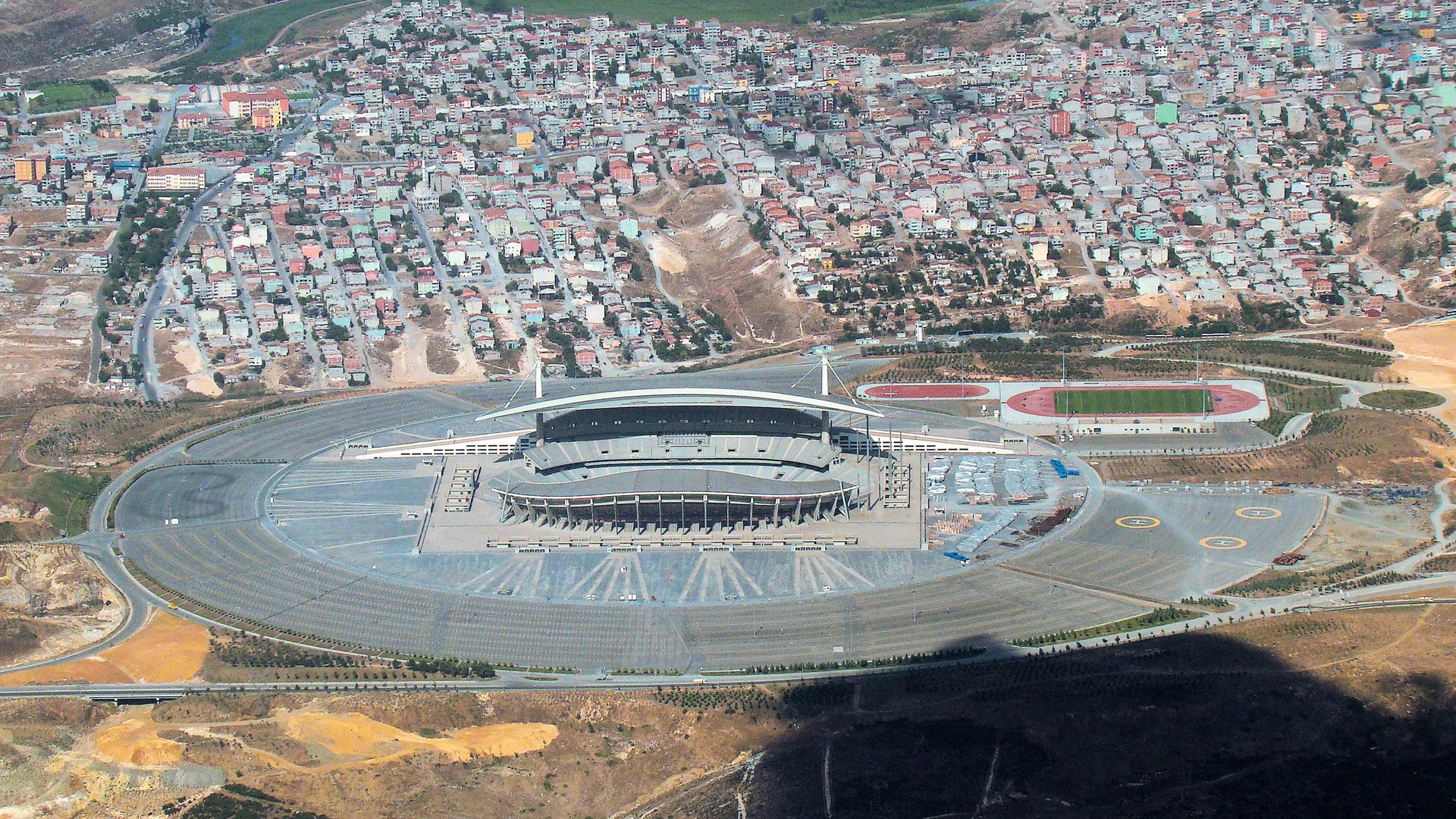
©Wikimedia / Bjørn Christian Tørrissen
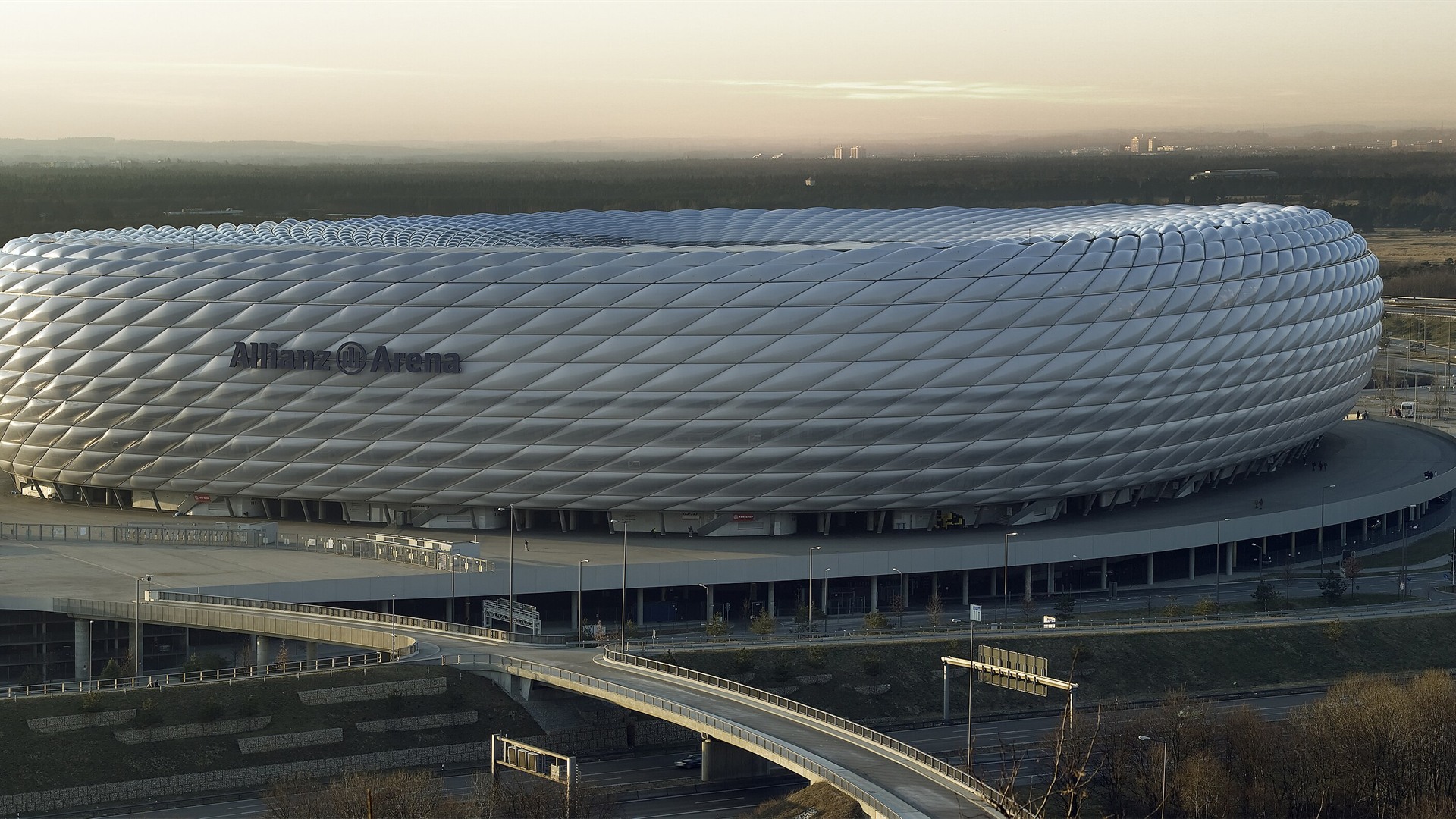
8. Allianz Arena, Munich
Opened in May 2005 and designed by Swiss architects Herzog and de Meuron, FC Bayern Munich's Allianz Arena holds 75,024 supporters. Its facade is clad in 2,784 inflated diamond ETFE foil panels that glow in 16 million colors, making it the first stadium with a full color-changing exterior.
©Wikimedia / Richard Bartz
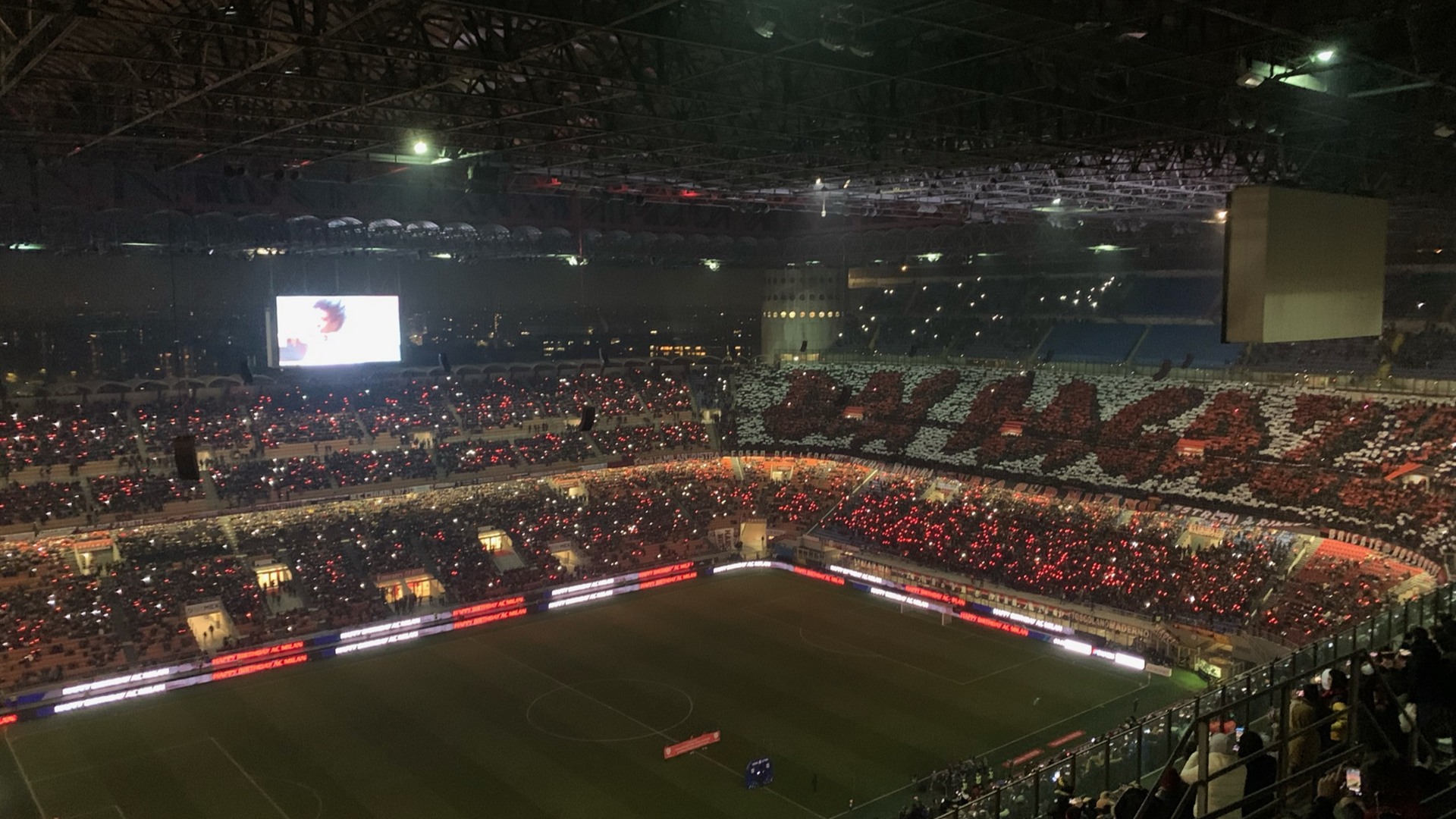
7. San Siro, Milan
Officially named Stadio Giuseppe Meazza and inaugurated in 1926, Milan's San Siro seats 75,817 fans as the shared home of AC Milan and Inter Milan. Known as La Scala del Calcio, its third tier and red box-girder roof were added for the 1990 World Cup on 11 cylindrical spiral towers.
©Wikimedia / Vincenzo.togni
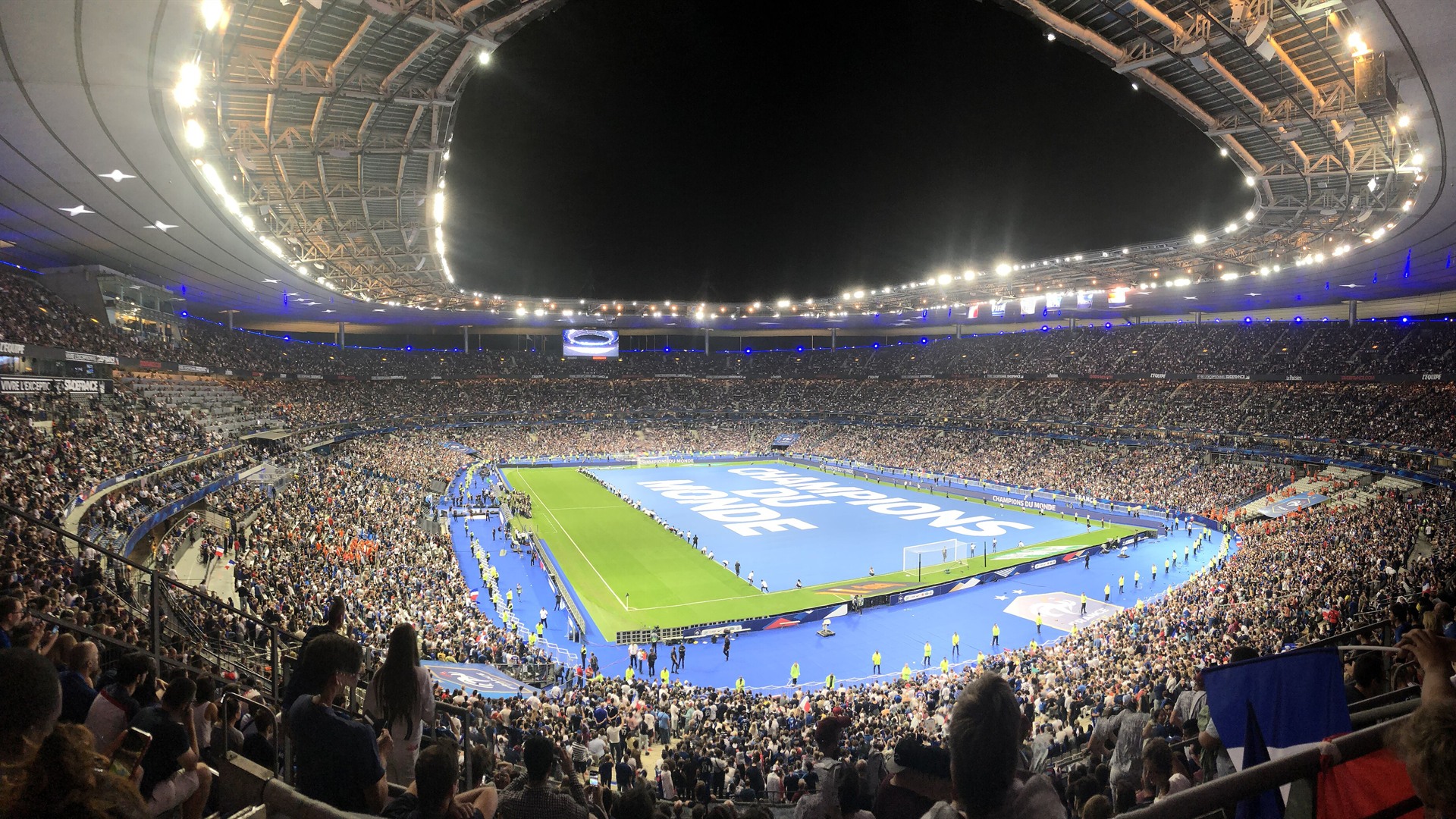
6. Stade De France, Saint-Denis
Constructed for the 1998 FIFA World Cup in Saint-Denis north of Paris, the 80,698-seat Stade de France is where Zinedine Zidane led France to its first World Cup title against Brazil. Its 13,000-ton elliptical roof floats on 18 steel masts and has hosted three UEFA Champions League Finals.
©Wikimedia / Darthvadrouw
Advertisement
Swipe or tap ▶ to resume the countdown.
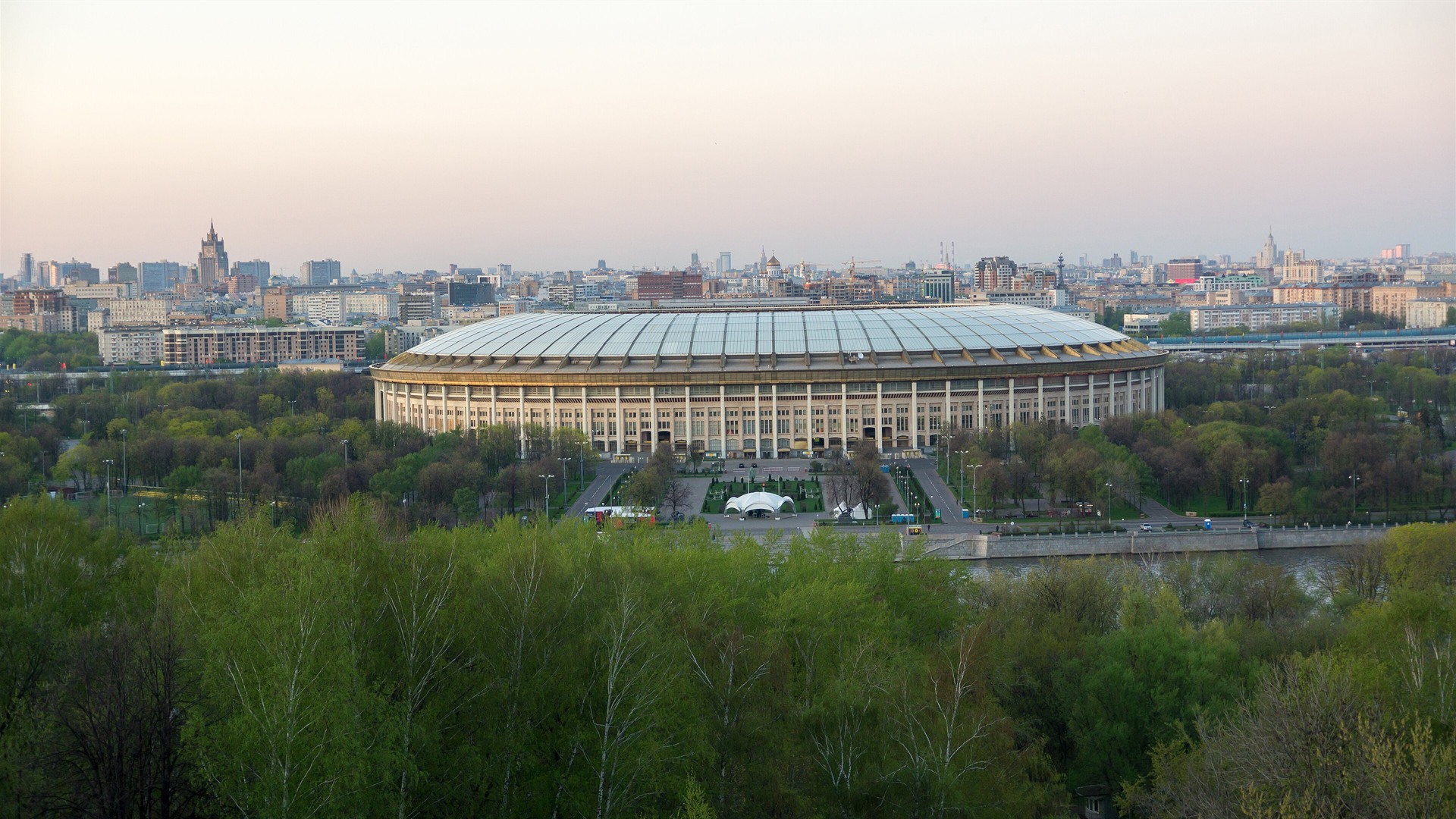
5. Luzhniki Stadium, Moscow
Opened in 1956 along a bend of the Moskva River opposite Sparrow Hills, Moscow's Luzhniki Stadium seats 81,000 spectators. Ahead of the 2018 FIFA World Cup Final between France and Croatia, engineers preserved its neoclassical facade while building steep two-tier soccer-specific stands.
©Wikimedia / Vyacheslav Argenberg
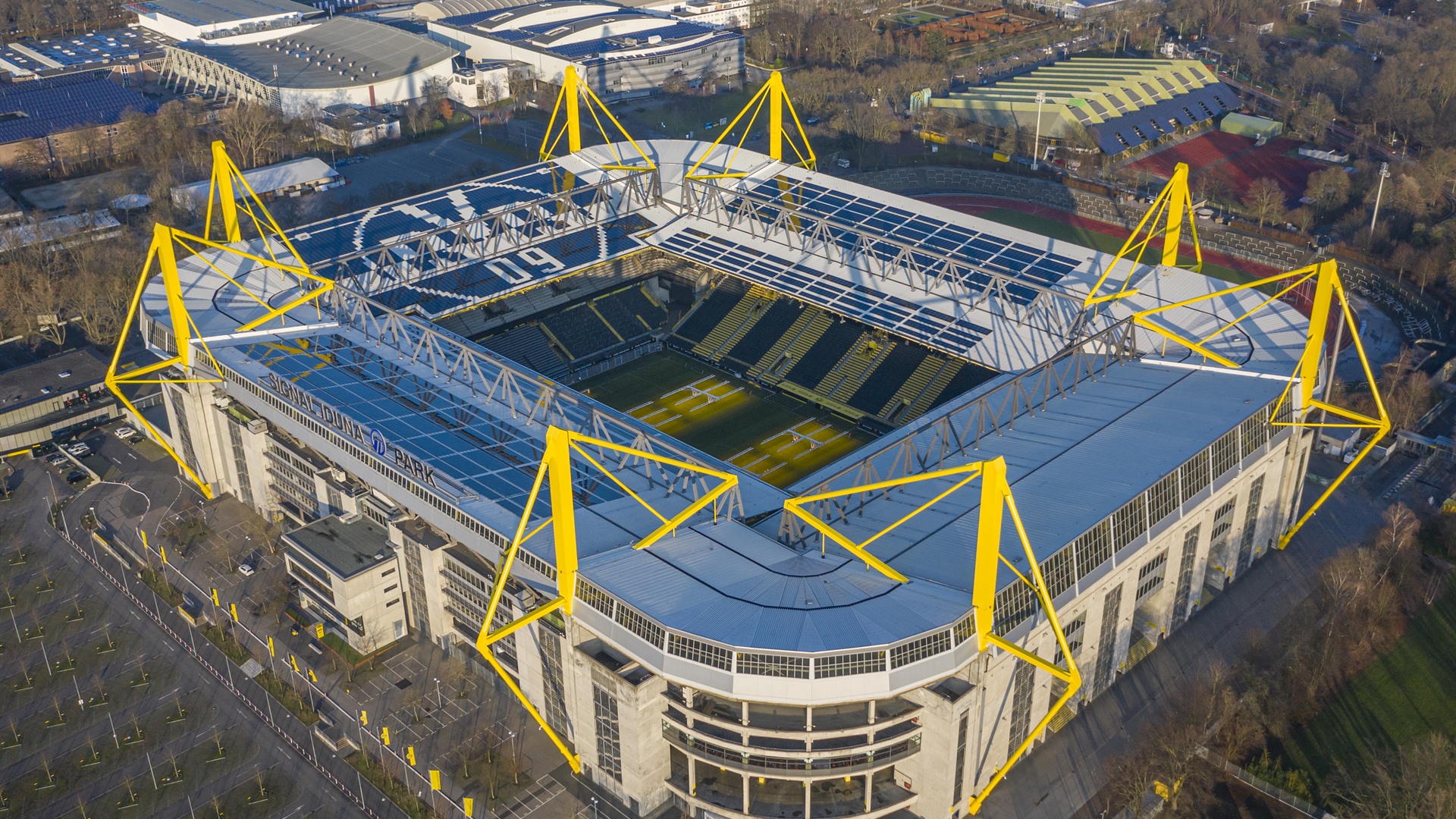
4. Signal Iduna Park, Dortmund
Traditionally known as the Westfalenstadion, Borussia Dortmund's Signal Iduna Park is Germany's largest stadium with a capacity of 81,365 for domestic matches. Anchored by eight yellow steel roof pylons, its 100-meter-wide Sudtribune holds 24,454 standing fans, forming Europe's Yellow Wall.
©Wikimedia / Arne Müseler
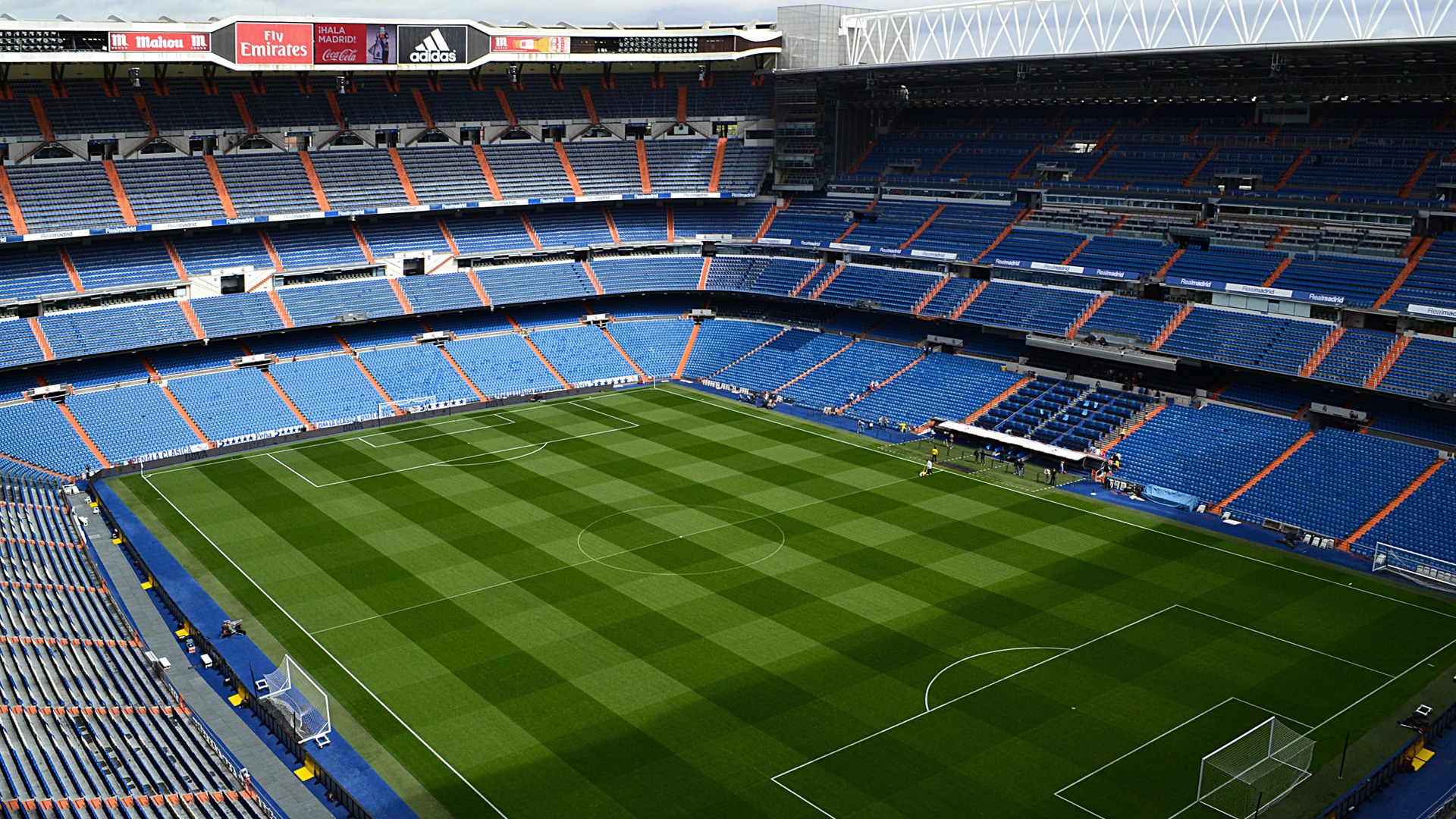
3. Santiago Bernabeu, Madrid
Inaugurated in December 1947 in central Madrid, Real Madrid's Estadio Santiago Bernabeu now holds 83,186 spectators following its architectural overhaul. The stadium features a wraparound stainless-steel facade, a 360-degree halo scoreboard, a retractable roof, and an underground pitch greenhouse.
©Wikimedia / لا روسا
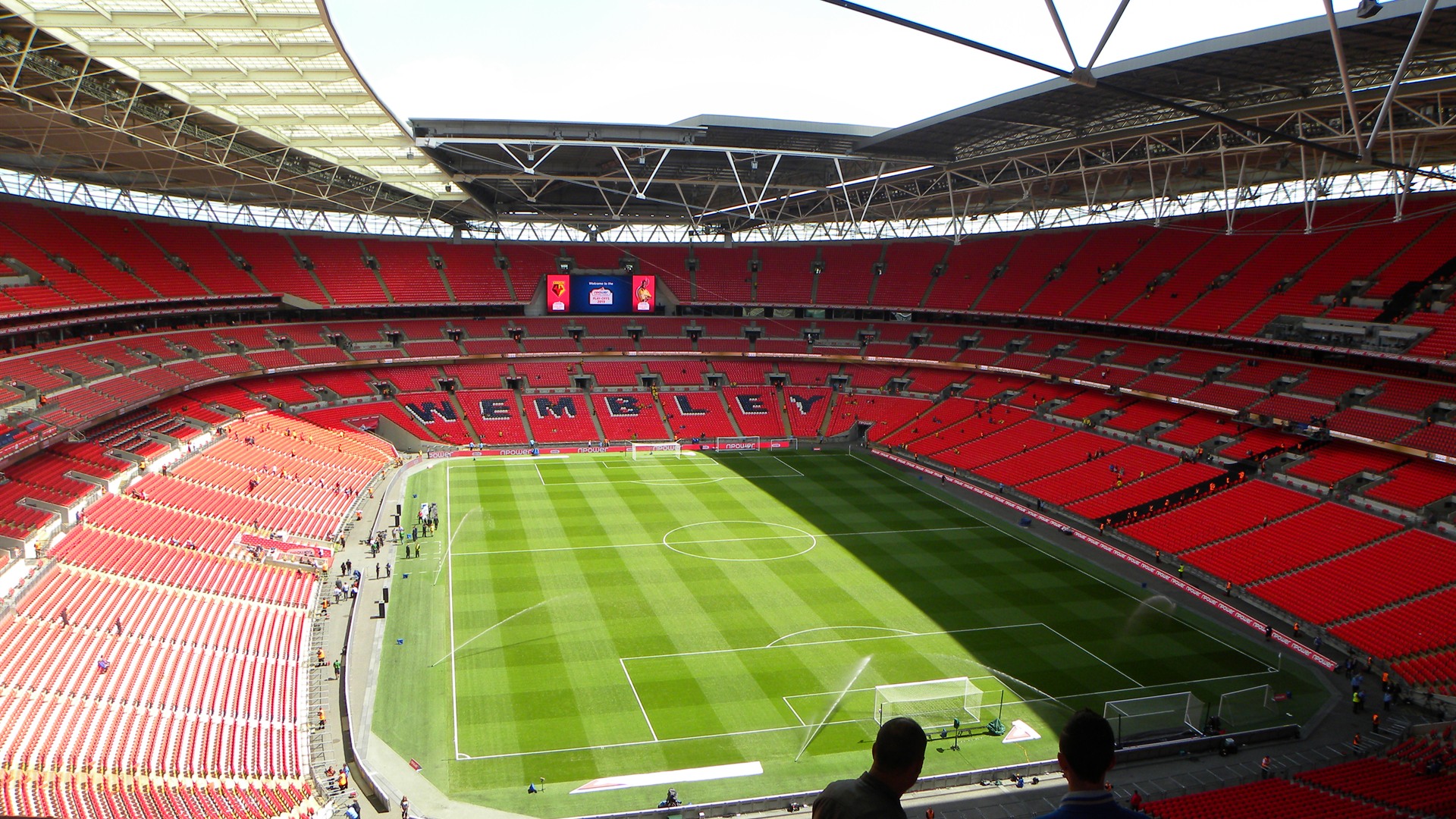
2. Wembley Stadium, London
Opened in March 2007 on the site of the 1923 Empire Stadium, London's 90,000-seat Wembley Stadium is the largest all-seated covered arena in the world. Designed by Foster and Partners and Populous, its 133-meter-high steel arch supports the northern roof and has hosted three Champions League Finals.
©Wikimedia / Ashley Martin
Advertisement
Swipe or tap ▶ to resume the countdown.
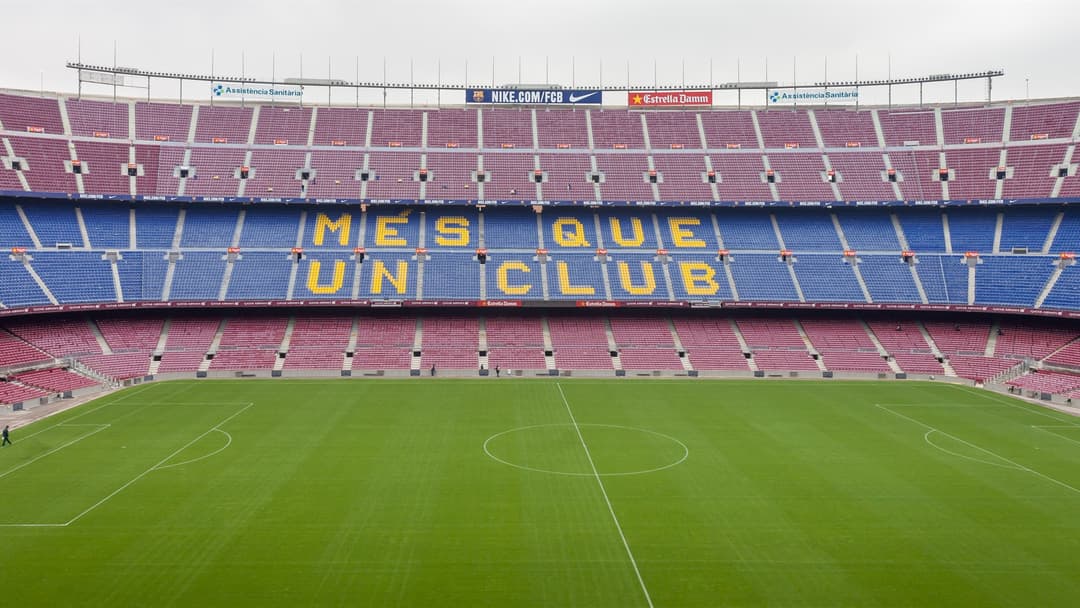
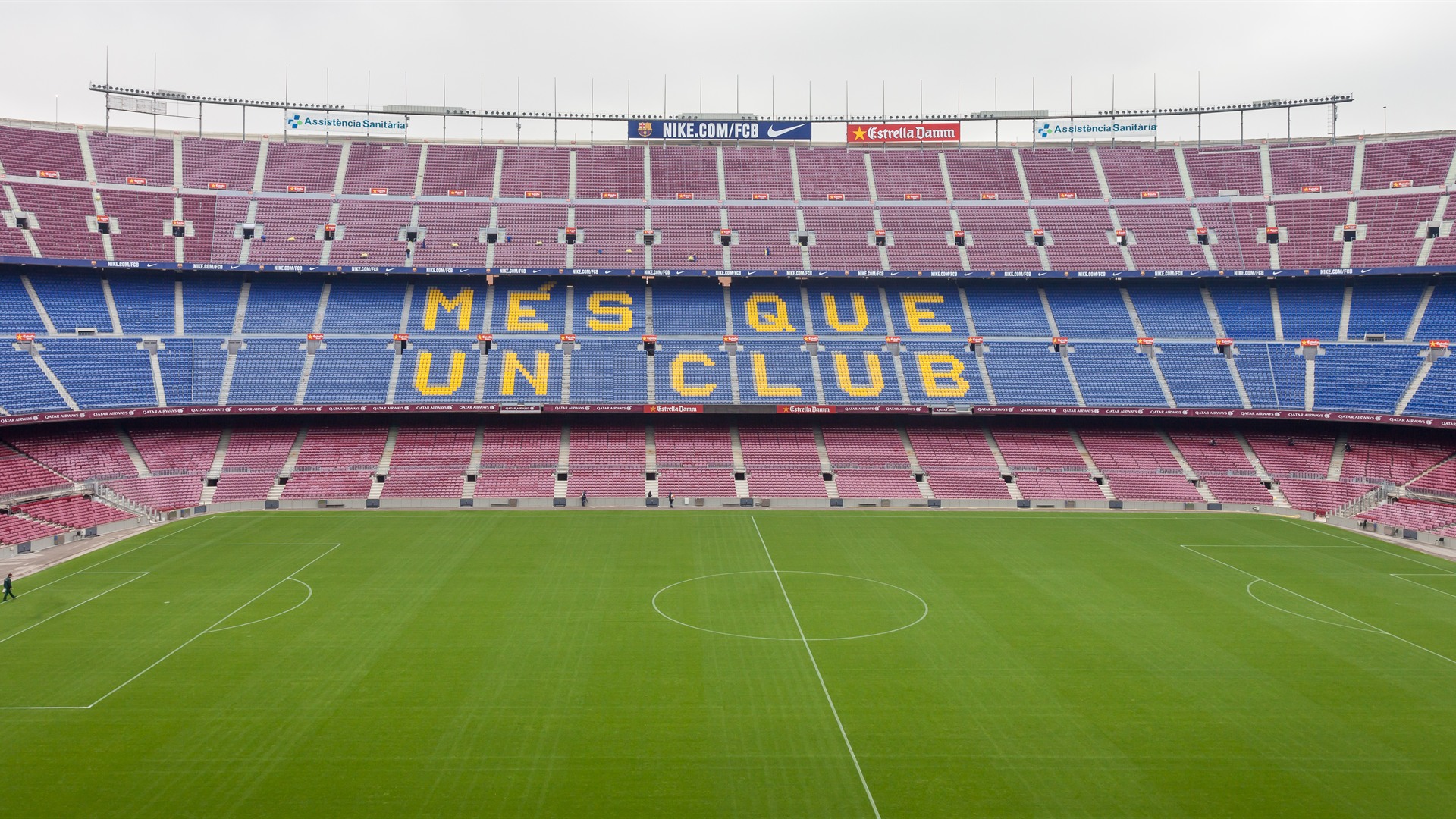
1. Camp Nou, Barcelona
Opened in September 1957 and designed by Francesc Mitjans, FC Barcelona's Camp Nou ranks number one in Europe with an official seating capacity of 99,354, expanding to 105,000 under the Espai Barca project. It hosted the 1982 World Cup opener, the 1992 Olympic final, and two Champions League Finals.
©Wikimedia / Luis Miguel Bugallo Sánchez
Advertisement
You've reached the end of the story. Thanks for reading!

25 Athletes Who Won Championships After Severe Injuries
Champions Who Overcame Brutal Injuries to Win It All
All 20 Entries in this Story
20. Veltins-Arena, Gelsenkirchen
Opened in 2001 as the home of FC Schalke 04, the Veltins-Arena seats 62,271 spectators for Bundesliga matches. Designed with both a retractable roof and a 11,000-ton slide-out turf tray that moves outdoors for sunlight, it hosted the 2004 UEFA Champions League Final between Porto and Monaco.

19. Tottenham Hotspur Stadium, London
Completed in April 2019 on the exact site of White Hart Lane, Tottenham Hotspur Stadium holds 62,850 fans and is the largest club-owned ground in London. Its steep 17,500-seat South Stand was engineered for acoustic projection, while its three-part grass pitch retracts over a synthetic NFL field.

18. Estadio Da Luz, Lisbon
Nicknamed A Catedral by SL Benfica supporters, Lisbon's Estadio da Luz was rebuilt by Populous ahead of UEFA Euro 2004 and seats 64,642 fans. Four monumental red steel arches rise 43 meters above the bowl, which has hosted the Euro 2004 Final as well as the 2014 and 2020 Champions League Finals.

17. Puskas Arena, Budapest
Named after Hungarian soccer legend Ferenc Puskas, Budapest's 67,215-seat national stadium opened in November 2019 on the footprint of the 1953 Nepstadion. Architect Gyorgy Skardelli preserved the original concrete latticework pylons along the exterior facade, blending mid-century heritage with a three-tier bowl.

16. Stade Velodrome, Marseille
Opened in 1937 and transformed ahead of Euro 2016, Marseille's Stade Velodrome seats 67,394 spectators and is the largest club stadium in France. The addition of a 65-meter-tall wave-shaped white fiberglass membrane roof trapped crowd noise inside the Virage Nord and Virage Sud, creating deafening acoustics.

15. Olympic Stadium, Athens
Known locally as OAKA Spyros Louis after the 1896 Olympic marathon champion, the Athens Olympic Stadium holds 69,618 spectators. Renovated by Spanish architect Santiago Calatrava for the 2004 Summer Olympics, the venue has staged three European Cup and Champions League Finals in 1983, 1994, and 2007.

14. NSC Olimpiyskiy, Kyiv
First inaugurated in 1923 at the foot of Kyiv's Cherepanov Hill, the Olimpiyskiy National Sports Complex seats 70,050 fans after its complete reconstruction by GMP Architekten for UEFA Euro 2012. Its cable-stayed roof spans 48,000 square meters and hosted both the Euro 2012 Final and the 2018 Champions League Final.

13. Estadio Metropolitano, Madrid
Inaugurated in September 2017 as the home of Atletico Madrid, the Estadio Metropolitano was expanded to 70,460 seats in 2023. Designed by architects Cruz y Ortiz, its dramatic pleated fiberglass roof resembles a bicycle wheel of tensioned steel cables and hosted the 2019 UEFA Champions League Final.

12. Stadio Olimpico, Rome
Located within Rome's Foro Italico complex at the foot of Monte Mario, the Stadio Olimpico seats 70,634 spectators and is shared by bitter rivals AS Roma and SS Lazio. Completely covered with a tensile roof for the 1990 FIFA World Cup, it has hosted four European Cup and Champions League Finals.

11. Old Trafford, Manchester
Home to Manchester United since February 1910, Old Trafford is the largest club soccer stadium in the United Kingdom with a capacity of 74,310. Originally designed by Scottish stadium architect Archibald Leitch and christened the Theatre of Dreams by Sir Bobby Charlton, it hosted the 2003 Champions League Final.

10. Olympiastadion, Berlin
Built by architect Werner March for the 1936 Summer Games and modernized for the 2006 FIFA World Cup, Berlin's Olympiastadion holds 74,475 spectators. Home to Hertha BSC, the limestone colosseum staged the 2006 World Cup Final, the 2015 Champions League Final, and the Euro 2024 Final.

9. Ataturk Olympic Stadium, Istanbul
Opened in 2002 on the western outskirts of Istanbul and designed by Michel Macary and Aymeric Zublena, Ataturk Olympic Stadium seats 74,753 fans beneath its crescent-shaped western roof. It hosted Liverpool's 2005 Champions League comeback over AC Milan and Manchester City's 2023 title win.

8. Allianz Arena, Munich
Opened in May 2005 and designed by Swiss architects Herzog and de Meuron, FC Bayern Munich's Allianz Arena holds 75,024 supporters. Its facade is clad in 2,784 inflated diamond ETFE foil panels that glow in 16 million colors, making it the first stadium with a full color-changing exterior.

7. San Siro, Milan
Officially named Stadio Giuseppe Meazza and inaugurated in 1926, Milan's San Siro seats 75,817 fans as the shared home of AC Milan and Inter Milan. Known as La Scala del Calcio, its third tier and red box-girder roof were added for the 1990 World Cup on 11 cylindrical spiral towers.

6. Stade De France, Saint-Denis
Constructed for the 1998 FIFA World Cup in Saint-Denis north of Paris, the 80,698-seat Stade de France is where Zinedine Zidane led France to its first World Cup title against Brazil. Its 13,000-ton elliptical roof floats on 18 steel masts and has hosted three UEFA Champions League Finals.

5. Luzhniki Stadium, Moscow
Opened in 1956 along a bend of the Moskva River opposite Sparrow Hills, Moscow's Luzhniki Stadium seats 81,000 spectators. Ahead of the 2018 FIFA World Cup Final between France and Croatia, engineers preserved its neoclassical facade while building steep two-tier soccer-specific stands.

4. Signal Iduna Park, Dortmund
Traditionally known as the Westfalenstadion, Borussia Dortmund's Signal Iduna Park is Germany's largest stadium with a capacity of 81,365 for domestic matches. Anchored by eight yellow steel roof pylons, its 100-meter-wide Sudtribune holds 24,454 standing fans, forming Europe's Yellow Wall.

3. Santiago Bernabeu, Madrid
Inaugurated in December 1947 in central Madrid, Real Madrid's Estadio Santiago Bernabeu now holds 83,186 spectators following its architectural overhaul. The stadium features a wraparound stainless-steel facade, a 360-degree halo scoreboard, a retractable roof, and an underground pitch greenhouse.

2. Wembley Stadium, London
Opened in March 2007 on the site of the 1923 Empire Stadium, London's 90,000-seat Wembley Stadium is the largest all-seated covered arena in the world. Designed by Foster and Partners and Populous, its 133-meter-high steel arch supports the northern roof and has hosted three Champions League Finals.

1. Camp Nou, Barcelona
Opened in September 1957 and designed by Francesc Mitjans, FC Barcelona's Camp Nou ranks number one in Europe with an official seating capacity of 99,354, expanding to 105,000 under the Espai Barca project. It hosted the 1982 World Cup opener, the 1992 Olympic final, and two Champions League Finals.