Slideshow · Money
The 21 Ways Americans Waste the Most Money, Ranked
From unused monthly subscriptions and phantom electricity to gourmet coffee habits and unused gym memberships, everyday financial leaks drain thousands of dollars from household budgets each year. Her
By Most Viral Today
4 Nov 2026

The 21 Ways Americans Waste the Most Money, Ranked 
20. Unused Gym Memberships 
19. Extended Warranties 
18. Daily Gourmet Coffee - AdvertisementSwipe or tap ▶ to continue countdown

17. Single-Use Bottled Water 
16. Premium Fuel For Regular Cars 
15. Forgotten Digital Subscriptions 
14. Brand-Name Grocery Markups - AdvertisementSwipe or tap ▶ to continue countdown

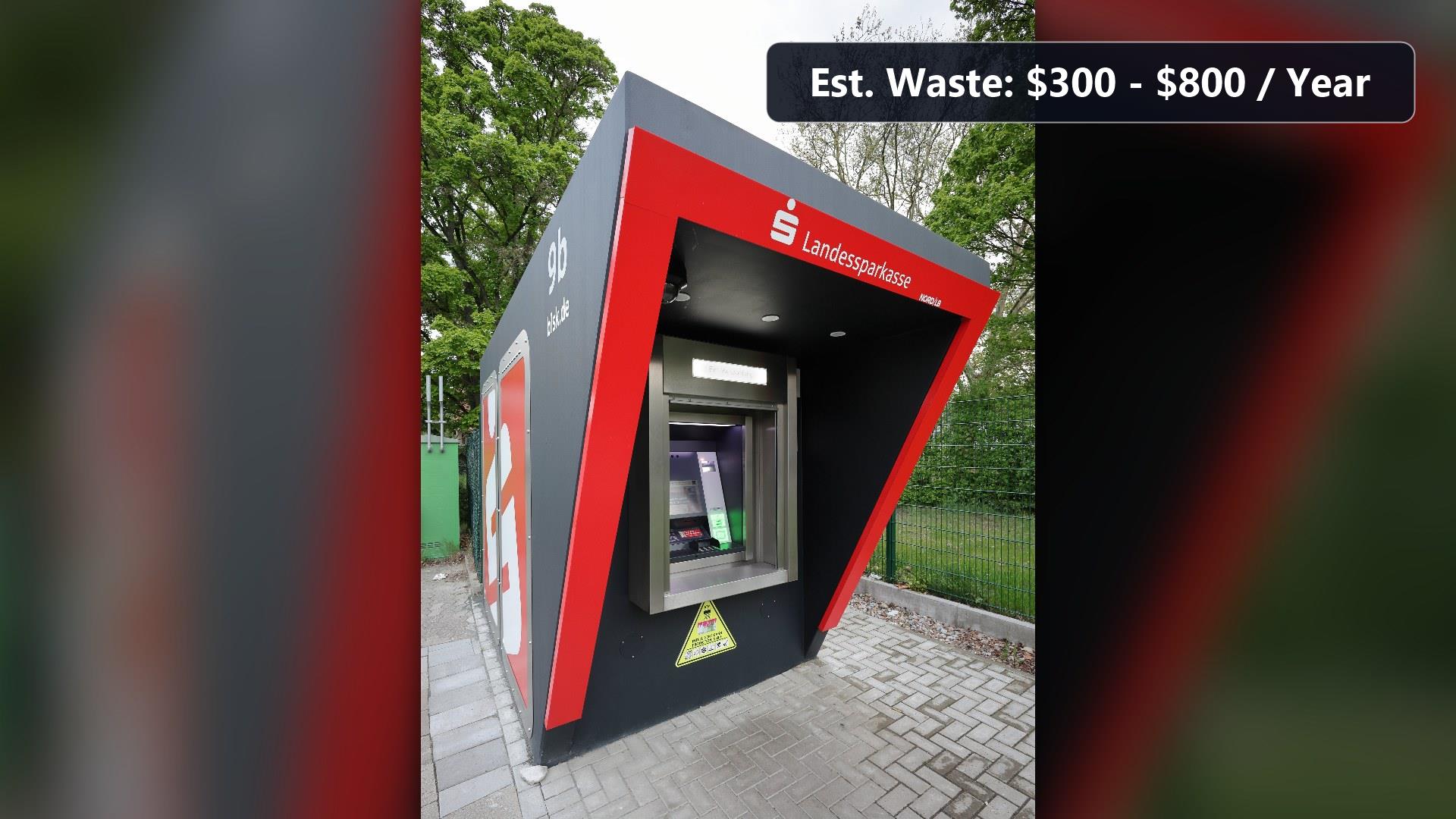
13. Out Of-Network ATM Fees 
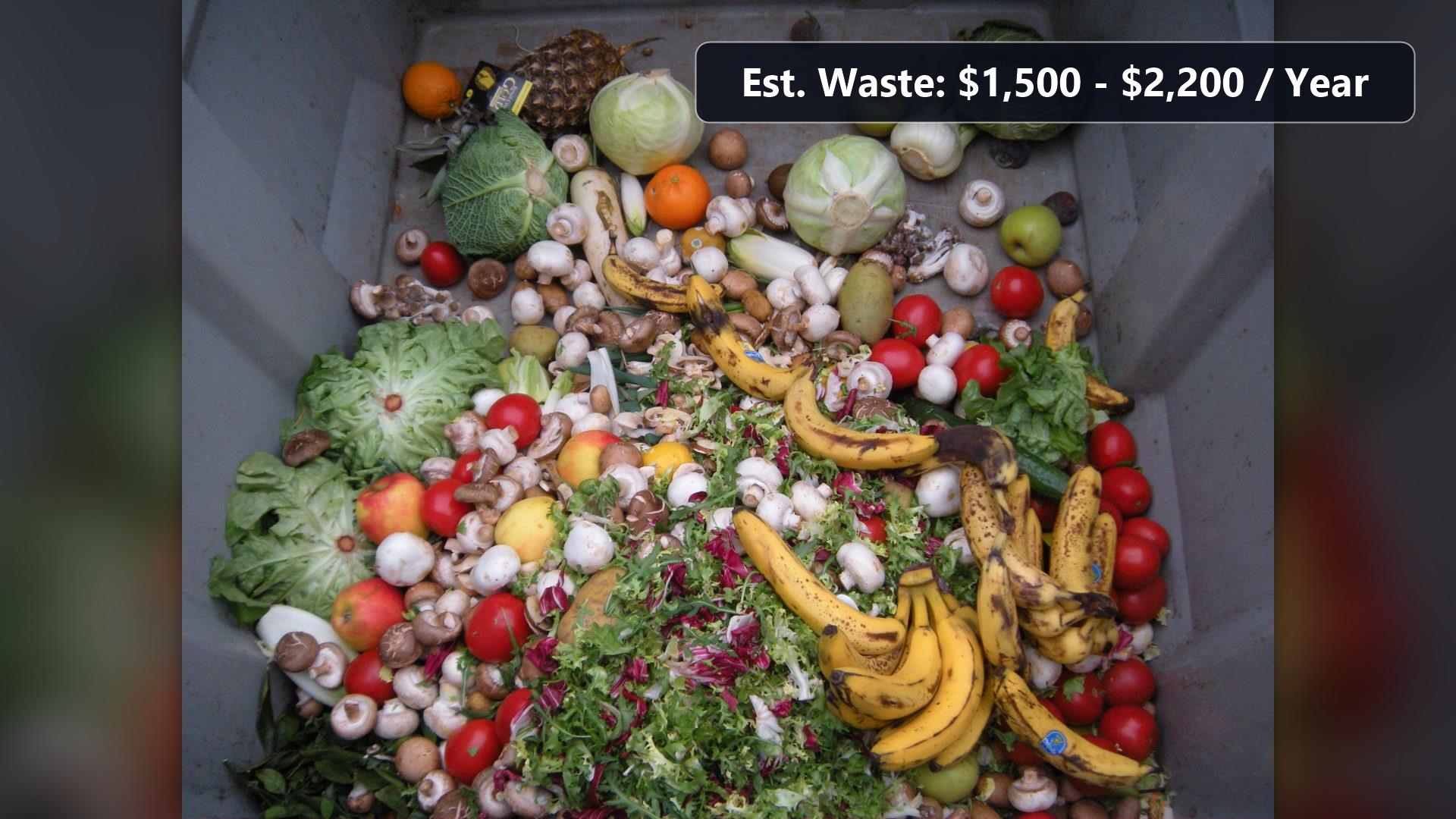
12. Grocery Food Waste 
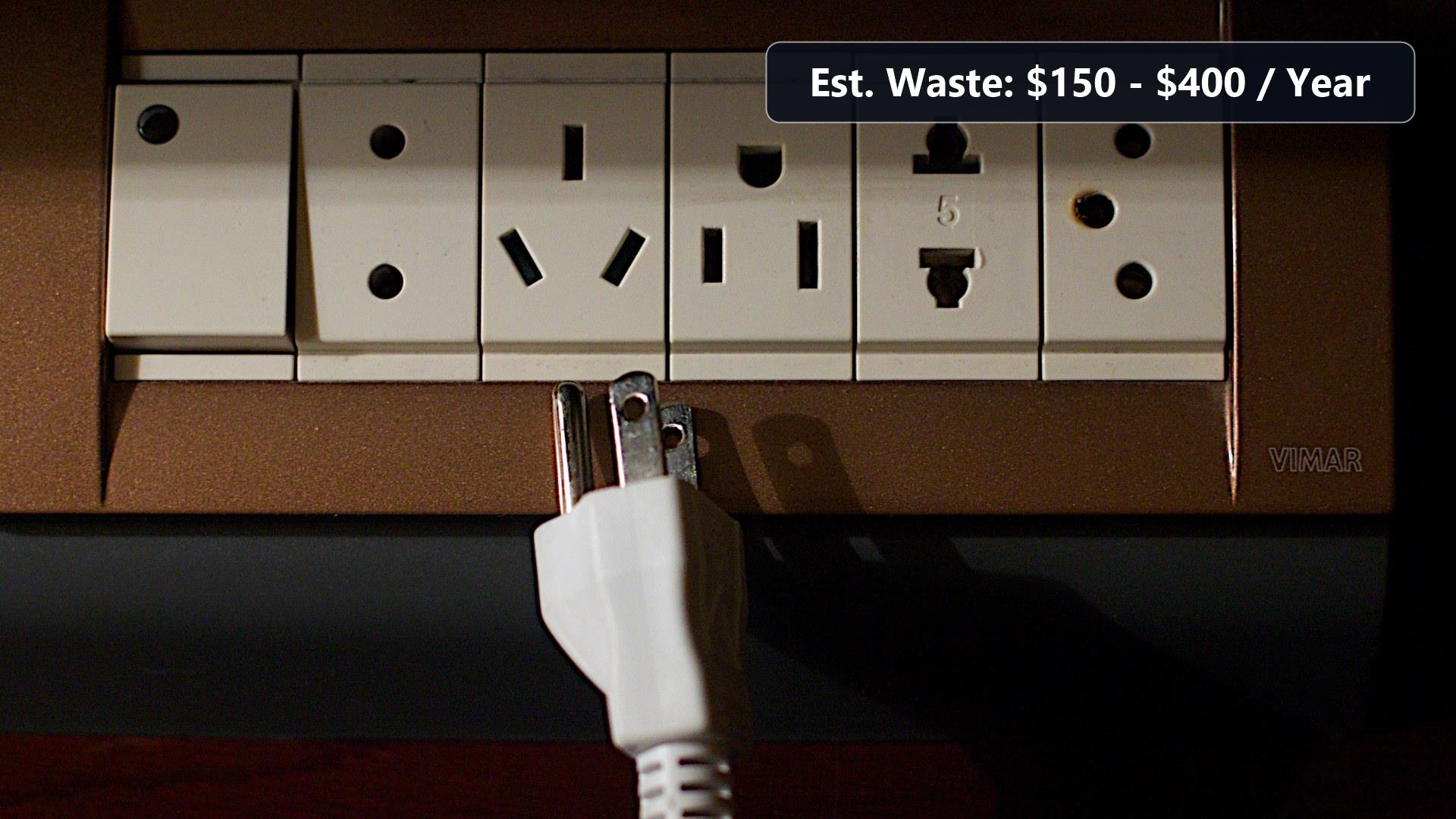
11. Phantom Energy Draw 
10. Fast Fashion & Unworn Clothes - AdvertisementSwipe or tap ▶ to continue countdown

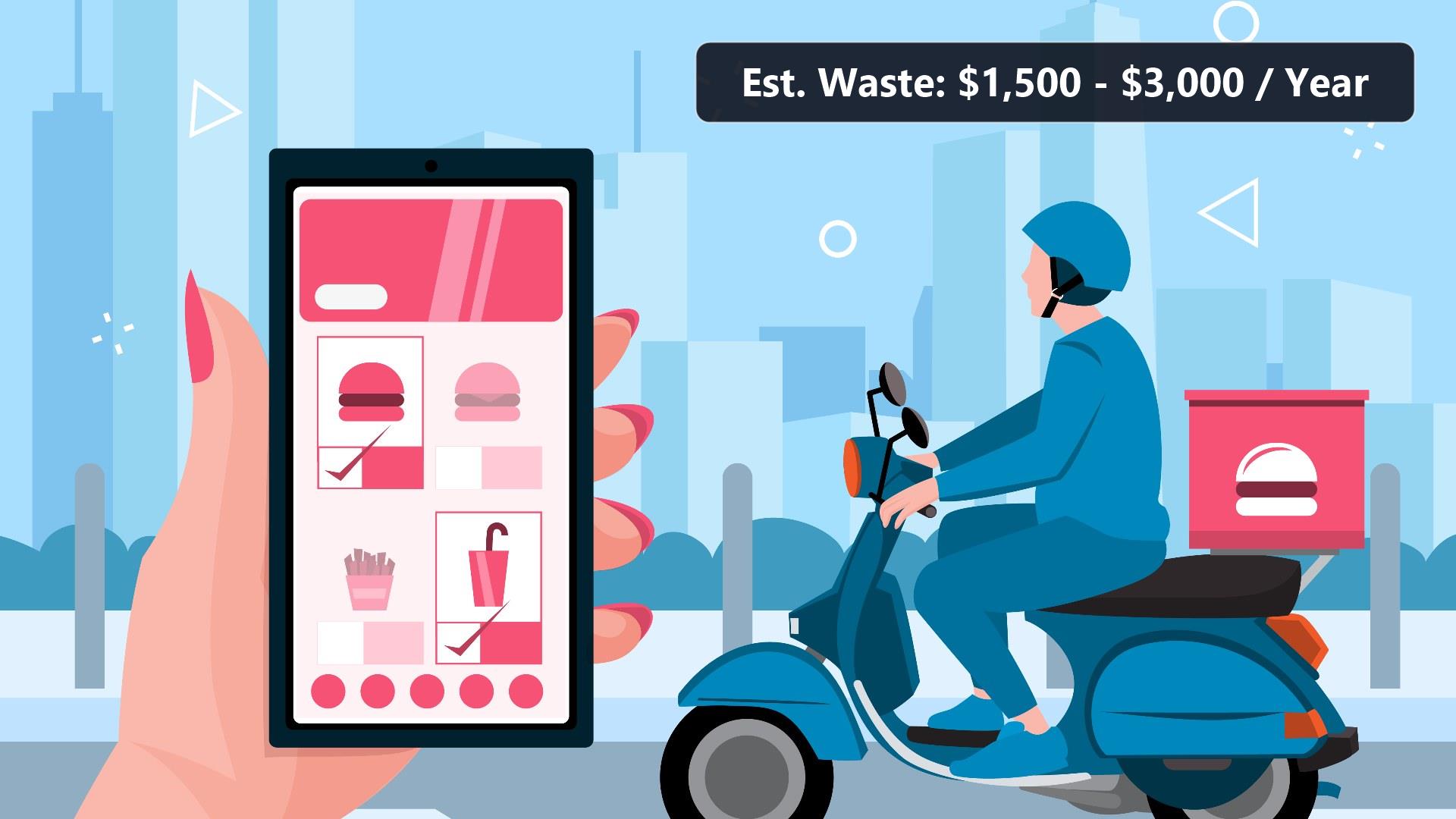
9. Food Delivery Surcharges 
8. State Lottery Tickets 
7. Unused Cable TV Bundles 
6. Frequent Dining Out - AdvertisementSwipe or tap ▶ to continue countdown

5. Deferred Vehicle Maintenance 
4. High-Interest Credit Card Debt 
3. New Car Depreciation 
2. Overpaying On Insurance - AdvertisementSwipe or tap ▶ to continue countdown

1. Cash In Zero-Interest Accounts - Advertisement🔥 UP NEXT IN THIS SERIES◫ 21 Slides

20 Small American Businesses With Products and Ideas Worth Discovering
American entrepreneurs continue to build durable goods and creative regional staples across the country. From heritage foundries in Tennessee to family workshops in Pennsylvania, independent makers prove hands-on quality endures. Based on reporting by Forbes, Inc. Magazine, and Bloomberg News published in 2026.
From forgotten digital subscriptions and high-interest debt to phantom power and brand-name grocery markups, everyday spending habits quietly drain thousands from household budgets each year. Here are the 21 biggest money wasters in America, ranked from minor leaks to catastrophic wealth drainers.
Swipe or tap ▶ to begin the countdown
©Wikimedia / Milad Mosapoor
20. Unused Gym Memberships
Millions of Americans kick off January with ambitious fitness resolutions, but studies show sixty-seven percent of memberships sit completely abandoned by Valentine's Day. Monthly auto-renewals between thirty and seventy dollars quietly drain hundreds every year without a single workout logged.
©Wikimedia / Rwebogora
19. Extended Warranties
Cashier checkout pitches for warranties on laptops, appliances, and headphones represent pure profit for retailers, who pocket up to fifty percent of policy fees. Consumer reports show standard repairs cost less than the protection plan premiums, while credit cards already provide duplicate coverage.
©Wikimedia / Windmemories
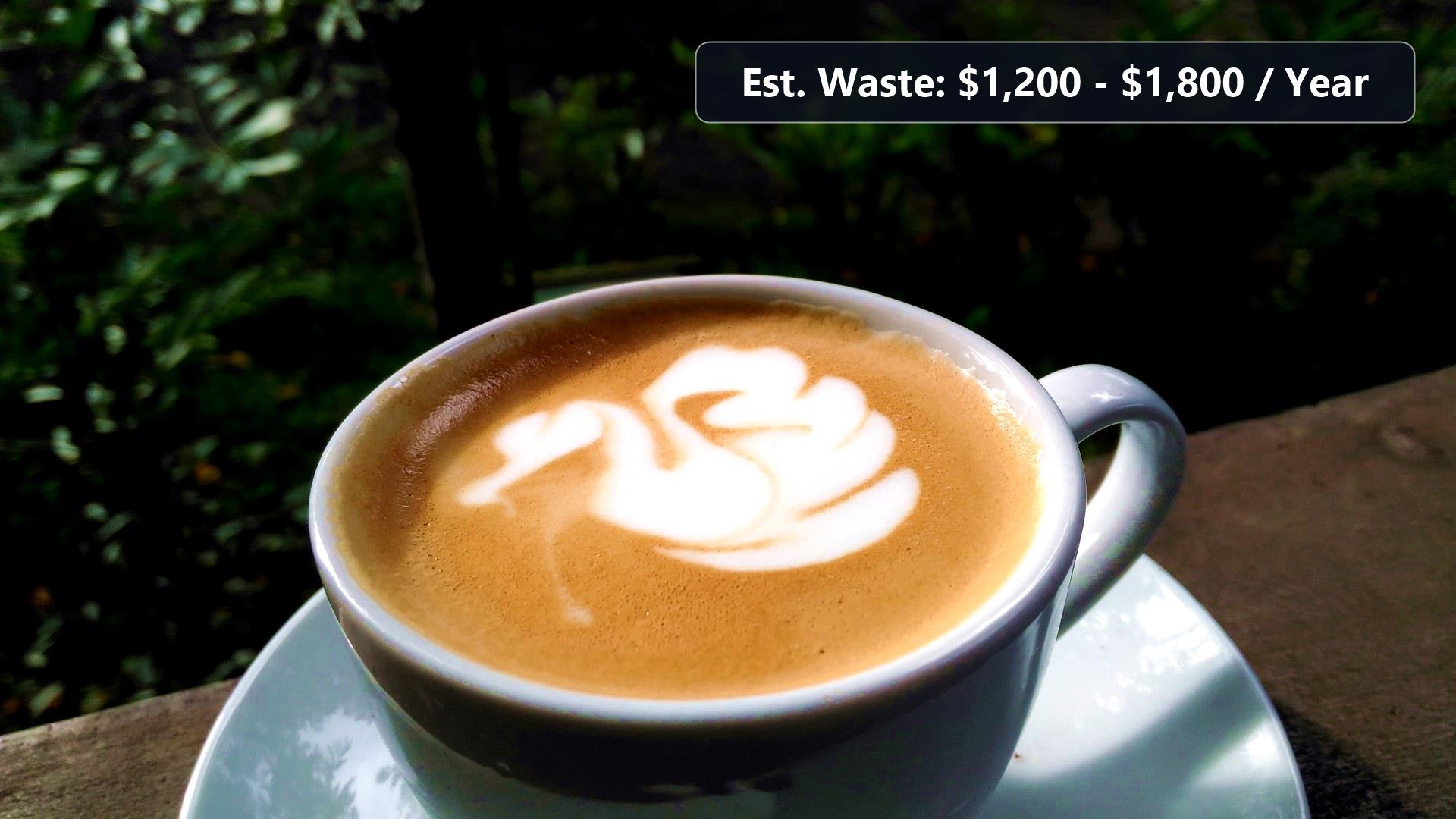
18. Daily Gourmet Coffee
A five-dollar specialty latte or energy drink on the morning commute seems harmless in the moment, but five workdays a week across fifty weeks amounts to twelve hundred and fifty dollars every year. Brewing whole-bean coffee at home costs roughly twenty cents a cup.
©Wikimedia / Abdulrohmatt
Advertisement
Swipe or tap ▶ to resume the countdown.
17. Single-Use Bottled Water
Americans purchase billions of single-use plastic water bottles each year, paying an average markup of four thousand percent over treated household tap water. Investing thirty dollars in a quality stainless steel bottle and home filter saves hundreds of dollars annually while eliminating plastic waste.
©Pixabay / ds_30
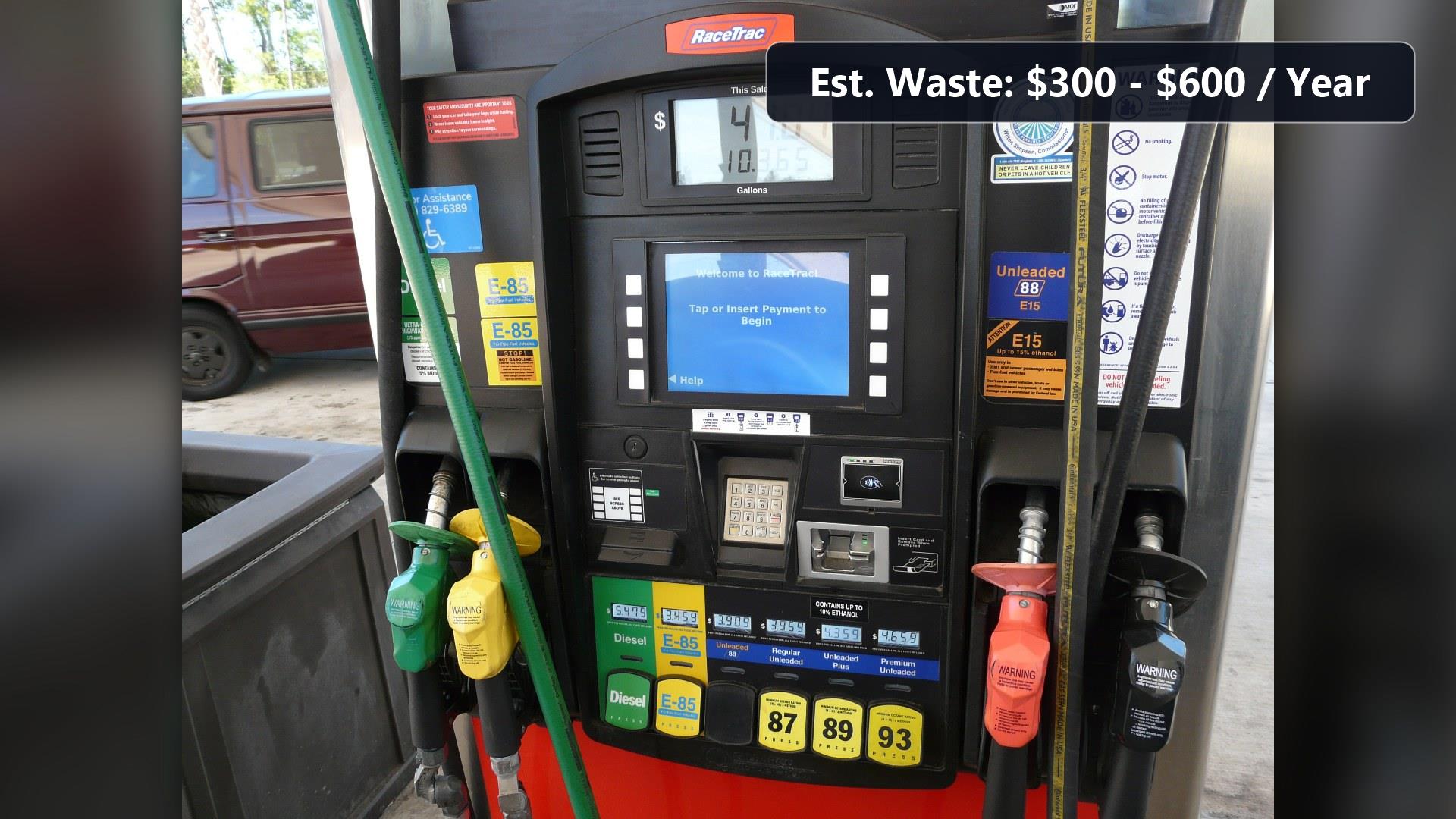
16. Premium Fuel For Regular Cars
Millions of motorists mistakenly assume premium fuel cleans their engine or boosts mileage, but automotive engineers confirm engines tuned for regular eighty-seven octane derive zero performance gain from higher octane ratings. The habit squanders fifty to eighty cents per gallon at every fill-up.
©Wikimedia / The Bushranger
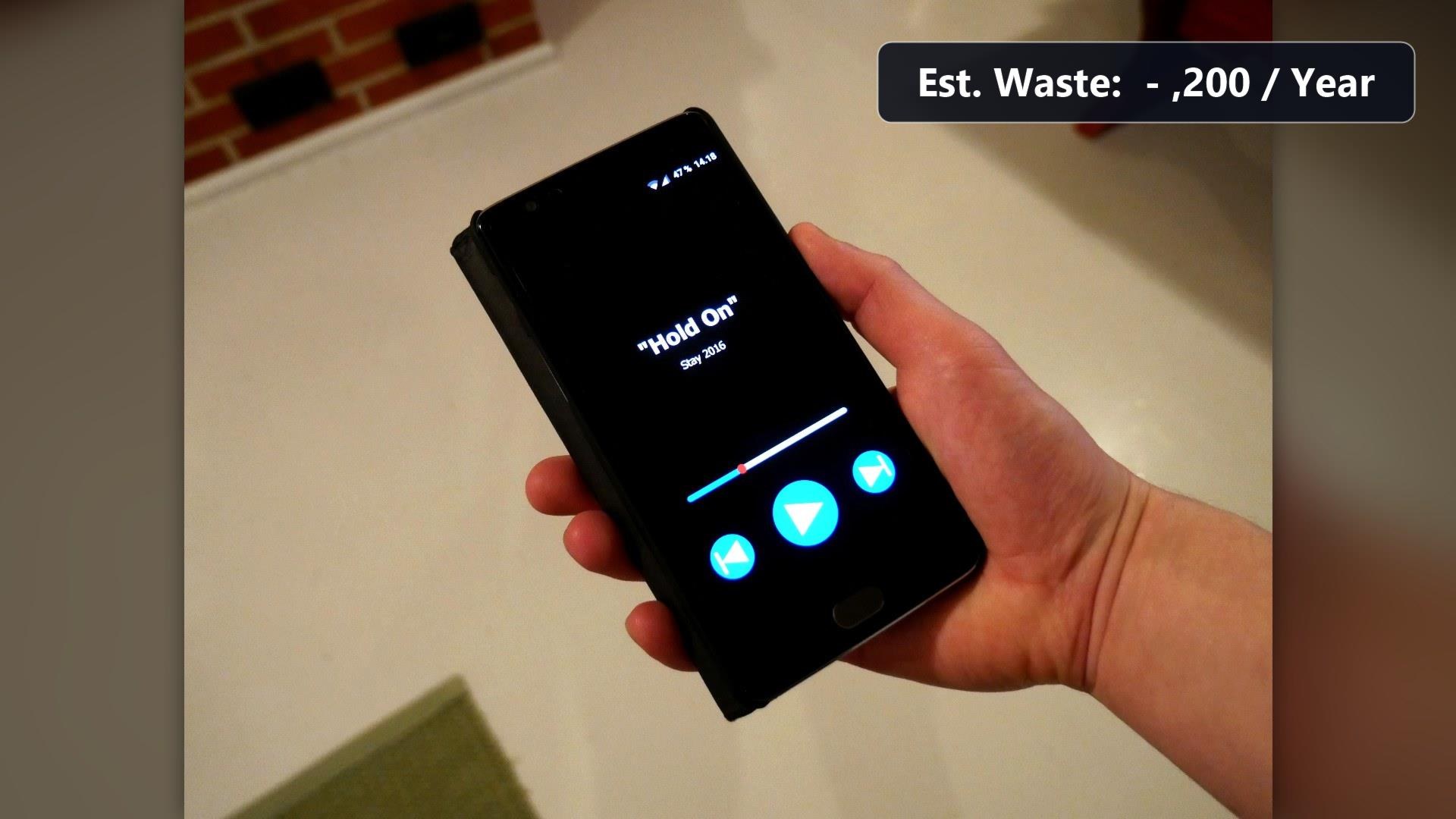
15. Forgotten Digital Subscriptions
Between multiple video streaming services, fitness apps, cloud storage upgrades, and software trials, the average consumer underestimates their monthly subscription bills by more than one hundred dollars. Auditing recurring card charges once a quarter uncovers hundreds in effortless annual savings.
©Wikimedia / Santeri Viinamaki
14. Brand-Name Grocery Markups
Store-brand oats, flour, canned beans, and medications are legally required to meet the identical purity and quality standards as high-profile national brands, often rolling off identical factory assembly lines. Choosing store brands consistently trims twenty to thirty percent off monthly grocery receipts.
©Wikimedia / Tessa Bury
Advertisement
Swipe or tap ▶ to resume the countdown.
13. Out Of-Network ATM Fees
Out-of-network ATM surcharges routinely reach five dollars per withdrawal between the machine owner and home bank. Coupled with punitive overdraft fees that penalize small deficits with thirty-five-dollar charges, banking friction costs unwary account holders hundreds of unnecessary dollars annually.
©Wikimedia / TeWeBs
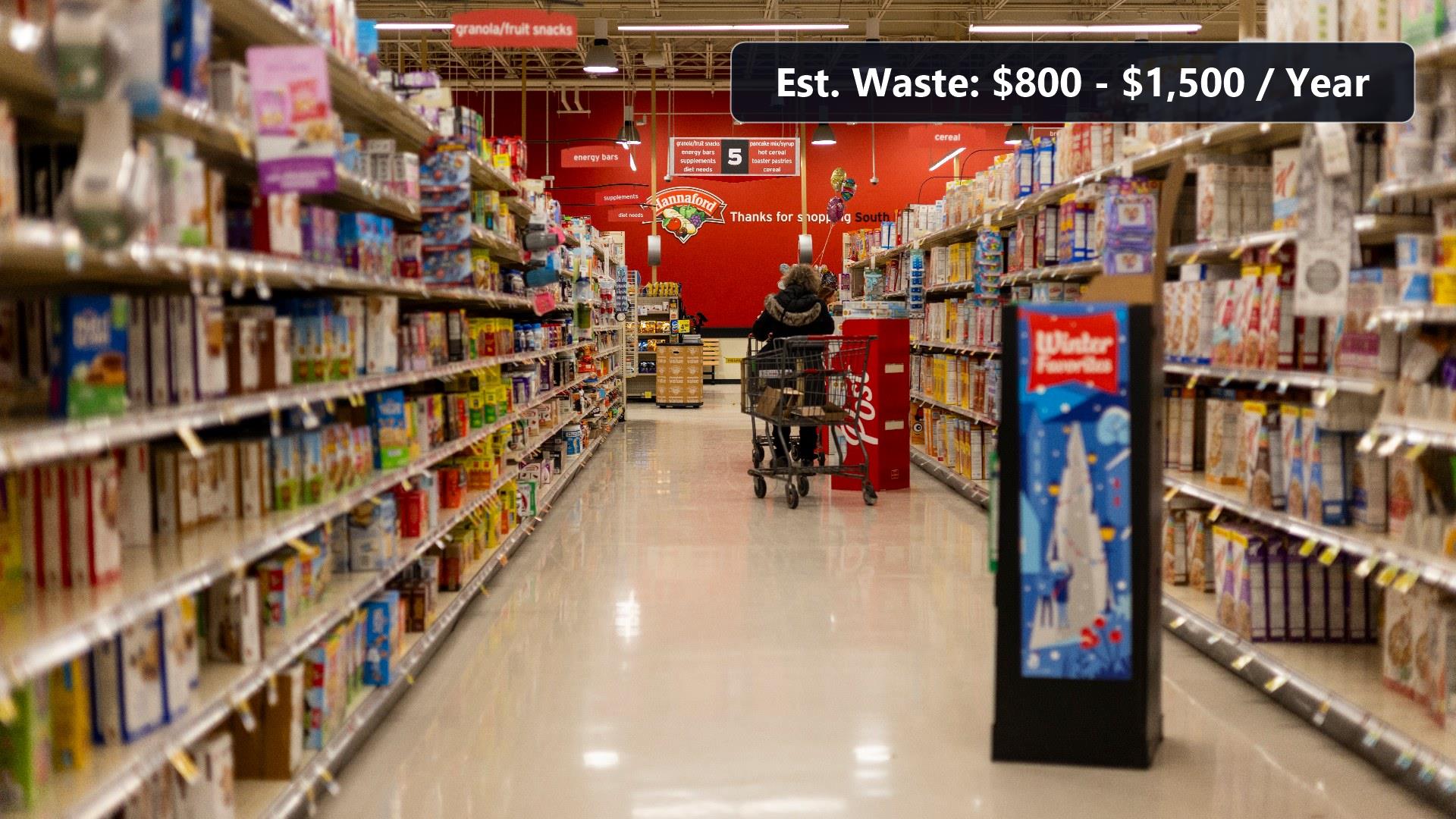
12. Grocery Food Waste
Spoiled produce, forgotten leftovers, and expired dairy cost the typical American family over fifteen hundred dollars each year. Meal planning, checking pantry shelves before grocery runs, and understanding that sell-by dates are not expiration dates stops this massive financial drain.
©Wikimedia / OpenIDUser2
11. Phantom Energy Draw
Electronics left in standby mode account for roughly ten percent of residential electricity usage according to the Department of Energy. Smart power strips that sever standby draw to media consoles, cable boxes, and computer setups quietly knock hundreds off annual utility statements.
©Wikimedia / cogdogblog
10. Fast Fashion & Unworn Clothes
Impulse shopping for fleeting micro-trends results in Americans discarding dozens of pounds of textiles each year, with up to eighty percent of wardrobe items rarely worn. Shifting toward classic, durable staple garments saves thousands of dollars over just a couple of years.
©Wikimedia / Steffen Mokosch
Advertisement
Swipe or tap ▶ to resume the countdown.
9. Food Delivery Surcharges
Third-party delivery apps tack on menu price inflations, platform service fees, regulatory recovery charges, and tips that easily turn a fifteen-dollar restaurant meal into a thirty-two-dollar order. Ordering directly for restaurant pickup keeps money in diner pockets and supports local kitchens.
©Wikimedia / Meanwell Packaging
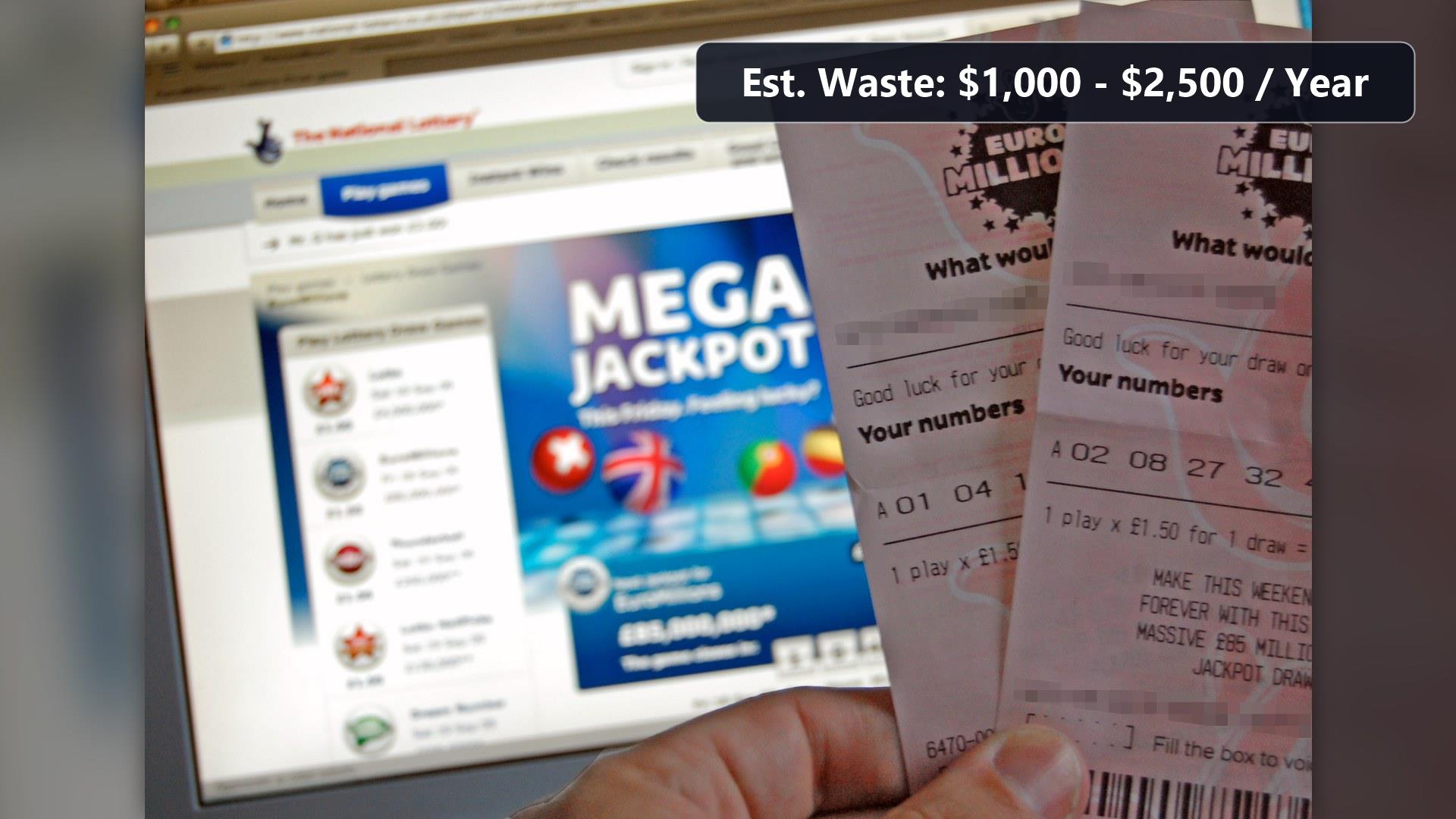
8. State Lottery Tickets
The average American spends several hundred dollars per year on lottery tickets, while frequent players spend thousands chasing odds worse than one in three hundred million. Redirecting ten dollars a week into a broad market index fund creates predictable compounding rather than guaranteed paper losses.
©Wikimedia / Magnus D from London, United Kingdom
7. Unused Cable TV Bundles
Traditional cable television packages with bloated channel lineups, equipment rental fees, and regional sports surcharges routinely run one hundred and fifty to two hundred dollars a month. Trimming to high-speed internet and targeted streaming cuts telecom bills by more than half.
©Wikimedia / Strubbl
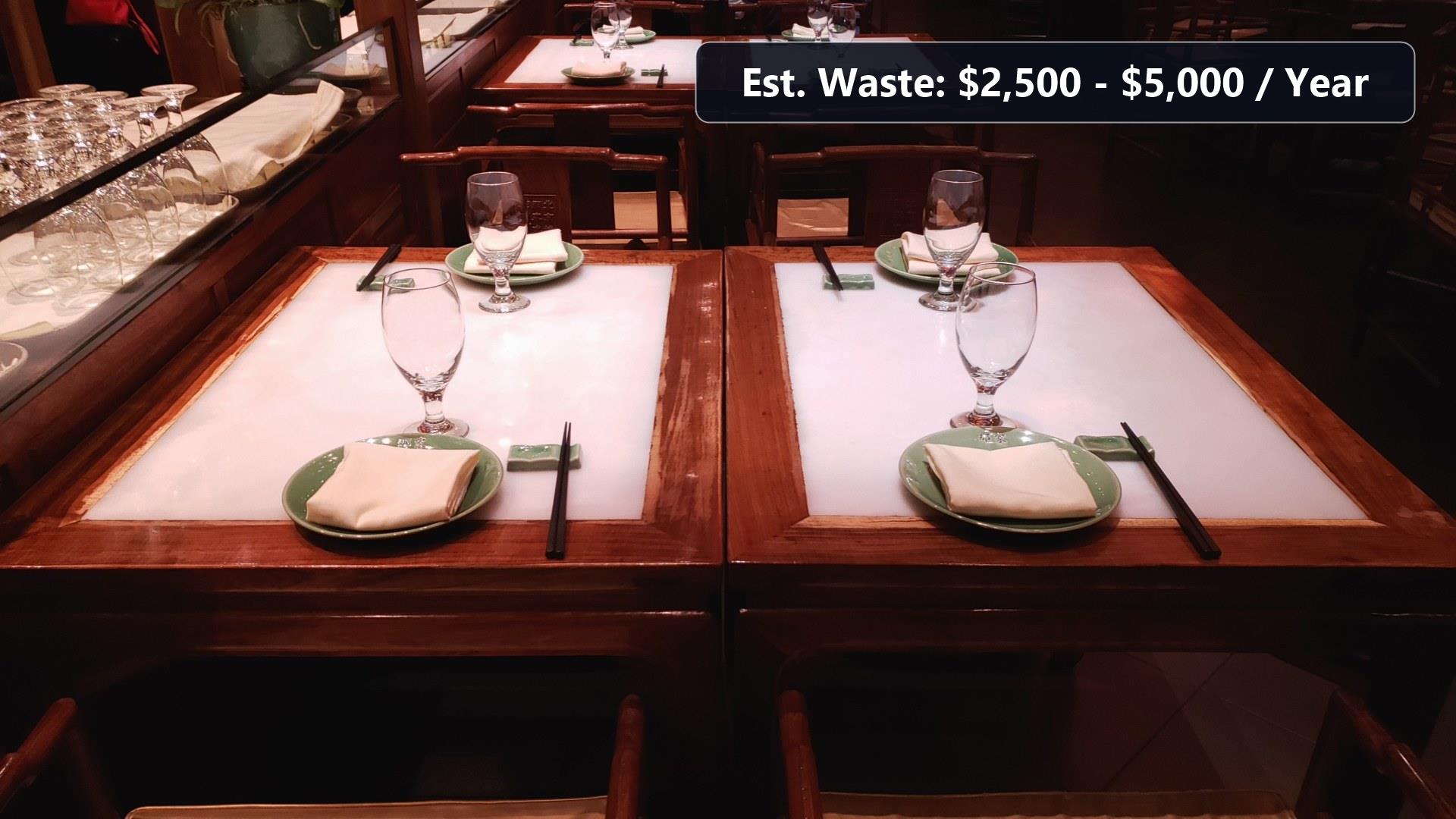
6. Frequent Dining Out
Preparing balanced, delicious meals at home costs roughly four dollars per serving compared to twenty dollars or more at casual dining spots. Cooking just three additional dinners per week keeps several thousand dollars in household savings without sacrificing culinary quality.
©Wikimedia / George Ho
Advertisement
Swipe or tap ▶ to resume the countdown.
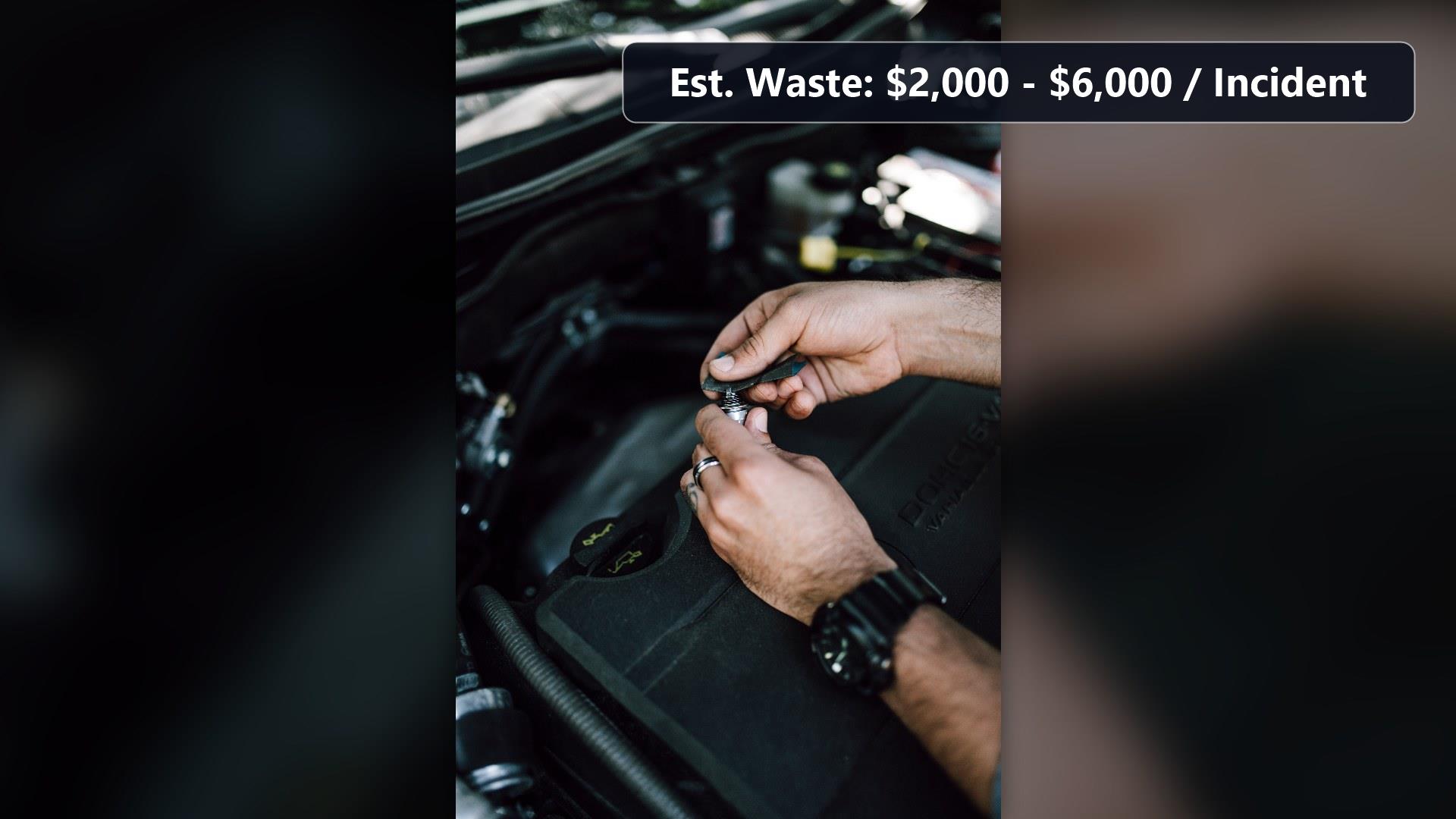
5. Deferred Vehicle Maintenance
Postponing routine preventative upkeep on heating systems, vehicle brake pads, roof flashings, or engine fluids is the ultimate false economy. A ignored fifty-dollar belt replacement easily morphs into a five-thousand-dollar engine rebuild when timing fails on the freeway.
©Wikimedia / Shixart1985
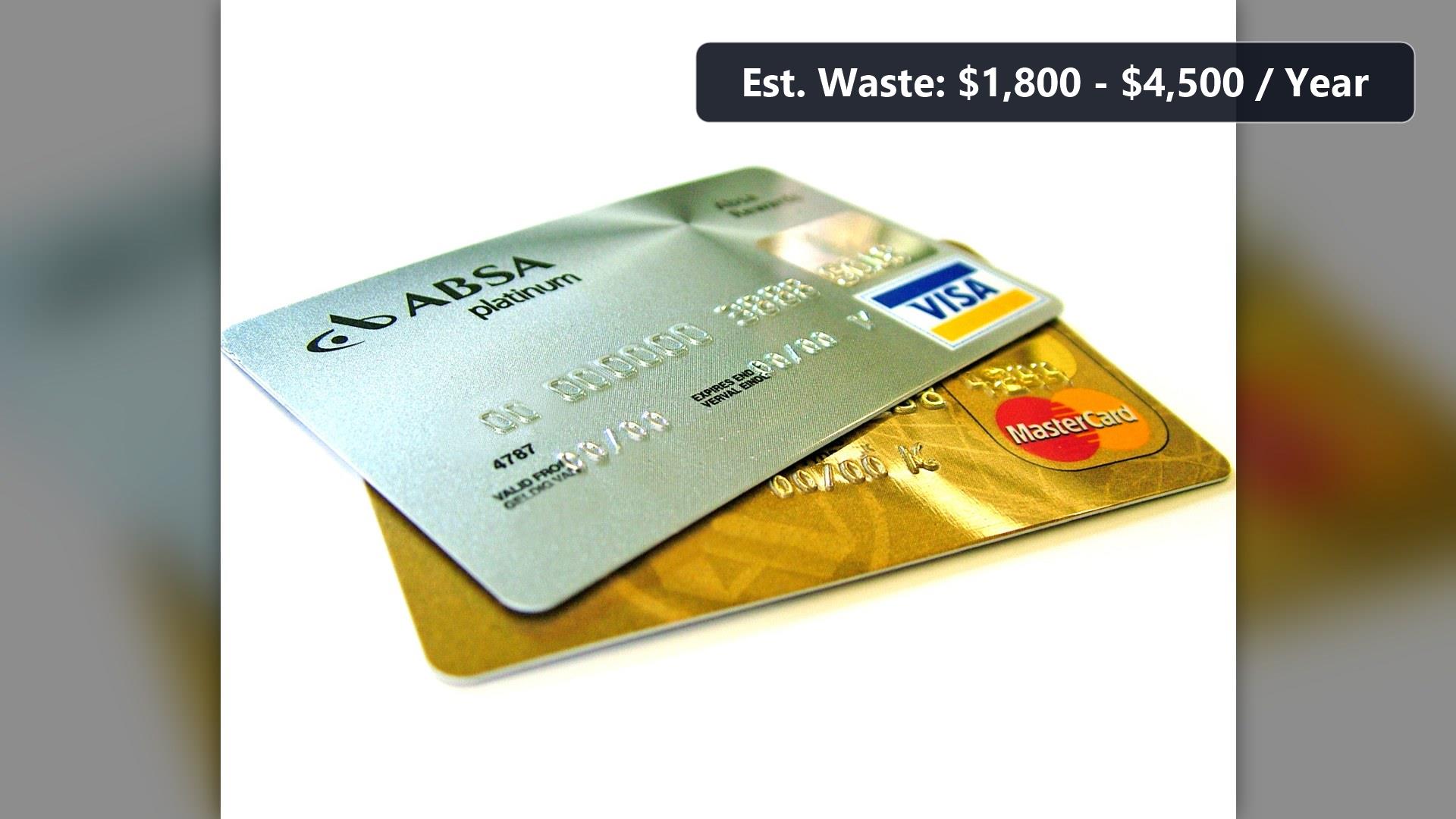
4. High-Interest Credit Card Debt
With average credit card interest rates surpassing twenty-two percent, making only minimum monthly payments ensures consumers repay double or triple the original purchase price. Carrying an eight-thousand-dollar balance burns nearly two thousand dollars annually in deadweight interest charges.
©Wikimedia / Lotus Head from Johannesburg, Gauteng, S...
3. New Car Depreciation
A new forty-thousand-dollar car sheds roughly eight thousand dollars in depreciation during its first twelve months on the road. Buying a certified pre-owned vehicle that is two to three years old lets the previous owner absorb the steepest depreciation curve while providing years of reliable service.
©Wikimedia / Blood Red Sandman
2. Overpaying On Insurance
Insurers routinely raise premiums on long-tenured customers through price optimization algorithms that penalize policyholder inertia. Taking one hour every year to compare competing quotes across reputable carriers saves the average household over one thousand dollars on identical coverage.
©Wikimedia / Blogtrepreneur
Advertisement
Swipe or tap ▶ to resume the countdown.
1. Cash In Zero-Interest Accounts
Big commercial banks pay a microscopic 0.01 percent interest on checking and traditional savings accounts. Leaving twenty thousand dollars in idle cash rather than placing it in high-yield cash accounts or index funds forfeits thousands in compounded interest while inflation quietly erodes real wealth.

©Wikimedia / Beyond My Ken
Advertisement
You've reached the end of the story. Thanks for reading!

20 Small American Businesses With Products and Ideas Worth Discovering
American entrepreneurs continue to build durable goods and creative regional staples across the country. From heritage foundries in Tennessee to family workshops in Pennsylvania, independent makers prove hands-on quality endures. Based on reporting by Forbes, Inc. Magazine, and Bloomberg News published in 2026.
All 20 Entries in this Story
21. Unused Gym Memberships
Millions of Americans kick off January with ambitious fitness resolutions, but studies show sixty-seven percent of memberships sit completely abandoned by Valentine's Day. Monthly auto-renewals between thirty and seventy dollars quietly drain hundreds every year without a single workout logged.

20. Extended Warranties
Cashier checkout pitches for warranties on laptops, appliances, and headphones represent pure profit for retailers, who pocket up to fifty percent of policy fees. Consumer reports show standard repairs cost less than the protection plan premiums, while credit cards already provide duplicate coverage.

19. Daily Gourmet Coffee
A five-dollar specialty latte or energy drink on the morning commute seems harmless in the moment, but five workdays a week across fifty weeks amounts to twelve hundred and fifty dollars every year. Brewing whole-bean coffee at home costs roughly twenty cents a cup.

18. Single-Use Bottled Water
Americans purchase billions of single-use plastic water bottles each year, paying an average markup of four thousand percent over treated household tap water. Investing thirty dollars in a quality stainless steel bottle and home filter saves hundreds of dollars annually while eliminating plastic waste.

17. Premium Fuel For Regular Cars
Millions of motorists mistakenly assume premium fuel cleans their engine or boosts mileage, but automotive engineers confirm engines tuned for regular eighty-seven octane derive zero performance gain from higher octane ratings. The habit squanders fifty to eighty cents per gallon at every fill-up.

16. Forgotten Digital Subscriptions
Between multiple video streaming services, fitness apps, cloud storage upgrades, and software trials, the average consumer underestimates their monthly subscription bills by more than one hundred dollars. Auditing recurring card charges once a quarter uncovers hundreds in effortless annual savings.

15. Brand-Name Grocery Markups
Store-brand oats, flour, canned beans, and medications are legally required to meet the identical purity and quality standards as high-profile national brands, often rolling off identical factory assembly lines. Choosing store brands consistently trims twenty to thirty percent off monthly grocery receipts.

14. Out Of-Network ATM Fees
Out-of-network ATM surcharges routinely reach five dollars per withdrawal between the machine owner and home bank. Coupled with punitive overdraft fees that penalize small deficits with thirty-five-dollar charges, banking friction costs unwary account holders hundreds of unnecessary dollars annually.

13. Grocery Food Waste
Spoiled produce, forgotten leftovers, and expired dairy cost the typical American family over fifteen hundred dollars each year. Meal planning, checking pantry shelves before grocery runs, and understanding that sell-by dates are not expiration dates stops this massive financial drain.

12. Phantom Energy Draw
Electronics left in standby mode account for roughly ten percent of residential electricity usage according to the Department of Energy. Smart power strips that sever standby draw to media consoles, cable boxes, and computer setups quietly knock hundreds off annual utility statements.

11. Fast Fashion & Unworn Clothes
Impulse shopping for fleeting micro-trends results in Americans discarding dozens of pounds of textiles each year, with up to eighty percent of wardrobe items rarely worn. Shifting toward classic, durable staple garments saves thousands of dollars over just a couple of years.

10. Food Delivery Surcharges
Third-party delivery apps tack on menu price inflations, platform service fees, regulatory recovery charges, and tips that easily turn a fifteen-dollar restaurant meal into a thirty-two-dollar order. Ordering directly for restaurant pickup keeps money in diner pockets and supports local kitchens.

9. State Lottery Tickets
The average American spends several hundred dollars per year on lottery tickets, while frequent players spend thousands chasing odds worse than one in three hundred million. Redirecting ten dollars a week into a broad market index fund creates predictable compounding rather than guaranteed paper losses.

8. Unused Cable TV Bundles
Traditional cable television packages with bloated channel lineups, equipment rental fees, and regional sports surcharges routinely run one hundred and fifty to two hundred dollars a month. Trimming to high-speed internet and targeted streaming cuts telecom bills by more than half.

7. Frequent Dining Out
Preparing balanced, delicious meals at home costs roughly four dollars per serving compared to twenty dollars or more at casual dining spots. Cooking just three additional dinners per week keeps several thousand dollars in household savings without sacrificing culinary quality.

6. Deferred Vehicle Maintenance
Postponing routine preventative upkeep on heating systems, vehicle brake pads, roof flashings, or engine fluids is the ultimate false economy. A ignored fifty-dollar belt replacement easily morphs into a five-thousand-dollar engine rebuild when timing fails on the freeway.

4. High-Interest Credit Card Debt
With average credit card interest rates surpassing twenty-two percent, making only minimum monthly payments ensures consumers repay double or triple the original purchase price. Carrying an eight-thousand-dollar balance burns nearly two thousand dollars annually in deadweight interest charges.

3. New Car Depreciation
A new forty-thousand-dollar car sheds roughly eight thousand dollars in depreciation during its first twelve months on the road. Buying a certified pre-owned vehicle that is two to three years old lets the previous owner absorb the steepest depreciation curve while providing years of reliable service.

2. Overpaying On Insurance
Insurers routinely raise premiums on long-tenured customers through price optimization algorithms that penalize policyholder inertia. Taking one hour every year to compare competing quotes across reputable carriers saves the average household over one thousand dollars on identical coverage.

1. Cash In Zero-Interest Accounts
Big commercial banks pay a microscopic 0.01 percent interest on checking and traditional savings accounts. Leaving twenty thousand dollars in idle cash rather than placing it in high-yield cash accounts or index funds forfeits thousands in compounded interest while inflation quietly erodes real wealth.