Slideshow · News
15 Most Dangerous Landslides That Cost Thousands Of Lives
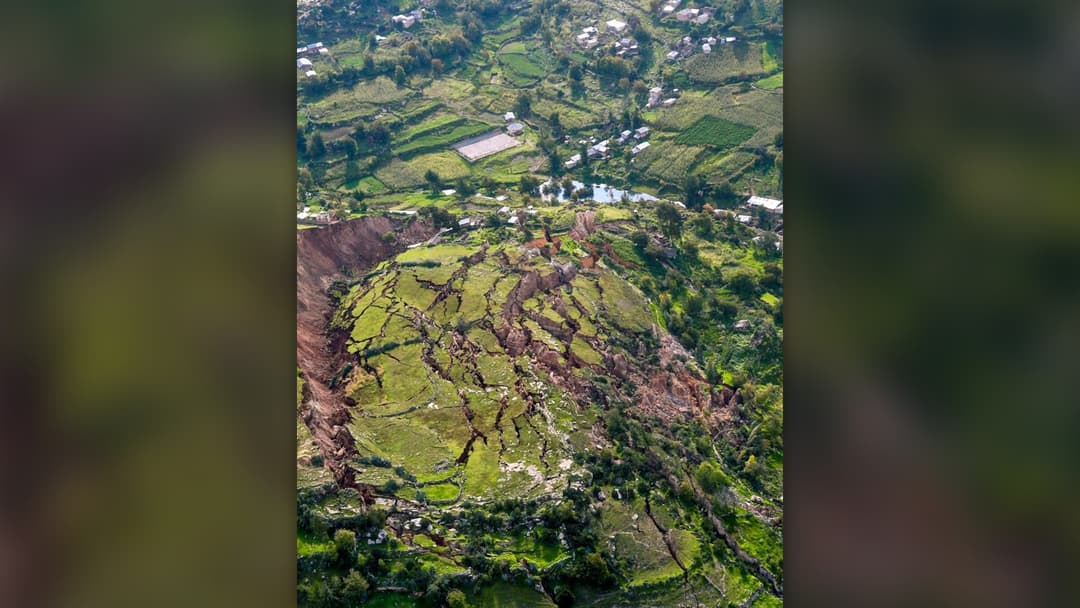
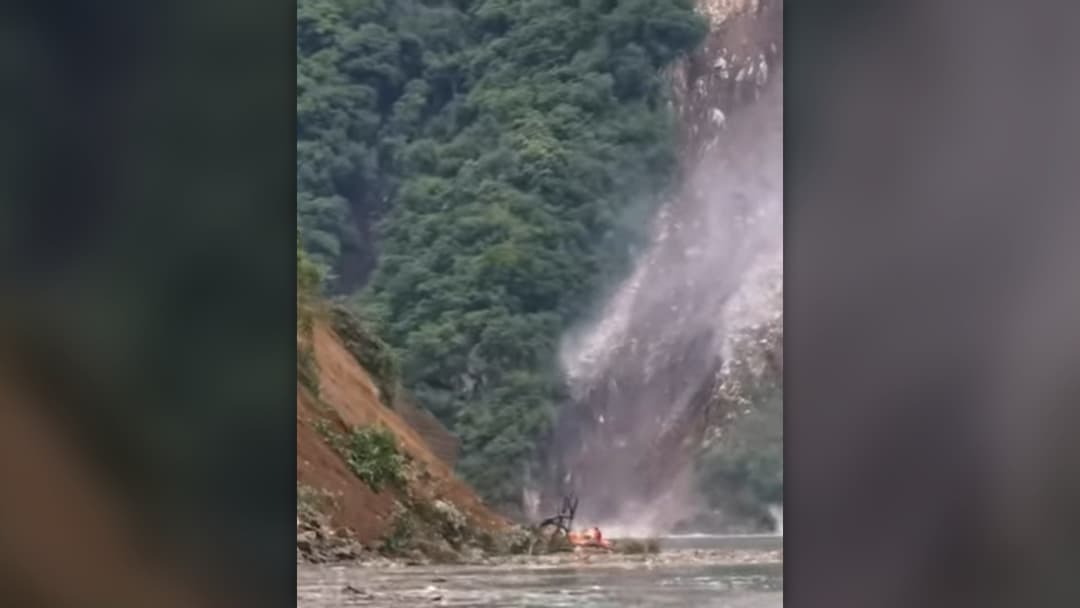
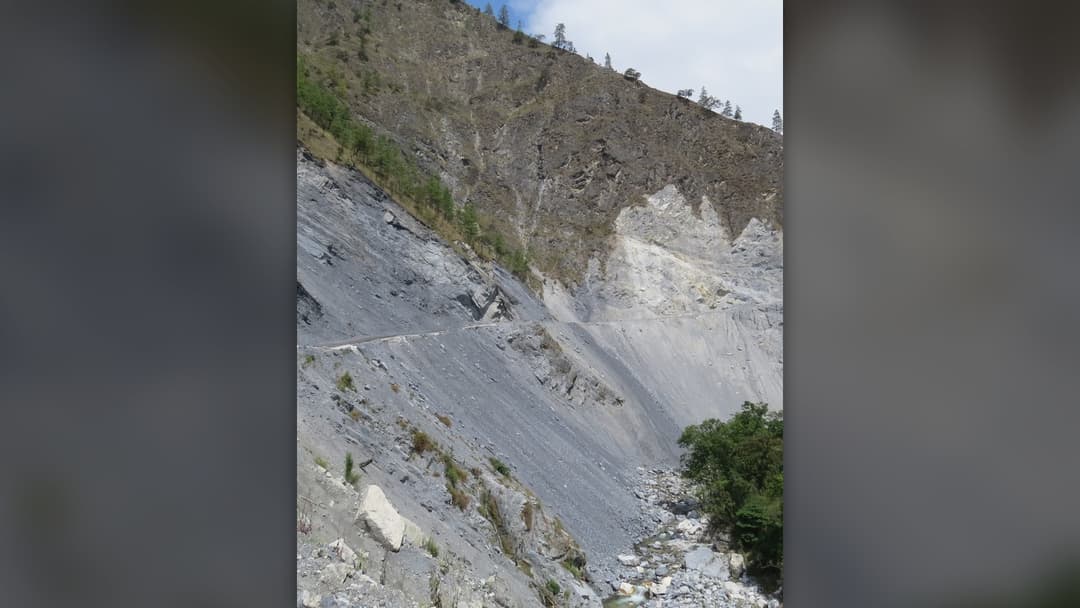
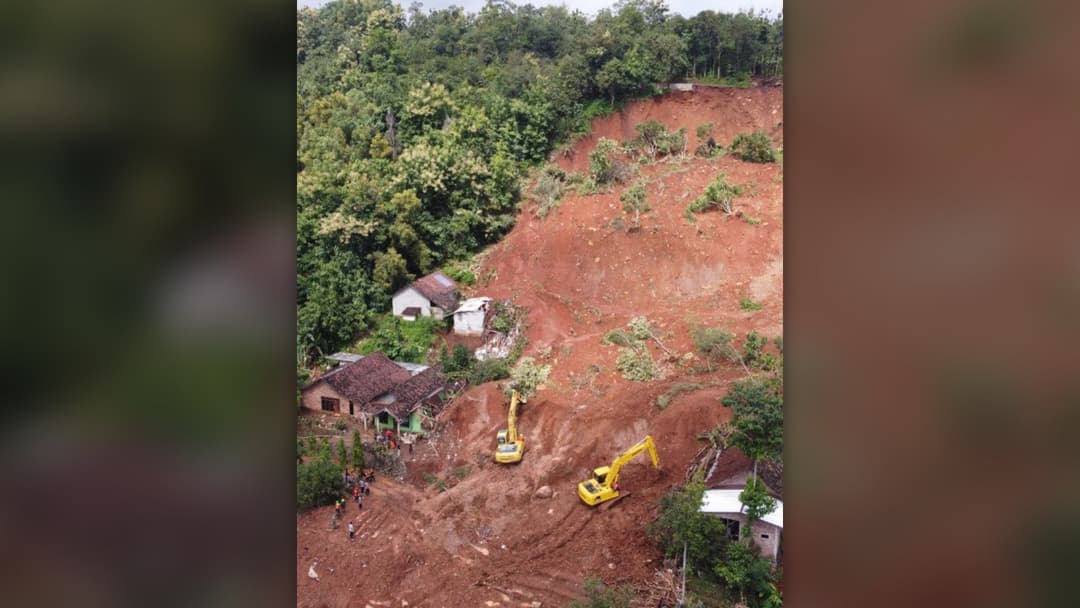
When mountains collapse, entire cities can vanish beneath millions of tons of rock, ice, and mud in a matter of seconds. From earthquake-triggered loess avalanches in China to volcanic lahars in Colom
By Most Viral Today
23 Oct 2026

15 Most Dangerous Landslides That Cost Thousands Of Lives 
15. 1920 Haiyuan Landslides (China) 
14. 1999 Vargas Tragedy (Venezuela) 
13. 1949 Khait Landslide (Tajikistan) - AdvertisementSwipe or tap ▶ to continue countdown

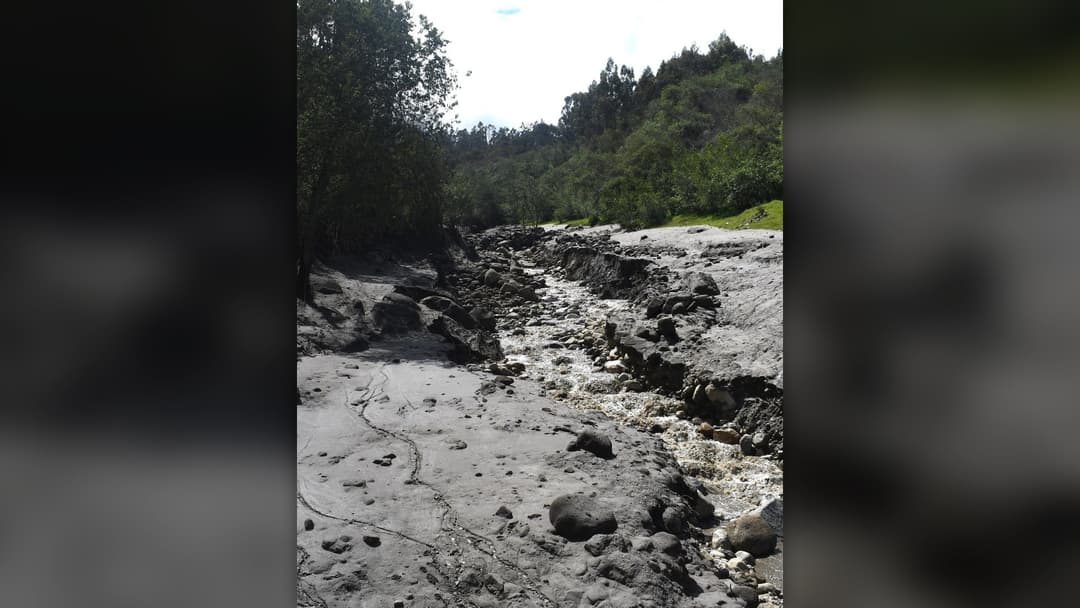
12. 1985 Armero Tragedy (Colombia) 
11. 1970 Yungay Landslide (Peru) 
10. 1933 Diexi Landslides (China) 
9. 2013 Kedarnath Landslides (India) - AdvertisementSwipe or tap ▶ to continue countdown

8. 1919 Kelud Lahars (Indonesia) 
7. 1941 Huaraz Debris Flow (Peru) 
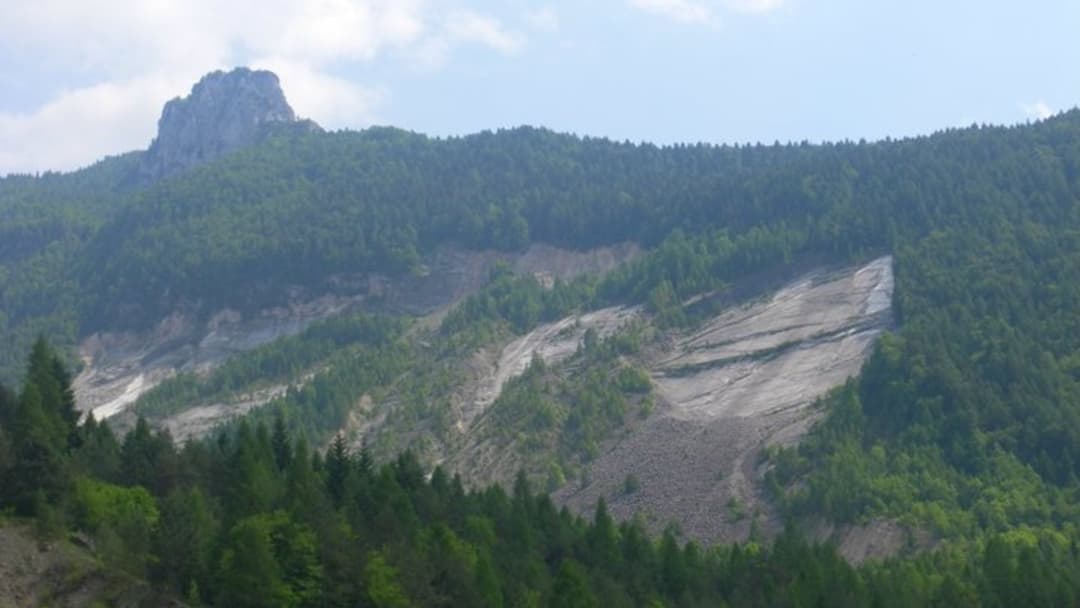
6. 1963 Vajont Dam Landslide (Italy) 
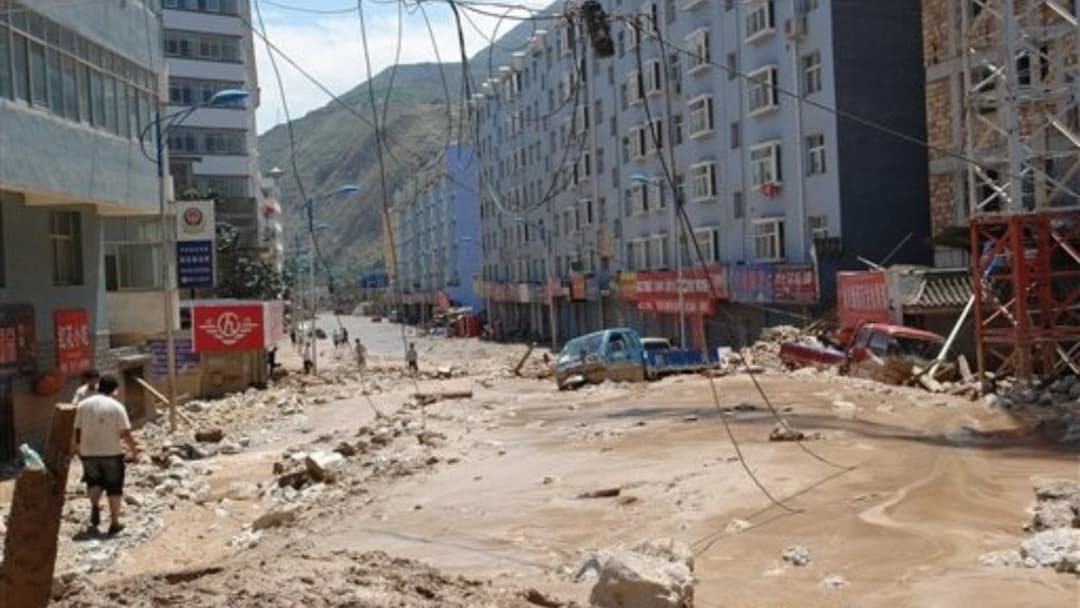
5. 2010 Gansu Mudslide (China) - AdvertisementSwipe or tap ▶ to continue countdown

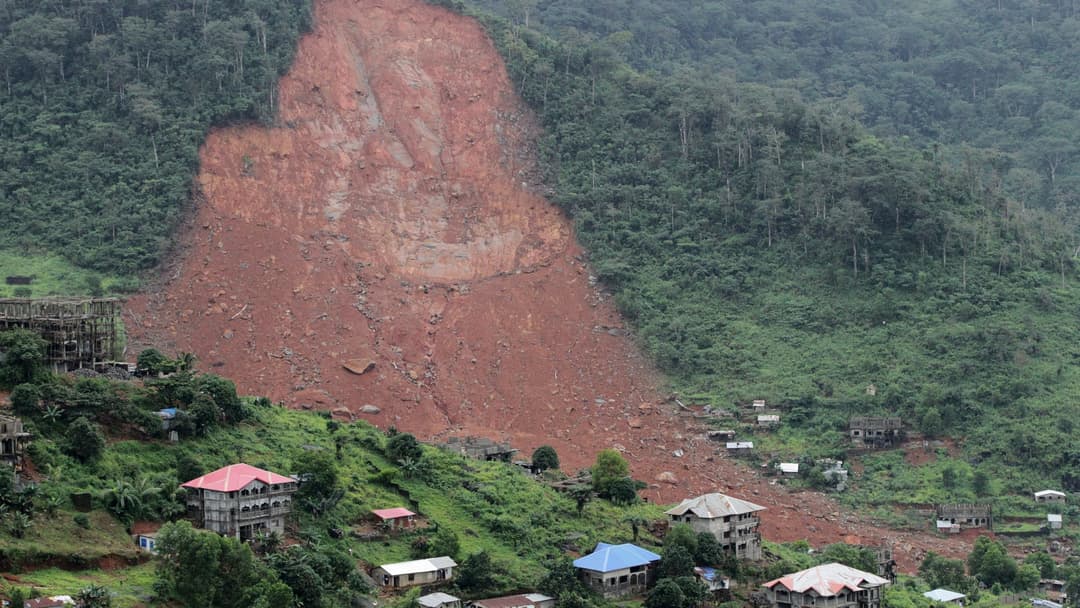
4. 2017 Sierra Leone Mudslides (Sierra Leone) 
3. 2006 Southern Leyte Mudslide (Philippines) 
2. 2011 Rio De Janeiro Mudslides (Brazil) 
1. 2009 Siaolin Mudslide (Taiwan) - Advertisement🔥 UP NEXT IN THIS SERIES◫ 22 Slides

Massive fire engulfs residential building in Nalasopara
Bright orange flames rage through windows as firefighters struggle to control the blaze in the Mumbai suburb.
Throughout history, catastrophic landslides triggered by earthquakes, volcanic eruptions, and torrential rains have buried entire cities in minutes. From China's Loess Plateau to the Venezuelan coast and the high Andes, these fifteen devastating slope failures rank among the deadliest natural disasters ever recorded.
Swipe or tap ▶ to begin the countdown
©Wikimedia / SFT HQ & Galeria del Ministerio de Defensa del
15. 1920 Haiyuan Landslides (China)
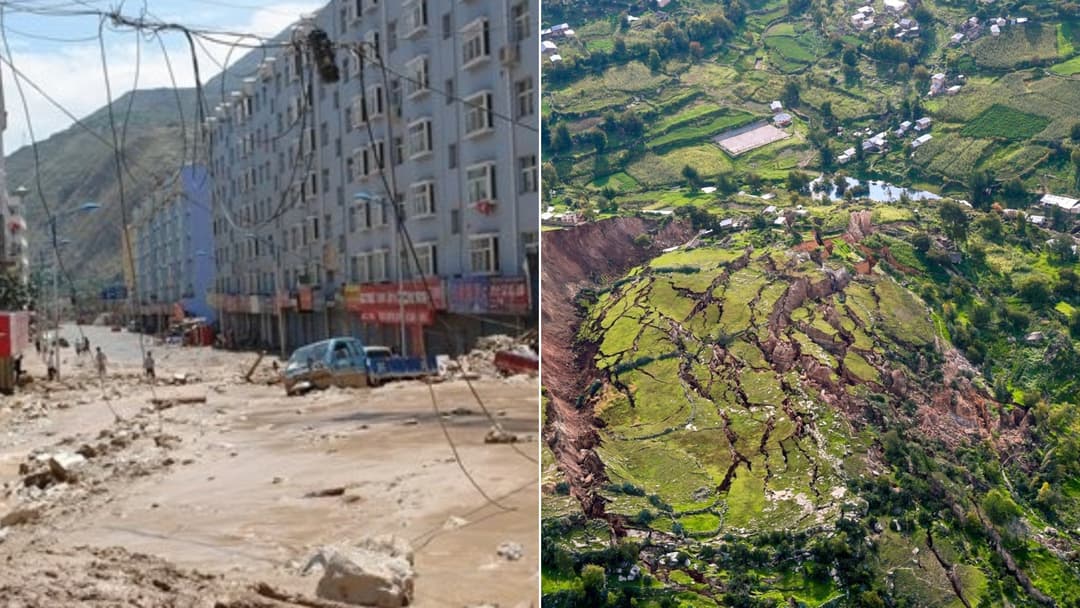
On December 16, 1920, an 8.5-magnitude earthquake struck China's Loess Plateau, shaking loose over 670 massive silt slopes. Because tens of thousands of residents lived in cave dwellings carved into the fragile loess cliffs, the landslides buried entire valleys and killed 100,000 to 200,000 people.
©Wikimedia / SFT HQ
14. 1999 Vargas Tragedy (Venezuela)
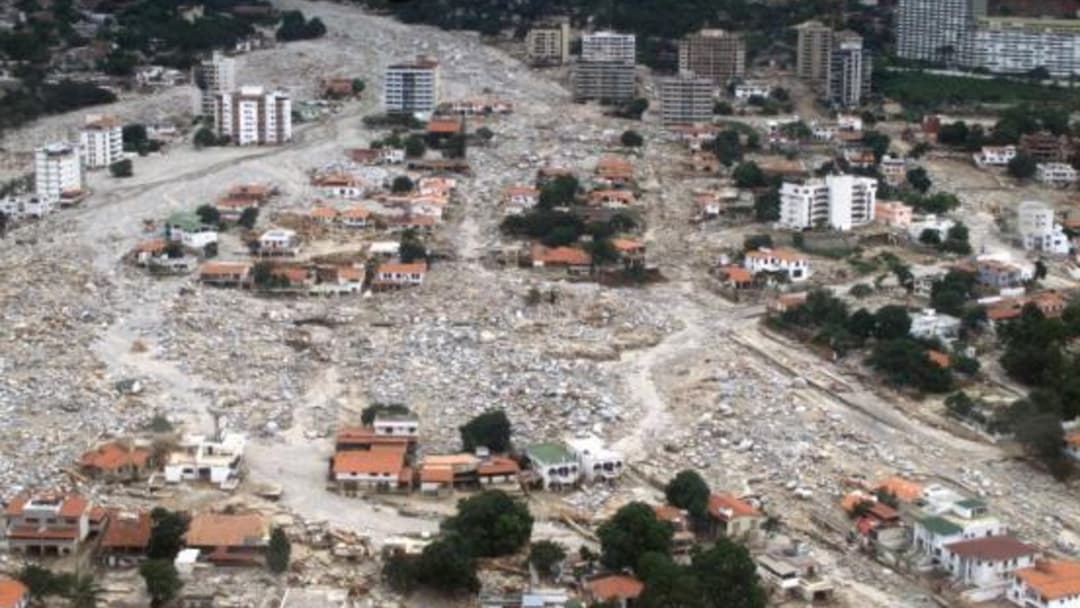
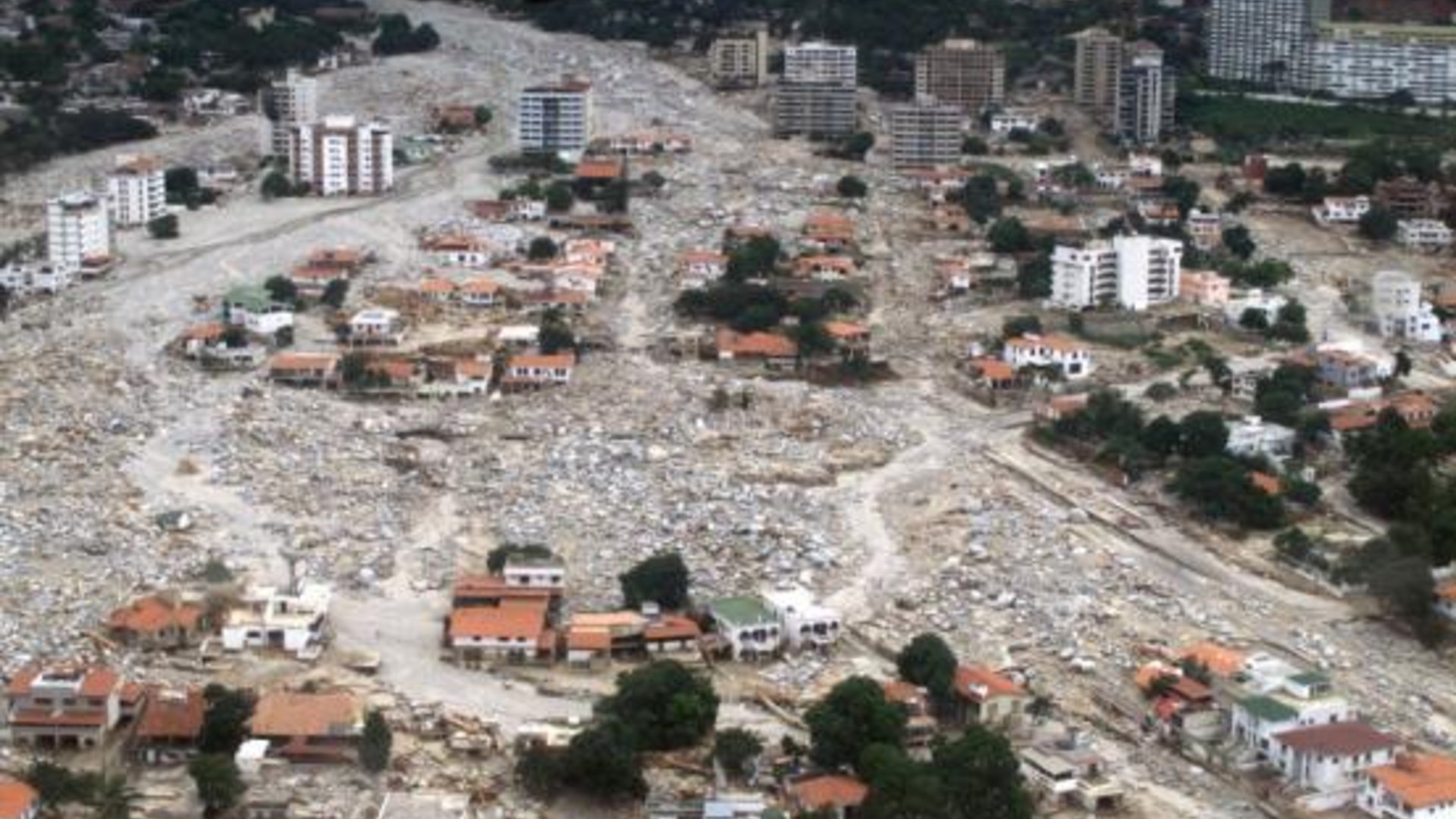
In December 1999, extreme rainstorms dumped nearly a year's worth of rain onto the steep Ávila mountains above Vargas State, Venezuela. Thousands of landslides merged into boulder-choked debris flows that obliterated coastal towns like Caraballeda and Los Corales, killing 10,000 to 30,000 people.
©Wikimedia / Smith, Lawson, US ACE / USGS
13. 1949 Khait Landslide (Tajikistan)
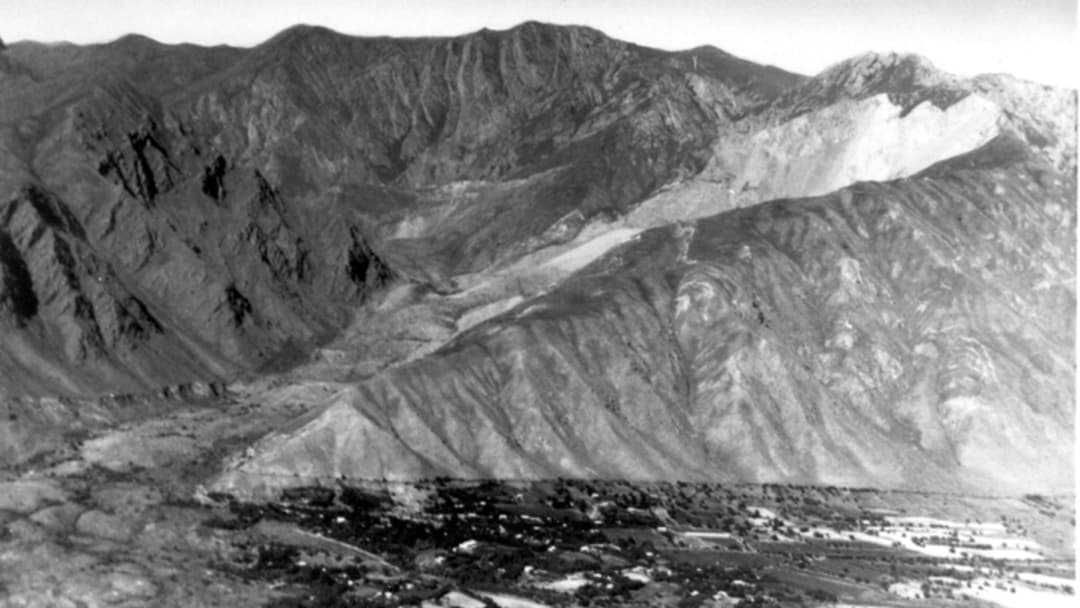
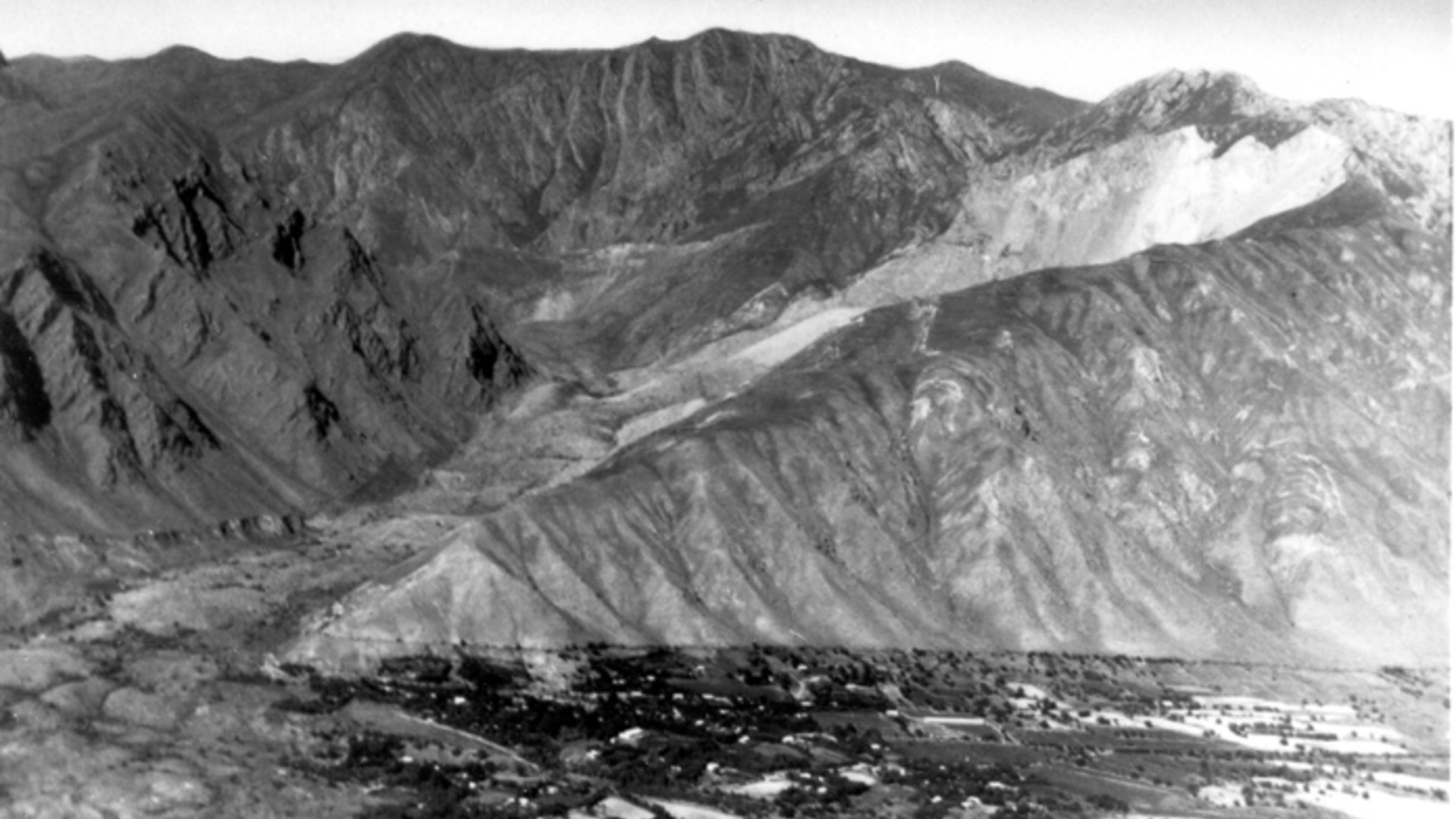
Triggered by a 7.4-magnitude earthquake on July 10, 1949, the flank of Chokrak Mountain in Tajikistan sheared off and raced down the Yasman and Obi-Kabud valleys at over 100 km/h. The massive rock and loess avalanche buried the town of Khait and dozens of villages, claiming 28,000 lives.
©Wikimedia / R.L. Wesson (USGS)
Advertisement
Swipe or tap ▶ to resume the countdown.
12. 1985 Armero Tragedy (Colombia)
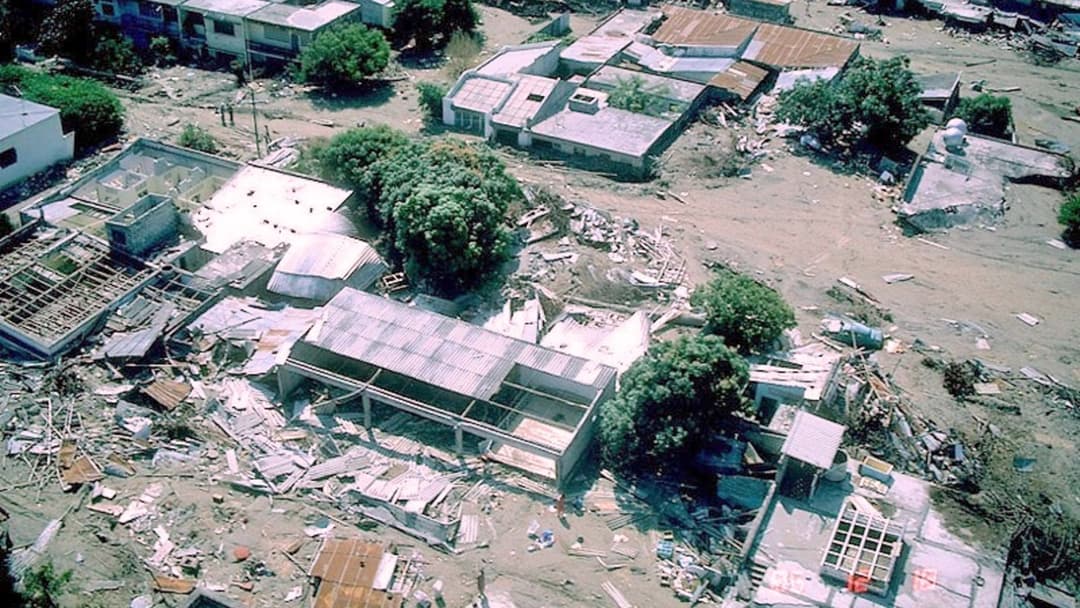
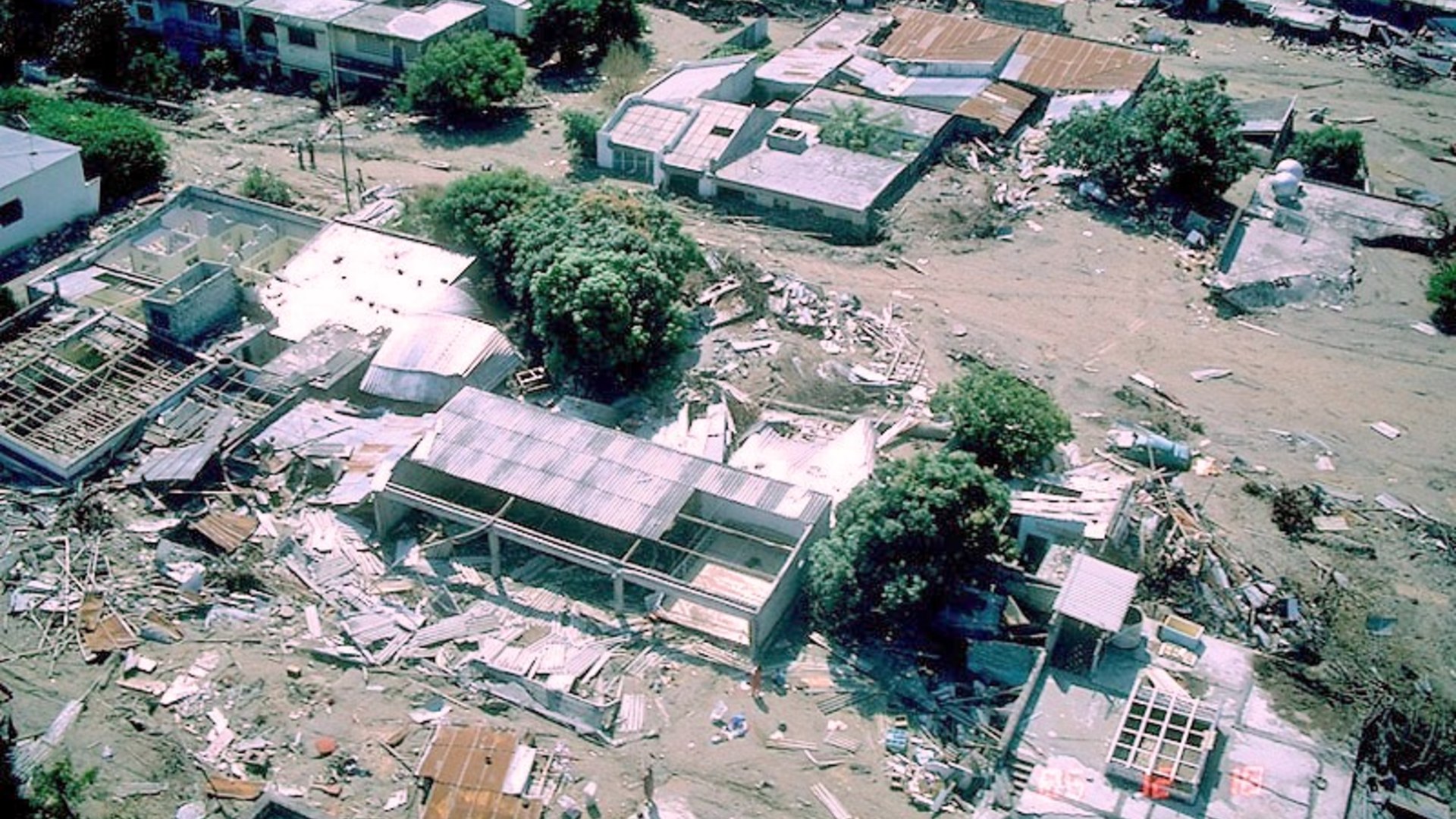
When Colombia's Nevado del Ruiz volcano erupted on November 13, 1985, pyroclastic flows melted summit glaciers and sent four enormous volcanic mudflows (lahars) roaring down river canyons at 60 km/h. The dense wall of mud and rock buried the valley town of Armero, killing over 23,000 people.
©Wikimedia / N. Banks (USGS)
11. 1970 Yungay Landslide (Peru)
On May 31, 1970, the Ancash earthquake destabilized the northern face of Mount Huascarán, Peru's highest peak, causing an 800-meter-wide slab of glacial ice and granite to shear off. Racing downslope at over 280 km/h, the debris avalanche vaulted a ridge and obliterated Yungay, killing 22,000.
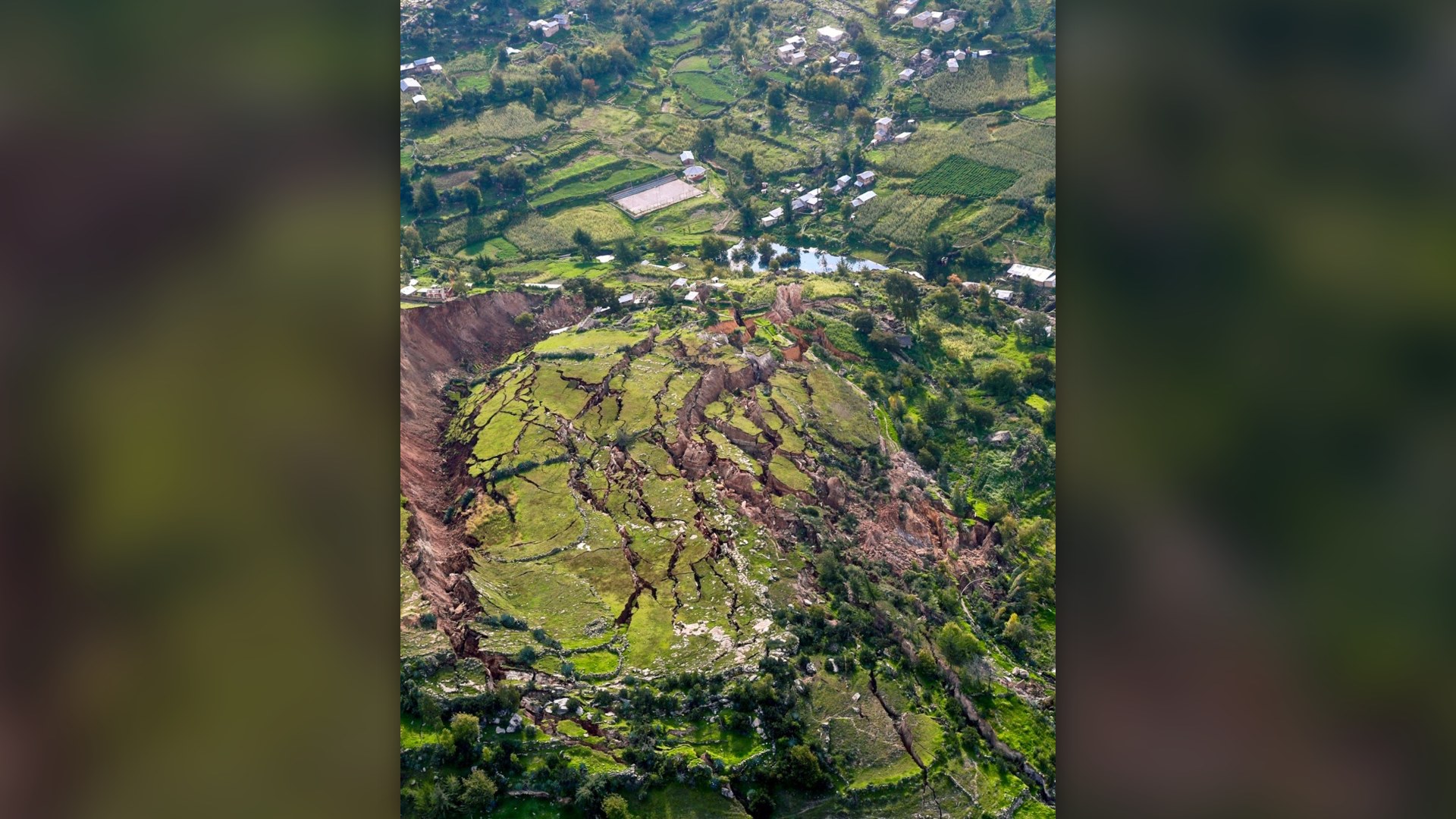
©Wikimedia / Galeria del Ministerio de Defensa del Peru
10. 1933 Diexi Landslides (China)
When a 7.3-magnitude earthquake struck Sichuan on August 25, 1933, massive rockslides plunged the walled town of Diexi into the gorge below and formed three towering landslide dams across the Min River. Forty-five days later, the highest dam collapsed, unleashing a flood wave that killed 9,300.
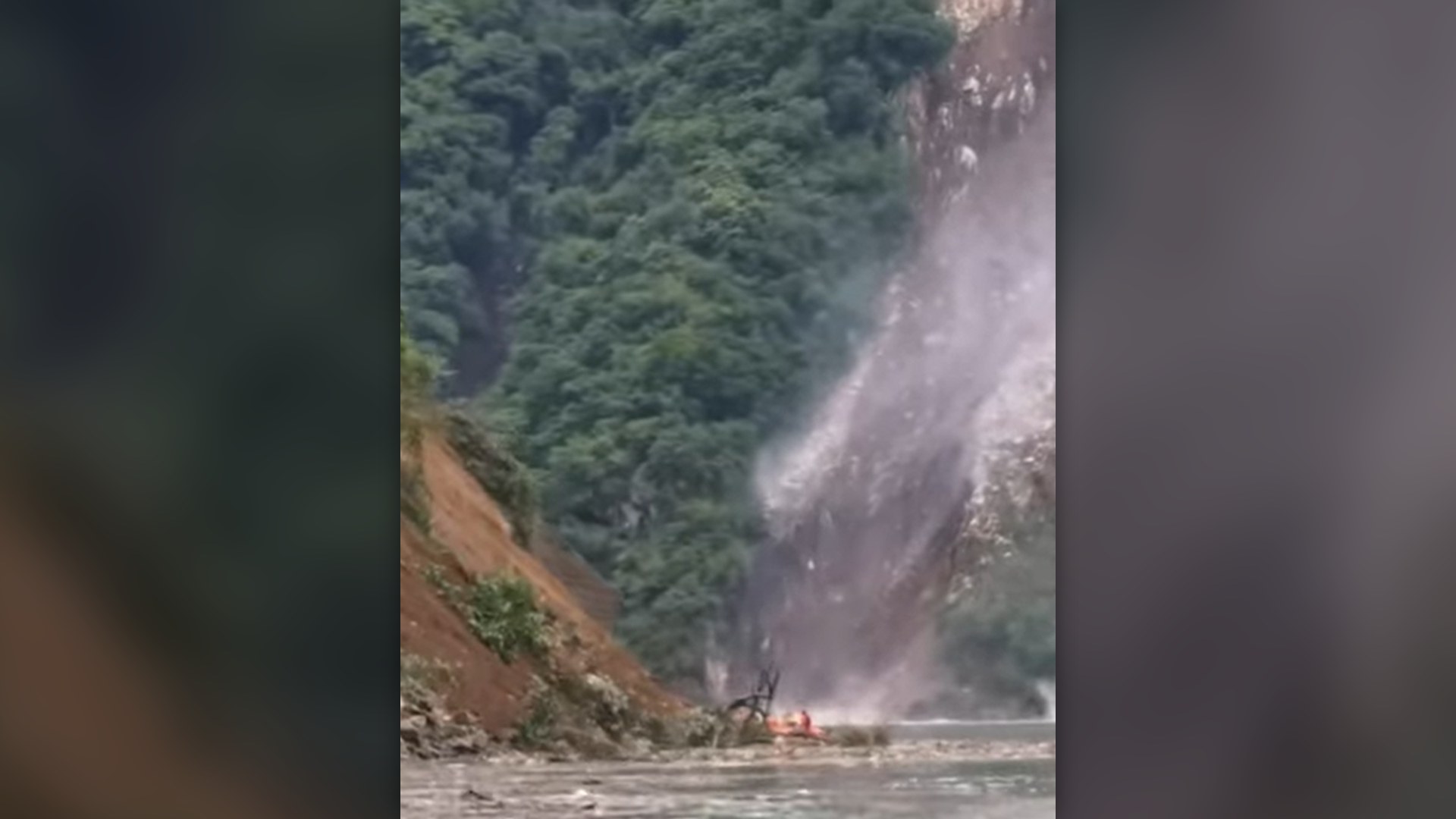
©Wikimedia / China News Service
9. 2013 Kedarnath Landslides (India)
In June 2013, multi-day monsoon cloudbursts over Uttarakhand triggered a glacial lake breach above Kedarnath, sending torrents of mud, boulders, and floodwater down the Mandakini valley. While a giant boulder shielded Kedarnath Temple itself, surrounding pilgrim towns were swept away, killing 5,700.
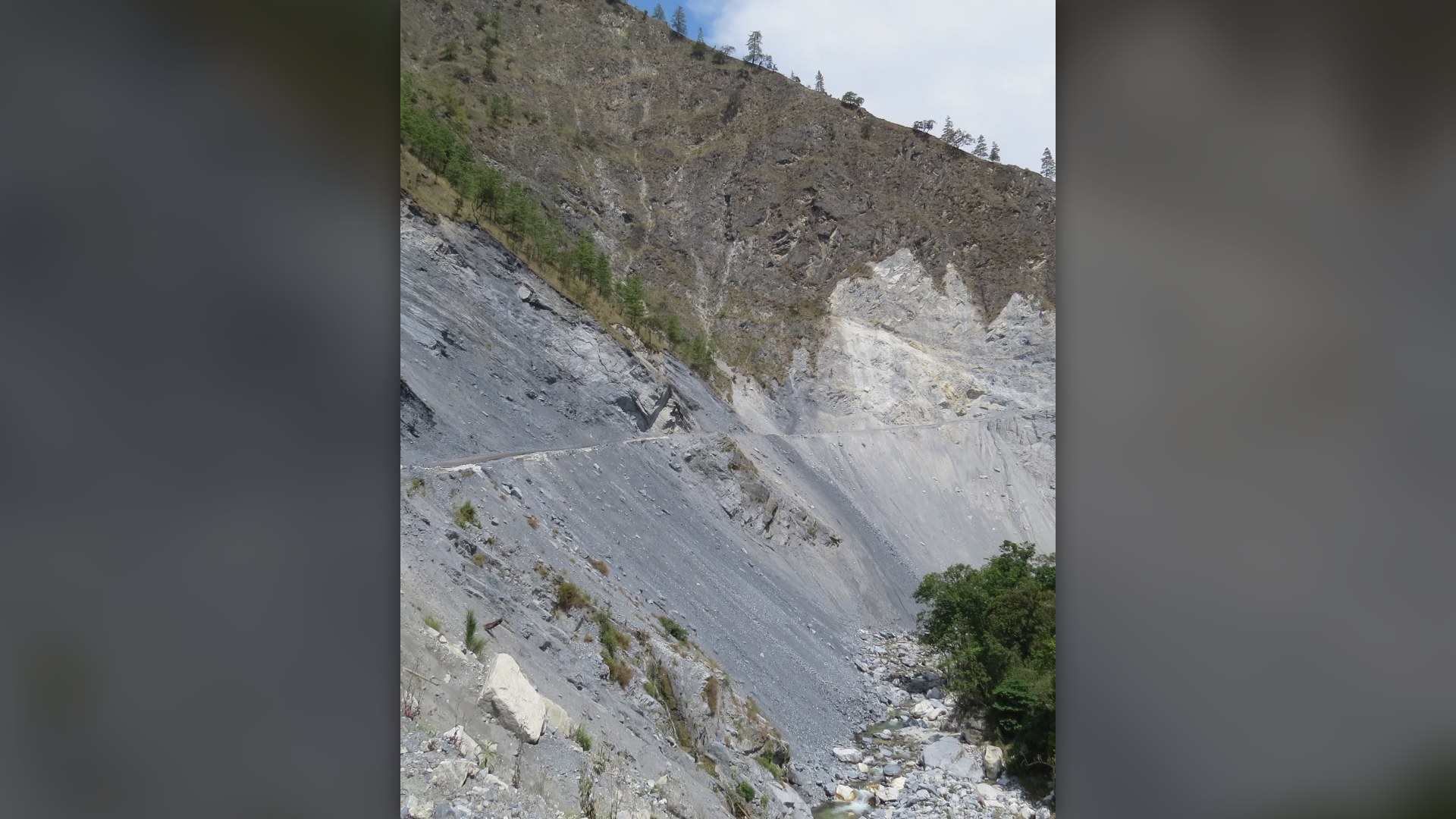
©Wikimedia / A. J. T. Johnsingh, WWF-India and NCF
Advertisement
Swipe or tap ▶ to resume the countdown.
8. 1919 Kelud Lahars (Indonesia)
On May 19, 1919, an explosive eruption at East Java's Mount Kelud ejected 38 million cubic meters of water from its summit crater lake. Mixed with volcanic ash and boulders, the boiling lahars raced down the volcano's slopes into Blitar and Kediri, destroying 104 villages and killing 5,160.
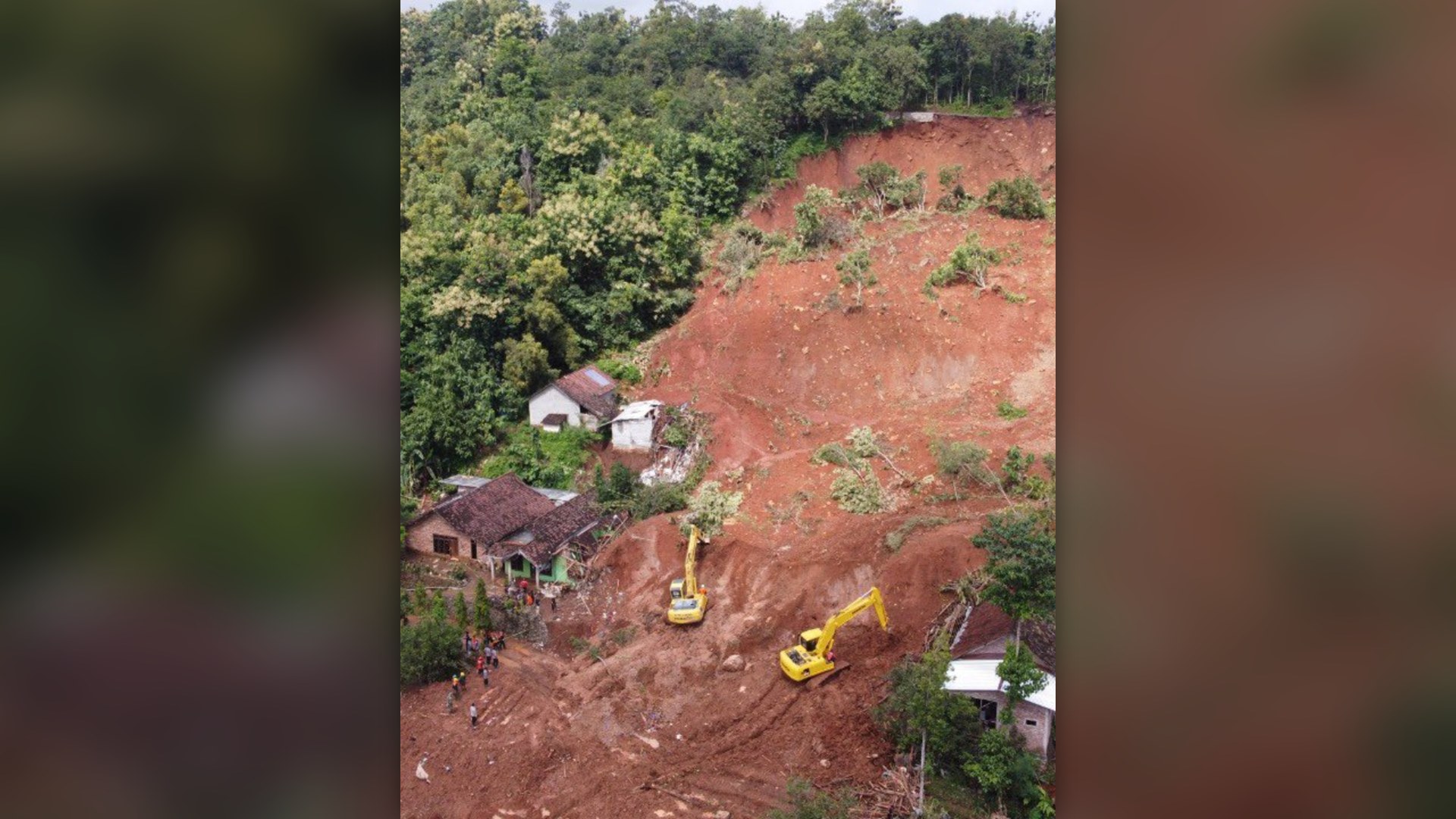
©Wikimedia / BNPB Indonesia
7. 1941 Huaraz Debris Flow (Peru)
At dawn on December 13, 1941, a massive chunk of glacial ice calved into Lake Palcacocha high in Peru's Cordillera Blanca, breaching its moraine dam. The resulting wall of water, boulders, and mud tore down the Cojup valley and obliterated a third of the city of Huaraz, killing 5,000 people.
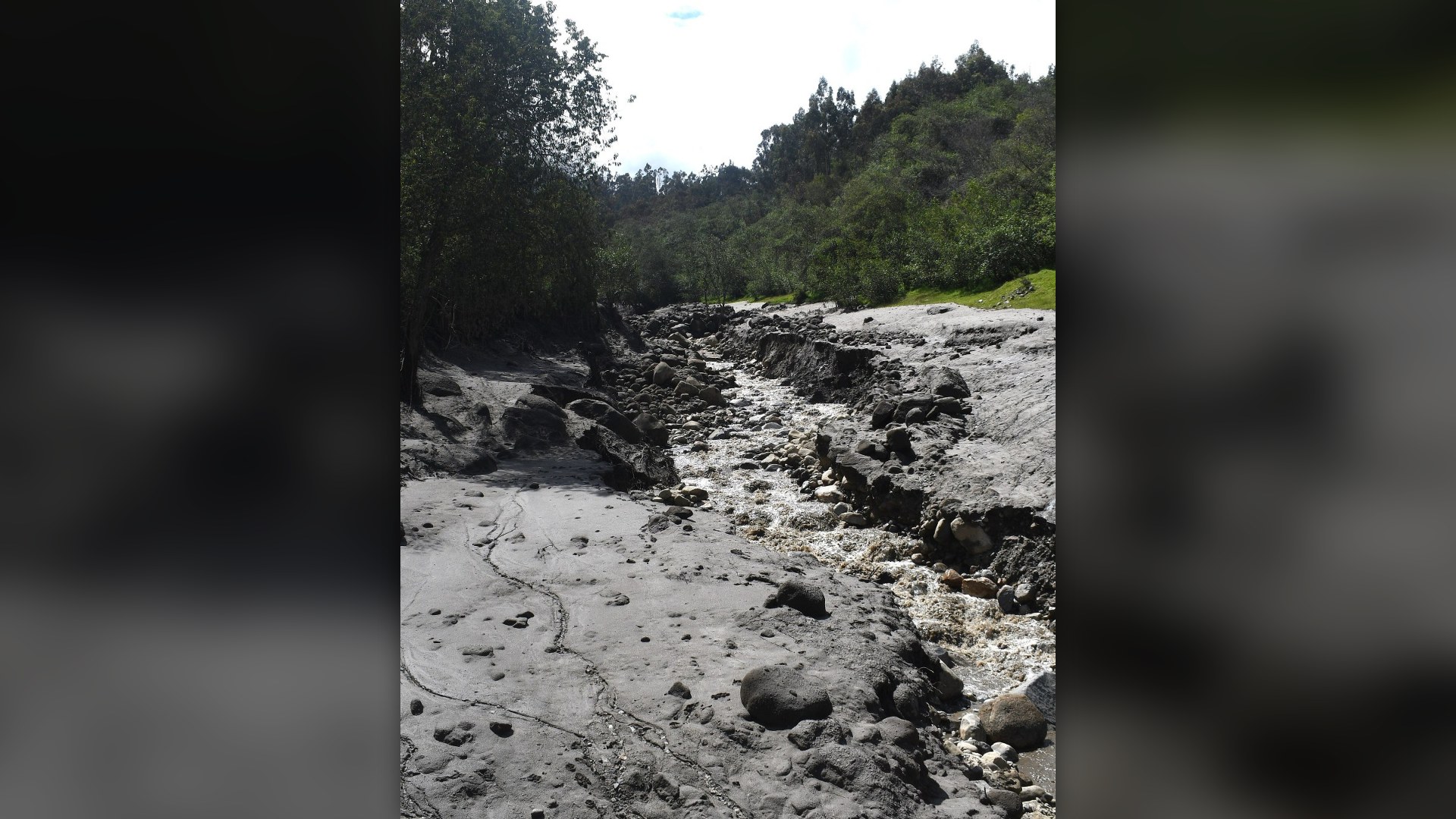
©Wikimedia / Paul Vandenbussche
6. 1963 Vajont Dam Landslide (Italy)
On the night of October 9, 1963, 260 million cubic meters of rock and forest slid off Monte Toc into the Vajont Dam reservoir in northern Italy at 110 km/h. The impact displaced a 250-meter-high megatsunami wave over the intact dam wall, erasing Longarone and nearby towns and killing 2,500.
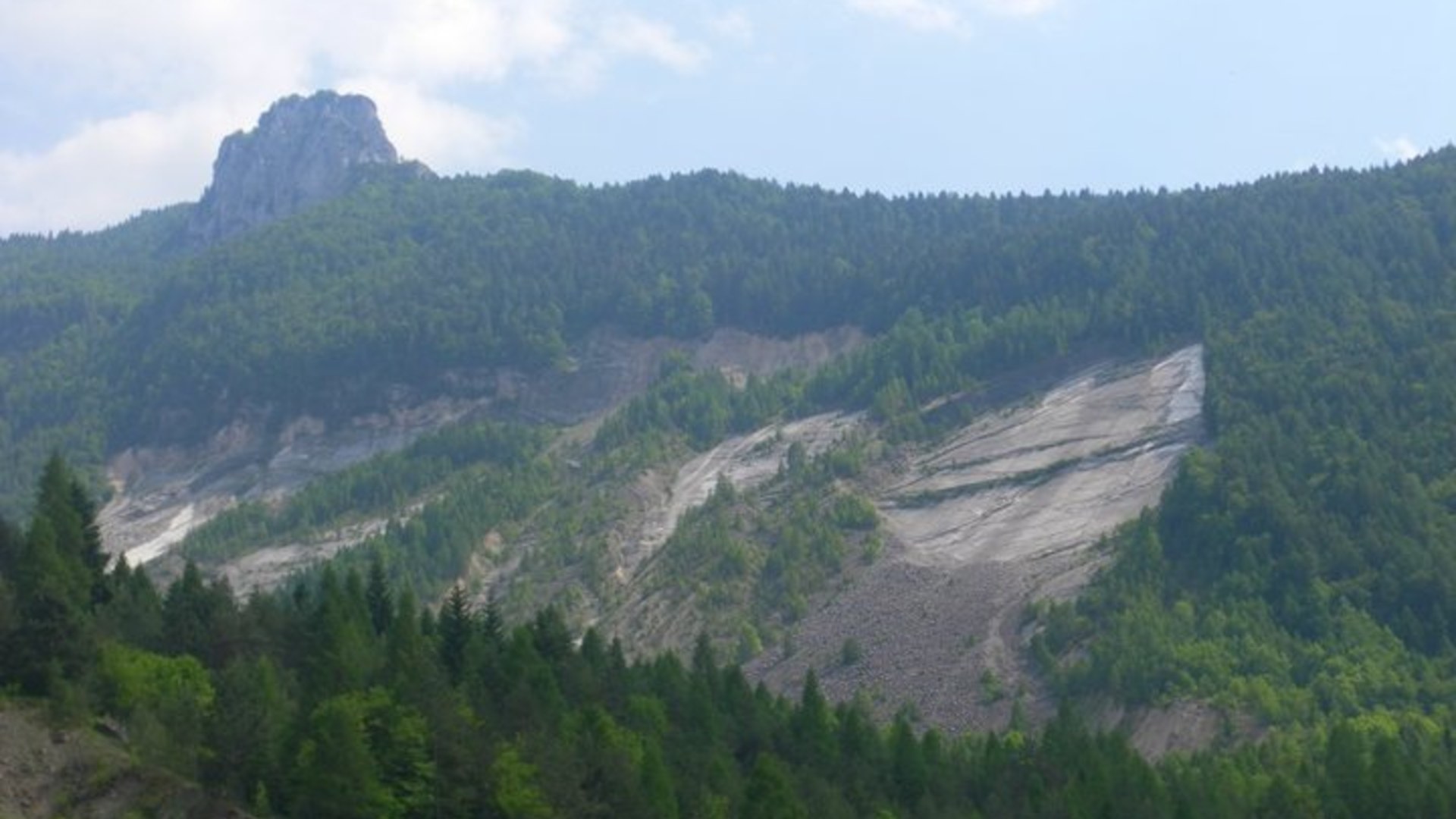
©Wikimedia / Andre86
5. 2010 Gansu Mudslide (China)
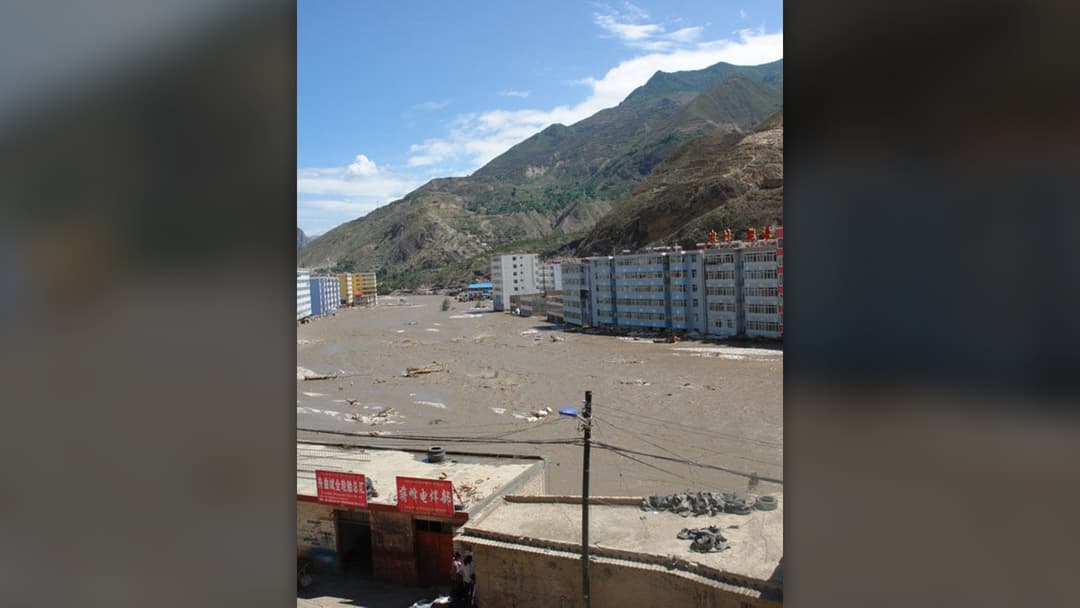
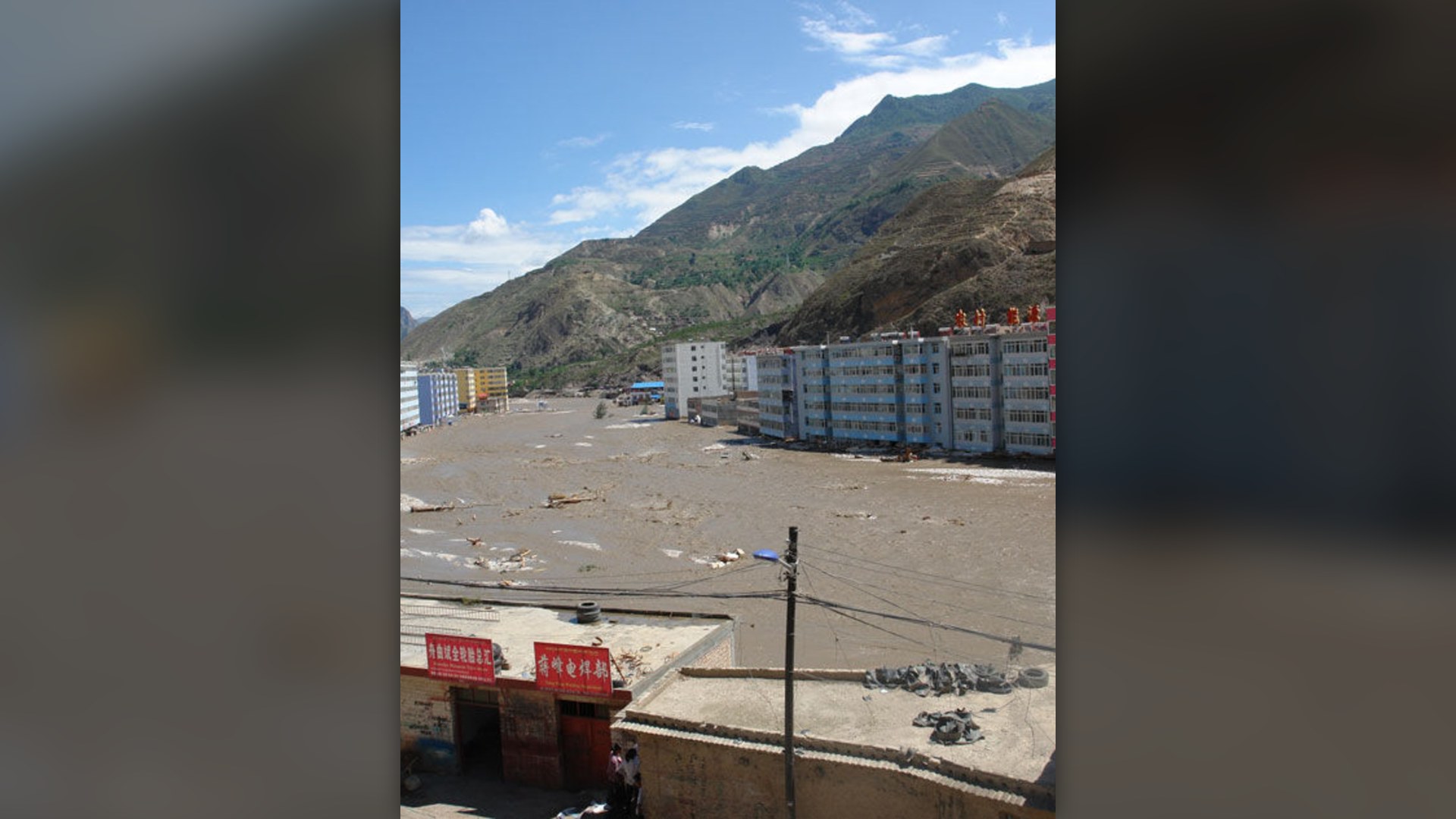
Around midnight on August 8, 2010, torrential rain over steep mountains loosened by the 2008 Sichuan earthquake sent a five-kilometer-long river of mud and boulders into Zhouqu County, Gansu. The mudslide leveled multi-story buildings and dammed the Bailong River, killing over 1,500 people.
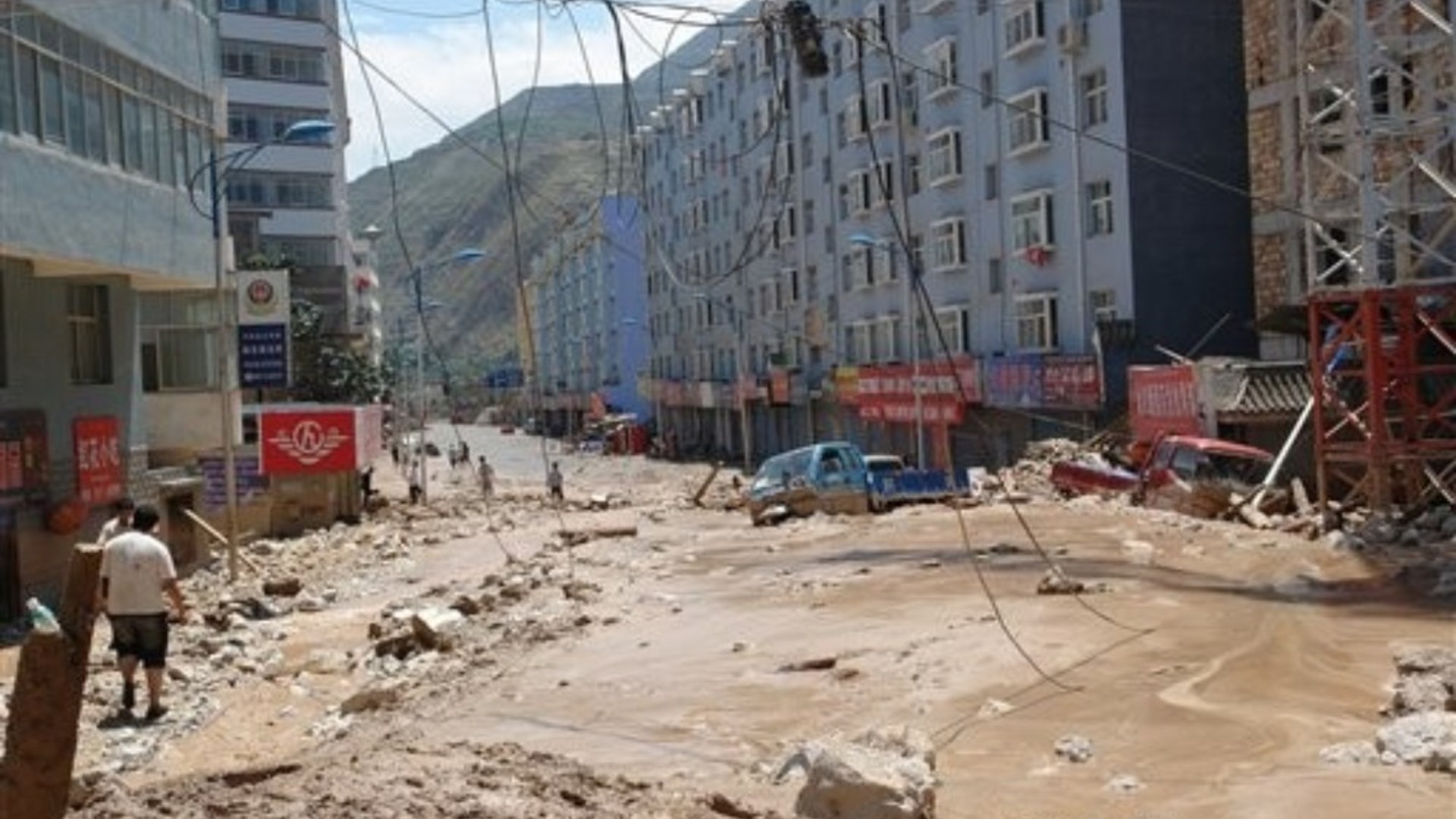
©Wikimedia / SFT HQ
Advertisement
Swipe or tap ▶ to resume the countdown.
4. 2017 Sierra Leone Mudslides (Sierra Leone)
In the early hours of August 14, 2017, three days of monsoon downpours caused the waterlogged flank of Sugar Loaf Mountain in Regent, on the outskirts of Freetown, to collapse. Two waves of red mud and boulders swept away hundreds of hillside homes while residents slept, killing 1,141.
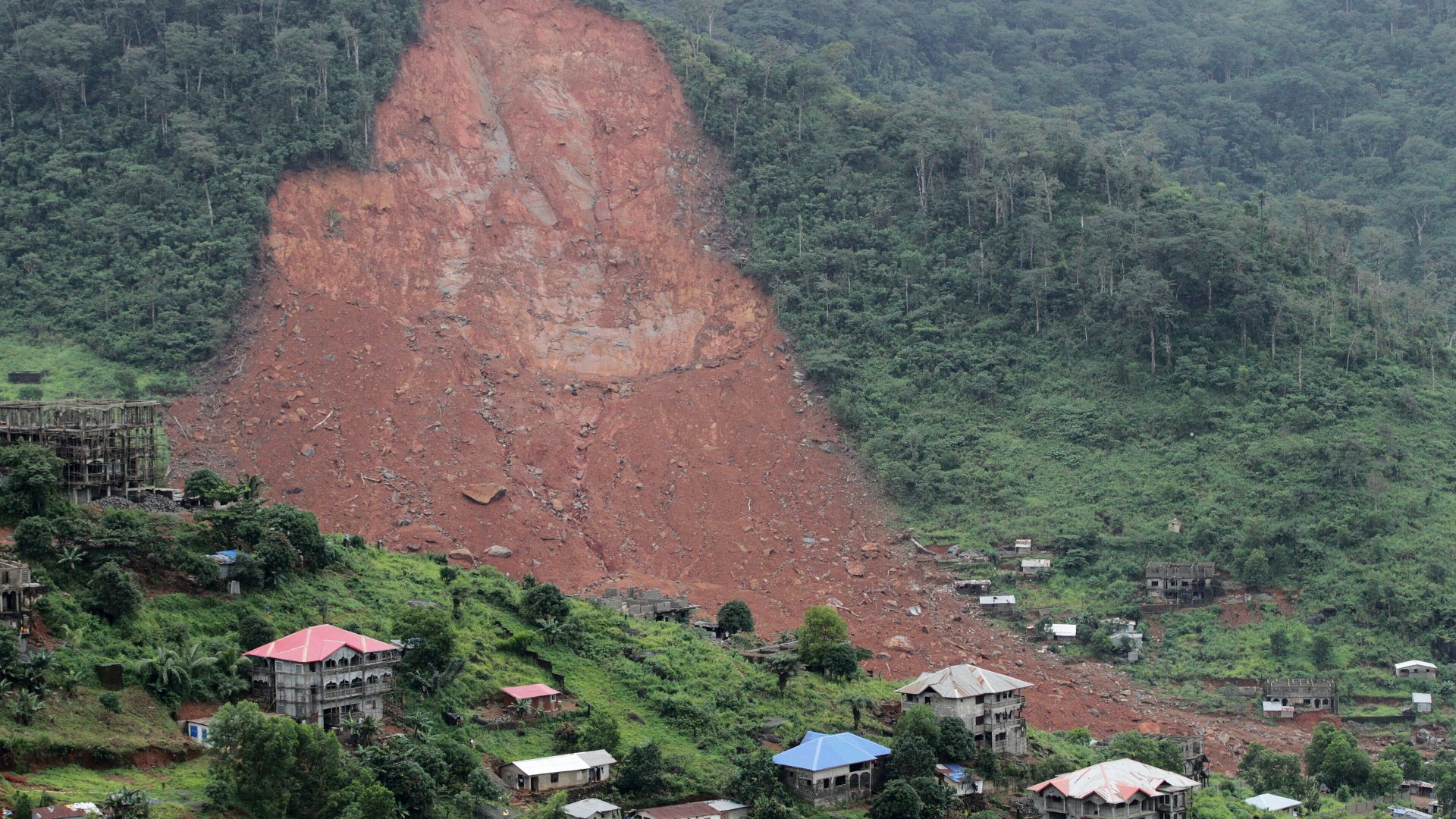
©Wikimedia / Trocaire
3. 2006 Southern Leyte Mudslide (Philippines)
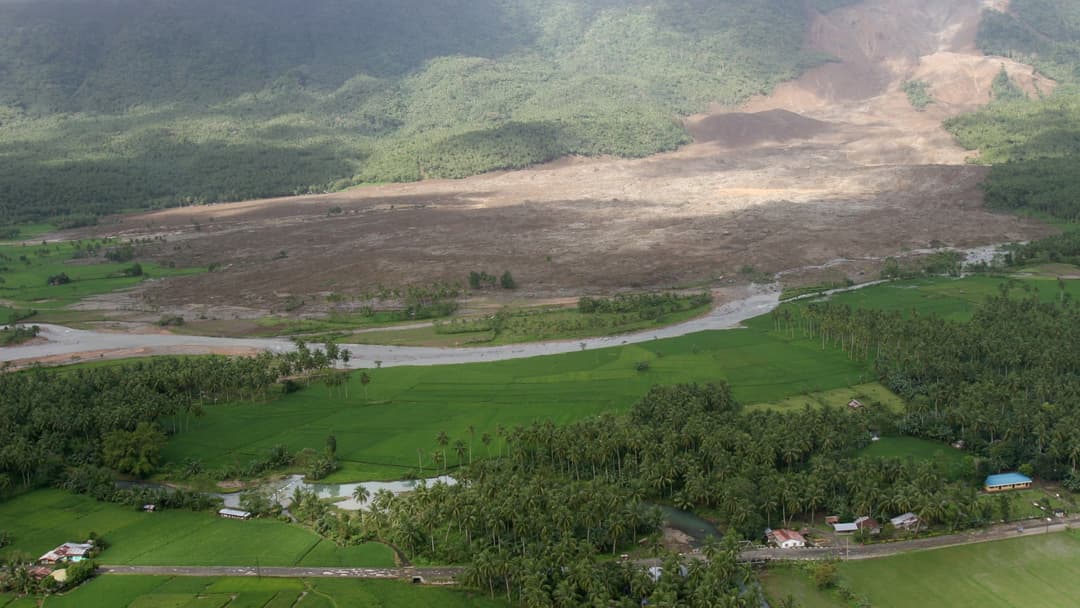
After ten days of extreme La Niña rainfall followed by a 2.6-magnitude tremor on February 17, 2006, a steep ridge in Saint Bernard, Southern Leyte, gave way completely. Within minutes, up to 30 meters of mud and rock buried the farming village of Guinsaugon and its school, killing 1,126.
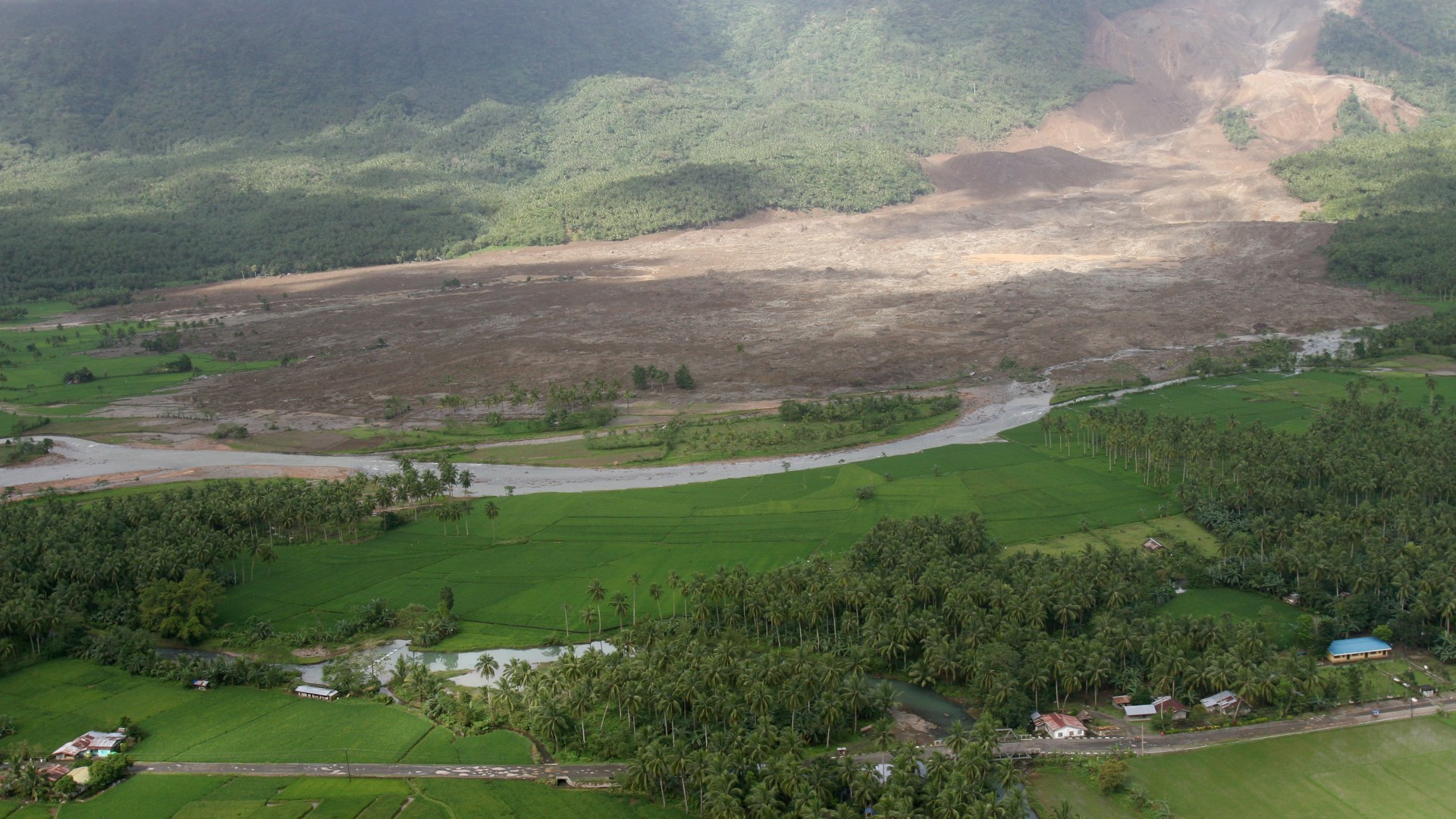
©Wikimedia / Raymond D. Petersen III
2. 2011 Rio De Janeiro Mudslides (Brazil)
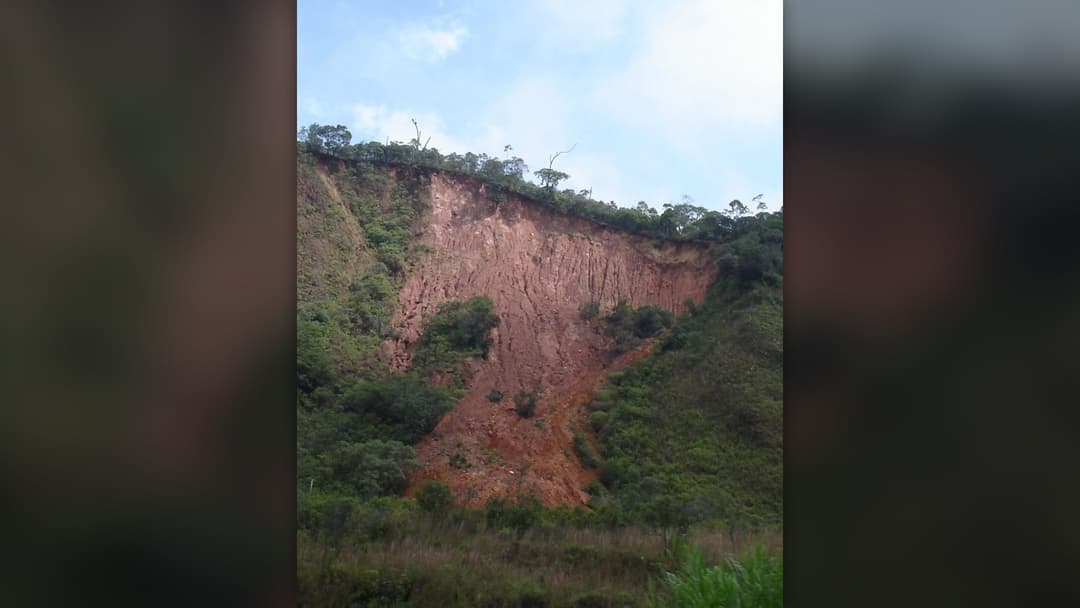
In January 2011, a full month's worth of rain fell in just 24 hours across the mountainous Região Serrana north of Rio de Janeiro, unleashing hundreds of simultaneous mudslides and flash floods. Entire neighborhoods in Nova Friburgo, Teresópolis, and Petrópolis were buried, killing over 900.
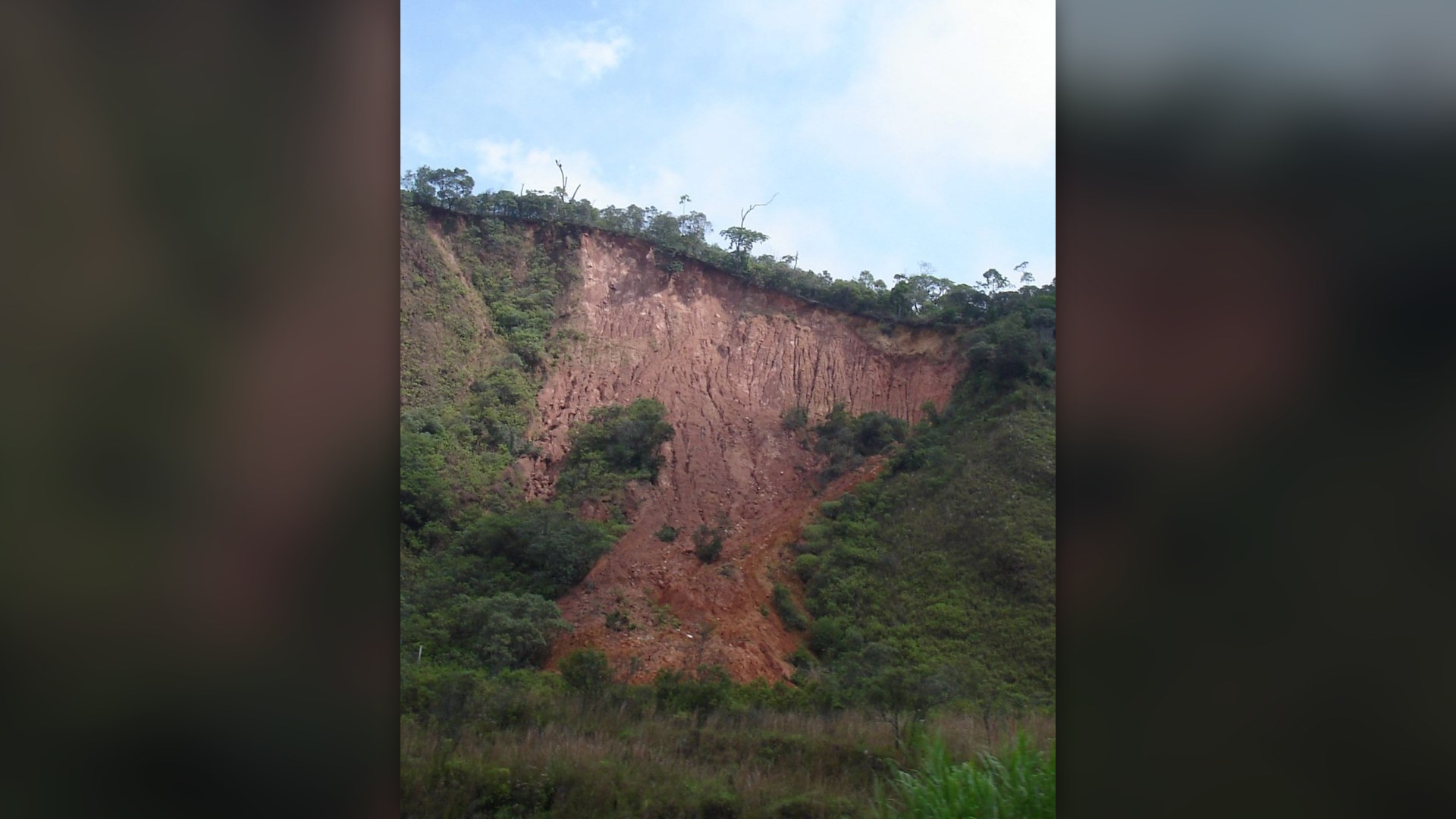
©Wikimedia / Eurico Zimbres
1. 2009 Siaolin Mudslide (Taiwan)
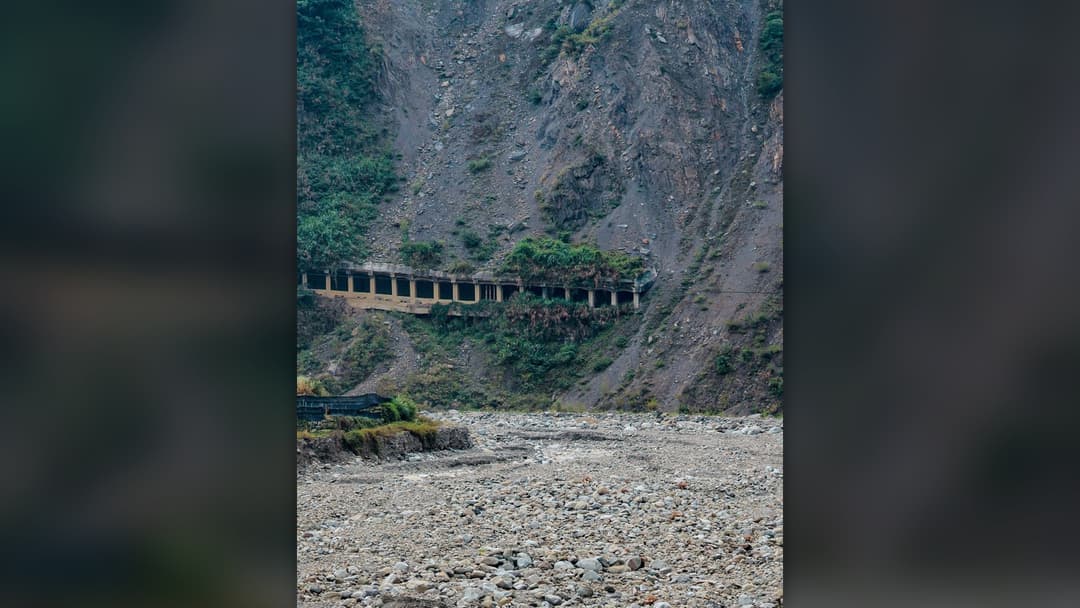
During Typhoon Morakot in August 2009, nearly 2,500 millimeters of rain saturated Mount Xiandu in southern Taiwan until a 30-million-cubic-meter mountainside sheared off at dawn on August 9. In less than two minutes, the landslide buried the village of Siaolin (Xiaolin), killing over 600.
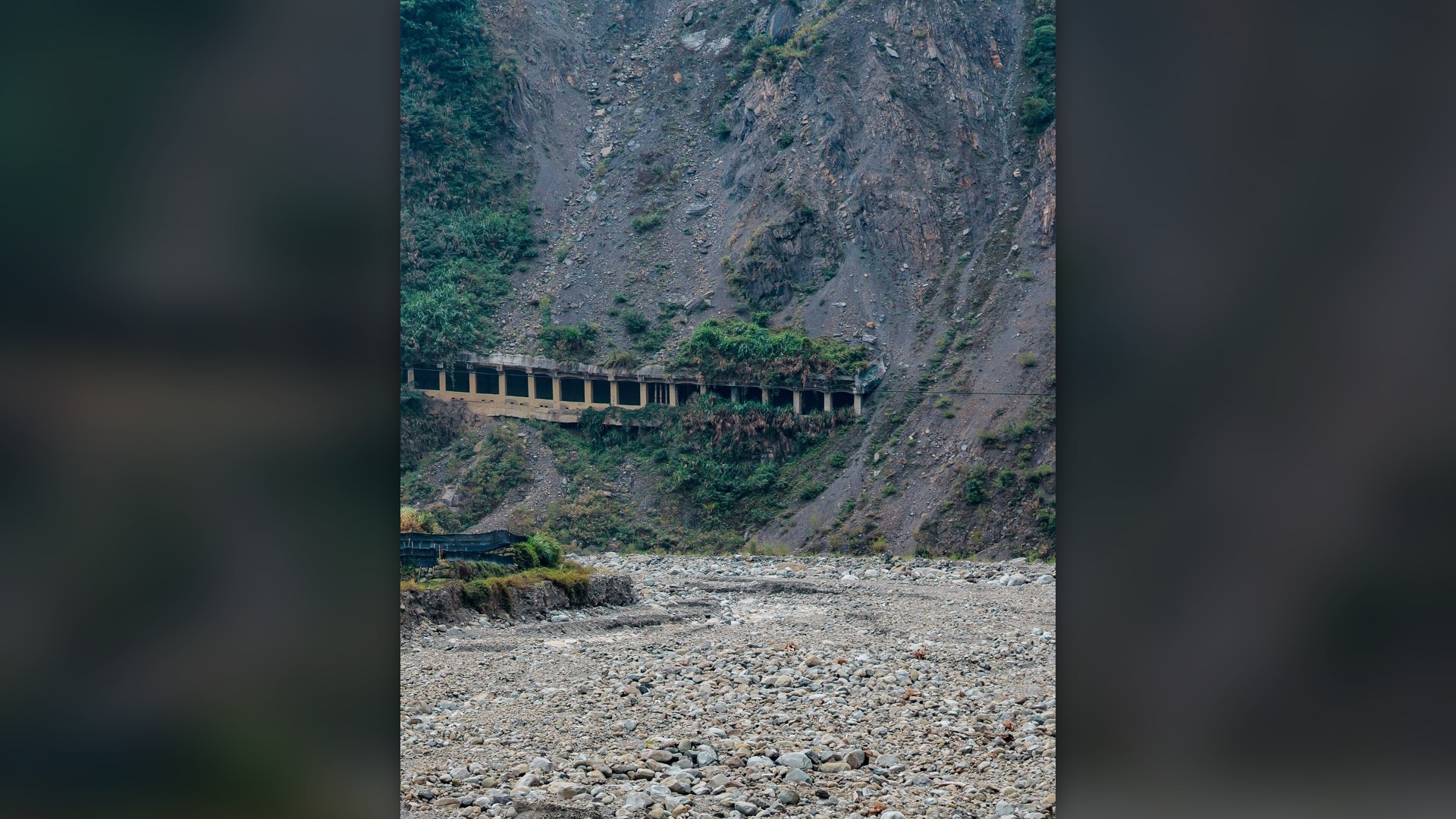
©Wikimedia / CEphoto, Uwe Aranas
Advertisement
You've reached the end of the story. Thanks for reading!
Massive fire engulfs residential building in Nalasopara
Bright orange flames rage through windows as firefighters struggle to control the blaze in the Mumbai suburb.
All 15 Entries in this Story
1. 1920 Haiyuan Landslides (China)
On December 16, 1920, an 8.5-magnitude earthquake struck China's Loess Plateau, shaking loose over 670 massive silt slopes. Because tens of thousands of residents lived in cave dwellings carved into the fragile loess cliffs, the landslides buried entire valleys and killed 100,000 to 200,000 people.

2. 1999 Vargas Tragedy (Venezuela)
In December 1999, extreme rainstorms dumped nearly a year's worth of rain onto the steep Ávila mountains above Vargas State, Venezuela. Thousands of landslides merged into boulder-choked debris flows that obliterated coastal towns like Caraballeda and Los Corales, killing 10,000 to 30,000 people.

3. 1949 Khait Landslide (Tajikistan)
Triggered by a 7.4-magnitude earthquake on July 10, 1949, the flank of Chokrak Mountain in Tajikistan sheared off and raced down the Yasman and Obi-Kabud valleys at over 100 km/h. The massive rock and loess avalanche buried the town of Khait and dozens of villages, claiming 28,000 lives.

4. 1985 Armero Tragedy (Colombia)
When Colombia's Nevado del Ruiz volcano erupted on November 13, 1985, pyroclastic flows melted summit glaciers and sent four enormous volcanic mudflows (lahars) roaring down river canyons at 60 km/h. The dense wall of mud and rock buried the valley town of Armero, killing over 23,000 people.

5. 1970 Yungay Landslide (Peru)
On May 31, 1970, the Ancash earthquake destabilized the northern face of Mount Huascarán, Peru's highest peak, causing an 800-meter-wide slab of glacial ice and granite to shear off. Racing downslope at over 280 km/h, the debris avalanche vaulted a ridge and obliterated Yungay, killing 22,000.

6. 1933 Diexi Landslides (China)
When a 7.3-magnitude earthquake struck Sichuan on August 25, 1933, massive rockslides plunged the walled town of Diexi into the gorge below and formed three towering landslide dams across the Min River. Forty-five days later, the highest dam collapsed, unleashing a flood wave that killed 9,300.

7. 2013 Kedarnath Landslides (India)
In June 2013, multi-day monsoon cloudbursts over Uttarakhand triggered a glacial lake breach above Kedarnath, sending torrents of mud, boulders, and floodwater down the Mandakini valley. While a giant boulder shielded Kedarnath Temple itself, surrounding pilgrim towns were swept away, killing 5,700.

8. 1919 Kelud Lahars (Indonesia)
On May 19, 1919, an explosive eruption at East Java's Mount Kelud ejected 38 million cubic meters of water from its summit crater lake. Mixed with volcanic ash and boulders, the boiling lahars raced down the volcano's slopes into Blitar and Kediri, destroying 104 villages and killing 5,160.

9. 1941 Huaraz Debris Flow (Peru)
At dawn on December 13, 1941, a massive chunk of glacial ice calved into Lake Palcacocha high in Peru's Cordillera Blanca, breaching its moraine dam. The resulting wall of water, boulders, and mud tore down the Cojup valley and obliterated a third of the city of Huaraz, killing 5,000 people.

10. 1963 Vajont Dam Landslide (Italy)
On the night of October 9, 1963, 260 million cubic meters of rock and forest slid off Monte Toc into the Vajont Dam reservoir in northern Italy at 110 km/h. The impact displaced a 250-meter-high megatsunami wave over the intact dam wall, erasing Longarone and nearby towns and killing 2,500.

11. 2010 Gansu Mudslide (China)
Around midnight on August 8, 2010, torrential rain over steep mountains loosened by the 2008 Sichuan earthquake sent a five-kilometer-long river of mud and boulders into Zhouqu County, Gansu. The mudslide leveled multi-story buildings and dammed the Bailong River, killing over 1,500 people.

12. 2017 Sierra Leone Mudslides (Sierra Leone)
In the early hours of August 14, 2017, three days of monsoon downpours caused the waterlogged flank of Sugar Loaf Mountain in Regent, on the outskirts of Freetown, to collapse. Two waves of red mud and boulders swept away hundreds of hillside homes while residents slept, killing 1,141.

13. 2006 Southern Leyte Mudslide (Philippines)
After ten days of extreme La Niña rainfall followed by a 2.6-magnitude tremor on February 17, 2006, a steep ridge in Saint Bernard, Southern Leyte, gave way completely. Within minutes, up to 30 meters of mud and rock buried the farming village of Guinsaugon and its school, killing 1,126.

14. 2011 Rio De Janeiro Mudslides (Brazil)
In January 2011, a full month's worth of rain fell in just 24 hours across the mountainous Região Serrana north of Rio de Janeiro, unleashing hundreds of simultaneous mudslides and flash floods. Entire neighborhoods in Nova Friburgo, Teresópolis, and Petrópolis were buried, killing over 900.

15. 2009 Siaolin Mudslide (Taiwan)
During Typhoon Morakot in August 2009, nearly 2,500 millimeters of rain saturated Mount Xiandu in southern Taiwan until a 30-million-cubic-meter mountainside sheared off at dawn on August 9. In less than two minutes, the landslide buried the village of Siaolin (Xiaolin), killing over 600.