Slideshow · Health
The Truth About Eating Eggs After 60: What Modern Science Reveals
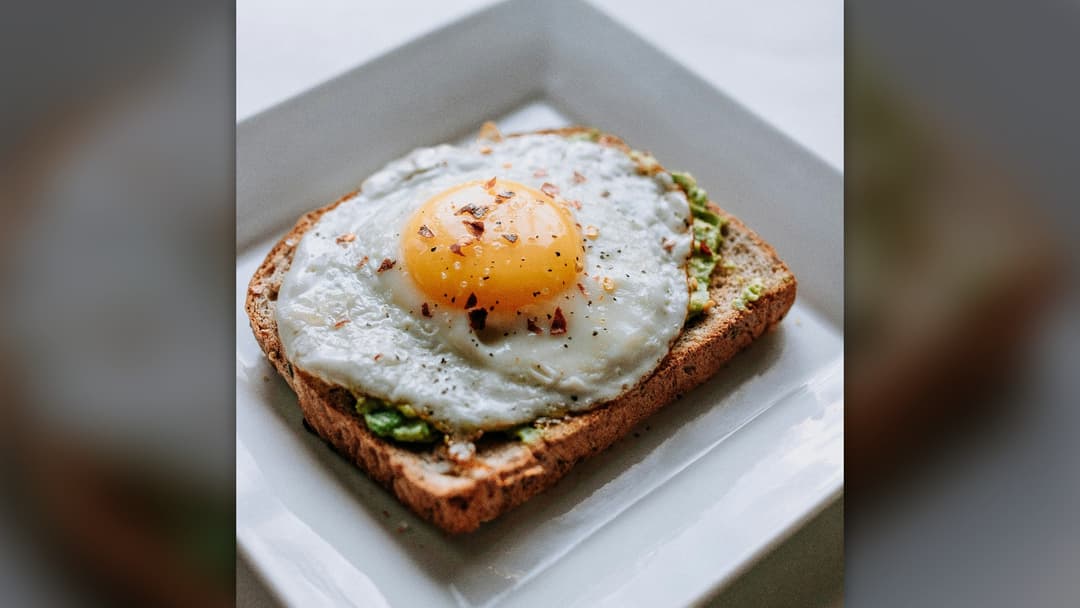
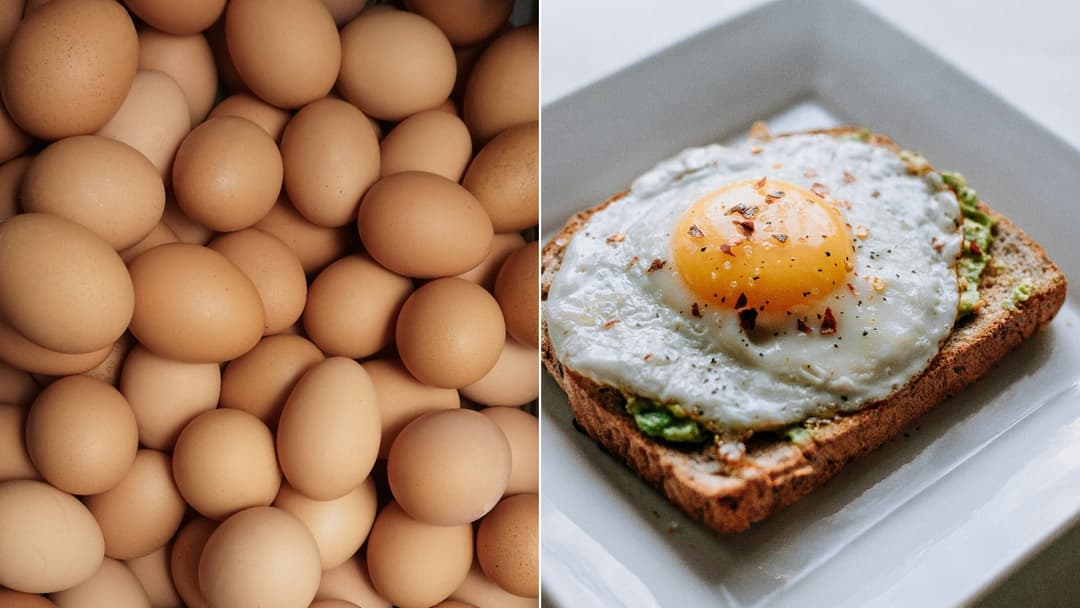
For decades, seniors were told to strictly avoid eggs over cardiovascular concerns. But modern clinical research has rewritten the rules on dietary cholesterol and healthy aging.
By Most Viral Today
25 Oct 2026

The Truth About Eating Eggs After 60: What Modern Science Reveals 
10. The Cholesterol Myth Debunked 
9. Sarcopenia & Muscle Defense 
8. Lutein & Zeaxanthin For Vision - AdvertisementSwipe or tap ▶ to continue countdown

7. Choline For Brain & Memory 
6. HDL & Arterial Particle Shift 
5. Vitamin D & Bone Preservation 
4. Metabolic Health & Diabetes Nuance - AdvertisementSwipe or tap ▶ to continue countdown

3. Preparation Is Everything 
2. The Golden Rule: 1 To 2 Eggs Daily 
1. The Ultimate Longevity Superfood - Advertisement🔥 UP NEXT IN THIS SERIES◫ 21 Slides

20 Foods Doctors Recommend Avoiding Before Bed
20 Worst Foods to Eat Before Bed, Ranked
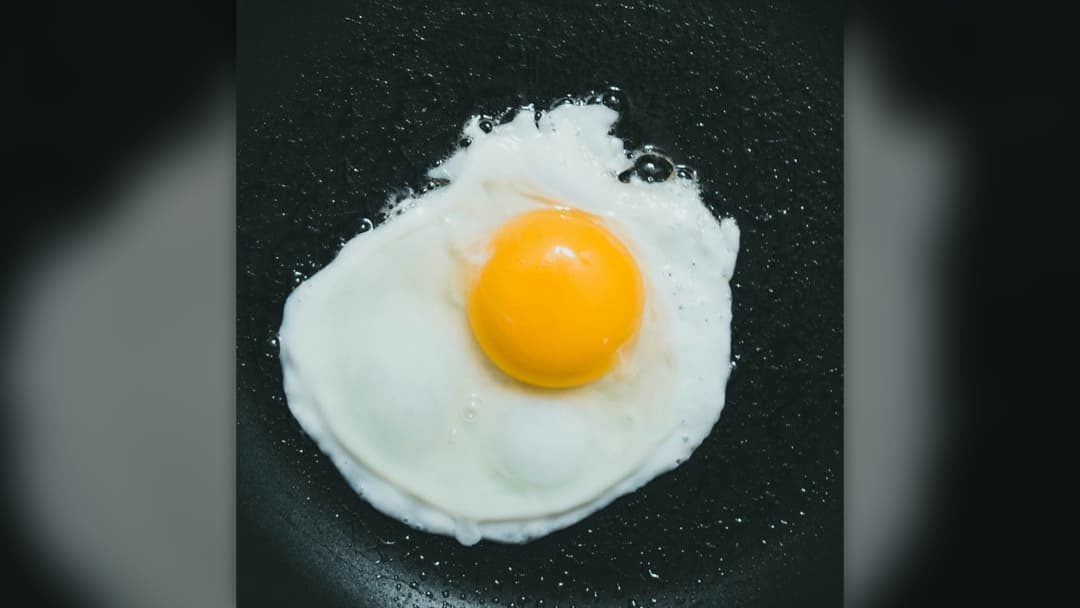
For decades, seniors were told to strictly avoid eggs over cardiovascular concerns. But modern clinical research has rewritten the rules on dietary cholesterol and healthy aging.
Swipe or tap ▶ to begin the countdown
©Unsplash / Raiyan Zakaria & Ben Kolde
10. The Cholesterol Myth Debunked
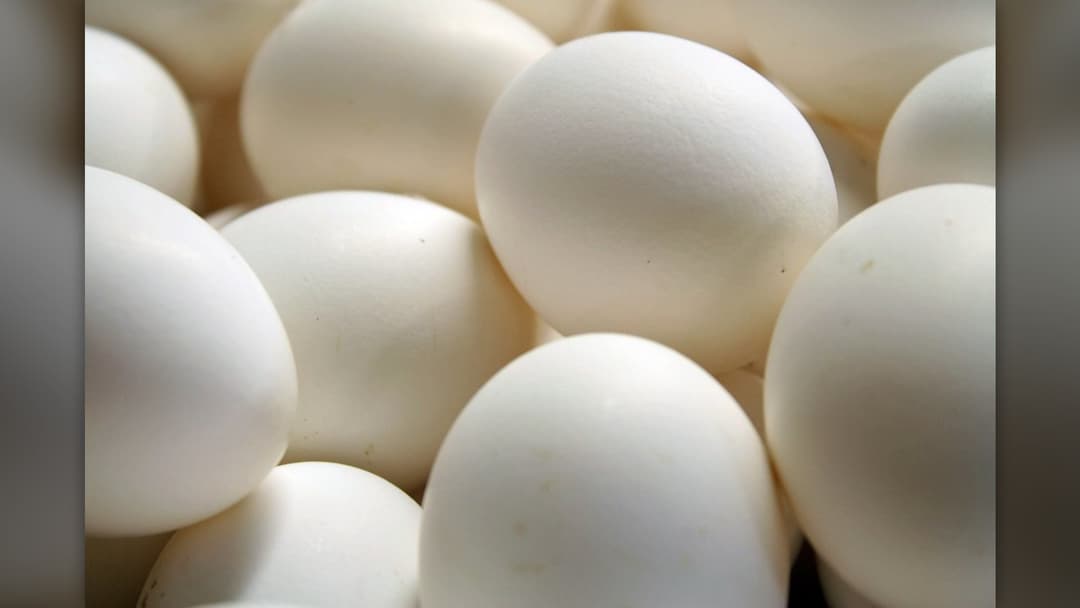
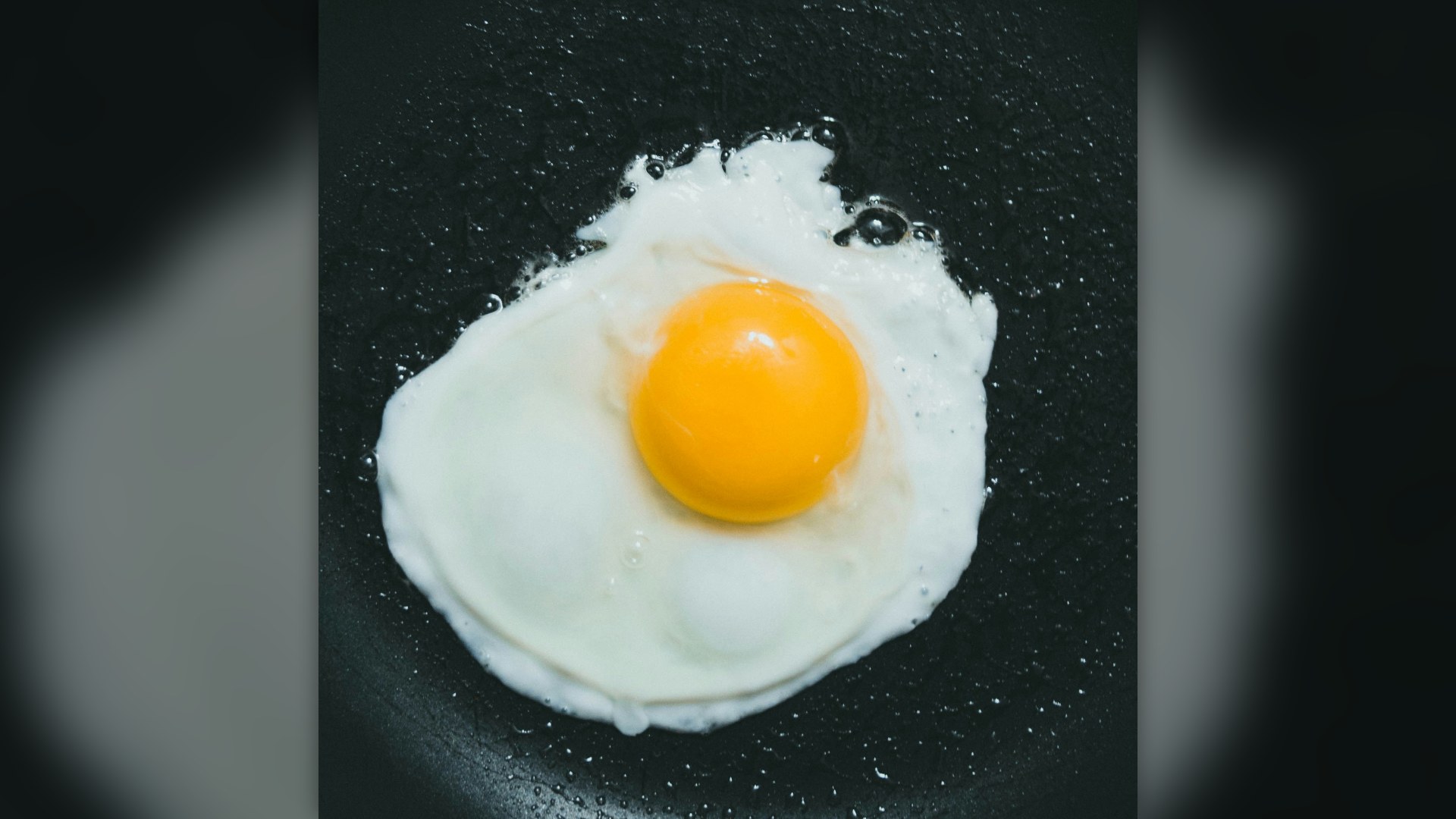
Landmark studies from Harvard and the American Heart Association demonstrate that for most healthy adults over 60, dietary cholesterol in whole eggs does not drive cardiovascular arterial plaque.
© Photo by Jonathan Cooper on Unsplash
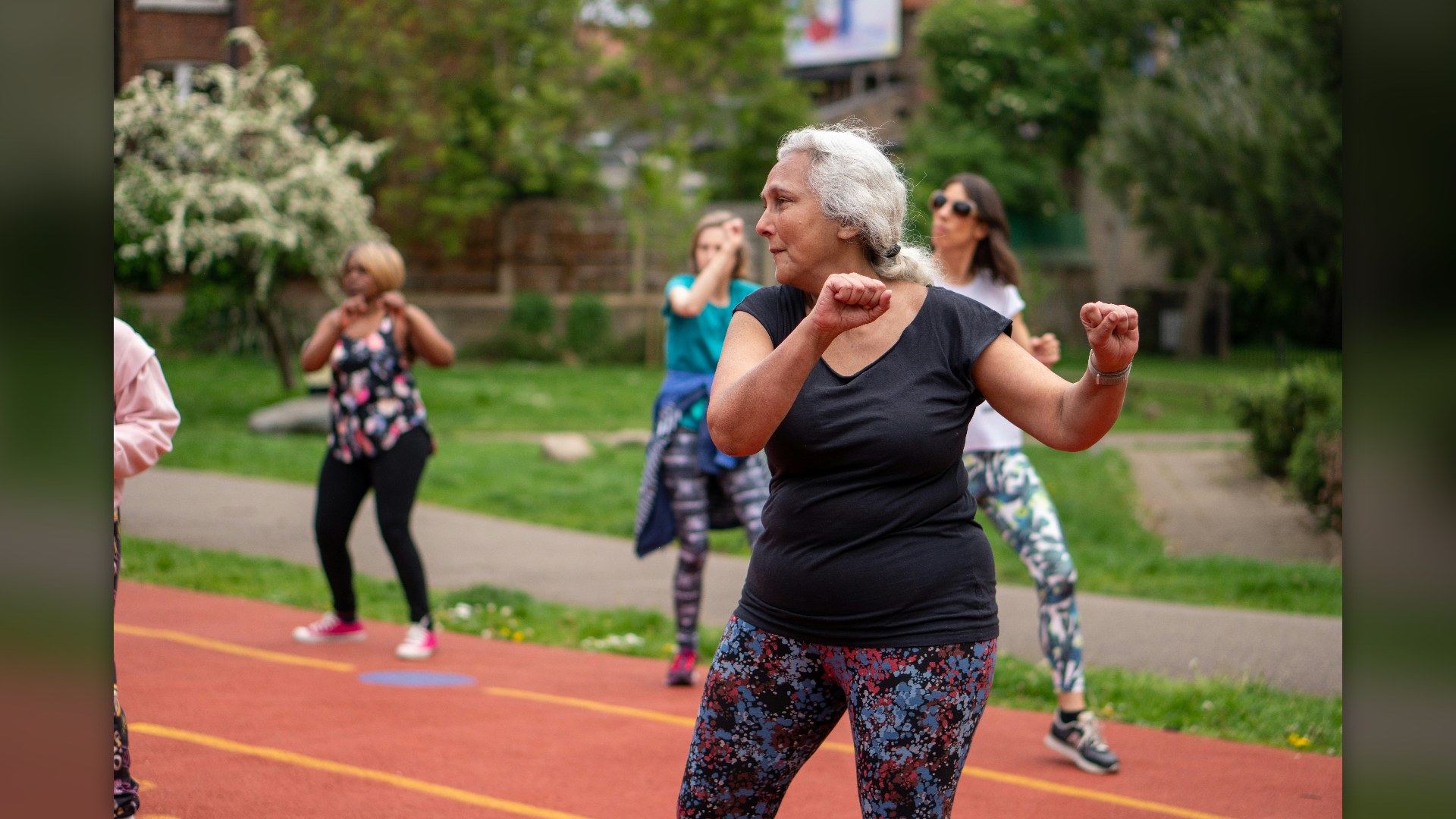
9. Sarcopenia & Muscle Defense
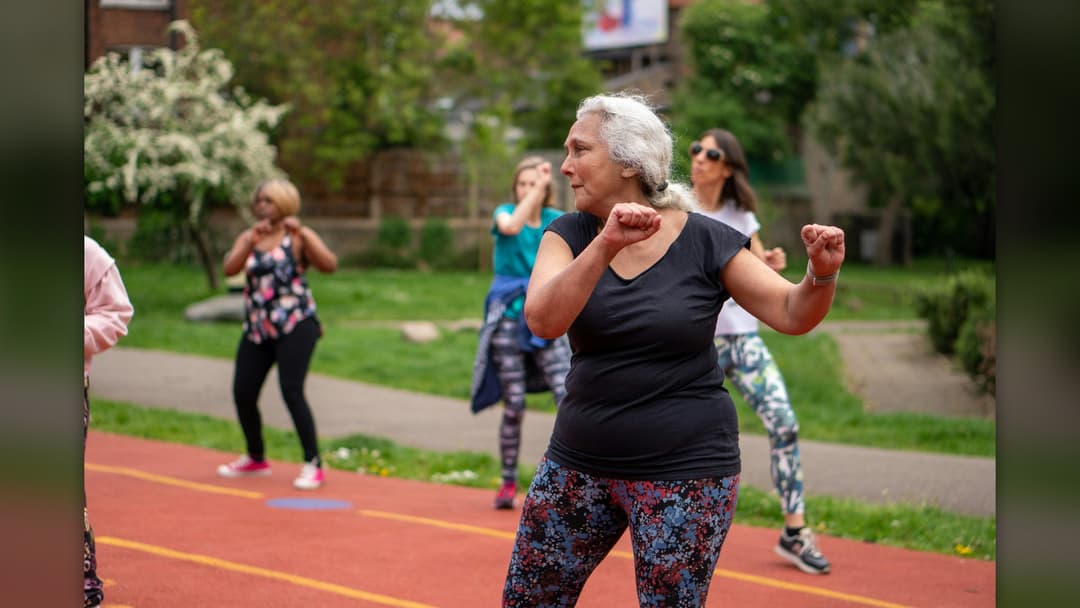
Muscle mass declines 3% to 8% per decade after age 30, accelerating past 60. Eggs deliver 6 grams of complete protein per egg packed with essential leucine to fuel muscle synthesis.
© Photo by Centre for Ageing Better on Unsplash
8. Lutein & Zeaxanthin For Vision
Egg yolks provide concentrated lutein and zeaxanthin bound within fat droplets, making them significantly easier for senior digestive tracts to absorb than raw leafy greens.

Advertisement
Swipe or tap ▶ to resume the countdown.
7. Choline For Brain & Memory
Over 90% of older adults fail to meet daily choline requirements. Choline is indispensable for neurotransmitter production, cell membrane integrity, and memory preservation.

© Photo by Centre for Ageing Better on Unsplash
6. HDL & Arterial Particle Shift
Moderate whole egg intake often boosts "good" HDL cholesterol and converts small, dense atherogenic LDL particles into larger, fluffy particles far less likely to stick to arterial walls.

© Photo by Patty Brito on Unsplash
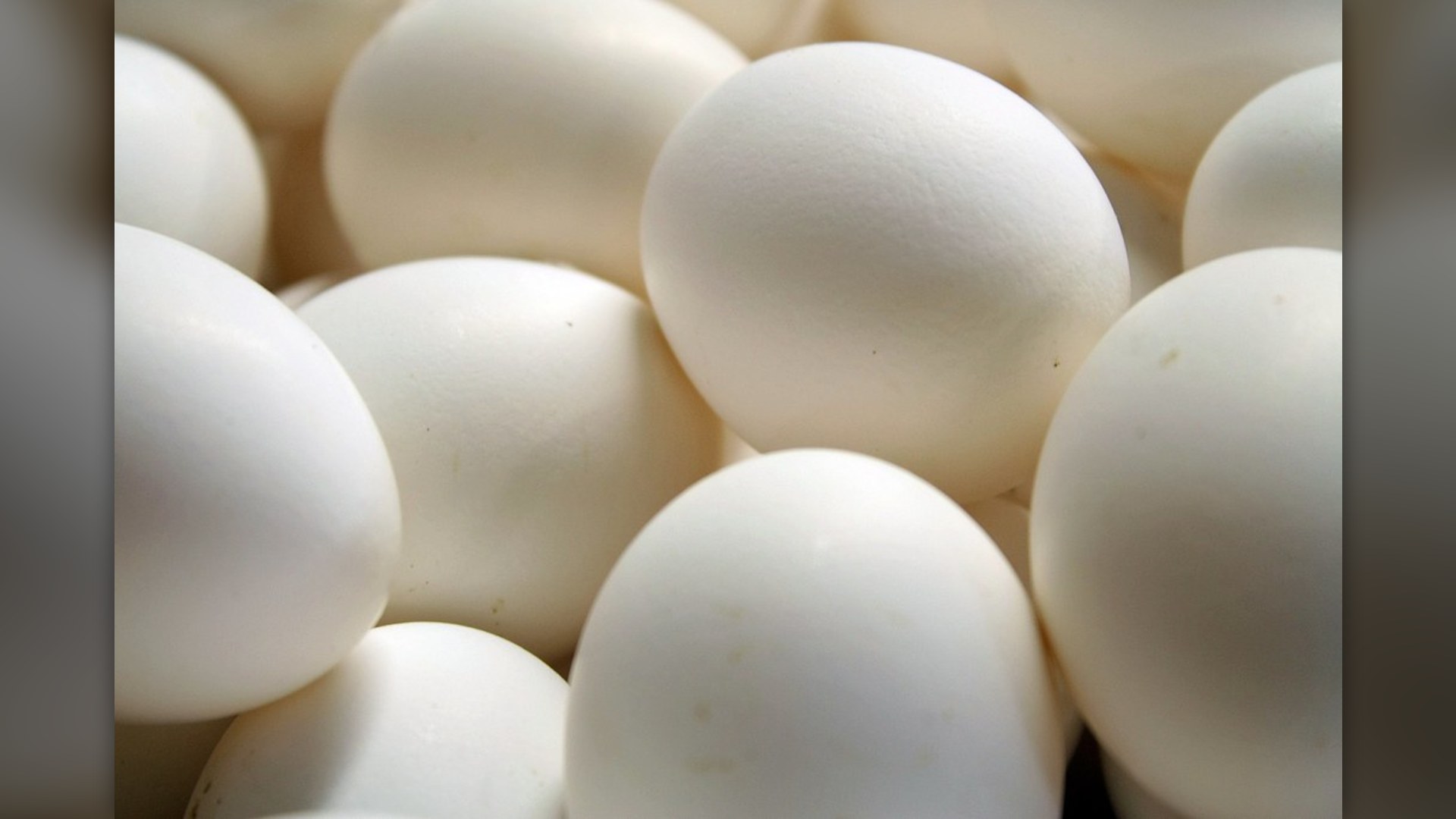
5. Vitamin D & Bone Preservation
Natural dietary vitamin D is exceptionally scarce. Whole egg yolks deliver natural D3 alongside bioavailable phosphorus, vital for calcium absorption and fighting osteoporosis.
©Openverse / Lauren Finkel Photography
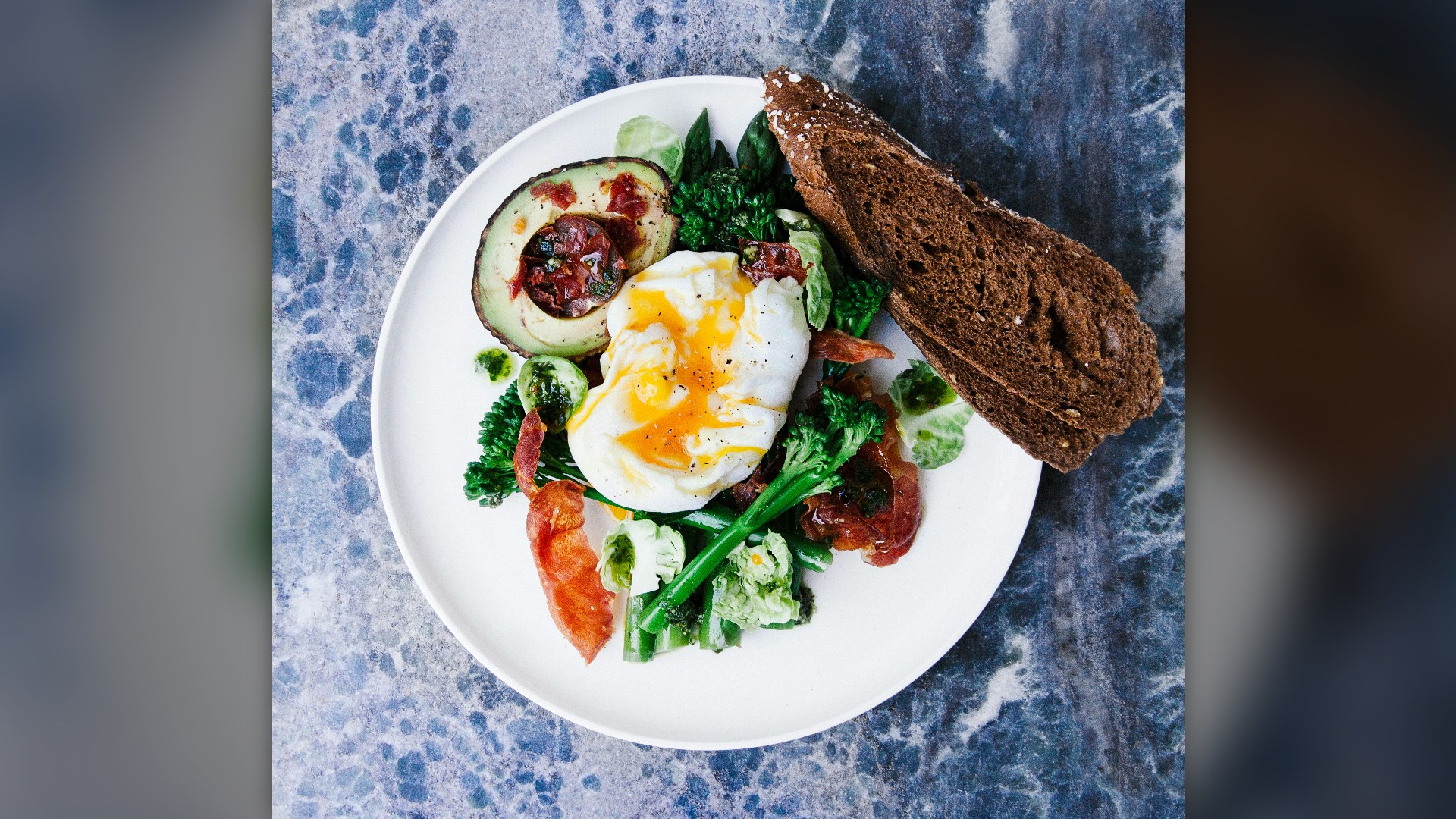
4. Metabolic Health & Diabetes Nuance
With virtually zero glycemic impact, eggs provide sustained energy. However, seniors with active Type 2 diabetes or familial hypercholesterolemia should consult doctors regarding weekly yolk limits.
© Photo by Chris Ralston on Unsplash
Advertisement
Swipe or tap ▶ to resume the countdown.
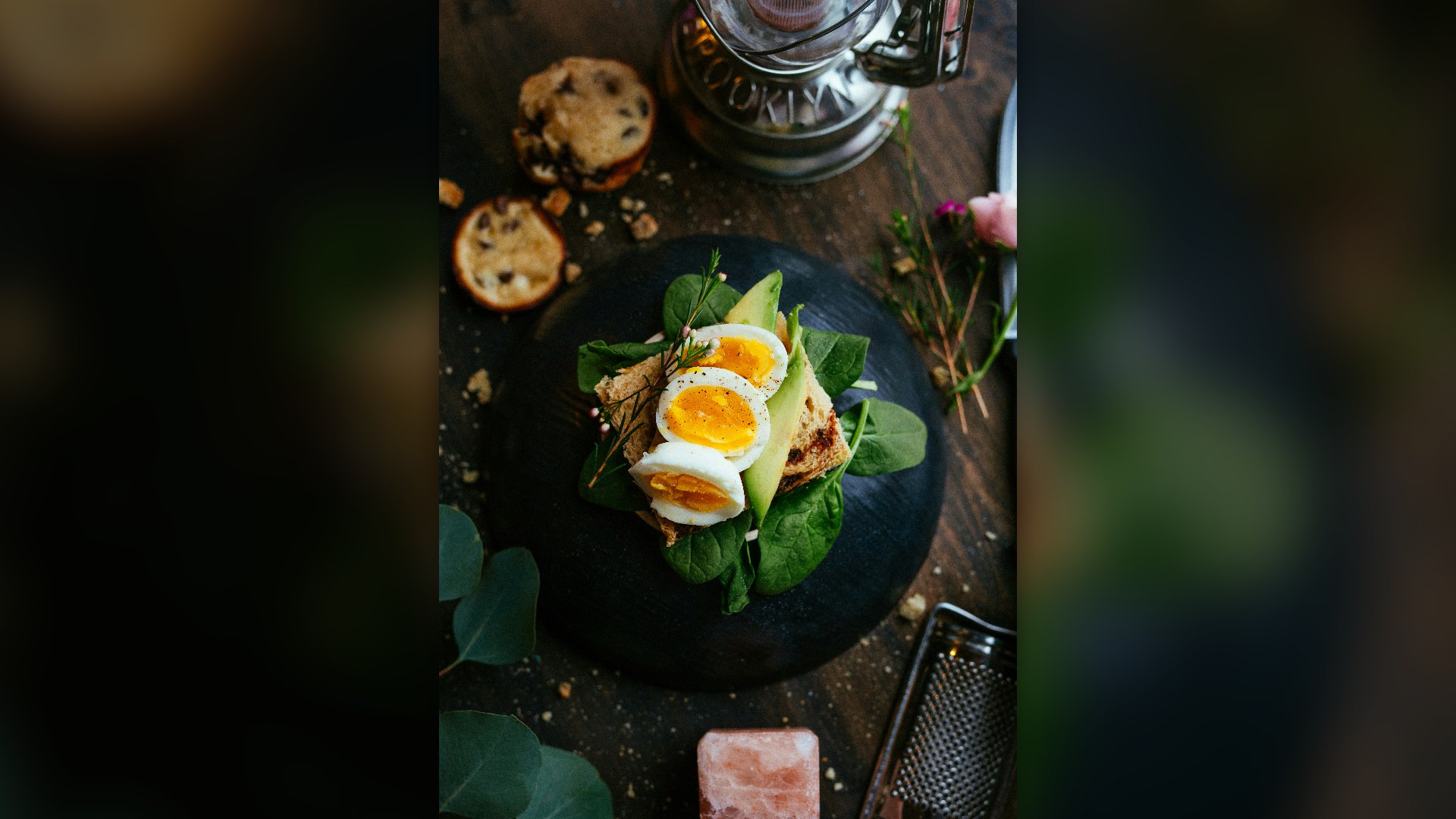
3. Preparation Is Everything
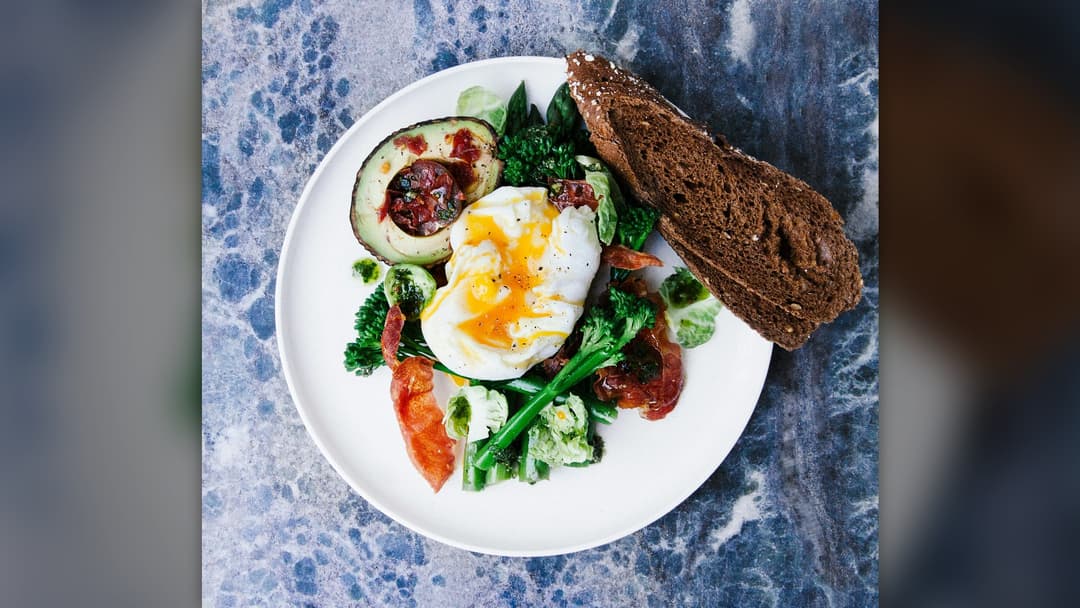
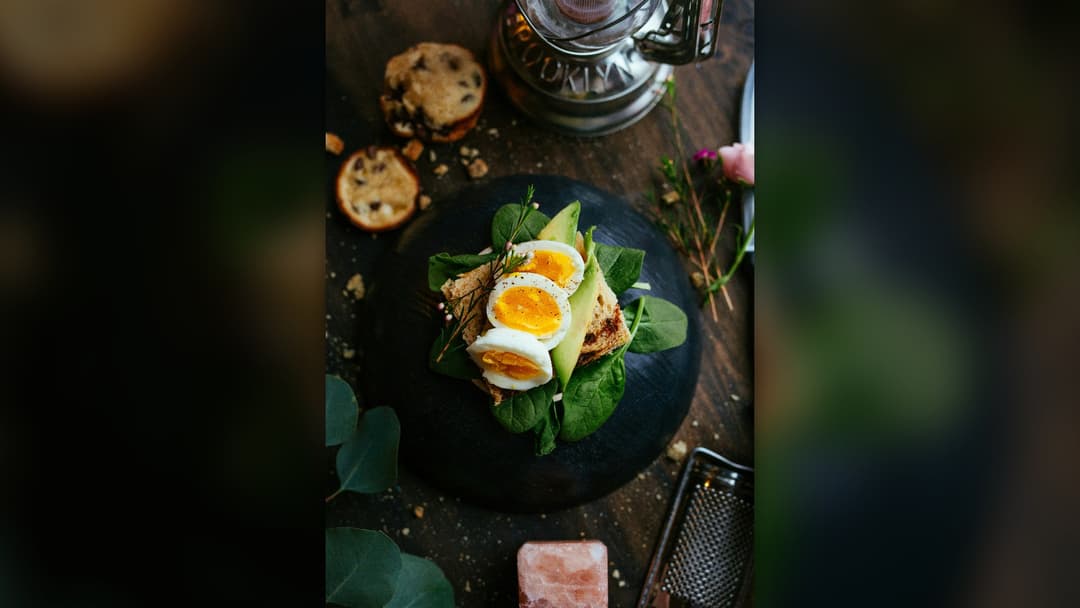
Health risks attributed to eggs often stem from what they are cooked in. Hard boiling, poaching, or gentle cooking in extra virgin olive oil avoids oxidized cholesterol and harmful trans fats.
© Photo by Joseph Gonzalez on Unsplash
2. The Golden Rule: 1 To 2 Eggs Daily
Leading geriatric nutritional guidelines endorse one to two whole eggs daily for healthy seniors as an affordable, nutrient-dense cornerstone of longevity and vitality.
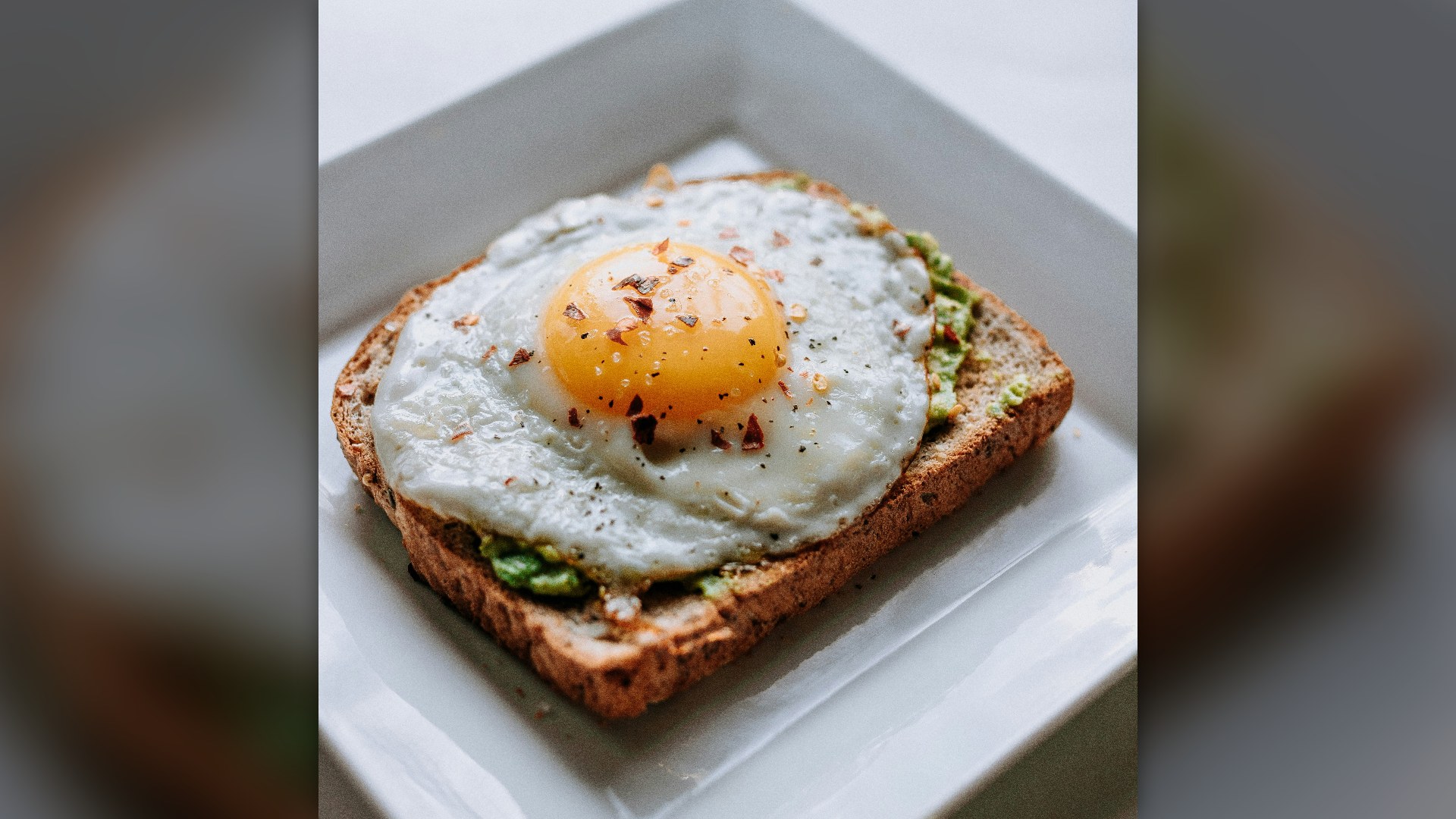
1. The Ultimate Longevity Superfood
Rich in B12, selenium, folate, choline, and complete amino acids, eggs remain one of the most cost-effective and nutrient-dense whole foods available to safeguard healthy aging.

© Photo by Tamanna Rumee on Unsplash
Advertisement
You've reached the end of the story. Thanks for reading!

20 Foods Doctors Recommend Avoiding Before Bed
20 Worst Foods to Eat Before Bed, Ranked
All 10 Entries in this Story
1. The Cholesterol Myth Debunked
Landmark studies from Harvard and the American Heart Association demonstrate that for most healthy adults over 60, dietary cholesterol in whole eggs does not drive cardiovascular arterial plaque.

2. Sarcopenia & Muscle Defense
Muscle mass declines 3% to 8% per decade after age 30, accelerating past 60. Eggs deliver 6 grams of complete protein per egg packed with essential leucine to fuel muscle synthesis.

3. Lutein & Zeaxanthin For Vision
Egg yolks provide concentrated lutein and zeaxanthin bound within fat droplets, making them significantly easier for senior digestive tracts to absorb than raw leafy greens.

4. Choline For Brain & Memory
Over 90% of older adults fail to meet daily choline requirements. Choline is indispensable for neurotransmitter production, cell membrane integrity, and memory preservation.

5. HDL & Arterial Particle Shift
Moderate whole egg intake often boosts "good" HDL cholesterol and converts small, dense atherogenic LDL particles into larger, fluffy particles far less likely to stick to arterial walls.

6. Vitamin D & Bone Preservation
Natural dietary vitamin D is exceptionally scarce. Whole egg yolks deliver natural D3 alongside bioavailable phosphorus, vital for calcium absorption and fighting osteoporosis.

7. Metabolic Health & Diabetes Nuance
With virtually zero glycemic impact, eggs provide sustained energy. However, seniors with active Type 2 diabetes or familial hypercholesterolemia should consult doctors regarding weekly yolk limits.

8. Preparation Is Everything
Health risks attributed to eggs often stem from what they are cooked in. Hard boiling, poaching, or gentle cooking in extra virgin olive oil avoids oxidized cholesterol and harmful trans fats.

9. The Golden Rule: 1 To 2 Eggs Daily
Leading geriatric nutritional guidelines endorse one to two whole eggs daily for healthy seniors as an affordable, nutrient-dense cornerstone of longevity and vitality.

10. The Ultimate Longevity Superfood
Rich in B12, selenium, folate, choline, and complete amino acids, eggs remain one of the most cost-effective and nutrient-dense whole foods available to safeguard healthy aging.