Slideshow · Health
20 Ways To Protect Your Newborn From Vitamin K Deficiency
By Most Viral Today
49 min ago

Essential Steps Every Parent Needs To Protect Newborns From Vitamin K Deficiency 
20. Long-Term Neurological Follow-Up 
19. Transition To Solid Foods 
18. Treating Underlying Conditions - AdvertisementSwipe or tap ▶ to continue countdown

17. Diagnostic Confirmation 
16. Rapid Clotting Replacement 
15. Emergency Vitamin K Therapy 
14. Emergency Neurological Red Flags - AdvertisementSwipe or tap ▶ to continue countdown

13. Recognising Internal Warning Signs 
12. Recognising External Warning Signs 
11. Maternal Medication Review 
10. Oral Alternative Limits - AdvertisementSwipe or tap ▶ to continue countdown

9. Birth Prophylaxis 
8. Severe Complications 
7. Hidden Dangers 
6. High-Risk Groups - AdvertisementSwipe or tap ▶ to continue countdown

5. Three Types Of VKDB 
4. Gut Bacteria And Breast Milk 
3. Why Newborns Are Vulnerable 
2. Role Of Vitamin K - AdvertisementSwipe or tap ▶ to continue countdown

1. What Is VKDB? - Advertisement🔥 UP NEXT IN THIS SERIES◫ 21 Slides

20 Everyday Habits Doctors Say Shorten Your Life, Ranked
Doctors and longevity researchers warn that everyday routines can silently strip years off your life expectancy, ranked by clinical mortality risk.
Vitamin K deficiency bleeding is a silent, life-threatening clotting disorder in newborns that can trigger sudden internal or brain haemorrhages without warning. From the single birth precaution recommended by NICE guidelines to early warning signs and long-term dietary transition, here is how to protect your baby.
Swipe or tap ▶ to begin the countdown
©Wikimedia / Martybugs & Wikimedia / National Eye Institute
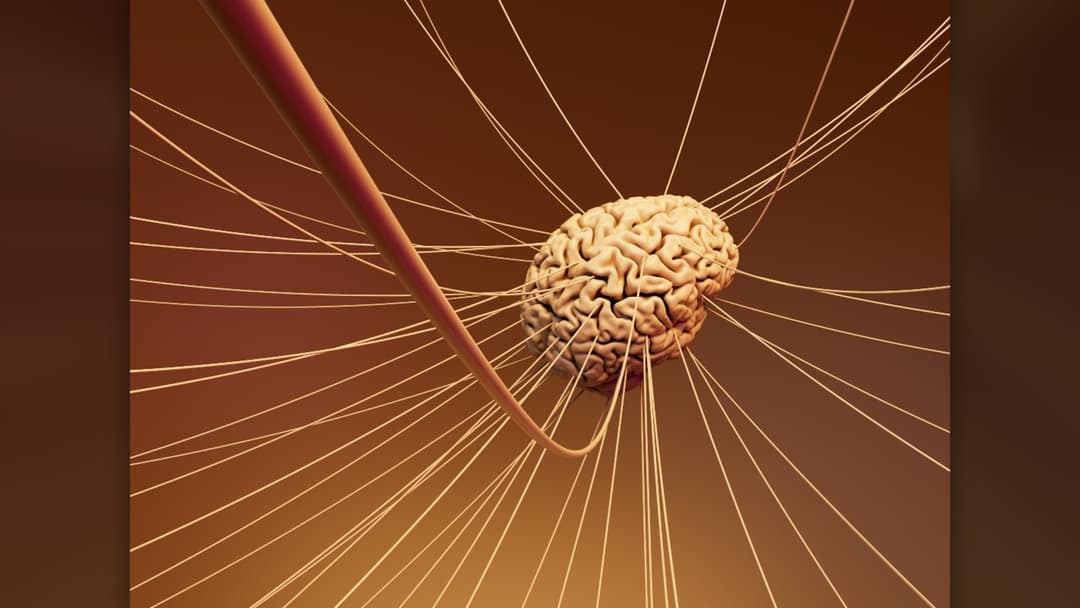
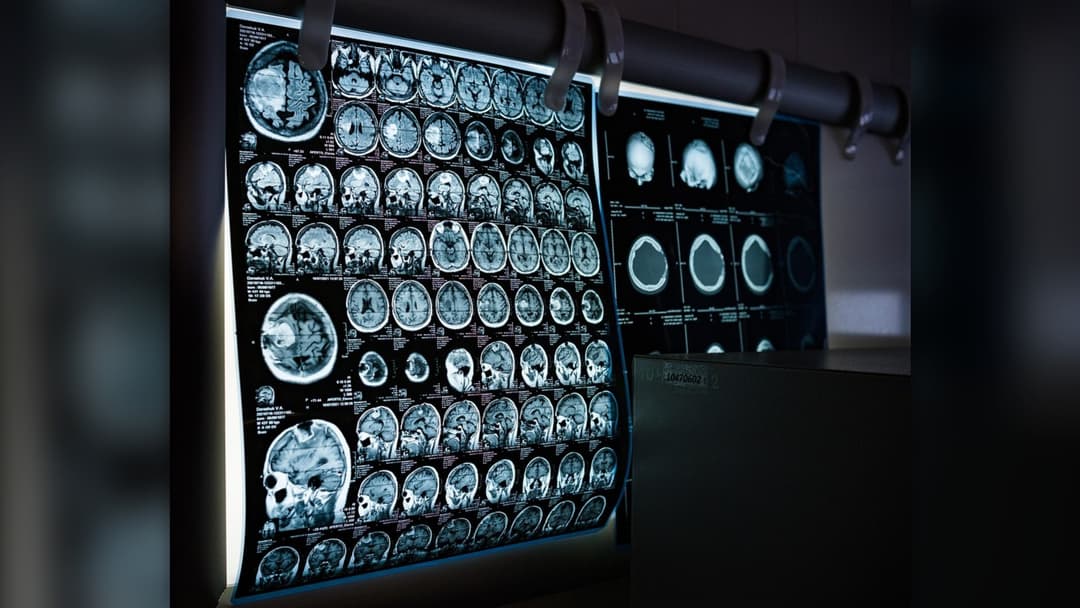
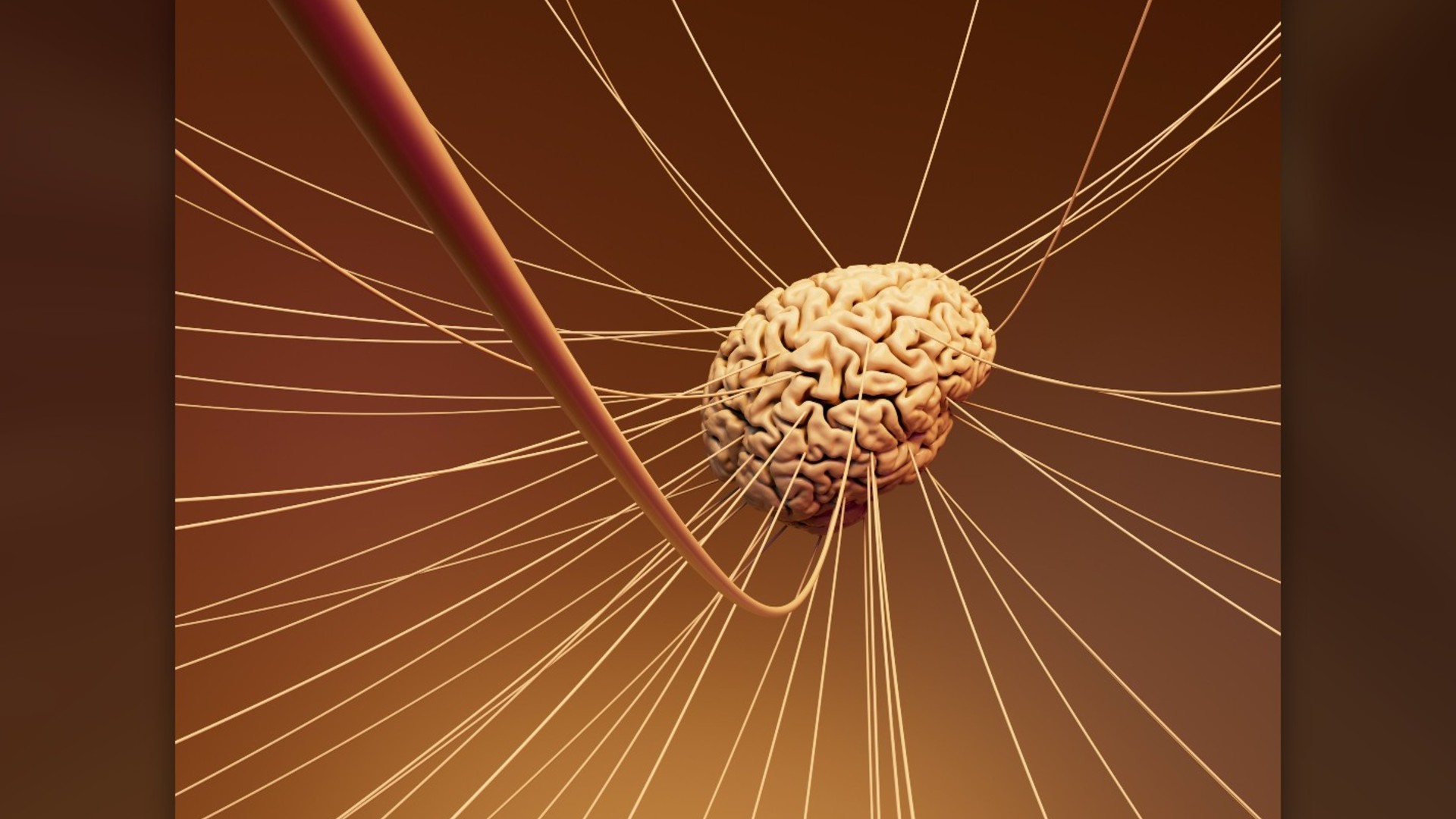
20. Long-Term Neurological Follow-Up
Infants who survive intracranial bleeds require ongoing paediatric neurology assessments, physical therapy, and early intervention support to monitor milestones and manage any lasting developmental effects.
©Unsplash / notorious v1ruS
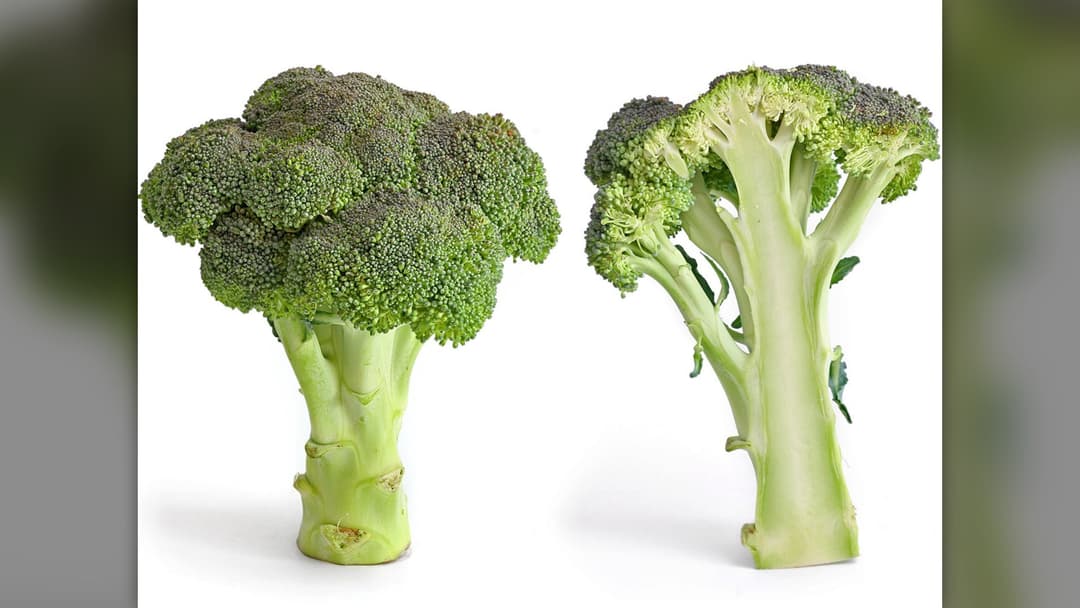
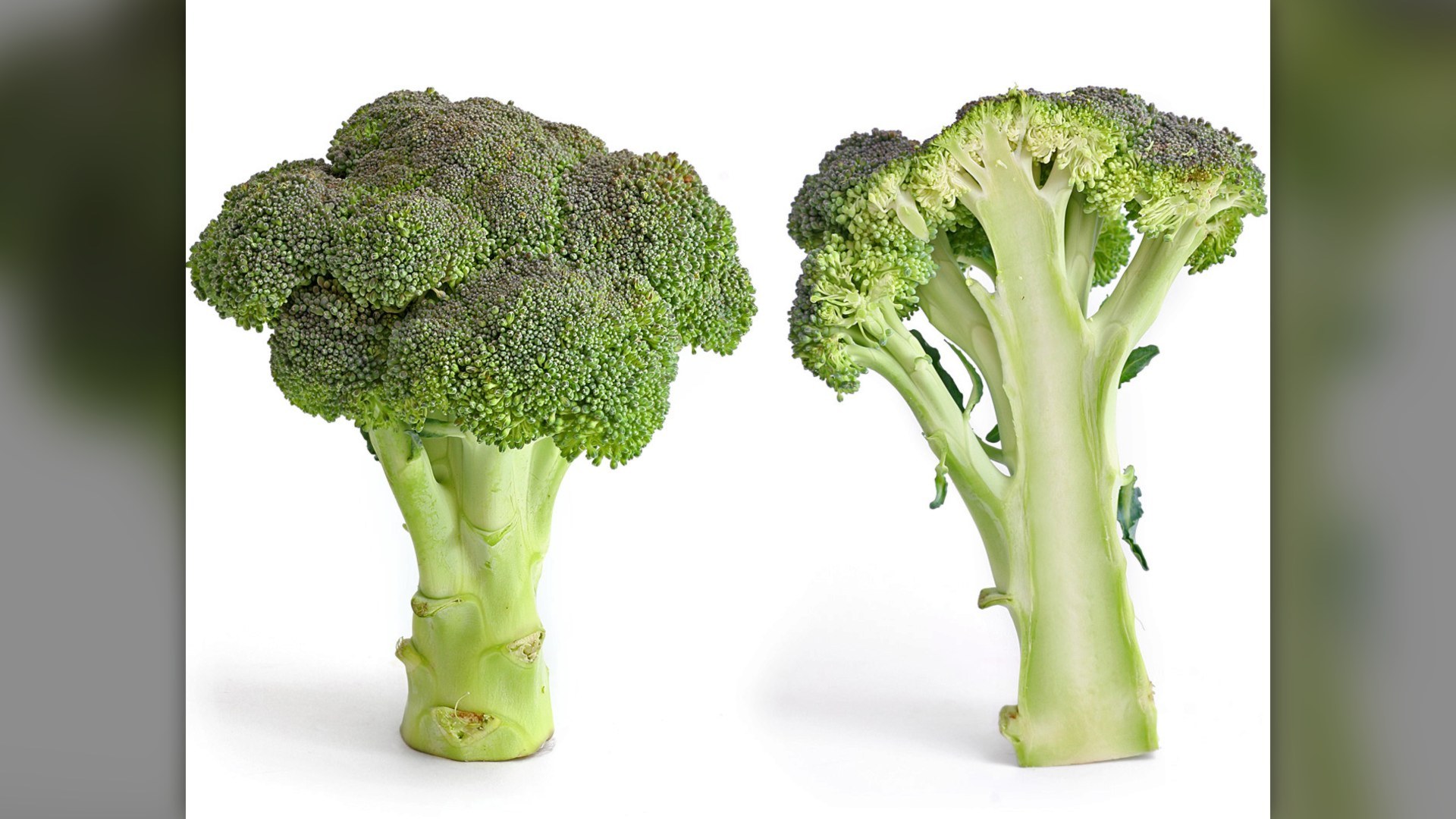
19. Transition To Solid Foods
Natural long-term protection develops as the baby's gut microbiome matures and they begin eating solid foods rich in vitamin K1, such as pureed leafy greens and broccoli, around 6 months of age.
©Wikimedia / Fir0002
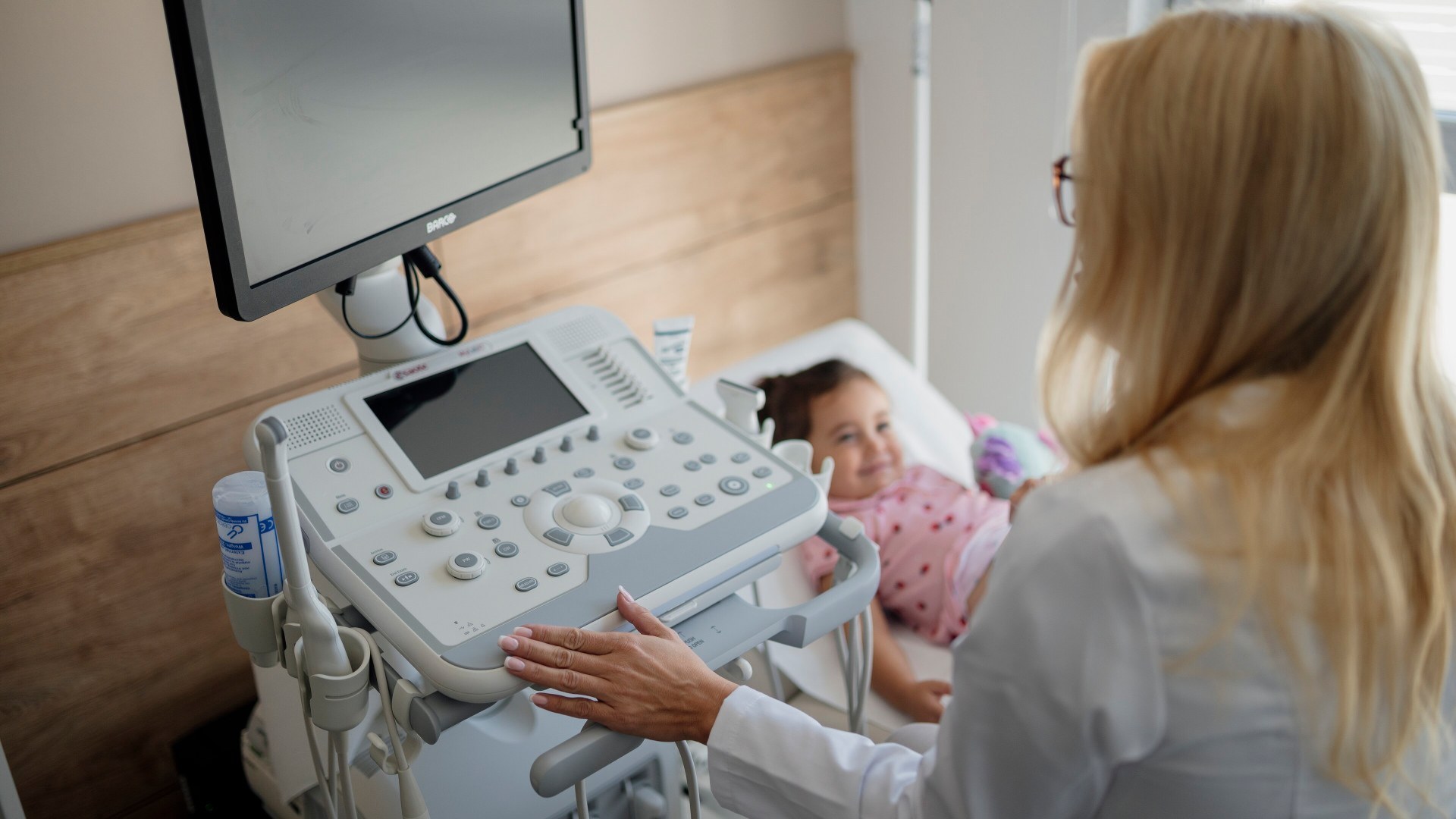
18. Treating Underlying Conditions
Long-term care requires diagnosing and managing hidden triggers that block fat and nutrient absorption, such as biliary atresia, cholestatic liver disease, or cystic fibrosis. Treating these conditions prevents recurrent fat-soluble vitamin deficiencies.
©Wikimedia / Shixart1985
Advertisement
Swipe or tap ▶ to resume the countdown.
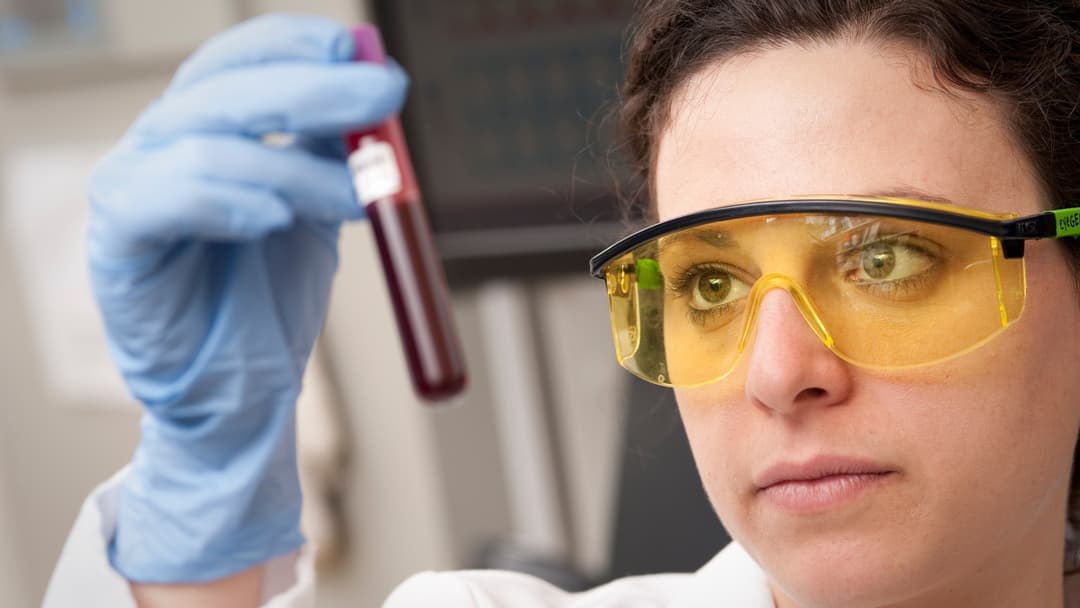
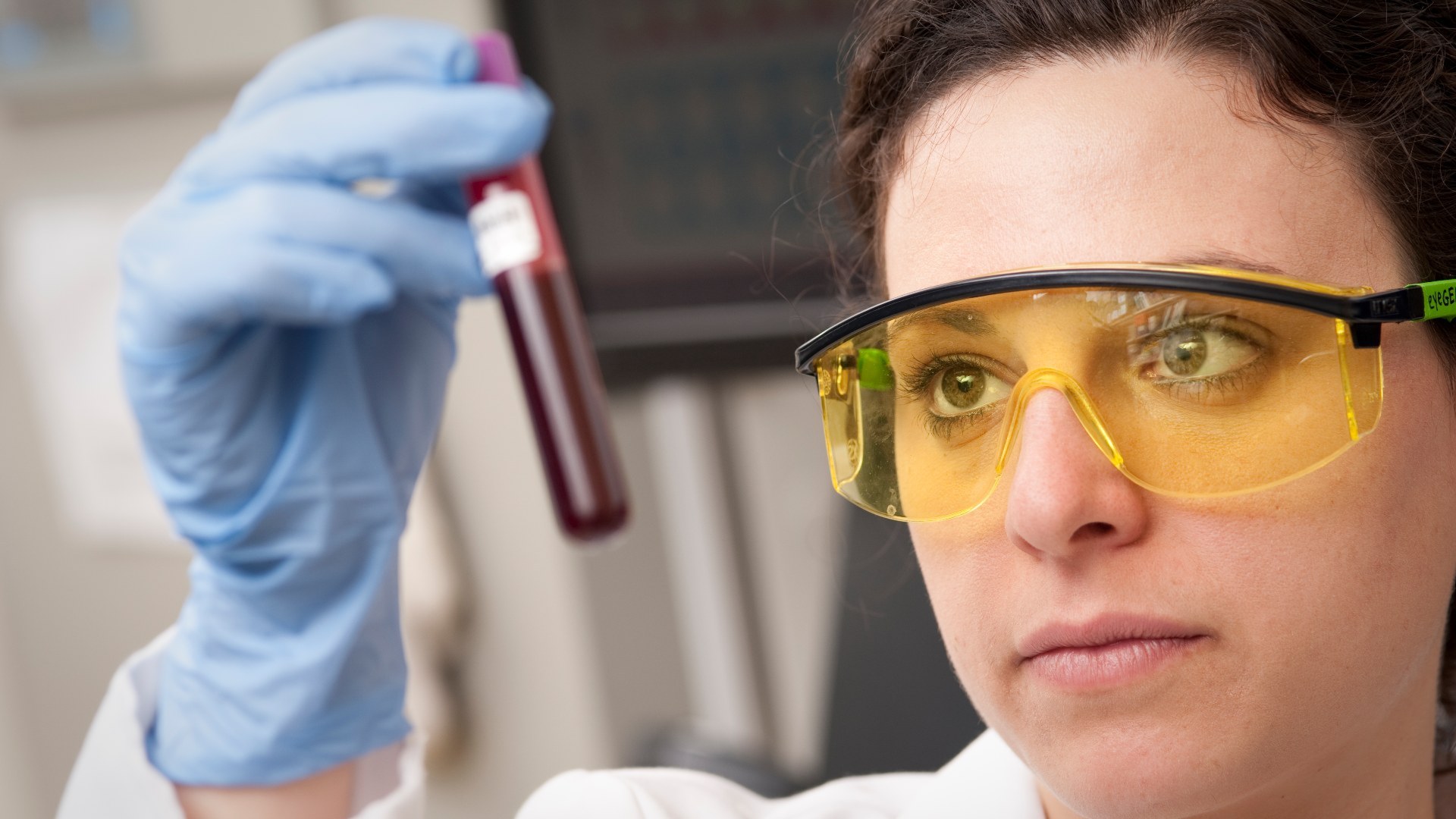
17. Diagnostic Confirmation
Clinicians confirm VKDB through blood coagulation tests showing prolonged prothrombin time (PT) and international normalised ratio (INR) alongside normal platelet counts and fibrinogen levels.
©Wikimedia / National Eye Institute
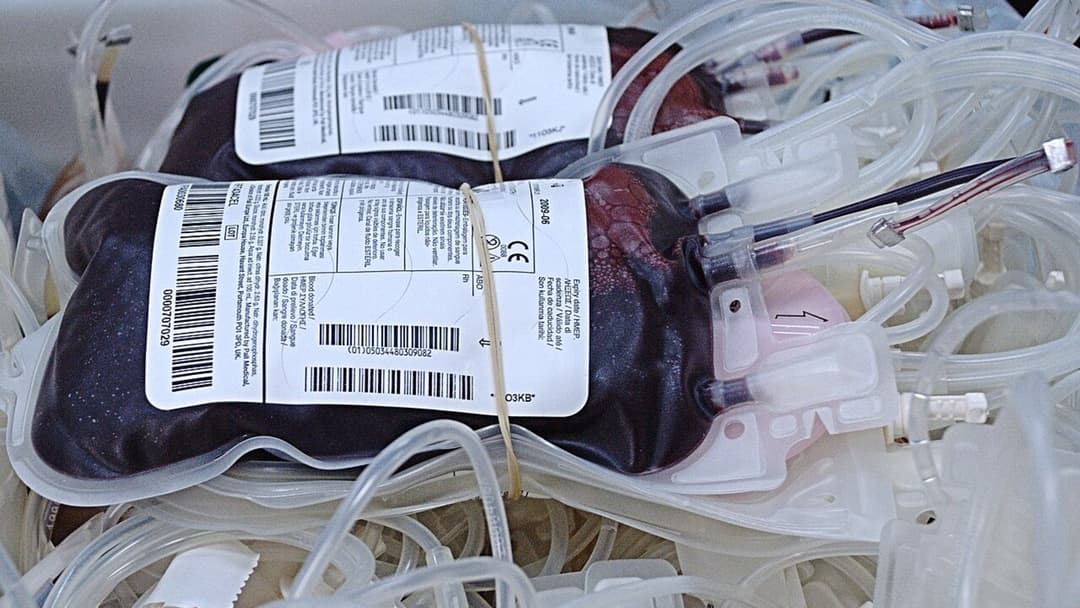
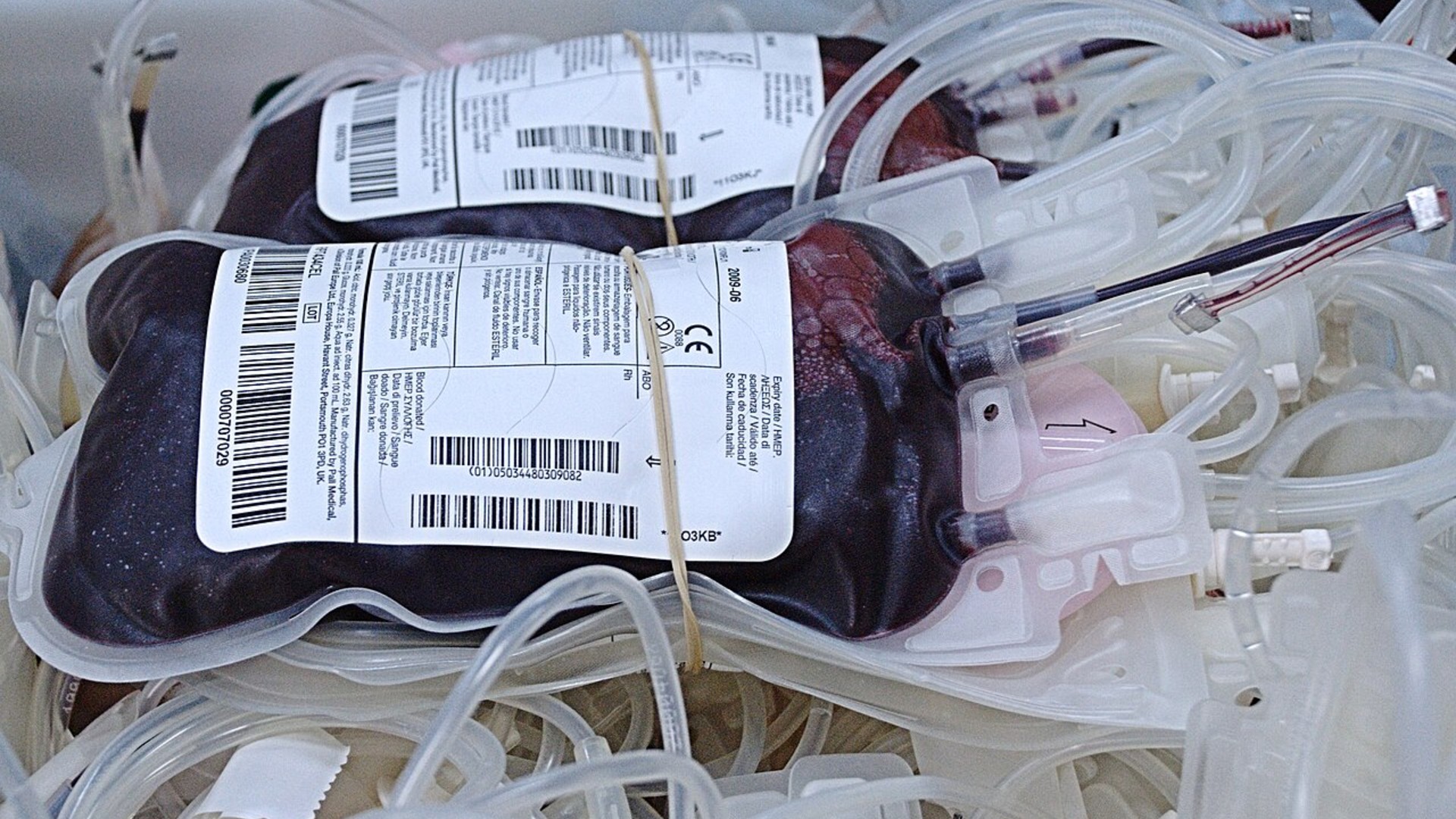
16. Rapid Clotting Replacement
For severe, life-threatening haemorrhages, hospitals provide fresh frozen plasma, prothrombin complex concentrate, or blood transfusions to supply active clotting factors and replace lost blood volume right away.
©Wikimedia / Antonio from Mijas, España
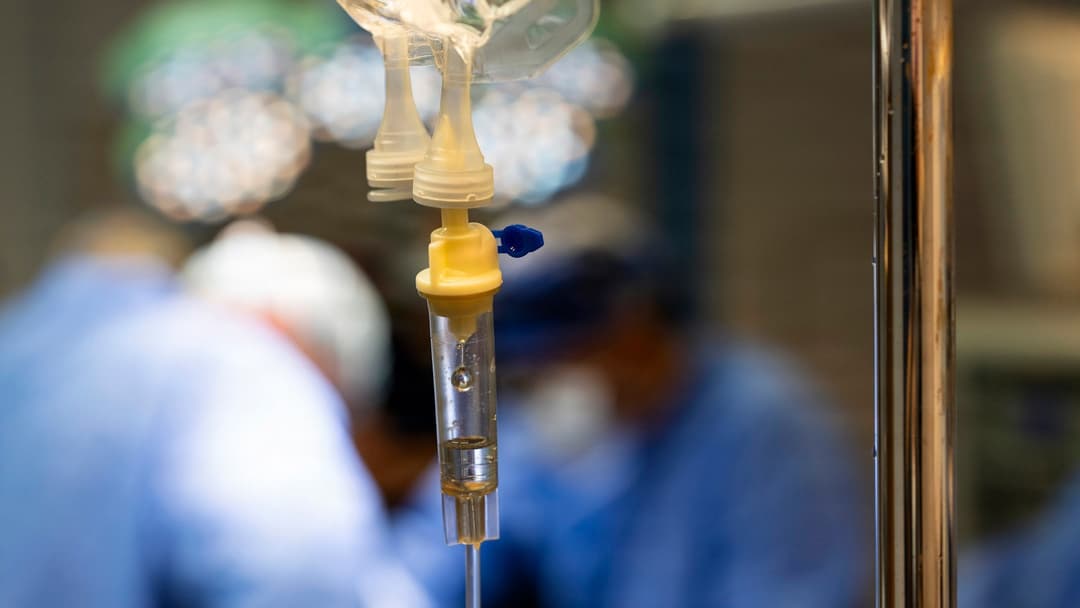
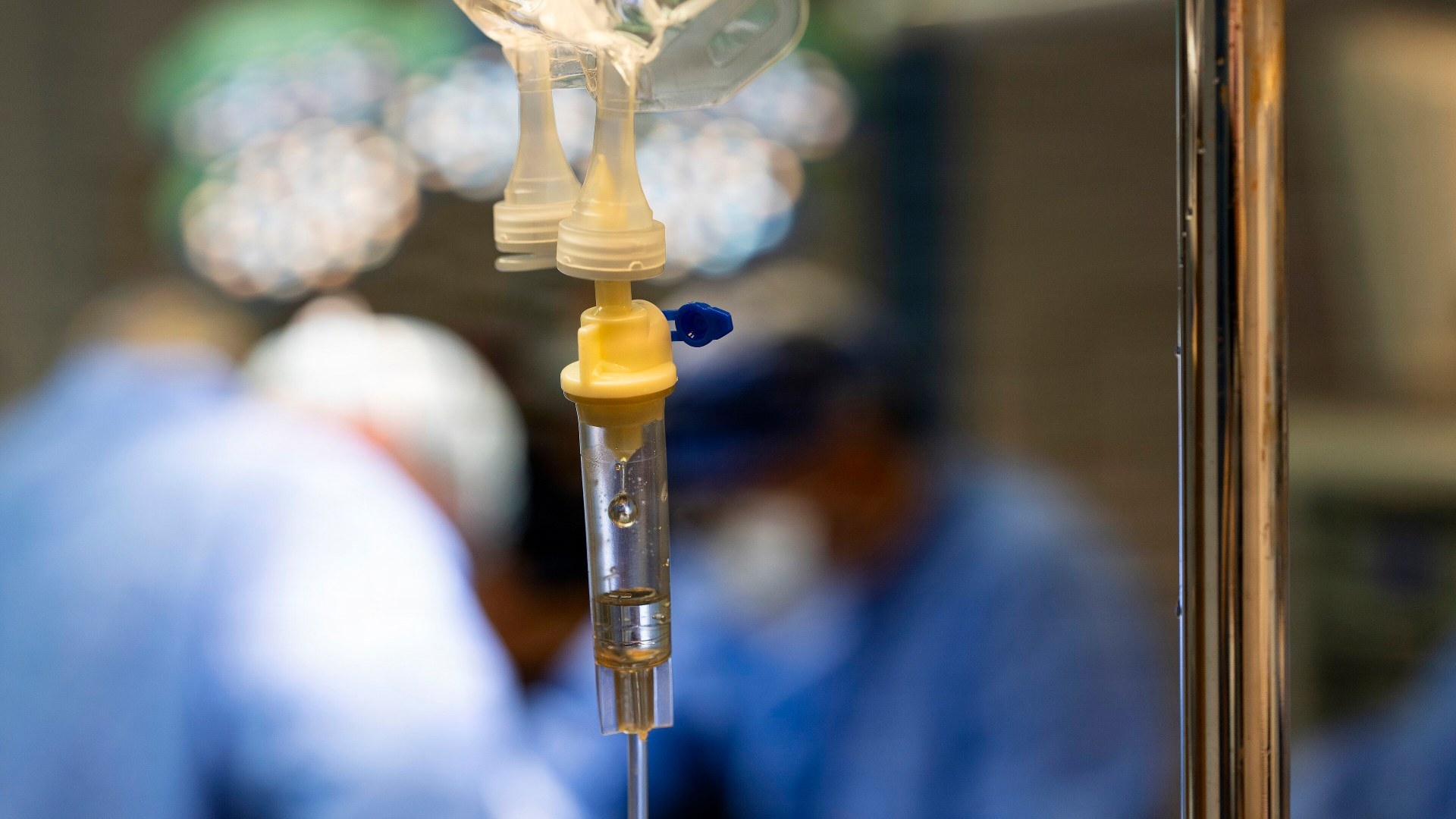
15. Emergency Vitamin K Therapy
If active VKDB is suspected, doctors immediately administer vitamin K via subcutaneous injection or slow intravenous infusion to rapidly restore hepatic clotting factor production within a few hours.
©Wikimedia / U.S. Air Force
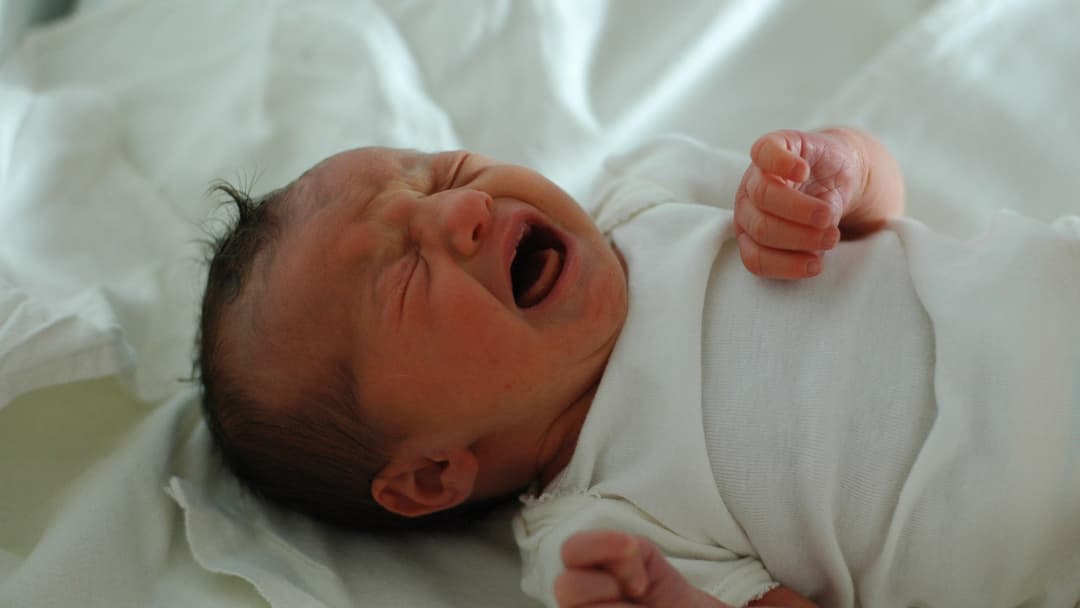
14. Emergency Neurological Red Flags
Extreme sleepiness, high-pitched crying, irritability, bulging fontanelles, vomiting, or seizures signal potential brain bleeding and require an immediate emergency hospital visit. Rapid intervention is essential to limit intracranial pressure.

©Wikimedia / Public Contributor
Advertisement
Swipe or tap ▶ to resume the countdown.
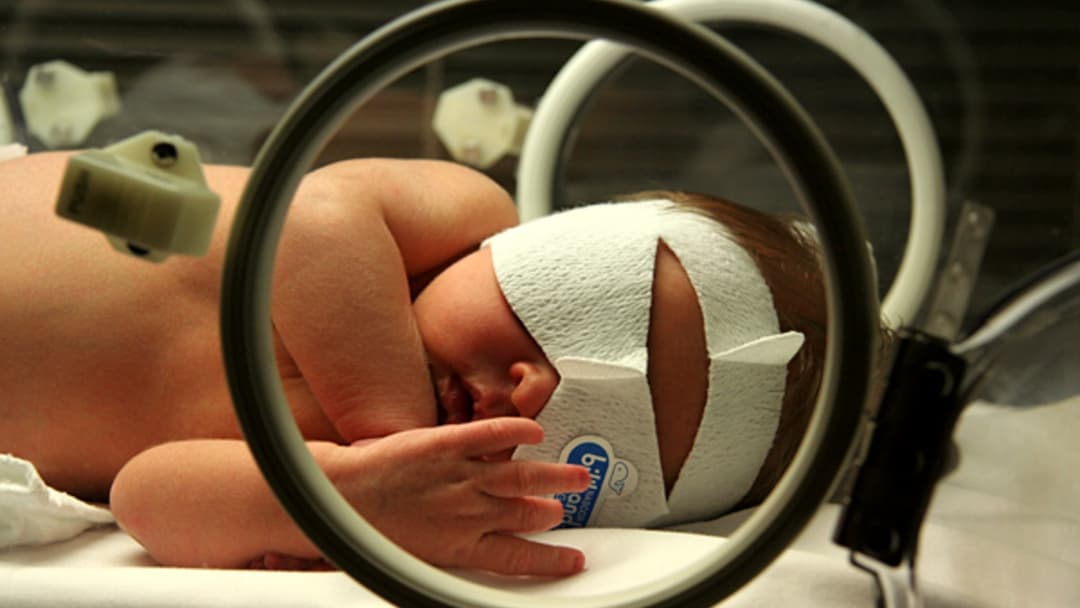
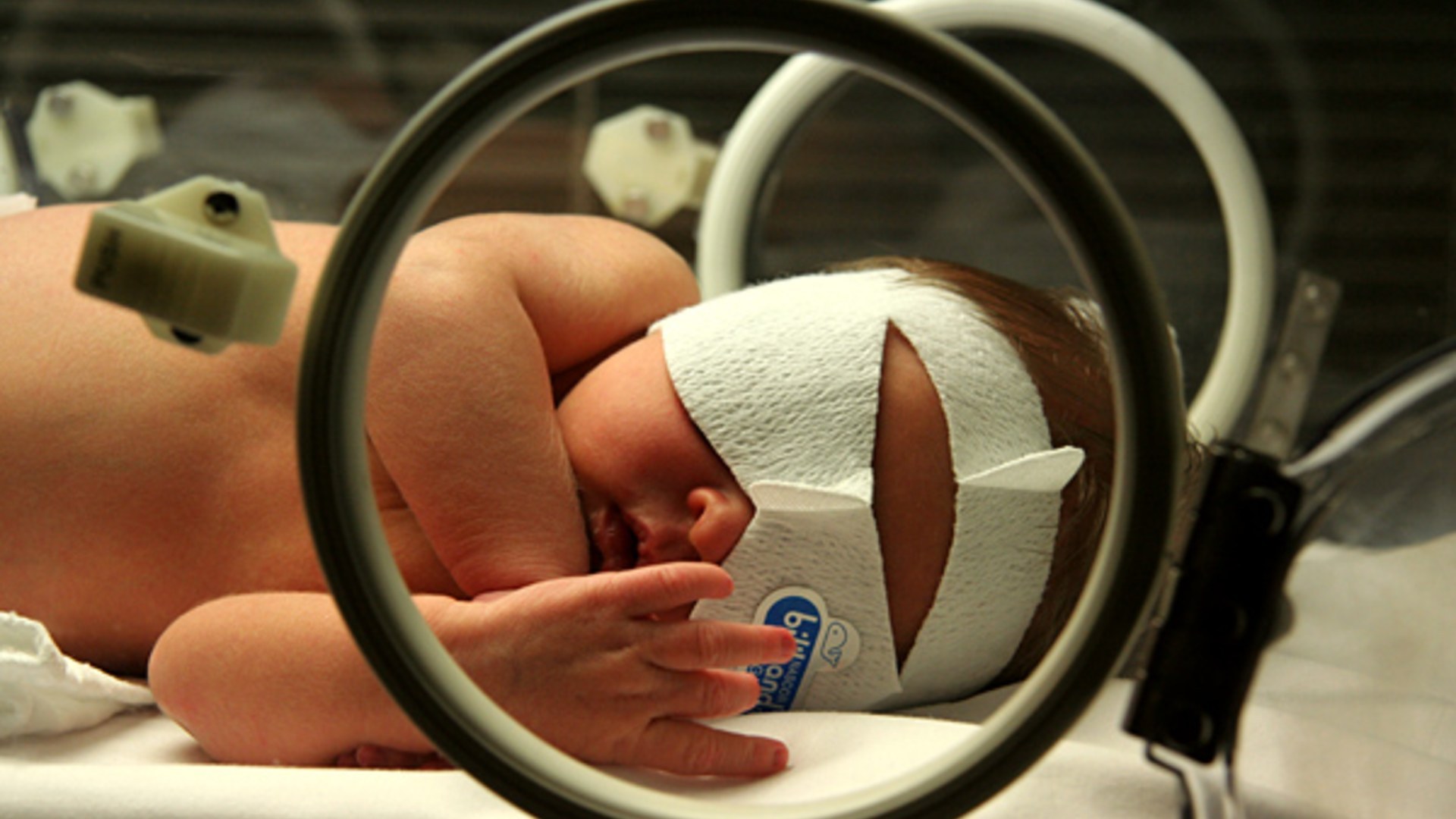
13. Recognising Internal Warning Signs
Seek urgent care for dark, tarry, or bloody stools, blood in vomit, pale skin or gums, or prolonged jaundice lasting beyond two weeks. Prolonged jaundice in breastfed infants can signal underlying liver conditions that block vitamin K absorption.
©Wikimedia / Martybugs
12. Recognising External Warning Signs
Watch immediately for unexplained bruising (especially on the head or face), nosebleeds, or persistent oozing from the umbilical cord stump, heel-prick site, or circumcision site. Minor surface bleeding often precedes severe internal haemorrhages.
©Wikimedia / Donald Trung Quoc Don
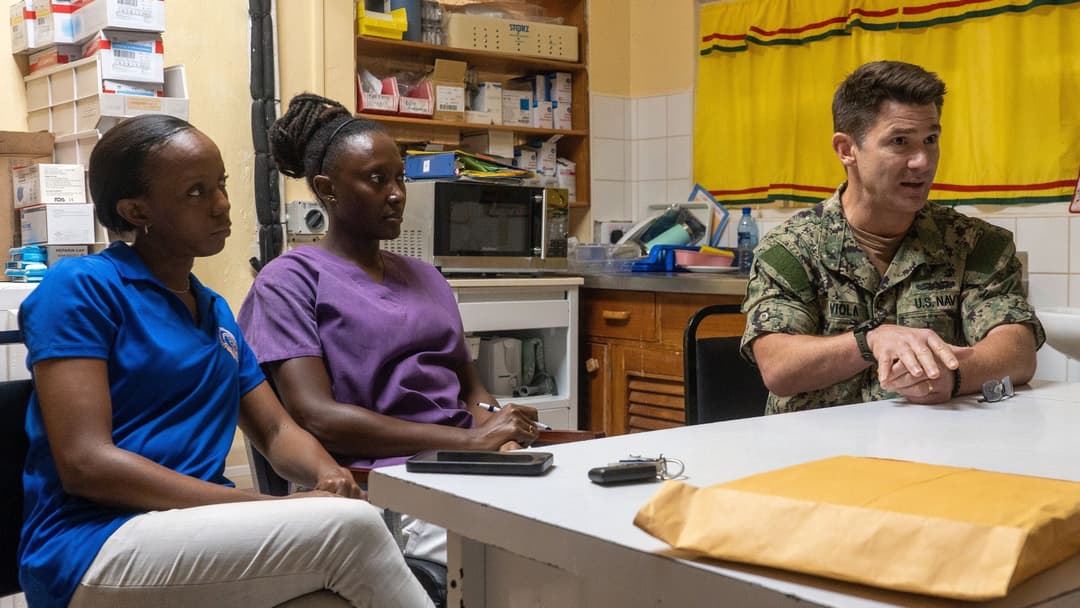
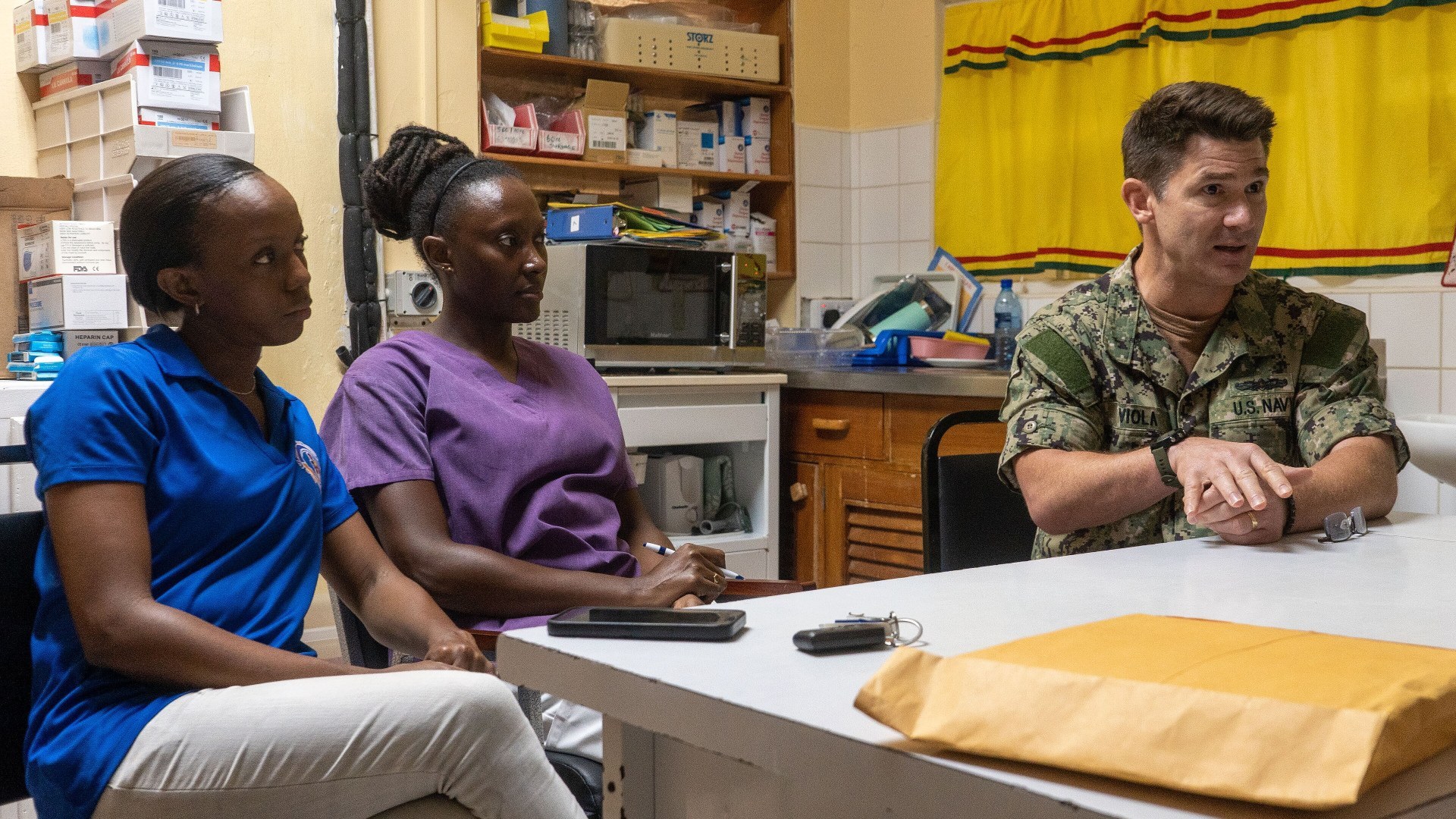
11. Maternal Medication Review
Expectant mothers taking anticonvulsants, blood thinners, or rifampin must alert their obstetric team so the newborn can be monitored closely and receive immediate vitamin K prophylaxis at delivery.
©Wikimedia / U.S. Navy
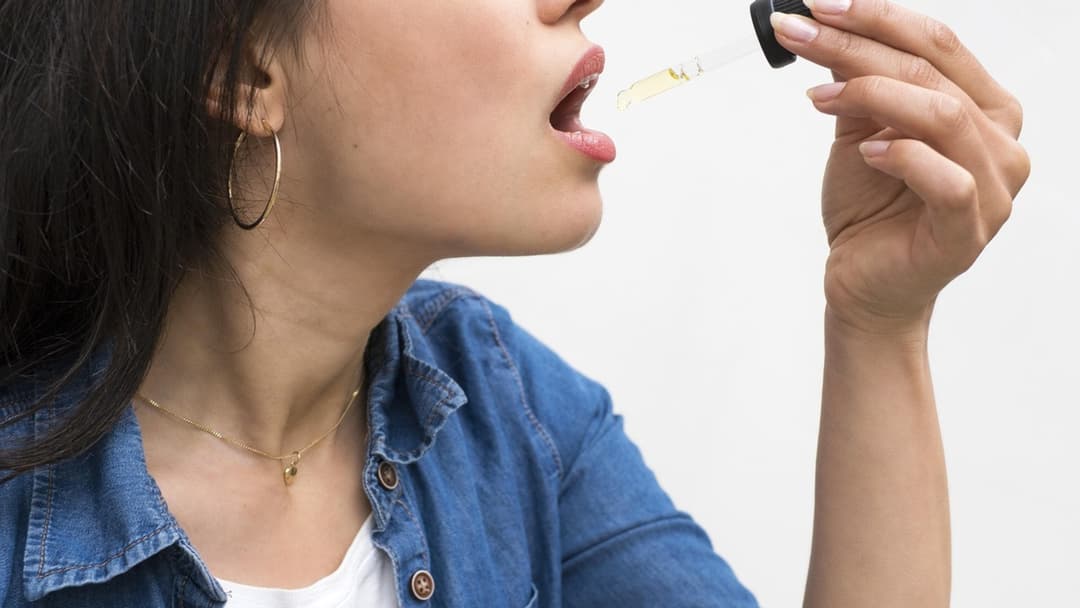
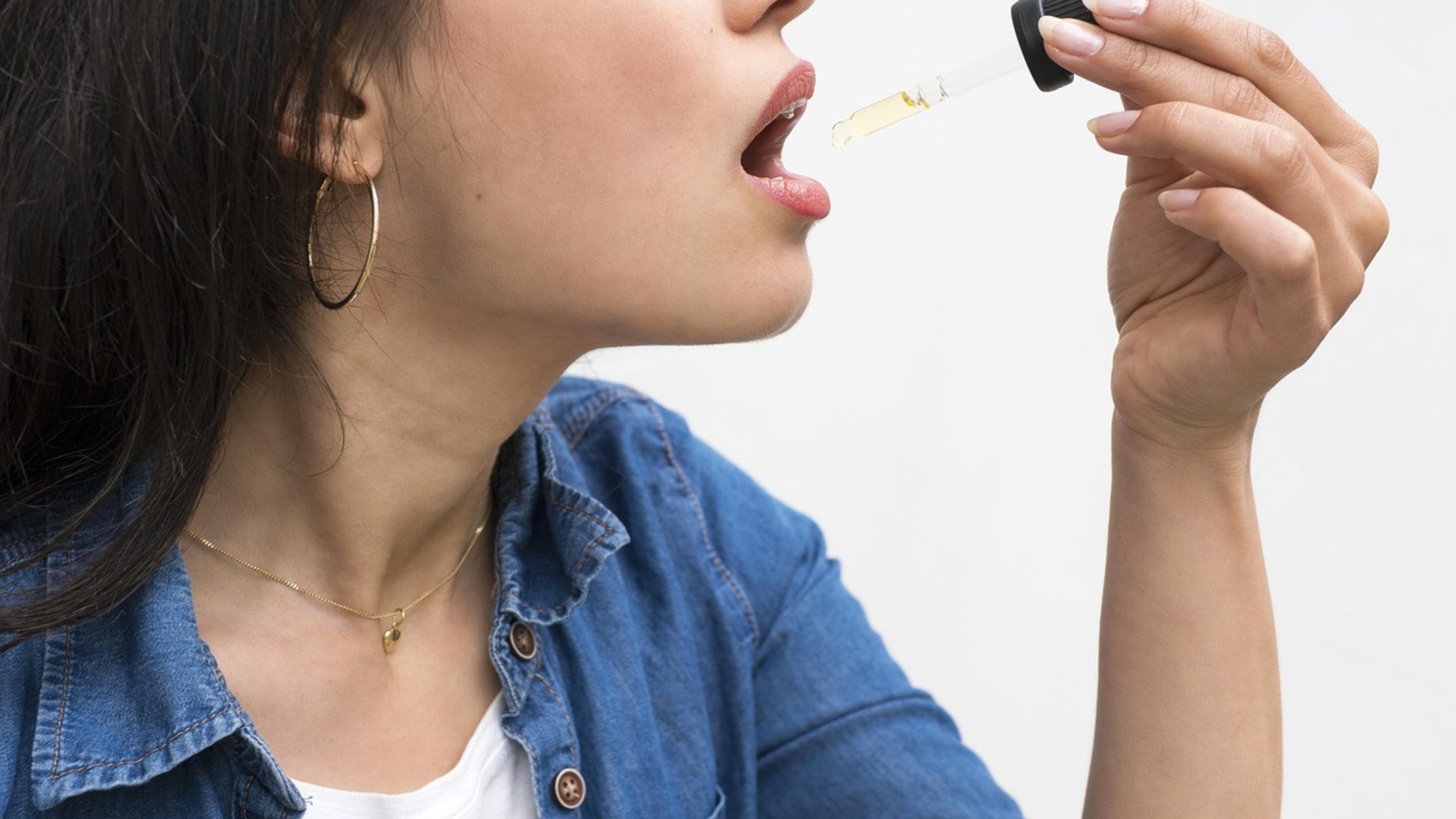
10. Oral Alternative Limits
Oral vitamin K regimens (typically three doses) are available if parents decline the injection, though they are less reliable due to potential spitting up, vomiting, missed follow-up doses, or poor gut absorption.
©Pixabay / Erin_Hinterland
Advertisement
Swipe or tap ▶ to resume the countdown.
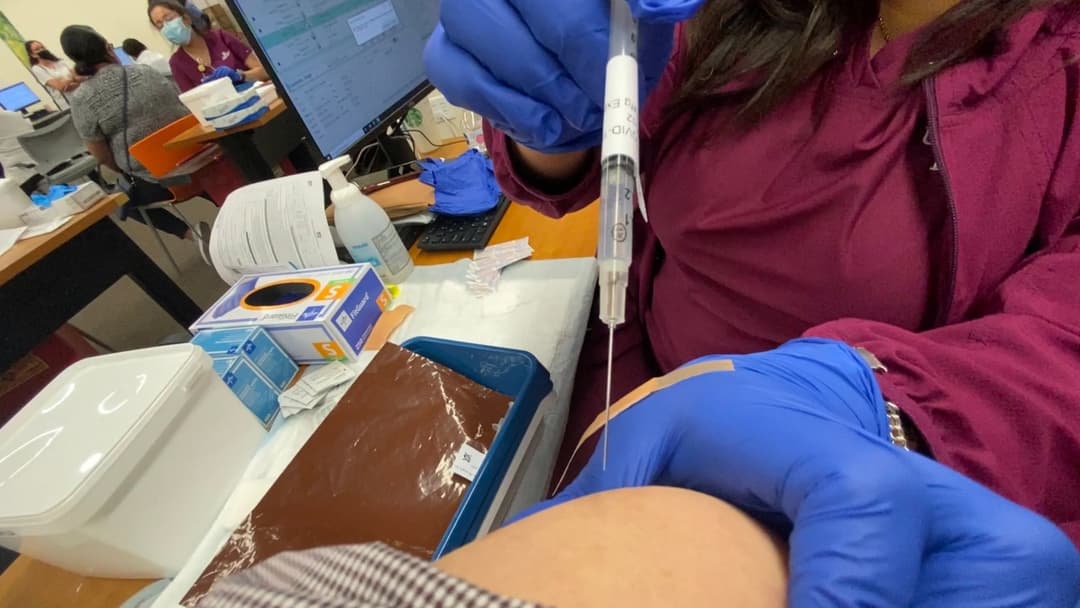
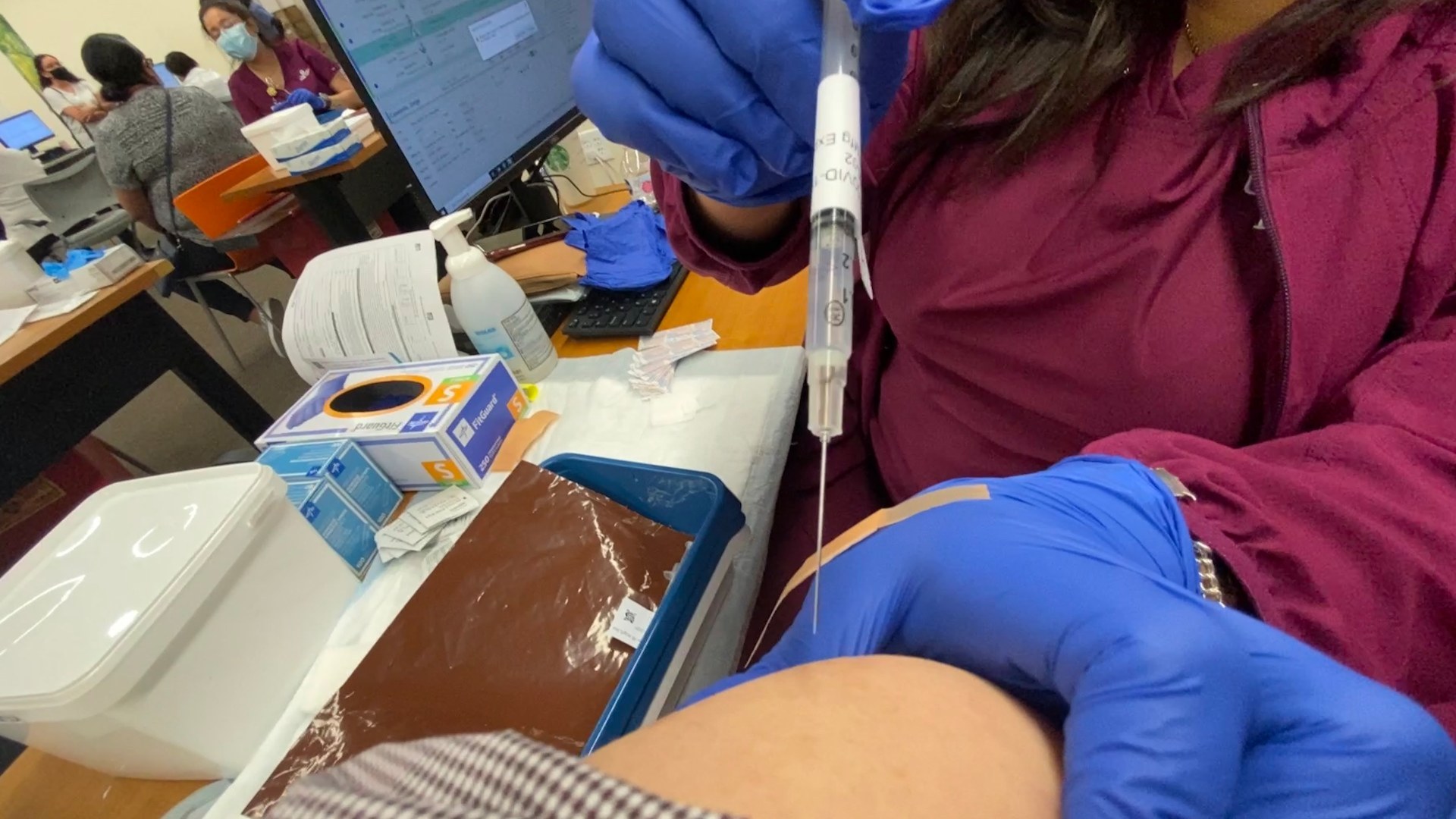
9. Birth Prophylaxis
The single most effective immediate precaution is administering a 1 mg intramuscular vitamin K injection shortly after birth, as recommended by NICE Guidelines. This one-time dose provides reliable protection across both classical and late VKDB windows.
©Wikimedia / USDAgov
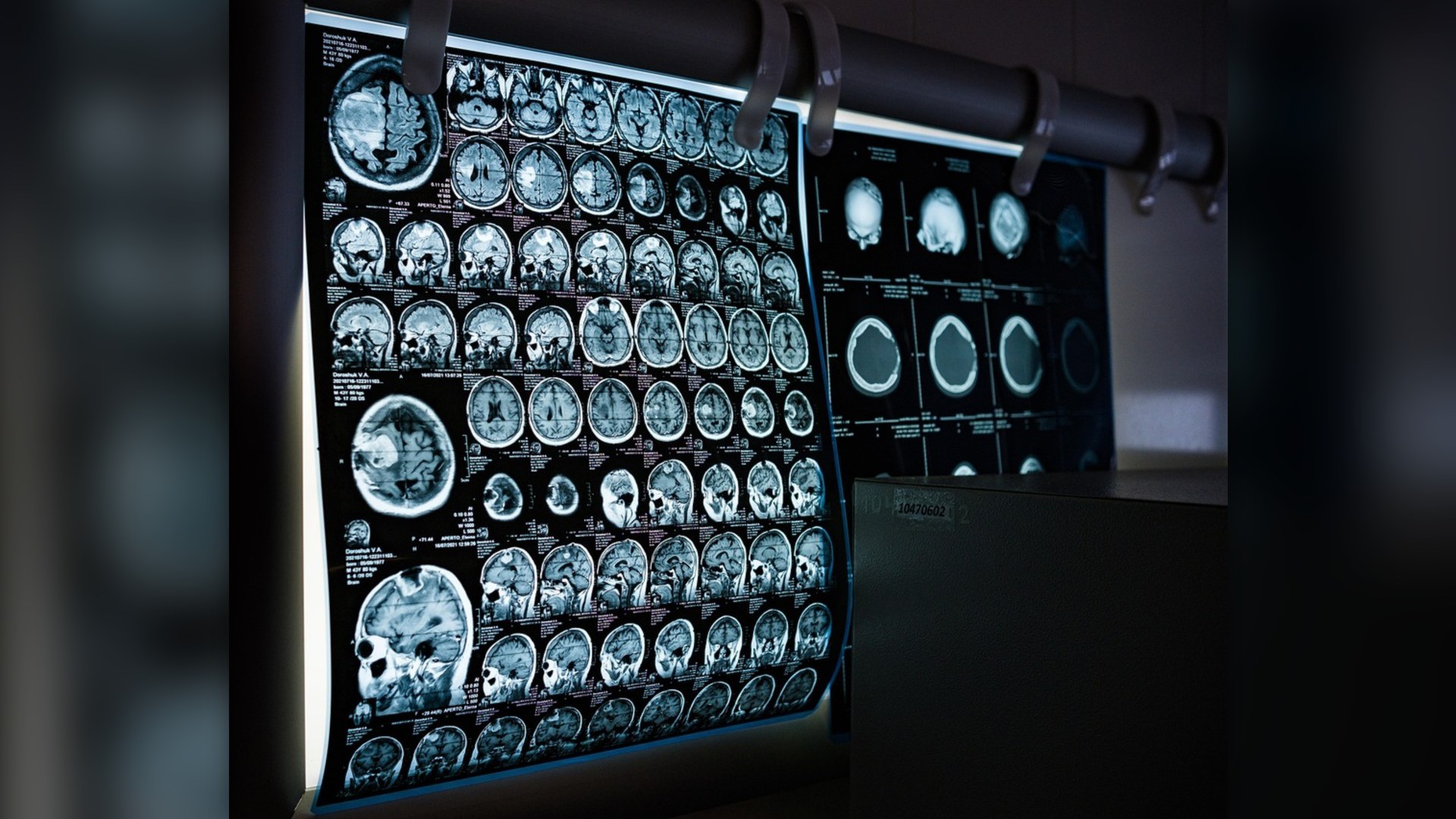
8. Severe Complications
Intracranial haemorrhage (bleeding inside the skull and brain) occurs in 30% to 60% of late-onset VKDB cases, carrying a high risk of permanent neurological disability or infant mortality.
©Pixabay / Mitrey
7. Hidden Dangers
In many infants, vitamin K deficiency bleeding begins silently inside the body without prior surface bruising, most commonly striking the gastrointestinal tract or the brain.

©Pixabay / TungArt7
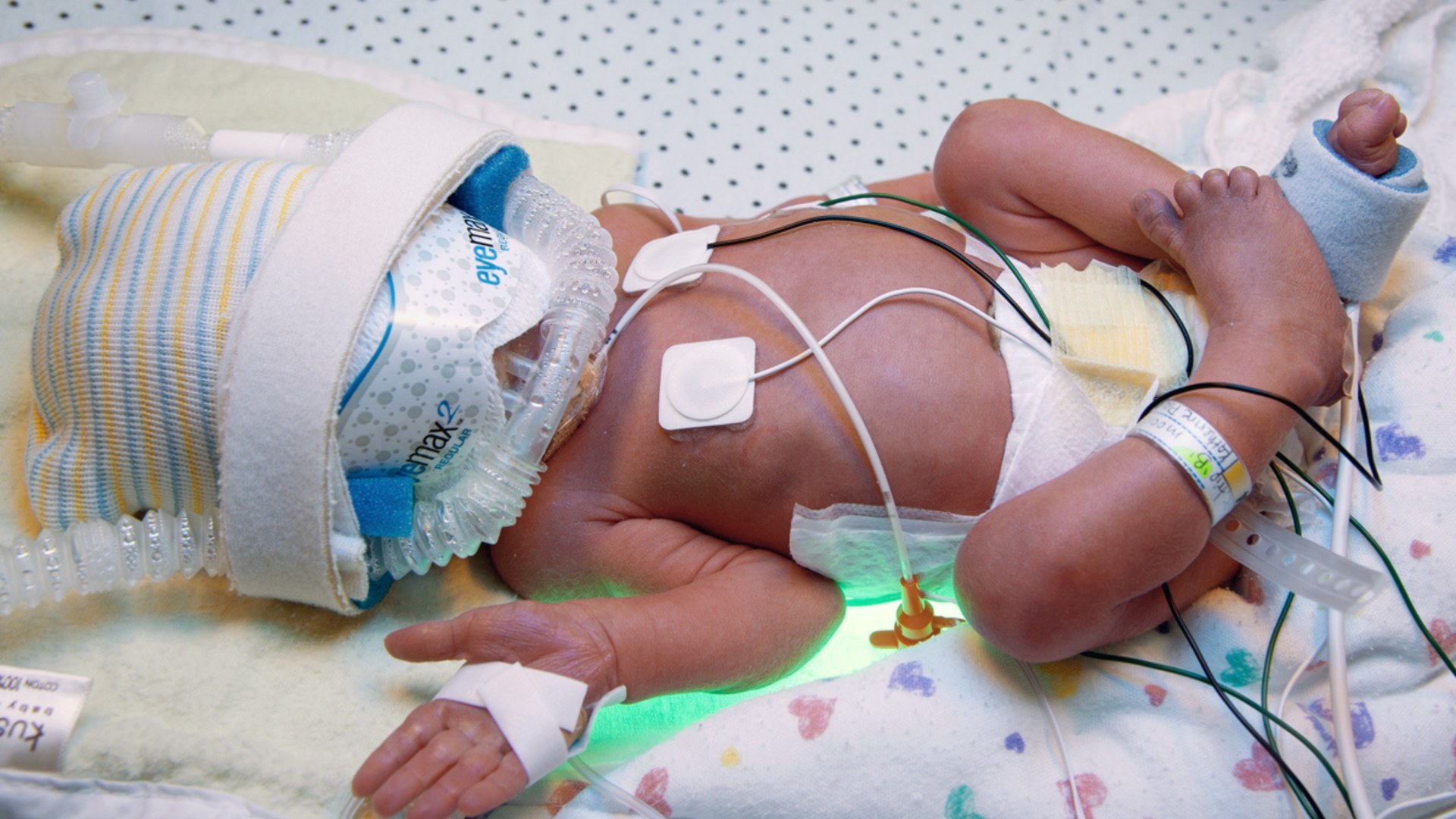
6. High-Risk Groups
Babies who do not receive the birth vitamin K shot are 81 times more likely to develop late-onset VKDB. Additional high-risk groups include premature infants, babies with undetected liver disease, and newborns exposed to maternal anti-seizure or tuberculosis medications.
©Wikimedia / Peter K Burian
Advertisement
Swipe or tap ▶ to resume the countdown.
5. Three Types Of VKDB
Healthcare providers classify VKDB by age of onset into three clinical windows: early-onset (within 24 hours of birth), classical (days 2 to 7), and late-onset (1 week to 6 months of age).

©Pixabay / Virvoreanu-Laurentiu
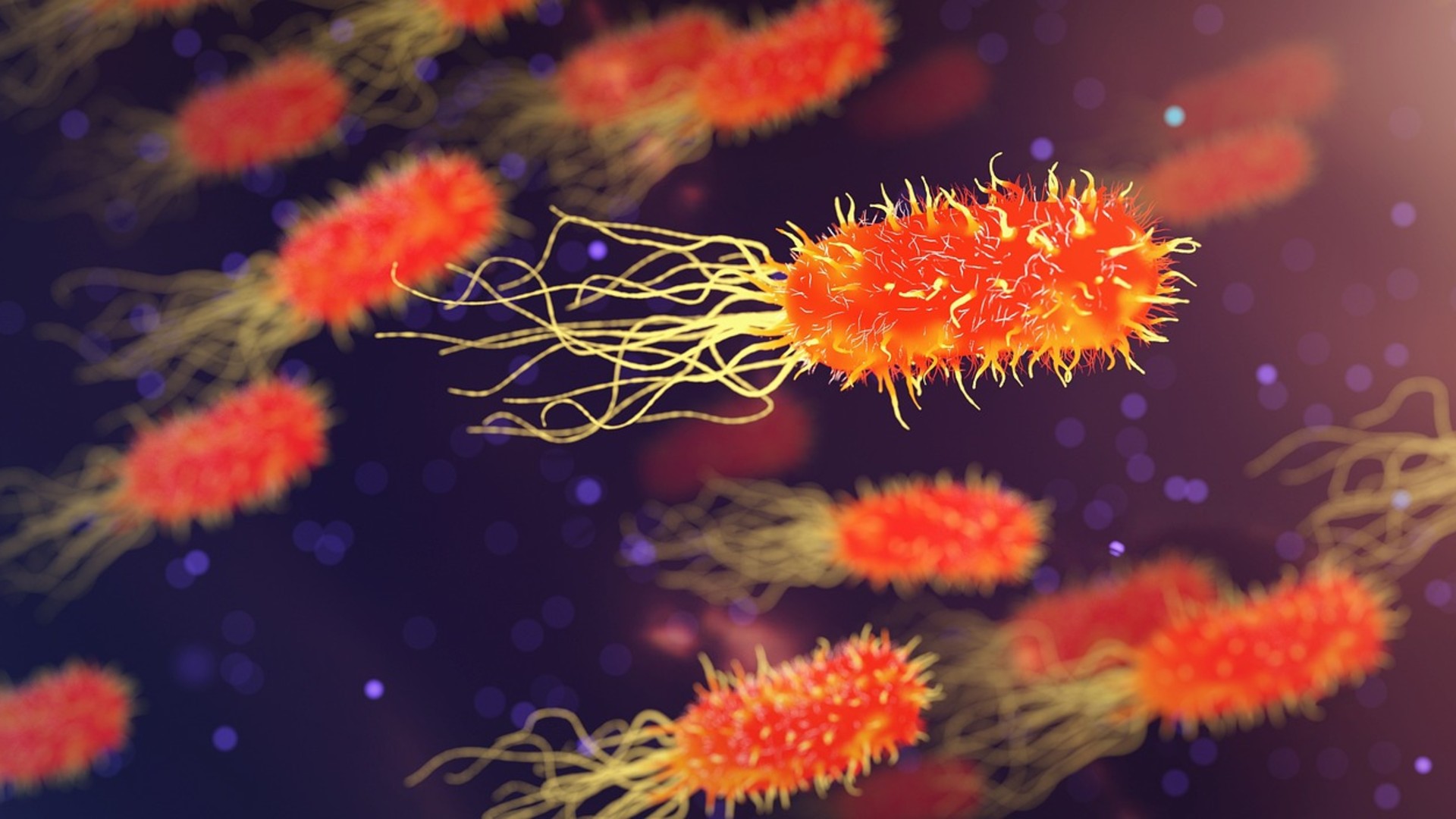
4. Gut Bacteria And Breast Milk
A newborn's sterile digestive tract lacks the mature gut bacteria required to synthesize vitamin K2, and human breast milk naturally contains very low concentrations of vitamin K.
©Pixabay / qimono
3. Why Newborns Are Vulnerable
All babies are born with naturally depleted stores of vitamin K because only trace amounts of the fat-soluble vitamin cross the maternal placenta during pregnancy.

©Wikimedia / Juanedc
2. Role Of Vitamin K
The liver relies on vitamin K to activate four essential blood-clotting proteins (Factors II, VII, IX, and X) required to seal blood vessels and halt internal and external bleeding.

©Pixabay / Serpae
Advertisement
Swipe or tap ▶ to resume the countdown.
1. What Is VKDB?
Vitamin K deficiency bleeding occurs when a newborn or young infant cannot stop bleeding because their blood lacks sufficient vitamin K to form stable clots.

©Wikimedia / Elizabeth
Advertisement
You've reached the end of the story. Thanks for reading!

20 Everyday Habits Doctors Say Shorten Your Life, Ranked
Doctors and longevity researchers warn that everyday routines can silently strip years off your life expectancy, ranked by clinical mortality risk.
All 20 Entries in this Story
20. Long-Term Neurological Follow-Up
Infants who survive intracranial bleeds require ongoing paediatric neurology assessments, physical therapy, and early intervention support to monitor milestones and manage any lasting developmental effects.

19. Transition To Solid Foods
Natural long-term protection develops as the baby's gut microbiome matures and they begin eating solid foods rich in vitamin K1, such as pureed leafy greens and broccoli, around 6 months of age.

18. Treating Underlying Conditions
Long-term care requires diagnosing and managing hidden triggers that block fat and nutrient absorption, such as biliary atresia, cholestatic liver disease, or cystic fibrosis. Treating these conditions prevents recurrent fat-soluble vitamin deficiencies.

17. Diagnostic Confirmation
Clinicians confirm VKDB through blood coagulation tests showing prolonged prothrombin time (PT) and international normalised ratio (INR) alongside normal platelet counts and fibrinogen levels.

16. Rapid Clotting Replacement
For severe, life-threatening haemorrhages, hospitals provide fresh frozen plasma, prothrombin complex concentrate, or blood transfusions to supply active clotting factors and replace lost blood volume right away.

15. Emergency Vitamin K Therapy
If active VKDB is suspected, doctors immediately administer vitamin K via subcutaneous injection or slow intravenous infusion to rapidly restore hepatic clotting factor production within a few hours.

14. Emergency Neurological Red Flags
Extreme sleepiness, high-pitched crying, irritability, bulging fontanelles, vomiting, or seizures signal potential brain bleeding and require an immediate emergency hospital visit. Rapid intervention is essential to limit intracranial pressure.

13. Recognising Internal Warning Signs
Seek urgent care for dark, tarry, or bloody stools, blood in vomit, pale skin or gums, or prolonged jaundice lasting beyond two weeks. Prolonged jaundice in breastfed infants can signal underlying liver conditions that block vitamin K absorption.

12. Recognising External Warning Signs
Watch immediately for unexplained bruising (especially on the head or face), nosebleeds, or persistent oozing from the umbilical cord stump, heel-prick site, or circumcision site. Minor surface bleeding often precedes severe internal haemorrhages.

11. Maternal Medication Review
Expectant mothers taking anticonvulsants, blood thinners, or rifampin must alert their obstetric team so the newborn can be monitored closely and receive immediate vitamin K prophylaxis at delivery.

10. Oral Alternative Limits
Oral vitamin K regimens (typically three doses) are available if parents decline the injection, though they are less reliable due to potential spitting up, vomiting, missed follow-up doses, or poor gut absorption.

9. Birth Prophylaxis
The single most effective immediate precaution is administering a 1 mg intramuscular vitamin K injection shortly after birth, as recommended by NICE Guidelines. This one-time dose provides reliable protection across both classical and late VKDB windows.

8. Severe Complications
Intracranial haemorrhage (bleeding inside the skull and brain) occurs in 30% to 60% of late-onset VKDB cases, carrying a high risk of permanent neurological disability or infant mortality.

7. Hidden Dangers
In many infants, vitamin K deficiency bleeding begins silently inside the body without prior surface bruising, most commonly striking the gastrointestinal tract or the brain.

6. High-Risk Groups
Babies who do not receive the birth vitamin K shot are 81 times more likely to develop late-onset VKDB. Additional high-risk groups include premature infants, babies with undetected liver disease, and newborns exposed to maternal anti-seizure or tuberculosis medications.

5. Three Types Of VKDB
Healthcare providers classify VKDB by age of onset into three clinical windows: early-onset (within 24 hours of birth), classical (days 2 to 7), and late-onset (1 week to 6 months of age).

4. Gut Bacteria And Breast Milk
A newborn's sterile digestive tract lacks the mature gut bacteria required to synthesize vitamin K2, and human breast milk naturally contains very low concentrations of vitamin K.

3. Why Newborns Are Vulnerable
All babies are born with naturally depleted stores of vitamin K because only trace amounts of the fat-soluble vitamin cross the maternal placenta during pregnancy.

2. Role Of Vitamin K
The liver relies on vitamin K to activate four essential blood-clotting proteins (Factors II, VII, IX, and X) required to seal blood vessels and halt internal and external bleeding.

1. What Is VKDB?
Vitamin K deficiency bleeding occurs when a newborn or young infant cannot stop bleeding because their blood lacks sufficient vitamin K to form stable clots.