Slideshow · Animals
23 Animals Responsible for the Most Human Deaths Each Year
Understanding animal threats requires looking past ferocious fangs to defensive toxins and parasite vectors. Based on data from the World Health Organization, CDC records, and National Geographic field reports, this ranking traces human mortality rates and extreme biological defenses across global wilderness zones.
By Most Viral Today
52 min ago

Deadliest Predators and Venomous Killers on Earth 
23. Golden Poison Frog 
22. Blue-Ringed Octopus 
21. Sydney Funnel-Web Spider - AdvertisementSwipe or tap ▶ to continue countdown

20. Inland Taipan 
19. Reef Stonefish 
18. Geography Cone Snail 
17. Pufferfish - AdvertisementSwipe or tap ▶ to continue countdown

16. Sea Wasp Box Jellyfish 
15. Brazilian Wandering Spider 
14. African Lion 
13. Cape Buffalo - AdvertisementSwipe or tap ▶ to continue countdown

12. Asian And African Elephants 
11. Hippopotamus 
10. Saltwater Crocodile 
9. Deathstalker Scorpion - AdvertisementSwipe or tap ▶ to continue countdown

8. Tsetse Fly 
7. Triatomine Kissing Bug 
6. Freshwater Snail 
5. Saw-Scaled Viper - AdvertisementSwipe or tap ▶ to continue countdown

4. Sandfly 
3. Domestic And Feral Dog 
2. Ascaris Roundworm 
1. Mosquito - Advertisement🔥 UP NEXT IN THIS SERIES◫ 21 Slides

20 Dog Breeds Built for Cold Weather
Arctic winds and subzero blizzards require specialized evolutionary traits for working canines. Breeds developed in northern latitudes possess water-resistant guard hairs, dense woolly undercoats, and compact paws that prevent heat loss. Breed records from international kennel clubs show how they handle deep snow.
From venomous reef hunters to carriers of lethal pathogens, the animal kingdom holds species that pose immense risks to human life. Based on data from the World Health Organization, CDC records, and National Geographic field reports, this guide tracks lethal encounters, defensive toxins, and annual human fatalities.
Swipe or tap ▶ to begin the countdown
©Wikimedia / Ikiwaner & Wikimedia / Alan R Walker
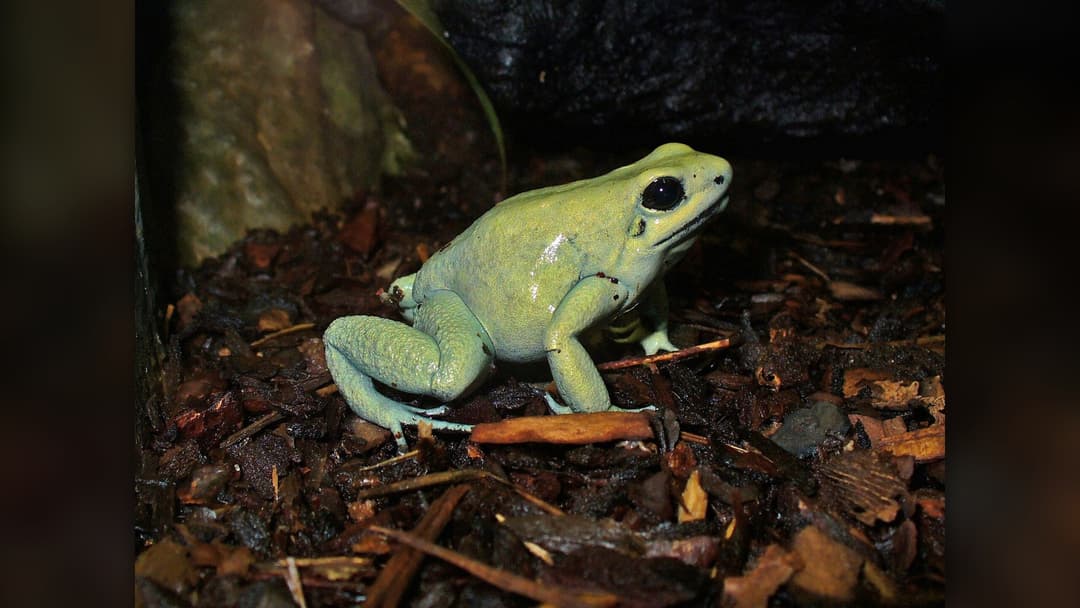
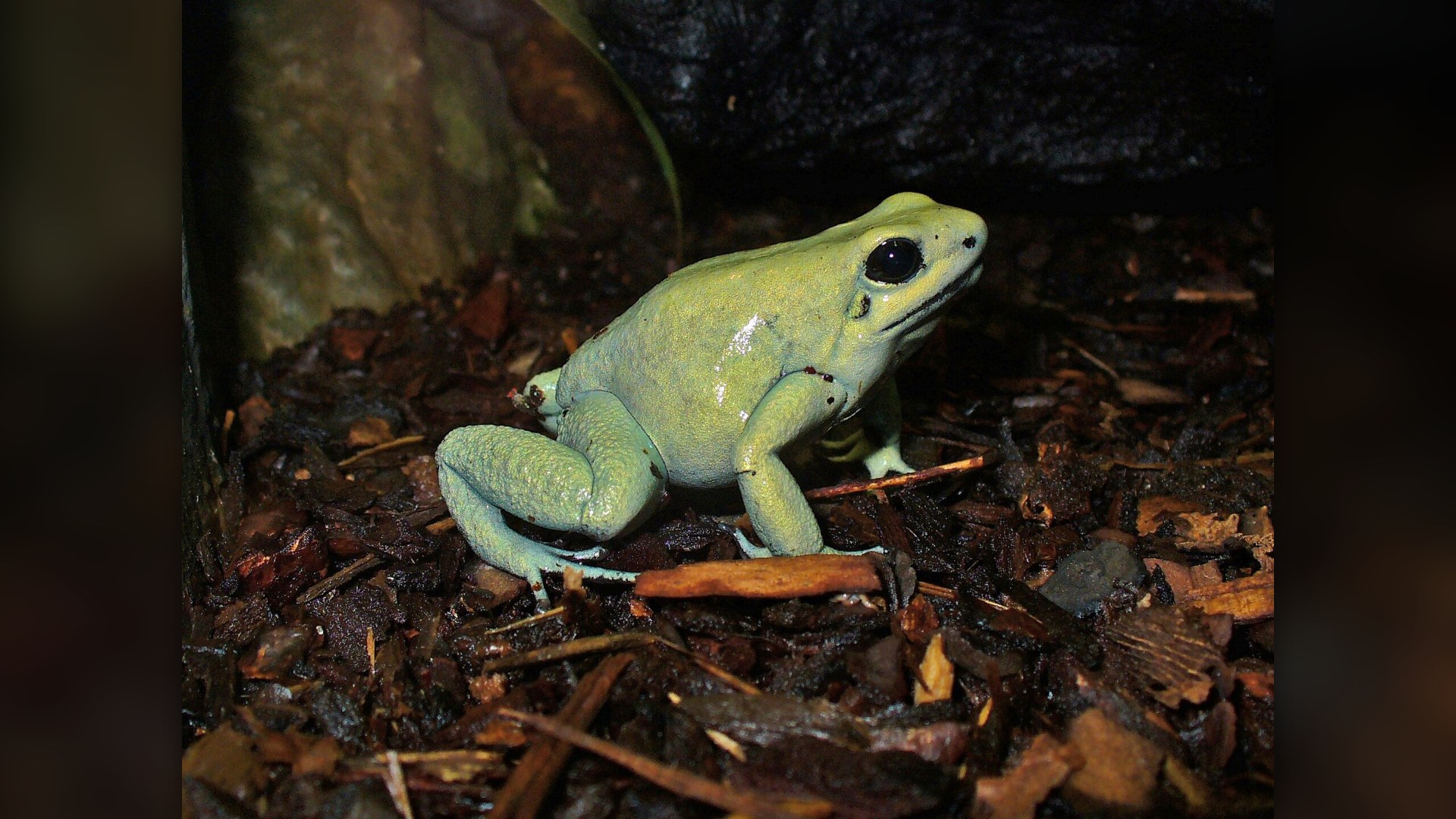
23. Golden Poison Frog
Phyllobates terribilis lives in the Pacific lowland rainforests of Colombia. A single wild frog stores up to two milligrams of batrachotoxin in its skin glands, which can halt nerve impulses and cause cardiac arrest in twenty adult humans. Indigenous hunters used its secretions to coat blowgun darts.
©Wikimedia / H. Zell
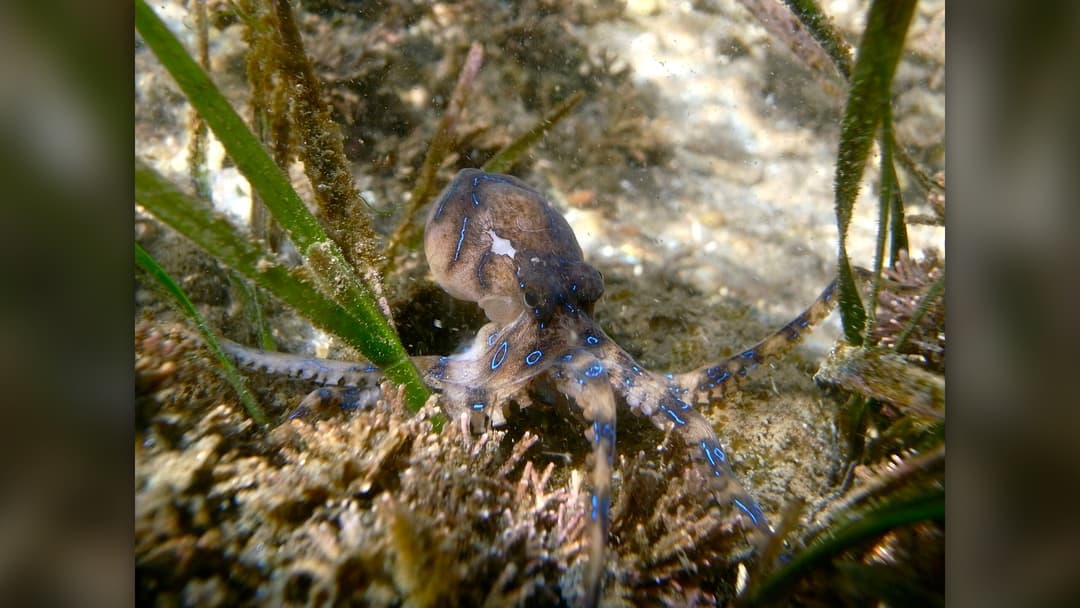
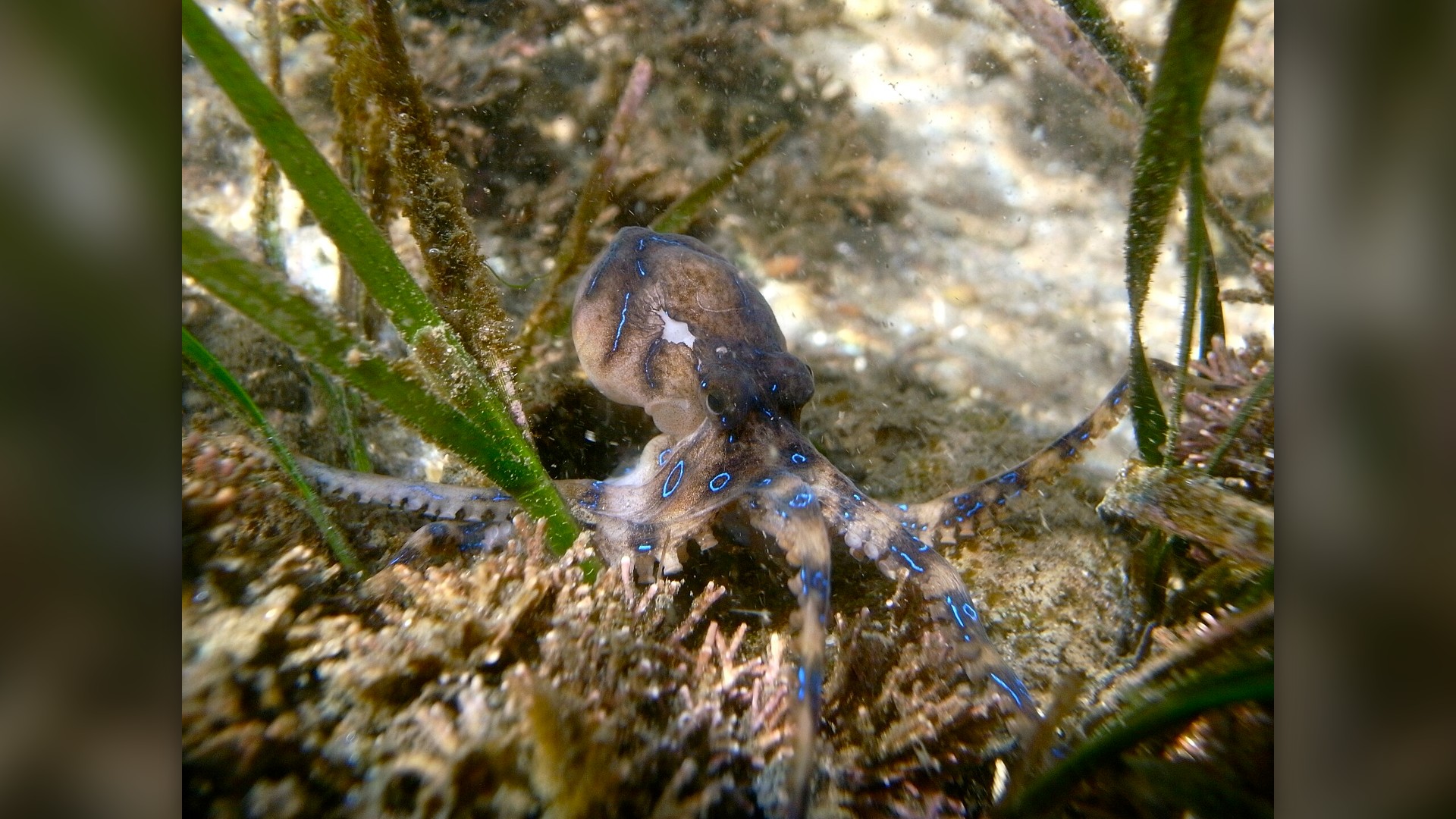
22. Blue-Ringed Octopus
Hapalochlaena lunulata hunts small crabs across shallow coral reefs in Australia and Japan. When threatened, its blue rings glow before it delivers a painless bite laden with tetrodotoxin. The neurotoxin paralyzes voluntary muscles and causes respiratory failure within thirty minutes without medical intervention.
©Wikimedia / Sylke Rohrlach
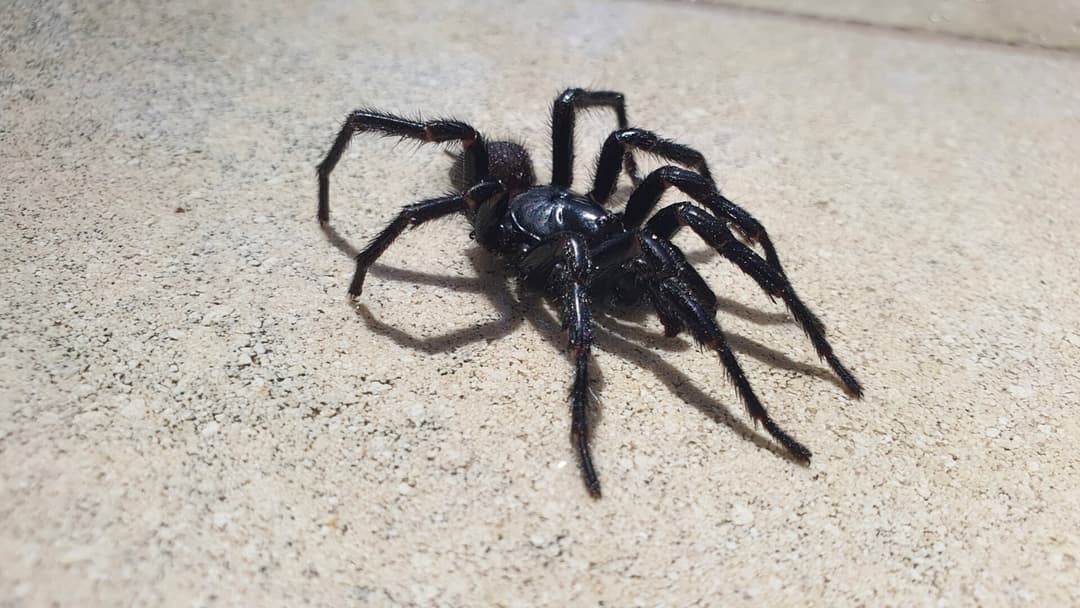
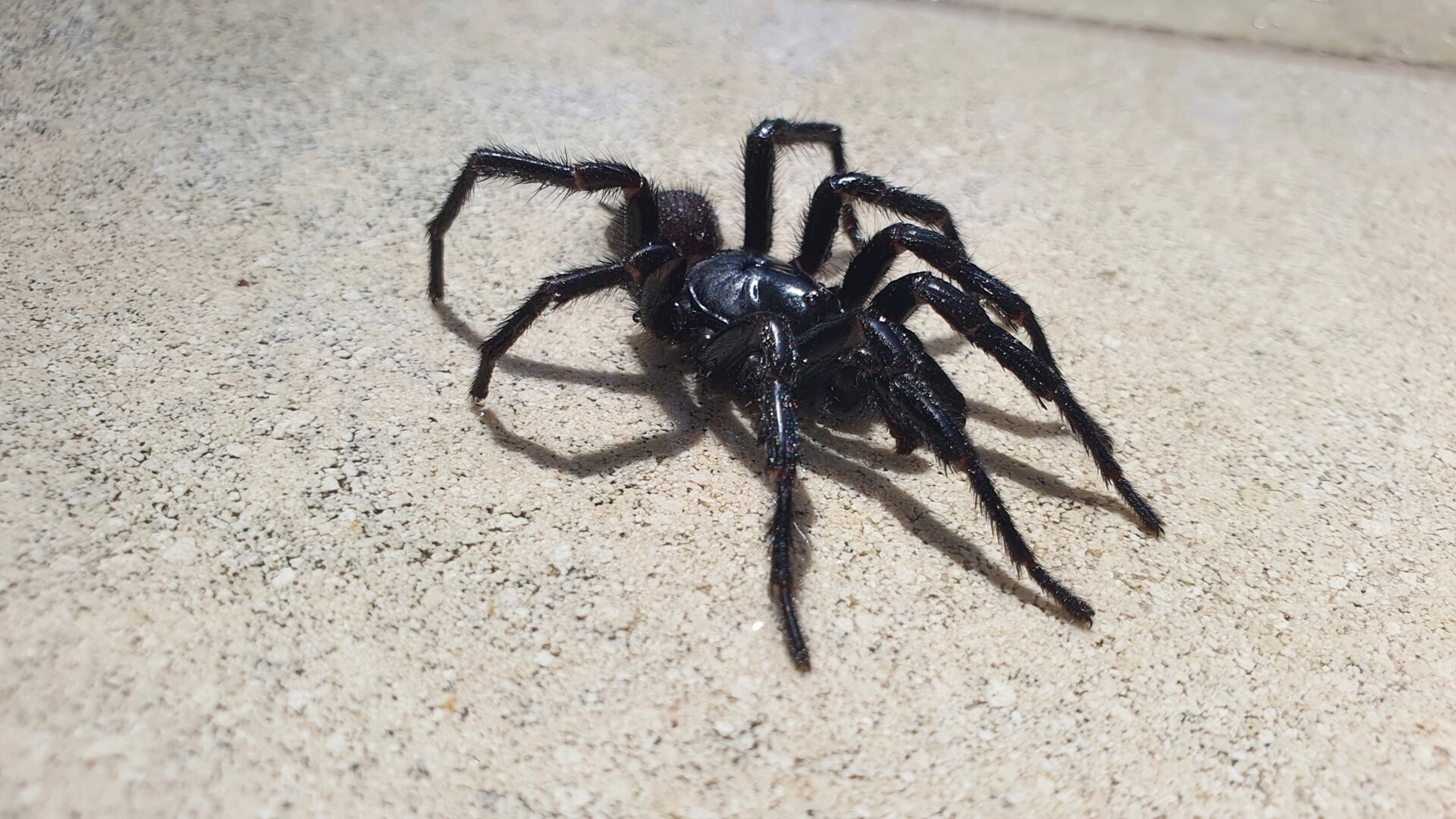
21. Sydney Funnel-Web Spider
Atrax robustus inhabits forested areas within 160 kilometres of central Sydney. Its venom contains delta-hexatoxin, a neurotoxin that hyper-activates primate nervous systems within minutes. Since CSL developed an antivenom in 1981, Australian medical authorities have recorded zero human deaths.
©Wikimedia / dreworme
Advertisement
Swipe or tap ▶ to resume the countdown.
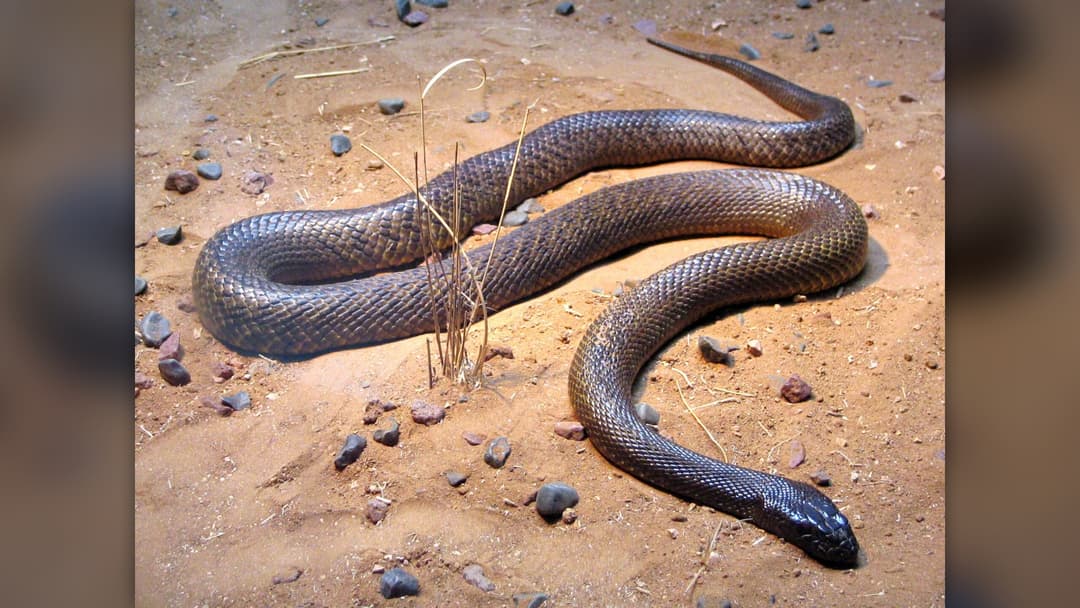
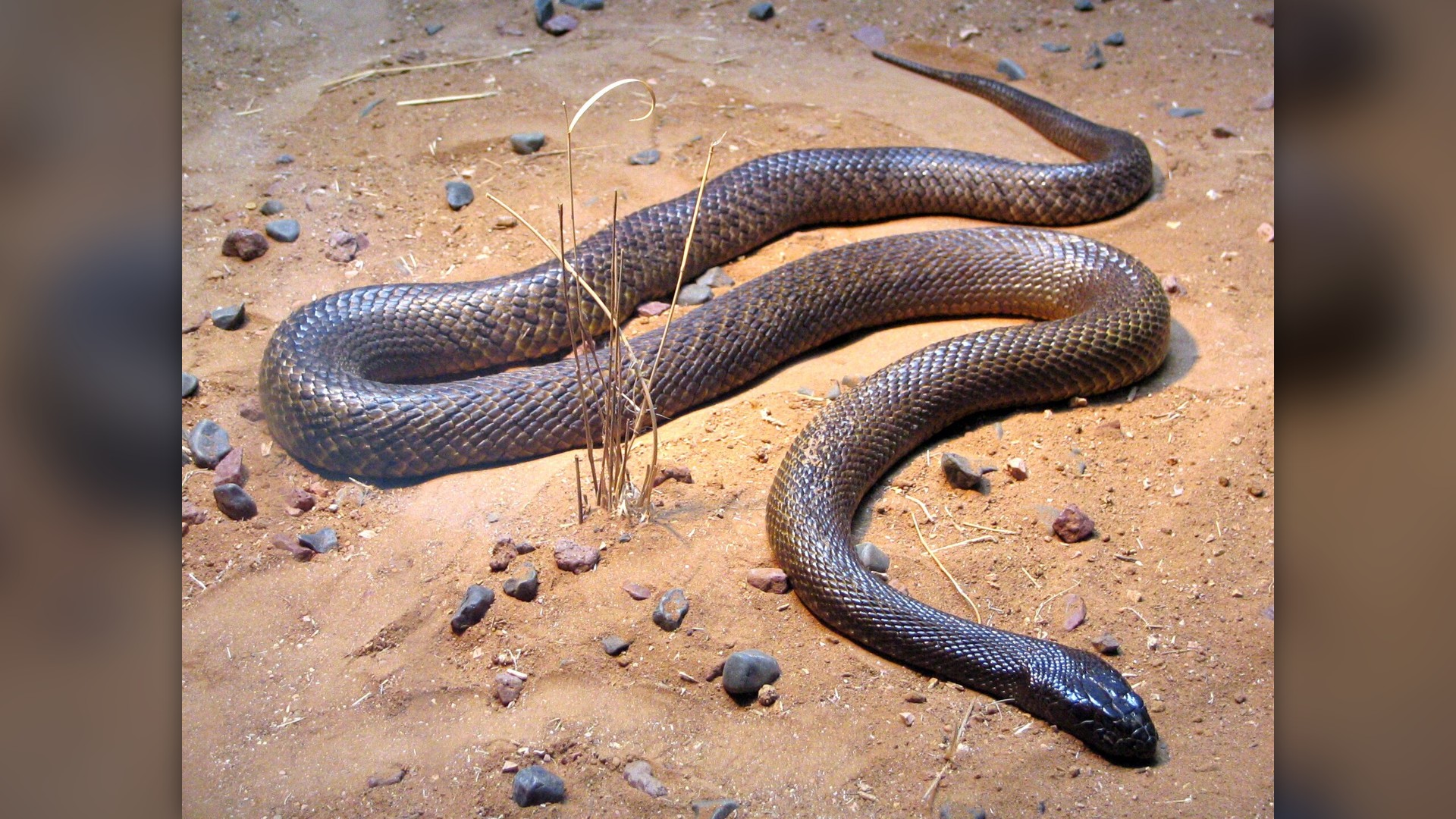
20. Inland Taipan
Oxyuranus microlepidotus inhabits arid clay plains in southwest Queensland and South Australia. Its venom holds a median lethal dose LD50 of 0.025 milligrams per kilogram in lab tests, capable of killing an estimated 100 people per strike. Human deaths remain rare due to antivenom and remote habitats.
©Wikimedia / Inland taipan
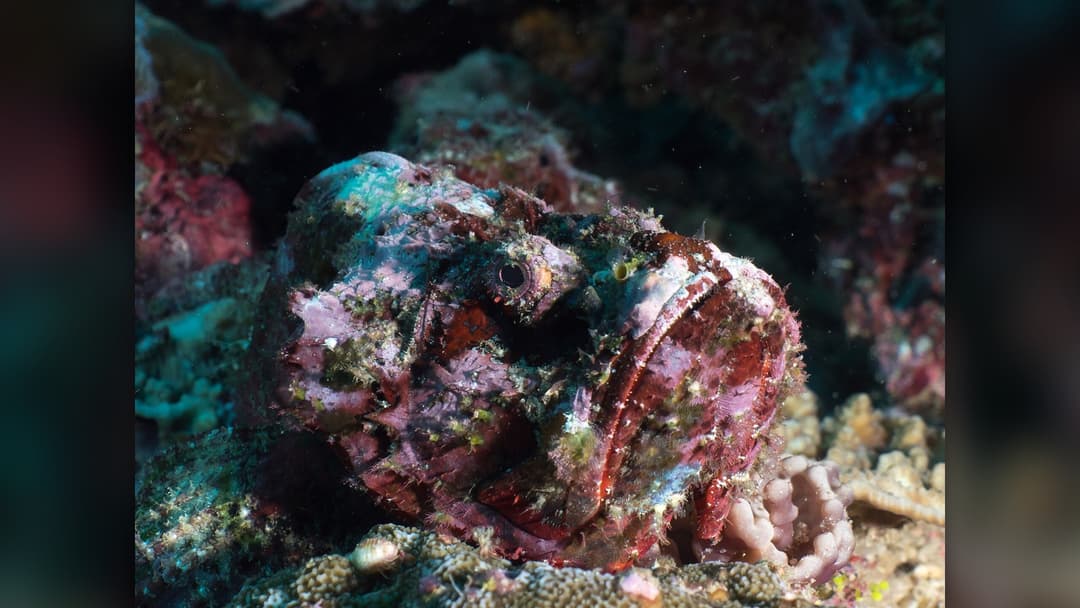
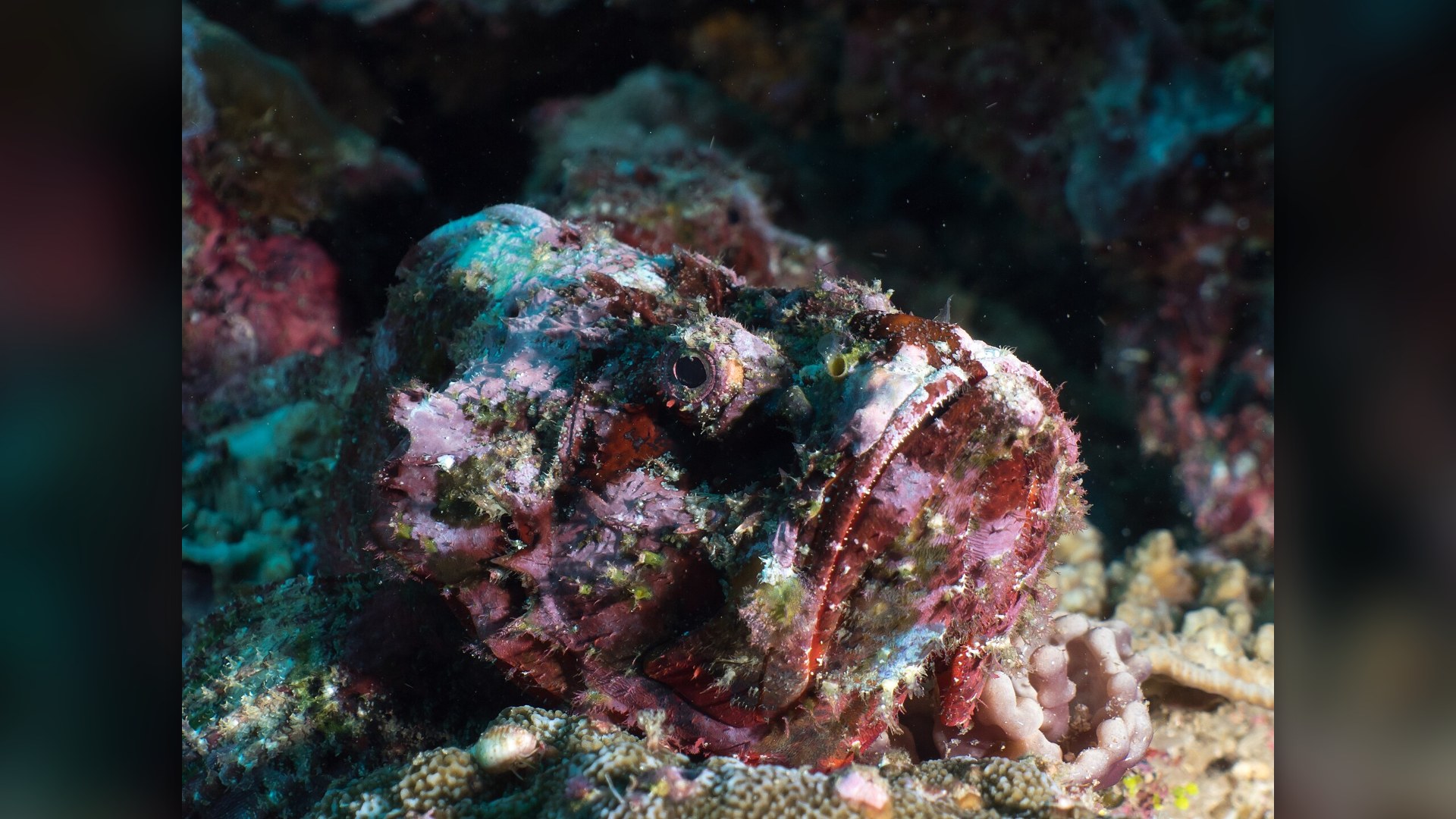
19. Reef Stonefish
Synanceia verrucosa rests along shallow Indo-Pacific coral beds disguised as encrusted rock. Stepping on its thirteen dorsal spines releases verrucotoxin, triggering severe pain, muscle paralysis, and shock. The Australian government introduced an equine antivenom in 1959 to prevent cardiac complications.
©Wikimedia / Rickard Zerpe
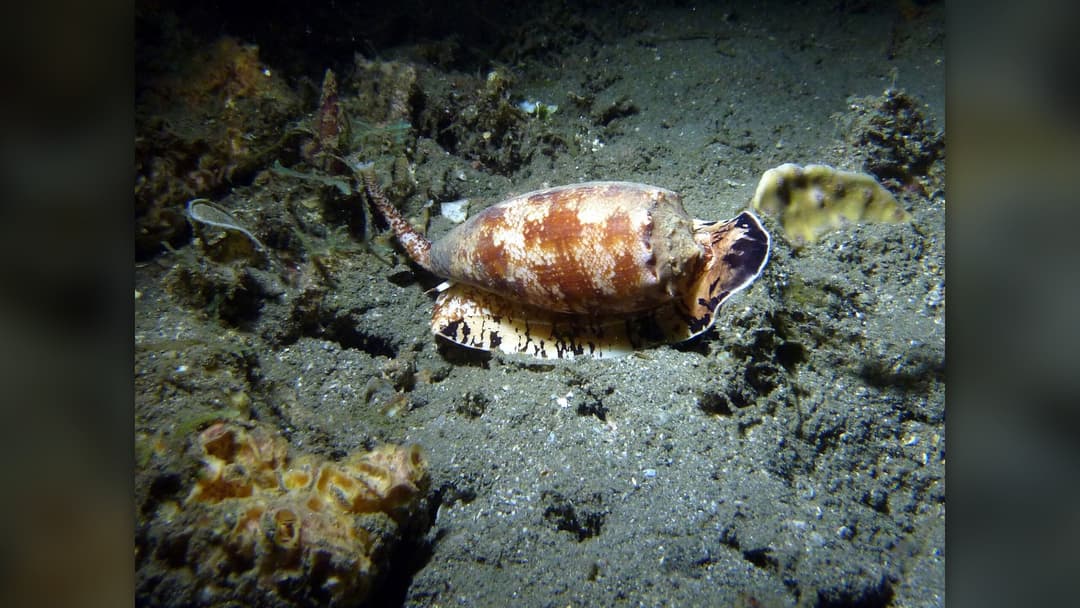
18. Geography Cone Snail
Conus geographus hunts along warm Indo-Pacific reefs using an extensible proboscis armed with a radular tooth. Its complex venom contains hundreds of conopeptides that shut down neuromuscular transmission. Medical researchers estimate thirty confirmed human fatalities, with no specific antivenom currently available.
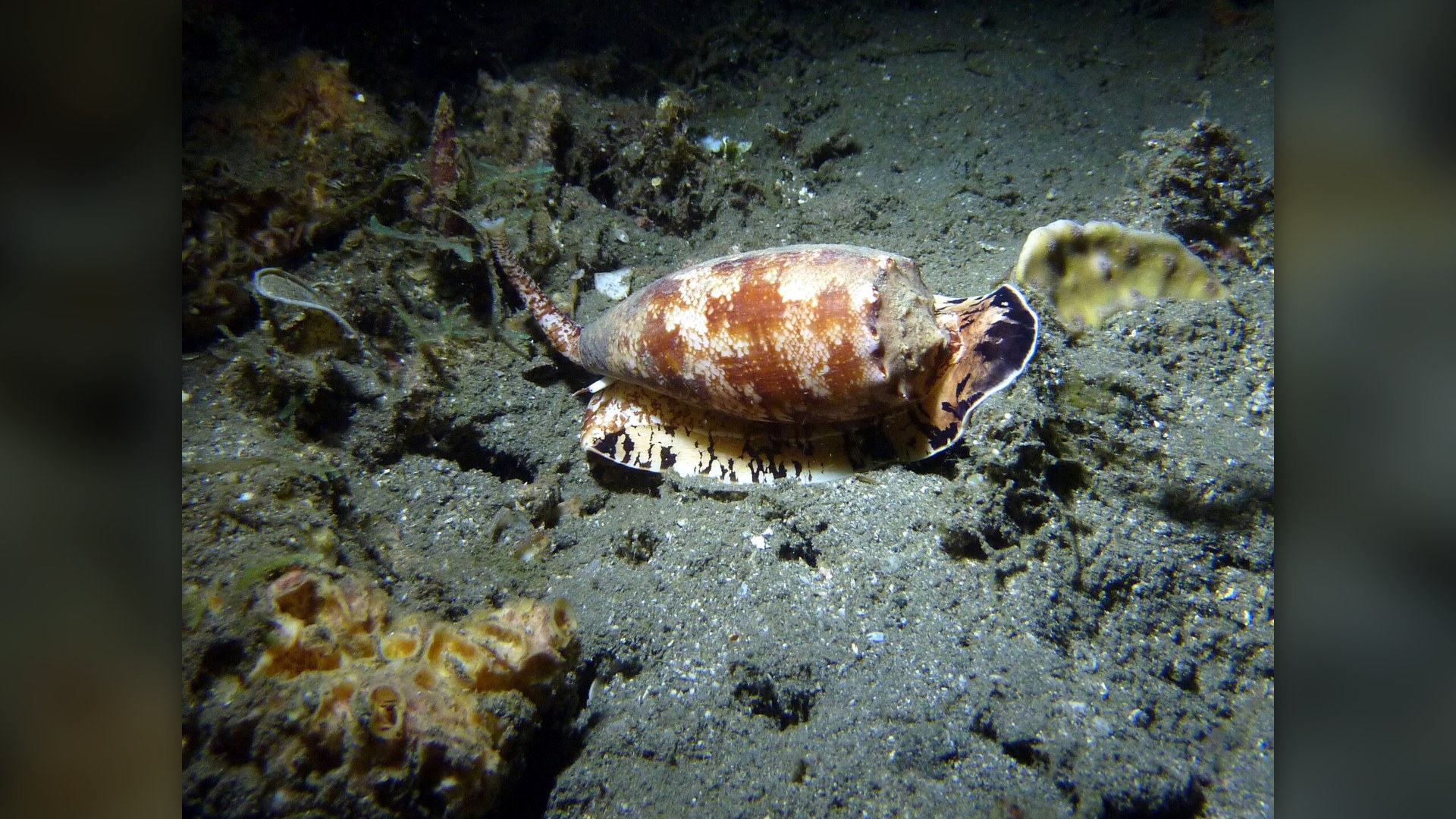
©Wikimedia / Kai Squires
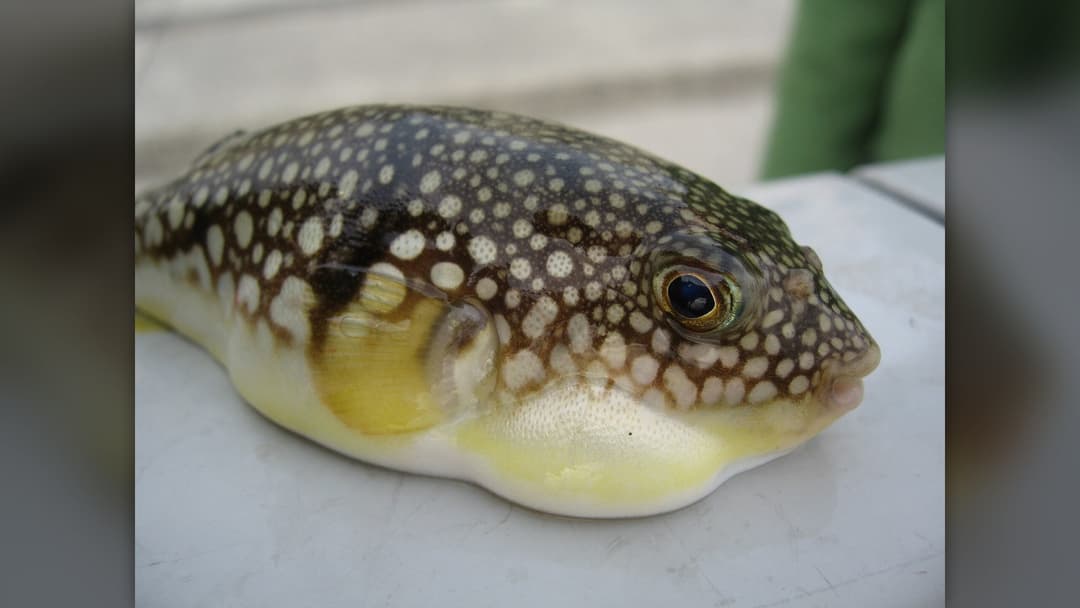
17. Pufferfish
Species in the Tetraodontidae family accumulate lethal concentrations of tetrodotoxin in liver and ovarian tissues. The toxin is 1,200 times more potent than cyanide and withstands standard cooking temperatures. Japanese health ministries record roughly thirty poisoning incidents and one to two deaths annually.
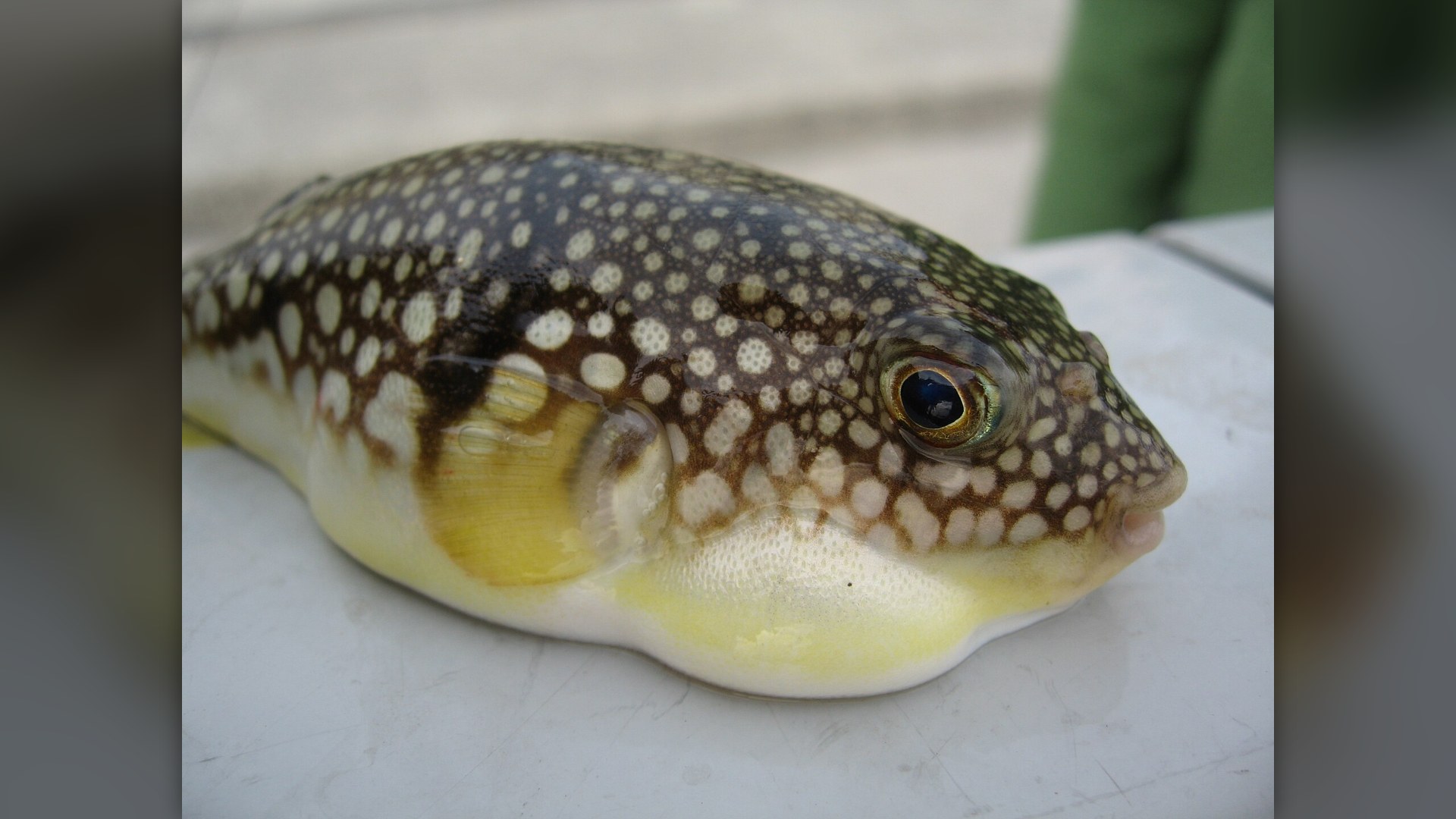
©Wikimedia / jim
Advertisement
Swipe or tap ▶ to resume the countdown.
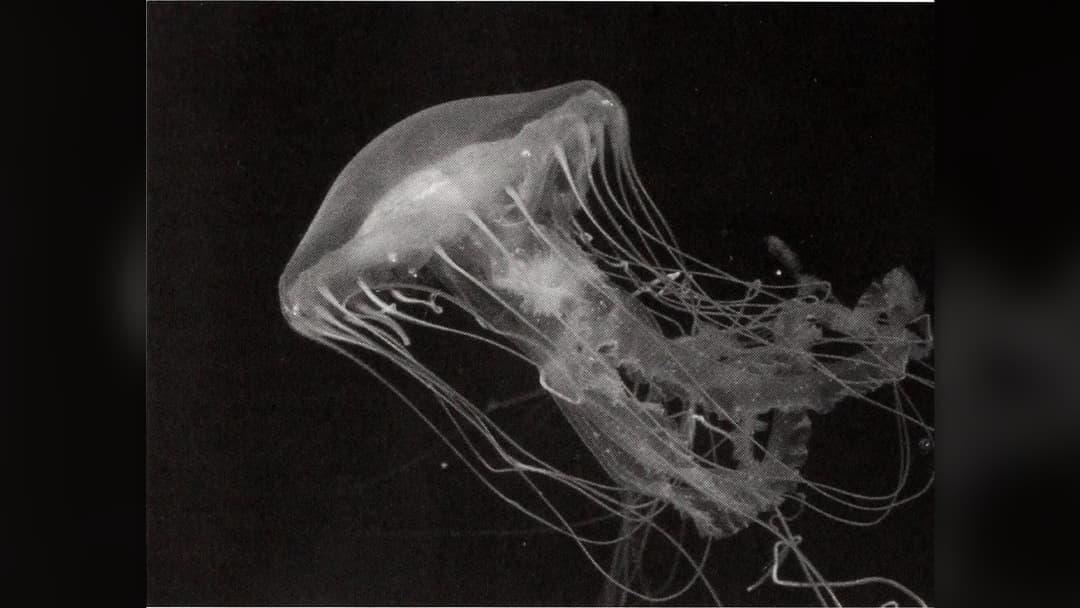
16. Sea Wasp Box Jellyfish
Chironex fleckeri drifts through coastal waters of northern Australia and Southeast Asia during summer months. Each tentacle holds millions of cnidocytes that inject cardiotoxins directly into bloodstreams, causing excruciating pain and cardiac arrest in under five minutes. Fatalities total dozens every decade.
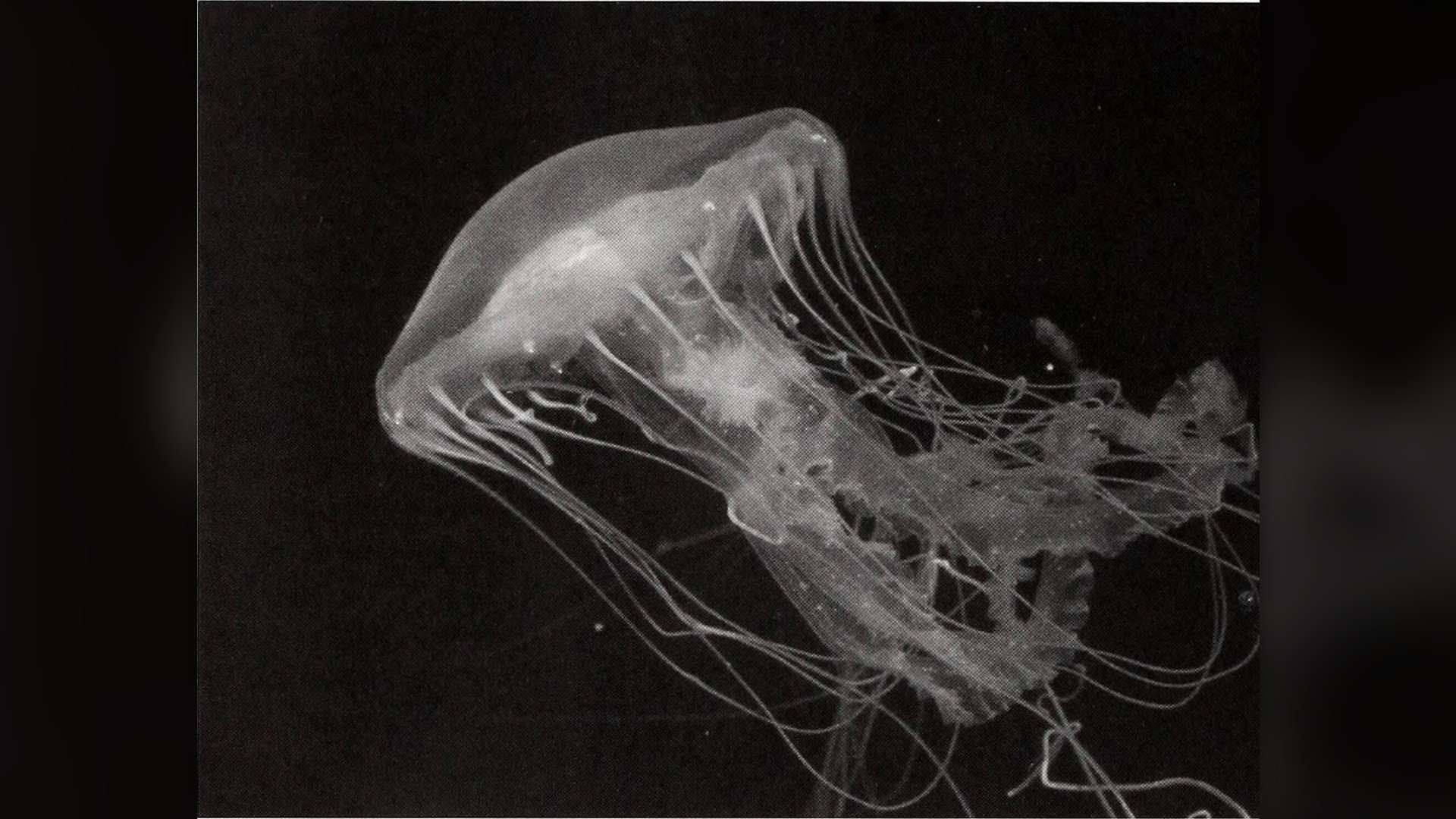
©Wikimedia / Internet Archive Book Images
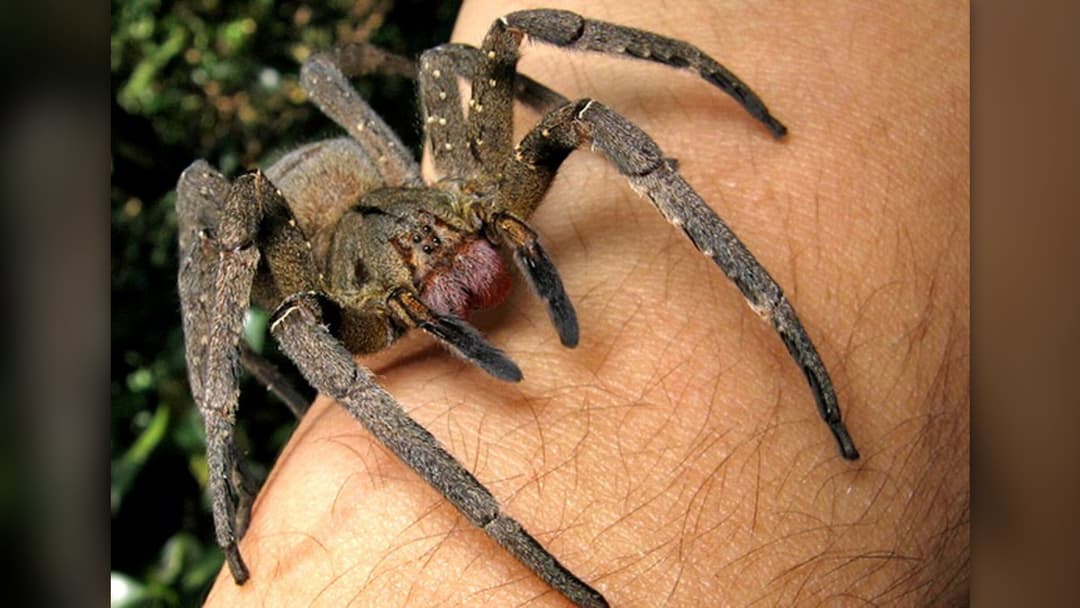
15. Brazilian Wandering Spider
Phoneutria nigriventer roams forest floors in Brazil and northern Argentina rather than building permanent webs. Its venom contains PhTx3, a neurotoxin that causes intense pain, elevated blood pressure, and respiratory distress. Brazilian poison centres treat over 4,000 bites annually with equine antivenom.
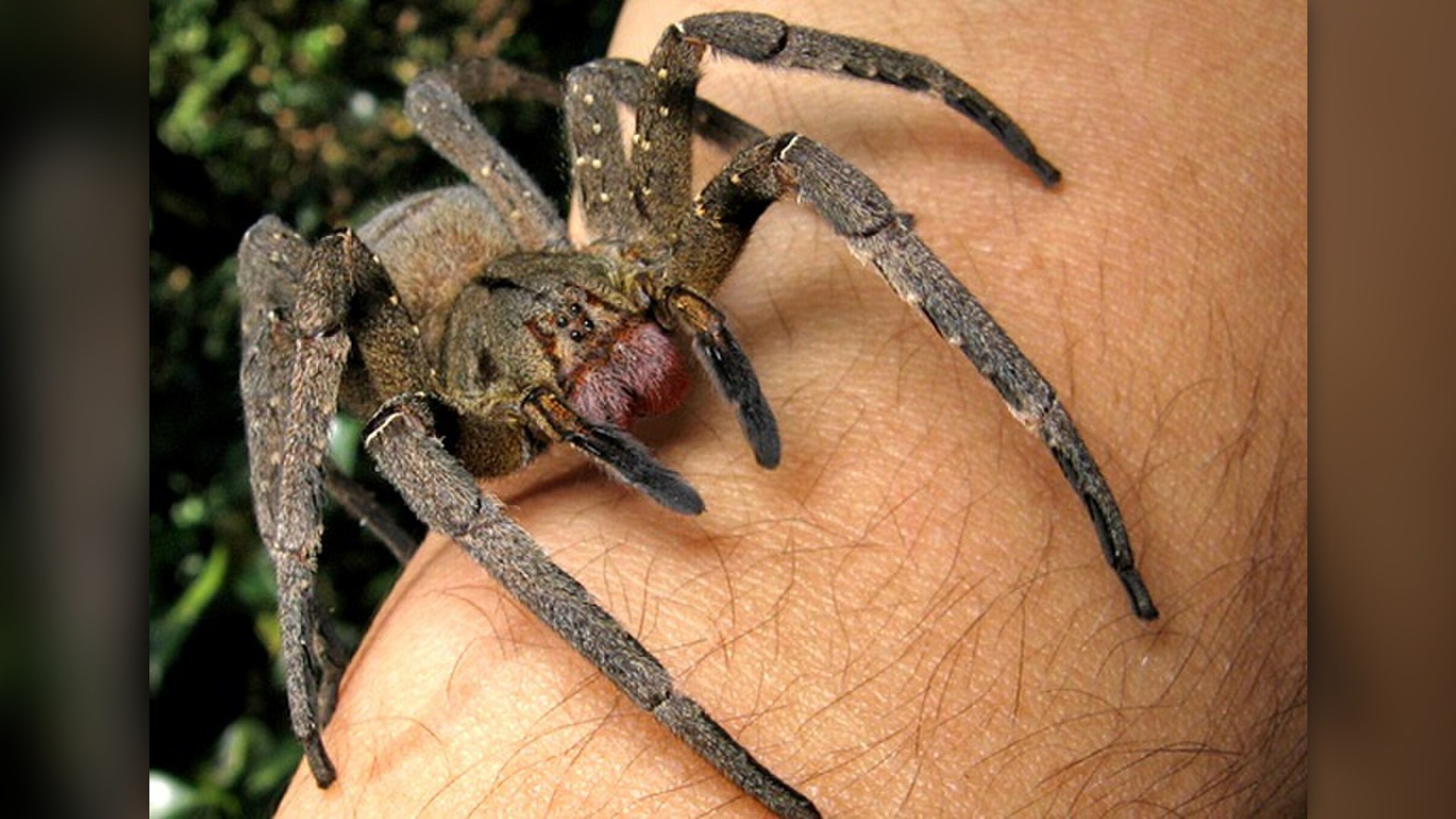
©Wikimedia / João P. Burini
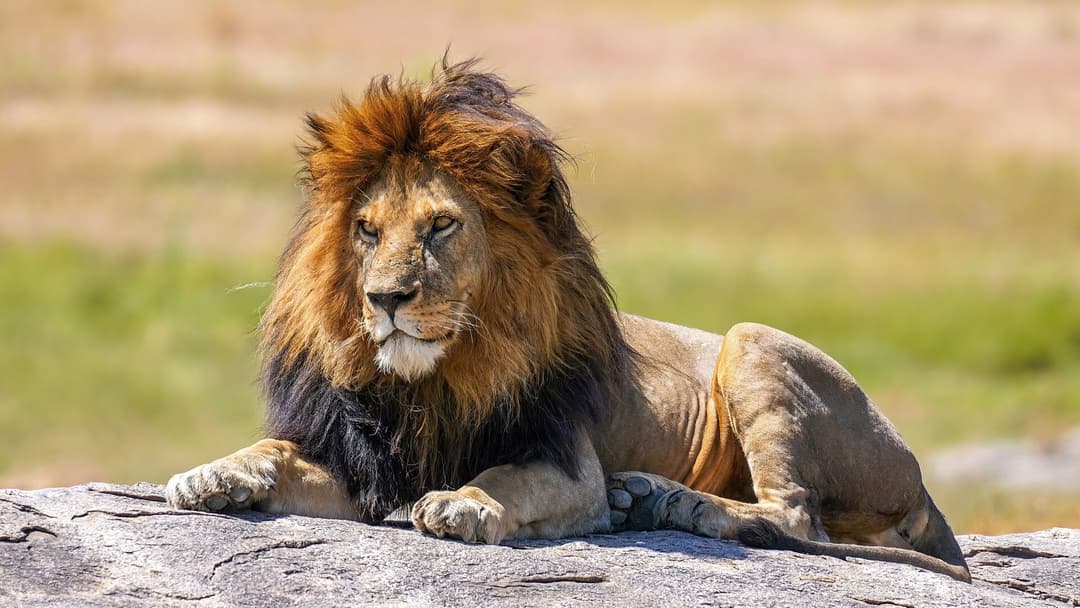
14. African Lion
Panthera leo roams protected grasslands and woodlands across eastern and southern Africa. Habitat encroachment has increased conflicts near rural settlements in Tanzania and Mozambique. Wildlife researchers estimate that lion attacks cause 200 to 250 human fatalities per year in Sub-Saharan Africa.
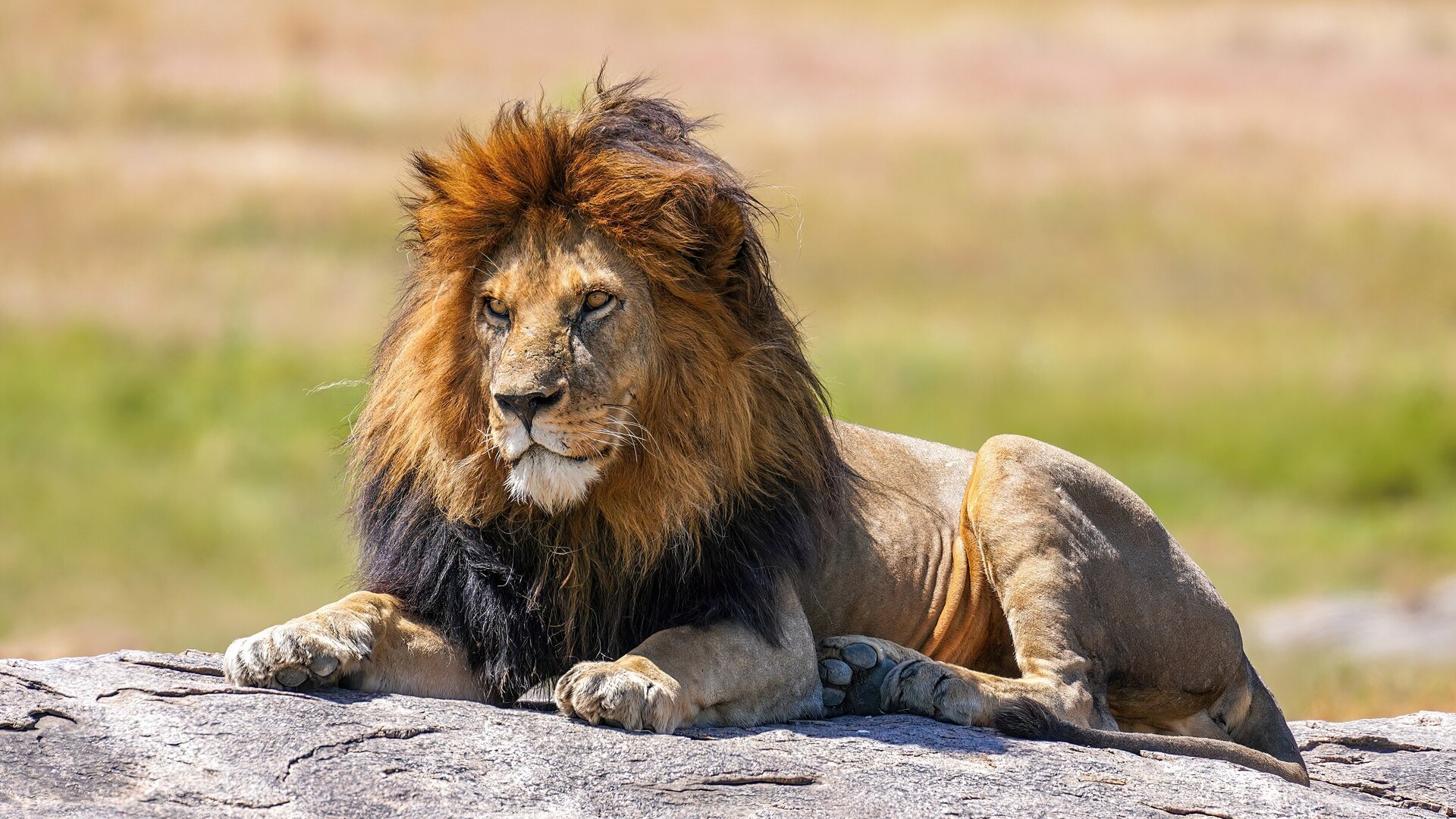
©Wikimedia / Lion
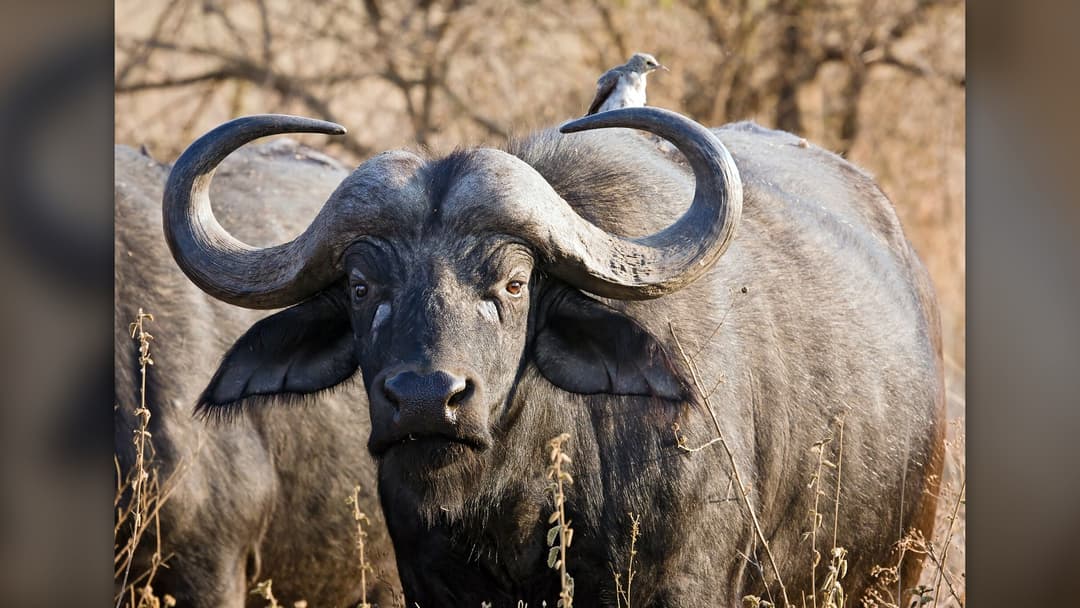
13. Cape Buffalo
Syncerus caffer travels in large herds across Sub-Saharan river valleys and grasslands. When wounded or separated from their herd, bulls circle back to confront perceived threats with hardened horn bosses. African wildlife management authorities attribute roughly 200 human fatalities annually to buffalo charges.
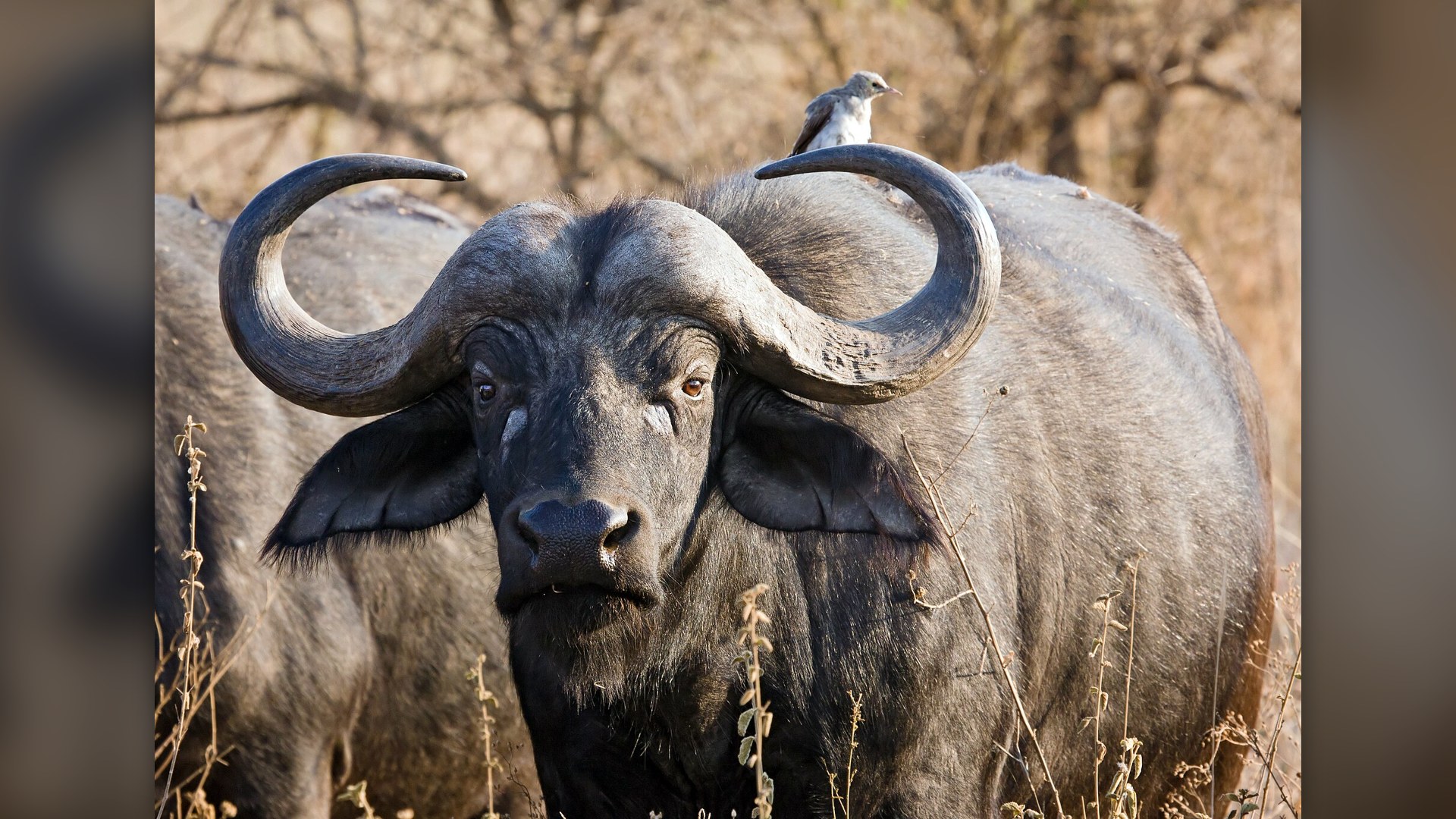
©Wikimedia / Ikiwaner
Advertisement
Swipe or tap ▶ to resume the countdown.
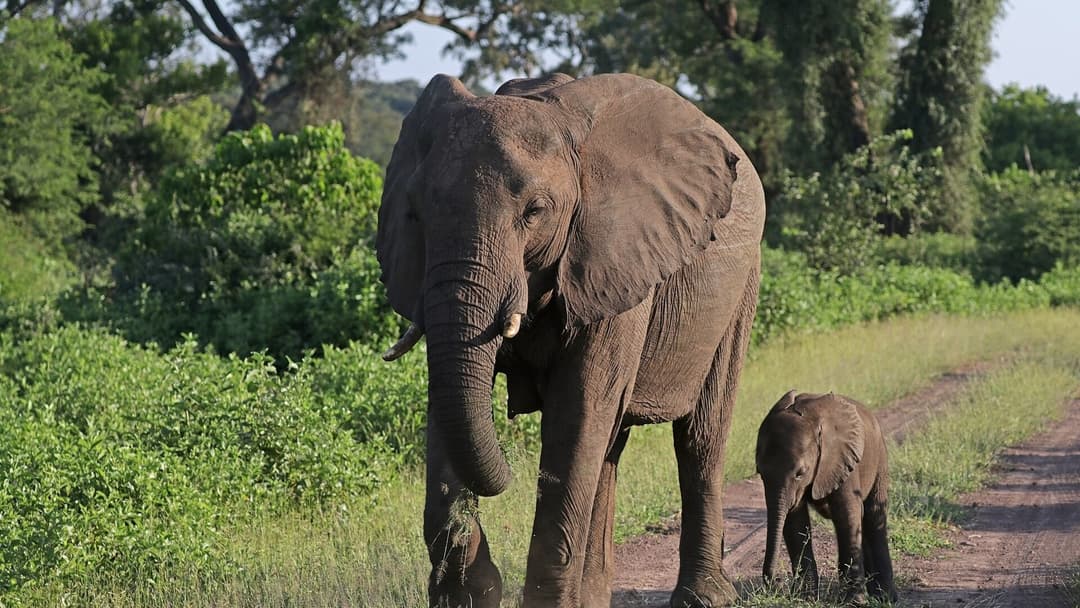
12. Asian And African Elephants
Elephas maximus and Loxodonta africana weigh up to six metric tons and defend family herds aggressively. Expanding agricultural developments across India, Sri Lanka, and Kenya have intensified human-elephant encounters. Government wildlife registers record approximately 500 human fatalities per year.
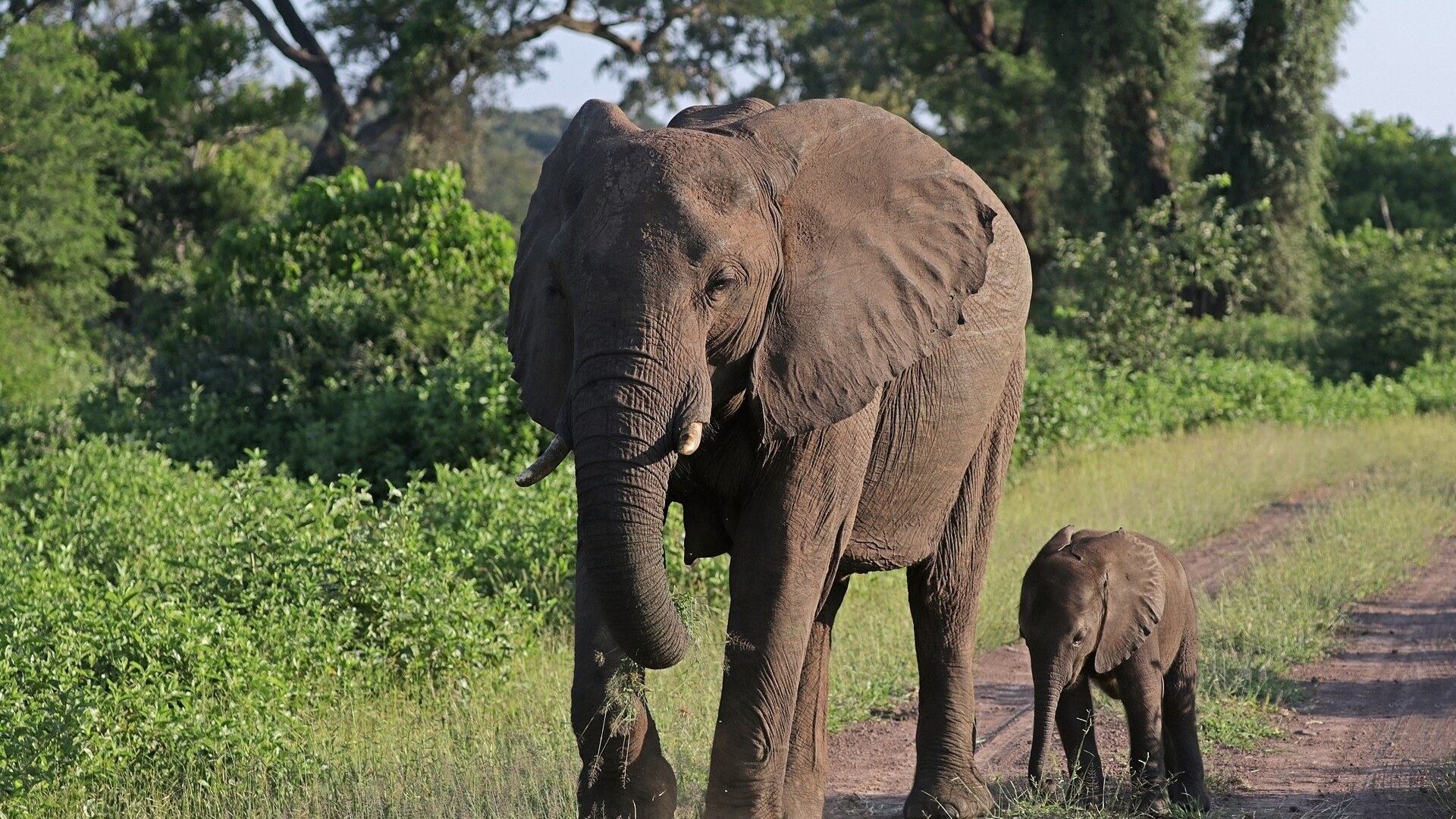
©Wikimedia / Charles J. Sharp
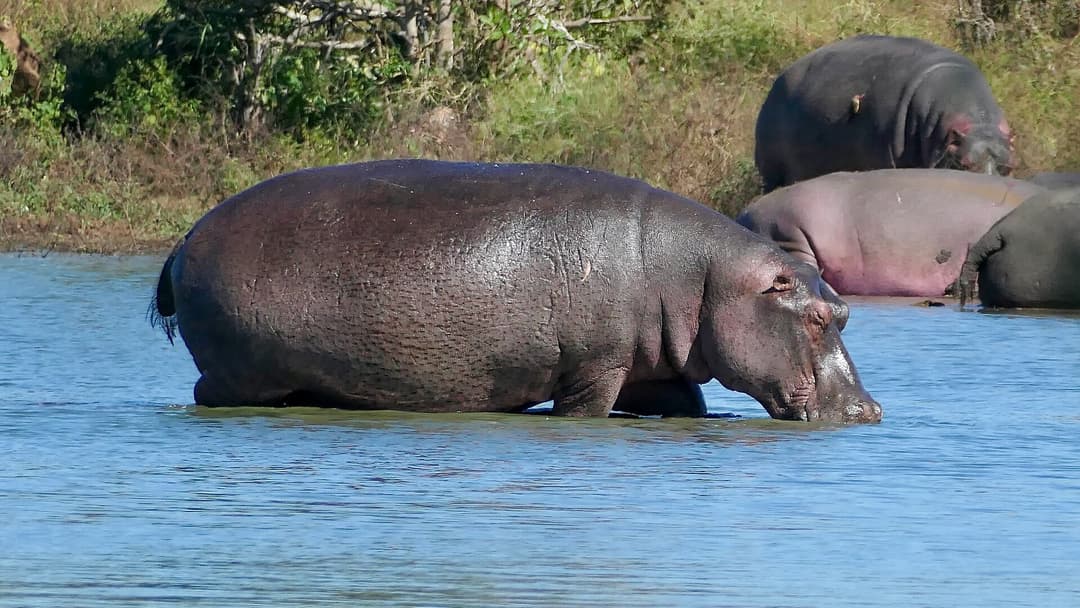
11. Hippopotamus
Hippopotamus amphibius spends daylight hours submerged in African freshwater basins and grazes along shorelines at night. Bulls defend water territory with canine tusks measuring up to fifty centimetres. Field surveys across central and eastern Africa attribute roughly 500 human deaths per year to capsized boats.
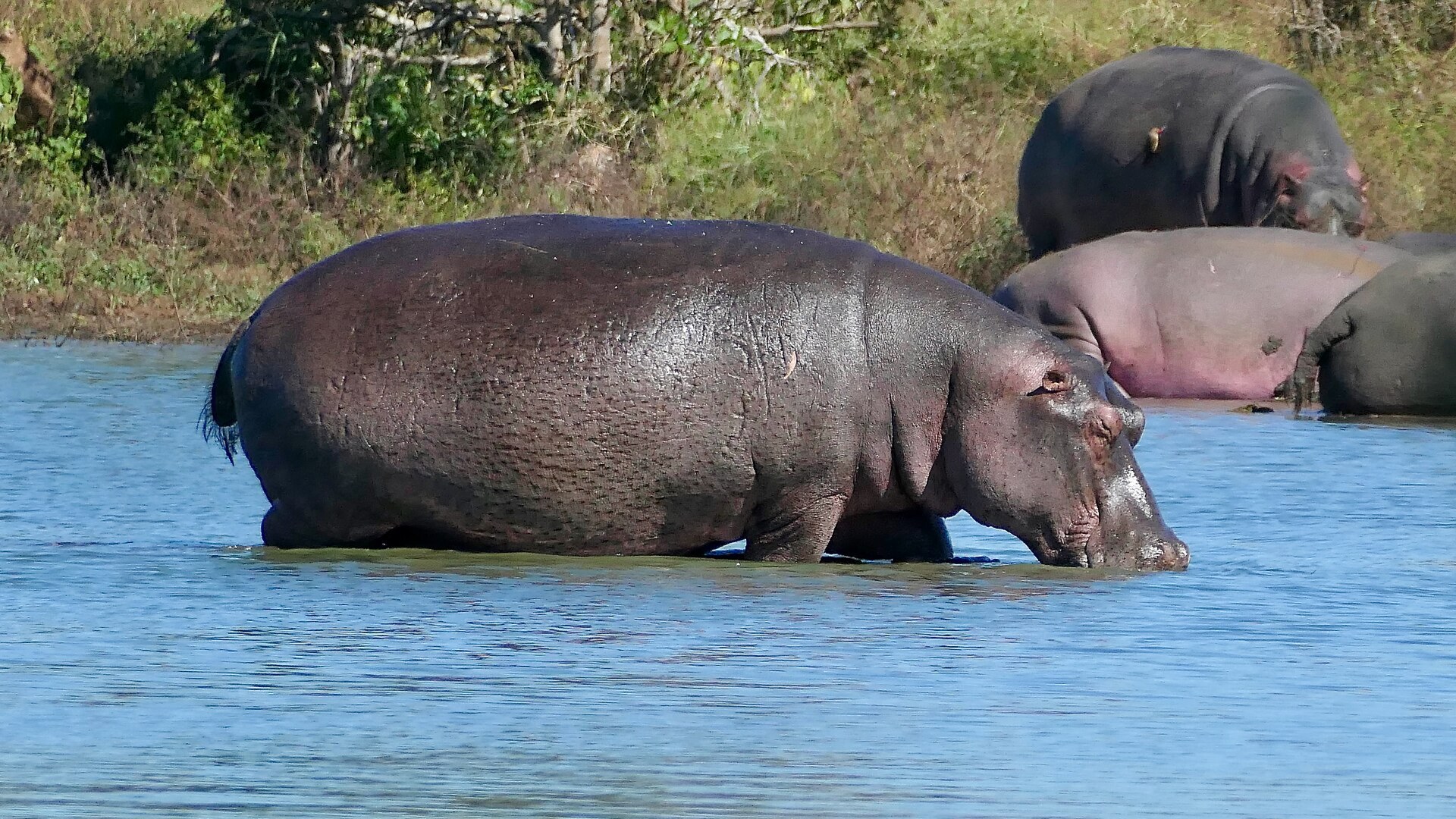
©Wikimedia / Bernard DUPONT
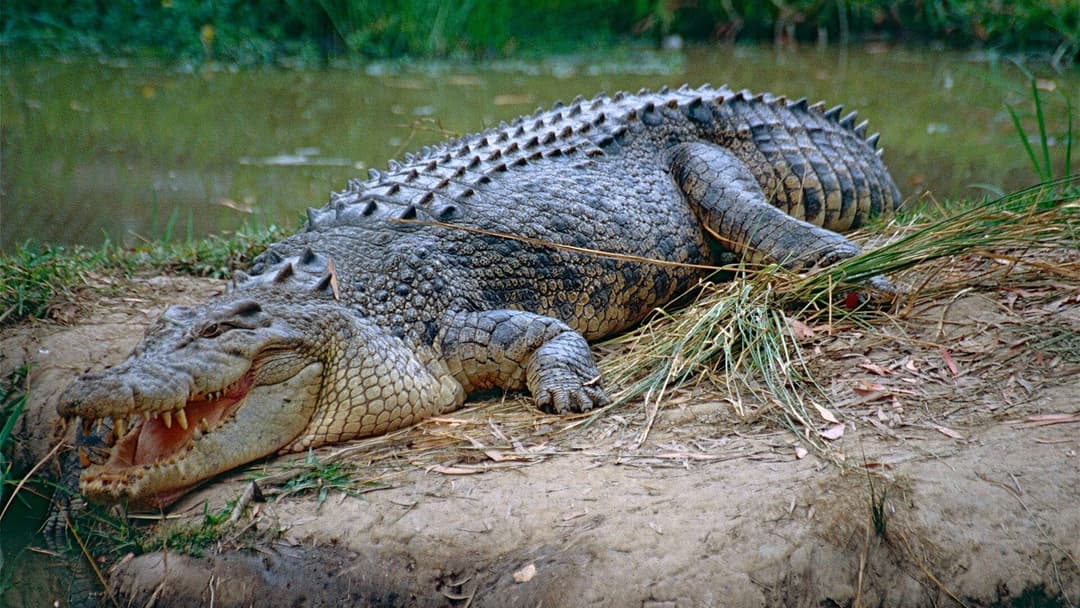
10. Saltwater Crocodile
Crocodylus porosus inhabits brackish mangrove estuaries and river deltas from eastern India to northern Australia. Adults deliver bite forces exceeding 3,700 pounds per square inch and drag prey into deep water. Wildlife biologists estimate that crocodile attacks claim approximately 1,000 human lives each year.
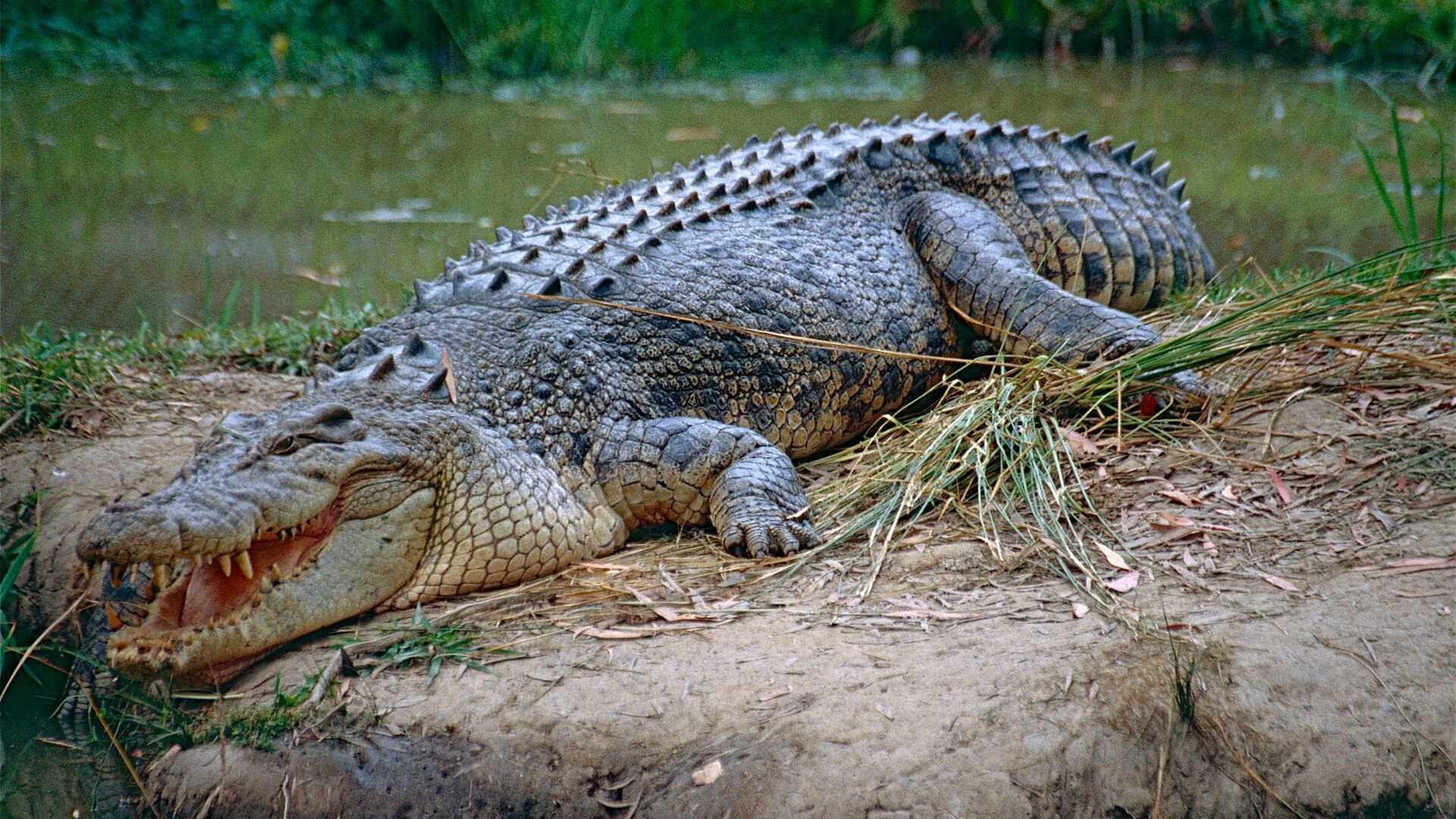
©Wikimedia / Bernard DUPONT from FRANCE
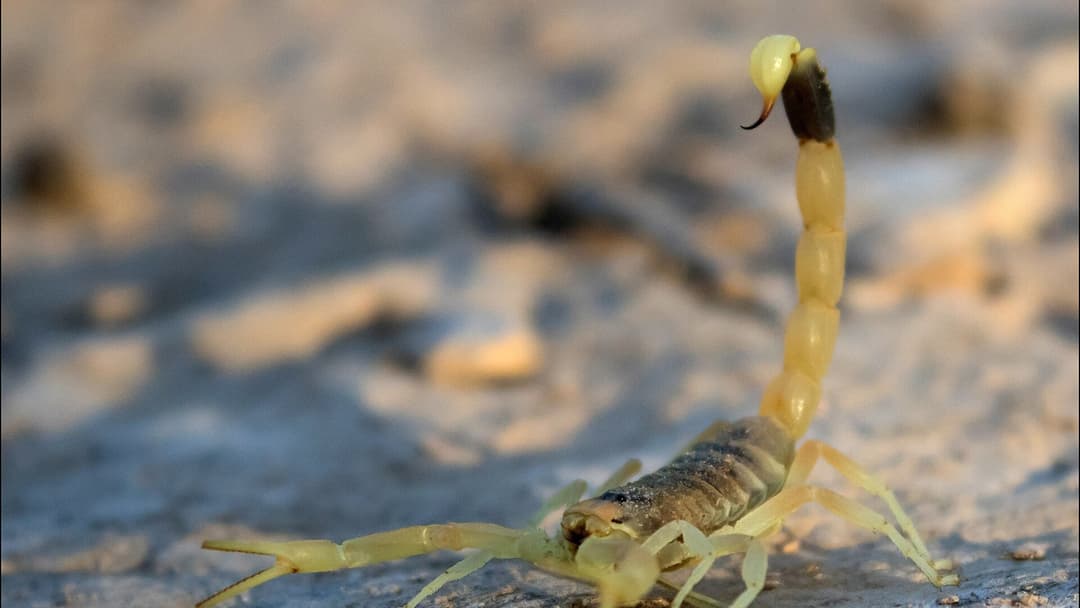
9. Deathstalker Scorpion
Leiurus quinquestriatus shelters under rocks and burrows across North African and Middle Eastern deserts. Its sting injects an agile blend of neurotoxins that causes pulmonary edema and cardiovascular collapse in vulnerable victims. Scorpion envenomation accounts for roughly 3,000 fatal cases globally every year.
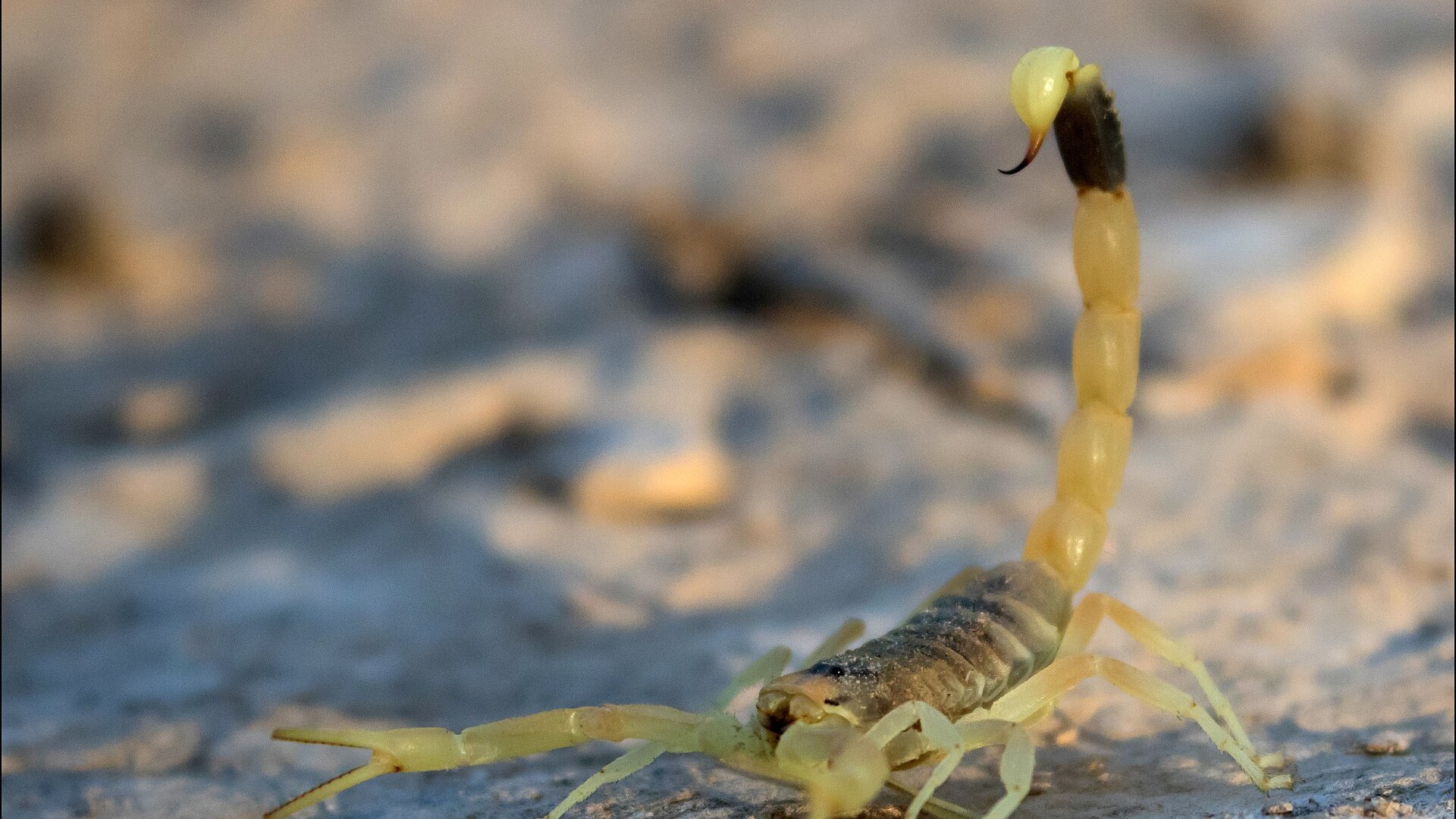
©Wikimedia / מינוזיג
Advertisement
Swipe or tap ▶ to resume the countdown.
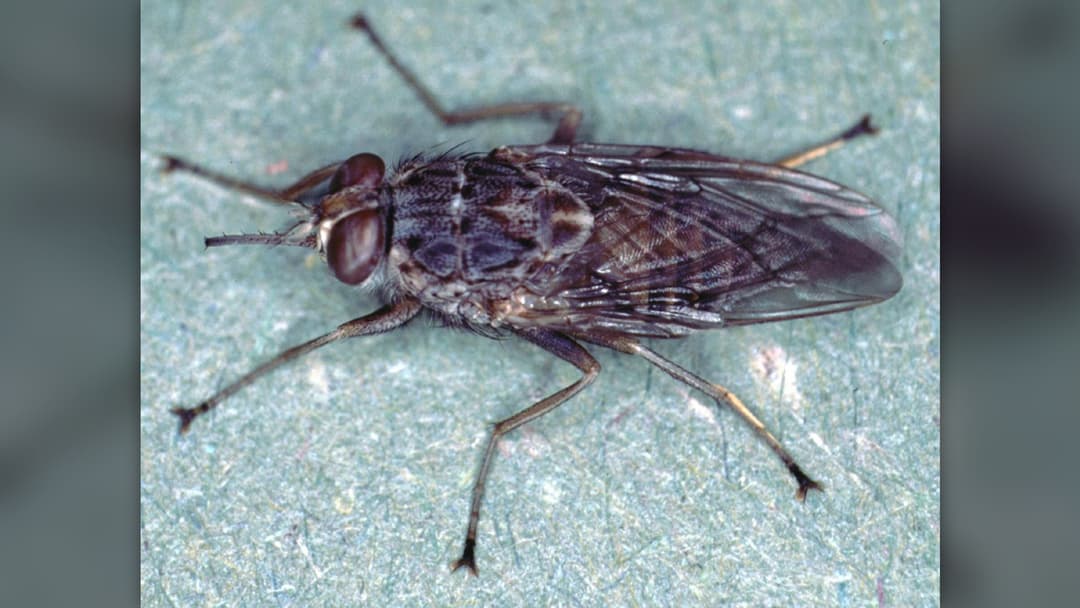
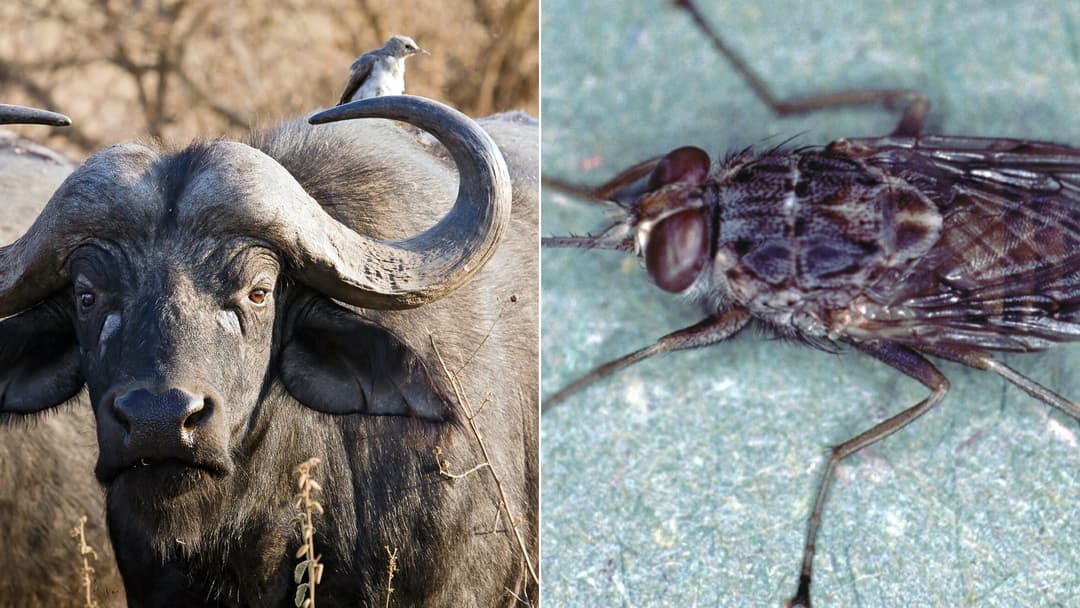
8. Tsetse Fly
Glossina species inhabit riverine thickets across thirty-six Sub-Saharan nations, feeding on blood from mammals. Their bites transmit protozoan parasites that invade the central nervous system and cause fatal sleeping sickness without therapy. World Health Organization surveillance logs roughly 1,000 cases annually.
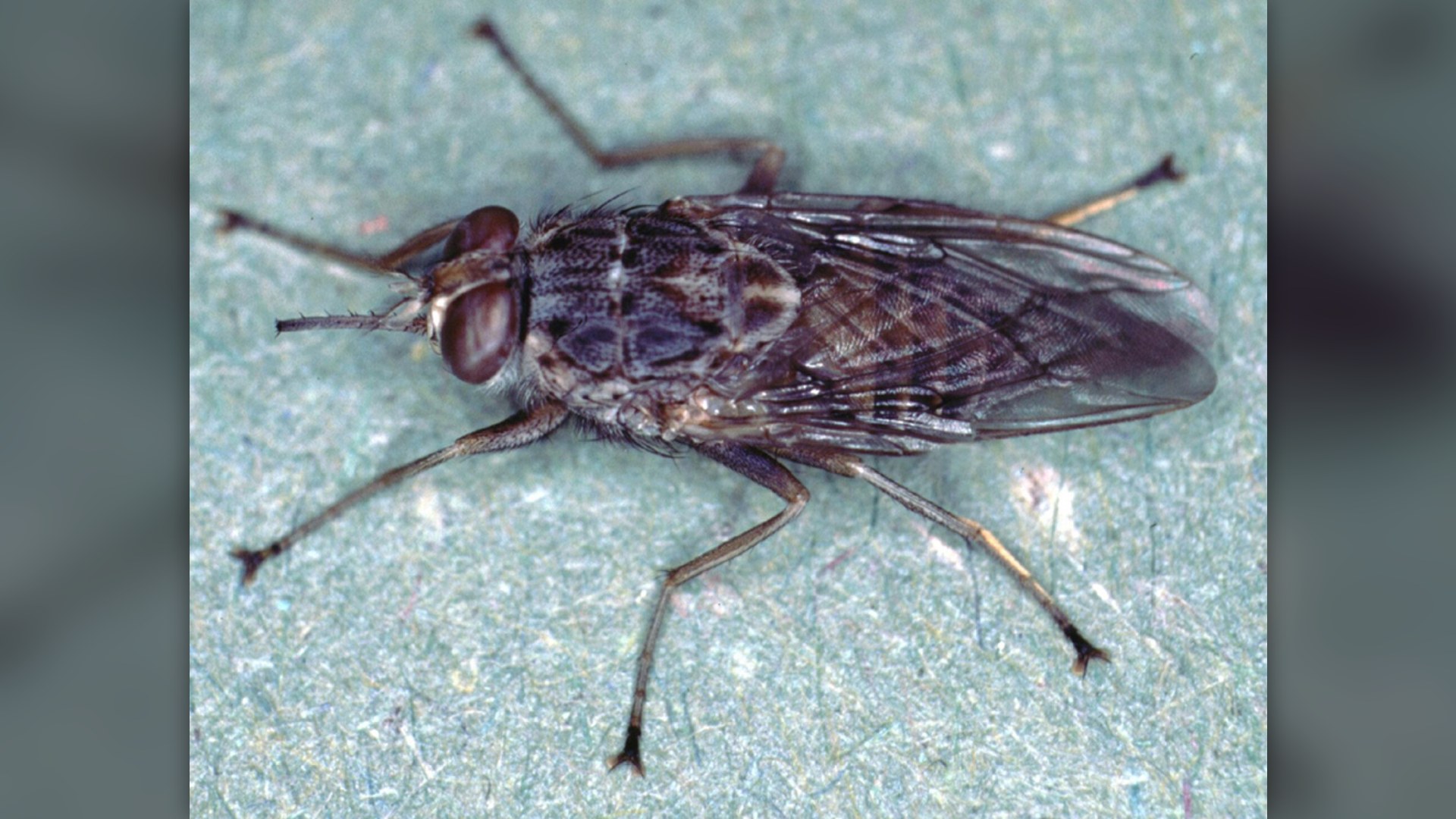
©Wikimedia / Alan R Walker
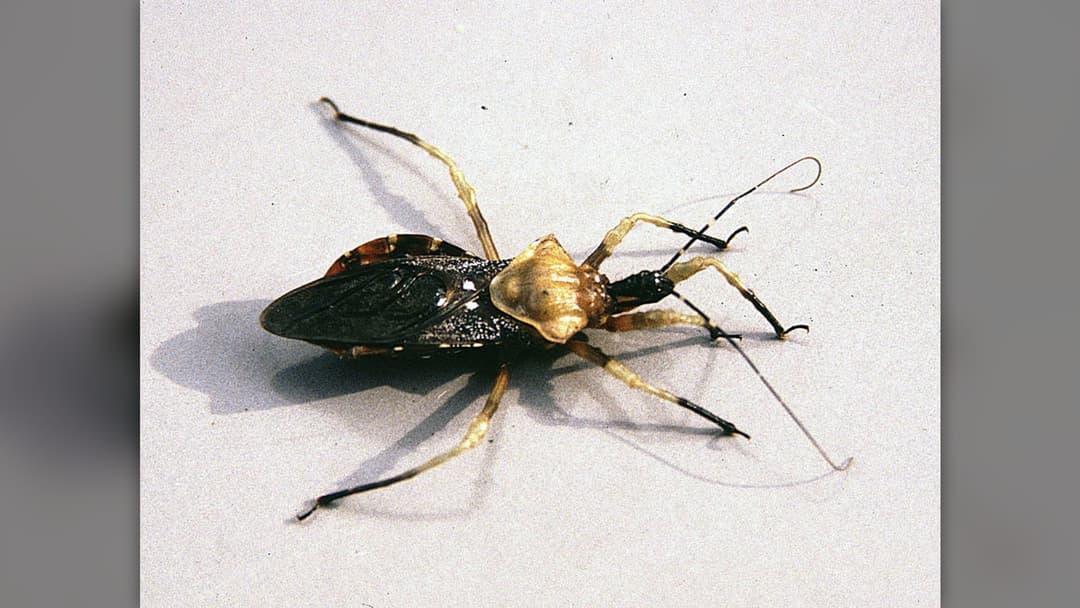
7. Triatomine Kissing Bug
Insects in the Triatominae subfamily emerge at night across rural regions of Central and South America to bite sleeping humans. They defecate near the bite wound, introducing Trypanosoma cruzi parasites that cause chronic cardiac enlargement. Pan American Health Organization records list 10,000 annual fatalities.
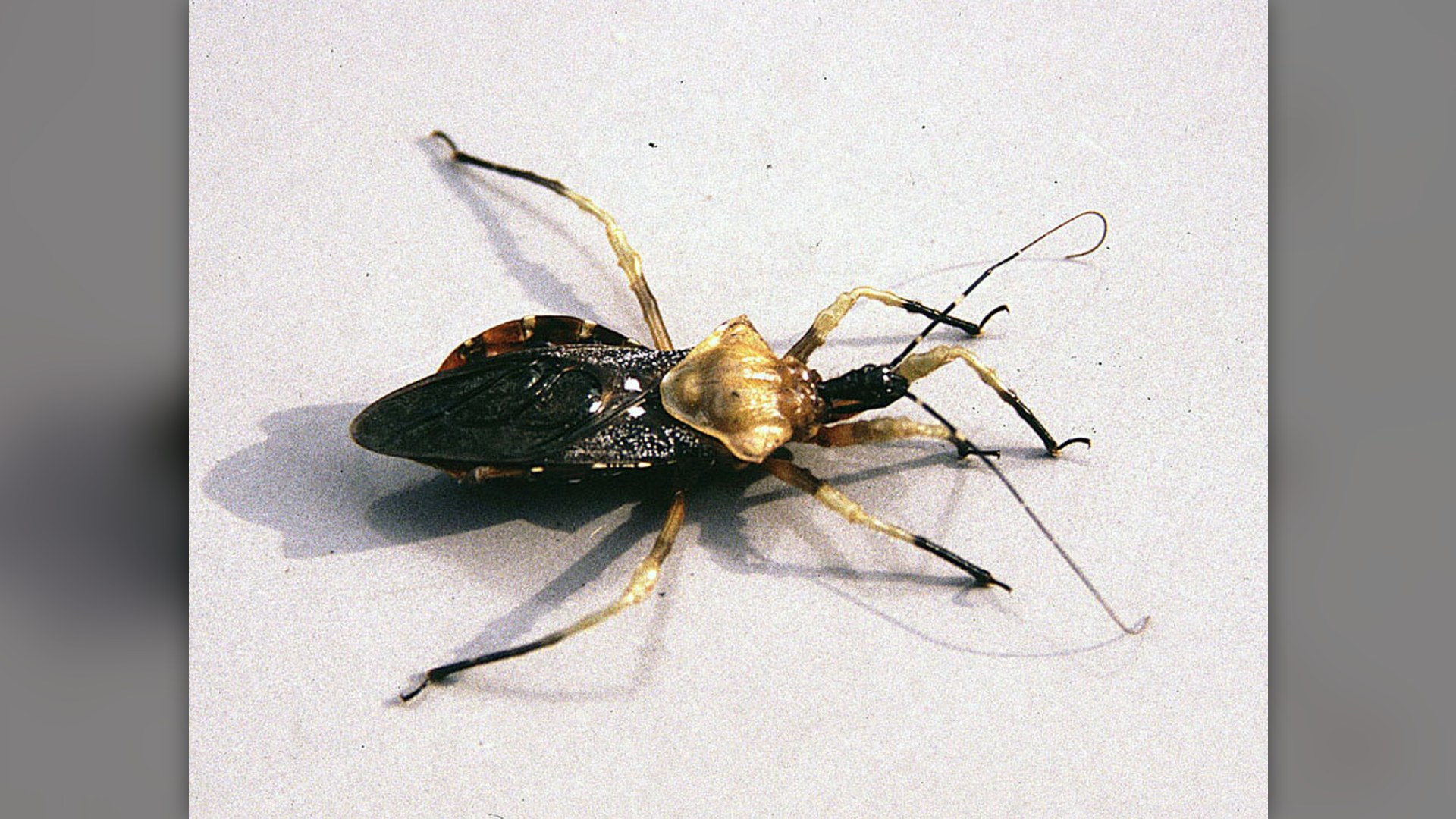
©Wikimedia / Dick Culbert from Gibsons, B.C., Canada
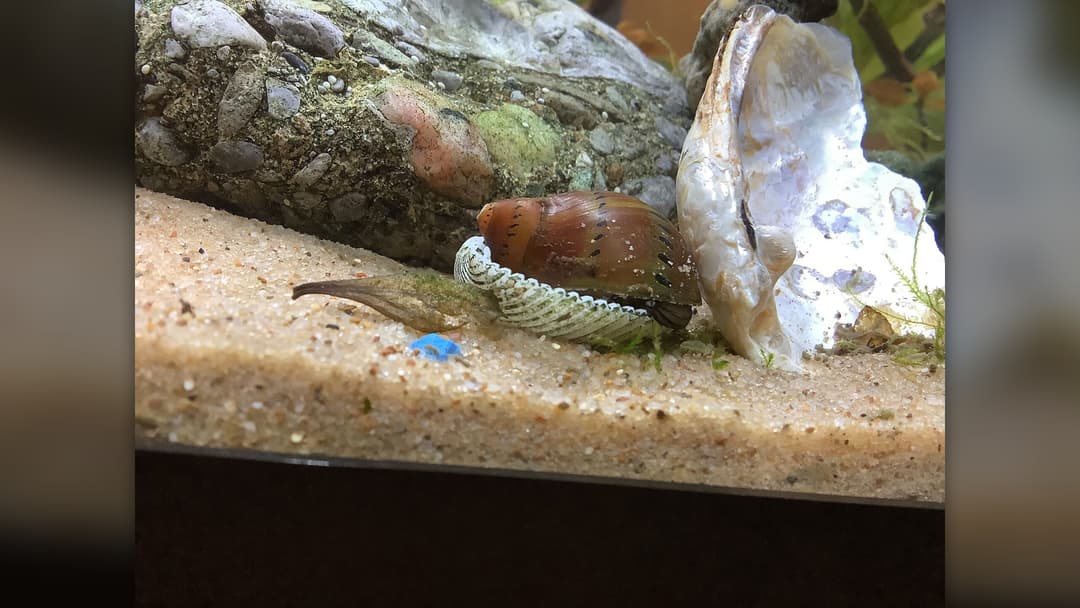
6. Freshwater Snail
Biomphalaria and Bulinus snails host parasitic trematode flatworms in subtropical freshwaters. The snails release cercariae larvae that penetrate human skin upon water contact, damaging internal organs. World Health Organization field reports estimate that schistosomiasis causes 11,000 to 200,000 deaths annually.
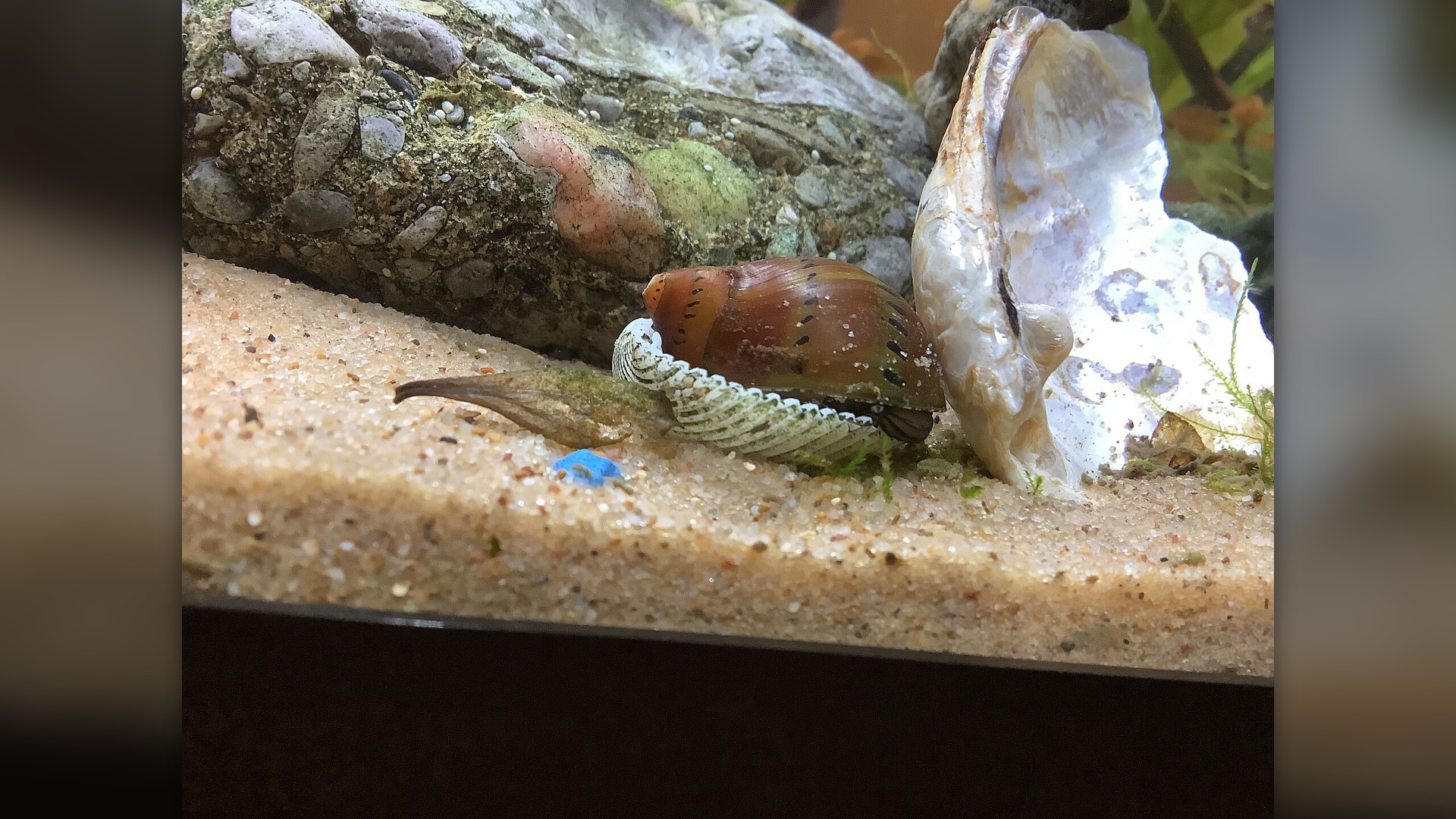
©Wikimedia / Roundish
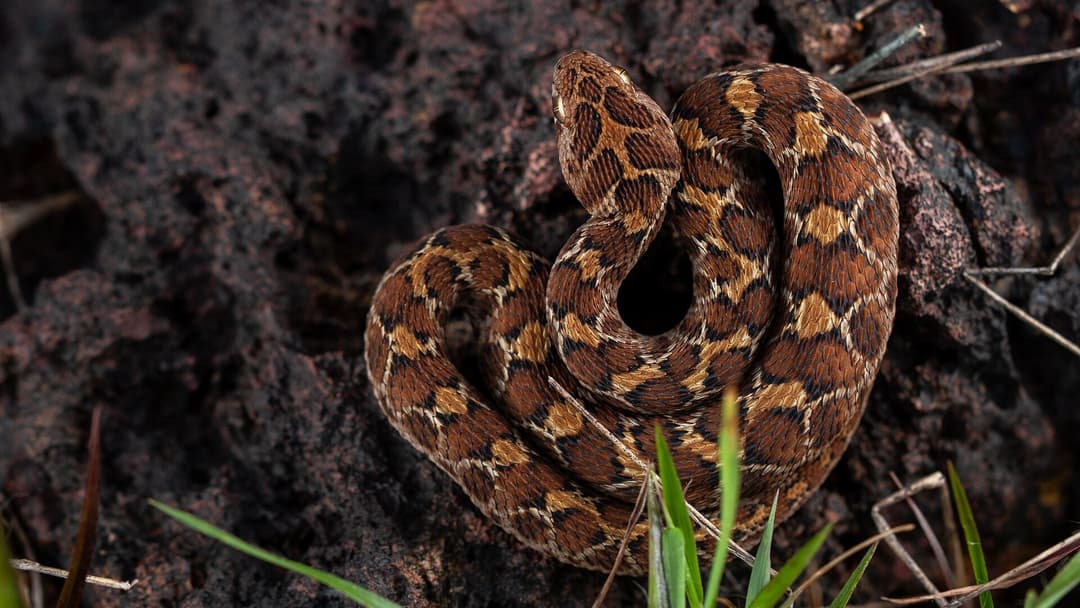
5. Saw-Scaled Viper
Echis carinatus inhabits dry rocky terrain from West Africa to India. Its hemotoxic venom disrupts blood clotting mechanisms and induces rapid systemic hemorrhage. The World Health Organization estimates that snakebites cause 81,000 to 138,000 deaths annually, with saw-scaled vipers causing a major share.
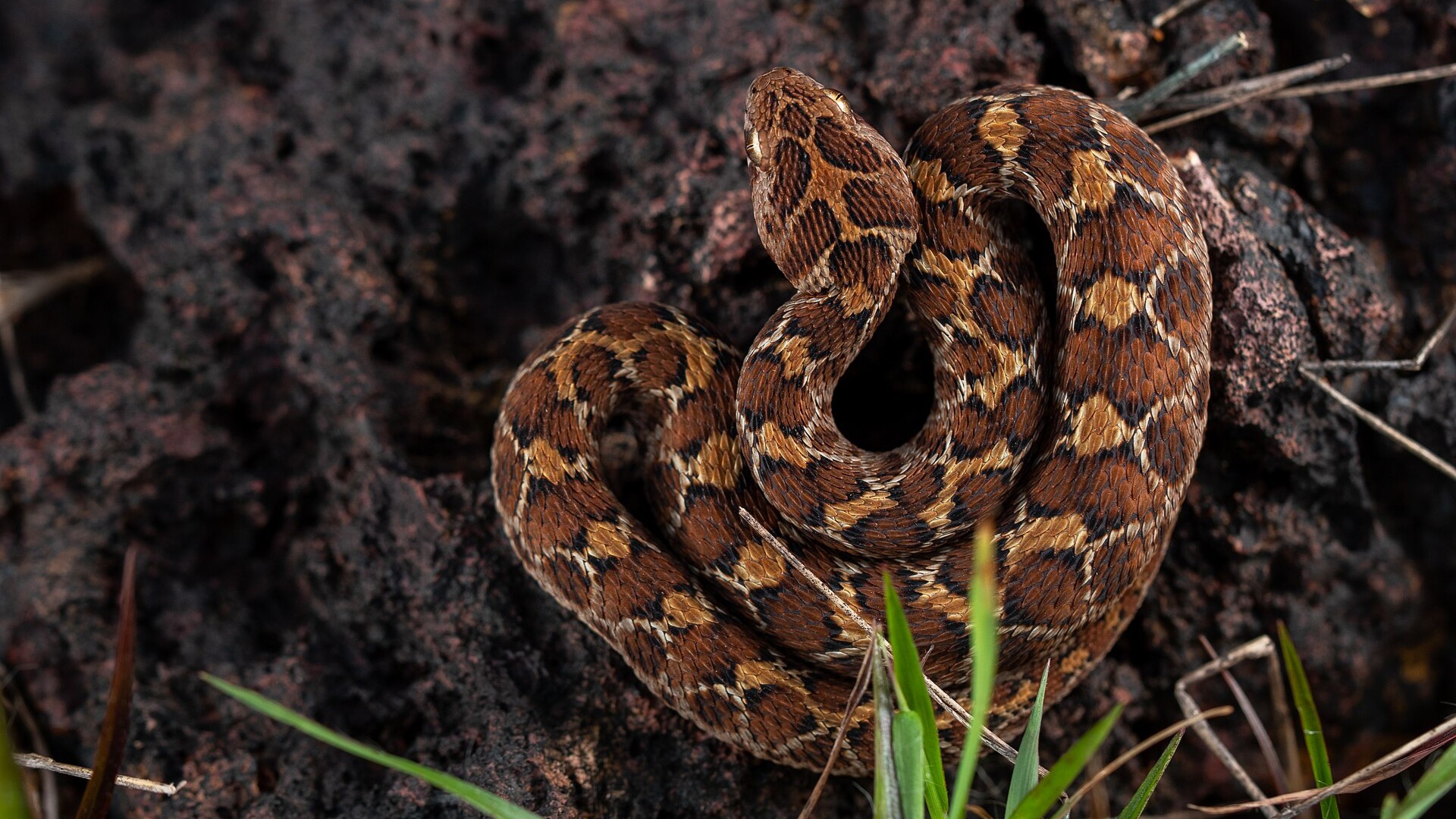
©Wikimedia / Gopala Krishna A
Advertisement
Swipe or tap ▶ to resume the countdown.
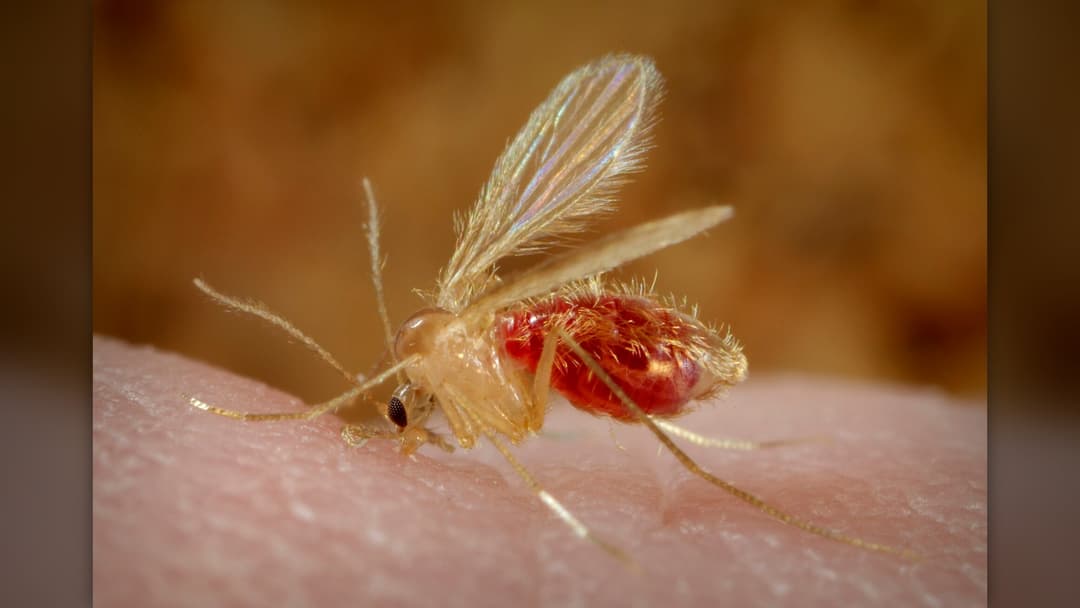
4. Sandfly
Phlebotomine sandflies inhabit tropical and temperate zones across Asia, Africa, and the Americas. Their bites transmit Leishmania protozoan parasites that attack internal organs in visceral cases. World Health Organization health records document between 20,000 and 30,000 fatalities each year from visceral infection.
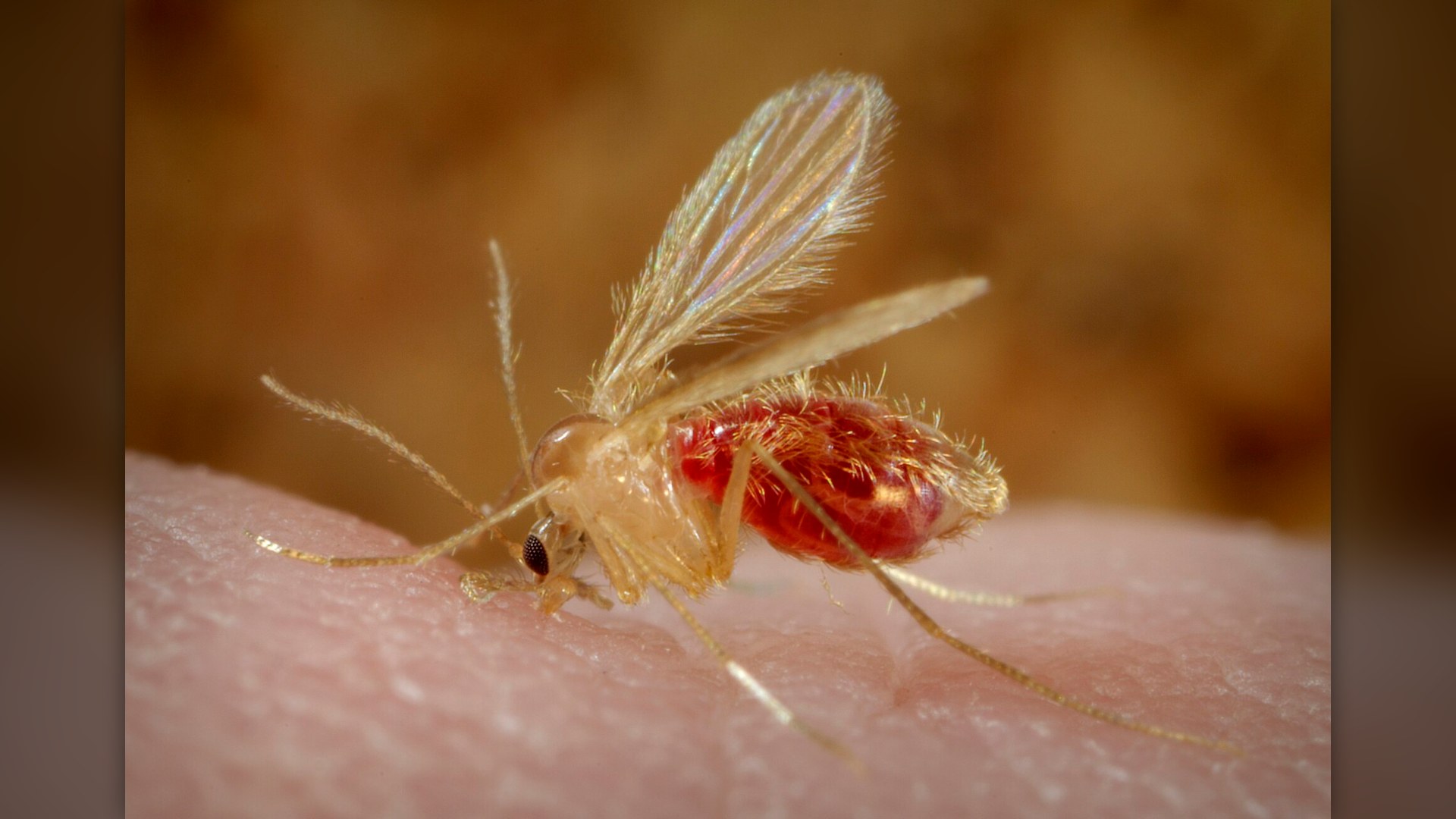
©Wikimedia / Content provider: CDC/ Frank Collins
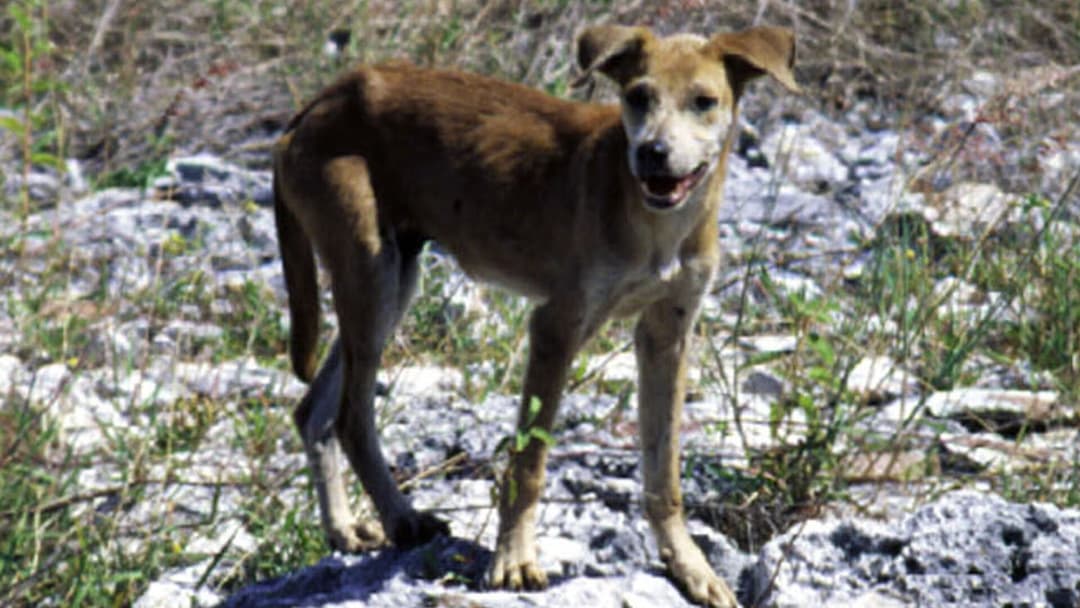
3. Domestic And Feral Dog
Canis familiaris serves as the primary animal vector for rabies transmission in rural regions. The lyssavirus attacks the central nervous system and turns fatal once clinical symptoms appear. World Health Organization data links domestic and feral dogs to 99 percent of all 59,000 annual human rabies deaths.
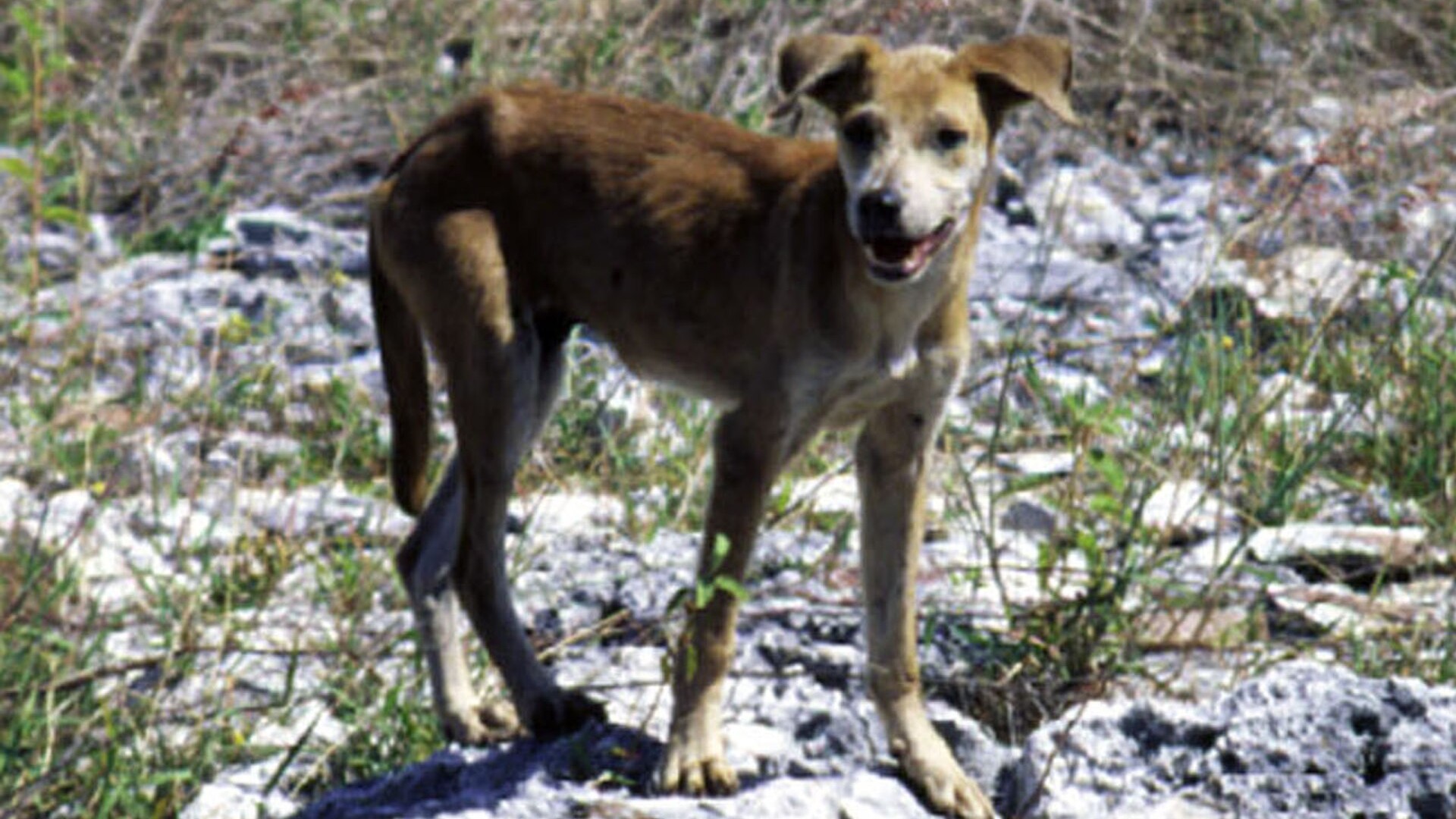
©Wikimedia / Wikimedia Contributor
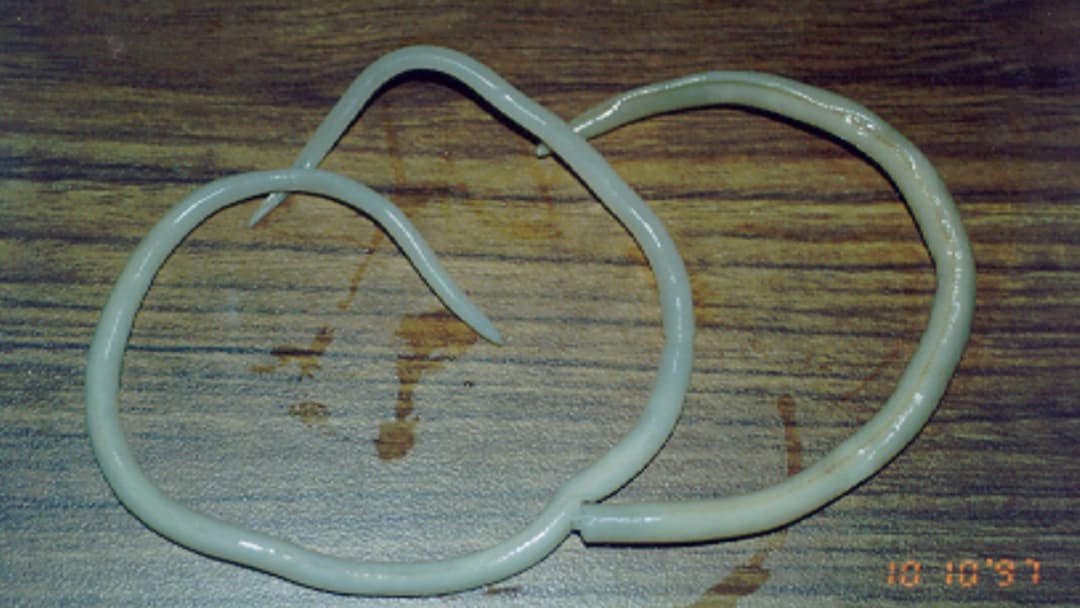
2. Ascaris Roundworm
Ascaris lumbricoides infects the gastrointestinal tract after ingestion of microscopic eggs from contaminated soil or water. Heavy larval burdens trigger intestinal obstruction and pulmonary inflammation in children. CDC records attribute approximately 60,000 annual fatalities globally to ascariasis.
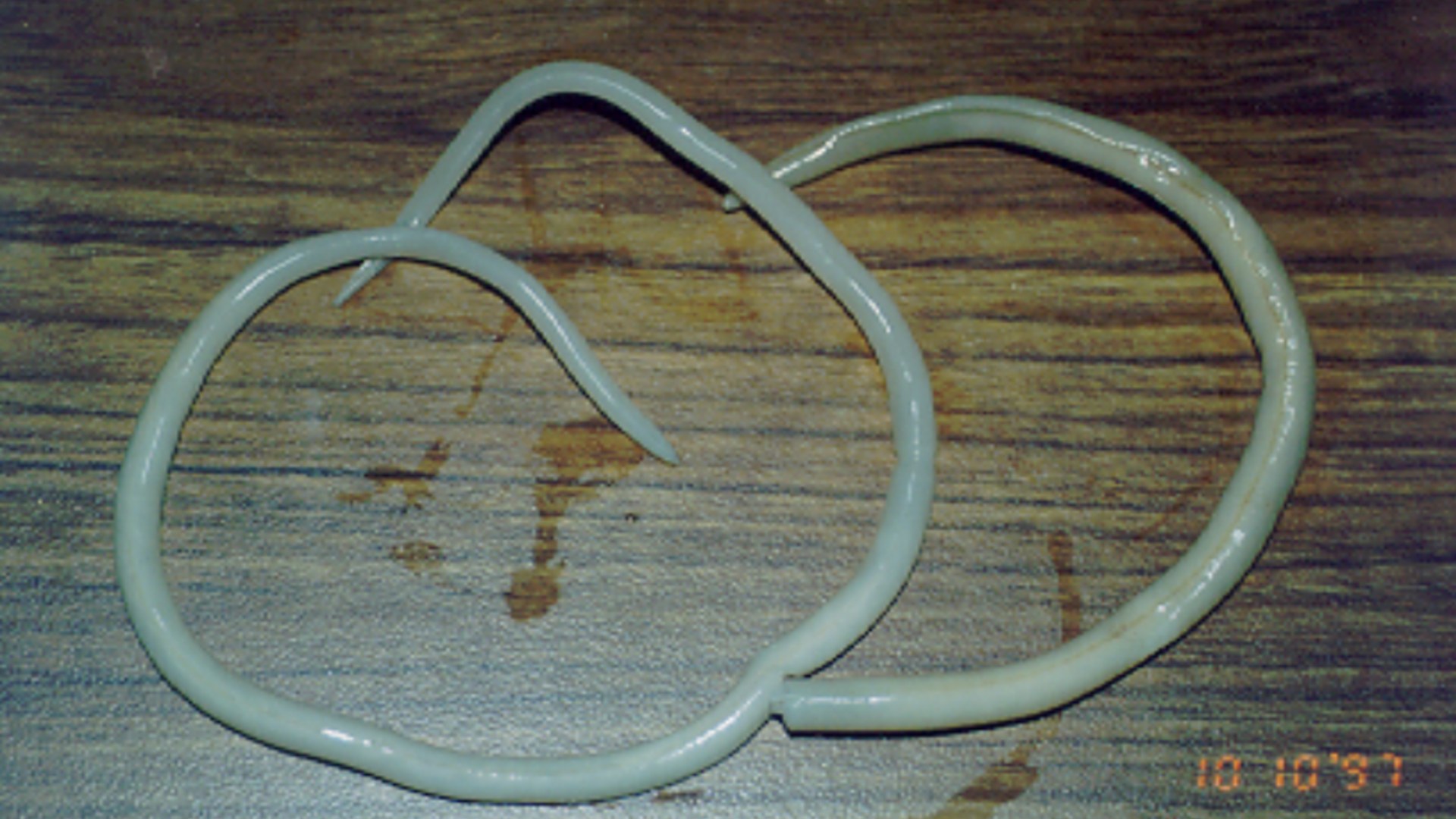
©Wikimedia / SuSanA Secretariat
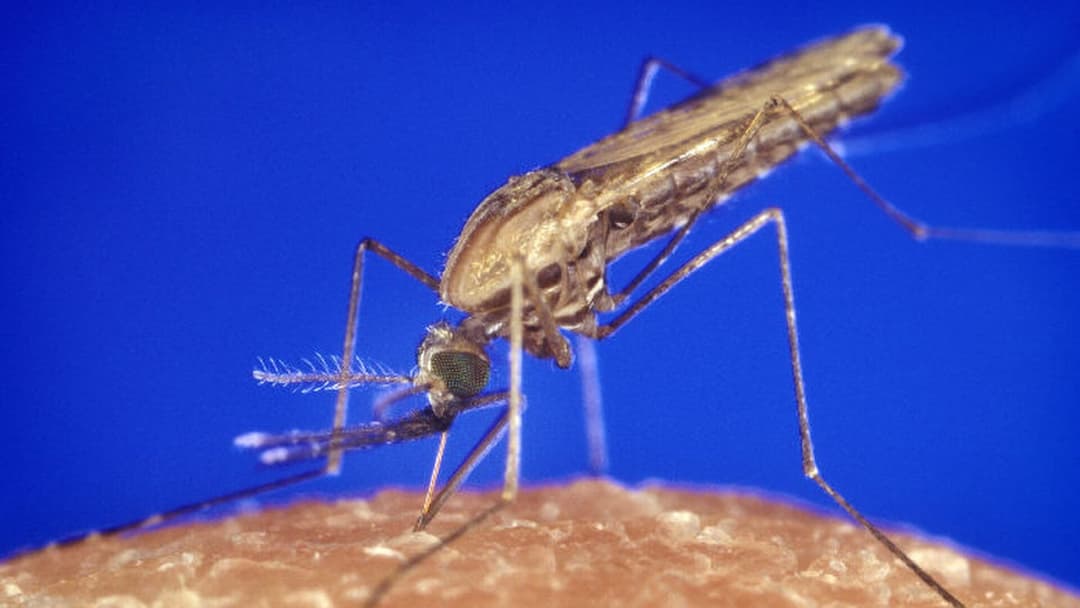
1. Mosquito
Female mosquitoes in the Anopheles and Aedes genera require blood meals to develop eggs. During feeding, they inject pathogens that cause malaria, dengue, and yellow fever. World Health Organization surveillance records indicate mosquito-borne infections claim over 700,000 human lives each year worldwide.
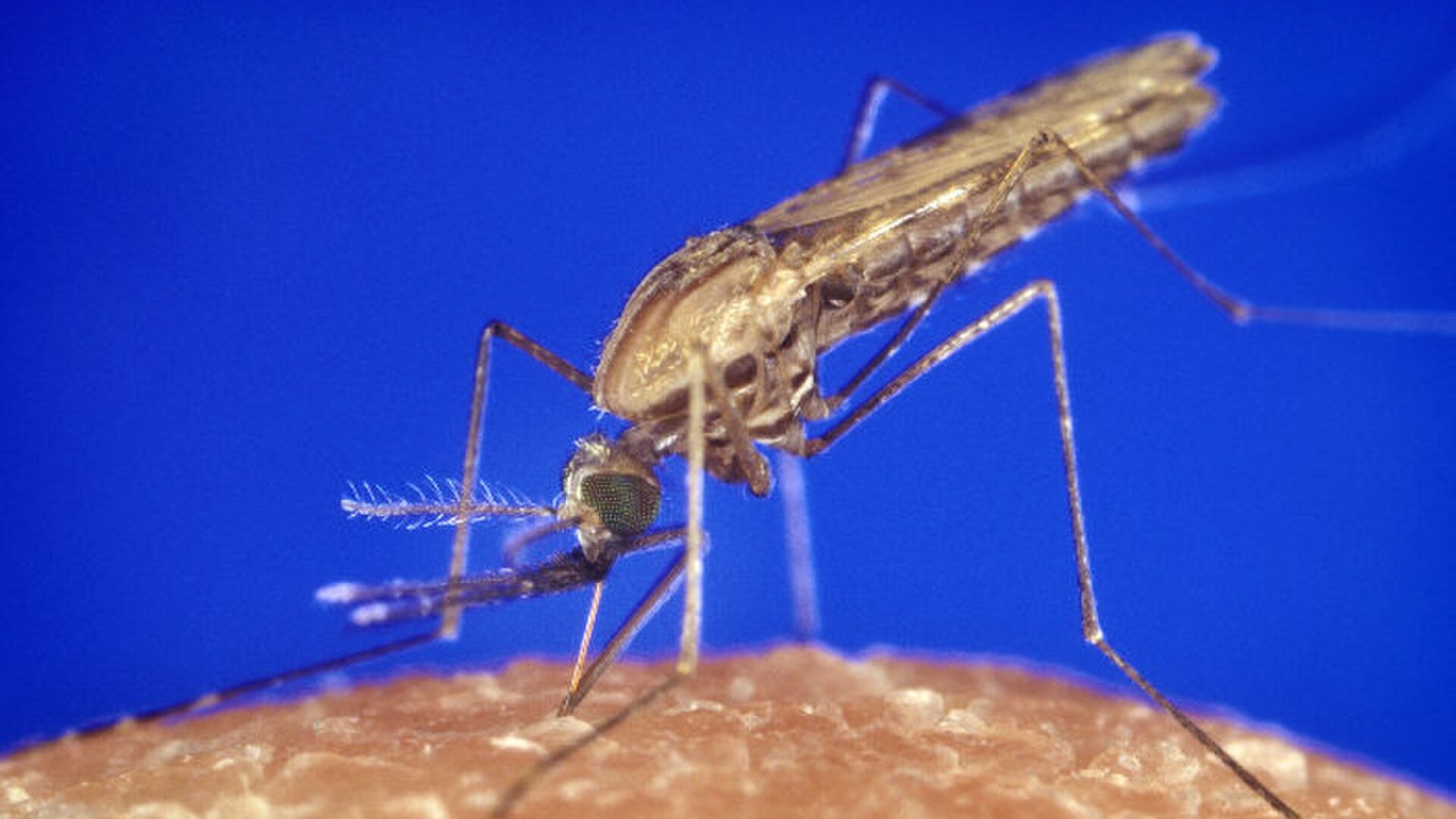
©Wikimedia / Content Providers(s): CDC/James Gathany Provider
Advertisement
You've reached the end of the story. Thanks for reading!

20 Dog Breeds Built for Cold Weather
Arctic winds and subzero blizzards require specialized evolutionary traits for working canines. Breeds developed in northern latitudes possess water-resistant guard hairs, dense woolly undercoats, and compact paws that prevent heat loss. Breed records from international kennel clubs show how they handle deep snow.
All 23 Entries in this Story
23. Golden Poison Frog
Phyllobates terribilis lives in the Pacific lowland rainforests of Colombia. A single wild frog stores up to two milligrams of batrachotoxin in its skin glands, which can halt nerve impulses and cause cardiac arrest in twenty adult humans. Indigenous hunters used its secretions to coat blowgun darts.

22. Blue-Ringed Octopus
Hapalochlaena lunulata hunts small crabs across shallow coral reefs in Australia and Japan. When threatened, its blue rings glow before it delivers a painless bite laden with tetrodotoxin. The neurotoxin paralyzes voluntary muscles and causes respiratory failure within thirty minutes without medical intervention.

21. Sydney Funnel-Web Spider
Atrax robustus inhabits forested areas within 160 kilometres of central Sydney. Its venom contains delta-hexatoxin, a neurotoxin that hyper-activates primate nervous systems within minutes. Since CSL developed an antivenom in 1981, Australian medical authorities have recorded zero human deaths.

20. Inland Taipan
Oxyuranus microlepidotus inhabits arid clay plains in southwest Queensland and South Australia. Its venom holds a median lethal dose LD50 of 0.025 milligrams per kilogram in lab tests, capable of killing an estimated 100 people per strike. Human deaths remain rare due to antivenom and remote habitats.

19. Reef Stonefish
Synanceia verrucosa rests along shallow Indo-Pacific coral beds disguised as encrusted rock. Stepping on its thirteen dorsal spines releases verrucotoxin, triggering severe pain, muscle paralysis, and shock. The Australian government introduced an equine antivenom in 1959 to prevent cardiac complications.

18. Geography Cone Snail
Conus geographus hunts along warm Indo-Pacific reefs using an extensible proboscis armed with a radular tooth. Its complex venom contains hundreds of conopeptides that shut down neuromuscular transmission. Medical researchers estimate thirty confirmed human fatalities, with no specific antivenom currently available.

17. Pufferfish
Species in the Tetraodontidae family accumulate lethal concentrations of tetrodotoxin in liver and ovarian tissues. The toxin is 1,200 times more potent than cyanide and withstands standard cooking temperatures. Japanese health ministries record roughly thirty poisoning incidents and one to two deaths annually.

16. Sea Wasp Box Jellyfish
Chironex fleckeri drifts through coastal waters of northern Australia and Southeast Asia during summer months. Each tentacle holds millions of cnidocytes that inject cardiotoxins directly into bloodstreams, causing excruciating pain and cardiac arrest in under five minutes. Fatalities total dozens every decade.

15. Brazilian Wandering Spider
Phoneutria nigriventer roams forest floors in Brazil and northern Argentina rather than building permanent webs. Its venom contains PhTx3, a neurotoxin that causes intense pain, elevated blood pressure, and respiratory distress. Brazilian poison centres treat over 4,000 bites annually with equine antivenom.

14. African Lion
Panthera leo roams protected grasslands and woodlands across eastern and southern Africa. Habitat encroachment has increased conflicts near rural settlements in Tanzania and Mozambique. Wildlife researchers estimate that lion attacks cause 200 to 250 human fatalities per year in Sub-Saharan Africa.

13. Cape Buffalo
Syncerus caffer travels in large herds across Sub-Saharan river valleys and grasslands. When wounded or separated from their herd, bulls circle back to confront perceived threats with hardened horn bosses. African wildlife management authorities attribute roughly 200 human fatalities annually to buffalo charges.

12. Asian And African Elephants
Elephas maximus and Loxodonta africana weigh up to six metric tons and defend family herds aggressively. Expanding agricultural developments across India, Sri Lanka, and Kenya have intensified human-elephant encounters. Government wildlife registers record approximately 500 human fatalities per year.

11. Hippopotamus
Hippopotamus amphibius spends daylight hours submerged in African freshwater basins and grazes along shorelines at night. Bulls defend water territory with canine tusks measuring up to fifty centimetres. Field surveys across central and eastern Africa attribute roughly 500 human deaths per year to capsized boats.

10. Saltwater Crocodile
Crocodylus porosus inhabits brackish mangrove estuaries and river deltas from eastern India to northern Australia. Adults deliver bite forces exceeding 3,700 pounds per square inch and drag prey into deep water. Wildlife biologists estimate that crocodile attacks claim approximately 1,000 human lives each year.

9. Deathstalker Scorpion
Leiurus quinquestriatus shelters under rocks and burrows across North African and Middle Eastern deserts. Its sting injects an agile blend of neurotoxins that causes pulmonary edema and cardiovascular collapse in vulnerable victims. Scorpion envenomation accounts for roughly 3,000 fatal cases globally every year.

8. Tsetse Fly
Glossina species inhabit riverine thickets across thirty-six Sub-Saharan nations, feeding on blood from mammals. Their bites transmit protozoan parasites that invade the central nervous system and cause fatal sleeping sickness without therapy. World Health Organization surveillance logs roughly 1,000 cases annually.

7. Triatomine Kissing Bug
Insects in the Triatominae subfamily emerge at night across rural regions of Central and South America to bite sleeping humans. They defecate near the bite wound, introducing Trypanosoma cruzi parasites that cause chronic cardiac enlargement. Pan American Health Organization records list 10,000 annual fatalities.

6. Freshwater Snail
Biomphalaria and Bulinus snails host parasitic trematode flatworms in subtropical freshwaters. The snails release cercariae larvae that penetrate human skin upon water contact, damaging internal organs. World Health Organization field reports estimate that schistosomiasis causes 11,000 to 200,000 deaths annually.

5. Saw-Scaled Viper
Echis carinatus inhabits dry rocky terrain from West Africa to India. Its hemotoxic venom disrupts blood clotting mechanisms and induces rapid systemic hemorrhage. The World Health Organization estimates that snakebites cause 81,000 to 138,000 deaths annually, with saw-scaled vipers causing a major share.

4. Sandfly
Phlebotomine sandflies inhabit tropical and temperate zones across Asia, Africa, and the Americas. Their bites transmit Leishmania protozoan parasites that attack internal organs in visceral cases. World Health Organization health records document between 20,000 and 30,000 fatalities each year from visceral infection.

3. Domestic And Feral Dog
Canis familiaris serves as the primary animal vector for rabies transmission in rural regions. The lyssavirus attacks the central nervous system and turns fatal once clinical symptoms appear. World Health Organization data links domestic and feral dogs to 99 percent of all 59,000 annual human rabies deaths.

2. Ascaris Roundworm
Ascaris lumbricoides infects the gastrointestinal tract after ingestion of microscopic eggs from contaminated soil or water. Heavy larval burdens trigger intestinal obstruction and pulmonary inflammation in children. CDC records attribute approximately 60,000 annual fatalities globally to ascariasis.

1. Mosquito
Female mosquitoes in the Anopheles and Aedes genera require blood meals to develop eggs. During feeding, they inject pathogens that cause malaria, dengue, and yellow fever. World Health Organization surveillance records indicate mosquito-borne infections claim over 700,000 human lives each year worldwide.