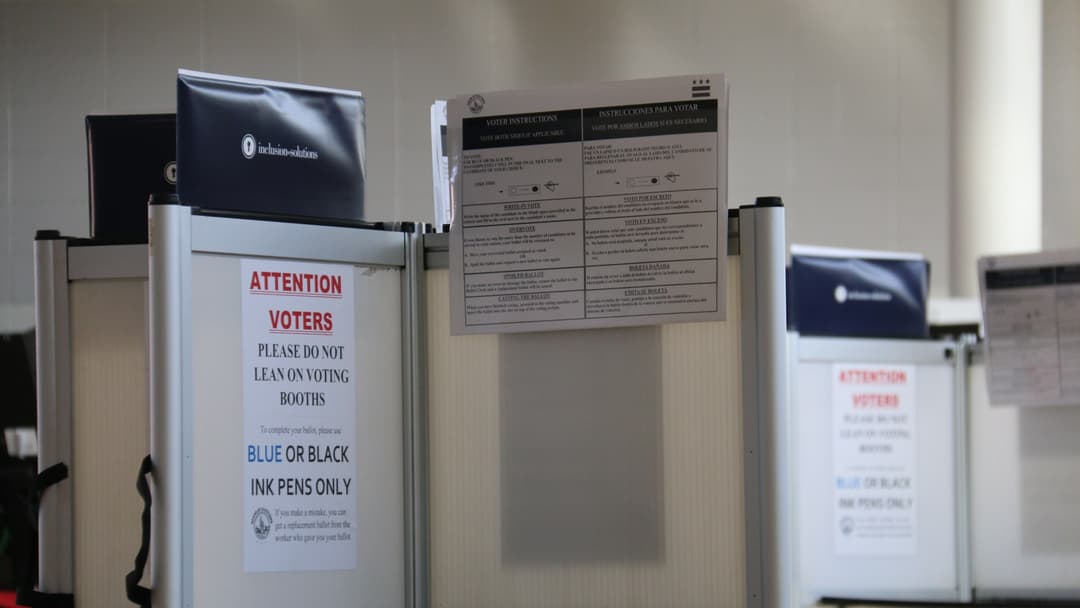
Slideshow · News
What Americans Need to Know Before the Midterm Elections
From Congressional power shifts to voter ID deadlines and polling rights, a non-partisan civic guide to the upcoming November elections.
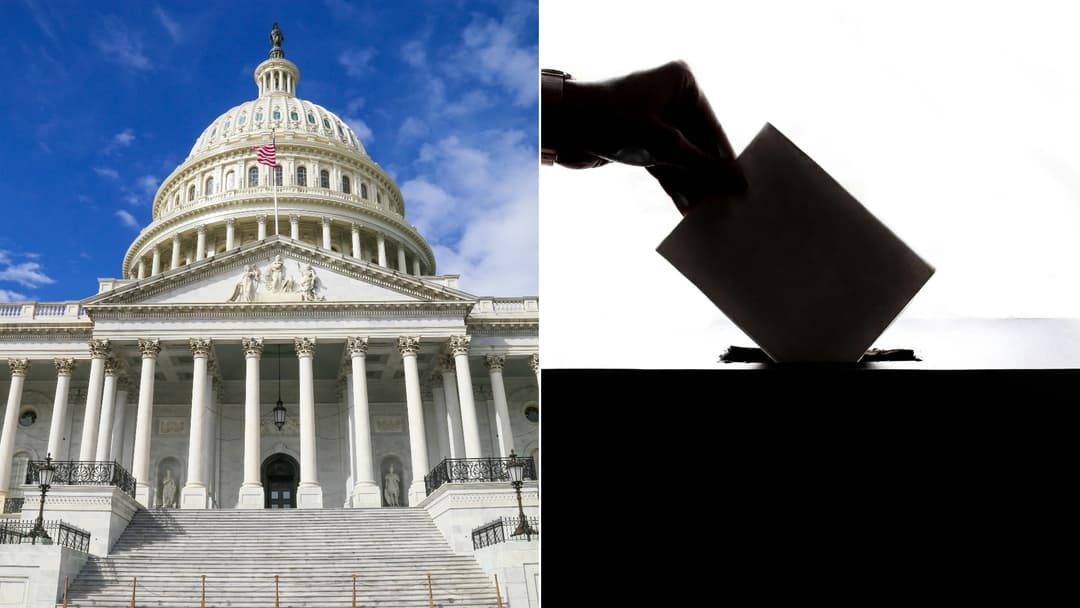
By Most Viral Today
27 Oct 2026

Crucial voting facts, deadlines, and rights for the upcoming midterm elections. 
18. All 435 House Seats Are Up For Election 
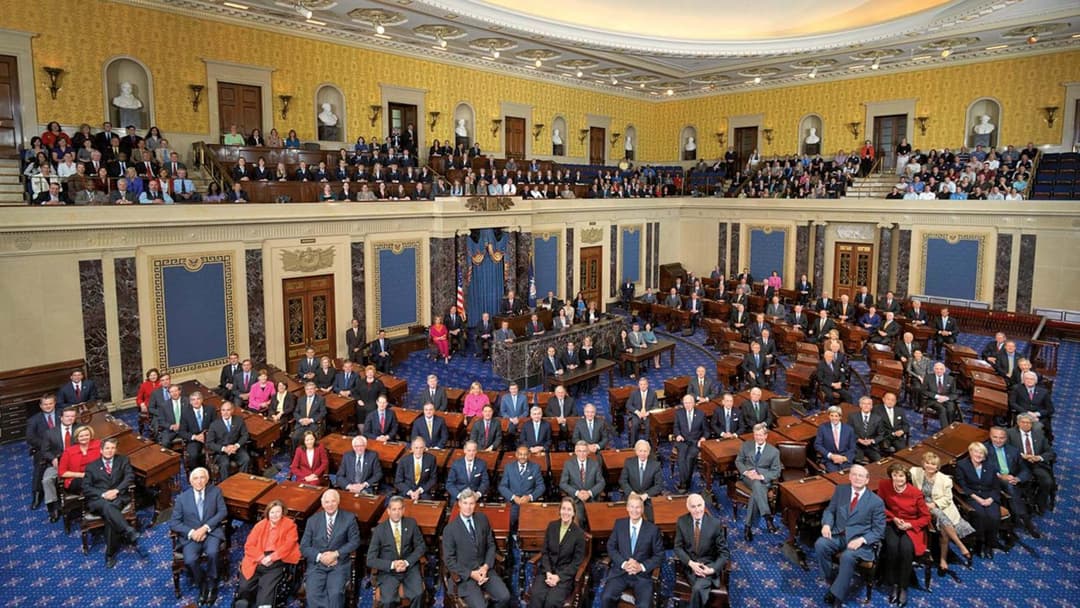
17. Thirty-Five Senate Seats Are On The Ballot 
16. Thirty-Six State Governors Face Voters - AdvertisementSwipe or tap ▶ to continue countdown

15. State Legislative Majorities Hang In Balance 
14. Historic Midterm Trend For The President 
13. Voter Registration Deadlines Vary Widely 
12. State Voter Identification Requirements - AdvertisementSwipe or tap ▶ to continue countdown

11. Early In-Person Voting Windows 
10. Mail-In And Absentee Ballot Rules 
9. Ballot Measures And State Referendums 
8. Judicial Retention And Supreme Court Races - AdvertisementSwipe or tap ▶ to continue countdown

7. Finding Your Assigned Polling Precinct 
6. Polling Place Hours And Line Rights 
5. Paid Time Off Work Rights For Voting 
4. Provisional Ballot Rights And Tracking - AdvertisementSwipe or tap ▶ to continue countdown

3. Non-Partisan Voter Guides And Ballots 
2. Canvassing Boards And Result Timelines 
1. Runoff Election Rules In Key States - Advertisement🔥 UP NEXT IN THIS SERIES◫ 22 Slides

Massive fire engulfs residential building in Nalasopara
Bright orange flames rage through windows as firefighters struggle to control the blaze in the Mumbai suburb.
From Congressional power shifts to voter ID deadlines and polling rights, a non-partisan civic guide to the upcoming November elections.
Swipe or tap ▶ to begin the countdown
©Unsplash / Louis Velazquez and Element5 Digital
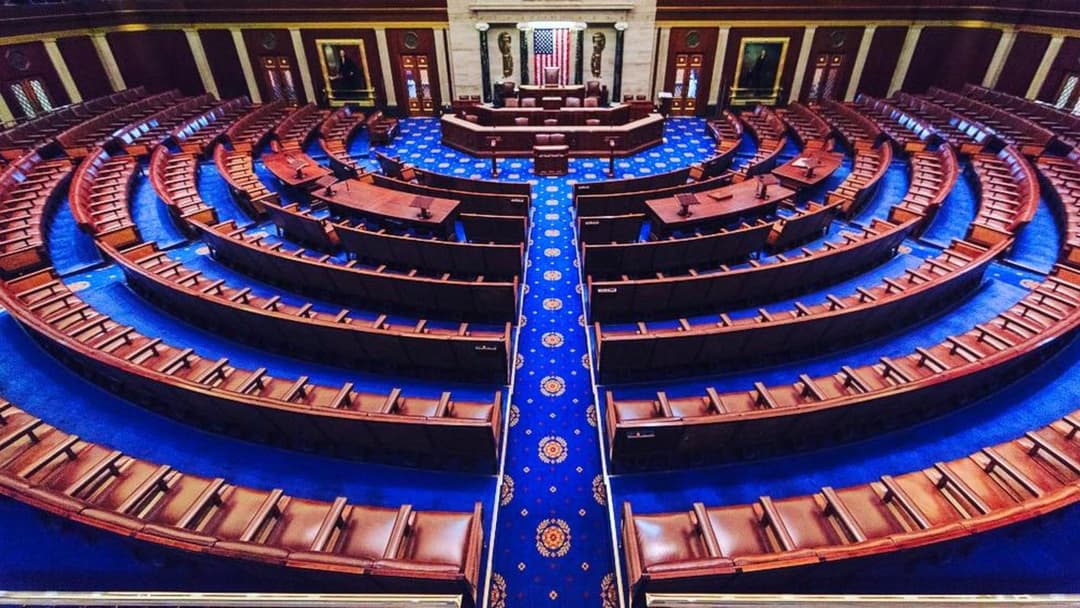
18. All 435 House Seats Are Up For Election
Every two years all 435 congressional districts across the nation hold elections. The resulting majority decides committee leadership, legislative priorities, and federal funding approvals in the United States Capitol.
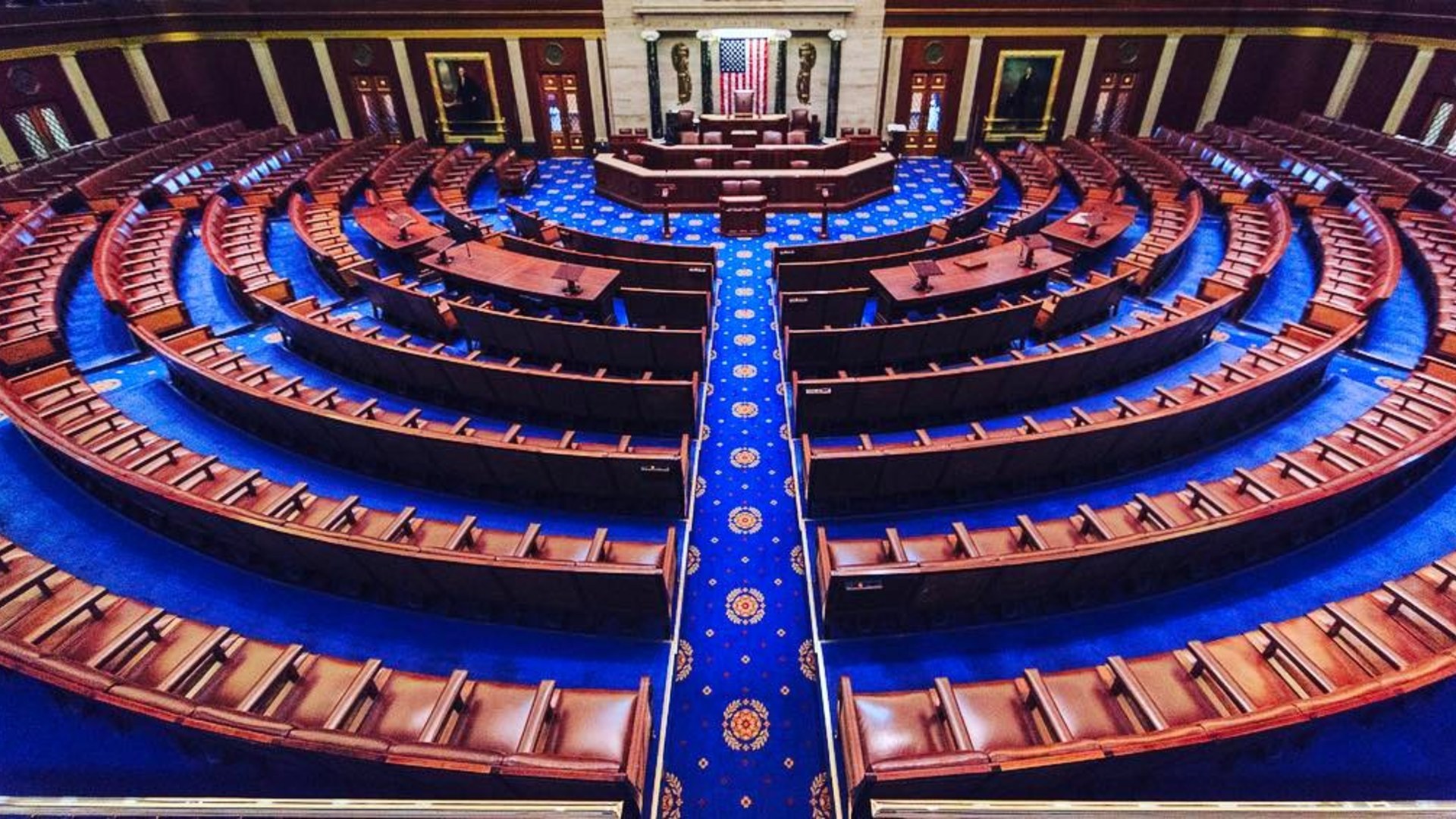
©Wikimedia / U.S. House of Representatives
17. Thirty-Five Senate Seats Are On The Ballot
In each midterm election cycle, approximately one third of the United States Senate seats are on the ballot. Winning these races determines which party controls judicial confirmations and treaty ratifications.
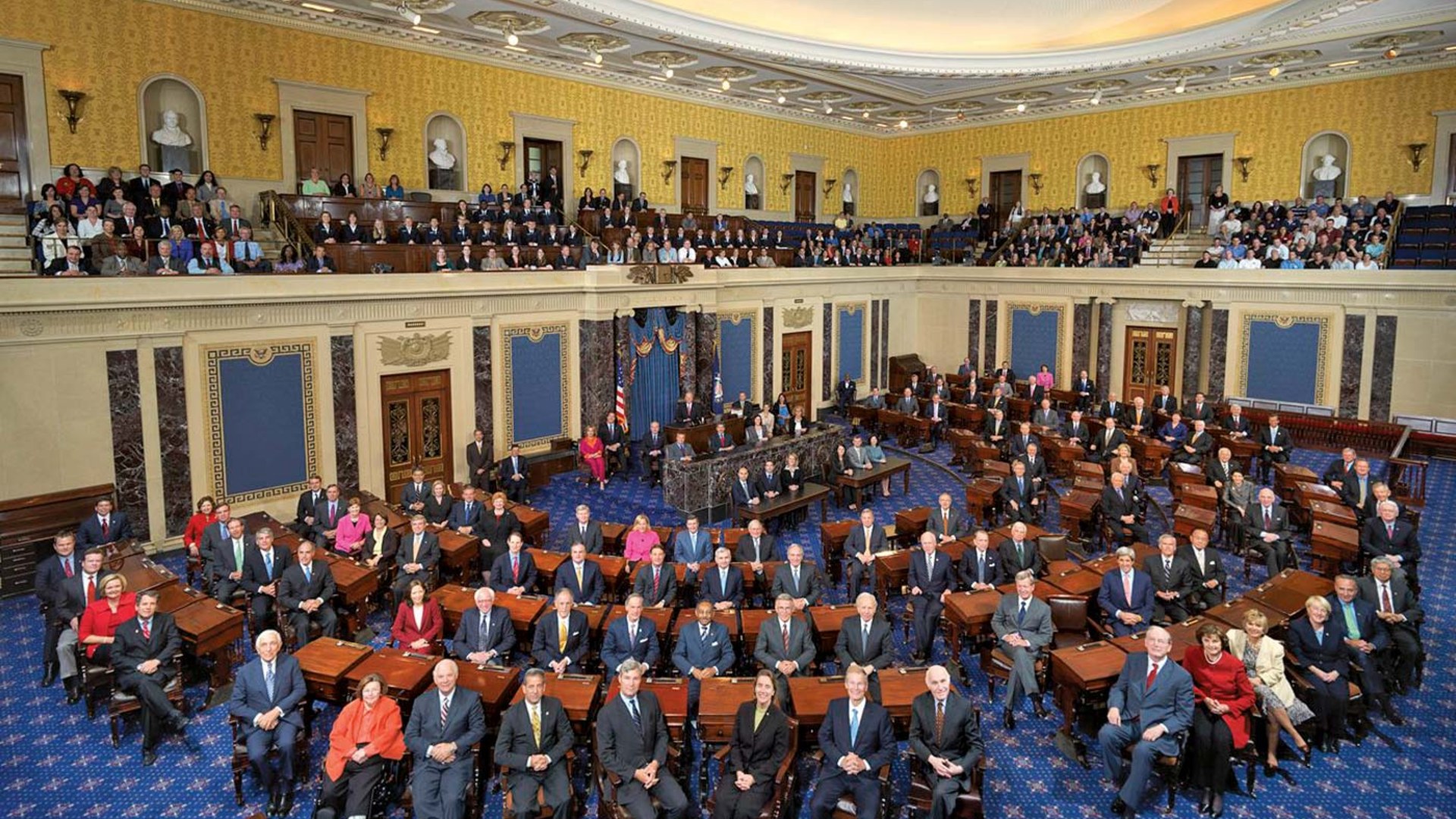
©Wikimedia / U.S. Senate
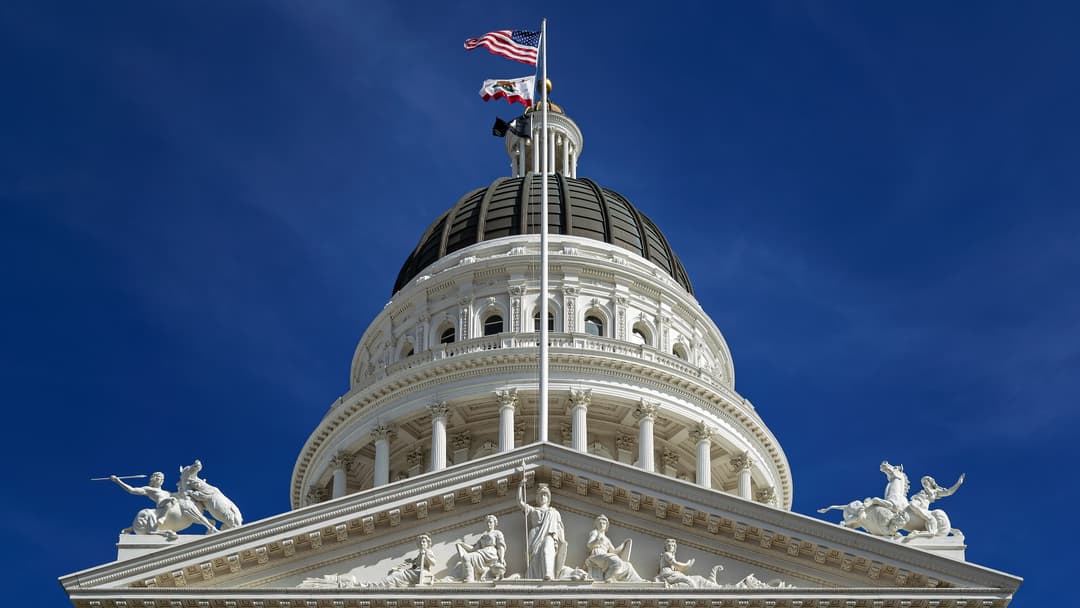
16. Thirty-Six State Governors Face Voters
Thirty-six states elect governors during federal midterm years. Governors serve as chief executives of their states, directing executive agencies, managing emergency responses, and setting state tax priorities.
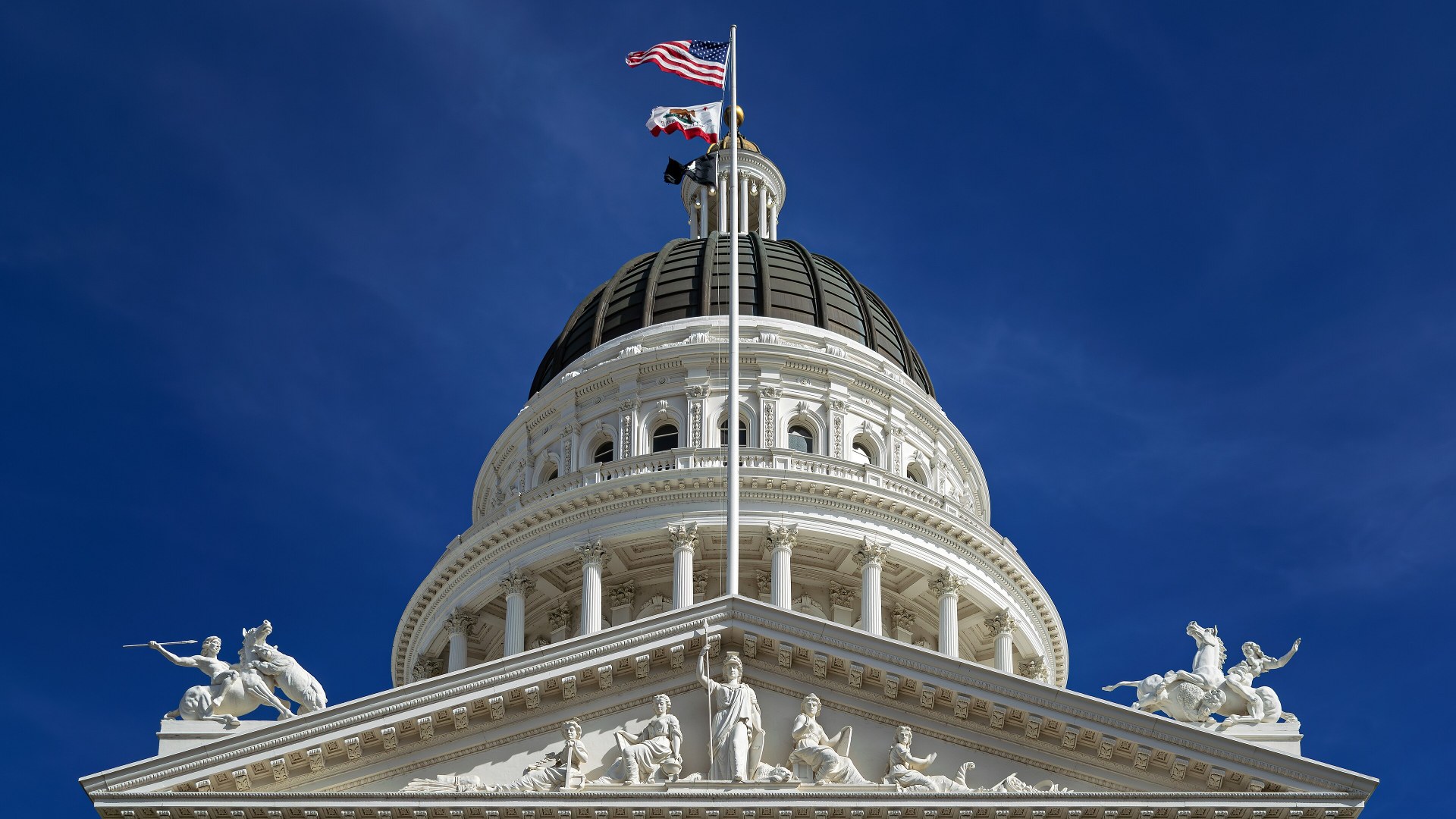
©Wikimedia / Radomianin
Advertisement
Swipe or tap ▶ to resume the countdown.
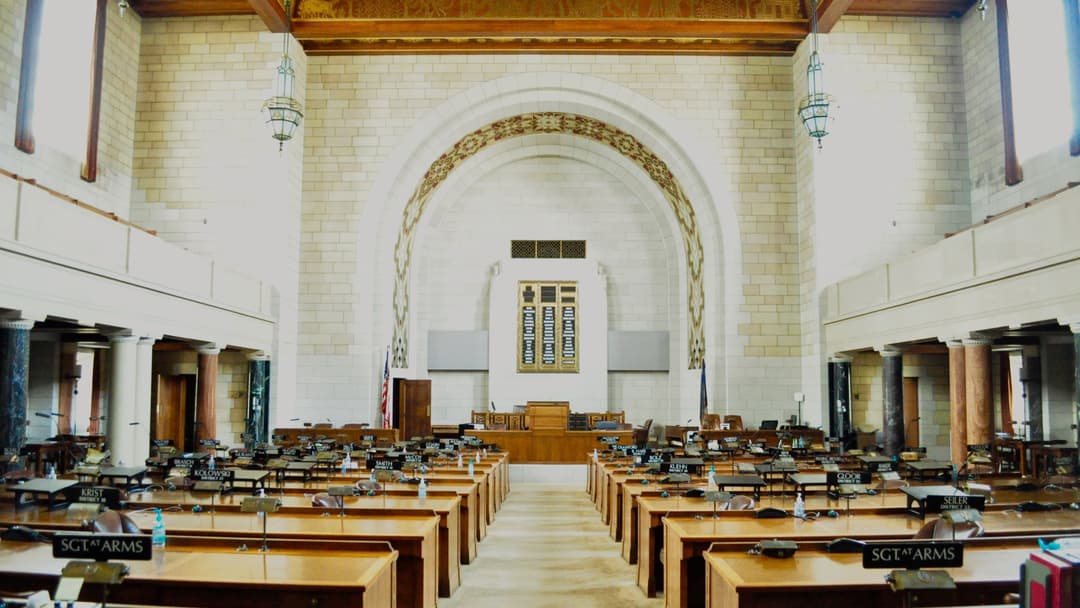
15. State Legislative Majorities Hang In Balance
Beyond Washington, voters decide majorities in state senates and state assemblies across the country. These lawmakers draft state criminal laws, regulate utility grids, and allocate education funding.
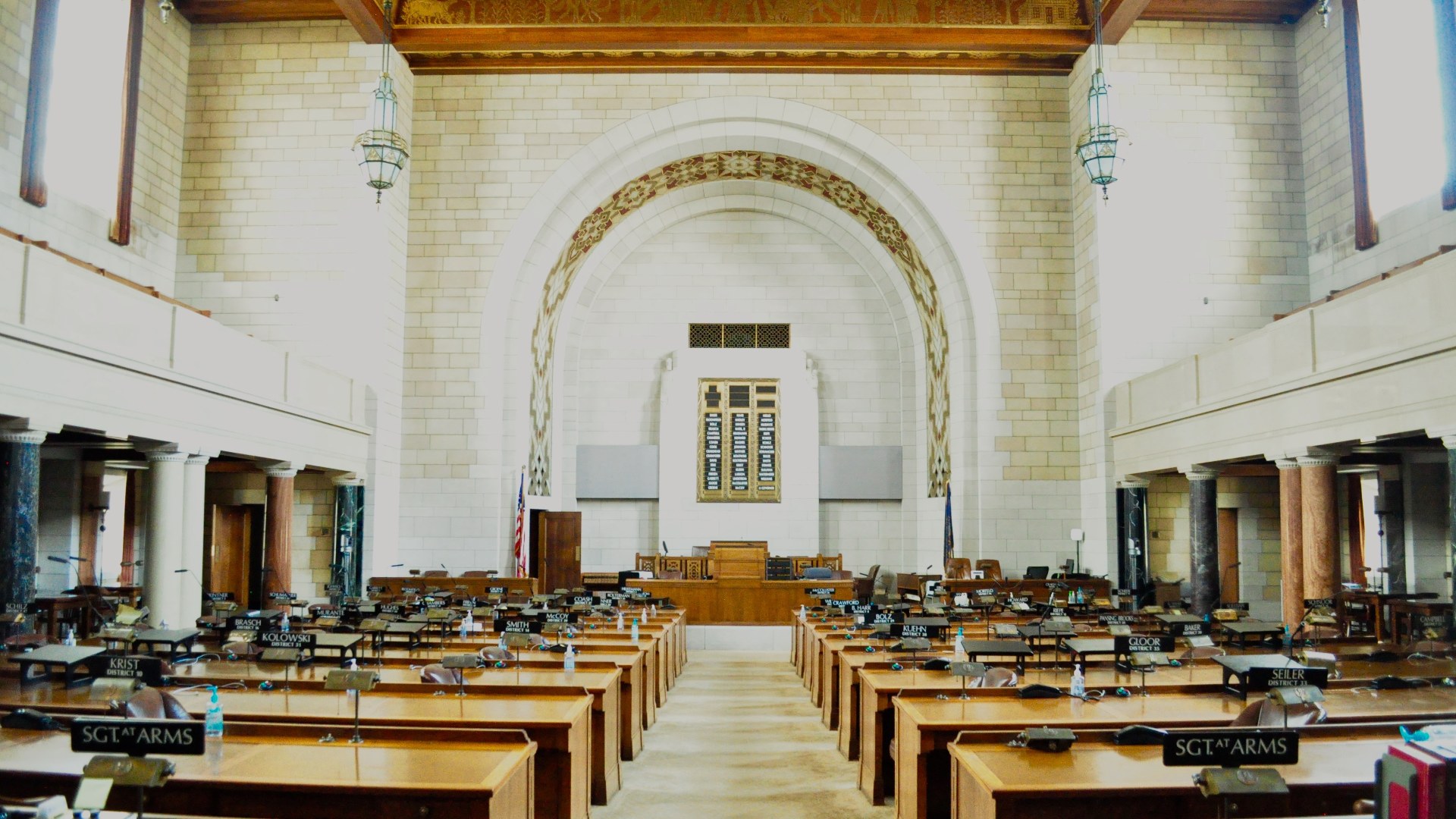
©Wikimedia / Capitolist
14. Historic Midterm Trend For The President
Historical voting trends show that the sitting president party almost always loses congressional seats in midterms. Only a handful of elections in modern American history have defied this midterm pattern.
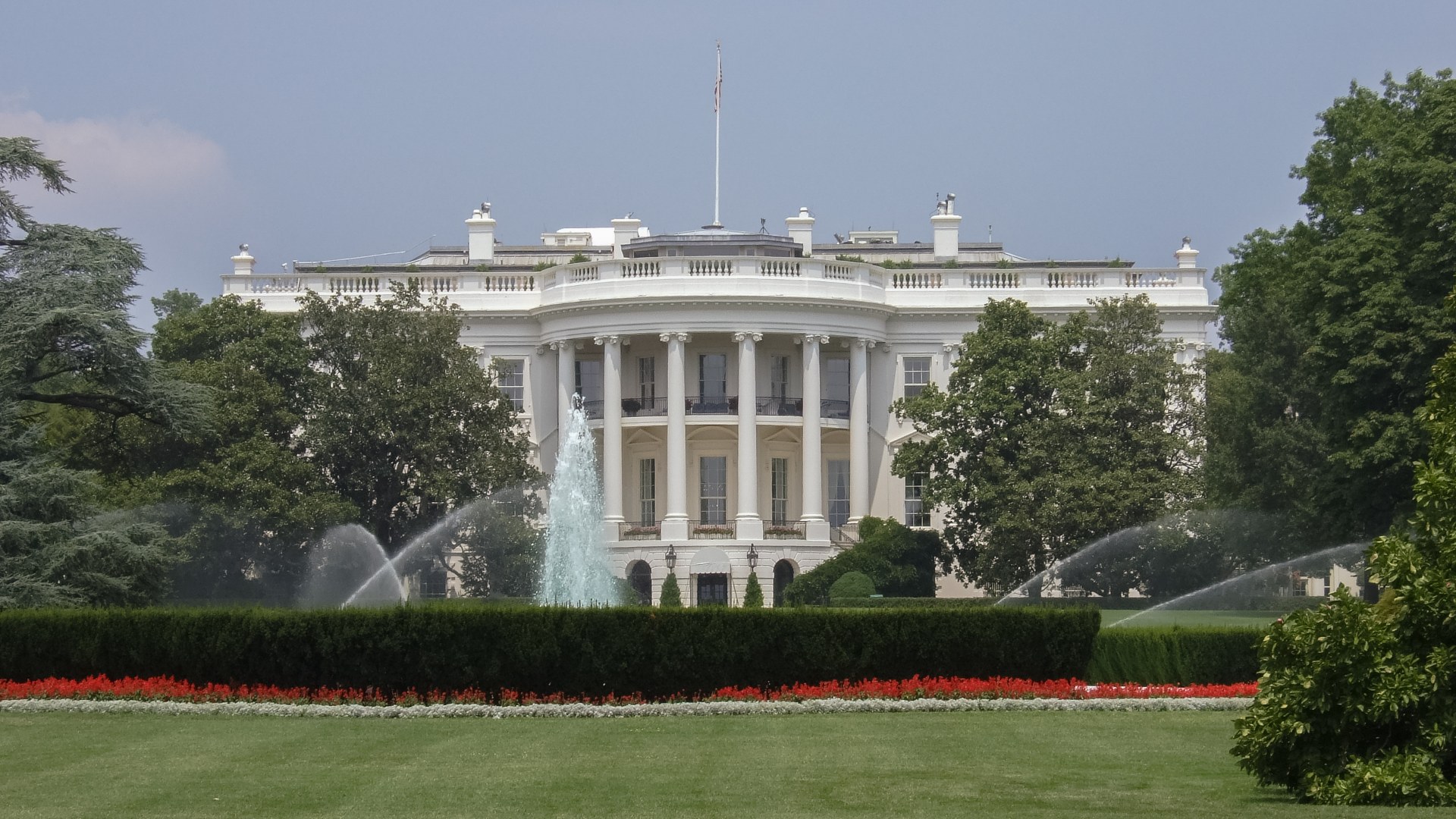
©Wikimedia / Diego Delso
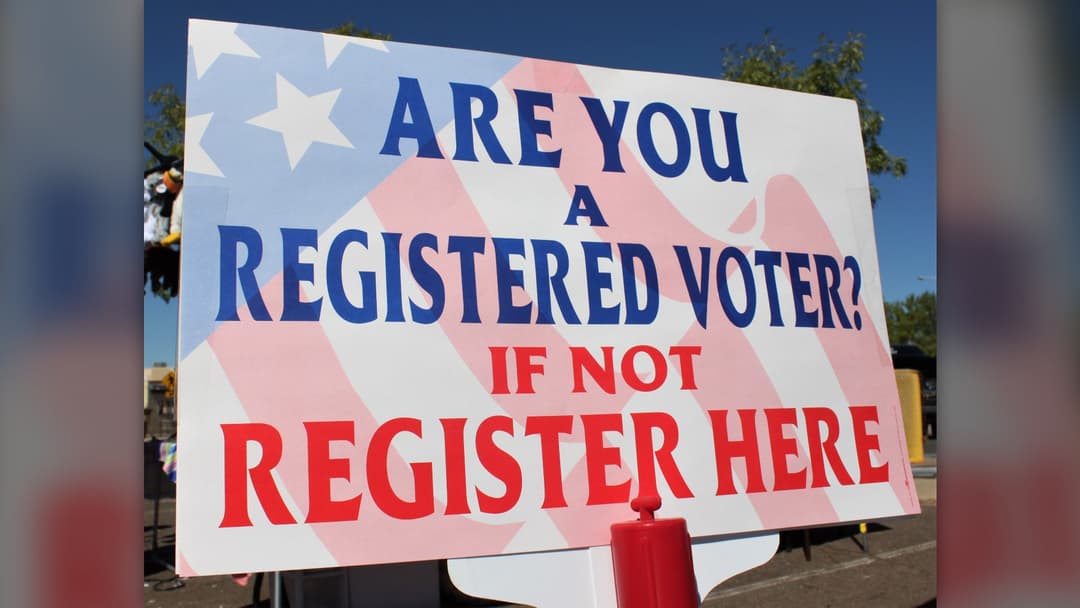
13. Voter Registration Deadlines Vary Widely
Voter registration rules depend entirely on state law. While some states allow same-day registration at early voting sites or on election day, others require forms submitted up to thirty days prior.
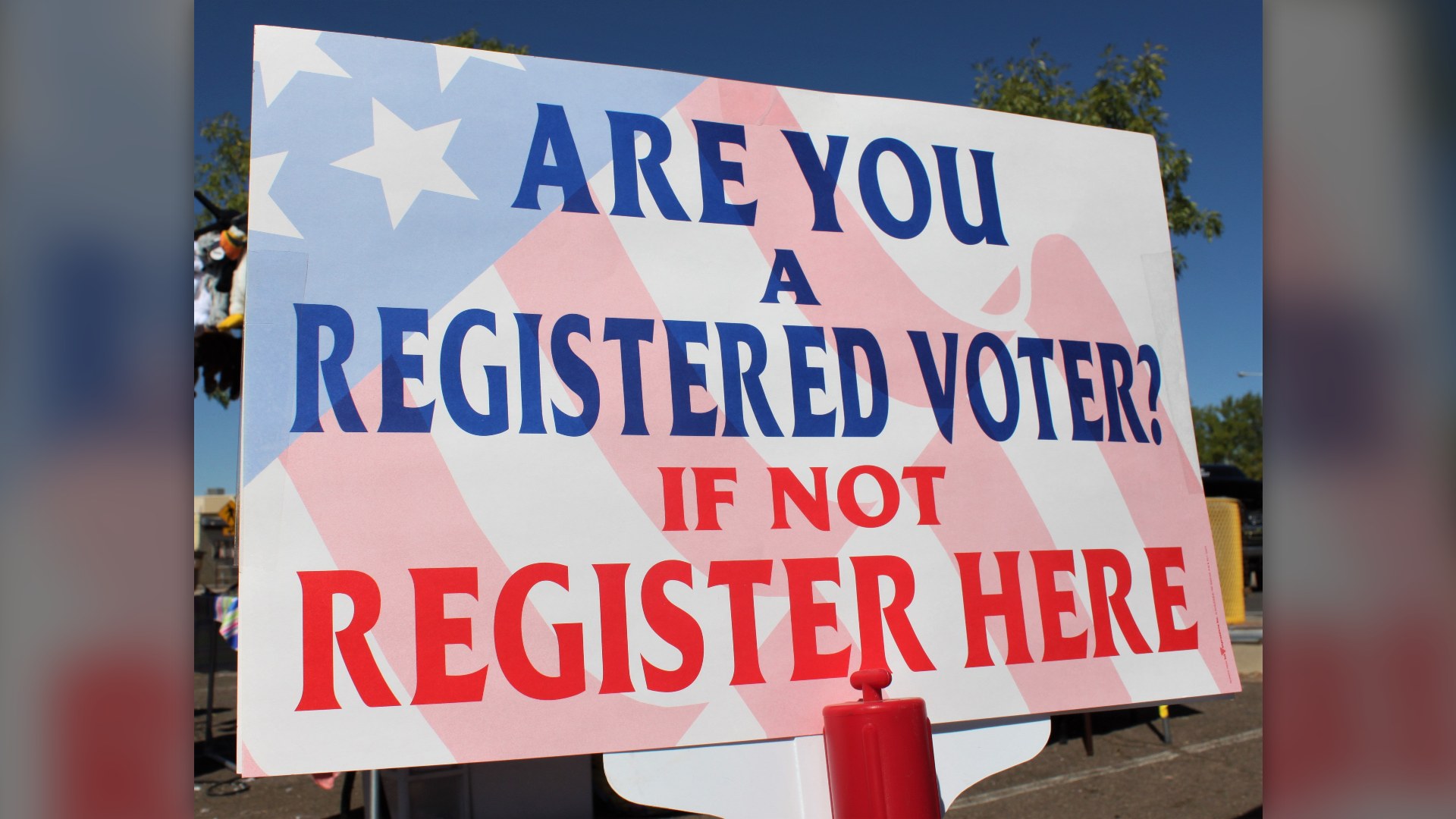
©Wikimedia / League of Women Voters
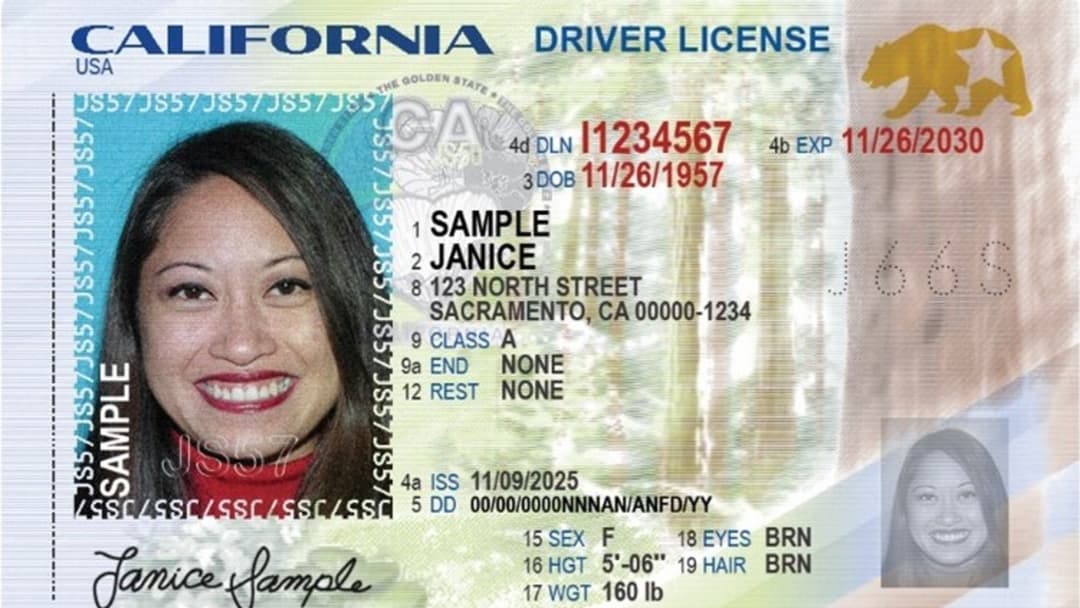
12. State Voter Identification Requirements
Nearly three dozen states enforce voter identification statutes for in-person balloting. Requirements span from strict government photo IDs like driver licenses to non-photo alternatives such as utility bills.
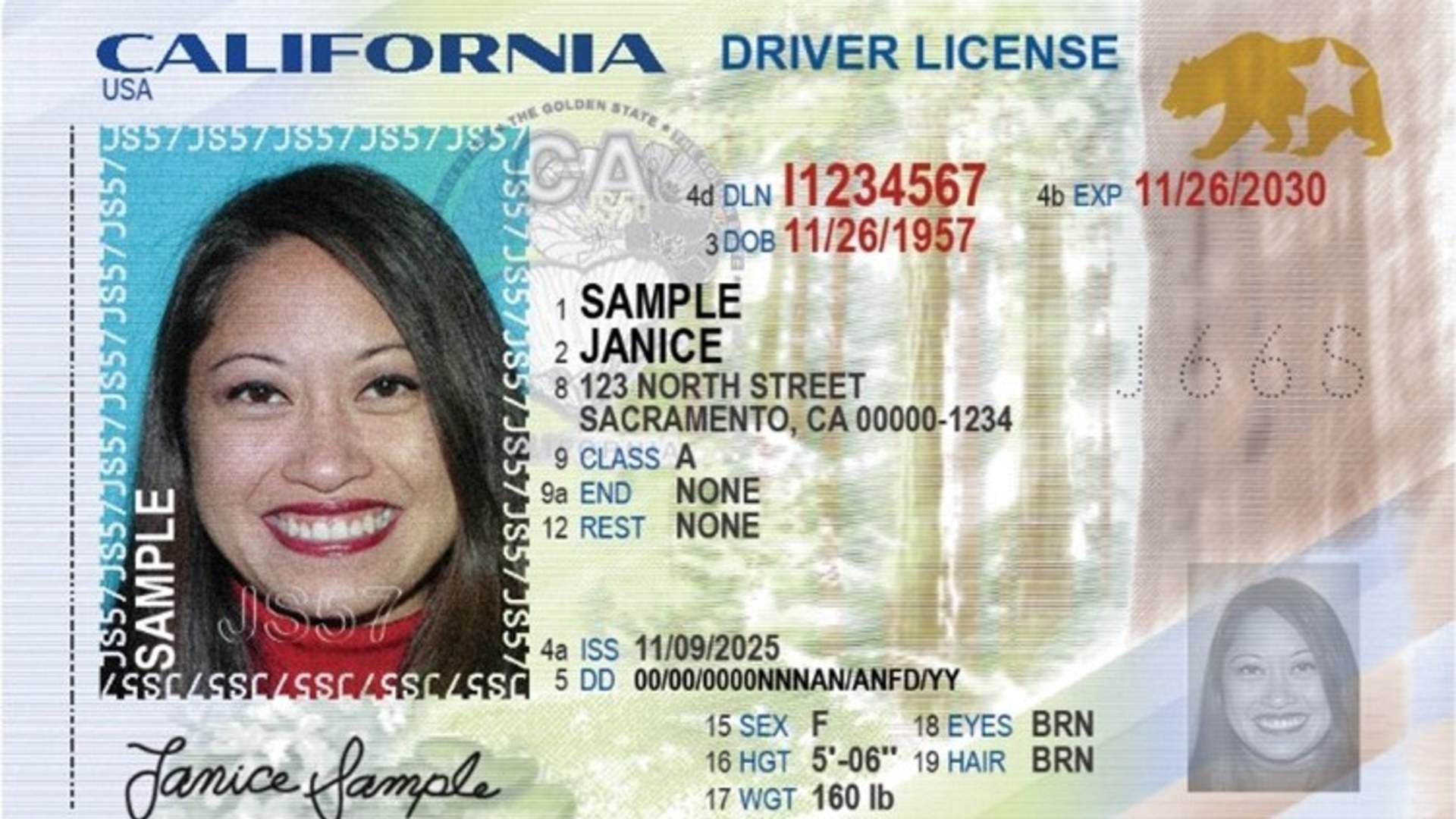
©Wikimedia / California Department of Motor Vehicles
Advertisement
Swipe or tap ▶ to resume the countdown.
11. Early In-Person Voting Windows
Over forty states offer designated early in-person voting windows before election day. Casting a ballot early allows registered voters to select convenient polling hours and avoid peak lines on Tuesday.
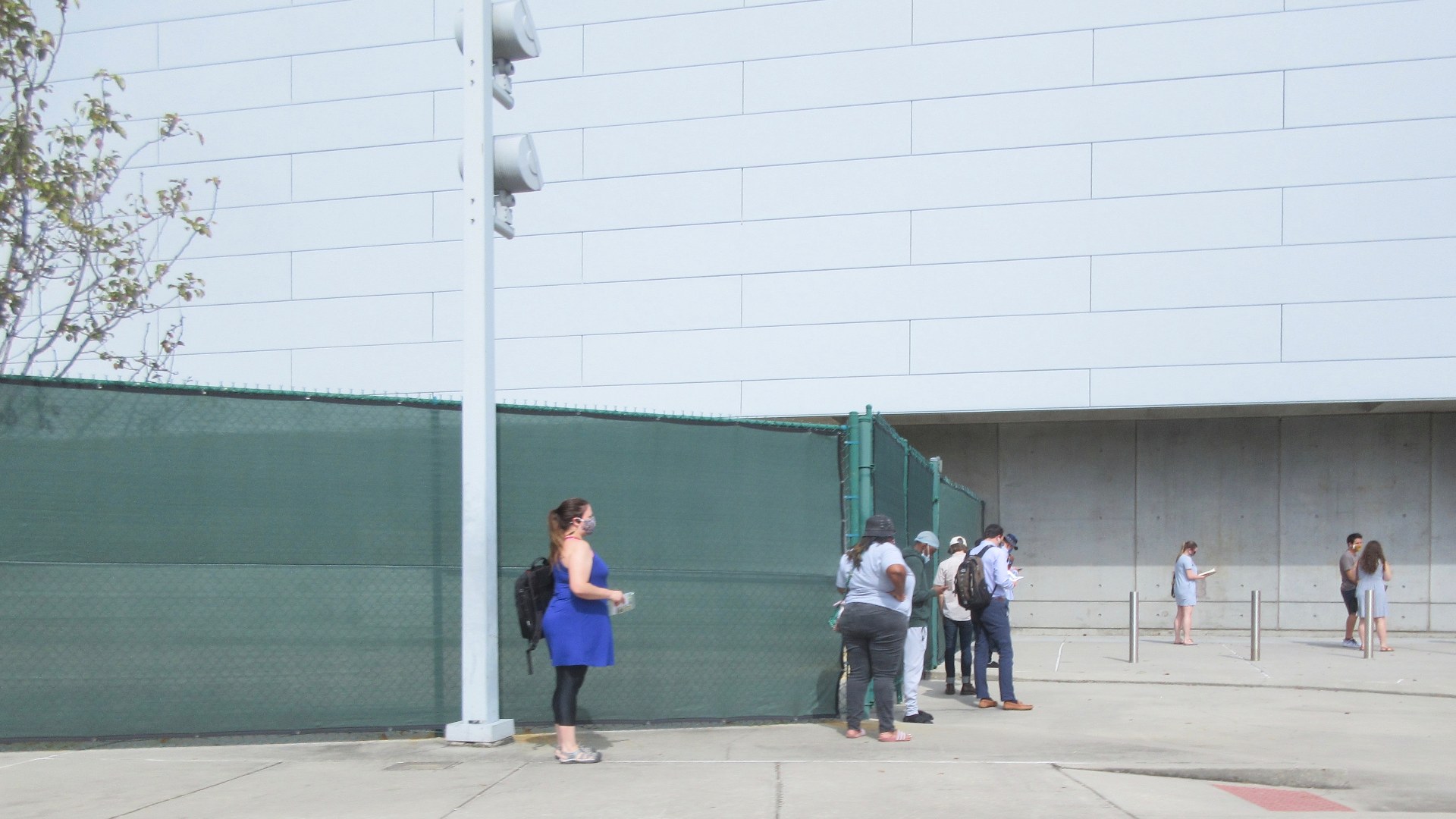
©Wikimedia / Infrogmation of New Orleans
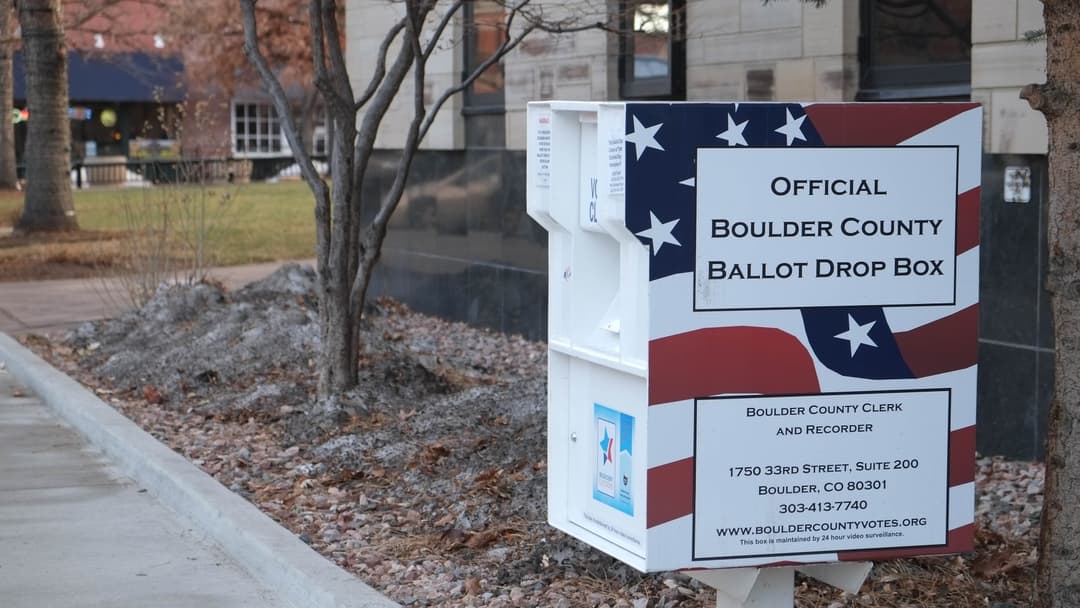
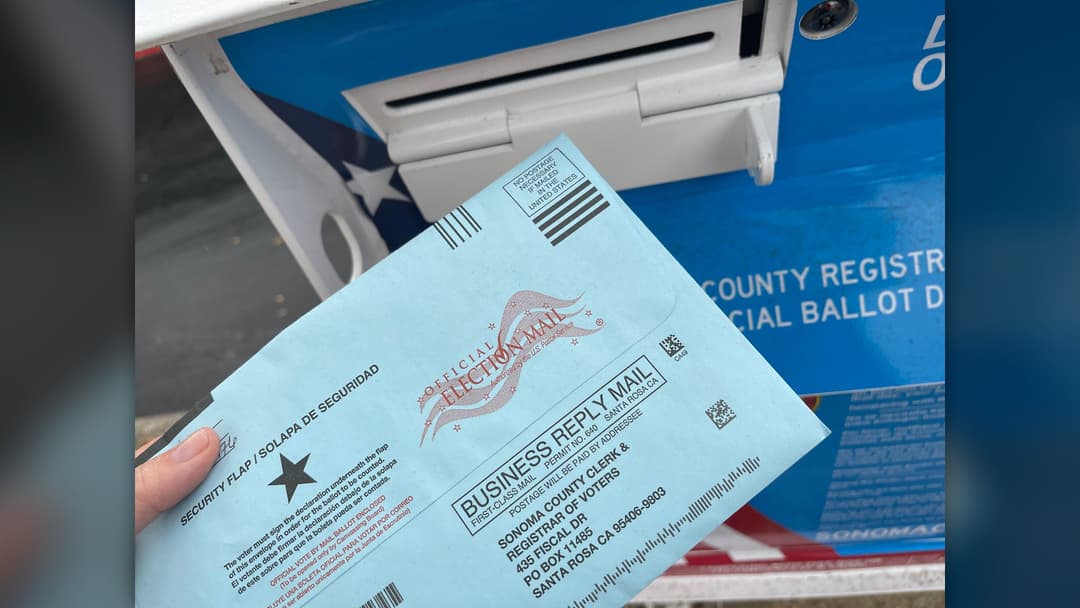
10. Mail-In And Absentee Ballot Rules
Voting by mail requires strict compliance with submission deadlines, signature verification, and witness requirements. Many counties offer secure official ballot drop boxes and digital tracking portals.
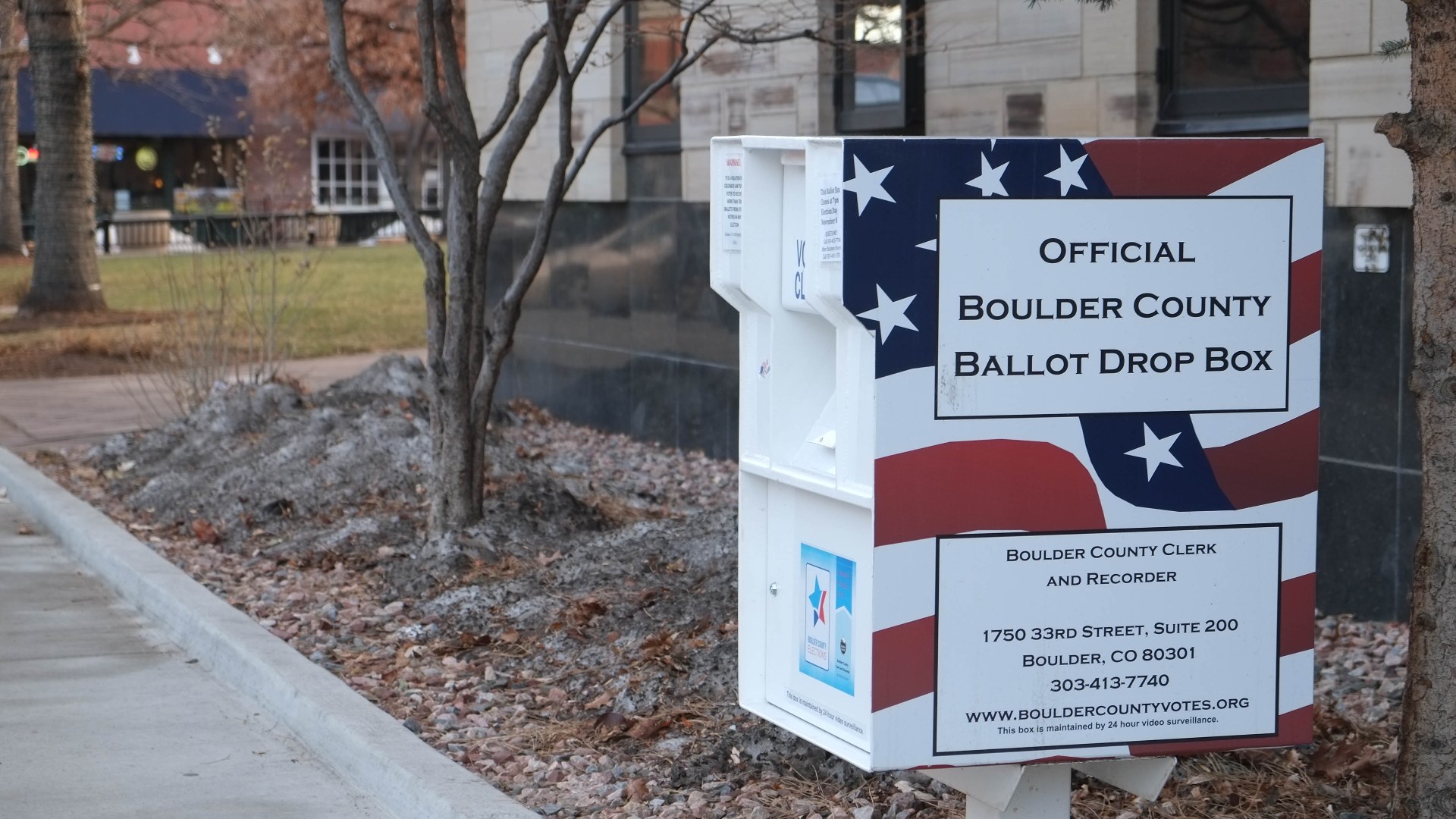
©Wikimedia / Paul Sableman
9. Ballot Measures And State Referendums
Midterm ballots frequently feature direct democracy initiatives alongside candidate choices. Citizens vote on state constitutional amendments, public bond funding, minimum wage rates, and environmental rules.
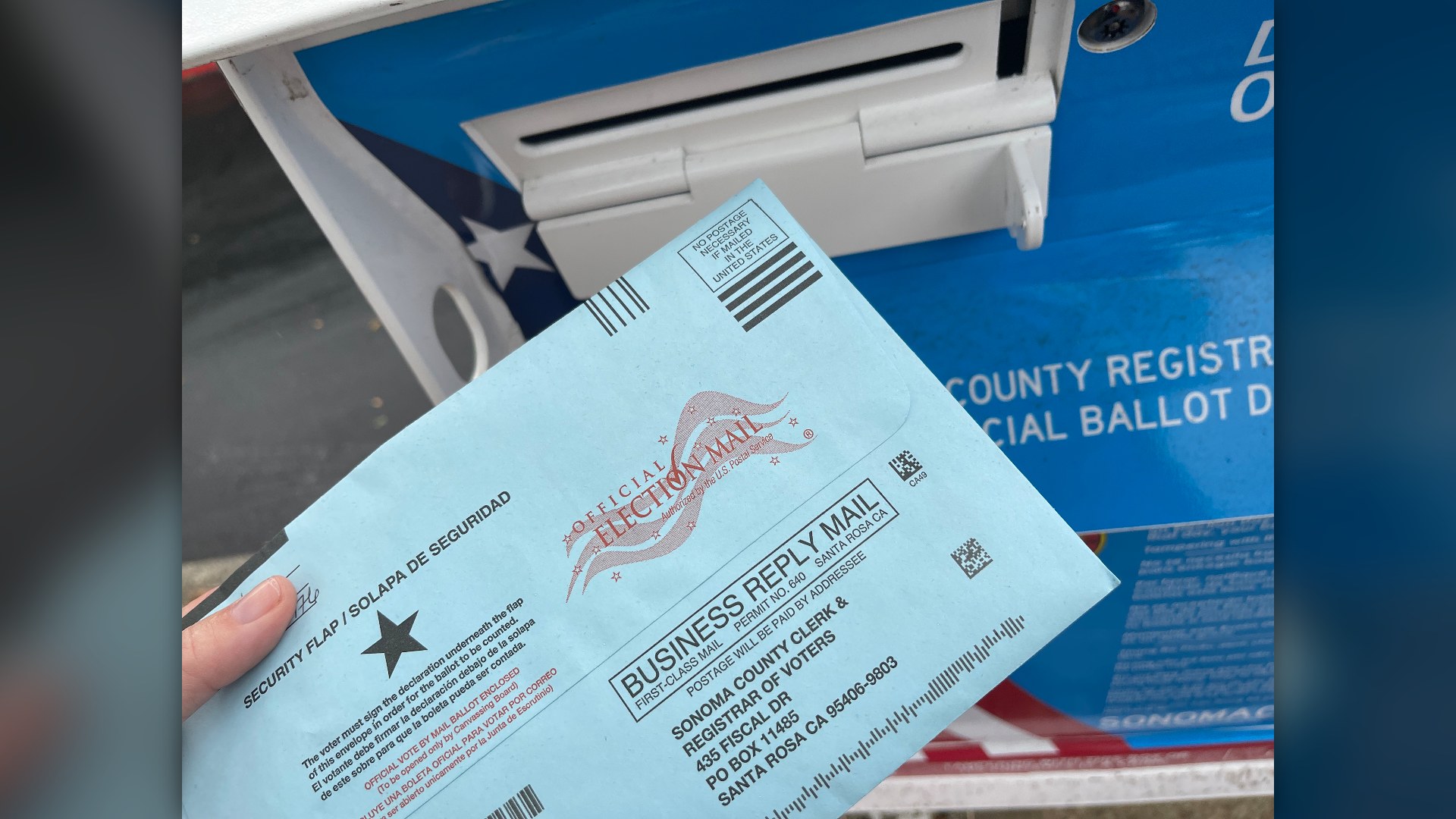
©Wikimedia / Sarah Stierch
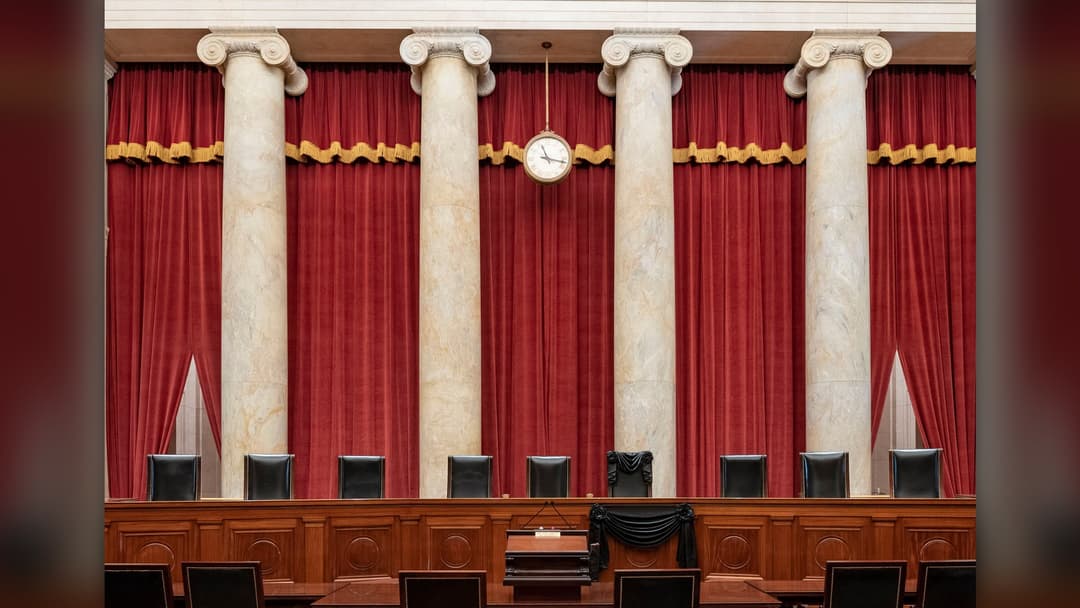
8. Judicial Retention And Supreme Court Races
State supreme courts rule on critical issues spanning state constitutions, reproductive freedom, business regulations, and election boundaries. Multiple states decide judicial seats during midterms.
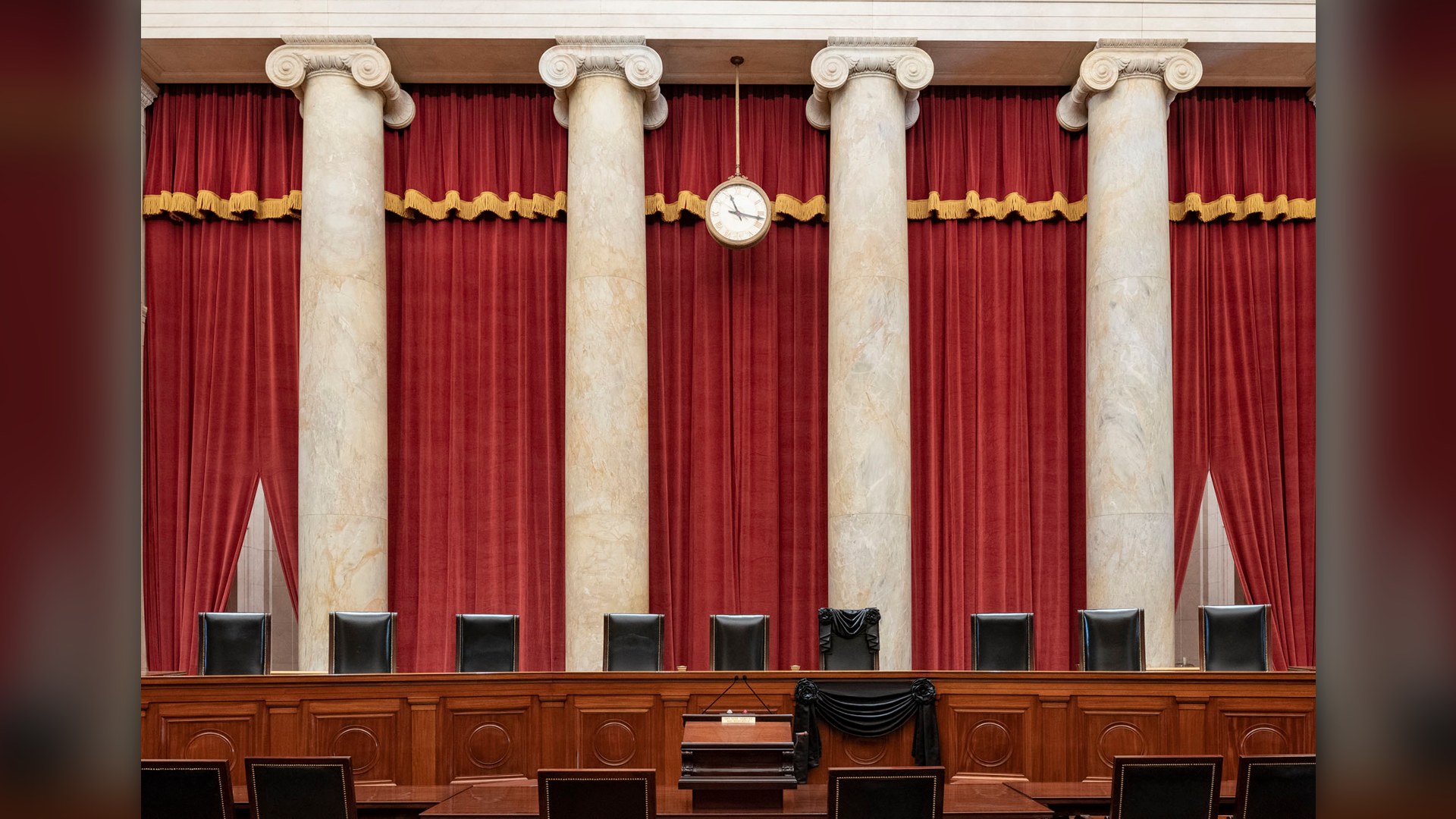
©Wikimedia / Fred Schilling, Collection of the Supreme Court
Advertisement
Swipe or tap ▶ to resume the countdown.
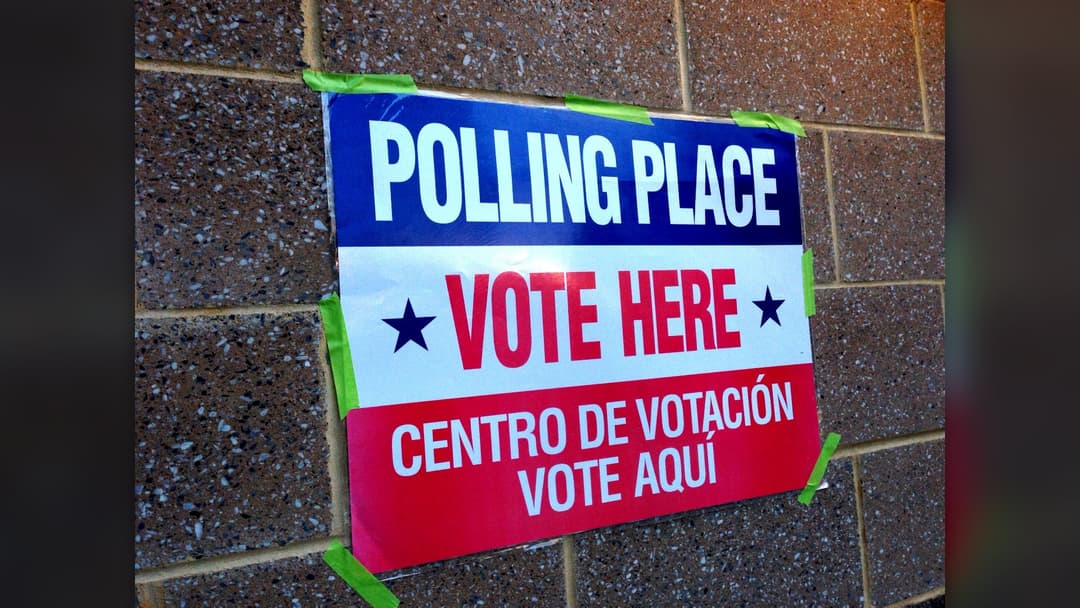
7. Finding Your Assigned Polling Precinct
Election districts and assigned polling places frequently shift following redistricting or venue changes. State election websites allow voters to look up their exact precinct and avoid showing up at the wrong site.
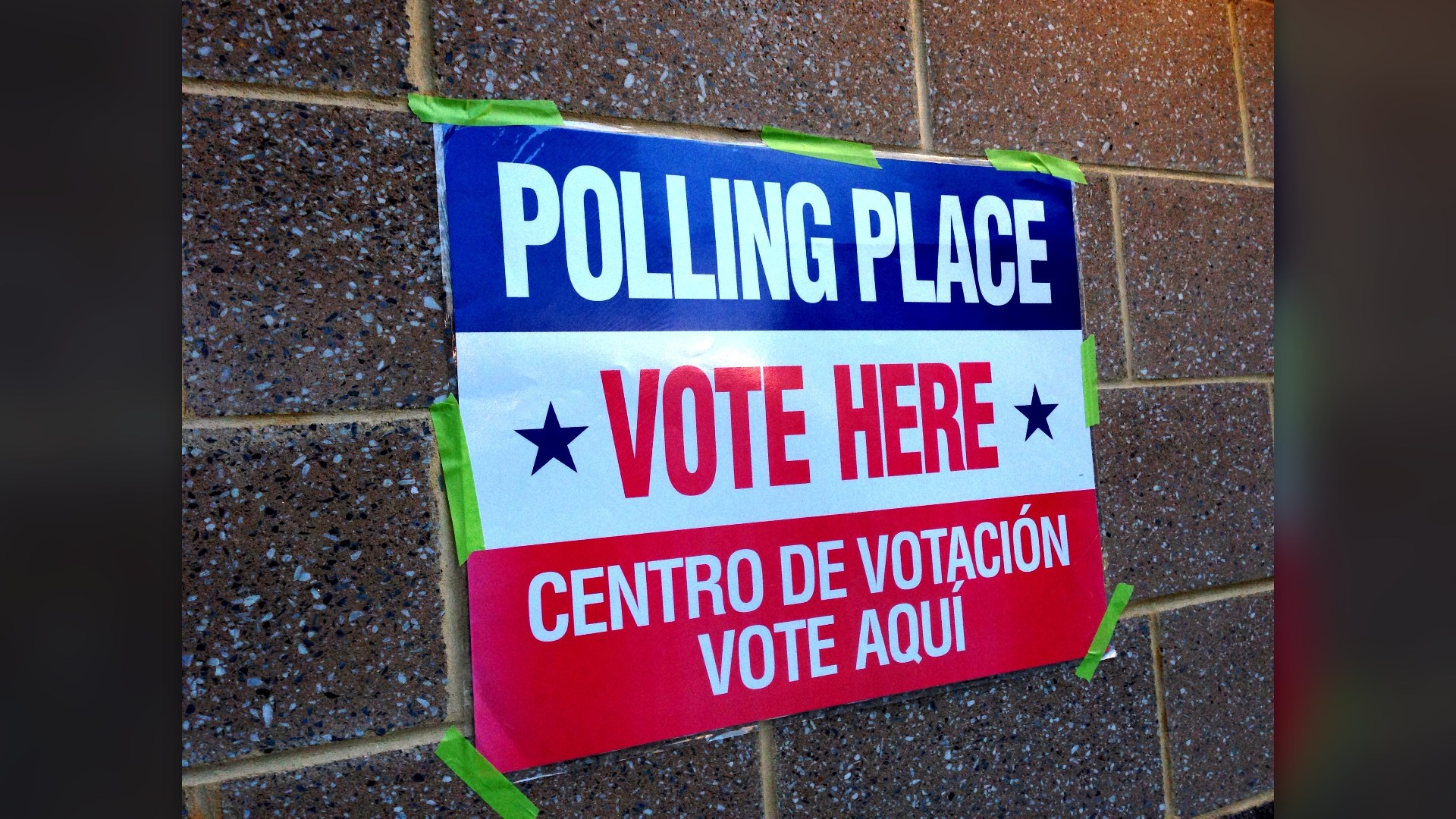
©Wikimedia / Mrs. Gemstone
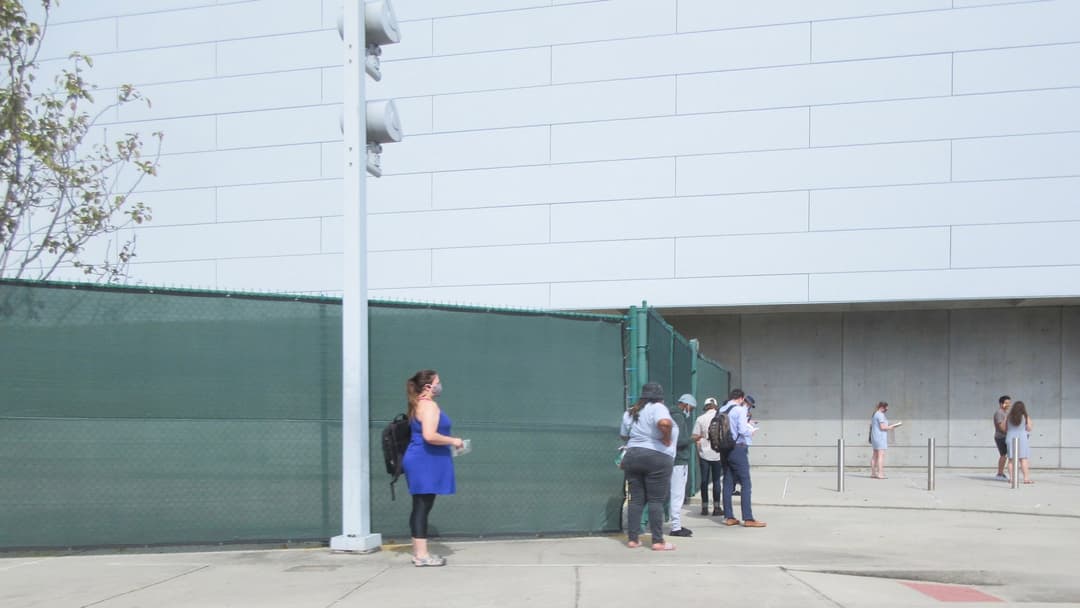
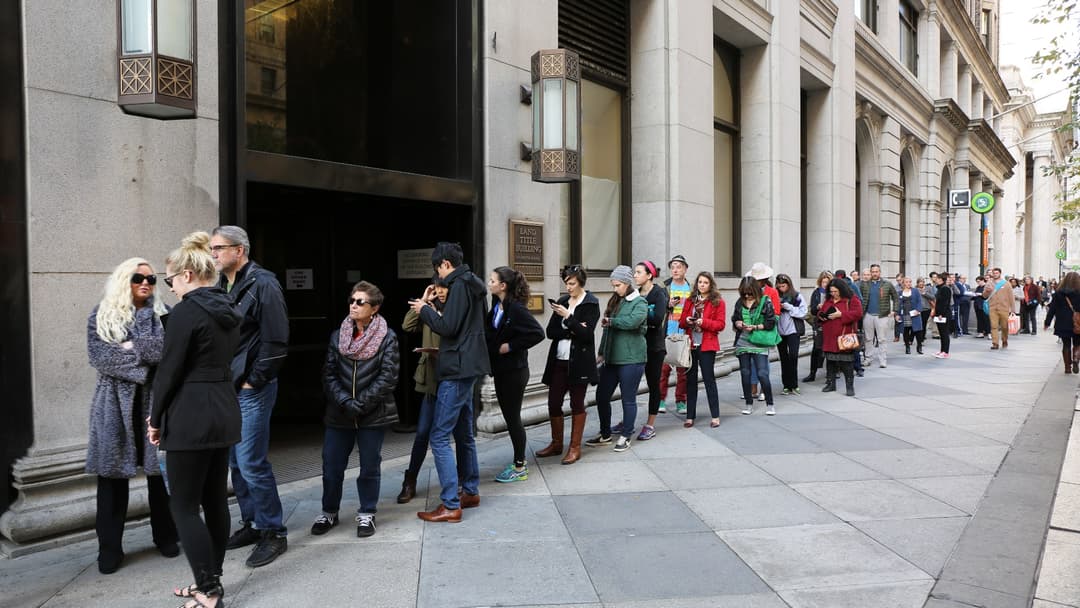
6. Polling Place Hours And Line Rights
Under federal and state election protections, every eligible voter who is waiting in line at the official poll closing time has the legal right to cast their ballot. Poll workers cannot turn away voters in line.
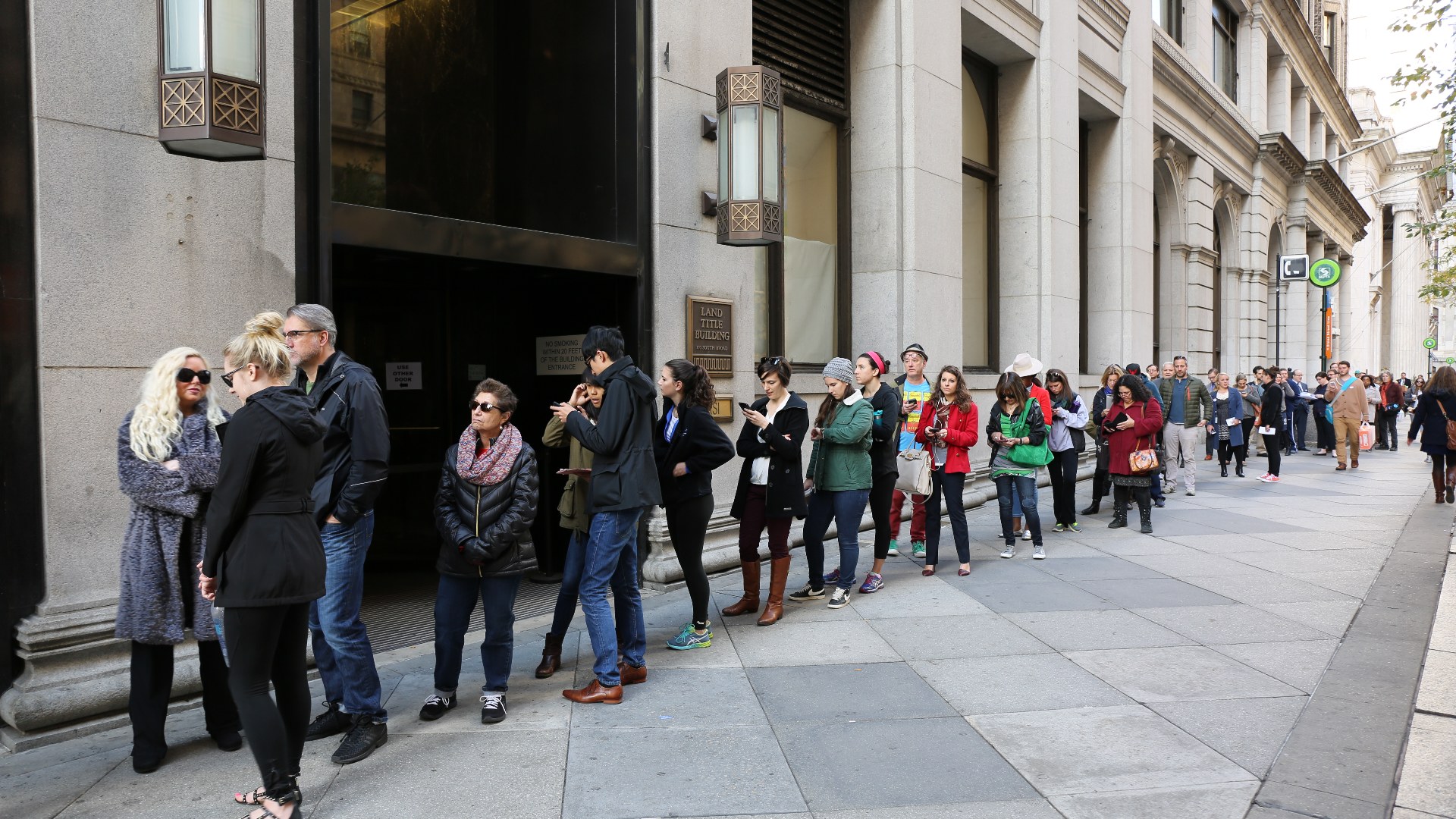
©Wikimedia / Voice of America
5. Paid Time Off Work Rights For Voting
Approximately thirty states have dedicated statutes requiring employers to grant workers time off to vote on election day. Many state laws mandate paid leave if voting hours fall during regular working shifts.
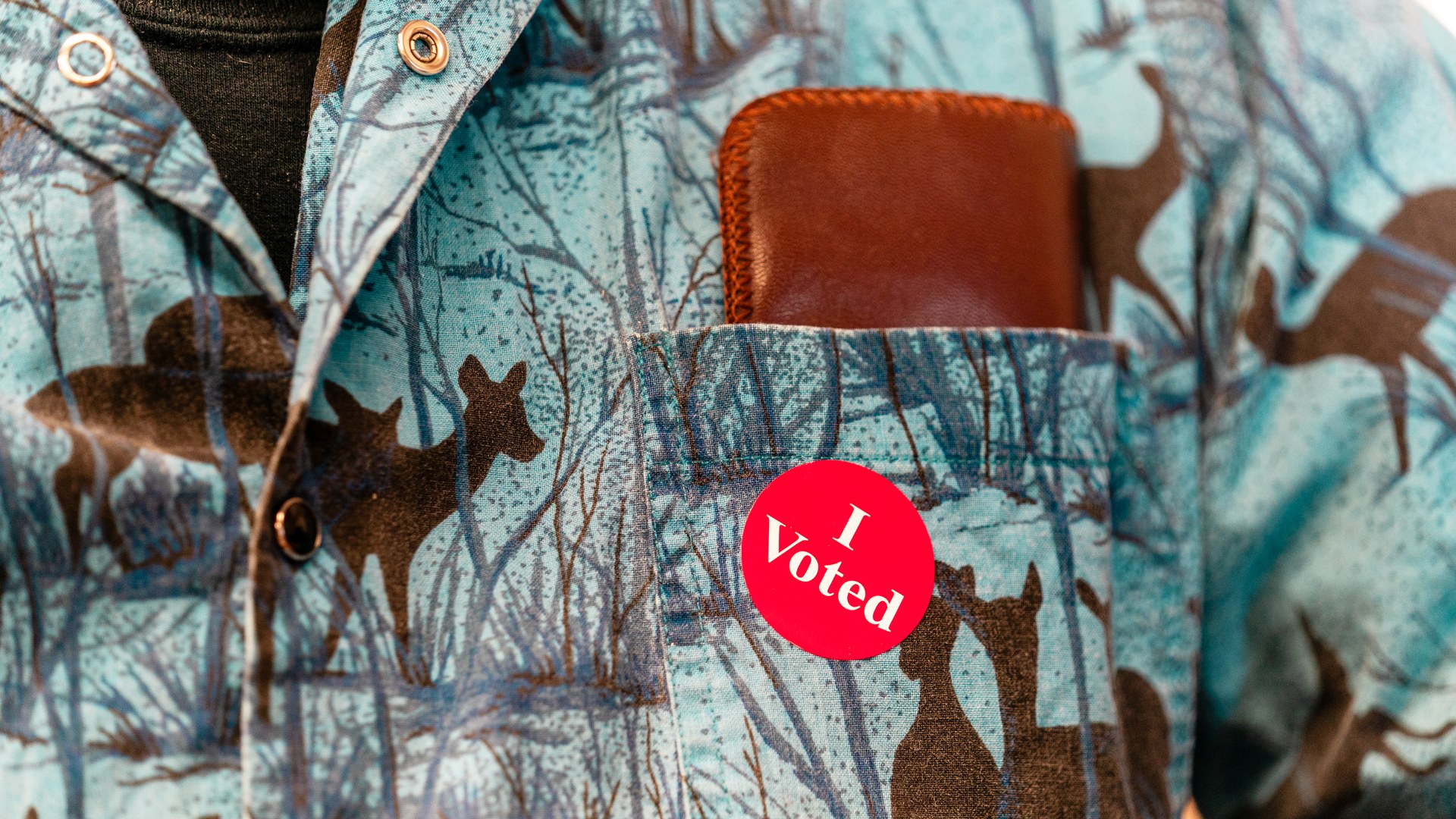
©Wikimedia / Lorie Shaull
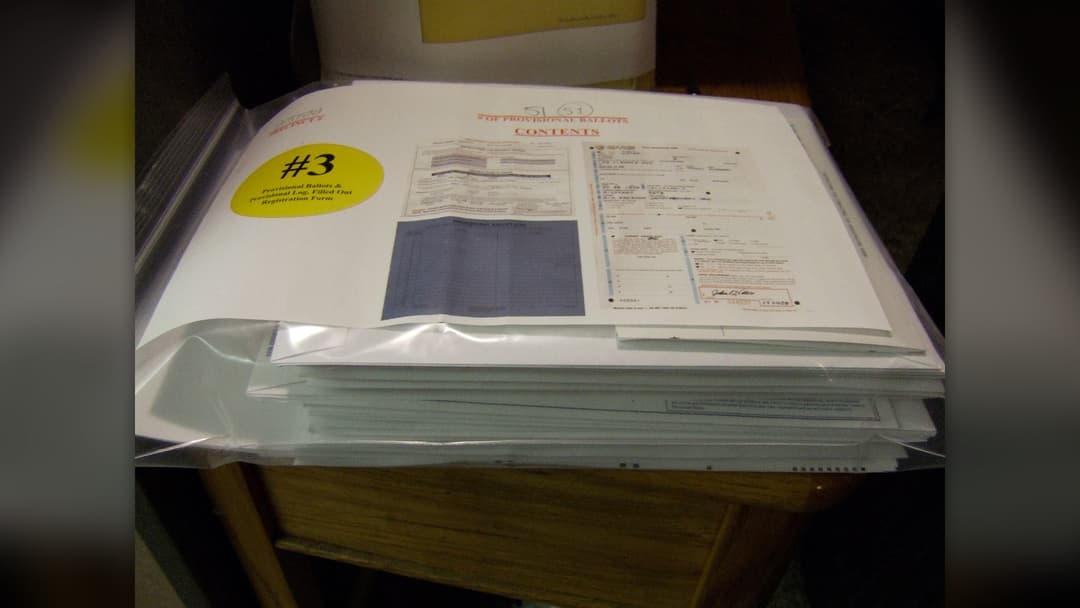
4. Provisional Ballot Rights And Tracking
Under the Help America Vote Act, any voter whose registration is questioned at the polling location is entitled to a provisional ballot. Election officials investigate and count verified ballots during canvassing.
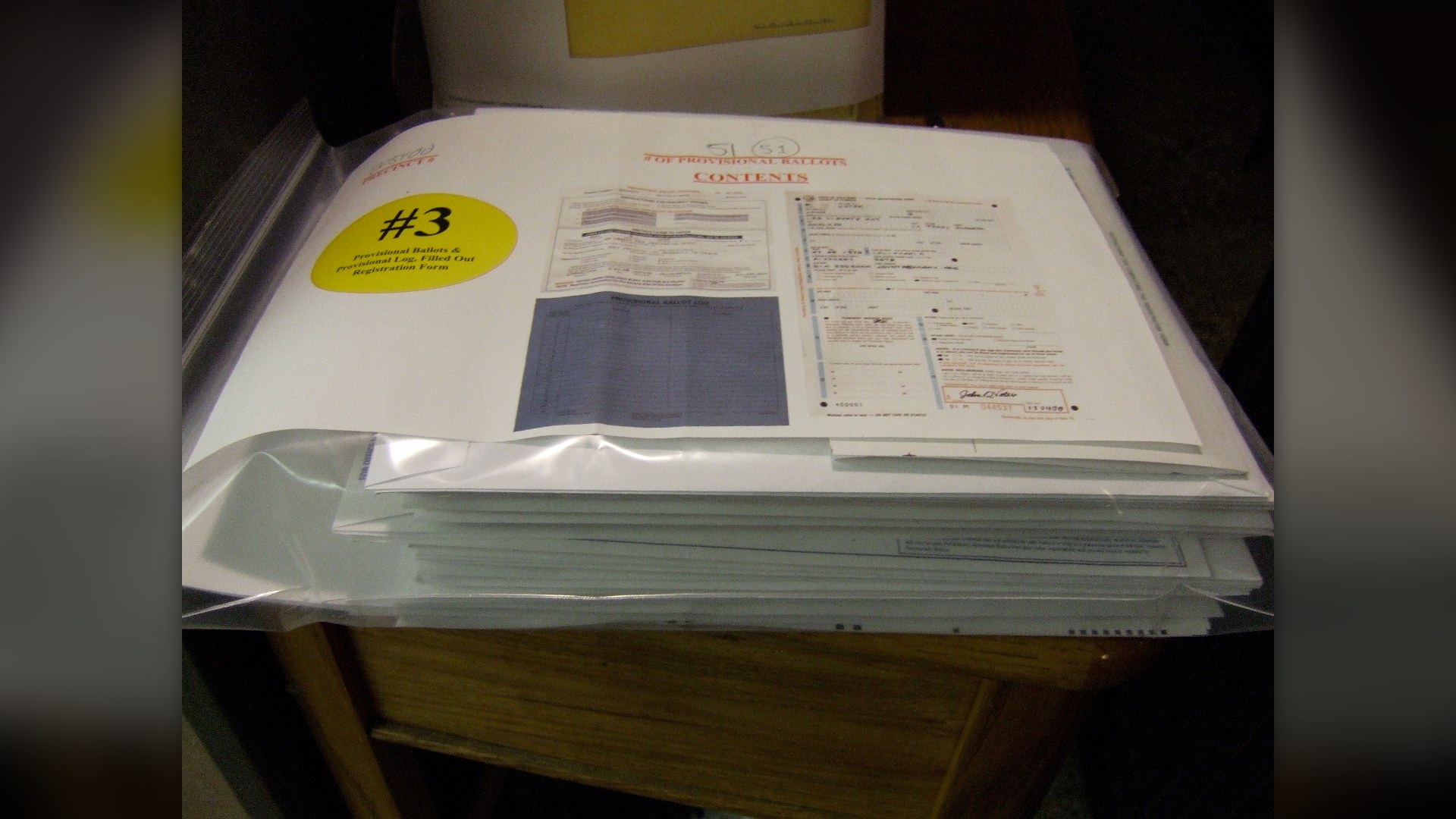
©Wikimedia / Joe Hall
Advertisement
Swipe or tap ▶ to resume the countdown.
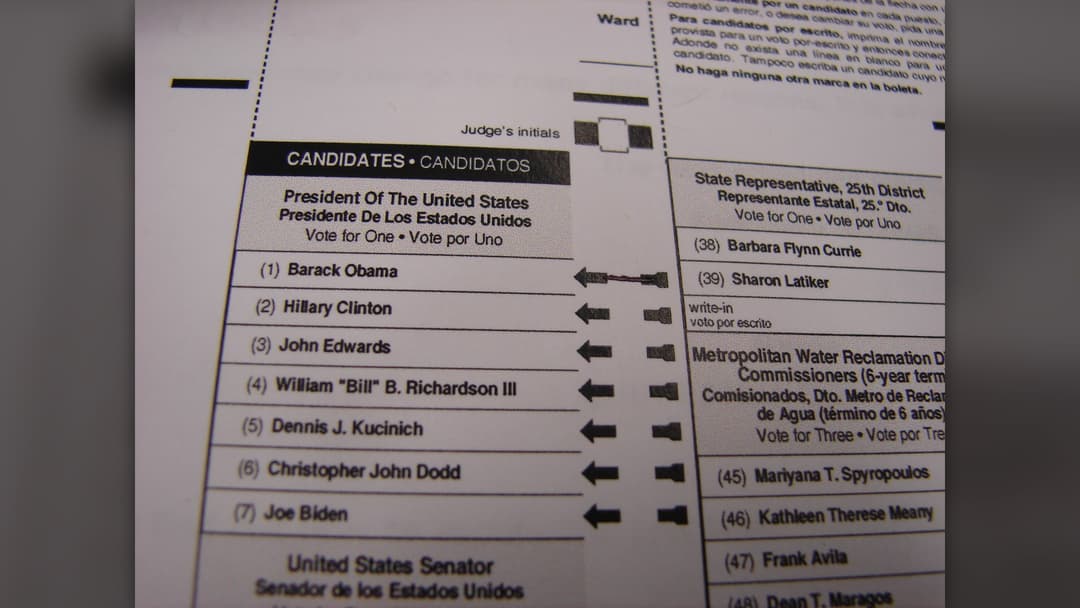
3. Non-Partisan Voter Guides And Ballots
Reviewing official sample ballots before heading to the polls allows citizens to research local candidates and referendums. Non-partisan civic groups publish guides explaining referendum text in plain language.
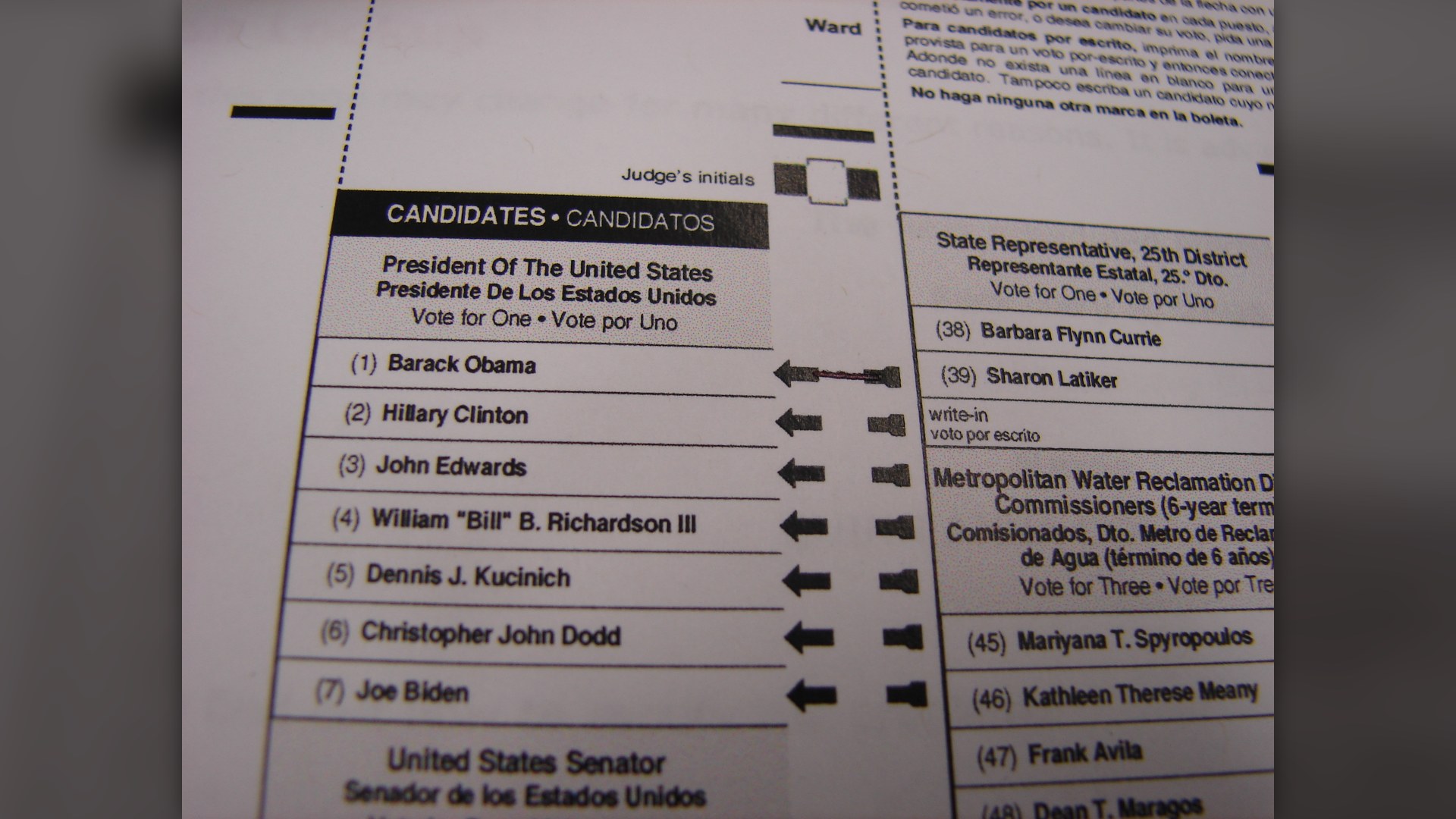
©Wikimedia / Quinn Dombrowski
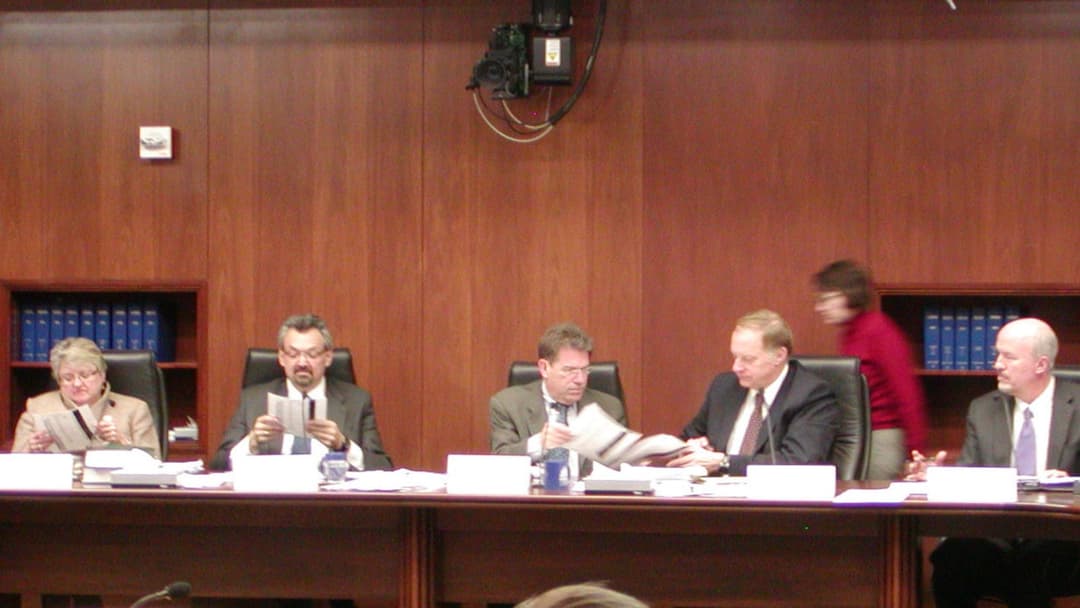
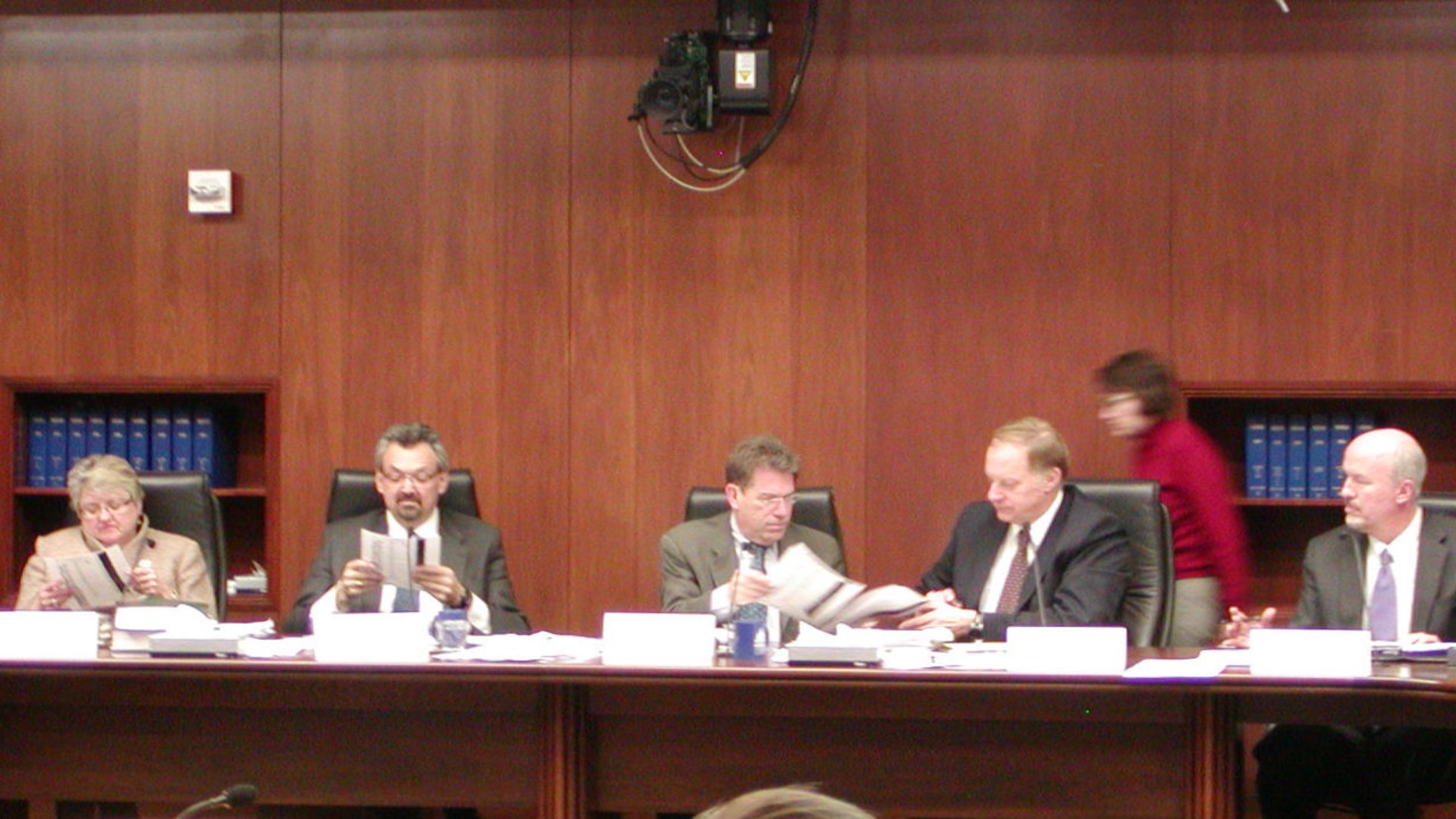
2. Canvassing Boards And Result Timelines
Election night returns are unofficial projections. County election boards conduct official canvassing processes, verifying provisional ballots, auditing machine tabulations, and certifying outcomes weeks later.
©Wikimedia / William Wesen
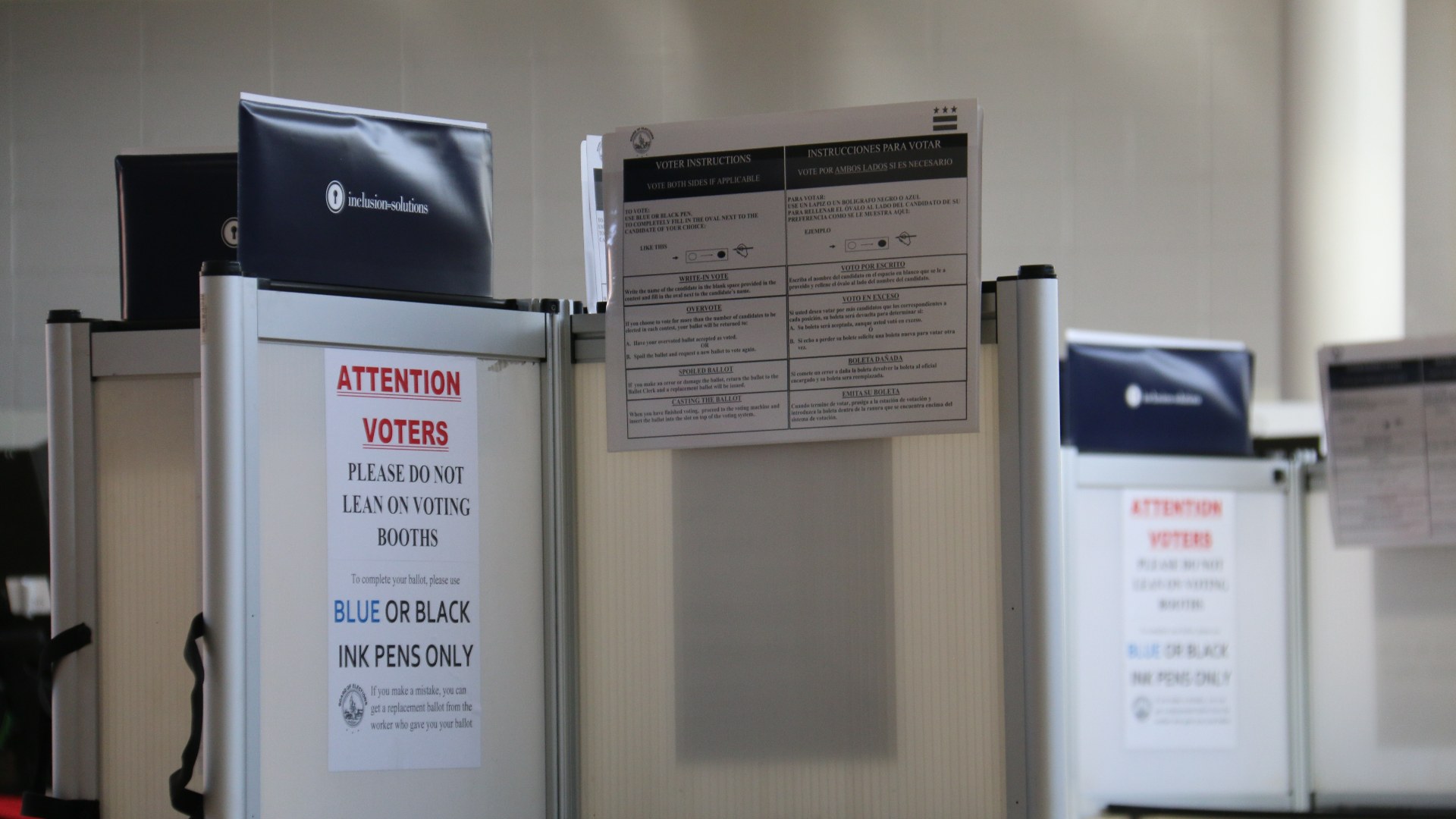
1. Runoff Election Rules In Key States
In certain states such as Georgia and Louisiana, general election contests require candidates to secure an outright majority. If no candidate clears the fifty percent mark, a separate runoff election takes place weeks later.
©Wikimedia / oscepa
Advertisement
You've reached the end of the story. Thanks for reading!
Massive fire engulfs residential building in Nalasopara
Bright orange flames rage through windows as firefighters struggle to control the blaze in the Mumbai suburb.
All 18 Entries in this Story
1. All 435 House Seats Are Up For Election
Every two years all 435 congressional districts across the nation hold elections. The resulting majority decides committee leadership, legislative priorities, and federal funding approvals in the United States Capitol.

2. Thirty-Five Senate Seats Are On The Ballot
In each midterm election cycle, approximately one third of the United States Senate seats are on the ballot. Winning these races determines which party controls judicial confirmations and treaty ratifications.

3. Thirty-Six State Governors Face Voters
Thirty-six states elect governors during federal midterm years. Governors serve as chief executives of their states, directing executive agencies, managing emergency responses, and setting state tax priorities.

4. State Legislative Majorities Hang In Balance
Beyond Washington, voters decide majorities in state senates and state assemblies across the country. These lawmakers draft state criminal laws, regulate utility grids, and allocate education funding.

5. Historic Midterm Trend For The President
Historical voting trends show that the sitting president party almost always loses congressional seats in midterms. Only a handful of elections in modern American history have defied this midterm pattern.

6. Voter Registration Deadlines Vary Widely
Voter registration rules depend entirely on state law. While some states allow same-day registration at early voting sites or on election day, others require forms submitted up to thirty days prior.

7. State Voter Identification Requirements
Nearly three dozen states enforce voter identification statutes for in-person balloting. Requirements span from strict government photo IDs like driver licenses to non-photo alternatives such as utility bills.

8. Early In-Person Voting Windows
Over forty states offer designated early in-person voting windows before election day. Casting a ballot early allows registered voters to select convenient polling hours and avoid peak lines on Tuesday.

9. Mail-In And Absentee Ballot Rules
Voting by mail requires strict compliance with submission deadlines, signature verification, and witness requirements. Many counties offer secure official ballot drop boxes and digital tracking portals.

10. Ballot Measures And State Referendums
Midterm ballots frequently feature direct democracy initiatives alongside candidate choices. Citizens vote on state constitutional amendments, public bond funding, minimum wage rates, and environmental rules.

11. Judicial Retention And Supreme Court Races
State supreme courts rule on critical issues spanning state constitutions, reproductive freedom, business regulations, and election boundaries. Multiple states decide judicial seats during midterms.

12. Finding Your Assigned Polling Precinct
Election districts and assigned polling places frequently shift following redistricting or venue changes. State election websites allow voters to look up their exact precinct and avoid showing up at the wrong site.

13. Polling Place Hours And Line Rights
Under federal and state election protections, every eligible voter who is waiting in line at the official poll closing time has the legal right to cast their ballot. Poll workers cannot turn away voters in line.

14. Paid Time Off Work Rights For Voting
Approximately thirty states have dedicated statutes requiring employers to grant workers time off to vote on election day. Many state laws mandate paid leave if voting hours fall during regular working shifts.

15. Provisional Ballot Rights And Tracking
Under the Help America Vote Act, any voter whose registration is questioned at the polling location is entitled to a provisional ballot. Election officials investigate and count verified ballots during canvassing.

16. Non-Partisan Voter Guides And Ballots
Reviewing official sample ballots before heading to the polls allows citizens to research local candidates and referendums. Non-partisan civic groups publish guides explaining referendum text in plain language.

17. Canvassing Boards And Result Timelines
Election night returns are unofficial projections. County election boards conduct official canvassing processes, verifying provisional ballots, auditing machine tabulations, and certifying outcomes weeks later.

18. Runoff Election Rules In Key States
In certain states such as Georgia and Louisiana, general election contests require candidates to secure an outright majority. If no candidate clears the fifty percent mark, a separate runoff election takes place weeks later.