Slideshow · Viral
20 Expert Predictions for Gas Prices in 2027
By Most Viral Today
10 min ago

The 2027 Energy Price Outlook 
20. A Moderate Rebalance In National Pump Prices 
19. Crude Oil Benchmark Prices Easing Toward 80 Dollars 
18. Non-OPEC Production Surges Expanding Supply - AdvertisementSwipe or tap ▶ to continue countdown

17. OPEC Plus Spare Capacity Restraining Price Spikes 
16. Slower Growth In American Shale Basins 
15. Electric Vehicle Fleet Growth Displacing Gasoline 
14. Widening Regional Price Gaps Across America - AdvertisementSwipe or tap ▶ to continue countdown

13. Global Mega-Refineries Expanding Fuel Output 
12. Domestic Refinery Retirements Squeezing Local Supply 
11. Seasonal Summer Driving Surges 
10. Atlantic Hurricane Season Vulnerabilities - AdvertisementSwipe or tap ▶ to continue countdown

9. Chinese Economic Shifts And Fuel Demand 
8. Strategic Petroleum Reserve Stability 
7. Shipping Chokepoints And Maritime Premiums 
6. Hybrid Vehicle Dominance Curbing Fuel Burn - AdvertisementSwipe or tap ▶ to continue countdown

5. State Level Environmental Surcharges 
4. Refinery Crack Spreads Normalizing 
3. Inflation-Adjusted Fuel Costs Below Historic Records 
2. Competition With Jet Fuel And Petrochemicals - AdvertisementSwipe or tap ▶ to continue countdown

1. The Approaching Era Of Peak Gasoline Demand - Advertisement🔥 UP NEXT IN THIS SERIES◫ 26 Slides

25 Most Expensive Military Helicopters in Aviation History, Ranked
Ranked by flyaway unit cost and procurement data from Congressional Research Service reports and Department of Defense budget estimates, these 25 military helicopters represent the pinnacle of rotary aviation. From heavy-lift marine transports to stealth infiltration gunships, explore the engineering feats that cost billions to develop.
Energy economists, government agencies, and Wall Street analysts project a critical transition year for global fuel markets in 2027. Shifting crude supplies, refinery expansions, and evolving driving habits will directly shape what Americans pay at the pump.
Swipe or tap ▶ to begin the countdown
©Eric Polk / Wikimedia Commons
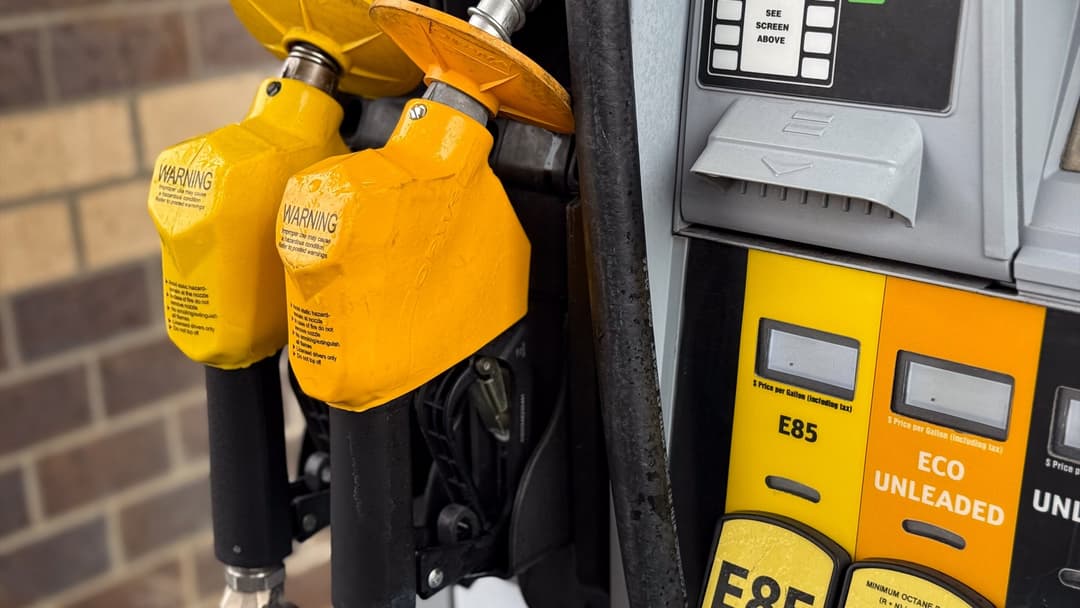
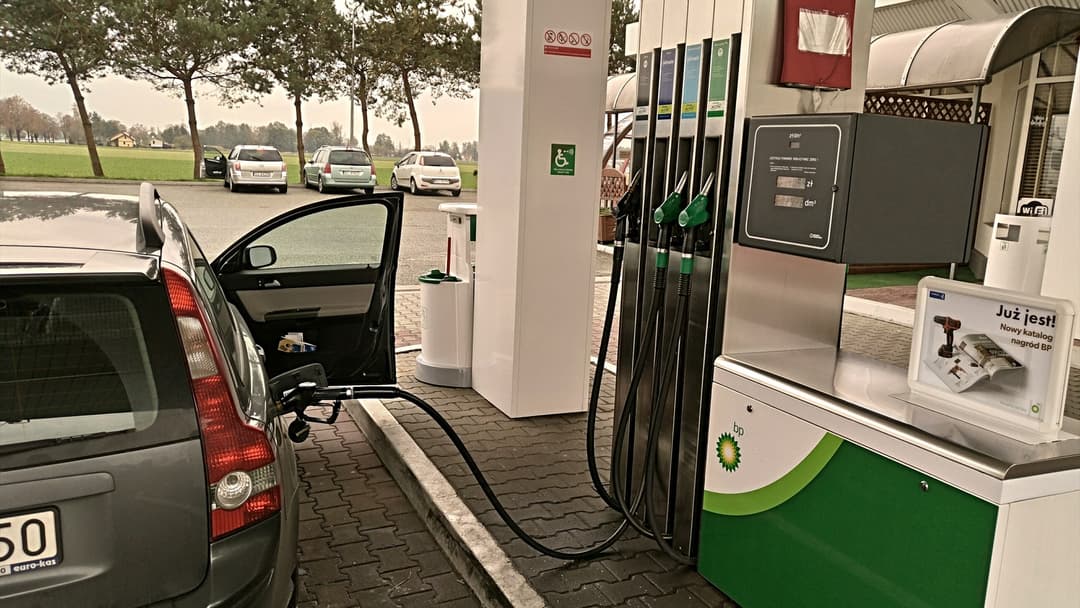
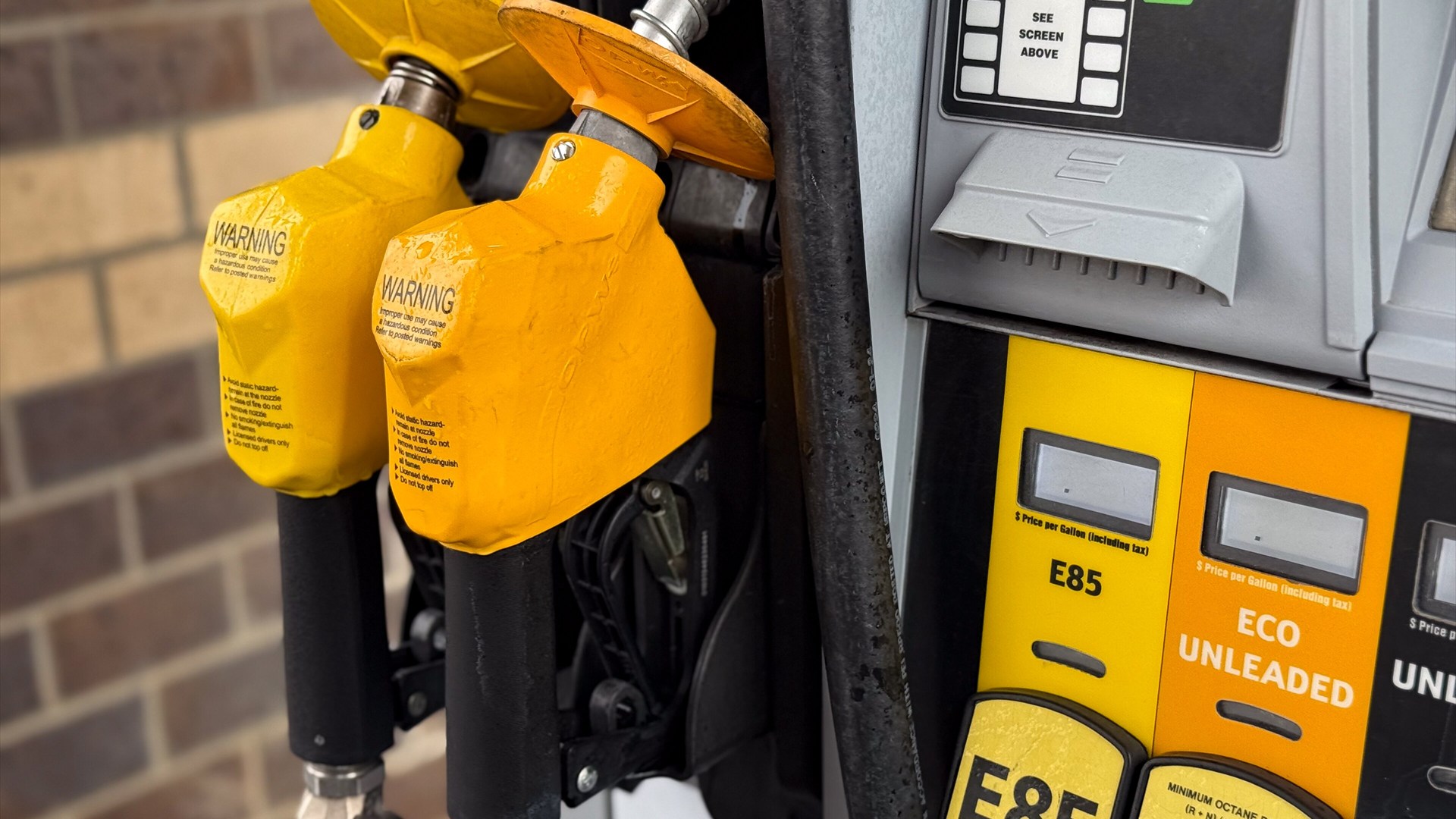
20. A Moderate Rebalance In National Pump Prices
The Energy Information Administration forecasts national retail gasoline will average around 3.73 dollars per gallon across 2027. While representing gradual relief from tighter 2026 markets, distribution costs and regional taxes will prevent prices from plunging.
©Tony Webster / Wikimedia Commons
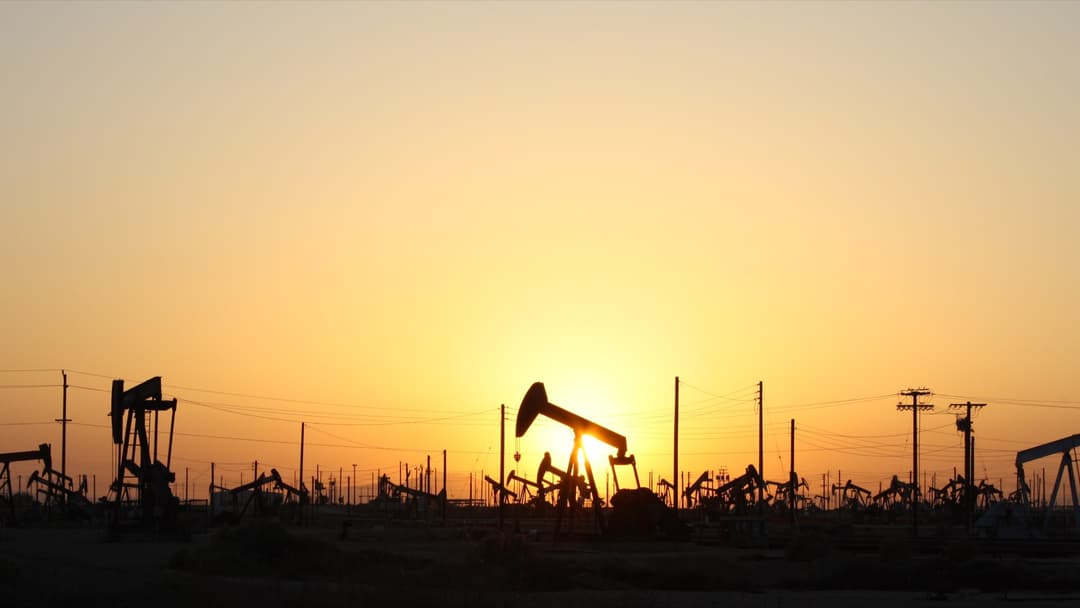
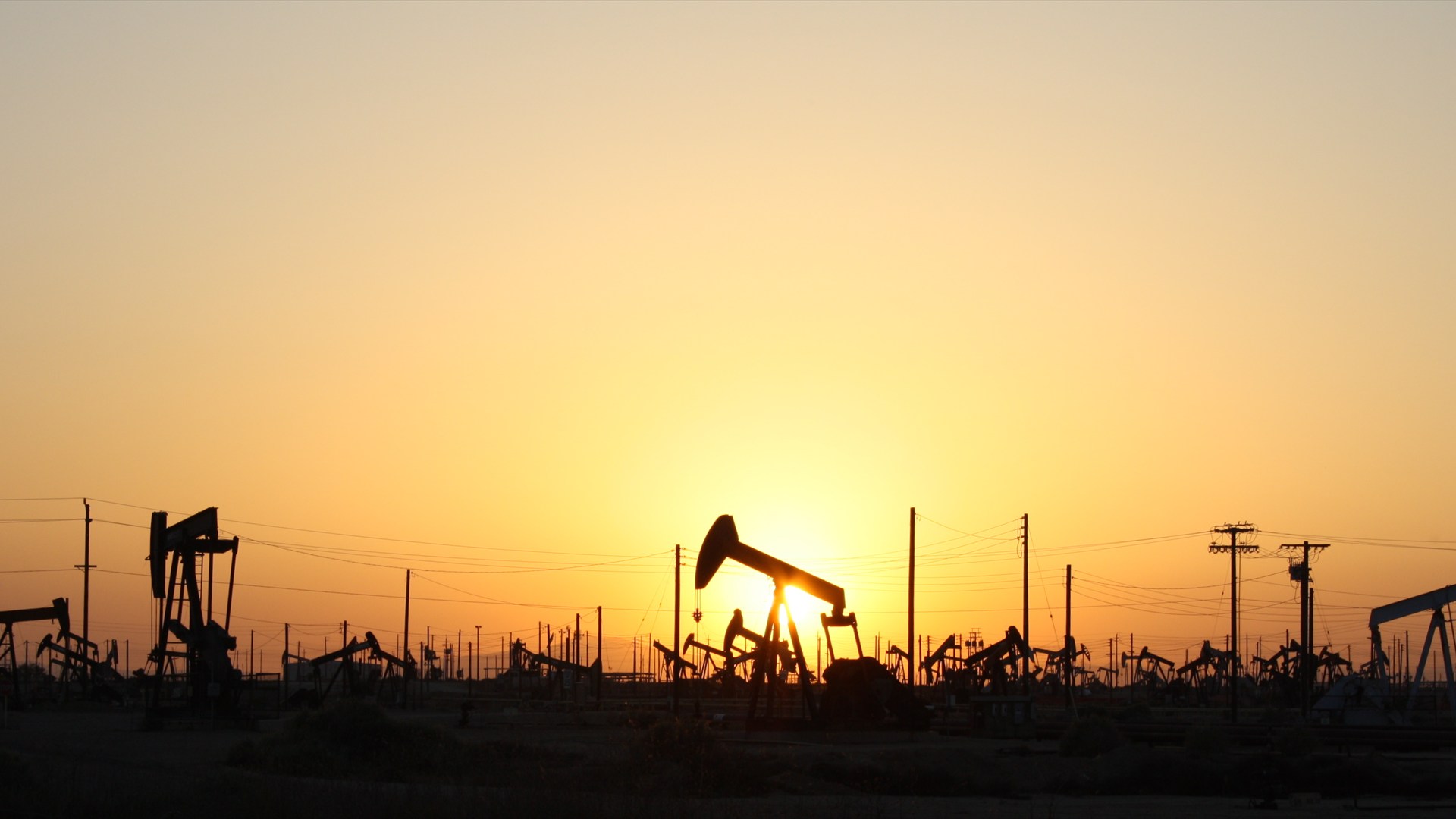
19. Crude Oil Benchmark Prices Easing Toward 80 Dollars
Global crude oil prices form the foundation of retail fuel expenses. Analysts expect West Texas Intermediate crude to average approximately 80 dollars per barrel in 2027, with international Brent benchmark crude declining toward 85 dollars as supplies recover.
©Arne Hückelheim / Wikimedia Commons
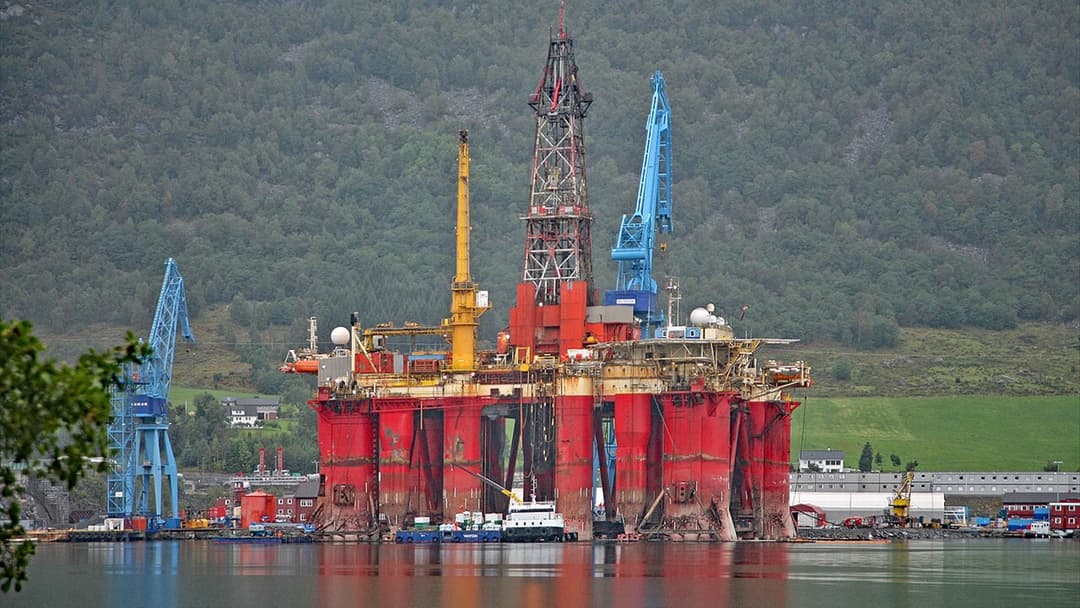
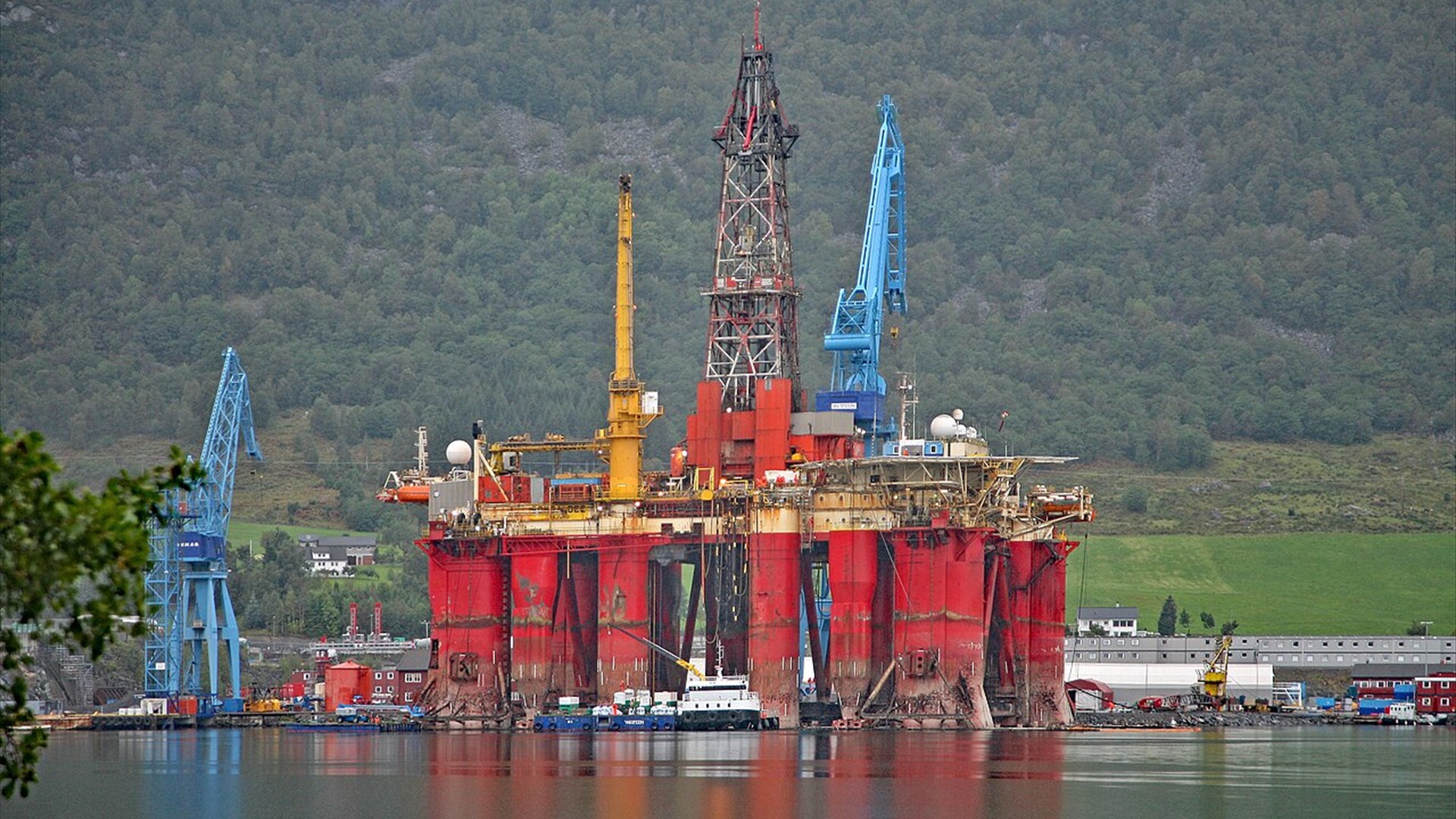
18. Non-OPEC Production Surges Expanding Supply
Surging oil production outside OPEC+ will flood international markets with fresh crude by 2027. Major offshore projects in Guyana and Brazil, paired with steady Canadian oil sands output, will reduce market reliance on Middle Eastern exporters.
©W. Bulach / Wikimedia Commons
Advertisement
Swipe or tap ▶ to resume the countdown.
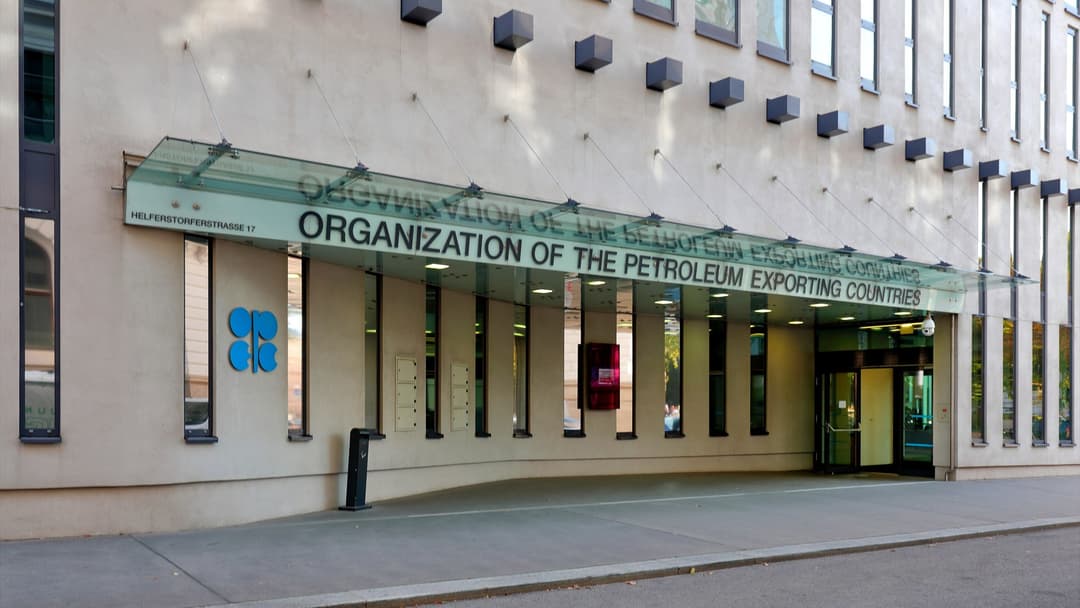
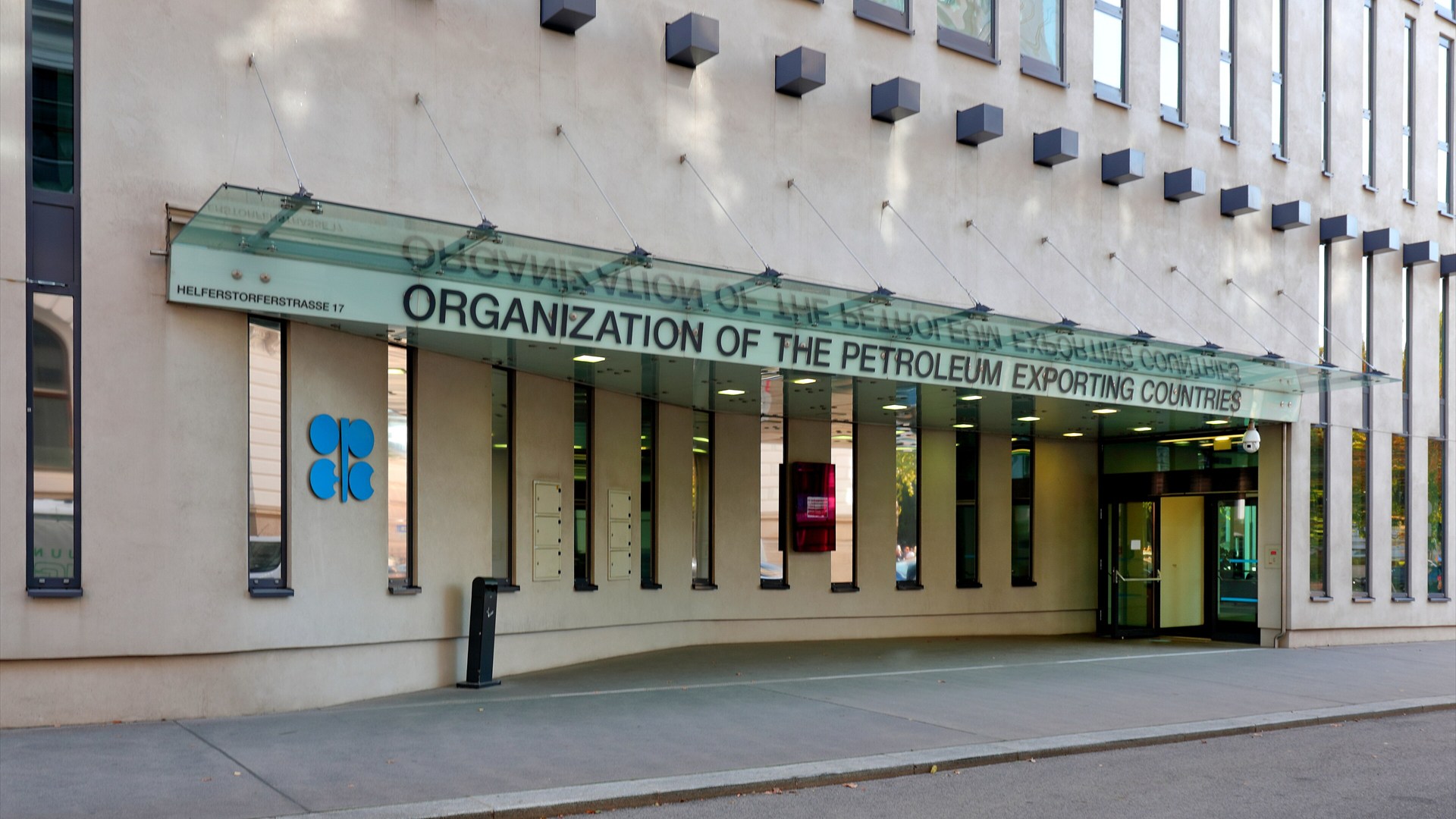
17. OPEC Plus Spare Capacity Restraining Price Spikes
OPEC and allied nations maintain several million barrels per day in voluntary production cuts. This substantial spare capacity provides an effective ceiling against runaway price spikes, allowing producers to release crude if outages threaten supply.
©C.Stadler / Bwag / Wikimedia Commons
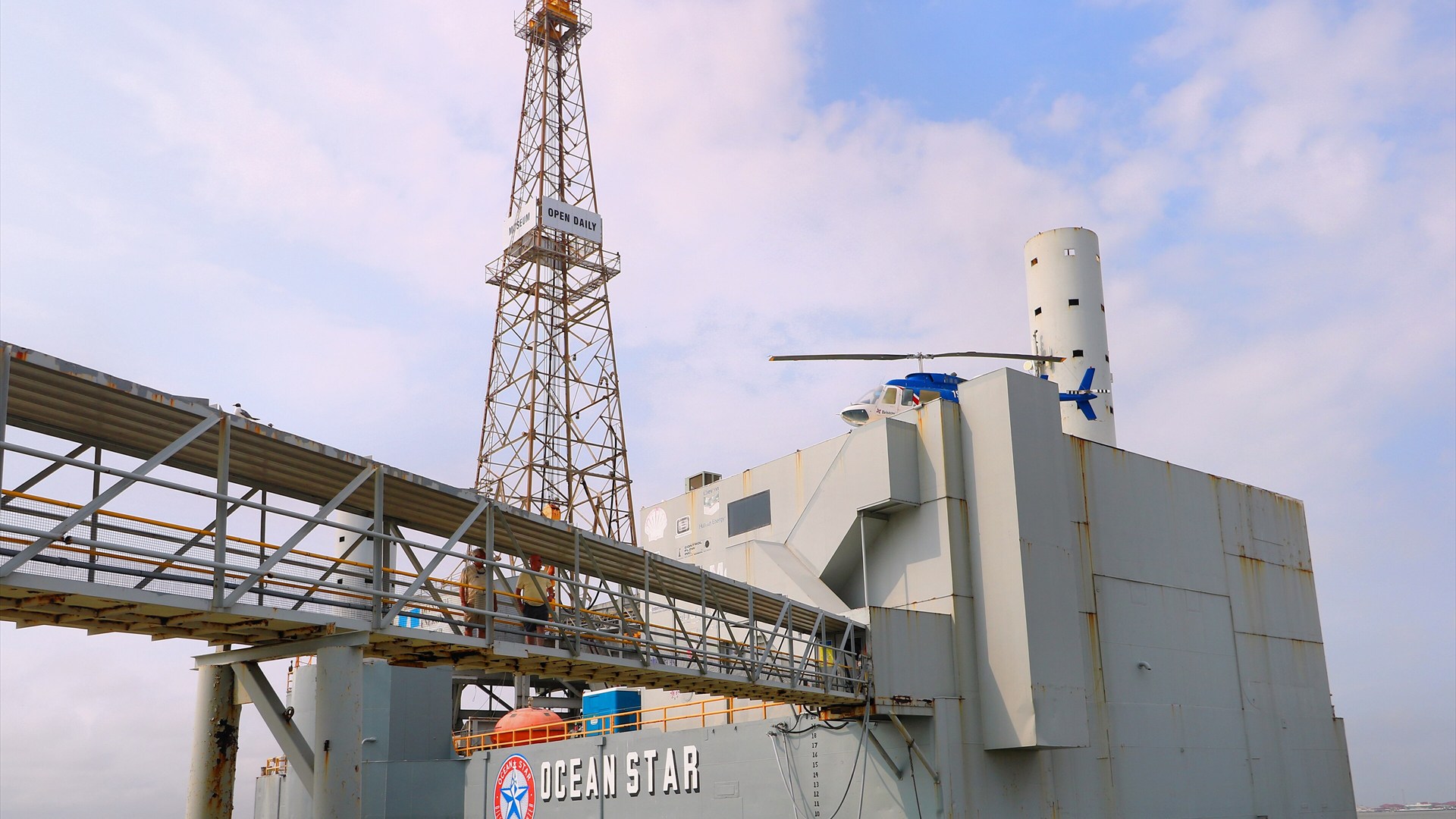
16. Slower Growth In American Shale Basins
American shale drillers in the Permian Basin have transitioned from rapid production growth to investor returns and debt reduction. While U.S. crude output remains near historic records, slower expansion limits domestic downward pressure on pump prices.
©Larry D. Moore / Wikimedia Commons
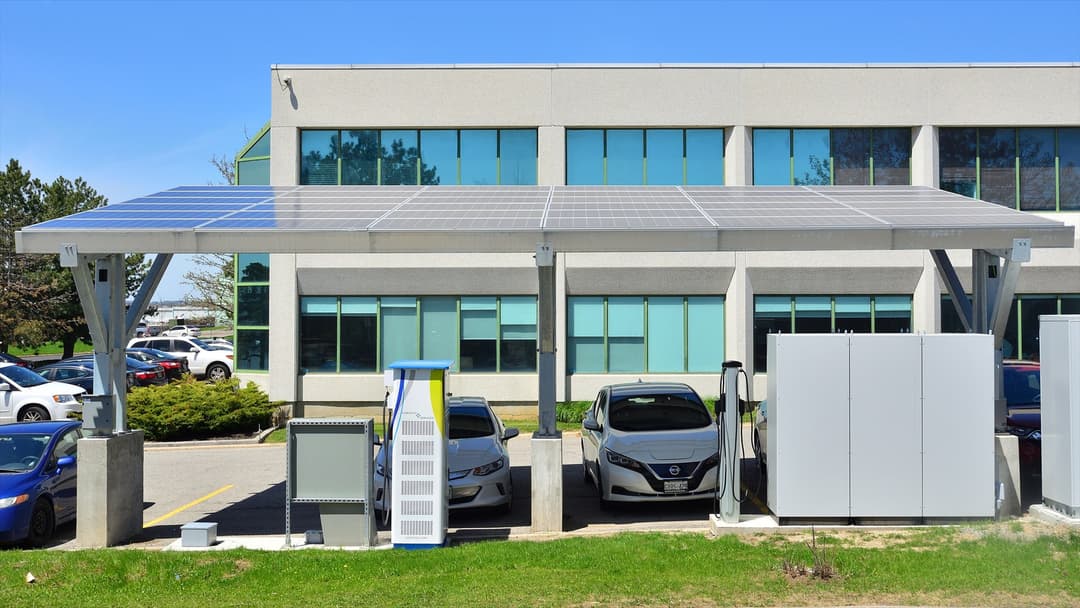
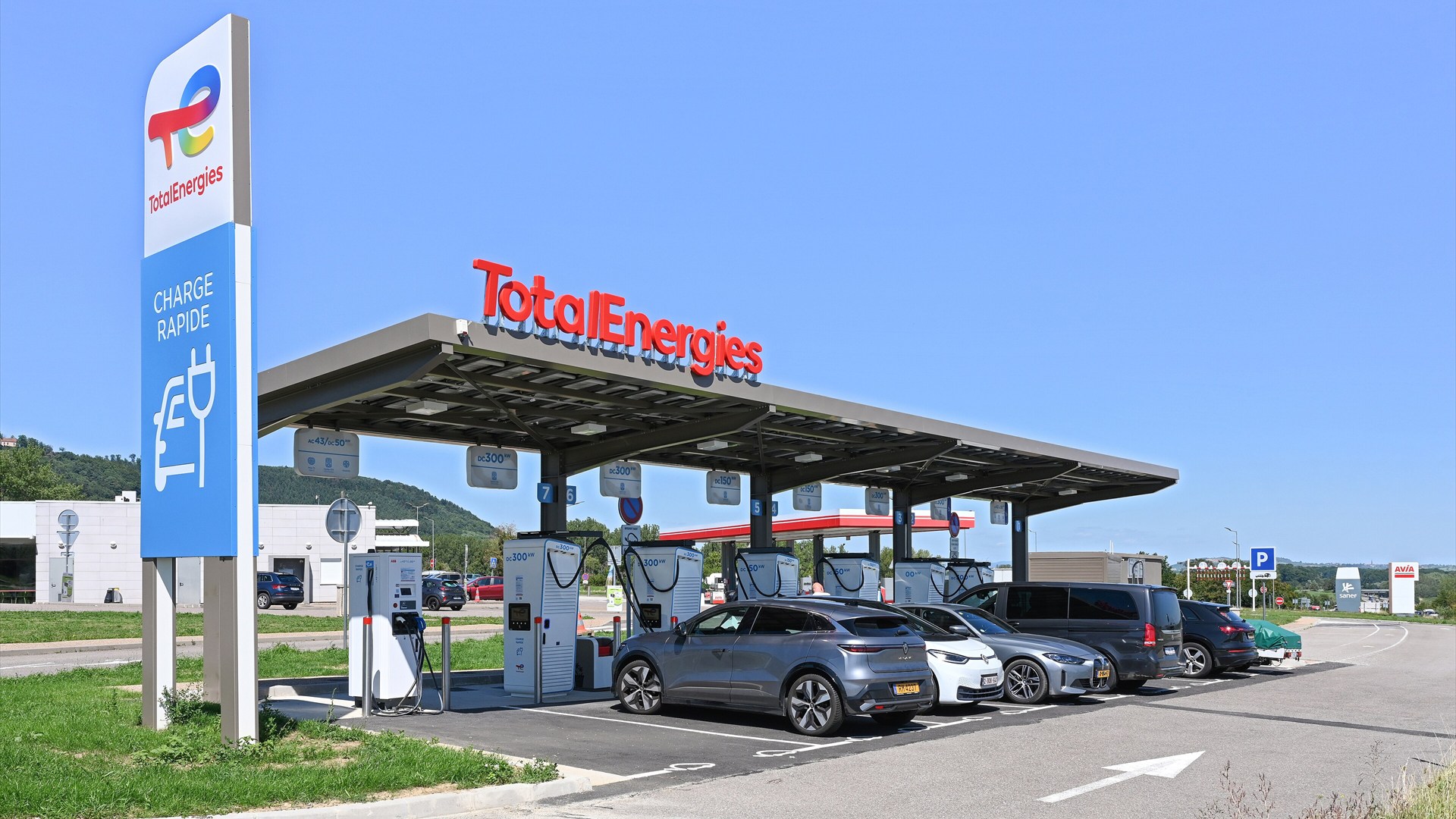
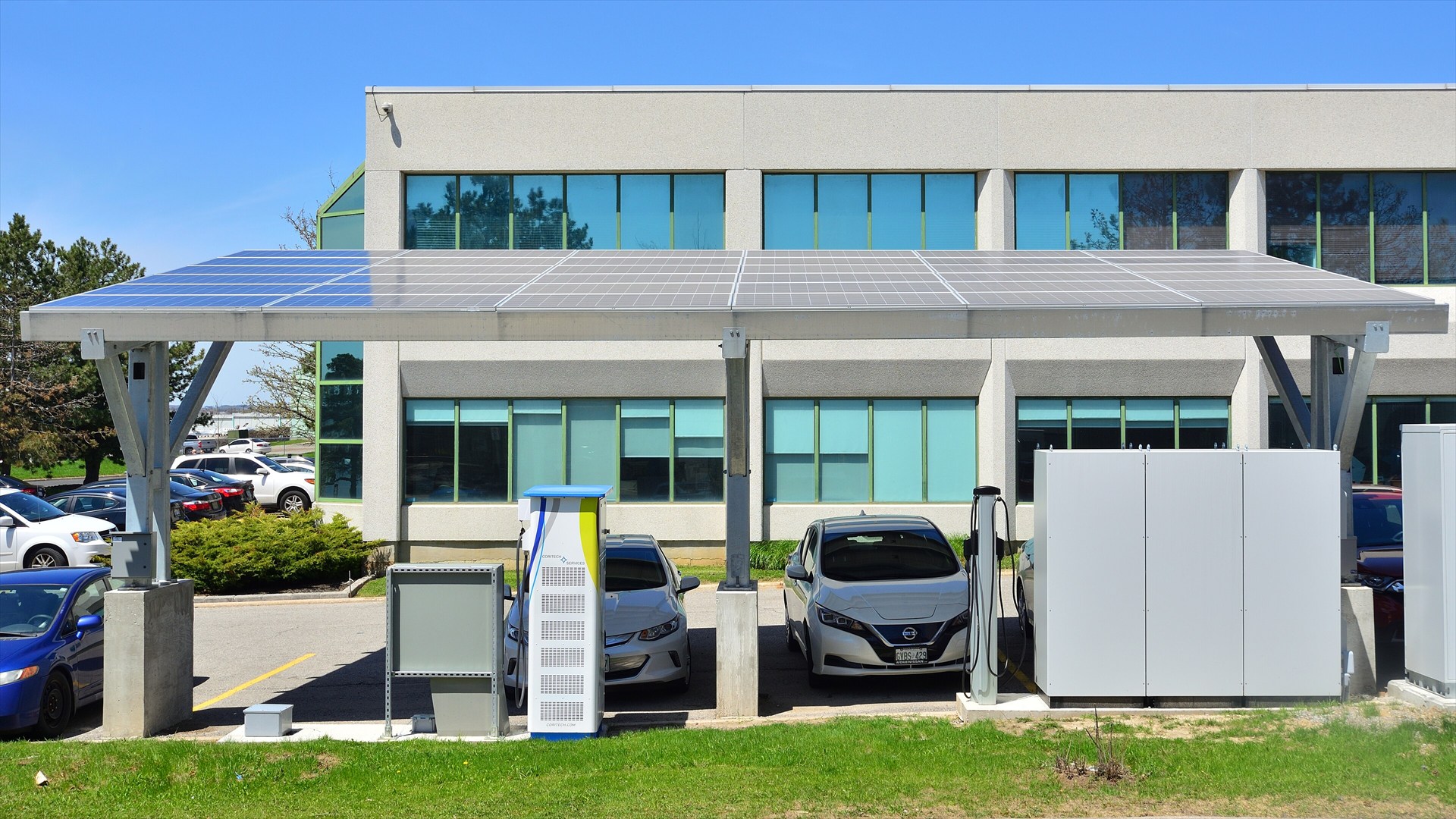
15. Electric Vehicle Fleet Growth Displacing Gasoline
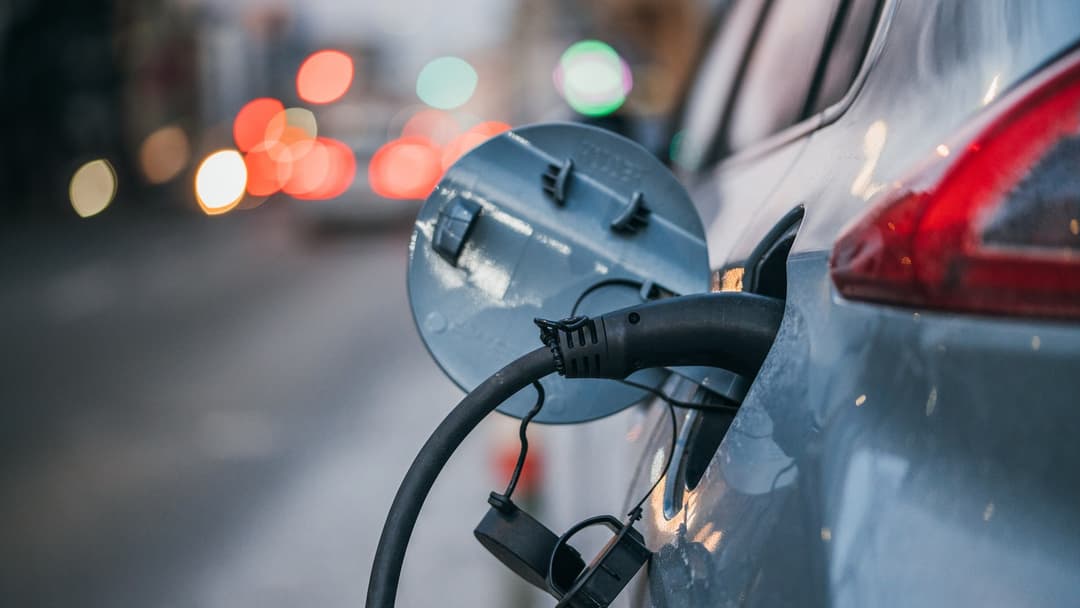
Growing numbers of electric and plug-in hybrid vehicles on American highways are noticeably eroding daily gasoline demand. The International Energy Agency estimates fleet electrification will displace hundreds of thousands of barrels of motor fuel daily.
©Cayambe / Wikimedia Commons
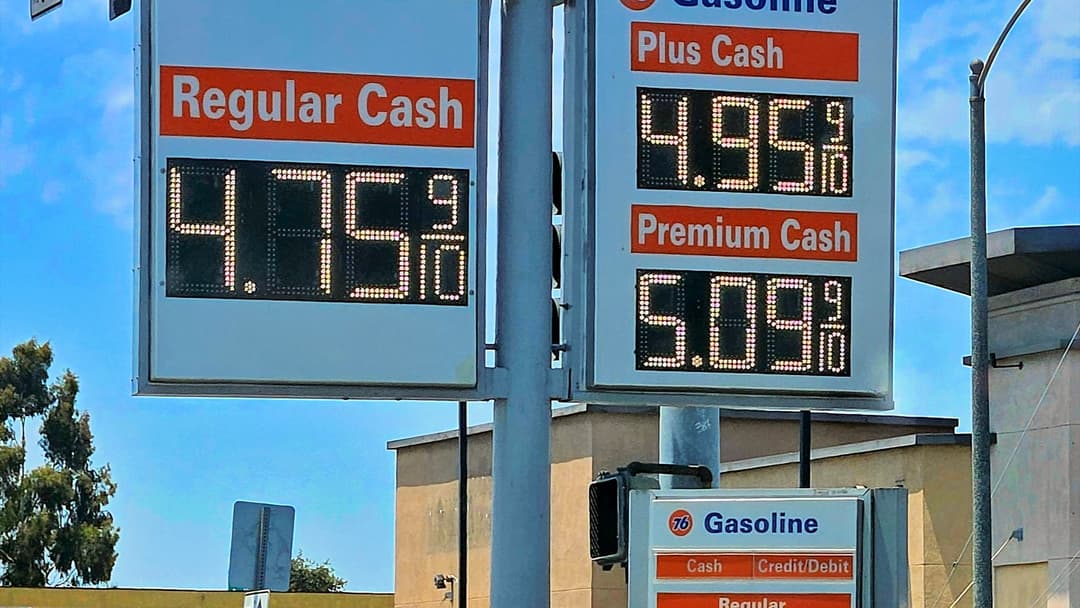
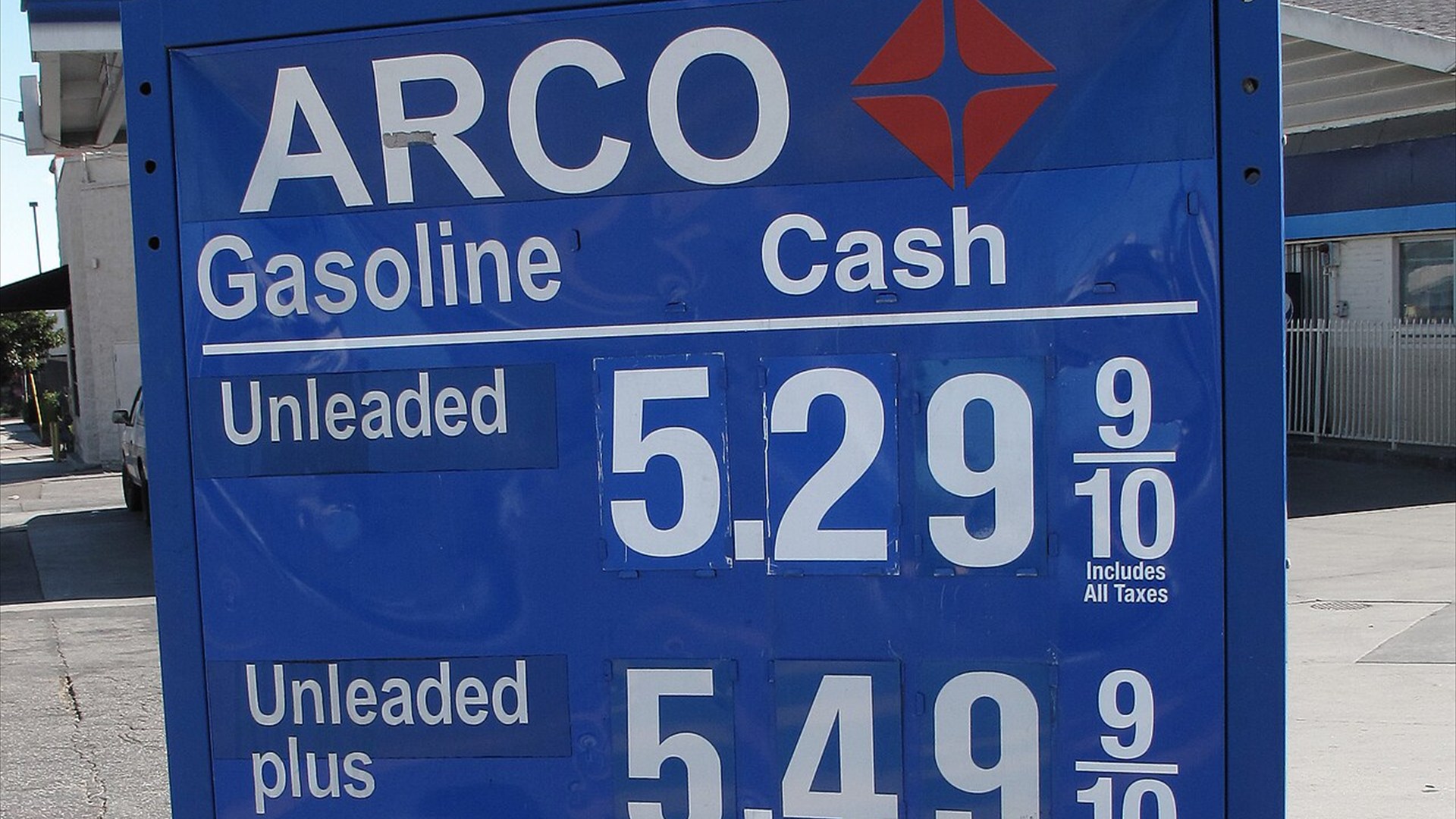
14. Widening Regional Price Gaps Across America
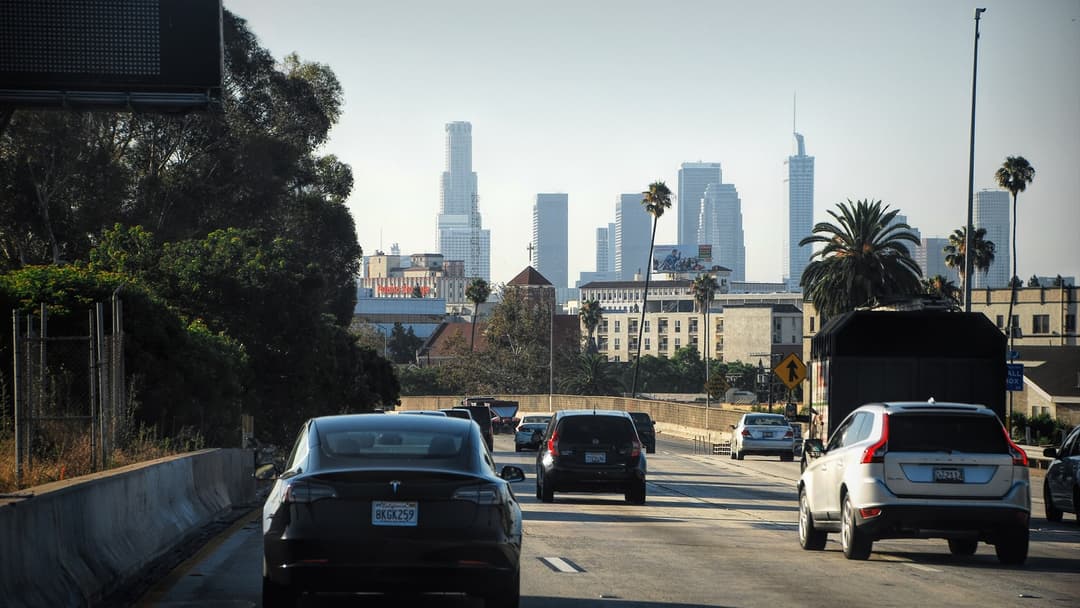
Regional disparities will remain dramatic in 2027. Gulf Coast states with abundant local refining will enjoy prices near 3 dollars per gallon, while West Coast and California drivers face averages well above 4.50 dollars due to isolated supply chains and taxes.
©Downtowngal / Wikimedia Commons
Advertisement
Swipe or tap ▶ to resume the countdown.
13. Global Mega-Refineries Expanding Fuel Output
New mega-refineries in the Middle East, Nigeria, and Asia will run at full commercial capacity by 2027. These colossal processing hubs add millions of barrels of refined gasoline and diesel to global commerce, easing international product shortages.

©W.carter / Wikimedia Commons
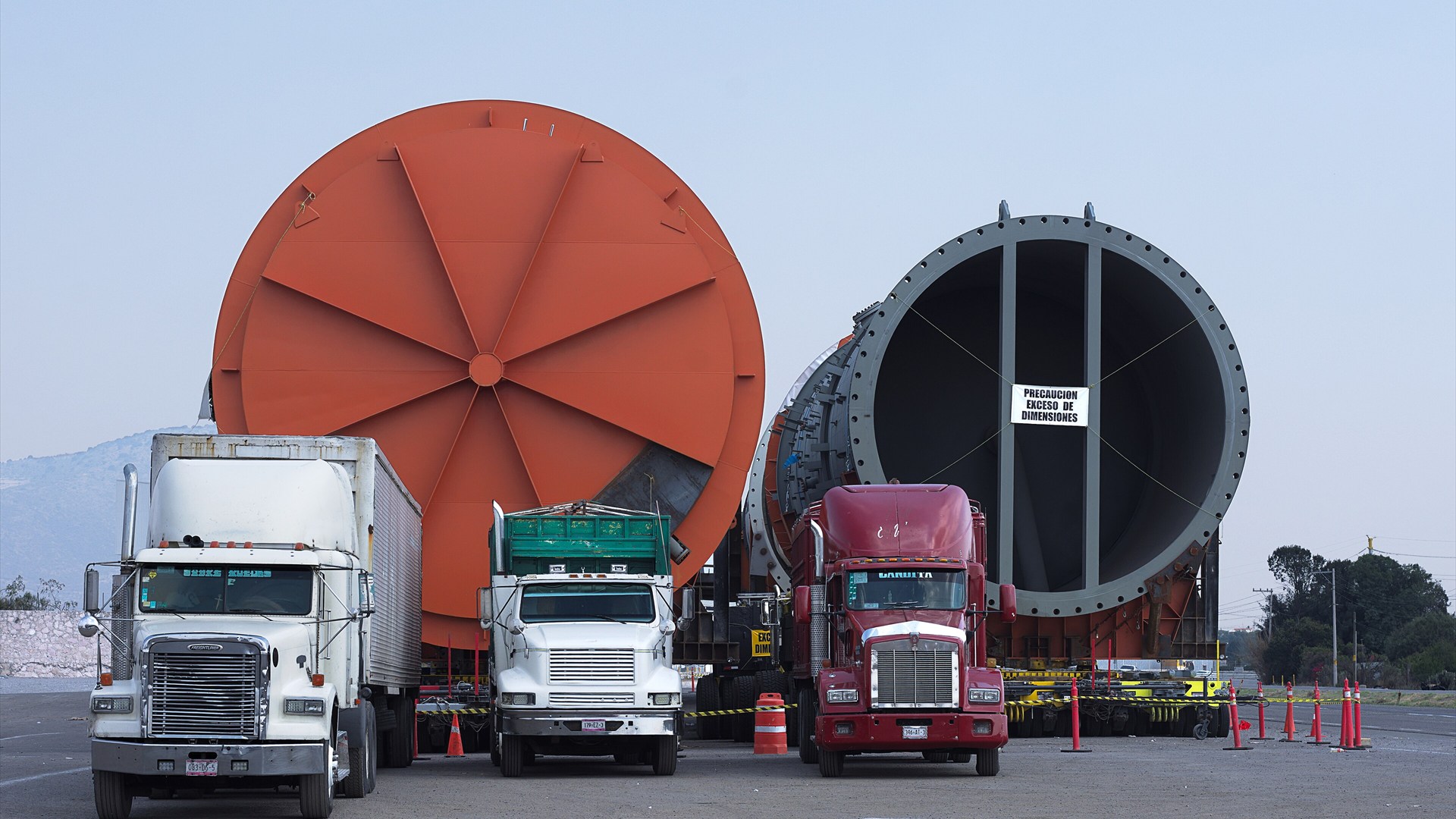
12. Domestic Refinery Retirements Squeezing Local Supply
While global refining expands, older American processing plants face retirement due to stringent regulations and maintenance costs. Closures in California and the Gulf Coast make localized fuel networks more vulnerable to sudden outages.
©Carlos Valenzuela / Wikimedia Commons
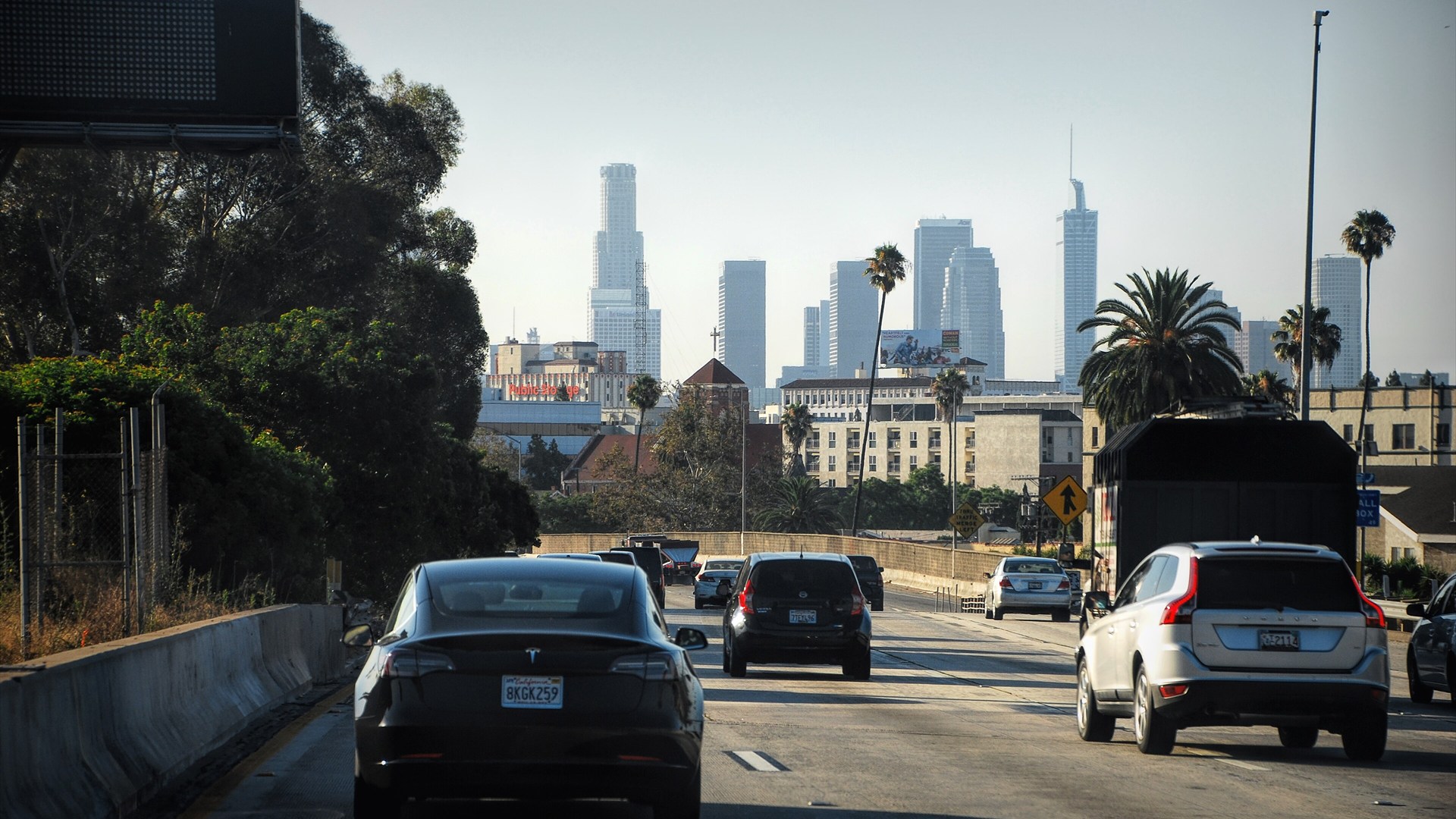
11. Seasonal Summer Driving Surges
Drivers can expect the familiar seasonal price jump beginning every spring. Federal environmental rules require expensive summer-blend gasoline to prevent smog, historically adding 20 to 40 cents per gallon between April and August.
©4X4 Blazer 1776 / Wikimedia Commons
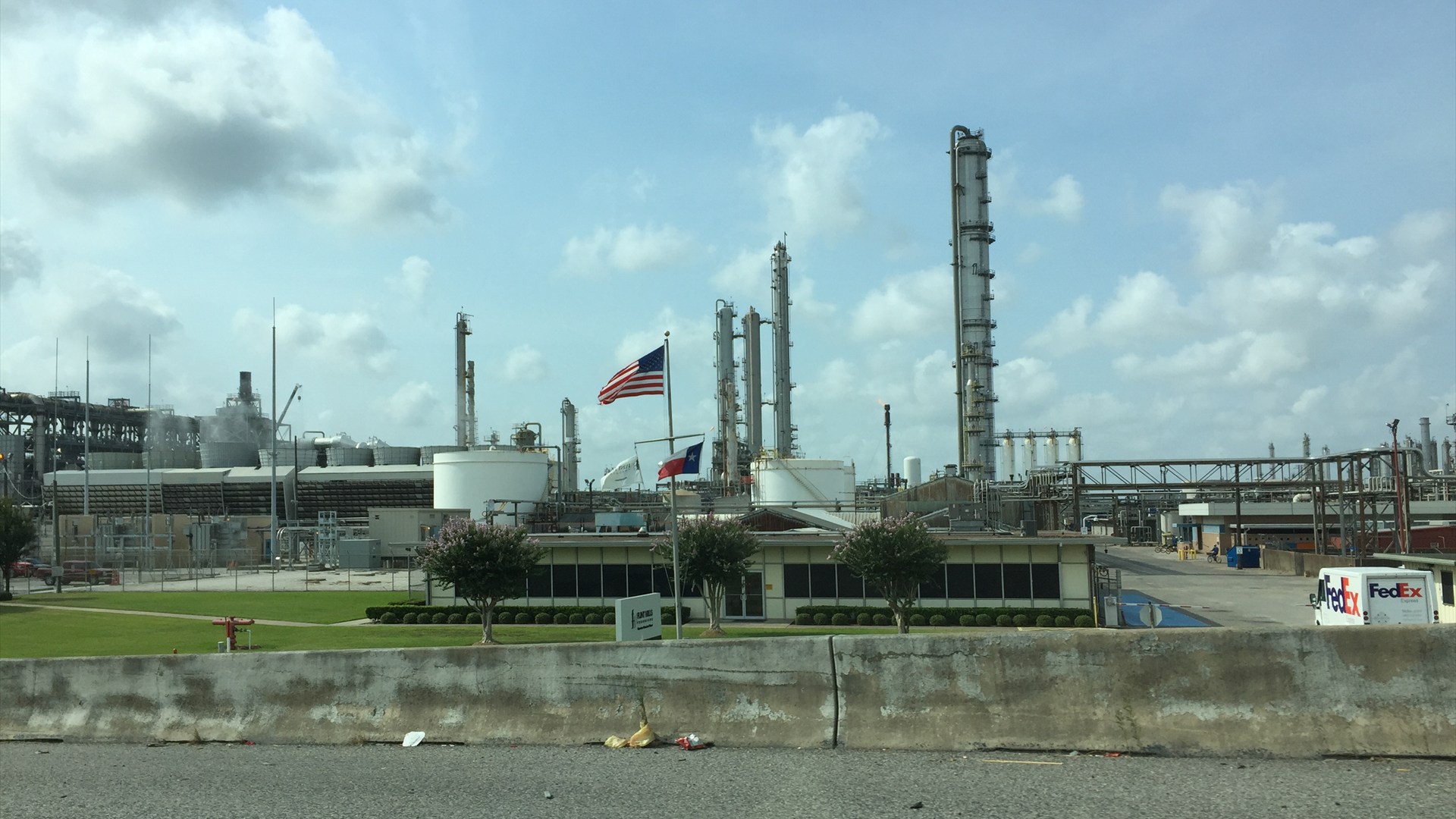
10. Atlantic Hurricane Season Vulnerabilities
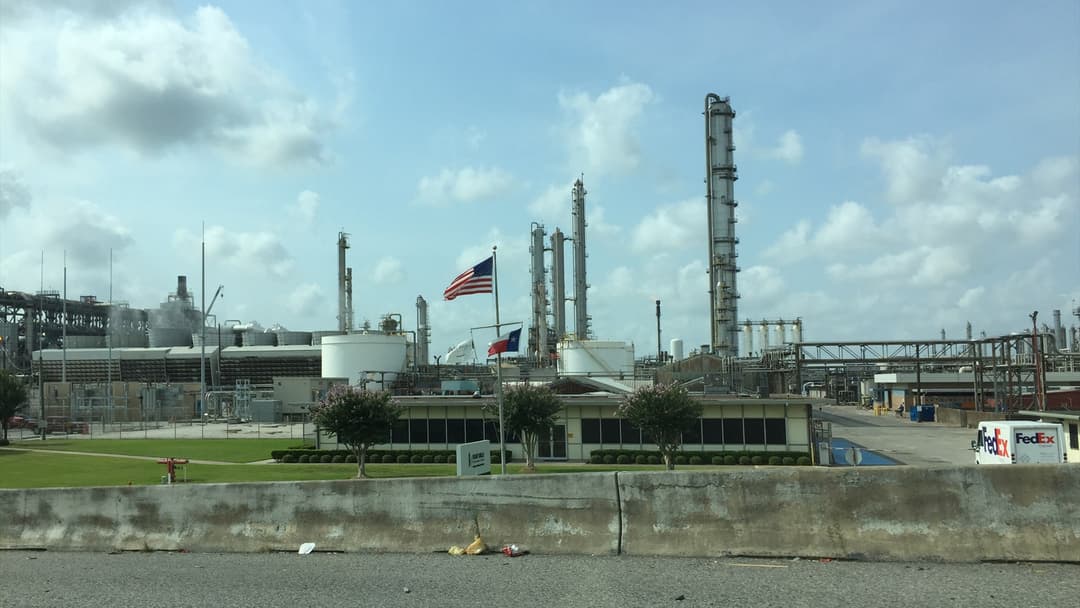
Nearly half of American petroleum refining sits along the Texas and Louisiana coasts. Severe tropical storms during late summer remain an unpredictable wild card, capable of shutting key facilities and triggering immediate national price spikes.
©Antony-22 / Wikimedia Commons
Advertisement
Swipe or tap ▶ to resume the countdown.
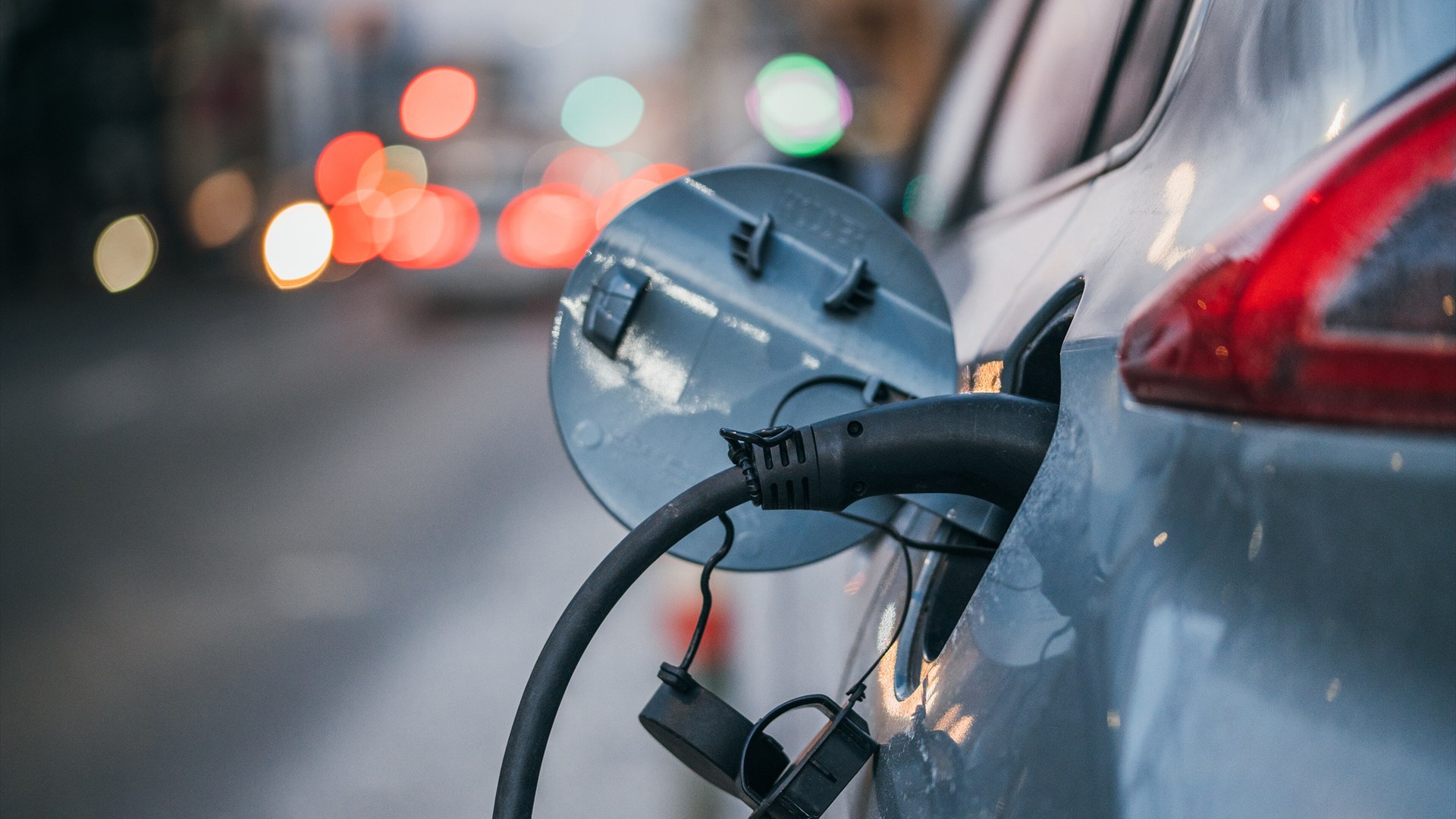
9. Chinese Economic Shifts And Fuel Demand
China's oil consumption is approaching a historic structural plateau as public transport and battery vehicles take over urban roads. Slower industrial demand growth from Beijing softens competition for international crude shipments.
©Ivan Radic / Wikimedia Commons
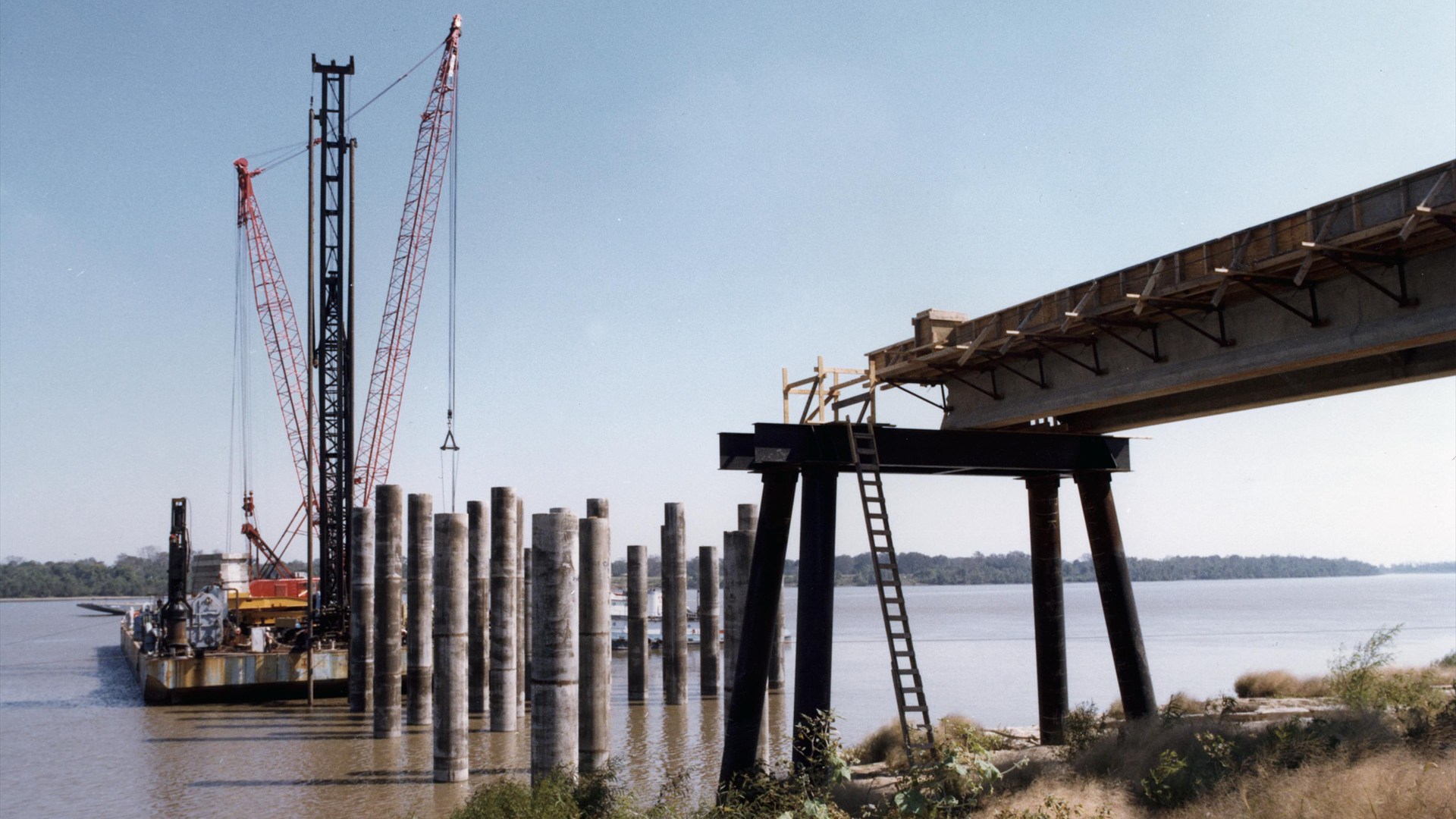
8. Strategic Petroleum Reserve Stability
Following massive emergency sales earlier in the decade, gradual federal repurchasing has replenished the Strategic Petroleum Reserve. A well-stocked underground reserve in Texas and Louisiana restores the government's ability to soften severe shocks.
©U.S. Department of Energy / Wikimedia Commons
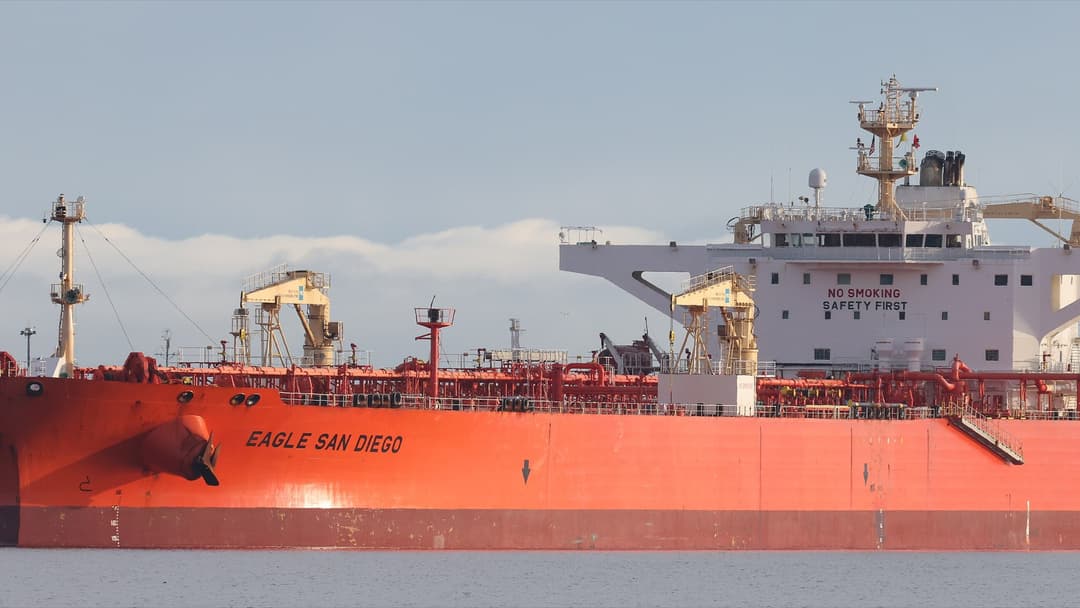
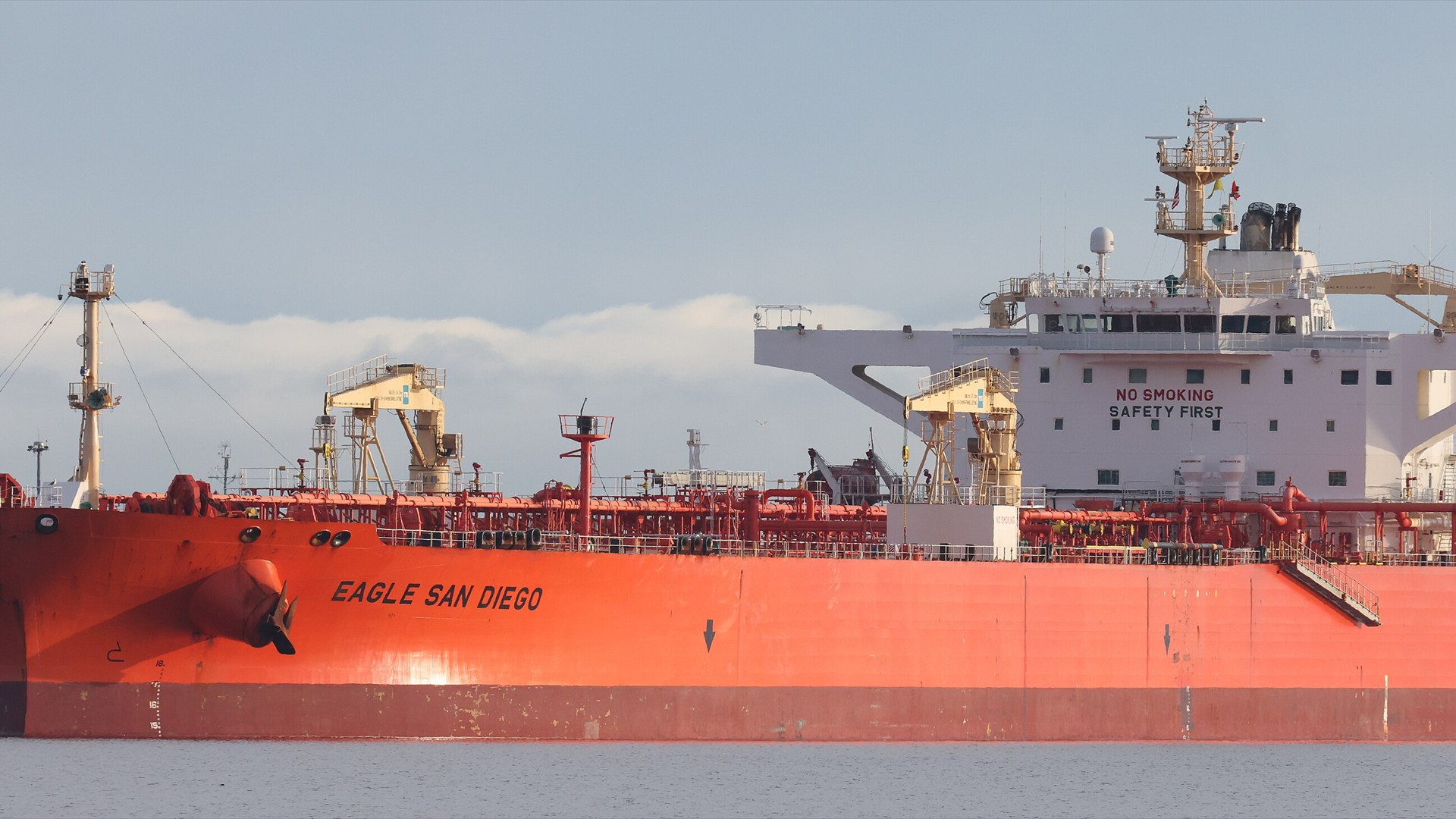
7. Shipping Chokepoints And Maritime Premiums
Unrest in the Red Sea and geopolitical friction around the Strait of Hormuz force crude tankers to take longer maritime detours around Africa. These extended voyages increase bunker fuel costs and shipping insurance, slightly inflating retail prices.
©Jordanroderick / Wikimedia Commons
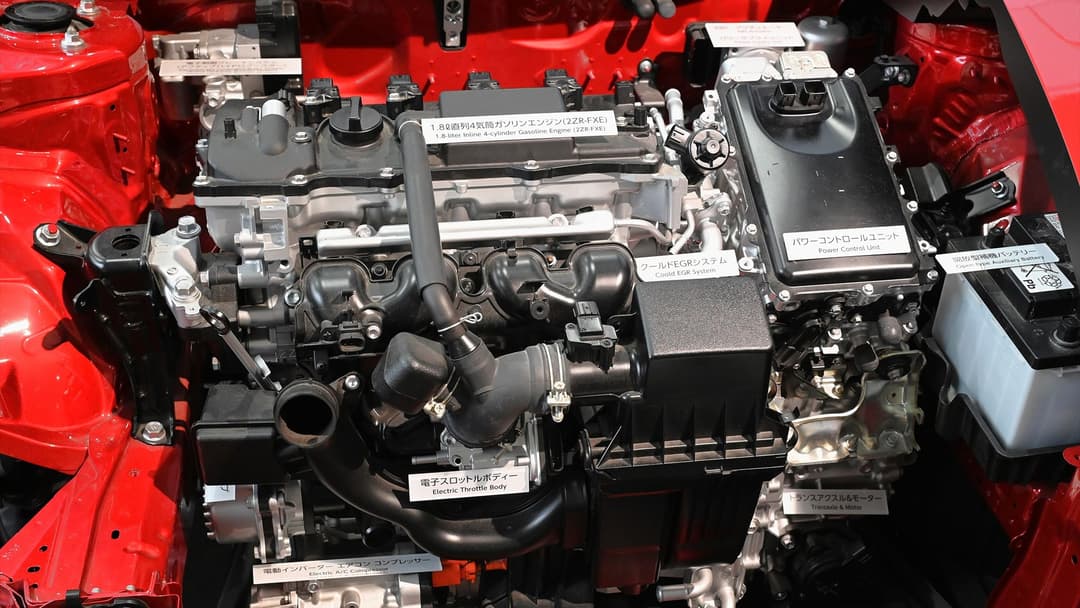
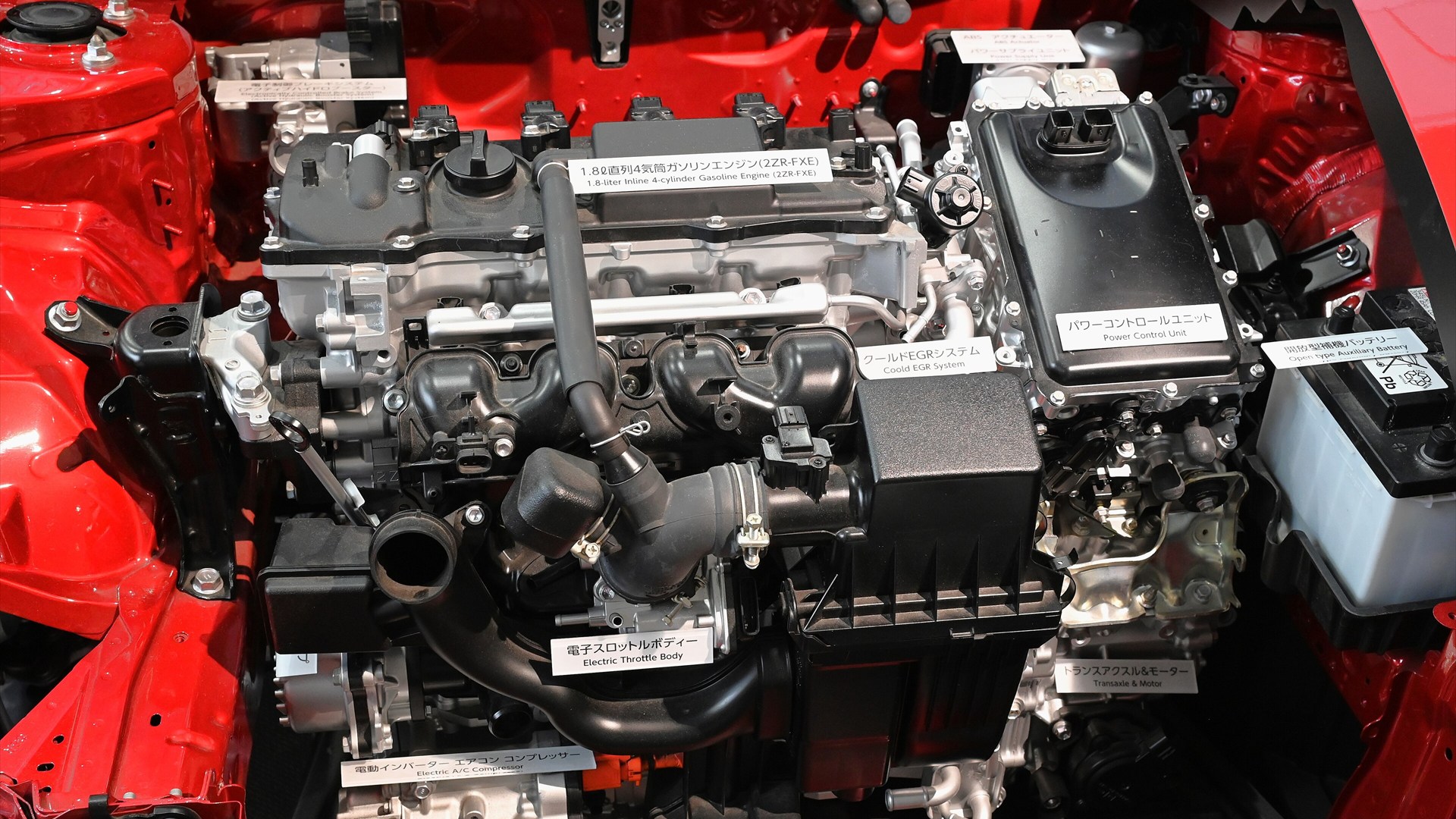
6. Hybrid Vehicle Dominance Curbing Fuel Burn
Consumer preference for conventional hybrid cars delivers immediate fuel savings without requiring charging infrastructure. With millions of new hybrids achieving over 45 miles per gallon, aggregate retail gasoline purchases face steady headwinds.
©TTTNIS / Wikimedia Commons
Advertisement
Swipe or tap ▶ to resume the countdown.
5. State Level Environmental Surcharges
More states are implementing Low Carbon Fuel Standards and cap-and-invest programs that require fuel distributors to purchase emissions credits. These climate policies add incremental wholesale costs that are passed directly to consumer pumps.
©Raysonho / Wikimedia Commons
4. Refinery Crack Spreads Normalizing
The difference between crude oil acquisition costs and wholesale gasoline prices, known as the crack spread, will retreat toward historical norms. Narrowing refining margins ensure lower crude prices translate more effectively into pump savings.

©Uwe Aranas / Wikimedia Commons
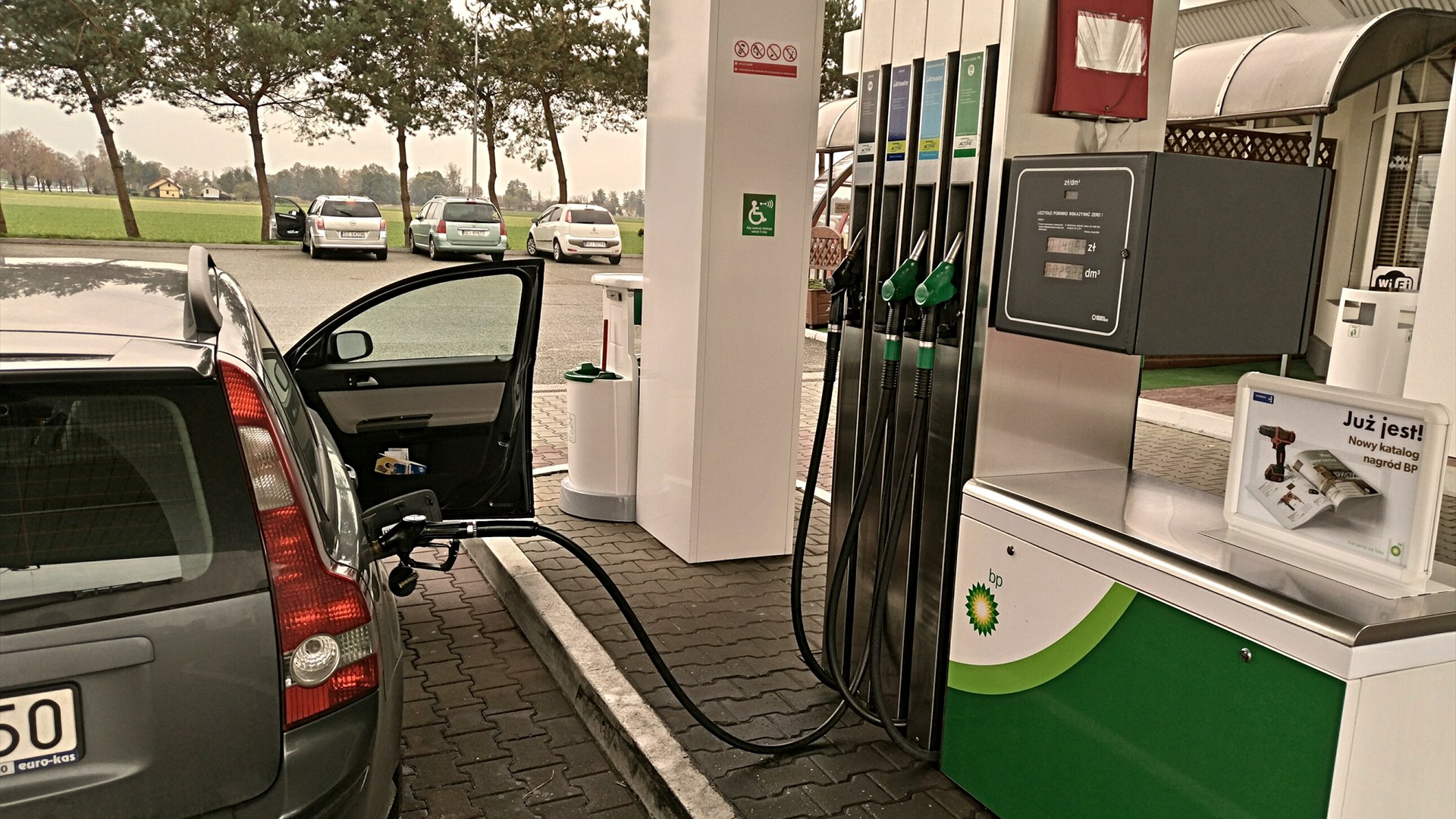
3. Inflation-Adjusted Fuel Costs Below Historic Records
When accounting for broader wage and price inflation since 2022, gasoline expenses in 2027 will represent a smaller share of average household disposable income. Motorists will find overall road travel more manageable than during peak inflation years.
©MichalPL / Wikimedia Commons
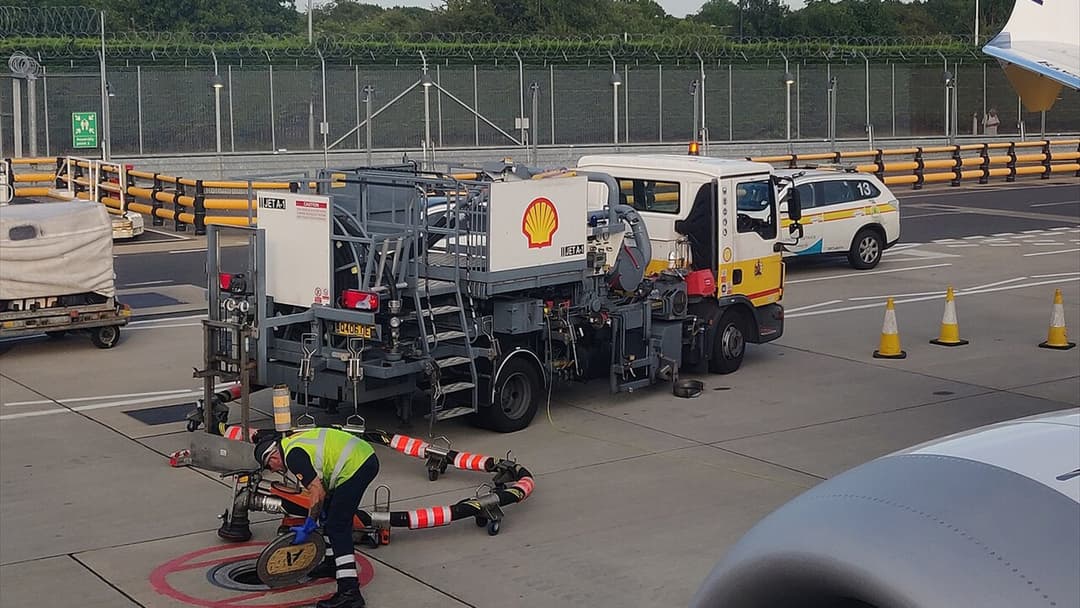
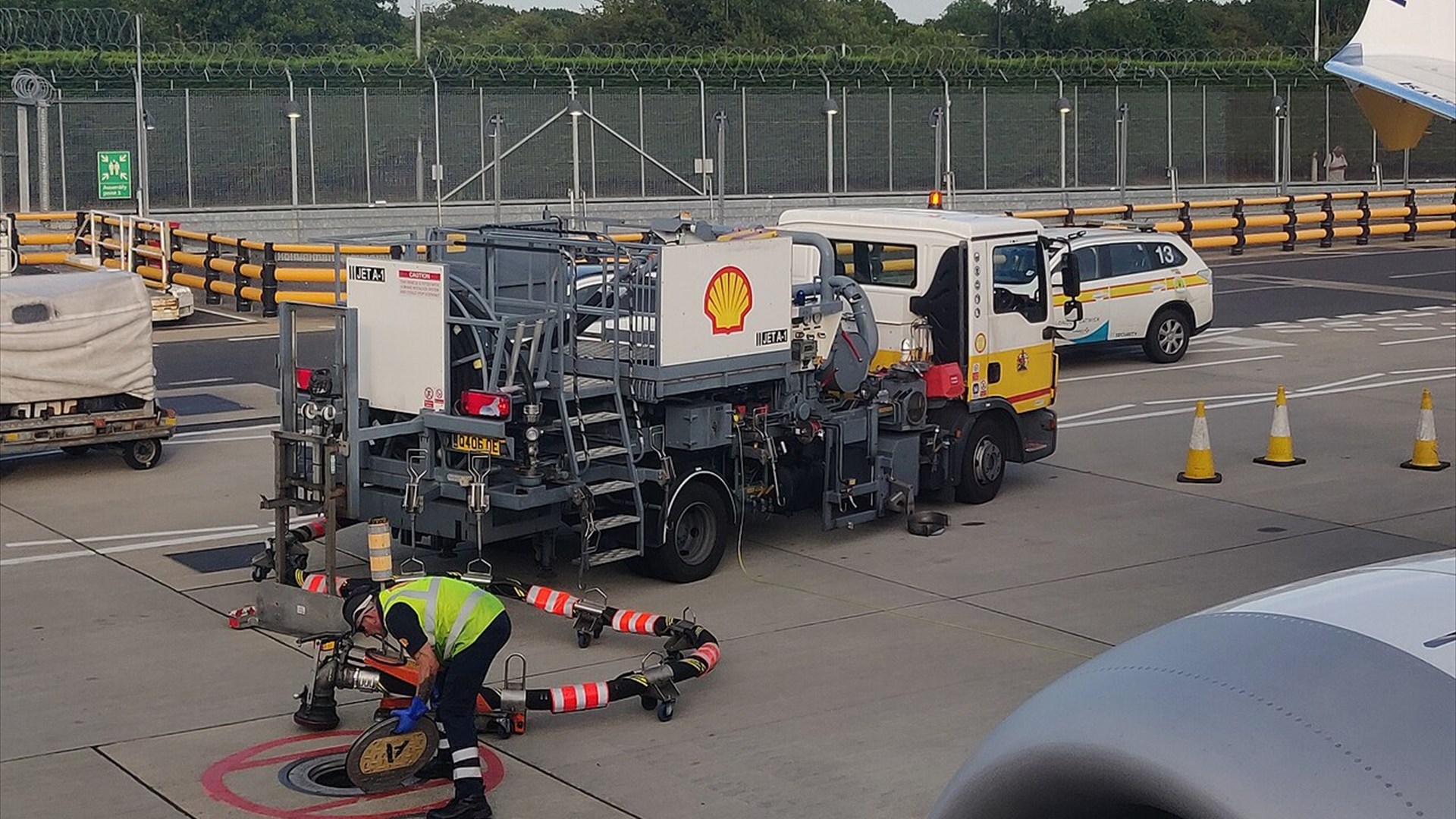
2. Competition With Jet Fuel And Petrochemicals
Commercial aviation traffic and plastics manufacturing compete directly with motor gasoline for refined petroleum fractions. Strong commercial air travel demand keeps kerosene and naphtha processing elevated, limiting surplus gasoline manufacturing.
©Tim Sheerman-Chase / Wikimedia Commons
Advertisement
Swipe or tap ▶ to resume the countdown.
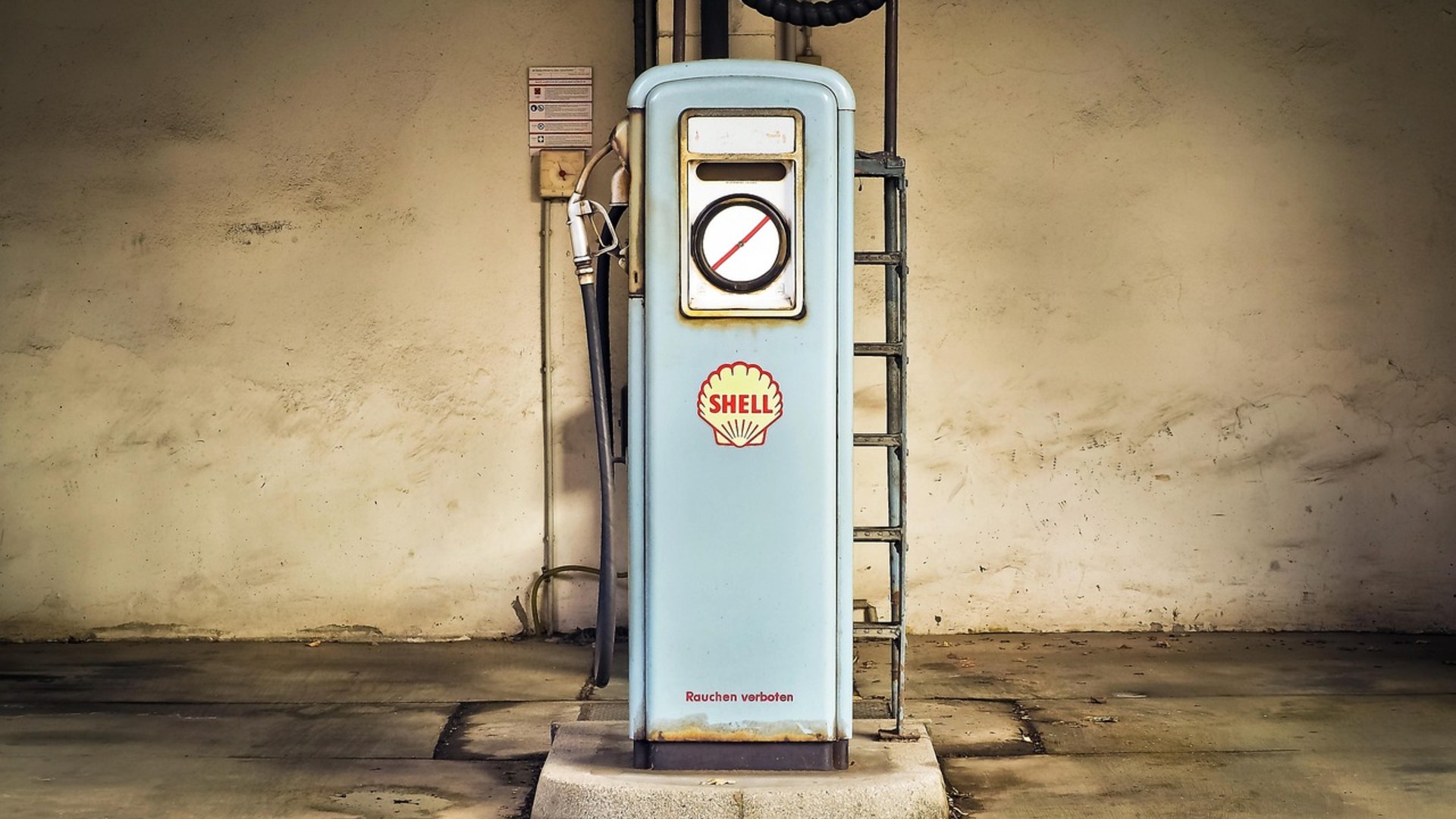
1. The Approaching Era Of Peak Gasoline Demand
Long-term forecasters agree that total American gasoline consumption is nearing its historic zenith. By late 2027, the combination of telecommuting, efficient drivetrains, and electric adoption will push overall fuel consumption into structural decline.
©Pixabay / 652234
Advertisement
You've reached the end of the story. Thanks for reading!

25 Most Expensive Military Helicopters in Aviation History, Ranked
Ranked by flyaway unit cost and procurement data from Congressional Research Service reports and Department of Defense budget estimates, these 25 military helicopters represent the pinnacle of rotary aviation. From heavy-lift marine transports to stealth infiltration gunships, explore the engineering feats that cost billions to develop.
All 20 Entries in this Story
1. A Moderate Rebalance In National Pump Prices
The Energy Information Administration forecasts national retail gasoline will average around 3.73 dollars per gallon across 2027. While representing gradual relief from tighter 2026 markets, distribution costs and regional taxes will prevent prices from plunging.

2. Crude Oil Benchmark Prices Easing Toward 80 Dollars
Global crude oil prices form the foundation of retail fuel expenses. Analysts expect West Texas Intermediate crude to average approximately 80 dollars per barrel in 2027, with international Brent benchmark crude declining toward 85 dollars as supplies recover.

3. Non-OPEC Production Surges Expanding Supply
Surging oil production outside OPEC+ will flood international markets with fresh crude by 2027. Major offshore projects in Guyana and Brazil, paired with steady Canadian oil sands output, will reduce market reliance on Middle Eastern exporters.

4. OPEC Plus Spare Capacity Restraining Price Spikes
OPEC and allied nations maintain several million barrels per day in voluntary production cuts. This substantial spare capacity provides an effective ceiling against runaway price spikes, allowing producers to release crude if outages threaten supply.

5. Slower Growth In American Shale Basins
American shale drillers in the Permian Basin have transitioned from rapid production growth to investor returns and debt reduction. While U.S. crude output remains near historic records, slower expansion limits domestic downward pressure on pump prices.

6. Electric Vehicle Fleet Growth Displacing Gasoline
Growing numbers of electric and plug-in hybrid vehicles on American highways are noticeably eroding daily gasoline demand. The International Energy Agency estimates fleet electrification will displace hundreds of thousands of barrels of motor fuel daily.

7. Widening Regional Price Gaps Across America
Regional disparities will remain dramatic in 2027. Gulf Coast states with abundant local refining will enjoy prices near 3 dollars per gallon, while West Coast and California drivers face averages well above 4.50 dollars due to isolated supply chains and taxes.

8. Global Mega-Refineries Expanding Fuel Output
New mega-refineries in the Middle East, Nigeria, and Asia will run at full commercial capacity by 2027. These colossal processing hubs add millions of barrels of refined gasoline and diesel to global commerce, easing international product shortages.

9. Domestic Refinery Retirements Squeezing Local Supply
While global refining expands, older American processing plants face retirement due to stringent regulations and maintenance costs. Closures in California and the Gulf Coast make localized fuel networks more vulnerable to sudden outages.

10. Seasonal Summer Driving Surges
Drivers can expect the familiar seasonal price jump beginning every spring. Federal environmental rules require expensive summer-blend gasoline to prevent smog, historically adding 20 to 40 cents per gallon between April and August.

11. Atlantic Hurricane Season Vulnerabilities
Nearly half of American petroleum refining sits along the Texas and Louisiana coasts. Severe tropical storms during late summer remain an unpredictable wild card, capable of shutting key facilities and triggering immediate national price spikes.

12. Chinese Economic Shifts And Fuel Demand
China's oil consumption is approaching a historic structural plateau as public transport and battery vehicles take over urban roads. Slower industrial demand growth from Beijing softens competition for international crude shipments.

13. Strategic Petroleum Reserve Stability
Following massive emergency sales earlier in the decade, gradual federal repurchasing has replenished the Strategic Petroleum Reserve. A well-stocked underground reserve in Texas and Louisiana restores the government's ability to soften severe shocks.

14. Shipping Chokepoints And Maritime Premiums
Unrest in the Red Sea and geopolitical friction around the Strait of Hormuz force crude tankers to take longer maritime detours around Africa. These extended voyages increase bunker fuel costs and shipping insurance, slightly inflating retail prices.

15. Hybrid Vehicle Dominance Curbing Fuel Burn
Consumer preference for conventional hybrid cars delivers immediate fuel savings without requiring charging infrastructure. With millions of new hybrids achieving over 45 miles per gallon, aggregate retail gasoline purchases face steady headwinds.

16. State Level Environmental Surcharges
More states are implementing Low Carbon Fuel Standards and cap-and-invest programs that require fuel distributors to purchase emissions credits. These climate policies add incremental wholesale costs that are passed directly to consumer pumps.

17. Refinery Crack Spreads Normalizing
The difference between crude oil acquisition costs and wholesale gasoline prices, known as the crack spread, will retreat toward historical norms. Narrowing refining margins ensure lower crude prices translate more effectively into pump savings.

18. Inflation-Adjusted Fuel Costs Below Historic Records
When accounting for broader wage and price inflation since 2022, gasoline expenses in 2027 will represent a smaller share of average household disposable income. Motorists will find overall road travel more manageable than during peak inflation years.

19. Competition With Jet Fuel And Petrochemicals
Commercial aviation traffic and plastics manufacturing compete directly with motor gasoline for refined petroleum fractions. Strong commercial air travel demand keeps kerosene and naphtha processing elevated, limiting surplus gasoline manufacturing.

20. The Approaching Era Of Peak Gasoline Demand
Long-term forecasters agree that total American gasoline consumption is nearing its historic zenith. By late 2027, the combination of telecommuting, efficient drivetrains, and electric adoption will push overall fuel consumption into structural decline.