Slideshow · Science
25 Fascinating Alien Planets Discovered by Space Telescopes, Ranked
Astronomers have cataloged over 5,500 worlds orbiting distant stars. Based on observational data from NASA's Exoplanet Archive and spectral findings from the James Webb Space Telescope, this countdown ranks twenty-five remarkable alien planets by their scientific importance, atmospheric extremes, and habitability potential.
By Most Viral Today
10 min ago

25 Fascinating Alien Planets Discovered by Space Telescopes 
25. HR 8799e 
24. Beta Pictoris B 
23. Kepler-10b - AdvertisementSwipe or tap ▶ to continue countdown

22. HAT-P-7b 
21. WASP-17b 
20. TOI-700d 
19. Kepler-62f - AdvertisementSwipe or tap ▶ to continue countdown

18. VHS 1256b 
17. TRAPPIST-1b 
16. Kepler-16b 
15. WASP-76b - AdvertisementSwipe or tap ▶ to continue countdown

14. HD 189733b 
13. Gliese 1214b 
12. Kepler-186f 
11. WASP-121b - AdvertisementSwipe or tap ▶ to continue countdown

10. HD 209458b 
9. Kepler-22b 
8. 55 Cancri E 
7. Kepler-452b - AdvertisementSwipe or tap ▶ to continue countdown

6. WASP-39b 
5. LHS 475b 
4. Proxima Centauri B 
3. WASP-96b - AdvertisementSwipe or tap ▶ to continue countdown

2. K2-18b 
1. TRAPPIST-1e - Advertisement🔥 UP NEXT IN THIS SERIES◫ 21 Slides

20 Fact about Doomsday Study's 13 Nov 2026 End of World Prediction Failure
On Friday, November 13, 2026, humanity officially outlived a famous 1960 Science study that calculated the world population would hit infinity today. Here is why the doomsday math failed.
Astronomers have cataloged over 5,500 worlds orbiting distant stars.
Swipe or tap ▶ to begin the countdown
©ESA / NASA, Kepler & Wikimedia / Artwork Credit: NASA, ESA
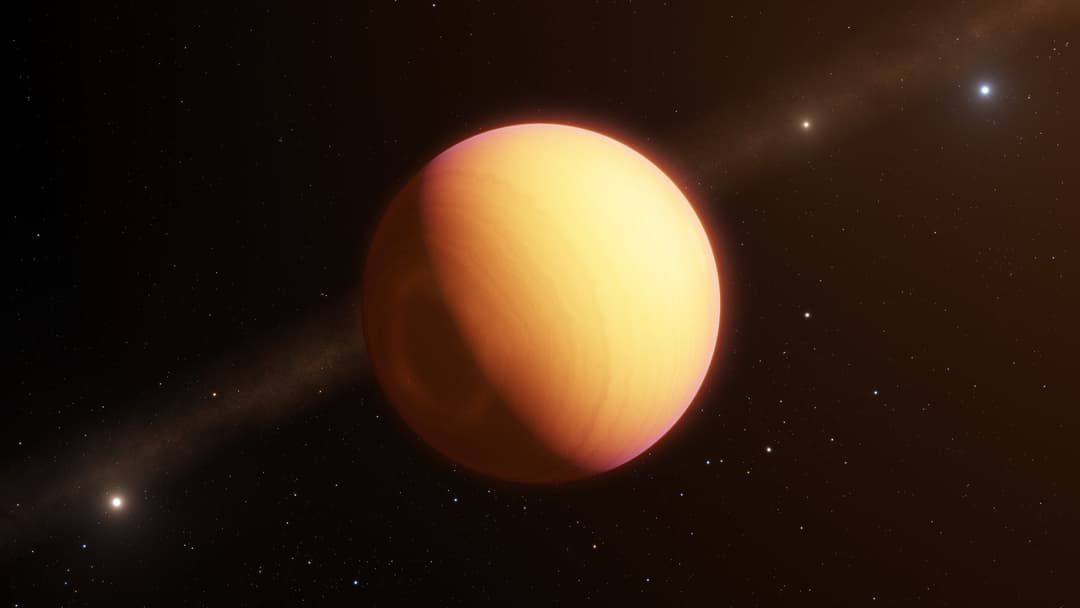
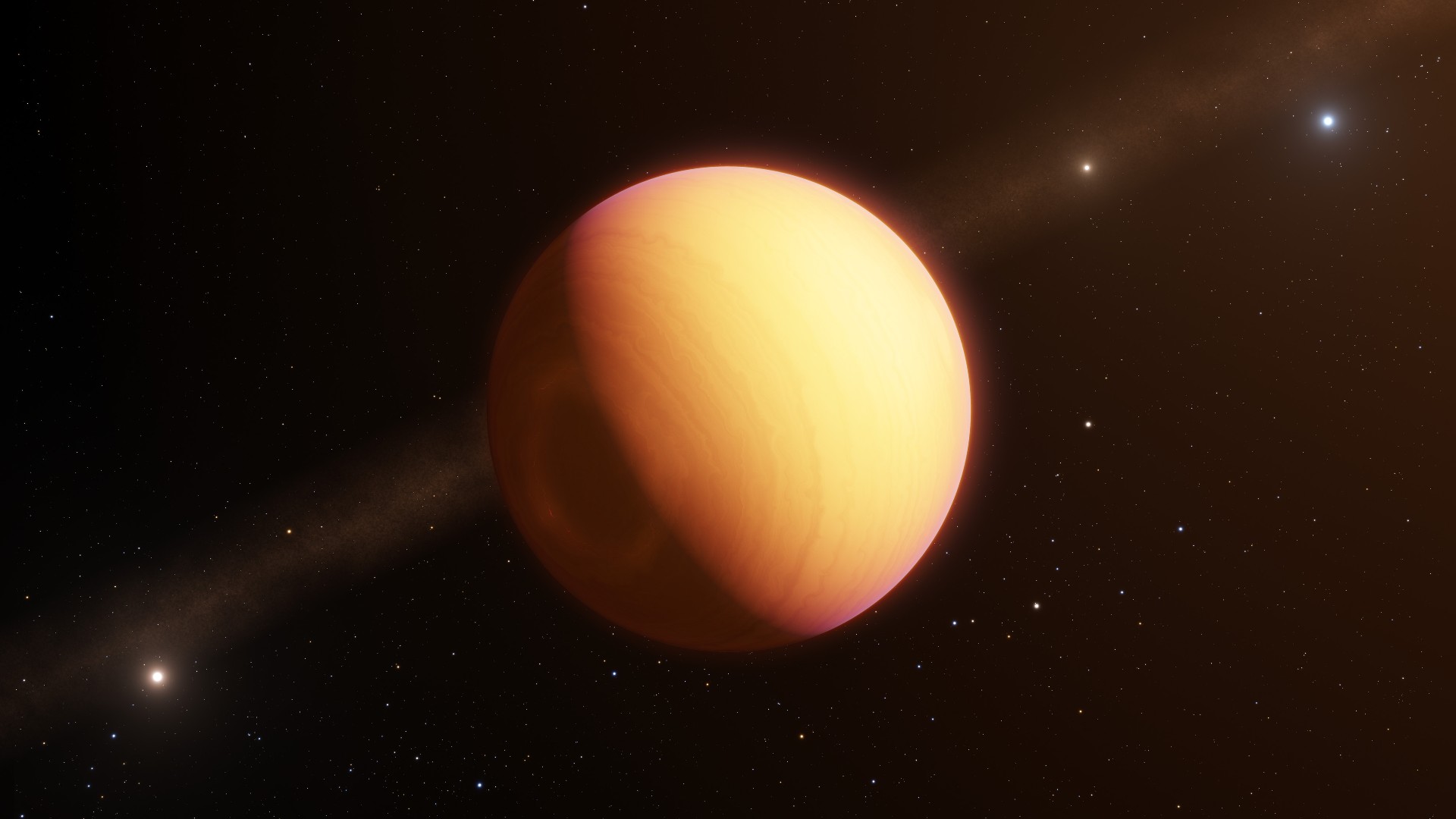
25. HR 8799e
HR 8799e belongs to a benchmark system where astronomers directly imaged four giant planets orbiting a young star. Located 133 light-years away in Pegasus, this super-Jupiter glows with internal heat left over from its formation, giving scientists a direct look at atmospheric convection in infant planetary systems.
©Wikimedia / HR 8799 e
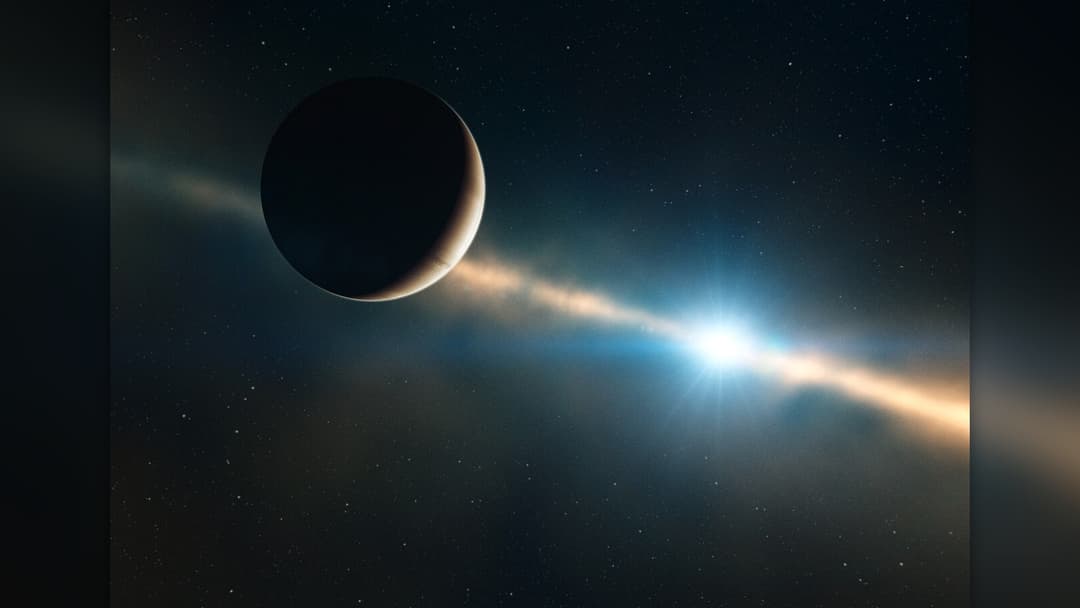
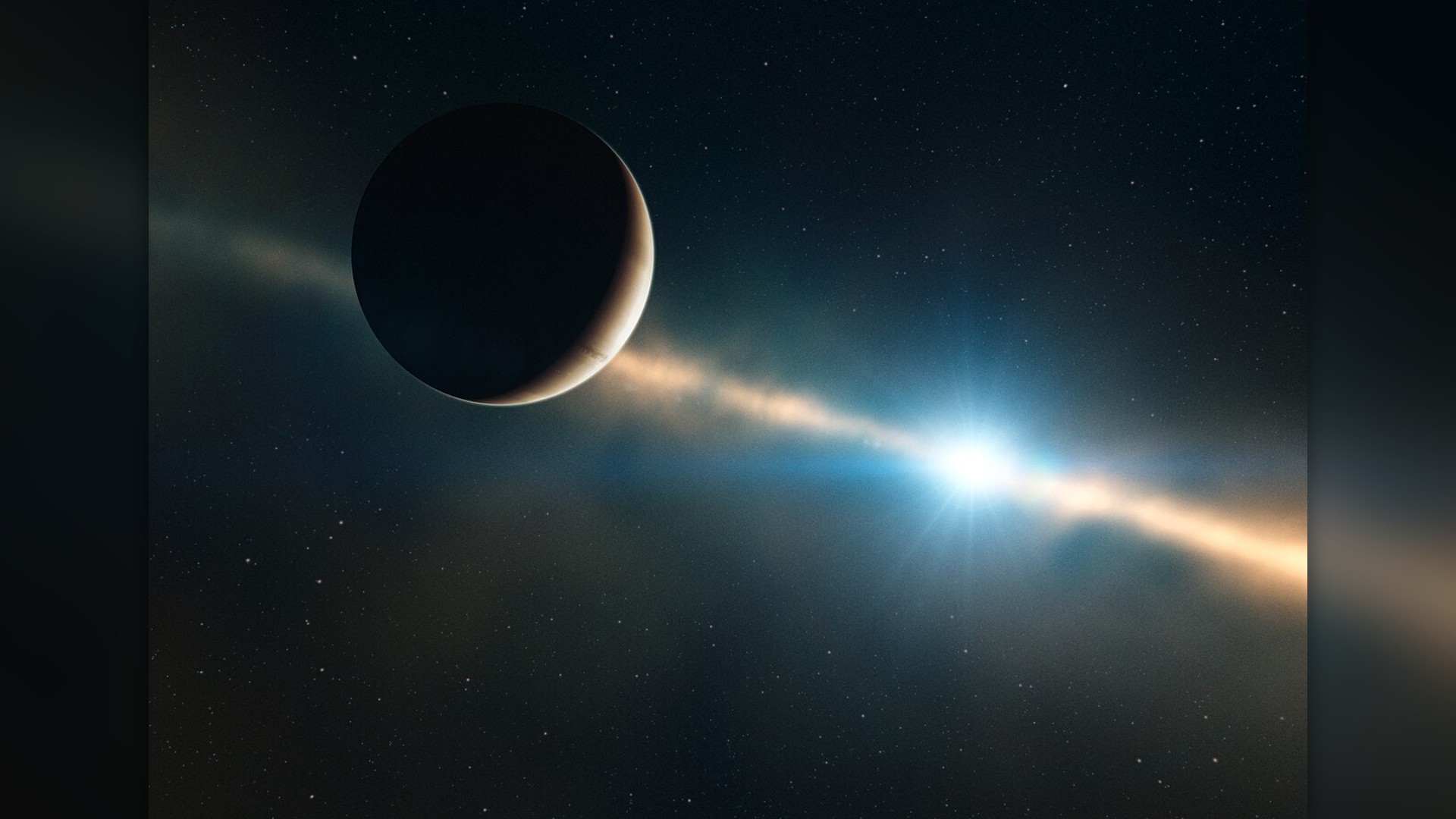
24. Beta Pictoris B
Beta Pictoris b gave astronomers their first measurement of an exoplanet's rotation rate, spinning at over 60,000 miles per hour. Located 63 light-years away, this massive world orbits inside a dense debris disk, providing real-time observations of how planetary systems clear dust during early evolution.
©Wikimedia / ESO, L. Calçada
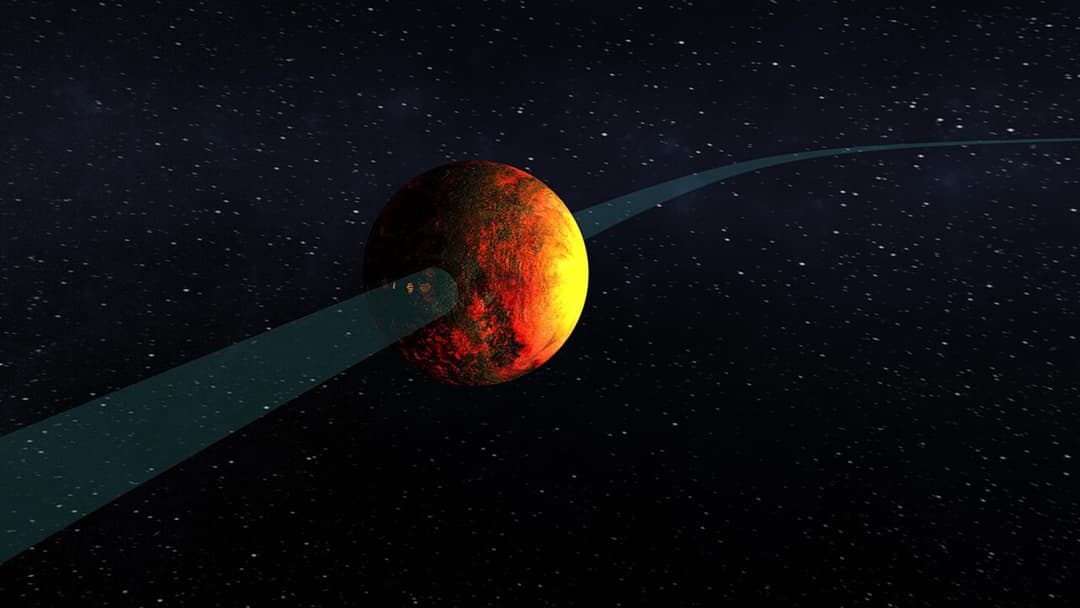
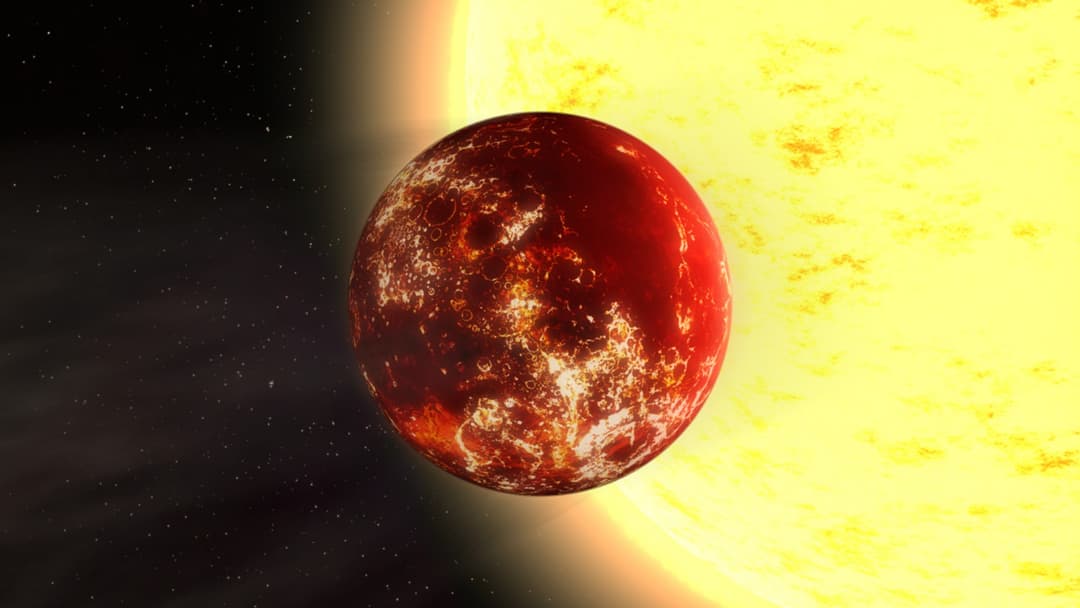
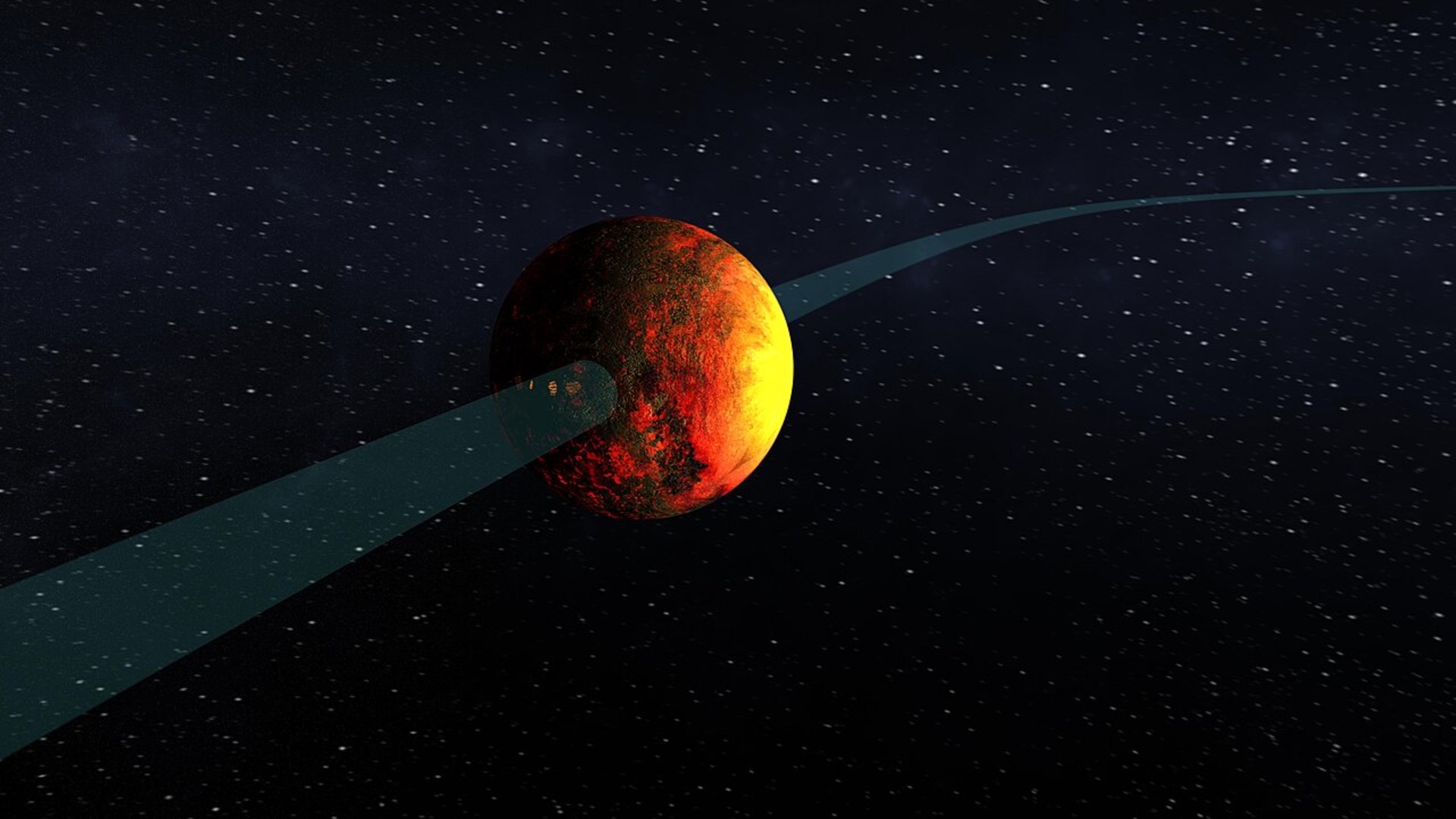
23. Kepler-10b
Kepler-10b marked a landmark breakthrough in 2011 as the first confirmed rocky exoplanet found by Kepler. Orbiting its star in just 20 hours, its sun-facing surface reaches scorching temperatures above 2,500 degrees Fahrenheit, creating superheated surface terrain likely covered in molten silicate lava.
©ESA / NASA/Kepler Mission/Dana Berry
Advertisement
Swipe or tap ▶ to resume the countdown.
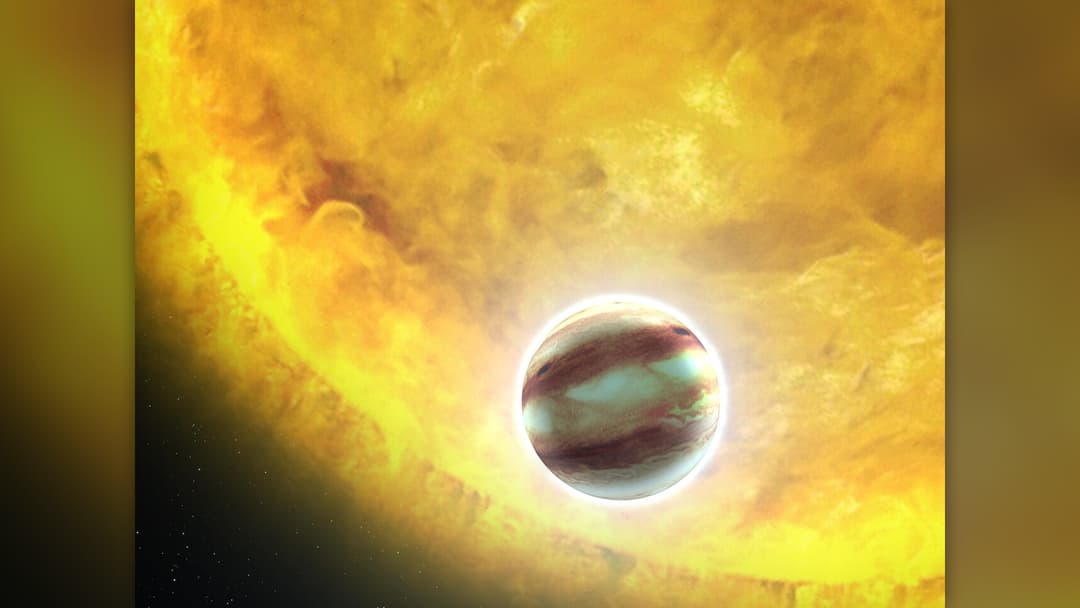
22. HAT-P-7b
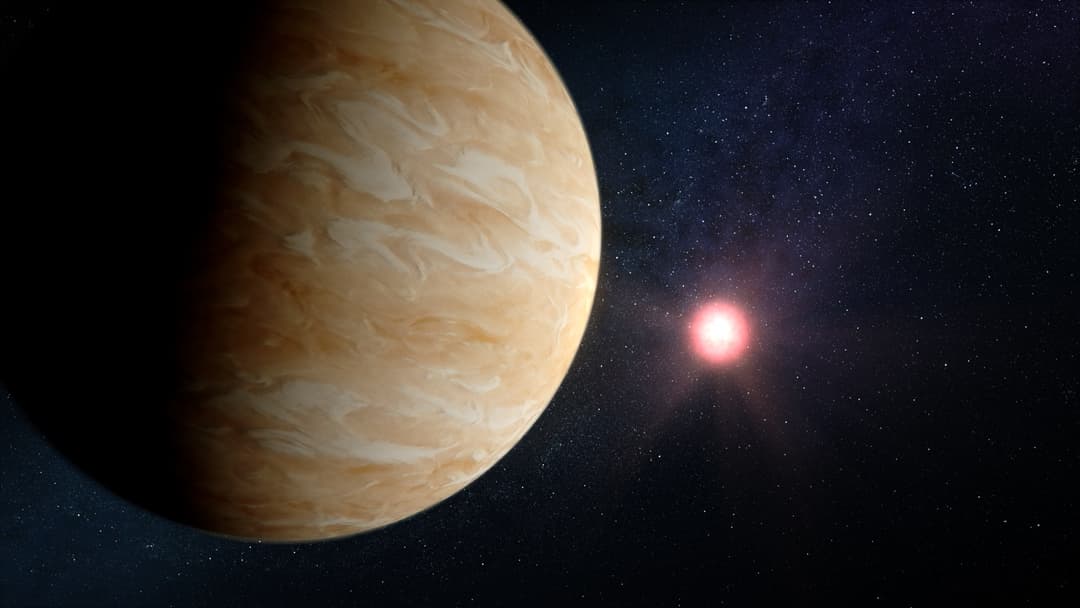
HAT-P-7b experiences extreme weather driven by powerful atmospheric winds that sweep clouds across its hemispheres. Scientists detected mineral clouds composed of corundum, the mineral that forms rubies and sapphires, circulating through an atmosphere subject to catastrophic shifts in cloud cover.
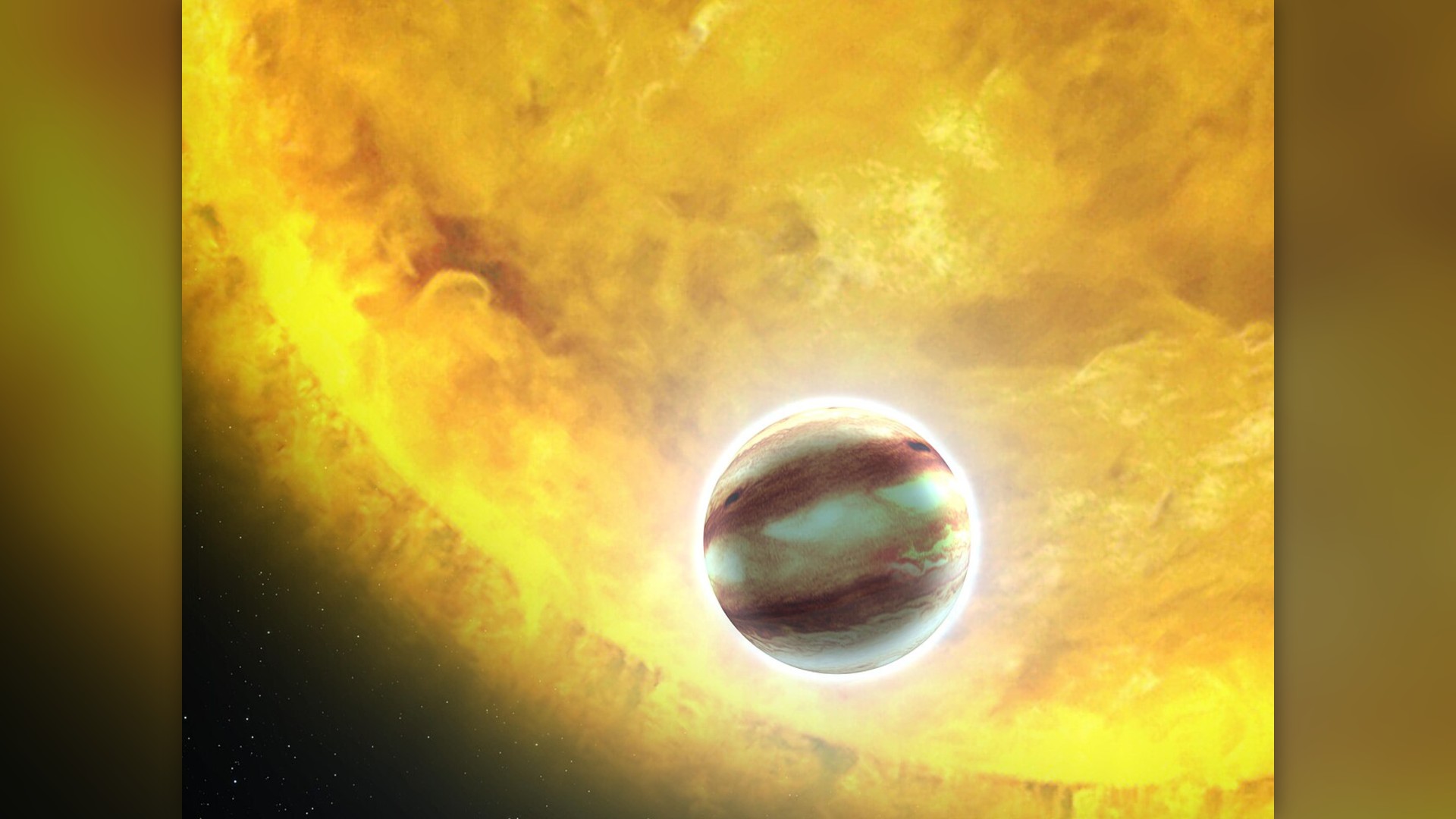
©Wikimedia / NASA, ESA, and G. Bacon (STScI)
21. WASP-17b
WASP-17b astonished astronomers when discovered in 2009 because of its retrograde orbit, moving in the opposite direction of its host star's rotation. Despite having only half of Jupiter's mass, intense stellar heating has puffed its radius to almost twice that of Jupiter, making it exceptionally low density.
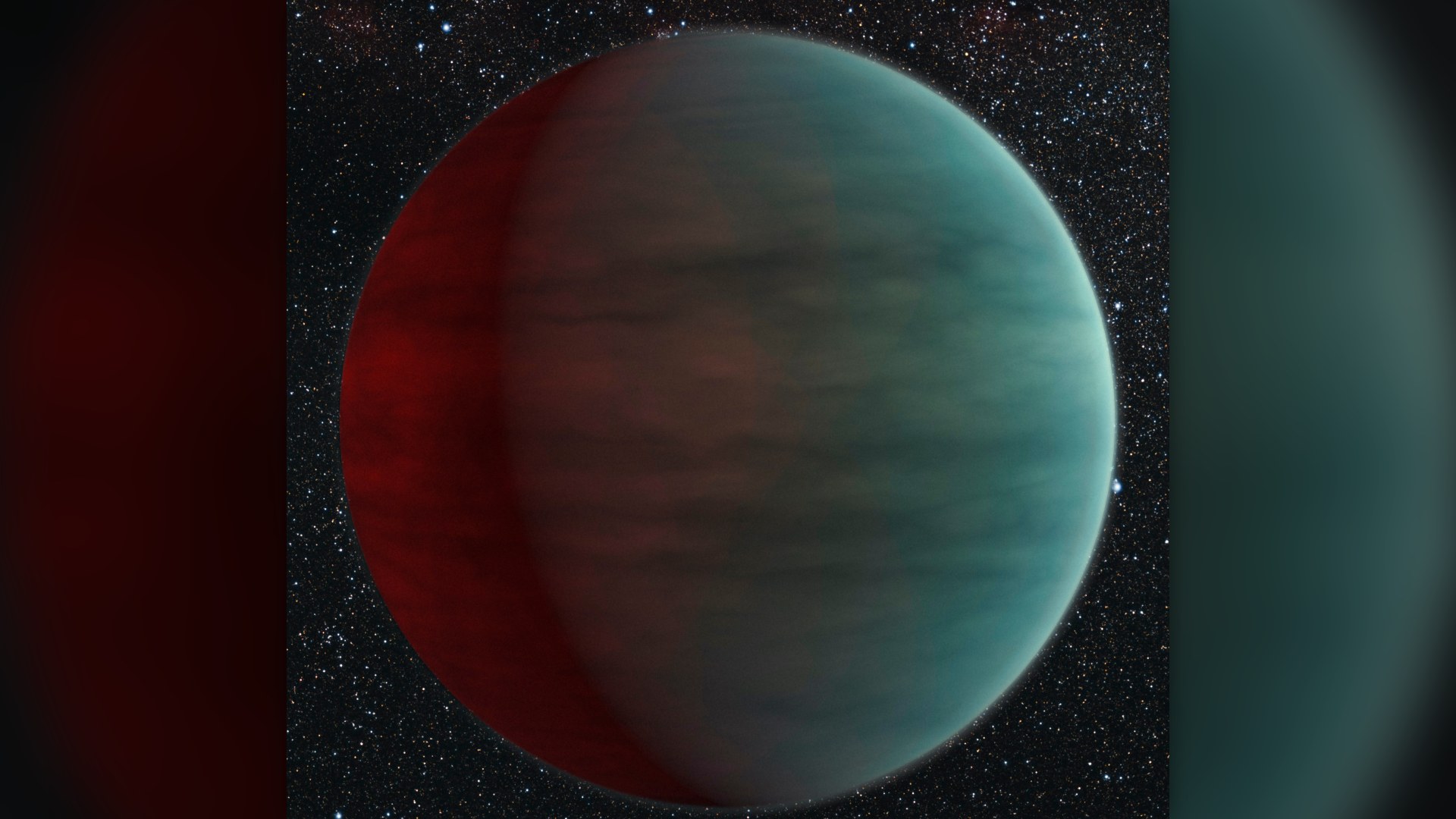
©Wikimedia / ESA/Hubble Team
20. TOI-700d
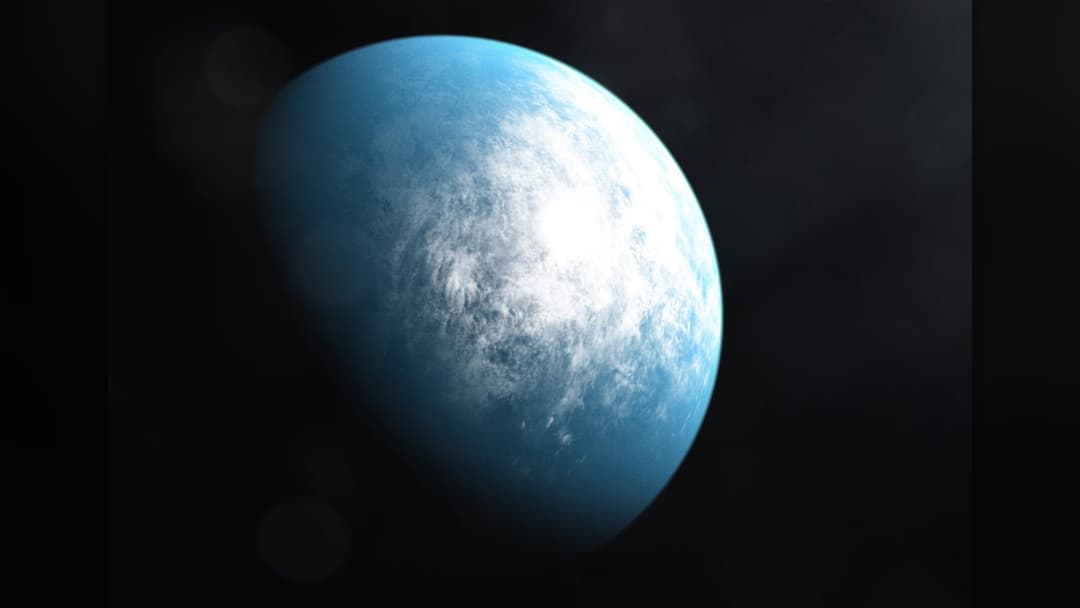
TOI-700d was confirmed in 2020 as the Transiting Exoplanet Survey Satellite's first Earth-sized planet located in a star's habitable zone. Orbiting an inactive red dwarf roughly 100 light-years away, the planet receives about 86 percent of the energy Earth gets from the Sun, making liquid water possible.
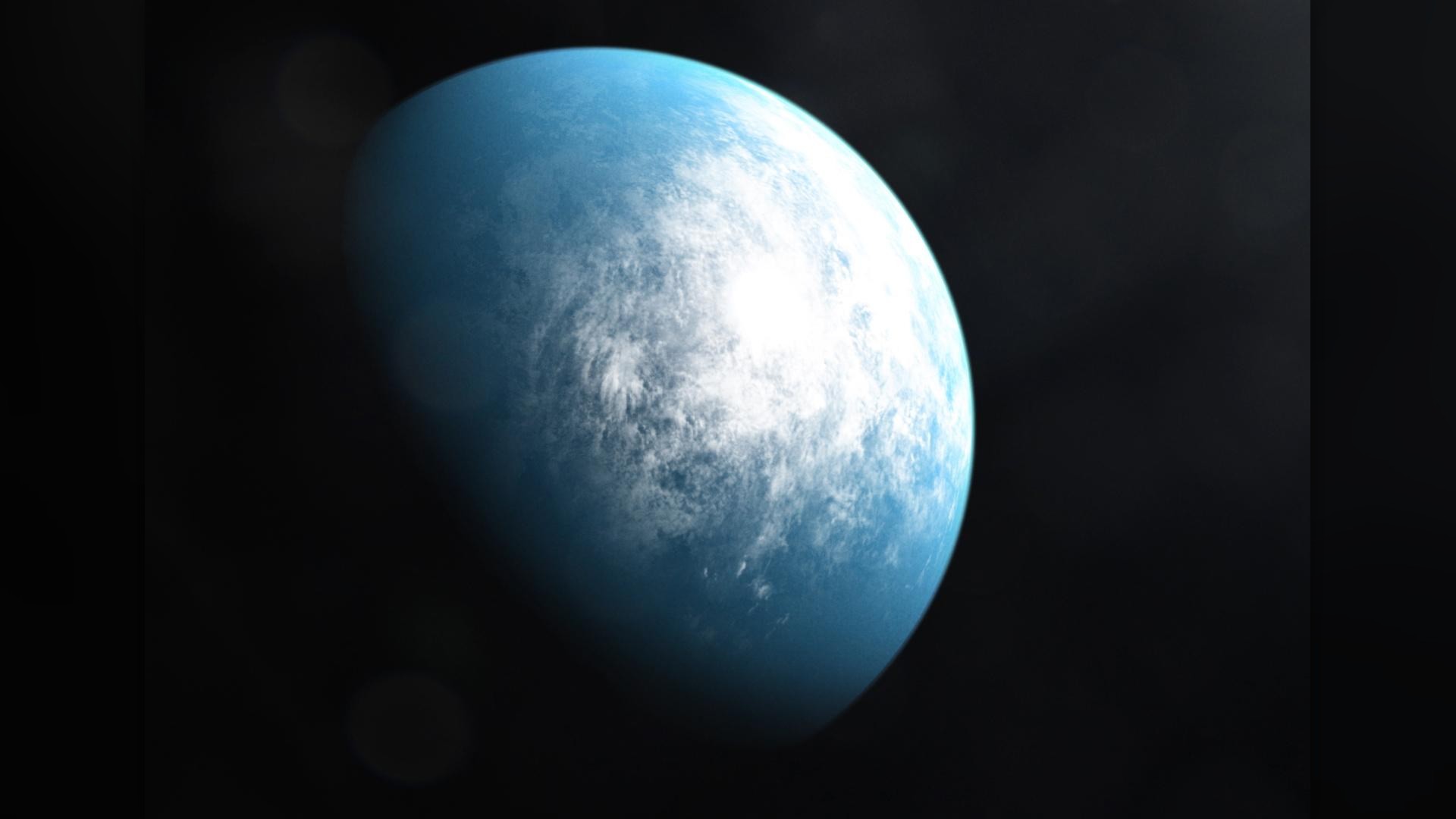
©Wikimedia / TOI-700 d
19. Kepler-62f
Kepler-62f is a super-Earth roughly 40 percent larger than Earth, situated in the outer habitable zone of a star 1,200 light-years away in Lyra. Climate simulations indicate that with a carbon dioxide-rich atmosphere, this temperate world could support global oceans without freezing solid.
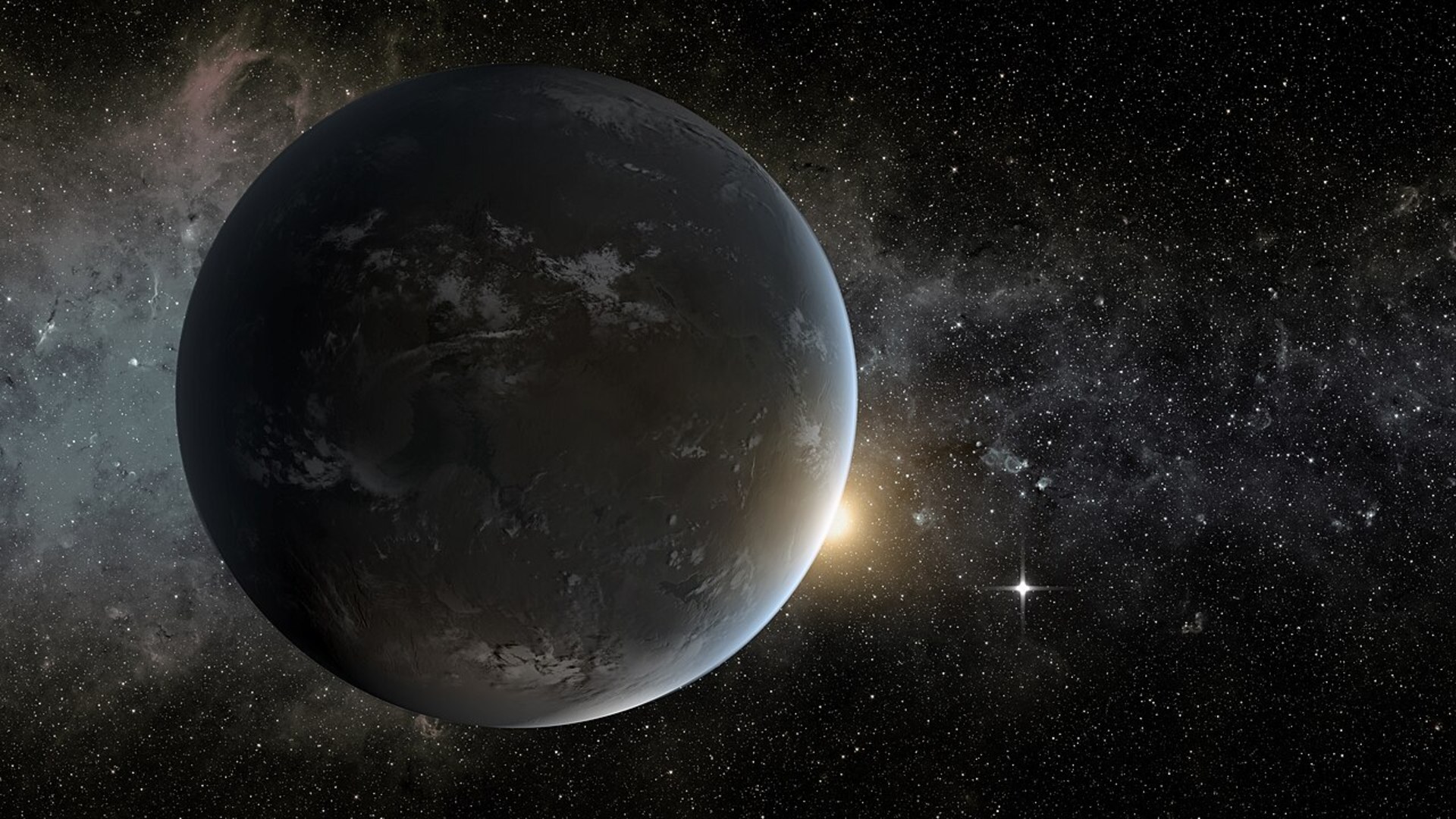
©ESA / NASA Ames/JPL-Caltech
Advertisement
Swipe or tap ▶ to resume the countdown.
18. VHS 1256b
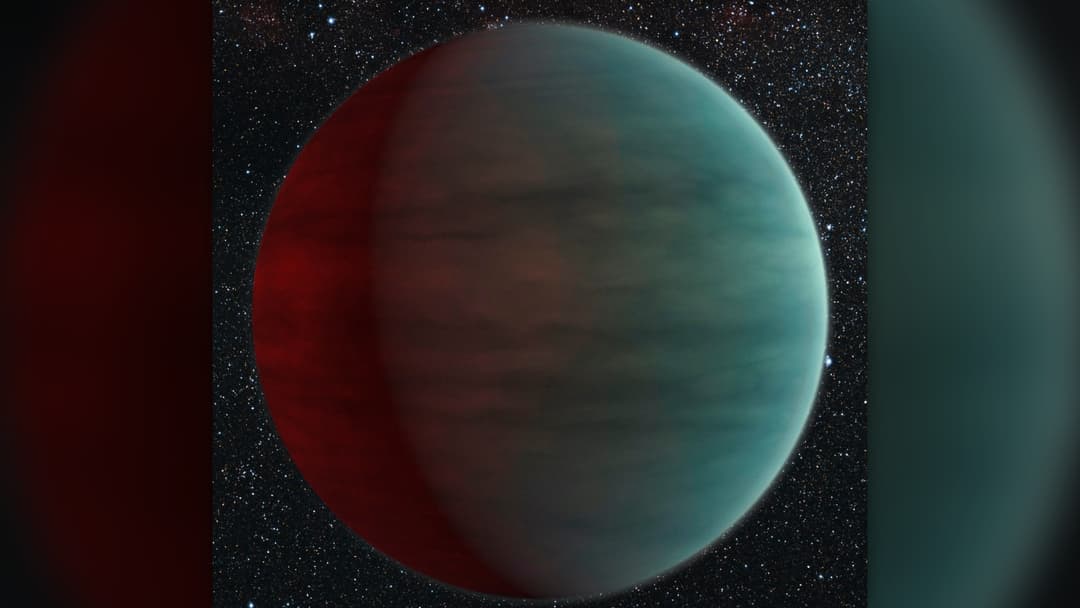
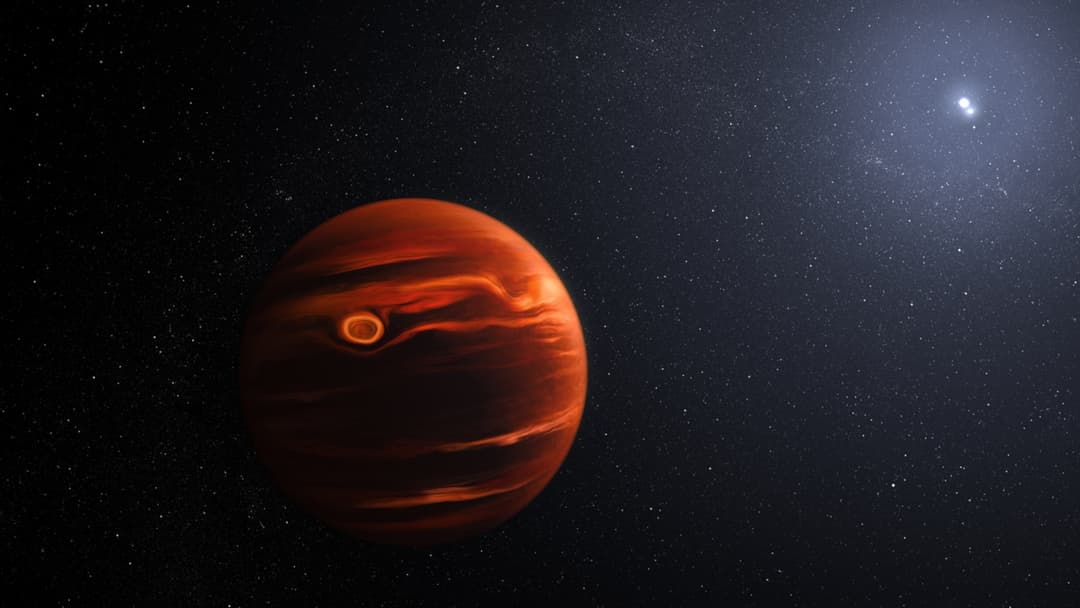
James Webb observations of VHS 1256b revealed clear signatures of churning silicate clouds in its superheated atmosphere. The telescope detected grains of smoke-like quartz and sand rising and swirling violently across a 22-hour day, offering unprecedented insight into extreme weather on distant worlds.
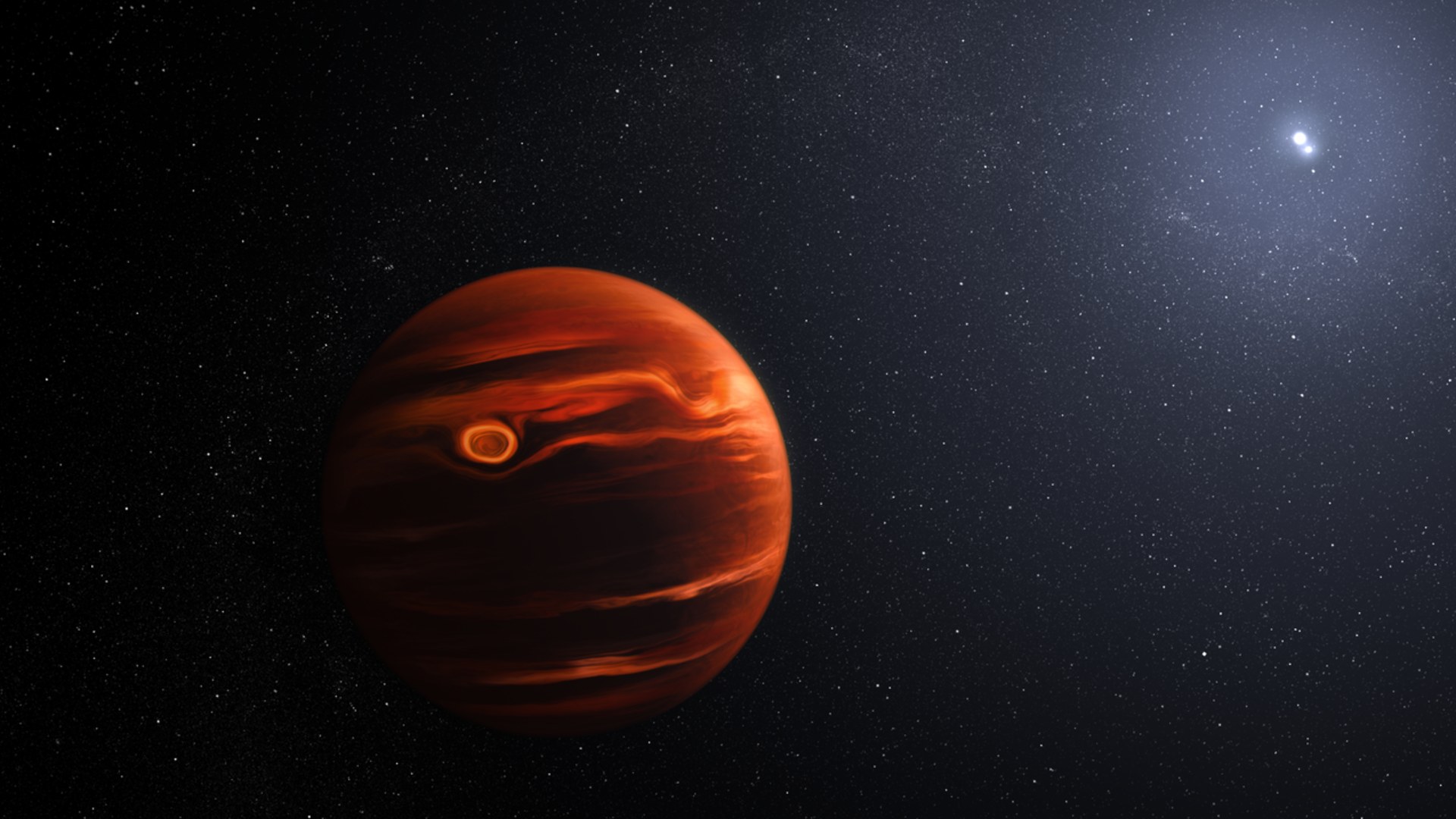
©ESA / NASA, ESA, CSA, Joseph Olmsted (STScI)
17. TRAPPIST-1b
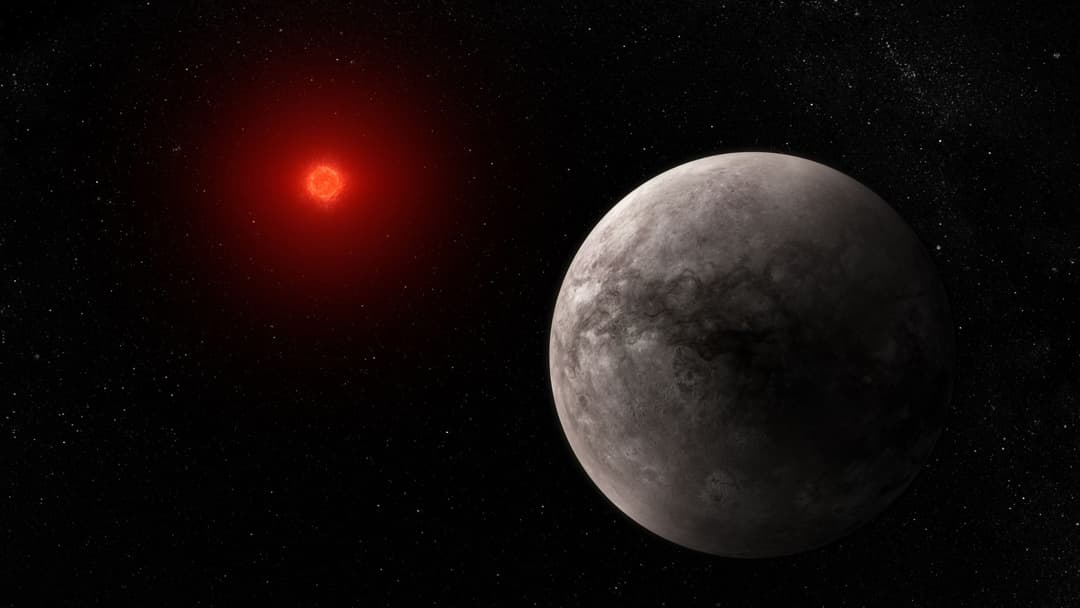
TRAPPIST-1b served as an early target for the James Webb Space Telescope's infrared instruments to probe rocky world atmospheres. Precise thermal measurements revealed daytime temperatures near 450 degrees Fahrenheit, showing that this close-in world likely lacks a thick carbon dioxide atmosphere.
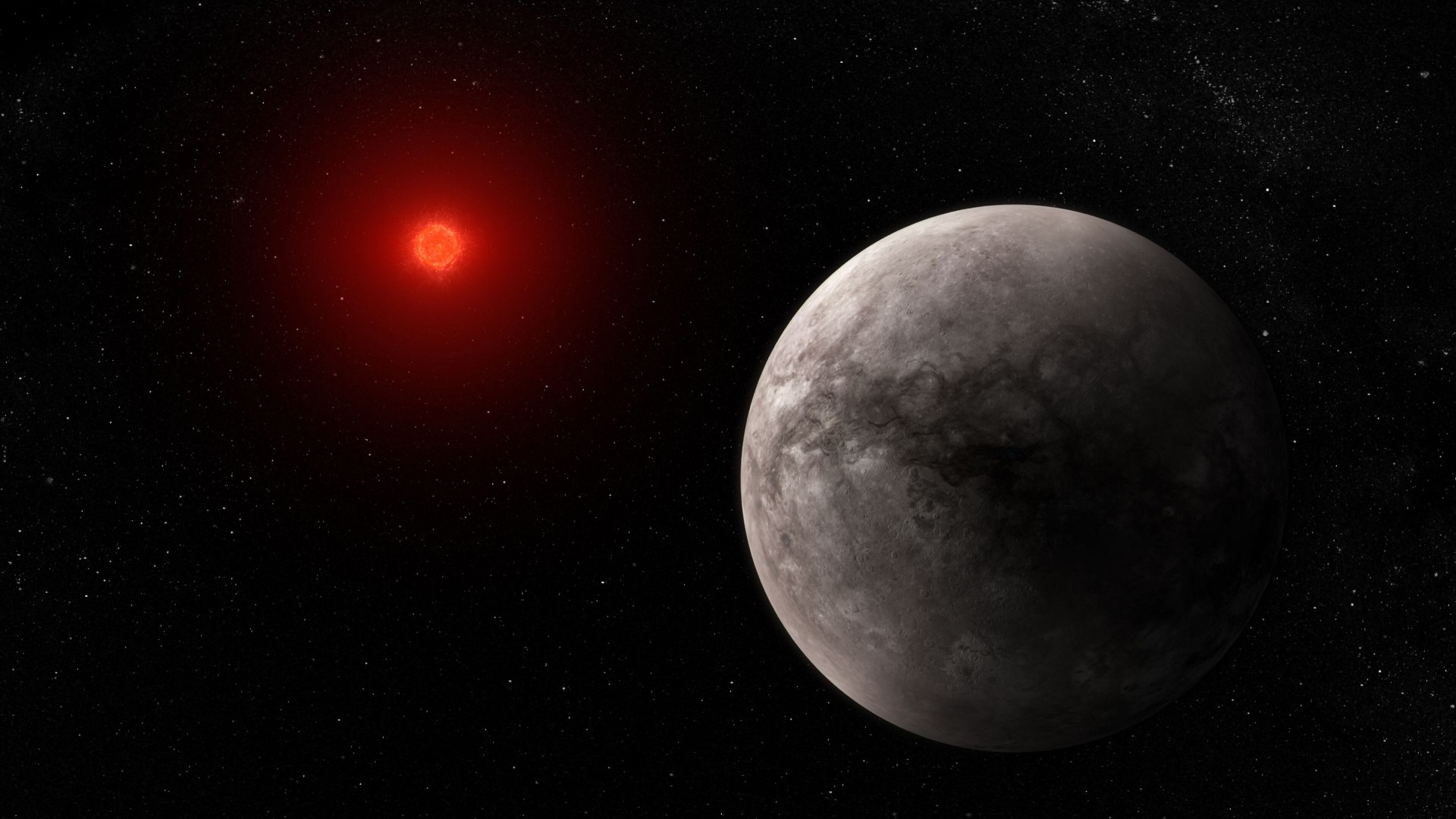
©Wikimedia / NASA, ESA, CSA, J. Olmsted (STScI),
16. Kepler-16b
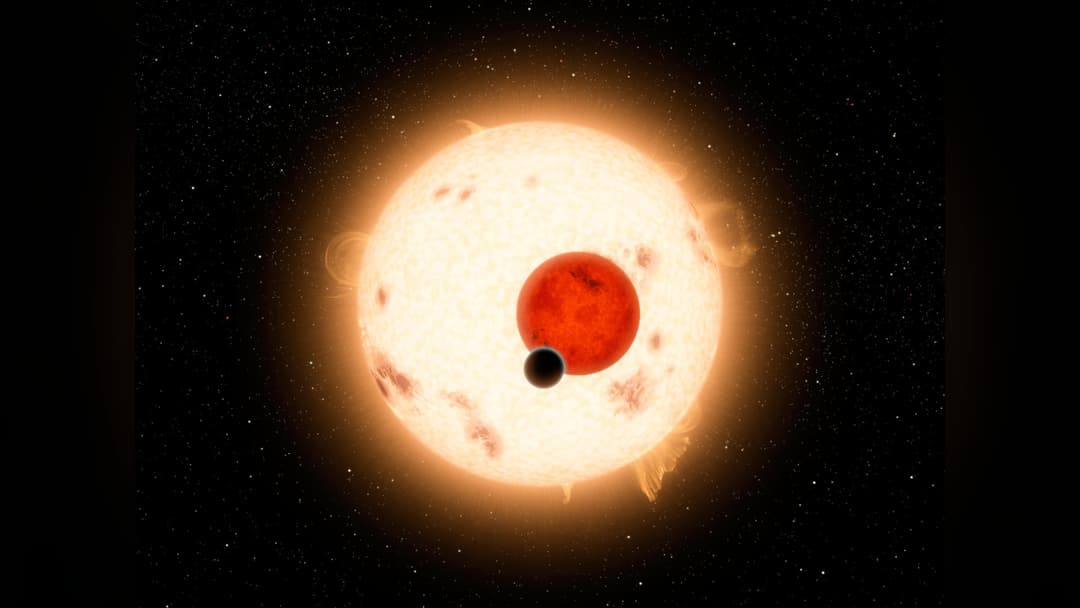
Kepler-16b confirmed that planets can form and maintain stable orbits around binary star pairs. Discovered in 2011, this Saturn-mass gas giant orbits two stars that circle each other every 41 days. Anyone observing its sky would witness two distinct suns rising and setting together.
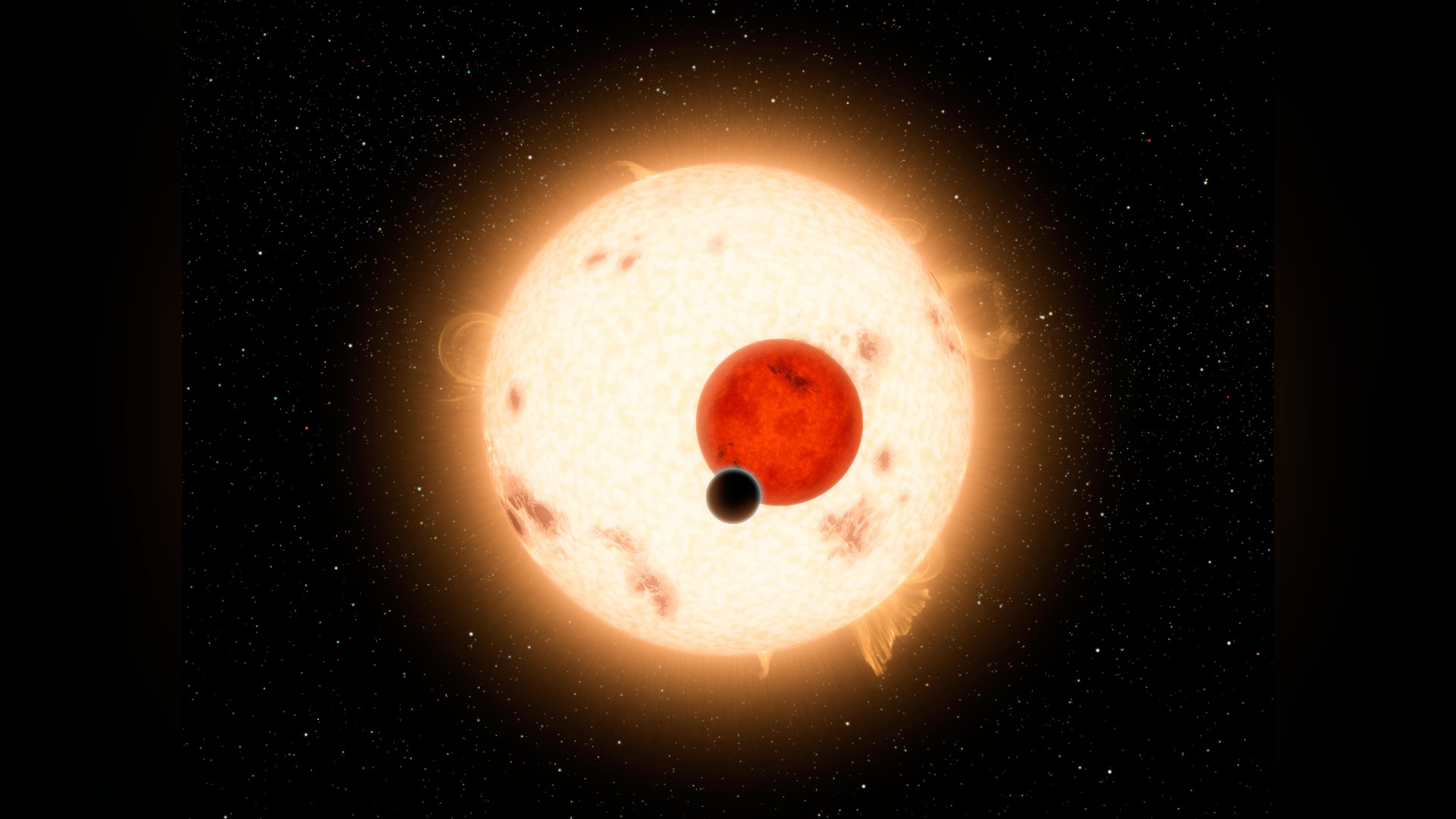
©Wikimedia / Kepler-16b
15. WASP-76b
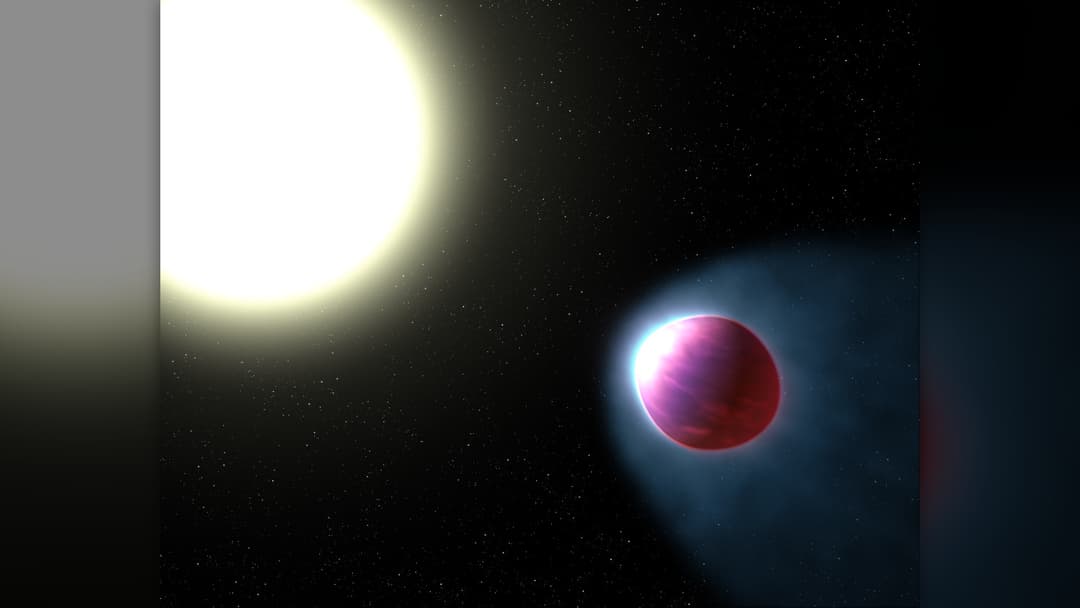
WASP-76b features daytime temperatures soaring past 4,300 degrees Fahrenheit, hot enough to vaporize metallic elements. Strong jet streams carry iron vapor across to its cooler nightside, where temperatures drop sharply and cause the metal to condense, falling from the sky as molten iron rain droplets.
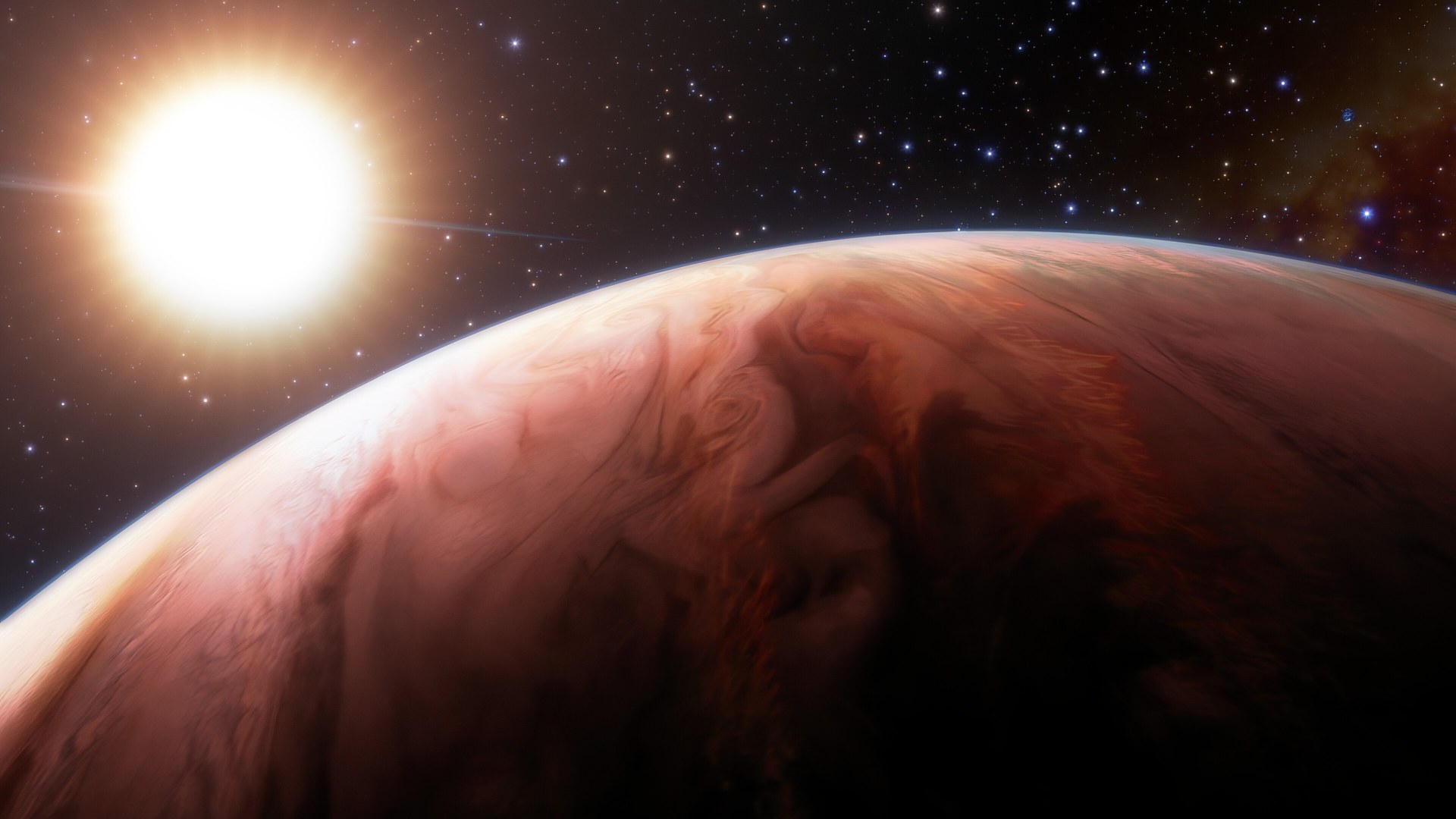
©Wikimedia / International Gemini Observatory / N
Advertisement
Swipe or tap ▶ to resume the countdown.
14. HD 189733b
HD 189733b appears deep cobalt blue from afar, but that color stems from silicate particles scattering blue light in its turbulent atmosphere. Fierce 5,400-mile-per-hour winds whip molten glass particles horizontally through the atmosphere, creating one of the deadliest weather environments ever observed.

©Wikimedia / HD 189733 b
13. Gliese 1214b
Gliese 1214b represents the mysterious class of mini-Neptunes, common throughout the galaxy but absent from our own solar system. James Webb observations pierced its thick atmospheric haze, finding heavy chemical molecules and water vapor that suggest a steamy, water-rich atmospheric composition.
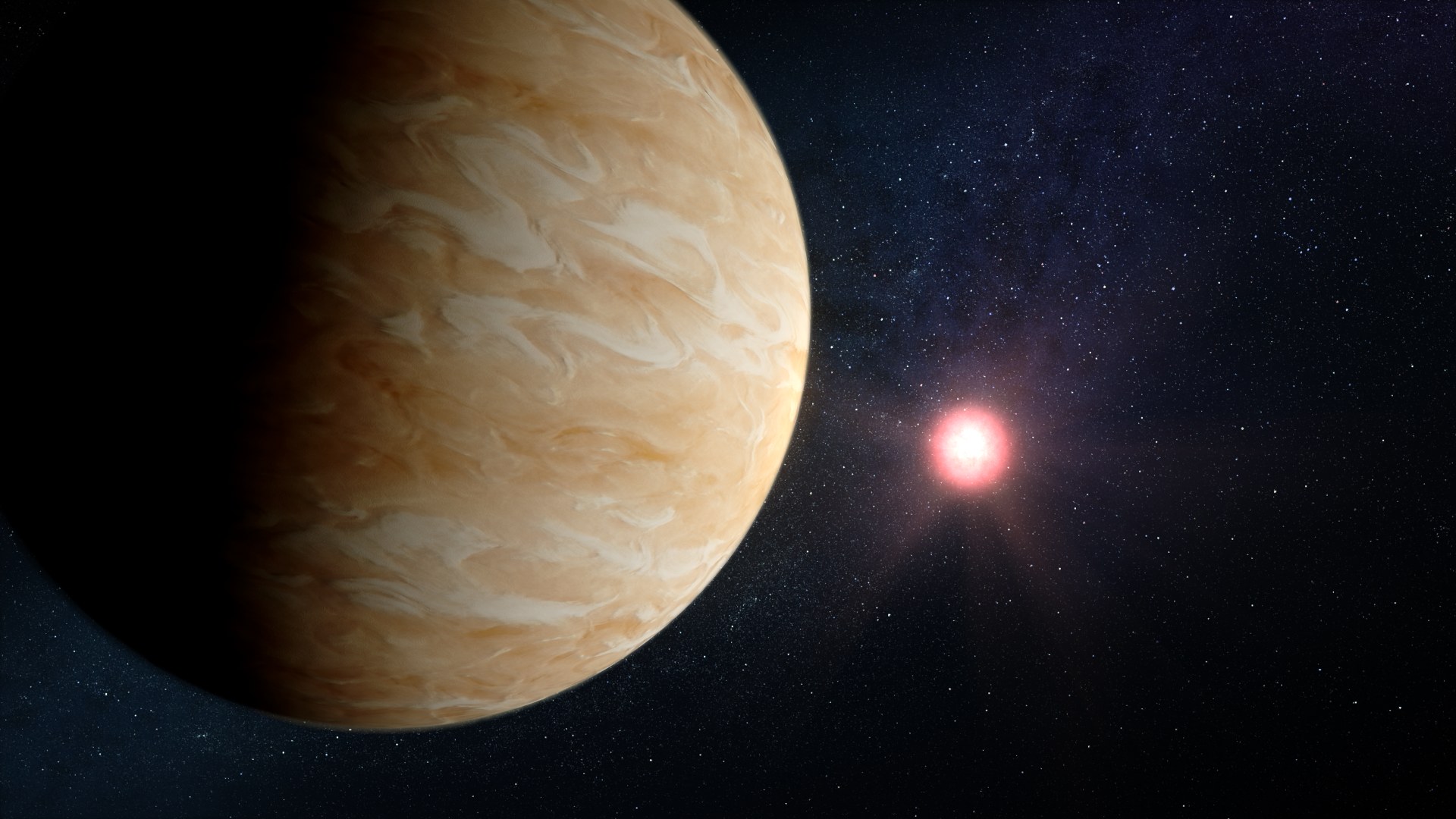
©Wikimedia / NASA, ESA, CSA, Dani Player
12. Kepler-186f
Kepler-186f made astronomical history in 2014 as the first Earth-sized planet found in the habitable zone of another star. Located 500 light-years away, this rocky world orbits an M-dwarf star, receiving one-third of the sunlight Earth receives and residing in an orbit where liquid water could persist.
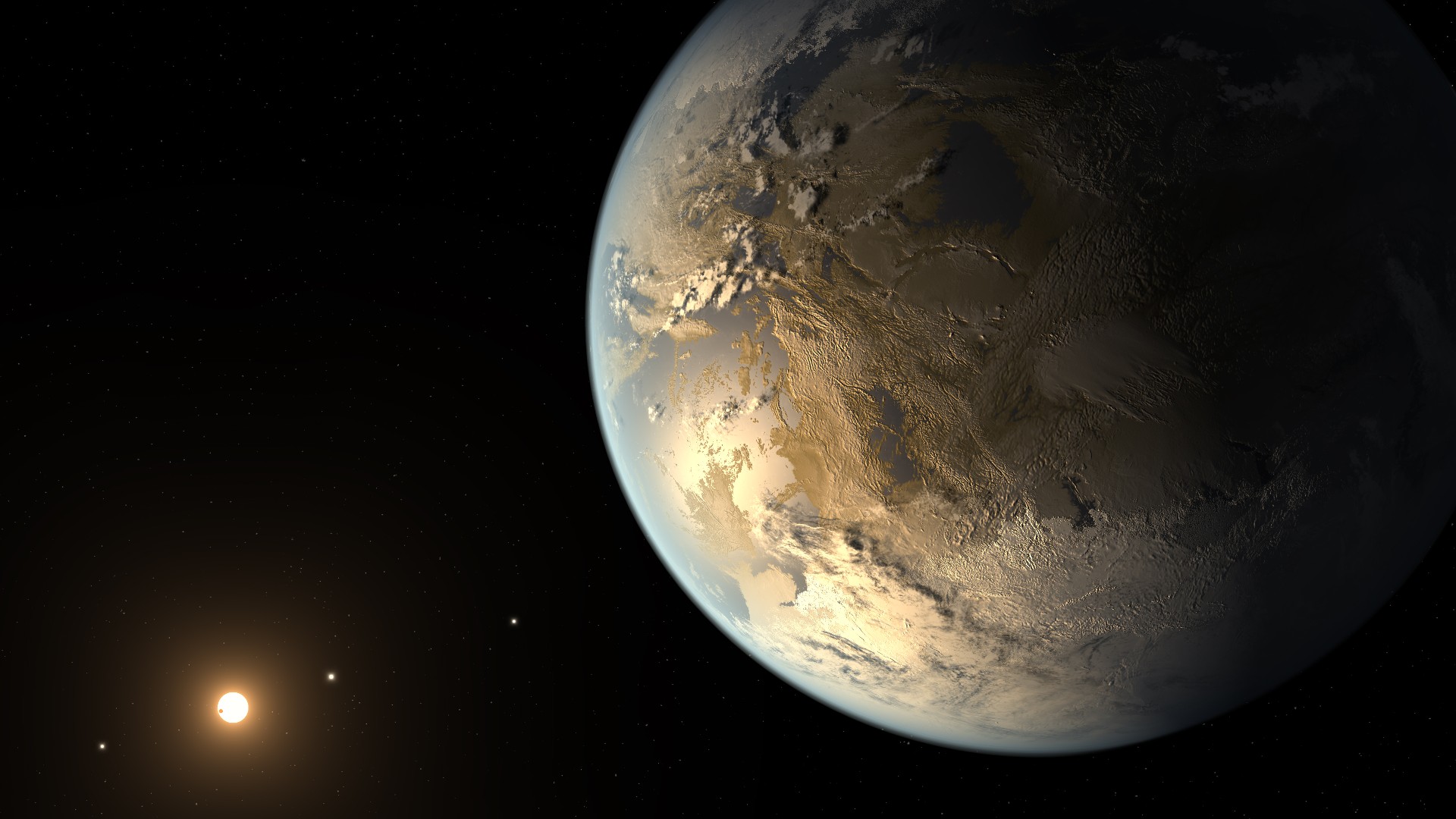
©Wikimedia / Kepler-186f
11. WASP-121b
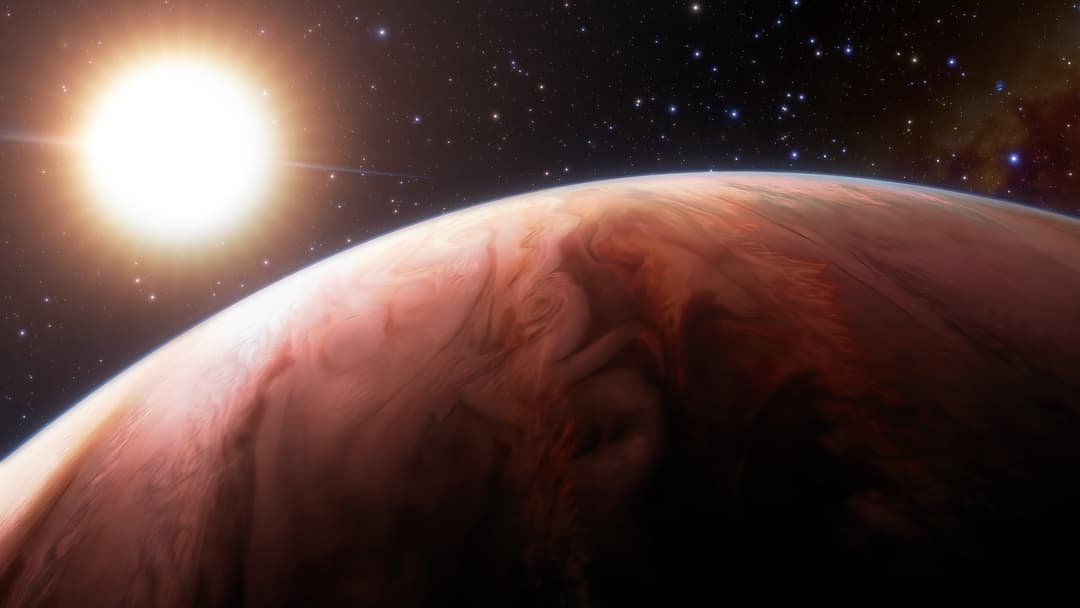
WASP-121b is stretched into an oblong shape by intense tidal forces from its nearby parent star. Its upper atmosphere exceeds 4,500 degrees Fahrenheit, hot enough to vaporize iron, titanium, and vanadium. Scientists even detected water molecules glowing in infrared light in its strange thermal inversion layer.
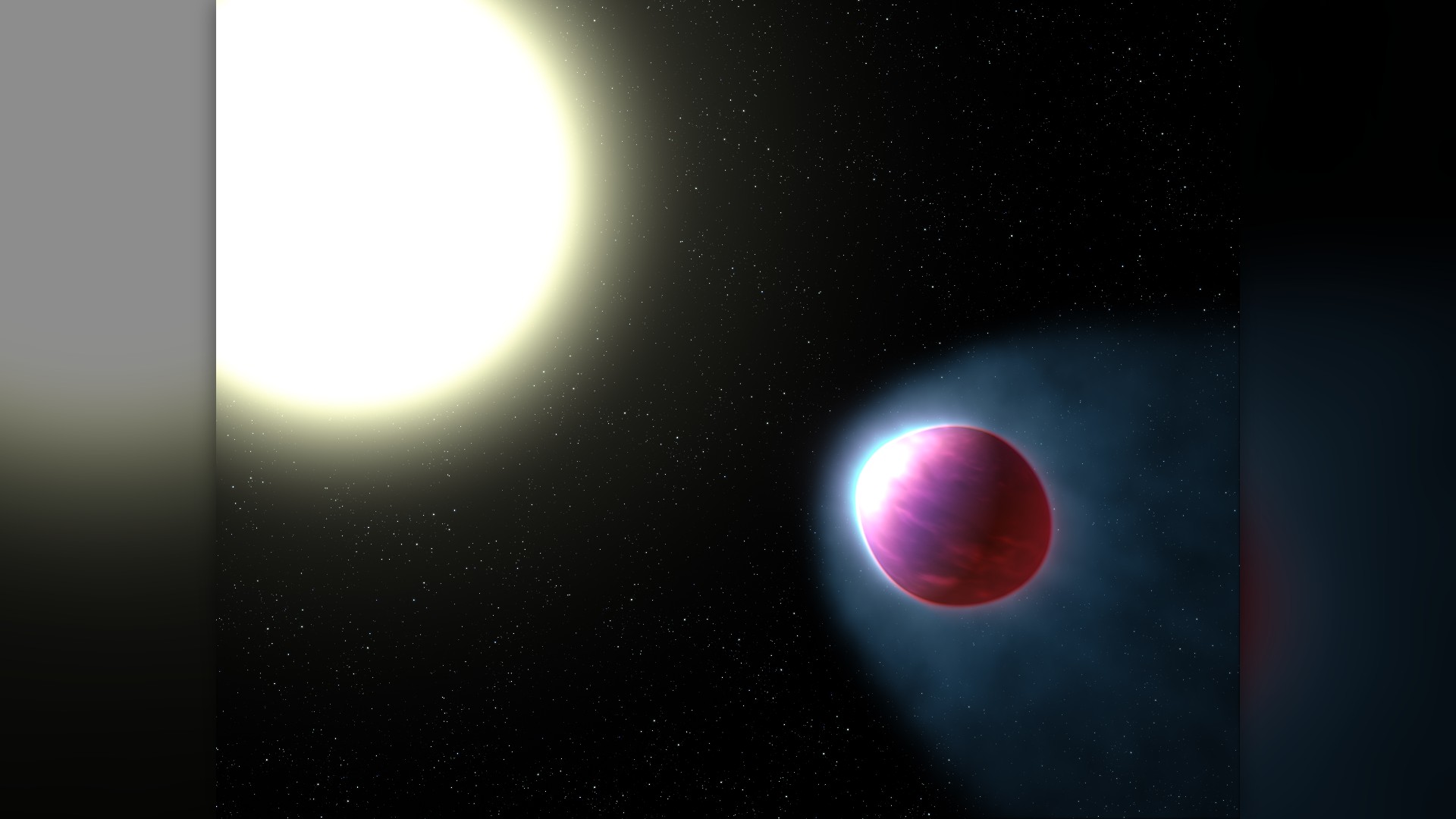
©Wikimedia / WASP-121b
Advertisement
Swipe or tap ▶ to resume the countdown.
10. HD 209458b
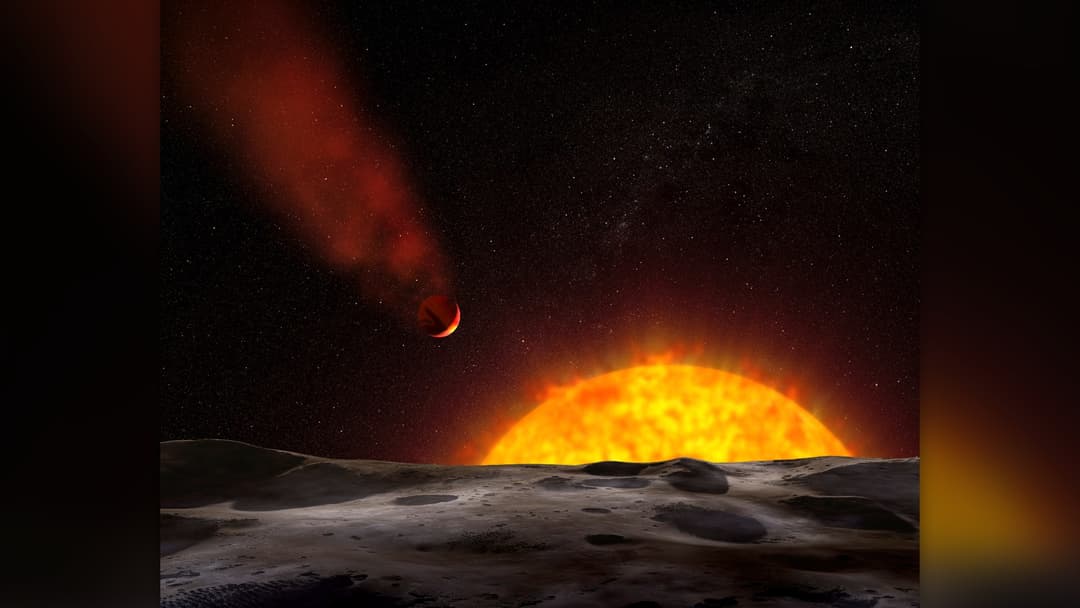
Nicknamed Osiris, HD 209458b became the first transiting exoplanet ever discovered in 1999. It later became the first world where astronomers directly detected an atmosphere, discovering water vapor, hydrogen, and carbon escaping into space in an enormous comet-like tail.
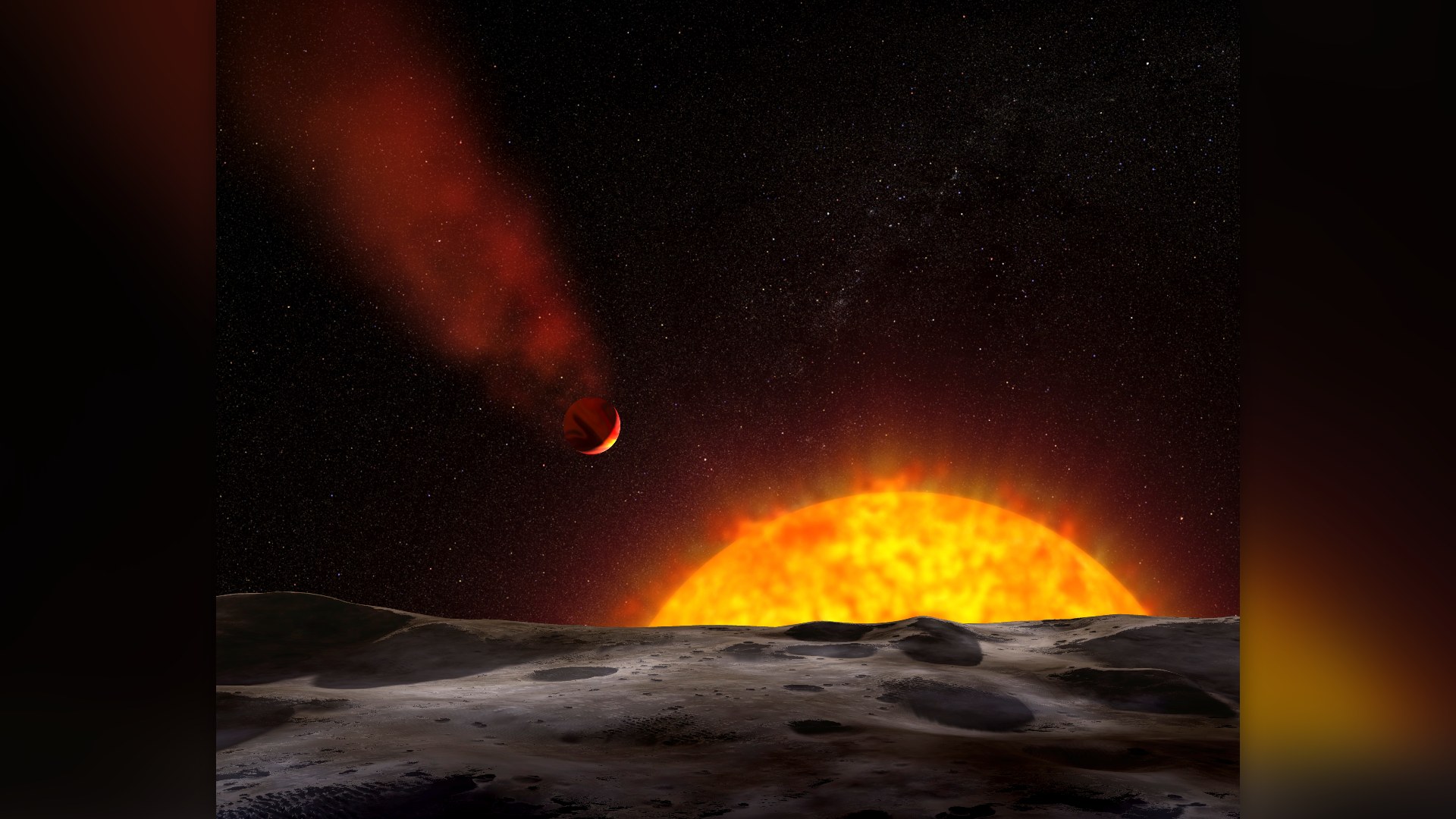
©Wikimedia / Artwork Credit: NASA, ESA, and G. Ba
9. Kepler-22b
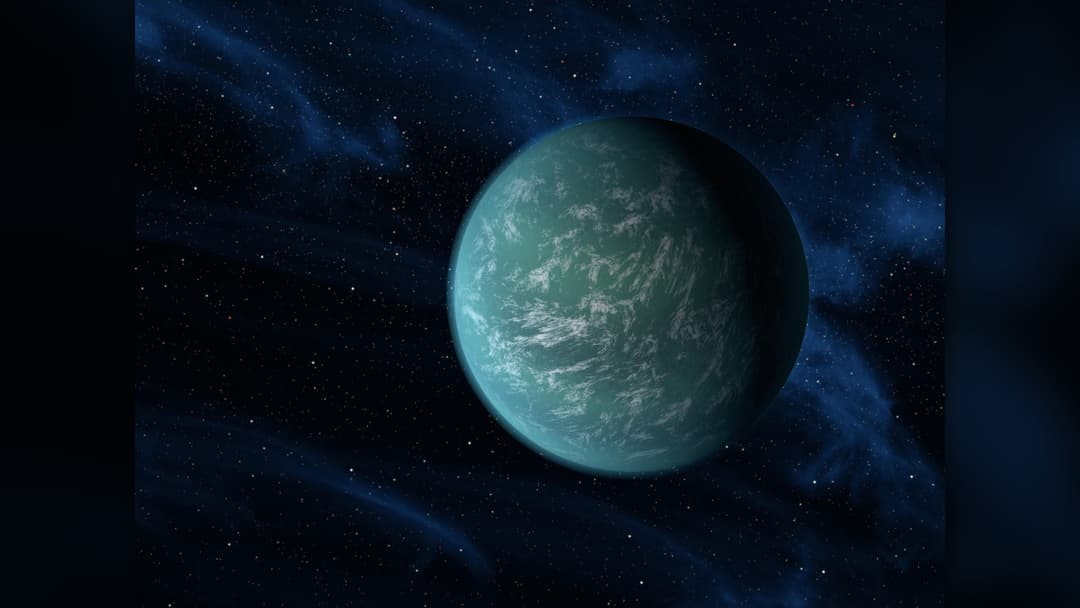
Kepler-22b orbits a G-type star similar to our Sun at a comfortable distance of 600 light-years. With a radius roughly 2.4 times Earth's, this landmark discovery proved that temperate planets orbit solar analogs, sparking ongoing debates over whether it is a rocky ocean world or a gaseous mini-Neptune.
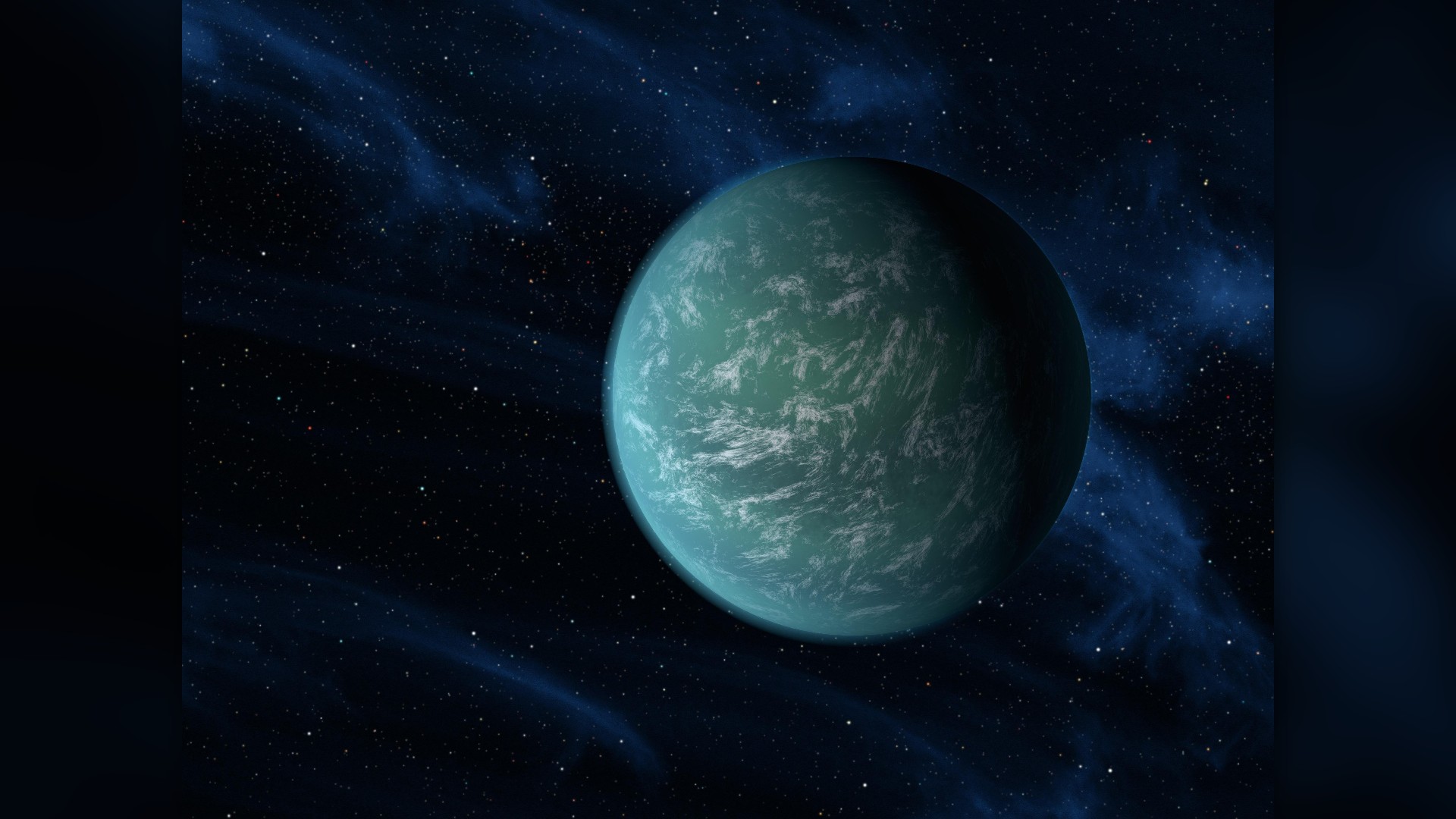
©Wikimedia / Kepler-22b
8. 55 Cancri E
Orbiting its host star in less than 18 hours, 55 Cancri e reaches temperatures high enough to melt rock on its surface. Recent James Webb observations detected spectroscopic evidence of a thick secondary atmosphere rich in carbon monoxide and carbon dioxide, bubbling out from a vast subterranean magma ocean.
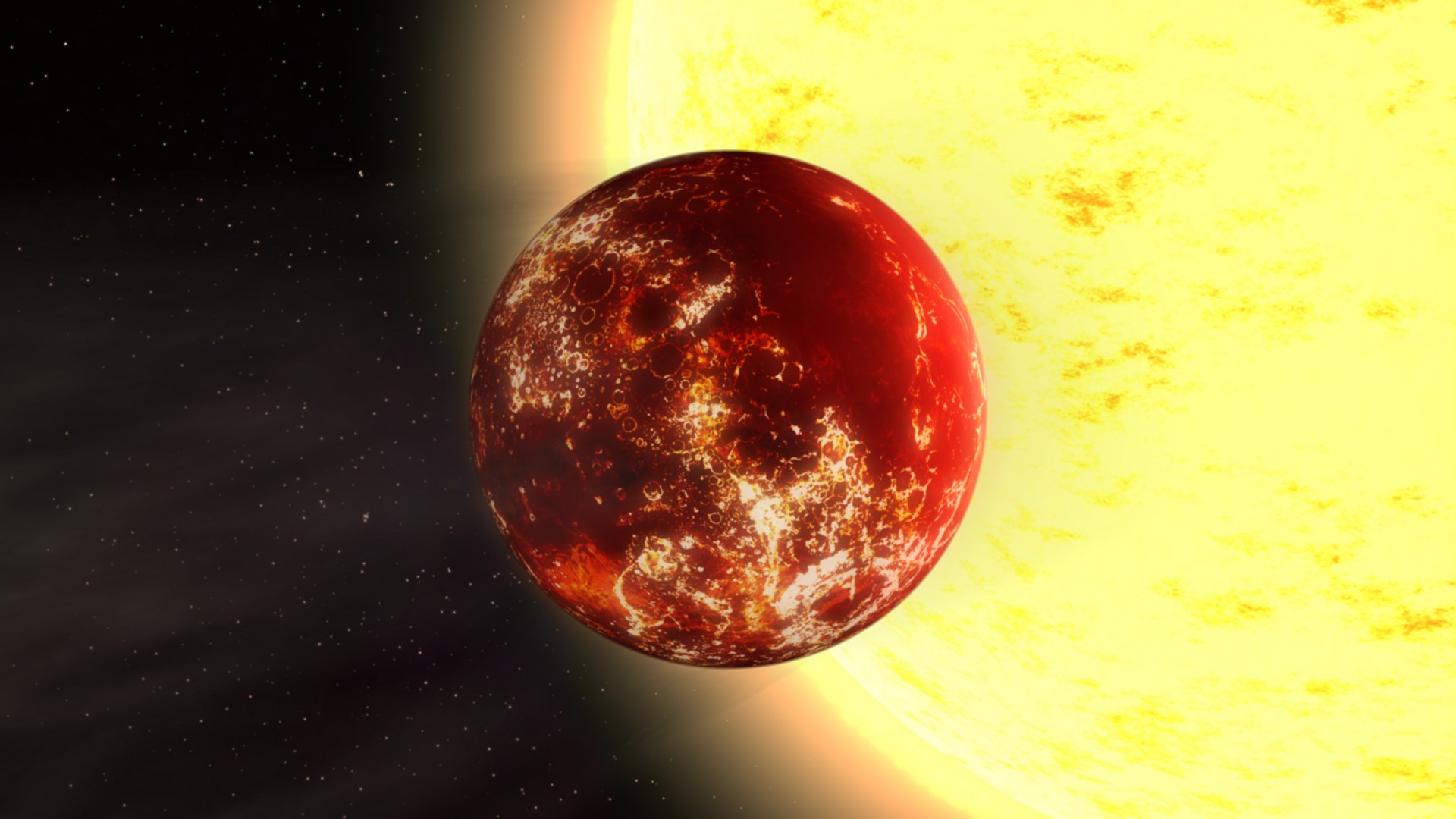
©Wikimedia / Kevin M. Gill
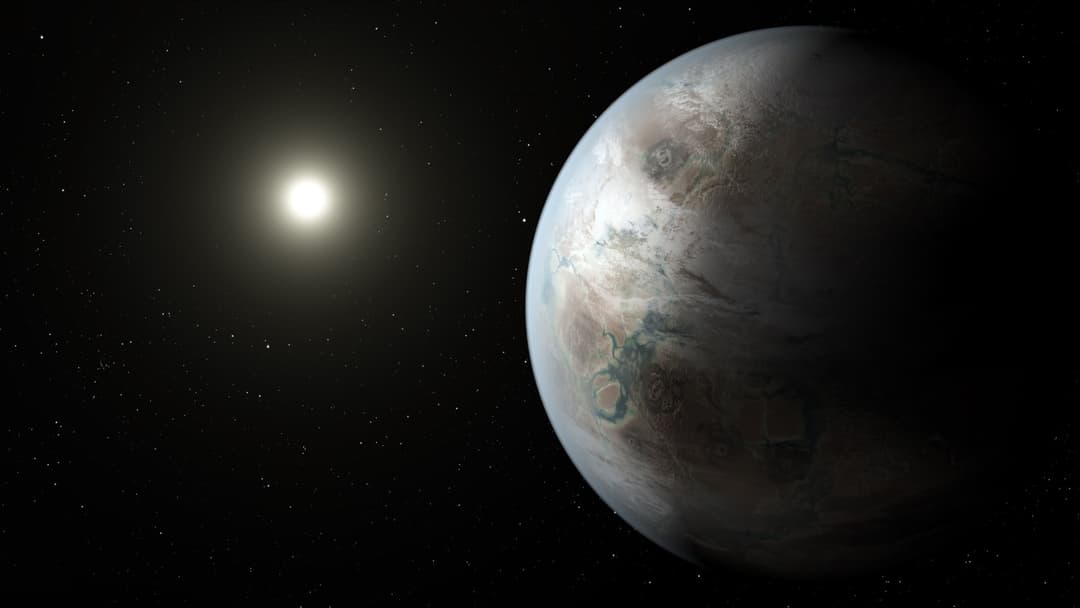
7. Kepler-452b
Kepler-452b was hailed as Earth's closest twin when announced in 2015. Located 1,400 light-years away in Cygnus, it takes 385 days to complete one orbit around a star very similar to our Sun. With a radius 60 percent larger than Earth, it spends billions of years in its star's goldilocks zone.
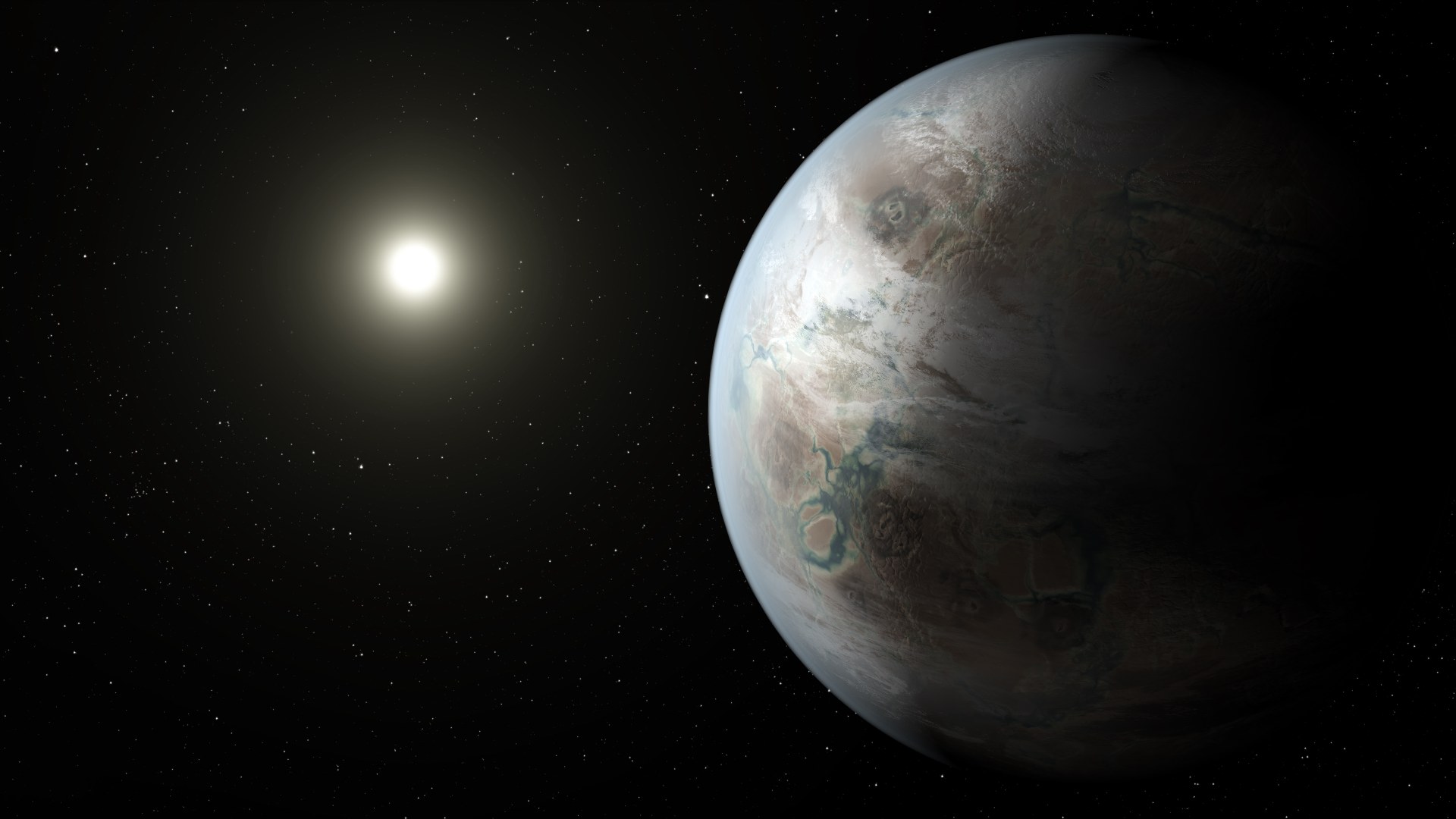
©Wikimedia / NASA Ames/JPL-Caltech/T. Pyle
Advertisement
Swipe or tap ▶ to resume the countdown.
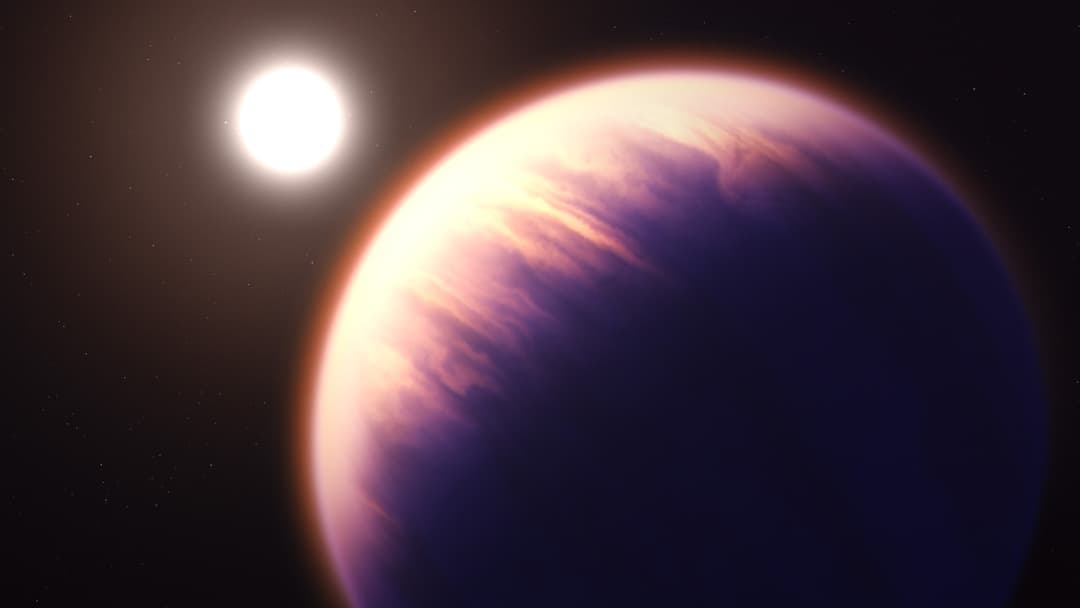
6. WASP-39b
WASP-39b yielded a monumental discovery when James Webb delivered the first clear detection of carbon dioxide in an alien atmosphere. Subsequent high-resolution spectra revealed water vapor, sulfur dioxide produced by stellar photochemistry, and sodium, setting a new benchmark for exoplanet transmission spectroscopy.
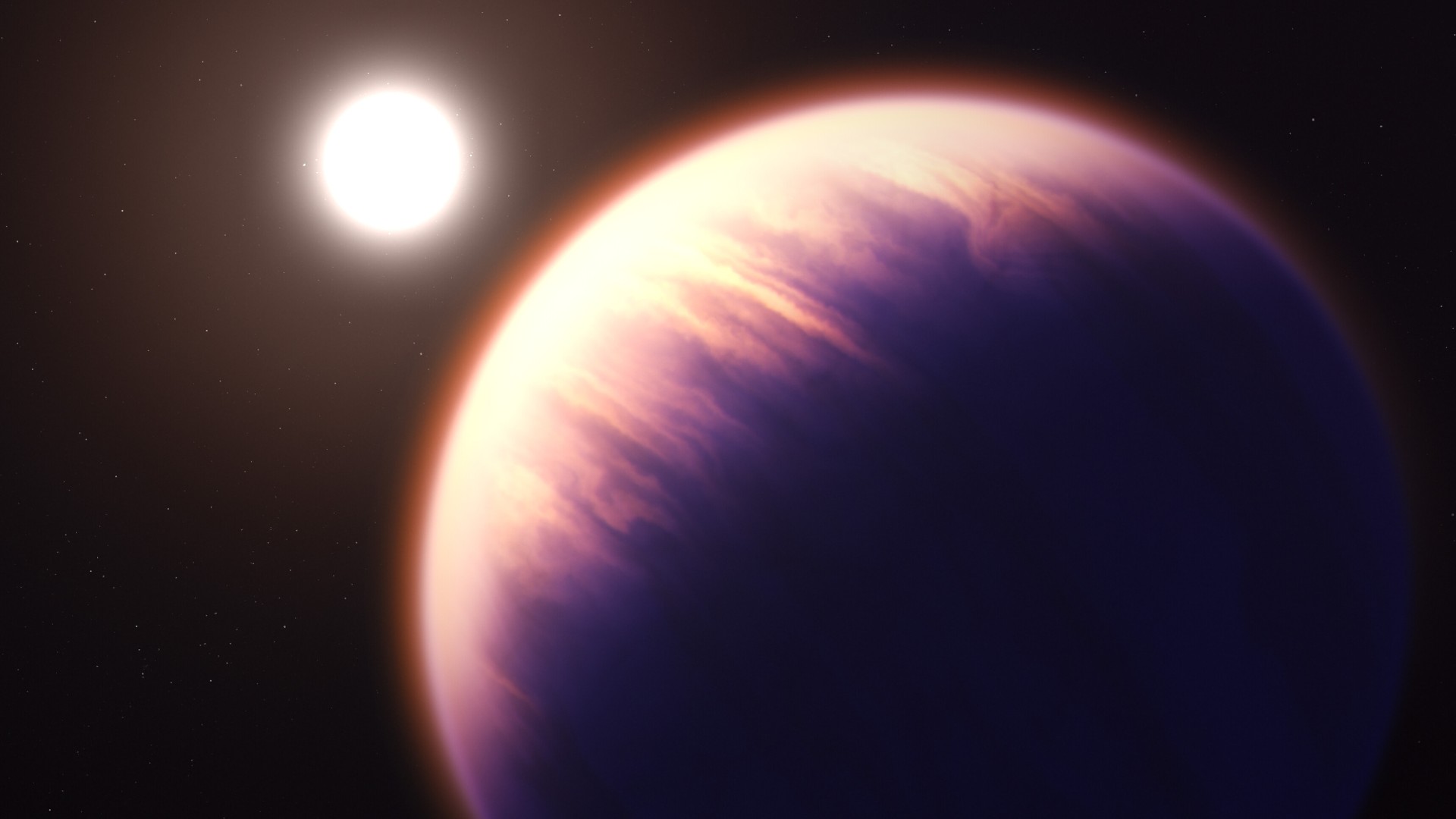
©Wikimedia / WASP-39b
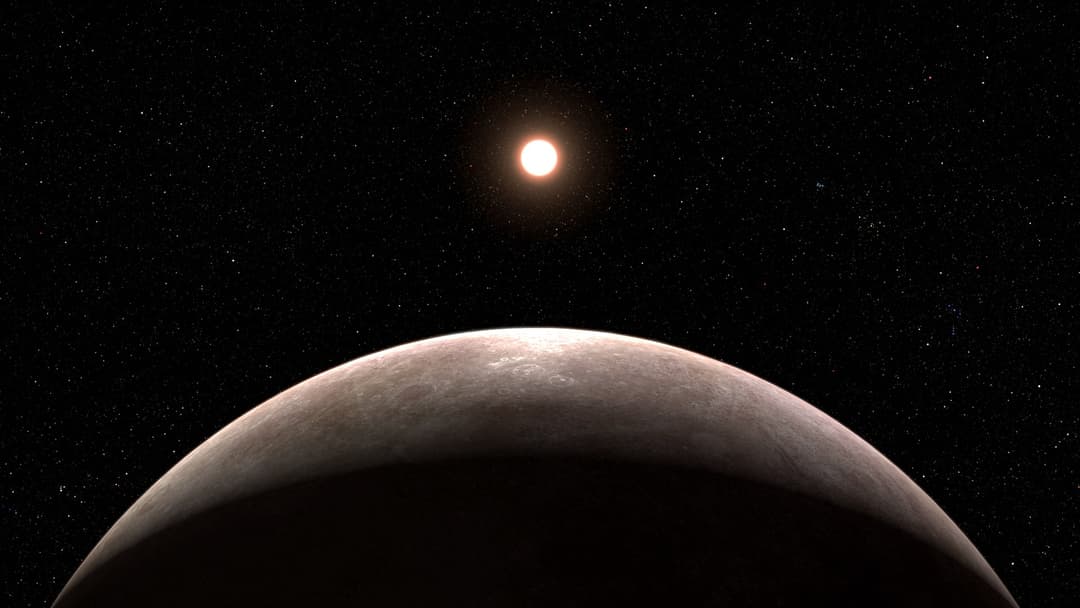
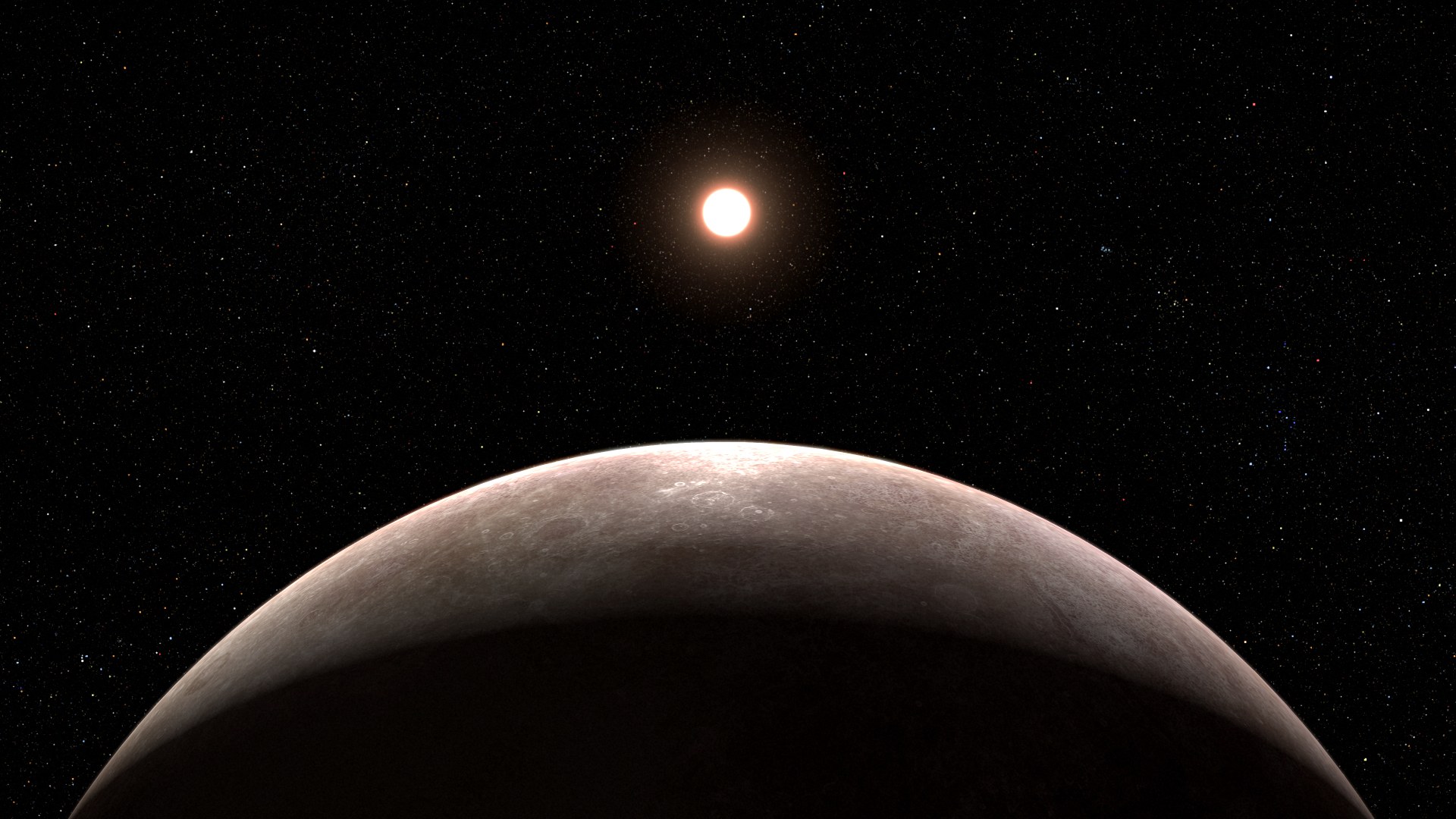
5. LHS 475b
LHS 475b confirmed the James Webb Space Telescope's extraordinary precision when astronomers verified this Earth-sized world in 2023. Orbiting a red dwarf star only 41 light-years away in Octans, NIRSpec data showed it is almost identical in diameter to Earth while completing an orbit in just two days.
©Wikimedia / NASA, ESA, CSA, Leah Hustak
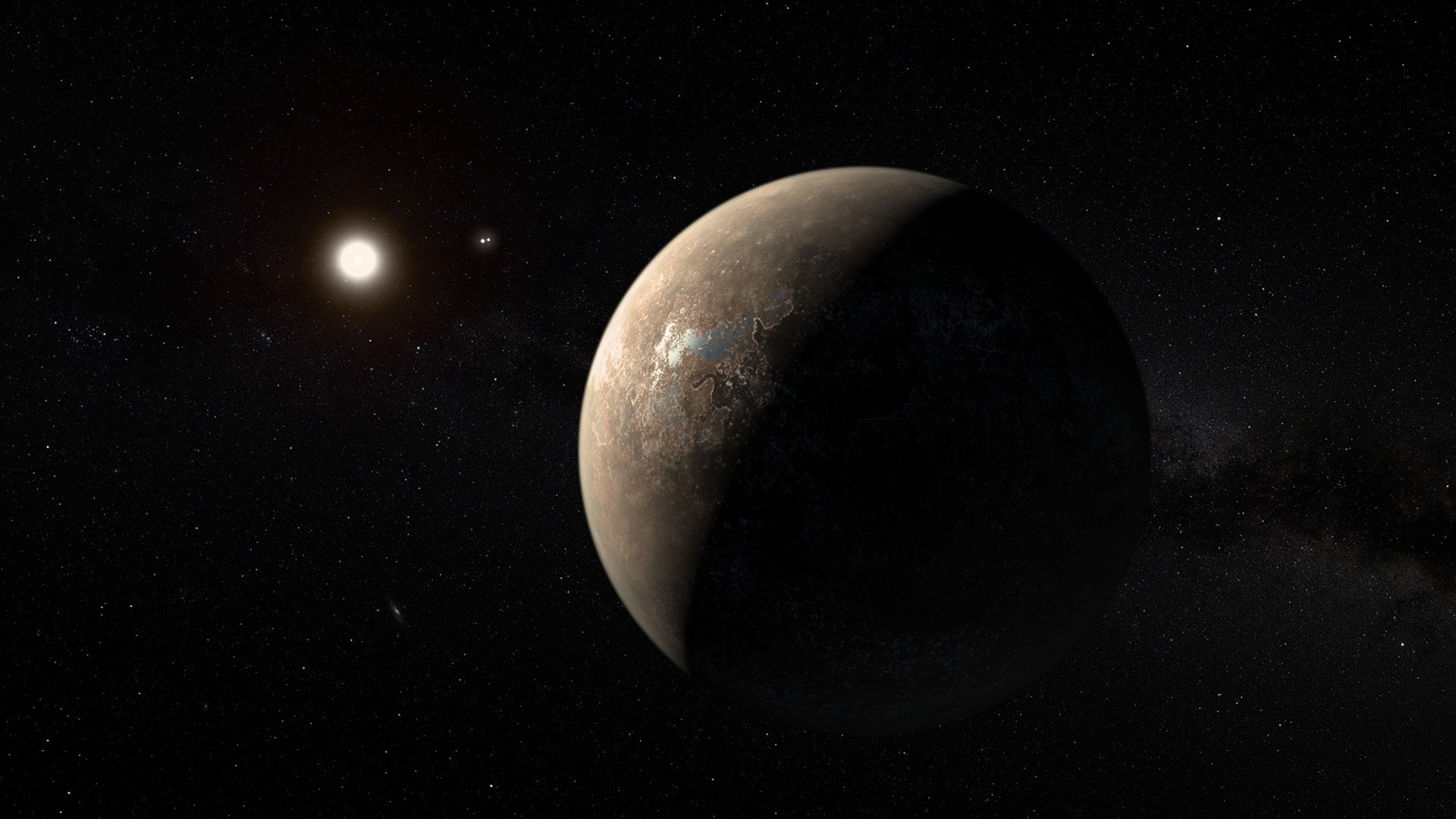
4. Proxima Centauri B
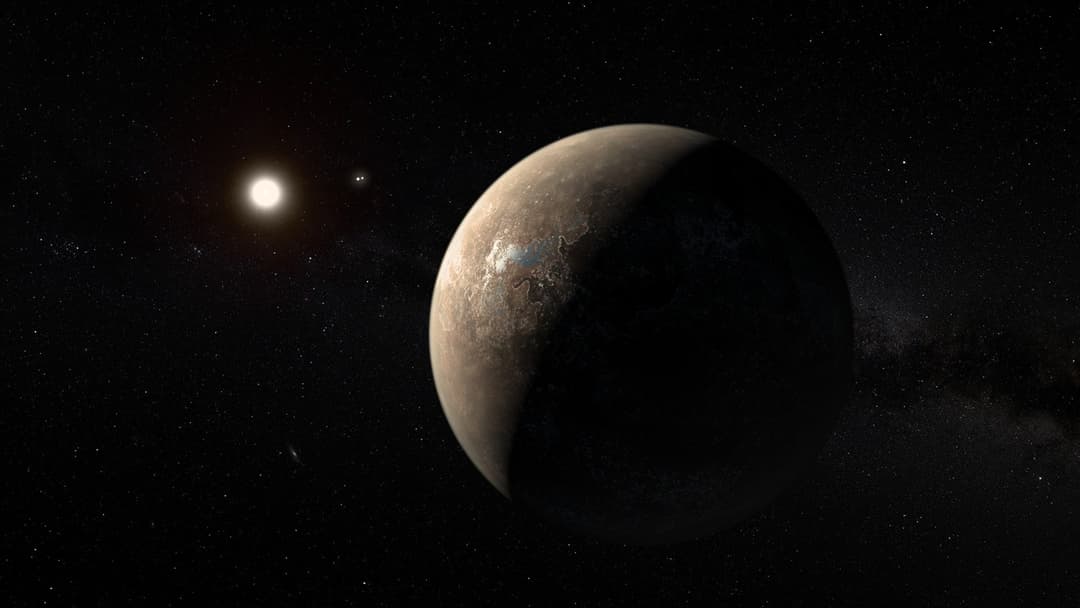
Proxima Centauri b sits just 4.24 light-years away, making it humanity's closest known exoplanet neighbor. It orbits within the habitable zone of our sun's nearest neighboring star, receiving about 65 percent of Earth's solar energy, though stellar flares present significant hurdles for surface life.
©Wikimedia / ESO/M. Kornmesser
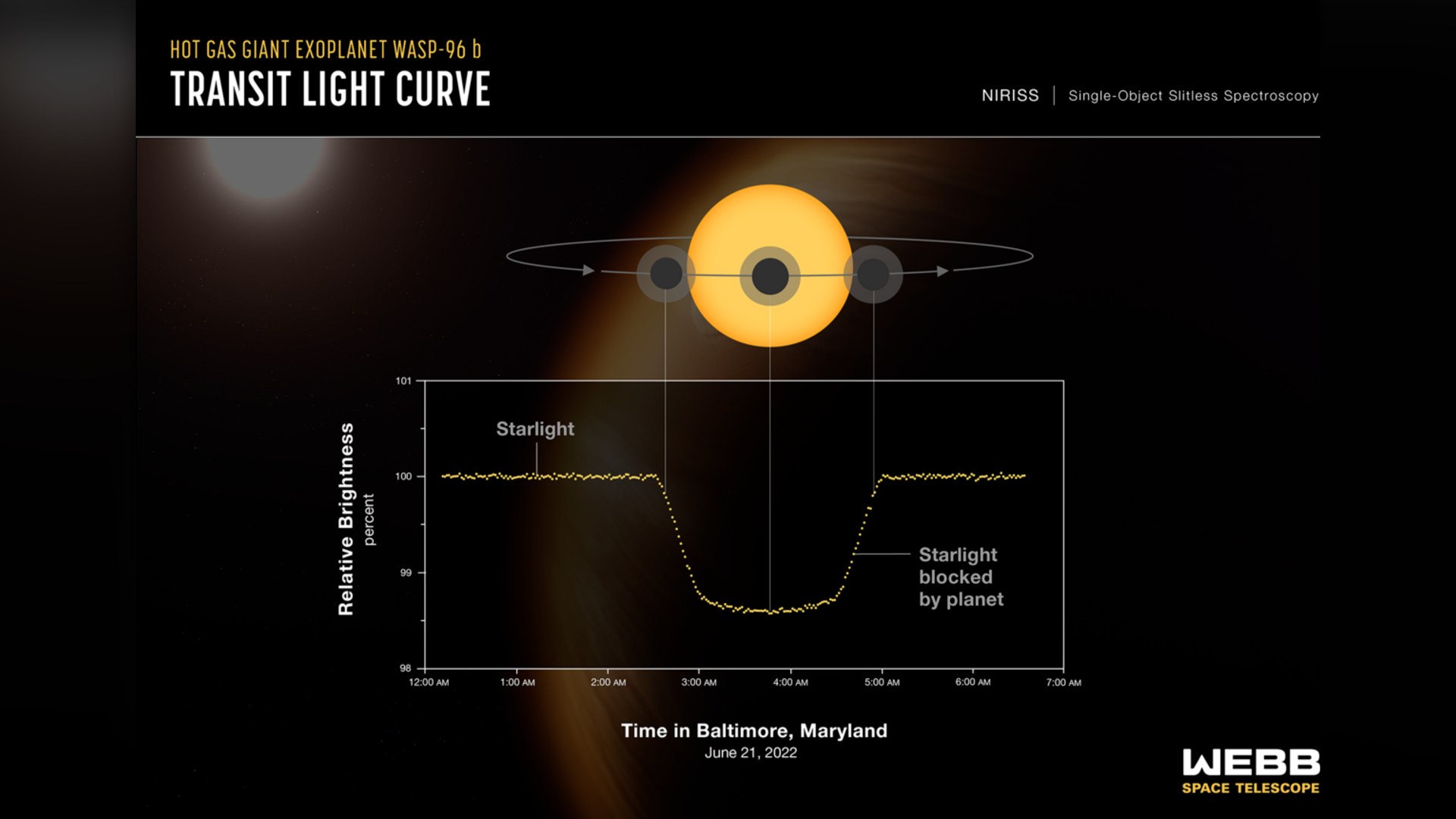
3. WASP-96b
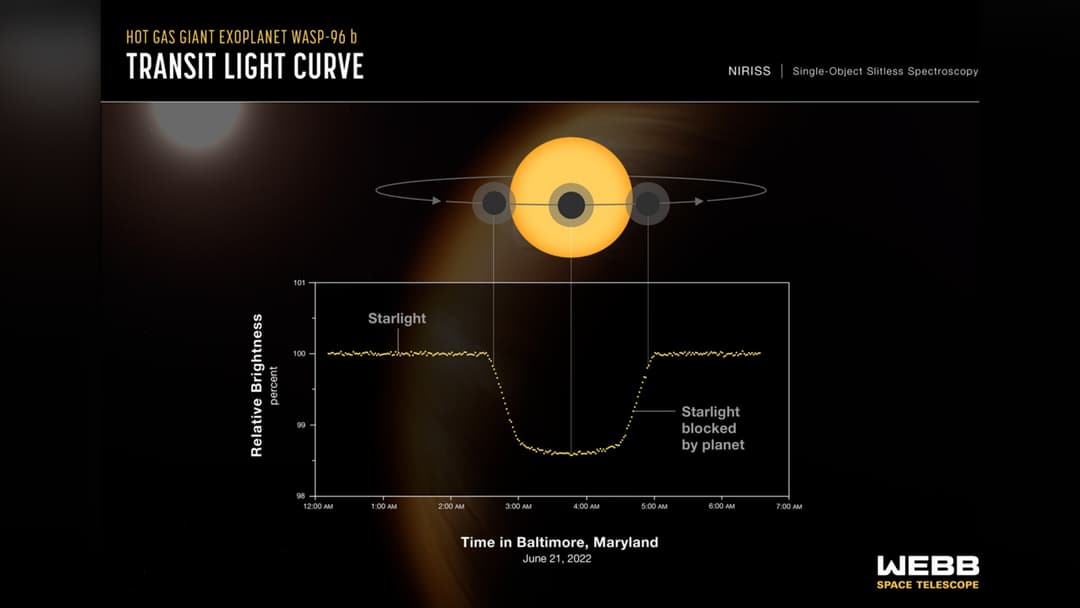
WASP-96b became world-famous when NASA released its transmission spectrum among James Webb's first five full-color science images in July 2022. The detailed spectrum revealed clear atmospheric water signatures alongside hazy cloud evidence, proving Webb's unmatched power to dissect distant alien skies.
©ESA / NASA
Advertisement
Swipe or tap ▶ to resume the countdown.
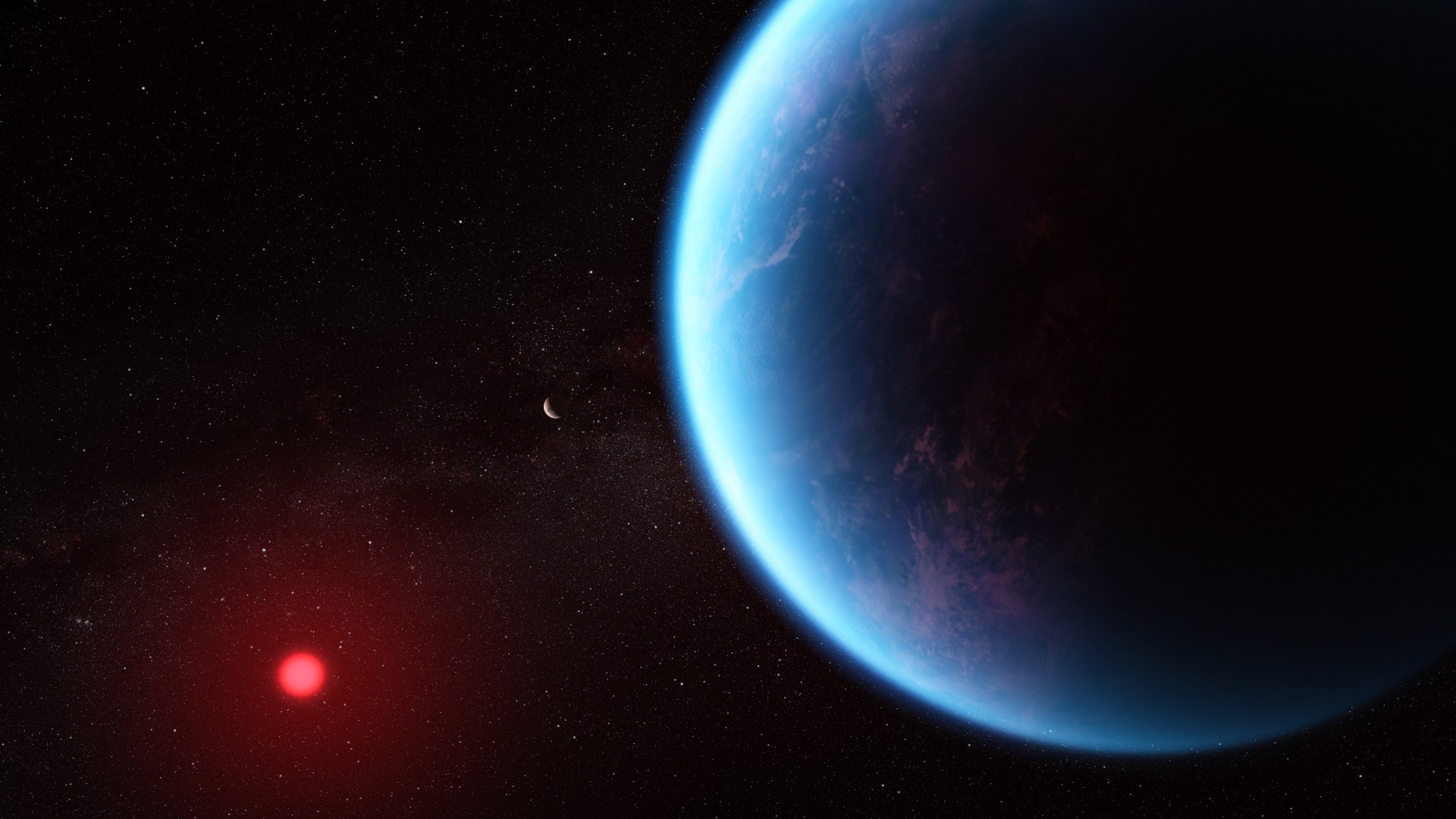
2. K2-18b
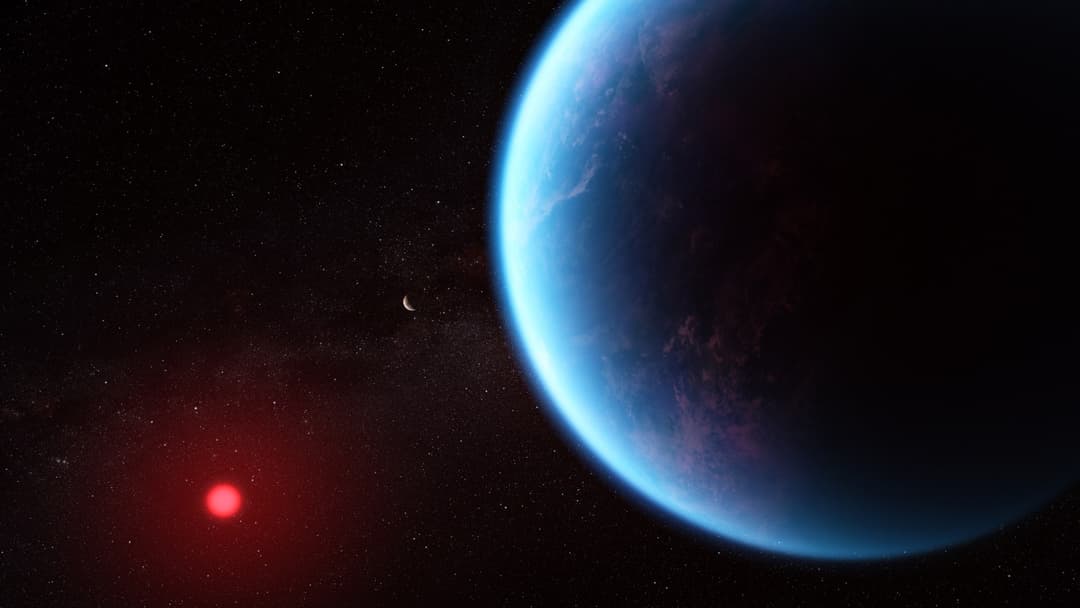
K2-18b captured global headlines when James Webb detected methane and carbon dioxide in its atmosphere while noting a lack of ammonia. These spectral clues support the hypothesis that K2-18b could be a Hycean world, possessing a hydrogen-rich atmosphere over a planet-wide liquid water ocean.
©Wikimedia / NASA, ESA, CSA, Joseph Olmsted
1. TRAPPIST-1e
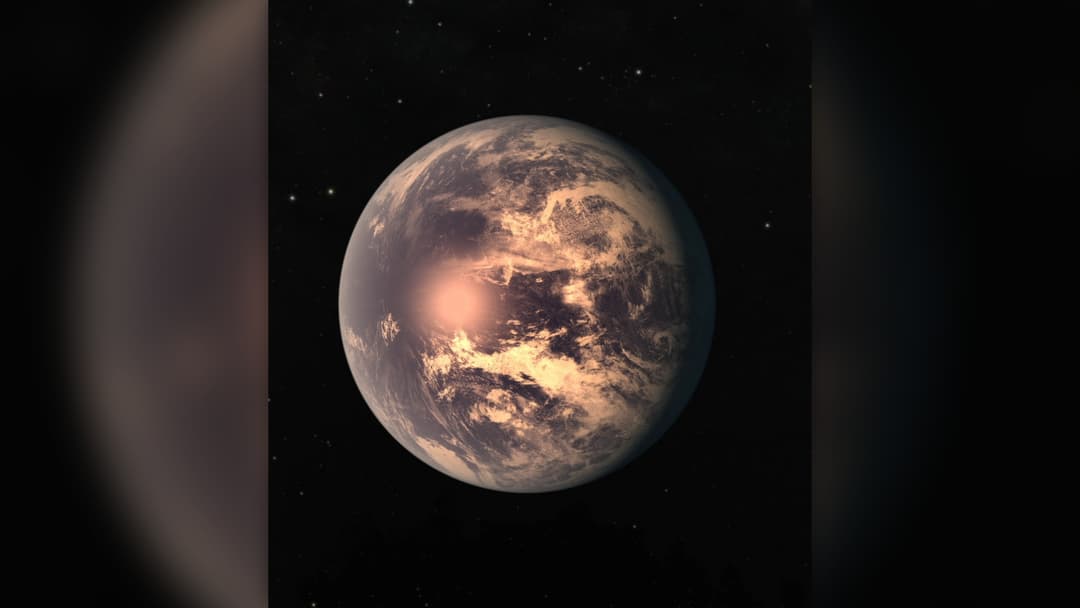
TRAPPIST-1e ranks as the premier target in humanity's search for extraterrestrial habitability. Located 40 light-years away, it has nearly identical mass, radius, and gravity to Earth. Situated right in the middle of its red dwarf star's habitable zone, it remains the focus of intensive James Webb atmospheric studies.
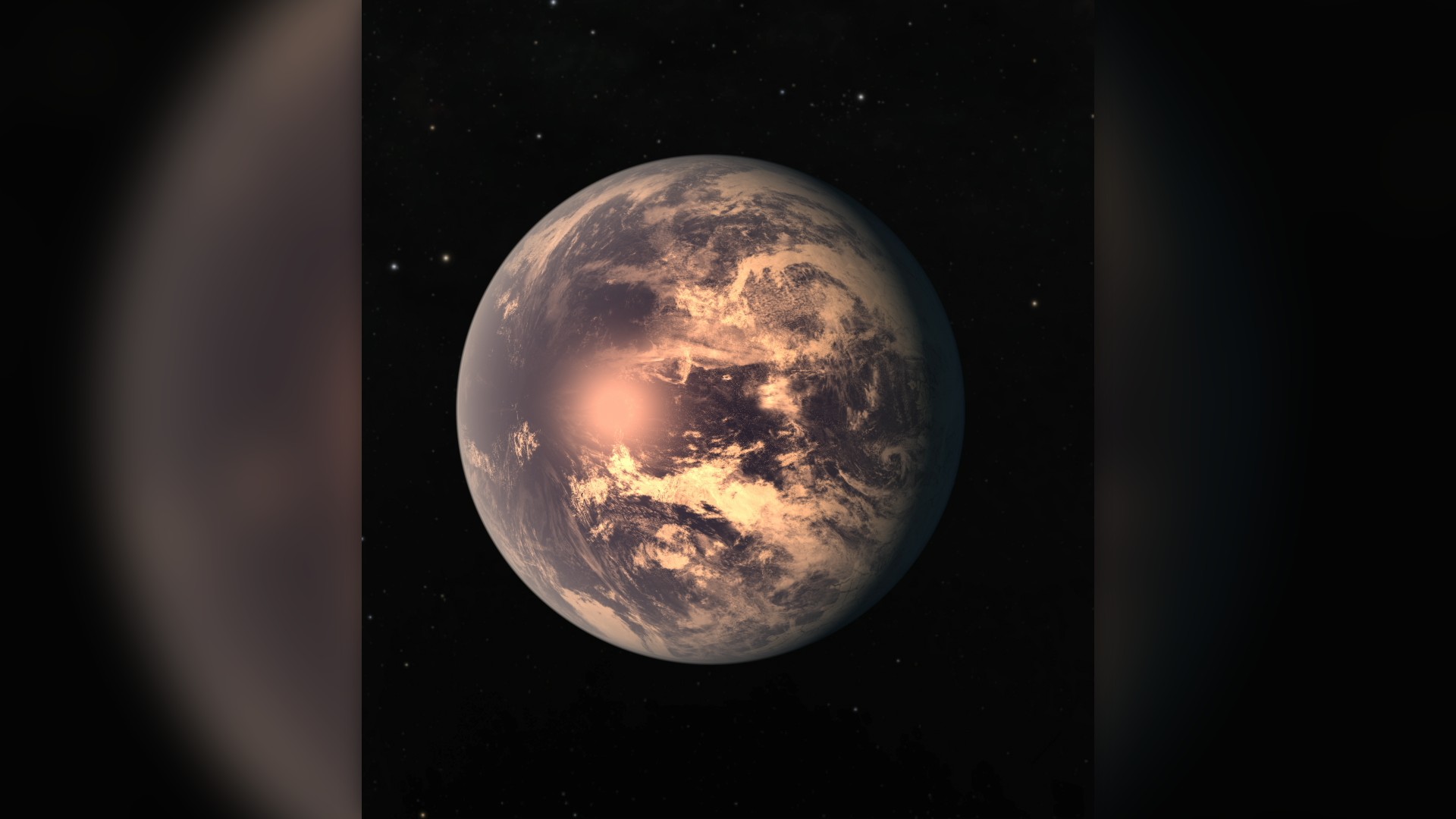
©Wikimedia / NASA, JPL-Caltech
Advertisement
You've reached the end of the story. Thanks for reading!

20 Fact about Doomsday Study's 13 Nov 2026 End of World Prediction Failure
On Friday, November 13, 2026, humanity officially outlived a famous 1960 Science study that calculated the world population would hit infinity today. Here is why the doomsday math failed.
All 25 Entries in this Story
25. HR 8799e
HR 8799e belongs to a benchmark system where astronomers directly imaged four giant planets orbiting a young star. Located 133 light-years away in Pegasus, this super-Jupiter glows with internal heat left over from its formation, giving scientists a direct look at atmospheric convection in infant planetary systems.

24. Beta Pictoris B
Beta Pictoris b gave astronomers their first measurement of an exoplanet's rotation rate, spinning at over 60,000 miles per hour. Located 63 light-years away, this massive world orbits inside a dense debris disk, providing real-time observations of how planetary systems clear dust during early evolution.

23. Kepler-10b
Kepler-10b marked a landmark breakthrough in 2011 as the first confirmed rocky exoplanet found by Kepler. Orbiting its star in just 20 hours, its sun-facing surface reaches scorching temperatures above 2,500 degrees Fahrenheit, creating superheated surface terrain likely covered in molten silicate lava.

22. HAT-P-7b
HAT-P-7b experiences extreme weather driven by powerful atmospheric winds that sweep clouds across its hemispheres. Scientists detected mineral clouds composed of corundum, the mineral that forms rubies and sapphires, circulating through an atmosphere subject to catastrophic shifts in cloud cover.

21. WASP-17b
WASP-17b astonished astronomers when discovered in 2009 because of its retrograde orbit, moving in the opposite direction of its host star's rotation. Despite having only half of Jupiter's mass, intense stellar heating has puffed its radius to almost twice that of Jupiter, making it exceptionally low density.

20. TOI-700d
TOI-700d was confirmed in 2020 as the Transiting Exoplanet Survey Satellite's first Earth-sized planet located in a star's habitable zone. Orbiting an inactive red dwarf roughly 100 light-years away, the planet receives about 86 percent of the energy Earth gets from the Sun, making liquid water possible.

19. Kepler-62f
Kepler-62f is a super-Earth roughly 40 percent larger than Earth, situated in the outer habitable zone of a star 1,200 light-years away in Lyra. Climate simulations indicate that with a carbon dioxide-rich atmosphere, this temperate world could support global oceans without freezing solid.

18. VHS 1256b
James Webb observations of VHS 1256b revealed clear signatures of churning silicate clouds in its superheated atmosphere. The telescope detected grains of smoke-like quartz and sand rising and swirling violently across a 22-hour day, offering unprecedented insight into extreme weather on distant worlds.

17. TRAPPIST-1b
TRAPPIST-1b served as an early target for the James Webb Space Telescope's infrared instruments to probe rocky world atmospheres. Precise thermal measurements revealed daytime temperatures near 450 degrees Fahrenheit, showing that this close-in world likely lacks a thick carbon dioxide atmosphere.

16. Kepler-16b
Kepler-16b confirmed that planets can form and maintain stable orbits around binary star pairs. Discovered in 2011, this Saturn-mass gas giant orbits two stars that circle each other every 41 days. Anyone observing its sky would witness two distinct suns rising and setting together.

15. WASP-76b
WASP-76b features daytime temperatures soaring past 4,300 degrees Fahrenheit, hot enough to vaporize metallic elements. Strong jet streams carry iron vapor across to its cooler nightside, where temperatures drop sharply and cause the metal to condense, falling from the sky as molten iron rain droplets.

14. HD 189733b
HD 189733b appears deep cobalt blue from afar, but that color stems from silicate particles scattering blue light in its turbulent atmosphere. Fierce 5,400-mile-per-hour winds whip molten glass particles horizontally through the atmosphere, creating one of the deadliest weather environments ever observed.

13. Gliese 1214b
Gliese 1214b represents the mysterious class of mini-Neptunes, common throughout the galaxy but absent from our own solar system. James Webb observations pierced its thick atmospheric haze, finding heavy chemical molecules and water vapor that suggest a steamy, water-rich atmospheric composition.

12. Kepler-186f
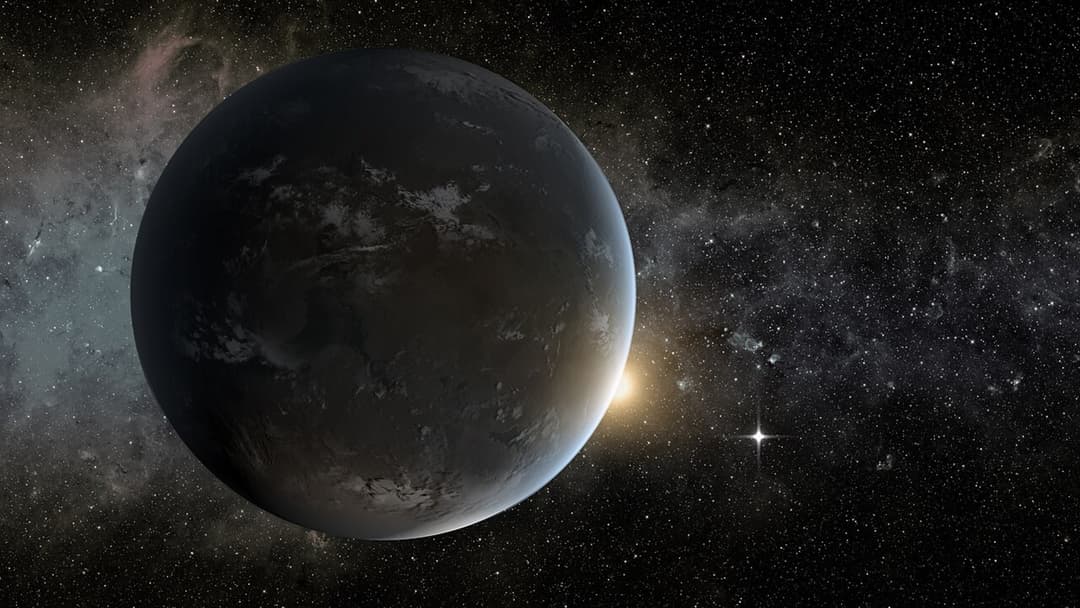
Kepler-186f made astronomical history in 2014 as the first Earth-sized planet found in the habitable zone of another star. Located 500 light-years away, this rocky world orbits an M-dwarf star, receiving one-third of the sunlight Earth receives and residing in an orbit where liquid water could persist.

11. WASP-121b
WASP-121b is stretched into an oblong shape by intense tidal forces from its nearby parent star. Its upper atmosphere exceeds 4,500 degrees Fahrenheit, hot enough to vaporize iron, titanium, and vanadium. Scientists even detected water molecules glowing in infrared light in its strange thermal inversion layer.

10. HD 209458b
Nicknamed Osiris, HD 209458b became the first transiting exoplanet ever discovered in 1999. It later became the first world where astronomers directly detected an atmosphere, discovering water vapor, hydrogen, and carbon escaping into space in an enormous comet-like tail.

9. Kepler-22b
Kepler-22b orbits a G-type star similar to our Sun at a comfortable distance of 600 light-years. With a radius roughly 2.4 times Earth's, this landmark discovery proved that temperate planets orbit solar analogs, sparking ongoing debates over whether it is a rocky ocean world or a gaseous mini-Neptune.

8. 55 Cancri E
Orbiting its host star in less than 18 hours, 55 Cancri e reaches temperatures high enough to melt rock on its surface. Recent James Webb observations detected spectroscopic evidence of a thick secondary atmosphere rich in carbon monoxide and carbon dioxide, bubbling out from a vast subterranean magma ocean.

7. Kepler-452b
Kepler-452b was hailed as Earth's closest twin when announced in 2015. Located 1,400 light-years away in Cygnus, it takes 385 days to complete one orbit around a star very similar to our Sun. With a radius 60 percent larger than Earth, it spends billions of years in its star's goldilocks zone.

6. WASP-39b
WASP-39b yielded a monumental discovery when James Webb delivered the first clear detection of carbon dioxide in an alien atmosphere. Subsequent high-resolution spectra revealed water vapor, sulfur dioxide produced by stellar photochemistry, and sodium, setting a new benchmark for exoplanet transmission spectroscopy.

5. LHS 475b
LHS 475b confirmed the James Webb Space Telescope's extraordinary precision when astronomers verified this Earth-sized world in 2023. Orbiting a red dwarf star only 41 light-years away in Octans, NIRSpec data showed it is almost identical in diameter to Earth while completing an orbit in just two days.

4. Proxima Centauri B
Proxima Centauri b sits just 4.24 light-years away, making it humanity's closest known exoplanet neighbor. It orbits within the habitable zone of our sun's nearest neighboring star, receiving about 65 percent of Earth's solar energy, though stellar flares present significant hurdles for surface life.

3. WASP-96b
WASP-96b became world-famous when NASA released its transmission spectrum among James Webb's first five full-color science images in July 2022. The detailed spectrum revealed clear atmospheric water signatures alongside hazy cloud evidence, proving Webb's unmatched power to dissect distant alien skies.

2. K2-18b
K2-18b captured global headlines when James Webb detected methane and carbon dioxide in its atmosphere while noting a lack of ammonia. These spectral clues support the hypothesis that K2-18b could be a Hycean world, possessing a hydrogen-rich atmosphere over a planet-wide liquid water ocean.

1. TRAPPIST-1e
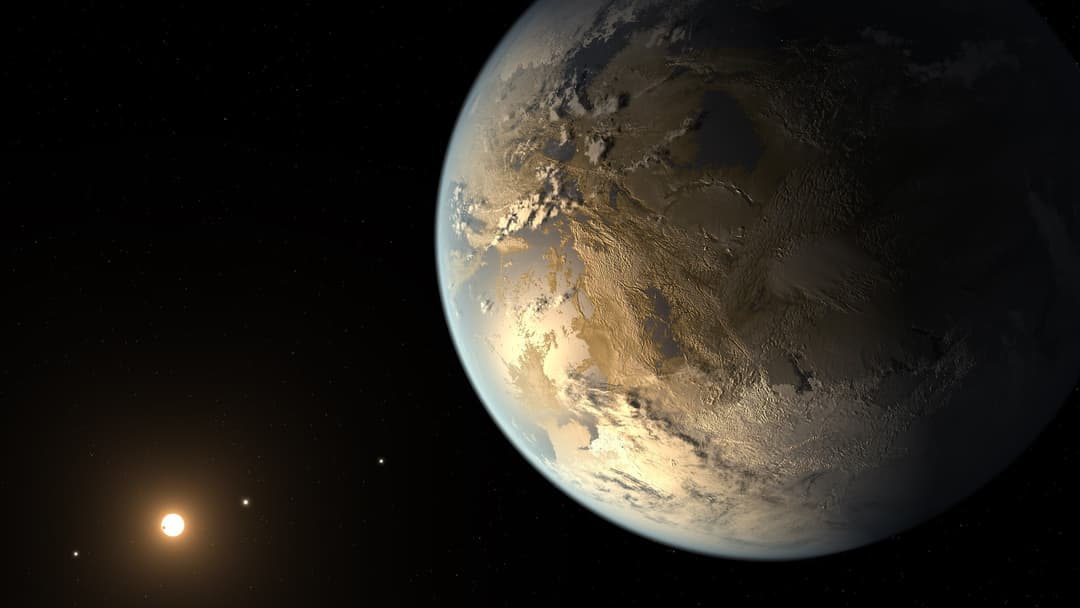
TRAPPIST-1e ranks as the premier target in humanity's search for extraterrestrial habitability. Located 40 light-years away, it has nearly identical mass, radius, and gravity to Earth. Situated right in the middle of its red dwarf star's habitable zone, it remains the focus of intensive James Webb atmospheric studies.