Slideshow · Viral
What Is a Dirty Bomb: 20 Precautions to Survive
20 Precautions to Survive a Dirty Bomb
By Most Viral Today
38 min ago

What Is a Dirty Bomb: Precautions to Survive 
20. Official Classification 
19. Core Components 
18. Dispersal Mechanism - AdvertisementSwipe or tap ▶ to continue countdown

17. Not A Nuclear Weapon 
16. Explosive Yield 
15. Civilian Sources 
14. Common Isotopes - AdvertisementSwipe or tap ▶ to continue countdown

13. Material Forms 
12. Wind And Weather Factors 
11. Weapon Of Mass Disruption 
10. Immediate Physical Danger - AdvertisementSwipe or tap ▶ to continue countdown

9. Low Acute Radiation Risk 
8. Internal Contamination 
7. Psychological Panic 
6. Economic And Area Denial - AdvertisementSwipe or tap ▶ to continue countdown

5. High Cleanup Costs 
4. Immediate Shelter 
3. Clothing Removal 
2. Decontamination Washing - AdvertisementSwipe or tap ▶ to continue countdown

1. Official Guidance - Advertisement🔥 UP NEXT IN THIS SERIES◫ 26 Slides

25 Most Groundbreaking Milestones Across America
Across every corner of the nation, specific achievements have carved out the unique identity of America. Ranked by their historical impact and cultural resonance, here are 25 groundbreaking milestones that changed the trajectory of the country forever.
A dirty bomb combines conventional explosives with radioactive material to spread contamination and incite fear. Learn the mechanical realities, true health risks, and essential indoor survival precautions.
Swipe or tap ▶ to begin the countdown
©Wikimedia / jesse orrico jessedo81 & U.S. Navy photo by
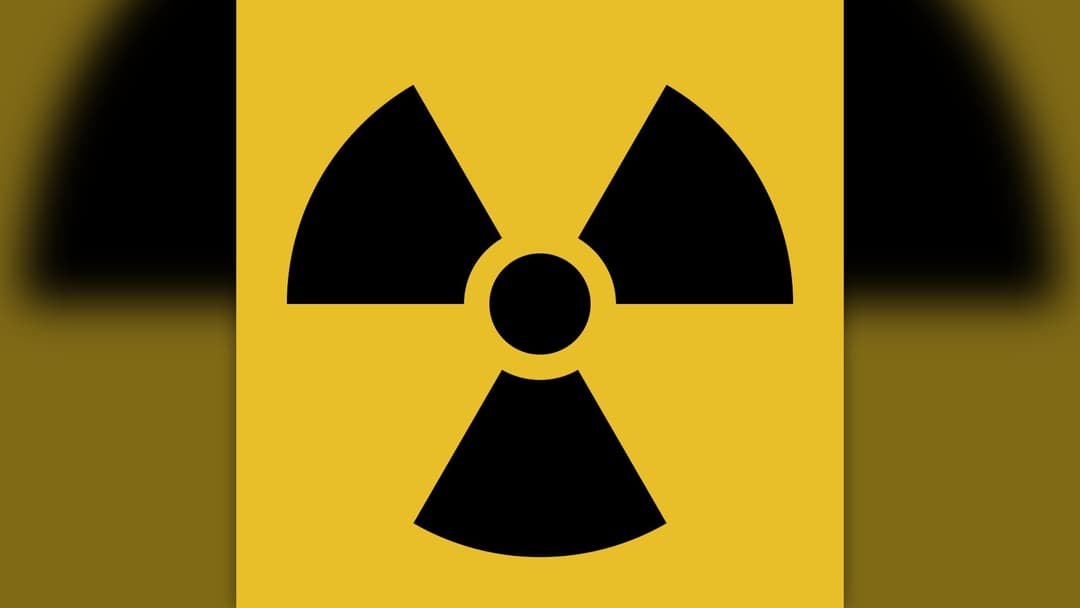
20. Official Classification
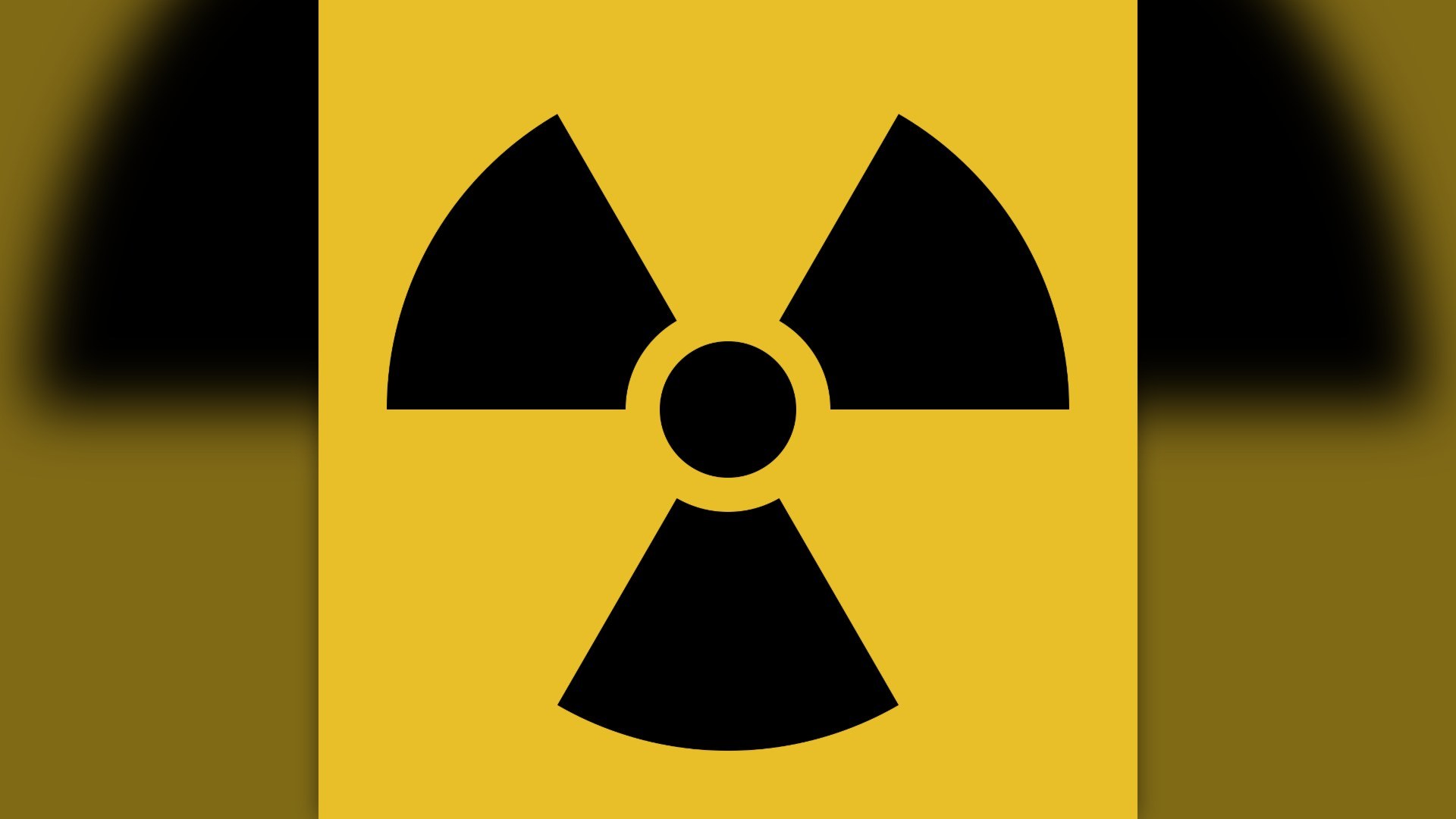
Security and defense agencies formally classify a dirty bomb as a Radiological Dispersal Device or RDD. Unlike military arms, its primary purpose is dispersing radioactive contamination over an area using blast energy rather than generating an atomic blast.
©Wikimedia / Public Domain
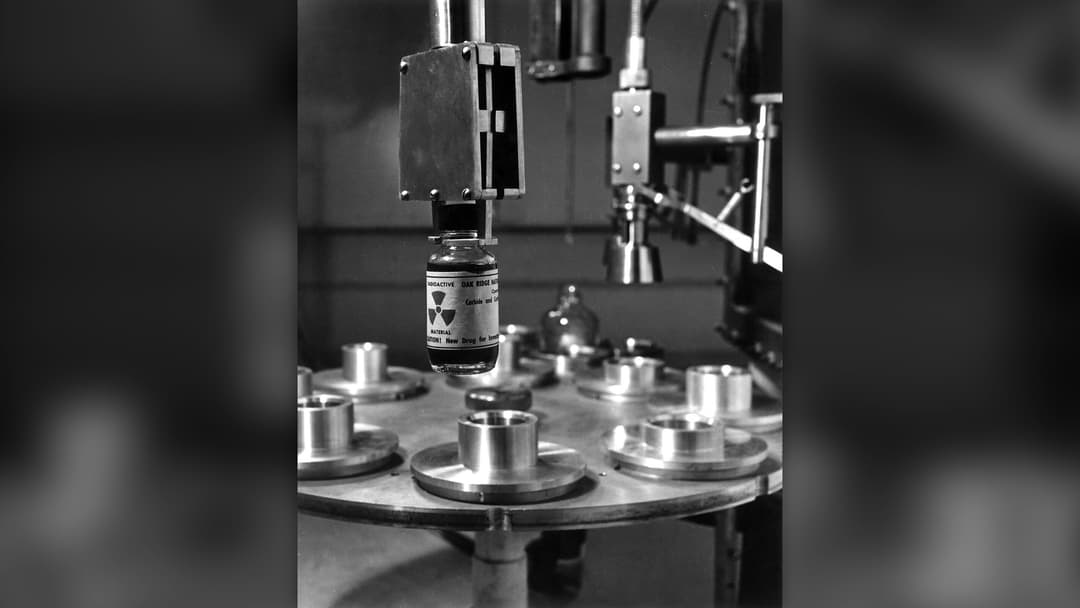
19. Core Components
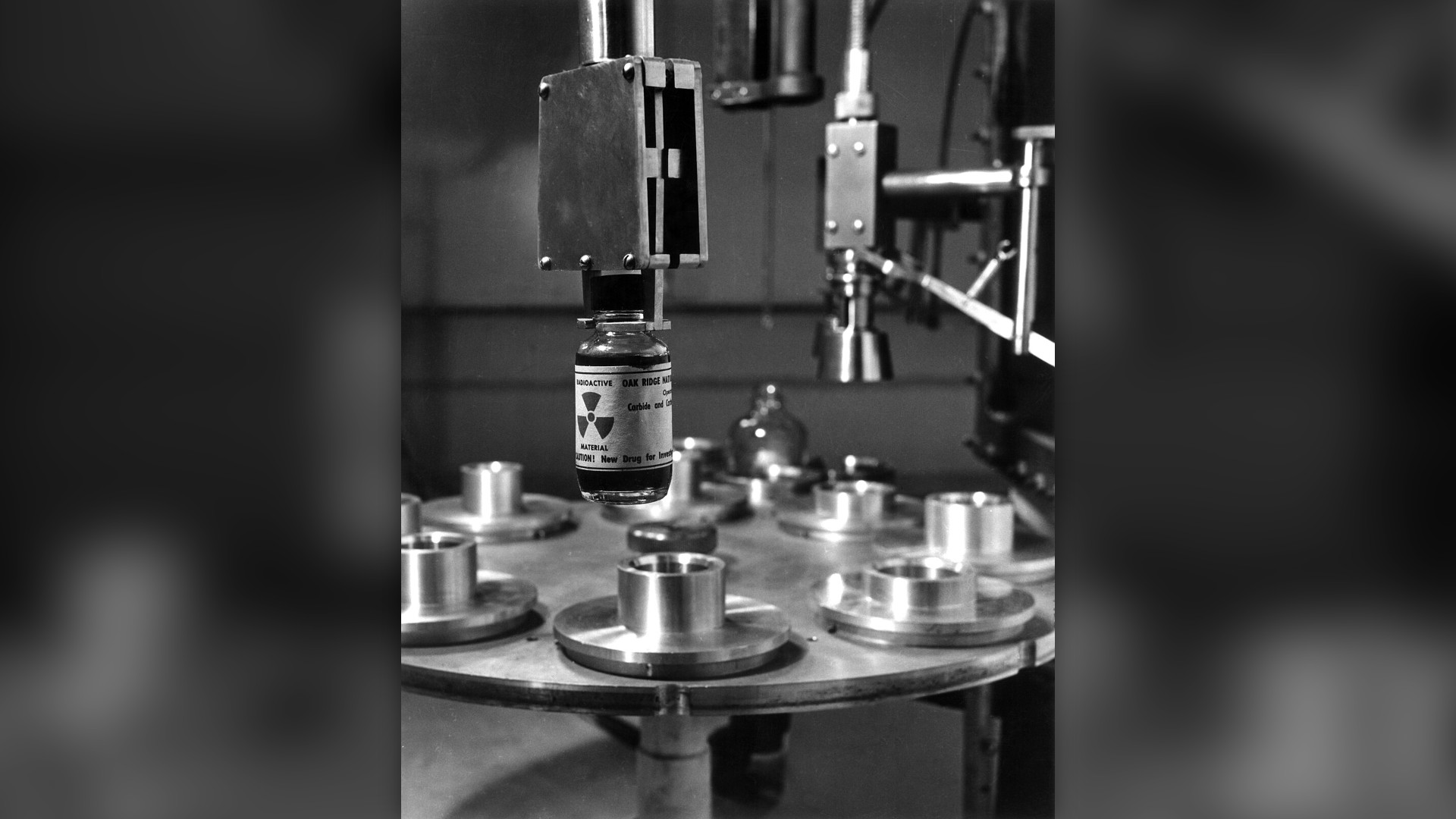
The construction of a dirty bomb relies on two distinct elements: commercial or military high explosives like dynamite, TNT, or plastic explosive paired with radioactive isotopes. The explosive serves as the vehicle to scatter dangerous materials across streets and structures.
©Wikimedia / doe-oakridge
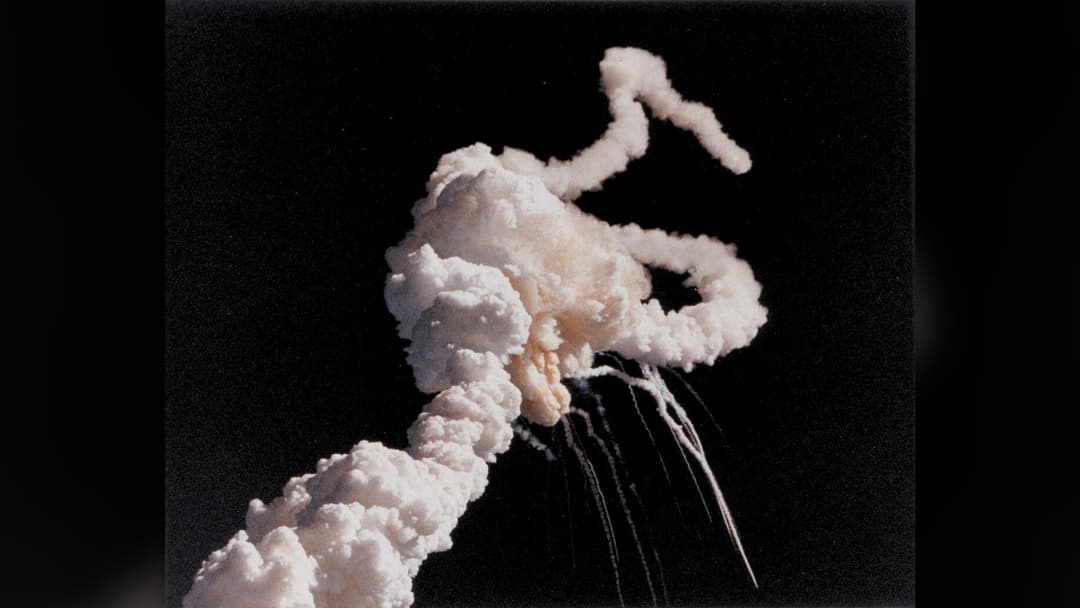
18. Dispersal Mechanism
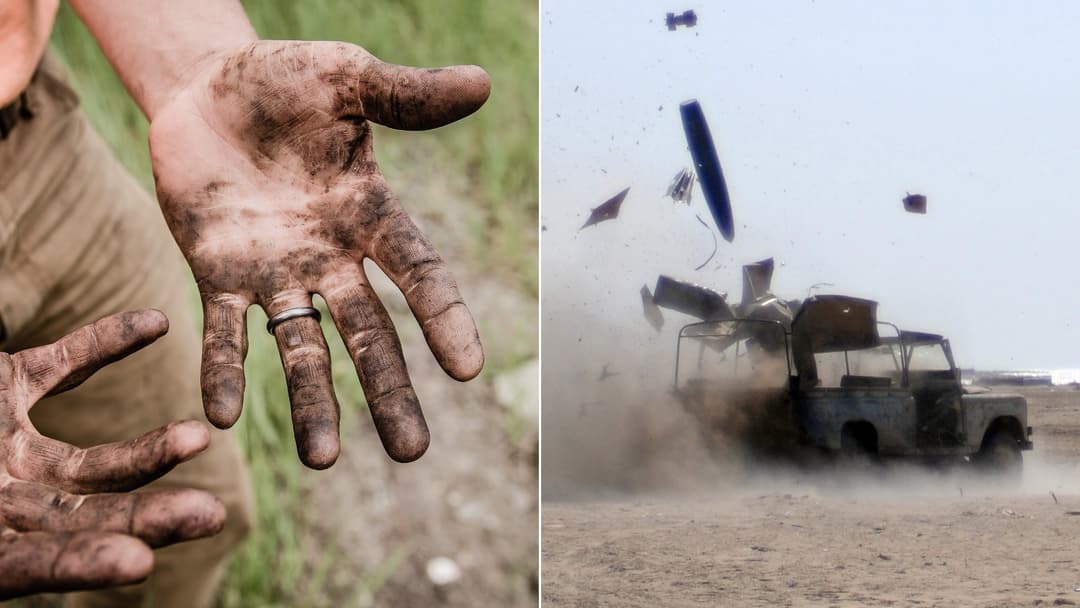
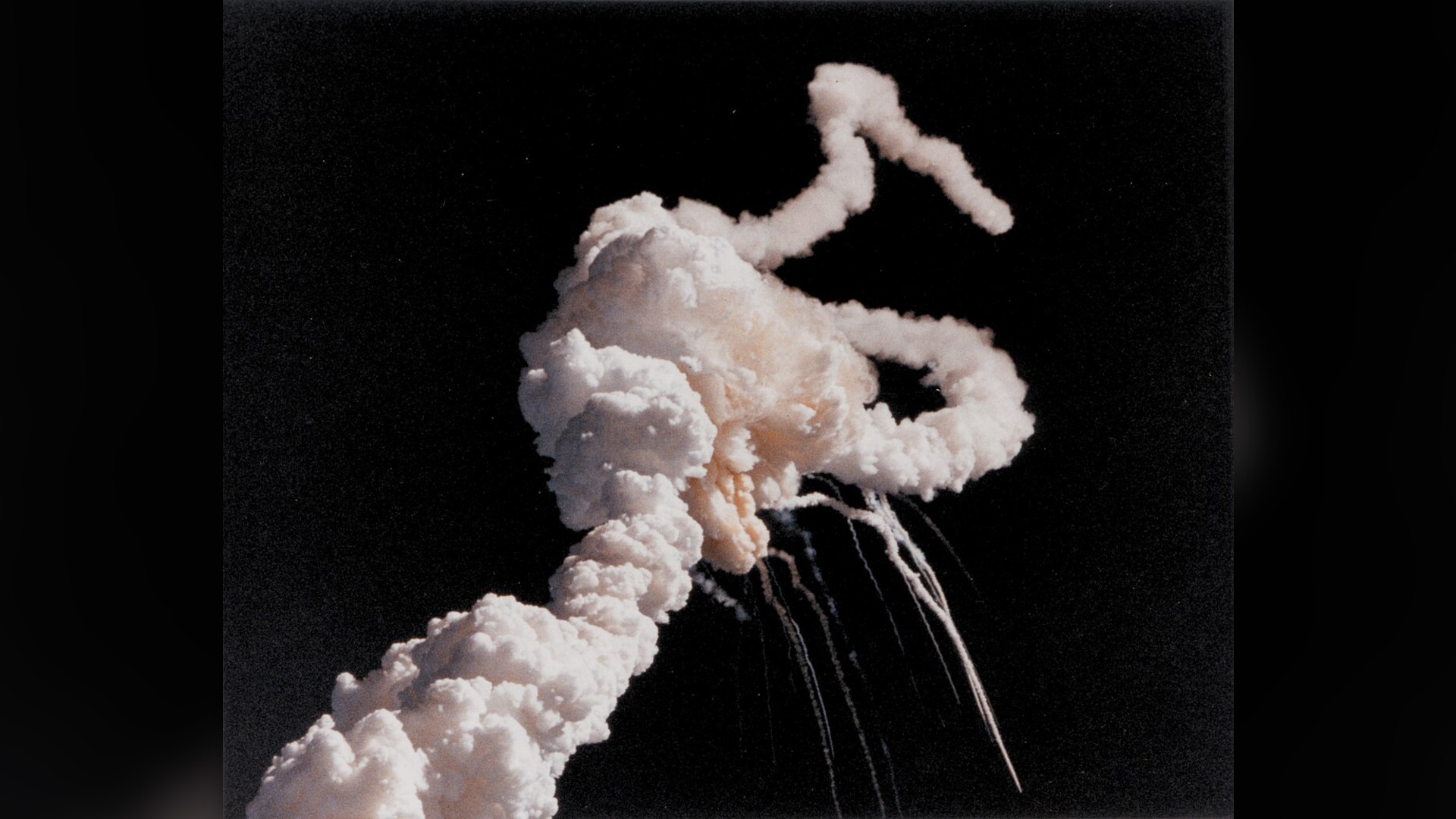
Detonation crushes and pulverizes the radioactive payload, turning solid sources into microscopic dust, airborne smoke, and radioactive shrapnel. The rising thermal plume carries radioactive particulates upward before winds spread them across adjacent blocks.
©Wikimedia / Kennedy Space Center
Advertisement
Swipe or tap ▶ to resume the countdown.
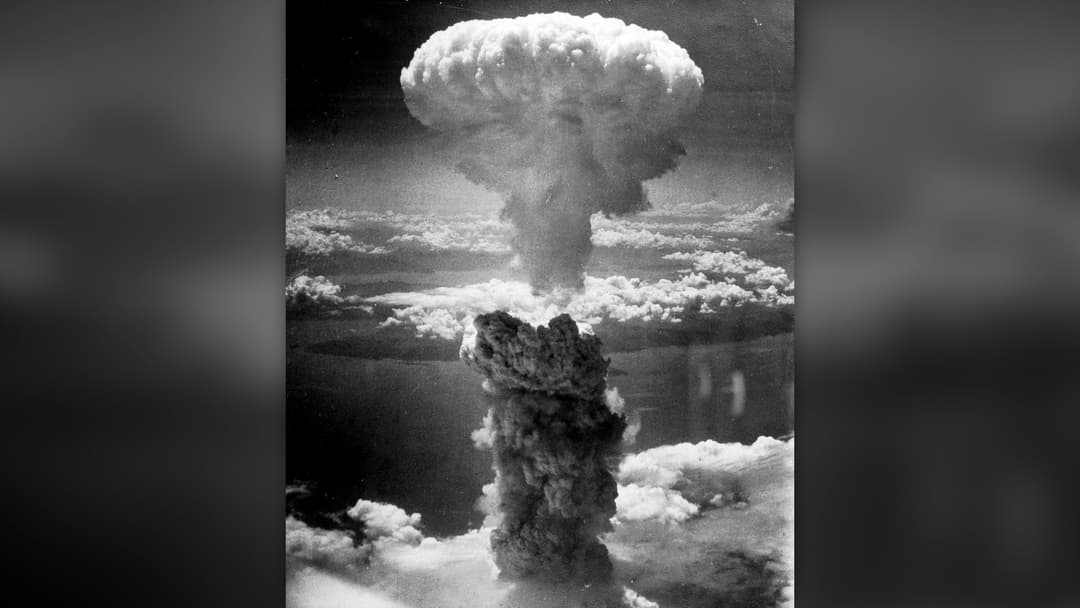
17. Not A Nuclear Weapon
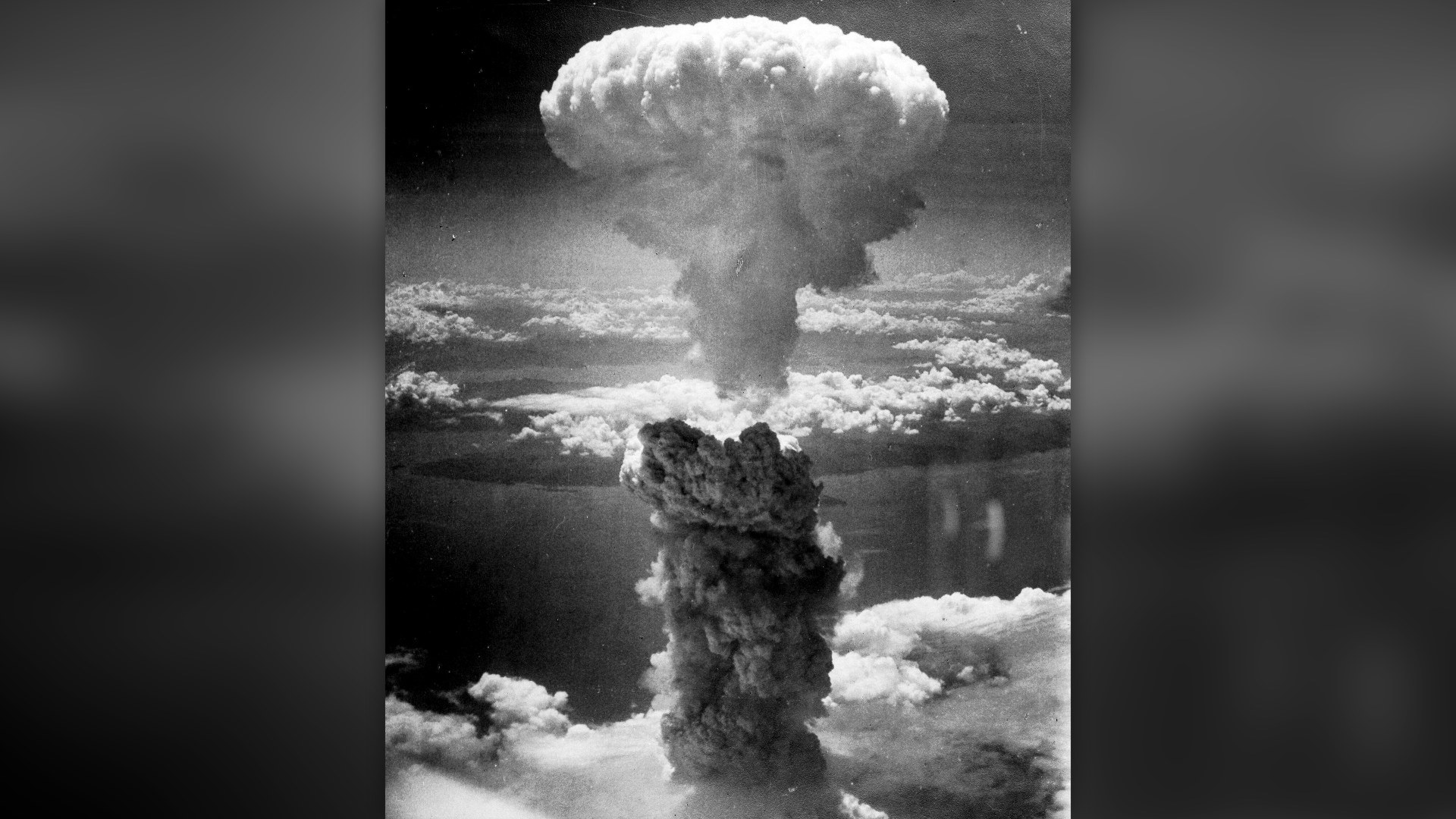
A dirty bomb is not an atomic weapon. It cannot produce nuclear fission or fusion, generate extreme thermonuclear heat, or level entire cities with a nuclear shockwave. Its physical blast radius is strictly limited to the explosive charge packed inside.
©Wikimedia / Charles Levy
16. Explosive Yield
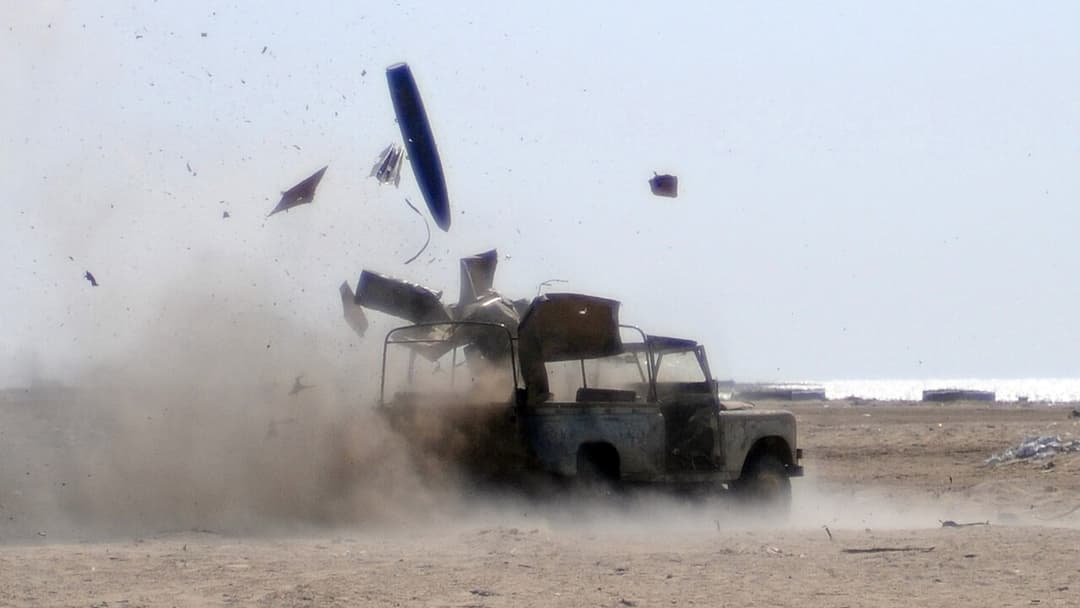
Structural damage from a dirty bomb matches a regular pipe bomb or vehicle explosion of equivalent explosive weight. Nearby windows shatter and walls fracture solely from conventional shockwaves, meaning buildings beyond the immediate blast zone remain physically intact.
© Photo by Joshua Hoehne on Unsplash
15. Civilian Sources
Because enriched weapons-grade uranium and plutonium are heavily guarded, dirty bombs rely on civilian radioactive materials. These isotopes are found in hospital cancer therapy machines, blood irradiators, oil well logging devices, and industrial radiography equipment.

©Unsplash / National Cancer Institute
14. Common Isotopes
Security analysts focus on several high-risk commercial isotopes, notably cesium-137, cobalt-60, strontium-90, and iridium-192. These gamma- and beta-emitting isotopes present significant contamination challenges because they bond easily with urban building materials.

©Unsplash / Alexandre Debiève
Advertisement
Swipe or tap ▶ to resume the countdown.
13. Material Forms
Radioactive isotopes exist in multiple physical forms depending on their industrial use. Cesium chloride is a fine powder that disperses widely in air, while cobalt-60 often exists as metallic pellets. Liquids or powders present the highest contamination risks to local surfaces.

©Unsplash / Hans Reniers
12. Wind And Weather Factors
Weather conditions dictate where radioactive particulates drift following an explosion. Strong gusts dilute and spread particles over wider distances, while rain can wash airborne dust down onto roofs and roads. Urban street canyons also alter wind currents dramatically.
© Photo by Vita Leonis on Unsplash
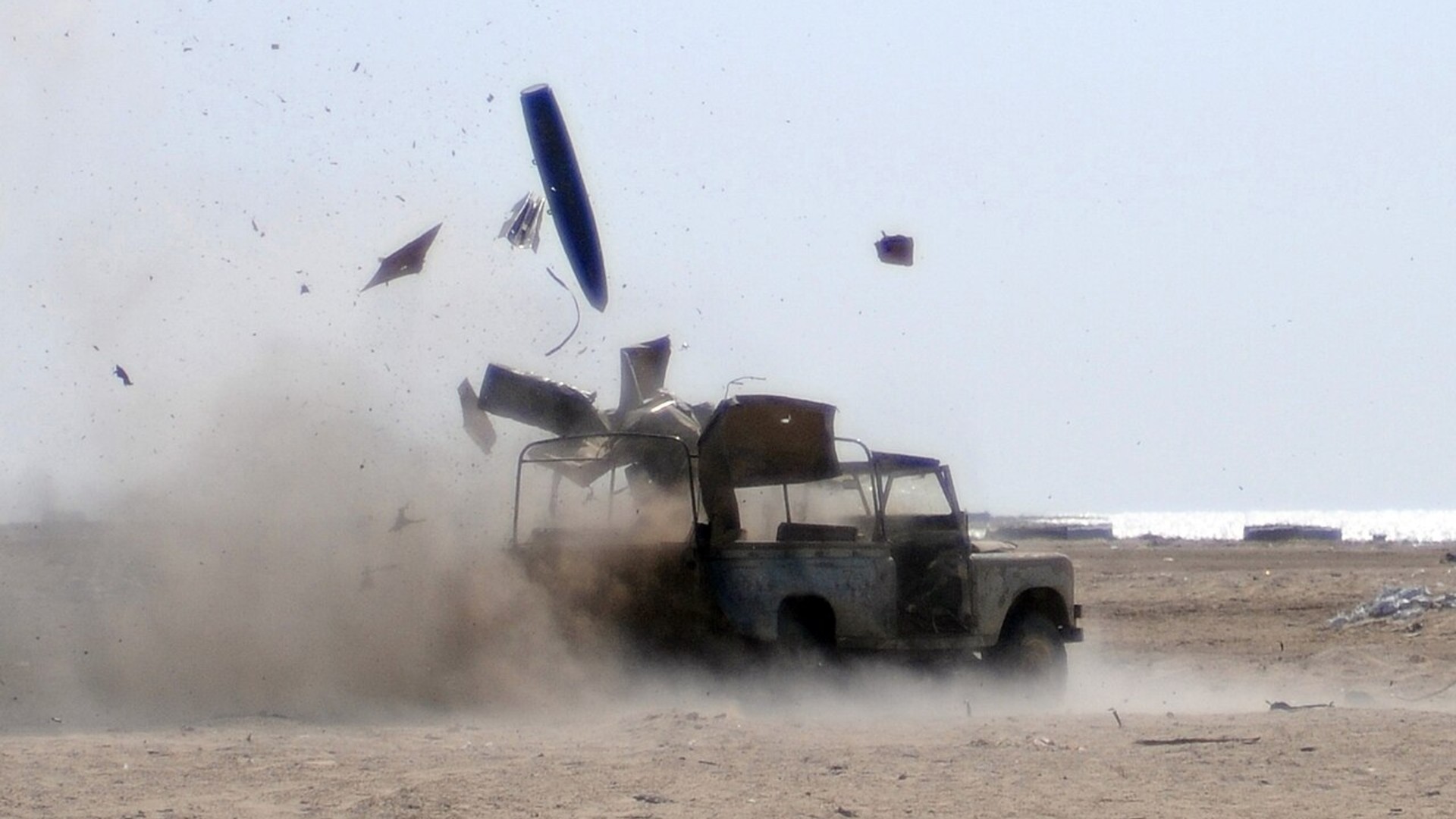
11. Weapon Of Mass Disruption
Security experts designate dirty bombs as weapons of mass disruption because their primary damage is psychological and economic. While physical casualties remain localized around the blast, the radiological footprint creates widespread disruption across urban centers.
©Wikimedia / U.S. Navy photo by Mass Communication
10. Immediate Physical Danger
First responders prioritize physical trauma because shockwaves, flying glass, and structural collapse cause virtually all immediate injuries. Radiation from dispersed isotopes acts far too slowly to cause instant casualties, allowing medical teams to treat trauma victims safely.

©Unsplash / Mat Napo
Advertisement
Swipe or tap ▶ to resume the countdown.
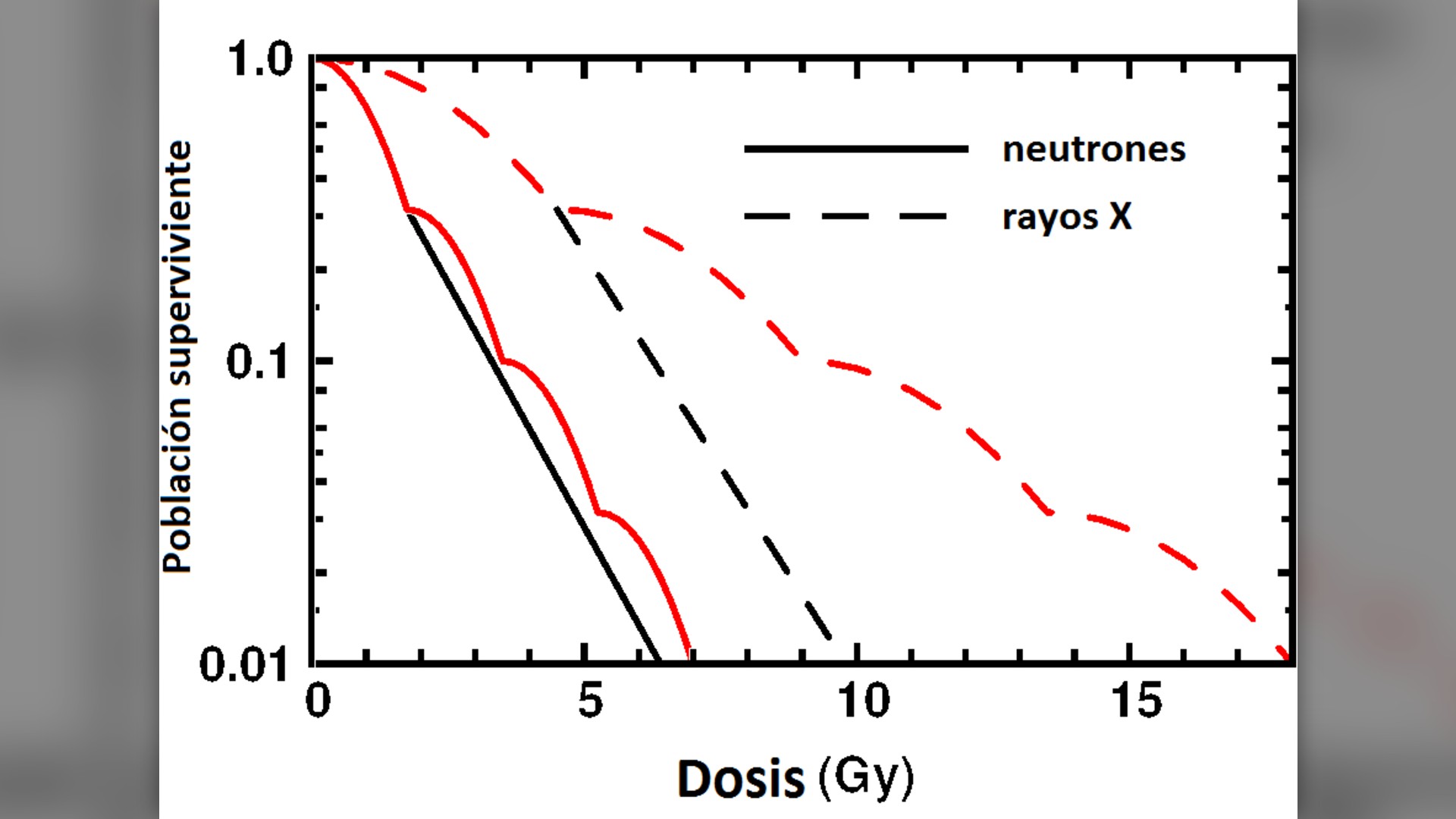
9. Low Acute Radiation Risk
Dispersing radioactive material over city streets dilutes radiation levels substantially. Outside the immediate blast epicenter, radiation exposures generally remain far below the threshold required to produce acute radiation syndrome or severe sickness in healthy adults.
©Wikimedia / Pabloes
8. Internal Contamination
The true danger of an RDD comes from internal contamination. Inhaling airborne dust or swallowing settled particles allows radioactive emitters to lodge inside lung tissue or digestive organs. Covering your mouth immediately prevents the vast majority of internal exposure.

©Unsplash / Mika Baumeister
7. Psychological Panic
Terrorist groups target the psychological fear of invisible radiation. The goal is overwhelming phone networks, triggering chaotic vehicular evacuation, and paralyzing emergency rooms with unexposed citizens. Understanding the actual physics helps communities stay calm.

©Pixabay / TheDigitalArtist
6. Economic And Area Denial
A successful dirty bomb attack can deny access to critical commercial centers and government districts for months. Evacuation zones, security checkpoints, and transit closures disrupt businesses and cost millions in lost commercial productivity while cleanup proceeds.

©Unsplash / Dan Meyers
Advertisement
Swipe or tap ▶ to resume the countdown.
5. High Cleanup Costs
Environmental remediation after an RDD attack is slow and expensive. Hazardous materials teams must pressure wash masonry, strip topsoil, replace asphalt, and remove ventilation ducts. Total decontamination costs across a dense urban center can easily reach billions of dollars.

©Unsplash / Science in HD
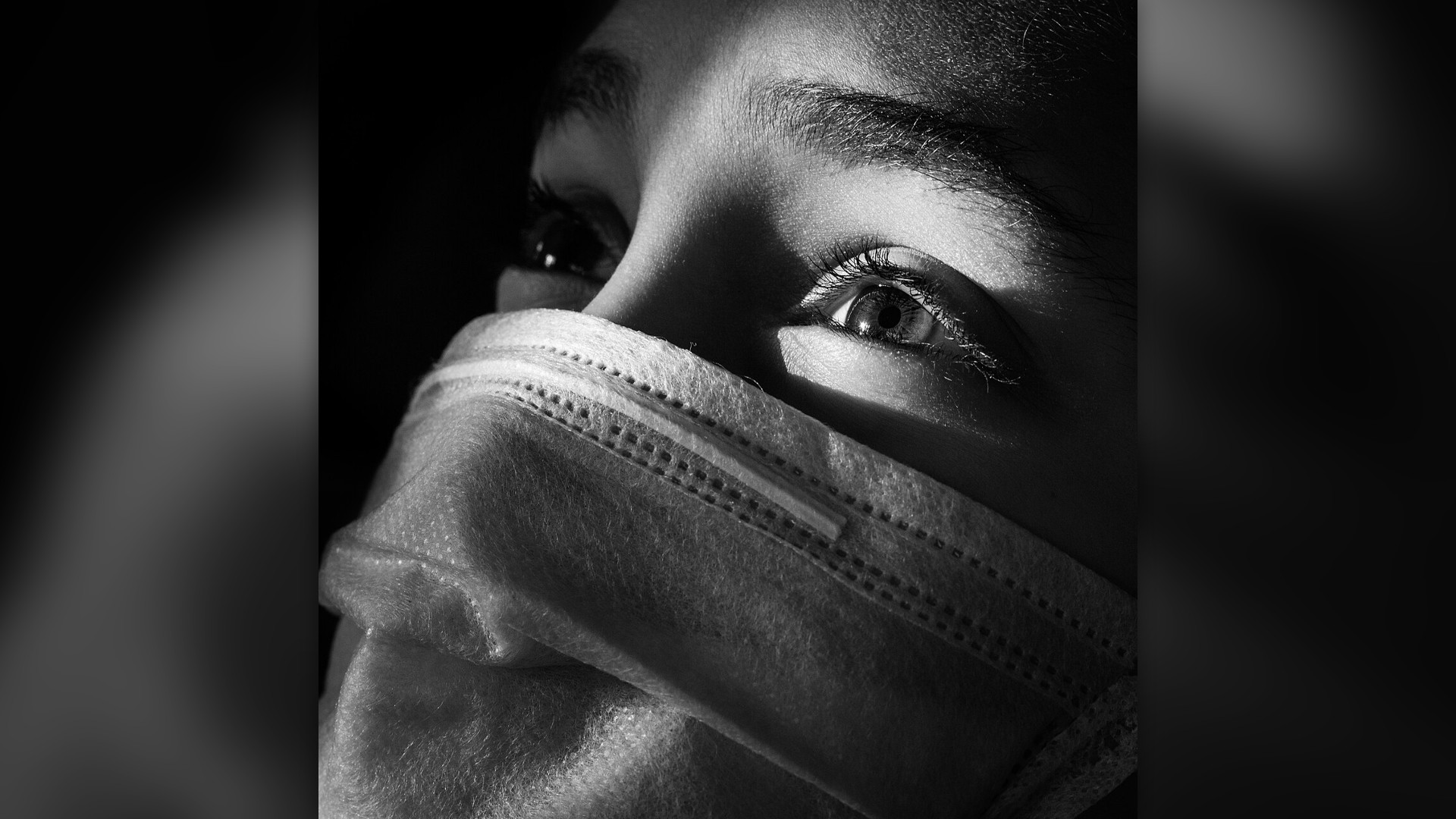
4. Immediate Shelter
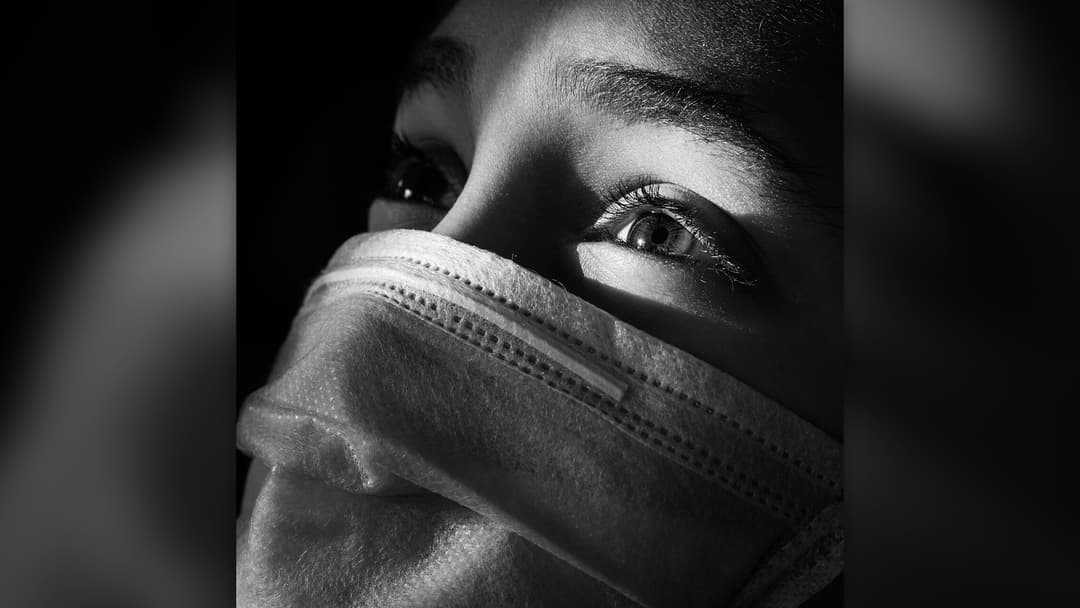
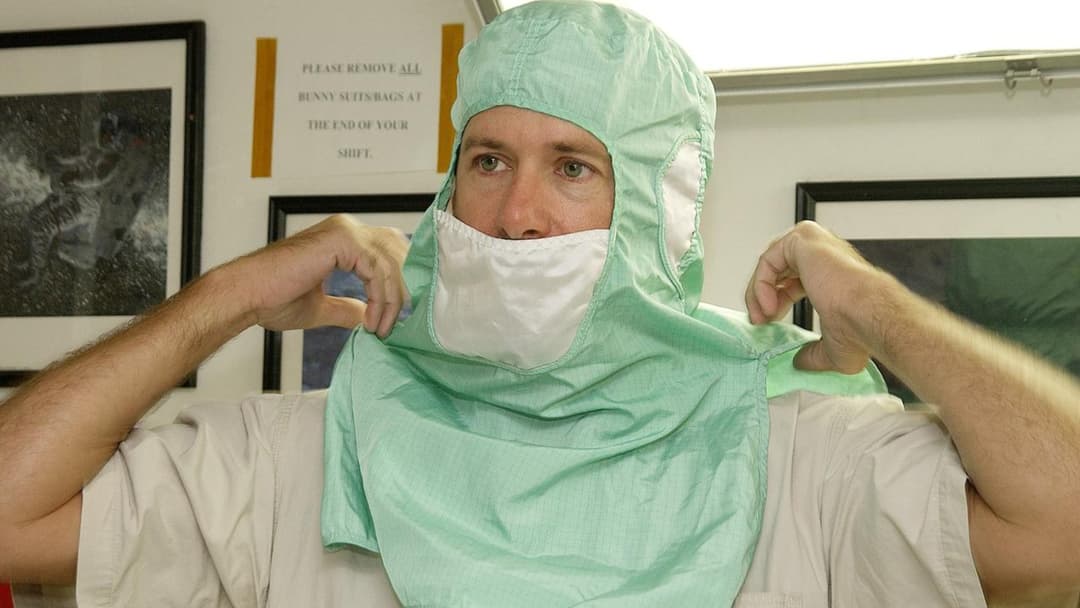
If you are near a radiological blast, cover your face with an N95 mask or thick clothing to block dust and enter the nearest brick or concrete building. Move to an interior room or basement away from windows, and shut down air conditioners, fans, and ventilation ducts.
©Wikimedia / Eman arab
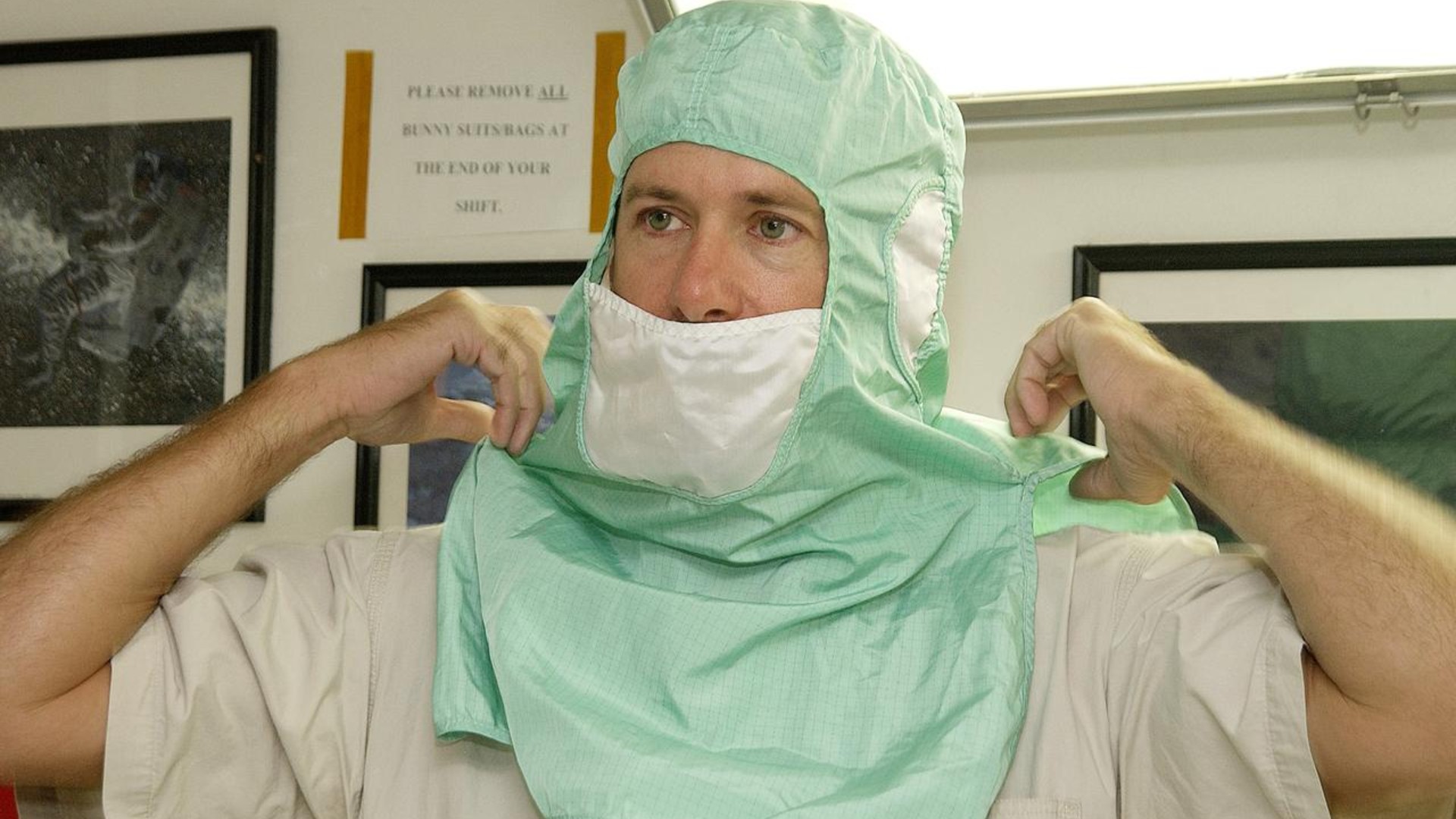
3. Clothing Removal
Once safely indoors, carefully take off your outer shoes, jacket, and clothing to prevent tracking particles inside. Sealing outer layers inside a plastic garbage bag eliminates up to 90 percent of external radioactive contamination. Place the sealed bag in an isolated room.
©NASA / KSC
2. Decontamination Washing
Wash your face, hands, and exposed skin in a shower using mild soap and warm water. Avoid scrubbing aggressively or scratching the skin, as cuts allow particles to enter the bloodstream. Wash your hair thoroughly with shampoo, but avoid conditioner which binds radioactive dust.

©Pixabay / slavoljubovski
Advertisement
Swipe or tap ▶ to resume the countdown.
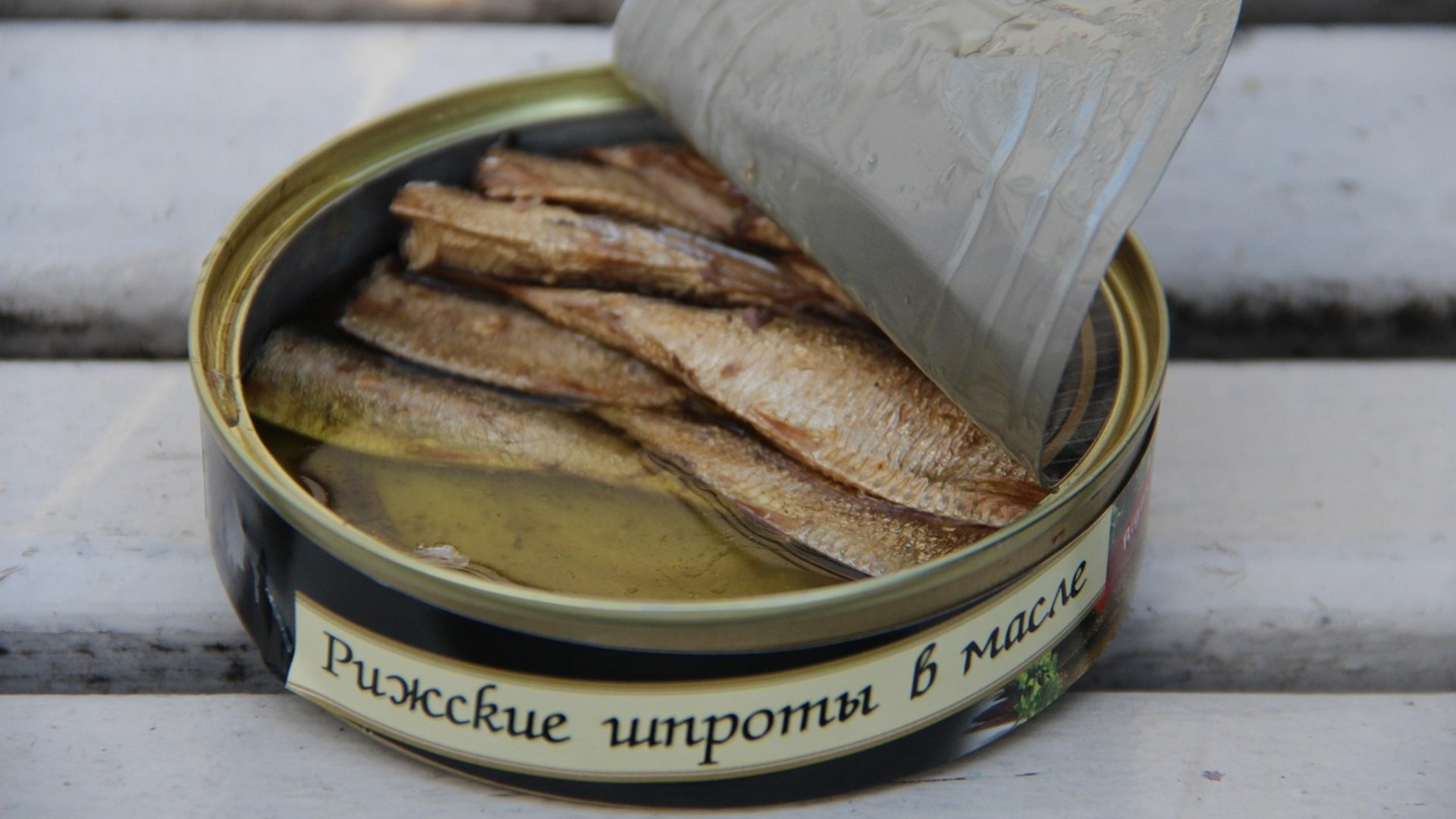
1. Official Guidance
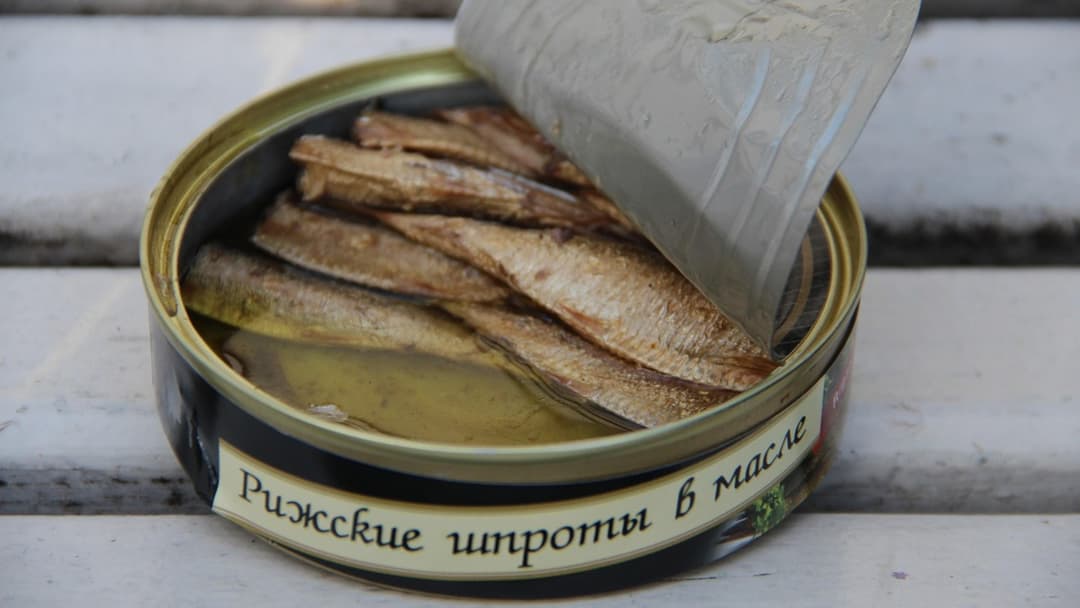
Consume only sealed canned goods or bottled liquids stored indoors until authorities declare public utilities safe. Monitor emergency mobile alerts, local radio broadcasts, and official public safety feeds for precise evacuation routes and specialized radiation screening sites.
©Pixabay / oraswet
Advertisement
You've reached the end of the story. Thanks for reading!

25 Most Groundbreaking Milestones Across America
Across every corner of the nation, specific achievements have carved out the unique identity of America. Ranked by their historical impact and cultural resonance, here are 25 groundbreaking milestones that changed the trajectory of the country forever.
All 20 Entries in this Story
1. Official Classification
Security and defense agencies formally classify a dirty bomb as a Radiological Dispersal Device or RDD. Unlike military arms, its primary purpose is dispersing radioactive contamination over an area using blast energy rather than generating an atomic blast.

2. Core Components
The construction of a dirty bomb relies on two distinct elements: commercial or military high explosives like dynamite, TNT, or plastic explosive paired with radioactive isotopes. The explosive serves as the vehicle to scatter dangerous materials across streets and structures.

3. Dispersal Mechanism
Detonation crushes and pulverizes the radioactive payload, turning solid sources into microscopic dust, airborne smoke, and radioactive shrapnel. The rising thermal plume carries radioactive particulates upward before winds spread them across adjacent blocks.

4. Not A Nuclear Weapon
A dirty bomb is not an atomic weapon. It cannot produce nuclear fission or fusion, generate extreme thermonuclear heat, or level entire cities with a nuclear shockwave. Its physical blast radius is strictly limited to the explosive charge packed inside.

5. Explosive Yield
Structural damage from a dirty bomb matches a regular pipe bomb or vehicle explosion of equivalent explosive weight. Nearby windows shatter and walls fracture solely from conventional shockwaves, meaning buildings beyond the immediate blast zone remain physically intact.

6. Civilian Sources
Because enriched weapons-grade uranium and plutonium are heavily guarded, dirty bombs rely on civilian radioactive materials. These isotopes are found in hospital cancer therapy machines, blood irradiators, oil well logging devices, and industrial radiography equipment.

7. Common Isotopes
Security analysts focus on several high-risk commercial isotopes, notably cesium-137, cobalt-60, strontium-90, and iridium-192. These gamma- and beta-emitting isotopes present significant contamination challenges because they bond easily with urban building materials.

8. Material Forms
Radioactive isotopes exist in multiple physical forms depending on their industrial use. Cesium chloride is a fine powder that disperses widely in air, while cobalt-60 often exists as metallic pellets. Liquids or powders present the highest contamination risks to local surfaces.

9. Wind And Weather Factors
Weather conditions dictate where radioactive particulates drift following an explosion. Strong gusts dilute and spread particles over wider distances, while rain can wash airborne dust down onto roofs and roads. Urban street canyons also alter wind currents dramatically.

10. Weapon Of Mass Disruption
Security experts designate dirty bombs as weapons of mass disruption because their primary damage is psychological and economic. While physical casualties remain localized around the blast, the radiological footprint creates widespread disruption across urban centers.

11. Immediate Physical Danger
First responders prioritize physical trauma because shockwaves, flying glass, and structural collapse cause virtually all immediate injuries. Radiation from dispersed isotopes acts far too slowly to cause instant casualties, allowing medical teams to treat trauma victims safely.

12. Low Acute Radiation Risk
Dispersing radioactive material over city streets dilutes radiation levels substantially. Outside the immediate blast epicenter, radiation exposures generally remain far below the threshold required to produce acute radiation syndrome or severe sickness in healthy adults.

13. Internal Contamination
The true danger of an RDD comes from internal contamination. Inhaling airborne dust or swallowing settled particles allows radioactive emitters to lodge inside lung tissue or digestive organs. Covering your mouth immediately prevents the vast majority of internal exposure.

14. Psychological Panic
Terrorist groups target the psychological fear of invisible radiation. The goal is overwhelming phone networks, triggering chaotic vehicular evacuation, and paralyzing emergency rooms with unexposed citizens. Understanding the actual physics helps communities stay calm.

15. Economic And Area Denial
A successful dirty bomb attack can deny access to critical commercial centers and government districts for months. Evacuation zones, security checkpoints, and transit closures disrupt businesses and cost millions in lost commercial productivity while cleanup proceeds.

16. High Cleanup Costs
Environmental remediation after an RDD attack is slow and expensive. Hazardous materials teams must pressure wash masonry, strip topsoil, replace asphalt, and remove ventilation ducts. Total decontamination costs across a dense urban center can easily reach billions of dollars.

17. Immediate Shelter
If you are near a radiological blast, cover your face with an N95 mask or thick clothing to block dust and enter the nearest brick or concrete building. Move to an interior room or basement away from windows, and shut down air conditioners, fans, and ventilation ducts.

18. Clothing Removal
Once safely indoors, carefully take off your outer shoes, jacket, and clothing to prevent tracking particles inside. Sealing outer layers inside a plastic garbage bag eliminates up to 90 percent of external radioactive contamination. Place the sealed bag in an isolated room.

19. Decontamination Washing
Wash your face, hands, and exposed skin in a shower using mild soap and warm water. Avoid scrubbing aggressively or scratching the skin, as cuts allow particles to enter the bloodstream. Wash your hair thoroughly with shampoo, but avoid conditioner which binds radioactive dust.

20. Official Guidance
Consume only sealed canned goods or bottled liquids stored indoors until authorities declare public utilities safe. Monitor emergency mobile alerts, local radio broadcasts, and official public safety feeds for precise evacuation routes and specialized radiation screening sites.