Slideshow · Viral
What Thanksgiving Dinner Cost 100 Years Ago vs. Today
From fifty-cent turkeys to four-dollar butter, here is what American families spent on Thanksgiving dinner a century ago compared to today.
By Most Viral Today
13 min ago

Comparing America's favorite holiday meal across a century. 
15. The Full Thanksgiving Dinner Basket 
14. Whole Roasting Turkey 
13. Fresh Cranberry Sauce - AdvertisementSwipe or tap ▶ to continue countdown

12. Mashed Russet Potatoes 
11. Candied Sweet Potatoes 
10. Bread Stuffing And Dressing 
9. Fresh Baked Dinner Rolls - AdvertisementSwipe or tap ▶ to continue countdown

8. Green Beans And Holiday Casserole 
7. Sweet Golden Corn 
6. Crisp Celery And Carrots 
5. Creamery Butter - AdvertisementSwipe or tap ▶ to continue countdown

4. Whole Dairy Milk 
3. Fresh Farm Eggs 
2. All-Purpose Flour And Sugar 
1. Spiced Pumpkin Pie - Advertisement🔥 UP NEXT IN THIS SERIES◫ 26 Slides

25 Most Expensive Fruits in the World, Ranked
A century ago, holiday hosts budgeted every dime for whole roast turkey, bulk potatoes, and homemade pies. Here is how much Thanksgiving dinner staples cost in 1926 compared to what families pay today.
Swipe or tap ▶ to begin the countdown
©Wikimedia / Devika & Wikimedia / Infrogmation of New Orleans
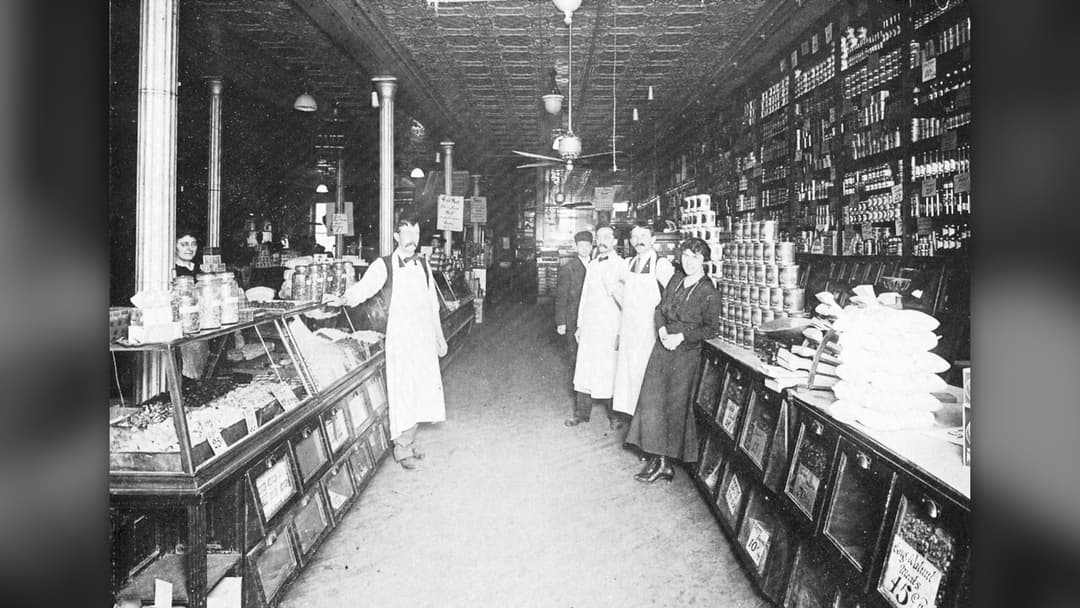
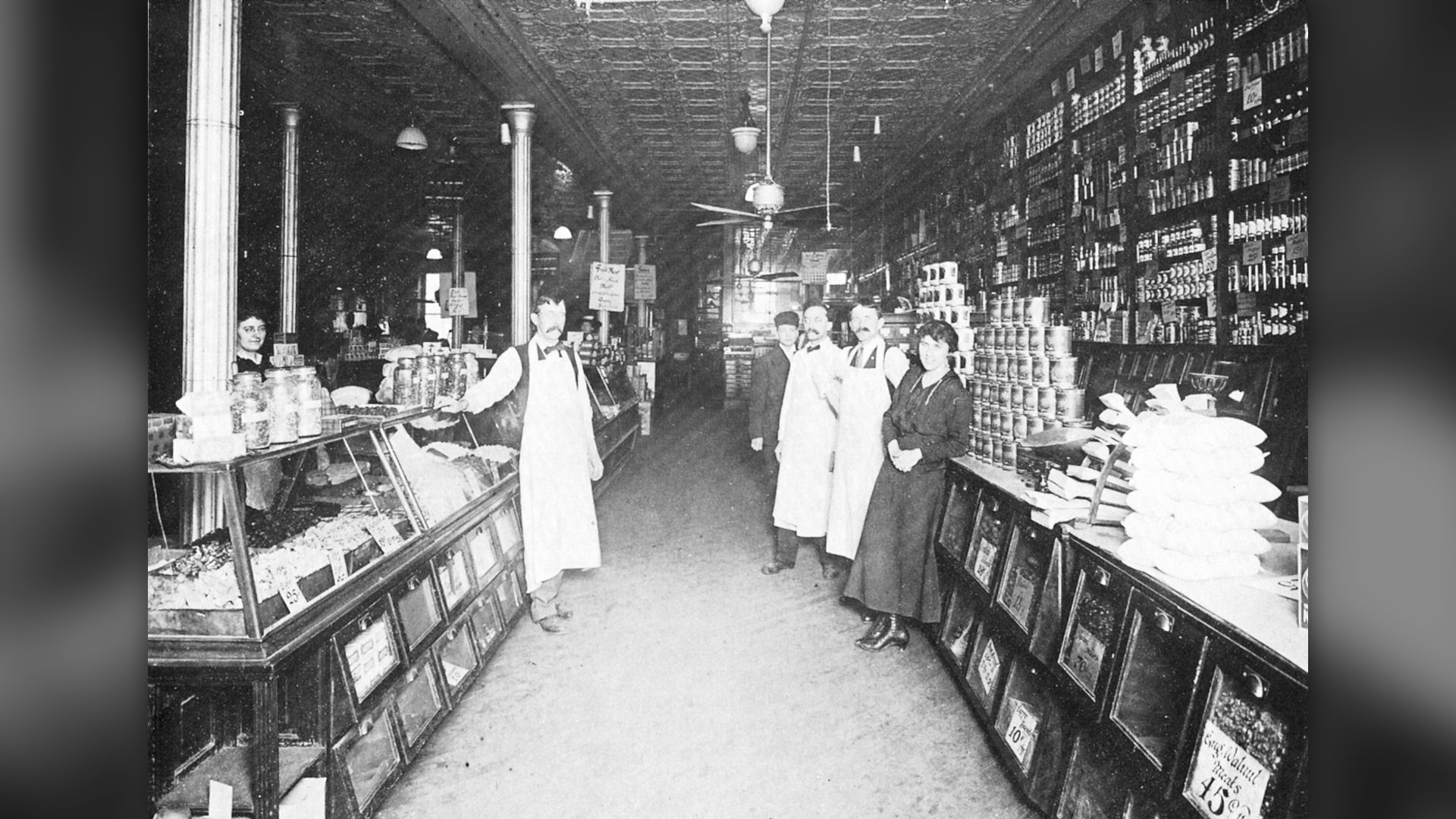
15. The Full Thanksgiving Dinner Basket
In 1926, purchasing ingredients to feed a family of ten cost roughly $4.75 at local markets. While today's Farm Bureau average of $55.18 sounds higher, it takes an average worker only two hours of labor compared to over twelve hours a century ago.
©Wikimedia / Anonymous Photographer
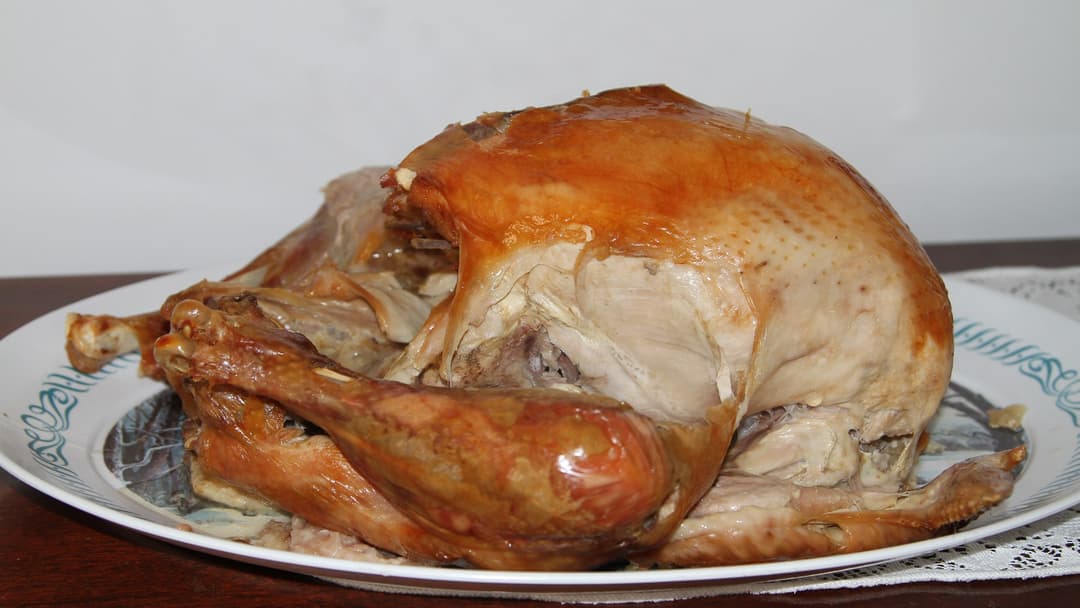
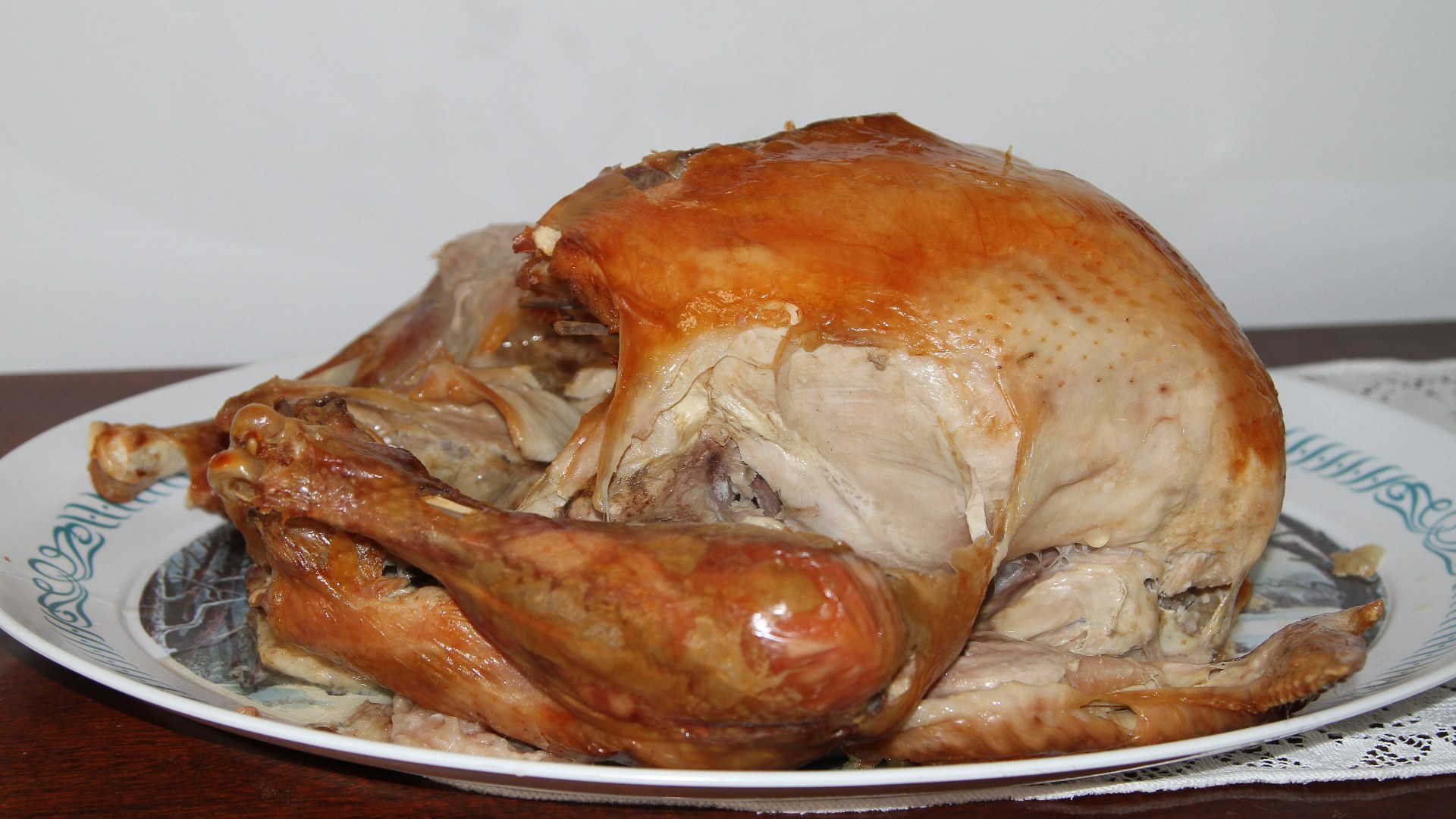
14. Whole Roasting Turkey
A sixteen-pound holiday turkey cost around $7.20 in 1926 retail markets, representing several days of household wages. Modern commercial poultry farming and supermarket holiday discounts have brought the average bird down to roughly $21.50 total.
©Wikimedia / Jim, the Photographer
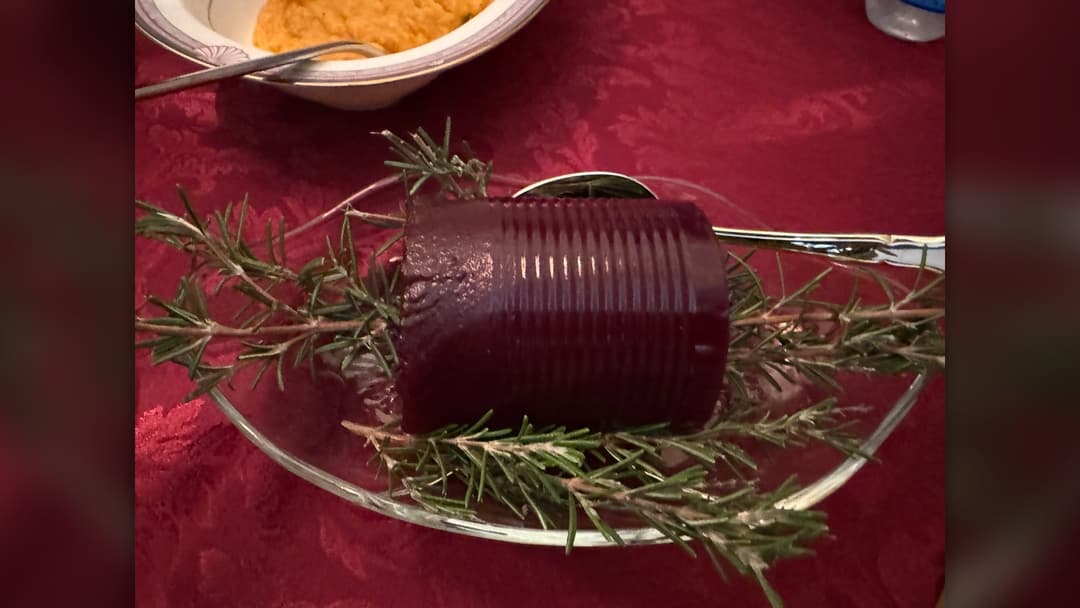
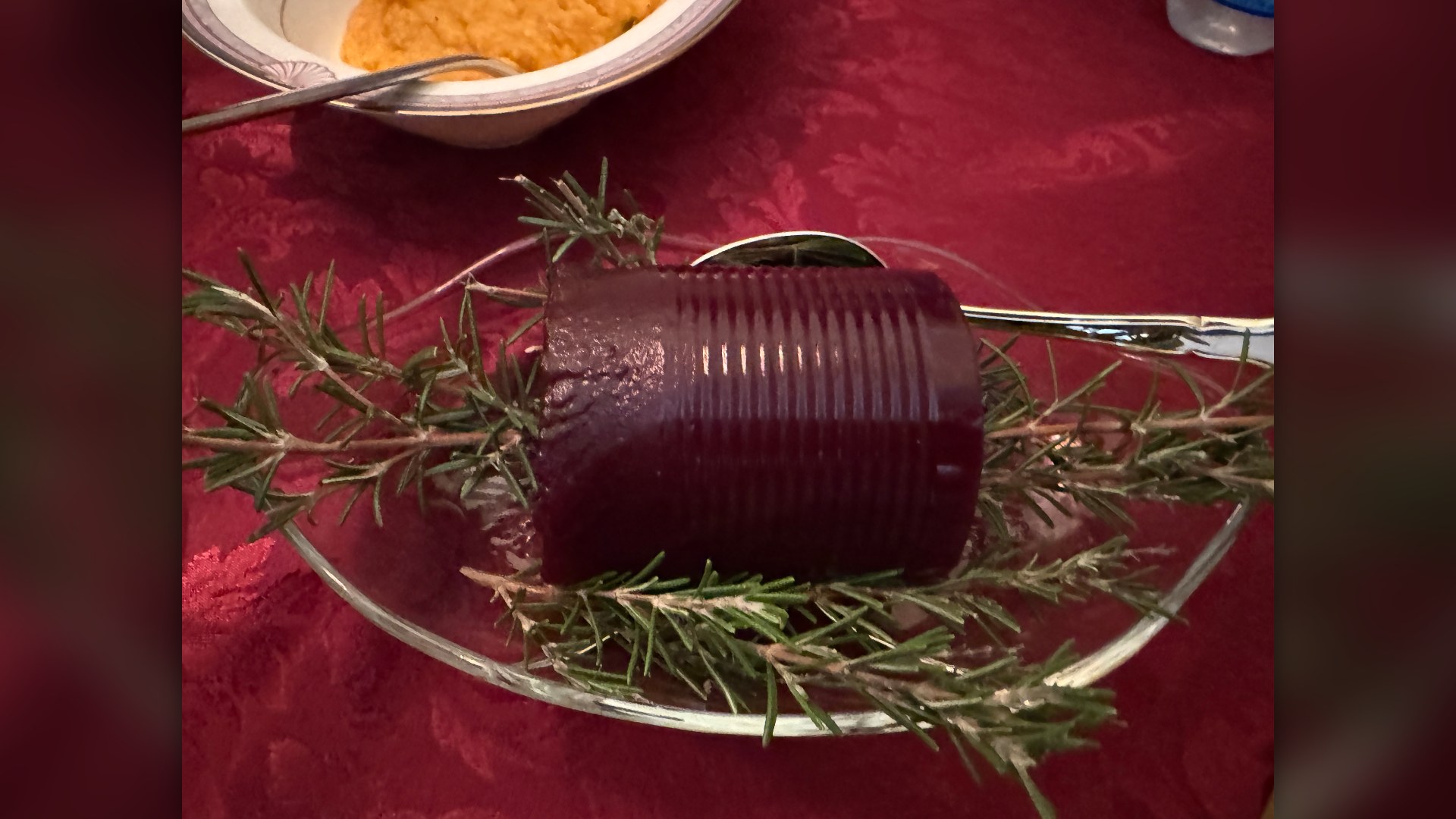
13. Fresh Cranberry Sauce
Before Marcus Urann popularized canned jellied cranberry sauce in the 1930s, 1920s families simmered fresh cranberries scooped from wooden market barrels with pure cane sugar and water on the kitchen stove.
©Wikimedia / Missvain
Advertisement
Swipe or tap ▶ to resume the countdown.
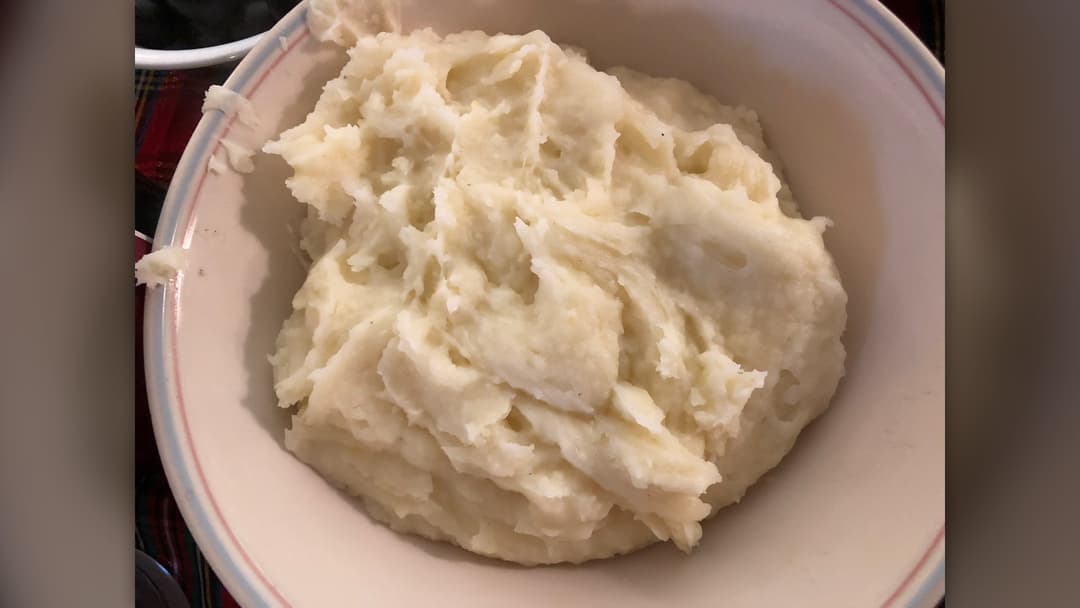
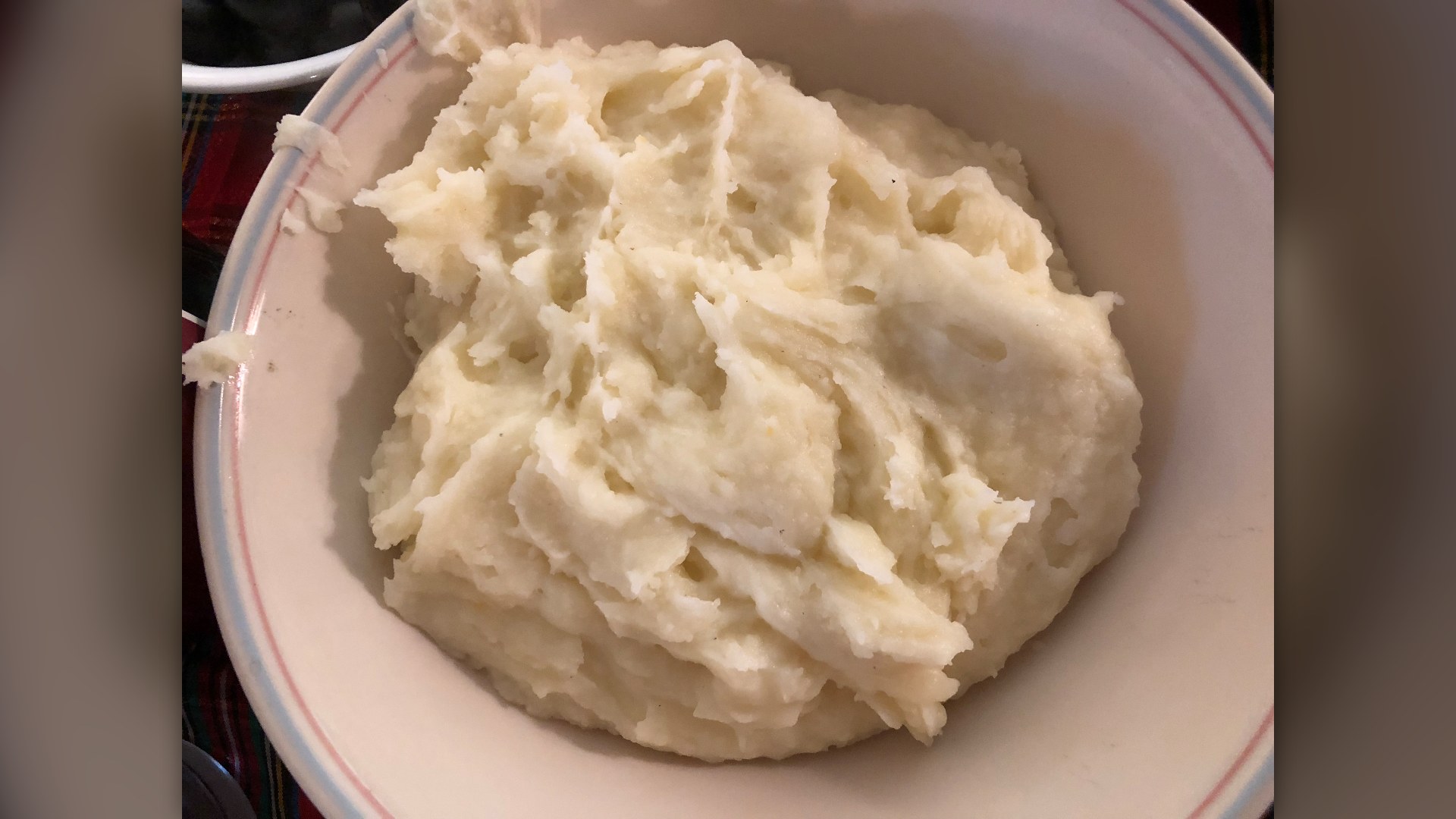
12. Mashed Russet Potatoes
Potatoes were a dependable winter staple, sold in ten-pound burlap sacks for approximately thirty cents in 1926. Today, a five-pound bag of russet baking potatoes retails for around $4.90 across major grocers.
©Wikimedia / Famartin
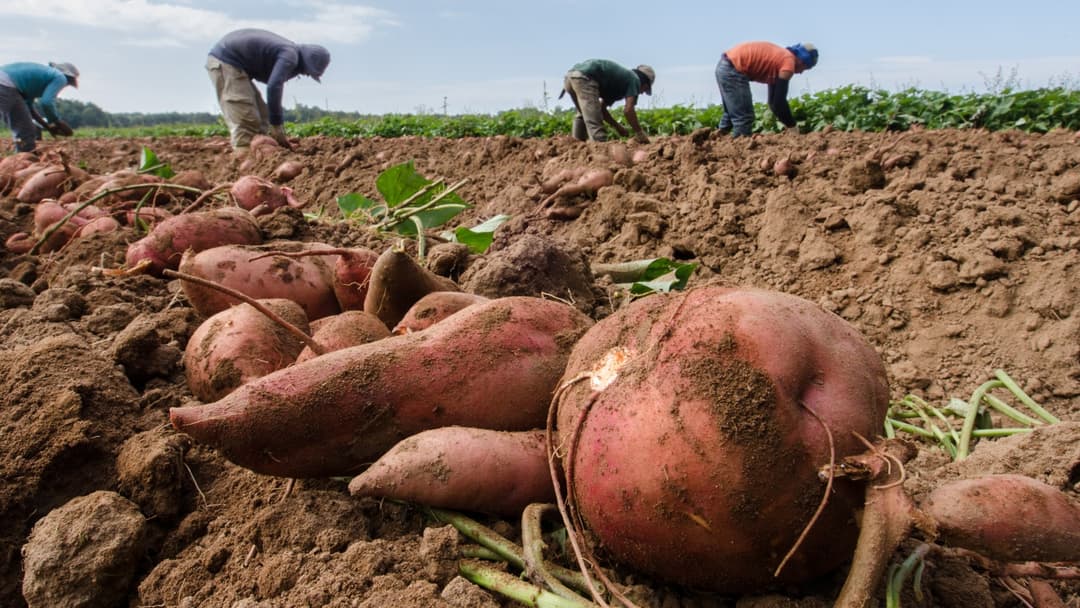
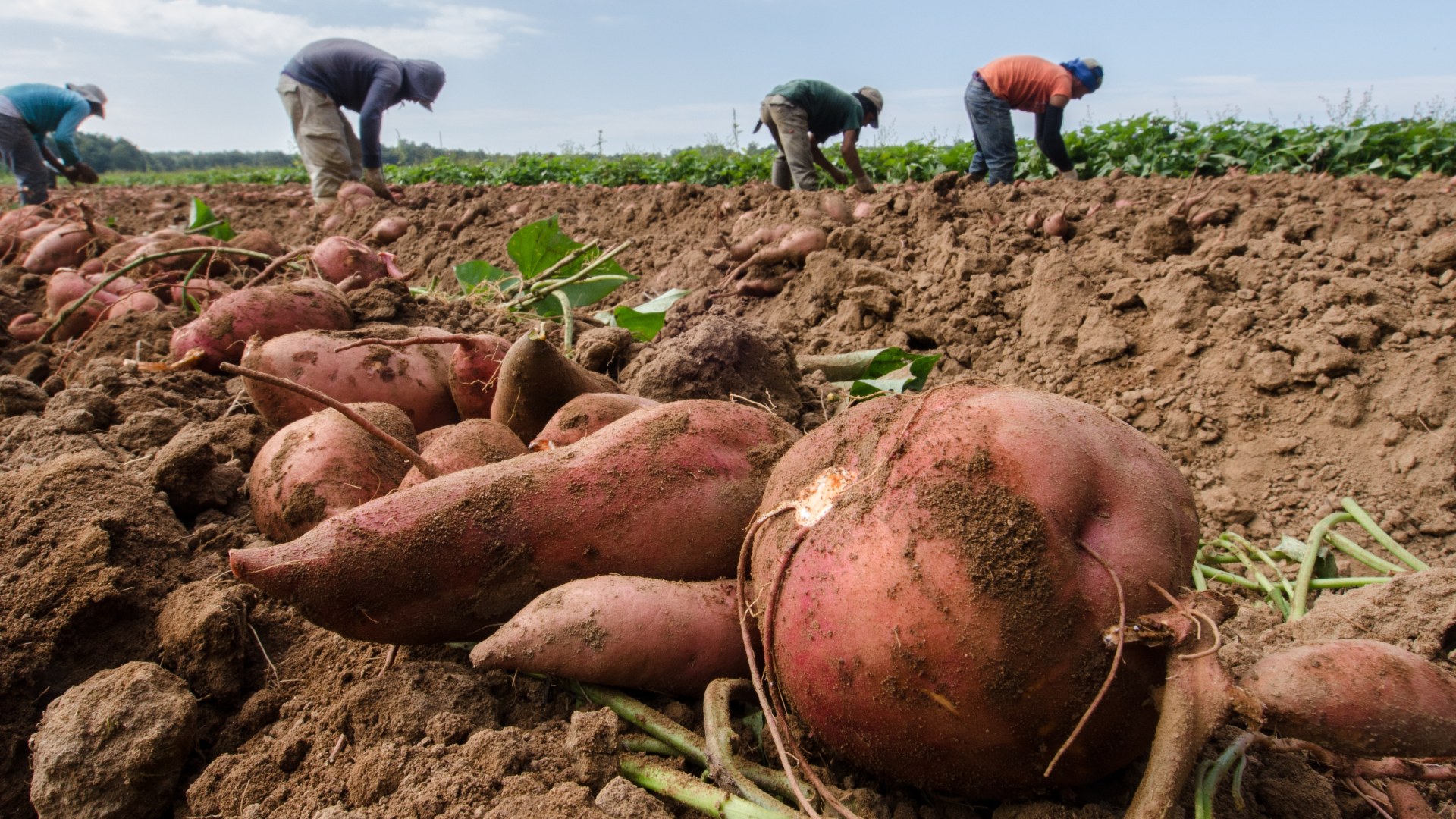
11. Candied Sweet Potatoes
In 1926, southern sweet potatoes sold in bulk bushels for just pennies per pound. Modern holiday shoppers buying a three-pound batch for candied yams or sweet potato casserole pay approximately $3.75 total.
©Wikimedia / peakpx.com
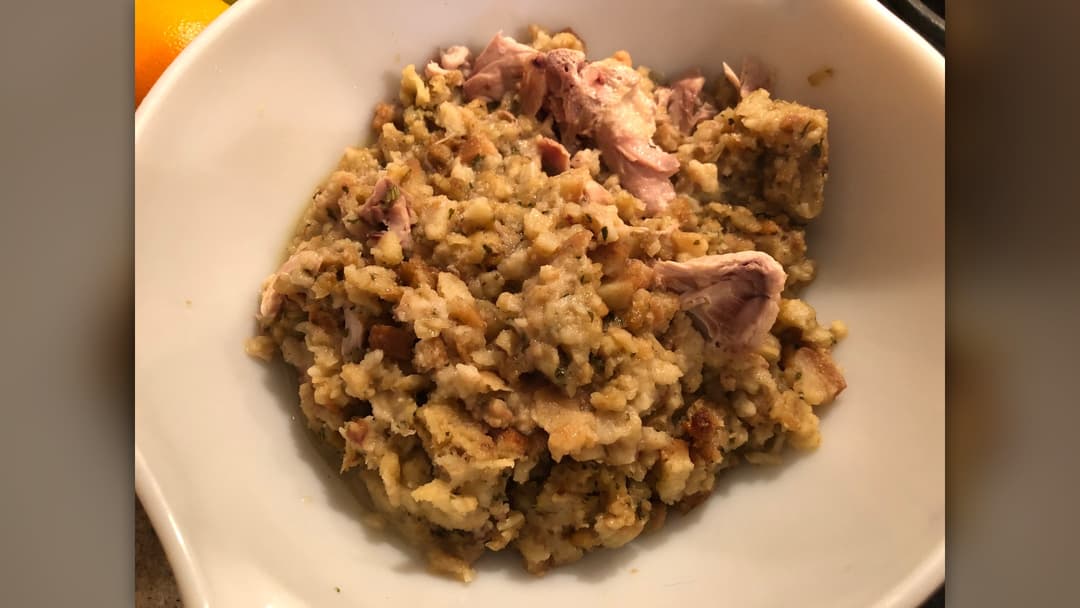
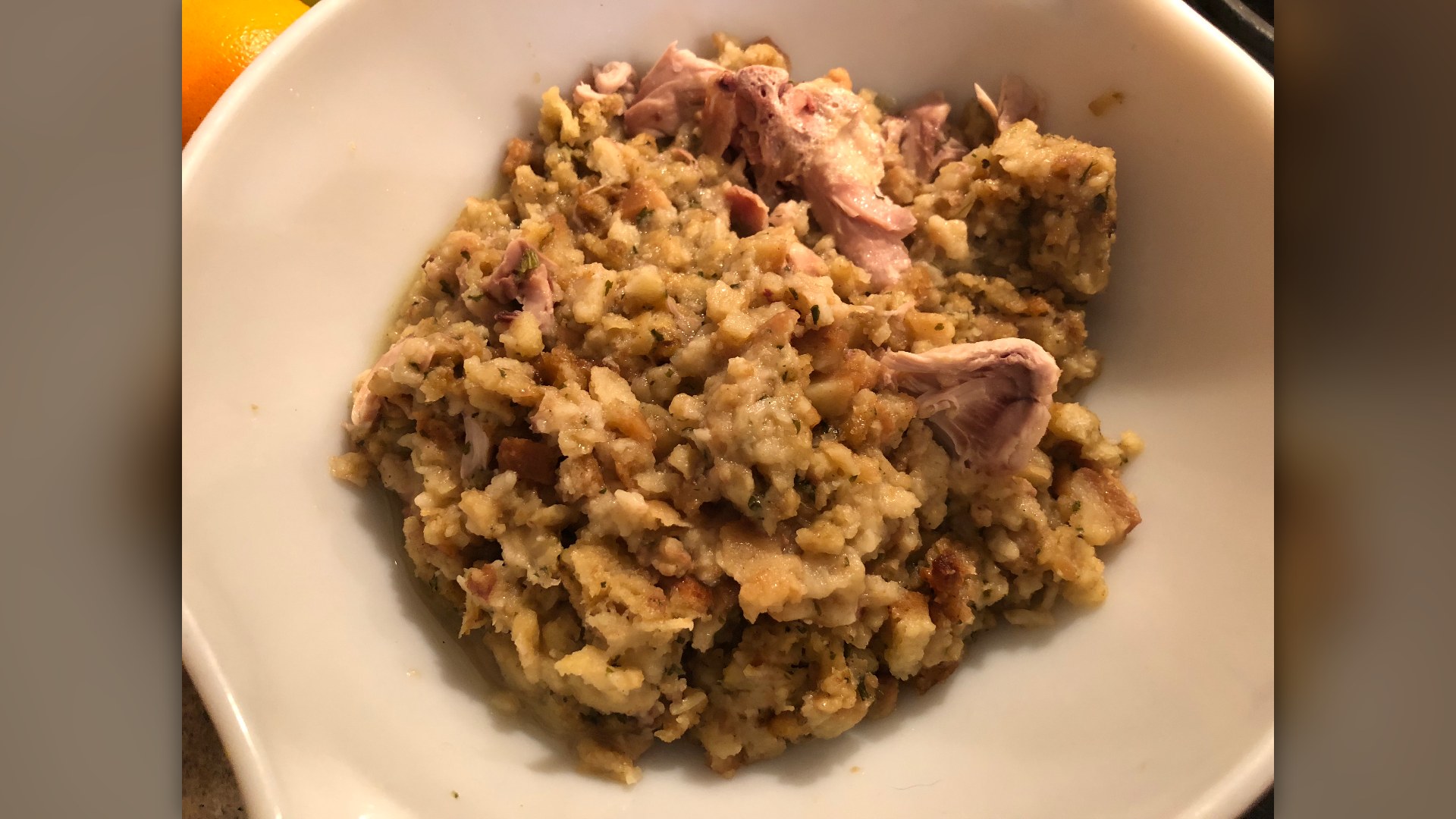
10. Bread Stuffing And Dressing
Decades before boxed instant stuffing mixes appeared on supermarket shelves, 1920s home cooks crumbled stale bakery bread loaves with celery, onion, poultry seasoning, and rendered animal drippings.
©Wikimedia / Famartin
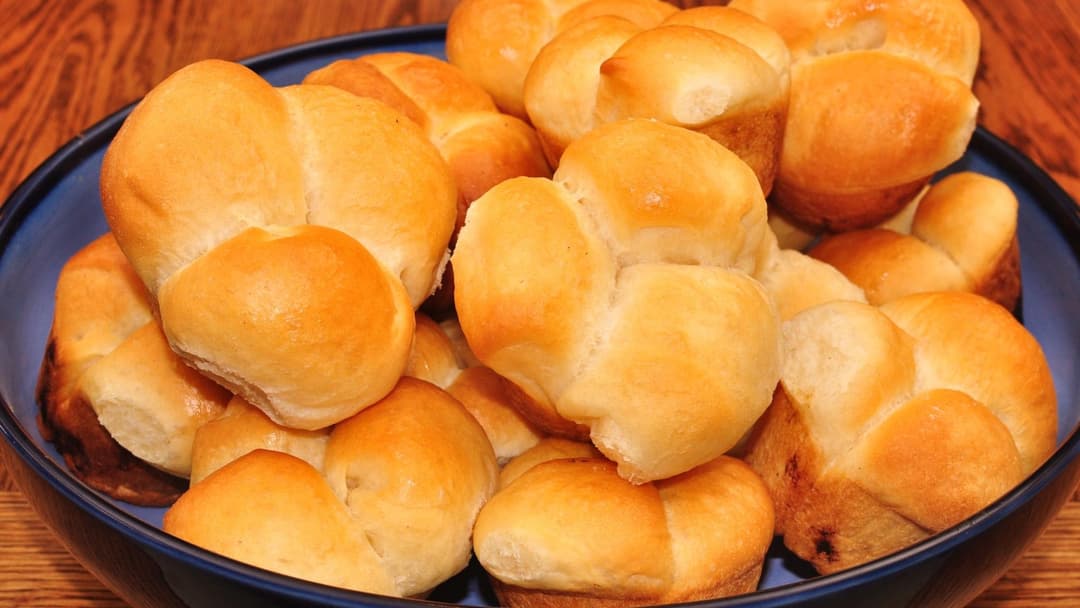
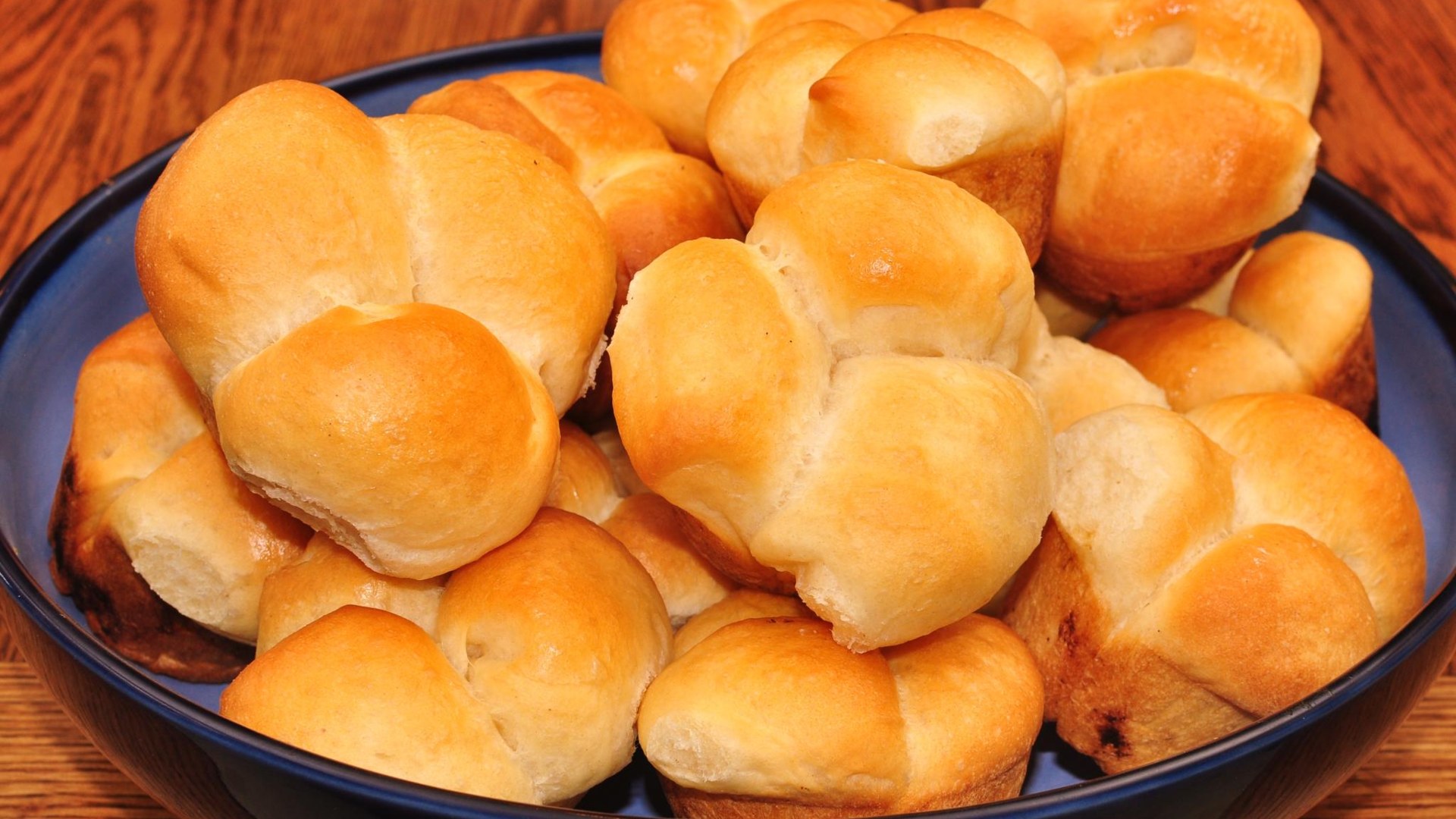
9. Fresh Baked Dinner Rolls
Neighborhood bakeries sold freshly proofed yeast rolls by the dozen in paper sacks. Today, a twelve-count package of bakery dinner rolls or heat-and-serve brioche rolls averages just over four dollars.
©Wikimedia / jeffreyw
Advertisement
Swipe or tap ▶ to resume the countdown.
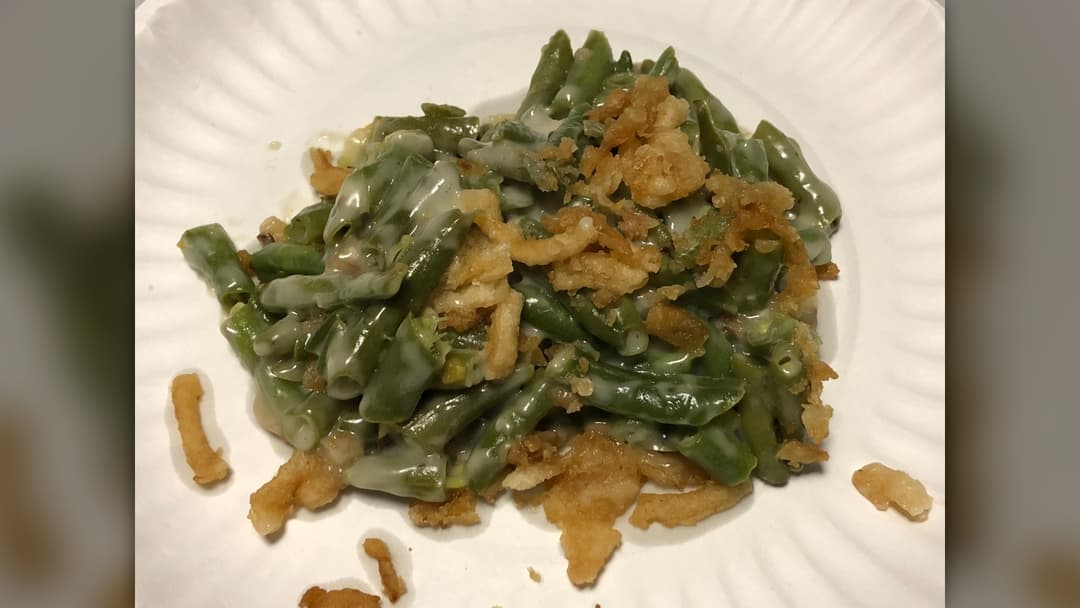
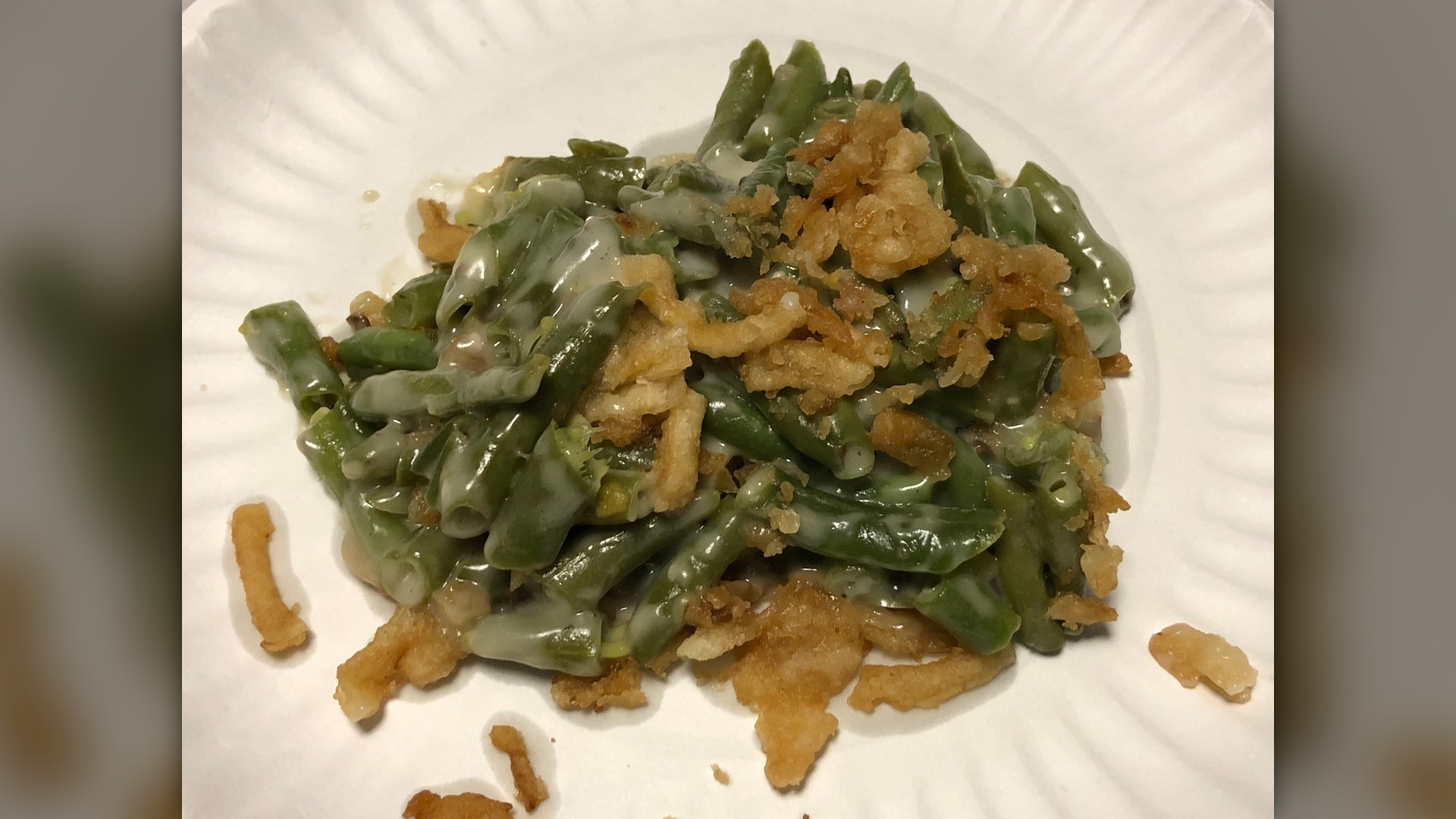
8. Green Beans And Holiday Casserole
Green beans in the 1920s were typically fresh late-crop string beans or home-canned jars. The now-ubiquitous green bean casserole did not exist until Campbell Soup kitchen supervisor Dorcas Reilly invented it in 1955.
©Wikimedia / Famartin
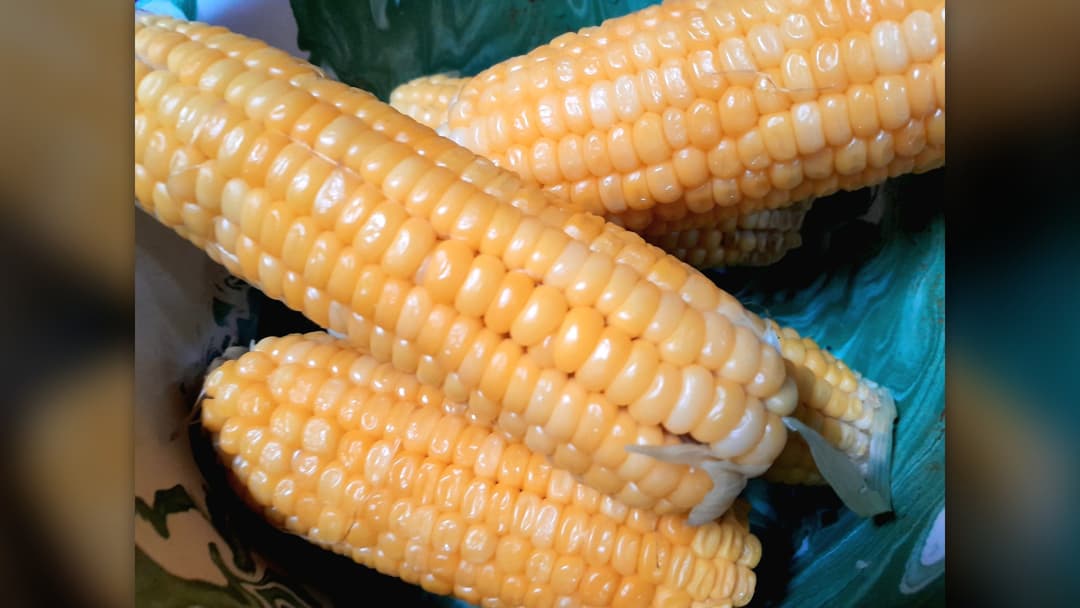
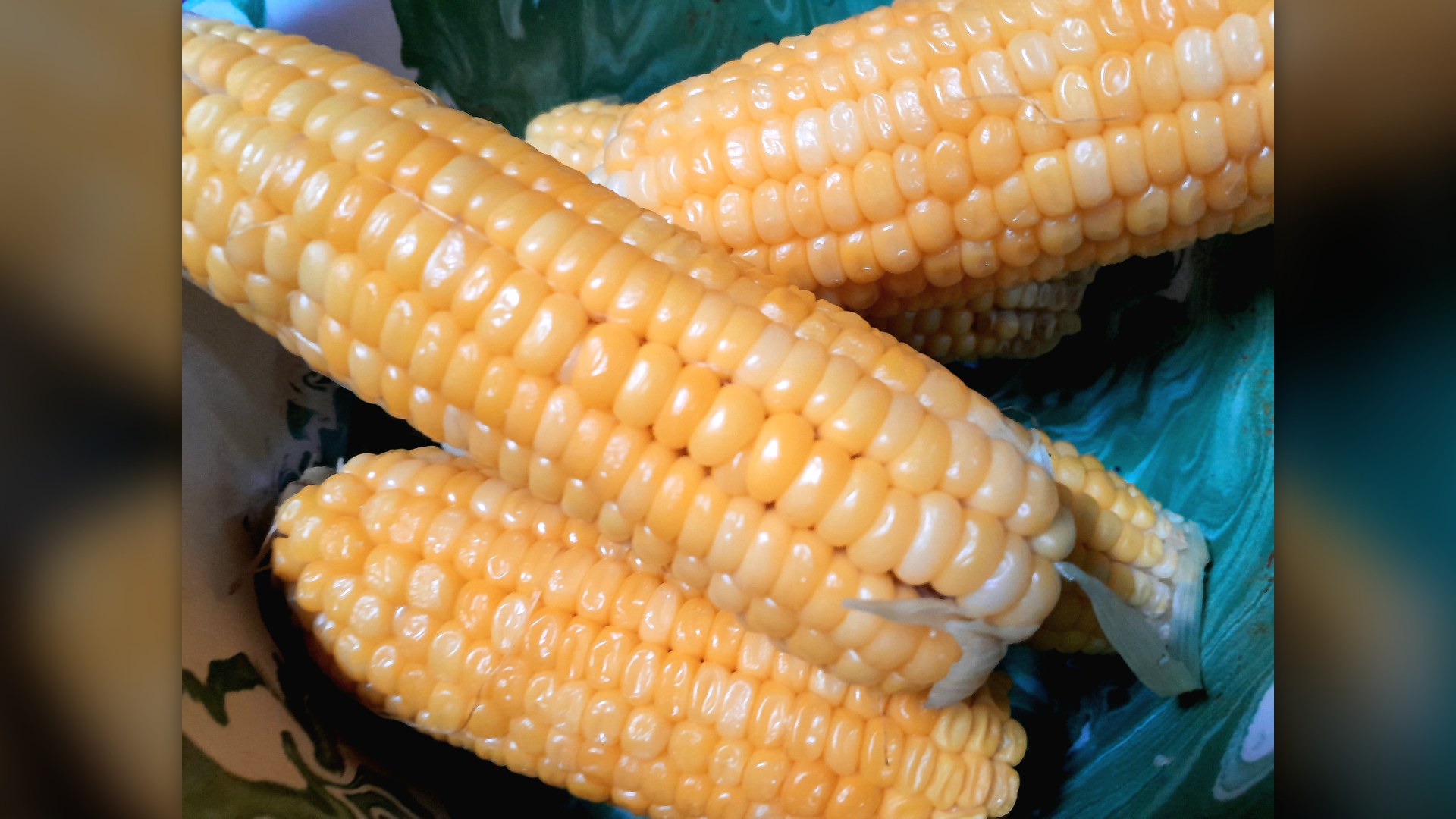
7. Sweet Golden Corn
Canned sweet cream corn gained enormous popularity in urban grocers during the 1920s as reliable canning techniques spread nationwide, saving home cooks the manual labor of shucking and boiling cobs.
©Wikimedia / Undeka 11
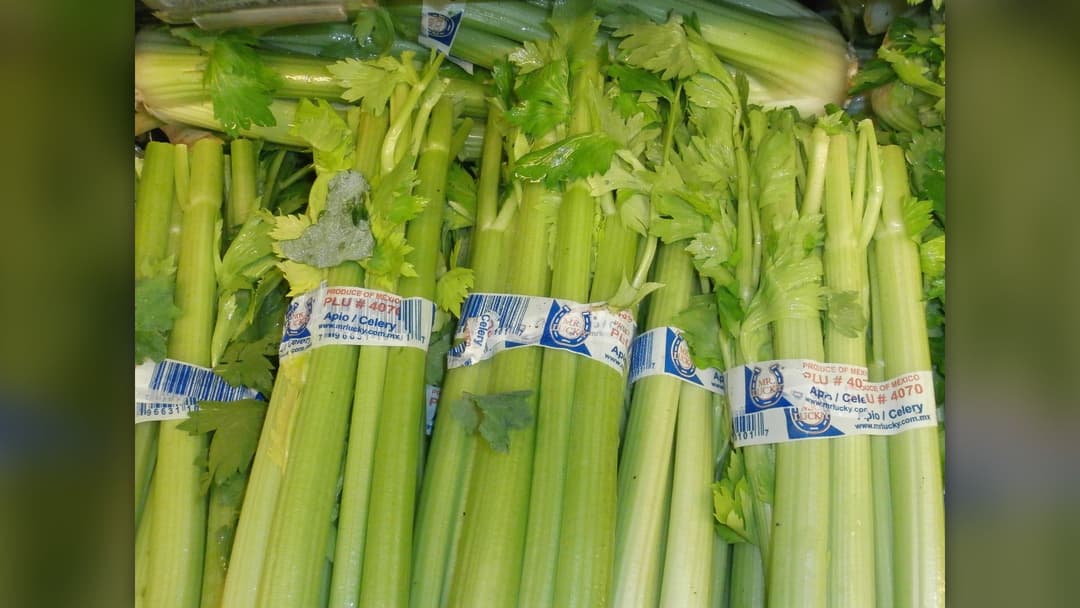
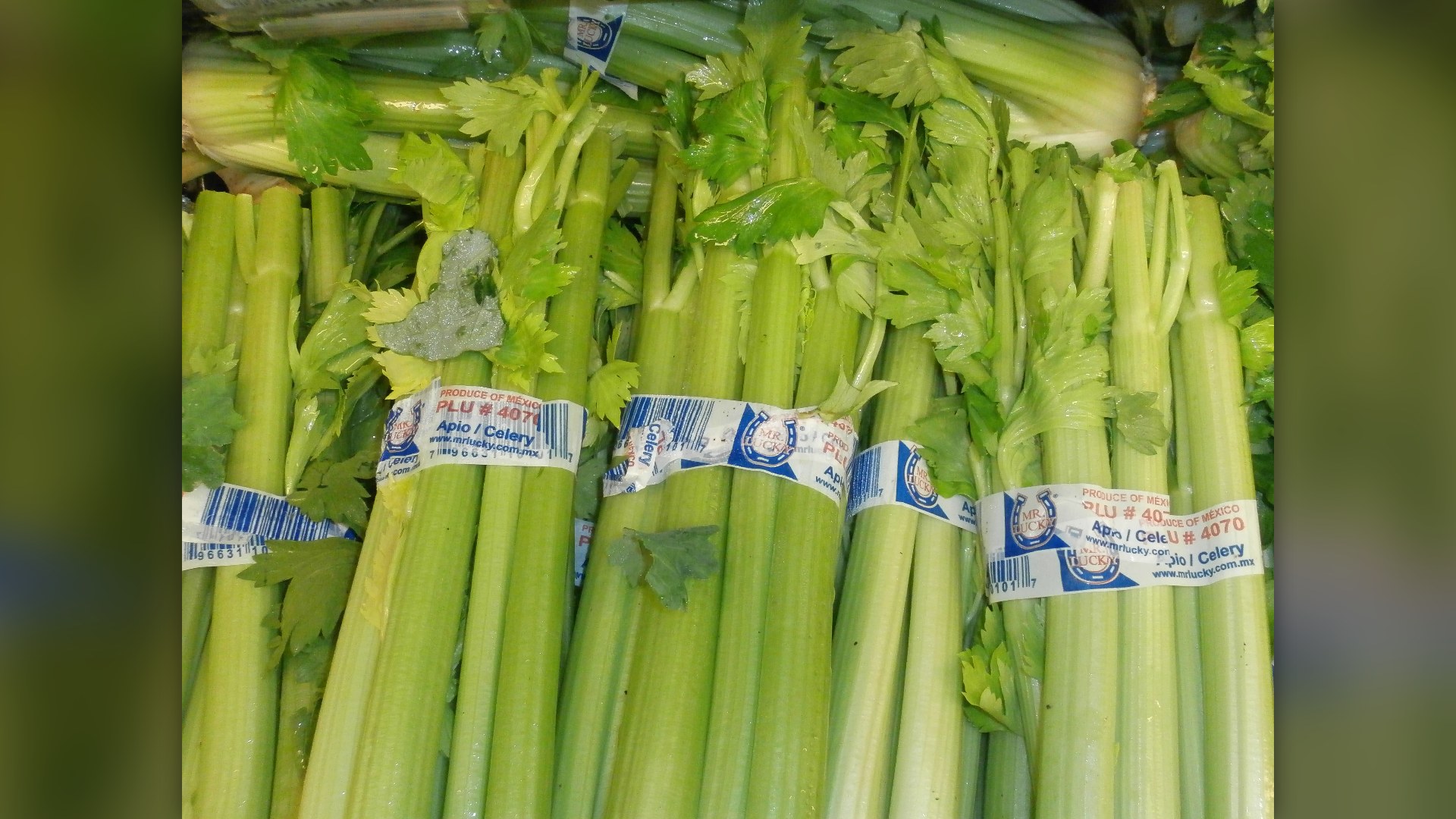
6. Crisp Celery And Carrots
A tall glass vase of iced celery stalks was a premier status symbol on Thanksgiving dinner tables a century ago. Crisp celery was prized for its crunch and clean flavor amid rich, savory holiday dishes.
©Wikimedia / Jeffery Martin
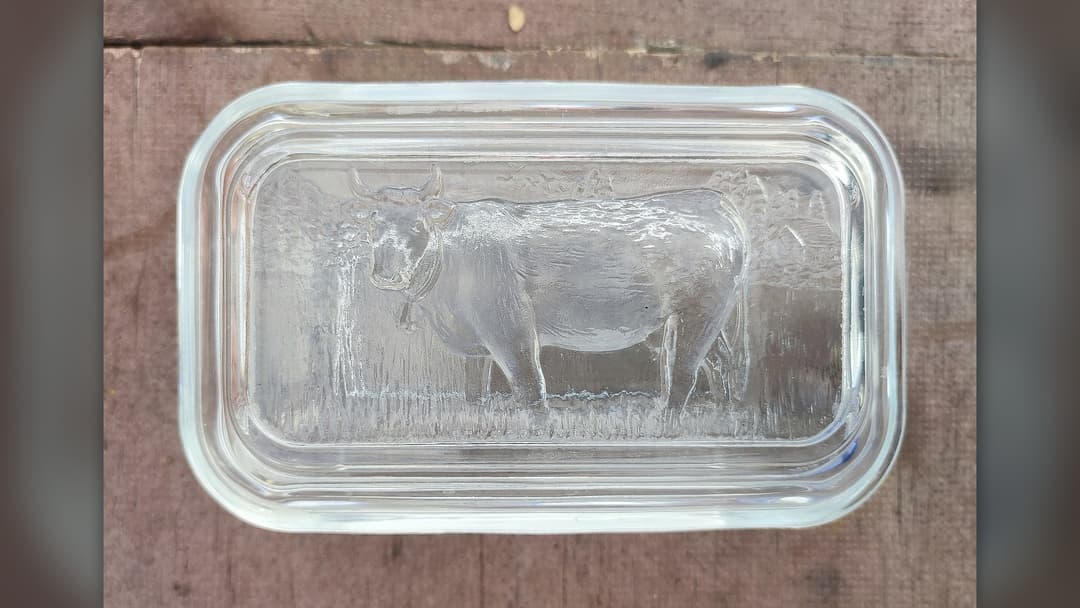
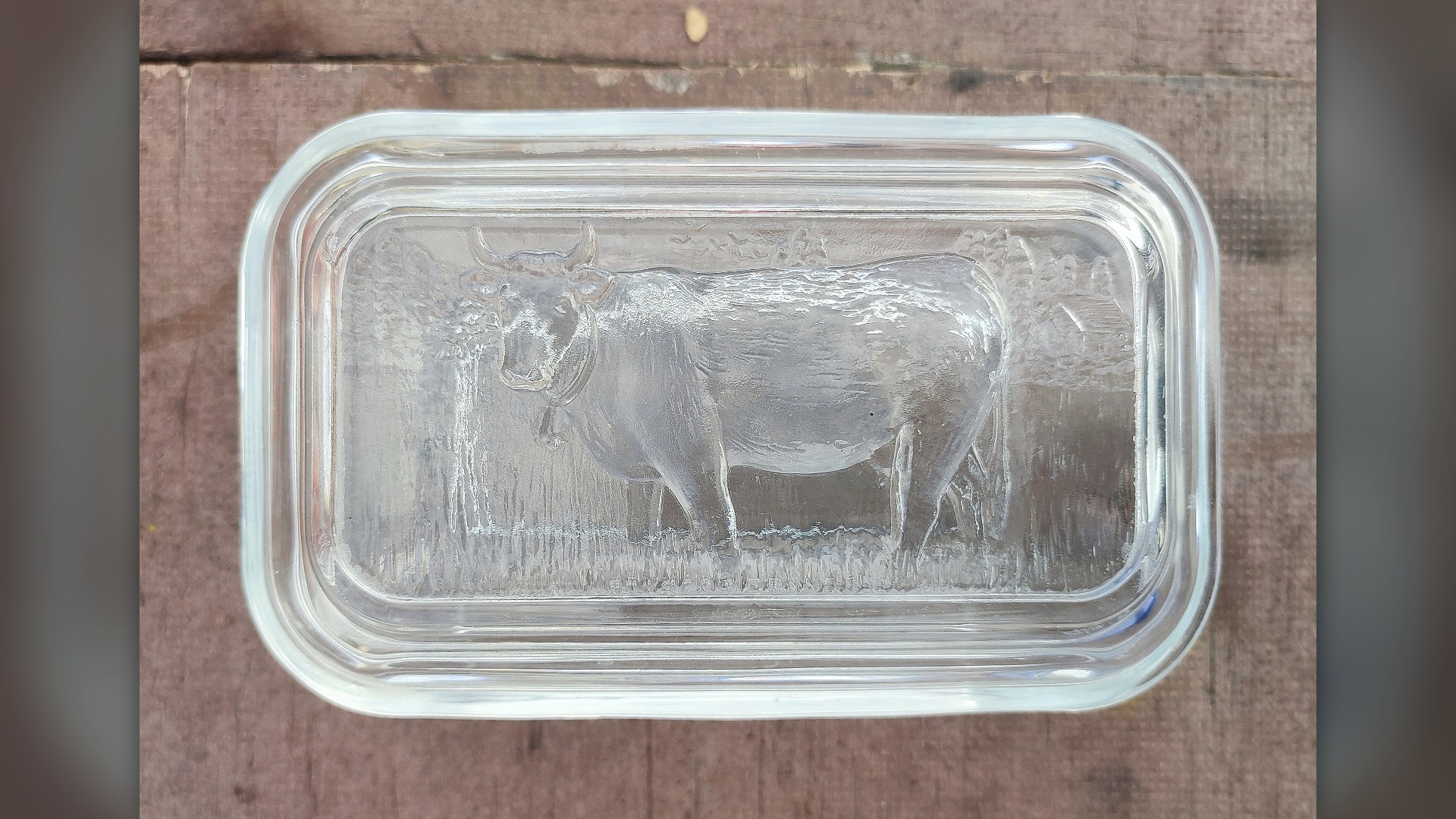
5. Creamery Butter
Grade A creamery butter was one of the single most expensive grocery purchases for 1920s shoppers, costing over an hour of factory labor. Today, four sticks of solid butter cost around $4.65 at modern supermarkets.
©Wikimedia / Tess Mattew
Advertisement
Swipe or tap ▶ to resume the countdown.
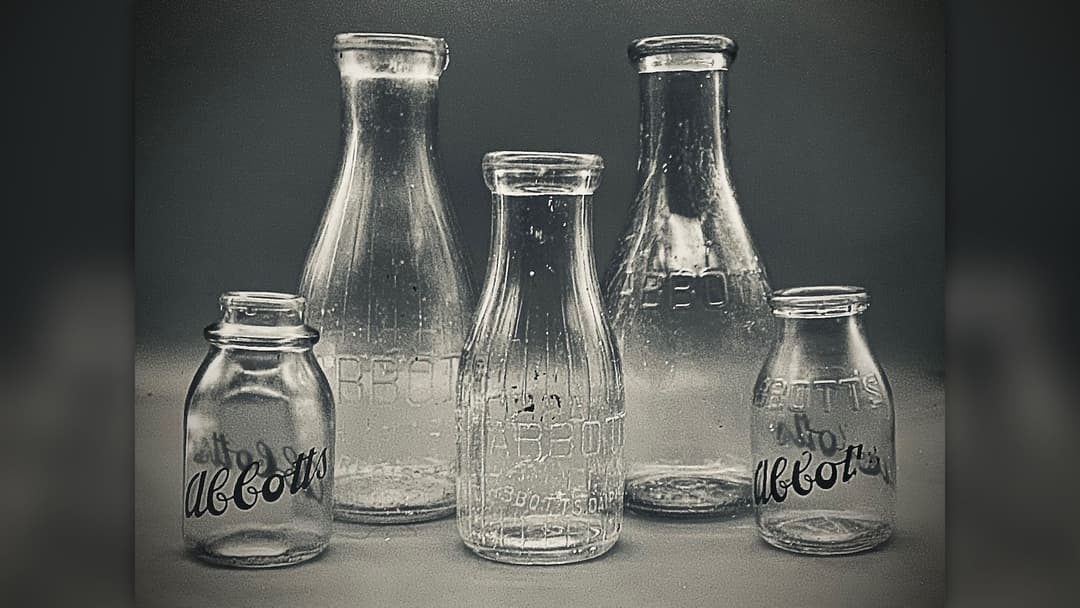
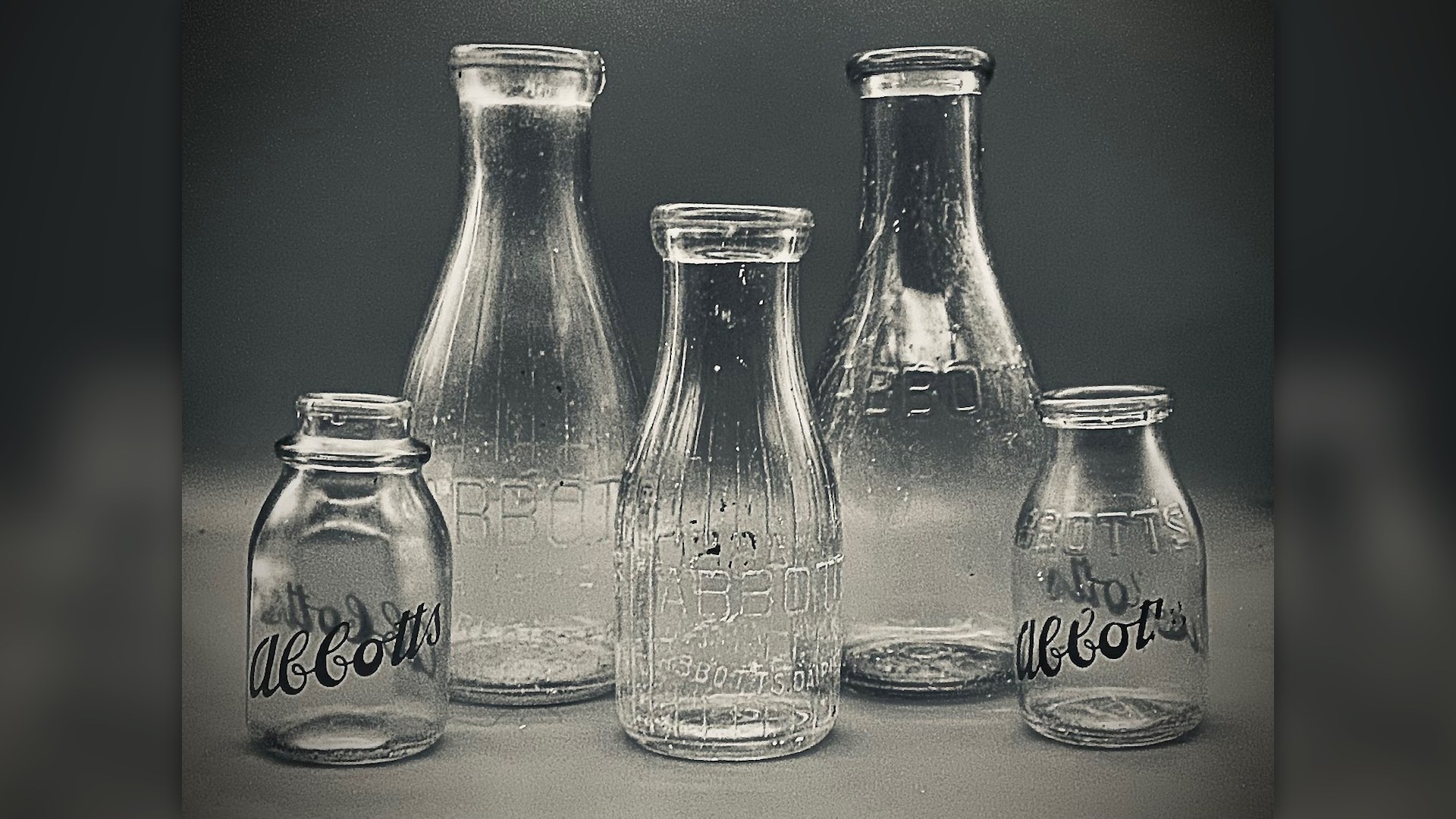
4. Whole Dairy Milk
Before modern refrigeration and gallon jugs took over, local dairy wagons delivered glass quart bottles of whole milk to doorsteps daily for fourteen cents, essential for creamy mashed potatoes and custards.
©Wikimedia / Bruce C. Cooper
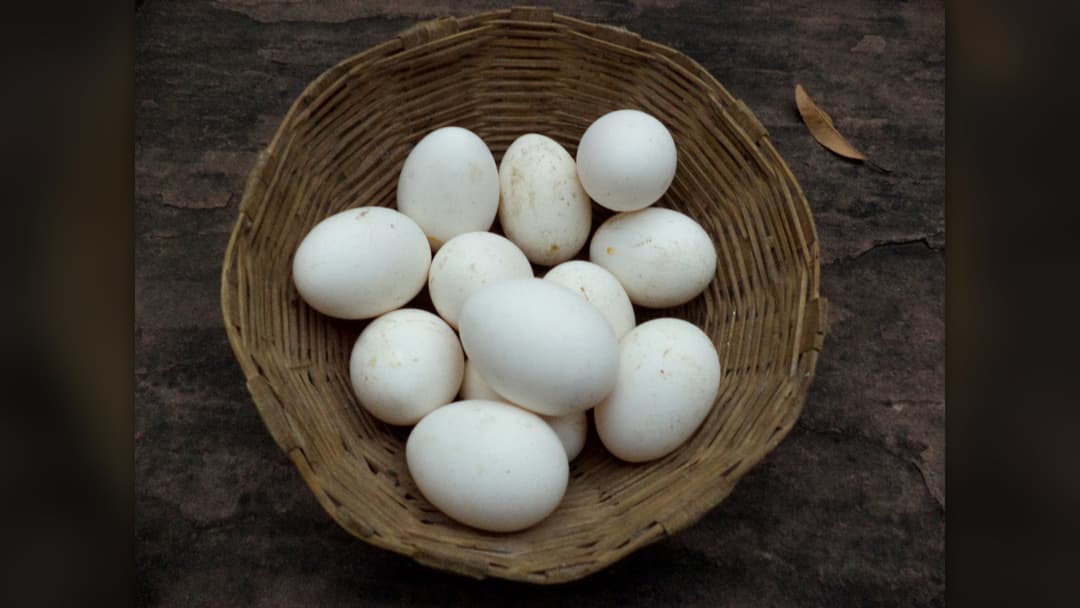
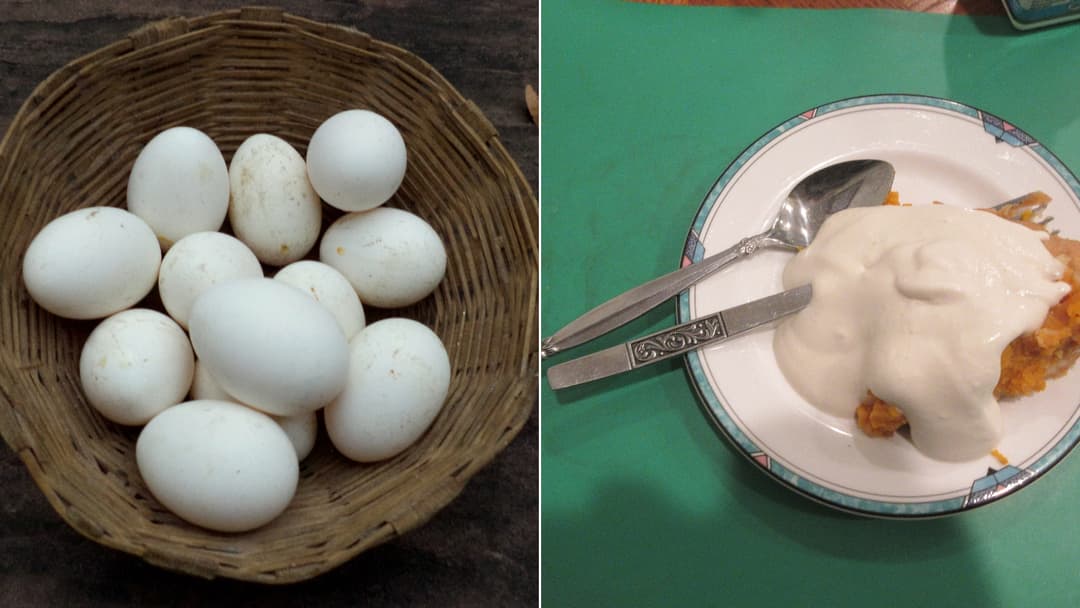
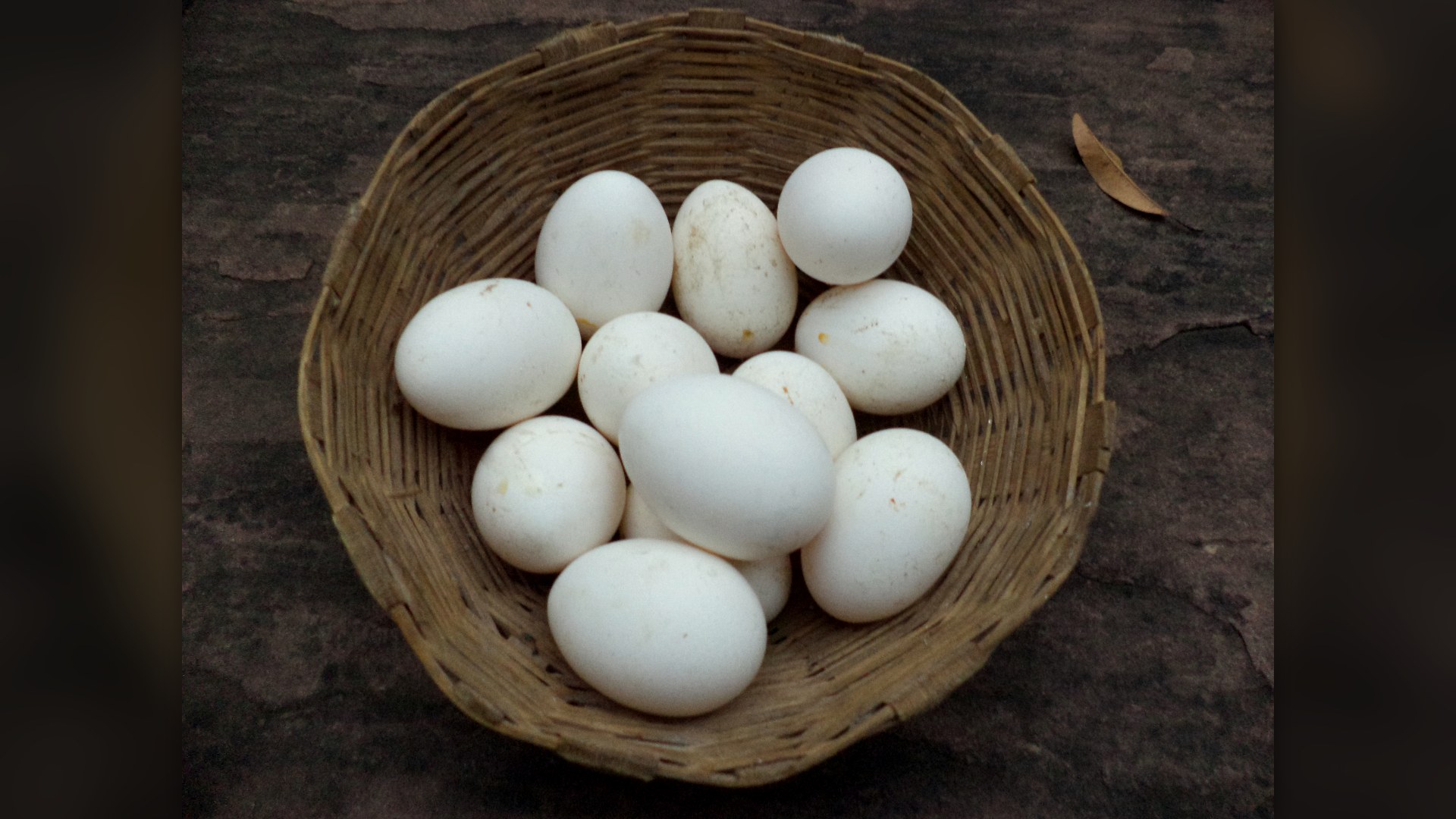
3. Fresh Farm Eggs
Egg prices reliably spiked each November as shorter daylight hours reduced hen laying before electric barn lighting became standard. Essential for holiday stuffing and pies, a dozen eggs cost half a dollar in 1926.
©Wikimedia / Devika
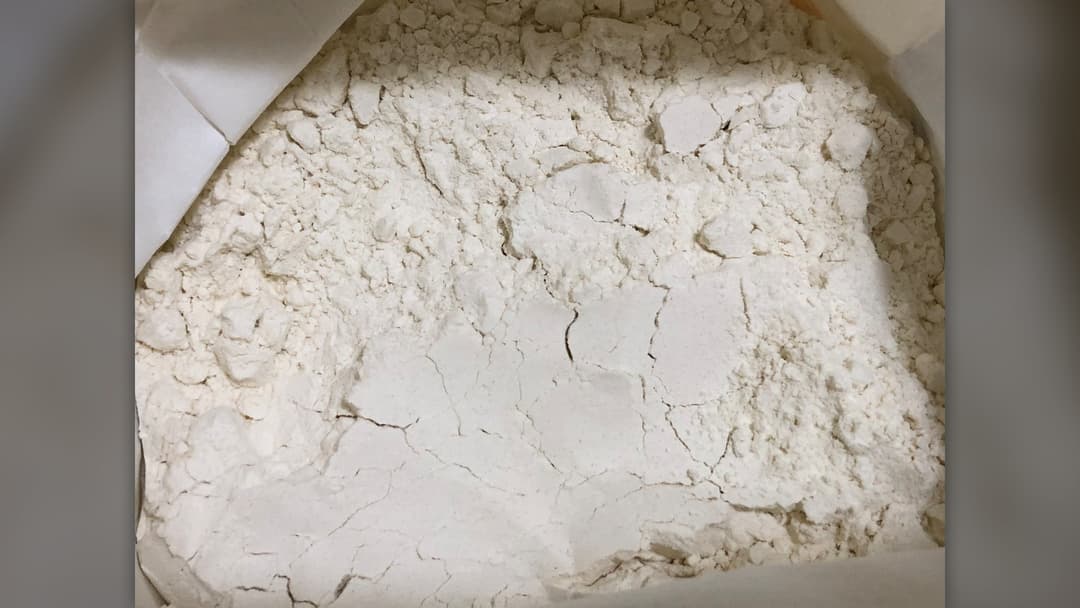
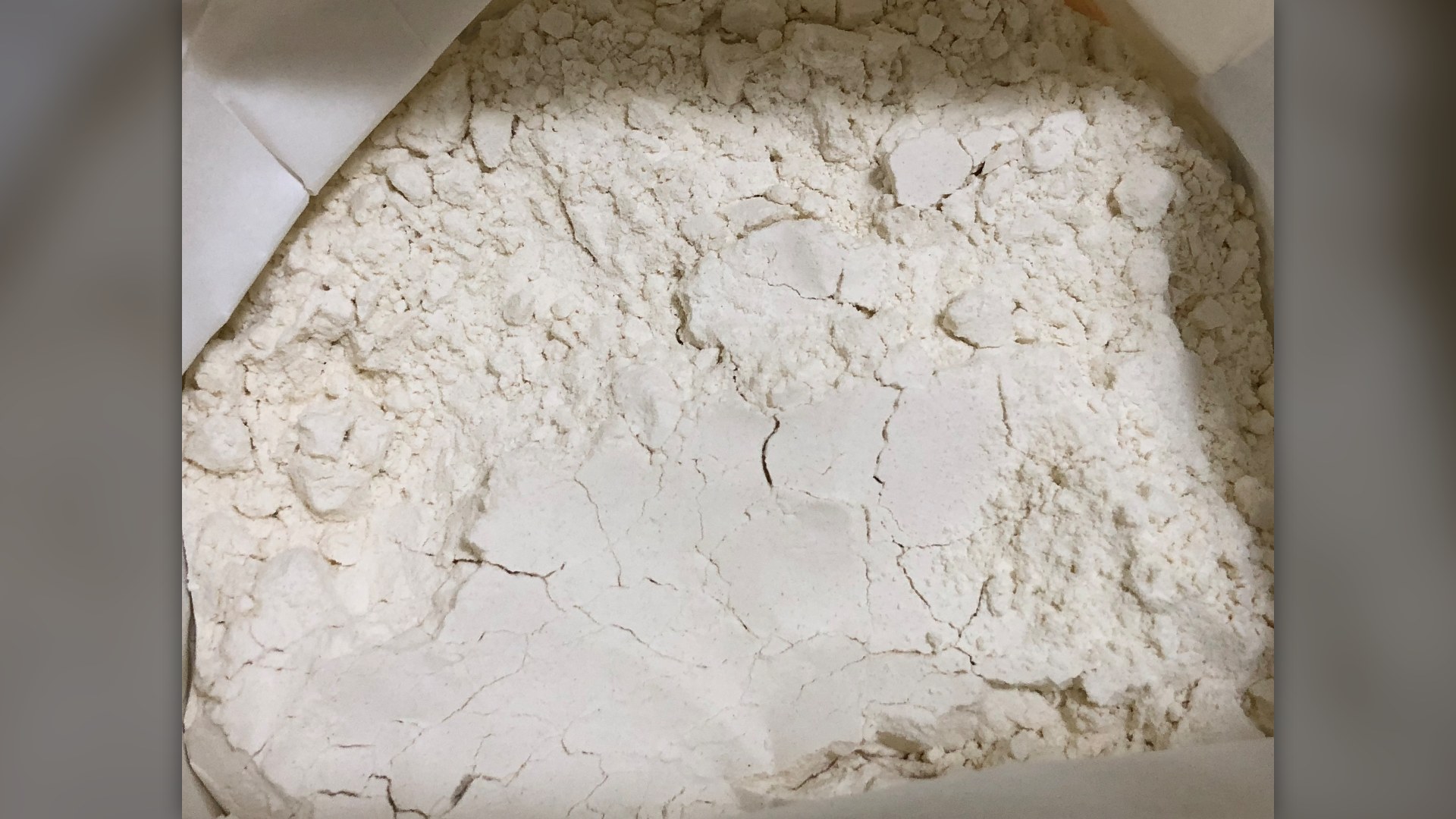
2. All-Purpose Flour And Sugar
Five-pound bags of unbleached flour and granulated white cane sugar cost about twenty-five cents each a century ago, forming the baseline building blocks for all holiday pie doughs and gravies.
©Wikimedia / Famartin
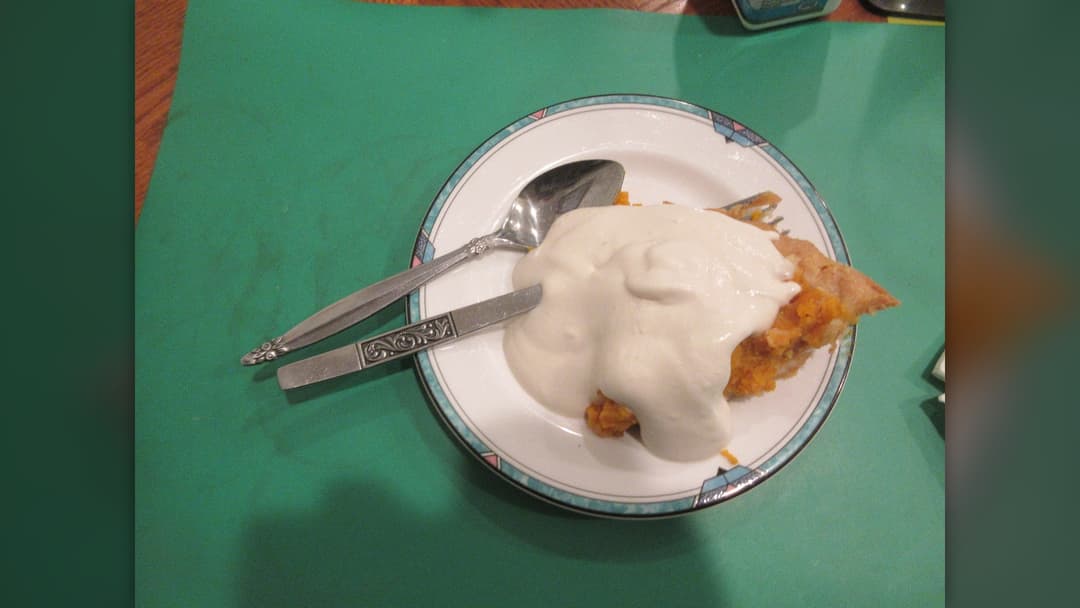
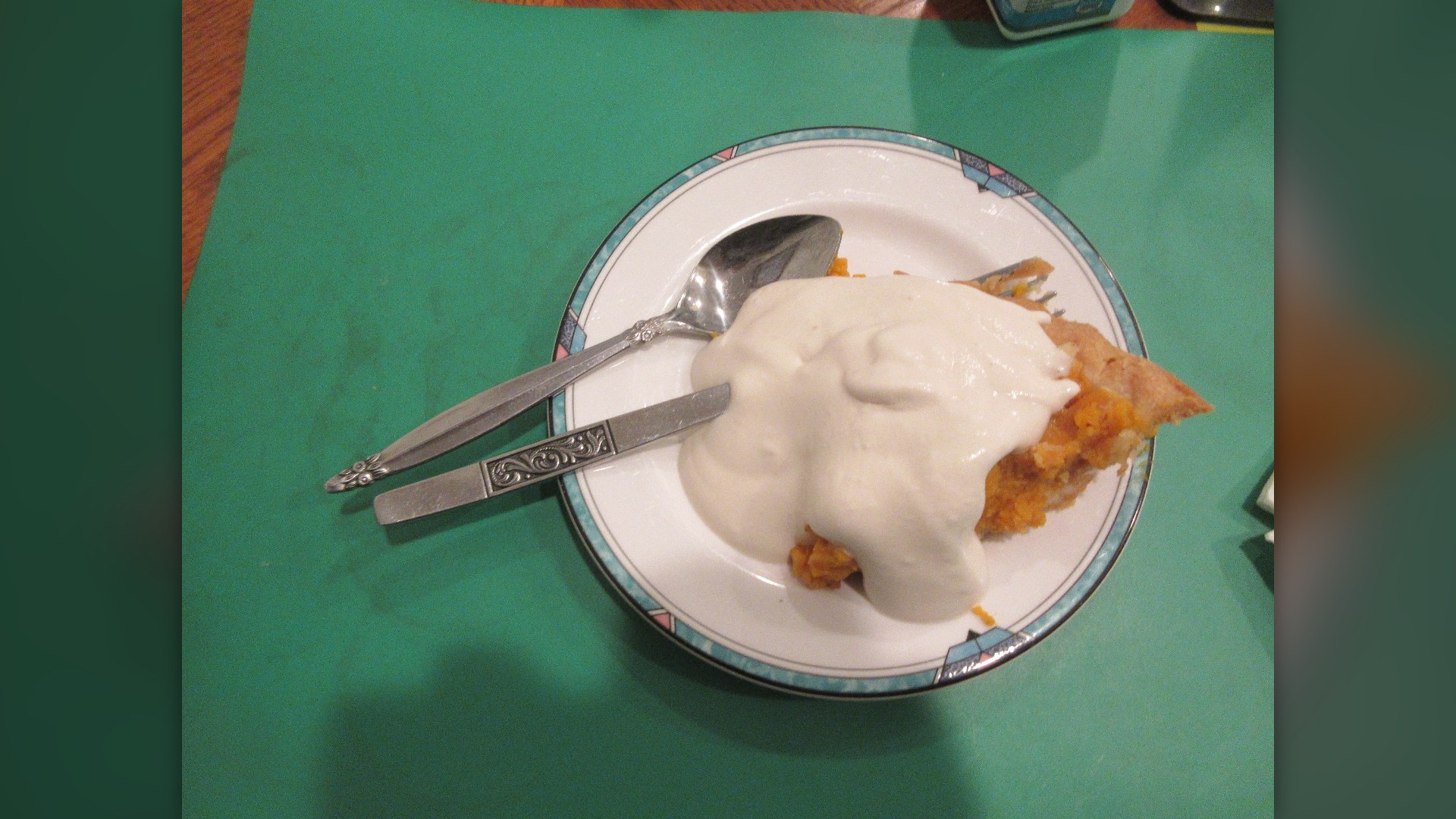
1. Spiced Pumpkin Pie
Baking a complete nine-inch pumpkin pie from scratch in 1926 required roasting sugar pumpkins and mixing spices, costing thirty-five cents. Today, a thirty-ounce can of pumpkin puree with crust retails for about five dollars.
©Wikimedia / Infrogmation of New Orleans
Advertisement
You've reached the end of the story. Thanks for reading!

25 Most Expensive Fruits in the World, Ranked
All 15 Entries in this Story
15. The Full Thanksgiving Dinner Basket
In 1926, purchasing ingredients to feed a family of ten cost roughly $4.75 at local markets. While today's Farm Bureau average of $55.18 sounds higher, it takes an average worker only two hours of labor compared to over twelve hours a century ago.

14. Whole Roasting Turkey
A sixteen-pound holiday turkey cost around $7.20 in 1926 retail markets, representing several days of household wages. Modern commercial poultry farming and supermarket holiday discounts have brought the average bird down to roughly $21.50 total.

13. Fresh Cranberry Sauce
Before Marcus Urann popularized canned jellied cranberry sauce in the 1930s, 1920s families simmered fresh cranberries scooped from wooden market barrels with pure cane sugar and water on the kitchen stove.

12. Mashed Russet Potatoes
Potatoes were a dependable winter staple, sold in ten-pound burlap sacks for approximately thirty cents in 1926. Today, a five-pound bag of russet baking potatoes retails for around $4.90 across major grocers.

11. Candied Sweet Potatoes
In 1926, southern sweet potatoes sold in bulk bushels for just pennies per pound. Modern holiday shoppers buying a three-pound batch for candied yams or sweet potato casserole pay approximately $3.75 total.

10. Bread Stuffing And Dressing
Decades before boxed instant stuffing mixes appeared on supermarket shelves, 1920s home cooks crumbled stale bakery bread loaves with celery, onion, poultry seasoning, and rendered animal drippings.

9. Fresh Baked Dinner Rolls
Neighborhood bakeries sold freshly proofed yeast rolls by the dozen in paper sacks. Today, a twelve-count package of bakery dinner rolls or heat-and-serve brioche rolls averages just over four dollars.

8. Green Beans And Holiday Casserole
Green beans in the 1920s were typically fresh late-crop string beans or home-canned jars. The now-ubiquitous green bean casserole did not exist until Campbell Soup kitchen supervisor Dorcas Reilly invented it in 1955.

7. Sweet Golden Corn
Canned sweet cream corn gained enormous popularity in urban grocers during the 1920s as reliable canning techniques spread nationwide, saving home cooks the manual labor of shucking and boiling cobs.

6. Crisp Celery And Carrots
A tall glass vase of iced celery stalks was a premier status symbol on Thanksgiving dinner tables a century ago. Crisp celery was prized for its crunch and clean flavor amid rich, savory holiday dishes.

5. Creamery Butter
Grade A creamery butter was one of the single most expensive grocery purchases for 1920s shoppers, costing over an hour of factory labor. Today, four sticks of solid butter cost around $4.65 at modern supermarkets.

4. Whole Dairy Milk
Before modern refrigeration and gallon jugs took over, local dairy wagons delivered glass quart bottles of whole milk to doorsteps daily for fourteen cents, essential for creamy mashed potatoes and custards.

3. Fresh Farm Eggs
Egg prices reliably spiked each November as shorter daylight hours reduced hen laying before electric barn lighting became standard. Essential for holiday stuffing and pies, a dozen eggs cost half a dollar in 1926.

2. All-Purpose Flour And Sugar
Five-pound bags of unbleached flour and granulated white cane sugar cost about twenty-five cents each a century ago, forming the baseline building blocks for all holiday pie doughs and gravies.

1. Spiced Pumpkin Pie
Baking a complete nine-inch pumpkin pie from scratch in 1926 required roasting sugar pumpkins and mixing spices, costing thirty-five cents. Today, a thirty-ounce can of pumpkin puree with crust retails for about five dollars.