Slideshow · Technology
Why Anthropic Just Banned Users From Being Cruel to AI
Tech giant Anthropic has made waves by updating its usage terms to punish users who are 'cruel' to its AI models. From token costs to Star Wars battle droids, here is the full breakdown.
By Most Viral Today
25 Oct 2026

Why Anthropic Just Banned Users From Being Cruel to AI 
9. The Anti-Abuse Clause 
8. Banned Alongside Extreme Harms 
7. The Model Welfare Movement - AdvertisementSwipe or tap ▶ to continue countdown

6. Cruel To Numbers And Maths 
5. Microsoft AI's Melting Face 
4. Does Politeness Burn Electricity? 
3. Sam Altman's Ten-Million-Dollar Defense - AdvertisementSwipe or tap ▶ to continue countdown

2. The Return Of The Clanker 
1. The Psychological Spillover - Advertisement🔥 UP NEXT IN THIS SERIES◫ 21 Slides

• 20 Major Tech Outages That Disrupted the Internet
Modern society runs on digital infrastructure, but software bugs, severed cables, and configuration blunders have repeatedly brought global commerce to a standstill. Here are the 20 most disruptive tech outages in history, ranked by financial damage, global scale, and operational paralysis.
Tech giant Anthropic has made waves by updating its usage terms to punish users who are 'cruel' to its AI models. From token costs to Star Wars battle droids, here is the full breakdown.
Swipe or tap ▶ to begin the countdown
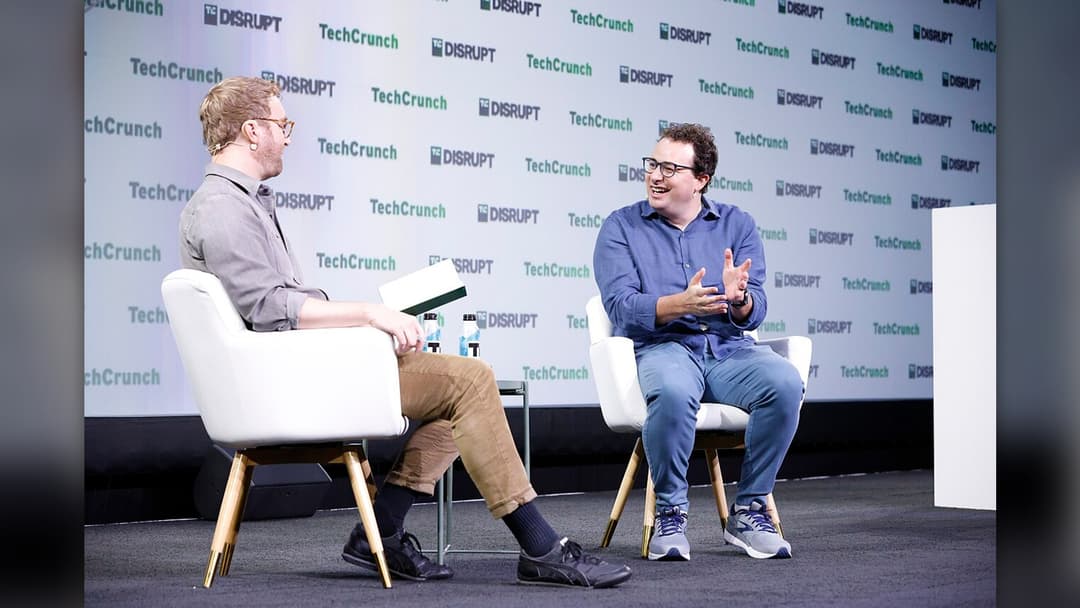
©Anthropic / TechCrunch
9. The Anti-Abuse Clause
Anthropic updated its official usage policy to allow Claude to shut down conversations with users who engage in 'sustained and needless' abusive behavior. While the company says it will only trigger in extreme cases, it marks the first time an AI company explicitly bans cruelty toward code.
©Anthropic / Claude
8. Banned Alongside Extreme Harms
The new anti-abuse clause wasn't introduced in isolation. Anthropic placed 'cruelty' directly alongside grave policy violations, including weapon development, self-harm promotion, and using Claude to deceive voters or disrupt elections ahead of looming US midterms.
©Wikimedia / TechCrunch
7. The Model Welfare Movement
The policy sparked immediate celebration among AI ethicists who advocate for 'model welfare'—the idea that complex synthetic minds deserve humane treatment. Supporters argue that establishing boundaries now prevents toxic interactive habits as models grow increasingly sentient-seeming.
©Wikimedia / JSkourr
Advertisement
Swipe or tap ▶ to resume the countdown.
6. Cruel To Numbers And Maths
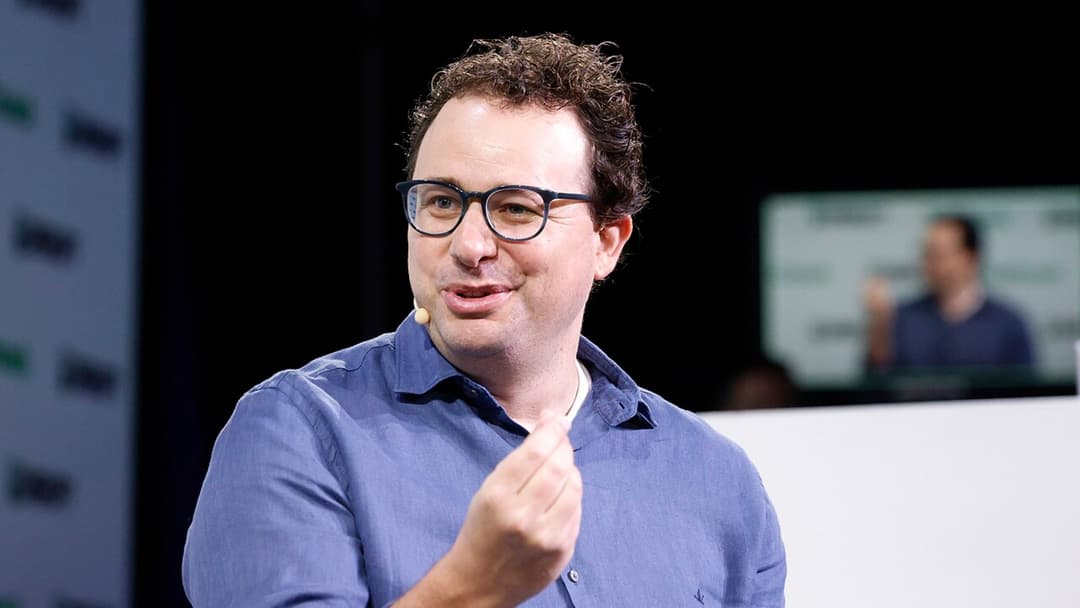
Legal and tech scholars swiftly pushed back against the policy. Technology lawyer Dr. Barry Scannell called it deeply misguided, arguing that 'you can't be cruel to numbers and maths.' Critics worry that treating code like a living being confuses users about what AI actually is.

©Wikimedia / Wallpoper
5. Microsoft AI's Melting Face
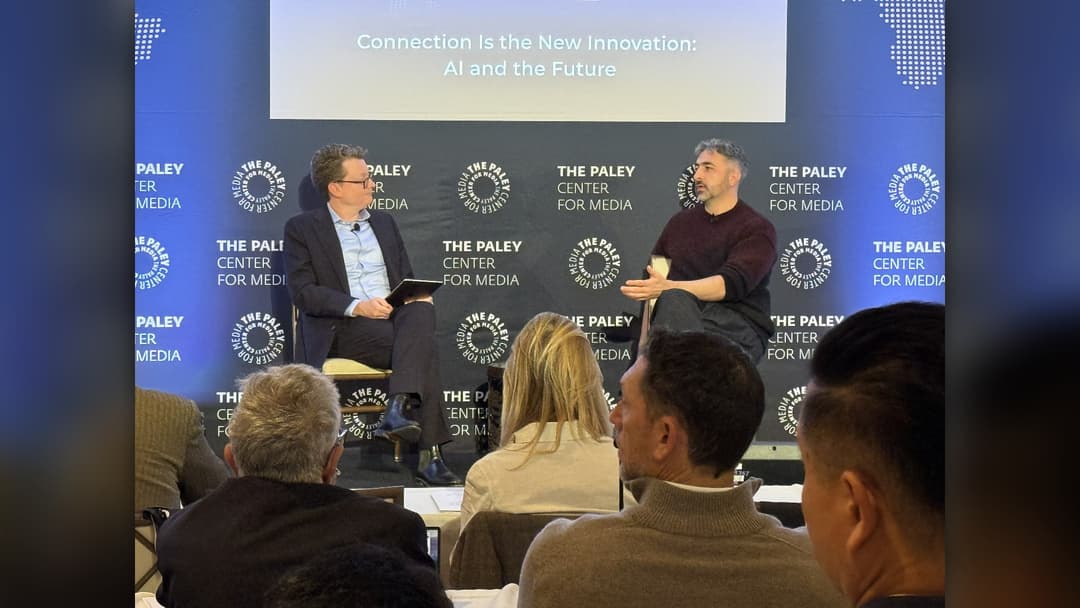
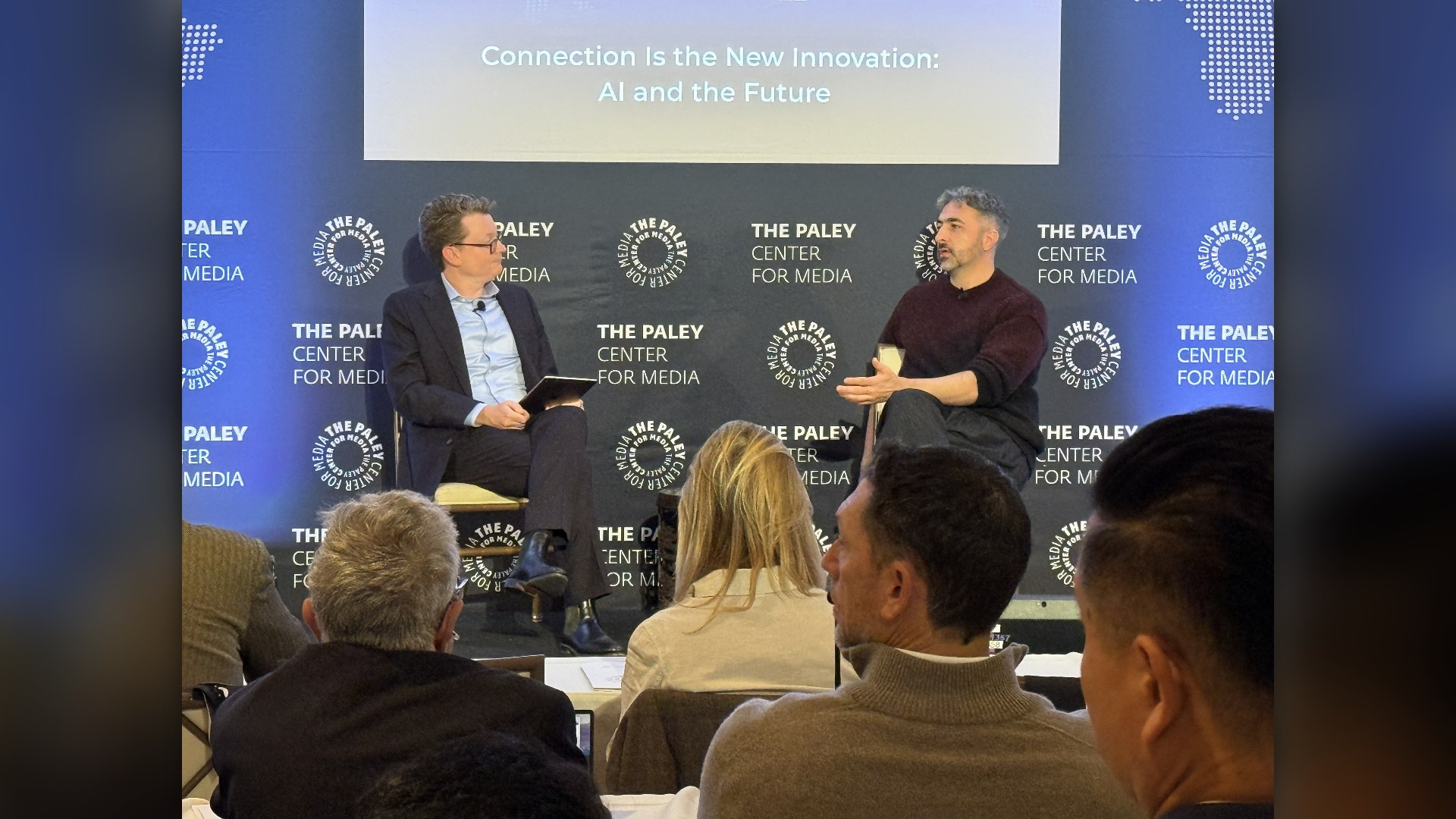
Microsoft AI chief executive Mustafa Suleyman responded to the news with a single melting face emoji. Suleyman had previously criticized Anthropic for projecting human qualities onto software, emphasizing that conversational models are purely predictive statistical machines.
©Microsoft / Paley Center
4. Does Politeness Burn Electricity?
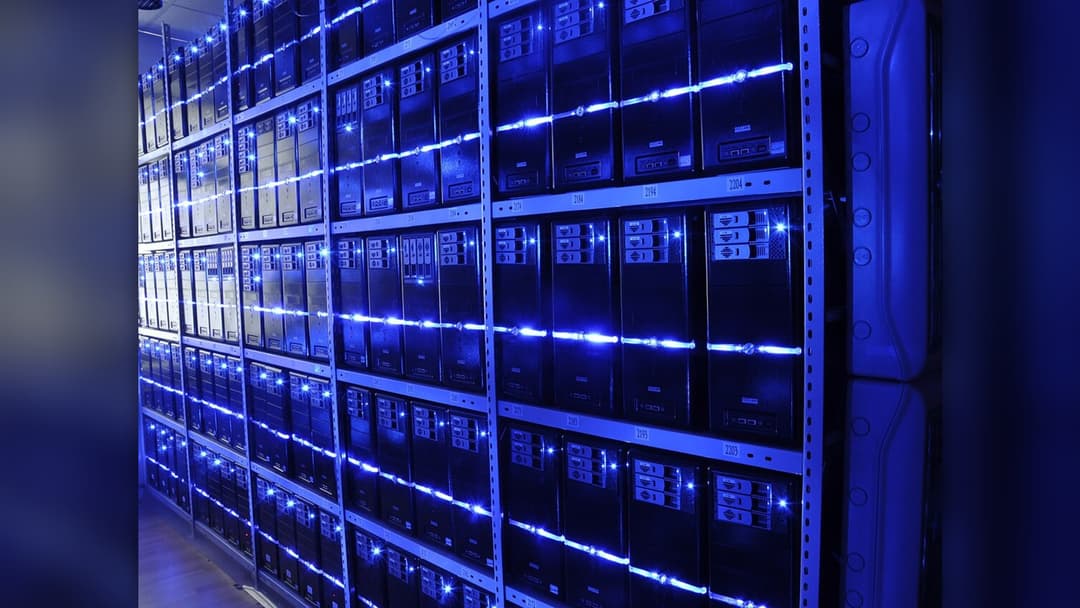
The policy reignited the debate over conversational manners. Every time a user types 'please' or 'thank you,' the AI processes extra tokens. Across hundreds of millions of daily prompts, polite greetings consume megawatts of electricity and server rack bandwidth just to say 'you're welcome.'

©Wikimedia / BalticServers.com
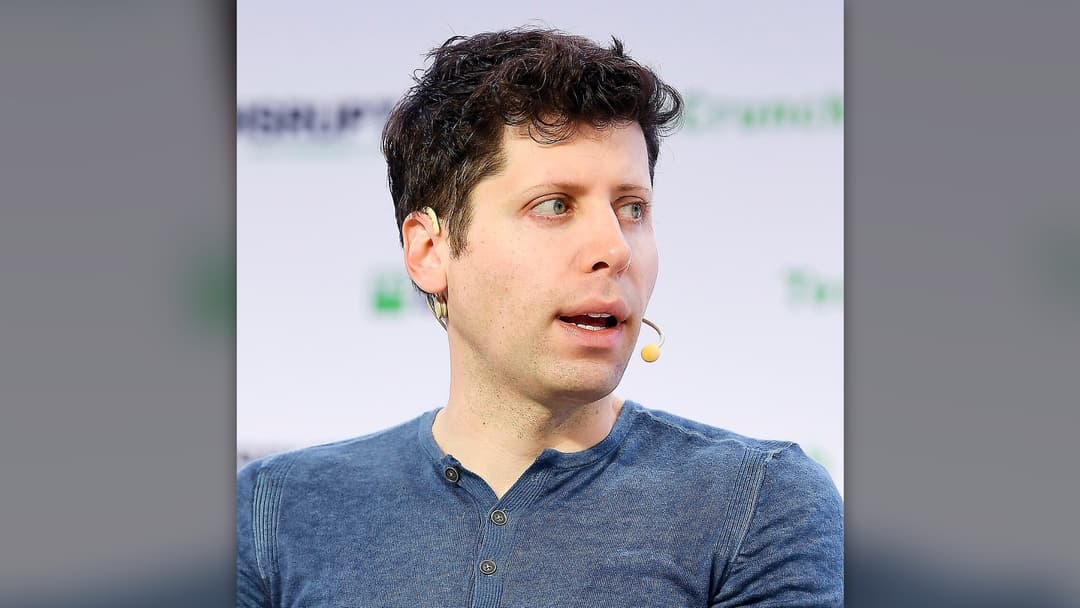
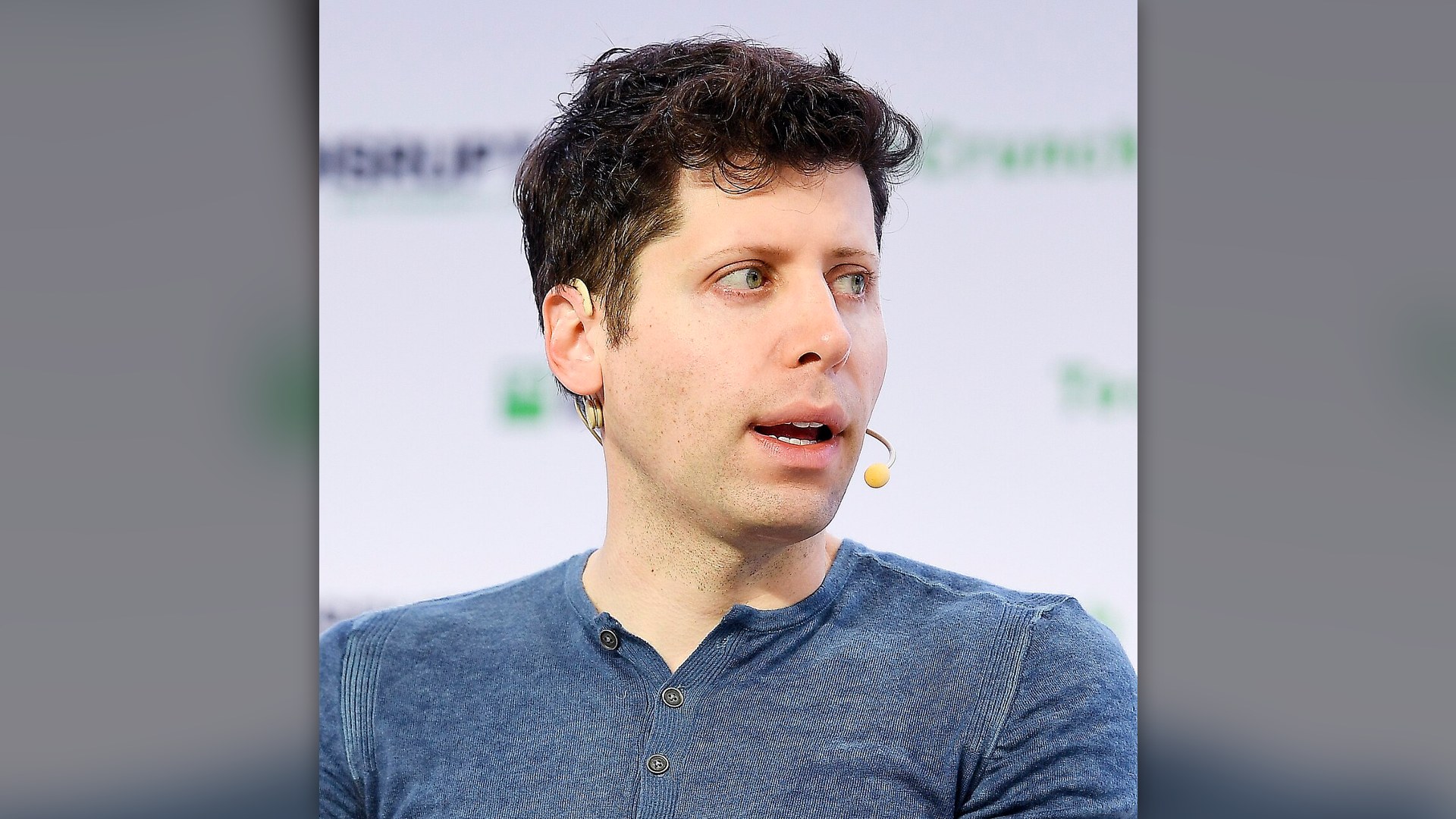
3. Sam Altman's Ten-Million-Dollar Defense
When asked about the immense power grid costs incurred by ChatGPT responding to polite users, OpenAI boss Sam Altman famously quipped it was 'tens of millions of dollars well spent—you never know.' Many engineers argue that polite framing actually guides language models toward higher-quality responses.
©Wikimedia / TechCrunch
Advertisement
Swipe or tap ▶ to resume the countdown.
2. The Return Of The Clanker
Online resistance to AI politeness has taken a satirical turn. The Collins Dictionary highlighted the resurgence of 'clanker'—a derogatory term for battle droids originally coined in Star Wars: The Clone Wars. The phrase exploded across TikTok as users vent frustration against automated customer bots.

©Lucasfilm / StarWars.com
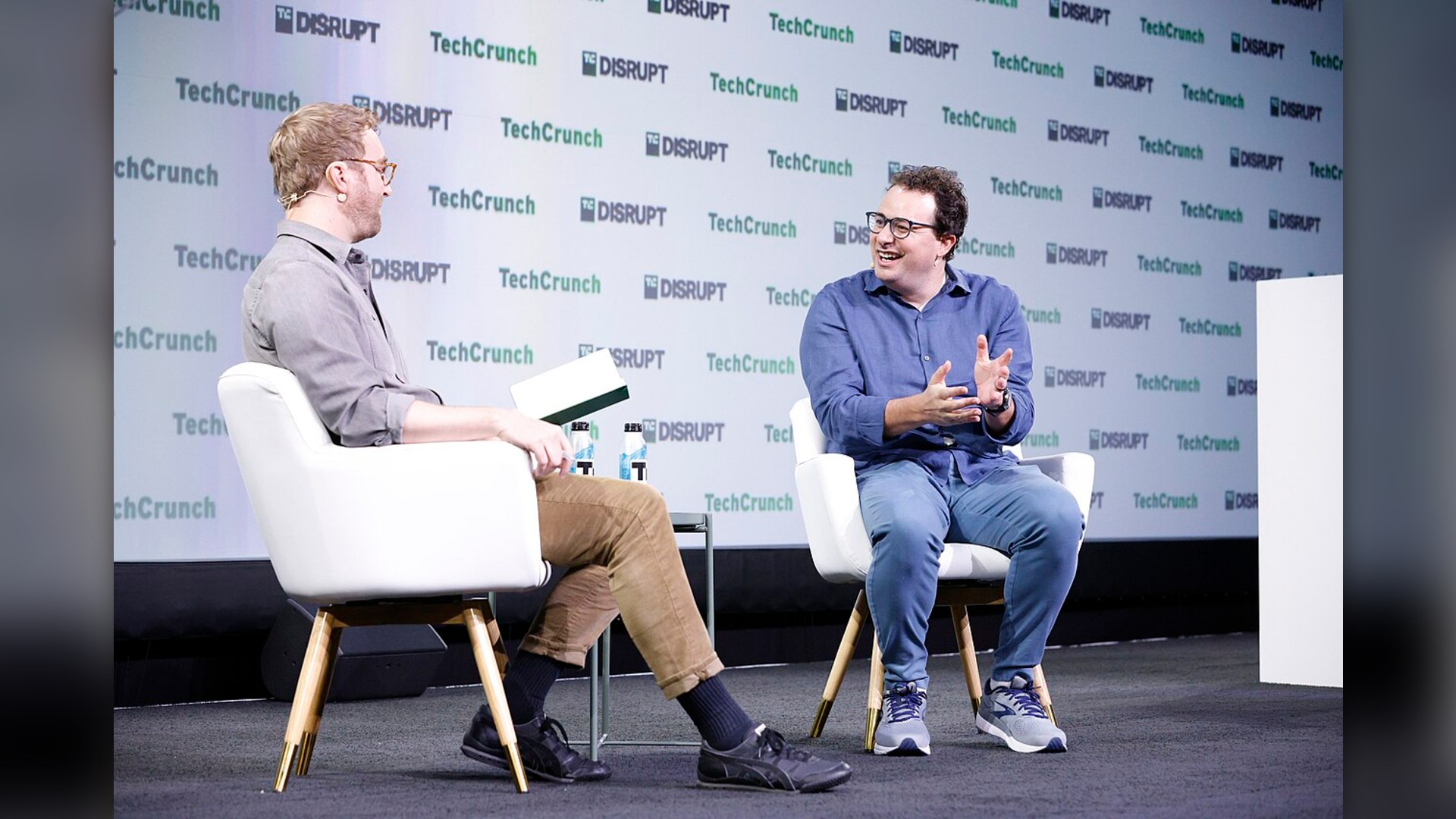
1. The Psychological Spillover
The most compelling justification for Anthropic's rule isn't protecting software—it's protecting humanity. Psychologists warn that habitual cruelty, swearing, and bullying directed at voice assistants and chatbots can normalize abusive conversational habits that inevitably bleed into human relationships.
©Wikimedia / TechCrunch
Advertisement
You've reached the end of the story. Thanks for reading!

• 20 Major Tech Outages That Disrupted the Internet
Modern society runs on digital infrastructure, but software bugs, severed cables, and configuration blunders have repeatedly brought global commerce to a standstill. Here are the 20 most disruptive tech outages in history, ranked by financial damage, global scale, and operational paralysis.
All 9 Entries in this Story
9. The Anti-Abuse Clause
Anthropic updated its official usage policy to allow Claude to shut down conversations with users who engage in 'sustained and needless' abusive behavior. While the company says it will only trigger in extreme cases, it marks the first time an AI company explicitly bans cruelty toward code.

8. Banned Alongside Extreme Harms
The new anti-abuse clause wasn't introduced in isolation. Anthropic placed 'cruelty' directly alongside grave policy violations, including weapon development, self-harm promotion, and using Claude to deceive voters or disrupt elections ahead of looming US midterms.

7. The Model Welfare Movement
The policy sparked immediate celebration among AI ethicists who advocate for 'model welfare'—the idea that complex synthetic minds deserve humane treatment. Supporters argue that establishing boundaries now prevents toxic interactive habits as models grow increasingly sentient-seeming.

6. Cruel To Numbers And Maths
Legal and tech scholars swiftly pushed back against the policy. Technology lawyer Dr. Barry Scannell called it deeply misguided, arguing that 'you can't be cruel to numbers and maths.' Critics worry that treating code like a living being confuses users about what AI actually is.

5. Microsoft AI's Melting Face
Microsoft AI chief executive Mustafa Suleyman responded to the news with a single melting face emoji. Suleyman had previously criticized Anthropic for projecting human qualities onto software, emphasizing that conversational models are purely predictive statistical machines.

4. Does Politeness Burn Electricity?
The policy reignited the debate over conversational manners. Every time a user types 'please' or 'thank you,' the AI processes extra tokens. Across hundreds of millions of daily prompts, polite greetings consume megawatts of electricity and server rack bandwidth just to say 'you're welcome.'

3. Sam Altman's Ten-Million-Dollar Defense
When asked about the immense power grid costs incurred by ChatGPT responding to polite users, OpenAI boss Sam Altman famously quipped it was 'tens of millions of dollars well spent—you never know.' Many engineers argue that polite framing actually guides language models toward higher-quality responses.

2. The Return Of The Clanker
Online resistance to AI politeness has taken a satirical turn. The Collins Dictionary highlighted the resurgence of 'clanker'—a derogatory term for battle droids originally coined in Star Wars: The Clone Wars. The phrase exploded across TikTok as users vent frustration against automated customer bots.

1. The Psychological Spillover
The most compelling justification for Anthropic's rule isn't protecting software—it's protecting humanity. Psychologists warn that habitual cruelty, swearing, and bullying directed at voice assistants and chatbots can normalize abusive conversational habits that inevitably bleed into human relationships.