Slideshow · News
Why Do We Still Change The Clocks? The 15 Truths Behind Daylight Saving
Every spring and autumn, billions of people adjust their clocks by an hour, setting off sleep disruptions, energy debates, and political gridlock. From bug-hunting origins and wartime coal rationing t
By Most Viral Today
24 Oct 2026

Why Do We Still Change The Clocks? The 15 Truths Behind Daylight Saving 
15. Benjamin Franklin's Satirical Paris Candle Essay 
14. George Hudson's Bug-Hunting Inspiration 
13. William Willett's 'The Waste Of Daylight' - AdvertisementSwipe or tap ▶ to continue countdown

12. World War I Coal Rationing In Germany 
11. The 1918 Standard Time Act Controversy 
10. The Persistent Myth That Farmers Wanted It 
9. World War II Year-Round 'War Time' - AdvertisementSwipe or tap ▶ to continue countdown

8. Post-War Chaos & Bus Schedule Madness 
7. The Uniform Time Act Of 1966 
6. The 1974 Energy Crisis & Winter Darkness Backlash 
5. The Retail, Golf, And Halloween Lobby Push - AdvertisementSwipe or tap ▶ to continue countdown

4. The Modern Energy Conservation Myth 
3. The Circadian Rhythm Disruption & Health Toll 
2. The Global Rebellion & Who Still Changes Clocks 
1. The Sunshine Protection Act & Congressional Gridlock - Advertisement🔥 UP NEXT IN THIS SERIES◫ 22 Slides

Massive fire engulfs residential building in Nalasopara
Bright orange flames rage through windows as firefighters struggle to control the blaze in the Mumbai suburb.
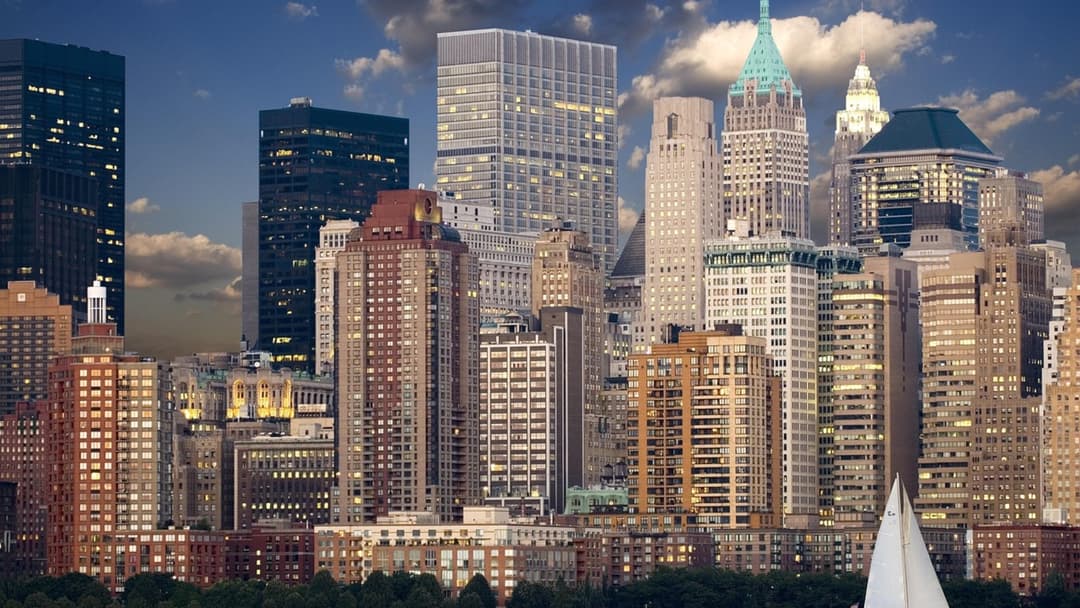
Twice a year, an arbitrary shift of sixty minutes alters human sleep schedules, business operations, and evening sunlight across dozens of nations. Here is the full countdown of how a satirical essay and wartime coal crisis evolved into the world's most debated seasonal ritual.
Swipe or tap ▶ to begin the countdown
©Unsplash / enrico bet & Unsplash / Ocean Ng
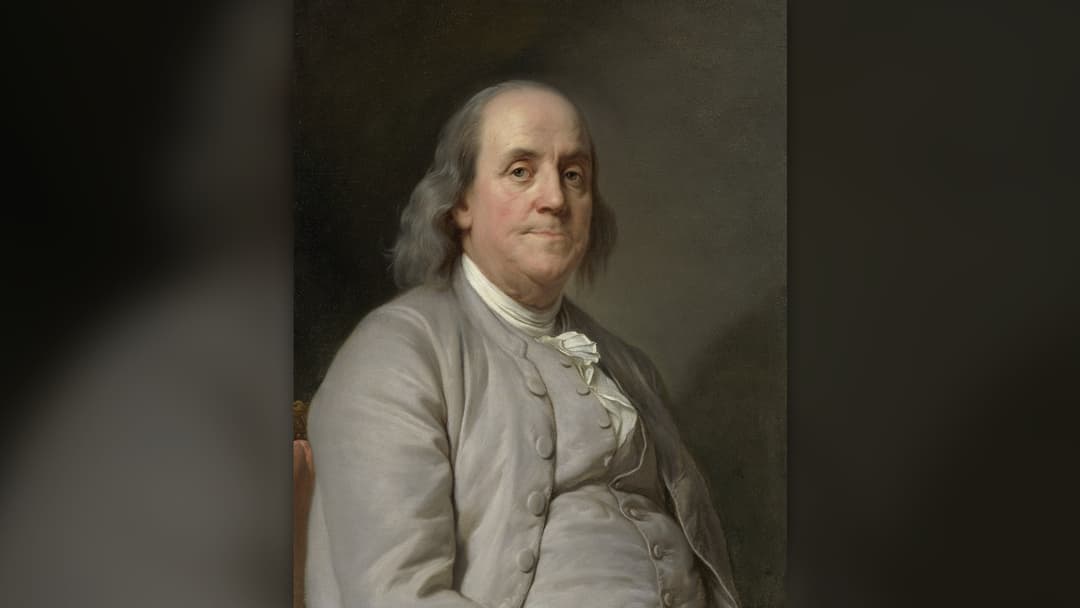
15. Benjamin Franklin's Satirical Paris Candle Essay
Contrary to popular belief, Benjamin Franklin did not invent Daylight Saving Time. While serving as an American envoy in Paris in 1784, he wrote a satirical essay proposing that Parisians ring church bells and fire cannons at sunrise to save sixty-four million pounds of candle wax.
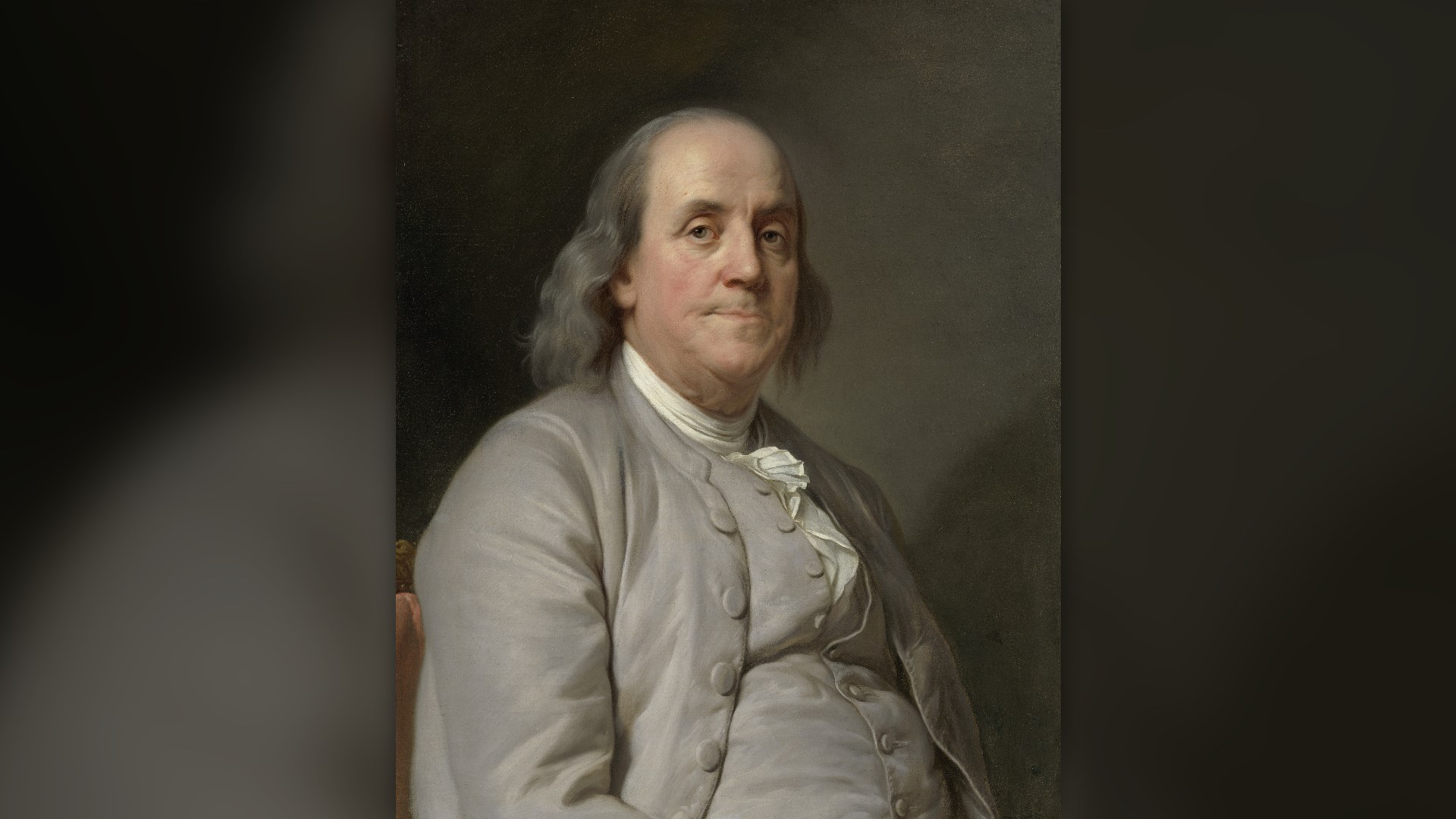
©Wikimedia / Joseph-Siffred Duplessis
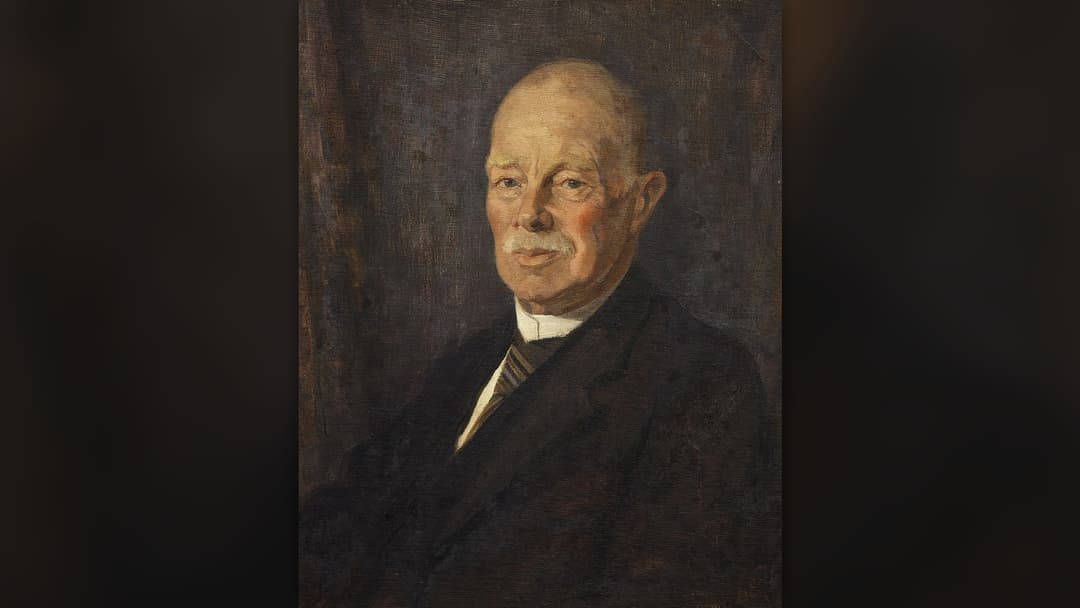
14. George Hudson's Bug-Hunting Inspiration
The true pioneer of modern clock-shifting was George Vernon Hudson, an English-born New Zealand postal clerk and passionate entomologist. In 1895, Hudson presented a paper to the Wellington Philosophical Society proposing a two-hour seasonal shift so shift workers had daylight for evening hobbies.
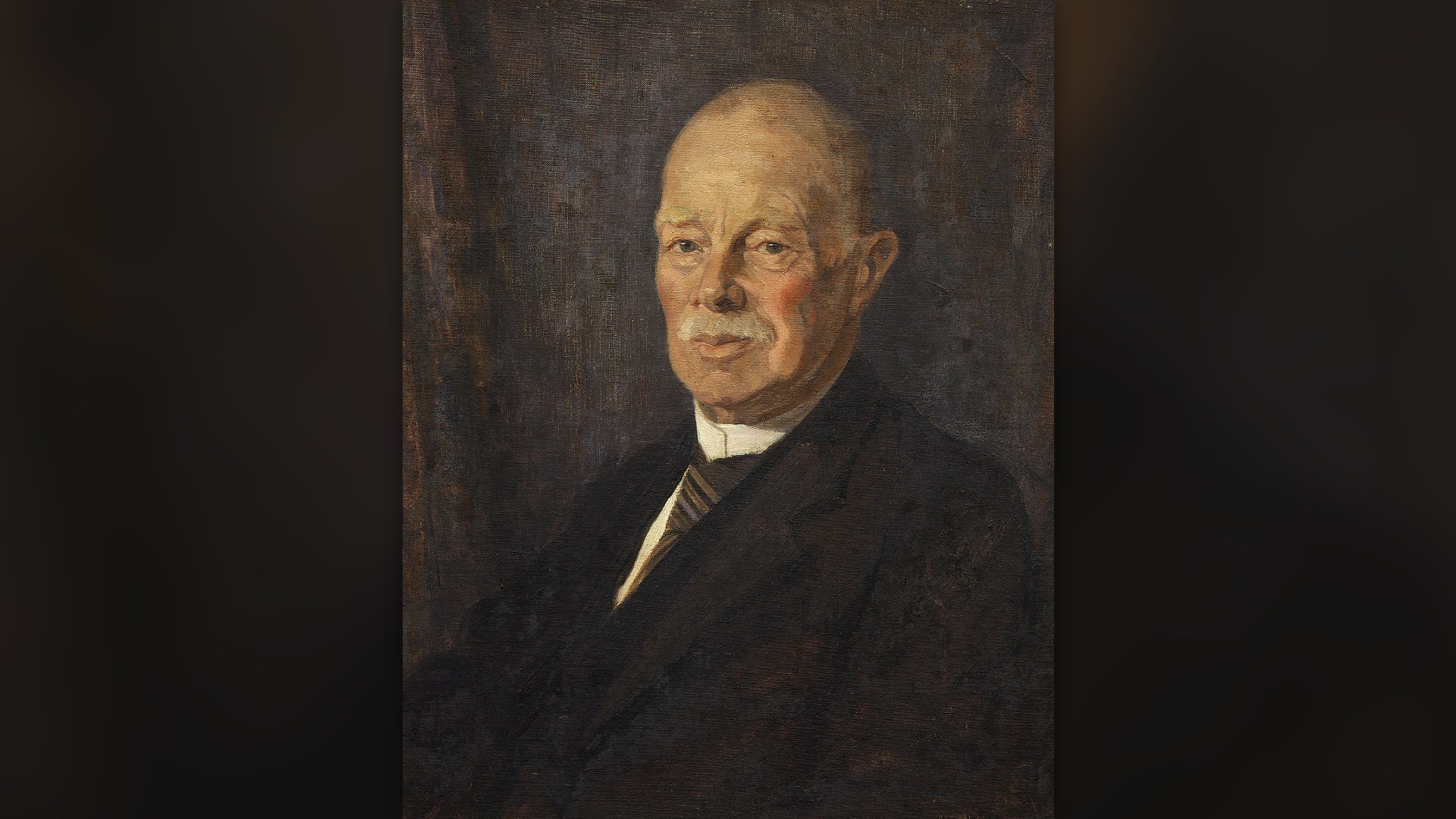
©Wikimedia / Mary Elizabeth Tripe
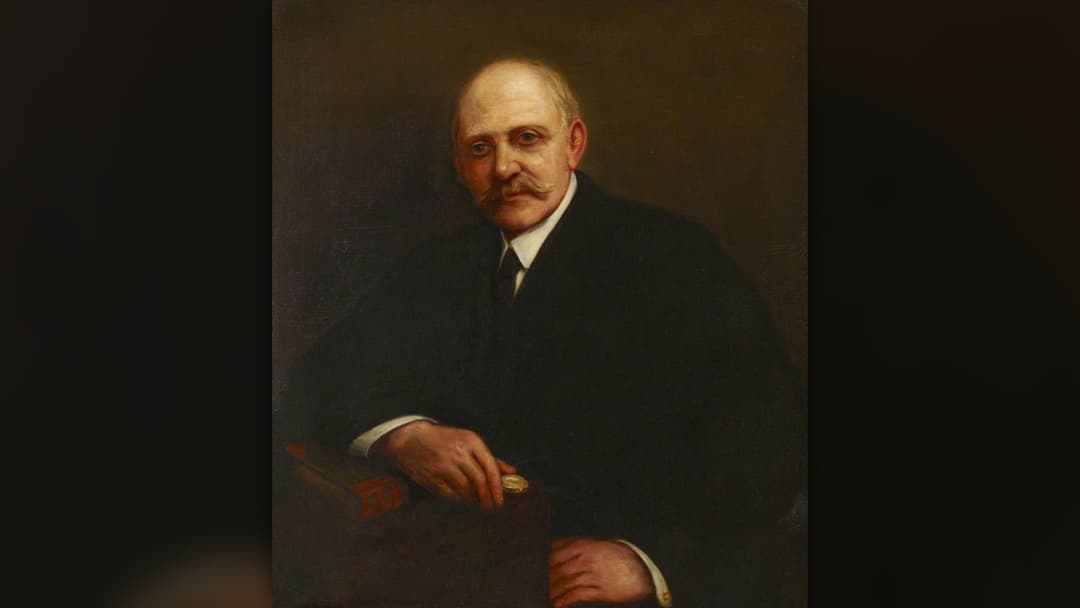
13. William Willett's 'The Waste Of Daylight'
British homebuilder William Willett independently conceived the concept while riding his horse early one summer morning in Kent. Dismayed that residents slept through brilliant morning sun behind drawn blinds, he spent his personal fortune publishing his manifesto, 'The Waste of Daylight.'
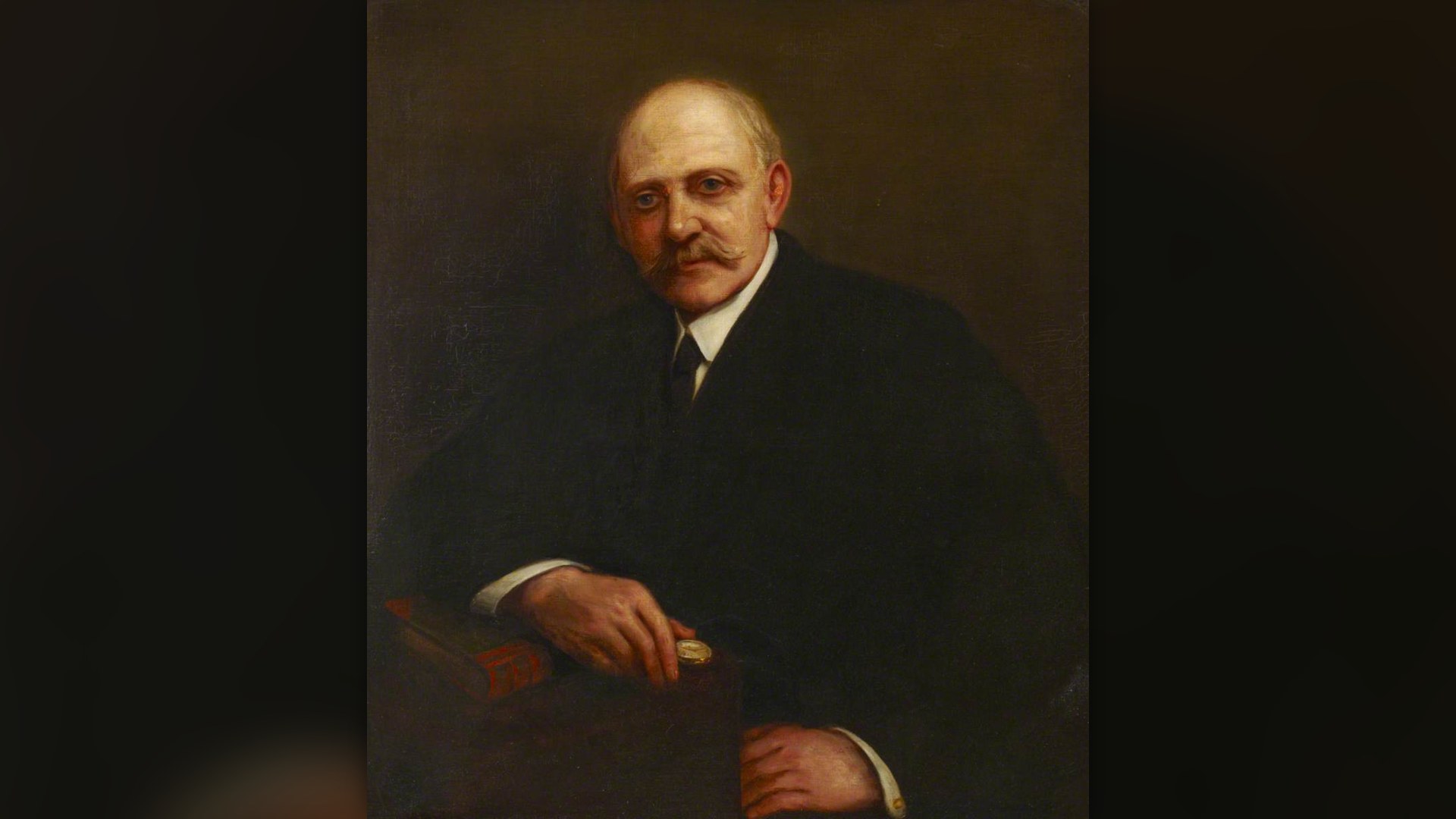
©Wikimedia / Royal Historical Society
Advertisement
Swipe or tap ▶ to resume the countdown.
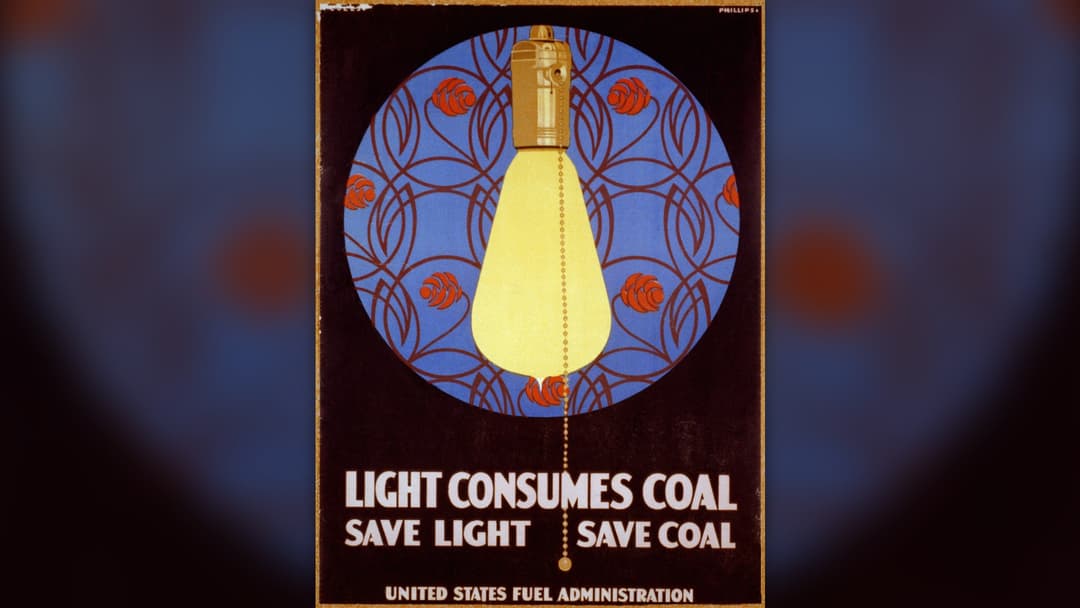
12. World War I Coal Rationing In Germany
Desperate to conserve domestic coal reserves for munitions factories during World War I, the German Empire enacted 'Sommerzeit' on April 30, 1916, advancing all clocks by an hour. Within weeks, Great Britain, France, and other European belligerents quickly followed suit.
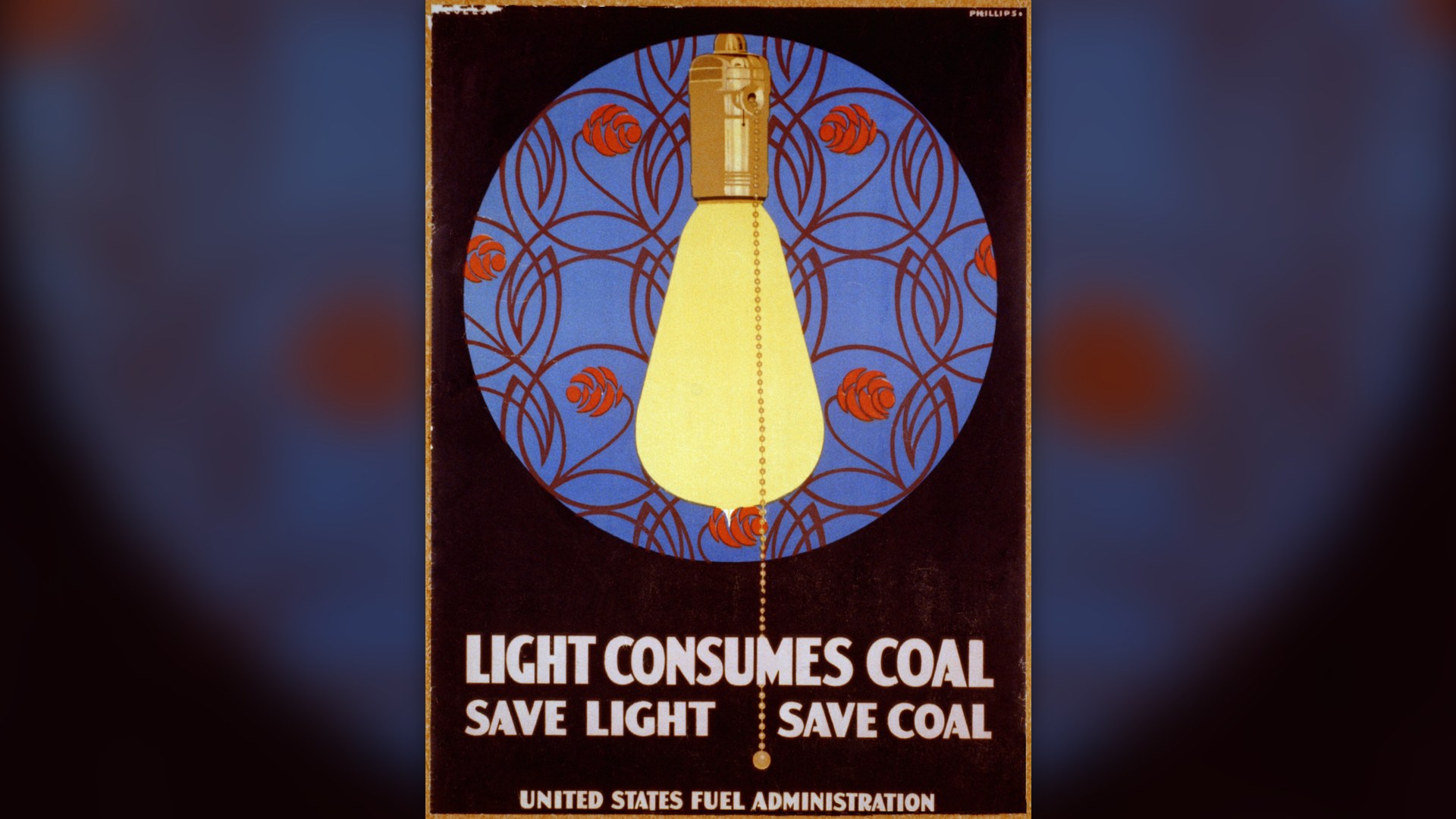
©Wikimedia / Coles Phillips
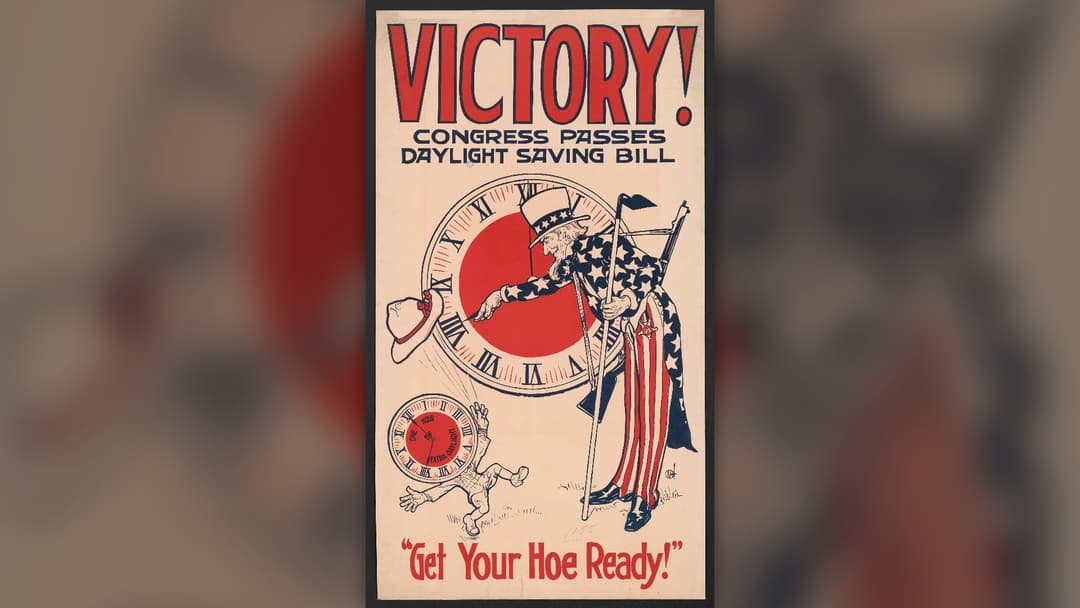
11. The 1918 Standard Time Act Controversy
The United States formally established five federal time zones and adopted seasonal daylight saving under the Standard Time Act of March 1918. While urban office workers embraced longer recreation evenings, intense public resentment forced Congress to repeal federal DST as soon as the war ended.
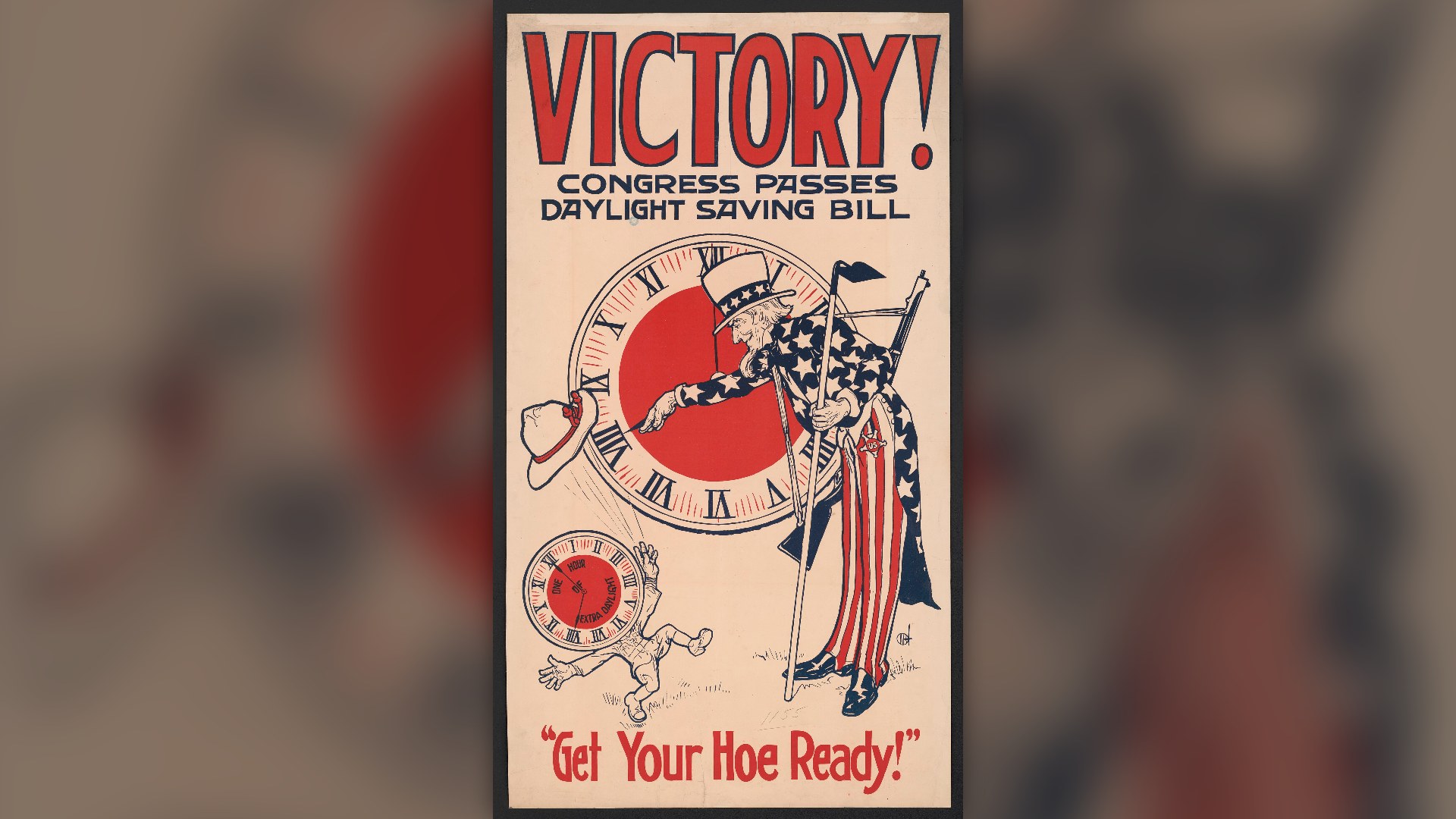
©Wikimedia / United Cigar Stores (LOC)
10. The Persistent Myth That Farmers Wanted It
The most enduring myth surrounding clock changes is that agriculture petitioned for the shift. In reality, agrarian lobbies fought bitterly against DST because dairy cows, morning dew, and field harvest schedules operate on solar cycles, leaving farmhands out of sync with morning markets.

©Wikimedia / Biswarup Ganguly
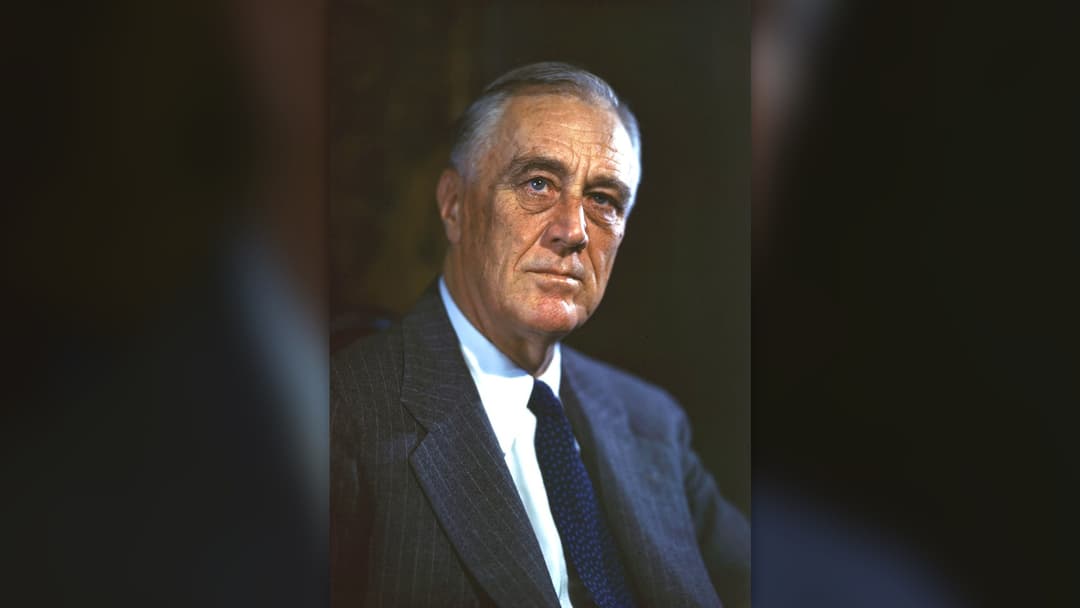
9. World War II Year-Round 'War Time'
Just two months after Pearl Harbor, Franklin D. Roosevelt signed national year-round 'War Time' to squeeze every ounce of electrical efficiency into 24-hour defense manufacturing. Clocks remained advanced by an hour for over three years until Victory over Japan Day in September 1945.
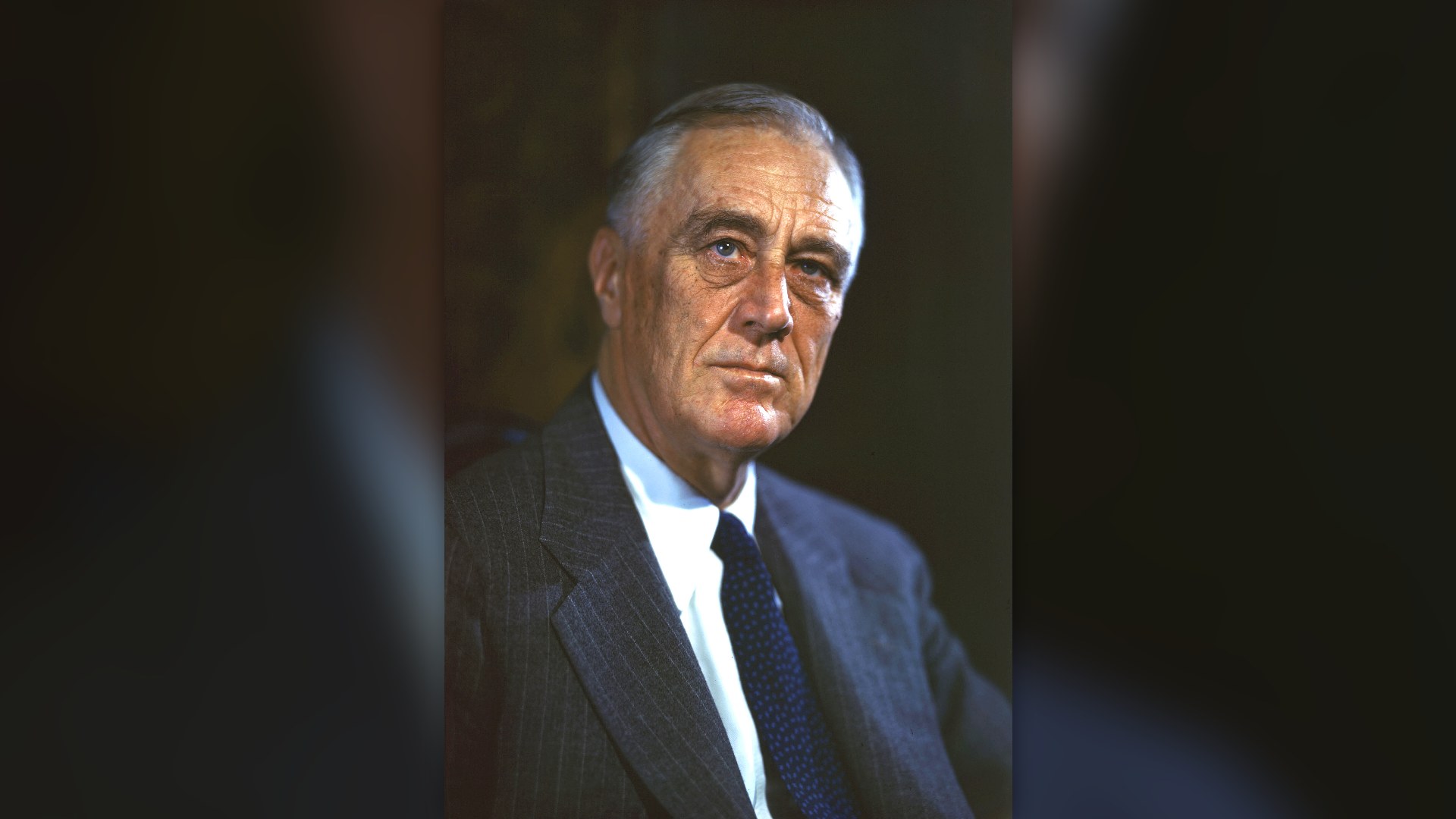
©Wikimedia / Leon A. Perskie
Advertisement
Swipe or tap ▶ to resume the countdown.
8. Post-War Chaos & Bus Schedule Madness
Following World War II, states and municipalities were free to choose their own start and end dates. The resulting mayhem saw a 35-mile bus ride between Moundsville, West Virginia, and Steubenville, Ohio, pass through seven different time changes, wreaking havoc on rail and radio networks.
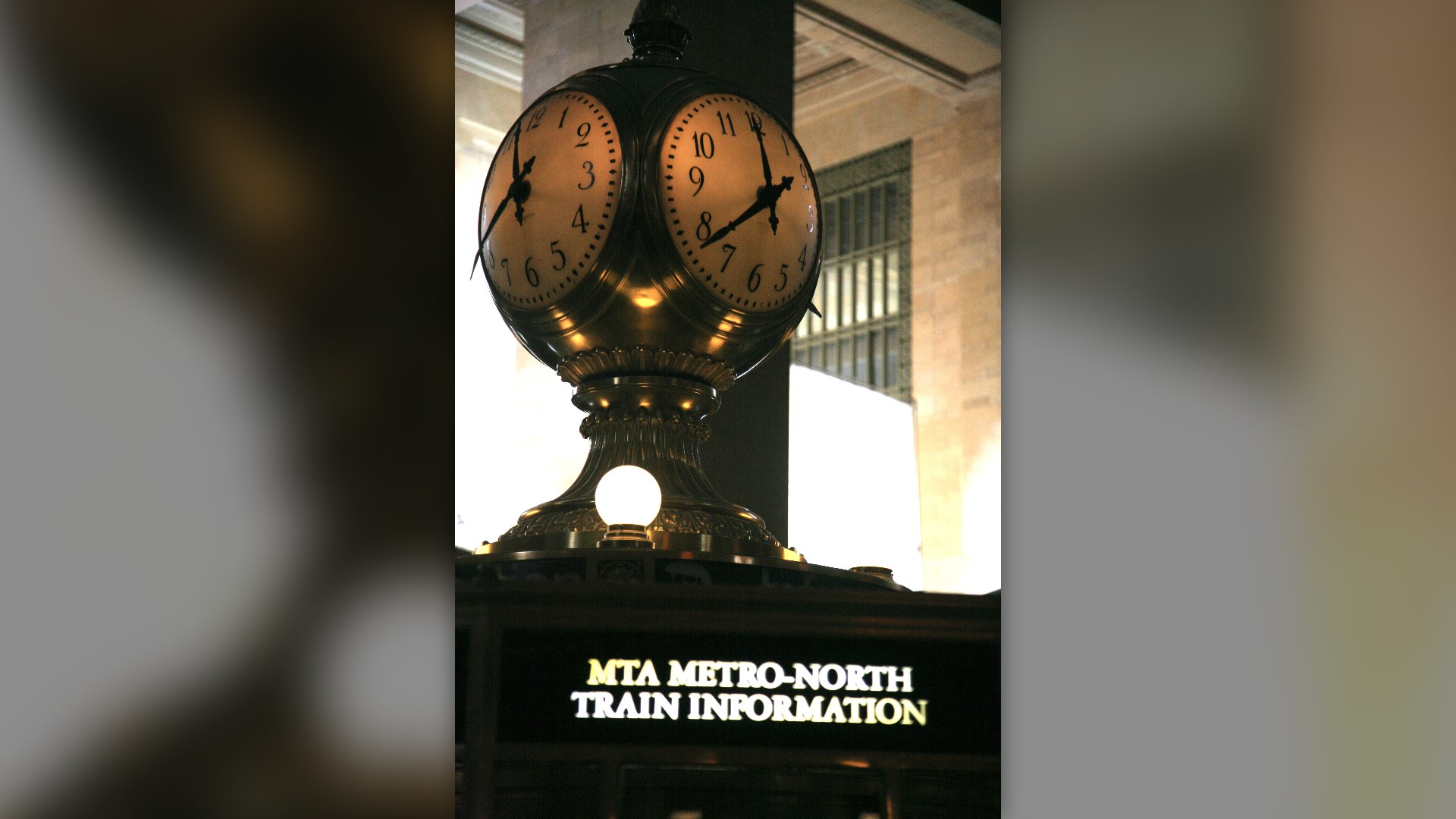
©Wikimedia / Vincent Desjardins
7. The Uniform Time Act Of 1966
To end twenty years of logistical anarchy, Congress passed the Uniform Time Act of 1966. The law mandated uniform changeover weekends nationwide while preserving the right of whole states to remain on standard time, prompting Arizona and later Hawaii to permanently opt out.
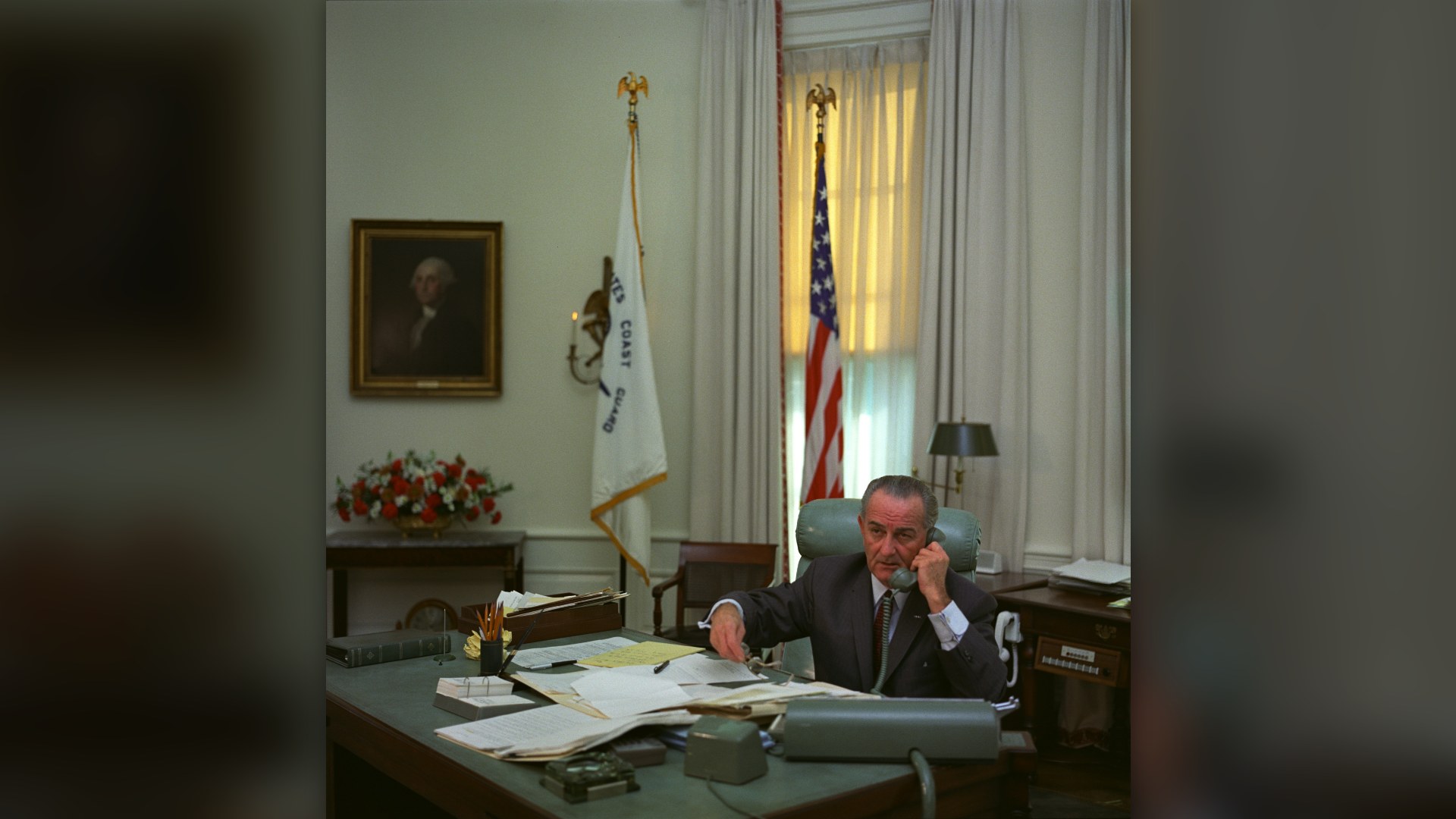
©Wikimedia / Yoichi Okamoto
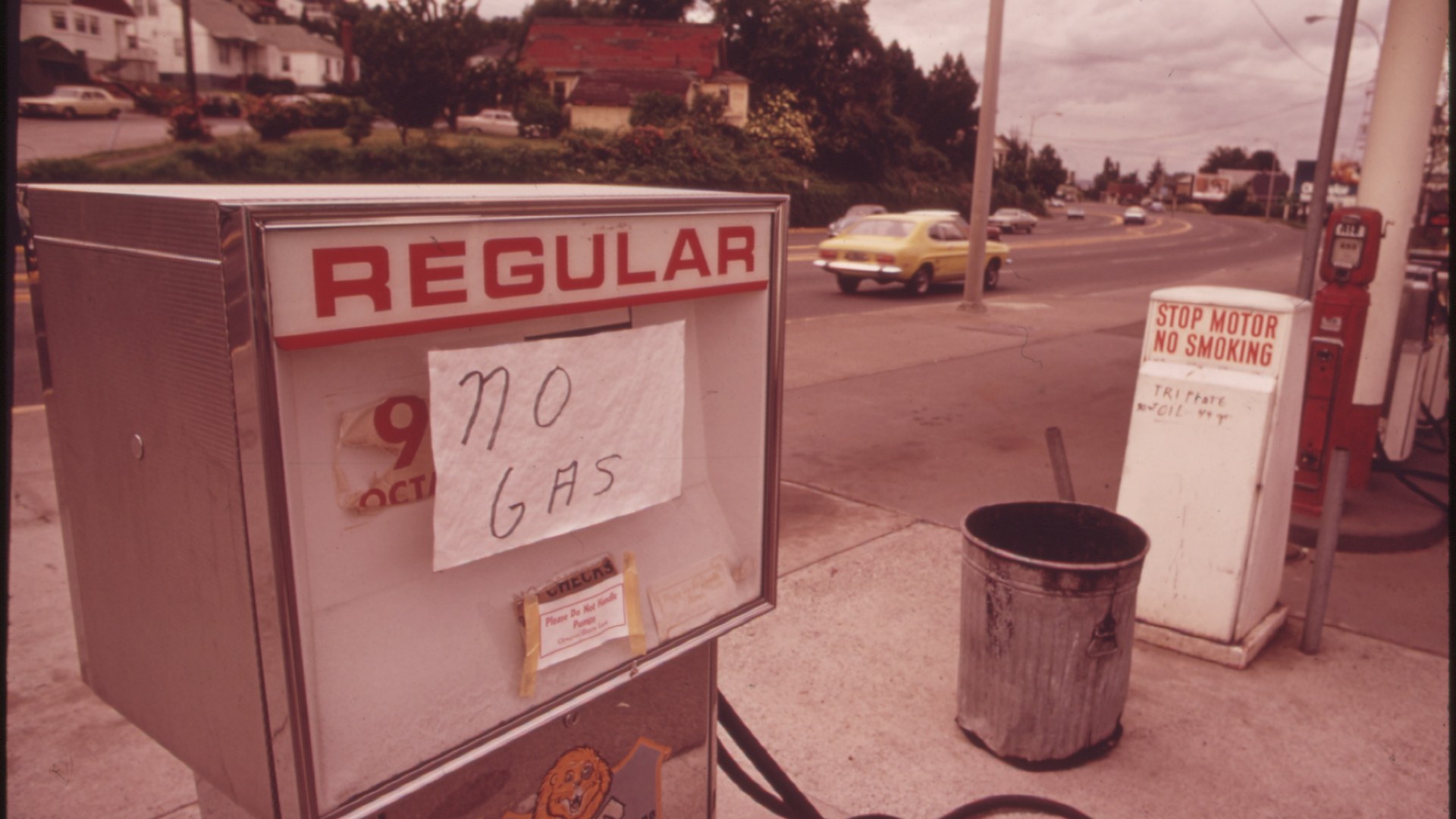
6. The 1974 Energy Crisis & Winter Darkness Backlash
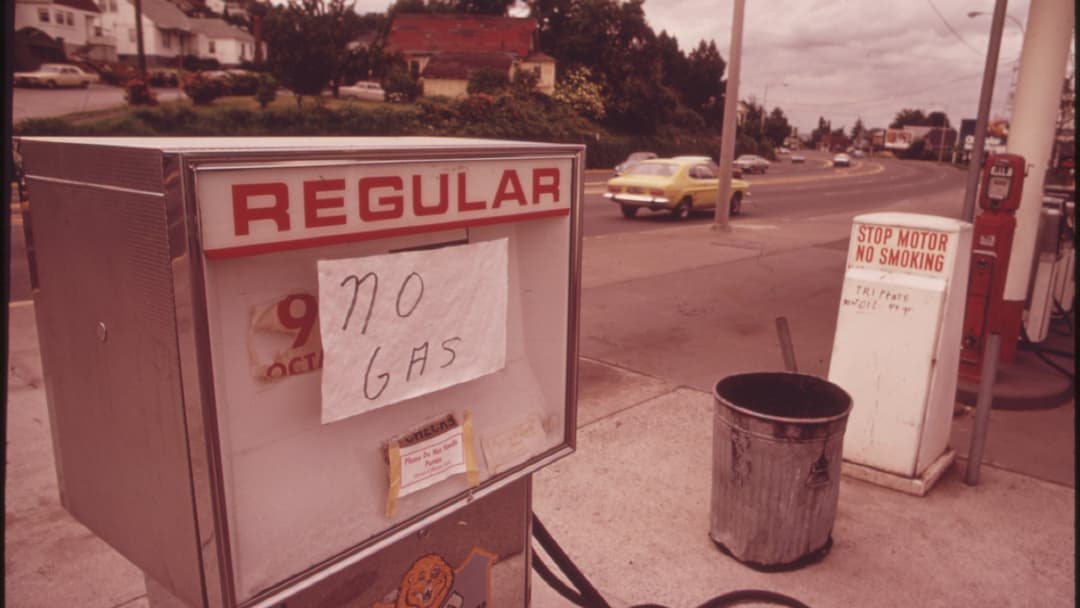
Triggered by the 1973 Arab oil embargo, Richard Nixon signed a two-year emergency experiment of permanent year-round DST in January 1974. Public support plummeted from 79% to 42% in three months after eight Florida schoolchildren were struck by cars in pitch-black morning commutes, forcing an early repeal.
©Wikimedia / David Falconer (NARA)
5. The Retail, Golf, And Halloween Lobby Push
Commercial interests have long driven clock adjustments. The barbecue, golf, and sporting goods industries generate hundreds of millions in extra sales from longer evenings. In 2005, the confection industry successfully lobbied to keep clocks advanced through Halloween night for safer trick-or-treating.

©Wikimedia / William Murphy
Advertisement
Swipe or tap ▶ to resume the countdown.
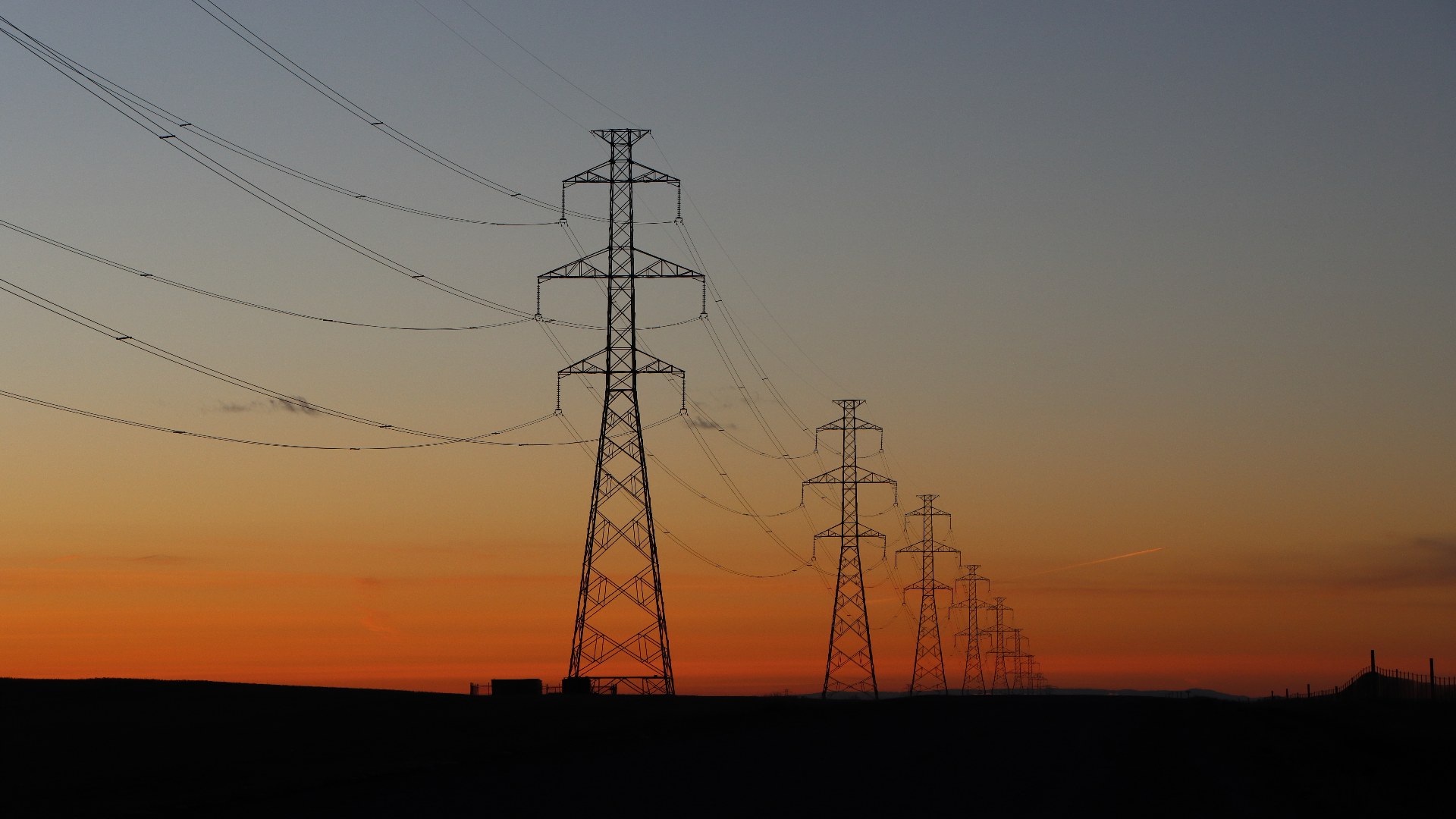
4. The Modern Energy Conservation Myth
While advancing clocks historically trimmed artificial evening lighting, modern power data paints a different picture. A landmark 2006 study in Indiana revealed that household air conditioning and heating during extended daylight hours actually increased overall residential electricity usage.
©Wikimedia / Tom Brewster Photography
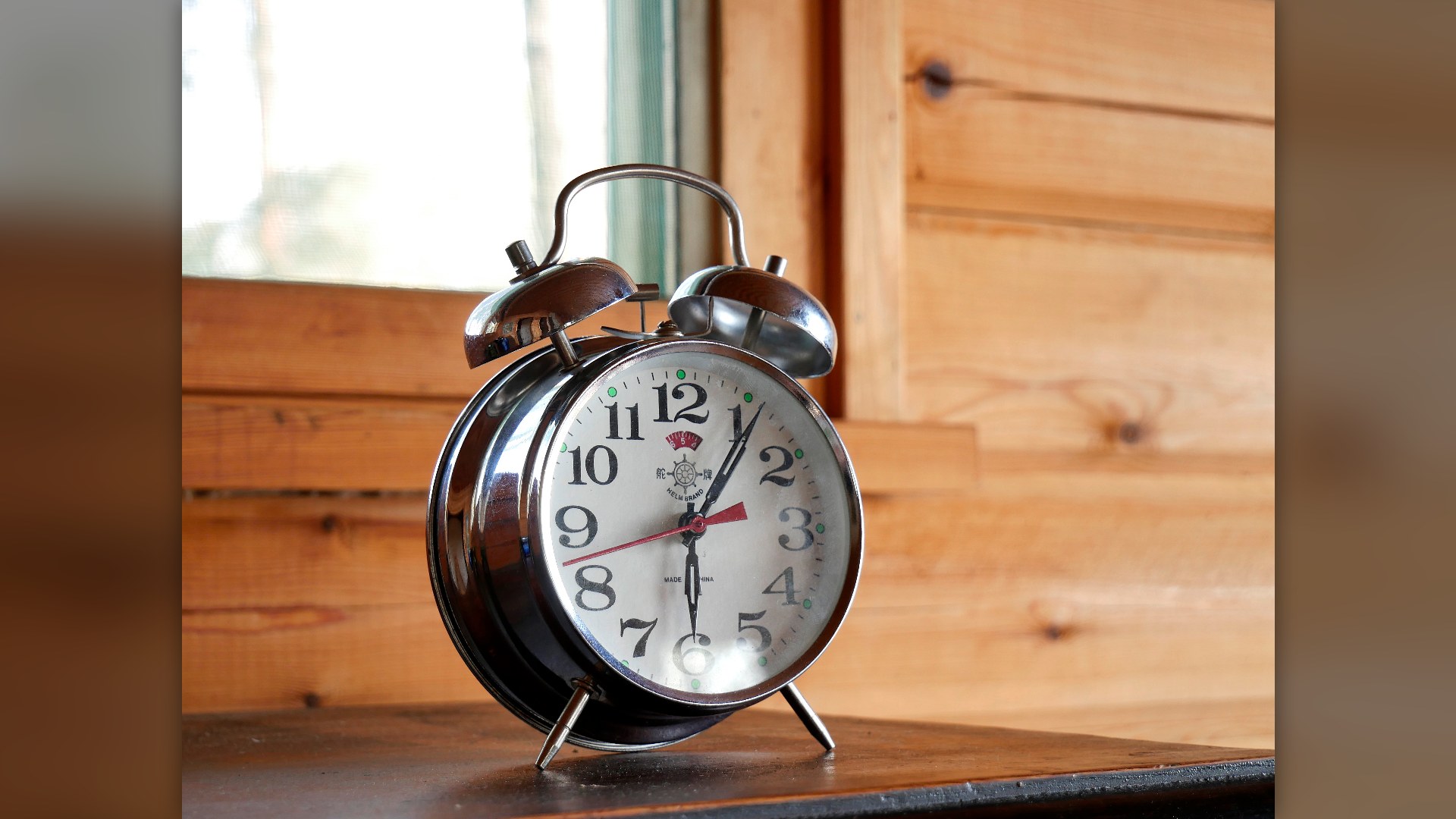
3. The Circadian Rhythm Disruption & Health Toll
Chronobiologists warn that forcing the circadian clock forward creates acute sleep debt and hormonal stress. Research documents a 24% spike in heart attacks on the Monday following the spring shift, alongside surges in strokes and fatal highway accidents.
©Wikimedia / Petar Milošević
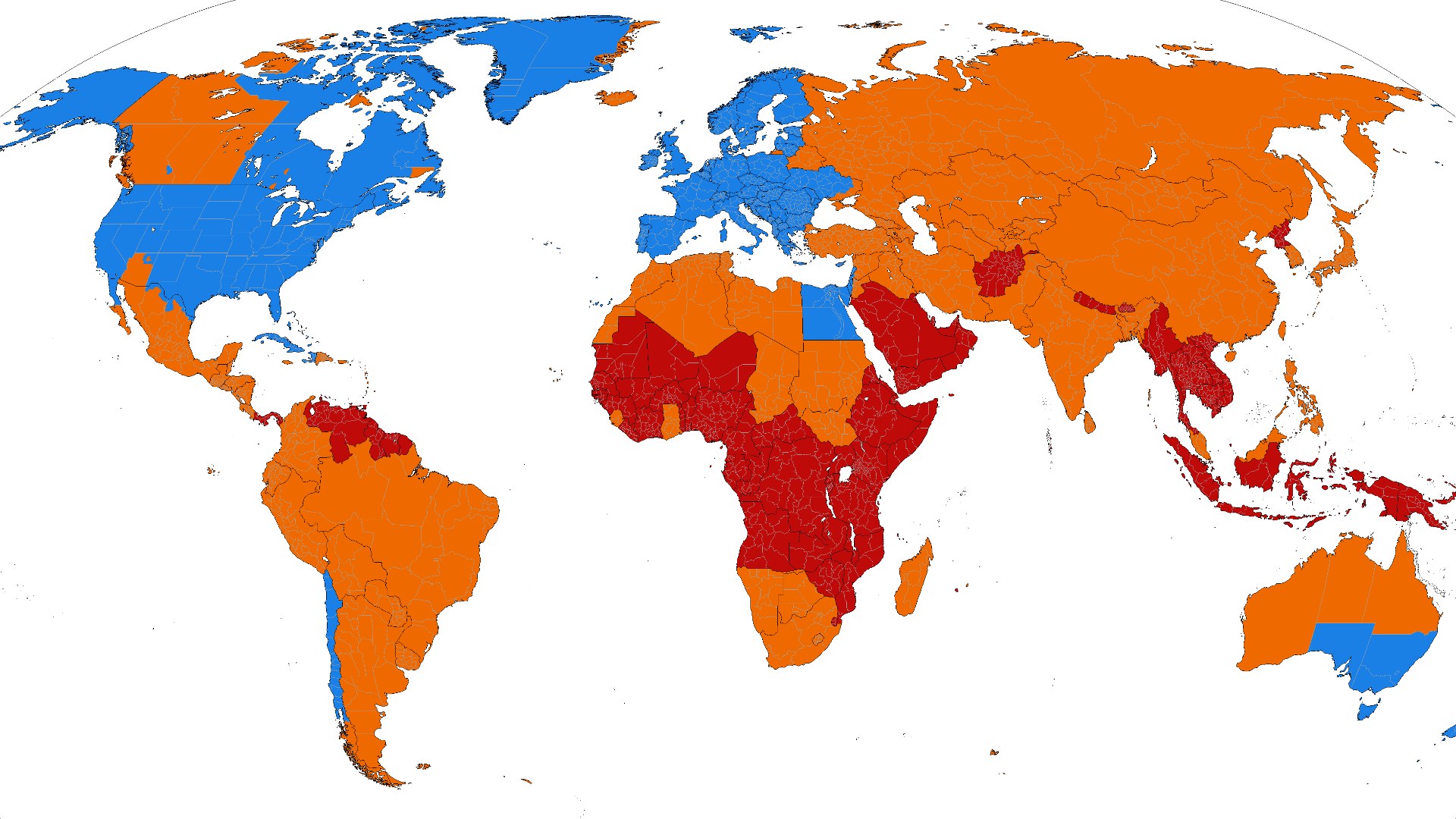
2. The Global Rebellion & Who Still Changes Clocks
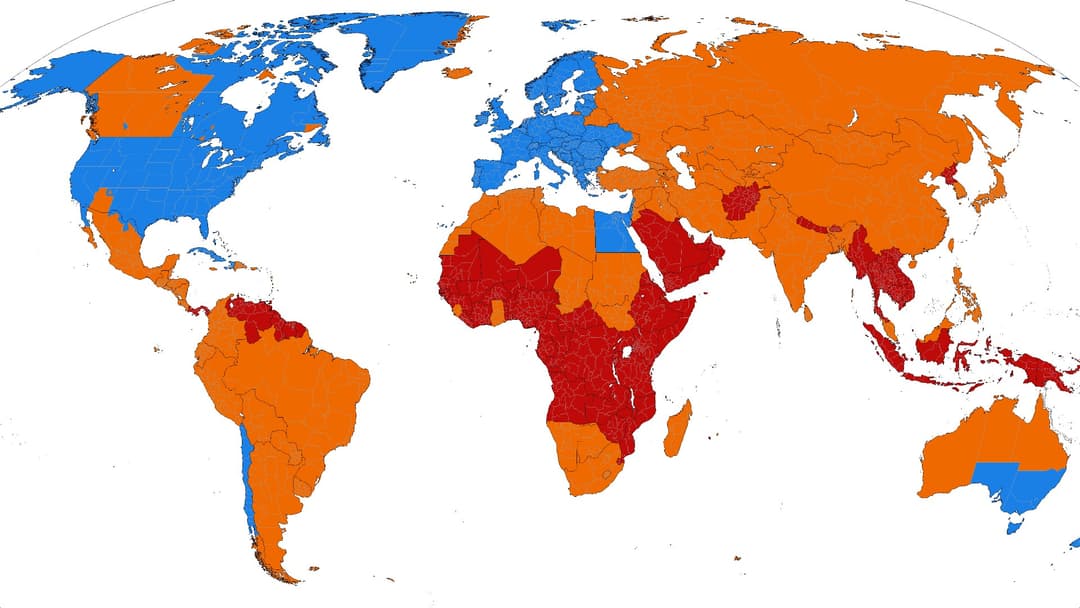
Fewer than 40% of the world's countries practice clock changes today. Most equatorial nations never bother due to minimal seasonal variance. In recent years, the European Parliament voted to end the ritual, while Mexico, Brazil, and Turkey have eliminated biannual adjustments entirely.
©Wikimedia / Paul Eggert
1. The Sunshine Protection Act & Congressional Gridlock
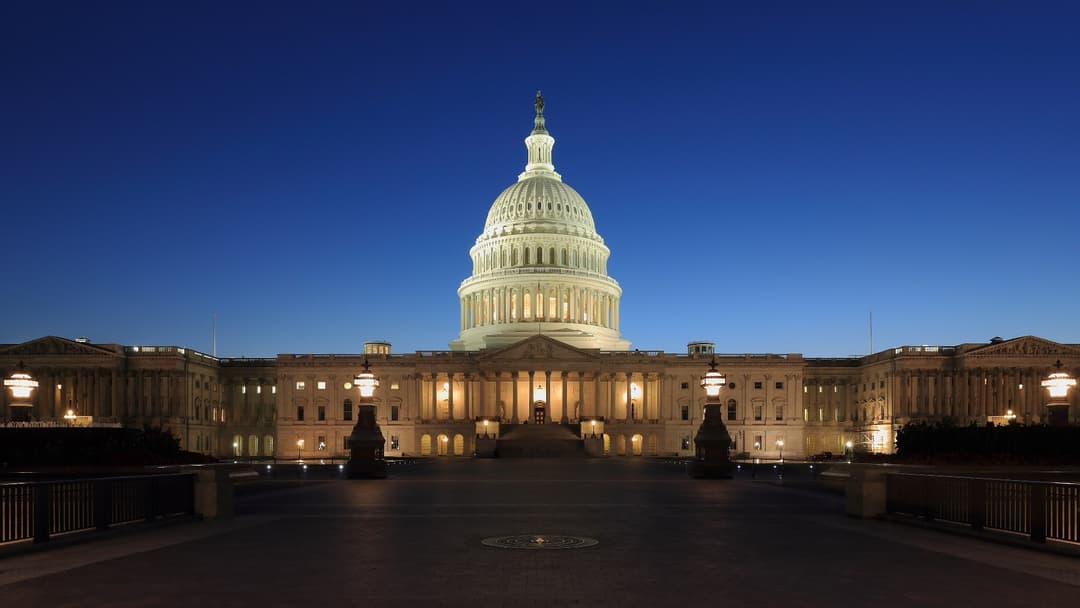
In 2022, the U.S. Senate passed the bipartisan Sunshine Protection Act to make Daylight Saving Time permanent. However, the bill stalled in the House as sleep scientists urged permanent Standard Time instead, warning that year-round late sunrises would chronic disrupt teen biological development.
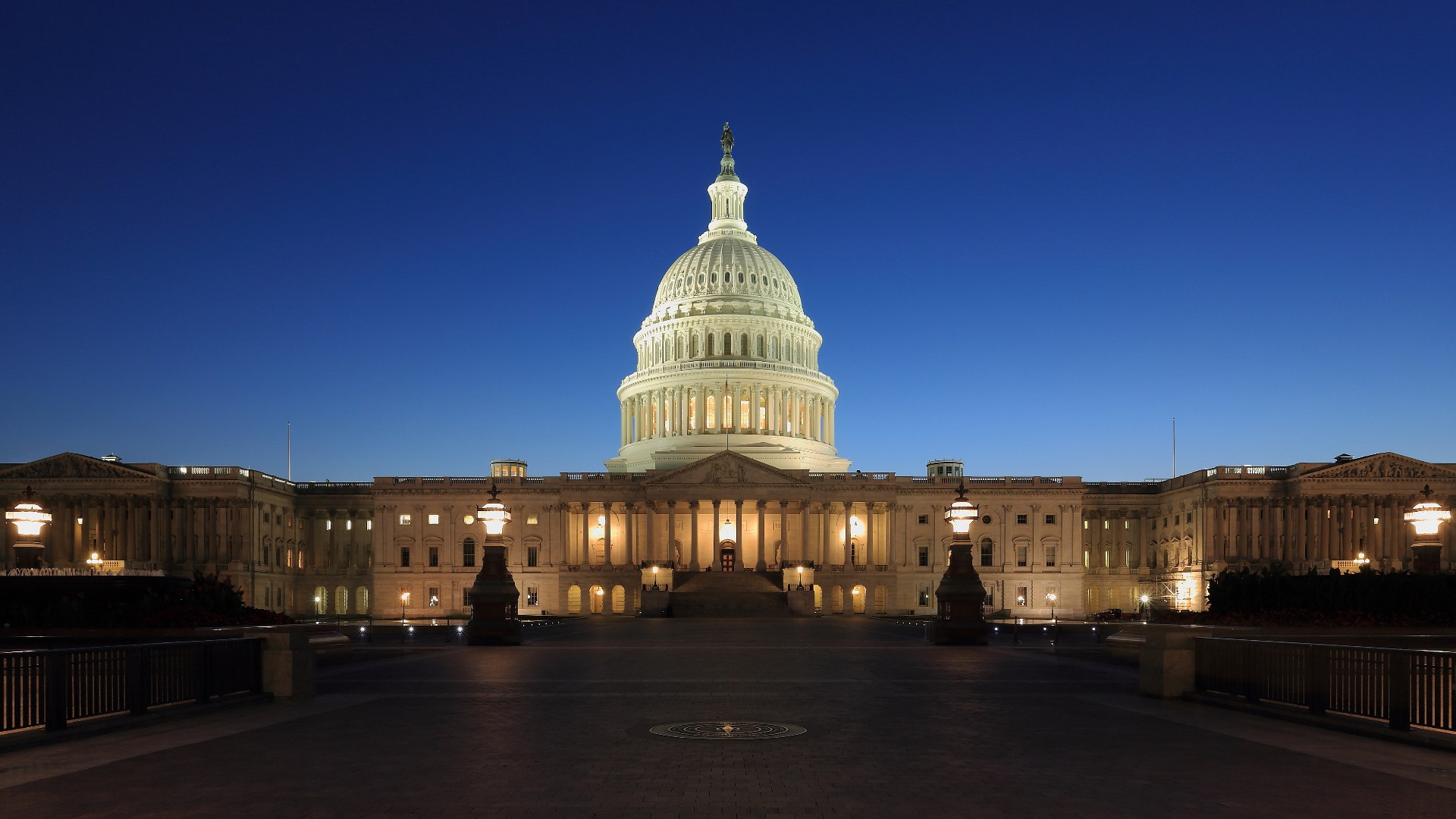
©Wikimedia / Carol M. Highsmith (LOC)
Advertisement
You've reached the end of the story. Thanks for reading!
Massive fire engulfs residential building in Nalasopara
Bright orange flames rage through windows as firefighters struggle to control the blaze in the Mumbai suburb.
All 15 Entries in this Story
15. Benjamin Franklin's Satirical Paris Candle Essay
Contrary to popular belief, Benjamin Franklin did not invent Daylight Saving Time. While serving as an American envoy in Paris in 1784, he wrote a satirical essay proposing that Parisians ring church bells and fire cannons at sunrise to save sixty-four million pounds of candle wax.

14. George Hudson's Bug-Hunting Inspiration
The true pioneer of modern clock-shifting was George Vernon Hudson, an English-born New Zealand postal clerk and passionate entomologist. In 1895, Hudson presented a paper to the Wellington Philosophical Society proposing a two-hour seasonal shift so shift workers had daylight for evening hobbies.

13. William Willett's 'The Waste Of Daylight'
British homebuilder William Willett independently conceived the concept while riding his horse early one summer morning in Kent. Dismayed that residents slept through brilliant morning sun behind drawn blinds, he spent his personal fortune publishing his manifesto, 'The Waste of Daylight.'

12. World War I Coal Rationing In Germany
Desperate to conserve domestic coal reserves for munitions factories during World War I, the German Empire enacted 'Sommerzeit' on April 30, 1916, advancing all clocks by an hour. Within weeks, Great Britain, France, and other European belligerents quickly followed suit.

11. The 1918 Standard Time Act Controversy
The United States formally established five federal time zones and adopted seasonal daylight saving under the Standard Time Act of March 1918. While urban office workers embraced longer recreation evenings, intense public resentment forced Congress to repeal federal DST as soon as the war ended.

10. The Persistent Myth That Farmers Wanted It
The most enduring myth surrounding clock changes is that agriculture petitioned for the shift. In reality, agrarian lobbies fought bitterly against DST because dairy cows, morning dew, and field harvest schedules operate on solar cycles, leaving farmhands out of sync with morning markets.

9. World War II Year-Round 'War Time'
Just two months after Pearl Harbor, Franklin D. Roosevelt signed national year-round 'War Time' to squeeze every ounce of electrical efficiency into 24-hour defense manufacturing. Clocks remained advanced by an hour for over three years until Victory over Japan Day in September 1945.

8. Post-War Chaos & Bus Schedule Madness
Following World War II, states and municipalities were free to choose their own start and end dates. The resulting mayhem saw a 35-mile bus ride between Moundsville, West Virginia, and Steubenville, Ohio, pass through seven different time changes, wreaking havoc on rail and radio networks.

7. The Uniform Time Act Of 1966
To end twenty years of logistical anarchy, Congress passed the Uniform Time Act of 1966. The law mandated uniform changeover weekends nationwide while preserving the right of whole states to remain on standard time, prompting Arizona and later Hawaii to permanently opt out.

6. The 1974 Energy Crisis & Winter Darkness Backlash
Triggered by the 1973 Arab oil embargo, Richard Nixon signed a two-year emergency experiment of permanent year-round DST in January 1974. Public support plummeted from 79% to 42% in three months after eight Florida schoolchildren were struck by cars in pitch-black morning commutes, forcing an early repeal.

5. The Retail, Golf, And Halloween Lobby Push
Commercial interests have long driven clock adjustments. The barbecue, golf, and sporting goods industries generate hundreds of millions in extra sales from longer evenings. In 2005, the confection industry successfully lobbied to keep clocks advanced through Halloween night for safer trick-or-treating.

4. The Modern Energy Conservation Myth
While advancing clocks historically trimmed artificial evening lighting, modern power data paints a different picture. A landmark 2006 study in Indiana revealed that household air conditioning and heating during extended daylight hours actually increased overall residential electricity usage.

3. The Circadian Rhythm Disruption & Health Toll
Chronobiologists warn that forcing the circadian clock forward creates acute sleep debt and hormonal stress. Research documents a 24% spike in heart attacks on the Monday following the spring shift, alongside surges in strokes and fatal highway accidents.

2. The Global Rebellion & Who Still Changes Clocks
Fewer than 40% of the world's countries practice clock changes today. Most equatorial nations never bother due to minimal seasonal variance. In recent years, the European Parliament voted to end the ritual, while Mexico, Brazil, and Turkey have eliminated biannual adjustments entirely.

1. The Sunshine Protection Act & Congressional Gridlock
In 2022, the U.S. Senate passed the bipartisan Sunshine Protection Act to make Daylight Saving Time permanent. However, the bill stalled in the House as sleep scientists urged permanent Standard Time instead, warning that year-round late sunrises would chronic disrupt teen biological development.