Slideshow · Health
Will AI Outperform Doctors? 15 Realities Of Medical Superintelligence
Will AI Outperform Doctors? 15 Realities Behind Medical Superintelligence







All 15 Entries in this Story
1. The 83% Vs 36% Diagnostic Leap
Published in Science in October 2026, Microsoft AI revealed its MAI-DxO system correctly diagnosed complex New England Journal of Medicine cases 83% of the time—more than doubling the 36% benchmark scored by general internists working with open reference materials.
2. The Virtual Doctor Panel Architecture
Rather than relying on a single prompt, MAI-DxO orchestrates an ensemble of autonomous AI agents acting like a multidisciplinary hospital committee—interviewing the patient, ordering targeted lab panels, and actively debating differential diagnoses.

3. Chasing Medical Superintelligence
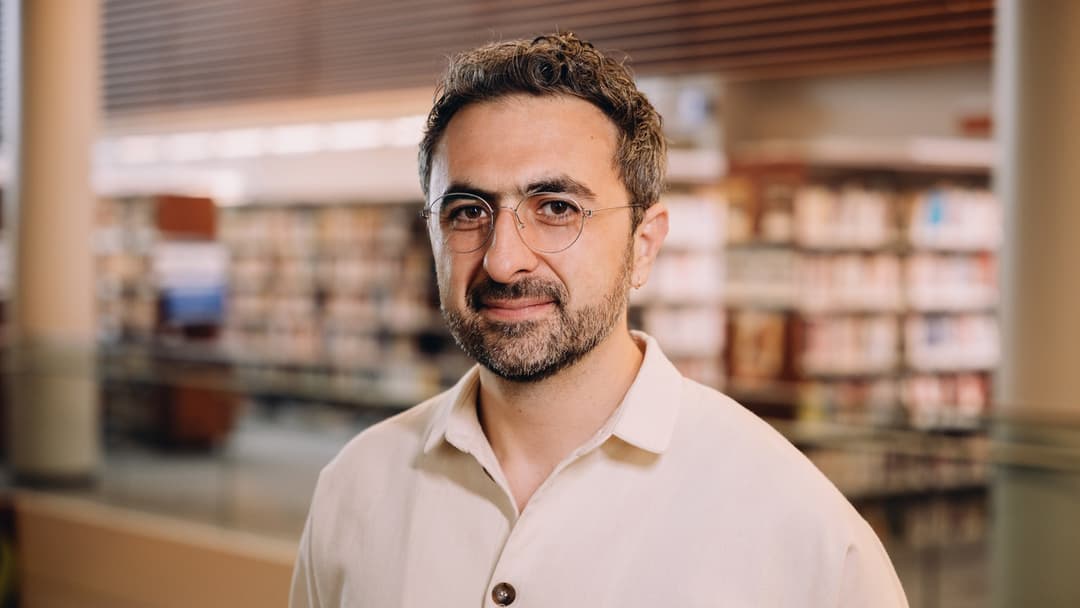
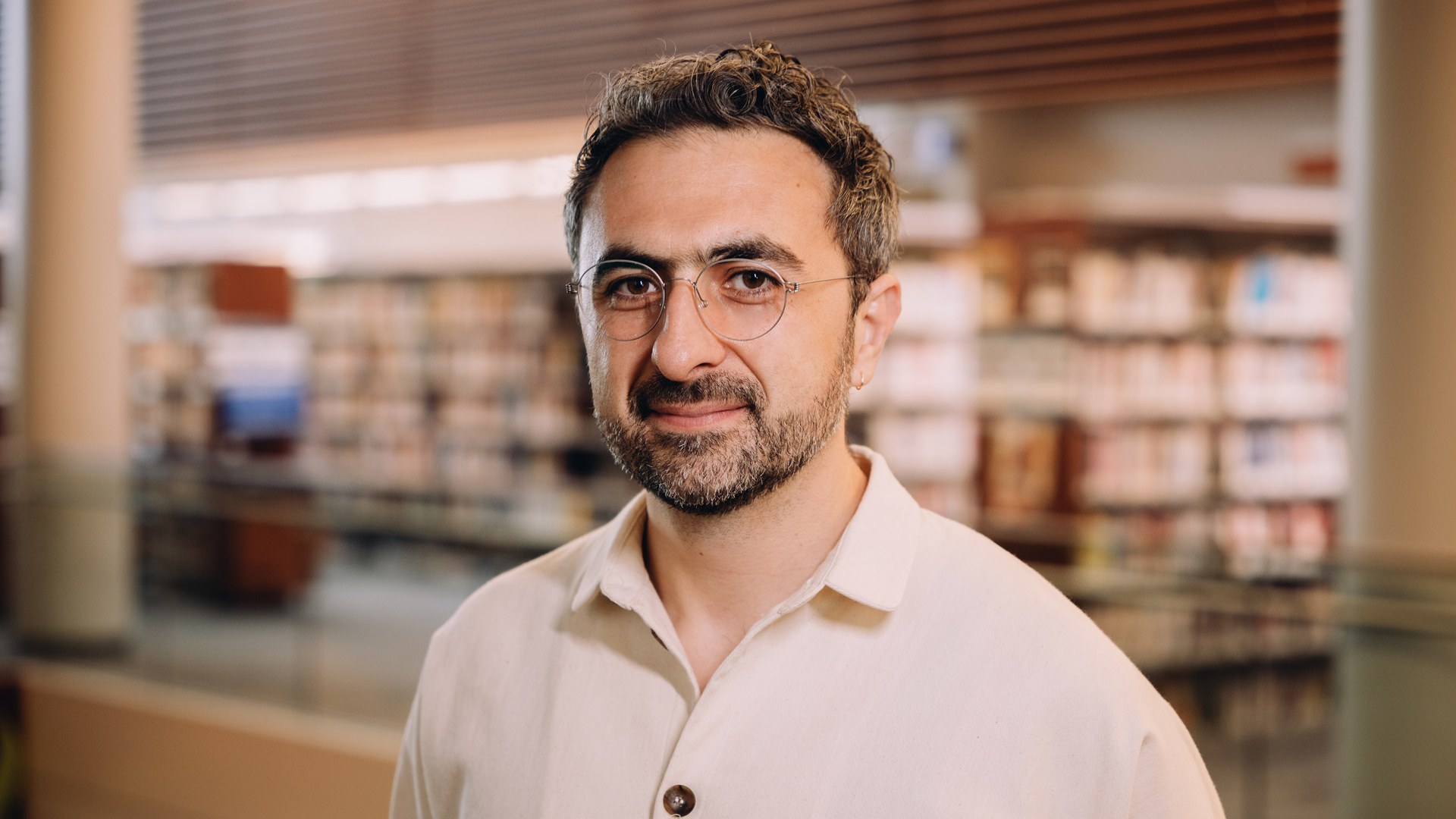
Microsoft AI CEO Mustafa Suleyman defines medical superintelligence not as answering medical exam questions, but as an integrated infrastructure that exceeds human hospital networks in clinical reasoning, care coordination, and diagnostic foresight.
4. Google's AMIE Clinical Trials
The race is not Microsoft's alone. Google published a landmark clinical trial in The Lancet alongside Boston's Beth Israel Deaconess, testing its AMIE conversational AI in live urgent care consultations under real-time physician observation.
5. Eliminating The 15-Minute Blindspot
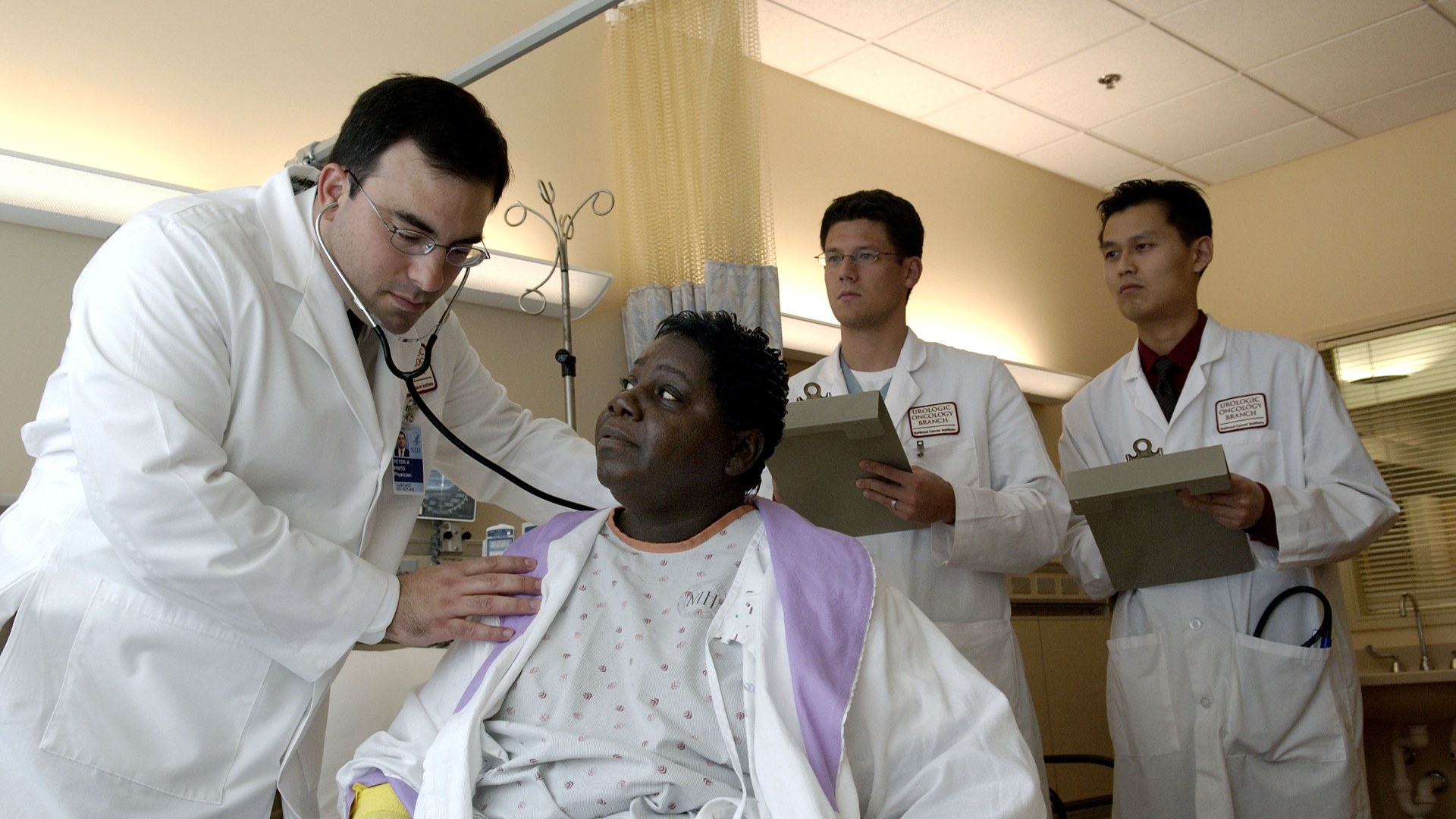
General practitioners are burdened with 15-minute appointment slots and administrative fatigue, leading to diagnostic anchoring. AI systems instantly cross-reference millions of medical journals, genetic markers, and rare disease registries in seconds.
6. Sub-Millimeter Radiology Precision
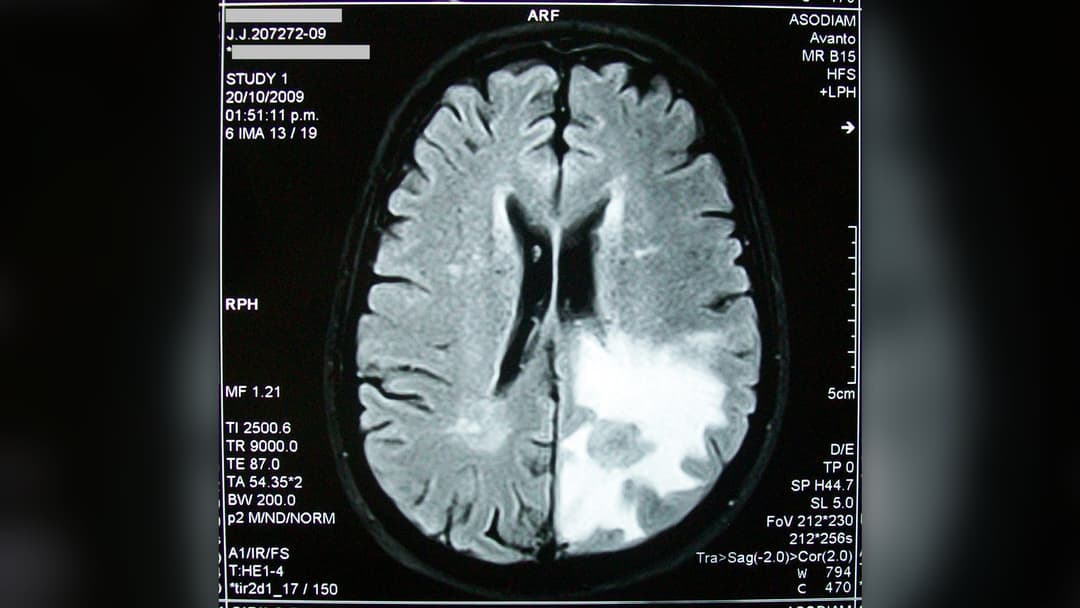
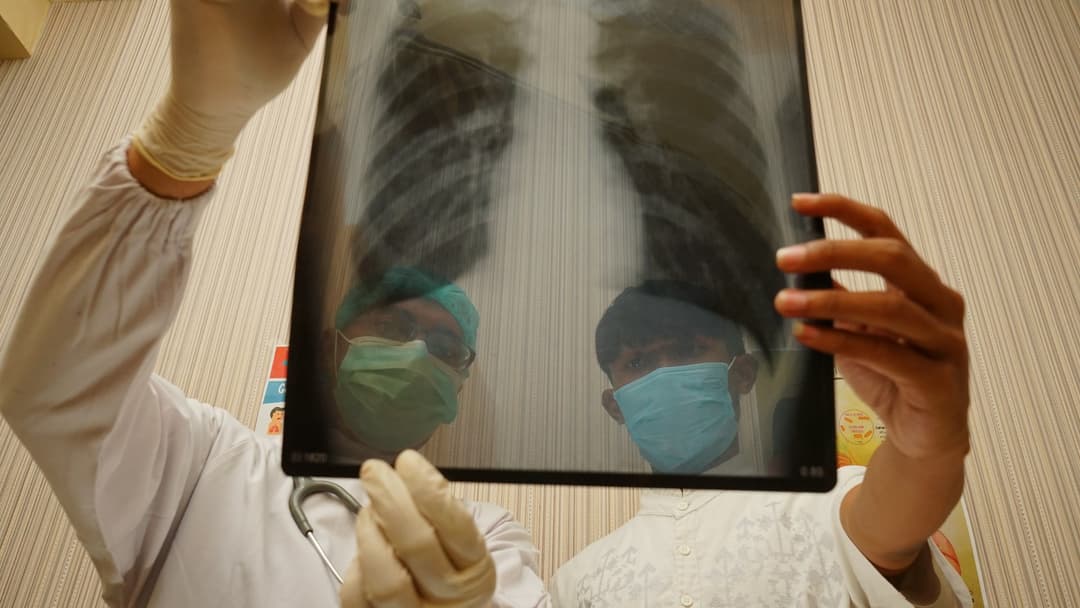
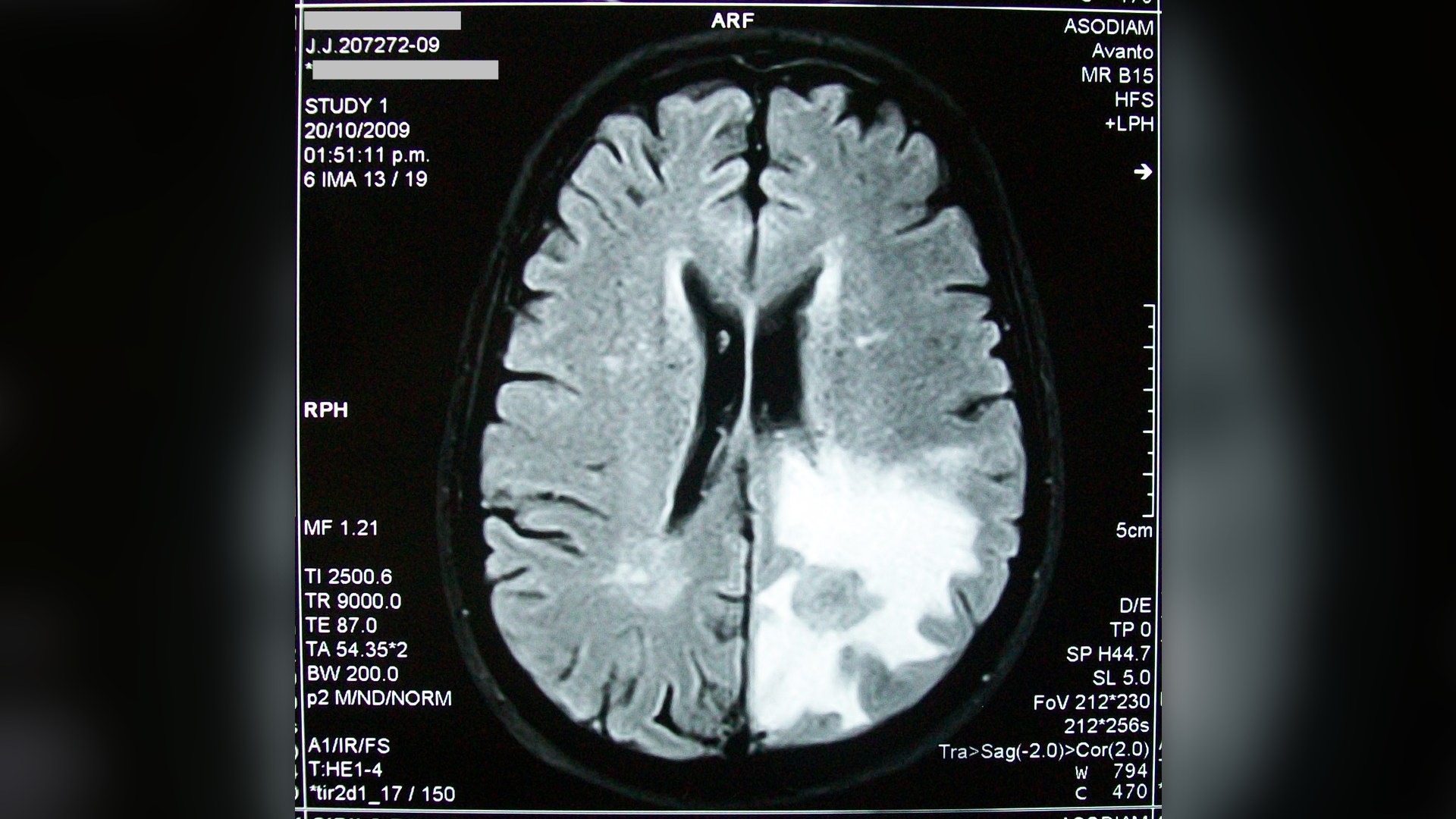
In medical imaging, AI has already achieved super-human benchmarks. Deep learning vision models analyze thousands of CT slices, mammograms, and brain MRIs, detecting micro-calcifications and subtle tissue densities invisible to tired radiologists.
7. The Bedside Empathy Paradox
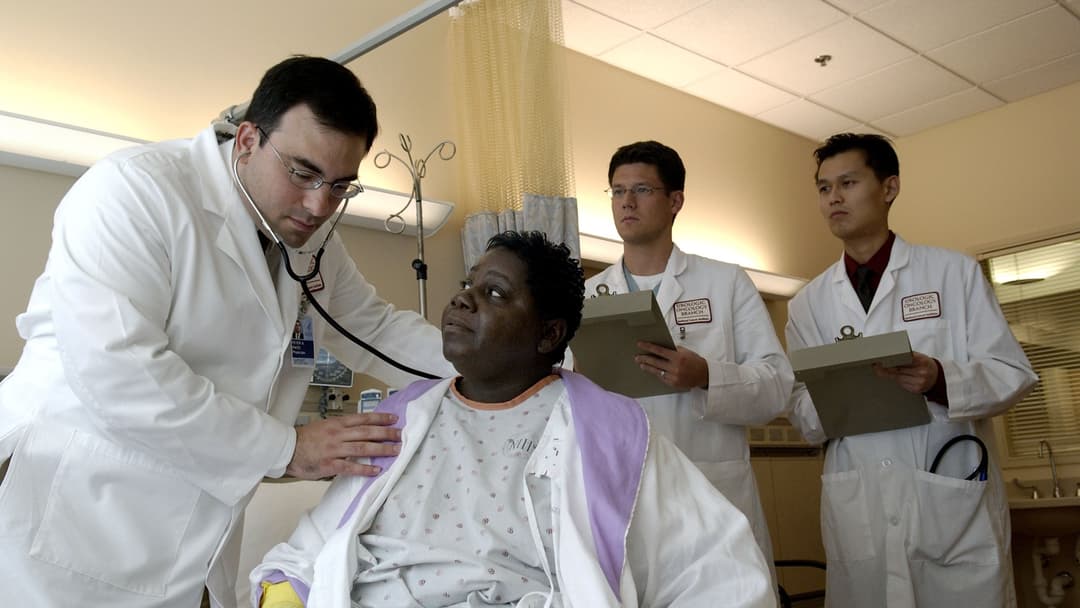
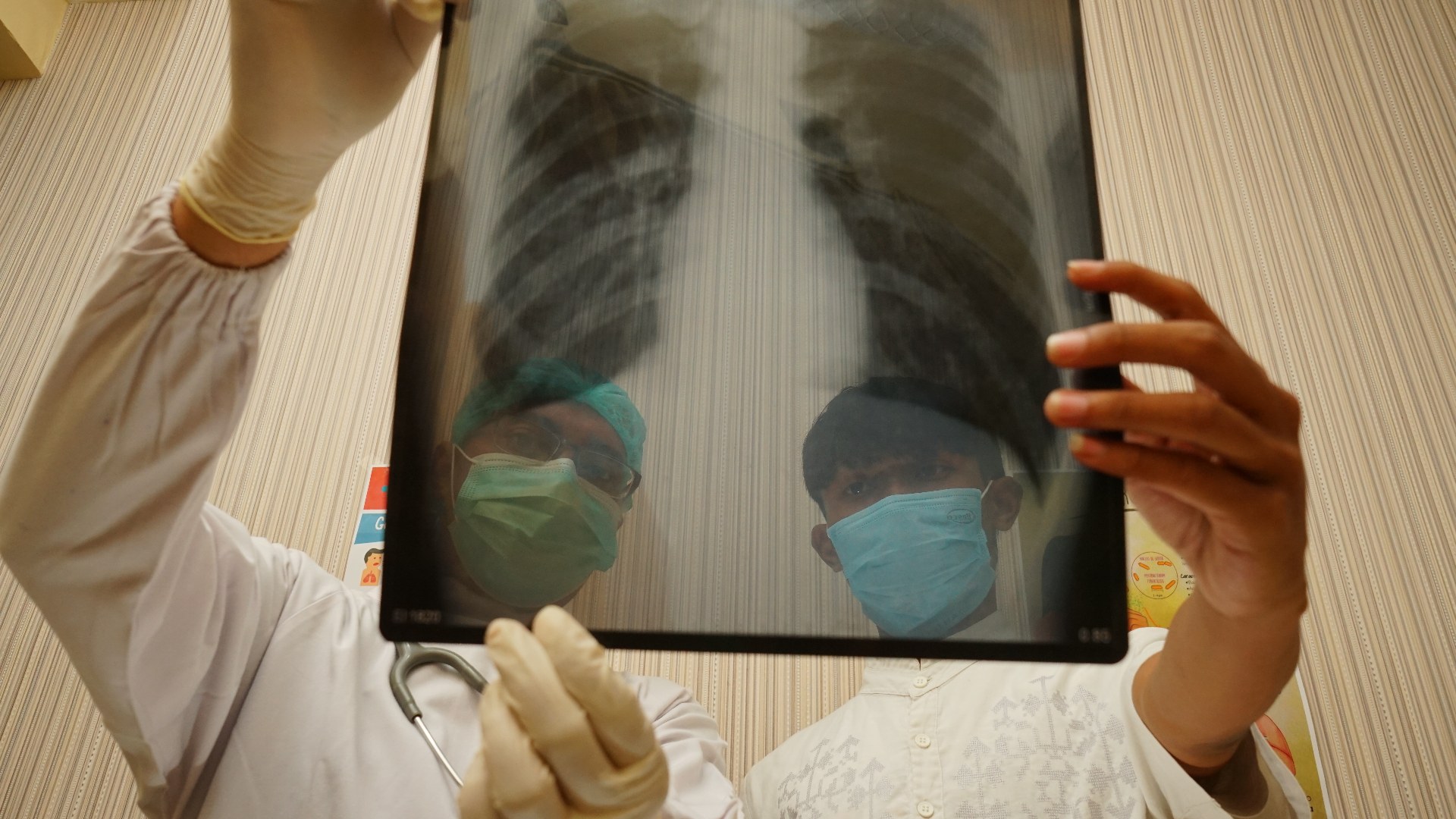
Surveys from clinical trials reveal a surprising phenomenon: patients regularly rate AI text responses as significantly more empathetic, patient, and detailed than human clinicians, who are often rushed and looking down at computer keyboards.
8. The Specialist Reality Check
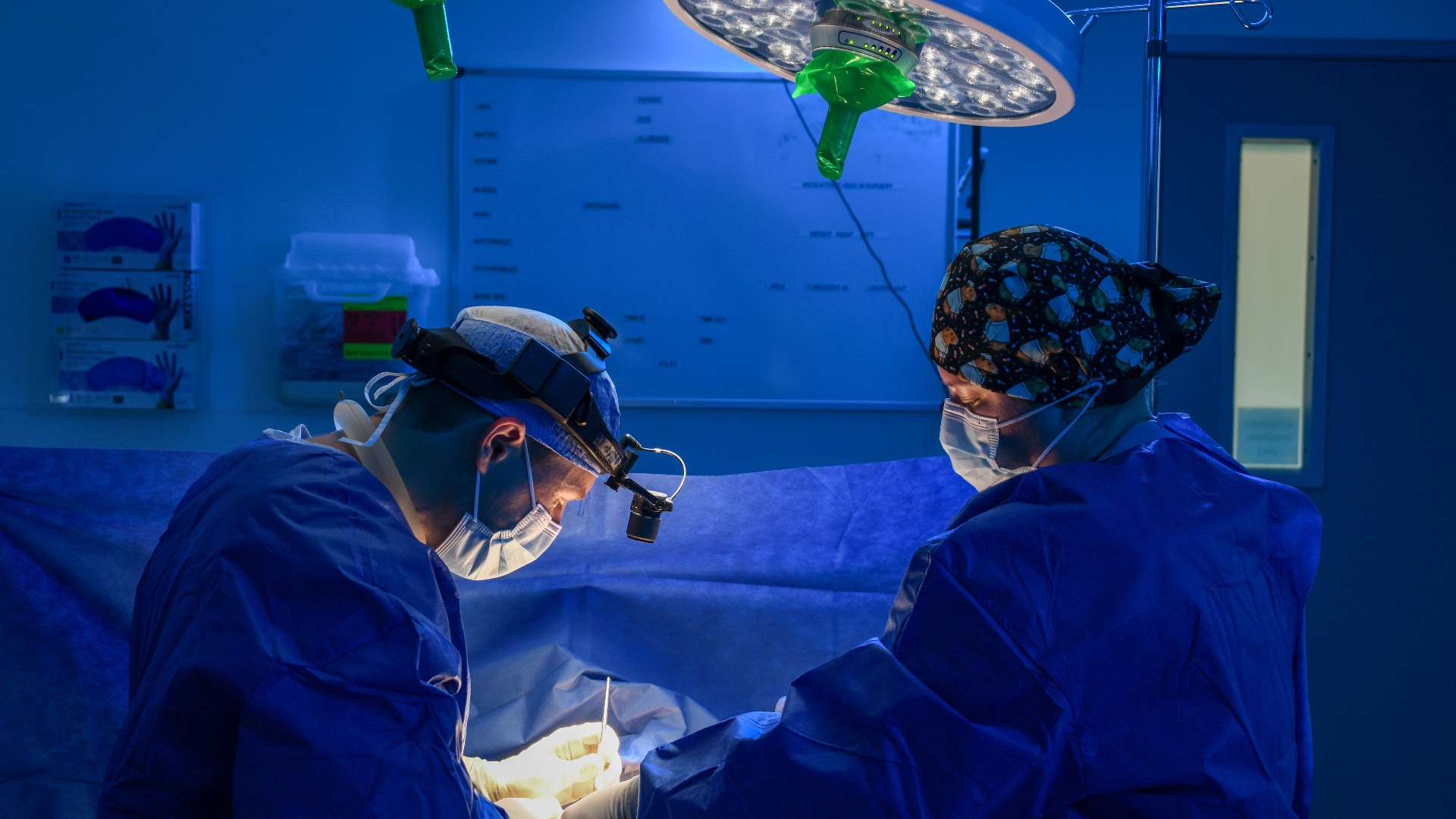
Critics note a key caveat in Microsoft's study: complex NEJM cases are rarely diagnosed by lone general internists. In real hospitals, complex cases go to subspecialty tumor boards and Mayo Clinic diagnostic teams, who were not part of the simulation.
9. The Messy Emergency Room Barrier
While AI dominates clean, text-based case vignettes, emergency departments are chaotic environments defined by non-verbal cues, uncooperative patients, incomplete charts, and physical palpations that algorithms cannot yet replicate.

10. The $8,400 Compute Bottleneck
Frontier AI diagnostic power comes at a steep price: running raw GPT-5 models on complex cases initially cost $8,400 per case. Microsoft's DxO cut inference costs by $3,000, but wide-scale adoption requires massive efficiency breakthroughs.

11. Malpractice And The Liability Black Hole
Healthcare law remains completely unresolved regarding clinical liability. If an autonomous AI algorithm recommends a fatal medication dosage or misses an aneurysm, current laws offer no clear answer whether the hospital, software vendor, or supervising physician is liable.

12. The Mayo Clinic Foundation Model
To overcome generic chatbot flaws, Microsoft partnered with the Mayo Clinic to train a native clinical foundation model. Slated for 2027, the system is designed to ground neural weights in verified clinical outcomes rather than open-web text.
13. Predictive Records As Gold Dust
Mustafa Suleyman projects that by 2027, AI will stream real-time predictive foresight from electronic medical records—anticipating sudden septic shock, cardiac arrest, or organ failure hours before bedside monitors trigger alarms.
14. Alleviating The 10-Million Worker Deficit
Rather than replacing doctors, medical AI is urgently needed to prevent systemic collapse. With the WHO projecting a shortfall of 10 million healthcare workers by 2030, AI triage and documentation tools represent the only scalable solution.

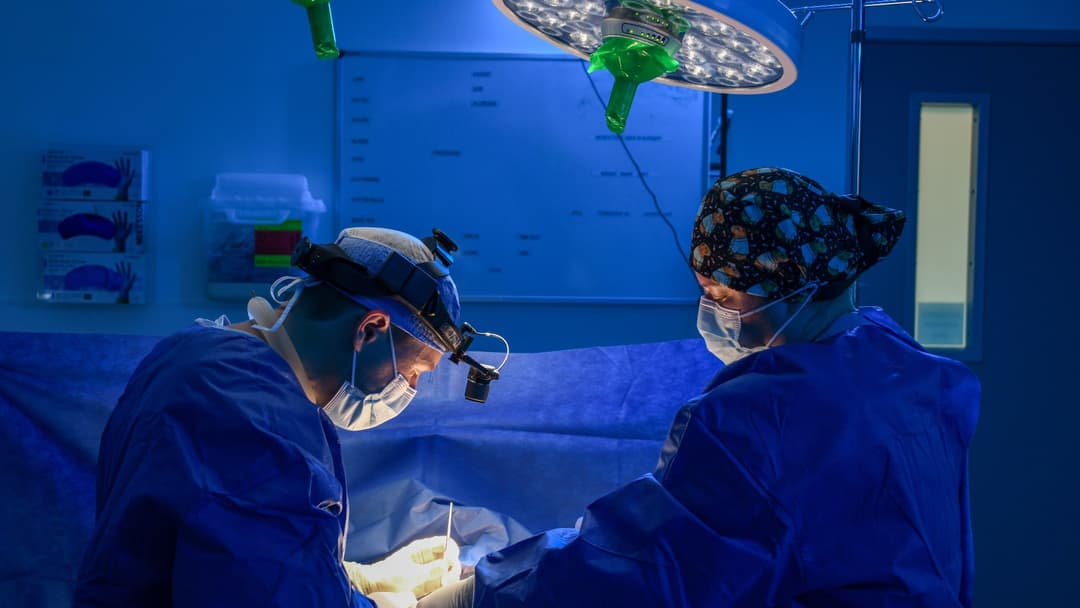
15. The Centaur Future Of Medicine
The future is neither pure human nor pure machine. The consensus among medical leaders is 'Centaur Medicine'—physicians augmented by clinical superintelligence, combining human touch, ethical judgment, and procedural skill with superhuman algorithmic recall.