Slideshow · Science
10 Bizarre Deep Space Discoveries That Baffle Astrophysicists
From cosmic dawn galaxies that defy cosmology to rogue wandering worlds and glowing celestial question marks, NASA and the James Webb Space Telescope have unveiled phenomena that challenge our understanding of physics as of 2026.
By Most Viral Today
5 Oct 2026

10 Bizarre Deep Space Discoveries That Baffle Astrophysicists 
10. The Pillars Of Creation 
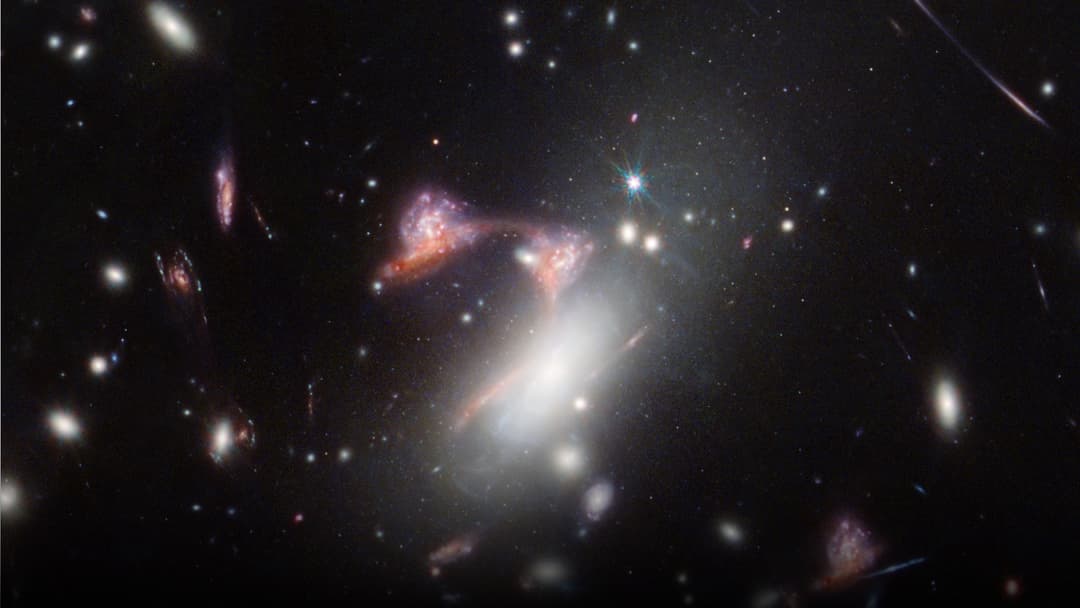
9. The Cosmic Question Mark Galaxies 
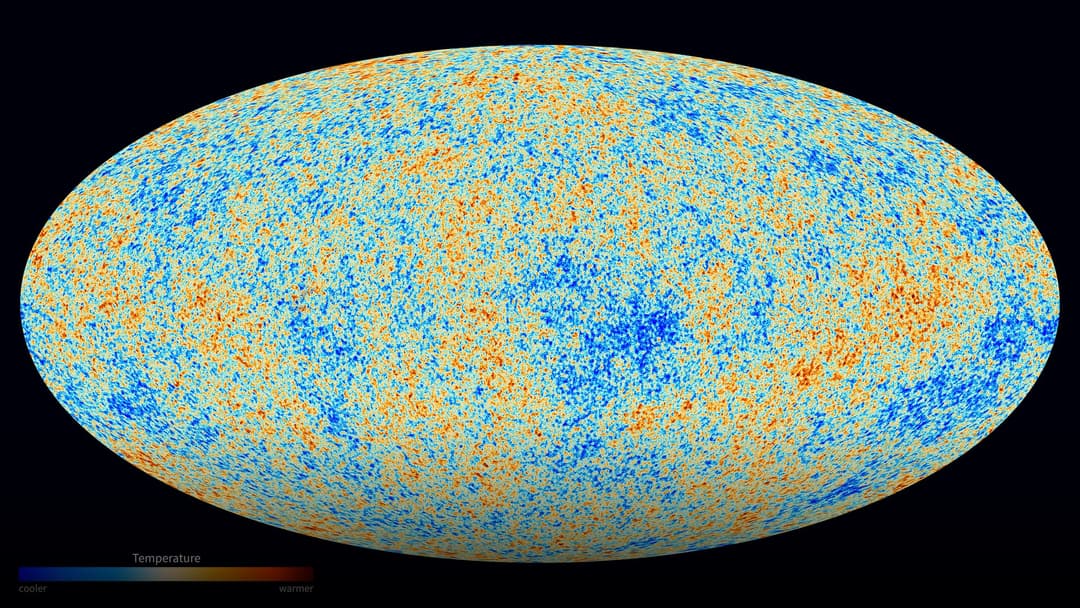
8. The Cosmic Microwave Background Cold Spot - AdvertisementSwipe or tap ▶ to continue countdown

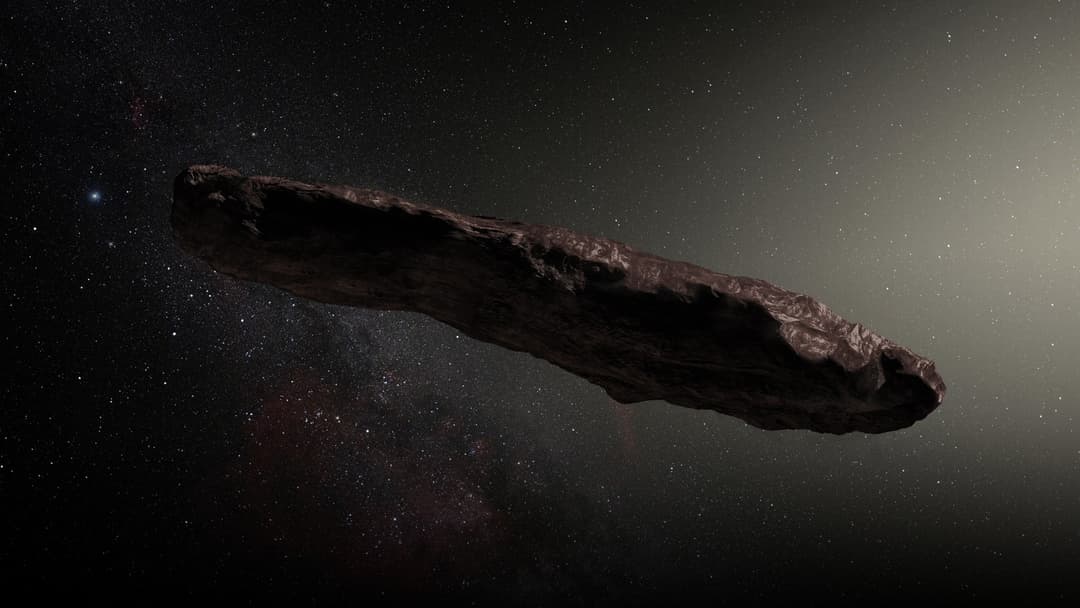
7. Interstellar Visitor 'Oumuamua 
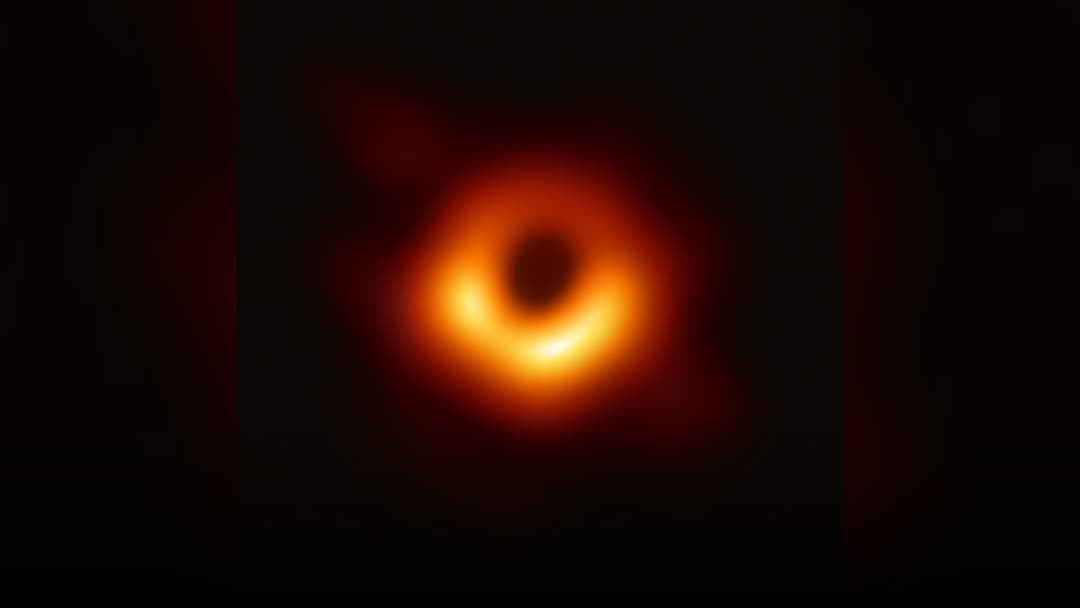
6. The Event Horizon Of M87* 
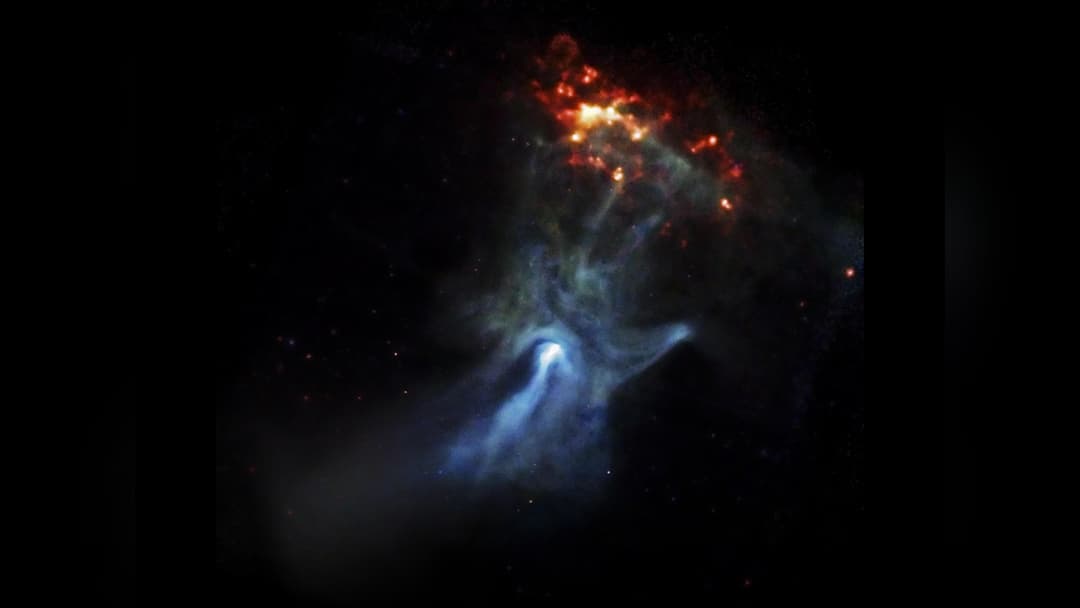
5. The 'Hand Of God' Pulsar Nebula 
4. The Boötes Cosmic Void - AdvertisementSwipe or tap ▶ to continue countdown

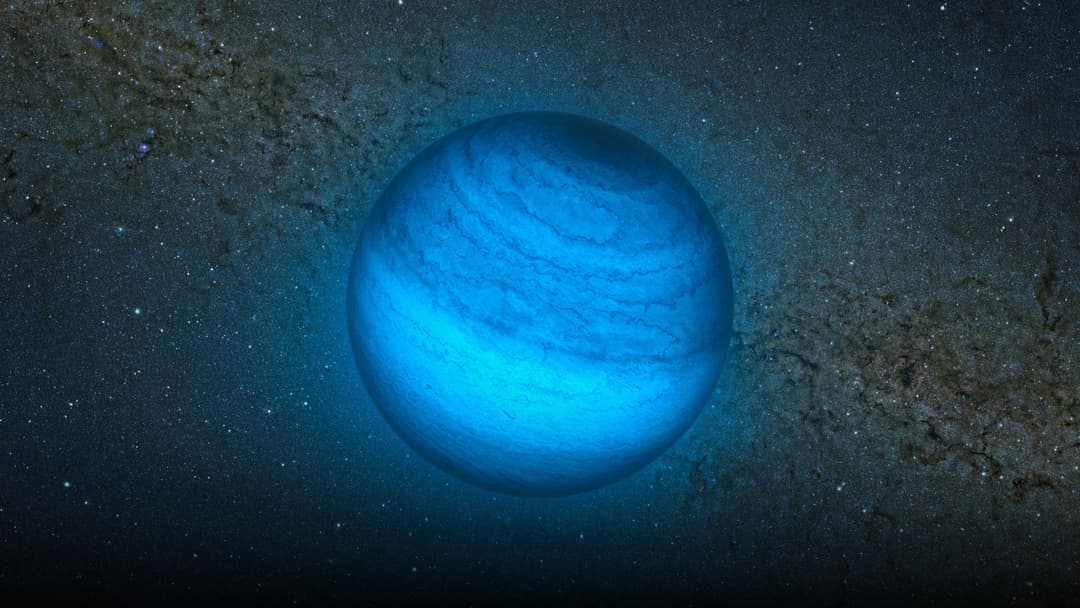
3. Free-Floating Rogue Planets 
2. The Red Rectangle Nebula 
1. JADES-GS-Z14-0 'Universe Breaker' Galaxy - Advertisement🔥 UP NEXT IN THIS SERIES◫ 23 Slides

22 High-Calorie Burning Exercises Ranked by Harvard Medical Data
Ranked according to Harvard Medical School caloric expenditure data, these 22 physical exercises burn the highest number of calories per hour for optimal cardiovascular health. Medical data reveals true effort.
From cosmic dawn galaxies that defy cosmology to rogue wandering worlds and glowing celestial question marks, NASA and the James Webb Space Telescope have unveiled phenomena that challenge our understanding of physics as of 2026.
Swipe or tap ▶ to begin the countdown
©NASA / STScI / Joseph DePasquale
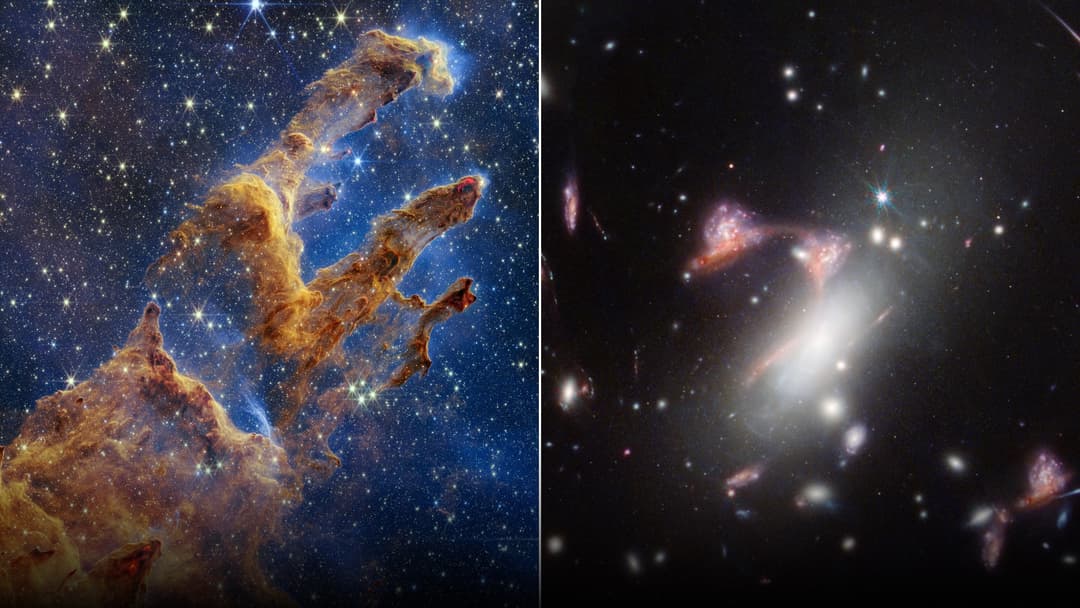
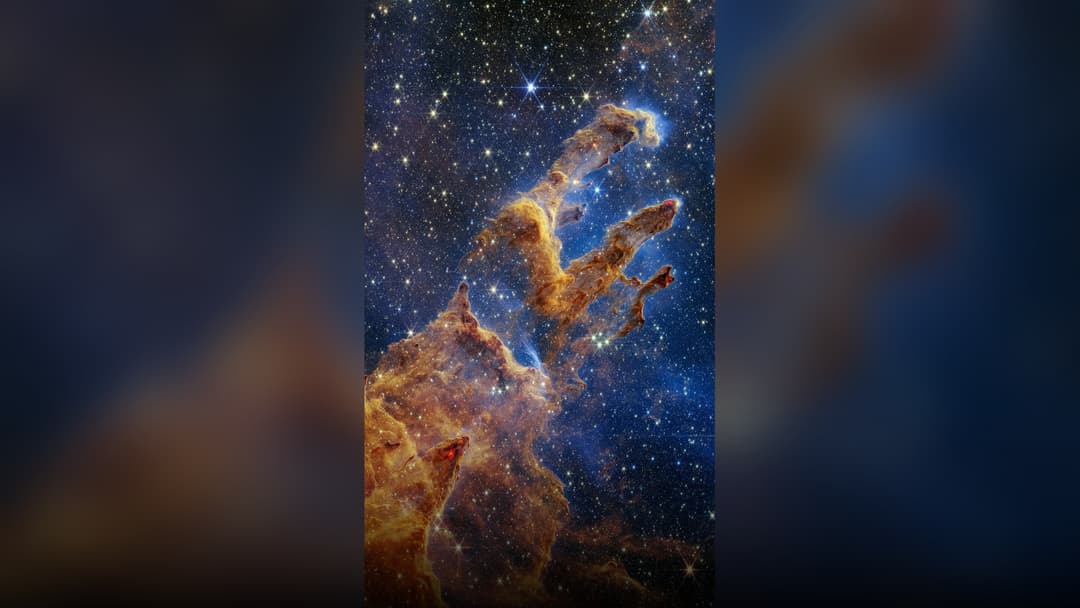
10. The Pillars Of Creation
Stretching several light-years within the Eagle Nebula (M16), these towering columns of cool interstellar gas were imaged in crisp infrared by JWST's NIRCam. The piercing infrared view exposed countless protostars previously hidden.
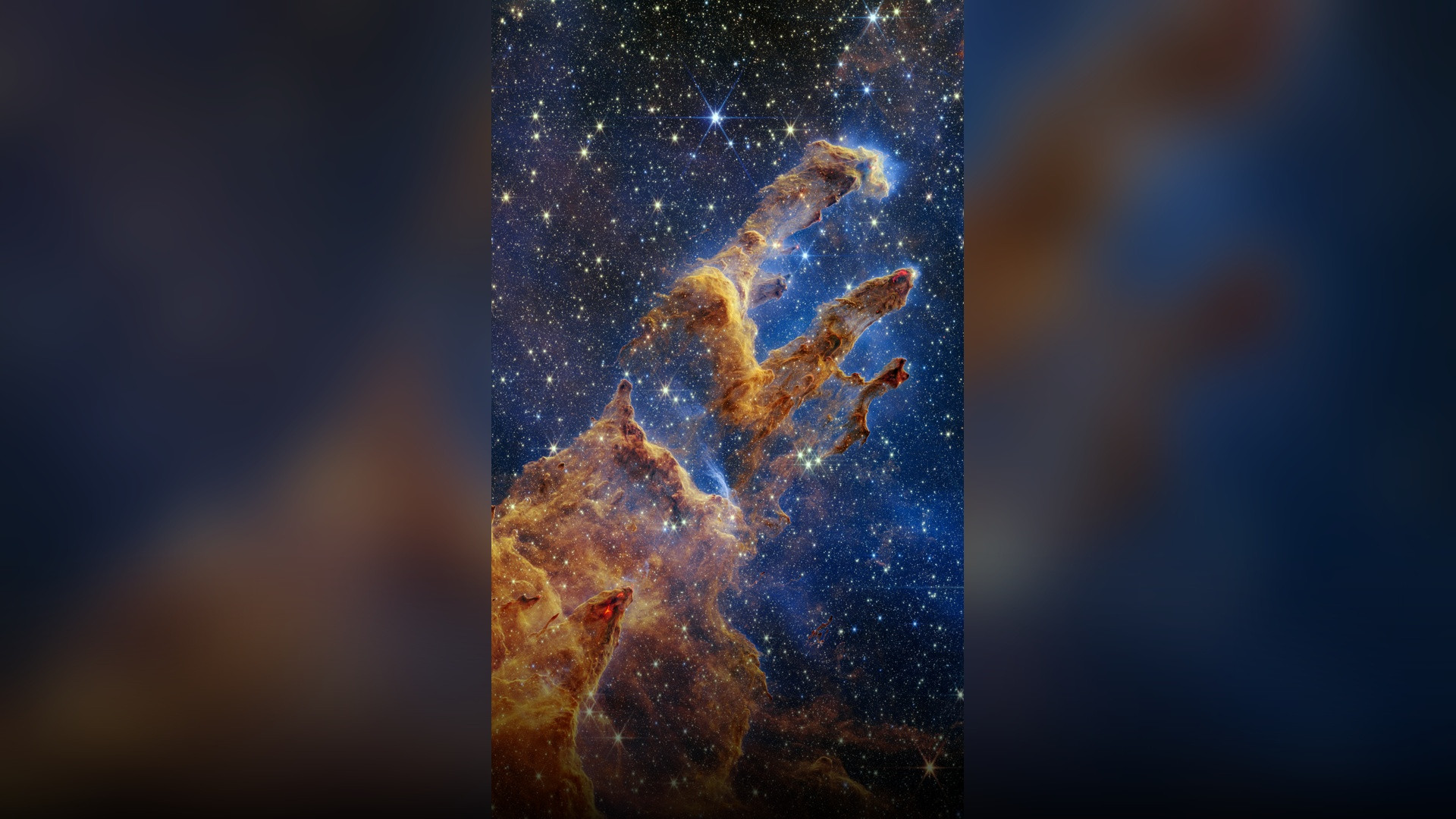
©NASA / STScI / Joseph DePasquale
9. The Cosmic Question Mark Galaxies
Peering behind interacting young stars in Herbig-Haro 46/47, JWST captured a chance alignment of two colliding distant galaxies. Their gravitational interaction and tidal tails distorted the pair into a radiant cosmic question mark.
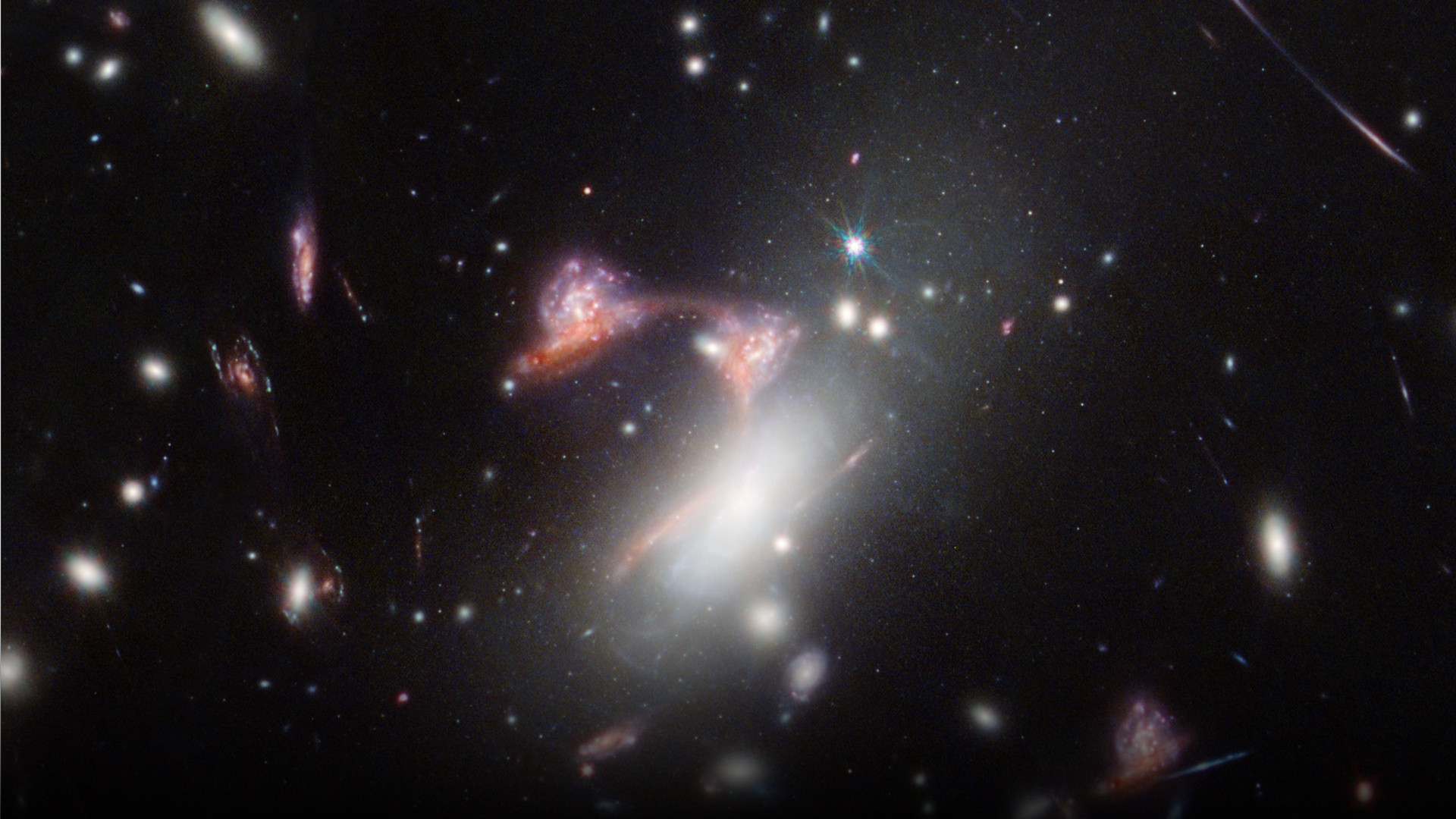
©NASA / STScI / Vicente Estrada-Carpenter
8. The Cosmic Microwave Background Cold Spot
Measuring over 1 billion light-years across, the CMB Cold Spot is a region of the cosmic microwave background roughly 70 microkelvins cooler than average. Hypotheses range from an immense supervoid to parallel universe entanglement.
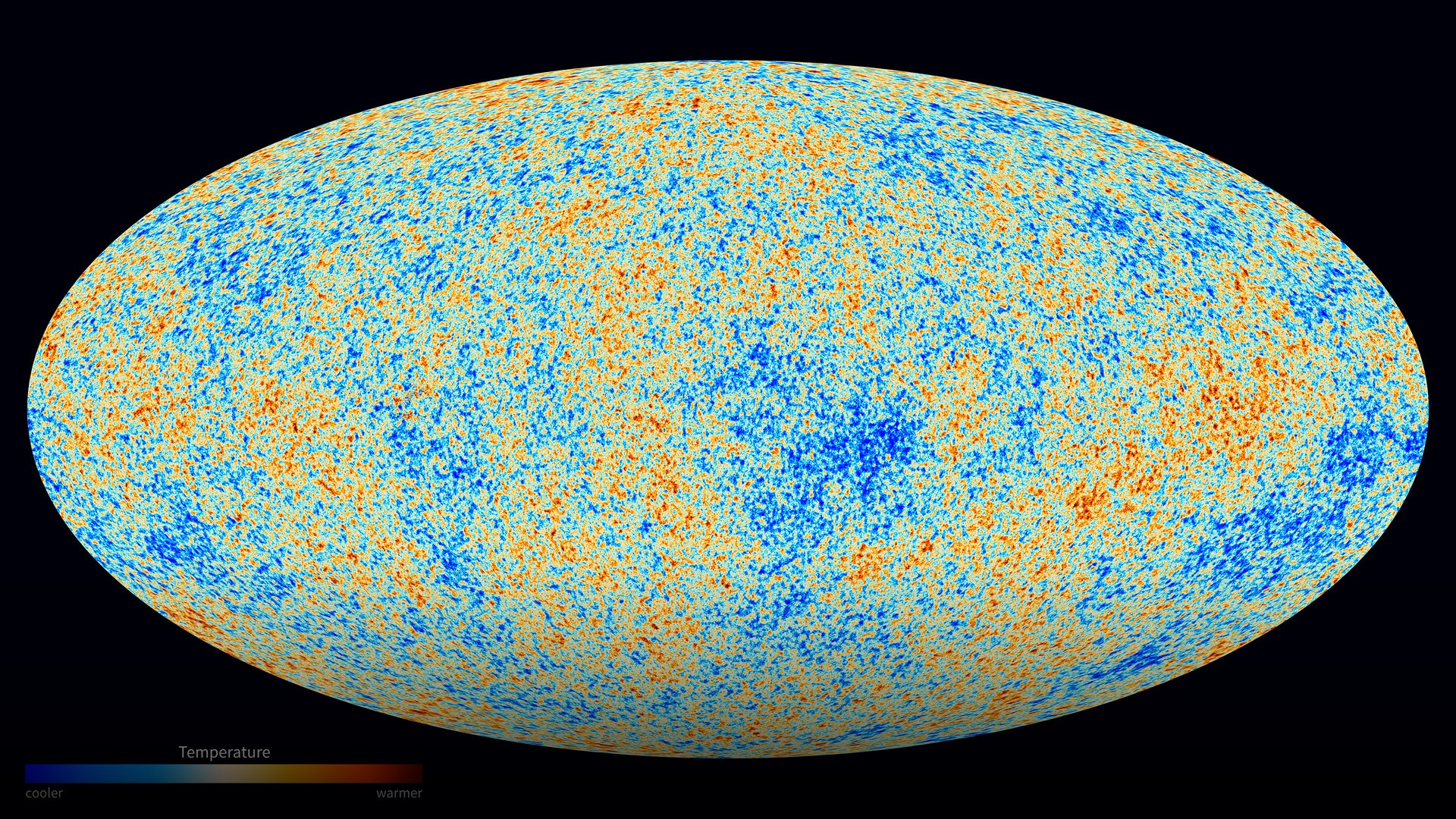
©NASA / SVS / WMAP / Planck
Advertisement
Swipe or tap ▶ to resume the countdown.
7. Interstellar Visitor 'Oumuamua
Discovered in October 2017 tumbling through the solar system, ʻOumuamua was humanity's first confirmed interstellar visitor. Bafflingly, it exhibited slight non-gravitational acceleration while displaying zero visible cometary dust.
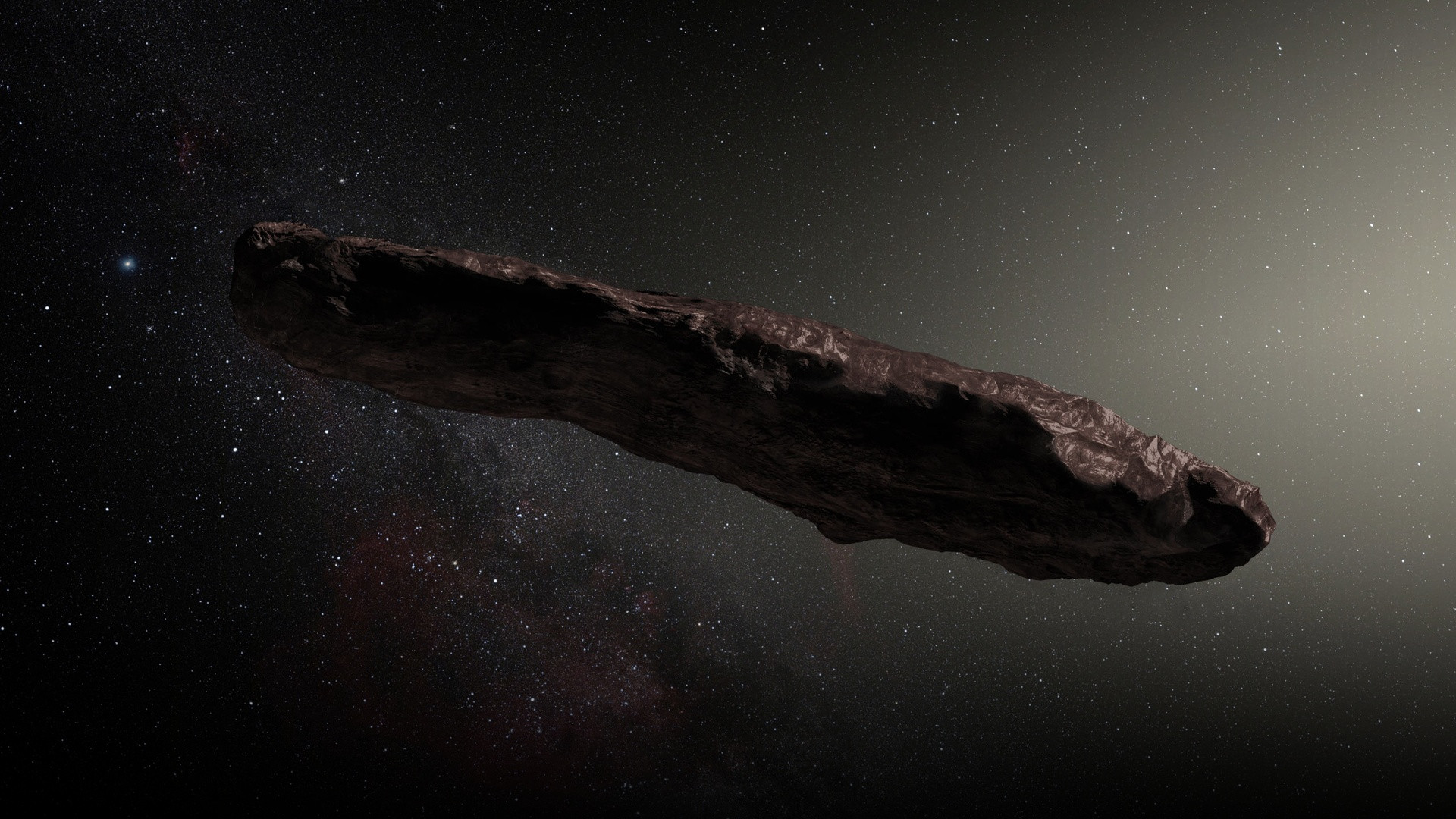
©ESO / M. Kornmesser
6. The Event Horizon Of M87*
Captured by the Event Horizon Telescope, this historic image revealed the glowing accretion disk orbiting the supermassive black hole at Messier 87's core. Its 6.5-billion solar mass gravitational shadow proved Einstein right in 2019.
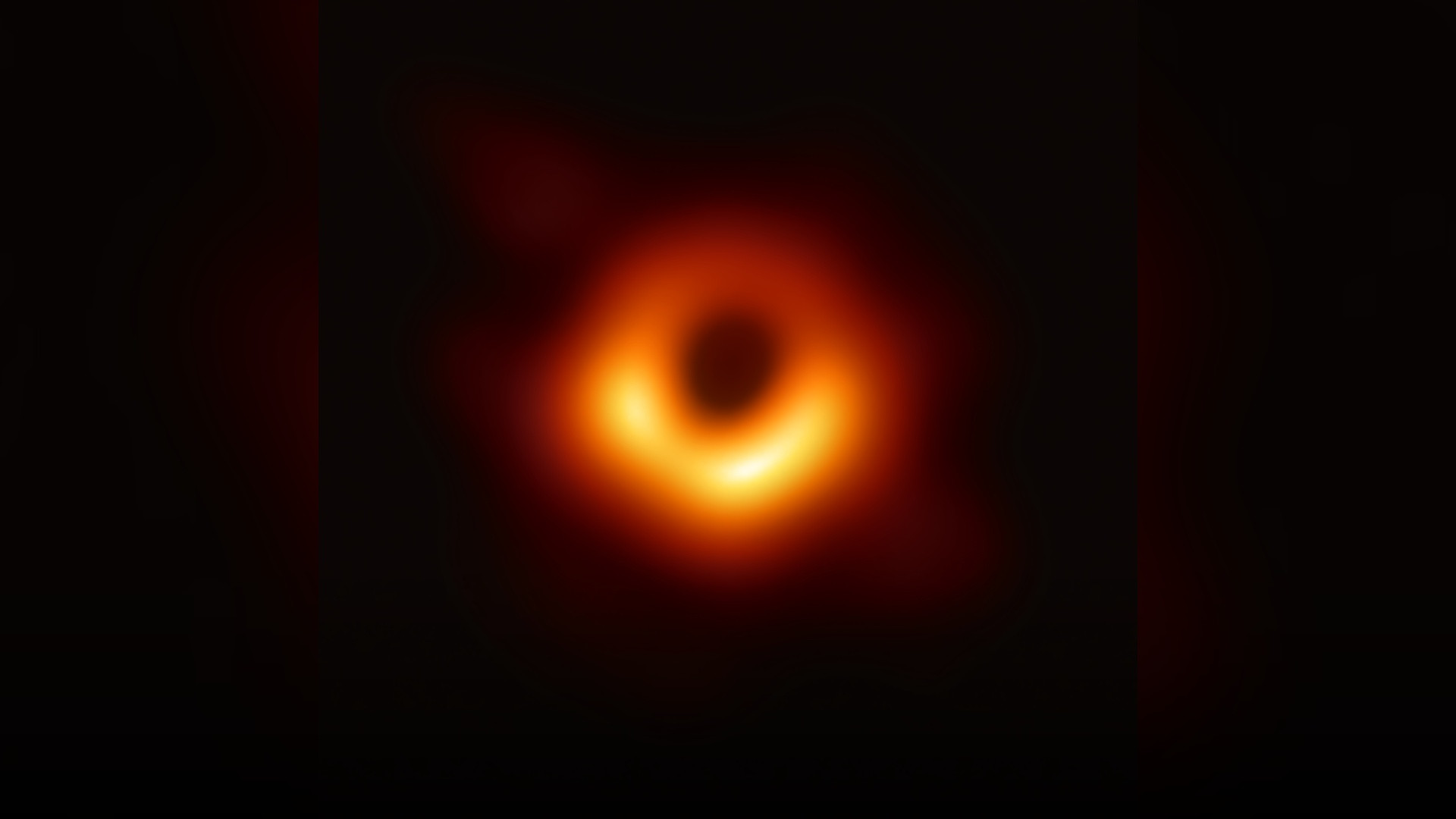
©Wikimedia / Event Horizon Telescope Collaboration
5. The 'Hand Of God' Pulsar Nebula
Powered by a rapidly spinning young pulsar, PSR B1509-58 expels energetic particles across 150 light-years of interstellar space. Observed in high-energy X-rays by NASA's Chandra observatory, the nebula forms a striking human hand.
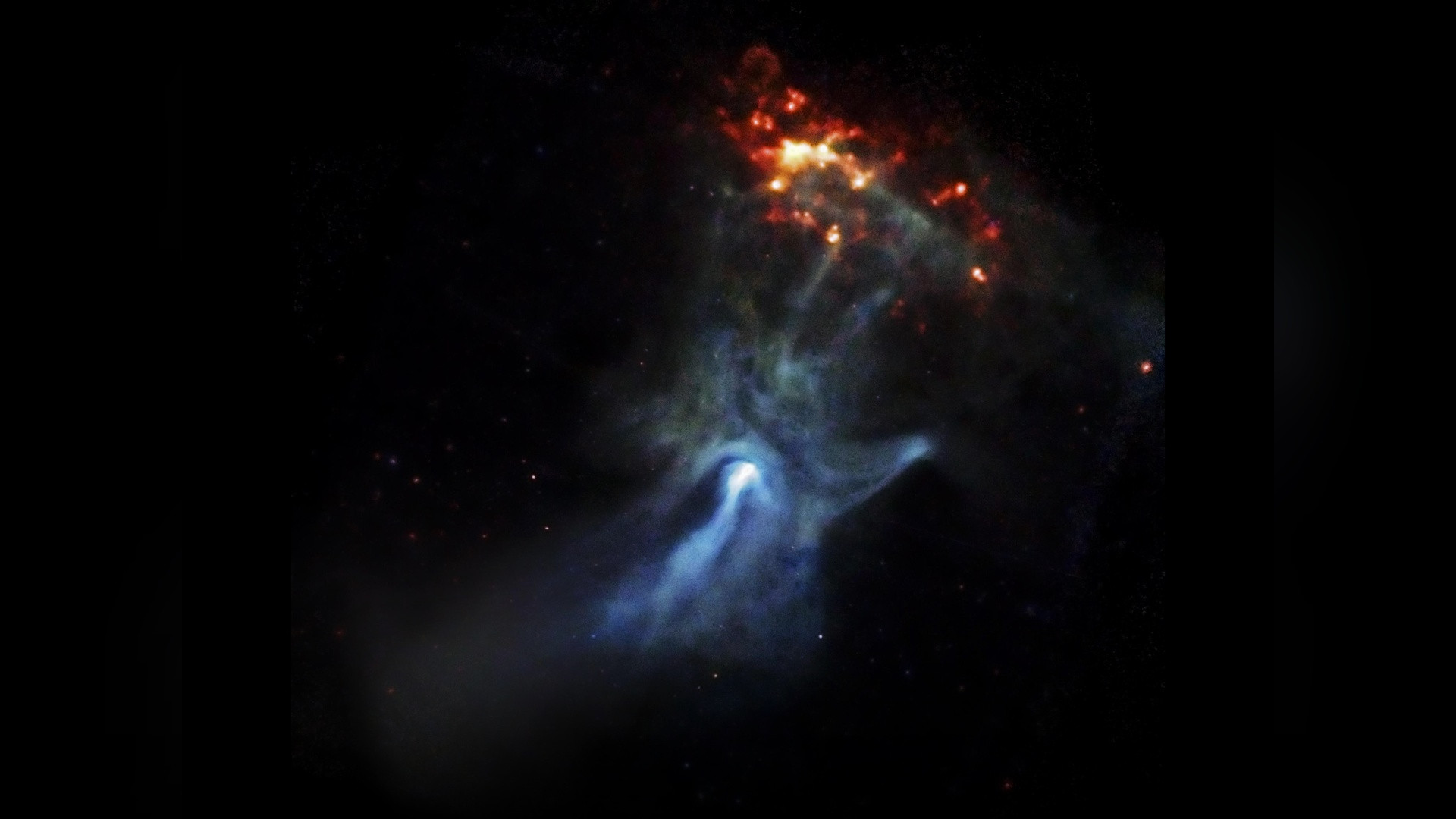
©NASA / CXC / SAO
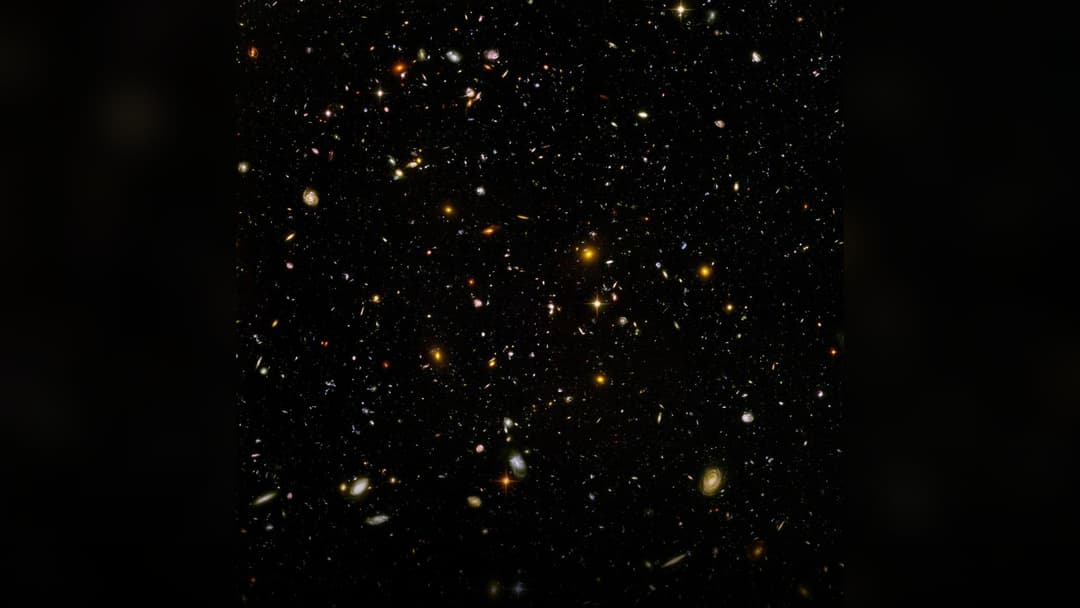
4. The Boötes Cosmic Void
Spanning roughly 330 million light-years across the constellation Boötes, the Great Void is one of the largest voids in the universe. While a region of this scale should contain 10,000 galaxies, astronomers have detected fewer than 60.
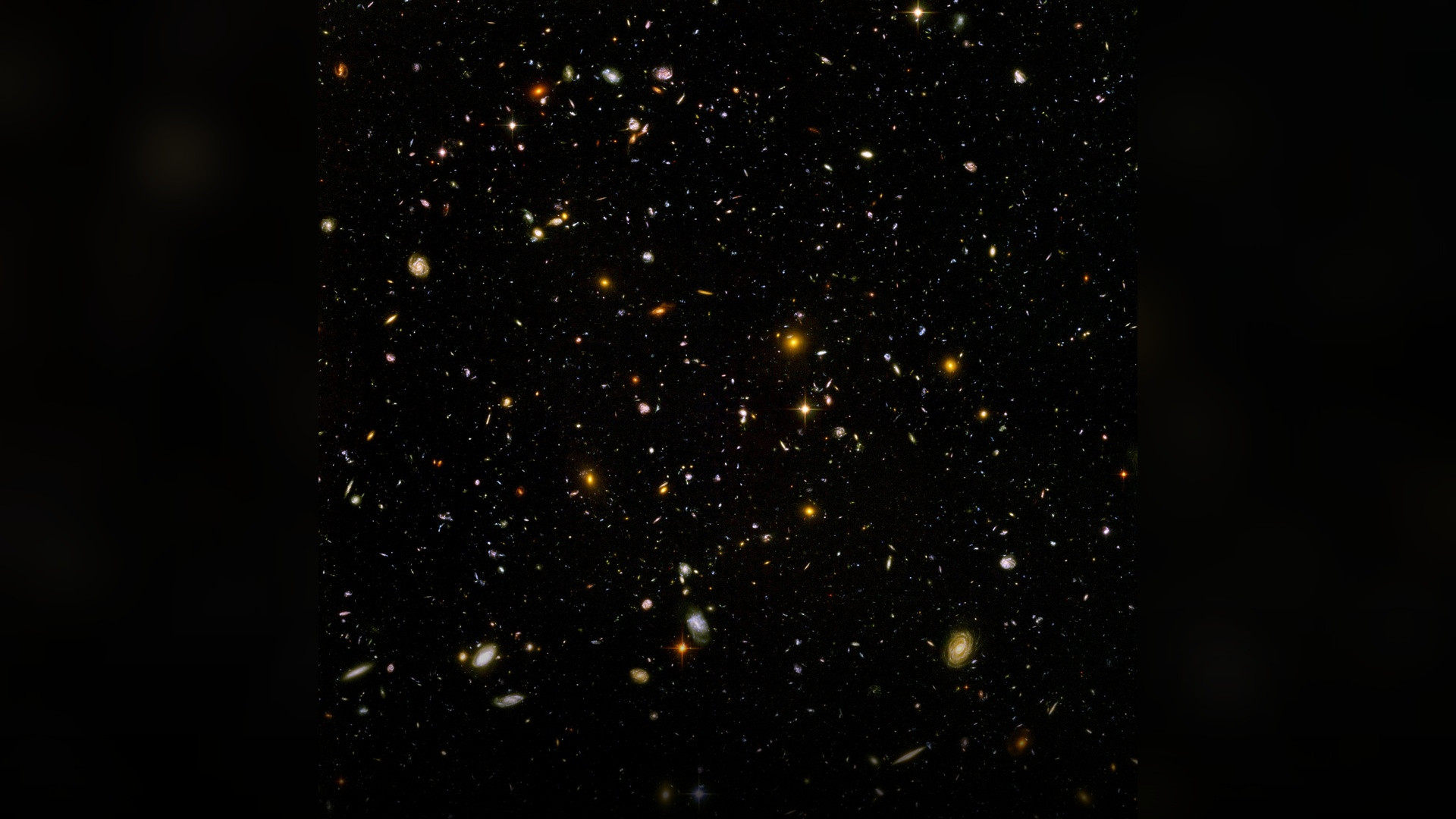
©NASA / STScI / Hubble Heritage
Advertisement
Swipe or tap ▶ to resume the countdown.
3. Free-Floating Rogue Planets
Located roughly 100 light-years from Earth, CFBDSIR J214947.2-040308.9 is a free-floating planetary-mass object that formed or was ejected without a parent star. Drifting through pitch-black space, it glows from internal heat while turbulent atmospheric bands swirl across its skies.
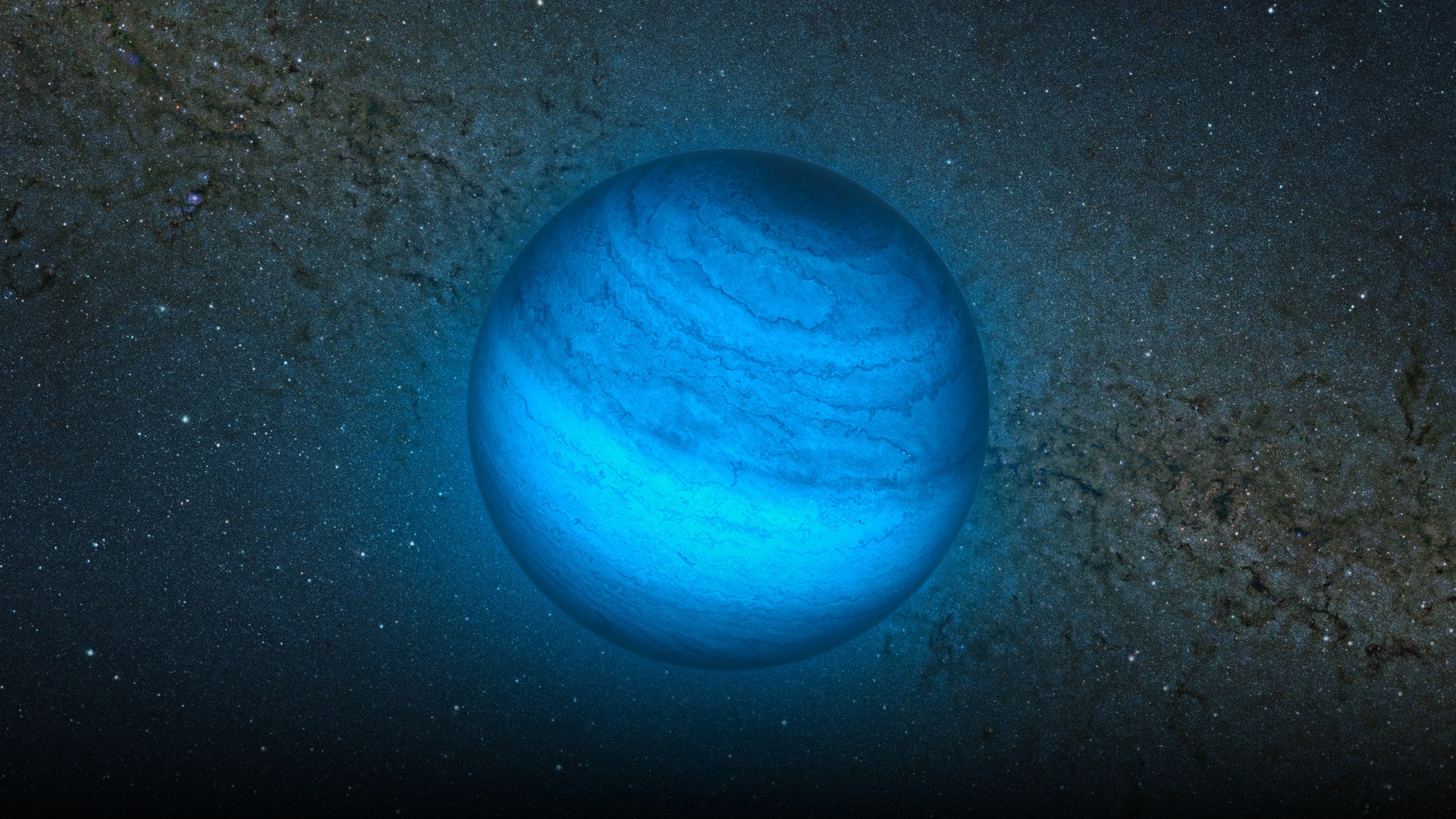
©ESO / L. Calçada / P. Delorme / R. Saito
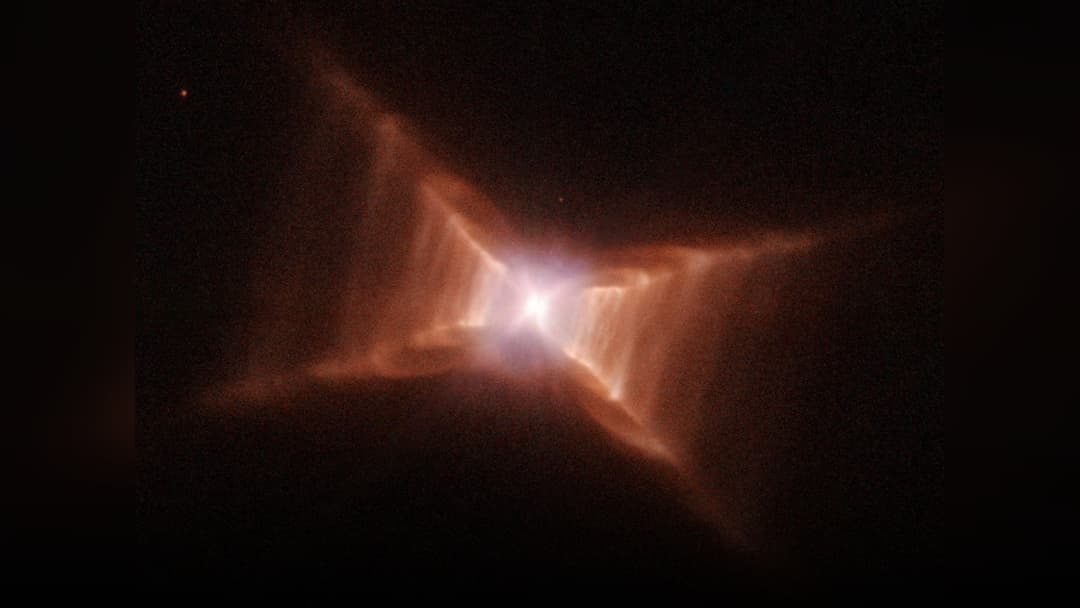
2. The Red Rectangle Nebula
Surrounding binary star HD 44179 roughly 2,300 light-years away, the Red Rectangle exhibits an astonishing ladder-like geometric symmetry. Astrophysicists believe shock waves and toroidal gas disks sculpt its unprecedented X-shaped outflows.
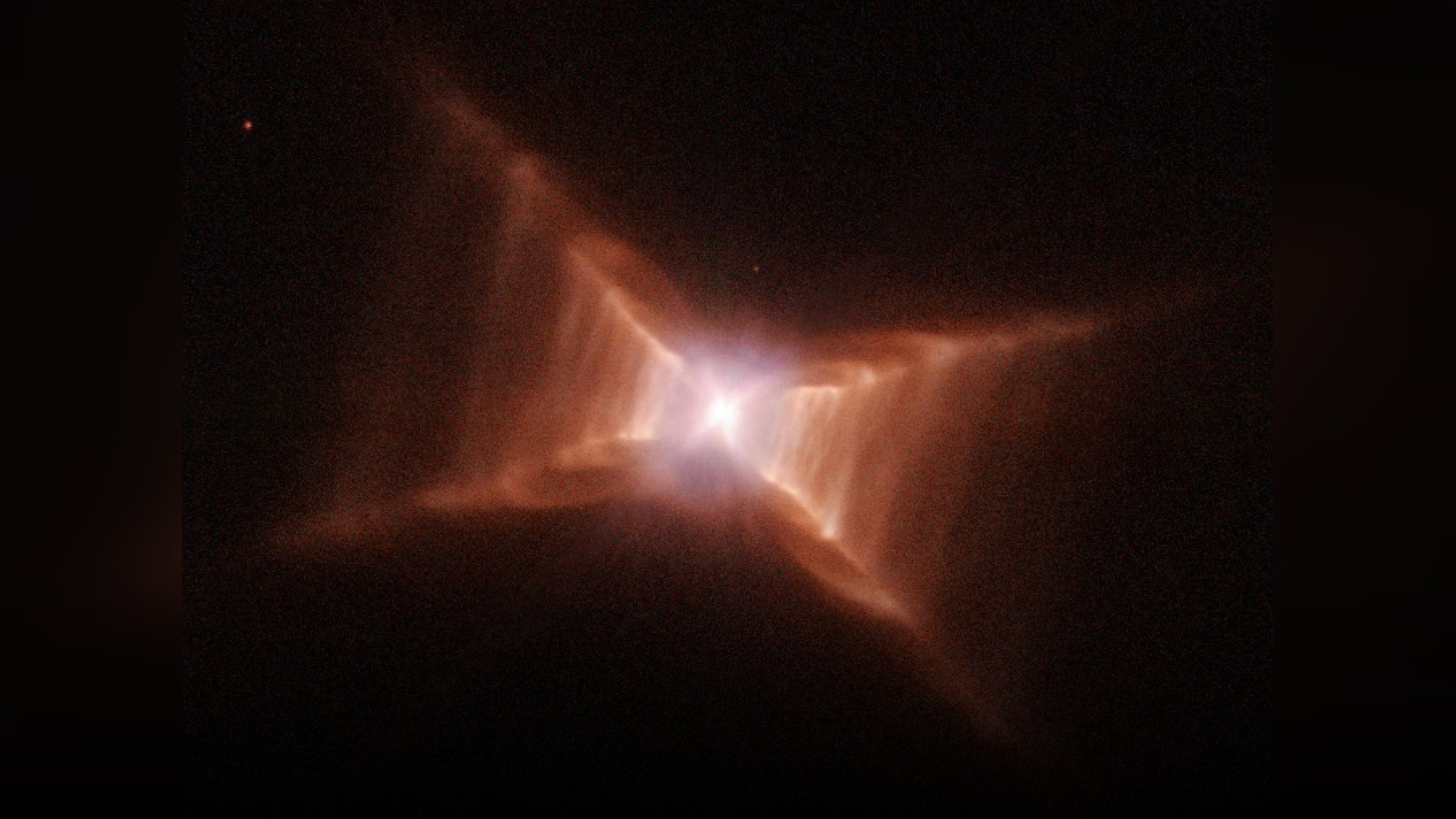
©NASA / STScI / Hans Van Winckel
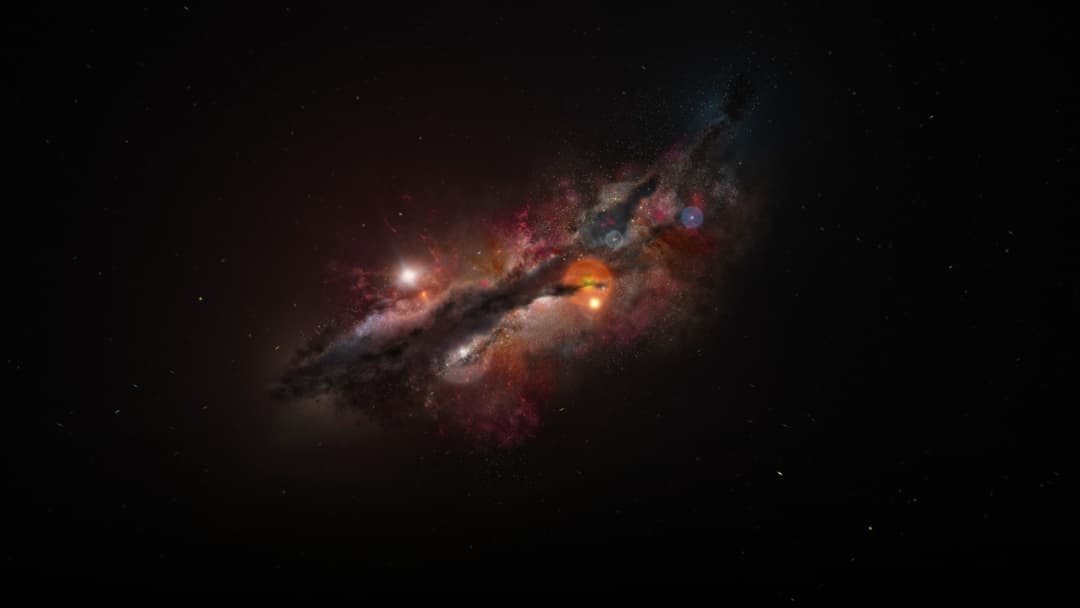
1. JADES-GS-Z14-0 'Universe Breaker' Galaxy
Discovered by the James Webb Space Telescope at redshift z=14.32, JADES-GS-z14-0 existed just 290 million years after the Big Bang. Its colossal mass and luminous stellar population defy standard Lambda-CDM cosmological models as of 2026.
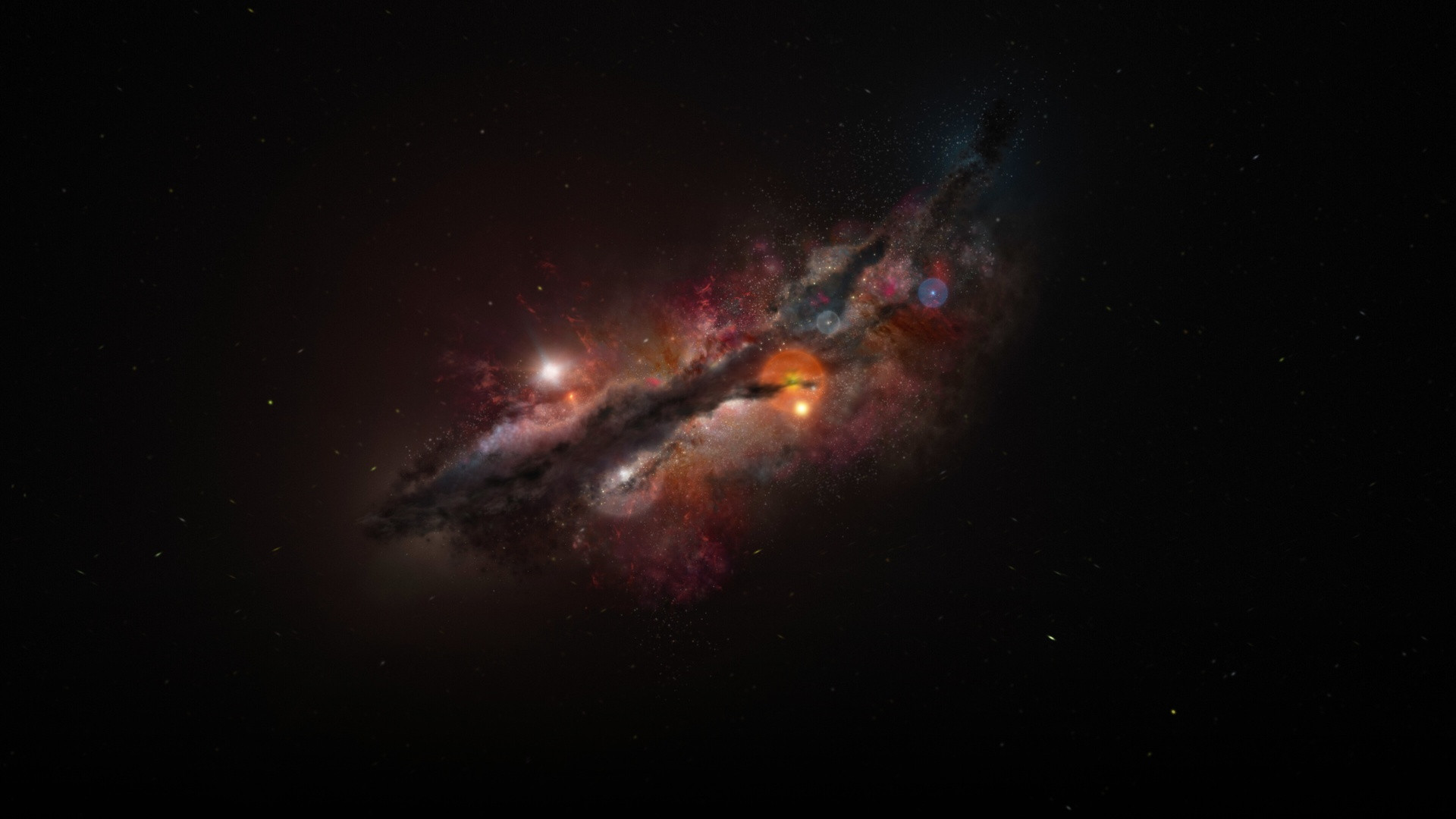
©ESO / M. Kornmesser
Advertisement
You've reached the end of the story. Thanks for reading!

22 High-Calorie Burning Exercises Ranked by Harvard Medical Data
Ranked according to Harvard Medical School caloric expenditure data, these 22 physical exercises burn the highest number of calories per hour for optimal cardiovascular health. Medical data reveals true effort.
All 10 Entries in this Story
1. The Pillars Of Creation
Stretching several light-years within the Eagle Nebula (M16), these towering columns of cool interstellar gas were imaged in crisp infrared by JWST's NIRCam. The piercing infrared view exposed countless protostars previously hidden.

2. The Cosmic Question Mark Galaxies
Peering behind interacting young stars in Herbig-Haro 46/47, JWST captured a chance alignment of two colliding distant galaxies. Their gravitational interaction and tidal tails distorted the pair into a radiant cosmic question mark.

3. The Cosmic Microwave Background Cold Spot
Measuring over 1 billion light-years across, the CMB Cold Spot is a region of the cosmic microwave background roughly 70 microkelvins cooler than average. Hypotheses range from an immense supervoid to parallel universe entanglement.

4. Interstellar Visitor 'Oumuamua
Discovered in October 2017 tumbling through the solar system, ʻOumuamua was humanity's first confirmed interstellar visitor. Bafflingly, it exhibited slight non-gravitational acceleration while displaying zero visible cometary dust.

5. The Event Horizon Of M87*
Captured by the Event Horizon Telescope, this historic image revealed the glowing accretion disk orbiting the supermassive black hole at Messier 87's core. Its 6.5-billion solar mass gravitational shadow proved Einstein right in 2019.

6. The 'Hand Of God' Pulsar Nebula
Powered by a rapidly spinning young pulsar, PSR B1509-58 expels energetic particles across 150 light-years of interstellar space. Observed in high-energy X-rays by NASA's Chandra observatory, the nebula forms a striking human hand.

7. The Boötes Cosmic Void
Spanning roughly 330 million light-years across the constellation Boötes, the Great Void is one of the largest voids in the universe. While a region of this scale should contain 10,000 galaxies, astronomers have detected fewer than 60.

8. Free-Floating Rogue Planets
Located roughly 100 light-years from Earth, CFBDSIR J214947.2-040308.9 is a free-floating planetary-mass object that formed or was ejected without a parent star. Drifting through pitch-black space, it glows from internal heat while turbulent atmospheric bands swirl across its skies.

9. The Red Rectangle Nebula
Surrounding binary star HD 44179 roughly 2,300 light-years away, the Red Rectangle exhibits an astonishing ladder-like geometric symmetry. Astrophysicists believe shock waves and toroidal gas disks sculpt its unprecedented X-shaped outflows.

10. JADES-GS-Z14-0 'Universe Breaker' Galaxy
Discovered by the James Webb Space Telescope at redshift z=14.32, JADES-GS-z14-0 existed just 290 million years after the Big Bang. Its colossal mass and luminous stellar population defy standard Lambda-CDM cosmological models as of 2026.