Slideshow · Viral
10 Easy Ways to Reduce Food Waste at Home — And Save Money Doing It
The average family throws away hundreds of dollars of food every year. These simple habits can change that — starting today.

By Most Viral Today
2 Oct 2026

10 Easy Ways to Reduce Food Waste at Home — And Save Money Doing It 
10. Shop With A List 
9. Store Food Correctly 
8. Understand Date Labels - AdvertisementSwipe or tap ▶ to continue countdown

7. Serve Smaller Portions 
6. Embrace Your Freezer 
5. Love Your Leftovers 
4. Grow Your Own Food - AdvertisementSwipe or tap ▶ to continue countdown

3. Compost Your Scraps 
2. Cook Creatively With What You Have 
1. Plan Your Meals Every Week - Advertisement🔥 UP NEXT IN THIS SERIES◫ 21 Slides

20 Famous Cars With Pop-Up Headlights That Shaped Car Design
From hand-cranked 1930s teardrops to wedge supercars of the 1980s, hidden headlights let stylists chase sleek aerodynamics until 2004 pedestrian rules closed the curtain. Here are 20 standout production cars that turned retractable lamps into an enduring automotive design feature across seven full decades.
Swipe or tap ▶ to begin the countdown
©Openverse / nenadstojkovicart
10. Shop With A List
Impulse buying is the #1 cause of household food waste. Writing a list — and sticking to it — means you only buy what you'll cook. Bonus: you'll save money too.
©Openverse / Artem Beliaikin
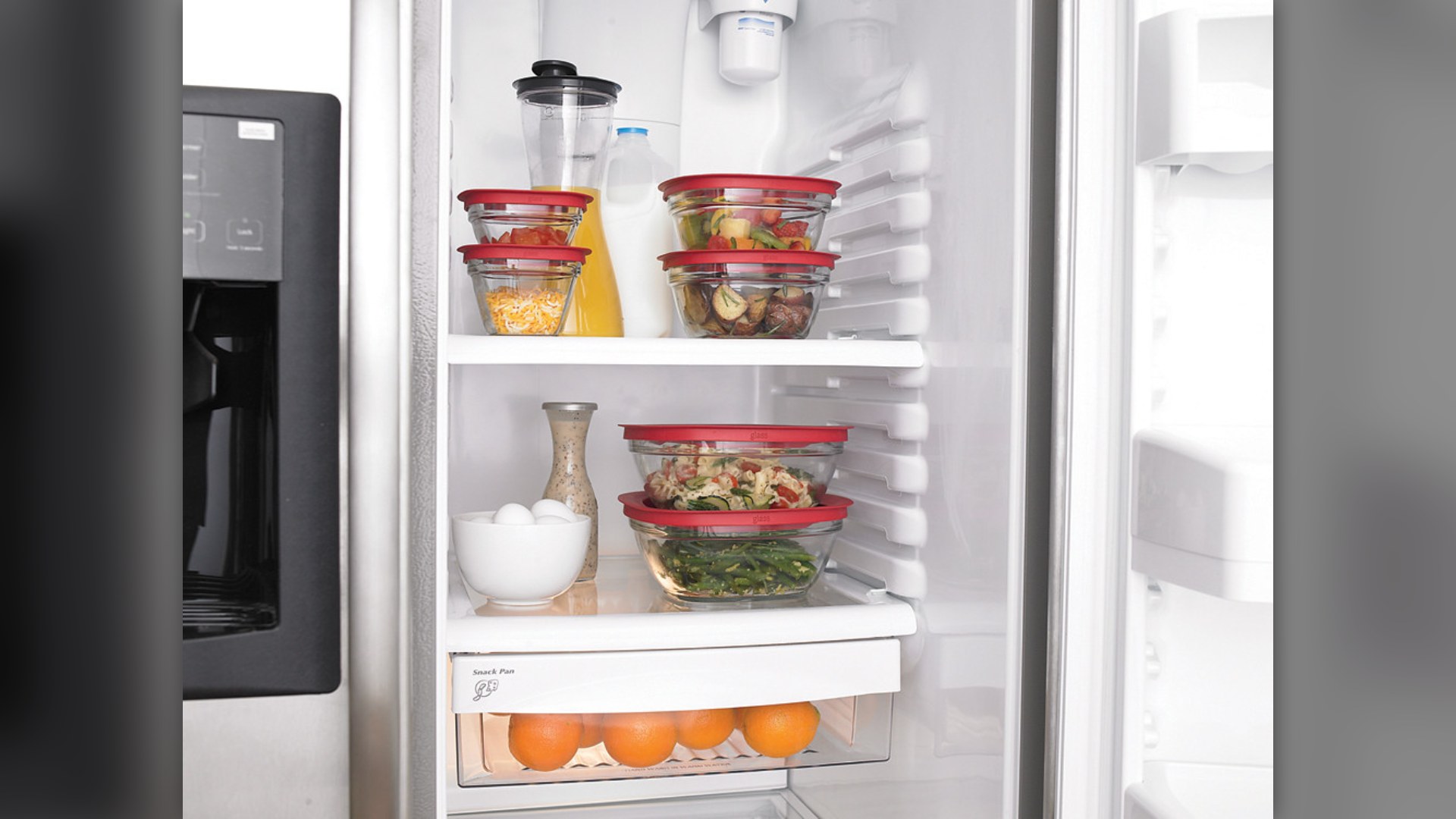
9. Store Food Correctly
Most food spoils because of improper storage. Glass airtight containers keep leftovers fresh 3x longer. Store herbs like flowers in a glass of water — they'll last a week.
©Openverse / Rubbermaid Products
8. Understand Date Labels
'Best before' means quality, not safety. Millions of tonnes of perfectly edible food is thrown away every year because of label confusion. Use your senses — if it looks and smells fine, it almost certainly is.
©Openverse / USDAgov
Advertisement
Swipe or tap ▶ to resume the countdown.
7. Serve Smaller Portions
Oversized portions are a major cause of plate waste. Serve less and let people go back for more. Studies show switching to smaller plates reduces food waste by up to 20% without anyone feeling hungry.
©Openverse / rarehero
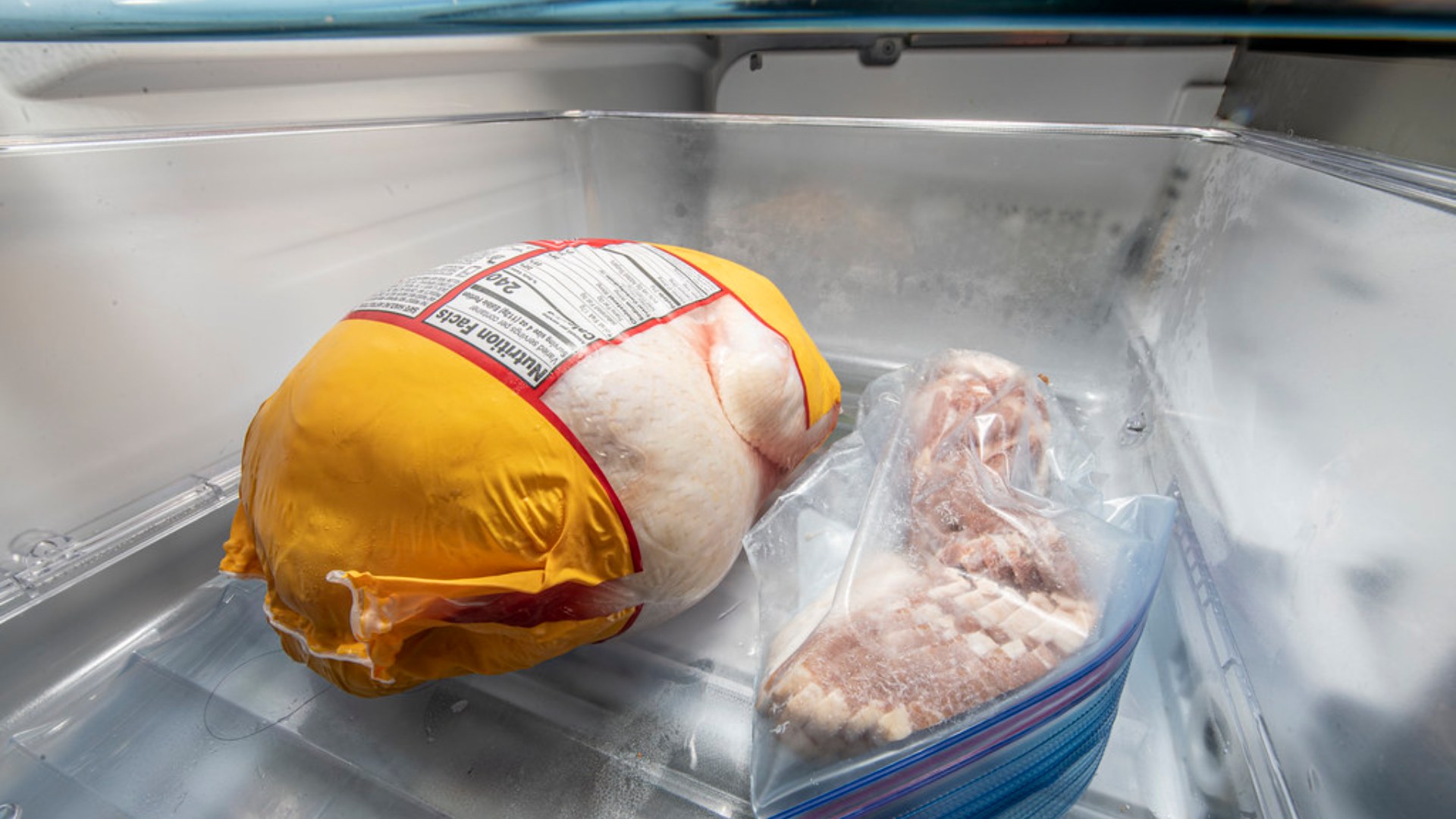
6. Embrace Your Freezer
Almost any food can be frozen — bread, cheese, cooked meals, ripe bananas, raw meat. When something is about to turn, freeze it immediately. Frozen food stays safe indefinitely and loses very little nutrition.
©Openverse / USDAgov
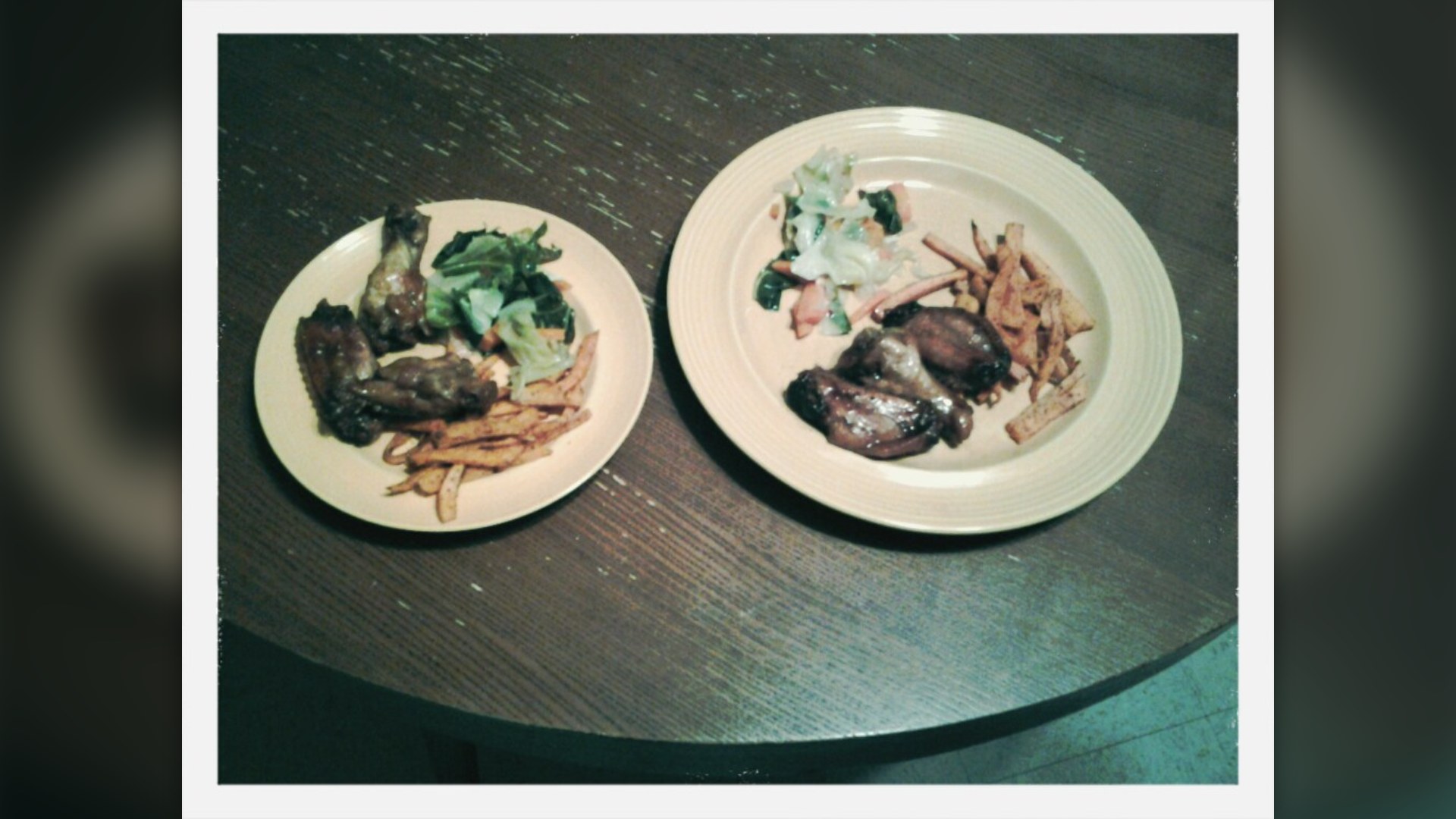
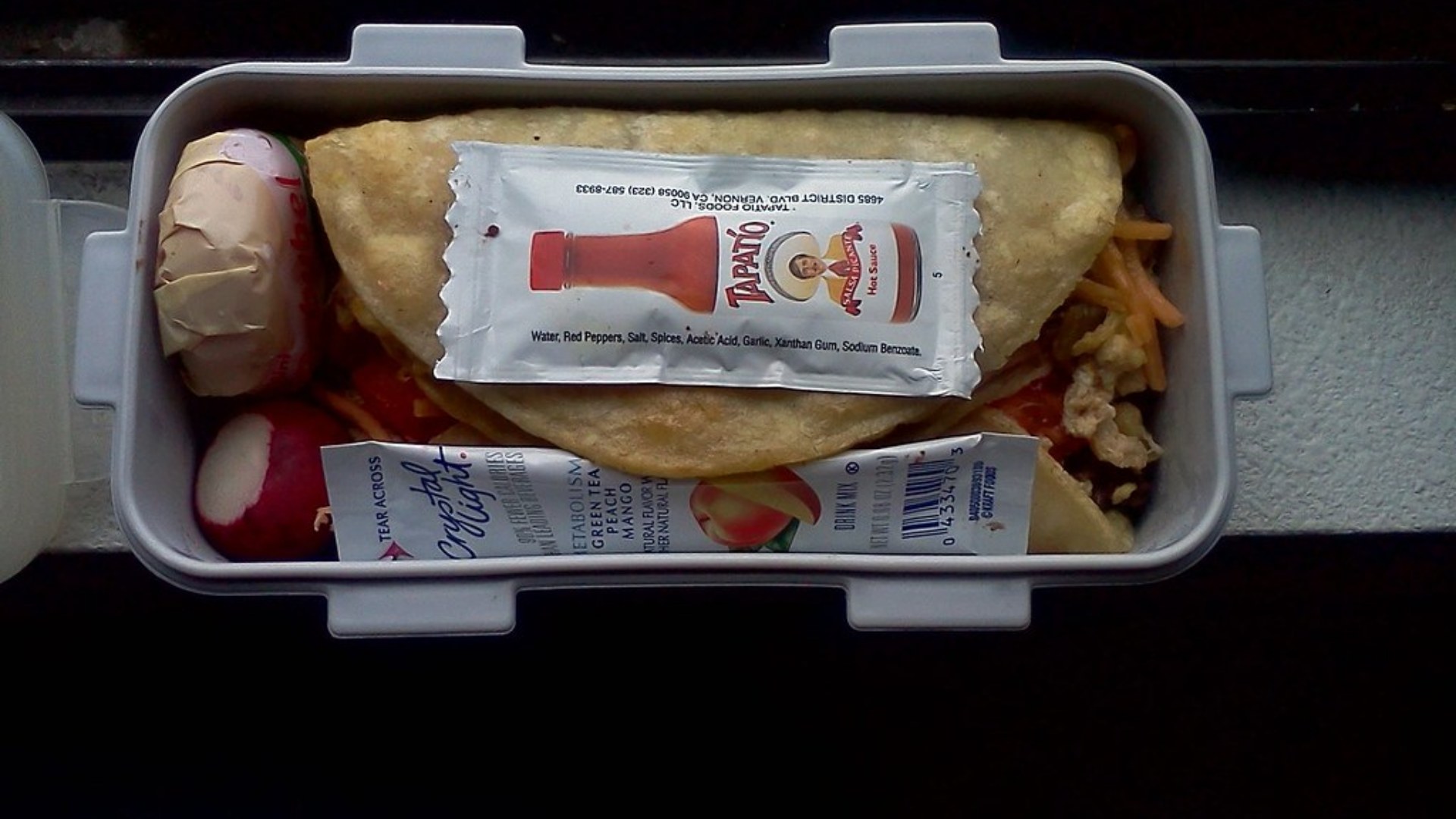
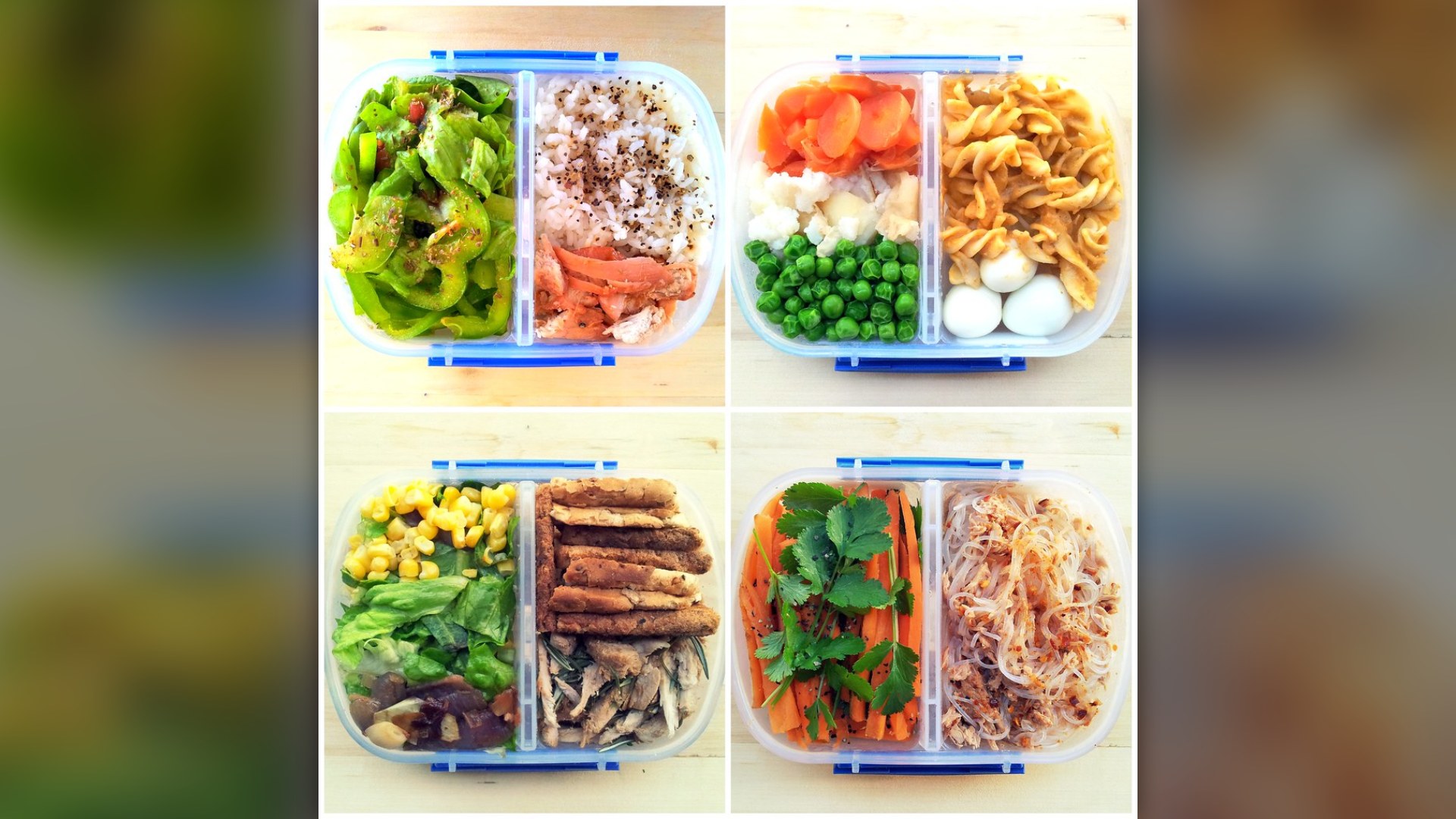
5. Love Your Leftovers
Leftovers aren't boring — they're a head start. Pack them for lunch, repurpose them into a new dish, or do a weekly 'fridge cleanout' dinner. Making one extra portion when you cook costs nothing extra.
©Openverse / goblinbox
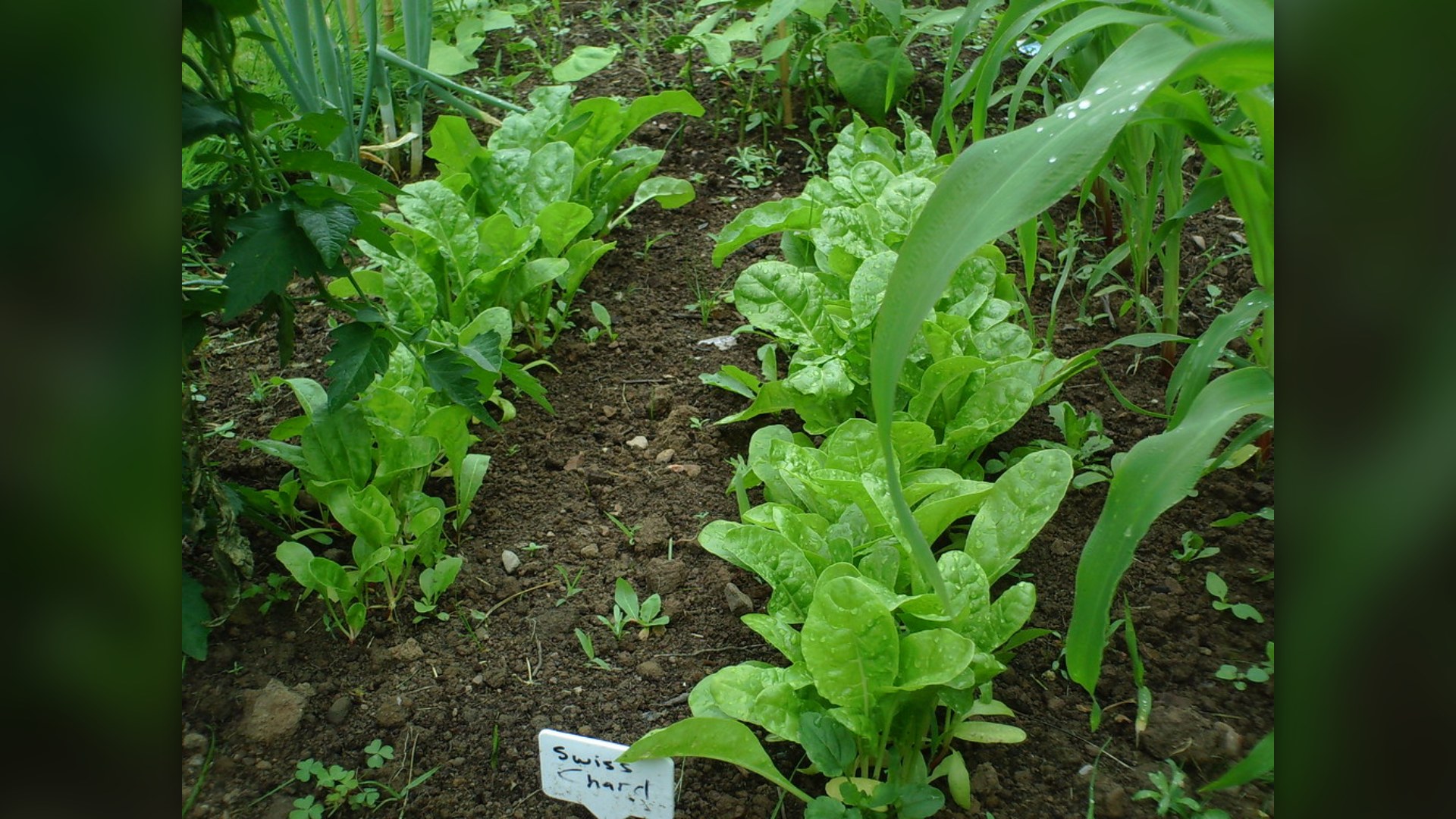
4. Grow Your Own Food
Growing even a small windowsill herb garden means you harvest what you need — no more buying a whole bunch of parsley for one tablespoon. Home-grown vegetables are also dramatically less likely to be wasted because you've invested in them.
©Openverse / James P. Mann
Advertisement
Swipe or tap ▶ to resume the countdown.
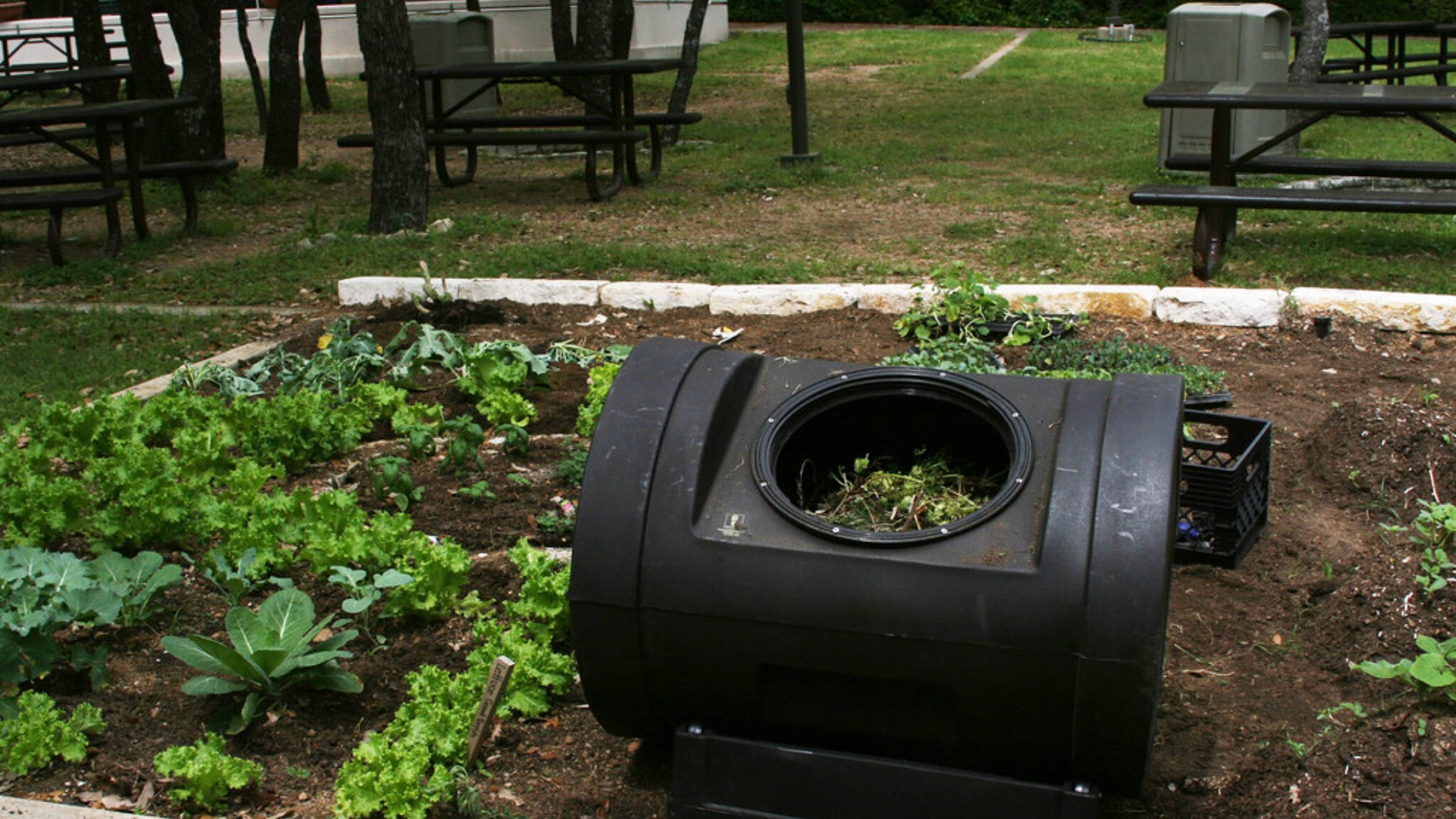
3. Compost Your Scraps
Composting transforms unavoidable food scraps — eggshells, veggie peels, coffee grounds — into rich garden fertiliser instead of landfill methane. Even a small countertop bin can divert a household's waste in weeks.
©Openverse / Cara Harpole
2. Cook Creatively With What You Have
Tomato tops make great sauce. Carrot peels become crisps. Stale bread becomes croutons. Cooking creatively around what's left in the fridge reduces waste and often produces surprisingly delicious meals.
©Openverse / Tobyotter
1. Plan Your Meals Every Week
A weekly meal plan is the single most effective habit for eliminating food waste. Knowing what you're cooking means you buy exactly what you need, cook it all, and bin almost nothing. Families who meal-plan save an average of $1,500 a year.

©Openverse / blairwang
Advertisement
You've reached the end of the story. Thanks for reading!

20 Famous Cars With Pop-Up Headlights That Shaped Car Design
From hand-cranked 1930s teardrops to wedge supercars of the 1980s, hidden headlights let stylists chase sleek aerodynamics until 2004 pedestrian rules closed the curtain. Here are 20 standout production cars that turned retractable lamps into an enduring automotive design feature across seven full decades.
All 10 Entries in this Story
10. Shop With A List
Impulse buying is the #1 cause of household food waste. Writing a list — and sticking to it — means you only buy what you'll cook. Bonus: you'll save money too.

9. Store Food Correctly
Most food spoils because of improper storage. Glass airtight containers keep leftovers fresh 3x longer. Store herbs like flowers in a glass of water — they'll last a week.

8. Understand Date Labels
'Best before' means quality, not safety. Millions of tonnes of perfectly edible food is thrown away every year because of label confusion. Use your senses — if it looks and smells fine, it almost certainly is.

7. Serve Smaller Portions
Oversized portions are a major cause of plate waste. Serve less and let people go back for more. Studies show switching to smaller plates reduces food waste by up to 20% without anyone feeling hungry.

6. Embrace Your Freezer
Almost any food can be frozen — bread, cheese, cooked meals, ripe bananas, raw meat. When something is about to turn, freeze it immediately. Frozen food stays safe indefinitely and loses very little nutrition.

5. Love Your Leftovers
Leftovers aren't boring — they're a head start. Pack them for lunch, repurpose them into a new dish, or do a weekly 'fridge cleanout' dinner. Making one extra portion when you cook costs nothing extra.

4. Grow Your Own Food
Growing even a small windowsill herb garden means you harvest what you need — no more buying a whole bunch of parsley for one tablespoon. Home-grown vegetables are also dramatically less likely to be wasted because you've invested in them.

3. Compost Your Scraps
Composting transforms unavoidable food scraps — eggshells, veggie peels, coffee grounds — into rich garden fertiliser instead of landfill methane. Even a small countertop bin can divert a household's waste in weeks.

2. Cook Creatively With What You Have
Tomato tops make great sauce. Carrot peels become crisps. Stale bread becomes croutons. Cooking creatively around what's left in the fridge reduces waste and often produces surprisingly delicious meals.

1. Plan Your Meals Every Week
A weekly meal plan is the single most effective habit for eliminating food waste. Knowing what you're cooking means you buy exactly what you need, cook it all, and bin almost nothing. Families who meal-plan save an average of $1,500 a year.