Slideshow
10 Fascinating Facts About the Moon
It controls our tides, stabilises our planet, and has never fully shown us its other side. Here are 10 mind-bending facts about Earth's closest cosmic companion.
By Most Viral Today
6 Nov 2026

10 Fascinating Facts About the Moon 
10. The Moon Has Moonquakes 
9. The Moon Is Slowly Drifting Away 
8. Footprints On The Moon Last Millions Of Years - AdvertisementSwipe or tap ▶ to continue countdown

7. The Moon Was Born From A Catastrophe 
6. The Moon Has Water Ice At Its Poles 
5. We Only Ever See One Side Of The Moon 
4. A Blood Moon Is Sunlight Bent Around Earth - AdvertisementSwipe or tap ▶ to continue countdown

3. The Moon Drives Every Tide On Earth 
2. Total Solar Eclipses Are A Cosmic Accident 
1. Humans Walked On The Moon And Left Mirrors Behind - Advertisement🔥 UP NEXT IN THIS SERIES◫ 21 Slides

20 Famous Cars With Pop-Up Headlights That Shaped Car Design
From hand-cranked 1930s teardrops to wedge supercars of the 1980s, hidden headlights let stylists chase sleek aerodynamics until 2004 pedestrian rules closed the curtain. Here are 20 standout production cars that turned retractable lamps into an enduring automotive design feature across seven full decades.
Swipe or tap ▶ to begin the countdown
©NASA / Neil Armstrong
10. The Moon Has Moonquakes
Seismometers left by Apollo astronauts recorded thousands of moonquakes over eight years. Some reached magnitude 5.5 and lasted up to an hour — caused by tidal forces from Earth, cooling of the interior, and meteor impacts.
©NASA / ARC
9. The Moon Is Slowly Drifting Away
Laser ranging experiments confirm the Moon retreats from Earth at 3.8 cm per year — the rate at which your fingernails grow. The tidal energy it steals gradually slows Earth's rotation; days were once only 18 hours long.
©NASA / KSC
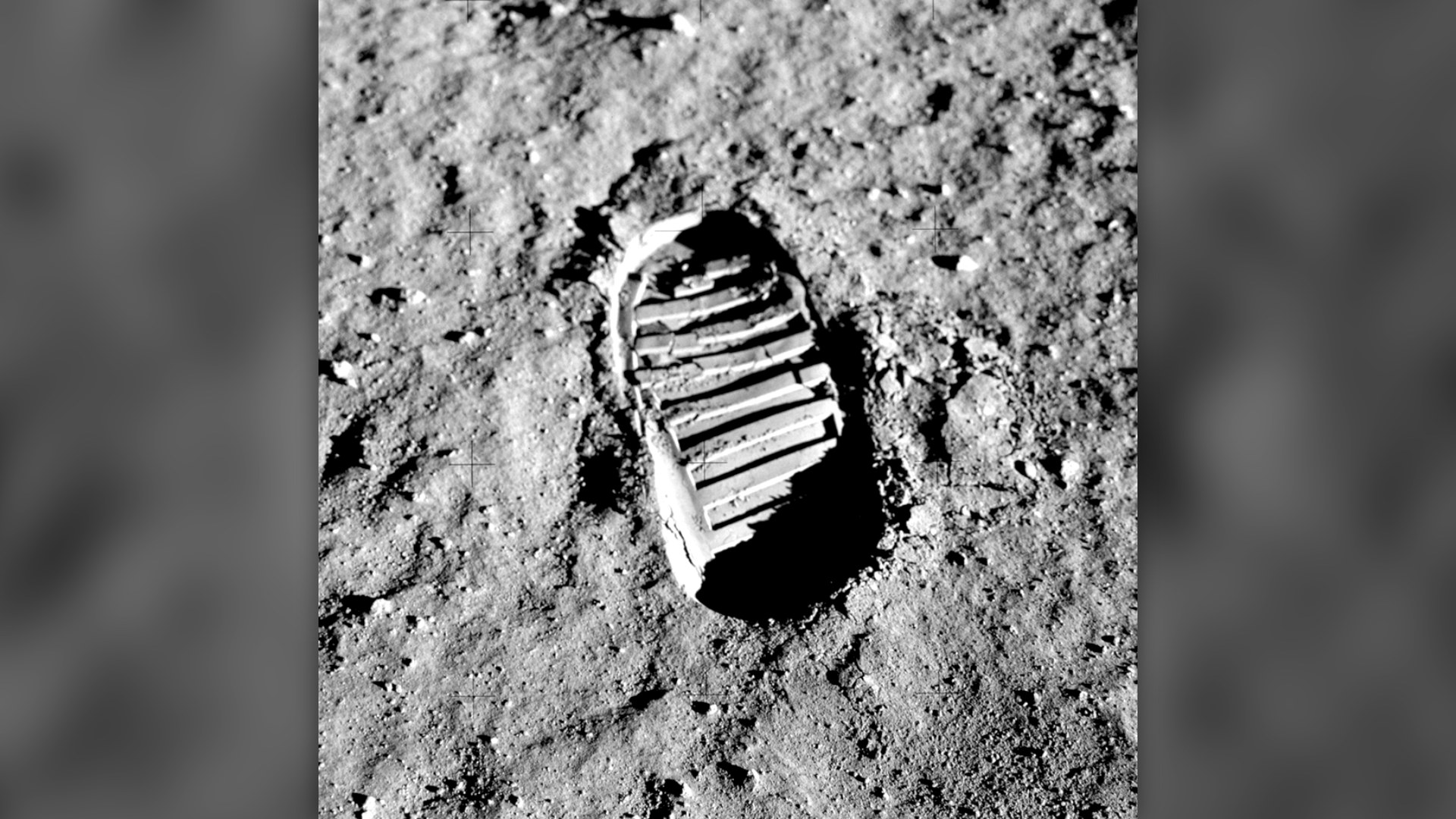
8. Footprints On The Moon Last Millions Of Years
The Moon has no atmosphere, no wind, and no rain. Without erosion, the boot prints left by Neil Armstrong and Buzz Aldrin in July 1969 remain perfectly preserved — and could last up to a million years undisturbed.
©NASA / GSFC / Arizona State University
Advertisement
Swipe or tap ▶ to resume the countdown.
7. The Moon Was Born From A Catastrophe
The Giant Impact Hypothesis proposes that a protoplanet called Theia, roughly the size of Mars, collided with the early Earth 4.5 billion years ago. The resulting debris cloud coalesced in orbit and became our Moon.
©NASA / JSC
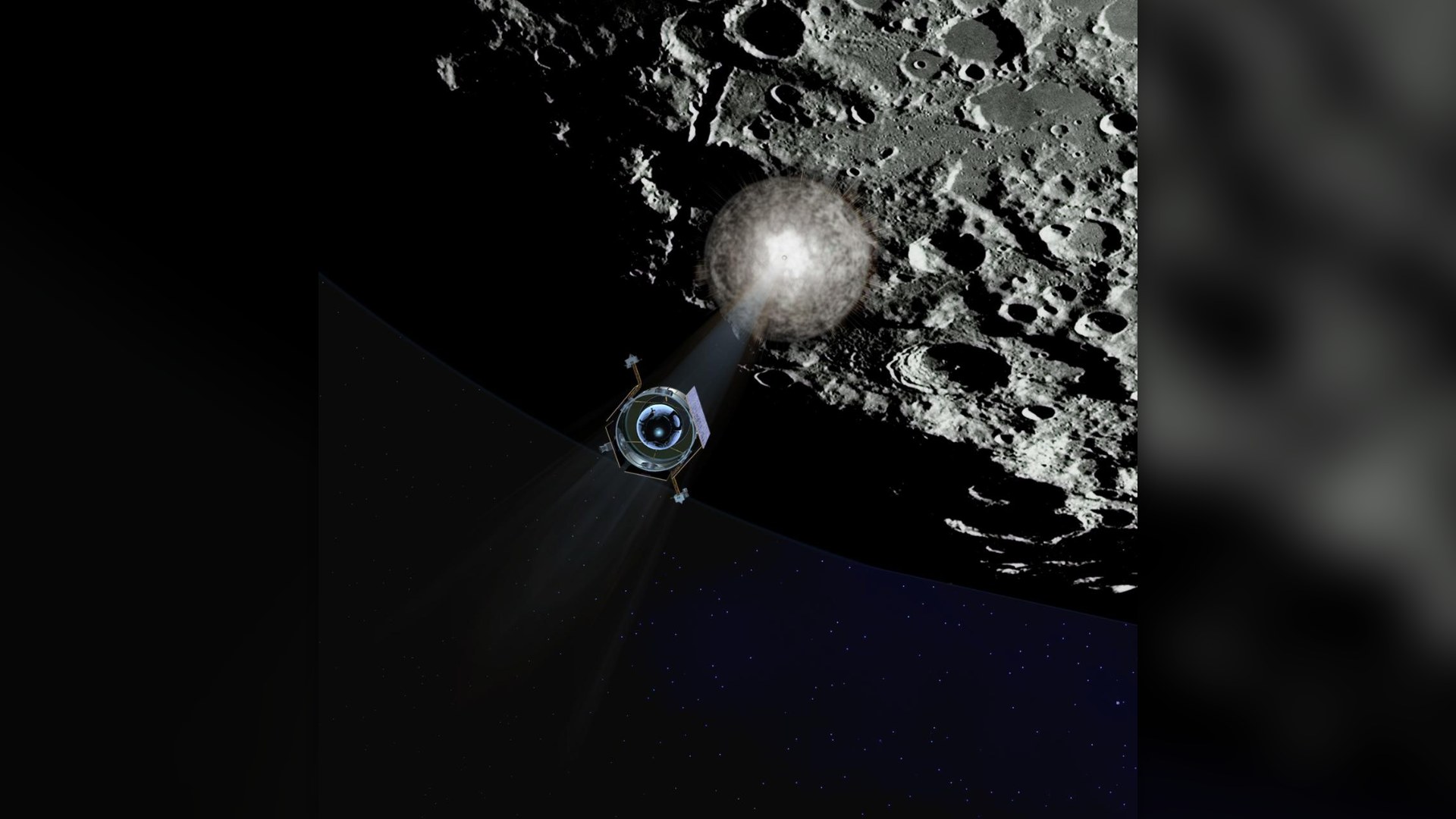
6. The Moon Has Water Ice At Its Poles
NASA's LCROSS mission confirmed it in 2009: the Moon's permanently shadowed polar craters contain billions of tonnes of water ice. This discovery is crucial for Artemis — future astronauts could use it for drinking water and rocket fuel.
©NASA / ARC
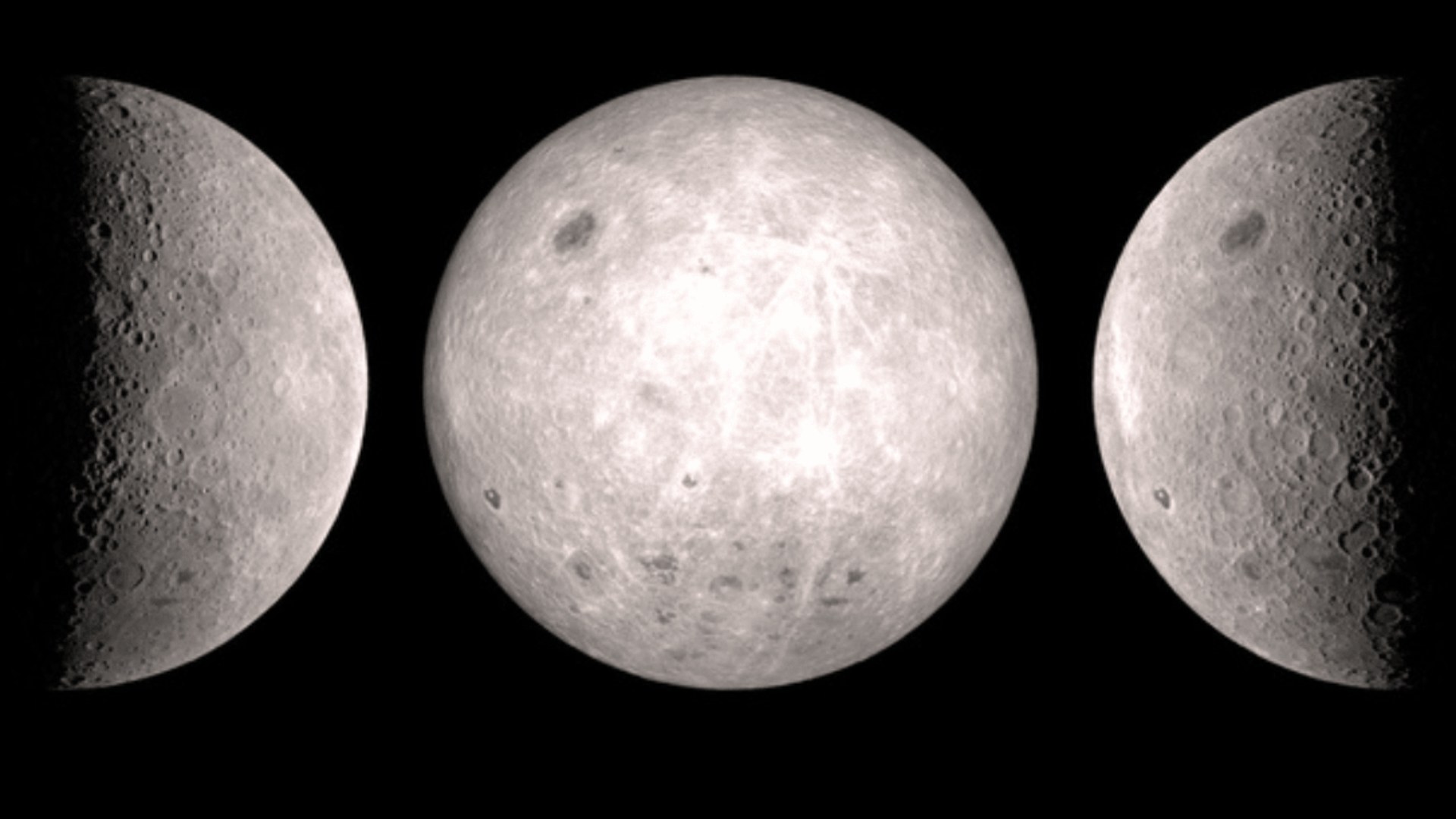
5. We Only Ever See One Side Of The Moon
This is called tidal locking or synchronous rotation. The Moon's rotational period exactly matches its orbital period, so the same hemisphere always faces Earth. Humans first glimpsed the far side in 1959, via the Soviet Luna 3 probe.
©NASA / GSFC
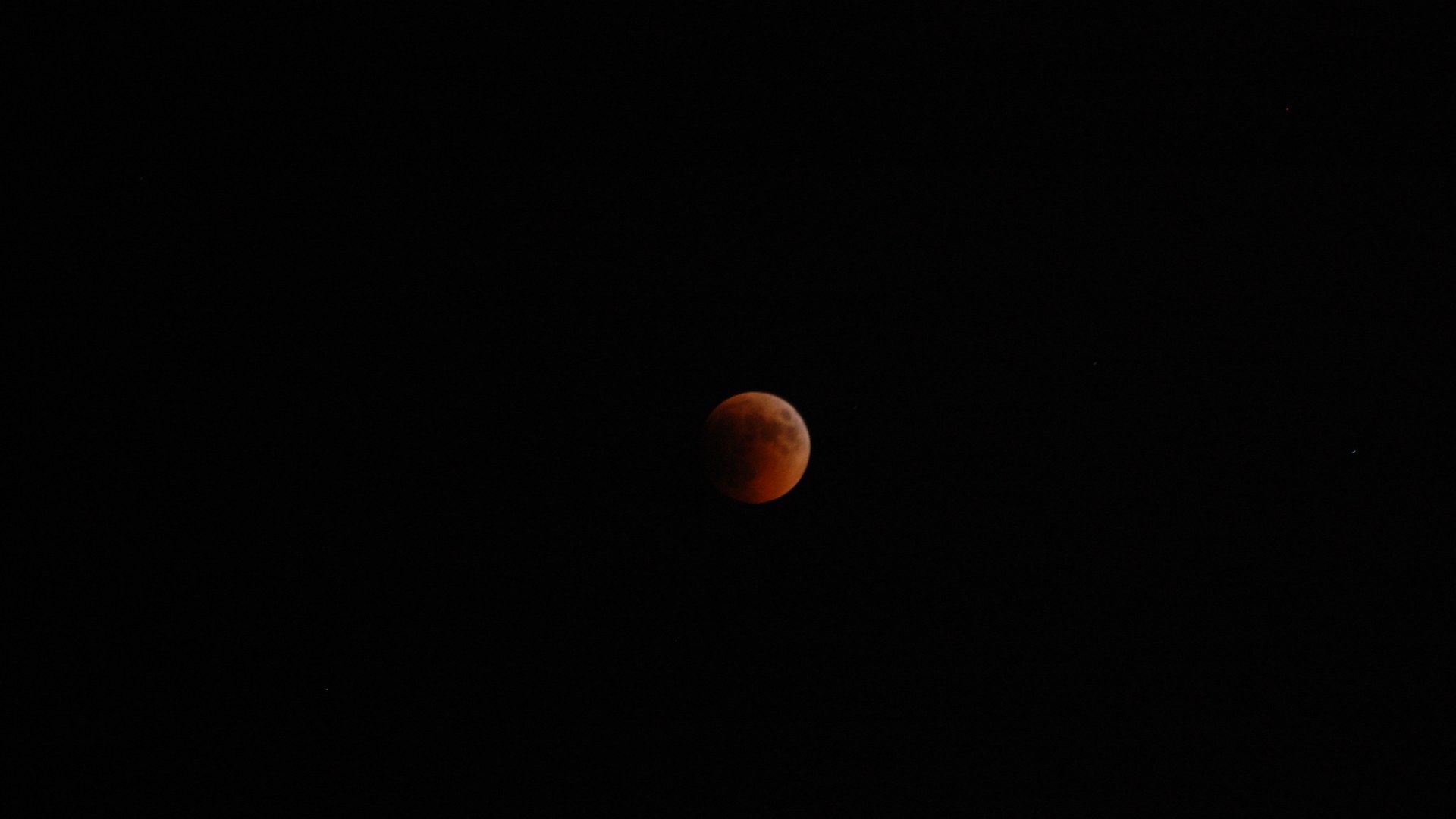
4. A Blood Moon Is Sunlight Bent Around Earth
When Earth passes directly between the Sun and Moon, its shadow falls across the lunar surface. The red glow — called a Blood Moon — is sunlight refracted through Earth's atmosphere, the same physics that makes sunsets red.
©Wikimedia / A.Hamza
Advertisement
Swipe or tap ▶ to resume the countdown.
3. The Moon Drives Every Tide On Earth
The Moon's gravity pulls differently on the near and far sides of Earth, stretching the oceans into two bulges that produce roughly two high tides and two low tides every day. Without the Moon, Earth's tides would be just 30% as powerful.
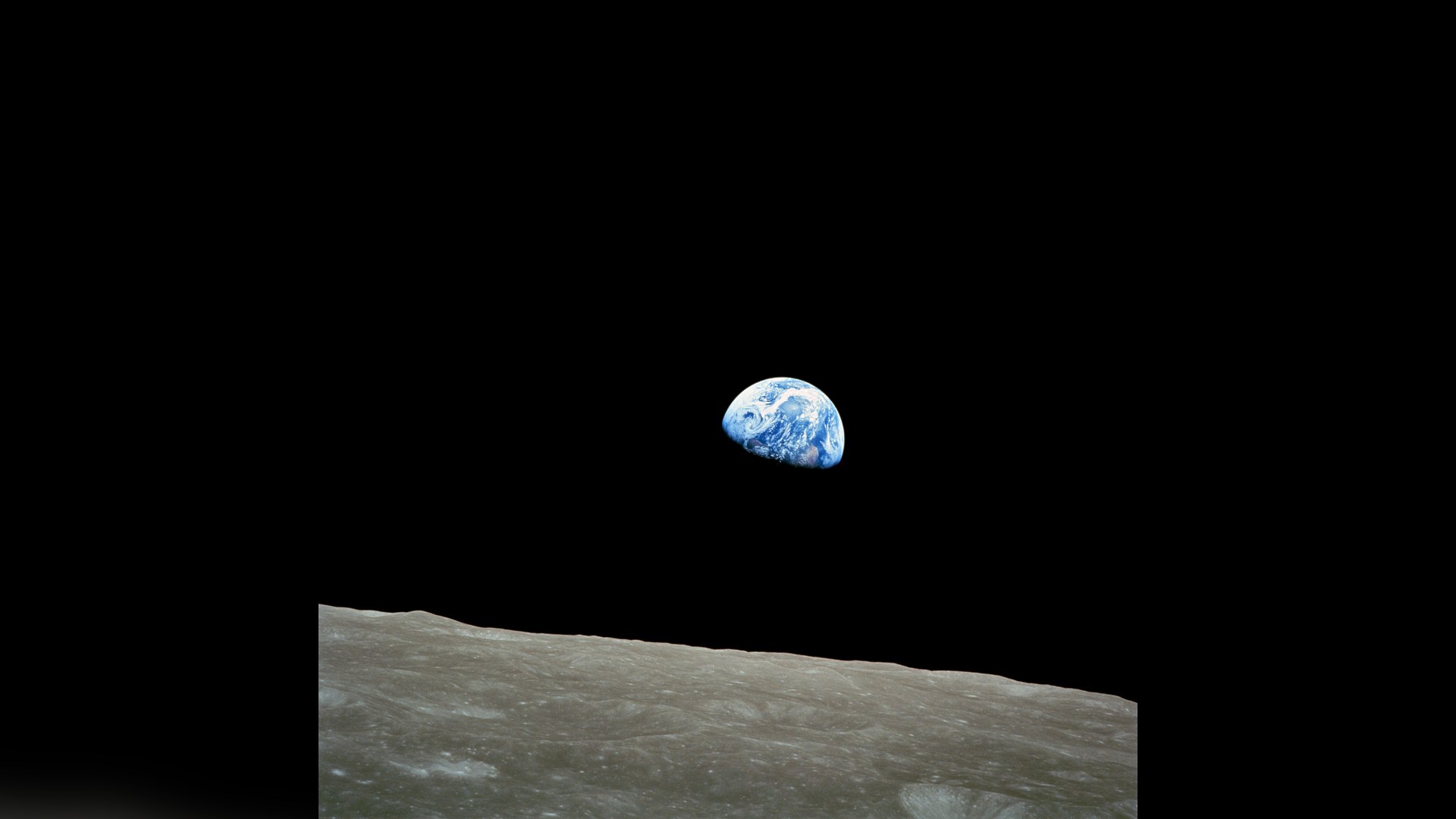
©NASA / Bill Anders
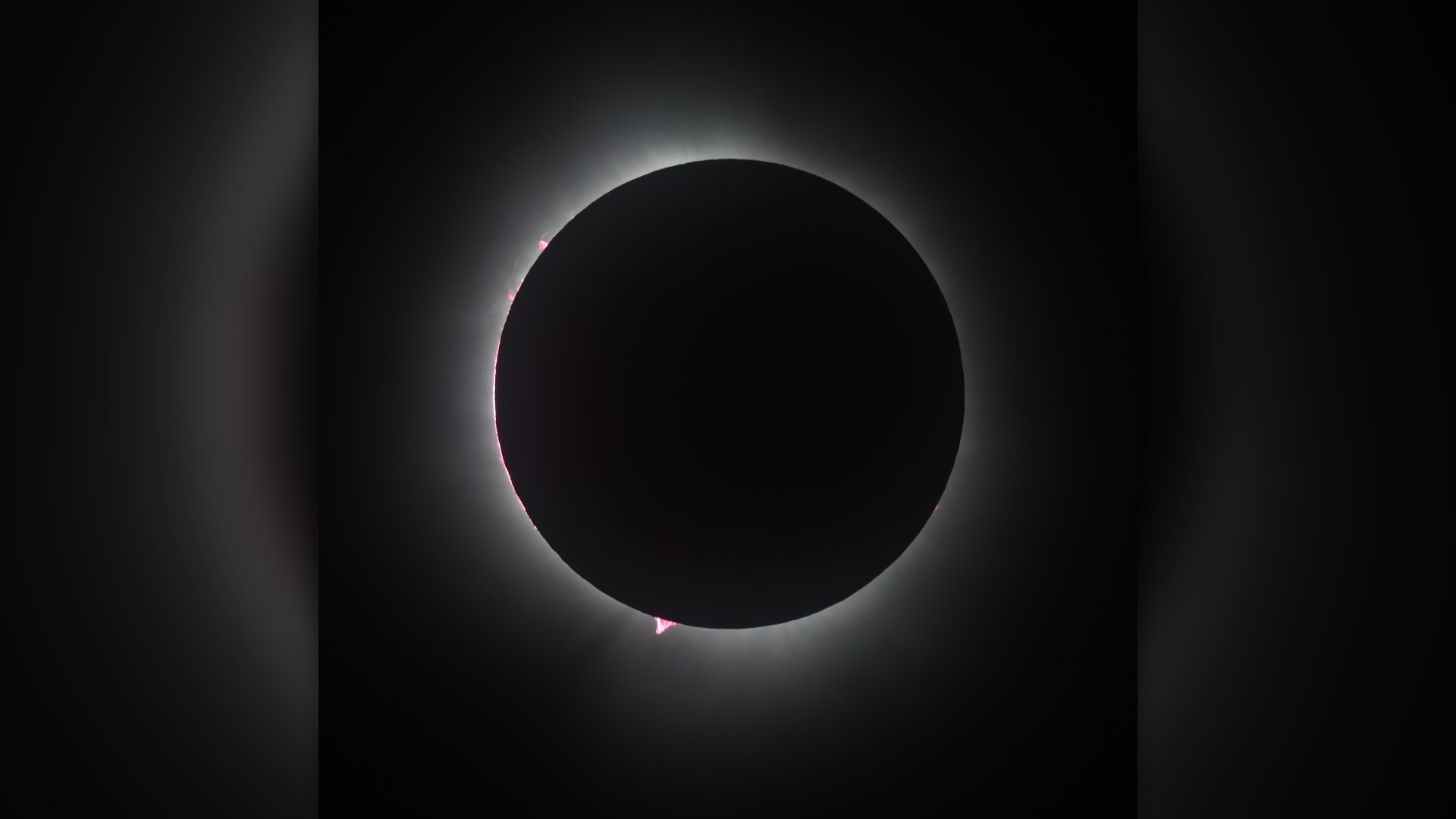
2. Total Solar Eclipses Are A Cosmic Accident
The Sun is 400 times wider than the Moon, but it is also 400 times farther away. This extraordinary coincidence means the Moon fits the Sun almost perfectly from Earth's surface — producing total solar eclipses unique in our solar system.
©Wikimedia / Lambda
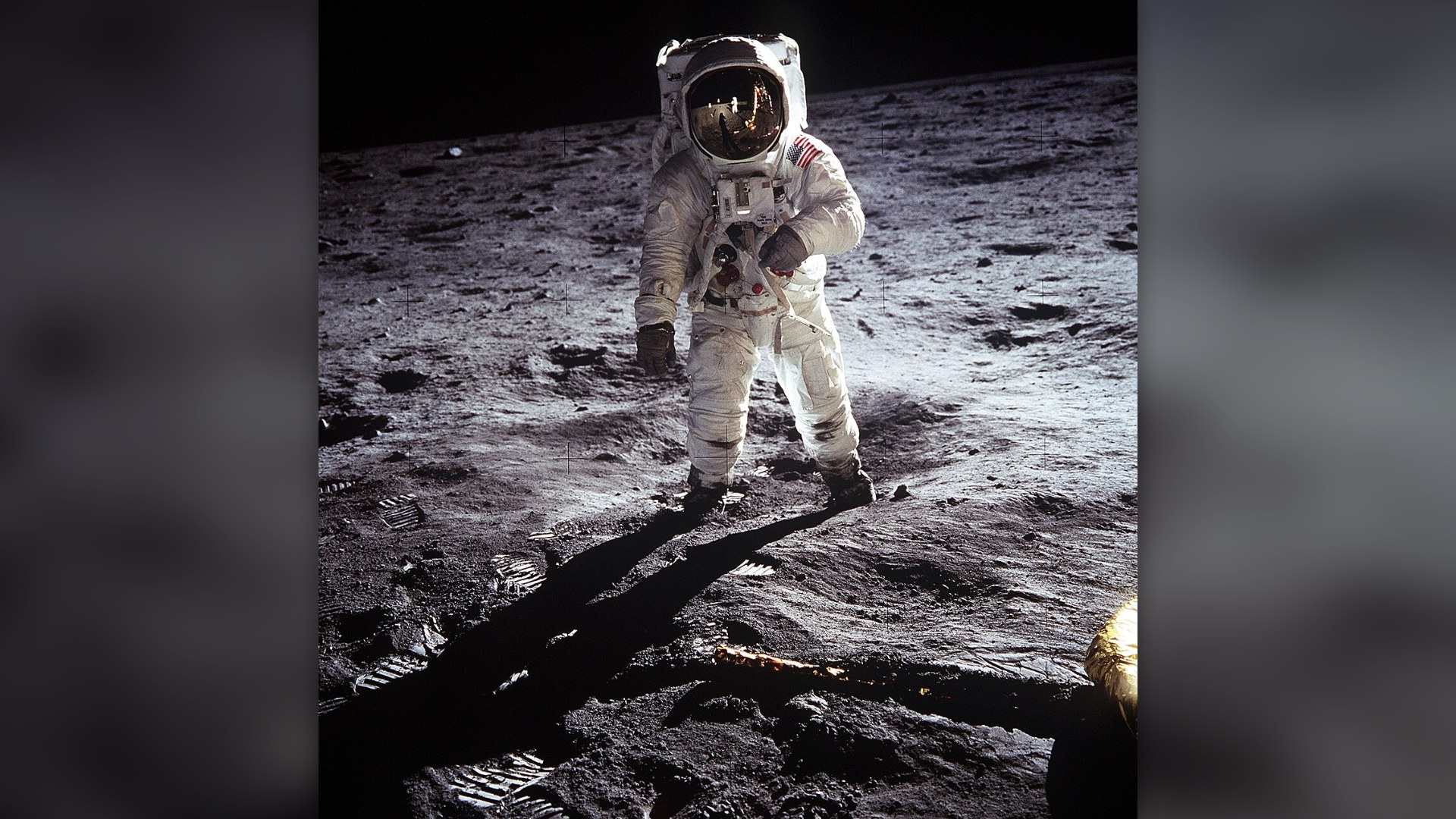
1. Humans Walked On The Moon And Left Mirrors Behind
Apollo astronauts placed laser retroreflectors on the lunar surface that observatories still use today to measure the Earth-Moon distance to millimetre precision. The experiment has been running continuously since 1969.

©NASA / Neil Armstrong
Advertisement
You've reached the end of the story. Thanks for reading!

20 Famous Cars With Pop-Up Headlights That Shaped Car Design
From hand-cranked 1930s teardrops to wedge supercars of the 1980s, hidden headlights let stylists chase sleek aerodynamics until 2004 pedestrian rules closed the curtain. Here are 20 standout production cars that turned retractable lamps into an enduring automotive design feature across seven full decades.
All 10 Entries in this Story
10. The Moon Has Moonquakes
Seismometers left by Apollo astronauts recorded thousands of moonquakes over eight years. Some reached magnitude 5.5 and lasted up to an hour — caused by tidal forces from Earth, cooling of the interior, and meteor impacts.

9. The Moon Is Slowly Drifting Away
Laser ranging experiments confirm the Moon retreats from Earth at 3.8 cm per year — the rate at which your fingernails grow. The tidal energy it steals gradually slows Earth's rotation; days were once only 18 hours long.

8. Footprints On The Moon Last Millions Of Years
The Moon has no atmosphere, no wind, and no rain. Without erosion, the boot prints left by Neil Armstrong and Buzz Aldrin in July 1969 remain perfectly preserved — and could last up to a million years undisturbed.

7. The Moon Was Born From A Catastrophe
The Giant Impact Hypothesis proposes that a protoplanet called Theia, roughly the size of Mars, collided with the early Earth 4.5 billion years ago. The resulting debris cloud coalesced in orbit and became our Moon.

6. The Moon Has Water Ice At Its Poles
NASA's LCROSS mission confirmed it in 2009: the Moon's permanently shadowed polar craters contain billions of tonnes of water ice. This discovery is crucial for Artemis — future astronauts could use it for drinking water and rocket fuel.

5. We Only Ever See One Side Of The Moon
This is called tidal locking or synchronous rotation. The Moon's rotational period exactly matches its orbital period, so the same hemisphere always faces Earth. Humans first glimpsed the far side in 1959, via the Soviet Luna 3 probe.

4. A Blood Moon Is Sunlight Bent Around Earth
When Earth passes directly between the Sun and Moon, its shadow falls across the lunar surface. The red glow — called a Blood Moon — is sunlight refracted through Earth's atmosphere, the same physics that makes sunsets red.

3. The Moon Drives Every Tide On Earth
The Moon's gravity pulls differently on the near and far sides of Earth, stretching the oceans into two bulges that produce roughly two high tides and two low tides every day. Without the Moon, Earth's tides would be just 30% as powerful.

2. Total Solar Eclipses Are A Cosmic Accident
The Sun is 400 times wider than the Moon, but it is also 400 times farther away. This extraordinary coincidence means the Moon fits the Sun almost perfectly from Earth's surface — producing total solar eclipses unique in our solar system.

1. Humans Walked On The Moon And Left Mirrors Behind
Apollo astronauts placed laser retroreflectors on the lunar surface that observatories still use today to measure the Earth-Moon distance to millimetre precision. The experiment has been running continuously since 1969.