Slideshow · Health
14 Baffling Signs of Long COVID Science Is Finally Explaining
From internal vibrations to microclots and autonomic collapse, here are the 14 scientifically verified signs of Long COVID.





All 14 Entries in this Story
14. Parosmia
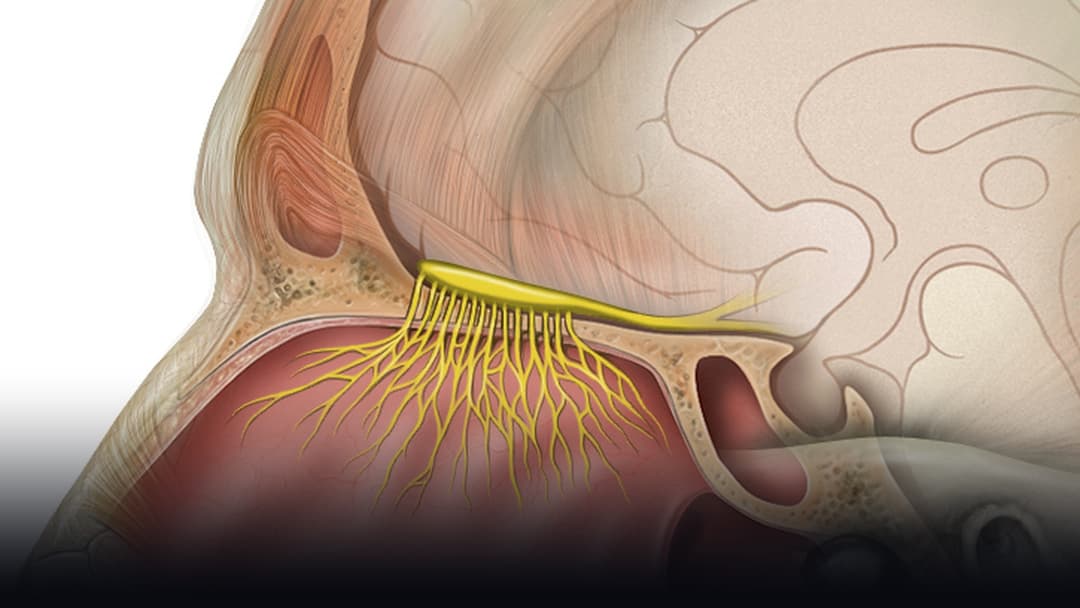
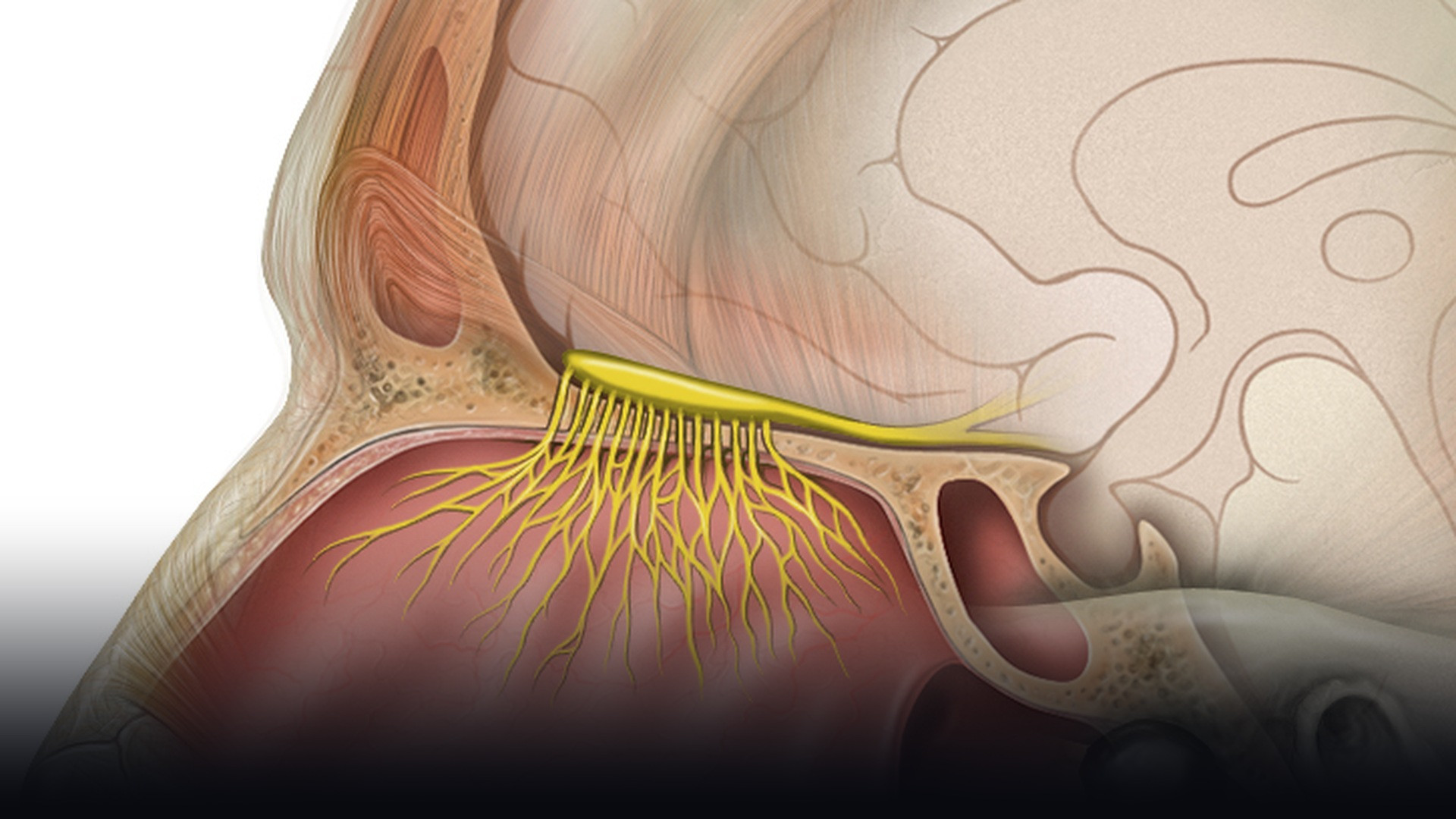
Patients frequently report that coffee, roasted meats, or fresh bread smell like rotting sewage or burnt chemicals. Studies reveal persistent immune activation in olfactory tissue prevents olfactory sensory neurons from correctly transmitting odor codes.
13. Chronic tinnitus
Persistent ear ringing affects up to 15% of long COVID patients. Autopsy and biopsy studies show viral antigens trigger micro-inflammation within cochlear hair cells and auditory pathways, causing the brain to perceive phantom high-frequency tones.

12. Internal tremors
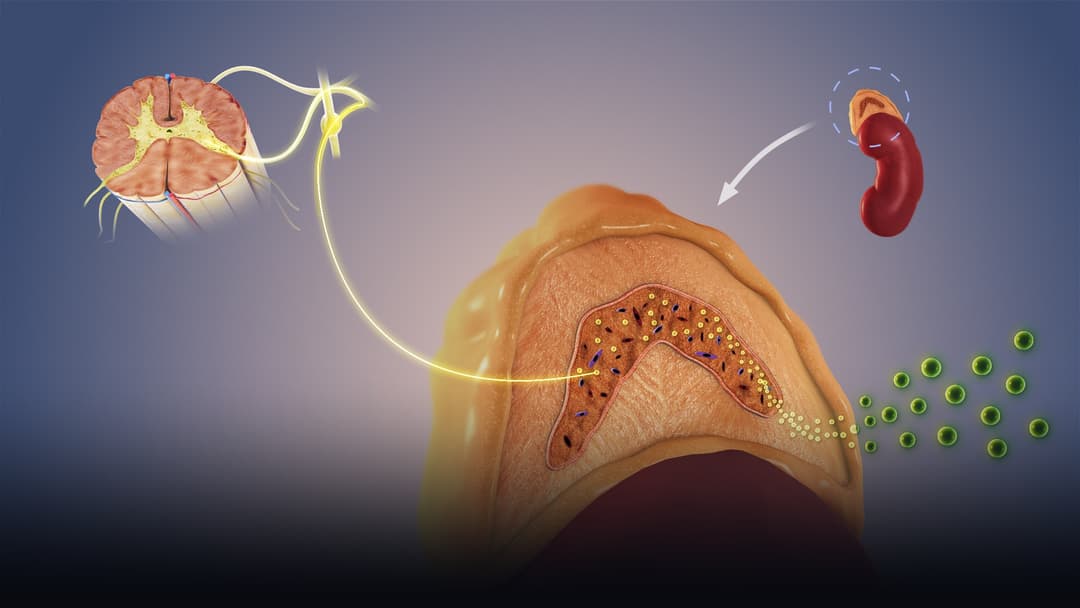
Patients describe a sensation like an internal smartphone constantly vibrating in their chest or limbs, completely invisible from the outside. Neurologists trace this to aberrant signaling across autonomic and peripheral nerve fibers following viral neuro-invasion.
11. Mast cell flare
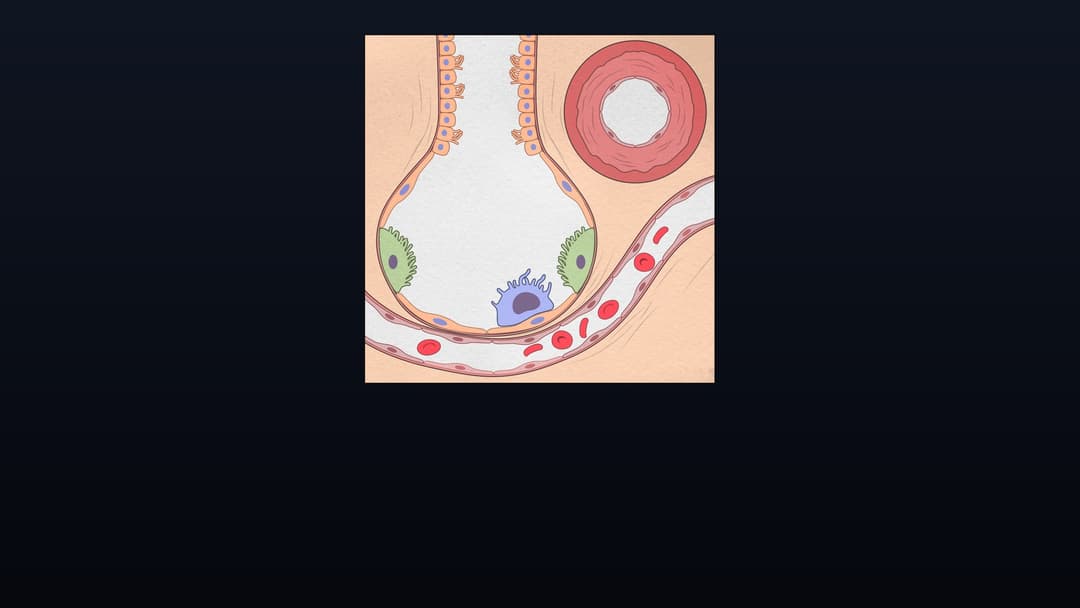
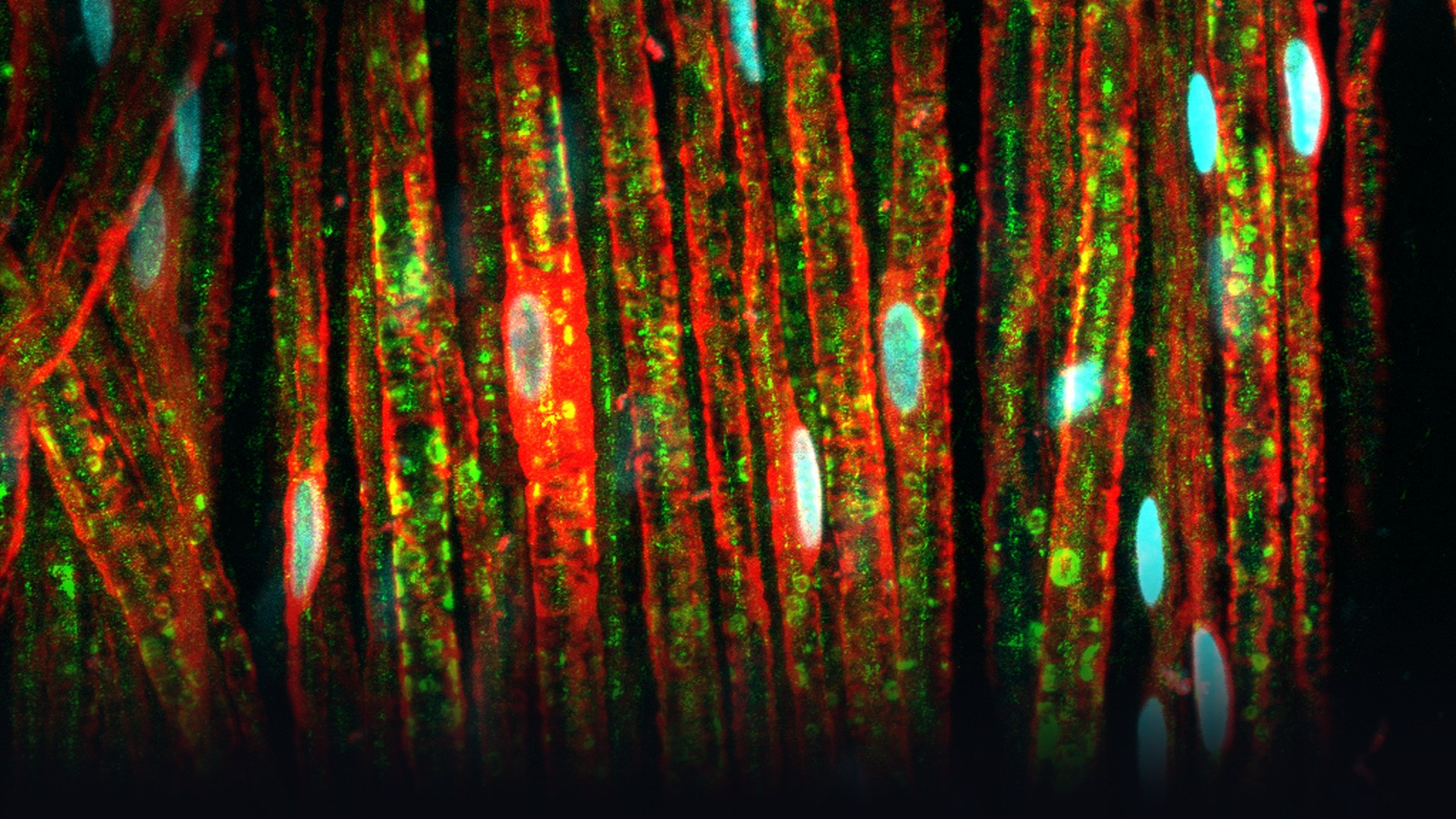
Previously non-allergic individuals suddenly experience hives, swelling, and chemical sensitivity to everyday foods and smells. SARS-CoV-2 can lock mast cells into a chronically degranulating state, flooding surrounding tissue with histamine and inflammatory cytokines.

10. Sleep collapse
Even after twelve hours in bed, patients wake feeling completely unrefreshed. Sleep laboratory studies document a severe drop in slow-wave deep sleep and disrupted REM architecture, tied to chronic hypothalamic inflammation.
9. Air hunger
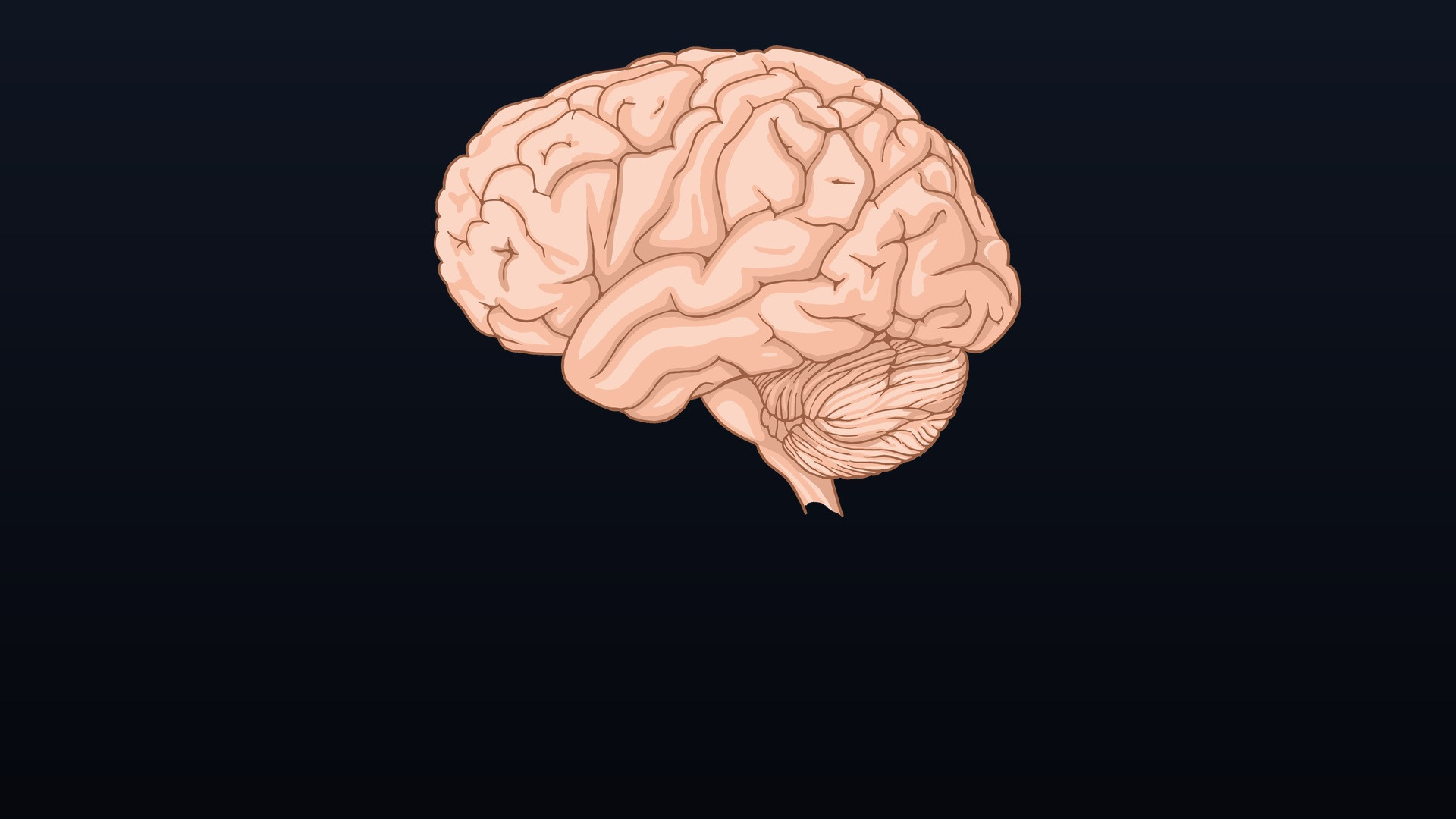
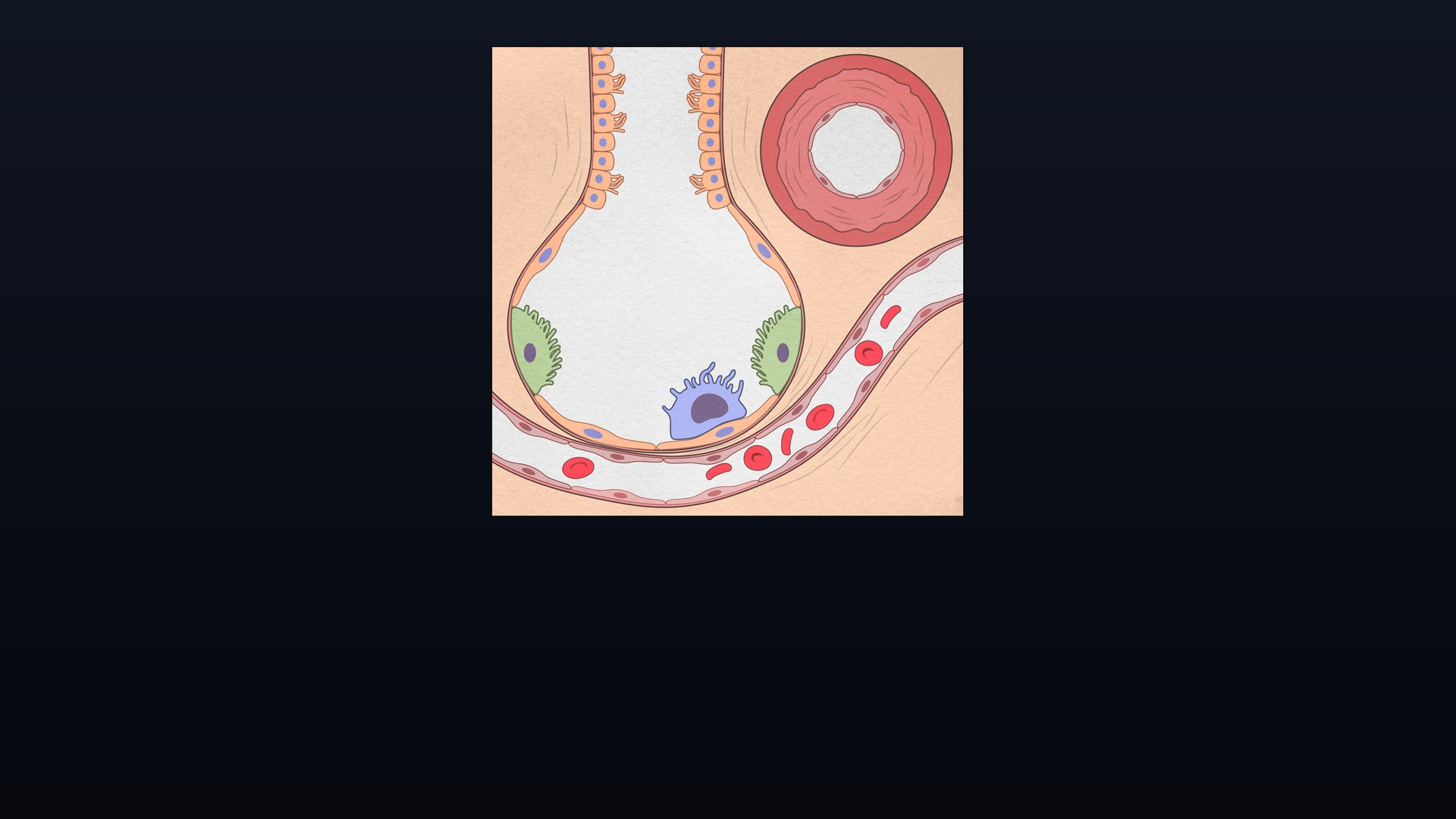
Patients gasp for breath while pulse oximeters display a reassuring 99% oxygen saturation. Advanced gas-exchange testing shows the failure is not in the lungs, but in microscopic peripheral capillaries unable to extract oxygen into surrounding muscle tissue.
8. Small fiber neuropathy
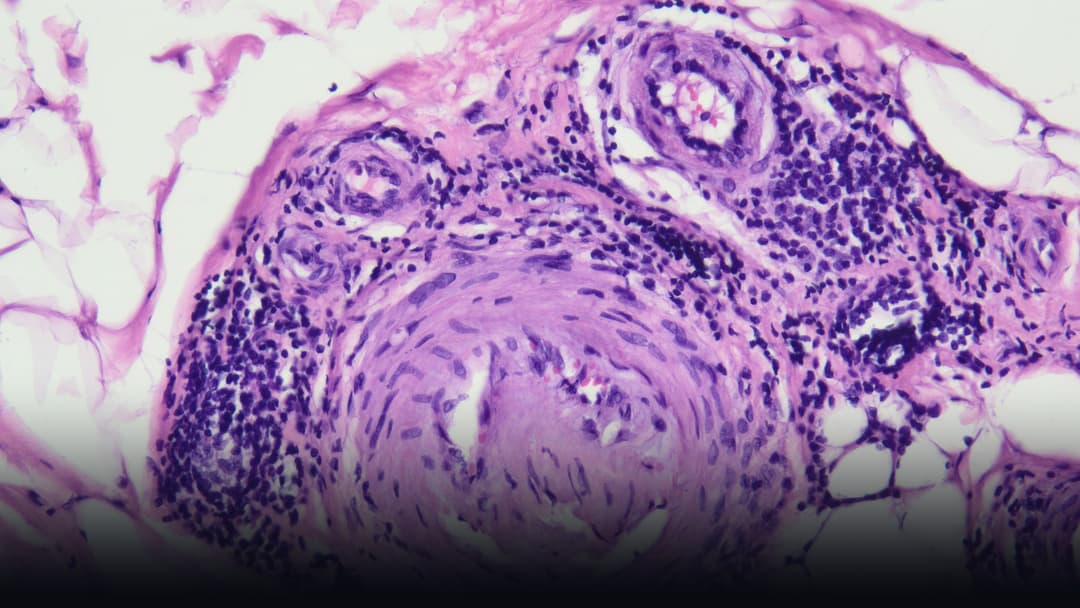
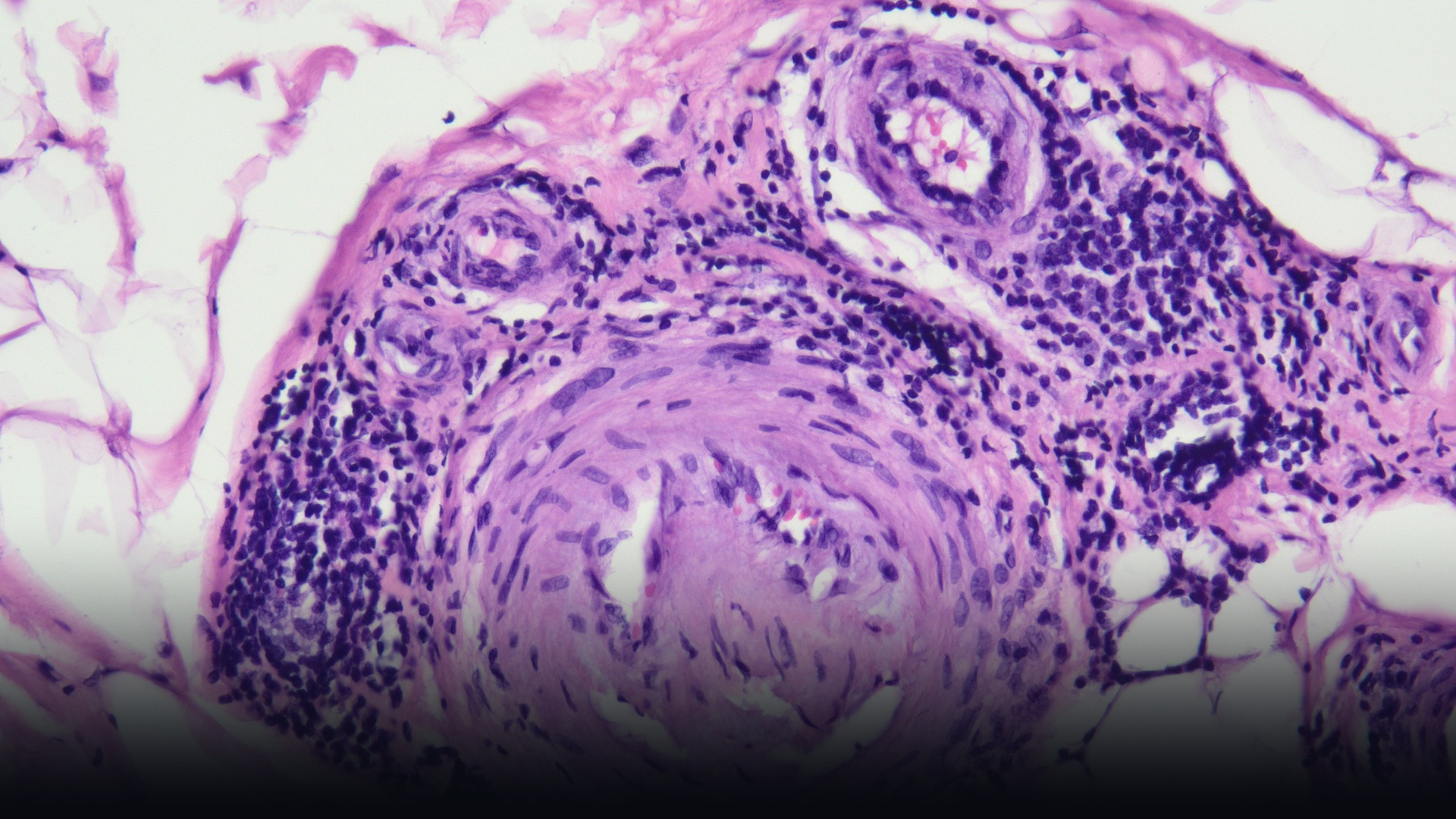
Skin punch biopsies taken from long COVID patients reveal a striking physical loss: epidermal nerve fiber density drops sharply. This damage to microscopic sensory fibers explains persistent burning, numbness, and electric shock sensations in the extremities.
7. Vagus nerve damage
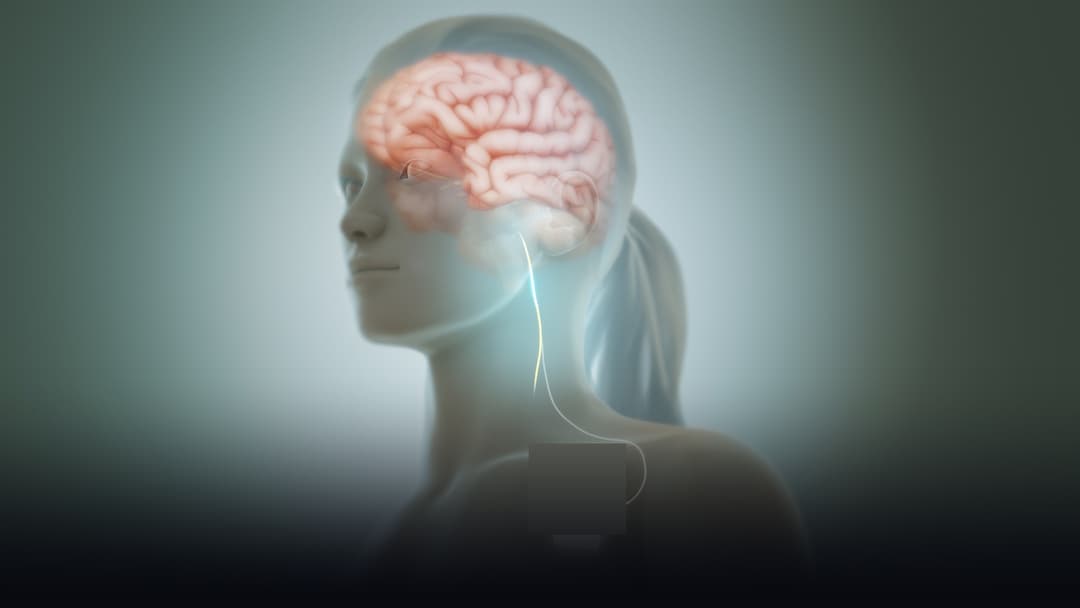
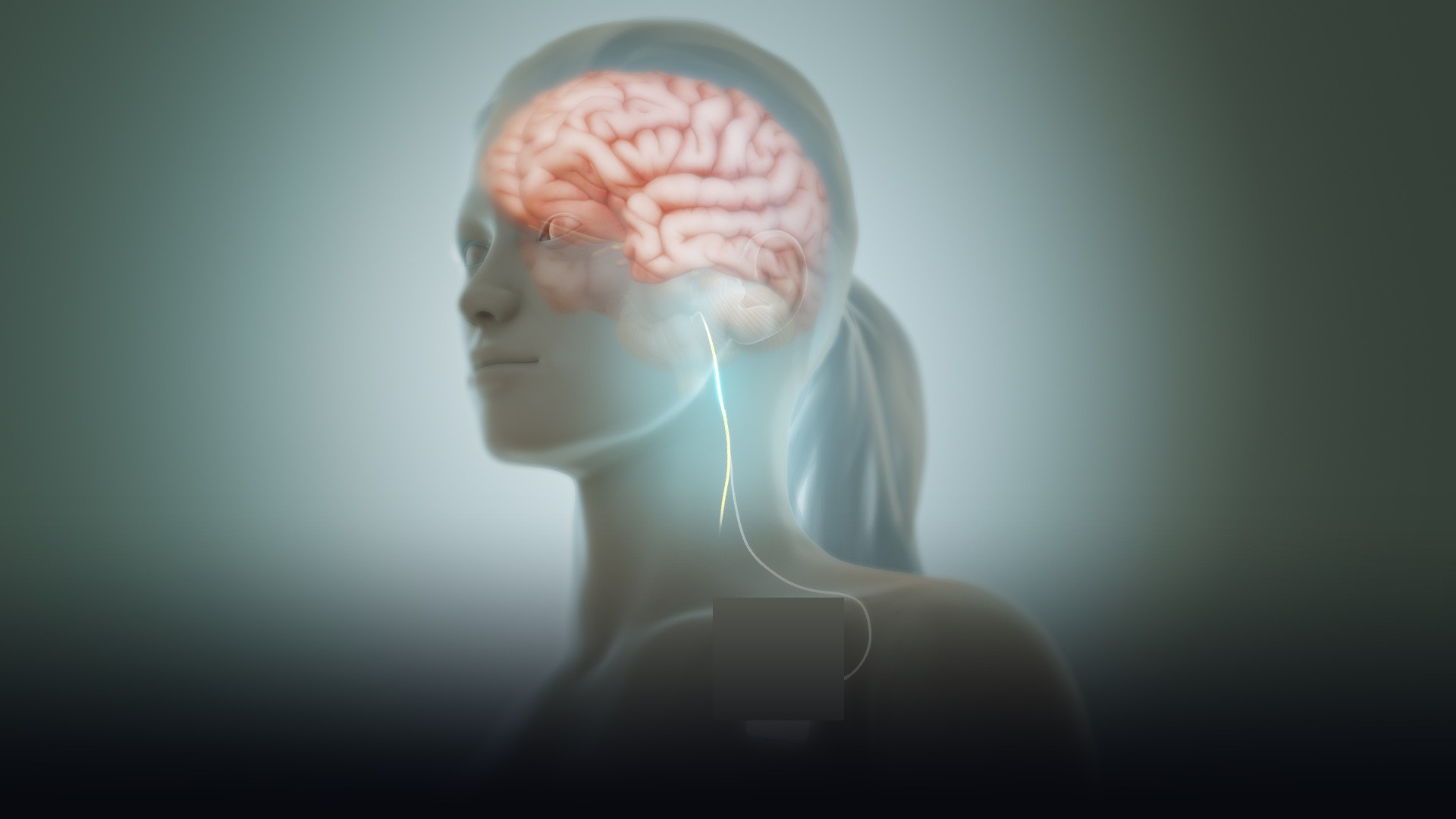
The vagus nerve runs from the brainstem into the gut, regulating heart rate and digestion. High-resolution ultrasound confirms persistent thickening and neuro-inflammation along the nerve trunk, leading to delayed stomach emptying and vocal cord paresis.
6. Autoantibody attack
Rather than clearing after the infection, a subset of antibodies begin targeting human adrenergic and muscarinic receptors. This persistent autoimmune attack locks blood vessels into abnormal constriction and sends blood pressure swings throughout the day.

5. Viral reservoirs
Endoscopy biopsies have detected SARS-CoV-2 RNA and viral spike proteins hidden in gut mucosal enterocytes hundreds of days after acute illness. These hidden reservoirs continuously shed viral fragments into circulation, fueling sustained systemic inflammation.

4. Microclots
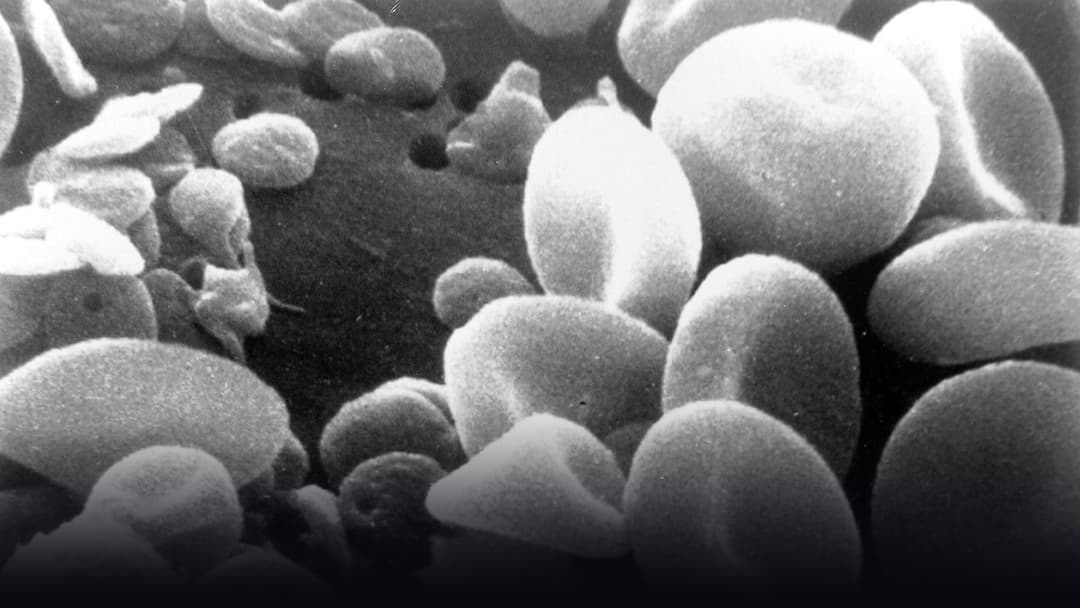
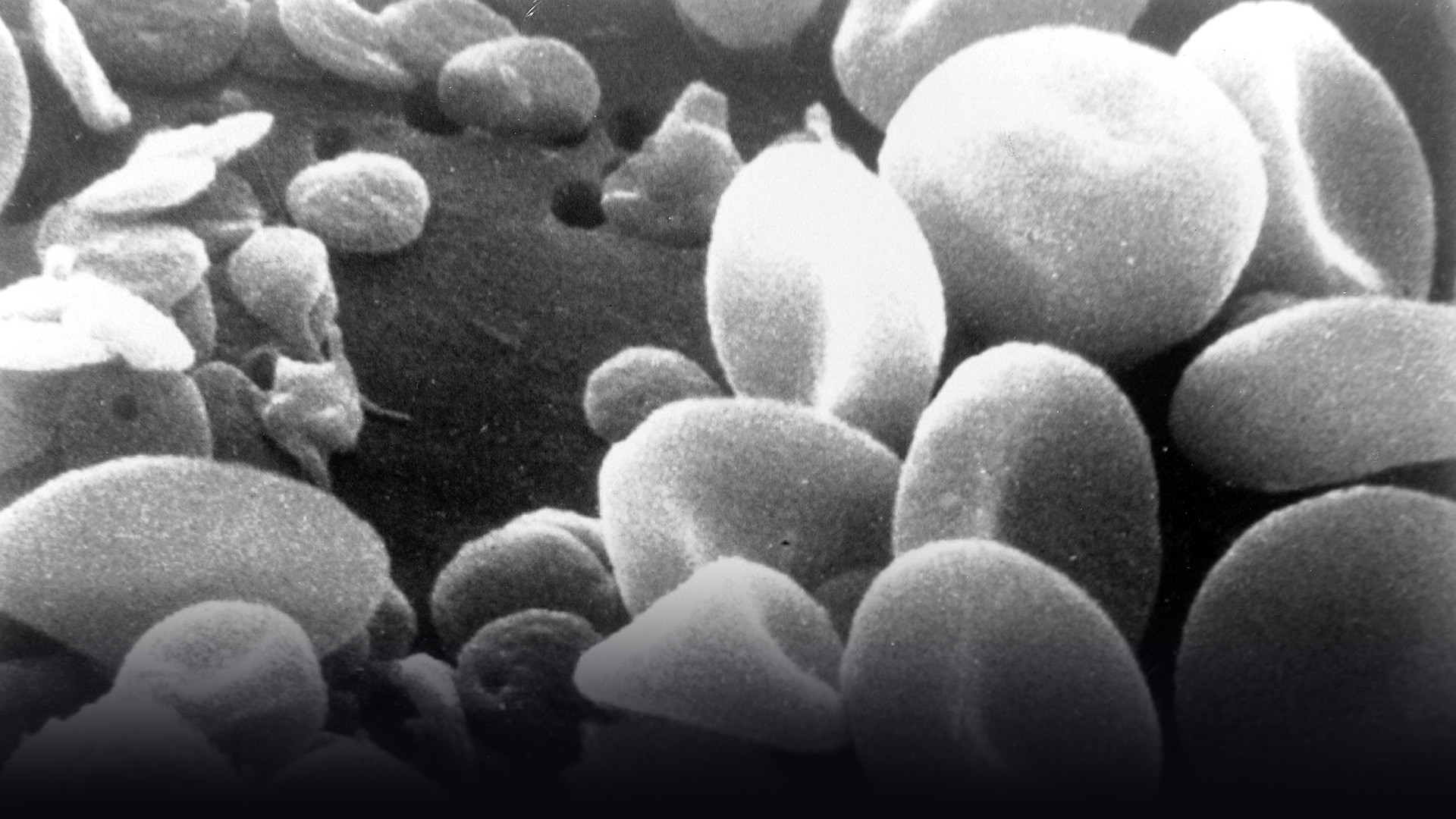
Fluorescence microscopy and electron imaging confirm blood plasma in long COVID contains dense, fibrin-resistant microclots. These entrap platelets and inflammatory molecules, physically blocking red blood cells from passing through the narrowest capillaries.
3. Dysautonomia
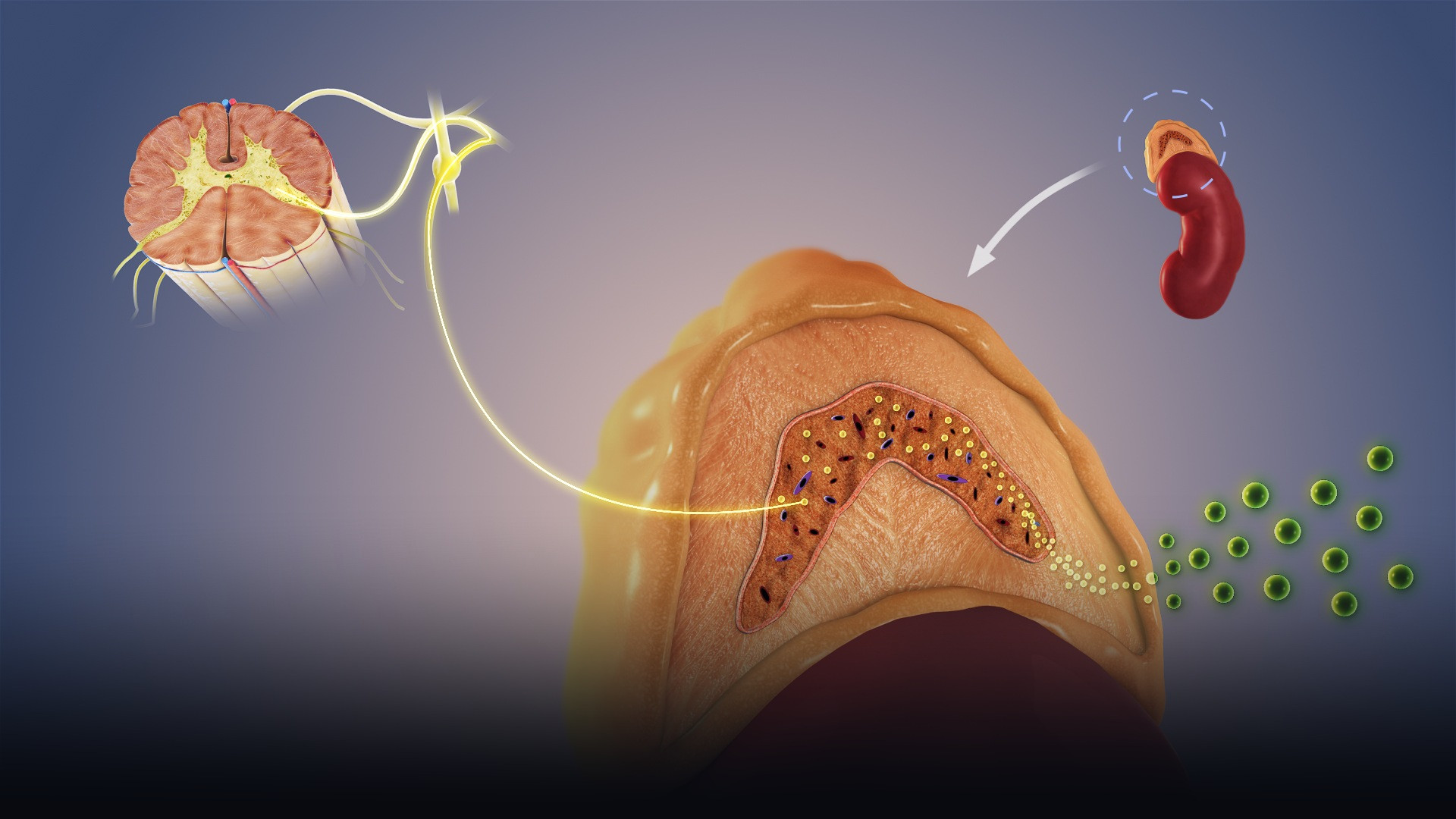
Standing upright suddenly sends heart rates soaring by 30 to 50 beats per minute, causing severe dizziness and blackouts. Faulty sympathetic signaling triggers sudden adrenaline surges while blood pools abnormally in the lower limbs.
2. Brain fog
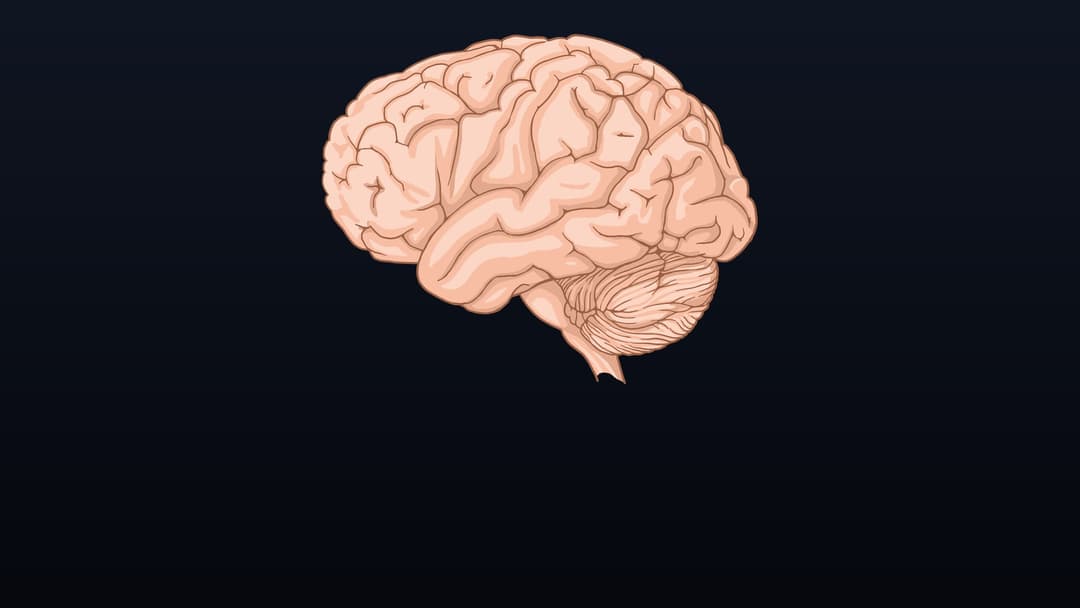
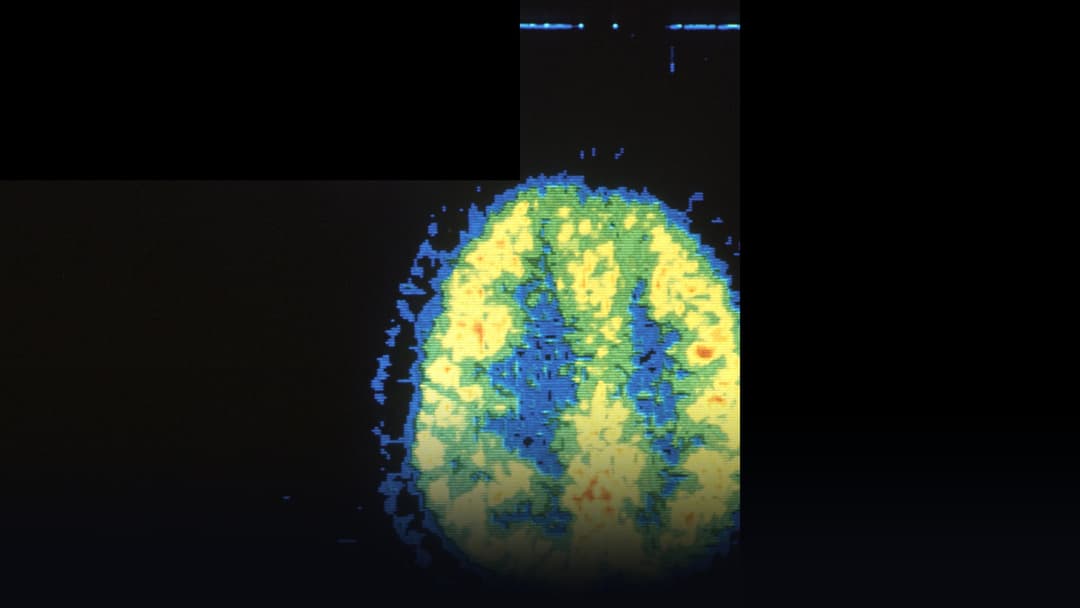
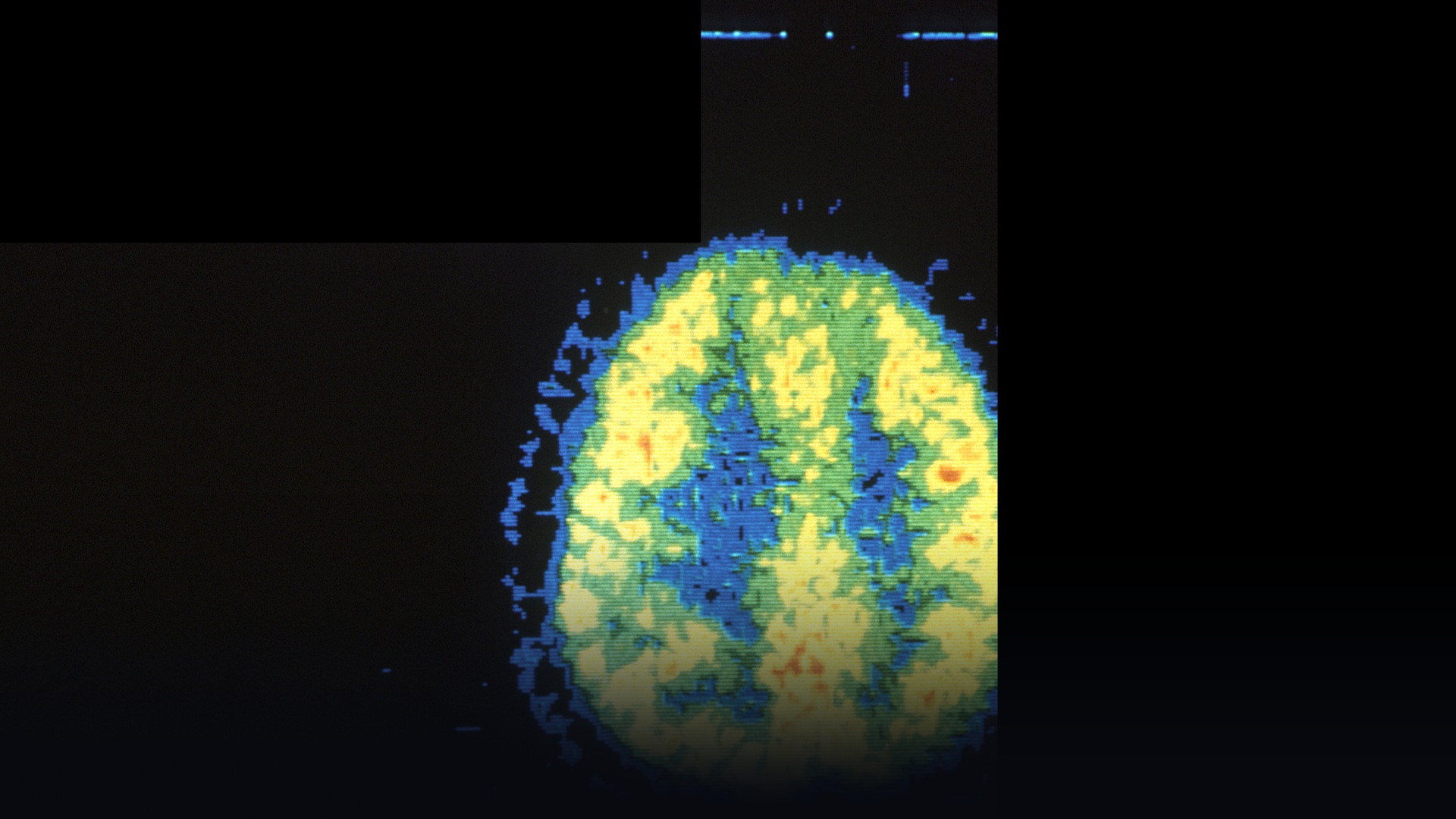
Patients struggle to recall common words, follow conversations, or manage basic schedules. Positron emission tomography (PET) scans reveal marked hypometabolism across the hippocampus and prefrontal cortex, driven by chronically activated microglial brain cells.
1. Post exertional malaise
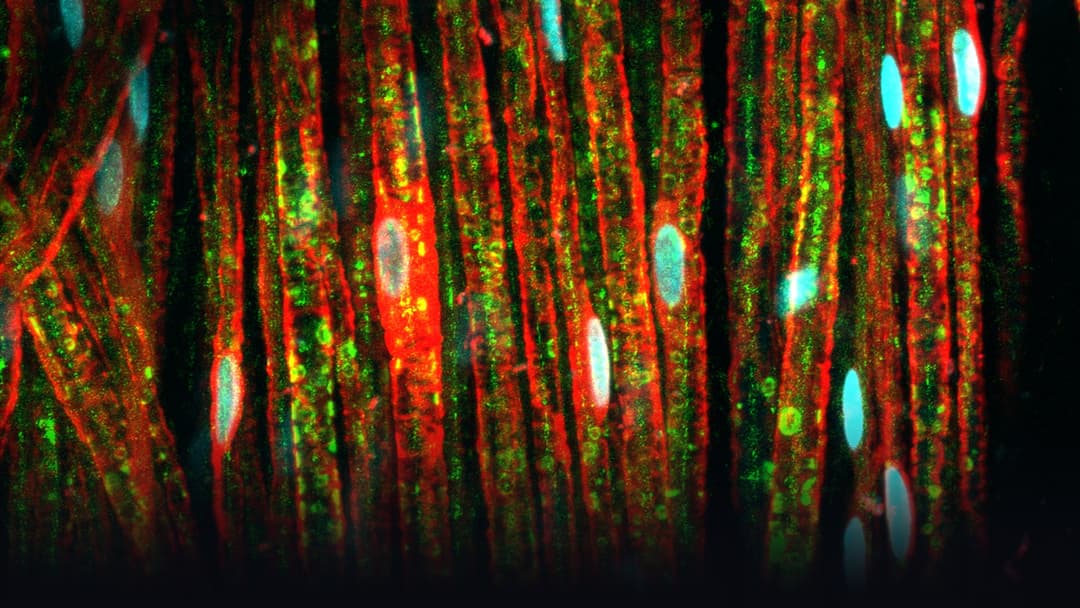
The hallmark sign of Long COVID is a catastrophic crash occurring 24 to 48 hours after minor activity like walking or grocery shopping. Muscle biopsy studies confirm cellular mitochondria lose their internal cristae structures, making cells unable to synthesize ATP.