Slideshow · Viral
15 American Traditions That Are Slowly Disappearing
From neon drive-ins to handwritten letters, these fading customs defined generations of community life across the nation.

By Most Viral Today
5 Nov 2026

15 Classic American Traditions New Generation is unaware of 
15. Neighborhood Newspaper Porch Delivery 
14. Carhop Drive-In Dining 
13. Community Barn Raising Bees - AdvertisementSwipe or tap ▶ to continue countdown

12. Drugstore Soda Fountains 
11. Public Street Phone Booths 
10. Community Quilting Bees 
9. CB Radio Highway Chatter - AdvertisementSwipe or tap ▶ to continue countdown

8. Living Room Slide Projector Shows 
7. County Fair Livestock Showcases 
6. Neighborhood Block Parties 
5. Rotary Dial Phones And Party Lines - AdvertisementSwipe or tap ▶ to continue countdown

4. Office Typing Pools 
3. Record Shop Crate Digging 
2. Mall Video And Pinball Arcades 
1. Drive-In Movie Theaters - Advertisement🔥 UP NEXT IN THIS SERIES◫ 21 Slides

20 Famous Cars With Pop-Up Headlights That Shaped Car Design
From hand-cranked 1930s teardrops to wedge supercars of the 1980s, hidden headlights let stylists chase sleek aerodynamics until 2004 pedestrian rules closed the curtain. Here are 20 standout production cars that turned retractable lamps into an enduring automotive design feature across seven full decades.
From corner soda fountains and paperboy bicycle routes to neon drive-ins and community barn raisings, American life once revolved around localized daily rituals. While digital convenience has transformed daily habits, exploring these fading traditions reveals the deep community bonds that shaped the nation.
Swipe or tap ▶ to begin the countdown
©NASA / EMMETT GIVEN
15. Neighborhood Newspaper Porch Delivery
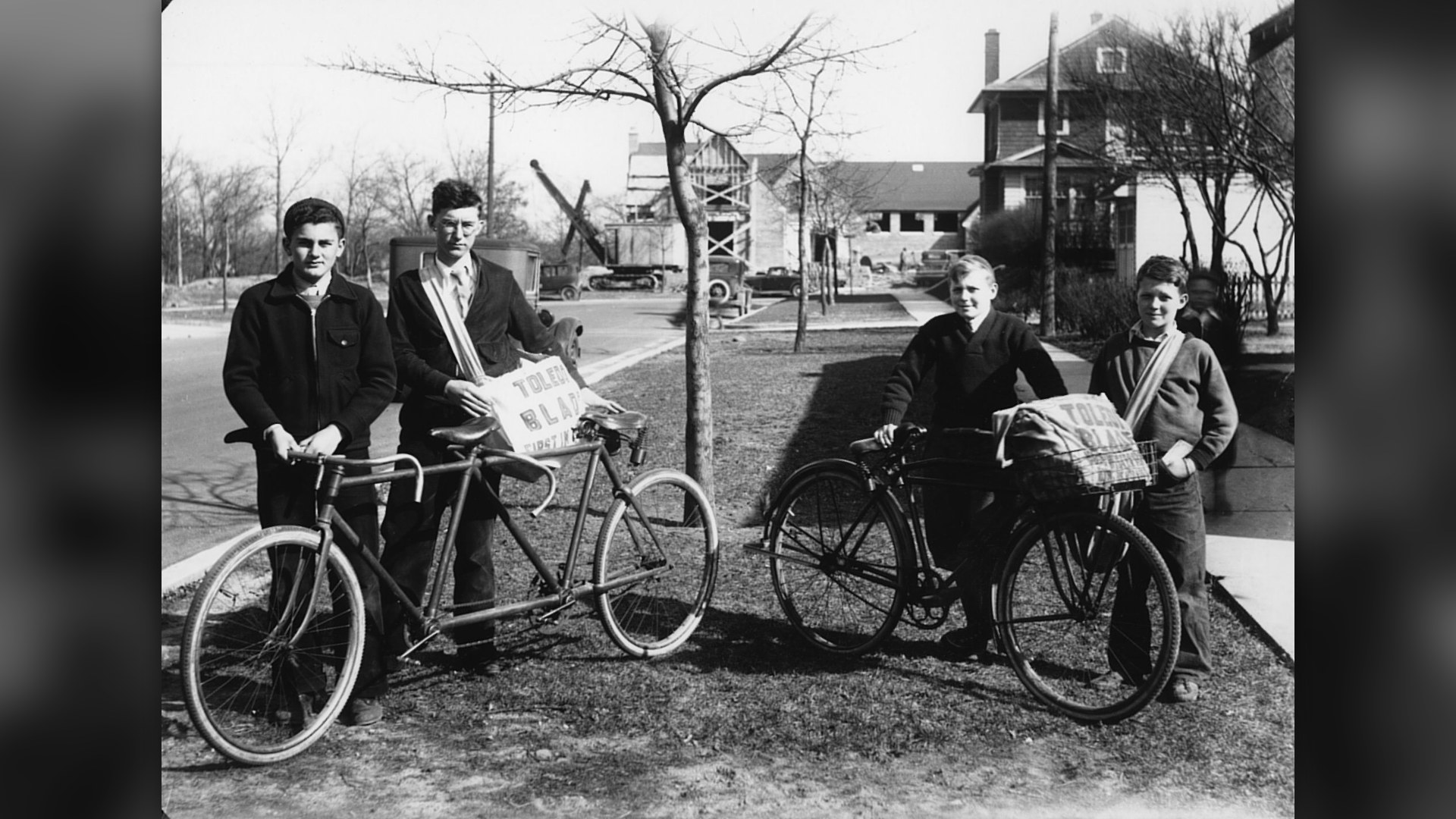
For over a century, the morning paperboy on a bicycle was a neighborhood fixture across towns and cities. Tossing rolled broadsheets onto front porches before dawn taught generations of teenagers basic entrepreneurship. The transition to digital news feeds has brought the traditional neighborhood paper route to an end.
©Wikimedia / Toledo Public Library
14. Carhop Drive-In Dining
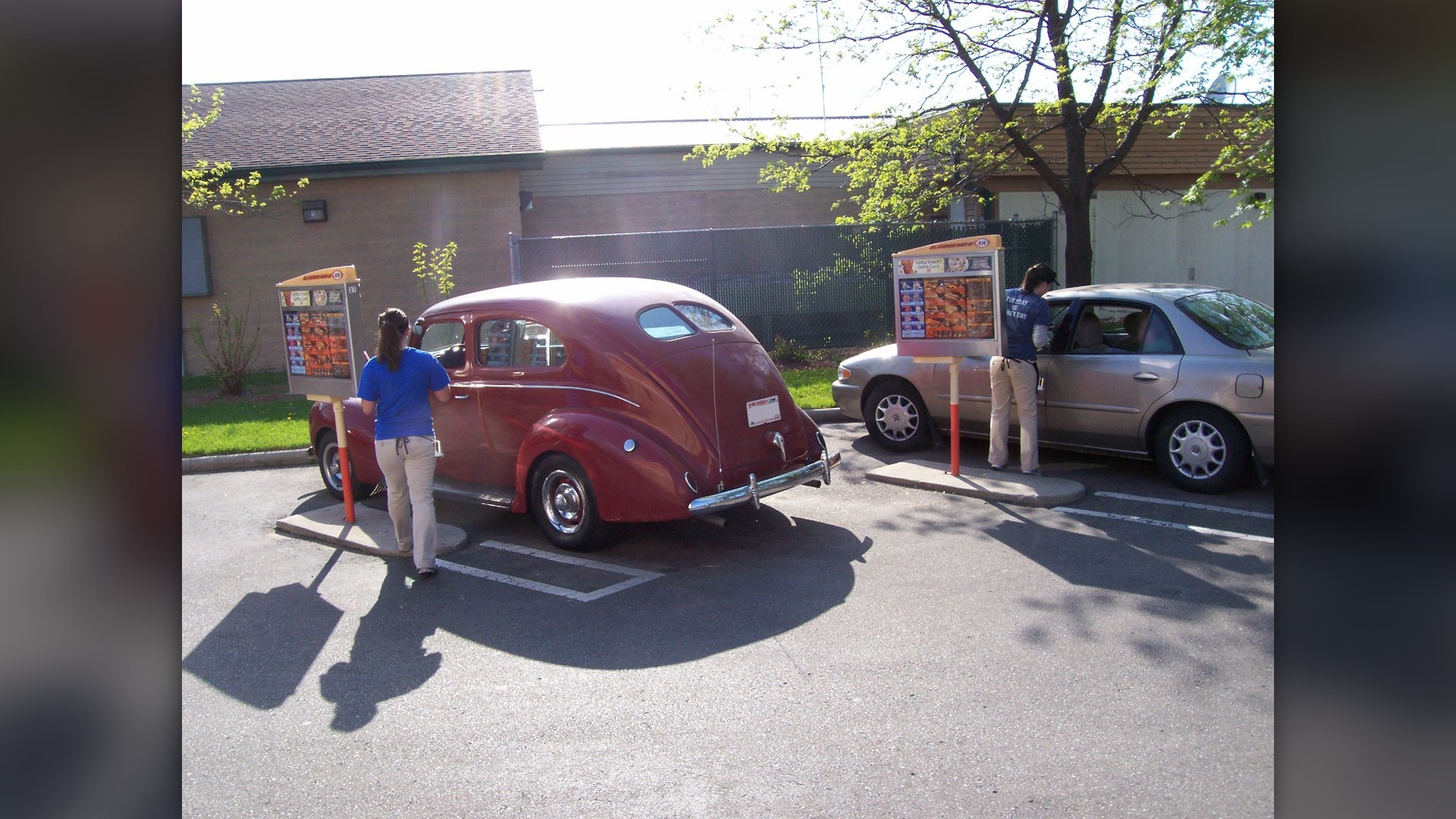
Mid-century drive-in restaurants transformed dining into an automotive social event. Uniformed carhops, often on roller skates, delivered frosty root beer mugs and burgers directly to vehicle doors, clamping metal trays onto windows before drive-through intercoms became the nationwide standard.
©Wikimedia / Royalbroil
13. Community Barn Raising Bees
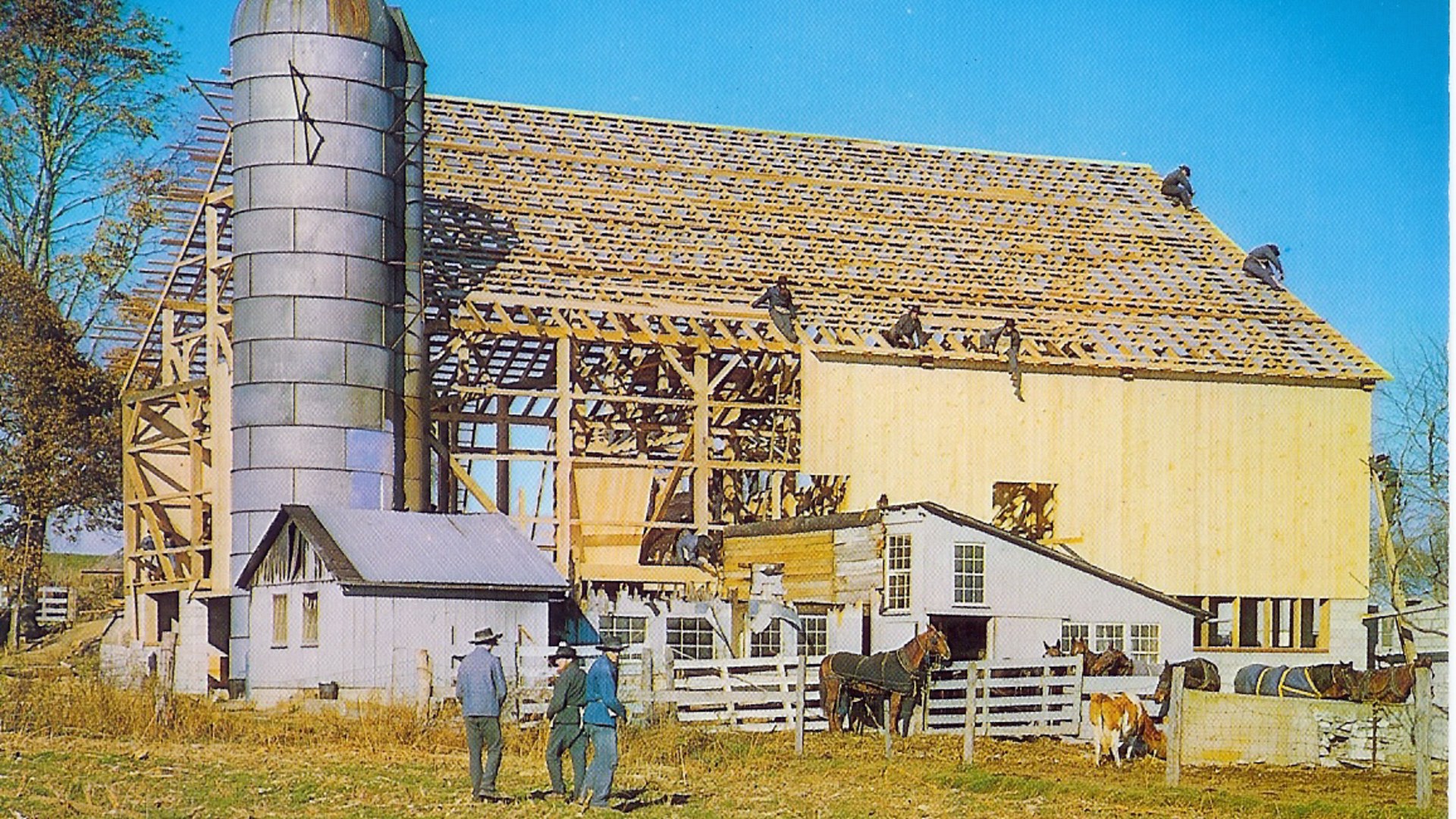
Barn raisings embodied rural mutual aid across early America. When a family lost a barn to fire or storm, dozens of neighbors gathered at sunrise with hand tools. Volunteers hoisted heavy timber bents while families prepared midday feasts, erecting a sturdy timber structure between dawn and sunset without hired labor.
©Wikimedia / Ron Shawley
Advertisement
Swipe or tap ▶ to resume the countdown.
12. Drugstore Soda Fountains
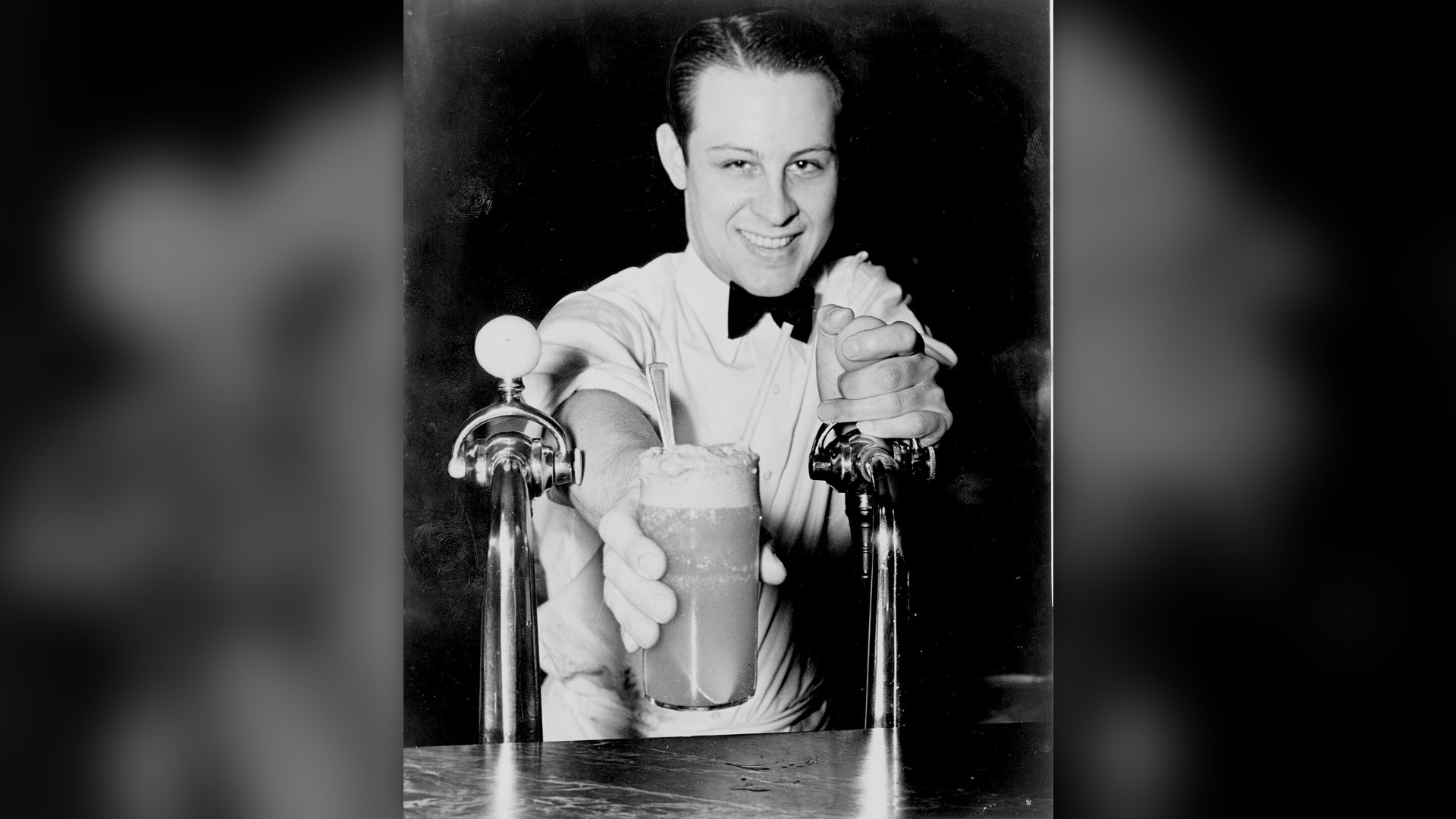
Corner pharmacies once anchored town centers with polished marble soda counters. White-aproned soda jerks dispensed carbonated phosphates, egg creams, and floats to patrons on red vinyl swivel stools. Fast food chains and suburban shopping centers gradually replaced these informal community hubs.
©Wikimedia / Alan Fisher, World Telegram staff
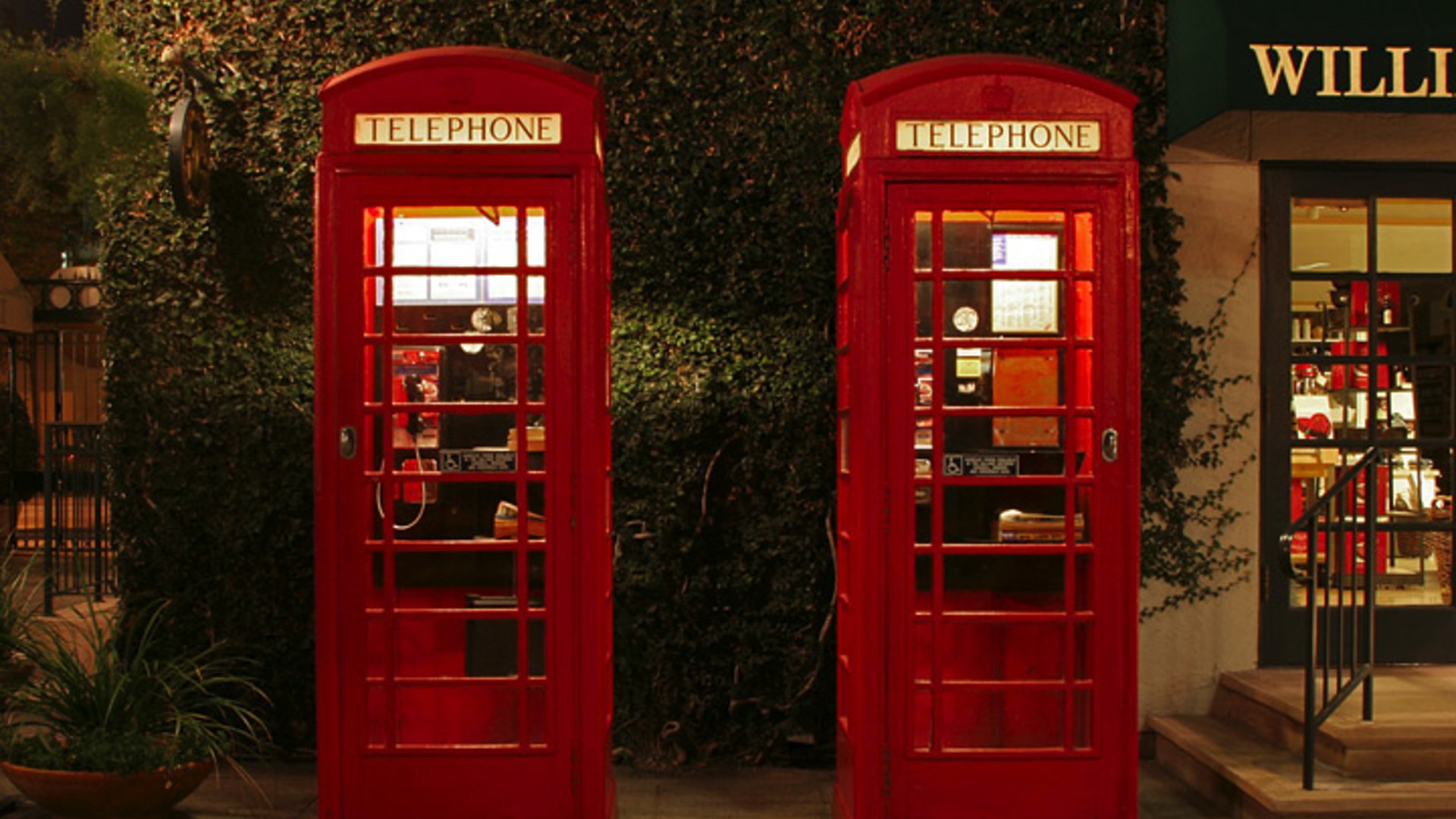
11. Public Street Phone Booths
Before mobile phones became ubiquitous, public payphones stood on nearly every commercial street and highway rest stop. Dropping coins into the slot and folding the glass door shut provided a rare private connection. Today, almost all roadside telephone booths have been retired or recycled into scrap.
©Wikimedia / Aaron Logan
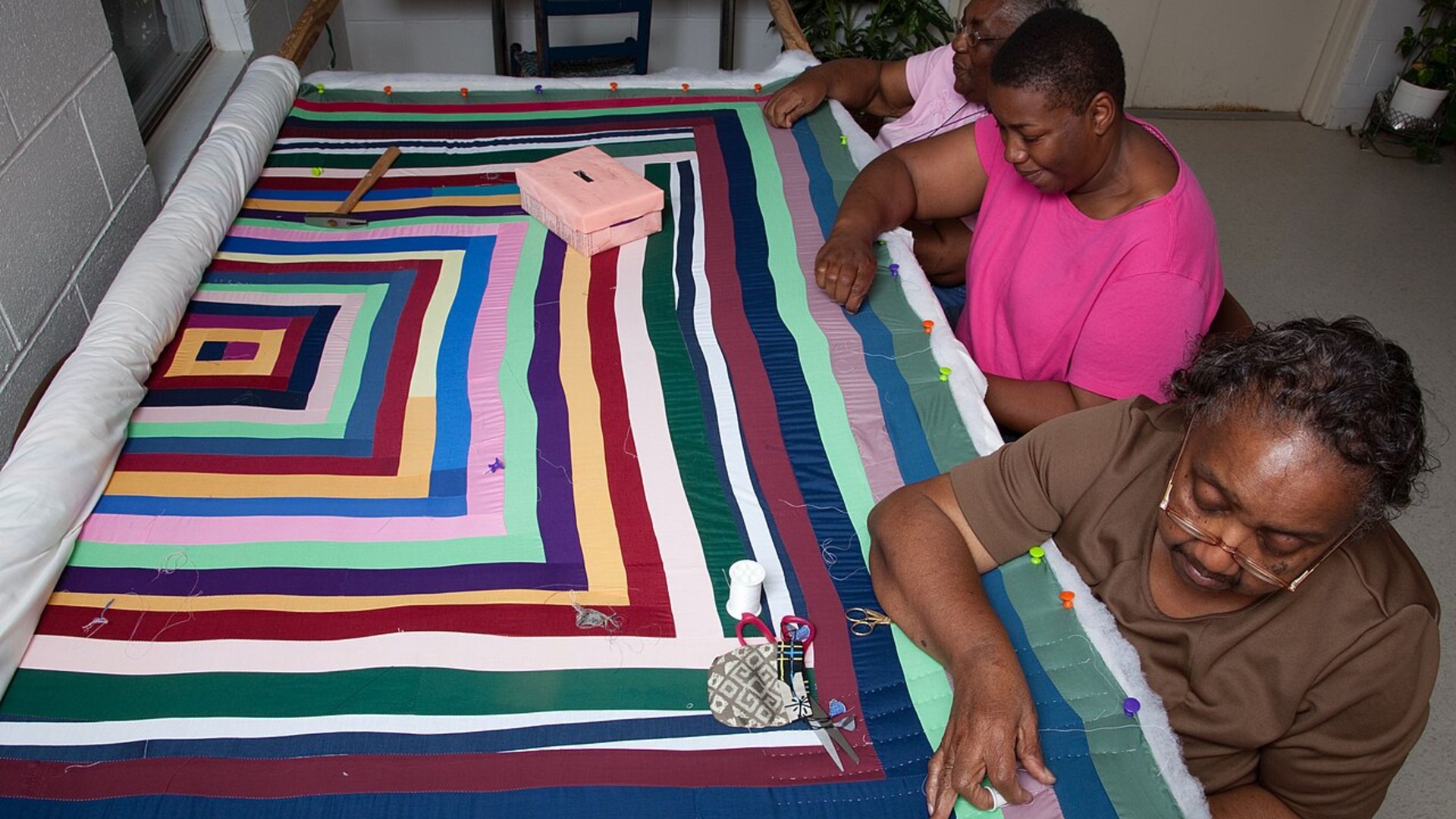
10. Community Quilting Bees
Quilting bees combined practical domestic needlework with essential social connection for American women. Neighbors spent long afternoons sitting around a shared wooden frame, trading town news while stitching patchwork patterns from scrap cloth, creating durable heirloom bedspreads passed down through generations.
©Wikimedia / Carol M. Highsmith
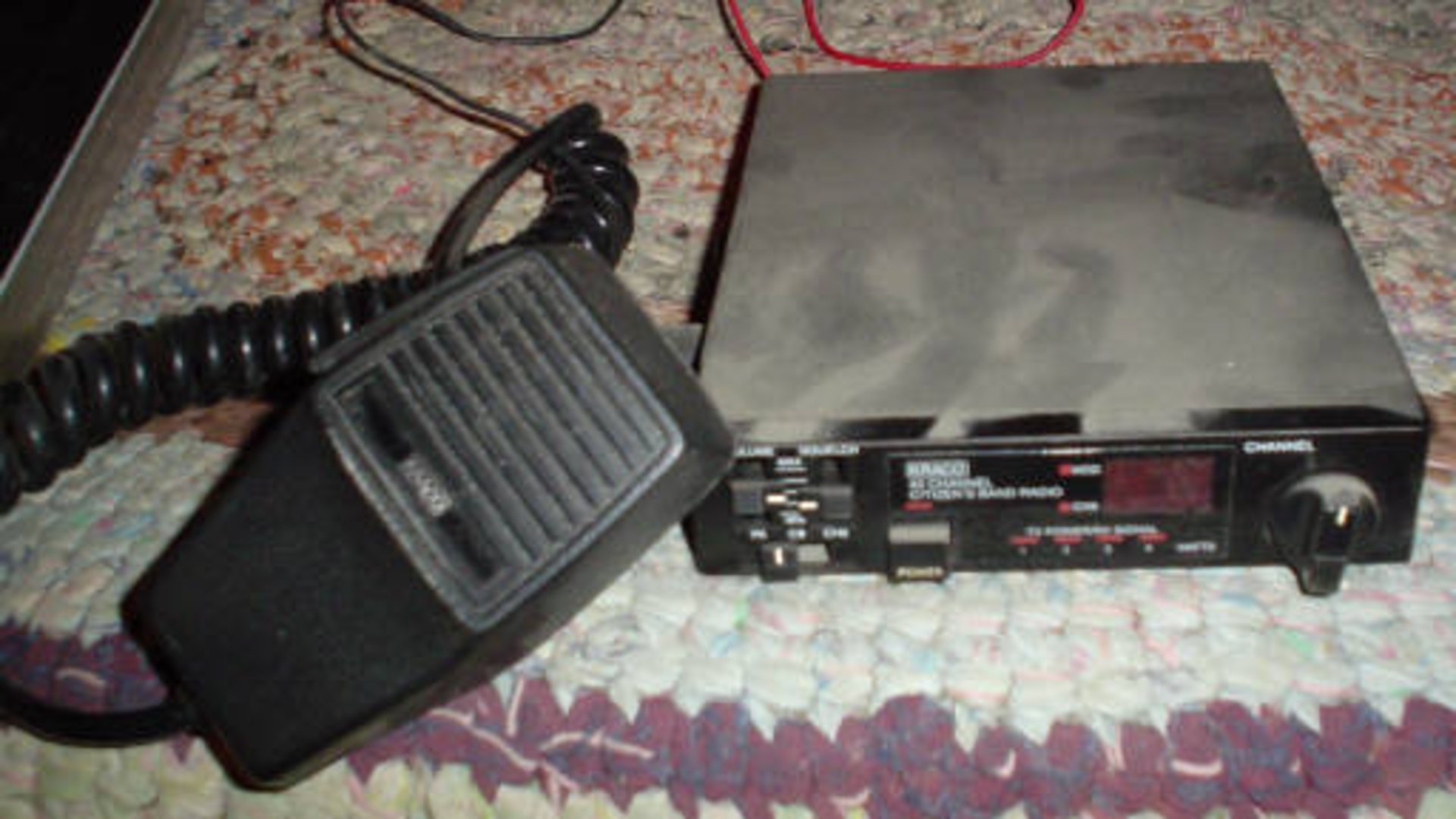
9. CB Radio Highway Chatter
Peaking during the 1970s, Citizens Band radio created an open airwave highway for long-haul truckers and motorists. Drivers tuned into channel 19 to share road hazard alerts, dodge speed traps, and chat using colorful handles. Digital GPS displays and smartphones have replaced the crackling four-watt dashboard radio.
©Wikimedia / Jesster79
Advertisement
Swipe or tap ▶ to resume the countdown.
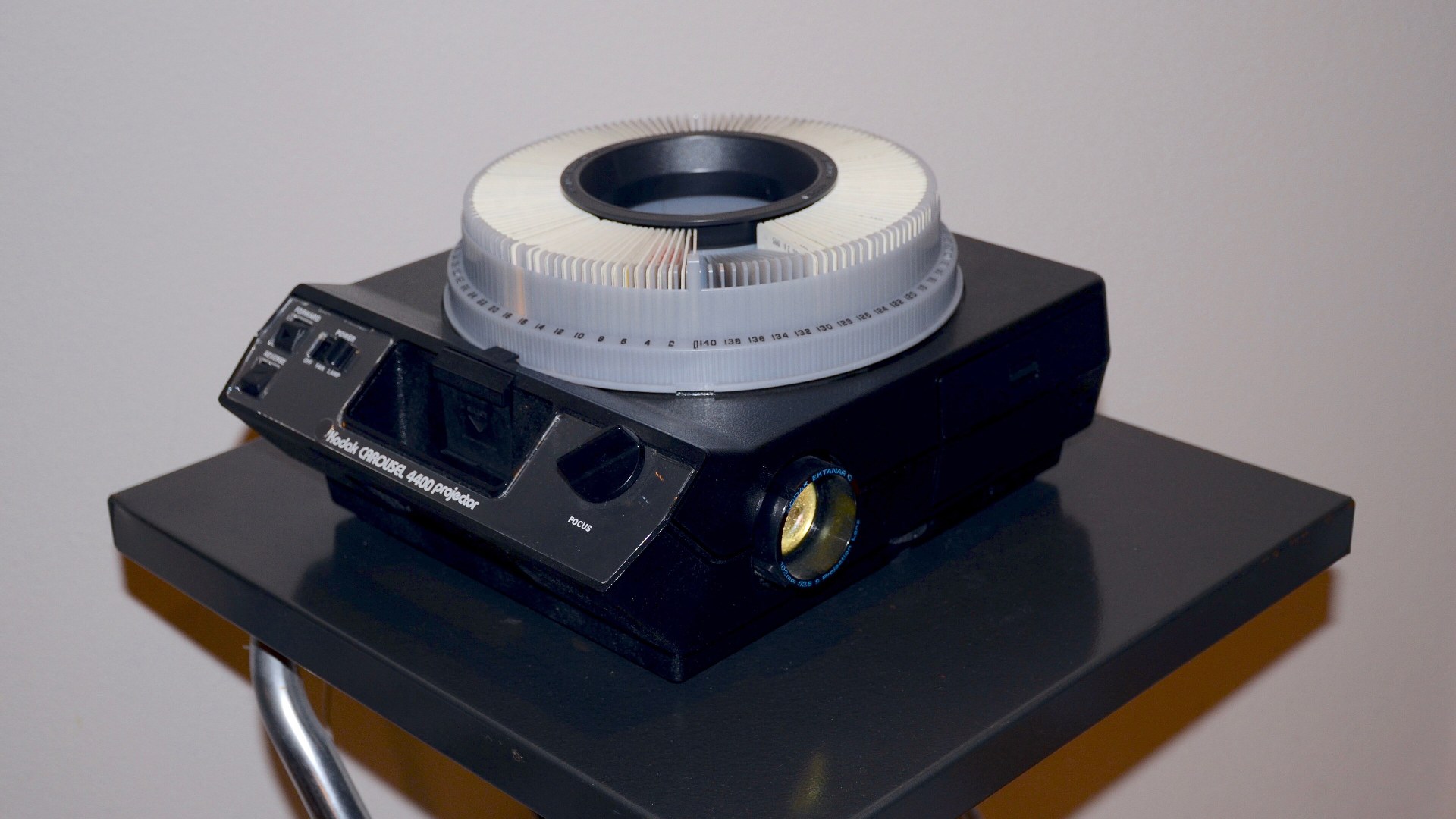
8. Living Room Slide Projector Shows
Returning from family vacations once meant waiting days for labs to develop boxes of 35mm slide film. Households drew curtains, set up portable white screens, and loaded circular carousel trays. The rhythmic click of the projector advancing illuminated slides turned summer road trips into an intimate living room event.
©Wikimedia / Steve Morgan
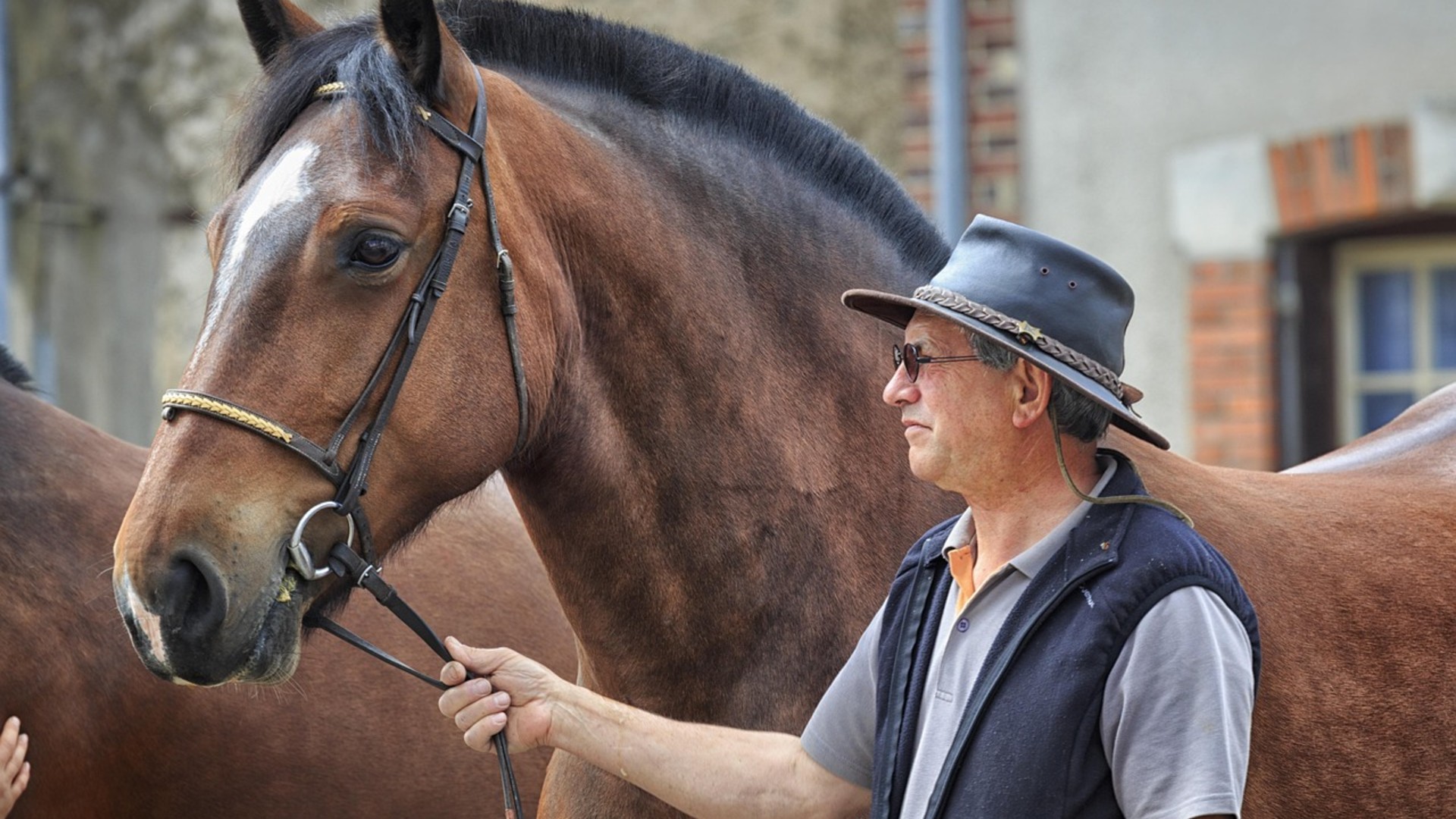
7. County Fair Livestock Showcases
Late summer county fairs centered on agricultural judging rings. Rural youth spent months raising, grooming, and training cattle and sheep for 4-H judging, competing for a coveted blue ribbon. As family farms consolidate and populations urbanize, participation in traditional youth livestock shows continues to decline.
©Pixabay / WenPhotos
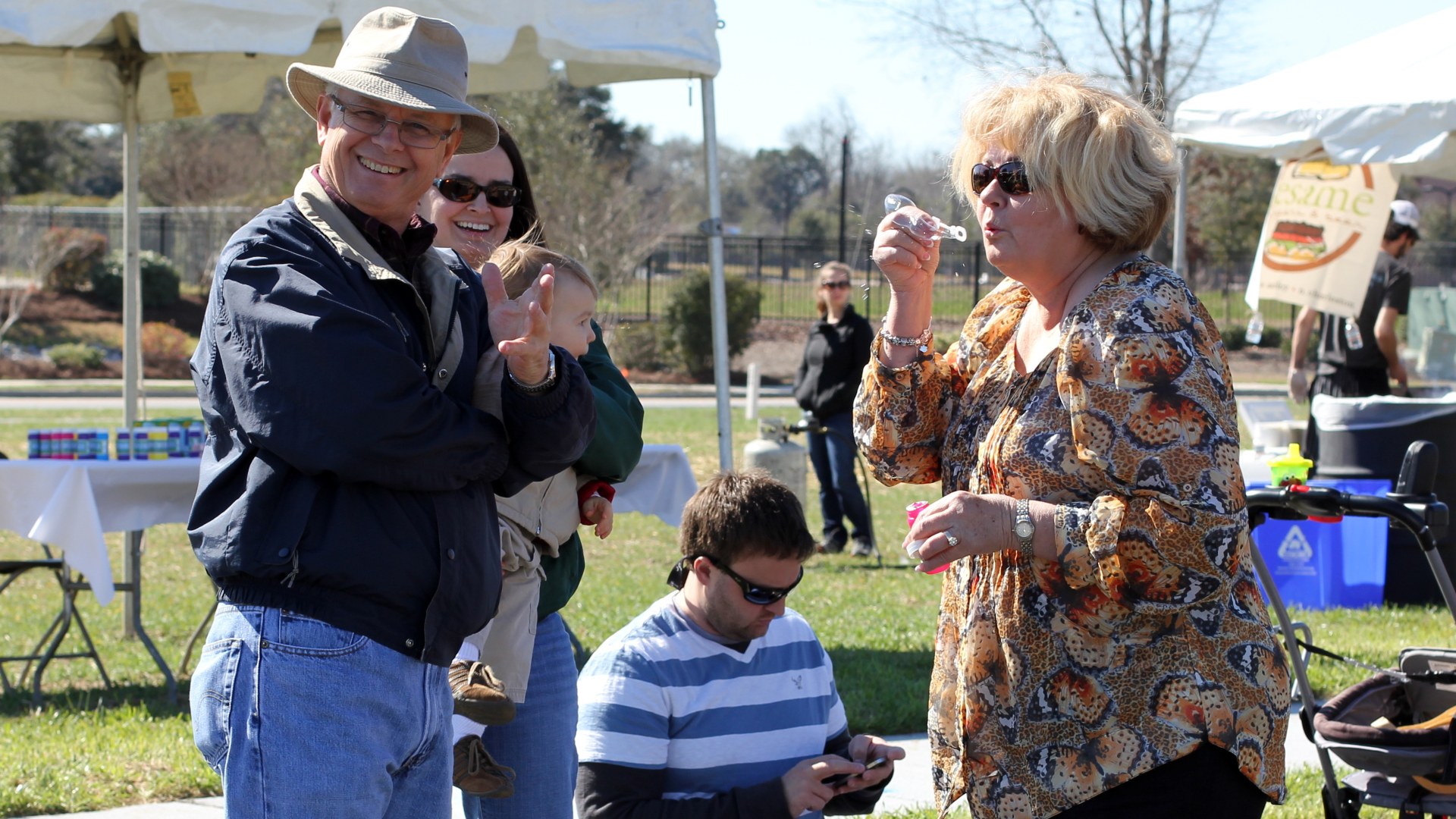
6. Neighborhood Block Parties
Securing a municipal permit and dragging wooden sawhorses across both ends of the street was once a classic summer ritual. Neighbors set up long banquet tables of homemade potato salads, fired up charcoal grills, and let children ride bikes freely across car-free asphalt until streetlights flickered on at sunset.
©Wikimedia / North Charleston
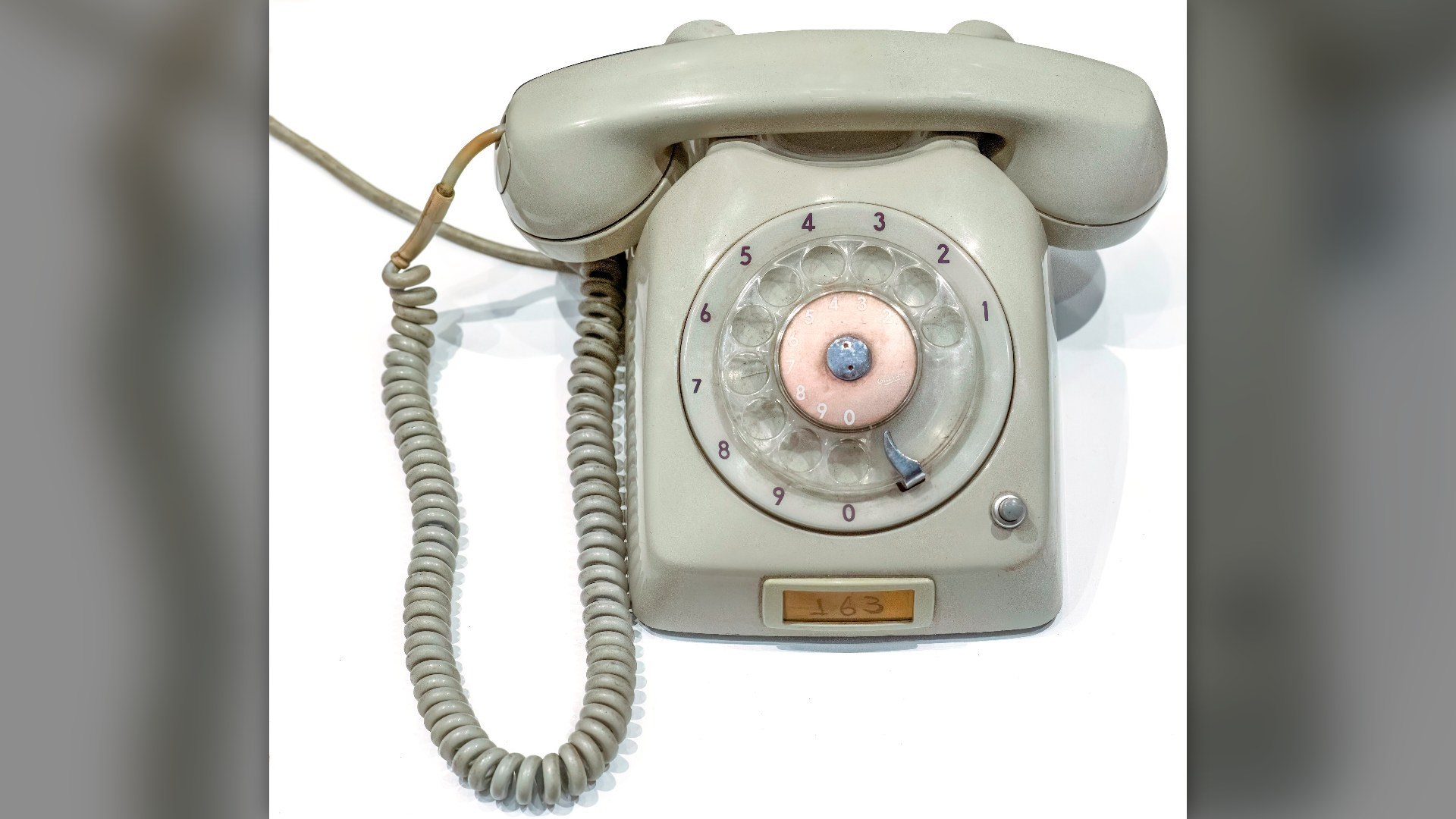
5. Rotary Dial Phones And Party Lines
Before push-button keypads, placing a call required spinning a spring-loaded finger wheel for each digit. In rural regions, multiple families shared a single party line, waiting until neighbors hung up. Heavy handsets and long coiled cords stretched across kitchens have largely vanished from modern daily life.
©Wikimedia / Wilfredor
Advertisement
Swipe or tap ▶ to resume the countdown.
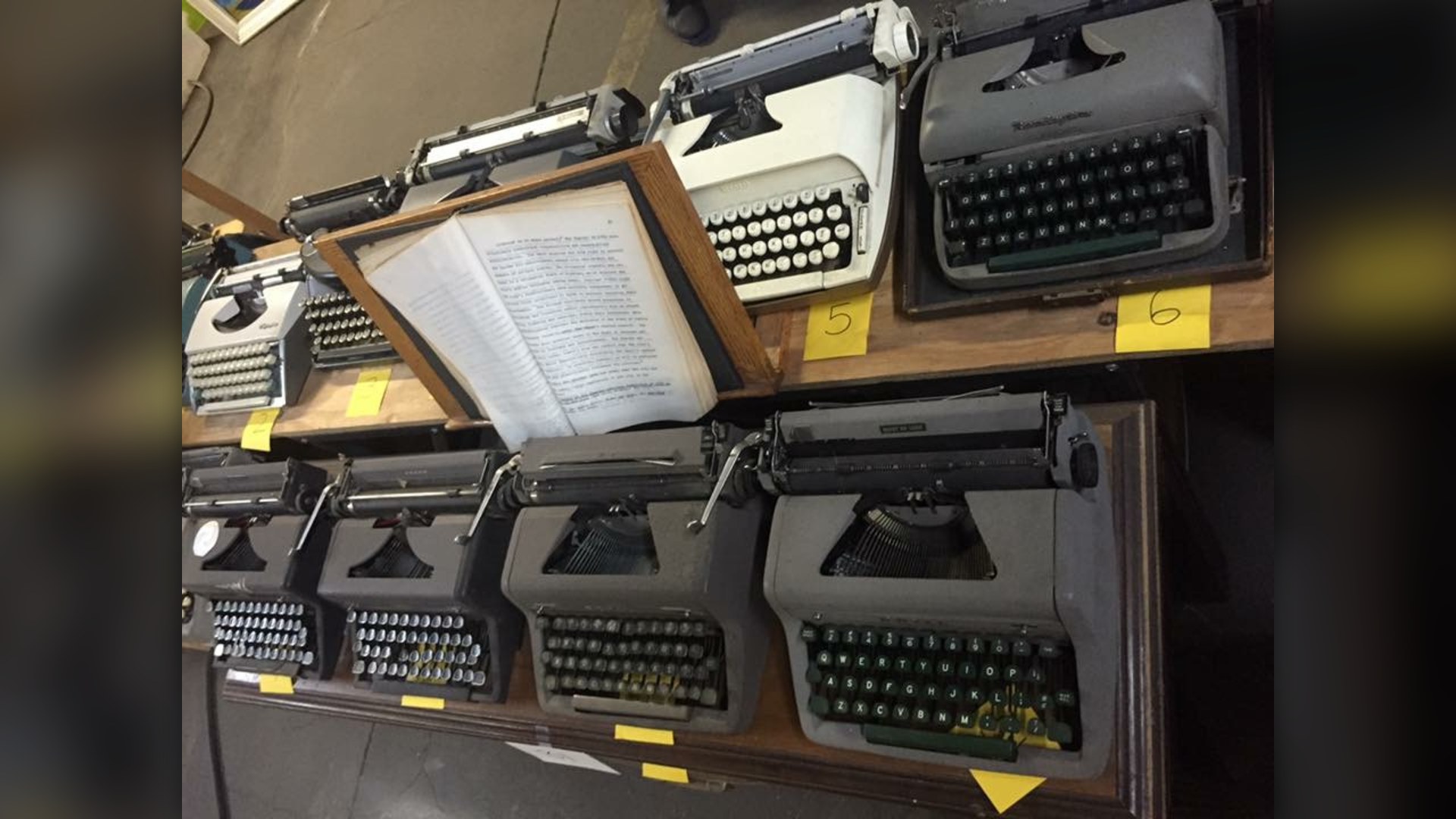
4. Office Typing Pools
Corporate offices once relied on typing pools where workers sat in long rows operating manual typewriters. Drafting business letters required managing ink ribbons, carbon paper, and carriage returns with extreme accuracy. Desktop word processing software replaced the entire clerical trade by the early 1990s.
©Wikimedia / HopeKaye
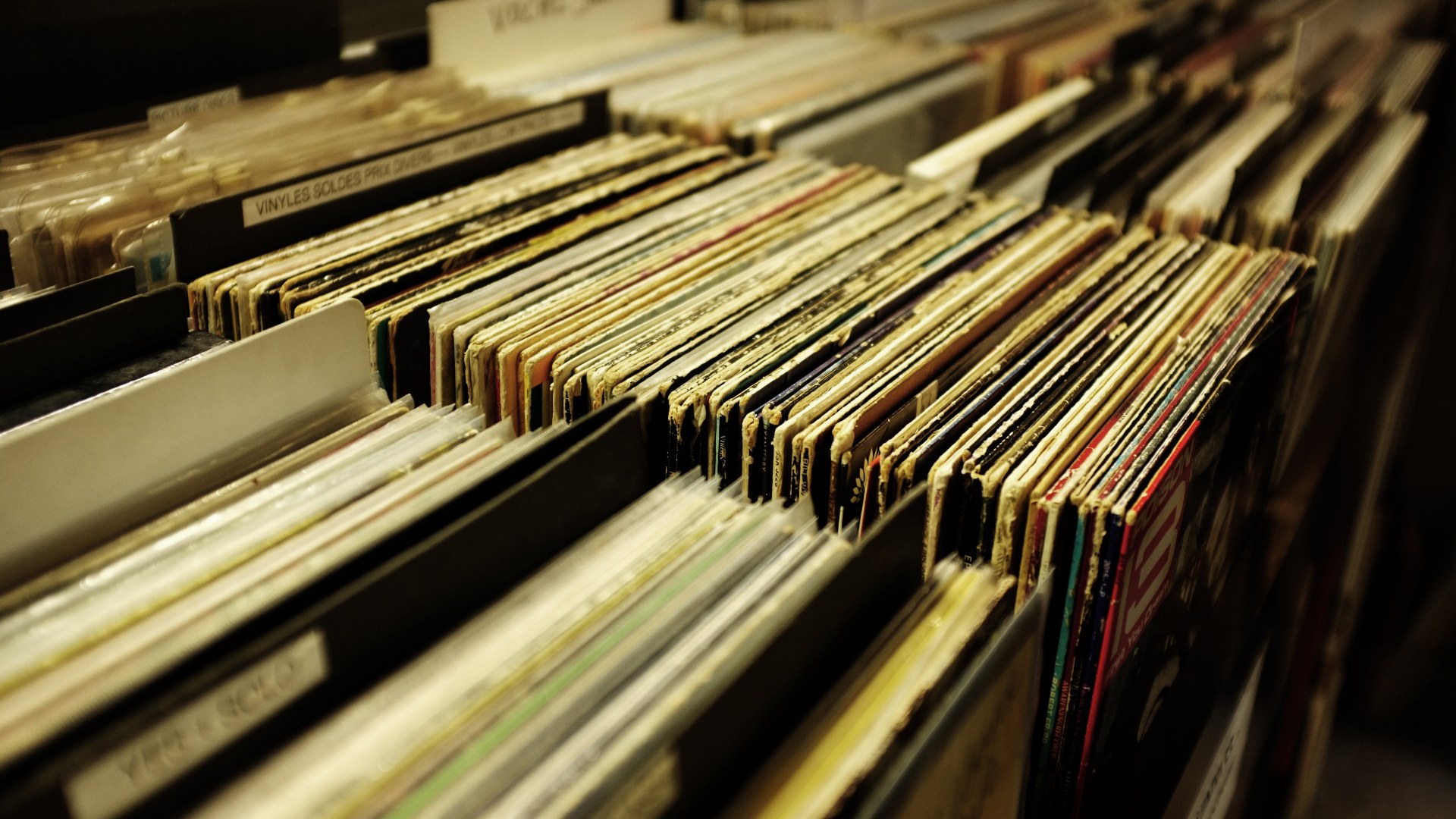
3. Record Shop Crate Digging
Independent record stores served as cultural hubs for music discovery. Fans spent hours thumbing through cardboard bins of twelve-inch vinyl jackets, admiring cover art, and sampling albums on store turntables. Streaming algorithms have largely replaced the physical weekend habit of browsing through local record racks.
©Wikimedia / Fabien Barral
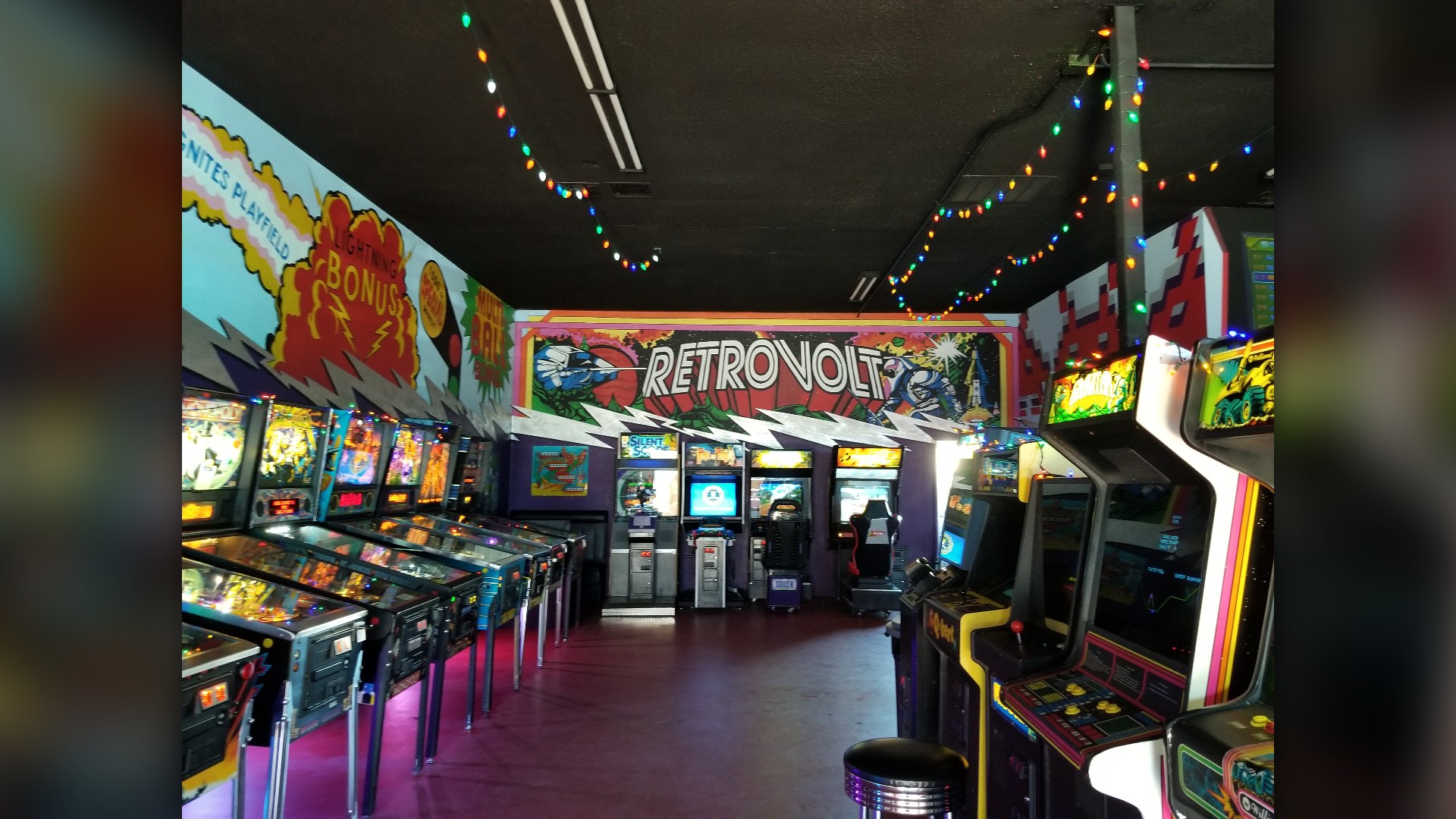
2. Mall Video And Pinball Arcades
During the 1980s and 1990s, the local arcade was the primary youth social center. Dim rooms echoed with synthesized soundtracks, glowing CRT monitors, and clicking pinball bumpers. Stacking quarters on a cabinet claimed the next match. Powerful home consoles and online play eventually emptied most mall game rooms.
©Wikimedia / Arcade Perfect
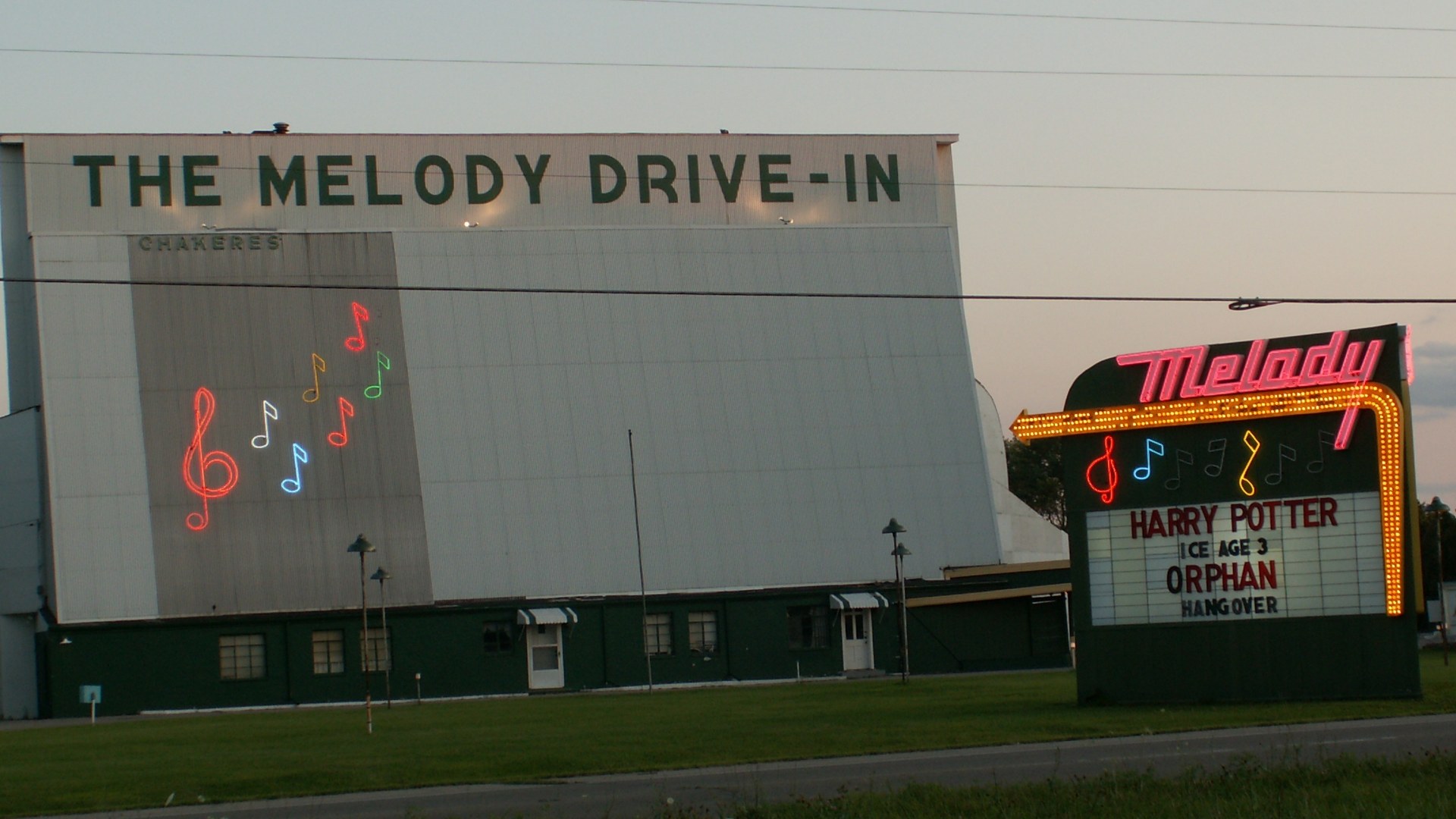
1. Drive-In Movie Theaters
At their peak, over four thousand drive-in theaters dotted the country. Families arrived at dusk with lawn chairs, parking on gravel ramps and hooking metal speakers onto car windows. Rising land values and indoor multiplexes have reduced this iconic outdoor tradition to a small handful of surviving historic screens.

©Wikimedia / Cindy Funk
Advertisement
You've reached the end of the story. Thanks for reading!

20 Famous Cars With Pop-Up Headlights That Shaped Car Design
From hand-cranked 1930s teardrops to wedge supercars of the 1980s, hidden headlights let stylists chase sleek aerodynamics until 2004 pedestrian rules closed the curtain. Here are 20 standout production cars that turned retractable lamps into an enduring automotive design feature across seven full decades.
All 15 Entries in this Story
15. Neighborhood Newspaper Porch Delivery
For over a century, the morning paperboy on a bicycle was a neighborhood fixture across towns and cities. Tossing rolled broadsheets onto front porches before dawn taught generations of teenagers basic entrepreneurship. The transition to digital news feeds has brought the traditional neighborhood paper route to an end.

14. Carhop Drive-In Dining
Mid-century drive-in restaurants transformed dining into an automotive social event. Uniformed carhops, often on roller skates, delivered frosty root beer mugs and burgers directly to vehicle doors, clamping metal trays onto windows before drive-through intercoms became the nationwide standard.

13. Community Barn Raising Bees
Barn raisings embodied rural mutual aid across early America. When a family lost a barn to fire or storm, dozens of neighbors gathered at sunrise with hand tools. Volunteers hoisted heavy timber bents while families prepared midday feasts, erecting a sturdy timber structure between dawn and sunset without hired labor.

12. Drugstore Soda Fountains
Corner pharmacies once anchored town centers with polished marble soda counters. White-aproned soda jerks dispensed carbonated phosphates, egg creams, and floats to patrons on red vinyl swivel stools. Fast food chains and suburban shopping centers gradually replaced these informal community hubs.

11. Public Street Phone Booths
Before mobile phones became ubiquitous, public payphones stood on nearly every commercial street and highway rest stop. Dropping coins into the slot and folding the glass door shut provided a rare private connection. Today, almost all roadside telephone booths have been retired or recycled into scrap.

10. Community Quilting Bees
Quilting bees combined practical domestic needlework with essential social connection for American women. Neighbors spent long afternoons sitting around a shared wooden frame, trading town news while stitching patchwork patterns from scrap cloth, creating durable heirloom bedspreads passed down through generations.

9. CB Radio Highway Chatter
Peaking during the 1970s, Citizens Band radio created an open airwave highway for long-haul truckers and motorists. Drivers tuned into channel 19 to share road hazard alerts, dodge speed traps, and chat using colorful handles. Digital GPS displays and smartphones have replaced the crackling four-watt dashboard radio.

8. Living Room Slide Projector Shows
Returning from family vacations once meant waiting days for labs to develop boxes of 35mm slide film. Households drew curtains, set up portable white screens, and loaded circular carousel trays. The rhythmic click of the projector advancing illuminated slides turned summer road trips into an intimate living room event.

7. County Fair Livestock Showcases
Late summer county fairs centered on agricultural judging rings. Rural youth spent months raising, grooming, and training cattle and sheep for 4-H judging, competing for a coveted blue ribbon. As family farms consolidate and populations urbanize, participation in traditional youth livestock shows continues to decline.

6. Neighborhood Block Parties
Securing a municipal permit and dragging wooden sawhorses across both ends of the street was once a classic summer ritual. Neighbors set up long banquet tables of homemade potato salads, fired up charcoal grills, and let children ride bikes freely across car-free asphalt until streetlights flickered on at sunset.

5. Rotary Dial Phones And Party Lines
Before push-button keypads, placing a call required spinning a spring-loaded finger wheel for each digit. In rural regions, multiple families shared a single party line, waiting until neighbors hung up. Heavy handsets and long coiled cords stretched across kitchens have largely vanished from modern daily life.

4. Office Typing Pools
Corporate offices once relied on typing pools where workers sat in long rows operating manual typewriters. Drafting business letters required managing ink ribbons, carbon paper, and carriage returns with extreme accuracy. Desktop word processing software replaced the entire clerical trade by the early 1990s.

3. Record Shop Crate Digging
Independent record stores served as cultural hubs for music discovery. Fans spent hours thumbing through cardboard bins of twelve-inch vinyl jackets, admiring cover art, and sampling albums on store turntables. Streaming algorithms have largely replaced the physical weekend habit of browsing through local record racks.

2. Mall Video And Pinball Arcades
During the 1980s and 1990s, the local arcade was the primary youth social center. Dim rooms echoed with synthesized soundtracks, glowing CRT monitors, and clicking pinball bumpers. Stacking quarters on a cabinet claimed the next match. Powerful home consoles and online play eventually emptied most mall game rooms.

1. Drive-In Movie Theaters
At their peak, over four thousand drive-in theaters dotted the country. Families arrived at dusk with lawn chairs, parking on gravel ramps and hooking metal speakers onto car windows. Rising land values and indoor multiplexes have reduced this iconic outdoor tradition to a small handful of surviving historic screens.