Slideshow · Money
15 Biggest Industries Powering the US Economy
Ranked from smallest to largest by annual gross domestic product contribution, here are the fifteen powerhouse private industries driving the American economy.

By Most Viral Today
33 min ago

The Major Sectors Generating Trillions in Output for the American Economy 
15. Agriculture, Forestry, And Fishing 
14. Educational Services 
13. Utilities - AdvertisementSwipe or tap ▶ to continue countdown

12. Mining And Energy Extraction 
11. Accommodation And Food Services 
10. Transportation And Warehousing 
9. Construction - AdvertisementSwipe or tap ▶ to continue countdown

8. Information And Telecommunications 
7. Wholesale Trade 
6. Retail Trade 
5. Health Care And Social Assistance - AdvertisementSwipe or tap ▶ to continue countdown

4. Finance And Insurance 
3. Professional And Technical Services 
2. Manufacturing 
1. Real Estate, Rental, And Leasing - Advertisement🔥 UP NEXT IN THIS SERIES◫ 16 Slides

What $100 Can Buy in America Today Compared With 20 Years Ago
A hundred-dollar bill once filled an entire grocery shopping cart, covered multiple sit-down restaurant dinners, or fueled several full vehicle tanks. Twenty years of cumulative inflation have altered everyday consumer purchasing power across supermarkets, fuel pumps, and service counters nationwide.
According to official Bureau of Economic Analysis data, private industries generate the vast majority of Americas thirty-trillion-dollar gross domestic product. Ranked from smallest to largest by annual value added, these fifteen powerhouse sectors drive employment, innovation, and national prosperity.
Swipe or tap ▶ to begin the countdown
©Wikimedia Commons / Michael Discenza
15. Agriculture, Forestry, And Fishing
American farmers, ranchers, and commercial fishing fleets supply domestic grocery shelves while exporting billions of dollars in corn, soybeans, beef, and dairy. Advances in precision agriculture, automated harvesting, and satellite crop monitoring help the sector sustain massive yields despite weather risks.

©Unsplash / Steven Weeks
14. Educational Services
Beyond public school systems, private higher education institutions and specialized vocational academies represent a major economic force. These organizations employ hundreds of thousands of researchers, professors, and administrative staff while preparing workers for competitive global careers.

©Wikimedia Commons / Dennis Ludlow
13. Utilities
Modern society relies on capital-intensive utility grids that deliver round-the-clock electricity, clean drinking water, and heating fuel. The sector is undergoing a multi-billion-dollar transformation as operators harden transmission lines against extreme weather and integrate renewable power sources.
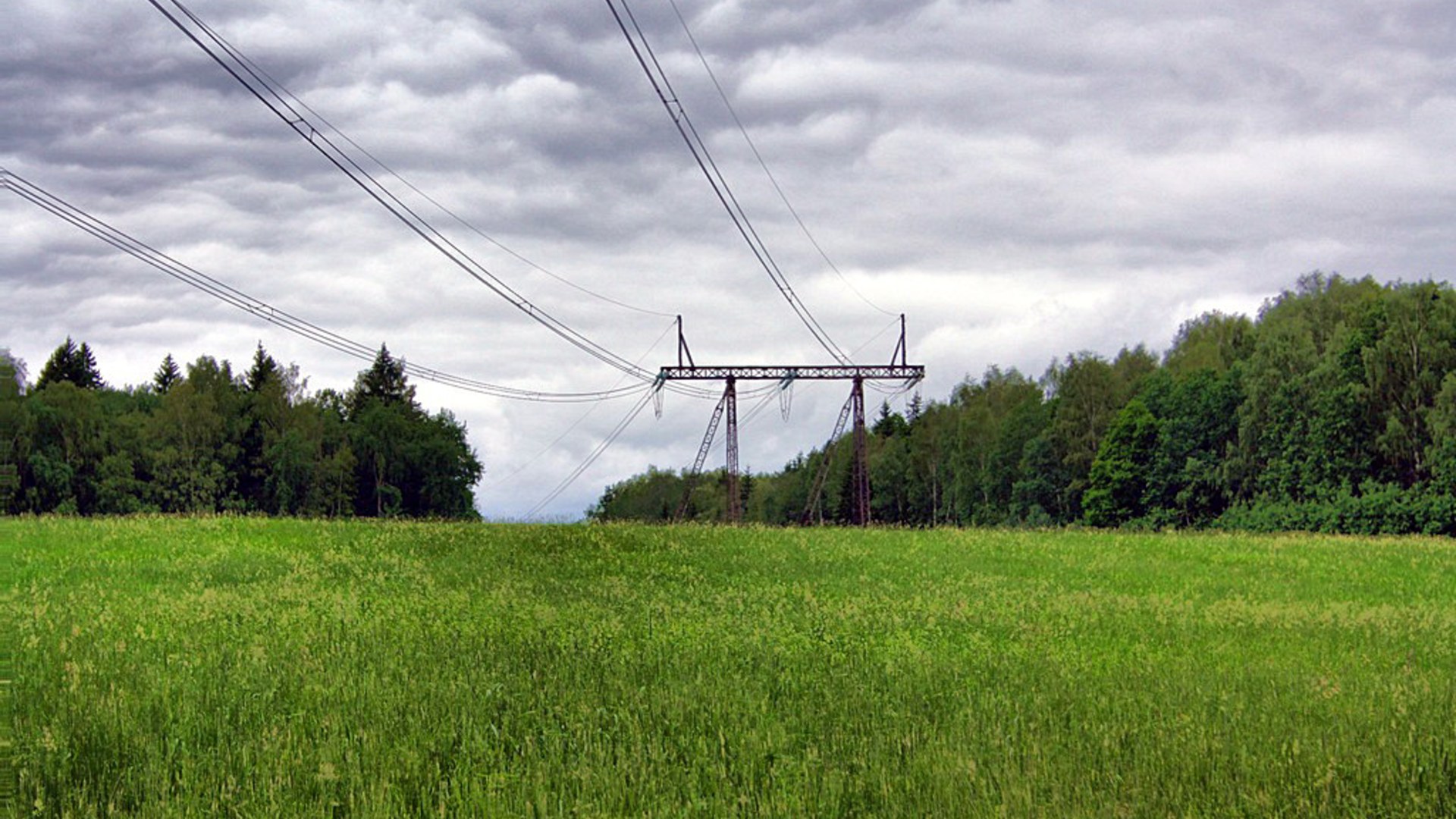
©Wikimedia Commons / Tiraspolsky
Advertisement
Swipe or tap ▶ to resume the countdown.
12. Mining And Energy Extraction
Technological breakthroughs in hydraulic fracturing and horizontal drilling established the United States as the worlds top crude oil and liquefied natural gas producer. Across Texas, New Mexico, and North Dakota, energy extraction fuels domestic refining, manufacturing, and global energy security.
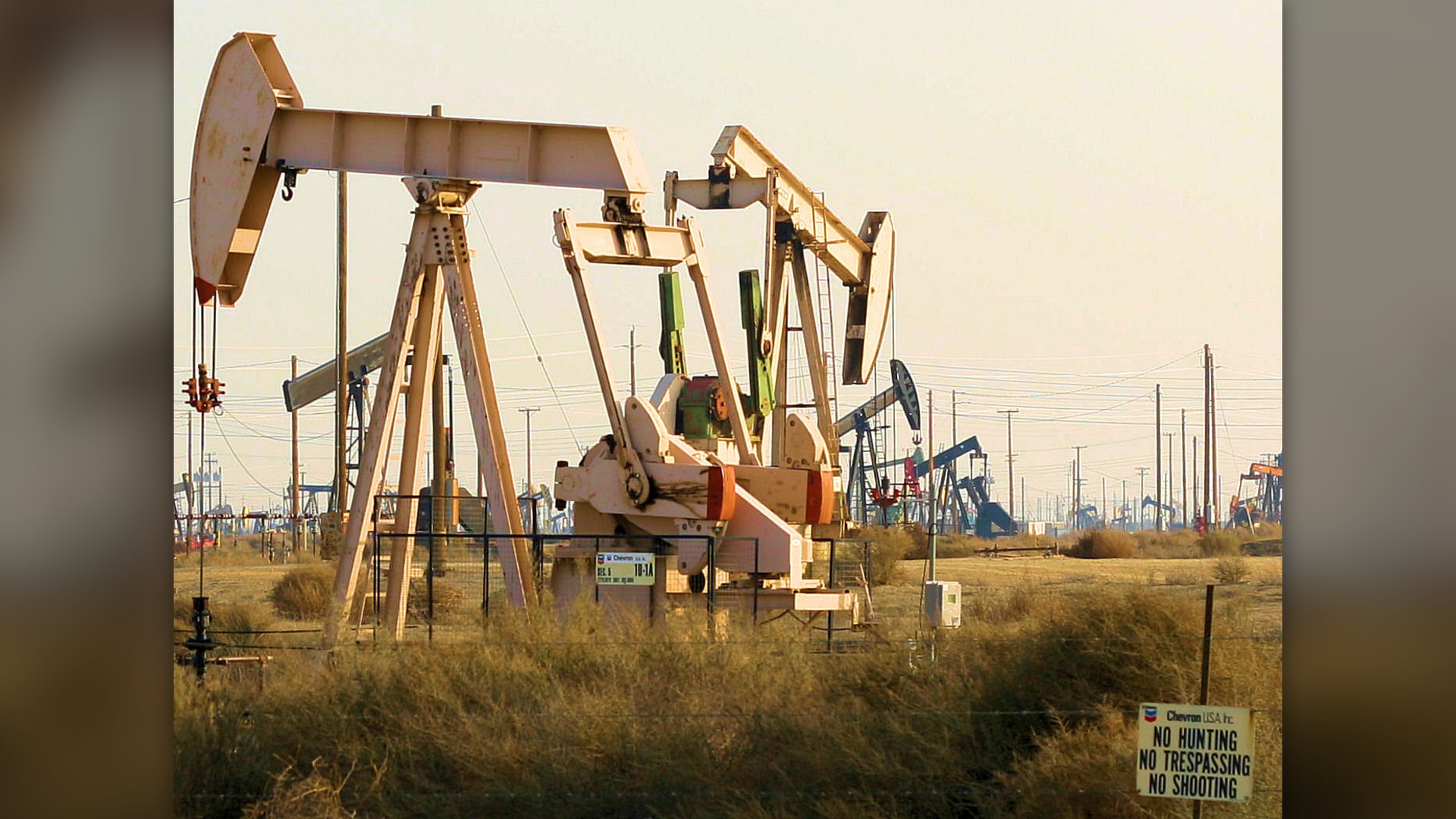
©Wikimedia Commons / Richard Masoner
11. Accommodation And Food Services
From neighborhood diners and fast-food franchises to luxury hotel chains and conference resorts, hospitality remains one of the nations largest private employers. The industry drives local tax revenues and travel spending across major convention hubs and coastal vacation destinations.

©Wikimedia Commons / Paul Lowry
10. Transportation And Warehousing
Freight railroads, commercial airlines, long-haul trucking fleets, and mega-fulfillment centers keep commerce flowing across North America. The surge of digital commerce has turned automated distribution hubs into vital economic engines situated along major interstate crossroads.

©Wikimedia Commons / vxla
9. Construction
Civil engineers, general contractors, and skilled trade specialists shape Americas built environment through housing subdivisions, office towers, bridges, and industrial plants. Historic federal infrastructure investments and private factory building continue to stimulate contractor order books.

©Wikimedia Commons / MassDOT
Advertisement
Swipe or tap ▶ to resume the countdown.
8. Information And Telecommunications
Silicon Valley giants, enterprise software vendors, broadband carriers, and entertainment studios define Americas digital leadership. The explosion of artificial intelligence, high-speed fiber installations, and cloud data server farms makes information one of the nations fastest-growing segments.

©Wikimedia Commons / Intel Free Press
7. Wholesale Trade
Operating behind retail storefronts, wholesale distributors purchase bulk merchandise, machinery, chemicals, and food products to supply commercial enterprises. Sophisticated supply chain software and cold-storage facilities ensure factories and hospitals receive necessary inputs on demand.

©Wikimedia Commons / USDA
6. Retail Trade
Retail represents the primary interface between consumer spending and American commerce. While brick-and-mortar storefronts continue to anchor suburban shopping districts, omni-channel fulfillment and mobile checkout systems have reshaped how hundreds of millions of shoppers purchase daily goods.

©Wikimedia Commons / Bill Branson
5. Health Care And Social Assistance
As baby boomers retire, demand for outpatient surgical care, specialized pharmaceuticals, diagnostic imaging, and home nursing assistance continues to climb. Healthcare organizations remain the single largest regional employers in dozens of American metropolitan areas and rural counties.

©Wikimedia Commons / Tech. Sgt. Robert Horner
Advertisement
Swipe or tap ▶ to resume the countdown.
4. Finance And Insurance
Wall Street investment banks, regional credit unions, mortgage originators, and property casualty insurers allocate capital across every sector of the economy. By underwriting business loans, managing retirement funds, and absorbing catastrophic risk, finance keeps American industry solvent.

©Wikimedia Commons / Arild Vågen
3. Professional And Technical Services
Knowledge-based enterprises provide the specialized expertise required to navigate complex corporate regulations, design industrial facilities, and deploy enterprise technology. Highly paid software engineers, management consultants, and corporate attorneys drive commercial office demand in major cities.

©DVIDS / Ramon Adelan
2. Manufacturing
American factories produce everything from commercial jetliners and advanced semiconductors to pharmaceuticals and automobiles. High-tech automation, specialized defense production, and semiconductor fabrication facilities have sparked a modern renaissance across the Midwestern and Southern manufacturing belts.

©Wikimedia Commons / U.S. Navy photo
1. Real Estate, Rental, And Leasing
Accounting for nearly fourteen percent of gross domestic product, real estate is the single largest contributor to the American economy. The sector encompasses residential property development, commercial leases, warehouse logistics facilities, and the economic housing value derived from tens of millions of homes.

©Unsplash / Tobias Wilden
Advertisement
You've reached the end of the story. Thanks for reading!

What $100 Can Buy in America Today Compared With 20 Years Ago
A hundred-dollar bill once filled an entire grocery shopping cart, covered multiple sit-down restaurant dinners, or fueled several full vehicle tanks. Twenty years of cumulative inflation have altered everyday consumer purchasing power across supermarkets, fuel pumps, and service counters nationwide.
All 15 Entries in this Story
15. Agriculture, Forestry, And Fishing
American farmers, ranchers, and commercial fishing fleets supply domestic grocery shelves while exporting billions of dollars in corn, soybeans, beef, and dairy. Advances in precision agriculture, automated harvesting, and satellite crop monitoring help the sector sustain massive yields despite weather risks.

14. Educational Services
Beyond public school systems, private higher education institutions and specialized vocational academies represent a major economic force. These organizations employ hundreds of thousands of researchers, professors, and administrative staff while preparing workers for competitive global careers.

13. Utilities
Modern society relies on capital-intensive utility grids that deliver round-the-clock electricity, clean drinking water, and heating fuel. The sector is undergoing a multi-billion-dollar transformation as operators harden transmission lines against extreme weather and integrate renewable power sources.

12. Mining And Energy Extraction
Technological breakthroughs in hydraulic fracturing and horizontal drilling established the United States as the worlds top crude oil and liquefied natural gas producer. Across Texas, New Mexico, and North Dakota, energy extraction fuels domestic refining, manufacturing, and global energy security.

11. Accommodation And Food Services
From neighborhood diners and fast-food franchises to luxury hotel chains and conference resorts, hospitality remains one of the nations largest private employers. The industry drives local tax revenues and travel spending across major convention hubs and coastal vacation destinations.

10. Transportation And Warehousing
Freight railroads, commercial airlines, long-haul trucking fleets, and mega-fulfillment centers keep commerce flowing across North America. The surge of digital commerce has turned automated distribution hubs into vital economic engines situated along major interstate crossroads.

9. Construction
Civil engineers, general contractors, and skilled trade specialists shape Americas built environment through housing subdivisions, office towers, bridges, and industrial plants. Historic federal infrastructure investments and private factory building continue to stimulate contractor order books.

8. Information And Telecommunications
Silicon Valley giants, enterprise software vendors, broadband carriers, and entertainment studios define Americas digital leadership. The explosion of artificial intelligence, high-speed fiber installations, and cloud data server farms makes information one of the nations fastest-growing segments.

7. Wholesale Trade
Operating behind retail storefronts, wholesale distributors purchase bulk merchandise, machinery, chemicals, and food products to supply commercial enterprises. Sophisticated supply chain software and cold-storage facilities ensure factories and hospitals receive necessary inputs on demand.

6. Retail Trade
Retail represents the primary interface between consumer spending and American commerce. While brick-and-mortar storefronts continue to anchor suburban shopping districts, omni-channel fulfillment and mobile checkout systems have reshaped how hundreds of millions of shoppers purchase daily goods.

5. Health Care And Social Assistance
As baby boomers retire, demand for outpatient surgical care, specialized pharmaceuticals, diagnostic imaging, and home nursing assistance continues to climb. Healthcare organizations remain the single largest regional employers in dozens of American metropolitan areas and rural counties.

4. Finance And Insurance
Wall Street investment banks, regional credit unions, mortgage originators, and property casualty insurers allocate capital across every sector of the economy. By underwriting business loans, managing retirement funds, and absorbing catastrophic risk, finance keeps American industry solvent.

3. Professional And Technical Services
Knowledge-based enterprises provide the specialized expertise required to navigate complex corporate regulations, design industrial facilities, and deploy enterprise technology. Highly paid software engineers, management consultants, and corporate attorneys drive commercial office demand in major cities.

2. Manufacturing
American factories produce everything from commercial jetliners and advanced semiconductors to pharmaceuticals and automobiles. High-tech automation, specialized defense production, and semiconductor fabrication facilities have sparked a modern renaissance across the Midwestern and Southern manufacturing belts.

1. Real Estate, Rental, And Leasing
Accounting for nearly fourteen percent of gross domestic product, real estate is the single largest contributor to the American economy. The sector encompasses residential property development, commercial leases, warehouse logistics facilities, and the economic housing value derived from tens of millions of homes.