Slideshow · Money
15 Financial Factors of Renting vs Buying in America
Deciding whether to rent or buy is one of the most critical financial choices facing American households. While conventional wisdom long favored homeownership, modern mortgage rates, property tax increases, and surging insurance premiums have reshaped the equation.











All 15 Entries in this Story
15. Upfront Cash And Down Payments
Purchasing a median American home often requires 3 to 20 percent down plus 2 to 5 percent in closing costs, title insurance, and appraisal fees. Renters typically pay only the first month of rent and a security deposit, keeping substantial liquid capital free for emergencies or alternative investments.

14. Front-Loaded Mortgage Interest
Standard 30-year mortgages follow an amortization schedule where the vast majority of your monthly payment goes toward interest during the first seven to ten years. Buyers who sell within five years often discover they paid tens of thousands of dollars to the bank while barely reducing their loan principal.

13. Property Taxes And Assessments
Local county assessors collect 1 to 2.5 percent of a home value annually in many states like Texas, New Jersey, and Illinois. When property values rise or local school districts pass bonds, escrow payments increase automatically, driving up monthly housing costs even on fixed-rate loans.

12. Surging Homeowners Insurance
Homeowners insurance rates have climbed dramatically across coastal and storm-prone states, with premiums exceeding 4,000 to 6,000 dollars annually in Florida, California, and Louisiana. Renters insurance remains inexpensive by comparison, averaging less than 20 dollars monthly to cover personal belongings.

11. Maintenance And The One Percent Rule
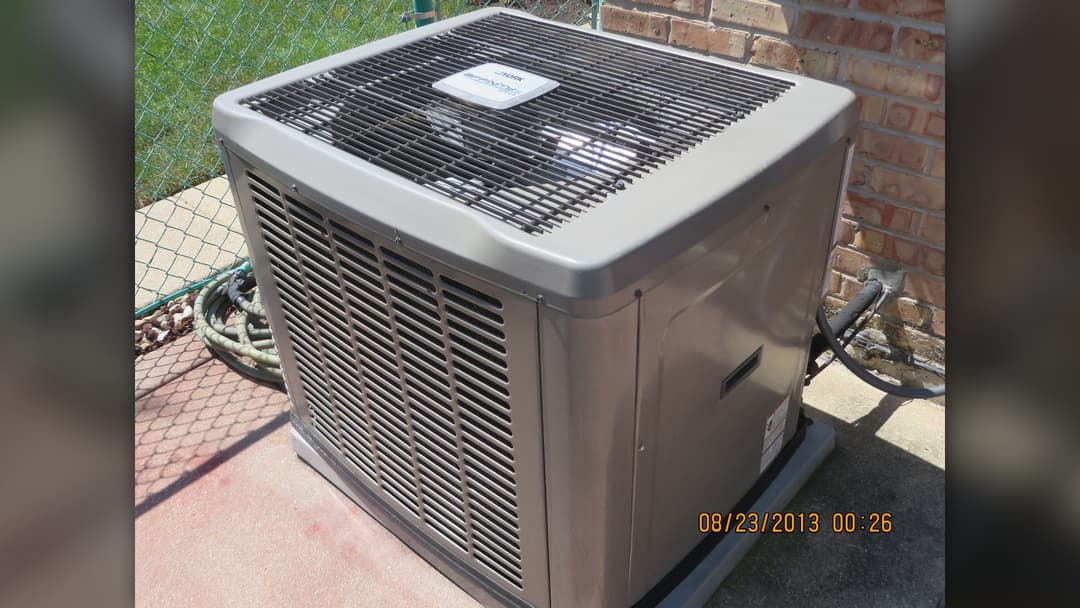
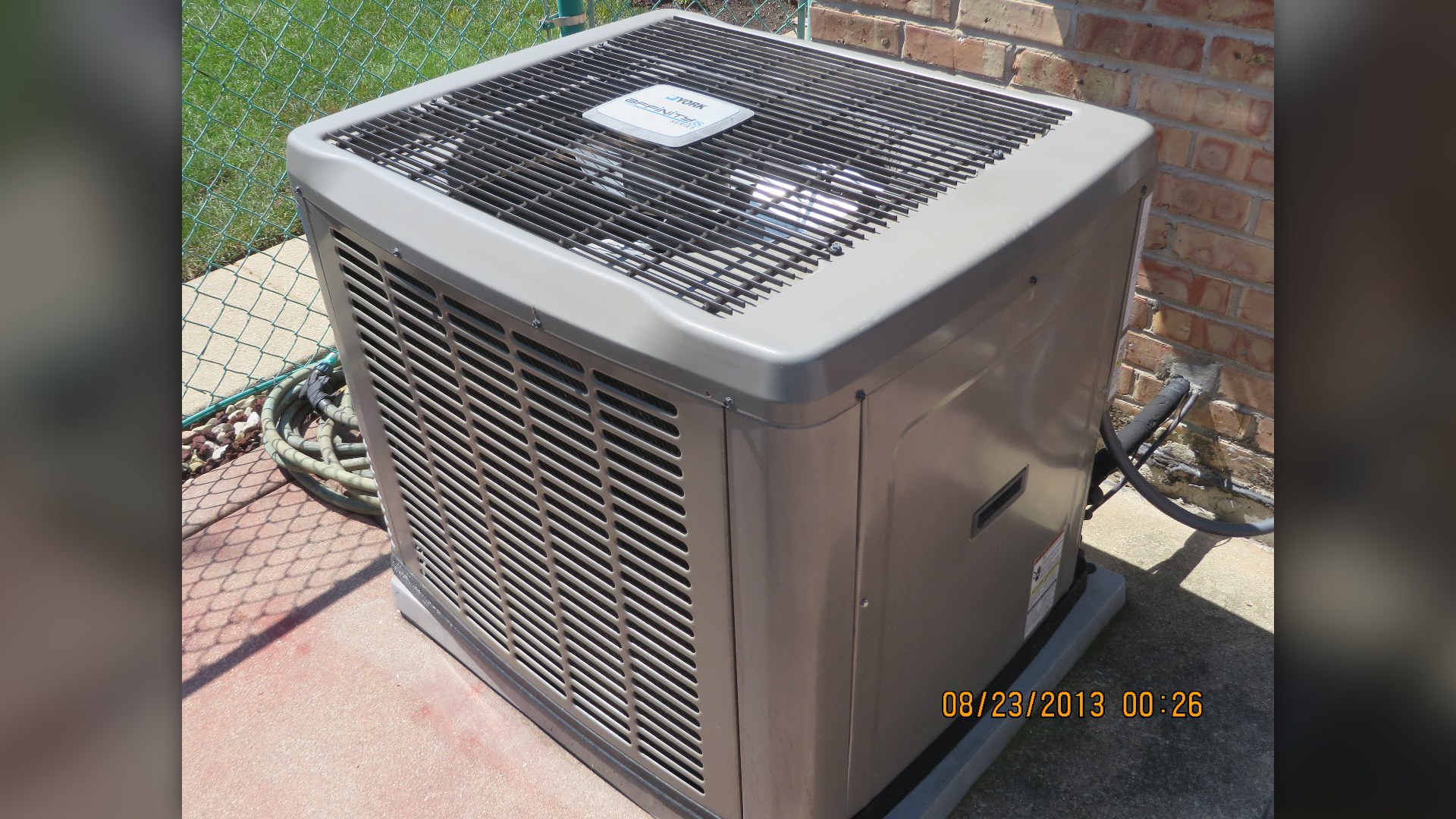
Financial planners recommend budgeting 1 to 2 percent of home value annually for maintenance. Replacing a central air conditioning condenser, putting on a new roof, or replacing a water heater costs thousands of dollars. Tenants call a landlord for repairs without bearing unexpected capital outlays.
10. Opportunity Cost Of Invested Capital
A 100,000 dollar down payment locked inside brick and mortar produces zero liquid dividend yield. If invested in a diversified low-cost S&P 500 index fund with an 8 to 10 percent historical return, that same capital compounds substantially over decades, often outpacing residential property price gains.

9. High Transaction And Selling Costs
Selling a house involves real estate agent commissions, state transfer taxes, title policies, and seller concessions that easily total 6 to 8 percent of the sales price. A homeowner selling a 400,000 dollar house loses roughly 28,000 dollars in friction costs alone, whereas ending a rental lease costs nothing.
8. HOA Fees And Surprise Assessments
Condominiums and suburban master-planned developments frequently mandate homeowners association fees ranging from 200 to over 800 dollars each month. Aging infrastructure can prompt special assessments costing thousands per unit for structural repairs, roofs, or elevator modernization.

7. Career Mobility And Income Growth
Wage growth often comes from changing employers or moving to competitive job markets. Renters can pack up and relocate at the end of a lease without worrying about a sluggish housing market. Homeowners anchored to a mortgage may pass up lucrative career promotions to avoid selling at a loss.
6. The Standard Deduction Tax Barrier
Federal tax changes increased the standard deduction so significantly that roughly 90 percent of American households no longer itemize deductions. Unless your mortgage interest, state, and local property taxes exceed the high standard deduction threshold, buying provides zero federal income tax reduction.
5. Rent Inflation And Lease Resets
The greatest financial vulnerability of renting is uncontrolled inflation. Landlords adjust lease rates annually to reflect market demand, meaning rent payments can double over a 15-year period. A fixed-rate mortgage protects the homeowner principal and interest payment against monetary inflation forever.
4. Forced Savings And Home Equity
Homeownership acts as an automated forced savings vehicle. Each monthly check chips away at the loan balance, gradually transferring ownership from the bank to the resident. For consumers who lack the discipline to invest spare cash every month, paying down a mortgage builds substantial household net worth.

3. Long-Term Asset Appreciation
Over 20 to 30 year horizons, American residential real estate has historically appreciated at 3 to 5 percent annually, outpacing consumer inflation. When combined with mortgage leverage, modest property appreciation generates large returns on the buyer original cash down payment.
2. The Five-Year Break-Even Horizon
Because closing fees, loan origination costs, and seller commissions consume 8 to 10 percent of home value across a full ownership cycle, buyers typically need five to seven years in a property just to break even against renting. Moving sooner almost guarantees a net financial loss compared to a lease.

1. Price To-Rent Ratios By City
The price-to-rent ratio calculates whether purchasing is financially sound. In expensive metros like San Francisco, Seattle, and New York, ratios exceed 25, making renting dramatically cheaper than buying. In parts of the Midwest and South where ratios fall below 15, purchasing a home builds wealth much faster.