Slideshow · Money
What $100 Can Buy in America Today Compared With 20 Years Ago
A hundred-dollar bill once filled an entire grocery shopping cart, covered multiple sit-down restaurant dinners, or fueled several full vehicle tanks. Twenty years of cumulative inflation have altered everyday consumer purchasing power across supermarkets, fuel pumps, and service counters nationwide.
By Most Viral Today
34 min ago

The Shrinking Greenback: What 100 Dollars Bought Then vs Now 
15. Postage Stamps 
14. Sliced Bread Loaves 
13. Eggs By The Dozen - AdvertisementSwipe or tap ▶ to continue countdown

12. Whole Milk Gallons 
11. Ground Beef 
10. Regular Gasoline 
9. Coffeehouse Lattes - AdvertisementSwipe or tap ▶ to continue countdown

8. Fast Food Burger Meals 
7. Delivery Pepperoni Pizza 
6. Movie Theater Tickets 
5. Barber Haircut - AdvertisementSwipe or tap ▶ to continue countdown

4. College Textbooks 
3. Major Concert Tickets 
2. Smart Flat Screen TV 
1. Full Grocery Cart - Advertisement🔥 UP NEXT IN THIS SERIES◫ 16 Slides

15 Biggest Industries Powering the US Economy
Ranked from smallest to largest by annual gross domestic product contribution, here are the fifteen powerhouse private industries driving the American economy.
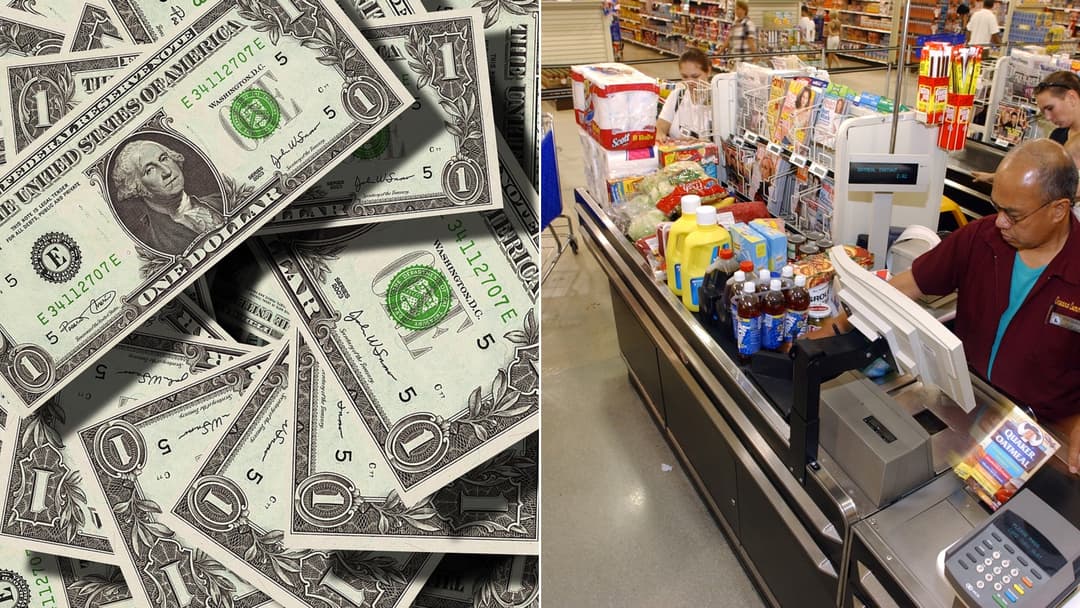
A hundred-dollar bill used to fill grocery carts, cover multiple restaurant meals, or purchase several full tanks of gas. Twenty years of inflation have quietly eroded consumer purchasing power, reducing what cash can buy across supermarkets, retail stores, and service counters nationwide.
Swipe or tap ▶ to begin the countdown
©Pixabay / geralt & Wikimedia / U.S. Navy photo by Joshua
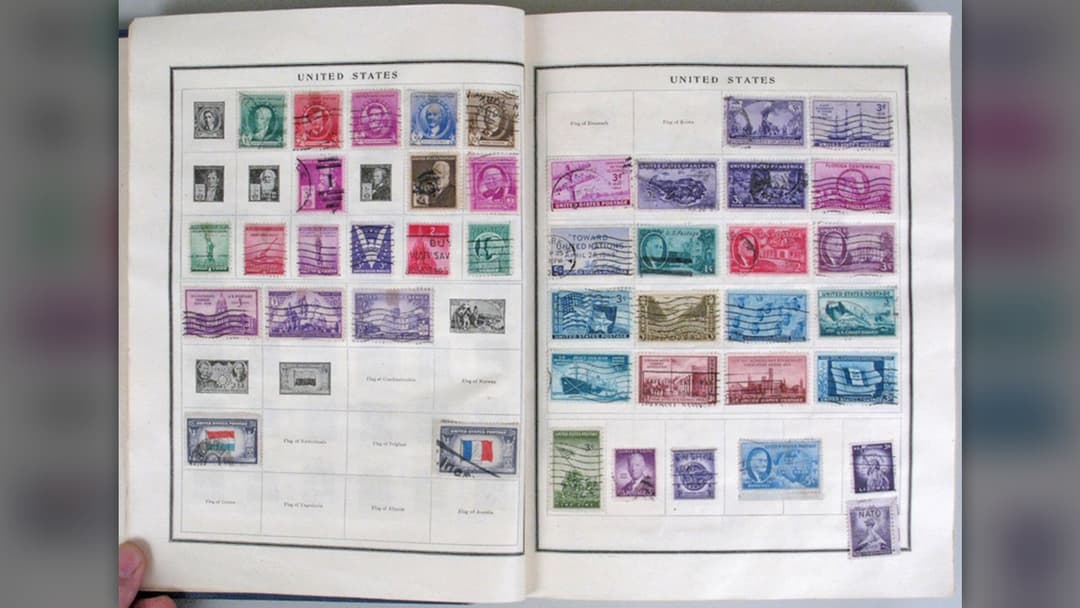
15. Postage Stamps
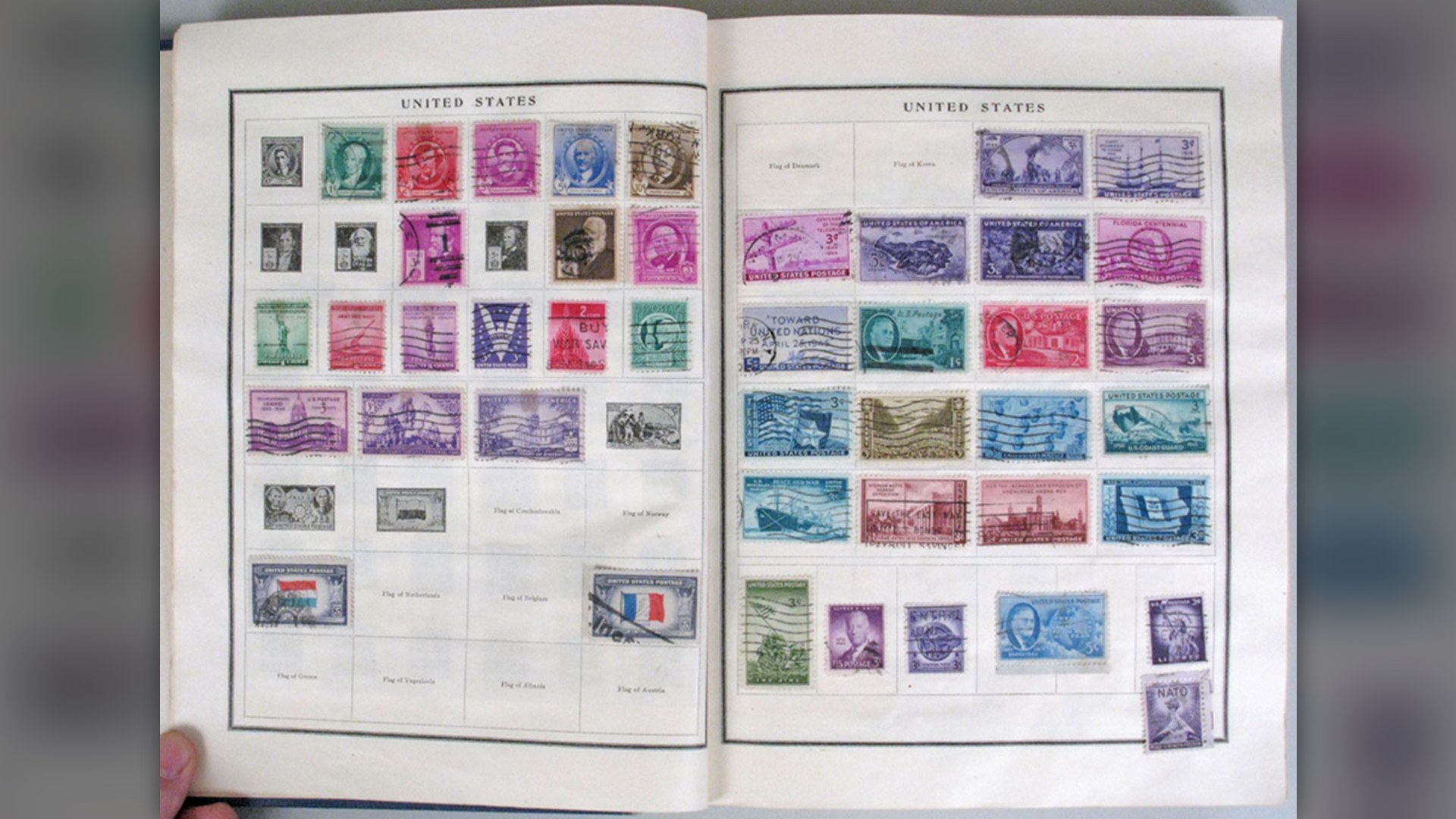
A standard letter cost 39 cents to mail twenty years ago, letting a single hundred-dollar bill purchase more than five full sheets of fifty stamps. Successive postal rate hikes pushed the price of a Forever stamp to 73 cents, slashing total postage volume per bill by nearly half.
©Wikimedia Commons / bomont57
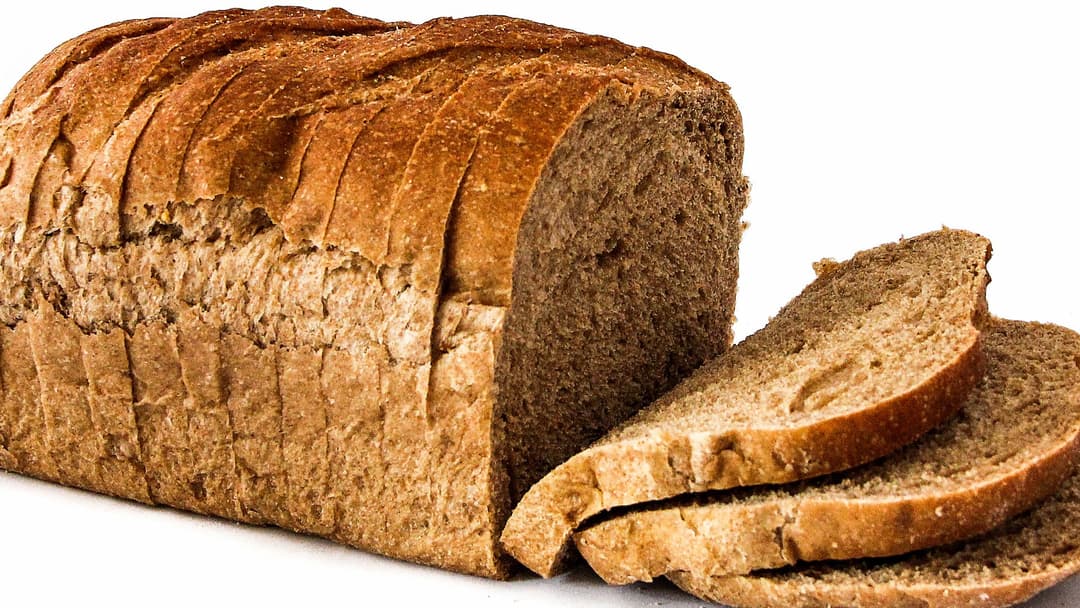
14. Sliced Bread Loaves
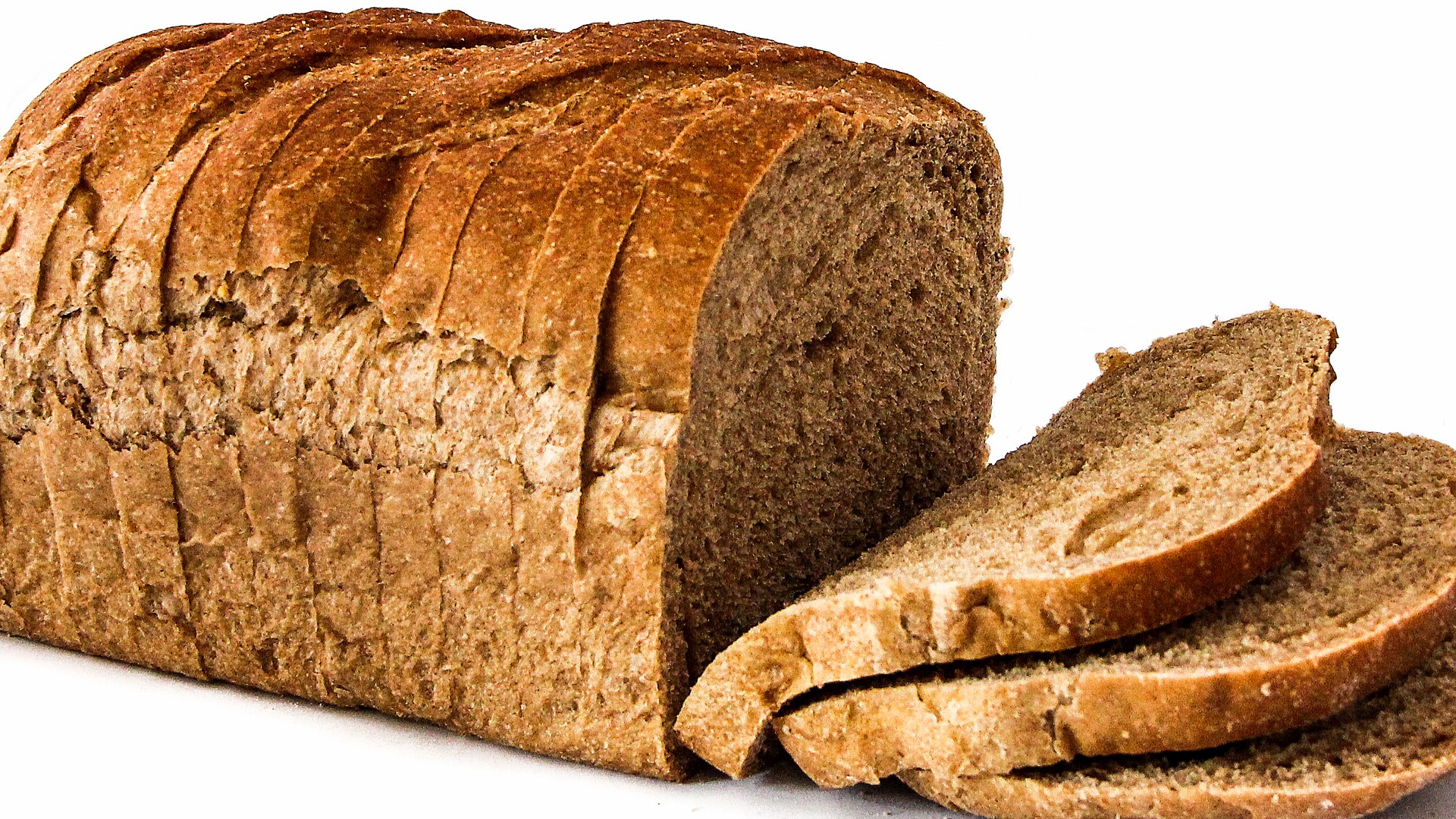
Bureau of Labor Statistics data pegged the average cost of a one-pound loaf of white bread at 1.15 dollars in 2006. Increased grain production expenses and supply chain costs lifted the national average above 2.05 dollars, shrinking grocery cart volume by 39 loaves.
©Wikimedia Commons / FranHogan
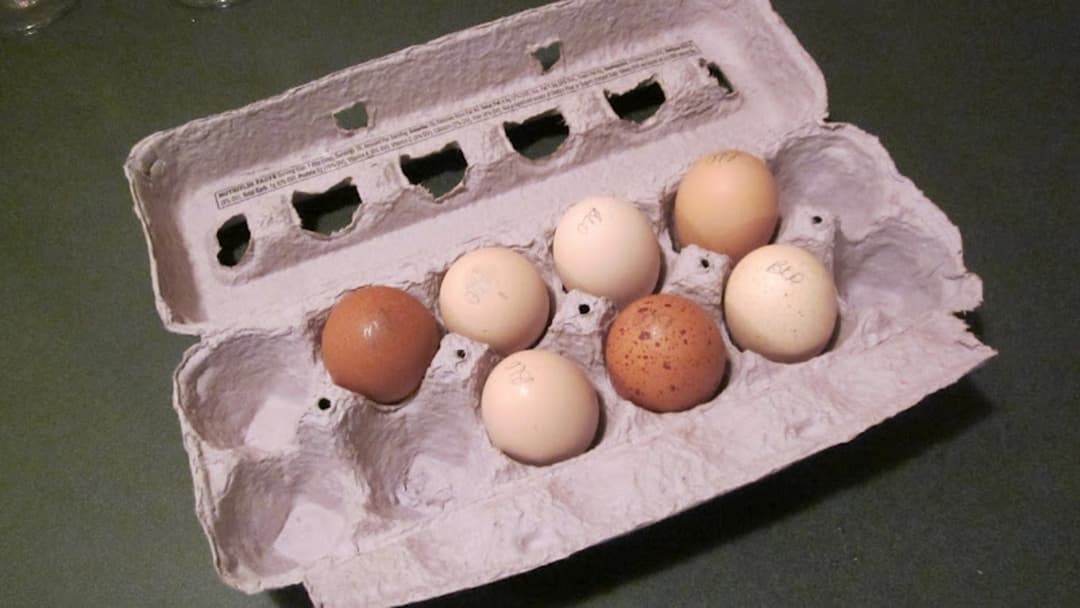
13. Eggs By The Dozen
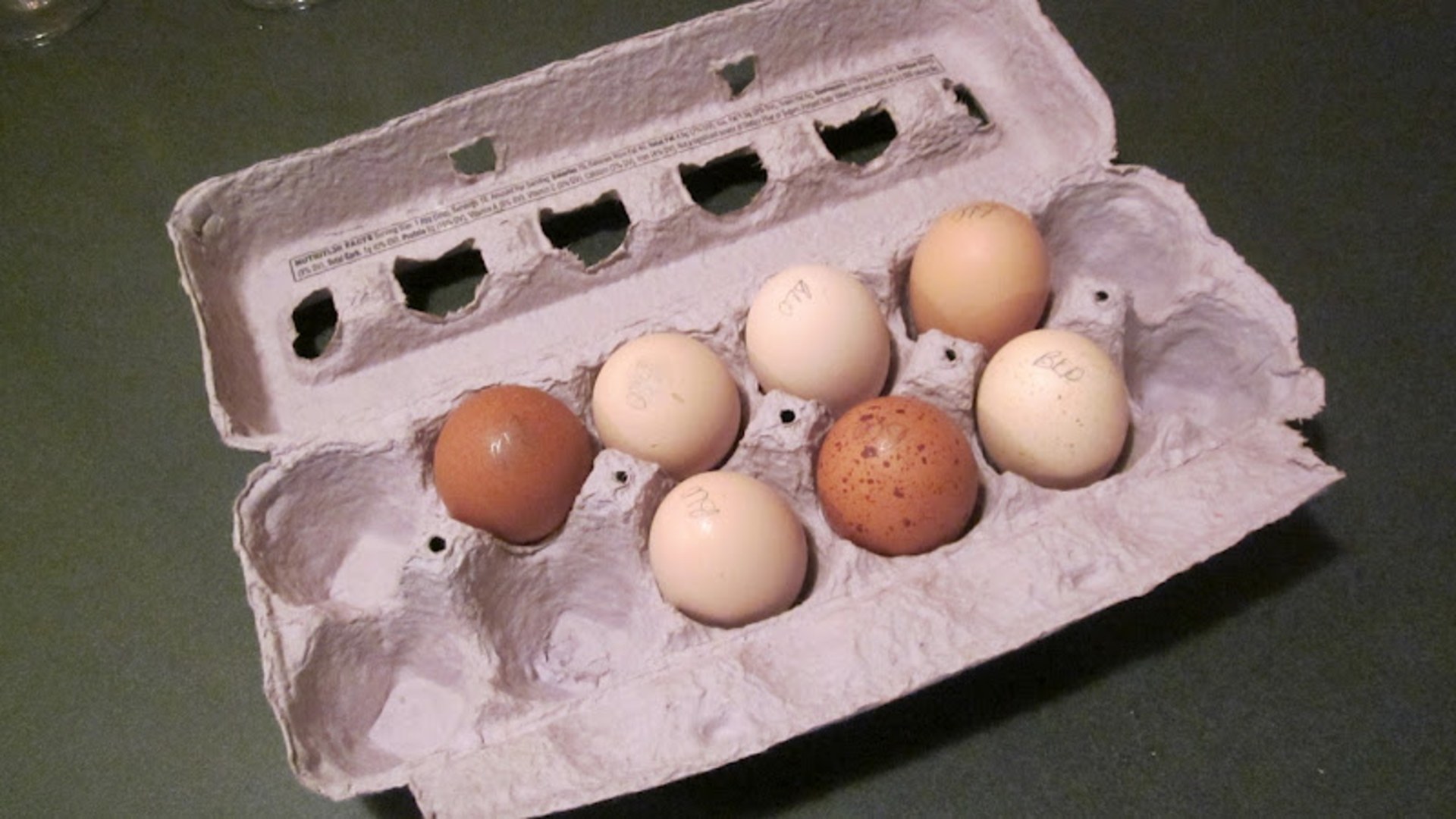
Large Grade A eggs averaged 1.31 dollars per dozen two decades ago, making eggs an ultra-cheap protein source. Recent poultry supply shocks, feed price increases, and retail markups pushed average prices toward 3.30 dollars per dozen, reducing purchasing capacity by 46 cartons.
©Wikimedia Commons / Gunthercx
Advertisement
Swipe or tap ▶ to resume the countdown.
12. Whole Milk Gallons
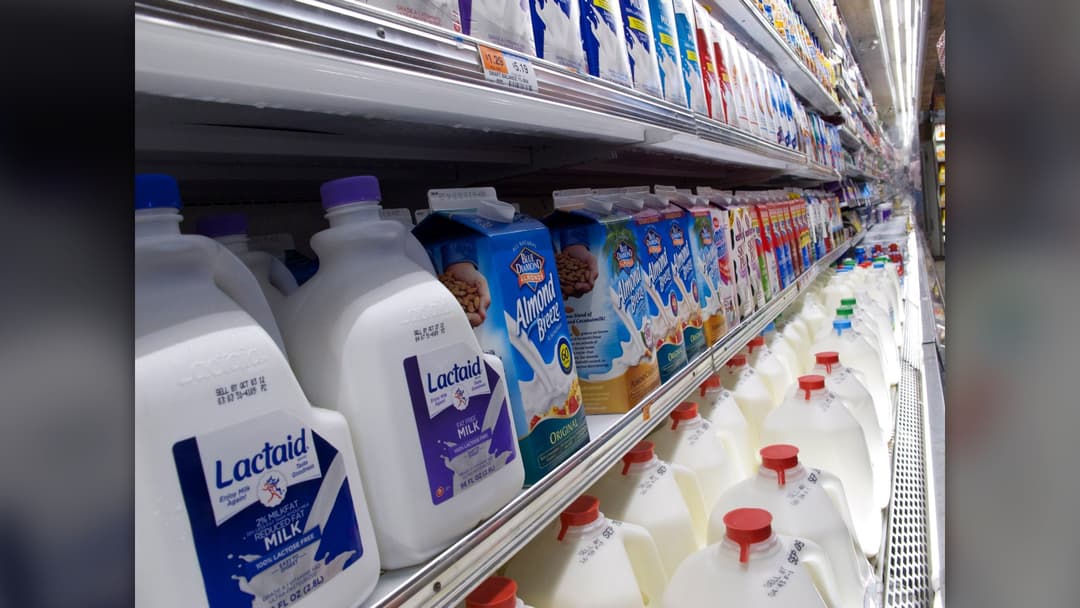
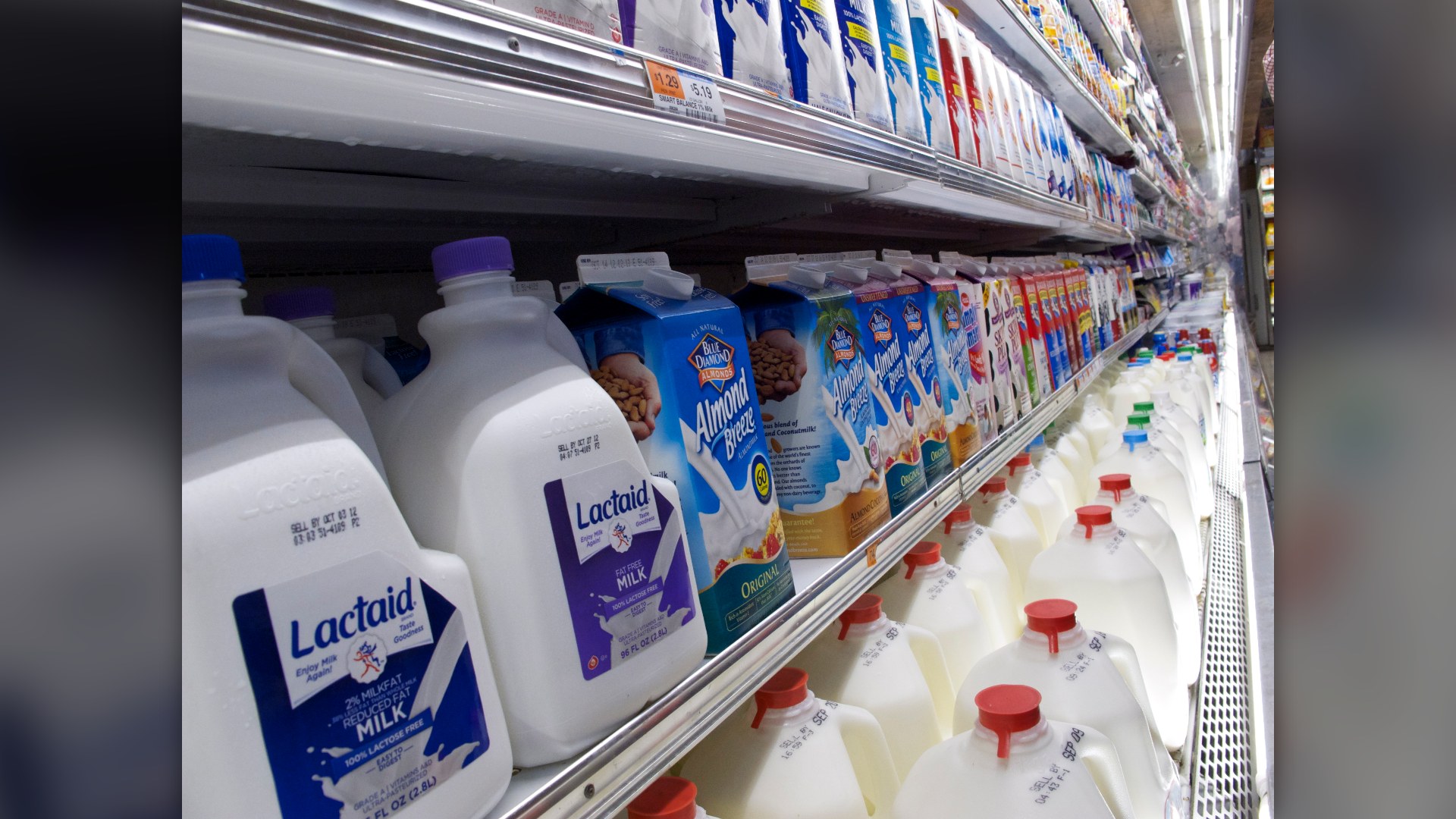
A gallon of fresh whole milk cost an average of 3.08 dollars twenty years ago. Rising fuel, processing, and packaging expenses lifted typical supermarket prices to roughly 4.05 dollars per gallon, trimming eight gallons off what a century note yields at checkout.
©Wikimedia Commons / AshokaJegroo
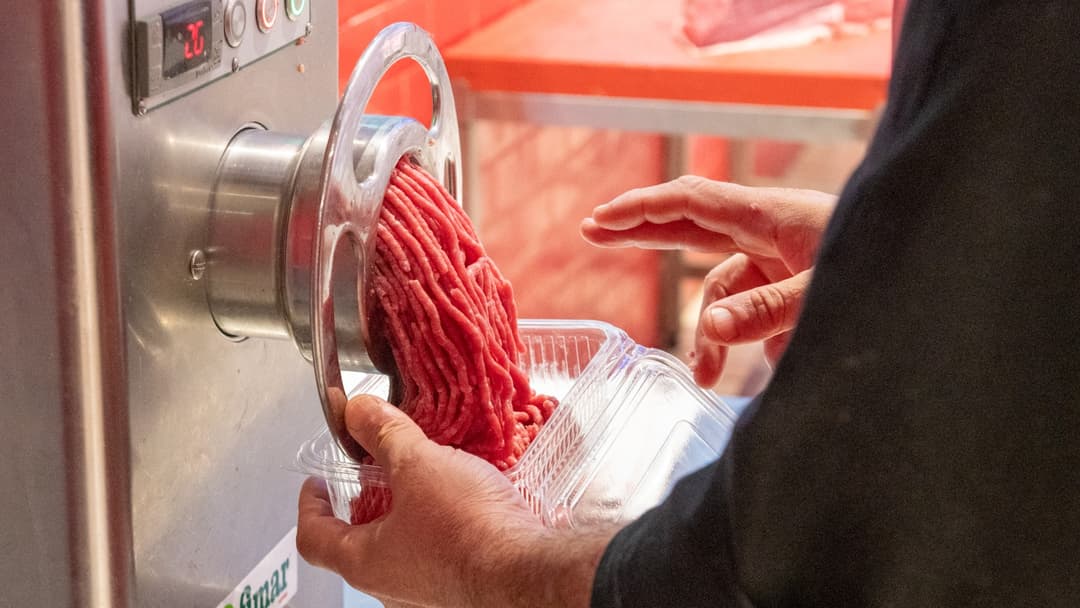
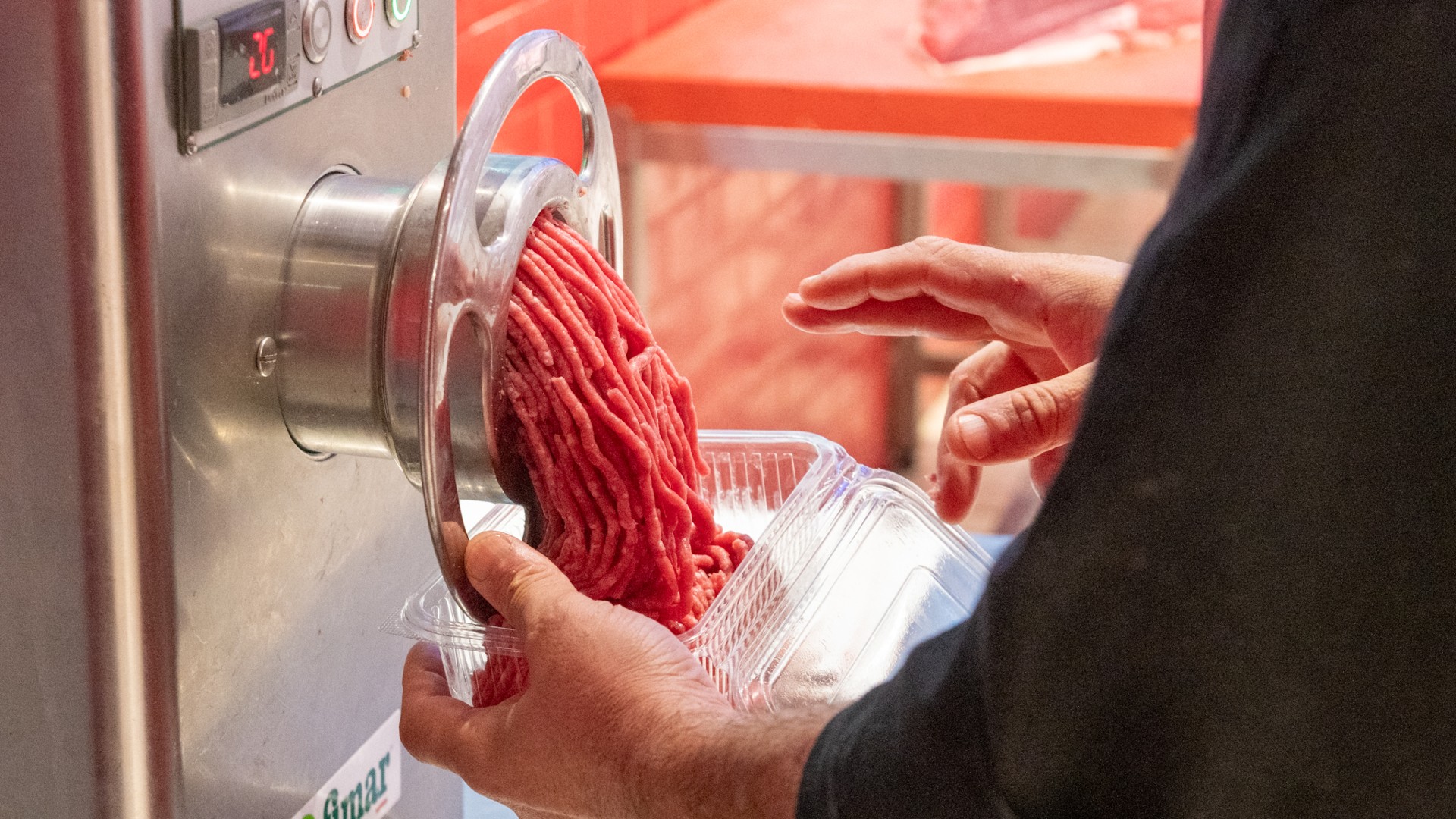
11. Ground Beef
Ground chuck averaged 2.22 dollars per pound in 2006, allowing families to stock home freezers on a modest budget. Persistent drought across ranch lands and elevated cattle feed costs pushed average retail prices past 5.50 dollars per pound, wiping out 27 pounds of purchasing power.
©Wikimedia / Abdellah zou
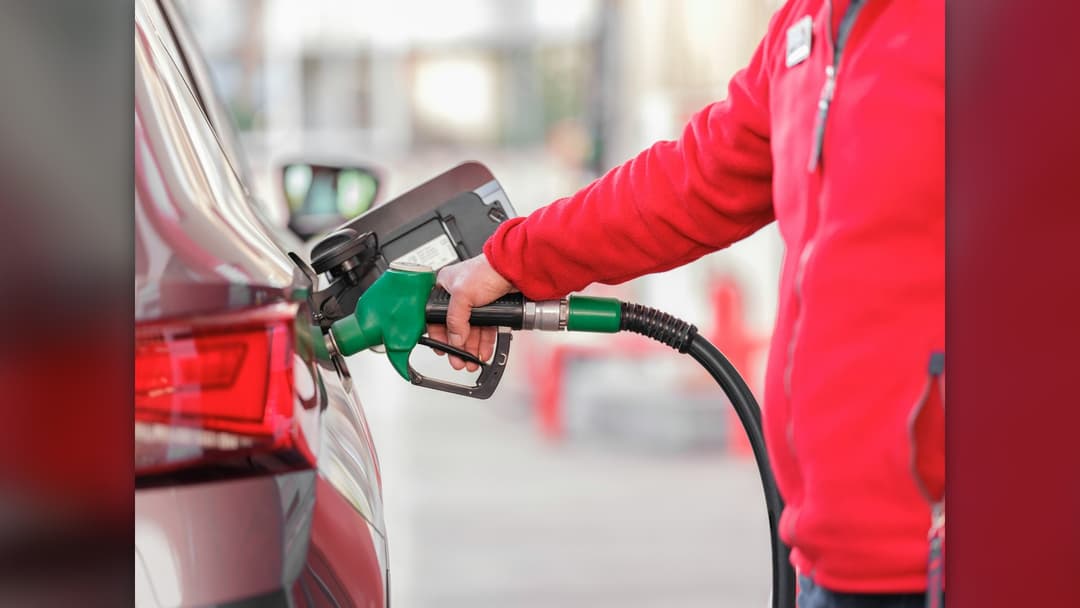
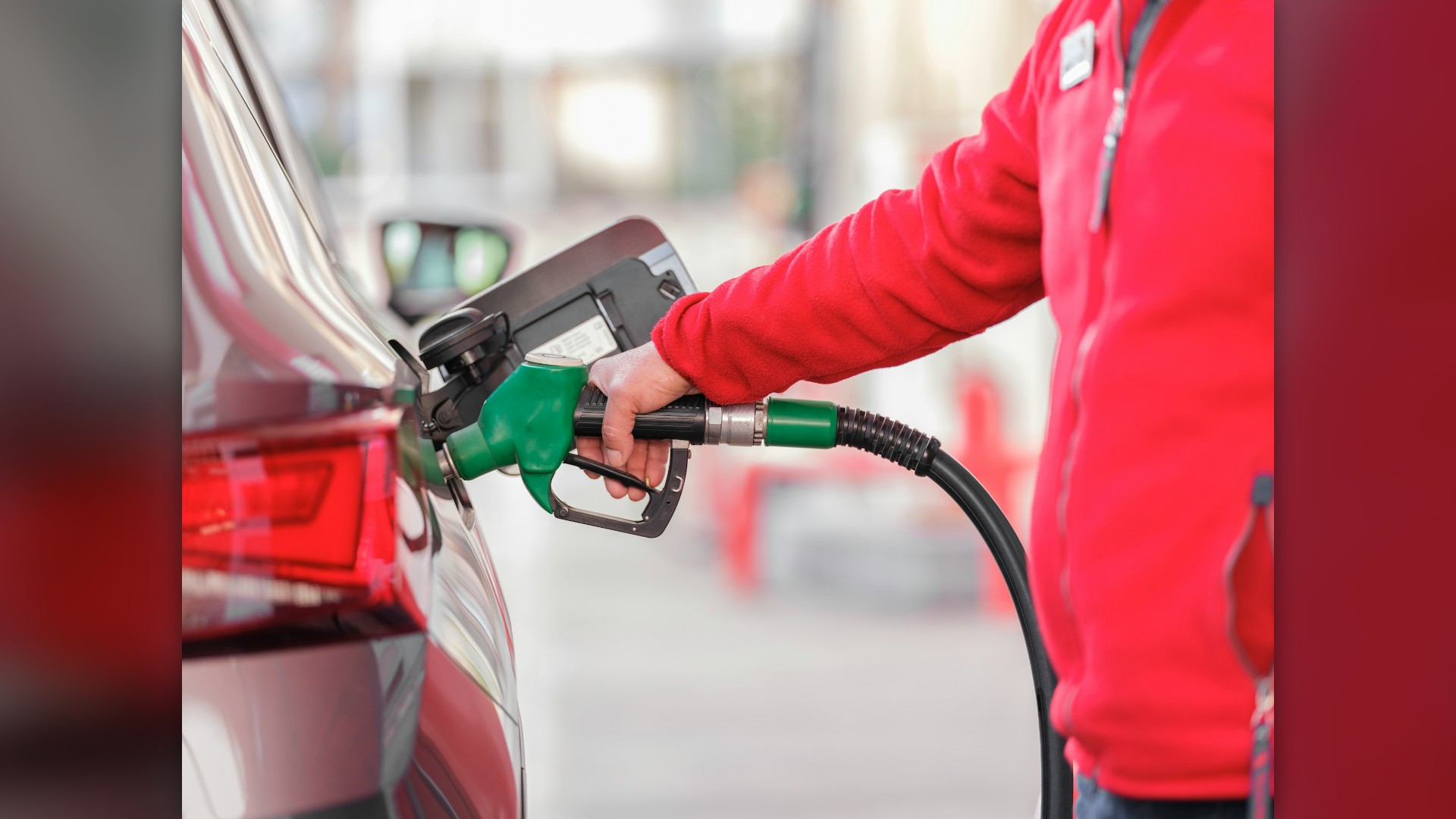
10. Regular Gasoline
American drivers paid roughly 2.59 dollars per gallon of regular unleaded fuel two decades ago, enough to fill two midsize vehicle tanks with change left over. Even after pulling back from historic spikes, current retail fuel prices leave drivers ten gallons short of their 2006 haul.
©Unsplash / engin akyurt
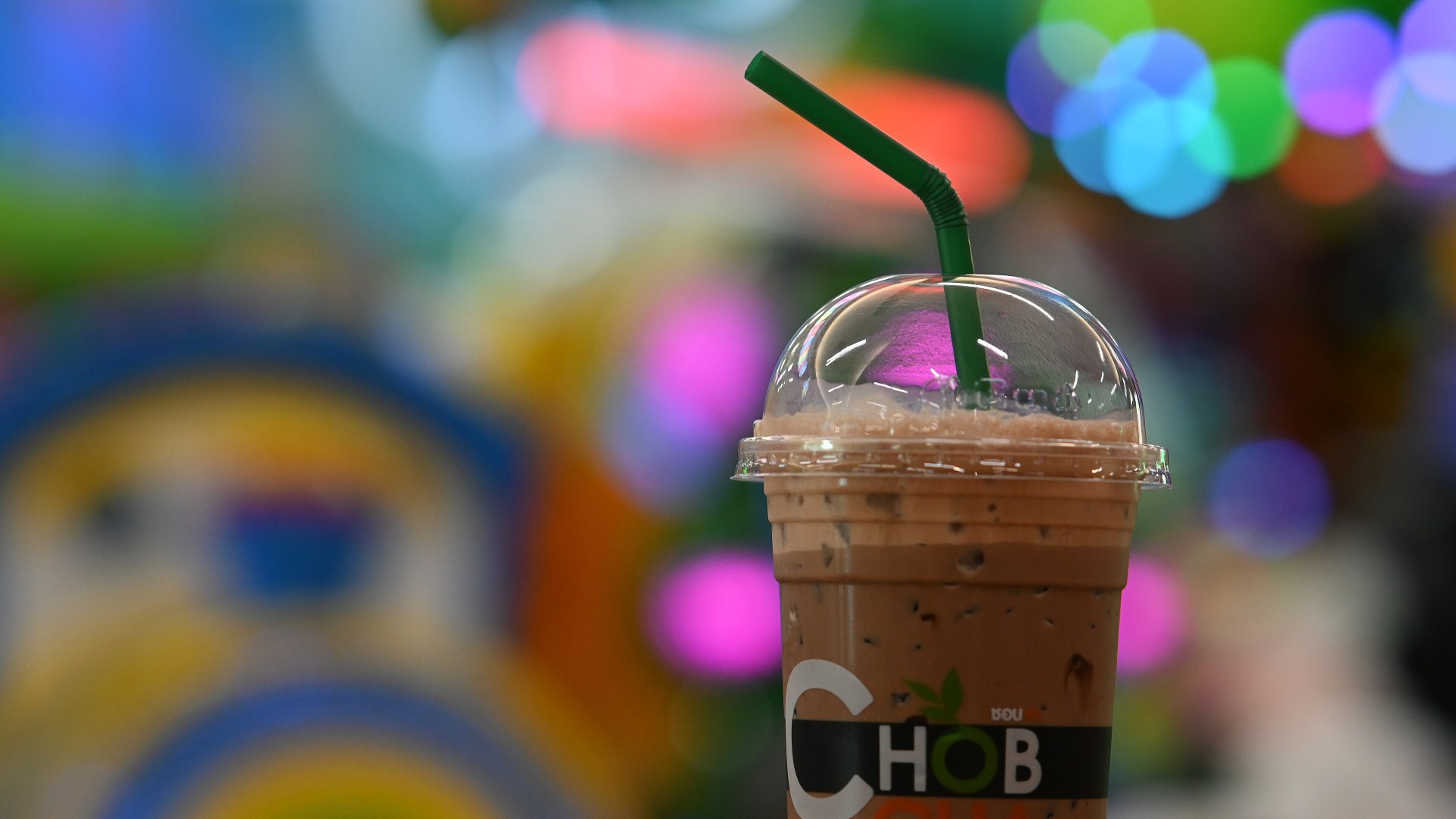
9. Coffeehouse Lattes
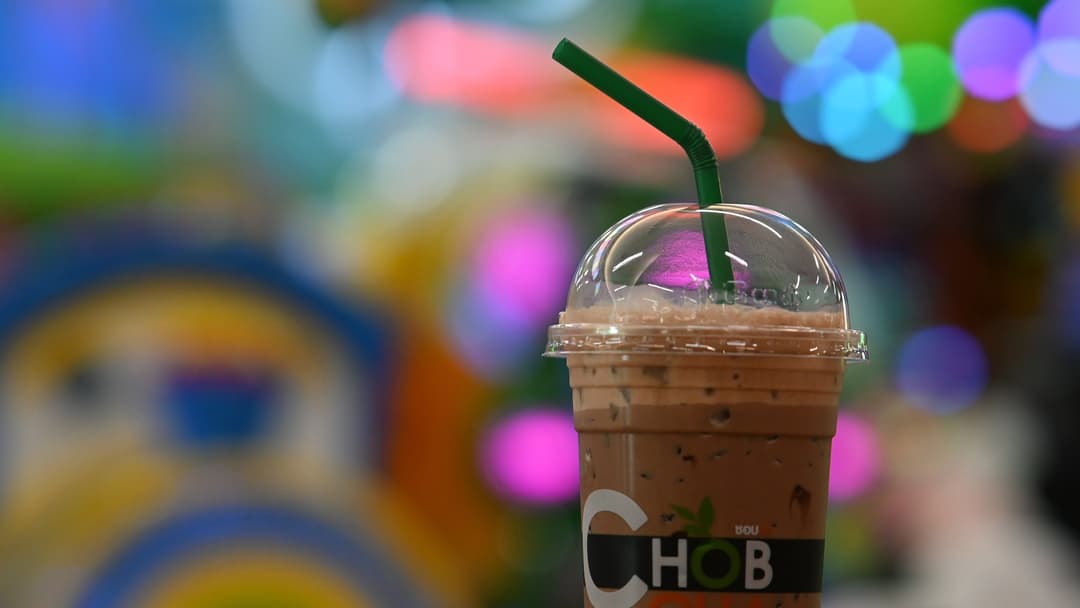
A sixteen-ounce caffe latte at major urban coffee shops cost roughly 3.25 dollars two decades ago. Escalating barista labor wages, cup supply expenses, and global coffee bean inflation carried standard drinks to 5.50 dollars each, cutting thirteen beverages from a coffee run.
©Wikimedia Commons / PattayaPatrol
Advertisement
Swipe or tap ▶ to resume the countdown.
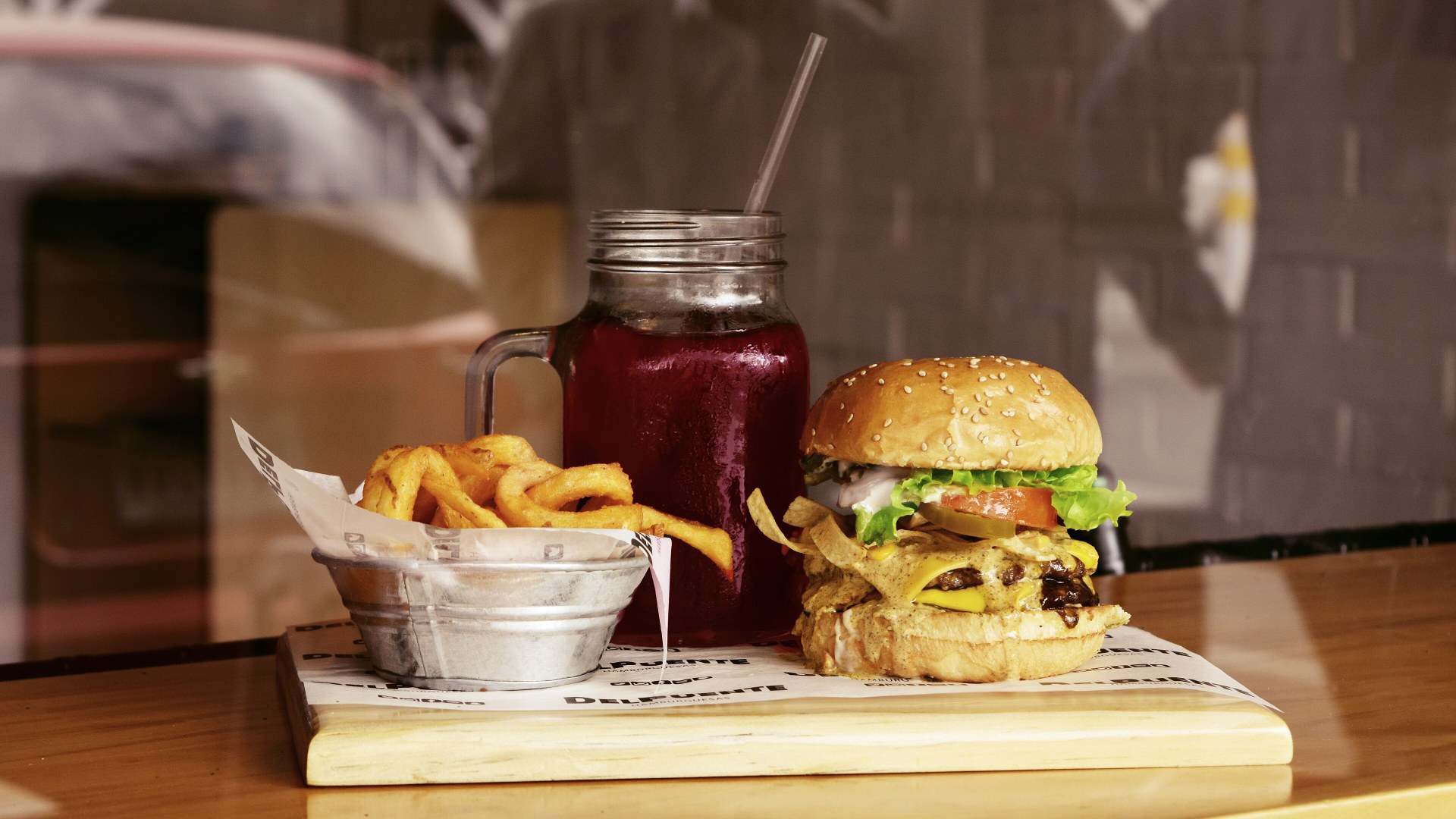
8. Fast Food Burger Meals
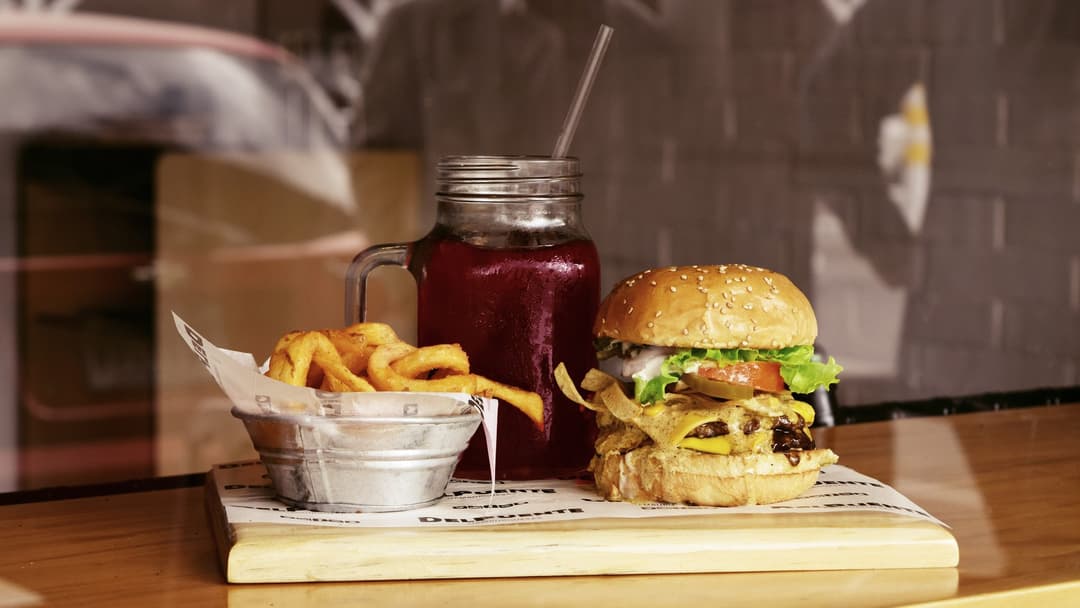
A signature value combo with a burger, fries, and drink cost roughly 4.60 dollars in 2006. Fast food pricing outpaced general inflation due to wage increases and commercial real estate rents, lifting typical combo meals past 10 dollars and cutting meal volume by more than half.
©Wikimedia Commons / Javier Molina
7. Delivery Pepperoni Pizza
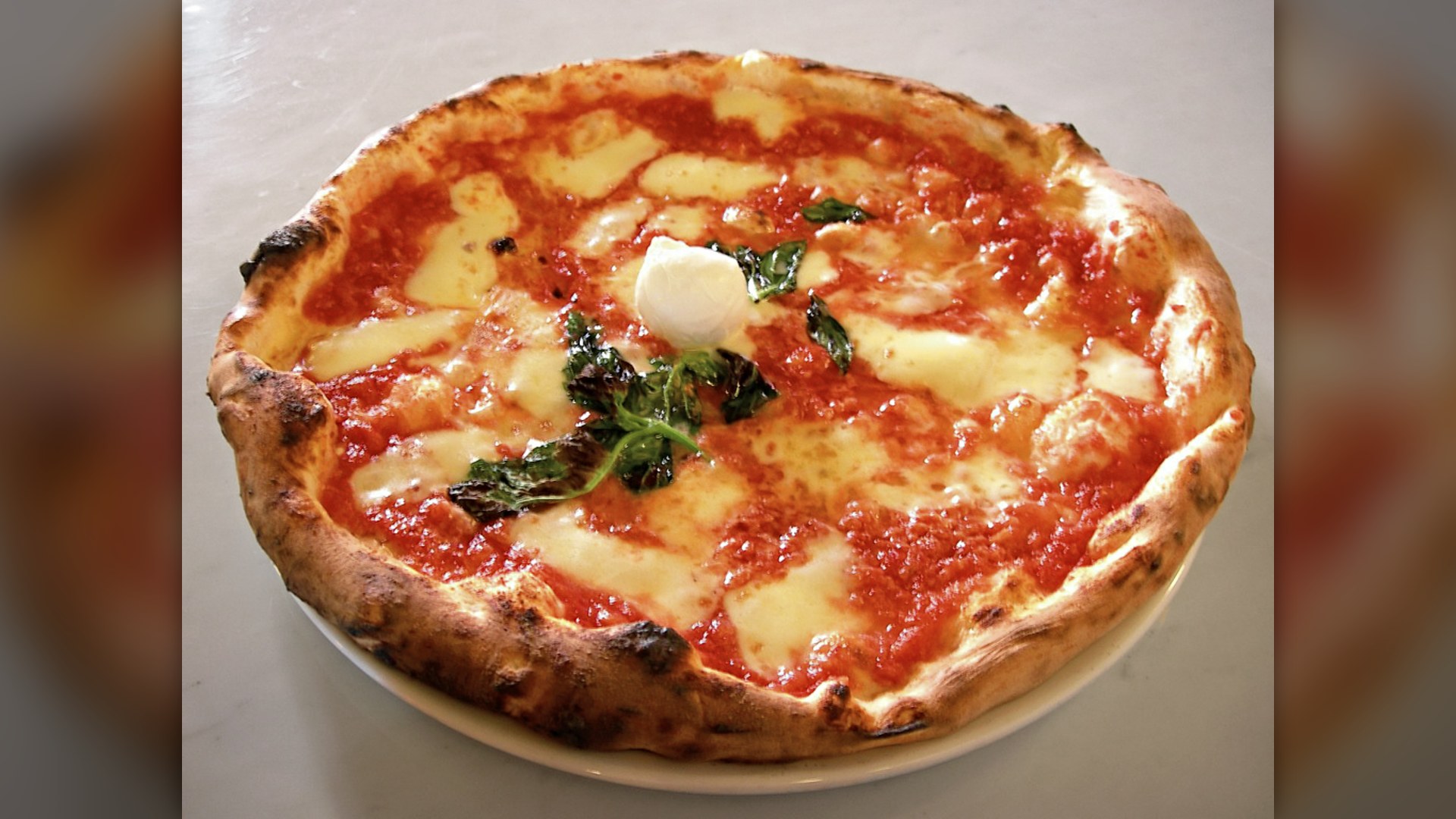
National pizza chains routinely advertised large two-topping pies for 9.99 dollars with free or low-cost delivery in 2006. Between climbing ingredient prices, higher hourly wages, and added delivery service surcharges, that same order total now pays for just five delivered pies.
©Wikimedia Commons / Valerio Capello
6. Movie Theater Tickets
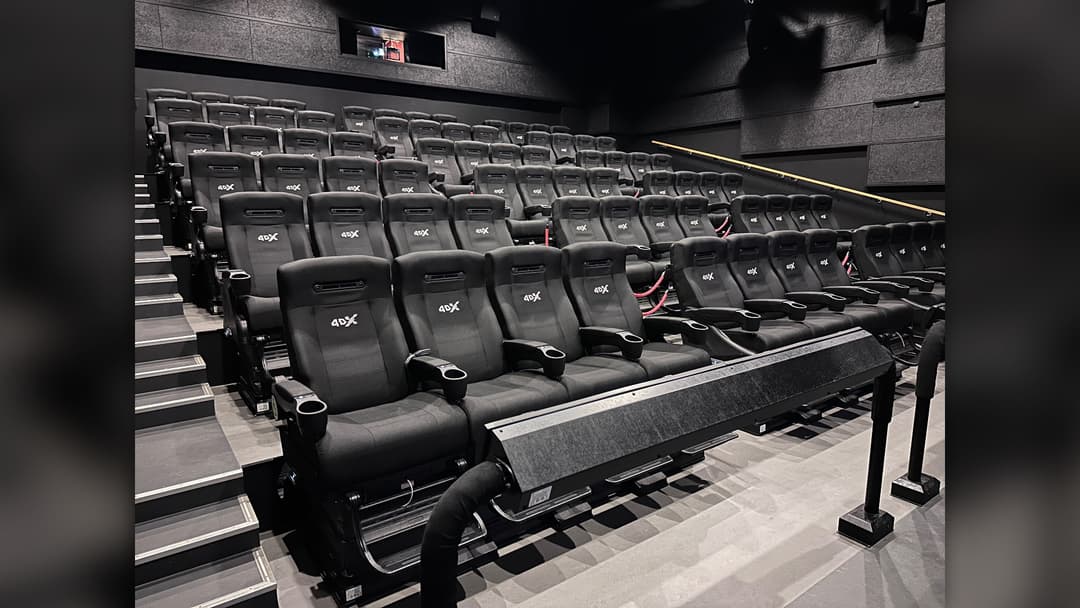
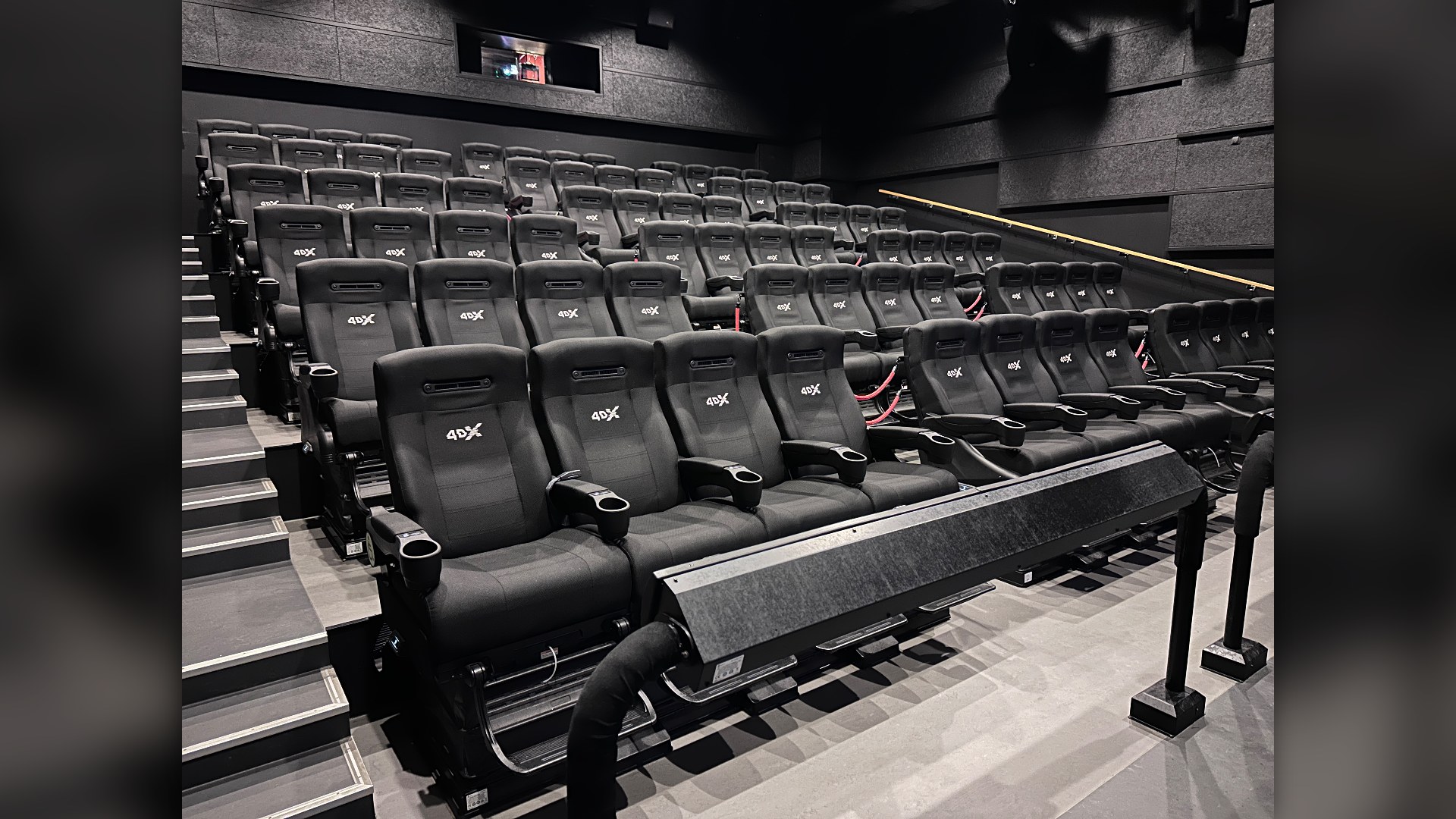
National Association of Theatre Owners data showed the average national movie ticket cost 6.55 dollars in 2006. Luxury recliner seating upgrades, premium screen formats, and rising facility overhead pushed standard adult evening admission past 12.50 dollars in most major markets.
©Wikimedia Commons / Wolfmann
5. Barber Haircut
A basic men's or women's trim at a local neighborhood barbershop averaged 15 dollars two decades ago. Commercial rent hikes, personal care product inflation, and increased skilled labor rates pushed basic salon visits to 35 dollars or more, halving haircut frequency per dollar.

©Wikimedia Commons / Mostafa Meraji
Advertisement
Swipe or tap ▶ to resume the countdown.
4. College Textbooks
Required college textbooks averaged roughly 80 dollars twenty years ago, leaving students with change for school supplies. Textbook publishers steadily raised print prices and bundled costly digital access codes, driving standard textbook costs past 150 dollars per required course.

©Wikimedia Commons / Inayaysad
3. Major Concert Tickets
Pollstar recorded the average top-tier arena tour ticket at 54 dollars in 2006. The rollout of dynamic ticket pricing algorithms, heavy secondary market markups, and mandatory facility fees pushed average major concert admissions beyond 140 dollars, locking a hundred-dollar bill out.

©Wikimedia Commons / Shixart1985
2. Smart Flat Screen TV
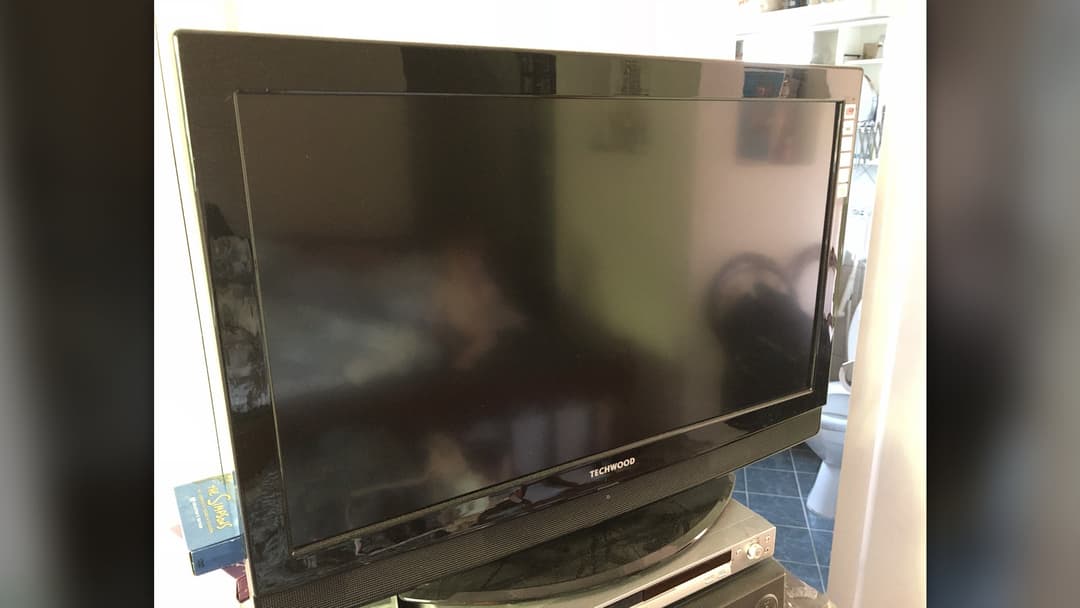
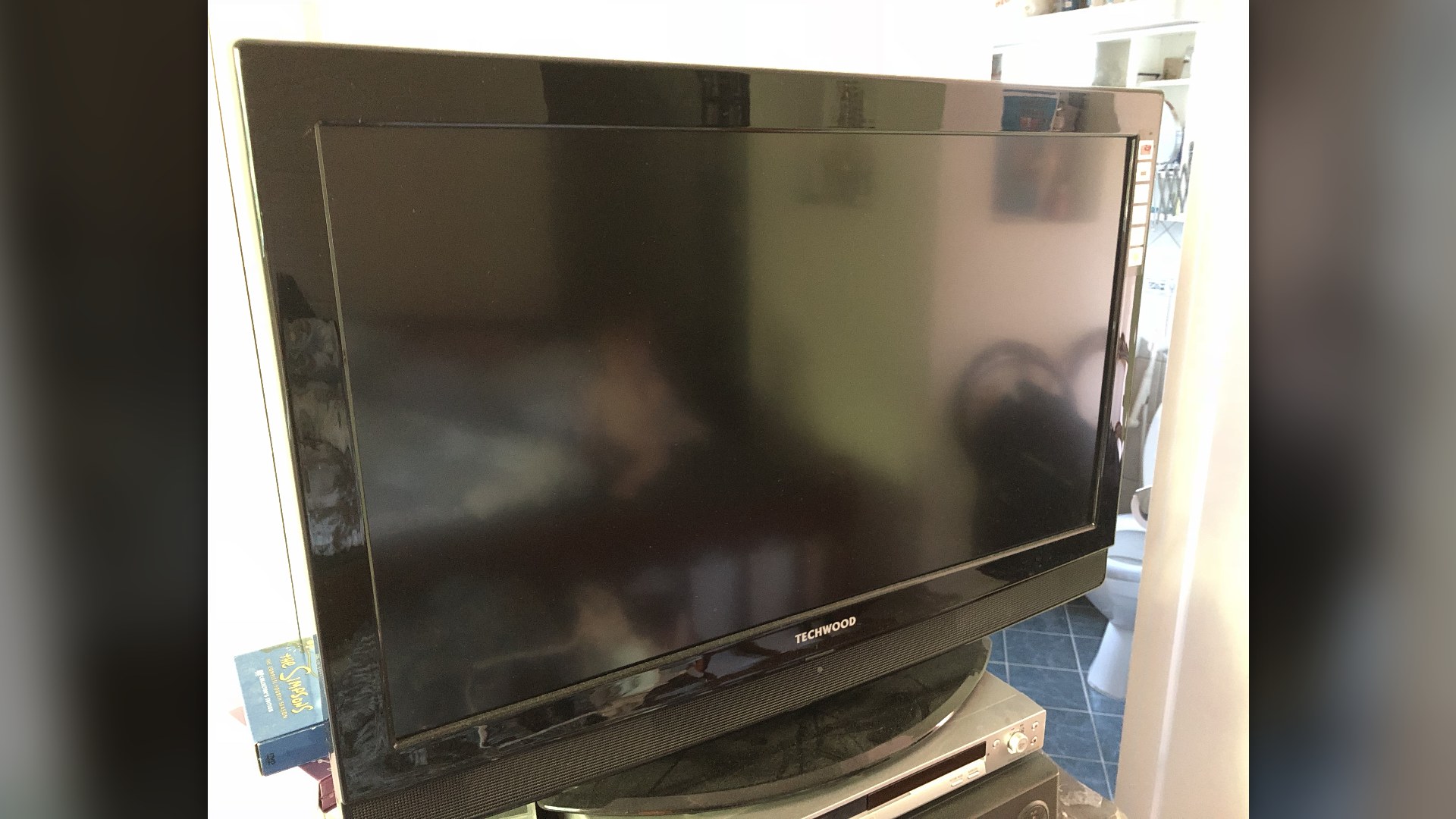
Consumer electronics defied the general inflationary trend over the past two decades. In 2006, a hundred dollars barely covered an entry-level CRT computer monitor or basic DVD player. Today, manufacturing efficiencies and flat-panel display advances put a 32-inch high-definition smart television within reach.
©Wikimedia Commons / Percivalor
1. Full Grocery Cart
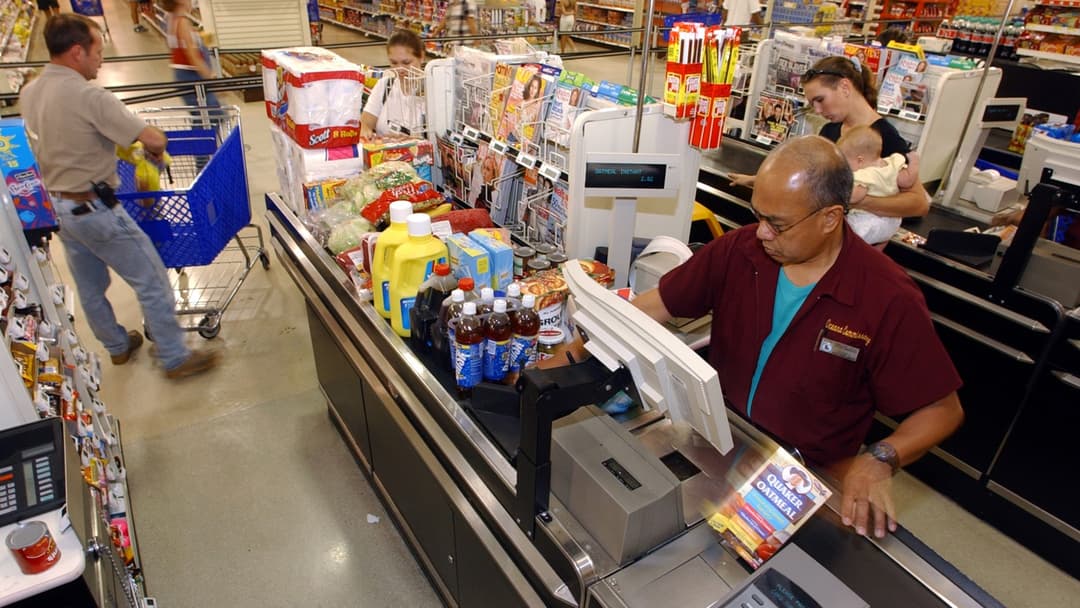
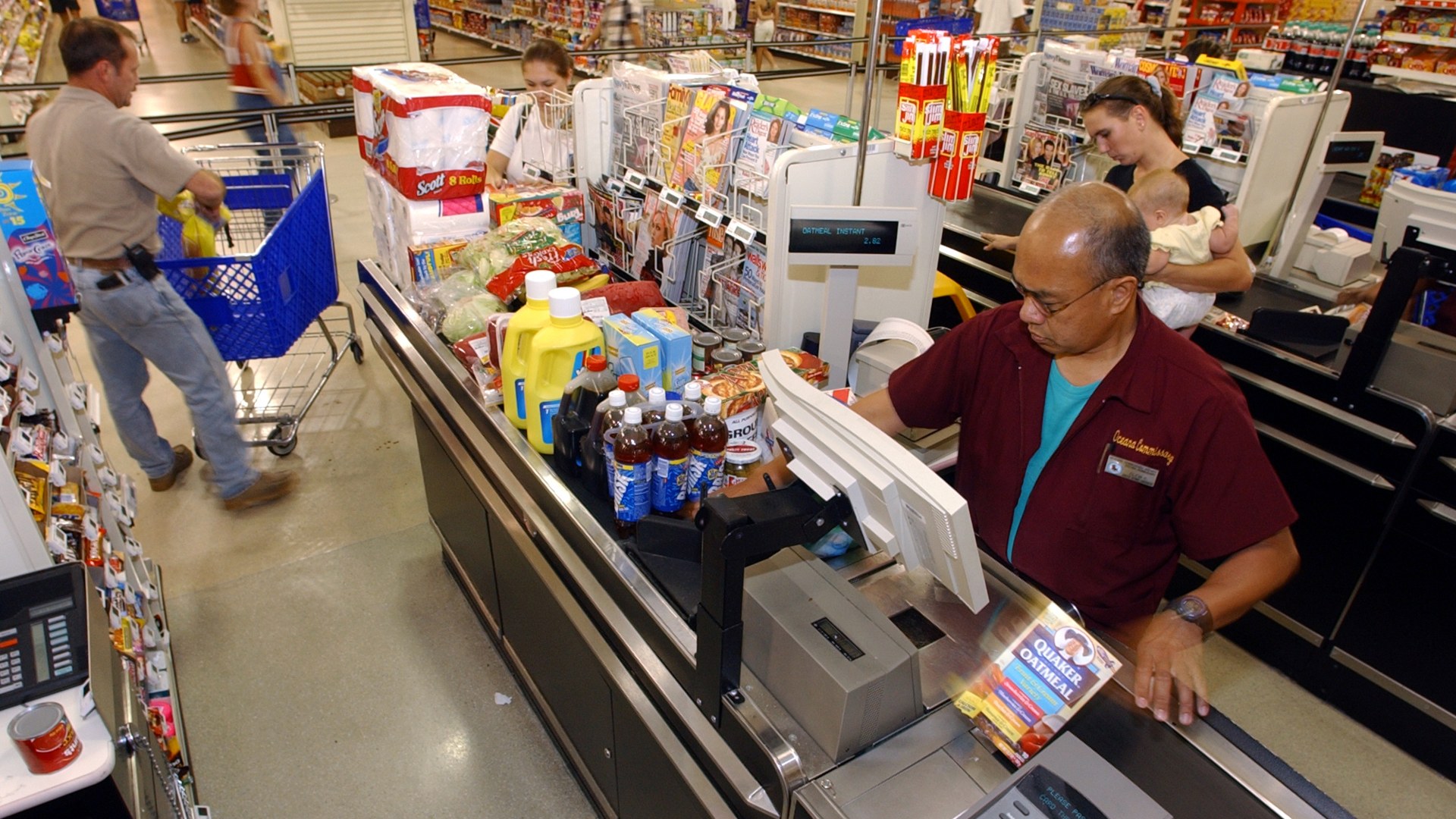
Two decades ago, a hundred-dollar trip through supermarket aisles produced a loaded cart with meats, dairy, produce, snacks, and household staples. General grocery inflation compounded by nearly 70 percent since 2006, reducing a century note to just a couple of brown paper grocery bags.
©Wikimedia Commons / U.S. Navy photo by Joshua Pritekel
Advertisement
You've reached the end of the story. Thanks for reading!

15 Biggest Industries Powering the US Economy
Ranked from smallest to largest by annual gross domestic product contribution, here are the fifteen powerhouse private industries driving the American economy.
All 15 Entries in this Story
15. Postage Stamps
A standard letter cost 39 cents to mail twenty years ago, letting a single hundred-dollar bill purchase more than five full sheets of fifty stamps. Successive postal rate hikes pushed the price of a Forever stamp to 73 cents, slashing total postage volume per bill by nearly half.

14. Sliced Bread Loaves
Bureau of Labor Statistics data pegged the average cost of a one-pound loaf of white bread at 1.15 dollars in 2006. Increased grain production expenses and supply chain costs lifted the national average above 2.05 dollars, shrinking grocery cart volume by 39 loaves.

13. Eggs By The Dozen
Large Grade A eggs averaged 1.31 dollars per dozen two decades ago, making eggs an ultra-cheap protein source. Recent poultry supply shocks, feed price increases, and retail markups pushed average prices toward 3.30 dollars per dozen, reducing purchasing capacity by 46 cartons.

12. Whole Milk Gallons
A gallon of fresh whole milk cost an average of 3.08 dollars twenty years ago. Rising fuel, processing, and packaging expenses lifted typical supermarket prices to roughly 4.05 dollars per gallon, trimming eight gallons off what a century note yields at checkout.

11. Ground Beef
Ground chuck averaged 2.22 dollars per pound in 2006, allowing families to stock home freezers on a modest budget. Persistent drought across ranch lands and elevated cattle feed costs pushed average retail prices past 5.50 dollars per pound, wiping out 27 pounds of purchasing power.

10. Regular Gasoline
American drivers paid roughly 2.59 dollars per gallon of regular unleaded fuel two decades ago, enough to fill two midsize vehicle tanks with change left over. Even after pulling back from historic spikes, current retail fuel prices leave drivers ten gallons short of their 2006 haul.

9. Coffeehouse Lattes
A sixteen-ounce caffe latte at major urban coffee shops cost roughly 3.25 dollars two decades ago. Escalating barista labor wages, cup supply expenses, and global coffee bean inflation carried standard drinks to 5.50 dollars each, cutting thirteen beverages from a coffee run.

8. Fast Food Burger Meals
A signature value combo with a burger, fries, and drink cost roughly 4.60 dollars in 2006. Fast food pricing outpaced general inflation due to wage increases and commercial real estate rents, lifting typical combo meals past 10 dollars and cutting meal volume by more than half.

7. Delivery Pepperoni Pizza
National pizza chains routinely advertised large two-topping pies for 9.99 dollars with free or low-cost delivery in 2006. Between climbing ingredient prices, higher hourly wages, and added delivery service surcharges, that same order total now pays for just five delivered pies.

6. Movie Theater Tickets
National Association of Theatre Owners data showed the average national movie ticket cost 6.55 dollars in 2006. Luxury recliner seating upgrades, premium screen formats, and rising facility overhead pushed standard adult evening admission past 12.50 dollars in most major markets.

5. Barber Haircut
A basic men's or women's trim at a local neighborhood barbershop averaged 15 dollars two decades ago. Commercial rent hikes, personal care product inflation, and increased skilled labor rates pushed basic salon visits to 35 dollars or more, halving haircut frequency per dollar.

4. College Textbooks
Required college textbooks averaged roughly 80 dollars twenty years ago, leaving students with change for school supplies. Textbook publishers steadily raised print prices and bundled costly digital access codes, driving standard textbook costs past 150 dollars per required course.

3. Major Concert Tickets
Pollstar recorded the average top-tier arena tour ticket at 54 dollars in 2006. The rollout of dynamic ticket pricing algorithms, heavy secondary market markups, and mandatory facility fees pushed average major concert admissions beyond 140 dollars, locking a hundred-dollar bill out.

2. Smart Flat Screen TV
Consumer electronics defied the general inflationary trend over the past two decades. In 2006, a hundred dollars barely covered an entry-level CRT computer monitor or basic DVD player. Today, manufacturing efficiencies and flat-panel display advances put a 32-inch high-definition smart television within reach.

1. Full Grocery Cart
Two decades ago, a hundred-dollar trip through supermarket aisles produced a loaded cart with meats, dairy, produce, snacks, and household staples. General grocery inflation compounded by nearly 70 percent since 2006, reducing a century note to just a couple of brown paper grocery bags.