Slideshow · Travel
15 Largest Countries in the World by Area, Ranked
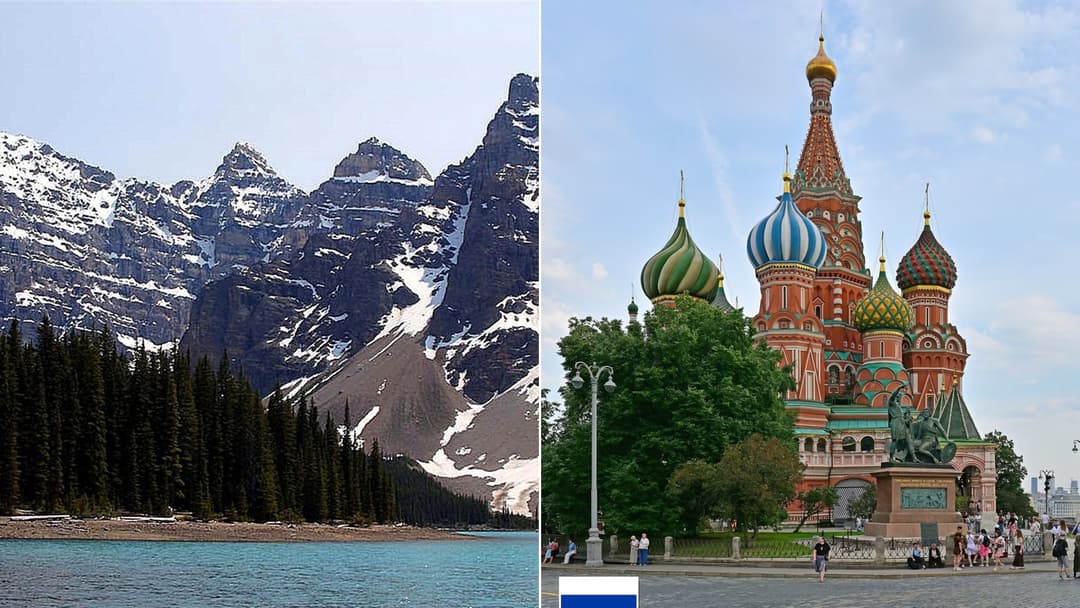
From Saharan desert nations and sprawling archipelagos to continental giants spanning 11 time zones, count down the 15 largest countries on Earth by total area.
By Most Viral Today
22 Oct 2026

From Endless Deserts to 11 Time Zones: Earth's 15 Largest Nations 
15. Sudan (1,886,068 Sq Km) 
14. Indonesia (1,904,569 Sq Km) 
13. Mexico (1,964,375 Sq Km) - AdvertisementSwipe or tap ▶ to continue countdown

12. Saudi Arabia (2,149,690 Sq Km) 
11. Democratic Republic Of The Congo (2,344,858 Sq Km) 
10. Algeria (2,381,741 Sq Km) 
9. Kazakhstan (2,724,900 Sq Km) - AdvertisementSwipe or tap ▶ to continue countdown

8. Argentina (2,780,400 Sq Km) 
7. India (3,287,263 Sq Km) 
6. Australia (7,692,024 Sq Km) 
5. Brazil (8,515,767 Sq Km) - AdvertisementSwipe or tap ▶ to continue countdown

4. United States (9,525,067-9,833,520 Sq Km) 
3. China (9,596,961 Sq Km) 
2. Canada (9,984,670 Sq Km) 
1. Russia (17,098,242 Sq Km) - Advertisement🔥 UP NEXT IN THIS SERIES◫ 23 Slides

22 World-Famous Cruise Ships and Island Ports for Solo Travelers
Compiled from CLIA industry reports and passenger records, these twenty-two cruise ships and island ports feature dedicated solo amenities and unforgettable excursions. Industry surveys confirm solo cruising growth.
From Saharan desert nations and sprawling archipelagos to continental giants spanning 11 time zones, count down the 15 largest countries on Earth by total area.
Swipe or tap ▶ to begin the countdown
©Wikimedia / Jon Sullivan & Wikimedia / Yury D.K.
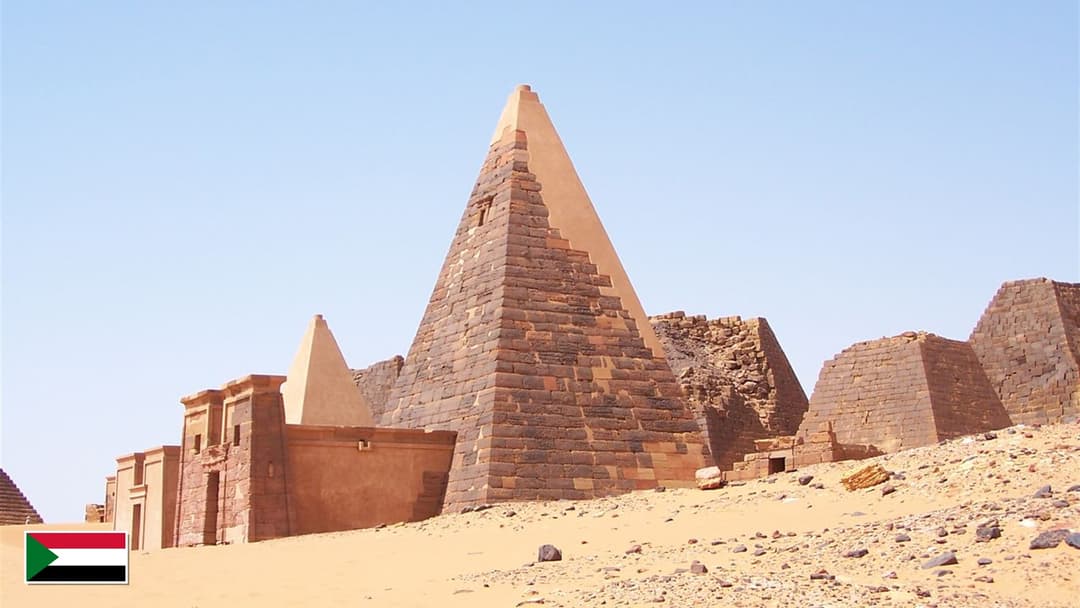
15. Sudan (1,886,068 Sq Km)
Covering 1,886,068 square kilometers (728,215 square miles) in Northeast Africa, Sudan is the third-largest country in Africa and the 15th-largest on Earth. Where the Blue and White Nile converge at Khartoum, vast desert plains hold more than 200 ancient Nubian pyramids at Meroe.
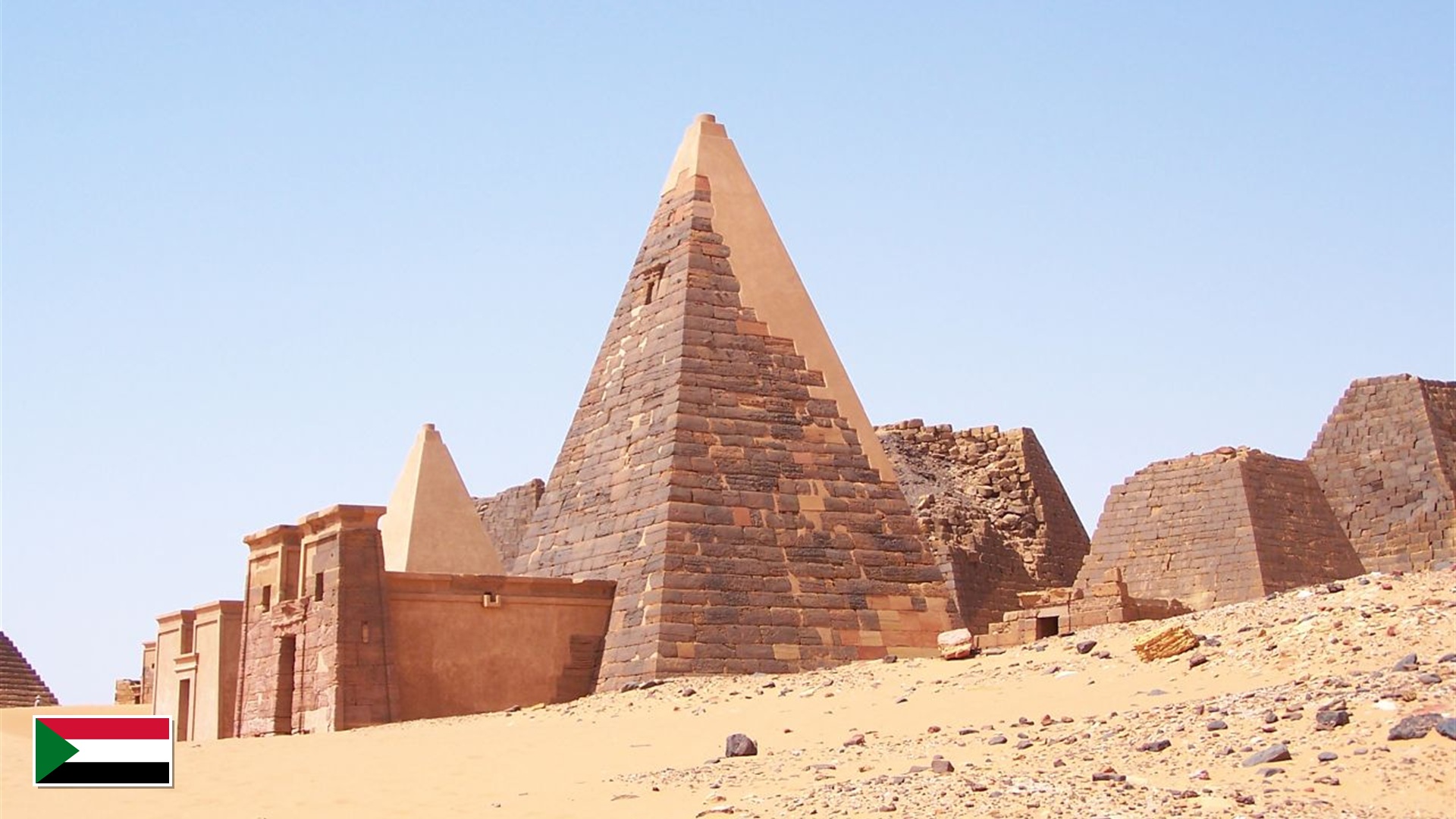
©Wikimedia / Fabrizio Demartis
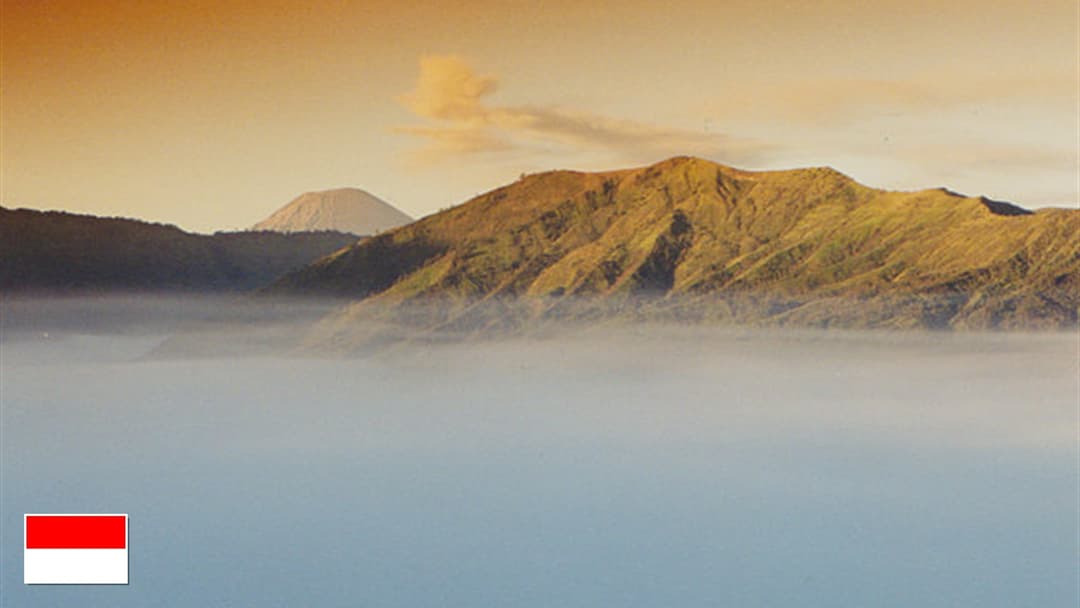
14. Indonesia (1,904,569 Sq Km)
Encompassing 1,904,569 square kilometers (735,358 square miles) of land across more than 17,500 islands between the Indian and Pacific oceans, Indonesia is the largest archipelagic state in the world. Its volcanic spine features active peaks like Mount Bromo and tropical rainforests.
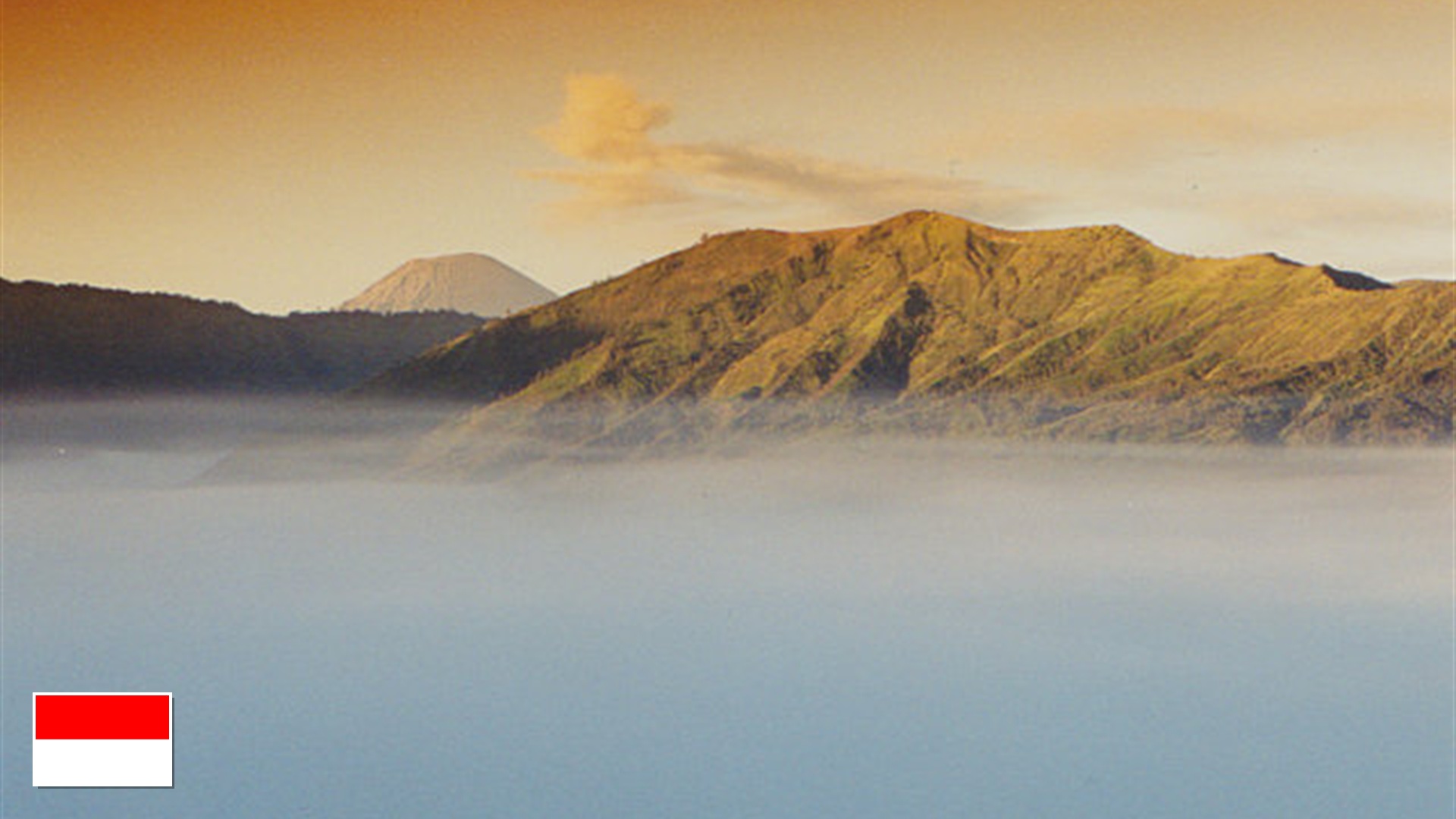
©Wikimedia / Peter van der Sluijs
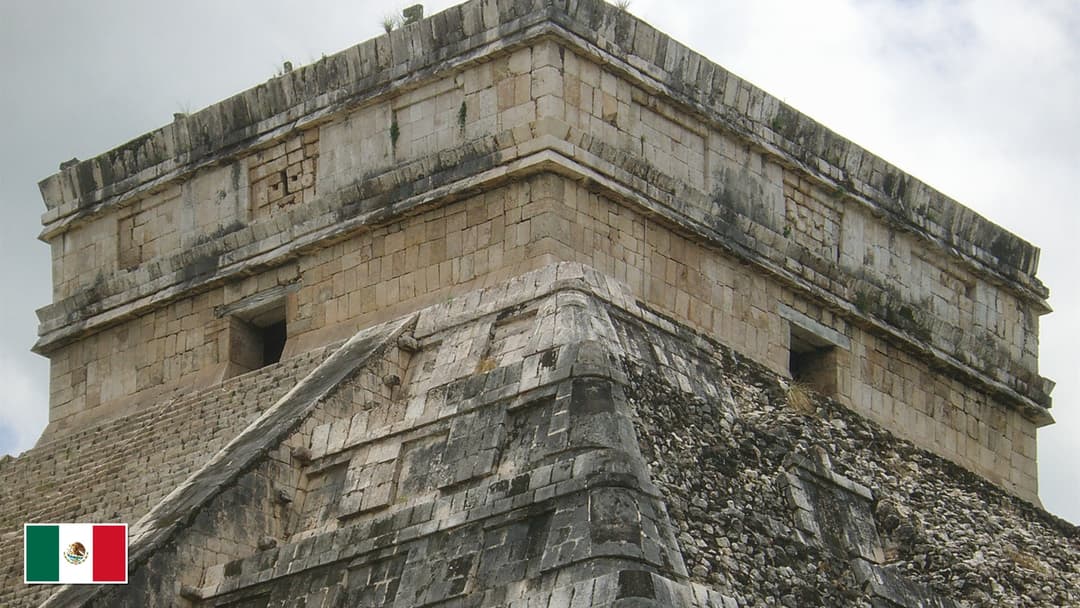
13. Mexico (1,964,375 Sq Km)
With a total area of 1,964,375 square kilometers (758,449 square miles), Mexico is the third-largest nation in Latin America and the 13th-largest country on Earth. Its dramatic geography bridges North and Central America with arid northern deserts, Sierra Madre peaks, and Maya ruins.
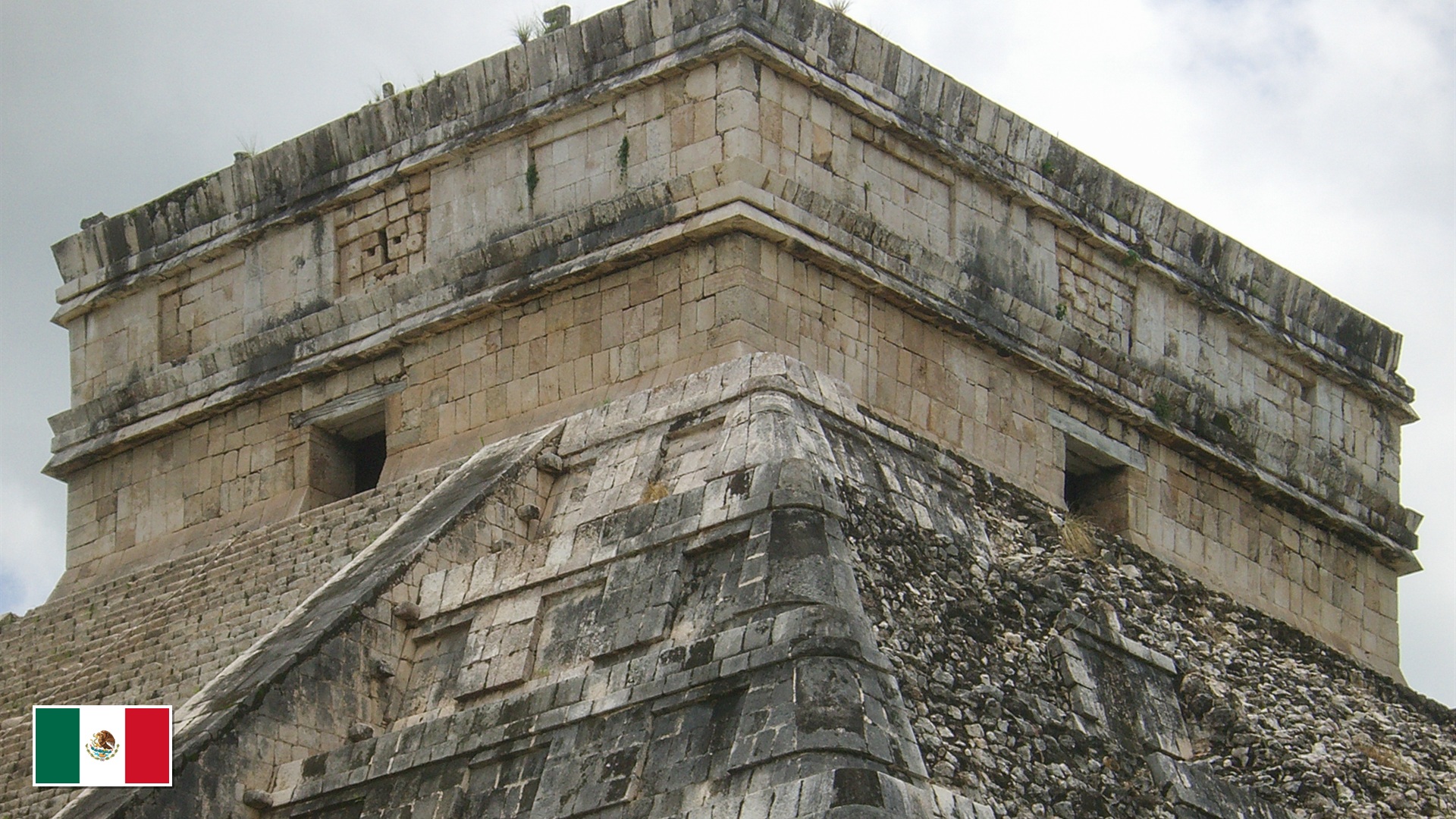
©Wikimedia / Diego Delso
Advertisement
Swipe or tap ▶ to resume the countdown.
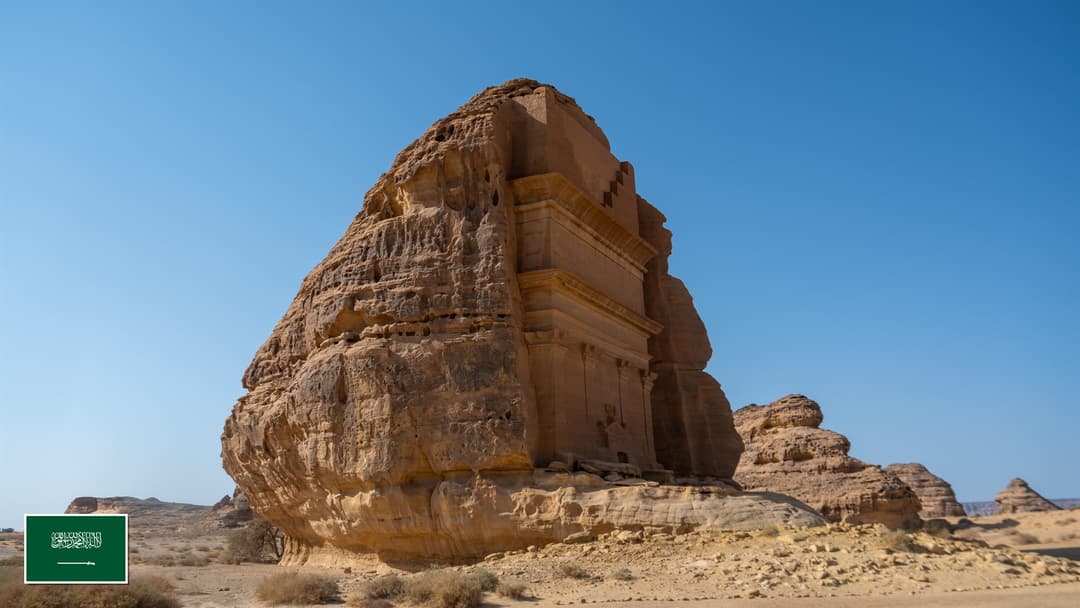
12. Saudi Arabia (2,149,690 Sq Km)
Commanding 2,149,690 square kilometers (830,000 square miles) between the Red Sea and the Persian Gulf, Saudi Arabia is the largest sovereign state in the Middle East. Its vast territory includes the Rub' al Khali (Empty Quarter) sand desert and the rock-cut Nabataean tombs of Hegra.
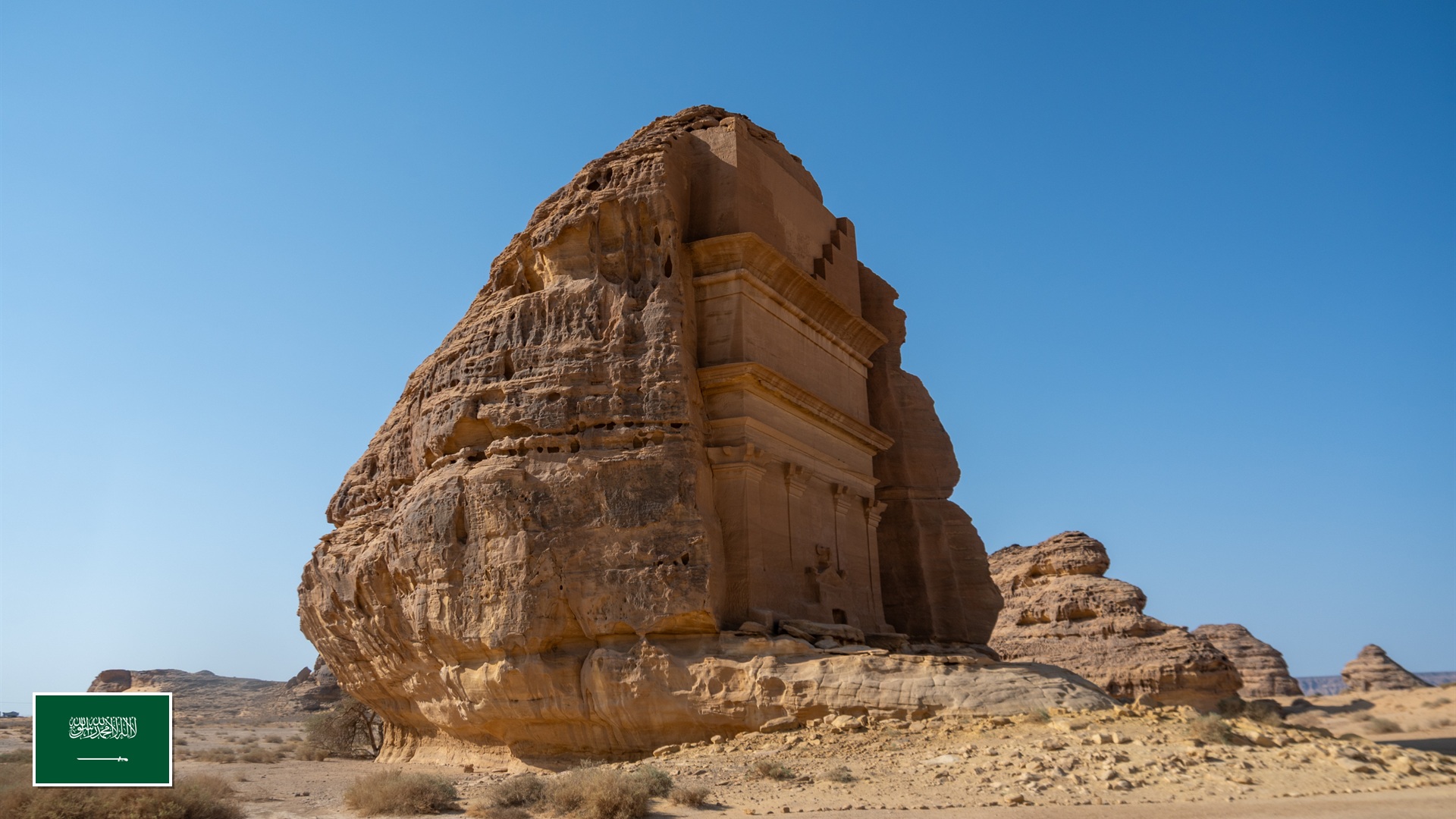
©Wikimedia / xiquinhosilva
11. Democratic Republic Of The Congo (2,344,858 Sq Km)
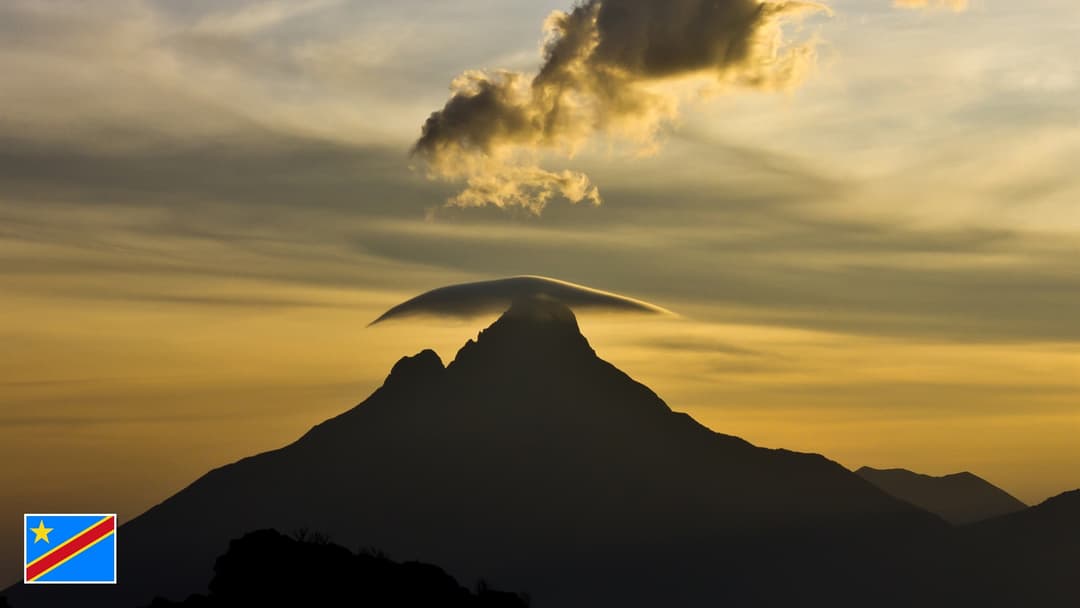
Spanning 2,344,858 square kilometers (905,355 square miles) across Central Africa, the Democratic Republic of the Congo is the largest country in Sub-Saharan Africa. It encompasses the majority of the Congo River Basin - Earth's second-largest tropical rainforest - and the volcanic peaks of Virunga.
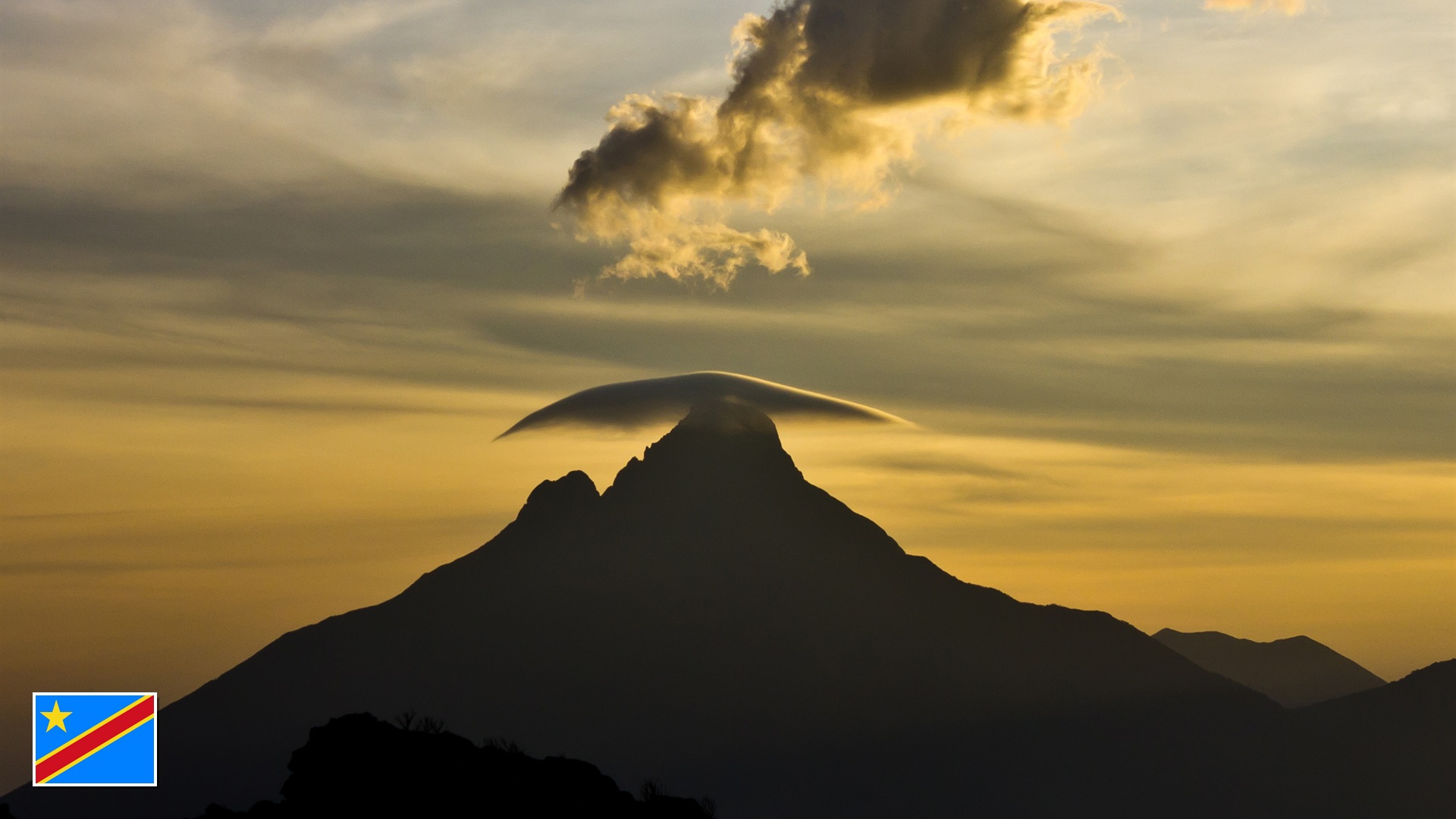
©Wikimedia / Cai
10. Algeria (2,381,741 Sq Km)
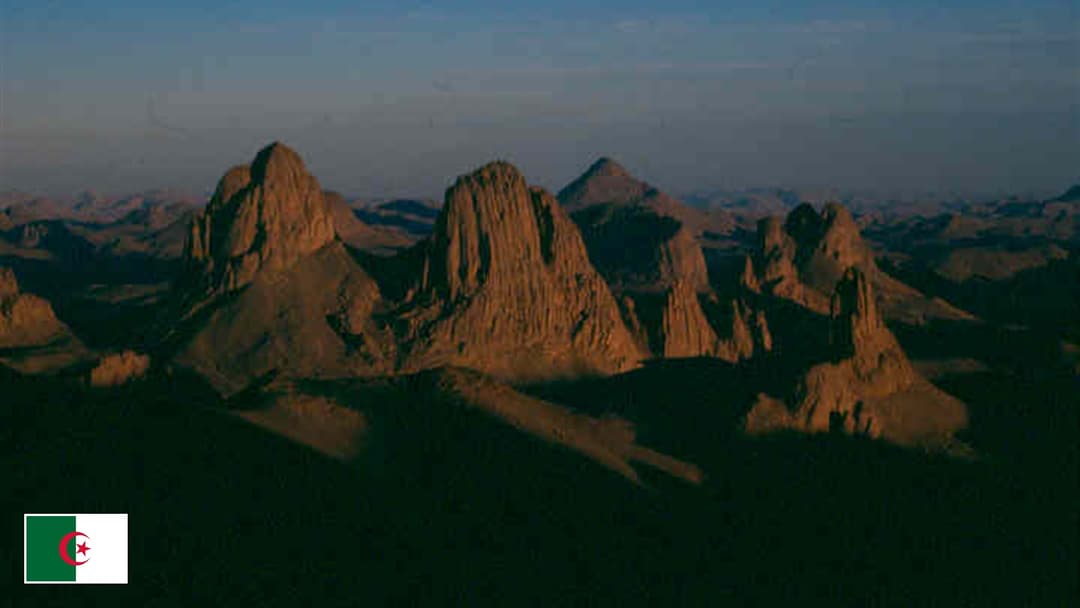
At 2,381,741 square kilometers (919,595 square miles), Algeria is the largest nation on the African continent and around the Mediterranean Basin. More than four-fifths of its territory lies within the Sahara Desert, highlighted by the dramatic volcanic massifs of the Hoggar Mountains.
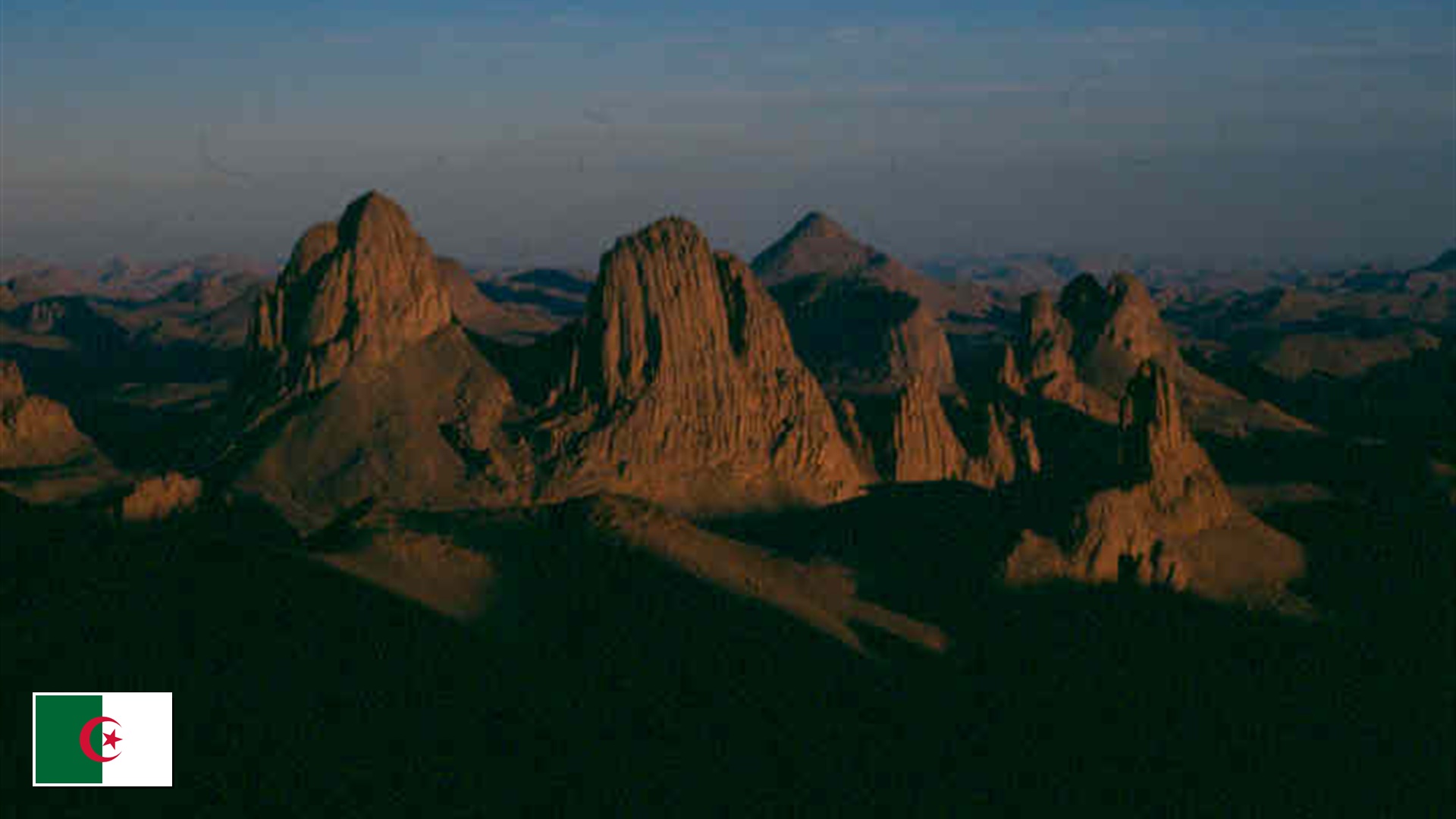
©Wikimedia / Dr. Peter Schmidt
9. Kazakhstan (2,724,900 Sq Km)
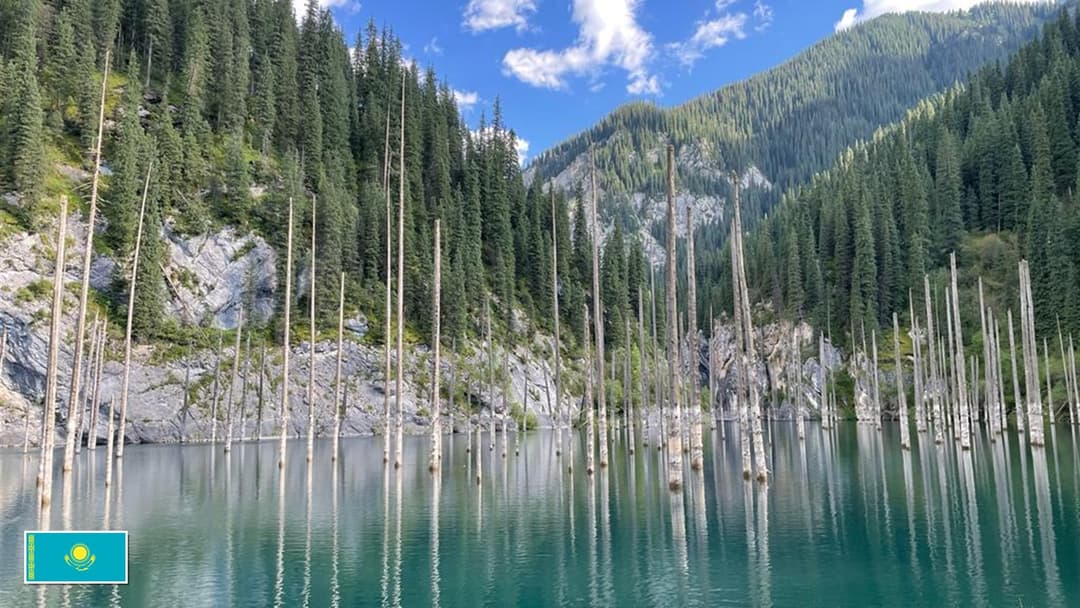
Spanning 2,724,900 square kilometers (1,052,100 square miles) from the Caspian Sea to the Altai Mountains, Kazakhstan is the largest landlocked country on Earth. Its vast heartland transitions from endless Central Asian steppes and canyons to alpine lakes like Kaindy in the Tian Shan range.
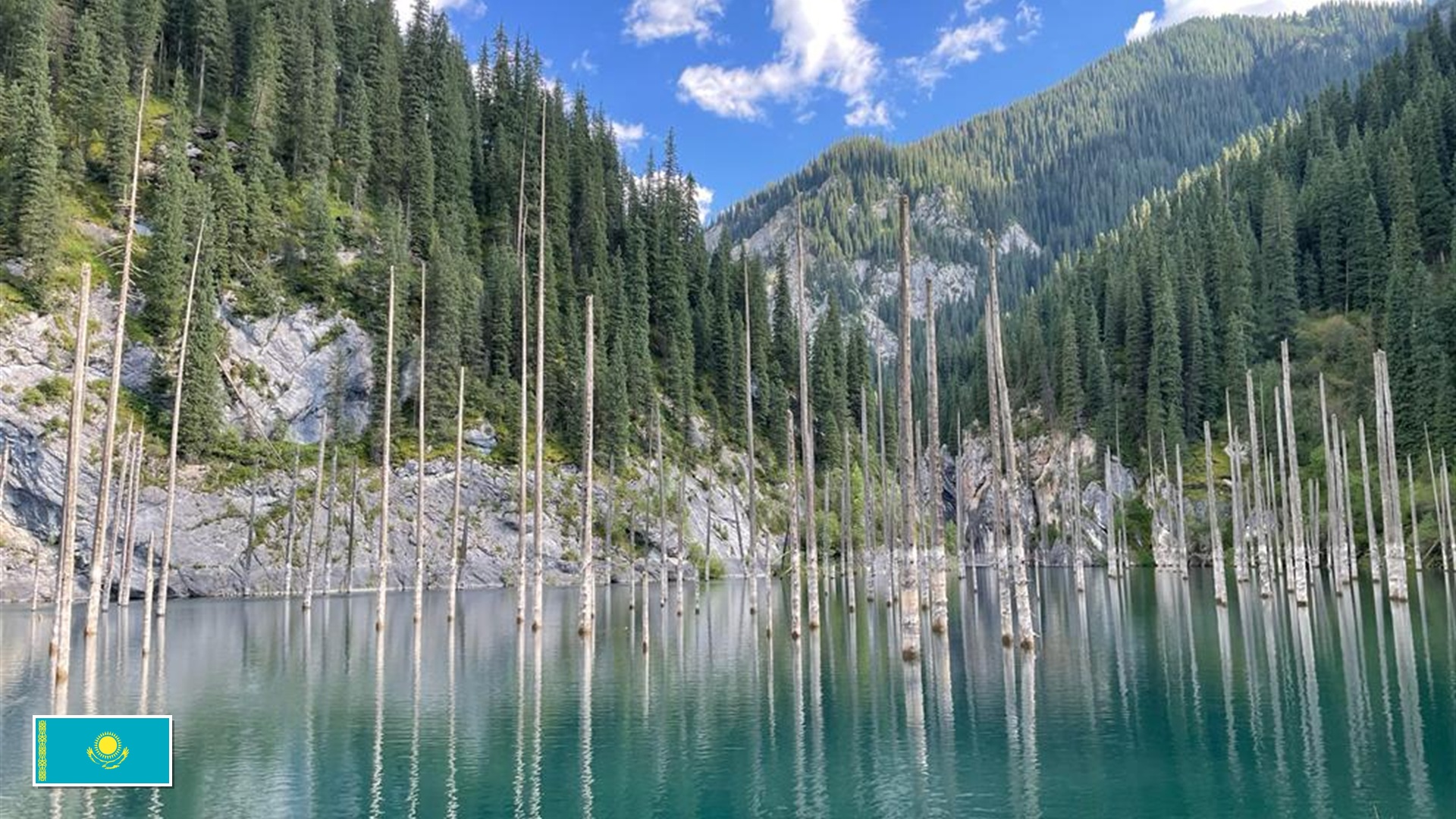
©Wikimedia / Inverseharpy
Advertisement
Swipe or tap ▶ to resume the countdown.
8. Argentina (2,780,400 Sq Km)
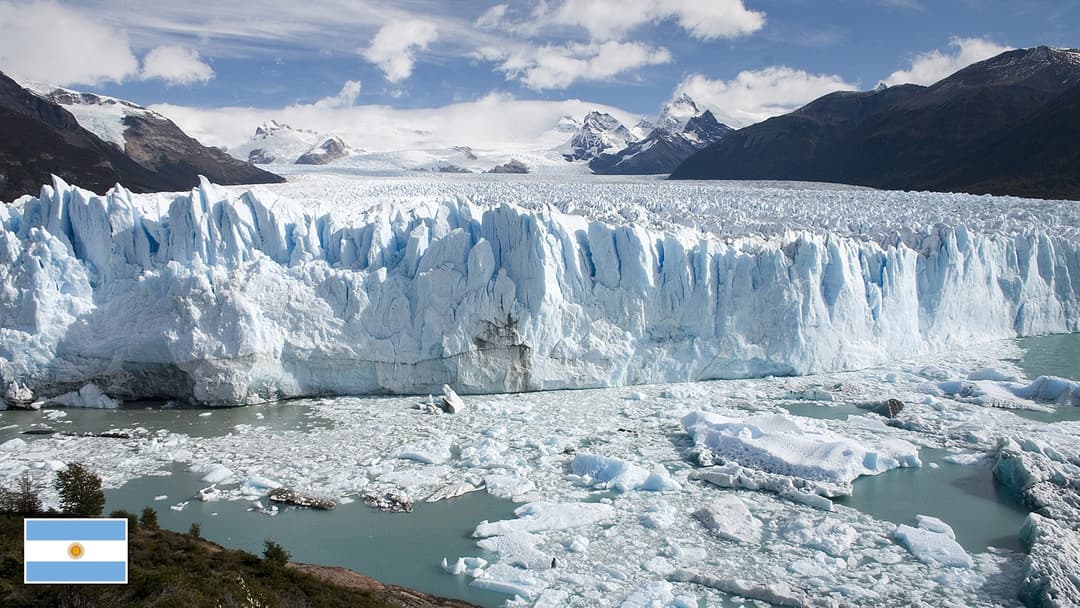
Covering 2,780,400 square kilometers (1,073,500 square miles) across the southern cone of South America, Argentina is the largest Spanish-speaking nation in the world. Its territory spans fertile Pampas plains, the towering peaks of the Andes, and the massive ice fields of Patagonia.
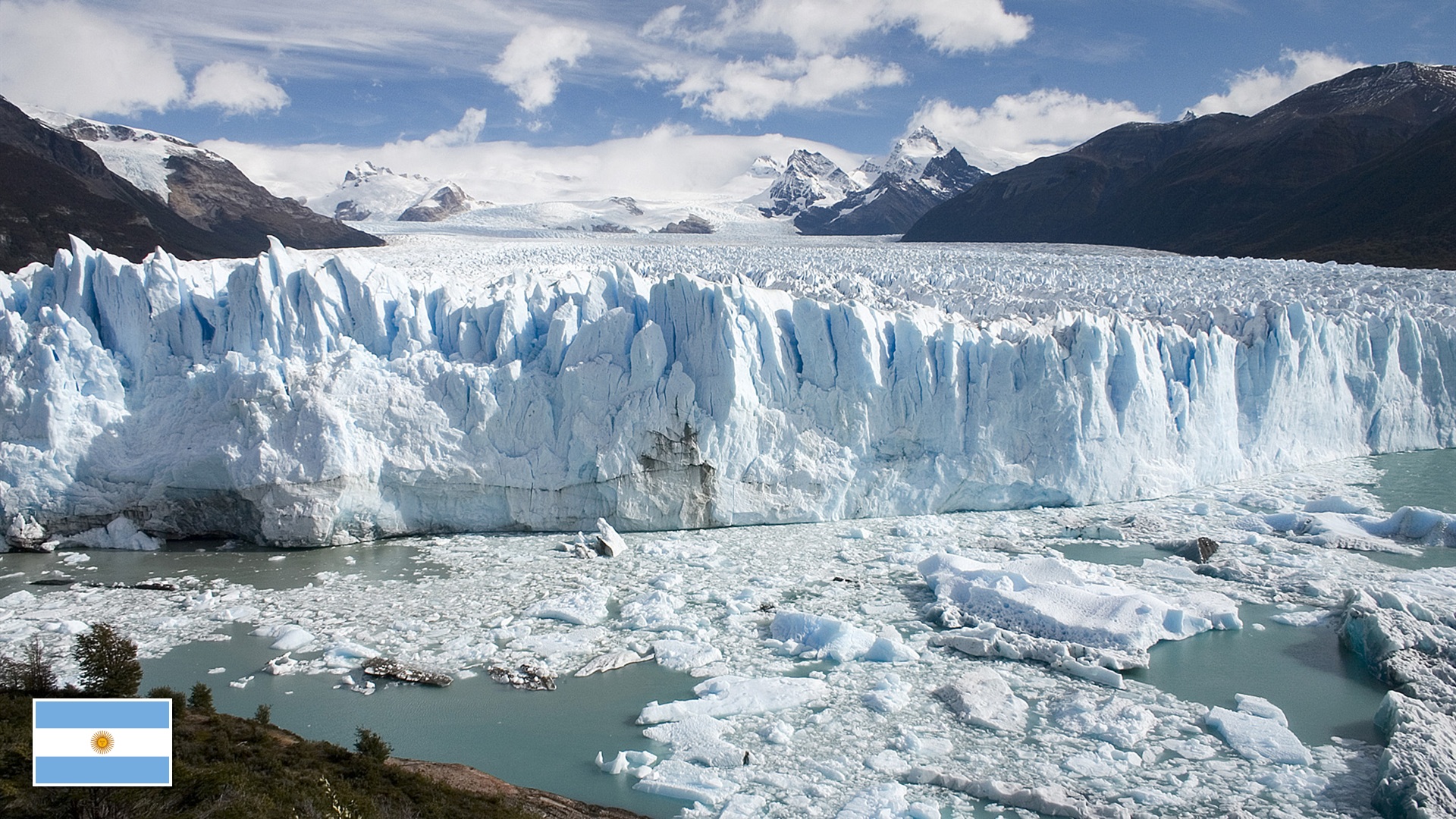
©Wikimedia / Luca Galuzzi
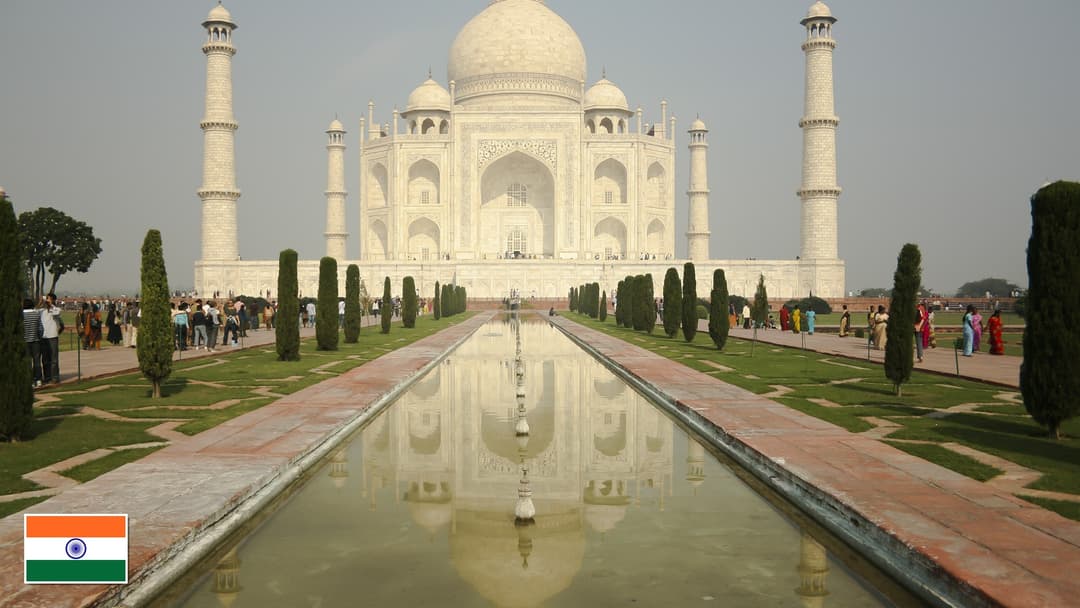
7. India (3,287,263 Sq Km)
Encompassing 3,287,263 square kilometers (1,269,219 square miles), India is the seventh-largest country by area and the most populous nation on Earth as of 2026. Its subcontinent stretches from the snow-capped Himalayan peaks in the north to tropical peninsular coastlines on the Indian Ocean.
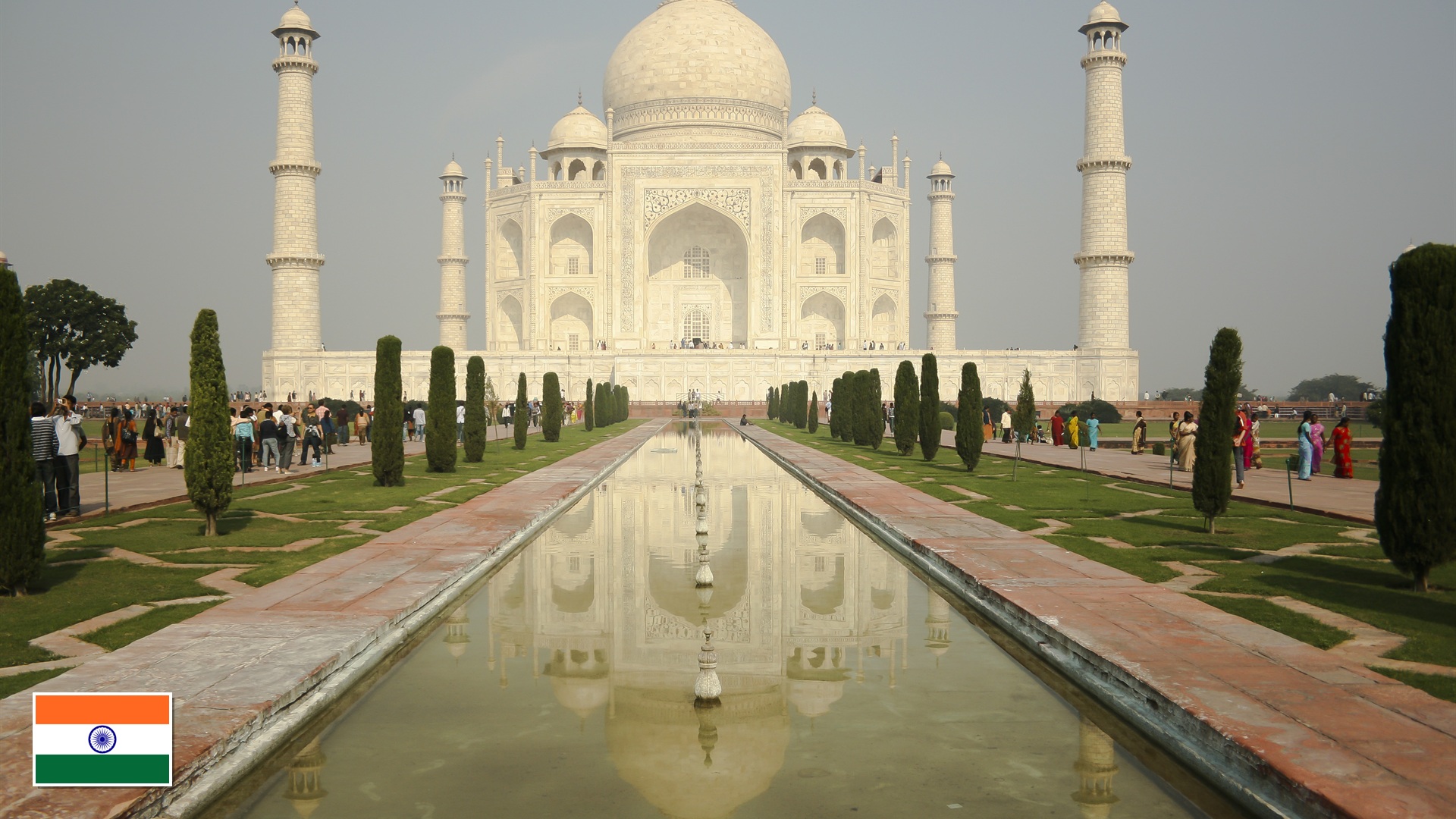
©Wikimedia / Diego Delso
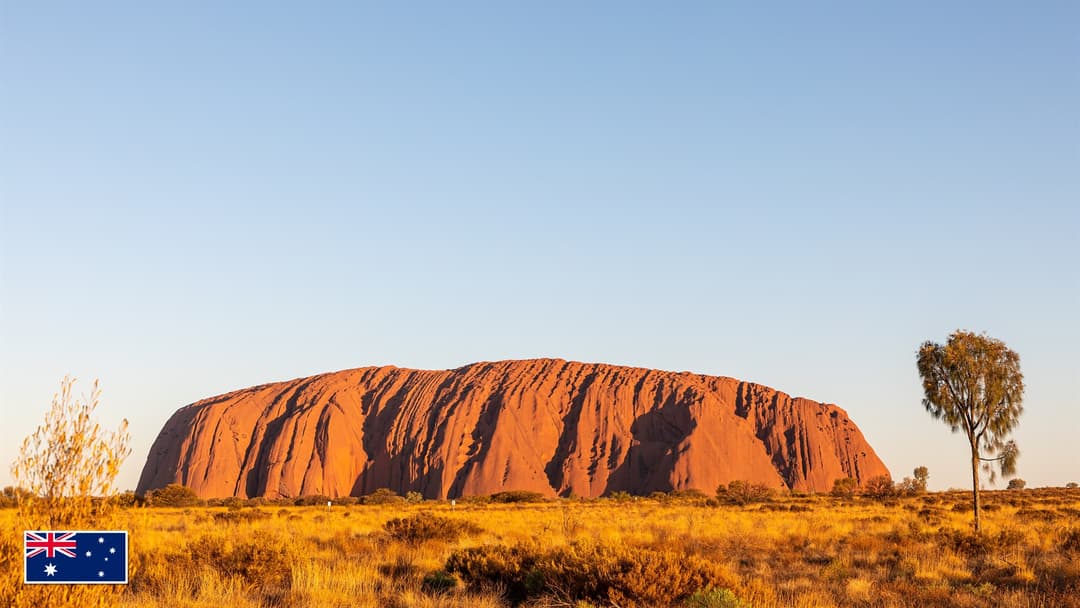
6. Australia (7,692,024 Sq Km)
More than double the size of India, Australia covers 7,692,024 square kilometers (2,969,907 square miles), making it both the world's smallest continent and sixth-largest country. Beyond its bustling coastal cities lies the vast red Outback anchored by sacred sandstone monoliths like Uluru.
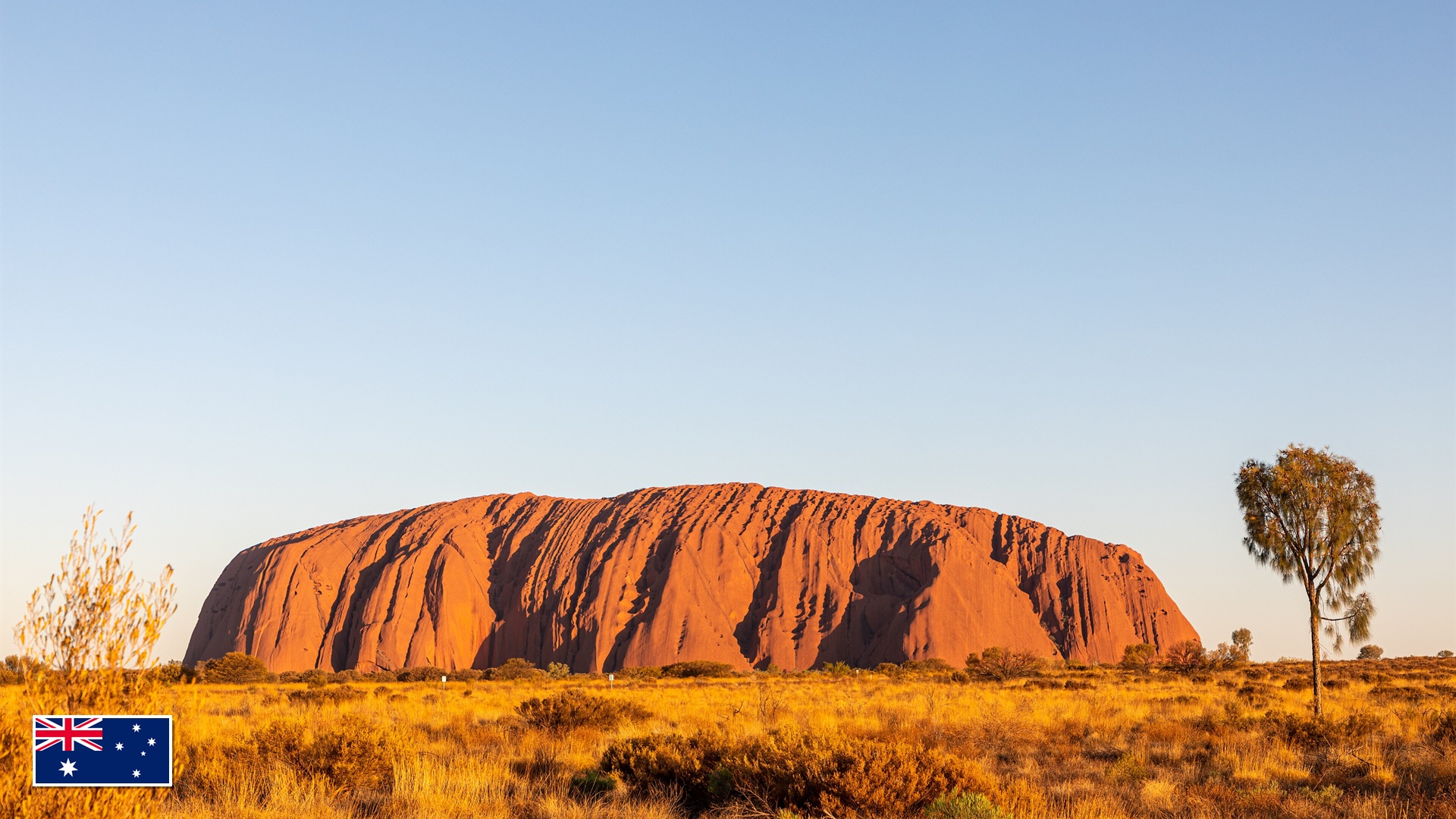
©Wikimedia / Dietmar Rabich
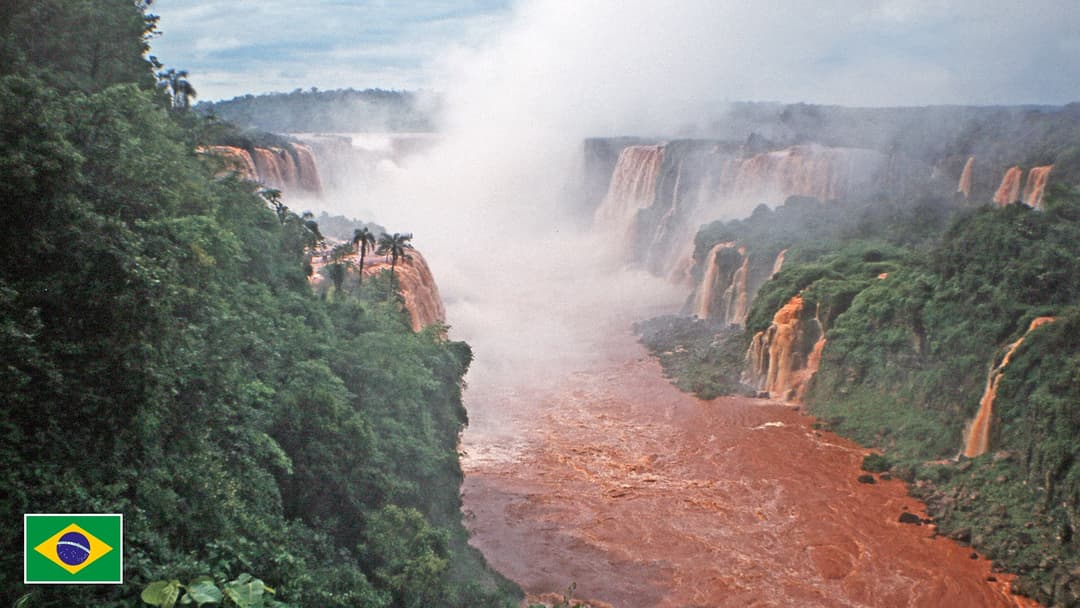
5. Brazil (8,515,767 Sq Km)
Spanning 8,515,767 square kilometers (3,287,956 square miles), Brazil is the largest country in both South America and the Southern Hemisphere. It borders almost every South American nation and protects roughly 60% of the Amazon rainforest alongside natural wonders like Iguazu Falls.
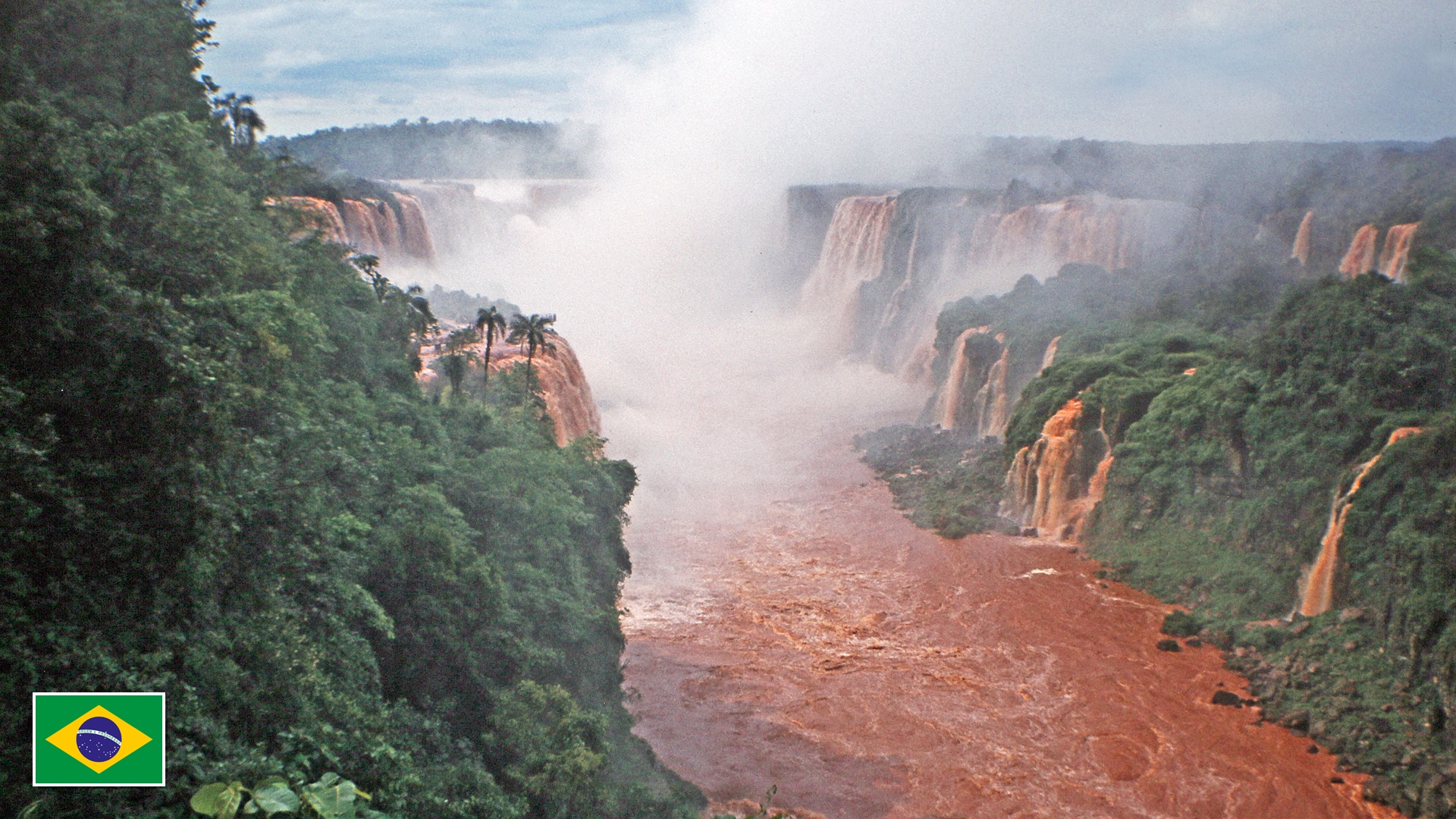
©Wikimedia / W. Bulach
Advertisement
Swipe or tap ▶ to resume the countdown.
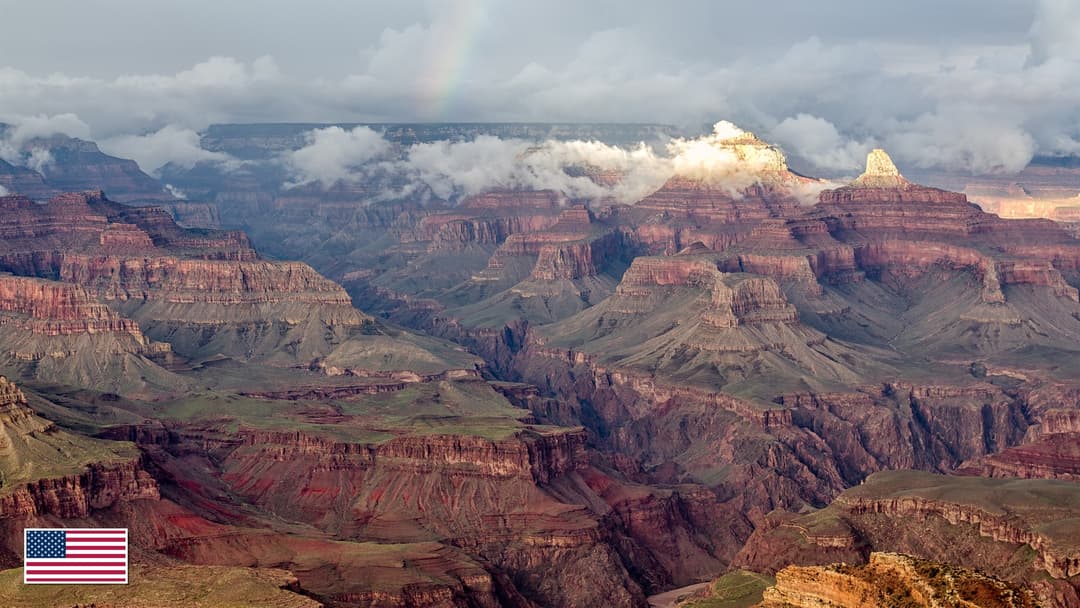
4. United States (9,525,067-9,833,520 Sq Km)
Across 50 states from the Atlantic to the Pacific - plus vast Alaska and Hawaii - the United States encompasses 9,525,067 square kilometers of land and inland water (or 9,833,520 square kilometers when coastal and territorial waters are included), featuring icons like the Grand Canyon.
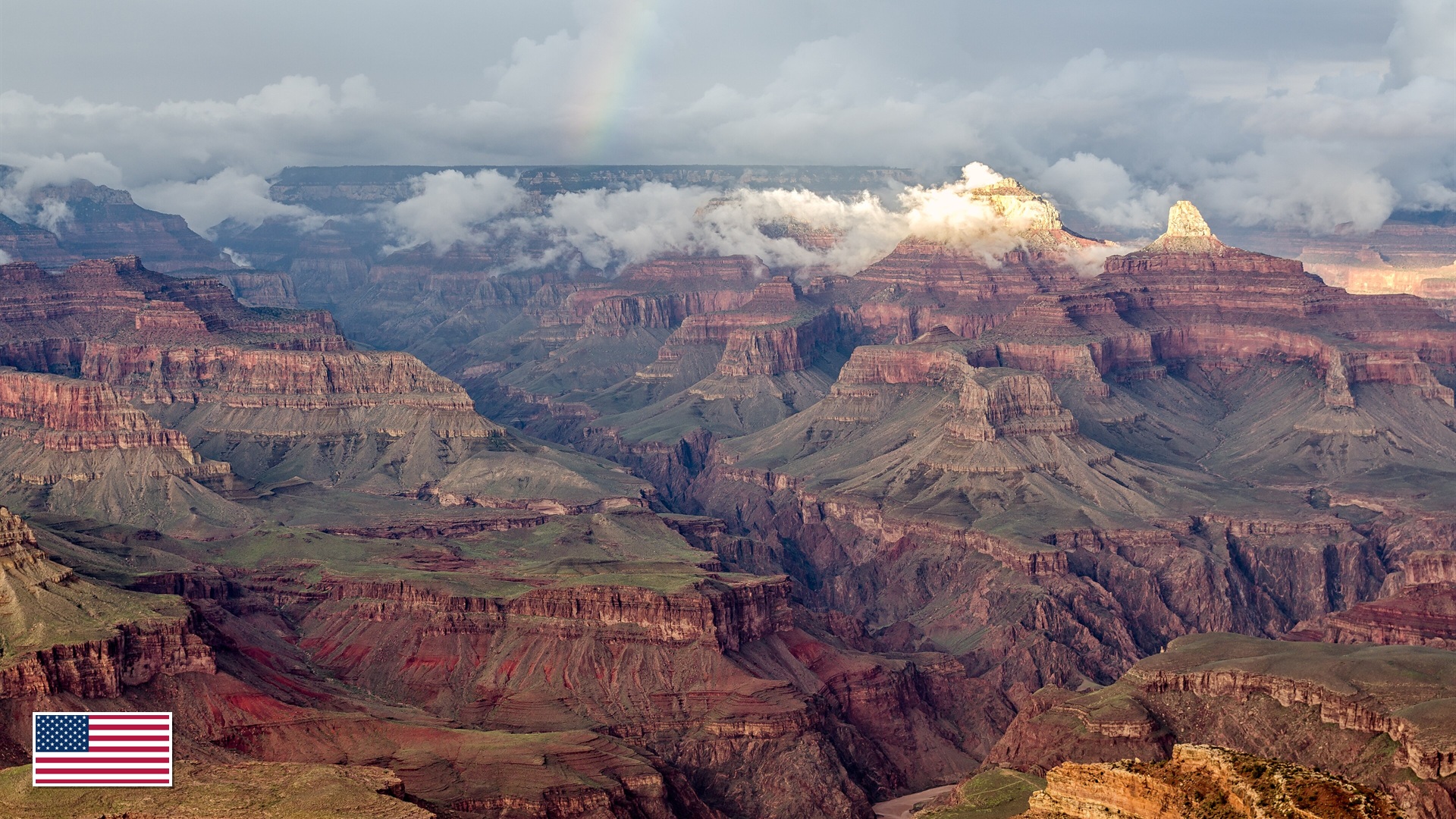
©Wikimedia / Tuxyso
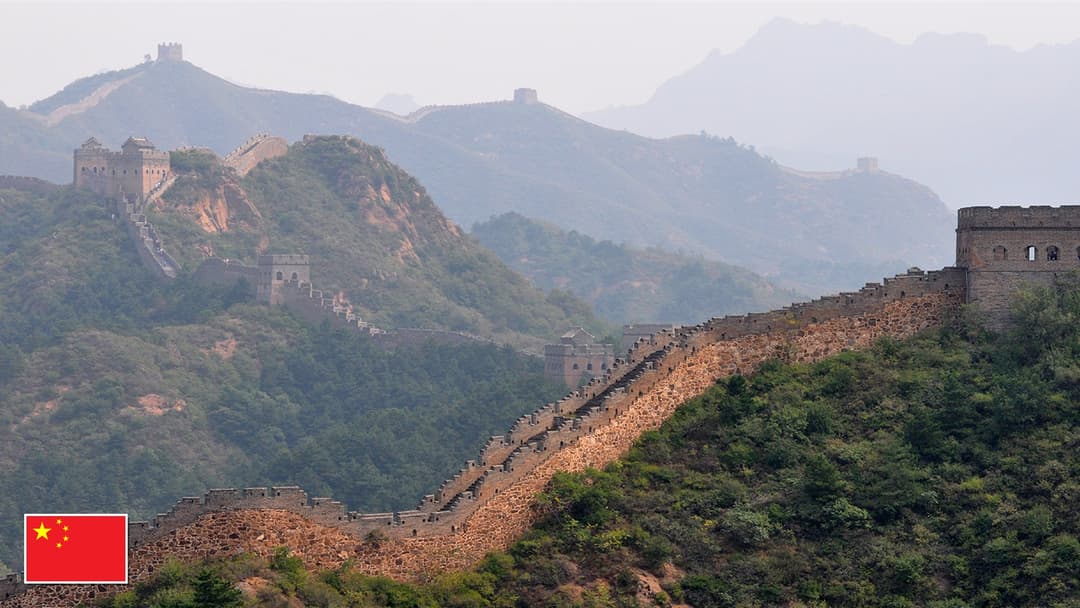
3. China (9,596,961 Sq Km)
Covering 9,596,961 square kilometers (3,705,407 square miles) of land and inland water, China is the largest nation situated entirely within Asia and shares land borders with 14 countries - tied with Russia for the most on Earth. Its terrain spans the Tibetan Plateau to the Great Wall.
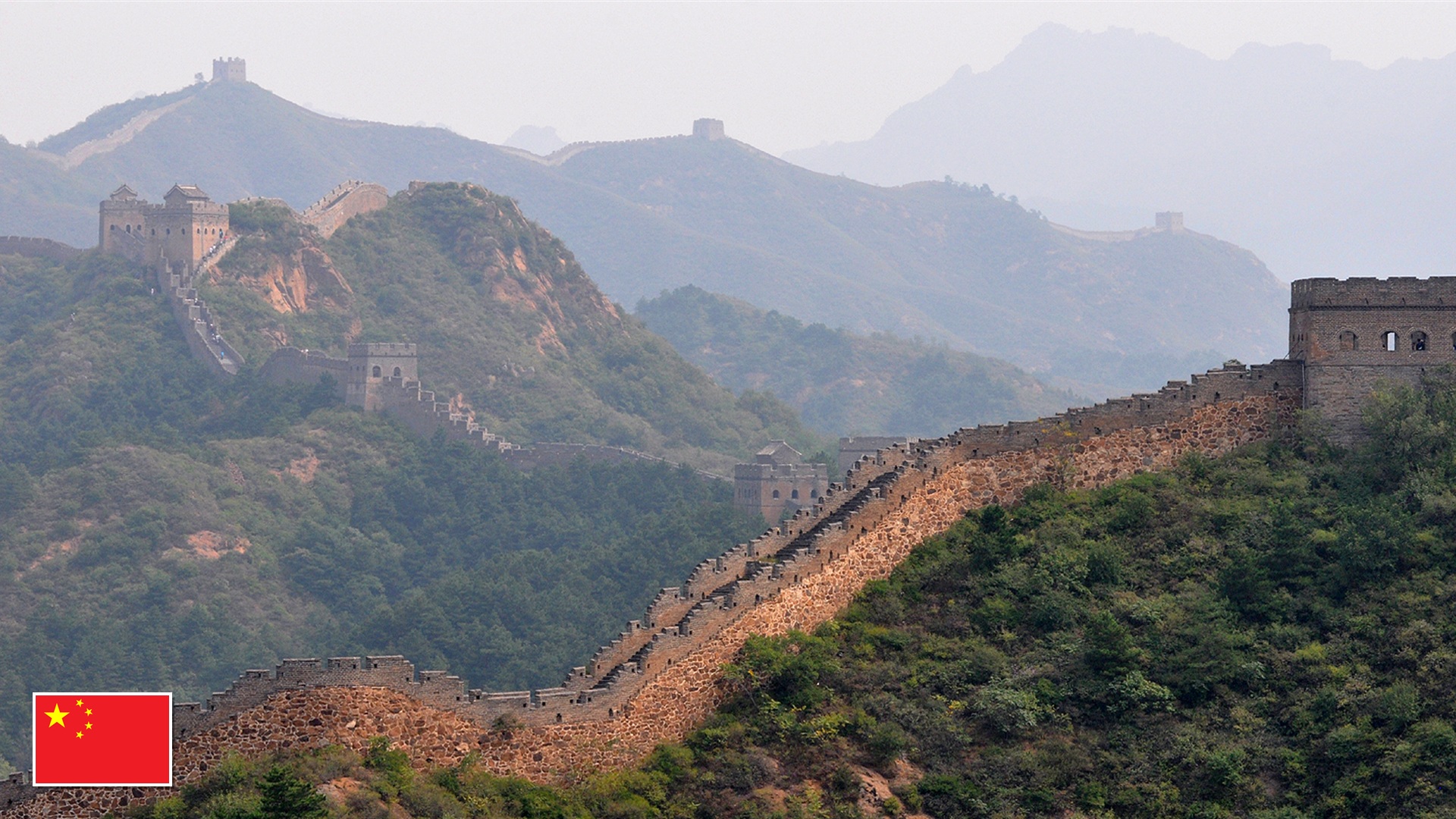
©Wikimedia / William L. Farr
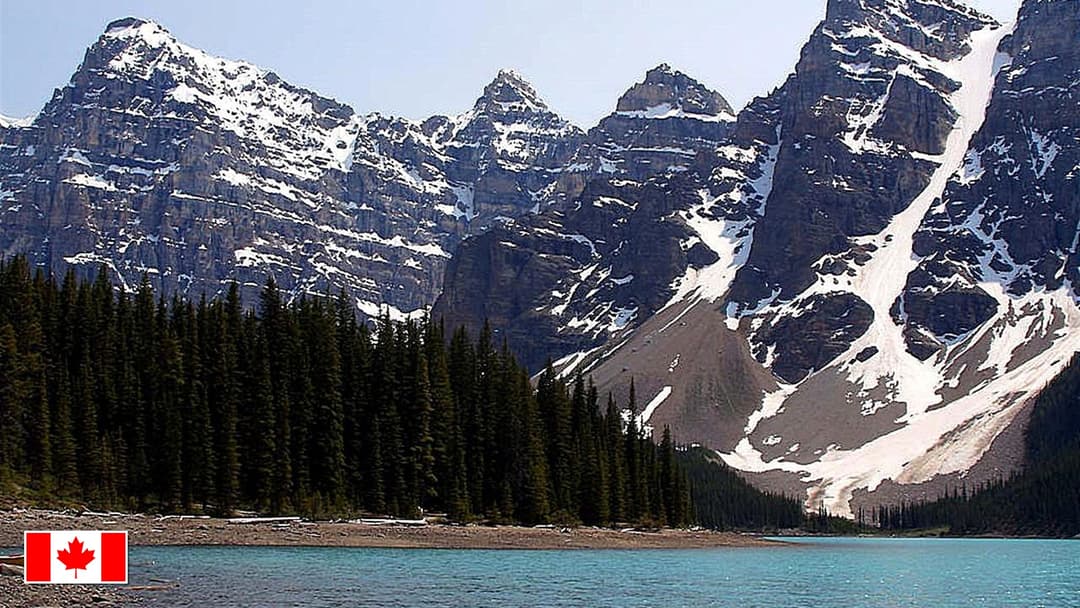
2. Canada (9,984,670 Sq Km)
At 9,984,670 square kilometers (3,855,100 square miles), Canada is the second-largest country in the world by total area and the largest in the Western Hemisphere. Framed by three oceans, it claims the longest coastline on Earth at 243,042 kilometers and more than two million lakes.
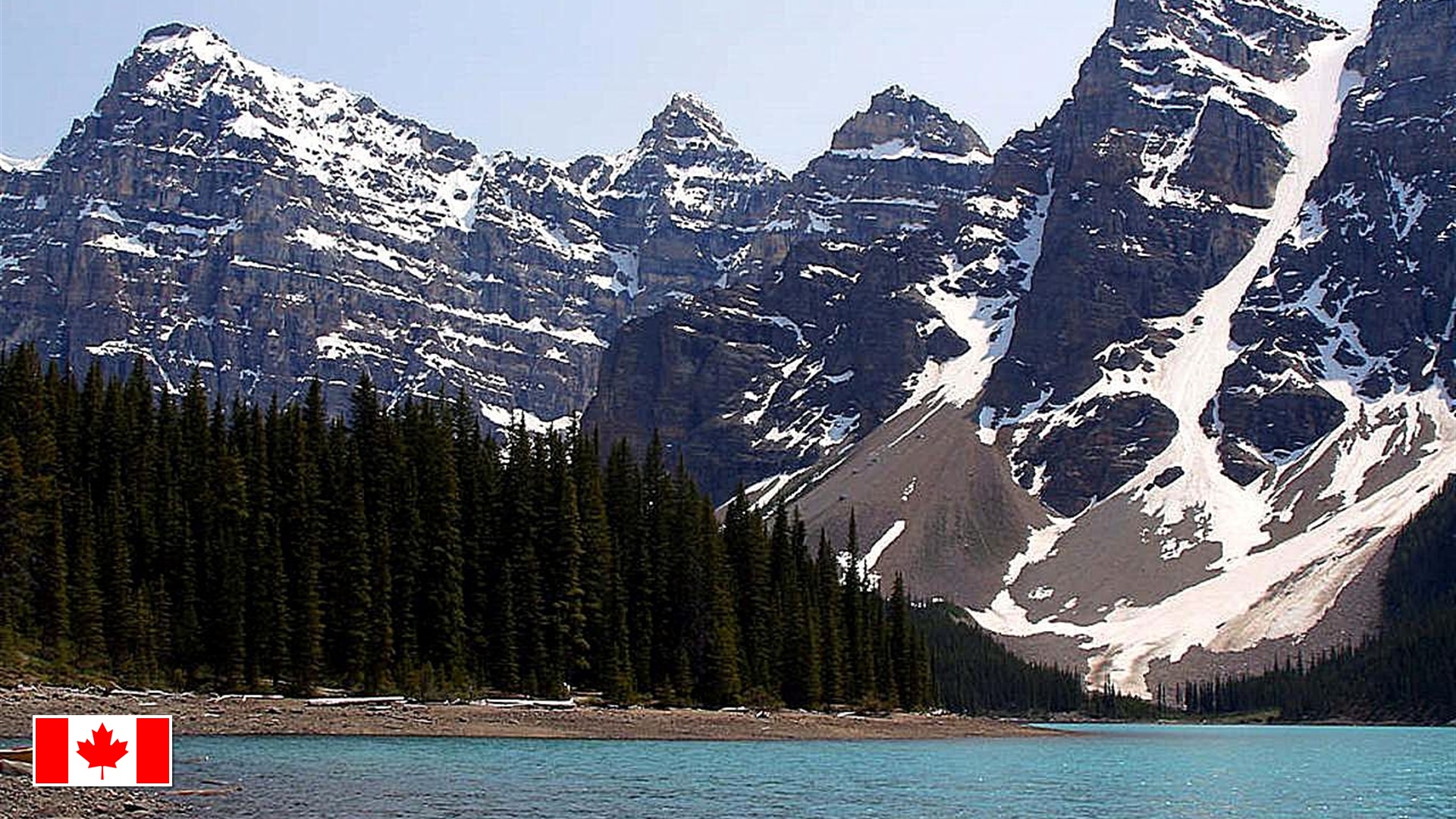
©Wikimedia / Jon Sullivan
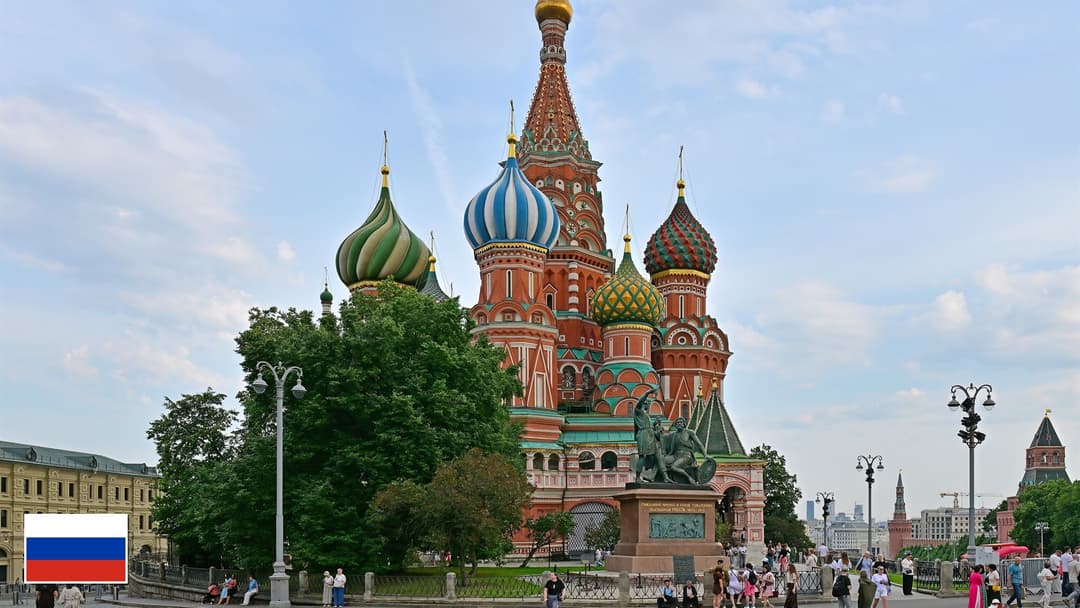
1. Russia (17,098,242 Sq Km)
Dwarfing every other nation on the planet at 17,098,242 square kilometers (6,601,665 square miles), Russia accounts for roughly one-ninth of Earth's inhabited land area. Stretching across Eastern Europe and Northern Asia through 11 time zones, it is larger than the entire surface area of Pluto.
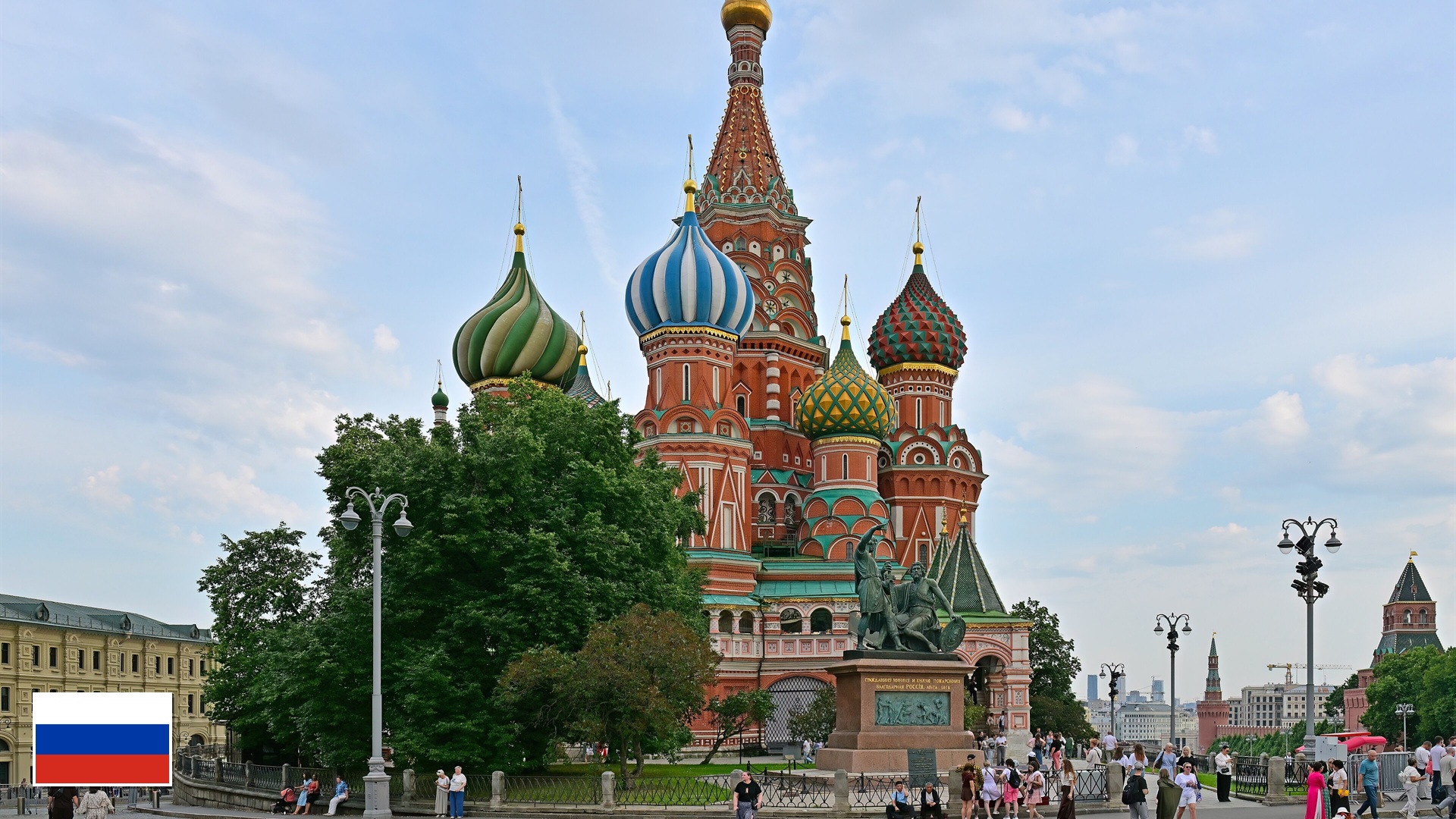
©Wikimedia / Yury D.K.
Advertisement
You've reached the end of the story. Thanks for reading!

22 World-Famous Cruise Ships and Island Ports for Solo Travelers
Compiled from CLIA industry reports and passenger records, these twenty-two cruise ships and island ports feature dedicated solo amenities and unforgettable excursions. Industry surveys confirm solo cruising growth.
All 15 Entries in this Story
15. Sudan (1,886,068 Sq Km)
Covering 1,886,068 square kilometers (728,215 square miles) in Northeast Africa, Sudan is the third-largest country in Africa and the 15th-largest on Earth. Where the Blue and White Nile converge at Khartoum, vast desert plains hold more than 200 ancient Nubian pyramids at Meroe.

14. Indonesia (1,904,569 Sq Km)
Encompassing 1,904,569 square kilometers (735,358 square miles) of land across more than 17,500 islands between the Indian and Pacific oceans, Indonesia is the largest archipelagic state in the world. Its volcanic spine features active peaks like Mount Bromo and tropical rainforests.

13. Mexico (1,964,375 Sq Km)
With a total area of 1,964,375 square kilometers (758,449 square miles), Mexico is the third-largest nation in Latin America and the 13th-largest country on Earth. Its dramatic geography bridges North and Central America with arid northern deserts, Sierra Madre peaks, and Maya ruins.

12. Saudi Arabia (2,149,690 Sq Km)
Commanding 2,149,690 square kilometers (830,000 square miles) between the Red Sea and the Persian Gulf, Saudi Arabia is the largest sovereign state in the Middle East. Its vast territory includes the Rub' al Khali (Empty Quarter) sand desert and the rock-cut Nabataean tombs of Hegra.

11. Democratic Republic Of The Congo (2,344,858 Sq Km)
Spanning 2,344,858 square kilometers (905,355 square miles) across Central Africa, the Democratic Republic of the Congo is the largest country in Sub-Saharan Africa. It encompasses the majority of the Congo River Basin - Earth's second-largest tropical rainforest - and the volcanic peaks of Virunga.

10. Algeria (2,381,741 Sq Km)
At 2,381,741 square kilometers (919,595 square miles), Algeria is the largest nation on the African continent and around the Mediterranean Basin. More than four-fifths of its territory lies within the Sahara Desert, highlighted by the dramatic volcanic massifs of the Hoggar Mountains.

9. Kazakhstan (2,724,900 Sq Km)
Spanning 2,724,900 square kilometers (1,052,100 square miles) from the Caspian Sea to the Altai Mountains, Kazakhstan is the largest landlocked country on Earth. Its vast heartland transitions from endless Central Asian steppes and canyons to alpine lakes like Kaindy in the Tian Shan range.

8. Argentina (2,780,400 Sq Km)
Covering 2,780,400 square kilometers (1,073,500 square miles) across the southern cone of South America, Argentina is the largest Spanish-speaking nation in the world. Its territory spans fertile Pampas plains, the towering peaks of the Andes, and the massive ice fields of Patagonia.

7. India (3,287,263 Sq Km)
Encompassing 3,287,263 square kilometers (1,269,219 square miles), India is the seventh-largest country by area and the most populous nation on Earth as of 2026. Its subcontinent stretches from the snow-capped Himalayan peaks in the north to tropical peninsular coastlines on the Indian Ocean.

6. Australia (7,692,024 Sq Km)
More than double the size of India, Australia covers 7,692,024 square kilometers (2,969,907 square miles), making it both the world's smallest continent and sixth-largest country. Beyond its bustling coastal cities lies the vast red Outback anchored by sacred sandstone monoliths like Uluru.

5. Brazil (8,515,767 Sq Km)
Spanning 8,515,767 square kilometers (3,287,956 square miles), Brazil is the largest country in both South America and the Southern Hemisphere. It borders almost every South American nation and protects roughly 60% of the Amazon rainforest alongside natural wonders like Iguazu Falls.

4. United States (9,525,067-9,833,520 Sq Km)
Across 50 states from the Atlantic to the Pacific - plus vast Alaska and Hawaii - the United States encompasses 9,525,067 square kilometers of land and inland water (or 9,833,520 square kilometers when coastal and territorial waters are included), featuring icons like the Grand Canyon.

3. China (9,596,961 Sq Km)
Covering 9,596,961 square kilometers (3,705,407 square miles) of land and inland water, China is the largest nation situated entirely within Asia and shares land borders with 14 countries - tied with Russia for the most on Earth. Its terrain spans the Tibetan Plateau to the Great Wall.

2. Canada (9,984,670 Sq Km)
At 9,984,670 square kilometers (3,855,100 square miles), Canada is the second-largest country in the world by total area and the largest in the Western Hemisphere. Framed by three oceans, it claims the longest coastline on Earth at 243,042 kilometers and more than two million lakes.

1. Russia (17,098,242 Sq Km)
Dwarfing every other nation on the planet at 17,098,242 square kilometers (6,601,665 square miles), Russia accounts for roughly one-ninth of Earth's inhabited land area. Stretching across Eastern Europe and Northern Asia through 11 time zones, it is larger than the entire surface area of Pluto.