Slideshow · Viral
15 Most Famous Glass Buildings, Ranked
From Victorian iron-and-glass conservatories to supertall skyscrapers and minimalist pavilions, these 15 architectural landmarks pushed structural glass to new heights.
By Most Viral Today
6 Nov 2026

Inside the World's Most Iconic Glass Landmarks and Towers 
15. Dancing House, Prague 
14. National Centre For The Performing Arts, Beijing 
13. Elbphilharmonie, Hamburg - AdvertisementSwipe or tap ▶ to continue countdown

12. Palm House At Kew Gardens, London 
11. Gardens By The Bay Conservatories, Singapore 
10. One World Trade Center, New York 
9. Burj Khalifa, Dubai - AdvertisementSwipe or tap ▶ to continue countdown

8. Christ Cathedral (Crystal Cathedral), Garden Grove 
7. Apple Fifth Avenue Glass Cube, New York 
6. Reichstag Dome, Berlin 
5. 30 St Mary Axe (The Gherkin), London - AdvertisementSwipe or tap ▶ to continue countdown

4. Farnsworth House, Plano 
3. The Glass House, New Canaan 
2. The Shard, London 
1. Louvre Pyramid, Paris - Advertisement🔥 UP NEXT IN THIS SERIES◫ 21 Slides

20 Famous Cars With Pop-Up Headlights That Shaped Car Design
From hand-cranked 1930s teardrops to wedge supercars of the 1980s, hidden headlights let stylists chase sleek aerodynamics until 2004 pedestrian rules closed the curtain. Here are 20 standout production cars that turned retractable lamps into an enduring automotive design feature across seven full decades.
For nearly two centuries, architects and engineers have used structural glass to dissolve the boundary between indoors and outdoors. From 19th-century botanical domes to modern supertall towers and minimalist homes, here are the 15 most famous glass buildings on Earth.
Swipe or tap ▶ to begin the countdown
©Wikimedia / Diego Delso & Wikimedia / Benh Lieu Song
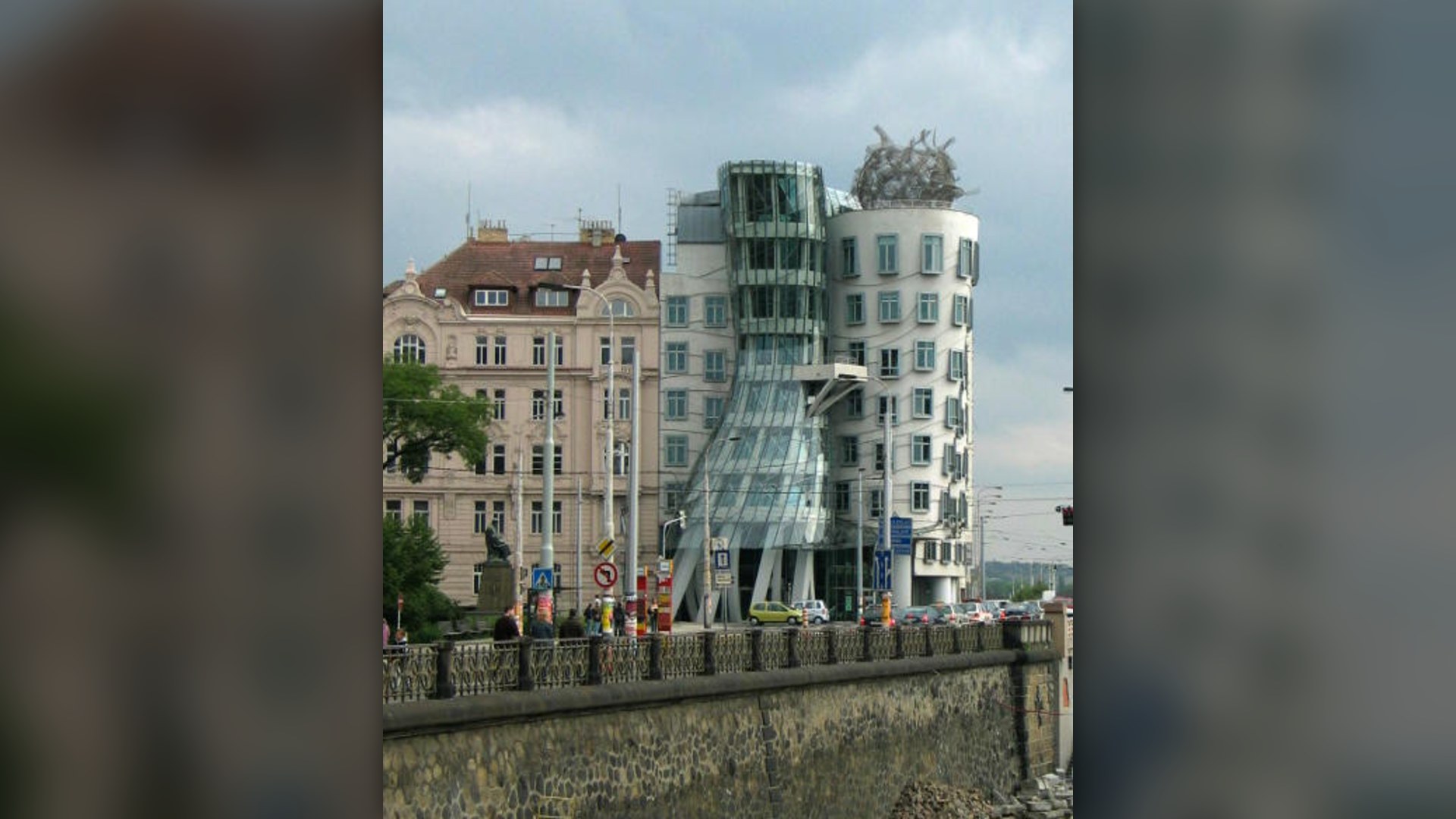
15. Dancing House, Prague
Nicknamed Fred and Ginger after dancers Fred Astaire and Ginger Rogers, this Deconstructivist landmark in Prague pairs a solid concrete tower with a pinched glass cylinder supported by curved pillars. Completed in 1996, its 99 non-aligned panels reshaped Czech post-communist architecture.
©Wikimedia / Gareth Williams
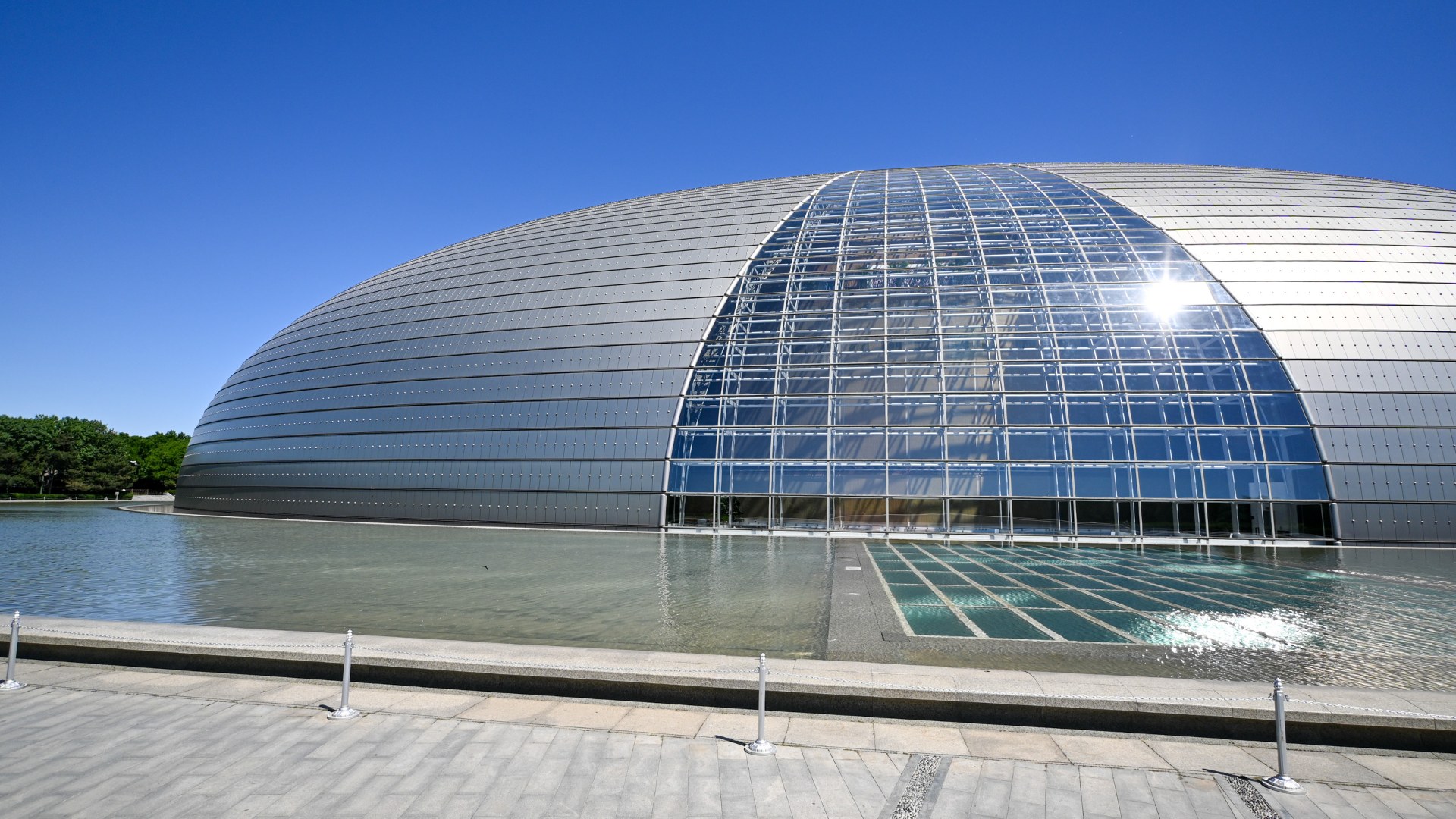
14. National Centre For The Performing Arts, Beijing
Known colloquially as The Giant Egg, this 2007 Beijing cultural complex by French architect Paul Andreu spans 696 feet across an artificial lake west of Tiananmen Square. A sweeping glass curtain splits 18,000 titanium plates, opening like a stage curtain over an underwater glass walkway.
©Wikimedia / Xiquinho Silva
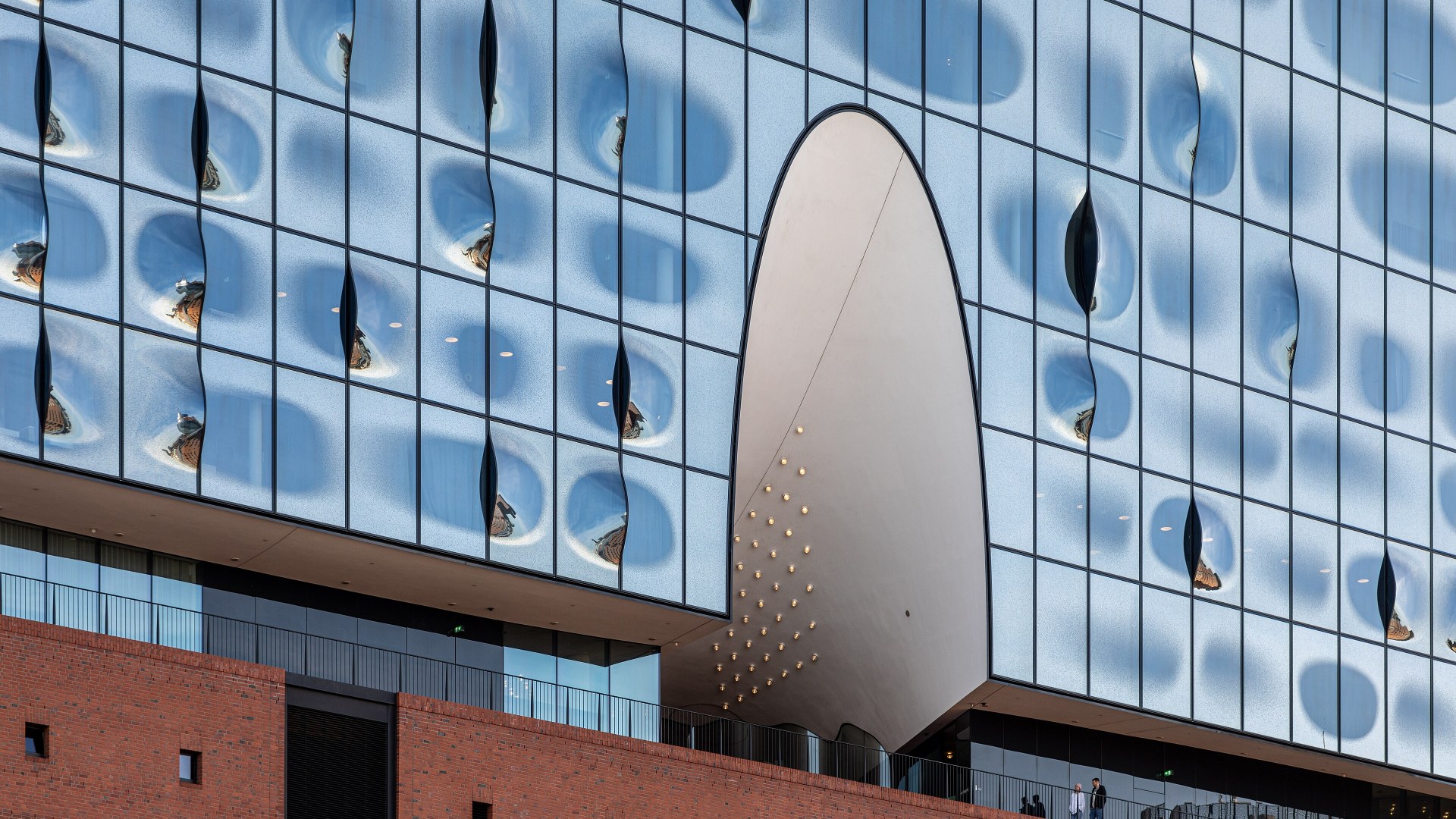
13. Elbphilharmonie, Hamburg
Opened in January 2017 on the Elbe River peninsula in Hamburg, the Elbphilharmonie hoists a shimmering glass concert hall atop a 1963 brick cocoa warehouse. Swiss architects Herzog and de Meuron wrapped the 360-foot structure in 1,100 individually curved glass panes that reflect water and sky.
©Wikimedia / Dietmar Rabich
Advertisement
Swipe or tap ▶ to resume the countdown.
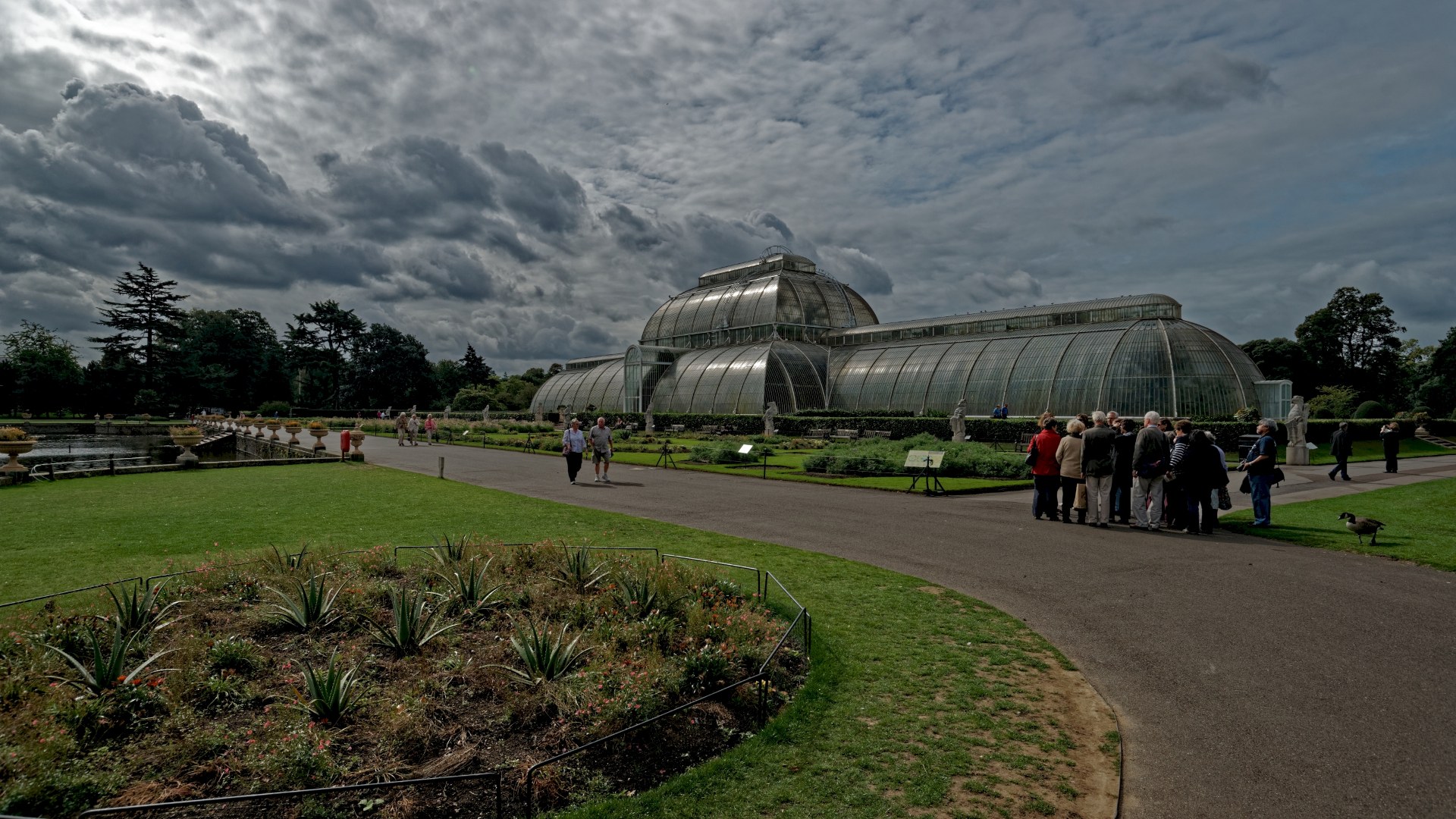
12. Palm House At Kew Gardens, London
Designed by architect Decimus Burton and ironmaker Richard Turner between 1844 and 1848, the Palm House at Royal Botanic Gardens, Kew is the world's most important surviving Victorian glass and wrought-iron structure. Its hull-like ribs support 16,000 panes of curved glass without interior columns.
©Wikimedia / Txllxt TxllxT
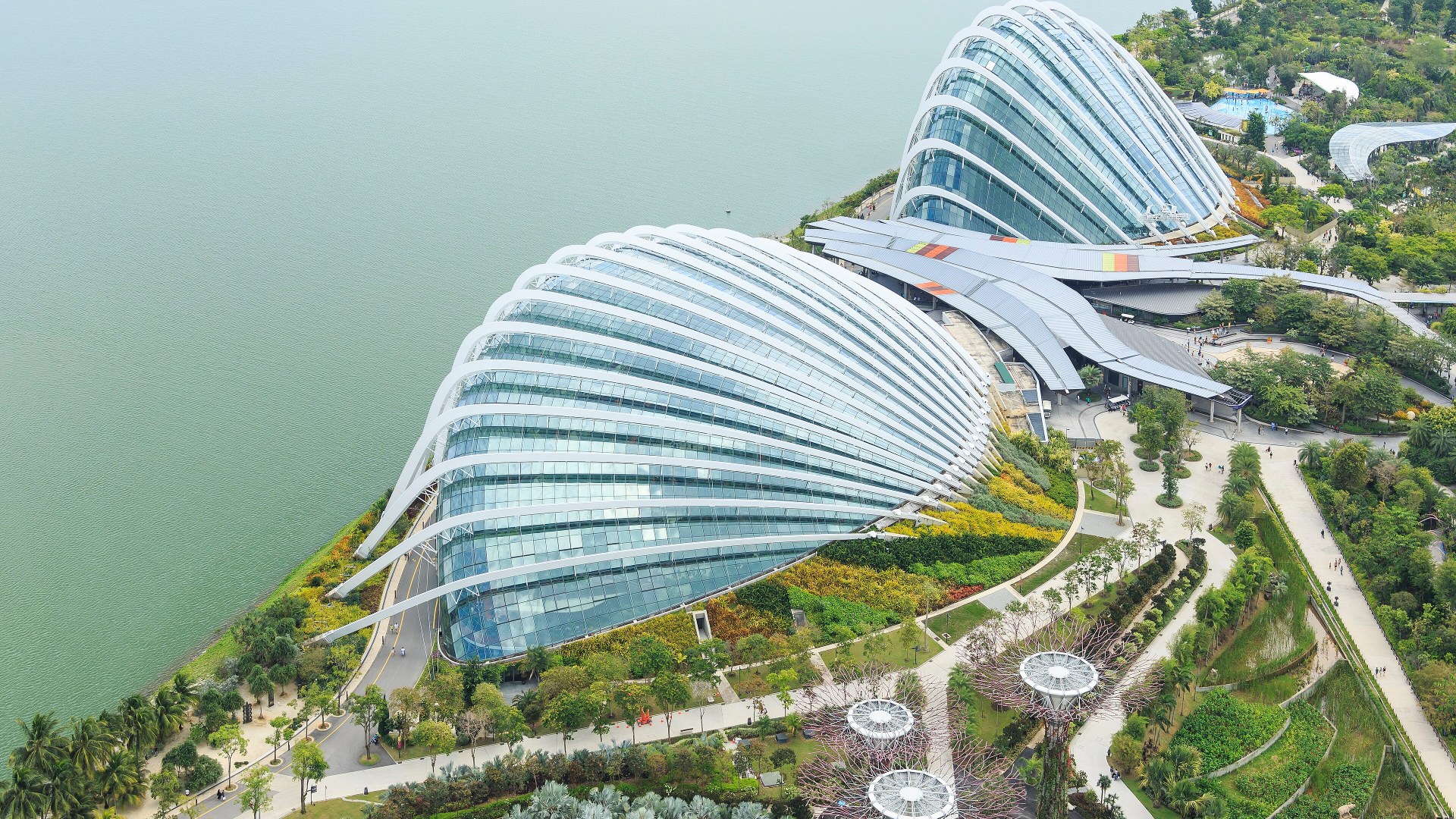
11. Gardens By The Bay Conservatories, Singapore
Designed by WilkinsonEyre and opened in 2012 along Singapore's Marina Reservoir, the Flower Dome and Cloud Forest are twin gridshell biospheres clad in 3,332 double-glazed glass panels. Spanning 3.2 acres without a single interior support column, the Flower Dome holds the Guinness World Record.
©Wikimedia / Uwe Aranas
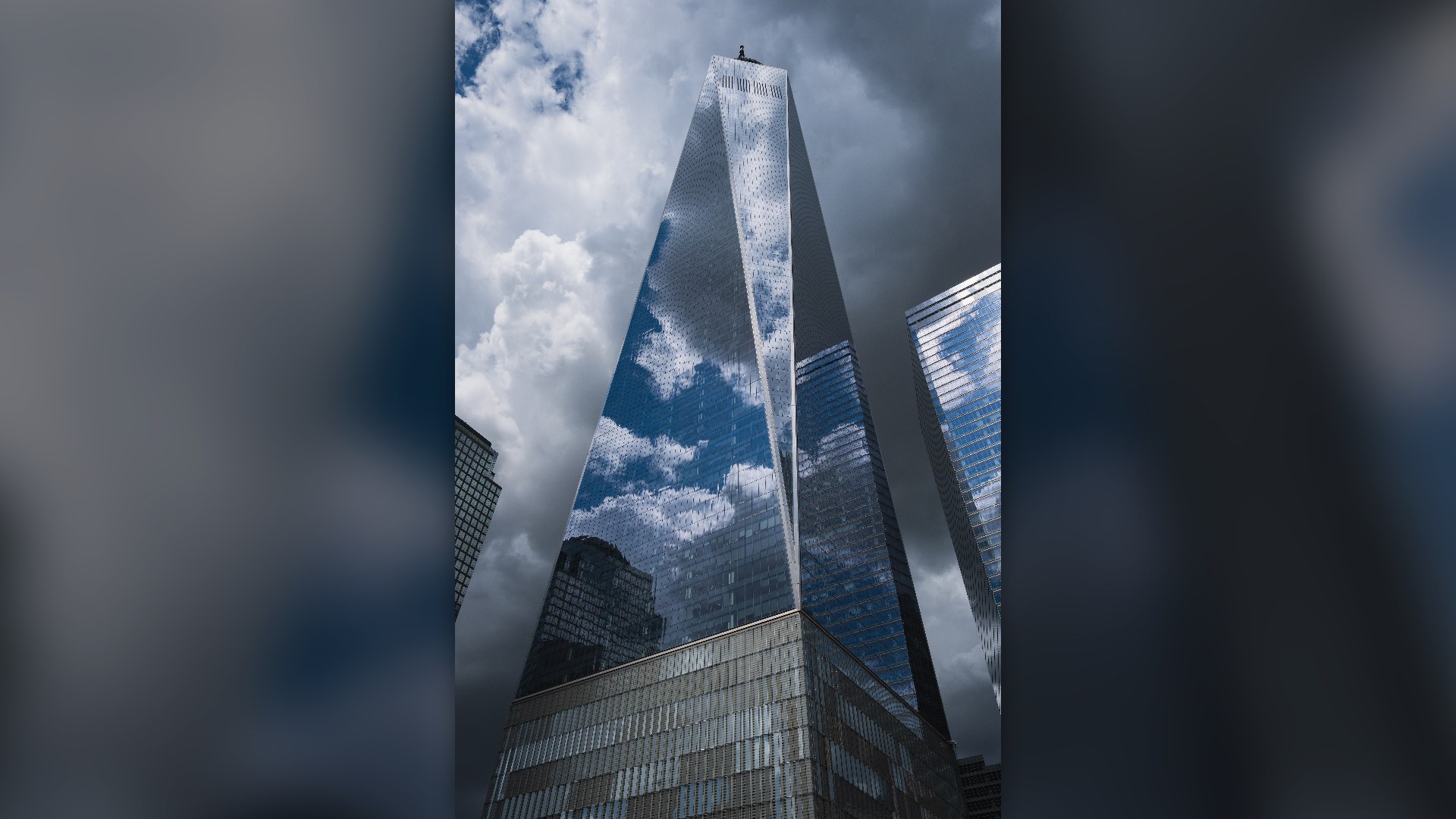
10. One World Trade Center, New York
Designed by David Childs of Skidmore, Owings and Merrill and opened in 2014, the tallest building in the Western Hemisphere tapers into eight tall isosceles triangles of low-iron reflective glass. Over 12,000 insulated glass panels covering 1 million square feet catch shifting light across New York Harbor.
©Wikimedia / Christian David
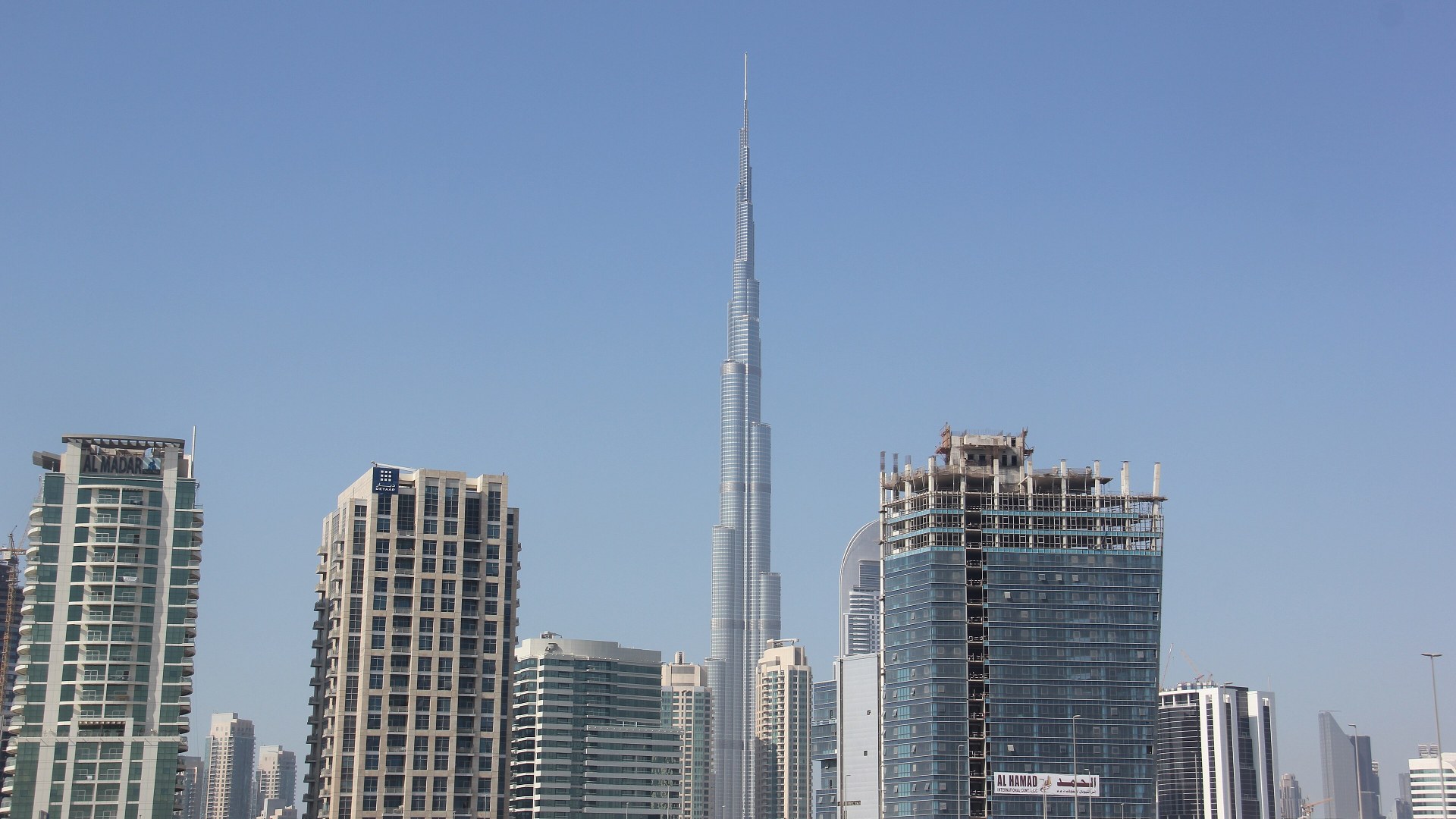
9. Burj Khalifa, Dubai
Rising 2,717 feet above Dubai since its 2010 opening, the Burj Khalifa is wrapped in an exterior curtain wall equivalent to 17 soccer fields of glass. More than 300 cladding specialists installed 26,000 double-layered panels coated with silver and titanium to withstand extreme desert heat and wind.
©Wikimedia / Laika ac
Advertisement
Swipe or tap ▶ to resume the countdown.
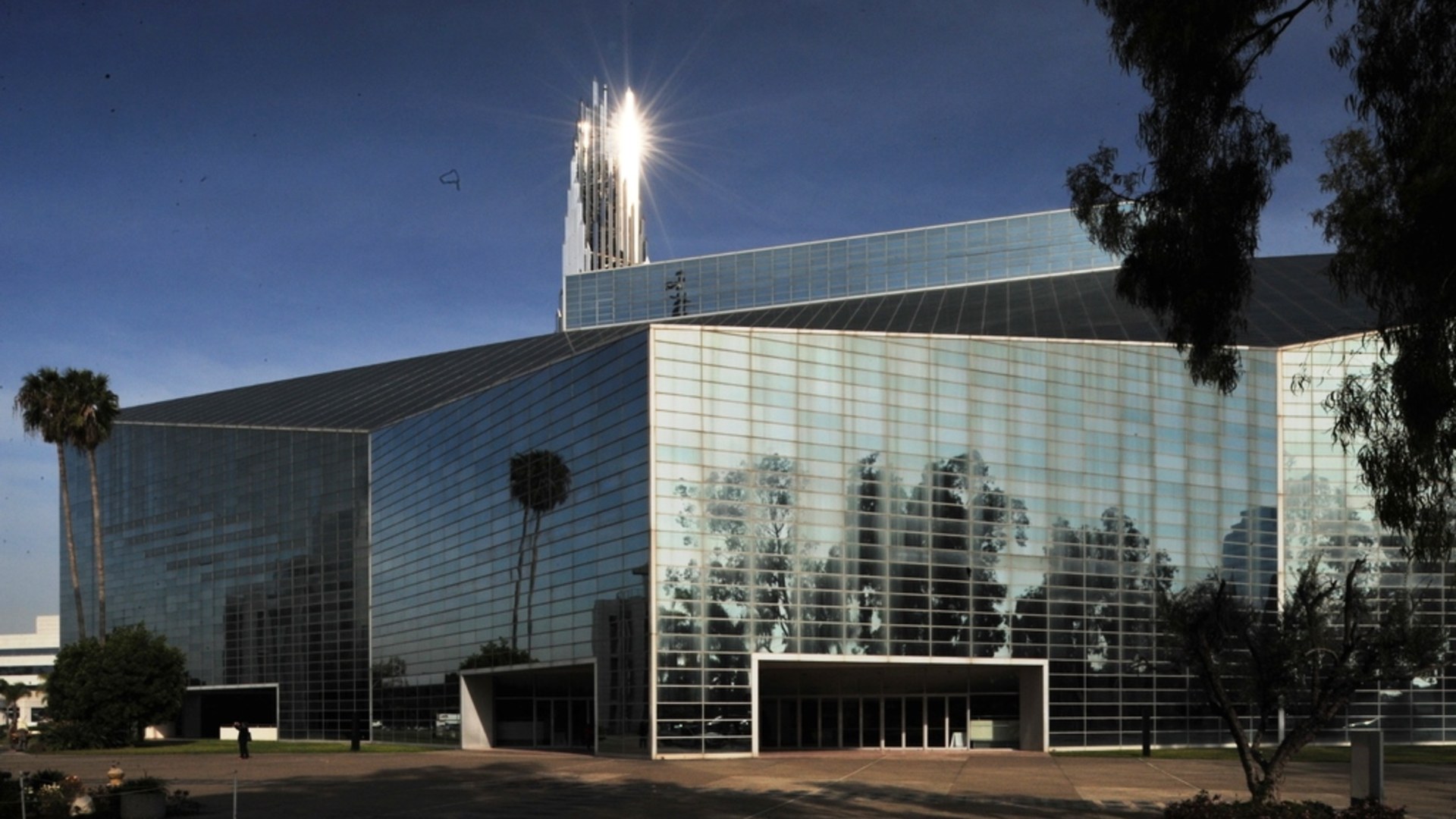
8. Christ Cathedral (Crystal Cathedral), Garden Grove
Completed in 1980 in Orange County, California for televangelist Robert H. Schuller, this 12-story, star-shaped sanctuary by architects Philip Johnson and John Burgee was billed as the largest glass building in the world at its dedication. Over 10,000 silver-tinted panes are bonded to a white steel space frame.
©Wikimedia / Forgemind ArchiMedia
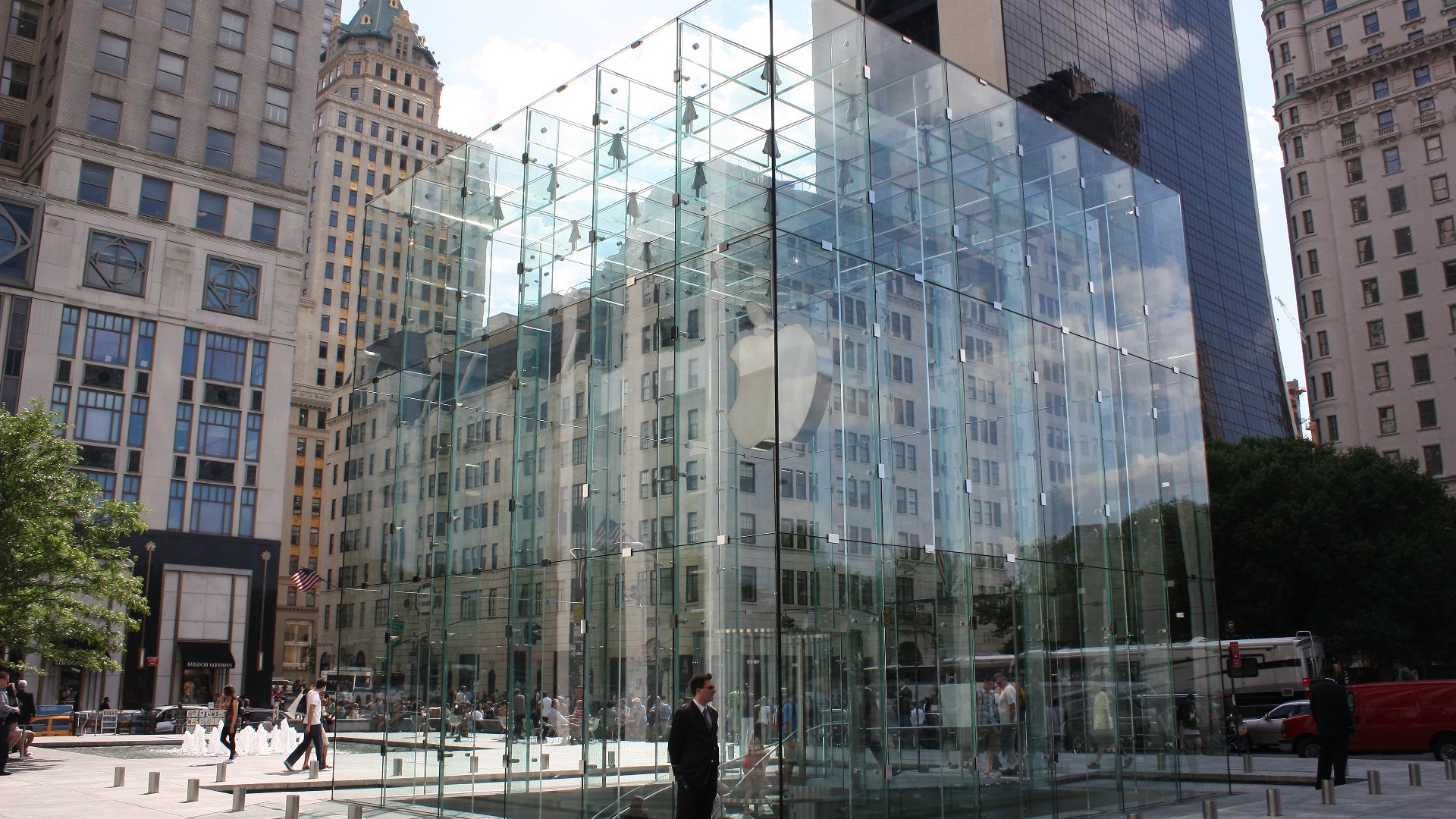
7. Apple Fifth Avenue Glass Cube, New York
Conceived by Steve Jobs with architects Bohlin Cywinski Jackson and structural engineers Eckersley O'Callaghan in 2006, this 32-foot cube on Manhattan's Fifth Avenue uses laminated glass fins and beams with no metal frame. A 2011 redesign reduced the structure from 90 panes to just 15 giant sheets.
©Wikimedia / Marcus Quigmire
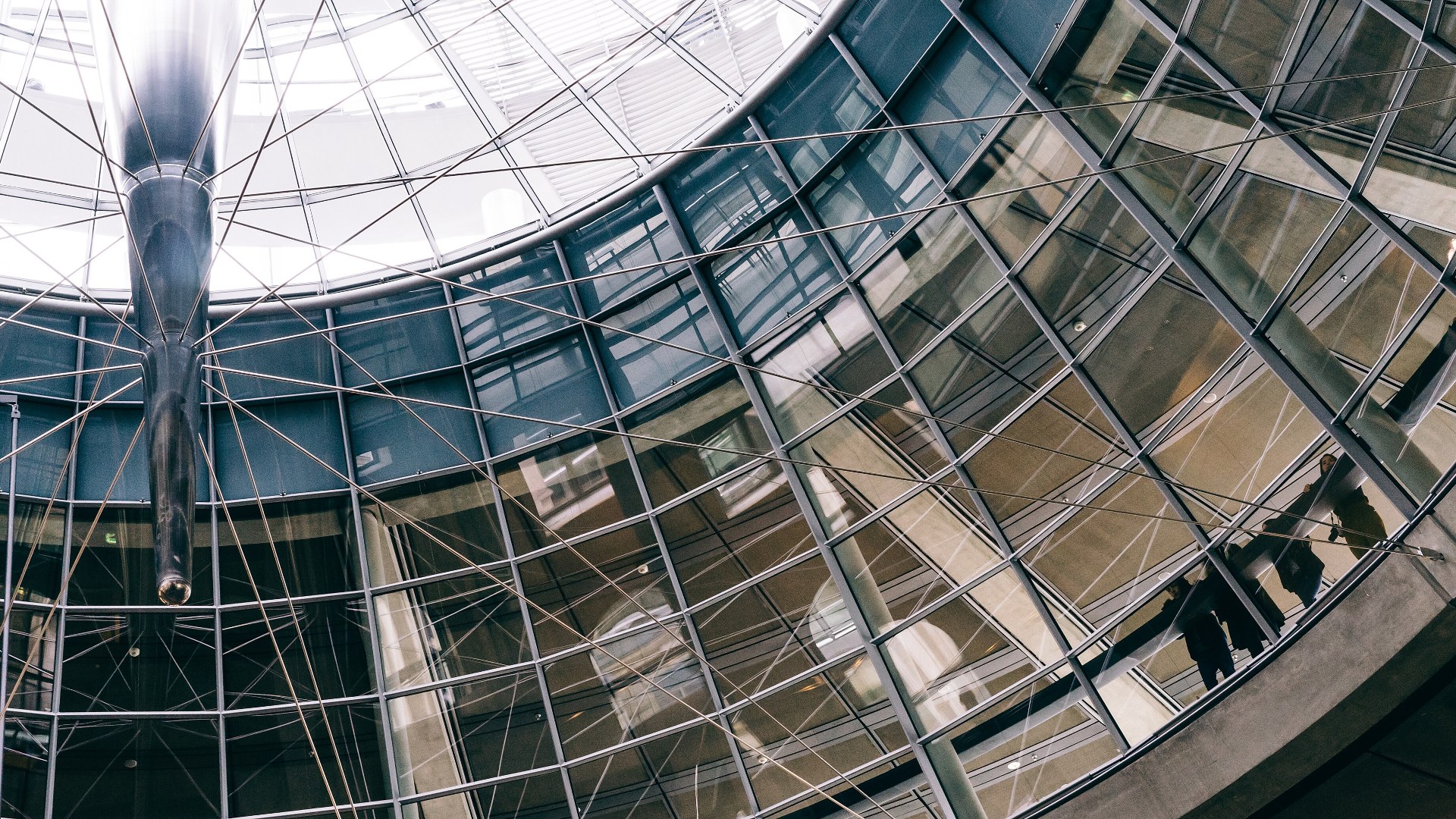
6. Reichstag Dome, Berlin
Crowning the rebuilt 1894 Reichstag in Berlin, Norman Foster's 77-foot-tall glass dome opened in 1999 as a symbol of democratic transparency. Visitors walk up twin helical ramps above the Bundestag debating chamber while a central cone of 360 mirrors directs natural daylight into the hall below.
©Wikimedia / Christian Reimer
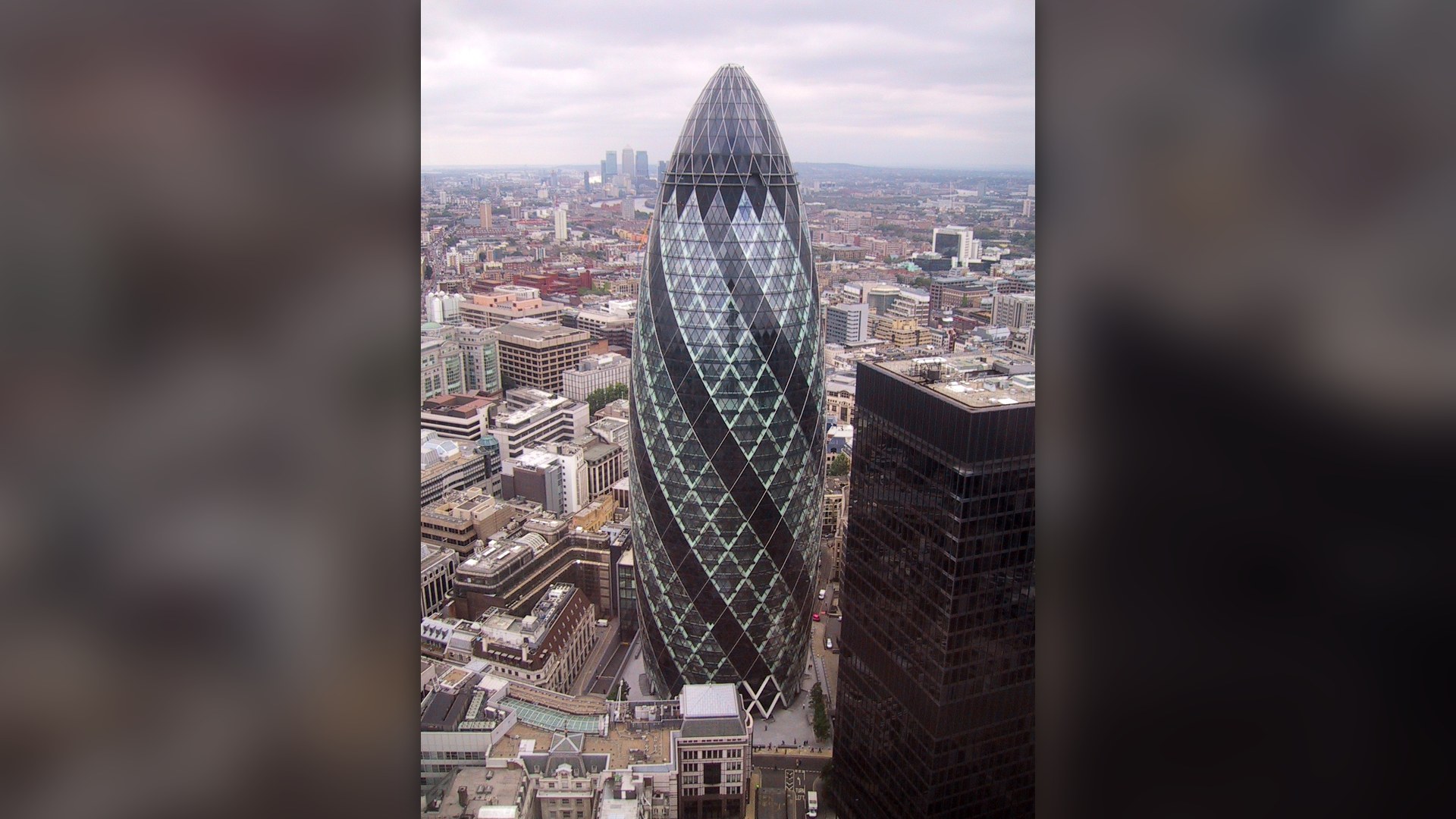
5. 30 St Mary Axe (The Gherkin), London
Opened in 2004 in the City of London, this 41-story skyscraper by Norman Foster and Arup engineers is wrapped in 5,500 flat diamond-shaped glass panels across a steel diagrid frame. Only the single lens cap at the very summit is curved, while spiraling light wells cut energy use in half.
©Wikimedia / Paste
Advertisement
Swipe or tap ▶ to resume the countdown.
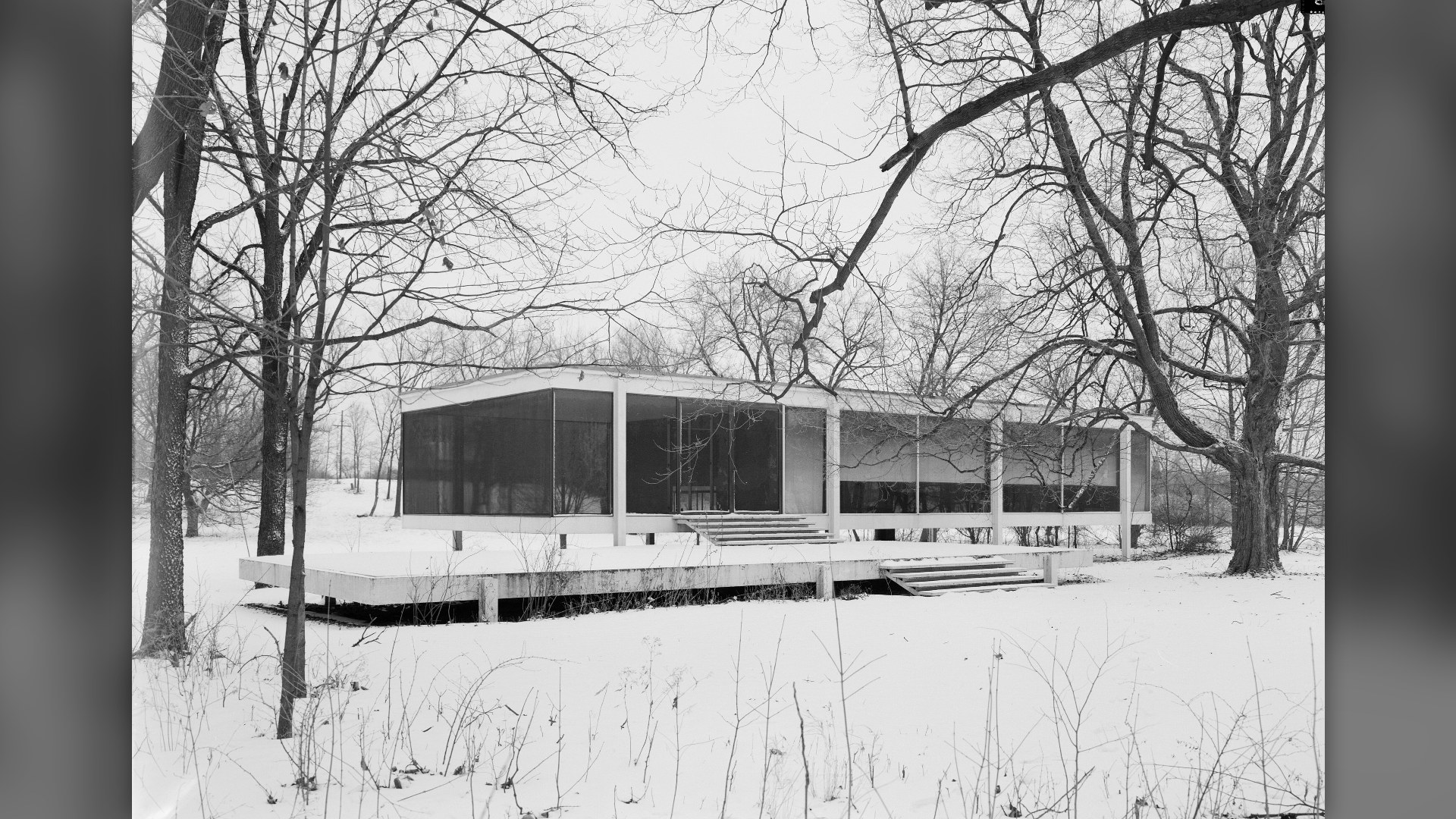
4. Farnsworth House, Plano
Commissioned by Chicago physician Edith Farnsworth as a weekend retreat in Plano, Illinois, this 1,500-square-foot International Style masterpiece by Ludwig Mies van der Rohe was completed in 1951. Eight white steel I-beams suspend floor-to-ceiling plate glass walls five feet above the Fox River floodplain.
©Wikimedia / Jack E. Boucher
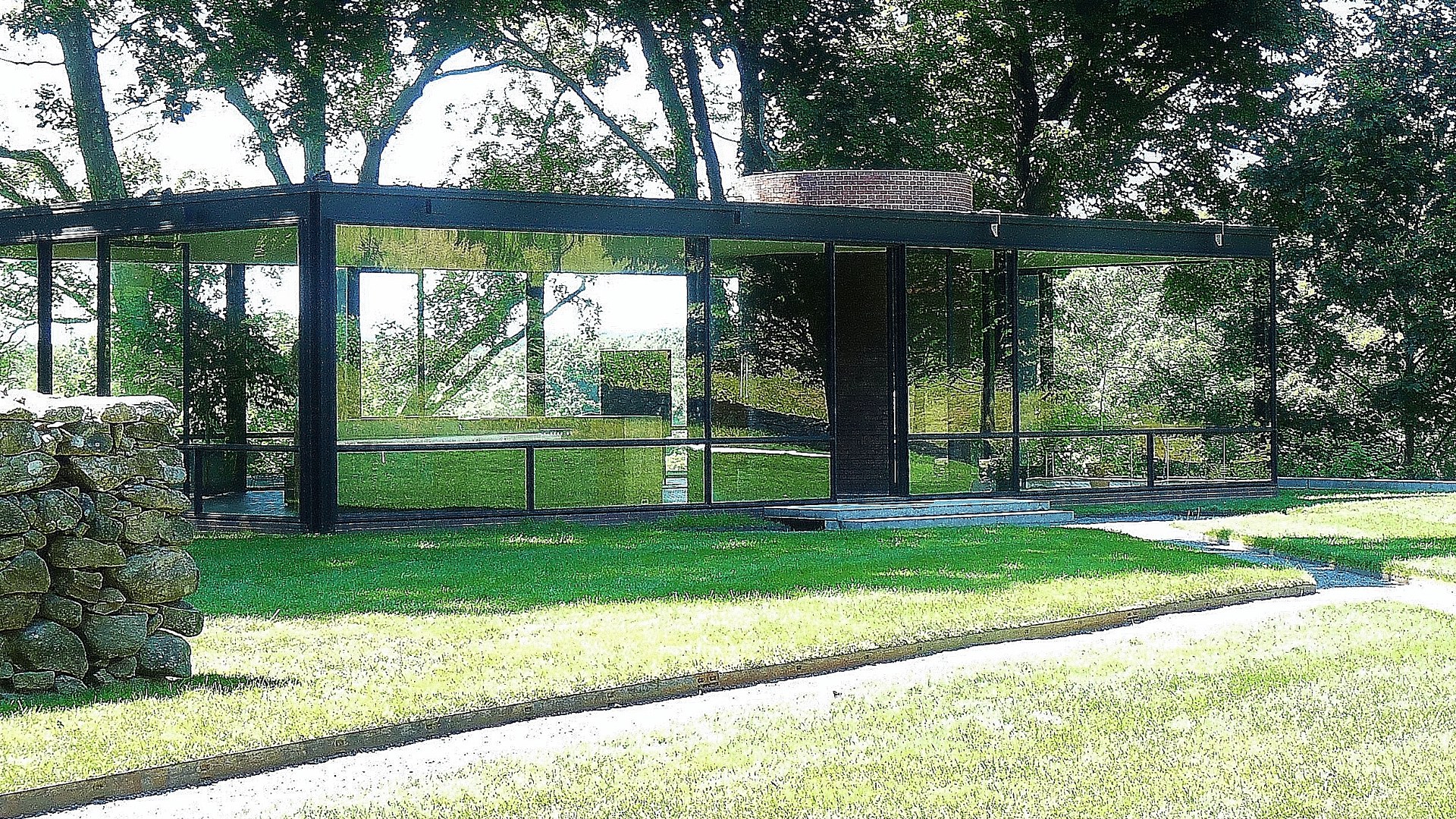
3. The Glass House, New Canaan
Built in 1949 by architect Philip Johnson as his personal home on 49 wooded acres in New Canaan, Connecticut, The Glass House is a 56-by-32-foot rectangle enclosed by quarter-inch plate glass sheets between charcoal-painted steel piers. Only a round brick bathroom cylinder interrupts the open floor plan.
©Wikimedia / A. Latina Brown
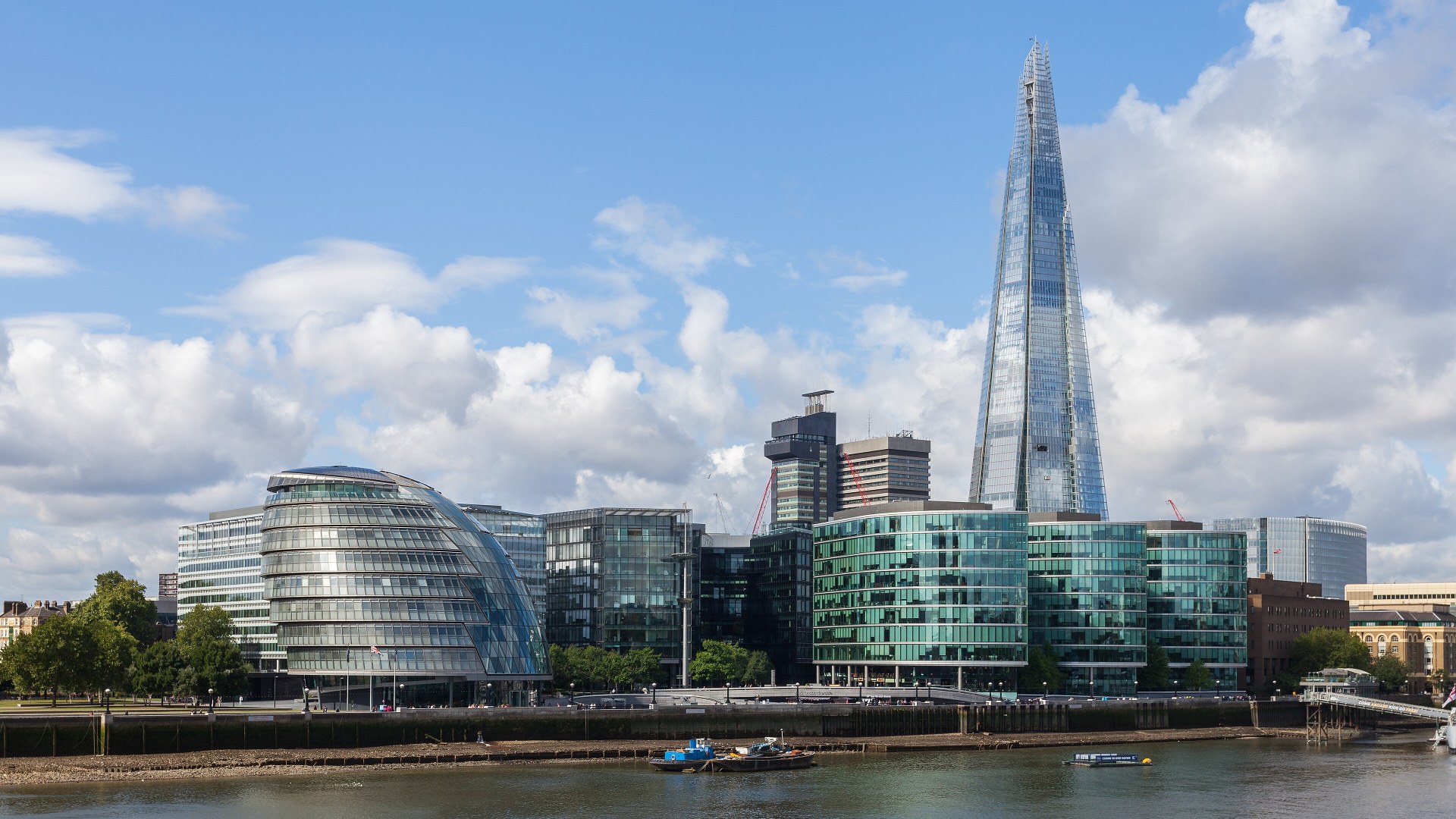
2. The Shard, London
Rising 72 habitable floors above Southwark on the River Thames, The Shard was designed by Italian architect Renzo Piano and inaugurated in 2012 as Western Europe's tallest building. Its eight-faceted spire is sheathed in 11,000 panes of extra-white low-iron glass covering eight football pitches.
©Wikimedia / Diego Delso
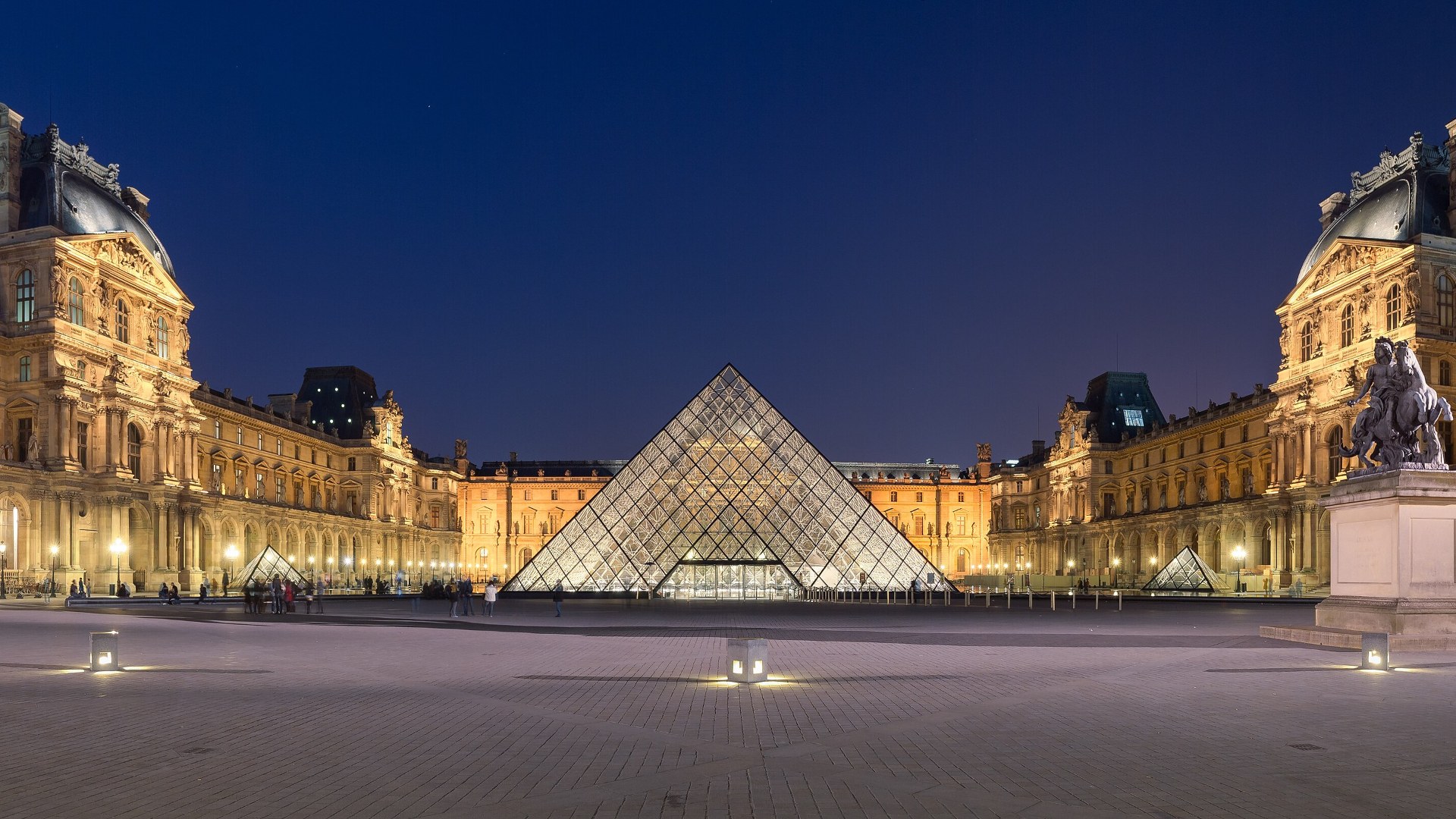
1. Louvre Pyramid, Paris
Commissioned by French President Francois Mitterrand and completed by Chinese-American architect I.M. Pei in 1989, the Louvre Pyramid stands 71 feet tall in the Cour Napoleon of the Louvre Palace. Built from 603 diamond-shaped and 70 triangular panes of custom clear glass, it is the world's most famous glass landmark.

©Wikimedia / Benh Lieu Song
Advertisement
You've reached the end of the story. Thanks for reading!

20 Famous Cars With Pop-Up Headlights That Shaped Car Design
From hand-cranked 1930s teardrops to wedge supercars of the 1980s, hidden headlights let stylists chase sleek aerodynamics until 2004 pedestrian rules closed the curtain. Here are 20 standout production cars that turned retractable lamps into an enduring automotive design feature across seven full decades.
All 15 Entries in this Story
15. Dancing House, Prague
Nicknamed Fred and Ginger after dancers Fred Astaire and Ginger Rogers, this Deconstructivist landmark in Prague pairs a solid concrete tower with a pinched glass cylinder supported by curved pillars. Completed in 1996, its 99 non-aligned panels reshaped Czech post-communist architecture.

14. National Centre For The Performing Arts, Beijing
Known colloquially as The Giant Egg, this 2007 Beijing cultural complex by French architect Paul Andreu spans 696 feet across an artificial lake west of Tiananmen Square. A sweeping glass curtain splits 18,000 titanium plates, opening like a stage curtain over an underwater glass walkway.

13. Elbphilharmonie, Hamburg
Opened in January 2017 on the Elbe River peninsula in Hamburg, the Elbphilharmonie hoists a shimmering glass concert hall atop a 1963 brick cocoa warehouse. Swiss architects Herzog and de Meuron wrapped the 360-foot structure in 1,100 individually curved glass panes that reflect water and sky.

12. Palm House At Kew Gardens, London
Designed by architect Decimus Burton and ironmaker Richard Turner between 1844 and 1848, the Palm House at Royal Botanic Gardens, Kew is the world's most important surviving Victorian glass and wrought-iron structure. Its hull-like ribs support 16,000 panes of curved glass without interior columns.

11. Gardens By The Bay Conservatories, Singapore
Designed by WilkinsonEyre and opened in 2012 along Singapore's Marina Reservoir, the Flower Dome and Cloud Forest are twin gridshell biospheres clad in 3,332 double-glazed glass panels. Spanning 3.2 acres without a single interior support column, the Flower Dome holds the Guinness World Record.

10. One World Trade Center, New York
Designed by David Childs of Skidmore, Owings and Merrill and opened in 2014, the tallest building in the Western Hemisphere tapers into eight tall isosceles triangles of low-iron reflective glass. Over 12,000 insulated glass panels covering 1 million square feet catch shifting light across New York Harbor.

9. Burj Khalifa, Dubai
Rising 2,717 feet above Dubai since its 2010 opening, the Burj Khalifa is wrapped in an exterior curtain wall equivalent to 17 soccer fields of glass. More than 300 cladding specialists installed 26,000 double-layered panels coated with silver and titanium to withstand extreme desert heat and wind.

8. Christ Cathedral (Crystal Cathedral), Garden Grove
Completed in 1980 in Orange County, California for televangelist Robert H. Schuller, this 12-story, star-shaped sanctuary by architects Philip Johnson and John Burgee was billed as the largest glass building in the world at its dedication. Over 10,000 silver-tinted panes are bonded to a white steel space frame.

7. Apple Fifth Avenue Glass Cube, New York
Conceived by Steve Jobs with architects Bohlin Cywinski Jackson and structural engineers Eckersley O'Callaghan in 2006, this 32-foot cube on Manhattan's Fifth Avenue uses laminated glass fins and beams with no metal frame. A 2011 redesign reduced the structure from 90 panes to just 15 giant sheets.

6. Reichstag Dome, Berlin
Crowning the rebuilt 1894 Reichstag in Berlin, Norman Foster's 77-foot-tall glass dome opened in 1999 as a symbol of democratic transparency. Visitors walk up twin helical ramps above the Bundestag debating chamber while a central cone of 360 mirrors directs natural daylight into the hall below.

5. 30 St Mary Axe (The Gherkin), London
Opened in 2004 in the City of London, this 41-story skyscraper by Norman Foster and Arup engineers is wrapped in 5,500 flat diamond-shaped glass panels across a steel diagrid frame. Only the single lens cap at the very summit is curved, while spiraling light wells cut energy use in half.

4. Farnsworth House, Plano
Commissioned by Chicago physician Edith Farnsworth as a weekend retreat in Plano, Illinois, this 1,500-square-foot International Style masterpiece by Ludwig Mies van der Rohe was completed in 1951. Eight white steel I-beams suspend floor-to-ceiling plate glass walls five feet above the Fox River floodplain.

3. The Glass House, New Canaan
Built in 1949 by architect Philip Johnson as his personal home on 49 wooded acres in New Canaan, Connecticut, The Glass House is a 56-by-32-foot rectangle enclosed by quarter-inch plate glass sheets between charcoal-painted steel piers. Only a round brick bathroom cylinder interrupts the open floor plan.

2. The Shard, London
Rising 72 habitable floors above Southwark on the River Thames, The Shard was designed by Italian architect Renzo Piano and inaugurated in 2012 as Western Europe's tallest building. Its eight-faceted spire is sheathed in 11,000 panes of extra-white low-iron glass covering eight football pitches.

1. Louvre Pyramid, Paris
Commissioned by French President Francois Mitterrand and completed by Chinese-American architect I.M. Pei in 1989, the Louvre Pyramid stands 71 feet tall in the Cour Napoleon of the Louvre Palace. Built from 603 diamond-shaped and 70 triangular panes of custom clear glass, it is the world's most famous glass landmark.