Slideshow · Viral
15 Most Famous Royal Jewels in History, Ranked
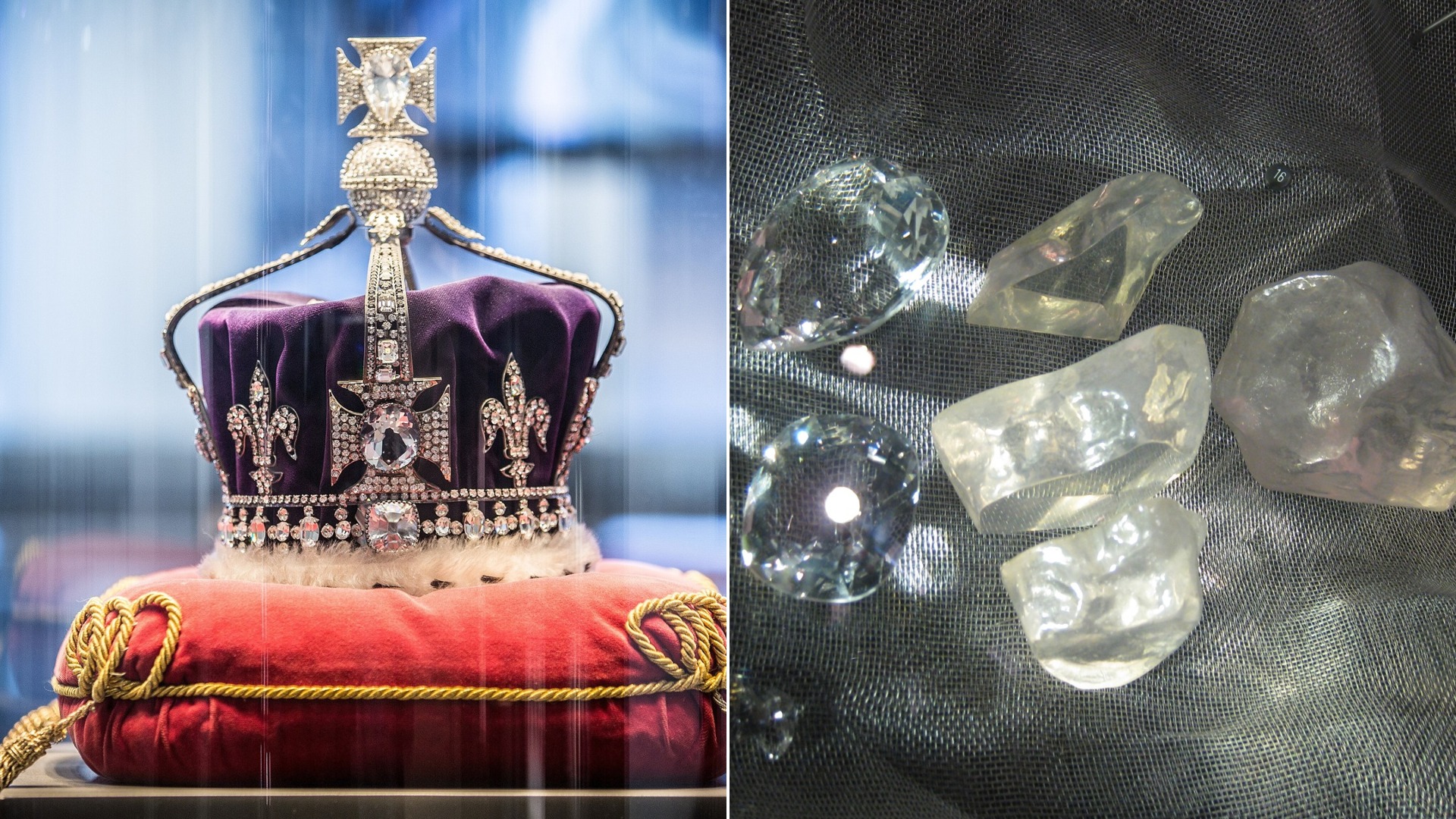
From the 530.2-carat Great Star of Africa in the Tower of London to the 45.52-carat blue Hope Diamond in Washington, these 15 historic royal jewels shaped empires and dynasties.
By Most Viral Today
3 Nov 2026

15 Historic Royal Diamonds, Crowns, and Pearls, Ranked 
15. Dresden Green Diamond (41 Carats) 
14. Wittelsbach-Graff Diamond (31.06 Carats) 
13. Hooker Emerald Brooch (75.47 Carats) - AdvertisementSwipe or tap ▶ to continue countdown

12. La Peregrina Pearl (50.56 Carats) 
11. Sancy Diamond (55.23 Carats) 
10. Crown Of Saint Wenceslas (Bohemian Jewels) 
9. Imperial Crown Of Austria (Habsburg Treasure) - AdvertisementSwipe or tap ▶ to continue countdown

8. Regent Diamond (140.64 Carats) 
7. Empress Eugenie's Pearl Tiara (212 Pearls) 
6. Orlov Diamond (189.62 Carats) 
5. St. Edward's Crown (British Coronation Crown) - AdvertisementSwipe or tap ▶ to continue countdown

4. Imperial State Crown (2,868 Diamonds) 
3. Hope Diamond (45.52 Carats) 
2. Koh I-Noor Diamond (105.6 Carats) 
1. Cullinan I, Great Star Of Africa (530.2 Carats) - Advertisement🔥 UP NEXT IN THIS SERIES◫ 21 Slides

20 Famous Cars With Pop-Up Headlights That Shaped Car Design
From hand-cranked 1930s teardrops to wedge supercars of the 1980s, hidden headlights let stylists chase sleek aerodynamics until 2004 pedestrian rules closed the curtain. Here are 20 standout production cars that turned retractable lamps into an enduring automotive design feature across seven full decades.
For centuries, monarchs across Europe, Asia, and the Middle East fought wars and sealed treaties over rare gemstones. From the 530.2-carat Cullinan I in the Tower of London to the French Crown Jewels in the Louvre, these 15 historic royal jewels remain the most famous treasures on Earth.
Swipe or tap ▶ to begin the countdown
©Wikimedia / AlinavdMeulen & Wikimedia / deror_avi
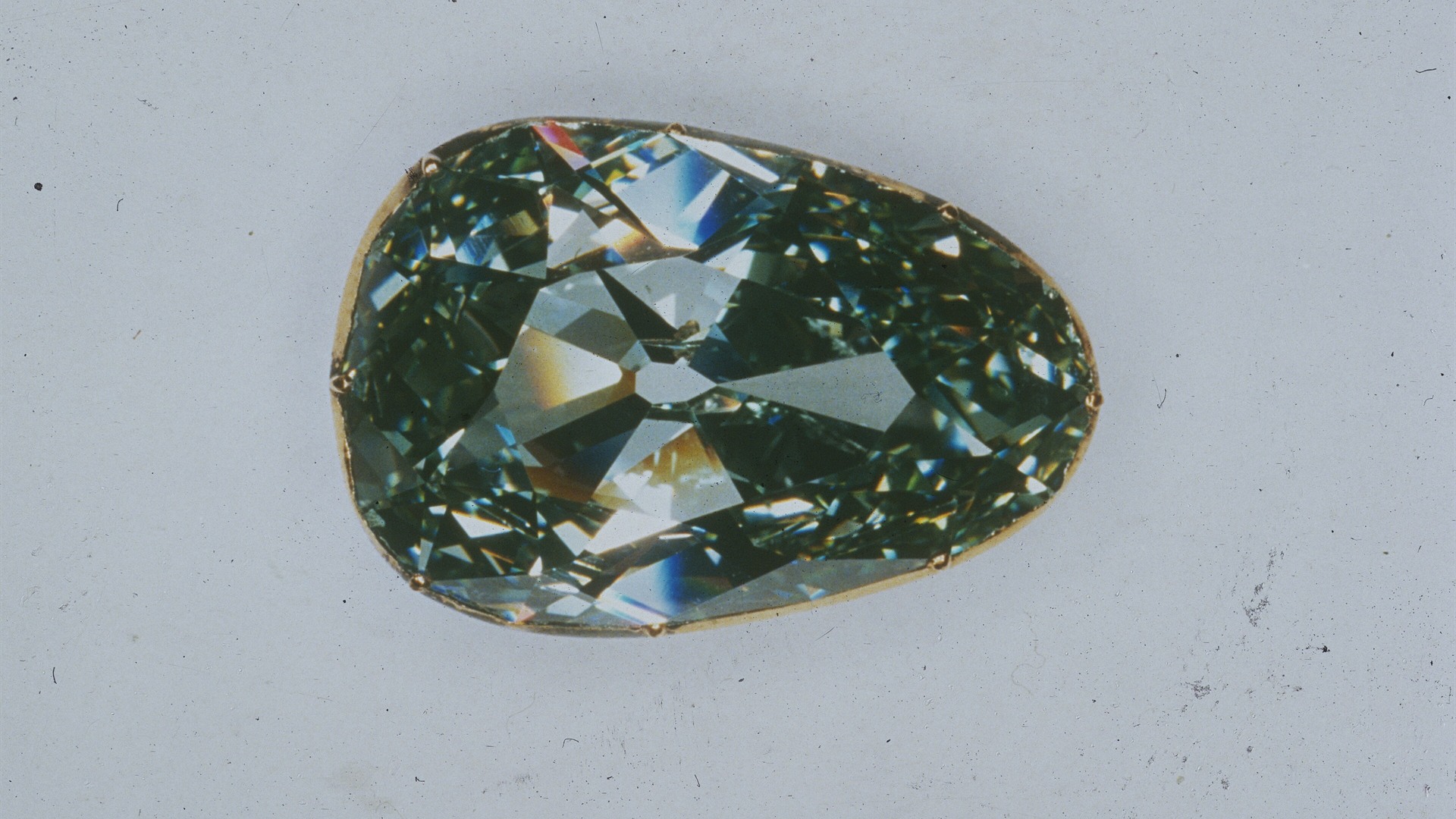
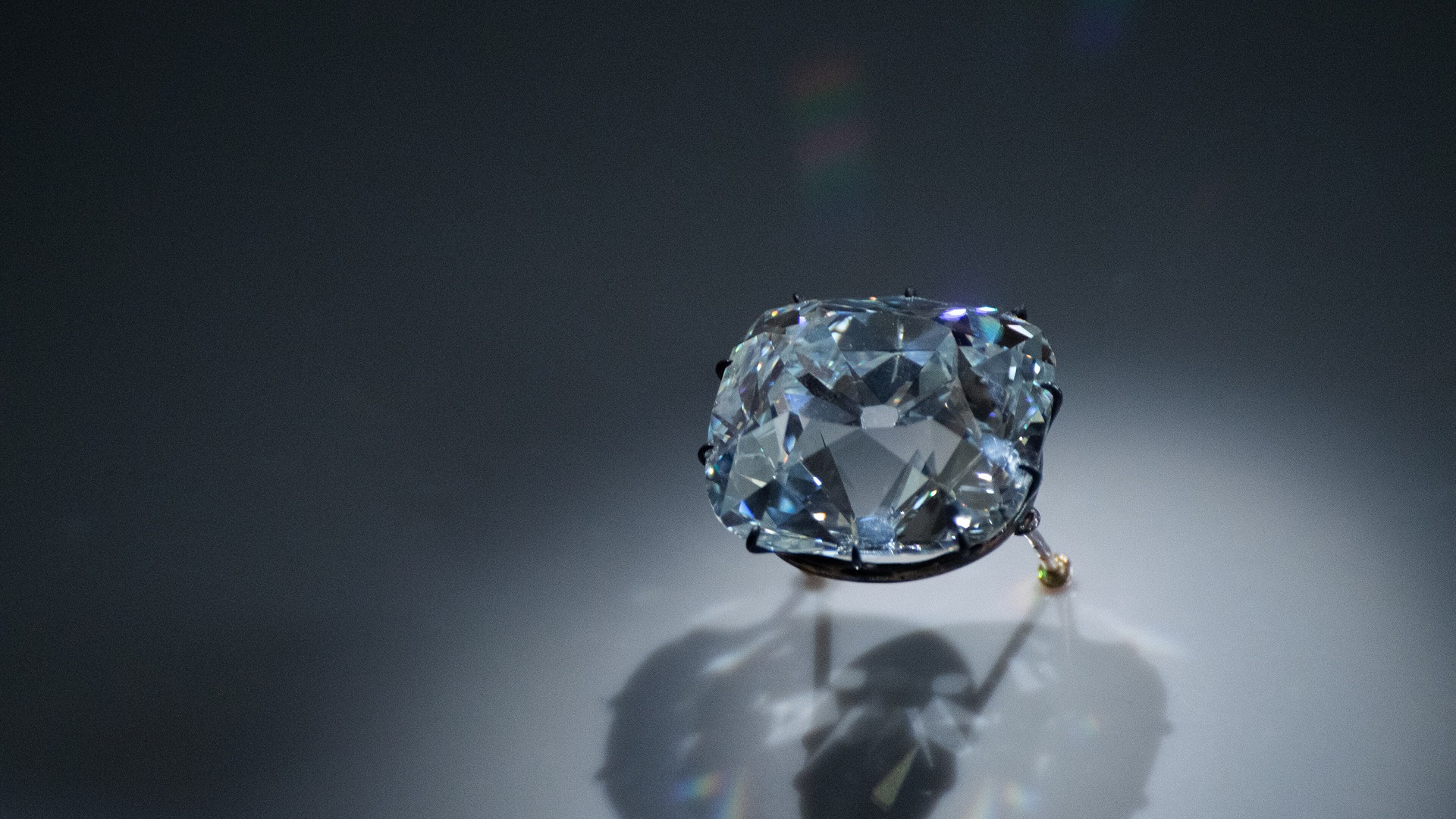
15. Dresden Green Diamond (41 Carats)
Mined in India's Golconda region and purchased at the Leipzig Fair in 1742 by Augustus III, the 41-carat Dresden Green Diamond owes its rare apple-green color to natural radiation exposure. It escaped the November 2019 Dresden Green Vault heist because it was on loan to New York's Metropolitan Museum of Art.
©Wikimedia / Eduard Gubelin
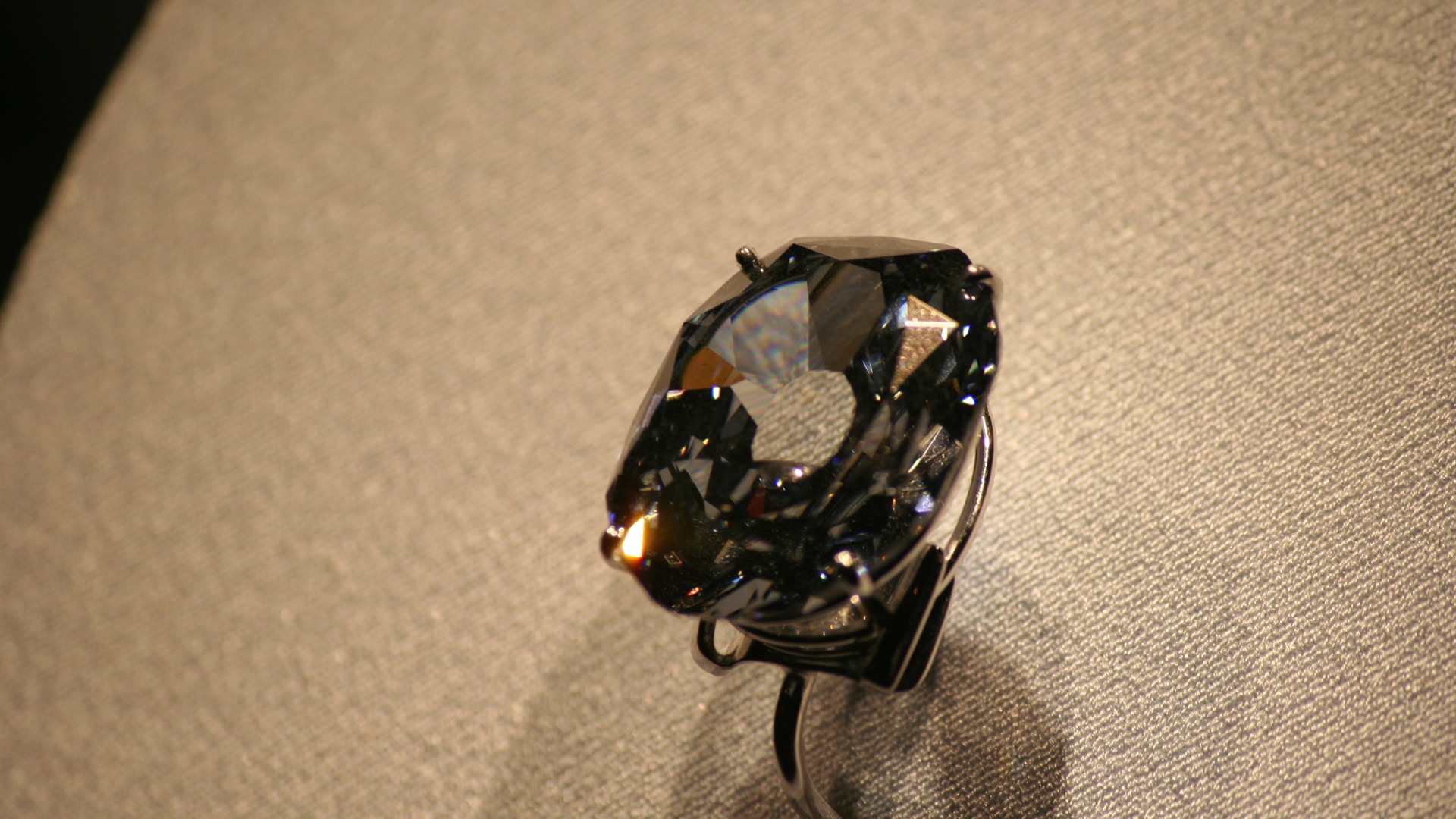
14. Wittelsbach-Graff Diamond (31.06 Carats)
King Philip IV of Spain included this fancy deep-blue Indian diamond in the 1664 dowry of his daughter, Infanta Margarita Teresa, and it later crowned the Kings of Bavaria from 1806 to 1918. Jeweler Laurence Graff bought the 35.56-carat stone for 24.3 million dollars in 2008 and recut it to 31.06 carats.
©Wikimedia / 350z33
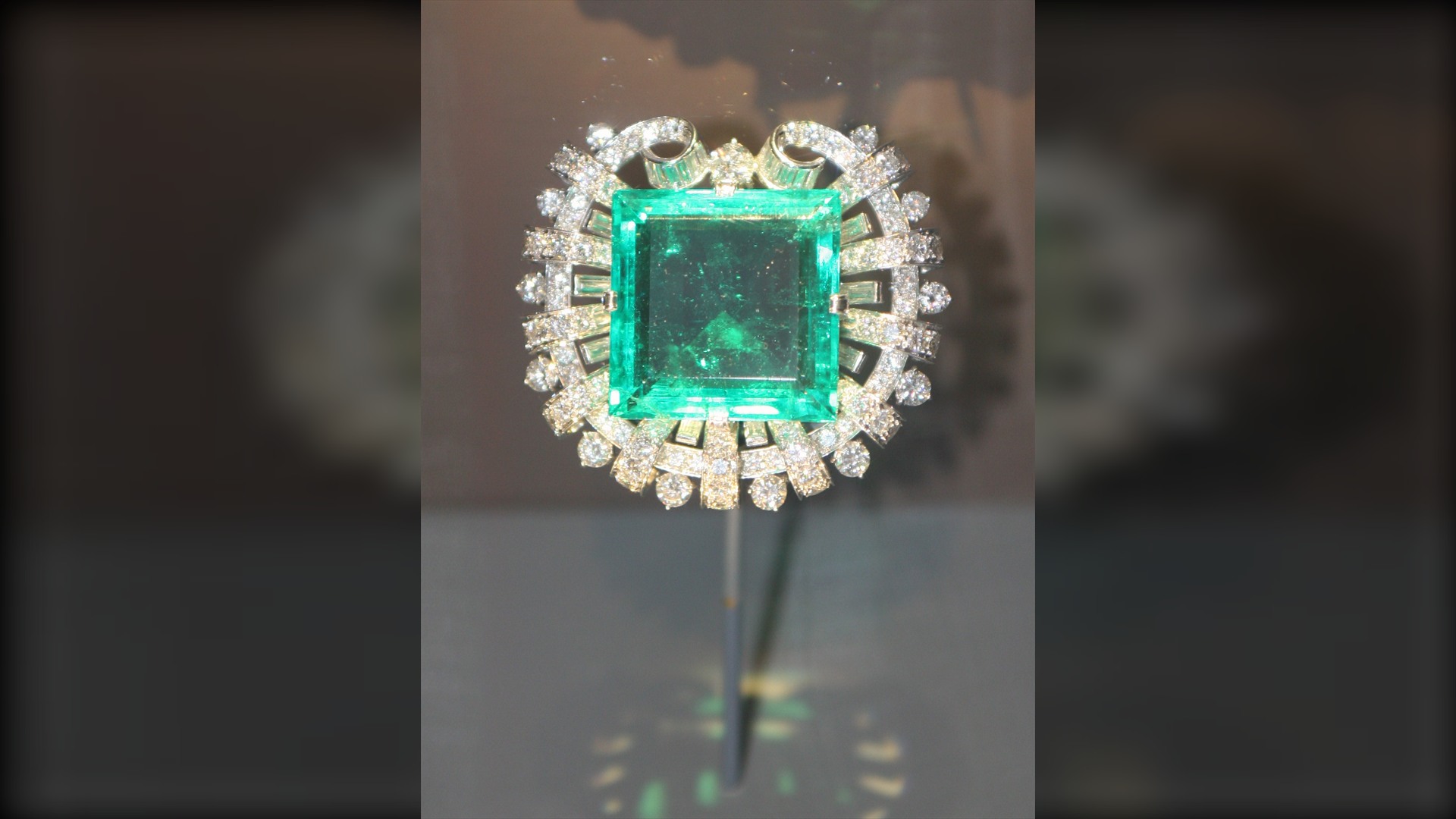
13. Hooker Emerald Brooch (75.47 Carats)
Mined by Spanish conquistadors in Colombia during the 16th century, this 75.47-carat square-cut emerald sat in the imperial belt buckle of Ottoman Sultan Abdul Hamid II until 1908. Tiffany & Co. mounted the gem in a platinum diamond brooch in 1950, and Janet Annenberg Hooker gave it to the Smithsonian in 1977.
©Wikimedia / Cliff
Advertisement
Swipe or tap ▶ to resume the countdown.
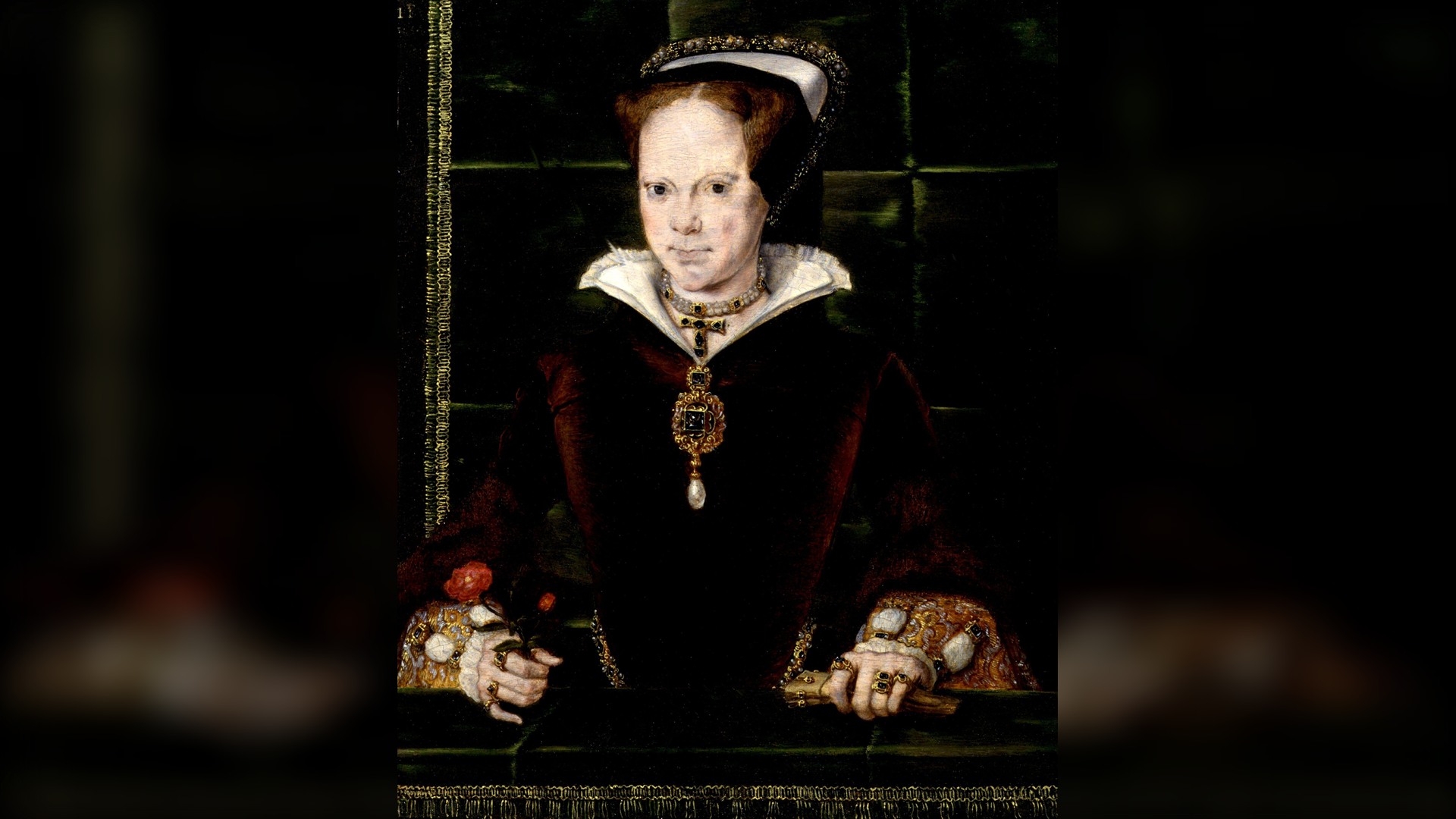
12. La Peregrina Pearl (50.56 Carats)
Pulled from the Gulf of Panama in the 16th century, the 50.56-carat La Peregrina Pearl was gifted by King Philip II of Spain to Queen Mary I of England and worn by eight Spanish monarchs. Richard Burton bought it for 37,000 dollars in 1969 for Elizabeth Taylor, and it sold for 11.8 million dollars in 2011.
©Wikimedia / Hans Eworth
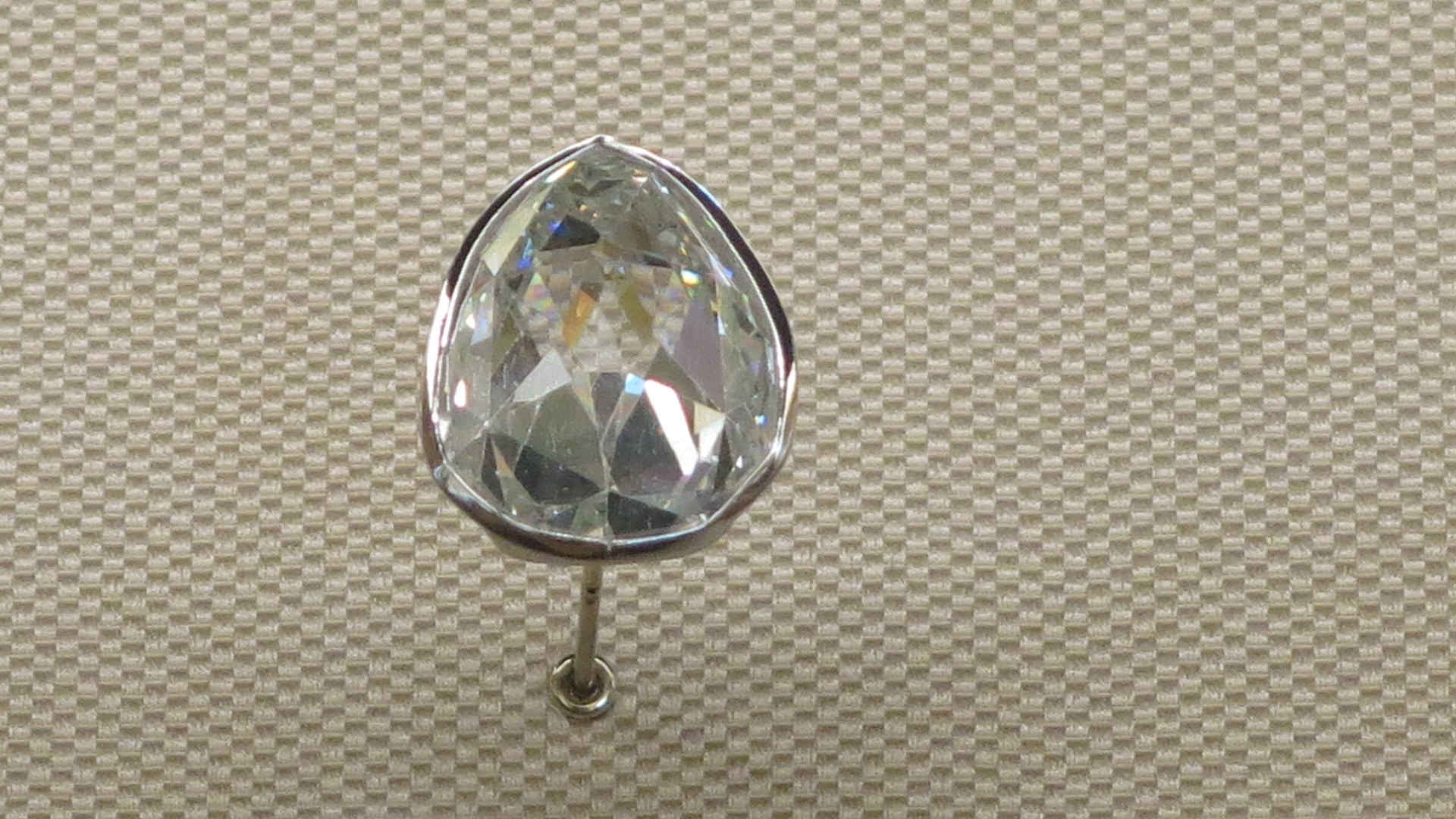
11. Sancy Diamond (55.23 Carats)
Originating in India and famed for its double rose-cut shield shape, the 55.23-carat Sancy Diamond belonged to Charles the Bold of Burgundy, King James I of England, Cardinal Mazarin, and Louis XIV of France. Stolen during the 1792 French Revolution, it returned to the Louvre's Apollo Gallery in 1978.
©Wikimedia / Tangopaso
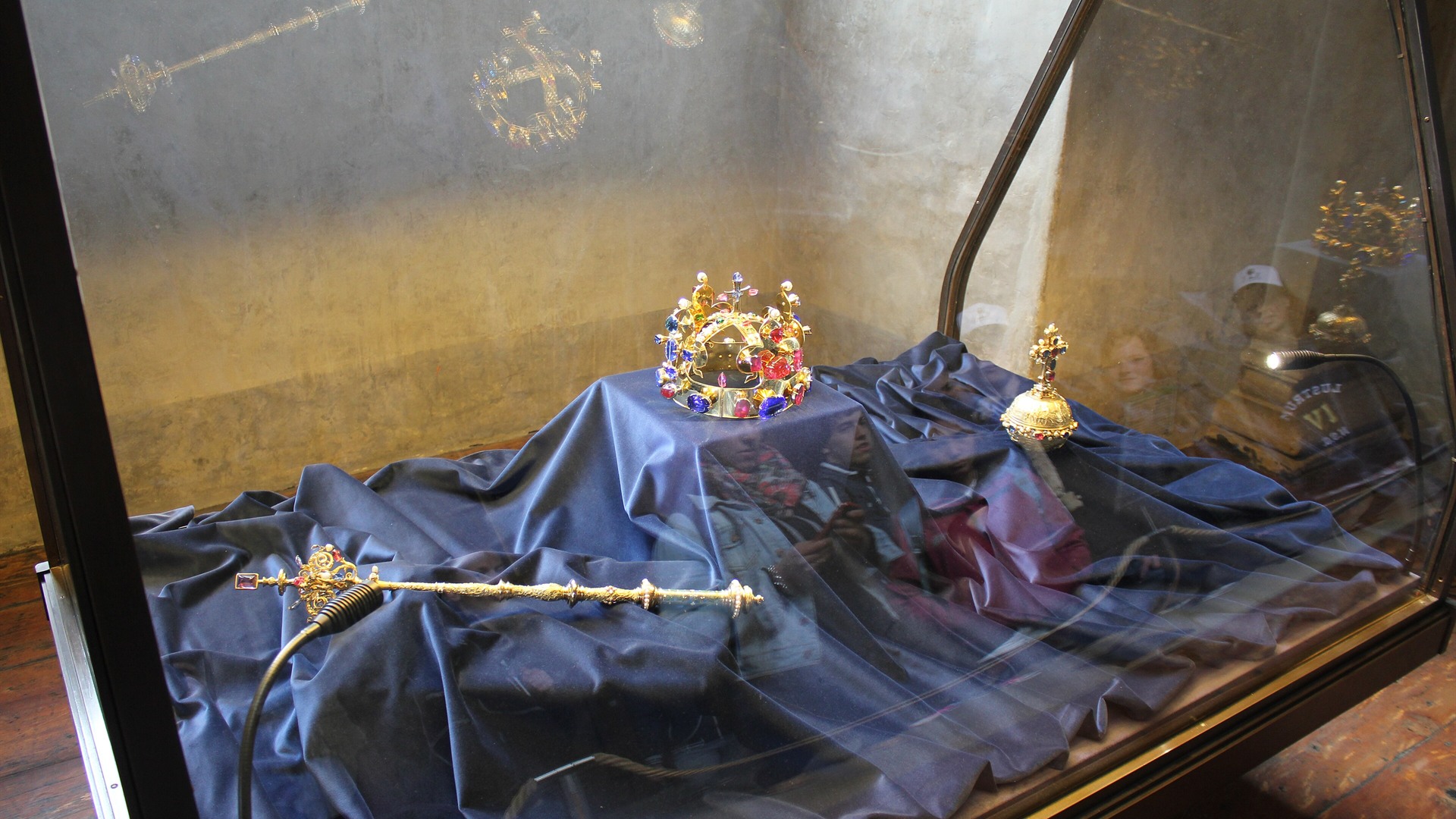
10. Crown Of Saint Wenceslas (Bohemian Jewels)
Commissioned in 1346 by Holy Roman Emperor Charles IV as King of Bohemia, the Crown of Saint Wenceslas is made of 22-karat gold and studded with 96 uncut rubies, sapphires, emeralds, and pearls. It rests inside St. Vitus Cathedral in Prague behind seven keys held by Czech state and church leaders.
©Wikimedia / K. Pacovsky
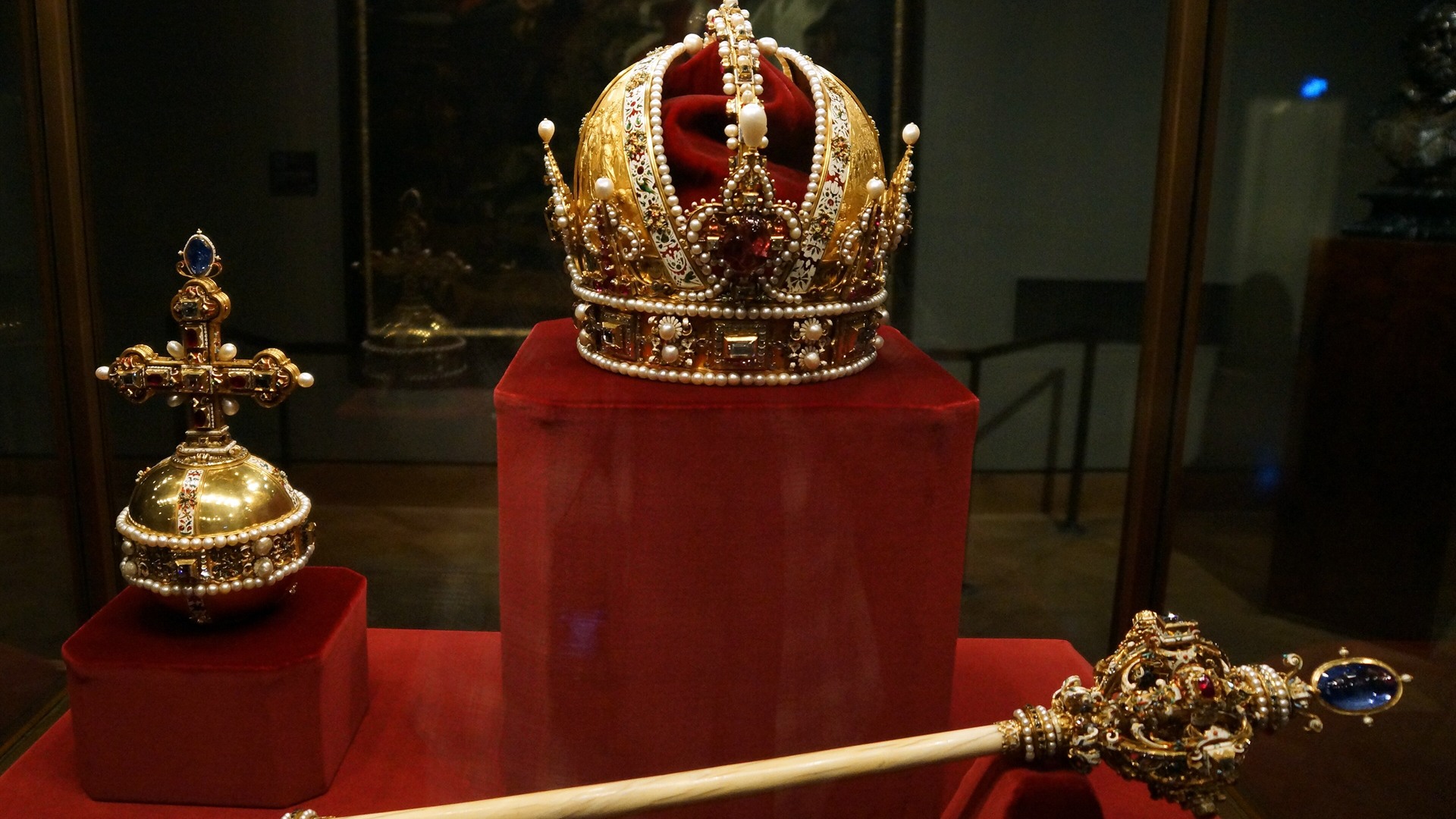
9. Imperial Crown Of Austria (Habsburg Treasure)
Created in Prague in 1602 by goldsmith Jan Vermeyen as the personal crown of Holy Roman Emperor Rudolf II, this mitre-style gold crown became the official Crown of the Austrian Empire in 1804. Topped by a blue-green emerald and lined with pearls and rubies, it is displayed at Vienna's Hofburg Palace.
©Wikimedia / Bede735c
Advertisement
Swipe or tap ▶ to resume the countdown.
8. Regent Diamond (140.64 Carats)
Unearthed in India in 1698 and bought for the French Crown in 1717 by Philippe II, Duke of Orleans, the 140.64-carat Regent Diamond graced the coronation crowns of Louis XV and Louis XVI. Napoleon Bonaparte mounted the gem on the hilt of his sword in 1801, and it now shines in the Louvre in Paris.
©Wikimedia / Mickael Schauli
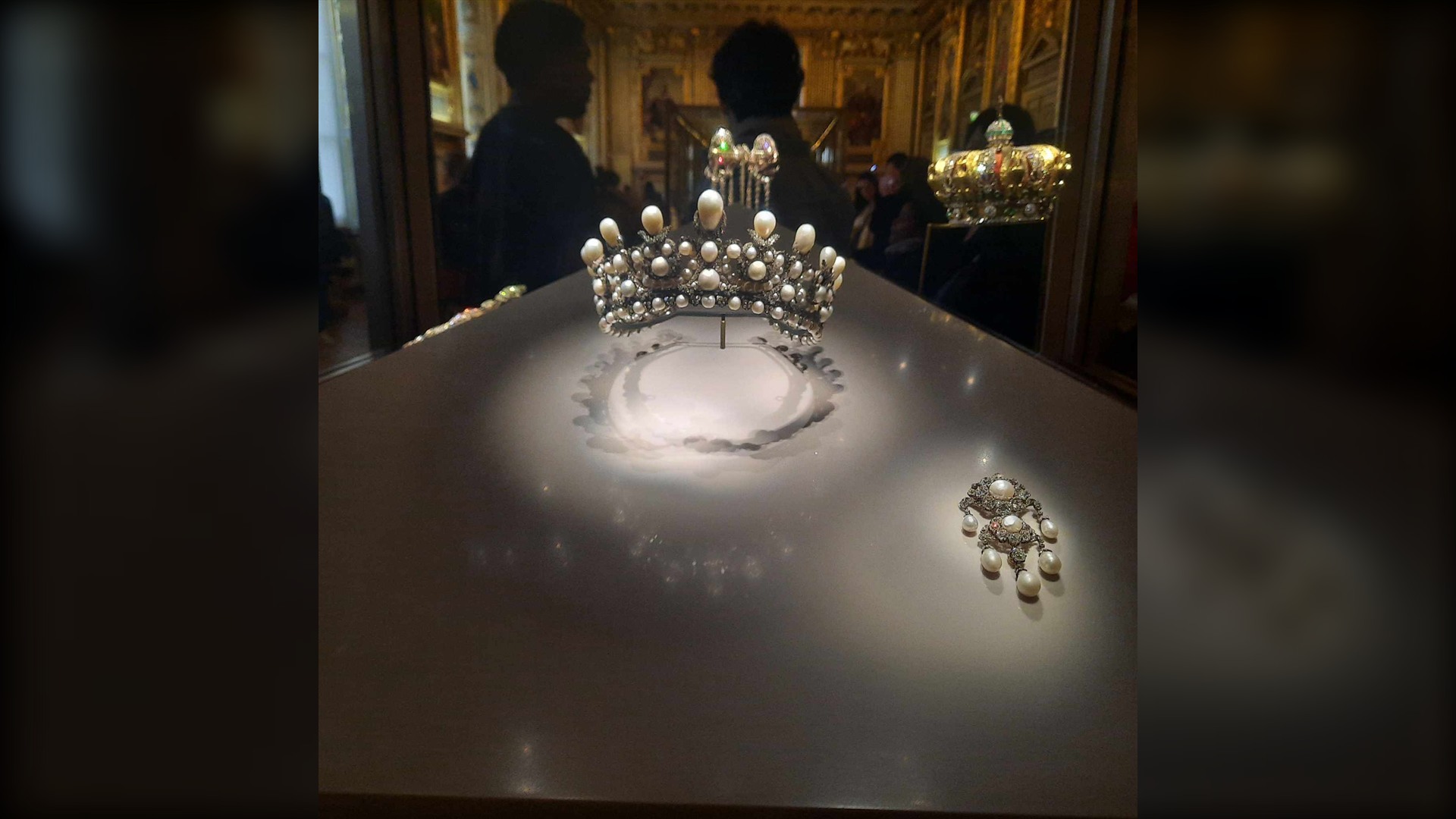
7. Empress Eugenie's Pearl Tiara (212 Pearls)
Commissioned by Emperor Napoleon III for his 1853 marriage to Eugenie de Montijo, this imperial diadem by Parisian jeweler Gabriel Lemonnier sets 212 natural pearls inside scrolls of 1,998 diamonds. Sold during the 1887 French Republic auction, it returned to the Louvre's Apollo Gallery in 1992.
©Wikimedia / Orgio89
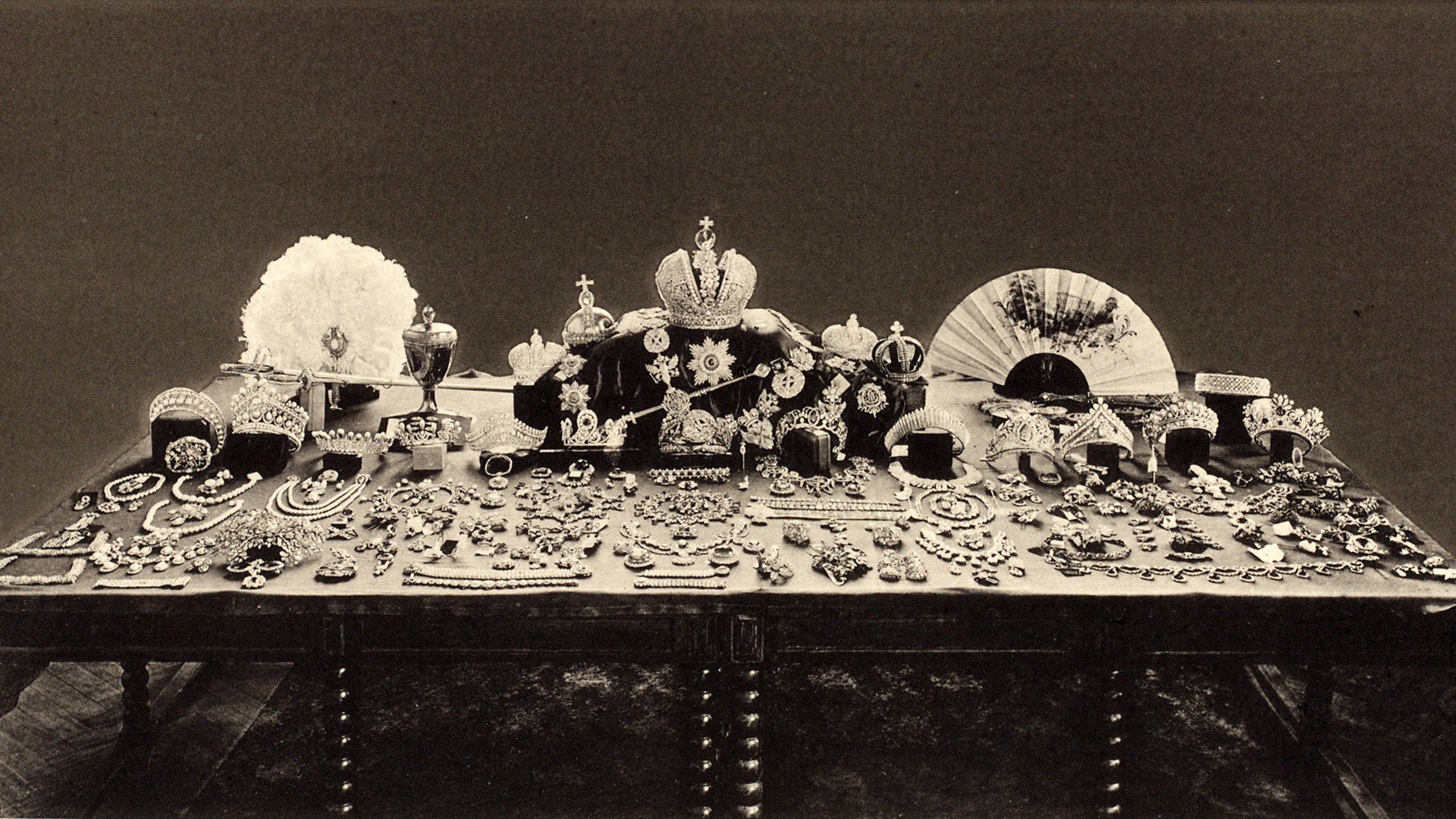
6. Orlov Diamond (189.62 Carats)
Carved with 180 rose-cut facets in 17th-century India, the 189.62-carat Orlov Diamond was bought in Amsterdam by Count Grigory Orlov and gifted to Empress Catherine the Great in 1774. Catherine mounted the bluish-green stone atop the Russian Imperial Sceptre, now in the Moscow Kremlin Diamond Fund.
©Wikimedia / Russian State Archives
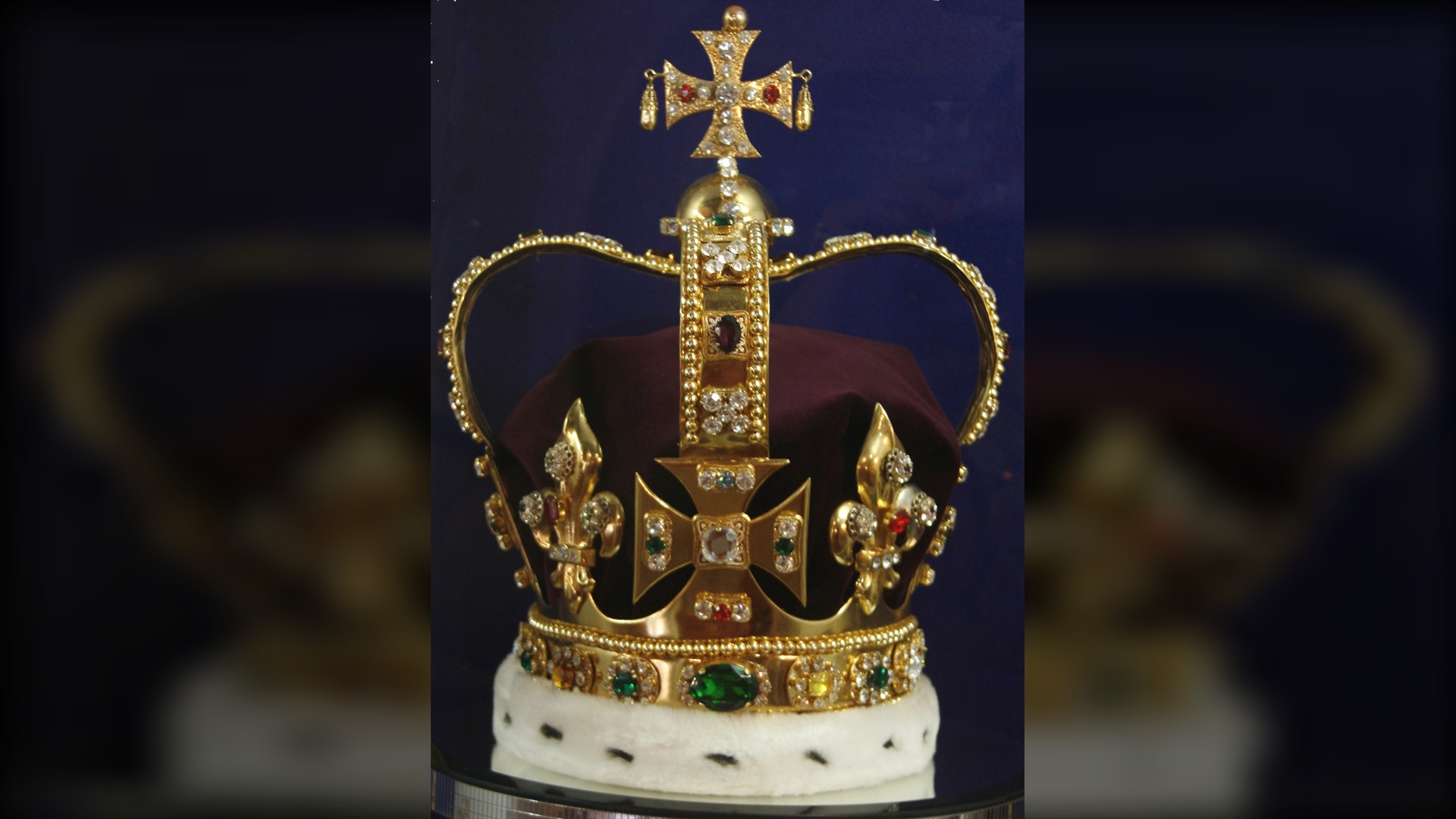
5. St. Edward's Crown (British Coronation Crown)
Crafted in 1661 by Royal Goldsmith Robert Vyner to replace the medieval crown melted down in 1649, St. Edward's Crown weighs 4.9 pounds of solid 22-karat gold and holds 444 gemstones. It is used solely at Westminster Abbey coronations, including Queen Elizabeth II in 1953 and King Charles III in 2023.
©Wikimedia / dbking
Advertisement
Swipe or tap ▶ to resume the countdown.
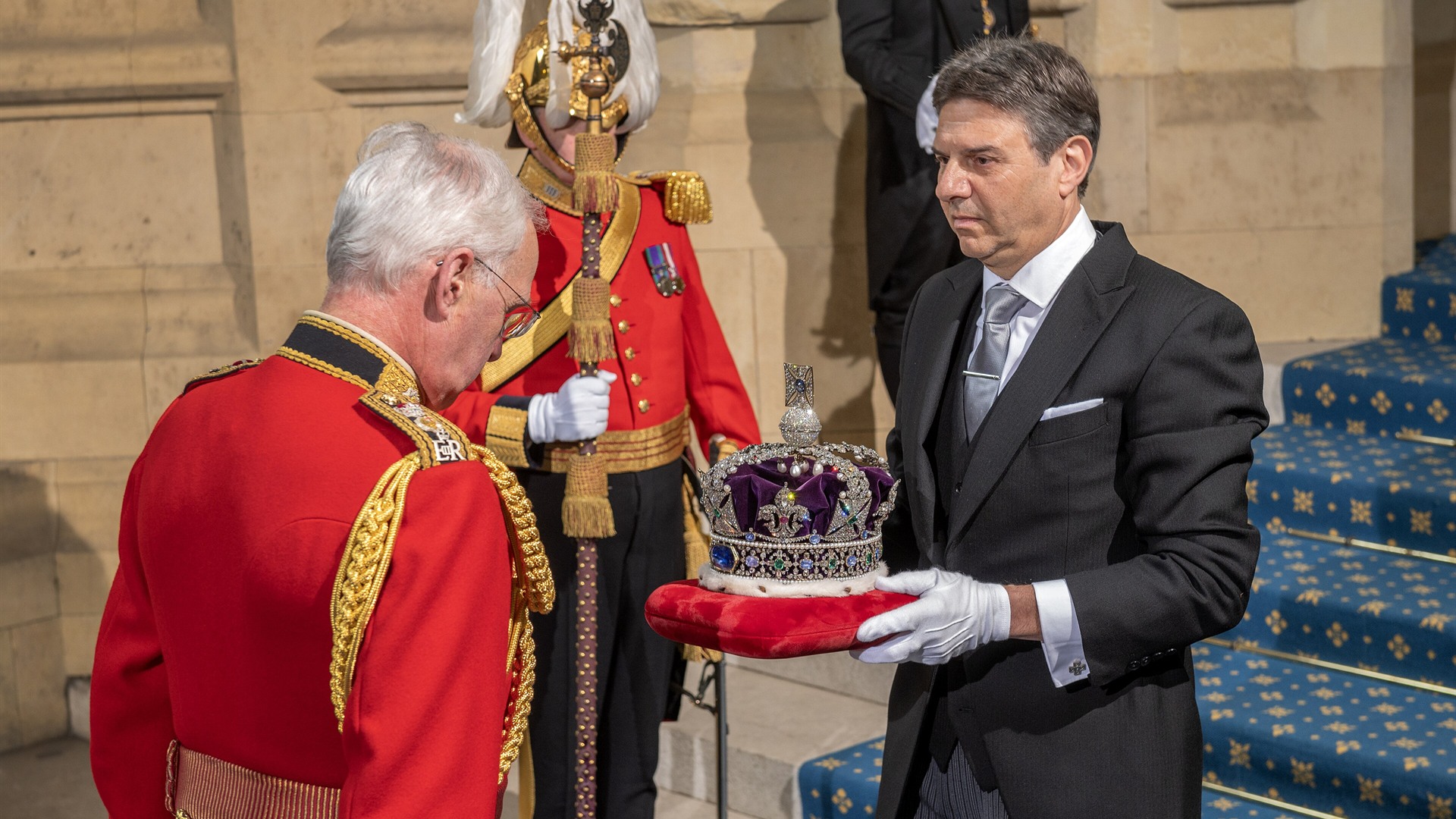
4. Imperial State Crown (2,868 Diamonds)
Made in 1937 by Garrard & Co. for King George VI, the British Imperial State Crown holds 2,868 diamonds, 269 pearls, 17 sapphires, and 11 emeralds. Its centerpiece stones include the 317.4-carat Cullinan II diamond on the front band, the 170-carat Black Prince's Ruby, and the 104-carat Stuart Sapphire.
©Wikimedia / UK House of Lords
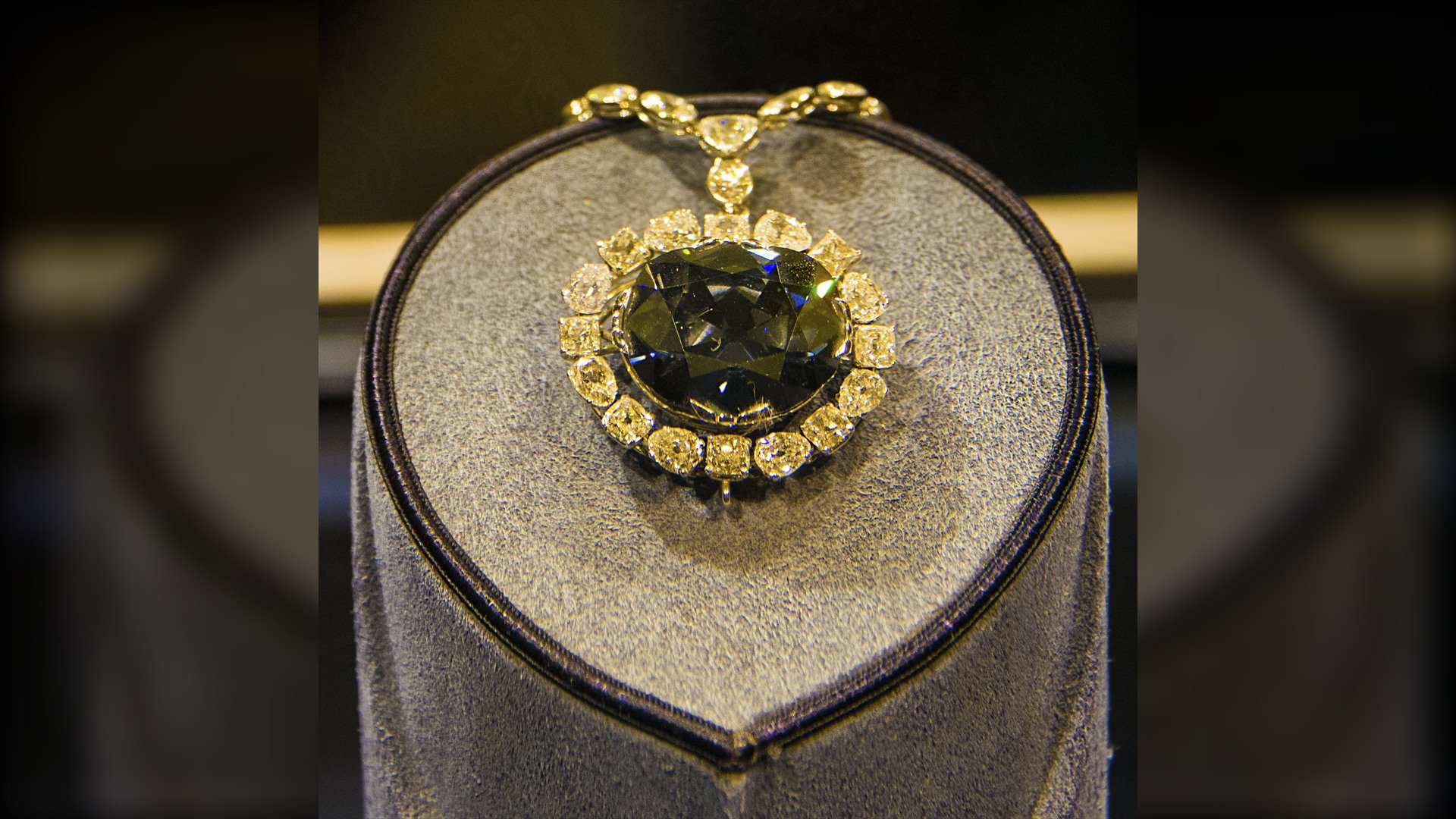
3. Hope Diamond (45.52 Carats)
Traced to the Tavernier Blue brought from India to King Louis XIV of France in 1668, this 45.52-carat fancy dark grayish-blue diamond emerged in London after the 1792 French Crown Jewels theft. Jeweler Harry Winston mailed it to the Smithsonian Institution in a plain brown paper package in 1958.
©Wikimedia / Mbalotia
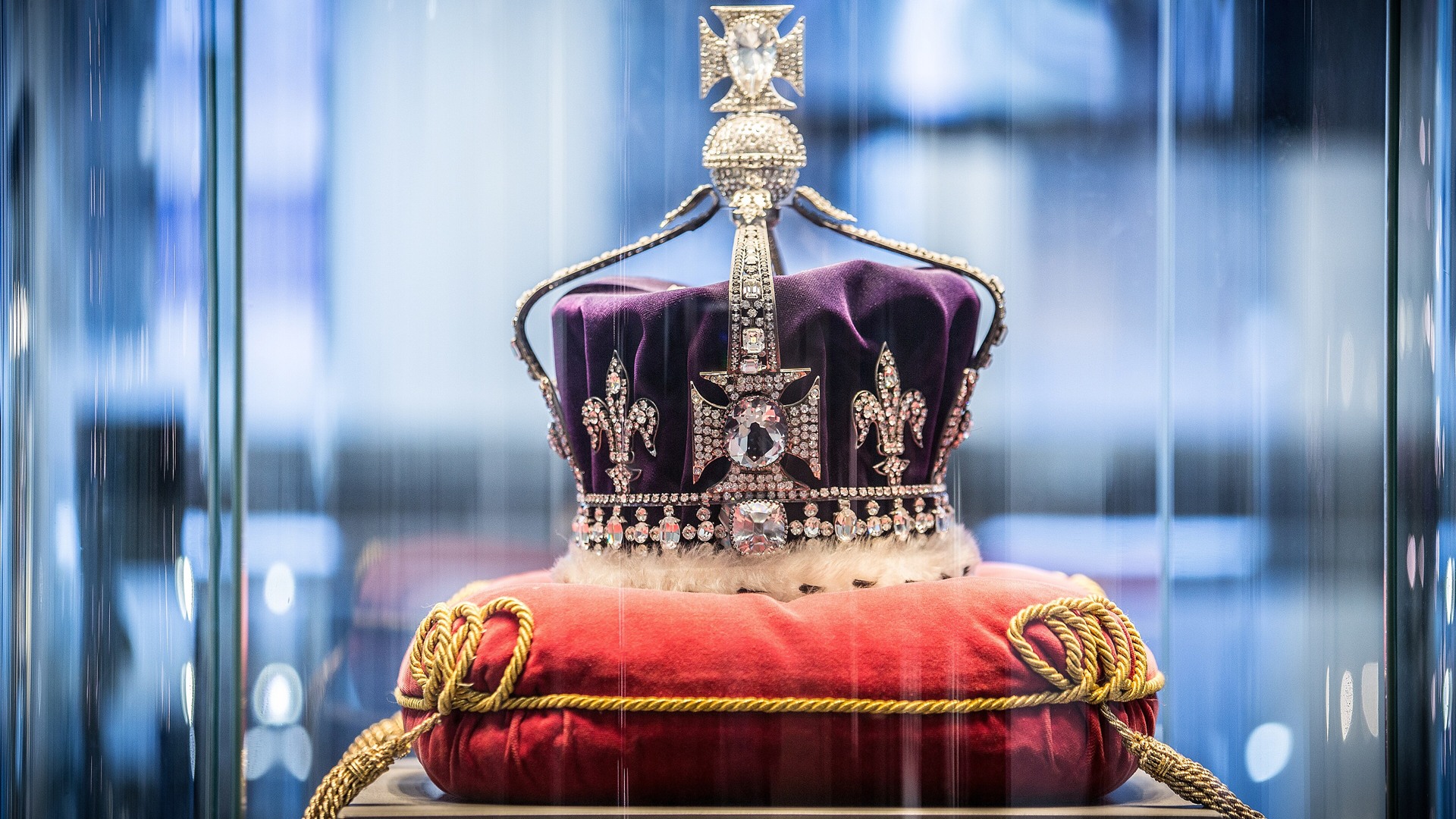
2. Koh I-Noor Diamond (105.6 Carats)
Mined in Golconda, India, the Koh-i-Noor Diamond adorned the Mughal Peacock Throne before Nader Shah of Persia seized it in 1739. Ceded to Queen Victoria in 1849 after the Second Anglo-Sikh War and recut to 105.6 carats, it sits in the front cross of the 1937 Crown of Queen Elizabeth The Queen Mother.
©Wikimedia / AlinavdMeulen
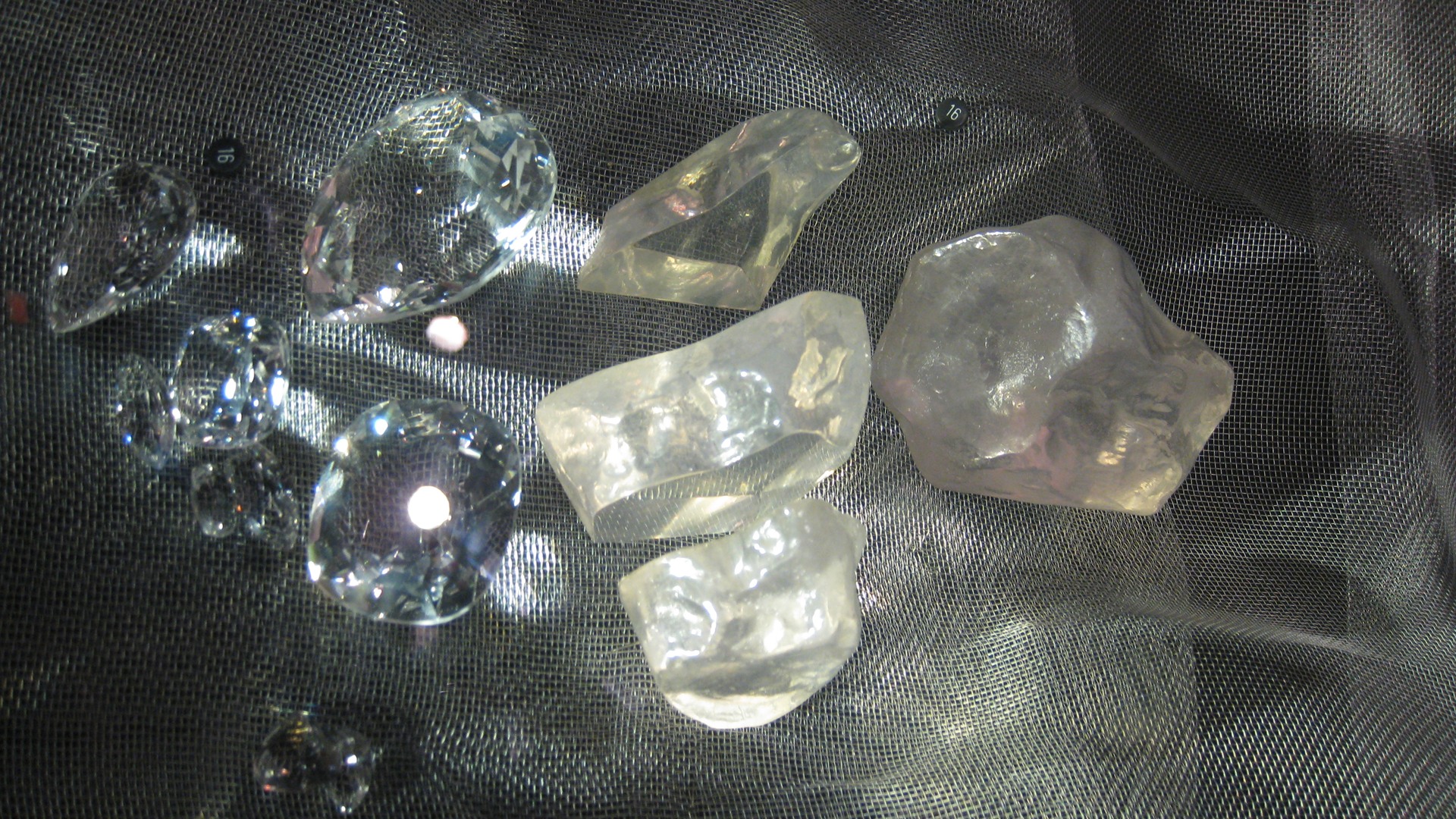
1. Cullinan I, Great Star Of Africa (530.2 Carats)
Cleaved in Amsterdam by Joseph Asscher from the 3,106-carat rough Cullinan Diamond found in South Africa in 1905, the 530.2-carat Great Star of Africa features 74 facets. King Edward VII had the British Sovereign's Sceptre with Cross redesigned in 1910 to hold this record-breaking royal diamond.

©Wikimedia / deror_avi
Advertisement
You've reached the end of the story. Thanks for reading!

20 Famous Cars With Pop-Up Headlights That Shaped Car Design
From hand-cranked 1930s teardrops to wedge supercars of the 1980s, hidden headlights let stylists chase sleek aerodynamics until 2004 pedestrian rules closed the curtain. Here are 20 standout production cars that turned retractable lamps into an enduring automotive design feature across seven full decades.
All 15 Entries in this Story
15. Dresden Green Diamond (41 Carats)
Mined in India's Golconda region and purchased at the Leipzig Fair in 1742 by Augustus III, the 41-carat Dresden Green Diamond owes its rare apple-green color to natural radiation exposure. It escaped the November 2019 Dresden Green Vault heist because it was on loan to New York's Metropolitan Museum of Art.

14. Wittelsbach-Graff Diamond (31.06 Carats)
King Philip IV of Spain included this fancy deep-blue Indian diamond in the 1664 dowry of his daughter, Infanta Margarita Teresa, and it later crowned the Kings of Bavaria from 1806 to 1918. Jeweler Laurence Graff bought the 35.56-carat stone for 24.3 million dollars in 2008 and recut it to 31.06 carats.

13. Hooker Emerald Brooch (75.47 Carats)
Mined by Spanish conquistadors in Colombia during the 16th century, this 75.47-carat square-cut emerald sat in the imperial belt buckle of Ottoman Sultan Abdul Hamid II until 1908. Tiffany & Co. mounted the gem in a platinum diamond brooch in 1950, and Janet Annenberg Hooker gave it to the Smithsonian in 1977.

12. La Peregrina Pearl (50.56 Carats)
Pulled from the Gulf of Panama in the 16th century, the 50.56-carat La Peregrina Pearl was gifted by King Philip II of Spain to Queen Mary I of England and worn by eight Spanish monarchs. Richard Burton bought it for 37,000 dollars in 1969 for Elizabeth Taylor, and it sold for 11.8 million dollars in 2011.

11. Sancy Diamond (55.23 Carats)
Originating in India and famed for its double rose-cut shield shape, the 55.23-carat Sancy Diamond belonged to Charles the Bold of Burgundy, King James I of England, Cardinal Mazarin, and Louis XIV of France. Stolen during the 1792 French Revolution, it returned to the Louvre's Apollo Gallery in 1978.

10. Crown Of Saint Wenceslas (Bohemian Jewels)
Commissioned in 1346 by Holy Roman Emperor Charles IV as King of Bohemia, the Crown of Saint Wenceslas is made of 22-karat gold and studded with 96 uncut rubies, sapphires, emeralds, and pearls. It rests inside St. Vitus Cathedral in Prague behind seven keys held by Czech state and church leaders.

9. Imperial Crown Of Austria (Habsburg Treasure)
Created in Prague in 1602 by goldsmith Jan Vermeyen as the personal crown of Holy Roman Emperor Rudolf II, this mitre-style gold crown became the official Crown of the Austrian Empire in 1804. Topped by a blue-green emerald and lined with pearls and rubies, it is displayed at Vienna's Hofburg Palace.

8. Regent Diamond (140.64 Carats)
Unearthed in India in 1698 and bought for the French Crown in 1717 by Philippe II, Duke of Orleans, the 140.64-carat Regent Diamond graced the coronation crowns of Louis XV and Louis XVI. Napoleon Bonaparte mounted the gem on the hilt of his sword in 1801, and it now shines in the Louvre in Paris.

7. Empress Eugenie's Pearl Tiara (212 Pearls)
Commissioned by Emperor Napoleon III for his 1853 marriage to Eugenie de Montijo, this imperial diadem by Parisian jeweler Gabriel Lemonnier sets 212 natural pearls inside scrolls of 1,998 diamonds. Sold during the 1887 French Republic auction, it returned to the Louvre's Apollo Gallery in 1992.

6. Orlov Diamond (189.62 Carats)
Carved with 180 rose-cut facets in 17th-century India, the 189.62-carat Orlov Diamond was bought in Amsterdam by Count Grigory Orlov and gifted to Empress Catherine the Great in 1774. Catherine mounted the bluish-green stone atop the Russian Imperial Sceptre, now in the Moscow Kremlin Diamond Fund.

5. St. Edward's Crown (British Coronation Crown)
Crafted in 1661 by Royal Goldsmith Robert Vyner to replace the medieval crown melted down in 1649, St. Edward's Crown weighs 4.9 pounds of solid 22-karat gold and holds 444 gemstones. It is used solely at Westminster Abbey coronations, including Queen Elizabeth II in 1953 and King Charles III in 2023.

4. Imperial State Crown (2,868 Diamonds)
Made in 1937 by Garrard & Co. for King George VI, the British Imperial State Crown holds 2,868 diamonds, 269 pearls, 17 sapphires, and 11 emeralds. Its centerpiece stones include the 317.4-carat Cullinan II diamond on the front band, the 170-carat Black Prince's Ruby, and the 104-carat Stuart Sapphire.

3. Hope Diamond (45.52 Carats)
Traced to the Tavernier Blue brought from India to King Louis XIV of France in 1668, this 45.52-carat fancy dark grayish-blue diamond emerged in London after the 1792 French Crown Jewels theft. Jeweler Harry Winston mailed it to the Smithsonian Institution in a plain brown paper package in 1958.

2. Koh I-Noor Diamond (105.6 Carats)
Mined in Golconda, India, the Koh-i-Noor Diamond adorned the Mughal Peacock Throne before Nader Shah of Persia seized it in 1739. Ceded to Queen Victoria in 1849 after the Second Anglo-Sikh War and recut to 105.6 carats, it sits in the front cross of the 1937 Crown of Queen Elizabeth The Queen Mother.

1. Cullinan I, Great Star Of Africa (530.2 Carats)
Cleaved in Amsterdam by Joseph Asscher from the 3,106-carat rough Cullinan Diamond found in South Africa in 1905, the 530.2-carat Great Star of Africa features 74 facets. King Edward VII had the British Sovereign's Sceptre with Cross redesigned in 1910 to hold this record-breaking royal diamond.