Slideshow · Science
15 Mysteries Scientists Still Can't Explain
From dark matter to a 72-second signal from space, these are the puzzles scientists still can't solve as of 2026.
By Most Viral Today
23 Oct 2026

An Invisible Force, A 72-Second Signal And A Lion's Yawn. Science Is Stumped 
15. Why We Yawn 
14. The Mpemba Effect 
13. Namibia's Fairy Circles - AdvertisementSwipe or tap ▶ to continue countdown

12. The Great Attractor 
11. Methane On Mars 
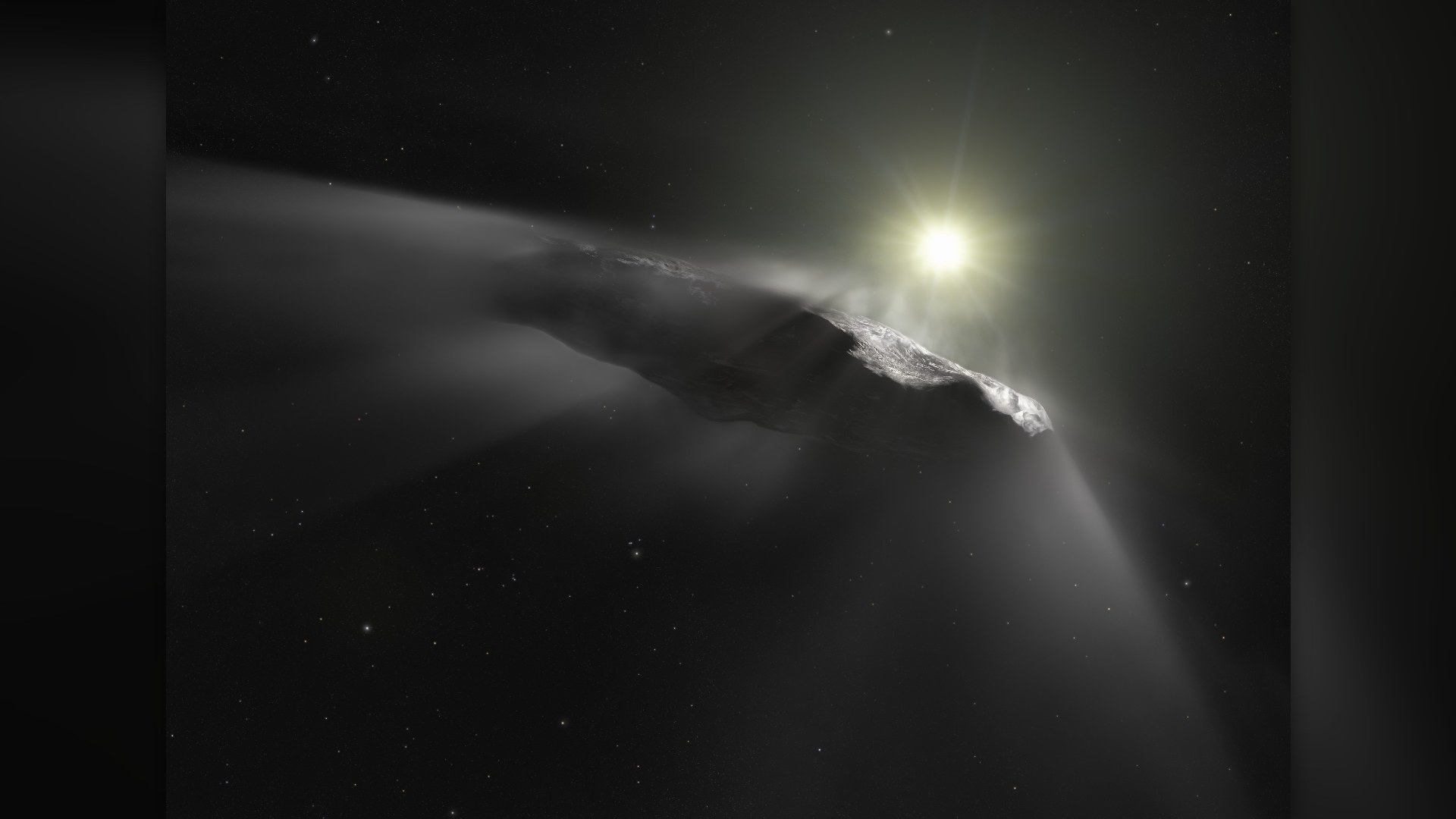
10. 'Oumuamua's Strange Push 
9. Fast Radio Bursts - AdvertisementSwipe or tap ▶ to continue countdown

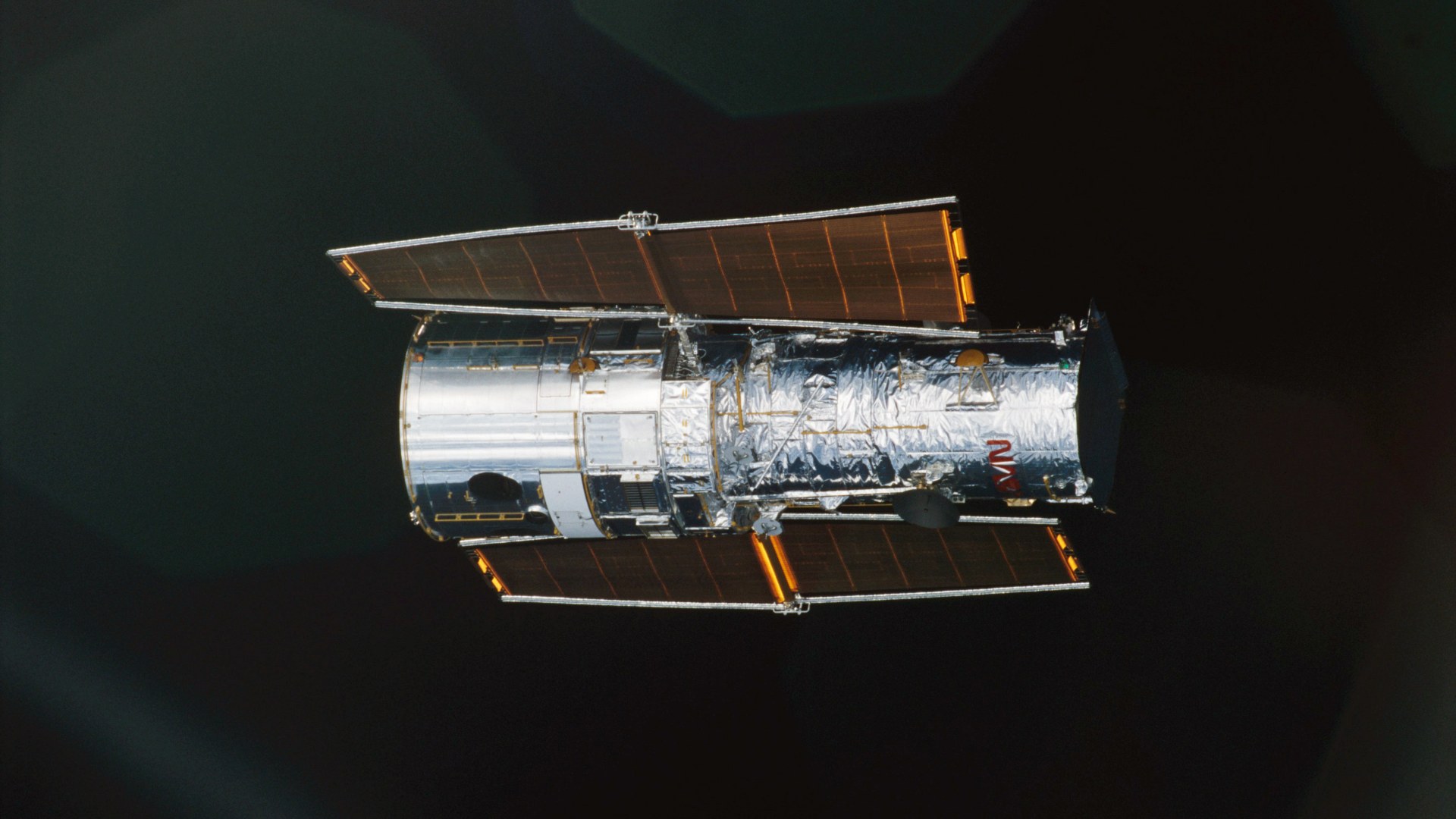
8. The Hubble Tension 
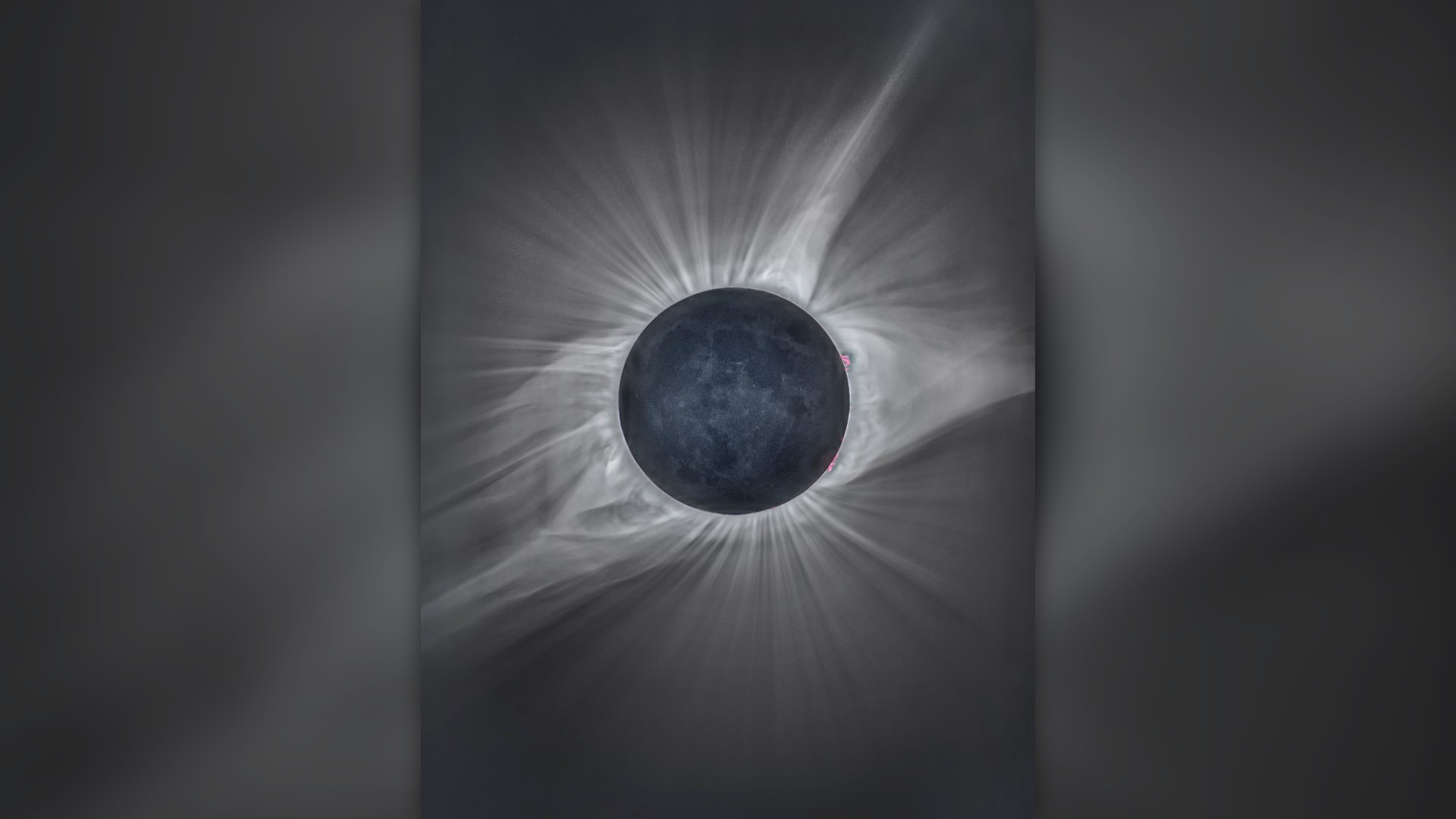
7. The Sun's Super-Hot Corona 
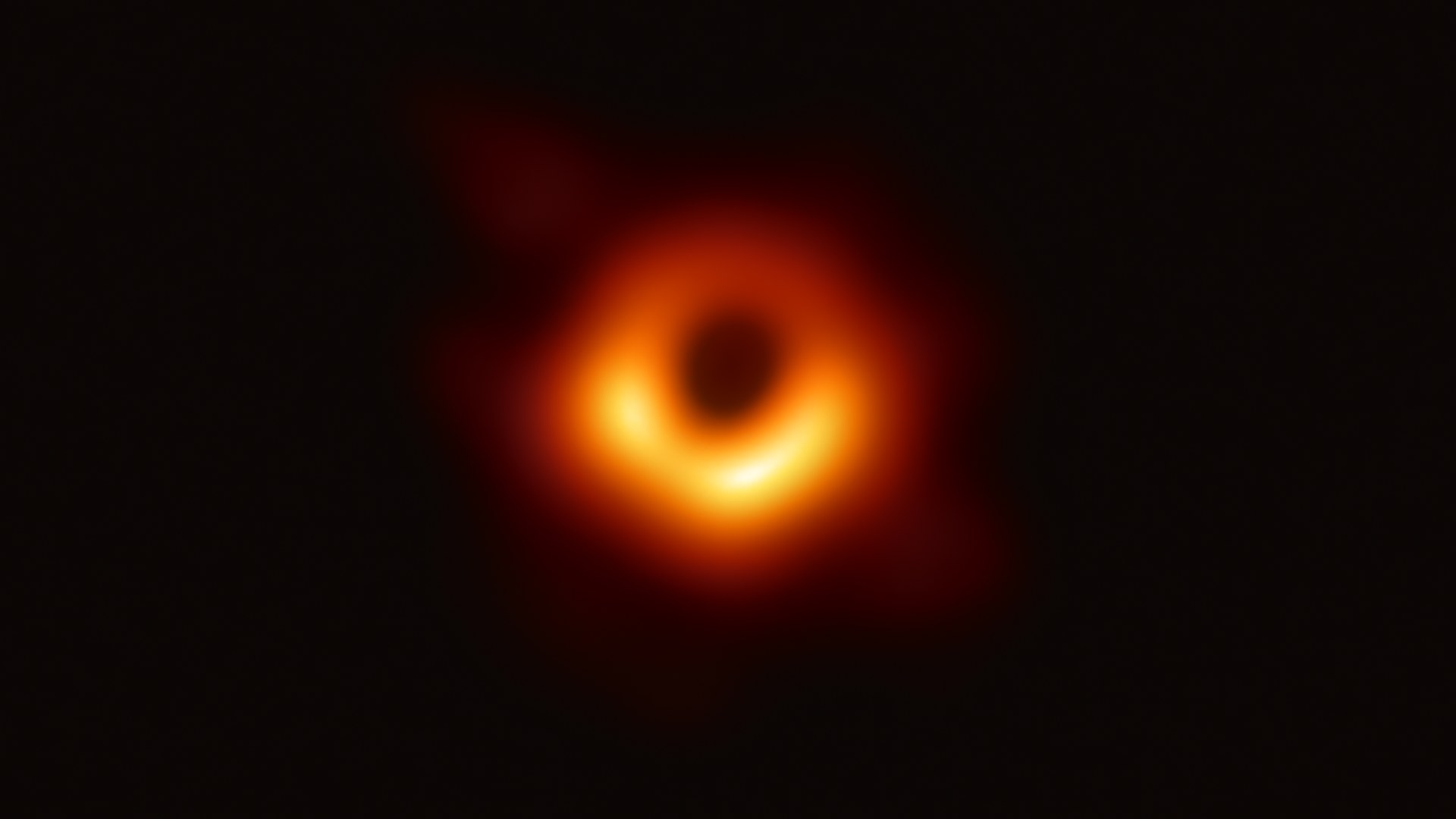
6. What's Inside A Black Hole 
5. Why Matter Beat Antimatter - AdvertisementSwipe or tap ▶ to continue countdown

4. The Wow! Signal 
3. How Life Began 
2. Dark Energy 
1. Dark Matter - Advertisement🔥 UP NEXT IN THIS SERIES◫ 23 Slides

22 High-Calorie Burning Exercises Ranked by Harvard Medical Data
Ranked according to Harvard Medical School caloric expenditure data, these 22 physical exercises burn the highest number of calories per hour for optimal cardiovascular health. Medical data reveals true effort.
From the invisible stuff holding galaxies together to why your dog yawns when you do, these are the questions scientists still can't answer as of 2026.
Swipe or tap ▶ to begin the countdown
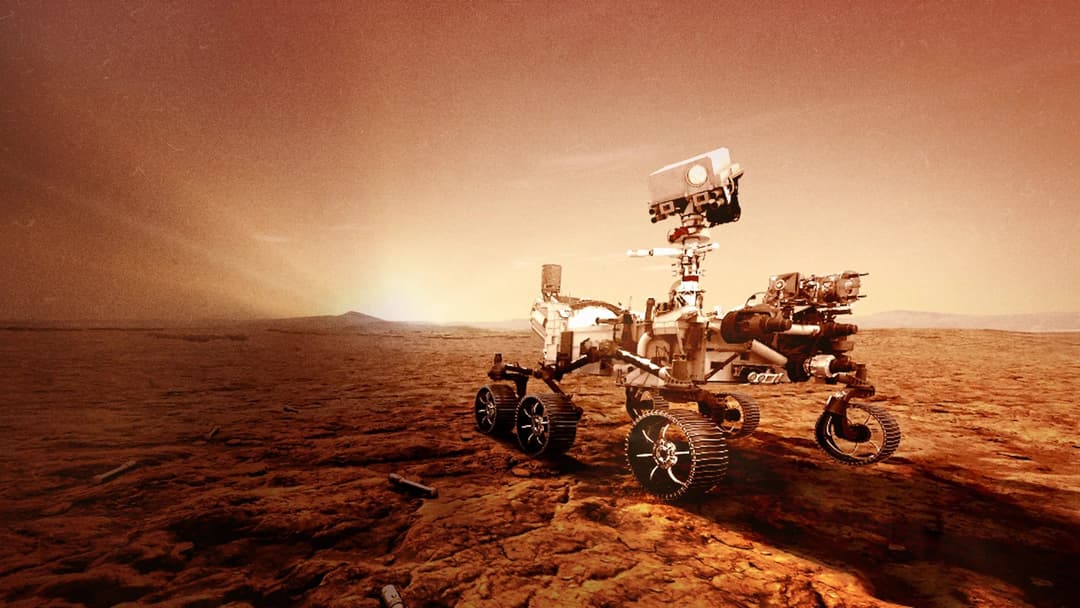
©TMDb / Built for Mars: The Perseverance Rover
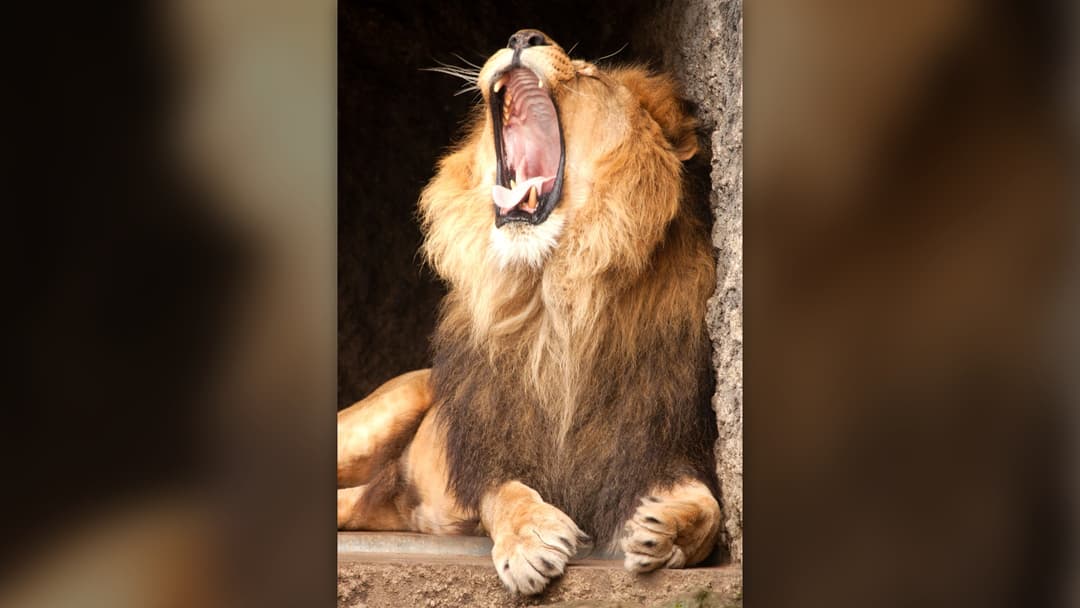
15. Why We Yawn
Yawning spreads between people, chimps, dogs and even birds. Researchers still argue over its purpose, with theories ranging from regulating body temperature to keeping a group alert.

©Wikimedia / Kitty Terwolbeck
14. The Mpemba Effect
Named after Tanzanian student Erasto Mpemba, who studied it in the 1960s, the effect has been reported in water and ice cream. Yet some experiments find no reproducible effect at all.

©Pixabay / PTNorbert
13. Namibia's Fairy Circles
Fairy circles appear in the Namib desert and Western Australia's Pilbara. Termites and competition between grasses are the leading theories, but none has conclusively proven how they form.

©Wikimedia / Olga Ernst & Hp.Baumeler
Advertisement
Swipe or tap ▶ to resume the countdown.
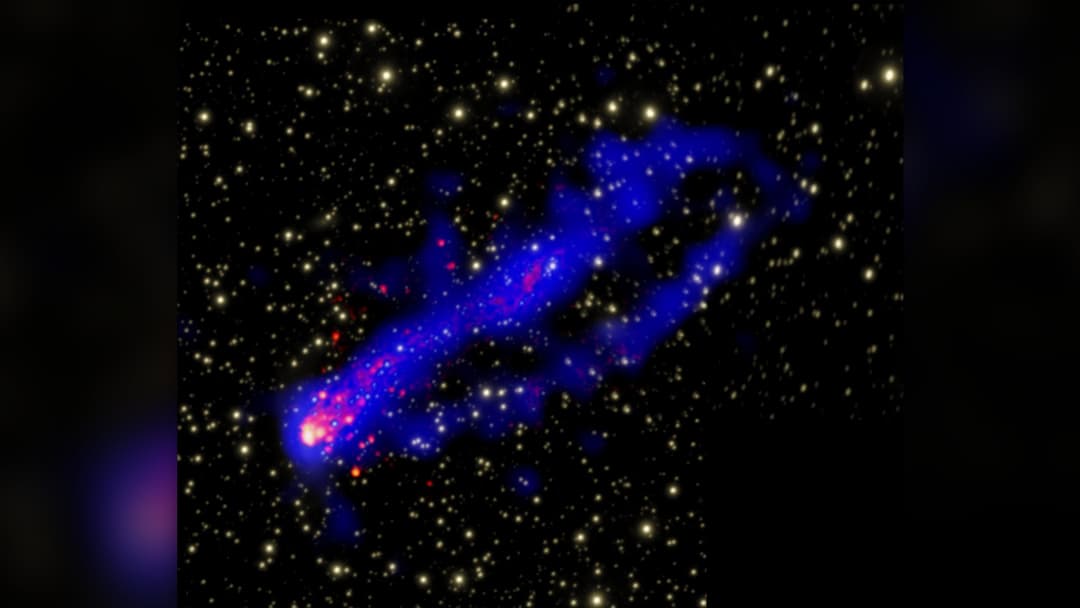
12. The Great Attractor
Galaxies near us drift toward a region 150–250 million light-years away. It sits behind the Milky Way's dusty disk, in the "Zone of Avoidance," so astronomers can't see it clearly in visible light.
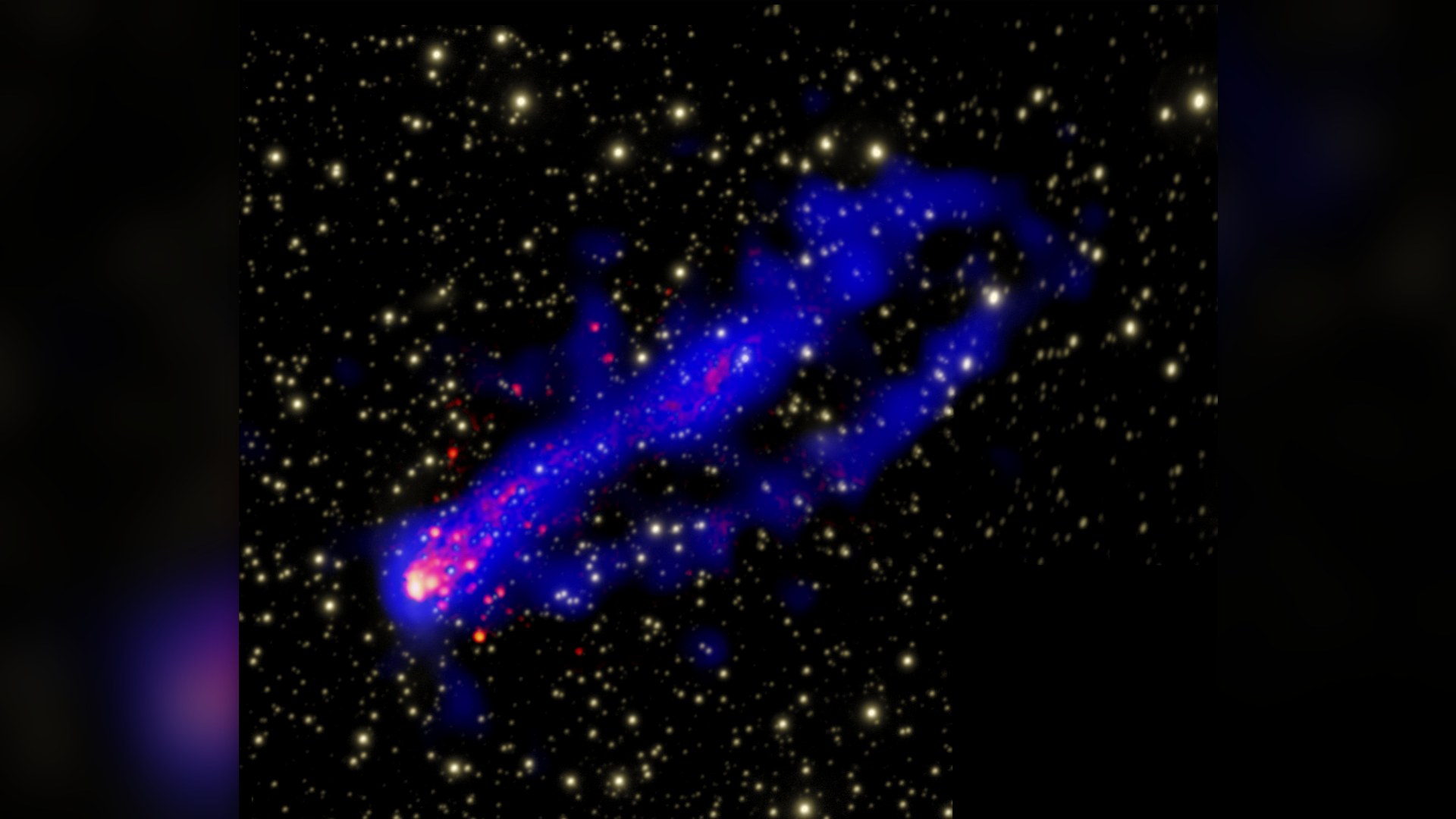
©Wikimedia / M. Sun, University of Virginia
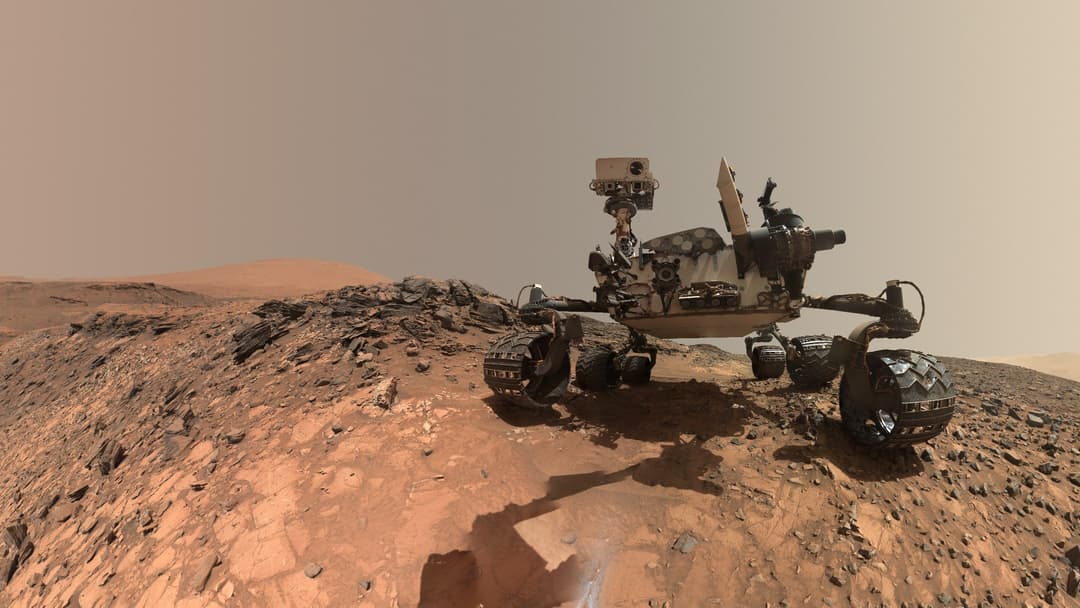
11. Methane On Mars
On Earth, most methane comes from living things. In Gale Crater, NASA's Curiosity rover saw methane rise from under 1 to about 7 parts per billion in 2013–14, then drop back, from an unknown source.
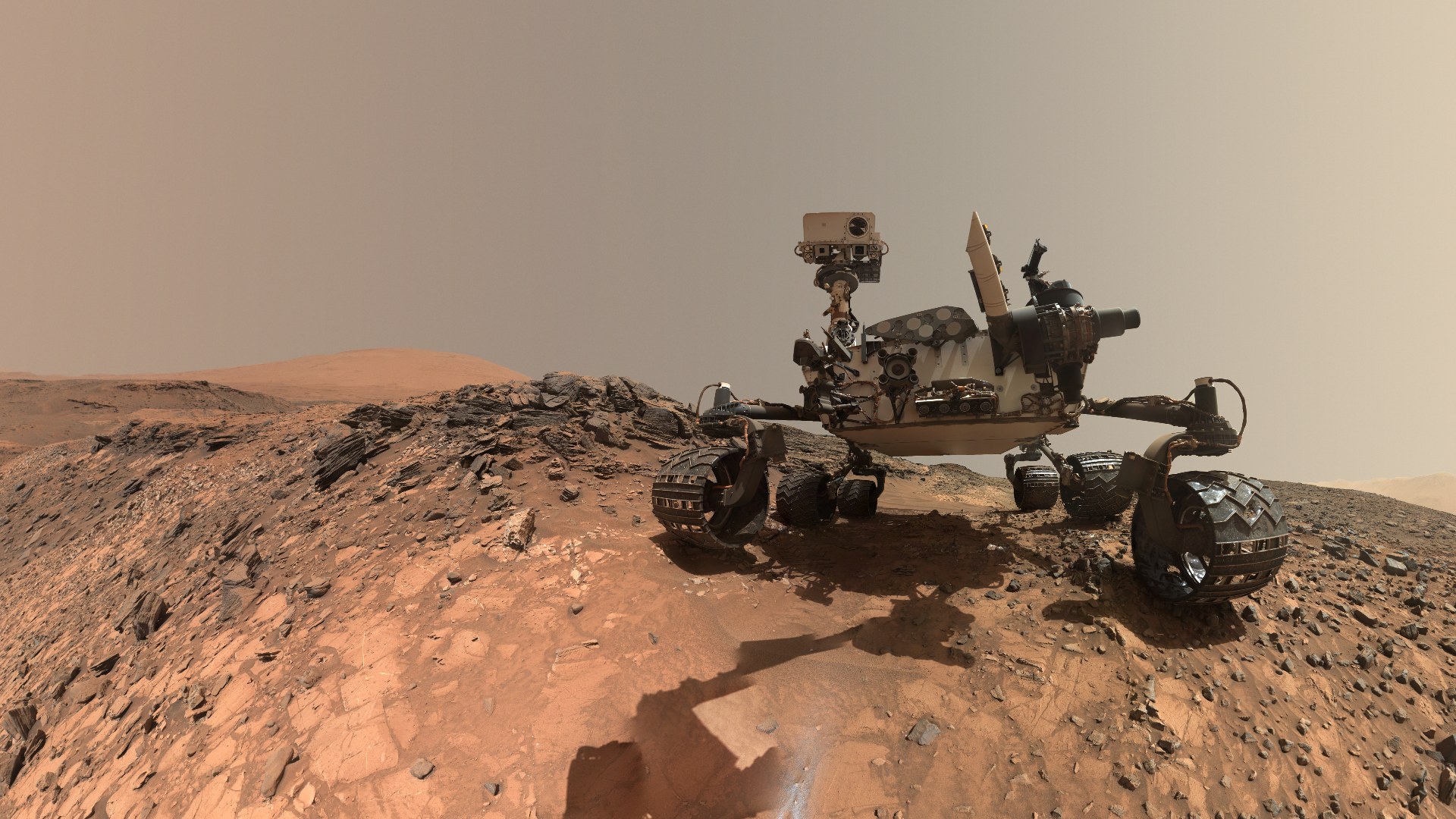
©Wikimedia / JPL-Caltech/MSSS
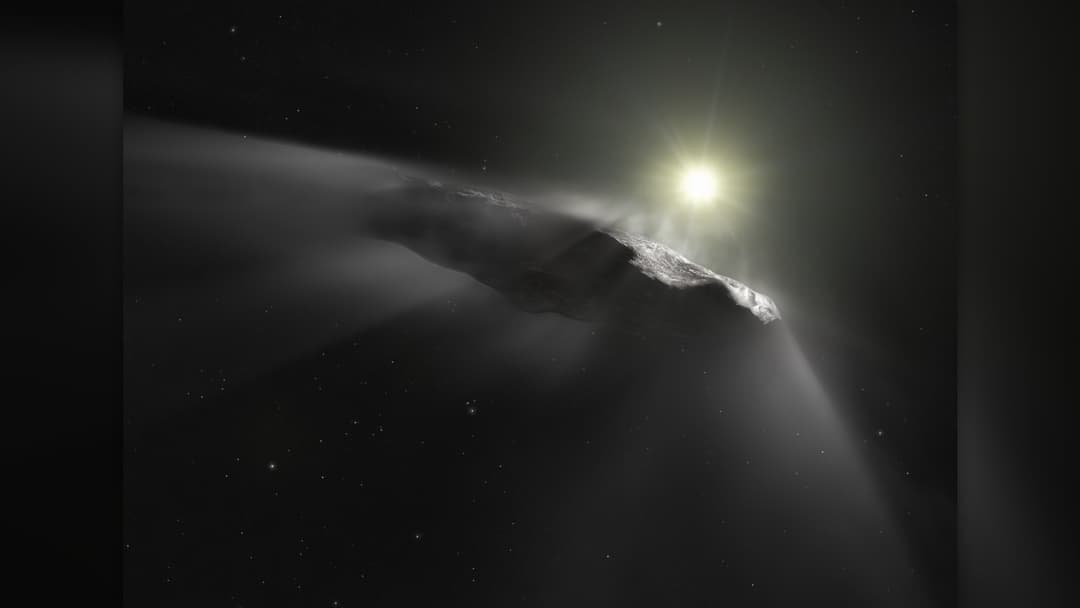
10. 'Oumuamua's Strange Push
Discovered in October 2017, 'Oumuamua accelerated without the obvious coma a comet would show. Escaping hydrogen and nitrogen ice are leading ideas, but none is settled.
©Wikimedia / M. Kornmesser
9. Fast Radio Bursts
First found in 2007, fast radio bursts arrive from deep space, and some repeat. A 2020 burst from inside the Milky Way strengthened the case for magnetars, but the cause of most FRBs is still unknown.

©Wikimedia / Z22
Advertisement
Swipe or tap ▶ to resume the countdown.
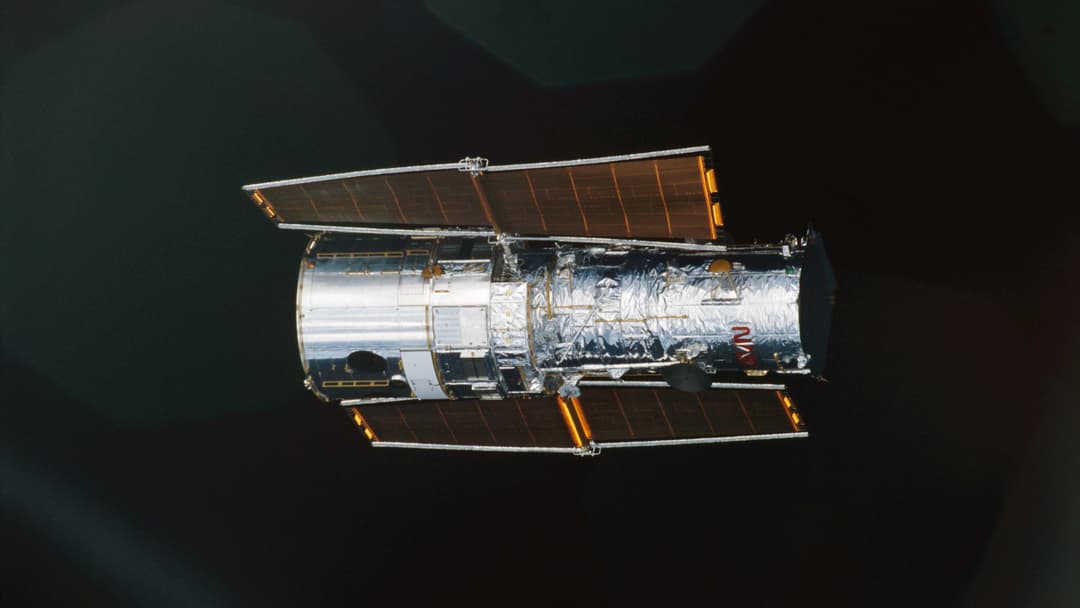
8. The Hubble Tension
Early-universe measurements point to about 67.7 km/s per megaparsec, while nearby-galaxy methods give about 73. As error bars have shrunk, the gap hasn't — and nobody knows why.
©Wikimedia / STS-109 crew
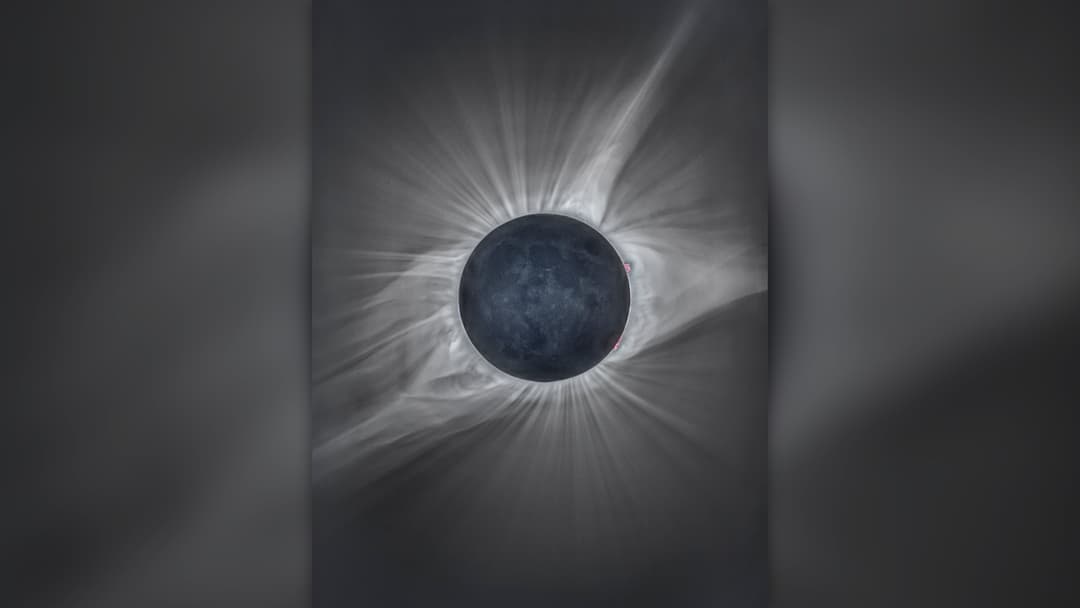
7. The Sun's Super-Hot Corona
The Sun's surface cools to about 4,400 K, yet its corona exceeds 1,000,000 K. Since 1952, ideas like countless tiny "nanoflares" have been proposed, but the full answer remains elusive.
©Wikimedia / Michael S Adler
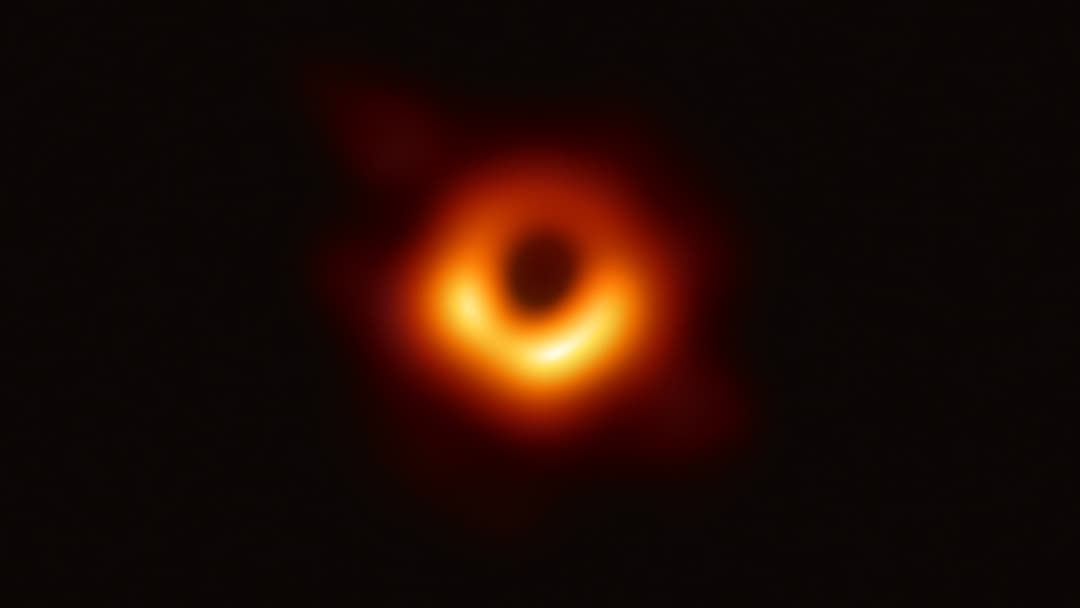
6. What's Inside A Black Hole
In 2019 the Event Horizon Telescope revealed the shadow of the black hole in galaxy M87. What happens beyond the event horizon, where known physics breaks down, is still unknown.
©Wikimedia / Event Horizon Telescope
5. Why Matter Beat Antimatter
Matter and antimatter form and behave almost identically, yet the universe is overwhelmingly matter. Neither the Standard Model nor general relativity explains the imbalance.
©Wikimedia / SimonWaldherr
Advertisement
Swipe or tap ▶ to resume the countdown.
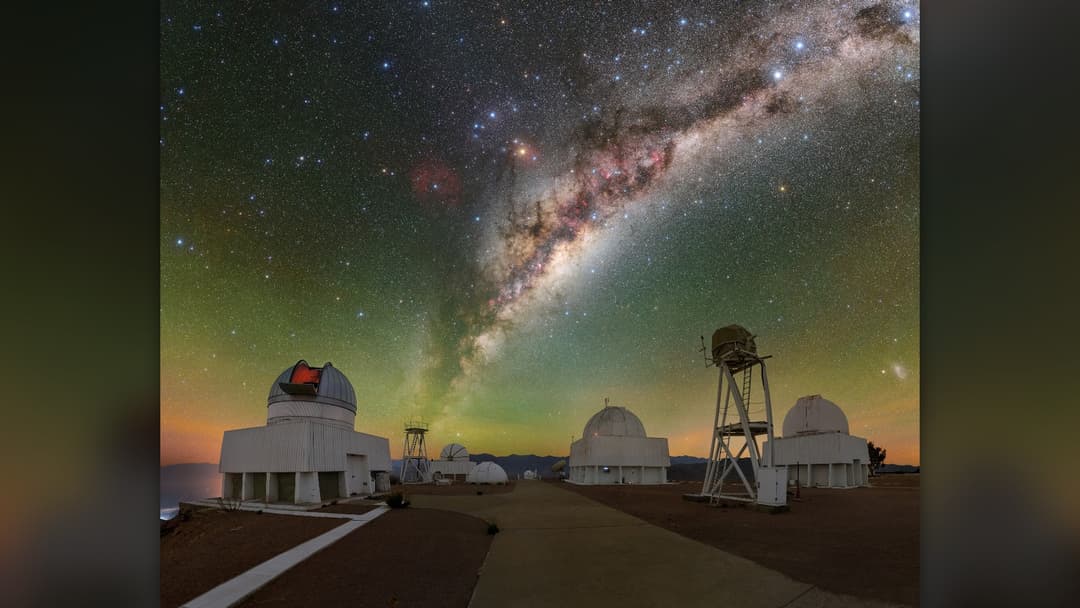
4. The Wow! Signal
On August 15, 1977, Ohio State's Big Ear telescope caught a strong radio signal, and astronomer Jerry Ehman wrote "Wow!" beside it. It has never recurred; a 2024 natural explanation remains unconfirmed.
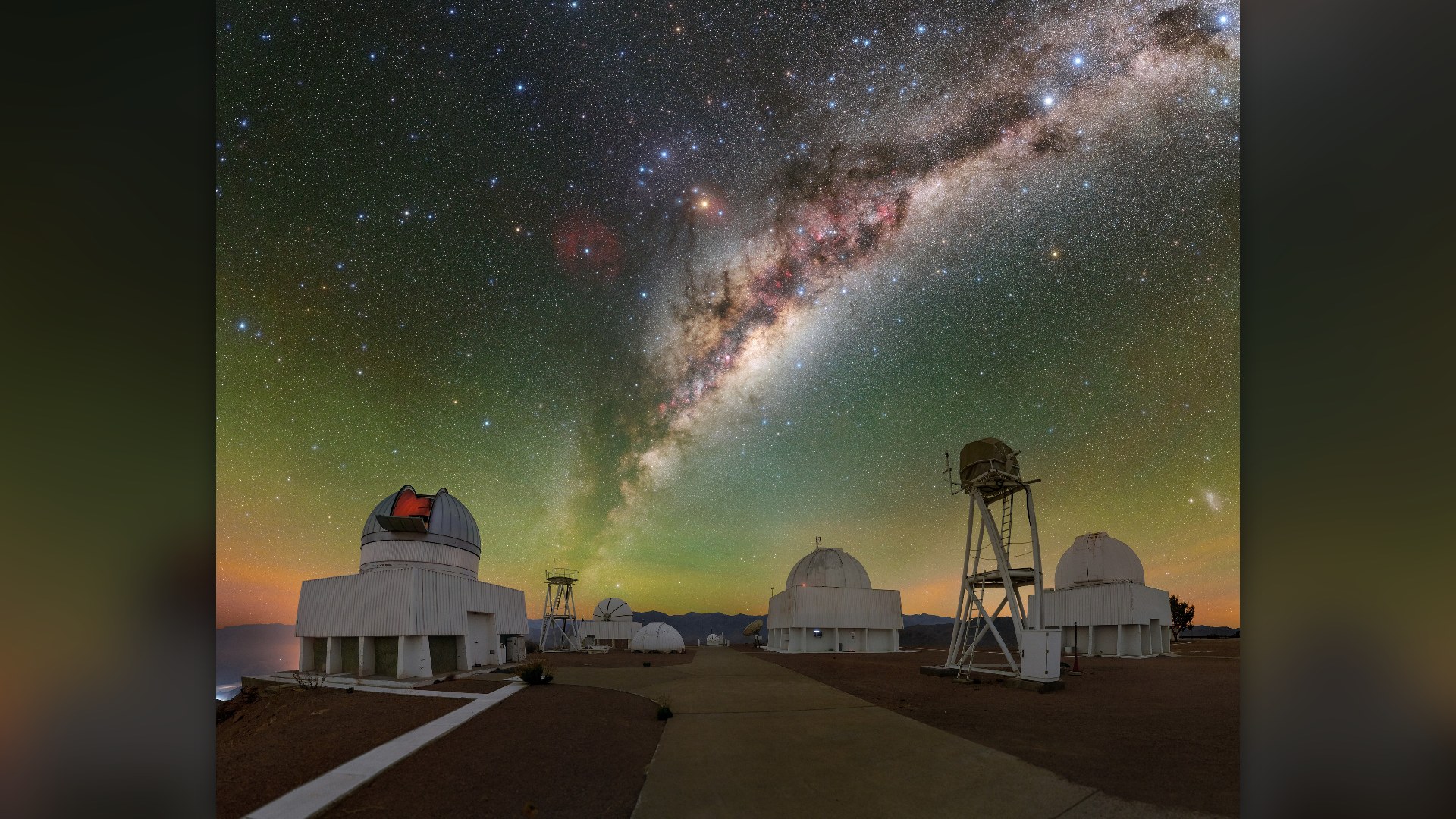
©Wikimedia / CTIO/NOIRLab/NSF/AURA/T. Slovinský
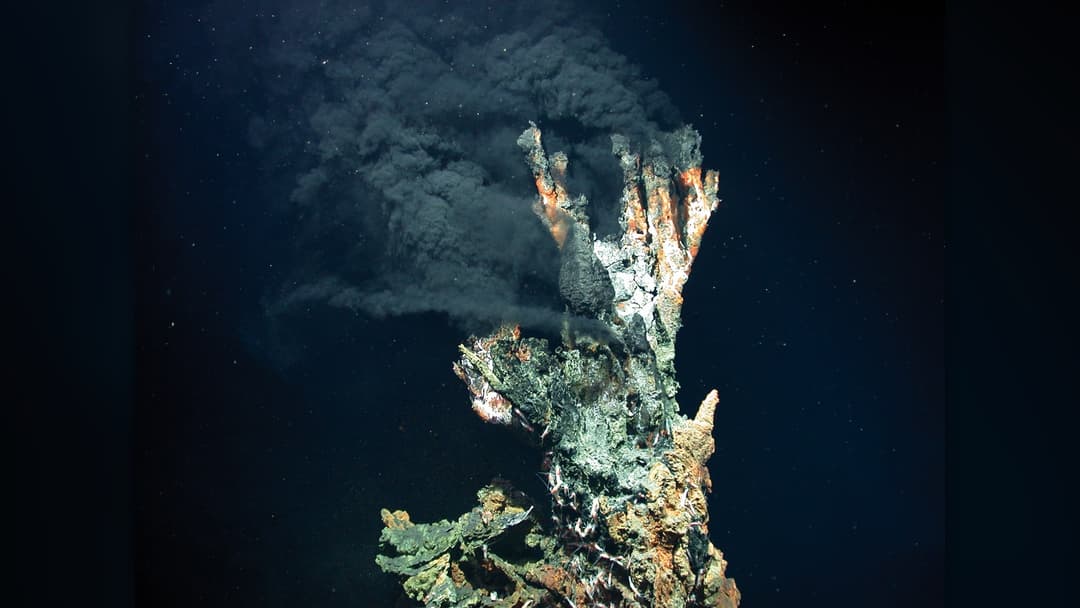
3. How Life Began
Scientists think life arose step by step from simple organic molecules, possibly near deep-sea vents like this black smoker. But the jump from non-life to life has never been observed in an experiment.
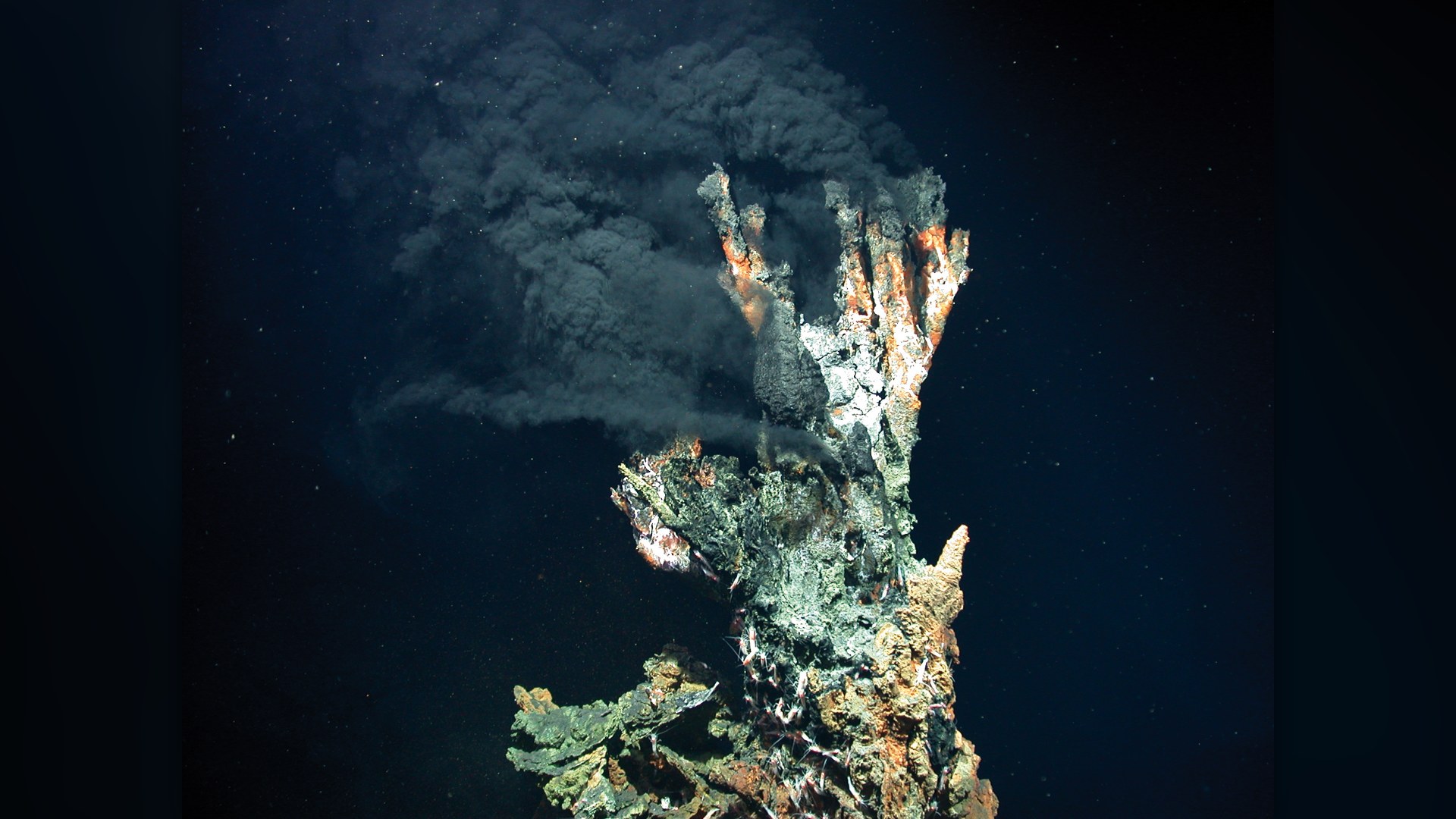
©Wikimedia / MARUM
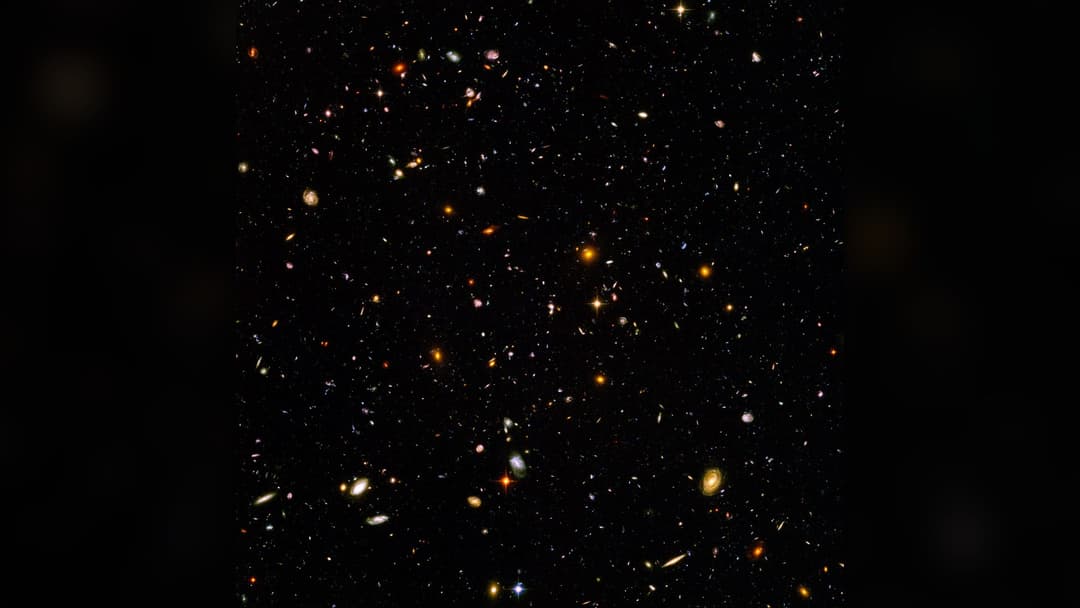
2. Dark Energy
Dark energy is the name for whatever is driving the universe's accelerating expansion. It accounts for roughly 68% of everything, yet nobody knows what it actually is.
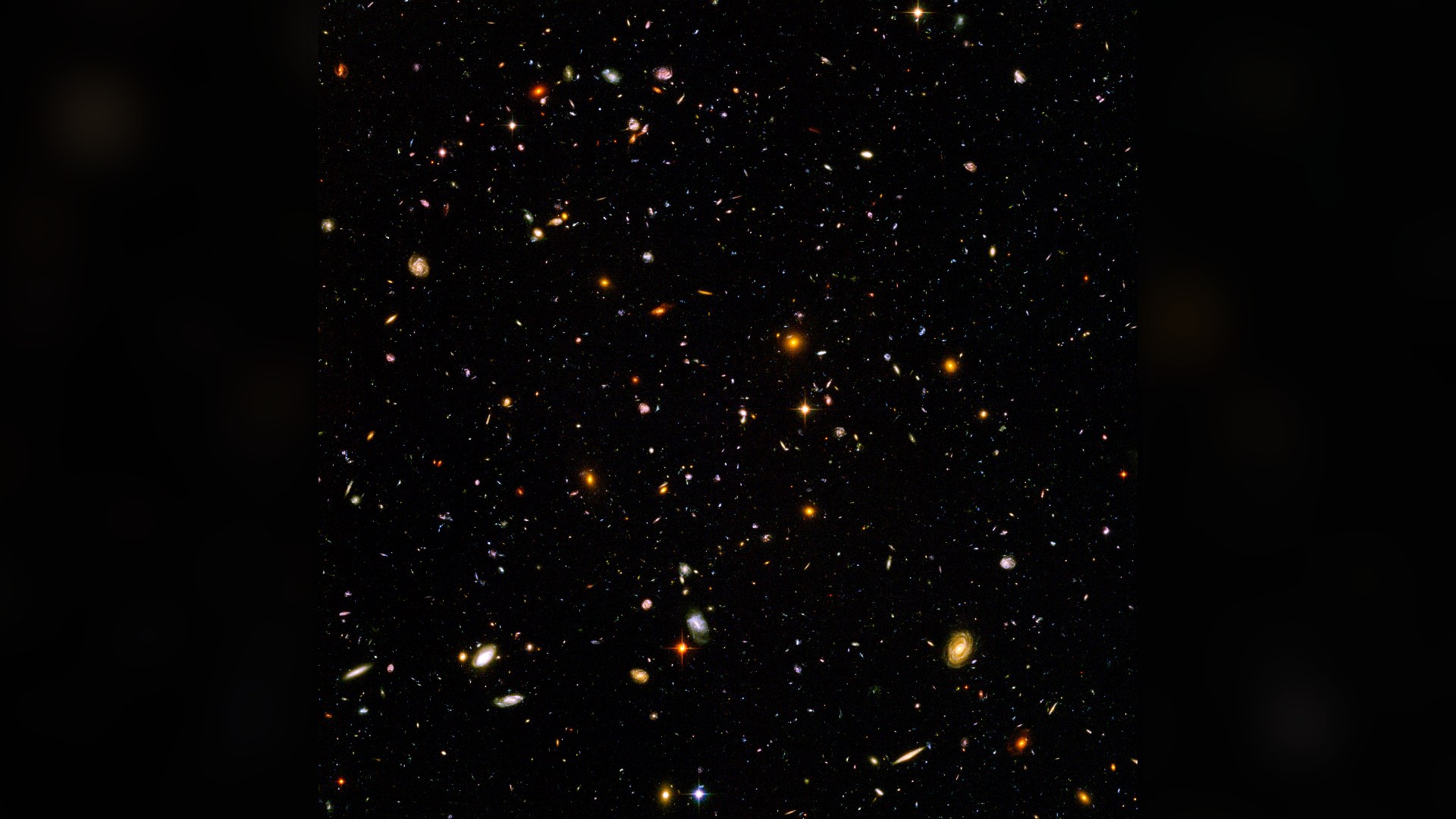
©Wikimedia / Hubble Ultra Deep Field team
1. Dark Matter
Dark matter doesn't emit or block light, yet its gravity shapes galaxies, as in the Bullet Cluster seen here. Ordinary matter is about 5% of the universe; dark matter is about 27%.
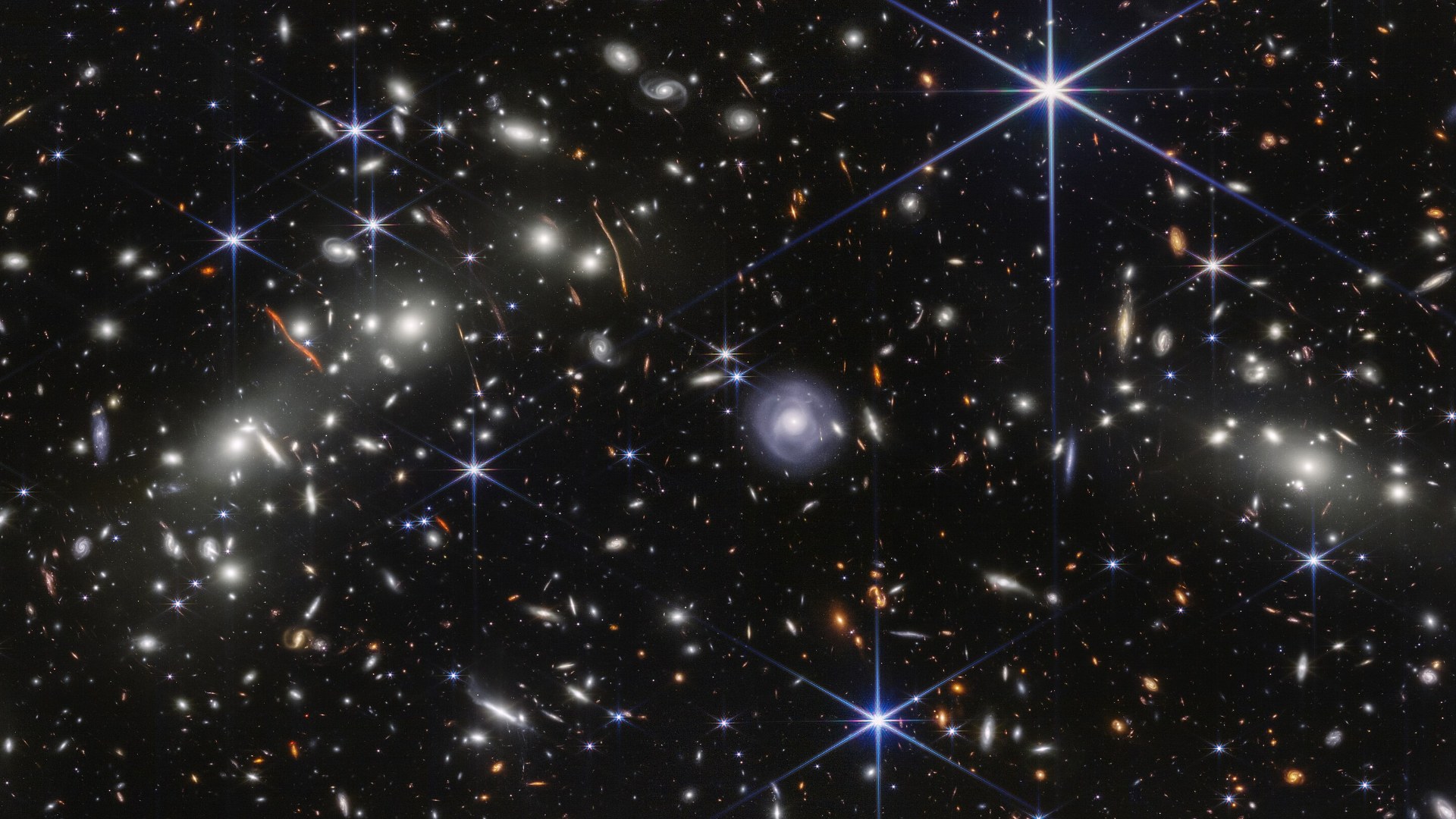
©Wikimedia / STScI, J. Jee
Advertisement
You've reached the end of the story. Thanks for reading!

22 High-Calorie Burning Exercises Ranked by Harvard Medical Data
Ranked according to Harvard Medical School caloric expenditure data, these 22 physical exercises burn the highest number of calories per hour for optimal cardiovascular health. Medical data reveals true effort.
All 15 Entries in this Story
15. Why We Yawn
Yawning spreads between people, chimps, dogs and even birds. Researchers still argue over its purpose, with theories ranging from regulating body temperature to keeping a group alert.

14. The Mpemba Effect
Named after Tanzanian student Erasto Mpemba, who studied it in the 1960s, the effect has been reported in water and ice cream. Yet some experiments find no reproducible effect at all.

13. Namibia's Fairy Circles
Fairy circles appear in the Namib desert and Western Australia's Pilbara. Termites and competition between grasses are the leading theories, but none has conclusively proven how they form.

12. The Great Attractor
Galaxies near us drift toward a region 150–250 million light-years away. It sits behind the Milky Way's dusty disk, in the "Zone of Avoidance," so astronomers can't see it clearly in visible light.

11. Methane On Mars
On Earth, most methane comes from living things. In Gale Crater, NASA's Curiosity rover saw methane rise from under 1 to about 7 parts per billion in 2013–14, then drop back, from an unknown source.

10. 'Oumuamua's Strange Push
Discovered in October 2017, 'Oumuamua accelerated without the obvious coma a comet would show. Escaping hydrogen and nitrogen ice are leading ideas, but none is settled.

9. Fast Radio Bursts
First found in 2007, fast radio bursts arrive from deep space, and some repeat. A 2020 burst from inside the Milky Way strengthened the case for magnetars, but the cause of most FRBs is still unknown.

8. The Hubble Tension
Early-universe measurements point to about 67.7 km/s per megaparsec, while nearby-galaxy methods give about 73. As error bars have shrunk, the gap hasn't — and nobody knows why.

7. The Sun's Super-Hot Corona
The Sun's surface cools to about 4,400 K, yet its corona exceeds 1,000,000 K. Since 1952, ideas like countless tiny "nanoflares" have been proposed, but the full answer remains elusive.

6. What's Inside A Black Hole
In 2019 the Event Horizon Telescope revealed the shadow of the black hole in galaxy M87. What happens beyond the event horizon, where known physics breaks down, is still unknown.

5. Why Matter Beat Antimatter
Matter and antimatter form and behave almost identically, yet the universe is overwhelmingly matter. Neither the Standard Model nor general relativity explains the imbalance.

4. The Wow! Signal
On August 15, 1977, Ohio State's Big Ear telescope caught a strong radio signal, and astronomer Jerry Ehman wrote "Wow!" beside it. It has never recurred; a 2024 natural explanation remains unconfirmed.

3. How Life Began
Scientists think life arose step by step from simple organic molecules, possibly near deep-sea vents like this black smoker. But the jump from non-life to life has never been observed in an experiment.

2. Dark Energy
Dark energy is the name for whatever is driving the universe's accelerating expansion. It accounts for roughly 68% of everything, yet nobody knows what it actually is.

1. Dark Matter
Dark matter doesn't emit or block light, yet its gravity shapes galaxies, as in the Bullet Cluster seen here. Ordinary matter is about 5% of the universe; dark matter is about 27%.