Slideshow · Viral
15 Oldest US States, Ranked by Date of Statehood
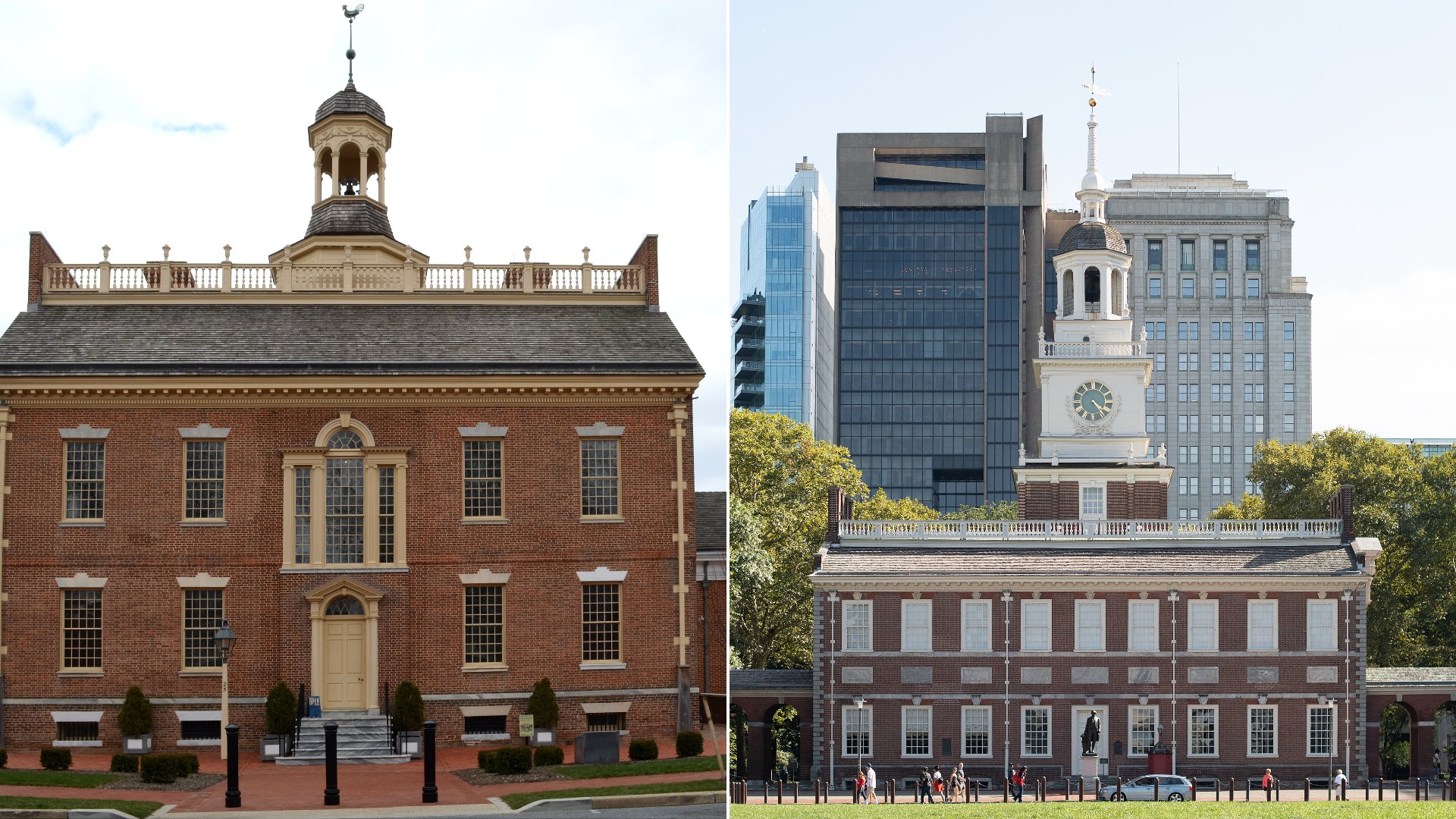
From Kentucky joining the Union on June 1, 1792, to Delaware ratifying the US Constitution on December 7, 1787, here are the 15 oldest US states ranked by exact date of statehood.
By Most Viral Today
4 Nov 2026

Which Colony Beat Every Rival to Become America's First State? 
15. Kentucky 
14. Vermont 
13. Rhode Island - AdvertisementSwipe or tap ▶ to continue countdown

12. North Carolina 
11. New York 
10. Virginia 
9. New Hampshire - AdvertisementSwipe or tap ▶ to continue countdown

8. South Carolina 
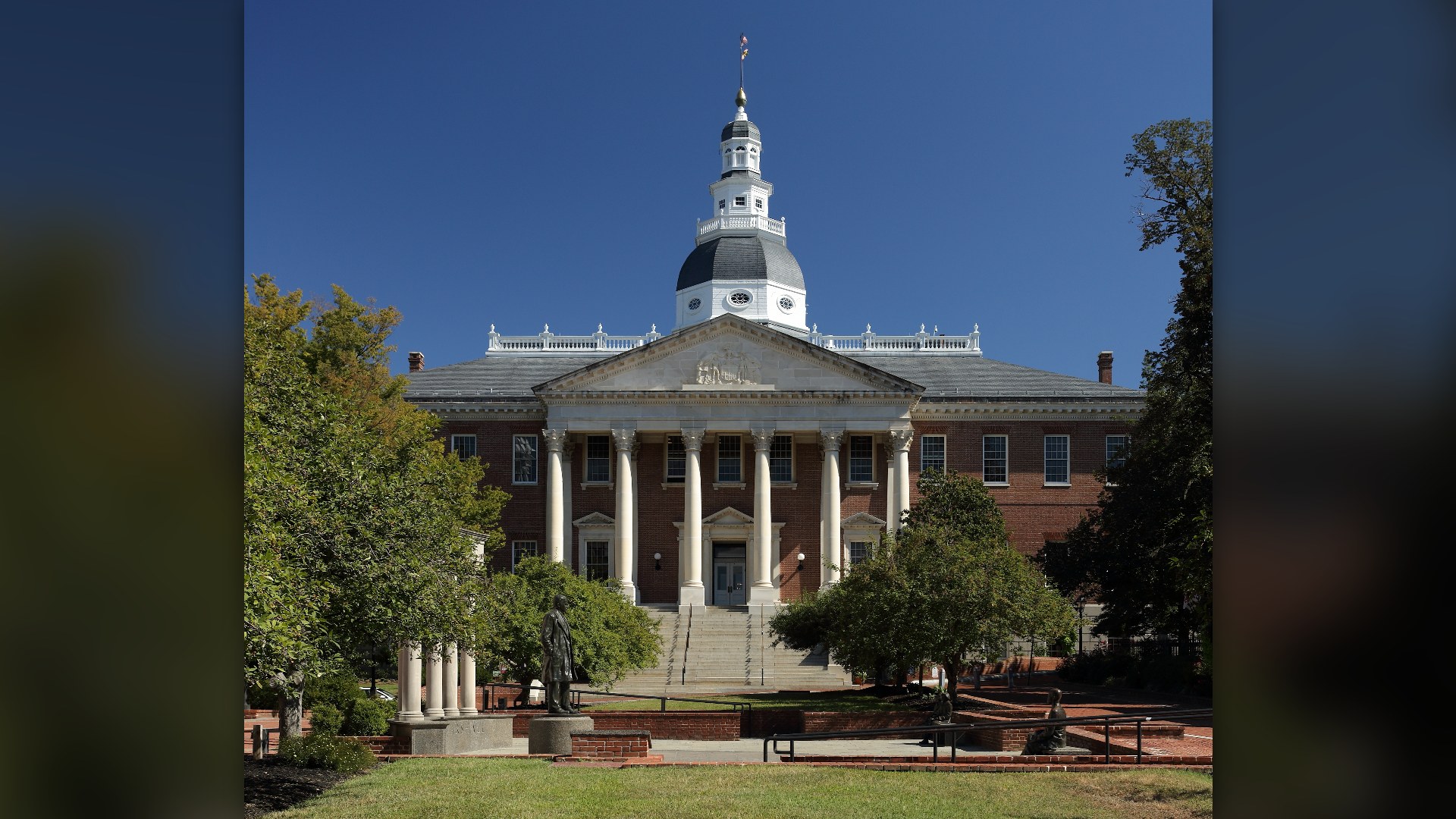
7. Maryland 
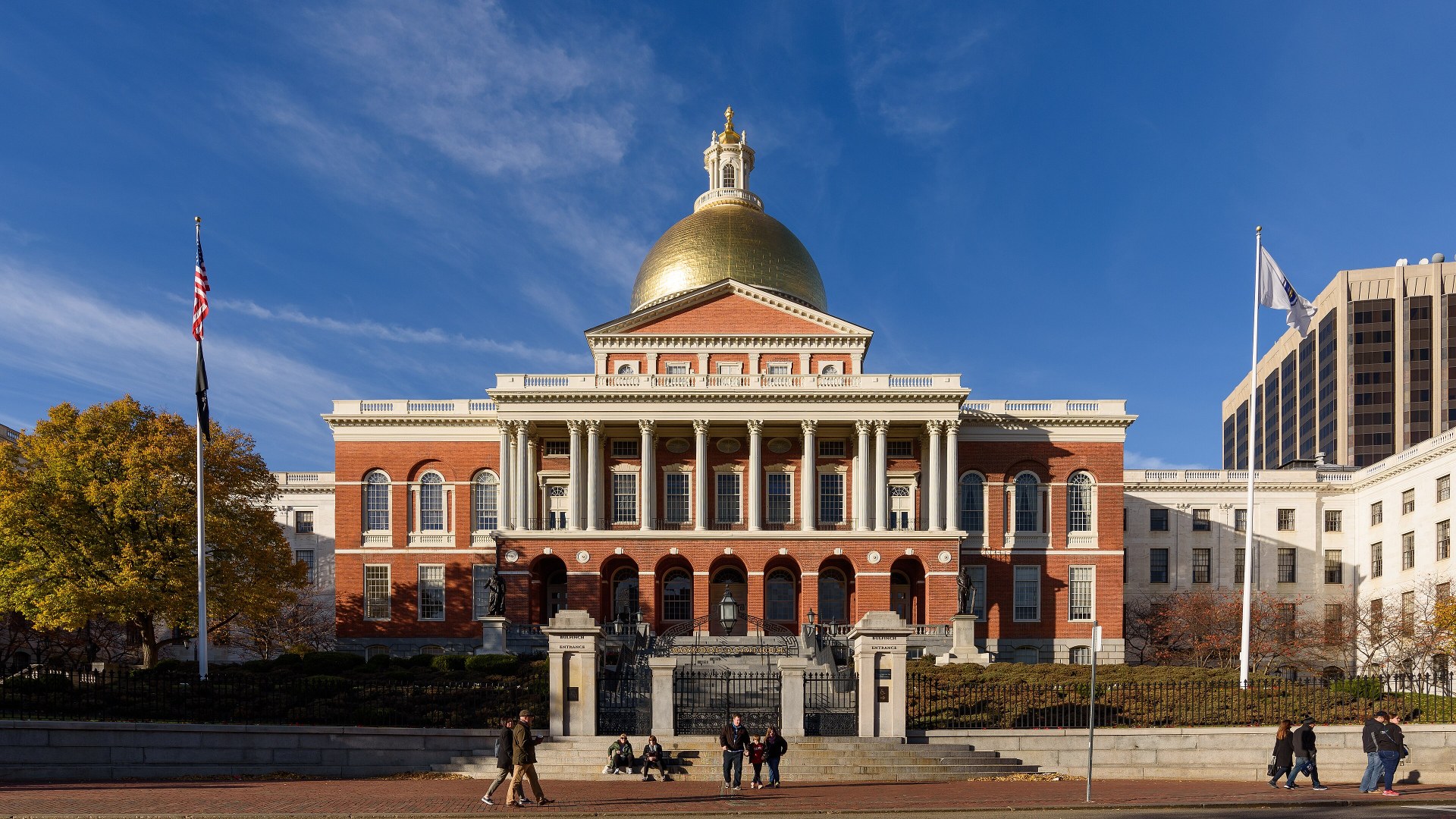
6. Massachusetts 
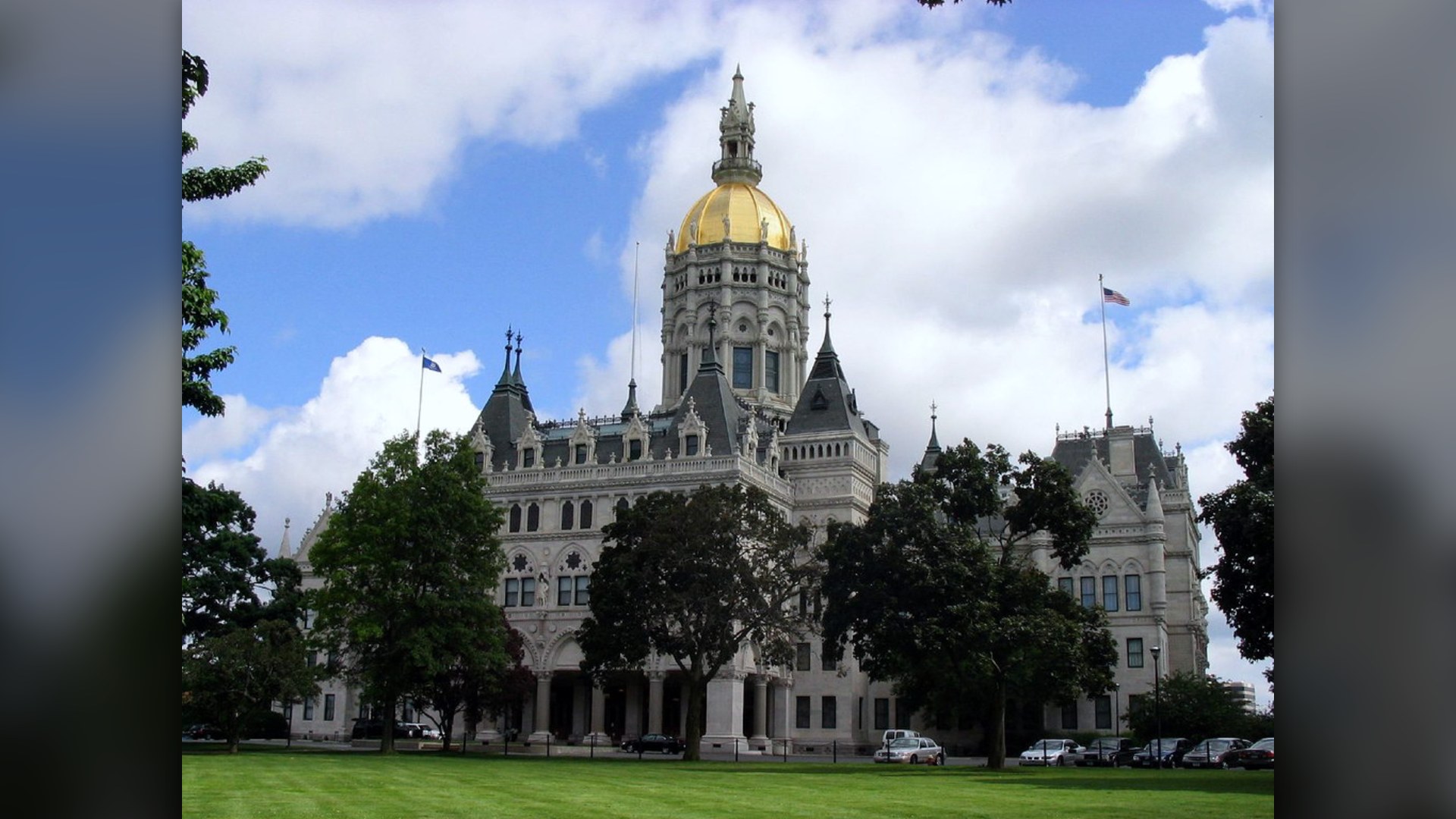
5. Connecticut - AdvertisementSwipe or tap ▶ to continue countdown

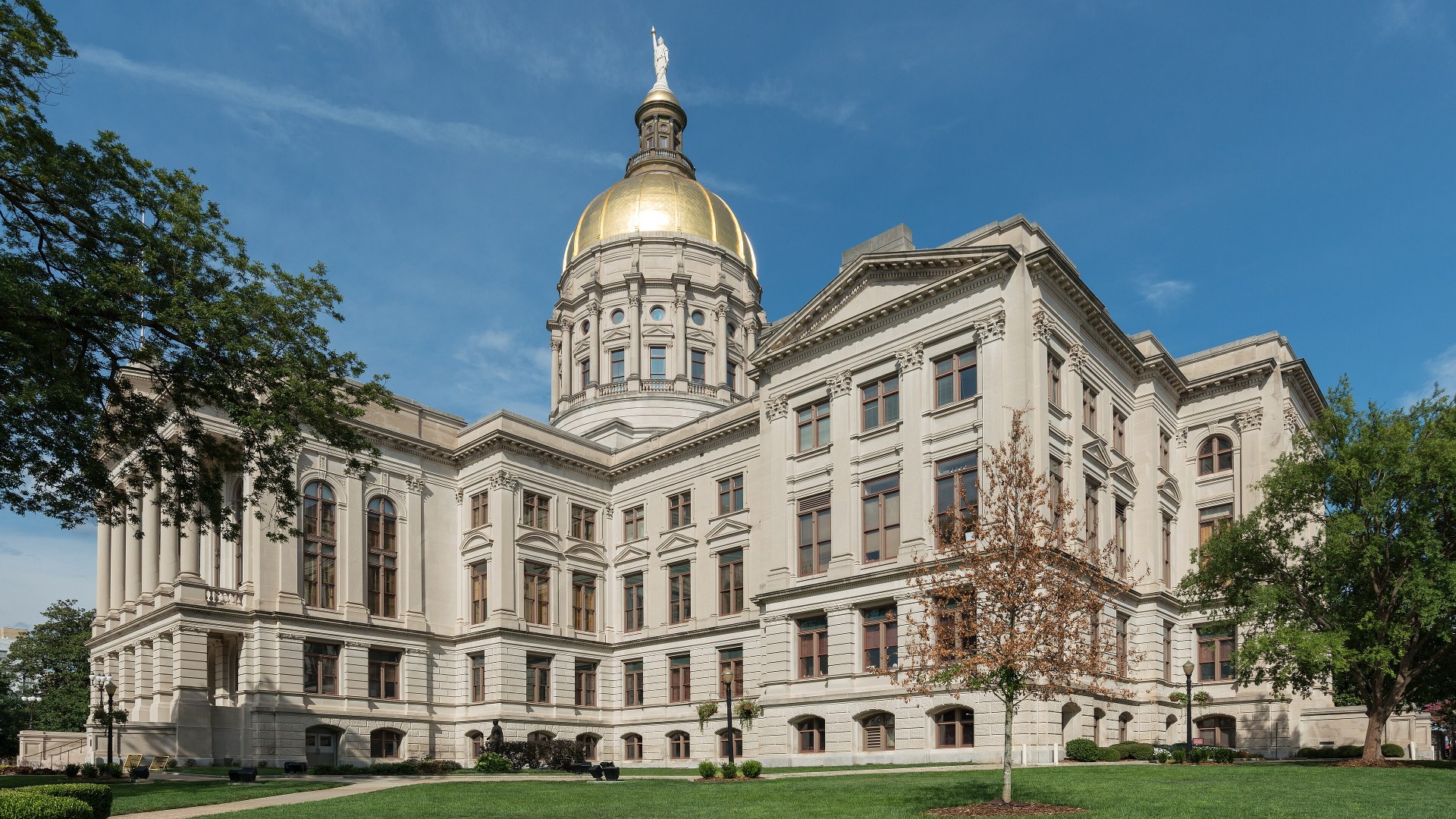
4. Georgia 
3. New Jersey 
2. Pennsylvania 
1. Delaware - Advertisement🔥 UP NEXT IN THIS SERIES◫ 21 Slides

20 Famous Cars With Pop-Up Headlights That Shaped Car Design
From hand-cranked 1930s teardrops to wedge supercars of the 1980s, hidden headlights let stylists chase sleek aerodynamics until 2004 pedestrian rules closed the curtain. Here are 20 standout production cars that turned retractable lamps into an enduring automotive design feature across seven full decades.
Between December 1787 and June 1792, the original 13 colonies and two frontier territories voted to join the United States under the new federal Constitution. Swipe through the 15 oldest US states, counting down to the very first state in the Union.
Swipe or tap ▶ to begin the countdown
©Wikimedia / Niagara & Mys 721tx
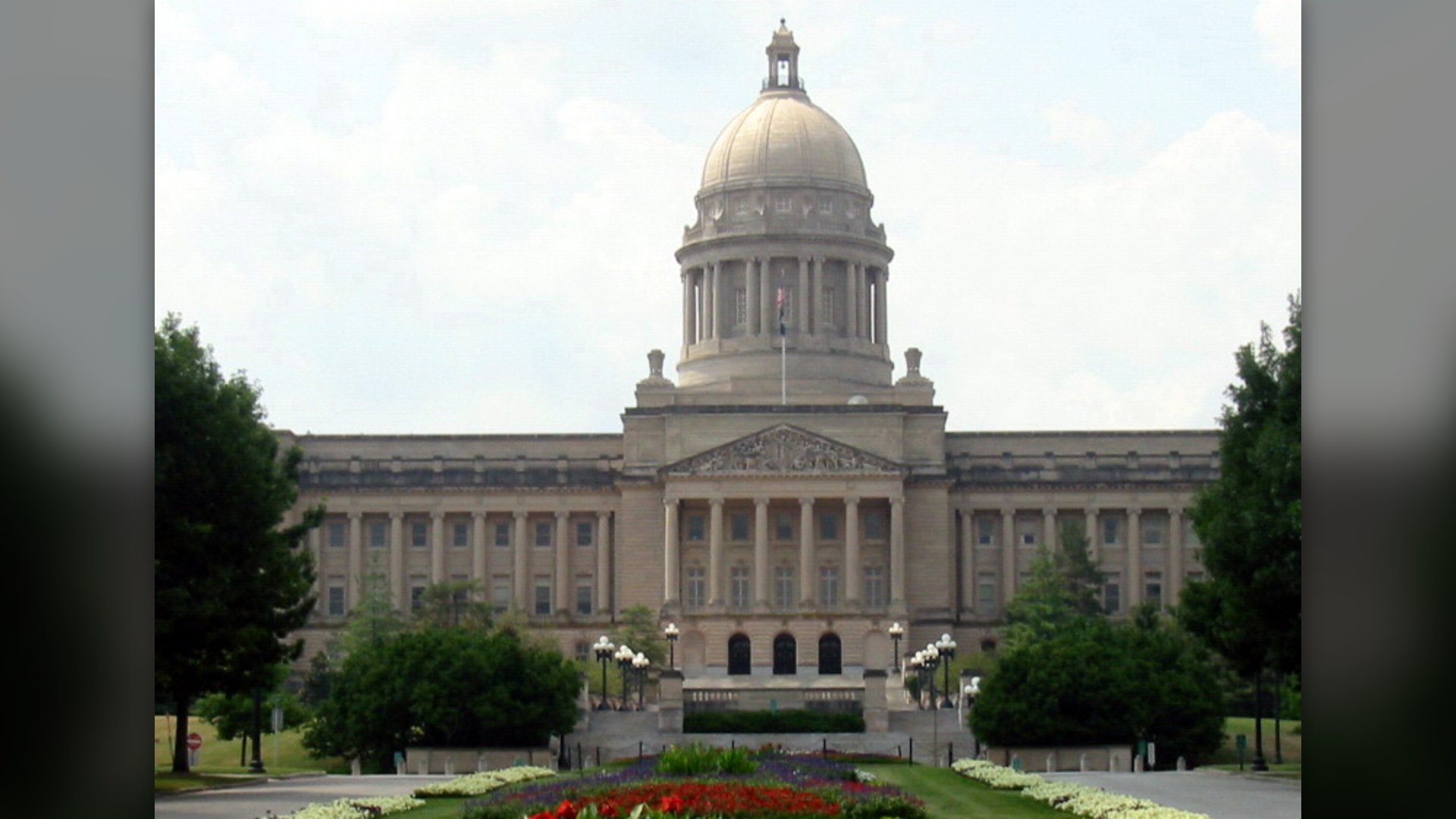
15. Kentucky
Originally governed as Kentucky County, Virginia, frontier settlers held 10 conventions in Danville between 1784 and 1792 to petition for separation. President George Washington signed the statehood bill in February 1791, and Kentucky officially entered the Union on June 1, 1792.
©Wikimedia / RXUYDC
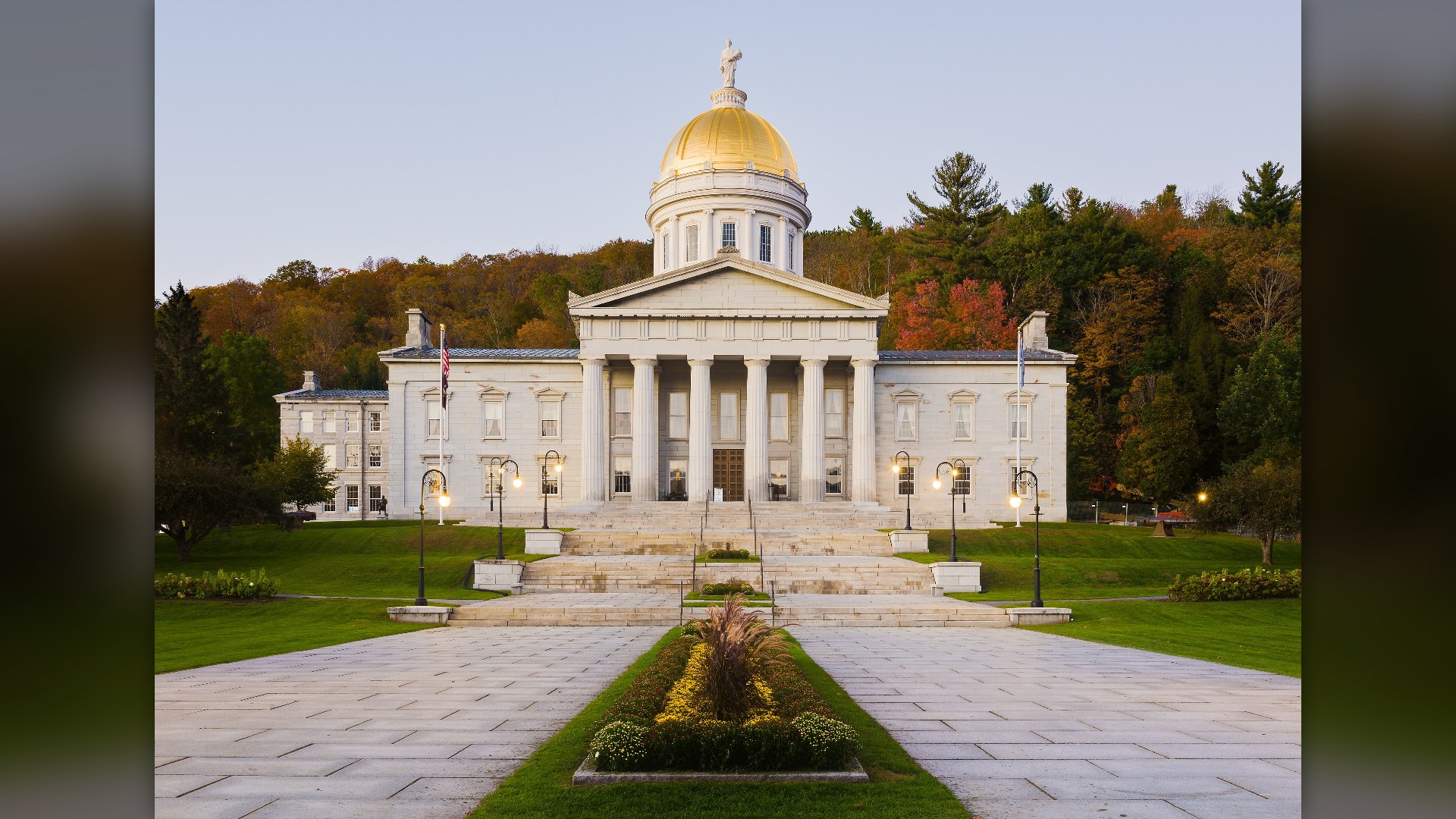
14. Vermont
Before joining the Union, Vermont operated for 14 years as an independent republic from 1777 to 1791 with its own coinage, postal service, and constitution outlawing adult slavery. Once New York dropped its land claims for 30,000 dollars, Vermont entered the Union on March 4, 1791.
©Wikimedia / King of Hearts
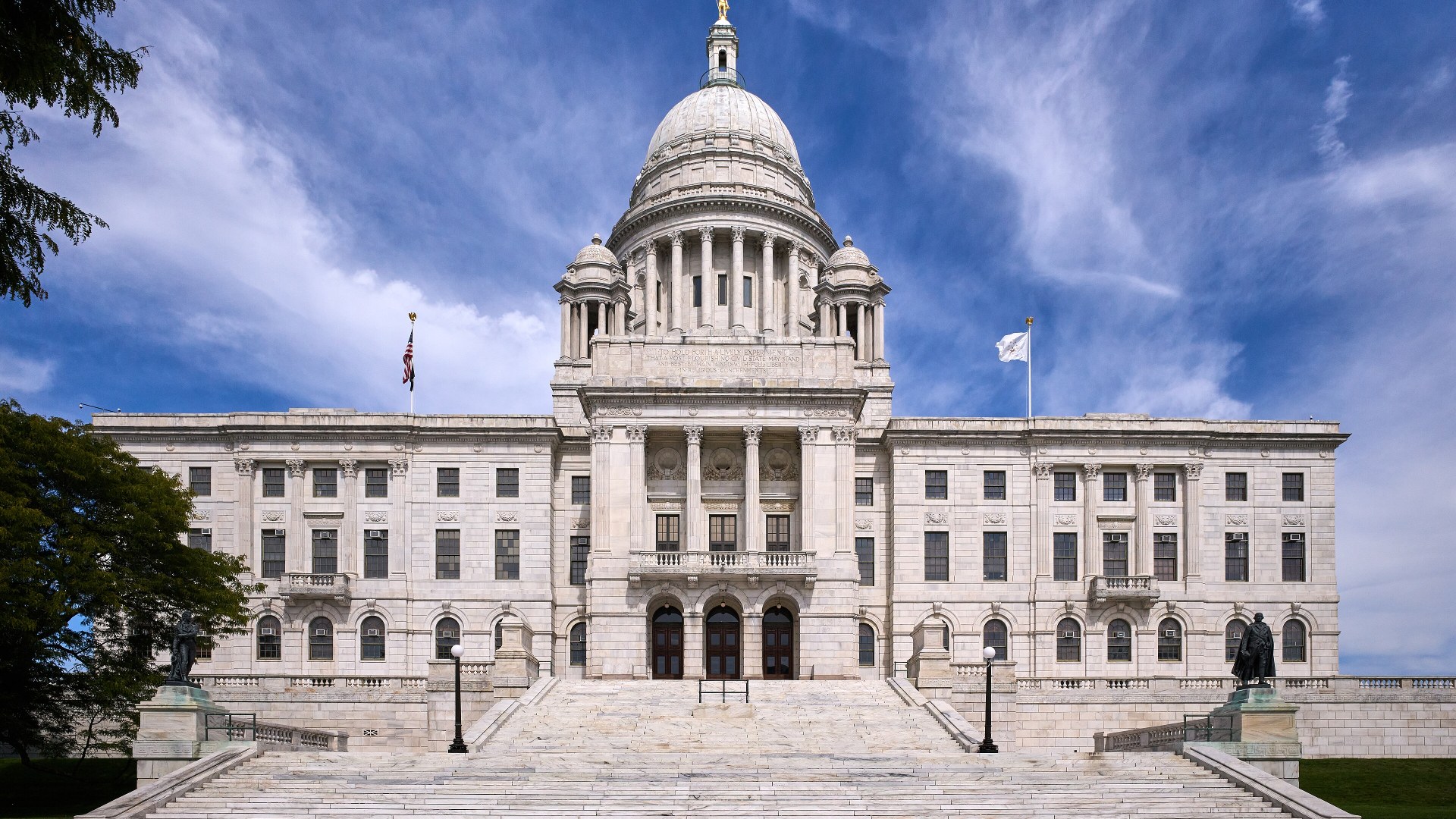
13. Rhode Island
Rhode Island boycotted the 1787 Philadelphia Convention and rejected the Constitution 11 times out of fear of federal tariffs and loss of paper money autonomy. Only after the US Senate passed a bill threatening a commercial trade embargo did delegates in Newport vote 34 to 32 to ratify on May 29, 1790.
©Wikimedia / Frank Schulenburg
Advertisement
Swipe or tap ▶ to resume the countdown.
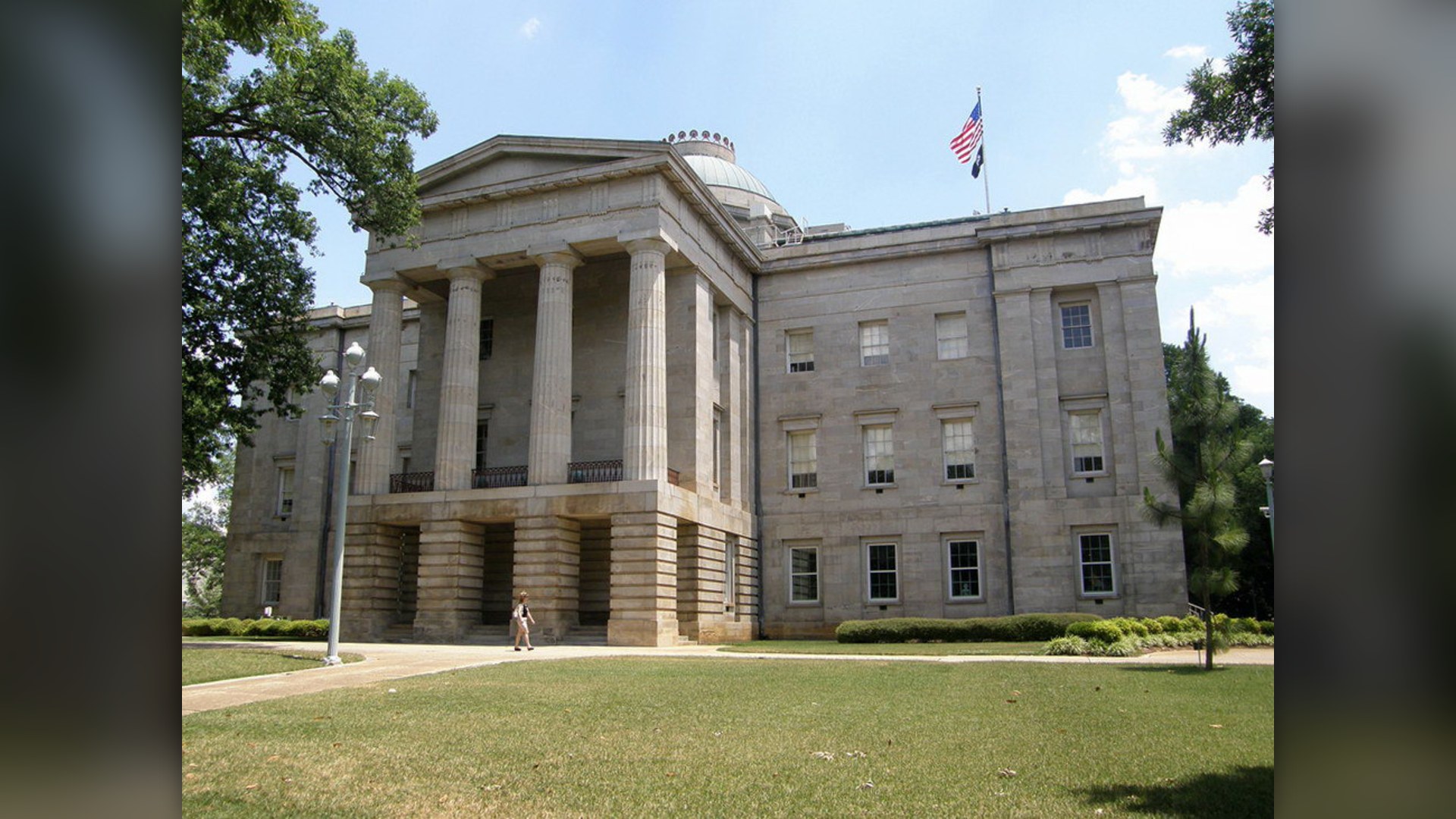
12. North Carolina
At the Hillsborough Convention in August 1788, North Carolina delegates voted 184 to 84 to withhold ratification until a federal Bill of Rights was added. After the First US Congress approved 12 amendments in September 1789, delegates in Fayetteville ratified the Constitution 194 to 77 on November 21, 1789.
©Wikimedia / Jim Bowen
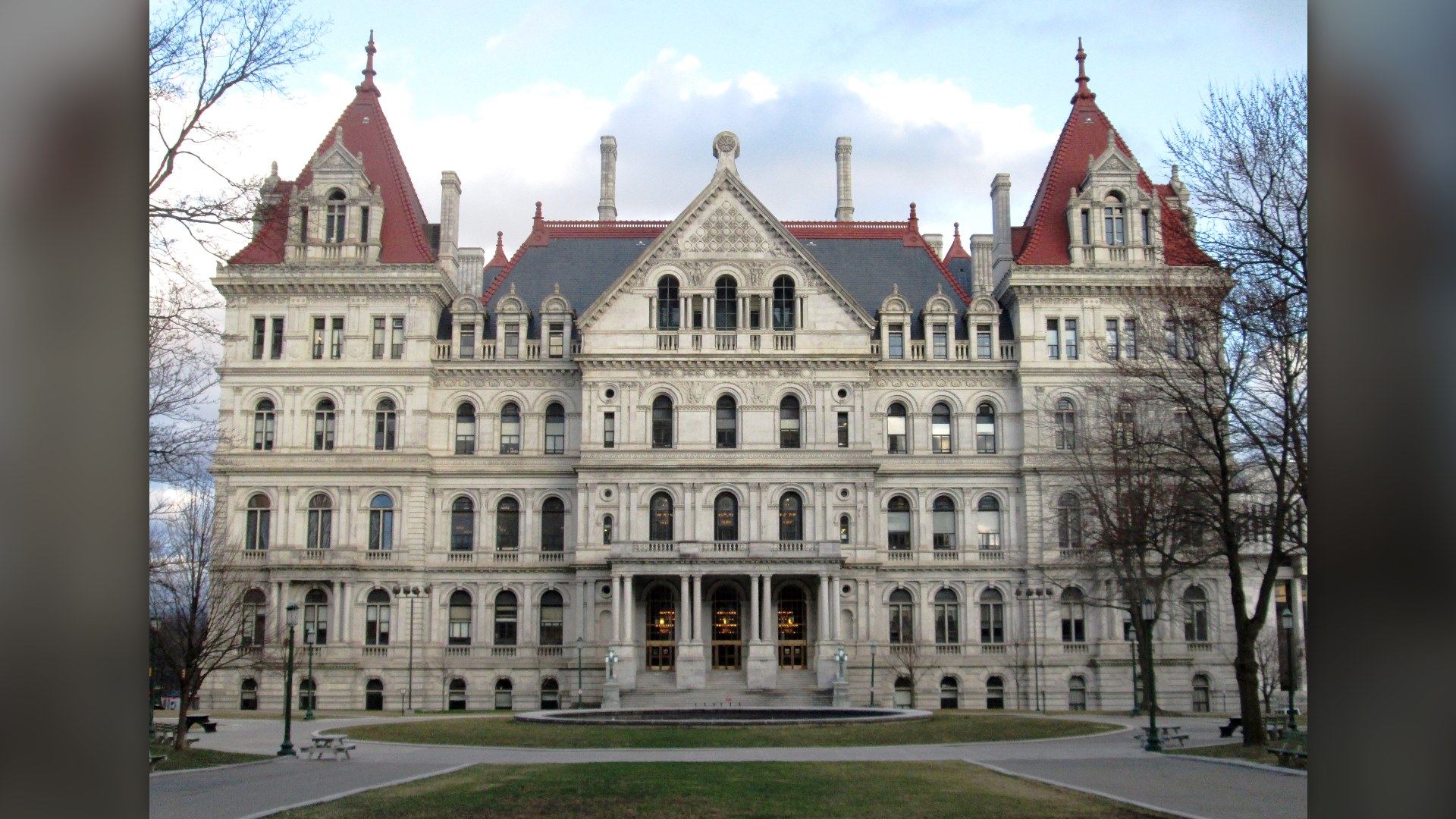
11. New York
To win over skeptical New York voters, Alexander Hamilton, James Madison, and John Jay published 85 essays known as The Federalist Papers between 1787 and 1788. After New Hampshire and Virginia ratified, New York delegates in Poughkeepsie approved the Constitution 30 to 27 on July 26, 1788.
©Wikimedia / Beyond My Ken
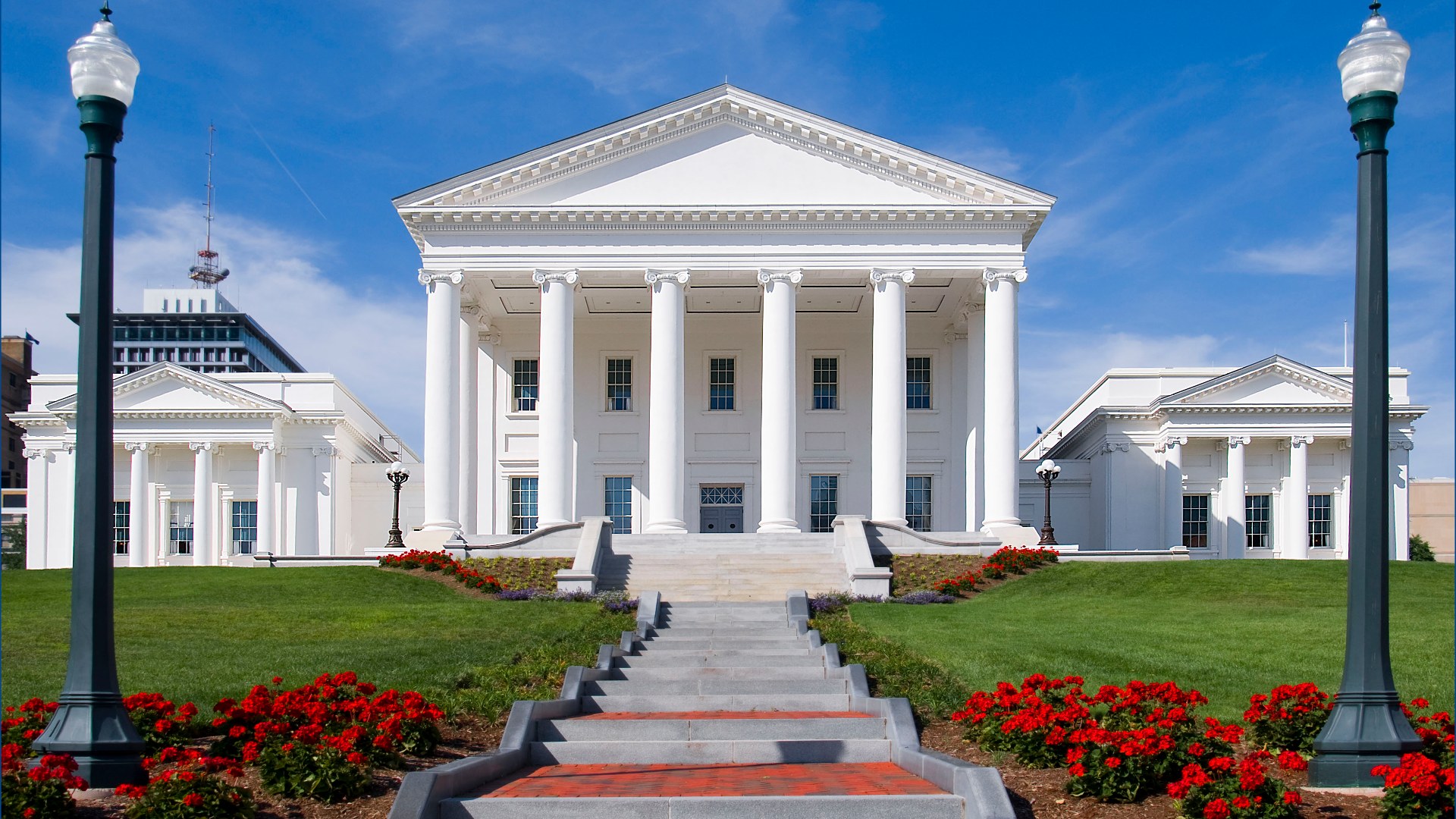
10. Virginia
As the most populous state in 1788, Virginia was vital to the new nation's survival. During a 23-day convention in Richmond, James Madison and Edmund Randolph countered Patrick Henry's fiery opposition by pledging to support a future Bill of Rights, securing ratification by an 89 to 79 vote on June 25, 1788.
©Wikimedia / Ron Cogswell
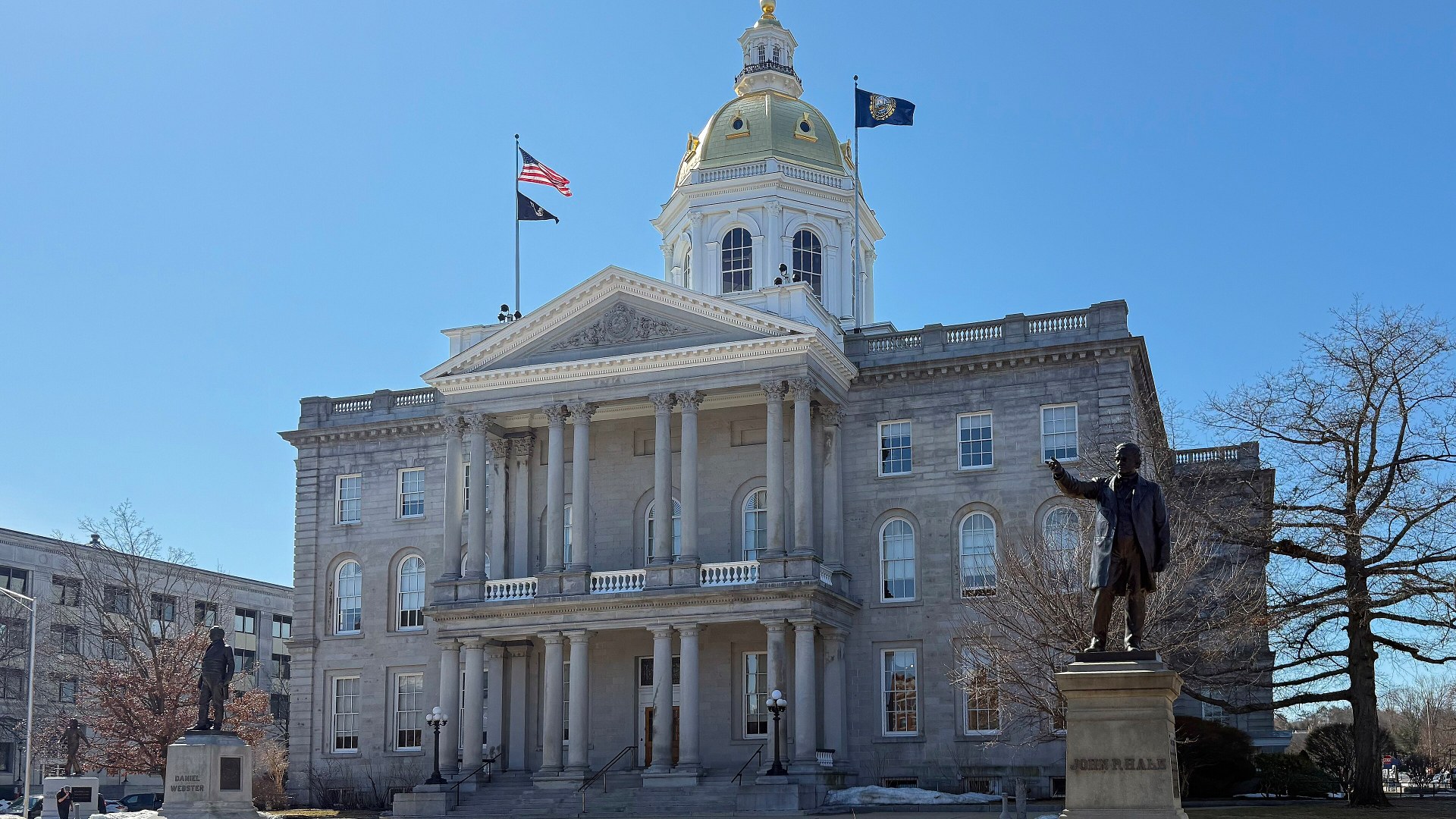
9. New Hampshire
Article VII of the US Constitution required ratification by nine states before the new federal government could legally take effect. After deadlocking in Exeter in February 1788, New Hampshire delegates reconvened in Concord and voted 57 to 47 on June 21, 1788, officially bringing the US Constitution into law.
©Wikimedia / Quintin Soloviev
Advertisement
Swipe or tap ▶ to resume the countdown.
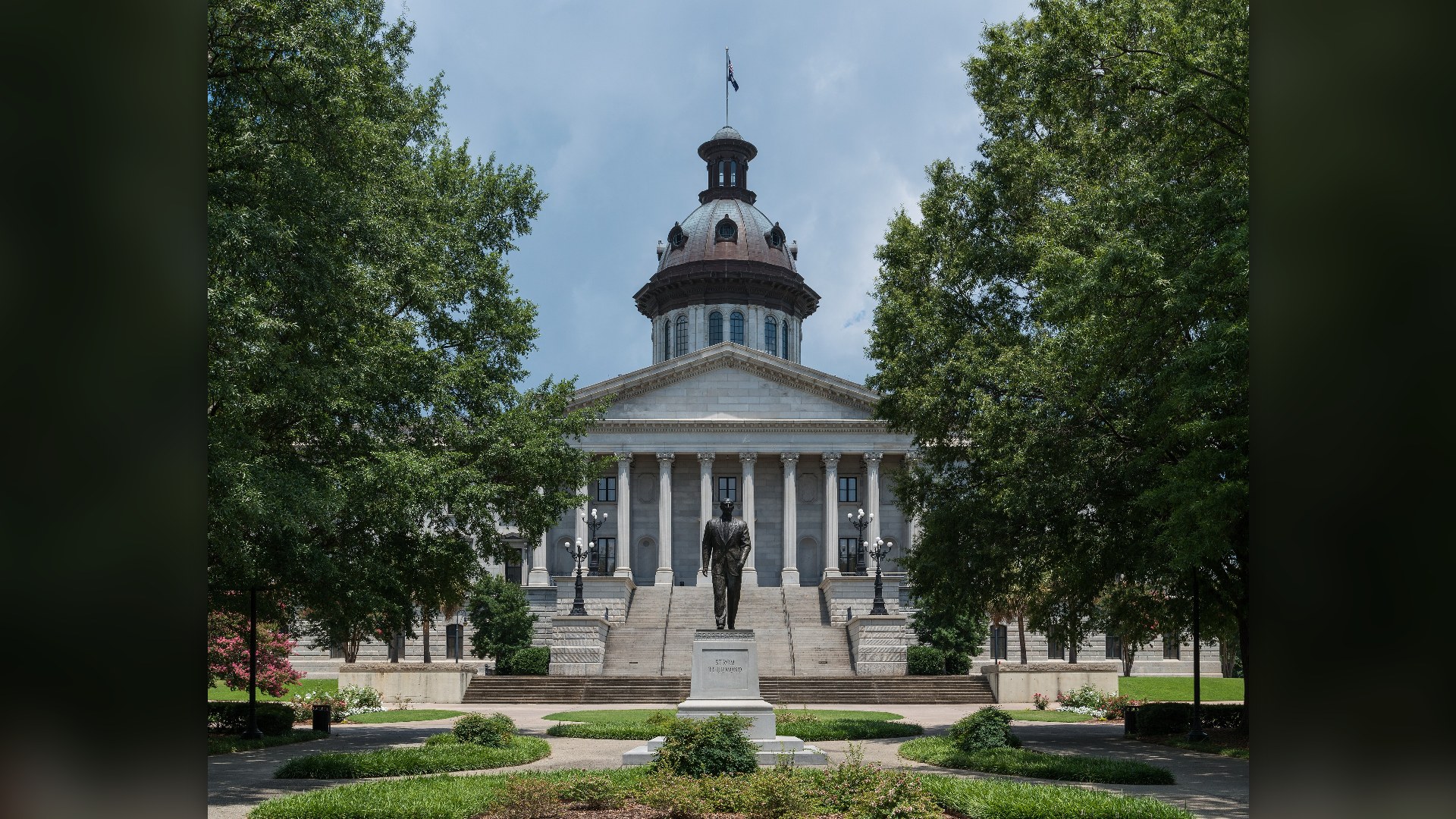
8. South Carolina
More than 200 delegates gathered at the Old Exchange and Provost Dungeon in Charleston in May 1788 to debate the federal charter. Led by Charles Pinckney and John Rutledge, Lowcountry Federalists overcame Backcountry opposition to ratify the Constitution 149 to 73 on May 23, 1788.
©Wikimedia / DXR
7. Maryland
Built beginning in 1772, the Maryland State House in Annapolis is the oldest US state capitol still in continuous legislative use. Inside the building where George Washington resigned his army commission in 1783, Maryland delegates voted 63 to 11 on April 28, 1788, to become the seventh state.
©Wikimedia / Martin Falbisoner
6. Massachusetts
Meeting in Boston with 355 delegates, the Massachusetts convention leaned against ratification until John Hancock and Samuel Adams backed the Massachusetts Compromise. Delegates voted 187 to 168 to ratify on February 6, 1788, while submitting nine recommended amendments for a Bill of Rights.
©Wikimedia / King of Hearts
5. Connecticut
Known as the Constitution State, Connecticut played a central role at the 1787 Philadelphia Convention when Roger Sherman and Oliver Ellsworth brokered the Connecticut Compromise, creating a two-house Congress. Meeting in Hartford, state delegates approved the federal charter 128 to 40 on January 9, 1788.
©Wikimedia / jglazer75
Advertisement
Swipe or tap ▶ to resume the countdown.
4. Georgia
Facing frontier conflicts with the Creek Confederacy and Spanish Florida in 1787, Georgia leaders sought the military protection of a strong national government. Meeting at a tavern in Augusta, all 26 state delegates voted 26 to 0 on January 2, 1788, to ratify the US Constitution.
©Wikimedia / DXR
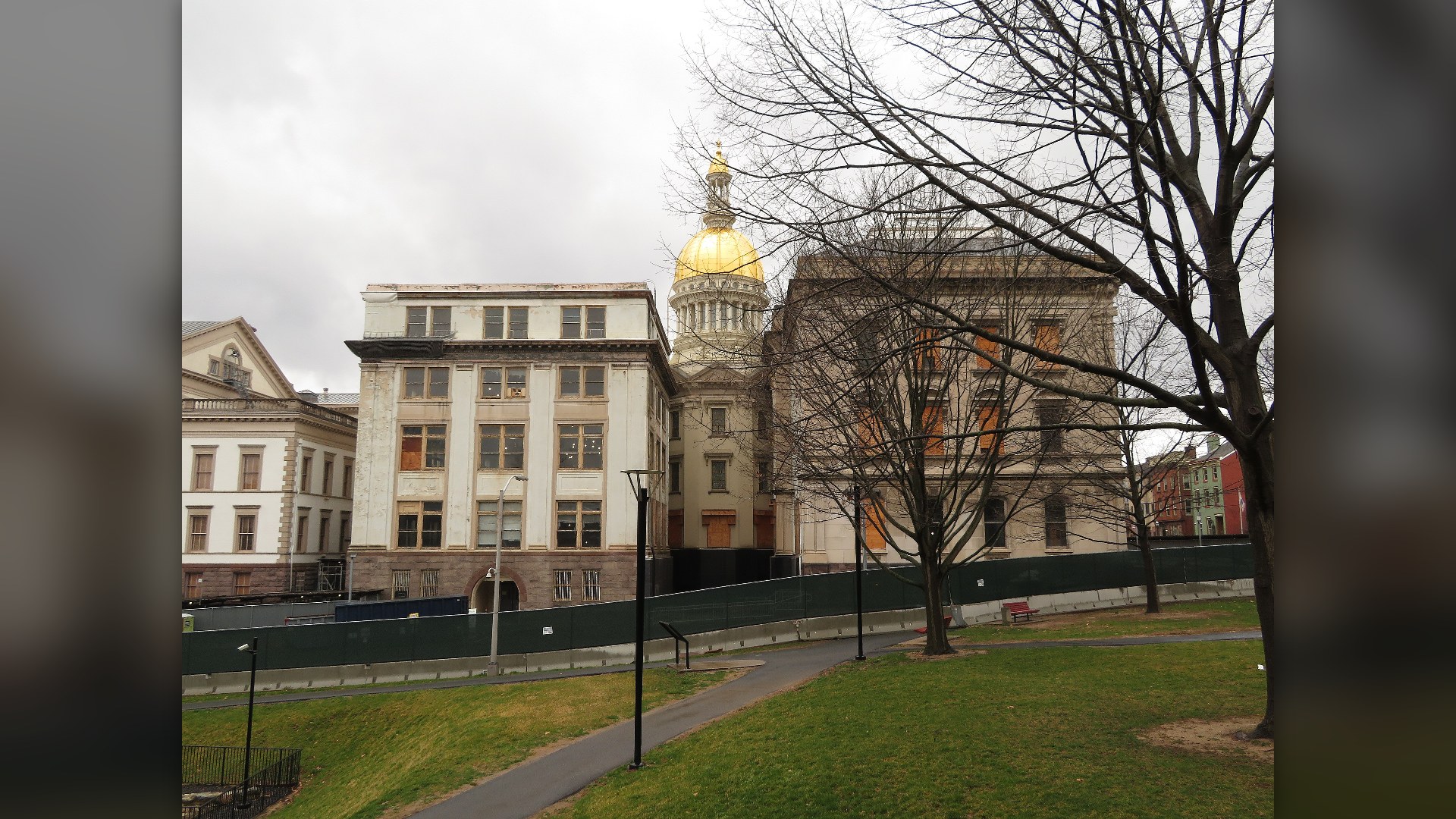
3. New Jersey
Without a major deepwater port of its own, New Jersey suffered from heavy trade tariffs imposed by neighboring New York and Pennsylvania under the Articles of Confederation. Eager for federal trade regulation, 38 delegates met at the Blazing Star Tavern in Trenton and voted 38 to 0 to ratify on December 18, 1787.
©Wikimedia / Ken Lund
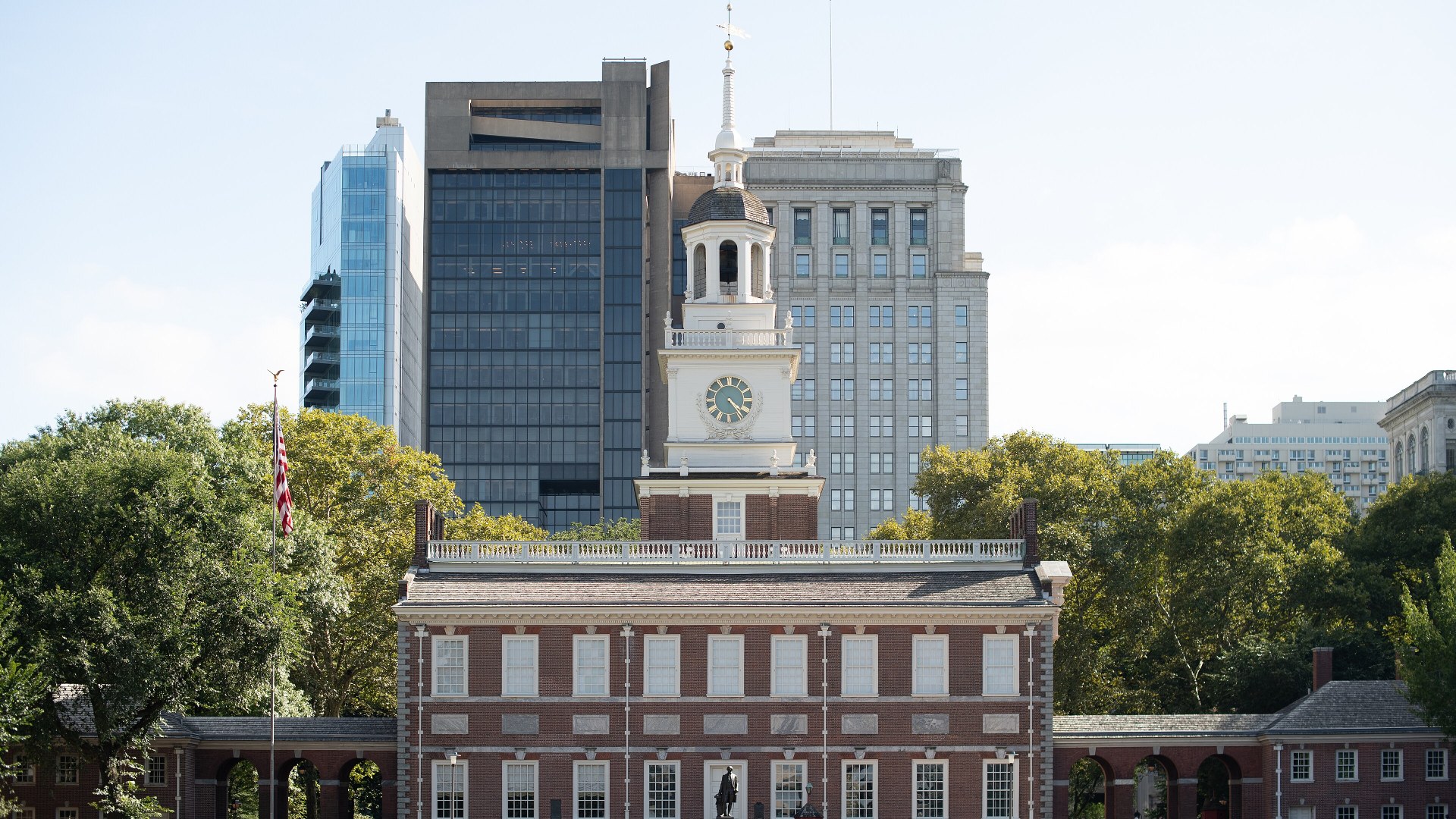
2. Pennsylvania
Less than three months after the Constitutional Convention adjourned inside Philadelphia's Independence Hall, Pennsylvania Federalists pushed for rapid ratification. James Wilson led delegates to a 46 to 23 victory on December 12, 1787, making Pennsylvania the second state in the Union.
©Wikimedia / Mys 721tx
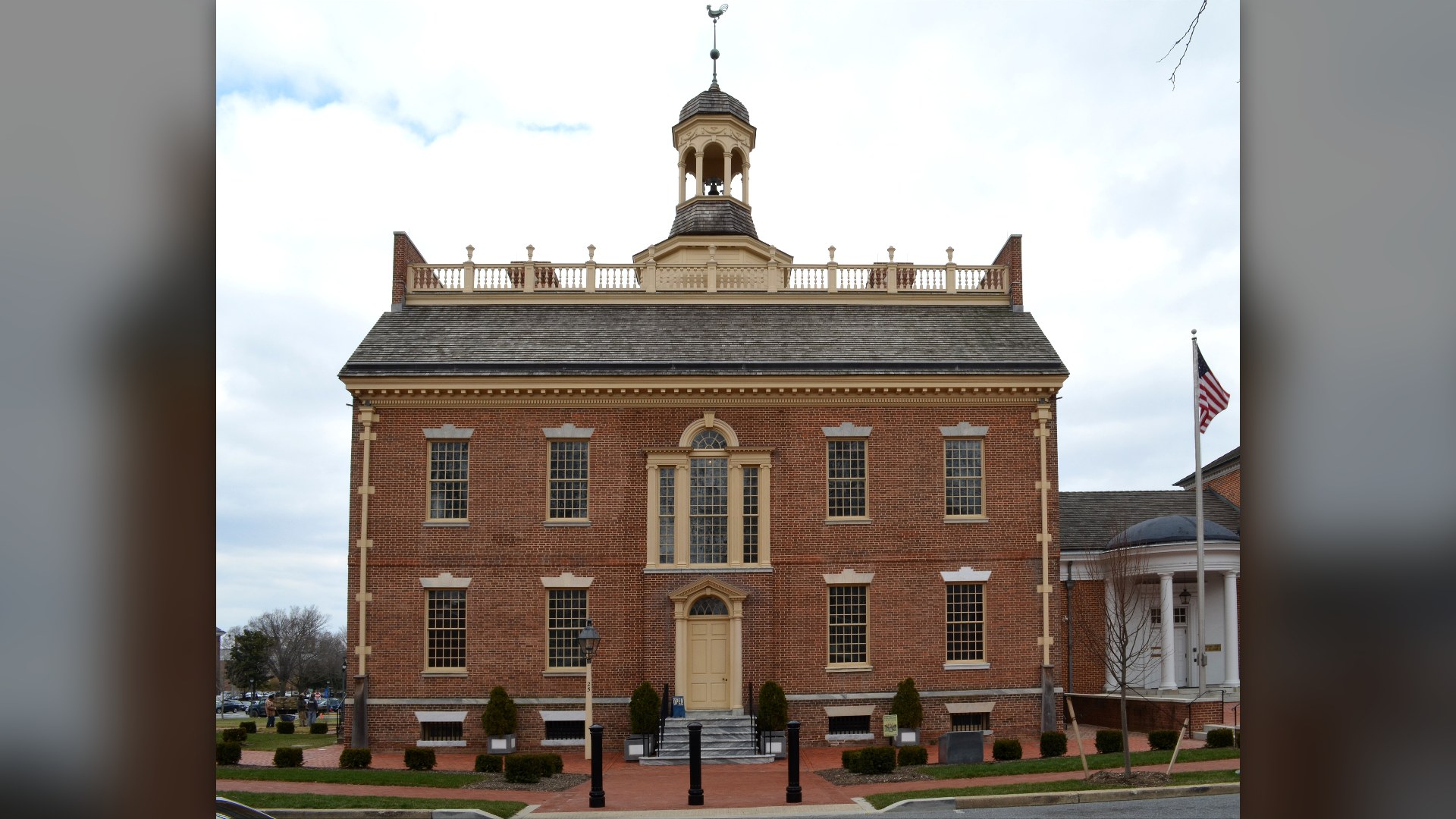
1. Delaware
Thirty delegates, ten from each of Delaware's three counties, gathered at Battell's Tavern on Dover Green in early December 1787. Satisfied that the Great Compromise guaranteed small states equal Senate representation, all 30 delegates voted unanimously on December 7, 1787, to make Delaware the first US state.

©Wikimedia / Niagara
Advertisement
You've reached the end of the story. Thanks for reading!

20 Famous Cars With Pop-Up Headlights That Shaped Car Design
From hand-cranked 1930s teardrops to wedge supercars of the 1980s, hidden headlights let stylists chase sleek aerodynamics until 2004 pedestrian rules closed the curtain. Here are 20 standout production cars that turned retractable lamps into an enduring automotive design feature across seven full decades.
All 15 Entries in this Story
15. Kentucky
Originally governed as Kentucky County, Virginia, frontier settlers held 10 conventions in Danville between 1784 and 1792 to petition for separation. President George Washington signed the statehood bill in February 1791, and Kentucky officially entered the Union on June 1, 1792.

14. Vermont
Before joining the Union, Vermont operated for 14 years as an independent republic from 1777 to 1791 with its own coinage, postal service, and constitution outlawing adult slavery. Once New York dropped its land claims for 30,000 dollars, Vermont entered the Union on March 4, 1791.

13. Rhode Island
Rhode Island boycotted the 1787 Philadelphia Convention and rejected the Constitution 11 times out of fear of federal tariffs and loss of paper money autonomy. Only after the US Senate passed a bill threatening a commercial trade embargo did delegates in Newport vote 34 to 32 to ratify on May 29, 1790.

12. North Carolina
At the Hillsborough Convention in August 1788, North Carolina delegates voted 184 to 84 to withhold ratification until a federal Bill of Rights was added. After the First US Congress approved 12 amendments in September 1789, delegates in Fayetteville ratified the Constitution 194 to 77 on November 21, 1789.

11. New York
To win over skeptical New York voters, Alexander Hamilton, James Madison, and John Jay published 85 essays known as The Federalist Papers between 1787 and 1788. After New Hampshire and Virginia ratified, New York delegates in Poughkeepsie approved the Constitution 30 to 27 on July 26, 1788.

10. Virginia
As the most populous state in 1788, Virginia was vital to the new nation's survival. During a 23-day convention in Richmond, James Madison and Edmund Randolph countered Patrick Henry's fiery opposition by pledging to support a future Bill of Rights, securing ratification by an 89 to 79 vote on June 25, 1788.

9. New Hampshire
Article VII of the US Constitution required ratification by nine states before the new federal government could legally take effect. After deadlocking in Exeter in February 1788, New Hampshire delegates reconvened in Concord and voted 57 to 47 on June 21, 1788, officially bringing the US Constitution into law.

8. South Carolina
More than 200 delegates gathered at the Old Exchange and Provost Dungeon in Charleston in May 1788 to debate the federal charter. Led by Charles Pinckney and John Rutledge, Lowcountry Federalists overcame Backcountry opposition to ratify the Constitution 149 to 73 on May 23, 1788.

7. Maryland
Built beginning in 1772, the Maryland State House in Annapolis is the oldest US state capitol still in continuous legislative use. Inside the building where George Washington resigned his army commission in 1783, Maryland delegates voted 63 to 11 on April 28, 1788, to become the seventh state.

6. Massachusetts
Meeting in Boston with 355 delegates, the Massachusetts convention leaned against ratification until John Hancock and Samuel Adams backed the Massachusetts Compromise. Delegates voted 187 to 168 to ratify on February 6, 1788, while submitting nine recommended amendments for a Bill of Rights.

5. Connecticut
Known as the Constitution State, Connecticut played a central role at the 1787 Philadelphia Convention when Roger Sherman and Oliver Ellsworth brokered the Connecticut Compromise, creating a two-house Congress. Meeting in Hartford, state delegates approved the federal charter 128 to 40 on January 9, 1788.

4. Georgia
Facing frontier conflicts with the Creek Confederacy and Spanish Florida in 1787, Georgia leaders sought the military protection of a strong national government. Meeting at a tavern in Augusta, all 26 state delegates voted 26 to 0 on January 2, 1788, to ratify the US Constitution.

3. New Jersey
Without a major deepwater port of its own, New Jersey suffered from heavy trade tariffs imposed by neighboring New York and Pennsylvania under the Articles of Confederation. Eager for federal trade regulation, 38 delegates met at the Blazing Star Tavern in Trenton and voted 38 to 0 to ratify on December 18, 1787.

2. Pennsylvania
Less than three months after the Constitutional Convention adjourned inside Philadelphia's Independence Hall, Pennsylvania Federalists pushed for rapid ratification. James Wilson led delegates to a 46 to 23 victory on December 12, 1787, making Pennsylvania the second state in the Union.

1. Delaware
Thirty delegates, ten from each of Delaware's three counties, gathered at Battell's Tavern on Dover Green in early December 1787. Satisfied that the Great Compromise guaranteed small states equal Senate representation, all 30 delegates voted unanimously on December 7, 1787, to make Delaware the first US state.