Slideshow · Viral
15 Reasons Americans Are Paying More for Car Insurance, Ranked
As of 2026, U.S. full-coverage auto insurance averages over $2,150 a year—up more than 45% since 2021. From $2,500 bumper sensor recalibrations to billion-dollar hailstorms, here are the 15 biggest fo
By Most Viral Today
6 Nov 2026

Why Full-Coverage Auto Rates Keep Climbing Across America—Ranked 15 To 1 
15. Return Of Commuter Traffic 
14. Credit-Based Insurance Scoring 
13. Telematics And Driving Data Tracking - AdvertisementSwipe or tap ▶ to continue countdown

12. Catalytic Converter And Keyless Car Theft 
11. Uninsured And Underinsured Drivers 
10. Electric Vehicle Battery Repair Costs 
9. Auto Tariffs And Imported Parts Inflation - AdvertisementSwipe or tap ▶ to continue countdown

8. Shortage Of Certified Auto Technicians 
7. Rising Reinsurance Costs For Carriers 
6. Social Inflation And Nuclear Jury Verdicts 
5. Surge In Hospital And Medical Claim Costs - AdvertisementSwipe or tap ▶ to continue countdown

4. High Vehicle Replacement Values And Total Losses 
3. Distracted Driving And High-Speed Crashes 
2. Extreme Weather, Hailstorms, And Flooding 
1. Expensive ADAS Sensors And Smart Car Repairs - Advertisement🔥 UP NEXT IN THIS SERIES◫ 21 Slides

20 Famous Cars With Pop-Up Headlights That Shaped Car Design
From hand-cranked 1930s teardrops to wedge supercars of the 1980s, hidden headlights let stylists chase sleek aerodynamics until 2004 pedestrian rules closed the curtain. Here are 20 standout production cars that turned retractable lamps into an enduring automotive design feature across seven full decades.
As of 2026, U.S. full-coverage auto insurance averages over $2,150 a year—up more than 45% since 2021. From $2,500 bumper sensor recalibrations to billion-dollar hailstorms, here are the 15 biggest forces driving up your bill, ranked.
Swipe or tap ▶ to begin the countdown
©Unsplash / Andre Tan & Unsplash / Leo_Visions
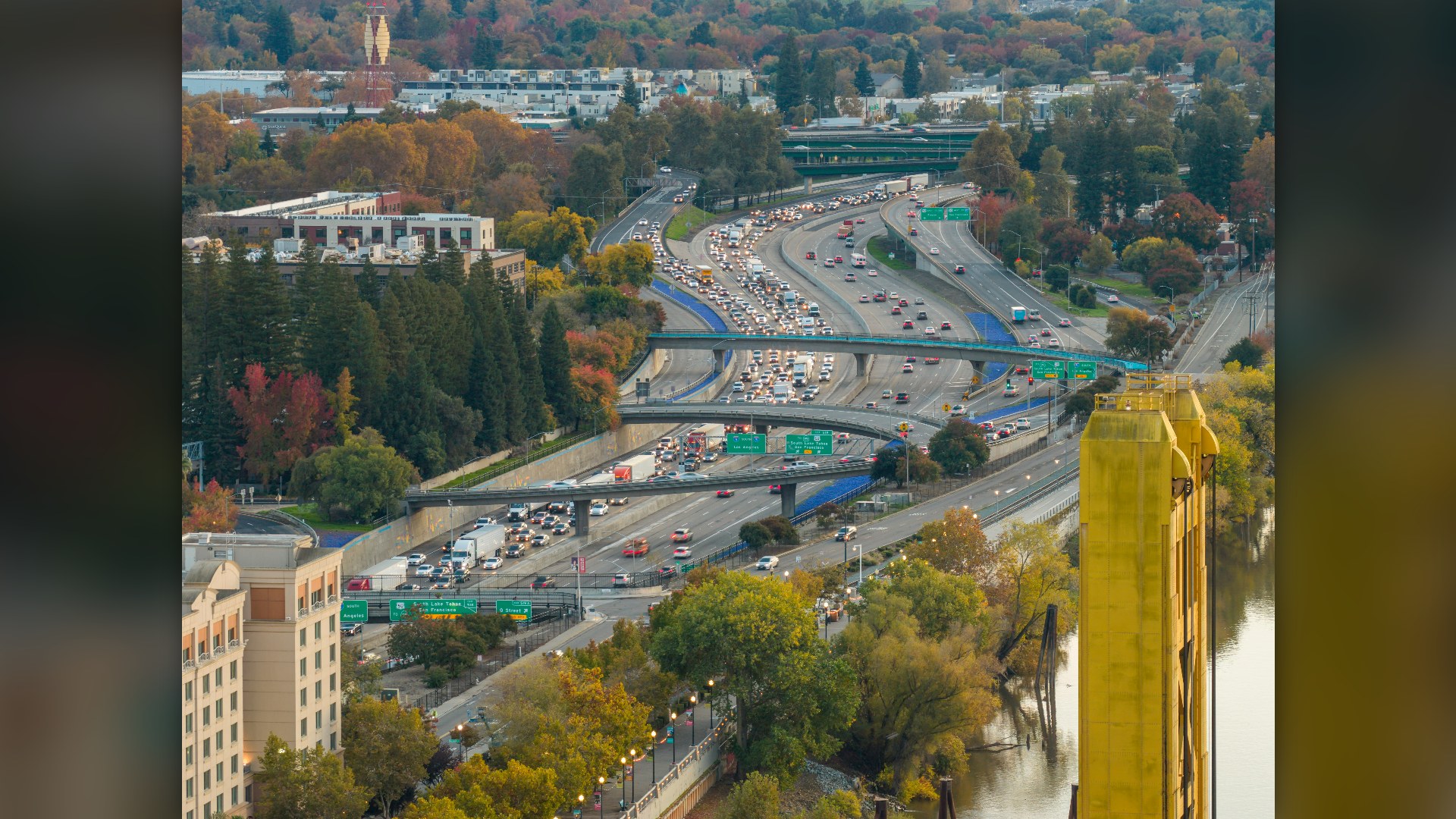
15. Return Of Commuter Traffic
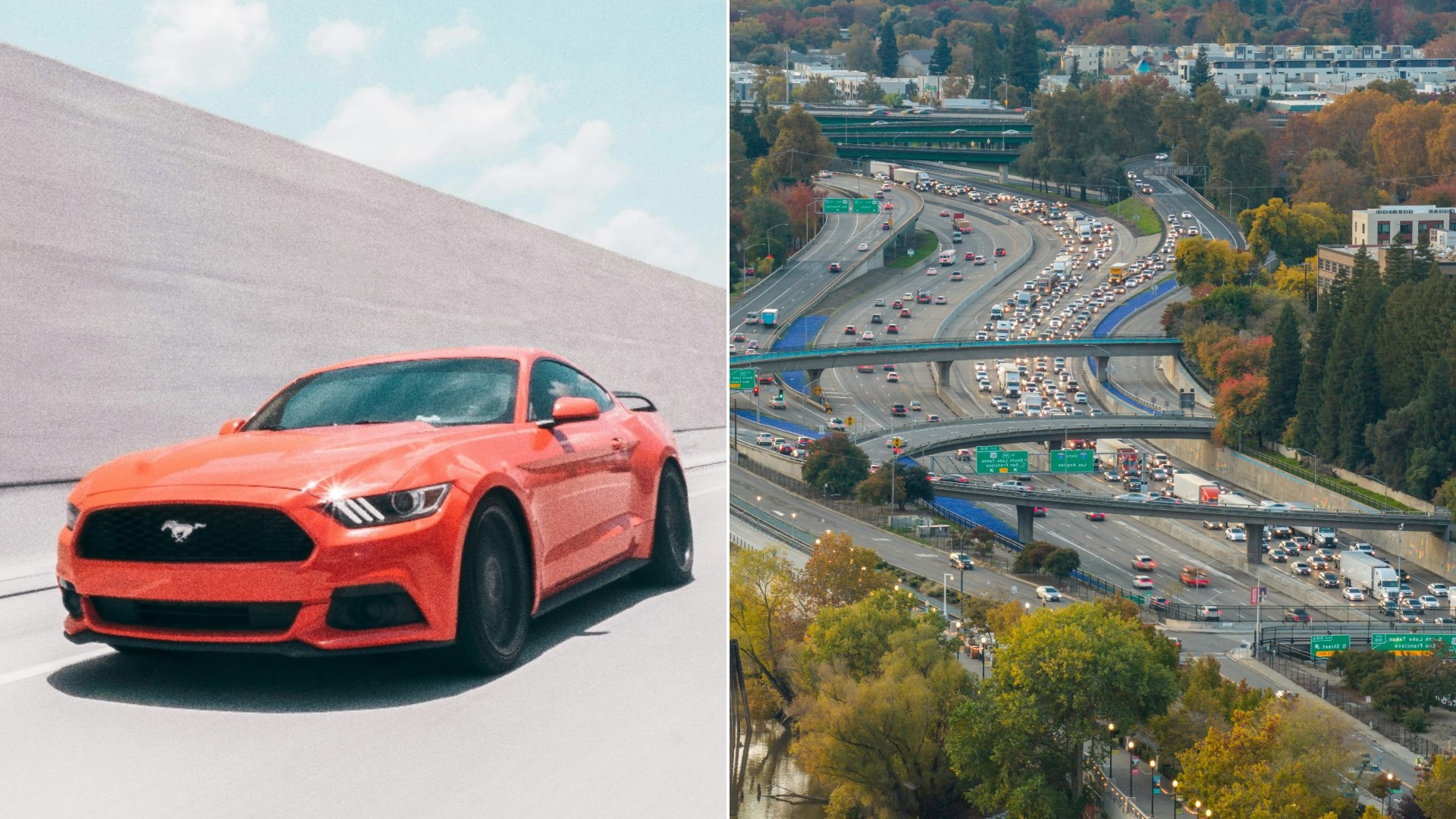
As of 2026, Federal Highway Administration data shows Americans log over 3.27 trillion vehicle miles annually—surpassing pre-2020 records as return-to-office mandates pack morning and evening rush hours and drive up daily collision frequency.
© Photo by Leo_Visions on Unsplash
14. Credit-Based Insurance Scoring
Actuarial models in 46 U.S. states weigh credit-based insurance scores heavily when pricing renewals. According to Bankrate's 2025–2026 rate data, drivers with poor credit pay 70% to 100% more for full coverage than motorists with pristine credit.
©Wikimedia / Vyacheslav Argenberg
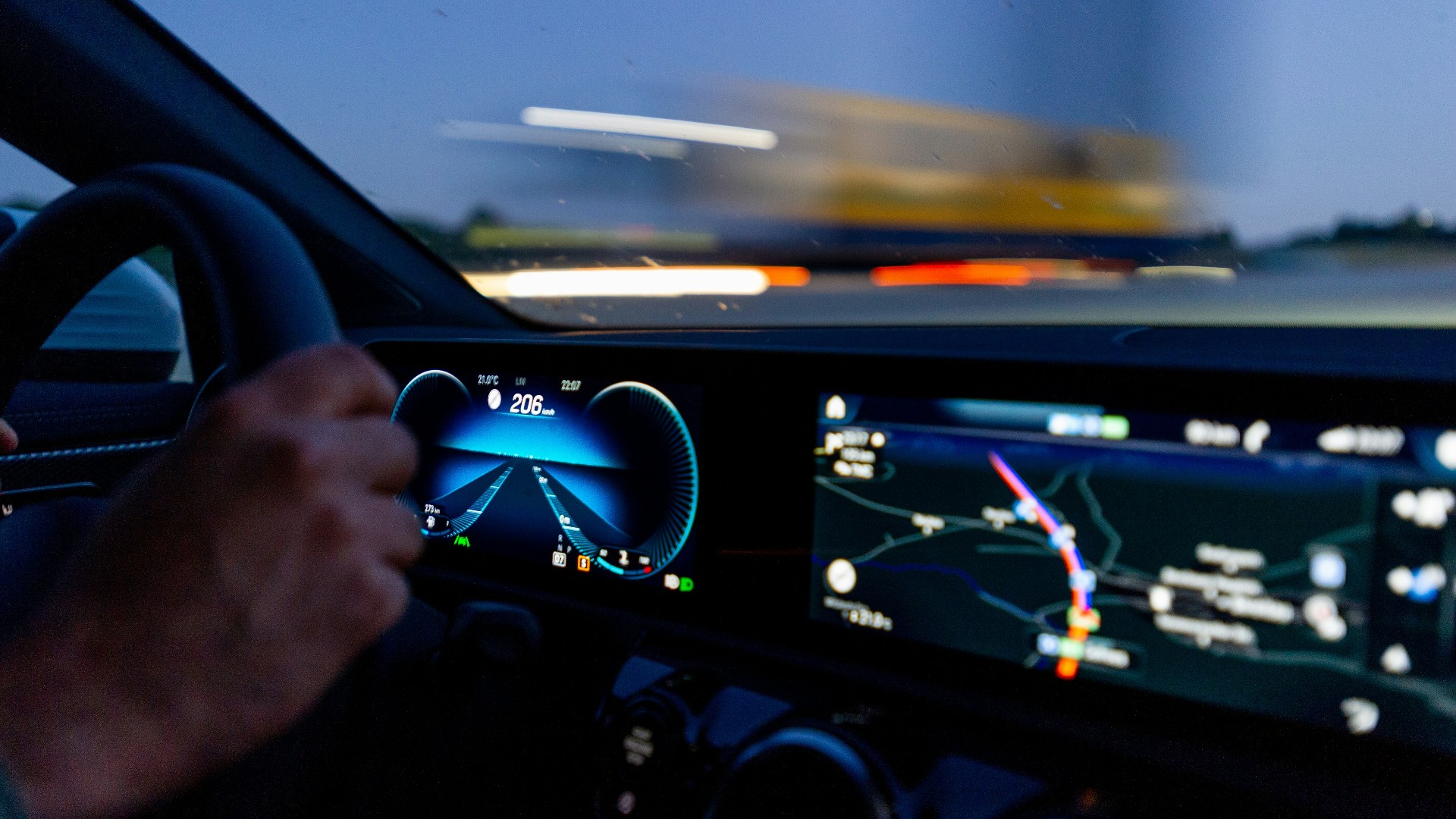
13. Telematics And Driving Data Tracking
Originally marketed solely as discount programs, telematics apps and built-in connected vehicle sensors now feed real-time braking, cornering, and midnight driving telemetry to underwriters—triggering steeper renewal rates for flagged drivers.
© Photo by Randy Tarampi on Unsplash
Advertisement
Swipe or tap ▶ to resume the countdown.
12. Catalytic Converter And Keyless Car Theft
National Insurance Crime Bureau (NICB) reports show that while immobilized models saw modest relief by 2026, organized thefts of rhodium-rich catalytic converters and electronic key-fob relay hacks still cost U.S. insurers billions in payouts annually.
©Wikimedia / U.S. Department of Justice
11. Uninsured And Underinsured Drivers
Insurance Research Council data through 2025–2026 indicates over 14% of U.S. motorists drive completely uninsured. When uninsured drivers cause crashes, honest policyholders absorb the cost through higher Uninsured/Underinsured Motorist (UM/UIM) rates.
©Wikimedia / Agbarto
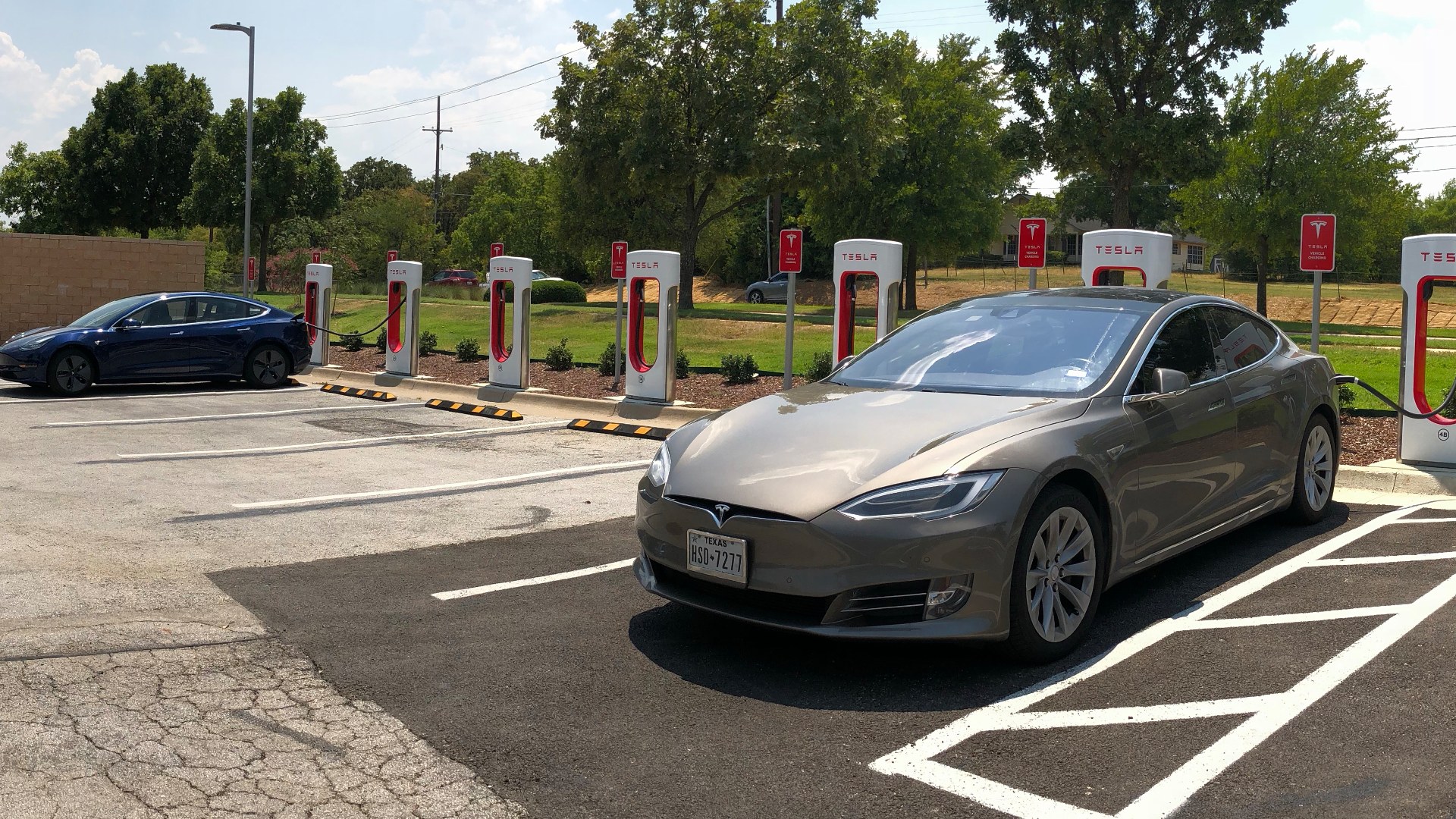
10. Electric Vehicle Battery Repair Costs
CCC Intelligent Solutions data as of 2026 shows EV collision repair claims average 25% to 30% higher than gas vehicles. Because structural battery packs cannot easily be patched after a minor curb or rear impact, insurers must often write off the entire car.
©Wikimedia / Ed Uthman
9. Auto Tariffs And Imported Parts Inflation
Nearly 50% of replacement auto parts used in U.S. collision shops are imported. Through 2025 and 2026, duties on steel, aluminum, and foreign electronics have increased the wholesale cost of hoods, fenders, and headlights on every repair invoice.
©Wikimedia / Marek Ślusarczyk
Advertisement
Swipe or tap ▶ to resume the countdown.
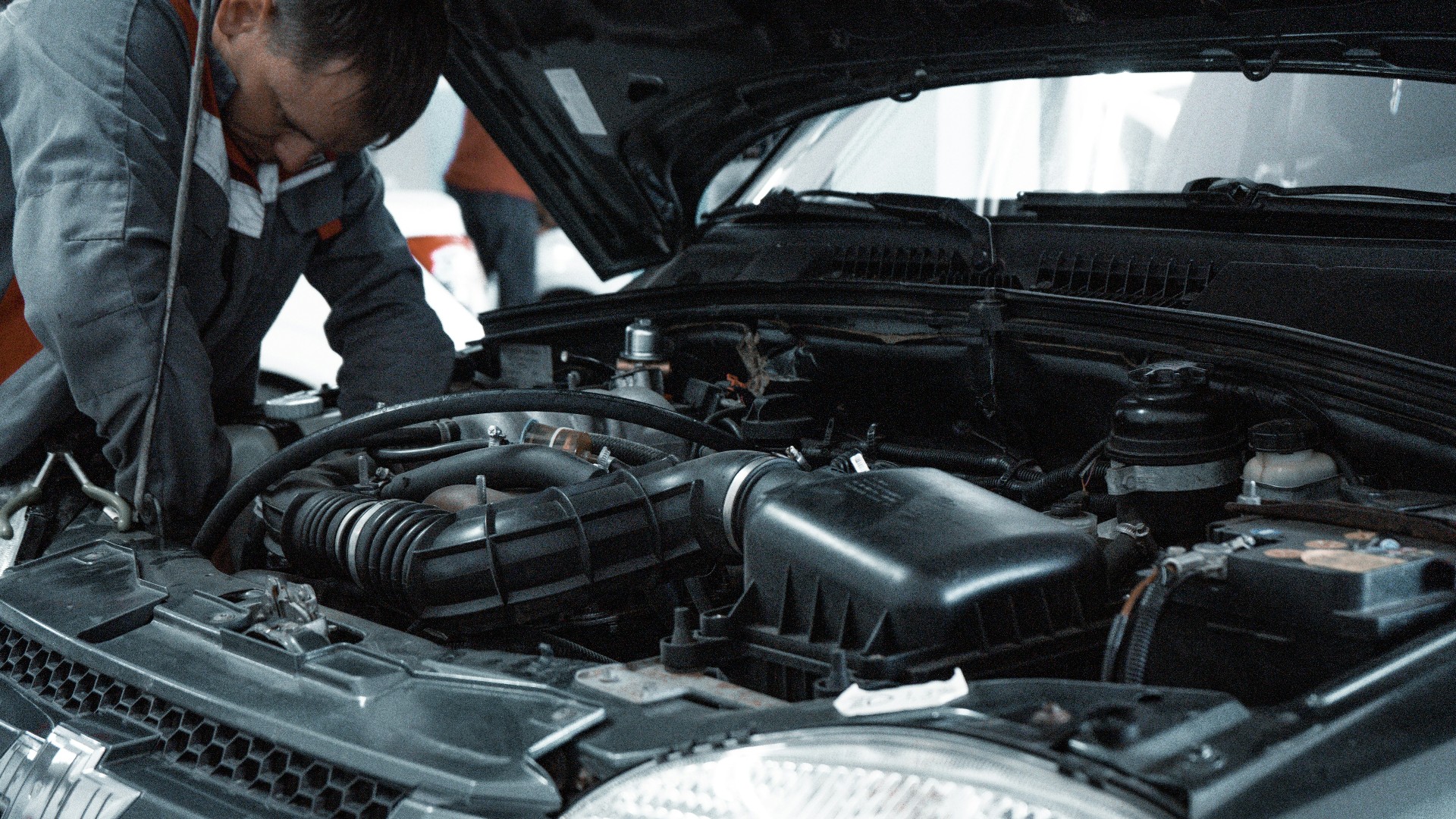
8. Shortage Of Certified Auto Technicians
The TechForce Foundation estimates a nationwide shortage of over 100,000 qualified auto and collision technicians as of 2026. Body shops must pay higher wages to retain staff—and longer repair backlogs force insurers to pay for weeks of extra rental cars.
© Photo by Kate Ibragimova on Unsplash
7. Rising Reinsurance Costs For Carriers
Primary auto insurers rely on global reinsurers to backstop catastrophic claim spikes. Following multi-billion-dollar storm years through 2025–2026, reinsurance treaties repriced 20% to 40% higher, a wholesale cost passed directly to consumers.
©Wikimedia / Jakub Hałun
6. Social Inflation And Nuclear Jury Verdicts
The Insurance Information Institute (III) estimates that 'social inflation'—driven by third-party litigation funding and nuclear jury verdicts exceeding $10 million—added tens of billions to U.S. auto liability claim costs over the past decade through 2026.
© Photo by Sasun Bughdaryan on Unsplash
5. Surge In Hospital And Medical Claim Costs
Auto policies don't just fix sheet metal—they pay for trauma care. With U.S. hospital and medical service CPI climbing steadily through 2025 and 2026, every bodily injury and Personal Injury Protection (PIP) claim requires a significantly larger reserve.
©Wikimedia / SwarmCheng
Advertisement
Swipe or tap ▶ to resume the countdown.
4. High Vehicle Replacement Values And Total Losses
As of 2026, Kelley Blue Book tracks average new vehicle transaction prices near $48,000, while over 21% of all collision claims end in a total loss. Replacing a totaled SUV or truck today requires a vastly larger insurance payout than it did before 2020.
©Wikimedia / Jonathan Billinger
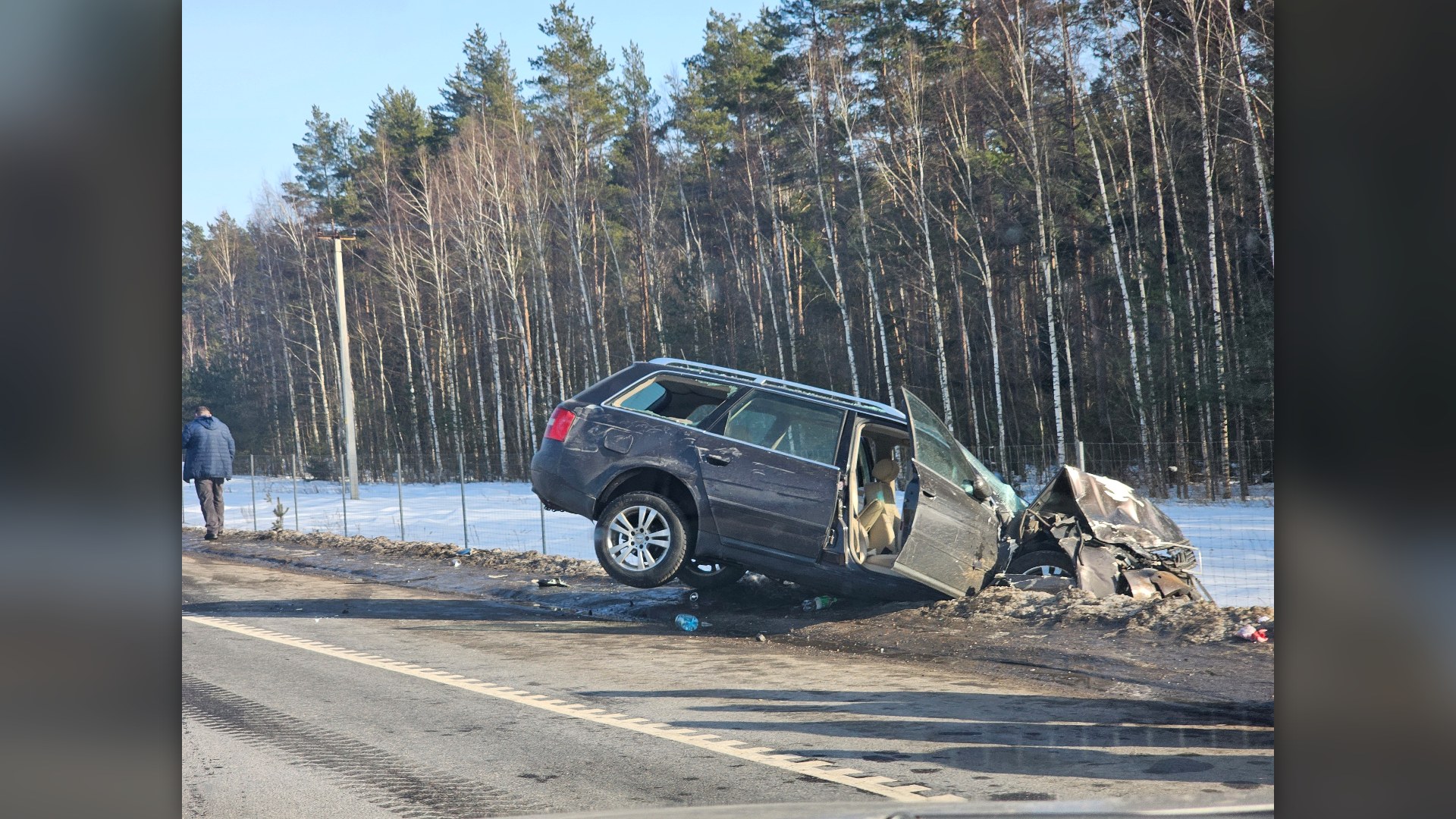
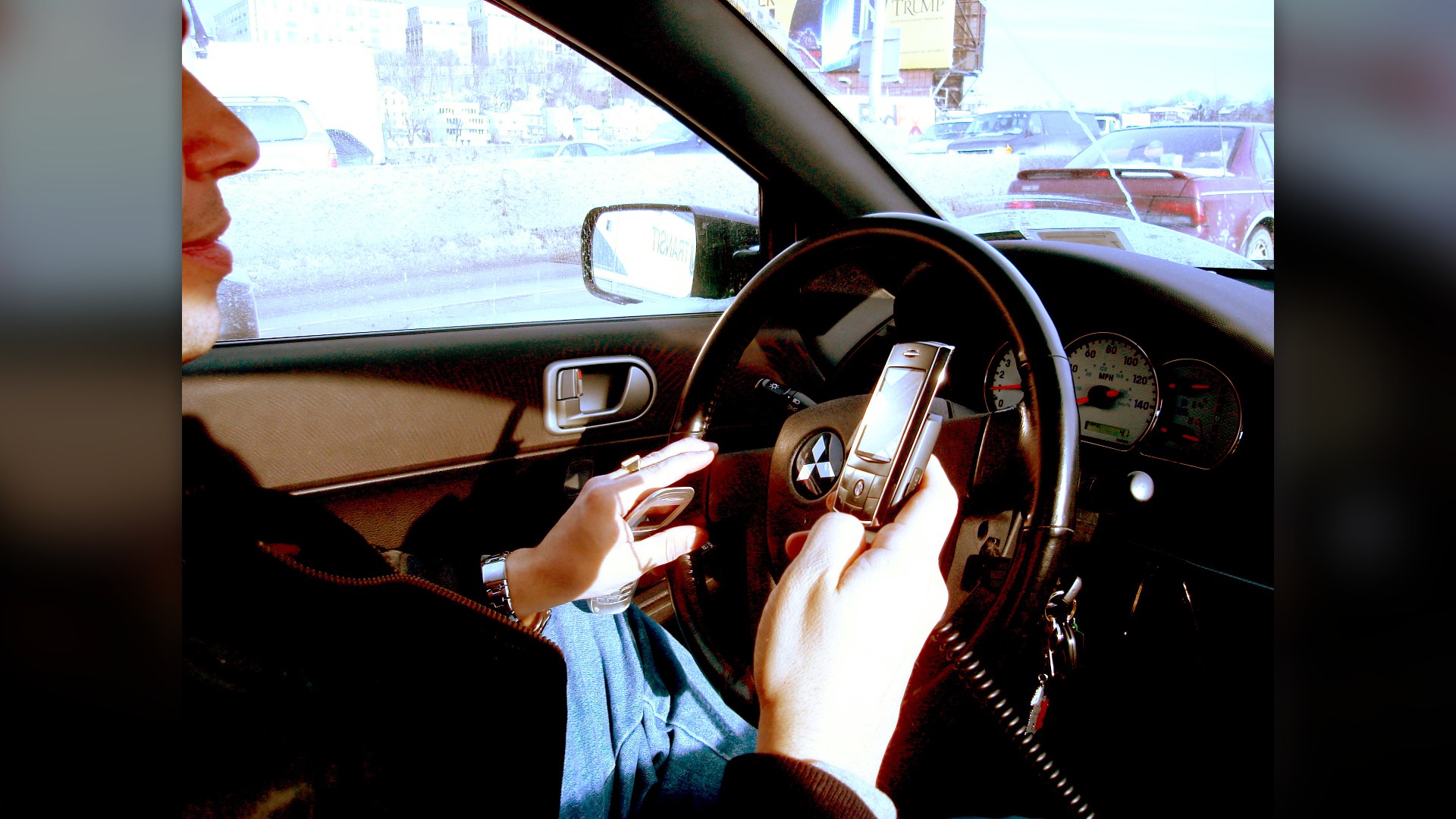
3. Distracted Driving And High-Speed Crashes
NHTSA traffic safety audits through 2025–2026 show U.S. roadway fatalities remaining near 40,000 per year, fueled by smartphone screen distraction and higher impact speeds. High-velocity crashes cause catastrophic structural and bodily injury claims.
©Wikimedia / Ed Poor
2. Extreme Weather, Hailstorms, And Flooding
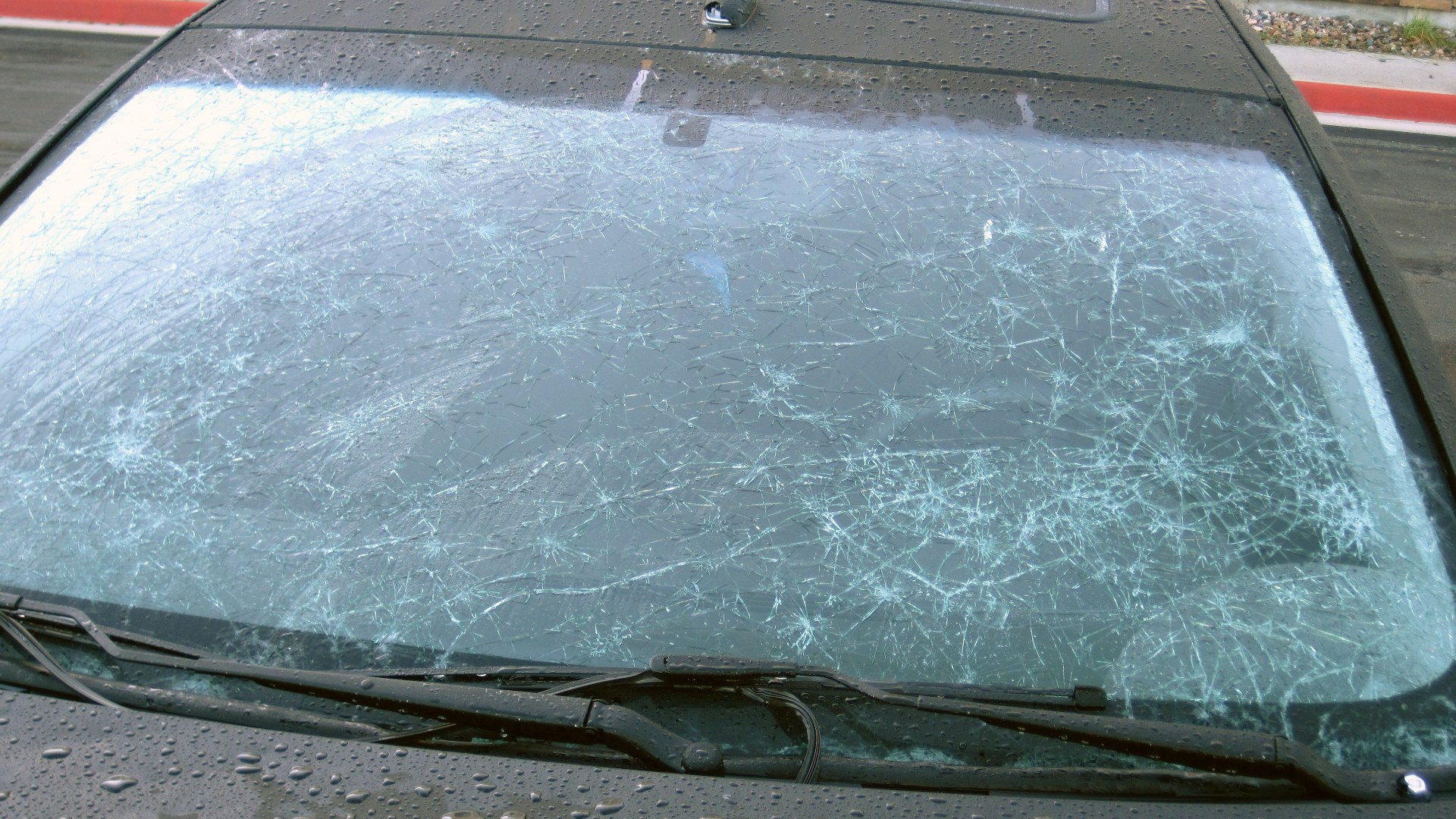
NOAA recorded over 20 billion-dollar weather disasters annually in recent years through 2026. A single severe hailstorm in Texas or the Midwest can pelt 50,000 windshields and hoods in 20 minutes, forcing carriers to raise comprehensive rates nationwide.
©Wikimedia / James St. John
1. Expensive ADAS Sensors And Smart Car Repairs
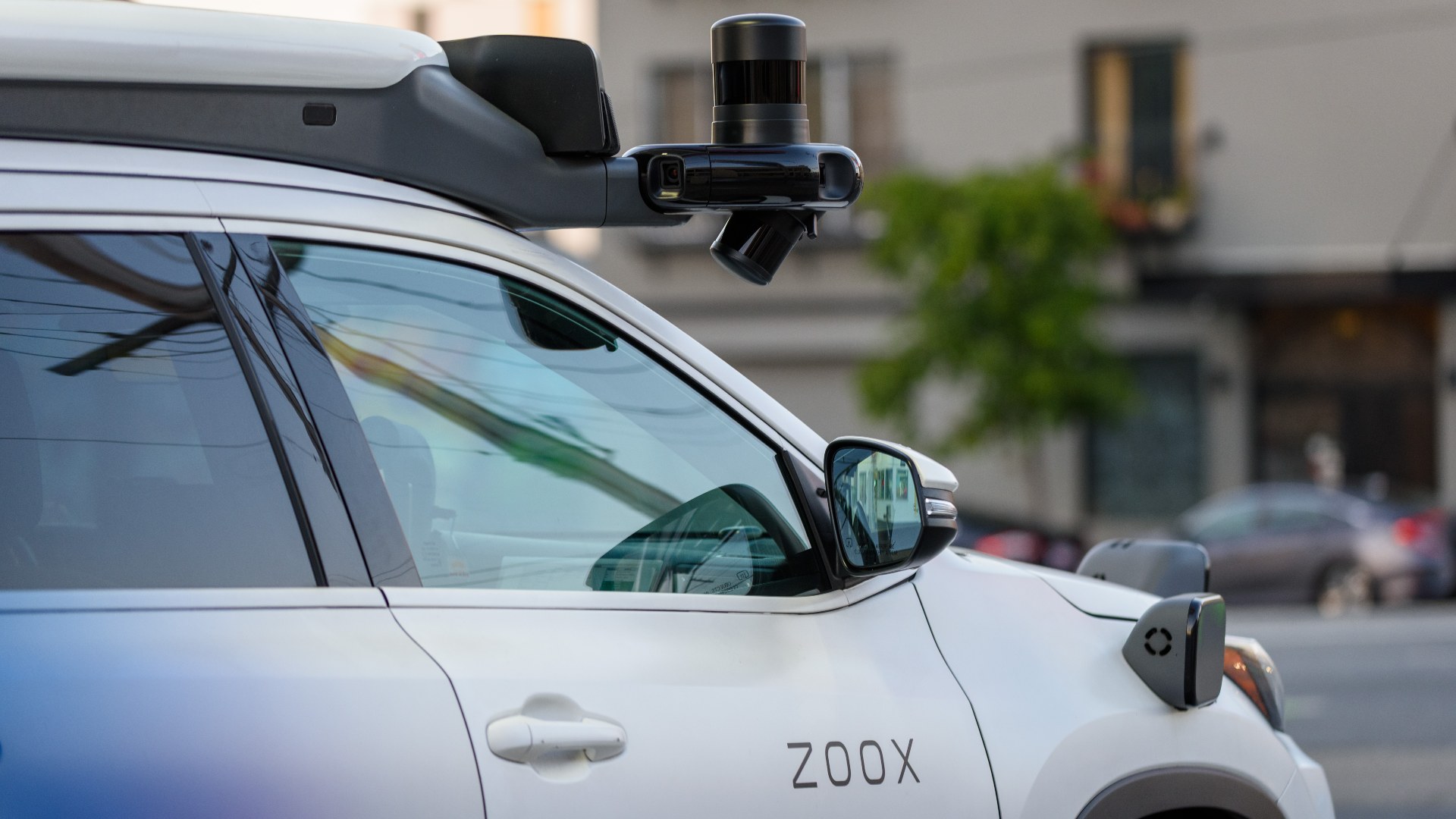
The #1 reason Americans pay more in 2026: modern bumpers and windshields are packed with ADAS radar, cameras, and ultrasonic sensors. AAA and CCC data show sensor recalibrations more than double minor collision repair bills, driving auto insurance CPI up over 45%.

©Wikimedia / 9yz
Advertisement
You've reached the end of the story. Thanks for reading!

20 Famous Cars With Pop-Up Headlights That Shaped Car Design
From hand-cranked 1930s teardrops to wedge supercars of the 1980s, hidden headlights let stylists chase sleek aerodynamics until 2004 pedestrian rules closed the curtain. Here are 20 standout production cars that turned retractable lamps into an enduring automotive design feature across seven full decades.
All 15 Entries in this Story
15. Return Of Commuter Traffic
As of 2026, Federal Highway Administration data shows Americans log over 3.27 trillion vehicle miles annually—surpassing pre-2020 records as return-to-office mandates pack morning and evening rush hours and drive up daily collision frequency.

14. Credit-Based Insurance Scoring
Actuarial models in 46 U.S. states weigh credit-based insurance scores heavily when pricing renewals. According to Bankrate's 2025–2026 rate data, drivers with poor credit pay 70% to 100% more for full coverage than motorists with pristine credit.

13. Telematics And Driving Data Tracking
Originally marketed solely as discount programs, telematics apps and built-in connected vehicle sensors now feed real-time braking, cornering, and midnight driving telemetry to underwriters—triggering steeper renewal rates for flagged drivers.

12. Catalytic Converter And Keyless Car Theft
National Insurance Crime Bureau (NICB) reports show that while immobilized models saw modest relief by 2026, organized thefts of rhodium-rich catalytic converters and electronic key-fob relay hacks still cost U.S. insurers billions in payouts annually.

11. Uninsured And Underinsured Drivers
Insurance Research Council data through 2025–2026 indicates over 14% of U.S. motorists drive completely uninsured. When uninsured drivers cause crashes, honest policyholders absorb the cost through higher Uninsured/Underinsured Motorist (UM/UIM) rates.

10. Electric Vehicle Battery Repair Costs
CCC Intelligent Solutions data as of 2026 shows EV collision repair claims average 25% to 30% higher than gas vehicles. Because structural battery packs cannot easily be patched after a minor curb or rear impact, insurers must often write off the entire car.

9. Auto Tariffs And Imported Parts Inflation
Nearly 50% of replacement auto parts used in U.S. collision shops are imported. Through 2025 and 2026, duties on steel, aluminum, and foreign electronics have increased the wholesale cost of hoods, fenders, and headlights on every repair invoice.

8. Shortage Of Certified Auto Technicians
The TechForce Foundation estimates a nationwide shortage of over 100,000 qualified auto and collision technicians as of 2026. Body shops must pay higher wages to retain staff—and longer repair backlogs force insurers to pay for weeks of extra rental cars.

7. Rising Reinsurance Costs For Carriers
Primary auto insurers rely on global reinsurers to backstop catastrophic claim spikes. Following multi-billion-dollar storm years through 2025–2026, reinsurance treaties repriced 20% to 40% higher, a wholesale cost passed directly to consumers.

6. Social Inflation And Nuclear Jury Verdicts
The Insurance Information Institute (III) estimates that 'social inflation'—driven by third-party litigation funding and nuclear jury verdicts exceeding $10 million—added tens of billions to U.S. auto liability claim costs over the past decade through 2026.

5. Surge In Hospital And Medical Claim Costs
Auto policies don't just fix sheet metal—they pay for trauma care. With U.S. hospital and medical service CPI climbing steadily through 2025 and 2026, every bodily injury and Personal Injury Protection (PIP) claim requires a significantly larger reserve.

4. High Vehicle Replacement Values And Total Losses
As of 2026, Kelley Blue Book tracks average new vehicle transaction prices near $48,000, while over 21% of all collision claims end in a total loss. Replacing a totaled SUV or truck today requires a vastly larger insurance payout than it did before 2020.

3. Distracted Driving And High-Speed Crashes
NHTSA traffic safety audits through 2025–2026 show U.S. roadway fatalities remaining near 40,000 per year, fueled by smartphone screen distraction and higher impact speeds. High-velocity crashes cause catastrophic structural and bodily injury claims.

2. Extreme Weather, Hailstorms, And Flooding
NOAA recorded over 20 billion-dollar weather disasters annually in recent years through 2026. A single severe hailstorm in Texas or the Midwest can pelt 50,000 windshields and hoods in 20 minutes, forcing carriers to raise comprehensive rates nationwide.

1. Expensive ADAS Sensors And Smart Car Repairs
The #1 reason Americans pay more in 2026: modern bumpers and windshields are packed with ADAS radar, cameras, and ultrasonic sensors. AAA and CCC data show sensor recalibrations more than double minor collision repair bills, driving auto insurance CPI up over 45%.