Slideshow · Viral
15 Smartest Cities in the World, Ranked
From Zurich's real-time transit sensors and Oslo's zero-emission harbor to Singapore's 3D digital twin, these 15 global cities top the IMD Smart City Index.
By Most Viral Today
5 Nov 2026

15 Global Cities Leading the Smart Urban Revolution, Ranked 
15. Hamburg, Germany 
14. Stockholm, Sweden 
13. Prague, Czechia - AdvertisementSwipe or tap ▶ to continue countdown

12. Seoul, South Korea 
11. Helsinki, Finland 
10. Abu Dhabi, United Arab Emirates 
9. Singapore - AdvertisementSwipe or tap ▶ to continue countdown

8. Canberra, Australia 
7. Lausanne, Switzerland 
6. Dubai, United Arab Emirates 
5. Copenhagen, Denmark - AdvertisementSwipe or tap ▶ to continue countdown

4. London, United Kingdom 
3. Geneva, Switzerland 
2. Oslo, Norway 
1. Zurich, Switzerland - Advertisement🔥 UP NEXT IN THIS SERIES◫ 21 Slides

20 Famous Cars With Pop-Up Headlights That Shaped Car Design
From hand-cranked 1930s teardrops to wedge supercars of the 1980s, hidden headlights let stylists chase sleek aerodynamics until 2004 pedestrian rules closed the curtain. Here are 20 standout production cars that turned retractable lamps into an enduring automotive design feature across seven full decades.
Every year, the IMD Smart City Observatory in Lausanne surveys thousands of residents across more than 140 cities to measure how digital technology and urban infrastructure improve daily life. From automated traffic grids to 100 percent renewable transit, these 15 cities top the global rankings.
Swipe or tap ▶ to begin the countdown
©Wikimedia / Bijay Chaurasia
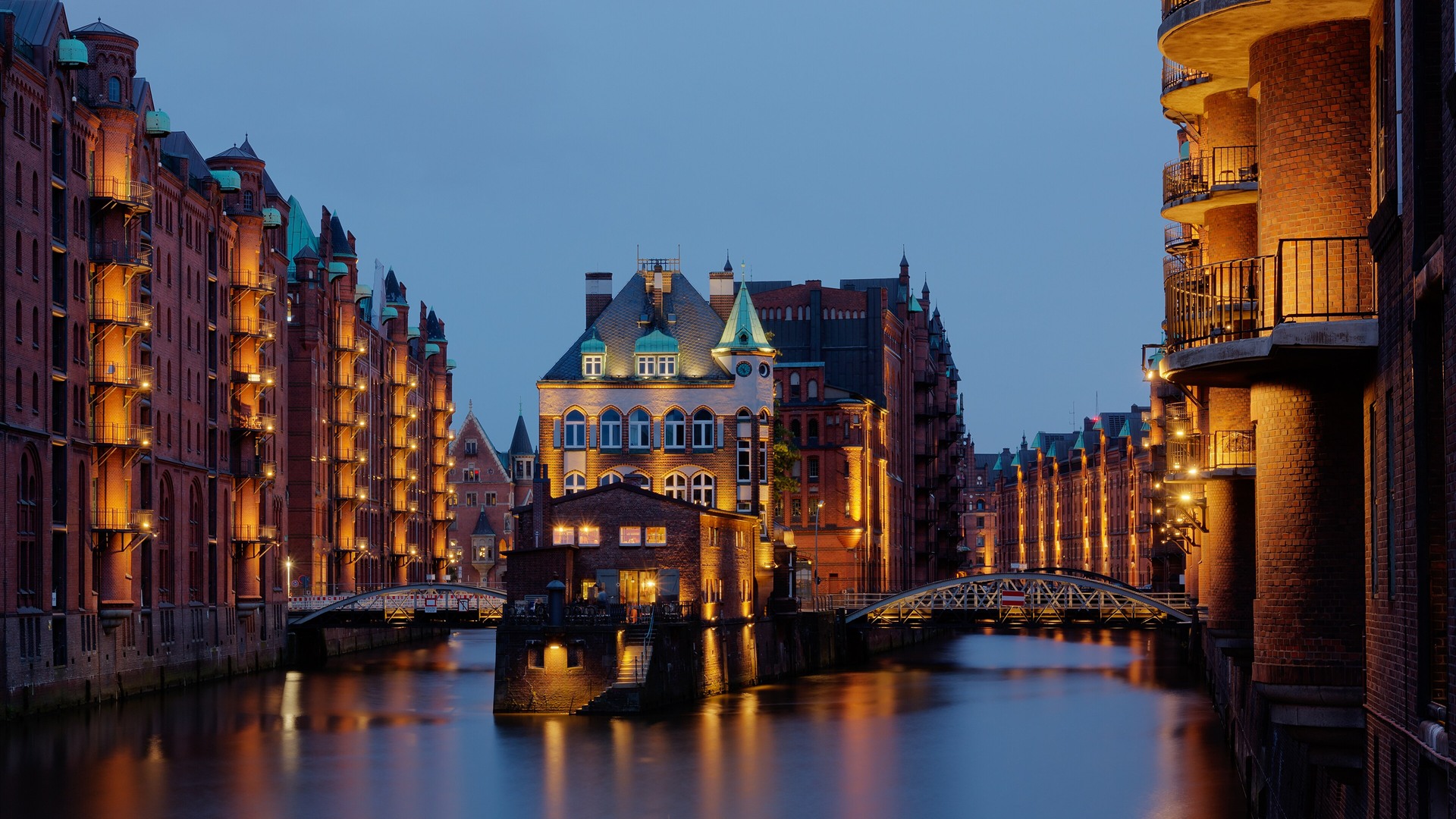
15. Hamburg, Germany
Ranked 15th on the IMD Smart City Index with a BBB rating, Hamburg transformed 388 acres of historic port warehouses into the sensor-connected HafenCity and Speicherstadt waterfront. The city uses intelligent traffic signals, automated container logistics, and autonomous shuttle trials to cut emissions.
©Wikimedia / Dietmar Rabich
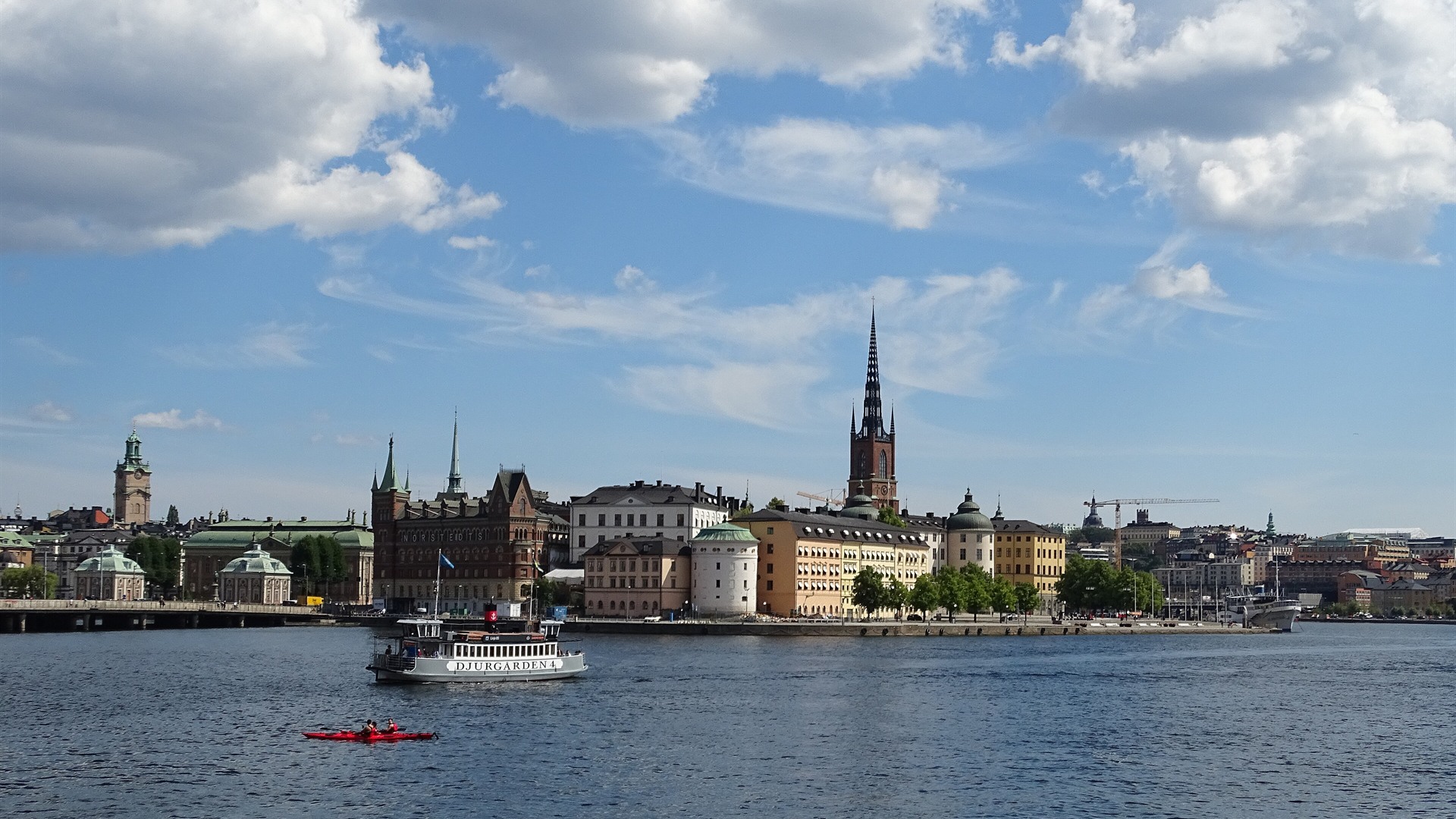
14. Stockholm, Sweden
Ranked 14th globally, Stockholm built a municipal open-access fiber network in the 1990s that now powers smart water and traffic sensors across 14 islands. Automated license-plate congestion pricing reduced downtown traffic by 20 percent, and local data centers pipe waste heat into residential homes.
©Wikimedia / Ad Meskens
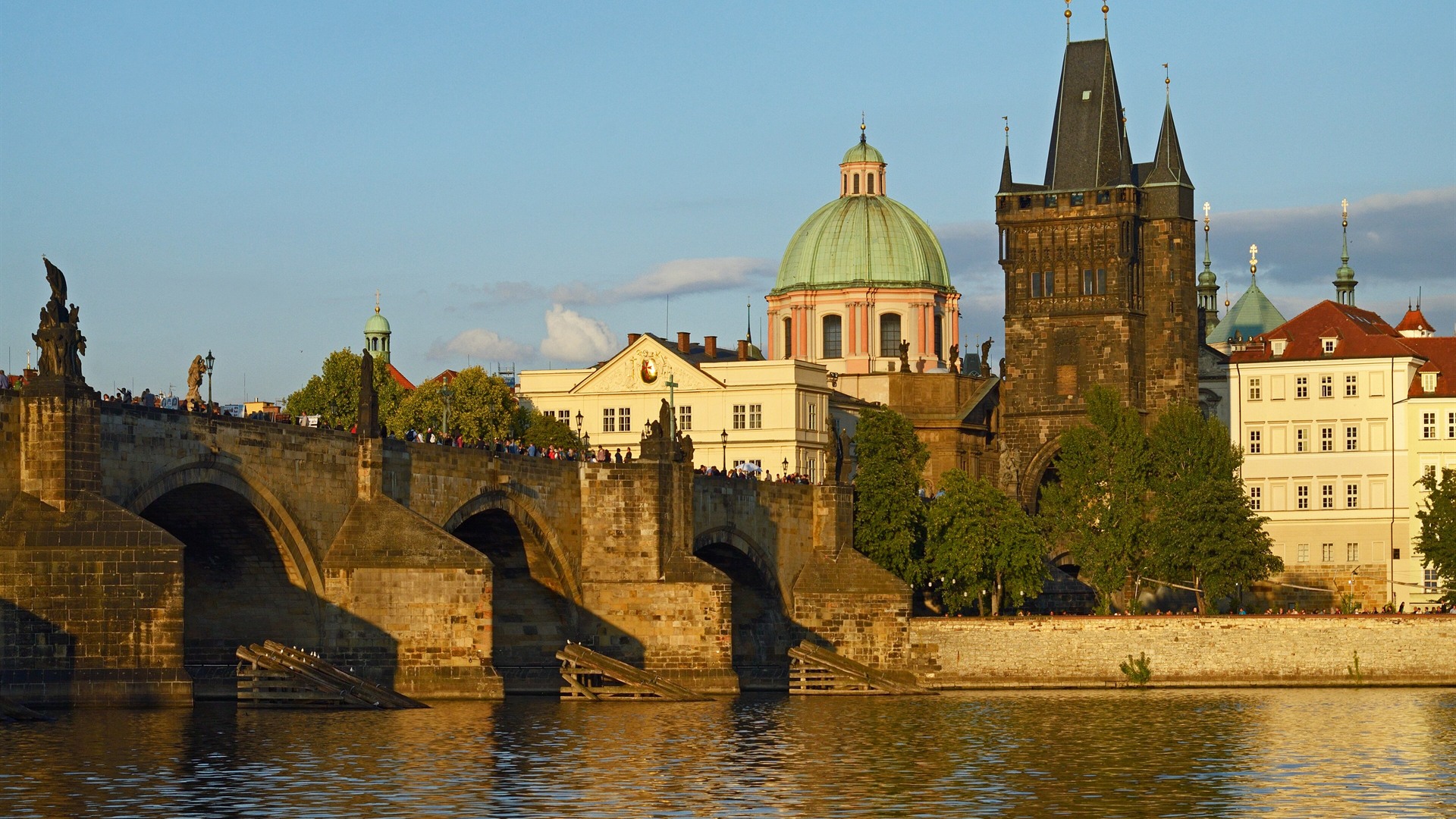
13. Prague, Czechia
Earning an A rating at number 13 on the IMD Smart City Index, Prague runs the Golemio municipal data platform to monitor traffic flow, air quality, and solar-powered waste bins in real time. Over 1.2 million residents use the PID Litacka mobile app for unified ticketing across metro, trams, and trains.
©Wikimedia / Vvlasenko
Advertisement
Swipe or tap ▶ to resume the countdown.
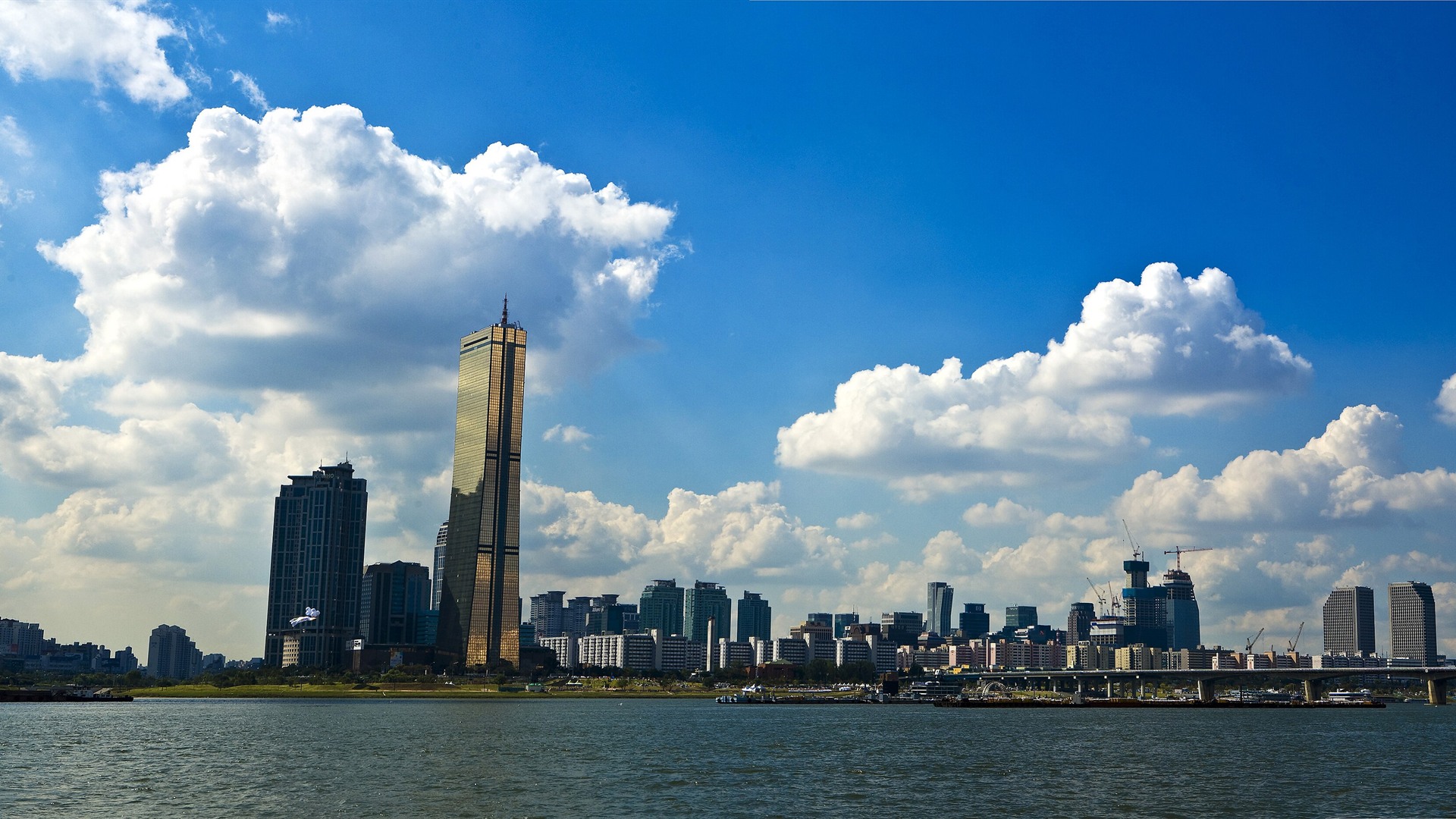
12. Seoul, South Korea
Ranked 12th with an A rating, South Korea's capital operates the Transport Operation and Information Service (TOPIS) to track buses, subways, and road incidents on a single live dashboard. Seoul also built S-Map, a virtual 3D digital twin that simulates wind corridors, fire response, and urban heat.
©Wikimedia / USAGI_POST
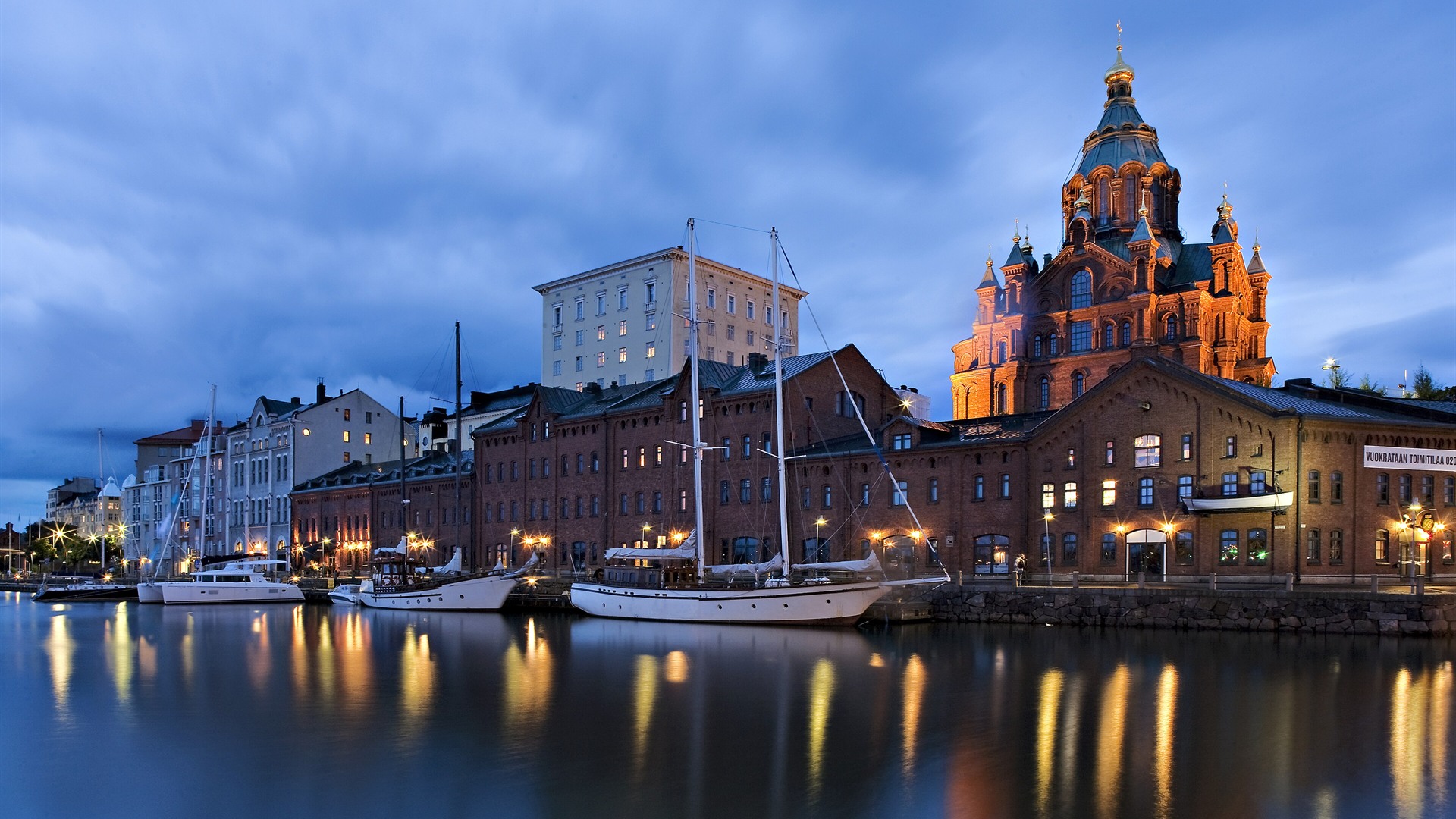
11. Helsinki, Finland
Holding an AA rating at number 11, the Finnish capital launched the world's first Mobility-as-a-Service platform, letting commuters book metro rides, trams, ferries, and city bikes in one app. Helsinki's Kalasatama smart district also tests automated vacuum waste collection and smart power grids.
©Wikimedia / Richard Maack
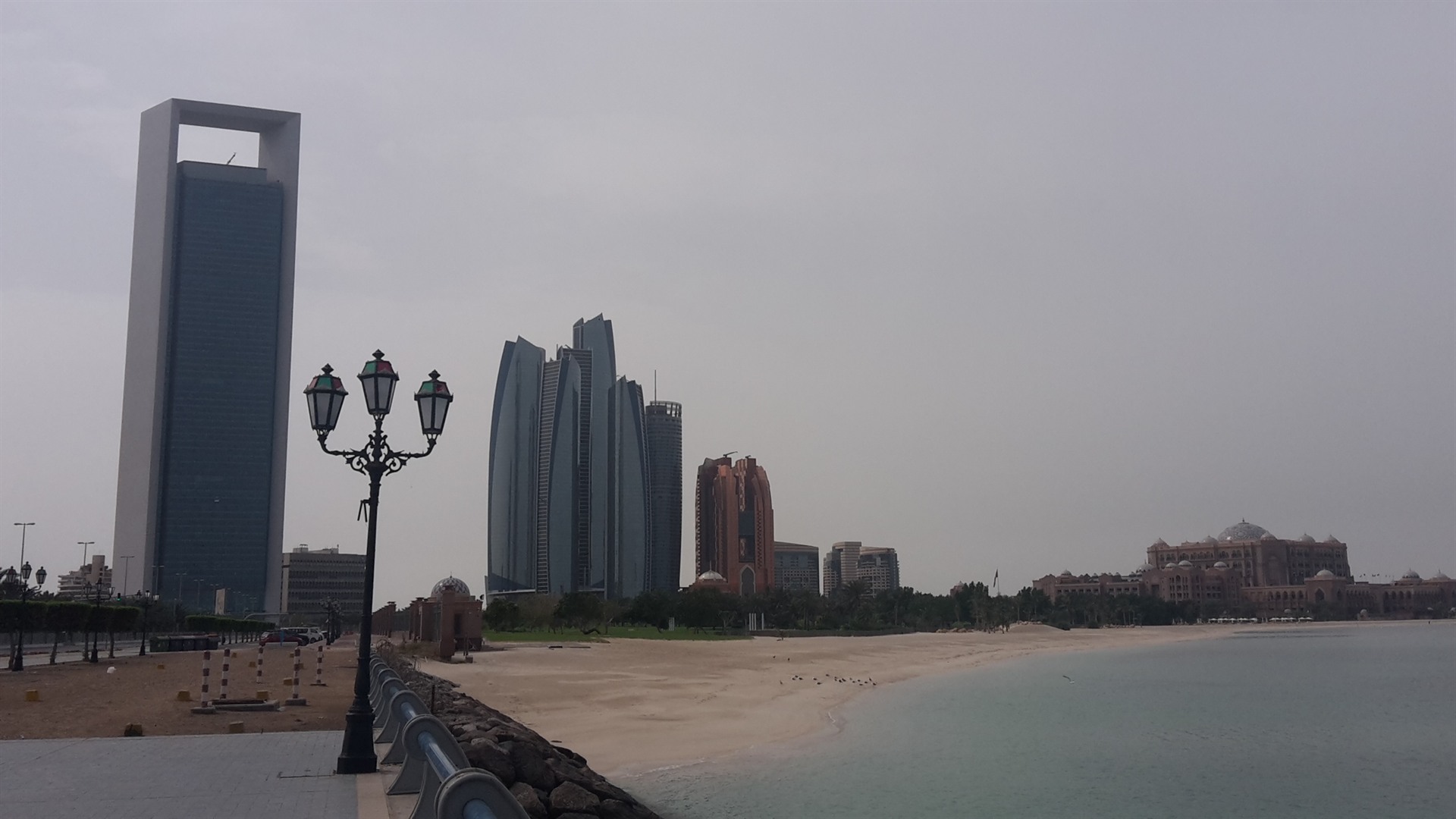
10. Abu Dhabi, United Arab Emirates
Ranked 10th in the world, the UAE capital consolidated more than 700 municipal, healthcare, and licensing procedures into its paperless TAMM smartphone platform. Outside downtown, Masdar City serves as a low-carbon urban testbed while autonomous TXAI robotaxis carry passengers across Yas and Saadiyat islands.
©Wikimedia / Kimmyuandooo
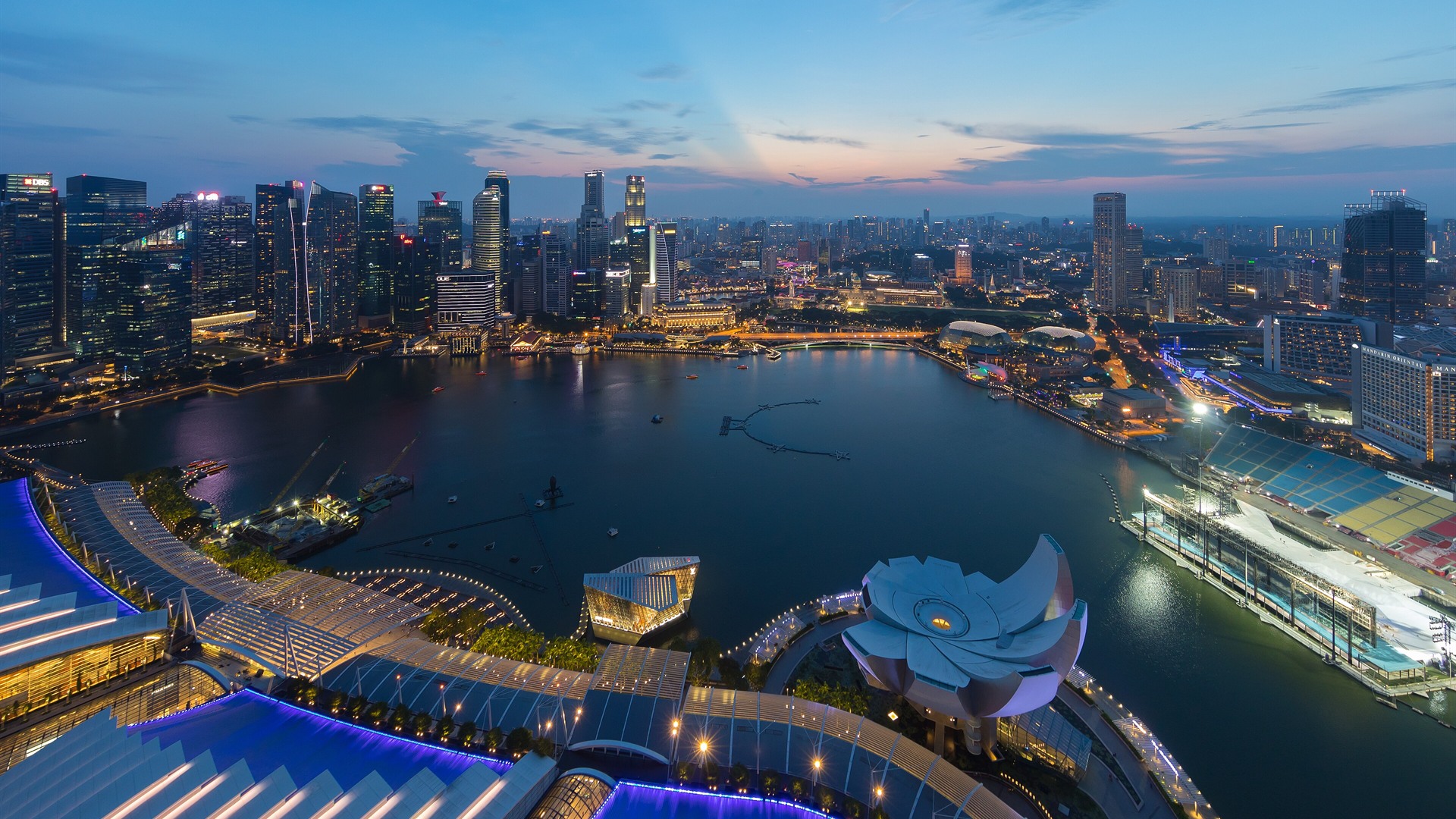
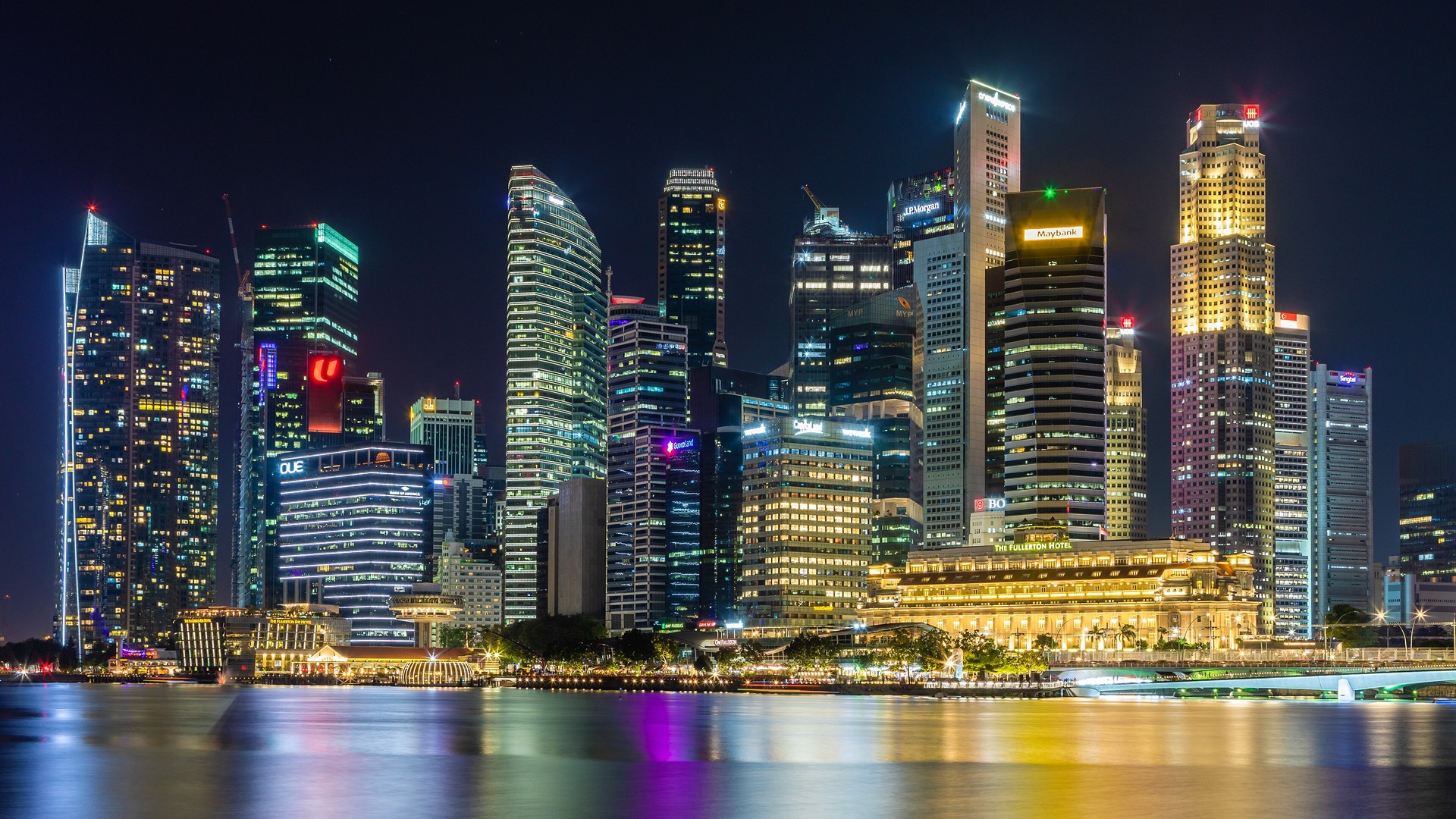
9. Singapore
Awarded the highest AAA smart city rating, Singapore connects 97 percent of citizens through the Singpass digital identity system for banking, healthcare, and taxes. Urban planners use Virtual Singapore, a dynamic 3D city model, to map rooftop solar output, pedestrian crowd flow, and driverless MRT lines.
©Wikimedia / Basile Morin
Advertisement
Swipe or tap ▶ to resume the countdown.
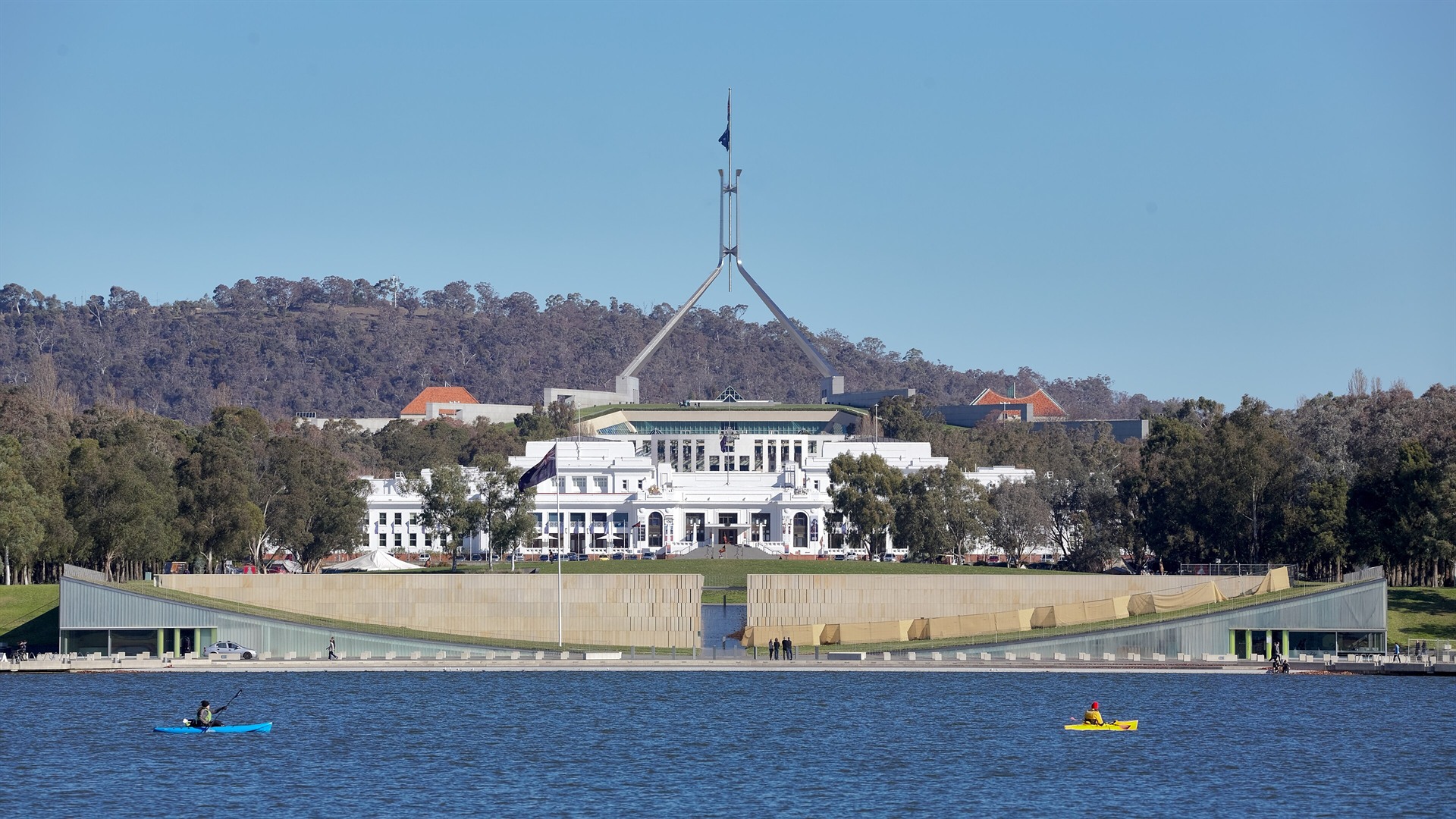
8. Canberra, Australia
Ranked 8th globally with an A rating, Canberra reached 100 percent renewable electricity in 2020 and deployed a citywide LoRaWAN sensor network to track air quality, soil moisture, and smart street lighting. Residents also give the Australian capital top marks for online healthcare and green spaces.
©Wikimedia / Thennicke
7. Lausanne, Switzerland
Ranked 7th in the world, this lakeside Swiss city hosts both the Federal Institute of Technology (EPFL) and the IMD Smart City Observatory. Steep hills between Lake Geneva and the northern neighborhoods are linked by the automated rubber-tired M2 metro line, while lake-water heat pumps warm public buildings.
©Wikimedia / Patrick Nouhailler
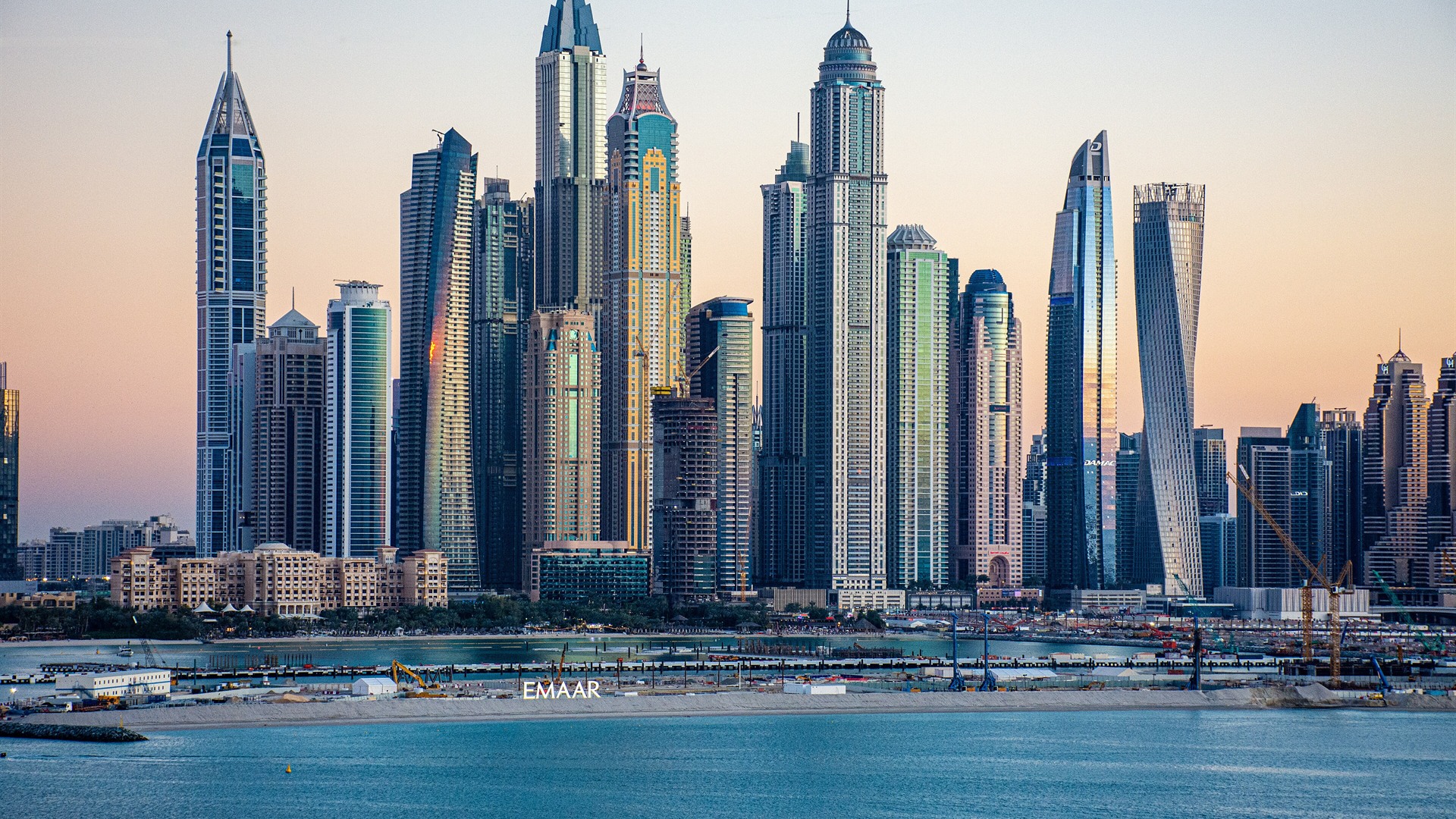
6. Dubai, United Arab Emirates
Climbing to 6th place globally with an A rating, Dubai became the world's first paperless municipal government in December 2021, digitizing 1,800 services on the DubaiNow app and saving 336 million sheets of paper. Its automated Red and Green metro lines carry hundreds of thousands of riders daily.
©Wikimedia / Norlando Pobre
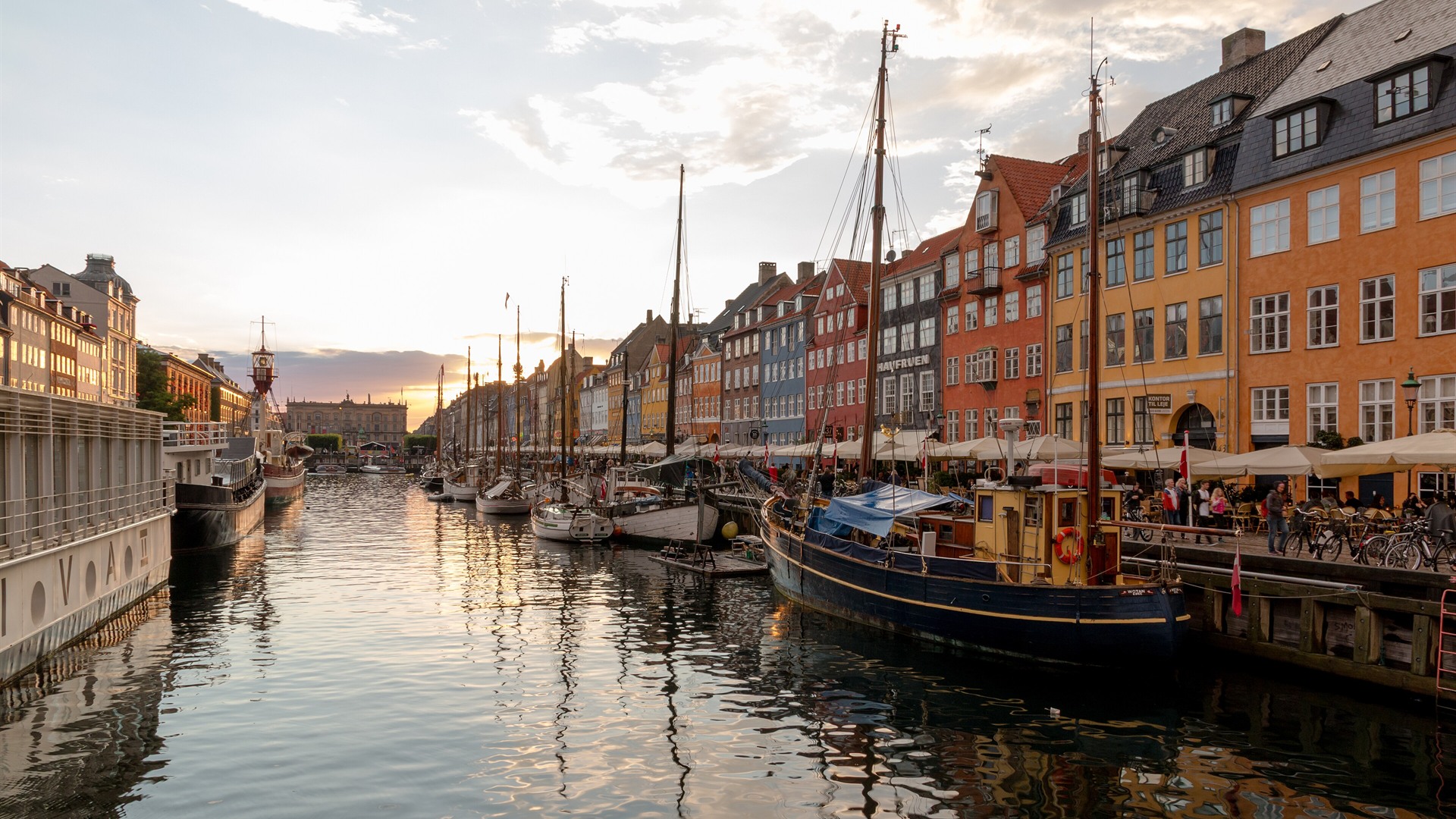
5. Copenhagen, Denmark
Holding an AA rating at number 5, Denmark's capital uses 380 smart traffic signals that detect approaching buses and cyclists to hold green lights during rush hour. Over 60 percent of residents commute by bike or transit, and the CopenHill waste-to-energy plant heats 150,000 homes under a ski slope.
©Wikimedia / Dietmar Rabich
Advertisement
Swipe or tap ▶ to resume the countdown.
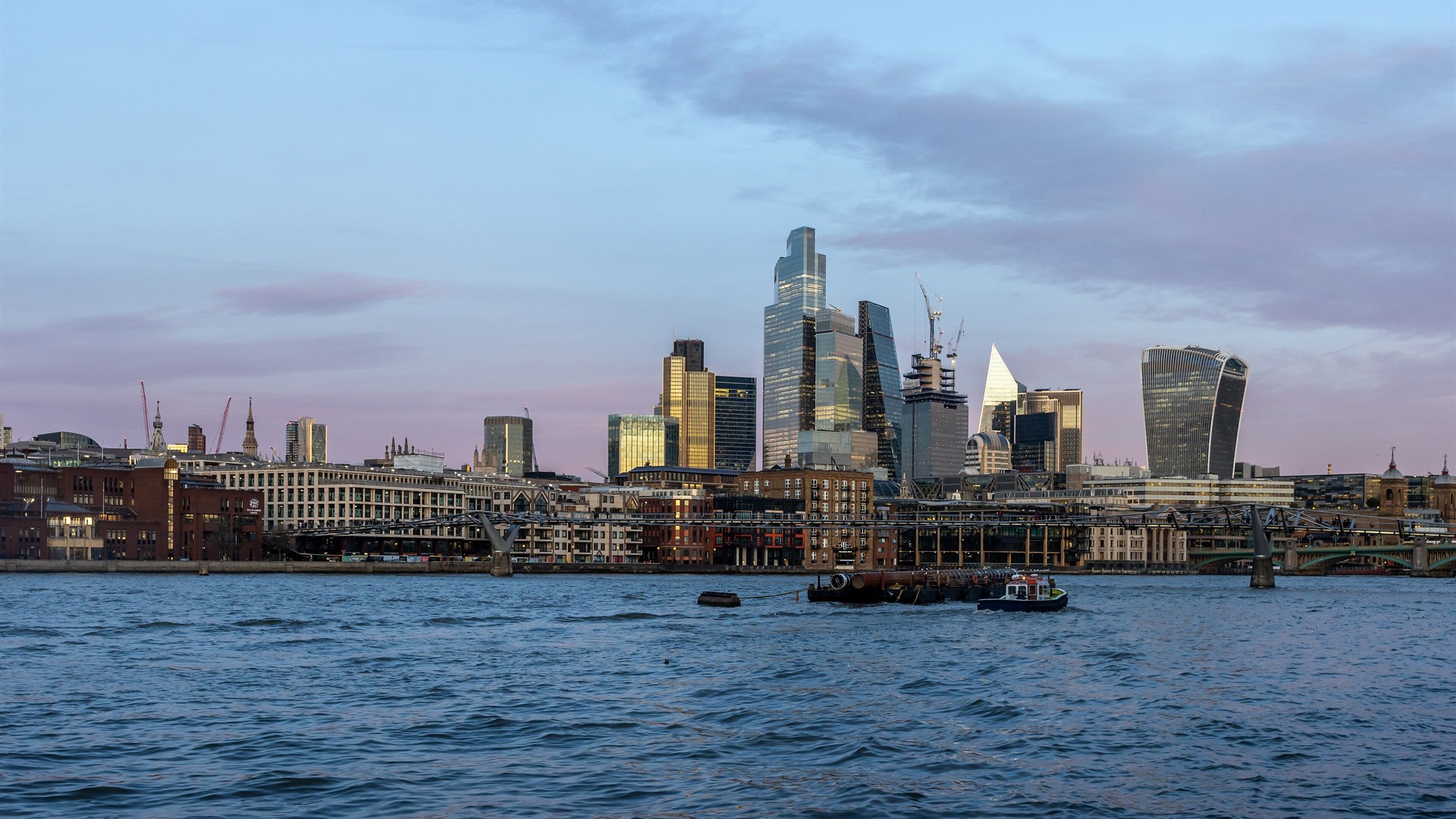
4. London, United Kingdom
Ranked 4th globally and highest among European megacities, London operates the world's largest Ultra Low Emission Zone across all 32 boroughs with automated air-quality monitors. Transport for London's open-data feeds power real-time travel apps for 5 million daily riders across the Tube and Elizabeth Line.
©Wikimedia / Mike Peel
3. Geneva, Switzerland
Earning an AA rating at number 3, Geneva runs the GeniLac hydrothermal grid, circulating water from 148 feet deep in Lake Geneva to cool and heat buildings without chemical refrigerants. Underground optical sensors also alert cantonal collection trucks when neighborhood recycling containers fill up.
©Wikimedia / Mike Peel
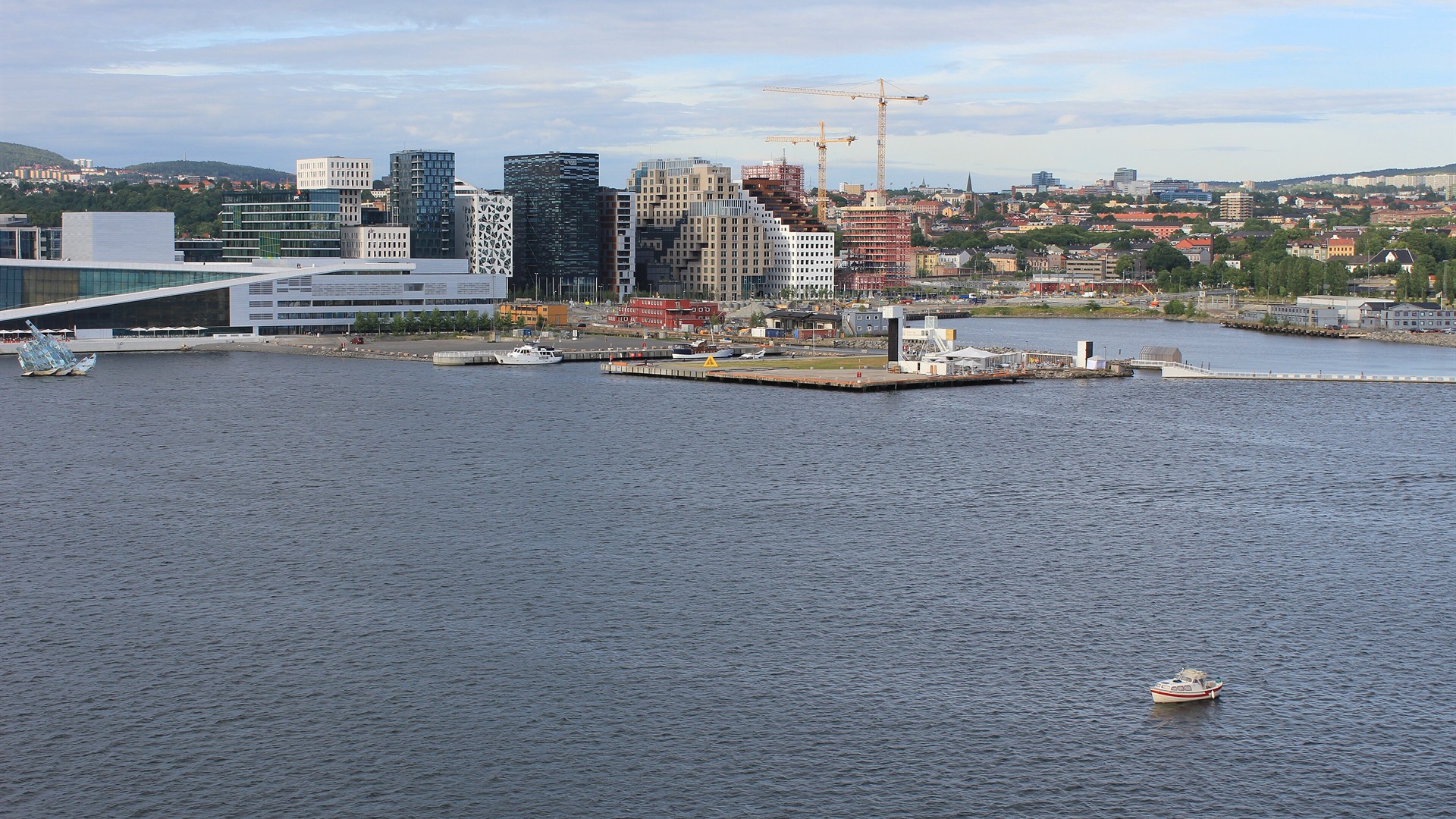
2. Oslo, Norway
Holding the number 2 spot in the world with an AA rating, Norway's capital leads clean mobility with electric vehicles accounting for over 85 percent of new car sales. Oslo's harbor ferries and municipal buses run on renewable hydroelectricity, and public construction sites use zero-emission machines.
©Wikimedia / Oyvind Holmstad
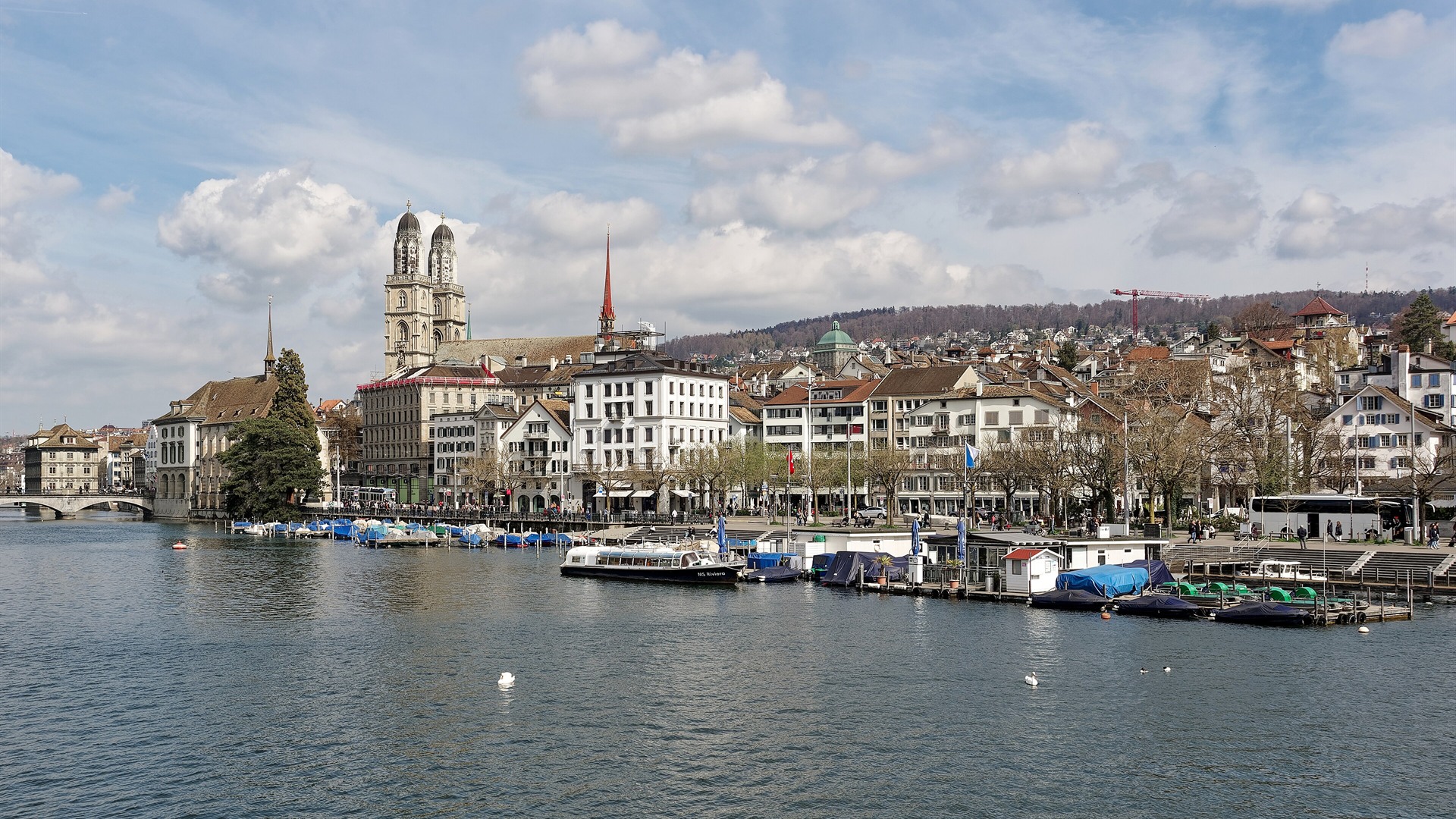
1. Zurich, Switzerland
Topping the IMD Smart City Index at number 1 in the world with a rare AAA rating, Zurich links trams, trains, and boats through a control system that gives public transit automatic green lights at intersections. Over 70 percent of municipal energy comes from renewables under its 2,000-Watt Society plan.

©Wikimedia / Jakub Halun
Advertisement
You've reached the end of the story. Thanks for reading!

20 Famous Cars With Pop-Up Headlights That Shaped Car Design
From hand-cranked 1930s teardrops to wedge supercars of the 1980s, hidden headlights let stylists chase sleek aerodynamics until 2004 pedestrian rules closed the curtain. Here are 20 standout production cars that turned retractable lamps into an enduring automotive design feature across seven full decades.
All 15 Entries in this Story
15. Hamburg, Germany
Ranked 15th on the IMD Smart City Index with a BBB rating, Hamburg transformed 388 acres of historic port warehouses into the sensor-connected HafenCity and Speicherstadt waterfront. The city uses intelligent traffic signals, automated container logistics, and autonomous shuttle trials to cut emissions.

14. Stockholm, Sweden
Ranked 14th globally, Stockholm built a municipal open-access fiber network in the 1990s that now powers smart water and traffic sensors across 14 islands. Automated license-plate congestion pricing reduced downtown traffic by 20 percent, and local data centers pipe waste heat into residential homes.

13. Prague, Czechia
Earning an A rating at number 13 on the IMD Smart City Index, Prague runs the Golemio municipal data platform to monitor traffic flow, air quality, and solar-powered waste bins in real time. Over 1.2 million residents use the PID Litacka mobile app for unified ticketing across metro, trams, and trains.

12. Seoul, South Korea
Ranked 12th with an A rating, South Korea's capital operates the Transport Operation and Information Service (TOPIS) to track buses, subways, and road incidents on a single live dashboard. Seoul also built S-Map, a virtual 3D digital twin that simulates wind corridors, fire response, and urban heat.

11. Helsinki, Finland
Holding an AA rating at number 11, the Finnish capital launched the world's first Mobility-as-a-Service platform, letting commuters book metro rides, trams, ferries, and city bikes in one app. Helsinki's Kalasatama smart district also tests automated vacuum waste collection and smart power grids.

10. Abu Dhabi, United Arab Emirates
Ranked 10th in the world, the UAE capital consolidated more than 700 municipal, healthcare, and licensing procedures into its paperless TAMM smartphone platform. Outside downtown, Masdar City serves as a low-carbon urban testbed while autonomous TXAI robotaxis carry passengers across Yas and Saadiyat islands.

9. Singapore
Awarded the highest AAA smart city rating, Singapore connects 97 percent of citizens through the Singpass digital identity system for banking, healthcare, and taxes. Urban planners use Virtual Singapore, a dynamic 3D city model, to map rooftop solar output, pedestrian crowd flow, and driverless MRT lines.

8. Canberra, Australia
Ranked 8th globally with an A rating, Canberra reached 100 percent renewable electricity in 2020 and deployed a citywide LoRaWAN sensor network to track air quality, soil moisture, and smart street lighting. Residents also give the Australian capital top marks for online healthcare and green spaces.

7. Lausanne, Switzerland
Ranked 7th in the world, this lakeside Swiss city hosts both the Federal Institute of Technology (EPFL) and the IMD Smart City Observatory. Steep hills between Lake Geneva and the northern neighborhoods are linked by the automated rubber-tired M2 metro line, while lake-water heat pumps warm public buildings.

6. Dubai, United Arab Emirates
Climbing to 6th place globally with an A rating, Dubai became the world's first paperless municipal government in December 2021, digitizing 1,800 services on the DubaiNow app and saving 336 million sheets of paper. Its automated Red and Green metro lines carry hundreds of thousands of riders daily.

5. Copenhagen, Denmark
Holding an AA rating at number 5, Denmark's capital uses 380 smart traffic signals that detect approaching buses and cyclists to hold green lights during rush hour. Over 60 percent of residents commute by bike or transit, and the CopenHill waste-to-energy plant heats 150,000 homes under a ski slope.

4. London, United Kingdom
Ranked 4th globally and highest among European megacities, London operates the world's largest Ultra Low Emission Zone across all 32 boroughs with automated air-quality monitors. Transport for London's open-data feeds power real-time travel apps for 5 million daily riders across the Tube and Elizabeth Line.

3. Geneva, Switzerland
Earning an AA rating at number 3, Geneva runs the GeniLac hydrothermal grid, circulating water from 148 feet deep in Lake Geneva to cool and heat buildings without chemical refrigerants. Underground optical sensors also alert cantonal collection trucks when neighborhood recycling containers fill up.

2. Oslo, Norway
Holding the number 2 spot in the world with an AA rating, Norway's capital leads clean mobility with electric vehicles accounting for over 85 percent of new car sales. Oslo's harbor ferries and municipal buses run on renewable hydroelectricity, and public construction sites use zero-emission machines.

1. Zurich, Switzerland
Topping the IMD Smart City Index at number 1 in the world with a rare AAA rating, Zurich links trams, trains, and boats through a control system that gives public transit automatic green lights at intersections. Over 70 percent of municipal energy comes from renewables under its 2,000-Watt Society plan.