Slideshow · Viral
15 Space Telescopes and Satellites That Came Crashing Back to Earth
Not every spacecraft stays in orbit forever. From massive space stations like Skylab, Mir, and Tiangong-1 to multi-ton observatories and failed interplanetary probes, here are 15 space telescopes and
By Most Viral Today
2 Nov 2026

15 Space Telescopes and Satellites That Came Crashing Back to Earth 
15. Neil Gehrels Swift Observatory 
14. Skylab Space Station 
13. Compton Gamma Ray Observatory - AdvertisementSwipe or tap ▶ to continue countdown

12. Phobos-Grunt Mars Probe 
11. Salyut 7 Space Station 
10. Upper Atmosphere Research Satellite 
9. Kosmos 954 Nuclear Satellite - AdvertisementSwipe or tap ▶ to continue countdown

8. Kosmos 482 Venus Lander 
7. Tiangong-1 Space Laboratory 
6. Mir Space Station 
5. Mariner 1 Venus Probe - AdvertisementSwipe or tap ▶ to continue countdown

4. Intelsat 708 Satellite 
3. KH-9 Hexagon Reconnaissance Satellite 
2. Pegasus 2 Micrometeoroid Satellite 
1. Jules Verne Automated Transfer Vehicle - Advertisement🔥 UP NEXT IN THIS SERIES◫ 21 Slides

20 Famous Cars With Pop-Up Headlights That Shaped Car Design
From hand-cranked 1930s teardrops to wedge supercars of the 1980s, hidden headlights let stylists chase sleek aerodynamics until 2004 pedestrian rules closed the curtain. Here are 20 standout production cars that turned retractable lamps into an enduring automotive design feature across seven full decades.
Every satellite in low Earth orbit is locked in a tug-of-war with atmospheric drag and solar activity. While some aging spacecraft are steered into remote ocean graves, others tumble down out of control, scattering fiery debris from the Australian Outback to the Canadian tundra.
Swipe or tap ▶ to begin the countdown
©Wikimedia / NASA Johnson Space & NASA Marshall Space Flight
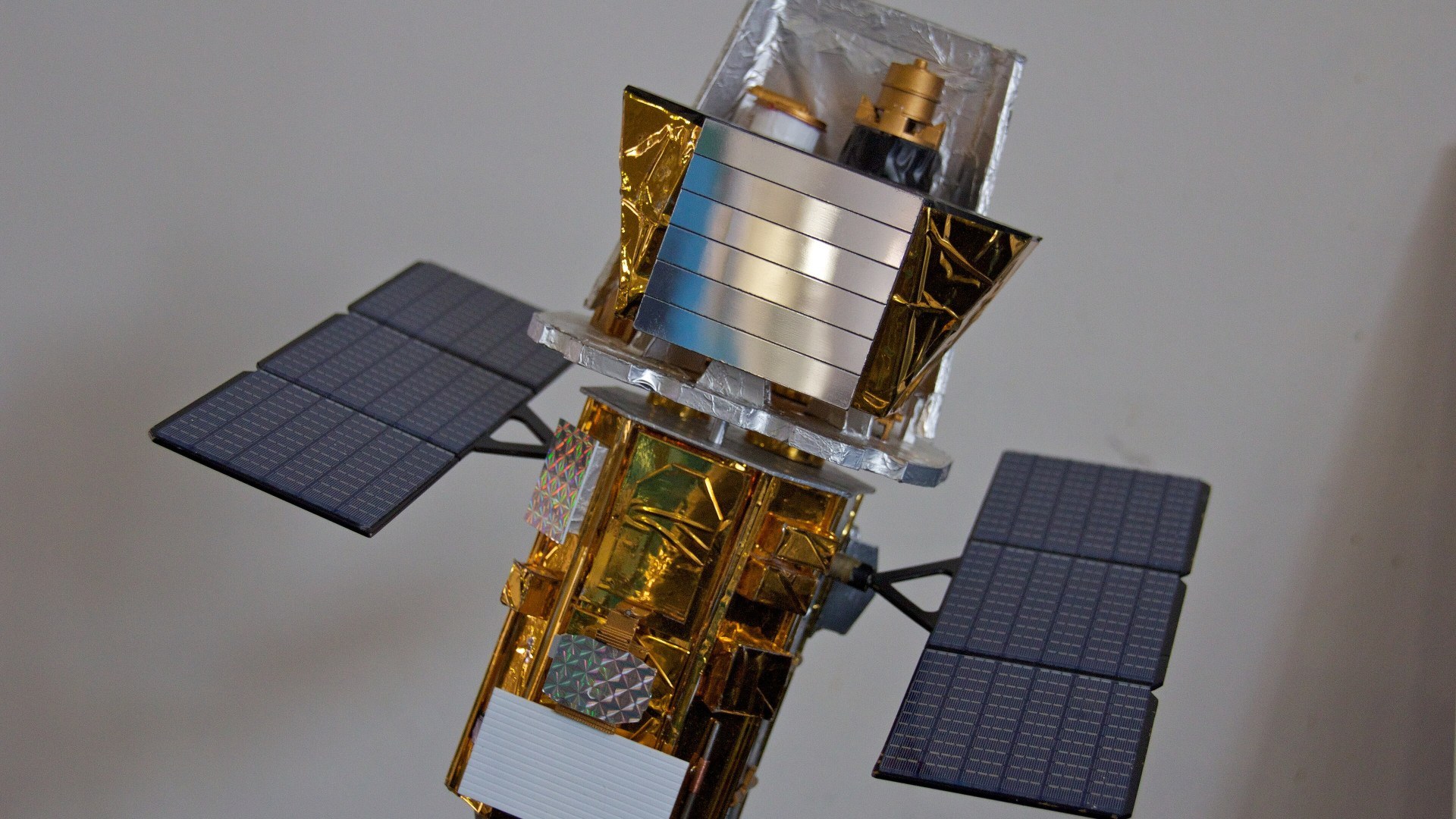
15. Neil Gehrels Swift Observatory
After two decades hunting gamma-ray bursts in orbit, the 1.5-ton NASA telescope had its altitude eroded by intense solar activity. Because it lacks onboard thrusters and a planned commercial rescue mission called Link by Katalyst Space failed, Swift is projected to re-enter in late 2026.
©Wikimedia / Mike Peel
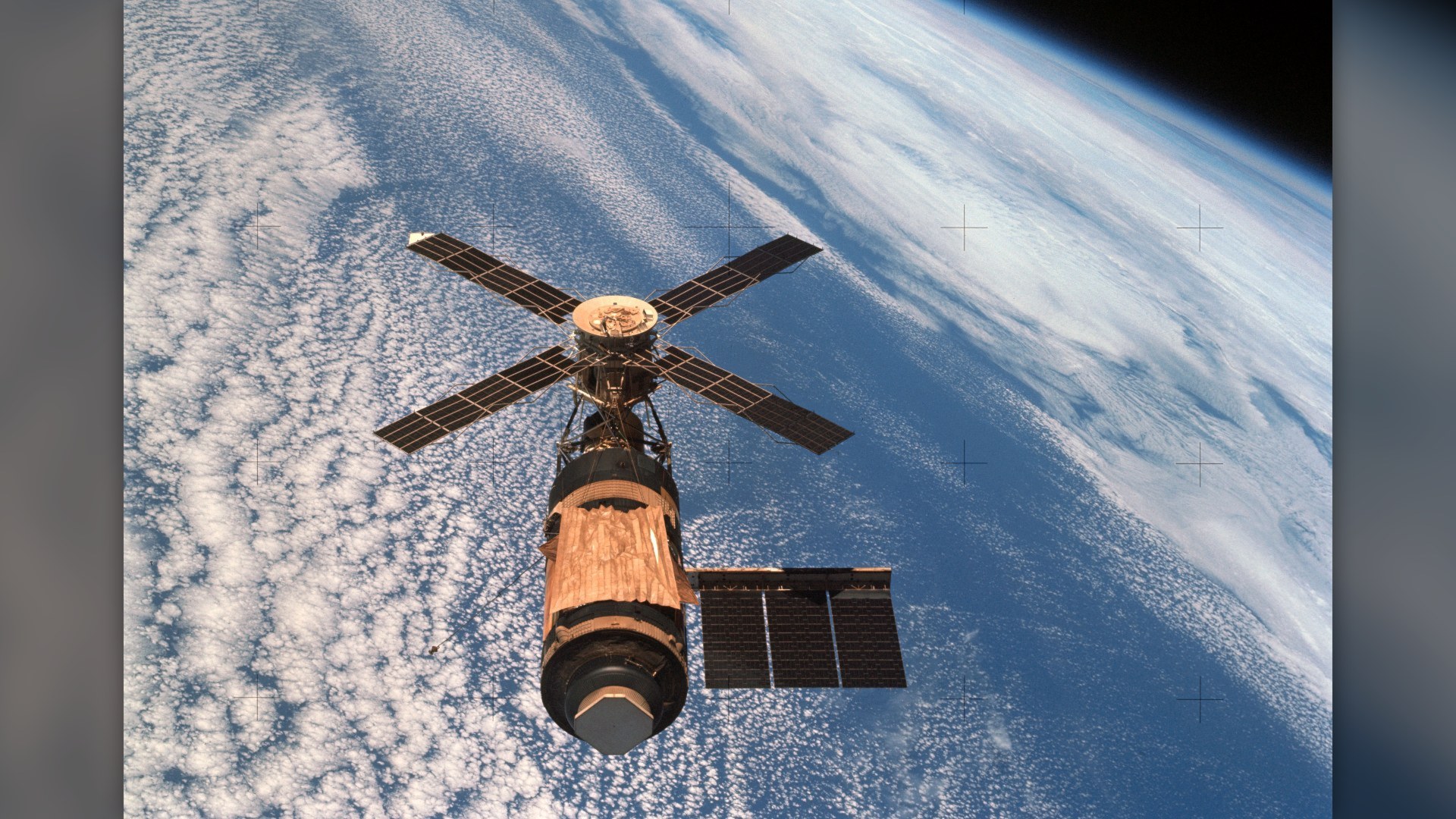
14. Skylab Space Station
NASA hoped to boost the 77-ton orbital workshop with an early Space Shuttle mission, but high solar activity dragged Skylab down ahead of schedule. On July 11, 1979, it broke apart over the Indian Ocean and rained glowing fragments across Esperance in Western Australia.
©Wikimedia / NASA Johnson Space Center
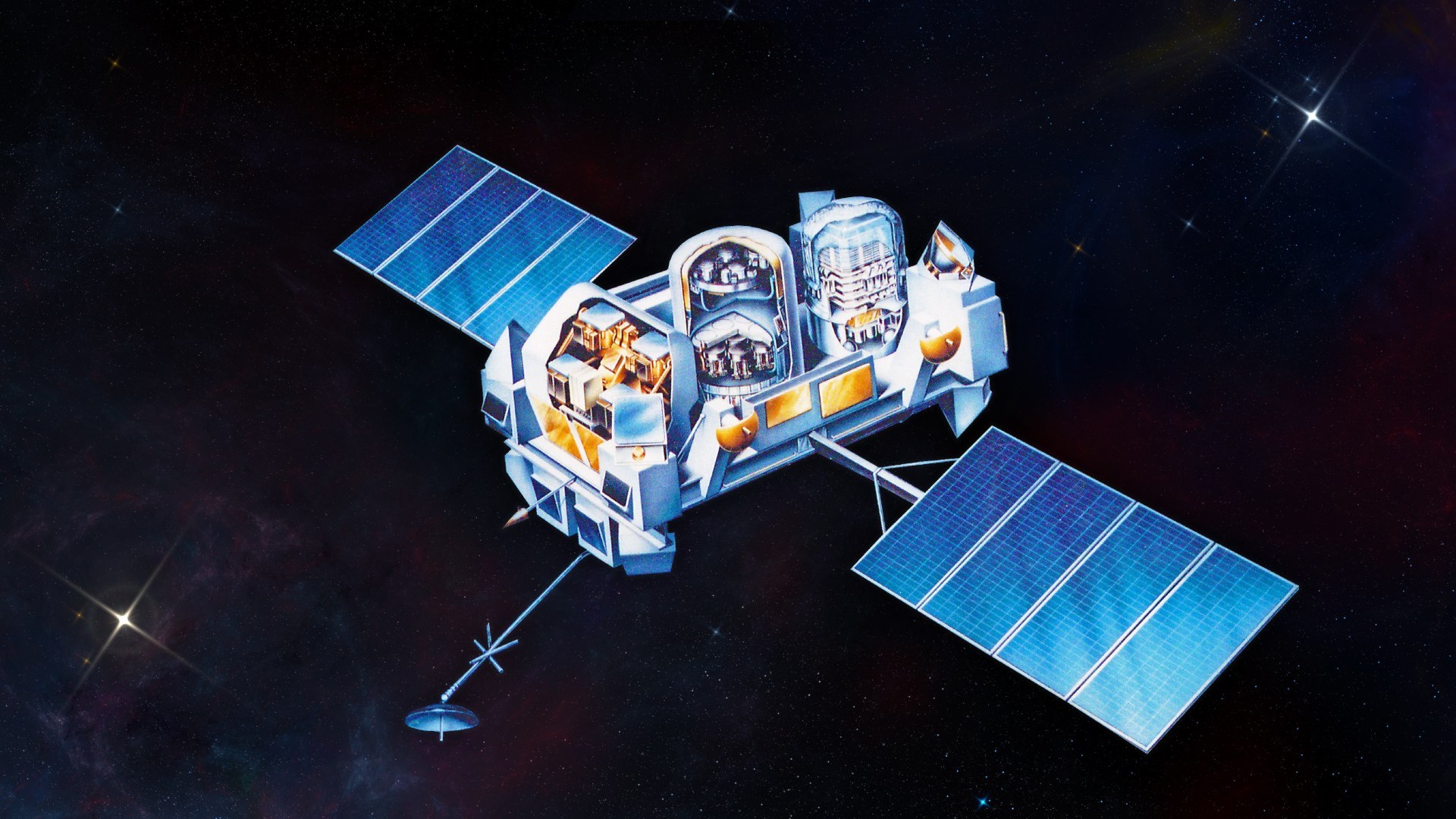
13. Compton Gamma Ray Observatory
Deployed by Space Shuttle Atlantis in 1991, Compton was the heaviest astrophysical payload ever flown at the time. When one of its three gyroscopes failed in 1999, NASA executed a controlled deorbit burn in June 2000 to steer the 17-ton craft safely into the Pacific Ocean.
©Wikimedia / NASA Goddard Space Flight Center
Advertisement
Swipe or tap ▶ to resume the countdown.
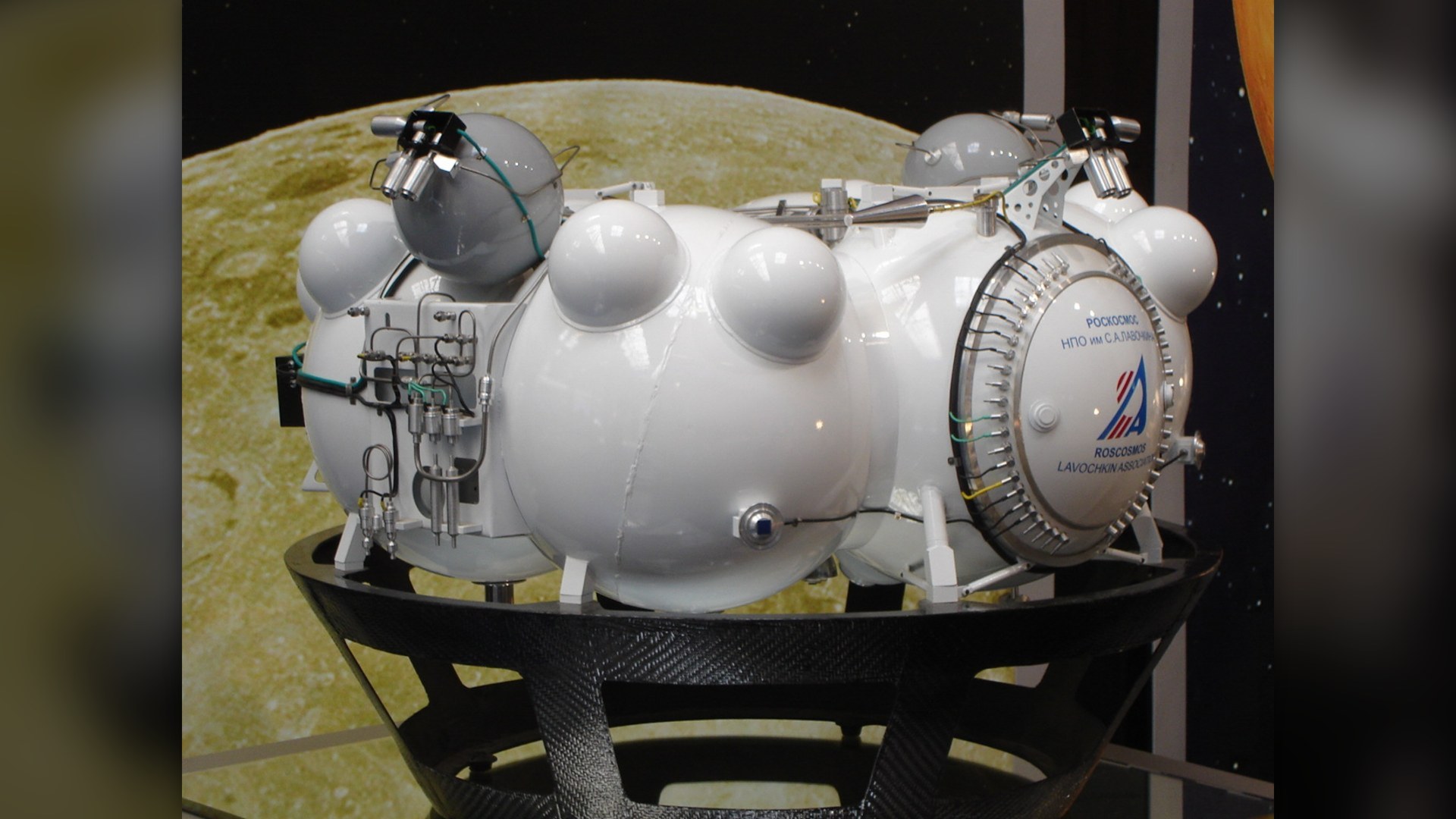
12. Phobos-Grunt Mars Probe
Designed to return the first soil sample from the Martian moon Phobos, Russia's spacecraft launched in November 2011 but never left parking orbit after its main propulsion unit failed to ignite. Weighed down by tons of propellant, it plunged into the Pacific Ocean in January 2012.
©Wikimedia / Wikibob
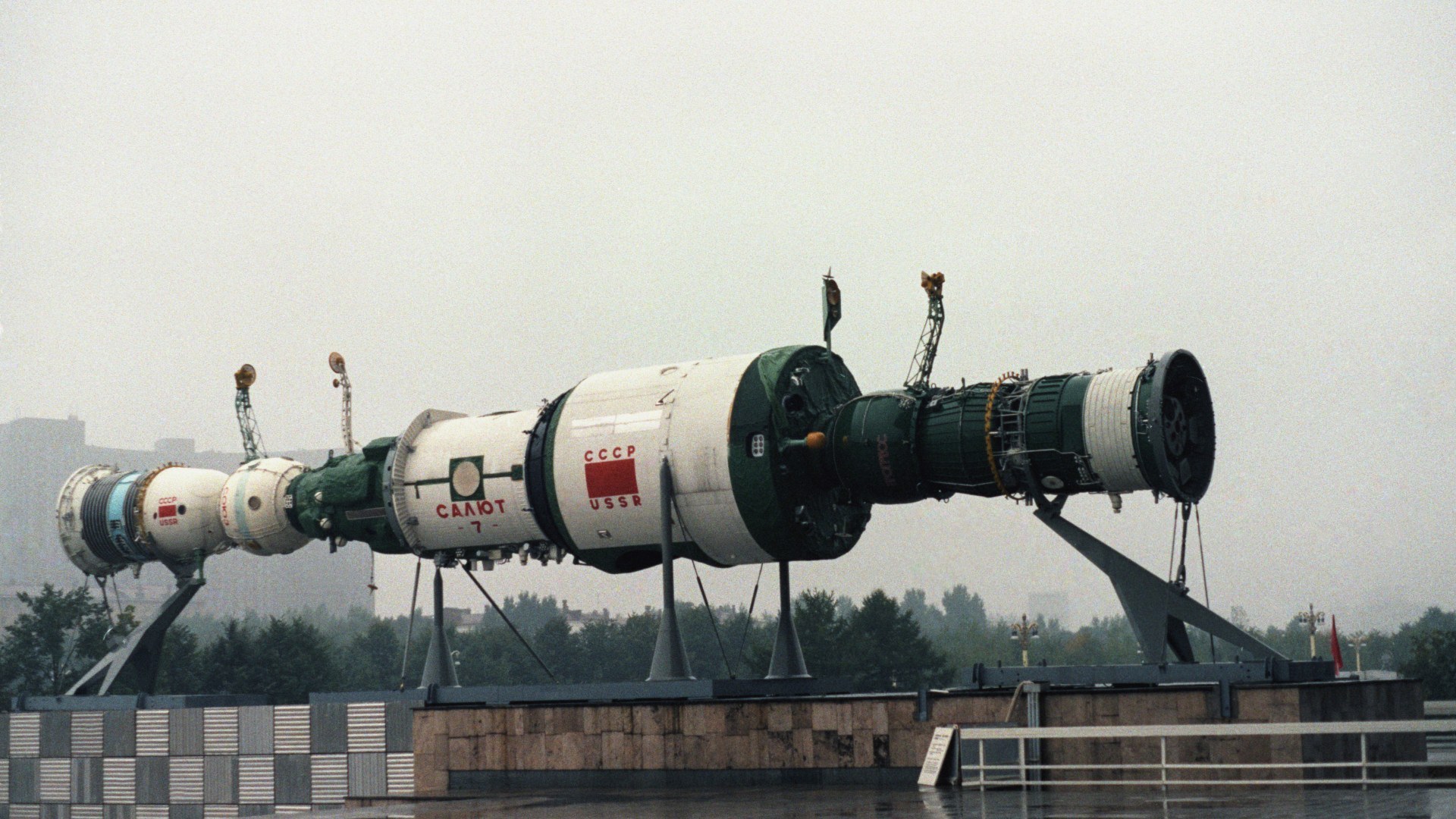
11. Salyut 7 Space Station
Docked with the heavy Kosmos 1686 module, the 40-ton Soviet orbital complex had been parked in a storage orbit in 1986. Unexpected solar drag accelerated its decay, and on February 7, 1991, Salyut 7 streaked across South America, dropping metal fragments near Capitan Bermudez in Argentina.
©Wikimedia / Don S. Montgomery, USN
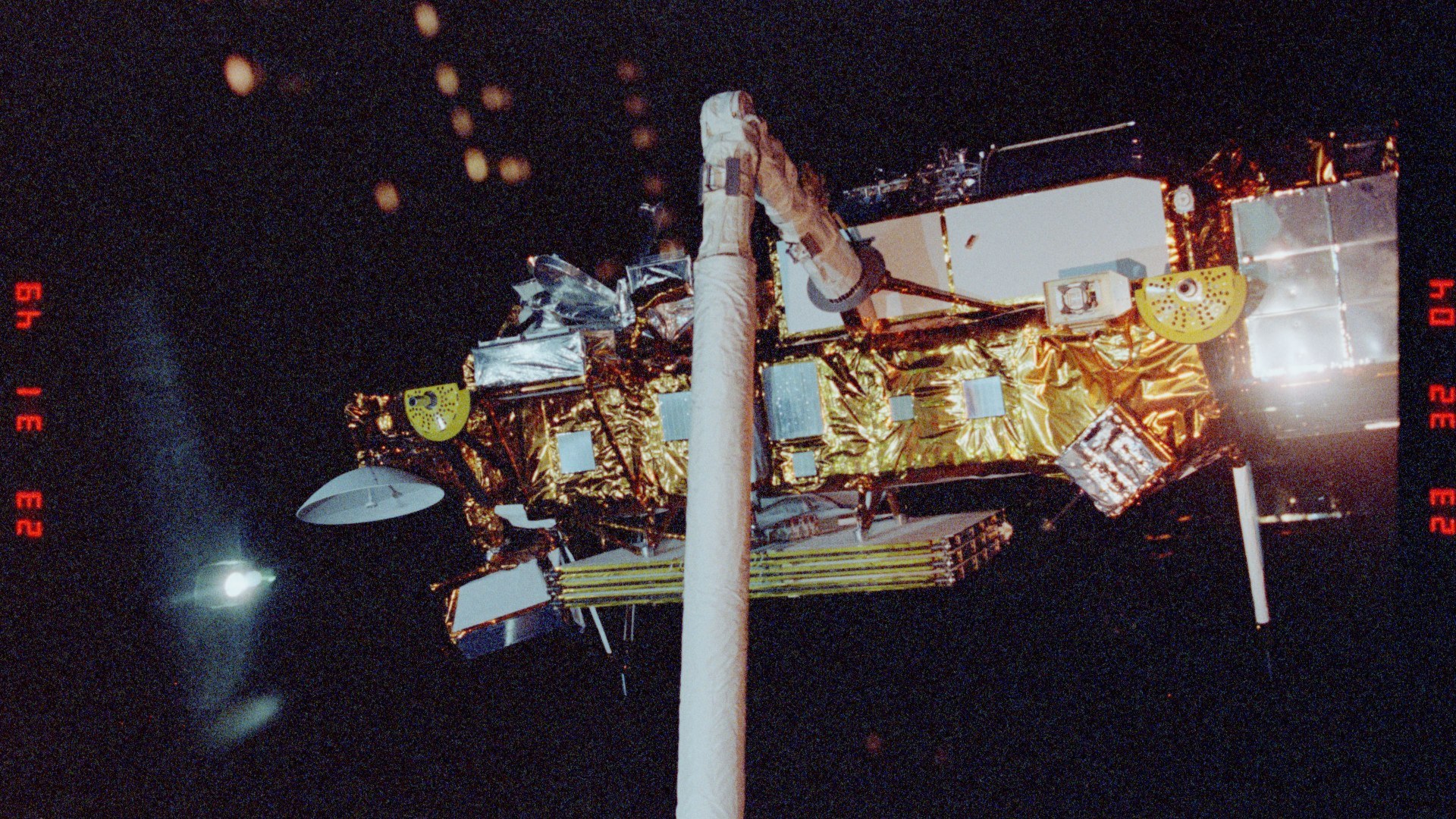
10. Upper Atmosphere Research Satellite
Launched aboard Space Shuttle Discovery in 1991 to study Earth's ozone layer, the bus-sized 6-ton satellite operated for 14 years before running out of fuel. On September 24, 2011, UARS made an uncontrolled re-entry over the southern Pacific Ocean, where surviving debris splashed down harmlessly.
©Wikimedia / NASA Johnson Space Center
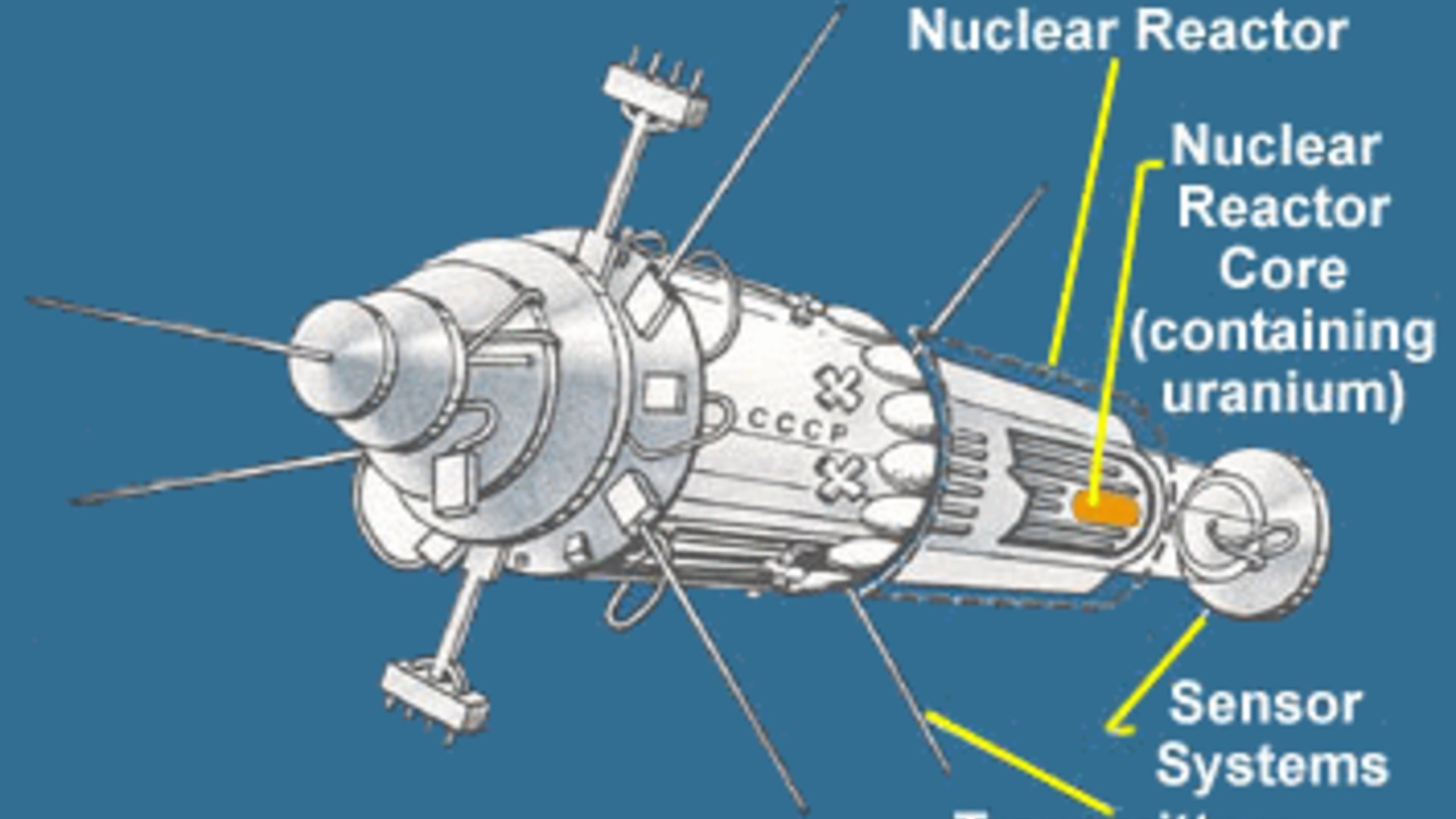
9. Kosmos 954 Nuclear Satellite
Built to track naval fleets using radar powered by a uranium-235 reactor, Kosmos 954 suffered a boost failure that prevented its core from reaching a safe disposal orbit. When it re-entered on January 24, 1978, it spread radioactive fragments across a 600-kilometer path in northern Canada.
©Wikimedia / NNSA US DOE
Advertisement
Swipe or tap ▶ to resume the countdown.
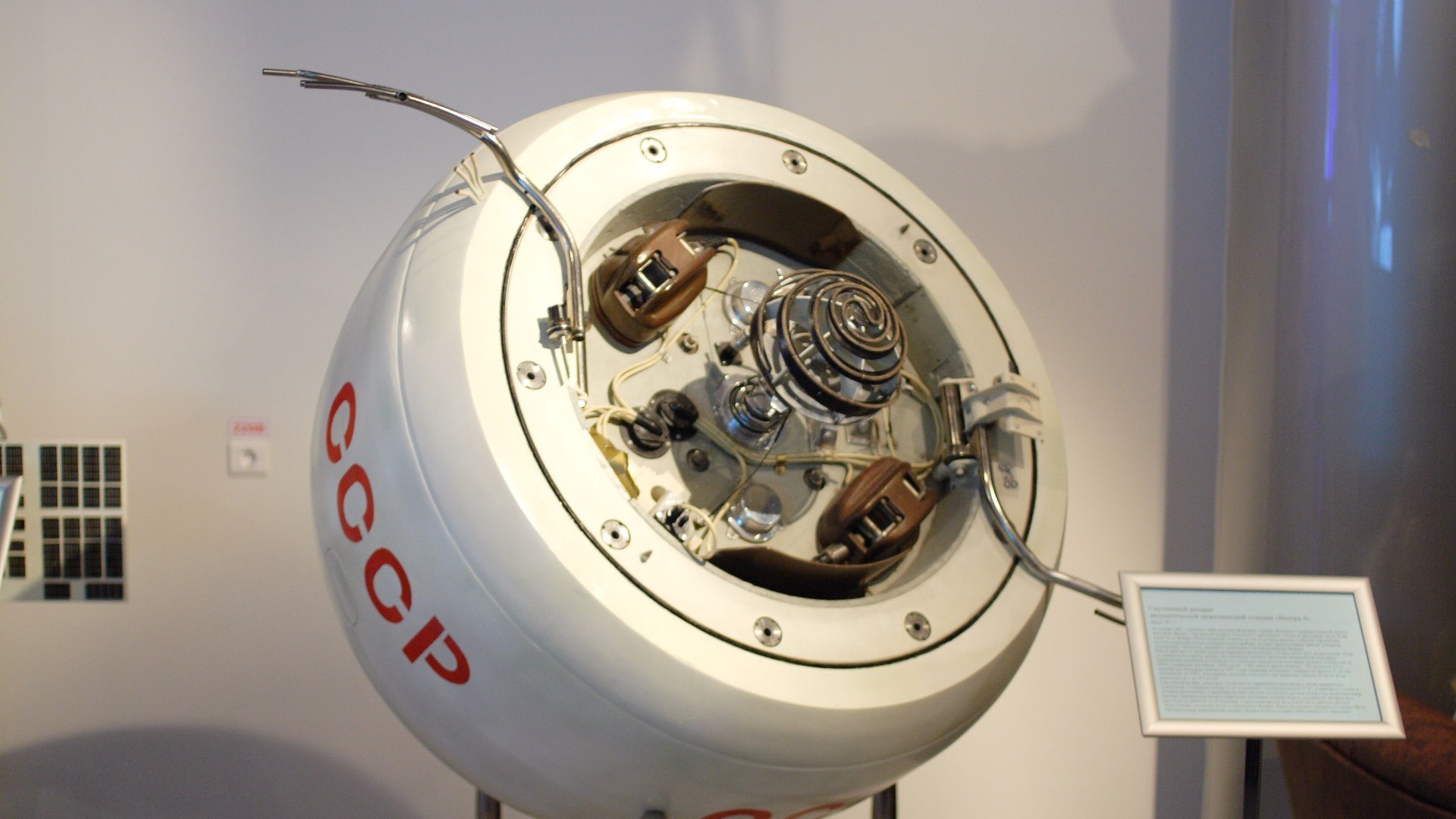
8. Kosmos 482 Venus Lander
Engineered to survive the crushing atmospheric heat and pressure of Venus, this heavy Soviet probe became stranded in Earth orbit when its escape stage shut down prematurely in March 1972. Days later, in April 1972, several 13.6-kilogram titanium alloy spheres fell intact onto farmland near Ashburton, New Zealand.
©Wikimedia / Rave
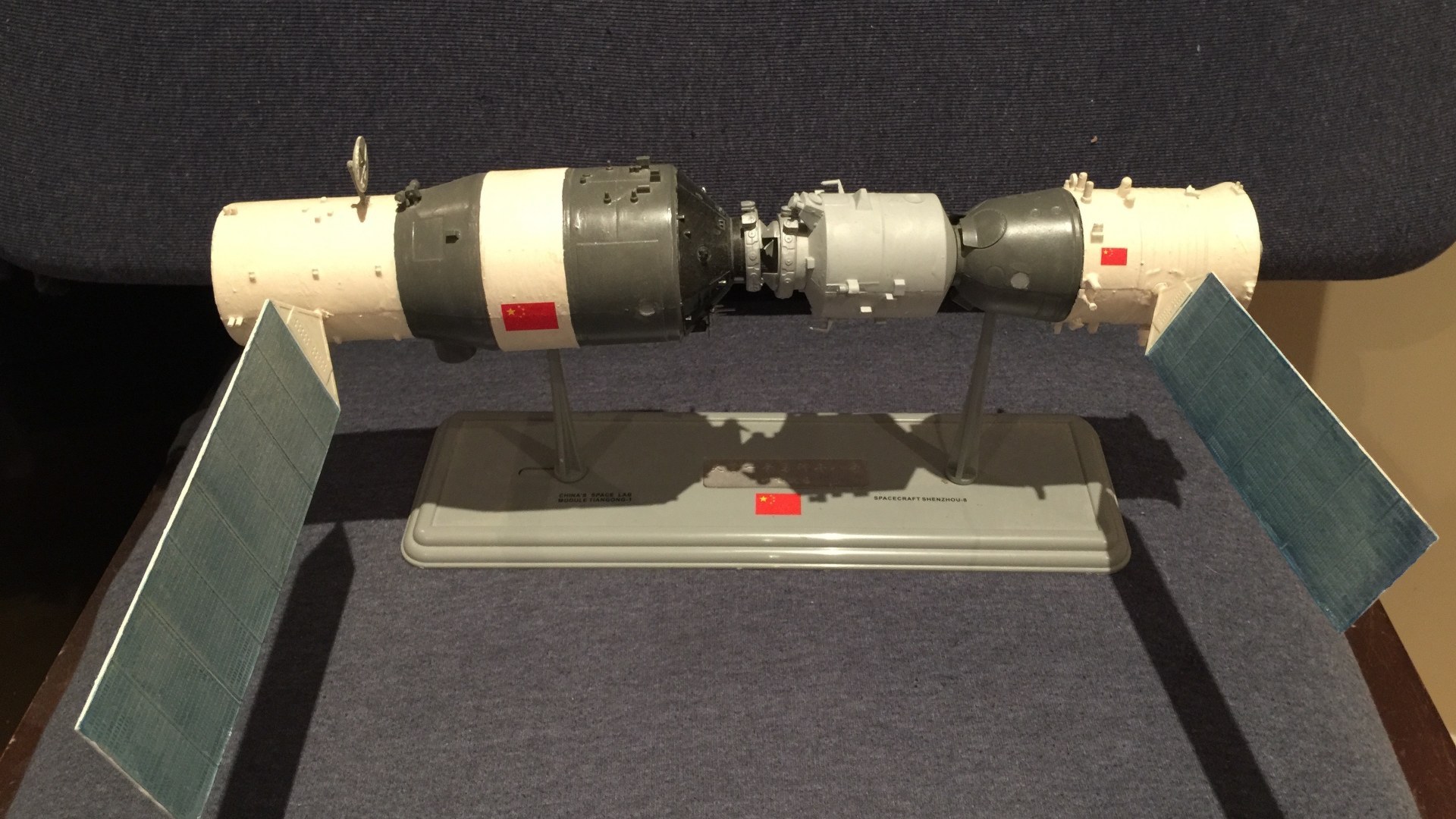
7. Tiangong-1 Space Laboratory
Launched in 2011 as a testbed for orbital docking and crewed missions, the 8.5-ton Chinese module exceeded its planned two-year lifespan before ground controllers lost telemetry in 2016. On April 2, 2018, Tiangong-1 burned up over the South Pacific Ocean north of the spacecraft cemetery.
©Wikimedia / China Manned Space Engineering Office
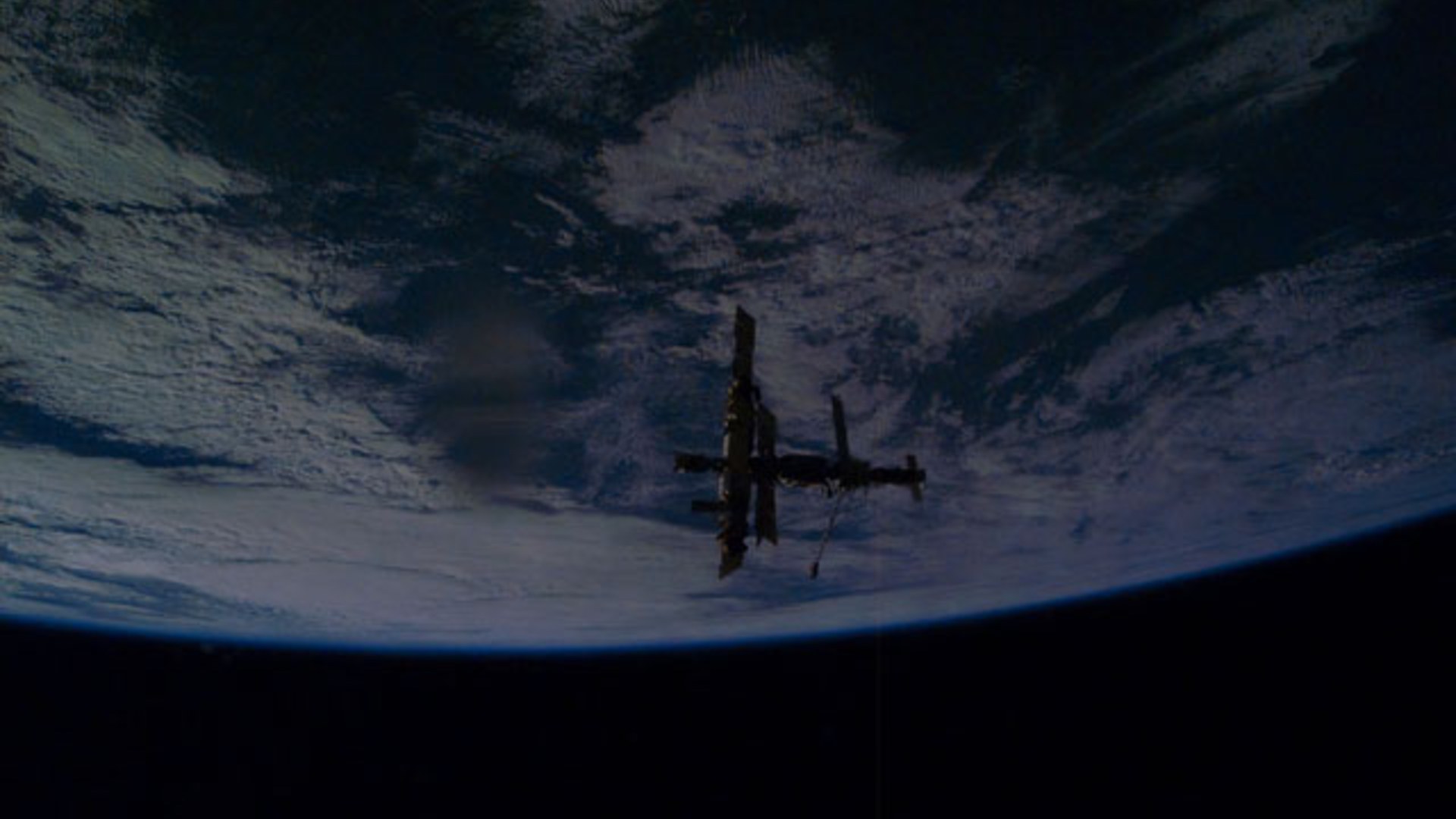
6. Mir Space Station
Assembled in orbit between 1986 and 1996, Mir hosted international crews for 15 years before age and funding shifts led Roscosmos to retire it. Using a docked Progress cargo ship to fire precise braking burns, controllers steered the 130-ton complex into the Pacific Ocean near Fiji on March 23, 2001.
©Wikimedia / NASA Johnson Space Center
5. Mariner 1 Venus Probe
Remembered as the most expensive hyphen in history, a missing smoothing symbol in handwritten guidance equations caused the Atlas-Agena rocket's software to make wild steering corrections after its antenna lost lock. A range safety officer transmitted the destruct command 294 seconds into the July 1962 flight.
©Wikimedia / NASA Jet Propulsion Laboratory
Advertisement
Swipe or tap ▶ to resume the countdown.
4. Intelsat 708 Satellite
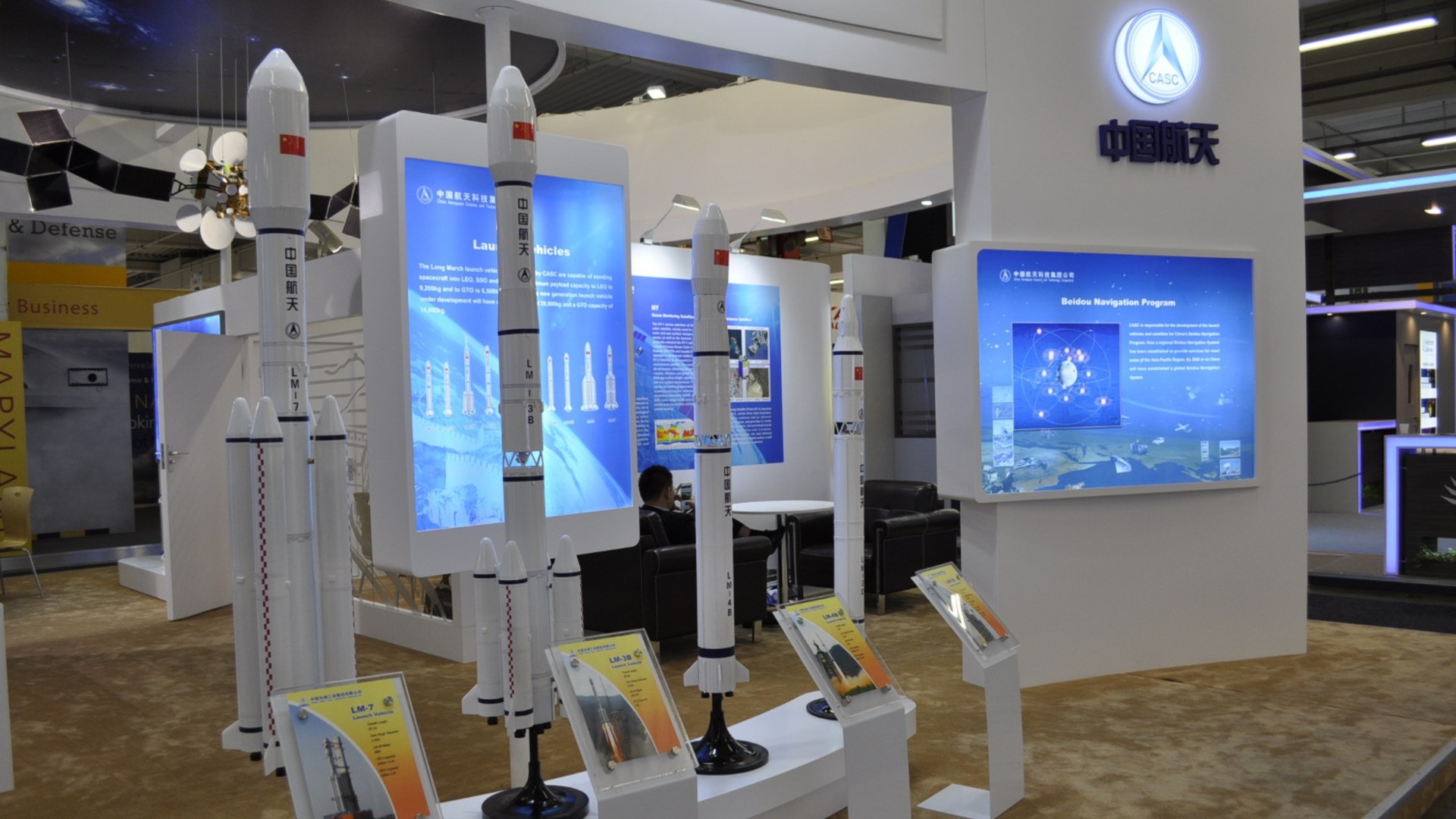
Carried atop the maiden flight of China's Long March 3B rocket on February 15, 1996, the U.S.-built Intelsat 708 telecommunications satellite never reached space. An inertial guidance platform failure caused the booster to pitch sideways two seconds after launch and crash into a hillside village near Xichang.
©Wikimedia / Tiraden
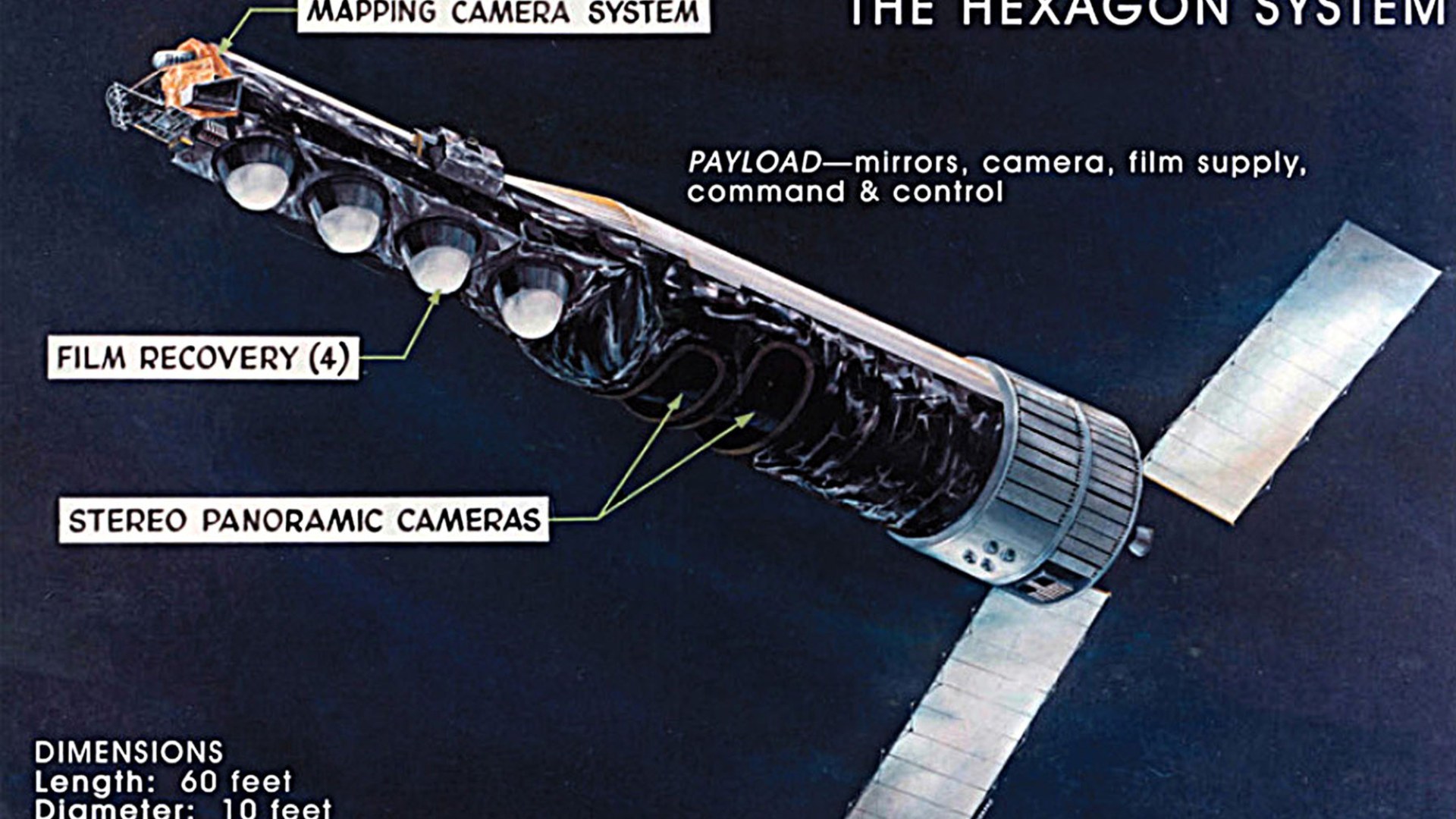
3. KH-9 Hexagon Reconnaissance Satellite
Nicknamed Big Bird, the bus-sized KH-9 Hexagon optical reconnaissance satellites were among the largest spy craft ever built during the Cold War. On April 18, 1986, the twentieth and final Hexagon mission ended nine seconds after liftoff from Vandenberg when a solid rocket motor burn-through destroyed the Titan 34D.
©Wikimedia / U.S. National Reconnaissance Office
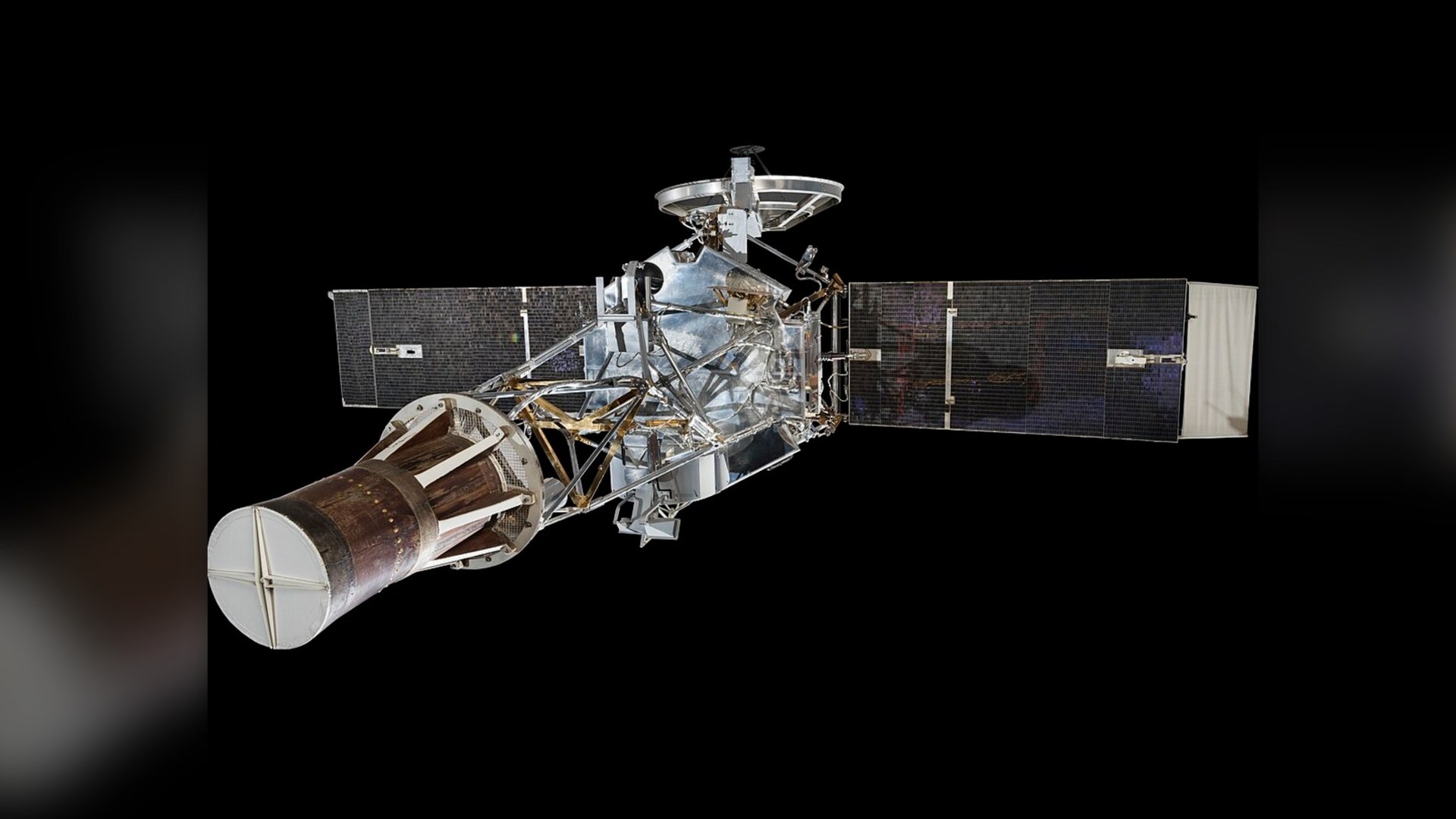
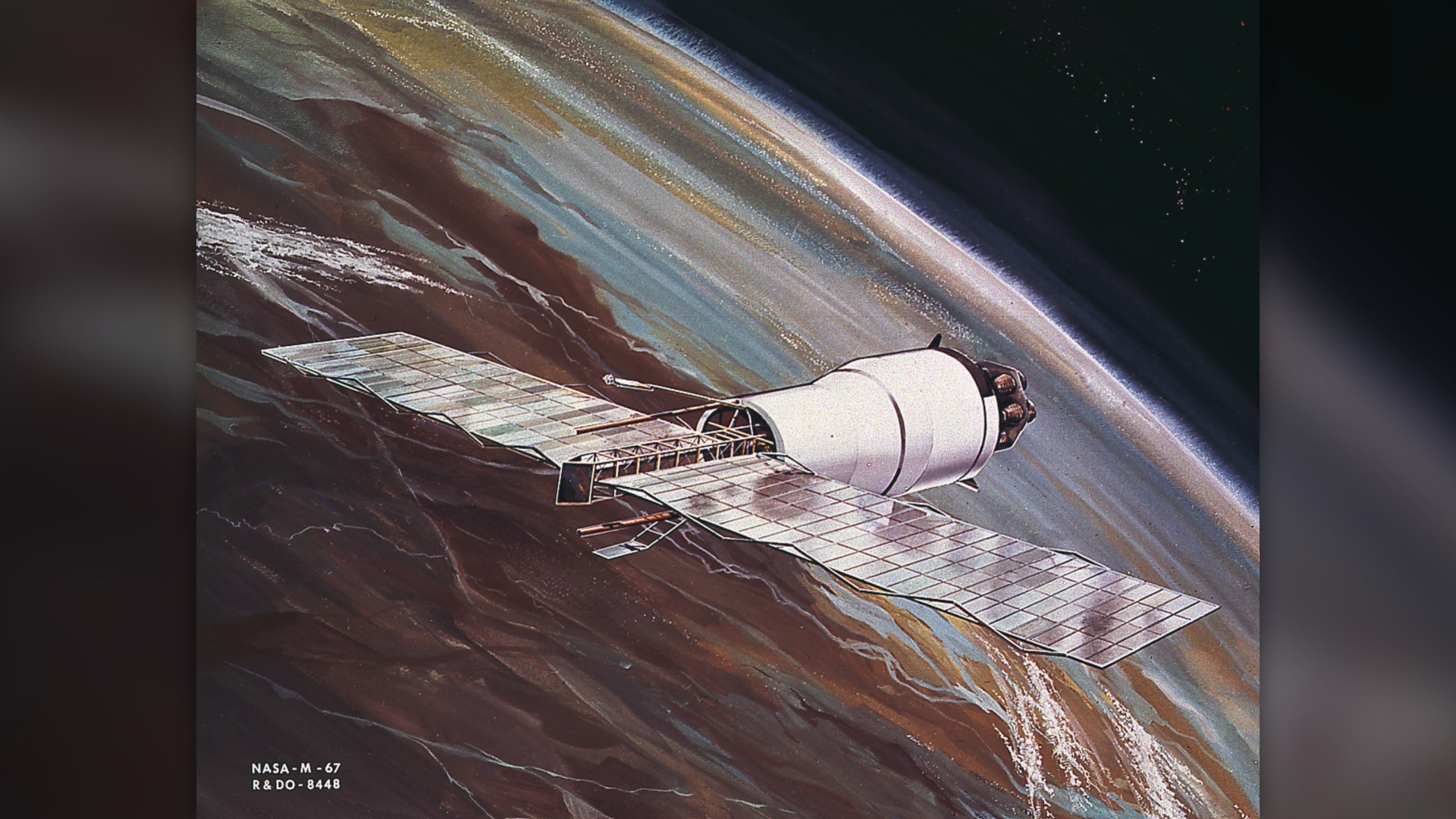
2. Pegasus 2 Micrometeoroid Satellite
Built to measure the hazard of tiny high-speed space particles before the Apollo lunar missions, Pegasus 2 unfolded giant 96-foot detector panels in low Earth orbit in 1965. After remaining attached to its spent Saturn upper stage for 14 years, the winged craft burned up over the Atlantic Ocean on November 3, 1979.
©Wikimedia / NASA Marshall Space Flight Center
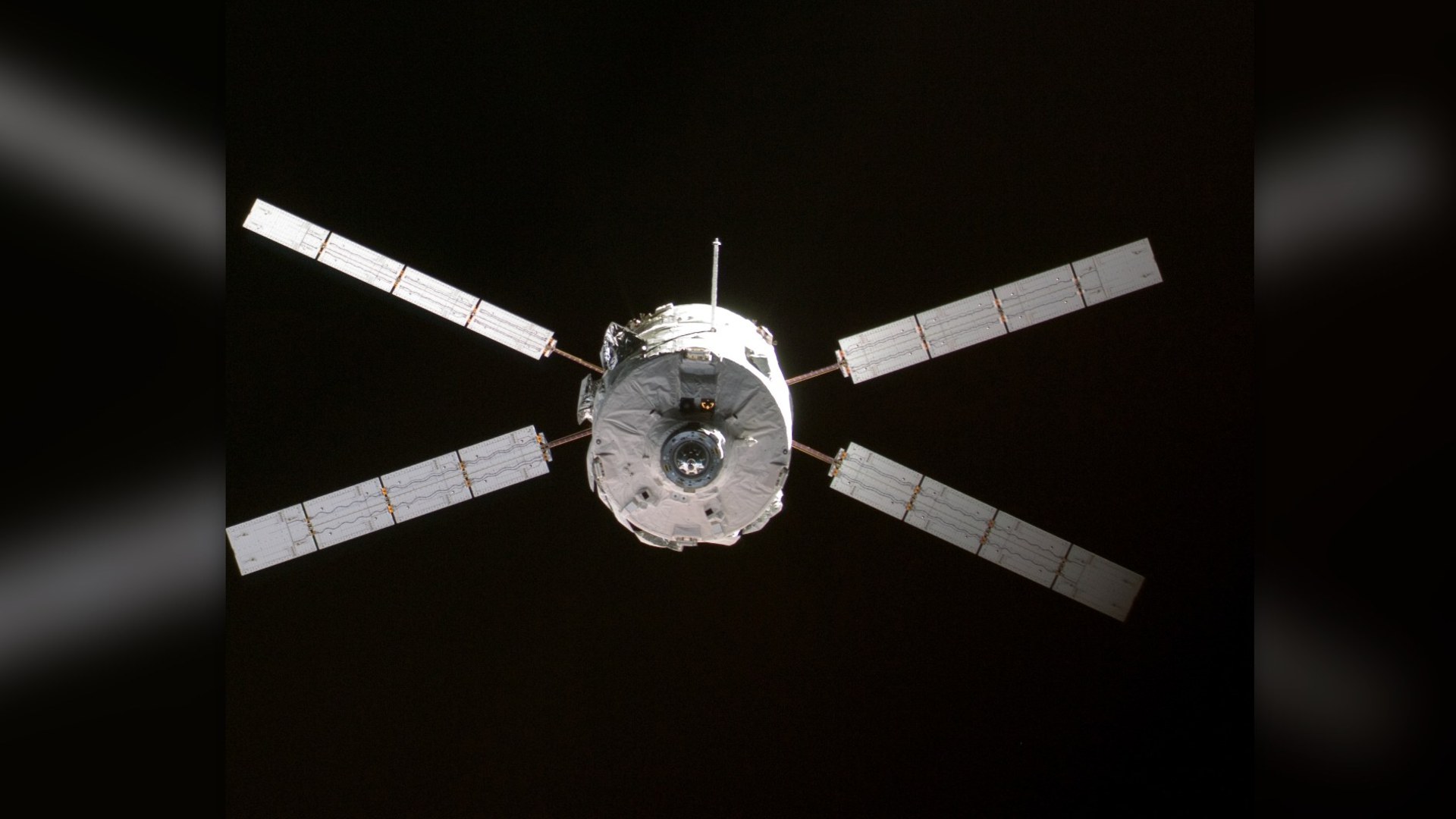
1. Jules Verne Automated Transfer Vehicle
After delivering supplies and reboosting the International Space Station in 2008, the European Space Agency loaded its first Automated Transfer Vehicle with waste and commanded a steep deorbit burn. On September 29, 2008, observation aircraft filmed Jules Verne disintegrating over the Pacific.

©Wikimedia / European Space Agency
Advertisement
You've reached the end of the story. Thanks for reading!

20 Famous Cars With Pop-Up Headlights That Shaped Car Design
From hand-cranked 1930s teardrops to wedge supercars of the 1980s, hidden headlights let stylists chase sleek aerodynamics until 2004 pedestrian rules closed the curtain. Here are 20 standout production cars that turned retractable lamps into an enduring automotive design feature across seven full decades.
All 15 Entries in this Story
1. Neil Gehrels Swift Observatory
After two decades hunting gamma-ray bursts in orbit, the 1.5-ton NASA telescope had its altitude eroded by intense solar activity. Because it lacks onboard thrusters and a planned commercial rescue mission called Link by Katalyst Space failed, Swift is projected to re-enter in late 2026.

2. Skylab Space Station
NASA hoped to boost the 77-ton orbital workshop with an early Space Shuttle mission, but high solar activity dragged Skylab down ahead of schedule. On July 11, 1979, it broke apart over the Indian Ocean and rained glowing fragments across Esperance in Western Australia.

3. Compton Gamma Ray Observatory
Deployed by Space Shuttle Atlantis in 1991, Compton was the heaviest astrophysical payload ever flown at the time. When one of its three gyroscopes failed in 1999, NASA executed a controlled deorbit burn in June 2000 to steer the 17-ton craft safely into the Pacific Ocean.

4. Phobos-Grunt Mars Probe
Designed to return the first soil sample from the Martian moon Phobos, Russia's spacecraft launched in November 2011 but never left parking orbit after its main propulsion unit failed to ignite. Weighed down by tons of propellant, it plunged into the Pacific Ocean in January 2012.

5. Salyut 7 Space Station
Docked with the heavy Kosmos 1686 module, the 40-ton Soviet orbital complex had been parked in a storage orbit in 1986. Unexpected solar drag accelerated its decay, and on February 7, 1991, Salyut 7 streaked across South America, dropping metal fragments near Capitan Bermudez in Argentina.

6. Upper Atmosphere Research Satellite
Launched aboard Space Shuttle Discovery in 1991 to study Earth's ozone layer, the bus-sized 6-ton satellite operated for 14 years before running out of fuel. On September 24, 2011, UARS made an uncontrolled re-entry over the southern Pacific Ocean, where surviving debris splashed down harmlessly.

7. Kosmos 954 Nuclear Satellite
Built to track naval fleets using radar powered by a uranium-235 reactor, Kosmos 954 suffered a boost failure that prevented its core from reaching a safe disposal orbit. When it re-entered on January 24, 1978, it spread radioactive fragments across a 600-kilometer path in northern Canada.

8. Kosmos 482 Venus Lander
Engineered to survive the crushing atmospheric heat and pressure of Venus, this heavy Soviet probe became stranded in Earth orbit when its escape stage shut down prematurely in March 1972. Days later, in April 1972, several 13.6-kilogram titanium alloy spheres fell intact onto farmland near Ashburton, New Zealand.

9. Tiangong-1 Space Laboratory
Launched in 2011 as a testbed for orbital docking and crewed missions, the 8.5-ton Chinese module exceeded its planned two-year lifespan before ground controllers lost telemetry in 2016. On April 2, 2018, Tiangong-1 burned up over the South Pacific Ocean north of the spacecraft cemetery.

10. Mir Space Station
Assembled in orbit between 1986 and 1996, Mir hosted international crews for 15 years before age and funding shifts led Roscosmos to retire it. Using a docked Progress cargo ship to fire precise braking burns, controllers steered the 130-ton complex into the Pacific Ocean near Fiji on March 23, 2001.

11. Mariner 1 Venus Probe
Remembered as the most expensive hyphen in history, a missing smoothing symbol in handwritten guidance equations caused the Atlas-Agena rocket's software to make wild steering corrections after its antenna lost lock. A range safety officer transmitted the destruct command 294 seconds into the July 1962 flight.

12. Intelsat 708 Satellite
Carried atop the maiden flight of China's Long March 3B rocket on February 15, 1996, the U.S.-built Intelsat 708 telecommunications satellite never reached space. An inertial guidance platform failure caused the booster to pitch sideways two seconds after launch and crash into a hillside village near Xichang.

13. KH-9 Hexagon Reconnaissance Satellite
Nicknamed Big Bird, the bus-sized KH-9 Hexagon optical reconnaissance satellites were among the largest spy craft ever built during the Cold War. On April 18, 1986, the twentieth and final Hexagon mission ended nine seconds after liftoff from Vandenberg when a solid rocket motor burn-through destroyed the Titan 34D.

14. Pegasus 2 Micrometeoroid Satellite
Built to measure the hazard of tiny high-speed space particles before the Apollo lunar missions, Pegasus 2 unfolded giant 96-foot detector panels in low Earth orbit in 1965. After remaining attached to its spent Saturn upper stage for 14 years, the winged craft burned up over the Atlantic Ocean on November 3, 1979.

15. Jules Verne Automated Transfer Vehicle
After delivering supplies and reboosting the International Space Station in 2008, the European Space Agency loaded its first Automated Transfer Vehicle with waste and commanded a steep deorbit burn. On September 29, 2008, observation aircraft filmed Jules Verne disintegrating over the Pacific.