Slideshow · Viral
15 Stroke Warning Signs Everyone Should Know and What to Do, Ranked
The Early Stroke Symptoms and Emergency Steps That Save Brain Tissue

By Most Viral Today
2 Nov 2026

The Early Stroke Symptoms and Emergency Steps That Save Brain Tissue 

15. Face Drooping On One Side 
14. Sudden Arm Weakness Or Paralysis 
13. Slurred Or Garbled Speech - AdvertisementSwipe or tap ▶ to continue countdown

12. Inability To Speak Or Understand Language 
11. Sudden Leg Weakness Or Numbness 
10. Sudden Dimness Or Blindness In One Eye 
9. Abrupt Blurry Or Double Vision - AdvertisementSwipe or tap ▶ to continue countdown

8. Loss Of Balance Or Sudden Stumbling 
7. Severe Dizziness Or Spinning Vertigo 
6. An Explosive Thunderclap Headache 
5. Sudden Mental Confusion And Disorientation - AdvertisementSwipe or tap ▶ to continue countdown

4. Sudden Unexplained Nausea And Stomach Distress 
3. Fainting Or Sudden Loss Of Consciousness 
2. Altered Mental Status Or Sudden Agitation 
1. Sudden General Weakness And Mini-Stroke Warning - Advertisement🔥 UP NEXT IN THIS SERIES◫ 21 Slides

20 Famous Cars With Pop-Up Headlights That Shaped Car Design
From hand-cranked 1930s teardrops to wedge supercars of the 1980s, hidden headlights let stylists chase sleek aerodynamics until 2004 pedestrian rules closed the curtain. Here are 20 standout production cars that turned retractable lamps into an enduring automotive design feature across seven full decades.
When blood flow to the brain is blocked by a clot or ruptured vessel, roughly 1.9 million brain cells die every single minute. Doctors rank stroke warning signs into three urgency tiers, starting with the core FAST symptoms and extending to sudden vision, balance, and systemic red flags, plus four emergency steps.
Swipe or tap ▶ to begin the countdown
©Unsplash / Jota Lao & Pixabay / Peggy_Marco
15. Face Drooping On One Side
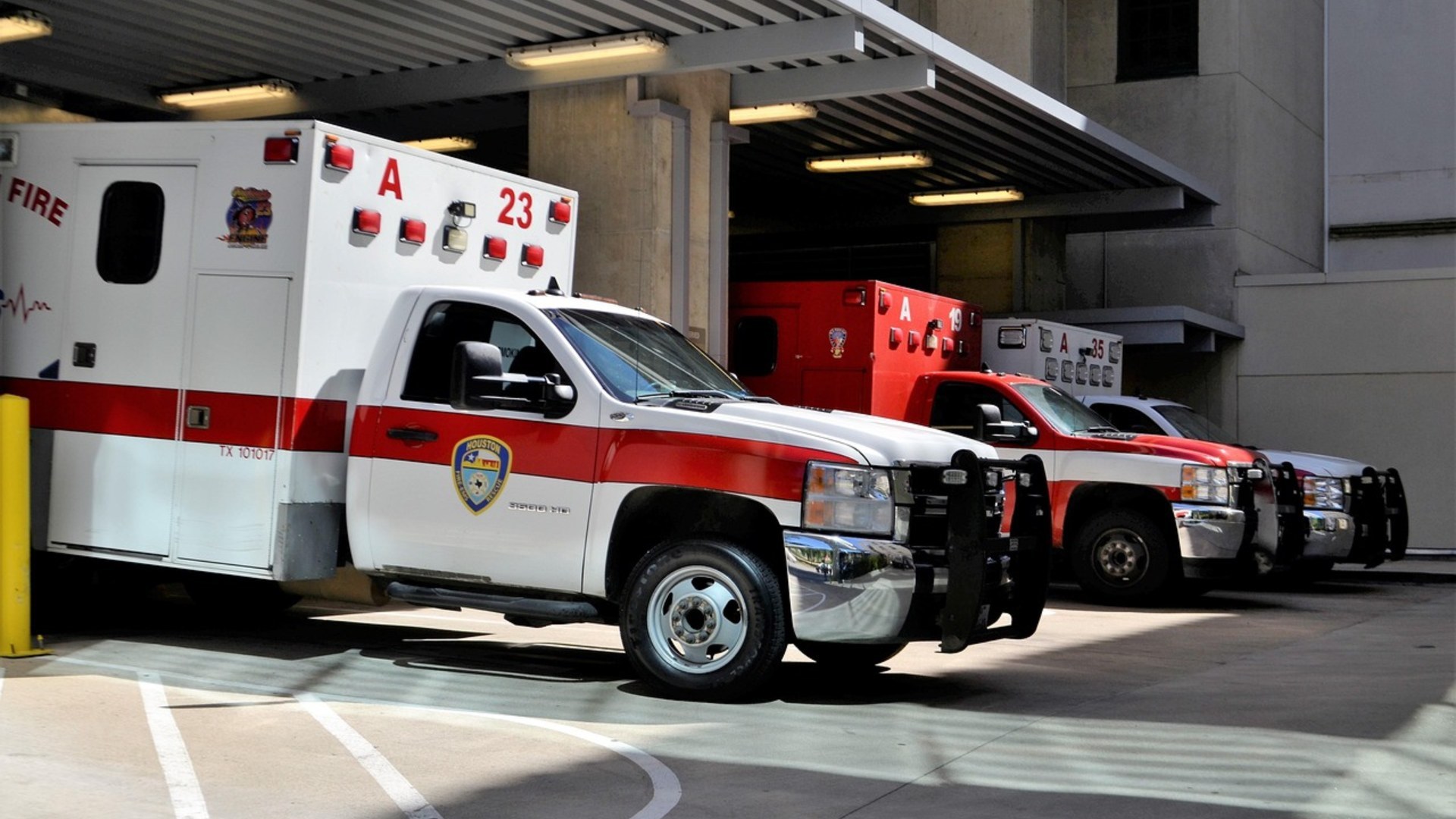
Ask the person to smile and check whether one corner of the mouth or eyelid sags, feels numb, or fails to move symmetrically. Facial drooping is the most recognizable indicator of motor cortex ischemia. Call 911 immediately and never drive yourself so paramedics can start care and route you to a stroke center.
© Photo by Reece van der Merwe on Unsplash
14. Sudden Arm Weakness Or Paralysis
Ask the person to close their eyes and hold both arms straight out for 10 seconds. If one arm fails to rise or drifts downward, a stroke is affecting the opposite hemisphere. Check the clock and note the exact minute the first symptom appeared so doctors can give clot-dissolving tPA within the 4.5 hour window.
© Photo by Sasun Bughdaryan on Unsplash
13. Slurred Or Garbled Speech
Sudden slurred, thick, or garbled speech known clinically as dysarthria happens when a stroke weakens the muscles controlling the tongue, lips, and vocal cords. Even when the person knows what they want to say, their words sound intoxicated or indistinct when asked to repeat a simple phrase like the sky is blue.
©Pixabay / Maximilianovich
Advertisement
Swipe or tap ▶ to resume the countdown.
12. Inability To Speak Or Understand Language
Unlike slurred muscle speech, acute aphasia strikes the language processing centers in the brain's left hemisphere, known as Broca's and Wernicke's areas. The person may appear bewildered when spoken to, string together unrelated words in sentences that make no sense, or become completely unable to form words.
©Pixabay / geralt
11. Sudden Leg Weakness Or Numbness
While the classic FAST acronym focuses on the arms, a clot in the anterior cerebral artery predominantly targets motor and sensory nerves serving the lower body. A person may suddenly feel one leg go numb, drag their foot across the floor, or find their knee buckling beneath them when trying to stand up.
©Pixabay / kumarsu6745_
10. Sudden Dimness Or Blindness In One Eye
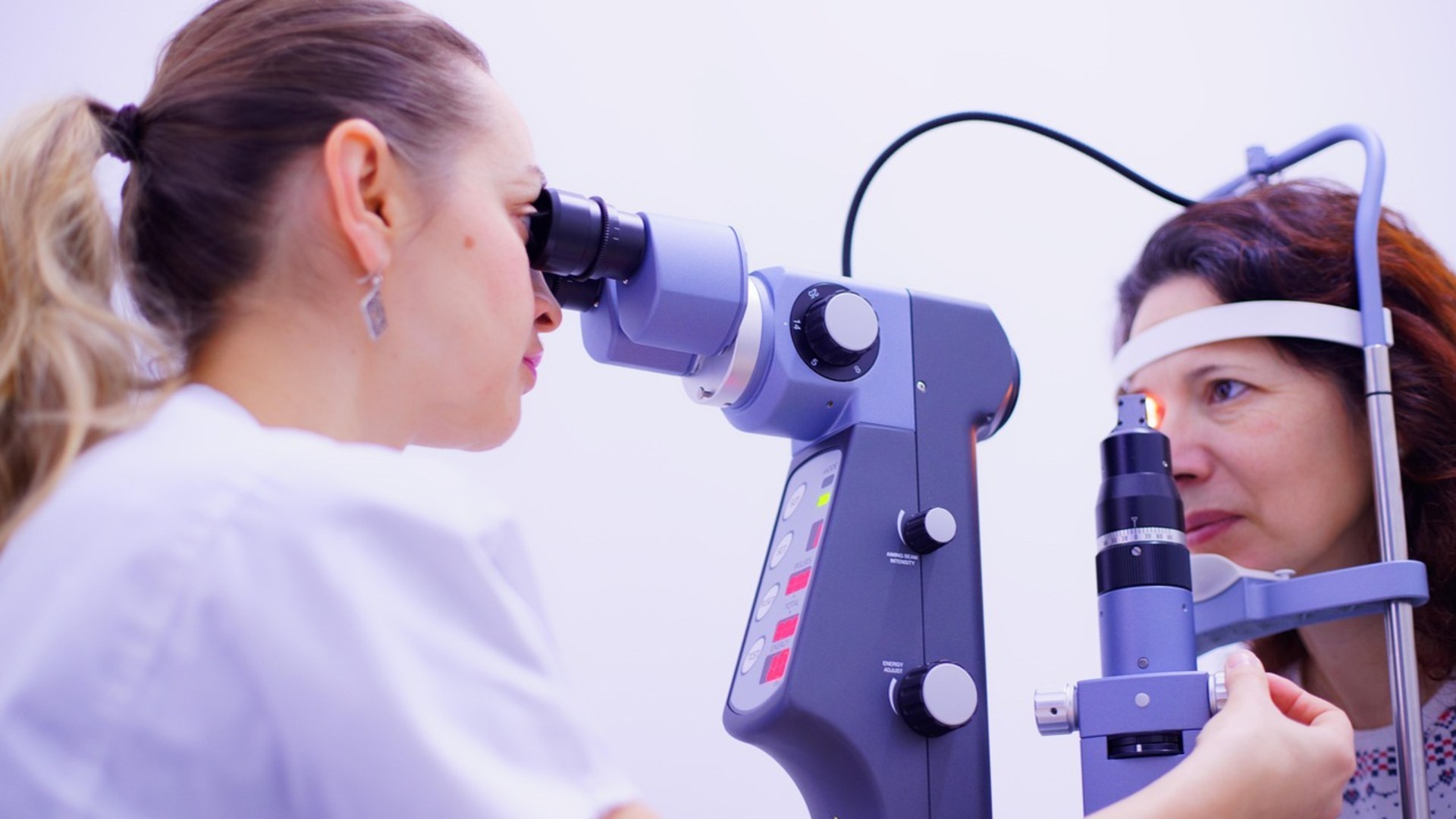
Patients often describe stroke-related vision loss as a dark curtain suddenly dropping over one eye, a condition called amaurosis fugax, or losing half of their visual field in both eyes. Because it is painless, many people mistakenly wait for their eyesight to clear instead of calling 911 right away.
©Pixabay / newarta
9. Abrupt Blurry Or Double Vision
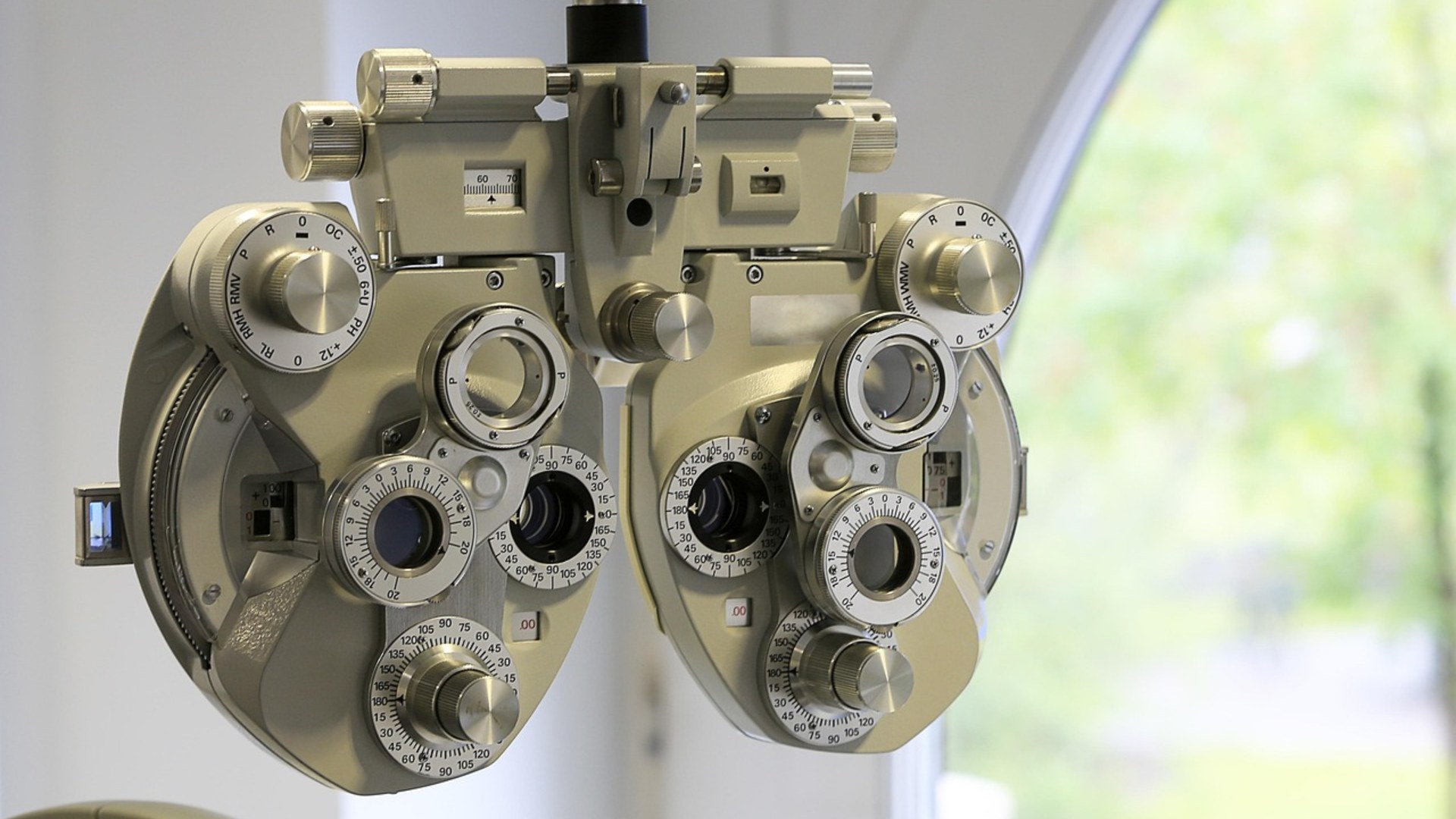
When a stroke interrupts blood flow to the brainstem or the cranial nerves that coordinate eye movement, both eyes can no longer align on the same target. This produces sudden, unmistakable double vision (diplopia) or severe blurring that points directly to a neurological deficit rather than an optical issue.
©Pixabay / martinlutze-fotografie
Advertisement
Swipe or tap ▶ to resume the countdown.
8. Loss Of Balance Or Sudden Stumbling
Neurologists often expand the FAST acronym to BE FAST by adding Balance right at the front. A stroke in the cerebellum, the brain's coordination center, causes sudden ataxia where a person abruptly stumbles, veers sideways into walls while walking, or loses the ability to sit upright without support.
©Pixabay / stevepb
7. Severe Dizziness Or Spinning Vertigo
Unlike brief lightheadedness from standing up too fast, stroke-induced vertigo creates a violent, continuous sensation that the entire room is spinning. When abrupt dizziness strikes alongside clumsy limb movement, double vision, or slurred speech, doctors warn of a posterior circulation stroke in the brainstem.
©Pixabay / Kranich17
6. An Explosive Thunderclap Headache
A headache that strikes out of nowhere and reaches maximum intensity within seconds is known as a thunderclap headache, often paired with a stiff neck. Because this symptom frequently signals a hemorrhagic stroke from a ruptured vessel, never give aspirin, ibuprofen, or any medication that can worsen brain bleeding.
©Pixabay / Peggy_Marco
5. Sudden Mental Confusion And Disorientation
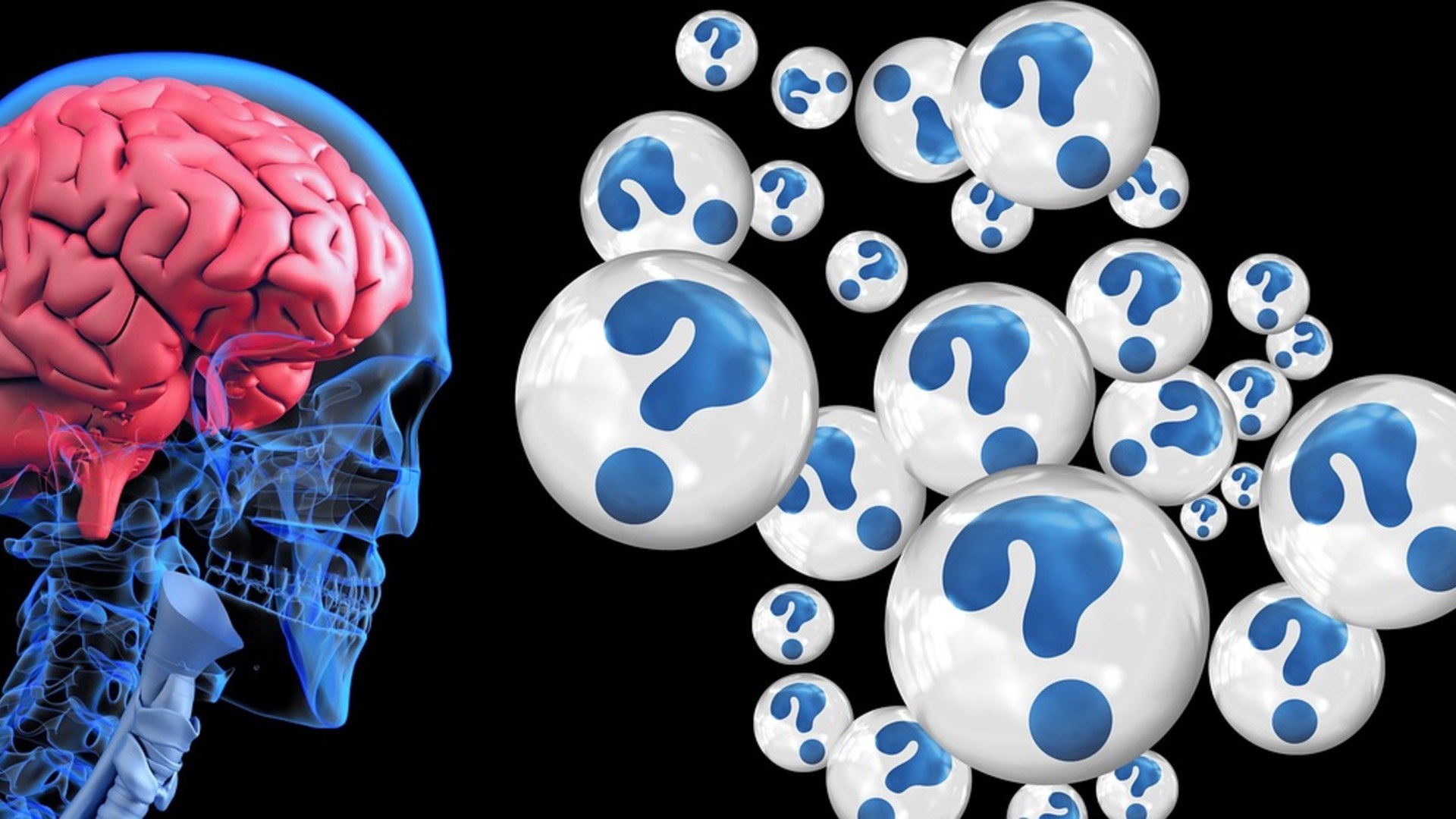
A stroke affecting the frontal, parietal, or temporal lobes can abruptly disrupt executive thinking, memory retrieval, and spatial awareness. A person who was sharp moments earlier may suddenly forget where they are, fail to recognize familiar family members, or struggle to perform a routine daily task.
©Pixabay / geralt
Advertisement
Swipe or tap ▶ to resume the countdown.
4. Sudden Unexplained Nausea And Stomach Distress
When a stroke hits the cerebellum or lower brainstem where reflex centers sit, it can trigger sudden, intense waves of nausea and stomach distress. While waiting for paramedics, keep the person lying safely on their side with their head slightly elevated to protect their airway, and never give food or water.
©Pixabay / derneuemann
3. Fainting Or Sudden Loss Of Consciousness
A sudden blackout, syncope episode, or brief seizure can occur when a large clot blocks the basilar artery supplying the brainstem or when a hemorrhage spikes pressure inside the skull. Stay with the patient continuously and monitor their pulse and breathing so you can begin CPR immediately if breathing stops.
©Pixabay / ArtisticOperations
2. Altered Mental Status Or Sudden Agitation
Not every stroke presents with quiet weakness. Acute ischemia in the frontal or right parietal lobes can provoke a sudden, uncharacteristic personality shift, agitation, or profound lethargy where the patient can barely keep their eyes open. Doctors treat any abrupt behavioral shift as a neurological emergency.
©Pixabay / Parentingupstream
1. Sudden General Weakness And Mini-Stroke Warning
Sudden full-body exhaustion, shortness of breath, or persistent hiccups with chest discomfort are atypical stroke symptoms seen more often in women. Even if every warning sign fades in minutes, known as a Transient Ischemic Attack (TIA), call 911 immediately to prevent a major stroke.

©Pixabay / tomwieden
Advertisement
You've reached the end of the story. Thanks for reading!

20 Famous Cars With Pop-Up Headlights That Shaped Car Design
From hand-cranked 1930s teardrops to wedge supercars of the 1980s, hidden headlights let stylists chase sleek aerodynamics until 2004 pedestrian rules closed the curtain. Here are 20 standout production cars that turned retractable lamps into an enduring automotive design feature across seven full decades.
All 15 Entries in this Story
#1. Face Drooping On One Side
Ask the person to smile and check whether one corner of the mouth or eyelid sags, feels numb, or fails to move symmetrically. Facial drooping is the most recognizable indicator of motor cortex ischemia. Call 911 immediately and never drive yourself so paramedics can start care and route you to a stroke center.

#2. Sudden Arm Weakness Or Paralysis
Ask the person to close their eyes and hold both arms straight out for 10 seconds. If one arm fails to rise or drifts downward, a stroke is affecting the opposite hemisphere. Check the clock and note the exact minute the first symptom appeared so doctors can give clot-dissolving tPA within the 4.5 hour window.

#3. Slurred Or Garbled Speech
Sudden slurred, thick, or garbled speech known clinically as dysarthria happens when a stroke weakens the muscles controlling the tongue, lips, and vocal cords. Even when the person knows what they want to say, their words sound intoxicated or indistinct when asked to repeat a simple phrase like the sky is blue.

#4. Inability To Speak Or Understand Language
Unlike slurred muscle speech, acute aphasia strikes the language processing centers in the brain's left hemisphere, known as Broca's and Wernicke's areas. The person may appear bewildered when spoken to, string together unrelated words in sentences that make no sense, or become completely unable to form words.

#5. Sudden Leg Weakness Or Numbness
While the classic FAST acronym focuses on the arms, a clot in the anterior cerebral artery predominantly targets motor and sensory nerves serving the lower body. A person may suddenly feel one leg go numb, drag their foot across the floor, or find their knee buckling beneath them when trying to stand up.

#6. Sudden Dimness Or Blindness In One Eye
Patients often describe stroke-related vision loss as a dark curtain suddenly dropping over one eye, a condition called amaurosis fugax, or losing half of their visual field in both eyes. Because it is painless, many people mistakenly wait for their eyesight to clear instead of calling 911 right away.

#7. Abrupt Blurry Or Double Vision
When a stroke interrupts blood flow to the brainstem or the cranial nerves that coordinate eye movement, both eyes can no longer align on the same target. This produces sudden, unmistakable double vision (diplopia) or severe blurring that points directly to a neurological deficit rather than an optical issue.

#8. Loss Of Balance Or Sudden Stumbling
Neurologists often expand the FAST acronym to BE FAST by adding Balance right at the front. A stroke in the cerebellum, the brain's coordination center, causes sudden ataxia where a person abruptly stumbles, veers sideways into walls while walking, or loses the ability to sit upright without support.

#9. Severe Dizziness Or Spinning Vertigo
Unlike brief lightheadedness from standing up too fast, stroke-induced vertigo creates a violent, continuous sensation that the entire room is spinning. When abrupt dizziness strikes alongside clumsy limb movement, double vision, or slurred speech, doctors warn of a posterior circulation stroke in the brainstem.

#10. An Explosive Thunderclap Headache
A headache that strikes out of nowhere and reaches maximum intensity within seconds is known as a thunderclap headache, often paired with a stiff neck. Because this symptom frequently signals a hemorrhagic stroke from a ruptured vessel, never give aspirin, ibuprofen, or any medication that can worsen brain bleeding.

#11. Sudden Mental Confusion And Disorientation
A stroke affecting the frontal, parietal, or temporal lobes can abruptly disrupt executive thinking, memory retrieval, and spatial awareness. A person who was sharp moments earlier may suddenly forget where they are, fail to recognize familiar family members, or struggle to perform a routine daily task.

#12. Sudden Unexplained Nausea And Stomach Distress
When a stroke hits the cerebellum or lower brainstem where reflex centers sit, it can trigger sudden, intense waves of nausea and stomach distress. While waiting for paramedics, keep the person lying safely on their side with their head slightly elevated to protect their airway, and never give food or water.

#13. Fainting Or Sudden Loss Of Consciousness
A sudden blackout, syncope episode, or brief seizure can occur when a large clot blocks the basilar artery supplying the brainstem or when a hemorrhage spikes pressure inside the skull. Stay with the patient continuously and monitor their pulse and breathing so you can begin CPR immediately if breathing stops.

#14. Altered Mental Status Or Sudden Agitation
Not every stroke presents with quiet weakness. Acute ischemia in the frontal or right parietal lobes can provoke a sudden, uncharacteristic personality shift, agitation, or profound lethargy where the patient can barely keep their eyes open. Doctors treat any abrupt behavioral shift as a neurological emergency.

#15. Sudden General Weakness And Mini-Stroke Warning
Sudden full-body exhaustion, shortness of breath, or persistent hiccups with chest discomfort are atypical stroke symptoms seen more often in women. Even if every warning sign fades in minutes, known as a Transient Ischemic Attack (TIA), call 911 immediately to prevent a major stroke.