Slideshow · Viral
15 Things to Know Before Rescuing a Stray Dog or Cat
Spotting a lonely dog or cat on the street can tug at your heartstrings, but taking in an unknown animal takes careful preparation. From safe capture and microchip checks to quarantine rules and vet bills, here are 15 essential things every rescuer must know.

By Most Viral Today
6 Nov 2026

15 Essential Steps to Take Before Bringing Home a Stray Dog or Street Cat 
15. Have A Safe Rehoming Backup Plan Ready 
14. Budget For Unexpected Veterinary Expenses 
13. Know The Difference Between Stray And Feral - AdvertisementSwipe or tap ▶ to continue countdown

12. Prepare For Common Behavioral Challenges 
11. Follow The 3-3-3 Decompression Rule 
10. Treat For Fleas, Ticks, And Worms 
9. Schedule An Immediate Veterinary Checkup - AdvertisementSwipe or tap ▶ to continue countdown

8. Quarantine Away From Your Existing Pets 
7. Actively Search The Neighborhood For Owners 
6. File A Found Pet Report With Local Shelters 
5. Scan For A Registered Microchip Right Away - AdvertisementSwipe or tap ▶ to continue countdown

4. Remember The Animal Might Not Be A Stray 
3. Read Defensive Body Language Warning Signs 
2. Never Corner A Scared Animal During Capture 
1. Put Personal Safety First Before Approaching - Advertisement🔥 UP NEXT IN THIS SERIES◫ 21 Slides

20 Famous Cars With Pop-Up Headlights That Shaped Car Design
From hand-cranked 1930s teardrops to wedge supercars of the 1980s, hidden headlights let stylists chase sleek aerodynamics until 2004 pedestrian rules closed the curtain. Here are 20 standout production cars that turned retractable lamps into an enduring automotive design feature across seven full decades.
Spotting a lonely dog or cat on the street can tug at your heartstrings, but taking in an unknown animal takes careful preparation. From safe capture and microchip checks to quarantine rules and vet bills, here are 15 essential things every rescuer must know.

Swipe or tap ▶ to begin the countdown
©Wikimedia / James Arup & Wikimedia / William Mewes
15. Have A Safe Rehoming Backup Plan Ready
Not every rescuer can commit to keeping a pet for the next decade. Before taking an animal in, identify reputable no-kill shelters, breed-specific rescues, or foster groups in your community that can help you place the dog or cat into a vetted permanent home.
©Wikimedia / Jocelyn Augustino
14. Budget For Unexpected Veterinary Expenses
Taking in a street animal comes with immediate financial responsibilities beyond food and bowls. You will need to budget for core vaccinations, spaying or neutering surgery, microchipping, dental work, and potential emergency treatment for untreated street injuries.
© Photo by Jonatan Bustos on Unsplash
13. Know The Difference Between Stray And Feral
A lost or abandoned stray is socialized to humans and can adjust to indoor family life over time. Truly feral animals grew up wild without human contact and experience extreme stress indoors. Feral cats are usually happiest managed outdoors through Trap-Neuter-Return programs.
©Wikimedia / Hollowayvideo
Advertisement
Swipe or tap ▶ to resume the countdown.
12. Prepare For Common Behavioral Challenges
Street survival habits do not disappear overnight. Rescued dogs and cats frequently struggle with house training accidents, destructive chewing, separation anxiety, or guarding food bowls. Patience, positive reinforcement, and structured routines are essential.
©Wikimedia / Shane Adams
11. Follow The 3-3-3 Decompression Rule
Shelter behaviorists recommend the 3-3-3 guideline for any newly rescued pet. Give the animal 3 quiet days to decompress from street stress, 3 weeks to learn household routines and boundaries, and 3 full months to build lasting trust and feel secure in your home.
©Wikimedia / Faith Goble
10. Treat For Fleas, Ticks, And Worms
Almost every animal living outdoors picks up external and internal parasites. Assume your rescue has fleas, ticks, ear mites, or intestinal worms such as roundworms and tapeworms, and get weight-appropriate veterinary dewormers and flea preventatives right away.
©Wikimedia / Trent Condellone
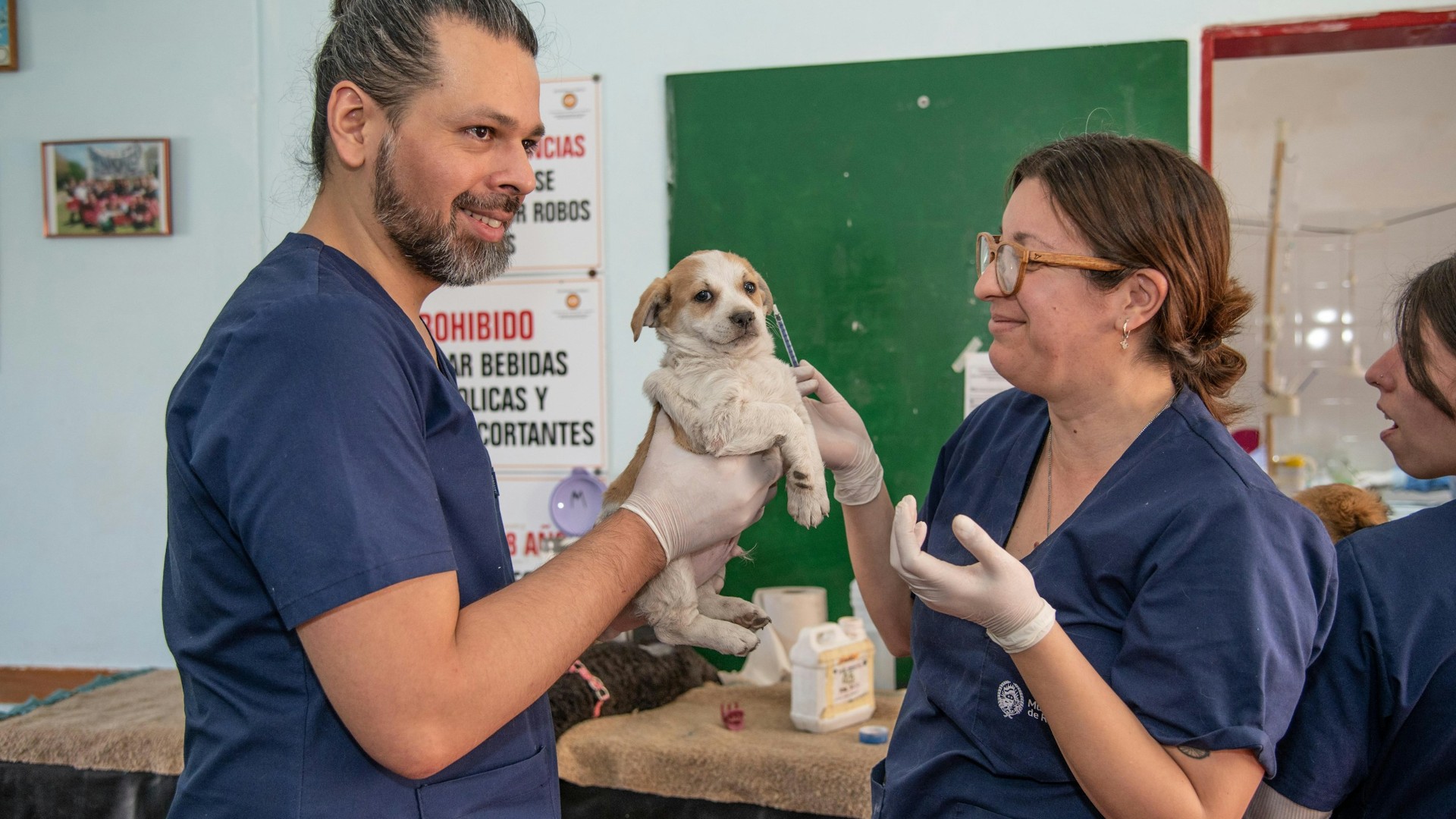
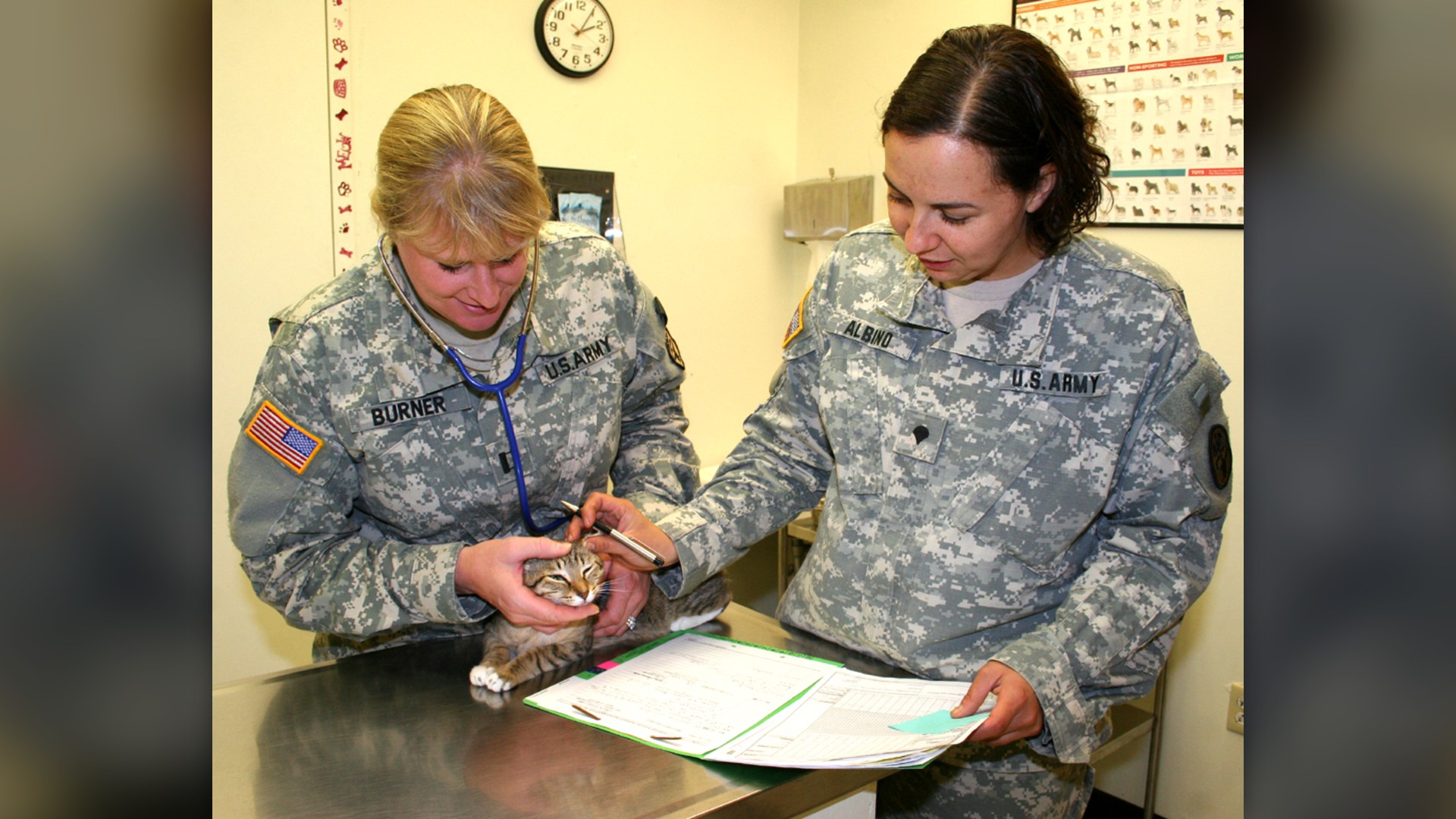
9. Schedule An Immediate Veterinary Checkup
Even if a stray appears healthy on the outside, hidden illnesses are common. Schedule a prompt veterinary exam to check for dehydration, hidden wounds, heartworm disease, parvovirus in dogs, or feline leukemia and feline immunodeficiency virus in rescued cats.
©Wikimedia / Kathy Eastwood
Advertisement
Swipe or tap ▶ to resume the countdown.
8. Quarantine Away From Your Existing Pets
Quarantine is non-negotiable when bringing a stray indoors. Set up a separate spare bathroom or bedroom with its own food, water, and litter box for at least two weeks until a veterinarian clears the animal of contagious respiratory viruses, parasites, and ringworm.
©Wikimedia / Sendai Blog
7. Actively Search The Neighborhood For Owners
A worried family may be searching a few blocks away. Put up bright flyers at nearby intersections, veterinary clinics, and community boards, and post photos on neighborhood apps and local lost-pet social media pages. Ask callers to provide proof of ownership.
©Wikimedia / Rudolph A. Furtado
6. File A Found Pet Report With Local Shelters
Under most municipal laws, pets are considered personal property, and keeping a found animal without reporting it can create legal trouble. File an official found-pet report with your local animal shelter or animal control agency to start the mandatory stray hold period.
©Wikimedia / Nhandler
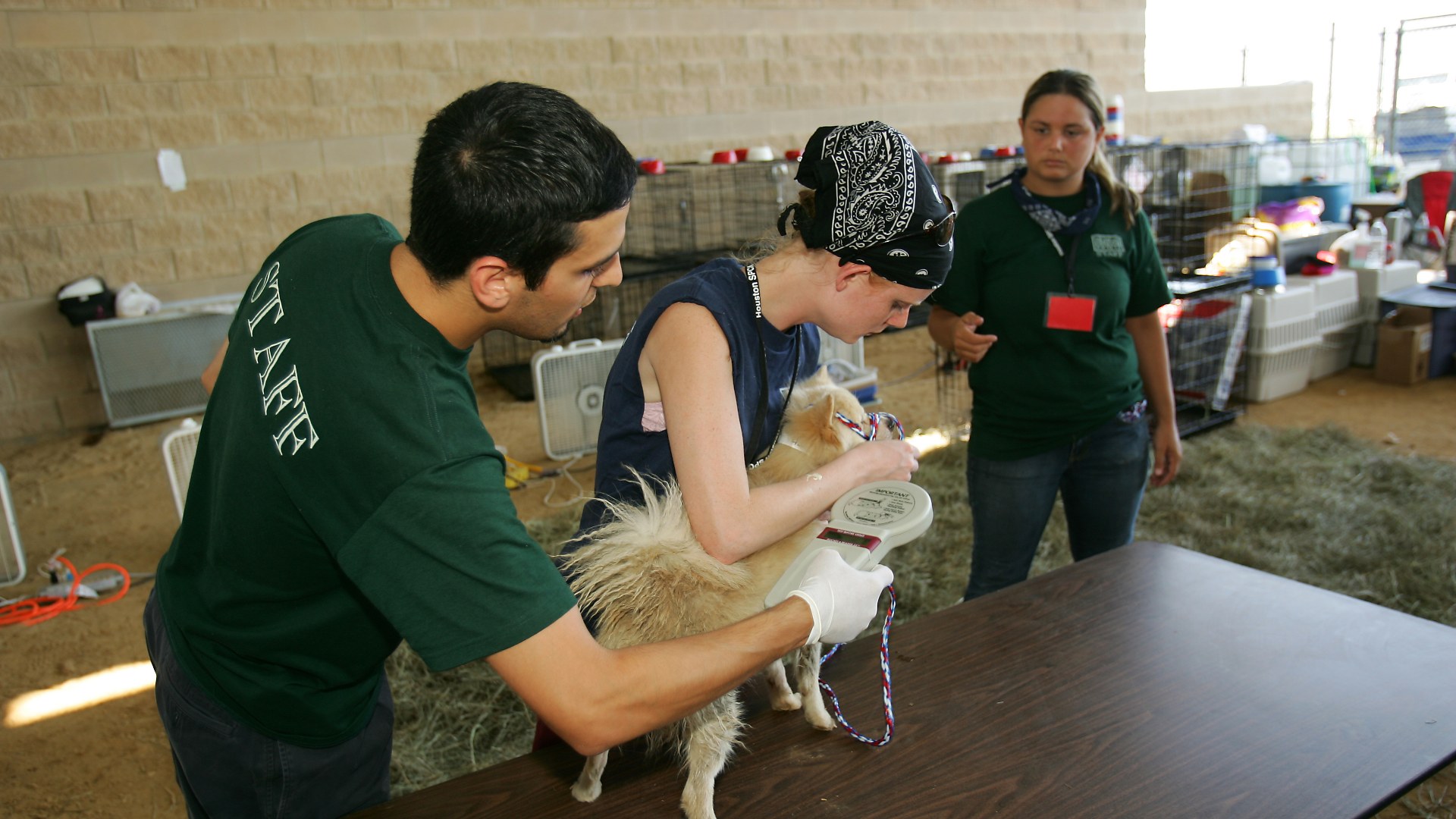
5. Scan For A Registered Microchip Right Away
Collars and tags easily slip off outdoors, so a missing collar never means an animal has no home. Bring the dog or cat to the nearest veterinary clinic or shelter immediately so staff can wave a universal scanner over its shoulder blades to check for a microchip.
©Wikimedia / Bob McMillan
Advertisement
Swipe or tap ▶ to resume the countdown.
4. Remember The Animal Might Not Be A Stray
Not every unsupervised dog or cat is homeless. Many friendly cats are well-fed indoor-outdoor pets visiting neighboring yards, and clean dogs may have just bolted through an open gate during a thunderstorm. Observe the animal's body condition before intervening.
©Wikimedia / The Modern Polymath
3. Read Defensive Body Language Warning Signs
Before reaching out a hand, study how the animal reacts to your presence. Pinned-back ears, a tucked tail, raised fur along the spine, bared teeth, growling, or hissing are unmistakable warning signals that the animal feels threatened and needs space immediately.
©Wikimedia / James Arup
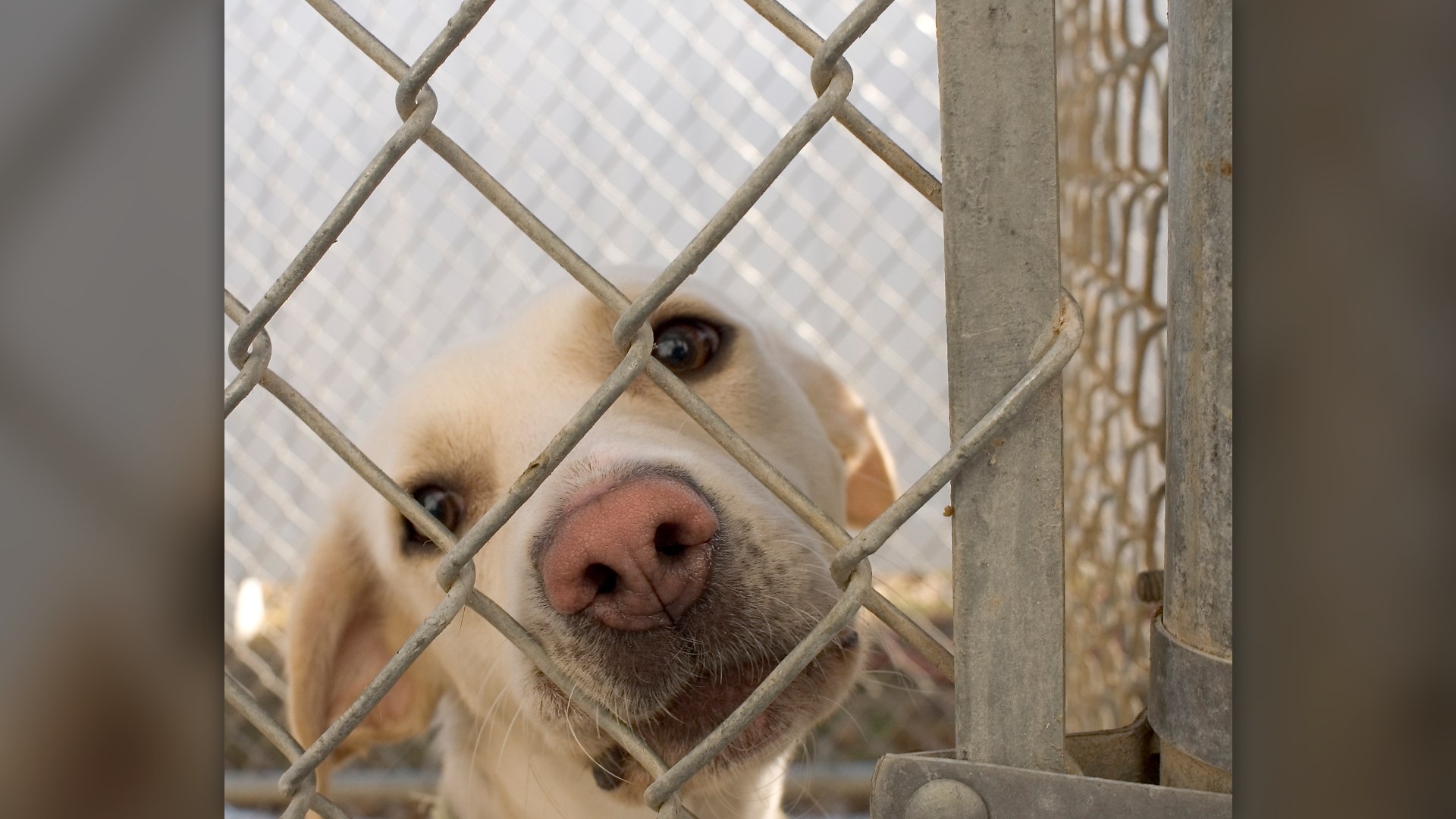
2. Never Corner A Scared Animal During Capture
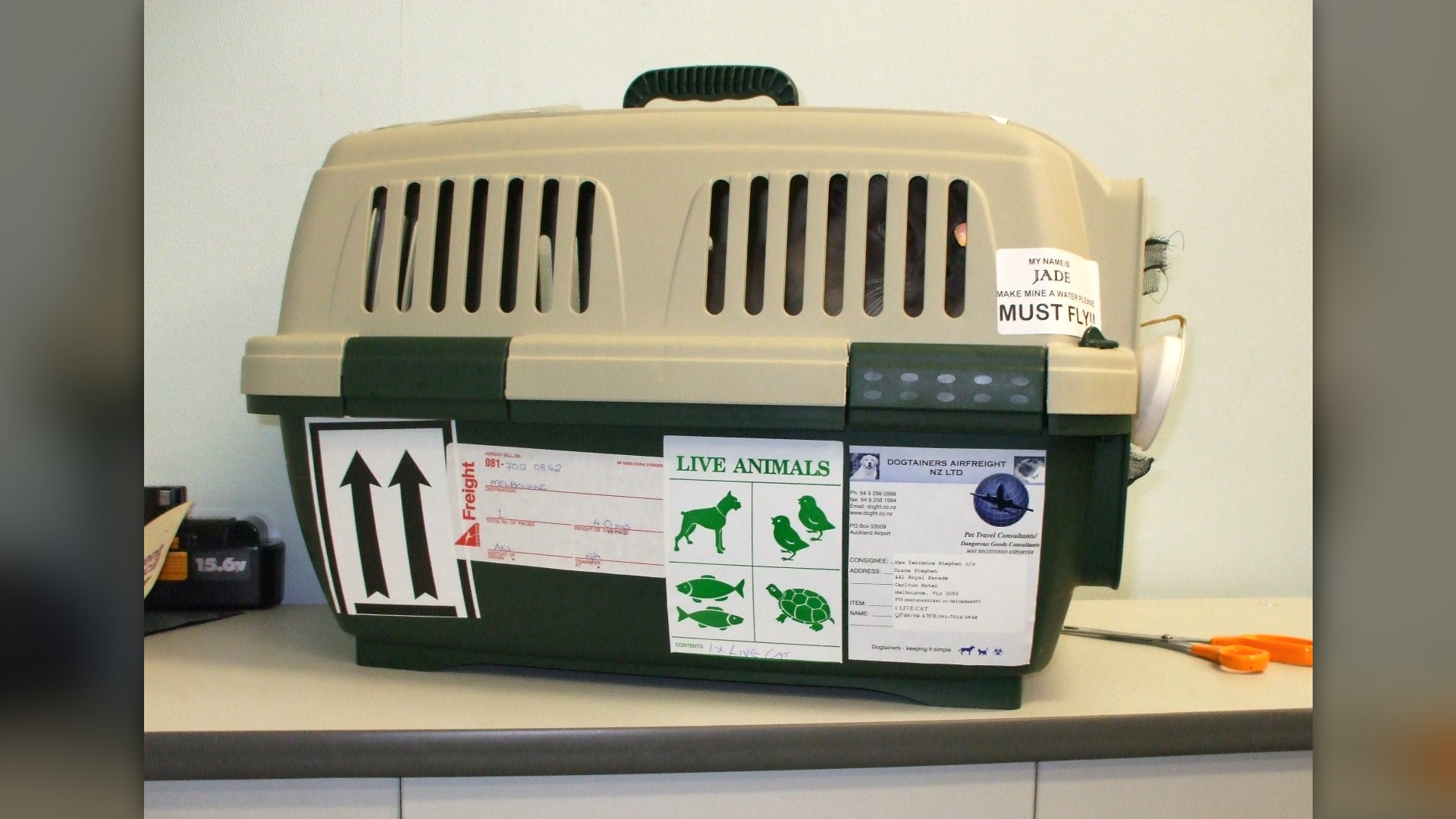
Trapping a frightened dog or cat in a tight alley or grabbing it by the scruff removes its escape route and provokes defensive attacks. Instead, sit quietly on the ground and place strong-smelling wet food or tuna inside a secure carrier or humane trap to lure them in.
©Wikimedia / Chachacha369
1. Put Personal Safety First Before Approaching
Your personal safety always comes first during any street rescue. A hungry, terrified, or injured dog or cat can snap or scratch without warning, carrying risks of deep puncture wounds and rabies exposure. Keep thick gloves, a towel, or a slip lead handy and call animal control if needed.

©Wikimedia / William Mewes
Advertisement
You've reached the end of the story. Thanks for reading!

20 Famous Cars With Pop-Up Headlights That Shaped Car Design
From hand-cranked 1930s teardrops to wedge supercars of the 1980s, hidden headlights let stylists chase sleek aerodynamics until 2004 pedestrian rules closed the curtain. Here are 20 standout production cars that turned retractable lamps into an enduring automotive design feature across seven full decades.
All 15 Entries in this Story
15. Have A Safe Rehoming Backup Plan Ready
Not every rescuer can commit to keeping a pet for the next decade. Before taking an animal in, identify reputable no-kill shelters, breed-specific rescues, or foster groups in your community that can help you place the dog or cat into a vetted permanent home.

14. Budget For Unexpected Veterinary Expenses
Taking in a street animal comes with immediate financial responsibilities beyond food and bowls. You will need to budget for core vaccinations, spaying or neutering surgery, microchipping, dental work, and potential emergency treatment for untreated street injuries.

13. Know The Difference Between Stray And Feral
A lost or abandoned stray is socialized to humans and can adjust to indoor family life over time. Truly feral animals grew up wild without human contact and experience extreme stress indoors. Feral cats are usually happiest managed outdoors through Trap-Neuter-Return programs.

12. Prepare For Common Behavioral Challenges
Street survival habits do not disappear overnight. Rescued dogs and cats frequently struggle with house training accidents, destructive chewing, separation anxiety, or guarding food bowls. Patience, positive reinforcement, and structured routines are essential.

11. Follow The 3-3-3 Decompression Rule
Shelter behaviorists recommend the 3-3-3 guideline for any newly rescued pet. Give the animal 3 quiet days to decompress from street stress, 3 weeks to learn household routines and boundaries, and 3 full months to build lasting trust and feel secure in your home.

10. Treat For Fleas, Ticks, And Worms
Almost every animal living outdoors picks up external and internal parasites. Assume your rescue has fleas, ticks, ear mites, or intestinal worms such as roundworms and tapeworms, and get weight-appropriate veterinary dewormers and flea preventatives right away.

9. Schedule An Immediate Veterinary Checkup
Even if a stray appears healthy on the outside, hidden illnesses are common. Schedule a prompt veterinary exam to check for dehydration, hidden wounds, heartworm disease, parvovirus in dogs, or feline leukemia and feline immunodeficiency virus in rescued cats.

8. Quarantine Away From Your Existing Pets
Quarantine is non-negotiable when bringing a stray indoors. Set up a separate spare bathroom or bedroom with its own food, water, and litter box for at least two weeks until a veterinarian clears the animal of contagious respiratory viruses, parasites, and ringworm.

7. Actively Search The Neighborhood For Owners
A worried family may be searching a few blocks away. Put up bright flyers at nearby intersections, veterinary clinics, and community boards, and post photos on neighborhood apps and local lost-pet social media pages. Ask callers to provide proof of ownership.

6. File A Found Pet Report With Local Shelters
Under most municipal laws, pets are considered personal property, and keeping a found animal without reporting it can create legal trouble. File an official found-pet report with your local animal shelter or animal control agency to start the mandatory stray hold period.

5. Scan For A Registered Microchip Right Away
Collars and tags easily slip off outdoors, so a missing collar never means an animal has no home. Bring the dog or cat to the nearest veterinary clinic or shelter immediately so staff can wave a universal scanner over its shoulder blades to check for a microchip.

4. Remember The Animal Might Not Be A Stray
Not every unsupervised dog or cat is homeless. Many friendly cats are well-fed indoor-outdoor pets visiting neighboring yards, and clean dogs may have just bolted through an open gate during a thunderstorm. Observe the animal's body condition before intervening.

3. Read Defensive Body Language Warning Signs
Before reaching out a hand, study how the animal reacts to your presence. Pinned-back ears, a tucked tail, raised fur along the spine, bared teeth, growling, or hissing are unmistakable warning signals that the animal feels threatened and needs space immediately.

2. Never Corner A Scared Animal During Capture
Trapping a frightened dog or cat in a tight alley or grabbing it by the scruff removes its escape route and provokes defensive attacks. Instead, sit quietly on the ground and place strong-smelling wet food or tuna inside a secure carrier or humane trap to lure them in.

1. Put Personal Safety First Before Approaching
Your personal safety always comes first during any street rescue. A hungry, terrified, or injured dog or cat can snap or scratch without warning, carrying risks of deep puncture wounds and rabies exposure. Keep thick gloves, a towel, or a slip lead handy and call animal control if needed.