Slideshow · Viral
15 Ways to Help Mothers Get Their Kids to Sleep Better
From consistent bedtime routines and soothing maternal cuddles to cool bedrooms and morning sunlight, here are 15 proven ways to help babies and children sleep soundly.

By Most Viral Today
5 Nov 2026

15 Ways to Help Mothers Get Their Kids to Sleep Better 
15. Stick To A Consistent Schedule 
14. Build A Predictable Wind-Down Routine 
13. Read A Printed Bedtime Story Together - AdvertisementSwipe or tap ▶ to continue countdown

12. Turn Off All Screens One Hour Early 
11. Keep The Room Cool And Comfortable 
10. Block Out Early Morning Light 
9. Play Steady White Or Pink Noise - AdvertisementSwipe or tap ▶ to continue countdown

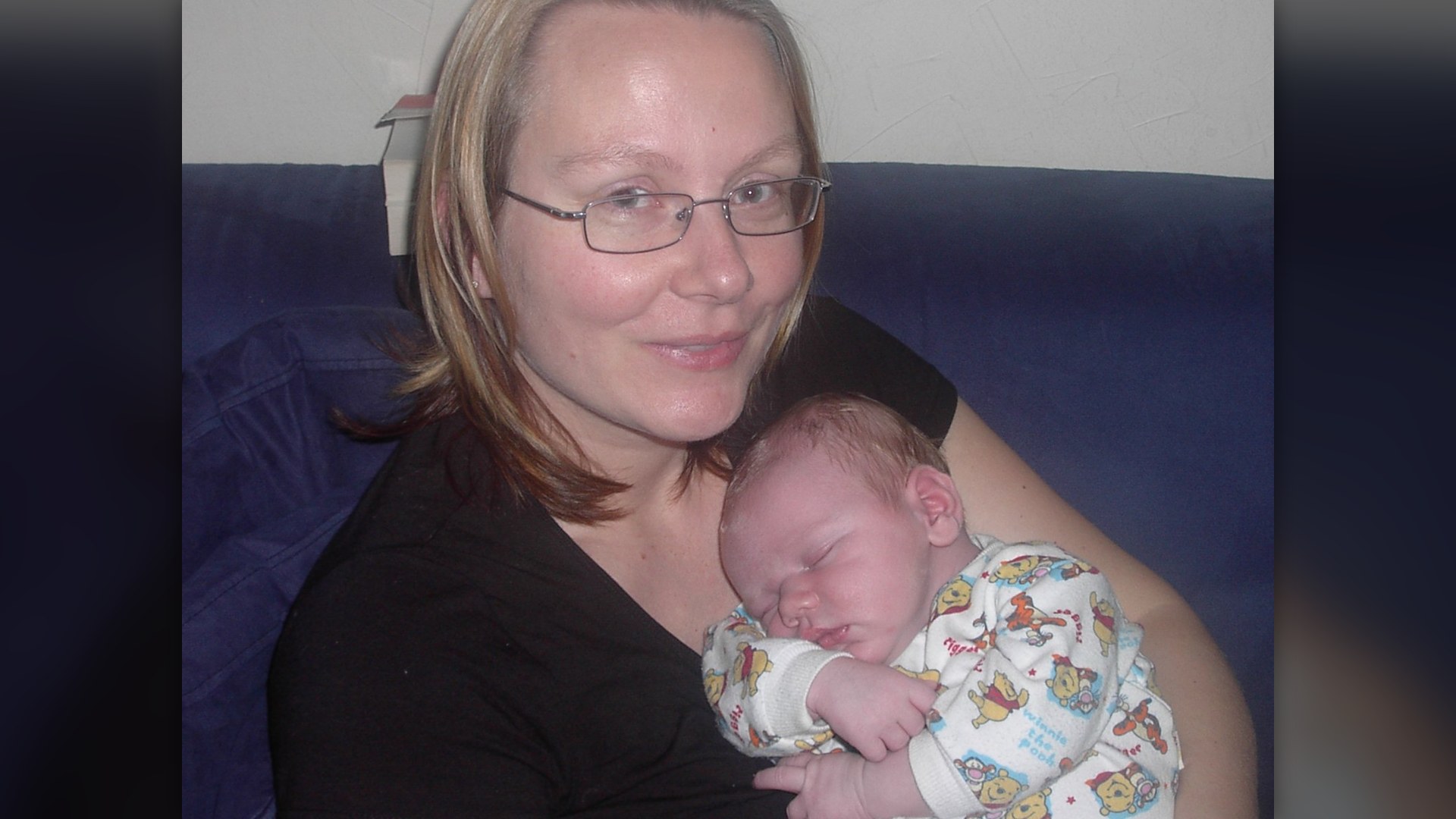
8. Use Gentle Rocking And Soothing Contact 
7. Put Babies Down Drowsy But Awake 
6. Use Breathable Swaddles Or Sleep Sacks 
5. Time Daytime Naps Carefully - AdvertisementSwipe or tap ▶ to continue countdown

4. Get Plenty Of Morning Sunlight 
3. Introduce A Familiar Comfort Object 
2. Avoid Evening Sugar And Heavy Meals 
1. Reserve The Sleep Space Only For Rest - Advertisement🔥 UP NEXT IN THIS SERIES◫ 21 Slides

20 Famous Cars With Pop-Up Headlights That Shaped Car Design
From hand-cranked 1930s teardrops to wedge supercars of the 1980s, hidden headlights let stylists chase sleek aerodynamics until 2004 pedestrian rules closed the curtain. Here are 20 standout production cars that turned retractable lamps into an enduring automotive design feature across seven full decades.
From consistent bedtime routines and soothing maternal cuddles to cool bedrooms and morning sunlight, here are 15 proven ways to help babies and children sleep soundly.

Swipe or tap ▶ to begin the countdown
©Wikimedia / Elizabeth & Unsplash / Jonathan Borba
15. Stick To A Consistent Schedule
Waking up and going to bed at the same time every single day, including weekends, is the top pediatric sleep habit. A steady schedule anchors a child's internal 24-hour clock so melatonin rises naturally at night.
©Wikimedia / Paul Goyette
14. Build A Predictable Wind-Down Routine
Following the exact same 20- to 30-minute sequence of calming steps each evening lowers cortisol levels and reduces bedtime resistance. Young children thrive on predictability when transitioning from active play to rest.
©Wikimedia / Wobble
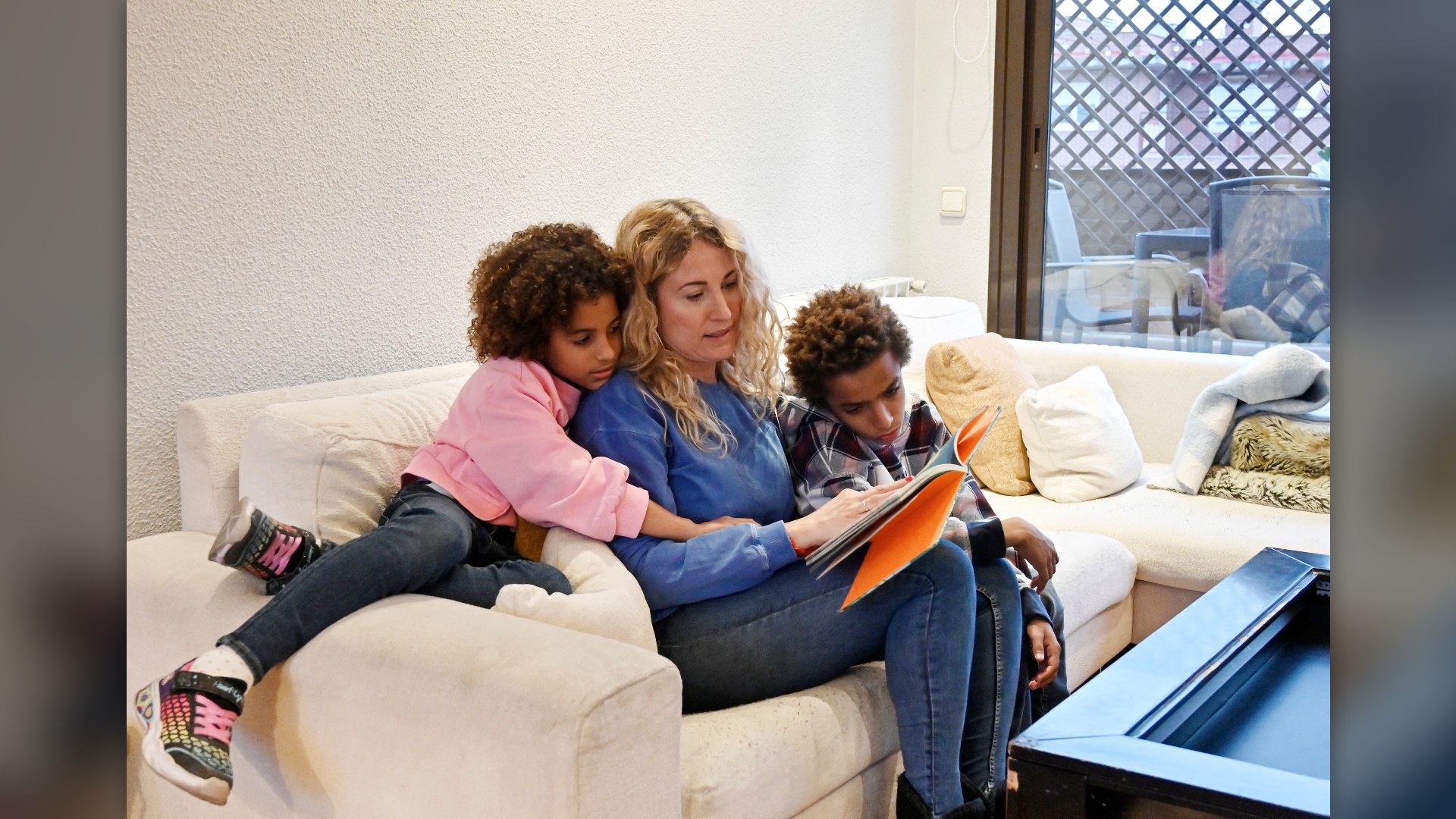
13. Read A Printed Bedtime Story Together
Sharing a printed storybook in dim, warm lighting slows a child's breathing and heart rate. Hearing a mother's soothing voice without glowing screens provides emotional security right before lights-out.
©Wikimedia / Oscar del Pozo
Advertisement
Swipe or tap ▶ to resume the countdown.
12. Turn Off All Screens One Hour Early
Children's eyes are especially sensitive to short-wavelength blue light from tablets, phones, and televisions. Turning off every screen at least 60 minutes before lights-out prevents melatonin suppression and mental overstimulation.
©NASA / GRC, Jef Janis
11. Keep The Room Cool And Comfortable
Core body temperature must drop slightly to initiate and maintain deep slow-wave sleep. Pediatric sleep specialists recommend keeping the nursery or bedroom between 65 and 68 degrees Fahrenheit with breathable cotton layers.
©Wikimedia / Vyacheslav Argenberg
10. Block Out Early Morning Light
Even a sliver of streetlamp glow or early summer sunrise can signal a child's brain that morning has arrived. Installing room-darkening blackout curtains helps babies and toddlers sleep past dawn and nap longer during the day.
©Wikimedia / Vanessa Kay
9. Play Steady White Or Pink Noise
A dedicated sound machine placed at least seven feet from the crib and set below 50 decibels cushions sudden household noises like barking dogs, traffic, or older siblings, preventing brief awakenings between sleep cycles.
©Pixabay / Jupilu
Advertisement
Swipe or tap ▶ to resume the countdown.
8. Use Gentle Rocking And Soothing Contact
Slow, rhythmic rocking and affectionate maternal holding stimulate a baby's vestibular system and release oxytocin. That calm physical connection lowers heart rates and prepares fussy infants for restful sleep.
©Pixabay / PublicCo
7. Put Babies Down Drowsy But Awake
When infants fall asleep in their own crib rather than waking up in a different spot than where they drifted off, they learn to self-soothe and resettle smoothly during normal nighttime transitions between sleep cycles.
©Wikimedia / Vyacheslav Argenberg
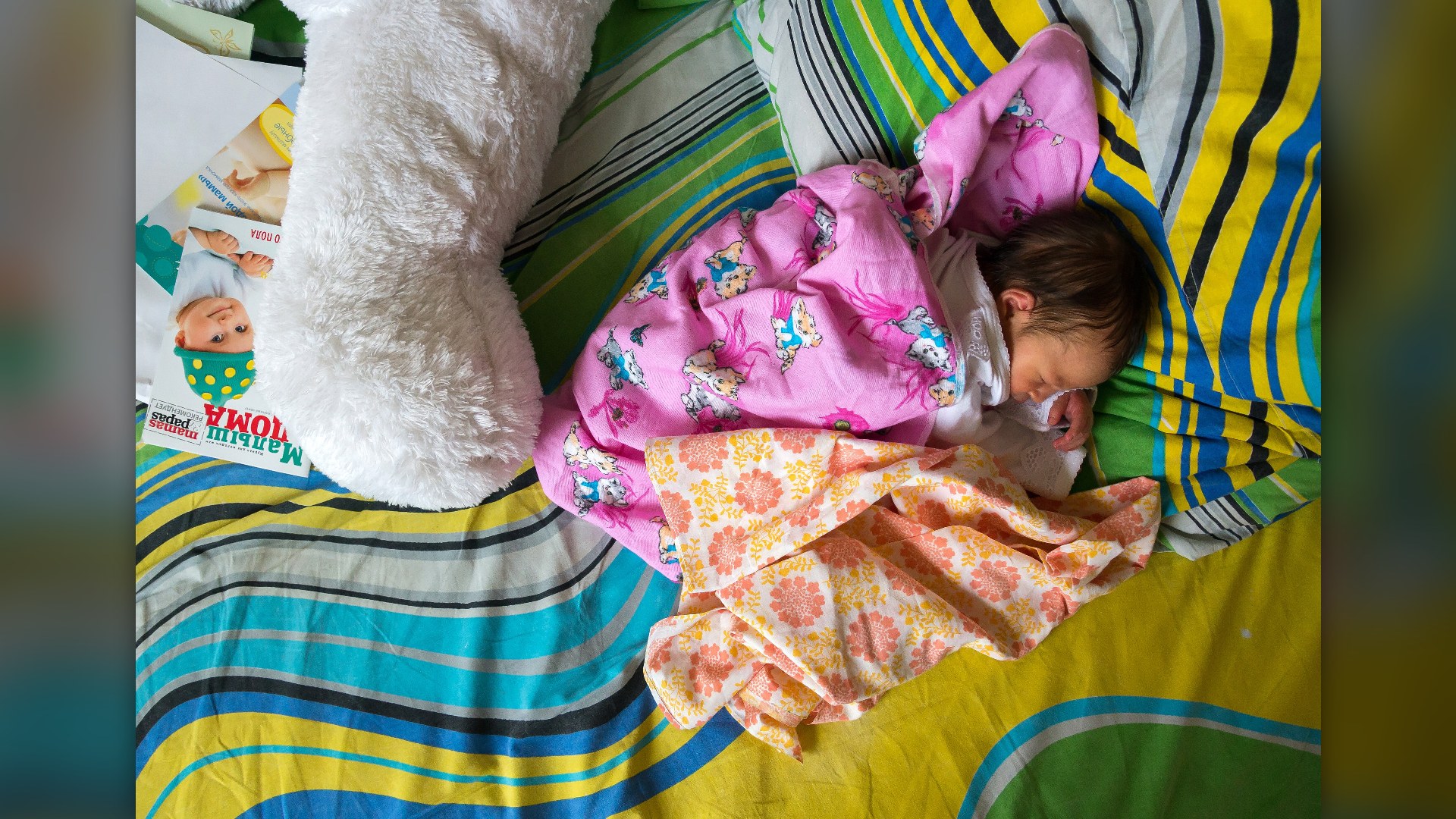
6. Use Breathable Swaddles Or Sleep Sacks
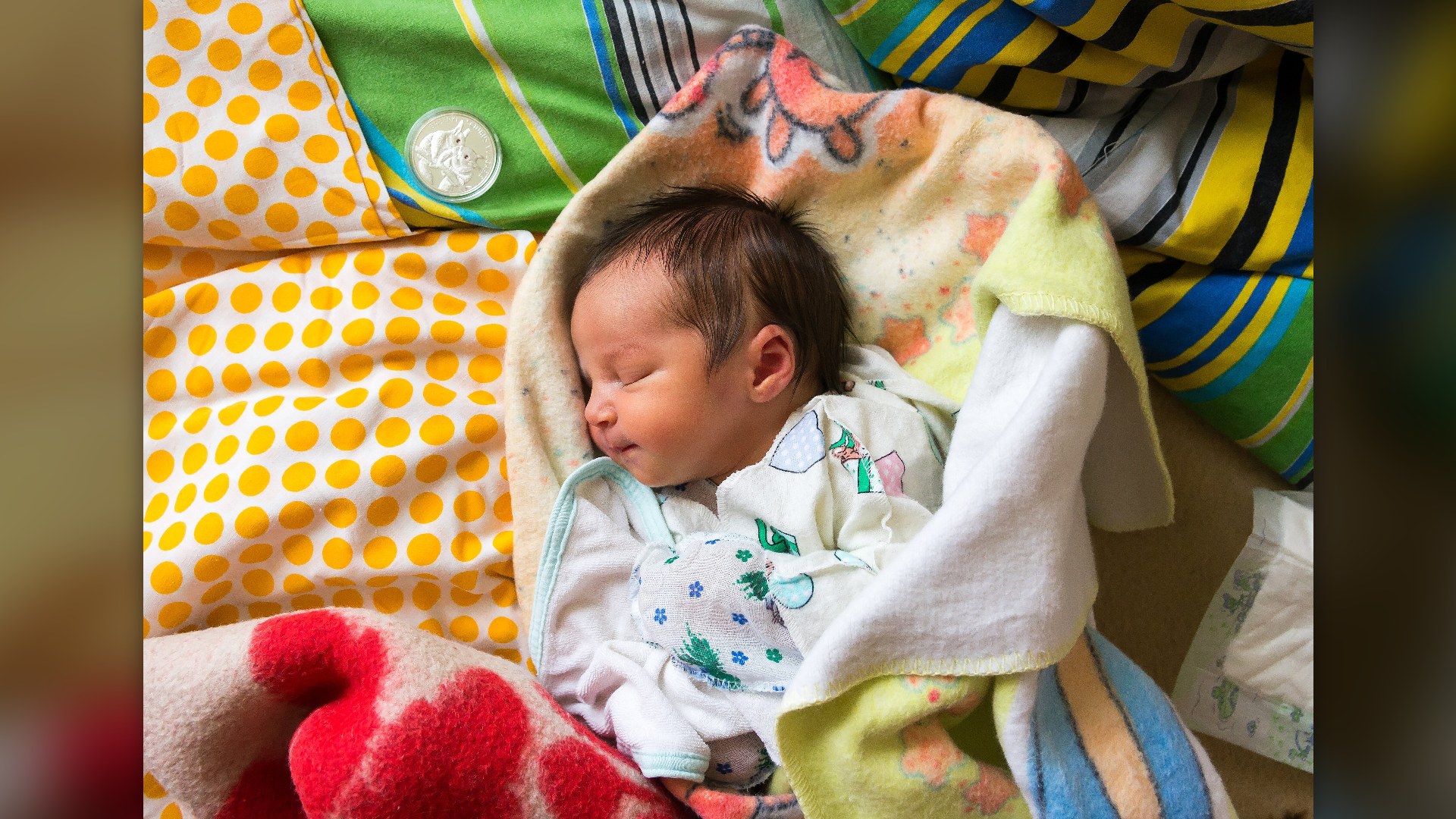
For newborns who have not yet started rolling over, a snug cotton swaddle calms the involuntary Moro startle reflex. Once babies begin rolling, transitioning to a wearable sleep sack keeps them warm without loose blankets.
©Wikimedia / Mindy Olson P mindyop
5. Time Daytime Naps Carefully
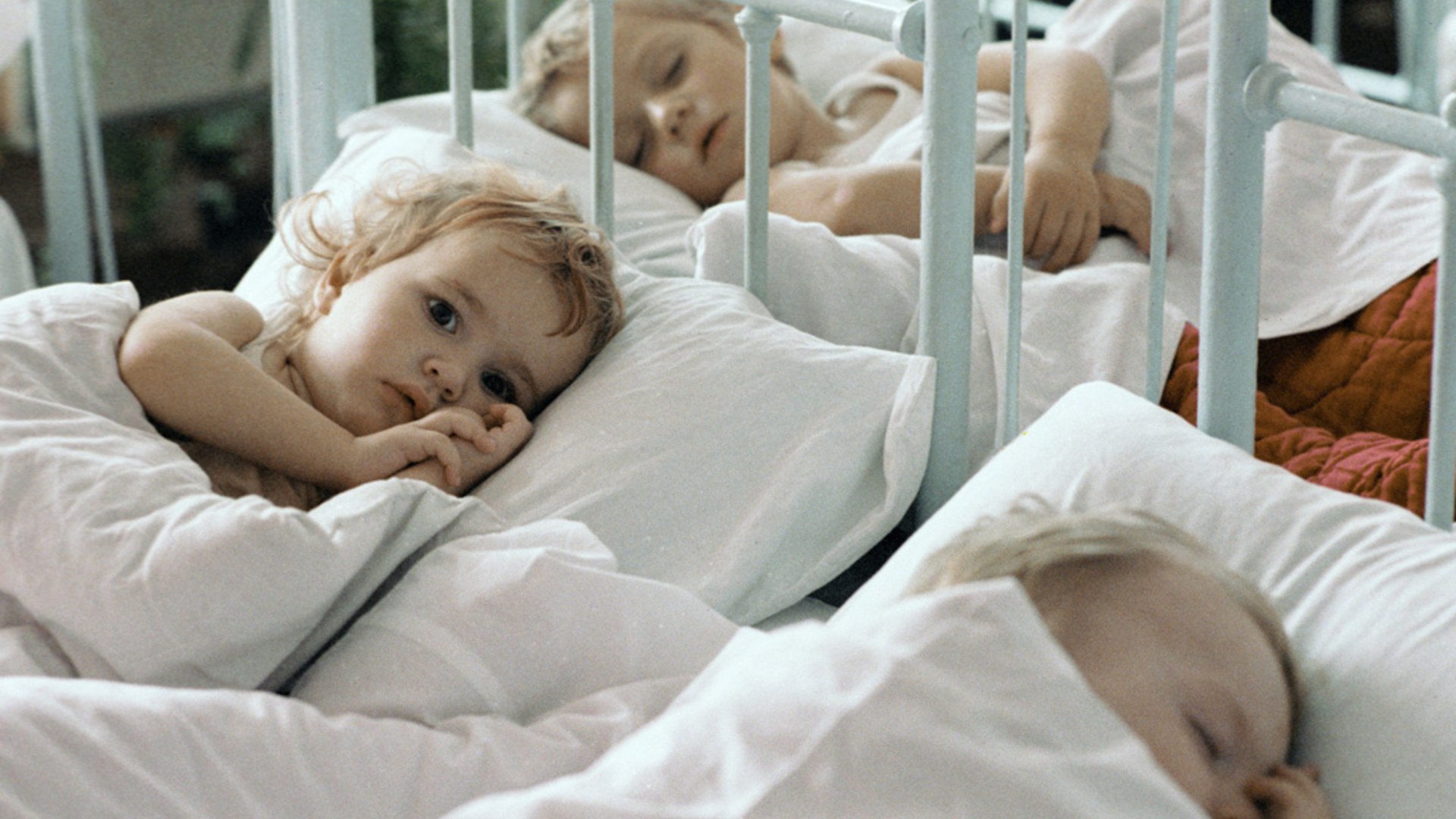
Daytime naps keep young children from becoming overtired, but napping too late in the afternoon erodes evening sleep drive. Wrapping up toddler naps by 3:00 or 3:30 p.m. protects a smooth 7:30 p.m. bedtime.
©Wikimedia / Vladimir Rodionov
Advertisement
Swipe or tap ▶ to resume the countdown.
4. Get Plenty Of Morning Sunlight
Exposing babies and older kids to natural outdoor daylight within an hour of waking up suppresses residual morning drowsiness and sets a timer in the brain to release sleep hormones 12 to 14 hours later.
©Pixabay / JillWellington
3. Introduce A Familiar Comfort Object
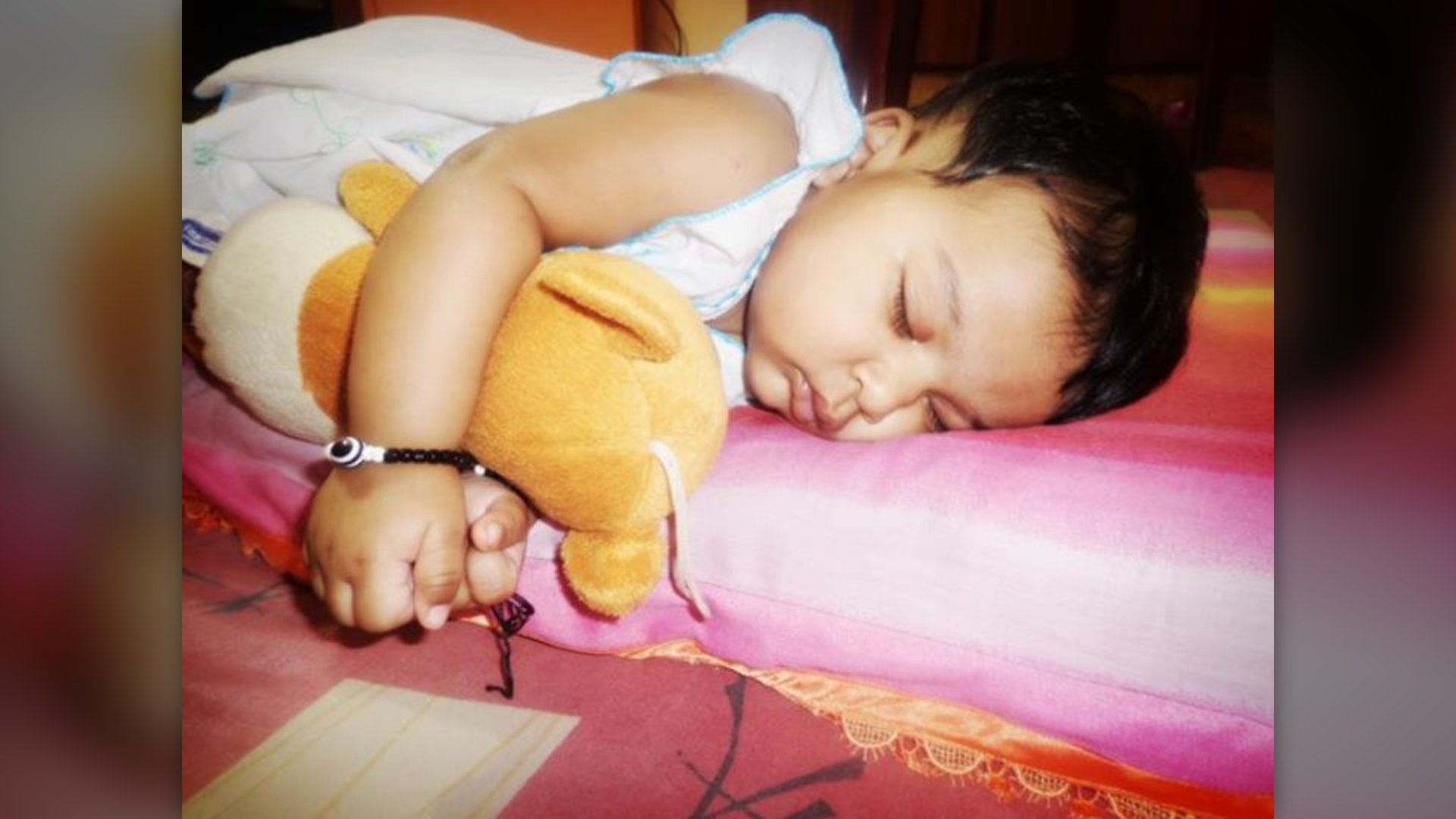
Once a child passes 12 months of age, pediatricians say a small, breathable plush toy or lovey can safely stay in the sleep space. Having a familiar comfort object eases separation anxiety when waking at night.
©Wikimedia / Irtiza Haider
2. Avoid Evening Sugar And Heavy Meals
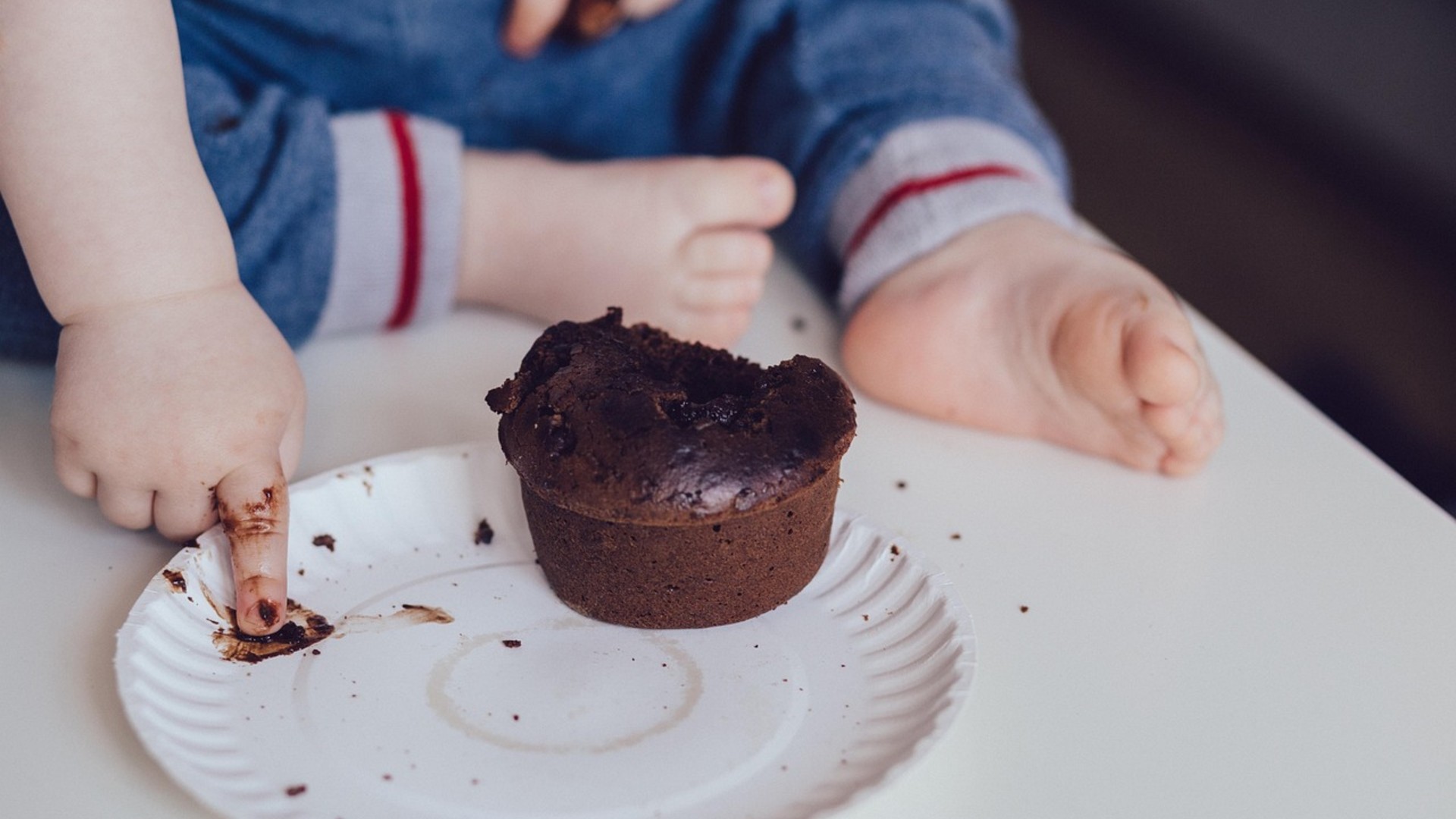
Sugary desserts, chocolate, and heavy meals right before bedtime spike blood glucose and disrupt early sleep stages. Offering a calm milk feeding for infants or a small banana and oat snack for older kids keeps bellies settled.
©Pixabay / freestocks-photos
1. Reserve The Sleep Space Only For Rest
Keeping noisy toys, active games, and daytime timeouts out of a child's crib or bed ensures they associate their mattress strictly with comfort, safety, and falling asleep quickly.

©Pixabay / smpratt90
Advertisement
You've reached the end of the story. Thanks for reading!

20 Famous Cars With Pop-Up Headlights That Shaped Car Design
From hand-cranked 1930s teardrops to wedge supercars of the 1980s, hidden headlights let stylists chase sleek aerodynamics until 2004 pedestrian rules closed the curtain. Here are 20 standout production cars that turned retractable lamps into an enduring automotive design feature across seven full decades.
All 15 Entries in this Story
1. Stick To A Consistent Schedule
Waking up and going to bed at the same time every single day, including weekends, is the top pediatric sleep habit. A steady schedule anchors a child's internal 24-hour clock so melatonin rises naturally at night.

2. Build A Predictable Wind-Down Routine
Following the exact same 20- to 30-minute sequence of calming steps each evening lowers cortisol levels and reduces bedtime resistance. Young children thrive on predictability when transitioning from active play to rest.

3. Read A Printed Bedtime Story Together
Sharing a printed storybook in dim, warm lighting slows a child's breathing and heart rate. Hearing a mother's soothing voice without glowing screens provides emotional security right before lights-out.

4. Turn Off All Screens One Hour Early
Children's eyes are especially sensitive to short-wavelength blue light from tablets, phones, and televisions. Turning off every screen at least 60 minutes before lights-out prevents melatonin suppression and mental overstimulation.

5. Keep The Room Cool And Comfortable
Core body temperature must drop slightly to initiate and maintain deep slow-wave sleep. Pediatric sleep specialists recommend keeping the nursery or bedroom between 65 and 68 degrees Fahrenheit with breathable cotton layers.

6. Block Out Early Morning Light
Even a sliver of streetlamp glow or early summer sunrise can signal a child's brain that morning has arrived. Installing room-darkening blackout curtains helps babies and toddlers sleep past dawn and nap longer during the day.

7. Play Steady White Or Pink Noise
A dedicated sound machine placed at least seven feet from the crib and set below 50 decibels cushions sudden household noises like barking dogs, traffic, or older siblings, preventing brief awakenings between sleep cycles.

8. Use Gentle Rocking And Soothing Contact
Slow, rhythmic rocking and affectionate maternal holding stimulate a baby's vestibular system and release oxytocin. That calm physical connection lowers heart rates and prepares fussy infants for restful sleep.

9. Put Babies Down Drowsy But Awake
When infants fall asleep in their own crib rather than waking up in a different spot than where they drifted off, they learn to self-soothe and resettle smoothly during normal nighttime transitions between sleep cycles.

10. Use Breathable Swaddles Or Sleep Sacks
For newborns who have not yet started rolling over, a snug cotton swaddle calms the involuntary Moro startle reflex. Once babies begin rolling, transitioning to a wearable sleep sack keeps them warm without loose blankets.

11. Time Daytime Naps Carefully
Daytime naps keep young children from becoming overtired, but napping too late in the afternoon erodes evening sleep drive. Wrapping up toddler naps by 3:00 or 3:30 p.m. protects a smooth 7:30 p.m. bedtime.

12. Get Plenty Of Morning Sunlight
Exposing babies and older kids to natural outdoor daylight within an hour of waking up suppresses residual morning drowsiness and sets a timer in the brain to release sleep hormones 12 to 14 hours later.

13. Introduce A Familiar Comfort Object
Once a child passes 12 months of age, pediatricians say a small, breathable plush toy or lovey can safely stay in the sleep space. Having a familiar comfort object eases separation anxiety when waking at night.

14. Avoid Evening Sugar And Heavy Meals
Sugary desserts, chocolate, and heavy meals right before bedtime spike blood glucose and disrupt early sleep stages. Offering a calm milk feeding for infants or a small banana and oat snack for older kids keeps bellies settled.

15. Reserve The Sleep Space Only For Rest
Keeping noisy toys, active games, and daytime timeouts out of a child's crib or bed ensures they associate their mattress strictly with comfort, safety, and falling asleep quickly.