Slideshow · Science
Would you eat these lab grown foods? The weirdest meal of the future
From protein harvested out of thin air and glowing bioluminescent salads to lab-grown mammoth meat and crunchy jellyfish crisps, here are 15 of the strangest foods scientists are engineering for the f
By Most Viral Today
23 Oct 2026

Would you eat these lab grown foods? The weirdest meal of the future 
15. Air Protein (Gas Fermentation) 
14. 3D-Printed Lab-Grown Wagyu Steaks 
13. Sonic-Enhanced Meals (Sensory Design) - AdvertisementSwipe or tap ▶ to continue countdown

12. Jellyfish Crisps (Wild Harvest) 
11. Self-Heating Edible Algae Packaging 
10. Lab-Grown Mammoth Meat (Cultured Meat) 
9. Bioluminescent Salad Greens (Vertical Farm / GM) - AdvertisementSwipe or tap ▶ to continue countdown

8. Cricket Flour Protein Bars (Edible Insects) 
7. Deep-Sea Microalgae Butter (Algae) 
6. Whole Roasted Mealworm Snacks (Edible Insects) 
5. 3D-Printed Nutrient Paste Cubes (3D Printed Food) - AdvertisementSwipe or tap ▶ to continue countdown

4. Lab-Grown Bluefin Tuna (Lab-Grown Meat) 
3. Vertical-Farm Dwarf Wheat (Vertical Farm) 
2. Spirulina Protein Shakes (Algae) 
1. Lab-Grown Yeast Dairy Milk (Cellular Agriculture) - Advertisement🔥 UP NEXT IN THIS SERIES◫ 23 Slides

22 High-Calorie Burning Exercises Ranked by Harvard Medical Data
Ranked according to Harvard Medical School caloric expenditure data, these 22 physical exercises burn the highest number of calories per hour for optimal cardiovascular health. Medical data reveals true effort.
Forget sci-fi food pills—scientists are already engineering calories out of thin air, 3D-printing marbled Wagyu steaks, and resurrecting extinct woolly mammoth meat in bioreactors. Swipe through the 15 weirdest foods of the future, ranked.
Swipe or tap ▶ to begin the countdown
©Wikimedia / Orlando G. Calvo & Wikimedia / Niftyfiftycat
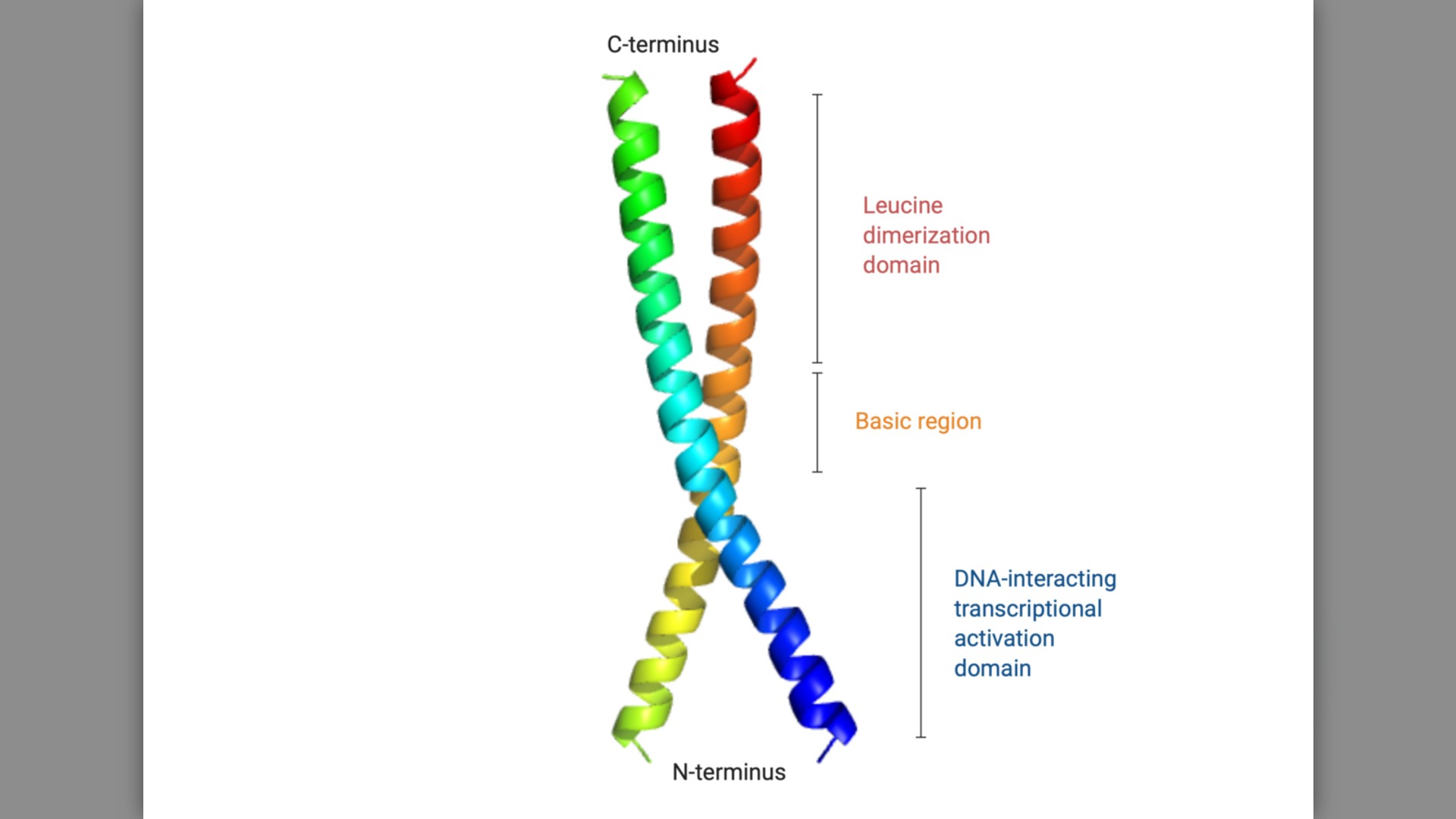
15. Air Protein (Gas Fermentation)
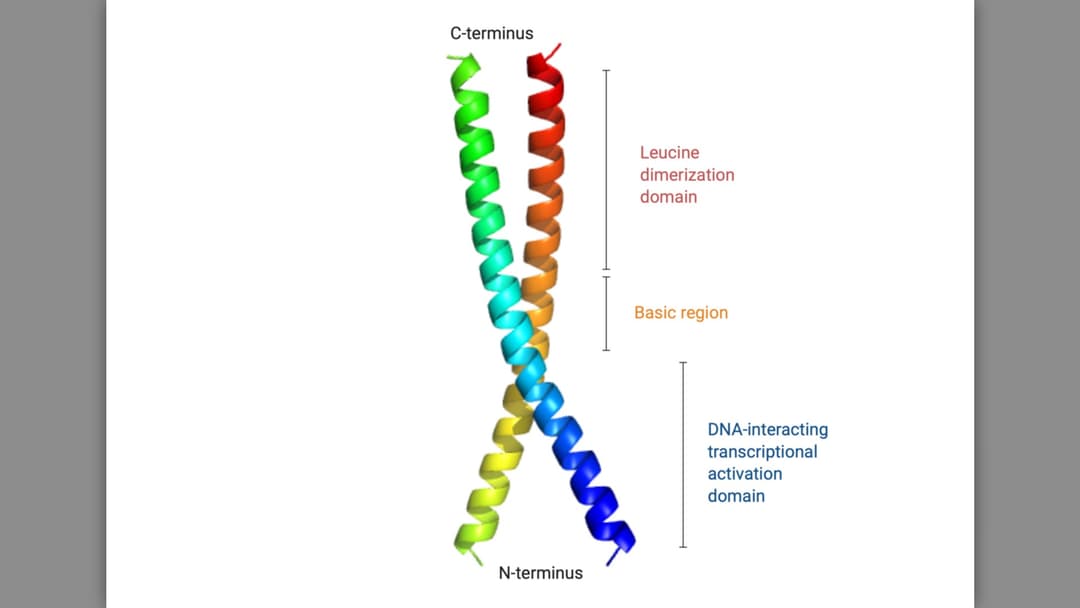
Scientists use hydrogenotrophic microbes inside fermentation bioreactors to convert carbon dioxide, oxygen, and nitrogen into a nutrient-rich protein powder. It literally creates physical calories out of invisible gas, entirely bypassing the need for soil, sunlight, or plants.
©Wikimedia / Mashaalx
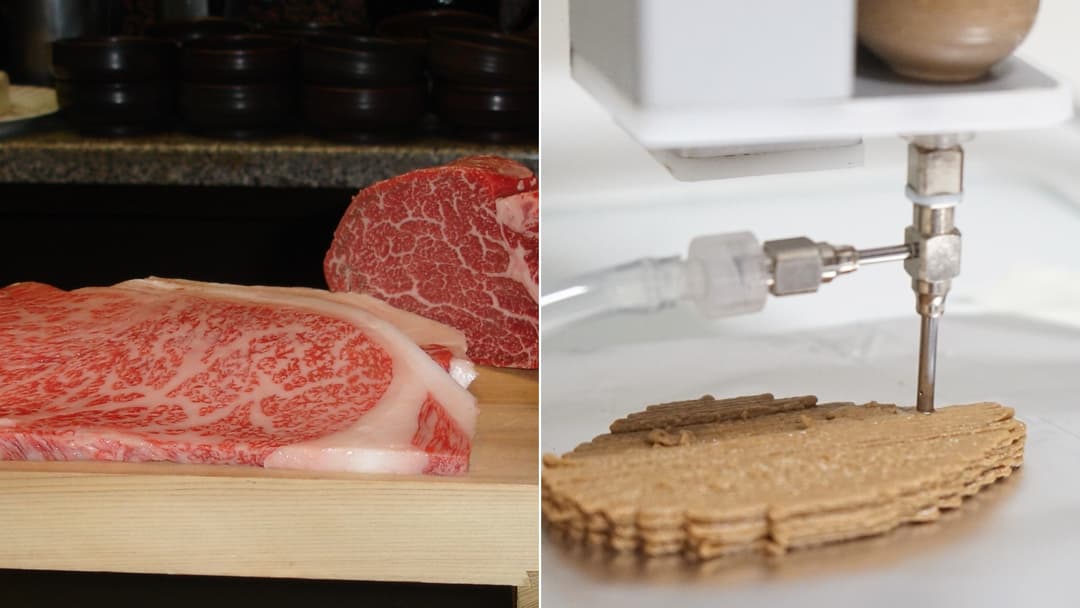
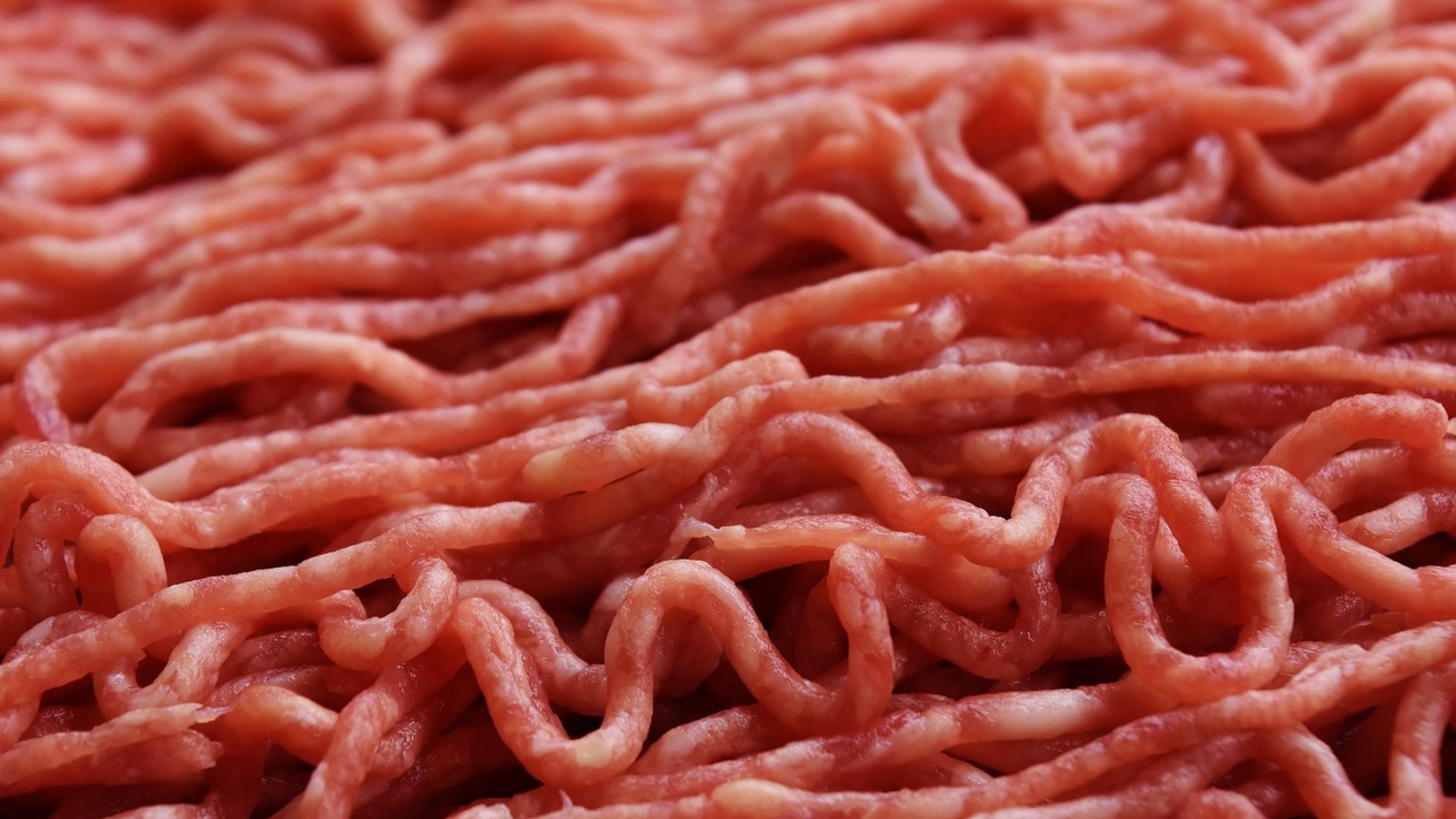
14. 3D-Printed Lab-Grown Wagyu Steaks
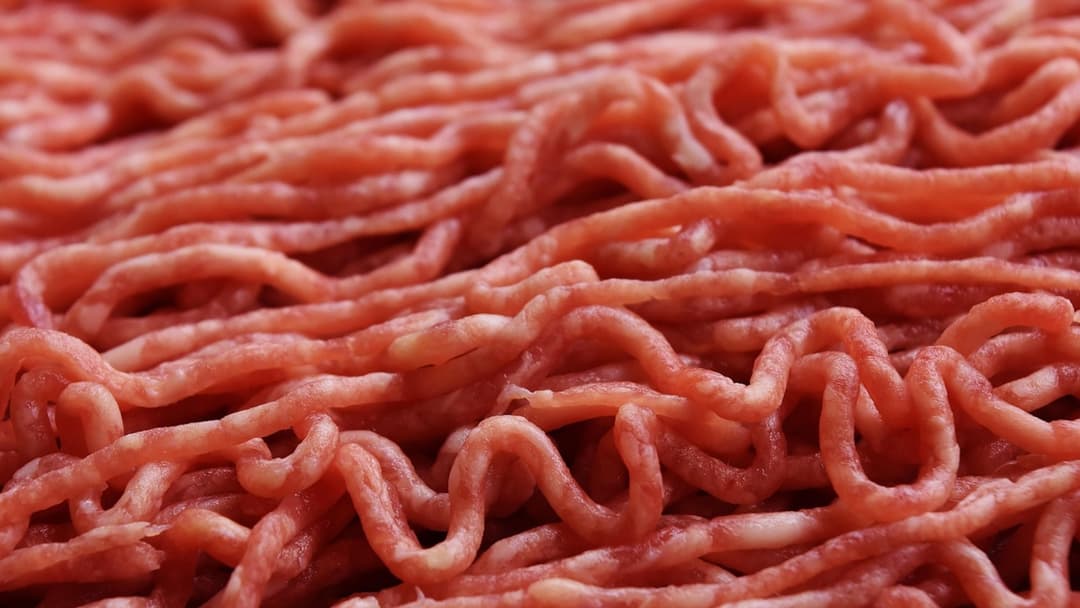
Stem cells from high-end cattle are multiplied in a laboratory, loaded into a 3D bioprinter as bio-ink, and extruded layer by layer. Complex structures like muscle fibers, fat channels, and blood vessels are mapped out on a computer grid before printing.
©Pixabay / Alexas_Fotos
13. Sonic-Enhanced Meals (Sensory Design)
Sonic-enhanced meals are designed to interact with specific auditory stimuli to alter human perception of sweetness, bitterness, or saltiness. High-pitched frequencies make food taste sweeter, meaning you can eat sugar-free paste that tastes like dessert just by wearing headphones.

©Wikimedia / MIKI Yoshihito
Advertisement
Swipe or tap ▶ to resume the countdown.
12. Jellyfish Crisps (Wild Harvest)
As ocean temperatures rise, jellyfish populations are exploding worldwide. Food scientists have discovered that processing jellyfish with ethanol and drying them creates a light, crunchy snack chip—turning slimy, sting-heavy marine organisms into a sustainable potato-chip alternative.

©Wikimedia / Gunawan Kartapranata
11. Self-Heating Edible Algae Packaging
Constructed from seaweed and microalgae membranes containing nutrient-dense algal gels, these bio-designed food pods feature a chemical-free, completely edible outer skin. Instead of peeling open a wrapper, you simply chew through the package itself, eliminating plastic waste completely.

©Wikimedia / Thepursuitofknowledge.
10. Lab-Grown Mammoth Meat (Cultured Meat)
Scientists took the ancient DNA sequence for woolly mammoth myoglobin—the key protein that gives meat its flavor and aroma—filled in the genetic gaps with African elephant DNA, and grew the meat in a laboratory bioreactor. It resurrects the taste profile of an animal that went extinct thousands of years ago.

©Wikimedia / Thomas Quine
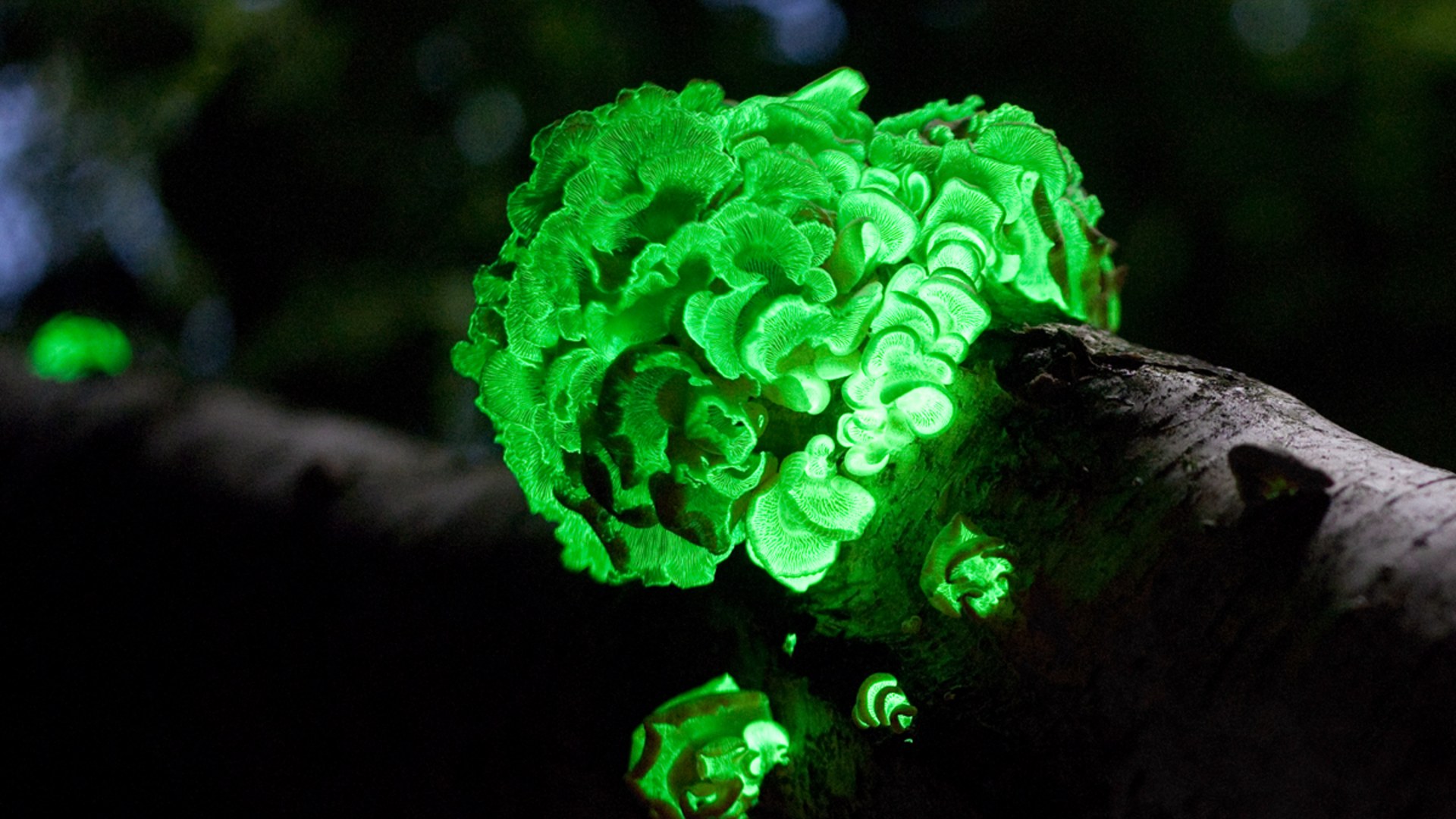
9. Bioluminescent Salad Greens (Vertical Farm / GM)
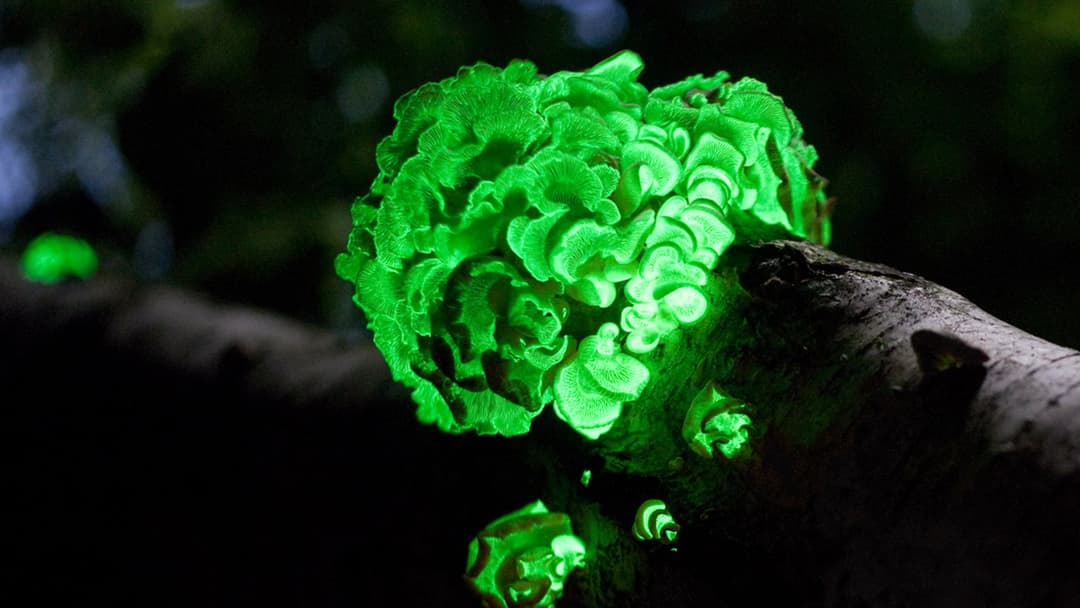
Crisp salad greens grown in indoor vertical farming stacks are genetically spliced with bioluminescent mushroom genes so they naturally glow in the dark. The result is living produce that emits a soft green light on your plate for night-dining experiences without artificial dyes.
©Wikimedia / Ylem
Advertisement
Swipe or tap ▶ to resume the countdown.
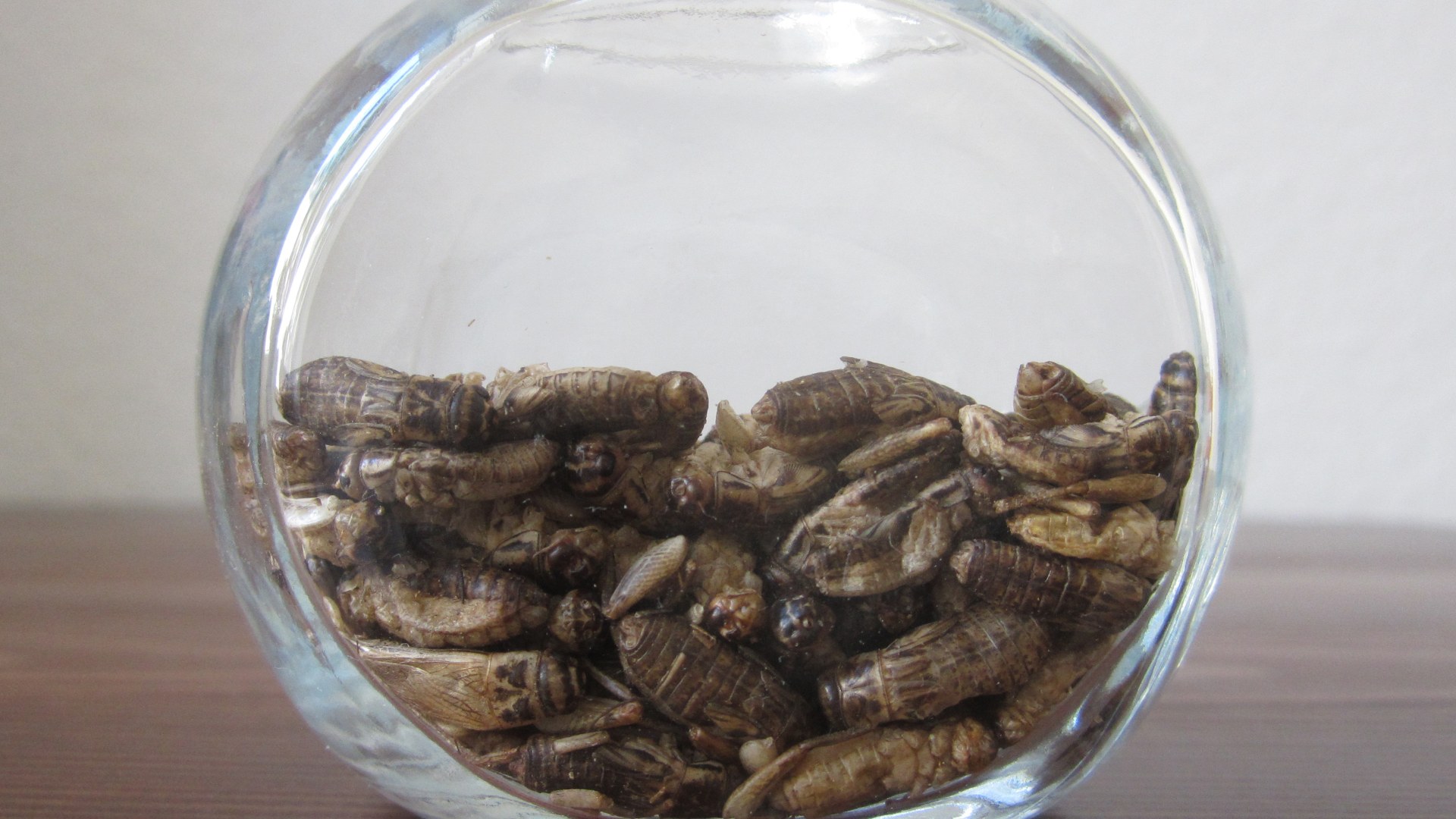
8. Cricket Flour Protein Bars (Edible Insects)
By farming millions of crickets in high-density vertical trays, dehydrating them, and milling them into a fine powder, food makers bake insect flour directly into protein bars. It completely hides the insect in a familiar form factor without the visual barrier of legs and antennae.
©Wikimedia / Insektenwirtschaft.de
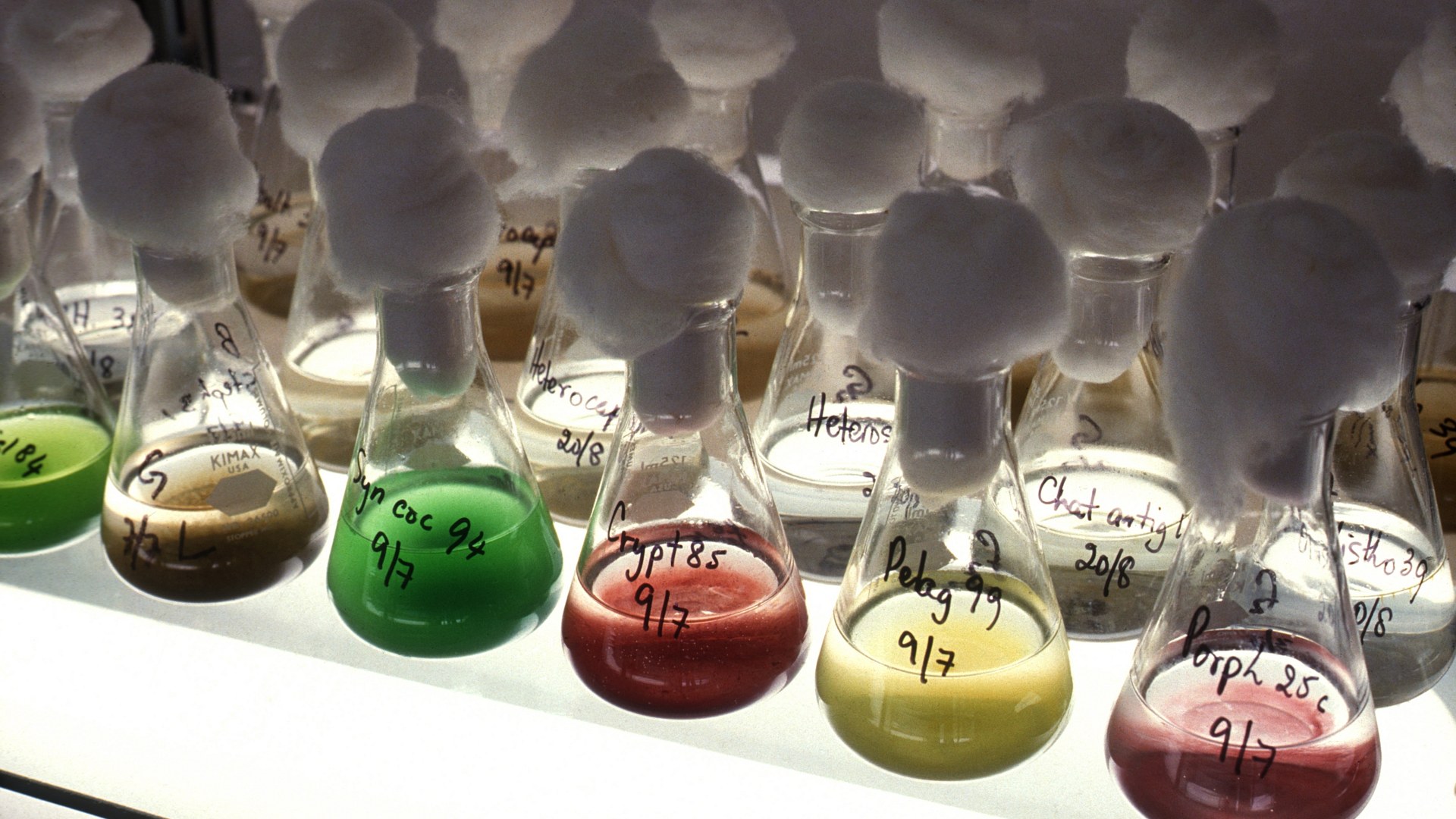
7. Deep-Sea Microalgae Butter (Algae)
Culturing specific strains of marine microalgae inside large, dark fermentation tanks yields clean, neutral-tasting lipids that mimic dairy fat. It replaces traditional cow's butter with a rich spread harvested from microscopic aquatic life.
©Wikimedia / CSIRO
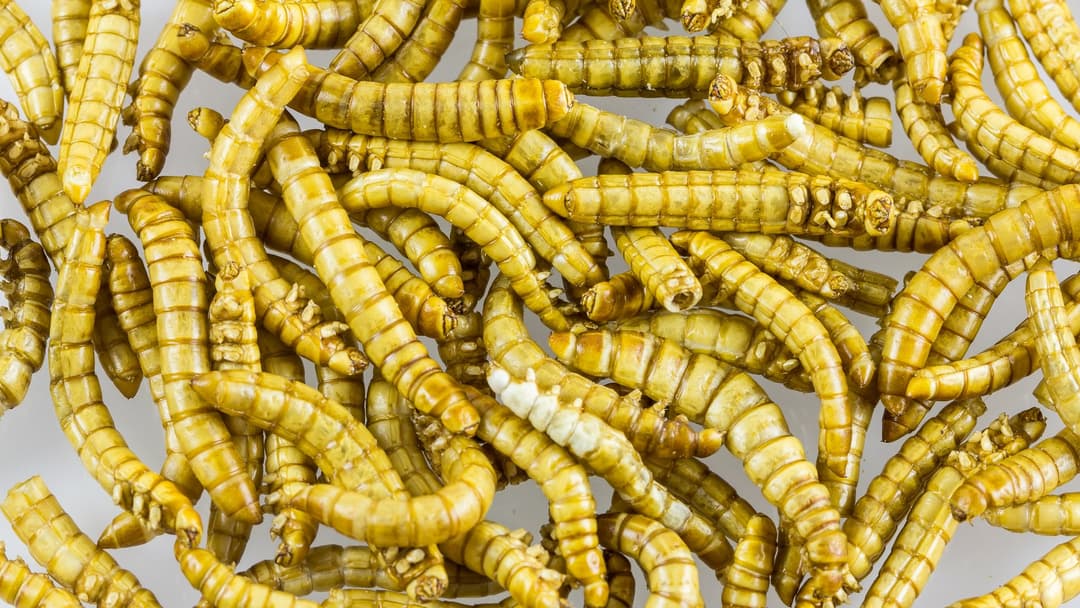
6. Whole Roasted Mealworm Snacks (Edible Insects)
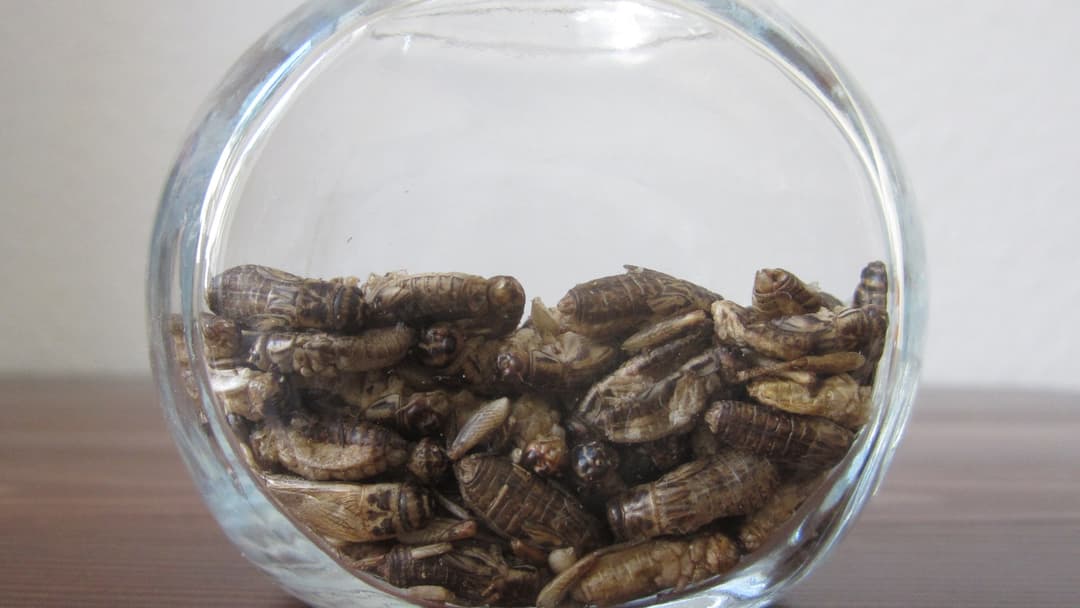
Bred efficiently on agricultural grain waste, mealworms are roasted whole and tossed in savory seasonings like barbecue or sour cream. Unlike hidden insect flour, these crunchy snacks put the segmented bodies and heads of the larvae front and center.
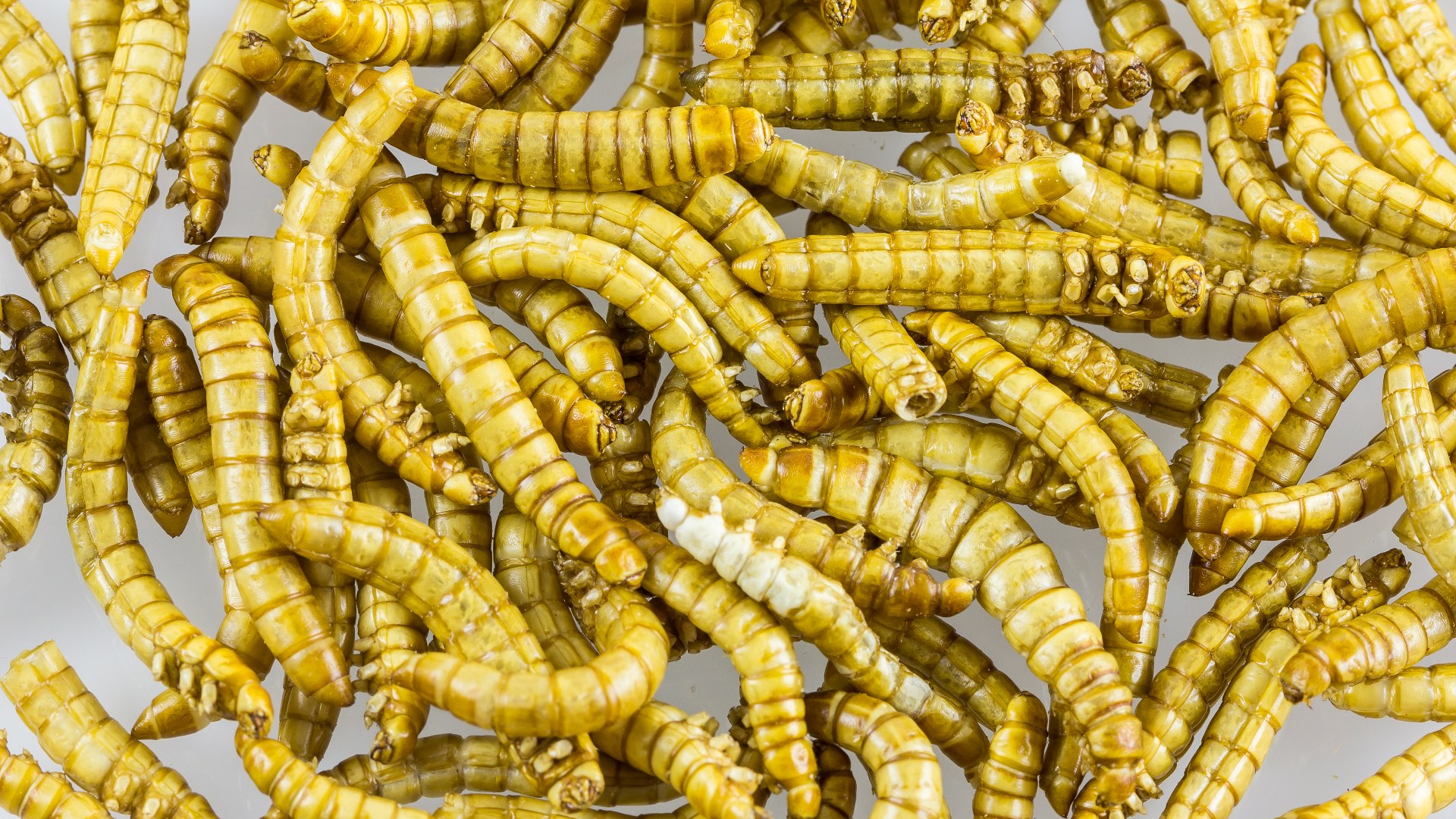
©Wikimedia / Raimond Spekking
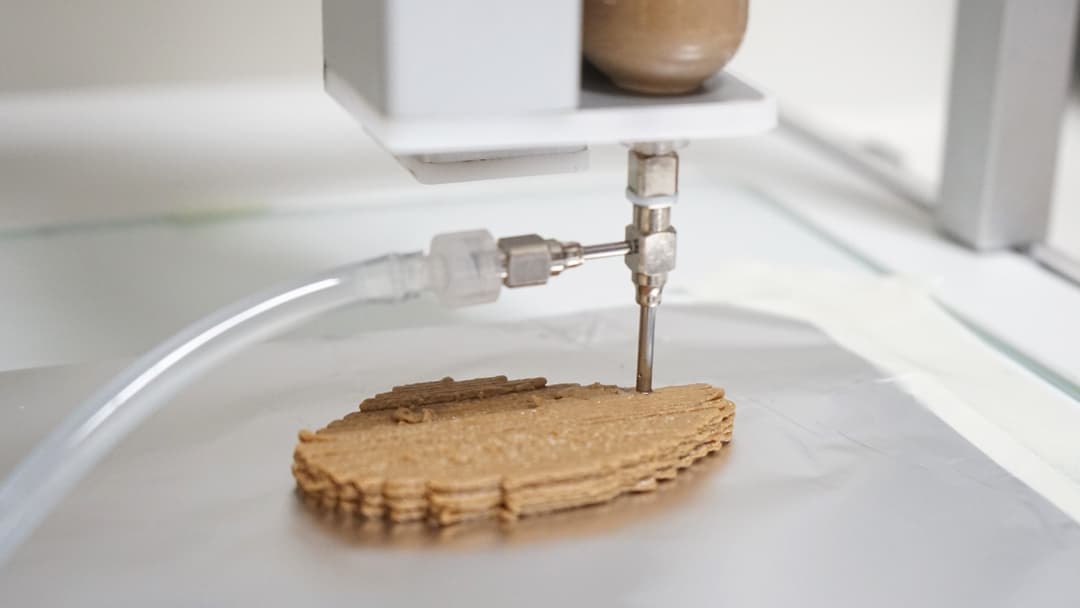
5. 3D-Printed Nutrient Paste Cubes (3D Printed Food)
A countertop kitchen appliance mixes raw macronutrient pastes and 3D-prints personalized food shapes based on biometric data from your fitness tracker. It turns eating into a computerized process where meals are extruded into geometric forms optimized for utility.
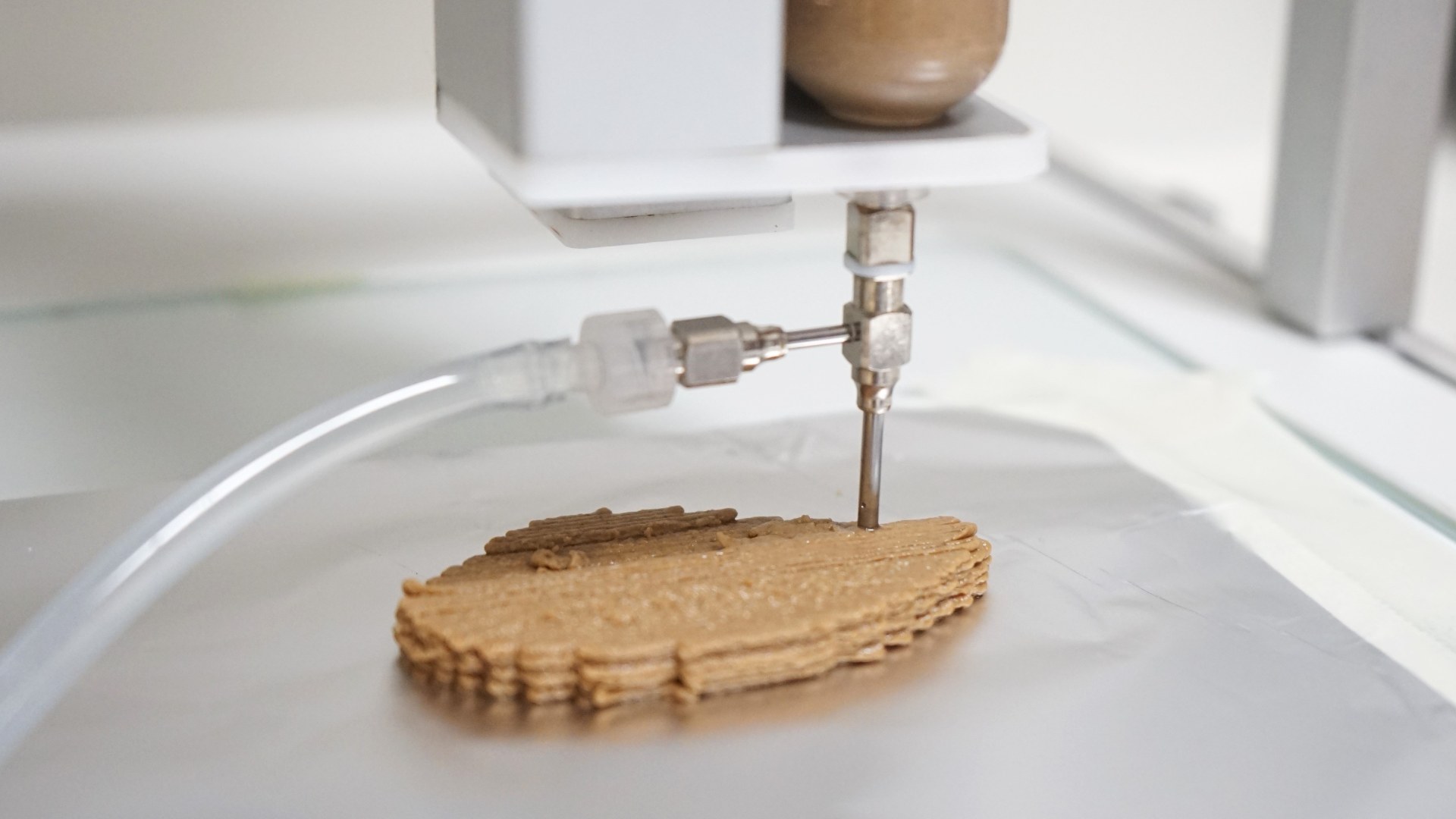
©Wikimedia / Niftyfiftycat
Advertisement
Swipe or tap ▶ to resume the countdown.
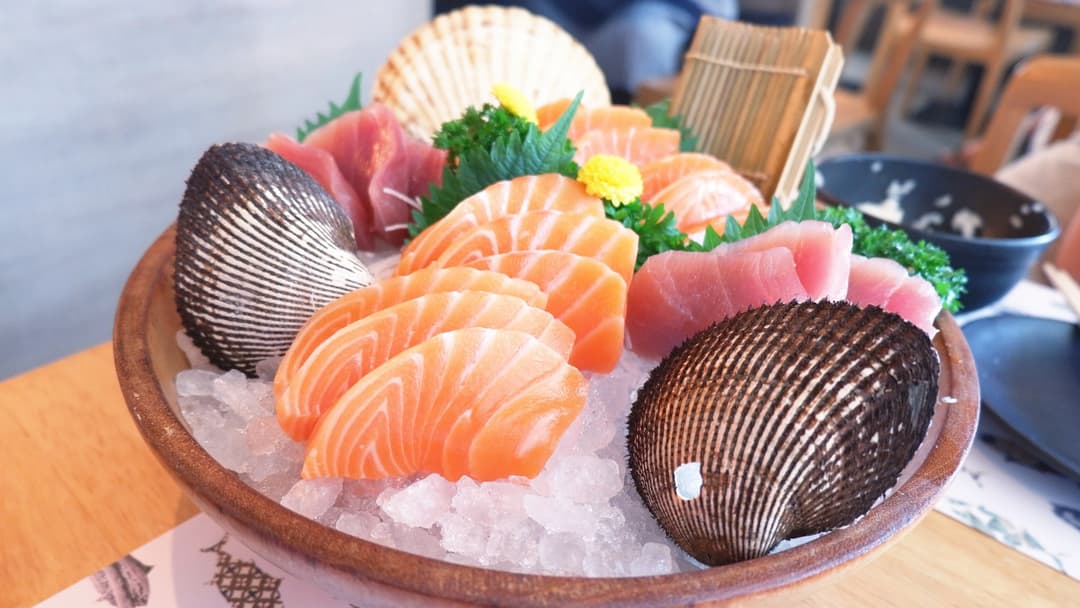
4. Lab-Grown Bluefin Tuna (Lab-Grown Meat)
By isolating cells from endangered wild bluefin tuna and cultivating them in nutrient broths, cellular aquaculture startups produce clean, mercury-free seafood meat inside industrial steel tanks hundreds of miles from the nearest ocean.
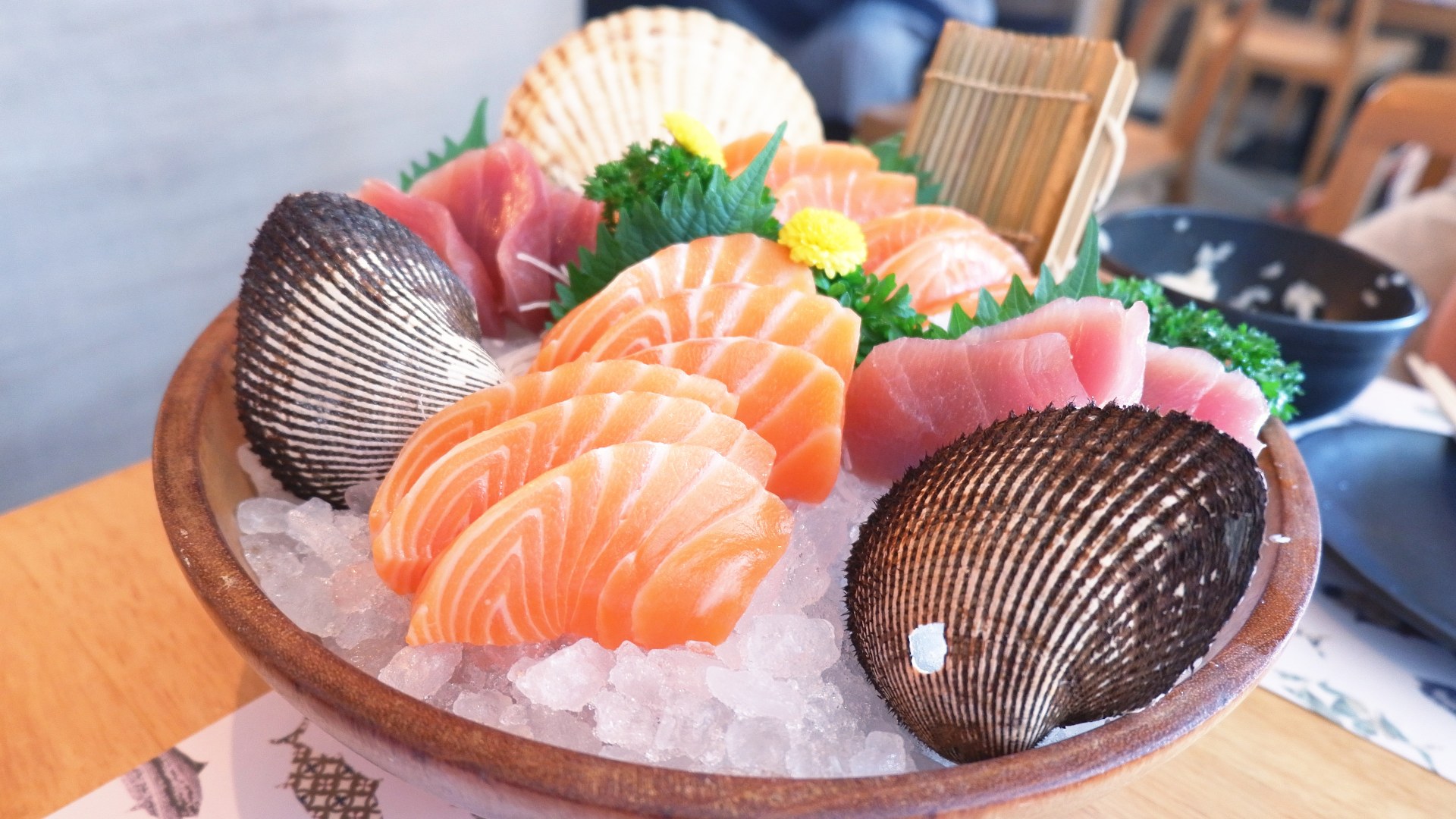
©Wikimedia / Vee Satayamas
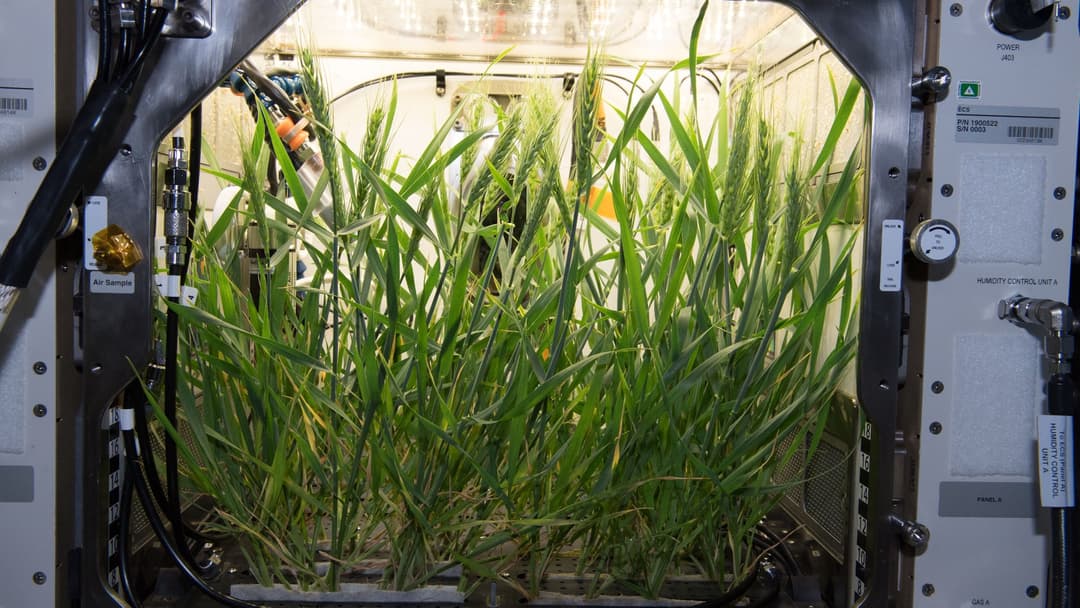
3. Vertical-Farm Dwarf Wheat (Vertical Farm)
Specially bred, short-stalked dwarf wheat variants are grown indoors under precise light frequencies, recirculating water, and automated nutrient delivery—bypassing sun-drenched fields entirely to harvest our primary carbohydrate staple inside windowless chambers.
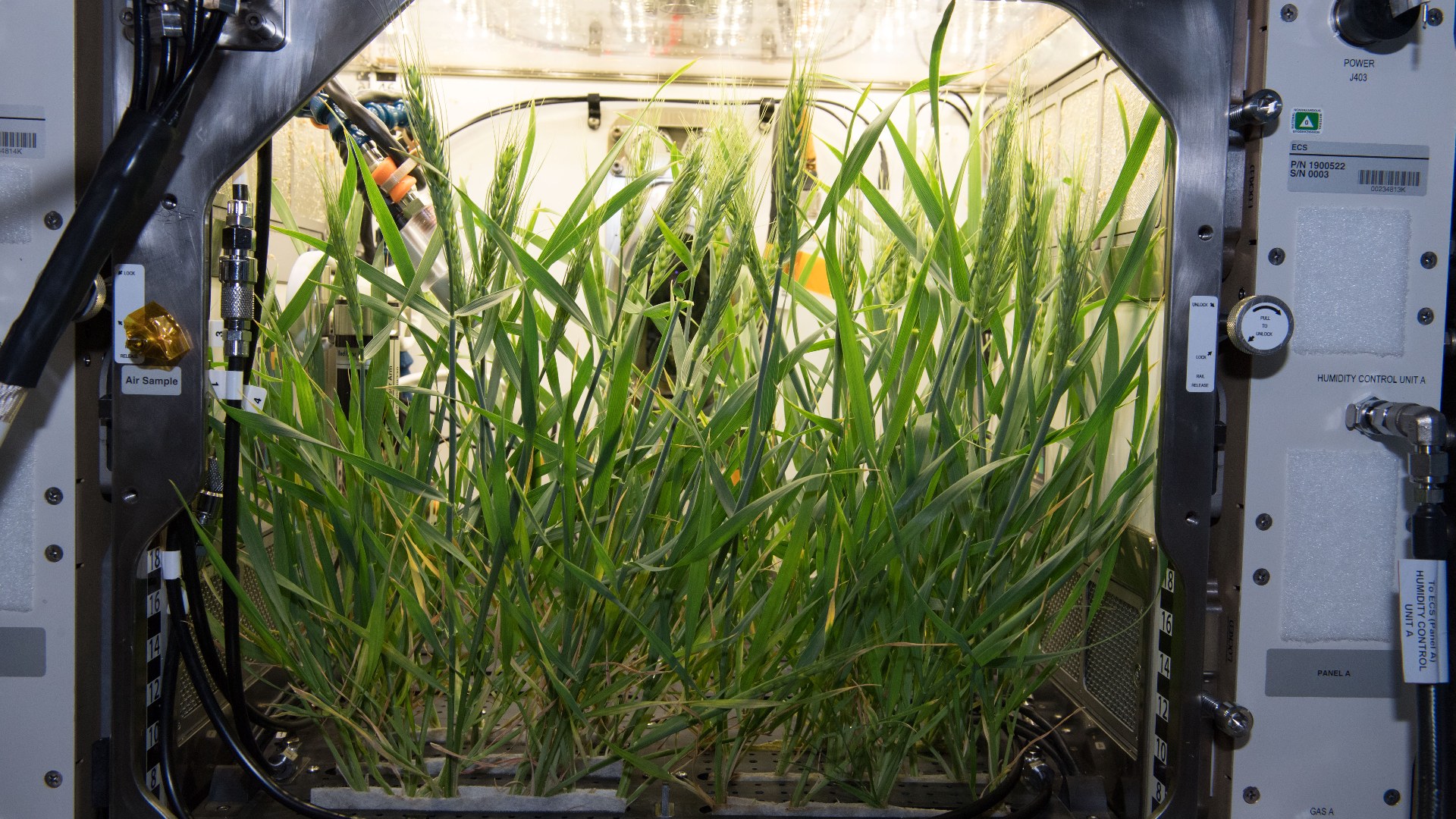
©NASA / Kennedy Space Center
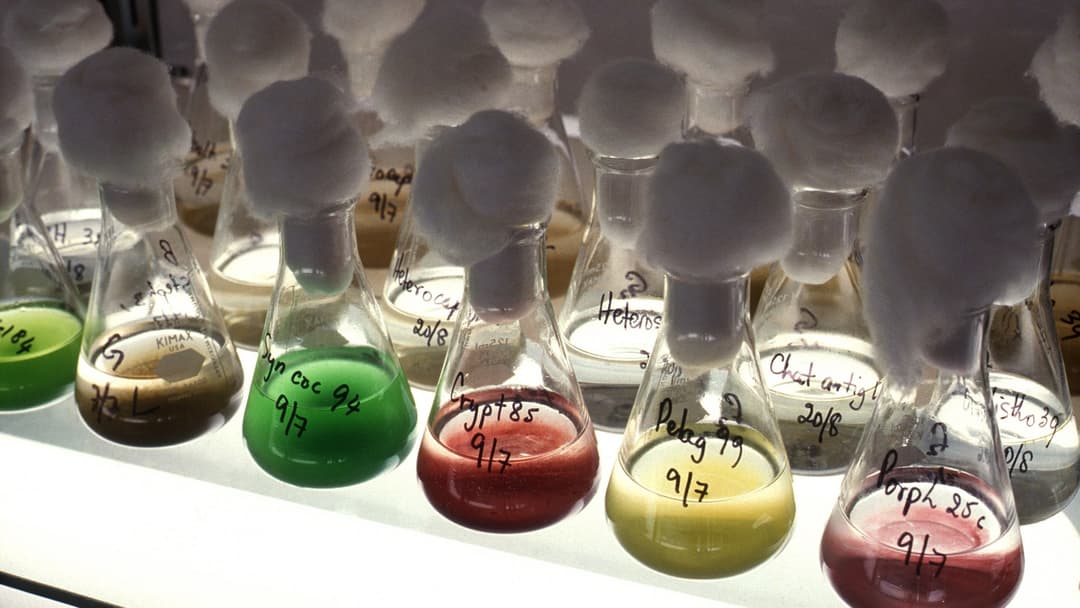
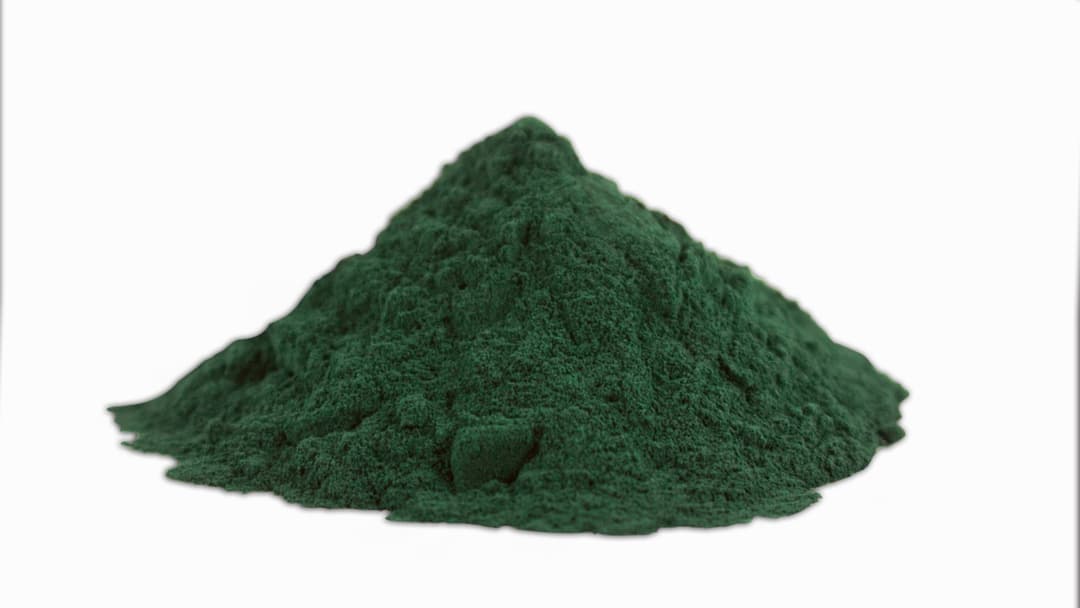
2. Spirulina Protein Shakes (Algae)
Harvested from open-air alkaline ponds and dried into an intensely dark green powder, blue-green spirulina cyanobacteria smells faintly of the ocean yet packs more bioavailable iron and beta-carotene than almost any land vegetable.
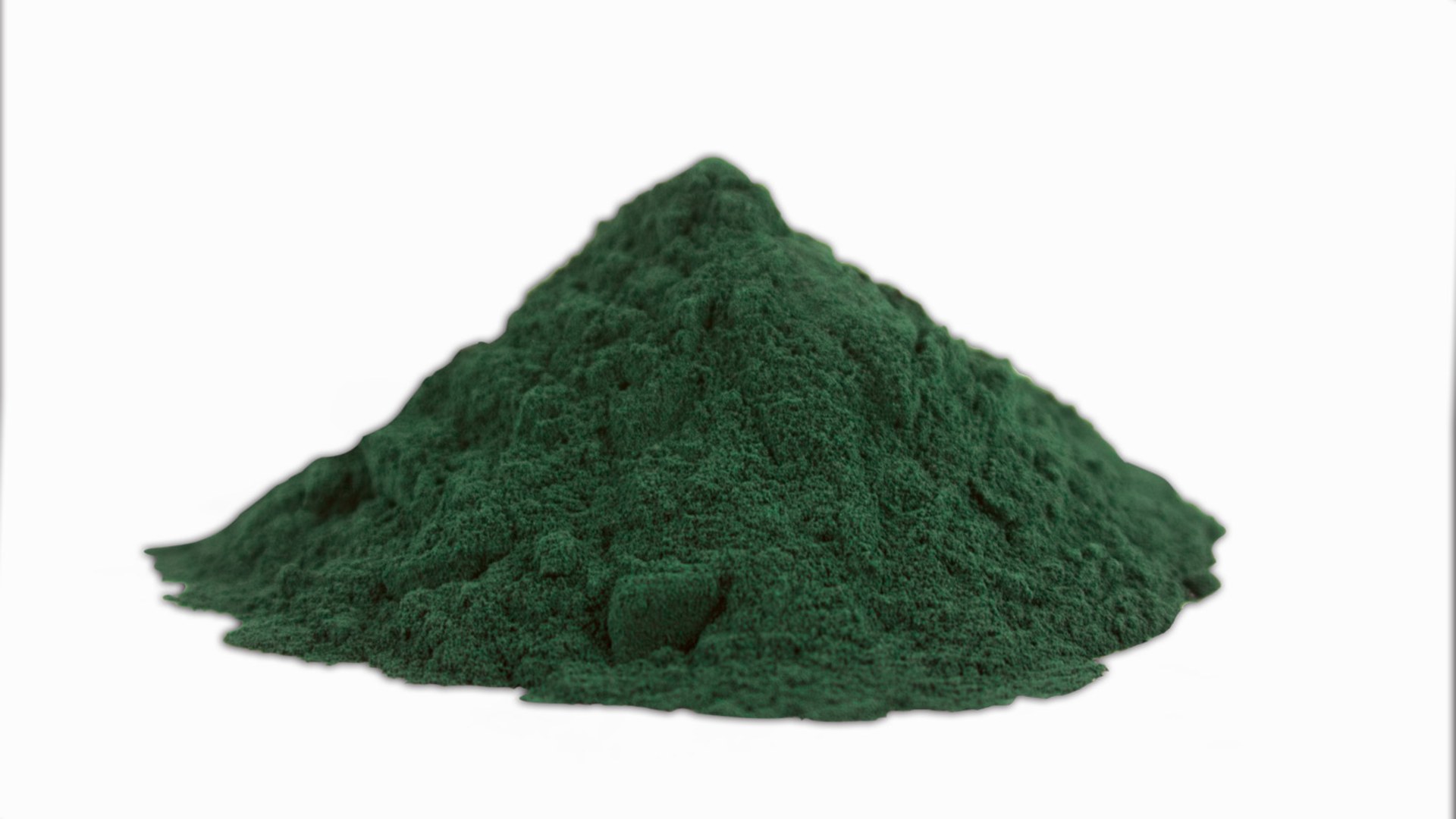
©Wikimedia / Music4thekids
1. Lab-Grown Yeast Dairy Milk (Cellular Agriculture)
By inserting bovine DNA sequences into microflora like yeast, precision fermentation tanks convert simple sugars into identical whey and casein dairy proteins. The resulting milk is structurally identical to real cow's milk, even though a cow was never born, raised, or milked.

©Wikimedia / Mack Male
Advertisement
You've reached the end of the story. Thanks for reading!

22 High-Calorie Burning Exercises Ranked by Harvard Medical Data
Ranked according to Harvard Medical School caloric expenditure data, these 22 physical exercises burn the highest number of calories per hour for optimal cardiovascular health. Medical data reveals true effort.
All 15 Entries in this Story
1. Air Protein (Gas Fermentation)
Scientists use hydrogenotrophic microbes inside fermentation bioreactors to convert carbon dioxide, oxygen, and nitrogen into a nutrient-rich protein powder. It literally creates physical calories out of invisible gas, entirely bypassing the need for soil, sunlight, or plants.

2. 3D-Printed Lab-Grown Wagyu Steaks
Stem cells from high-end cattle are multiplied in a laboratory, loaded into a 3D bioprinter as bio-ink, and extruded layer by layer. Complex structures like muscle fibers, fat channels, and blood vessels are mapped out on a computer grid before printing.

3. Sonic-Enhanced Meals (Sensory Design)
Sonic-enhanced meals are designed to interact with specific auditory stimuli to alter human perception of sweetness, bitterness, or saltiness. High-pitched frequencies make food taste sweeter, meaning you can eat sugar-free paste that tastes like dessert just by wearing headphones.

4. Jellyfish Crisps (Wild Harvest)
As ocean temperatures rise, jellyfish populations are exploding worldwide. Food scientists have discovered that processing jellyfish with ethanol and drying them creates a light, crunchy snack chip—turning slimy, sting-heavy marine organisms into a sustainable potato-chip alternative.

5. Self-Heating Edible Algae Packaging
Constructed from seaweed and microalgae membranes containing nutrient-dense algal gels, these bio-designed food pods feature a chemical-free, completely edible outer skin. Instead of peeling open a wrapper, you simply chew through the package itself, eliminating plastic waste completely.

6. Lab-Grown Mammoth Meat (Cultured Meat)
Scientists took the ancient DNA sequence for woolly mammoth myoglobin—the key protein that gives meat its flavor and aroma—filled in the genetic gaps with African elephant DNA, and grew the meat in a laboratory bioreactor. It resurrects the taste profile of an animal that went extinct thousands of years ago.

7. Bioluminescent Salad Greens (Vertical Farm / GM)
Crisp salad greens grown in indoor vertical farming stacks are genetically spliced with bioluminescent mushroom genes so they naturally glow in the dark. The result is living produce that emits a soft green light on your plate for night-dining experiences without artificial dyes.

8. Cricket Flour Protein Bars (Edible Insects)
By farming millions of crickets in high-density vertical trays, dehydrating them, and milling them into a fine powder, food makers bake insect flour directly into protein bars. It completely hides the insect in a familiar form factor without the visual barrier of legs and antennae.

9. Deep-Sea Microalgae Butter (Algae)
Culturing specific strains of marine microalgae inside large, dark fermentation tanks yields clean, neutral-tasting lipids that mimic dairy fat. It replaces traditional cow's butter with a rich spread harvested from microscopic aquatic life.

10. Whole Roasted Mealworm Snacks (Edible Insects)
Bred efficiently on agricultural grain waste, mealworms are roasted whole and tossed in savory seasonings like barbecue or sour cream. Unlike hidden insect flour, these crunchy snacks put the segmented bodies and heads of the larvae front and center.

11. 3D-Printed Nutrient Paste Cubes (3D Printed Food)
A countertop kitchen appliance mixes raw macronutrient pastes and 3D-prints personalized food shapes based on biometric data from your fitness tracker. It turns eating into a computerized process where meals are extruded into geometric forms optimized for utility.

12. Lab-Grown Bluefin Tuna (Lab-Grown Meat)
By isolating cells from endangered wild bluefin tuna and cultivating them in nutrient broths, cellular aquaculture startups produce clean, mercury-free seafood meat inside industrial steel tanks hundreds of miles from the nearest ocean.

13. Vertical-Farm Dwarf Wheat (Vertical Farm)
Specially bred, short-stalked dwarf wheat variants are grown indoors under precise light frequencies, recirculating water, and automated nutrient delivery—bypassing sun-drenched fields entirely to harvest our primary carbohydrate staple inside windowless chambers.

14. Spirulina Protein Shakes (Algae)
Harvested from open-air alkaline ponds and dried into an intensely dark green powder, blue-green spirulina cyanobacteria smells faintly of the ocean yet packs more bioavailable iron and beta-carotene than almost any land vegetable.

15. Lab-Grown Yeast Dairy Milk (Cellular Agriculture)
By inserting bovine DNA sequences into microflora like yeast, precision fermentation tanks convert simple sugars into identical whey and casein dairy proteins. The resulting milk is structurally identical to real cow's milk, even though a cow was never born, raised, or milked.