Slideshow · Viral
15 Wild Animals Proven to Recognize Human Faces
From clever crows and great apes to surprise insects and archerfish, discover the remarkable wild creatures that can tell individual people apart.
By Most Viral Today
3 Nov 2026

Discover 15 wild creatures with the uncanny ability to recognize human faces. 
15. Western Honeybee 
14. Northern Paper Wasp 
13. Banded Archerfish - AdvertisementSwipe or tap ▶ to continue countdown

12. Feral Rock Pigeon 
11. Eurasian Magpie 
10. African Grey Parrot 
9. Wild Harbor Seal - AdvertisementSwipe or tap ▶ to continue countdown

8. Common Octopus 
7. Wild Gray Wolf 
6. Rhesus Macaque 
5. Western Lowland Gorilla - AdvertisementSwipe or tap ▶ to continue countdown

4. Wild Asian Elephant 
3. Bottlenose Dolphin 
2. American Crow 
1. Wild Chimpanzee - Advertisement🔥 UP NEXT IN THIS SERIES◫ 21 Slides

20 Famous Cars With Pop-Up Headlights That Shaped Car Design
From hand-cranked 1930s teardrops to wedge supercars of the 1980s, hidden headlights let stylists chase sleek aerodynamics until 2004 pedestrian rules closed the curtain. Here are 20 standout production cars that turned retractable lamps into an enduring automotive design feature across seven full decades.
From clever crows and great apes to surprise insects and archerfish, discover the remarkable wild creatures that can tell individual people apart.
Swipe or tap ▶ to begin the countdown
©Wikimedia / Giles Laurent
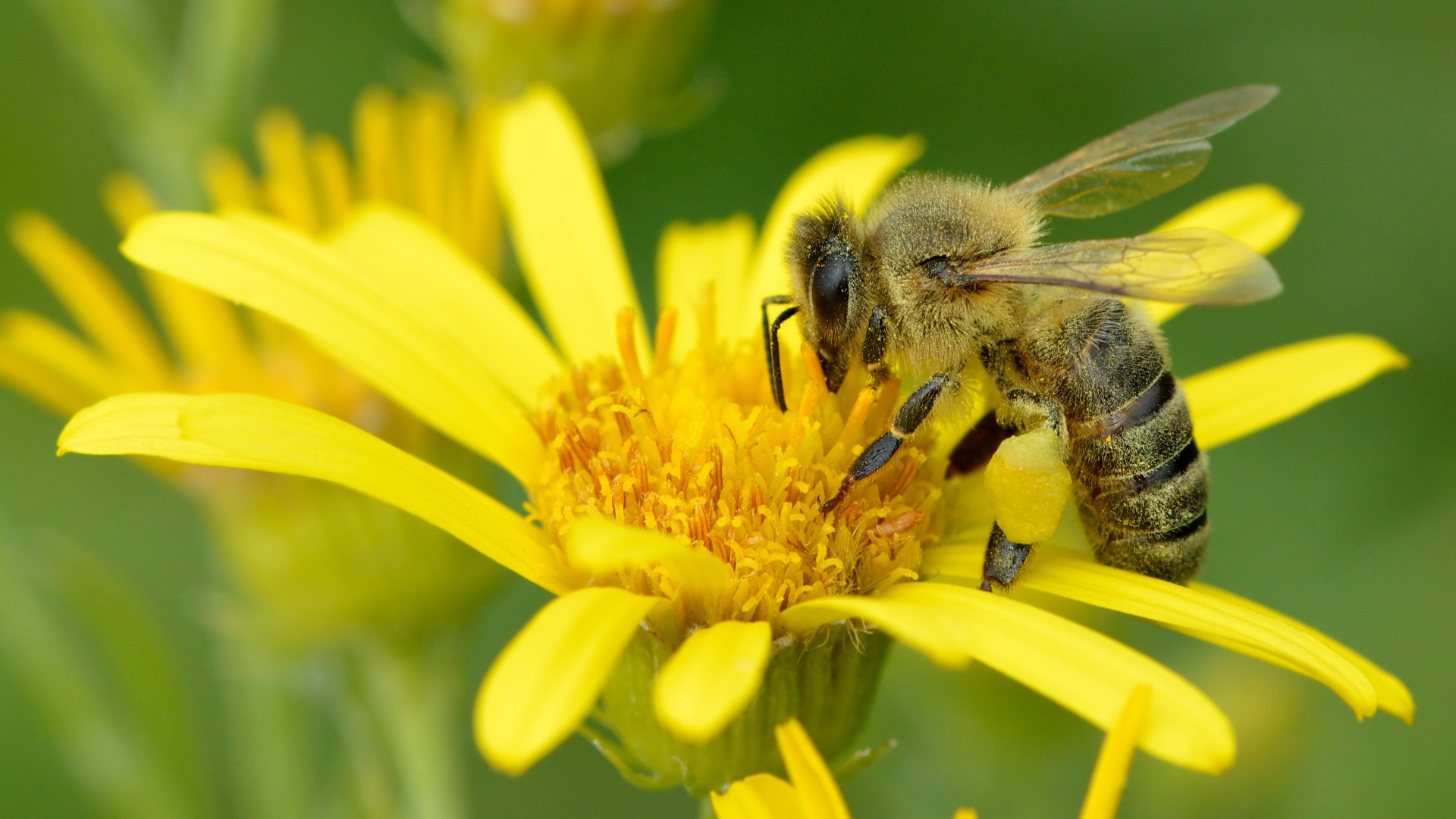
15. Western Honeybee
In pioneering visual experiments, scientists rewarded honeybees with sugary nectar when choosing photos of human faces. Despite possessing only one million neurons, the insects successfully learned distinct facial configurations, remembering them for days.
©Wikimedia / Ivar Leidus
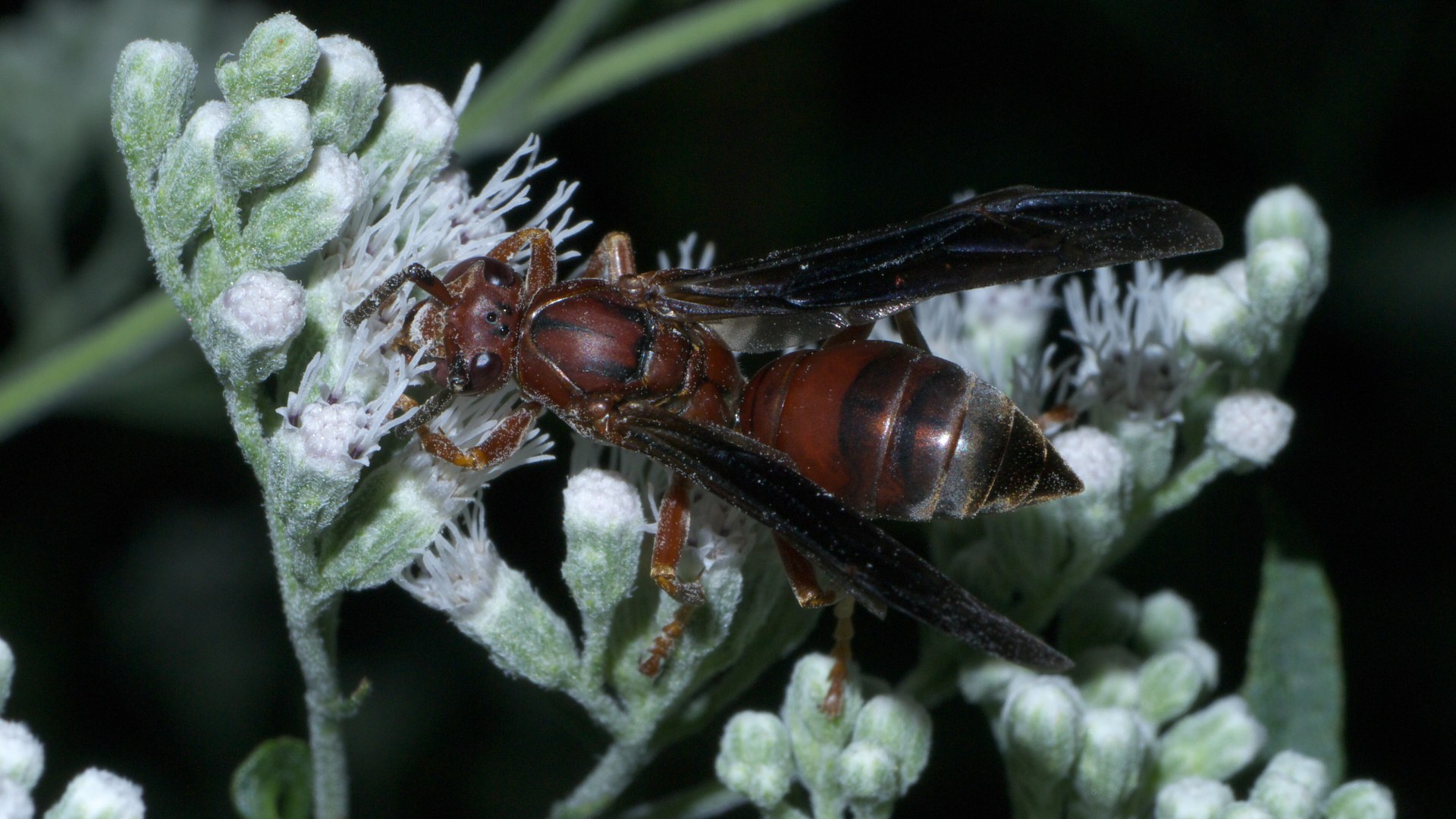
14. Northern Paper Wasp
University of Michigan biologists discovered that Polistes fuscatus paper wasps recognize individual facial patterns on other wasps. Subsequent laboratory testing revealed these social insects can also learn to recognize human portraits with remarkable accuracy.
©Wikimedia / xpda
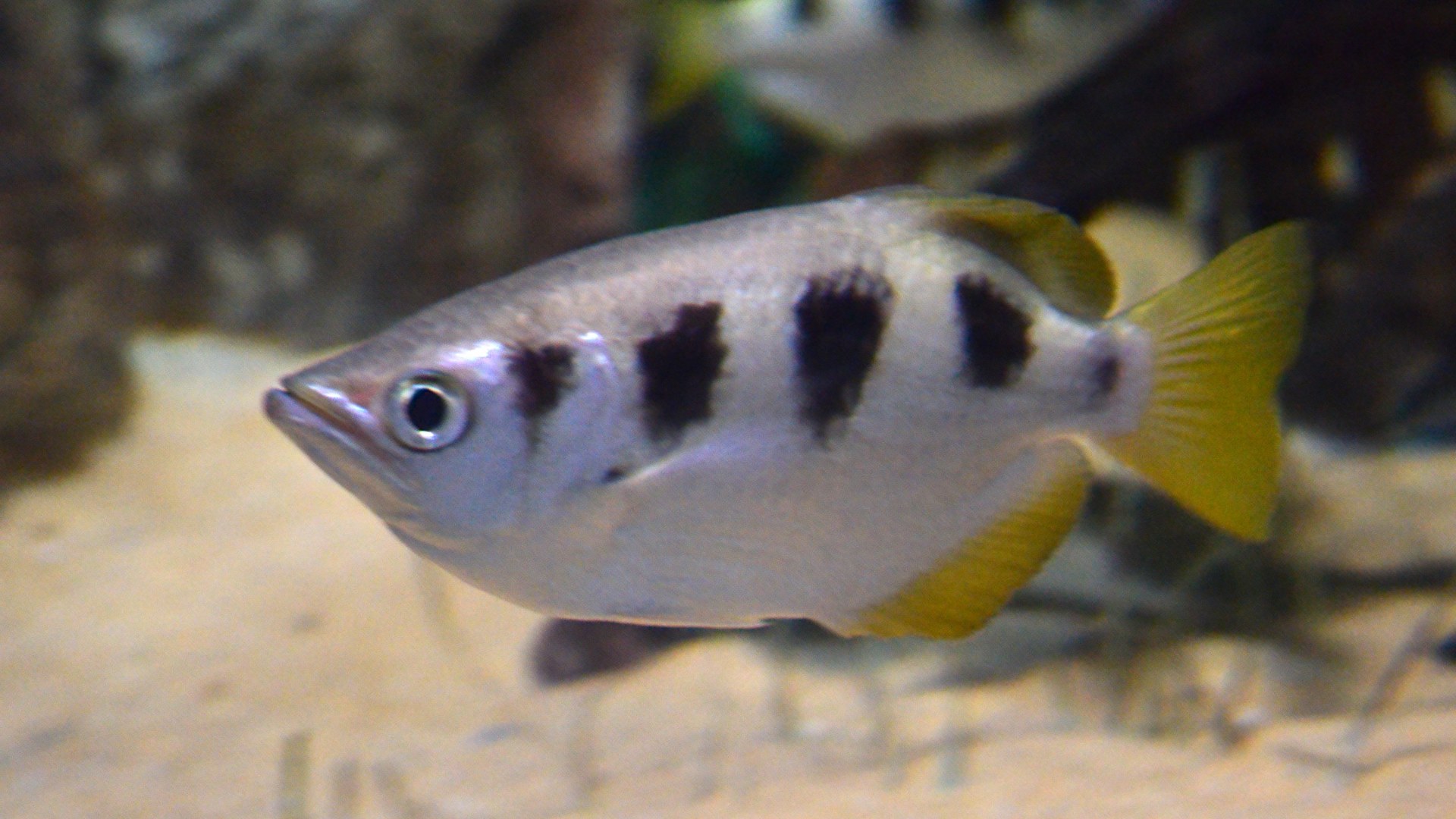
13. Banded Archerfish
Archerfish hunt by shooting precise jets of water at insects on overhead branches. When presented with dozens of digital human portraits, the fish quickly learned to recognize a target face, even when color and head shape were removed.
©Wikimedia / Esquilo
Advertisement
Swipe or tap ▶ to resume the countdown.
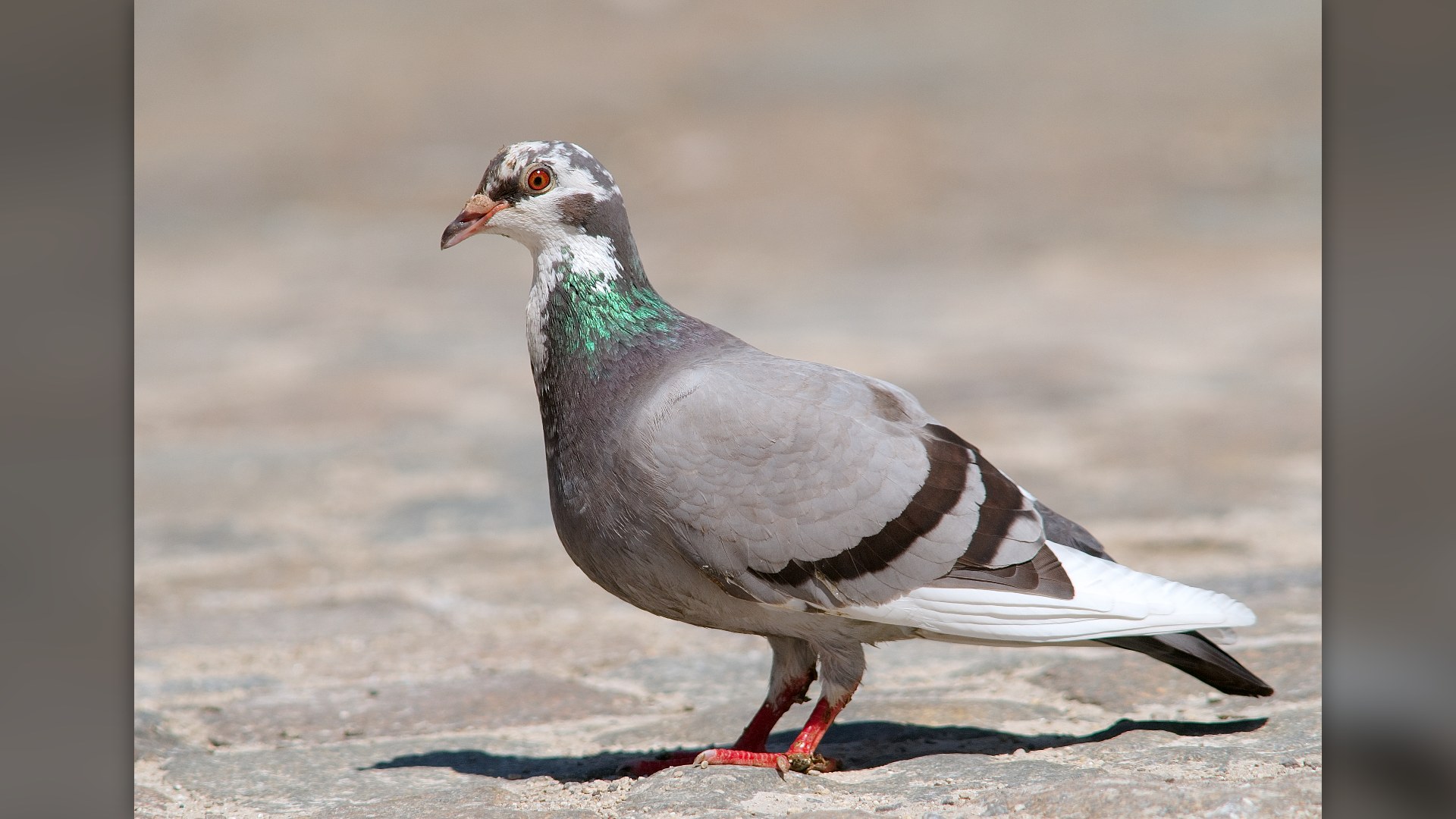
12. Feral Rock Pigeon
Researchers in Paris dressed two scientists of similar build in different colored coats, having one treat pigeons gently while the other chased them away. When the scientists later swapped clothing, the pigeons still avoided the hostile researcher by recognizing facial features.
©Wikimedia / Luc Viatour
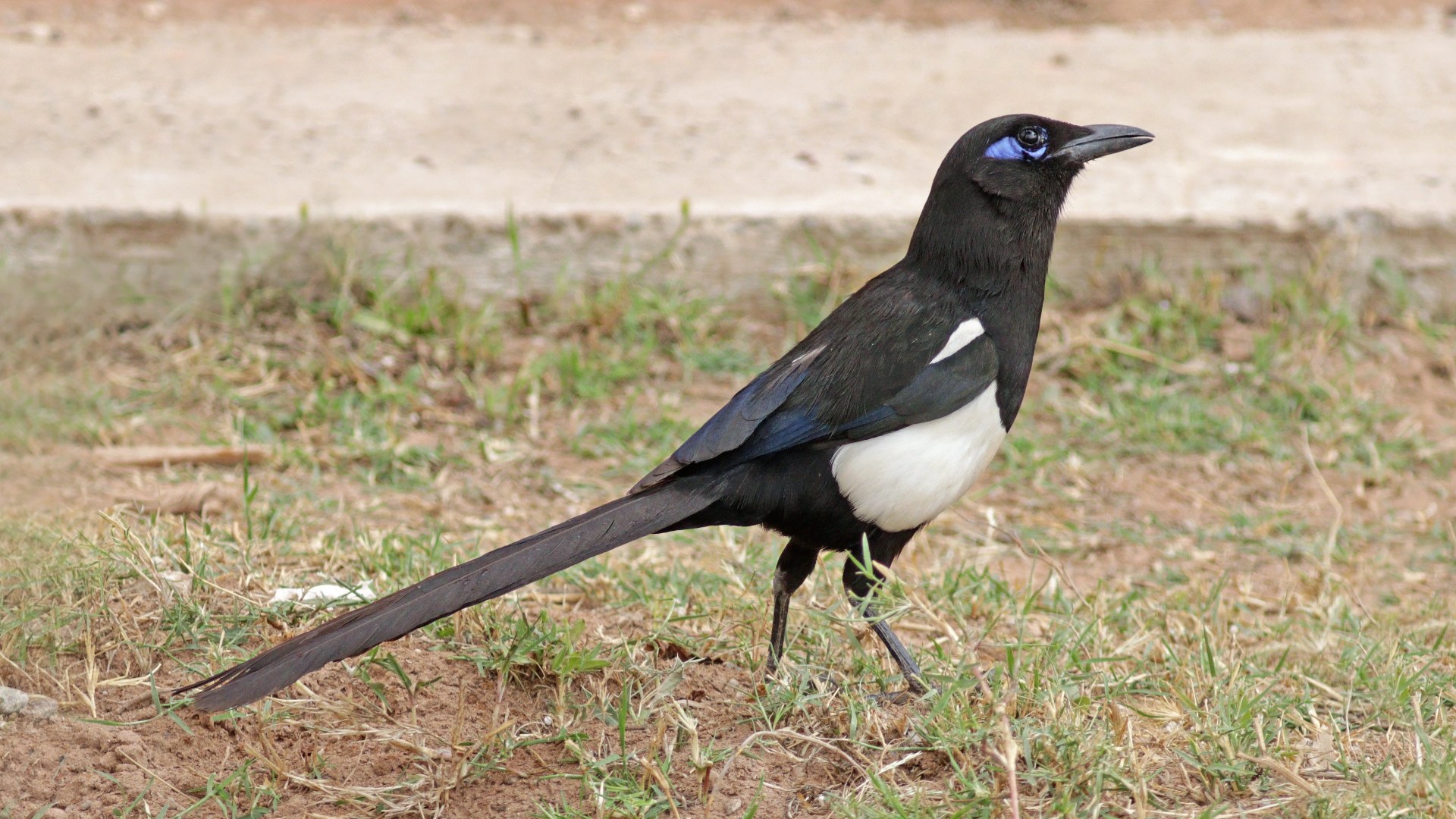
11. Eurasian Magpie
Field studies conducted at Seoul National University showed that wild magpies accurately singled out human intruders who had inspected their nests. The corvids ignored unfamiliar pedestrians walking the same route, directing scolding alarms exclusively at familiar faces.
©Wikimedia / Charles J. Sharp
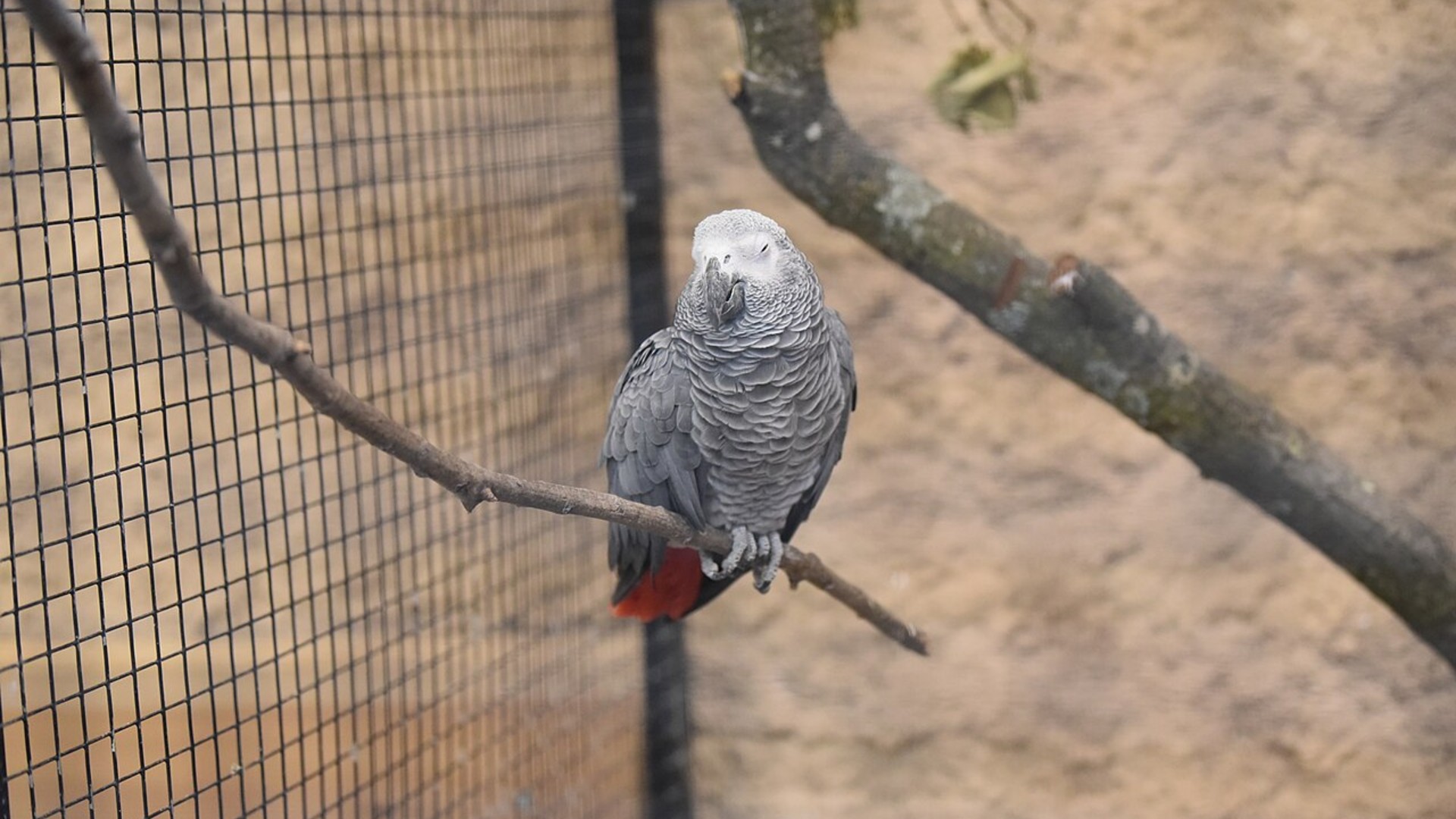
10. African Grey Parrot
Animal cognition studies pioneered by Dr. Irene Pepperberg demonstrated that African grey parrots possess sophisticated visual memory. The birds distinguish familiar human faces effortlessly, modulating their vocal greetings depending on which person enters the room.
©Wikimedia / R. J. Mathar
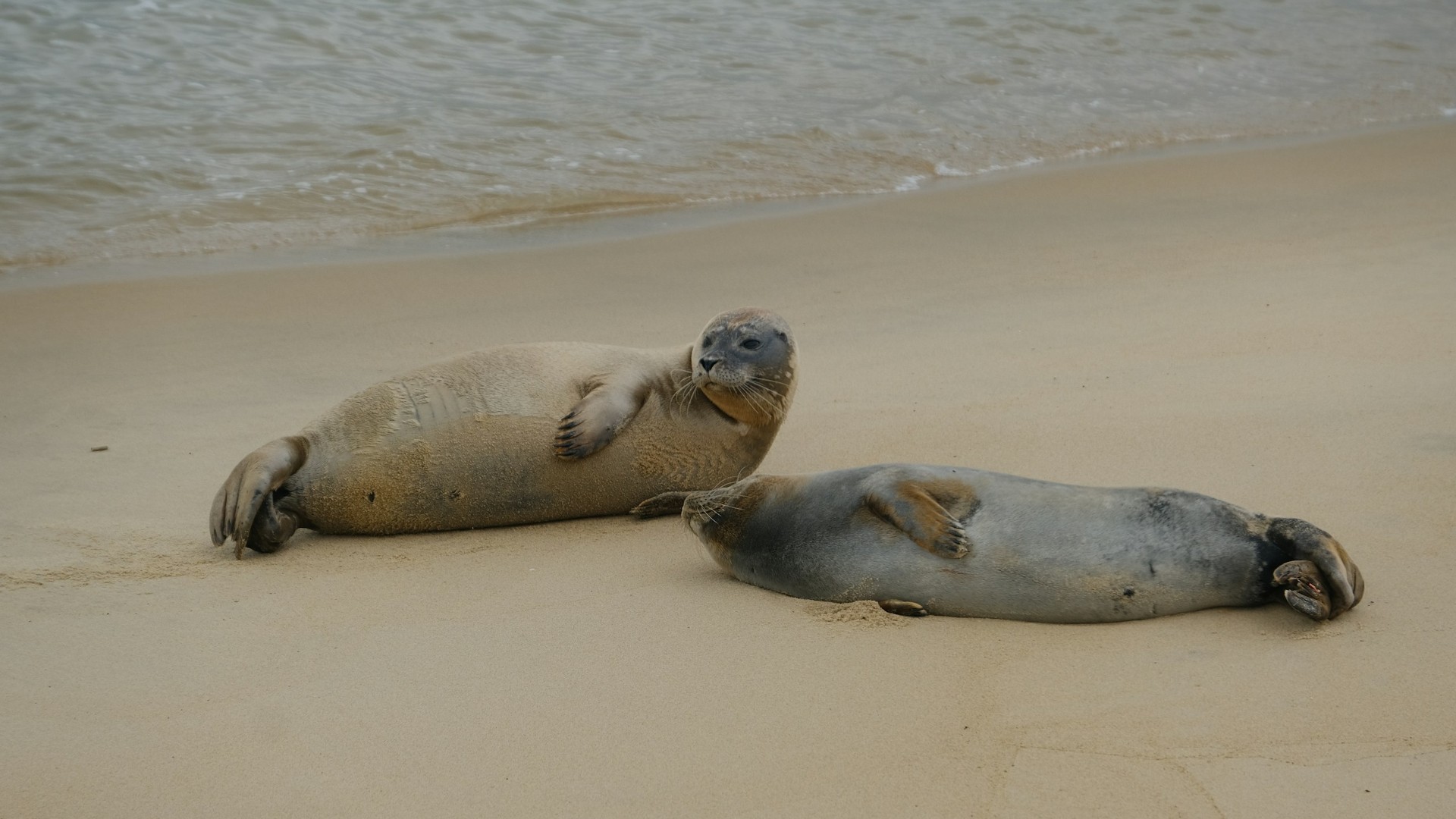
9. Wild Harbor Seal
Studies conducted at sensory research stations show that harbor seals possess acute vision in air and water. The pinnipeds reliably distinguish individual handlers and divers by analyzing distinct facial contours alongside acoustic cues.
© Photo by Boudewijn Huysmans on Unsplash
Advertisement
Swipe or tap ▶ to resume the countdown.
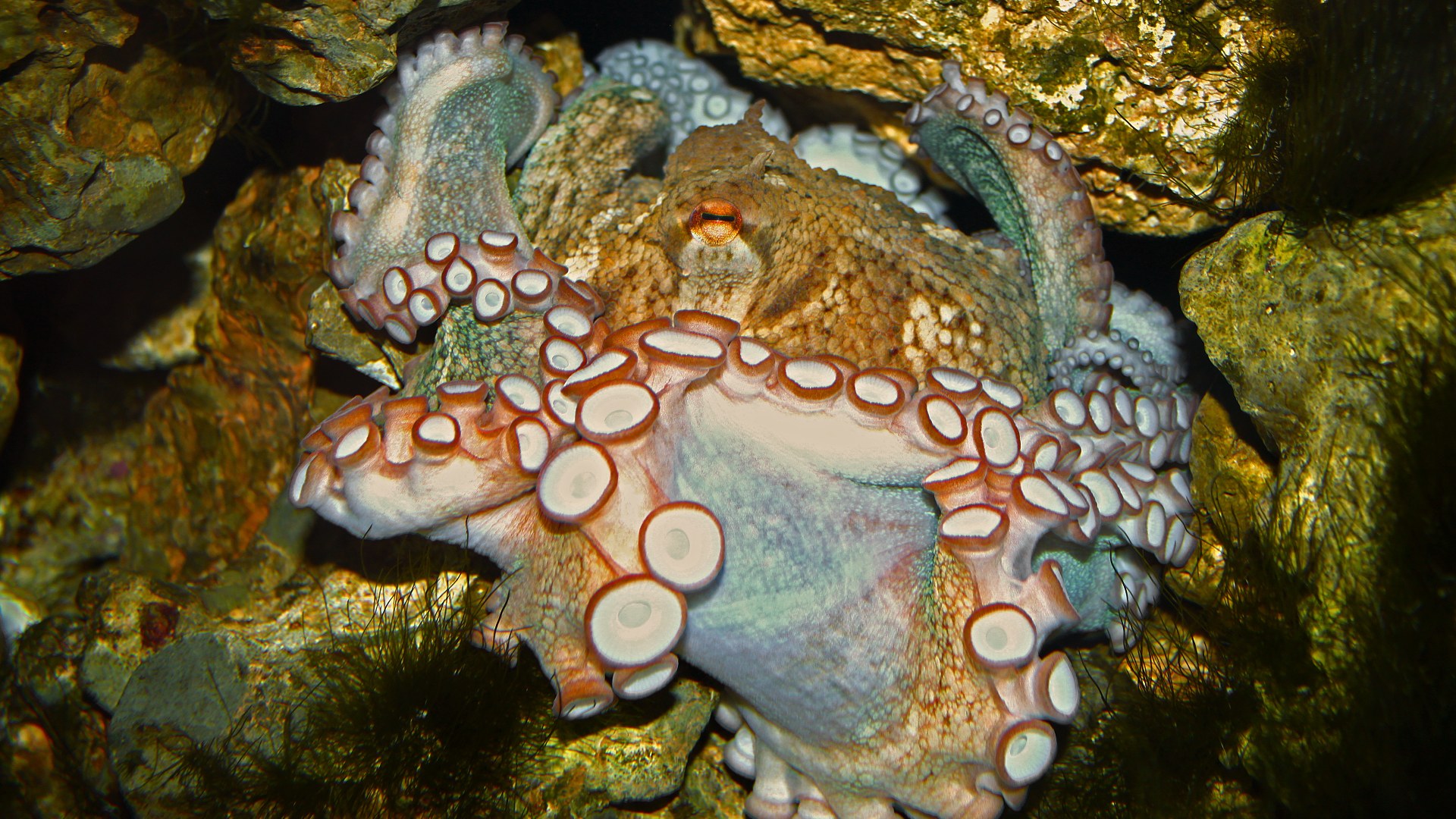
8. Common Octopus
At the University of Otago in New Zealand, an octopus took a dislike to a particular staff member, squirting a jet of cold water down the back of her neck whenever she passed by. The animal never squirted other staff wearing identical clothing.
©Wikimedia / H. Zell
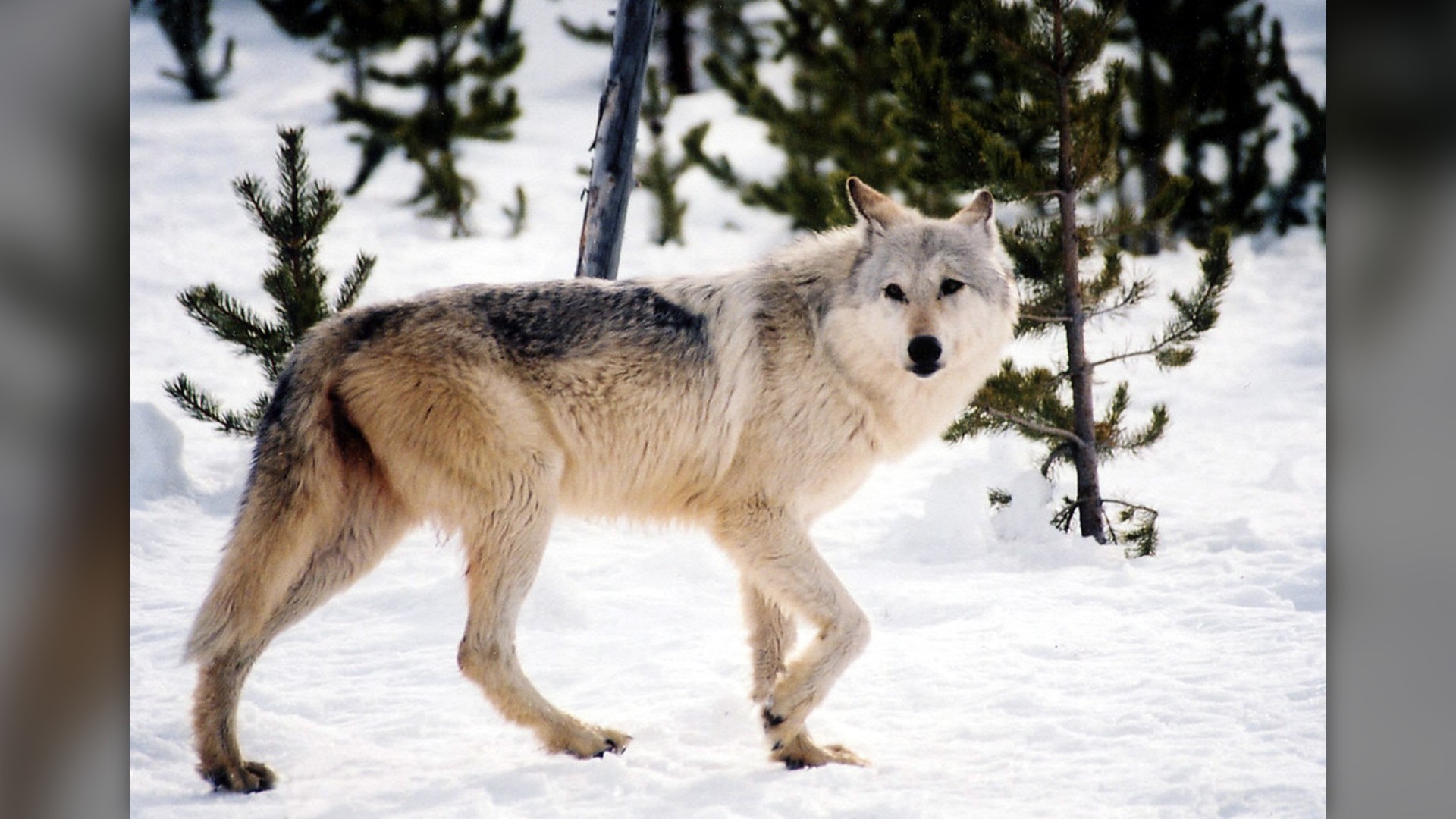
7. Wild Gray Wolf
Canid cognitive researchers at the Wolf Science Center in Austria demonstrated that wild-born wolves recognize human caretakers by their facial features and eye gaze. Even after long periods of separation, wolves greet familiar handlers with joyful body language.
©Openverse / U.S. Fish and Wildlife Service - Midwest
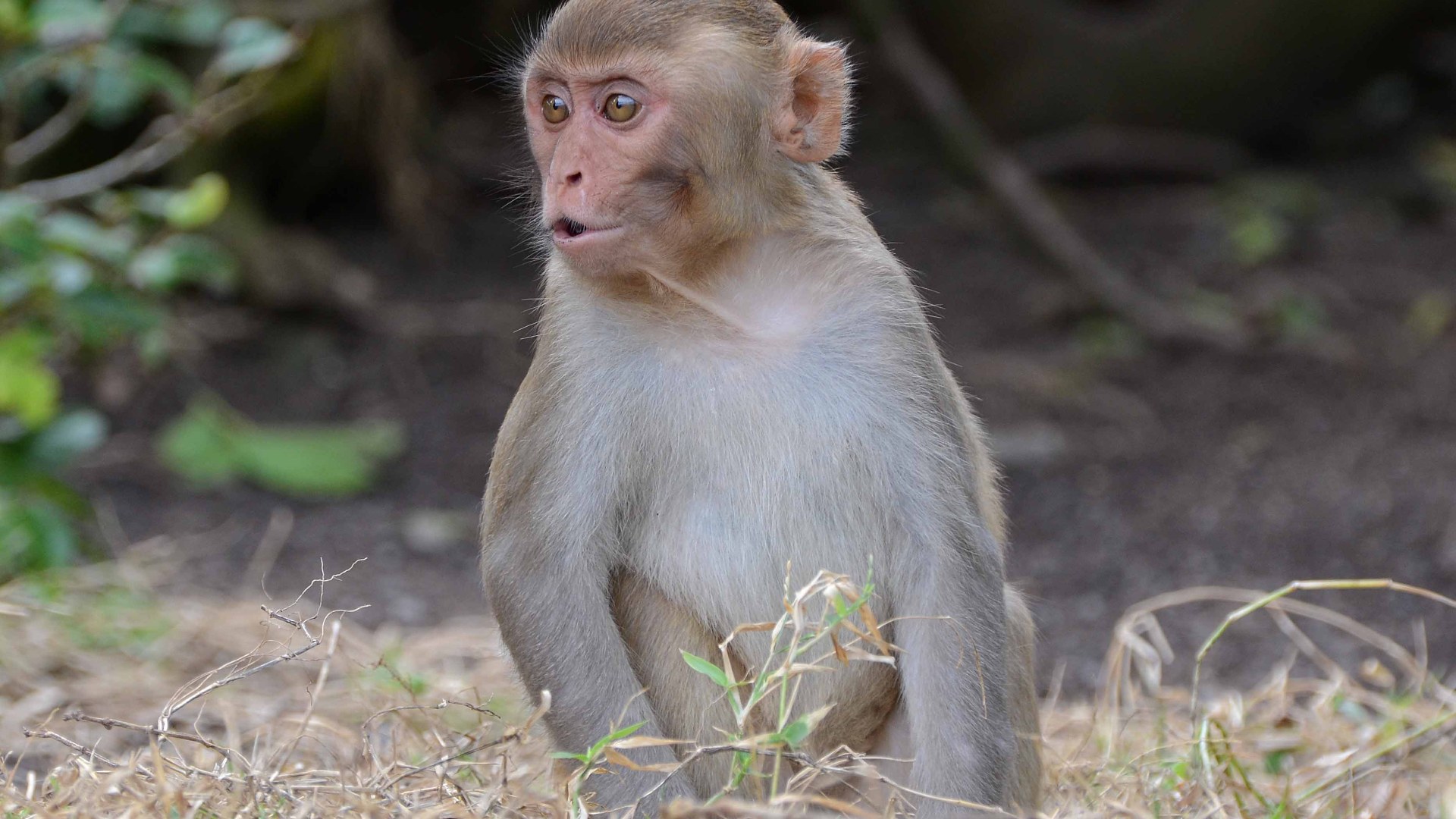
6. Rhesus Macaque
Harvard Medical School brain imaging studies discovered dedicated neural patches in macaque temporal lobes. These brain regions process human and monkey facial structures holistically, enabling macaques to instantly identify individual human researchers.
©Wikimedia / Geoff Gallice
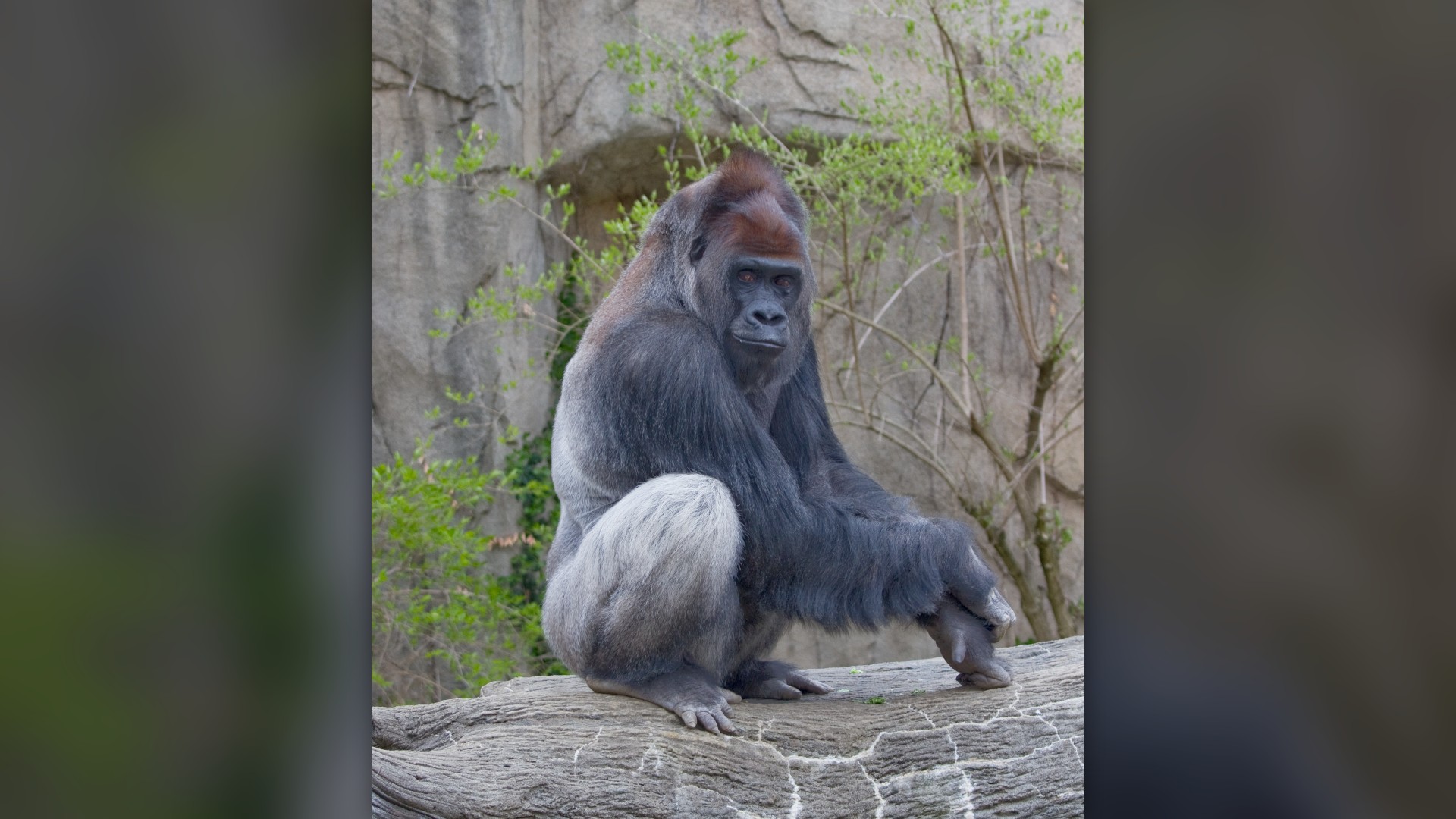
5. Western Lowland Gorilla
Primate research demonstrates that western gorillas track eye movements and facial expressions of human observers. Gorillas remember individual sanctuary workers across decades, exhibiting calm cooperation with trusted keepers while remaining vigilant around strangers.
©Wikimedia / Western lowland gorilla
Advertisement
Swipe or tap ▶ to resume the countdown.
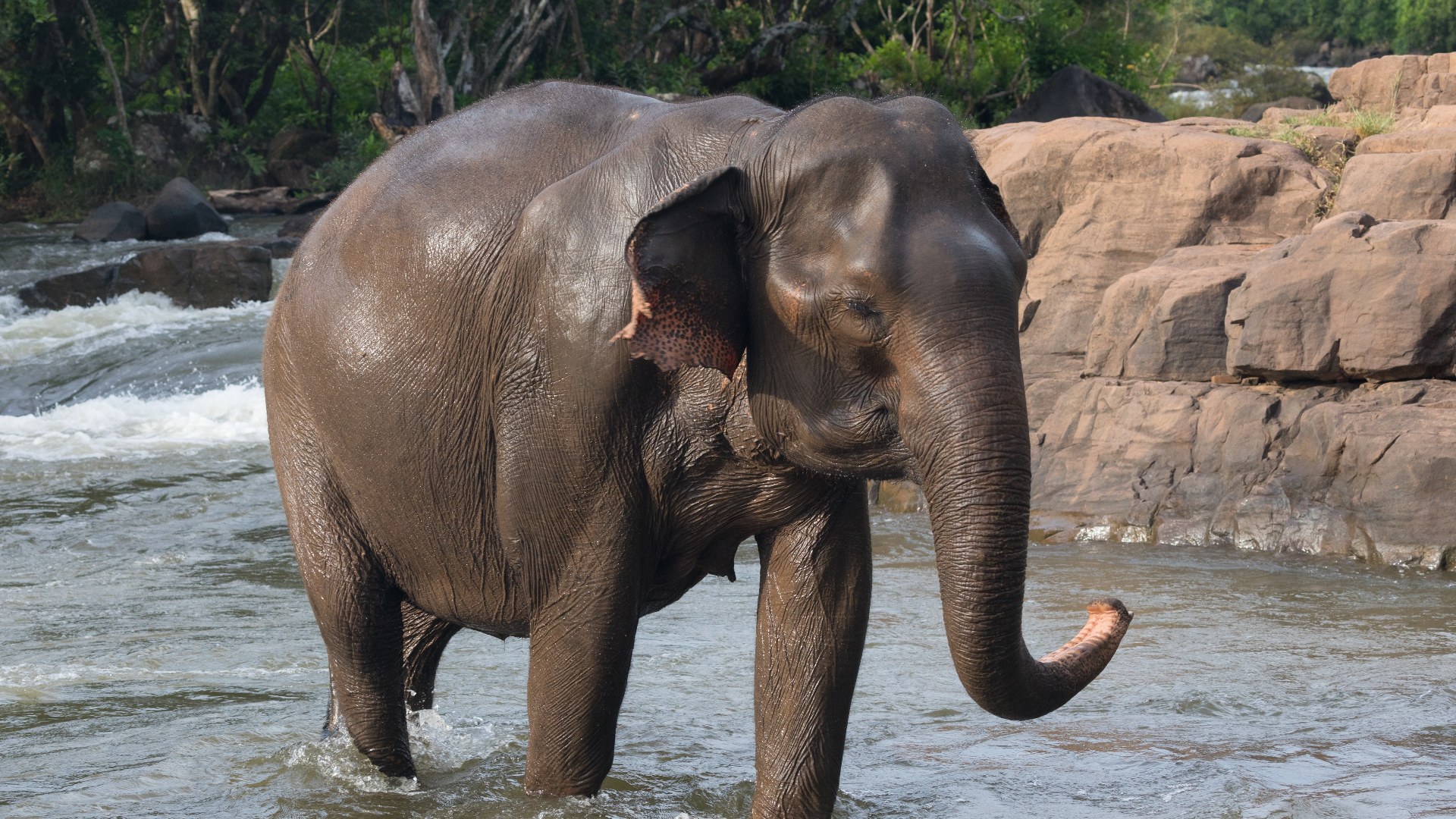
4. Wild Asian Elephant
Field studies in Kenya and Sri Lanka revealed that elephants recognize individual humans through visual, auditory, and olfactory memory. Herds remember kind wildlife rangers for decades while remaining defensive around groups historically associated with poaching.
©Wikimedia / Basile Morin
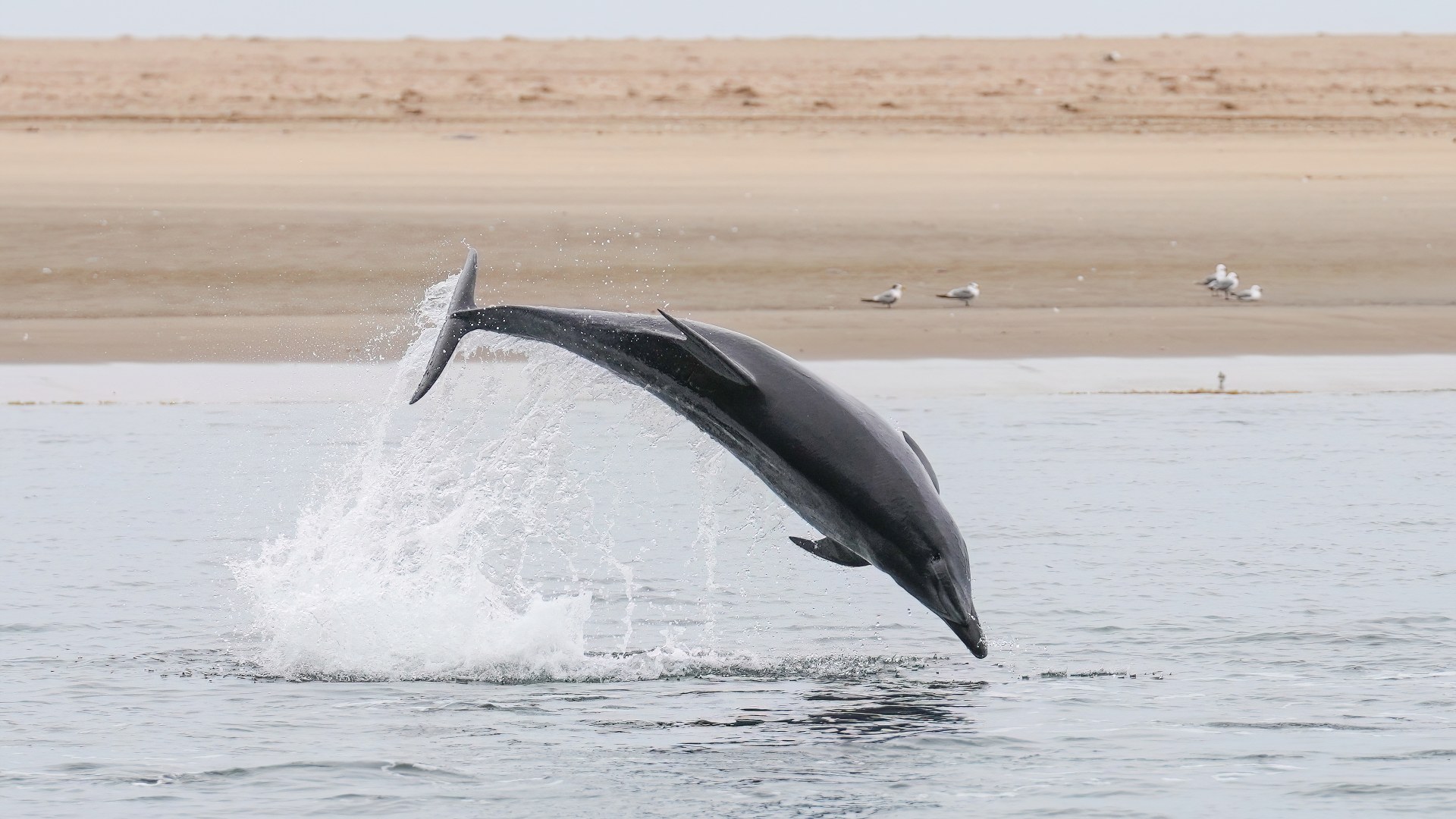
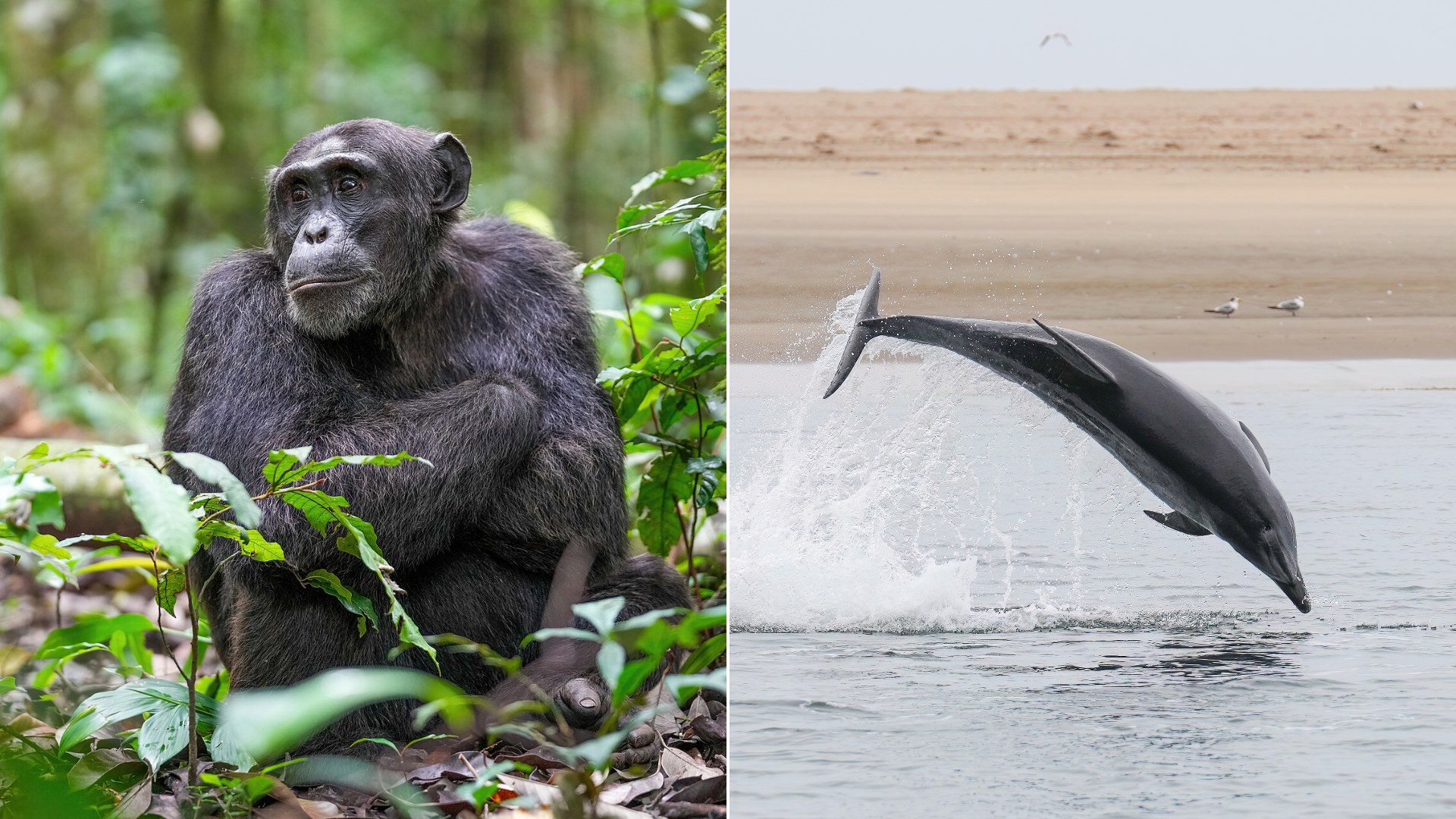
3. Bottlenose Dolphin
Dolphins possess extraordinary visual and acoustic recognition systems. In controlled marine research, bottlenose dolphins consistently differentiate between human faces shown through underwater viewing windows, associating specific people with past positive interactions.
©Wikimedia / Giles Laurent
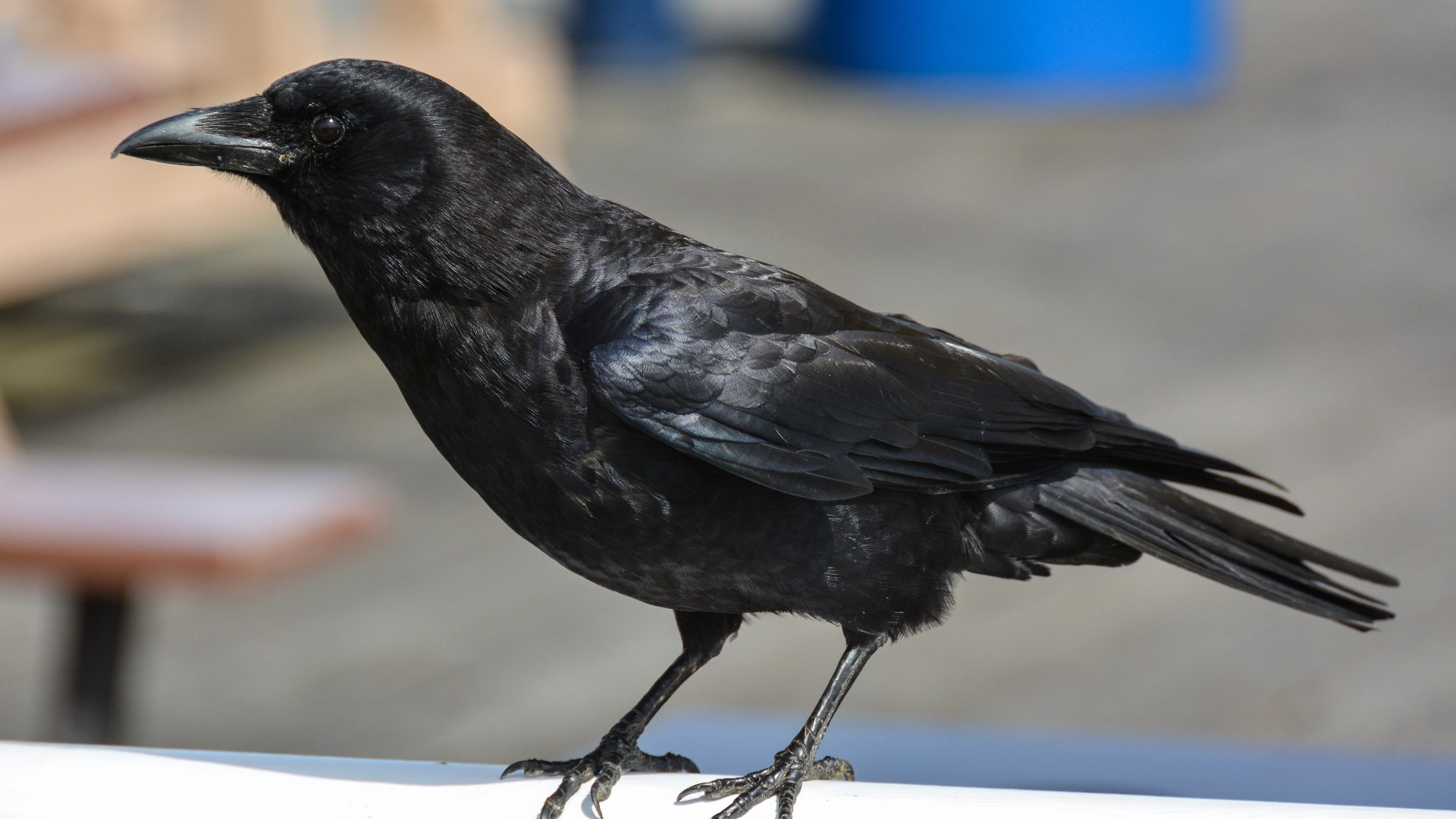
2. American Crow
In famous University of Washington experiments led by Dr. John Marzluff, researchers wore rubber masks while trapping crows. Years later, wild crows and their young continued to dive-bomb anyone wearing the specific threatening mask, ignoring different faces entirely.
©Wikimedia / Gordon Leggett
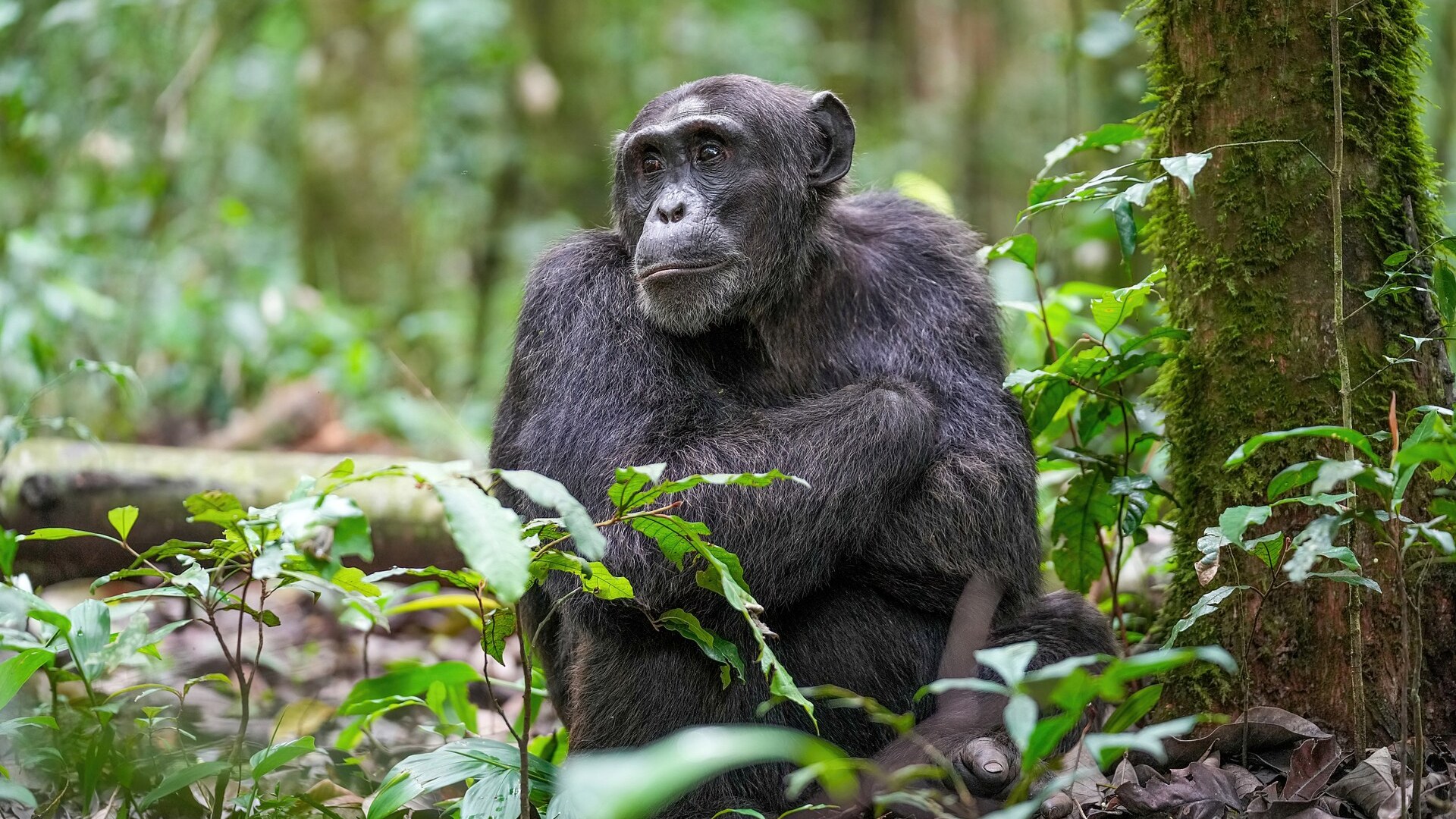
1. Wild Chimpanzee
Cognitive testing at the Kyoto University Primate Research Institute showed that chimpanzees recognize human faces with human-like expertise. They detect subtle eye movements and facial expressions, experiencing the face-inversion effect where upside-down faces become harder to identify.

©Wikimedia / Giles Laurent
Advertisement
You've reached the end of the story. Thanks for reading!

20 Famous Cars With Pop-Up Headlights That Shaped Car Design
From hand-cranked 1930s teardrops to wedge supercars of the 1980s, hidden headlights let stylists chase sleek aerodynamics until 2004 pedestrian rules closed the curtain. Here are 20 standout production cars that turned retractable lamps into an enduring automotive design feature across seven full decades.
All 15 Entries in this Story
15. Western Honeybee
In pioneering visual experiments, scientists rewarded honeybees with sugary nectar when choosing photos of human faces. Despite possessing only one million neurons, the insects successfully learned distinct facial configurations, remembering them for days.

14. Northern Paper Wasp
University of Michigan biologists discovered that Polistes fuscatus paper wasps recognize individual facial patterns on other wasps. Subsequent laboratory testing revealed these social insects can also learn to recognize human portraits with remarkable accuracy.

13. Banded Archerfish
Archerfish hunt by shooting precise jets of water at insects on overhead branches. When presented with dozens of digital human portraits, the fish quickly learned to recognize a target face, even when color and head shape were removed.

12. Feral Rock Pigeon
Researchers in Paris dressed two scientists of similar build in different colored coats, having one treat pigeons gently while the other chased them away. When the scientists later swapped clothing, the pigeons still avoided the hostile researcher by recognizing facial features.

11. Eurasian Magpie
Field studies conducted at Seoul National University showed that wild magpies accurately singled out human intruders who had inspected their nests. The corvids ignored unfamiliar pedestrians walking the same route, directing scolding alarms exclusively at familiar faces.

10. African Grey Parrot
Animal cognition studies pioneered by Dr. Irene Pepperberg demonstrated that African grey parrots possess sophisticated visual memory. The birds distinguish familiar human faces effortlessly, modulating their vocal greetings depending on which person enters the room.

9. Wild Harbor Seal
Studies conducted at sensory research stations show that harbor seals possess acute vision in air and water. The pinnipeds reliably distinguish individual handlers and divers by analyzing distinct facial contours alongside acoustic cues.

8. Common Octopus
At the University of Otago in New Zealand, an octopus took a dislike to a particular staff member, squirting a jet of cold water down the back of her neck whenever she passed by. The animal never squirted other staff wearing identical clothing.

7. Wild Gray Wolf
Canid cognitive researchers at the Wolf Science Center in Austria demonstrated that wild-born wolves recognize human caretakers by their facial features and eye gaze. Even after long periods of separation, wolves greet familiar handlers with joyful body language.

6. Rhesus Macaque
Harvard Medical School brain imaging studies discovered dedicated neural patches in macaque temporal lobes. These brain regions process human and monkey facial structures holistically, enabling macaques to instantly identify individual human researchers.

5. Western Lowland Gorilla
Primate research demonstrates that western gorillas track eye movements and facial expressions of human observers. Gorillas remember individual sanctuary workers across decades, exhibiting calm cooperation with trusted keepers while remaining vigilant around strangers.

4. Wild Asian Elephant
Field studies in Kenya and Sri Lanka revealed that elephants recognize individual humans through visual, auditory, and olfactory memory. Herds remember kind wildlife rangers for decades while remaining defensive around groups historically associated with poaching.

3. Bottlenose Dolphin
Dolphins possess extraordinary visual and acoustic recognition systems. In controlled marine research, bottlenose dolphins consistently differentiate between human faces shown through underwater viewing windows, associating specific people with past positive interactions.

2. American Crow
In famous University of Washington experiments led by Dr. John Marzluff, researchers wore rubber masks while trapping crows. Years later, wild crows and their young continued to dive-bomb anyone wearing the specific threatening mask, ignoring different faces entirely.

1. Wild Chimpanzee
Cognitive testing at the Kyoto University Primate Research Institute showed that chimpanzees recognize human faces with human-like expertise. They detect subtle eye movements and facial expressions, experiencing the face-inversion effect where upside-down faces become harder to identify.