Slideshow · Science
20 Ancient Inventions That Were Far Ahead of Their Time
Centuries before modern industrial revolutions, inventors across Greece, China, Rome, and the Islamic world engineered analog computers, automated doors, central heating, and seismic detectors. These ingenious mechanisms solved complex mechanical problems and anticipated breakthroughs thought to be recent.
By Most Viral Today
1 day ago

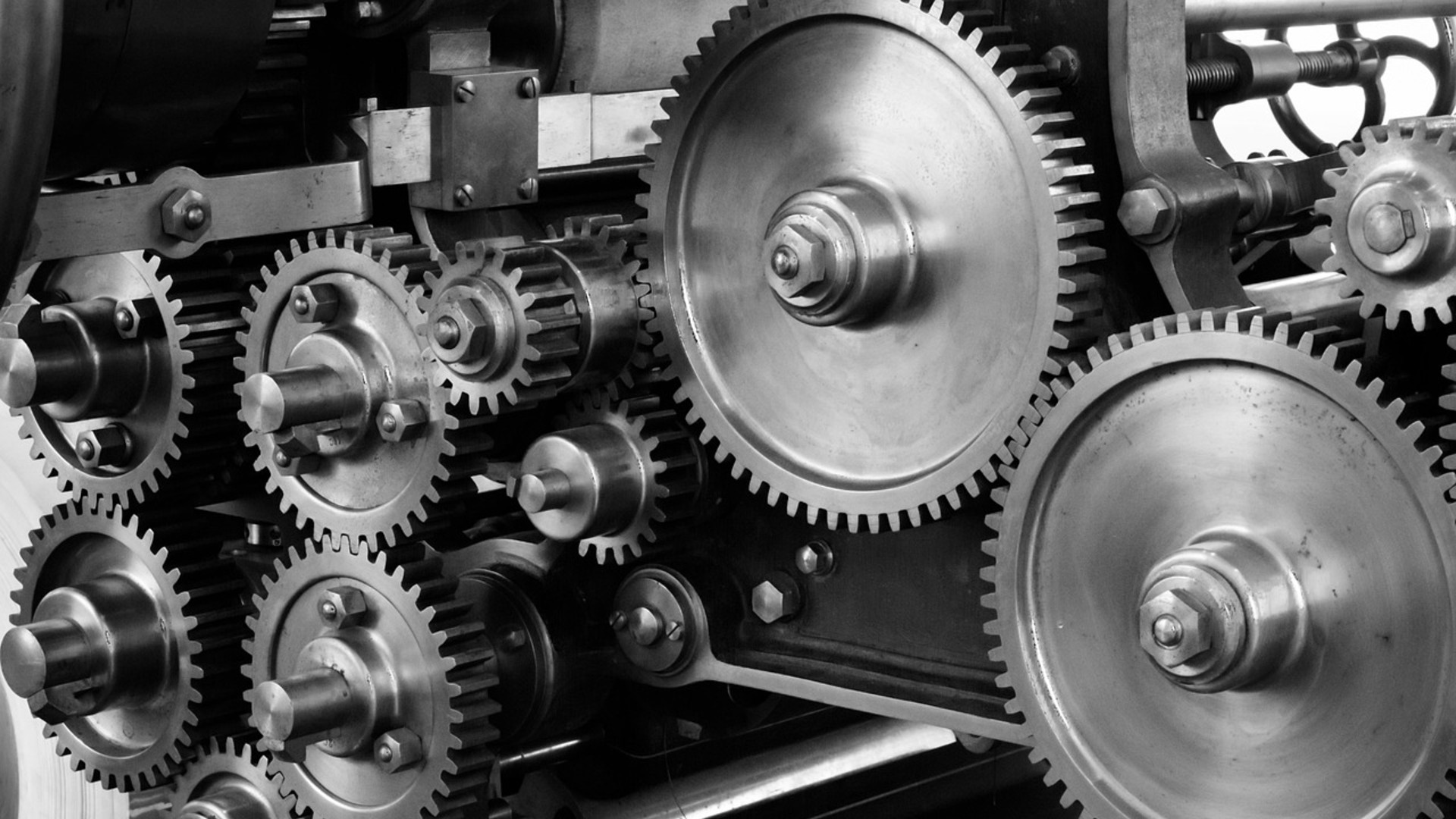
Centuries before modern engineering, ancient masters built advanced machines. 
20. Automated Temple Doors Opened Using Hidden Heat And Water 
19. The Roman Hypocaust Distributed Central Radiant Heating 
18. The Nilometer Calculated River Floods And National Tax Rates - AdvertisementSwipe or tap ▶ to continue countdown

17. The Archimedes Screw Lifted Vast Volumes Of Water Uphill 
16. Ancient Persian Yakhchals Stored Ice In Scorching Deserts 
15. The Aeolipile Harnessed Steam Power Seventeen Centuries Early 
14. Self-Healing Roman Concrete Grew Stronger In Seawater - AdvertisementSwipe or tap ▶ to continue countdown

13. Babylonian Astronomers Used Geometry To Track Jupiter 
12. The Polybolos Fired Successive Bolts With A Chain Drive 
11. The Lycurgus Cup Embedded Dichroic Nanotechnology 
10. The Barbegal Complex Industrialized Water Mill Production - AdvertisementSwipe or tap ▶ to continue countdown

9. Persian Qanats Carried Mountain Water For Hundreds Of Miles 
8. Damascus Steel Integrated Carbon Nanotubes For Extreme Strength 
7. The South-Pointing Chariot Utilized Differential Gearing 
6. The Roman Corvus Transformed Sea Battles Into Land Battles - AdvertisementSwipe or tap ▶ to continue countdown

5. Zhang Heng's Seismoscope Detected Earthquakes Hundreds Of Miles Away 
4. The Baghdad Battery Produced Electric Current In Antiquity 
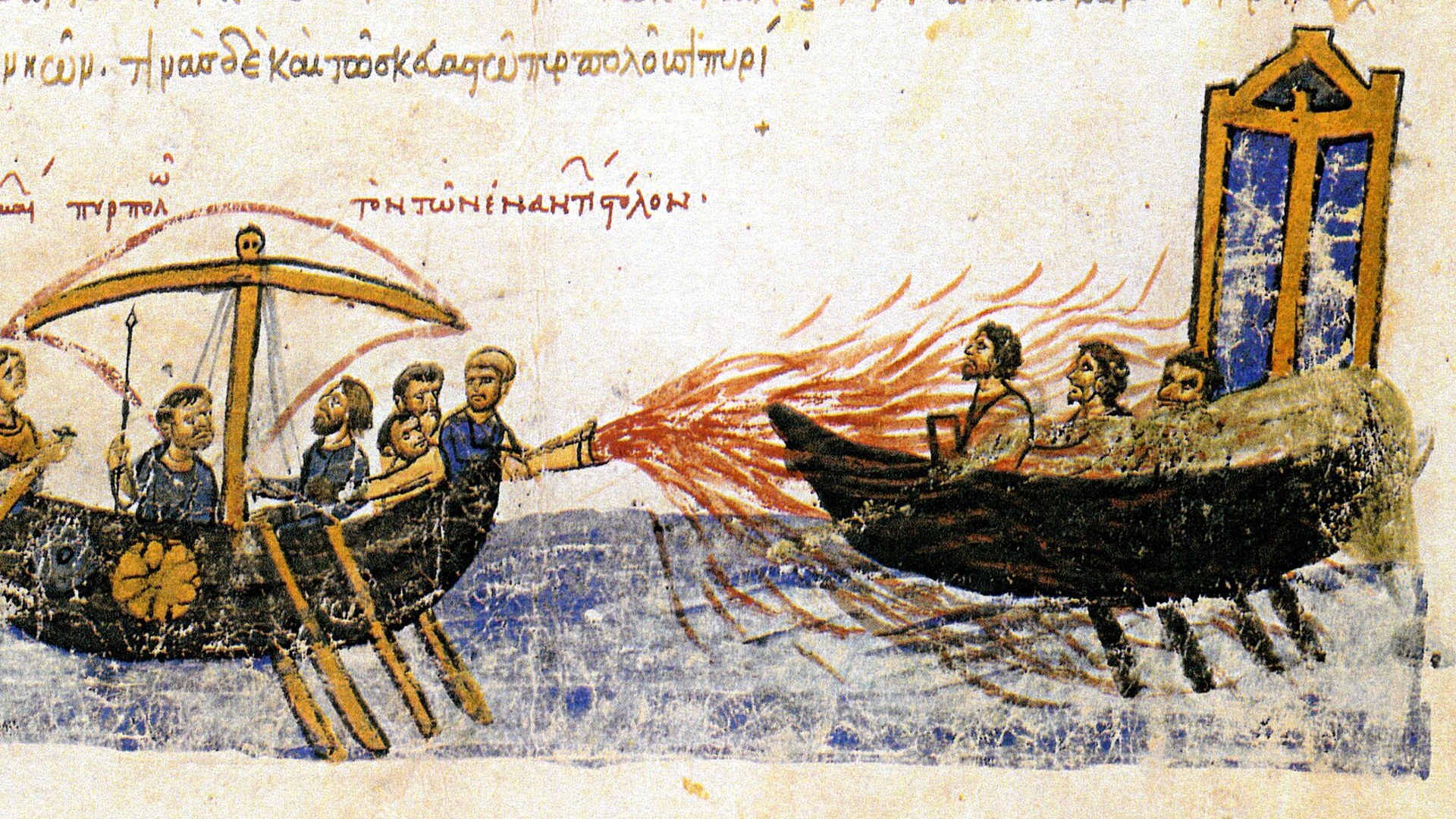
3. Byzantine Greek Fire Created Pressurized Naval Flame Weapons 
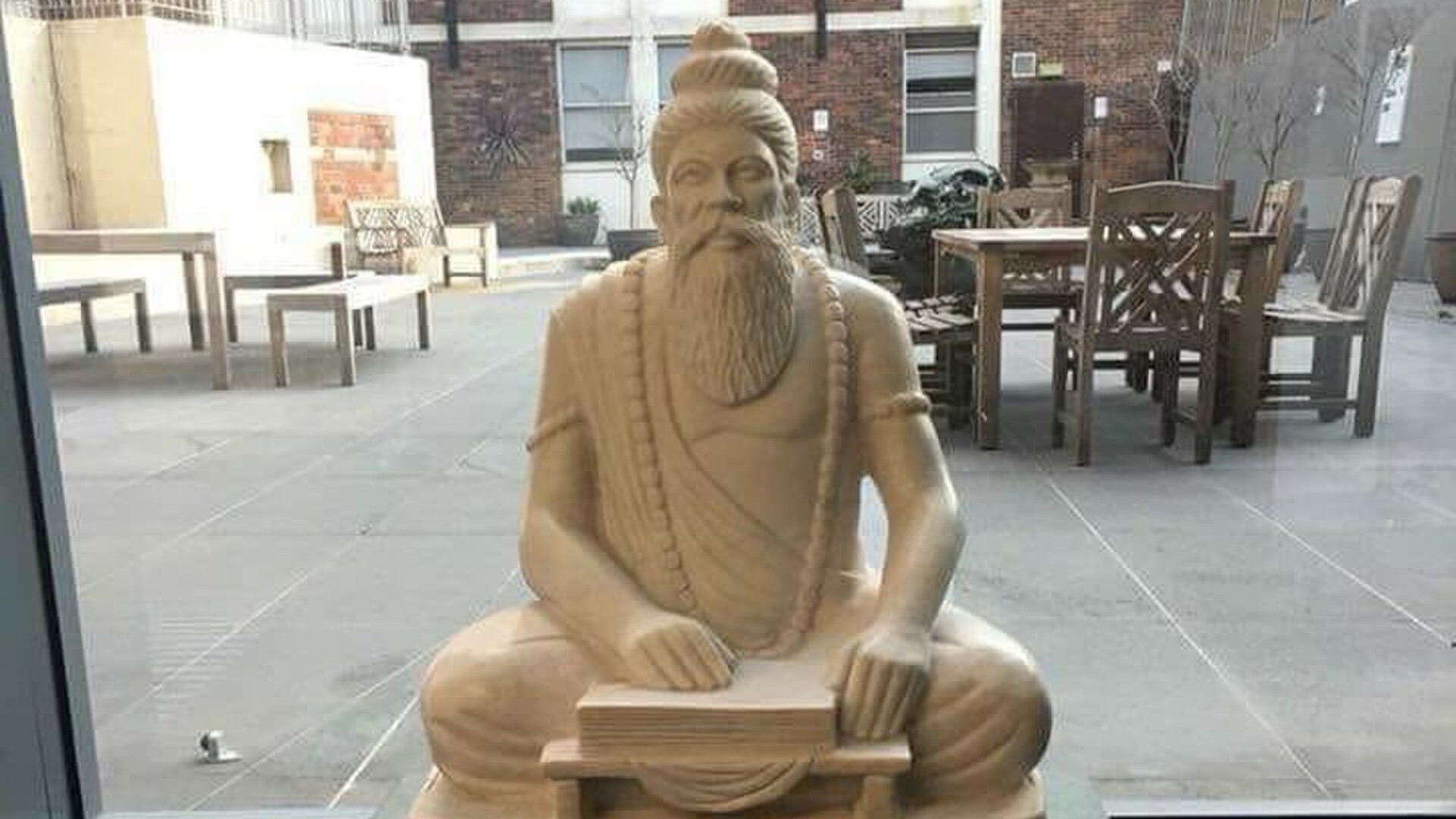
2. Sushruta Devised Advanced Surgical Tools And Rhinoplasty - AdvertisementSwipe or tap ▶ to continue countdown

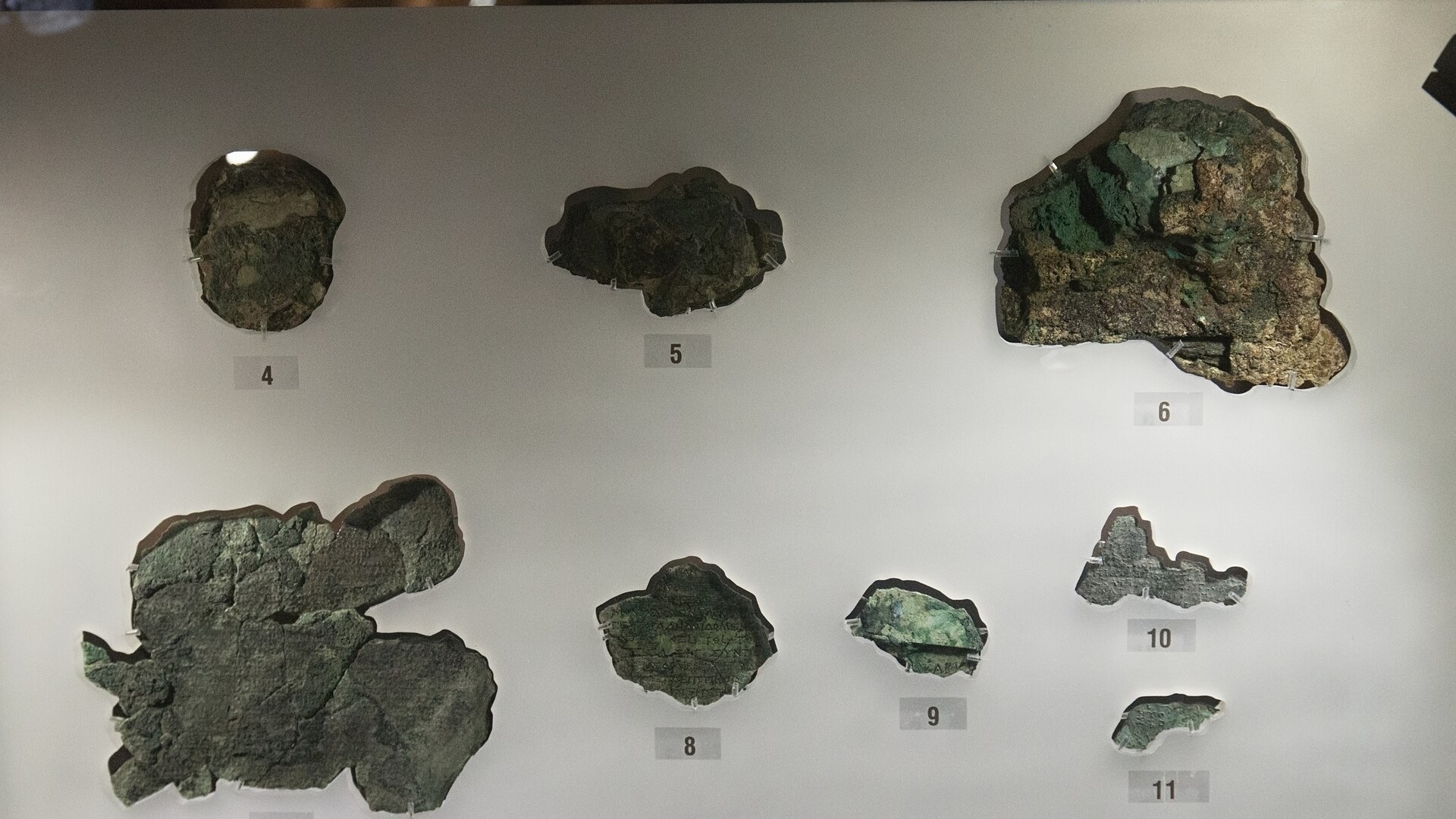
1. The Antikythera Mechanism Formed The World's First Computer - Advertisement🔥 UP NEXT IN THIS SERIES◫ 22 Slides

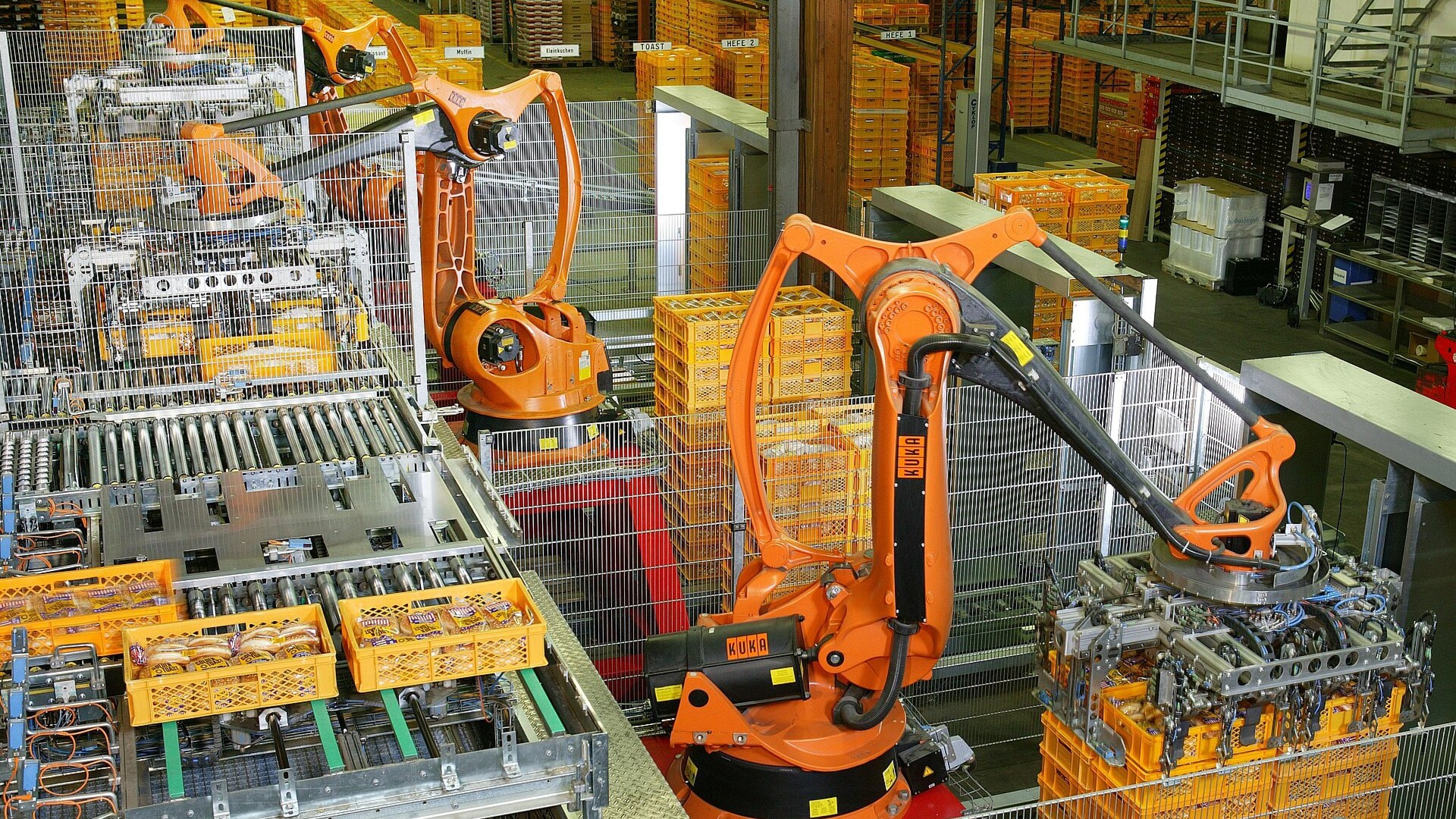
21 Machines That Can Do Jobs Once Thought Impossible
Engineers have built automated machinery capable of mastering tasks once considered the exclusive domain of human hands. Engineering journals and patent databases track robotic advances across agriculture, healthcare, and infrastructure. These twenty-one machines prove modern mechanical automation has no limits.
Archaeological digs and historical manuscripts reveal that ancient civilizations developed remarkably sophisticated machines long before the modern era. Based on research and artifacts documented by the British Museum, the Smithsonian Institution, the Archaeological Institute of America, and Nature.
Swipe or tap ▶ to begin the countdown
©Pixabay / MustangJoe
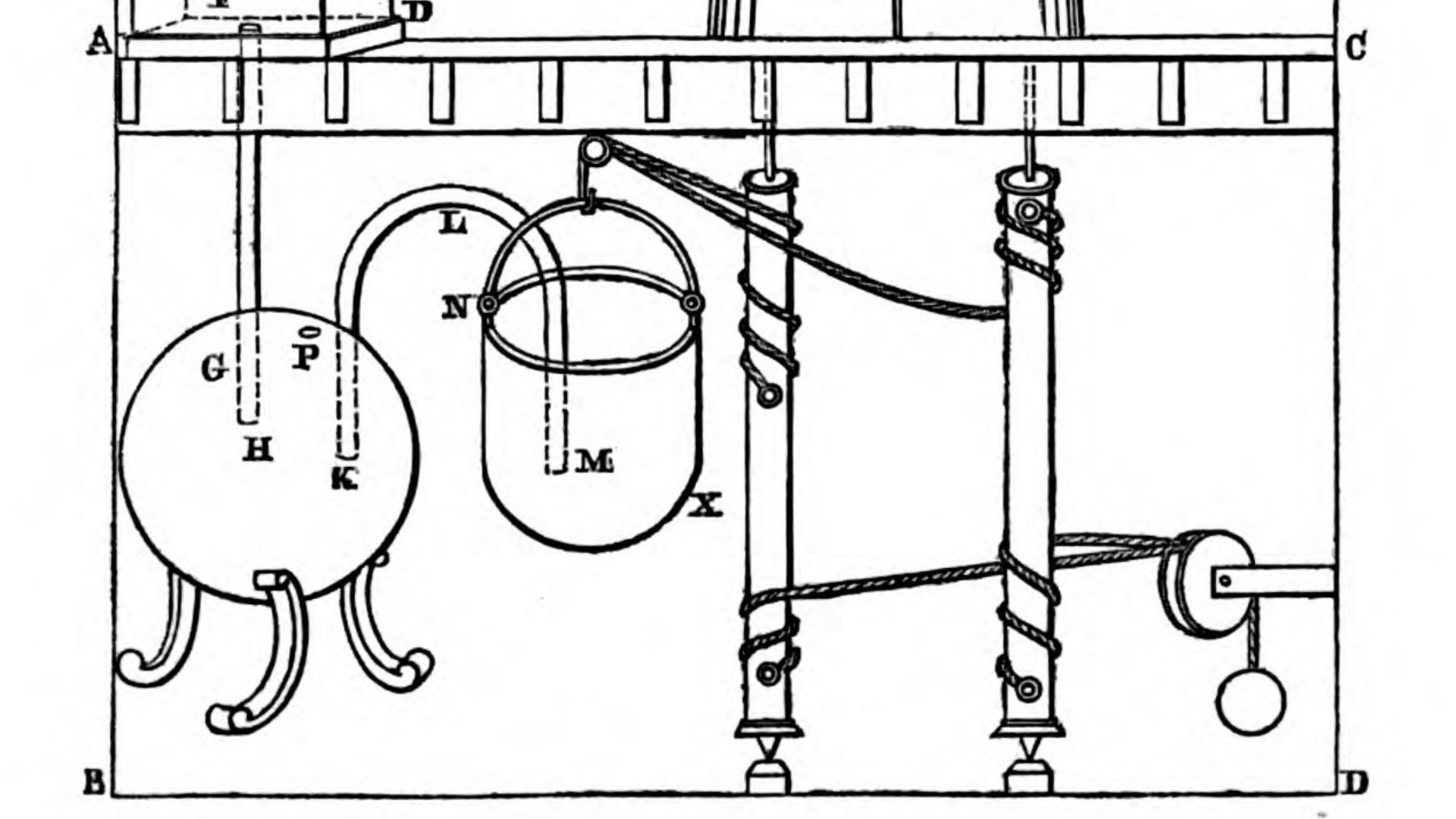
20. Automated Temple Doors Opened Using Hidden Heat And Water
In the first century AD, Greek engineer Hero of Alexandria invented temple doors that opened automatically when priests lit an altar fire. The flame heated air in a sealed vessel, forcing water through a siphon into a bucket that pulled counterweighted ropes to rotate door hinges unseen.
©Wikimedia / Bennet Woodcroft, Joseph George Greenwood: The P
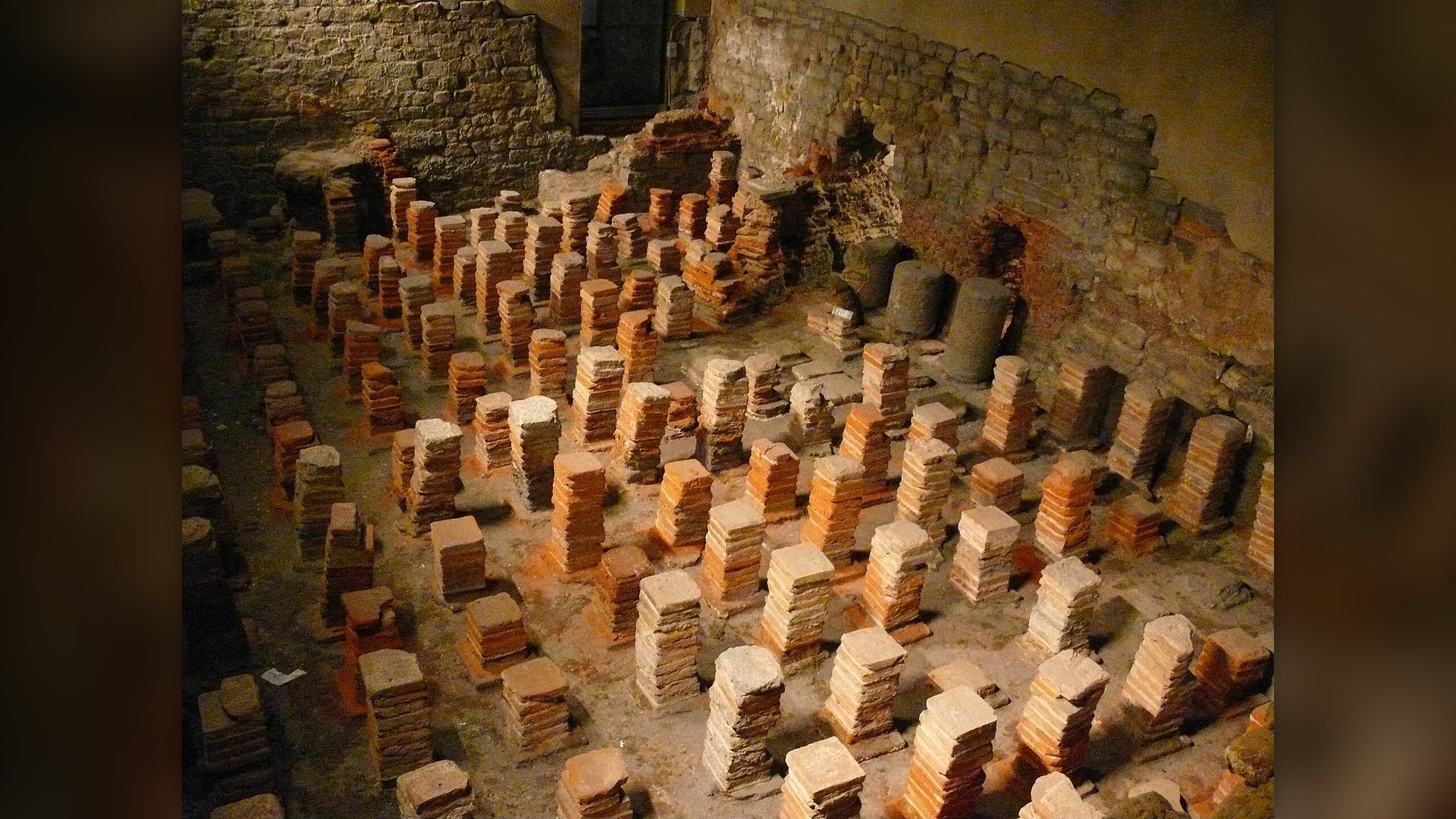
19. The Roman Hypocaust Distributed Central Radiant Heating
Developed in the first century BC, Roman hypocausts warmed villas and public baths by circulating hot air through subterranean pillars of tile. Flues built inside clay wall tiles drew smoke upward, providing radiant floor and wall heating centuries before modern central heating systems.
©Wikimedia / Ad Meskens
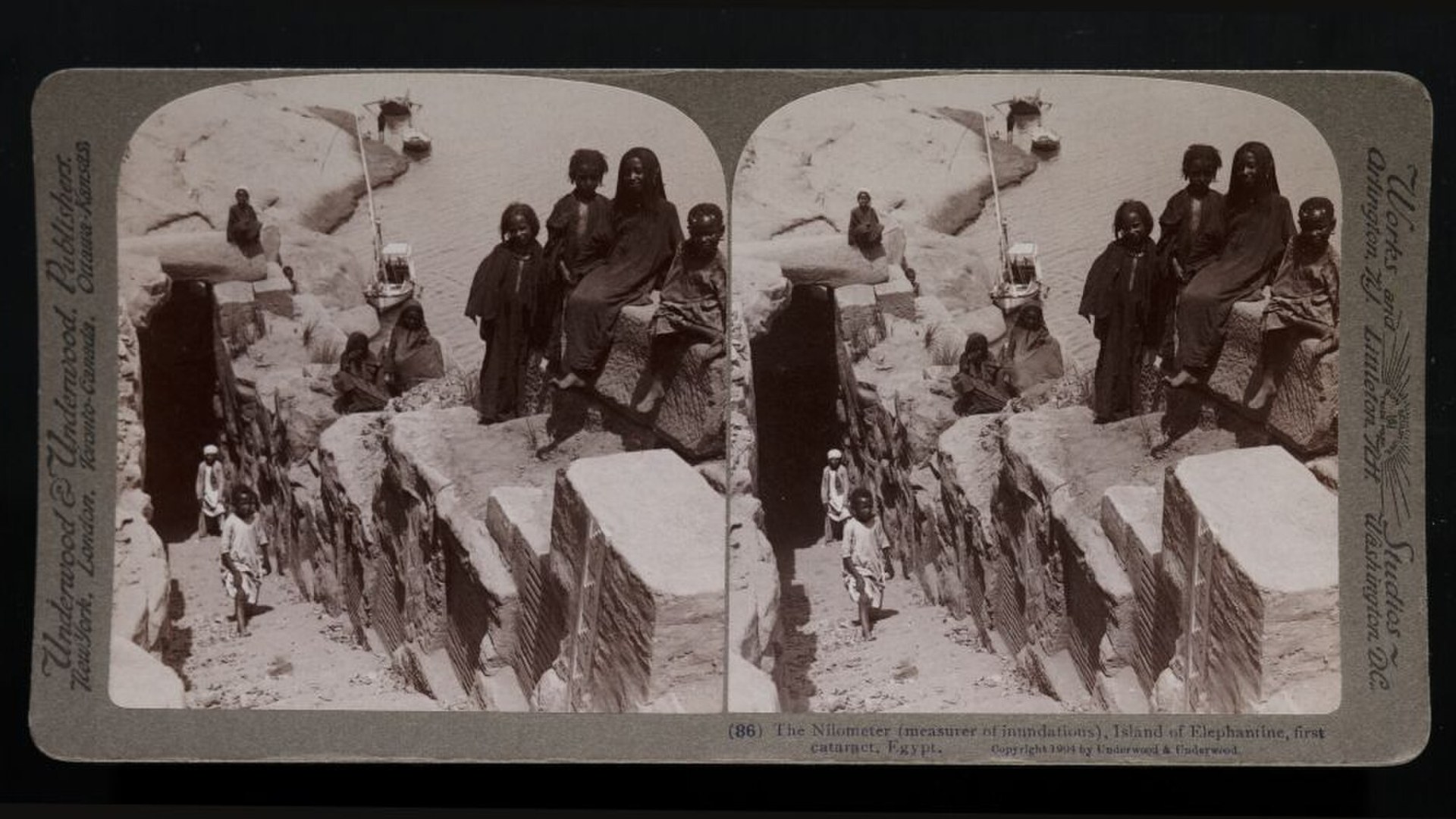
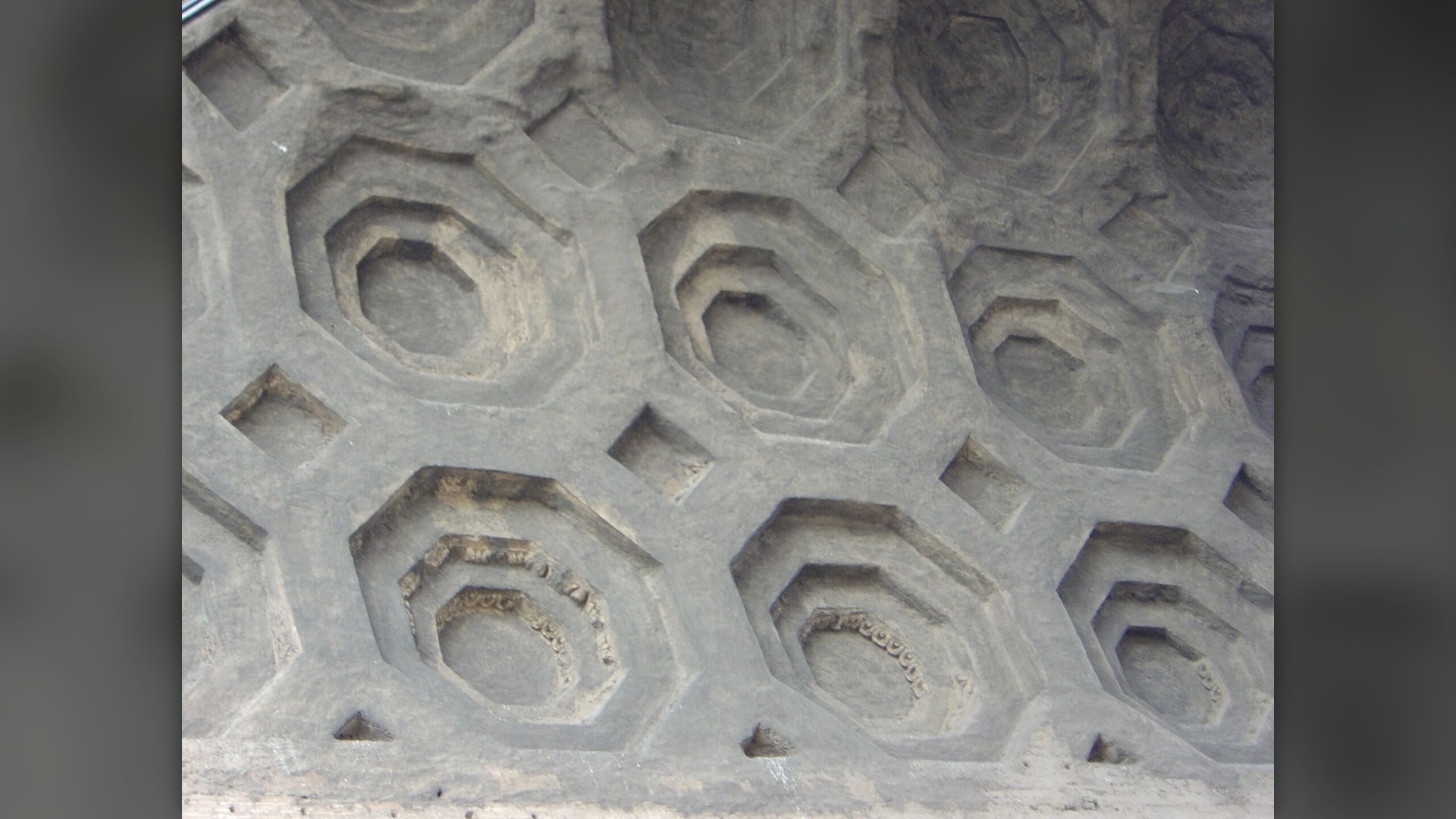
18. The Nilometer Calculated River Floods And National Tax Rates
Dating back to the third millennium BC, Egyptian nilometers were stone stairways and octagonal columns that measured the annual Nile flood depth. Civil servants recorded seasonal water crests to forecast agricultural yields and calculate fair annual food taxes across the realm.
©Wikimedia / Underwood & Underwood
Advertisement
Swipe or tap ▶ to resume the countdown.
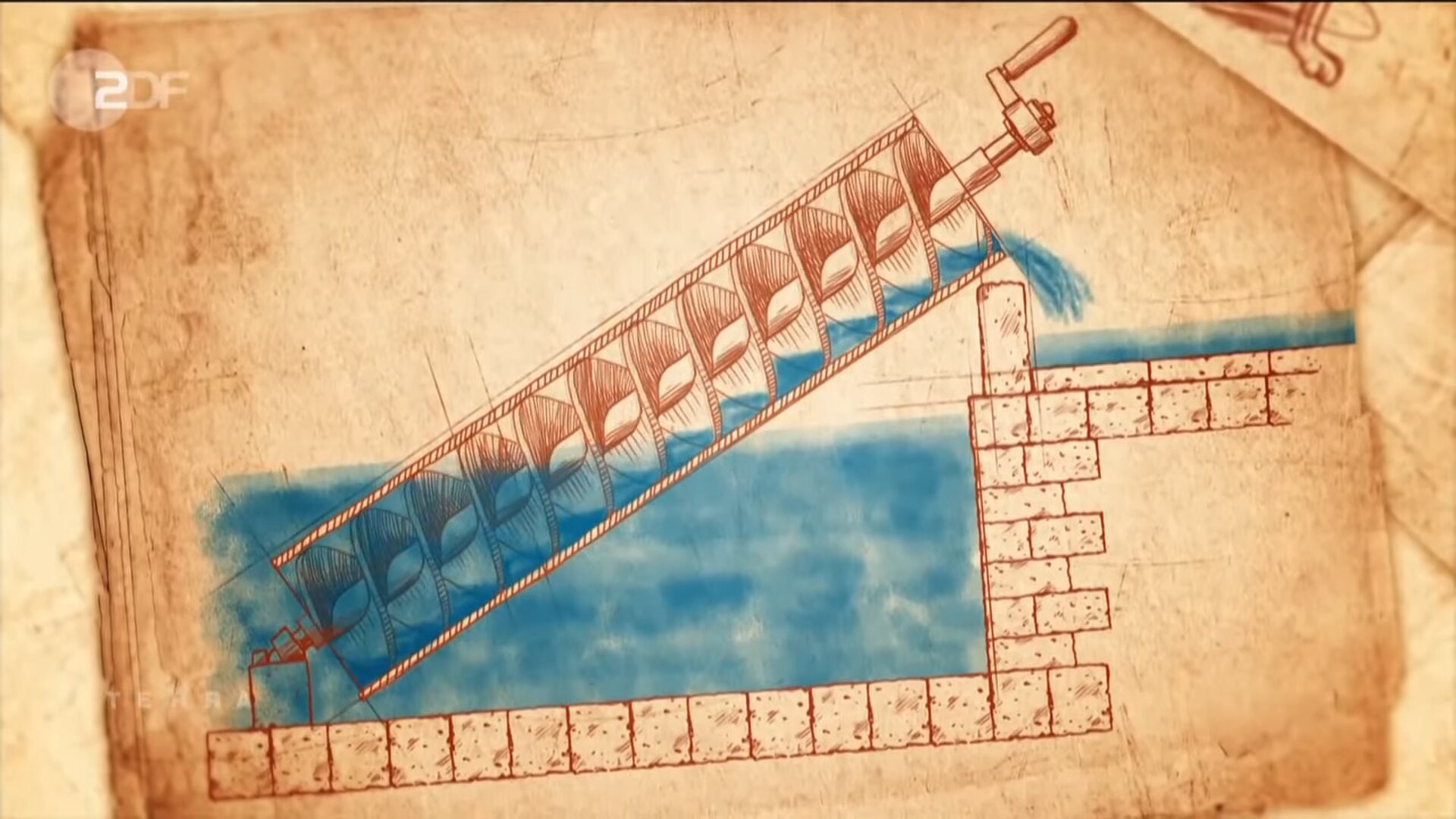
17. The Archimedes Screw Lifted Vast Volumes Of Water Uphill
Devised by Archimedes of Syracuse in the third century BC, this continuous helical spiral raised water from low-lying canals into irrigation ditches. The efficient hand-cranked device proved so effective for drainage and farming that municipal water utilities still operate modern versions today.
©Wikimedia / ZDF/Terra X/Gruppe 5/ Susanne Utzt, Cristina Tre
16. Ancient Persian Yakhchals Stored Ice In Scorching Deserts
By 400 BC, Persian engineers built yakhchals, massive domed subterranean structures insulated by thick heat-resistant mortar. Subterranean aqueducts fed shallow channels where desert night winds froze water, allowing communities to store winter ice throughout blistering summer months.
©Wikimedia / User:Ggia
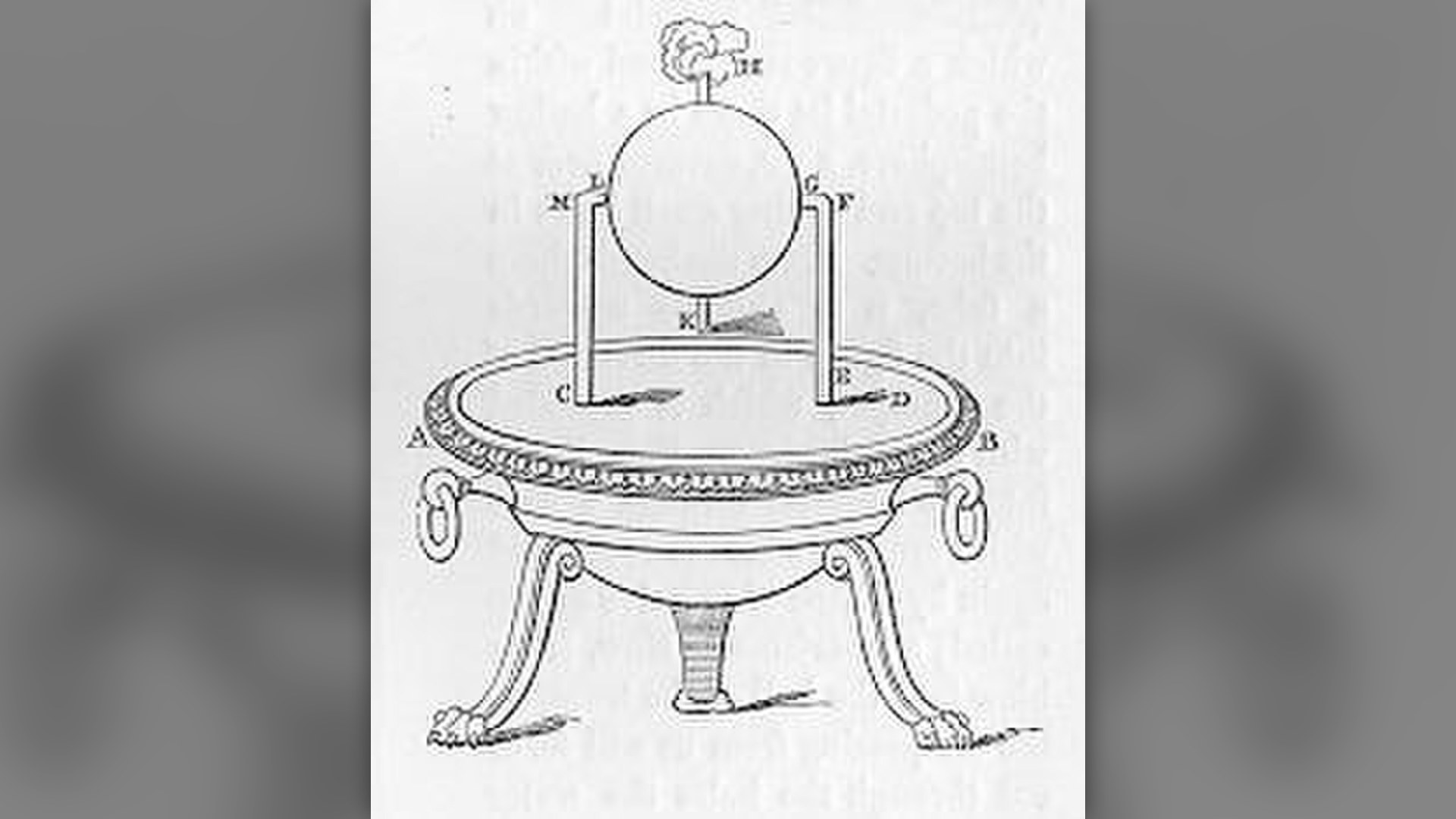
15. The Aeolipile Harnessed Steam Power Seventeen Centuries Early
Described by Hero of Alexandria in the first century AD, the aeolipile consisted of a water-filled copper cauldron connected to a hollow sphere with two angled nozzles. As water boiled, escaping steam forced the sphere to rotate rapidly, demonstrating turbine propulsion centuries before Watt.
©Wikimedia / Robert Henry Thurston
14. Self-Healing Roman Concrete Grew Stronger In Seawater
Roman engineers formulated marine concrete using reactive volcanic pozzolana and quicklime clasts. When ocean waves caused microscopic fissures, infiltrating seawater dissolved calcium deposits and crystallized into alinous tobermorite, allowing ancient breakwaters to self-repair over millennia.
©Wikimedia / Michael Wilson from York, United Kingdom
Advertisement
Swipe or tap ▶ to resume the countdown.
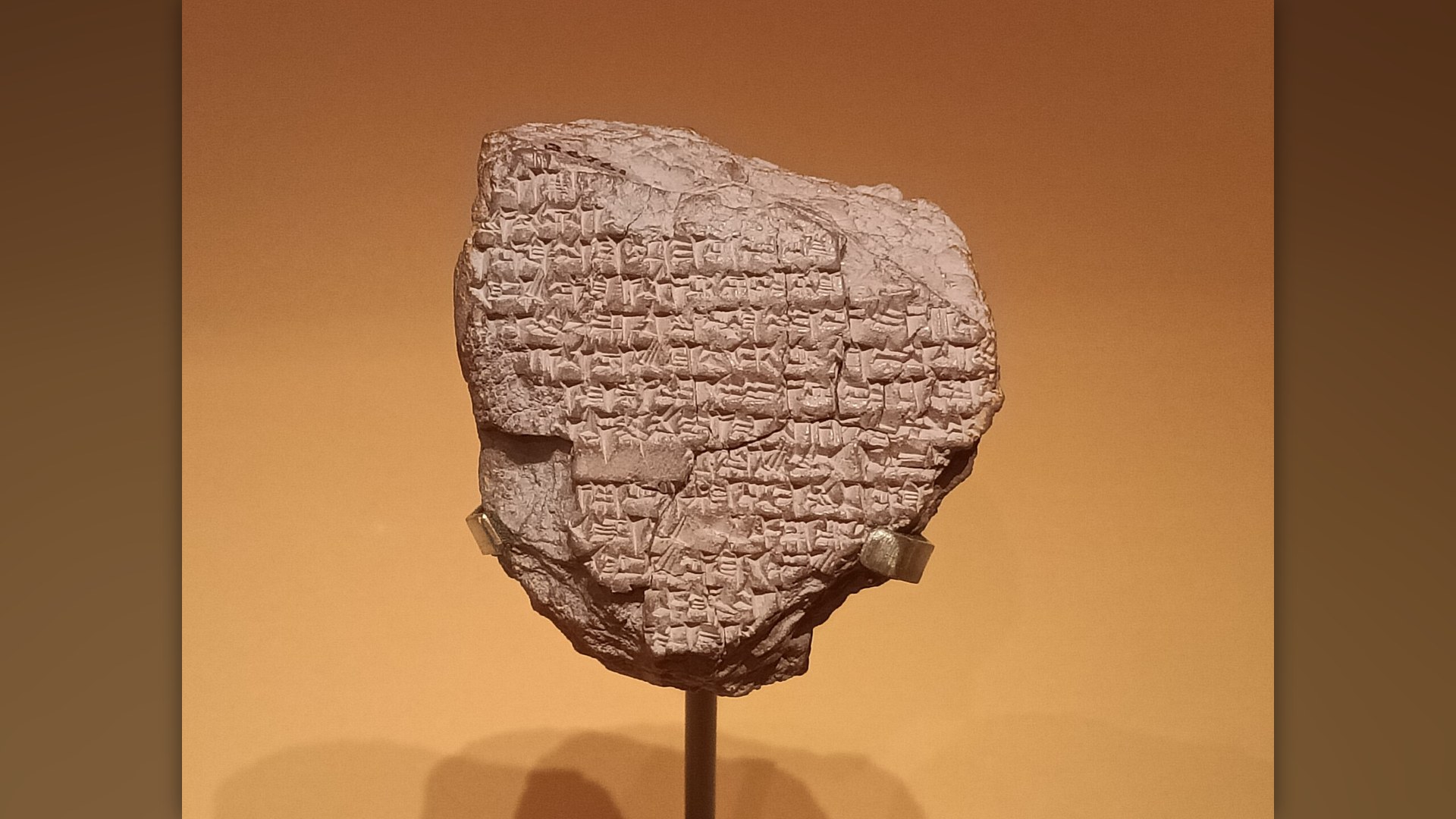
13. Babylonian Astronomers Used Geometry To Track Jupiter
Cuneiform tablets from 350 BC show Babylonian astronomers calculated the orbital speed and path of Jupiter using geometric trapezoids. This sophisticated calculus precursor was thought to have been invented in fourteenth-century Europe, but Mesopotamian scribes used it fourteen centuries earlier.
©Wikimedia / Brigade Piron
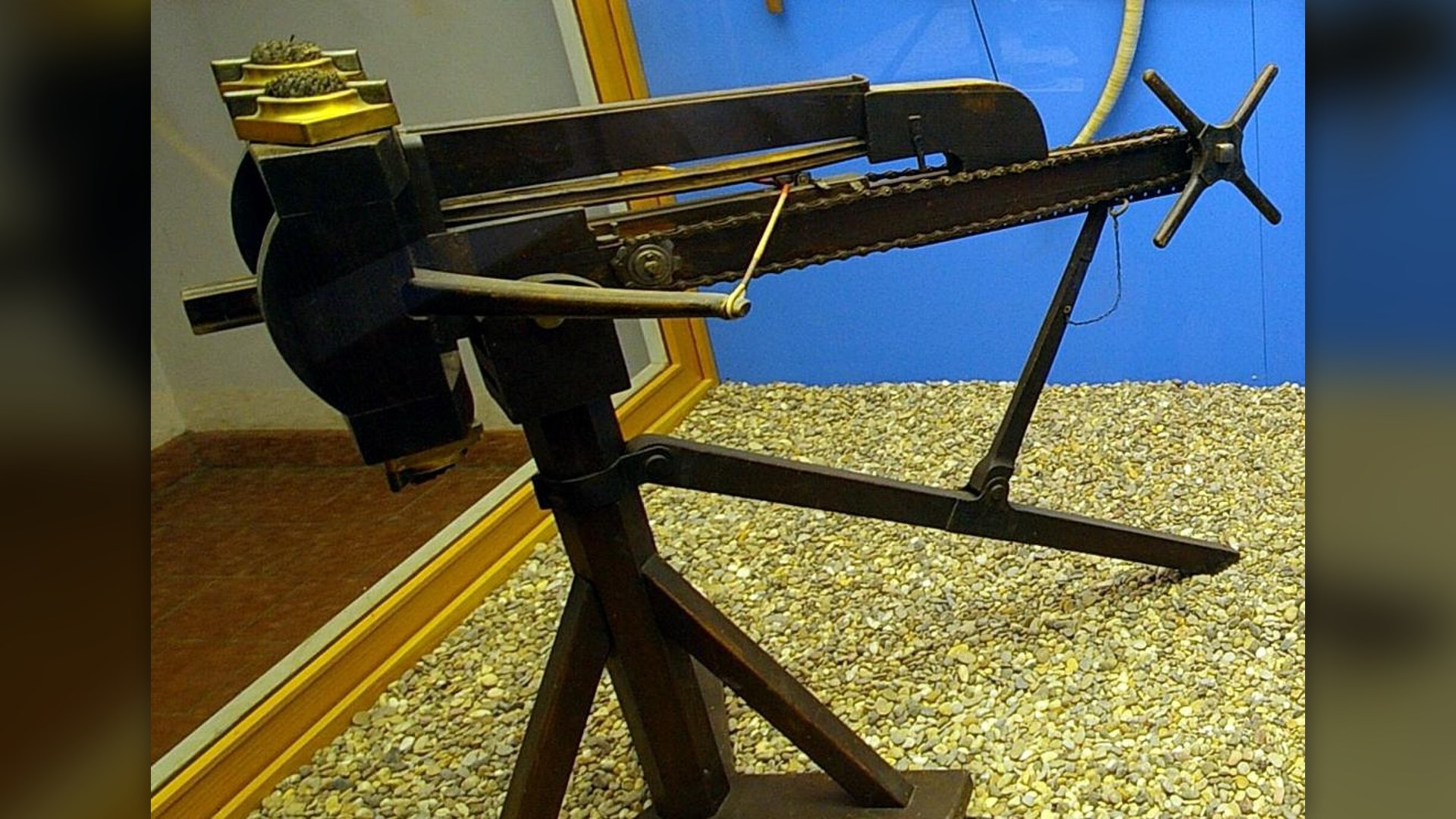
12. The Polybolos Fired Successive Bolts With A Chain Drive
Invented by Dionysius of Alexandria in the third century BC, the polybolos was an automated repeating catapult. Operating a wooden windlass rotated a flat-link bronze chain, feeding bolts from a gravity magazine and drawing the bowstring in continuous succession like an early machine gun.
©Wikimedia / SBA73
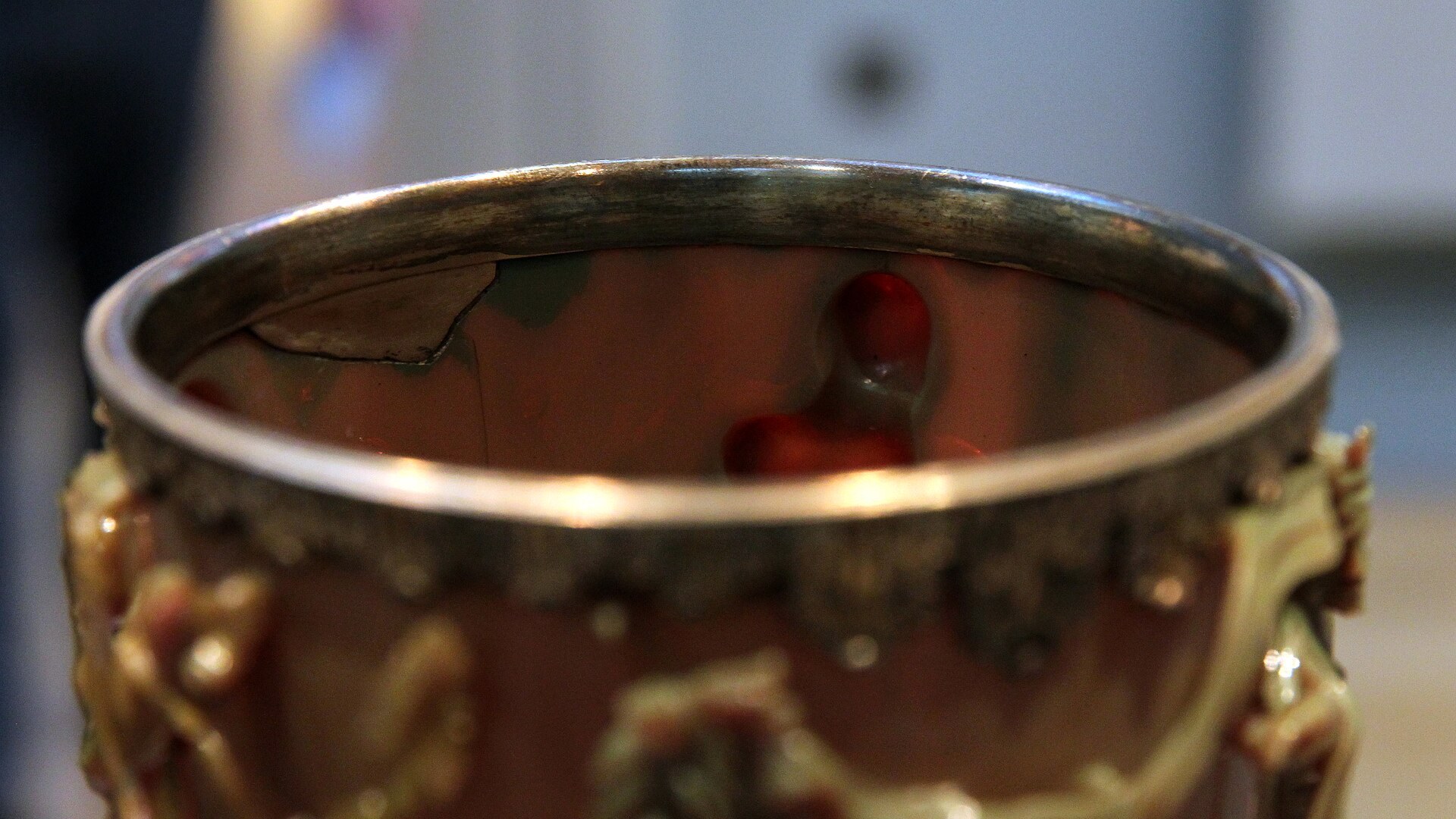
11. The Lycurgus Cup Embedded Dichroic Nanotechnology
Crafted in fourth-century Rome, the Lycurgus Cup appears green in reflected light but glows ruby red when illuminated from within. British Museum analyses proved Roman artisans infused the molten glass with colloidal gold and silver particles seventy nanometers wide, achieving true nanotechnology.
©Wikimedia / Vassil
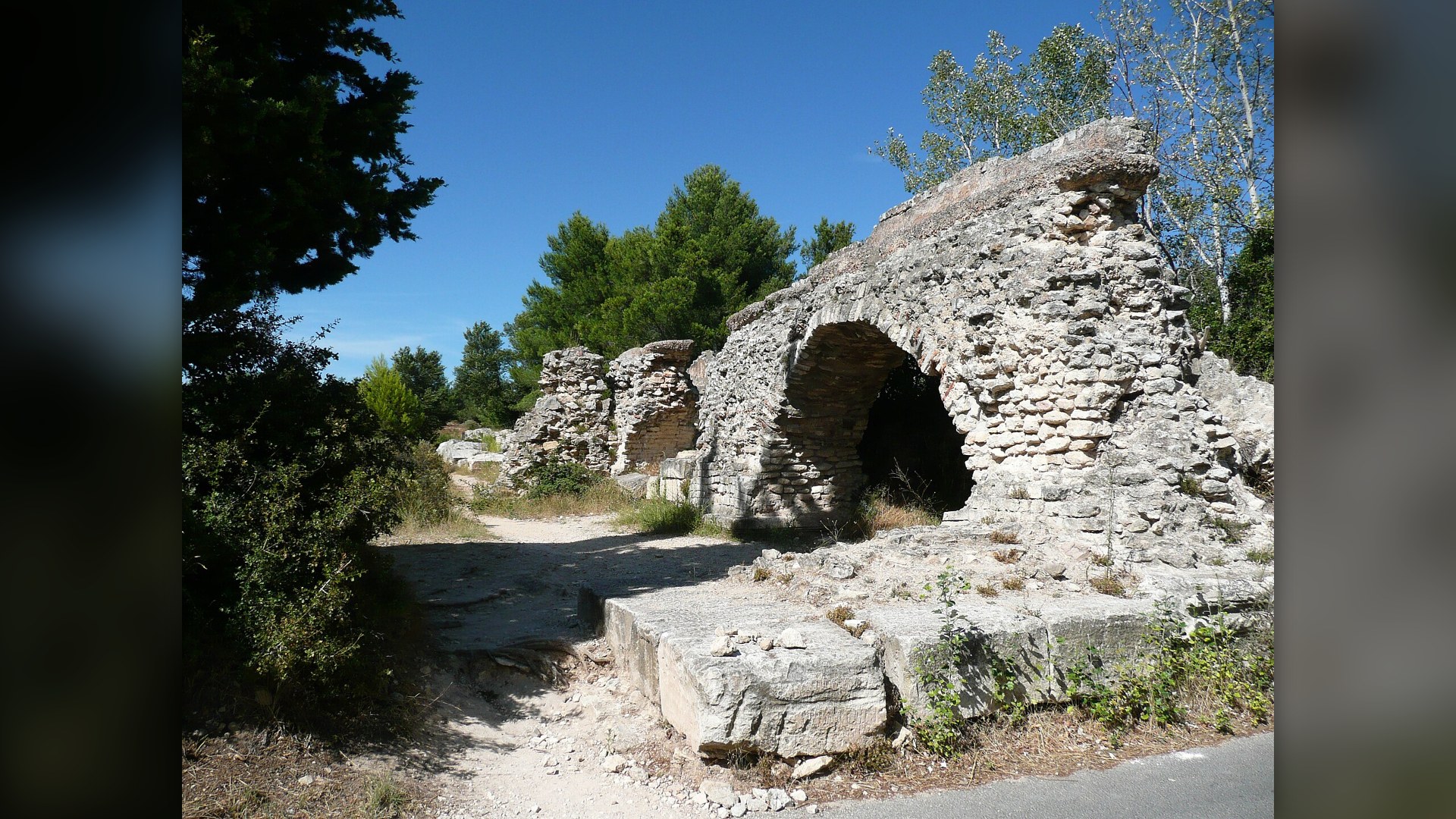
10. The Barbegal Complex Industrialized Water Mill Production
Located near Arles in southern France, the second-century Roman Barbegal aqueduct complex channeled water down a steep hillside to power sixteen overshot waterwheels. Operating simultaneously, the industrial milling factory produced enough flour daily to feed an estimated twelve thousand people.
©Wikimedia / maarjaara
Advertisement
Swipe or tap ▶ to resume the countdown.
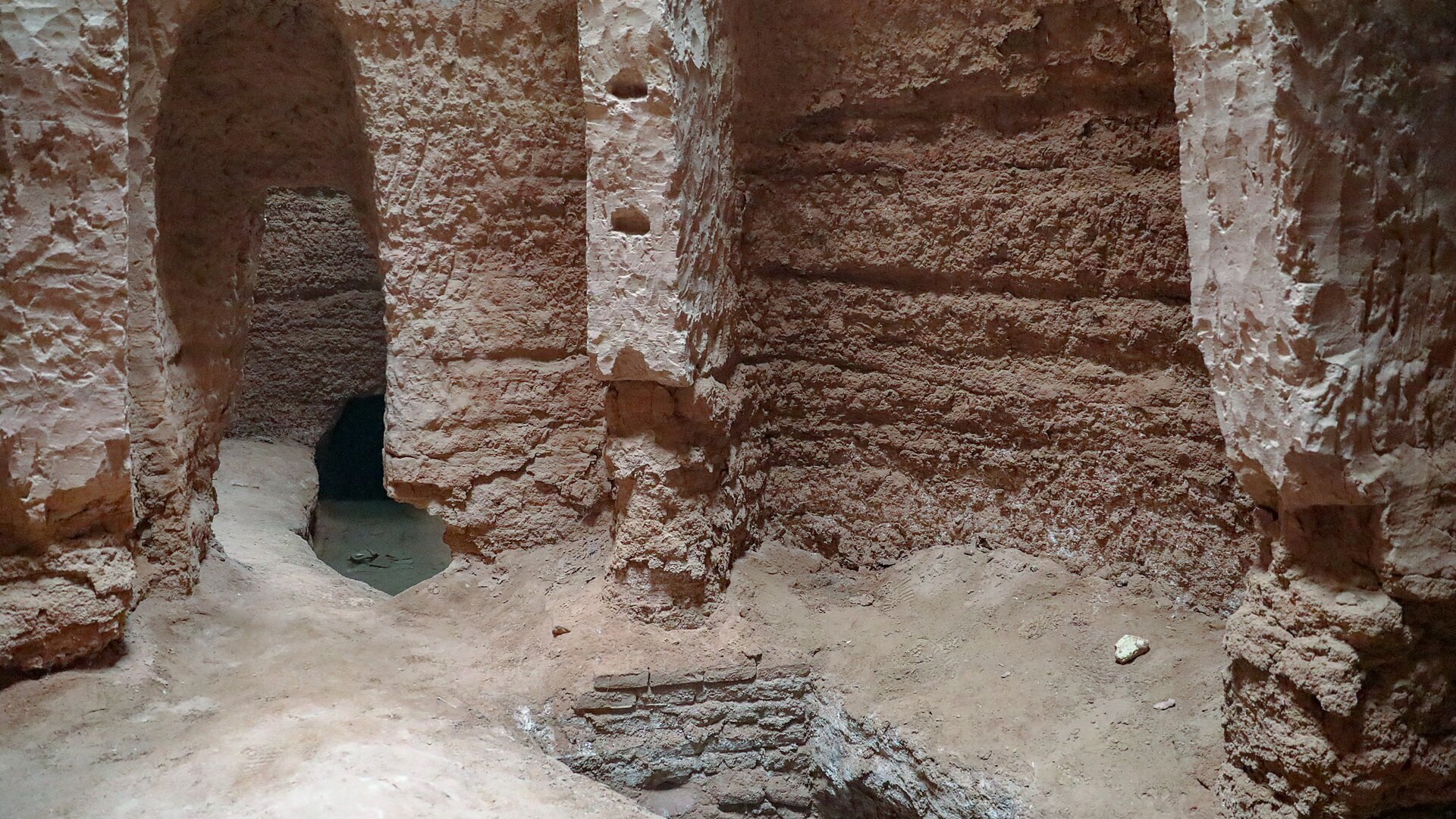
9. Persian Qanats Carried Mountain Water For Hundreds Of Miles
Originating in the early first millennium BC, Persian qanats were subterranean gravity-fed water channels that tapped mountain alluvial aquifers. By tunneling beneath desert floors with vertical ventilation shafts, engineers moved freshwater across vast distances without suffering evaporative loss.
©Wikimedia / Ninara from Helsinki, Finland
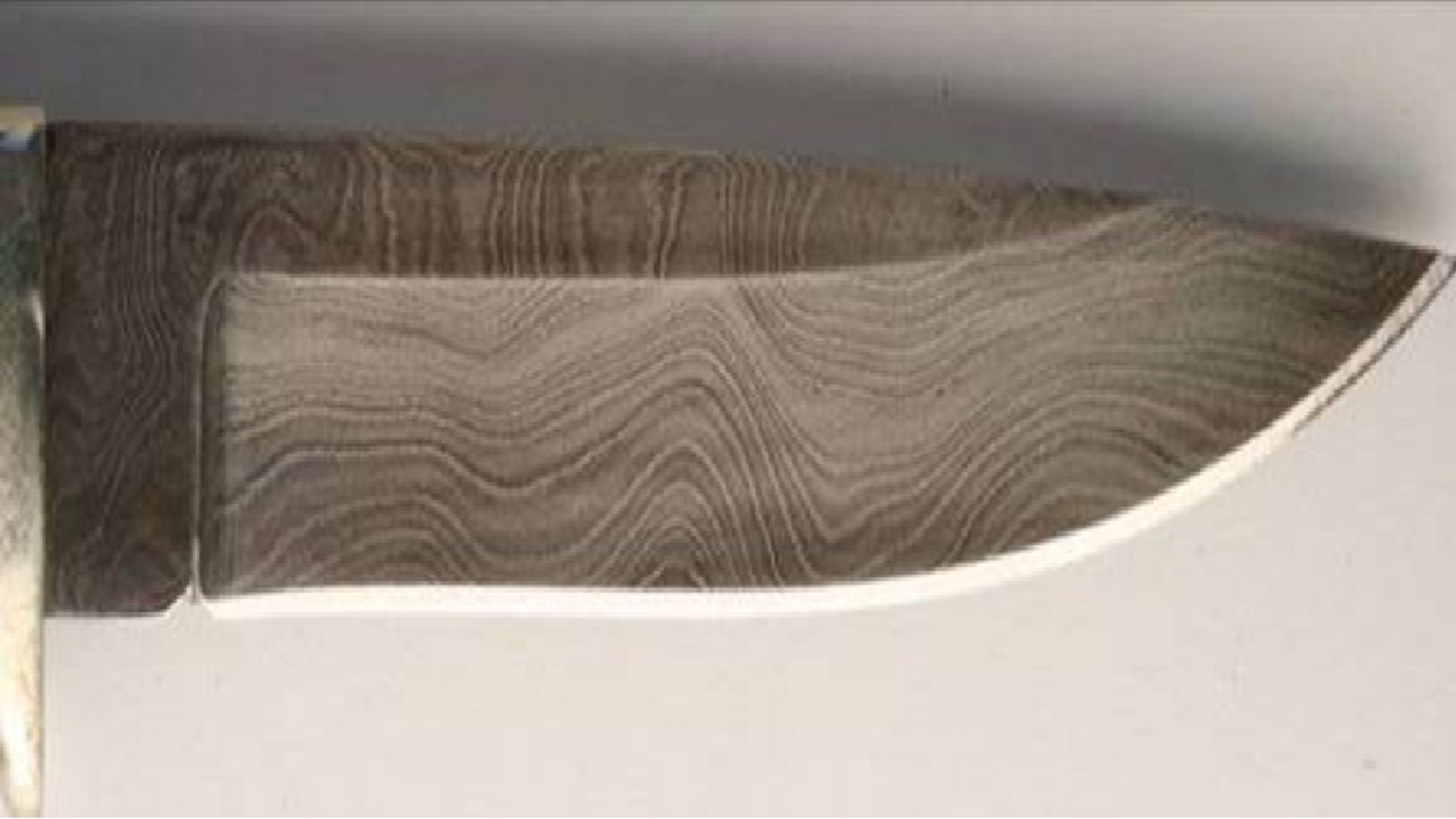
8. Damascus Steel Integrated Carbon Nanotubes For Extreme Strength
Forged from southern Indian wootz crucible steel beginning around 300 BC, Damascus swords were legendary for flexibility and sharpness. Electron microscope studies published in Nature confirmed that ancient smiths unintentionally forged carbon nanotubes and cementite nanowires into the steel.
©Wikimedia / Atdr gs
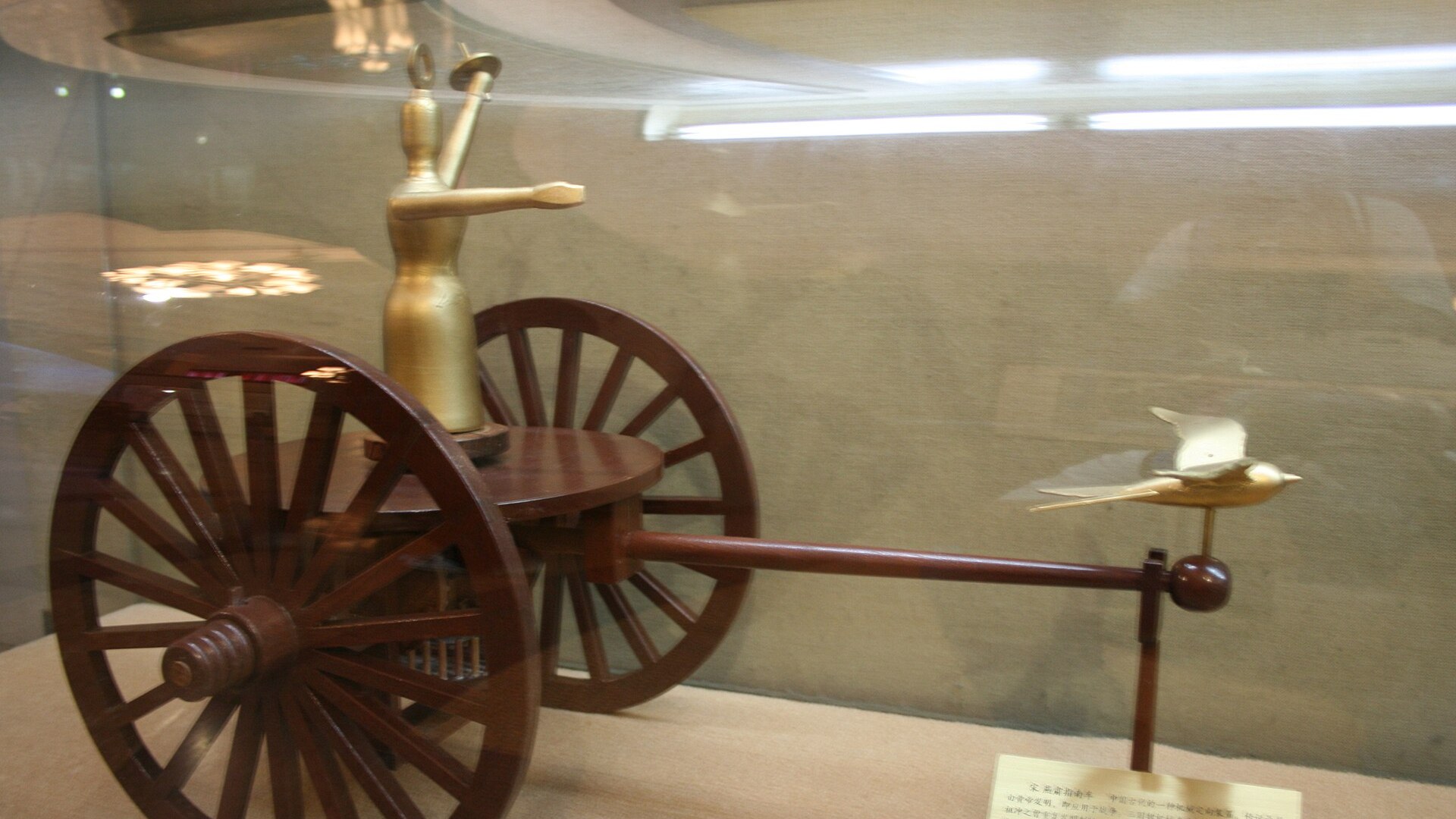
7. The South-Pointing Chariot Utilized Differential Gearing
Reconstructed by engineer Ma Jun in 255 AD, the Chinese South-Pointing Chariot used mechanical differential gears linked to the vehicle wheels. Unlike a compass, it relied on zero magnetism: regardless of twists and turns, internal gearing compensated to keep an aiming figure pointing true south.
©Wikimedia / Gary Todd from Xinzheng, China
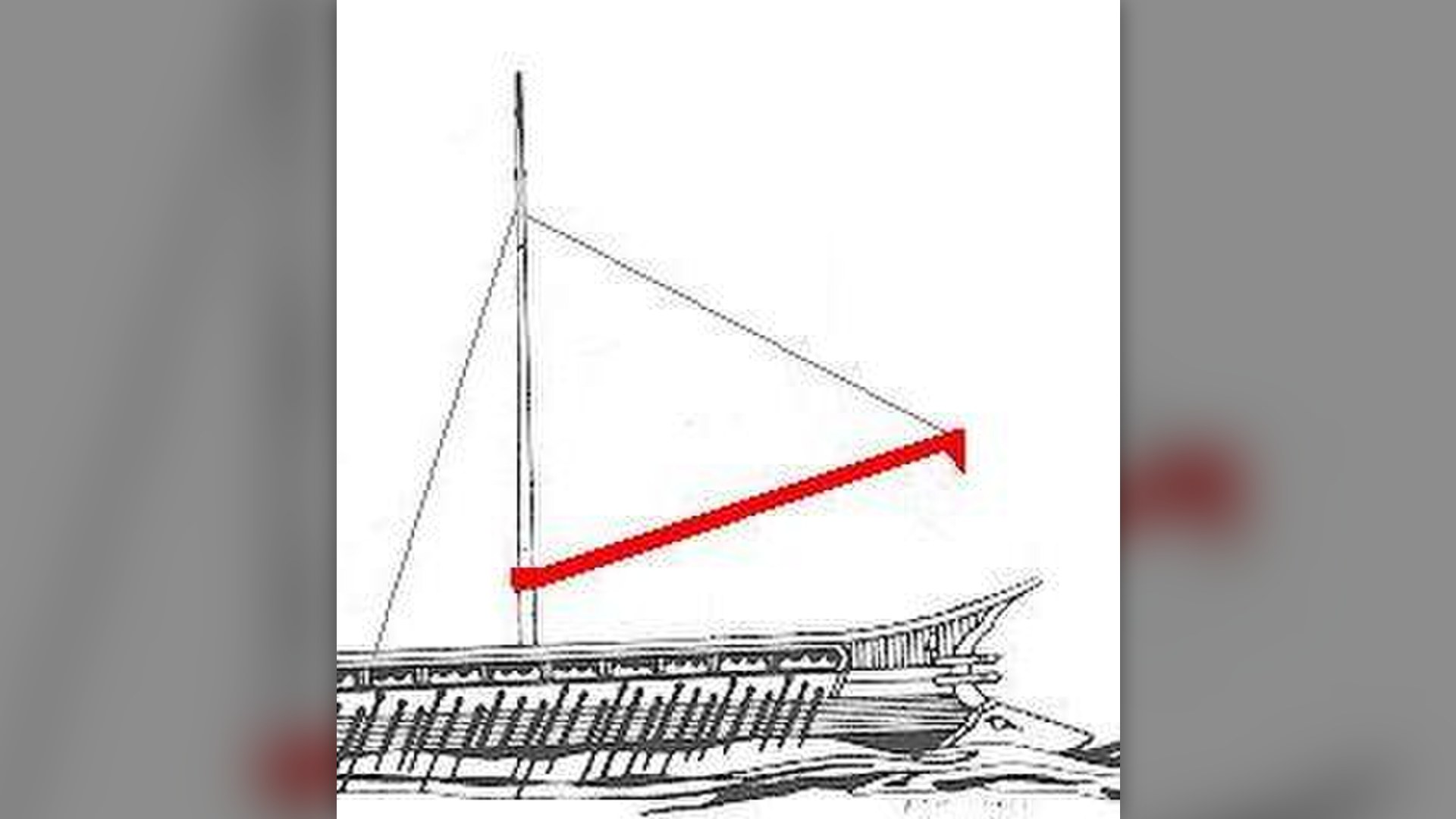
6. The Roman Corvus Transformed Sea Battles Into Land Battles
Built during the First Punic War in 260 BC, the corvus was a twenty-four foot boarding bridge mounted on a rotating pivot at the prow of Roman warships. Fitted with a heavy iron spike, it slammed down onto Carthaginian decks, anchoring ships together and unleashing Roman heavy infantry.
©Wikimedia / O.Mustafin
Advertisement
Swipe or tap ▶ to resume the countdown.
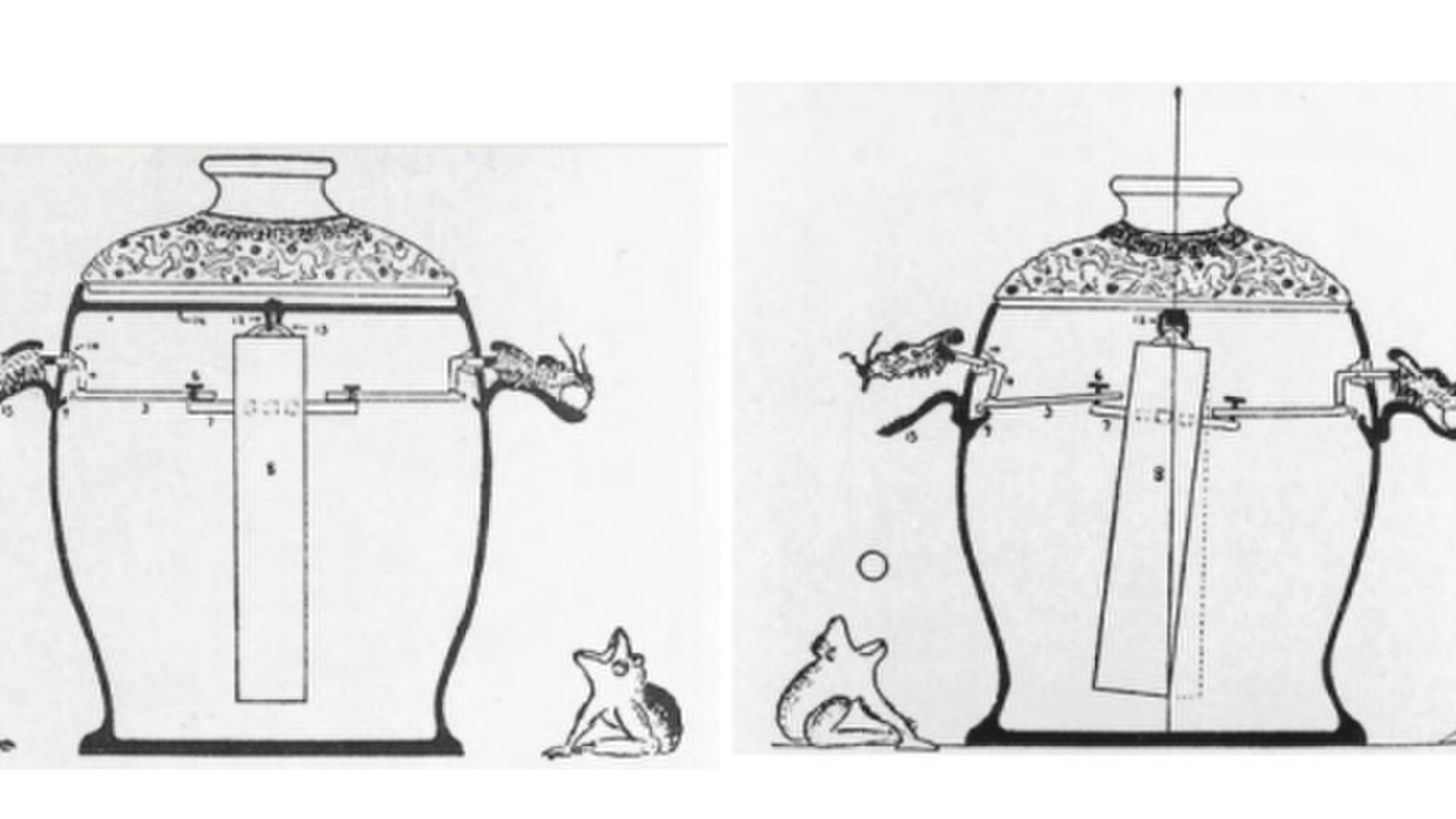
5. Zhang Heng's Seismoscope Detected Earthquakes Hundreds Of Miles Away
In 132 AD, Han Dynasty polymath Zhang Heng created the first seismoscope: a large bronze vessel encircled by eight dragons. When tremors struck hundreds of miles away, an internal inverted pendulum swung and triggered a lever, dropping a bronze ball from a dragon mouth into a waiting toad below.
©Wikimedia / Pubblico dominio
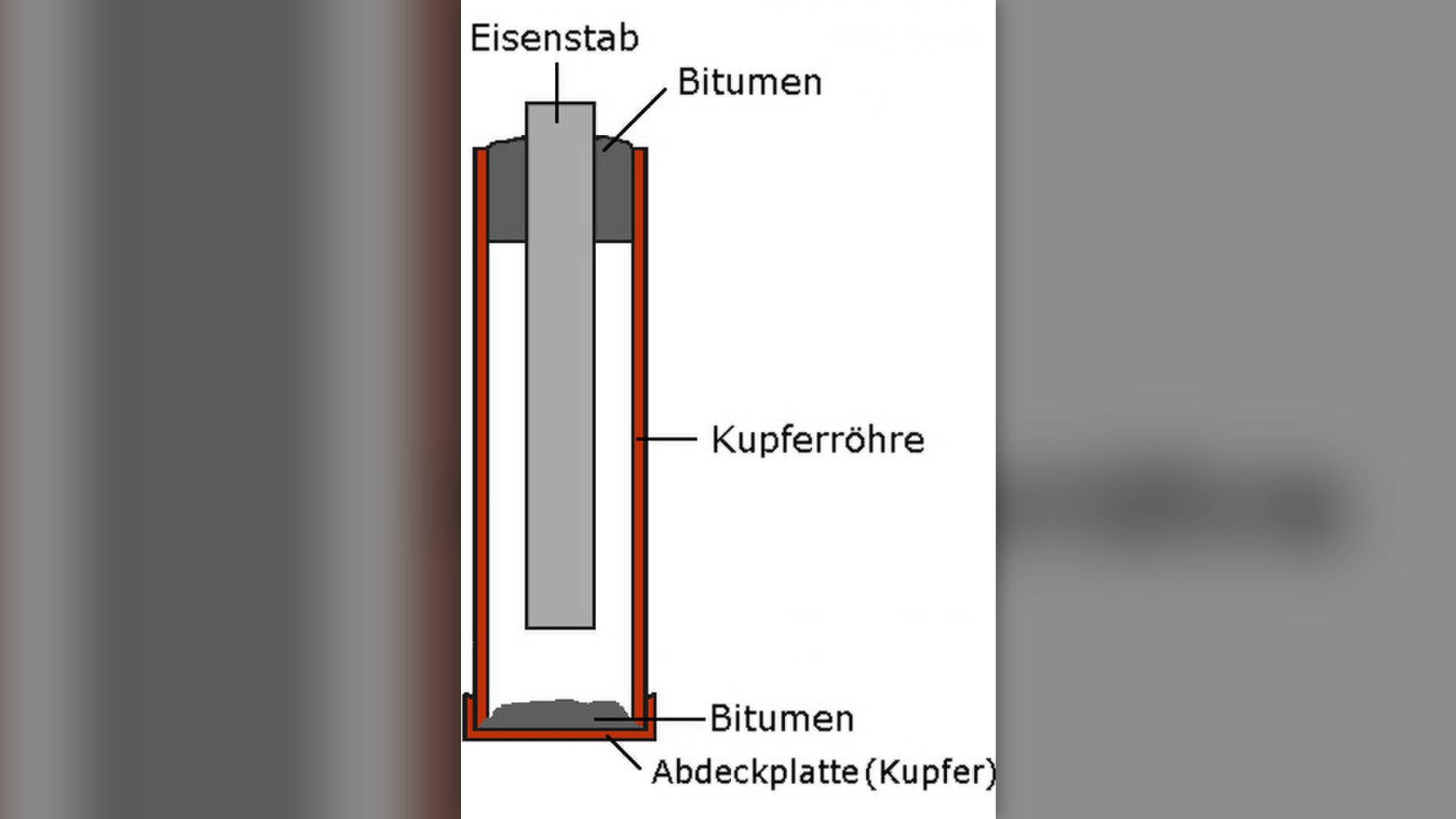
4. The Baghdad Battery Produced Electric Current In Antiquity
Excavated near Baghdad and dated to the Parthian or Sasanian period around 250 BC, this ceramic vessel contained a rolled copper sheet surrounding an iron rod. Replicas filled with acidic liquids like wine or vinegar produced up to two volts of electricity, possibly used for mild pain relief.
©Wikimedia / Tympanus
3. Byzantine Greek Fire Created Pressurized Naval Flame Weapons
Invented in 672 AD by the architect Kallinikos, Greek fire was an incendiary chemical mixture projected under pressure through bronze siphon tubes aboard Byzantine dromon warships. Igniting upon contact, the petroleum-based flame burned atop water and repeatedly repelled massive naval sieges.
©Wikimedia / Codex Skylitzes Matritensis, Bibliteca Nacional
2. Sushruta Devised Advanced Surgical Tools And Rhinoplasty
Composed in northern India around 600 BC, the Sanskrit medical treatise Sushruta Samhita documented complex ophthalmic surgery, cataract couching, and skin-graft rhinoplasty. Sushruta detailed more than 120 surgical instruments, including fine forceps, scalpels, and speculums ahead of their time.
©Wikimedia / Heroesdontexist
Advertisement
Swipe or tap ▶ to resume the countdown.
1. The Antikythera Mechanism Formed The World's First Computer
Recovered from a 60 BC shipwreck near Greece, the Antikythera Mechanism is a bronze geared analog computer constructed around 150 BC. Utilizing over thirty differential meshing gears, the device precisely calculated lunar phases, solar eclipses, and the variable orbits of five known planets.
©Wikimedia / Zde
Advertisement
You've reached the end of the story. Thanks for reading!

21 Machines That Can Do Jobs Once Thought Impossible
Engineers have built automated machinery capable of mastering tasks once considered the exclusive domain of human hands. Engineering journals and patent databases track robotic advances across agriculture, healthcare, and infrastructure. These twenty-one machines prove modern mechanical automation has no limits.
All 20 Entries in this Story
#20 Automated Temple Doors Opened Using Hidden Heat And Water
In the first century AD, Greek engineer Hero of Alexandria invented temple doors that opened automatically when priests lit an altar fire. The flame heated air in a sealed vessel, forcing water through a siphon into a bucket that pulled counterweighted ropes to rotate door hinges unseen.

#19 The Roman Hypocaust Distributed Central Radiant Heating
Developed in the first century BC, Roman hypocausts warmed villas and public baths by circulating hot air through subterranean pillars of tile. Flues built inside clay wall tiles drew smoke upward, providing radiant floor and wall heating centuries before modern central heating systems.

#18 The Nilometer Calculated River Floods And National Tax Rates
Dating back to the third millennium BC, Egyptian nilometers were stone stairways and octagonal columns that measured the annual Nile flood depth. Civil servants recorded seasonal water crests to forecast agricultural yields and calculate fair annual food taxes across the realm.

#17 The Archimedes Screw Lifted Vast Volumes Of Water Uphill
Devised by Archimedes of Syracuse in the third century BC, this continuous helical spiral raised water from low-lying canals into irrigation ditches. The efficient hand-cranked device proved so effective for drainage and farming that municipal water utilities still operate modern versions today.

#16 Ancient Persian Yakhchals Stored Ice In Scorching Deserts
By 400 BC, Persian engineers built yakhchals, massive domed subterranean structures insulated by thick heat-resistant mortar. Subterranean aqueducts fed shallow channels where desert night winds froze water, allowing communities to store winter ice throughout blistering summer months.

#15 The Aeolipile Harnessed Steam Power Seventeen Centuries Early
Described by Hero of Alexandria in the first century AD, the aeolipile consisted of a water-filled copper cauldron connected to a hollow sphere with two angled nozzles. As water boiled, escaping steam forced the sphere to rotate rapidly, demonstrating turbine propulsion centuries before Watt.

#14 Self-Healing Roman Concrete Grew Stronger In Seawater
Roman engineers formulated marine concrete using reactive volcanic pozzolana and quicklime clasts. When ocean waves caused microscopic fissures, infiltrating seawater dissolved calcium deposits and crystallized into alinous tobermorite, allowing ancient breakwaters to self-repair over millennia.

#13 Babylonian Astronomers Used Geometry To Track Jupiter
Cuneiform tablets from 350 BC show Babylonian astronomers calculated the orbital speed and path of Jupiter using geometric trapezoids. This sophisticated calculus precursor was thought to have been invented in fourteenth-century Europe, but Mesopotamian scribes used it fourteen centuries earlier.

#12 The Polybolos Fired Successive Bolts With A Chain Drive
Invented by Dionysius of Alexandria in the third century BC, the polybolos was an automated repeating catapult. Operating a wooden windlass rotated a flat-link bronze chain, feeding bolts from a gravity magazine and drawing the bowstring in continuous succession like an early machine gun.

#11 The Lycurgus Cup Embedded Dichroic Nanotechnology
Crafted in fourth-century Rome, the Lycurgus Cup appears green in reflected light but glows ruby red when illuminated from within. British Museum analyses proved Roman artisans infused the molten glass with colloidal gold and silver particles seventy nanometers wide, achieving true nanotechnology.

#10 The Barbegal Complex Industrialized Water Mill Production
Located near Arles in southern France, the second-century Roman Barbegal aqueduct complex channeled water down a steep hillside to power sixteen overshot waterwheels. Operating simultaneously, the industrial milling factory produced enough flour daily to feed an estimated twelve thousand people.

#9 Persian Qanats Carried Mountain Water For Hundreds Of Miles
Originating in the early first millennium BC, Persian qanats were subterranean gravity-fed water channels that tapped mountain alluvial aquifers. By tunneling beneath desert floors with vertical ventilation shafts, engineers moved freshwater across vast distances without suffering evaporative loss.

#8 Damascus Steel Integrated Carbon Nanotubes For Extreme Strength
Forged from southern Indian wootz crucible steel beginning around 300 BC, Damascus swords were legendary for flexibility and sharpness. Electron microscope studies published in Nature confirmed that ancient smiths unintentionally forged carbon nanotubes and cementite nanowires into the steel.

#7 The South-Pointing Chariot Utilized Differential Gearing
Reconstructed by engineer Ma Jun in 255 AD, the Chinese South-Pointing Chariot used mechanical differential gears linked to the vehicle wheels. Unlike a compass, it relied on zero magnetism: regardless of twists and turns, internal gearing compensated to keep an aiming figure pointing true south.

#6 The Roman Corvus Transformed Sea Battles Into Land Battles
Built during the First Punic War in 260 BC, the corvus was a twenty-four foot boarding bridge mounted on a rotating pivot at the prow of Roman warships. Fitted with a heavy iron spike, it slammed down onto Carthaginian decks, anchoring ships together and unleashing Roman heavy infantry.

#5 Zhang Heng's Seismoscope Detected Earthquakes Hundreds Of Miles Away
In 132 AD, Han Dynasty polymath Zhang Heng created the first seismoscope: a large bronze vessel encircled by eight dragons. When tremors struck hundreds of miles away, an internal inverted pendulum swung and triggered a lever, dropping a bronze ball from a dragon mouth into a waiting toad below.

#4 The Baghdad Battery Produced Electric Current In Antiquity
Excavated near Baghdad and dated to the Parthian or Sasanian period around 250 BC, this ceramic vessel contained a rolled copper sheet surrounding an iron rod. Replicas filled with acidic liquids like wine or vinegar produced up to two volts of electricity, possibly used for mild pain relief.

#3 Byzantine Greek Fire Created Pressurized Naval Flame Weapons
Invented in 672 AD by the architect Kallinikos, Greek fire was an incendiary chemical mixture projected under pressure through bronze siphon tubes aboard Byzantine dromon warships. Igniting upon contact, the petroleum-based flame burned atop water and repeatedly repelled massive naval sieges.

#2 Sushruta Devised Advanced Surgical Tools And Rhinoplasty
Composed in northern India around 600 BC, the Sanskrit medical treatise Sushruta Samhita documented complex ophthalmic surgery, cataract couching, and skin-graft rhinoplasty. Sushruta detailed more than 120 surgical instruments, including fine forceps, scalpels, and speculums ahead of their time.

#1 The Antikythera Mechanism Formed The World's First Computer
Recovered from a 60 BC shipwreck near Greece, the Antikythera Mechanism is a bronze geared analog computer constructed around 150 BC. Utilizing over thirty differential meshing gears, the device precisely calculated lunar phases, solar eclipses, and the variable orbits of five known planets.