Slideshow · Viral
22 Items Soldiers Carry During Military Missions
Explore twenty-two essential equipment items carried by frontline soldiers during modern combat missions. From life-saving tourniquets and ceramic body armor to night vision optronics and personal communication systems, this breakdown examines the vital gear that sustains infantry troops on field deployments.
By Most Viral Today
13 min ago

Combat Loadout: Essential Gear Carried by Soldiers 
22. Combat Boots 
21. Ballistic Eye Protection 
20. Advanced Combat Helmet - AdvertisementSwipe or tap ▶ to continue countdown

19. Modular Plate Carrier 
18. Individual First Aid Kit 
17. Standard Service Rifle 
16. Ammunition Magazines - AdvertisementSwipe or tap ▶ to continue countdown

15. Tactical Multi-Tool 
14. Hydration Reservoir 
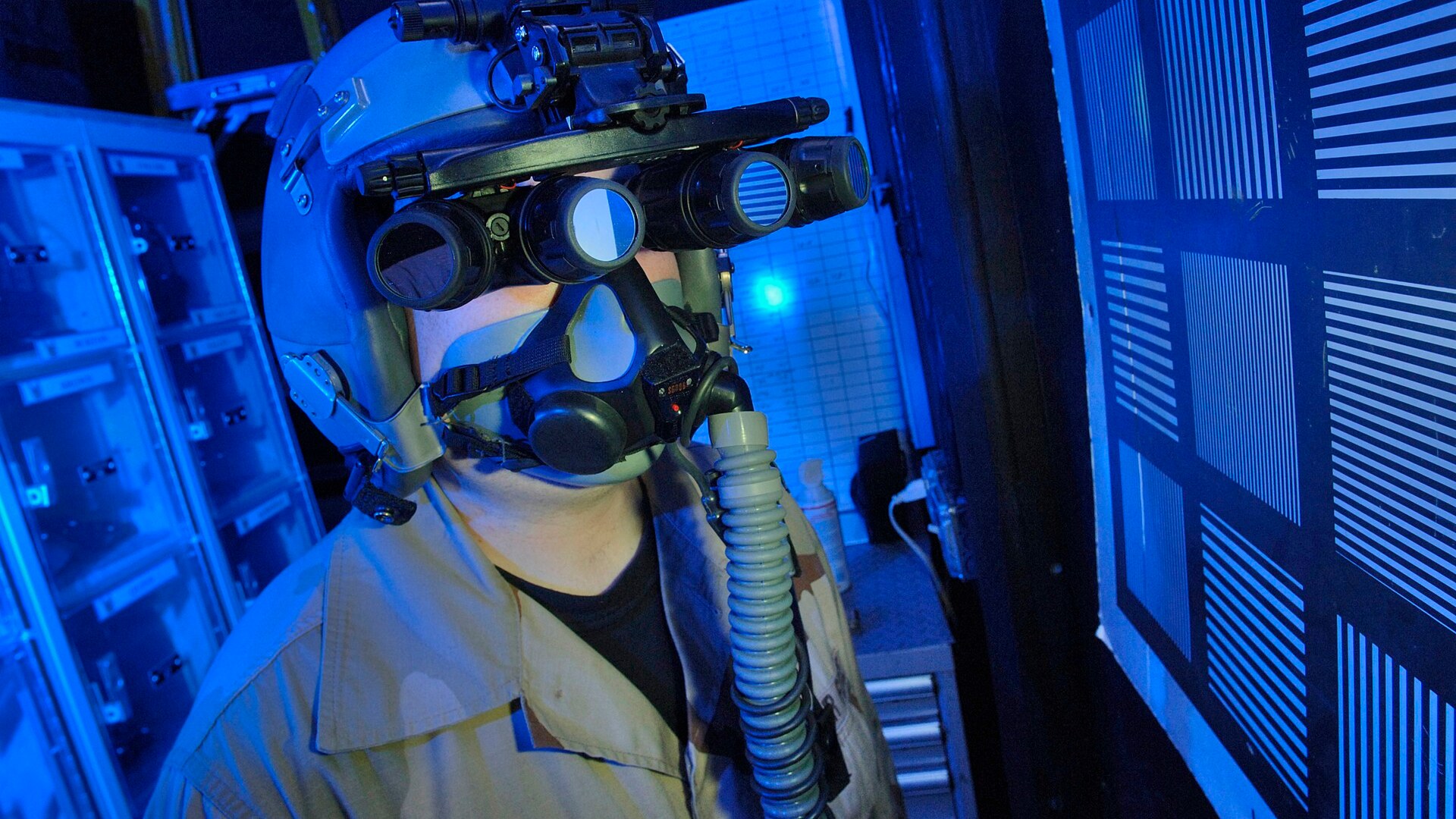
13. Night Vision Device 
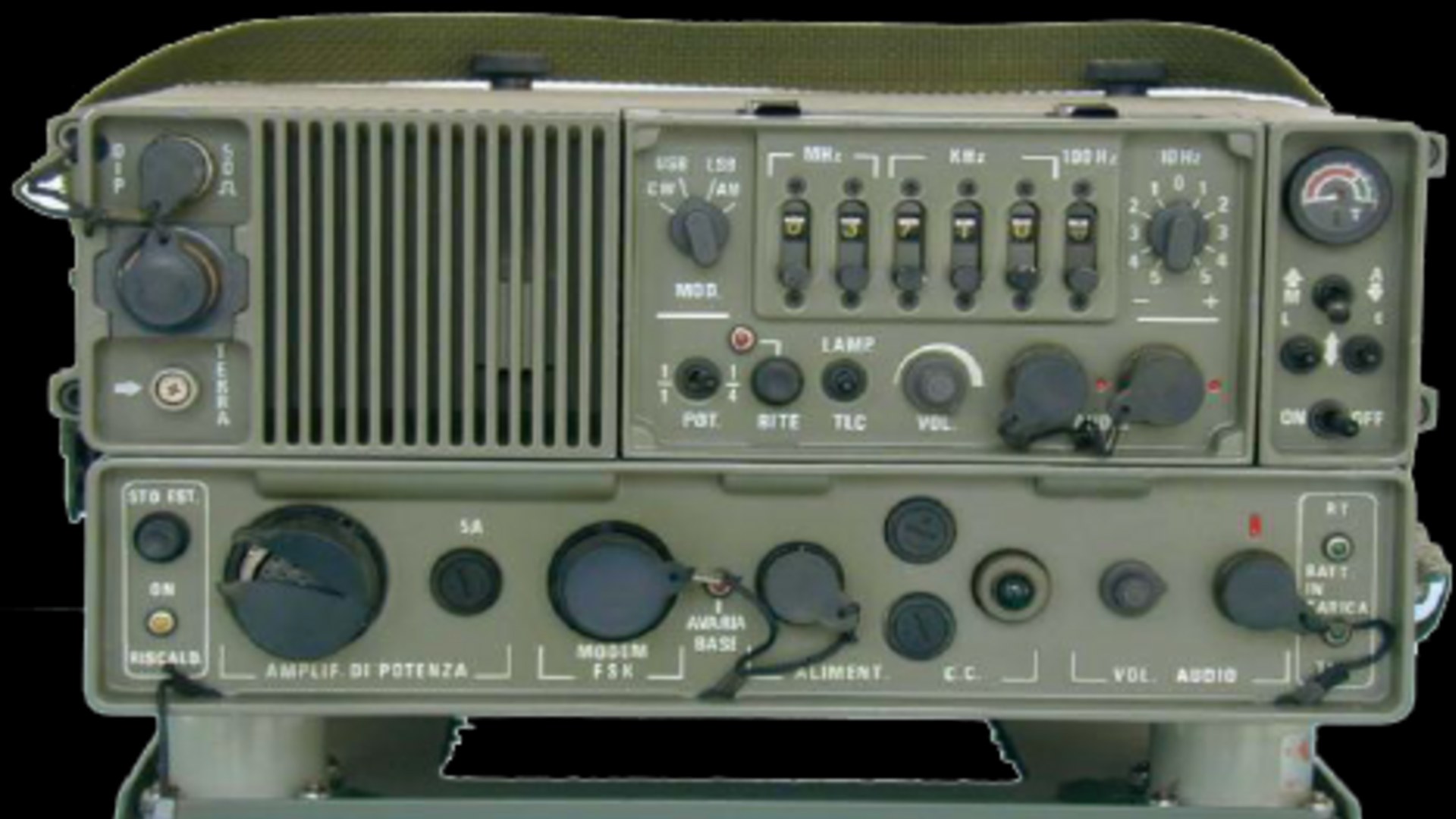
12. Tactical Radio And Headset - AdvertisementSwipe or tap ▶ to continue countdown

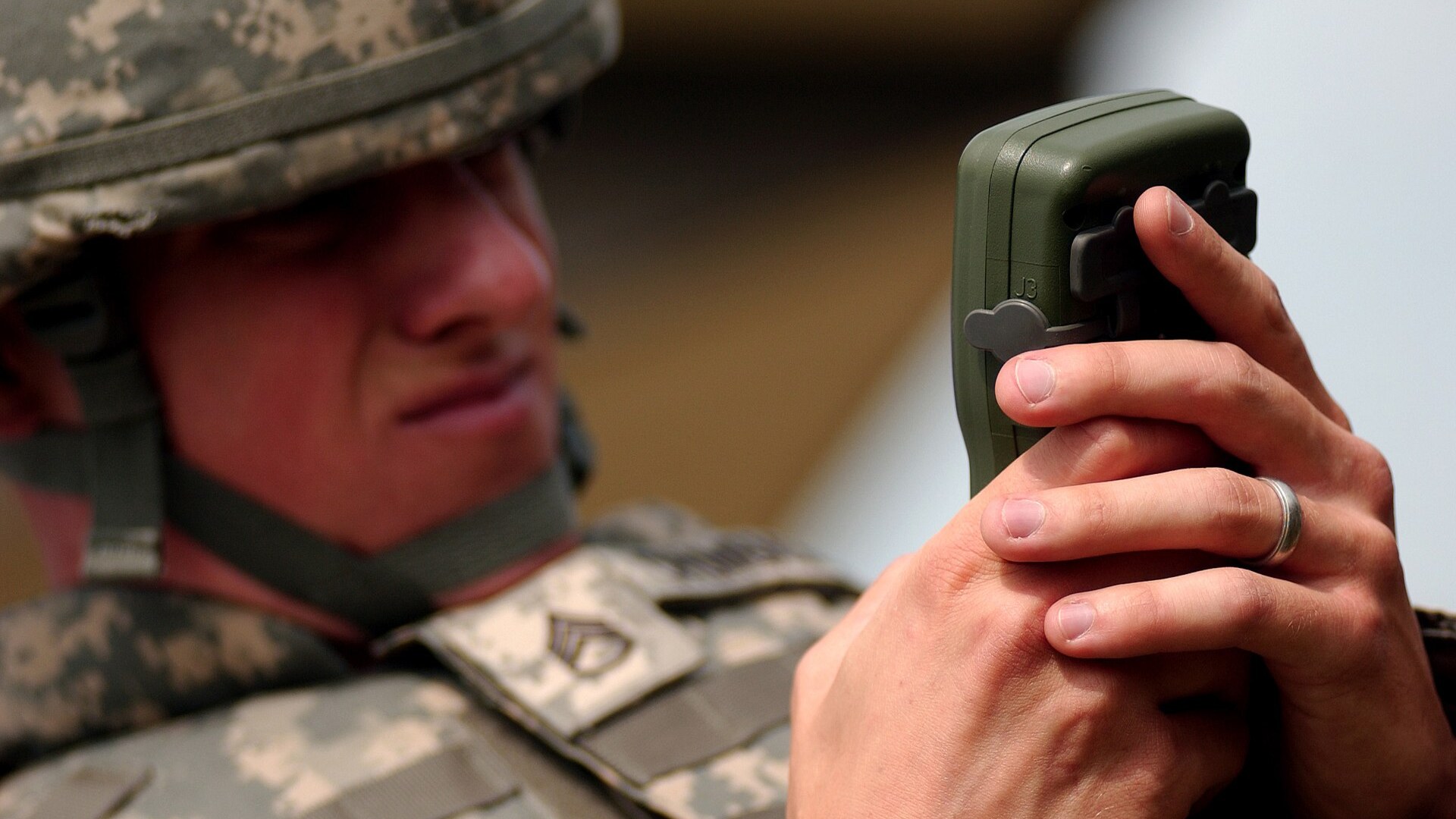
11. GPS Navigation Unit 
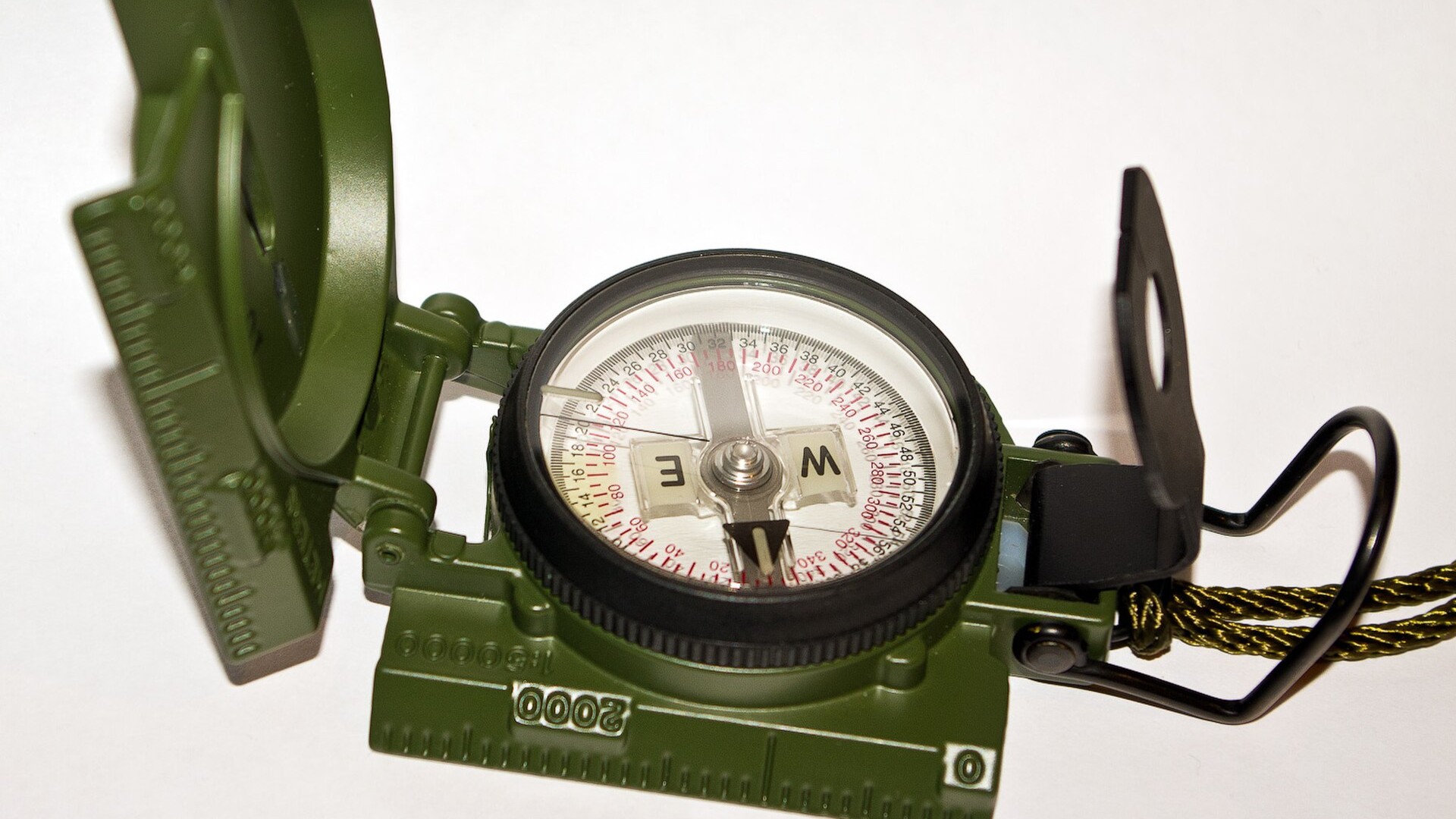
10. Lensatic Field Compass 
9. Field Meal Rations 
8. Tactical Flashlight - AdvertisementSwipe or tap ▶ to continue countdown

7. Combat Application Tourniquet 
6. Modular Assault Rucksack 
5. Entrenching Tool 
4. Chemical Protective Mask - AdvertisementSwipe or tap ▶ to continue countdown

3. Modular Sleep System 
2. Laser Rangefinder 
1. Tactical Combat Gloves - Advertisement🔥 UP NEXT IN THIS SERIES◫ 22 Slides

21 Unusual Shops That Sell Just One Very Specific Thing
While mega-retailers and department stores stock millions of varied goods, a brave league of independent merchants thrives by selling just one hyper-focused item. Sourced from historical archives and international retail registries, here are twenty-one extraordinary shops dedicated to a single specialized creation.
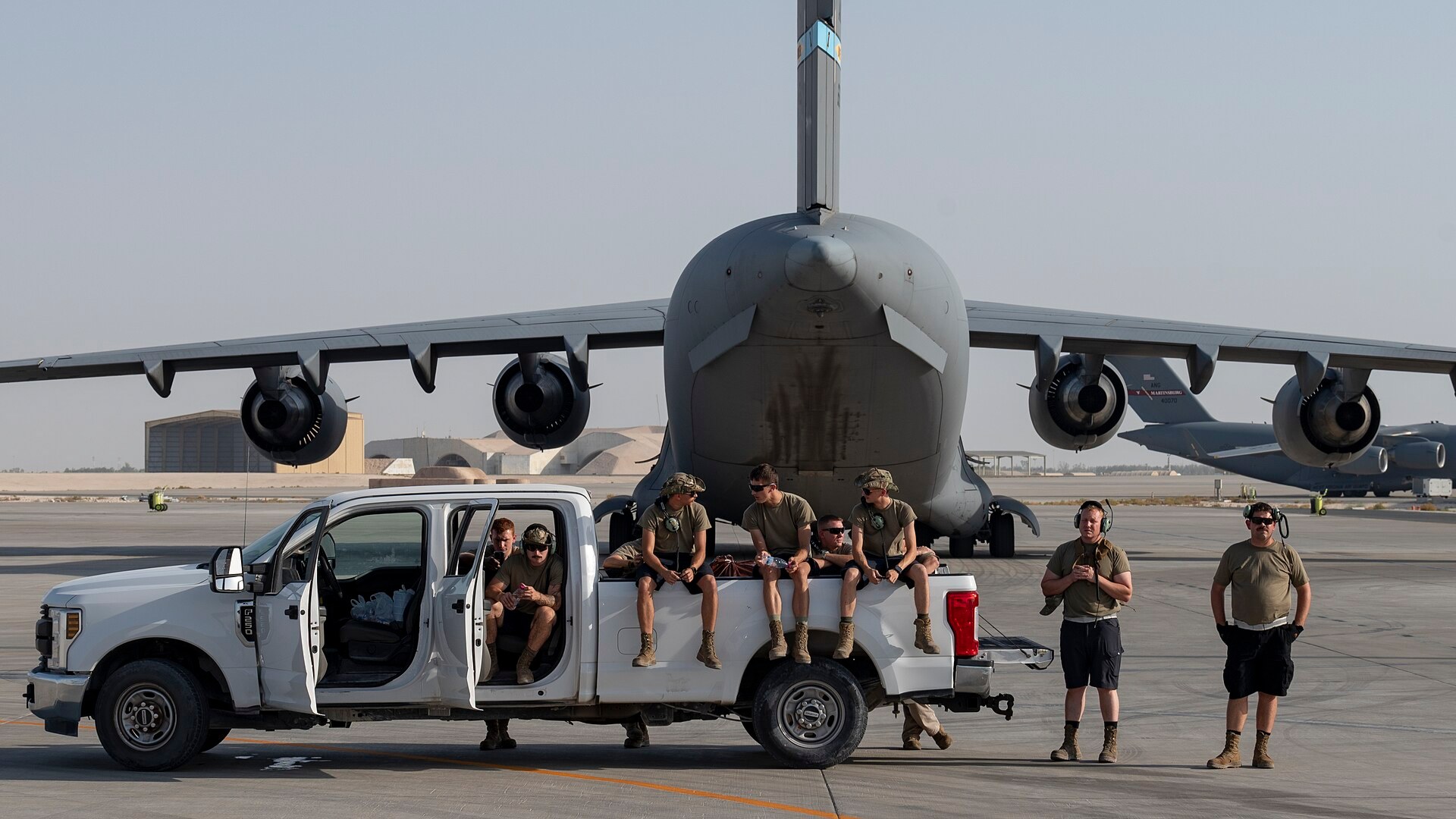
Modern dismounted soldiers carry between thirty and sixty kilograms of vital survival and combat gear. This gallery profiles twenty-two standard operational items in ascending order. Research is drawn from equipment documentation by the U.S. Army Acquisition Support Center, PEO Soldier, and DLA Troop Support.
Swipe or tap ▶ to begin the countdown
©Wikimedia / Staff Sgt. Dallas Edwards
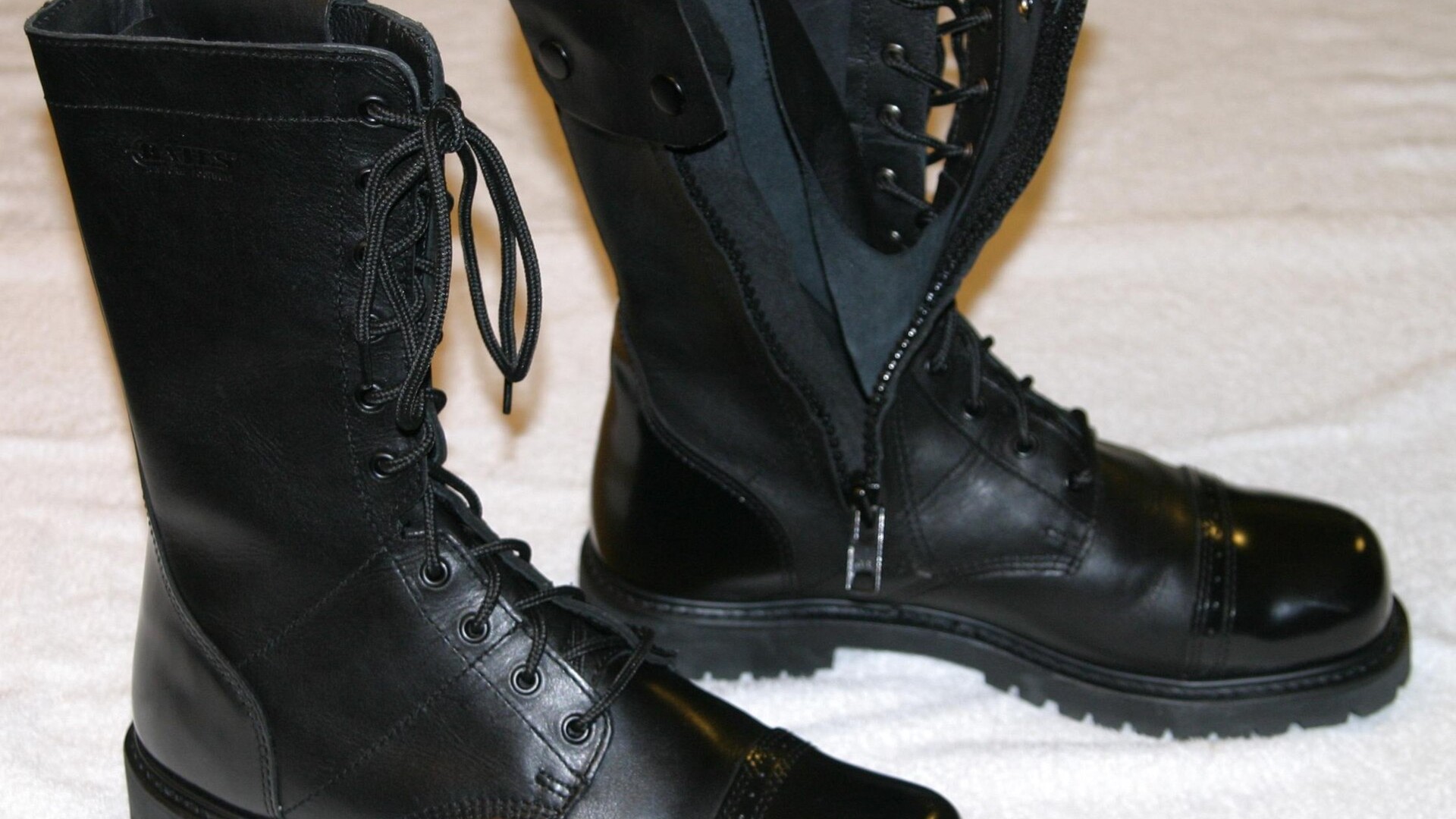
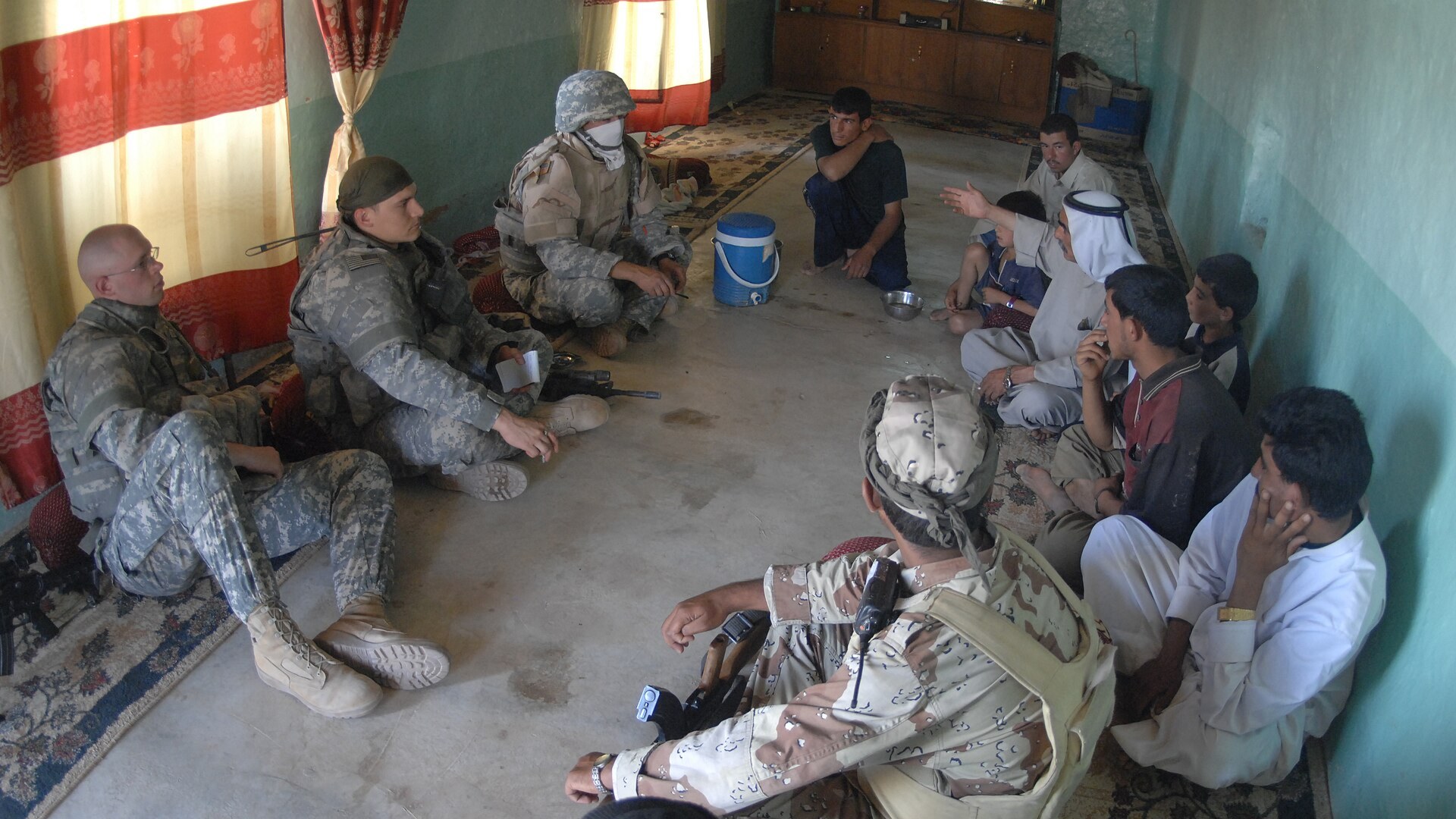
22. Combat Boots
Modern infantry combat boots feature durable vibram outsoles, puncture-resistant midsoles, and breathable moisture-wicking linings. Soldiers traverse mountainous shale, desert sand, and waterlogged swamps while carrying heavy operational loads. Reliable footwear prevents debilitating foot blisters and stress injuries.
©Wikimedia / User Pretzelpaws on en.wikipedia
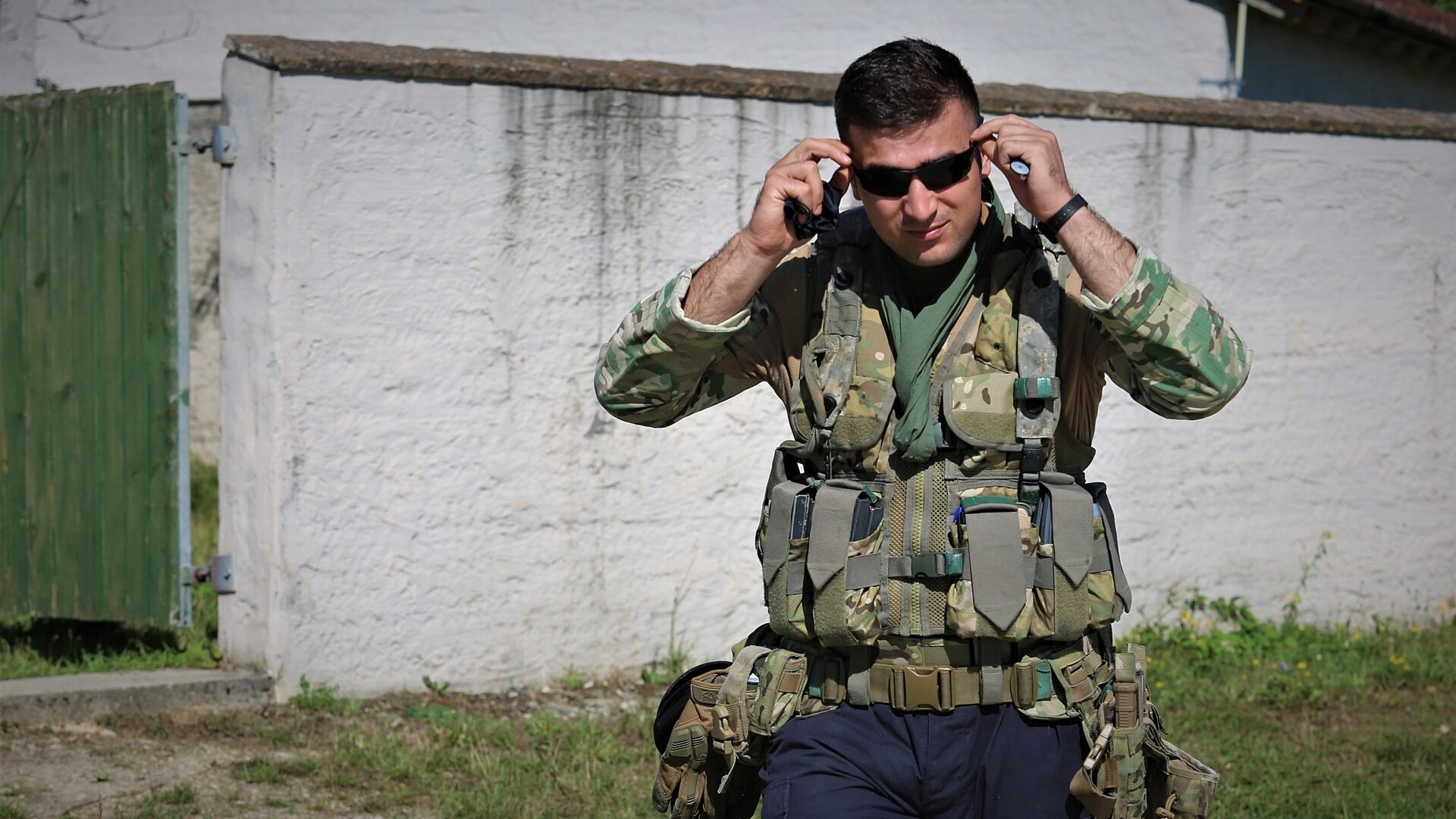
21. Ballistic Eye Protection
Military combat eye protection systems meet stringent military ballistic impact requirements. The interchangeable tinted and clear scratch-resistant polycarbonate lenses protect soldiers from explosive fragmentation, dust storms, and solar glare. Wraparound frames integrate smoothly beneath helmets.
©Wikimedia / U.S. Army JMRC by Spc. Audrequez Evans
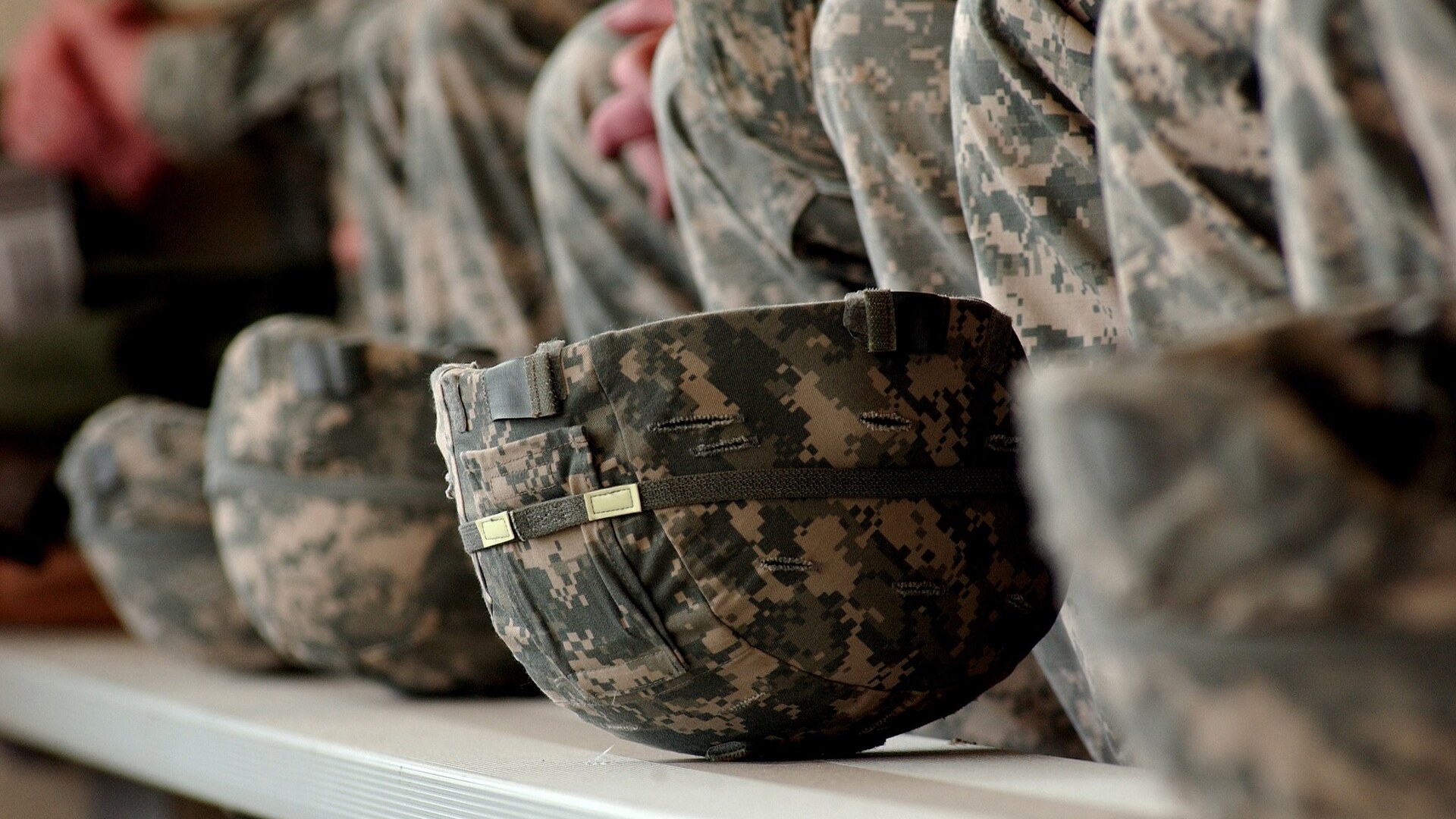
20. Advanced Combat Helmet
The Advanced Combat Helmet provides essential ballistic protection against fragmentation and handgun rounds. Mounted night vision shrouds and tactical side rails allow soldiers to attach cameras, illumination lights, and communication gear. Modular interior foam padding cushions against severe blast concussions.
©Wikimedia / The U.S. Army
Advertisement
Swipe or tap ▶ to resume the countdown.
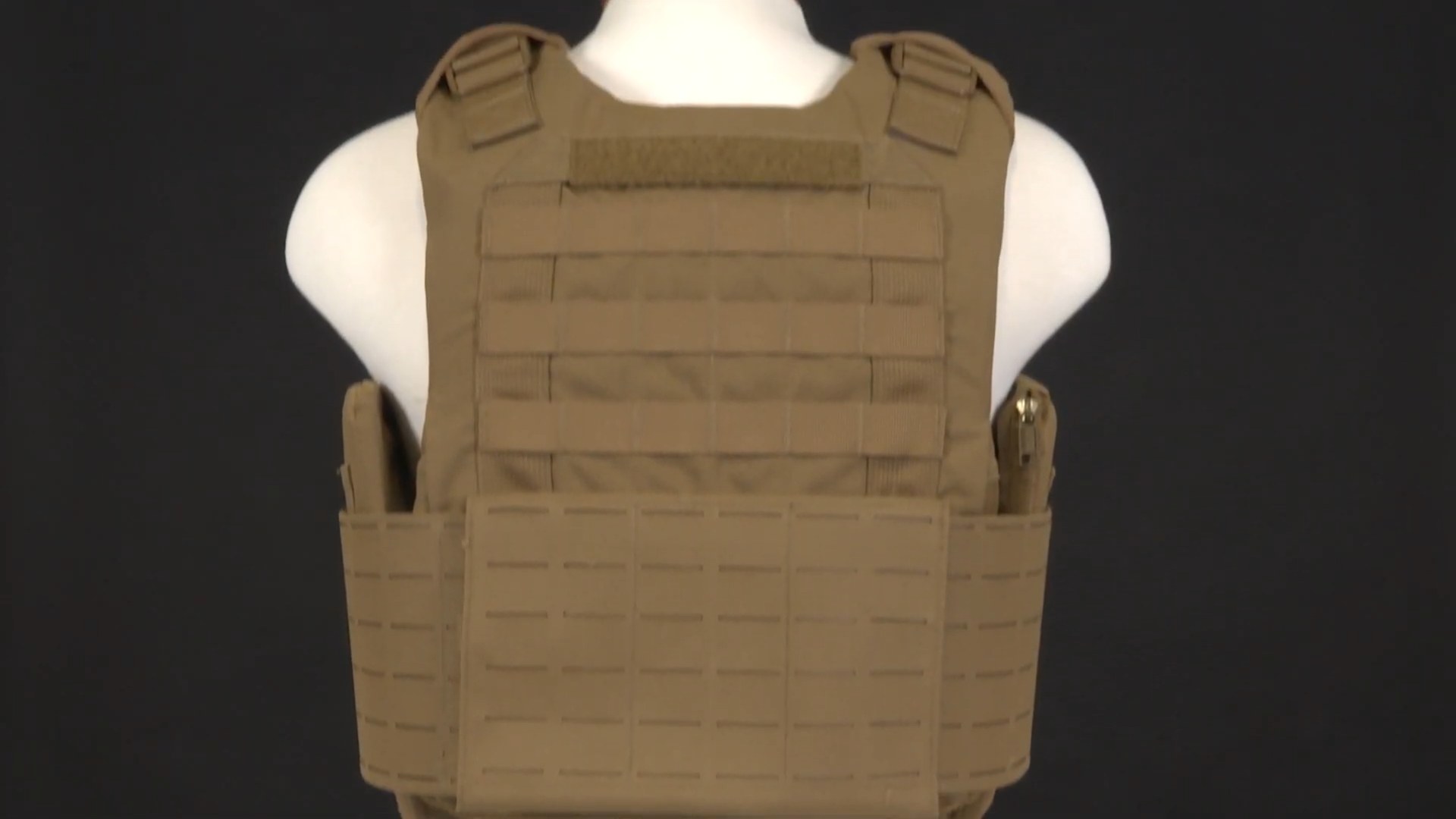
19. Modular Plate Carrier
Soldiers wear lightweight plate carriers fitted with ceramic Enhanced Small Arms Protective Inserts. The front, back, and side ceramic plates stop high-velocity rifle rounds over vital torso organs. External webbing grids allow custom positioning of magazine pouches, radios, and emergency trauma supplies.
©Wikimedia / Kenneth Kunze
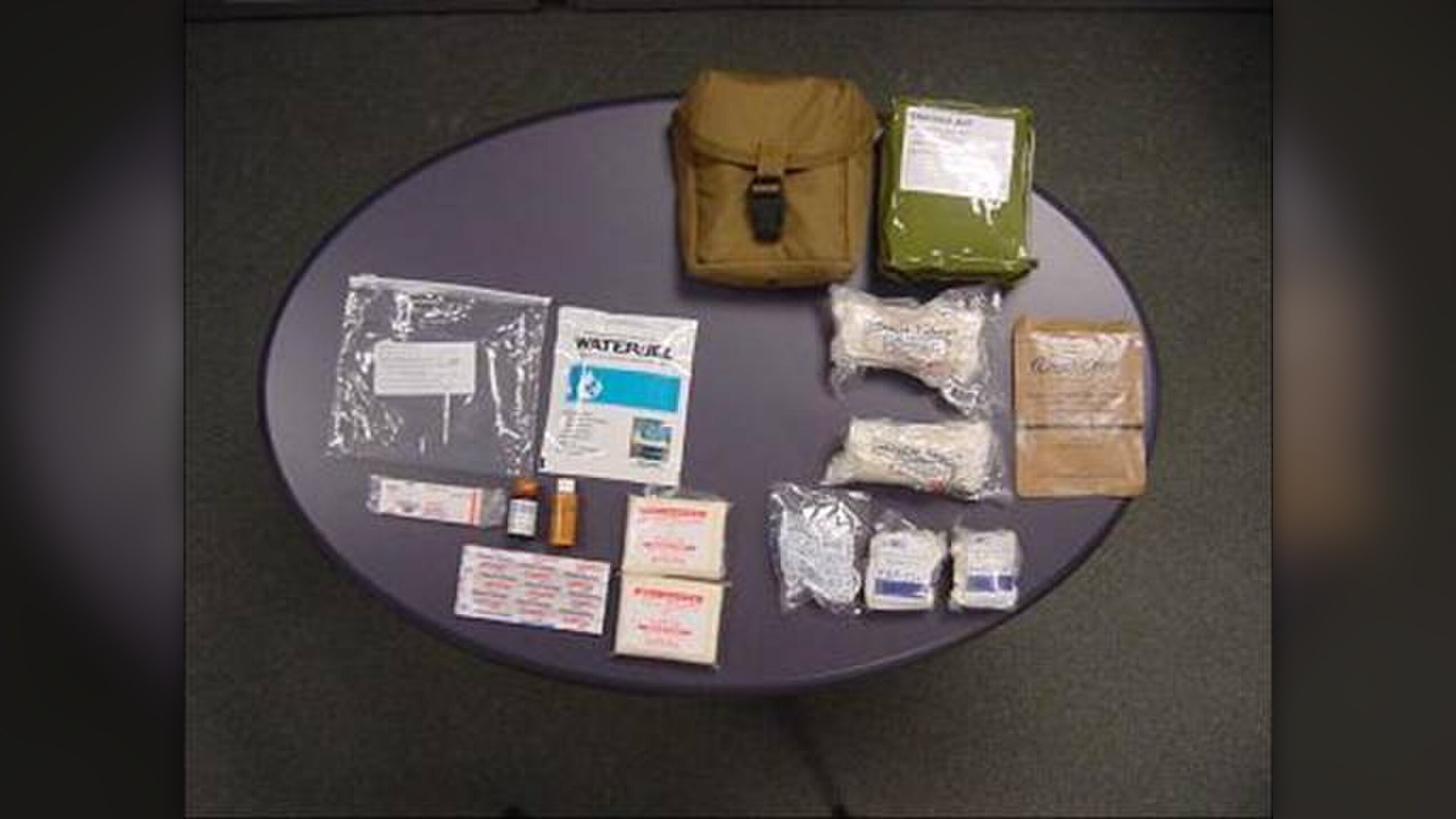
18. Individual First Aid Kit
Every frontline infantry soldier carries an Individual First Aid Kit mounted on their tactical vest. The compact rip-away pouch holds pressure bandages, chest seals, nasopharyngeal airways, and burn dressings. Standardised placement ensures battlefield comrades can instantly treat life-threatening hemorrhaging.
©Wikimedia / Bahamut0013
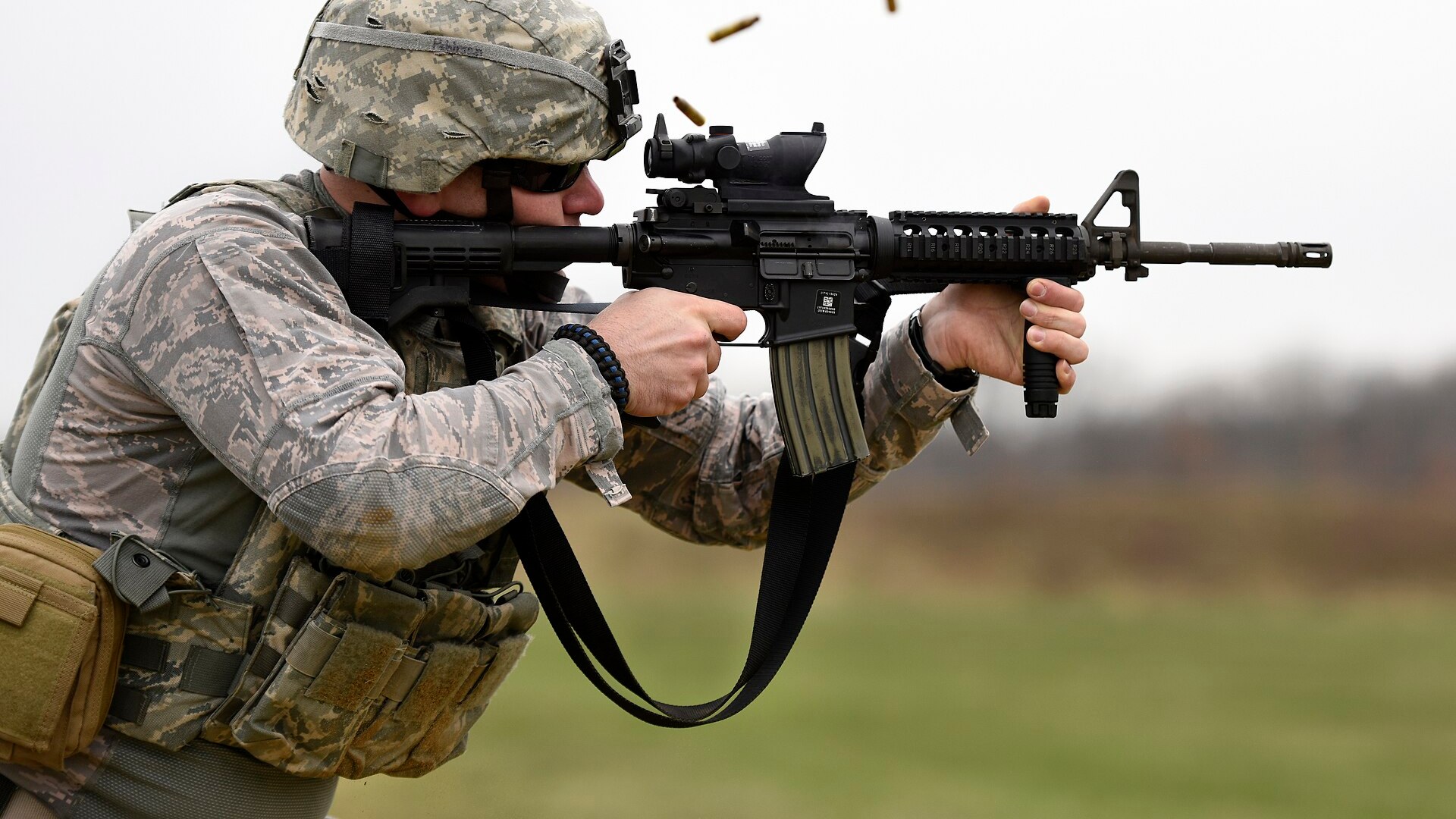
17. Standard Service Rifle
Infantry soldiers rely on compact modular carbines as their primary personal weapon system on patrol. Picatinny rails mount close-combat red-dot optics, infrared aiming lasers, and vertical foregrips. The lightweight platform delivers accurate semi-automatic and burst fire up to five hundred metres.
©Wikimedia / US Air Force from USA Staff Sgt. Michael Hughes/
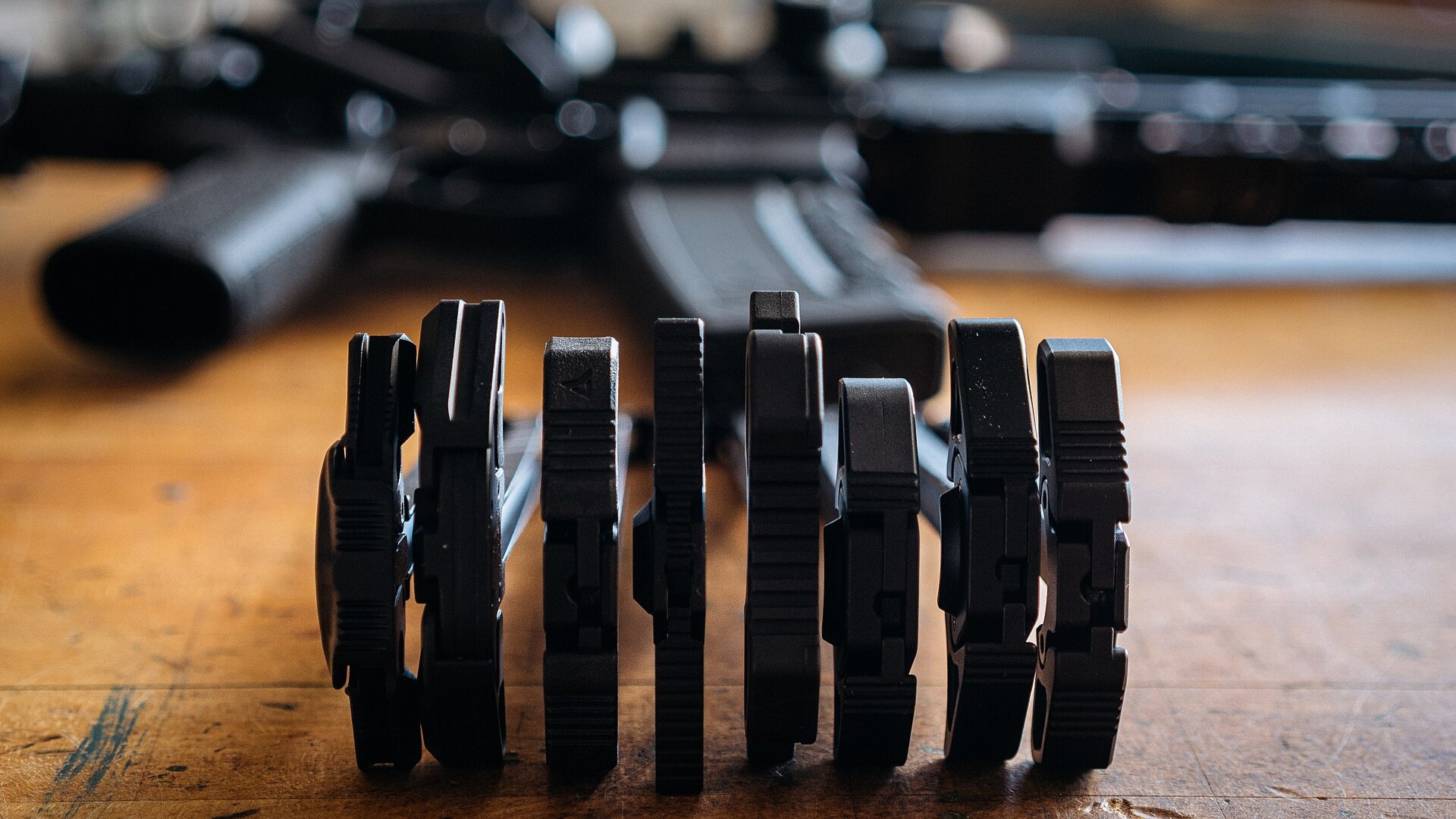
16. Ammunition Magazines
A standard combat rifleman loadout typically includes seven thirty-round magazines, providing two hundred and ten rounds. Modern impact-resistant polymer bodies feature transparent round-count windows and textured grip surfaces. Soldiers distribute these magazines across chest rigs for rapid tactical reloads.
©Wikimedia / Bradley Lanphear for CAT Outdoors
Advertisement
Swipe or tap ▶ to resume the countdown.
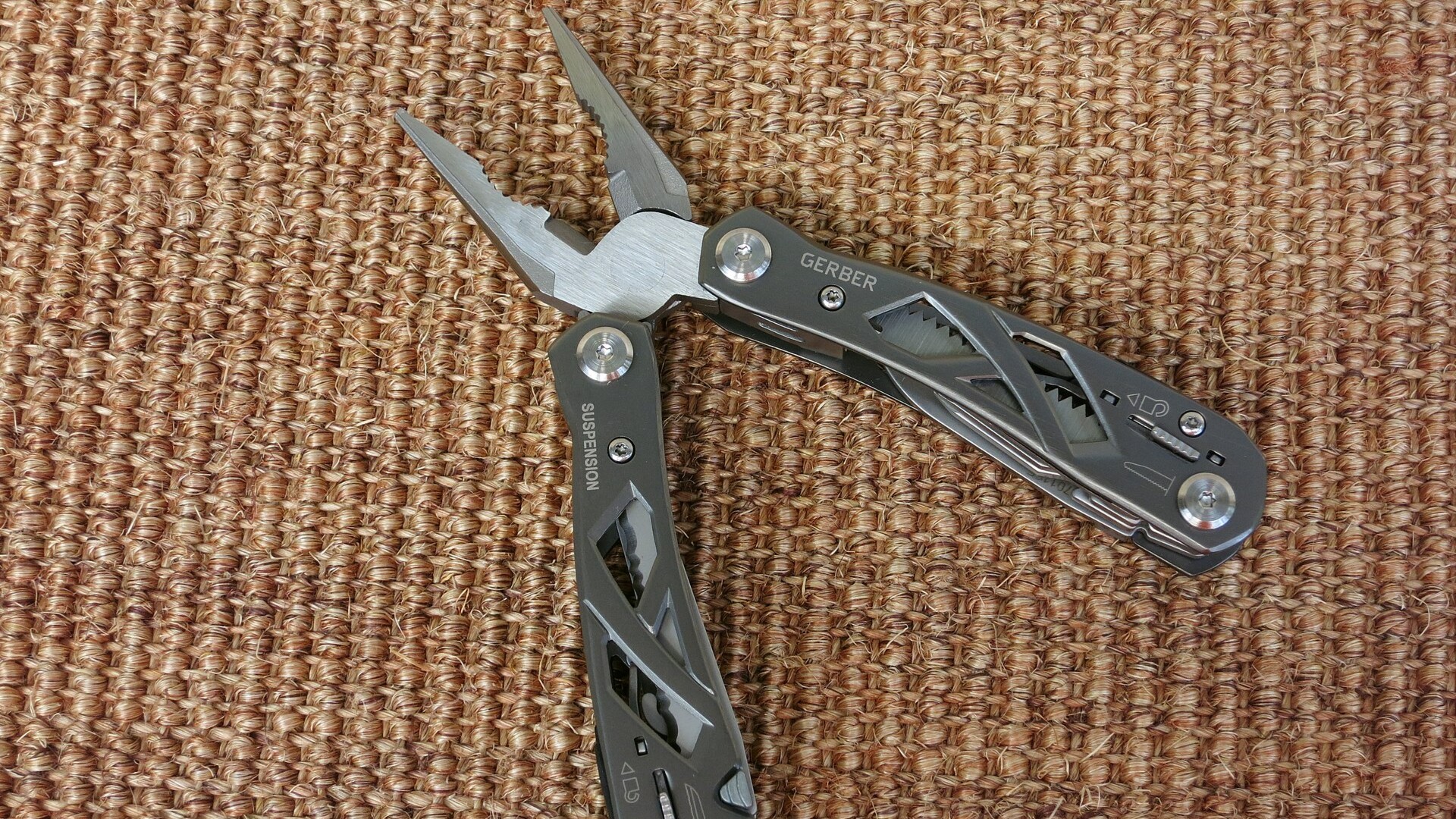
15. Tactical Multi-Tool
Heavy-duty multi-tools serve as an indispensable maintenance device in remote expeditionary environments. Soldiers use hardened steel pliers and specialized bits to clear jammed weapon parts, adjust equipment screws, and cut field wire. Most units include locking knife blades and blasting-cap crimpers.
©Wikimedia / James Case from Philadelphia, Mississippi, U.S.A
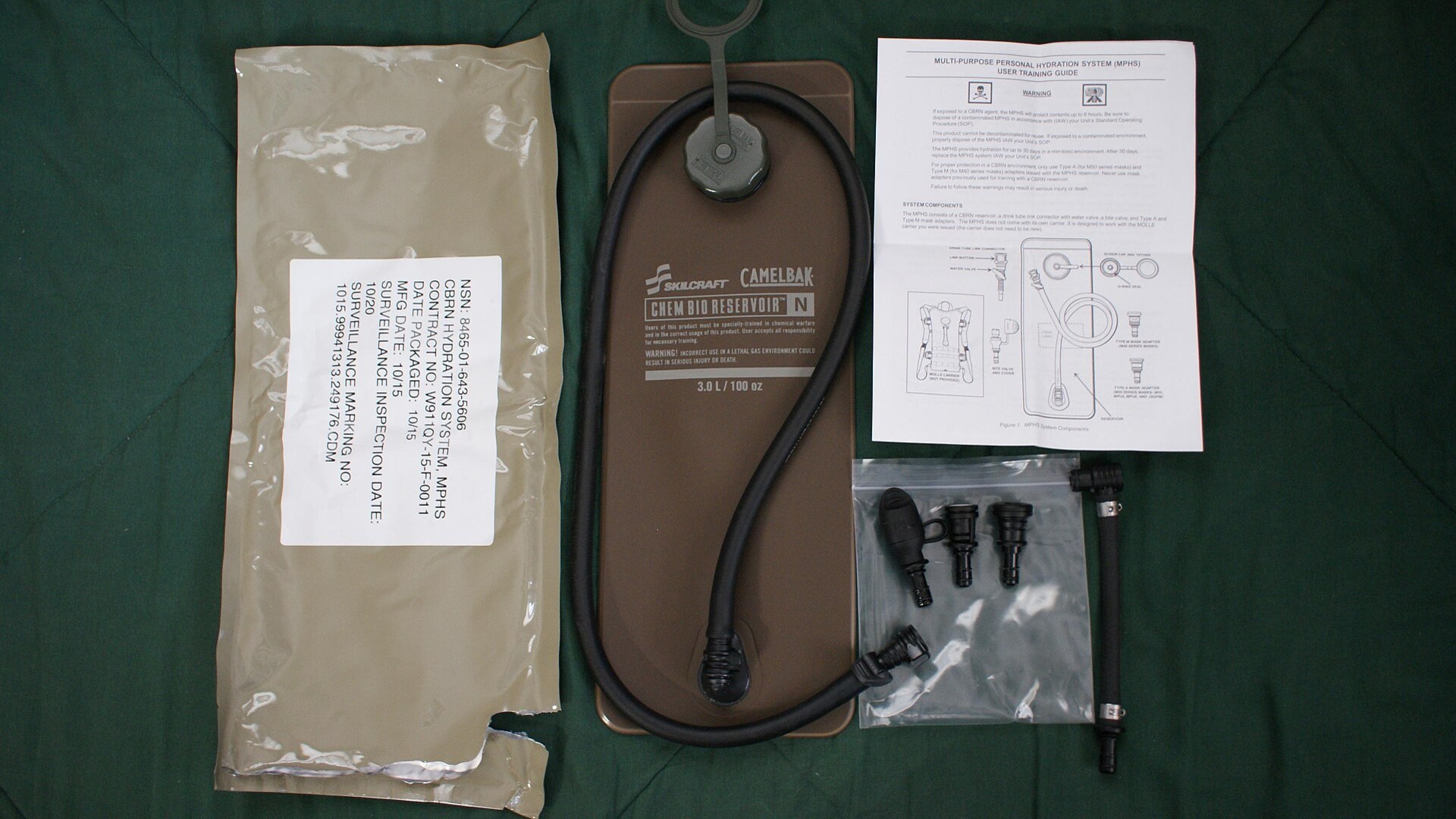
14. Hydration Reservoir
Maintaining hydration during extended dismounted patrols is critical to soldier stamina and cognitive function. Modern hands-free reservoirs stow securely inside assault rucksacks with an insulated tube clipped to the shoulder strap. Antimicrobial linings keep potable water fresh in extreme desert heat.
©Wikimedia / Harry munday
13. Night Vision Device
Image-intensifying night vision systems allow infantry squads to navigate, identify targets, and engage adversaries in darkness. Modern monocular and binocular units amplify ambient starlight and integrate thermal overlays. The devices mount securely to helmet brackets and swing up when not in use.
©Wikimedia / Uploader Mac Davis
12. Tactical Radio And Headset
Squad communication depends on compact encrypted handheld radios carried in dedicated vest pouches. Electronic noise-cancelling headsets muffle deafening gunfire blasts while amplifying distant footsteps and whispers. Integrated boom microphones allow crisp team communication across noisy combat zones.
©Wikimedia / Esercito de terra
Advertisement
Swipe or tap ▶ to resume the countdown.
11. GPS Navigation Unit
Soldiers carry handheld GPS receivers designed to deliver accurate position coordinates through electronic jamming. The rugged waterproof units integrate with military grid reference systems and digital tactical mapping. Built-in route waypoints ensure squads maintain accurate navigation in unfamiliar terrain.
©Wikimedia / Sgt. 1st Class Mark Bell
10. Lensatic Field Compass
The lensatic compass remains an essential analog backup when electronic navigation signals fail or encounter jamming. A magnifying sighting wire and calibrated rotating bezel allow precise directional azimuth readings. Tritium gas vials illuminate the dial face during covert night patrols without battery power.
©Wikimedia / Siberex
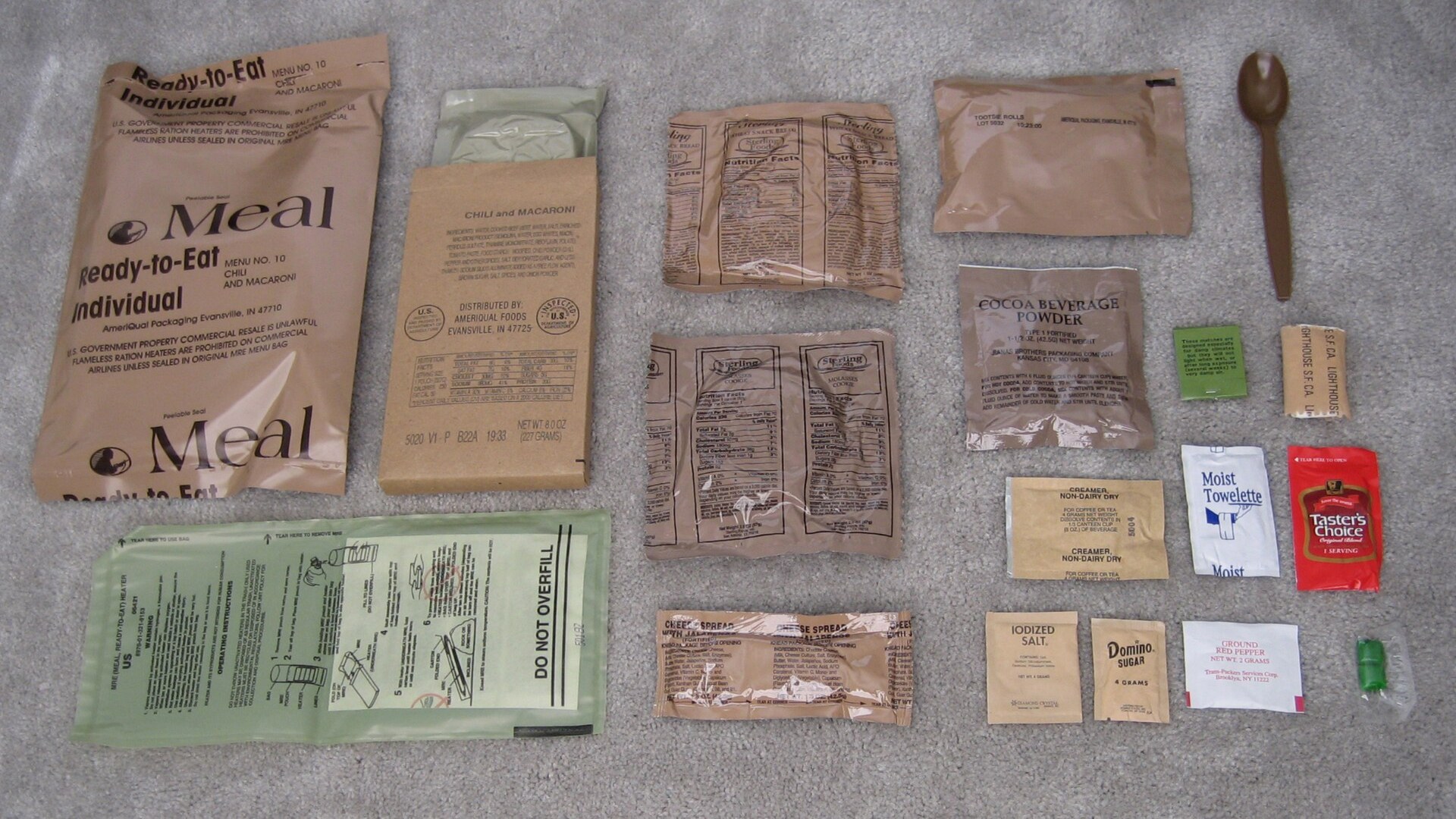
9. Field Meal Rations
Individual field rations supply approximately twelve hundred calories of shelf-stable nutrition per meal pack. Each ration bag contains an entrée, side items, crackers, peanut butter, beverage powders, and accessory packets. An integrated water-activated chemical heater warms the main meal without flames.
©Wikimedia / Christopherlin
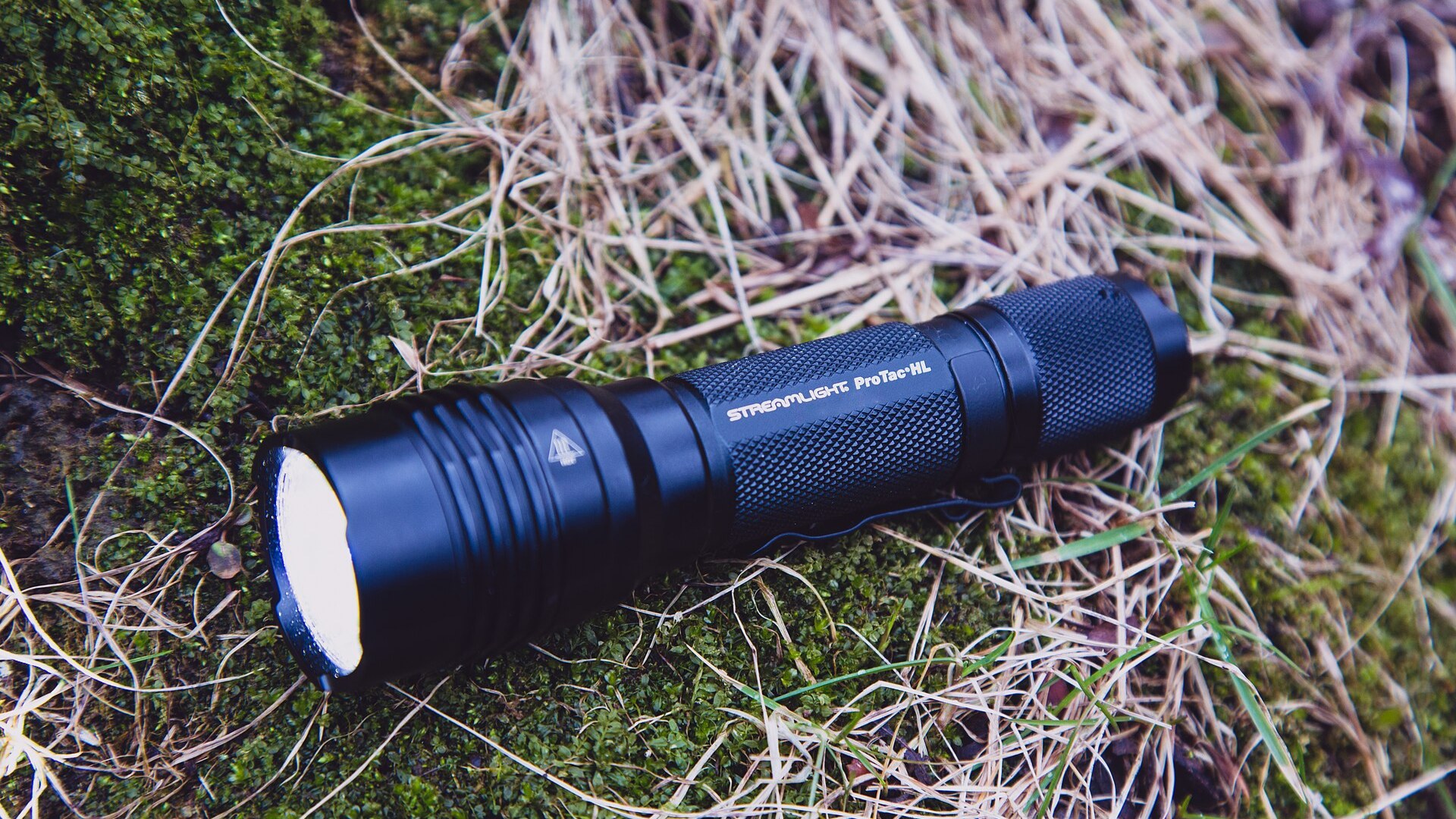
8. Tactical Flashlight
Weapon-mounted and handheld tactical flashlights produce high-lumen white beams alongside low-signature red lights. Red-light diodes preserve natural dark-adapted human vision and reduce nighttime detection risks. Infrared modes illuminate targets exclusively for squad members wearing night vision goggles.
©Wikimedia / Tony Webster from Minneapolis, Minnesota, United
Advertisement
Swipe or tap ▶ to resume the countdown.
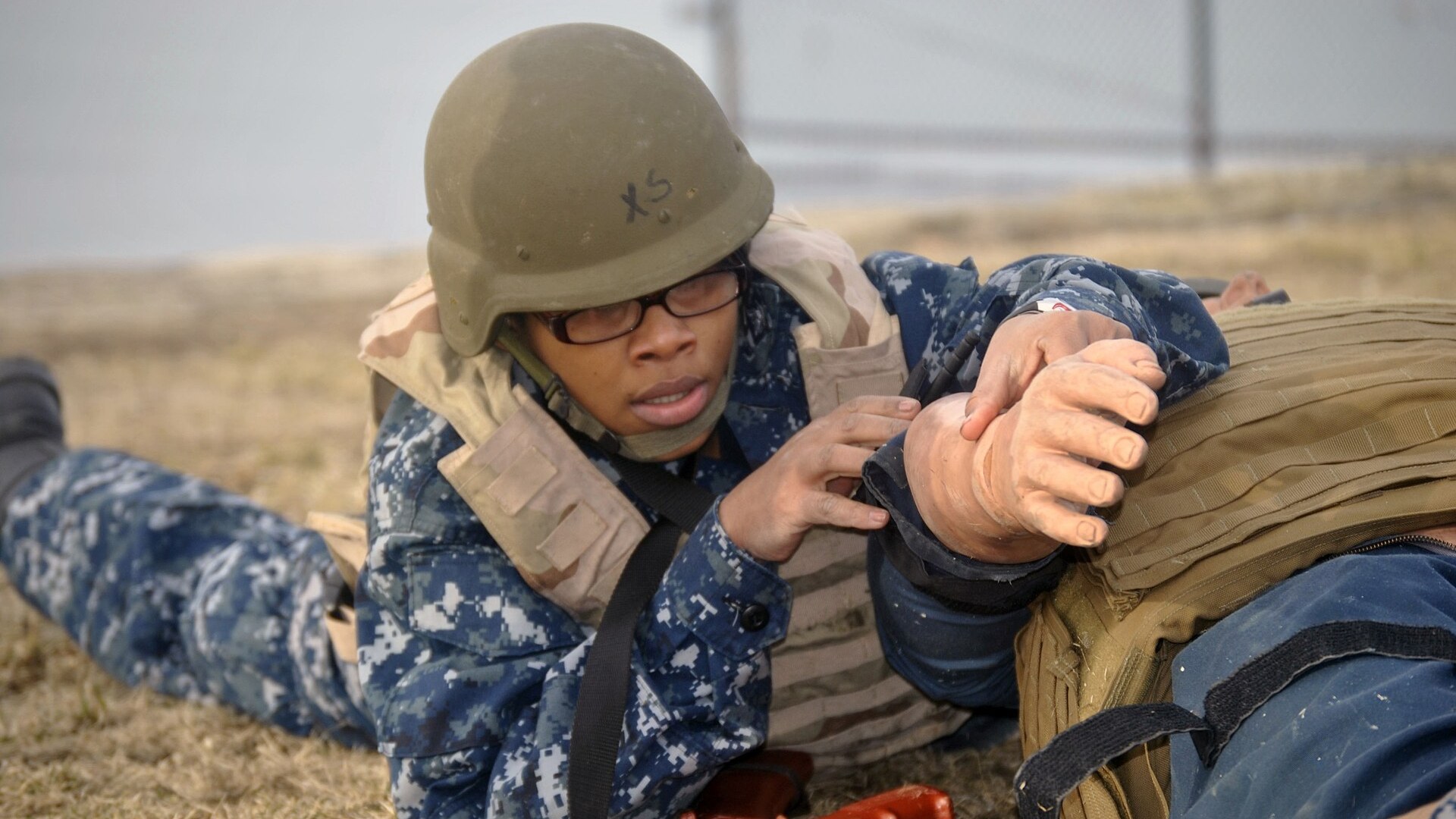
7. Combat Application Tourniquet
The Combat Application Tourniquet is credited with saving thousands of soldier lives from severe limb hemorrhage. A durable internal band tightens circumferentially over the limb using a rigid windlass rod. Soldiers store multiple tourniquets on outer vest pouches for immediate access during ambushes.
©Wikimedia / U.S. Navy Photo by Mass Communication Specialist
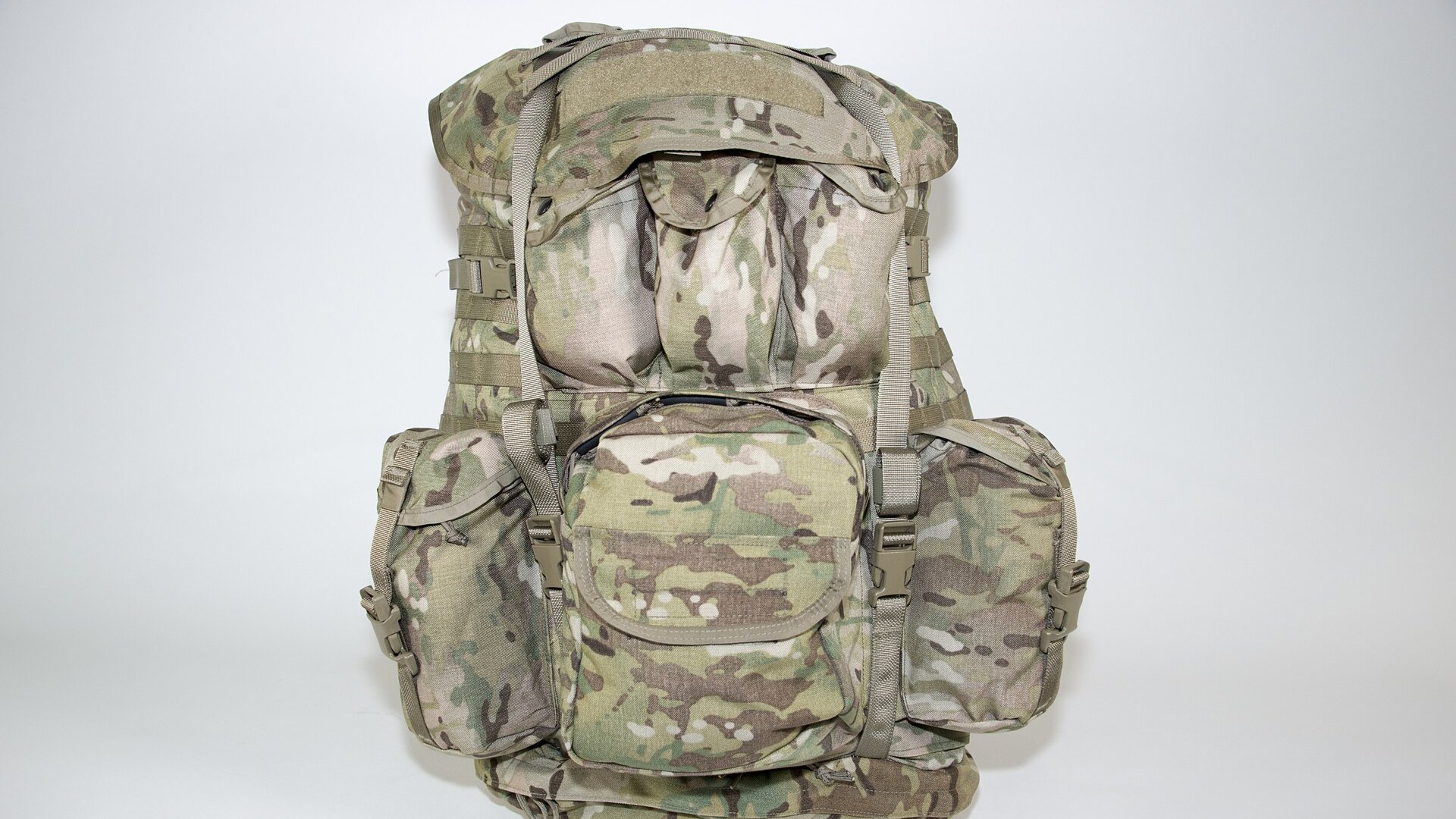
6. Modular Assault Rucksack
Patrol rucksacks carry the seventy-two-hour sustainment supplies required during dismounted field missions. Padded hip belts and internal polymer frames transfer heavy cargo weight onto the hips to prevent shoulder fatigue. Quick-release buckles allow immediate jettisoning if troops encounter surprise contact.
©Wikimedia / Michael Zigmond
5. Entrenching Tool
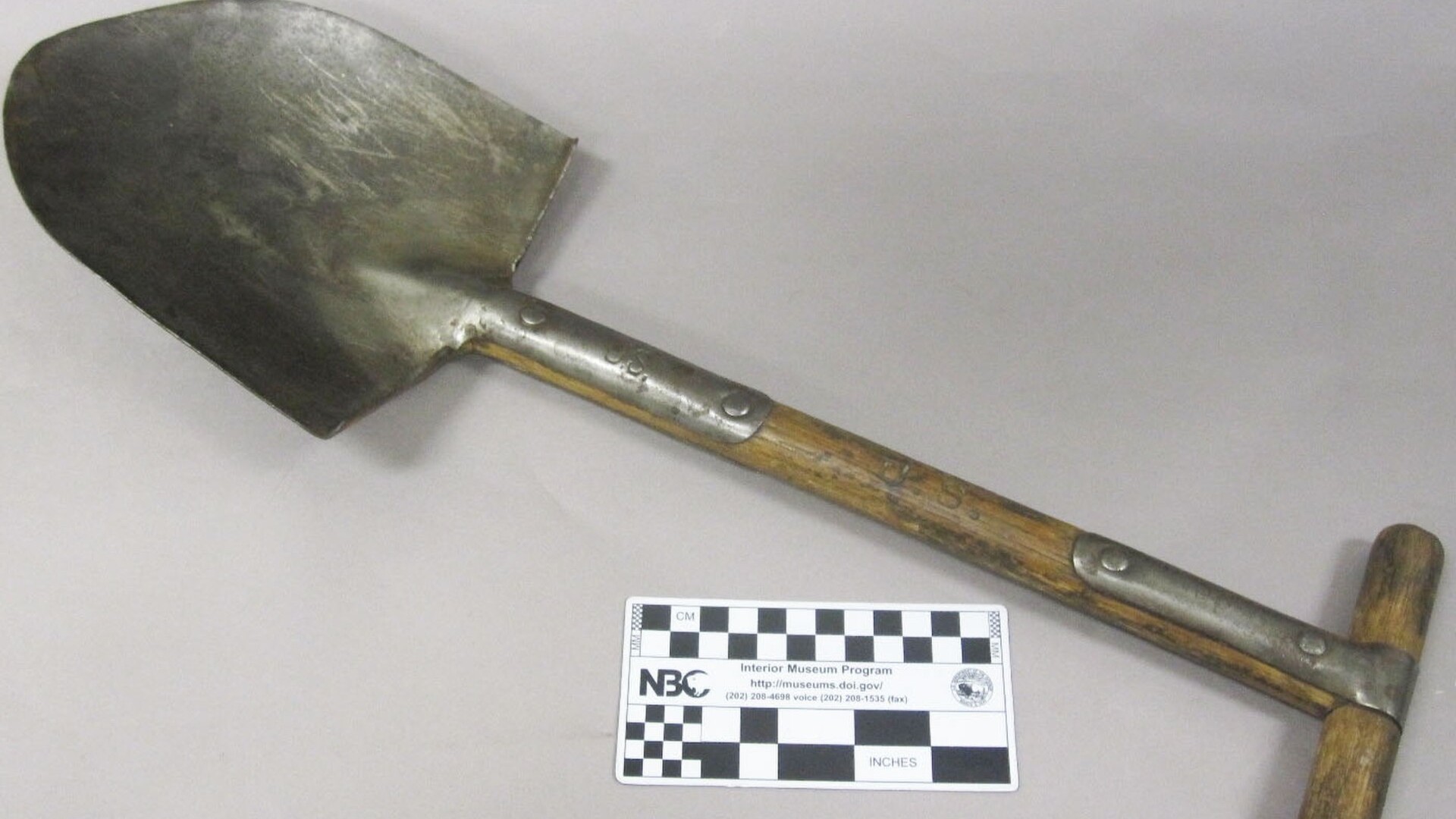
The folding entrenching tool converts between a shovel, pick, and axe to construct defensive fighting scrapes. Tempered carbon steel construction chops through dense roots, rocky soil, and hardened clay. The compact tool folds into three segments to stow neatly along the outer rucksack frame.
©Wikimedia / Naval History & Heritage Command from Washington
4. Chemical Protective Mask
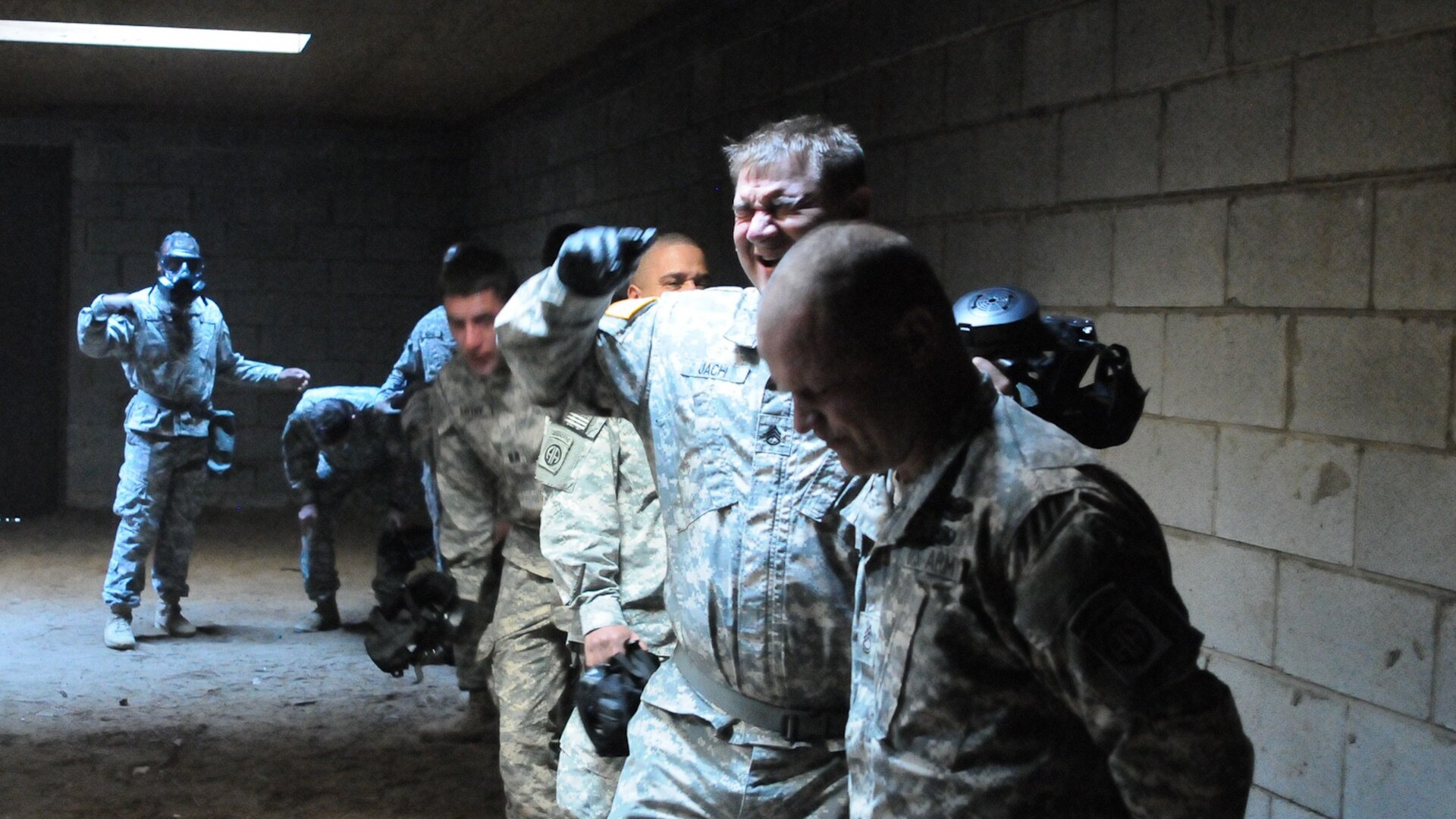
The M50 joint service chemical protective mask shields respiratory tracts, eyes, and facial skin from toxic agents. Twin conformal filter canisters lower breathing resistance and allow filter replacements in contaminated zones. A flexible drink tube connects directly to standard canteens without breaking mask seals.
©Wikimedia / Staff Sgt. Mary Katzenberger
Advertisement
Swipe or tap ▶ to resume the countdown.
3. Modular Sleep System
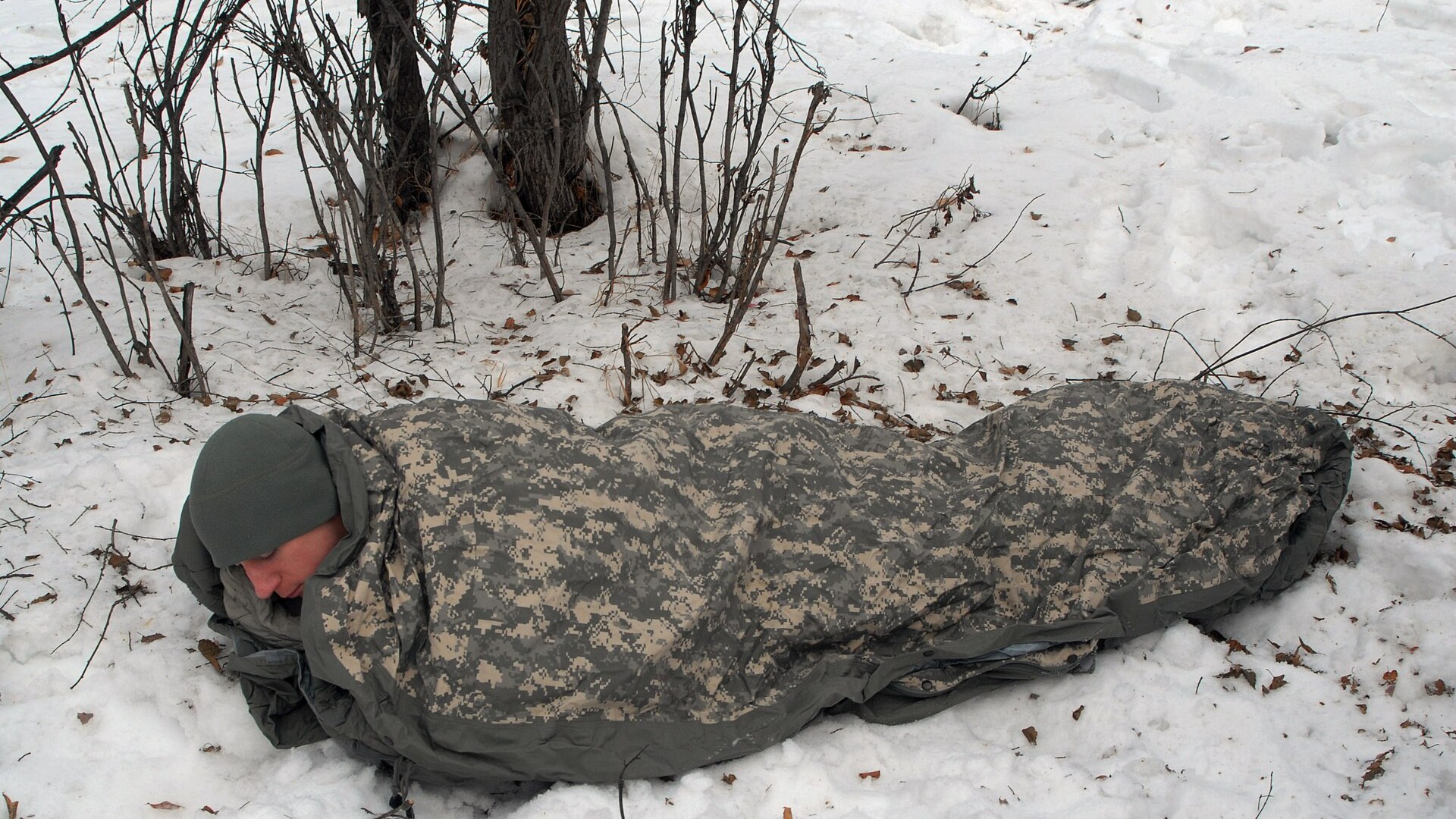
The modular sleeping bag system combines intermediate cold-weather bags with a waterproof Gore-Tex bivy shell. Soldiers snap the layers together to withstand sub-zero arctic blizzards or use single liners in temperate woods. Compression sacks squeeze the bulky insulating layers into compact rucksack bundles.
©Wikimedia / Unknown artist
2. Laser Rangefinder
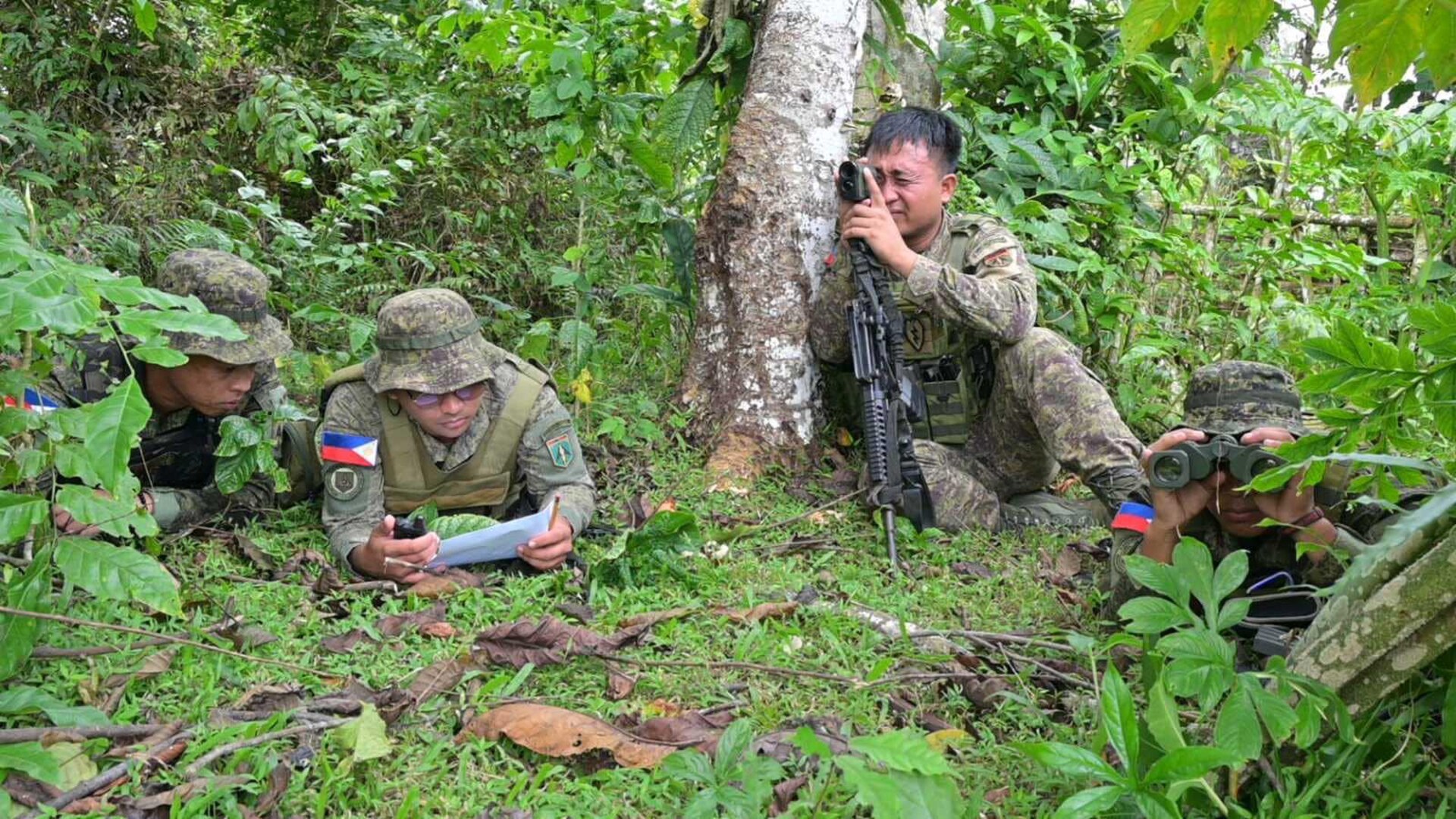
Compact laser rangefinders emit eye-safe invisible laser pulses to determine target distance within seconds. Embedded digital inclinometers calculate elevation angles to generate accurate ballistic firing solutions. Forward scouts use these measurements to direct artillery barrages and close air support strikes.
©Wikimedia / 8th Field Artillery Battalion, Army Artillery Re
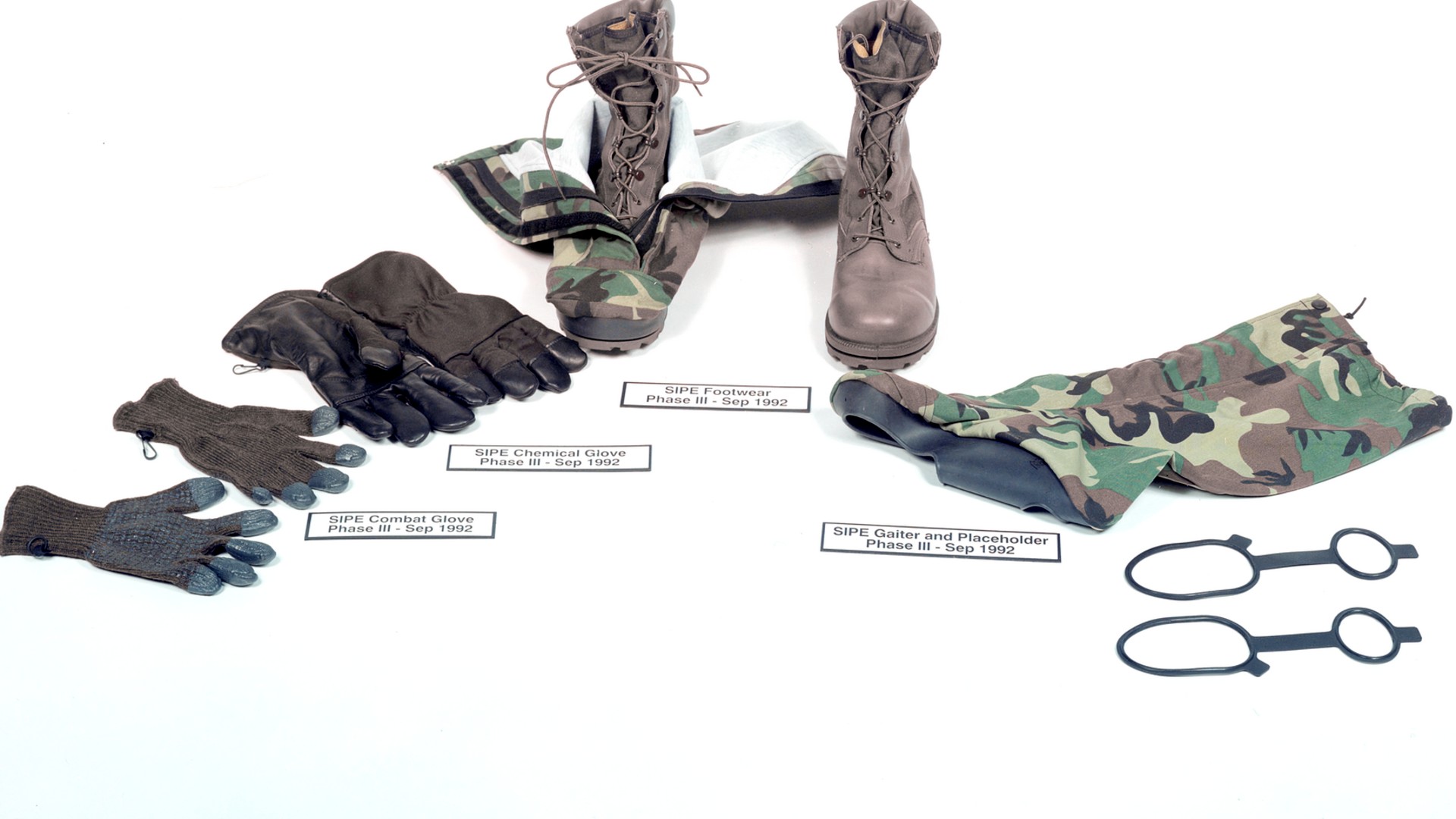
1. Tactical Combat Gloves
Combat gloves protect soldier hands from jagged shrapnel, friction burns, and hot weapon barrels during firefights. Fire-resistant Nomex fabric shields against flash burns, while supple goatskin leather palms maintain fine finger dexterity. Moulded knuckle guards absorb blunt force impacts in urban combat.
©Wikimedia / U.S. Army Natick Soldier Systems Center
Advertisement
You've reached the end of the story. Thanks for reading!

21 Unusual Shops That Sell Just One Very Specific Thing
While mega-retailers and department stores stock millions of varied goods, a brave league of independent merchants thrives by selling just one hyper-focused item. Sourced from historical archives and international retail registries, here are twenty-one extraordinary shops dedicated to a single specialized creation.
All 22 Entries in this Story
1. Combat Boots
Modern infantry combat boots feature durable vibram outsoles, puncture-resistant midsoles, and breathable moisture-wicking linings. Soldiers traverse mountainous shale, desert sand, and waterlogged swamps while carrying heavy operational loads. Reliable footwear prevents debilitating foot blisters and stress injuries.

2. Ballistic Eye Protection
Military combat eye protection systems meet stringent military ballistic impact requirements. The interchangeable tinted and clear scratch-resistant polycarbonate lenses protect soldiers from explosive fragmentation, dust storms, and solar glare. Wraparound frames integrate smoothly beneath helmets.

3. Advanced Combat Helmet
The Advanced Combat Helmet provides essential ballistic protection against fragmentation and handgun rounds. Mounted night vision shrouds and tactical side rails allow soldiers to attach cameras, illumination lights, and communication gear. Modular interior foam padding cushions against severe blast concussions.

4. Modular Plate Carrier
Soldiers wear lightweight plate carriers fitted with ceramic Enhanced Small Arms Protective Inserts. The front, back, and side ceramic plates stop high-velocity rifle rounds over vital torso organs. External webbing grids allow custom positioning of magazine pouches, radios, and emergency trauma supplies.

5. Individual First Aid Kit
Every frontline infantry soldier carries an Individual First Aid Kit mounted on their tactical vest. The compact rip-away pouch holds pressure bandages, chest seals, nasopharyngeal airways, and burn dressings. Standardised placement ensures battlefield comrades can instantly treat life-threatening hemorrhaging.

6. Standard Service Rifle
Infantry soldiers rely on compact modular carbines as their primary personal weapon system on patrol. Picatinny rails mount close-combat red-dot optics, infrared aiming lasers, and vertical foregrips. The lightweight platform delivers accurate semi-automatic and burst fire up to five hundred metres.

7. Ammunition Magazines
A standard combat rifleman loadout typically includes seven thirty-round magazines, providing two hundred and ten rounds. Modern impact-resistant polymer bodies feature transparent round-count windows and textured grip surfaces. Soldiers distribute these magazines across chest rigs for rapid tactical reloads.

8. Tactical Multi-Tool
Heavy-duty multi-tools serve as an indispensable maintenance device in remote expeditionary environments. Soldiers use hardened steel pliers and specialized bits to clear jammed weapon parts, adjust equipment screws, and cut field wire. Most units include locking knife blades and blasting-cap crimpers.

9. Hydration Reservoir
Maintaining hydration during extended dismounted patrols is critical to soldier stamina and cognitive function. Modern hands-free reservoirs stow securely inside assault rucksacks with an insulated tube clipped to the shoulder strap. Antimicrobial linings keep potable water fresh in extreme desert heat.

10. Night Vision Device
Image-intensifying night vision systems allow infantry squads to navigate, identify targets, and engage adversaries in darkness. Modern monocular and binocular units amplify ambient starlight and integrate thermal overlays. The devices mount securely to helmet brackets and swing up when not in use.

11. Tactical Radio And Headset
Squad communication depends on compact encrypted handheld radios carried in dedicated vest pouches. Electronic noise-cancelling headsets muffle deafening gunfire blasts while amplifying distant footsteps and whispers. Integrated boom microphones allow crisp team communication across noisy combat zones.

12. GPS Navigation Unit
Soldiers carry handheld GPS receivers designed to deliver accurate position coordinates through electronic jamming. The rugged waterproof units integrate with military grid reference systems and digital tactical mapping. Built-in route waypoints ensure squads maintain accurate navigation in unfamiliar terrain.

13. Lensatic Field Compass
The lensatic compass remains an essential analog backup when electronic navigation signals fail or encounter jamming. A magnifying sighting wire and calibrated rotating bezel allow precise directional azimuth readings. Tritium gas vials illuminate the dial face during covert night patrols without battery power.

14. Field Meal Rations
Individual field rations supply approximately twelve hundred calories of shelf-stable nutrition per meal pack. Each ration bag contains an entrée, side items, crackers, peanut butter, beverage powders, and accessory packets. An integrated water-activated chemical heater warms the main meal without flames.

15. Tactical Flashlight
Weapon-mounted and handheld tactical flashlights produce high-lumen white beams alongside low-signature red lights. Red-light diodes preserve natural dark-adapted human vision and reduce nighttime detection risks. Infrared modes illuminate targets exclusively for squad members wearing night vision goggles.

16. Combat Application Tourniquet
The Combat Application Tourniquet is credited with saving thousands of soldier lives from severe limb hemorrhage. A durable internal band tightens circumferentially over the limb using a rigid windlass rod. Soldiers store multiple tourniquets on outer vest pouches for immediate access during ambushes.

17. Modular Assault Rucksack
Patrol rucksacks carry the seventy-two-hour sustainment supplies required during dismounted field missions. Padded hip belts and internal polymer frames transfer heavy cargo weight onto the hips to prevent shoulder fatigue. Quick-release buckles allow immediate jettisoning if troops encounter surprise contact.

18. Entrenching Tool
The folding entrenching tool converts between a shovel, pick, and axe to construct defensive fighting scrapes. Tempered carbon steel construction chops through dense roots, rocky soil, and hardened clay. The compact tool folds into three segments to stow neatly along the outer rucksack frame.

19. Chemical Protective Mask
The M50 joint service chemical protective mask shields respiratory tracts, eyes, and facial skin from toxic agents. Twin conformal filter canisters lower breathing resistance and allow filter replacements in contaminated zones. A flexible drink tube connects directly to standard canteens without breaking mask seals.

20. Modular Sleep System
The modular sleeping bag system combines intermediate cold-weather bags with a waterproof Gore-Tex bivy shell. Soldiers snap the layers together to withstand sub-zero arctic blizzards or use single liners in temperate woods. Compression sacks squeeze the bulky insulating layers into compact rucksack bundles.

21. Laser Rangefinder
Compact laser rangefinders emit eye-safe invisible laser pulses to determine target distance within seconds. Embedded digital inclinometers calculate elevation angles to generate accurate ballistic firing solutions. Forward scouts use these measurements to direct artillery barrages and close air support strikes.

22. Tactical Combat Gloves
Combat gloves protect soldier hands from jagged shrapnel, friction burns, and hot weapon barrels during firefights. Fire-resistant Nomex fabric shields against flash burns, while supple goatskin leather palms maintain fine finger dexterity. Moulded knuckle guards absorb blunt force impacts in urban combat.