Slideshow · Science
20 Ancient Places Mentioned in the Bible, Ranked
These twenty ancient locations appear across biblical scriptures and survive as active historical and archaeological landmarks today. From Mesopotamian cities to Mediterranean ports, excavations across the Middle East confirm the enduring geography behind these sacred texts. Here is how these historic sites rank.

By Most Viral Today
1 hour ago

Historic Cities and Sacred Landscapes of Antiquity 
20. Antioch 
19. Caesarea Maritima 
18. Corinth - AdvertisementSwipe or tap ▶ to continue countdown

17. Ephesus 
16. Damascus 
15. Nineveh 
14. Ur Of The Chaldees - AdvertisementSwipe or tap ▶ to continue countdown

13. Petra 
12. Mount Nebo 
11. Jericho 
10. Megiddo - AdvertisementSwipe or tap ▶ to continue countdown

9. Capernaum 
8. Masada 
7. Babylon 
6. Mount Sinai - AdvertisementSwipe or tap ▶ to continue countdown

5. Bethlehem 
4. Hebron 
3. Nazareth 
2. Sea Of Galilee - AdvertisementSwipe or tap ▶ to continue countdown

1. Jerusalem - Advertisement🔥 UP NEXT IN THIS SERIES◫ 26 Slides

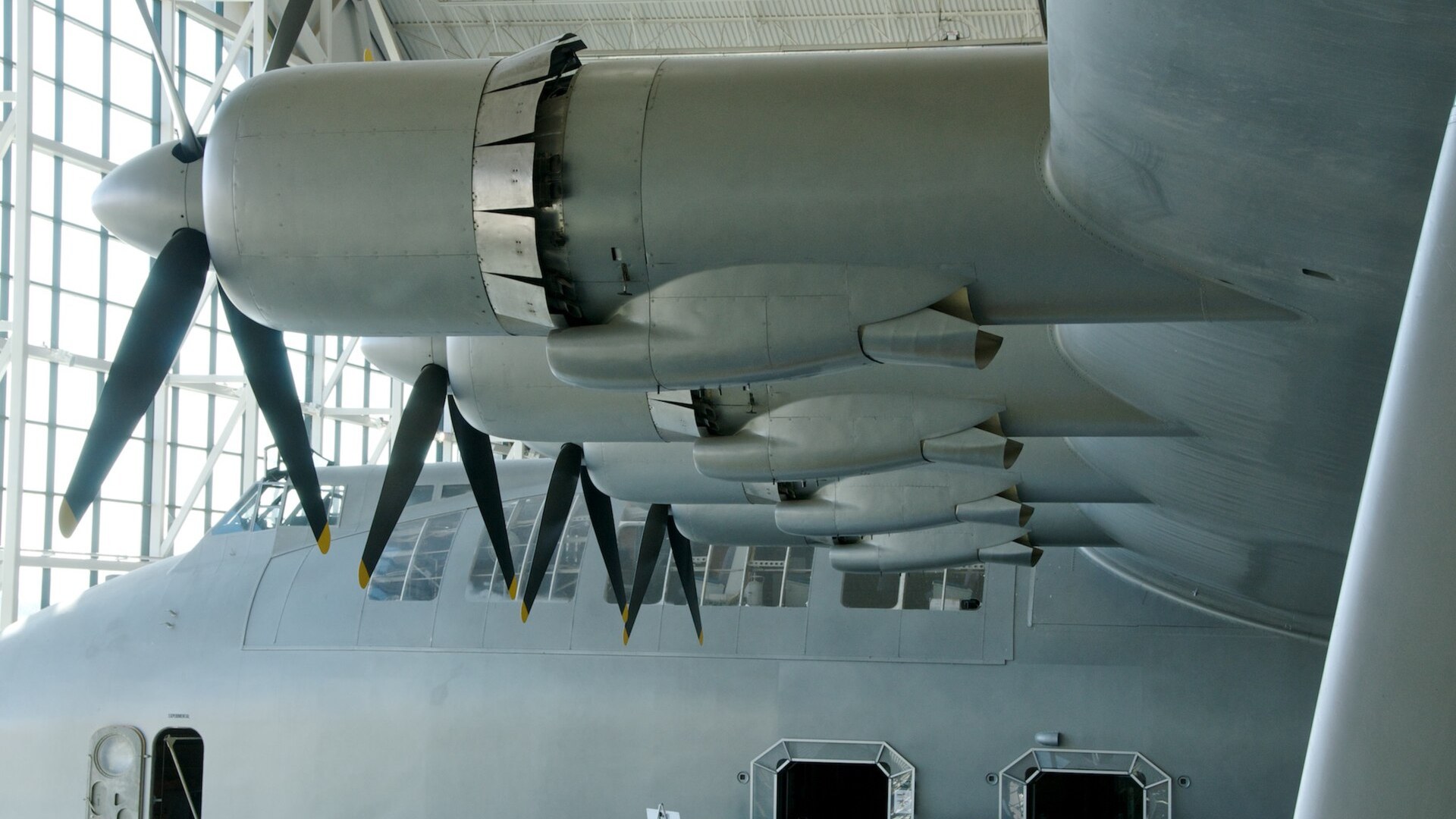
25 Bold Aircraft Designs That Failed in Aviation History
From nine-wing flying boats to Mach 3 bombers, aviation history is filled with bold machines that ran into budget cuts, engine trouble, or fatal crashes. Based on records from the Smithsonian National Air and Space Museum, NASA, the US Air Force, and military archives, here are 25 designs that fell short.
Based on archaeological surveys from the UNESCO World Heritage Centre, the British Museum, the Smithsonian Institution, and the Biblical Archaeology Society. These twenty ancient biblical locations trace four thousand years of Middle Eastern history, ranked in ascending order from regional centers to sacred capitals.
Swipe or tap ▶ to begin the countdown
©Pixabay / yedidiak
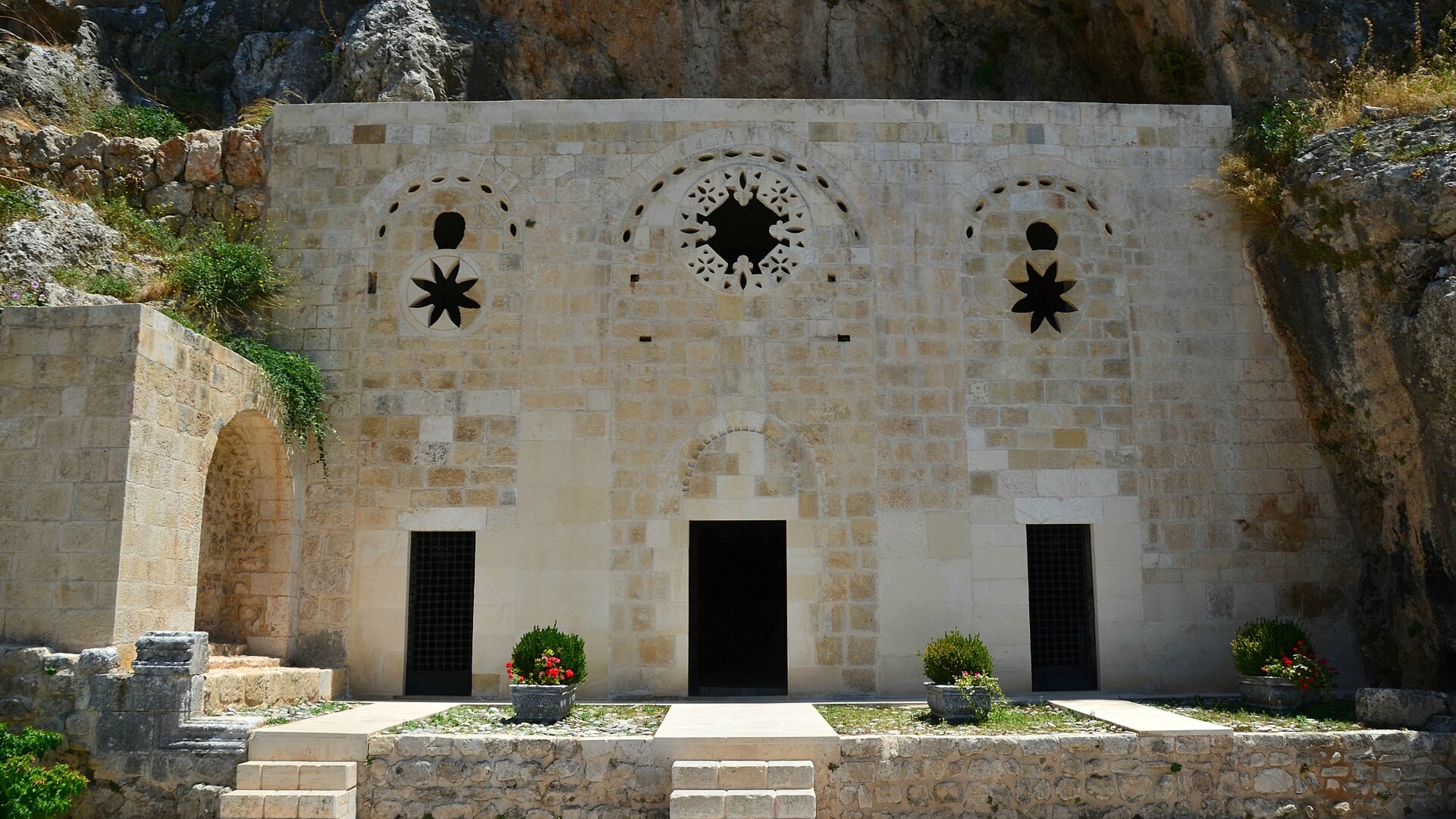
20. Antioch
Situated along the Orontes River in modern Turkey, ancient Antioch served as the third largest city of the Roman Empire. The Book of Acts records that believers were first called Christians within its crowded trade gates, turning the city into a launching pad for early Mediterranean journeys.
©Wikimedia / Carole Raddato
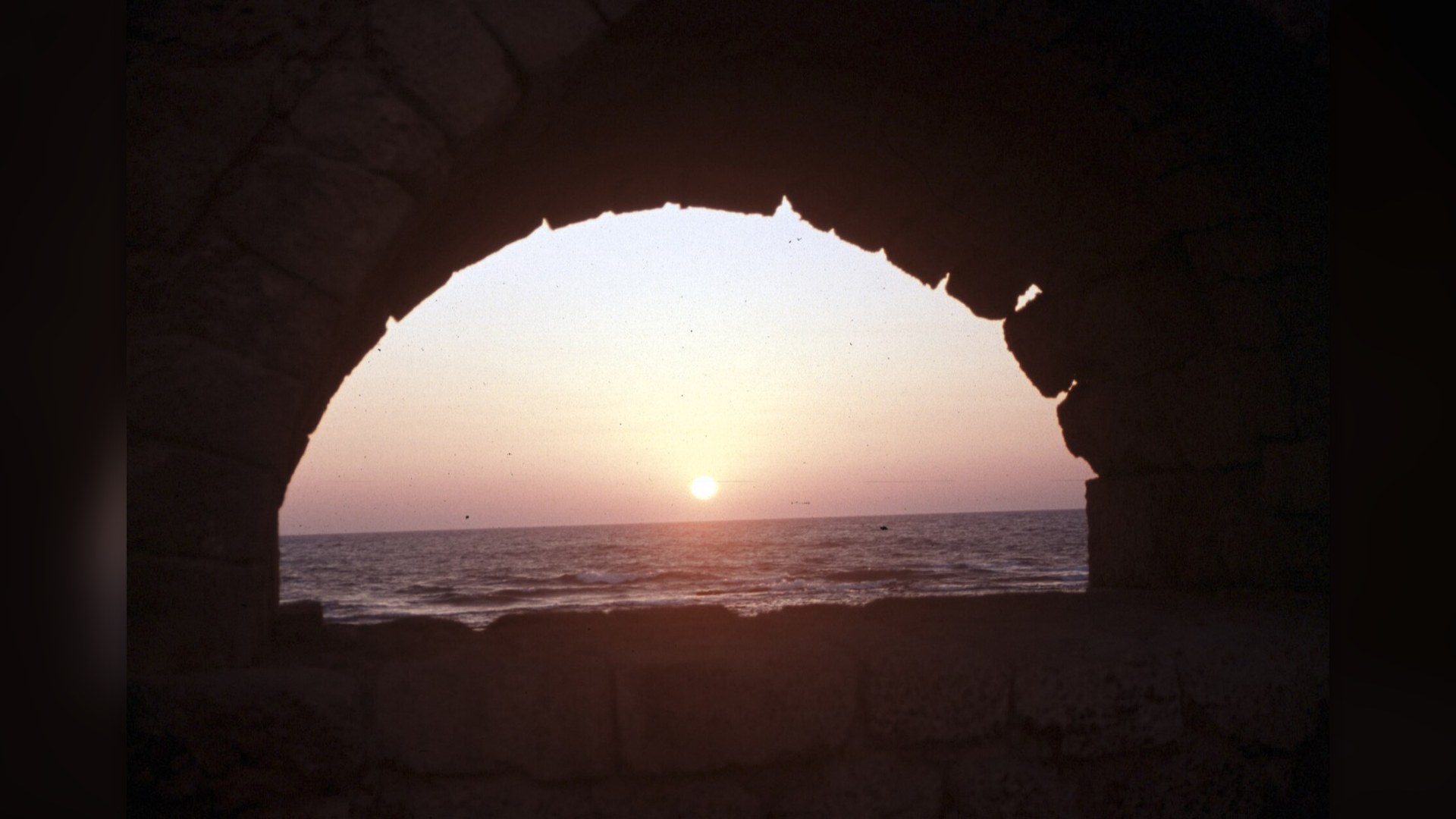
19. Caesarea Maritima
Herod the Great constructed Caesarea Maritima on the Mediterranean coast between 22 and 10 BC, featuring an artificial deep-water harbor. The site served as the Roman administrative capital of Judea, where archaeologists in 1961 discovered the famous limestone block bearing the name of Pontius Pilate.
©Wikimedia / isawnyu
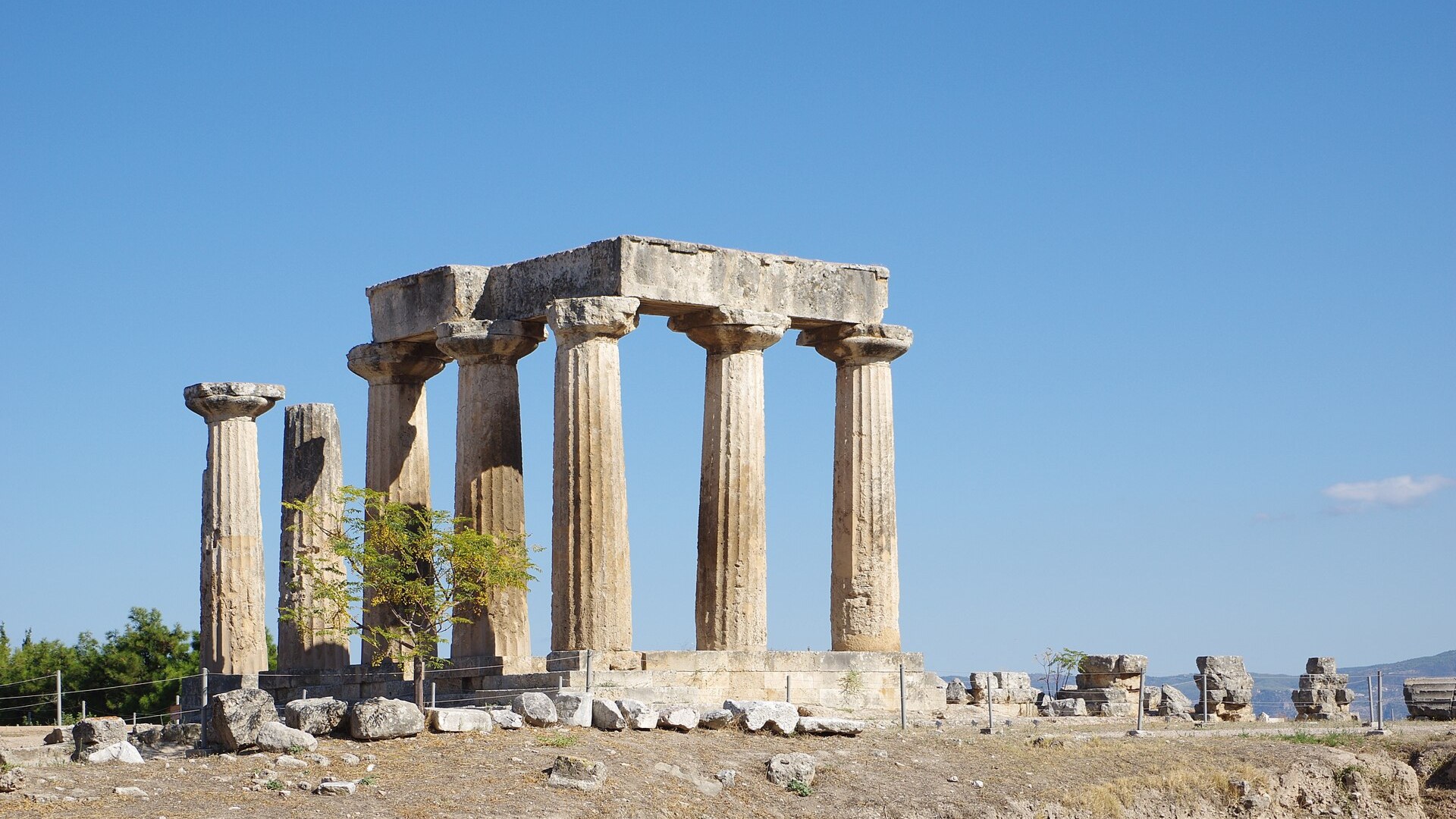
18. Corinth
Occupying a narrow isthmus between mainland Greece and the Peloponnese, Corinth flourished as a wealthy commercial center. The Apostle Paul lived and worked here as a tentmaker for eighteen months, composing foundational letters addressed to its cosmopolitan Christian congregation.
©Wikimedia / Berthold Werner
Advertisement
Swipe or tap ▶ to resume the countdown.
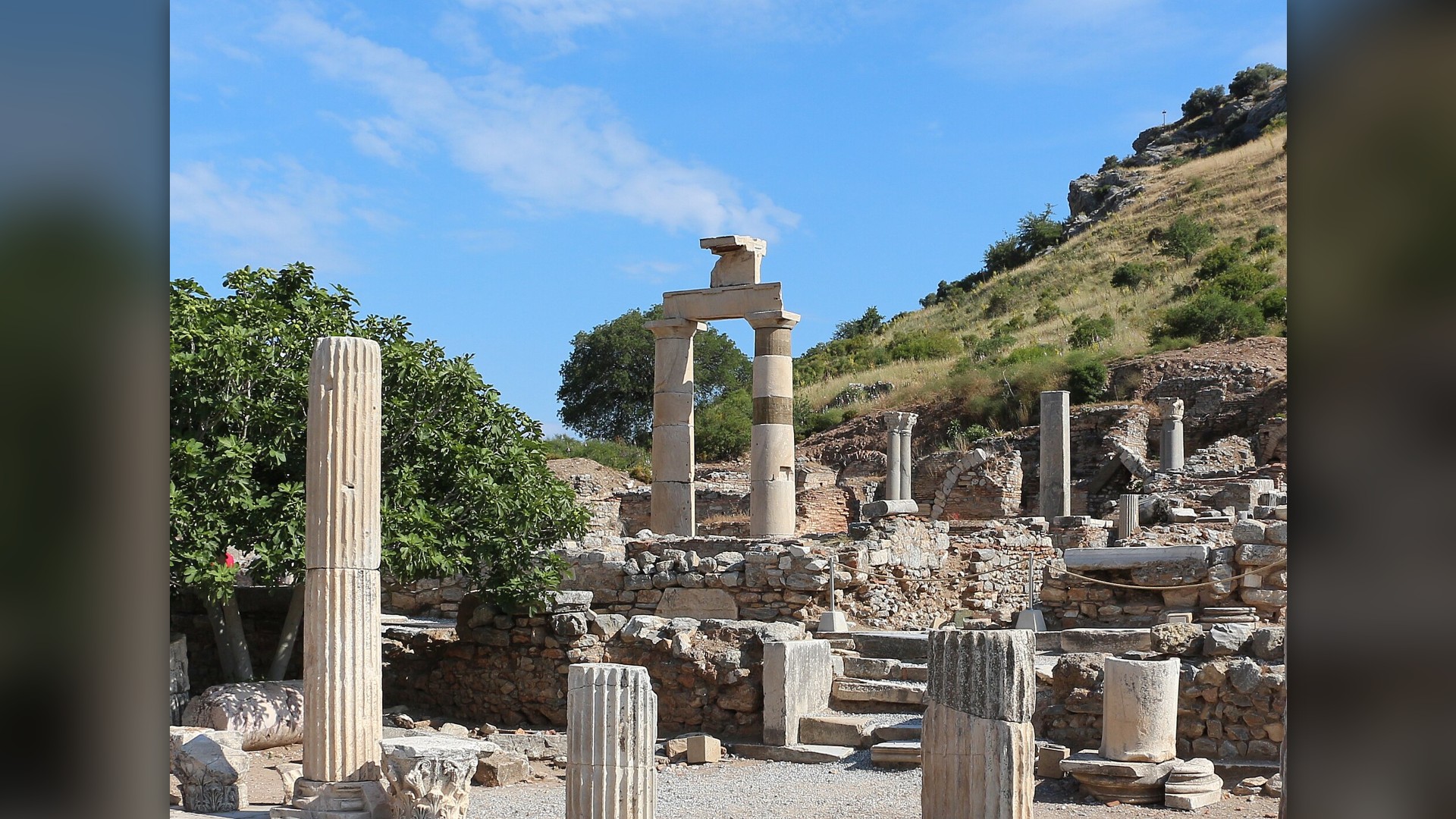
17. Ephesus
Ephesus housed the monumental Temple of Artemis, one of the Seven Wonders of the Ancient World, along the Aegean coast of Asia Minor. Excavations have uncovered its massive twenty-four-thousand-seat theater, where silversmiths protested against Christian teachings in Acts nineteen.
©Wikimedia / Bernard Gagnon
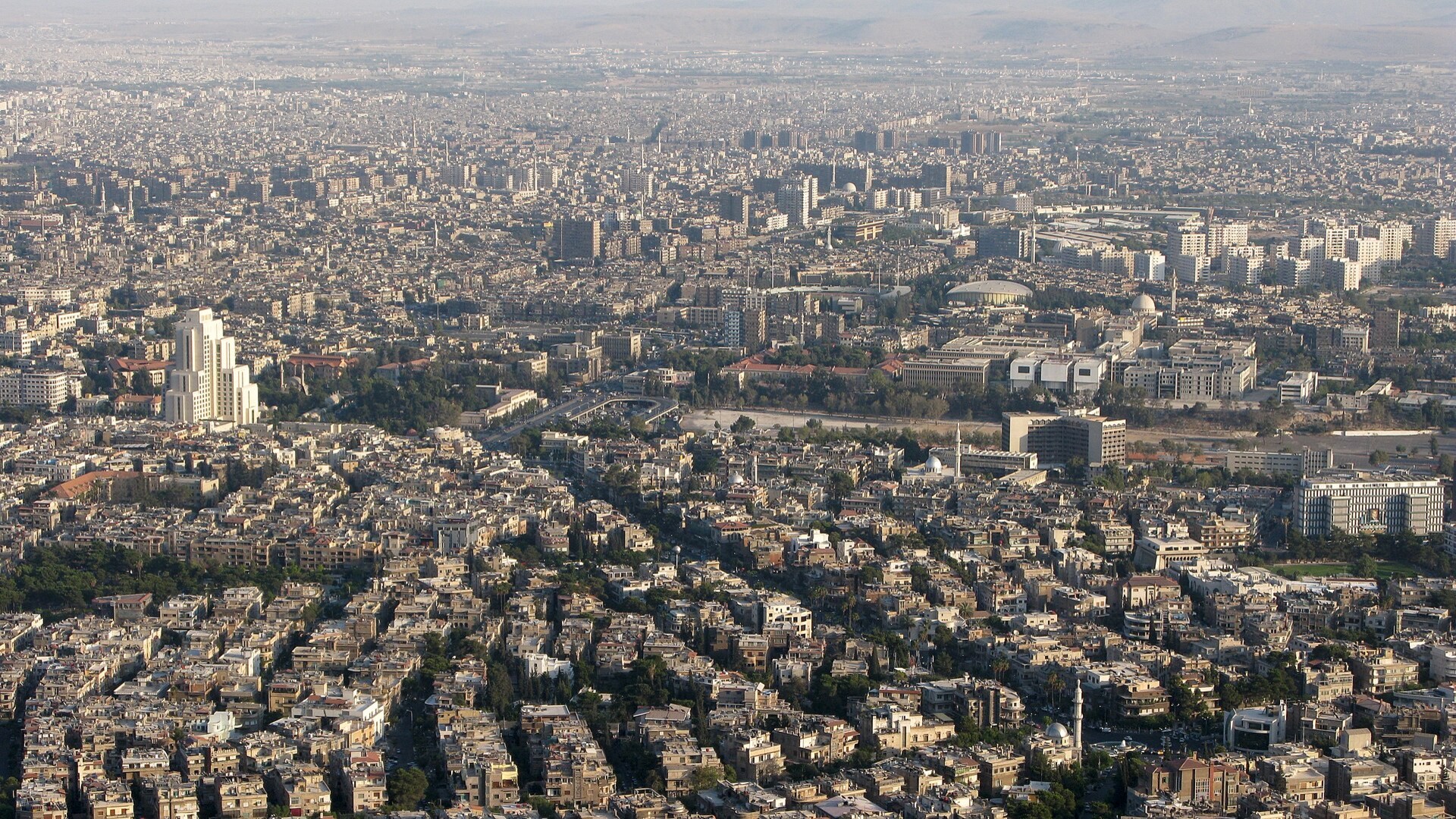
16. Damascus
Damascus ranks among the oldest continuously inhabited cities on Earth, dating back over four thousand years in southern Syria. Mentioned repeatedly from Genesis through the Epistles, its Roman-era Straight Street provided the setting for Paul's conversion following his dramatic journey.
©Wikimedia / Damascus
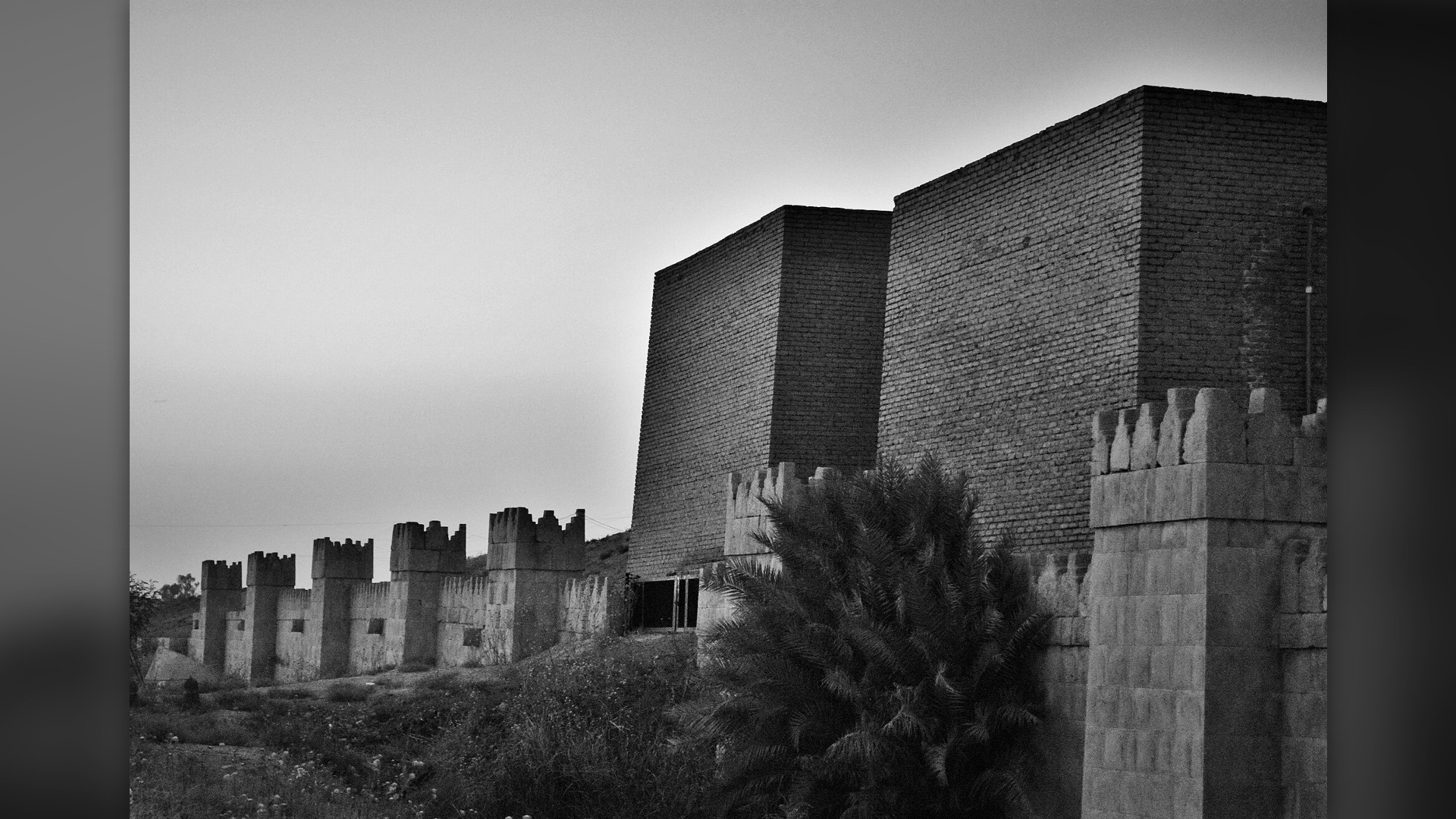
15. Nineveh
Located across from modern Mosul in northern Iraq, Nineveh served as the flourishing capital of the Neo-Assyrian Empire under Sennacherib. Known in biblical tradition for the preaching of Jonah, British Museum excavations uncovered thousands of cuneiform tablets from the royal library of Ashurbanipal.
©Wikimedia / Nineveh
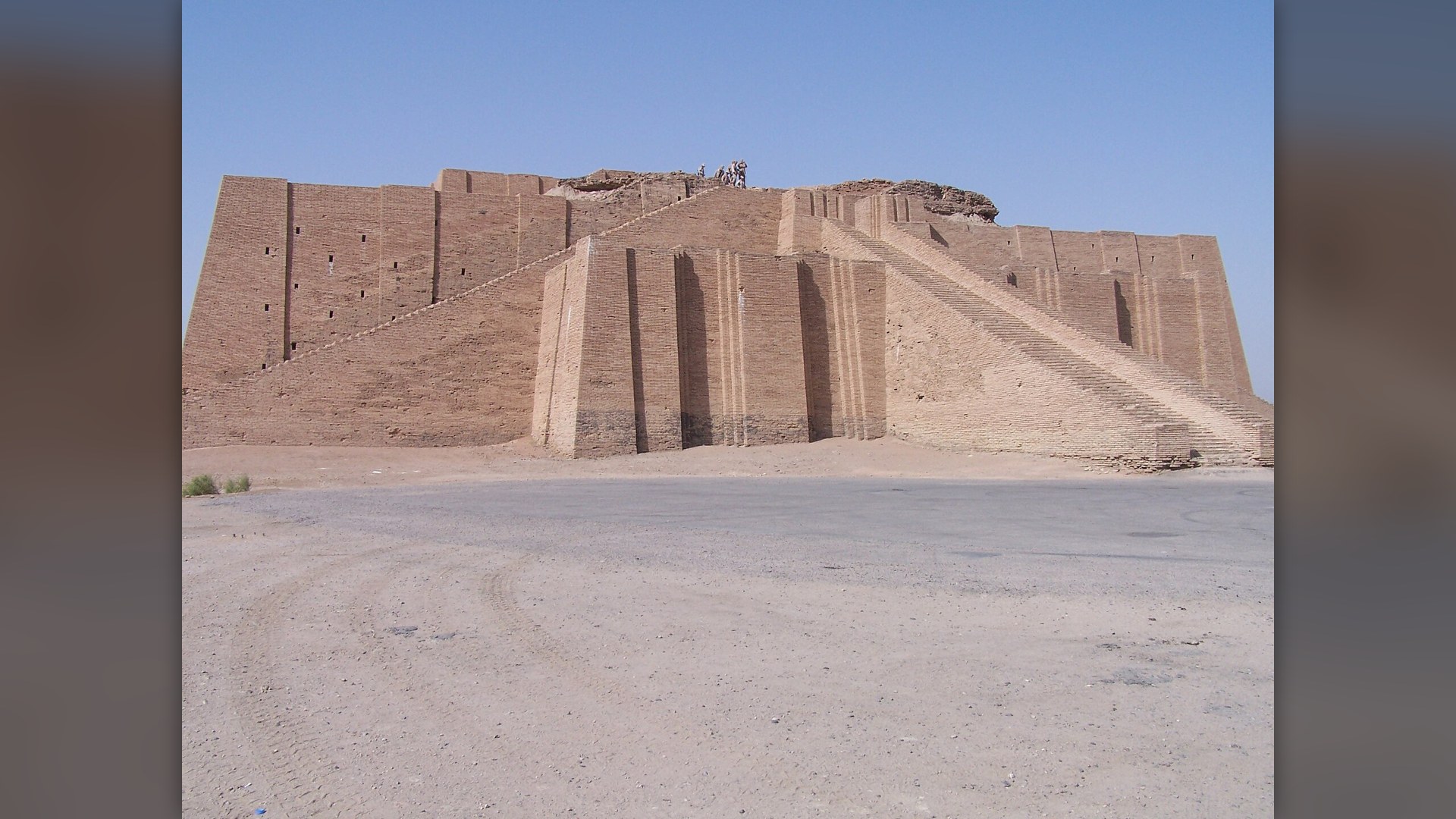
14. Ur Of The Chaldees
Ur flourished in southern Mesopotamia as an influential Sumerian city-state famous for its towering mud-brick Great Ziggurat. Genesis eleven identifies Ur as the departure point for the patriarch Abraham, with archaeological digs led by Sir Leonard Woolley revealing wealthy royal tombs dating to 2500 BC.
©Wikimedia / en:User:Hardnfast
Advertisement
Swipe or tap ▶ to resume the countdown.
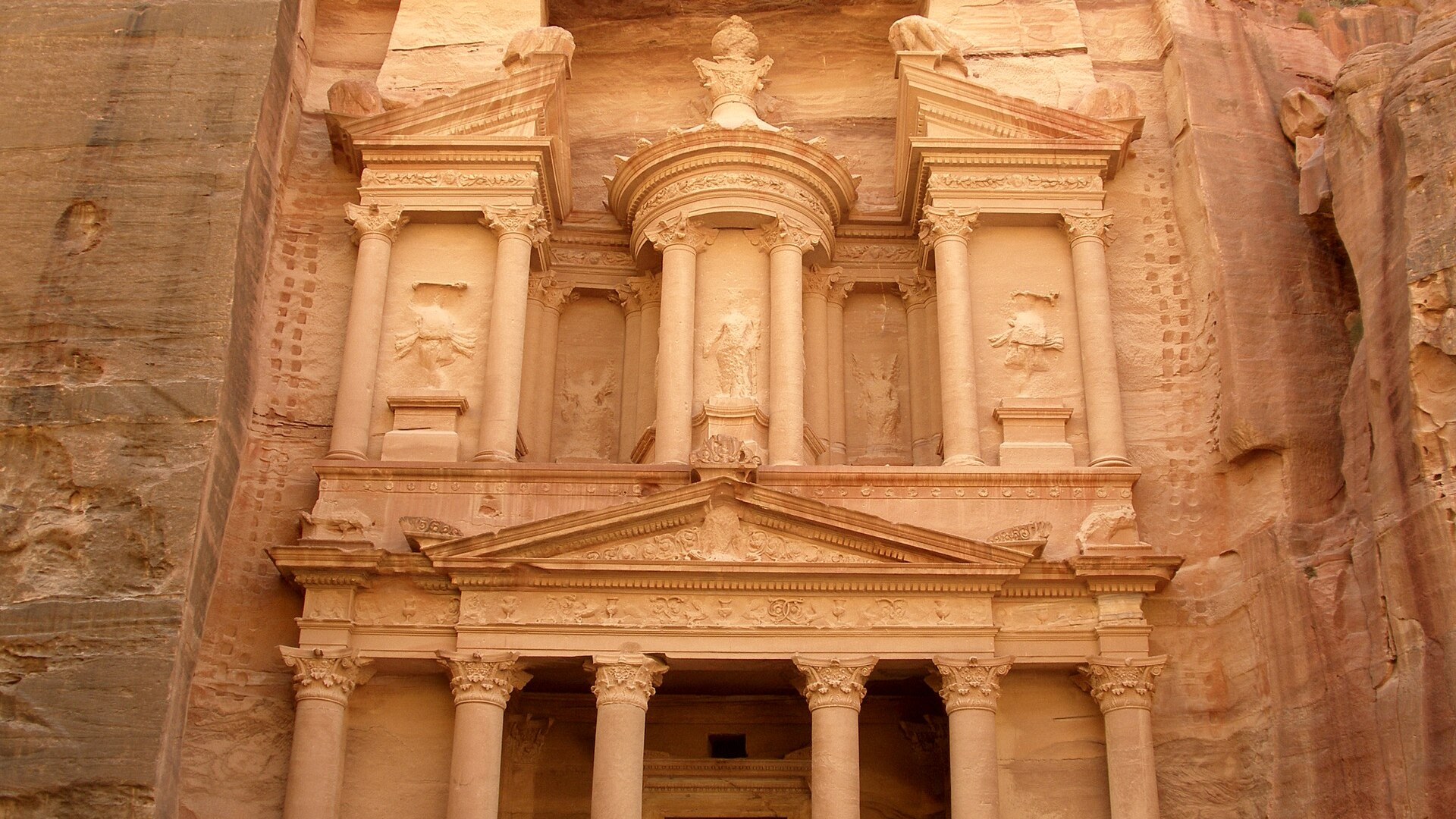
13. Petra
Identified with biblical Sela in the southern Jordan desert, Petra operated as a vital desert hub for spice caravans. Its dramatic Treasury and monasteries were hand-hewn into sandstone cliffs by the Nabataeans, who commanded trade routes connecting Arabia to the Mediterranean basin.
©Wikimedia / Vyacheslav Argenberg
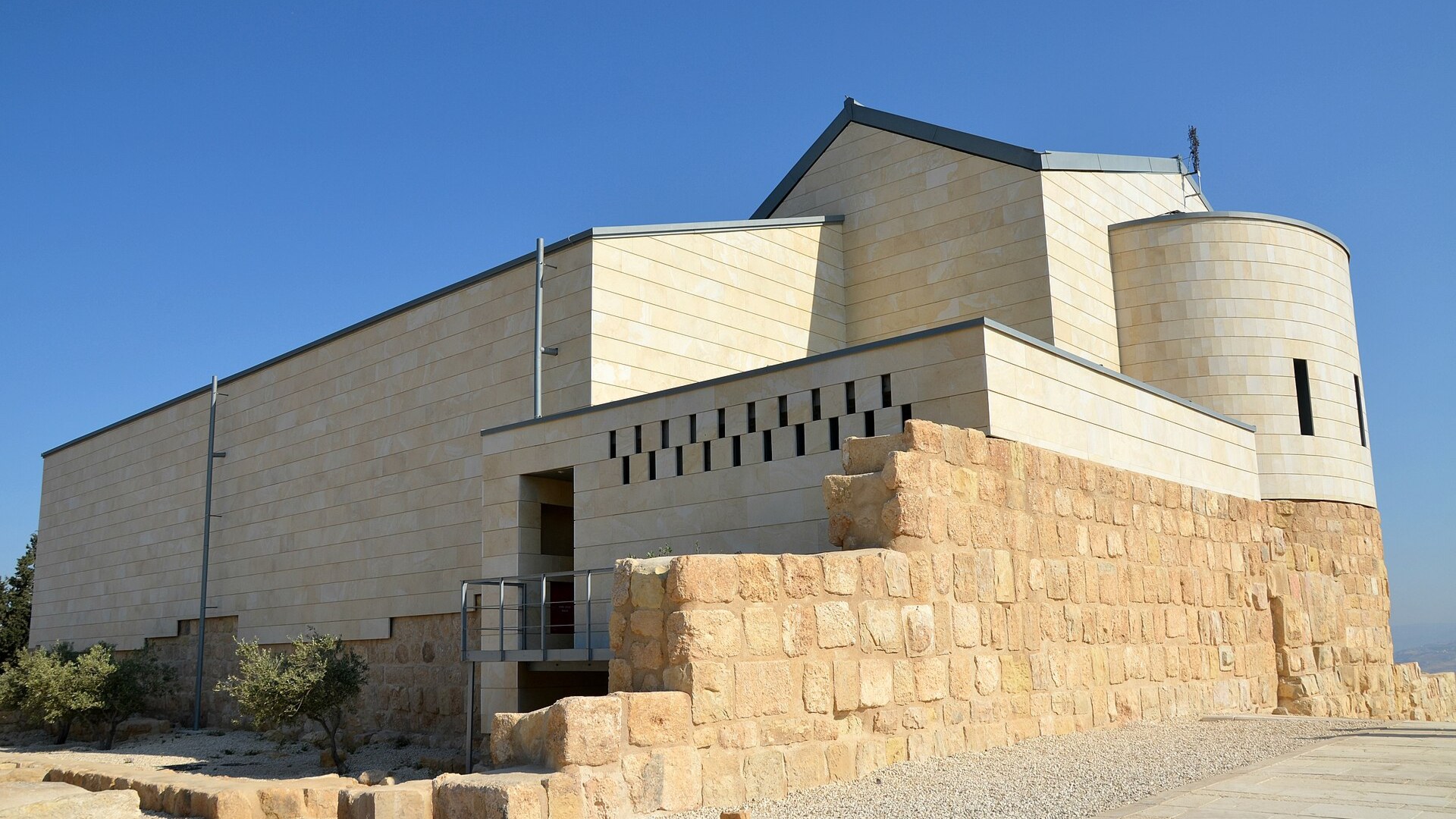
12. Mount Nebo
Rising over two thousand feet above sea level in western Jordan, Mount Nebo is celebrated in Deuteronomy as the summit where Moses viewed the land of Canaan. Modern excavations have preserved fourth-century Byzantine mosaics and church ruins commemorating his final biblical resting place.
©Wikimedia / Carole Raddato from Frankfurt, Germany
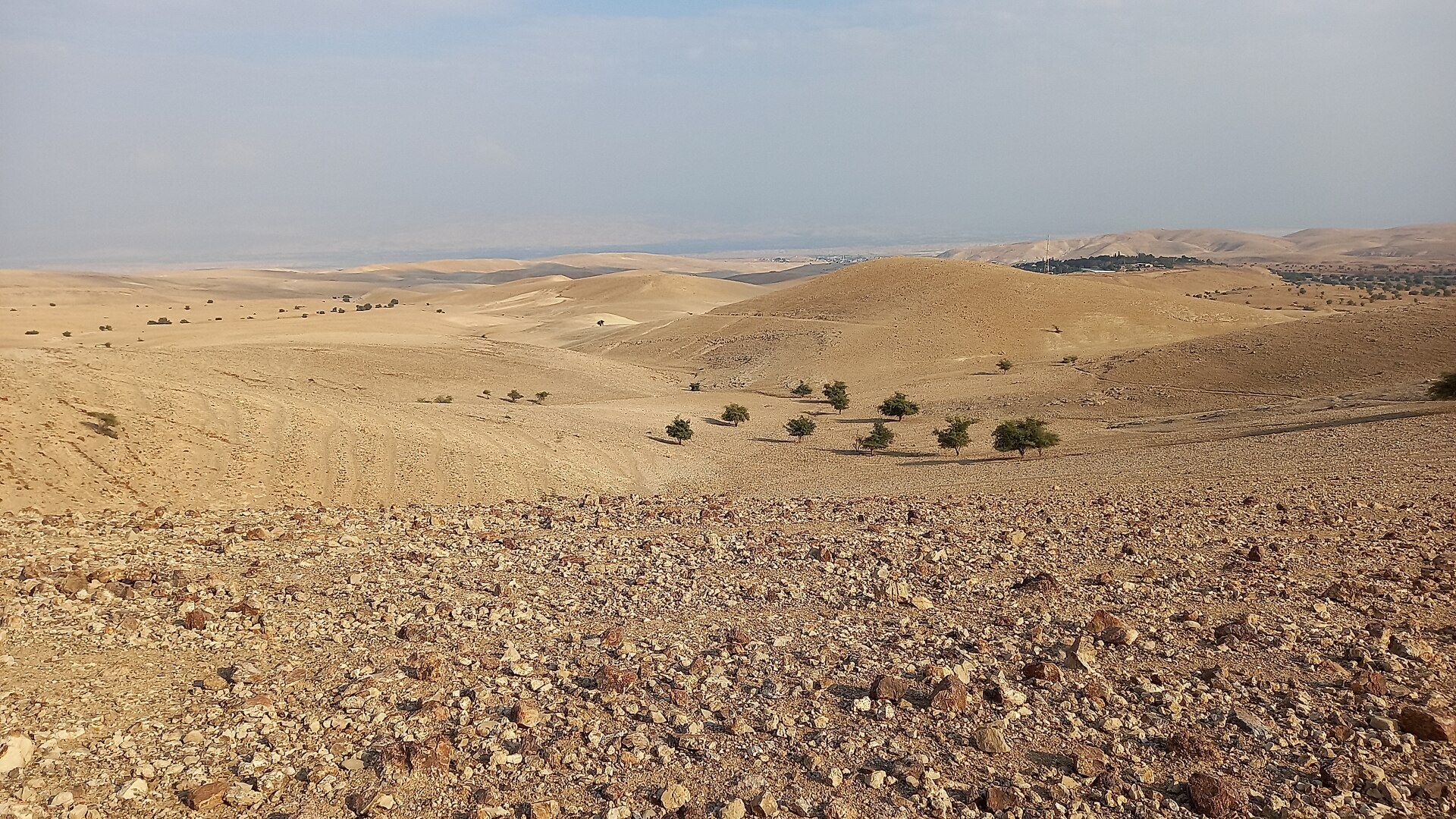
11. Jericho
Tell es-Sultan in the lower Jordan Valley marks the historic location of Jericho, an oasis settlement inhabited since 9000 BC. Biblical accounts chronicle the dramatic collapse of its defensive ramparts, while modern archaeologists have uncovered Neolithic stone towers and Bronze Age defenses.
©Wikimedia / عماد الدين المقدسي
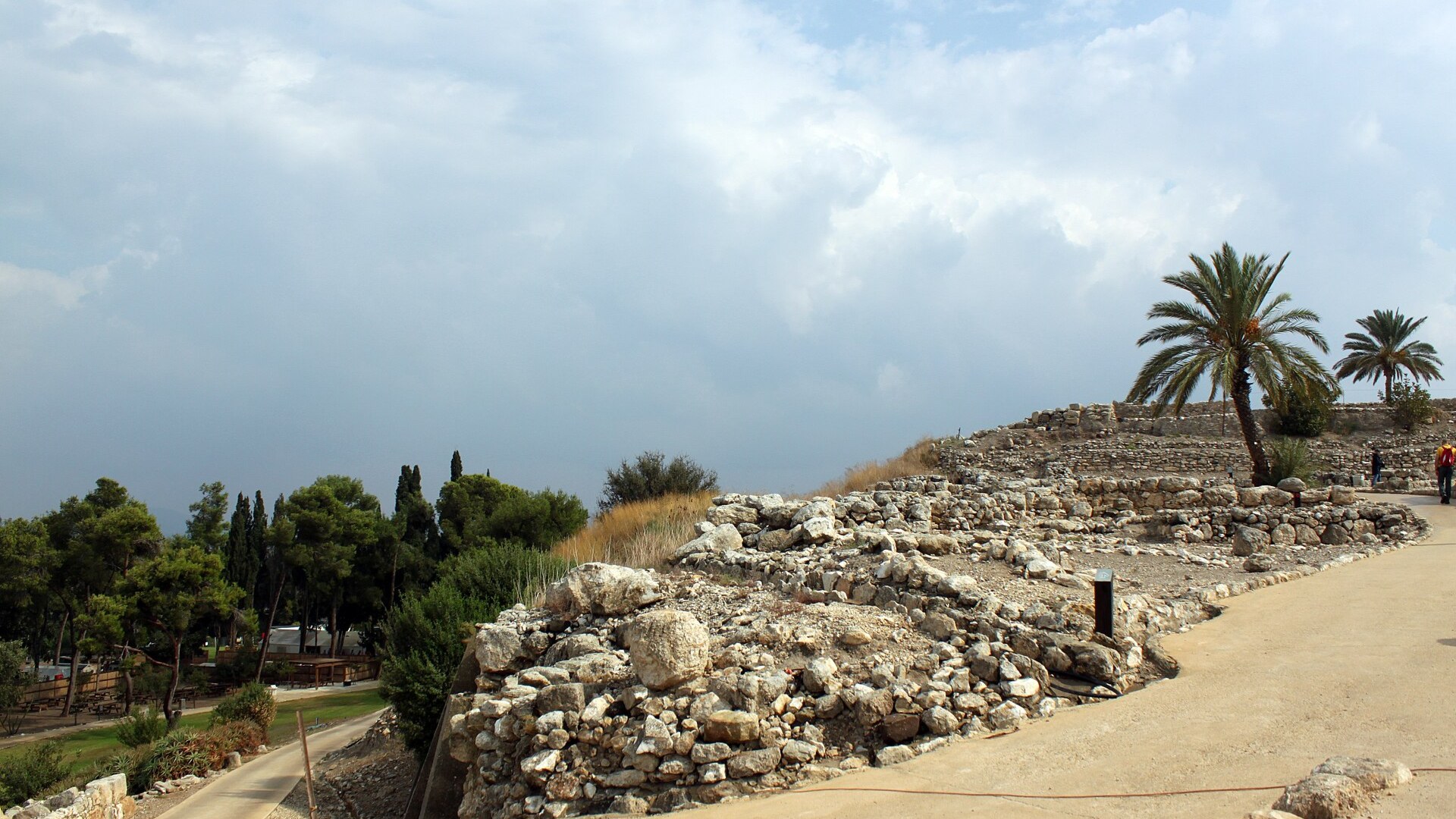
10. Megiddo
Controlling the ancient international highway connecting Egypt with Mesopotamia, Tel Megiddo endured dozens of historical conquests. Its name forms the linguistic root for Armageddon in Revelation sixteen, reflecting its long heritage as a decisive battlefield for Canaanite and Israelite kings.
©Wikimedia / Anagoria
Advertisement
Swipe or tap ▶ to resume the countdown.
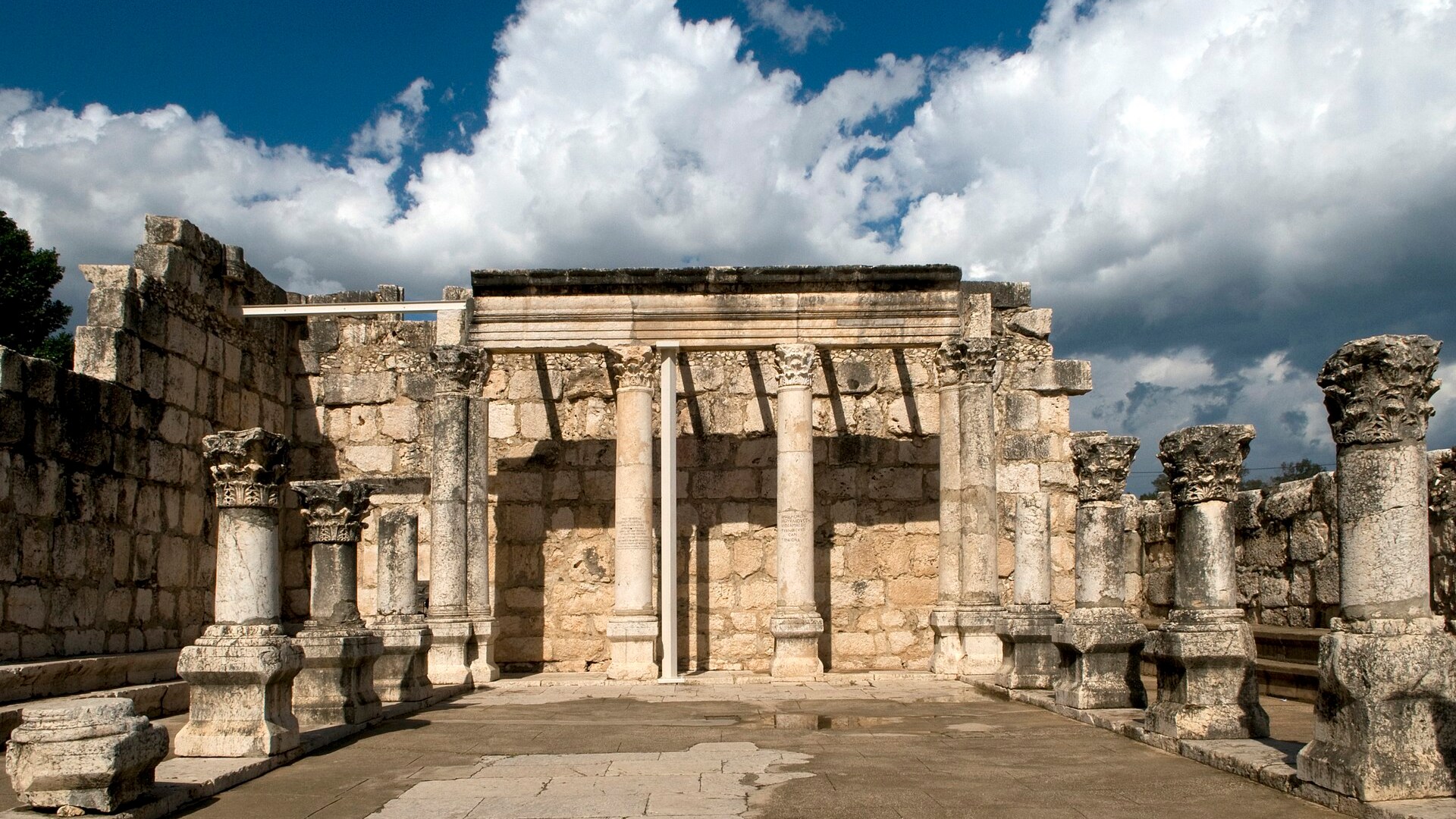
9. Capernaum
Perched on the northern shoreline of the Sea of Galilee, Capernaum served as an active fishing village and customs station. Franciscan excavations revealed an octagonal fifth-century church erected directly over the traditional home of Saint Peter, alongside a fourth-century limestone synagogue.
©Wikimedia / Eddie Gerald
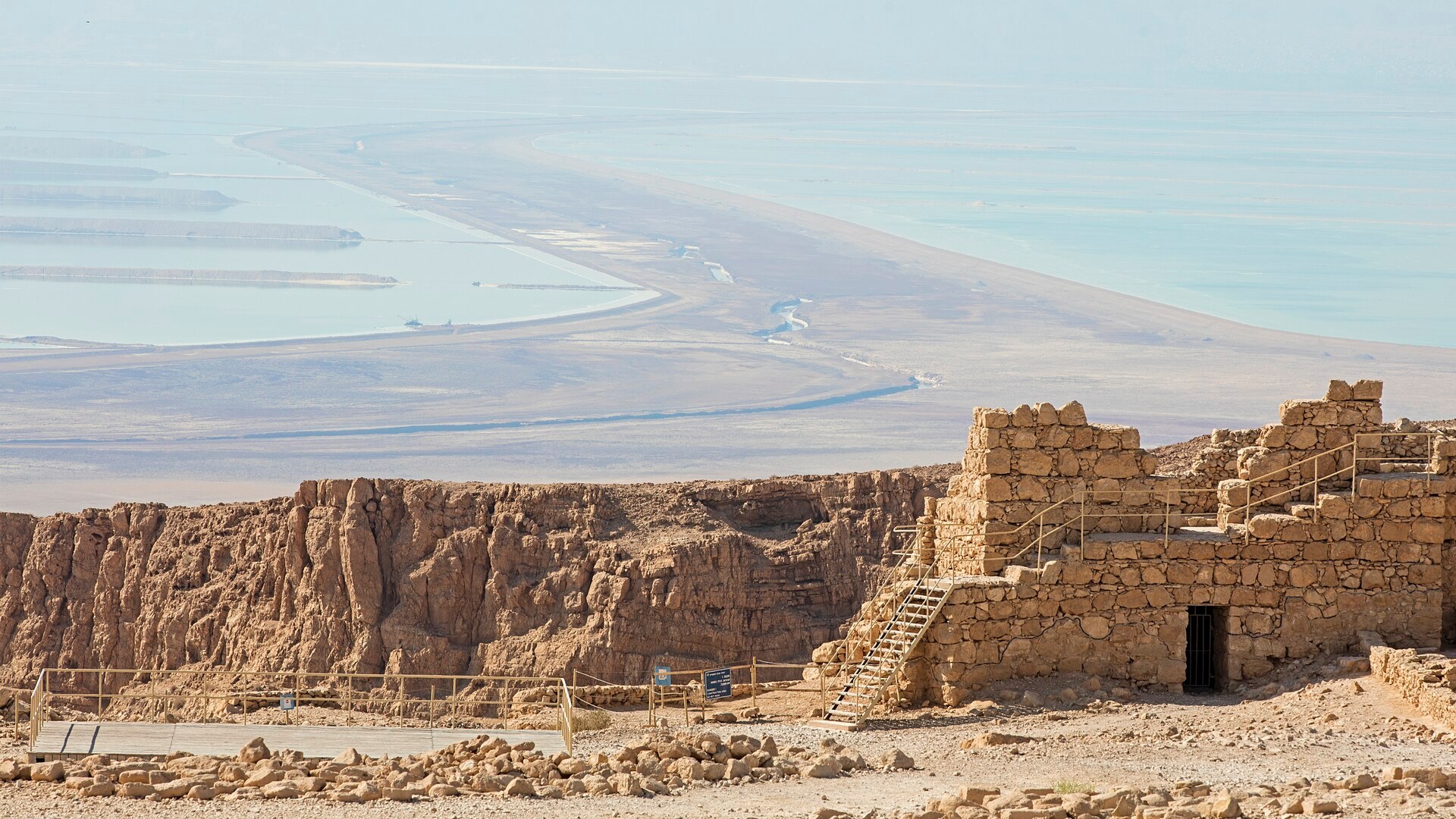
8. Masada
Constructed by King Herod atop an isolated rock plateau in the Judean Wilderness, Masada featured palaces, bathhouses, and extensive water cisterns. The citadel witnessed the famous final stand of Jewish rebels in 73 AD, where Roman engineers constructed a massive assault ramp to breach its casemate walls.
©Wikimedia / Godot13
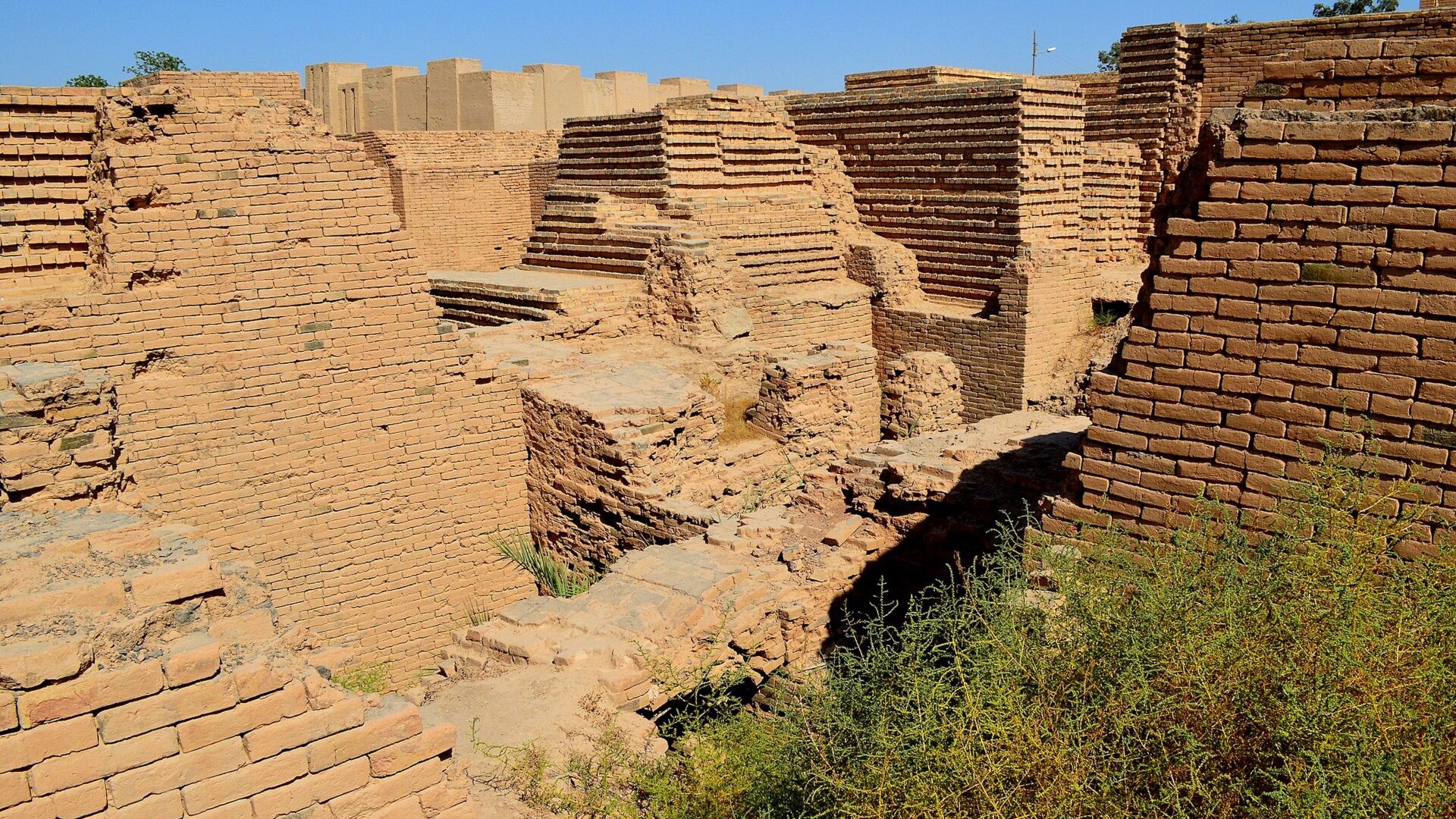
7. Babylon
Spanning both banks of the Euphrates River in modern Iraq, Babylon reigned as the opulent capital of King Nebuchadnezzar II. The city features prominently in Old Testament accounts of the Babylonian captivity, with excavations revealing its famous glazed-brick Ishtar Gate and Processional Way.
©Wikimedia / Osama Shukir Muhammed Amin FRCP(Glasg)
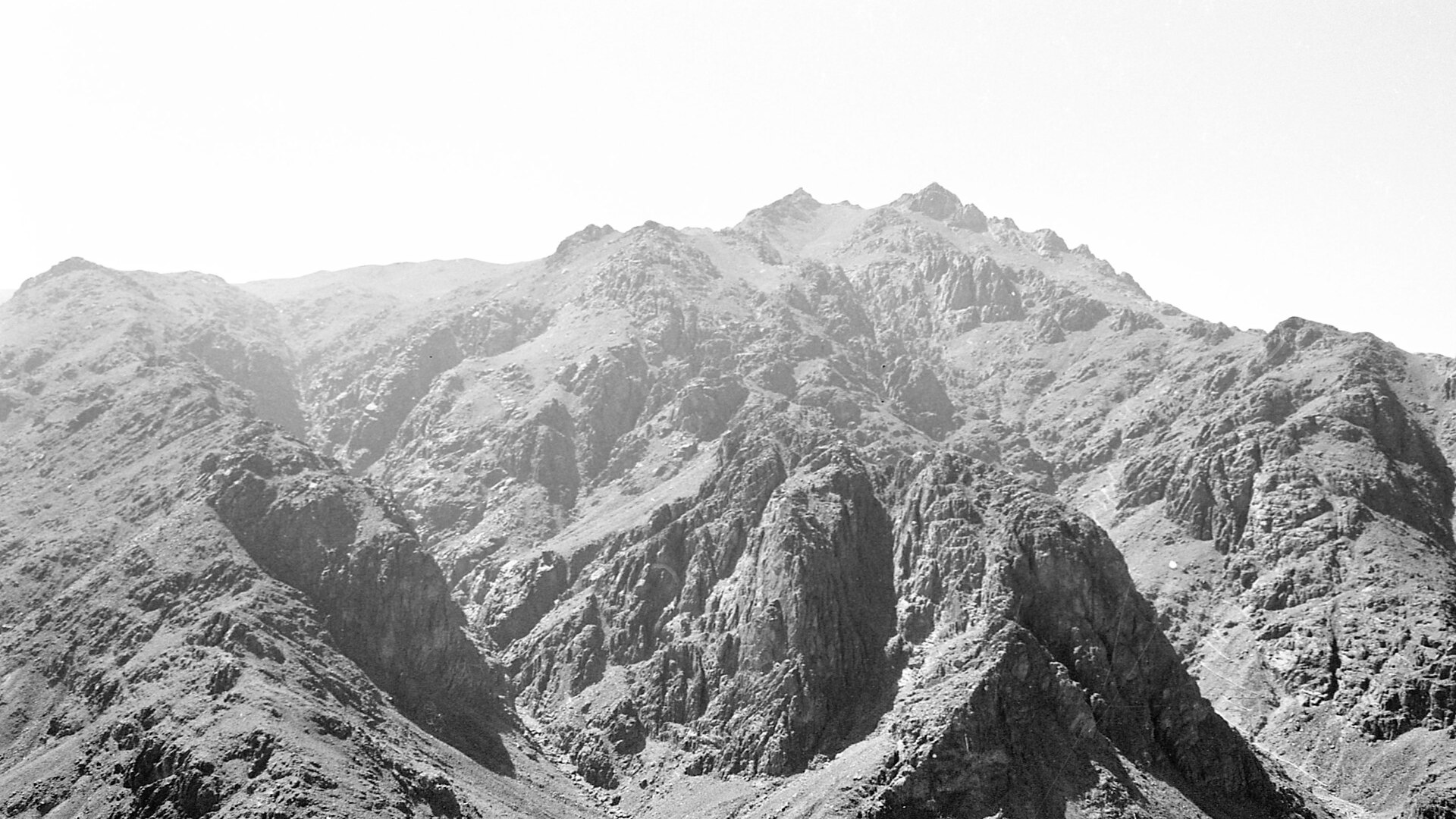
6. Mount Sinai
Rising seven thousand four hundred feet in the Sinai Peninsula, Jebel Musa is the traditional site where Moses received the Ten Commandments in Exodus. At its base sits Saint Catherine's Monastery, founded in the sixth century, preserving one of the oldest active libraries in existence.
©Wikimedia / IPPA Archive
Advertisement
Swipe or tap ▶ to resume the countdown.
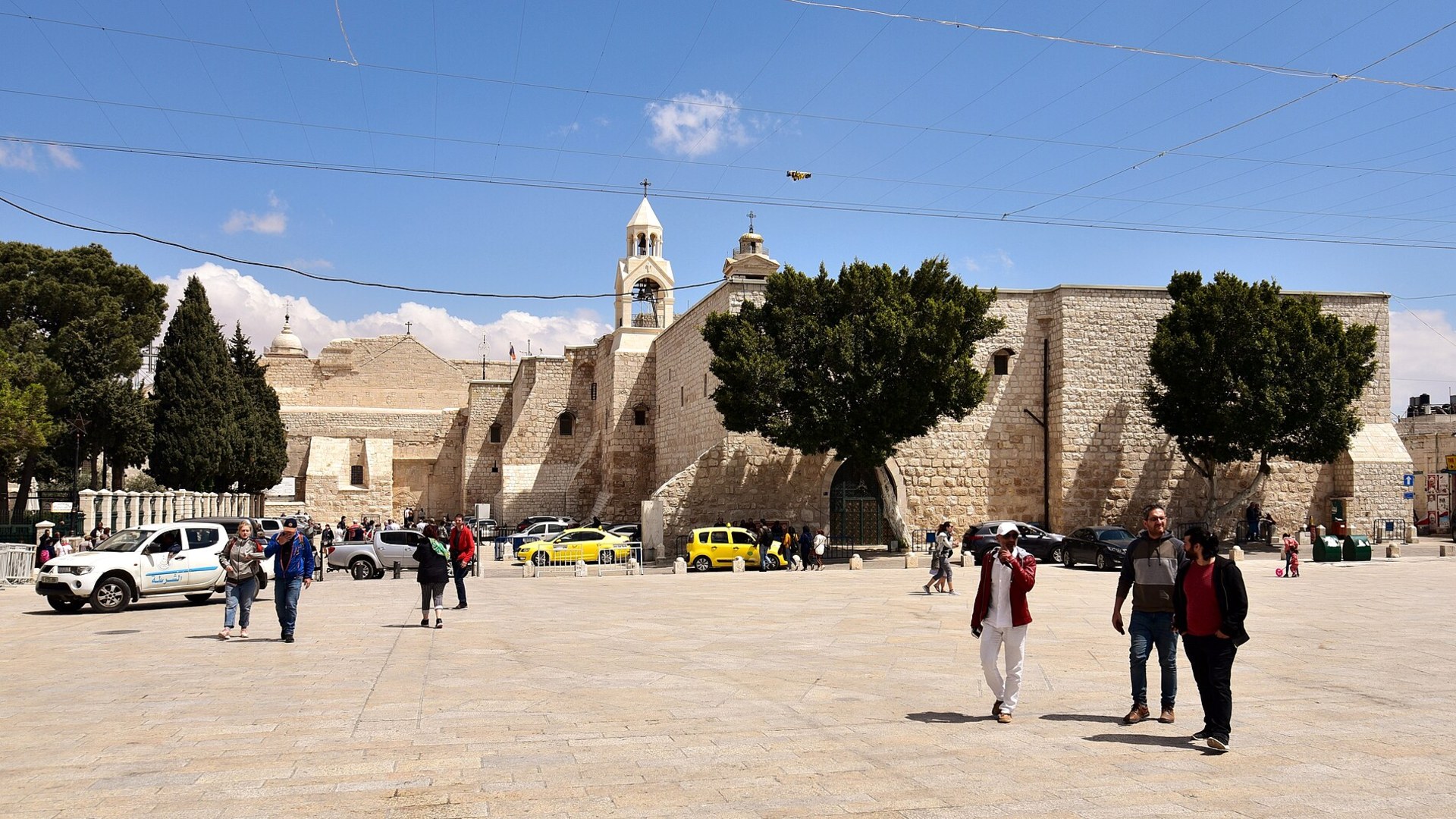
5. Bethlehem
Located five miles south of Jerusalem, Bethlehem is celebrated in biblical tradition as the pastoral home of King David and the birthplace of Jesus. The Church of the Nativity, originally commissioned by Emperor Constantine in 327 AD, stands as one of the oldest operating Christian shrines.
©Wikimedia / Bahnfrend
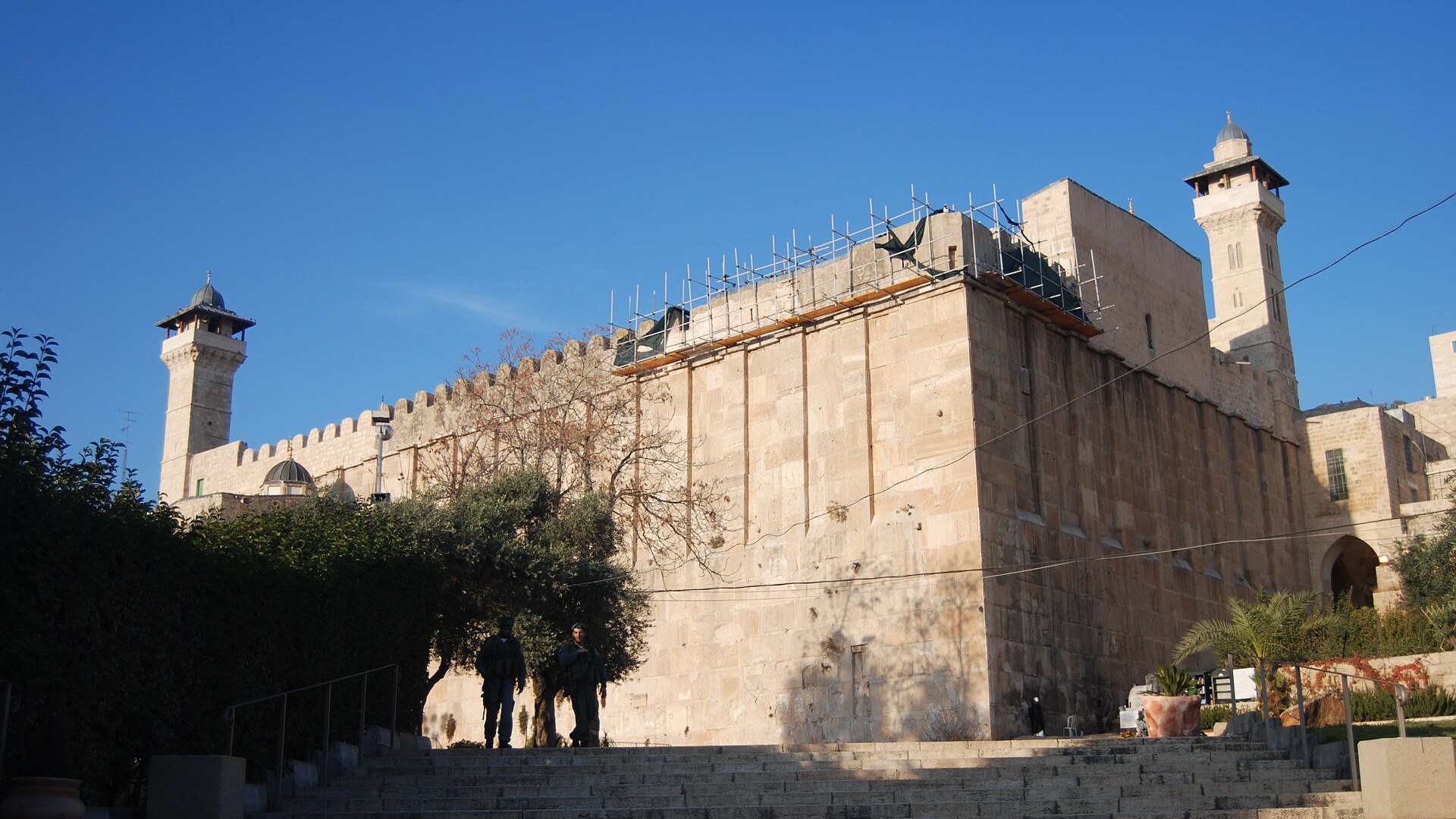
4. Hebron
Hebron is among the earliest urban centers mentioned in Genesis, serving as the setting for Abraham's purchase of the field of Machpelah. King Herod erected an enormous ashlar-stone enclosure over the ancestral burial caves, which remain sacred to Judaism, Christianity, and Islam today.
©Wikimedia / CyberCop
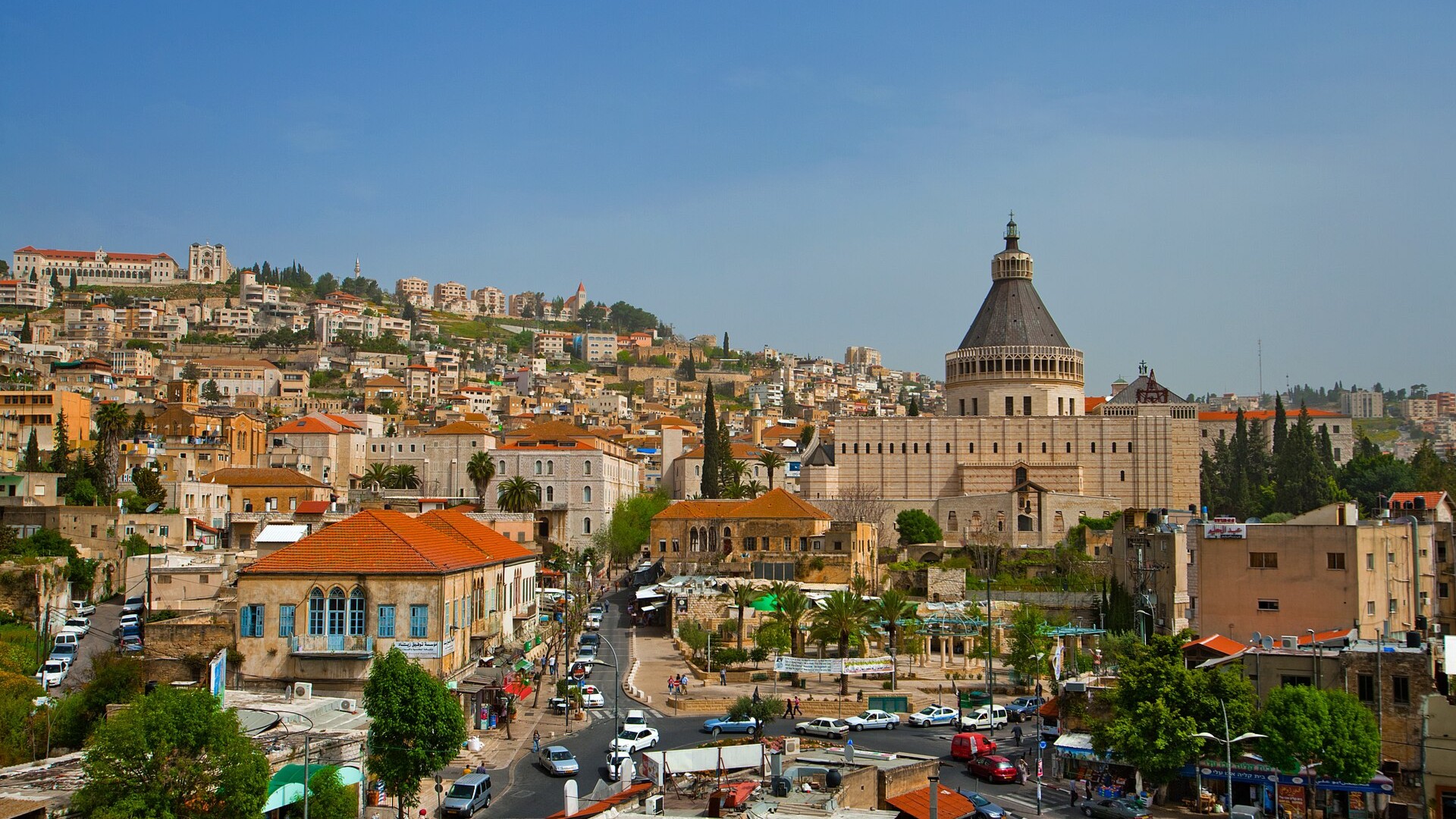
3. Nazareth
Located among the rugged hills of Lower Galilee, Nazareth grew from a humble agricultural hamlet into a major pilgrimage center. The Church of the Annunciation marks the traditional grotto of Mary, with archaeological investigations revealing first-century domestic dwellings and agricultural terraces.
©Wikimedia / Nazareth
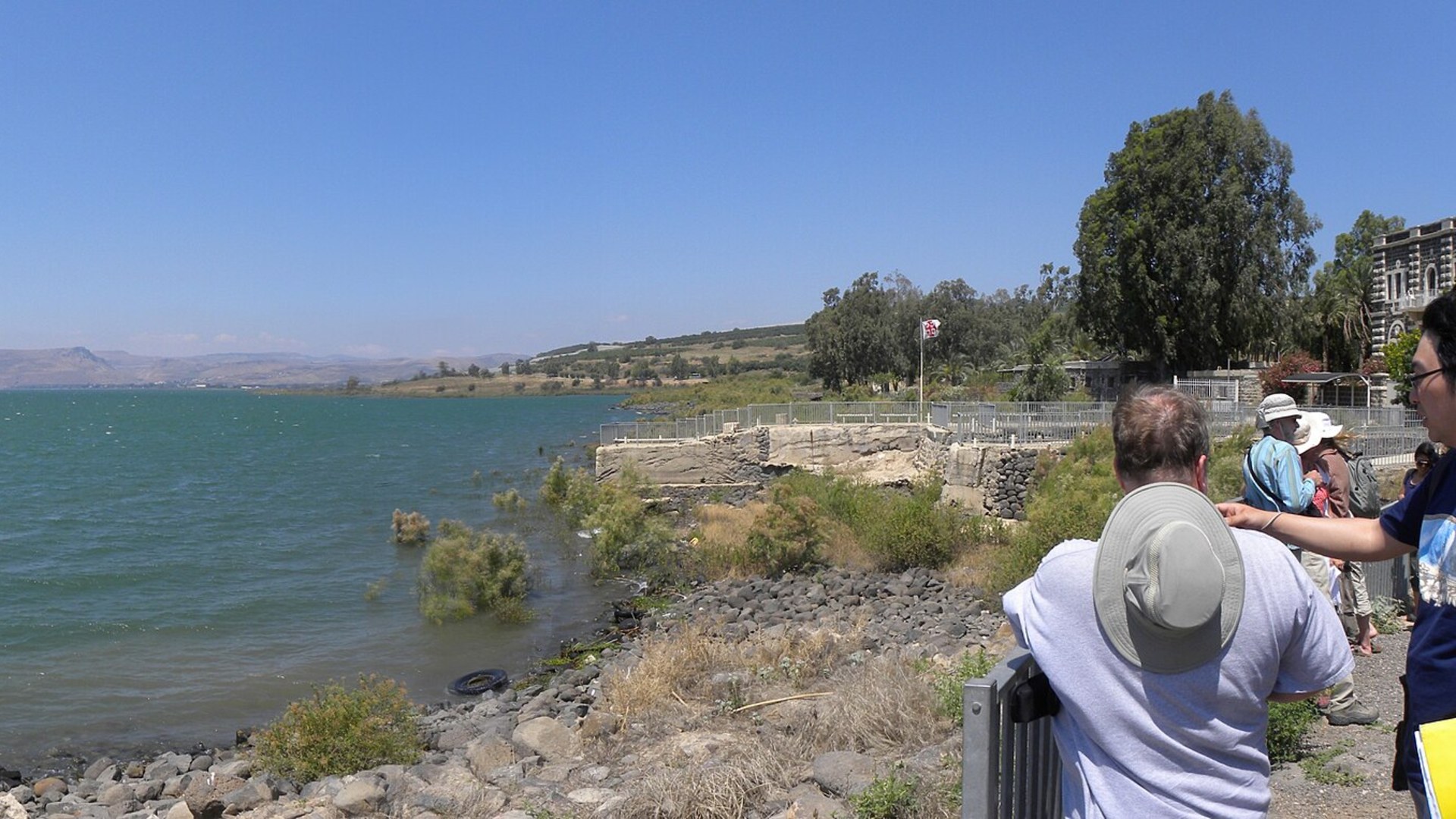
2. Sea Of Galilee
Lake Tiberias lies nearly seven hundred feet below sea level, fed by the upper Jordan River amidst steep basalt hills. In 1986, archaeologists salvaged a two-thousand-year-old wooden fishing boat from its muddy western shallows, providing tangible evidence of Galilean seafaring in antiquity.
©Wikimedia / Ian Scott
Advertisement
Swipe or tap ▶ to resume the countdown.
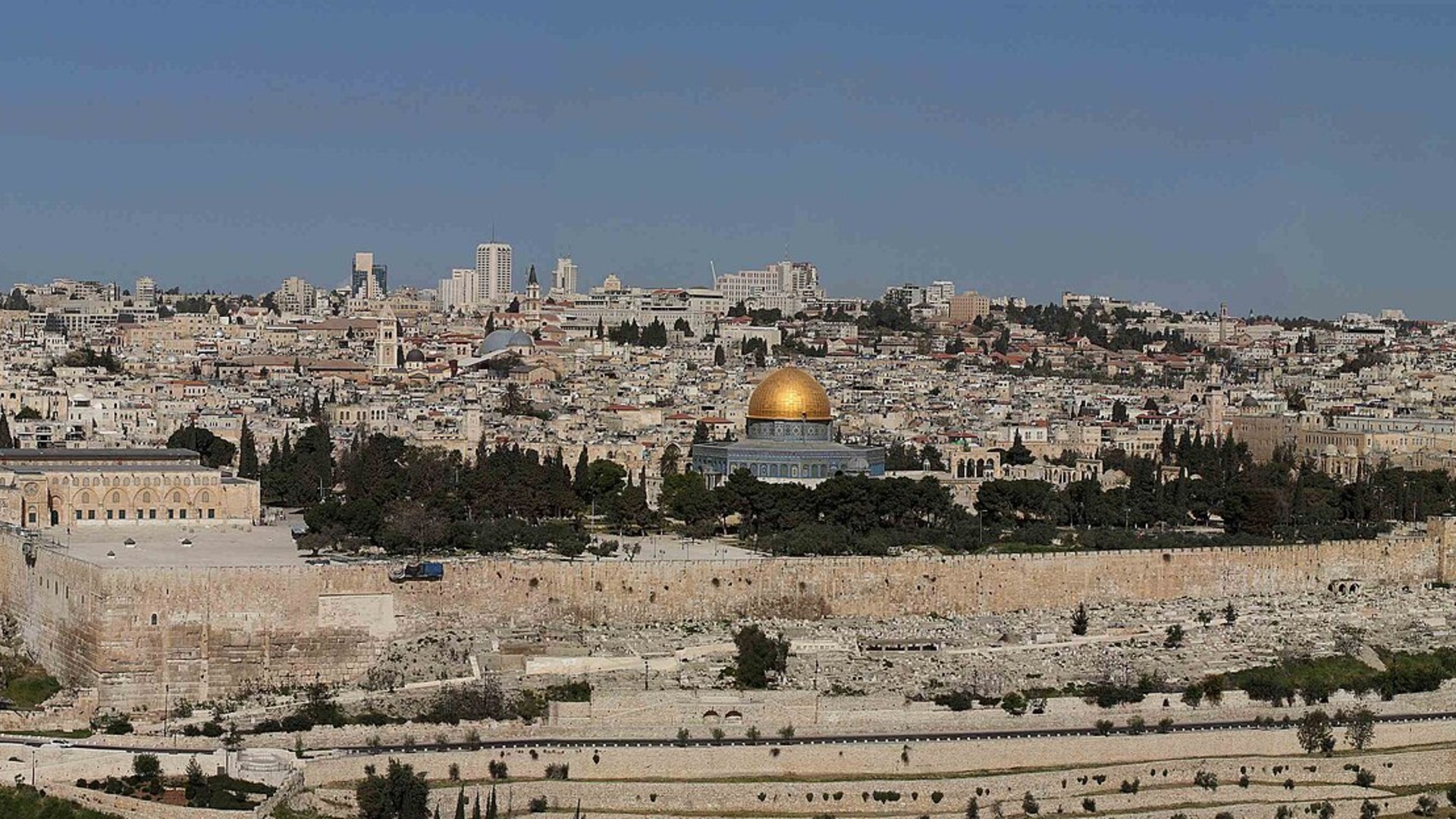
1. Jerusalem
Jerusalem has formed the spiritual and political heartbeat of biblical narrative since King David established it as his royal capital around 1000 BC. From the ancient City of David water tunnels to the colossal Western Wall, centuries of excavations document its monumental biblical heritage.
©Wikimedia / Gbecker248
Advertisement
You've reached the end of the story. Thanks for reading!

25 Bold Aircraft Designs That Failed in Aviation History
From nine-wing flying boats to Mach 3 bombers, aviation history is filled with bold machines that ran into budget cuts, engine trouble, or fatal crashes. Based on records from the Smithsonian National Air and Space Museum, NASA, the US Air Force, and military archives, here are 25 designs that fell short.
All 20 Entries in this Story
20. Antioch
Situated along the Orontes River in modern Turkey, ancient Antioch served as the third largest city of the Roman Empire. The Book of Acts records that believers were first called Christians within its crowded trade gates, turning the city into a launching pad for early Mediterranean journeys.

19. Caesarea Maritima
Herod the Great constructed Caesarea Maritima on the Mediterranean coast between 22 and 10 BC, featuring an artificial deep-water harbor. The site served as the Roman administrative capital of Judea, where archaeologists in 1961 discovered the famous limestone block bearing the name of Pontius Pilate.

18. Corinth
Occupying a narrow isthmus between mainland Greece and the Peloponnese, Corinth flourished as a wealthy commercial center. The Apostle Paul lived and worked here as a tentmaker for eighteen months, composing foundational letters addressed to its cosmopolitan Christian congregation.

17. Ephesus
Ephesus housed the monumental Temple of Artemis, one of the Seven Wonders of the Ancient World, along the Aegean coast of Asia Minor. Excavations have uncovered its massive twenty-four-thousand-seat theater, where silversmiths protested against Christian teachings in Acts nineteen.

16. Damascus
Damascus ranks among the oldest continuously inhabited cities on Earth, dating back over four thousand years in southern Syria. Mentioned repeatedly from Genesis through the Epistles, its Roman-era Straight Street provided the setting for Paul's conversion following his dramatic journey.

15. Nineveh
Located across from modern Mosul in northern Iraq, Nineveh served as the flourishing capital of the Neo-Assyrian Empire under Sennacherib. Known in biblical tradition for the preaching of Jonah, British Museum excavations uncovered thousands of cuneiform tablets from the royal library of Ashurbanipal.

14. Ur Of The Chaldees
Ur flourished in southern Mesopotamia as an influential Sumerian city-state famous for its towering mud-brick Great Ziggurat. Genesis eleven identifies Ur as the departure point for the patriarch Abraham, with archaeological digs led by Sir Leonard Woolley revealing wealthy royal tombs dating to 2500 BC.

13. Petra
Identified with biblical Sela in the southern Jordan desert, Petra operated as a vital desert hub for spice caravans. Its dramatic Treasury and monasteries were hand-hewn into sandstone cliffs by the Nabataeans, who commanded trade routes connecting Arabia to the Mediterranean basin.

12. Mount Nebo
Rising over two thousand feet above sea level in western Jordan, Mount Nebo is celebrated in Deuteronomy as the summit where Moses viewed the land of Canaan. Modern excavations have preserved fourth-century Byzantine mosaics and church ruins commemorating his final biblical resting place.

11. Jericho
Tell es-Sultan in the lower Jordan Valley marks the historic location of Jericho, an oasis settlement inhabited since 9000 BC. Biblical accounts chronicle the dramatic collapse of its defensive ramparts, while modern archaeologists have uncovered Neolithic stone towers and Bronze Age defenses.

10. Megiddo
Controlling the ancient international highway connecting Egypt with Mesopotamia, Tel Megiddo endured dozens of historical conquests. Its name forms the linguistic root for Armageddon in Revelation sixteen, reflecting its long heritage as a decisive battlefield for Canaanite and Israelite kings.

9. Capernaum
Perched on the northern shoreline of the Sea of Galilee, Capernaum served as an active fishing village and customs station. Franciscan excavations revealed an octagonal fifth-century church erected directly over the traditional home of Saint Peter, alongside a fourth-century limestone synagogue.

8. Masada
Constructed by King Herod atop an isolated rock plateau in the Judean Wilderness, Masada featured palaces, bathhouses, and extensive water cisterns. The citadel witnessed the famous final stand of Jewish rebels in 73 AD, where Roman engineers constructed a massive assault ramp to breach its casemate walls.

7. Babylon
Spanning both banks of the Euphrates River in modern Iraq, Babylon reigned as the opulent capital of King Nebuchadnezzar II. The city features prominently in Old Testament accounts of the Babylonian captivity, with excavations revealing its famous glazed-brick Ishtar Gate and Processional Way.

6. Mount Sinai
Rising seven thousand four hundred feet in the Sinai Peninsula, Jebel Musa is the traditional site where Moses received the Ten Commandments in Exodus. At its base sits Saint Catherine's Monastery, founded in the sixth century, preserving one of the oldest active libraries in existence.

5. Bethlehem
Located five miles south of Jerusalem, Bethlehem is celebrated in biblical tradition as the pastoral home of King David and the birthplace of Jesus. The Church of the Nativity, originally commissioned by Emperor Constantine in 327 AD, stands as one of the oldest operating Christian shrines.

4. Hebron
Hebron is among the earliest urban centers mentioned in Genesis, serving as the setting for Abraham's purchase of the field of Machpelah. King Herod erected an enormous ashlar-stone enclosure over the ancestral burial caves, which remain sacred to Judaism, Christianity, and Islam today.

3. Nazareth
Located among the rugged hills of Lower Galilee, Nazareth grew from a humble agricultural hamlet into a major pilgrimage center. The Church of the Annunciation marks the traditional grotto of Mary, with archaeological investigations revealing first-century domestic dwellings and agricultural terraces.

2. Sea Of Galilee
Lake Tiberias lies nearly seven hundred feet below sea level, fed by the upper Jordan River amidst steep basalt hills. In 1986, archaeologists salvaged a two-thousand-year-old wooden fishing boat from its muddy western shallows, providing tangible evidence of Galilean seafaring in antiquity.

1. Jerusalem
Jerusalem has formed the spiritual and political heartbeat of biblical narrative since King David established it as his royal capital around 1000 BC. From the ancient City of David water tunnels to the colossal Western Wall, centuries of excavations document its monumental biblical heritage.