Slideshow · Science
25 Bold Aircraft Designs That Failed in Aviation History
From nine-wing flying boats to Mach 3 bombers, aviation history is filled with bold machines that ran into budget cuts, engine trouble, or fatal crashes. Based on records from the Smithsonian National Air and Space Museum, NASA, the US Air Force, and military archives, here are 25 designs that fell short.
All 25 Entries in this Story
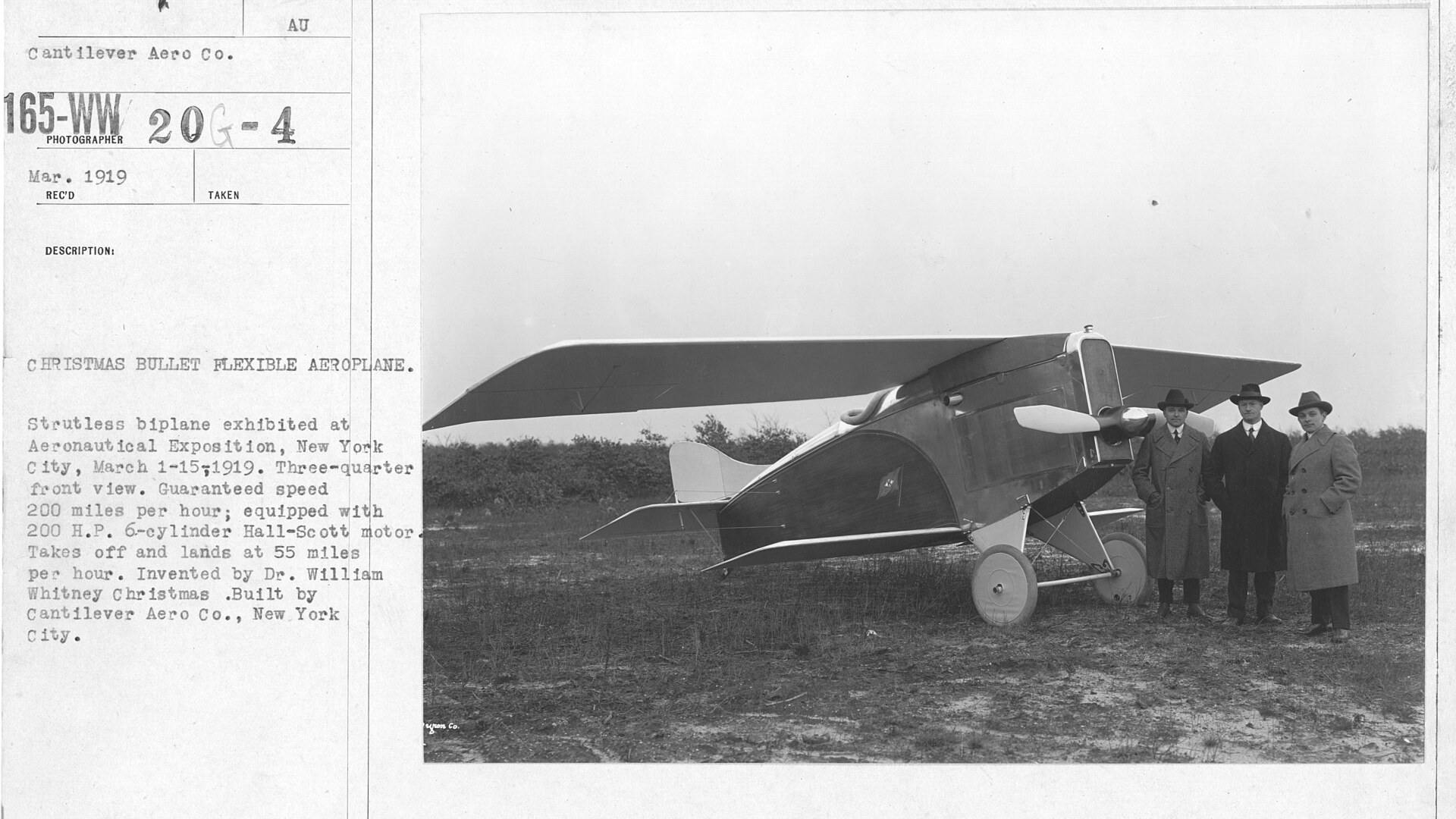
25. Christmas Bullet (1919)
Physician William Whitney Christmas designed this unbraced biplane to flex like bird wings during flight. Built in 1918 with a Liberty engine, the first prototype lost its wings and crashed on Long Island, killing pilot Cuthbert Mills. A second model crashed in 1919, ending the project.
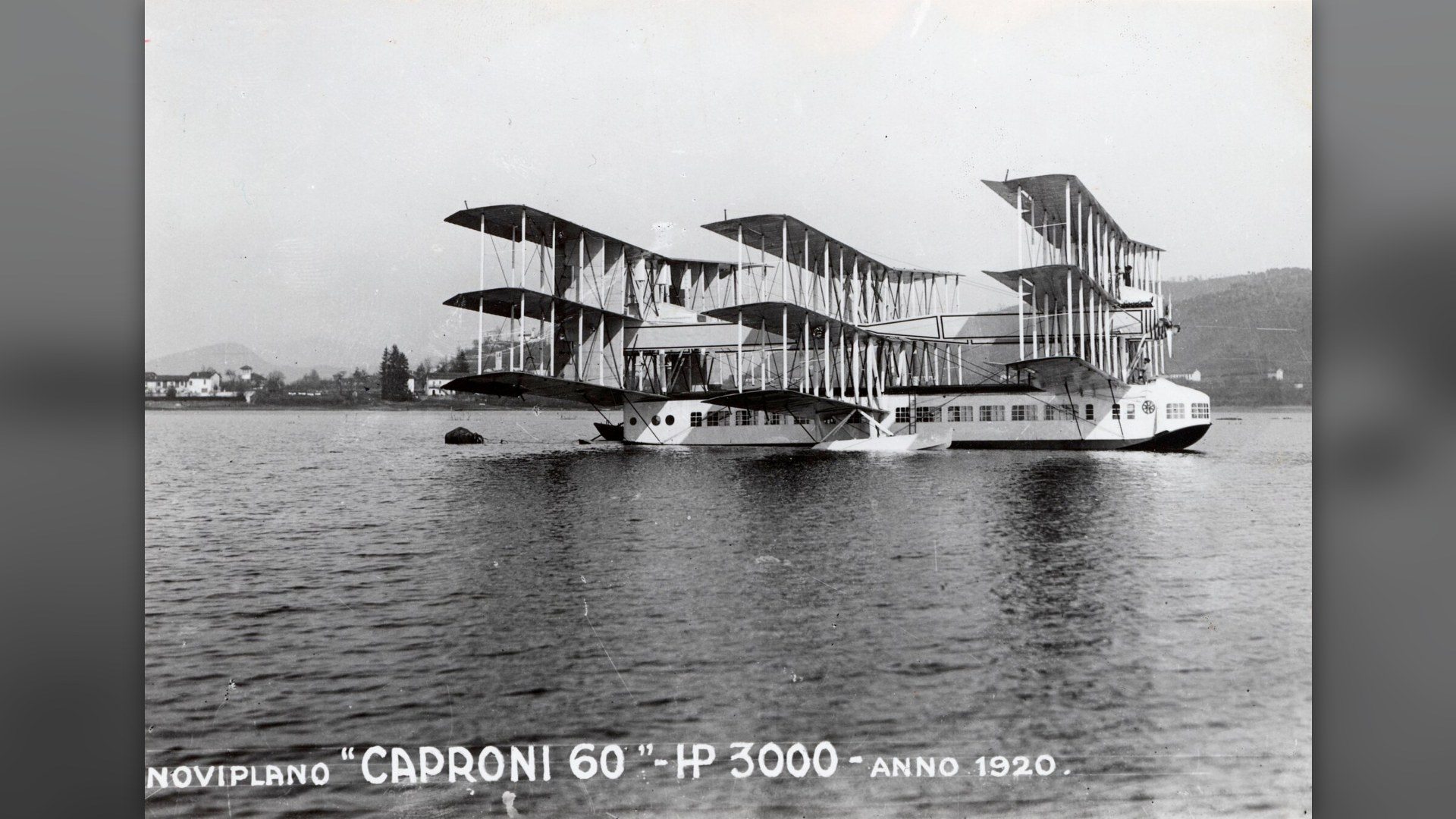
24. Caproni Ca.60 Transaereo (1921)
Italian designer Gianni Caproni stacked three triplane wing sets onto a 77-foot hull powered by eight Liberty V-12 engines. During its second test flight on Lake Maggiore on March 4, 1921, the massive flying boat climbed steeply to 60 feet before nose-diving into the water and breaking apart.
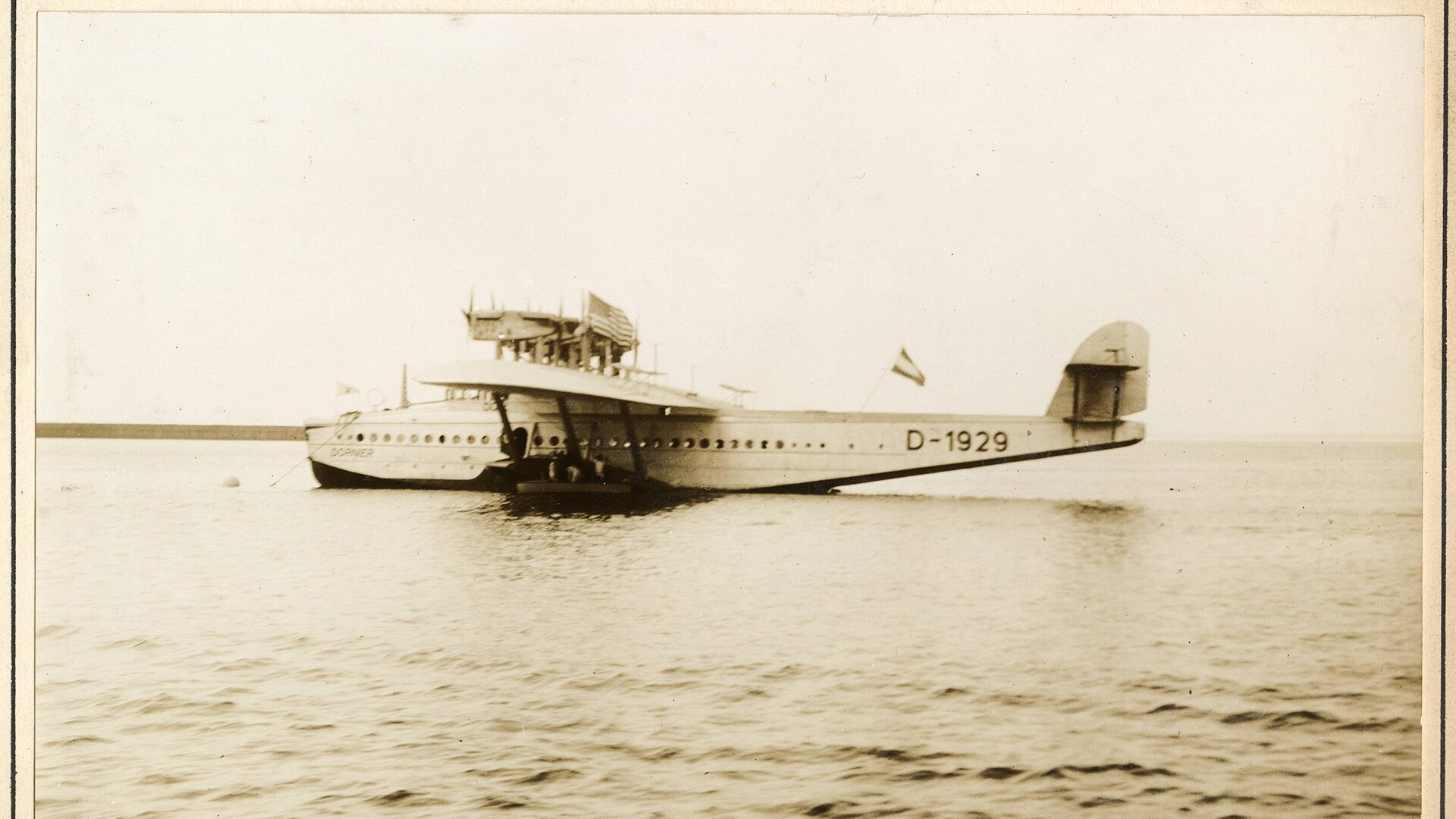
23. Dornier Do X (1929)
Stretching 157 feet across its wing, the Dornier Do X carried 169 people on a 1929 test flight over Lake Constance. Its 12 engines suffered chronic overheating and pushed its cruising altitude down to roughly 1,600 feet. Only three aircraft were built before rising fuel costs ended commercial interest.
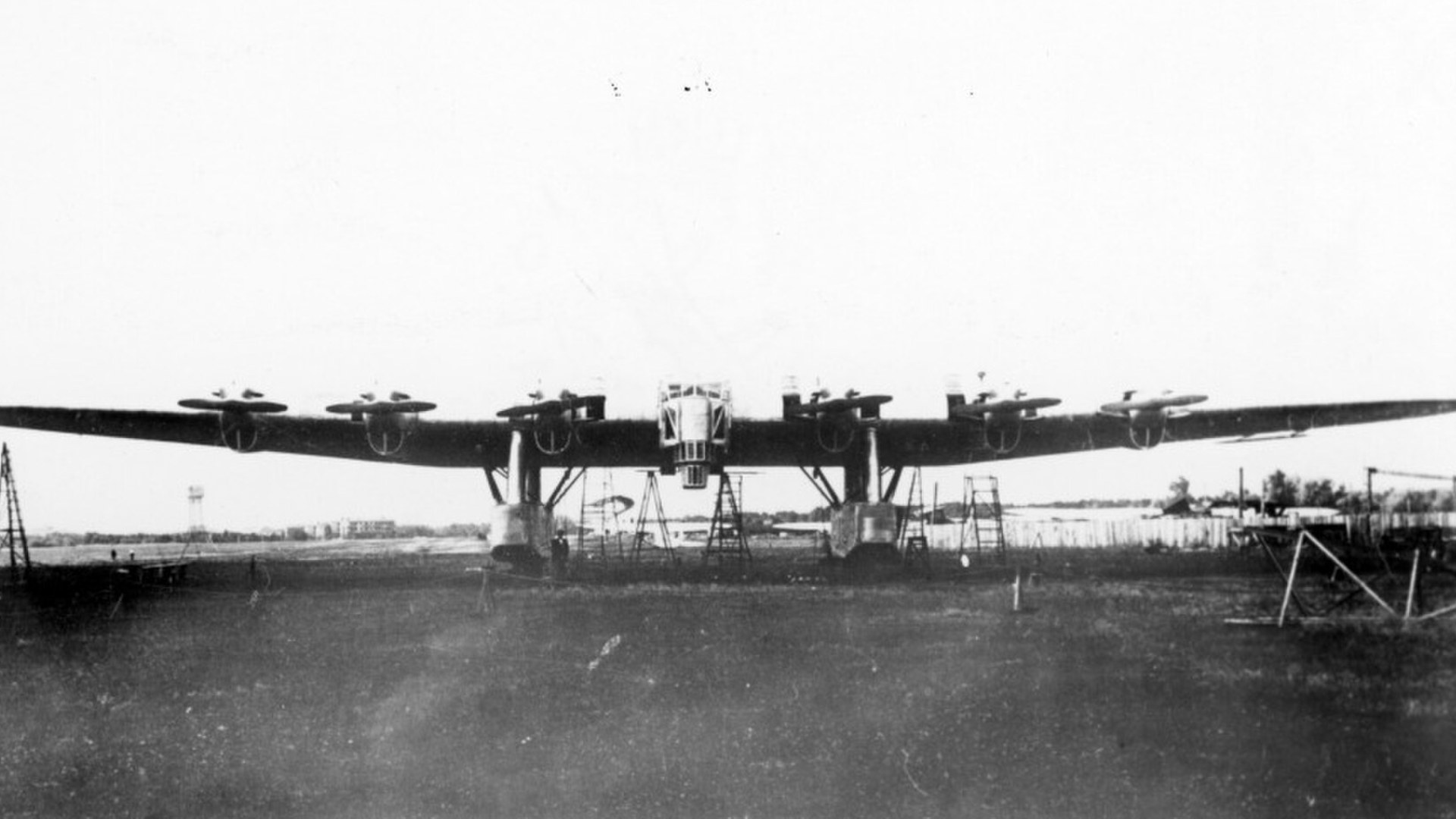
22. Kalinin K-7 (1933)
Konstantin Kalinin built this 174-foot-wingspan aircraft in Kharkiv in 1933 to carry either heavy bombs or more than 100 passengers. Early test flights revealed severe tail-boom vibrations from its seven engines. On November 21, 1933, a tail boom failed mid-flight, crashing the plane and killing 15 people.
21. Tupolev ANT-20 Maxim Gorky (1934)
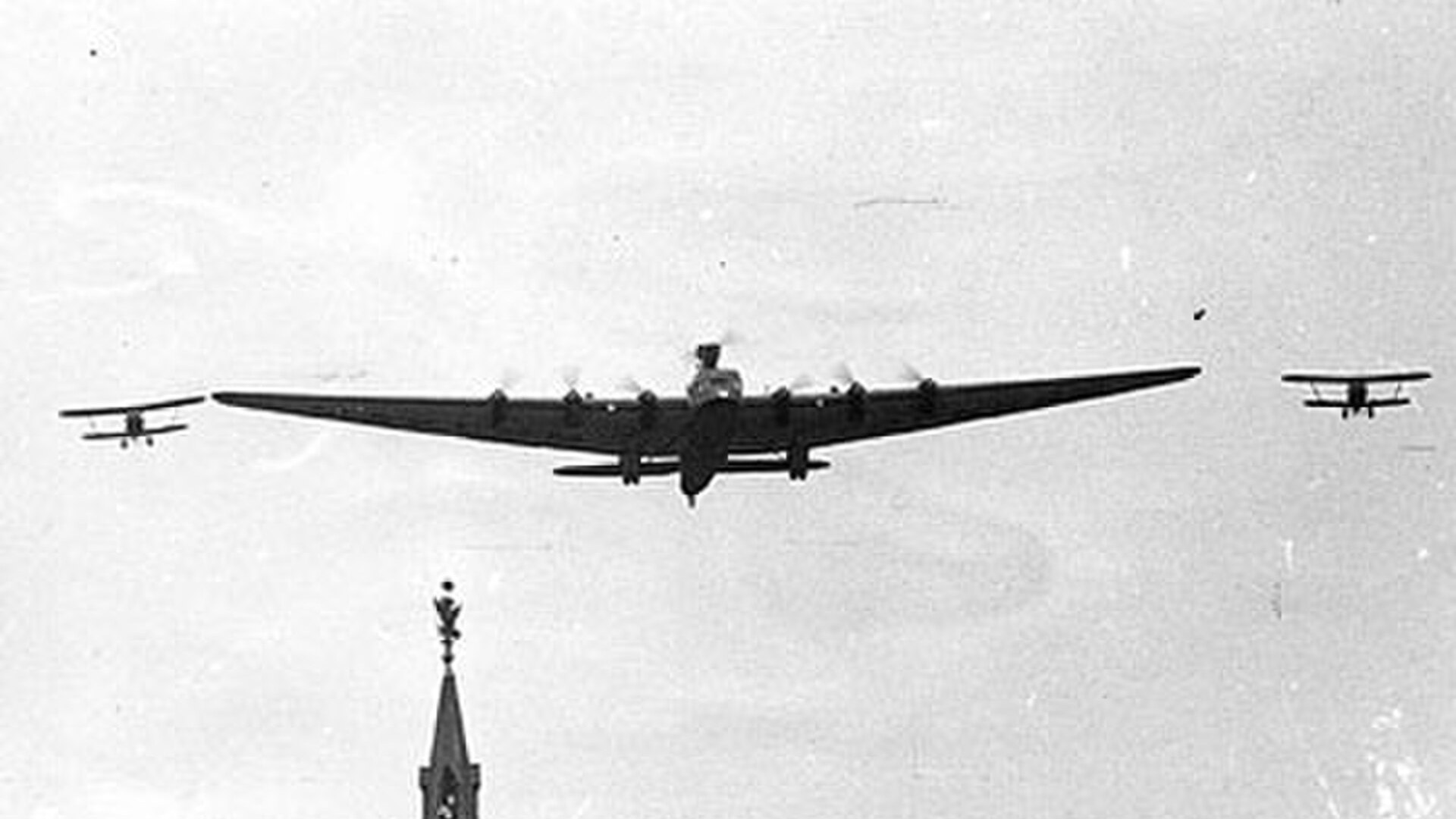
Spanning 207 feet with eight engines, the Tupolev ANT-20 carried a printing press, radio station, and darkroom for Soviet propaganda tours. On May 18, 1935, an escort fighter pilot attempted an unauthorized loop around the giant aircraft over Moscow and collided with its wing, killing 45 people.
20. Brewster F2A Buffalo (1937)
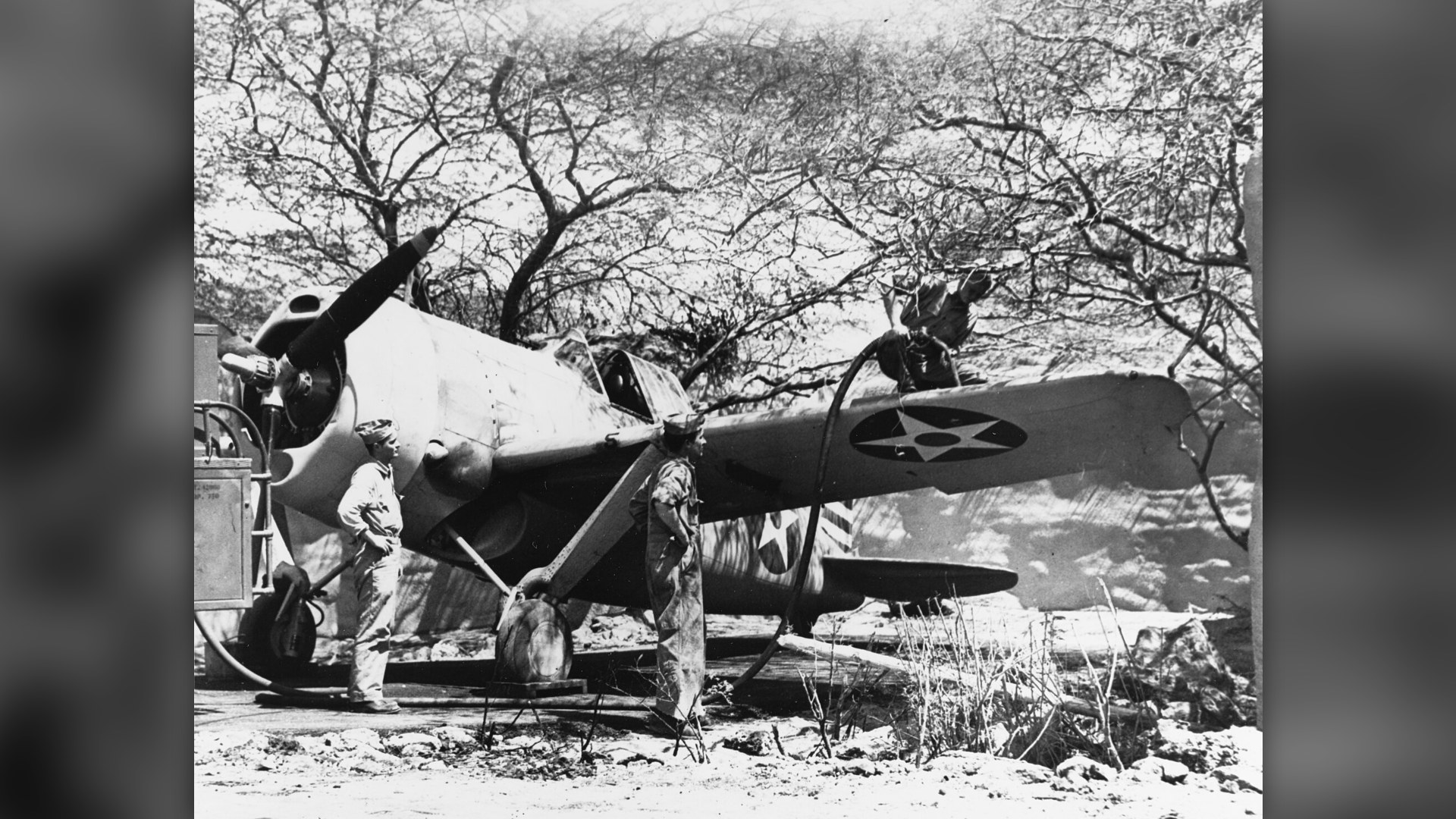
Adopted by the US Navy in 1939, the stubby F2A Buffalo gained weight from added armor and self-sealing tanks without getting a stronger engine. At the Battle of Midway in June 1942, Japanese Mitsubishi Zero fighters shot down 13 of 20 Marine Buffaloes in a single clash, forcing rapid frontline withdrawal.
19. Bell P-59 Airacomet (1942)
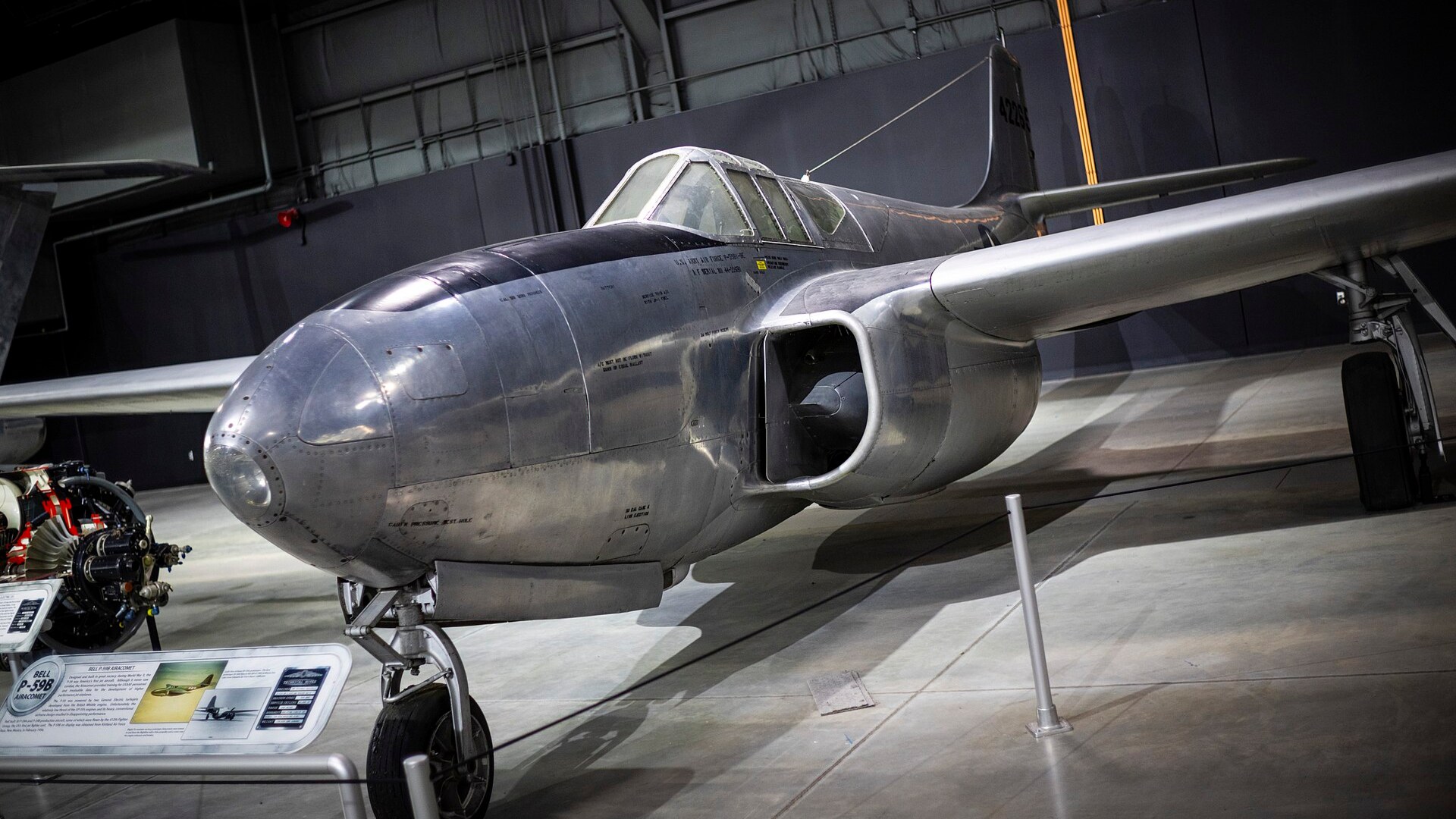
First flown in October 1942, the twin-engine Bell P-59 Airacomet ushered the US military into the jet age under tight wartime secrecy. However, its early General Electric jet engines produced low thrust and poor reliability. Only 66 were built, and the Army Air Forces kept them stateside as trainers.
18. Messerschmitt Me 163 Komet (1944)
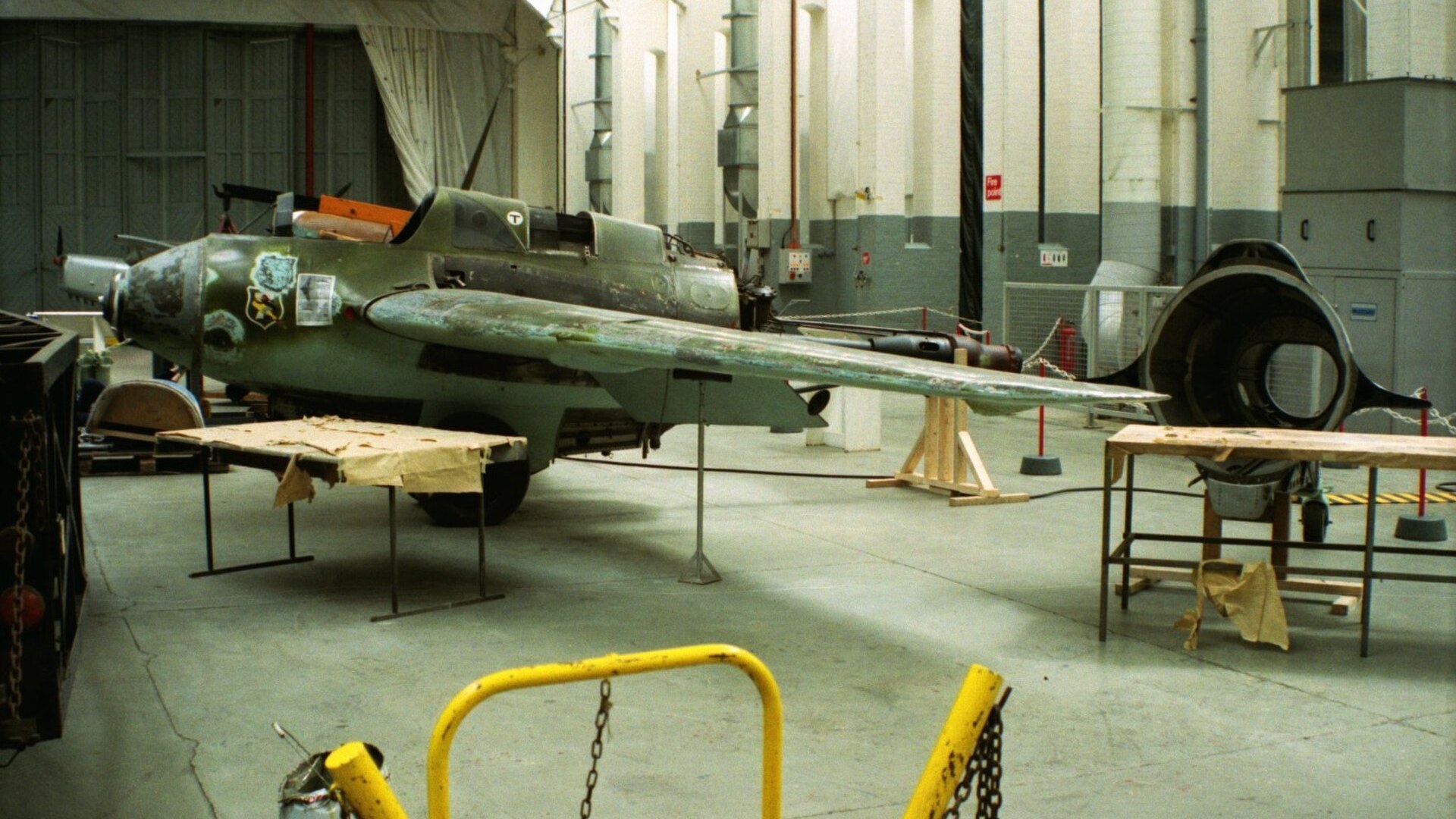
Capable of climbing above 30,000 feet in minutes, the tailless Me 163 Komet burned volatile T-Stoff and C-Stoff rocket fuels that exploded on hard skid landings. Pilots got only minutes of powered flight before gliding back unarmed. Roughly 300 entered service for around 16 confirmed Allied aircraft kills.
17. Vought XF5U Flying Pancake (1947)
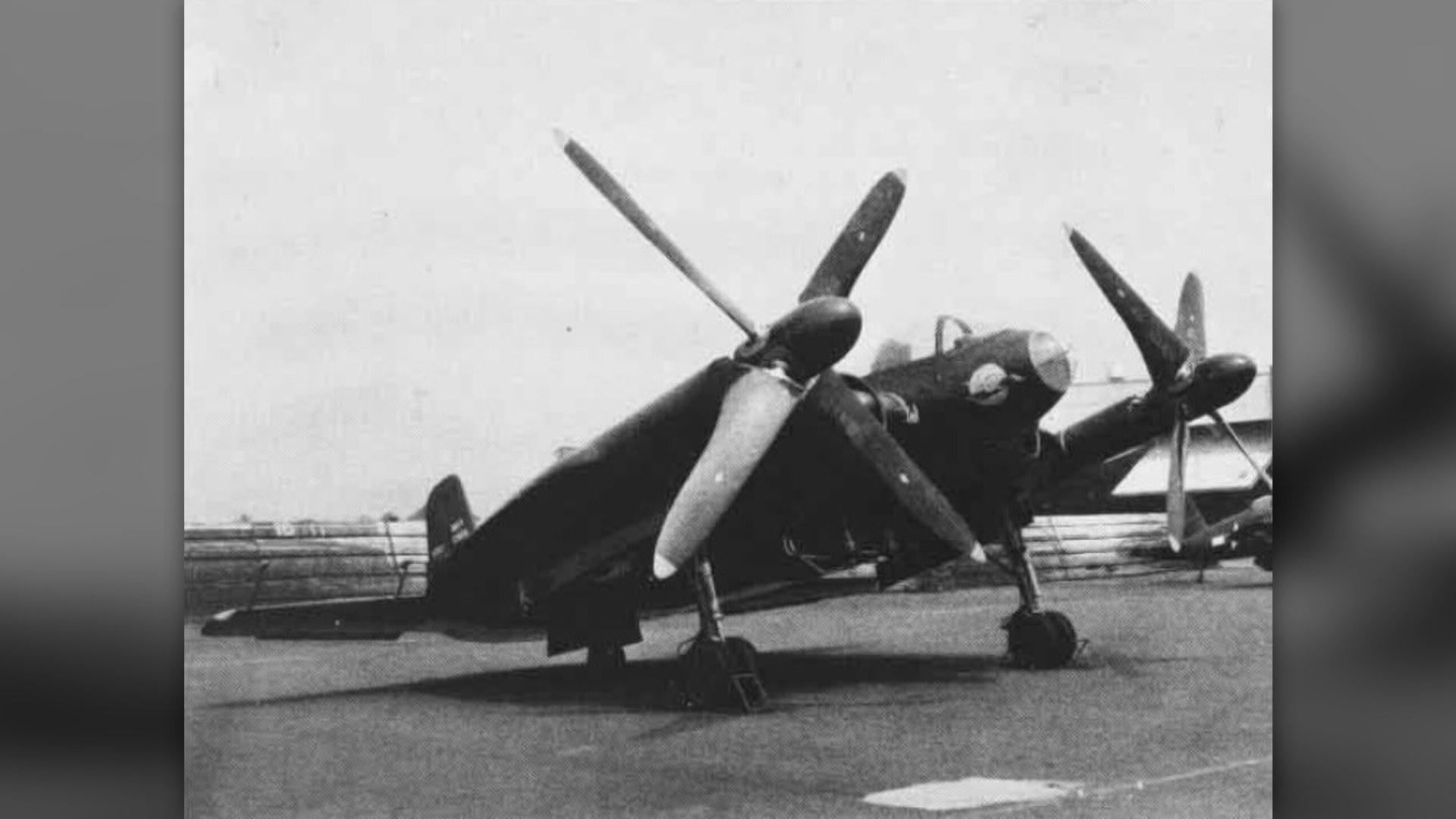
Engineer Charles Zimmerman shaped the XF5U-1 like a flat circular wing so two large propellers could hover the plane at low speeds. Vibration in its complex engine gearboxes delayed testing until 1947, when jet fighters made propeller designs obsolete. The lone prototype was scrapped without ever flying.
16. Northrop YB-49 (1947)
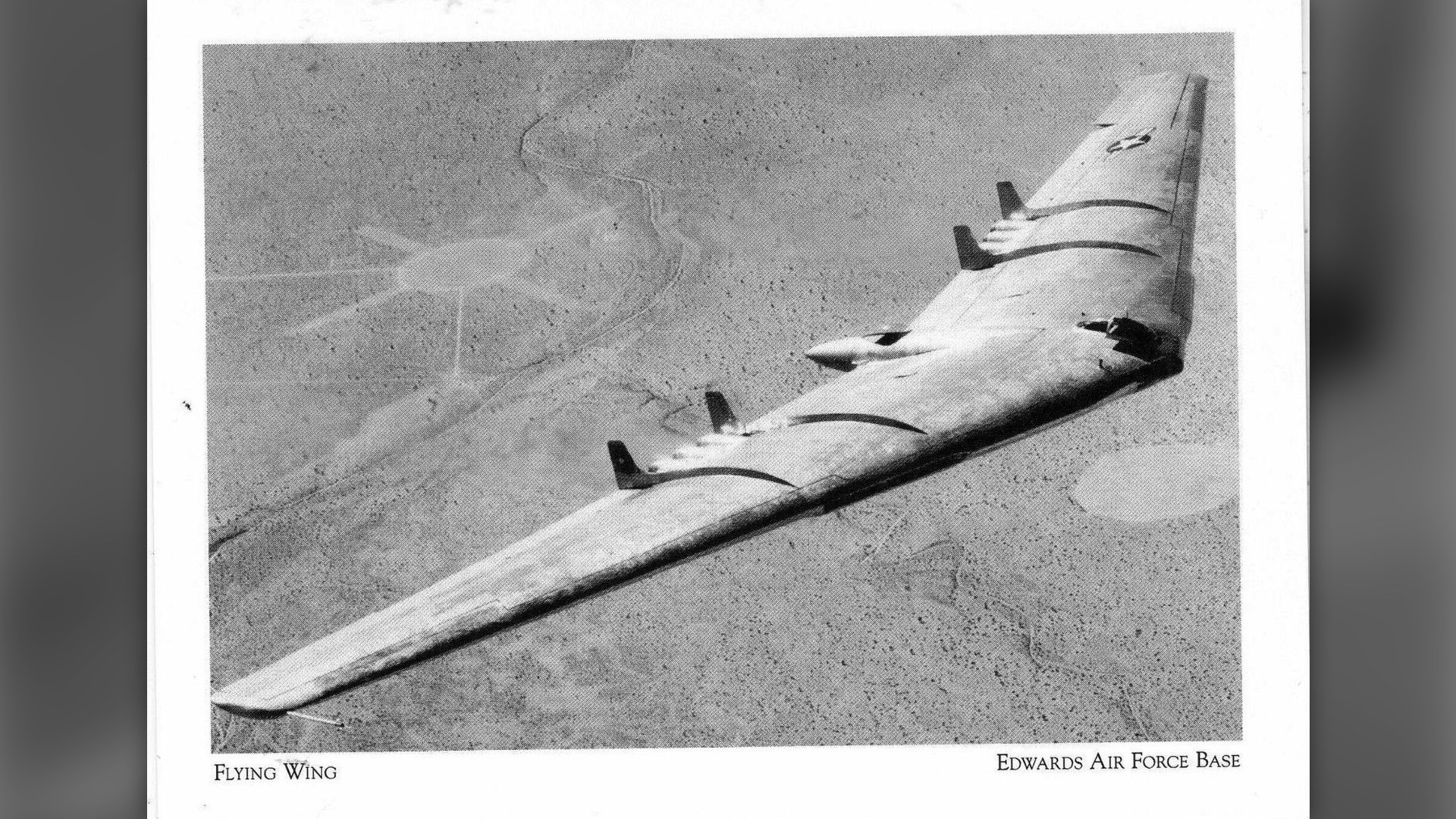
Converted from piston-powered XB-35 airframes, the eight-jet YB-49 eliminated the tail and fuselage to cut aerodynamic drag. Without computer flight controls, the design struggled with directional stability for bombing runs. After a prototype crashed on June 5, 1948, the Air Force cancelled all orders.
15. McDonnell XF-85 Goblin (1948)
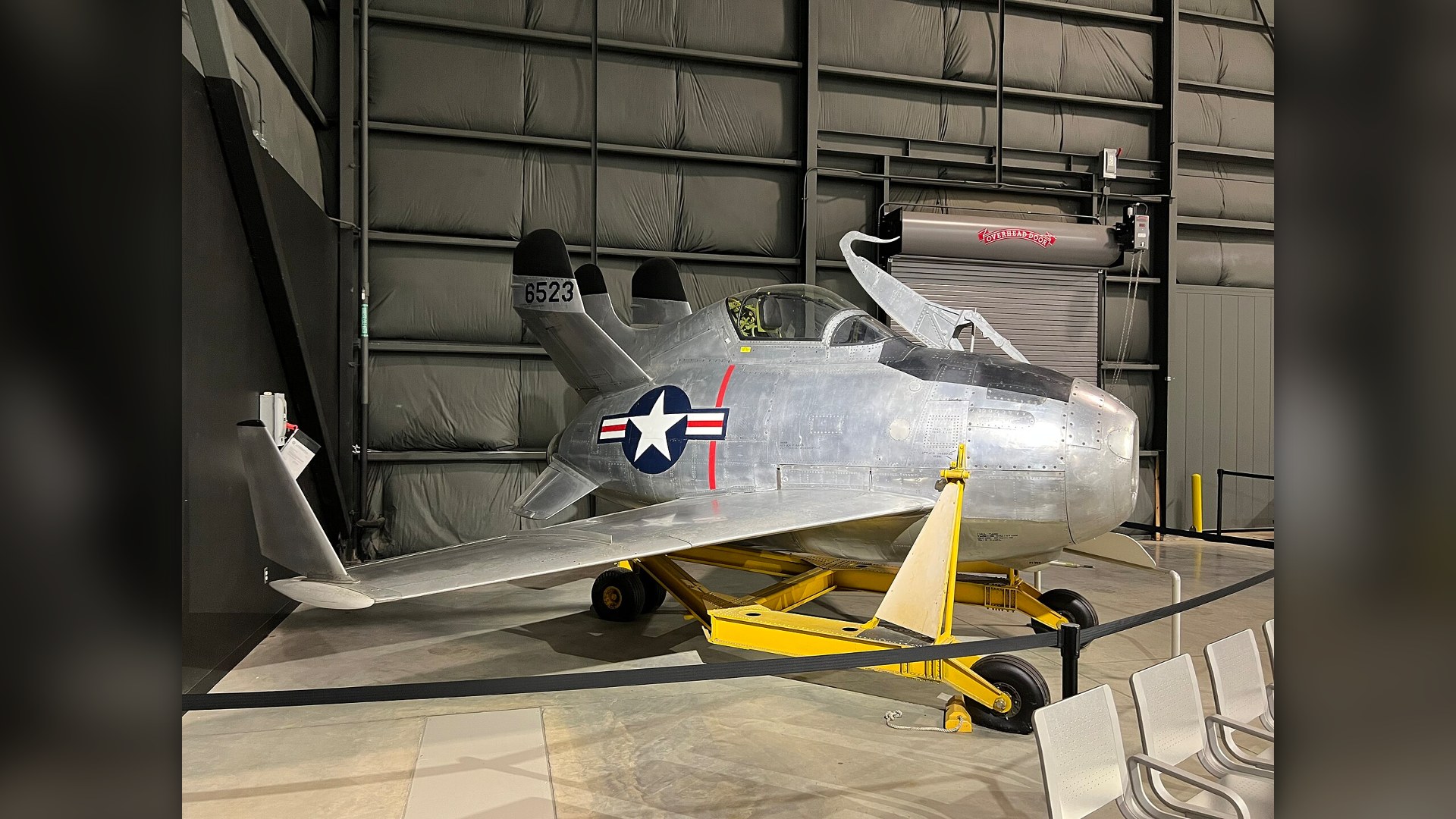
Designed to ride inside a Convair B-36 bomb bay and defend bombers over enemy territory, the egg-shaped XF-85 Goblin lacked landing gear altogether. During 1948 test flights from a modified B-29, air turbulence kept test pilot Edwin Schoch from hooking back onto the trapeze, ending the program in 1949.
14. Vought F7U Cutlass (1948)
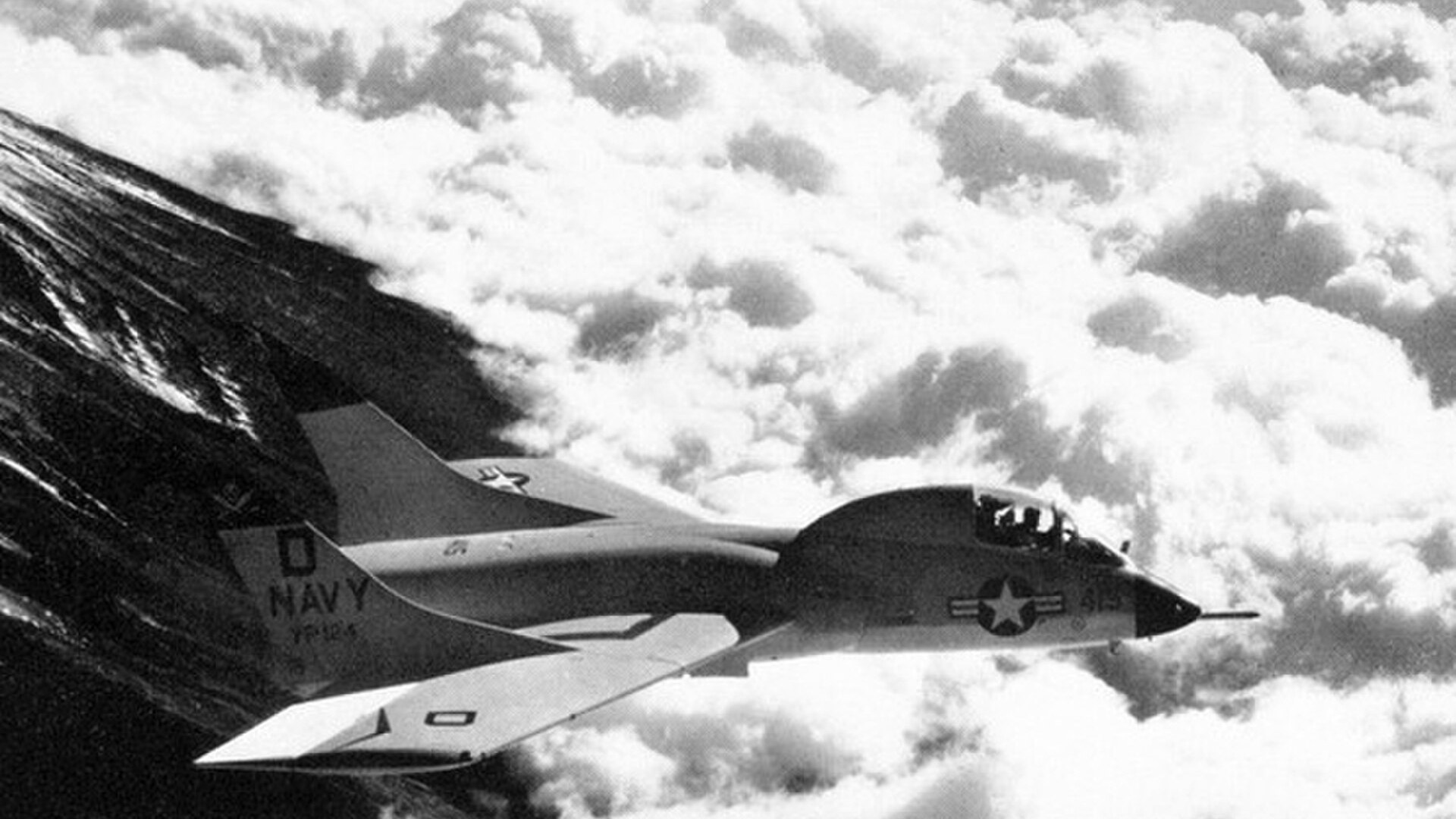
The swept-wing F7U Cutlass entered US Navy service in the early 1950s with a radical tailless layout and steep nose-high landing angle. Its Westinghouse J46 turbojets proved underpowered, while hydraulic failures plagued deck operations. Of 320 aircraft built, more than 70 crashed before retirement in 1959.
13. Bristol Brabazon (1949)
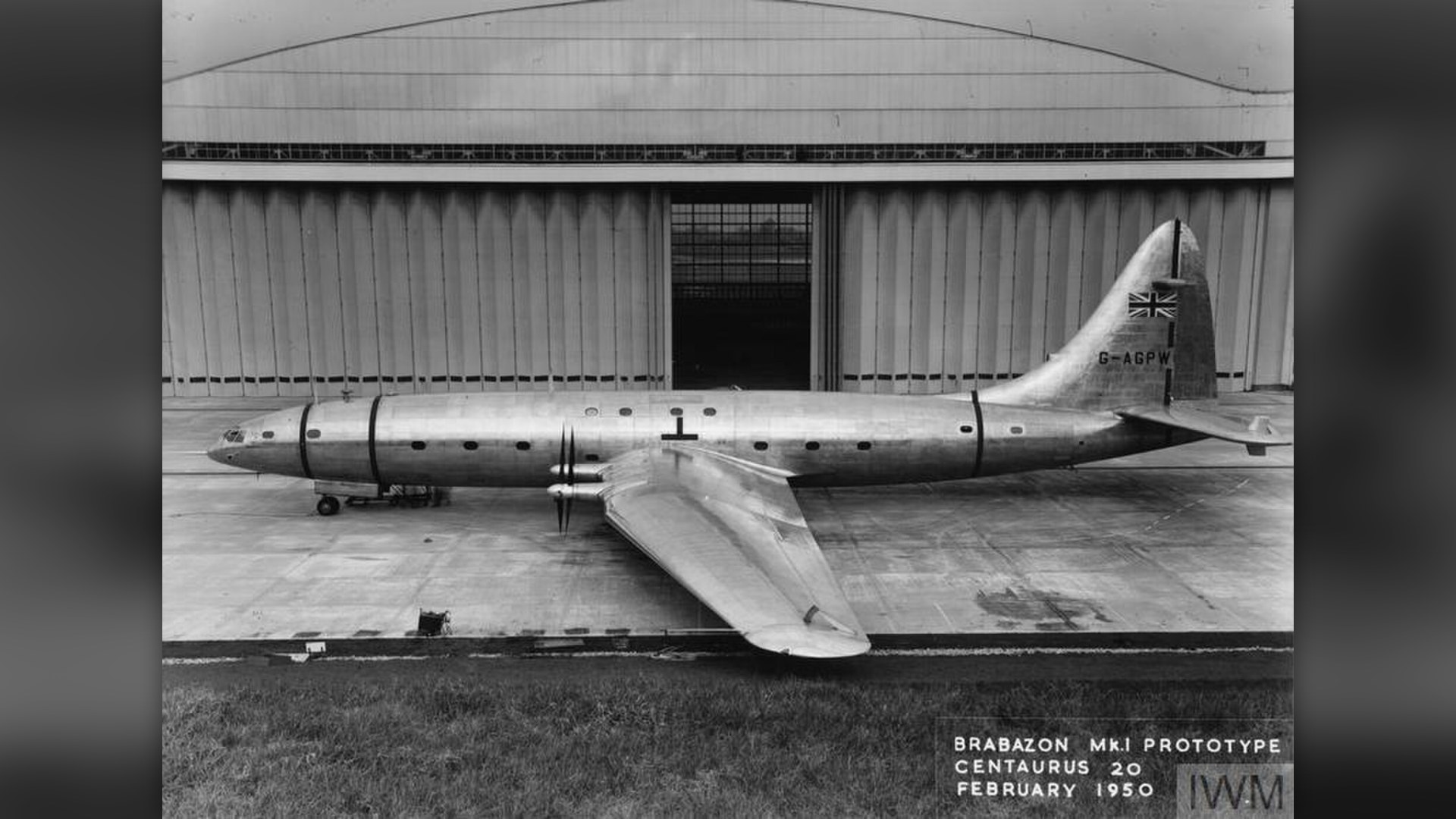
With a 230-foot wingspan rivaling modern widebodies, the Bristol Brabazon was built to carry 100 passengers across the Atlantic in sleeper cabins and lounges. By its 1949 first flight, airlines wanted faster, cheaper jets rather than eight-piston giants. The sole flying prototype was scrapped in 1953.
12. Douglas X-3 Stiletto (1952)
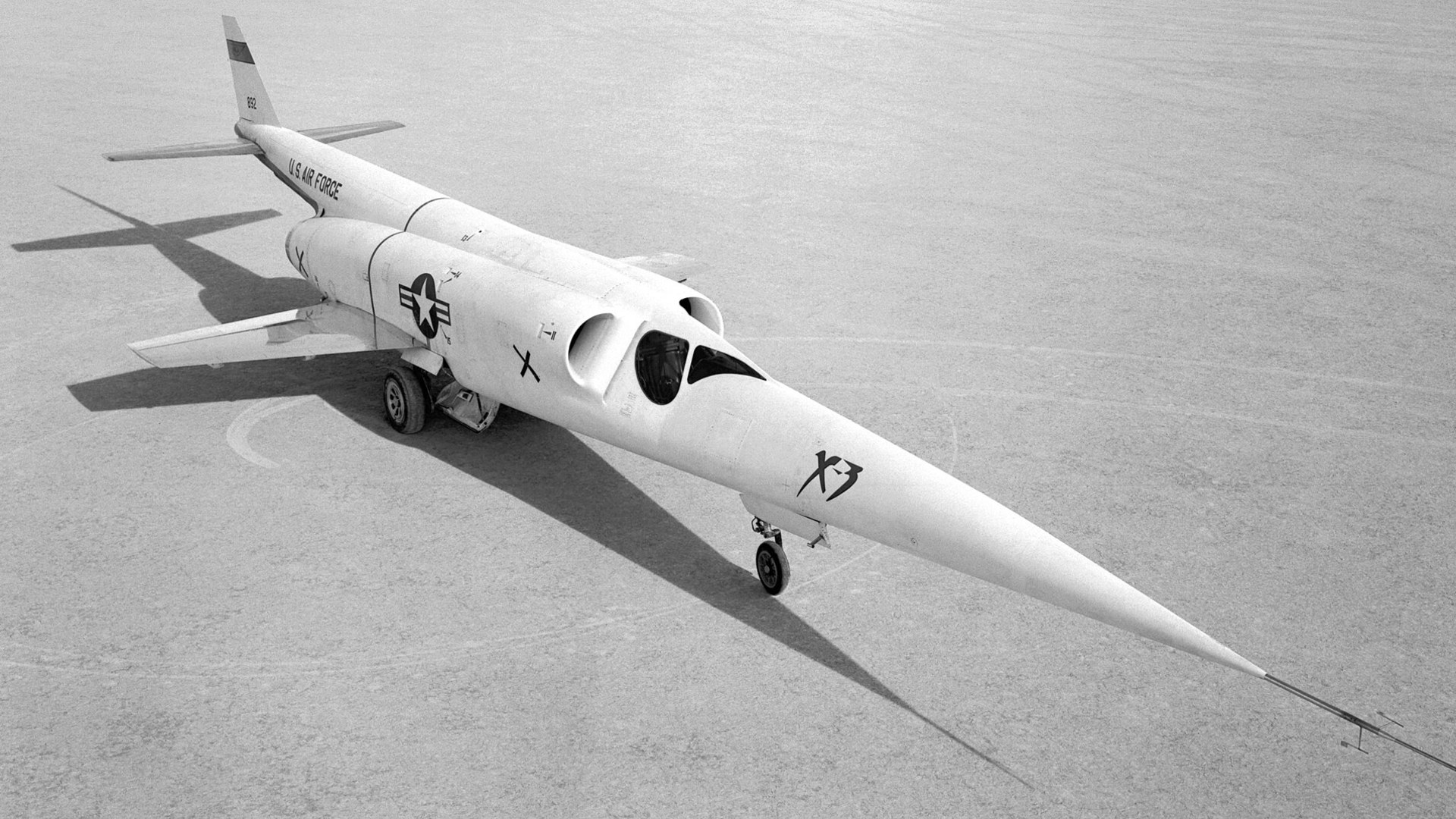
The needle-nosed Douglas X-3 Stiletto pioneered titanium skin panels and stubby wings when it flew at Edwards Air Force Base in October 1952. However, its scheduled high-thrust engines were cancelled, forcing engineers to install weaker Westinghouse J34s. It needed a shallow dive just to reach Mach 1.2.
11. Saunders-Roe Princess (1952)
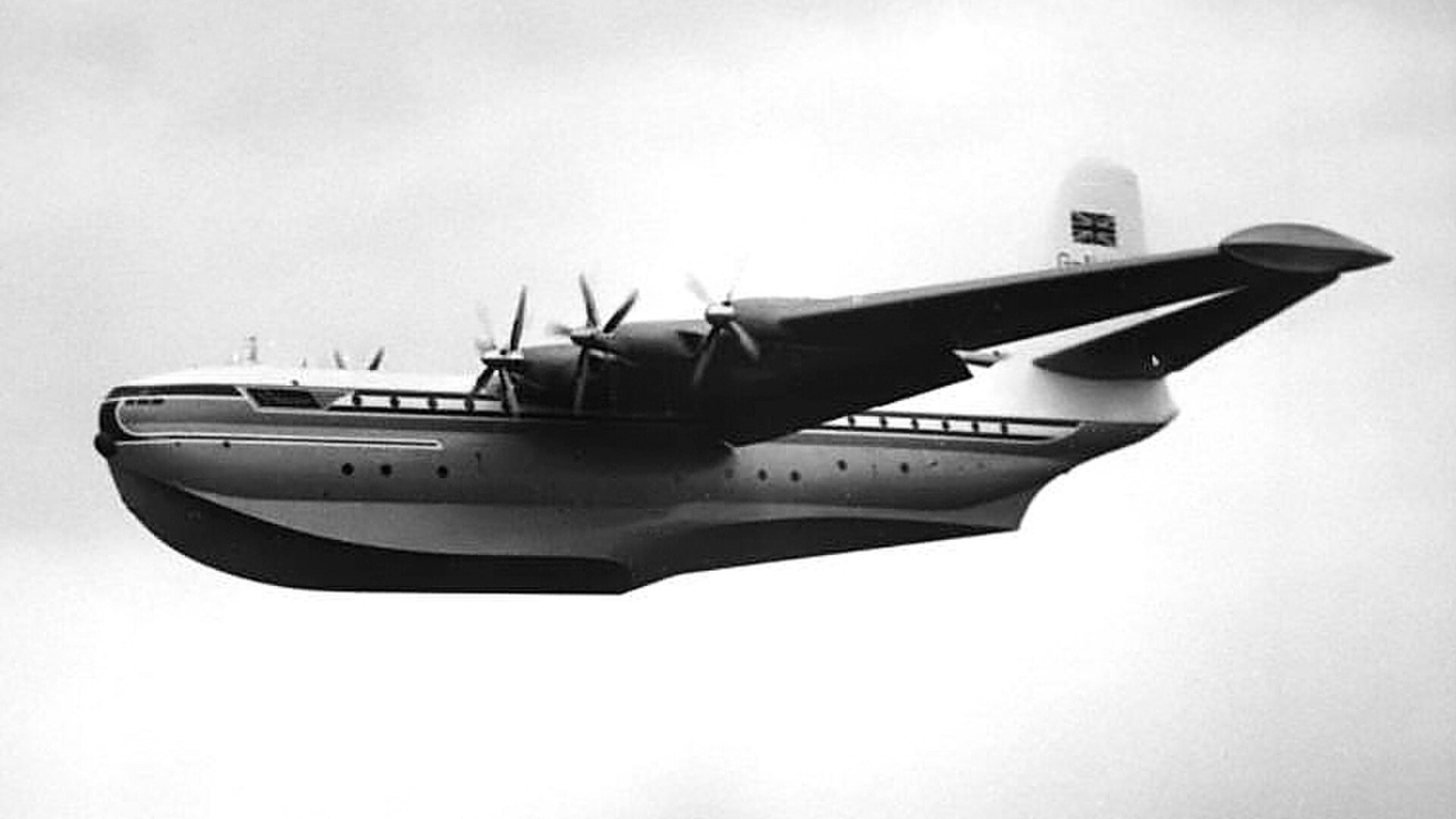
Designed to carry 105 passengers between Southampton and New York in ocean-liner comfort, the Saunders-Roe Princess flew for the first time in August 1952. Its Bristol Proteus turboprops proved unreliable, and long-range land runways had made flying boats obsolete. All three airframes were scrapped in 1967.
10. Convair XF2Y Sea Dart (1953)
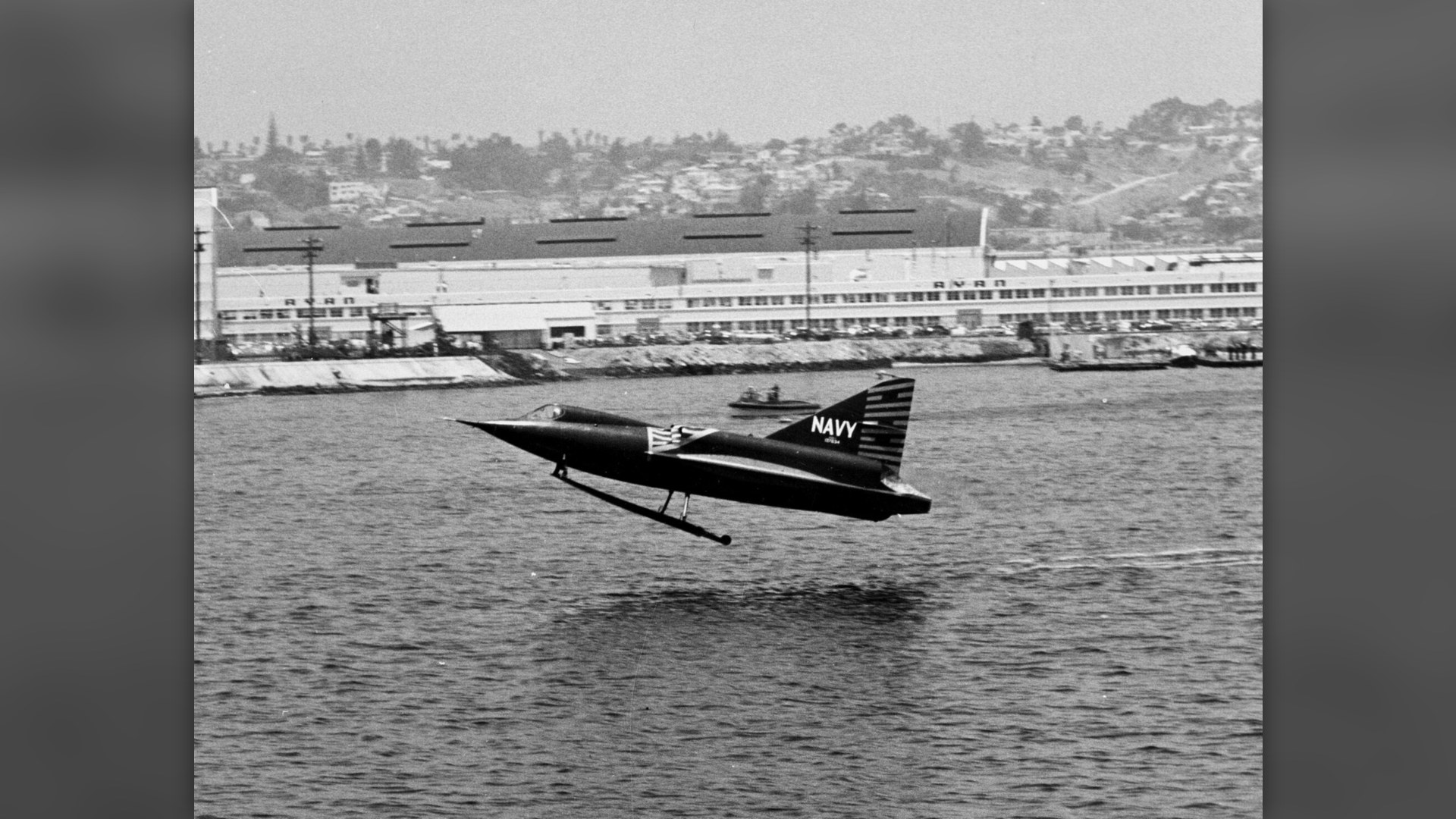
Fitted with twin retractable hydro-skis, the delta-wing XF2Y Sea Dart aimed to give the US Navy supersonic fighters that needed no aircraft carrier. Rough water pounding during takeoff rattled pilots inside the cockpit. After a prototype disintegrated over San Diego Bay in 1954, the Navy dropped the idea.
9. Convair XFY Pogo (1954)
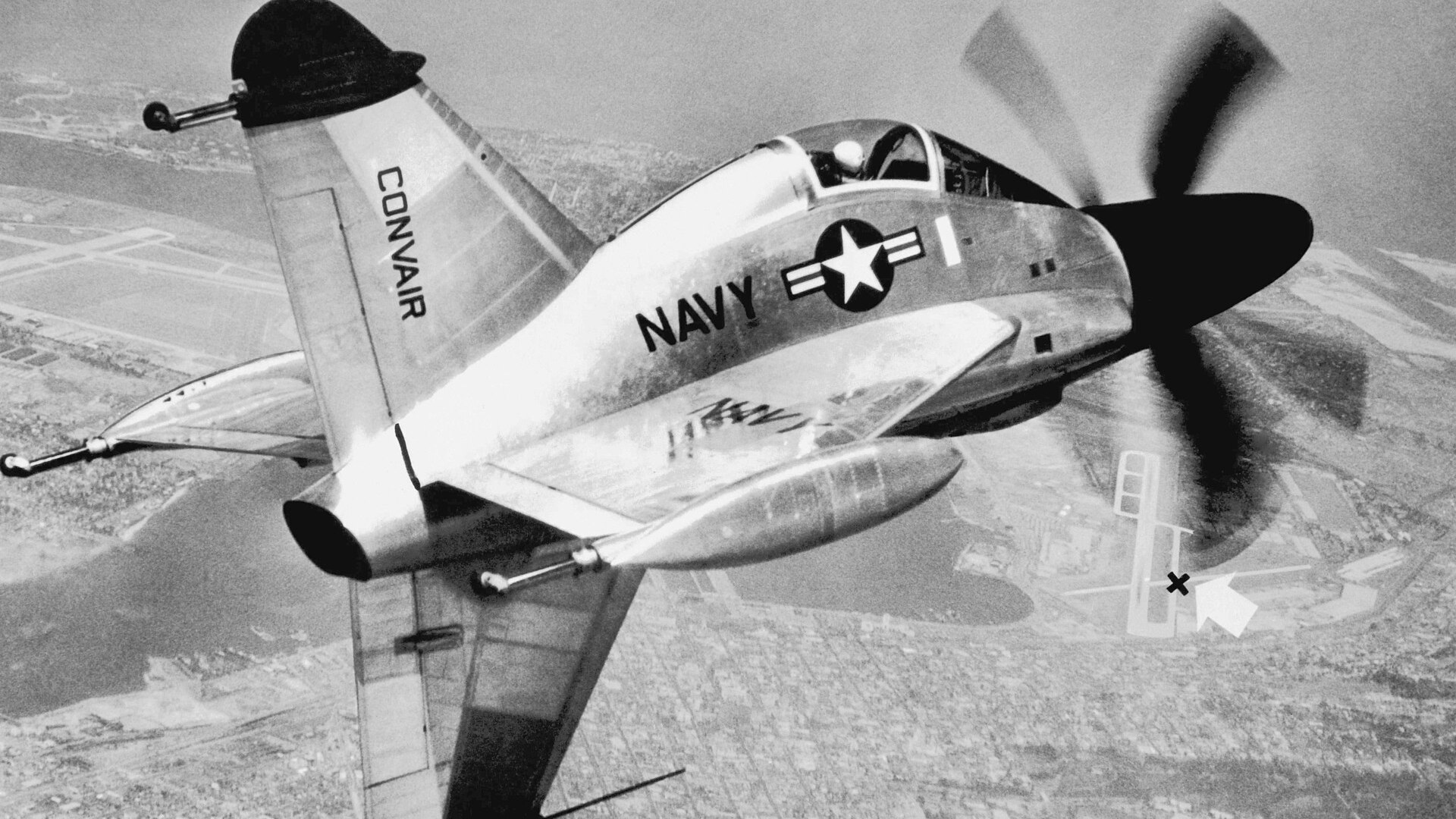
Designed to launch vertically from small Navy ships using two contrarotating propellers, the Convair XFY-1 Pogo achieved full horizontal transition flights in November 1954. Yet backing the aircraft down onto its tail fins required extreme precision in calm air. The Navy cancelled the program in 1956.
8. Republic XF-84H Thunderscreech (1955)
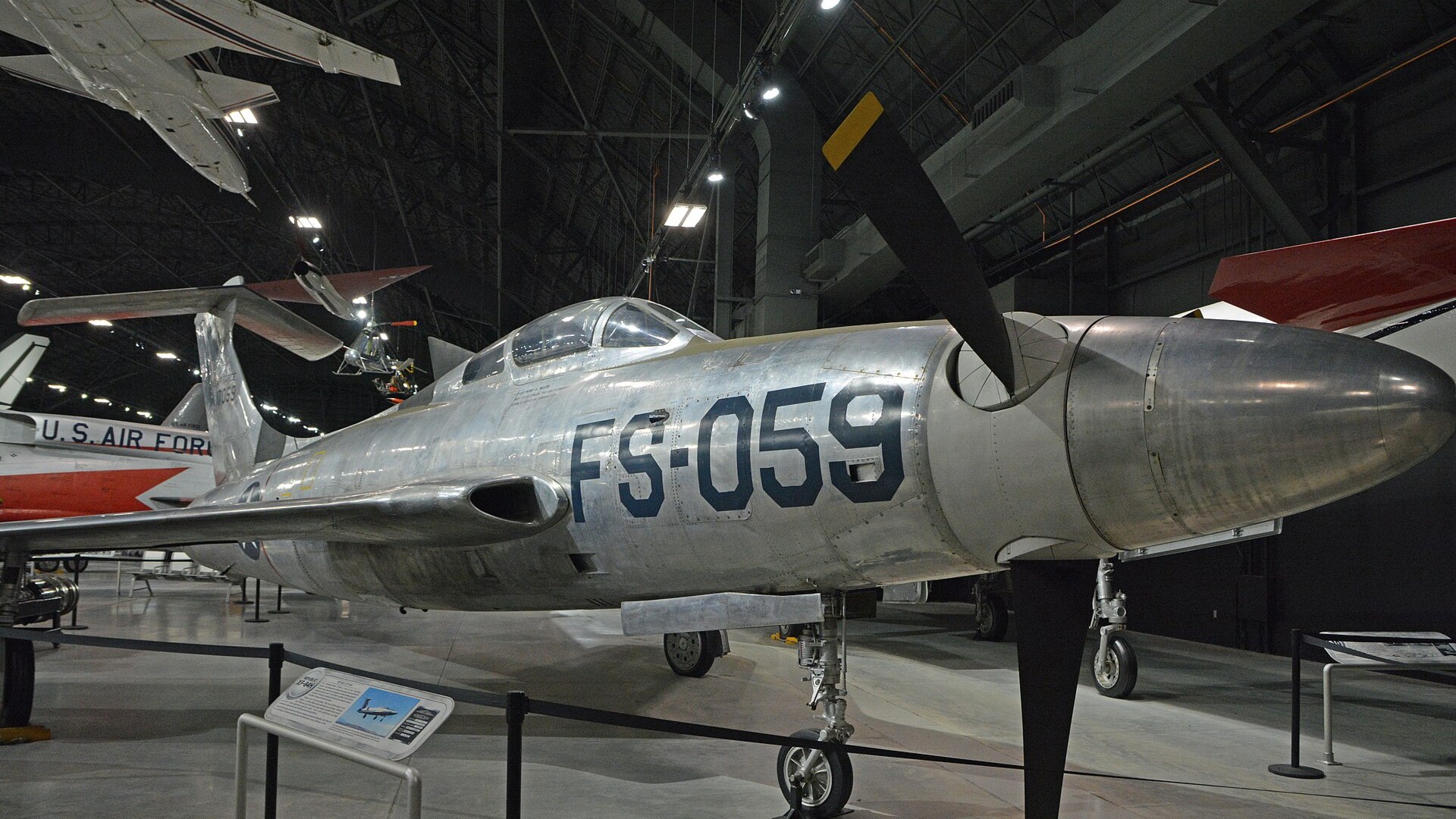
Built by mating a turboprop engine to an F-84F Thunderstreak fuselage, the XF-84H spun its propeller tips faster than sound even while idling on the ramp. The continuous sonic booms could be heard 25 miles away and caused severe nausea and seizures in nearby crew. Only two prototypes flew before cancellation.
7. Martin P6M SeaMaster (1955)
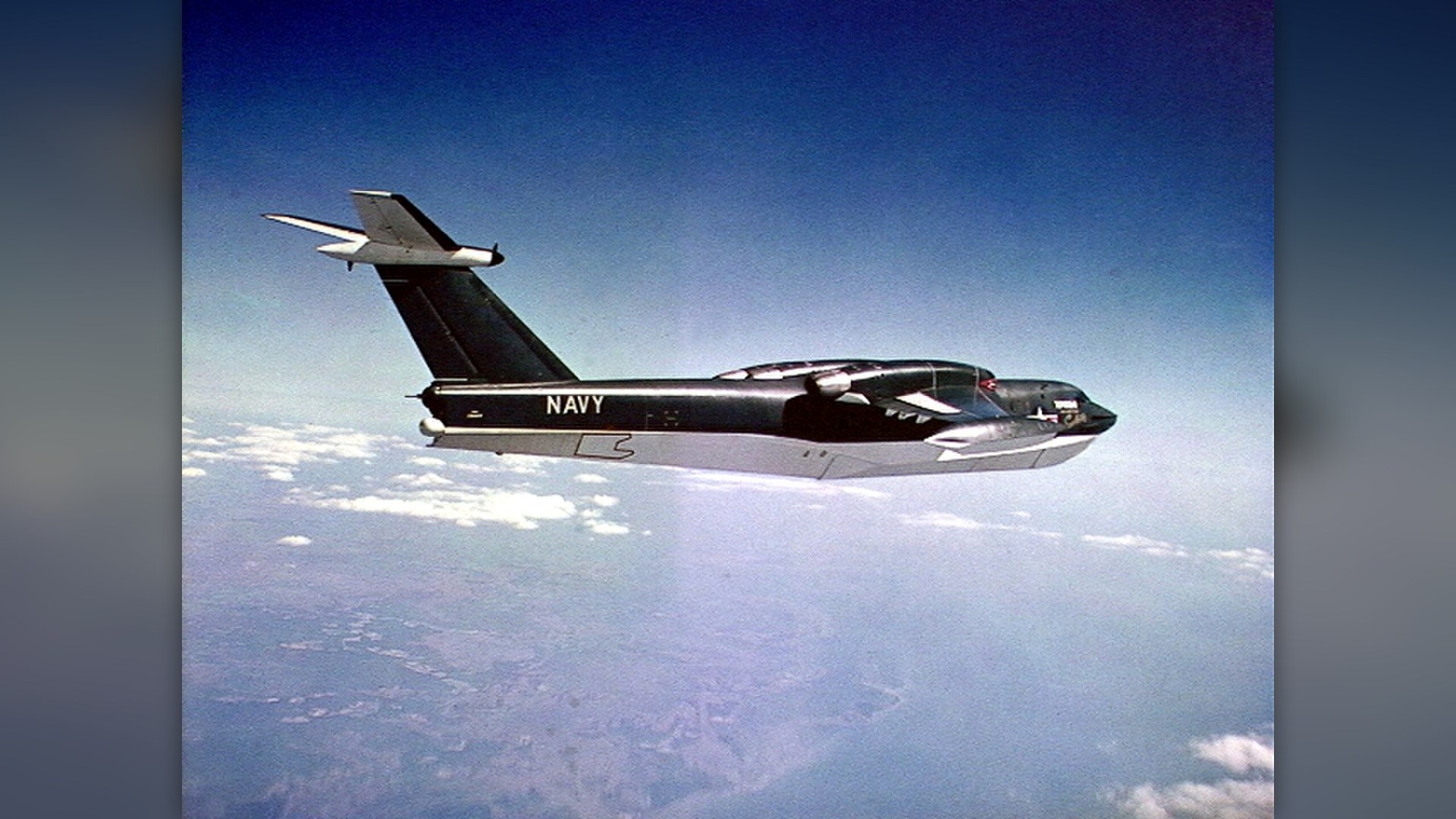
Powered by four Allison turbojets mounted above the wing, the sleek Martin P6M SeaMaster could hit 630 mph and refuel from submarines at sea. Both early prototypes crashed in 1955 and 1956 due to tail control faults. As Polaris missile submarines matured, the Navy cancelled the costly program in 1959.
6. Fairey Rotodyne (1957)
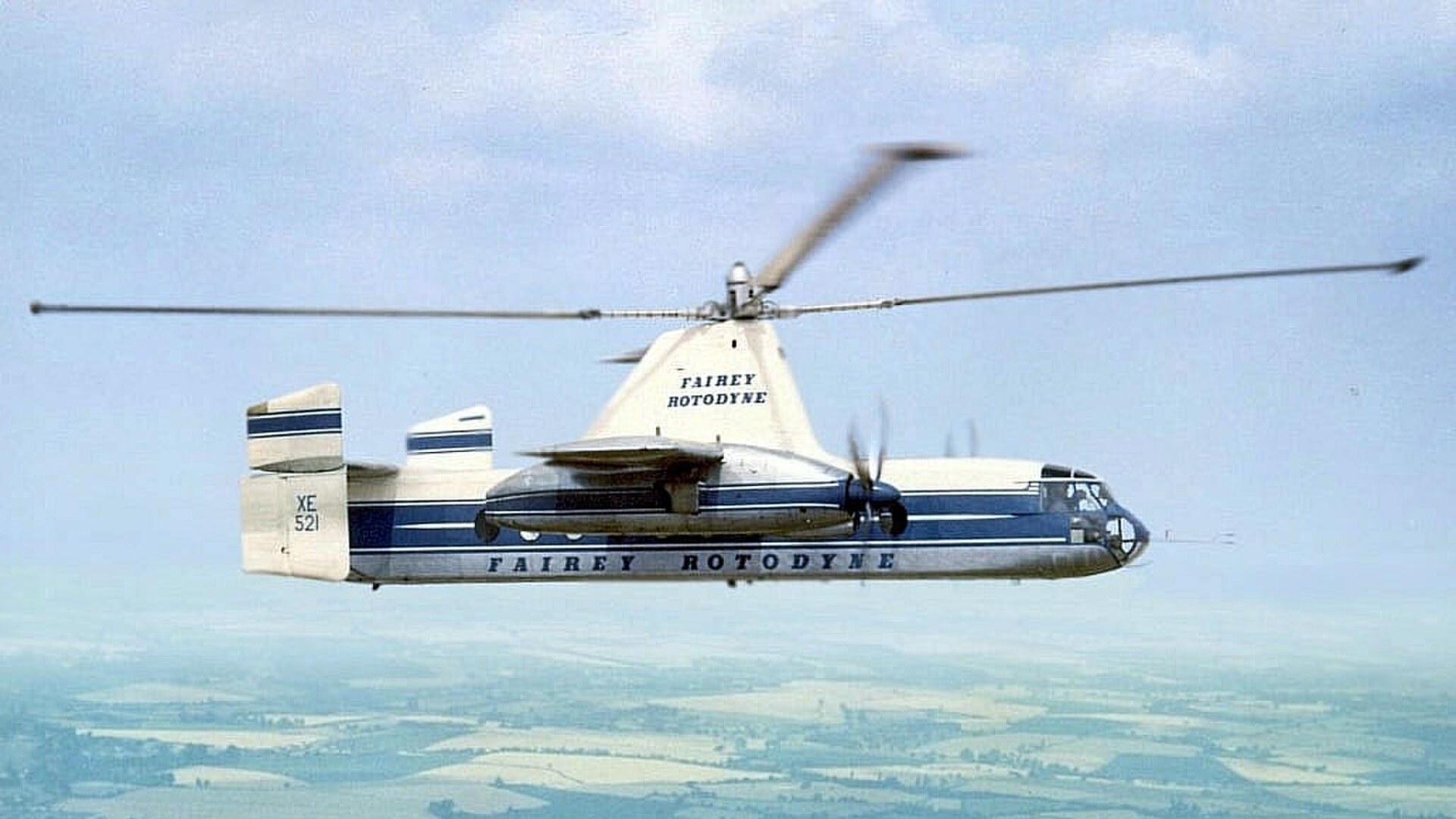
Combining a helicopter rotor for vertical lift with two turboprops for forward flight, the Fairey Rotodyne carried 40 passengers at 190 mph after its 1957 debut. However, pressure-jet burners on the rotor tips produced deafening noise during takeoff. Fading airline and military orders ended it in 1962.
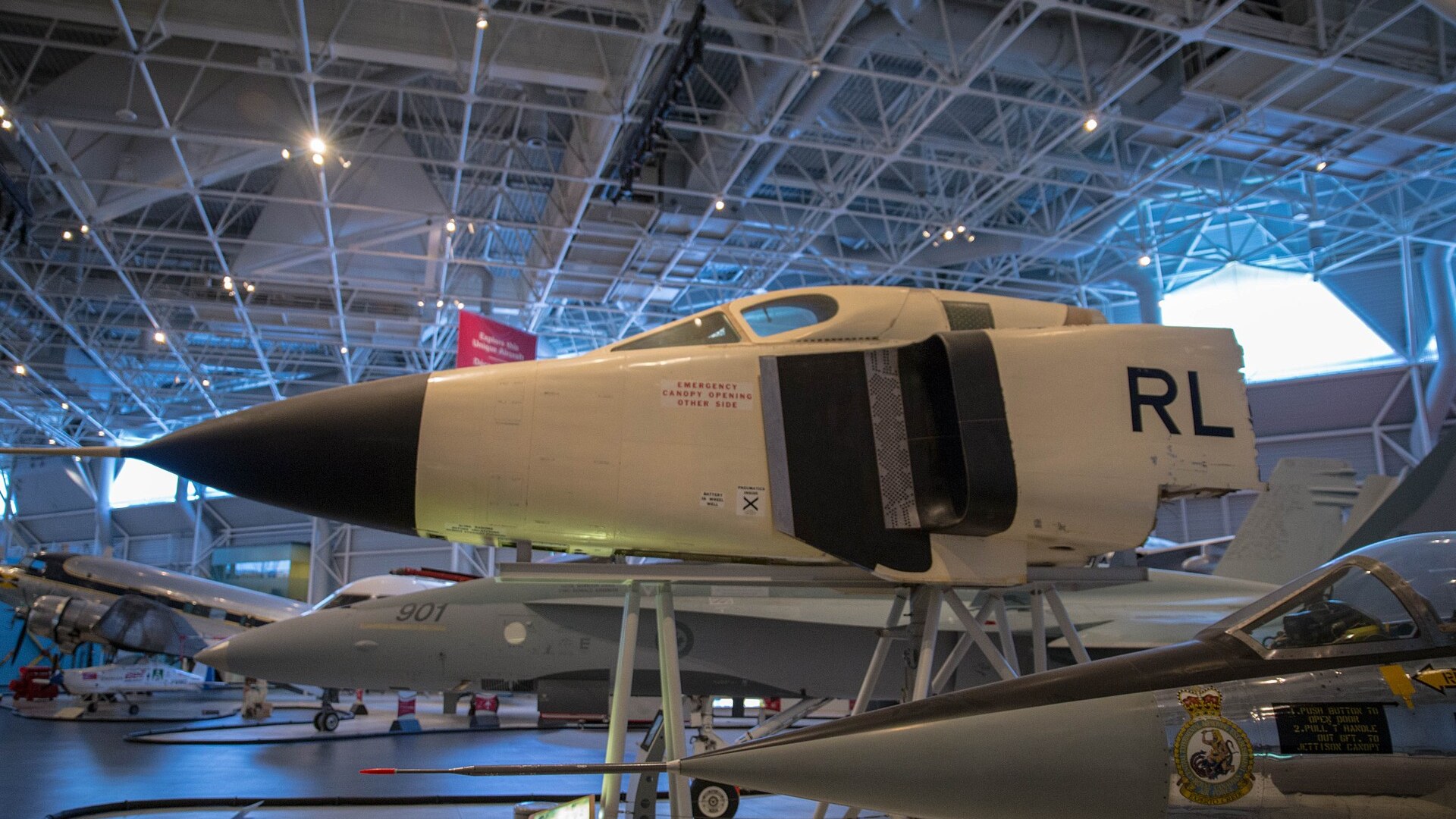
5. Avro Canada CF-105 Arrow (1958)
Designed to intercept Soviet bombers over the Arctic, the delta-wing Avro Arrow reached nearly Mach 2 during 1958 test flights out of Malton, Ontario. On February 20, 1959, Prime Minister John Diefenbaker cancelled the program over escalating costs and missile defense shifts, ordering all planes destroyed.
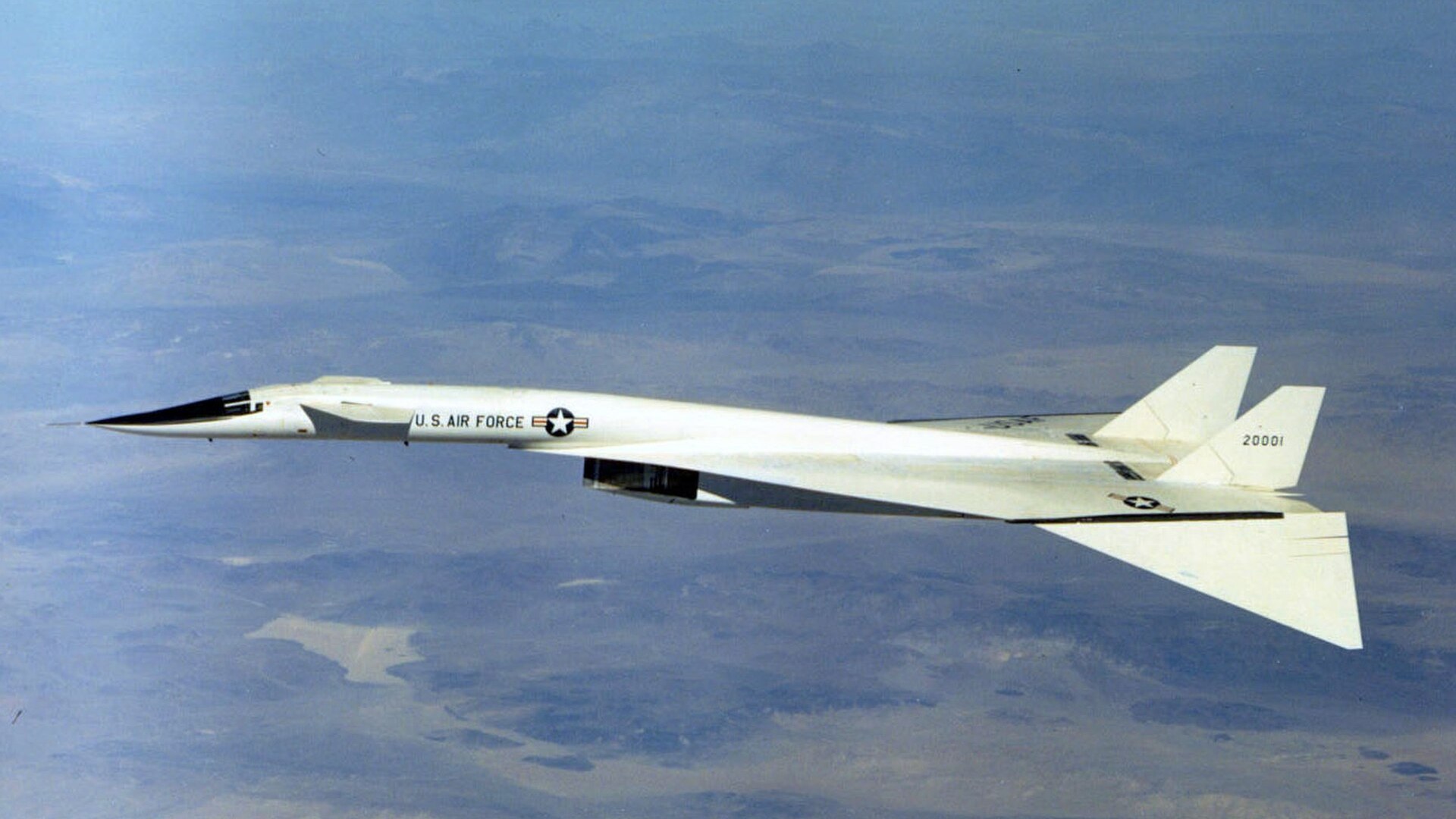
4. North American XB-70 Valkyrie (1964)
Built from brazed stainless-steel honeycomb to withstand 600-degree friction heat at Mach 3, the 185-foot XB-70 Valkyrie first flew in September 1964. High-altitude Soviet surface-to-air missiles made high-speed penetration obsolete. Only two flew, and one crashed after a 1966 photo-shoot collision.
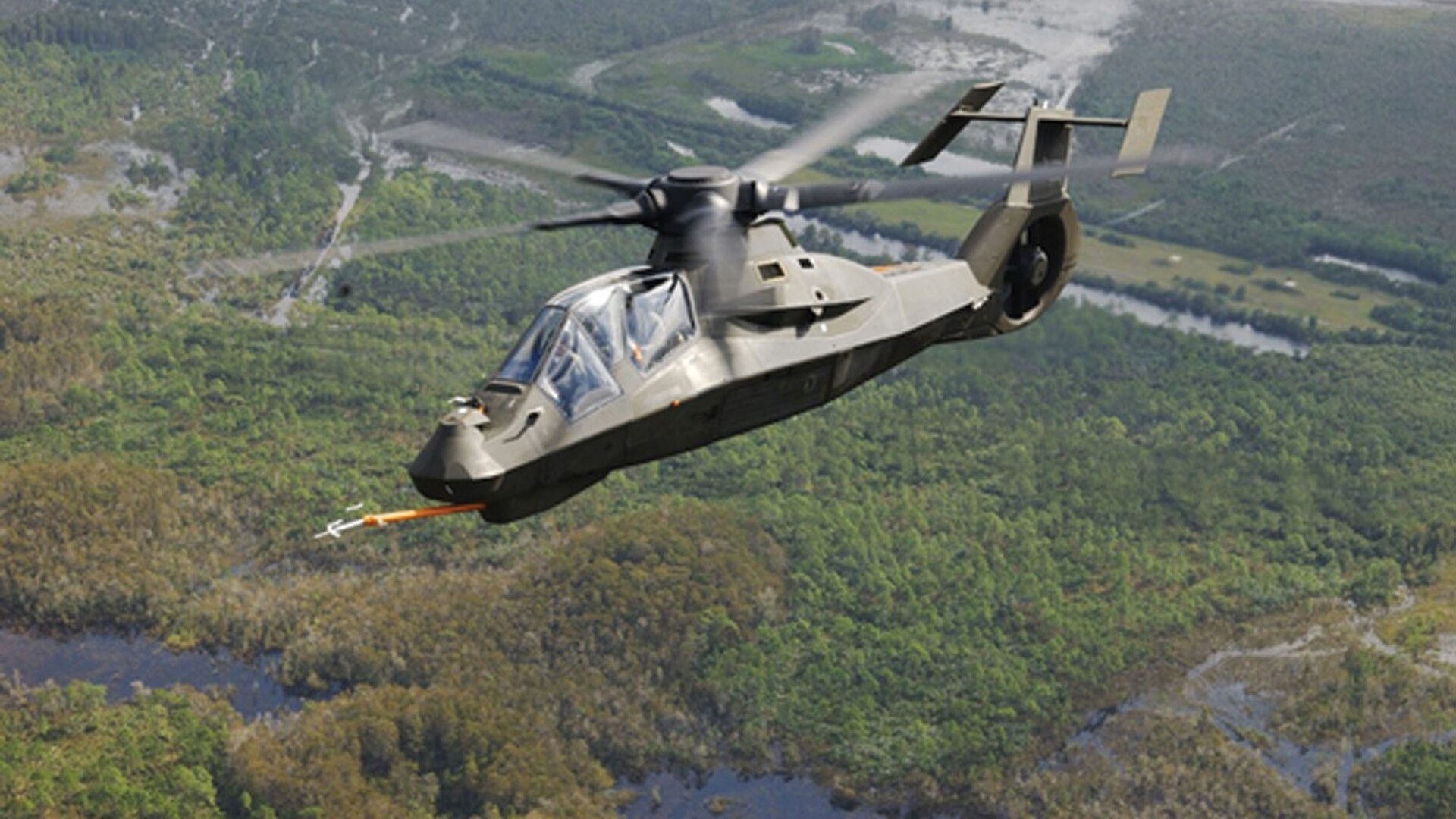
3. Boeing-Sikorsky RAH-66 Comanche (1996)
Developed by Boeing and Sikorsky with internal weapon bays and radar-evading composite panels, the RAH-66 Comanche first flew in January 1996. Rising weight, software delays, and shifting drone warfare priorities pushed costs to roughly $6.9 billion for just two prototypes before cancellation in February 2004.
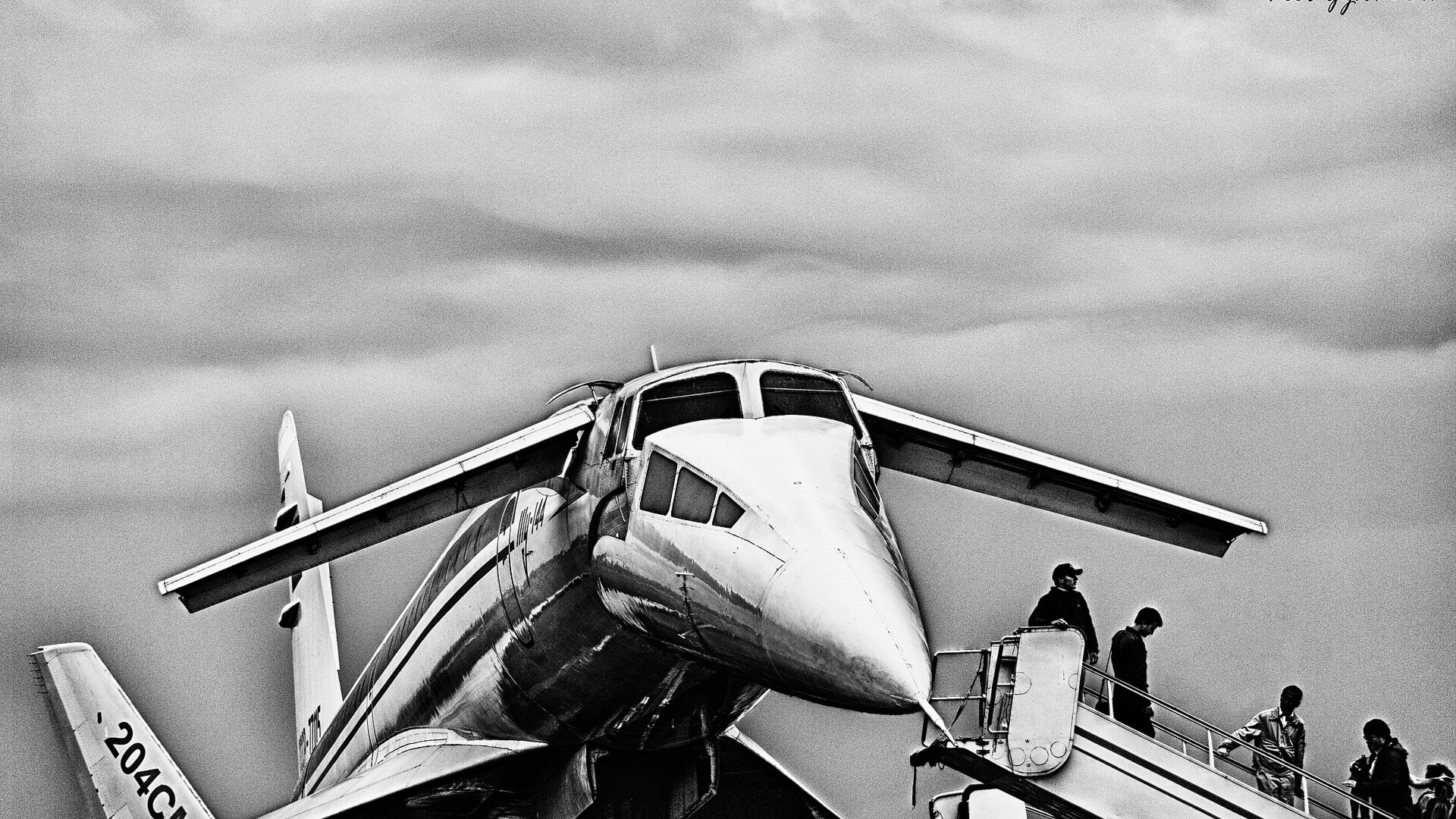
2. Tupolev Tu-144 (1968)
First flown in December 1968, two months before Concorde, the Tupolev Tu-144 suffered a fatal crash at the 1973 Paris Air Show and deafening cabin noise. Aeroflot operated only 55 scheduled passenger flights between Moscow and Alma-Ata before a May 1978 Tu-144D crash grounded passenger service forever.
1. Hughes H-4 Hercules (1947)
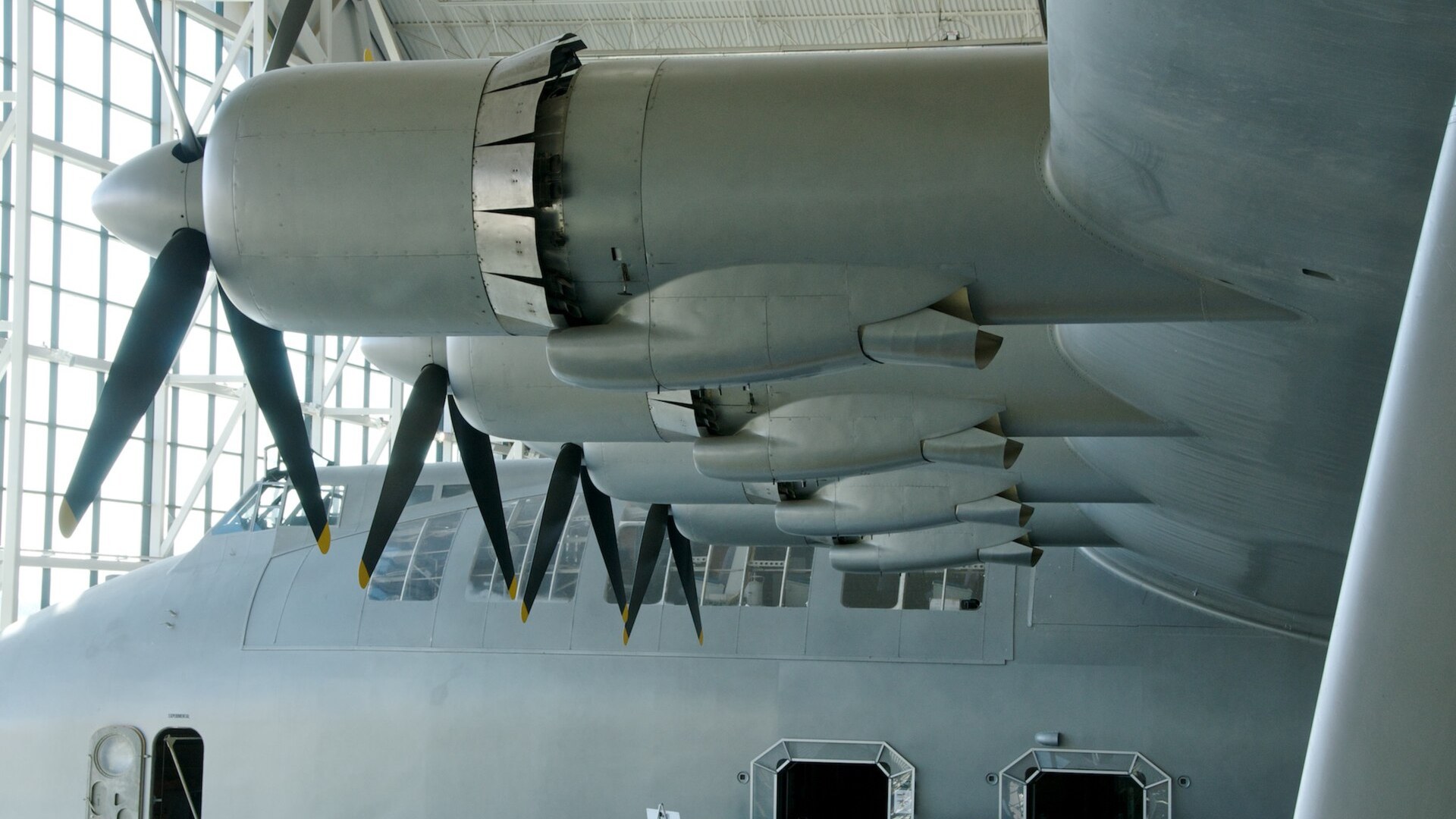
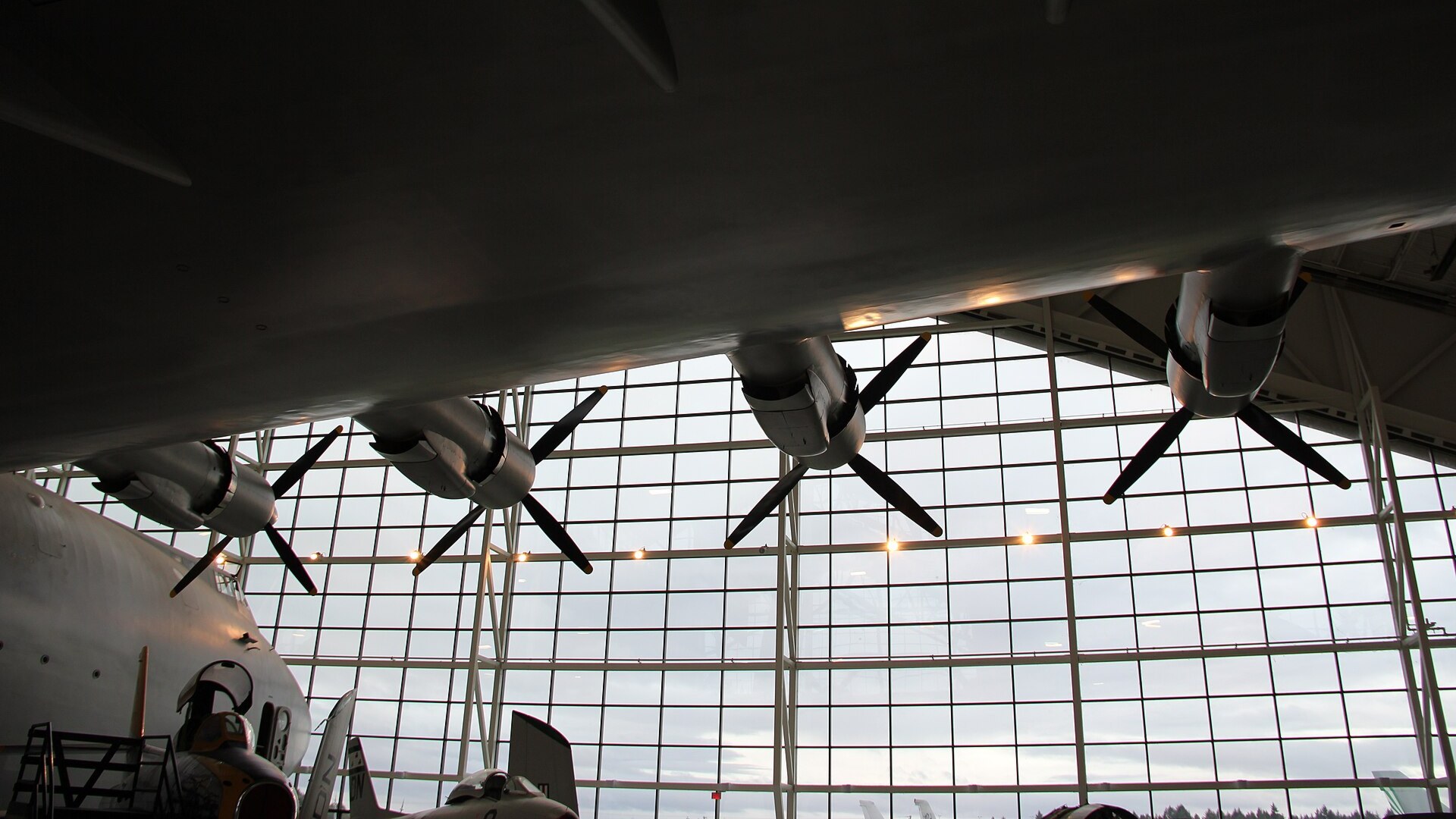
Constructed largely of laminated birch rather than spruce to save wartime metal, the eight-engine Hughes H-4 Hercules held a record 320-foot wingspan. On November 2, 1947, Howard Hughes lifted it 70 feet over Long Beach Harbor for roughly one mile. Today it sits preserved in McMinnville, Oregon.