Slideshow · Science
20 Autumn Skincare Tips Dermatologists Swear By
By Most Viral Today
20 Oct 2026

20 Autumn Skincare Rules Dermatologists Swear By For Glowing Skin 
20. Swap Foaming Gel For A Gentle Cleanser 
19. Turn Down Your Shower Water Temperature 
18. Run A Cool-Mist Humidifier Overnight - AdvertisementSwipe or tap ▶ to continue countdown

17. Limit Gritty Scrubs To Once A Week 
16. Press Hyaluronic Acid Onto Damp Skin 
15. Upgrade To A Ceramide Barrier Cream 
14. Seal In Moisture With Squalane Or Facial Oil - AdvertisementSwipe or tap ▶ to continue countdown

13. Buffer Retinoids With The Sandwich Method 
12. Fade Summer Sunspots With Vitamin C Serum 
11. Calm Chapped Windburn With Aloe And Panthenol 
10. Trade Drying Clay Masks For Hydrating Masks - AdvertisementSwipe or tap ▶ to continue countdown

9. Moisturize Within Three Minutes Of Showering 
8. Coat Cracked Lips With Occlusive Balm At Night 
7. Apply Glycerin Hand Cream After Every Wash 
6. Soften Rough Autumn Heels With Shea Butter - AdvertisementSwipe or tap ▶ to continue countdown

5. Soothe Fall Eczema Itch With Colloidal Oatmeal 
4. Tap Peptide Cream Around Delicate Under-Eyes 
3. Feed Your Lipid Barrier With Omega-3 Fats 
2. Book Your Post-Summer Full-Body Skin Exam - AdvertisementSwipe or tap ▶ to continue countdown

1. Wear Broad-Spectrum SPF 30+ Every Autumn Day - Advertisement🔥 UP NEXT IN THIS SERIES◫ 23 Slides

22 High-Calorie Burning Exercises Ranked by Harvard Medical Data
Ranked according to Harvard Medical School caloric expenditure data, these 22 physical exercises burn the highest number of calories per hour for optimal cardiovascular health. Medical data reveals true effort.
When crisp October air and indoor heating team up to strip your skin barrier, summer gels won't cut it. Here are 20 autumn skincare adjustments dermatologists recommend most.
Swipe or tap ▶ to begin the countdown
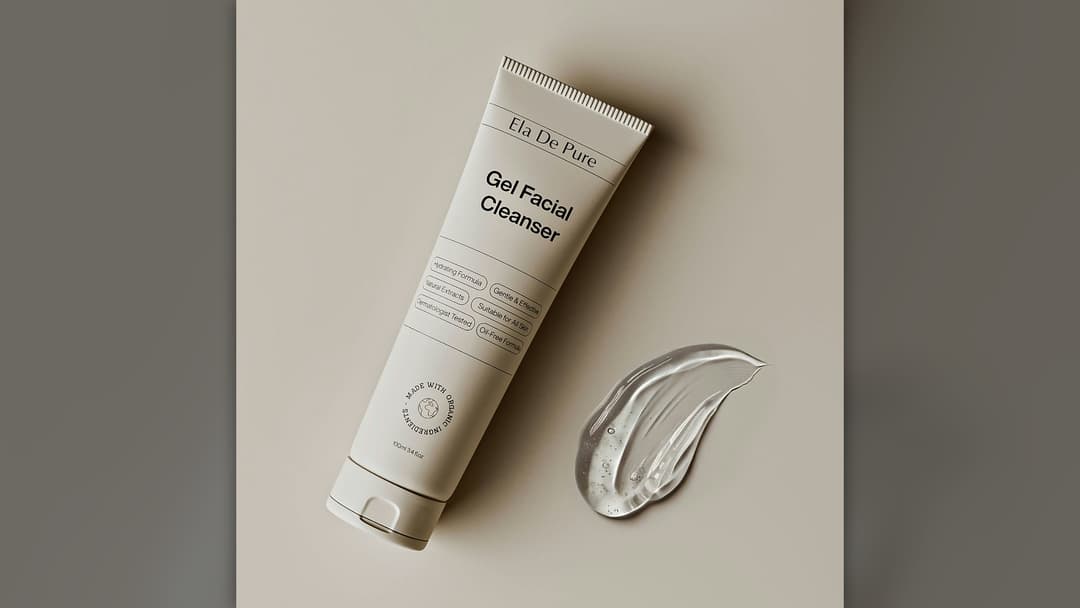
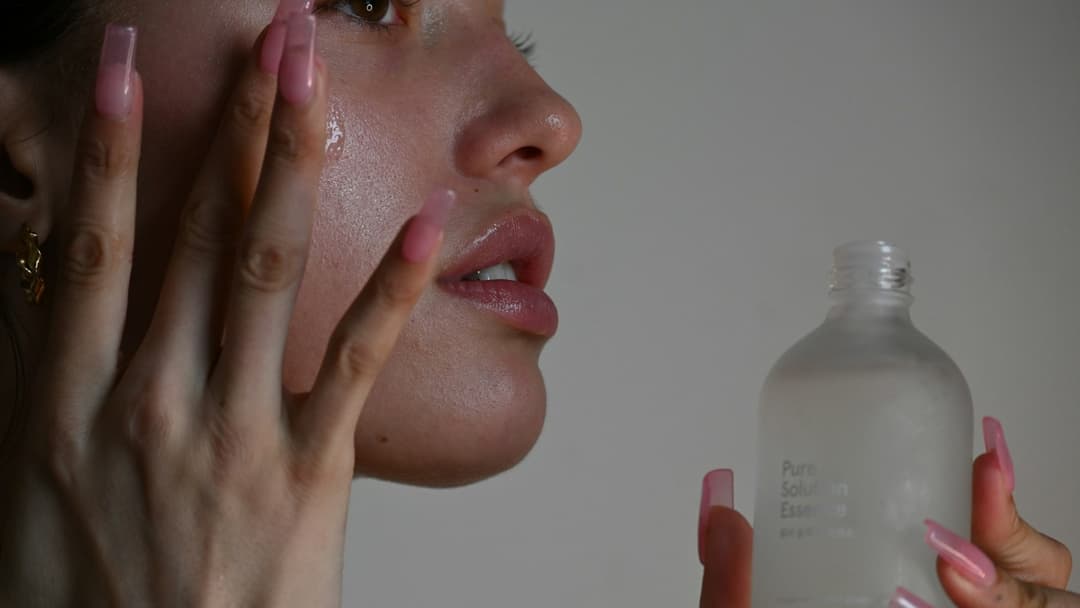
20. Swap Foaming Gel For A Gentle Cleanser
High-lather foaming cleansers are great for humid July afternoons, but in autumn they strip away essential intercellular lipids. Dermatologists recommend switching to a non-foaming cream, lotion, or micellar gel cleanser that removes sunscreen without leaving your cheeks tight.
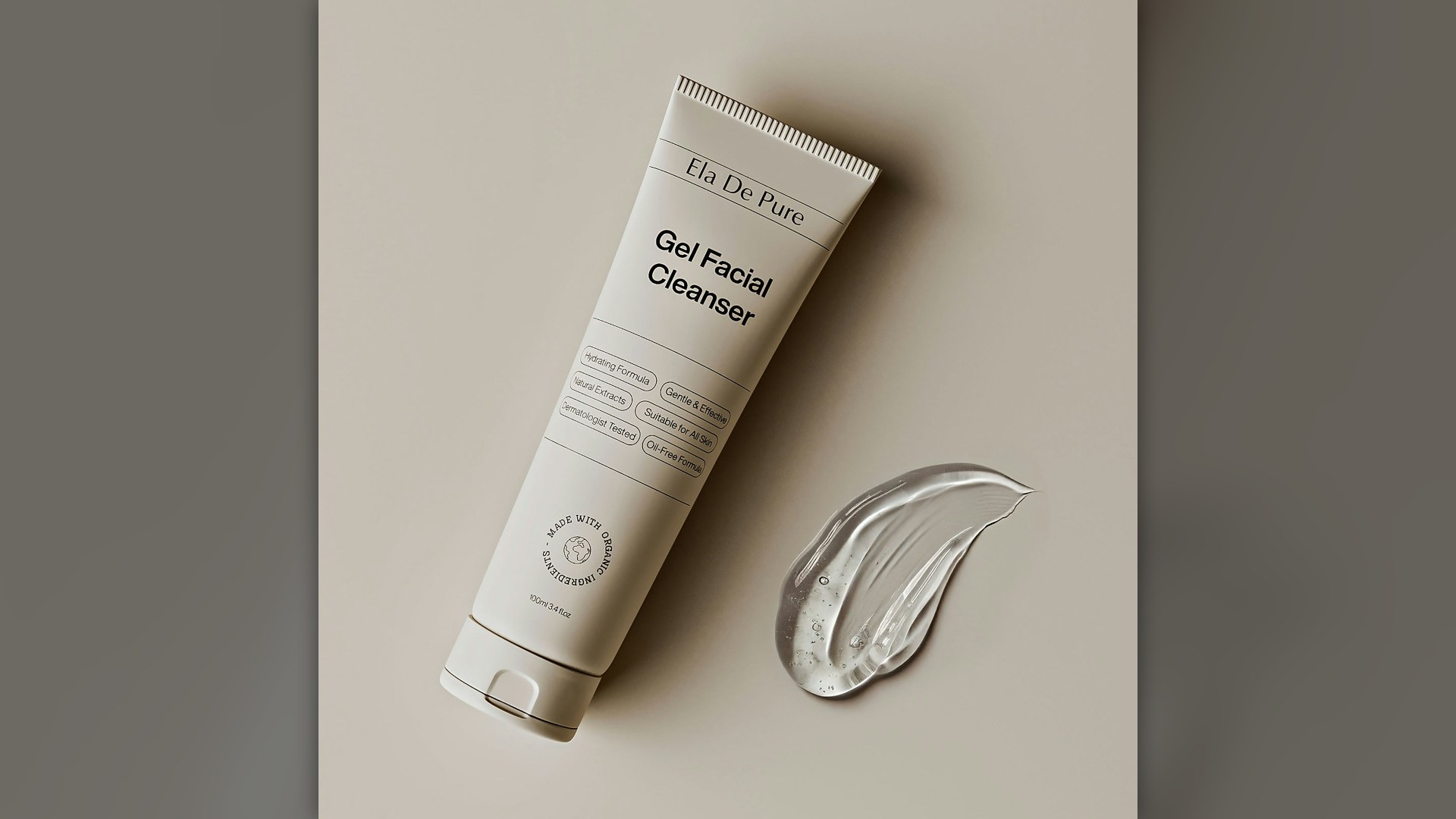
© Photo by Ela De Pure on Unsplash
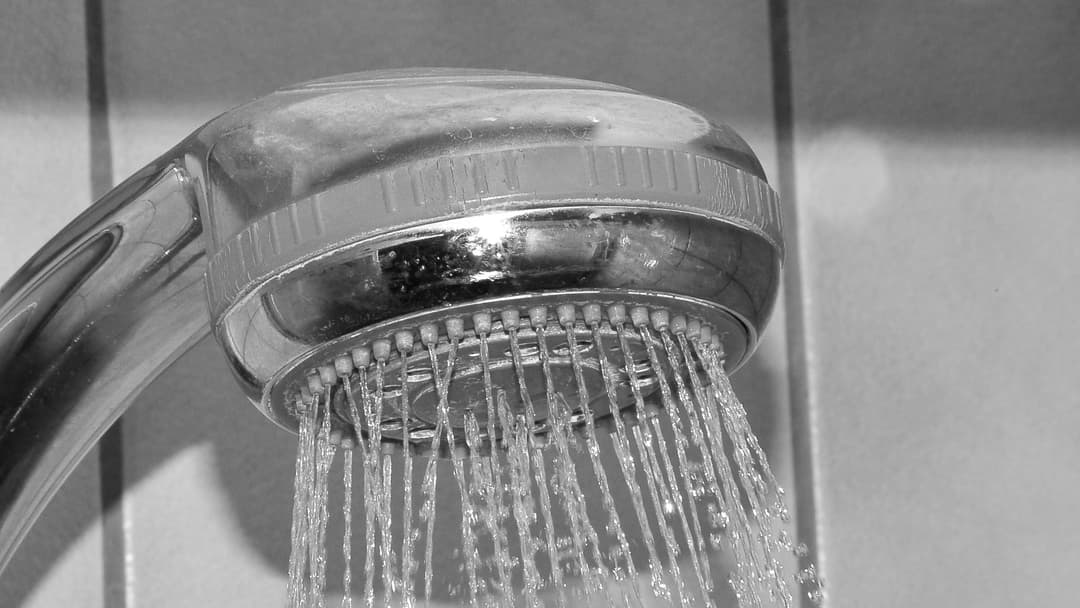
19. Turn Down Your Shower Water Temperature
Nothing feels better on a chilly October morning than a steaming-hot shower, but water above 105°F rapidly dissolves your epidermis's protective lipid barrier. Keep showers lukewarm and under 10 minutes to prevent winter itch and transepidermal water loss.
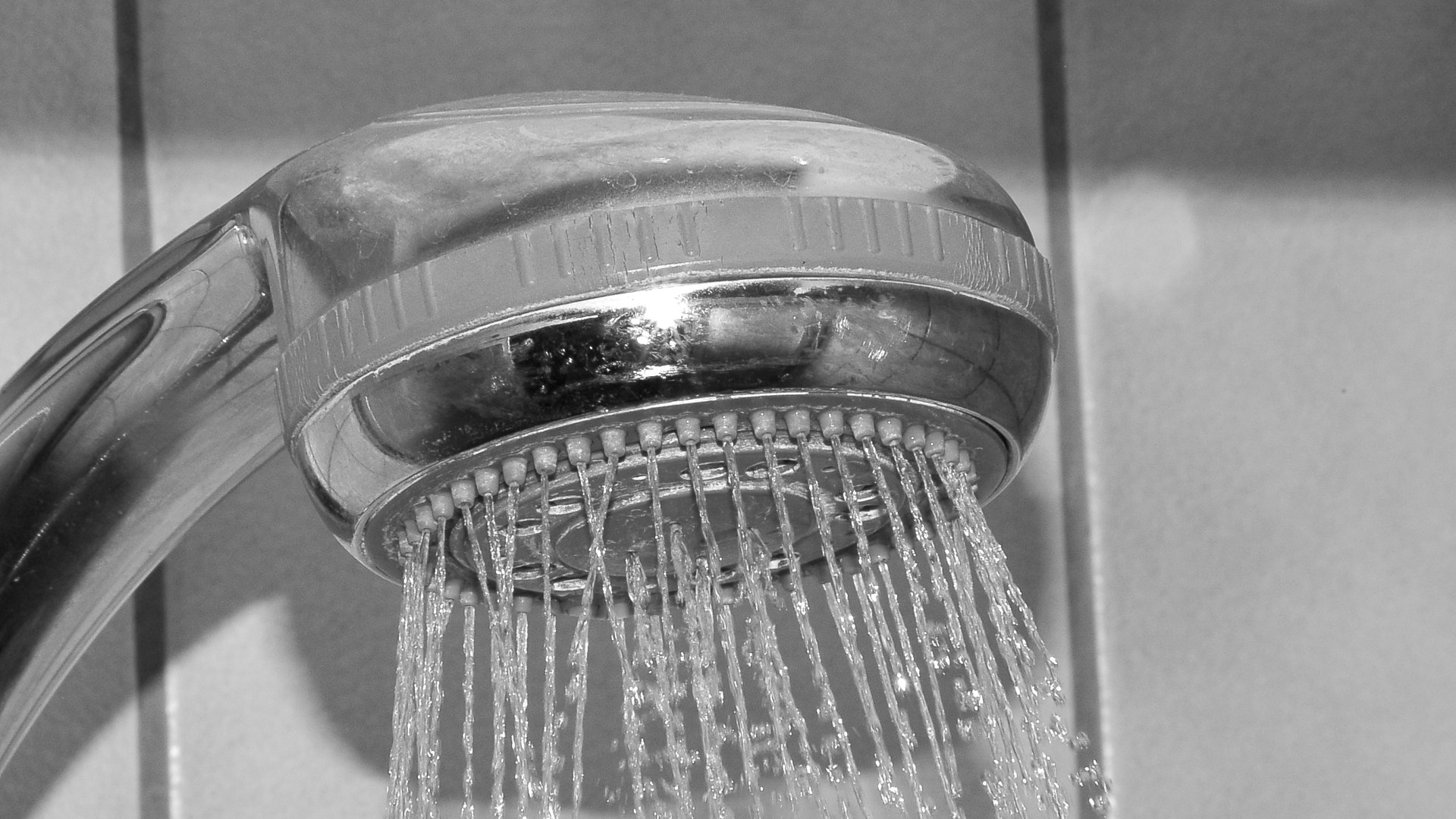
©Wikimedia / Nicole-Koehler
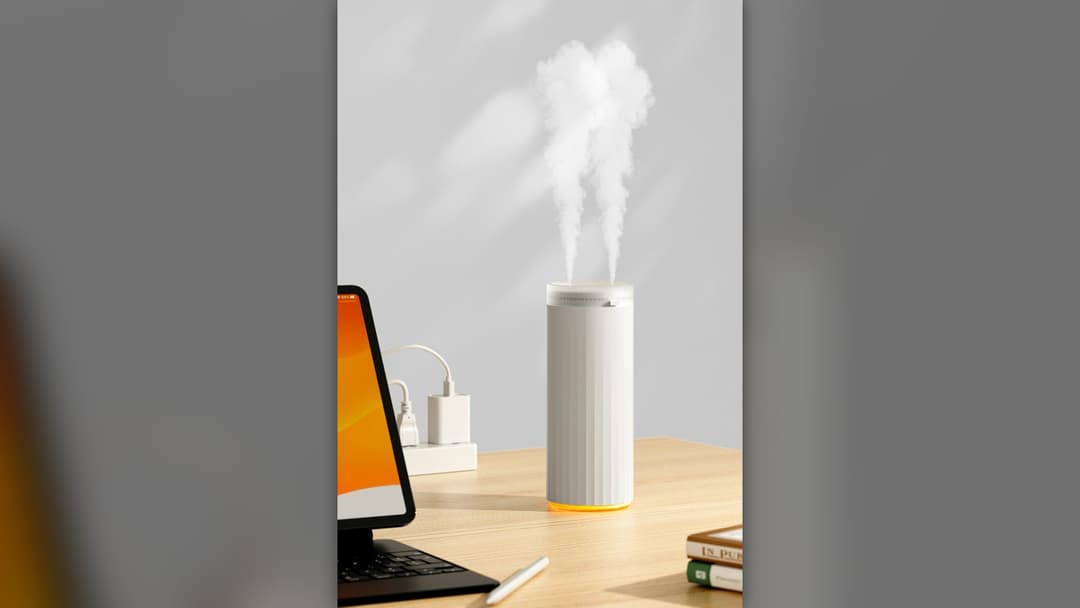
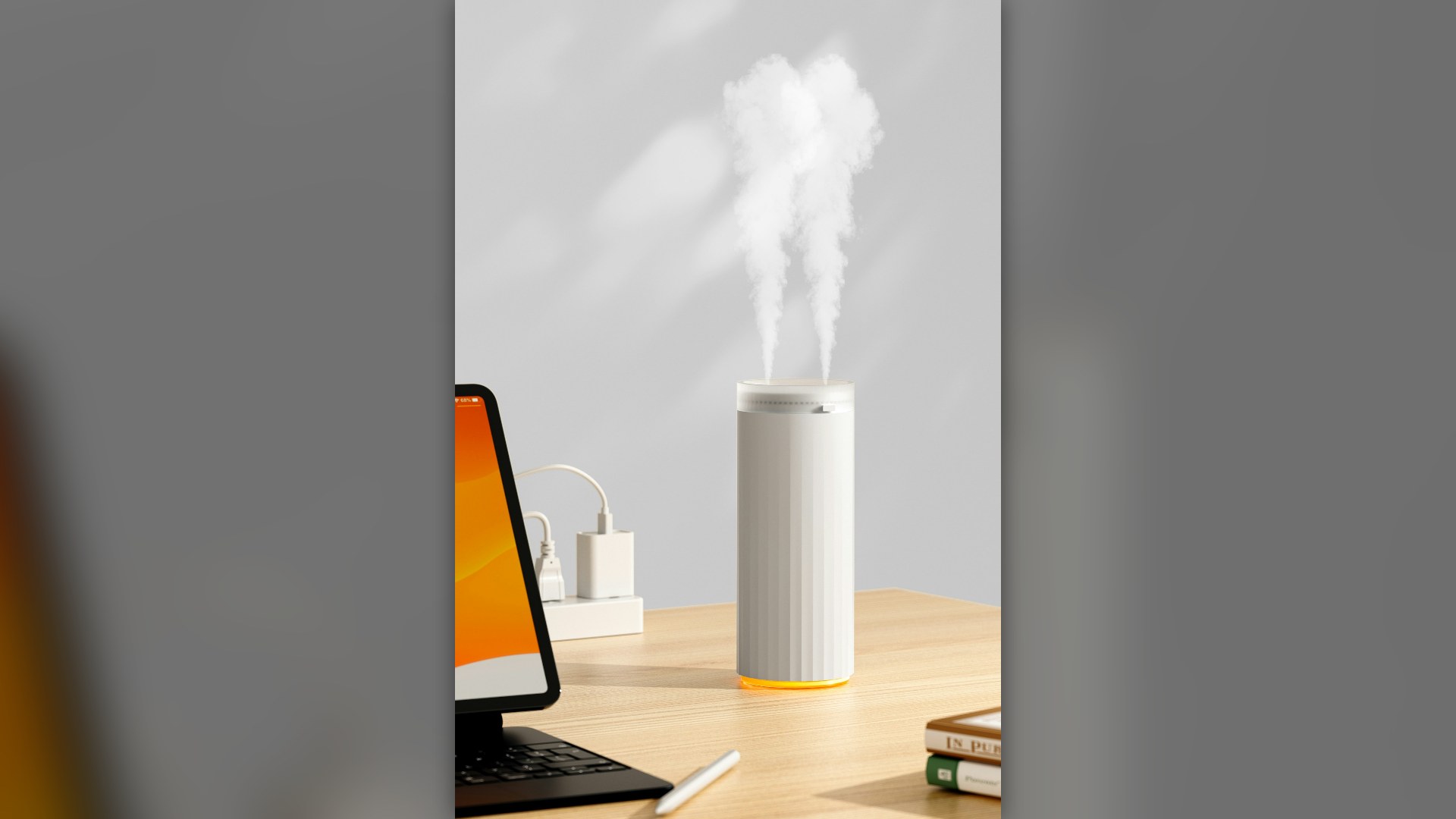
18. Run A Cool-Mist Humidifier Overnight
Once central heating kicks on in autumn, indoor relative humidity often plummets to desert levels overnight. Running a cool-mist humidifier next to your bed keeps ambient humidity between 40% and 60%, preventing dry air from siphoning water out of your stratum corneum while you sleep.
© Photo by zeliang xiao on Unsplash
Advertisement
Swipe or tap ▶ to resume the countdown.
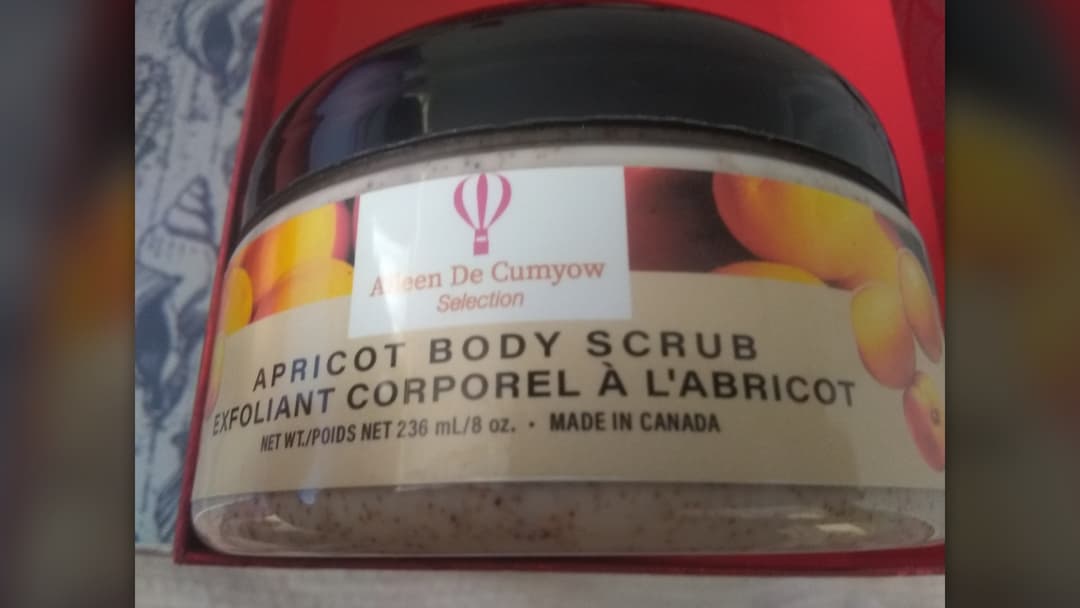
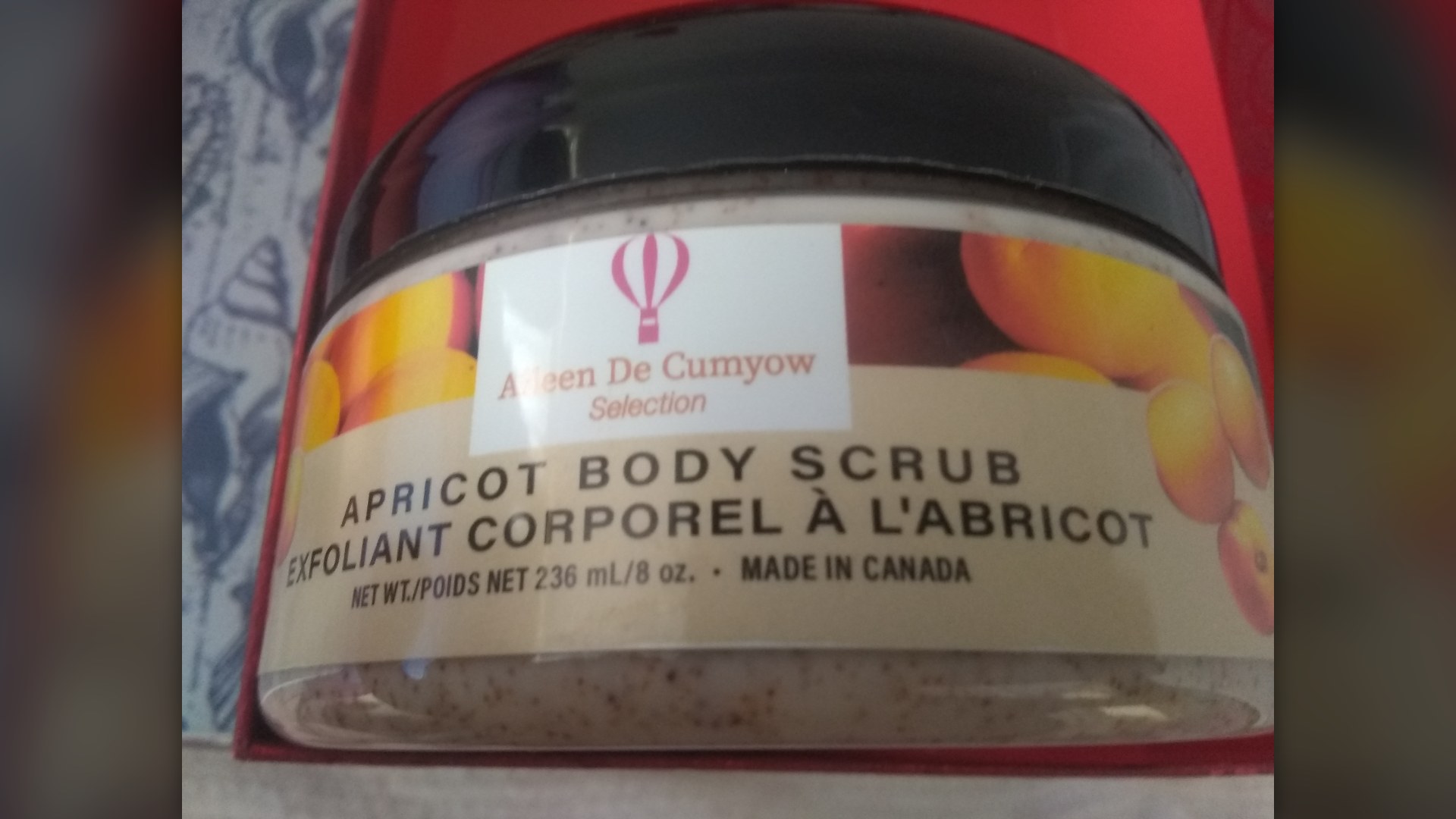
17. Limit Gritty Scrubs To Once A Week
When dry autumn patches appear, the instinct is to scrub them away—but harsh physical exfoliants tear an already compromised skin barrier. Dermatologists advise cutting exfoliation back to once or twice a week and favoring gentle polyhydroxy or lactic acids over coarse scrubs.
©Wikimedia / PurpleOstrich
16. Press Hyaluronic Acid Onto Damp Skin
Hyaluronic acid is a humectant sponge that binds up to 1,000 times its weight in water—but if the air around you is dry and your face is towel-dried, it pulls water up from deeper skin layers instead. Always press hydrating serums onto visibly damp skin and seal them immediately.

©Wikimedia / Shixart1985
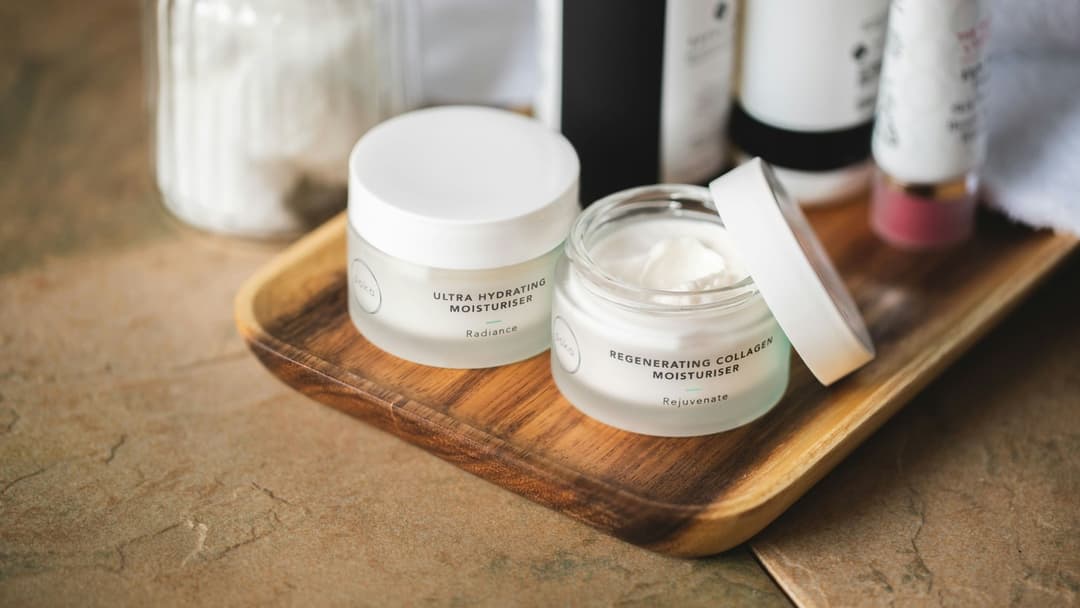
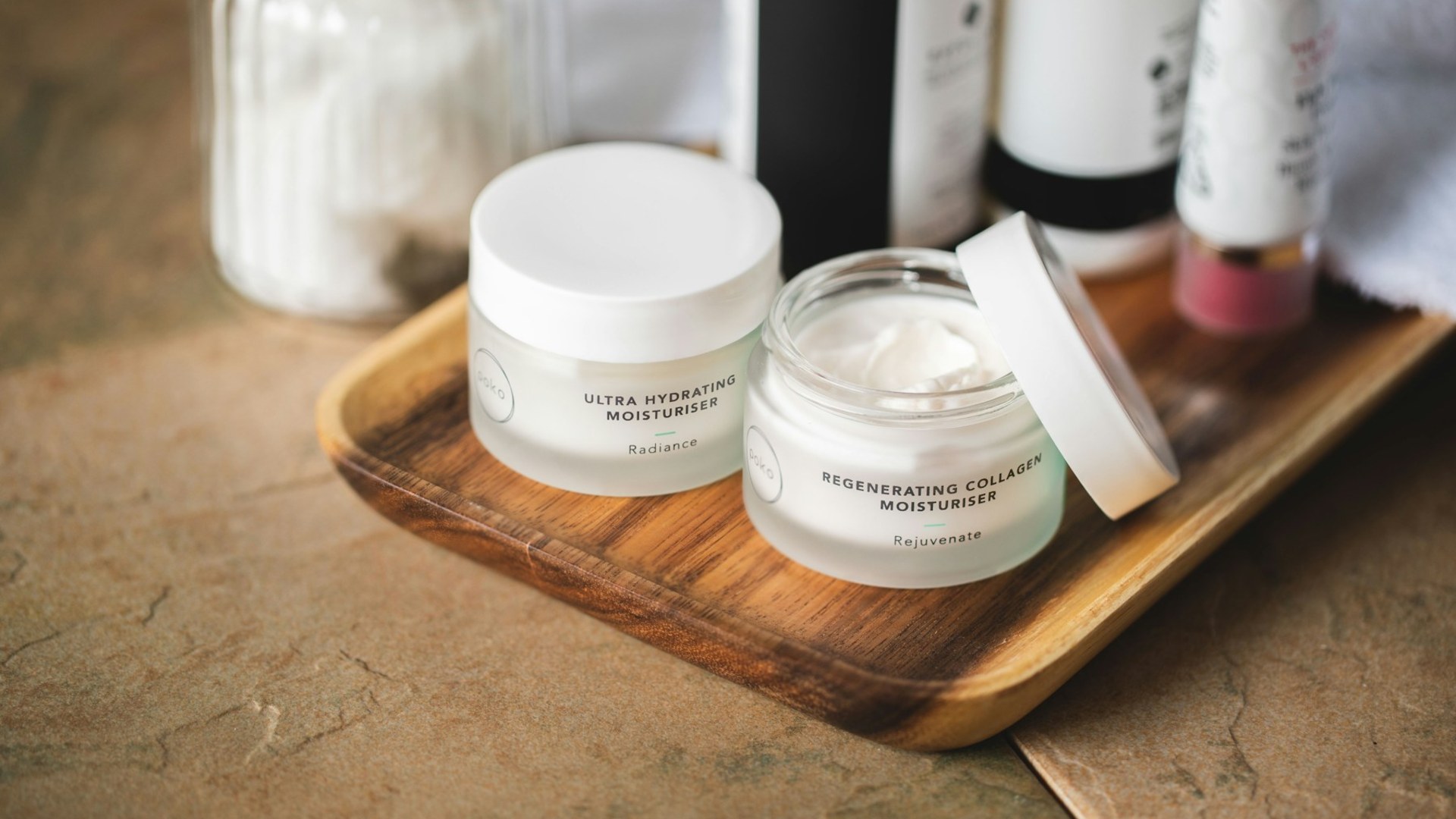
15. Upgrade To A Ceramide Barrier Cream
Think of your outer skin layer as a brick wall: skin cells are the bricks, and natural lipids are the mortar. Cold wind depletes ceramide levels fast, so dermatologists recommend swapping lightweight summer water-gels for rich creams formulated with ceramides, cholesterol, and fatty acids.
© Photo by Poko Skincare on Unsplash
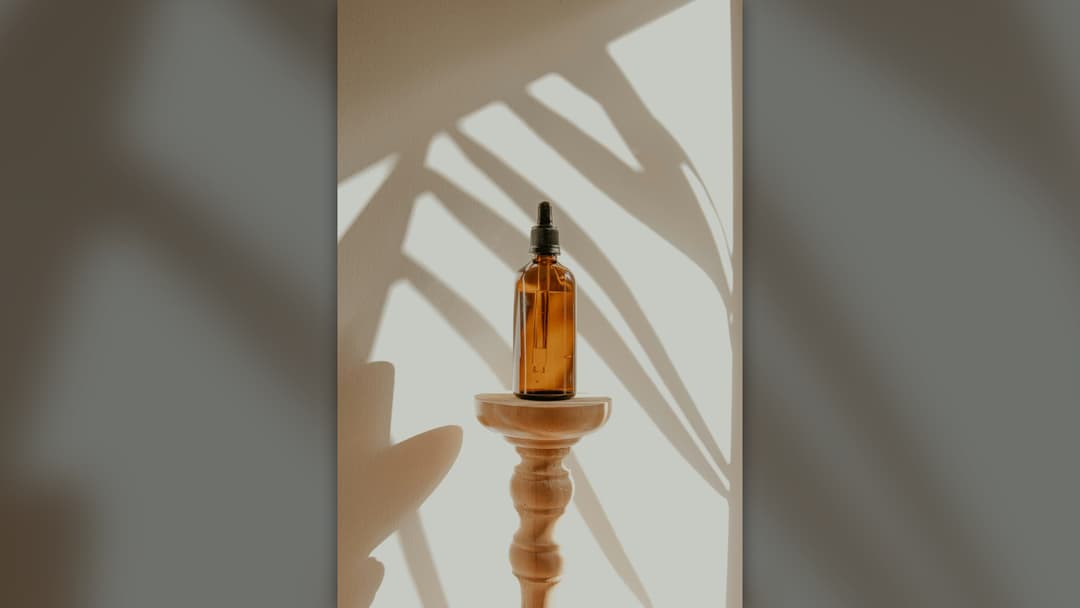
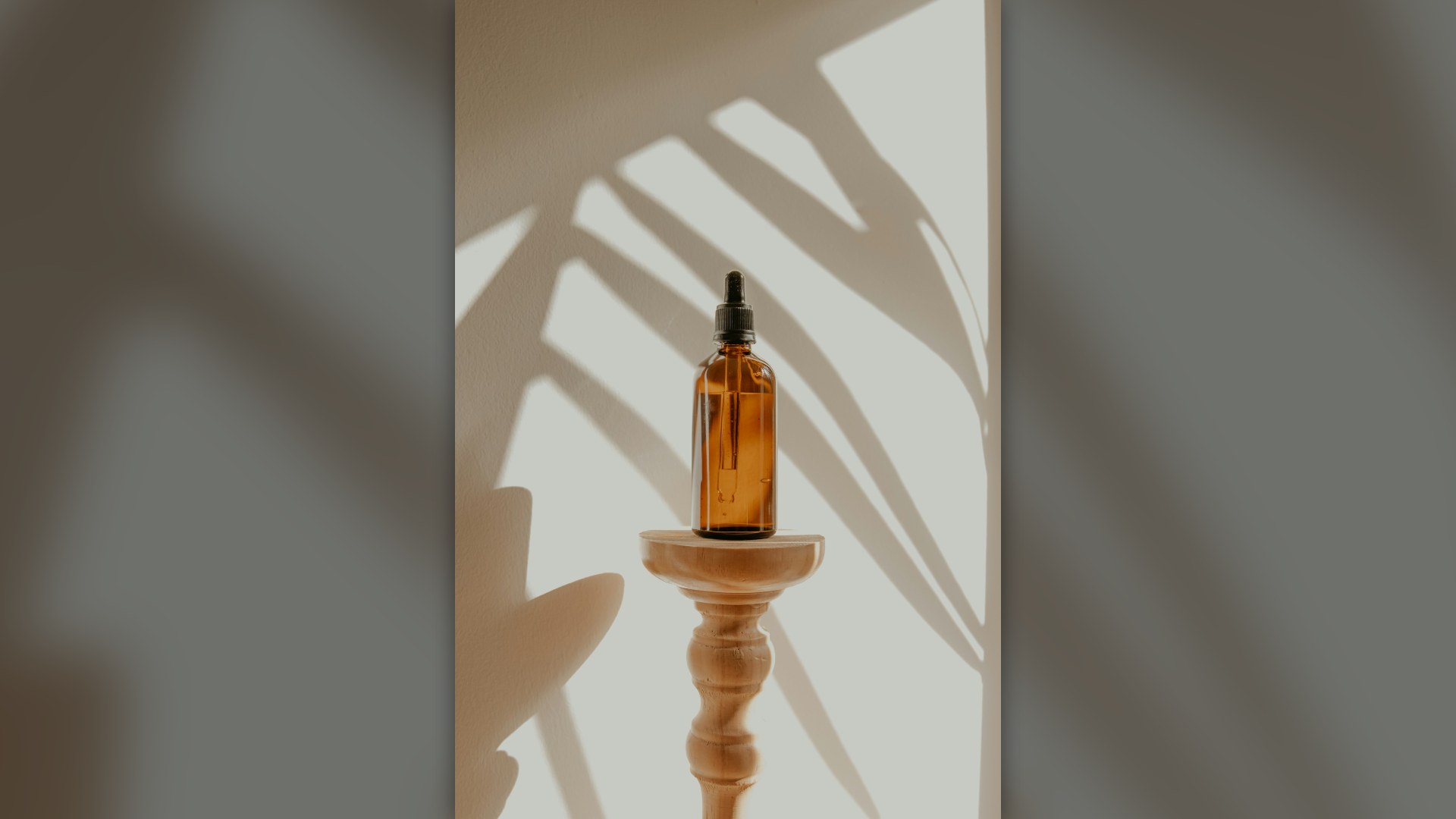
14. Seal In Moisture With Squalane Or Facial Oil
Facial oils don't add water to the skin on their own, but they excel as an emollient topcoat. Pressing two to three drops of plant-derived squalane, jojoba, or rosehip seed oil over your evening moisturizer creates a breathable lipid seal that stops overnight evaporation.
© Photo by Kadarius Seegars on Unsplash
Advertisement
Swipe or tap ▶ to resume the countdown.
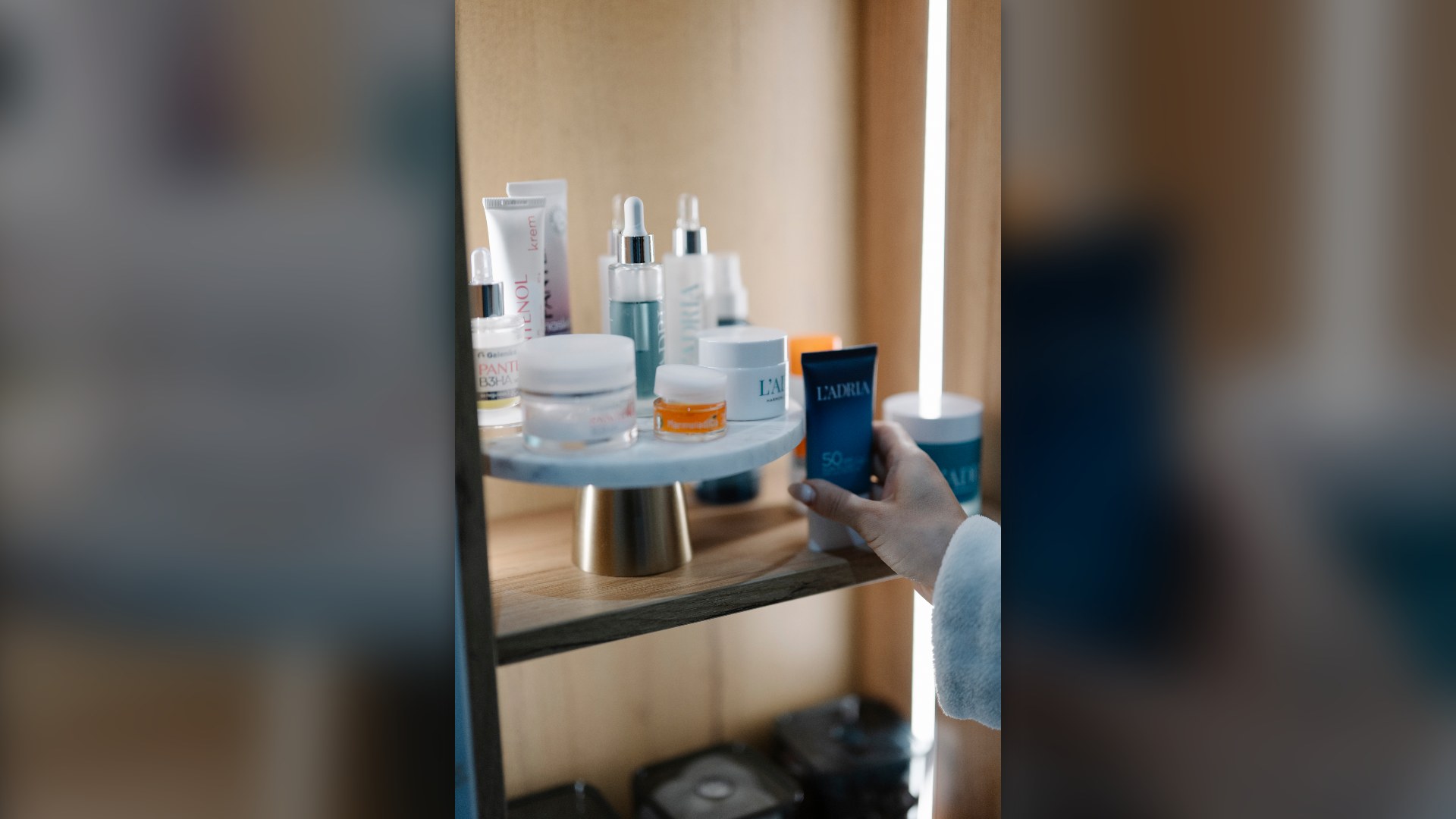
13. Buffer Retinoids With The Sandwich Method
Prescription tretinoin and over-the-counter retinol often cause sudden flaking once October weather turns crisp. Instead of quitting retinoids for the season, dermatologists recommend the "moisture sandwich": apply a thin base of moisturizer, let it dry, apply a pea-sized drop of retinoid, and top with cream.
©Wikimedia / Shixart1985
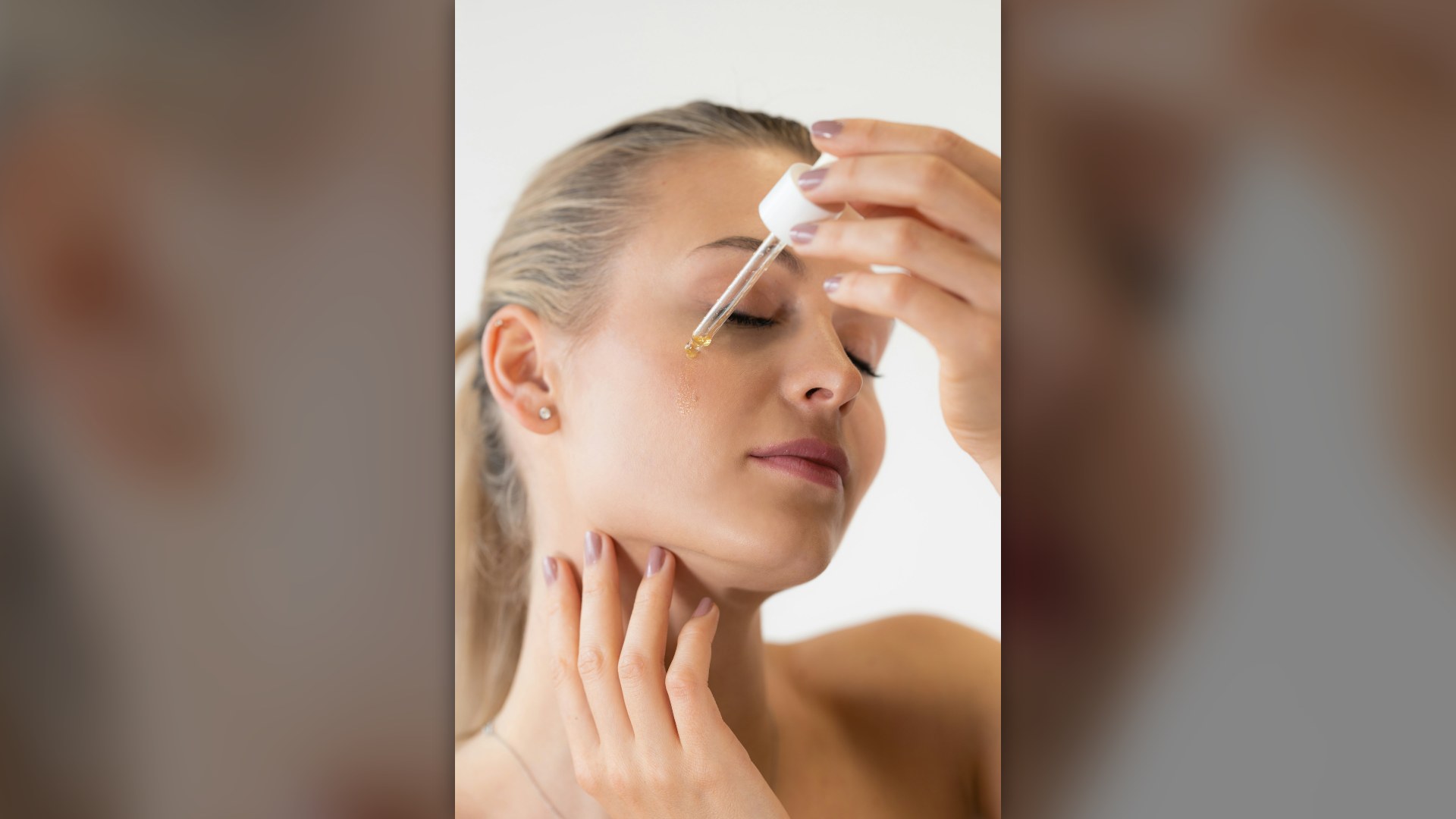
12. Fade Summer Sunspots With Vitamin C Serum
As your summer tan fades in October, stubborn UV-triggered sunspots and melasma often become more noticeable. Applying a stabilized L-ascorbic acid (Vitamin C) serum every morning inhibits excess melanin production, neutralizes free radicals, and stimulates fresh collagen synthesis.
© Photo by CRYSTALWEED cannabis on Unsplash
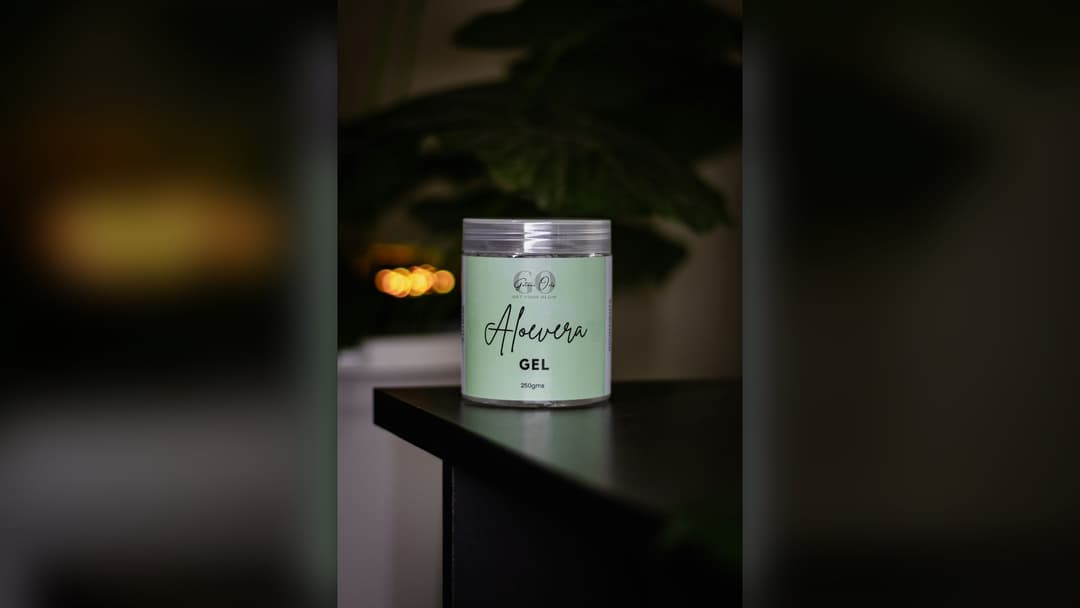
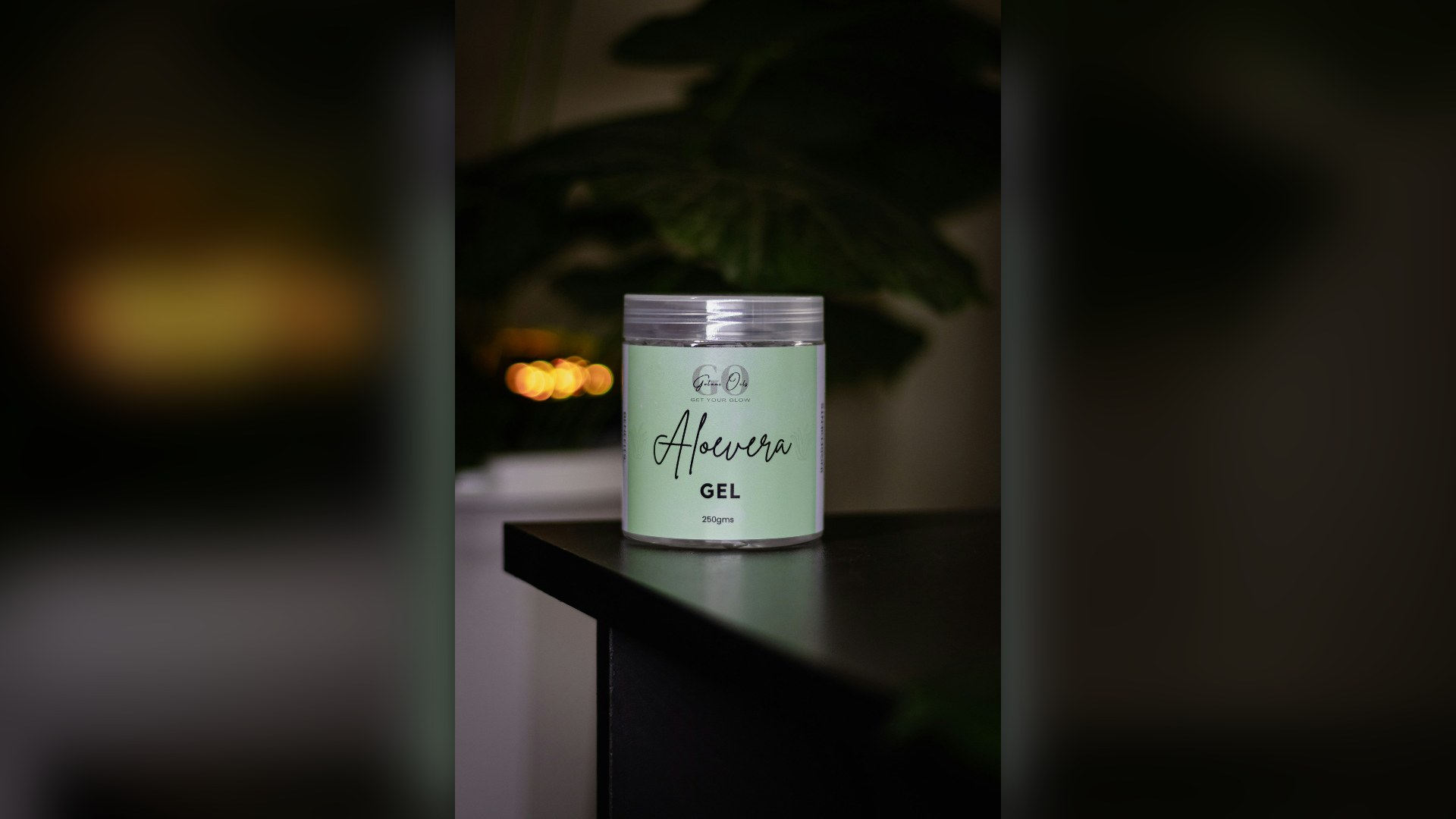
11. Calm Chapped Windburn With Aloe And Panthenol
Cold autumn wind strips surface oils and triggers neurogenic inflammation, especially in people prone to rosacea. Dermatologists keep pure aloe vera, panthenol (Vitamin B5), and centella asiatica on hand to rapidly cool flushed cheeks and accelerate epidermal barrier repair.
© Photo by Brian Kungu on Unsplash
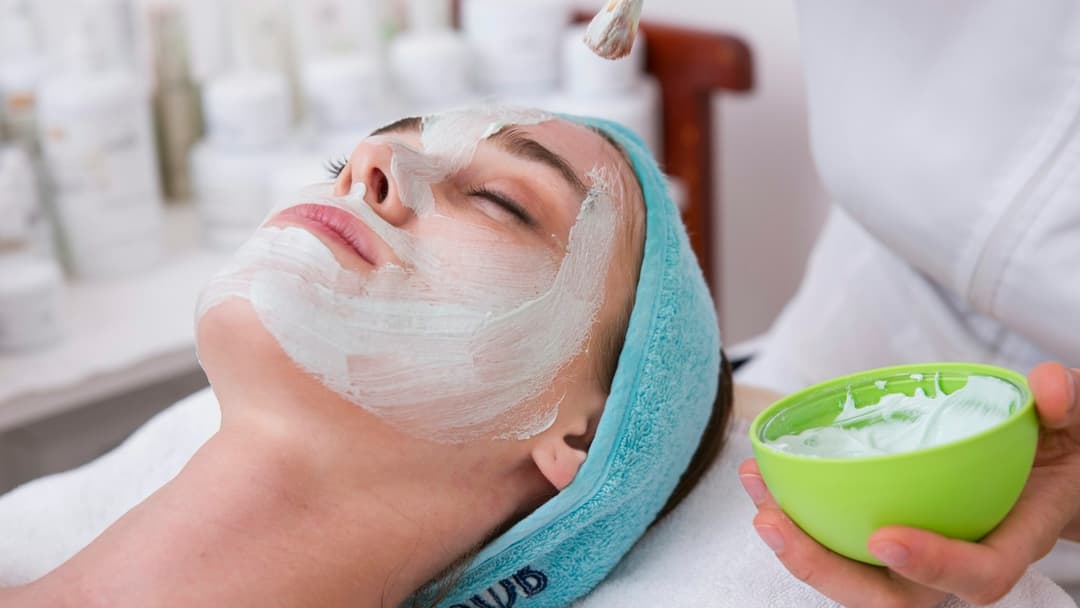
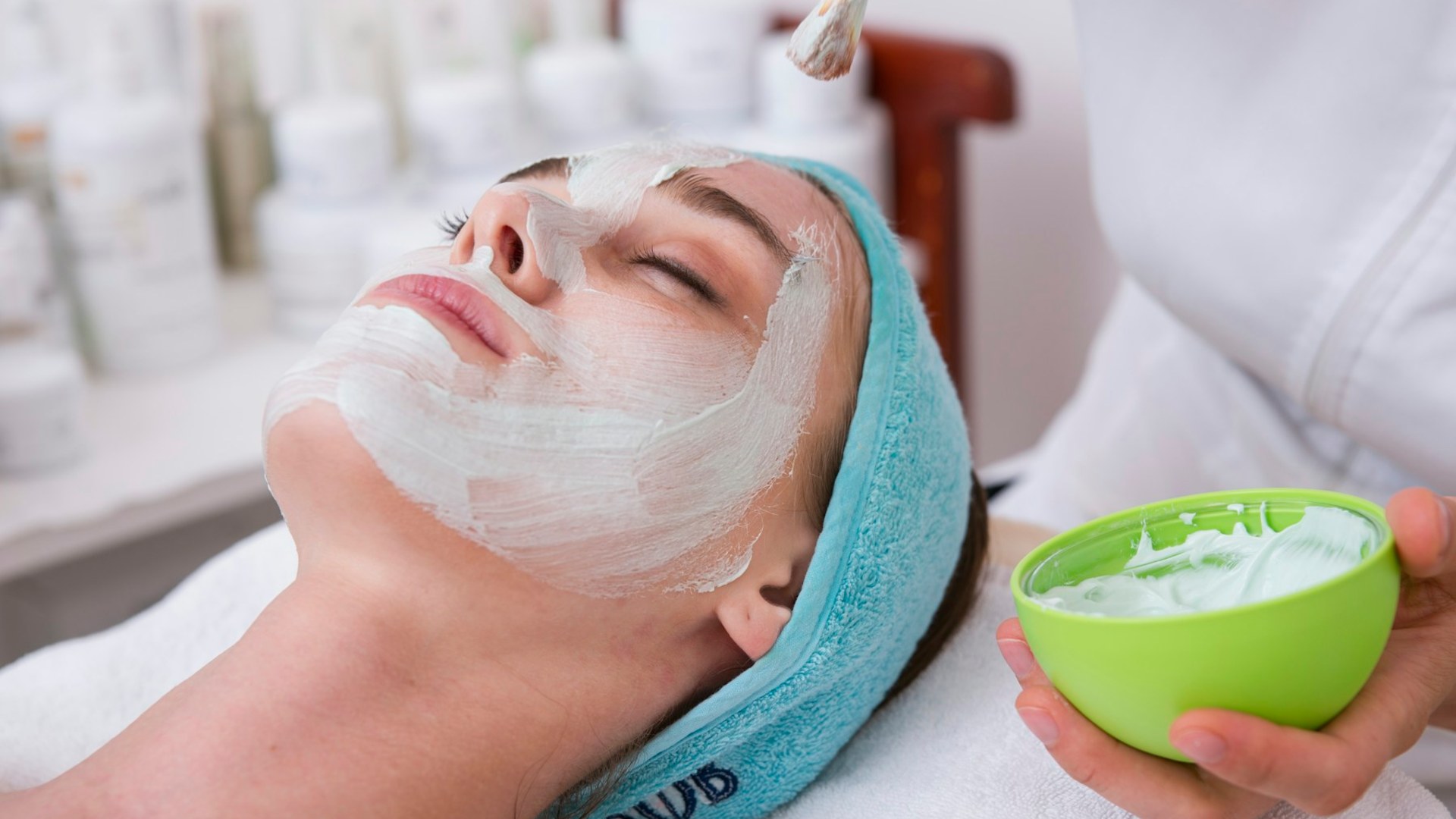
10. Trade Drying Clay Masks For Hydrating Masks
Sebaceous glands naturally slow down oil production by roughly 10% for every degree temperature drops. Retire oil-absorbing bentonite and charcoal clay masks until spring, and replace your weekly ritual with creamy overnight sleeping masks rich in glycerin and beta-glucan.
© Photo by engin akyurt on Unsplash
Advertisement
Swipe or tap ▶ to resume the countdown.
9. Moisturize Within Three Minutes Of Showering
Dermatologists swear by the "Three-Minute Rule" for body care in autumn: pat—never rub—your skin with a towel and apply a thick, fragrance-free body cream within 180 seconds of stepping out of the shower. Trapping that residual surface water stops flaky "alligator skin" on shins and forearms.
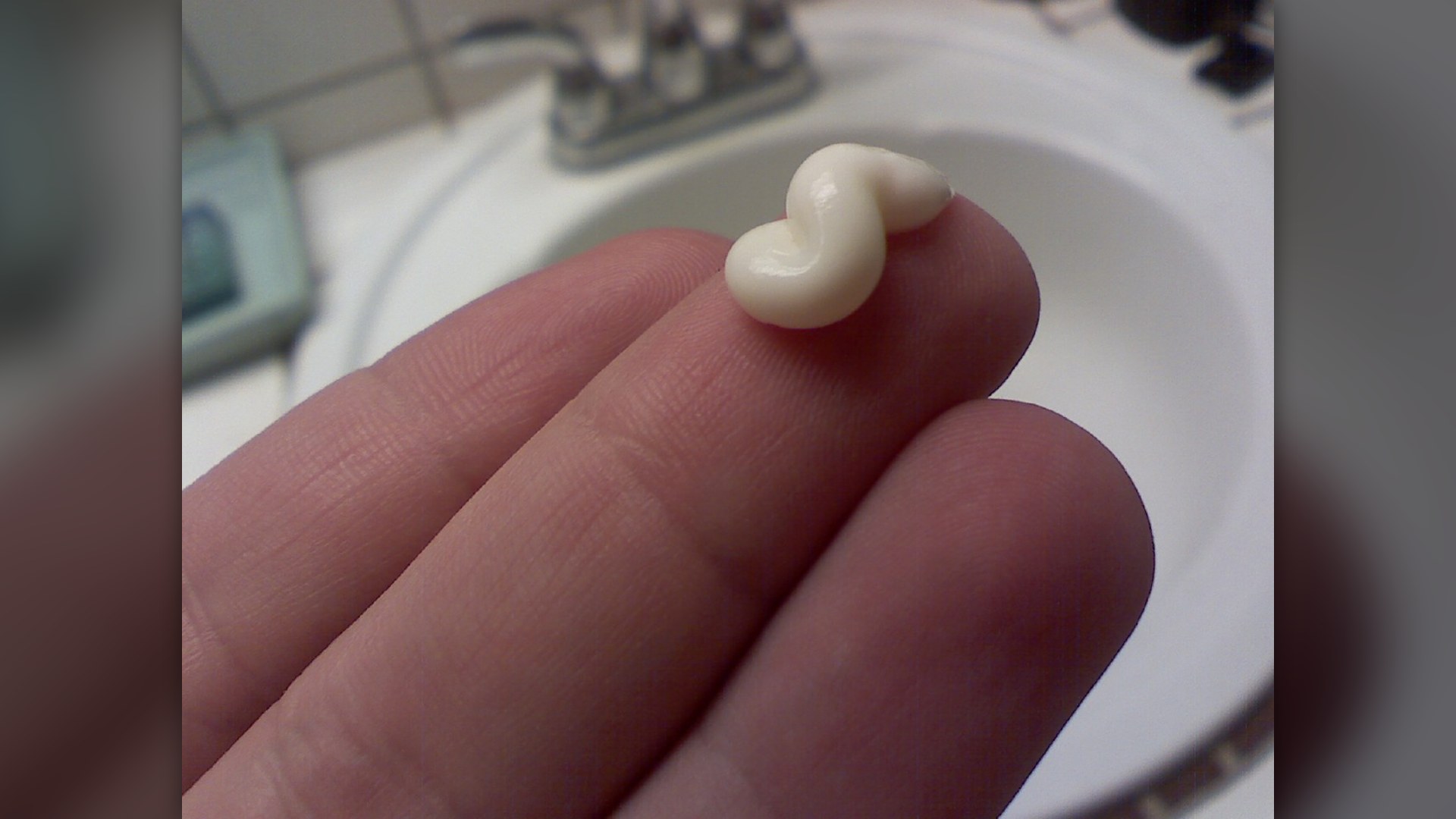
©Wikimedia / Shawn Campbell
8. Coat Cracked Lips With Occlusive Balm At Night
Lips have no oil glands and an ultra-thin stratum corneum, making them the first casualty of autumn weather. Avoid flavored balms containing menthol, camphor, or salicylic acid, which cause a cycle of peeling, and seal lips before bed with plain petrolatum, lanolin, or beeswax balm.

©Wikimedia / Rawpixel Ltd
7. Apply Glycerin Hand Cream After Every Wash
Cold and flu season brings frequent handwashing and alcohol sanitizers that strip the thin skin on the backs of your hands. Keep a tube of glycerin- and dimethicone-rich hand cream right next to every sink and apply a dime-sized amount immediately after drying your hands.
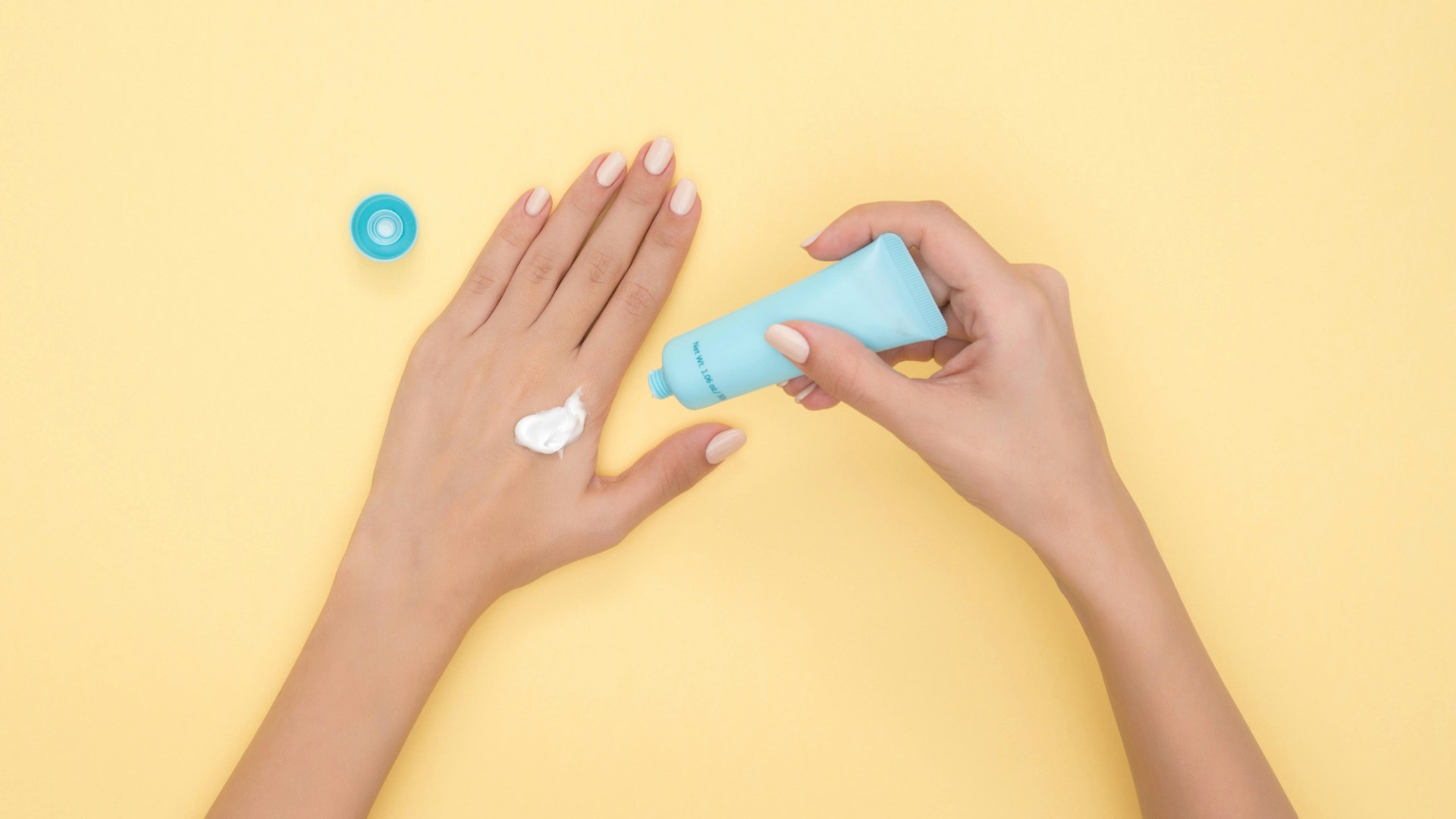
©Wikimedia / Moose Photos
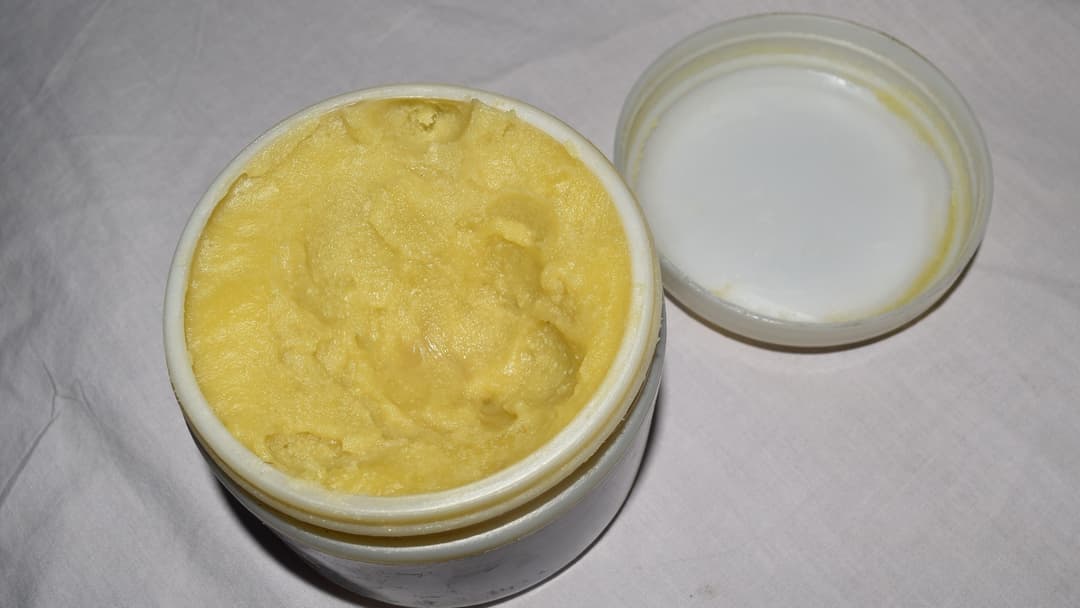
6. Soften Rough Autumn Heels With Shea Butter
Months of wearing open-backed summer sandals leave heels thickened with callus that can split into painful fissures once dry autumn air arrives. Smooth rough soles after bathing with unrefined shea butter or a 10%–20% urea foot cream, then slip on breathable cotton socks overnight.
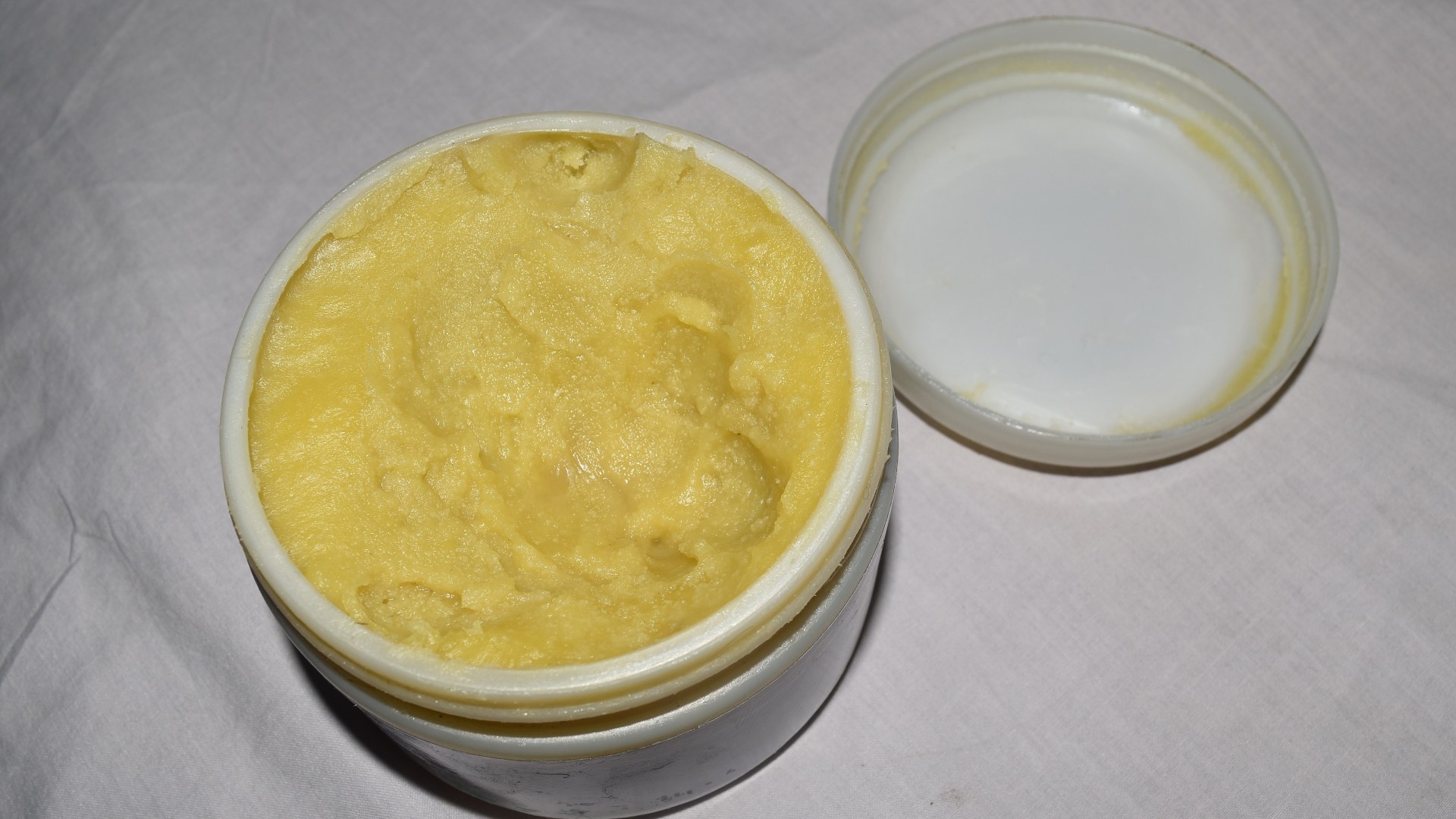
©Wikimedia / Adoscam
Advertisement
Swipe or tap ▶ to resume the countdown.
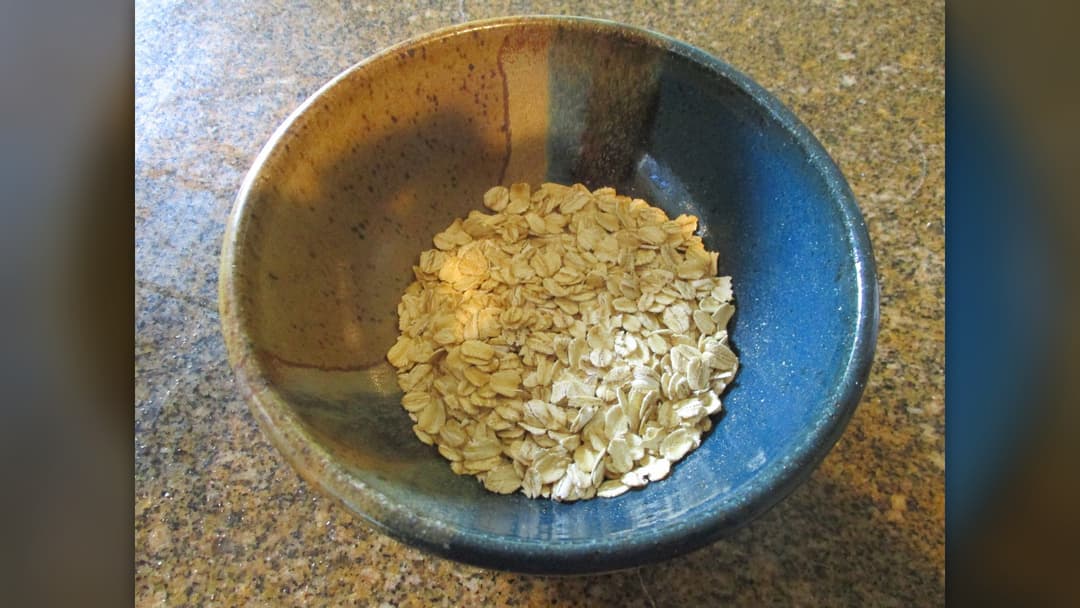
5. Soothe Fall Eczema Itch With Colloidal Oatmeal
Autumn temperature swings and scratchy wool sweaters are classic triggers for atopic dermatitis flare-ups. Finely milled colloidal oatmeal contains anti-inflammatory compounds called avenanthramides that measurably reduce cytokines, calm redness, and restore normal skin pH.
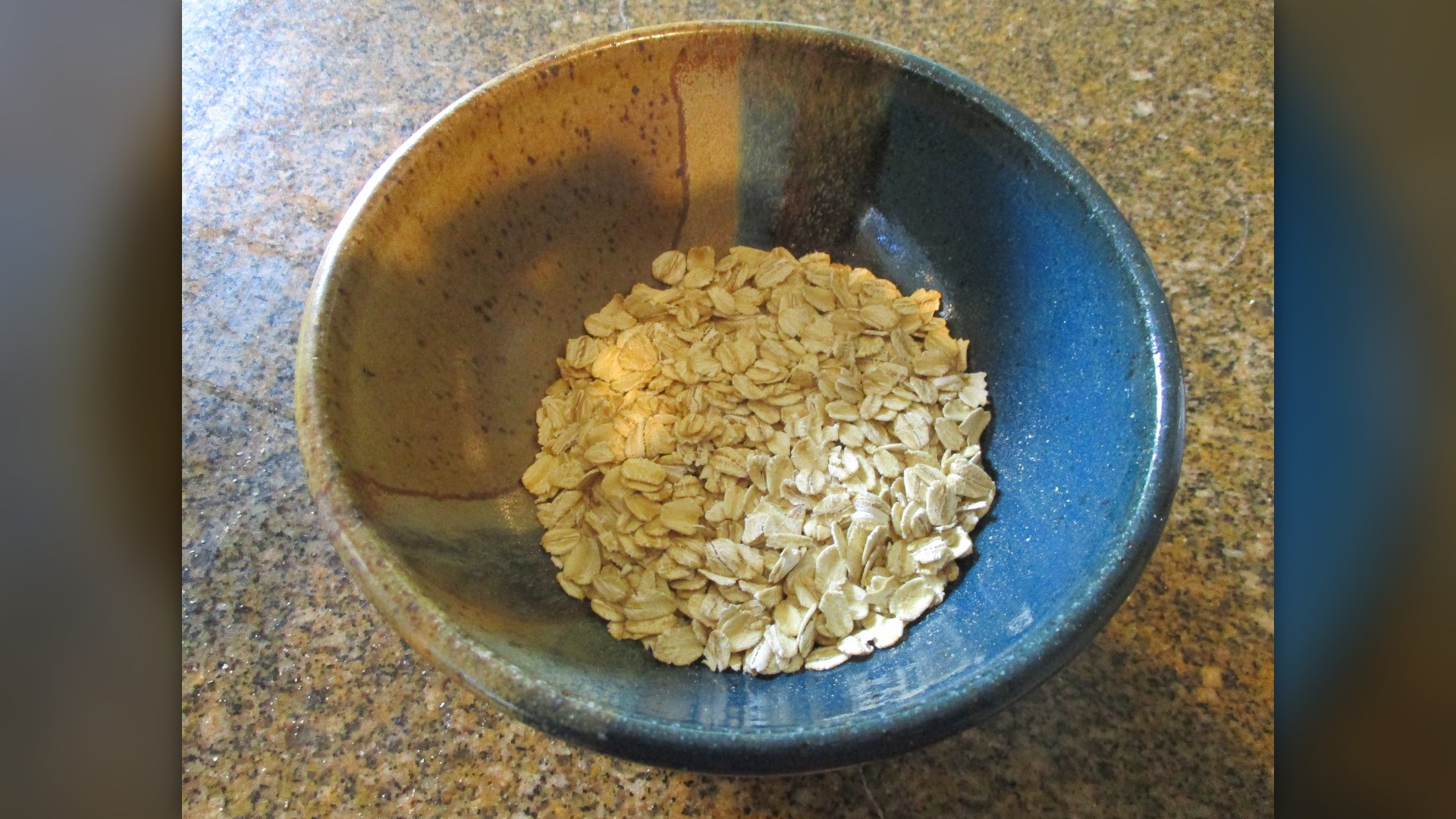
©Wikimedia / Bodhi Peace
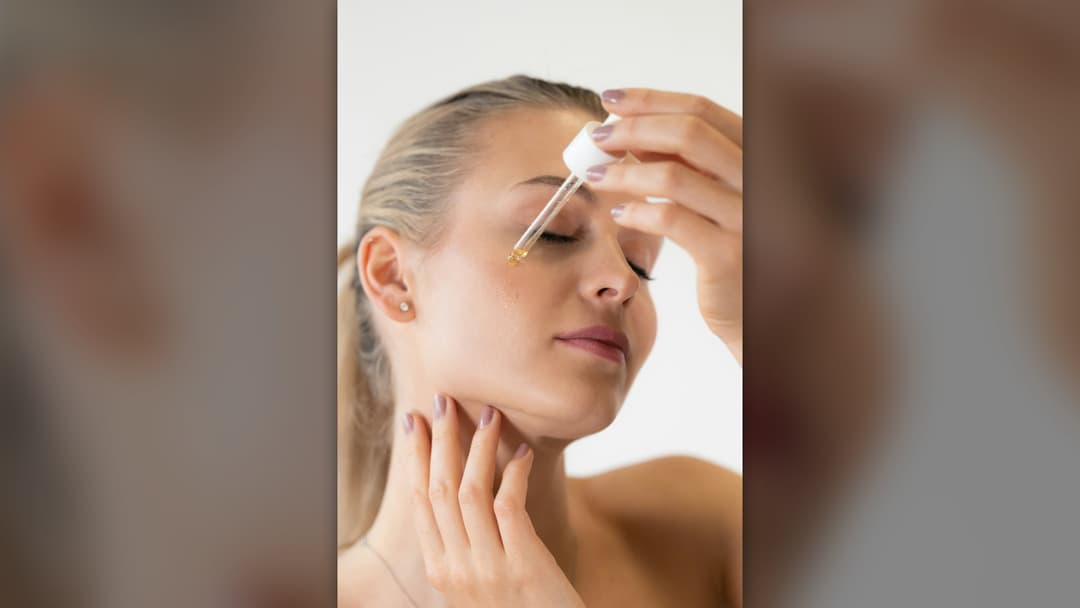
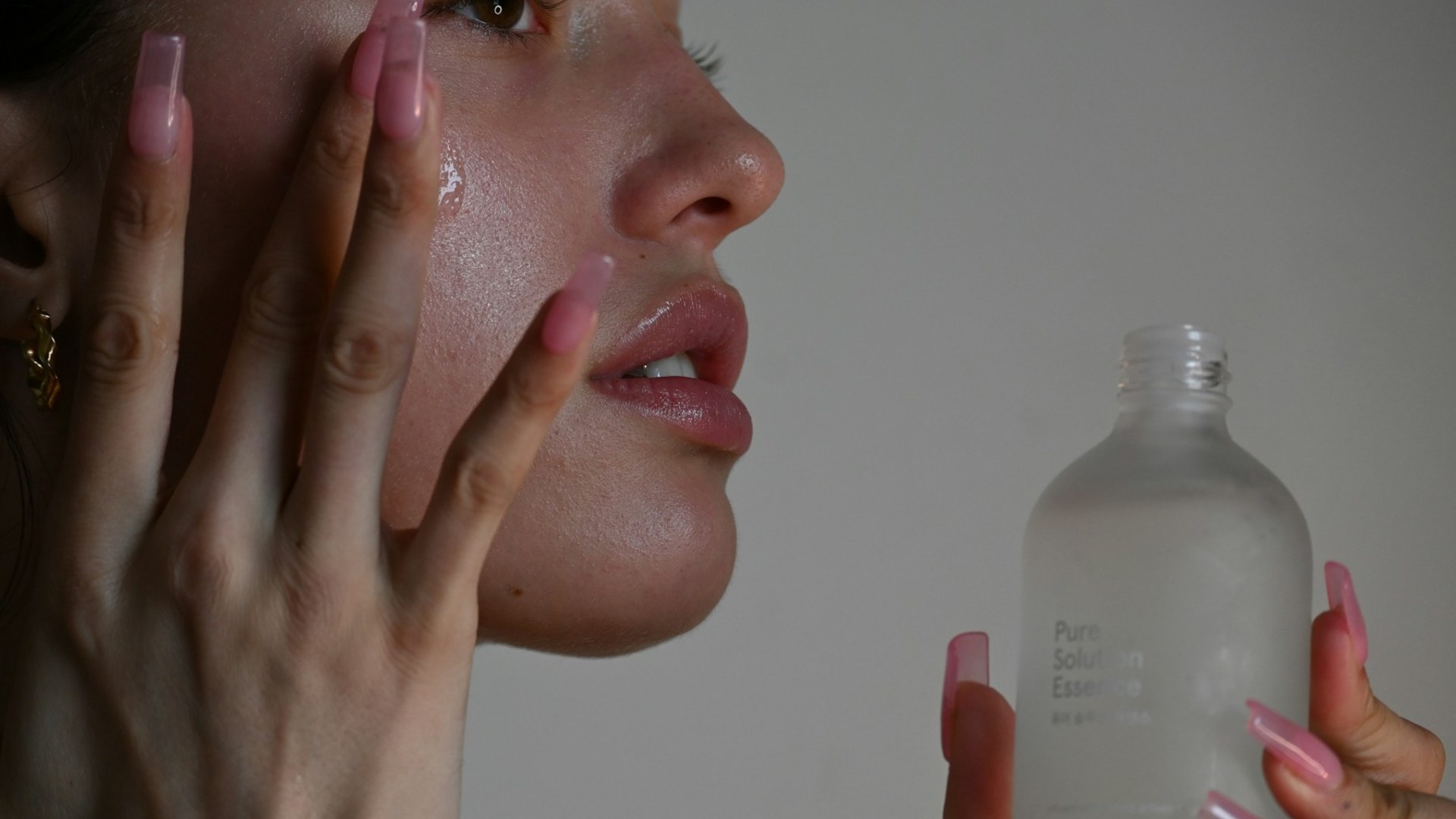
4. Tap Peptide Cream Around Delicate Under-Eyes
Because periorbital skin around your eyes is only 0.5 millimeters thick and has almost no sebaceous glands, autumn wind and allergy season rubbing quickly etch fine crepe lines. Gently tap—never tug—a fragrance-free peptide and hyaluronic eye cream along the orbital bone twice daily.
© Photo by Laura Jaeger on Unsplash
3. Feed Your Lipid Barrier With Omega-3 Fats
Topical creams only work from the outside in, while your epidermis builds its lipid bilayers from the inside out. Dermatologists emphasize eating omega-3-rich foods—like salmon, avocado, flaxseed, and walnuts—during autumn and winter to strengthen barrier integrity and reduce dryness.

©Wikimedia / Daderot
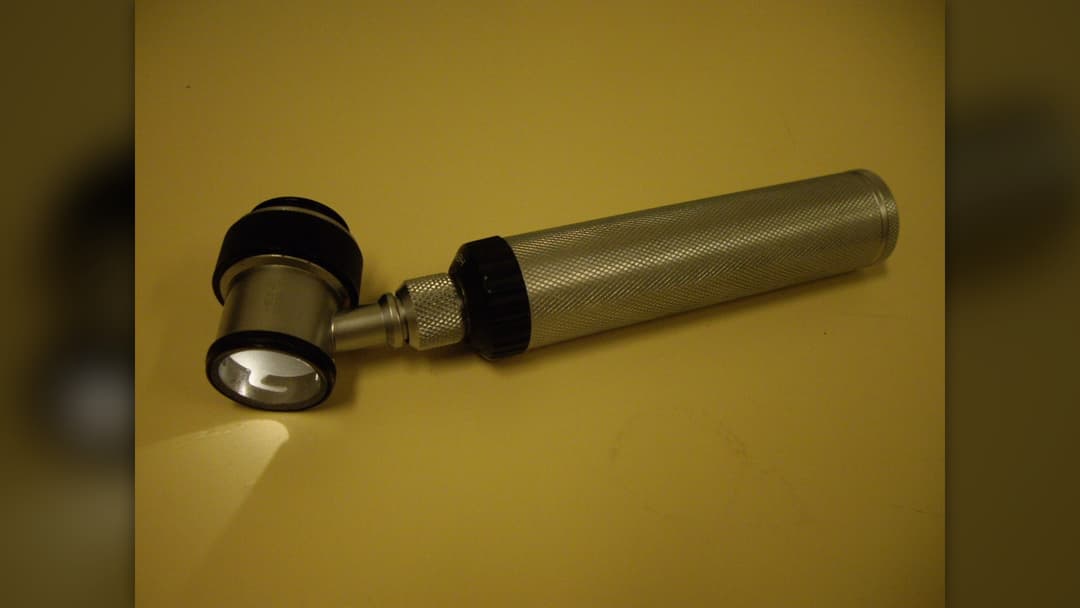
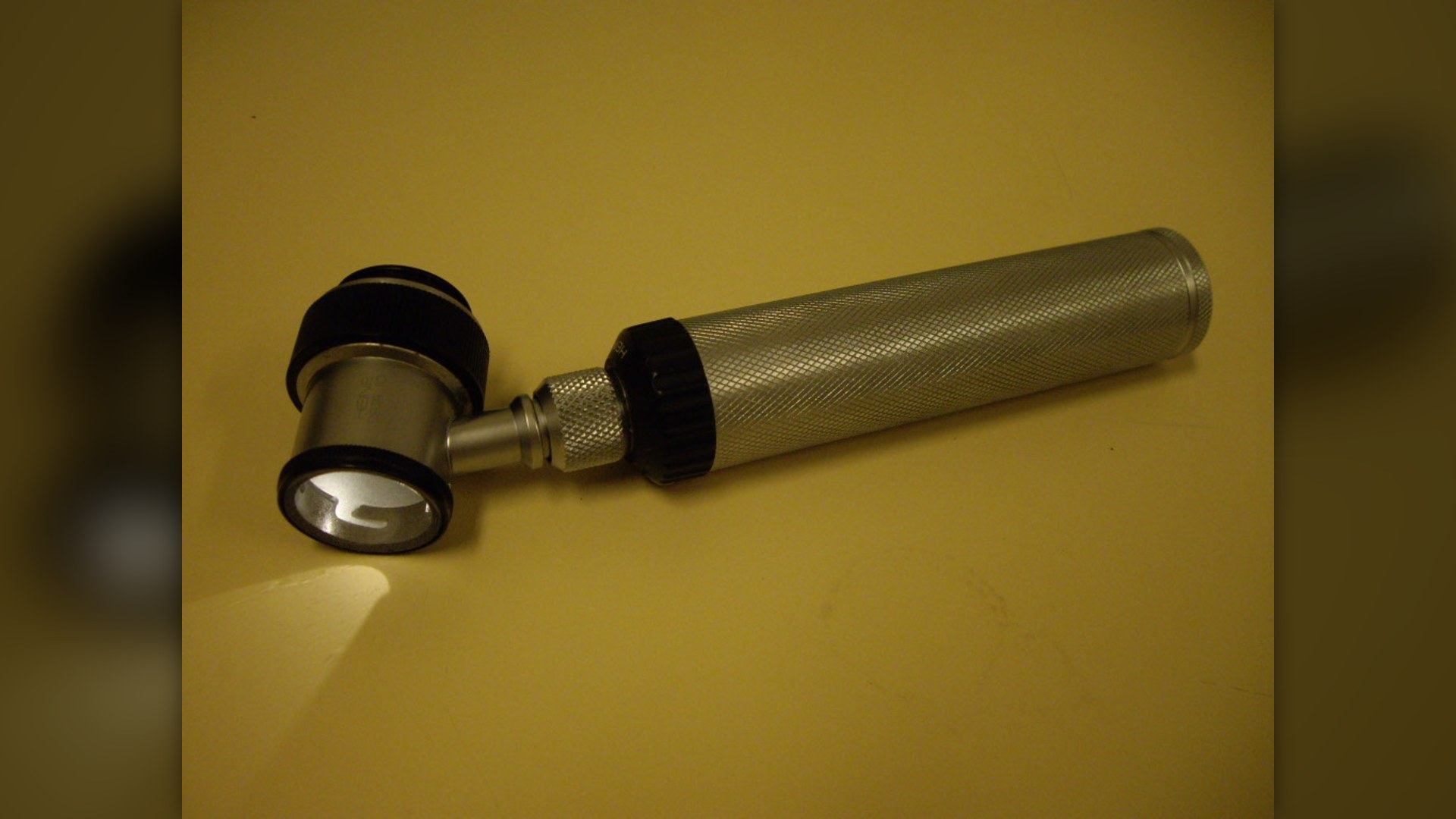
2. Book Your Post-Summer Full-Body Skin Exam
After months of intense summer UV exposure, autumn is the smartest time of year to schedule an annual head-to-toe skin cancer screening. Using a polarized dermatoscope, a dermatologist can spot subtle pigment shifts or atypical moles long before they are visible to the naked eye.
©Wikimedia / Frank33
Advertisement
Swipe or tap ▶ to resume the countdown.
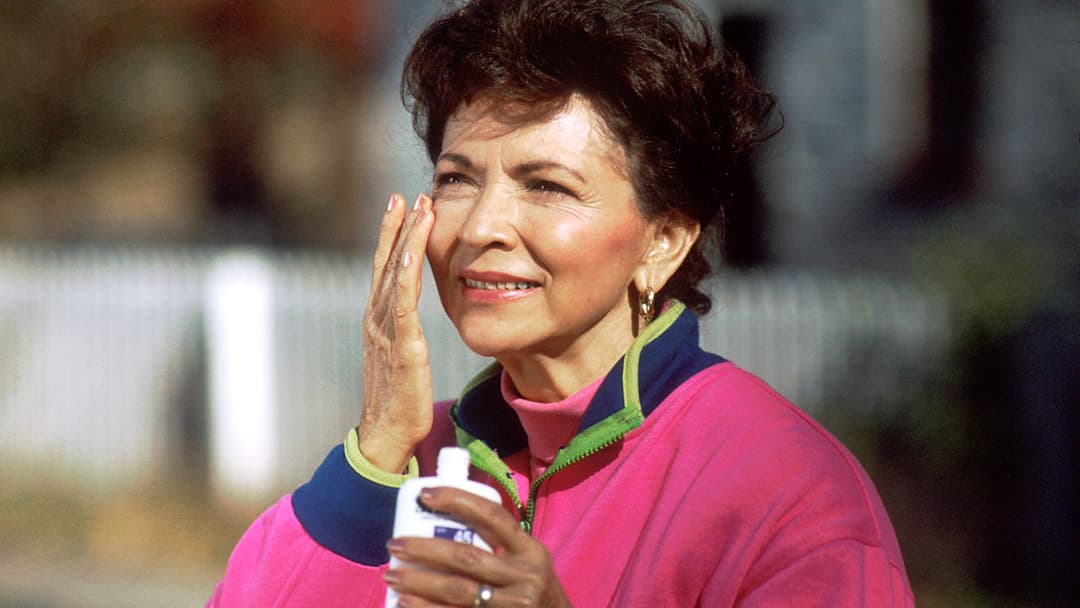
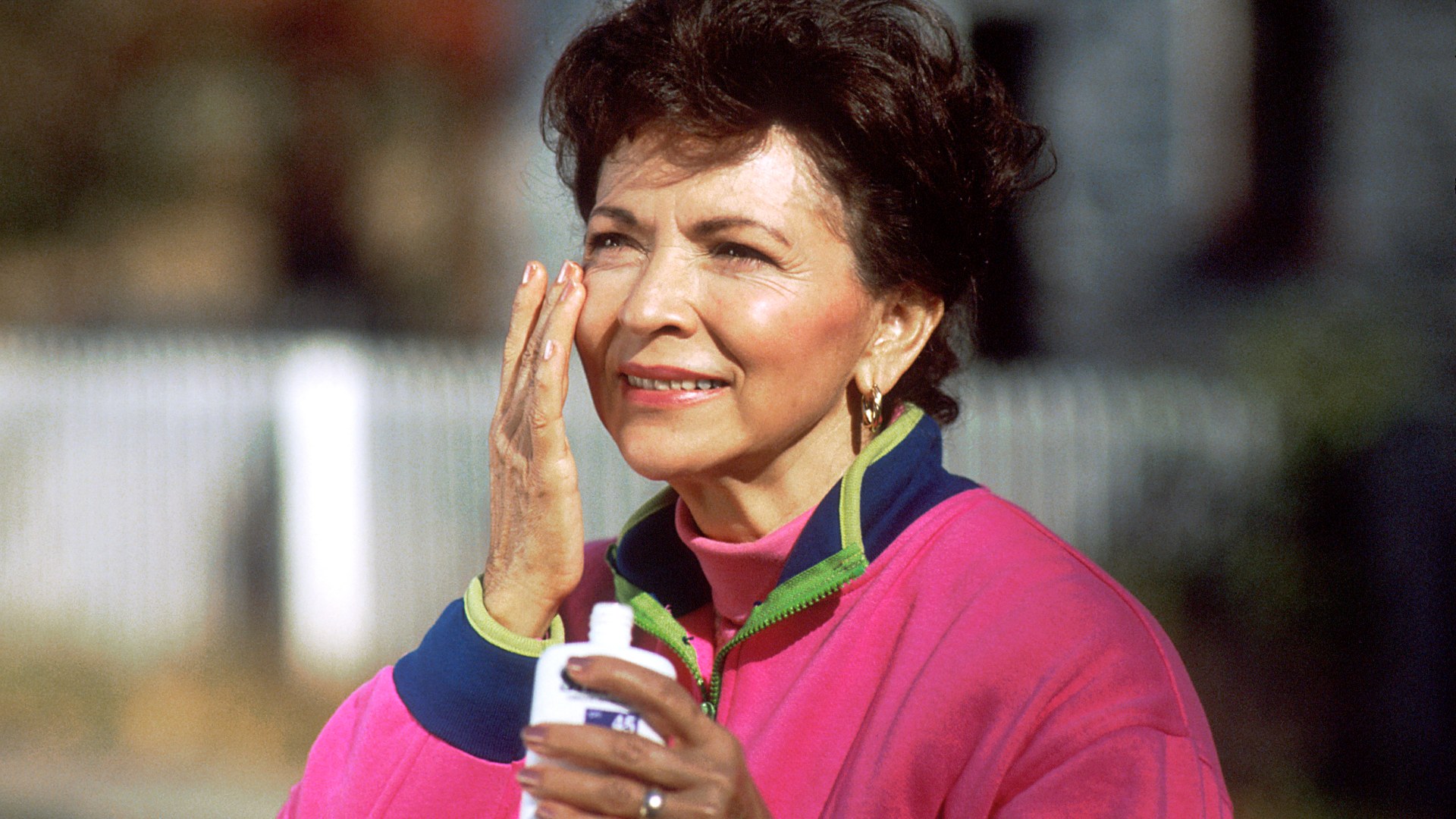
1. Wear Broad-Spectrum SPF 30+ Every Autumn Day
The #1 rule dermatologists repeat every autumn: never pack away your sunscreen after Labor Day. While sunburn-causing UVB rays dip in fall, deeper-penetrating UVA rays remain strong year-round, passing through grey clouds and car windows to break down collagen and trigger skin cancer.
©Wikimedia / Bill Branson
Advertisement
You've reached the end of the story. Thanks for reading!

22 High-Calorie Burning Exercises Ranked by Harvard Medical Data
Ranked according to Harvard Medical School caloric expenditure data, these 22 physical exercises burn the highest number of calories per hour for optimal cardiovascular health. Medical data reveals true effort.
All 20 Entries in this Story
20. Swap Foaming Gel For A Gentle Cleanser
High-lather foaming cleansers are great for humid July afternoons, but in autumn they strip away essential intercellular lipids. Dermatologists recommend switching to a non-foaming cream, lotion, or micellar gel cleanser that removes sunscreen without leaving your cheeks tight.

19. Turn Down Your Shower Water Temperature
Nothing feels better on a chilly October morning than a steaming-hot shower, but water above 105°F rapidly dissolves your epidermis's protective lipid barrier. Keep showers lukewarm and under 10 minutes to prevent winter itch and transepidermal water loss.

18. Run A Cool-Mist Humidifier Overnight
Once central heating kicks on in autumn, indoor relative humidity often plummets to desert levels overnight. Running a cool-mist humidifier next to your bed keeps ambient humidity between 40% and 60%, preventing dry air from siphoning water out of your stratum corneum while you sleep.

17. Limit Gritty Scrubs To Once A Week
When dry autumn patches appear, the instinct is to scrub them away—but harsh physical exfoliants tear an already compromised skin barrier. Dermatologists advise cutting exfoliation back to once or twice a week and favoring gentle polyhydroxy or lactic acids over coarse scrubs.

16. Press Hyaluronic Acid Onto Damp Skin
Hyaluronic acid is a humectant sponge that binds up to 1,000 times its weight in water—but if the air around you is dry and your face is towel-dried, it pulls water up from deeper skin layers instead. Always press hydrating serums onto visibly damp skin and seal them immediately.

15. Upgrade To A Ceramide Barrier Cream
Think of your outer skin layer as a brick wall: skin cells are the bricks, and natural lipids are the mortar. Cold wind depletes ceramide levels fast, so dermatologists recommend swapping lightweight summer water-gels for rich creams formulated with ceramides, cholesterol, and fatty acids.

14. Seal In Moisture With Squalane Or Facial Oil
Facial oils don't add water to the skin on their own, but they excel as an emollient topcoat. Pressing two to three drops of plant-derived squalane, jojoba, or rosehip seed oil over your evening moisturizer creates a breathable lipid seal that stops overnight evaporation.

13. Buffer Retinoids With The Sandwich Method
Prescription tretinoin and over-the-counter retinol often cause sudden flaking once October weather turns crisp. Instead of quitting retinoids for the season, dermatologists recommend the "moisture sandwich": apply a thin base of moisturizer, let it dry, apply a pea-sized drop of retinoid, and top with cream.

12. Fade Summer Sunspots With Vitamin C Serum
As your summer tan fades in October, stubborn UV-triggered sunspots and melasma often become more noticeable. Applying a stabilized L-ascorbic acid (Vitamin C) serum every morning inhibits excess melanin production, neutralizes free radicals, and stimulates fresh collagen synthesis.

11. Calm Chapped Windburn With Aloe And Panthenol
Cold autumn wind strips surface oils and triggers neurogenic inflammation, especially in people prone to rosacea. Dermatologists keep pure aloe vera, panthenol (Vitamin B5), and centella asiatica on hand to rapidly cool flushed cheeks and accelerate epidermal barrier repair.

10. Trade Drying Clay Masks For Hydrating Masks
Sebaceous glands naturally slow down oil production by roughly 10% for every degree temperature drops. Retire oil-absorbing bentonite and charcoal clay masks until spring, and replace your weekly ritual with creamy overnight sleeping masks rich in glycerin and beta-glucan.

9. Moisturize Within Three Minutes Of Showering
Dermatologists swear by the "Three-Minute Rule" for body care in autumn: pat—never rub—your skin with a towel and apply a thick, fragrance-free body cream within 180 seconds of stepping out of the shower. Trapping that residual surface water stops flaky "alligator skin" on shins and forearms.

8. Coat Cracked Lips With Occlusive Balm At Night
Lips have no oil glands and an ultra-thin stratum corneum, making them the first casualty of autumn weather. Avoid flavored balms containing menthol, camphor, or salicylic acid, which cause a cycle of peeling, and seal lips before bed with plain petrolatum, lanolin, or beeswax balm.

7. Apply Glycerin Hand Cream After Every Wash
Cold and flu season brings frequent handwashing and alcohol sanitizers that strip the thin skin on the backs of your hands. Keep a tube of glycerin- and dimethicone-rich hand cream right next to every sink and apply a dime-sized amount immediately after drying your hands.

6. Soften Rough Autumn Heels With Shea Butter
Months of wearing open-backed summer sandals leave heels thickened with callus that can split into painful fissures once dry autumn air arrives. Smooth rough soles after bathing with unrefined shea butter or a 10%–20% urea foot cream, then slip on breathable cotton socks overnight.

5. Soothe Fall Eczema Itch With Colloidal Oatmeal
Autumn temperature swings and scratchy wool sweaters are classic triggers for atopic dermatitis flare-ups. Finely milled colloidal oatmeal contains anti-inflammatory compounds called avenanthramides that measurably reduce cytokines, calm redness, and restore normal skin pH.

4. Tap Peptide Cream Around Delicate Under-Eyes
Because periorbital skin around your eyes is only 0.5 millimeters thick and has almost no sebaceous glands, autumn wind and allergy season rubbing quickly etch fine crepe lines. Gently tap—never tug—a fragrance-free peptide and hyaluronic eye cream along the orbital bone twice daily.

3. Feed Your Lipid Barrier With Omega-3 Fats
Topical creams only work from the outside in, while your epidermis builds its lipid bilayers from the inside out. Dermatologists emphasize eating omega-3-rich foods—like salmon, avocado, flaxseed, and walnuts—during autumn and winter to strengthen barrier integrity and reduce dryness.

2. Book Your Post-Summer Full-Body Skin Exam
After months of intense summer UV exposure, autumn is the smartest time of year to schedule an annual head-to-toe skin cancer screening. Using a polarized dermatoscope, a dermatologist can spot subtle pigment shifts or atypical moles long before they are visible to the naked eye.

1. Wear Broad-Spectrum SPF 30+ Every Autumn Day
The #1 rule dermatologists repeat every autumn: never pack away your sunscreen after Labor Day. While sunburn-causing UVB rays dip in fall, deeper-penetrating UVA rays remain strong year-round, passing through grey clouds and car windows to break down collagen and trigger skin cancer.