Slideshow · Science
20 Fact about Doomsday Study's 13 Nov 2026 End of World Prediction Failure
On Friday, November 13, 2026, humanity officially outlived a famous 1960 Science study that calculated the world population would hit infinity today. Here is why the doomsday math failed.
By Most Viral Today
14 min ago

Why a 1960 Science Study Predicted the World Would End on Nov 13, 2026 
20. The Doomsday Headline 
19. Not Your Average Prophecy 
18. The Famous 1960 Paper - AdvertisementSwipe or tap ▶ to continue countdown

17. The Provocative Title 
16. The Math Behind The Madness 
15. Squeezed To Death 
14. The Hidden Birthday Easter Egg - AdvertisementSwipe or tap ▶ to continue countdown

13. Stagecraft Meets Science 
12. Scarily Accurate At First 
11. The 1990s Turning Point 
10. How Humanity Adapted - AdvertisementSwipe or tap ▶ to continue countdown

9. Today's Reality 
8. The Fatal Flaw Of Doomsday Math 
7. A Self-Defeating Prophecy 
6. The Y2K Computer Bug (2000) - AdvertisementSwipe or tap ▶ to continue countdown

5. The 2012 Mayan Apocalypse (2012) 
4. The AI Singularity Risk (2029 To 2030) 
3. Isaac Newton's 2060 Reset (2060) 
2. The New Population Crisis - AdvertisementSwipe or tap ▶ to continue countdown

1. The Ultimate Lesson - Advertisement🔥 UP NEXT IN THIS SERIES◫ 26 Slides

25 Fascinating Alien Planets Discovered by Space Telescopes, Ranked
Astronomers have cataloged over 5,500 worlds orbiting distant stars. Based on observational data from NASA's Exoplanet Archive and spectral findings from the James Webb Space Telescope, this countdown ranks twenty-five remarkable alien planets by their scientific importance, atmospheric extremes, and habitability potential.
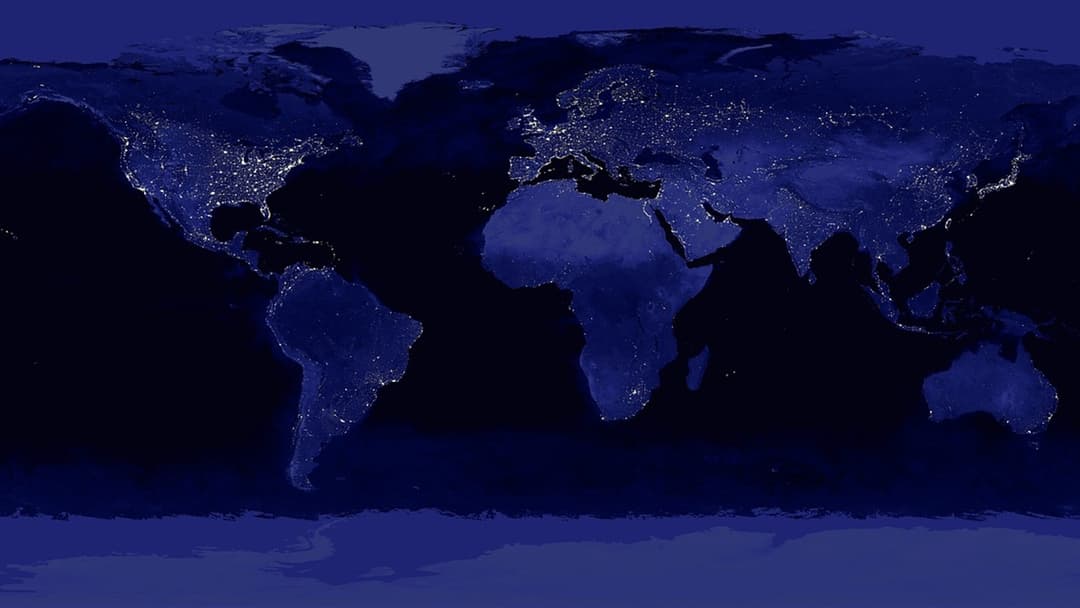
On Friday, November 13, 2026, humanity officially outlived a famous 66-year-old scientific prediction of the apocalypse. Published in the journal Science in 1960, the study used strict mathematical equations to warn that human population growth would hit infinity today. Here is why the doomsday math failed.
Swipe or tap ▶ to begin the countdown
©TMDb / Earth: Final Conflict & Pixabay / heikografie
20. The Doomsday Headline
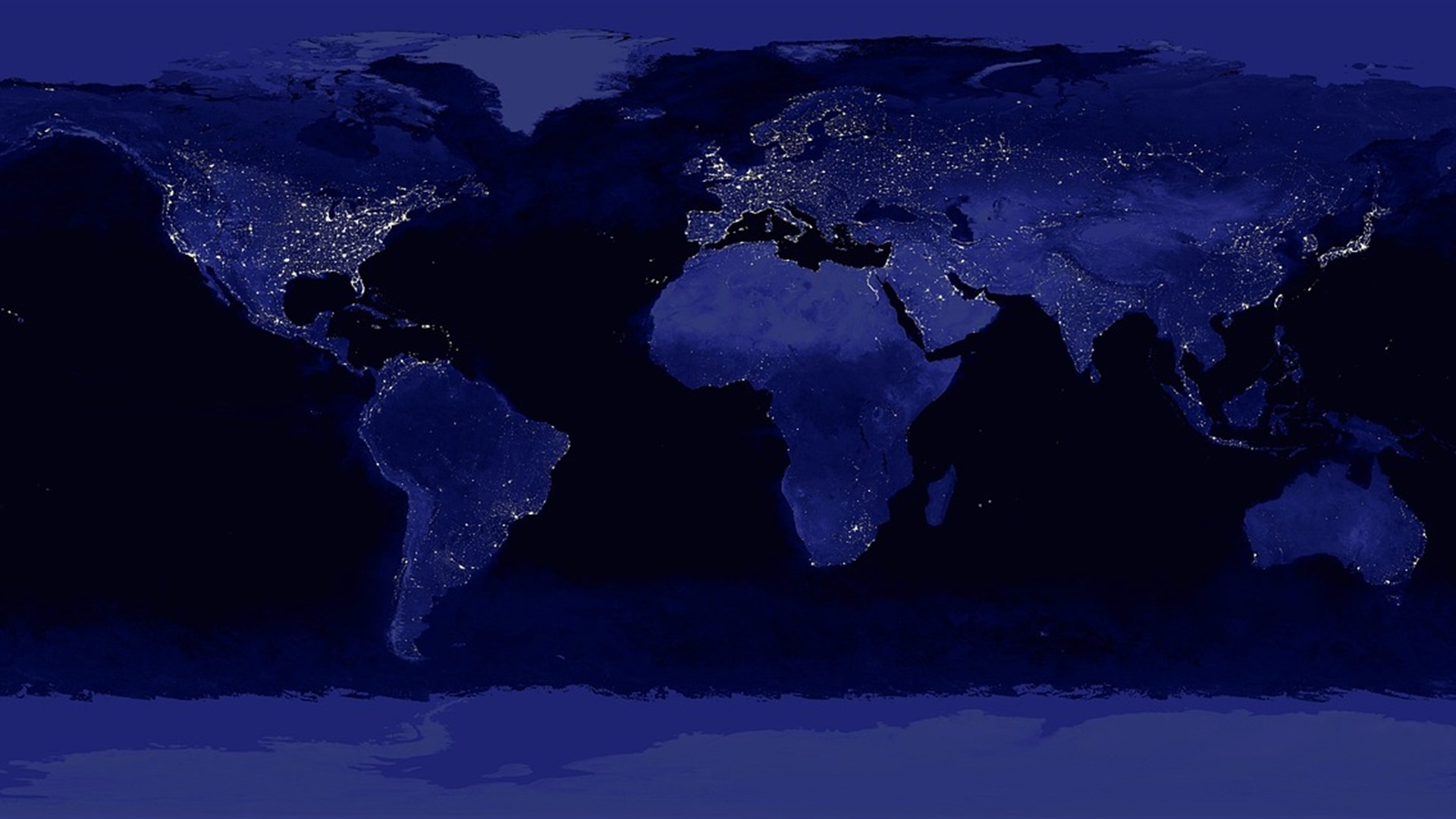
On Friday, November 13, 2026, humanity officially survived a famous 66-year-old scientific prediction of the apocalypse. For more than six decades, demographers, physicists, and pop-science readers waited to see how the world would look when this notorious calendar date arrived.
©Pixabay / WikiImages
19. Not Your Average Prophecy
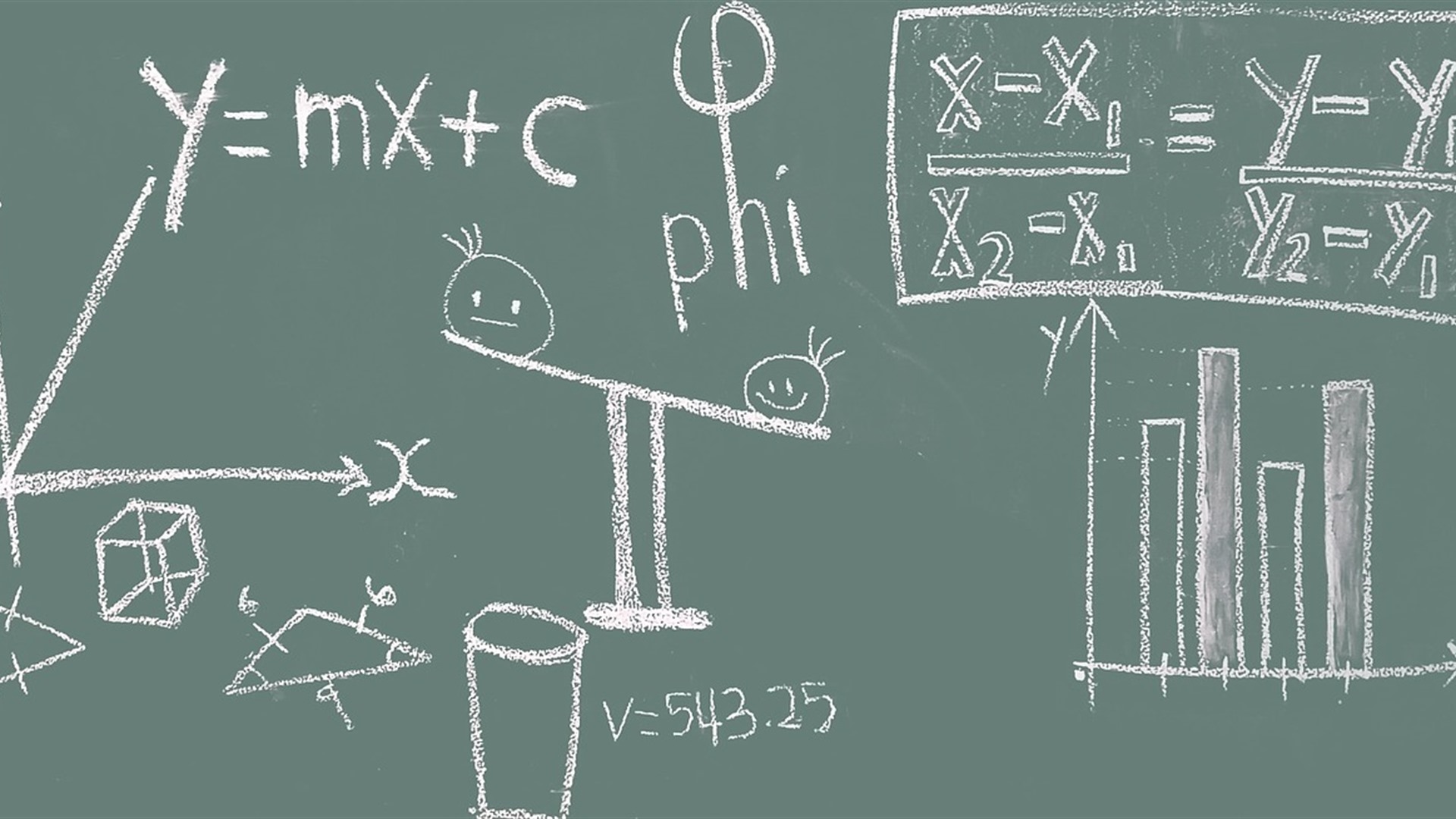
Unlike mystical predictions involving rogue asteroids or ancient curses, this doomsday date was calculated by real academic researchers using strict mathematical equations. It relied on historical demographic data and calculus rather than superstition or supernatural folklore.
©Pixabay / Pixapopz
18. The Famous 1960 Paper
In November 1960, Austrian-American physicist Heinz von Foerster and two University of Illinois colleagues, Patricia M. Mora and Lawrence W. Amiot, published a landmark paper in the prestigious journal Science. Their peer-reviewed calculation quickly became one of the most debated papers of the era.

©Wikimedia / Kuba Bożanowski & Pixabay / 652234
Advertisement
Swipe or tap ▶ to resume the countdown.
17. The Provocative Title
The researchers boldly titled their study 'Doomsday: Friday, 13 November, A.D. 2026' to guarantee massive global attention. By pairing a dramatic apocalyptic headline with an exact Friday the 13th calendar date, the authors ensured their warning reached far beyond academic circles.

©Pixabay / heikografie
16. The Math Behind The Madness
The team analyzed 2,000 years of human population estimates and noticed that the time required for the global population to double was getting shorter and shorter. Because medical and agricultural advances were cutting mortality rates, humanity was accelerating along a steep curve.

©Pixabay / ElasticComputeFarm
15. Squeezed To Death
Von Foerster calculated that if this hyper-exponential growth continued unchecked, the human population would hit mathematical infinity in November 2026. Even with unlimited food, they famously warned that our descendants would not starve, but instead would literally be squeezed to death on Earth.

©Pixabay / mailtotobi
14. The Hidden Birthday Easter Egg
The equation actually had a margin of error of over five years. Von Foerster intentionally picked Friday, November 13, 2026, because it combined a spooky Friday the 13th superstition with his own 115th birthday, as he was born in Vienna on November 13, 1911.

©Pixabay / Pexels
Advertisement
Swipe or tap ▶ to resume the countdown.
13. Stagecraft Meets Science
Before becoming a renowned physicist and cybernetics pioneer, von Foerster trained as a stage magician in Austria. He deliberately used theatrical shock value and showmanship to force policymakers and the public to take runaway overpopulation seriously.

©Pixabay / anncapictures
12. Scarily Accurate At First
For over 30 years after its publication in 1960, the Doomsday Equation tracked real-world global population growth more accurately than most standard demographic models. From 3 billion people in 1960 to over 5 billion by the late 1980s, reality followed the curve.

©Pixabay / blazejosh
11. The 1990s Turning Point
Around 1993, reality finally broke away from the hyper-exponential math as global birth rates began to plummet. Instead of doubling at faster and faster intervals, annual global population growth rates peaked and started a steady, long-term deceleration.

©Pixabay / PublicCo
10. How Humanity Adapted
Rapid urbanization, improved healthcare, higher female education, and wider access to family planning caused average family sizes to drop by more than half since 1960. As living standards rose across developing nations, parents chose to have far fewer children.

©Pixabay / chillla70
Advertisement
Swipe or tap ▶ to resume the countdown.
9. Today's Reality
Instead of approaching infinity, the global population sits near 8.3 billion in November 2026. The United Nations now projects humanity will peak around 10.3 billion in the 2080s before gradually declining, proving that Earth's demographic trajectory has flattened out.

©Pixabay / padrinan
8. The Fatal Flaw Of Doomsday Math
As highlighted by Euronews, mathematical doom models fail because they project past trends blindly into the future, forgetting that humans innovate and change their behavior. Equations treat people like unthinking particles rather than adaptable decision-makers.

©Pixabay / 3844328
7. A Self-Defeating Prophecy
Von Foerster urged humanity to cut birth rates in half to avoid demographic catastrophe. Because society naturally did just that over the following decades, the 1960 Doomsday study acted as a self-defeating prophecy whose core warning helped prove its own deadline wrong.

©Pixabay / TheVirtualDenise
6. The Y2K Computer Bug (2000)
Experts feared that computers programmed with two-digit years ('99' instead of '1999') would read the year 2000 as 1900 on January 1, 2000, crashing power grids, banks, and aviation. Billions were spent rewriting legacy code worldwide, and the new millennium arrived with barely a glitch.

©Pixabay / Tho-Ge
Advertisement
Swipe or tap ▶ to resume the countdown.
5. The 2012 Mayan Apocalypse (2012)
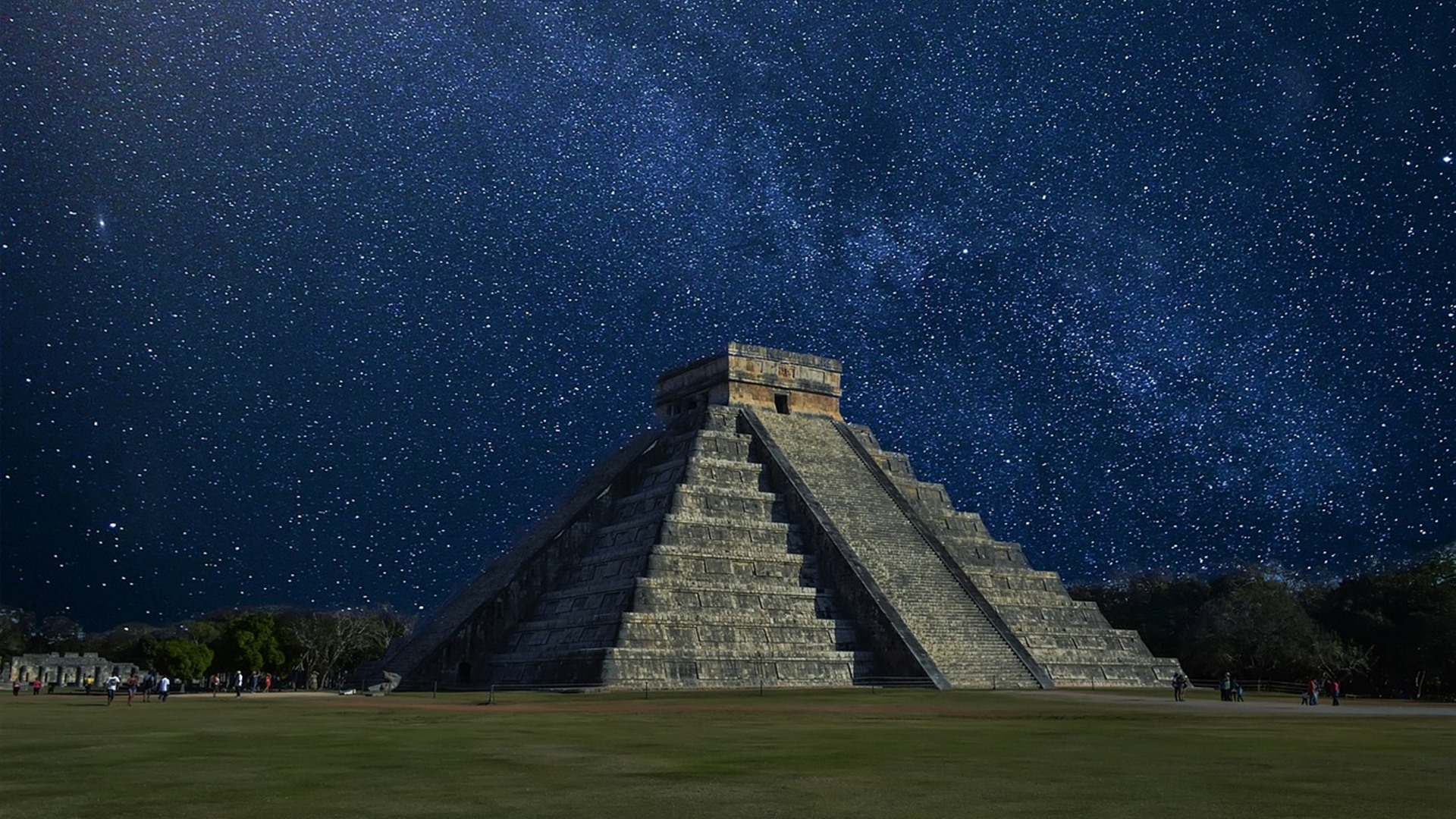
Pop culture and internet conspiracy theorists misinterpreted the end of a 5,125-year cycle in the ancient Maya Long Count calendar on December 21, 2012, as the literal end of the world. Bunker sales surged and Hollywood released a disaster movie, yet the winter solstice passed peacefully.
©Pixabay / Walkerssk
4. The AI Singularity Risk (2029 To 2030)
Modern tech leaders and researchers, including Elon Musk, warn that Artificial General Intelligence could surpass human intelligence around 2029 or 2030. The rapid rise of frontier models has sparked intense global debate over whether runaway technology poses an existential threat to humanity.

©Pixabay / Alexandra_Koch
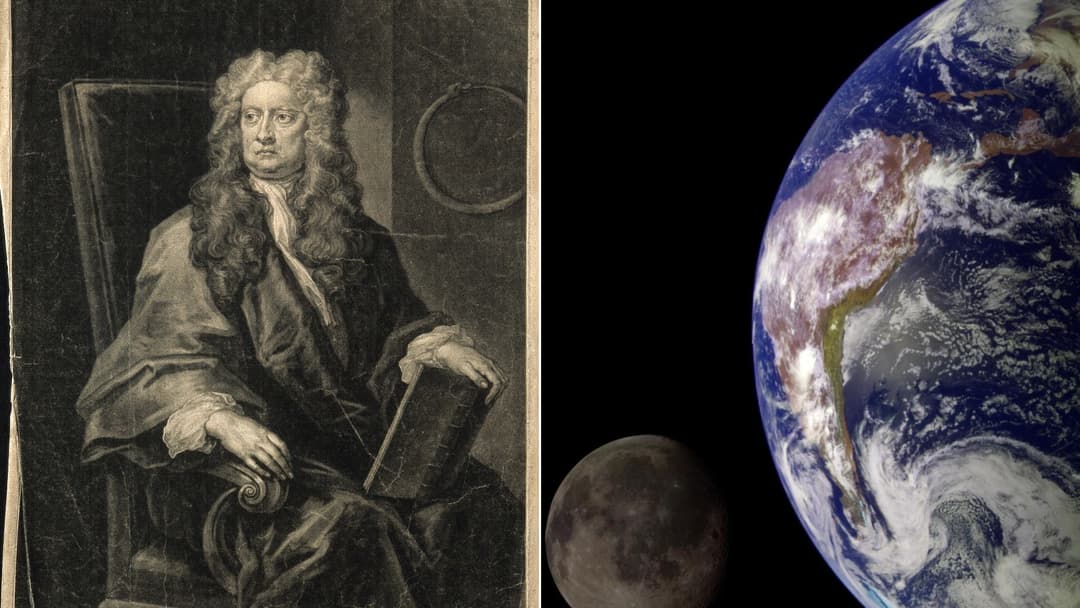
3. Isaac Newton's 2060 Reset (2060)
In 1704, legendary physicist Sir Isaac Newton analyzed biblical texts and scribbled on a manuscript scrap that the world would reset around the year 2060. Rather than total physical destruction, Newton viewed 2060 as the end of an old corrupt age and the start of a new era of peace.
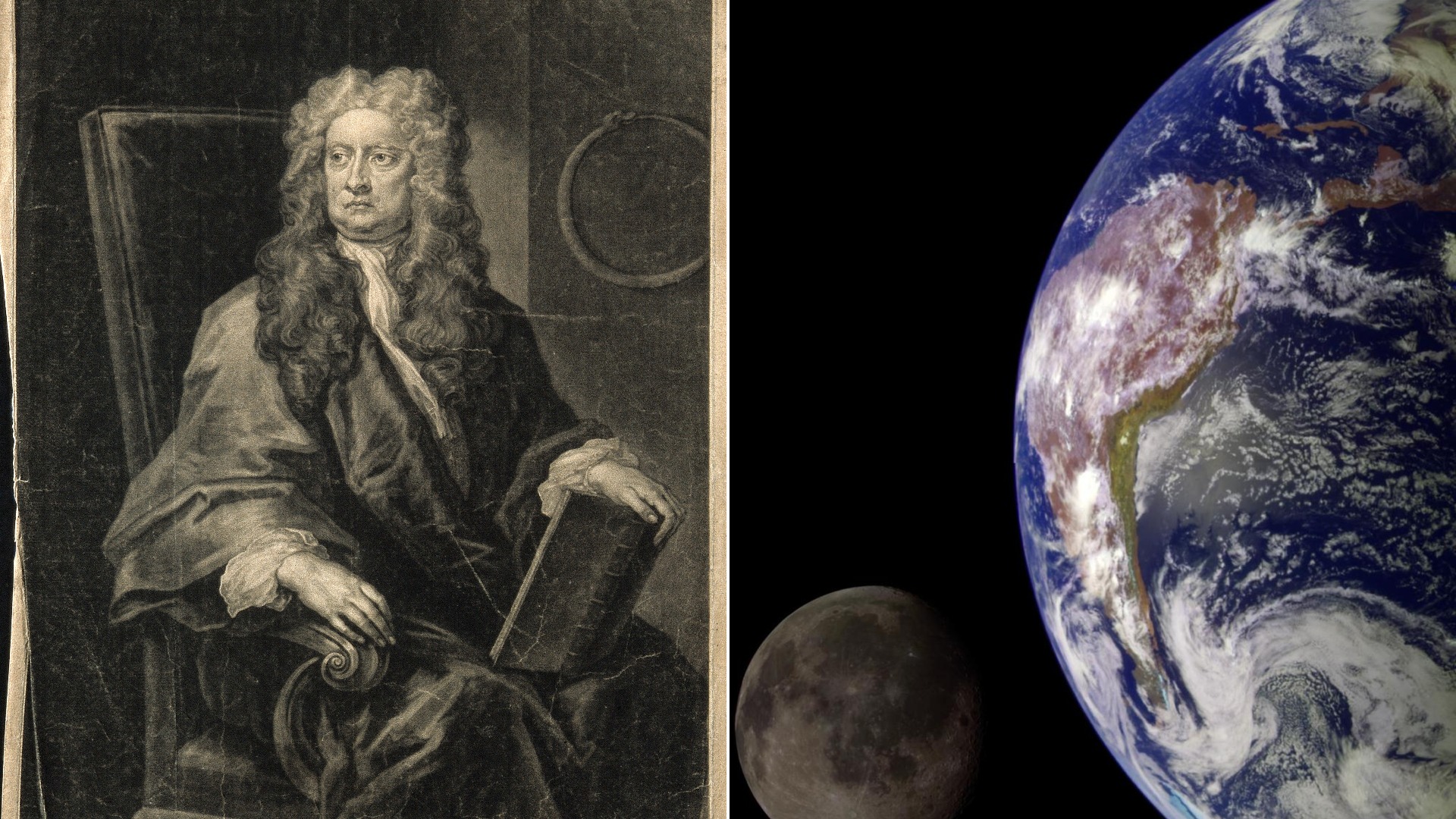
©Wikimedia / Gallery: Wellcome & NASA / JPL
2. The New Population Crisis
Ironically, modern economists now worry far less about von Foerster's overpopulation squeeze and far more about global population collapse. Rapidly aging societies, record-low fertility rates, and shrinking workforces now challenge economies from East Asia to Europe.

©Pixabay / geralt
Advertisement
Swipe or tap ▶ to resume the countdown.
1. The Ultimate Lesson
Whether tracking population curves, Y2K computer bugs, or modern AI booms, the future is never fixed in stone. As Friday, November 13, 2026 proves once again, humans have a remarkable habit of innovating, adapting, and rewriting the equation before the clock runs out.
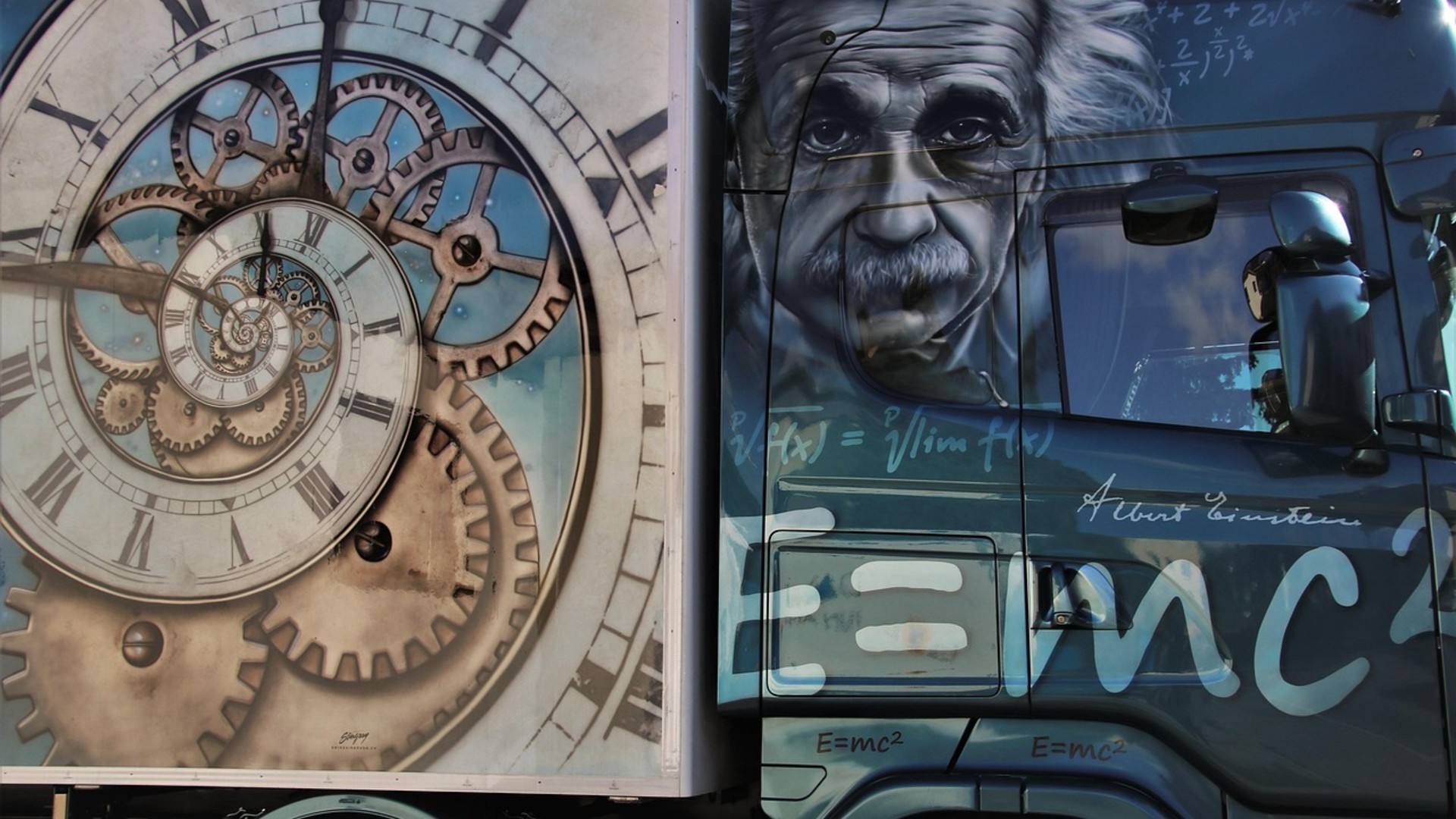
©Pixabay / pasja1000
Advertisement
You've reached the end of the story. Thanks for reading!

25 Fascinating Alien Planets Discovered by Space Telescopes, Ranked
Astronomers have cataloged over 5,500 worlds orbiting distant stars. Based on observational data from NASA's Exoplanet Archive and spectral findings from the James Webb Space Telescope, this countdown ranks twenty-five remarkable alien planets by their scientific importance, atmospheric extremes, and habitability potential.
All 20 Entries in this Story
1. The Doomsday Headline
On Friday, November 13, 2026, humanity officially survived a famous 66-year-old scientific prediction of the apocalypse. For more than six decades, demographers, physicists, and pop-science readers waited to see how the world would look when this notorious calendar date arrived.

2. Not Your Average Prophecy
Unlike mystical predictions involving rogue asteroids or ancient curses, this doomsday date was calculated by real academic researchers using strict mathematical equations. It relied on historical demographic data and calculus rather than superstition or supernatural folklore.

3. The Famous 1960 Paper
In November 1960, Austrian-American physicist Heinz von Foerster and two University of Illinois colleagues, Patricia M. Mora and Lawrence W. Amiot, published a landmark paper in the prestigious journal Science. Their peer-reviewed calculation quickly became one of the most debated papers of the era.

4. The Provocative Title
The researchers boldly titled their study 'Doomsday: Friday, 13 November, A.D. 2026' to guarantee massive global attention. By pairing a dramatic apocalyptic headline with an exact Friday the 13th calendar date, the authors ensured their warning reached far beyond academic circles.

5. The Math Behind The Madness
The team analyzed 2,000 years of human population estimates and noticed that the time required for the global population to double was getting shorter and shorter. Because medical and agricultural advances were cutting mortality rates, humanity was accelerating along a steep curve.

6. Squeezed To Death
Von Foerster calculated that if this hyper-exponential growth continued unchecked, the human population would hit mathematical infinity in November 2026. Even with unlimited food, they famously warned that our descendants would not starve, but instead would literally be squeezed to death on Earth.

7. The Hidden Birthday Easter Egg
The equation actually had a margin of error of over five years. Von Foerster intentionally picked Friday, November 13, 2026, because it combined a spooky Friday the 13th superstition with his own 115th birthday, as he was born in Vienna on November 13, 1911.

8. Stagecraft Meets Science
Before becoming a renowned physicist and cybernetics pioneer, von Foerster trained as a stage magician in Austria. He deliberately used theatrical shock value and showmanship to force policymakers and the public to take runaway overpopulation seriously.

9. Scarily Accurate At First
For over 30 years after its publication in 1960, the Doomsday Equation tracked real-world global population growth more accurately than most standard demographic models. From 3 billion people in 1960 to over 5 billion by the late 1980s, reality followed the curve.

10. The 1990s Turning Point
Around 1993, reality finally broke away from the hyper-exponential math as global birth rates began to plummet. Instead of doubling at faster and faster intervals, annual global population growth rates peaked and started a steady, long-term deceleration.

11. How Humanity Adapted
Rapid urbanization, improved healthcare, higher female education, and wider access to family planning caused average family sizes to drop by more than half since 1960. As living standards rose across developing nations, parents chose to have far fewer children.

12. Today's Reality
Instead of approaching infinity, the global population sits near 8.3 billion in November 2026. The United Nations now projects humanity will peak around 10.3 billion in the 2080s before gradually declining, proving that Earth's demographic trajectory has flattened out.

13. The Fatal Flaw Of Doomsday Math
As highlighted by Euronews, mathematical doom models fail because they project past trends blindly into the future, forgetting that humans innovate and change their behavior. Equations treat people like unthinking particles rather than adaptable decision-makers.

14. A Self-Defeating Prophecy
Von Foerster urged humanity to cut birth rates in half to avoid demographic catastrophe. Because society naturally did just that over the following decades, the 1960 Doomsday study acted as a self-defeating prophecy whose core warning helped prove its own deadline wrong.

15. The Y2K Computer Bug (2000)
Experts feared that computers programmed with two-digit years ('99' instead of '1999') would read the year 2000 as 1900 on January 1, 2000, crashing power grids, banks, and aviation. Billions were spent rewriting legacy code worldwide, and the new millennium arrived with barely a glitch.

16. The 2012 Mayan Apocalypse (2012)
Pop culture and internet conspiracy theorists misinterpreted the end of a 5,125-year cycle in the ancient Maya Long Count calendar on December 21, 2012, as the literal end of the world. Bunker sales surged and Hollywood released a disaster movie, yet the winter solstice passed peacefully.

17. The AI Singularity Risk (2029 To 2030)
Modern tech leaders and researchers, including Elon Musk, warn that Artificial General Intelligence could surpass human intelligence around 2029 or 2030. The rapid rise of frontier models has sparked intense global debate over whether runaway technology poses an existential threat to humanity.

18. Isaac Newton's 2060 Reset (2060)
In 1704, legendary physicist Sir Isaac Newton analyzed biblical texts and scribbled on a manuscript scrap that the world would reset around the year 2060. Rather than total physical destruction, Newton viewed 2060 as the end of an old corrupt age and the start of a new era of peace.

19. The New Population Crisis
Ironically, modern economists now worry far less about von Foerster's overpopulation squeeze and far more about global population collapse. Rapidly aging societies, record-low fertility rates, and shrinking workforces now challenge economies from East Asia to Europe.

20. The Ultimate Lesson
Whether tracking population curves, Y2K computer bugs, or modern AI booms, the future is never fixed in stone. As Friday, November 13, 2026 proves once again, humans have a remarkable habit of innovating, adapting, and rewriting the equation before the clock runs out.