Slideshow · Animals
20 Signs Your Pet Might Be Spooked
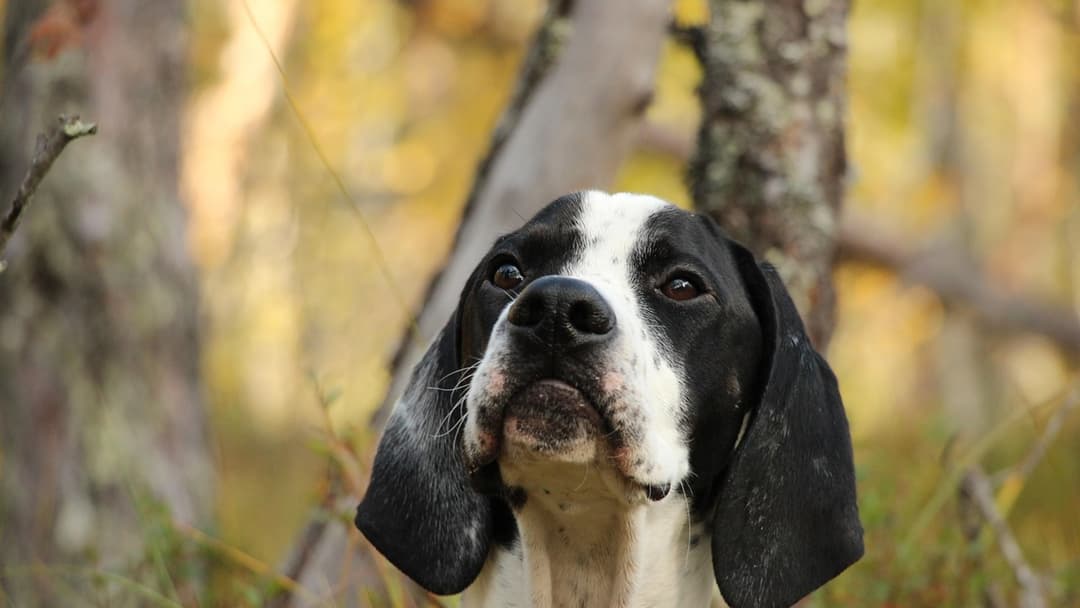
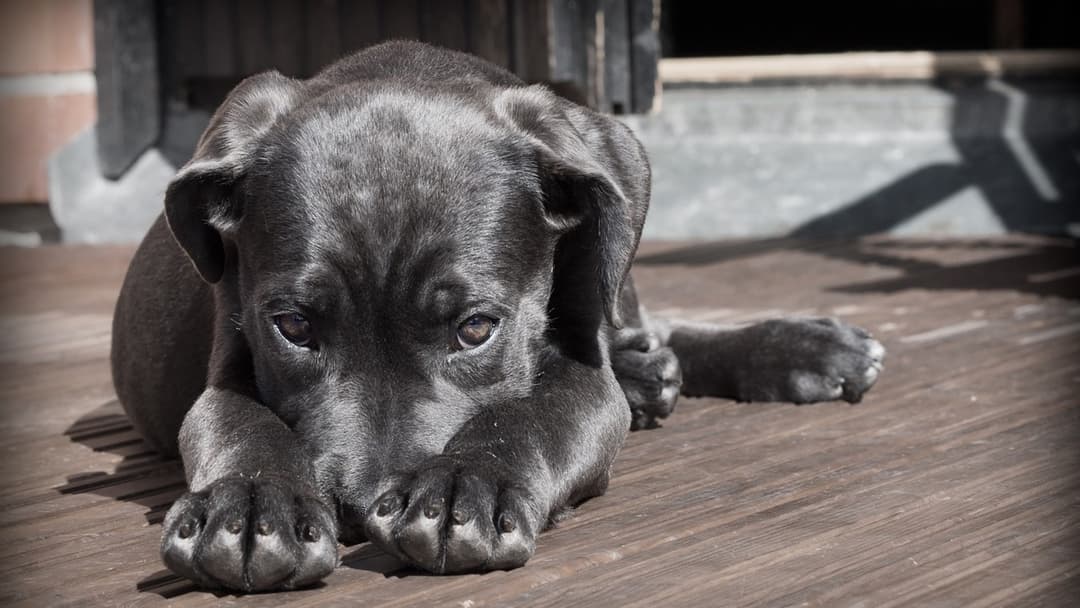
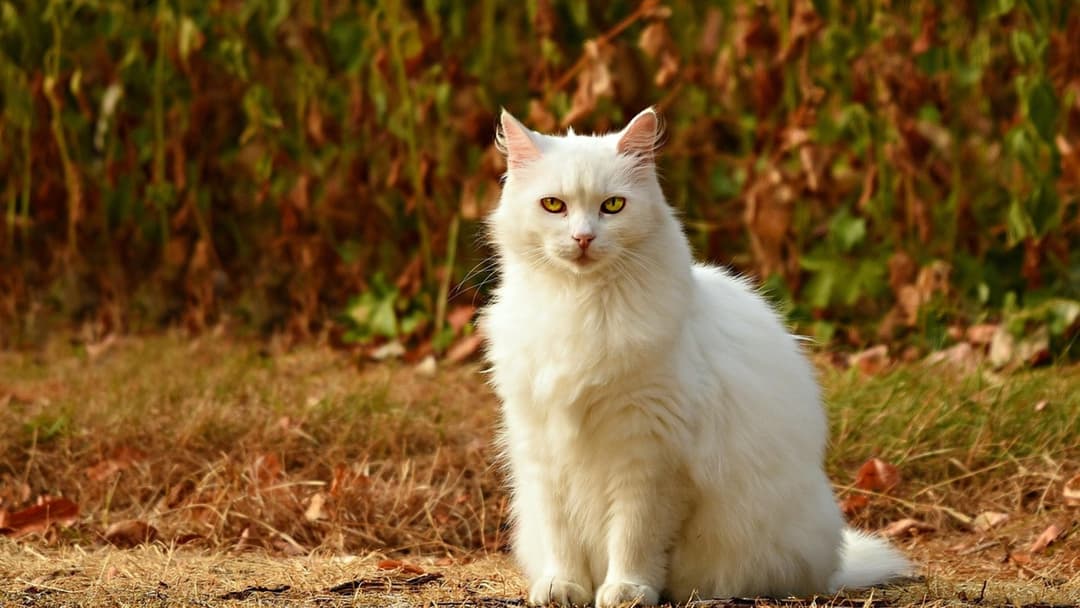
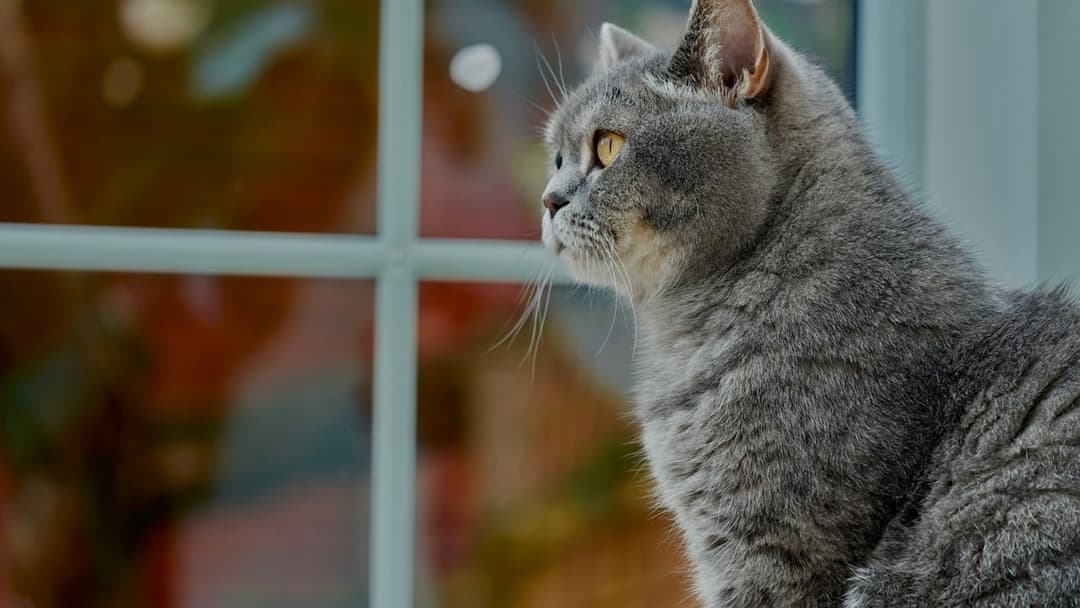
These twenty unsettling pet behaviors often make owners joke about supernatural possession in their living rooms. From staring blankly into empty corners to mimicking human speech, veterinary ethology reveals the fascinating sensory powers and instinctual quirks behind each spooky habit. Here is how they rank.
By Most Viral Today
7 min ago

Bizarre Pet Behaviors That Make Owners Question Reality 
20. Sleeping With Eyes Wide Open 
19. Head Tilting At Whispering Air 
18. Chasing Invisible Airborne Sparks - AdvertisementSwipe or tap ▶ to continue countdown

17. The Midnight Zoomies Sprint 
16. Baring Teeth At Empty Doors 
15. Sudden Frozen Pointer Stiffening 
14. Walking Backwards Through Rooms - AdvertisementSwipe or tap ▶ to continue countdown

13. Rhythmic Wall Staring Contests 
12. Chatter-Clicking At The Glass 
11. Arching Spines And Sideways Crab Walks 
10. Unprovoked Hissing At Familiar Mirrors - AdvertisementSwipe or tap ▶ to continue countdown

9. Contorting Limbs Into Impossible Angles 
8. Low-Frequency Guttural Growling At Nothing 
7. Sudden Personality Flips In Darkness 
6. Standing On Hind Legs Like Humans - AdvertisementSwipe or tap ▶ to continue countdown

5. Tracking Unseen Movements Across Ceilings 
4. Dragging Toys Into Ritualistic Circles 
3. Sudden Unnatural Silent Head Twists 
2. Uncanny Human-Like Vocalizations - AdvertisementSwipe or tap ▶ to continue countdown

1. The 1000-Yard Ghost Stare Into Empty Corners - Advertisement🔥 UP NEXT IN THIS SERIES◫ 25 Slides

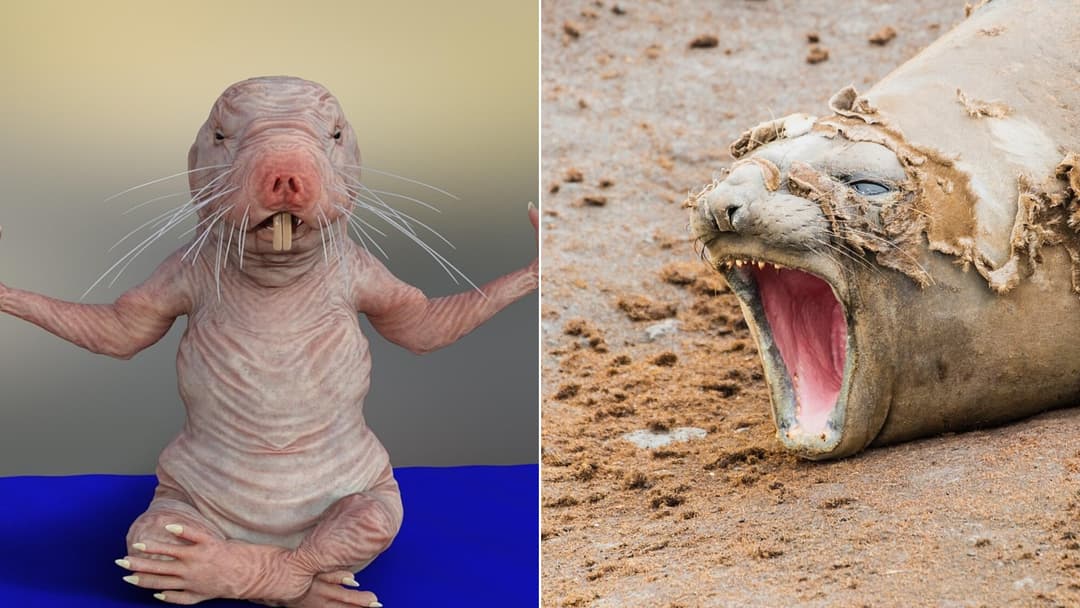
24 Photos of Odd-Looking Animals From Around the World
Nature values function over glamour in extreme environments across the planet. Based on research from the Ugly Animal Preservation Society and Smithsonian records, these twenty-four creatures prove that unconventional traits like gelatinous flesh and naked skin serve vital roles for survival in harsh wild habitats.
Based on animal ethology studies from the American Kennel Club, the Cat Fanciers' Association, the Cornell Feline Health Center, and the ASPCA. These twenty strange pet behaviors explore the boundary between biological instinct and eerie domestic comedy, ranked in ascending order from common quirks to chilling habits.
Swipe or tap ▶ to begin the countdown
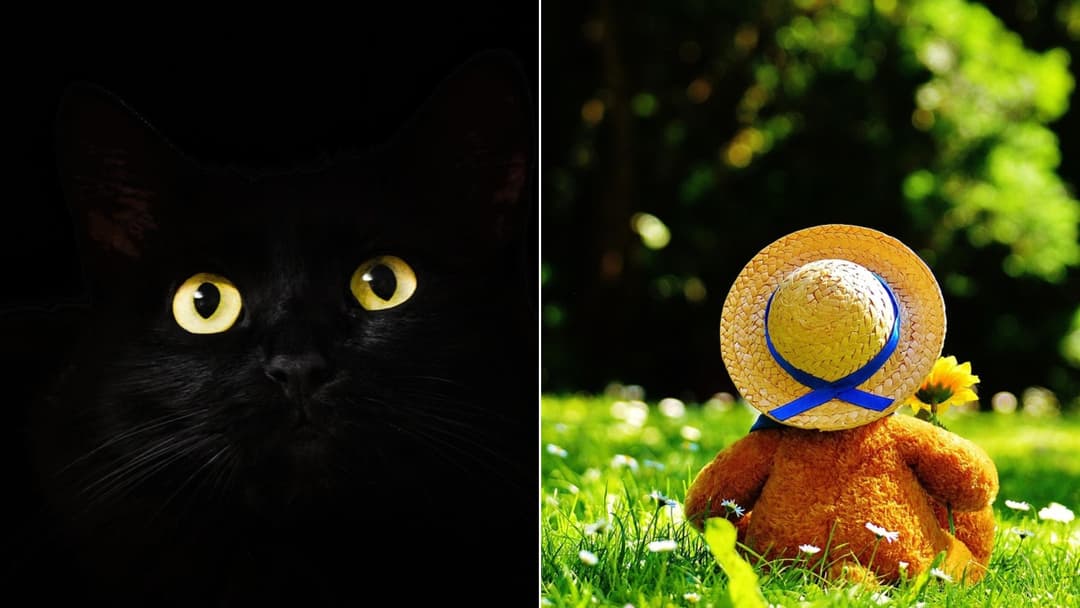
©Pixabay / Mihail_hukuna & Pixabay / Alexas_Fotos
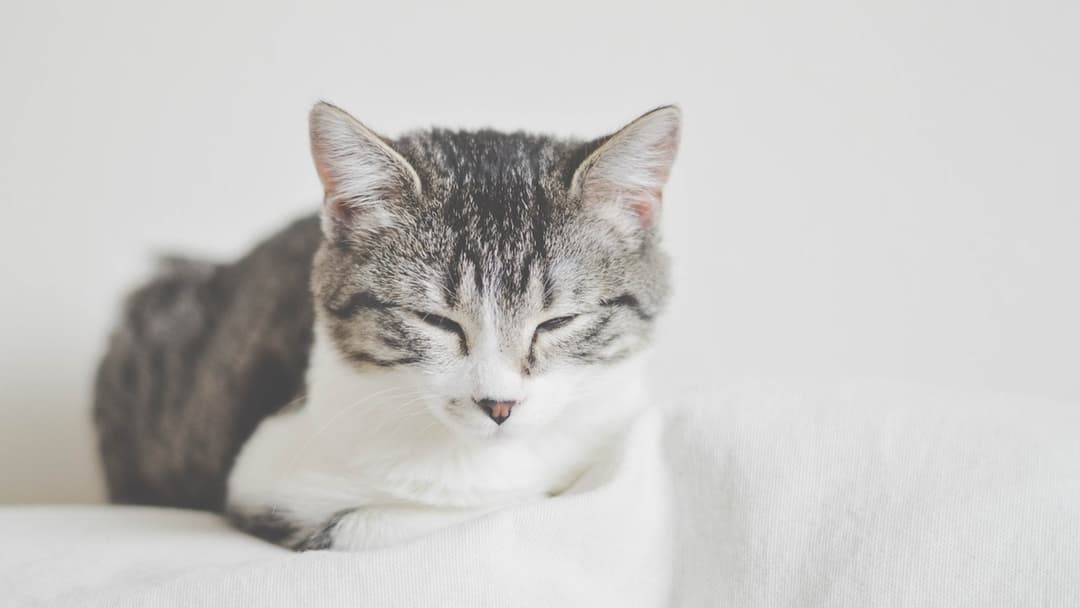
20. Sleeping With Eyes Wide Open
Many dogs and cats sleep with partially opened eyelids due to their nictitating membrane, a translucent protective third eyelid that sweeps across the cornea. While this glazed appearance unnerves owners, veterinary neurologists note it simply protects resting eyes while keeping photoreceptors alert to predators.
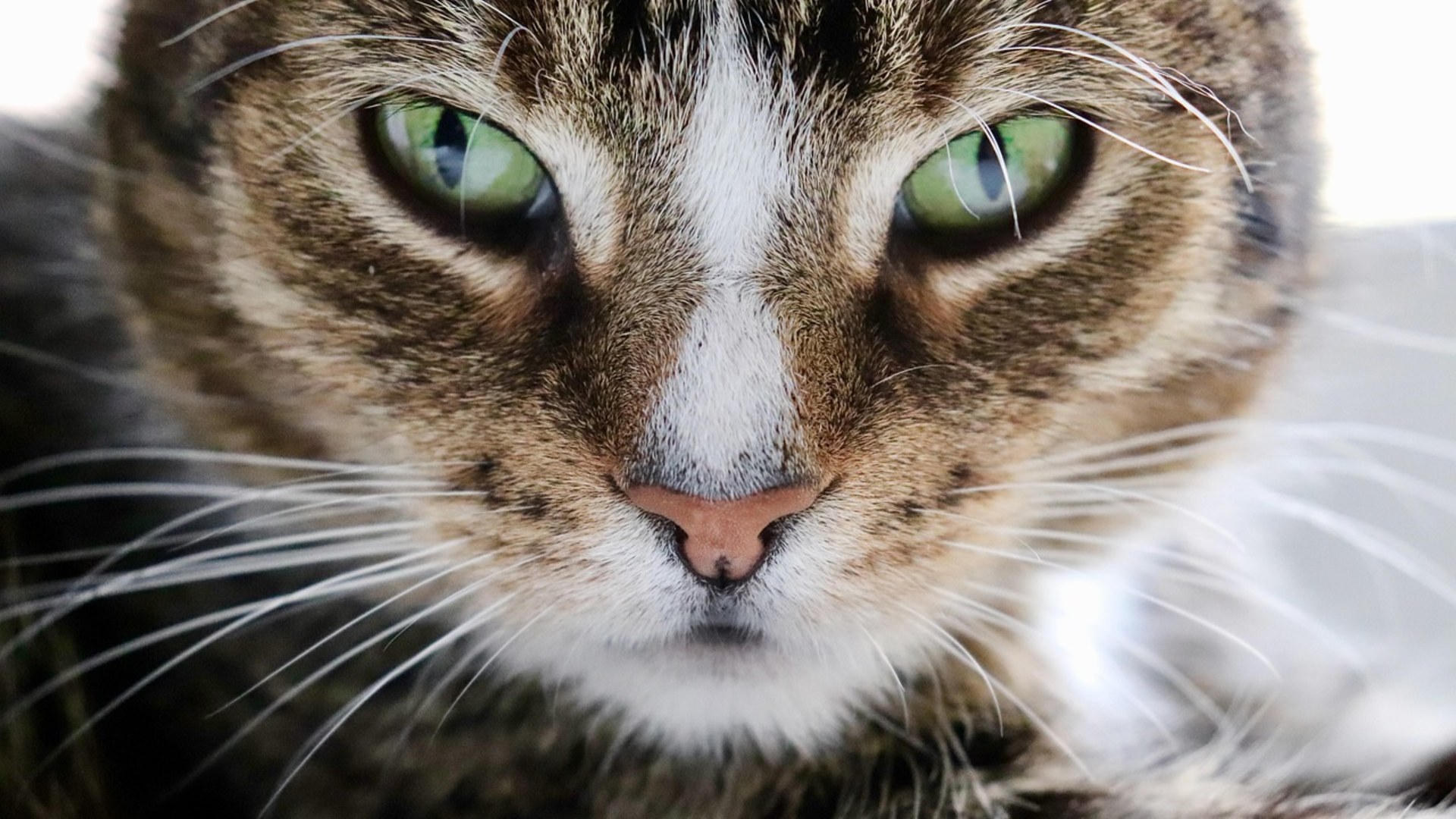
©Pixabay / Nennieinszweidrei
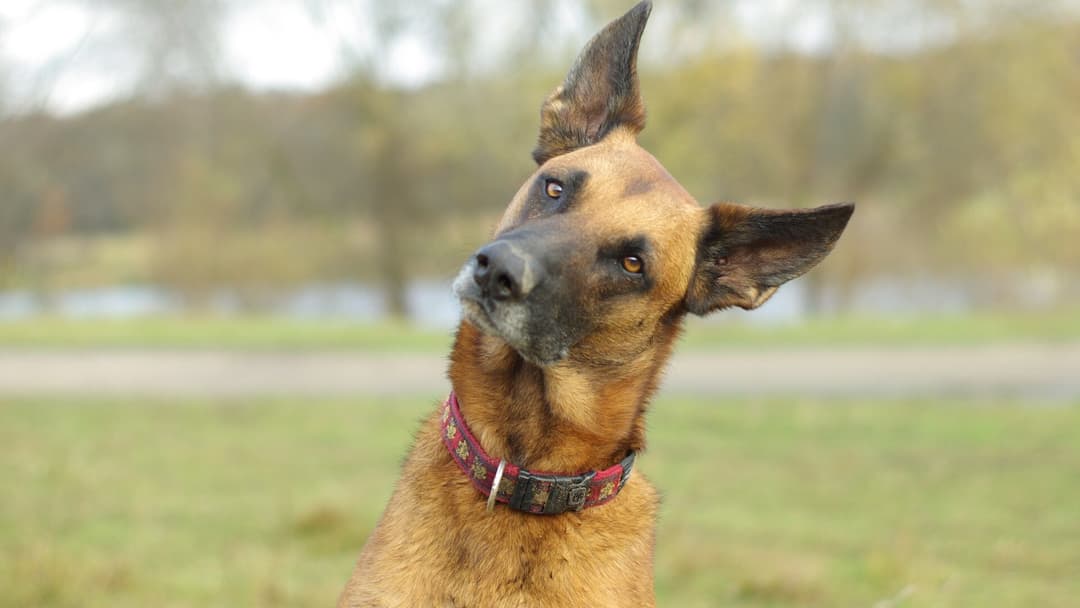
19. Head Tilting At Whispering Air
Canines tilt their heads to adjust their outer ear pinnae, triangulating high-frequency audio waves far beyond human perception. Research from animal behaviorists shows this endearing yet eerie adjustment helps dogs pinpoint faint structural settling sounds or distant plumbing frequencies within interior walls.
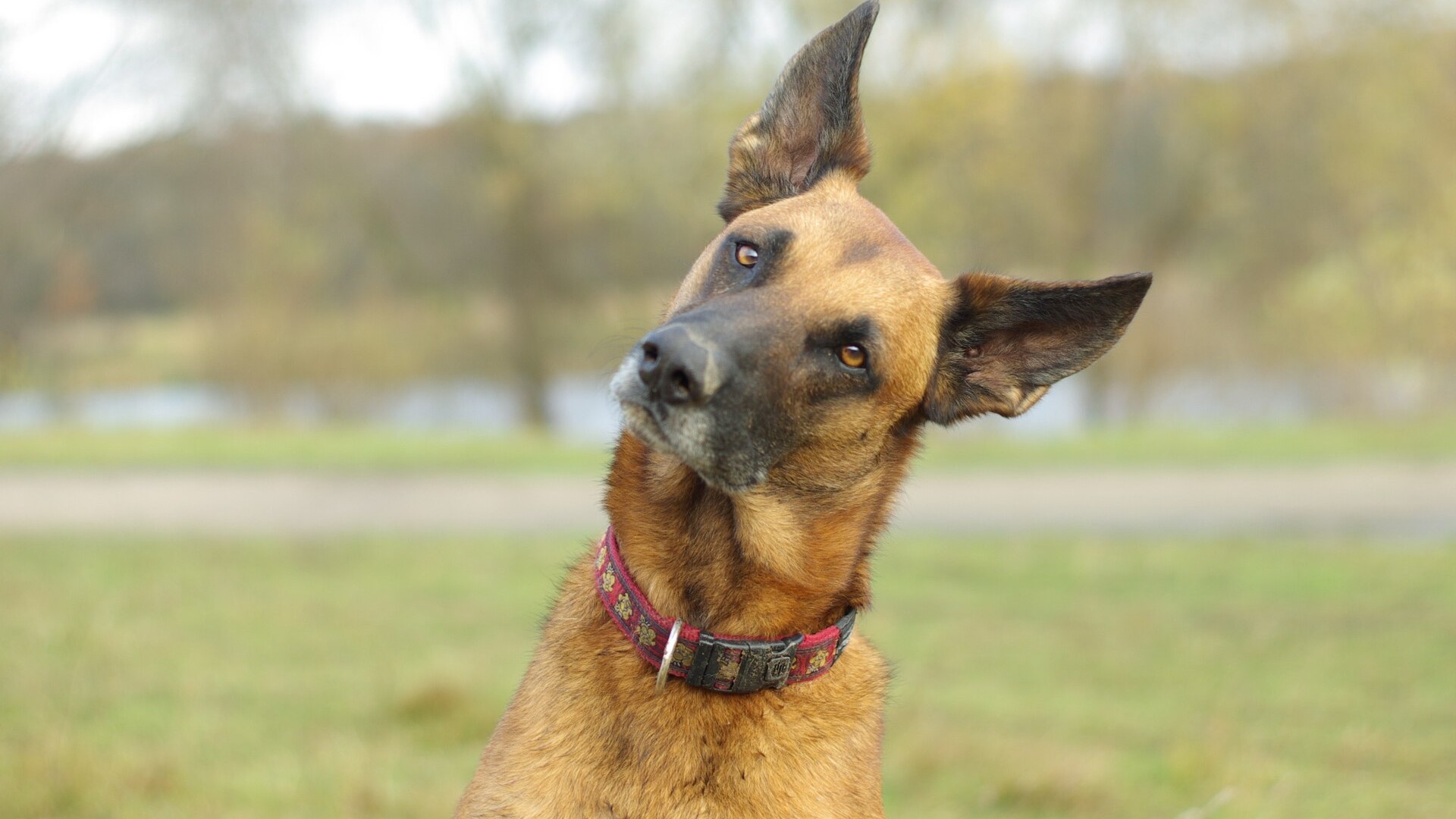
©Wikimedia / Olgierd Rudak
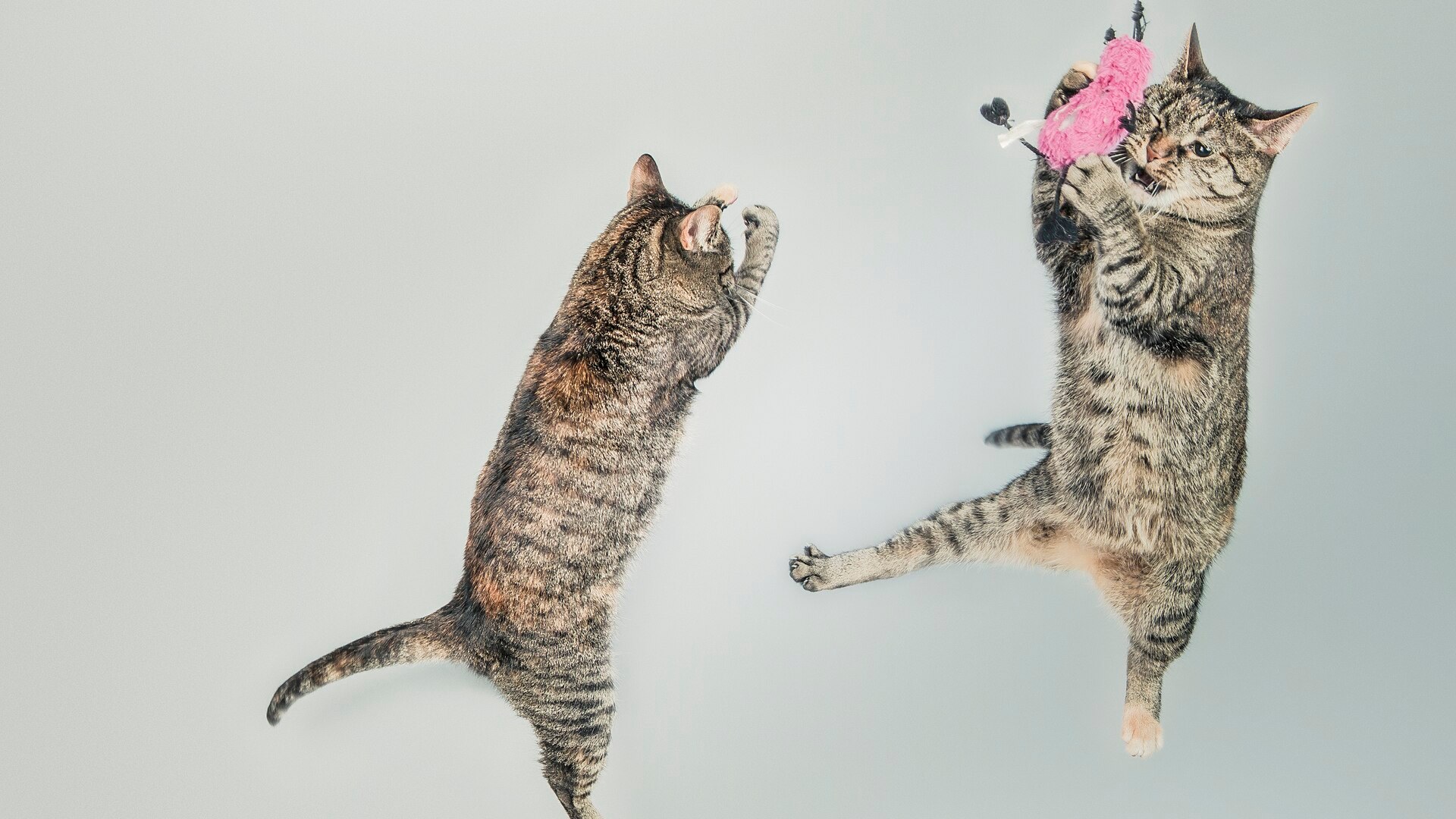
18. Chasing Invisible Airborne Sparks
Pets occasionally snap frantically at empty space, a phenomenon veterinary clinics term fly-snapping. While feline eyes can resolve tiny floating dust particles reflecting ultraviolet light, sudden obsessive jaw snaps in dogs can also stem from minor vitreous floaters drifting across their ocular fluid.
©Wikimedia / www.Pixel.la Free Stock Photos
Advertisement
Swipe or tap ▶ to resume the countdown.
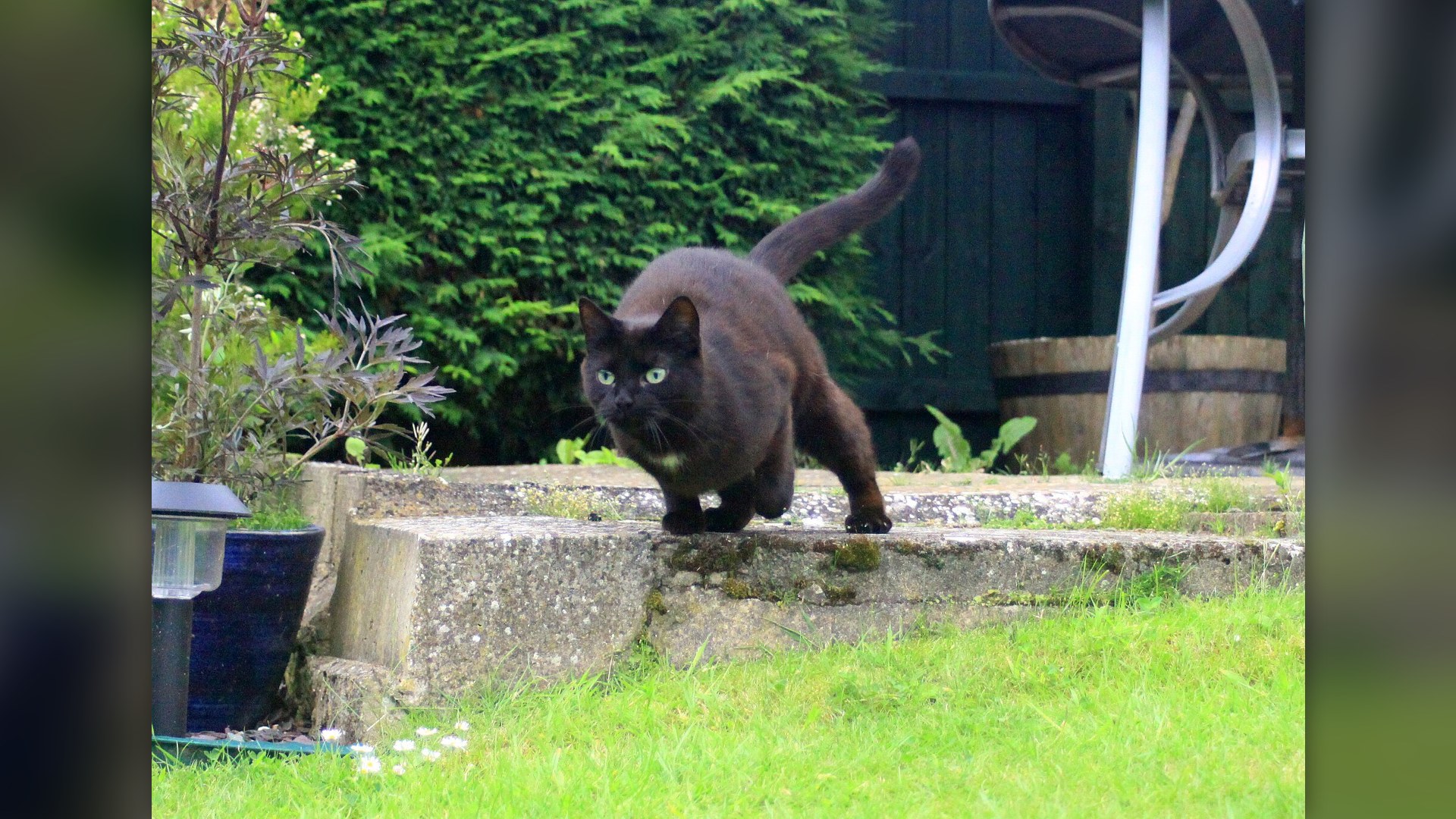
17. The Midnight Zoomies Sprint
Known clinically as Frenetic Random Activity Periods, sudden nocturnal sprints send pets ricocheting off furniture with dilated pupils. Feline specialists explain that domestic cats retain crepuscular hunting rhythms, causing concentrated releases of stored metabolic energy during early morning hours.
©Wikimedia / Paul Lucas from Leicestershire, UK
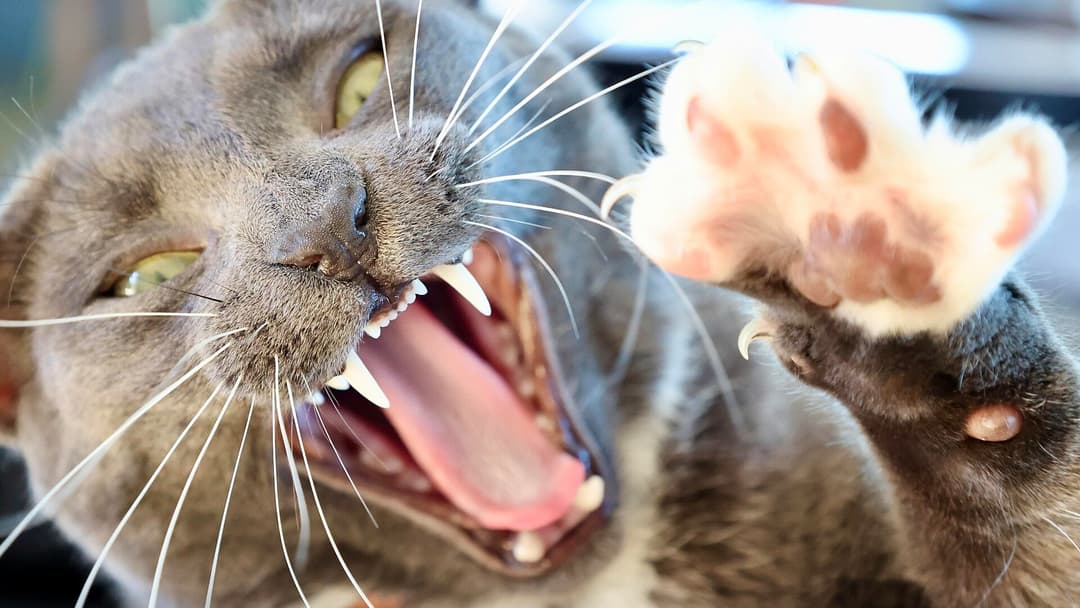
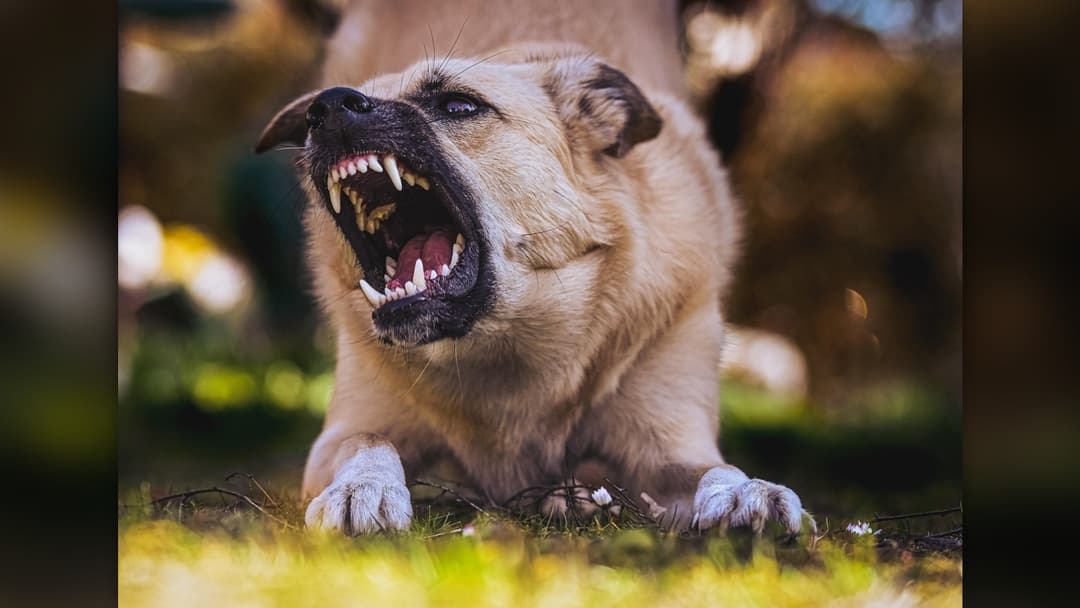
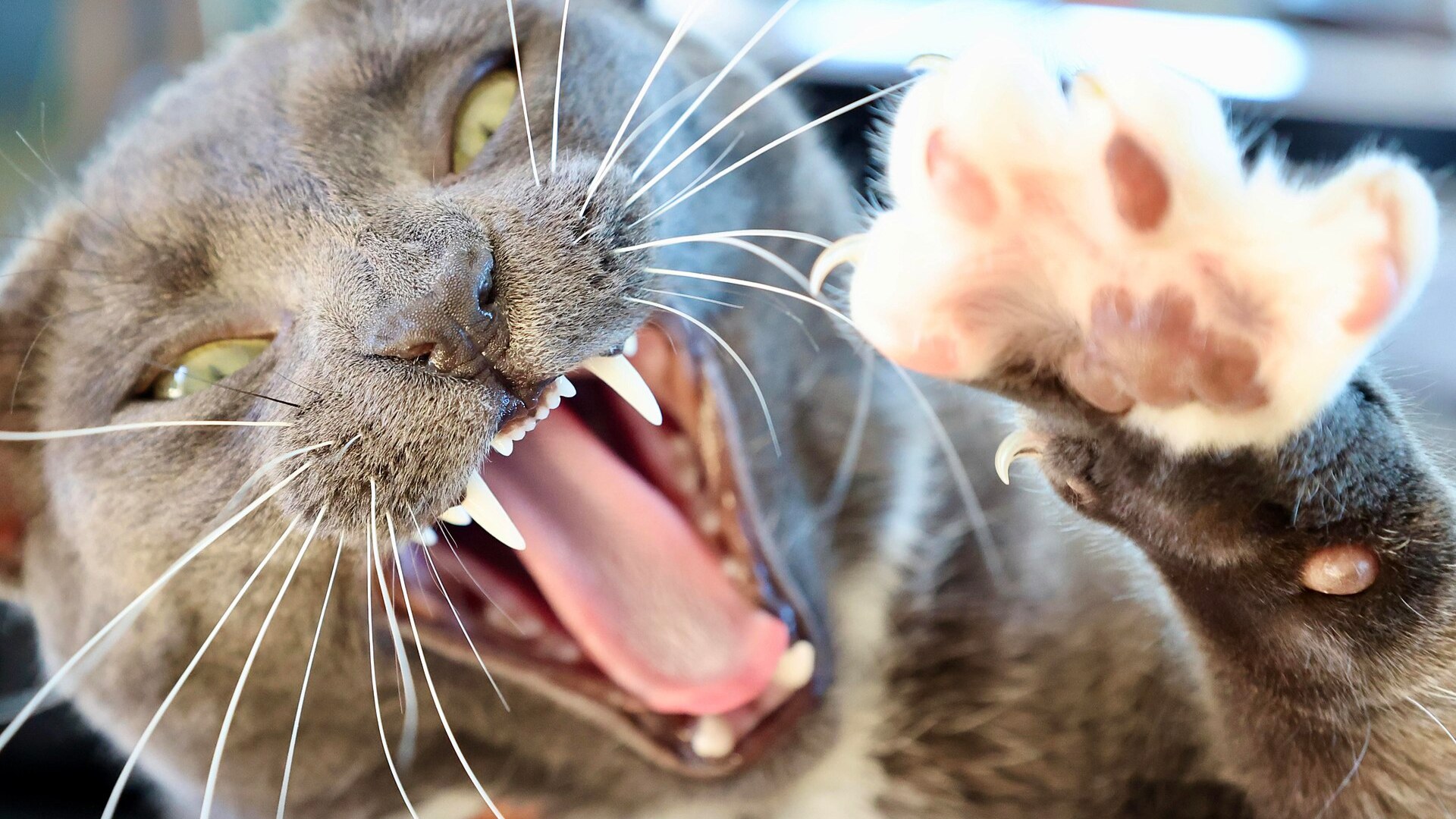
16. Baring Teeth At Empty Doors
When pets curl their lips and bare their teeth toward vacant doorways, they often perform the flehmen response. This involuntary grimace draws airborne pheromones across the vomeronasal organ on the roof of the mouth, decoding chemical scents left hours earlier by neighborhood wildlife outside.
©Wikimedia / DecafPotato
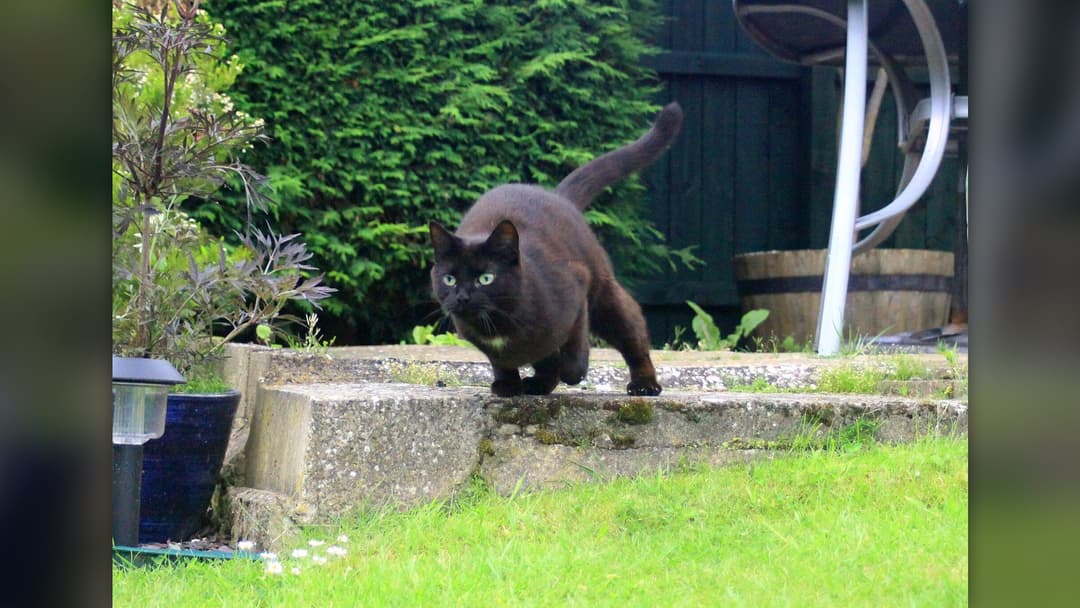
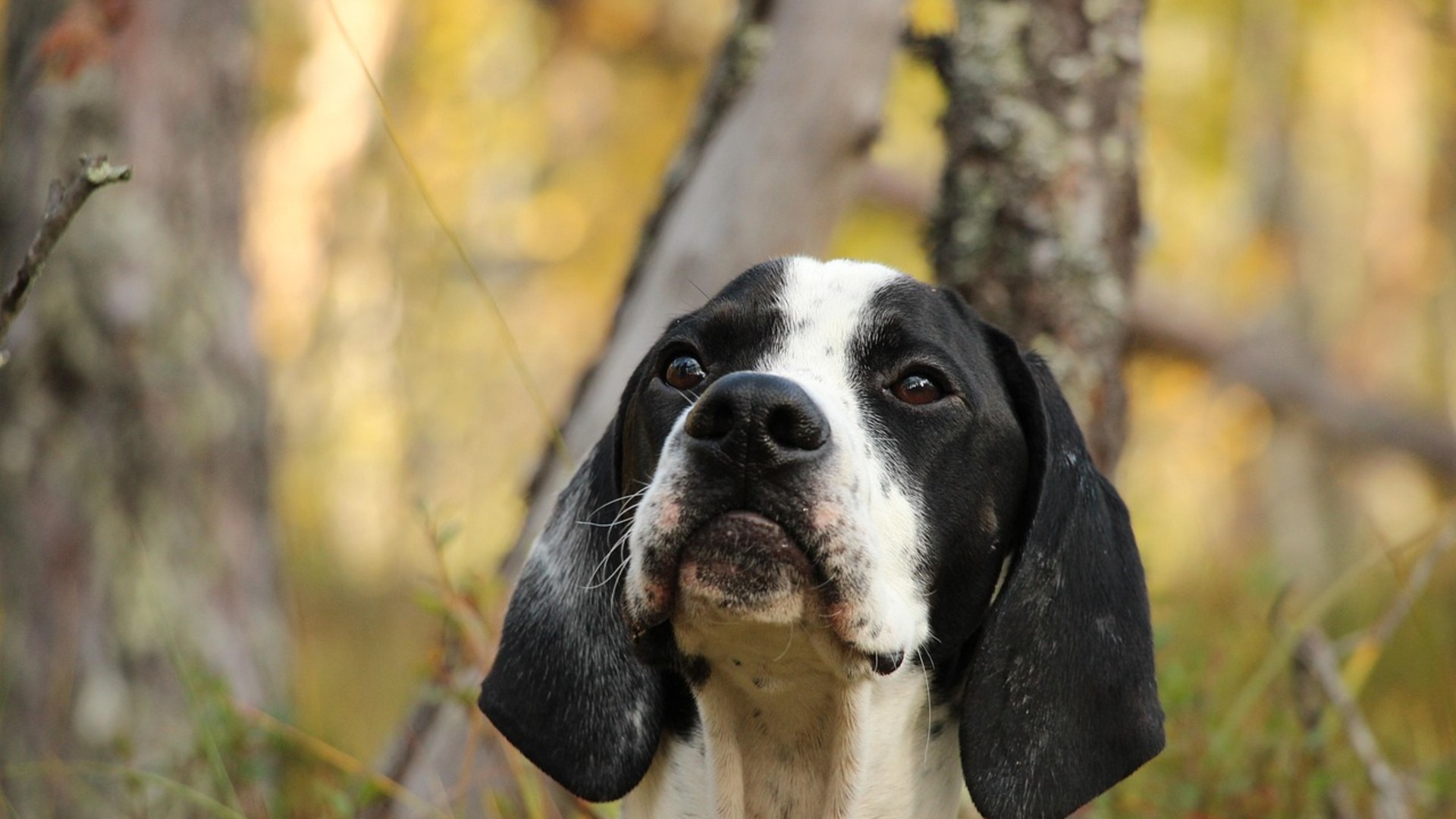
15. Sudden Frozen Pointer Stiffening
Hunting breeds and curious felines will suddenly freeze mid-stride, holding one paw aloft with rigid posture. This predatory fixation suppresses all muscular movement while the animal processes delicate environmental cues, allowing hunting instincts to calculate the exact distance to hidden prey.
©Pixabay / isakH
14. Walking Backwards Through Rooms
Animals occasionally reverse step-by-step through narrow hallways instead of turning around naturally. Animal behaviorists observe that slippery hardwood flooring or static electricity can trigger cautious retreat reflexes, prompting pets to retrace secure foot placement without breaking defensive focus.
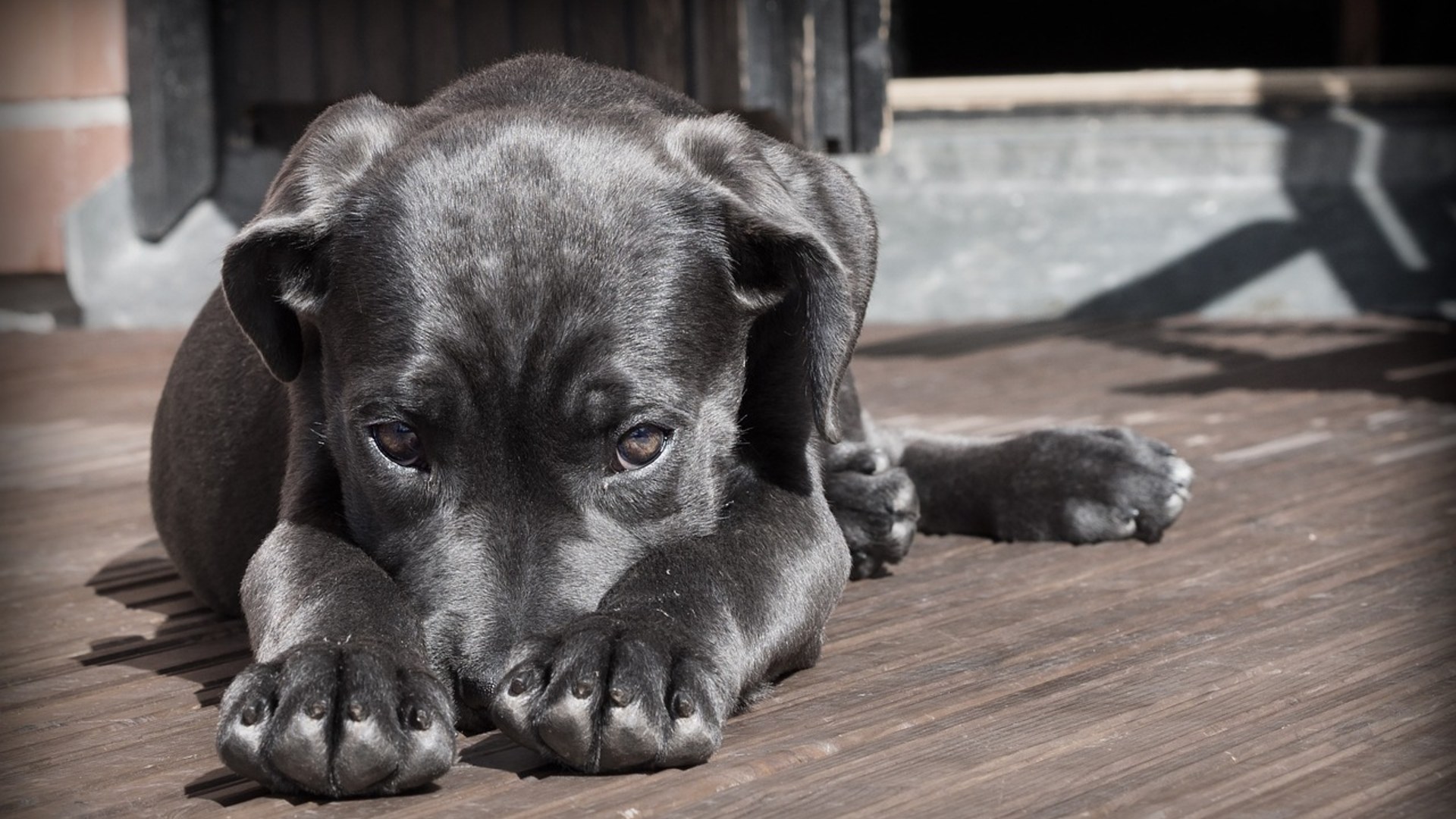
©Pixabay / Winsker
Advertisement
Swipe or tap ▶ to resume the countdown.
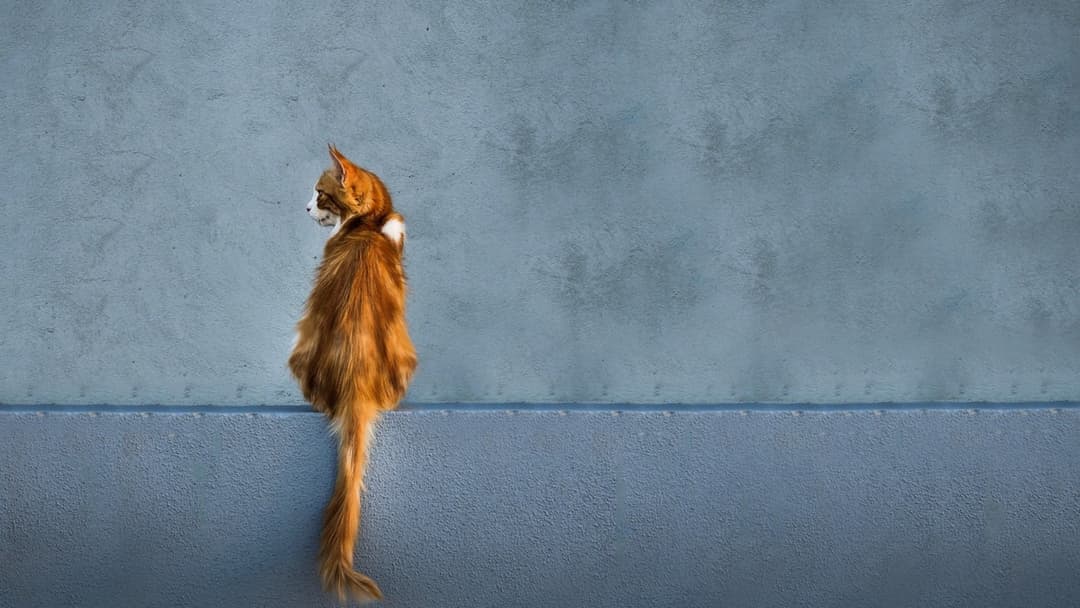
13. Rhythmic Wall Staring Contests
Pets seated motionless before bare sheetrock are usually tracking acoustic vibrations invisible to people. Dogs and cats hear ultrasonic frequencies up to sixty-five kilohertz, allowing them to detect beetles crawling beneath floorboards or small rodents navigating insulation inside partition walls.
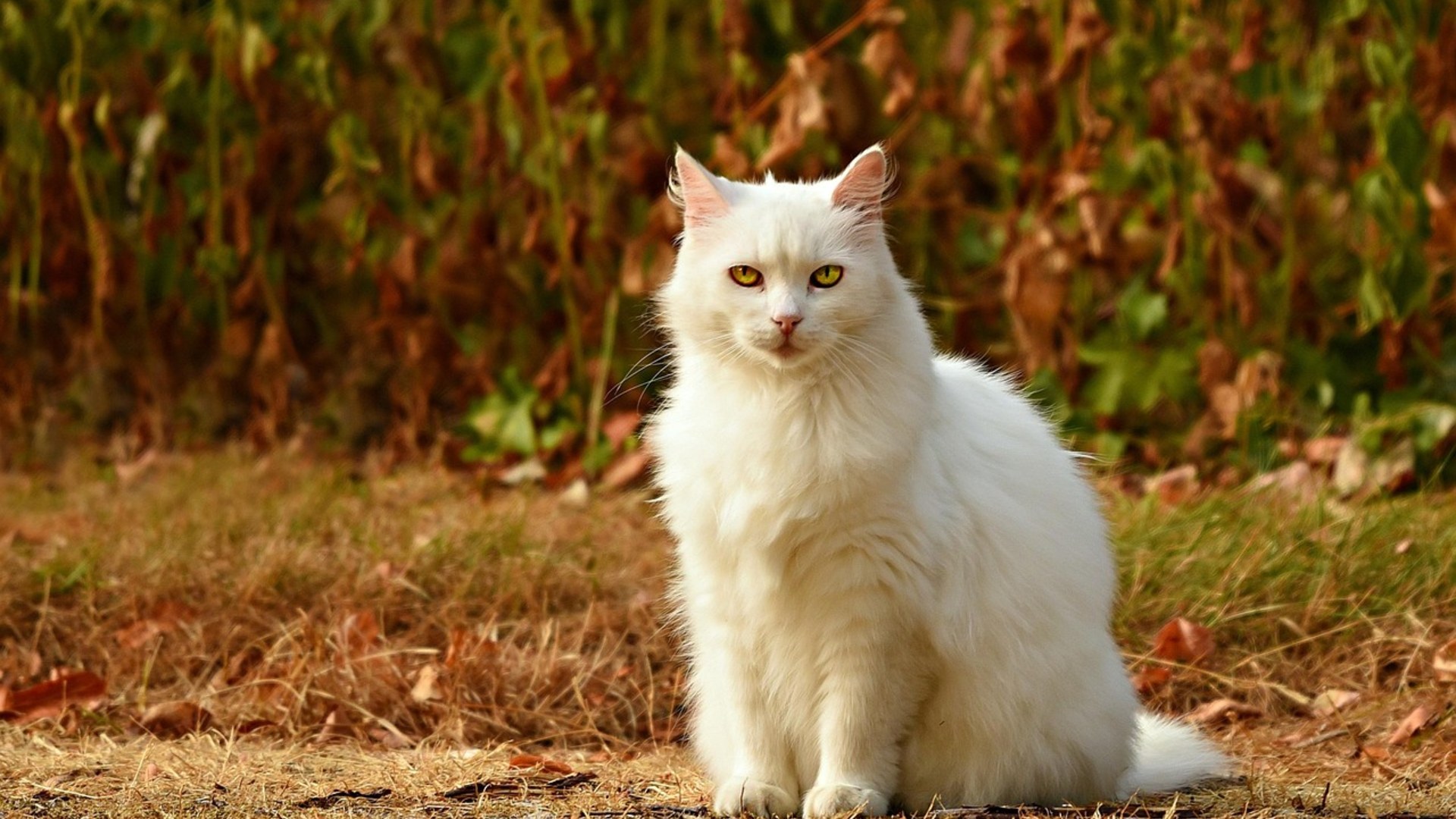
©Pixabay / MabelAmber
12. Chatter-Clicking At The Glass
Felines produce strange staccato jaw clicking when viewing songbirds through double-pane glass. Ethologists describe this rapid teeth chattering as an involuntary hunting reflex that mimics the fatal cervical neck bite delivered to prey, triggered by visual excitement combined with predatory frustration.
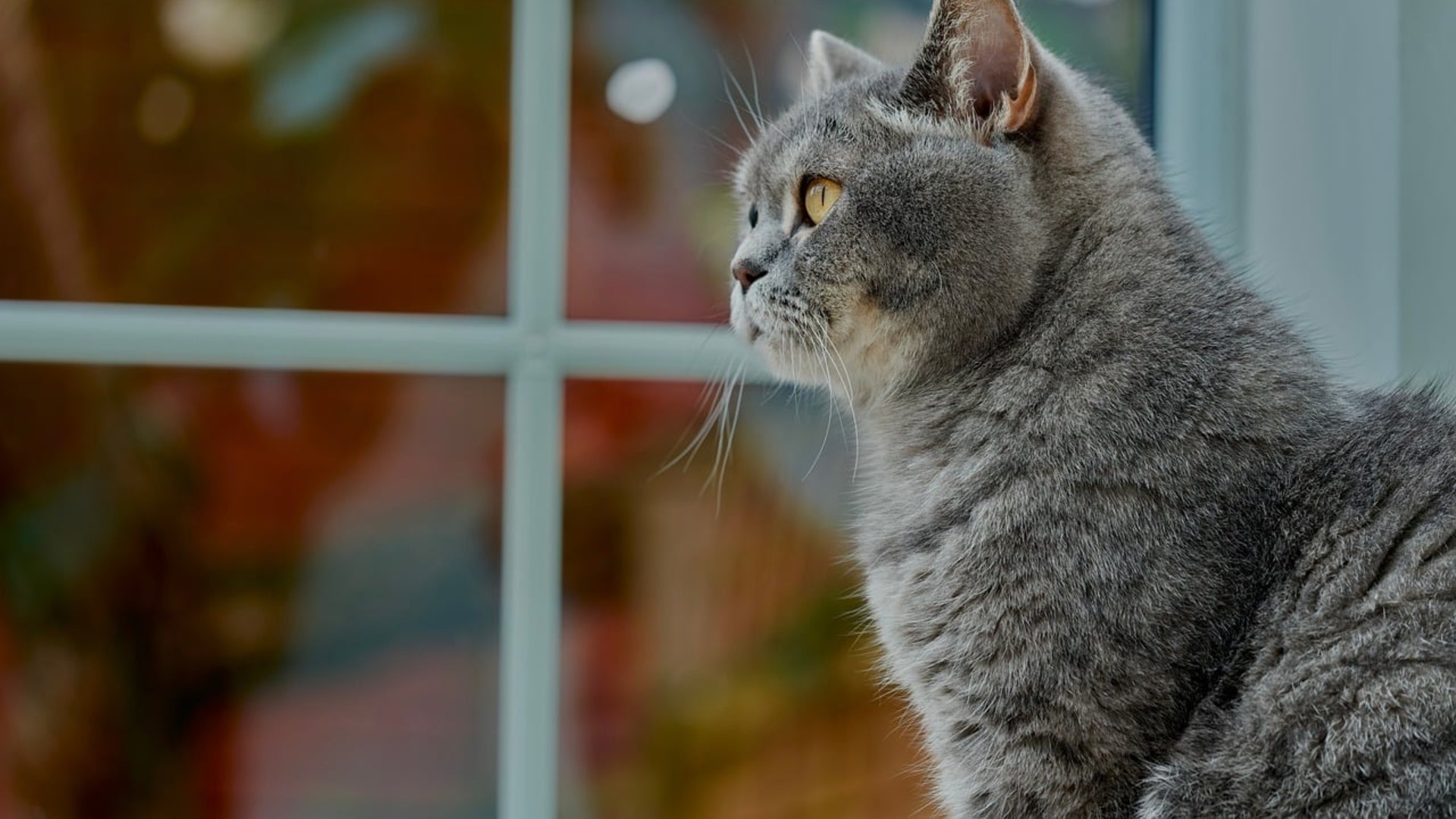
©Pixabay / WJ_Y2017fufu
11. Arching Spines And Sideways Crab Walks
Piloerection causes pet fur to stand upright along the spine while legs stiffen into an awkward sideways trot. This dramatic lateral posture makes small pets appear significantly larger to perceived threats, combining defensive threat deterrence with explosive kinetic agility if attacked.

©Pixabay / Tasos_Lekkas
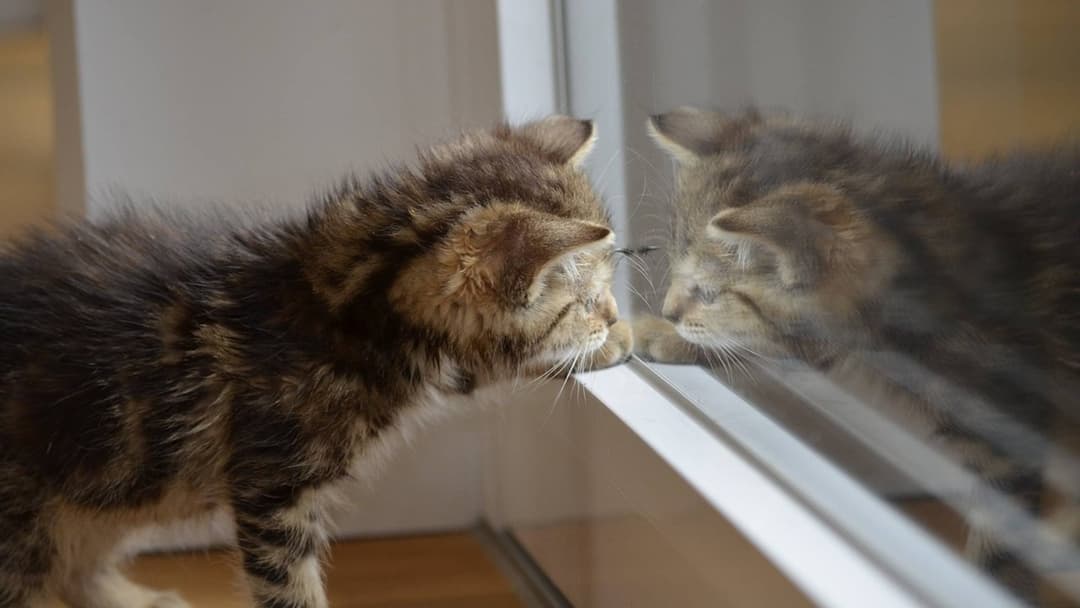
10. Unprovoked Hissing At Familiar Mirrors
Domestic pets lack formal mirror self-recognition, viewing their own reflections as foreign intruders trespassing on home territory. Without olfactory scent confirmation from the glass image, animals often display defensive postures ranging from deep growls to puffed tails and hissing.
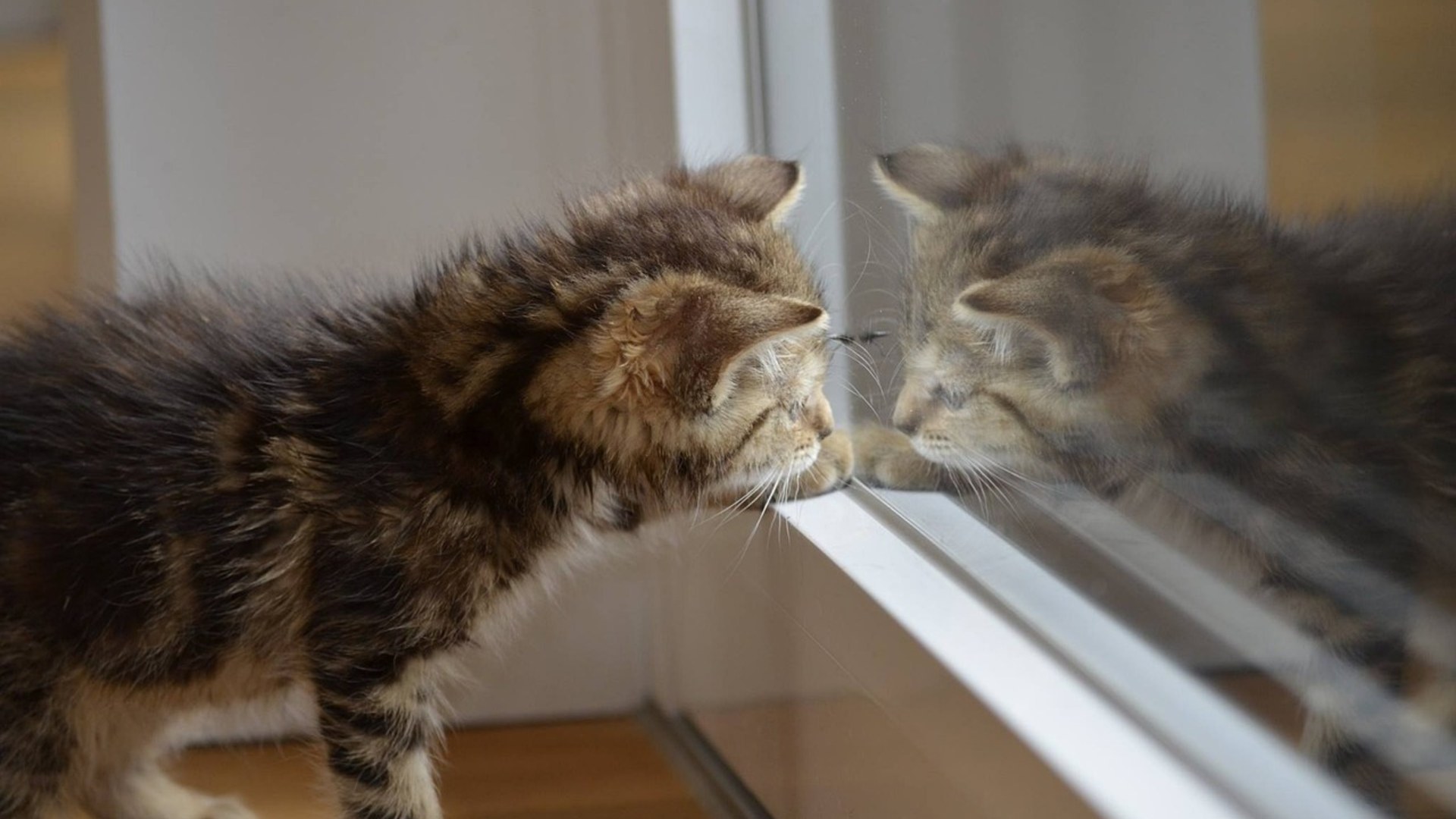
©Pixabay / Kadres
Advertisement
Swipe or tap ▶ to resume the countdown.
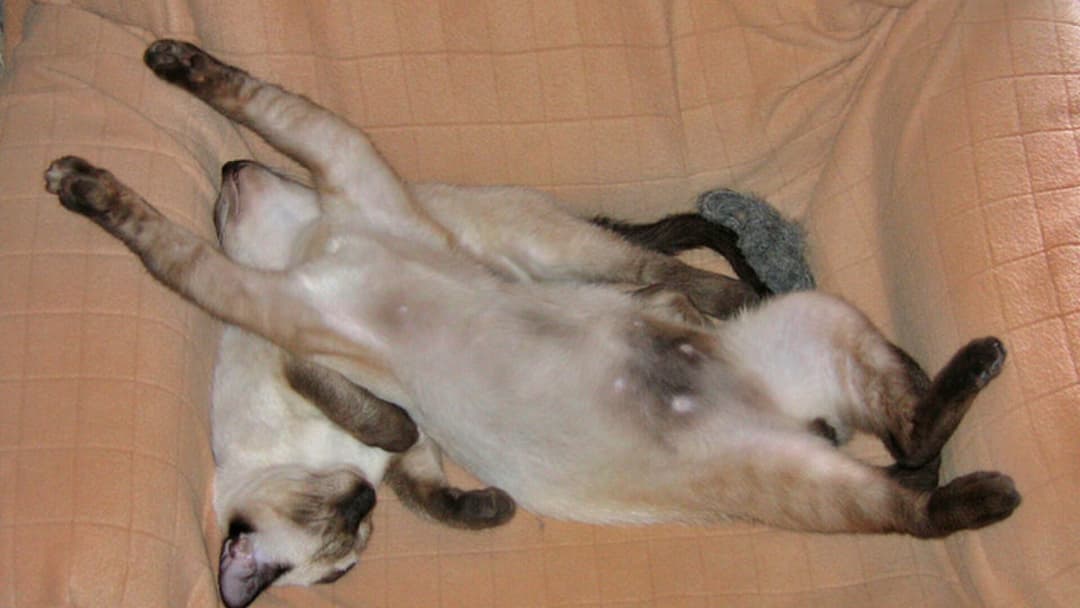
9. Contorting Limbs Into Impossible Angles
Cats possess free-floating clavicle bones attached purely by muscular tissue, granting their ribcage extraordinary rotational flexibility. This anatomical adaptation lets felines sleep comfortably in severe spinal twists that look bone-breaking to human eyes, distributing weight across joints.
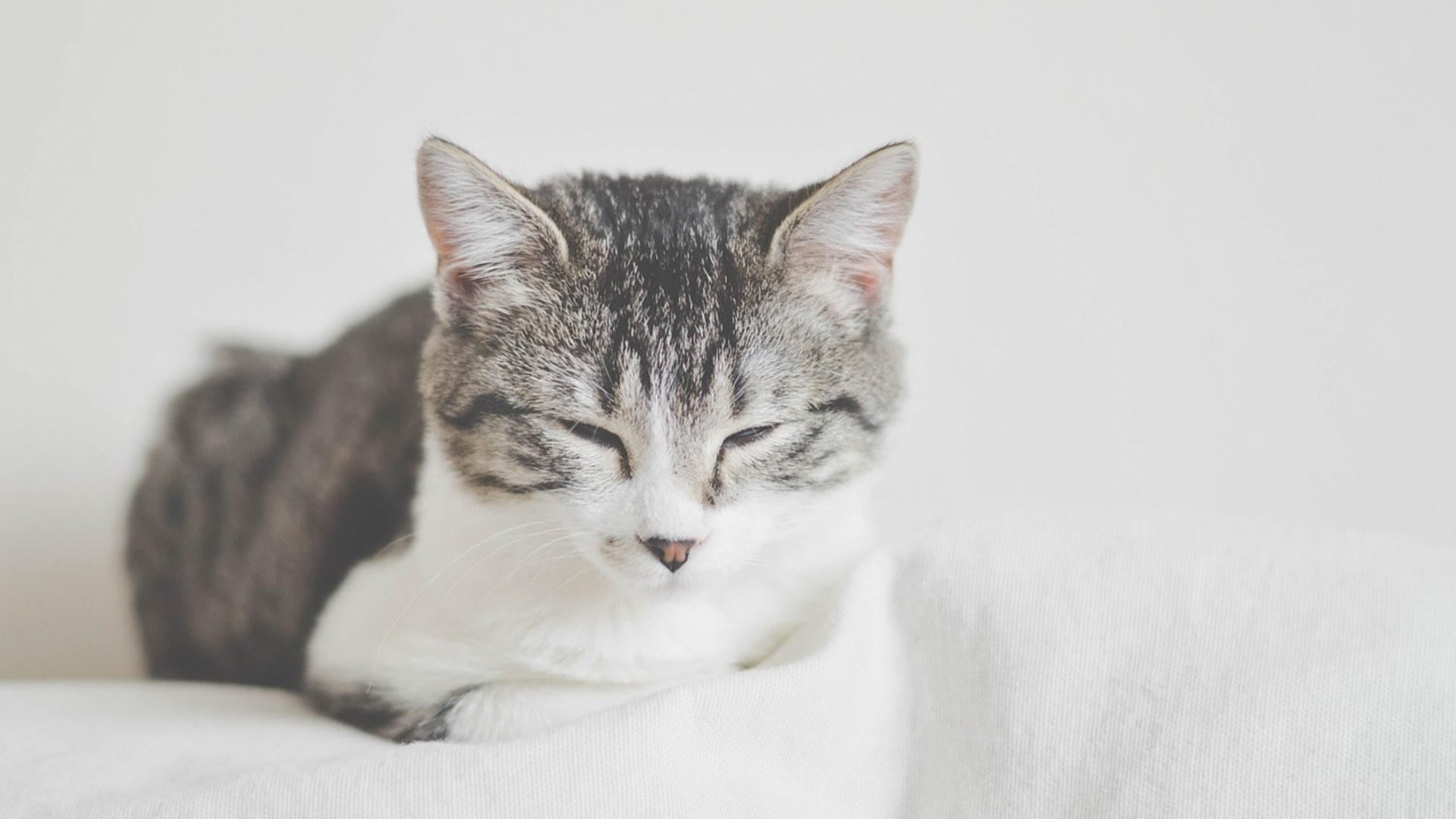
©Pixabay / Pexels
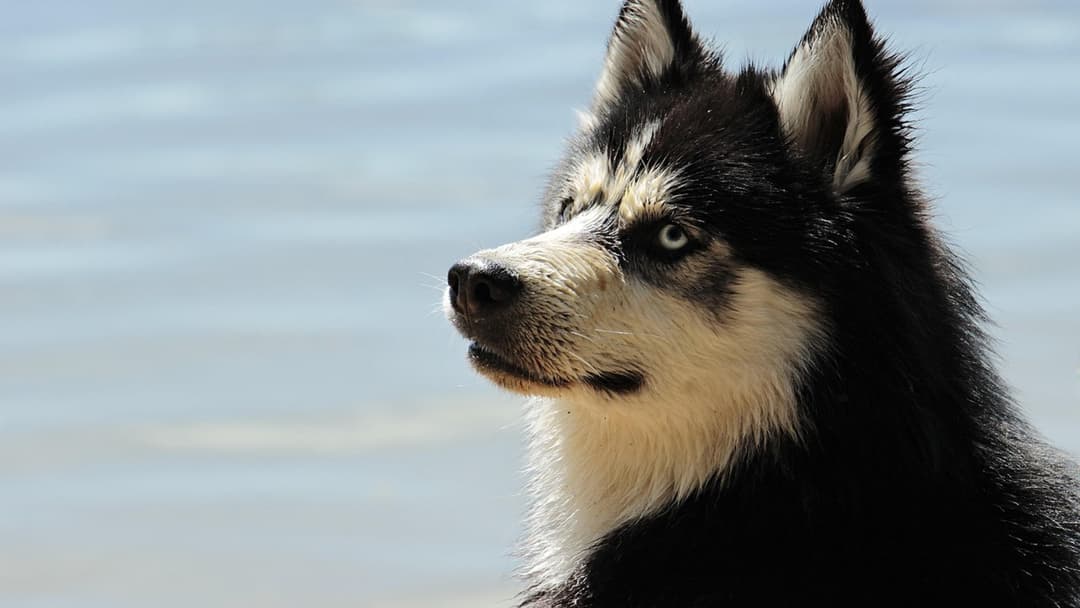
8. Low-Frequency Guttural Growling At Nothing
When dogs emit low-frequency rumbles toward dark corners, their sensory systems are often reacting to micro-seismic tremors or distant thunder. Canine hearing registers sub-audible pressure waves miles before human ears detect weather fronts, prompting cautionary pack alarm signals.
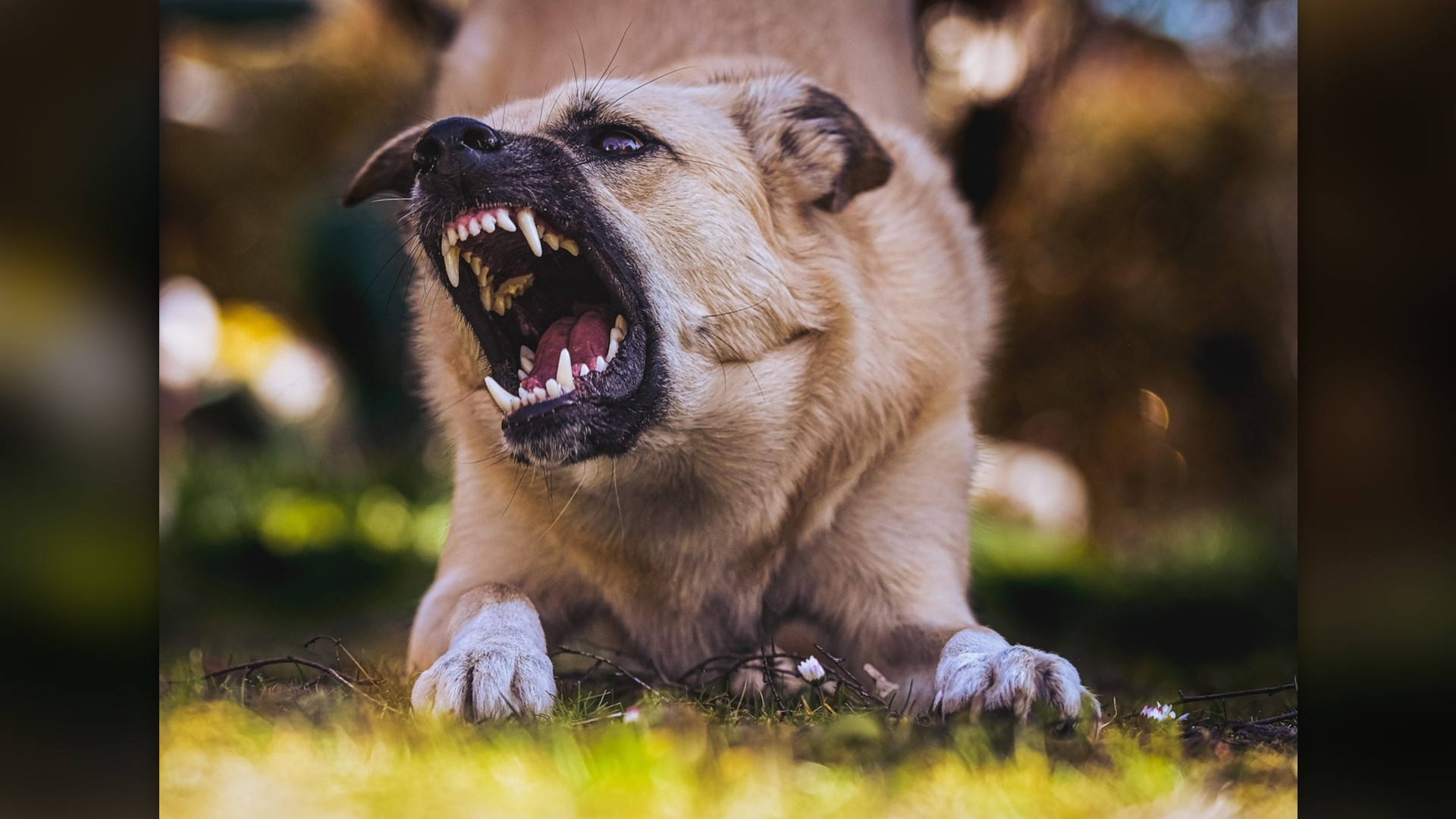
©Pixabay / Alexas_Fotos
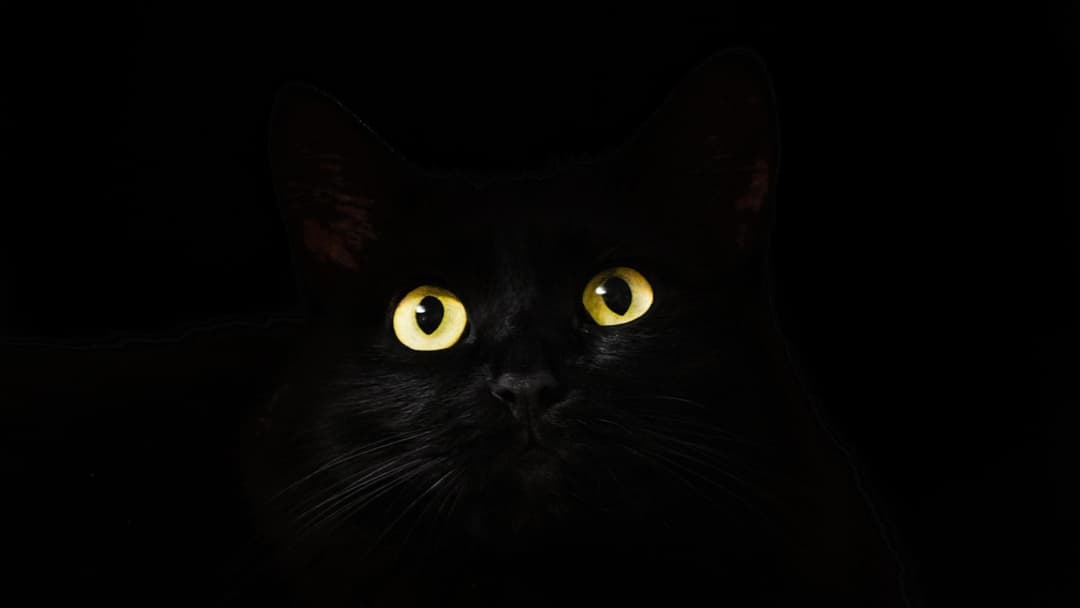
7. Sudden Personality Flips In Darkness
A pet's tapetum lucidum reflects ambient light through retinal photoreceptors, creating an eerie glowing eye effect in dark rooms. This reflective optical layer amplifies night vision sixfold, shifting domesticated felines into heightened predatory drive once household lights extinguish.
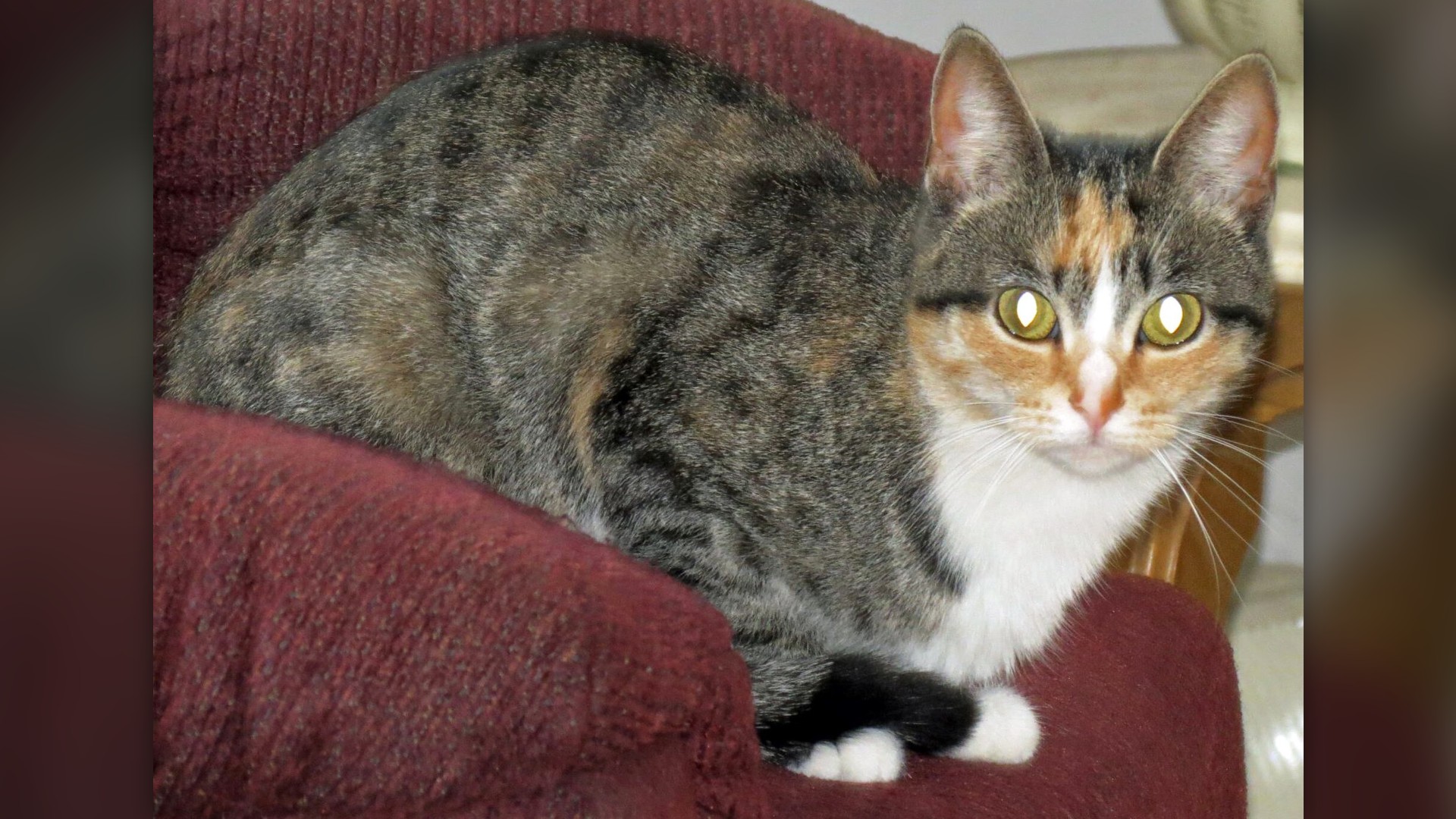
©Wikimedia / James St. John
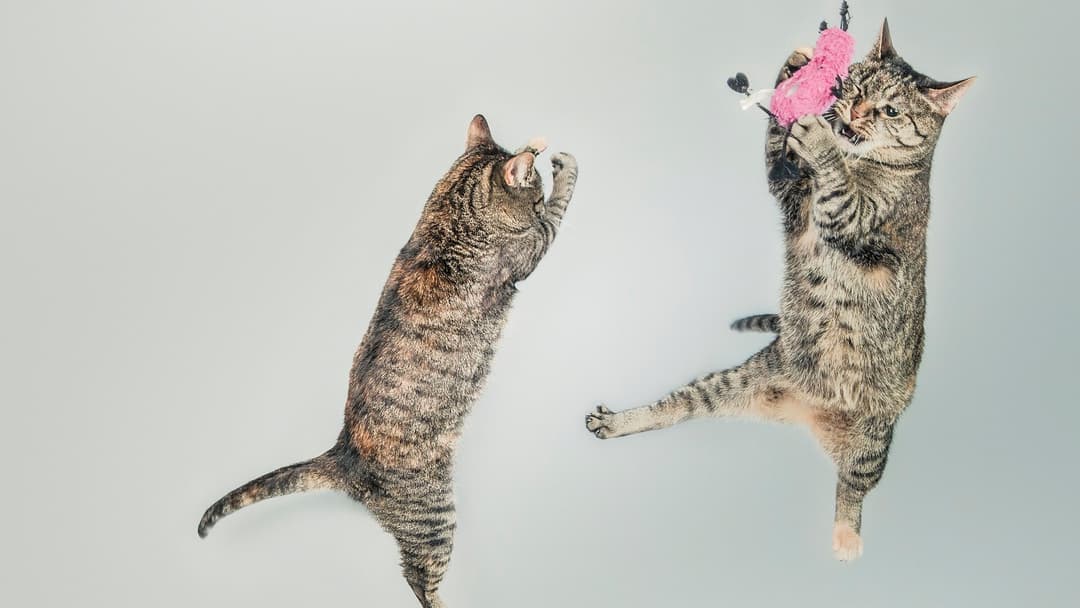
6. Standing On Hind Legs Like Humans
Pets frequently stand upright on their rear limbs in a classic meerkat posture to elevate their visual horizon above couches and counters. Veterinary clinicians explain this upright balance extends sensory reach, allowing animals to inspect elevated scent trails and unfamiliar sounds.
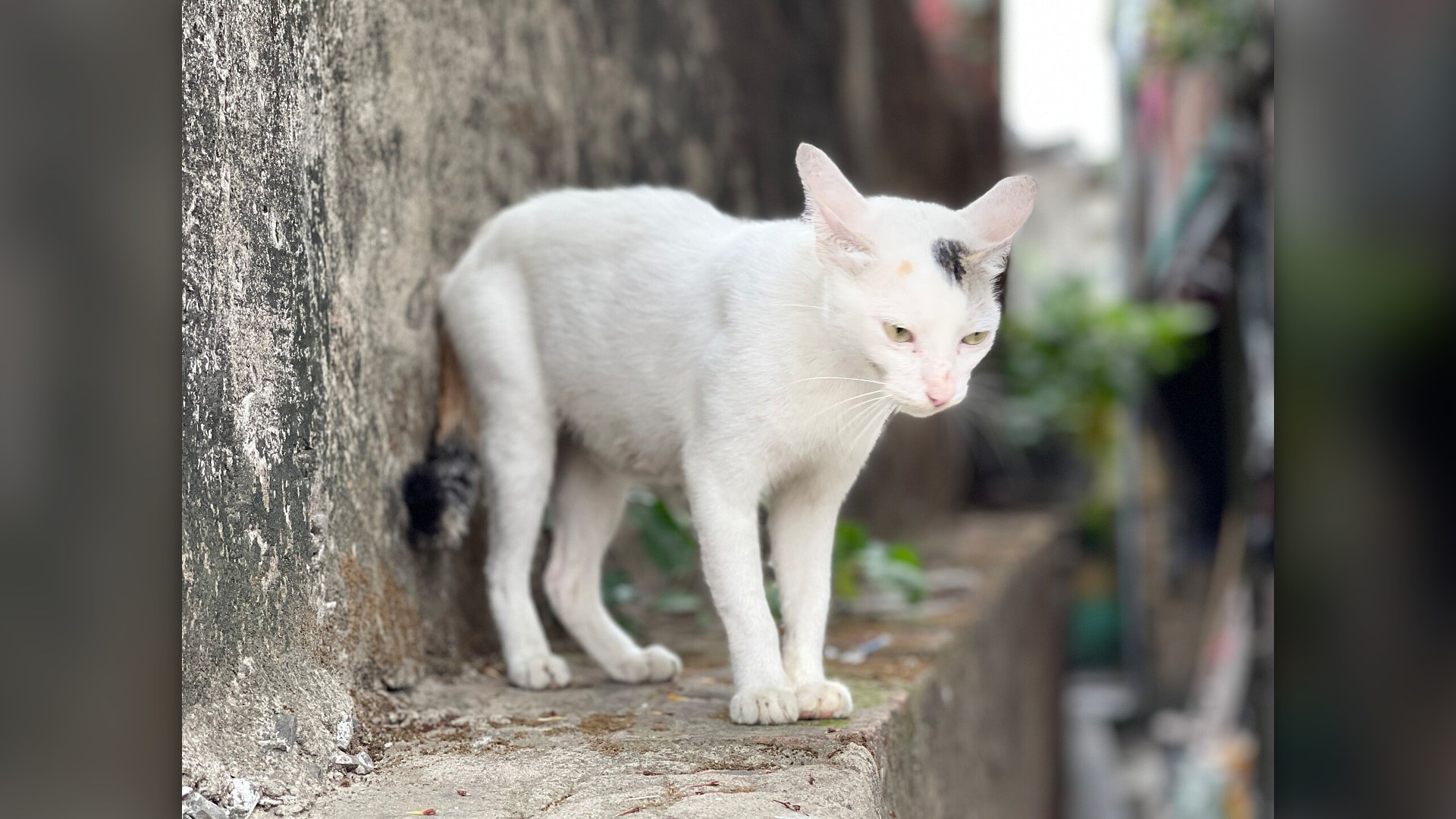
©Wikimedia / Indrajit Das
Advertisement
Swipe or tap ▶ to resume the countdown.
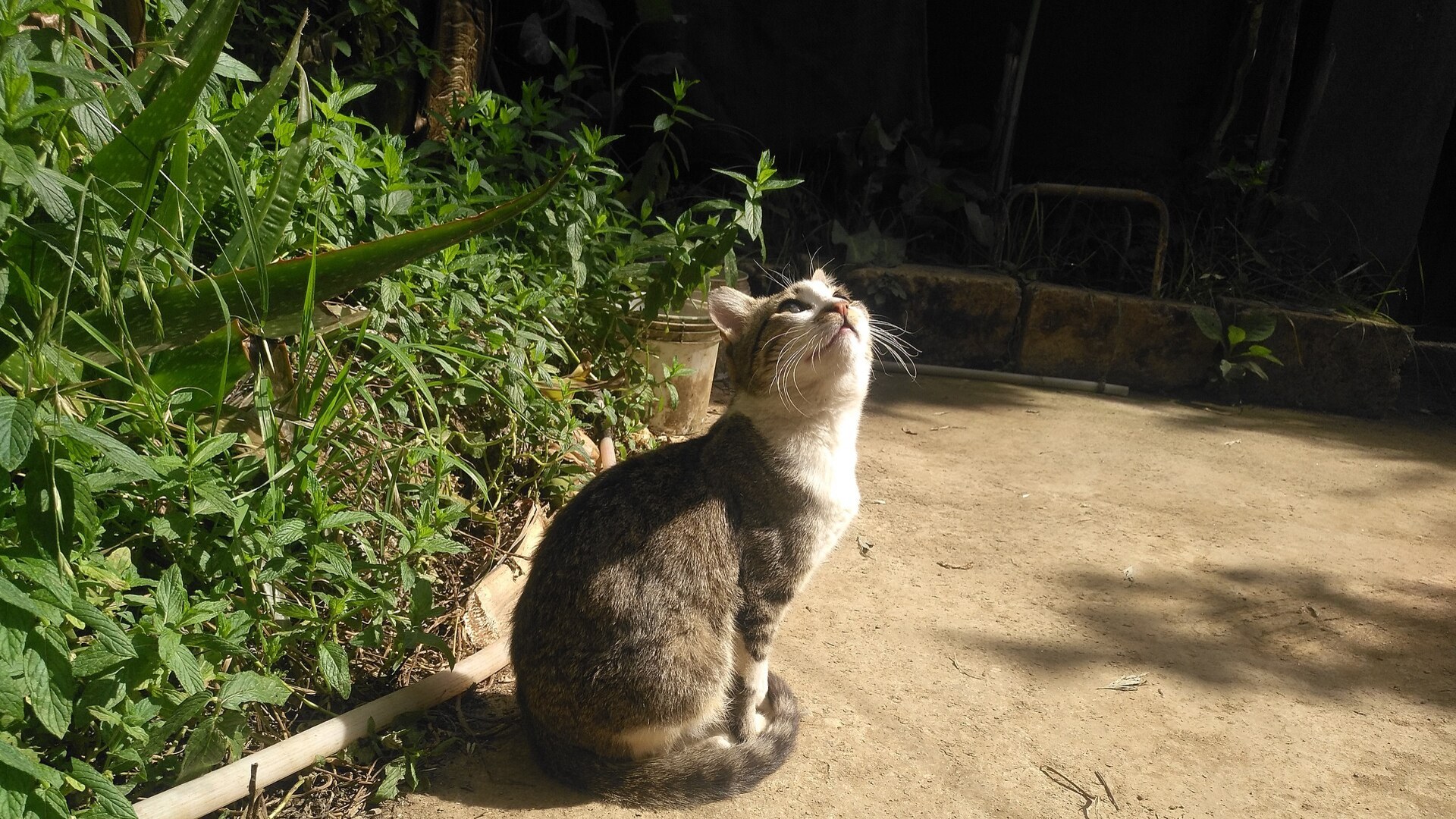
5. Tracking Unseen Movements Across Ceilings
Feline eyes can detect ultraviolet wavelengths invisible to human vision, alongside microscopic insect motion. When pets track invisible ceiling paths, they are often watching ultraviolet reflection patterns from outdoor street lamps or tiny moths clinging to textured plaster finishes.
©Wikimedia / Nathan Asfaw
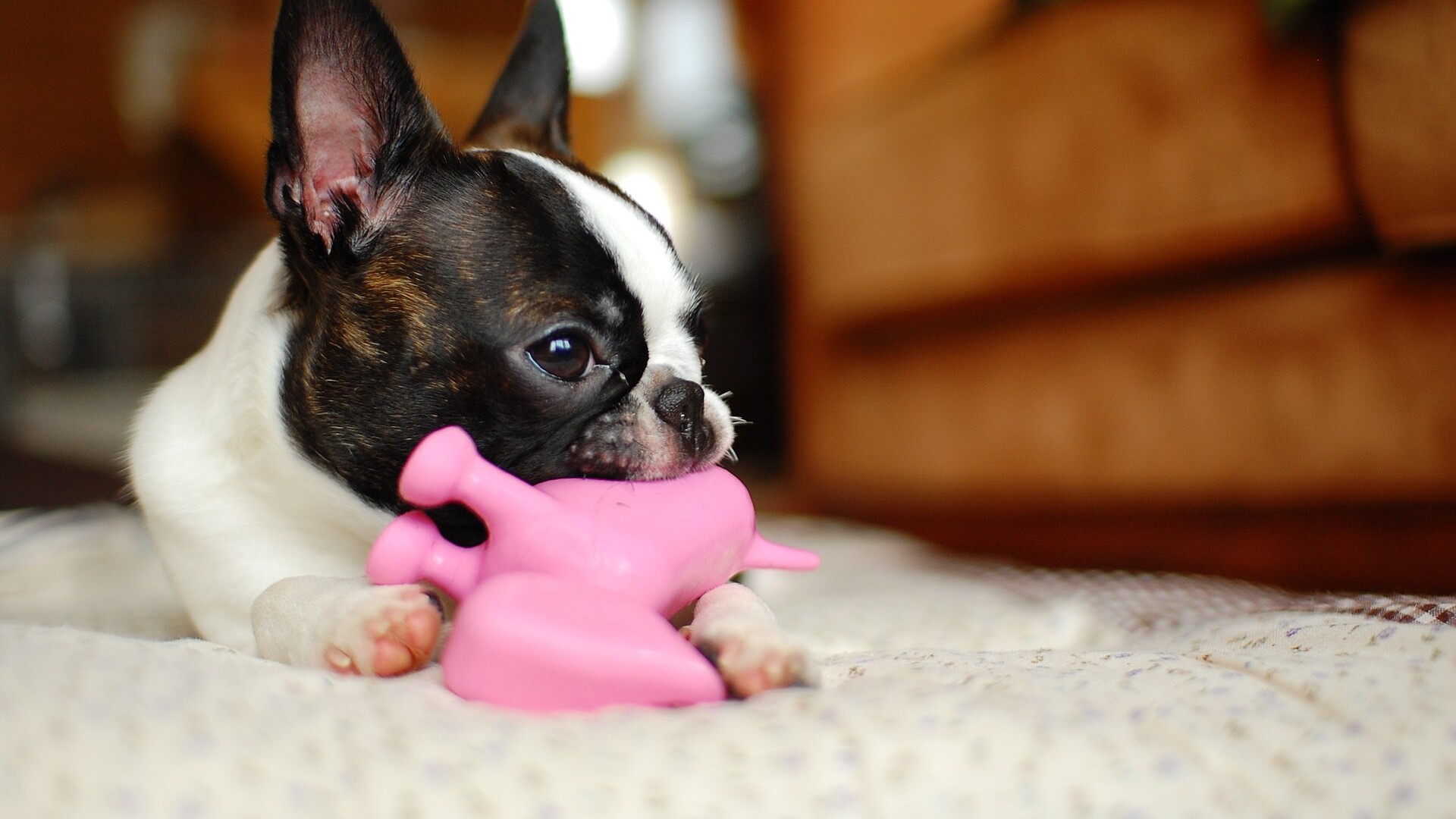
4. Dragging Toys Into Ritualistic Circles
Many domestic pets assemble toys and socks into distinct circular rings around sleeping cushions. Ethologists trace this behavior to wild ancestral den-building and food caching instincts, where protective perimeter caches ensure valuable resources stay grouped together.
©Wikimedia / Sendai Blog
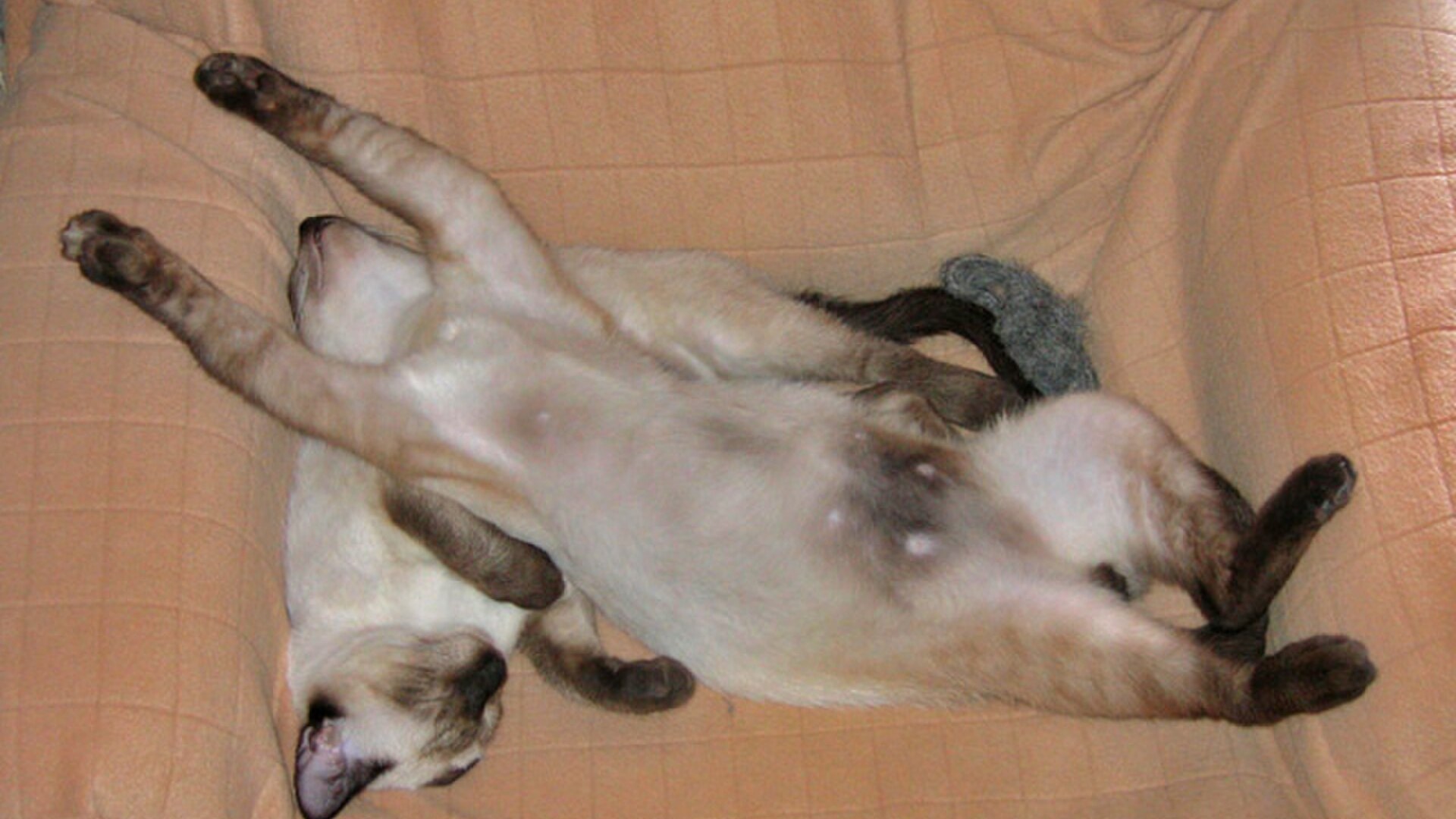
3. Sudden Unnatural Silent Head Twists
Pets can rotate their cranial joints with remarkable fluid dexterity to realign dual auditory receptors with sound sources. By tilting their skulls nearly upside down, animals compare phase differences between both ears, resolving vertical acoustic angles with surgical precision.
©Wikimedia / Jordi from Castelldefels, Spain
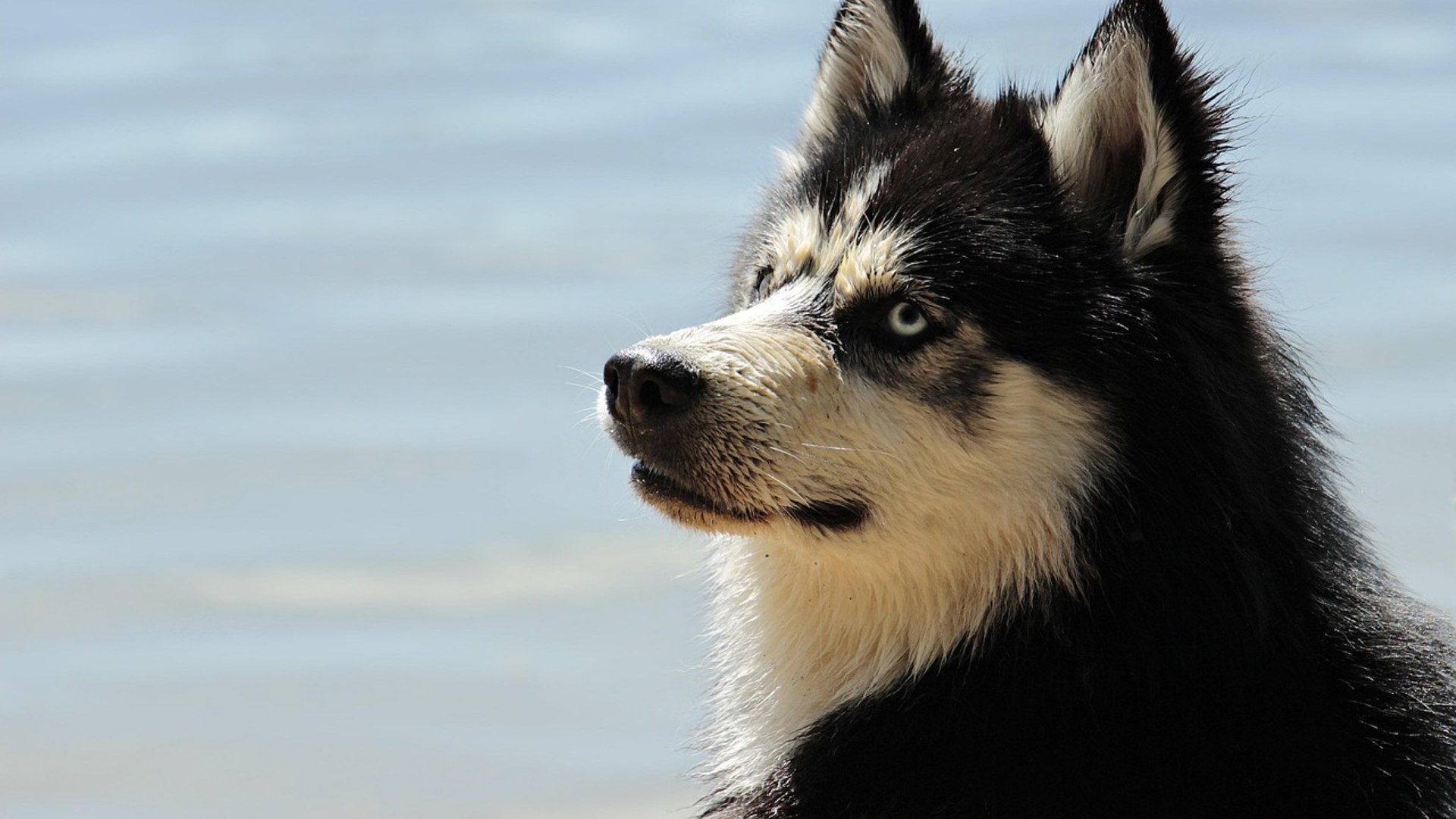
2. Uncanny Human-Like Vocalizations
Certain dog breeds and cats learn to modulate vocal tract acoustics to mimic human conversational cadences. Veterinary linguists discover pets alter pitch, timbre, and duration through trial and error, producing uncanny vocal sounds that exploit owner caregiving responses.
©Pixabay / pixel2013
Advertisement
Swipe or tap ▶ to resume the countdown.
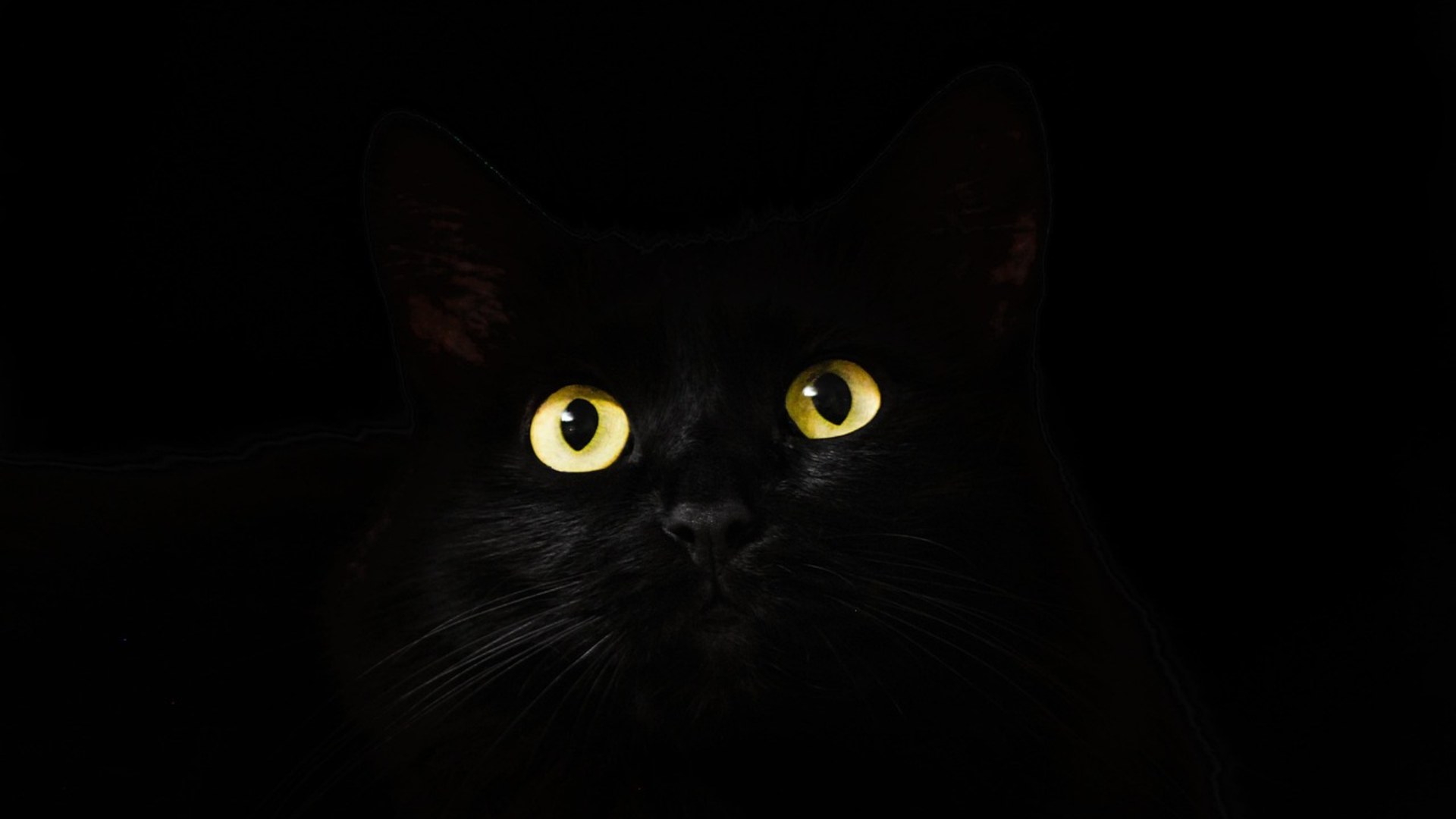
1. The 1000-Yard Ghost Stare Into Empty Corners
The classic ghost stare occurs when pets sit frozen in place, gazing transfixed into empty room corners for prolonged stretches. Combining ultrasonic hearing with high-resolution peripheral motion detection, pets simply listen to subtle air currents, structural settling, and pipes behind the drywall.
©Pixabay / Mihail_hukuna
Advertisement
You've reached the end of the story. Thanks for reading!

24 Photos of Odd-Looking Animals From Around the World
Nature values function over glamour in extreme environments across the planet. Based on research from the Ugly Animal Preservation Society and Smithsonian records, these twenty-four creatures prove that unconventional traits like gelatinous flesh and naked skin serve vital roles for survival in harsh wild habitats.
All 20 Entries in this Story
20. Sleeping With Eyes Wide Open
Many dogs and cats sleep with partially opened eyelids due to their nictitating membrane, a translucent protective third eyelid that sweeps across the cornea. While this glazed appearance unnerves owners, veterinary neurologists note it simply protects resting eyes while keeping photoreceptors alert to predators.

19. Head Tilting At Whispering Air
Canines tilt their heads to adjust their outer ear pinnae, triangulating high-frequency audio waves far beyond human perception. Research from animal behaviorists shows this endearing yet eerie adjustment helps dogs pinpoint faint structural settling sounds or distant plumbing frequencies within interior walls.

18. Chasing Invisible Airborne Sparks
Pets occasionally snap frantically at empty space, a phenomenon veterinary clinics term fly-snapping. While feline eyes can resolve tiny floating dust particles reflecting ultraviolet light, sudden obsessive jaw snaps in dogs can also stem from minor vitreous floaters drifting across their ocular fluid.

17. The Midnight Zoomies Sprint
Known clinically as Frenetic Random Activity Periods, sudden nocturnal sprints send pets ricocheting off furniture with dilated pupils. Feline specialists explain that domestic cats retain crepuscular hunting rhythms, causing concentrated releases of stored metabolic energy during early morning hours.

16. Baring Teeth At Empty Doors
When pets curl their lips and bare their teeth toward vacant doorways, they often perform the flehmen response. This involuntary grimace draws airborne pheromones across the vomeronasal organ on the roof of the mouth, decoding chemical scents left hours earlier by neighborhood wildlife outside.

15. Sudden Frozen Pointer Stiffening
Hunting breeds and curious felines will suddenly freeze mid-stride, holding one paw aloft with rigid posture. This predatory fixation suppresses all muscular movement while the animal processes delicate environmental cues, allowing hunting instincts to calculate the exact distance to hidden prey.

14. Walking Backwards Through Rooms
Animals occasionally reverse step-by-step through narrow hallways instead of turning around naturally. Animal behaviorists observe that slippery hardwood flooring or static electricity can trigger cautious retreat reflexes, prompting pets to retrace secure foot placement without breaking defensive focus.

13. Rhythmic Wall Staring Contests
Pets seated motionless before bare sheetrock are usually tracking acoustic vibrations invisible to people. Dogs and cats hear ultrasonic frequencies up to sixty-five kilohertz, allowing them to detect beetles crawling beneath floorboards or small rodents navigating insulation inside partition walls.

12. Chatter-Clicking At The Glass
Felines produce strange staccato jaw clicking when viewing songbirds through double-pane glass. Ethologists describe this rapid teeth chattering as an involuntary hunting reflex that mimics the fatal cervical neck bite delivered to prey, triggered by visual excitement combined with predatory frustration.

11. Arching Spines And Sideways Crab Walks
Piloerection causes pet fur to stand upright along the spine while legs stiffen into an awkward sideways trot. This dramatic lateral posture makes small pets appear significantly larger to perceived threats, combining defensive threat deterrence with explosive kinetic agility if attacked.

10. Unprovoked Hissing At Familiar Mirrors
Domestic pets lack formal mirror self-recognition, viewing their own reflections as foreign intruders trespassing on home territory. Without olfactory scent confirmation from the glass image, animals often display defensive postures ranging from deep growls to puffed tails and hissing.

9. Contorting Limbs Into Impossible Angles
Cats possess free-floating clavicle bones attached purely by muscular tissue, granting their ribcage extraordinary rotational flexibility. This anatomical adaptation lets felines sleep comfortably in severe spinal twists that look bone-breaking to human eyes, distributing weight across joints.

8. Low-Frequency Guttural Growling At Nothing
When dogs emit low-frequency rumbles toward dark corners, their sensory systems are often reacting to micro-seismic tremors or distant thunder. Canine hearing registers sub-audible pressure waves miles before human ears detect weather fronts, prompting cautionary pack alarm signals.

7. Sudden Personality Flips In Darkness
A pet's tapetum lucidum reflects ambient light through retinal photoreceptors, creating an eerie glowing eye effect in dark rooms. This reflective optical layer amplifies night vision sixfold, shifting domesticated felines into heightened predatory drive once household lights extinguish.

6. Standing On Hind Legs Like Humans
Pets frequently stand upright on their rear limbs in a classic meerkat posture to elevate their visual horizon above couches and counters. Veterinary clinicians explain this upright balance extends sensory reach, allowing animals to inspect elevated scent trails and unfamiliar sounds.

5. Tracking Unseen Movements Across Ceilings
Feline eyes can detect ultraviolet wavelengths invisible to human vision, alongside microscopic insect motion. When pets track invisible ceiling paths, they are often watching ultraviolet reflection patterns from outdoor street lamps or tiny moths clinging to textured plaster finishes.

4. Dragging Toys Into Ritualistic Circles
Many domestic pets assemble toys and socks into distinct circular rings around sleeping cushions. Ethologists trace this behavior to wild ancestral den-building and food caching instincts, where protective perimeter caches ensure valuable resources stay grouped together.

3. Sudden Unnatural Silent Head Twists
Pets can rotate their cranial joints with remarkable fluid dexterity to realign dual auditory receptors with sound sources. By tilting their skulls nearly upside down, animals compare phase differences between both ears, resolving vertical acoustic angles with surgical precision.

2. Uncanny Human-Like Vocalizations
Certain dog breeds and cats learn to modulate vocal tract acoustics to mimic human conversational cadences. Veterinary linguists discover pets alter pitch, timbre, and duration through trial and error, producing uncanny vocal sounds that exploit owner caregiving responses.

1. The 1000-Yard Ghost Stare Into Empty Corners
The classic ghost stare occurs when pets sit frozen in place, gazing transfixed into empty room corners for prolonged stretches. Combining ultrasonic hearing with high-resolution peripheral motion detection, pets simply listen to subtle air currents, structural settling, and pipes behind the drywall.