Slideshow · Viral
20 Plants and Trees Mentioned in the Bible
From ancient olive groves to the cedars of Lebanon, flora played a vital role in biblical narratives and daily life. Scripture records over a hundred species valued for food, timber, medicine and sacred rituals. This gallery presents twenty iconic plants and trees documented across the Old and New Testaments.
By Most Viral Today
9 min ago

Sacred Flora of the Ancient Near East 
20. Fig Tree (Ficus Carica) 
19. Olive Tree (Olea Europaea) 
18. Date Palm (Phoenix Dactylifera) - AdvertisementSwipe or tap ▶ to continue countdown

17. Cedar Of Lebanon (Cedrus Libani) 
16. Pomegranate (Punica Granatum) 
15. Grapevine (Vitis Vinifera) 
14. Myrrh (Commiphora Myrrha) - AdvertisementSwipe or tap ▶ to continue countdown

13. Frankincense (Boswellia Sacra) 
12. Sycamore Fig (Ficus Sycomorus) 
11. Acacia (Vachellia Seyal) 
10. Almond Tree (Prunus Dulcis) - AdvertisementSwipe or tap ▶ to continue countdown

9. Black Mustard (Brassica Nigra) 
8. Common Flax (Linum Usitatissimum) 
7. Syrian Hyssop (Origanum Syriacum) 
6. Common Myrtle (Myrtus Communis) - AdvertisementSwipe or tap ▶ to continue countdown

5. Tamarisk Tree (Tamarix Aphylla) 
4. Kermes Oak (Quercus Calliprinos) 
3. Terebinth (Pistacia Terebinthus) 
2. Mediterranean Cypress (Cupressus Sempervirens) - AdvertisementSwipe or tap ▶ to continue countdown

1. Euphrates Poplar (Populus Euphratica) - Advertisement🔥 UP NEXT IN THIS SERIES◫ 23 Slides

22 Unusual Animals That Look Like They Belong in a Fairy Tale
Unusual animals that look like they belong in a fairy tale thrive in remote habitats across our planet. From miniature dragons in Mexican lakes to glowing sea slugs and horned lizards, nature invents astonishing forms. This curated collection examines twenty-two extraordinary species and their evolutionary traits.
Biblical botanical references reflect the farming practices and landscapes of ancient Israel and the wider Mediterranean basin. Each plant carried practical economic value and spiritual symbolism. Research is based on botanical documentation published by the Royal Botanic Gardens, Kew, and Encyclopaedia Britannica.
Swipe or tap ▶ to begin the countdown
©Wikimedia / Uoaei1
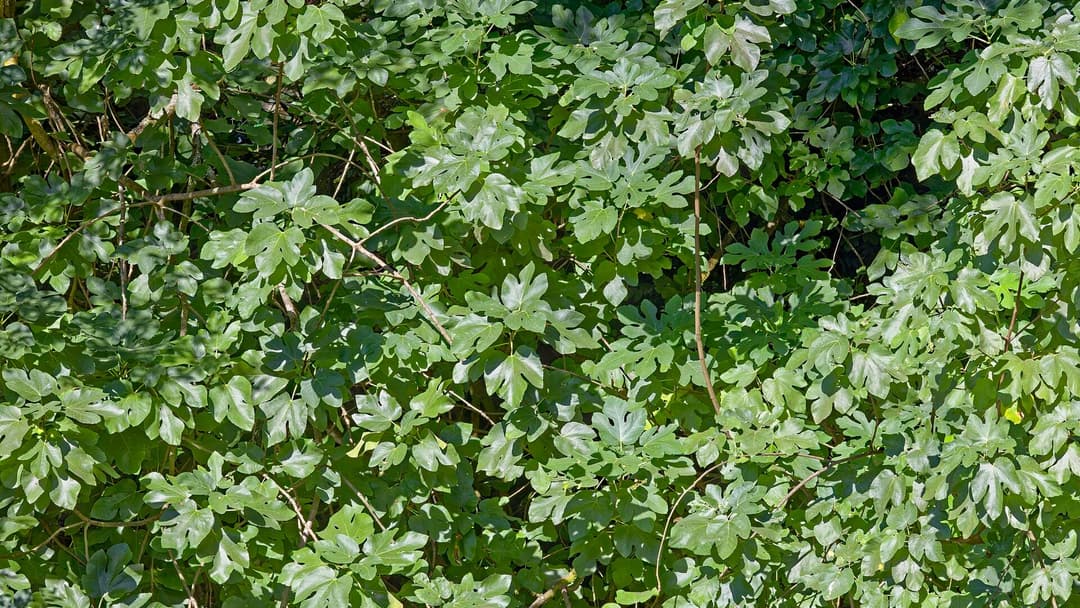
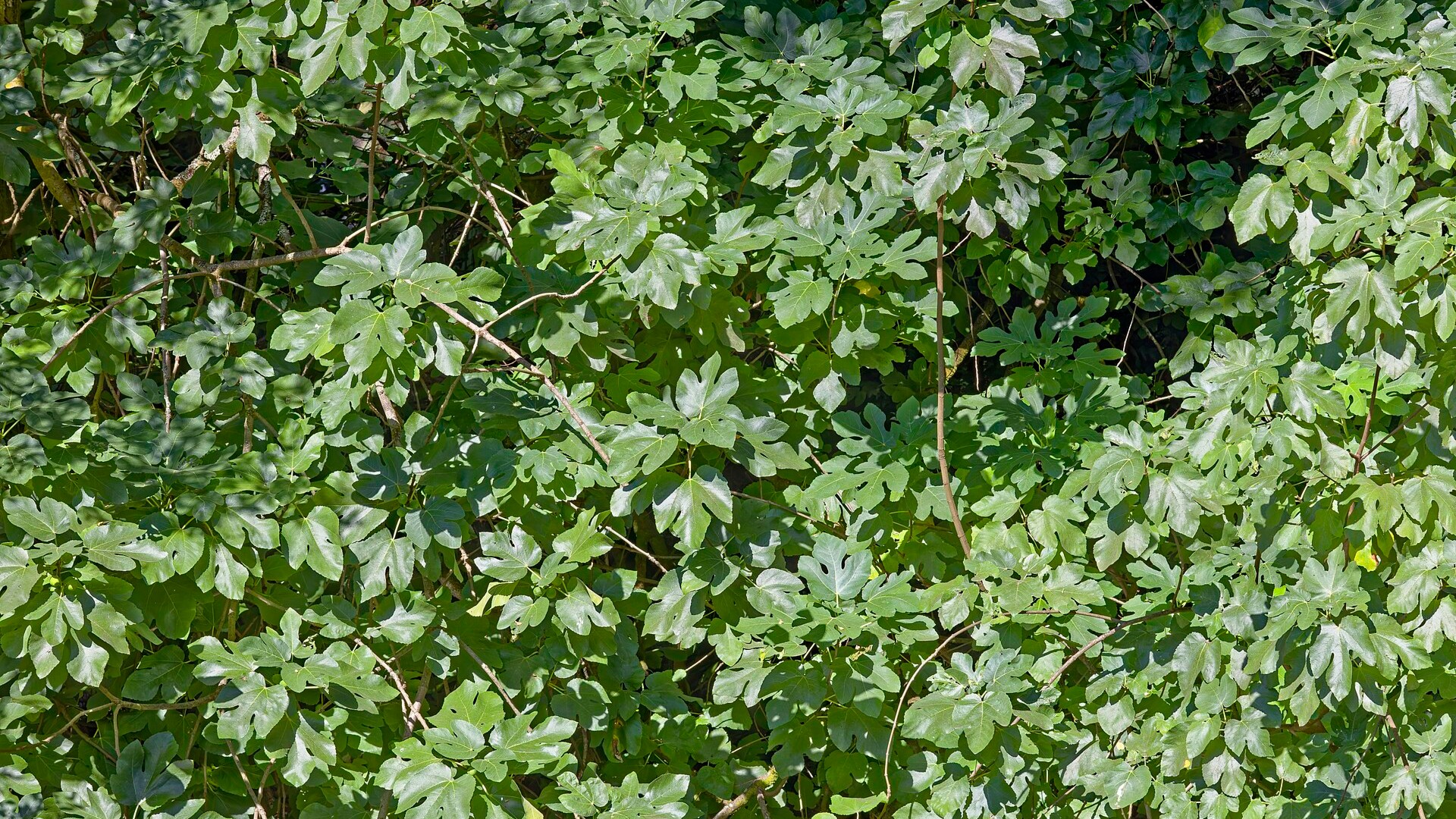
20. Fig Tree (Ficus Carica)
The common fig was the first plant identified by name in Genesis 3:7, when Adam and Eve sewed its broad leaves together for clothing. Native to the Mediterranean and western Asia, fig trees produced two annual fruit crops that provided crucial nutrition and winter rations across ancient Judea and Galilee.
©Wikimedia / Luis Miguel Bugallo Sánchez
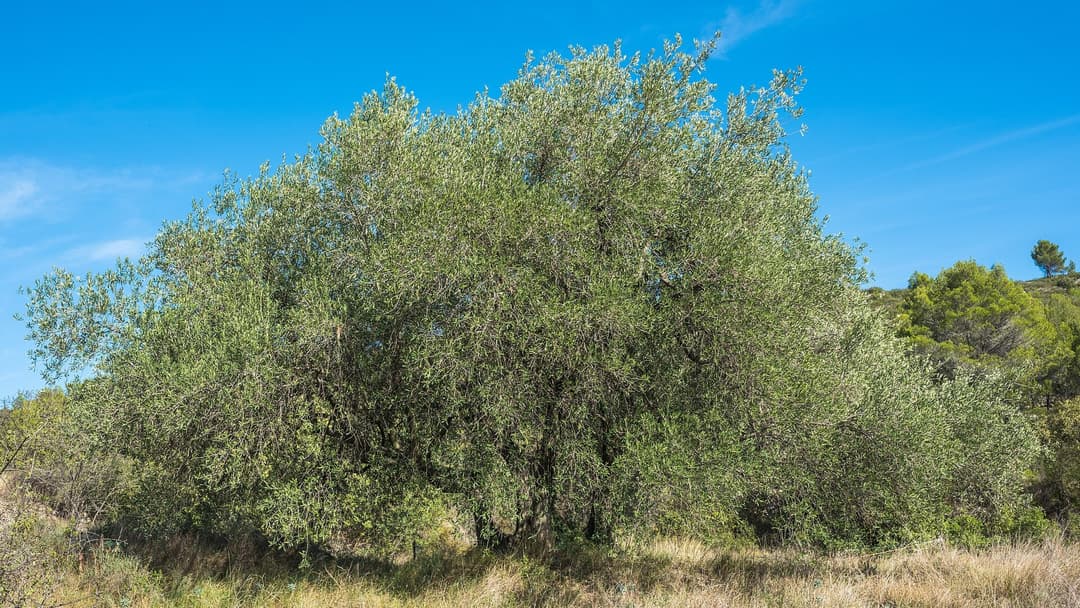
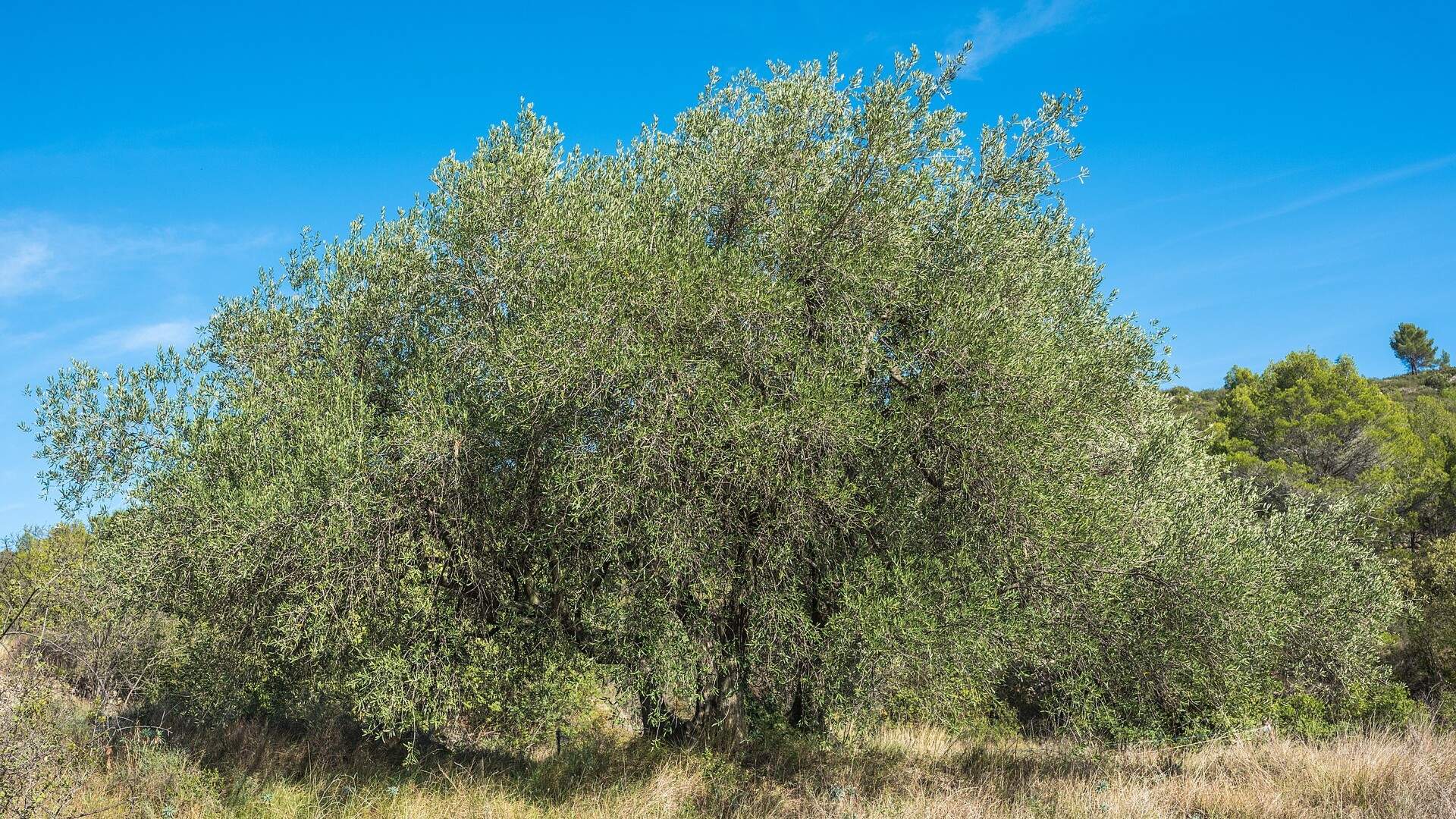
19. Olive Tree (Olea Europaea)
In Genesis 8:11, a dove brought an olive leaf back to Noahs ark, establishing the tree as an enduring symbol of renewal. Ancient farmers in the Levant harvested olives each autumn to press golden oil used for temple lamps, cooking, medicinal salves and anointing Hebrew priests and kings in Jerusalem.
©Wikimedia / Christian Ferrer
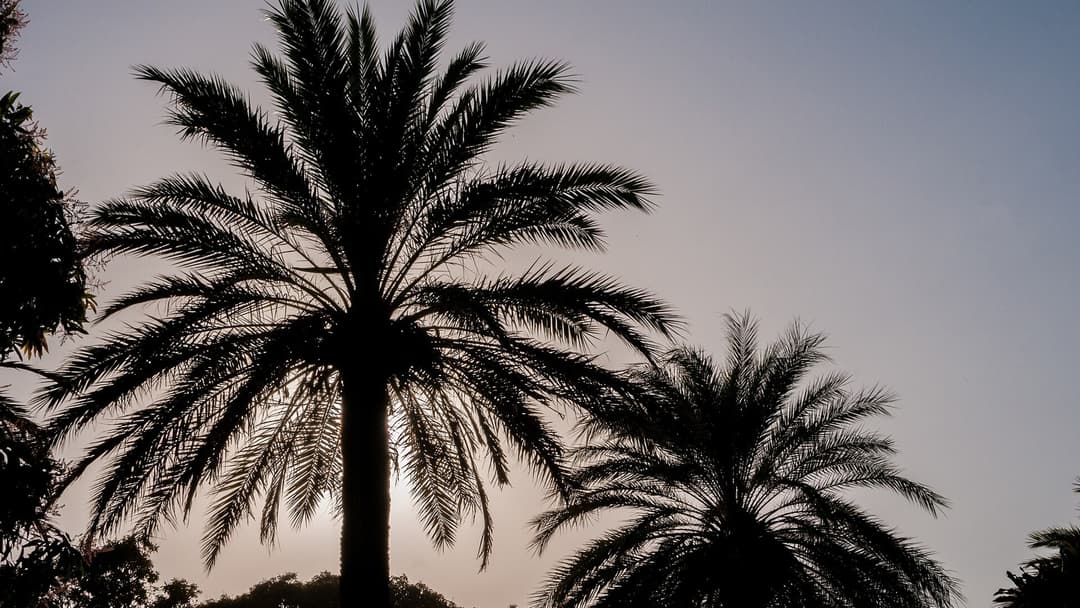
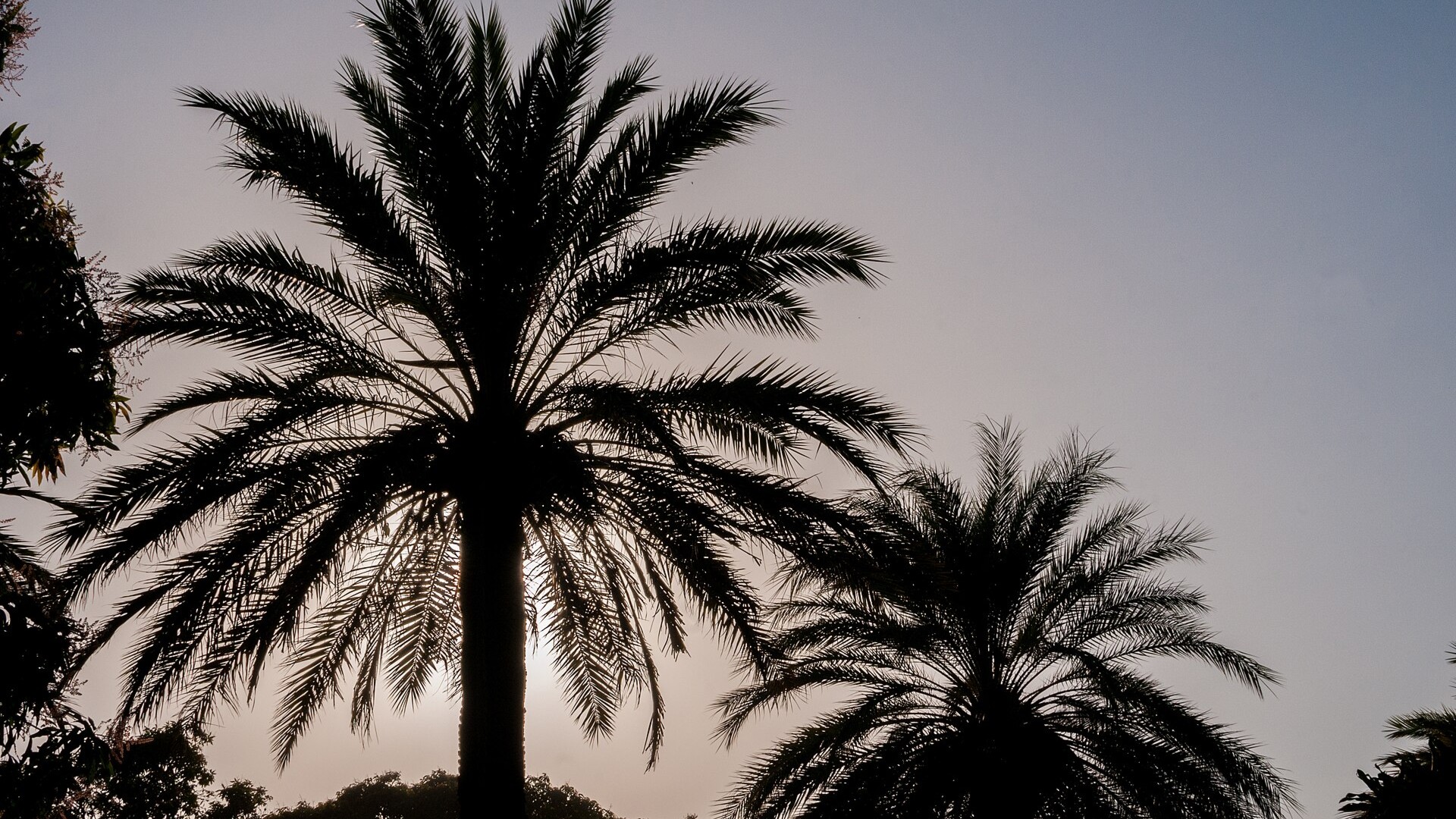
18. Date Palm (Phoenix Dactylifera)
The Book of Exodus records that the Israelites rested at Elim, an oasis sheltered by twelve springs and seventy date palms. In John 12:13, crowds welcomed Jesus into Jerusalem by waving cut palm fronds. The resilient trees provided builders with durable timber and families with calorie-rich dried fruit.
©Wikimedia / Wilfredor
Advertisement
Swipe or tap ▶ to resume the countdown.
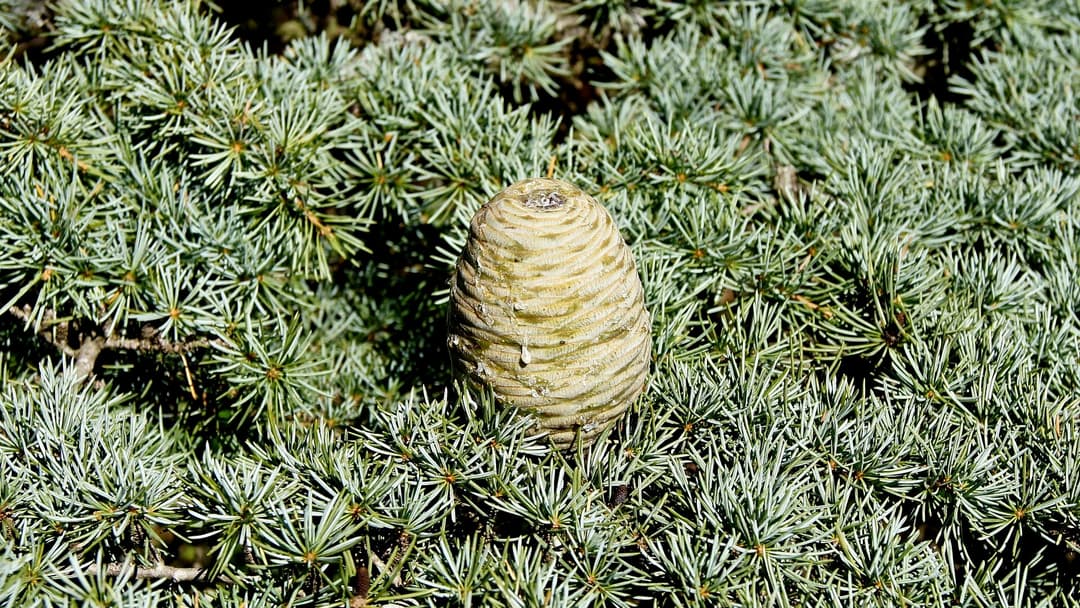
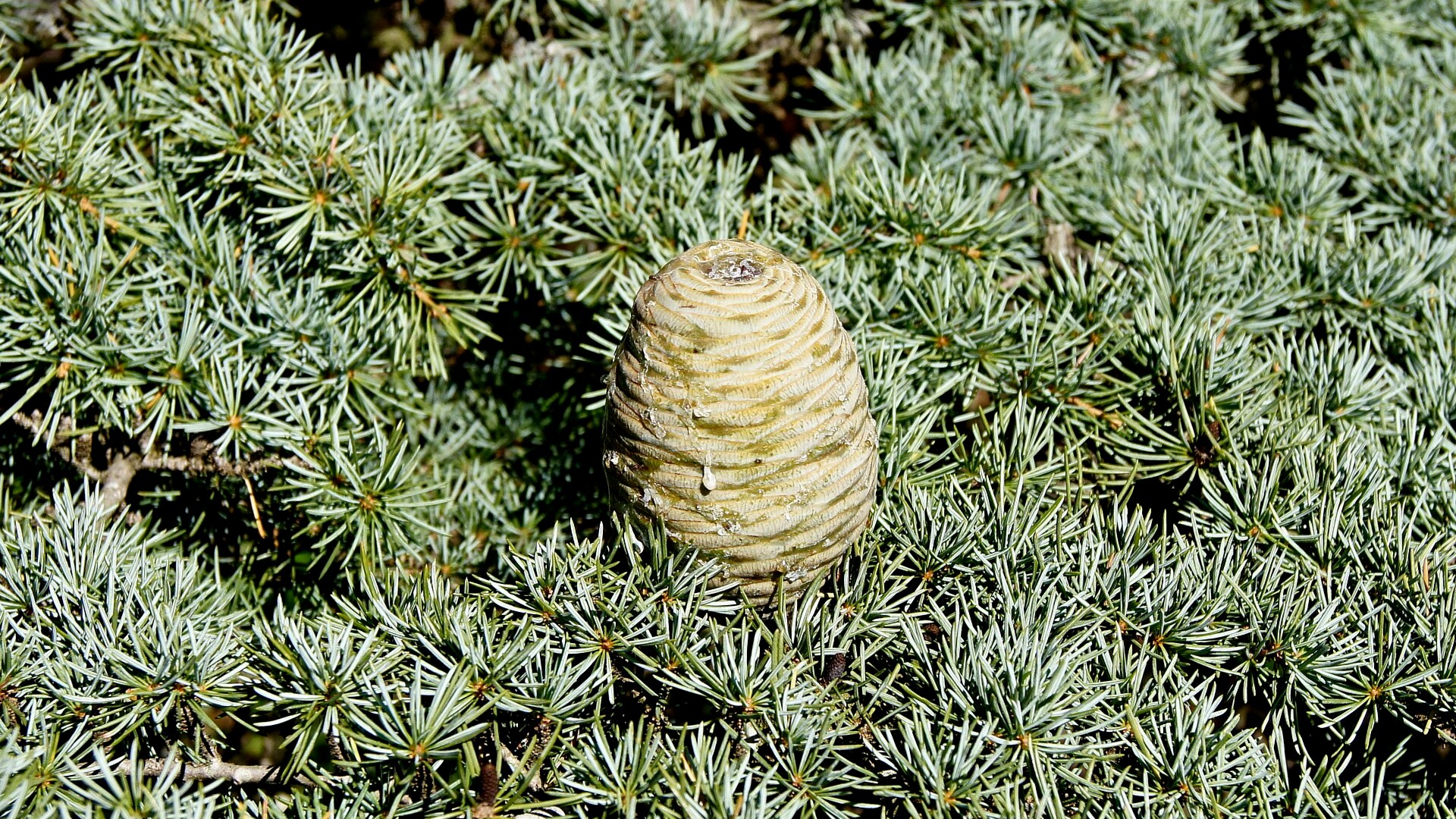
17. Cedar Of Lebanon (Cedrus Libani)
First Kings describes how King Solomon struck a trade alliance with King Hiram of Tyre to log massive Lebanese cedars for the First Temple in Jerusalem. Growing at high elevations on Mount Lebanon, the fragrant, decay-resistant conifers grew up to forty meters tall and symbolized royal majesty in the Psalms.
©Wikimedia / Jebulon
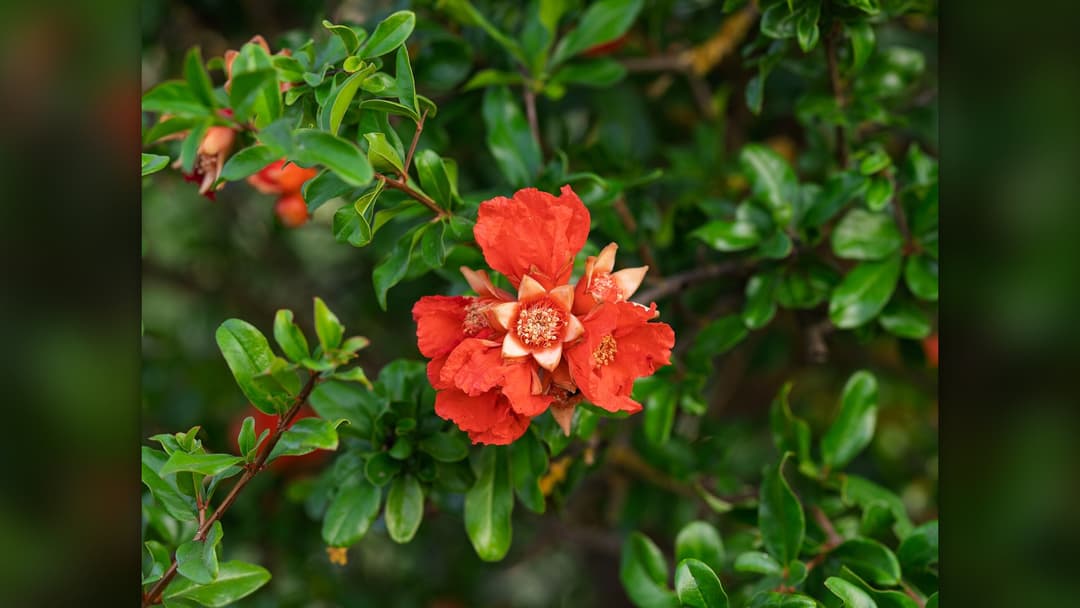
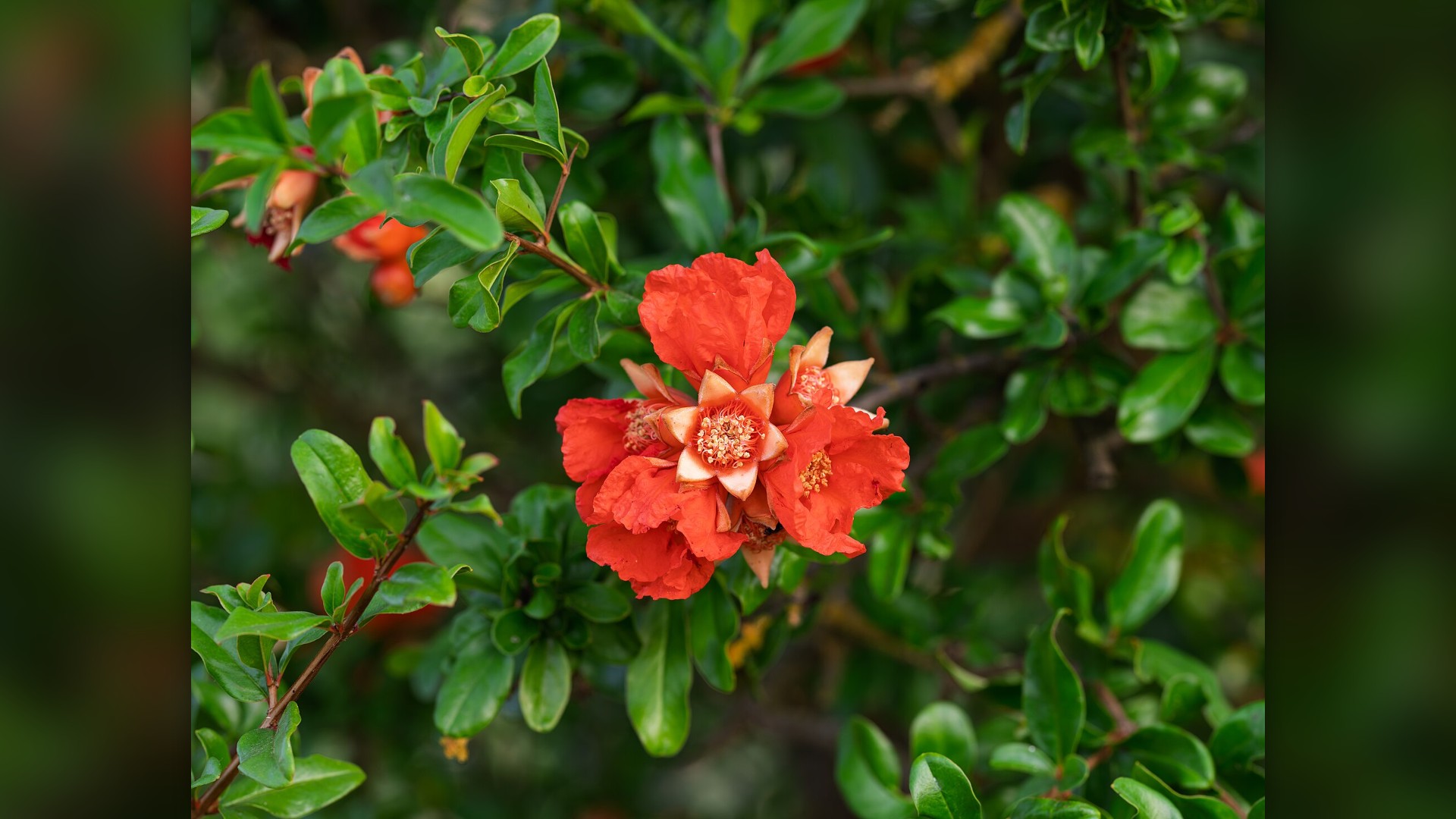
16. Pomegranate (Punica Granatum)
Mentioned in Deuteronomy 8:8 as one of the seven blessed agricultural species of Canaan, the pomegranate held deep ceremonial status. Golden pomegranate ornaments hung along the hem of the high priests vestments in Exodus 28:33, while bronze carvings of the fruit decorated the twin pillars of Solomons Temple.
©Wikimedia / Jules Verne Times Two
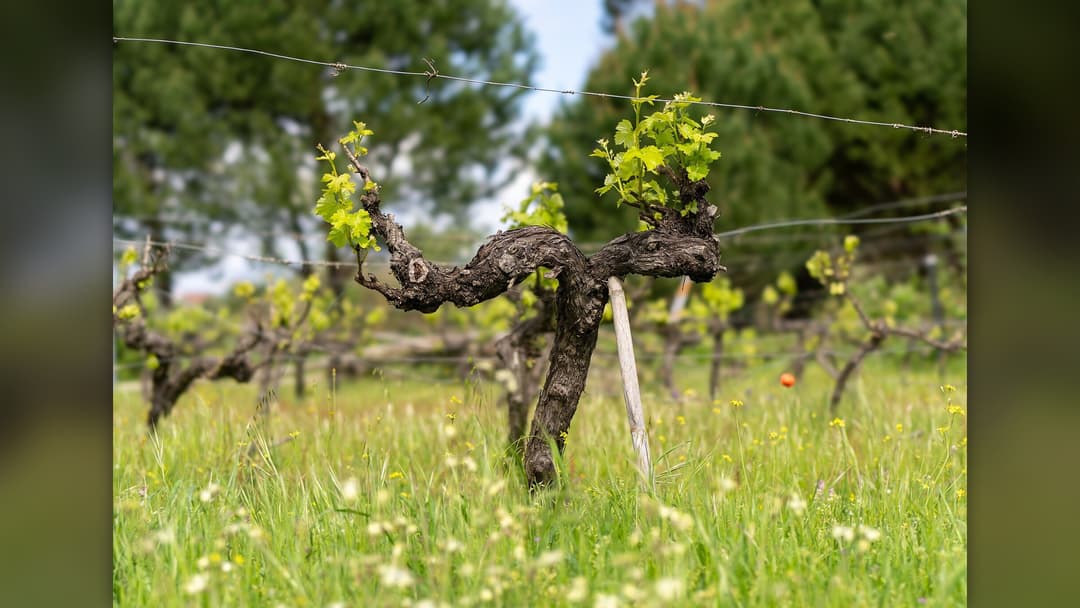
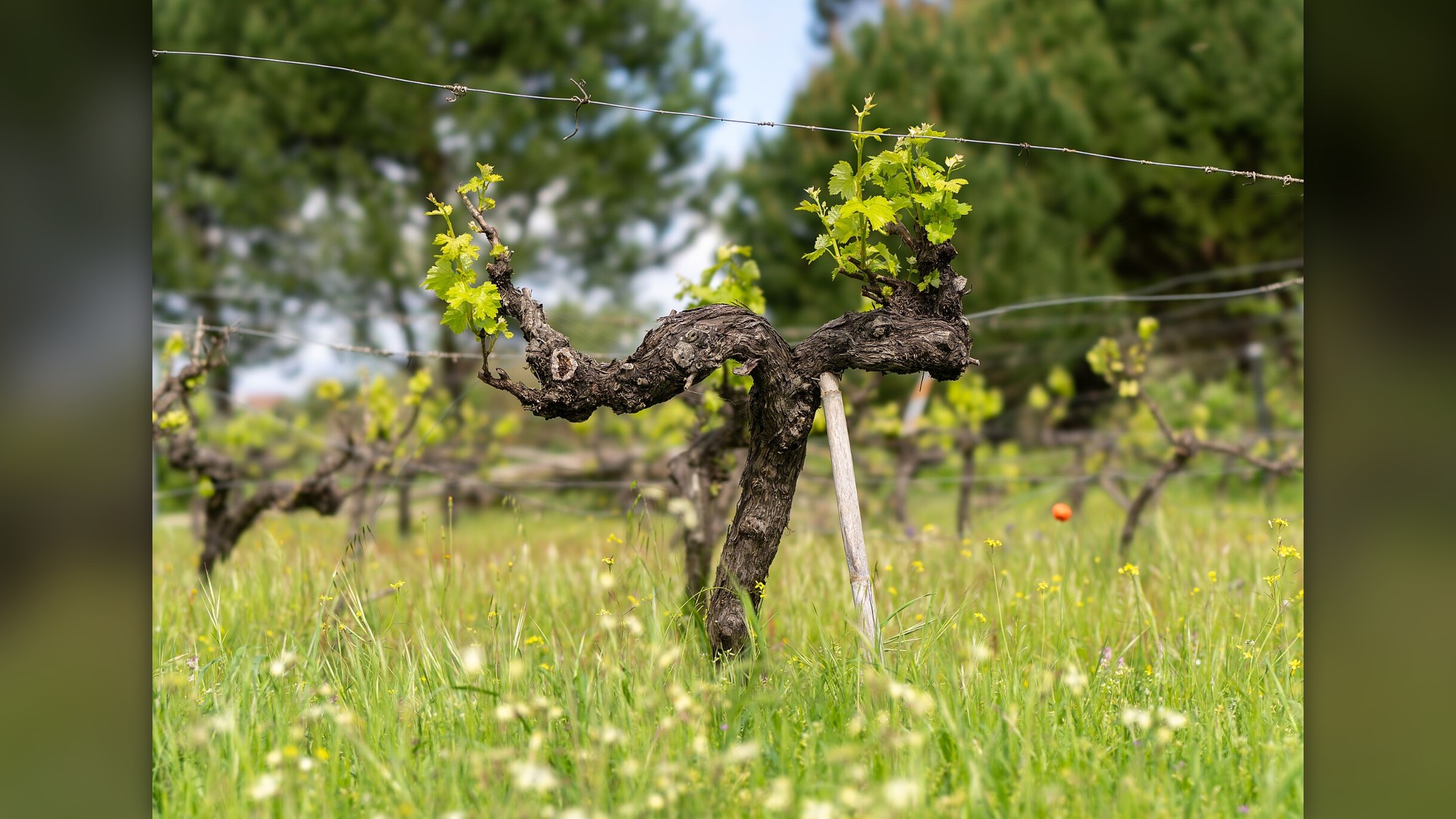
15. Grapevine (Vitis Vinifera)
Noah planted a vineyard immediately after the flood according to Genesis 9:20, establishing viticulture across the Near East. Cultivated on terraced limestone hillsides across Judea, grapevines supplied fresh fruit and stored wine, while later Gospel passages in John 15:5 used the vine to symbolize spiritual unity.
©Wikimedia / Jules Verne Times Two
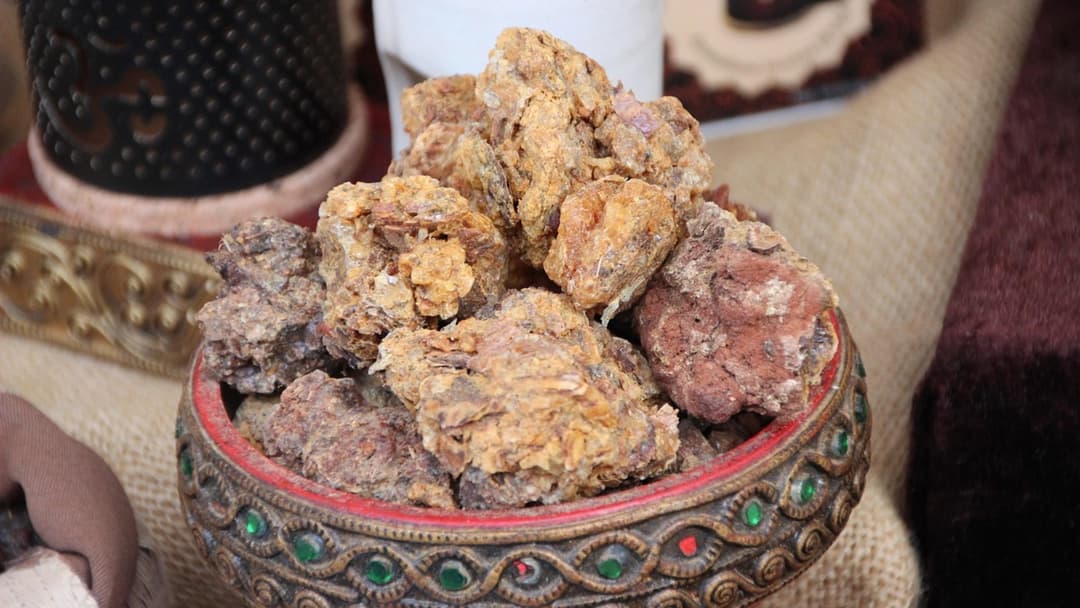
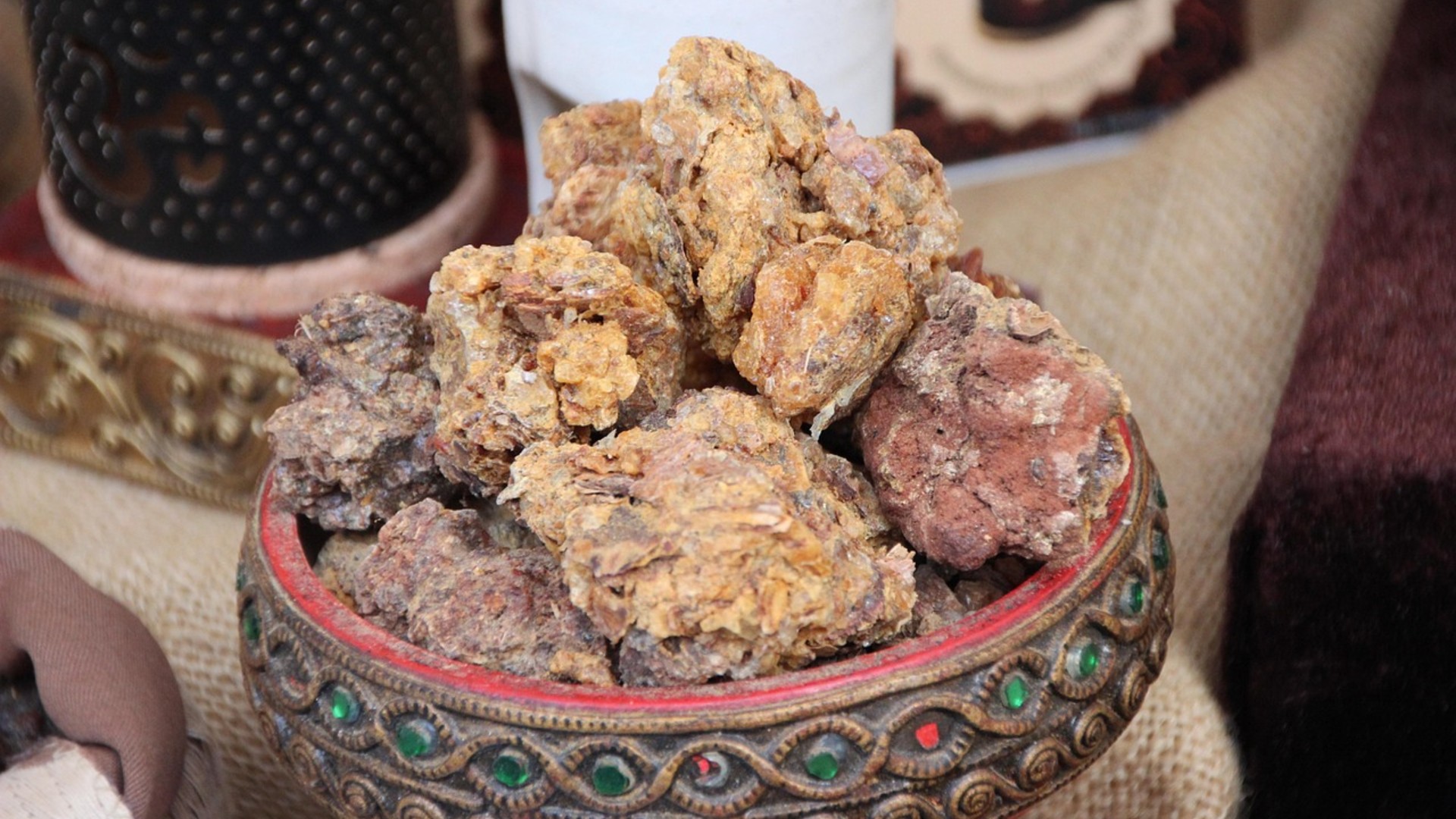
14. Myrrh (Commiphora Myrrha)
Extracted from thorny desert shrubs native to the southern Arabian Peninsula and the Horn of Africa, myrrh resin was a required ingredient in the sacred holy anointing oil of Exodus 30:23. The Gospel of John notes that Nicodemus brought seventy-five pounds of myrrh and aloes to prepare Jesus for burial in Jerusalem.
©Pixabay / Leo_65
Advertisement
Swipe or tap ▶ to resume the countdown.
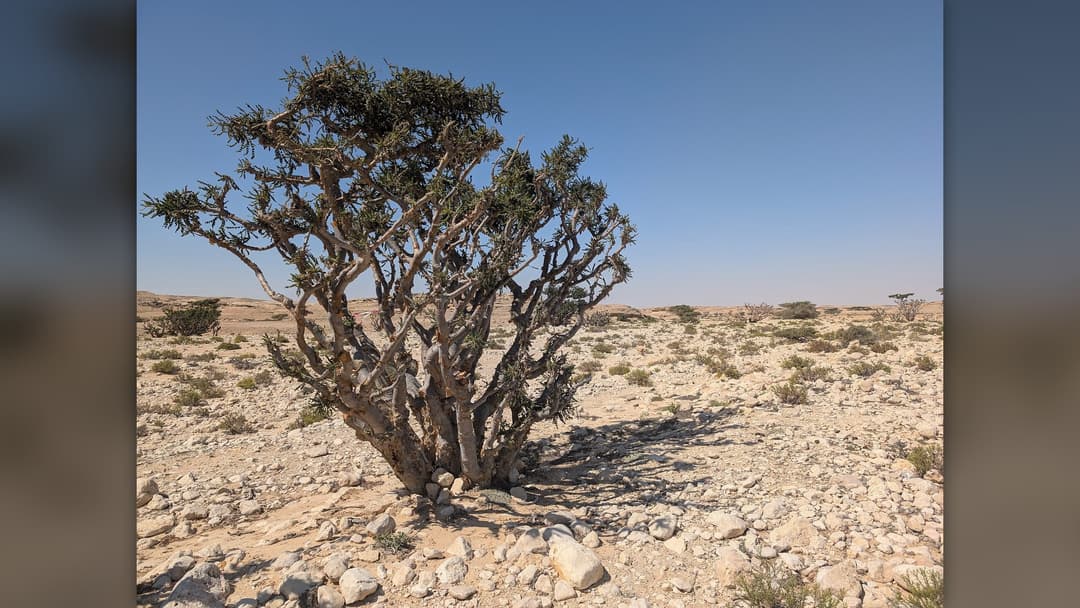
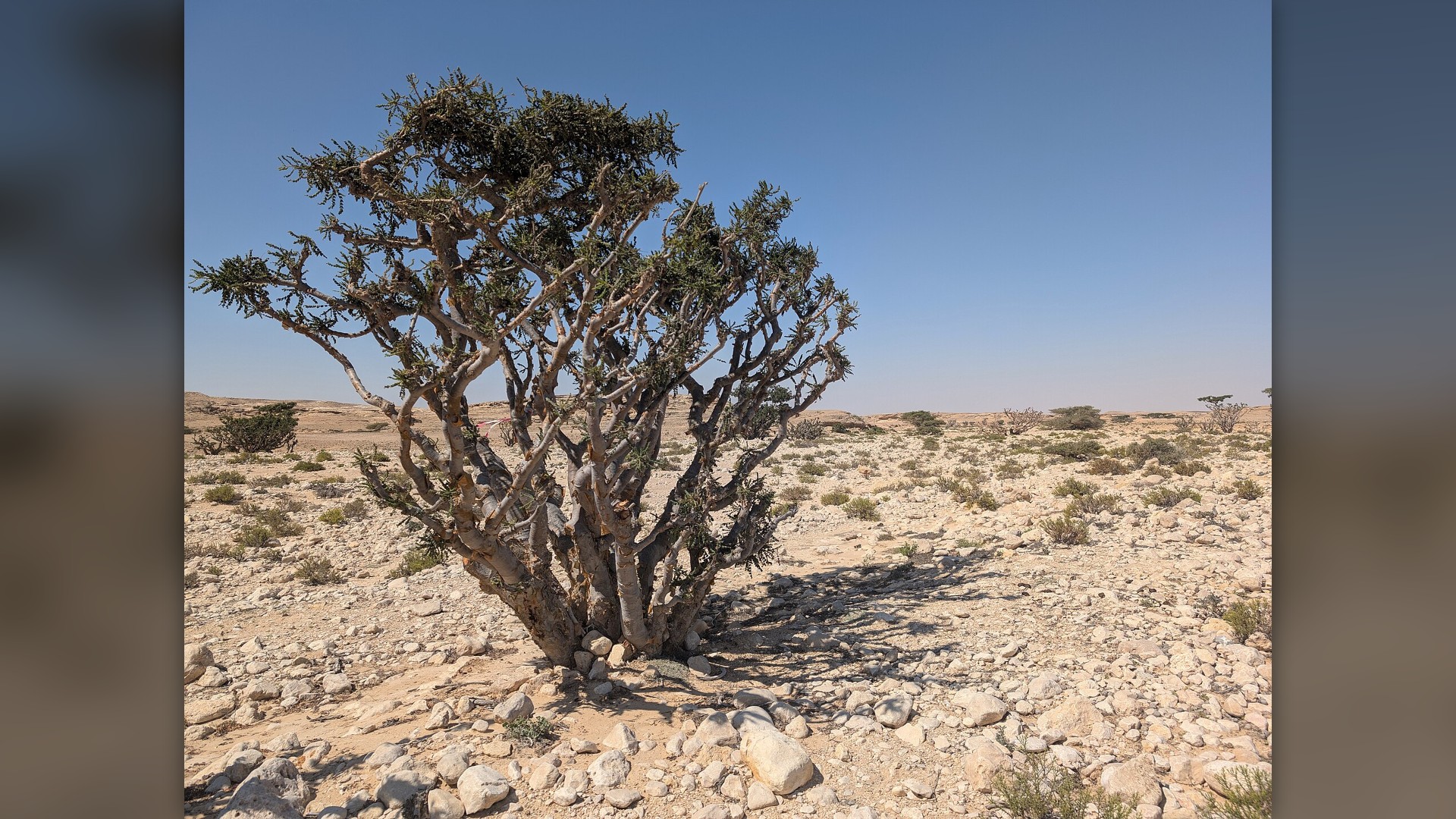
13. Frankincense (Boswellia Sacra)
Sourced from the papery bark of Boswellia trees along the Dhofar coast of Oman, frankincense was burned daily on the golden altar of incense in the Tabernacle. In Matthew 2:11, visiting Magi presented the valuable resin as an offering to the newborn Jesus in Bethlehem, honoring his priestly status.
©Wikimedia / Krzysztof Ziarnek, Kenraiz
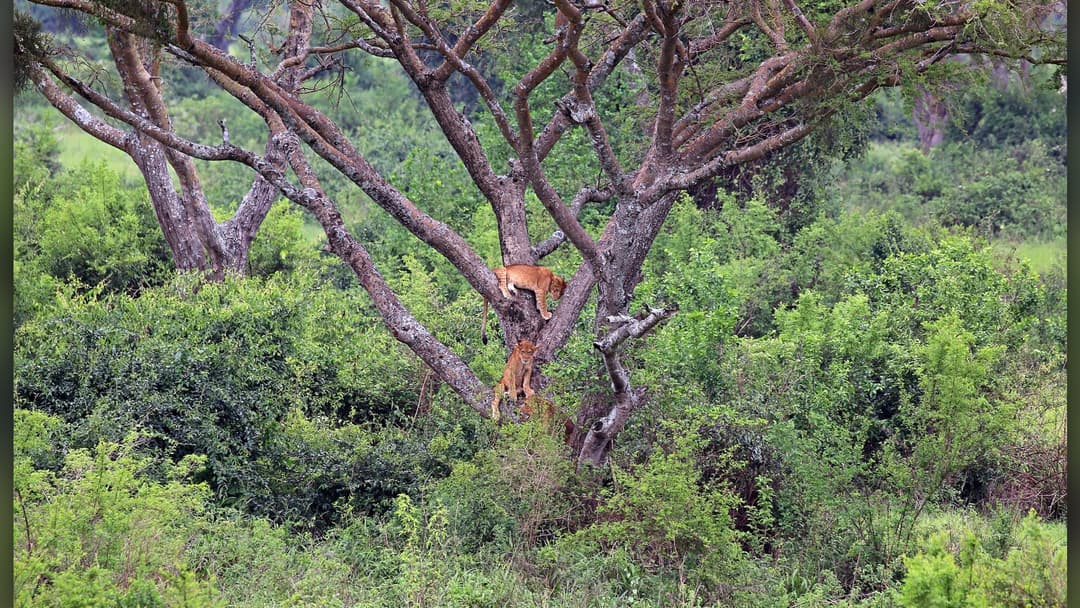
12. Sycamore Fig (Ficus Sycomorus)
Distinct from European sycamore maples, the biblical sycamore is a fig tree native to Egypt and the Jordan River Valley. Luke 19:4 describes the tax collector Zacchaeus climbing its low horizontal branches in Jericho to see Jesus over the crowd. Ancient builders also used its rot-resistant wood for carpentry.
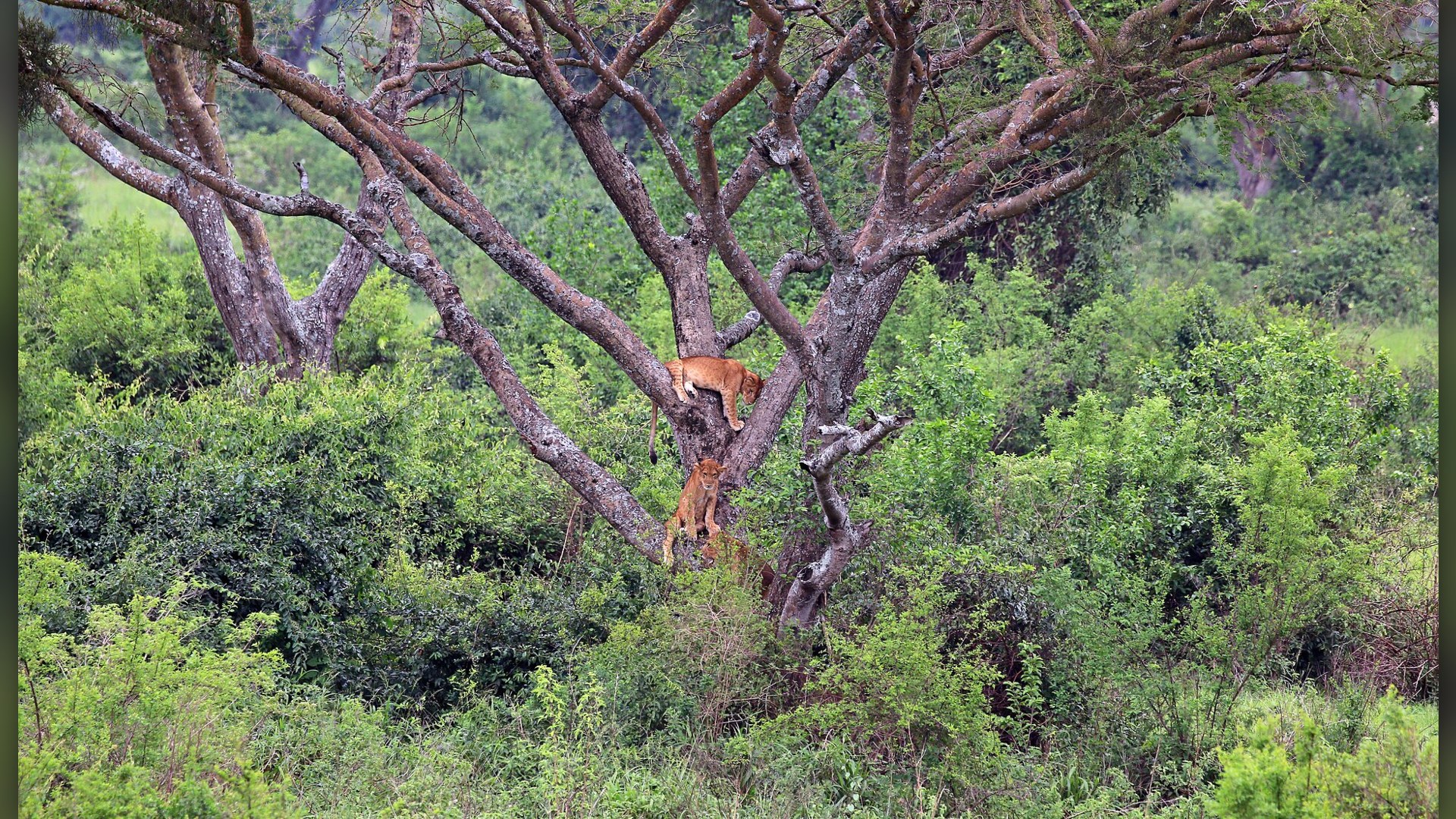
©Wikimedia / Charles J. Sharp
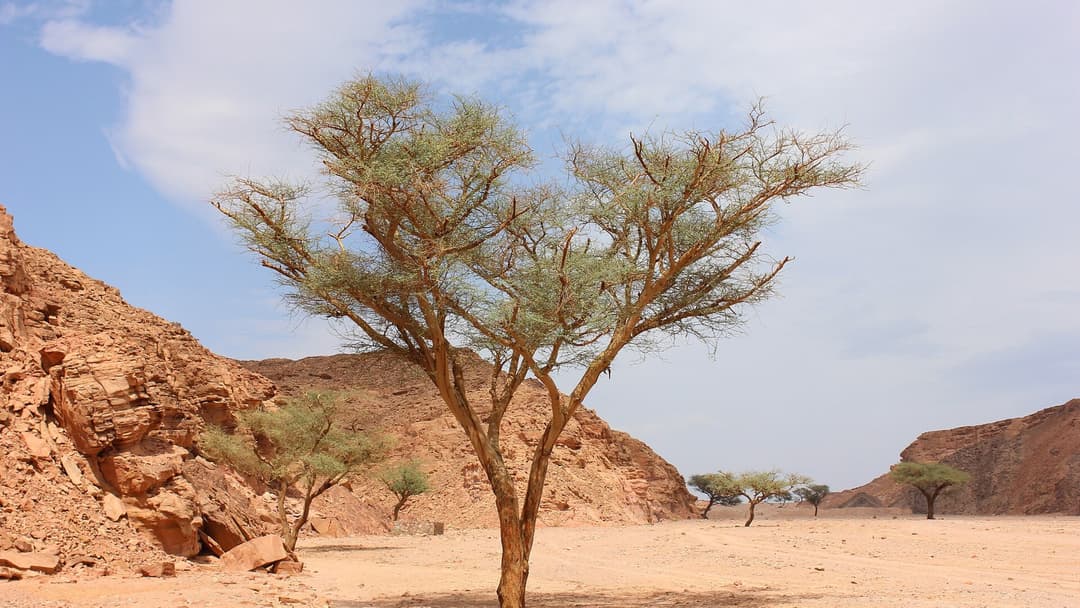
11. Acacia (Vachellia Seyal)
Translated as shittim wood in traditional texts, desert acacias thrived along the arid wadis of the Sinai Peninsula. Exodus 25 commands Moses to construct the Ark of the Covenant, the Table of Showbread, and the Tabernacles structural poles out of acacia timber because the dense hardwood resisted insect attack.
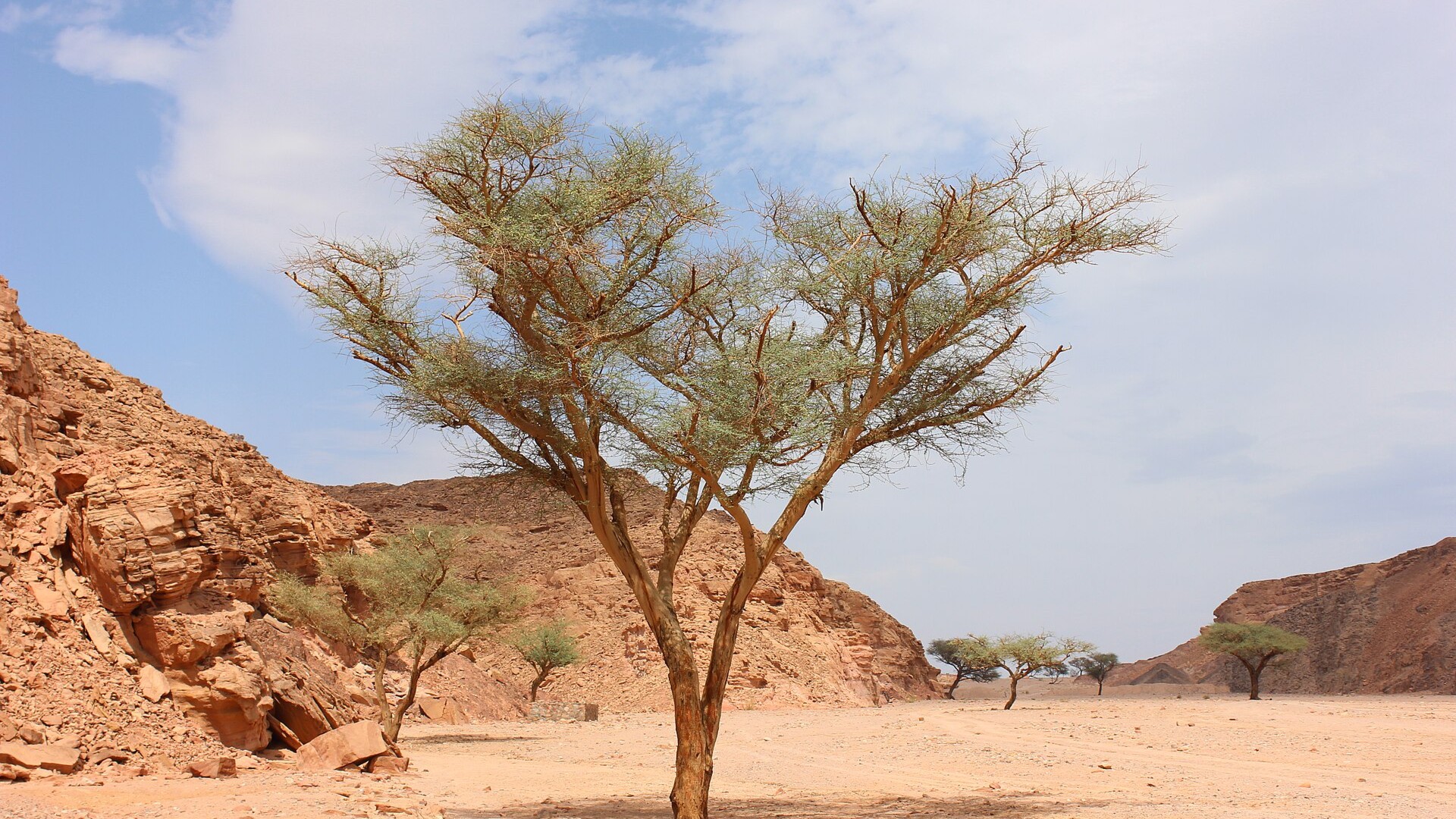
©Wikimedia / لا روسا
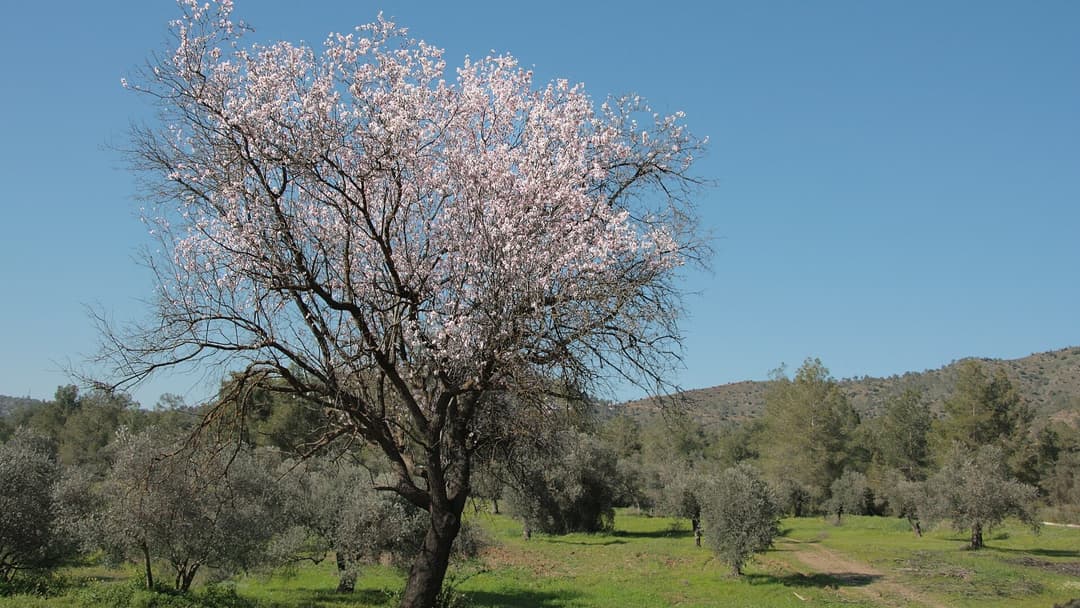
10. Almond Tree (Prunus Dulcis)
Flowering as early as January in the hills of Judea, the almond tree heralded the end of winter across the Levant. In Exodus 25:33, the golden cups of the Tabernacle menorah were designed to resemble delicate almond blossoms, while Numbers 17 recounts the miraculous budding of Aaron's dry almond staff.
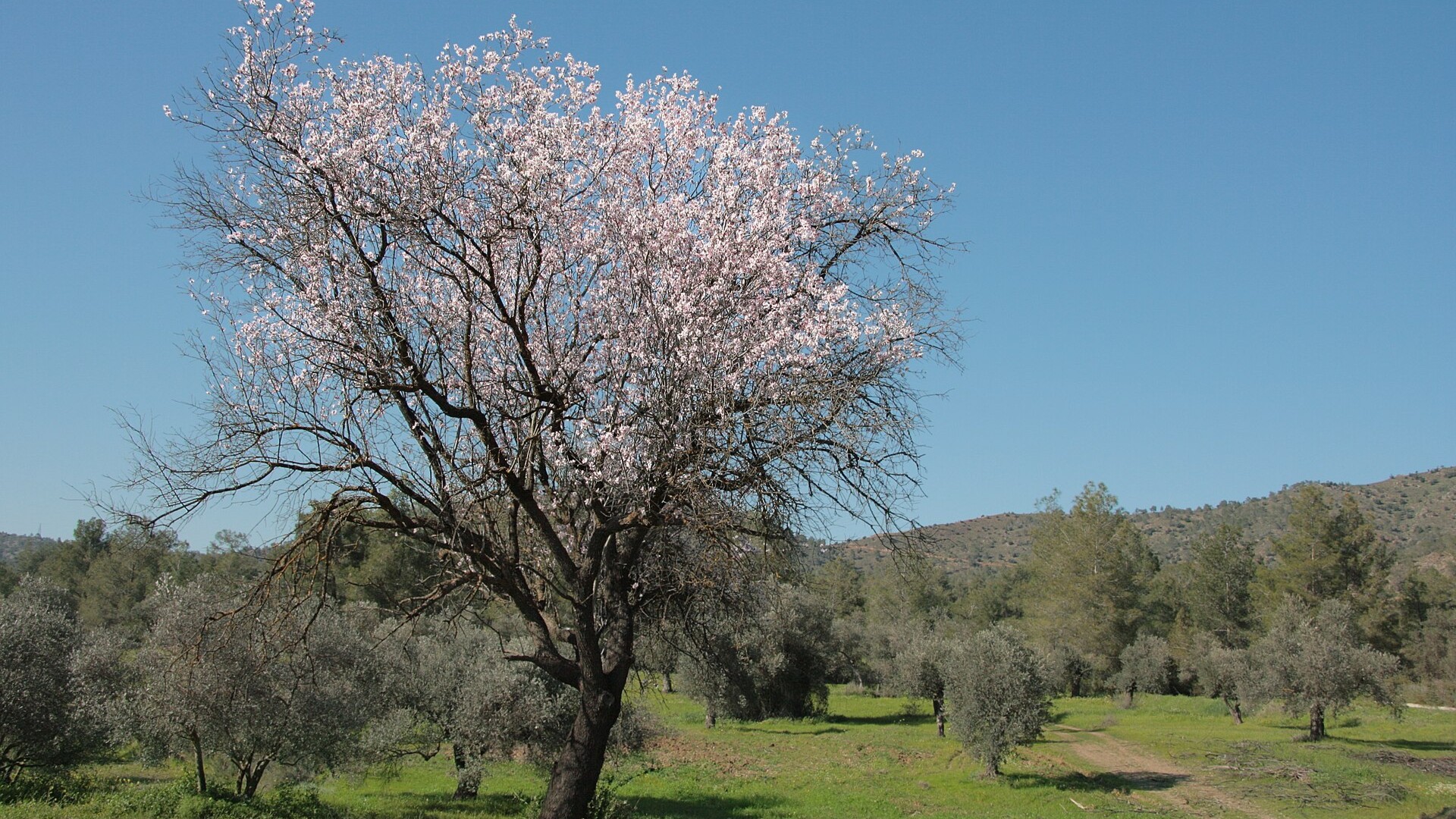
©Wikimedia / Anna Anichkova
Advertisement
Swipe or tap ▶ to resume the countdown.
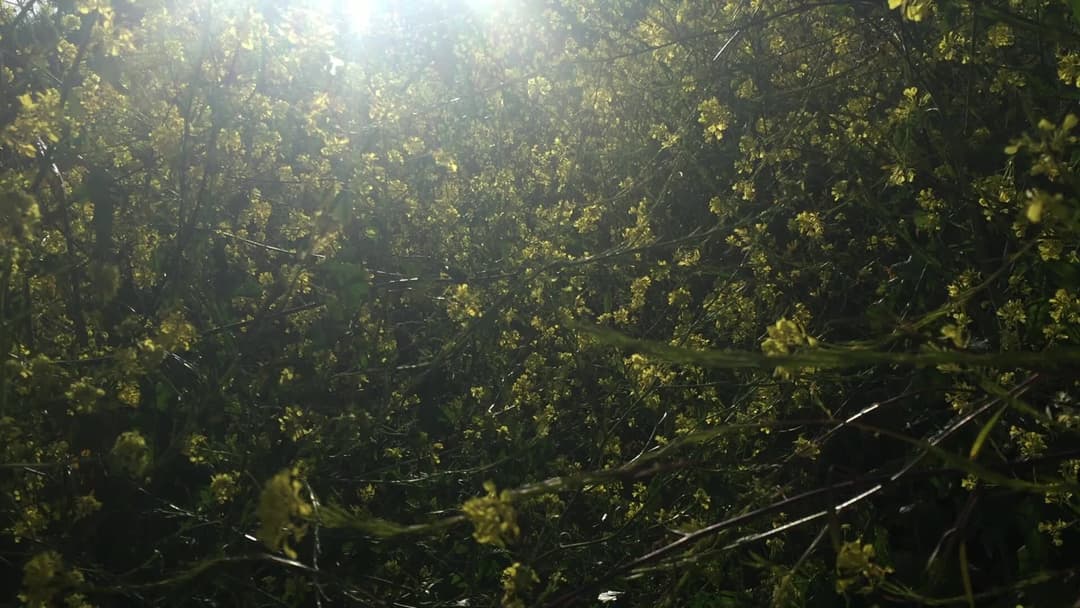
9. Black Mustard (Brassica Nigra)
In Matthew 13:31, Jesus compared the kingdom of heaven to a mustard seed, emphasizing that a tiny seed grows into a plant large enough for birds to nest in its branches. Native to the Mediterranean basin, black mustard plants grew rapidly in fertile fields, reaching heights of up to three meters in a single season.
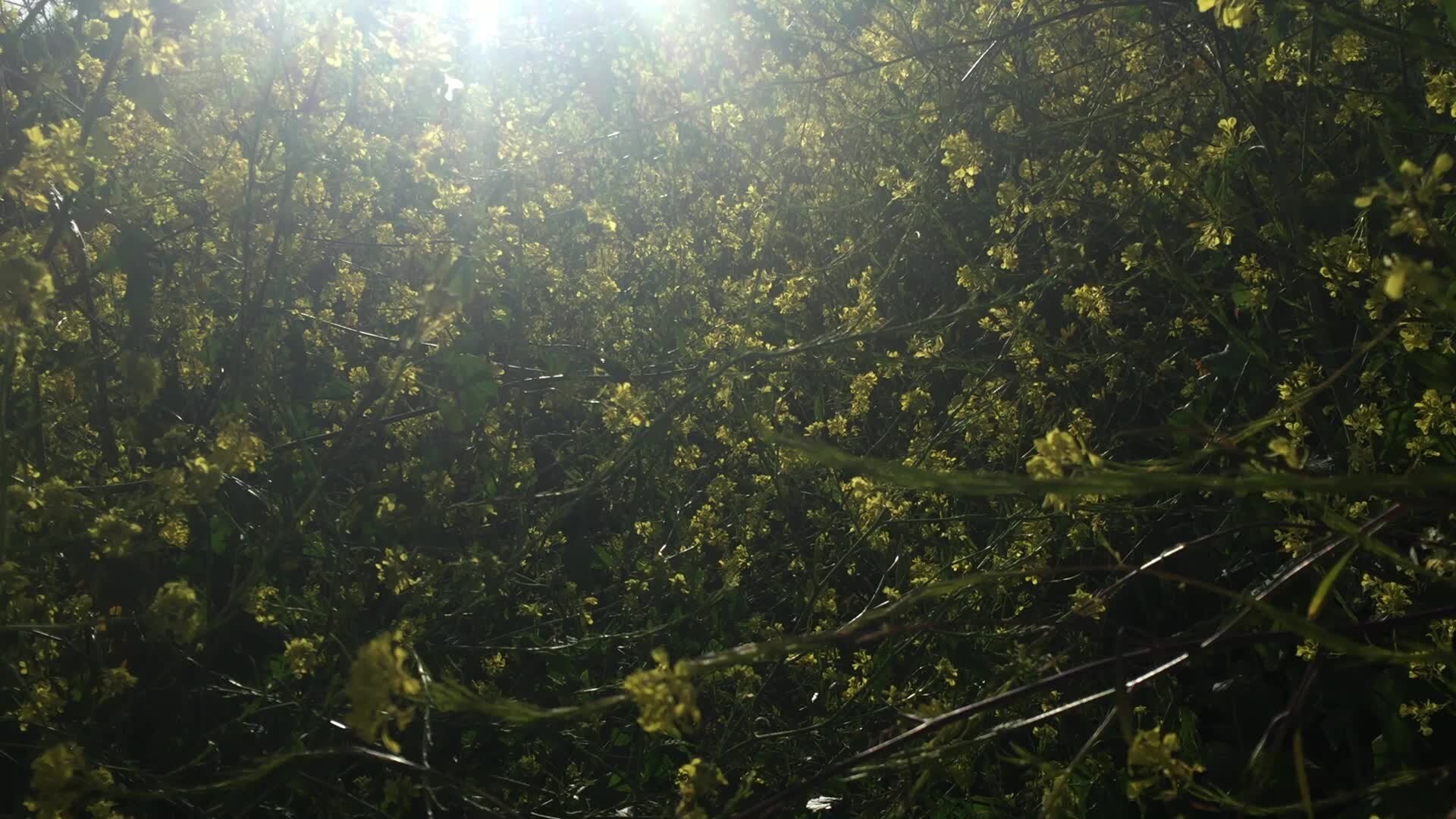
©Wikimedia / Santa Monica Mountains National Recreation Area
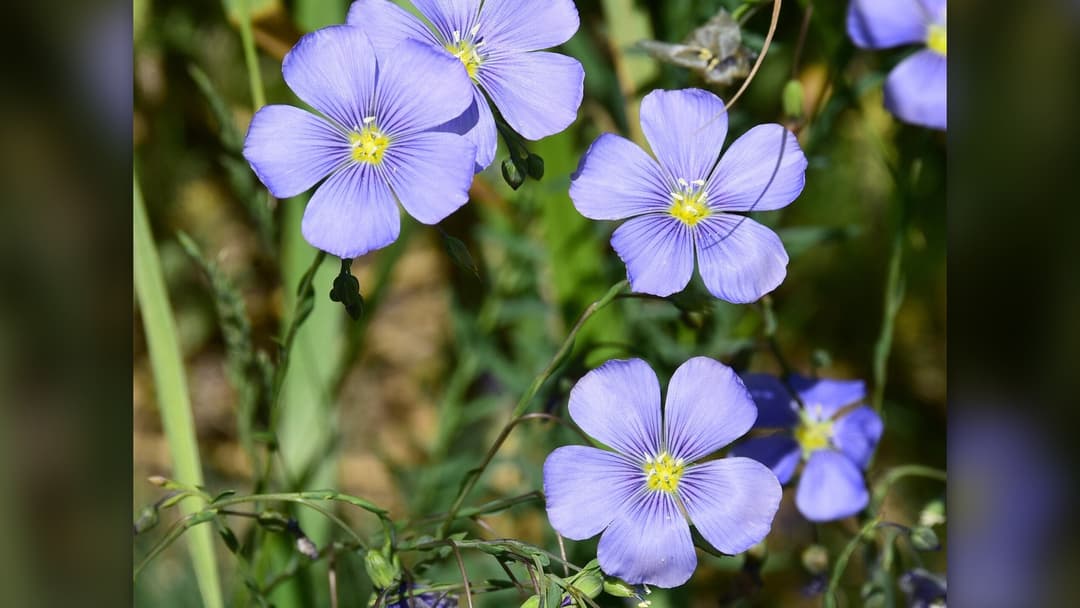
8. Common Flax (Linum Usitatissimum)
Cultivated extensively along the Nile and the Jordan River valleys, flax stems were soaked, beaten and spun into crisp white linen. Hebrew priests wore garments of fine linen according to Exodus 28, while the Gospels record that Joseph of Arimathea wrapped the crucified body of Jesus in clean linen cloth.
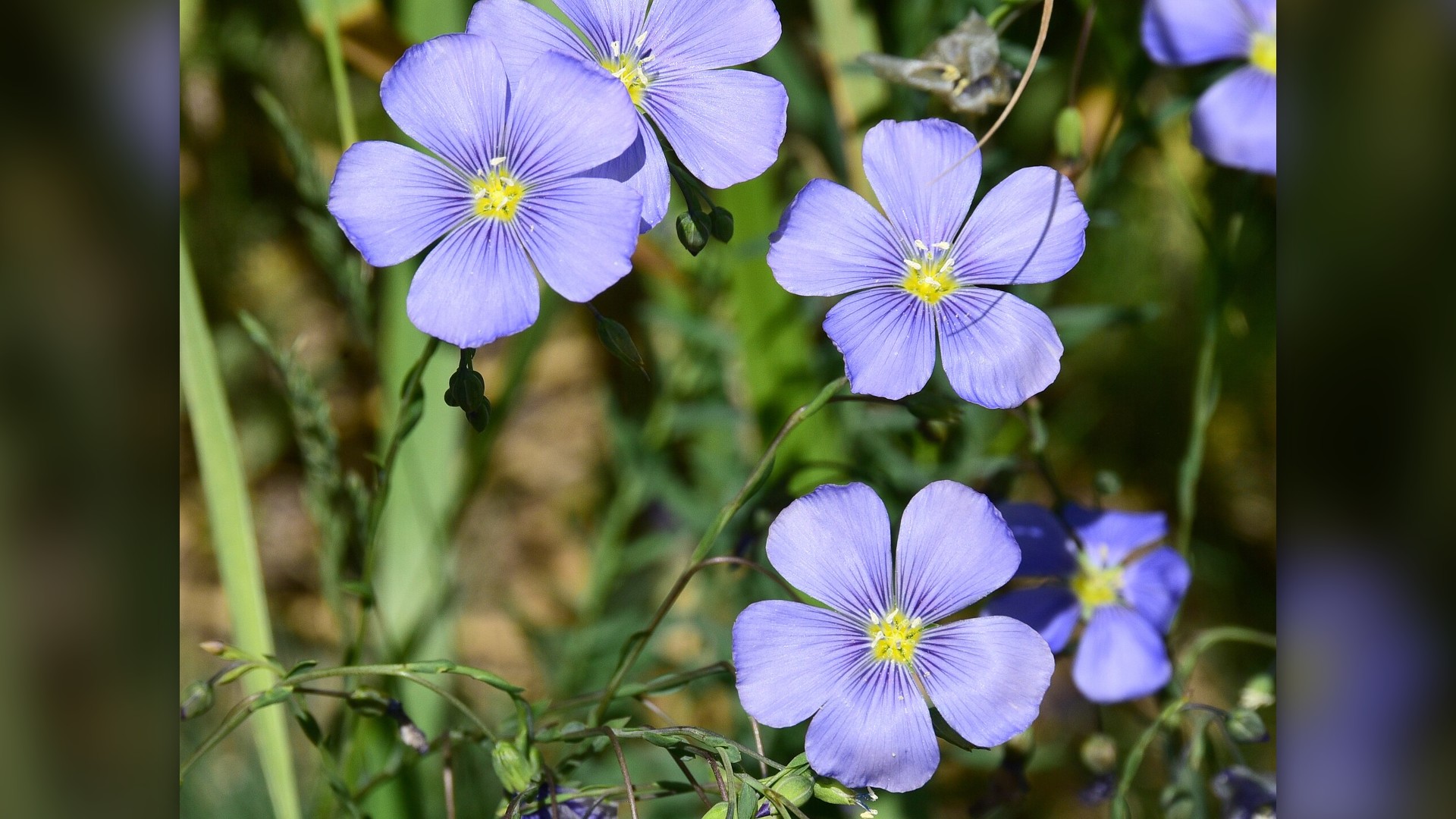
©USFWS / USFWS Mountain Prairie
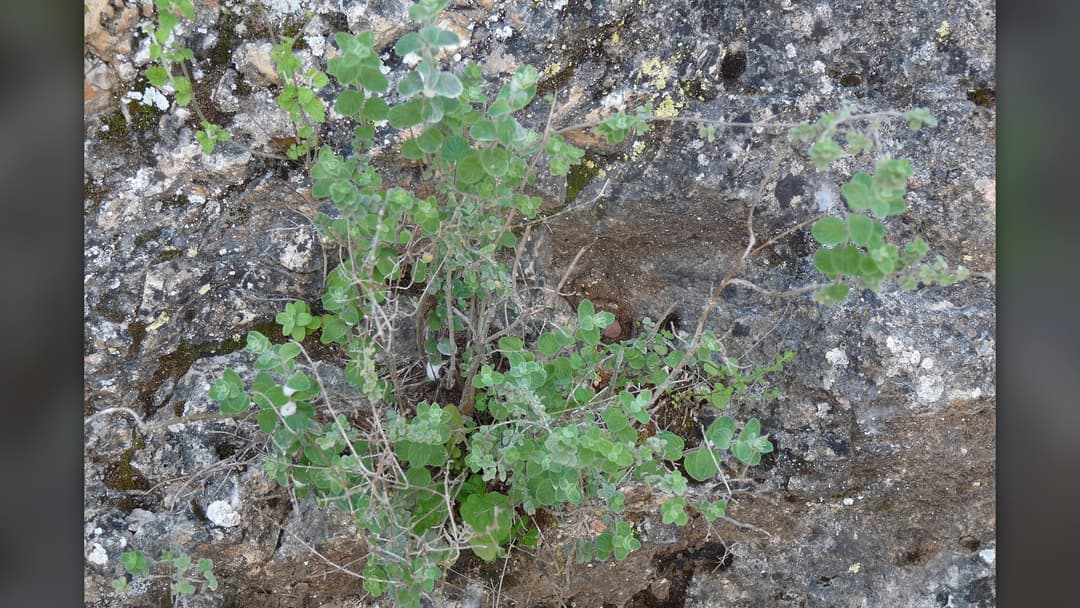
7. Syrian Hyssop (Origanum Syriacum)
Known botanically as Syrian oregano, this gray-green aromatic herb grew out of stone walls and limestone terraces across the Levant. In Exodus 12:22, the Israelites used bundles of hyssop to brush lamb blood onto their doorposts in Egypt, while King David referenced its cleansing qualities in Psalm 51:7.
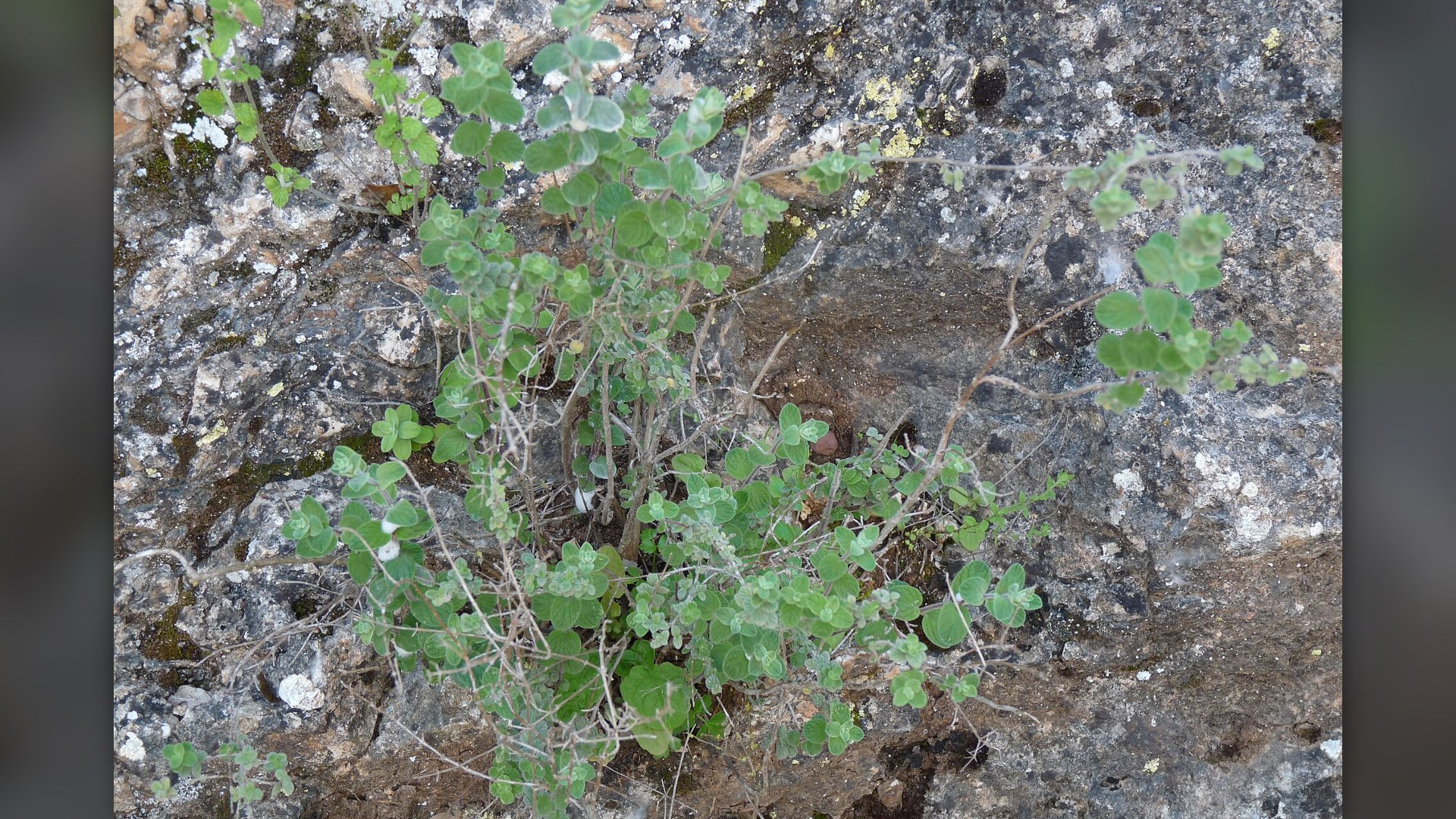
©Wikimedia / Kippi70
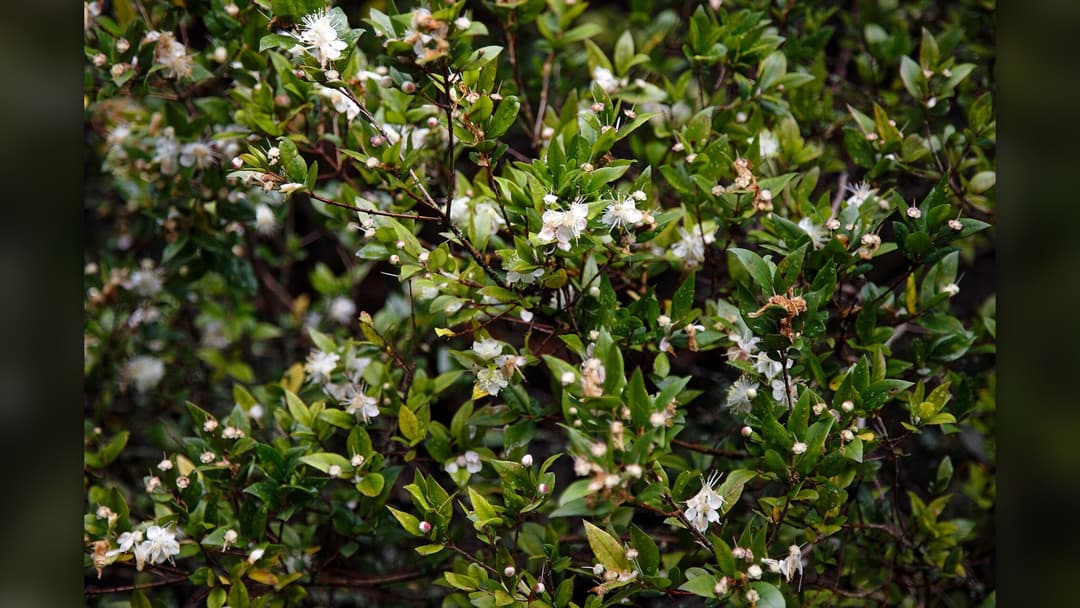
6. Common Myrtle (Myrtus Communis)
Valued for its aromatic oval leaves and starry white blossoms, the common myrtle grew wild in thickets across Galilee and Mount Carmel. Nehemiah 8:15 instructed the returned Jewish exiles to gather myrtle boughs along with olive branches to construct temporary ceremonial booths for the Feast of Tabernacles.
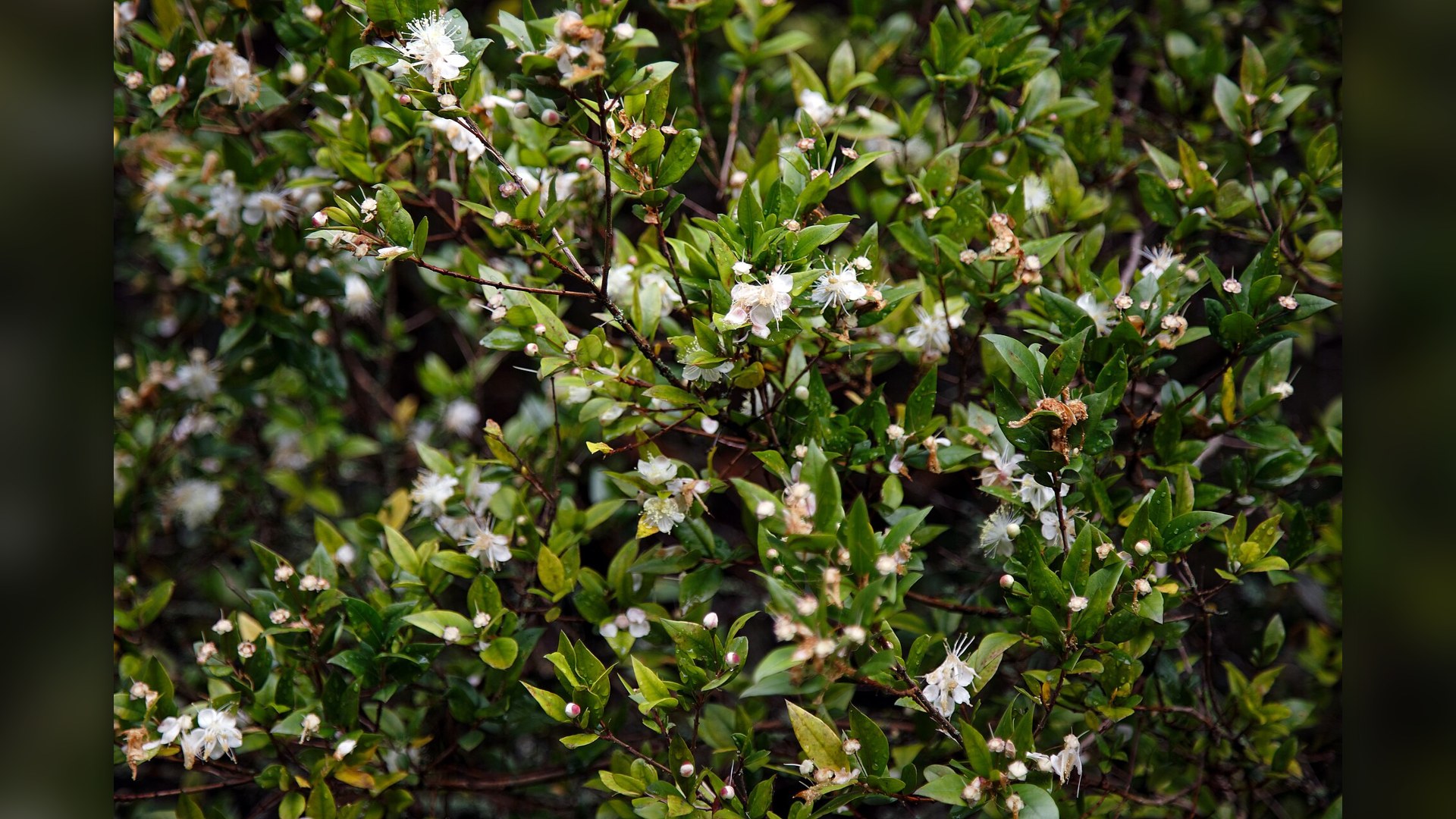
©Wikimedia / Acabashi
Advertisement
Swipe or tap ▶ to resume the countdown.
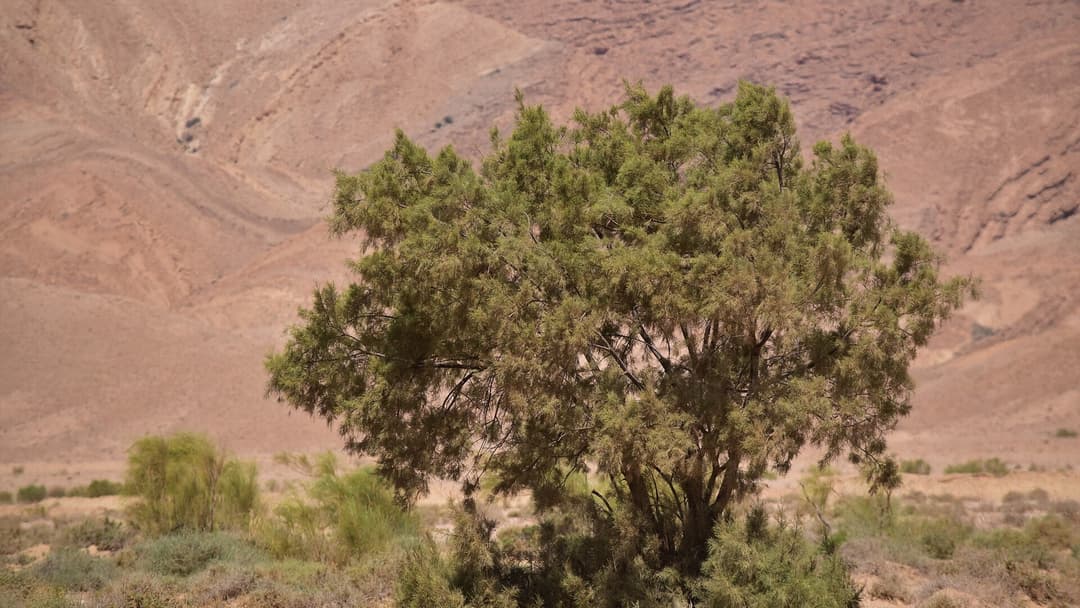
5. Tamarisk Tree (Tamarix Aphylla)
Genesis 21:33 records that Abraham planted a tamarisk tree at Beersheba to mark an altar of prayer and an enduring water treaty with King Abimelech. Thriving in salty, arid soils where other trees withered, the tamarisk provided deep shade for desert travelers through its fine feathery foliage and salt glands.
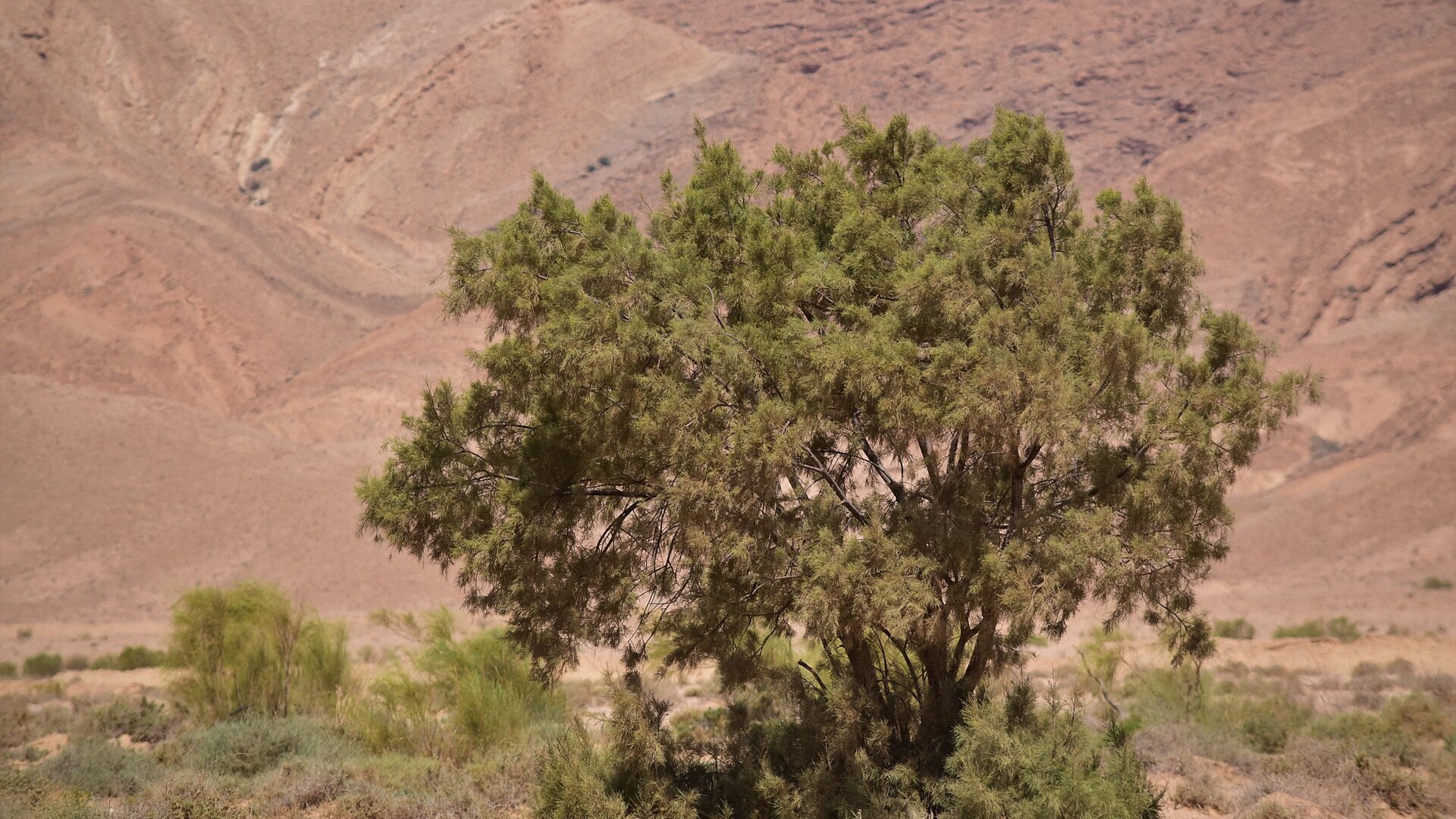
©Wikimedia / Cheima fezzani
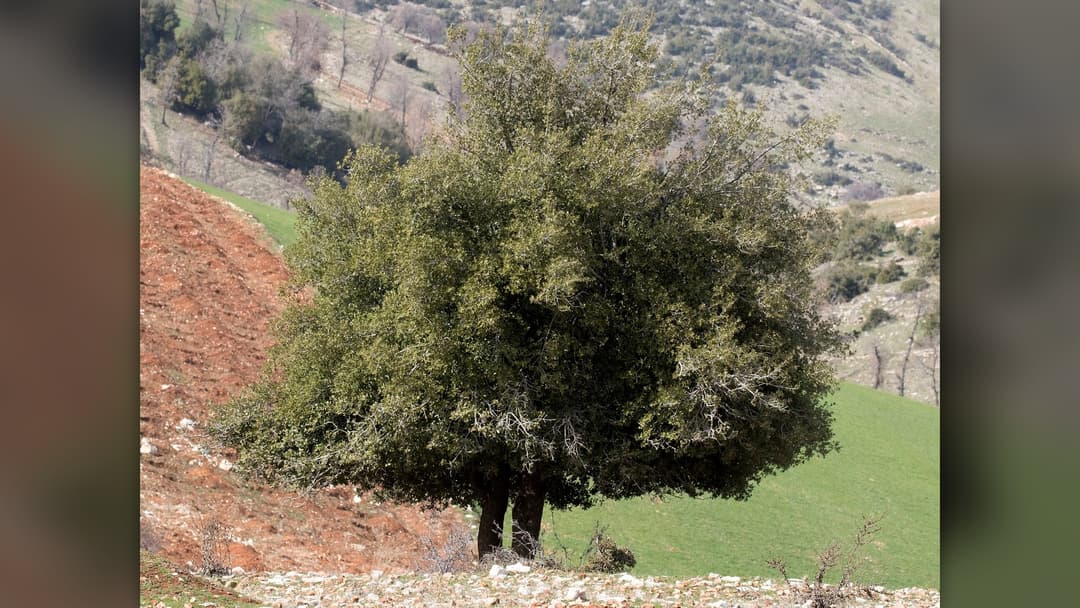
4. Kermes Oak (Quercus Calliprinos)
Evergreen oaks formed the dense climax forests of ancient Palestine and the hills of Bashan east of the Jordan River. Genesis describes early patriarchs setting up altars beneath great oaks at Shechem and Hebron, with the massive trees serving as recognizable boundary markers and sites for solemn assemblies.
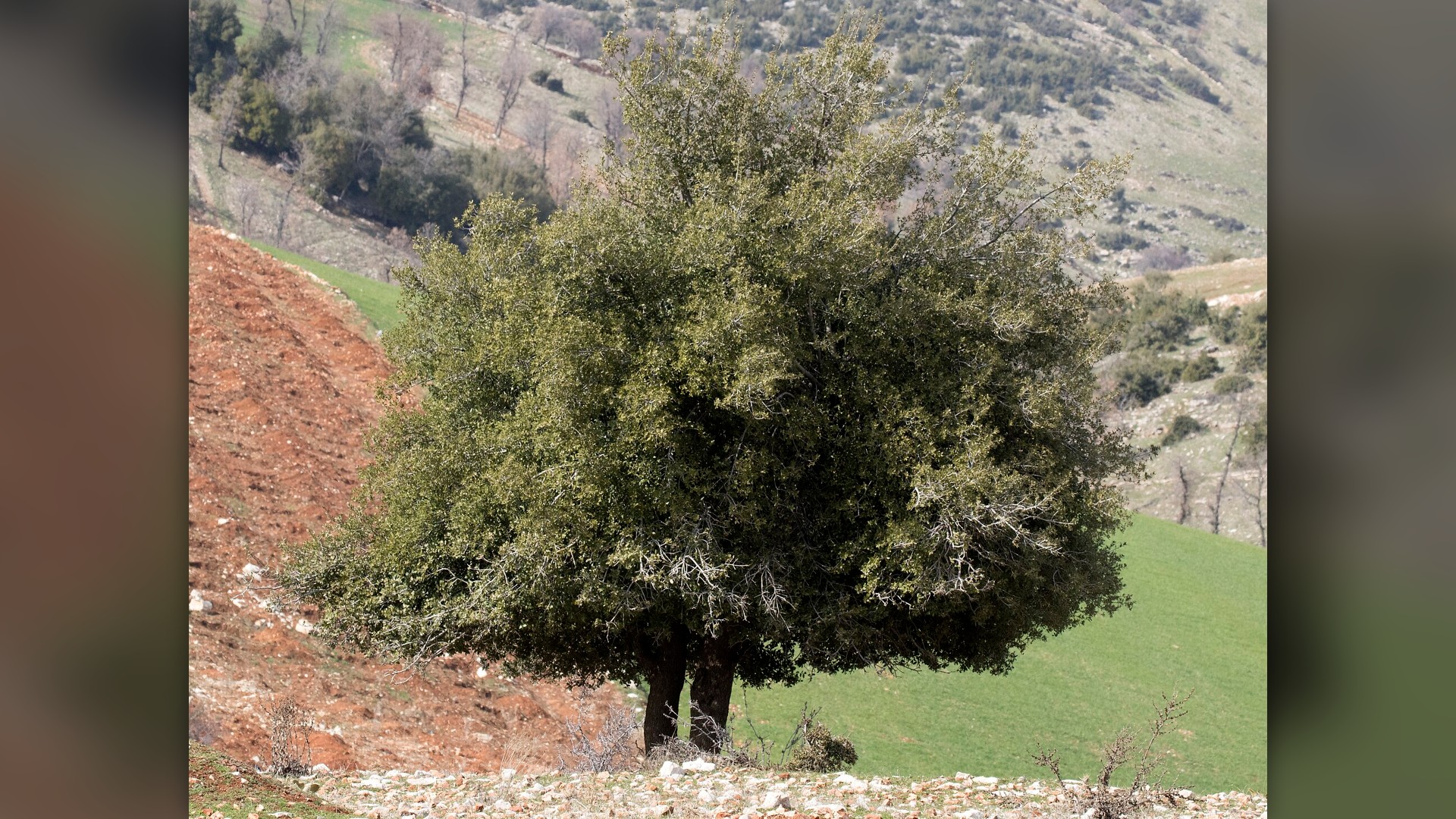
©Wikimedia / Zeynel Cebeci
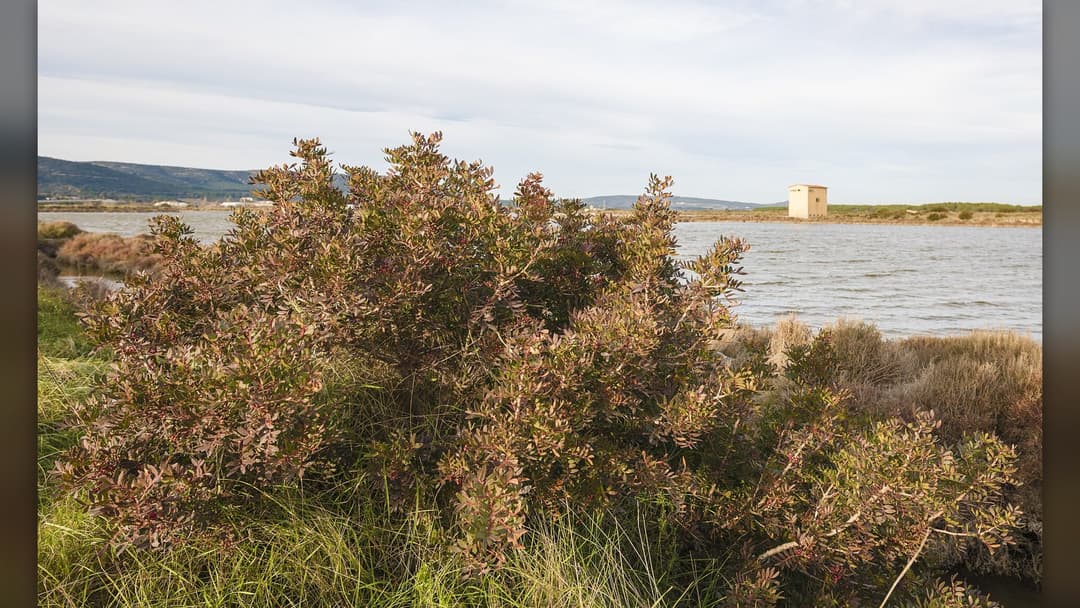
3. Terebinth (Pistacia Terebinthus)
Known as the elah in Hebrew, the terebinth tree was renowned for its wide shady crown and aromatic resin. The Valley of Elah took its name from these imposing trees when David confronted Goliath in 1 Samuel 17, while Absalom met his death when his hair caught in a tangled terebinth branch in 2 Samuel 18.
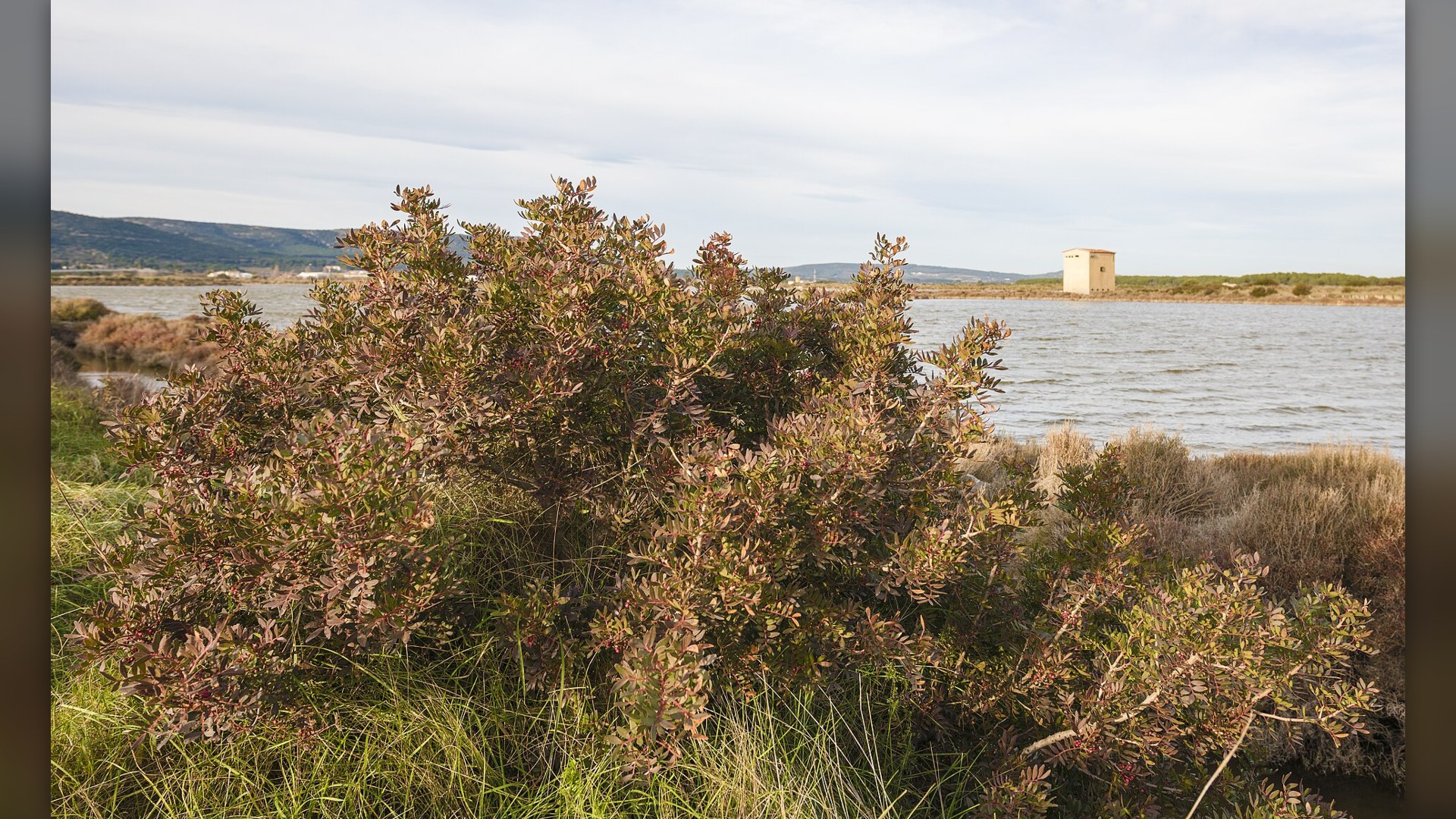
©Wikimedia / Christian Ferrer
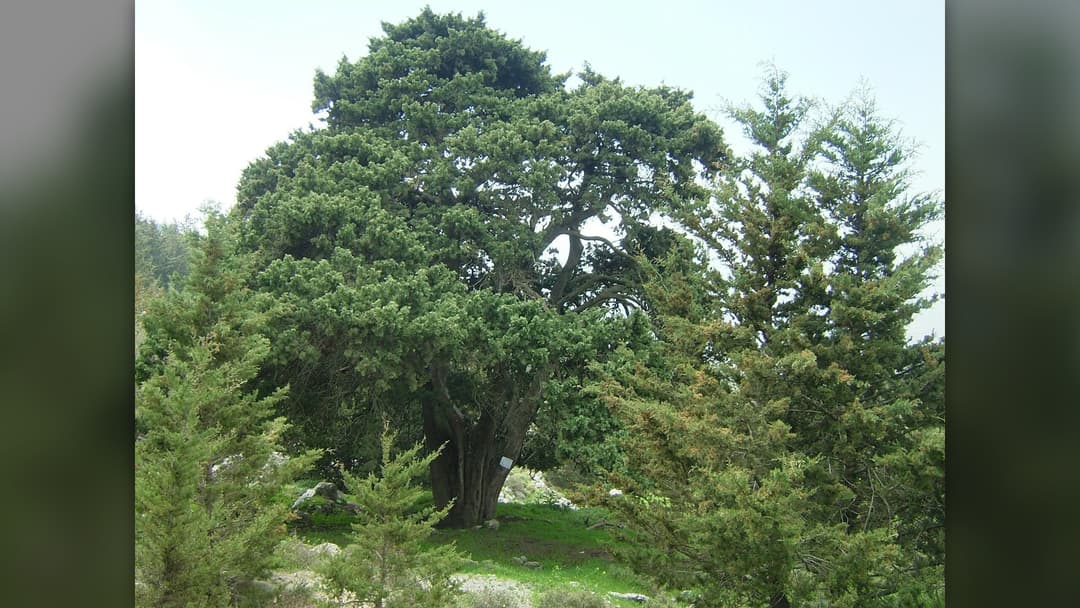
2. Mediterranean Cypress (Cupressus Sempervirens)
Flourishing across the rocky hillsides of Lebanon and northern Galilee, the Mediterranean cypress produced dense, resinous wood that resisted rot and decay. Solomon selected cypress planks to floor the inner sanctuary of the Jerusalem Temple in 1 Kings 6:15 and to carve the grand double doors of the outer hall.
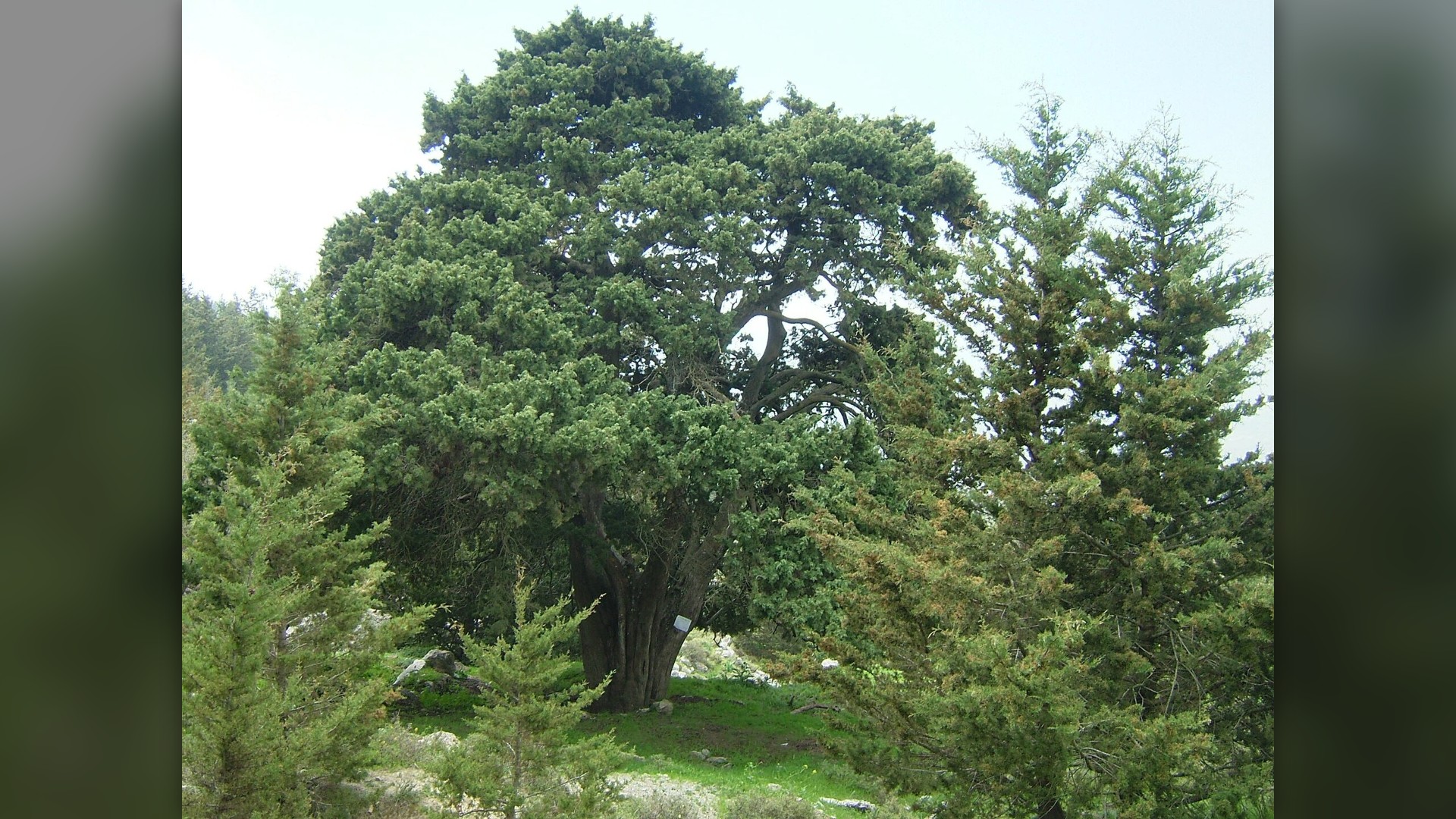
©Wikimedia / Chneophytou
Advertisement
Swipe or tap ▶ to resume the countdown.
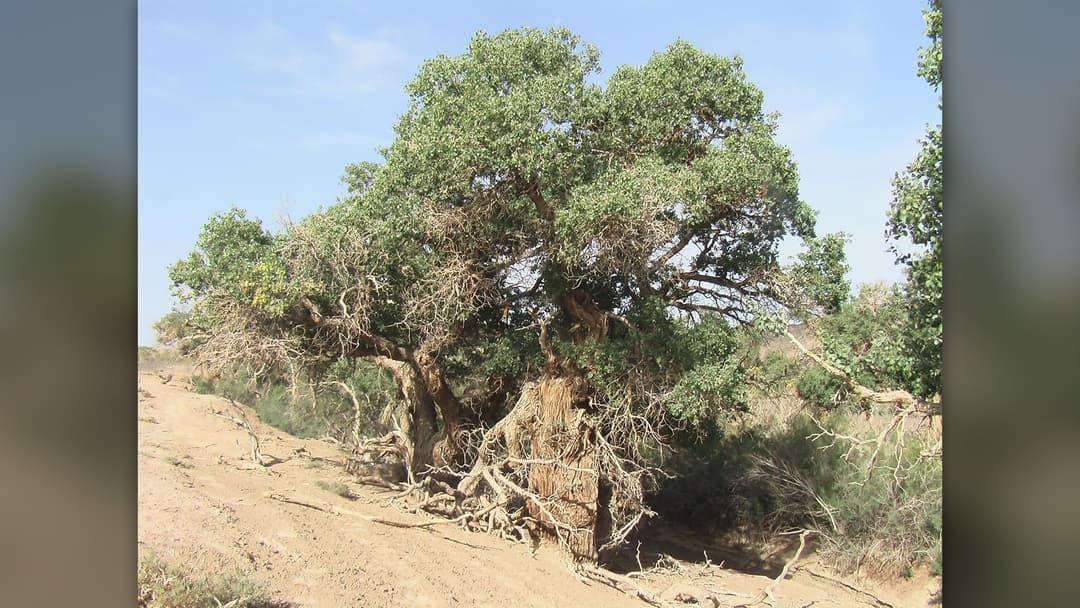
1. Euphrates Poplar (Populus Euphratica)
Lining the muddy banks of the Jordan, Tigris and Euphrates rivers, these hardy deciduous trees were historically translated as willows. Psalm 137:2 poignantly laments how Jewish exiles hung their harps upon the trees along the rivers of Babylon, while Leviticus 23:40 commanded boughs of the brook for Sukkot.
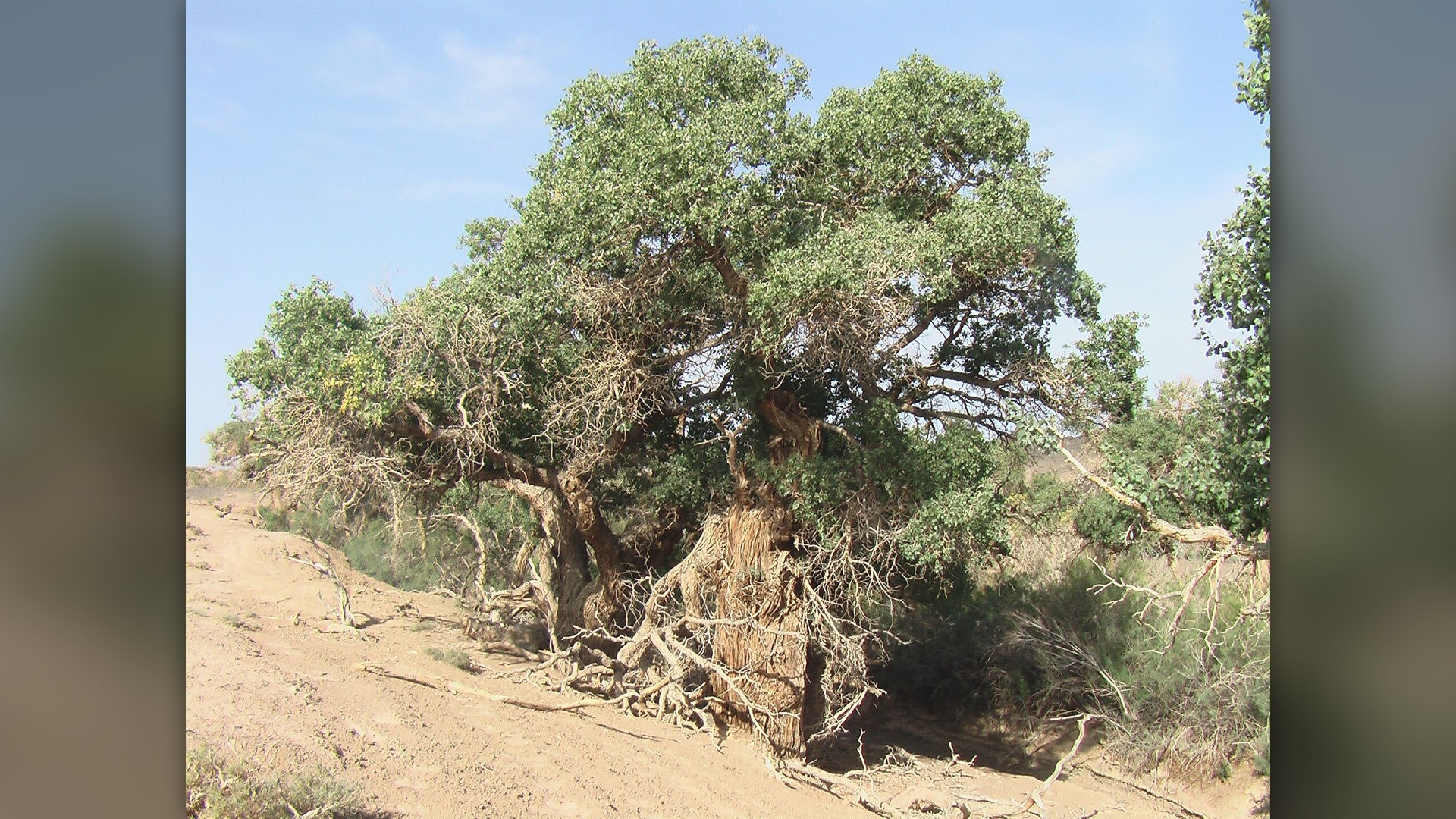
©Wikimedia / Bogomolov.PL
Advertisement
You've reached the end of the story. Thanks for reading!

22 Unusual Animals That Look Like They Belong in a Fairy Tale
Unusual animals that look like they belong in a fairy tale thrive in remote habitats across our planet. From miniature dragons in Mexican lakes to glowing sea slugs and horned lizards, nature invents astonishing forms. This curated collection examines twenty-two extraordinary species and their evolutionary traits.
All 20 Entries in this Story
Fig Tree (Ficus Carica)
The common fig was the first plant identified by name in Genesis 3:7, when Adam and Eve sewed its broad leaves together for clothing. Native to the Mediterranean and western Asia, fig trees produced two annual fruit crops that provided crucial nutrition and winter rations across ancient Judea and Galilee.

Olive Tree (Olea Europaea)
In Genesis 8:11, a dove brought an olive leaf back to Noahs ark, establishing the tree as an enduring symbol of renewal. Ancient farmers in the Levant harvested olives each autumn to press golden oil used for temple lamps, cooking, medicinal salves and anointing Hebrew priests and kings in Jerusalem.

Date Palm (Phoenix Dactylifera)
The Book of Exodus records that the Israelites rested at Elim, an oasis sheltered by twelve springs and seventy date palms. In John 12:13, crowds welcomed Jesus into Jerusalem by waving cut palm fronds. The resilient trees provided builders with durable timber and families with calorie-rich dried fruit.

Cedar Of Lebanon (Cedrus Libani)
First Kings describes how King Solomon struck a trade alliance with King Hiram of Tyre to log massive Lebanese cedars for the First Temple in Jerusalem. Growing at high elevations on Mount Lebanon, the fragrant, decay-resistant conifers grew up to forty meters tall and symbolized royal majesty in the Psalms.

Pomegranate (Punica Granatum)
Mentioned in Deuteronomy 8:8 as one of the seven blessed agricultural species of Canaan, the pomegranate held deep ceremonial status. Golden pomegranate ornaments hung along the hem of the high priests vestments in Exodus 28:33, while bronze carvings of the fruit decorated the twin pillars of Solomons Temple.

Grapevine (Vitis Vinifera)
Noah planted a vineyard immediately after the flood according to Genesis 9:20, establishing viticulture across the Near East. Cultivated on terraced limestone hillsides across Judea, grapevines supplied fresh fruit and stored wine, while later Gospel passages in John 15:5 used the vine to symbolize spiritual unity.

Myrrh (Commiphora Myrrha)
Extracted from thorny desert shrubs native to the southern Arabian Peninsula and the Horn of Africa, myrrh resin was a required ingredient in the sacred holy anointing oil of Exodus 30:23. The Gospel of John notes that Nicodemus brought seventy-five pounds of myrrh and aloes to prepare Jesus for burial in Jerusalem.

Frankincense (Boswellia Sacra)
Sourced from the papery bark of Boswellia trees along the Dhofar coast of Oman, frankincense was burned daily on the golden altar of incense in the Tabernacle. In Matthew 2:11, visiting Magi presented the valuable resin as an offering to the newborn Jesus in Bethlehem, honoring his priestly status.

Sycamore Fig (Ficus Sycomorus)
Distinct from European sycamore maples, the biblical sycamore is a fig tree native to Egypt and the Jordan River Valley. Luke 19:4 describes the tax collector Zacchaeus climbing its low horizontal branches in Jericho to see Jesus over the crowd. Ancient builders also used its rot-resistant wood for carpentry.

Acacia (Vachellia Seyal)
Translated as shittim wood in traditional texts, desert acacias thrived along the arid wadis of the Sinai Peninsula. Exodus 25 commands Moses to construct the Ark of the Covenant, the Table of Showbread, and the Tabernacles structural poles out of acacia timber because the dense hardwood resisted insect attack.

Almond Tree (Prunus Dulcis)
Flowering as early as January in the hills of Judea, the almond tree heralded the end of winter across the Levant. In Exodus 25:33, the golden cups of the Tabernacle menorah were designed to resemble delicate almond blossoms, while Numbers 17 recounts the miraculous budding of Aaron's dry almond staff.

Black Mustard (Brassica Nigra)
In Matthew 13:31, Jesus compared the kingdom of heaven to a mustard seed, emphasizing that a tiny seed grows into a plant large enough for birds to nest in its branches. Native to the Mediterranean basin, black mustard plants grew rapidly in fertile fields, reaching heights of up to three meters in a single season.

Common Flax (Linum Usitatissimum)
Cultivated extensively along the Nile and the Jordan River valleys, flax stems were soaked, beaten and spun into crisp white linen. Hebrew priests wore garments of fine linen according to Exodus 28, while the Gospels record that Joseph of Arimathea wrapped the crucified body of Jesus in clean linen cloth.

Syrian Hyssop (Origanum Syriacum)
Known botanically as Syrian oregano, this gray-green aromatic herb grew out of stone walls and limestone terraces across the Levant. In Exodus 12:22, the Israelites used bundles of hyssop to brush lamb blood onto their doorposts in Egypt, while King David referenced its cleansing qualities in Psalm 51:7.

Common Myrtle (Myrtus Communis)
Valued for its aromatic oval leaves and starry white blossoms, the common myrtle grew wild in thickets across Galilee and Mount Carmel. Nehemiah 8:15 instructed the returned Jewish exiles to gather myrtle boughs along with olive branches to construct temporary ceremonial booths for the Feast of Tabernacles.

Tamarisk Tree (Tamarix Aphylla)
Genesis 21:33 records that Abraham planted a tamarisk tree at Beersheba to mark an altar of prayer and an enduring water treaty with King Abimelech. Thriving in salty, arid soils where other trees withered, the tamarisk provided deep shade for desert travelers through its fine feathery foliage and salt glands.

Kermes Oak (Quercus Calliprinos)
Evergreen oaks formed the dense climax forests of ancient Palestine and the hills of Bashan east of the Jordan River. Genesis describes early patriarchs setting up altars beneath great oaks at Shechem and Hebron, with the massive trees serving as recognizable boundary markers and sites for solemn assemblies.

Terebinth (Pistacia Terebinthus)
Known as the elah in Hebrew, the terebinth tree was renowned for its wide shady crown and aromatic resin. The Valley of Elah took its name from these imposing trees when David confronted Goliath in 1 Samuel 17, while Absalom met his death when his hair caught in a tangled terebinth branch in 2 Samuel 18.

Mediterranean Cypress (Cupressus Sempervirens)
Flourishing across the rocky hillsides of Lebanon and northern Galilee, the Mediterranean cypress produced dense, resinous wood that resisted rot and decay. Solomon selected cypress planks to floor the inner sanctuary of the Jerusalem Temple in 1 Kings 6:15 and to carve the grand double doors of the outer hall.

Euphrates Poplar (Populus Euphratica)
Lining the muddy banks of the Jordan, Tigris and Euphrates rivers, these hardy deciduous trees were historically translated as willows. Psalm 137:2 poignantly laments how Jewish exiles hung their harps upon the trees along the rivers of Babylon, while Leviticus 23:40 commanded boughs of the brook for Sukkot.