Slideshow · News
20 Biggest Ways El Nino Could Change Winter Across America
Equatorial Pacific warming acts as a colossal atmospheric engine, fundamentally steering the winter jet stream. From relentless storms along the southern tier to milder northern borders, here are 20 major ways El Ni�o transforms winter patterns across America.
By Most Viral Today
11 min ago

How Ocean Warming Reshapes the American Winter 
20. Northern Plains Experience Unusually Mild Temperatures 
19. Pacific Northwest Faces Drier Conditions And Thinner Mountain Snowpacks 
18. California Confronts Repeated Atmospheric Rivers - AdvertisementSwipe or tap ▶ to continue countdown

17. Gulf Coast Endures Relentless Rainfall And Urban Flooding 
16. Upper Midwest Sees Significantly Below-Average Snowfall 
15. Florida Faces Elevated Severe Thunderstorm And Tornado Threats 
14. Great Lakes Ice Coverage Drops To Historic Lows - AdvertisementSwipe or tap ▶ to continue countdown

13. Southern Rockies And Four Corners Receive Heavy Snowfall 
12. Mid-Atlantic Region Faces Enhanced Coastal Storm Risks 
11. Desert Southwest Transforms With Abundant Winter Moisture 
10. Cascade Mountain Resorts Experience Shorter Ski Seasons - AdvertisementSwipe or tap ▶ to continue countdown

9. Northern Homeowners Enjoy Reduced Winter Heating Expenses 
8. Southern Tier Experiences Increased Freezing Rain And Ice Storms 
7. Ohio Valley Navigates Frequent Rain Events And Saturated Soils 
6. New England Nor'easters Shift Toward Wetter Coastal Tracks - AdvertisementSwipe or tap ▶ to continue countdown

5. Texas Manages Rapid Polar Cold Front Transitions 
4. Southern California Wildfire Scars Face Heightened Debris Flow Risks 
3. Plains Winter Wheat Benefits From Favorable Moisture Levels 
2. Coastal Marine Ecosystems Adjust To Warmer Inshore Waters - AdvertisementSwipe or tap ▶ to continue countdown

1. Jet Stream Configuration Dictates Continental Weather Extremes - Advertisement🔥 UP NEXT IN THIS SERIES◫ 21 Slides

UK Loses Bid to Keep Secret Apple Encryption Backdoor Order
In a major blow to state secrecy, Britain's Investigatory Powers Tribunal has ruled that the Home Office cannot hide its attempt to force Apple to create an encryption backdoor. The landmark decision clears the way for a public court battle over consumer privacy, national security, and government surveillance powers.
Equatorial Pacific warming acts as a colossal atmospheric engine, fundamentally steering the winter jet stream. From relentless storms along the southern tier to milder northern borders, here are 20 major ways El Ni�o transforms winter patterns across America.
Swipe or tap ▶ to begin the countdown
©NASA / Wikimedia Commons
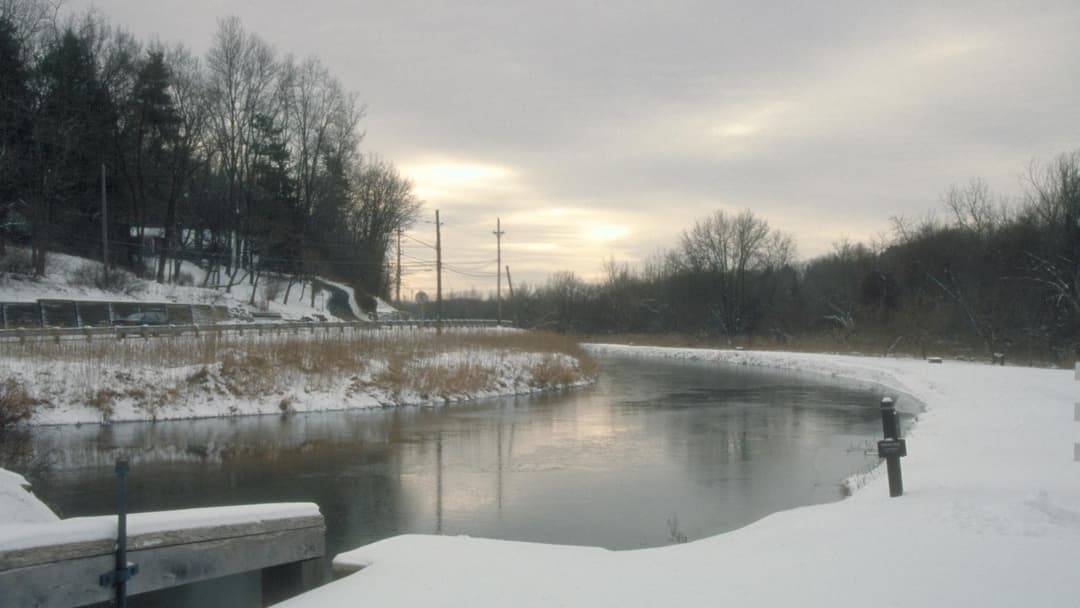
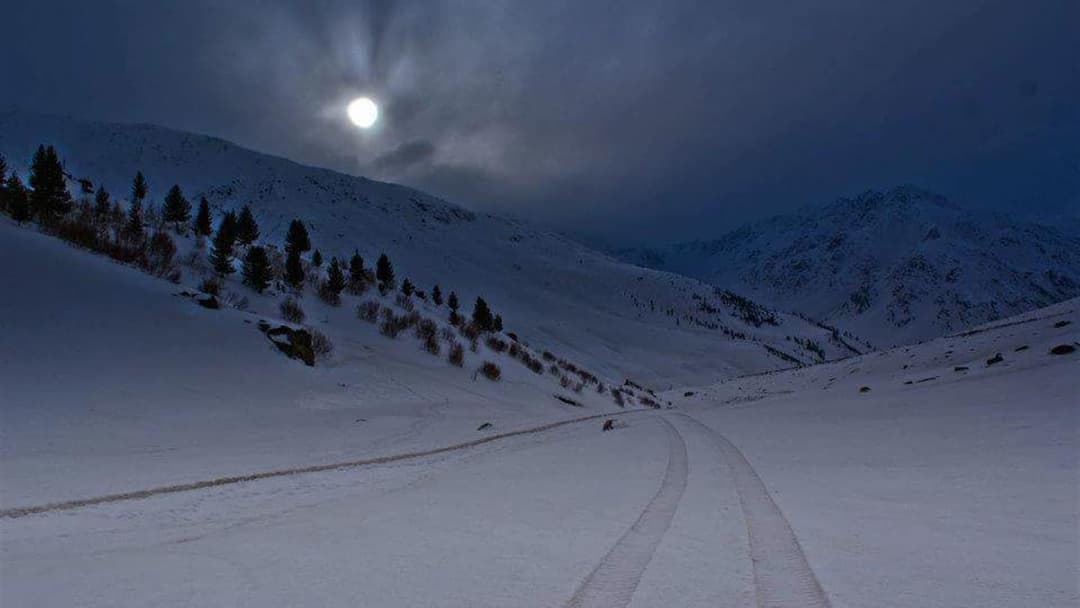
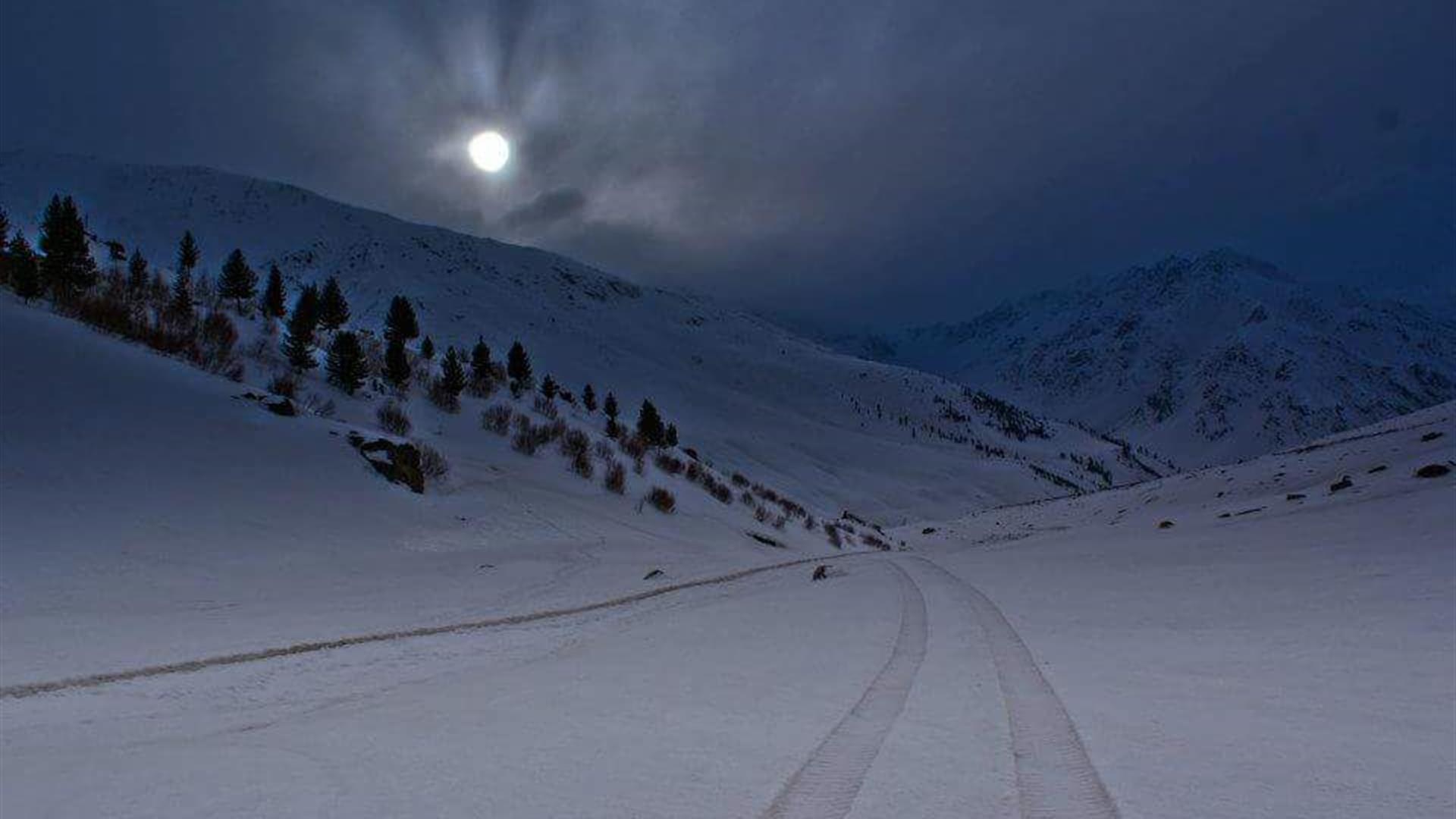
20. Northern Plains Experience Unusually Mild Temperatures
Winter in the northern Plains typically brings brutal Arctic freezes. Under moderate to strong El Ni�o conditions, the polar jet stream stays locked across Canada, preventing deep Arctic air from plunging into Montana, North Dakota, and Minnesota. Residents experience fewer subzero mornings.
©Wikimedia Commons / CC BY-SA 4.0
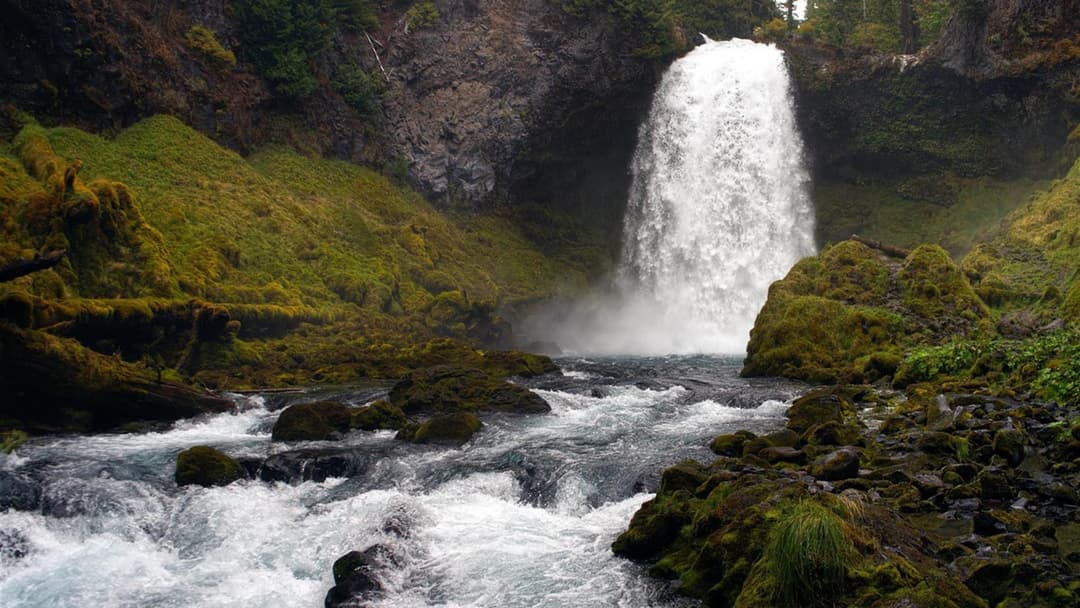
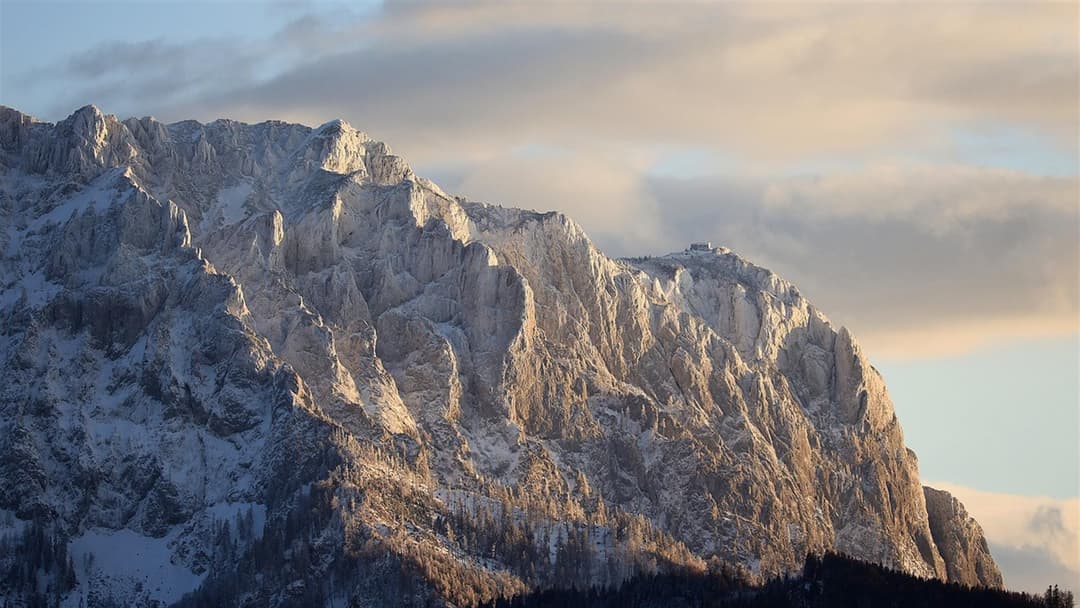
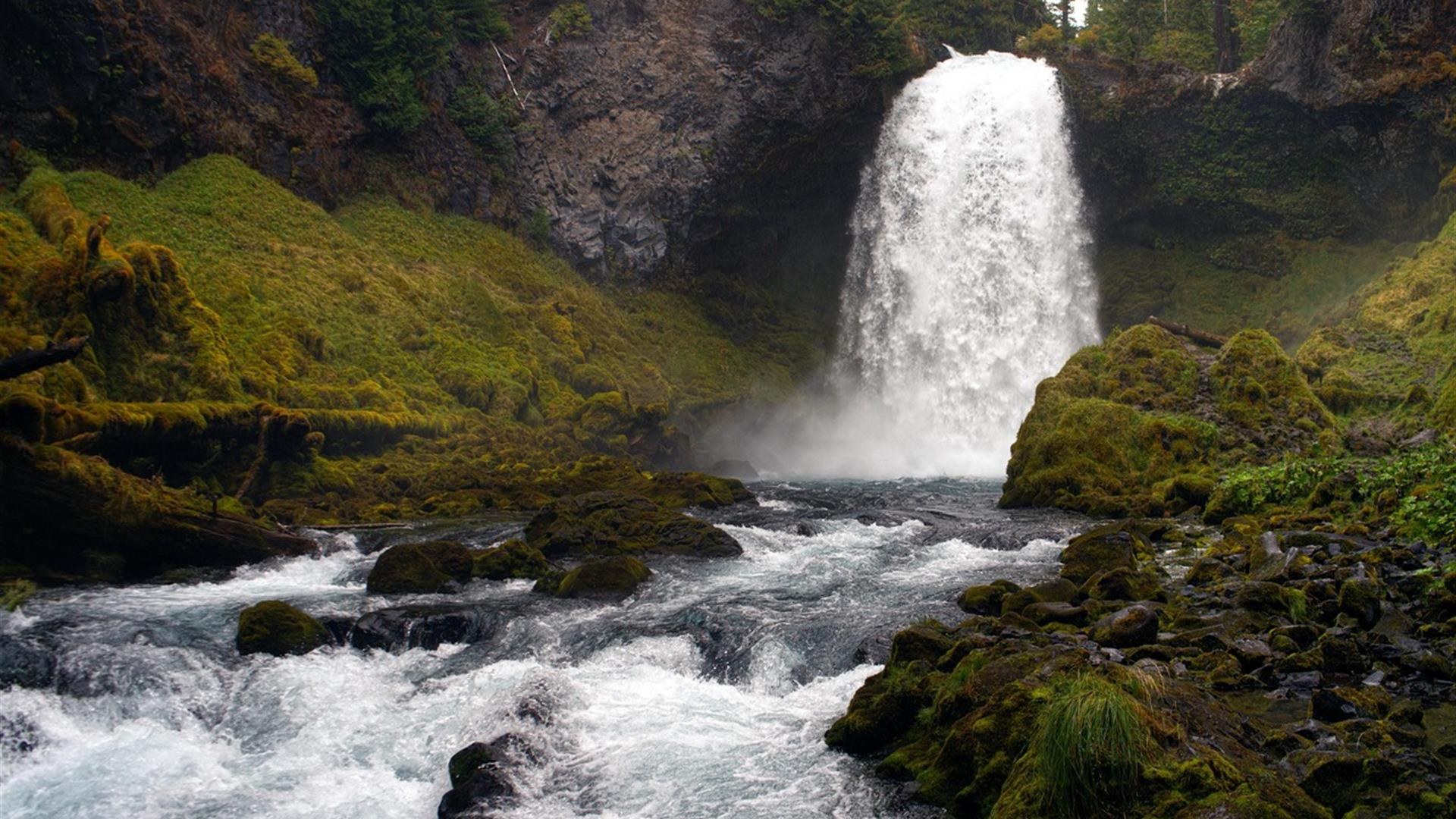
19. Pacific Northwest Faces Drier Conditions And Thinner Mountain Snowpacks
Washington and Oregon usually rely on regular Pacific storms to build deep mountain snow. An energized subtropical jet stream diverts the primary storm track southward, leaving the Pacific Northwest warmer and drier.while lower snowpacks create spring water management concerns.
©Pixabay / 15079075
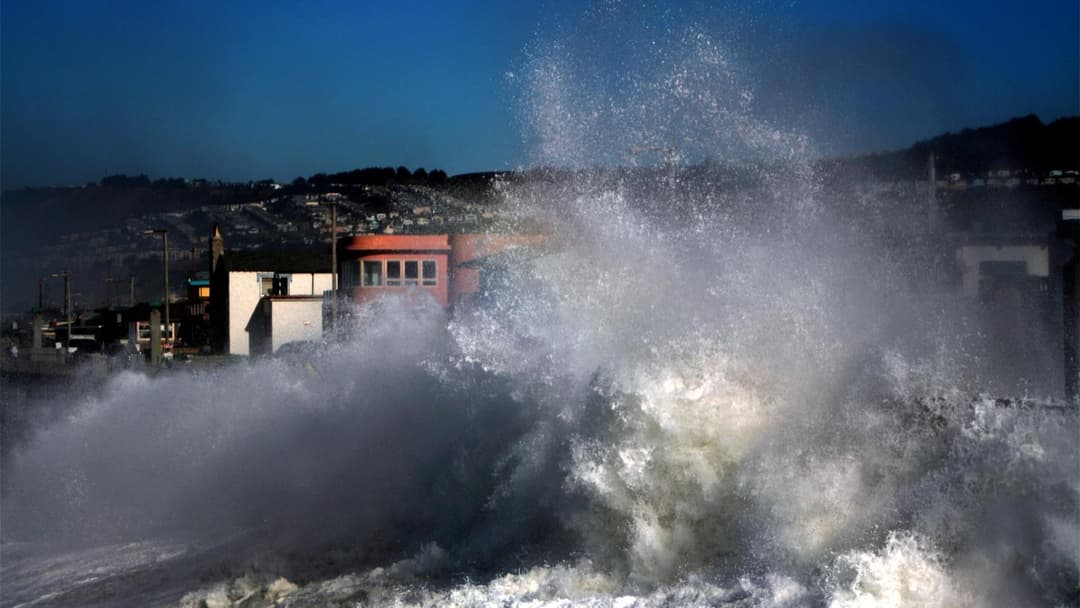
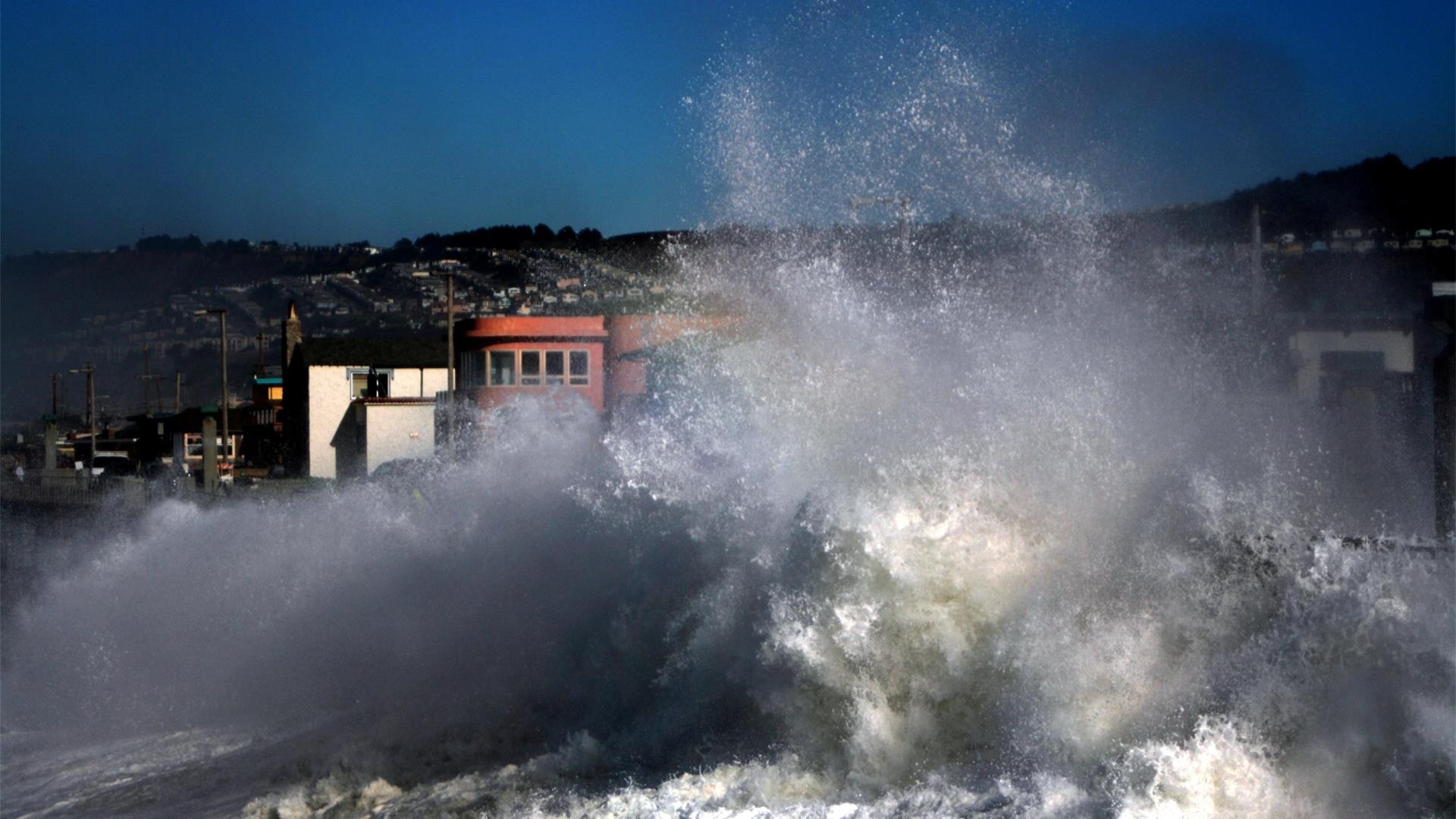
18. California Confronts Repeated Atmospheric Rivers
Warming equatorial Pacific waters invigorate the southern branch of the jet stream,creating an atmospheric conveyor belt.This pipeline steers dense plumes of subtropical moisture directly into California.These intense atmospheric rivers deliver torrential rains that replenish reservoirs.
©Brocken Inaglory / Wikimedia Commons
Advertisement
Swipe or tap ▶ to resume the countdown.
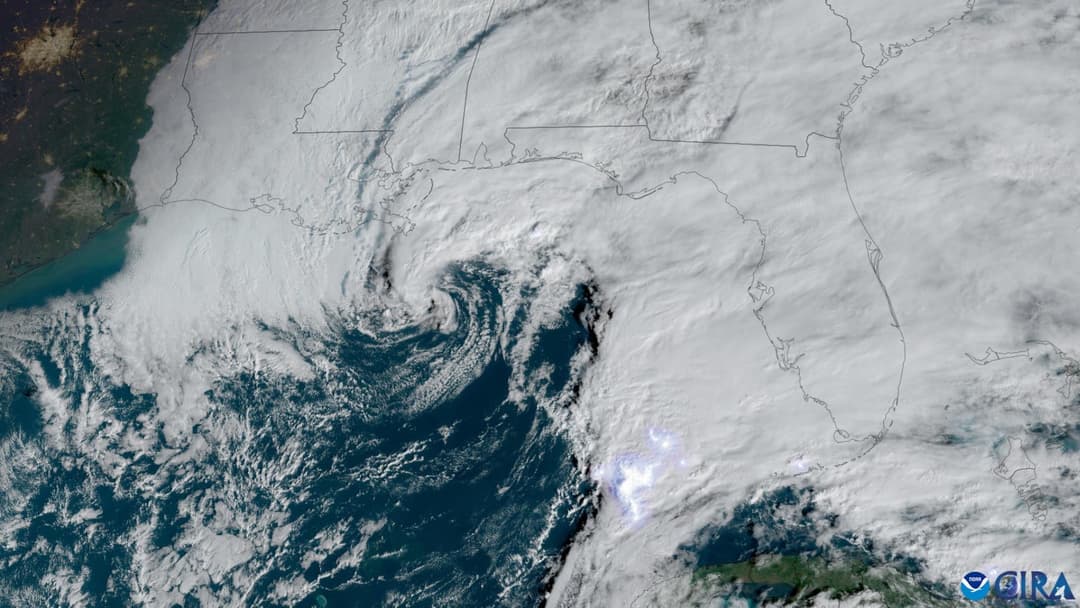
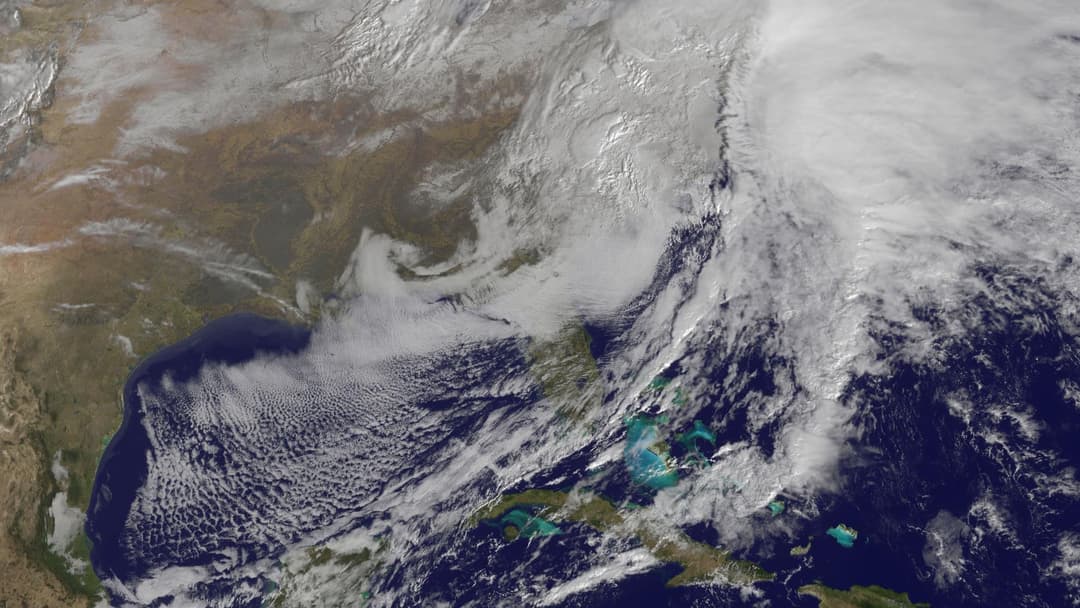
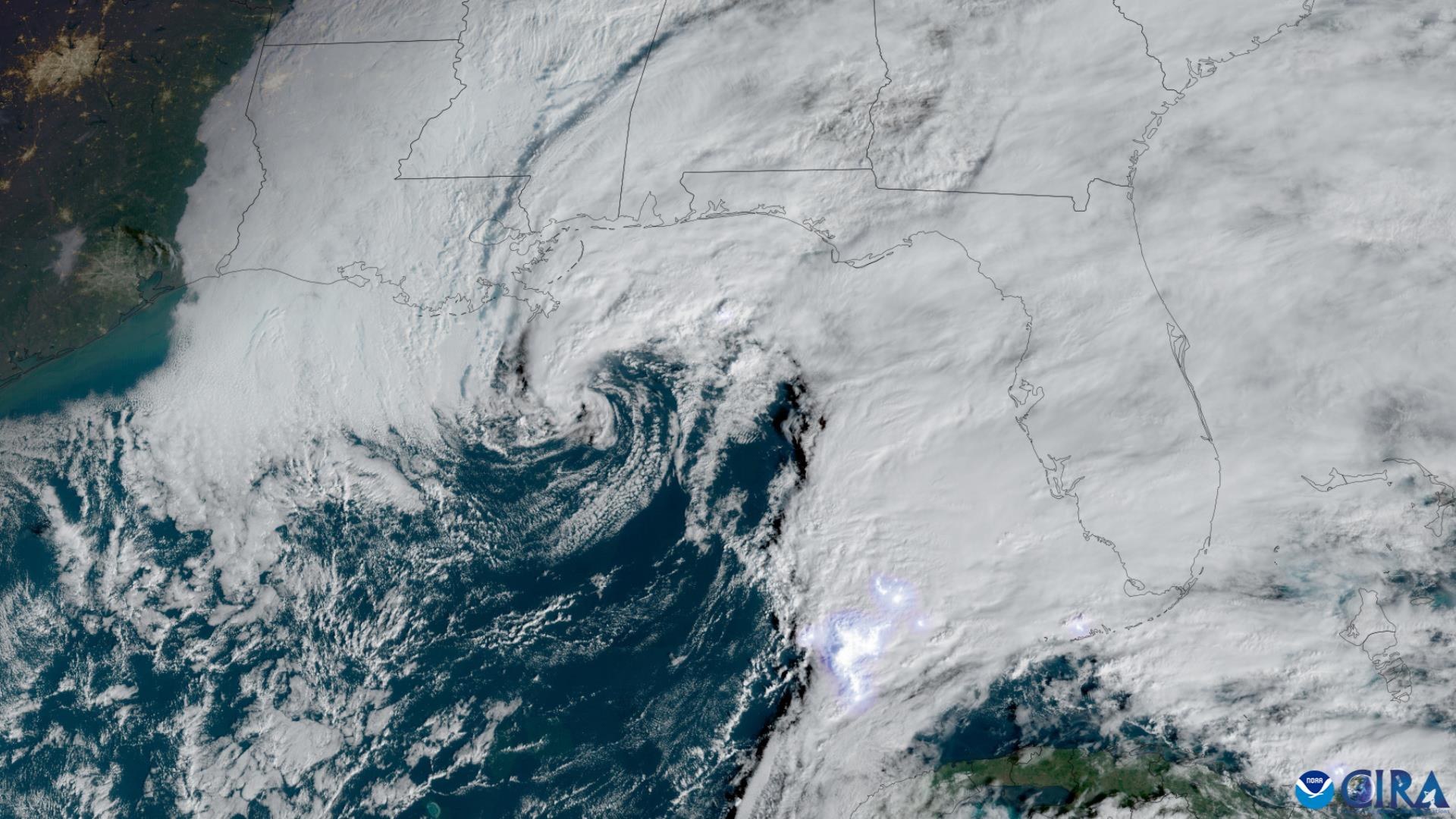
17. Gulf Coast Endures Relentless Rainfall And Urban Flooding
The southern tier of the United States experiences persistent El Ni�o storm activity. Low-pressure systems track across the Gulf of Mexico, drawing endless tropical moisture over Louisiana, Mississippi, Alabama, and the Florida Panhandle. Extended periods of overcast skies and multi-day downpours.
©NOAA / CIRA / Wikimedia Commons
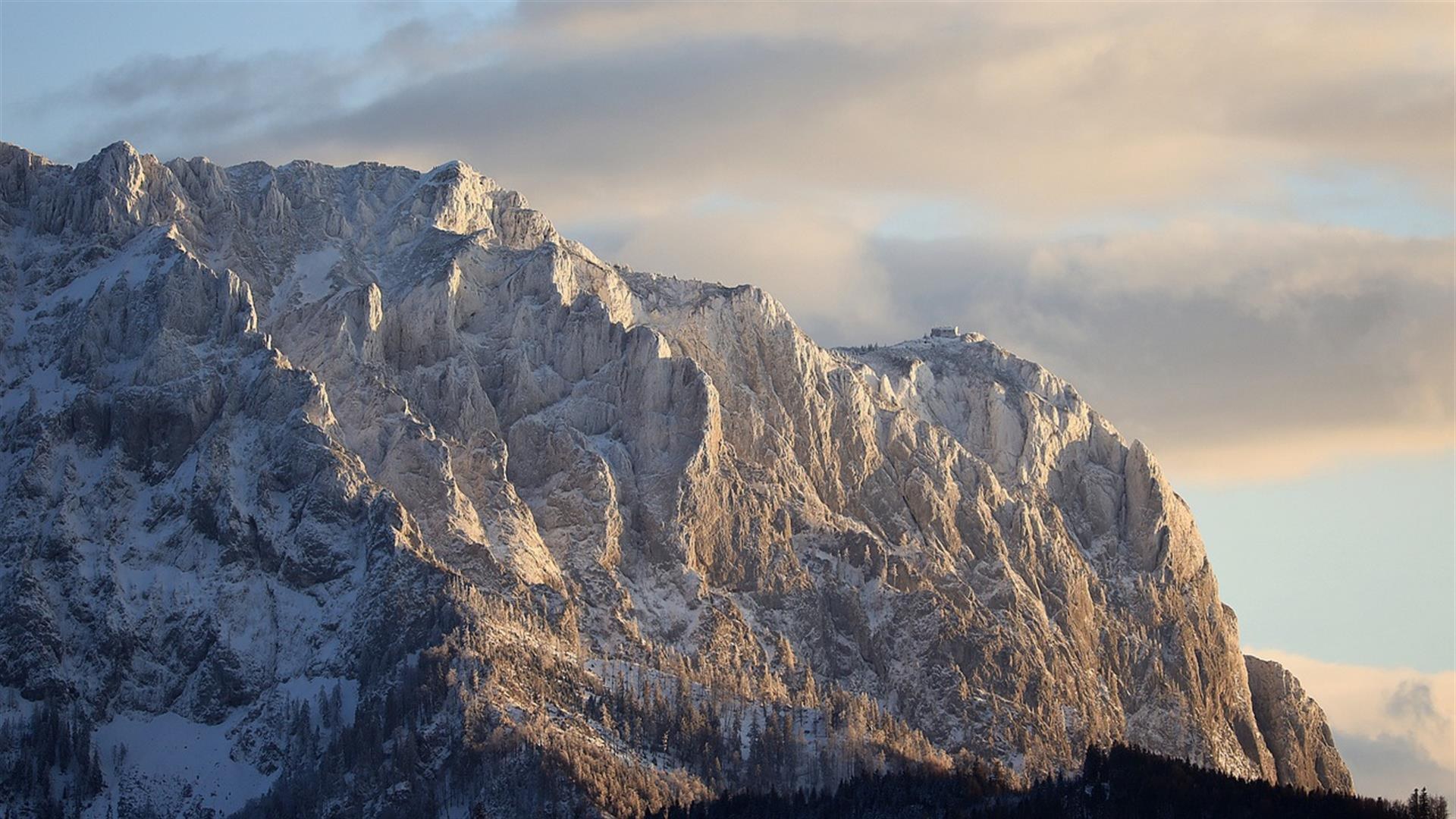
16. Upper Midwest Sees Significantly Below-Average Snowfall
Across Wisconsin, Michigan, and Minnesota, winter sports communities often see snowfall totals drop during El Ni�o years. Storm tracks shift south and Arctic air remains trapped near Hudson Bay, causing storms to produce rain or sleet instead of powder snow. While cities spend less on snow removal.
©Pixabay / WFranz
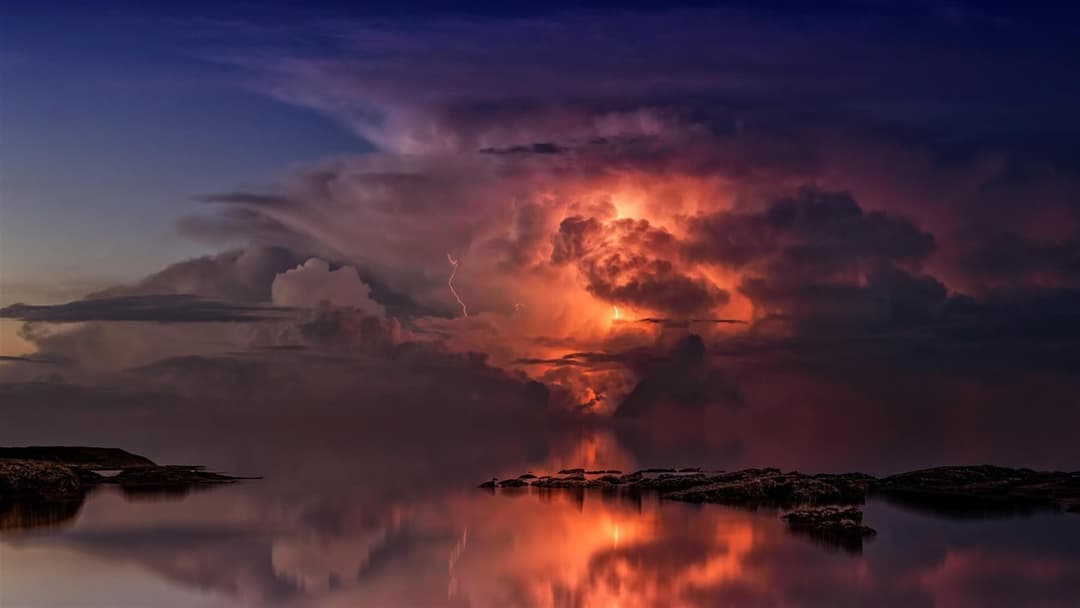
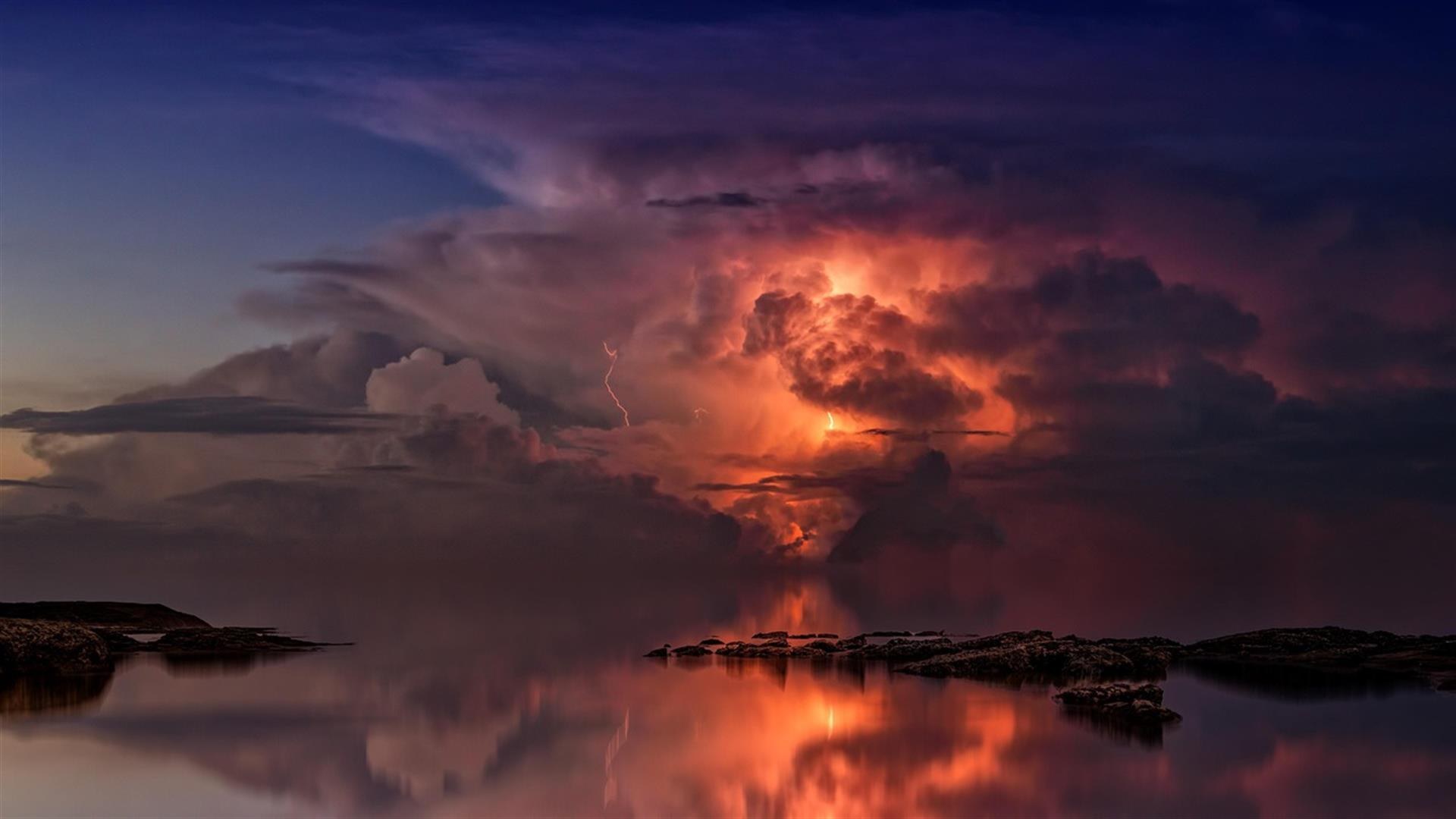
15. Florida Faces Elevated Severe Thunderstorm And Tornado Threats
While northern states enjoy milder weather,Florida enters a volatile atmospheric window.The energetic subtropical jet stream increases vertical wind shear across the Gulf, creating ideal conditions for severe squall lines.Cold fronts pushing southward regularly trigger heavy thunderstorms, damaging straight-line winds.
©Pixabay / jplenio
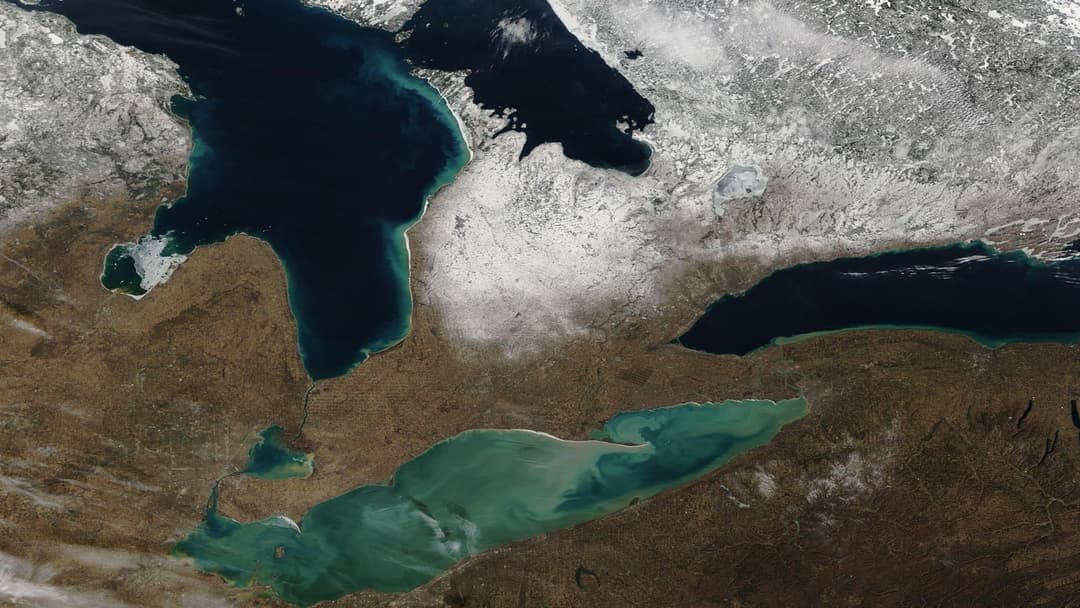
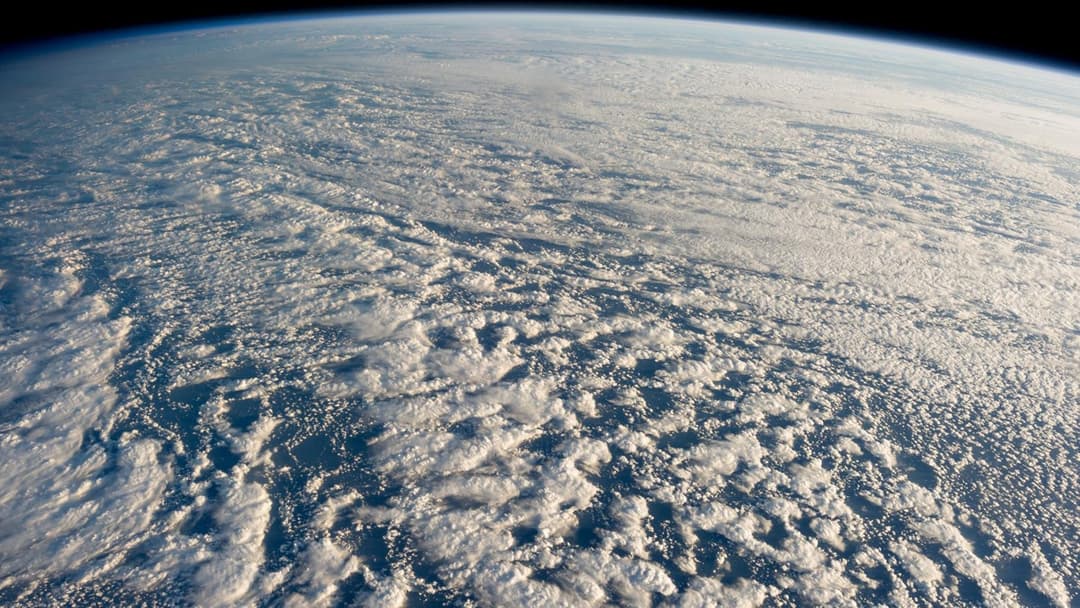
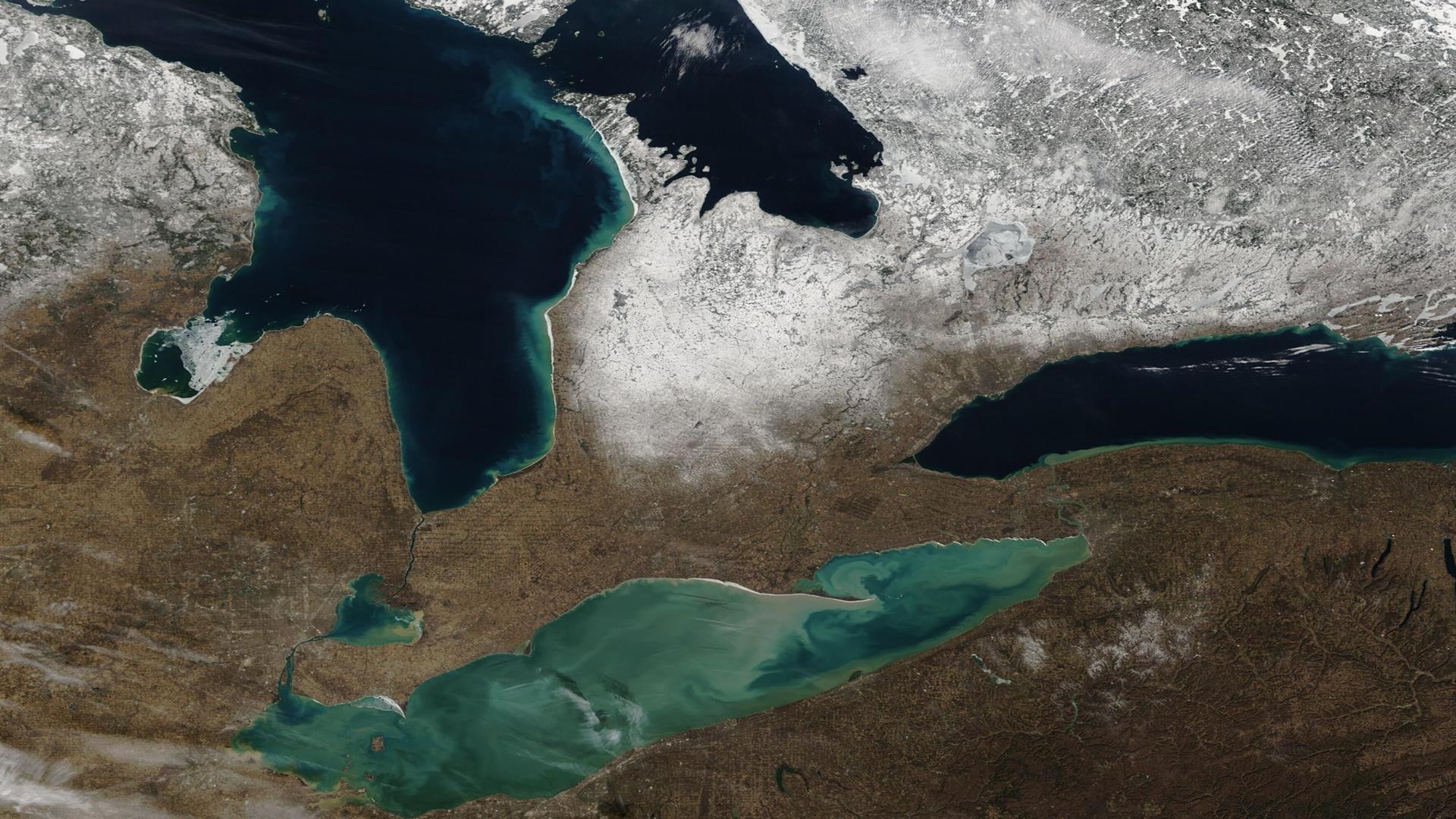
14. Great Lakes Ice Coverage Drops To Historic Lows
Milder average temperatures and fewer Arctic outbreaks across the Midwest directly suppress ice formation across the Great Lakes. Open water percentages often stay well above normal through midwinter. While low ice cover extends the commercial shipping season.
©NASA GSFC / MODIS / Wikimedia Commons
Advertisement
Swipe or tap ▶ to resume the countdown.
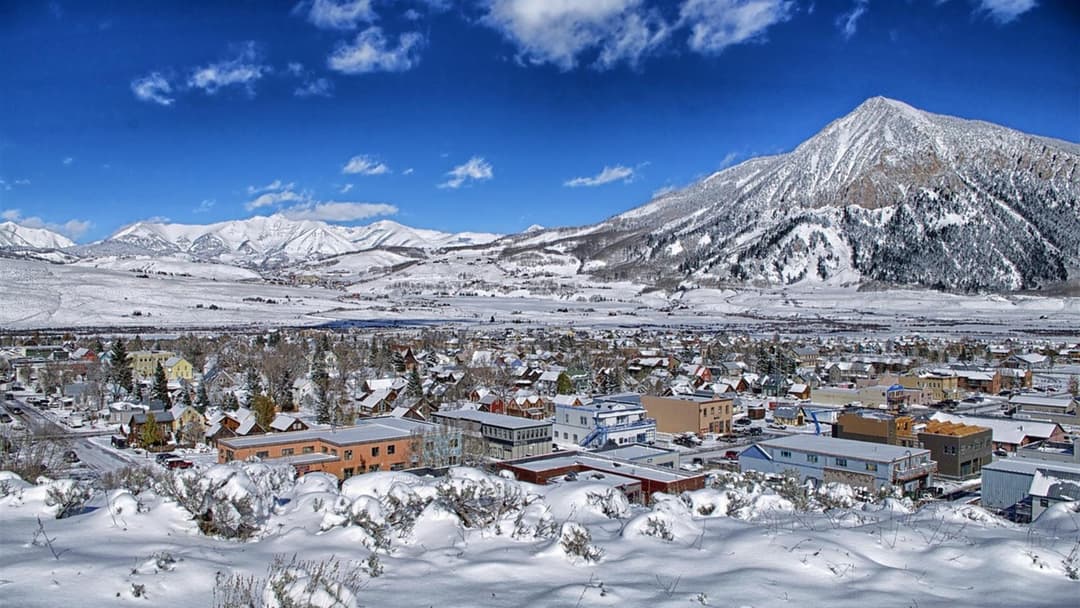
13. Southern Rockies And Four Corners Receive Heavy Snowfall
Mountain watersheds across southern Colorado, northern New Mexico, and Arizona frequently thrive during El Ni�o winters. Low-pressure systems moving along the southern storm track gather Pacific moisture and drop heavy powder across the San Juan ranges. These deep snowpacks replenish regional reservoirs.
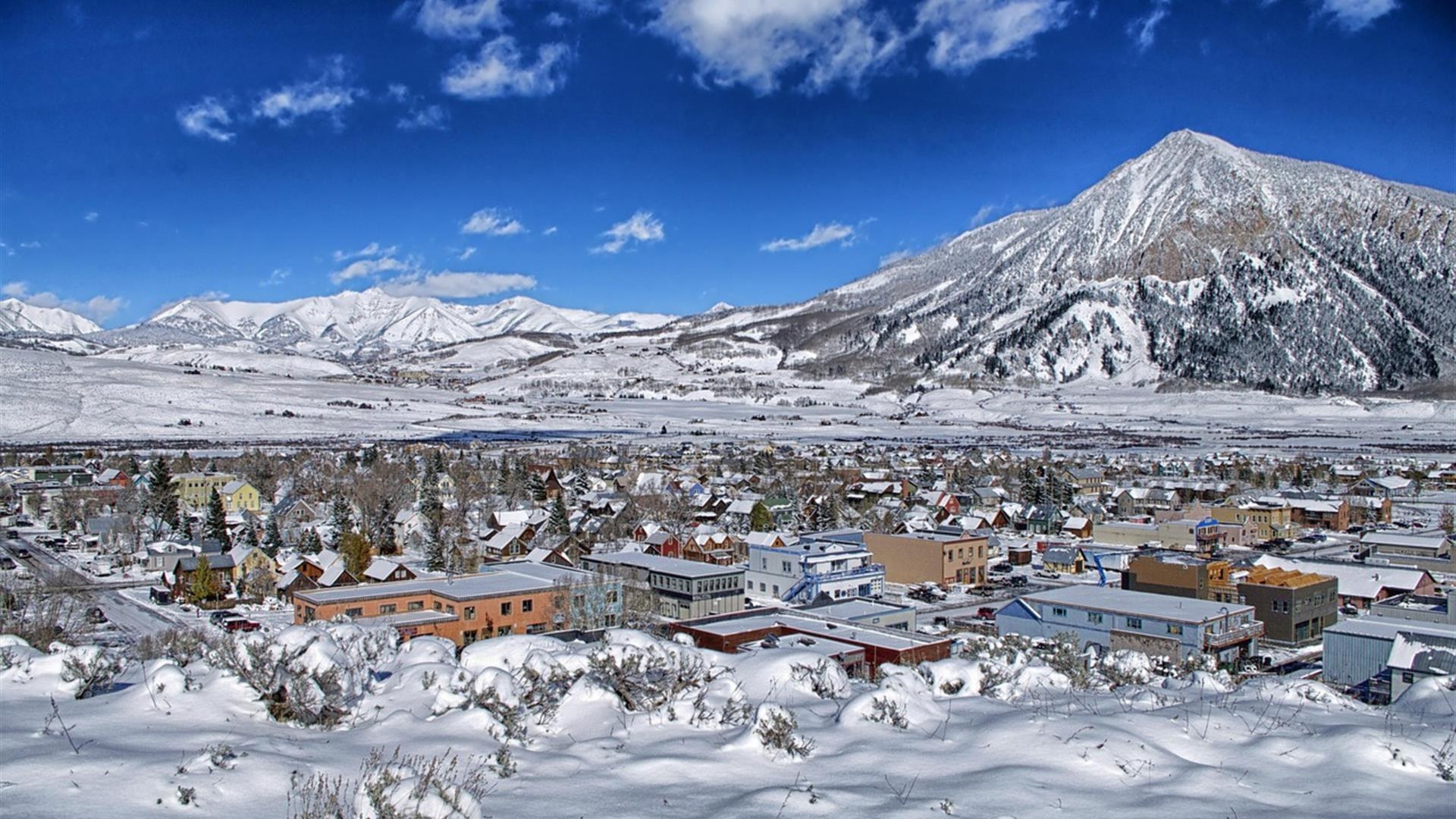
©Pixabay / 12019
12. Mid-Atlantic Region Faces Enhanced Coastal Storm Risks
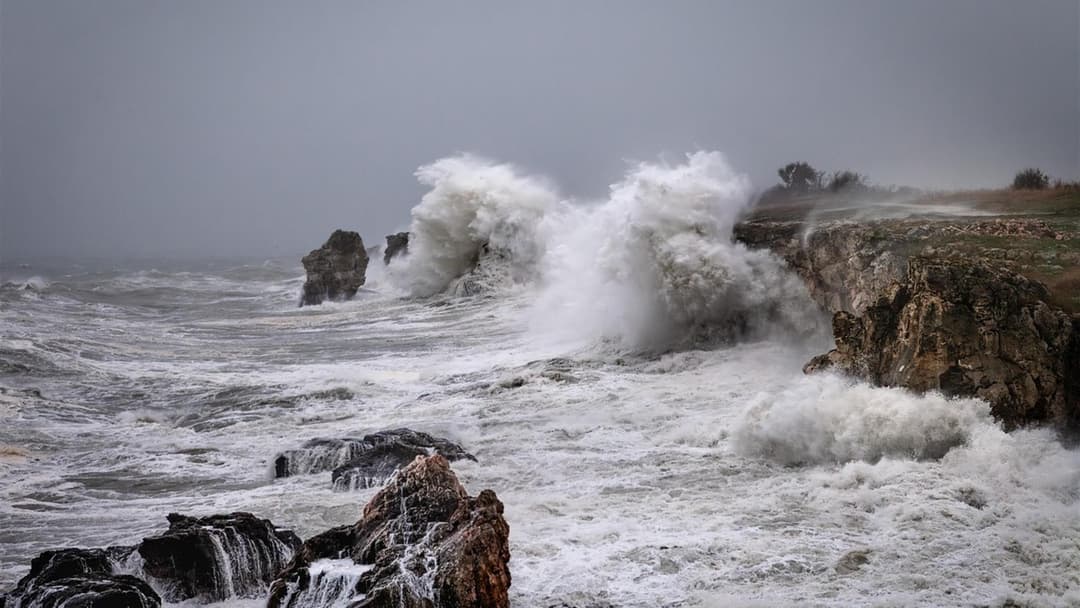
The Mid-Atlantic corridor occupies a battleground zone where southern moisture collides with cool air. Low-pressure systems emerging from the Gulf of Mexico track up the coastline, generating strong coastal storms. Depending on available cold air, these disturbances alternate between heavy wet snowstorms inland.
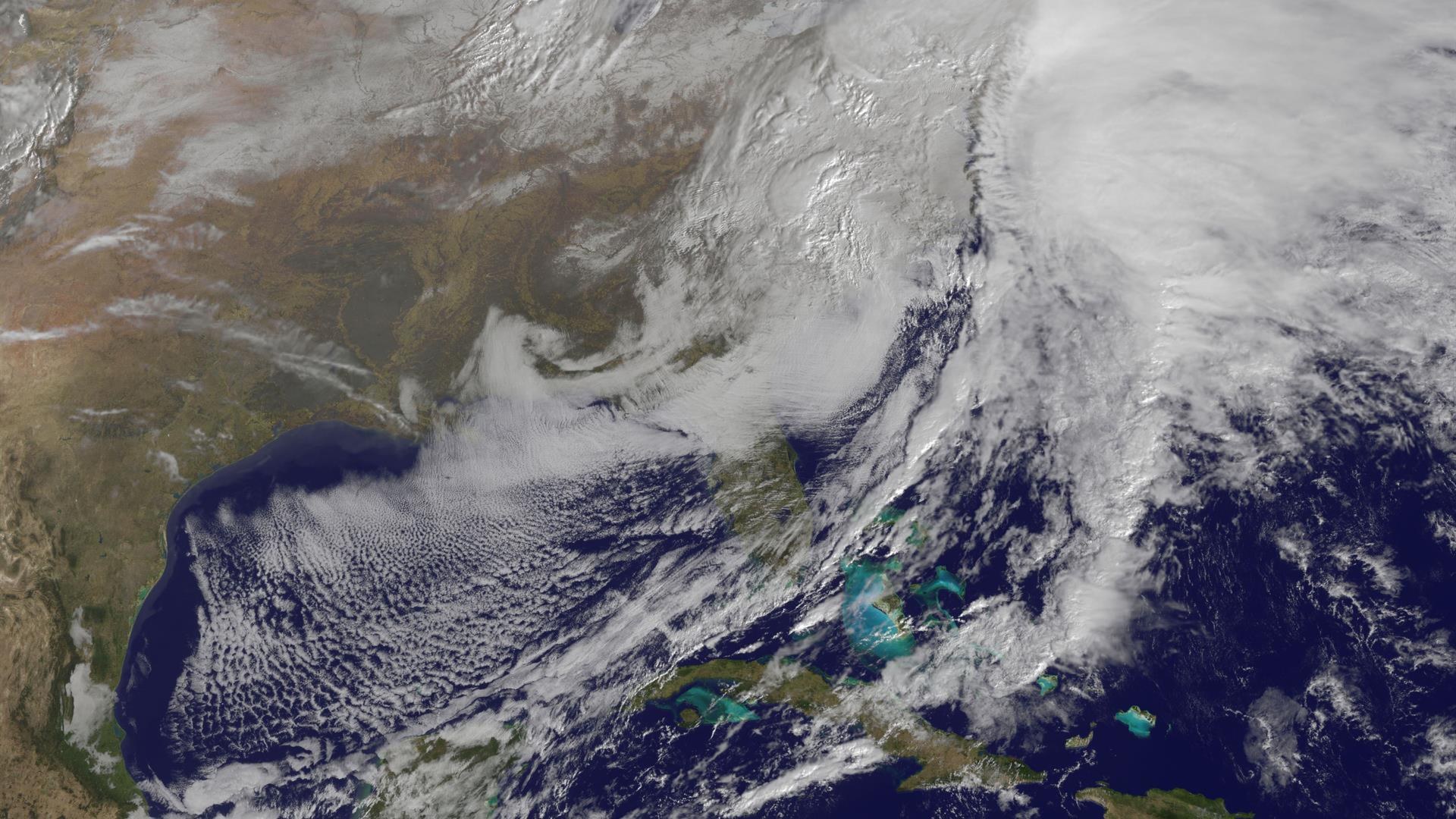
©NASA GSFC / Wikimedia Commons
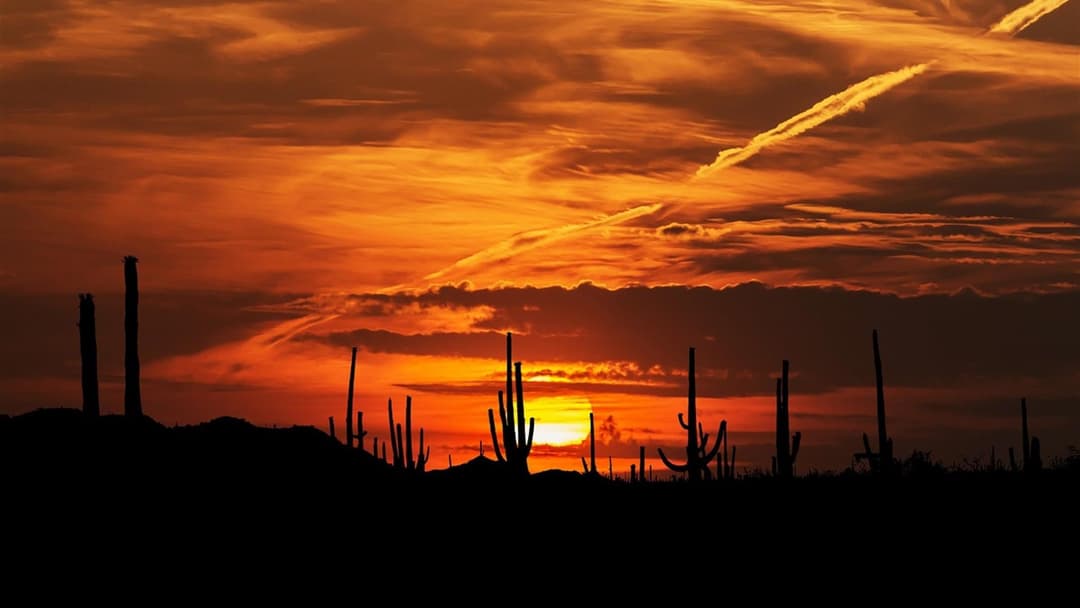
11. Desert Southwest Transforms With Abundant Winter Moisture
Arid regions across Arizona, southern Nevada, and New Mexico receive welcome moisture as the winter storm track dips southward. Pacific weather systems deliver steady soaking rain to desert valleys and snow to high plateaus. This moisture recharges groundwater aquifers, eases prolonged drought conditions.
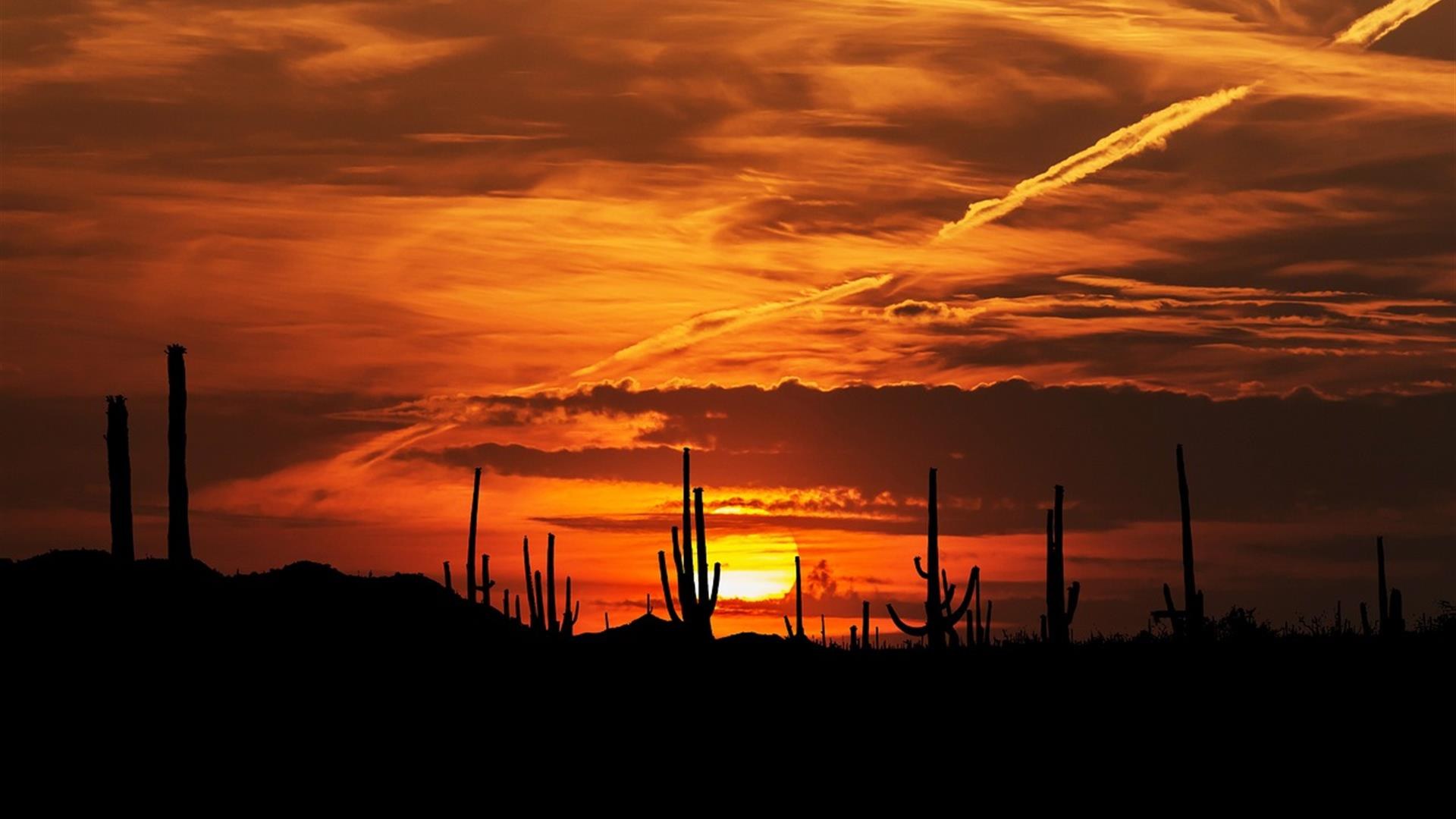
©Pixabay / rauschenberger
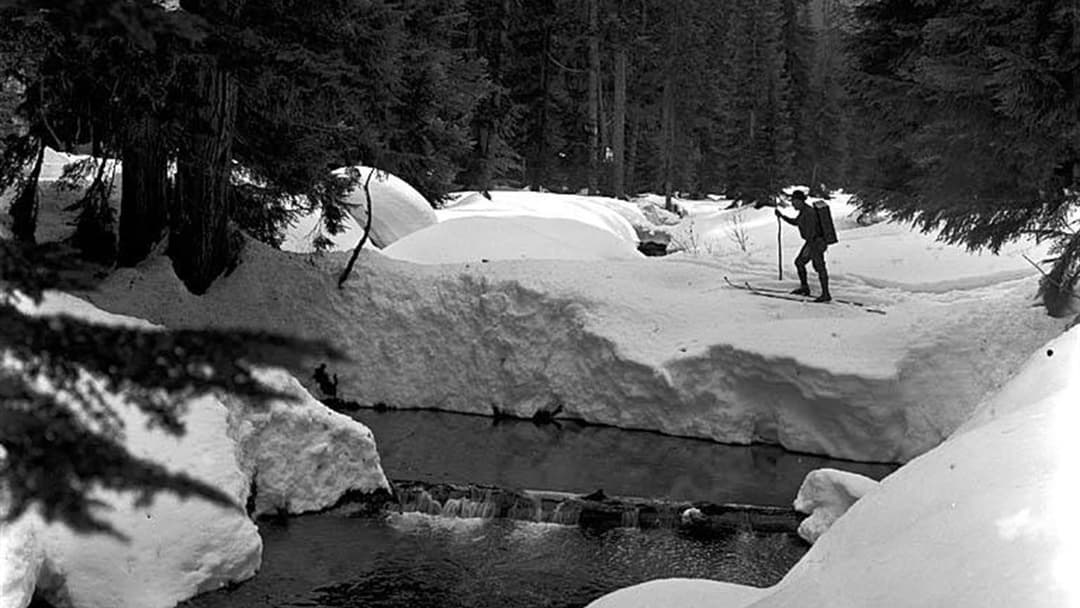
10. Cascade Mountain Resorts Experience Shorter Ski Seasons
Mountain resorts across Washington and northern Oregon face difficult operating conditions during El Nino cycles. Higher atmospheric freezing levels turn what would typically be heavy snow into drenching rain at base lodges. Operators face delayed openings.
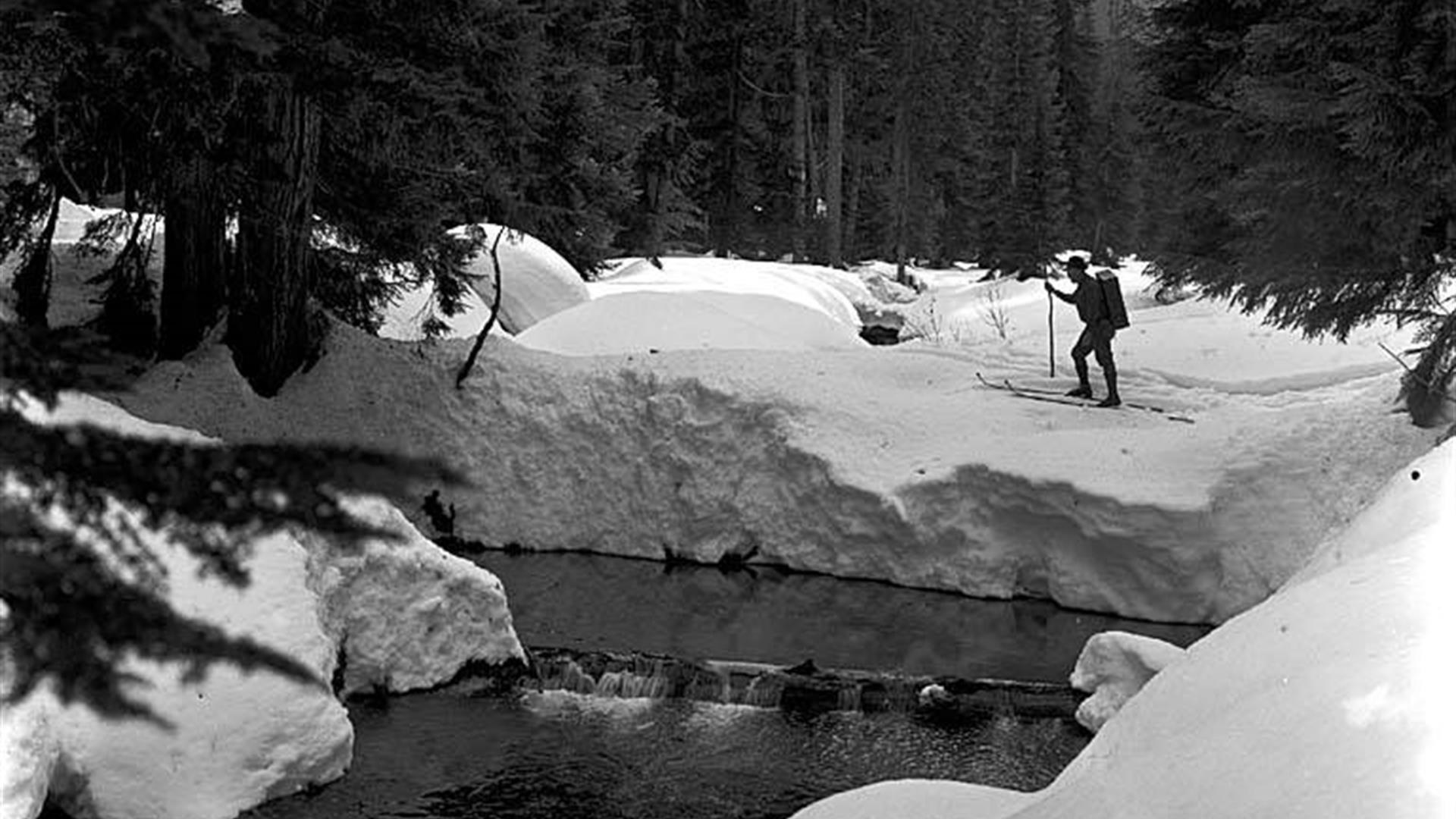
©UW Digital Collections / Wikimedia Commons
Advertisement
Swipe or tap ▶ to resume the countdown.
9. Northern Homeowners Enjoy Reduced Winter Heating Expenses
Heating bills represent a substantial winter expense across New England and the Great Lakes. With El Ni�o preventing severe polar vortex disruptions from lingering over the northern tier, heating degree days decline significantly. Households consume less natural gas and electricity.

©Pixabay / NickCollins
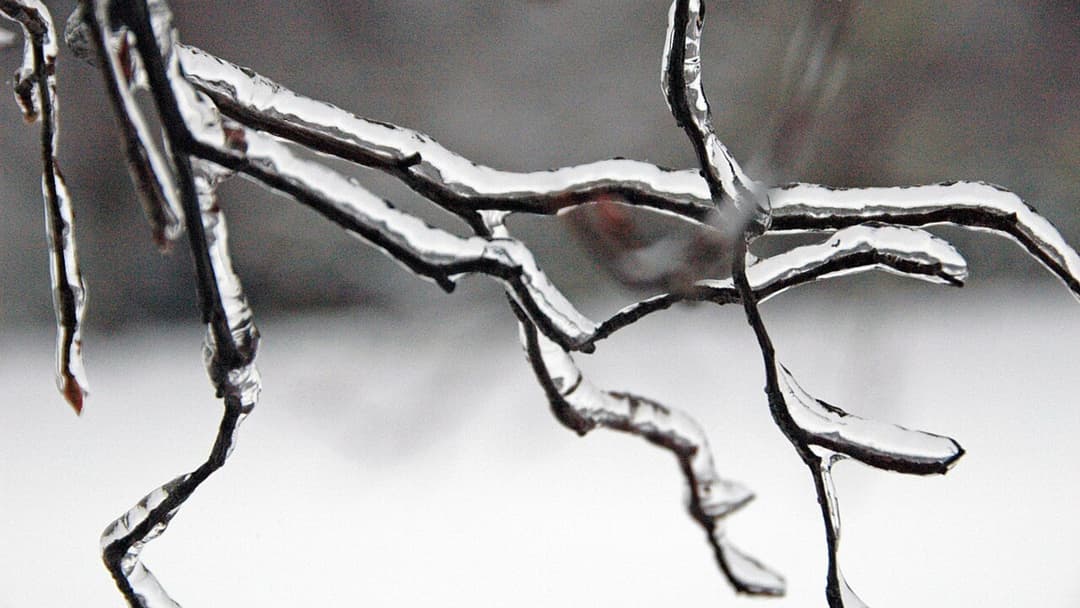
8. Southern Tier Experiences Increased Freezing Rain And Ice Storms
Even as El Ni�o suppresses deep northern cold, shallow freezing air can still settle southward across Texas, Oklahoma, and Arkansas. When warm Pacific moisture overrides this shallow surface layer, damaging ice storms develop. Glazed tree limbs and iced power lines trigger widespread blackouts.
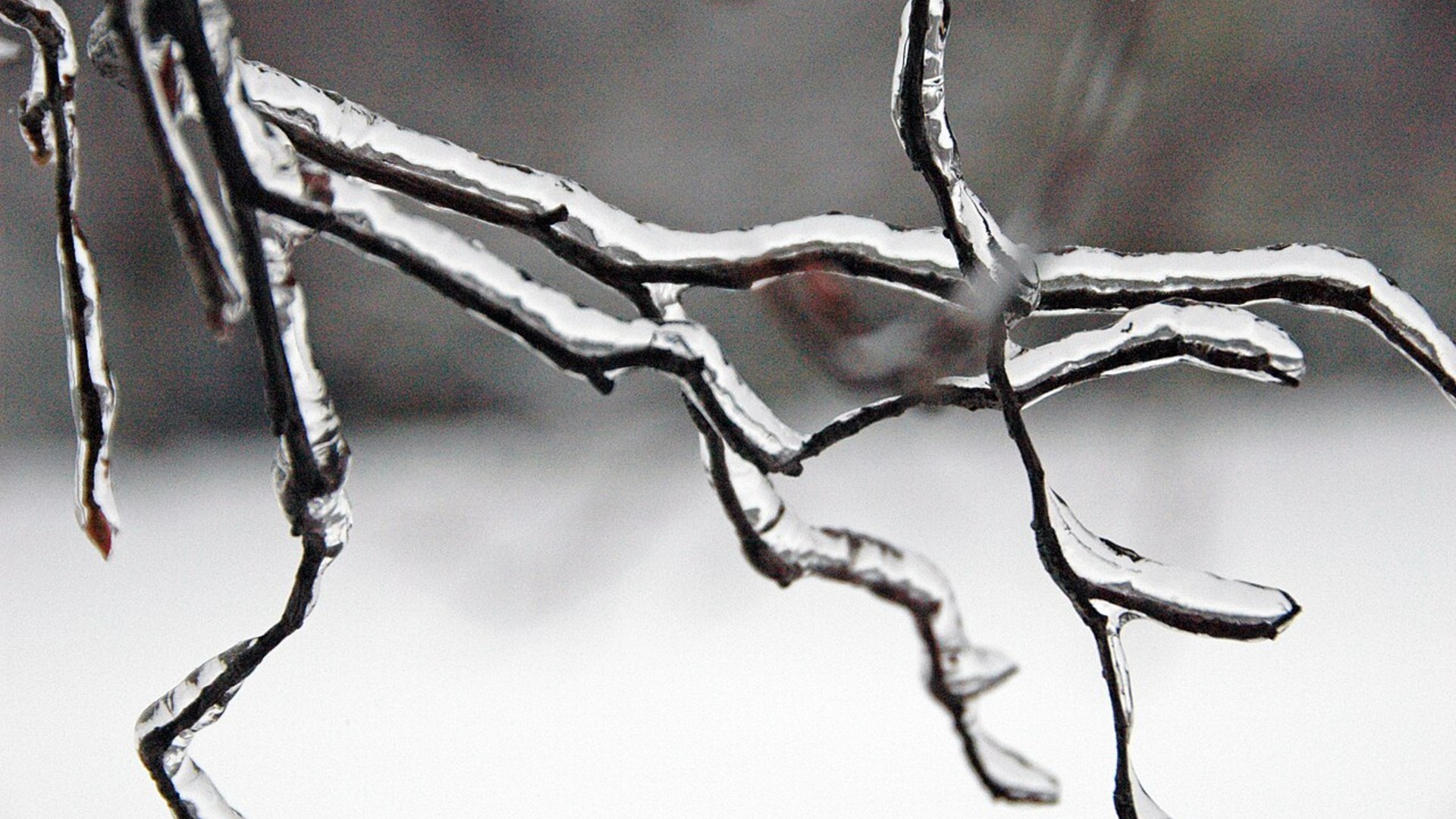
©Wikimedia / James St. John
7. Ohio Valley Navigates Frequent Rain Events And Saturated Soils
The Ohio River Valley frequently sits right on the boundary between warm southern moisture and cool northern air.keeping agricultural fields completely saturated through the winter. High river levels and turbulent currents also create major navigational obstacles for commercial barge fleets.
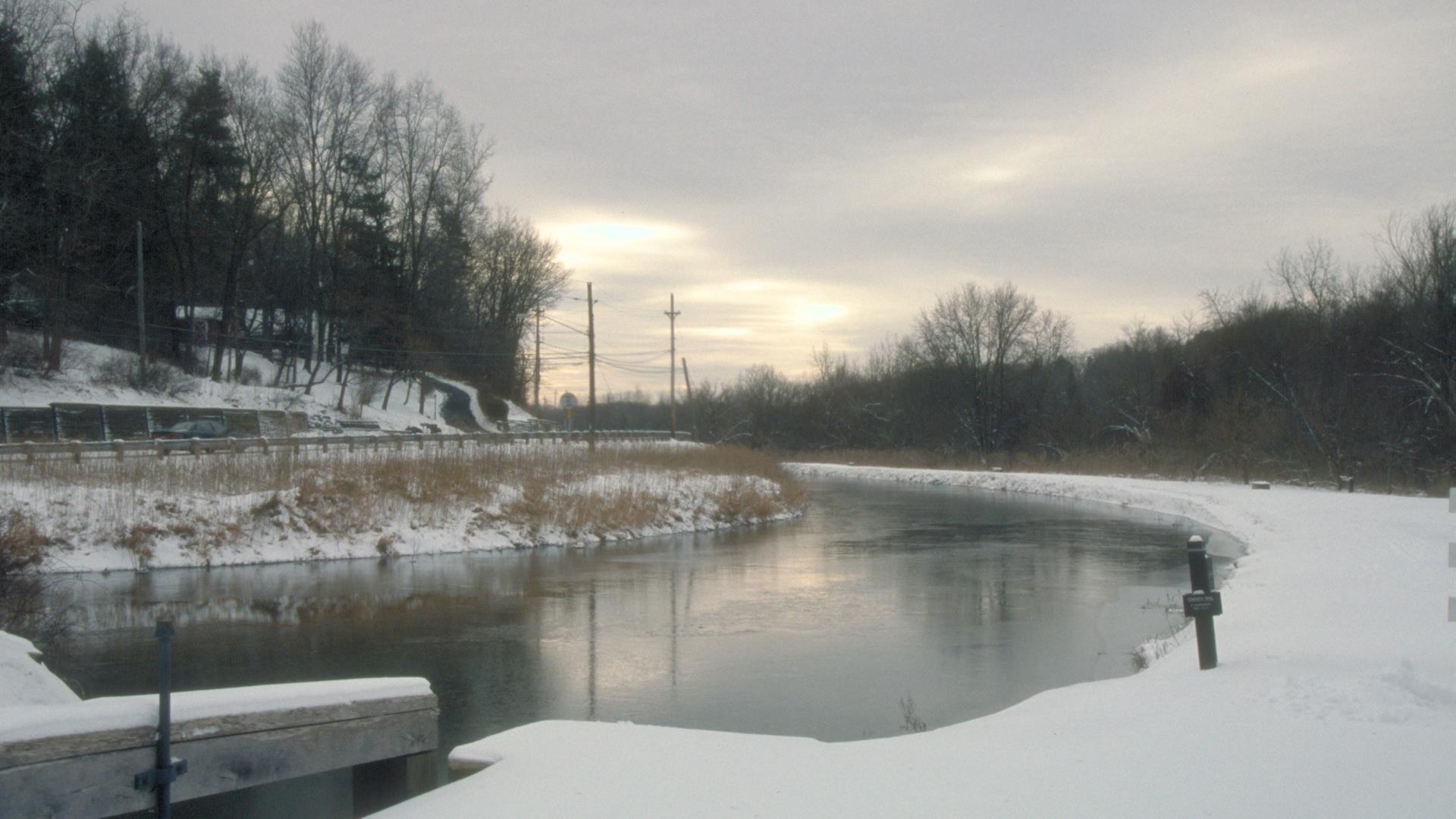
©National Archives / NARA / Wikimedia Commons
6. New England Nor'easters Shift Toward Wetter Coastal Tracks
Coastal New England experiences complex storm dynamics during El Nino winters. Low-pressure systems intensify along the Atlantic coast, but a lack of locking cold air from eastern Canada often keeps temperatures just above freezing. Cities like Boston often see rain or slush rather than powdery snow.
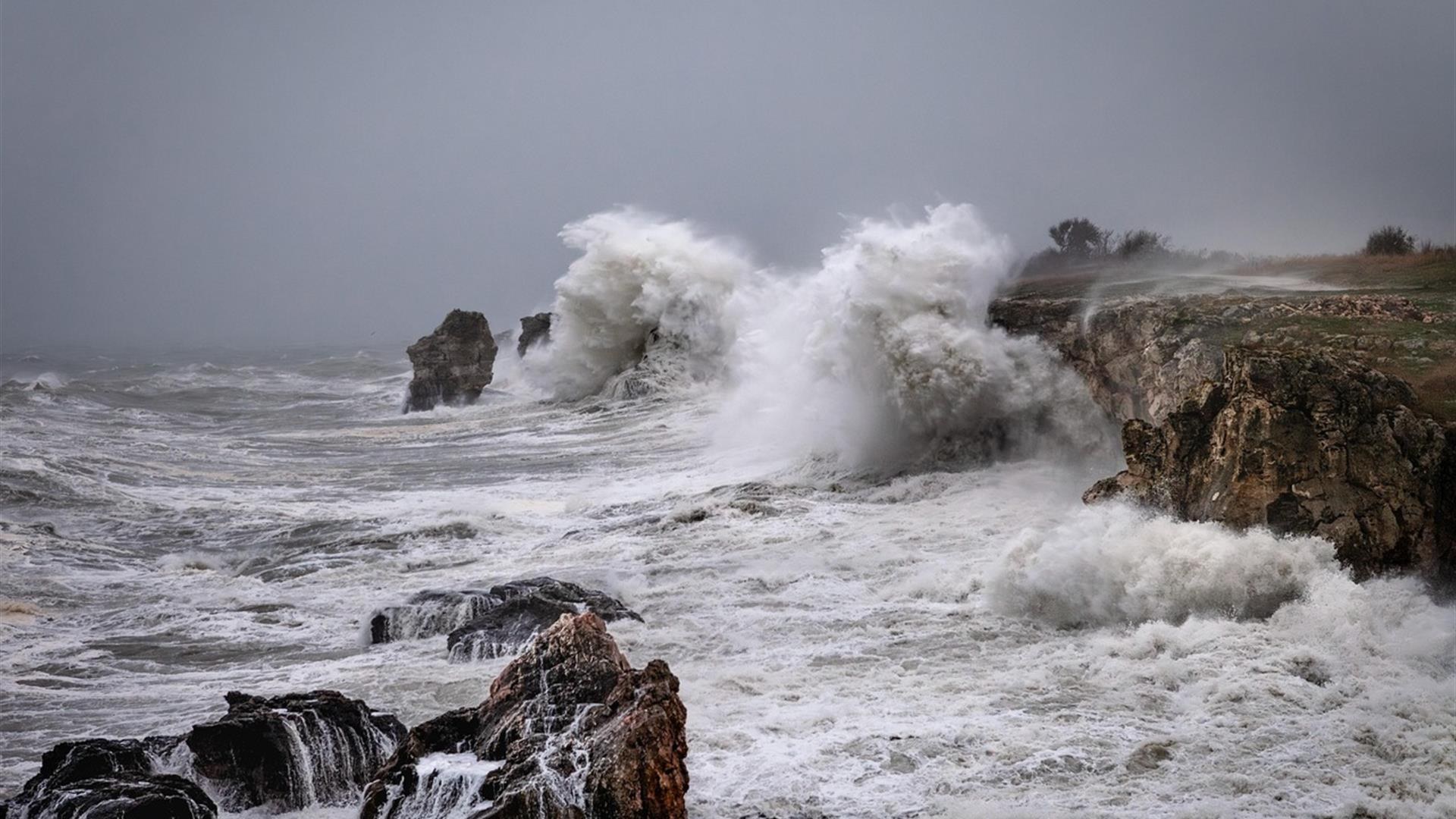
©Pixabay / AlKalenski
Advertisement
Swipe or tap ▶ to resume the countdown.
5. Texas Manages Rapid Polar Cold Front Transitions
Texas weather under El Ni�o features rapid shifts between warm, humid air and fast-moving cold fronts. When Arctic air masses plunge through the Plains, temperatures across north and central Texas can drop thirty degrees in hours. These rapid temperature swings stress crops, increase respiratory illness.
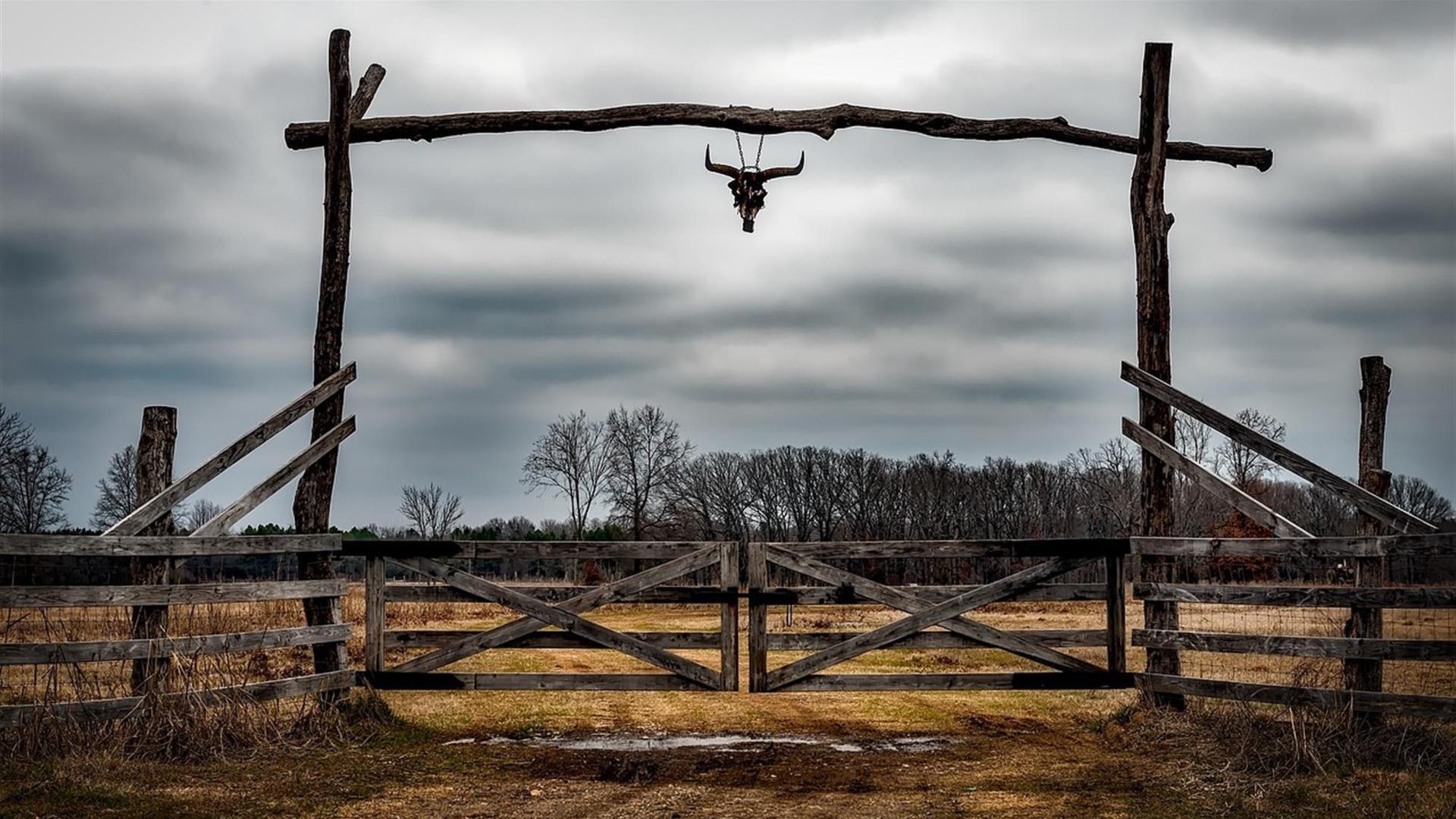
©Pixabay / 12019
4. Southern California Wildfire Scars Face Heightened Debris Flow Risks
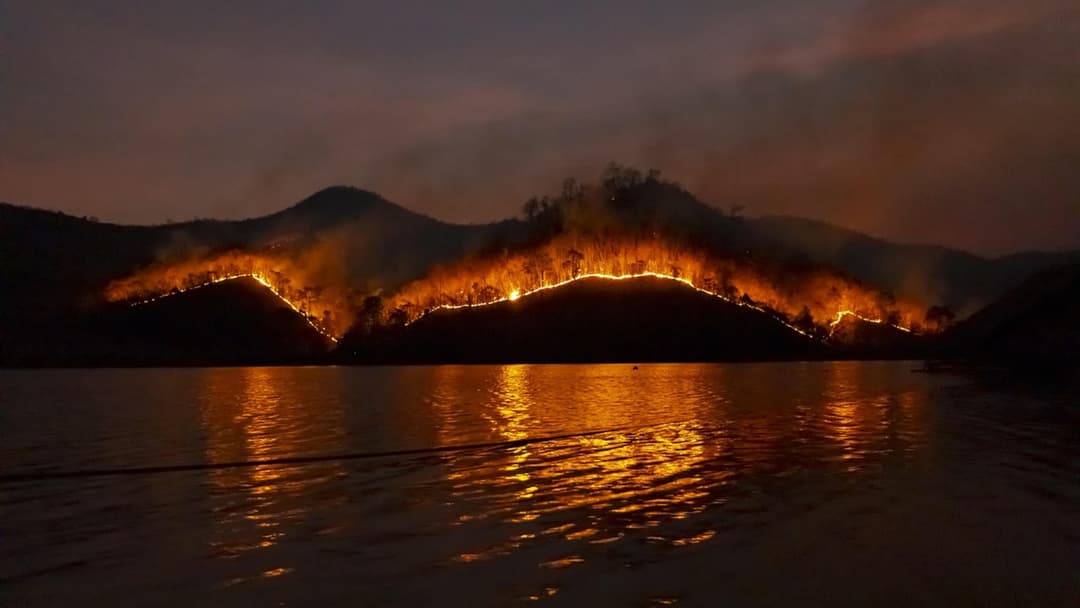
Recent wildfire seasons across southern California leave steep mountain terrain stripped of vegetation. When El Ni�o directs powerful atmospheric rivers into the region, these burned slopes face severe debris flow dangers. Short bursts of intense rain easily trigger mudslides, forcing neighborhood evacuations.
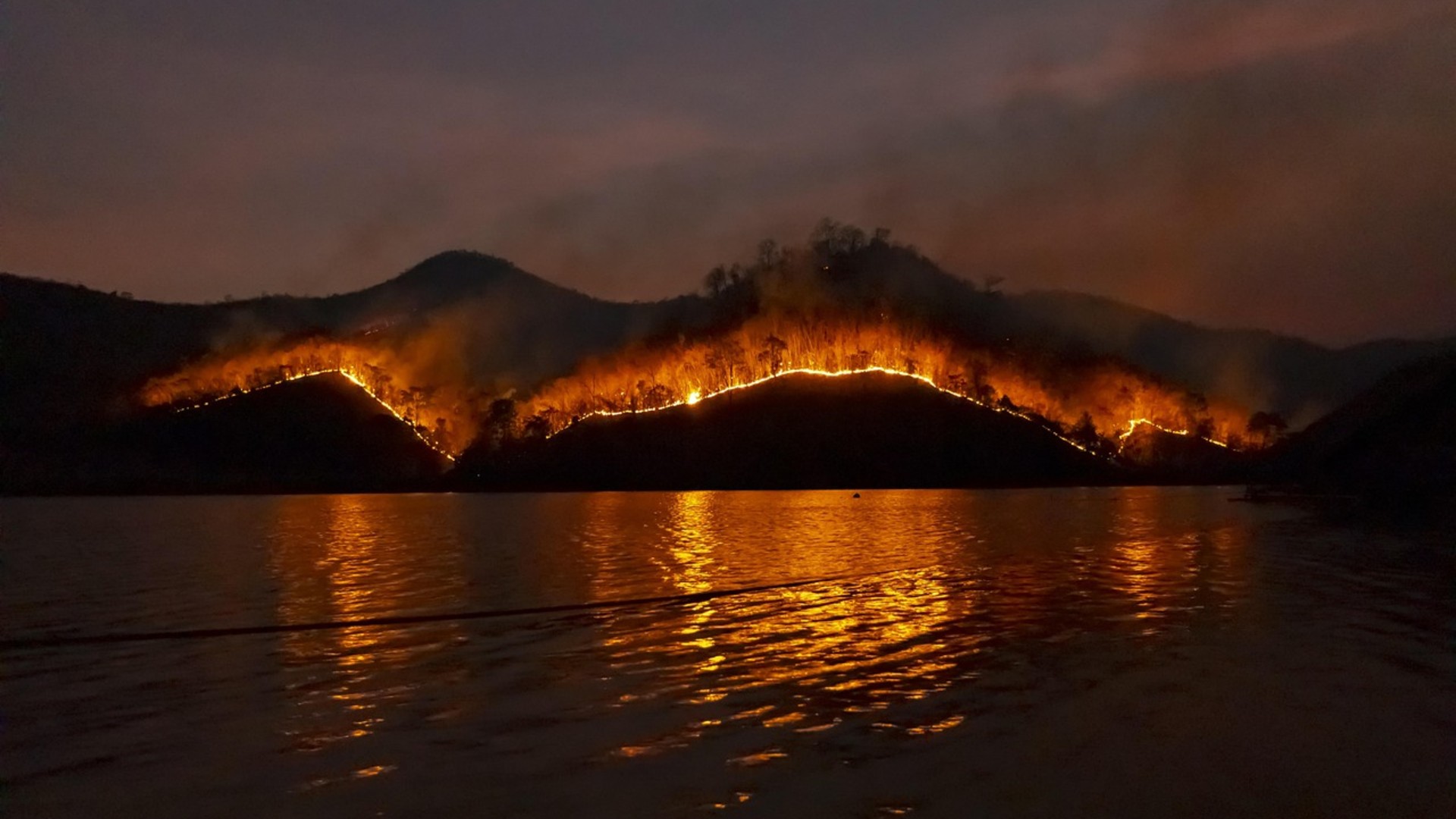
©Pixabay / sippakorn
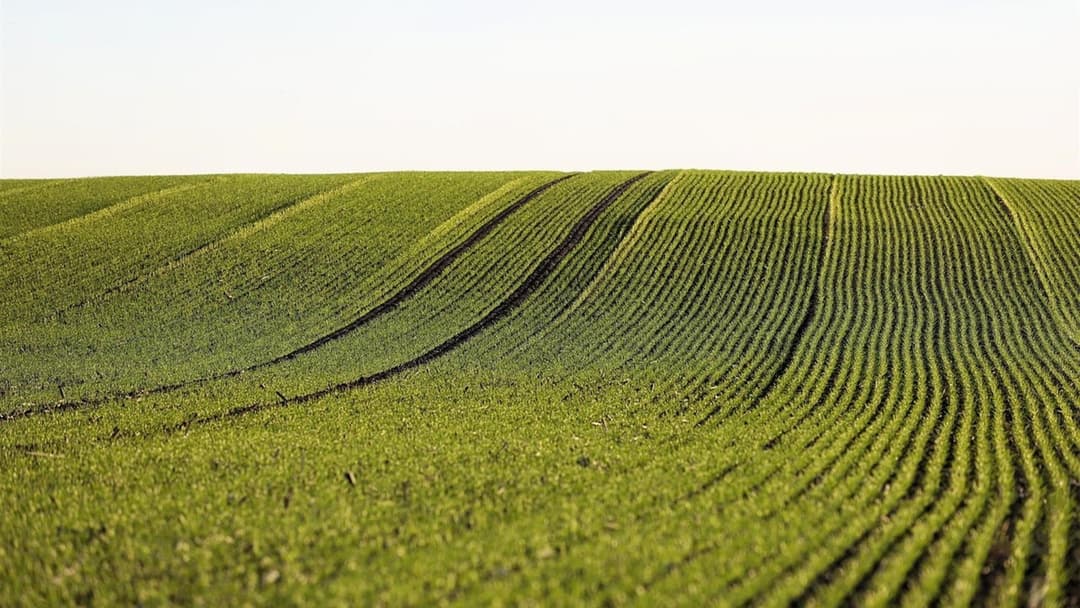
3. Plains Winter Wheat Benefits From Favorable Moisture Levels
Agricultural producers across Kansas, Oklahoma, and Texas often benefit from El Ni�o weather patterns. Autumn-planted winter wheat crops require adequate soil moisture to develop strong roots before dormancy. Consistent light precipitation and cloud cover shield seedlings from desiccating winds.
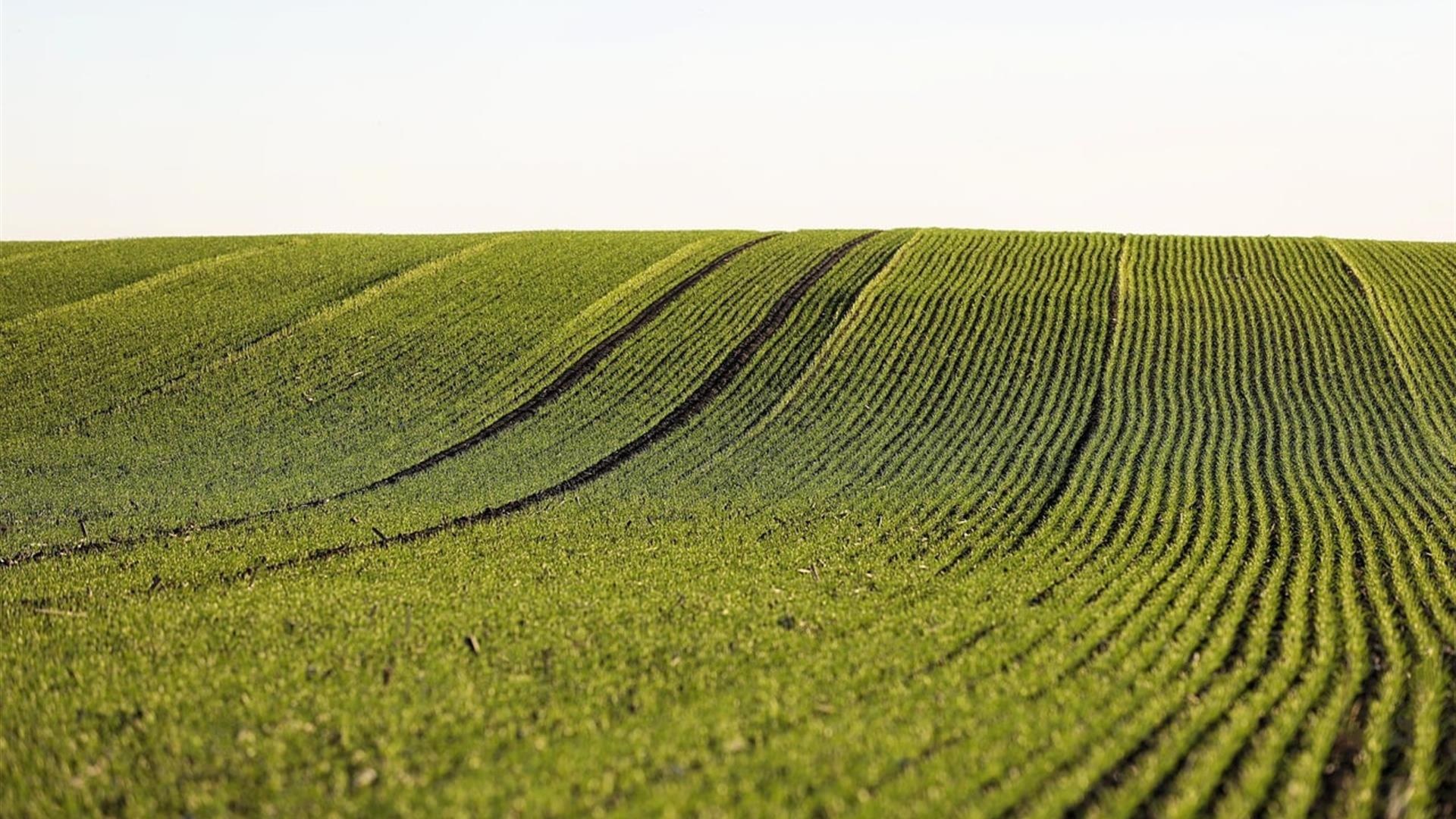
©Pixabay / GoranH
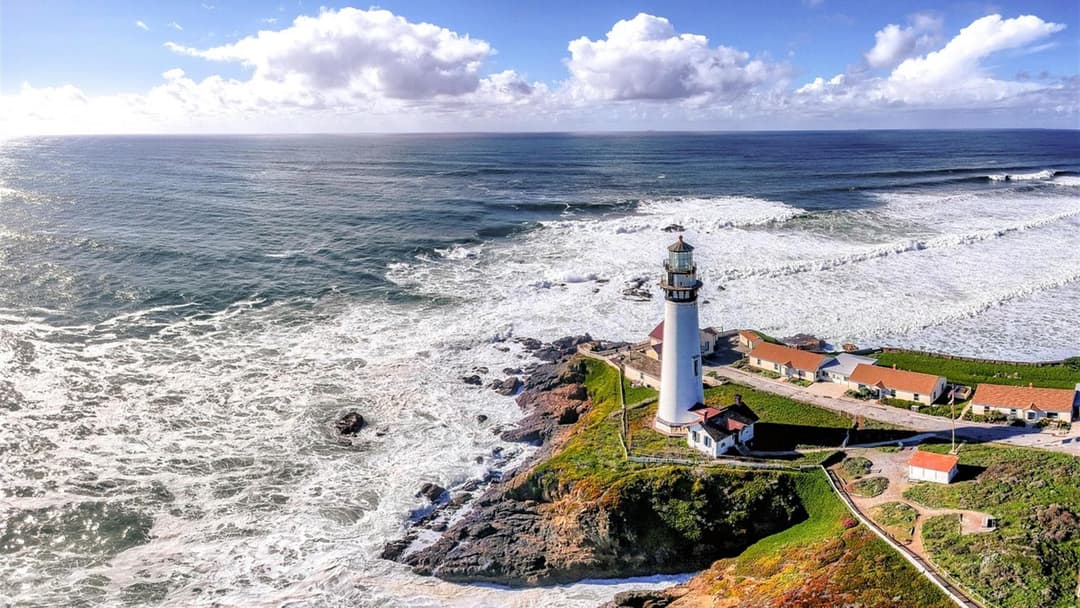
2. Coastal Marine Ecosystems Adjust To Warmer Inshore Waters
The impact of El Ni�o extends into coastal waters off California, Oregon, and Washington. Suppressed upwelling reduces nutrient-rich cold water near the ocean surface, disrupting marine food chains. Warm-water game fish species travel further north than normal, while seabirds and marine mammals face forage shortages.
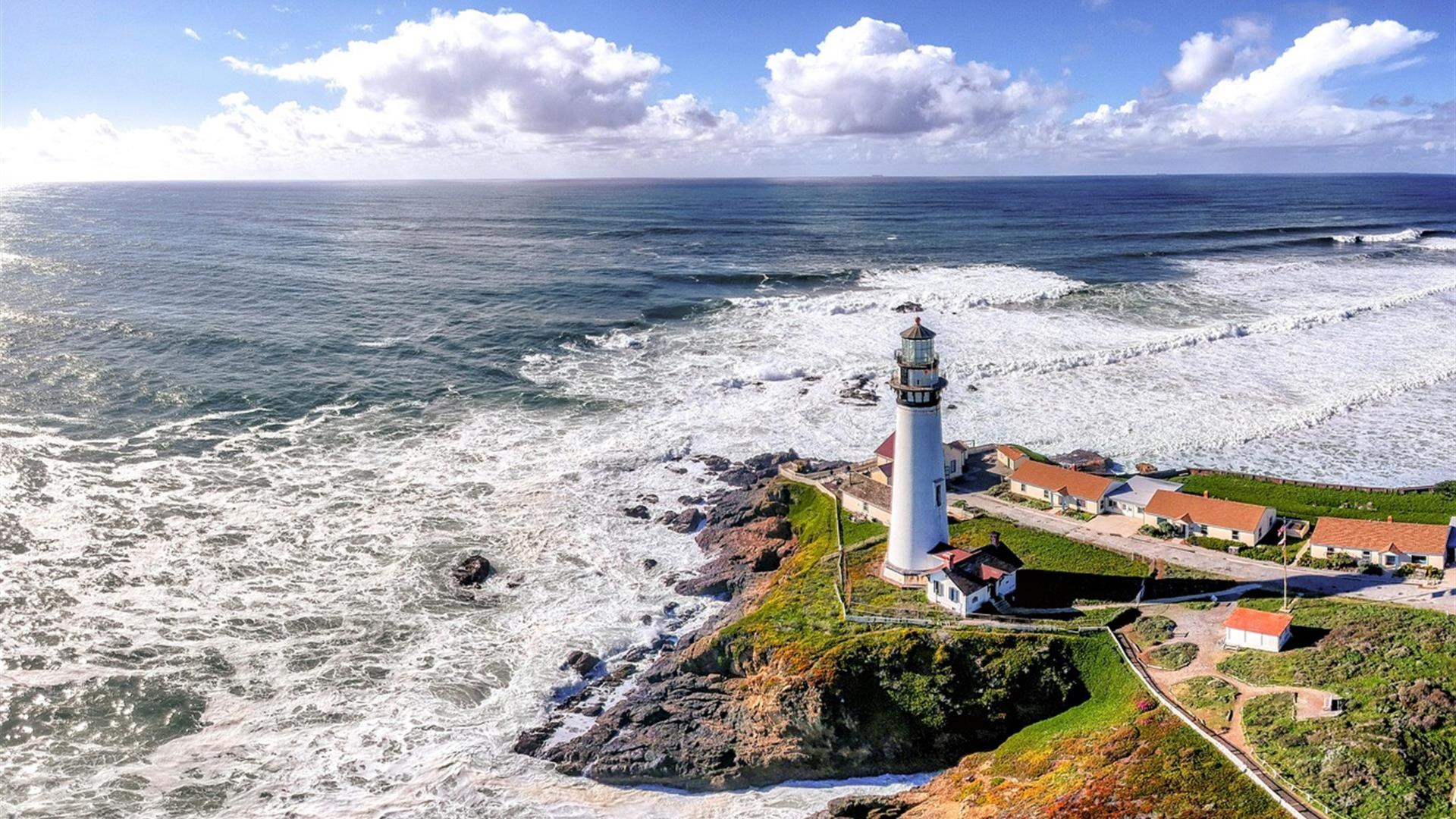
©Pixabay / PeterBowers
Advertisement
Swipe or tap ▶ to resume the countdown.
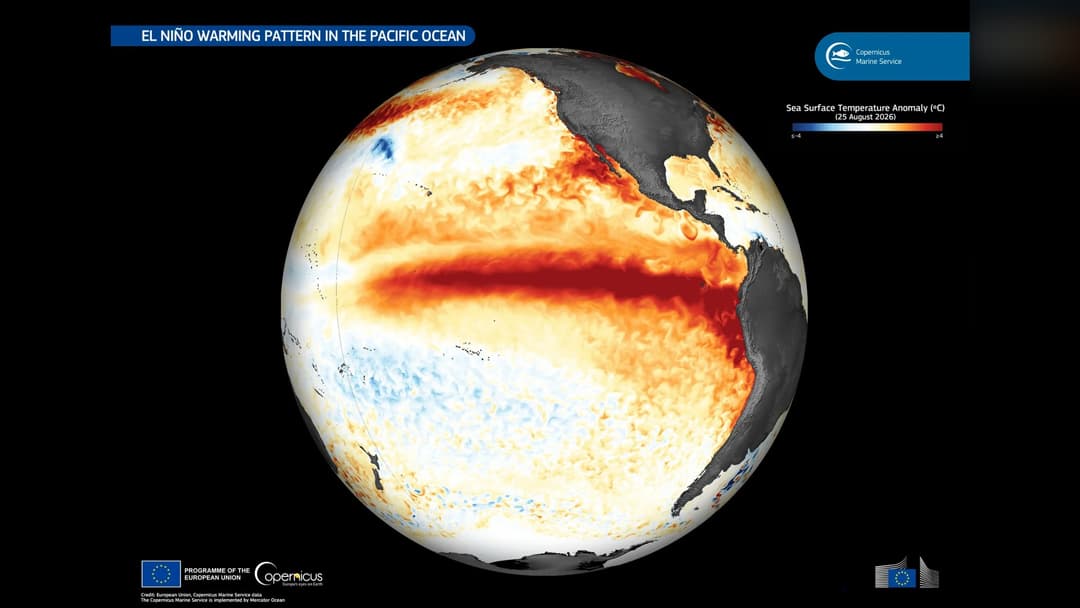
1. Jet Stream Configuration Dictates Continental Weather Extremes
At the core of every El Nino winter is a fundamentally restructured jet stream pattern. Warm waters across the equatorial Pacific split the jet stream, driving an energized subtropical current across the southern states while the polar jet retreats north.
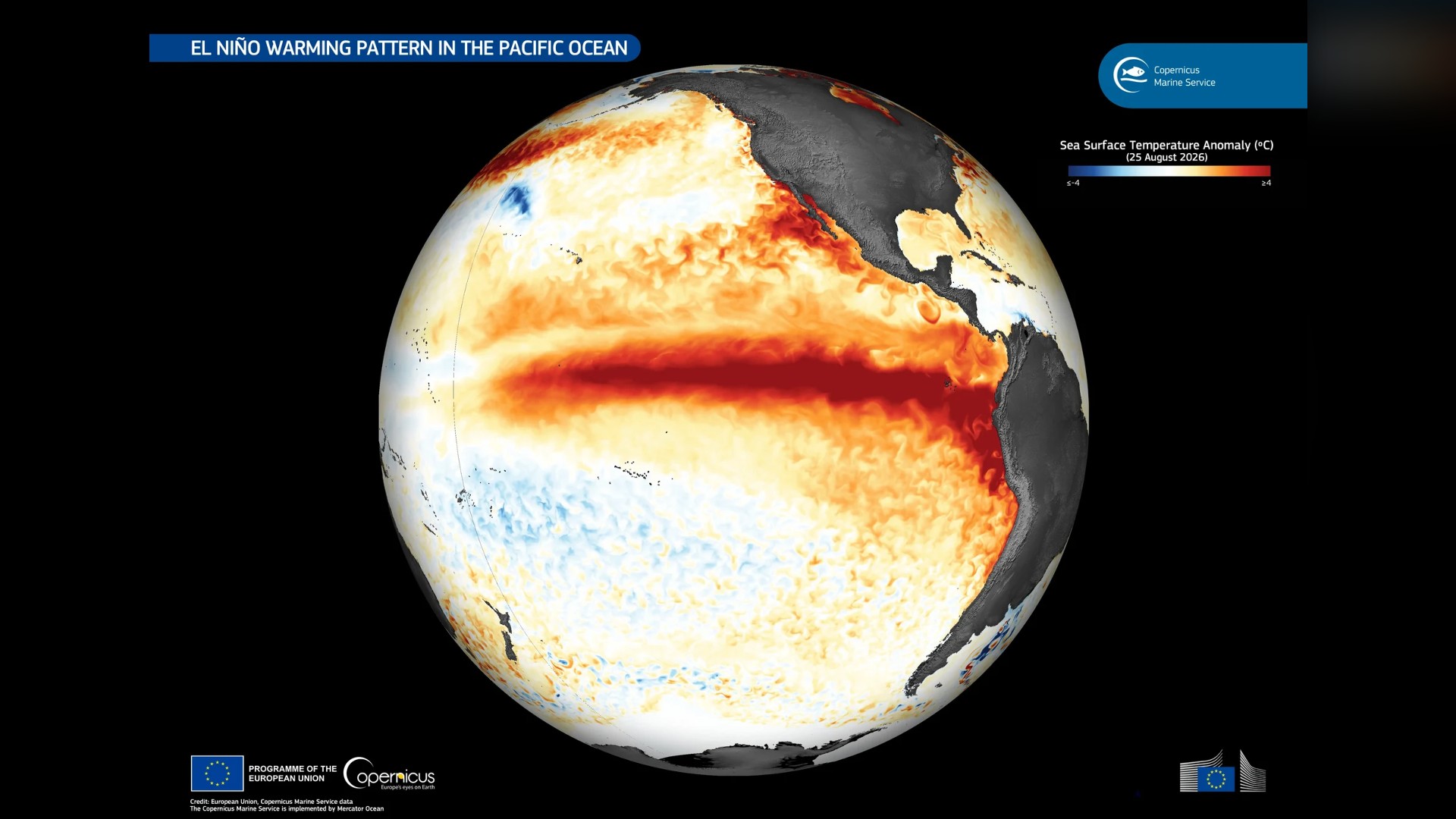
©Wikimedia / European Union, Copernicus Marine Service
Advertisement
You've reached the end of the story. Thanks for reading!

UK Loses Bid to Keep Secret Apple Encryption Backdoor Order
In a major blow to state secrecy, Britain's Investigatory Powers Tribunal has ruled that the Home Office cannot hide its attempt to force Apple to create an encryption backdoor. The landmark decision clears the way for a public court battle over consumer privacy, national security, and government surveillance powers.
All 20 Entries in this Story
20. Northern Plains Experience Unusually Mild Temperatures
Winter in the northern Plains typically brings brutal Arctic freezes. Under moderate to strong El Ni�o conditions, the polar jet stream stays locked across Canada, preventing deep Arctic air from plunging into Montana, North Dakota, and Minnesota. Residents experience fewer subzero mornings.

19. Pacific Northwest Faces Drier Conditions And Thinner Mountain Snowpacks
Washington and Oregon usually rely on regular Pacific storms to build deep mountain snow. An energized subtropical jet stream diverts the primary storm track southward, leaving the Pacific Northwest warmer and drier.while lower snowpacks create spring water management concerns.

18. California Confronts Repeated Atmospheric Rivers
Warming equatorial Pacific waters invigorate the southern branch of the jet stream,creating an atmospheric conveyor belt.This pipeline steers dense plumes of subtropical moisture directly into California.These intense atmospheric rivers deliver torrential rains that replenish reservoirs.

17. Gulf Coast Endures Relentless Rainfall And Urban Flooding
The southern tier of the United States experiences persistent El Ni�o storm activity. Low-pressure systems track across the Gulf of Mexico, drawing endless tropical moisture over Louisiana, Mississippi, Alabama, and the Florida Panhandle. Extended periods of overcast skies and multi-day downpours.

16. Upper Midwest Sees Significantly Below-Average Snowfall
Across Wisconsin, Michigan, and Minnesota, winter sports communities often see snowfall totals drop during El Ni�o years. Storm tracks shift south and Arctic air remains trapped near Hudson Bay, causing storms to produce rain or sleet instead of powder snow. While cities spend less on snow removal.

15. Florida Faces Elevated Severe Thunderstorm And Tornado Threats
While northern states enjoy milder weather,Florida enters a volatile atmospheric window.The energetic subtropical jet stream increases vertical wind shear across the Gulf, creating ideal conditions for severe squall lines.Cold fronts pushing southward regularly trigger heavy thunderstorms, damaging straight-line winds.

14. Great Lakes Ice Coverage Drops To Historic Lows
Milder average temperatures and fewer Arctic outbreaks across the Midwest directly suppress ice formation across the Great Lakes. Open water percentages often stay well above normal through midwinter. While low ice cover extends the commercial shipping season.

13. Southern Rockies And Four Corners Receive Heavy Snowfall
Mountain watersheds across southern Colorado, northern New Mexico, and Arizona frequently thrive during El Ni�o winters. Low-pressure systems moving along the southern storm track gather Pacific moisture and drop heavy powder across the San Juan ranges. These deep snowpacks replenish regional reservoirs.

12. Mid-Atlantic Region Faces Enhanced Coastal Storm Risks
The Mid-Atlantic corridor occupies a battleground zone where southern moisture collides with cool air. Low-pressure systems emerging from the Gulf of Mexico track up the coastline, generating strong coastal storms. Depending on available cold air, these disturbances alternate between heavy wet snowstorms inland.

11. Desert Southwest Transforms With Abundant Winter Moisture
Arid regions across Arizona, southern Nevada, and New Mexico receive welcome moisture as the winter storm track dips southward. Pacific weather systems deliver steady soaking rain to desert valleys and snow to high plateaus. This moisture recharges groundwater aquifers, eases prolonged drought conditions.

10. Cascade Mountain Resorts Experience Shorter Ski Seasons
Mountain resorts across Washington and northern Oregon face difficult operating conditions during El Nino cycles. Higher atmospheric freezing levels turn what would typically be heavy snow into drenching rain at base lodges. Operators face delayed openings.

9. Northern Homeowners Enjoy Reduced Winter Heating Expenses
Heating bills represent a substantial winter expense across New England and the Great Lakes. With El Ni�o preventing severe polar vortex disruptions from lingering over the northern tier, heating degree days decline significantly. Households consume less natural gas and electricity.

8. Southern Tier Experiences Increased Freezing Rain And Ice Storms
Even as El Ni�o suppresses deep northern cold, shallow freezing air can still settle southward across Texas, Oklahoma, and Arkansas. When warm Pacific moisture overrides this shallow surface layer, damaging ice storms develop. Glazed tree limbs and iced power lines trigger widespread blackouts.

7. Ohio Valley Navigates Frequent Rain Events And Saturated Soils
The Ohio River Valley frequently sits right on the boundary between warm southern moisture and cool northern air.keeping agricultural fields completely saturated through the winter. High river levels and turbulent currents also create major navigational obstacles for commercial barge fleets.

6. New England Nor'easters Shift Toward Wetter Coastal Tracks
Coastal New England experiences complex storm dynamics during El Nino winters. Low-pressure systems intensify along the Atlantic coast, but a lack of locking cold air from eastern Canada often keeps temperatures just above freezing. Cities like Boston often see rain or slush rather than powdery snow.

5. Texas Manages Rapid Polar Cold Front Transitions
Texas weather under El Ni�o features rapid shifts between warm, humid air and fast-moving cold fronts. When Arctic air masses plunge through the Plains, temperatures across north and central Texas can drop thirty degrees in hours. These rapid temperature swings stress crops, increase respiratory illness.

4. Southern California Wildfire Scars Face Heightened Debris Flow Risks
Recent wildfire seasons across southern California leave steep mountain terrain stripped of vegetation. When El Ni�o directs powerful atmospheric rivers into the region, these burned slopes face severe debris flow dangers. Short bursts of intense rain easily trigger mudslides, forcing neighborhood evacuations.

3. Plains Winter Wheat Benefits From Favorable Moisture Levels
Agricultural producers across Kansas, Oklahoma, and Texas often benefit from El Ni�o weather patterns. Autumn-planted winter wheat crops require adequate soil moisture to develop strong roots before dormancy. Consistent light precipitation and cloud cover shield seedlings from desiccating winds.

2. Coastal Marine Ecosystems Adjust To Warmer Inshore Waters
The impact of El Ni�o extends into coastal waters off California, Oregon, and Washington. Suppressed upwelling reduces nutrient-rich cold water near the ocean surface, disrupting marine food chains. Warm-water game fish species travel further north than normal, while seabirds and marine mammals face forage shortages.

1. Jet Stream Configuration Dictates Continental Weather Extremes
At the core of every El Nino winter is a fundamentally restructured jet stream pattern. Warm waters across the equatorial Pacific split the jet stream, driving an energized subtropical current across the southern states while the polar jet retreats north.